Birds in Mesa,
Arizona
Mesa, Arizona offers remarkable birdwatching conditions with its diverse desert landscape and proximity to the Salt River. The region's blend of riparian habitats and Sonoran Desert provides a unique ecosystem supporting a variety of bird species. Key sites like the Riparian Preserve at Water Ranch attract both migratory and resident birds, making Mesa a significant destination for birdwatchers seeking to observe species in distinct desert and wetland environments.
Most iconic Mesa bird
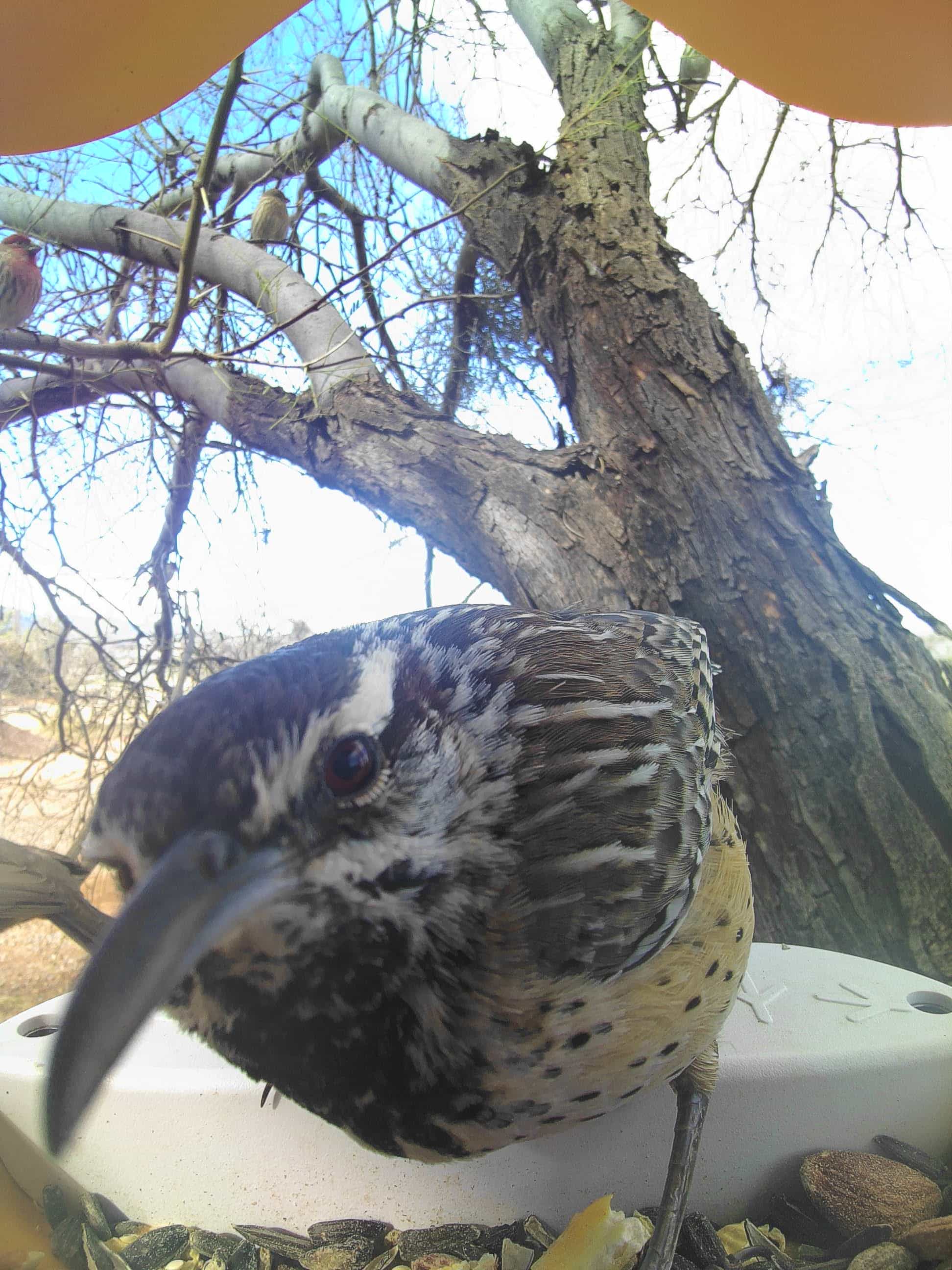
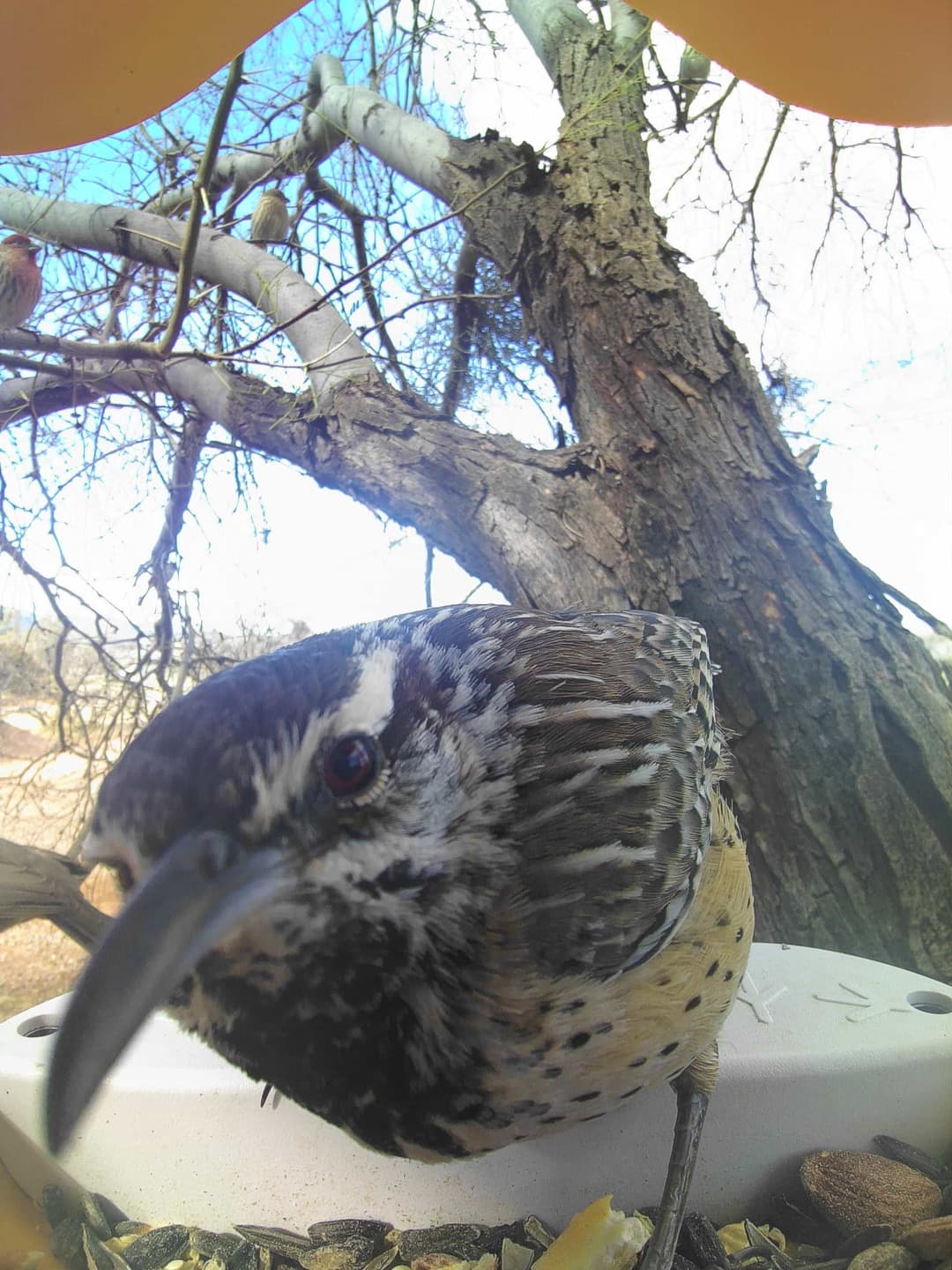
The Cactus wren was chosen as the state bird of Arizona because it is commonly found in the region and represents the state's natural beauty and heritage.
Common bird species in Mesa
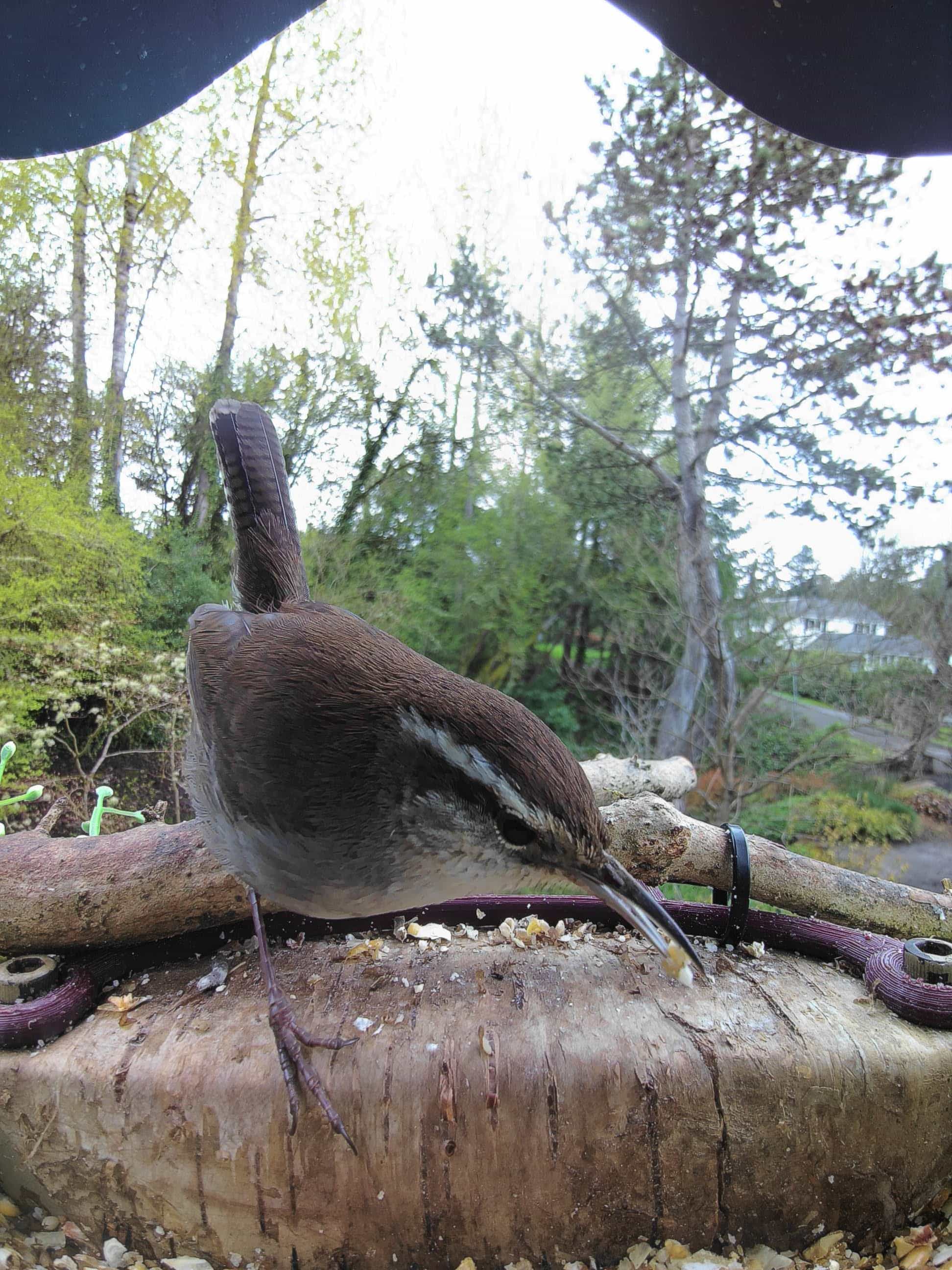
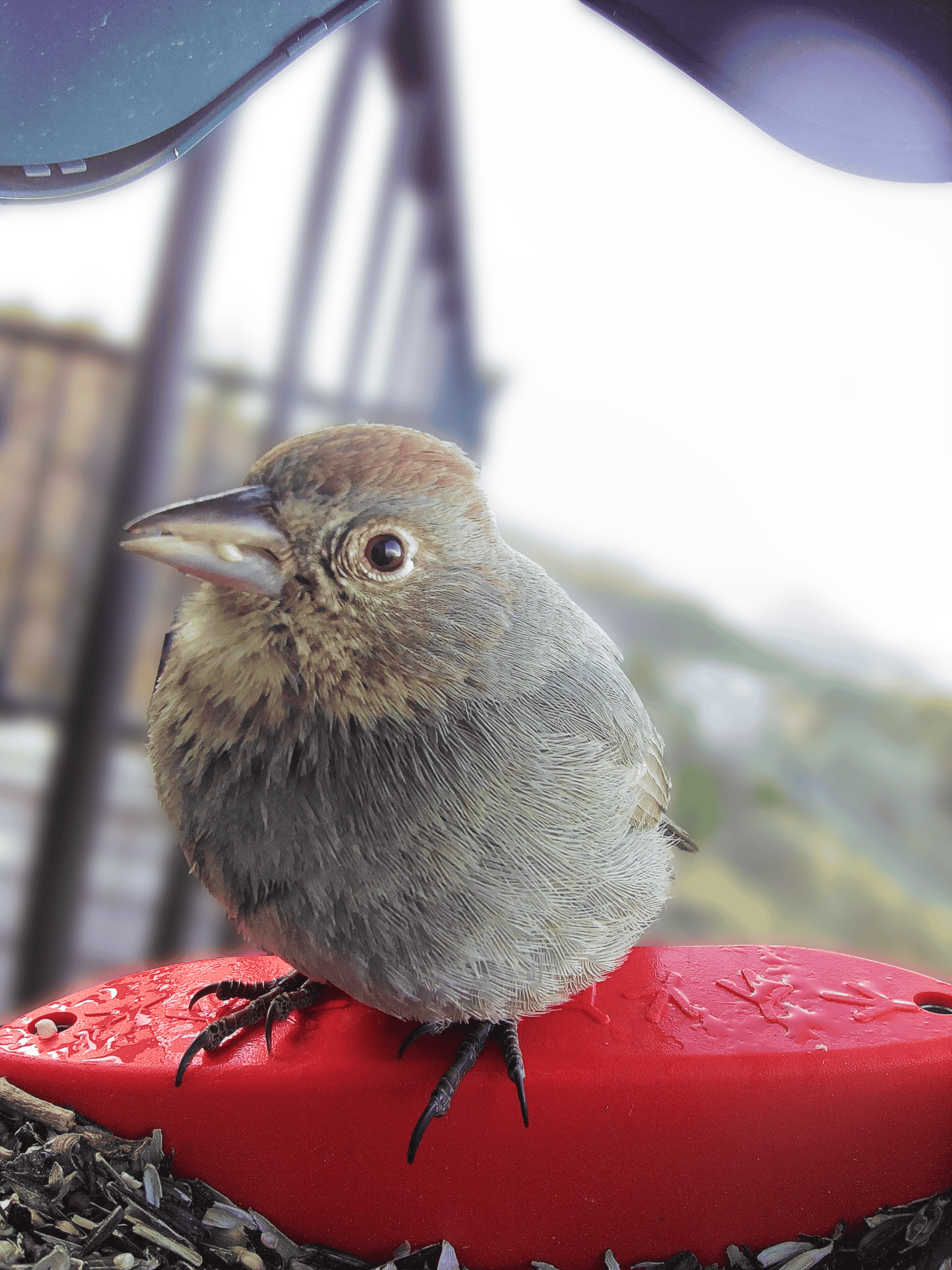
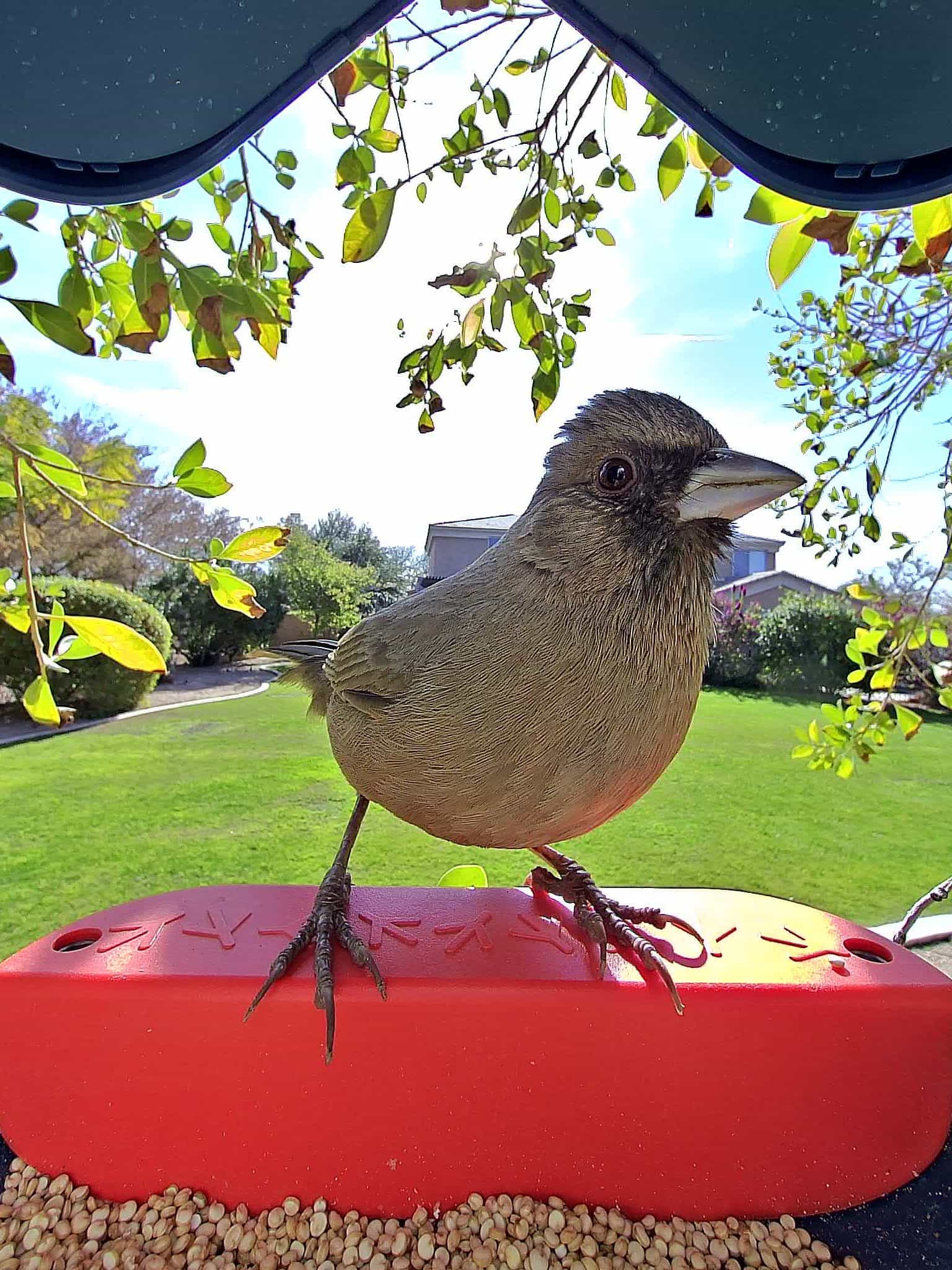
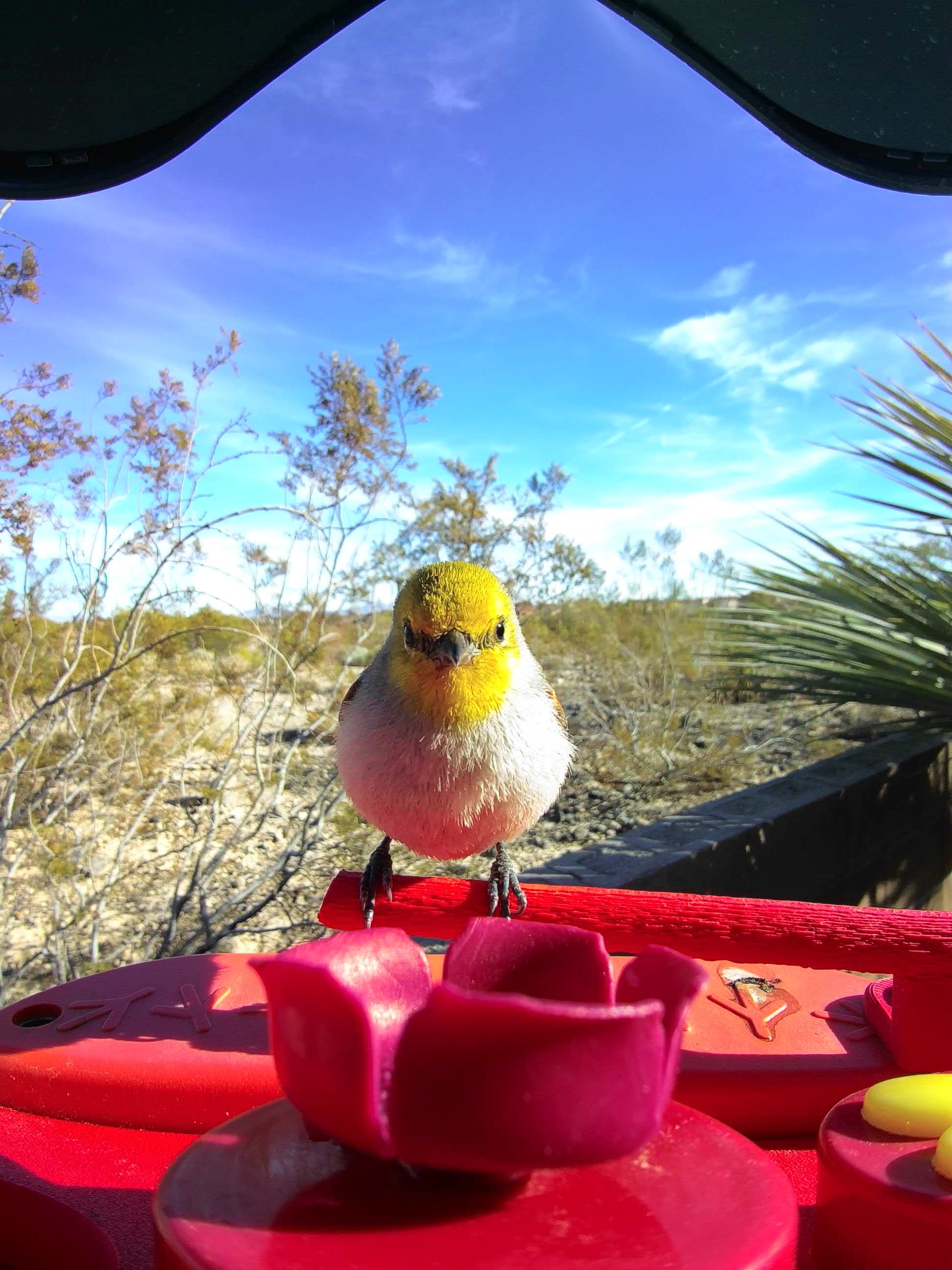
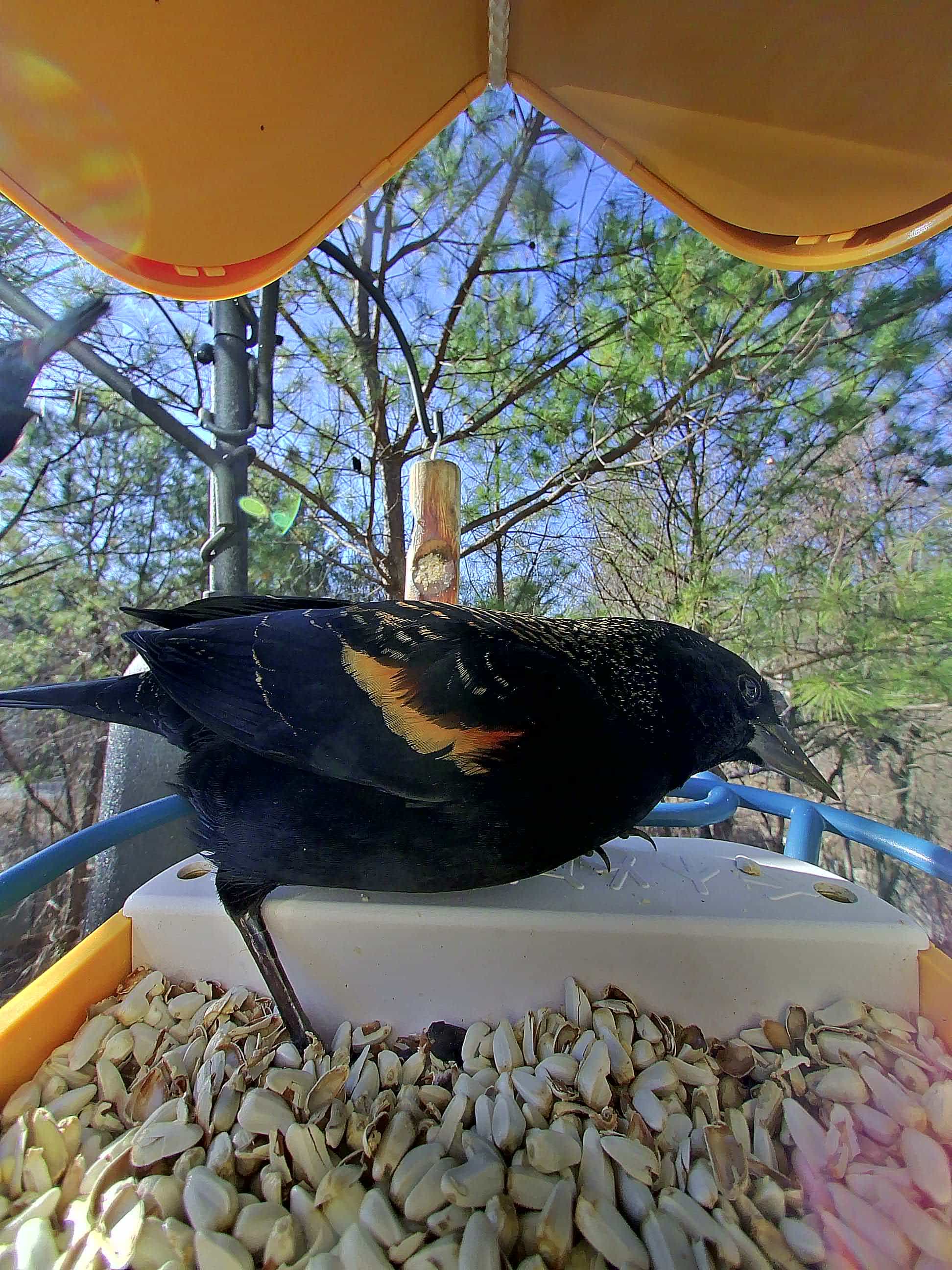
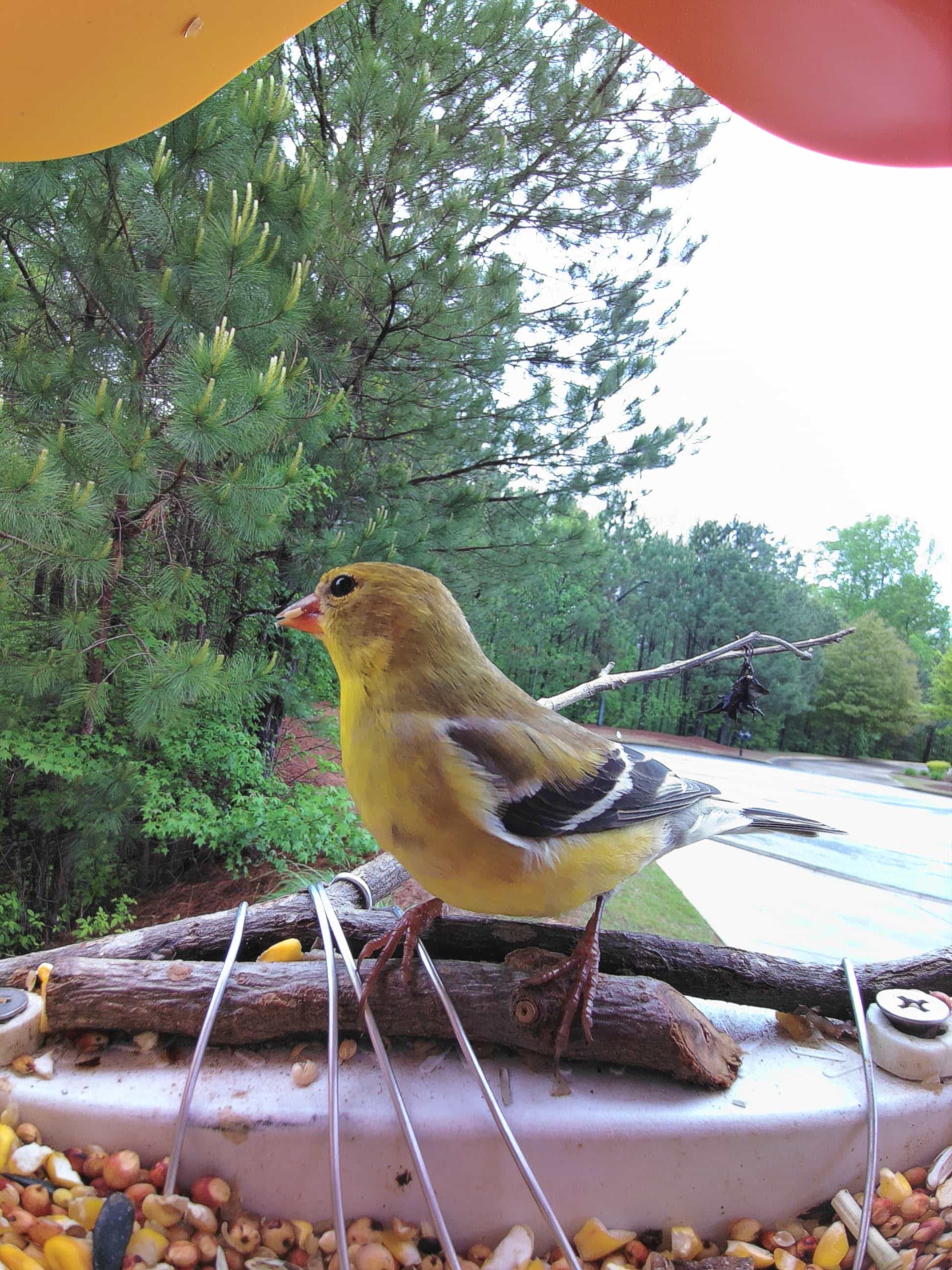
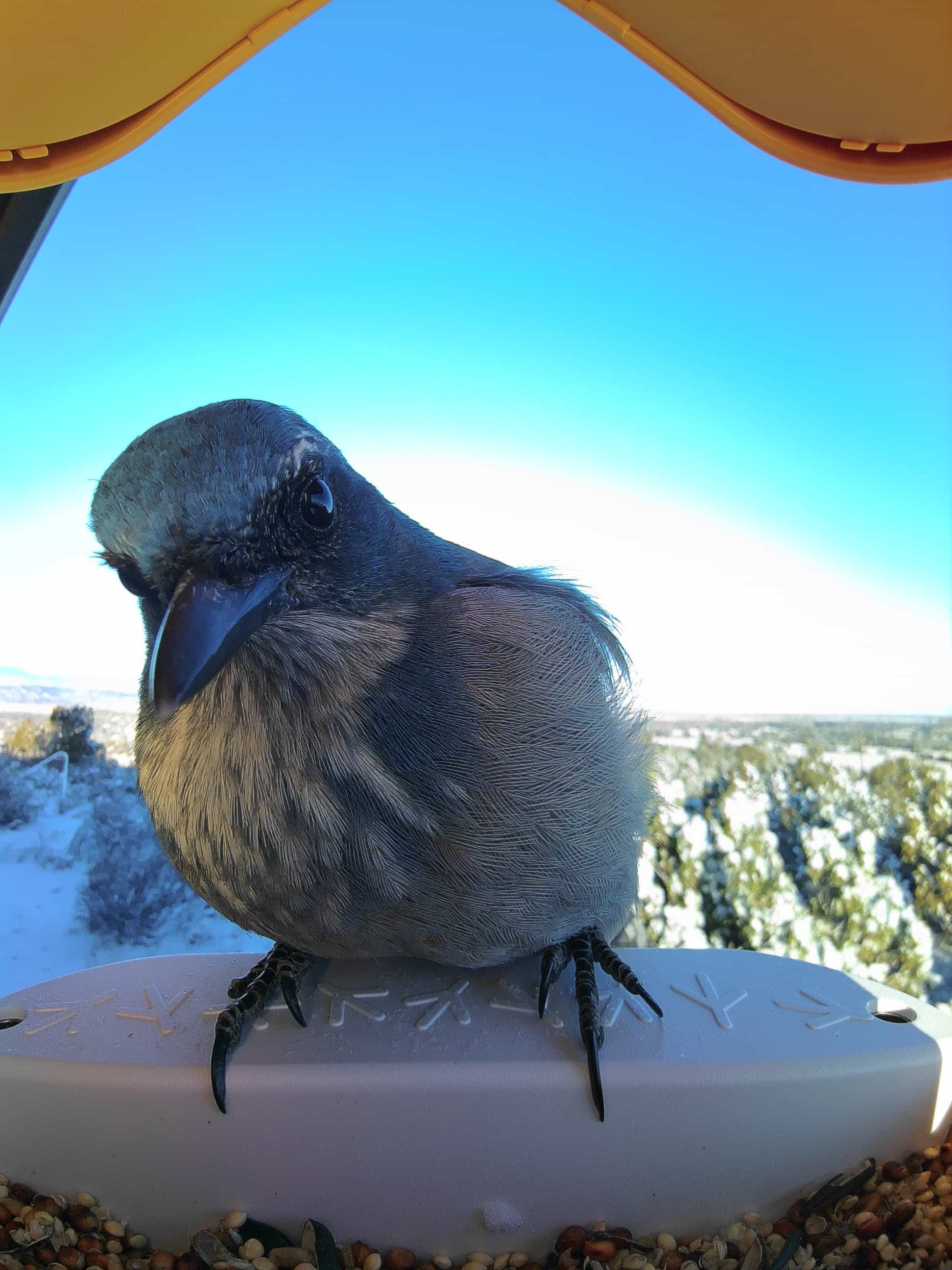
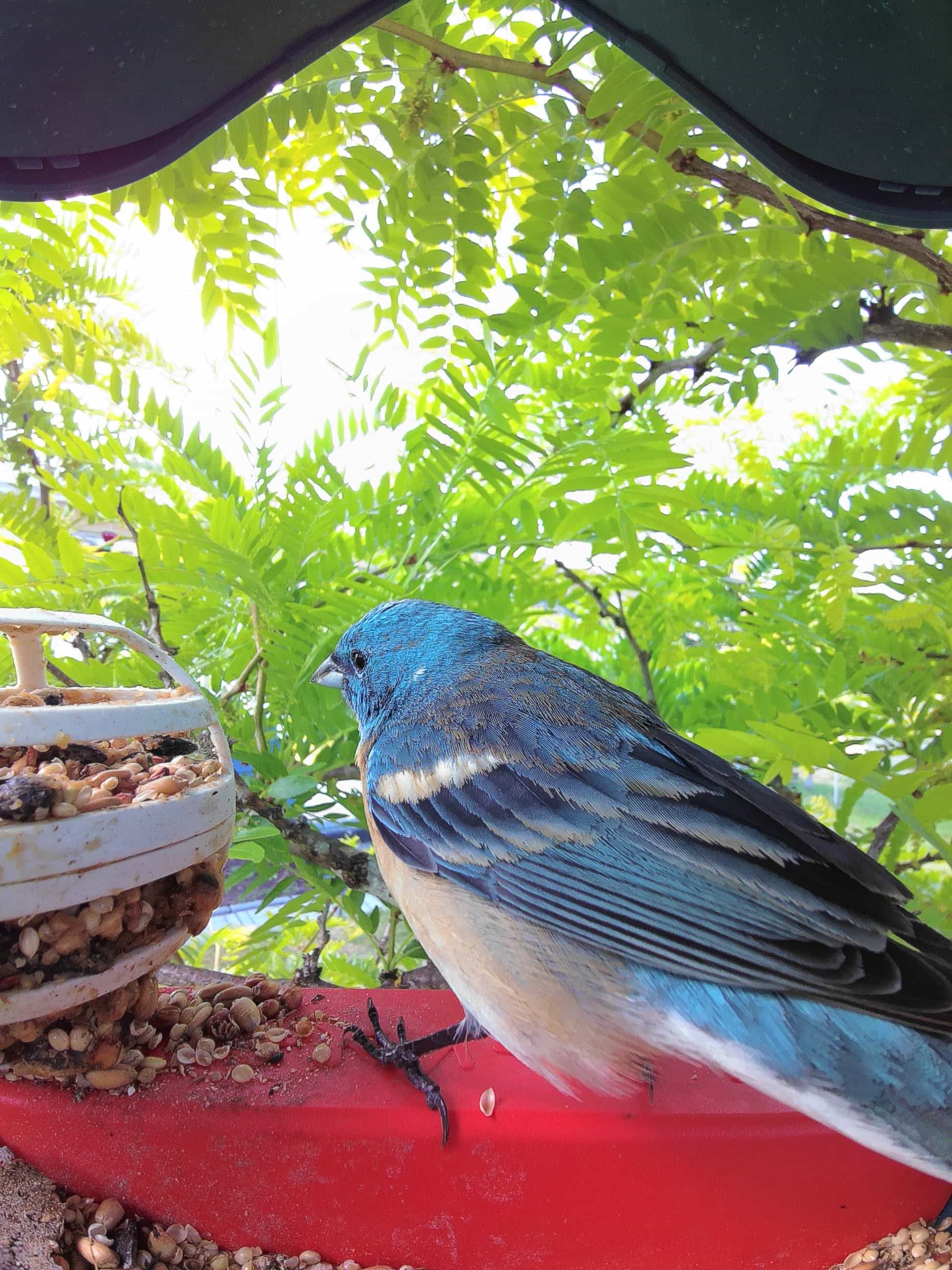
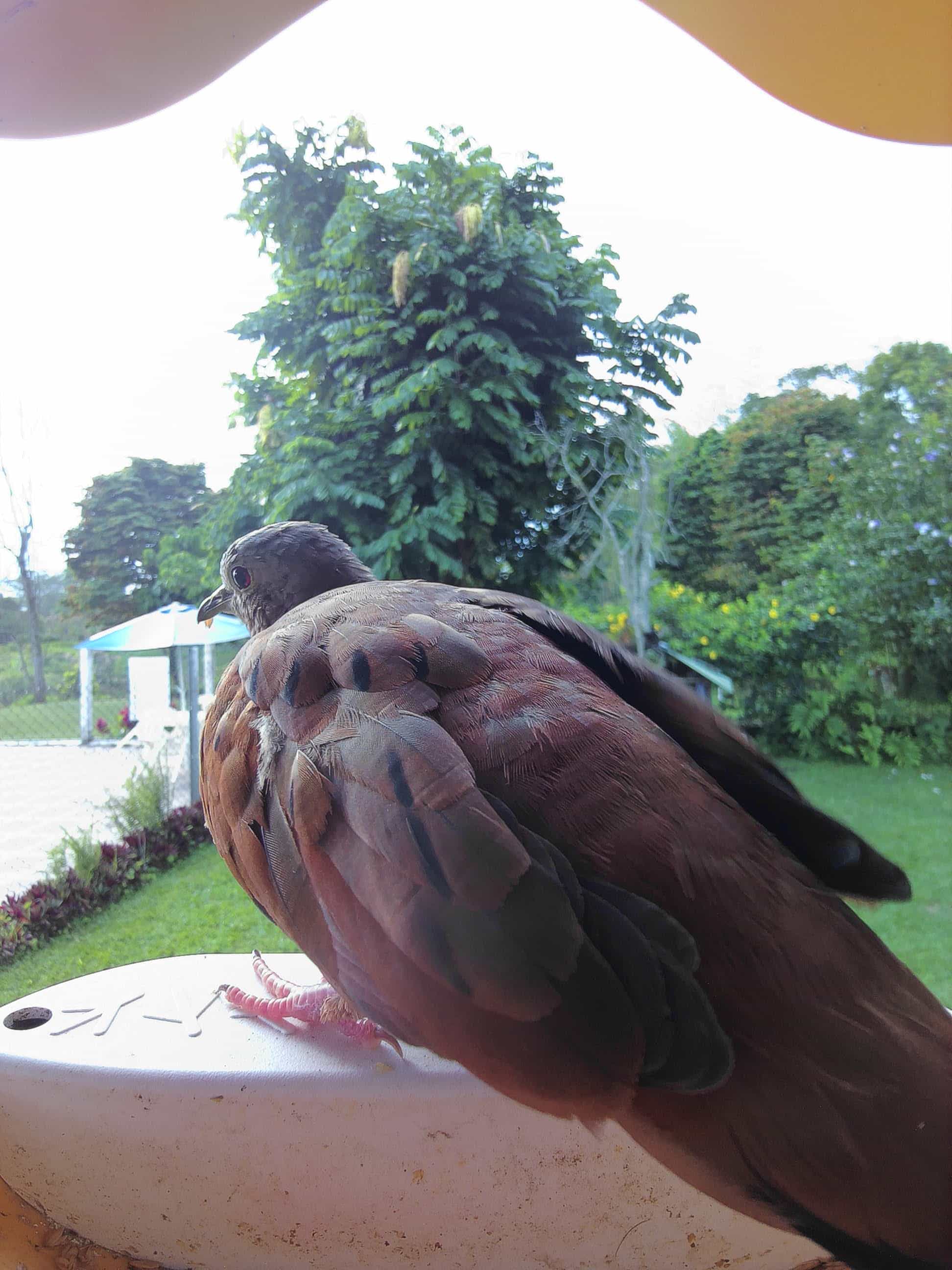
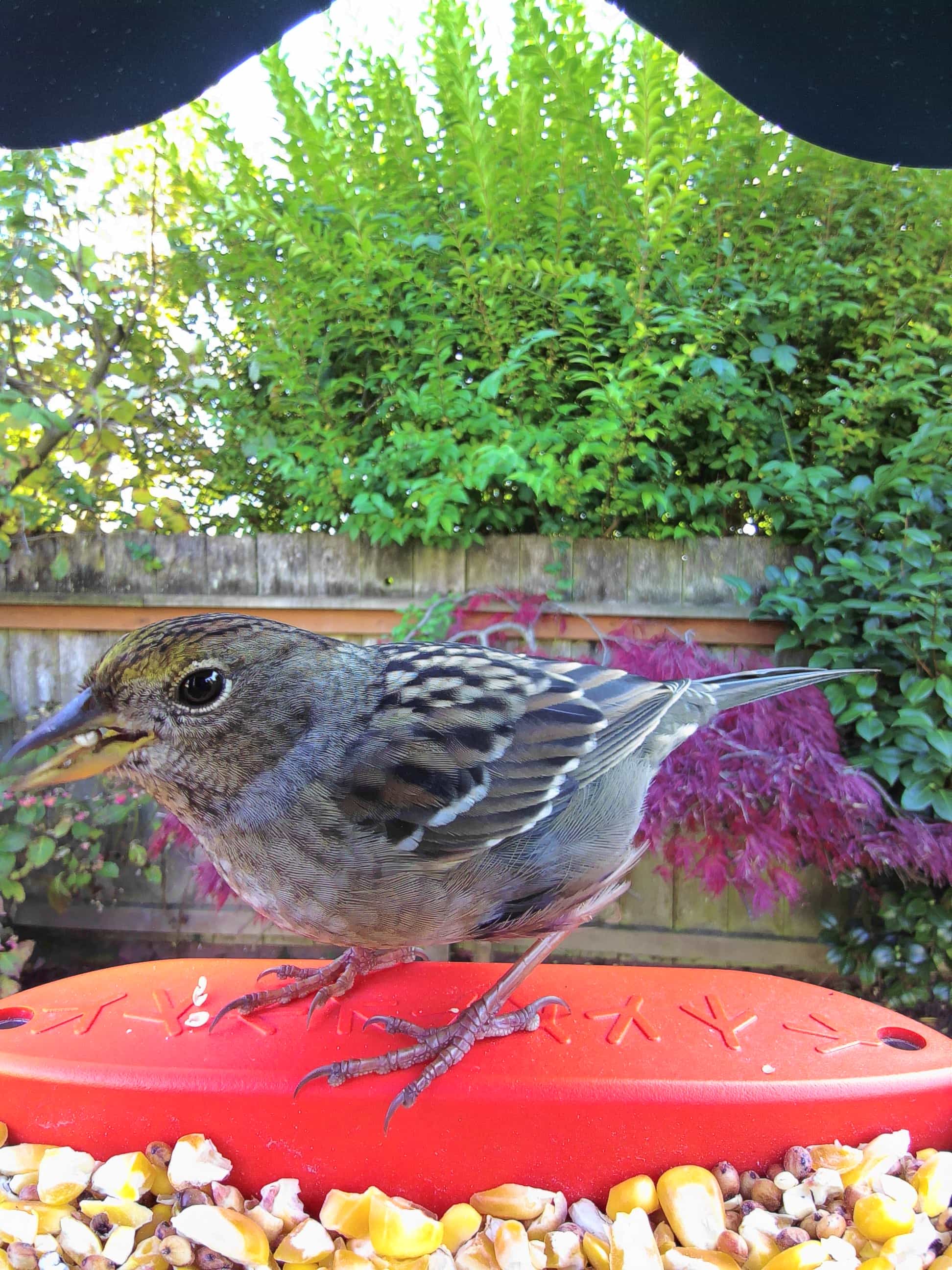
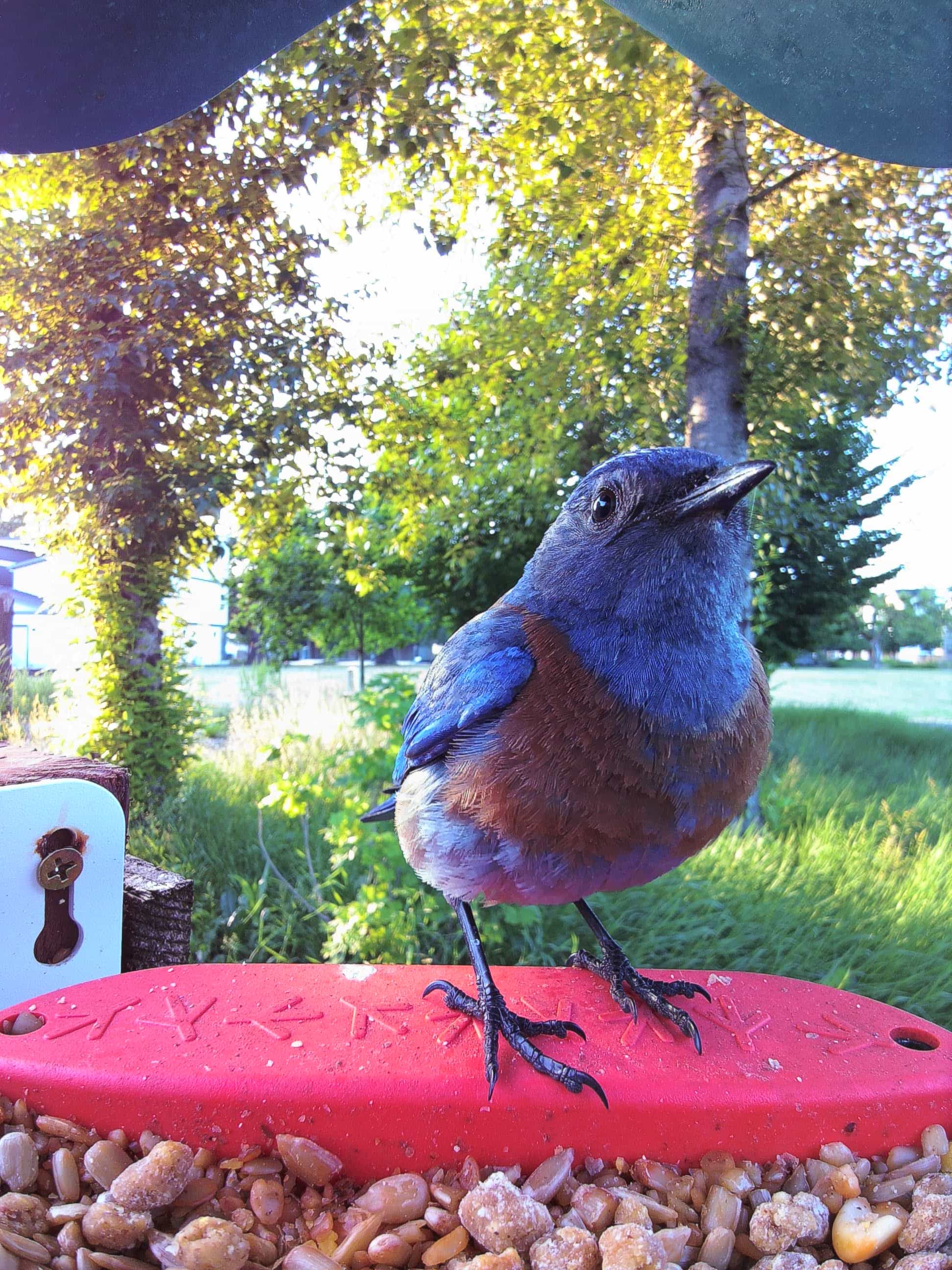
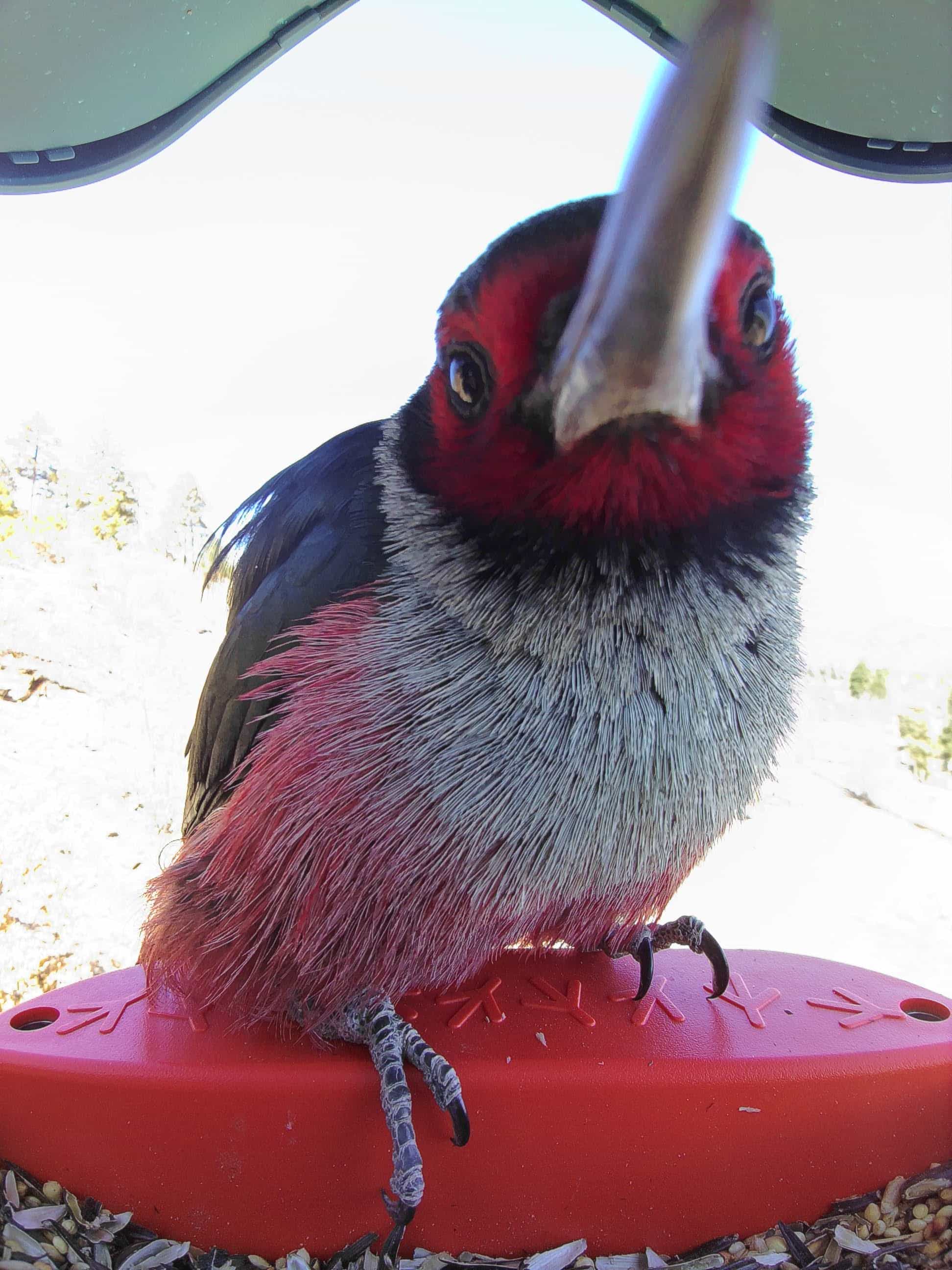
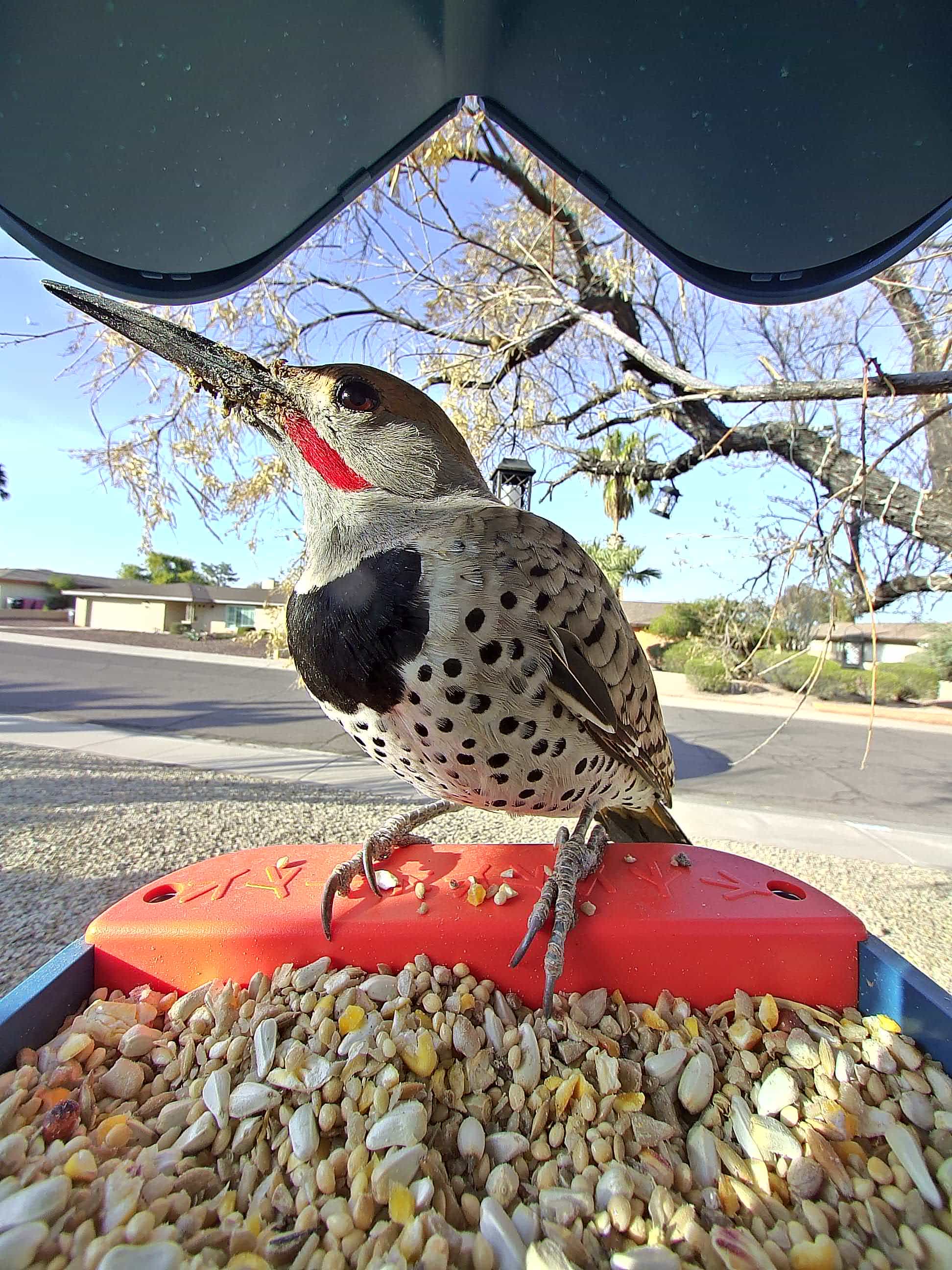
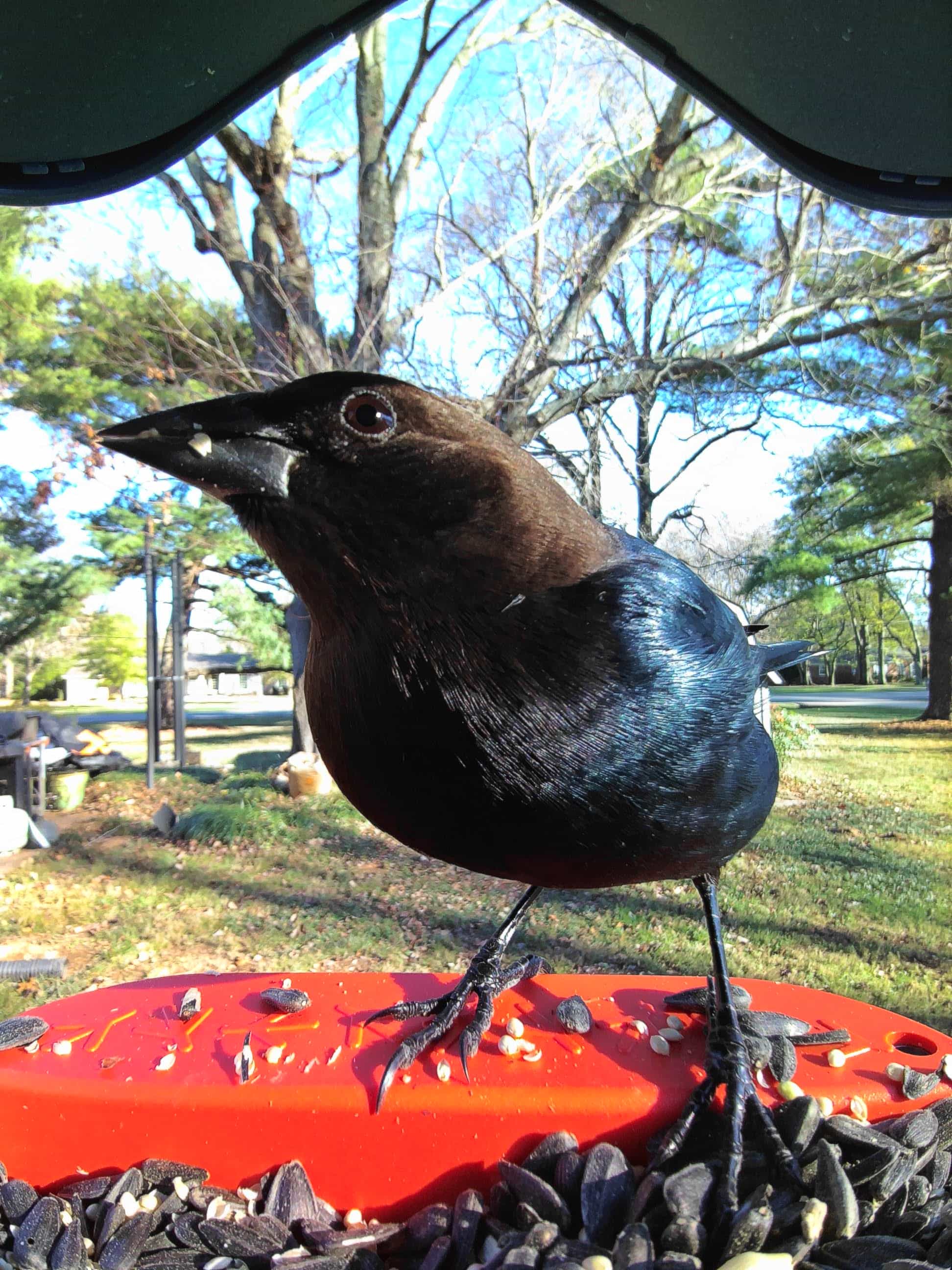
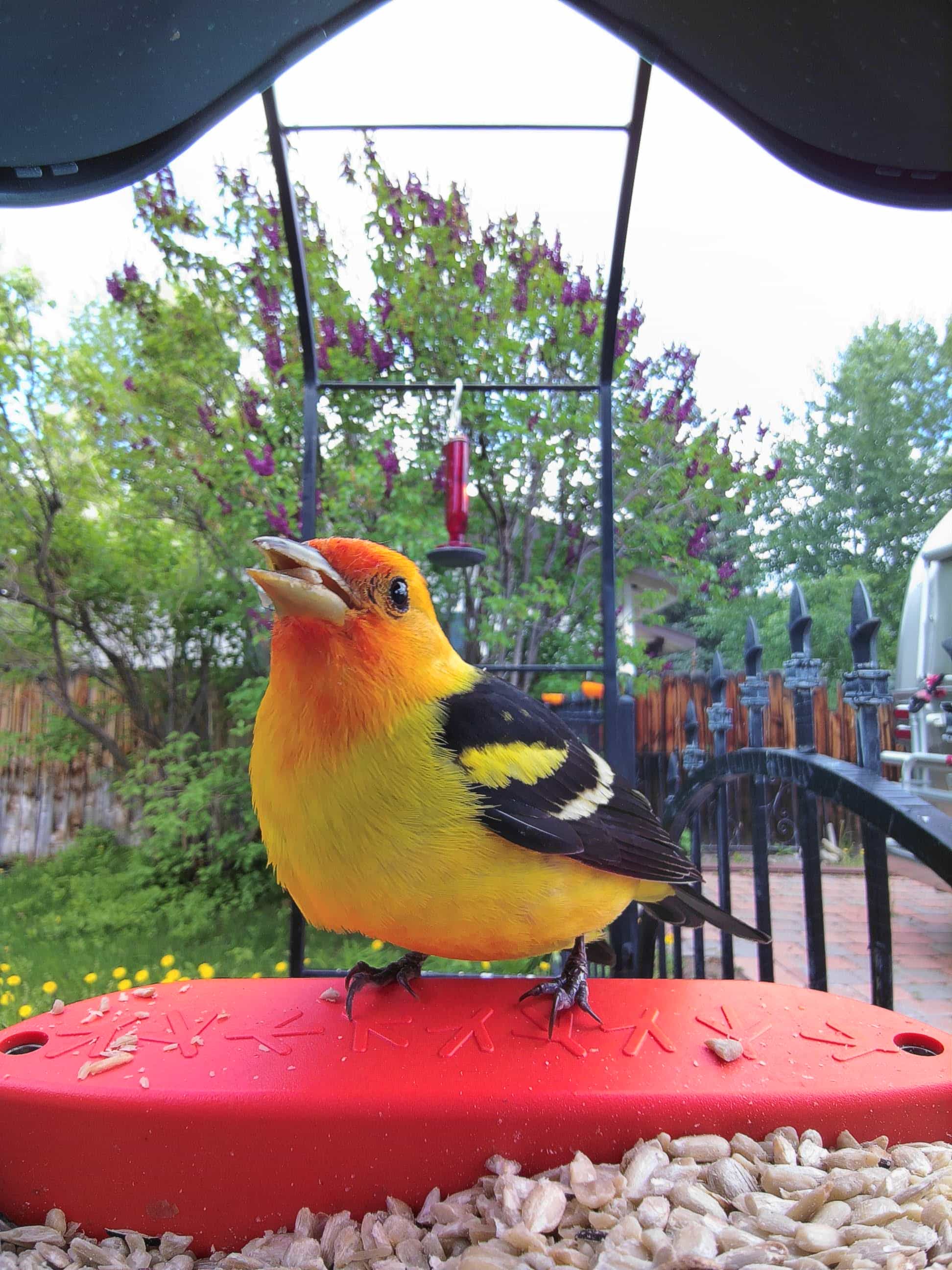
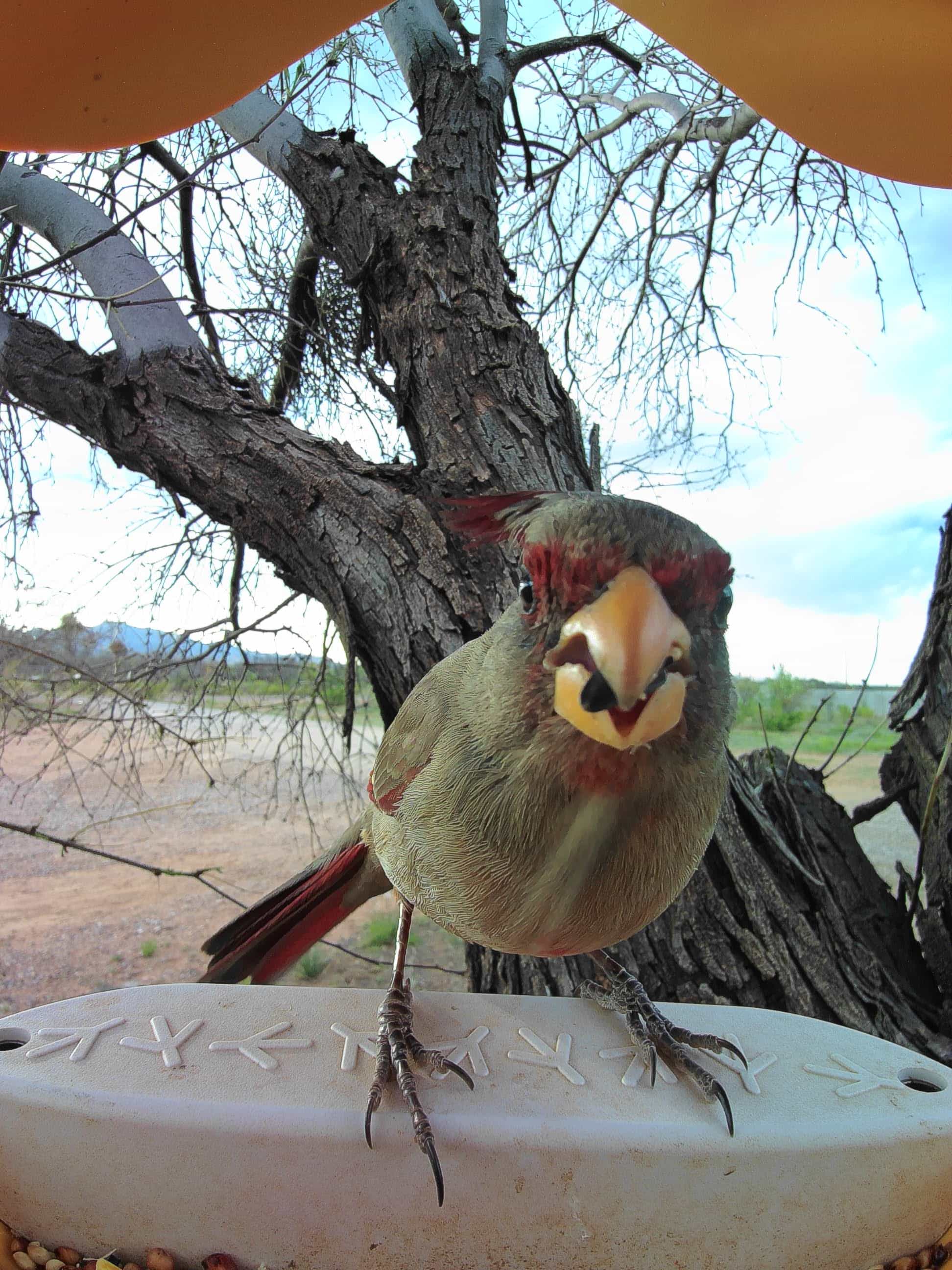
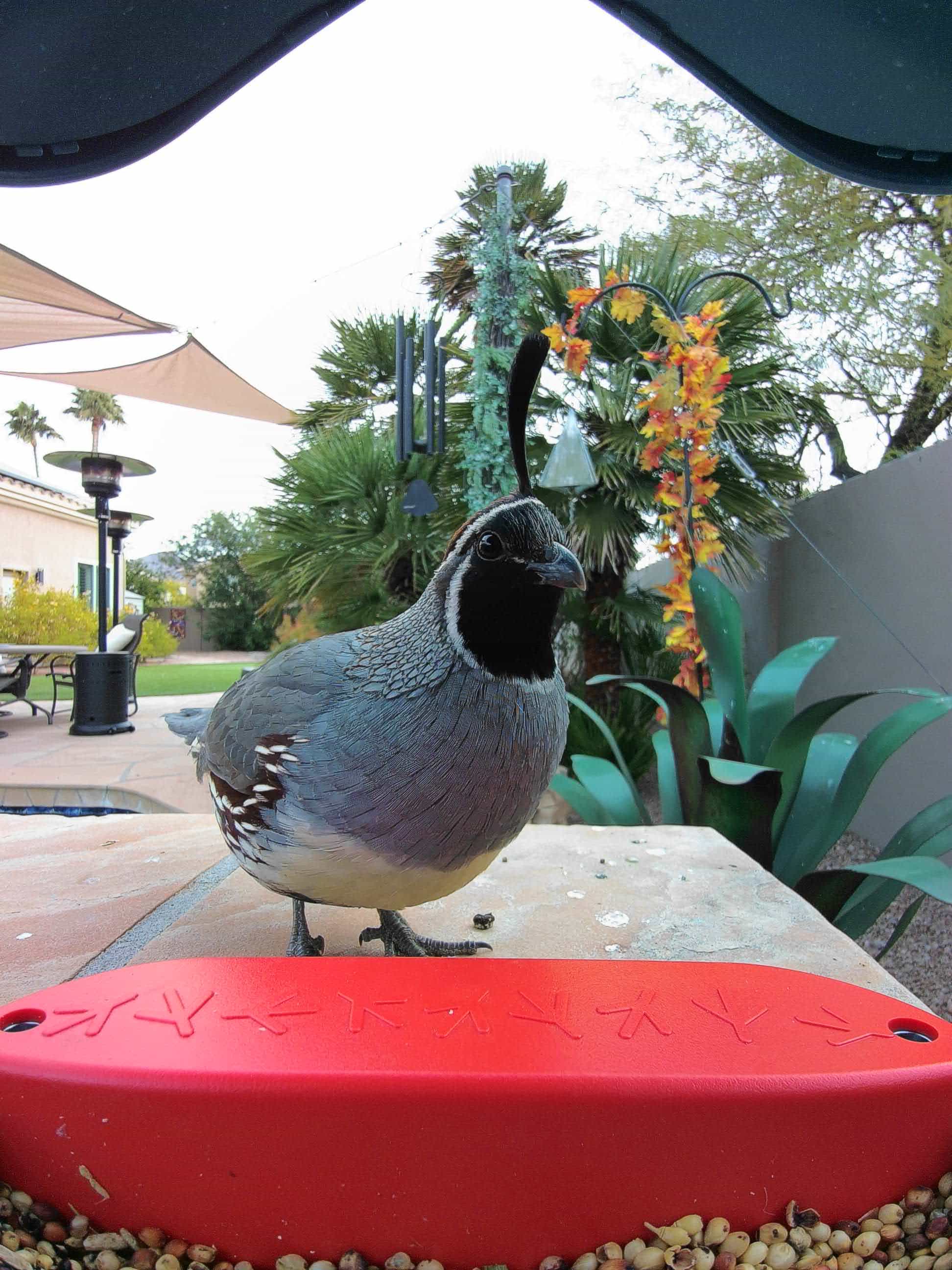
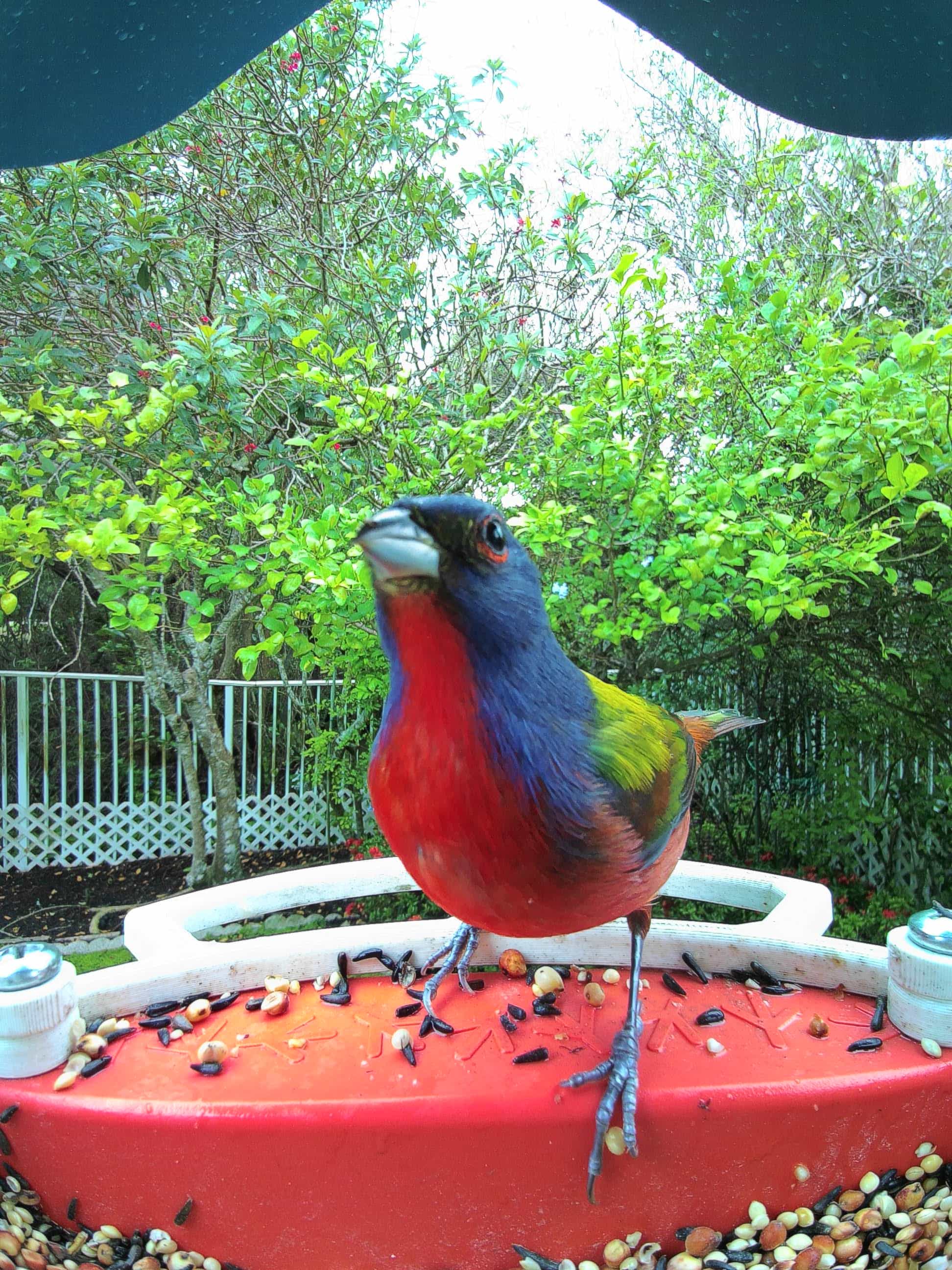
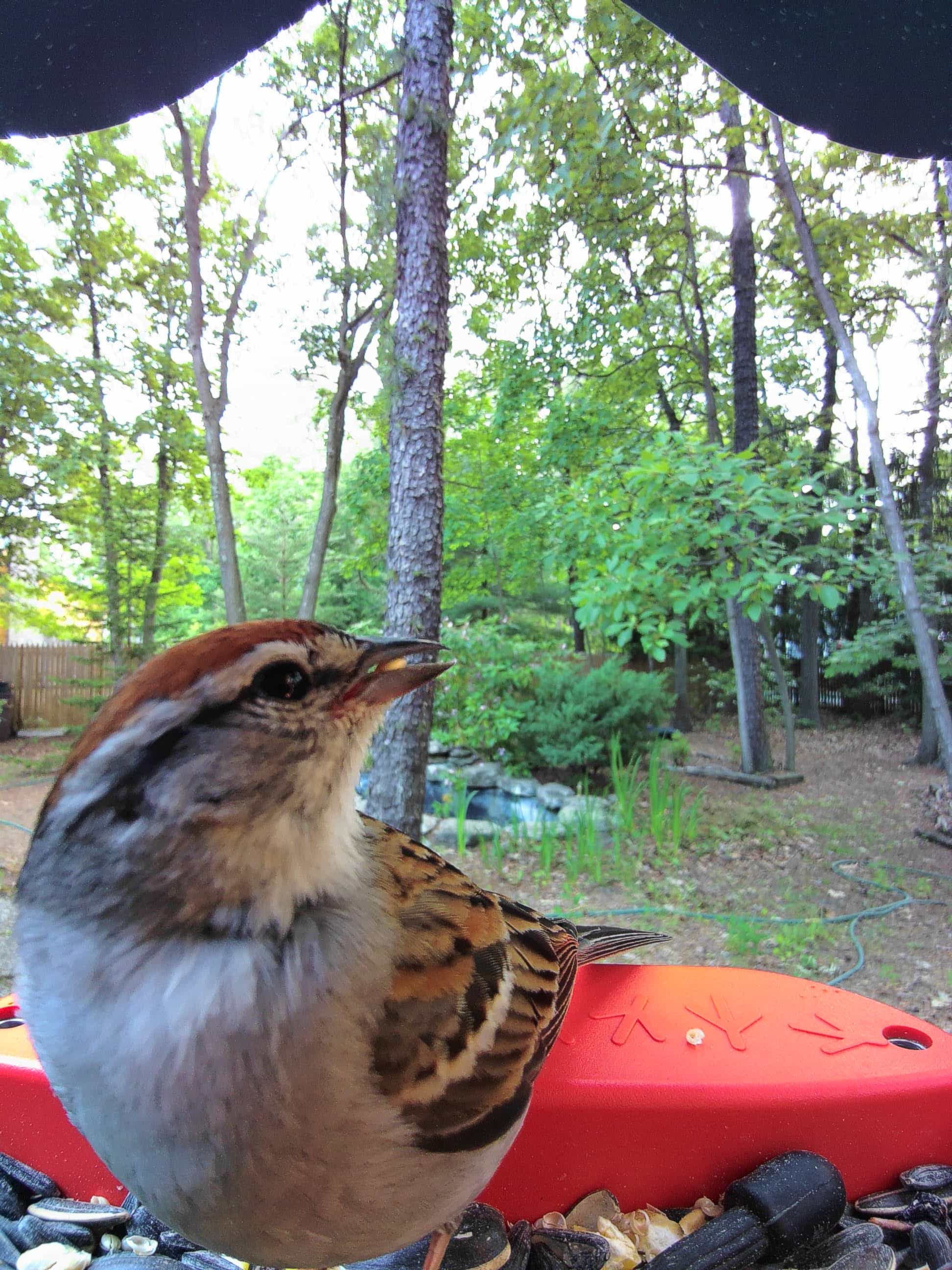
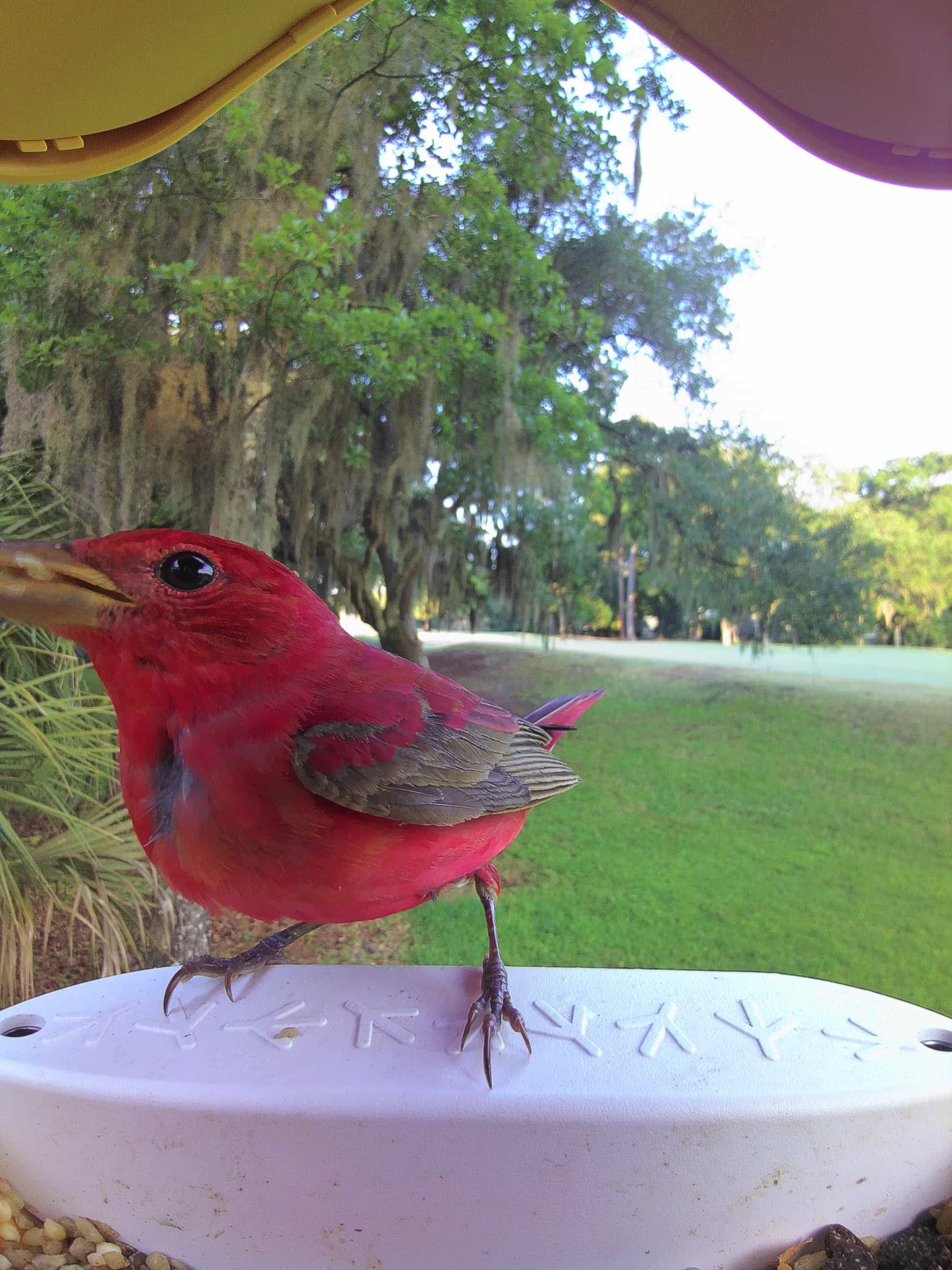
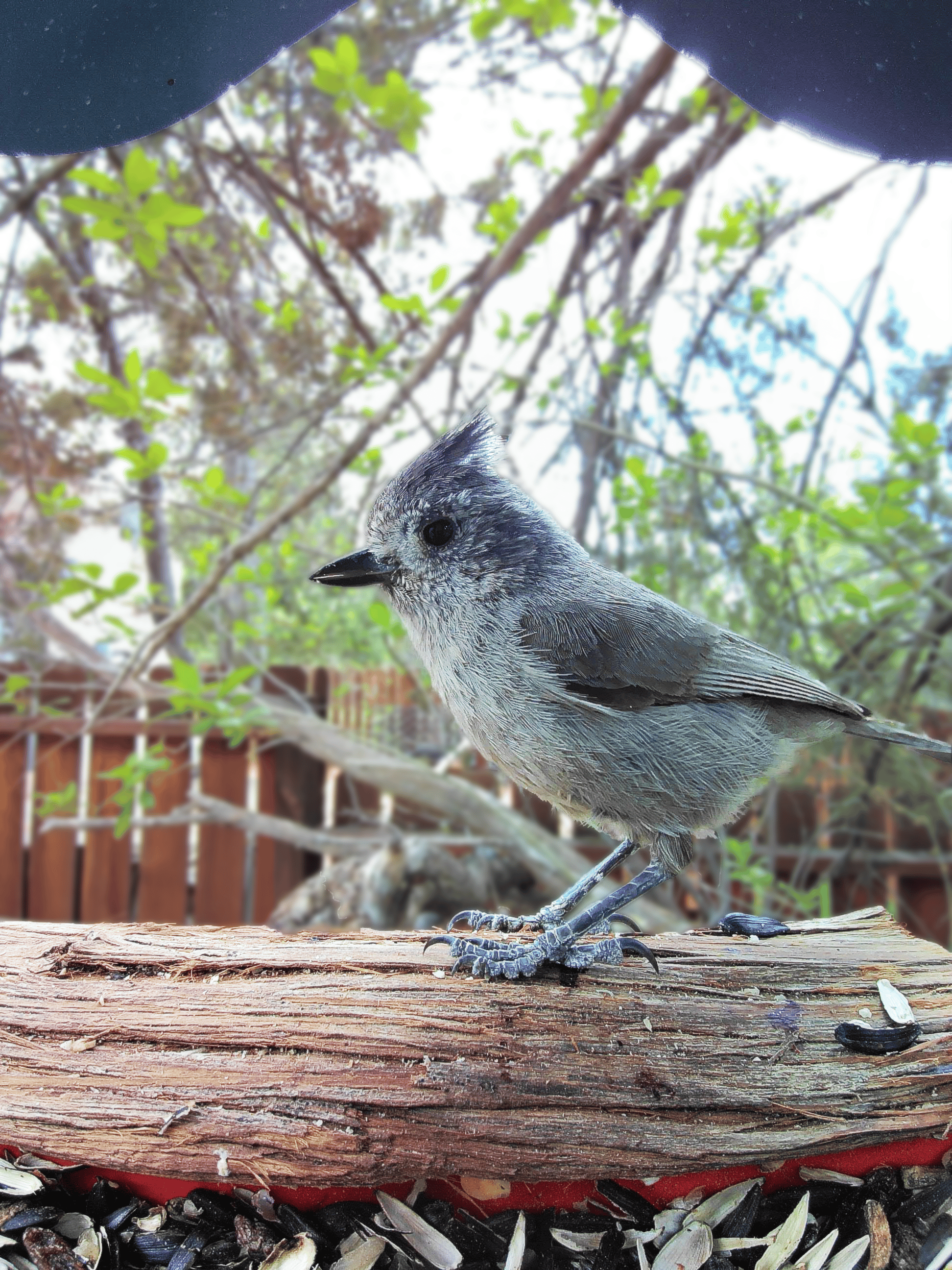
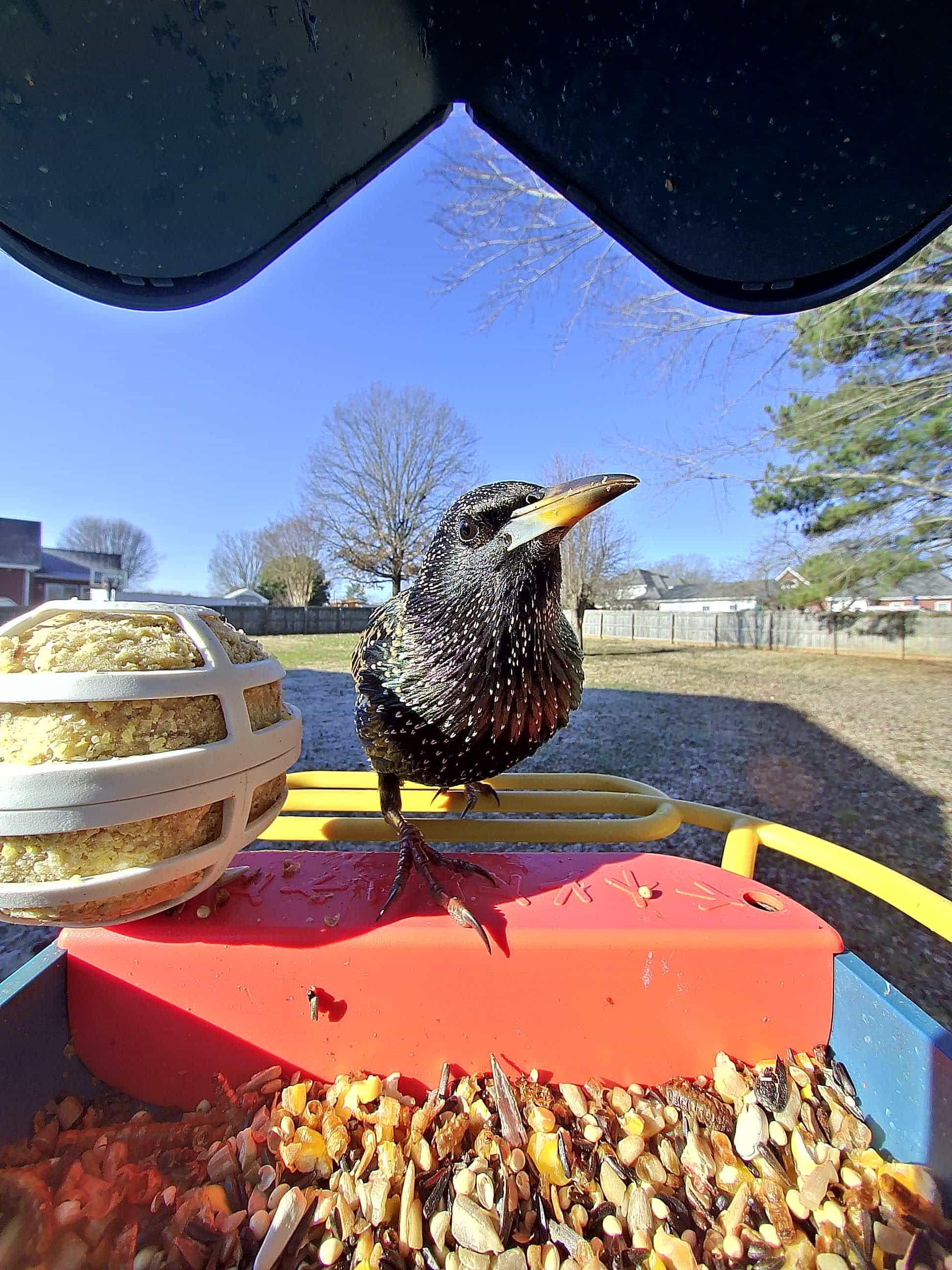
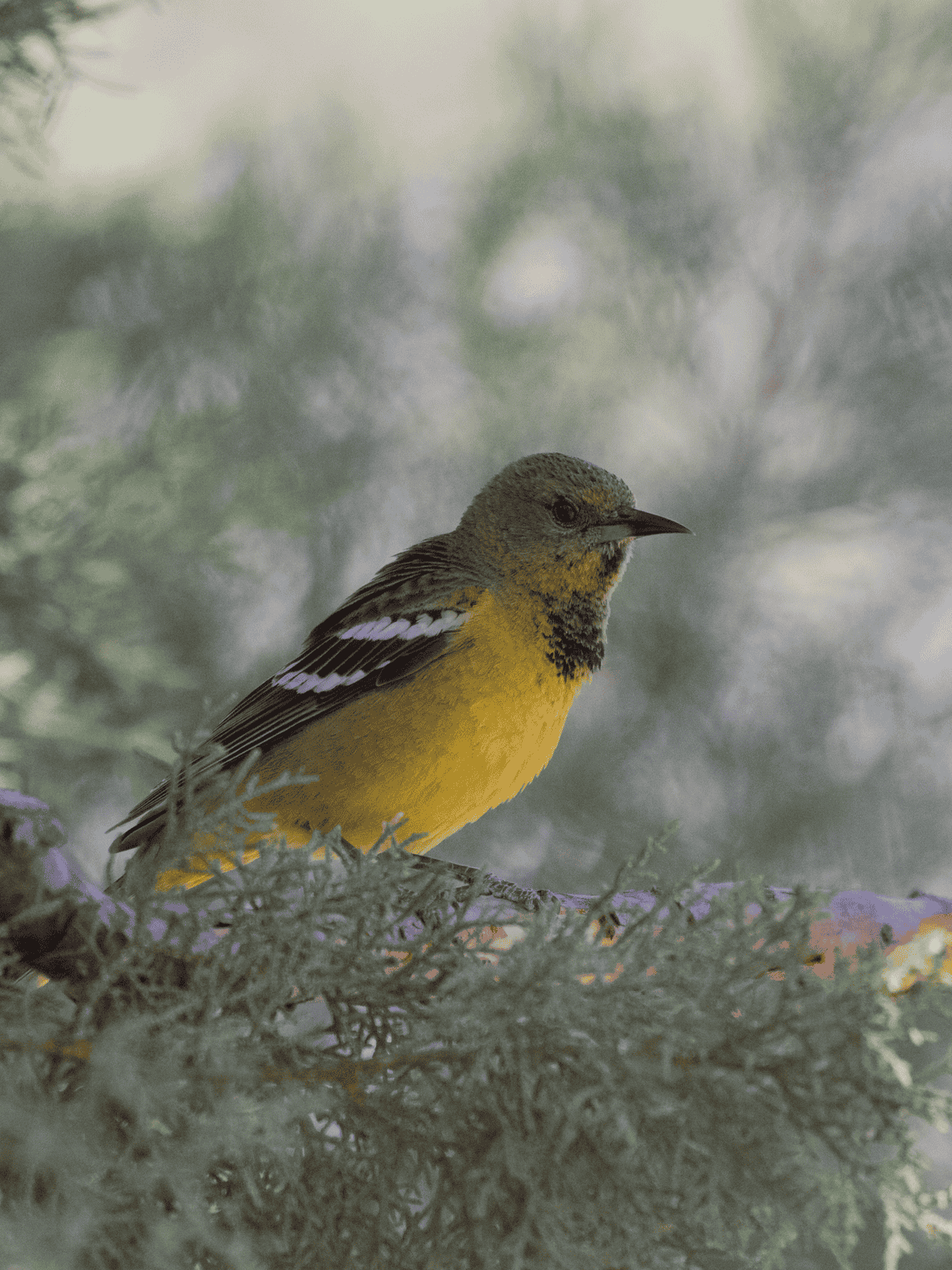
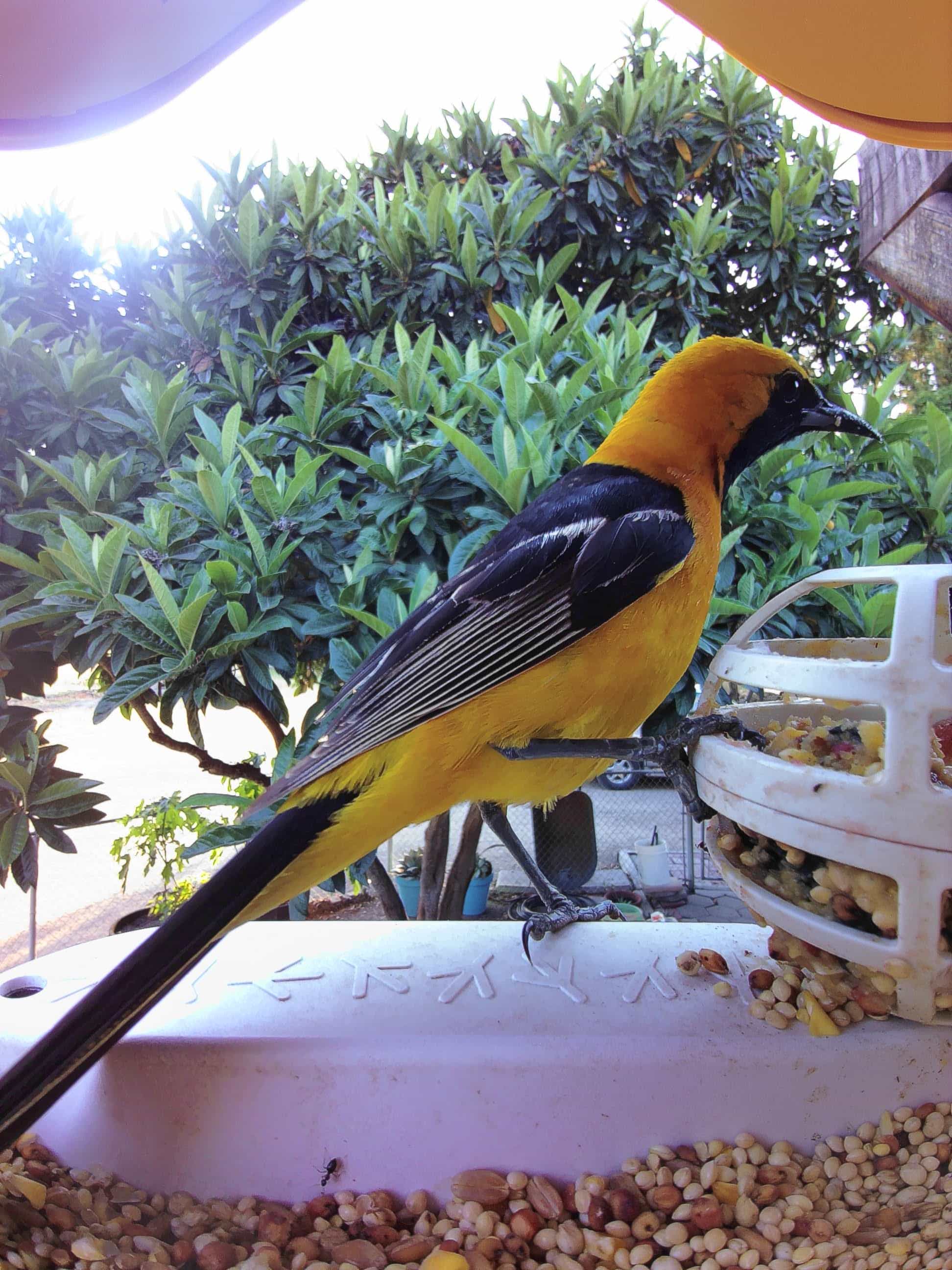
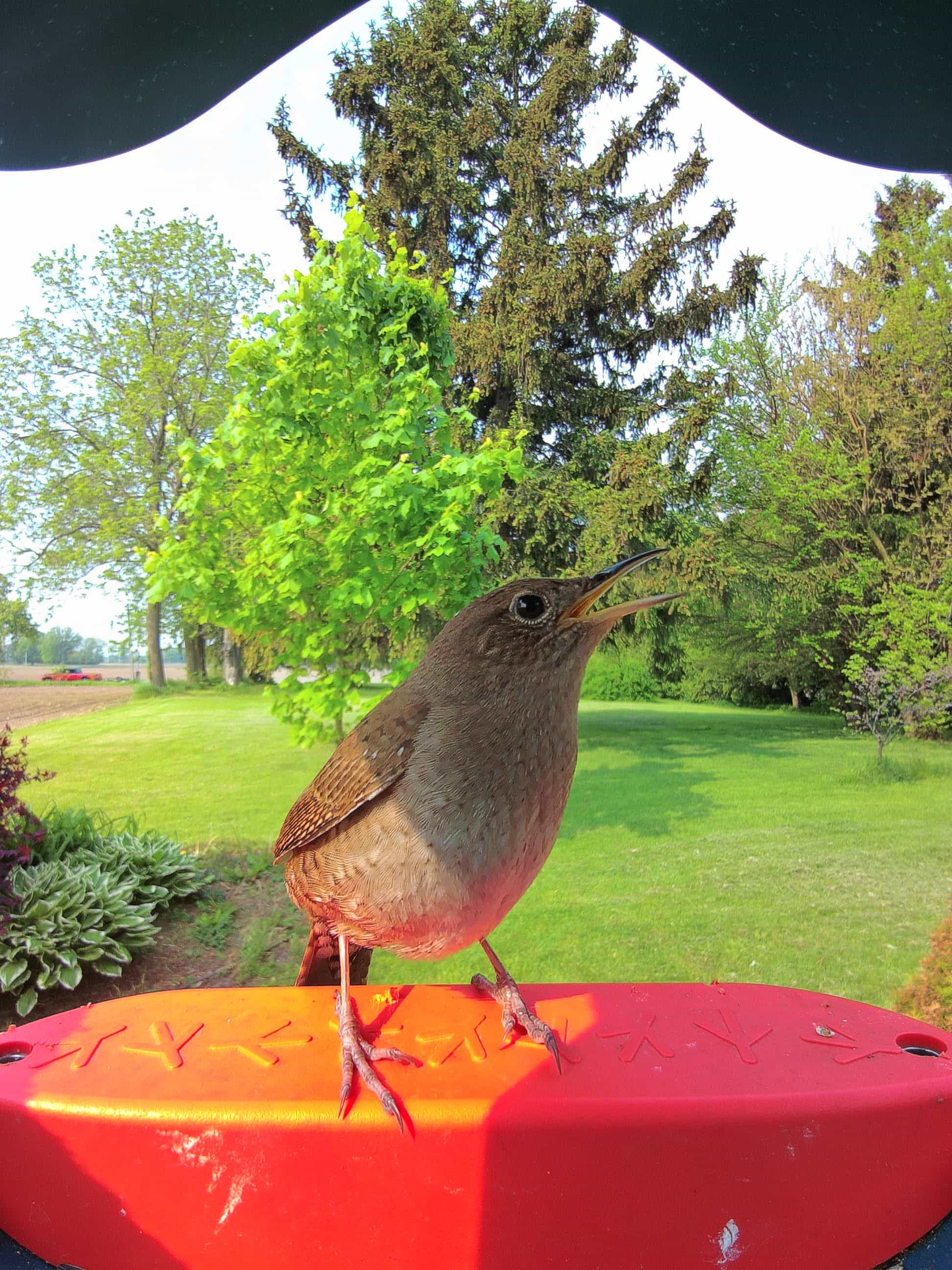
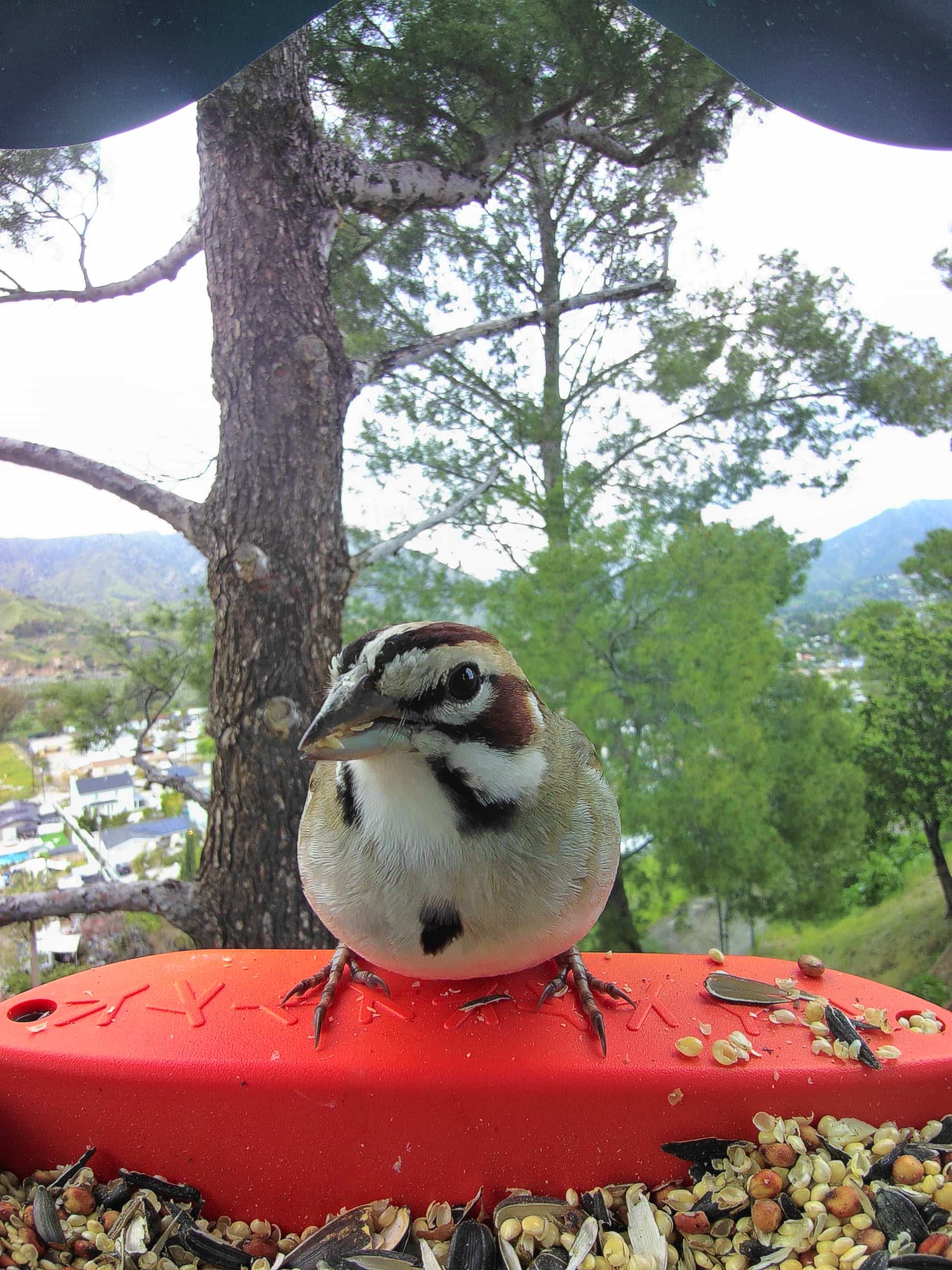
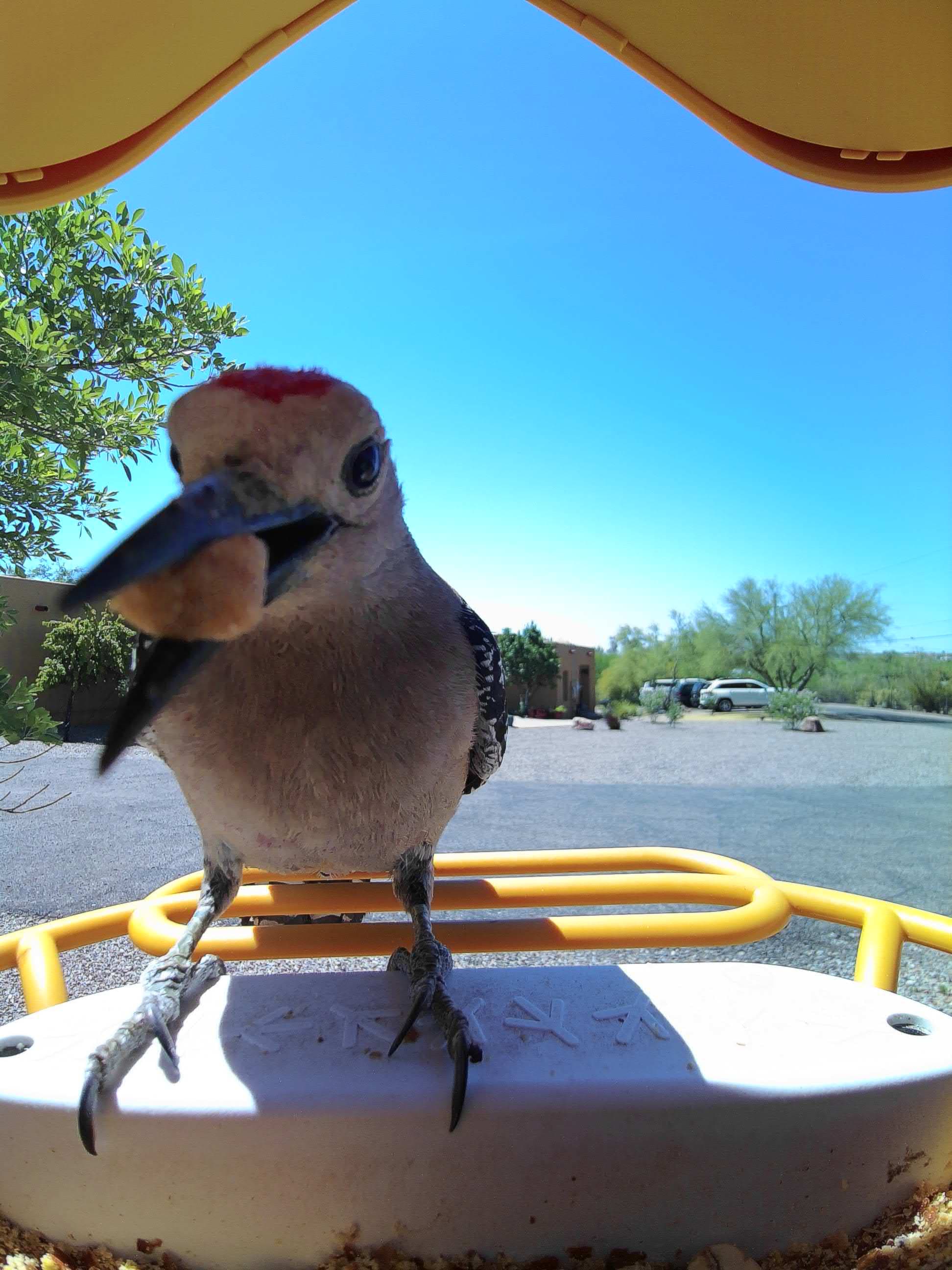
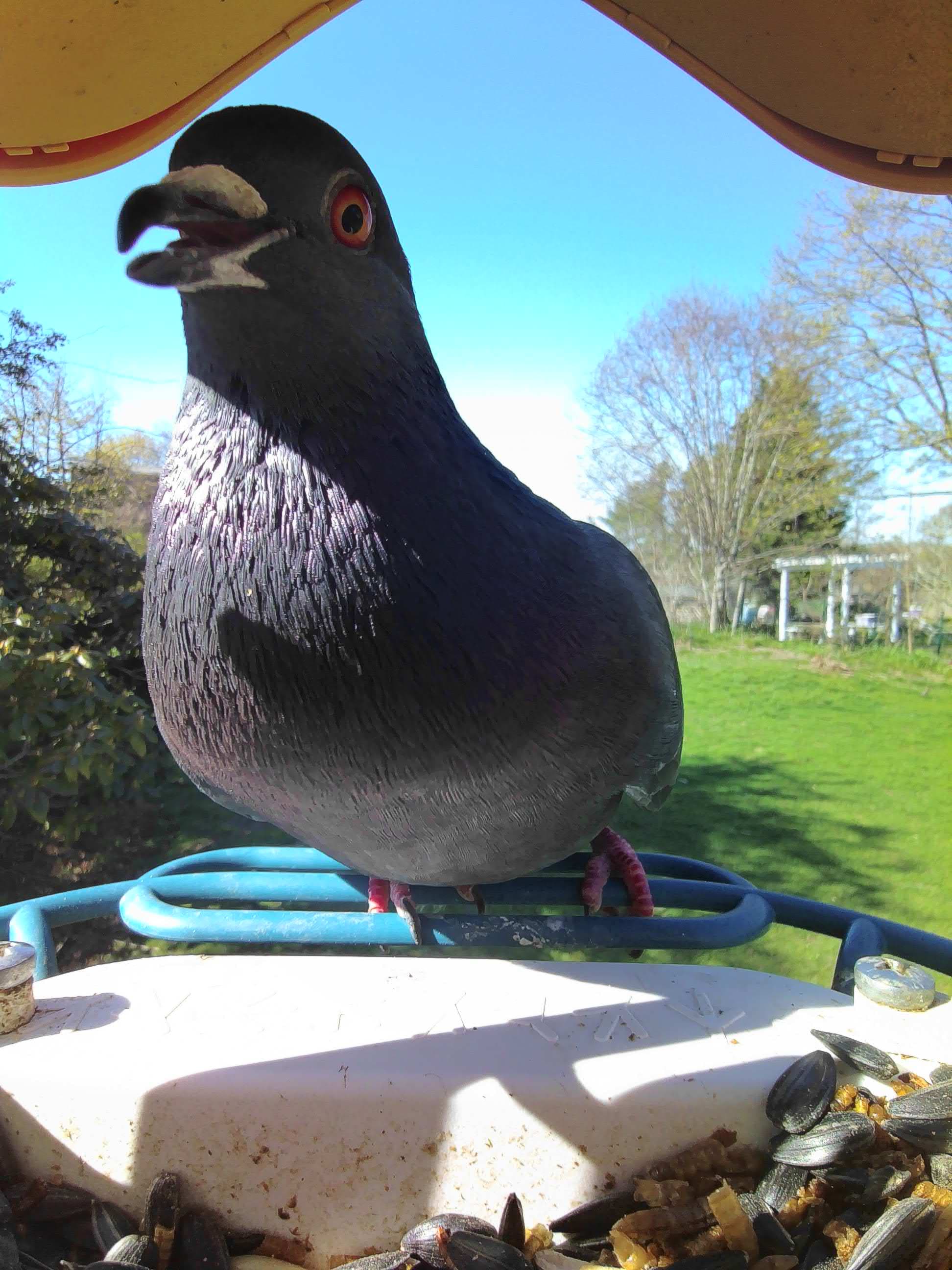
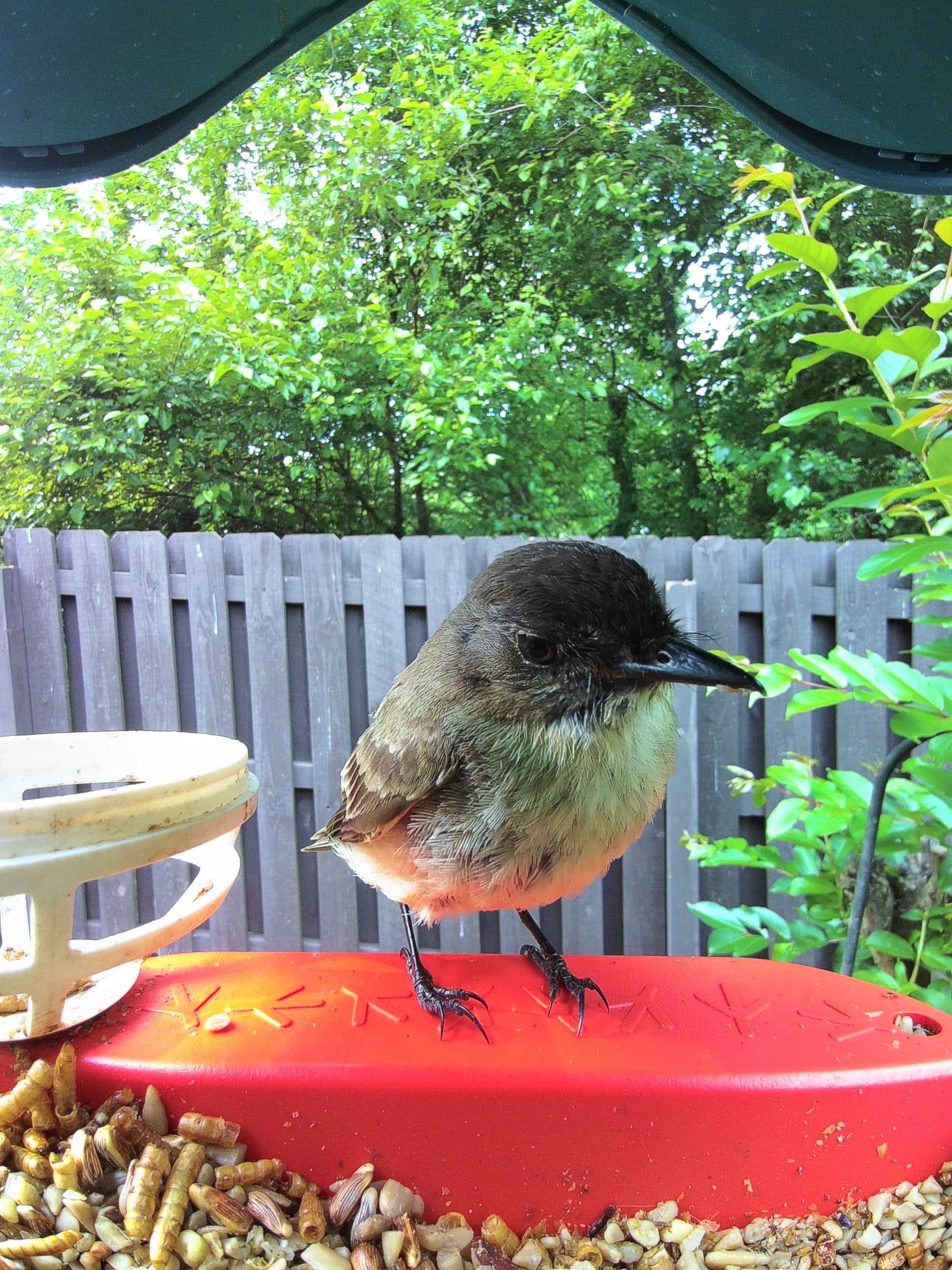
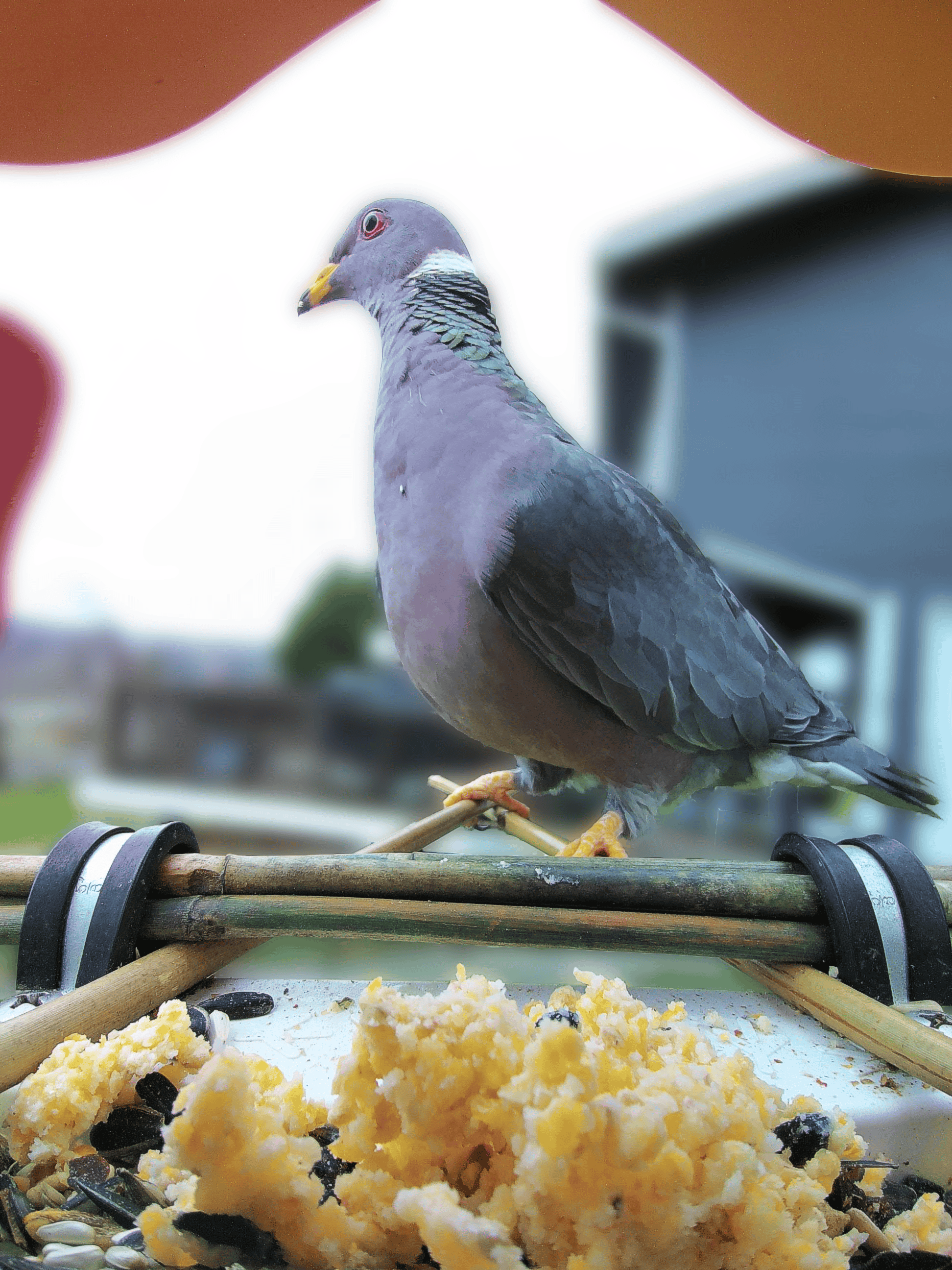
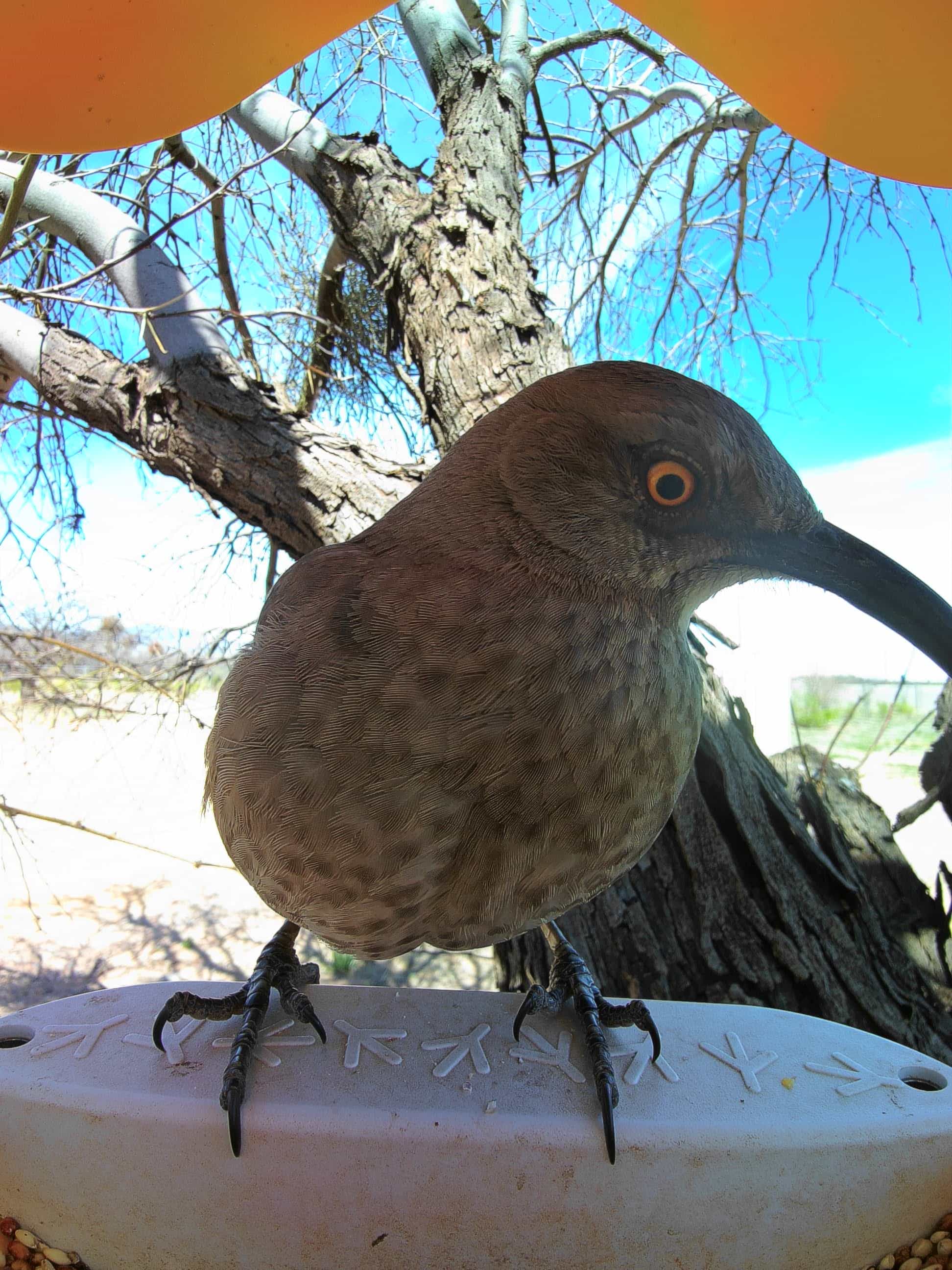
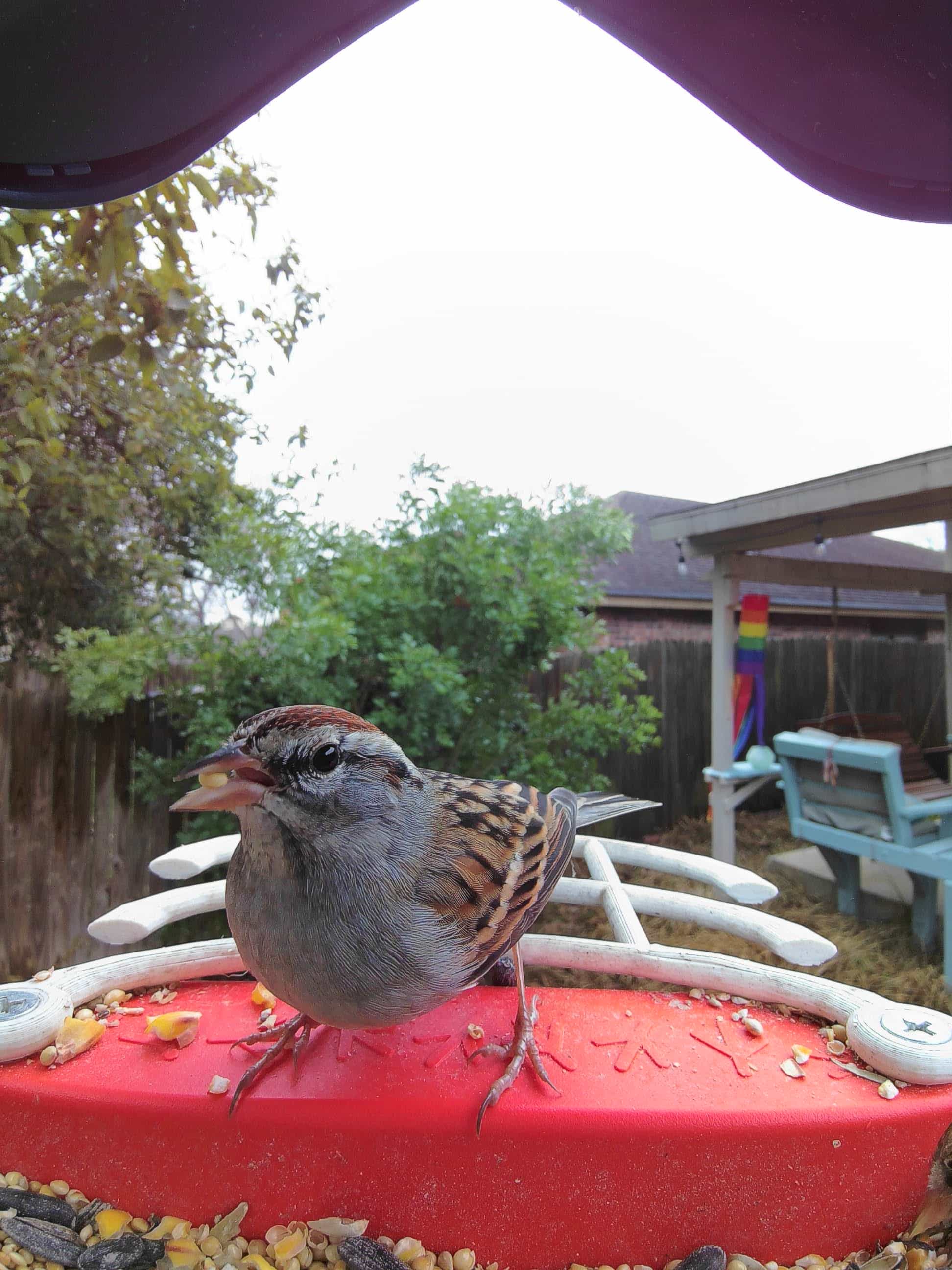
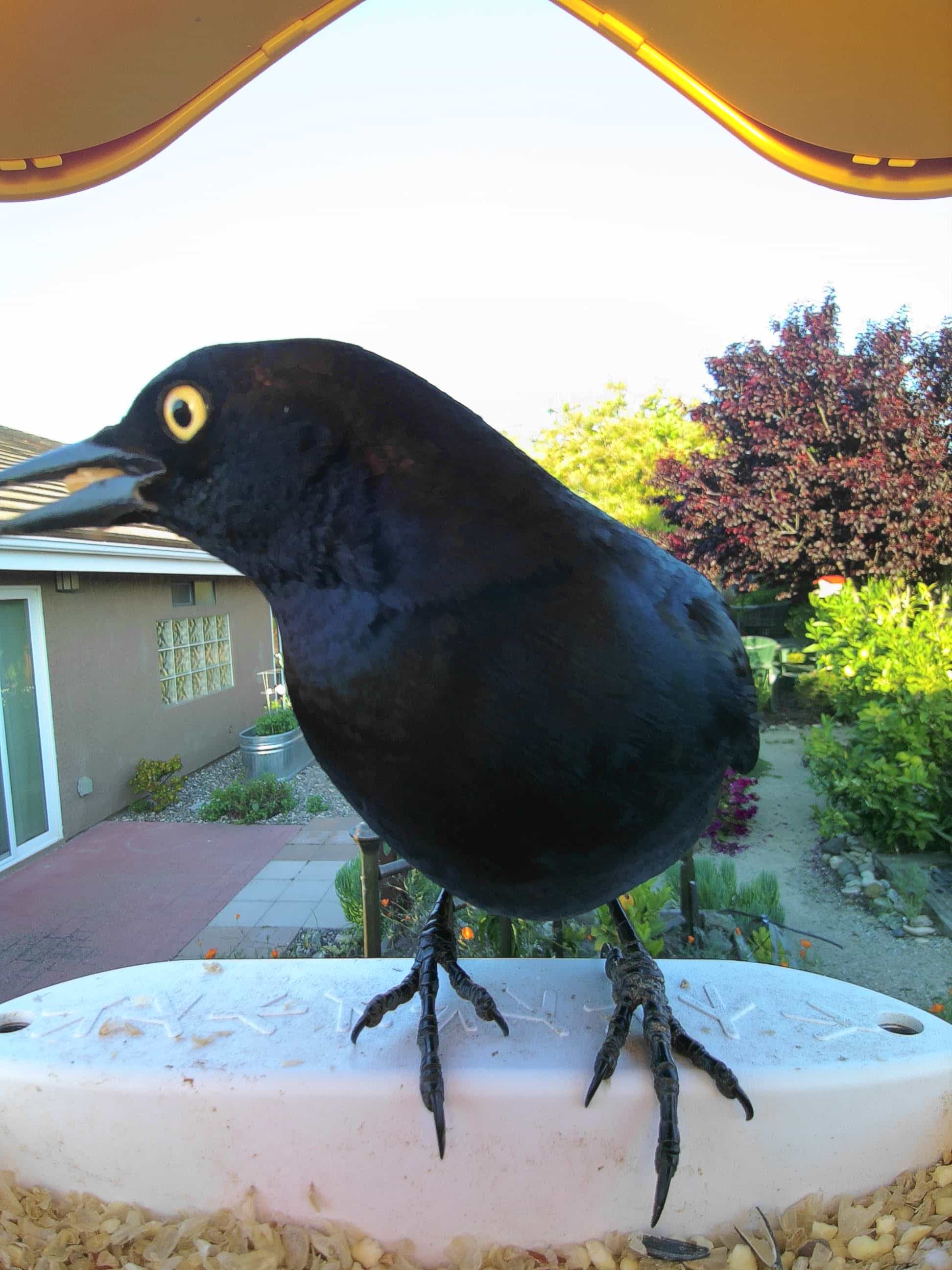
Birds seen on Birdbuddy feeders in Mesa
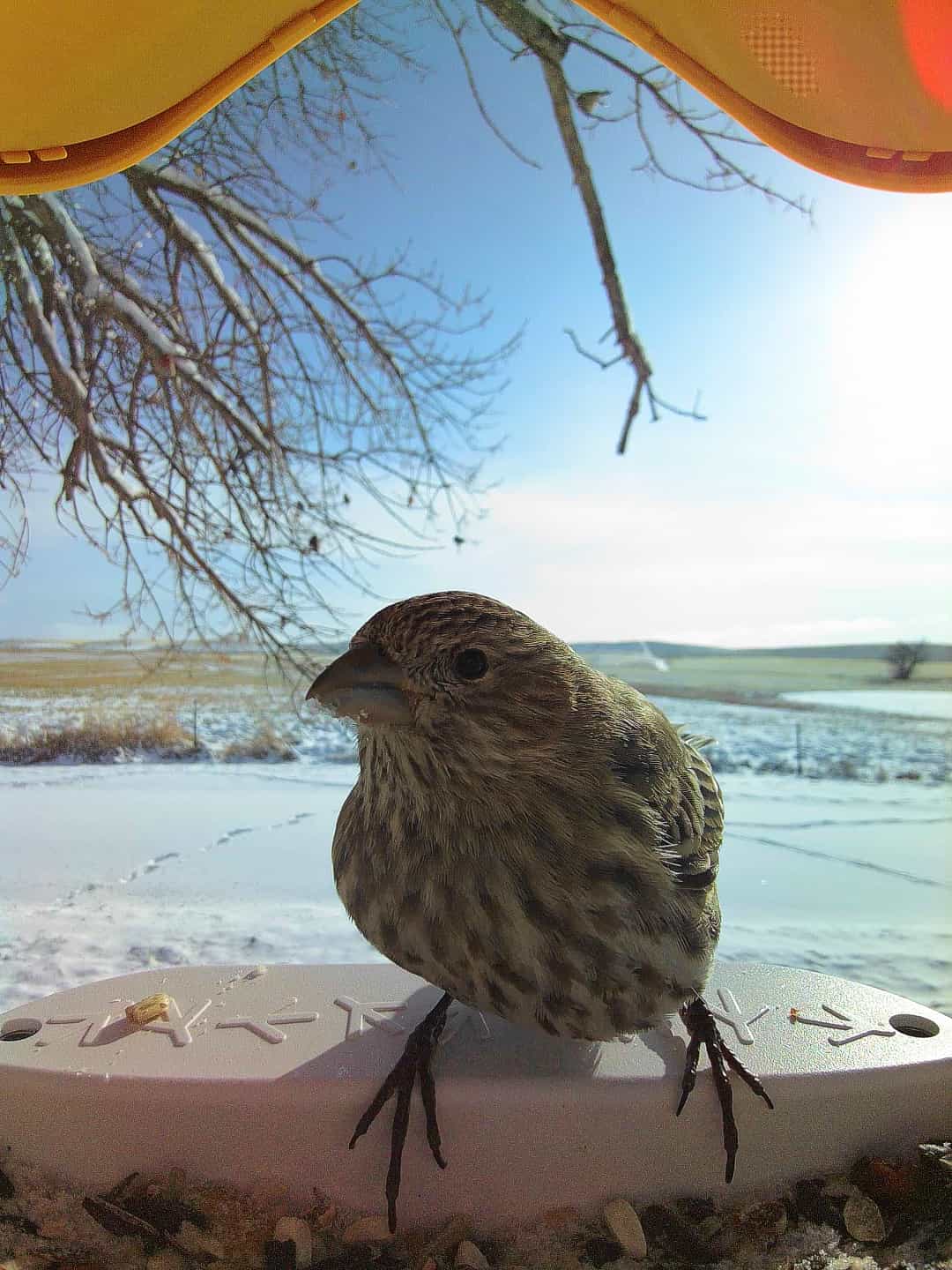
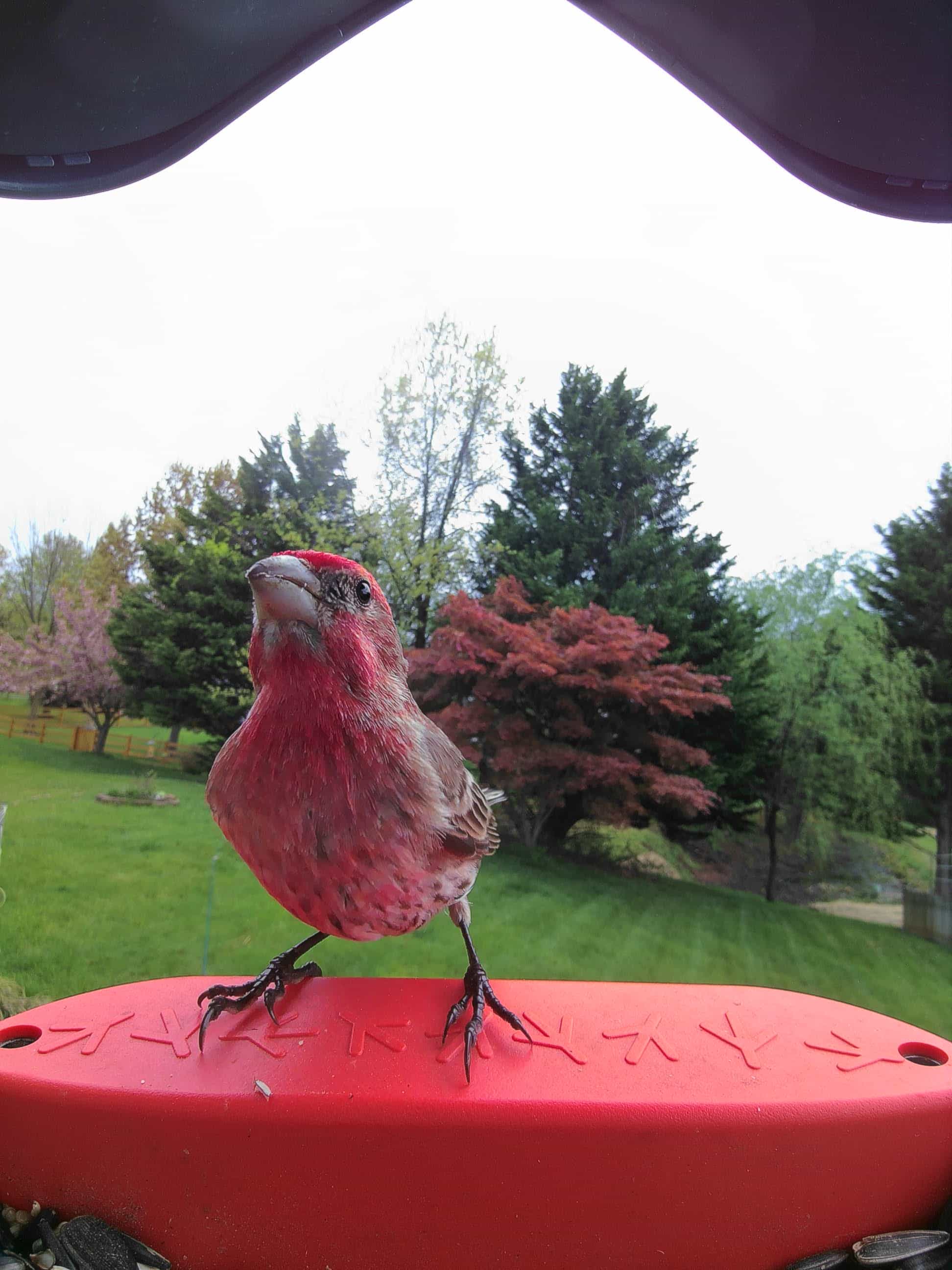
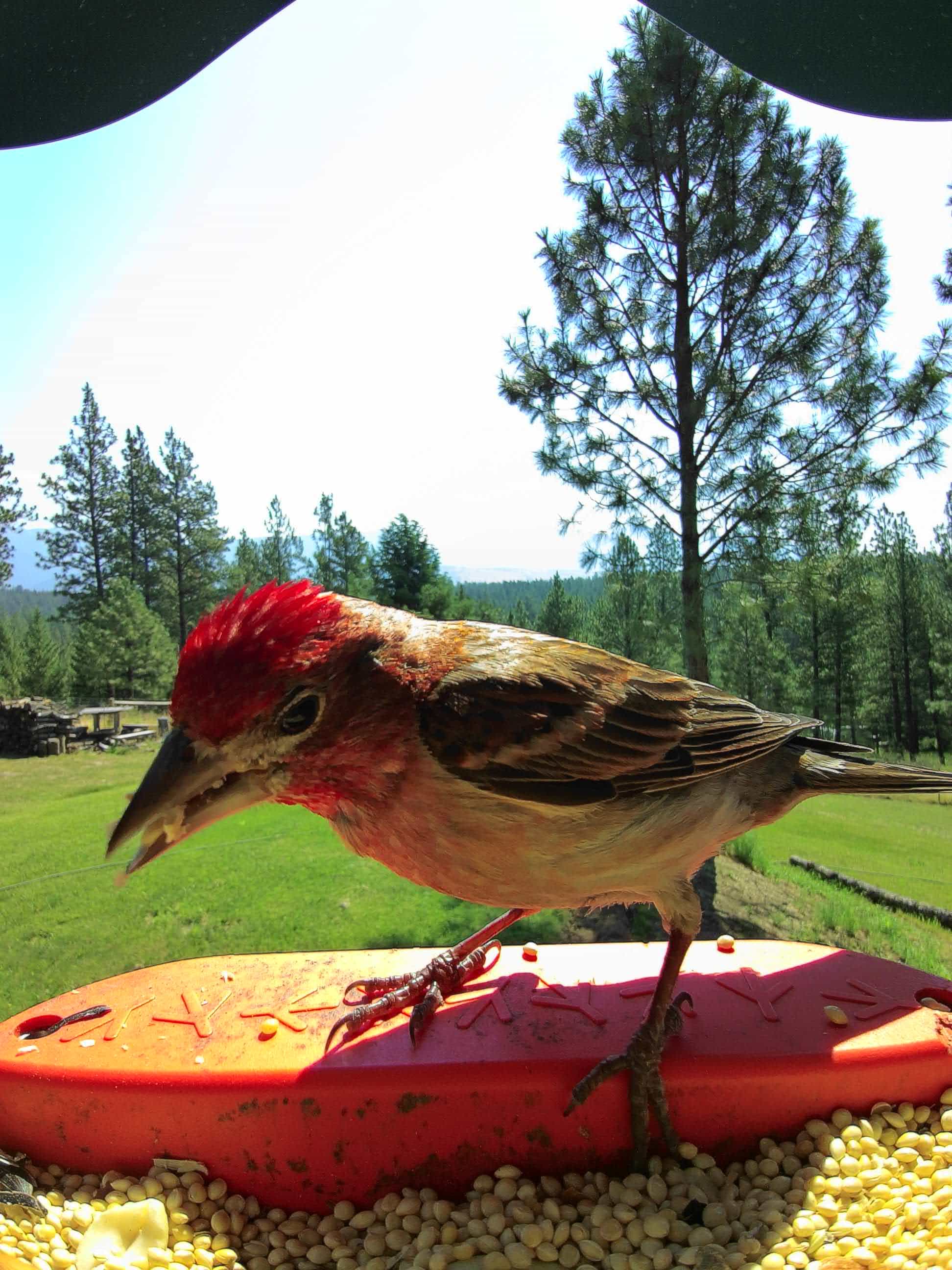
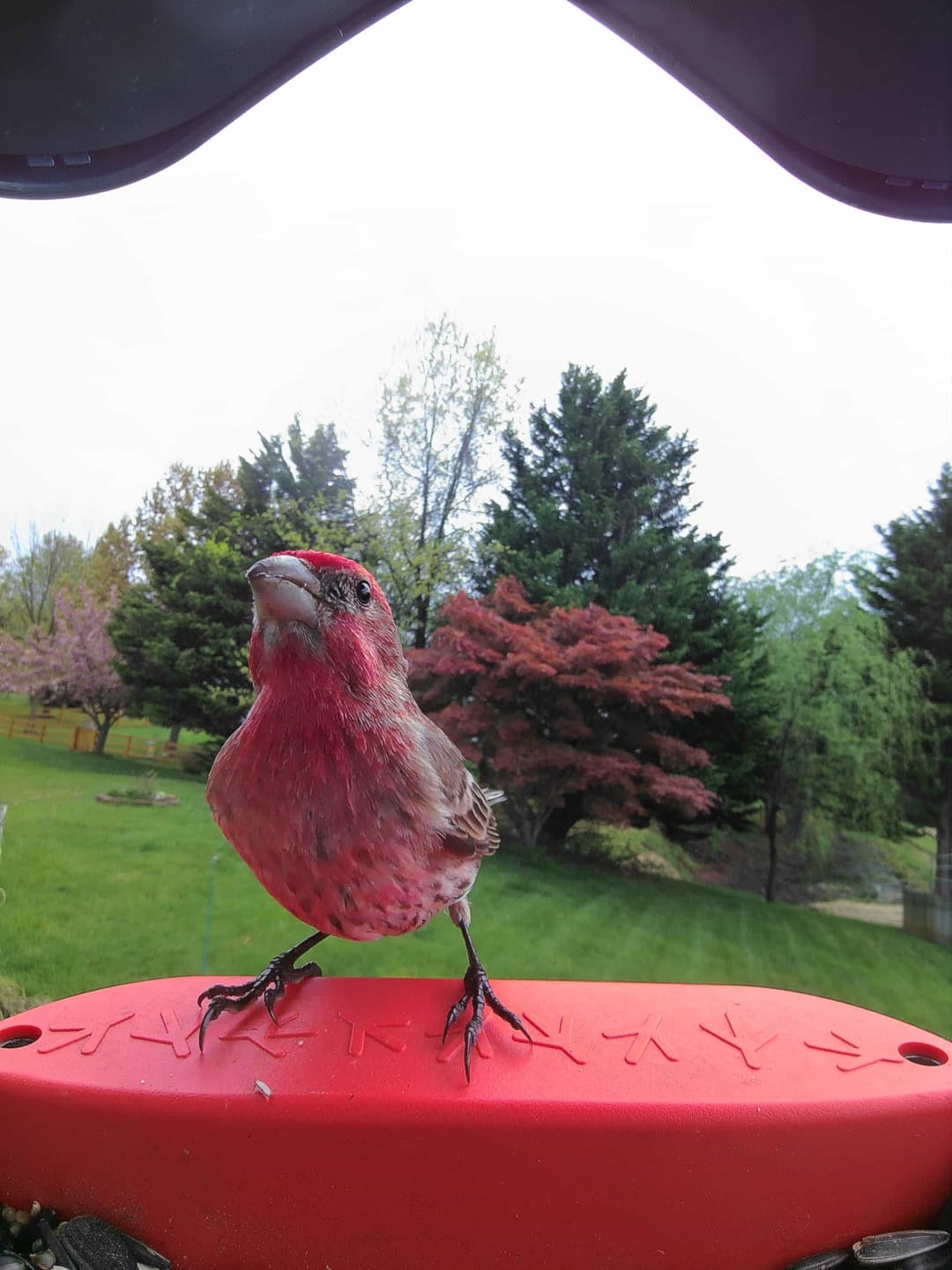
House Finch (Haemorhous mexicanus): A small, adaptable bird native to North America, it has a vibrant red head and breast in males, streaky brown plumage in females, and a cheerful, warbling song often heard in urban and suburban areas.
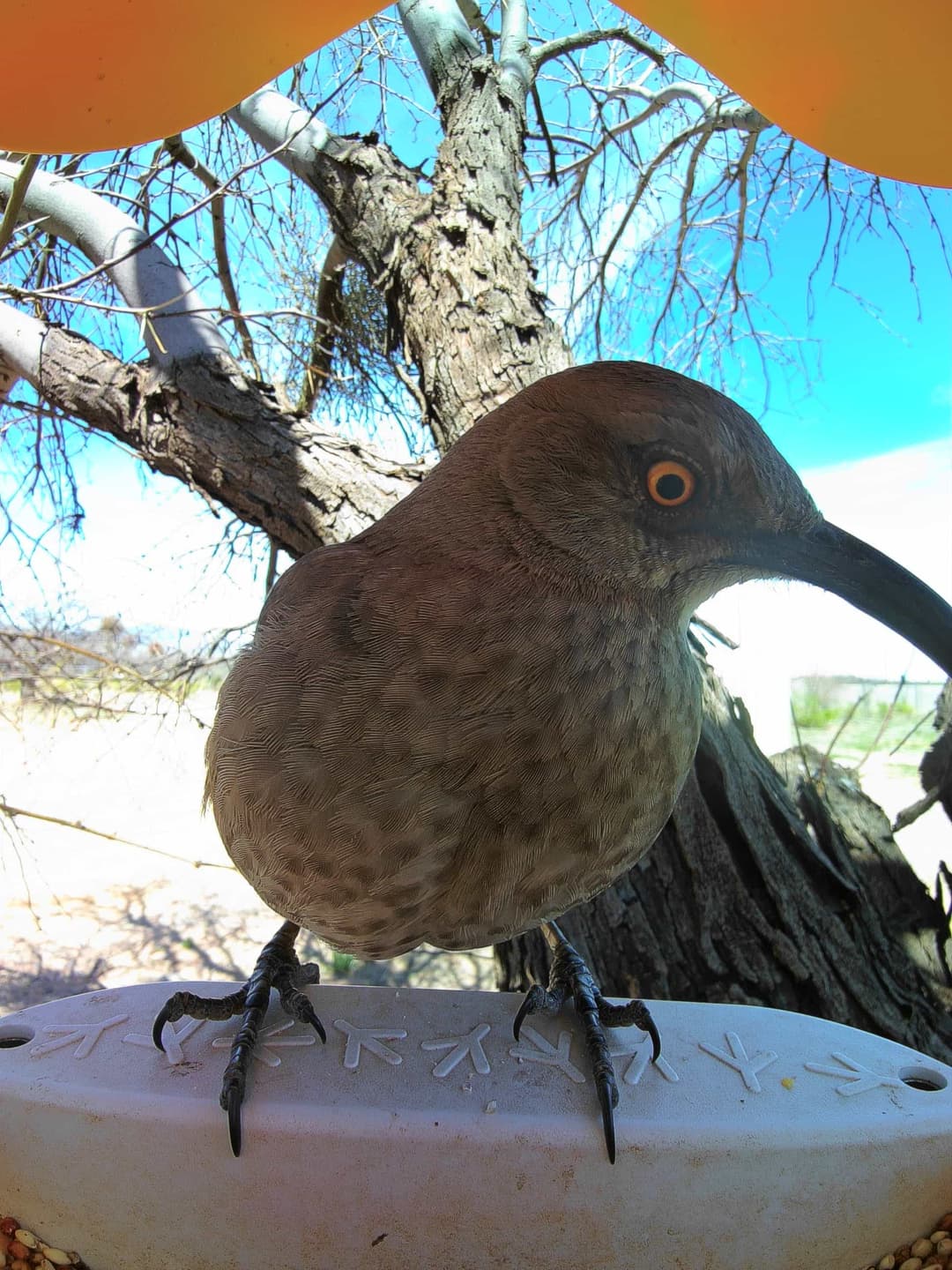
Curve-Billed Thrasher (Toxostoma curvirostre): A medium-sized bird characterized by its long, downward-curved bill and distinctive orange eyes, frequently found in arid and semi-arid regions where it forages on the ground for insects and seeds.
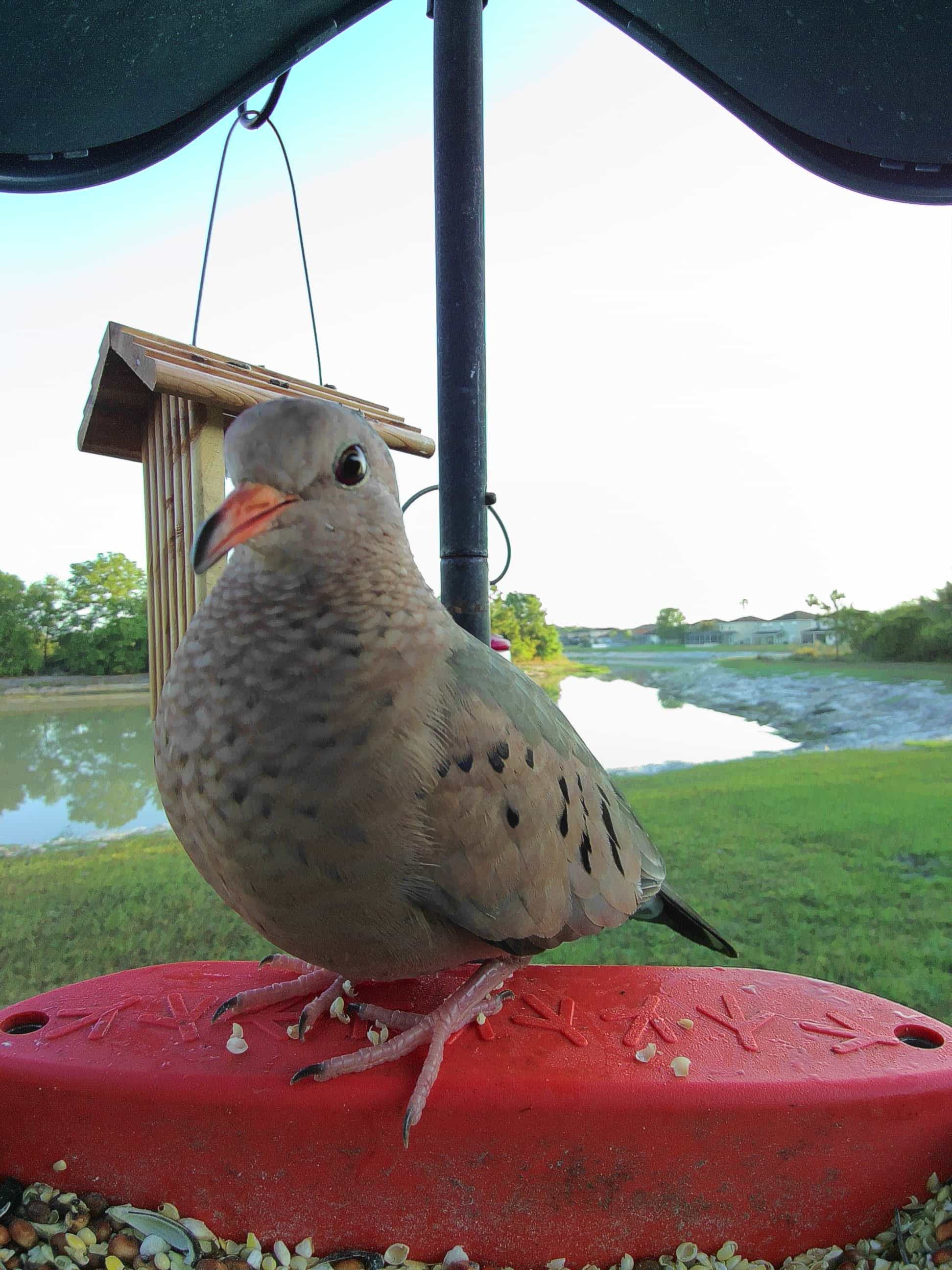
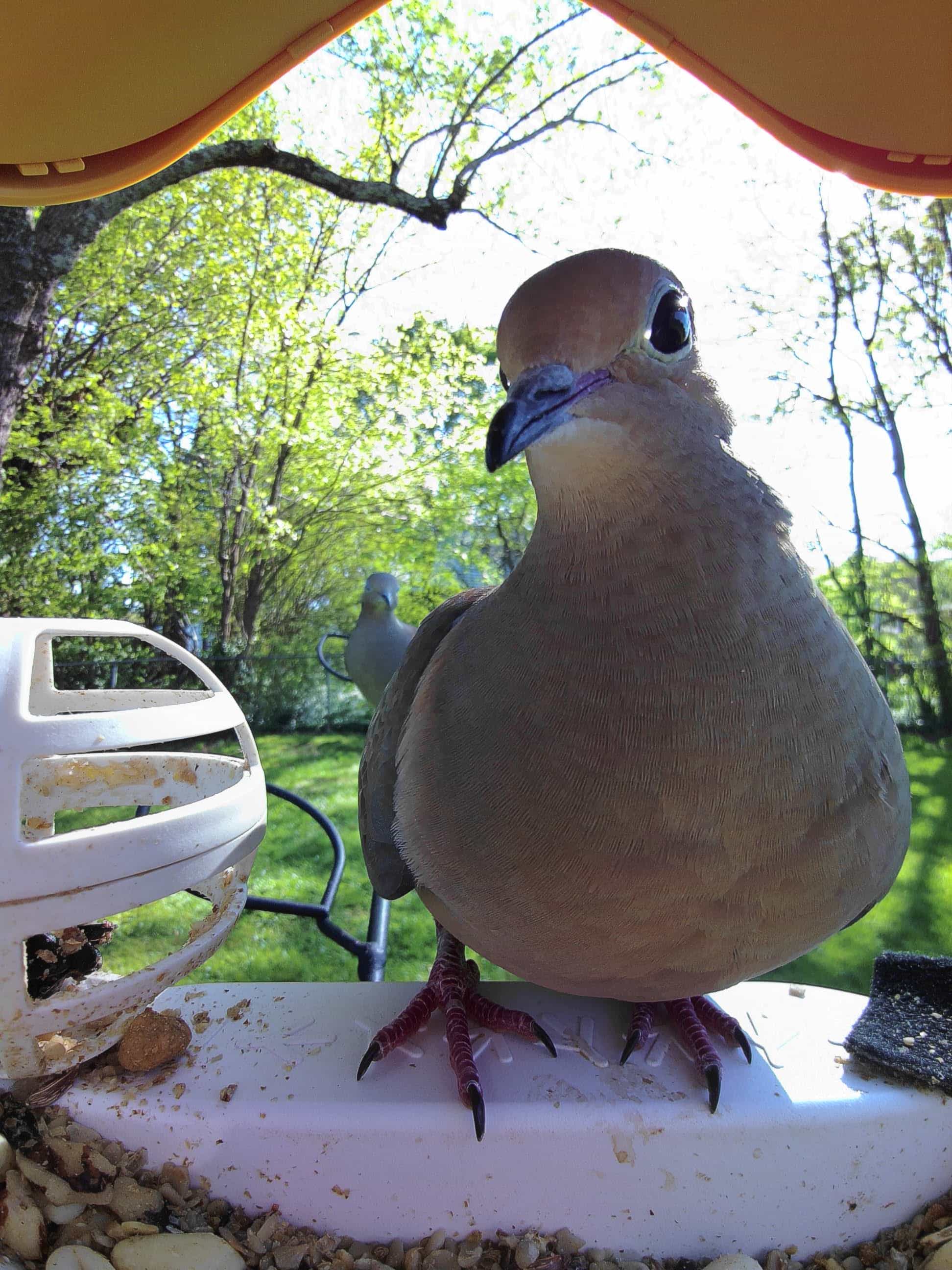
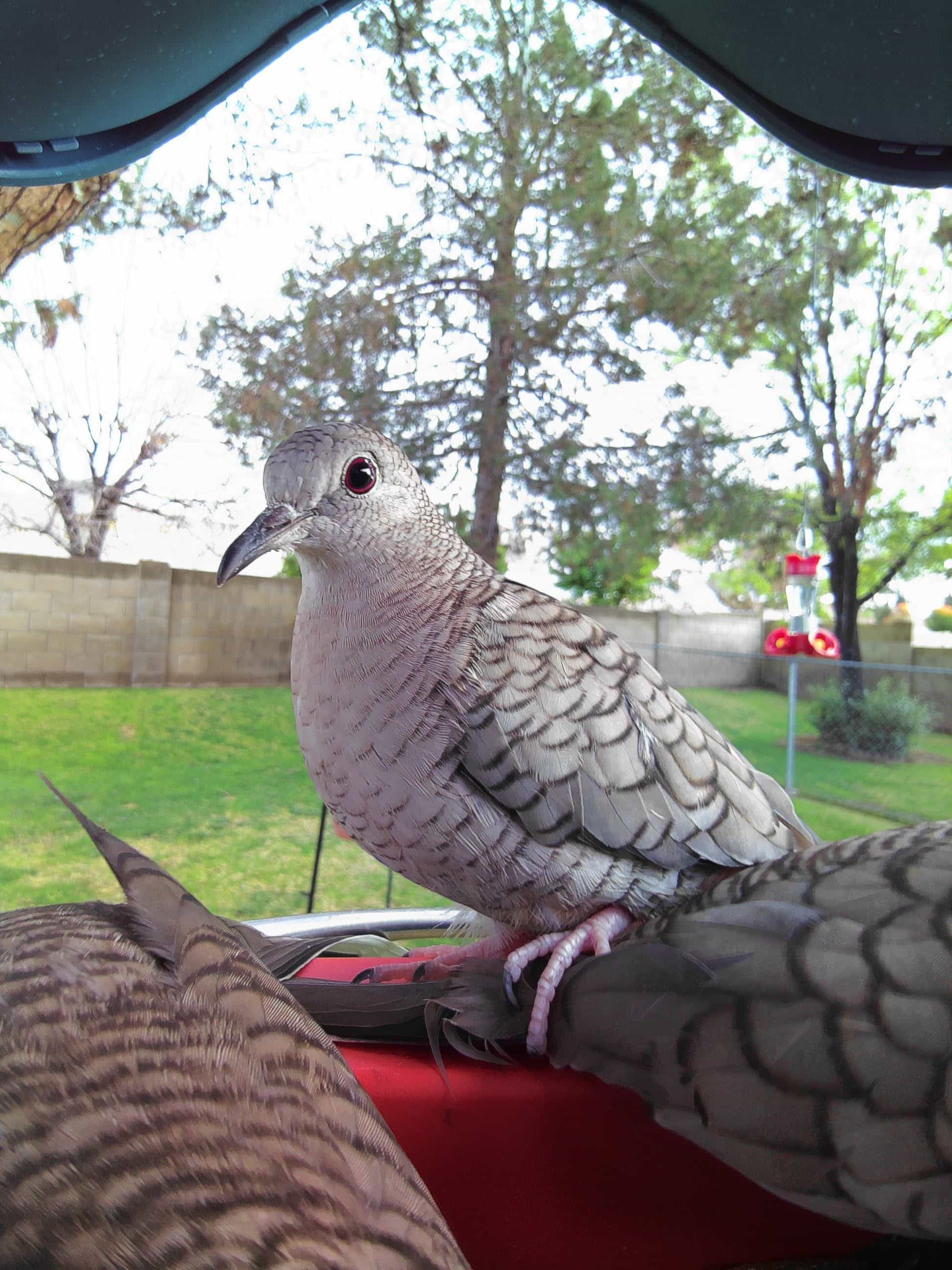
Mourning Dove (Zenaida macroura): This bird is a slender, medium-sized creature with a soft grayish-brown body, long pointed tail with white edges, and distinctive black spots on its wings, often recognized for its gentle, mournful cooing sound.
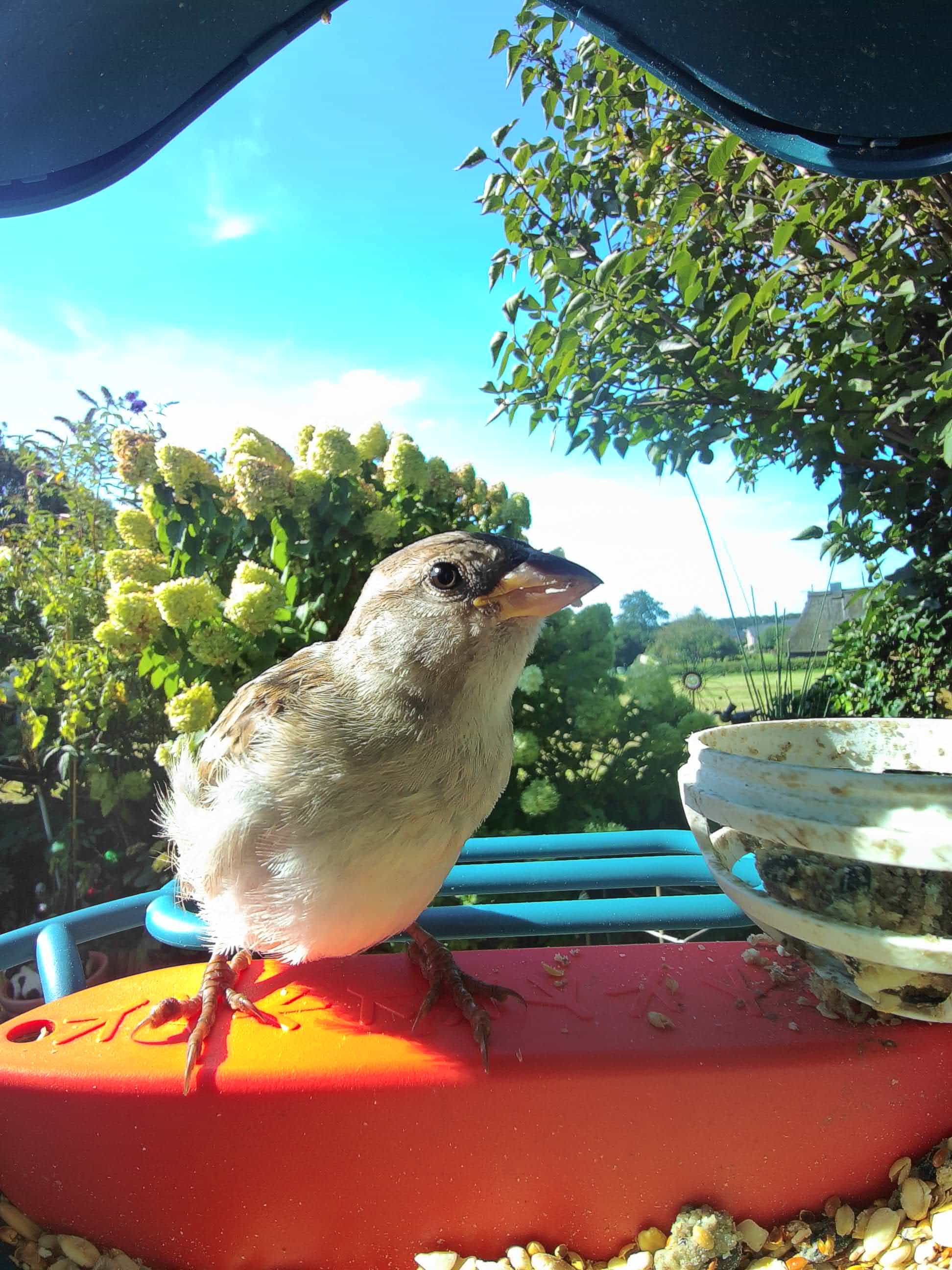
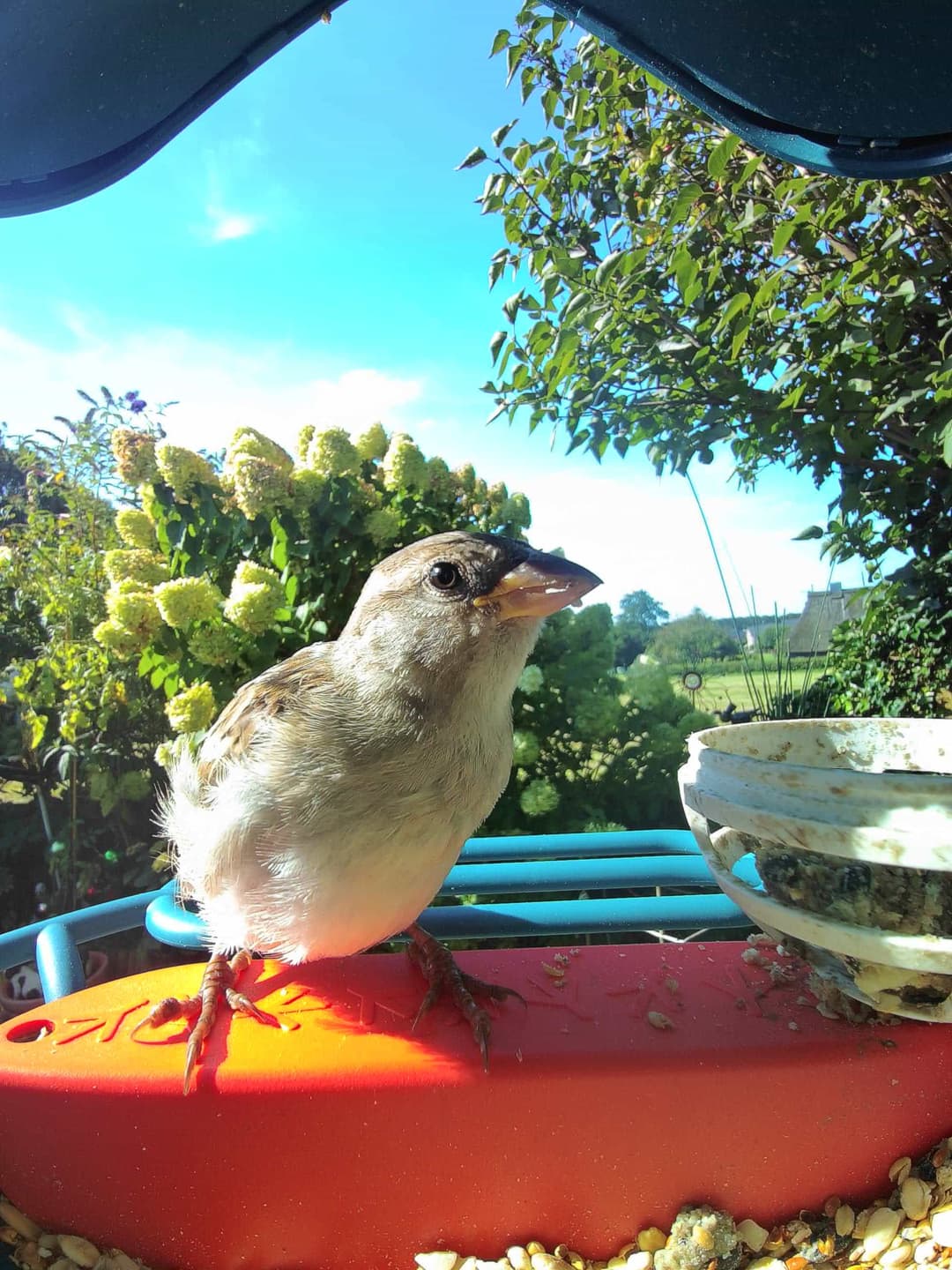
House Sparrow (Passer domesticus): A small, stocky bird with a stout bill, this species is easily recognized by its gray and brown plumage, distinctive black bib in males, and its adaptability to urban and rural environments worldwide.
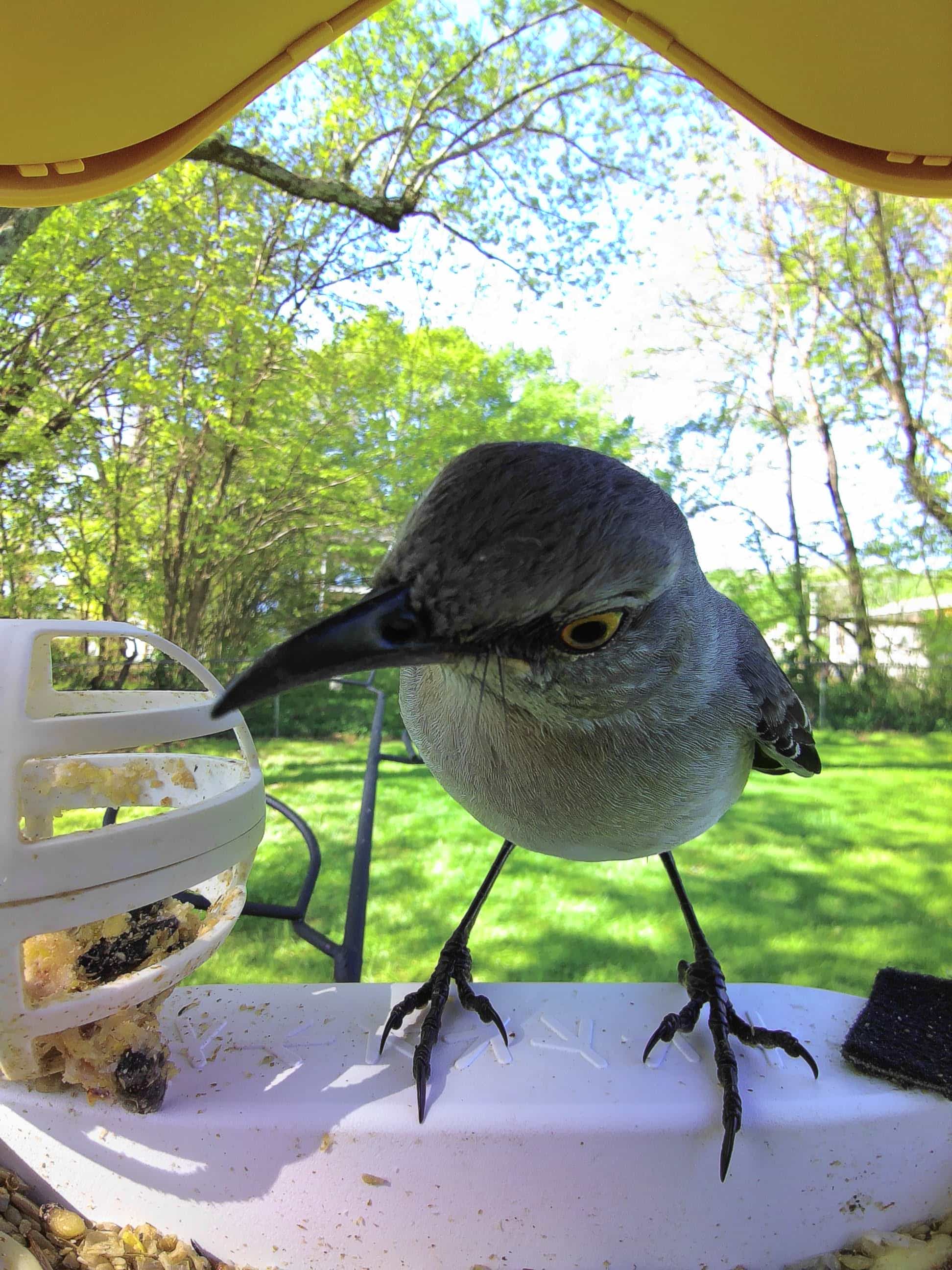
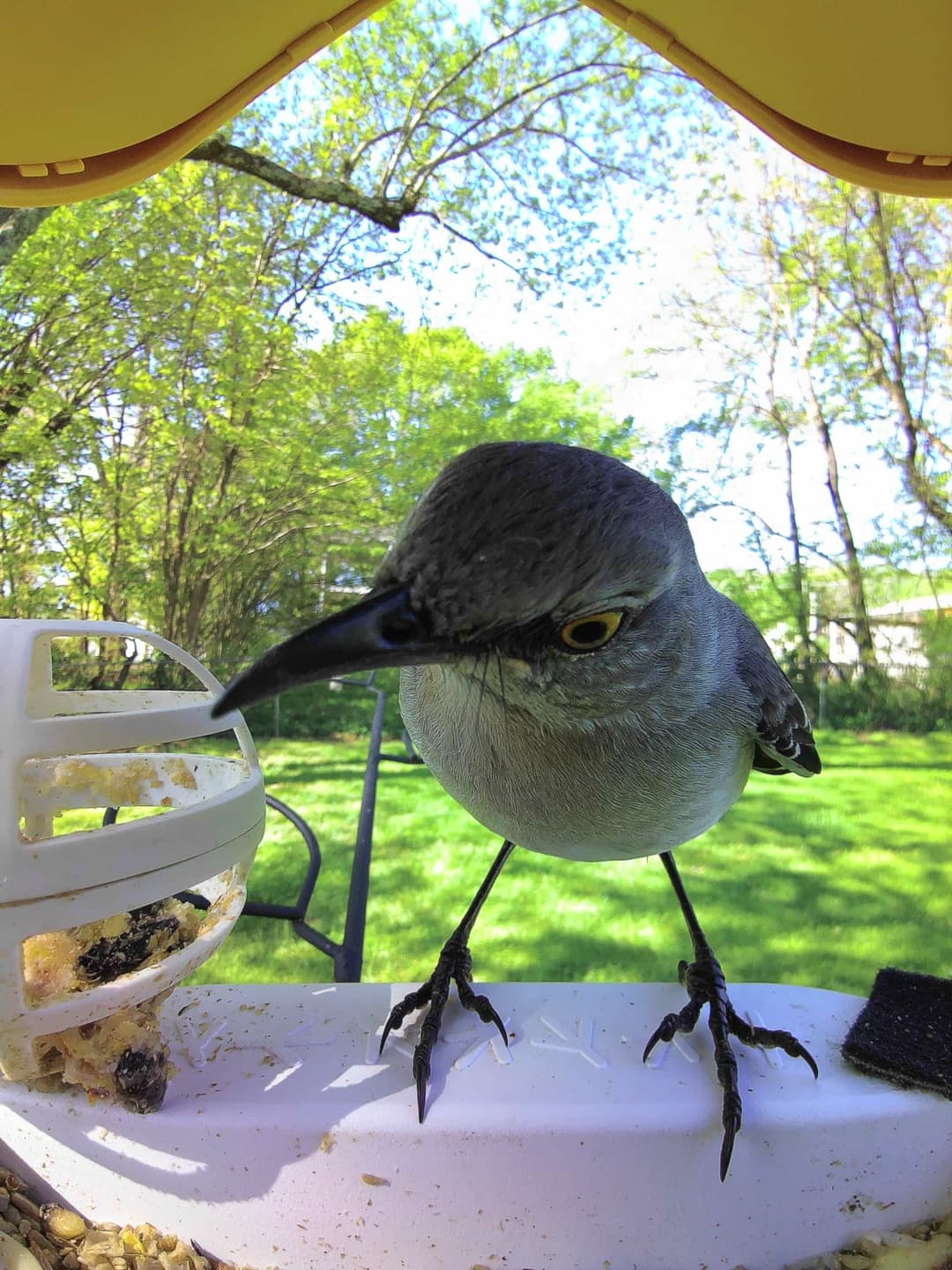
Northern Mockingbird (Mimus polyglottos): This medium-sized, gray songbird is renowned for its impressive ability to mimic a diverse range of sounds from other birds and environmental noises, often repeating phrases multiple times in rapid succession.
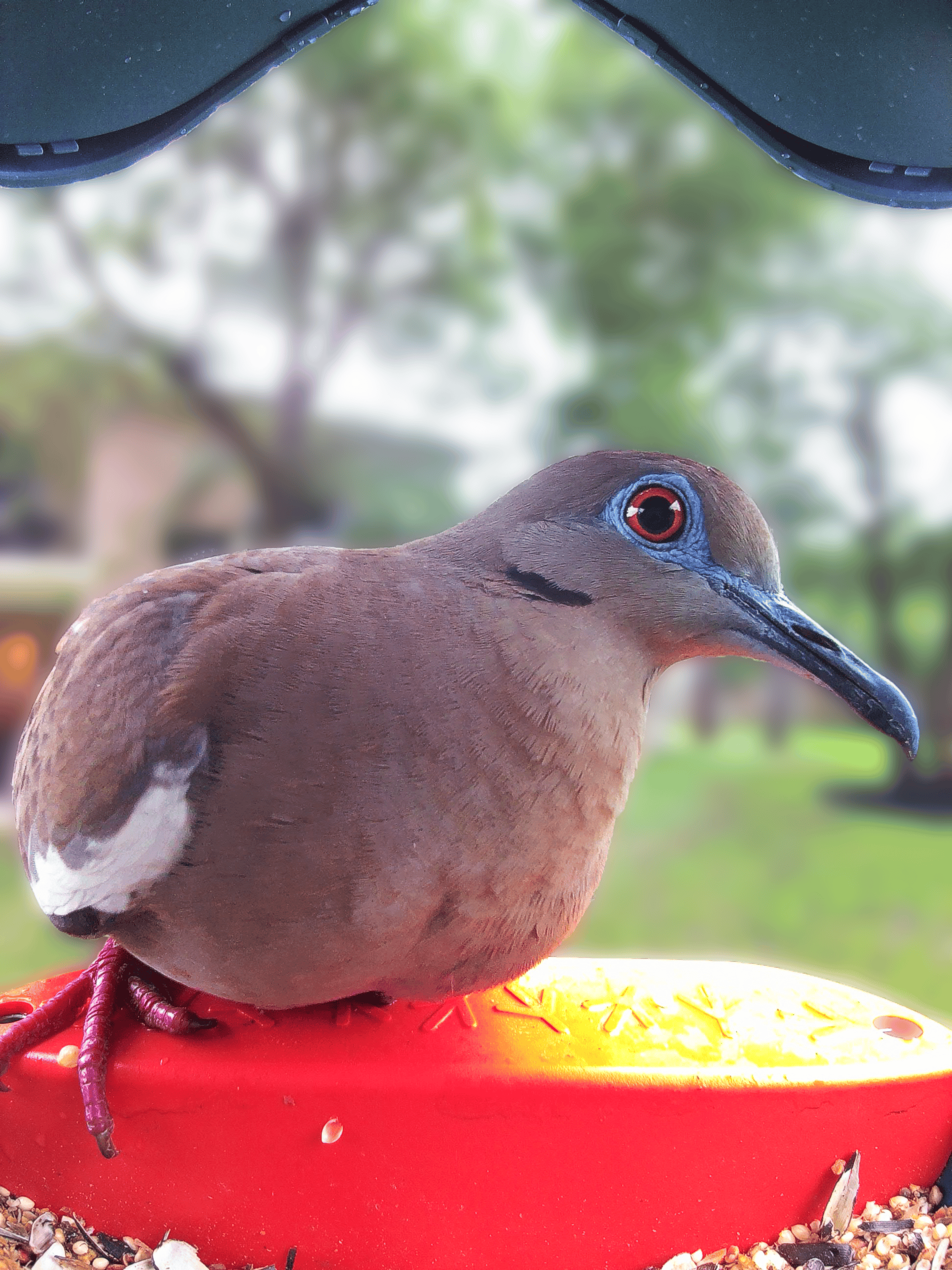
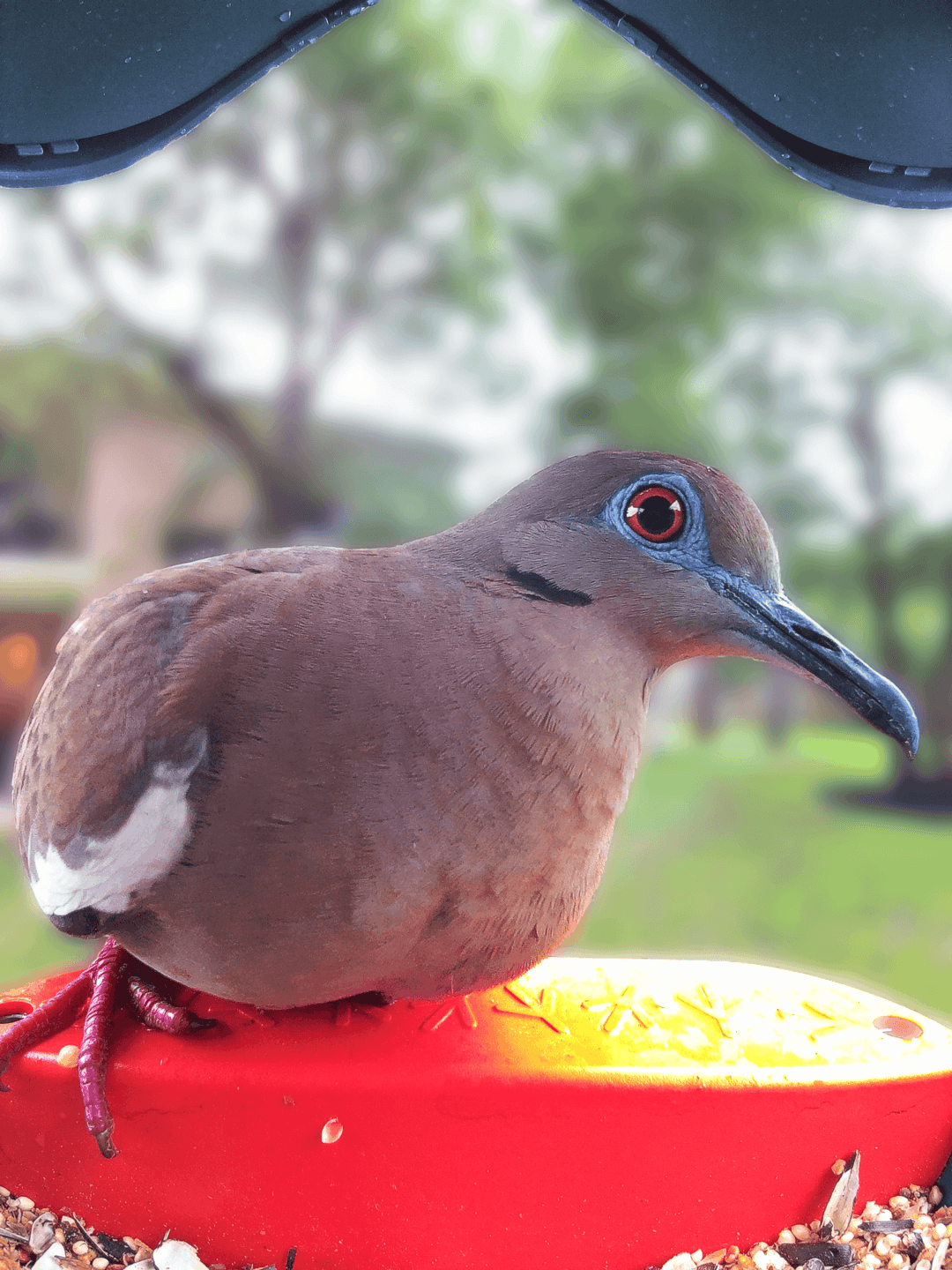
White-Winged Dove (Zenaida asiatica): A medium-sized bird characterized by a distinctive white edge on its wings, it has a plump body, a small head, and a long, square-tipped tail, commonly found in the southwestern United States, Mexico, Central America, and parts of the Caribbean, often recognized by its soft cooing calls.

Identifying bird sounds and calls in Mesa
Bird sounds are a key way to identify different species, even when they're hidden in trees or bushes. Each bird has its own unique vocalizations, from melodic songs to distinctive calls. Learning these sounds can help you identify birds even before you see them.
Migration
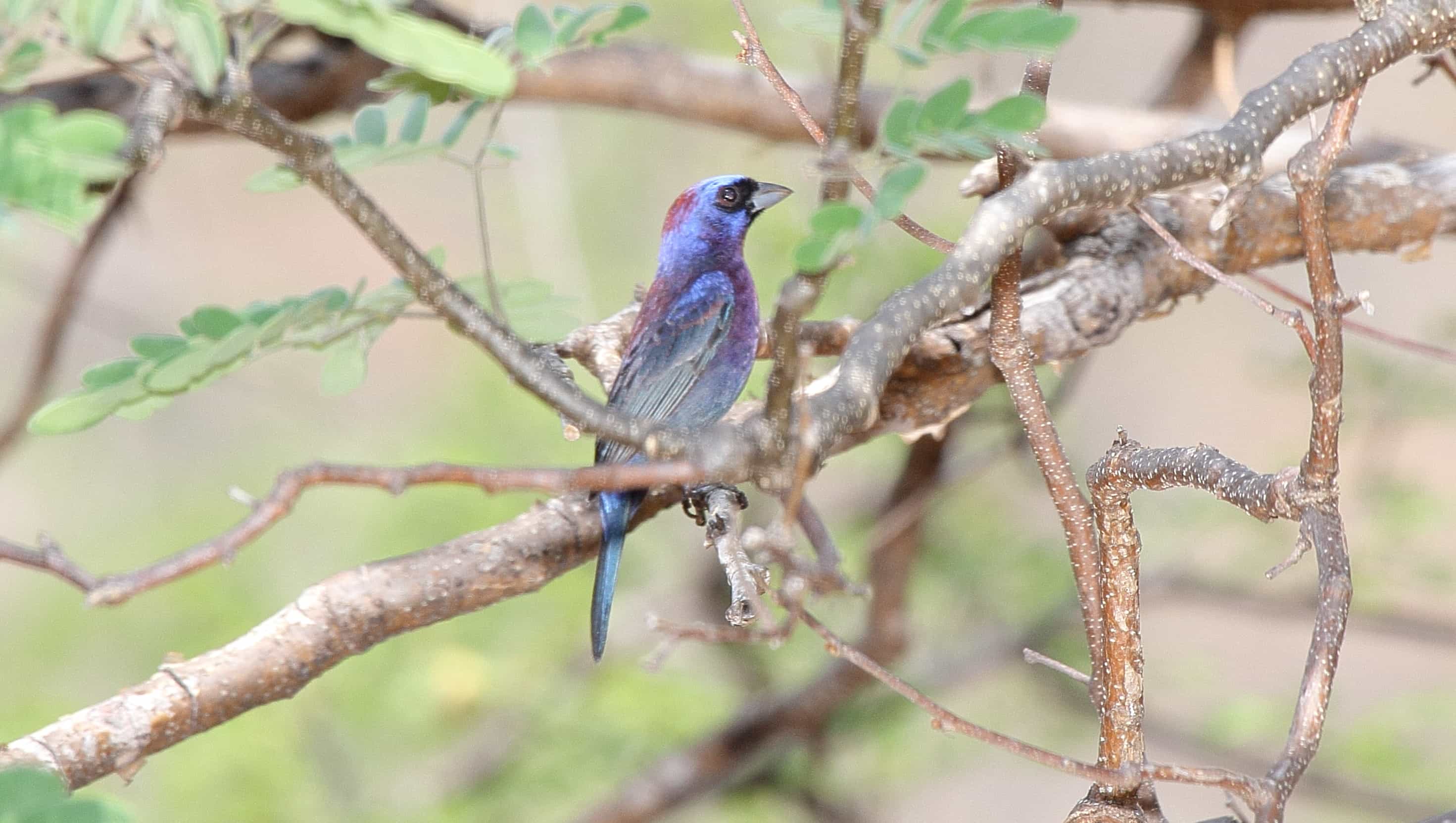
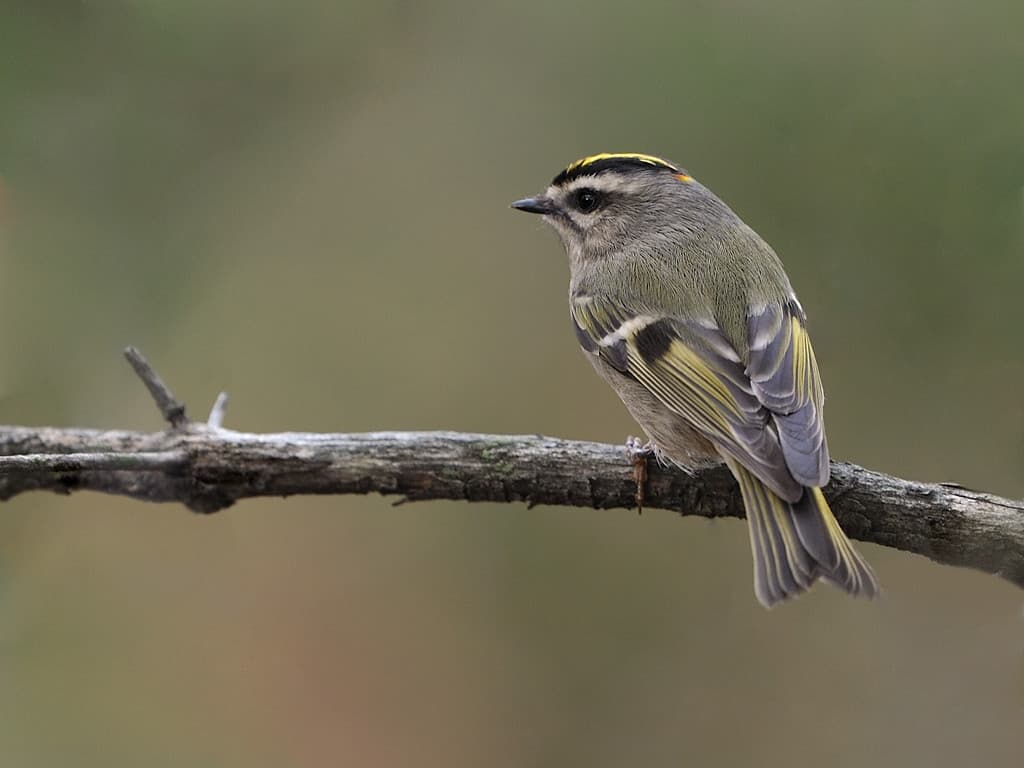
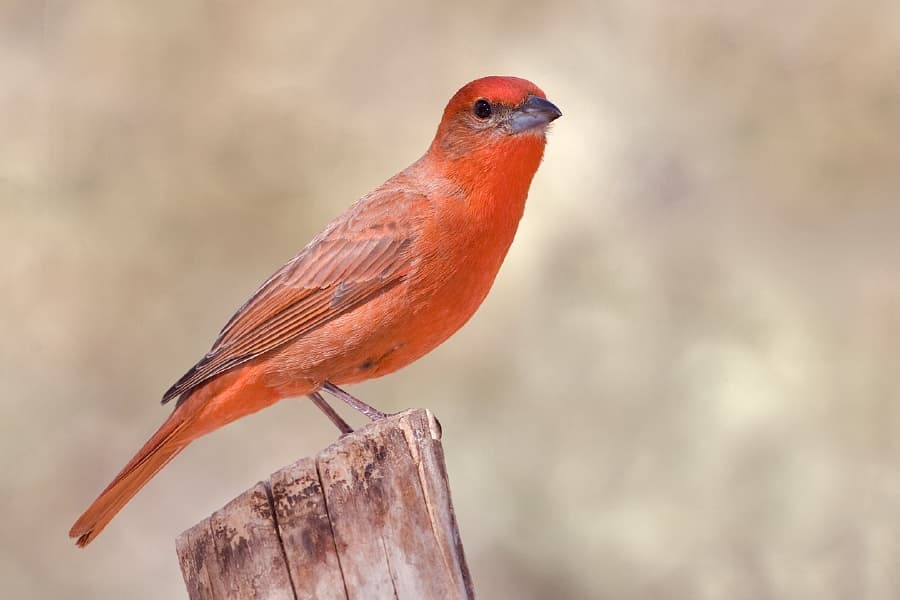
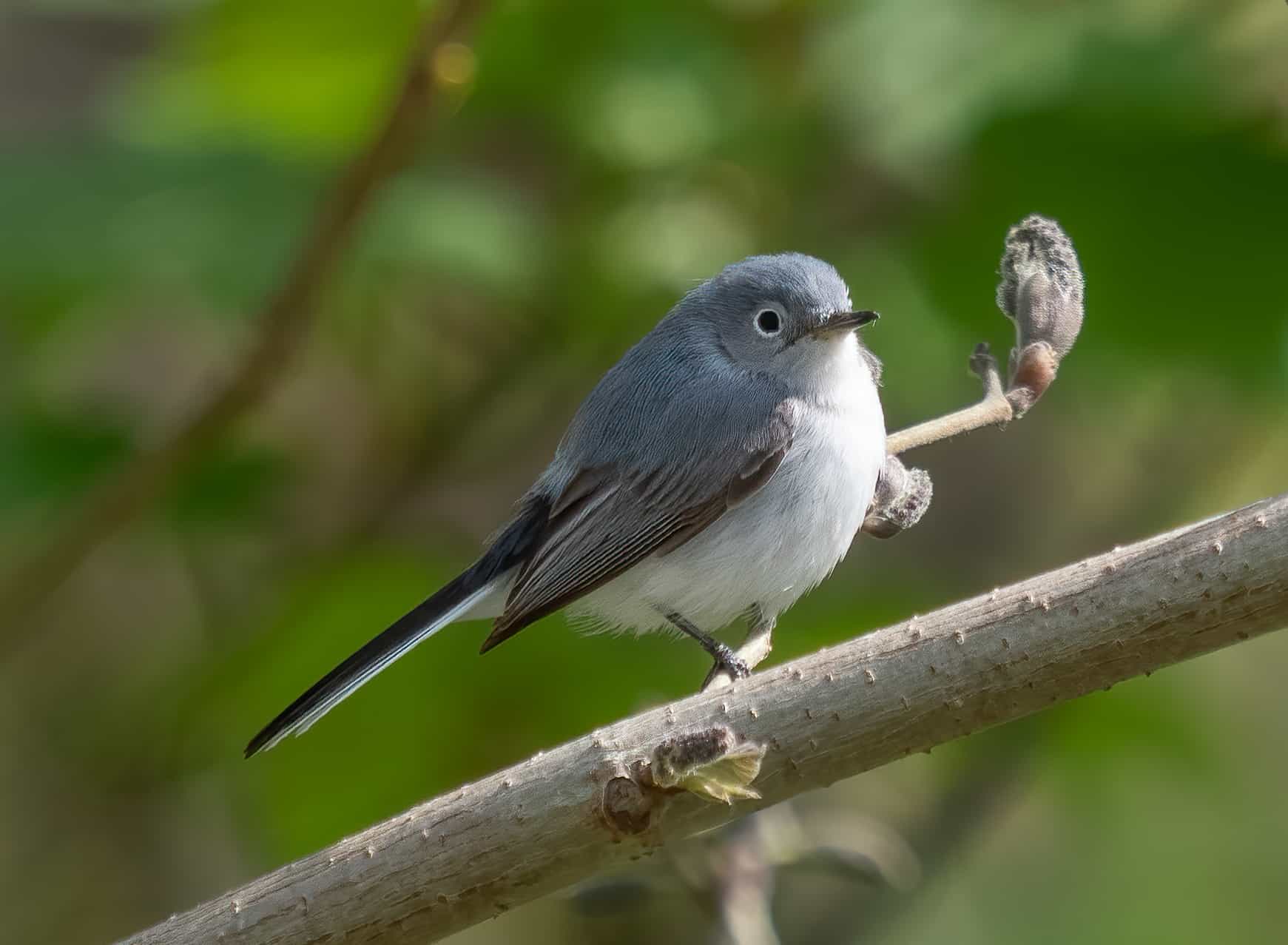
Species that pass through during migration seasons
Timing and migration patterns
These species typically pass through Mesa, Arizona during spring and fall migrations.
Birdwatching hotspots in Mesa
Parks, reserves, and observatories
Mesa, Arizona offers diverse habitats including desert dunes, wetlands, and riparian forests, providing rich environments for birdwatching.
Riparian Preserve at Water Ranch: A popular spot with ponds and trails, home to over 200 bird species.
Usery Mountain Regional Park: Offers desert trails with spectacular views and opportunities to see various desert bird species.
Coon Bluff Recreation Area: Located along the Salt River, it's ideal for watching waterfowl and migratory birds.
Accessibility and facilities
Most areas are equipped with walking paths, restrooms, and picnic areas, ensuring easy access for visitors of all abilities.
Conservation efforts
Mesa, Arizona actively engages in water conservation and habitat preservation initiatives. Some of the efforts include:
- Water-saving programs are implemented to reduce usage.
- Habitat restoration projects help preserve native wildlife.
- Public education campaigns promote sustainable practices.
How Can I Help?
- Participate in local clean-up events.
- Adopt water-saving habits at home.
- Volunteer with local conservation organizations.
Live bird sightings in the Mesa area
Discover what birds are currently active in Mesa through real-time sightings from Birdbuddy users. Explore hotspots and track your favorite species with updates from our community network.
Learn more about Birdbuddy