
Fox Sparrow
Fox Sparrow
Passerella iliaca
Quick Identification guide
Quick Identification guide
Male
- •
Reddish-brown upperparts with streaked tones and a grayish face
- •
A robust, conical beak suited for seed eating
- •
Heavily streaked breast with a bright, rust-colored wash overall
Female
- •
Similar reddish-brown upperparts as the male with subtle variations in shade
- •
Conical beak that mirrors the male's shape, used for foraging
- •
Pronounced streaked appearance on breast with a slightly paler rust wash
What does a fox sparrow sound like?
The fox sparrow's vocalizations are engaging and distinctive, characterized by one or more clear whistles that open up its lively song. This is typically followed by several short trills or churrs for a richer depth. In addition to its song, its call is more straightforward, manifesting as a sharp 'chink'. The bird's call adopts an undulating pattern shifting between chirps or chips and whistles, giving the fox sparrow a uniquely recognizable voice in avian communication.
Description
Fox sparrows may be small but that doesn't stop them from being intrepid travellers! They have been found wandering around the most unlikely of places, like Greenland, Iceland, Ireland, Germany and Italy. That isn't to say they flew all the way. Some must have hitched a ride on a transatlantic ship – and who can blame them? It's nice to go on a cruise every once in a while!
The fox sparrow can weigh between 25to49grams and be from15to19centimeters tall.
The typical lifespan of a fox sparrow is around 5 years. However, the oldest recorded living in the wild reached an impressive 10 years and 4 months. This is a similar life expectancy to other sparrow species such as the white-throated sparrow, which typically lives up to 9.6 years. Like many bird species, the survival rate for the first year is lower than subsequent years, due to predation and hardship.
Did you know?
Most popular questions about fox sparrow
How to recognise a fox sparrow?
General appearance
The Fox Sparrow is a large bird of around 6-7 1/2 inches. It has a noticeable ground-scratching behavior. Its underparts display triangular spots and its face is rather plain. Its overall color varies: it is very reddish in the east and far north, mostly gray with some reddish in most of the west, and darker sooty brown in the Pacific northwest. Its tail is often reddish, and it often has a two-toned bill.
Male vs female
There is no notable sexual dimorphism in the Fox Sparrow that would differentiate males and females purely based on physical appearance. Both genders share the same general traits from size to color and markings.
Juvenile
Juvenile Fox Sparrows are similar in appearance to the adults in terms of color and markings. The size difference is notable, with young birds being smaller until they reach full grown size.
Often mistaken for
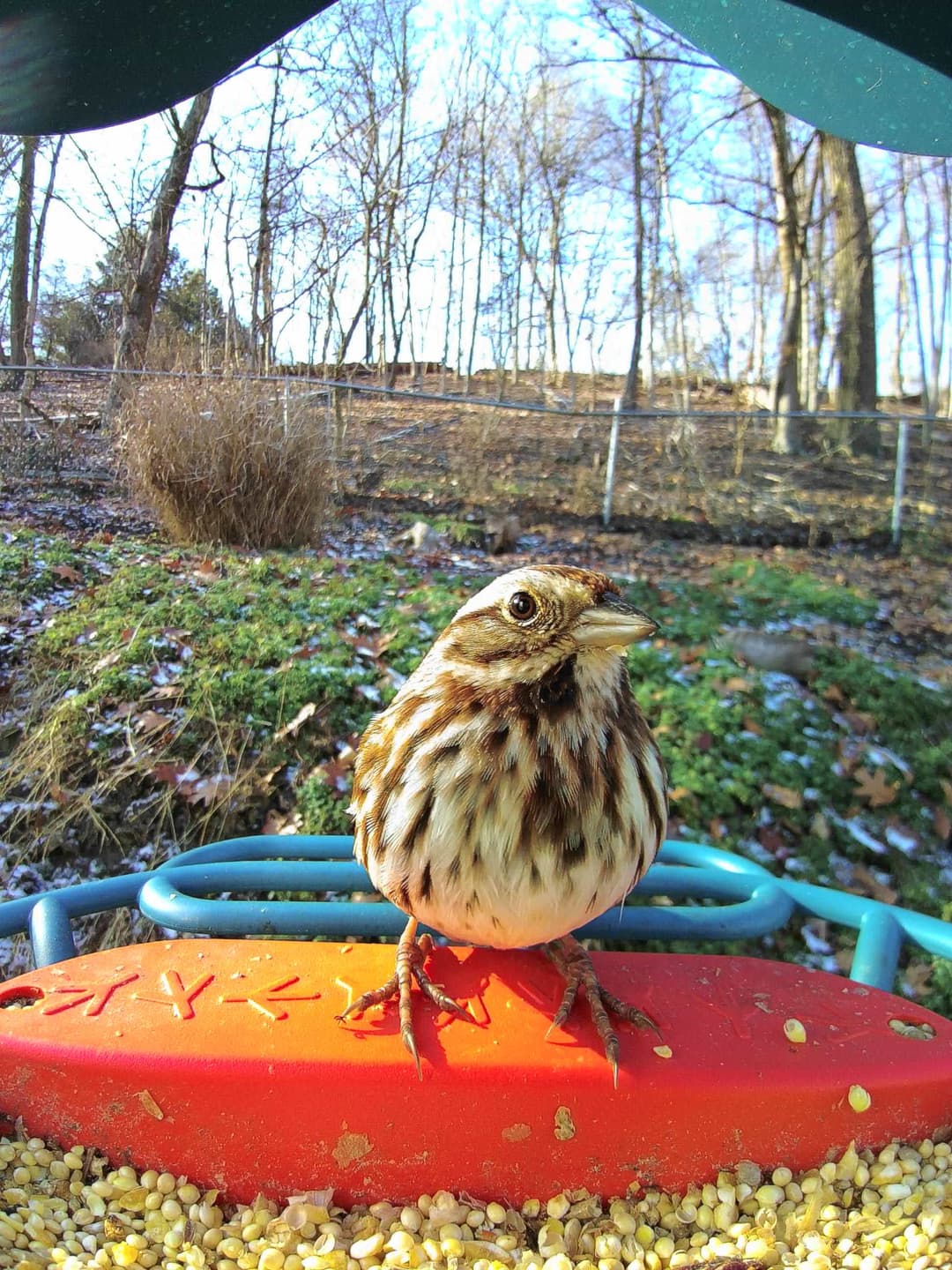
Song Sparrow vs Fox Sparrow
Fox Sparrows are generally larger and chunkier with a rounder body and fuller breast. They have a more uniform reddish-brown color with heavier, more defined streaking on their chest and a distinct rufous tail. Song Sparrows are smaller, with finer streaking on a paler background, often showing a central breast spot.
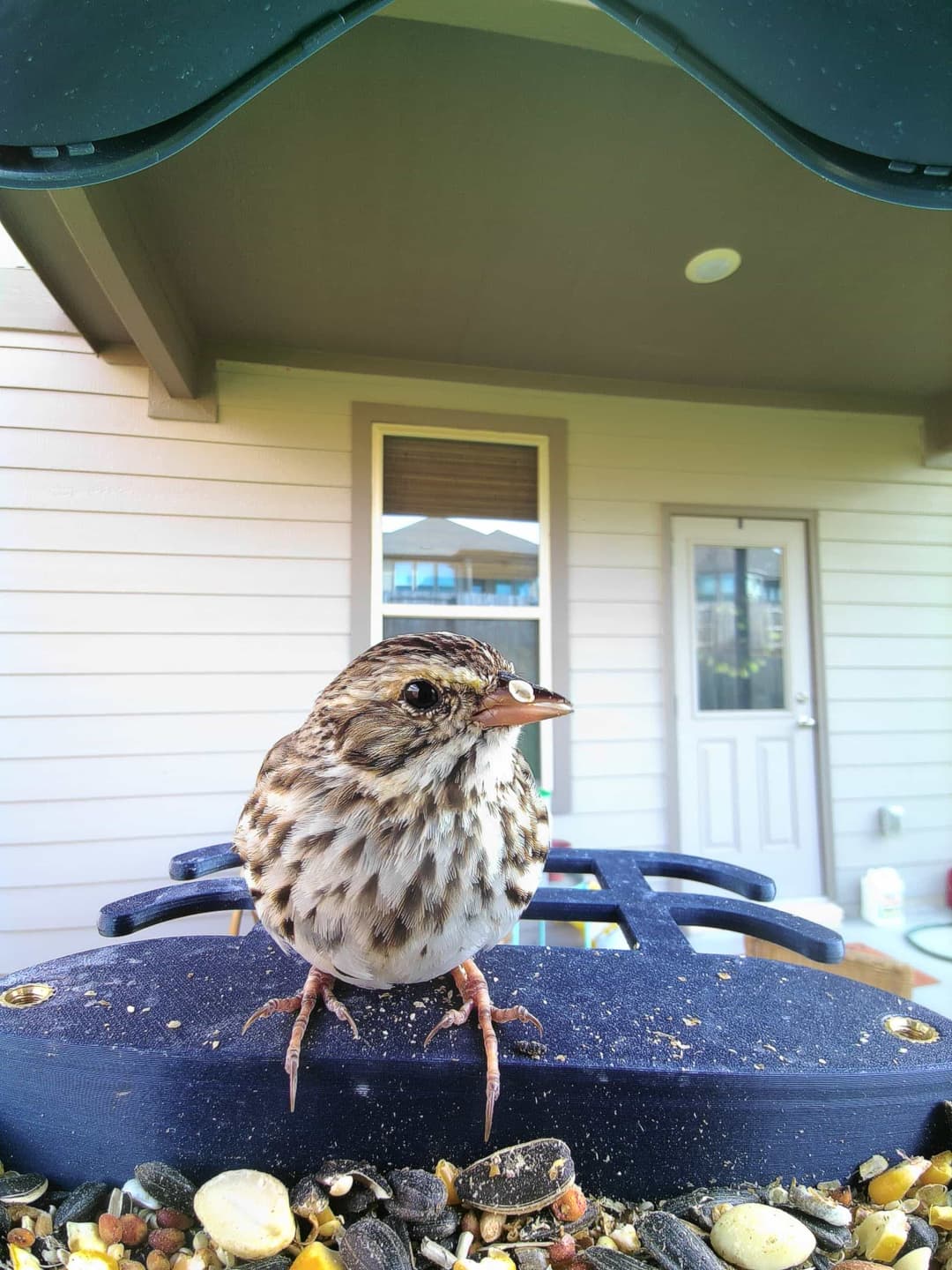
Savannah Sparrow vs Fox Sparrow
Fox Sparrows possess a bulkier build and a more reddish-brown hue with bold chest streaks. They have a thick, rounded bill. Savannah Sparrows are smaller and slimmer with a yellowish stripe above their eye, and their streaking is lighter. They usually have a shorter tail and are less reddish.
Breeding and nesting habits of the fox sparrow
Mating behaviors
In spring, the male fox sparrow sings to defend its nesting territory and may display aggression towards intruders, including those from other species and its own.
Nesting details
Fox sparrows often nest on the ground under dense cover of low shrubs. Occasionally, they build nests in shrubs or low trees, rarely more than 8 feet above the ground. The female likely constructs an open cup nest from grass, weeds, and moss, lining it with fine dry grass. Nests above ground are generally larger and more bulky due to additional twigs in their structure.
Eggs and chick-rearing
Upon laying eggs in the nest, typically constructed by the female, the fox sparrow will engage in rearing chicks. While specific details on their chick-rearing practices are not provided, creating a suitable habitat in gardens can support nesting by providing dense low shrub cover or shrubs and low trees for elevated nests.
What does a fox sparrow like to eat?
Berries
Insects
Plants
Seeds
Snails
Spiders
Worms
Natural diet
The dietary habits of the fox sparrow consist of a variety of natural food sources. During the breeding season, the bird primarily consumes insects, including beetles, flies, true bugs, spiders, and millipedes. Throughout other seasons, the majority of its diet is composed of seeds, primarily from weeds like smartweed and grasses. Additionally, the fox sparrow occasionally eats some berries. In coastal regions, it may also consume tiny crustaceans and other marine life found on beaches. The young are fed predominantly insects, reflecting the adult diet during breeding periods.
Bird feeders
Common foods for fox sparrows at bird feeders include seeds that mimic their natural diet, such as millet, sunflower seeds, and cracked corn. The array of seeds offered aligns with their preference for weed and grass seeds, making them a likely visitor to feeders providing these varieties.
Attract fox sparrows with delicious snacks
Fox Sparrows love munching on various seeds, berries, and insects. To entice them to your yard, consider providing seeds from Bird Buddy. They're chosen by experts to suit the season and have an excellent track record for attracting these charming birds. Additionally, these sparrows enjoy suet, fruit and mealworms. Placement and variety of food can also make a big difference. Try scattering some supplementary food on the ground, since Fox Sparrows are ground feeders.
Use the right type of feeder
While Fox Sparrows prefer feeding on the ground, they do visit bird feeders. Make sure to opt for platform feeders with plenty of room, as these sparrows need space to scratch around the food. Platform feeders that rest on the ground are particularly successful. You can also place trays or scatter seeds directly onto the ground to tempt them into your yard.
Use tricks to encourage fox sparrows to stay
Creating a bird-friendly landscape can entice Fox Sparrows to stay longer. Consider adding dense shrubs or brush piles in your yard to provide cover for these birds. Fresh water sources like bird baths are also great additions. Remember, Fox Sparrows are fans of a sing-along, especially in spring. Playing soft bird songs could be a fun trick to encourage these beautiful songbirds to drop by and serenade you with their sweet melodies.
Where can you find fox sparrows?

Primary habitat
Fox sparrows primarily breed in brushy wooded areas, including woodland edges, clearings, streamside thickets, scrubby second growth and stunted coastal forest.
Additional range
In winter, they inhabit similar areas but also venture into brushy fields, chaparral, and well-vegetated suburban areas and parks.
Do they migrate?
The Fox Sparrow is a migratory bird. It typically migrates early in the spring and late in the fall, with peak migration occurring in many areas during late March and early November. This nocturnal migrator's range extends from breeding grounds in the northern boreal forests of Alaska and Canada down to wintering areas in the United States and occasionally into northern Mexico. During the spring migration, Fox Sparrows travel north from their winter habitats in the southern United States. They move through the central and eastern parts of North America, aiming towards their breeding territories in the northern boreal forests. The fall migration sees them return southward using similar flyways. Key stopover locations during migration include riparian woodlands, brushy fields, and weedy edges where they can forage for seeds and insects. The exact route can vary depending on the specific subspecies of Fox Sparrow, but in general, they follow a route that spans central and eastern North America. Their ability to adapt to a range of habitats during migration aids in their overall survival and successful return to breeding sites each year.
What is the role of fox sparrows in nature and how to protect them?
Conservation status
The fox sparrow is generally considered a common species, but some counts indicate a decline in its numbers, particularly in the eastern regions. While it is not classified as vulnerable or endangered, monitoring trends are crucial. Key threats include habitat loss and degradation, particularly in breeding and wintering grounds. Conservation efforts focus on habitat preservation and restoration to support stable populations. Managing and protecting natural environments, alongside continued research and monitoring, are vital to ensure the species remains common and its numbers do not dwindle further.
Ecological role of fox sparrows
Its role in the ecosystem
The Fox Sparrow serves a pivotal role in ecosystem maintenance and balance. Particularly during the breeding season, it aids in pest control by feeding on numerous insects such as beetles, flies and true bugs, spiders, and millipedes. This feeding behavior aids in controlling the population of these insects that could potentially become pests if not checked. Additionally, the fox sparrow contributes to seed dispersal. It primarily feeds on seeds of weeds, grasses and berries most times of the year. Their foraging behavior causes these seeds to be spread over a wide area, assisting in the propagation of these plant species. Furthermore, when feeding in coastal regions, they also consume tiny crustaceans, contributing to the food chain in those habitats. Through these activities, the Fox Sparrow not only plays an essential role in maintaining the biodiversity but also in defining the structure of the ecosystems they inhabit.
How to help protect fox sparrows
Preservation tips
Habitat preservation strategies
To support fox sparrow conservation, preserve its natural habitat. The species thrives in thickets, woodland edges, and undergrowth, so maintain these spaces and promote responsible land use. Limit the development of wetland habitats and encourage reforestation of cleared areas. Avoid pesticide use as these can indirectly harm sparrows by reducing their insect food sources.
Community science initiatives
Engage in community science initiatives that monitor and track fox sparrow populations. Participate in bird counts and utilize bird watching apps to report sightings. Local schools and community groups can start a citizen science project to gather data about the sparrow's distribution and habitat use. Utilize this data to advocate for protective regulations and land management policies. Educate the public about the importance of biodiversity and the role of the fox sparrow in the ecosystem.