
House Wren
House Wren
Troglodytes aedon


Quick Identification guide
Quick Identification guide
- •
The House Wren is small, with a compact, rounded body and a distinct lack of striking patterns, giving it a plain appearance
- •
It features a light brown upper body with a faint reddish tone and paler, grayish underparts for understated visual identification
- •
Notable for its short, thin beak and short tail often held upright, it has subtle barring on wings and tail
What does a house wren sound like?
The house wren's vocalizations can be described as a gurgling, bubbling, and exuberant song, with a rhythm first rising then falling, generating an undulating call pattern. The bird's call type consists of a chirp/chip, a trill, and a distinctive whistle, painting an energetic auditory portrait. The house wren's song is a lively testament to its spirited character, exhibiting a whimsical soundtrack in its natural habitat.


Description
During breeding season, house wren males will build several nests at once in hopes of persuading the female. They can be pretty aggressive and apparently don't take no for an answer; single males will compete for a female's attention even if she's already nesting with another male! Unfortunately for him, these attempts are most often successful. The new male will get rid of the existing eggs and start a new family. Until the next breeding season, when they will all find new mates.
The house wren can weigh between 10to12grams and be from11to13centimeters tall.
The house wren typically lives for an average of 7 years, though the oldest known individual was recorded living 9 years and 1 month. This is longer than some other related wren species, like the Pacific Wren which averages 5 years, but less than other species including the Bewick’s Wren with a maximum recorded lifespan of 10 years.
Did you know?
Most popular questions about house wren
How to recognise a house wren?
General appearance
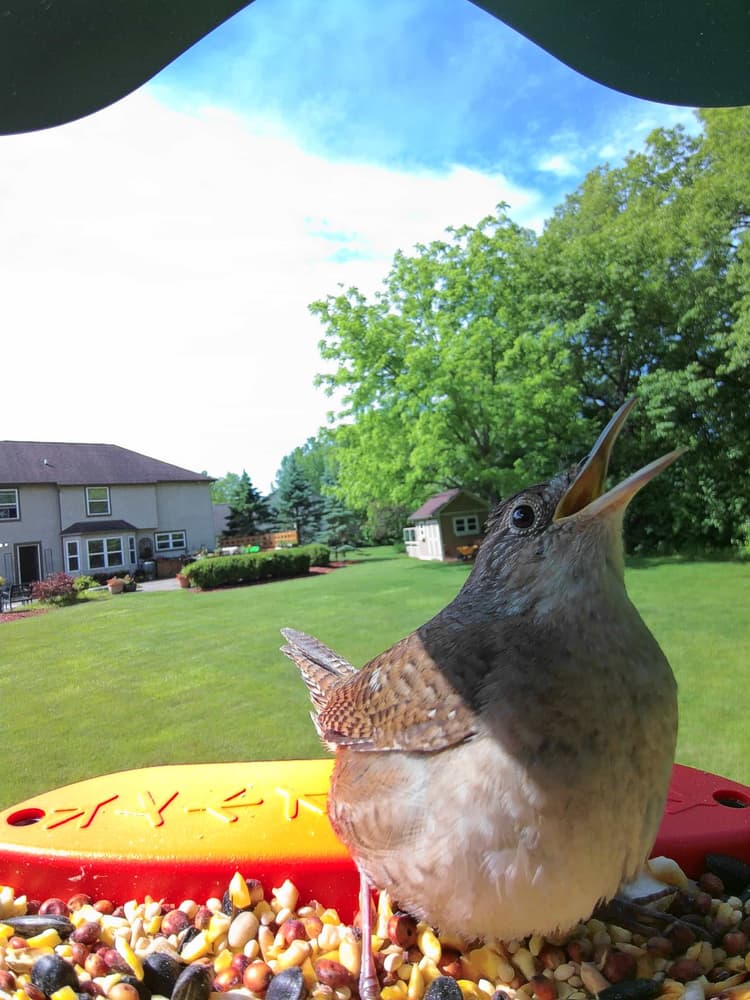
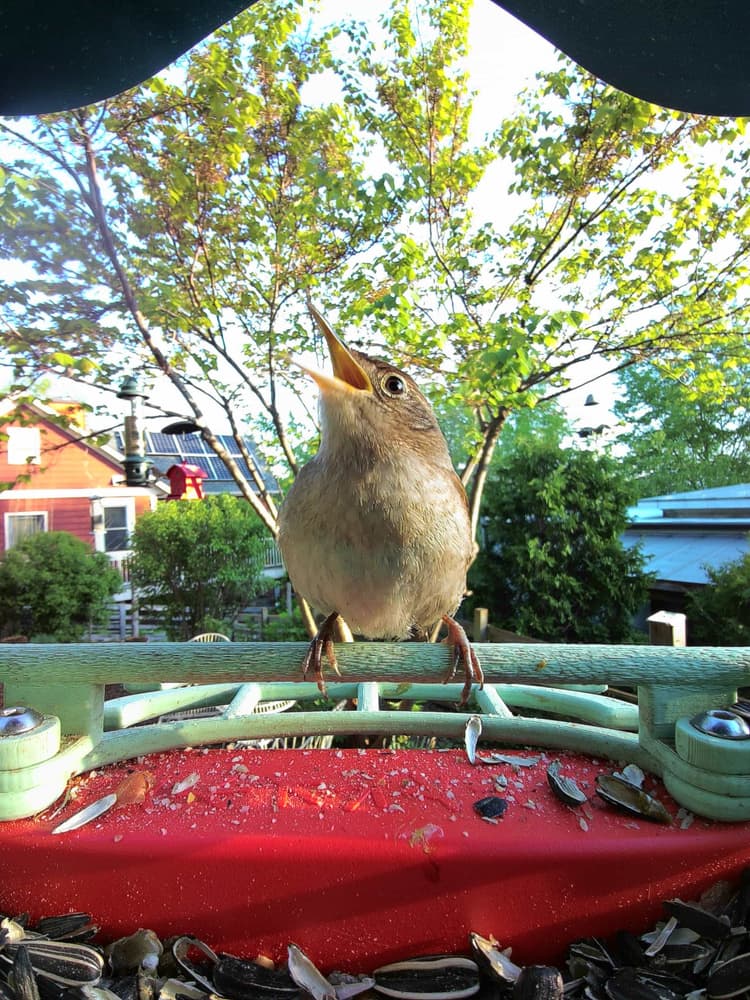
The house wren (Troglodytes aedon) is a small songbird, measuring around 4.3 to 5.1 inches in length. It has a compact body, a relatively long, curved beak, and a short tail often held upright. Its plumage is predominantly brown with subtle barring on the wings and tail. The underparts are a lighter gray-buff. Notable features include the absence of bold facial markings, with only a faint eyebrow stripe over the eye.
Male vs female
Males and females of the house wren species look remarkably similar, making it difficult to distinguish between them purely based on appearance. Both sexes exhibit the same brown and gray coloration, size, and distinctive lack of strong facial markings. Behavioral differences, such as singing by males, during breeding season, are often more reliable identifiers than physical traits.
Juvenile
Juvenile house wrens resemble adults but tend to have slightly duller plumage with less pronounced barring on the wings and tail. They may also exhibit a slightly fluffier appearance due to their fresh feathers. Young birds quickly acquire the adult plumage pattern as they mature, typically by the end of their first summer season.
Often mistaken for
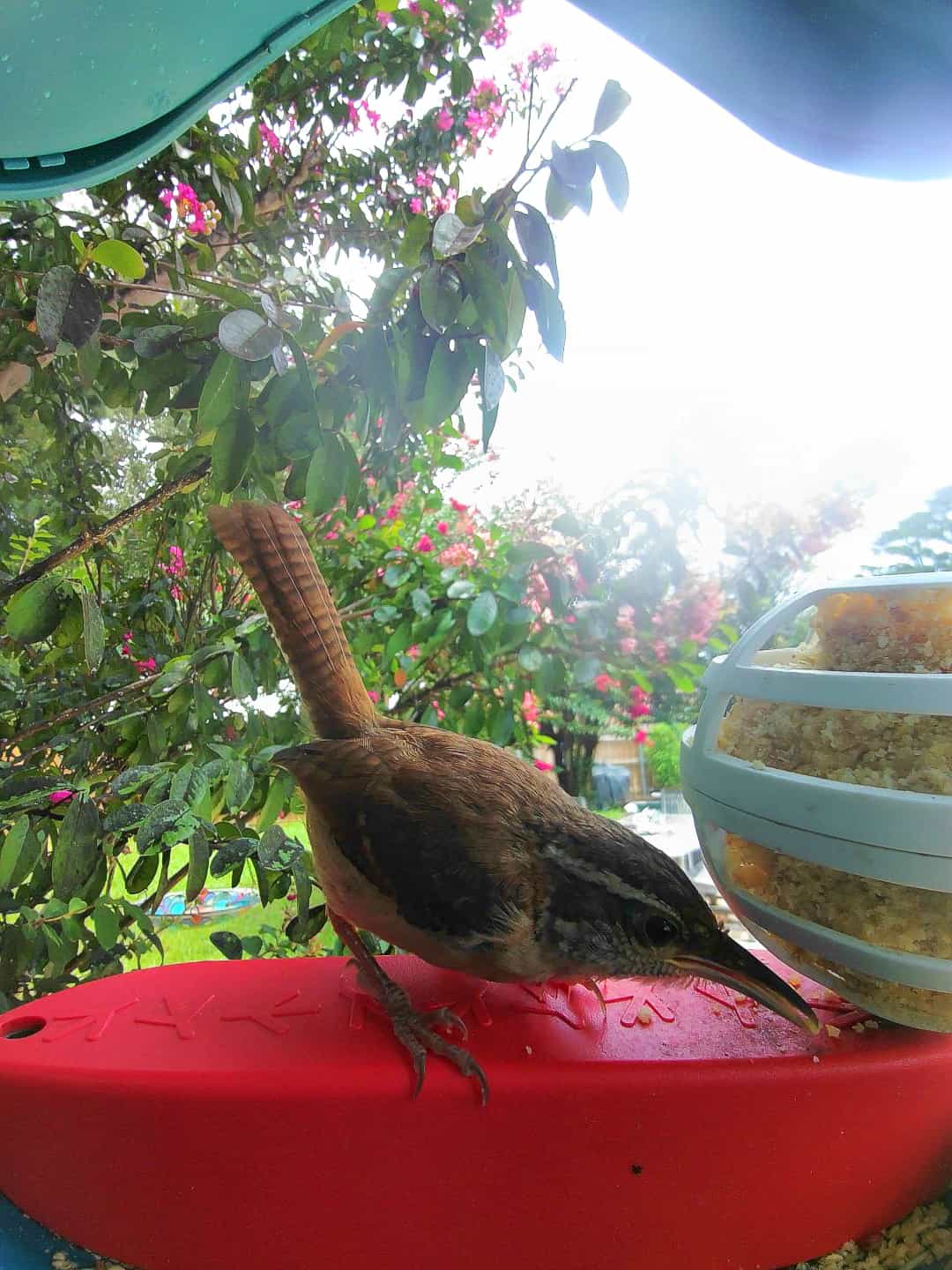
Carolina Wren vs House Wren
Smaller size, warmer reddish-brown upperparts, and a distinctive white eyebrow stripe distinguish it from a House Wren.
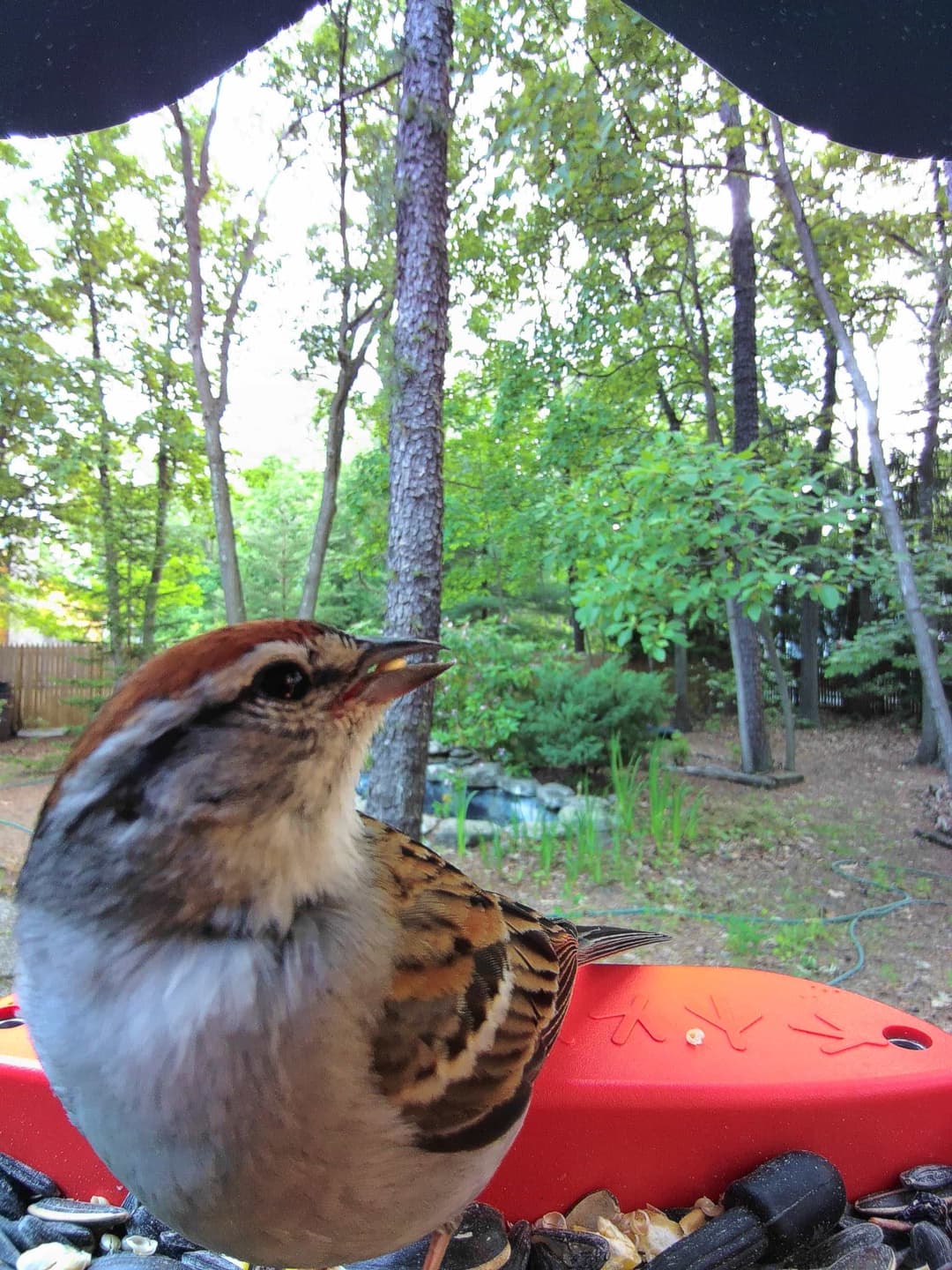
Chipping Sparrow vs House Wren
Generally larger with a distinctive rusty cap and black line through the eye, setting it apart from the plainer brown House Wren.
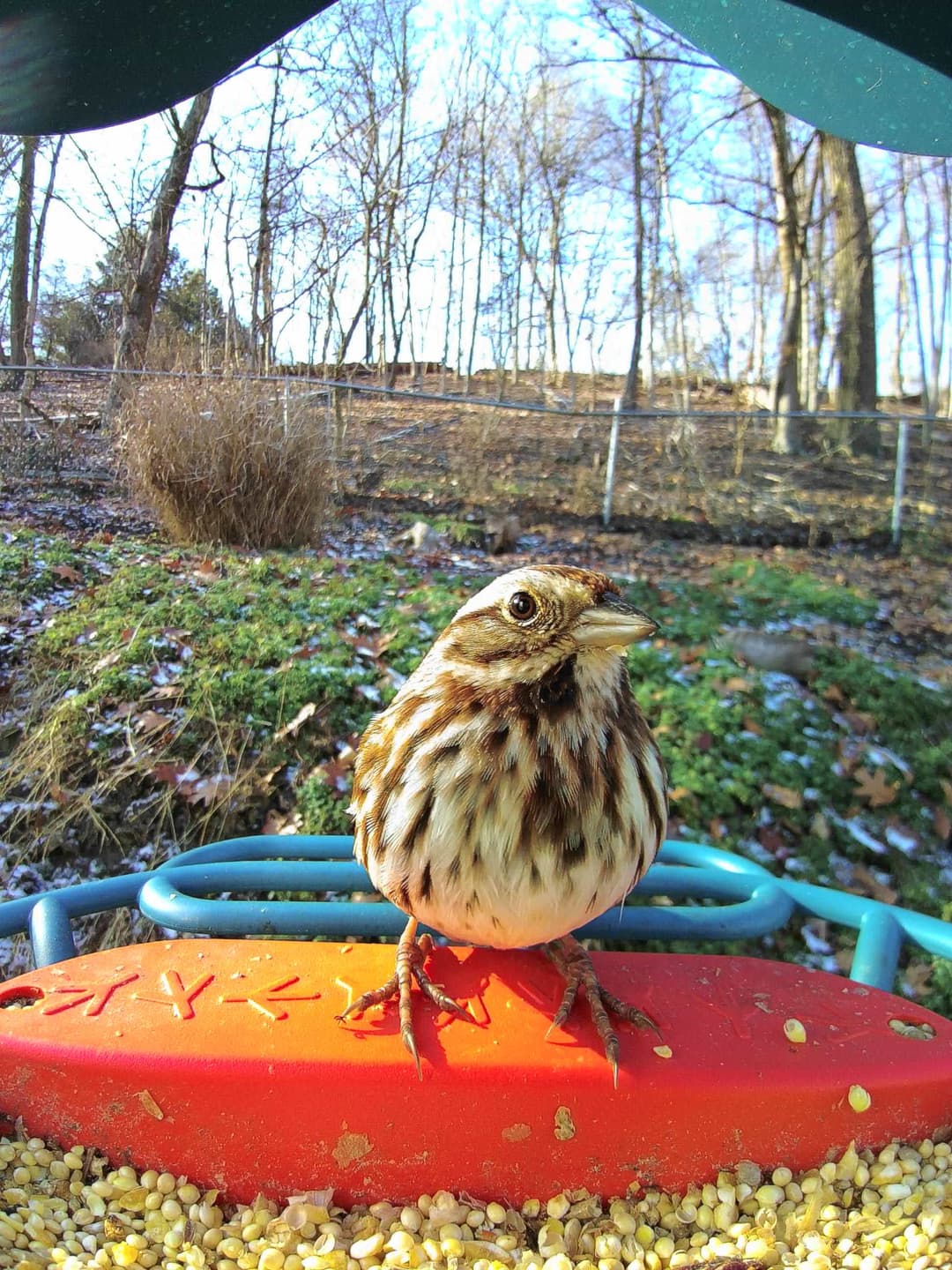
Song Sparrow vs House Wren
Larger size, rounder body, with prominent streaking on whitish underparts and a longer tail, differing significantly from the House Wren.
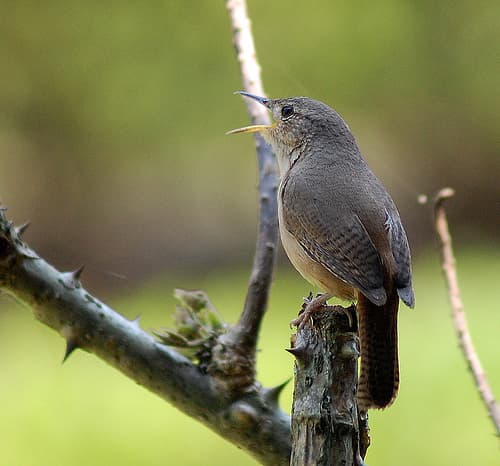
Southern House Wren vs House Wren
Very similar to the House Wren but can be found in the southern parts, has darker and more contrasting plumage.
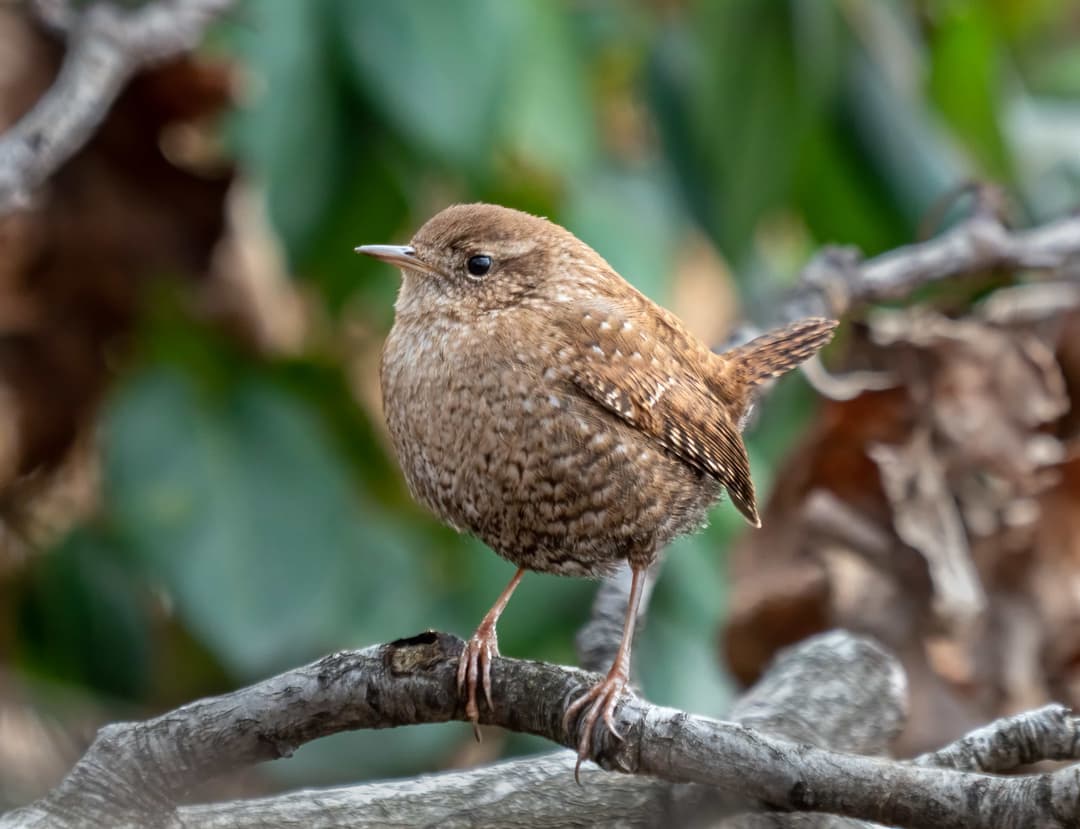
Winter Wren vs House Wren
Much smaller and rounder with a very short tail held upright, and it has a different song, compared to a House Wren.
Breeding and nesting habits of the house wren
Mating behaviors
Male defends territory by singing and engages in courtship by displaying potential nest sites to the female. Males may have multiple mates, and females might leave them to care for the first brood while nesting again with another male.
Nesting details
Nests are built in a variety of cavities, such as tree hollows, old woodpecker holes, and crevices in buildings, as well as unconventional spaces like flowerpots or shoes. The nest has a twig foundation topped with a softer cup of plant fibers and feathers. Males build dummy nests, while females choose and complete one.
Eggs and chick-rearing
Adults often puncture the eggs of other birds. Females may leave the male to rear the first brood alone. To create a suitable habitat, provide nest boxes or mimic natural cavities at varying heights with materials like twigs, grass, and feathers for lining.
What does a house wren like to eat?
Insects
Snails
Spiders
Natural diet
House wrens primarily feed on a diverse range of insects. Their diet includes beetles, true bugs, grasshoppers, crickets, caterpillars, moths, flies, and other insects. They also consume spiders, along with some millipedes and snails.
Bird feeders
House wrens are not frequent visitors to bird feeders, as their diet is mainly comprised of insects and other invertebrates found in their natural habitat.
Know your friend, the house wren
House Wrens are delightfully social, cheerful birds. They are known for their beautiful singing and are a joy to watch. To attract them to your yard, create a friendly environment suitable for their habits and preferences. You should start by picking the right food. House Wrens are primarily insectivores, but they also snack on other small creature and the occasional fruit or seed.
Feeding the house wren
For best results, go for Bird Buddy seeds. These have been expertly chosen based on House Wren's seasonal preferences, so they might find it hard to resist. You can also provide mealworms and berries to increase the variety. Make sure to place the feeder in a safe, quiet place. House Wrens prefer shrubs and lower tree branches, so placing the feeder about 5-10 feet from the ground would be ideal.
Housing and fun tricks
House Wrens love enclosed spaces like birdhouses or hollowed out gourds. You can attach the houses directly to trees or hang them from the branches. To encourage a sing-along, try creating a bird-friendly playlist. Stick to bird song tracks, but remember to keep the volume low. Too loud and it may scare the birds away.
Where can you find house wrens?

Primary habitat
The house wren primarily inhabits semi-open environments such as suburbs, gardens, woodlots, open forests, pine-oak woods, and orchards.
Additional range
Additionally, they are found in towns, open woods, thickets, and streamside groves. During winter, they prefer areas with dense low growth like thickets and streamside brush.
Do they migrate?
The House Wren is a migratory bird in many parts of its range. Generally, House Wrens that breed in the northern United States and Canada migrate south to spend the winter in the southern United States, Mexico, and Central America. The migration typically occurs at night. During spring migration, males often arrive on their northern breeding grounds slightly earlier than females. This early arrival allows them to establish and defend territories before the females arrive. In the fall, the migration generally begins as early as late August and can continue through October. Key locations for observing migrating House Wrens include riparian areas, open forests, and suburban gardens that provide sufficient insect prey. These birds typically do not follow a coast-hugging route but instead move more directly southward through interior regions. House Wrens that breed in the southernmost parts of their range, such as parts of the southern United States and the tropical regions of the Americas, tend to be non-migratory and remain in the same area year-round. This pattern showcases the adaptability and varied migratory behavior of the species depending on geographical location.
What is the role of house wrens in nature and how to protect them?
Conservation status
The house wren is currently widespread and common, with its population numbers likely stable. In the 19th century, the introduction of the house sparrow led to a decline in some areas due to competition for nesting sites. Despite this historical threat, the house wren does not currently face significant conservation issues and is not considered vulnerable or endangered. Conservation efforts are focused on monitoring population trends and habitat preservation to ensure the species remains stable.
Ecological role of house wrens
Its role in the ecosystem
The House Wren plays a substantial role in pest control within its ecosystem. By foraging in dense vegetation at various levels, it helps control the insect population, including beetles, true bugs, grasshoppers, crickets, caterpillars, moths, flies, and others. It also contributes to managing spider populations, along with some millipedes and snails. On another note, the bird's peculiar habit of puncturing the eggs of other birds may influence the local bird species population. It's versatile nesting behaviour, often in naturally occurring cavities or human-incorporated spaces, indicates its adaptation capacity. Though it doesn't directly contribute to seed dispersal, this bird certainly impacts its ecosystem through its diet and nesting habits.
How to help protect house wrens
Preservation tips
Habitat preservation
Support the conservation of house wrens by preserving their natural habitats. Plant native trees, shrubs, and flowering plants to provide food, nesting sites, and cover for birds. Encourage local authorities and land owners to conserve undeveloped lands, and to incorporate bird-friendly practices in their land management strategies.
Community science initiatives
Participate in citizen-science initiatives such as NestWatch or Celebrate Urban Birds, where you can monitor nests and report data on bird populations. Encourage schools, community groups, and neighbors to take part. The data collected in these initiatives help scientists gain a better understanding of bird species like the house wren and how to effectively conserve them.