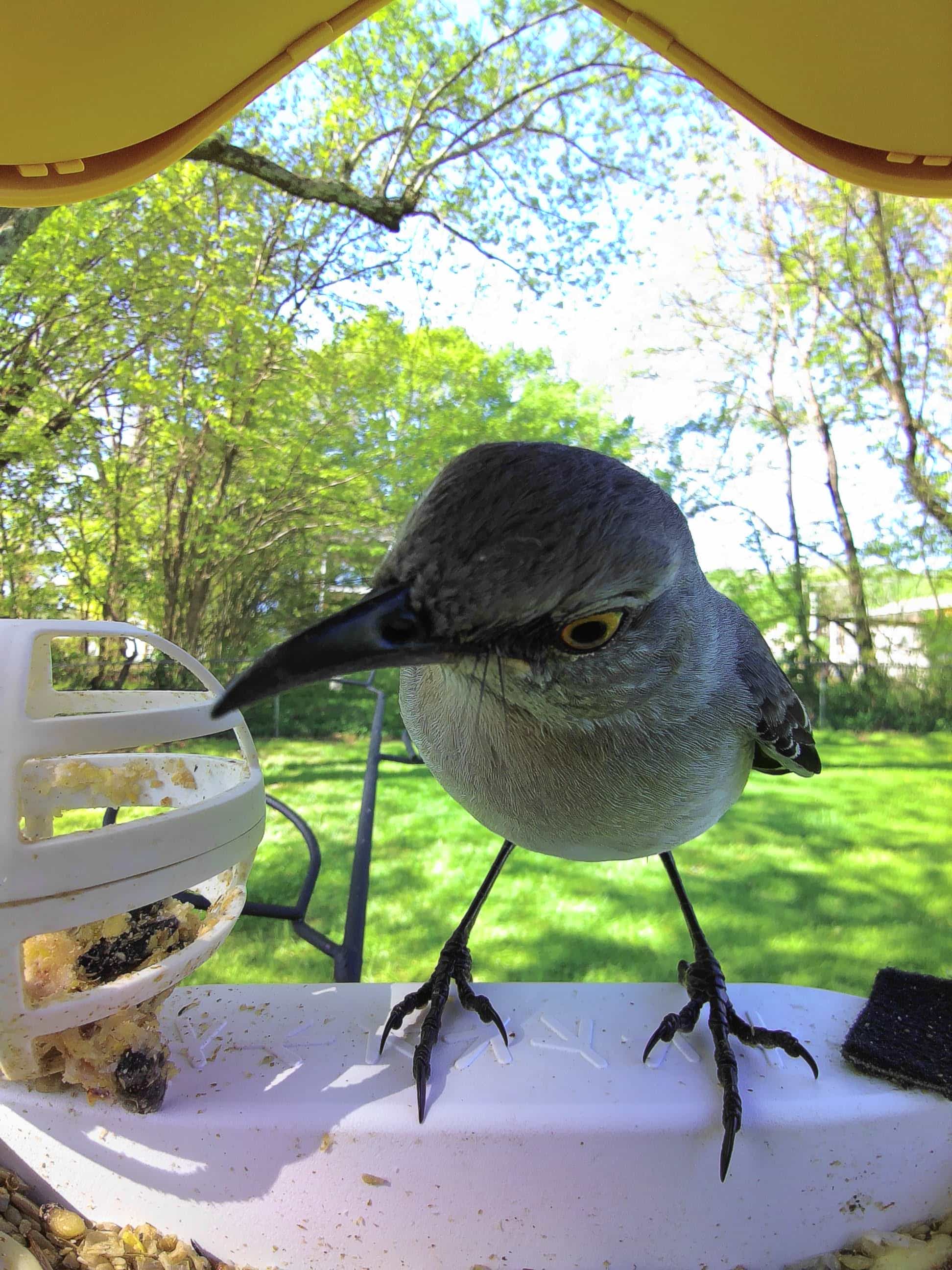
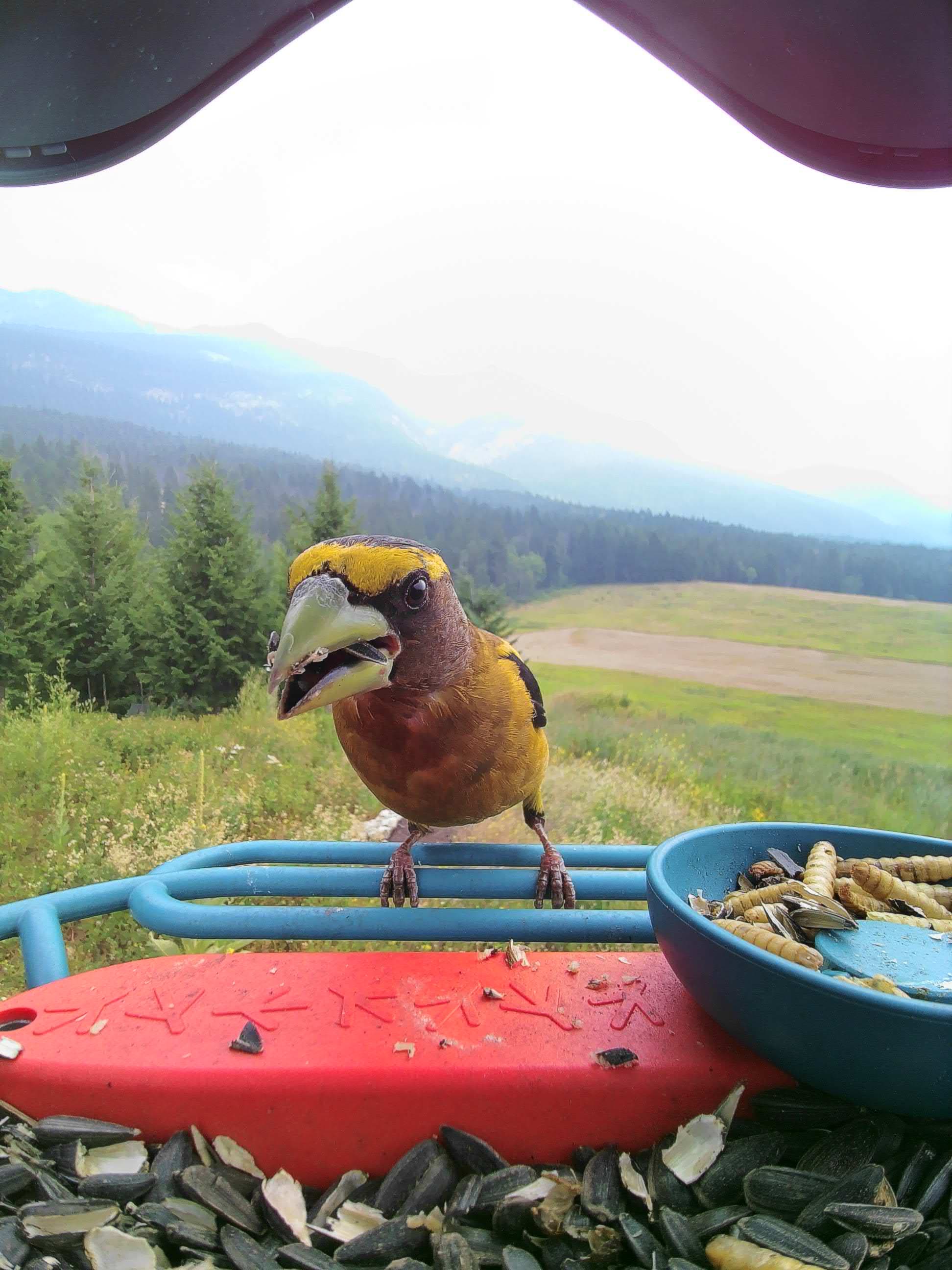
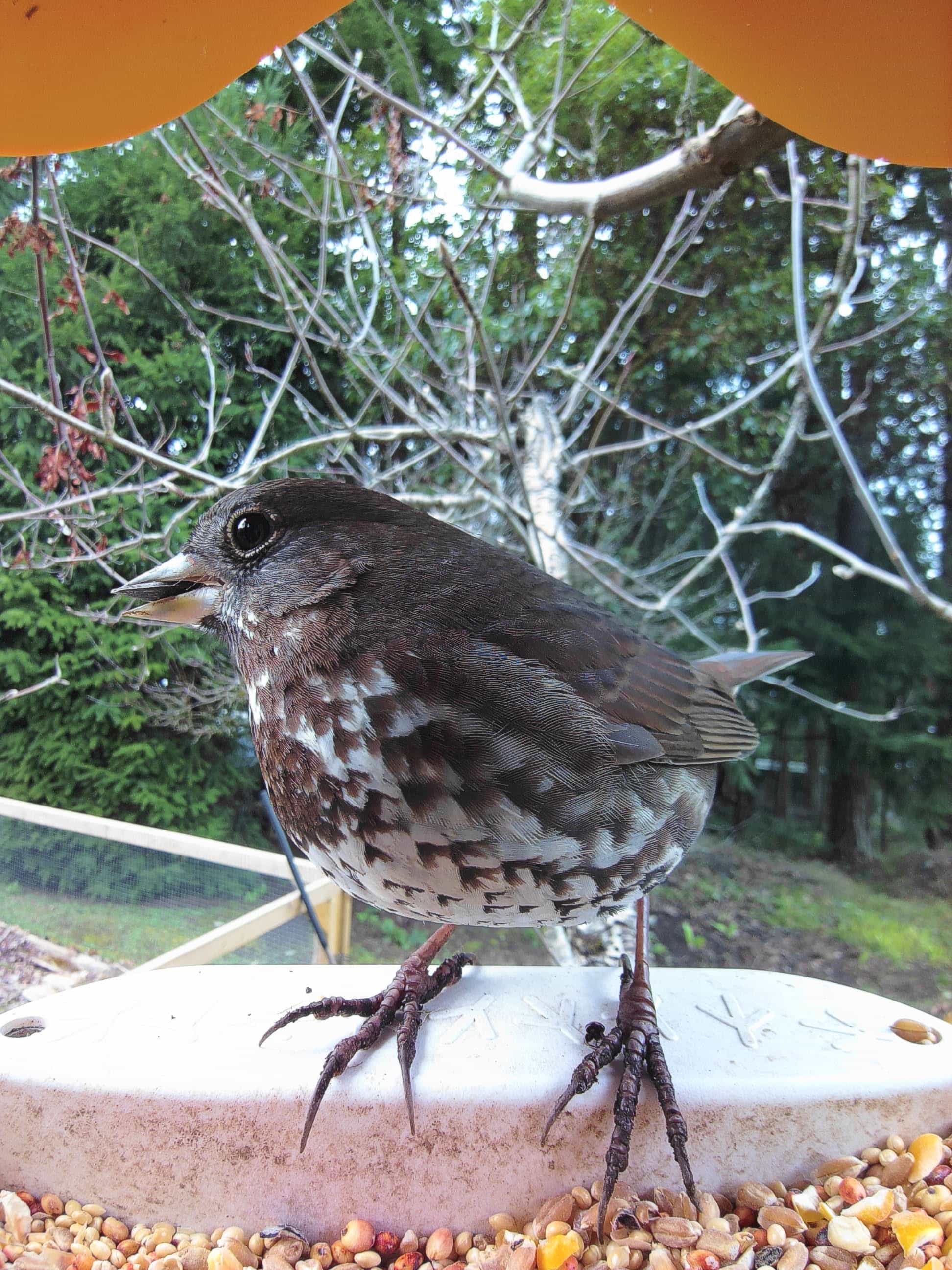
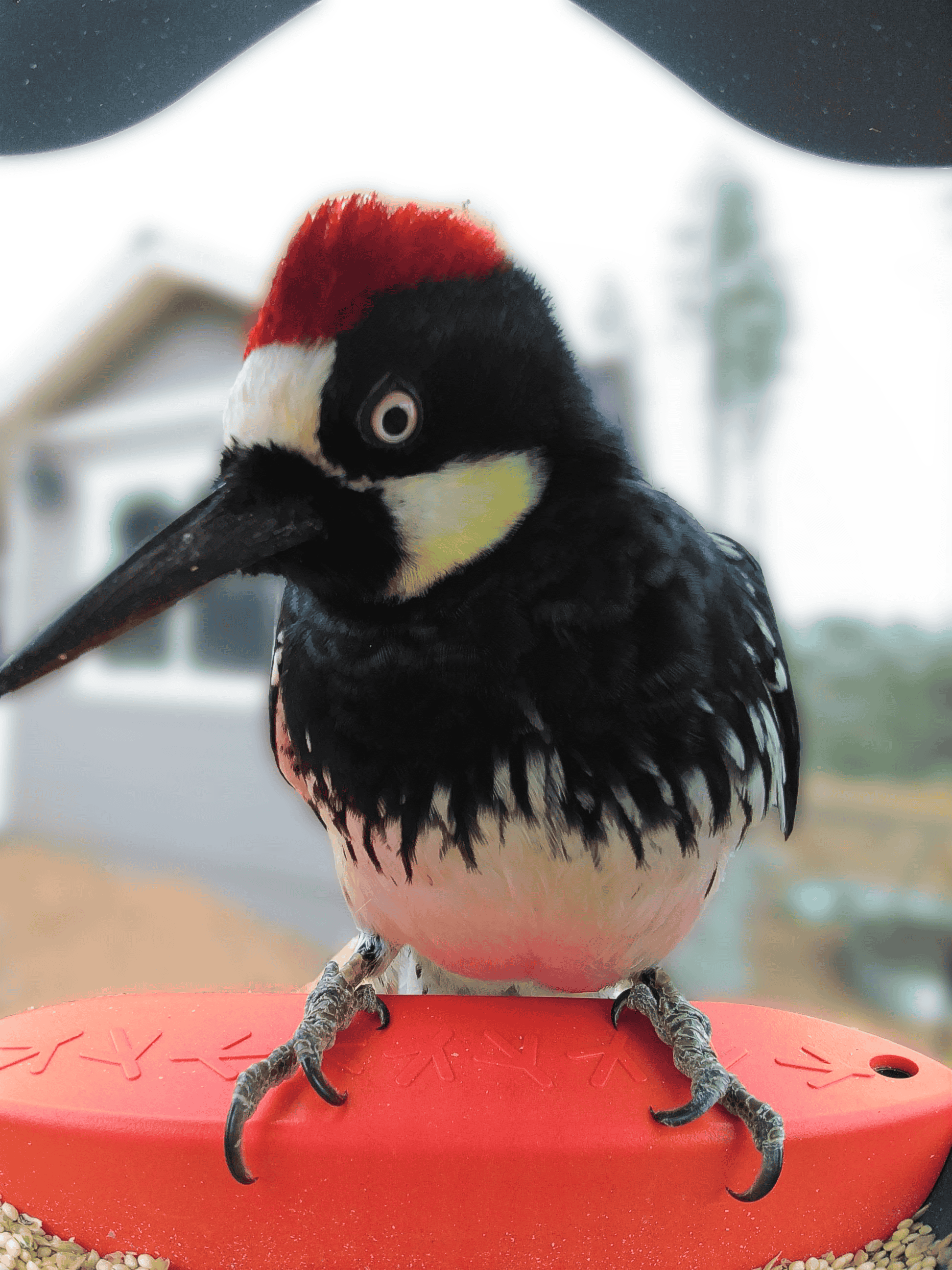
Birds in Los Angeles,
California
Los Angeles offers diverse birdwatching conditions with its unique blend of coastal, mountainous, and urban landscapes. The region's Mediterranean climate supports varied habitats like wetlands, forests, and chaparral, attracting numerous migratory and resident bird species. Birdwatchers benefit from hotspots such as the Ballona Wetlands, Griffith Park, and the Los Angeles River, making it crucial for spotting species like the California condor and snowy plover.
Most iconic Los Angeles bird
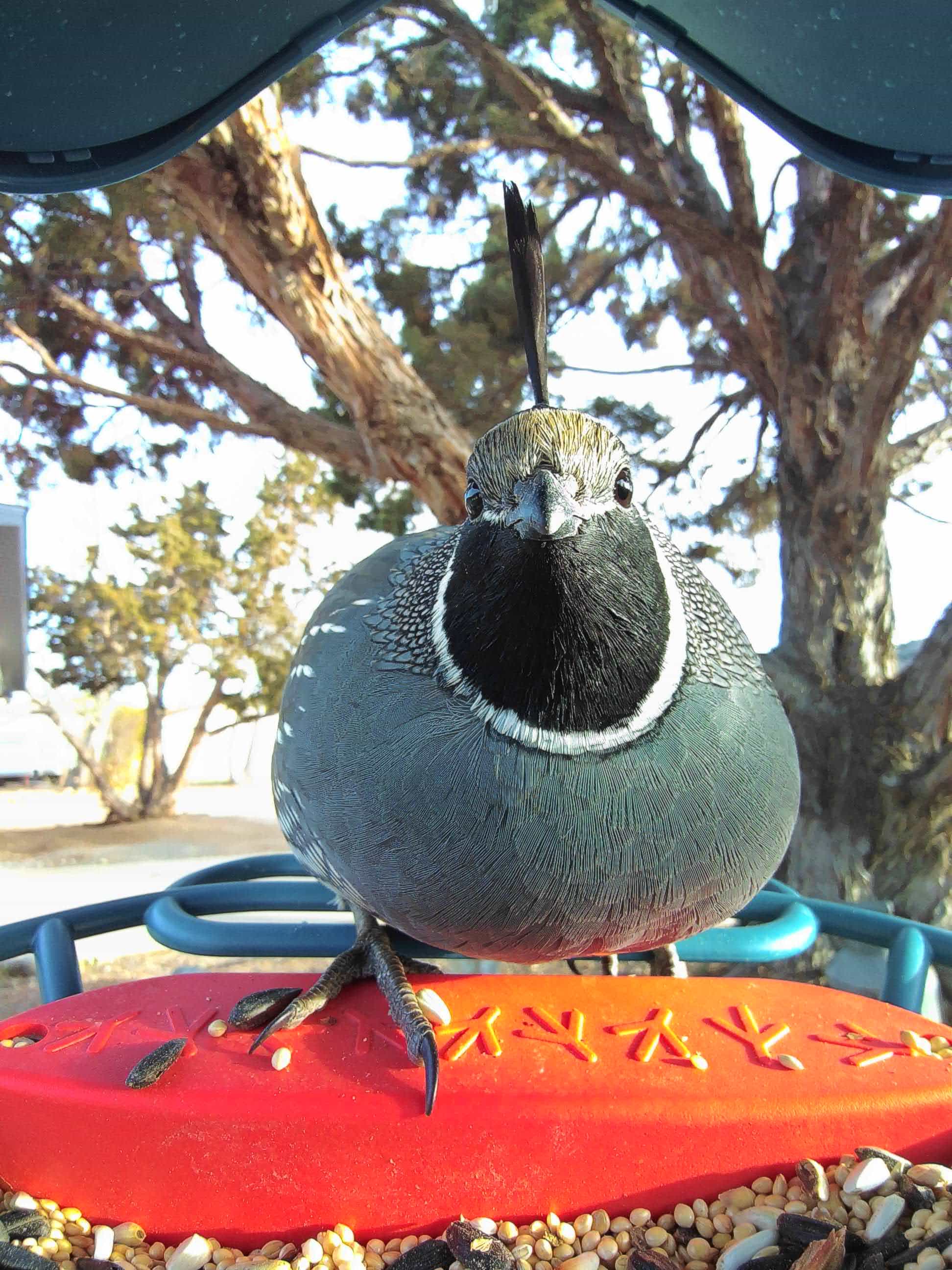
The California quail was chosen as the state bird of California because it is commonly found in the region and represents the state's natural beauty and heritage.
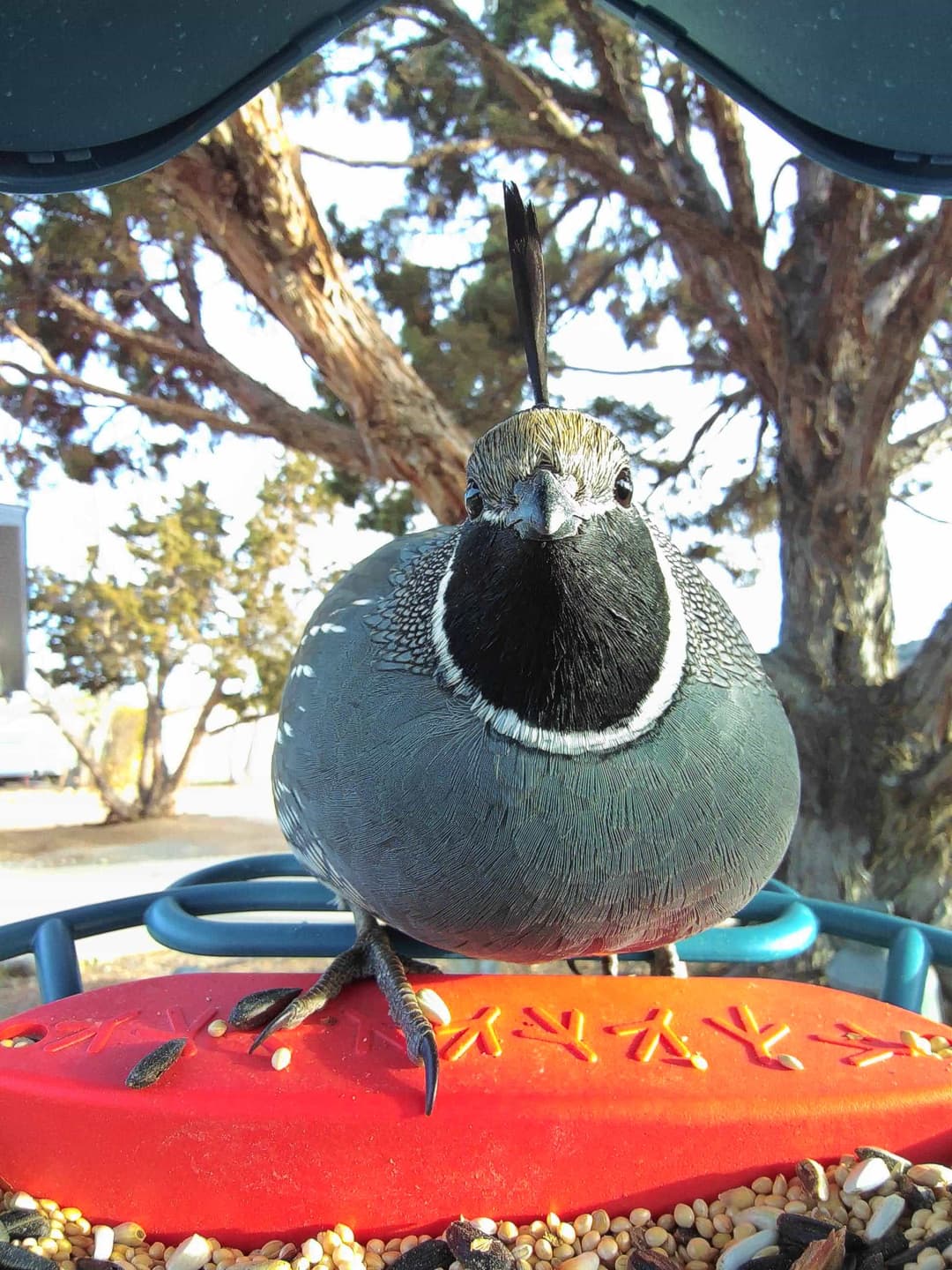
Common bird species in Los Angeles
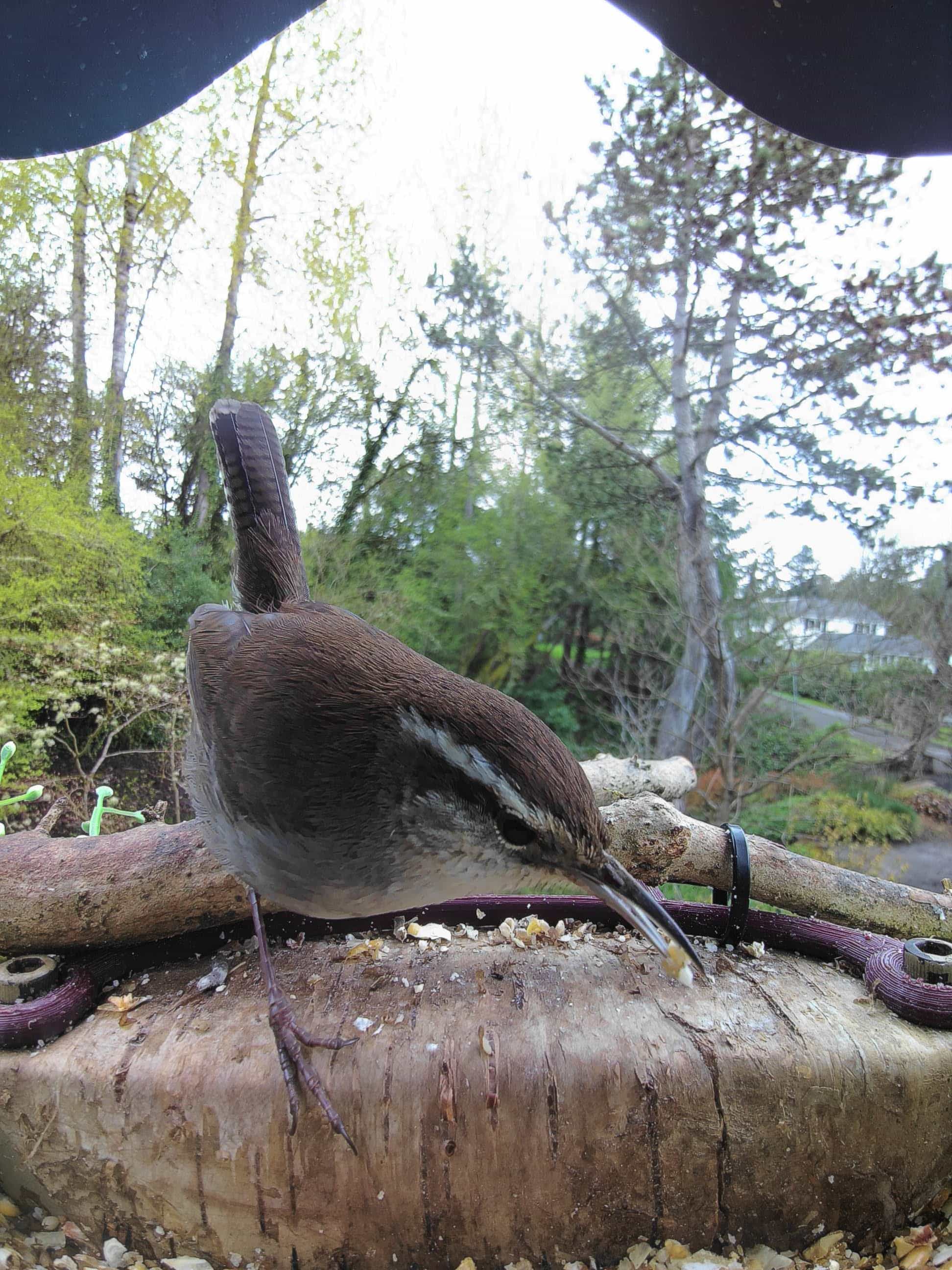
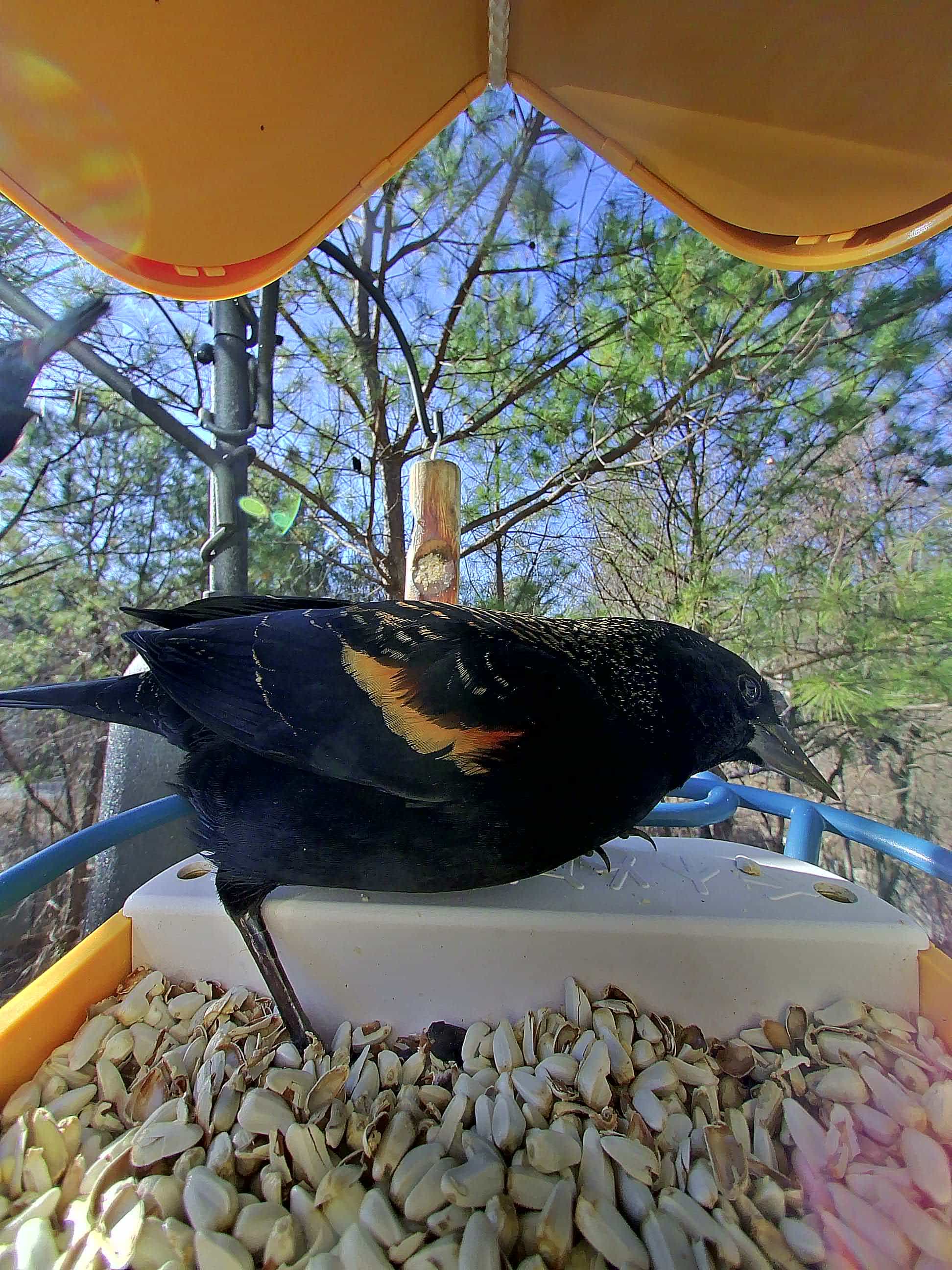
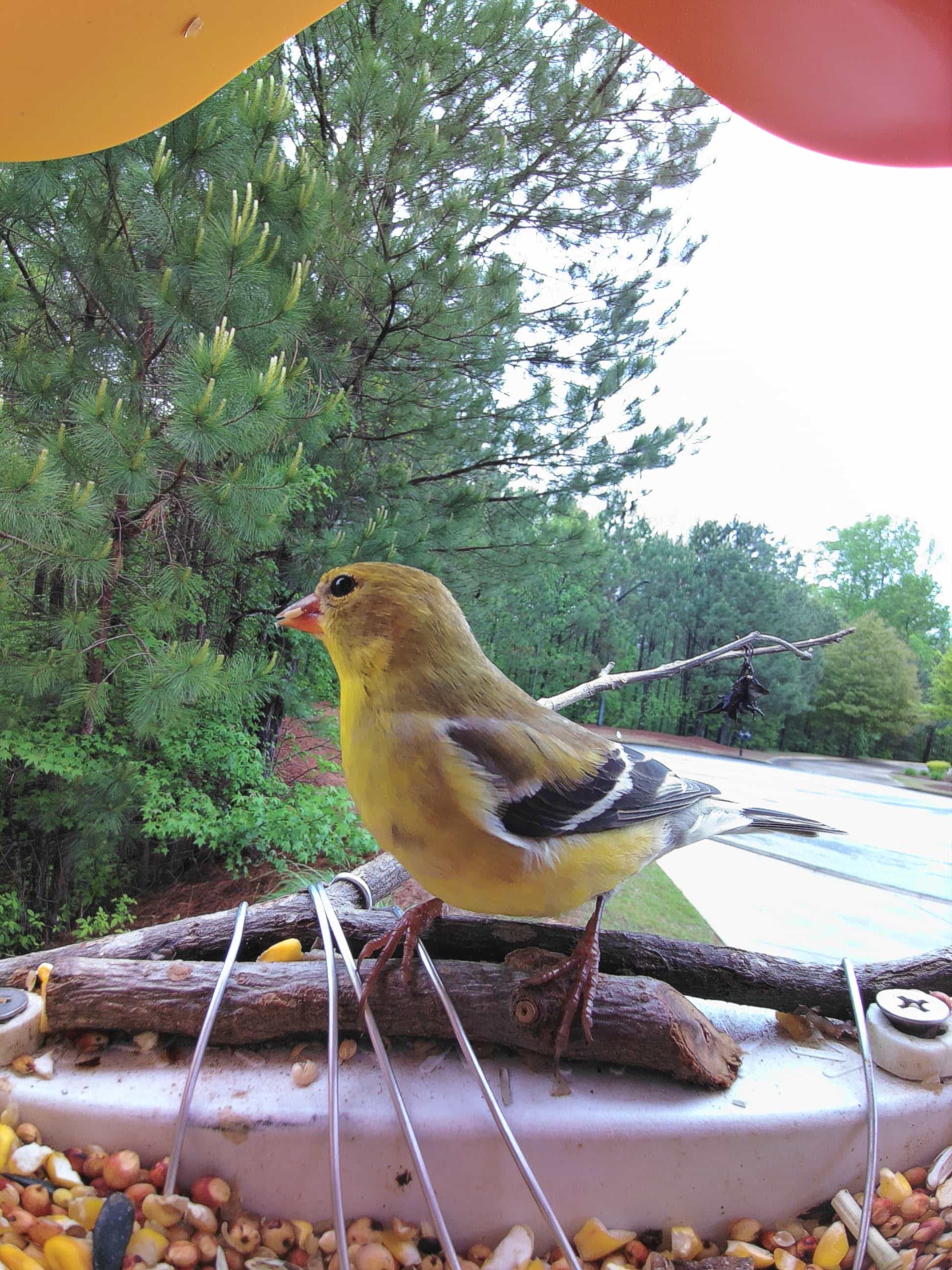
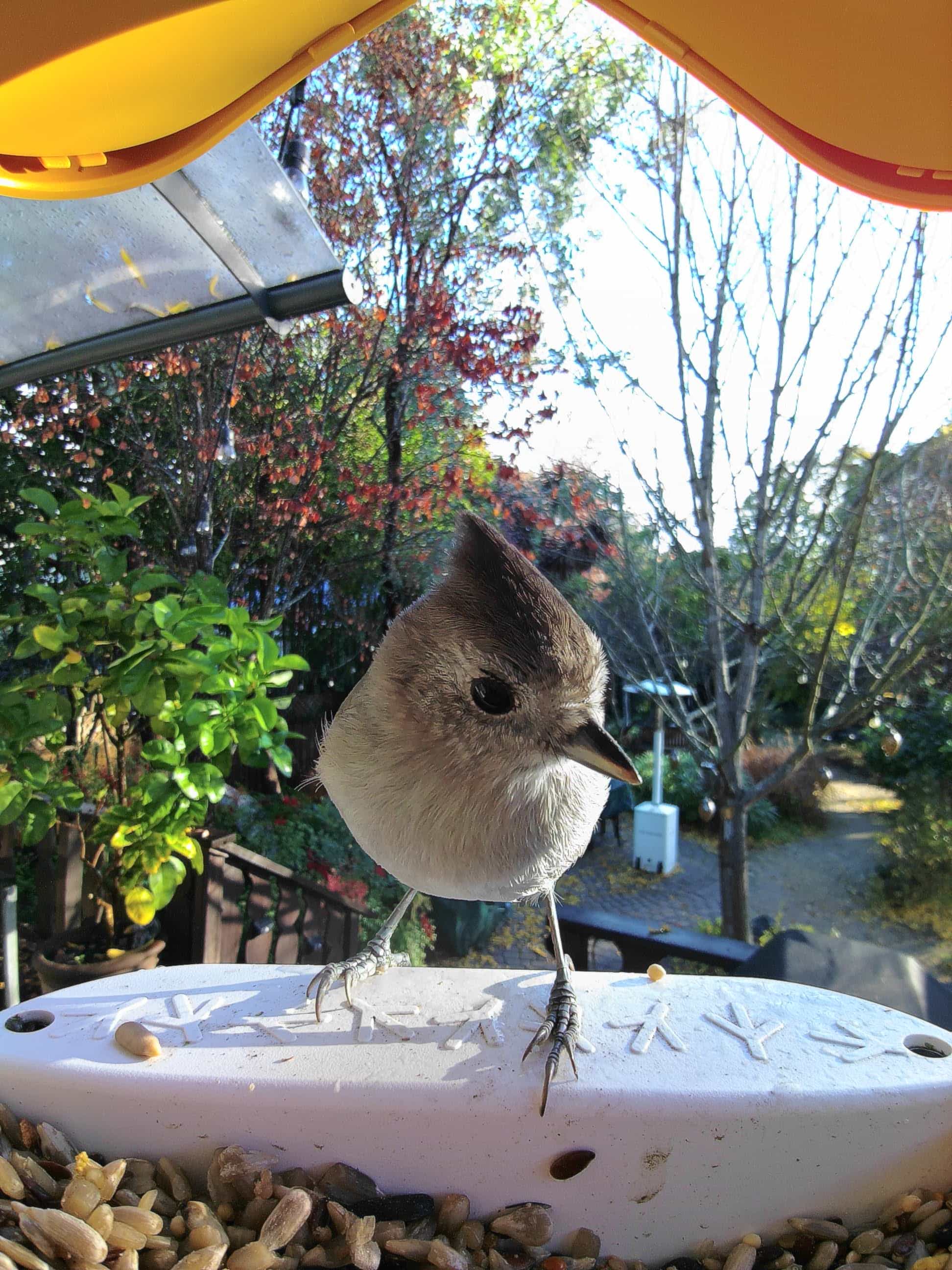
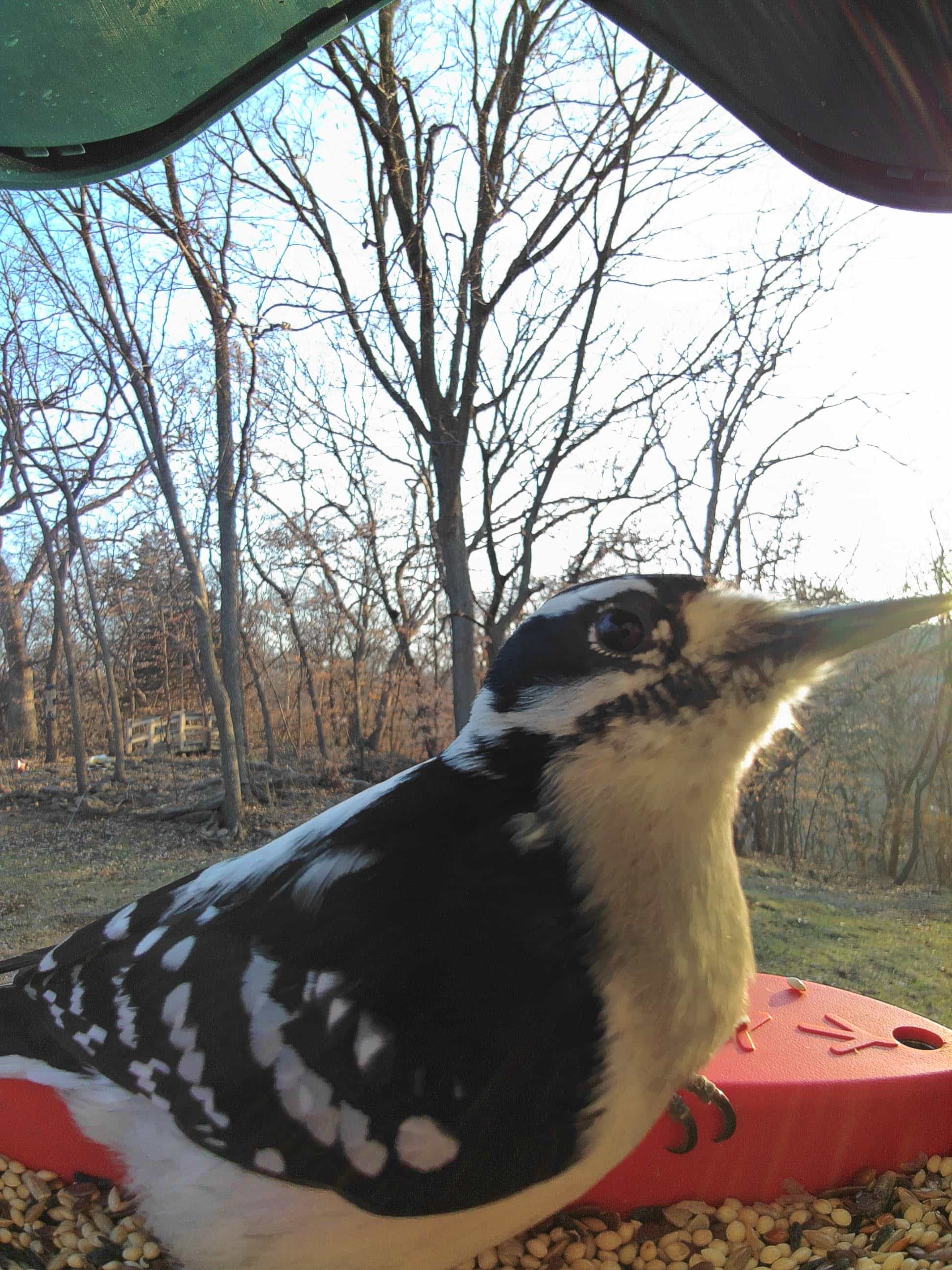
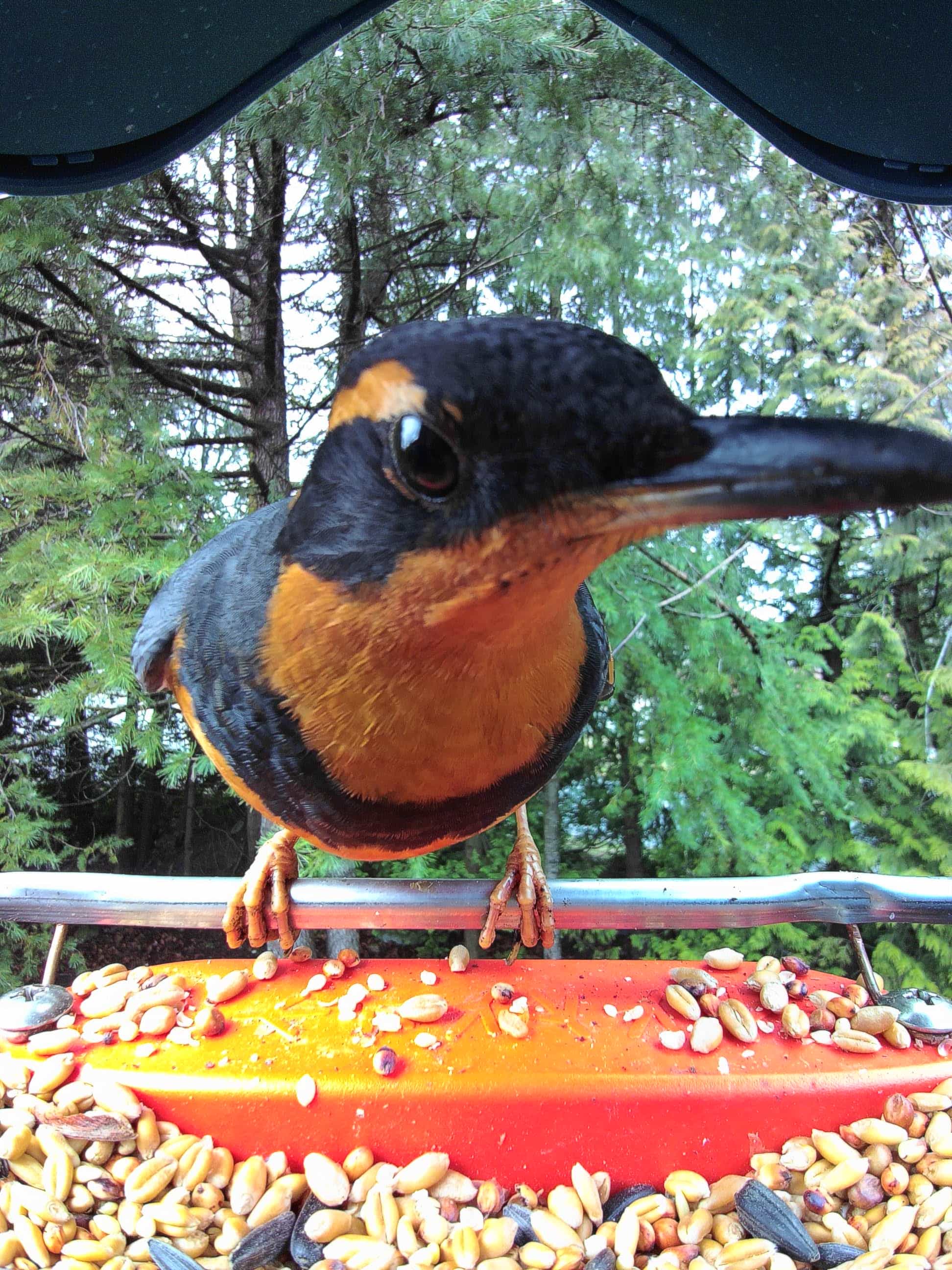
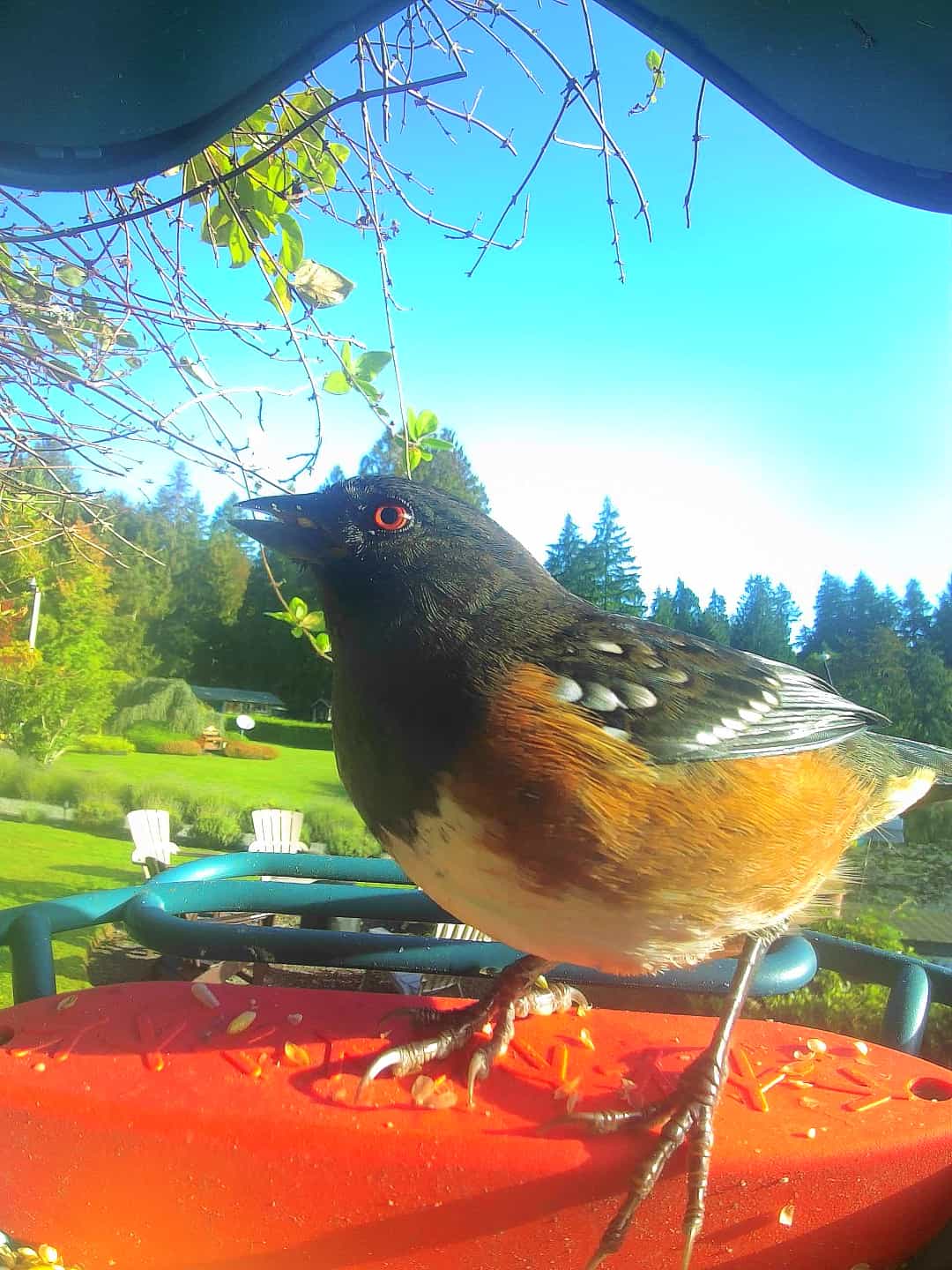
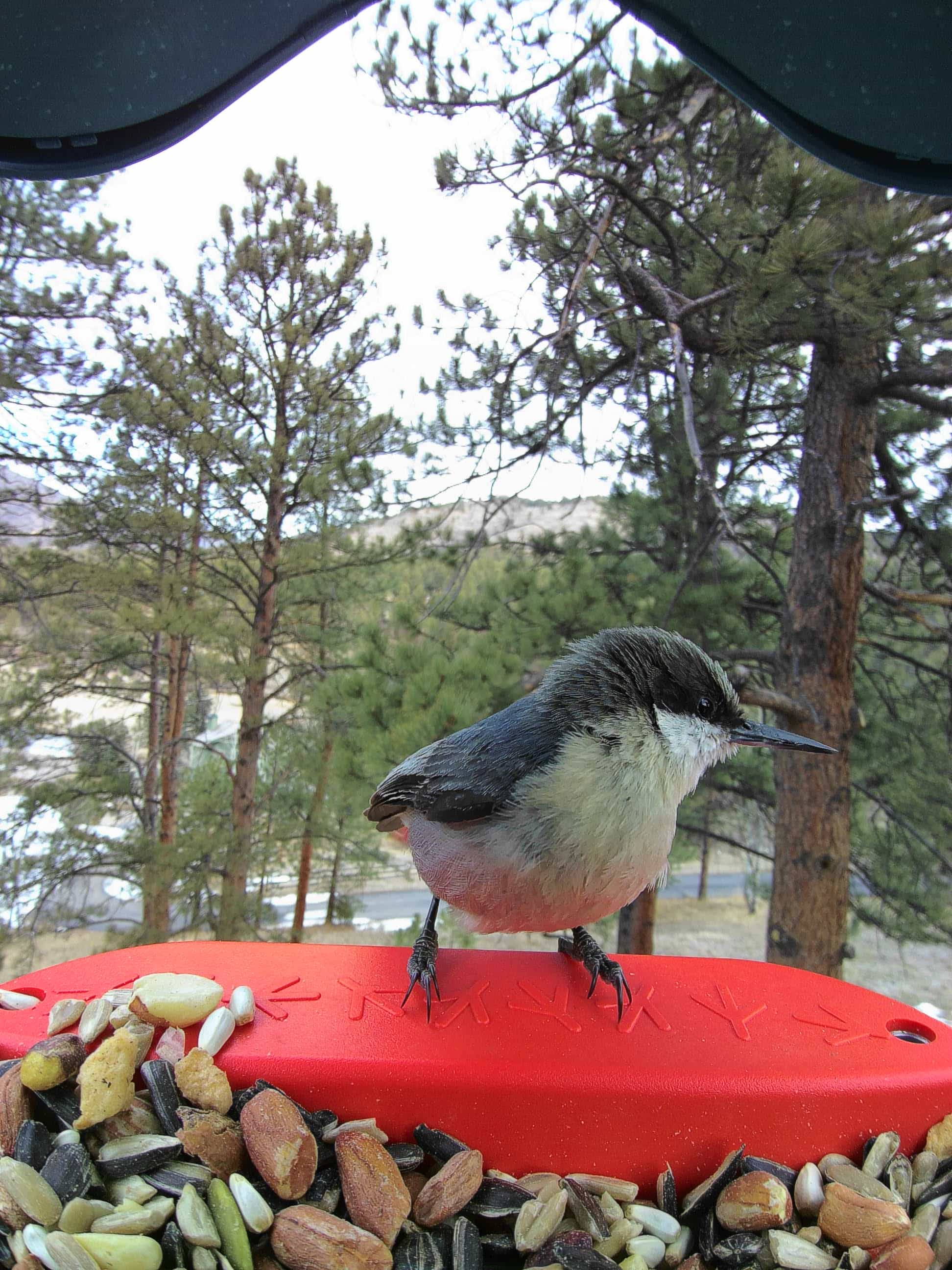
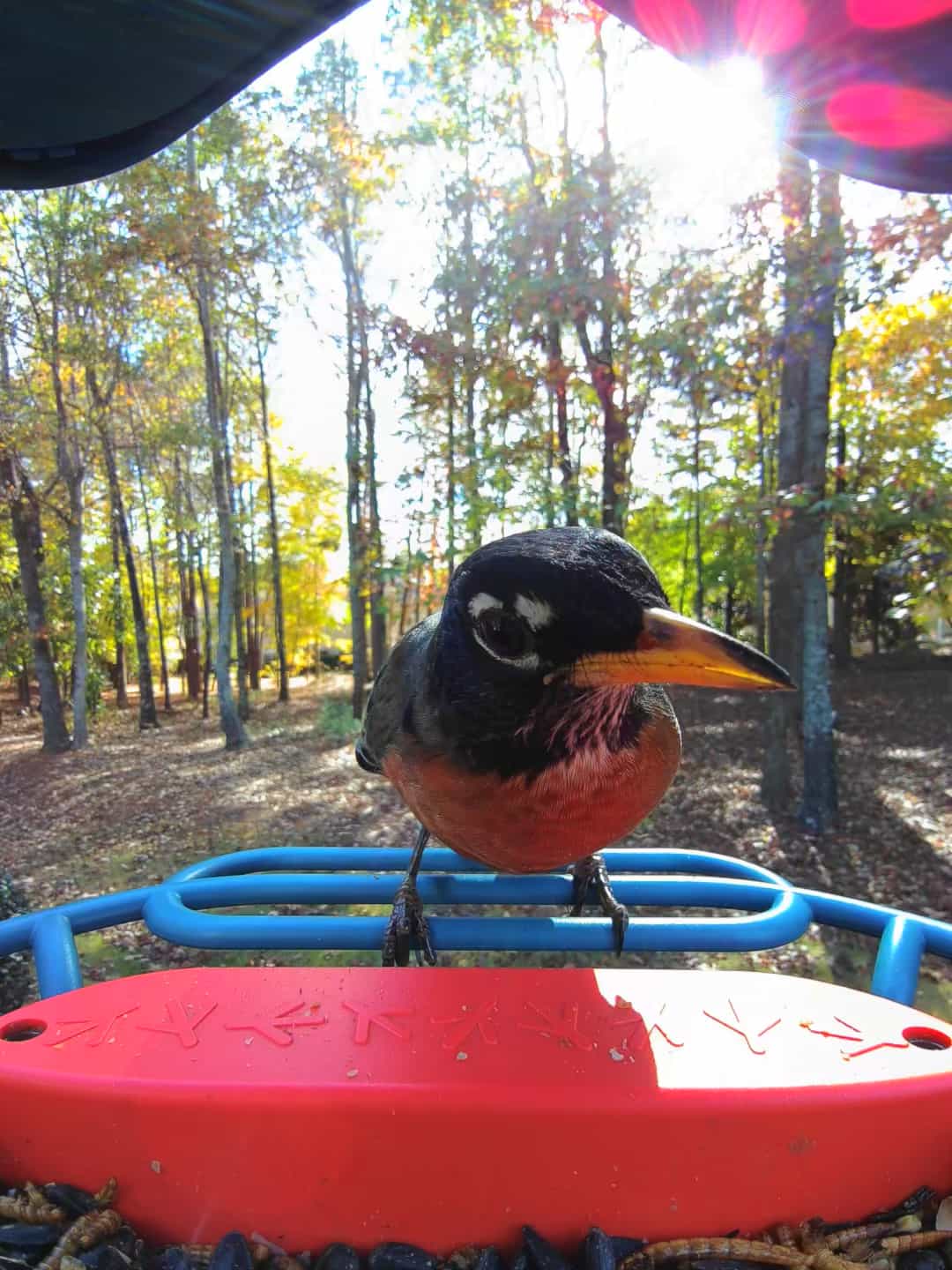
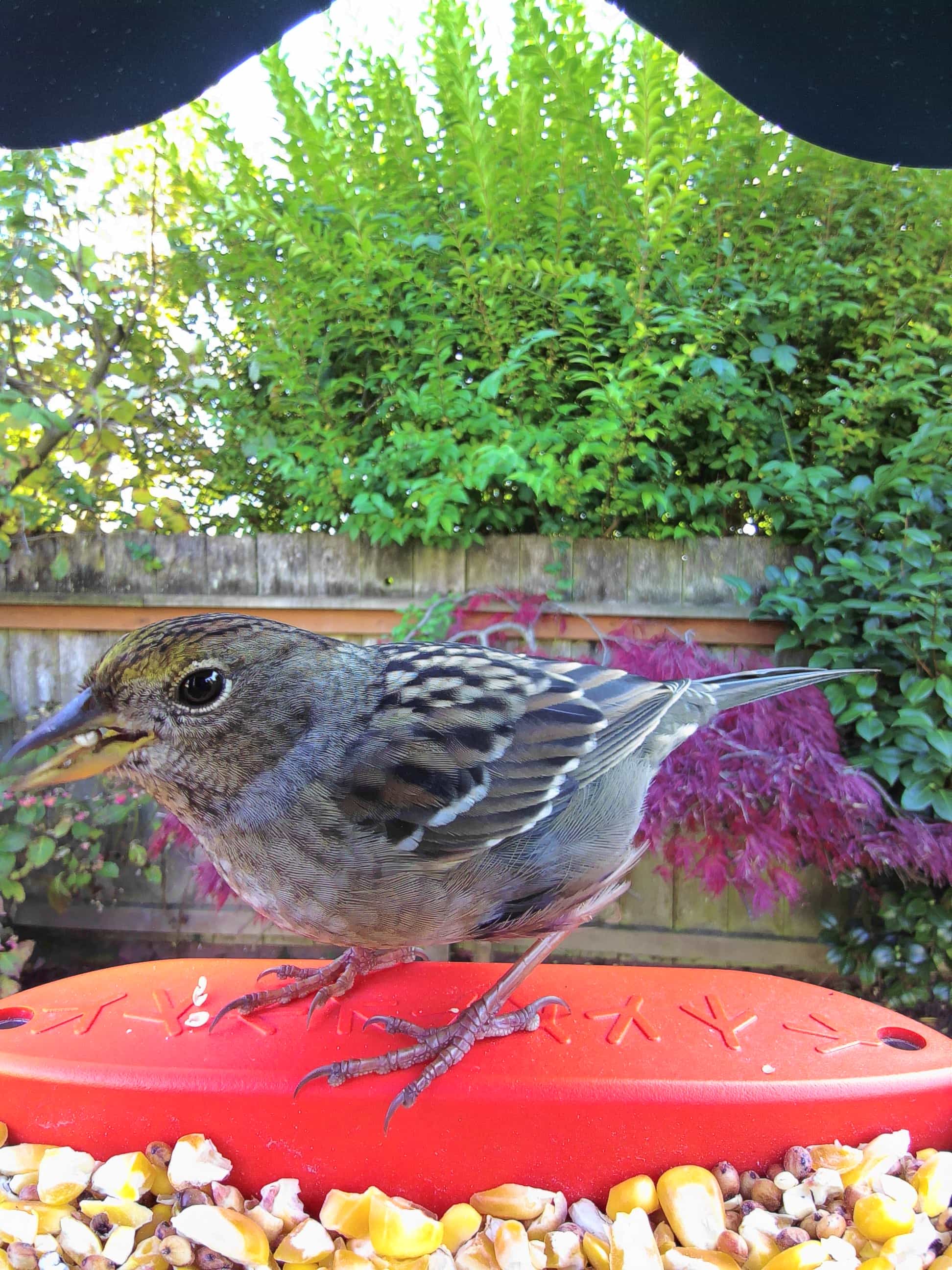
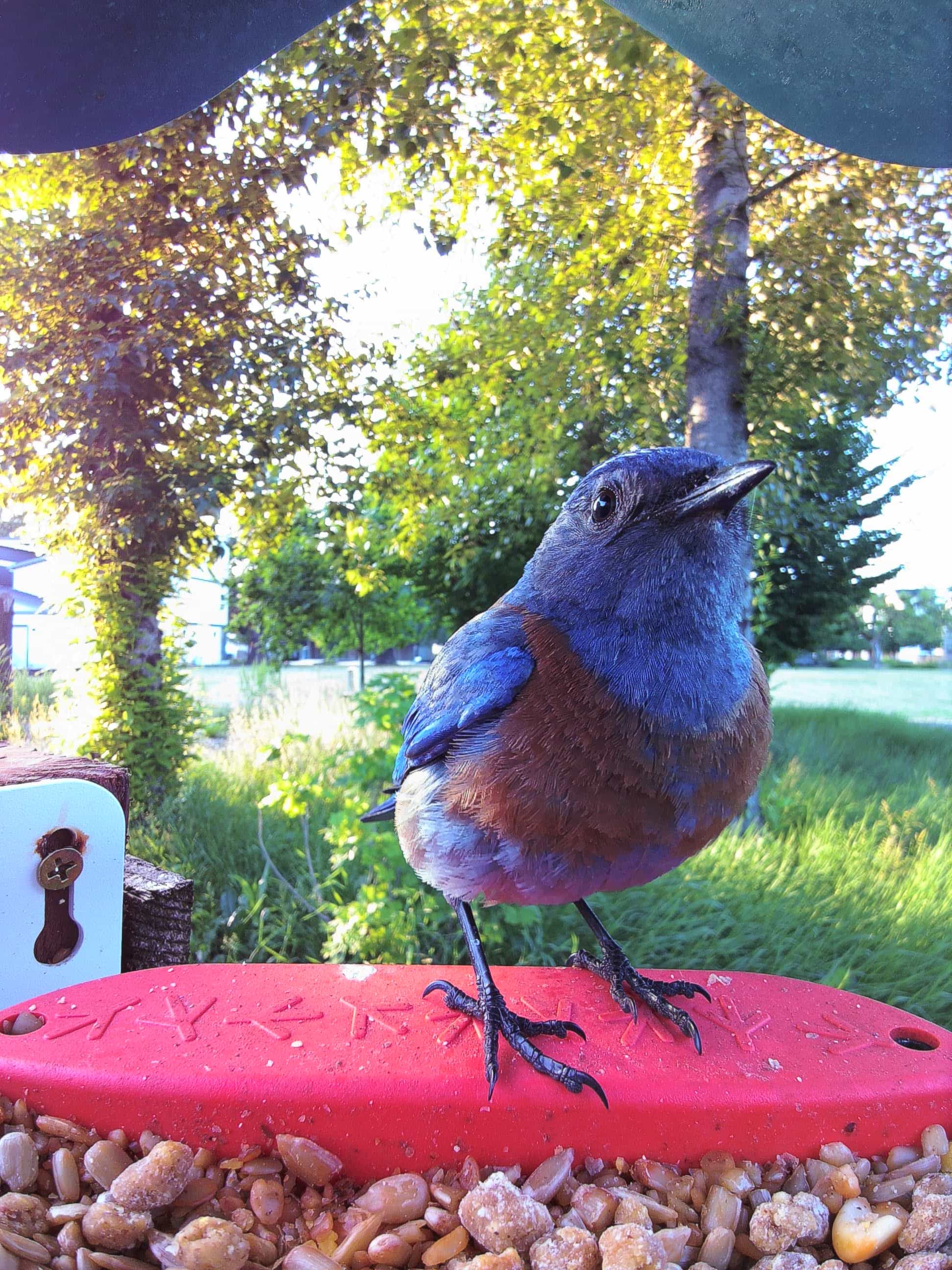
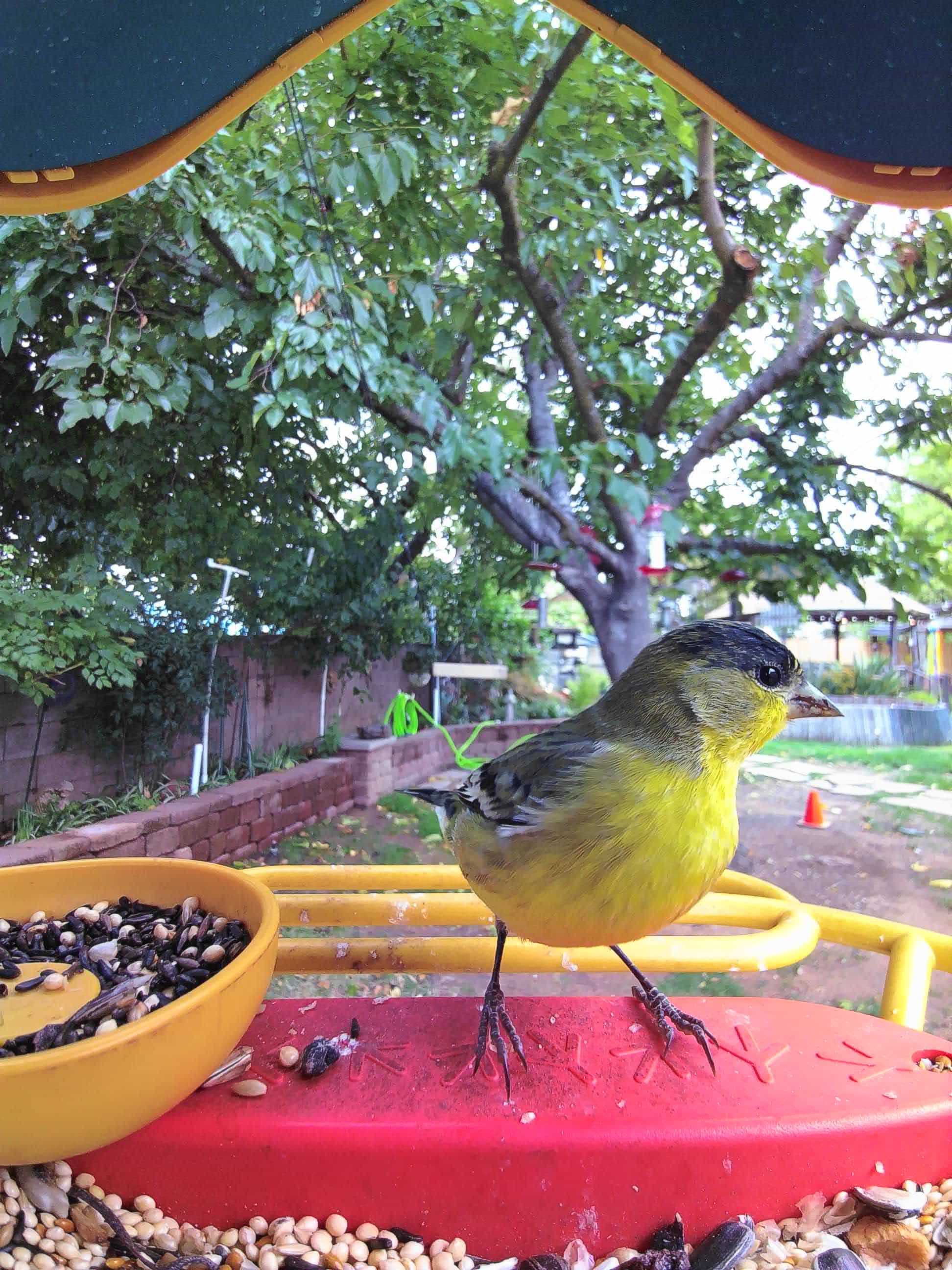
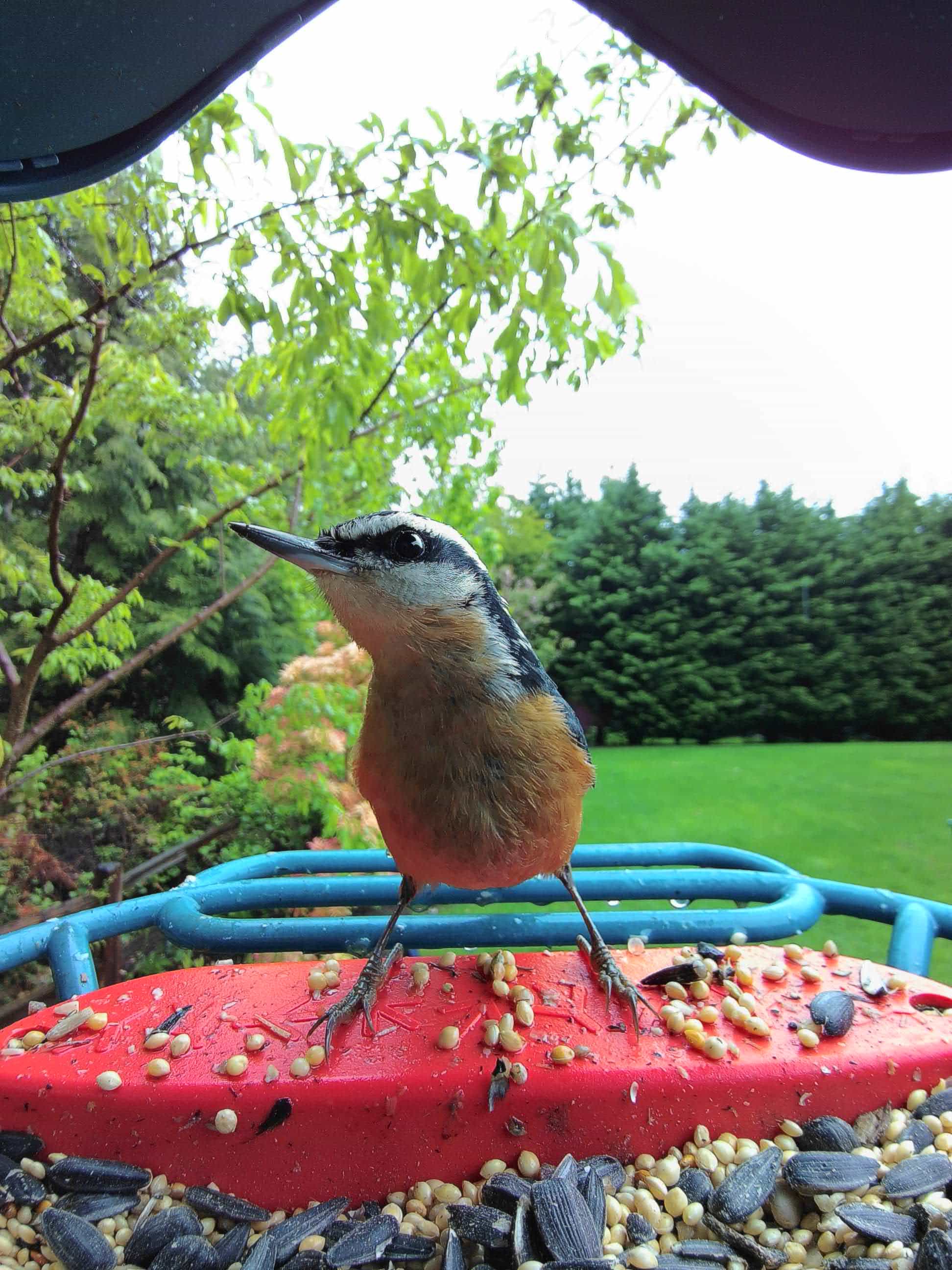
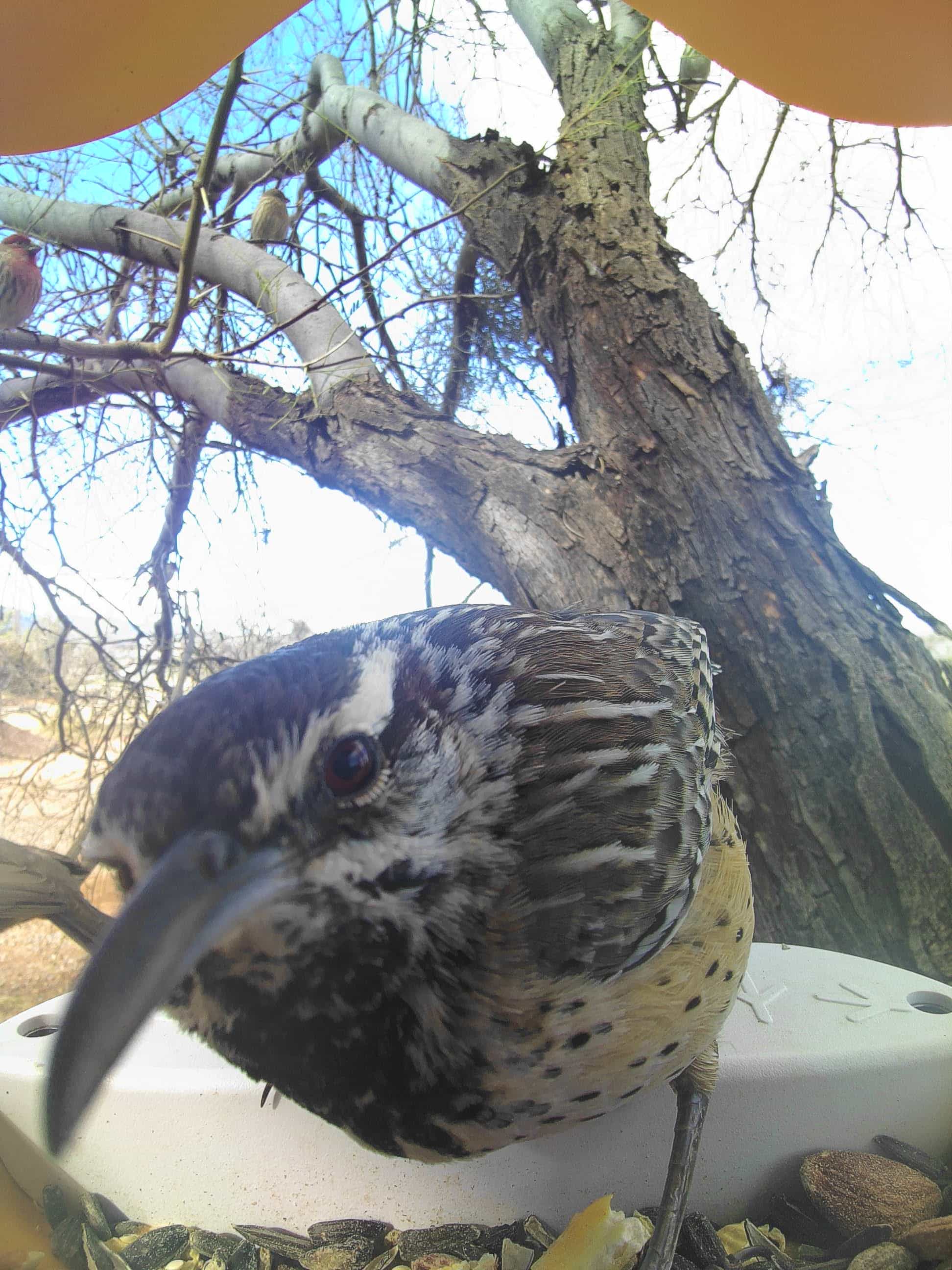
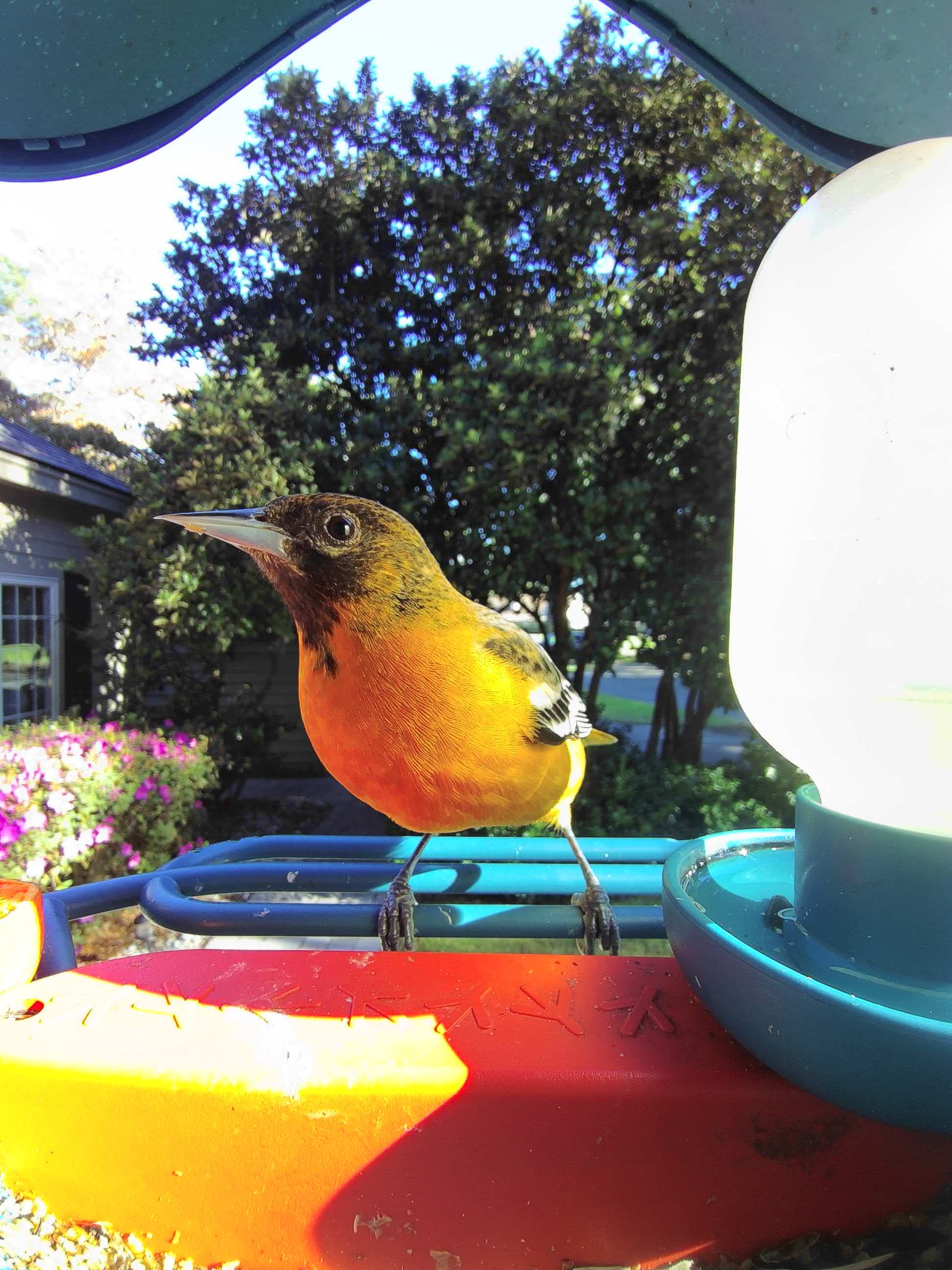
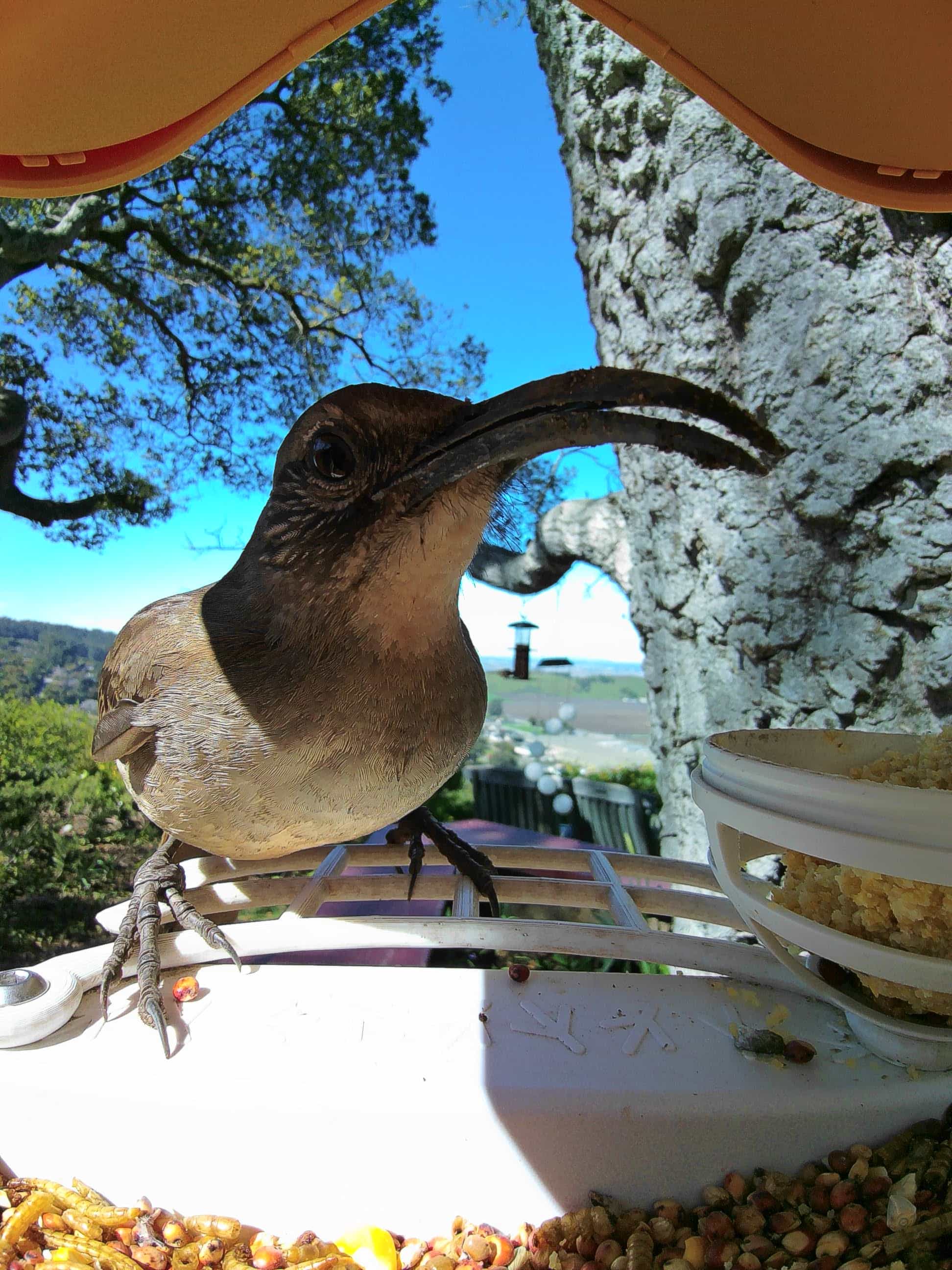
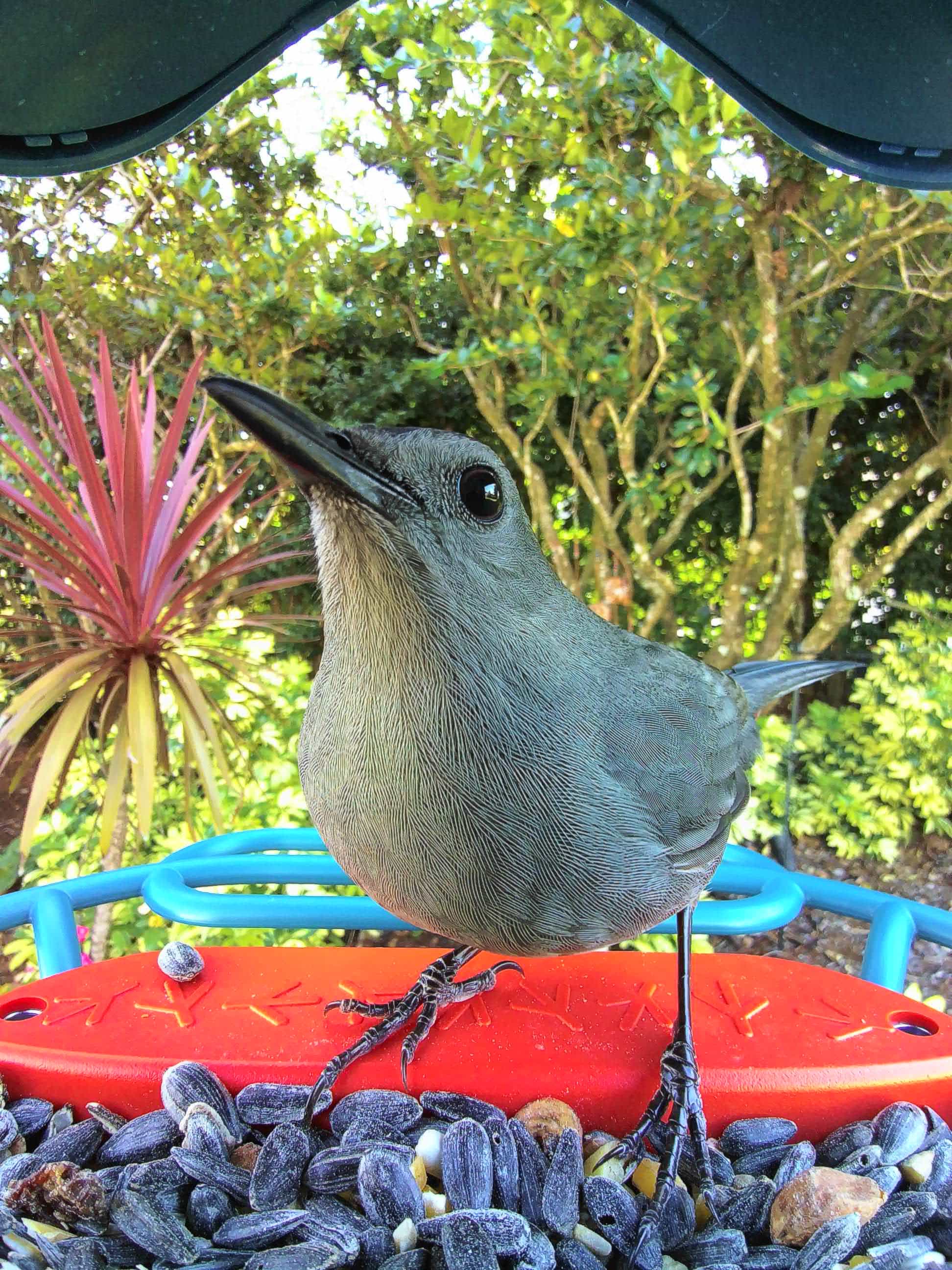
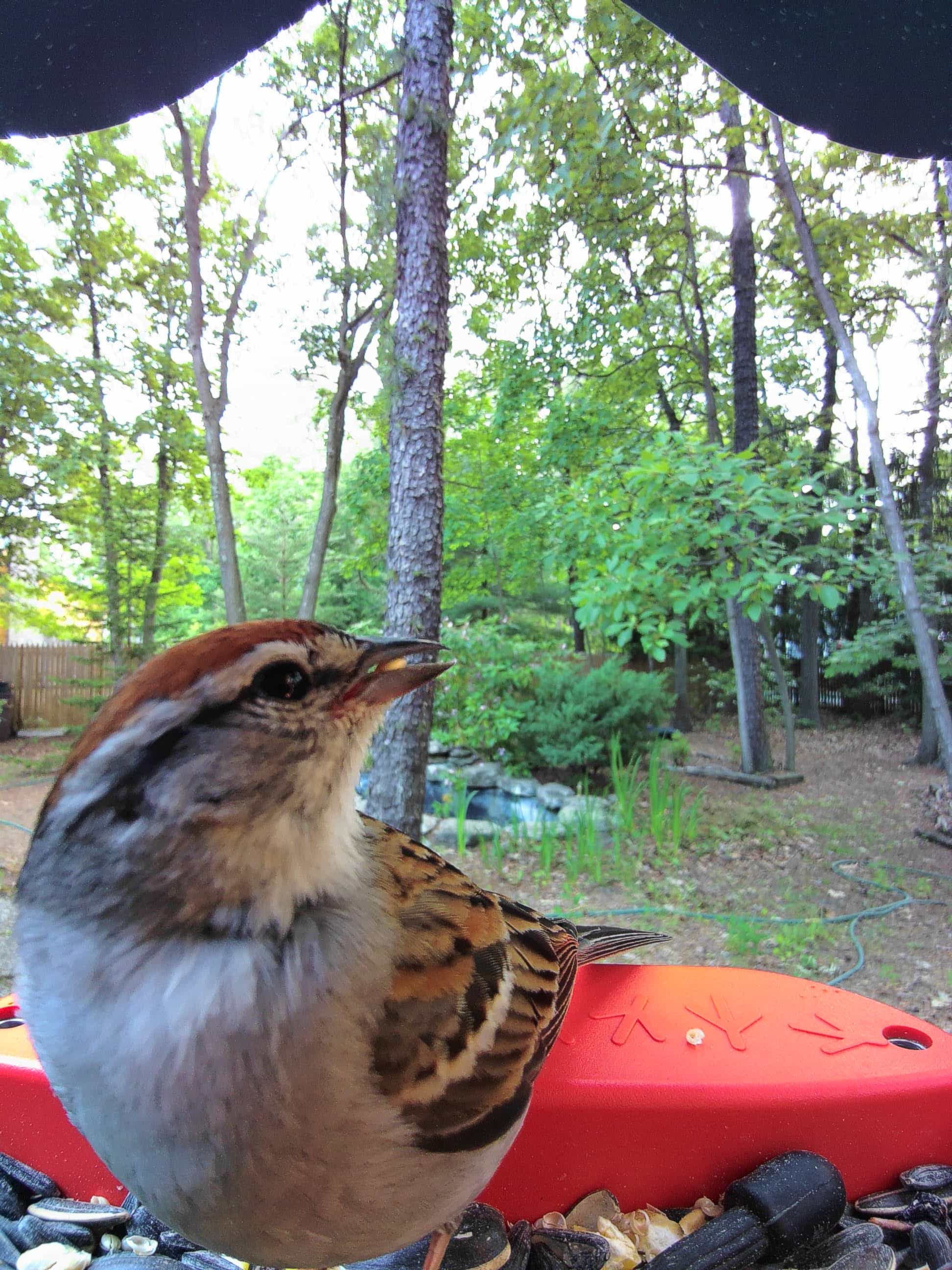
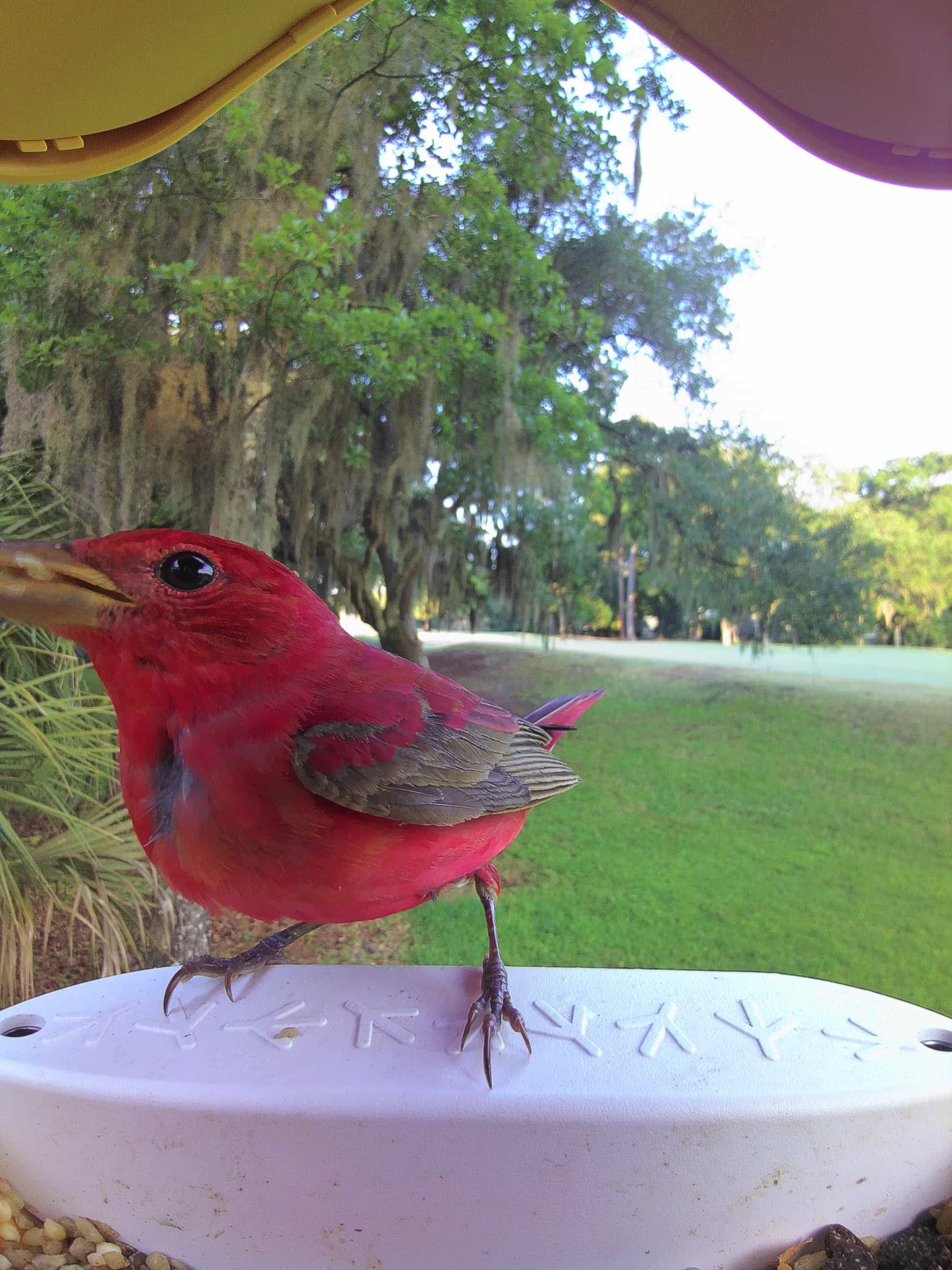
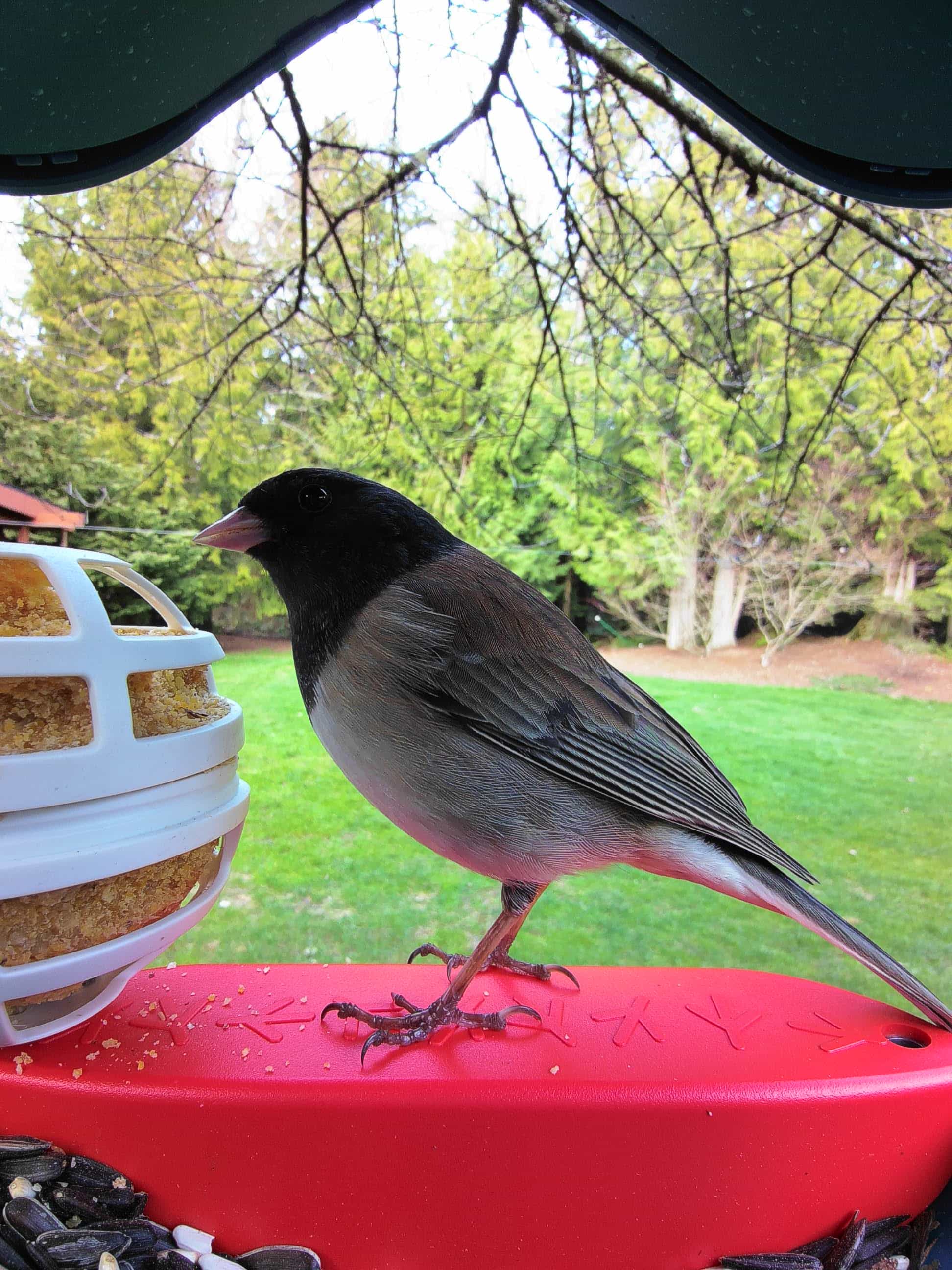
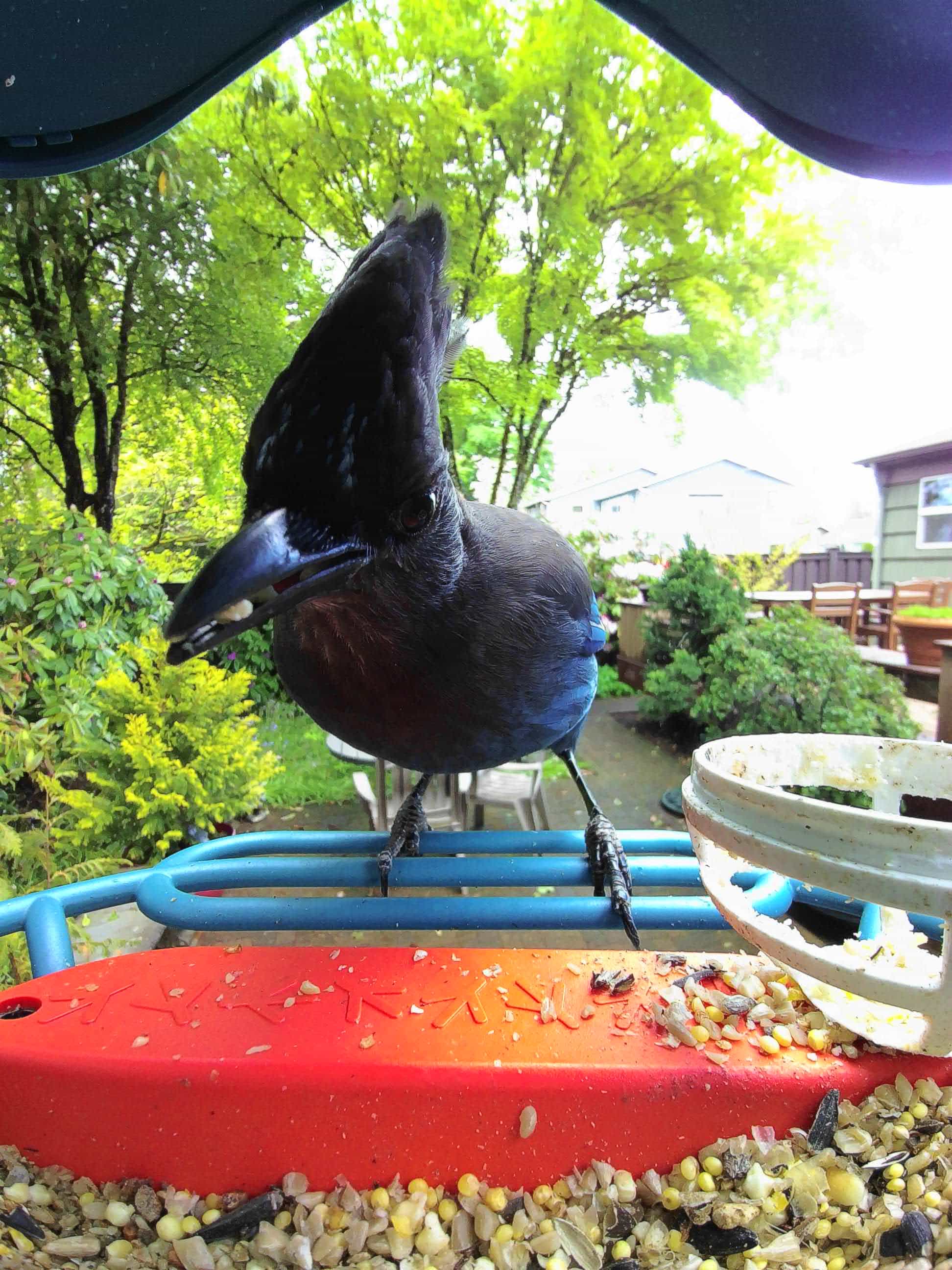
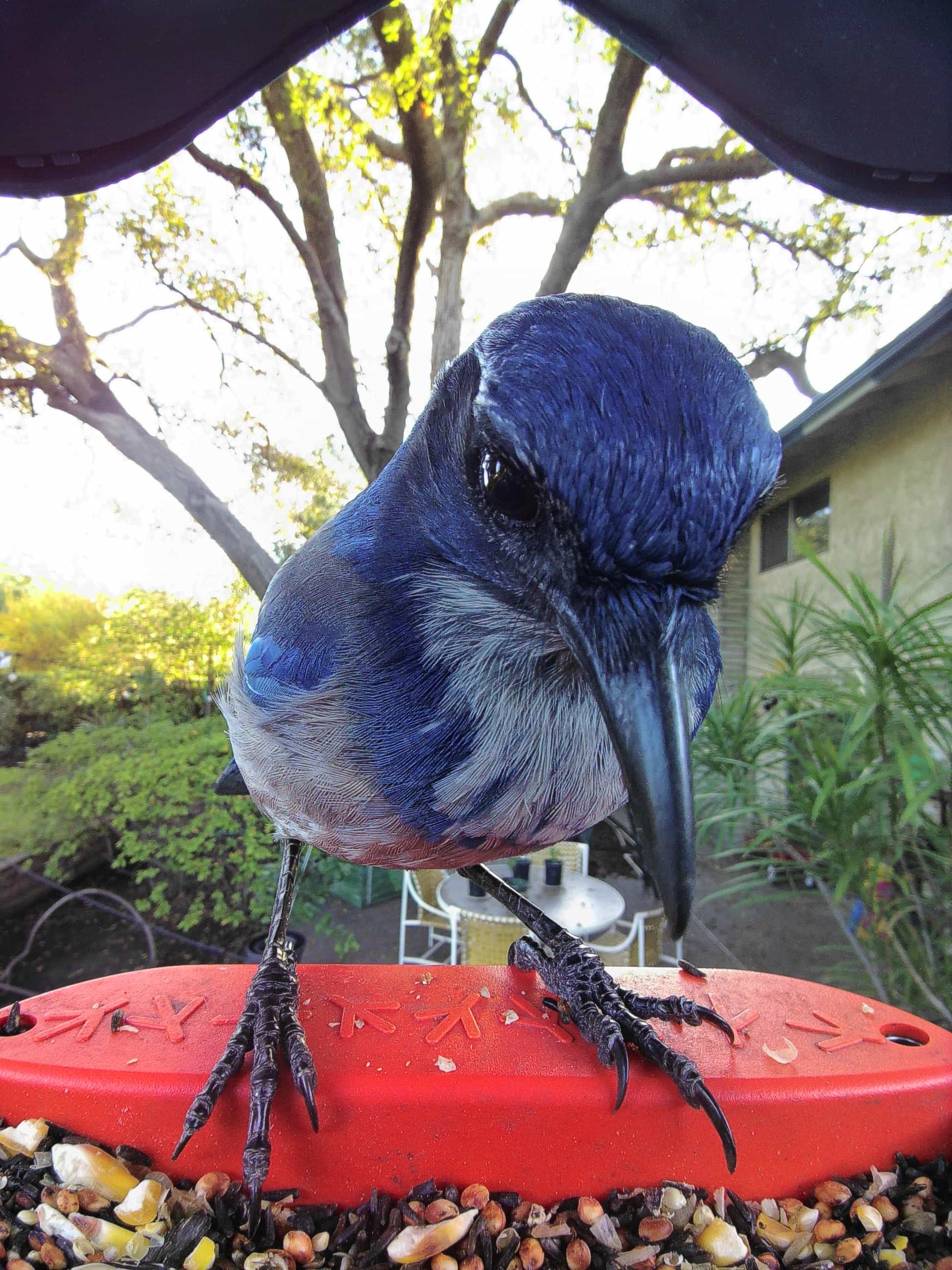
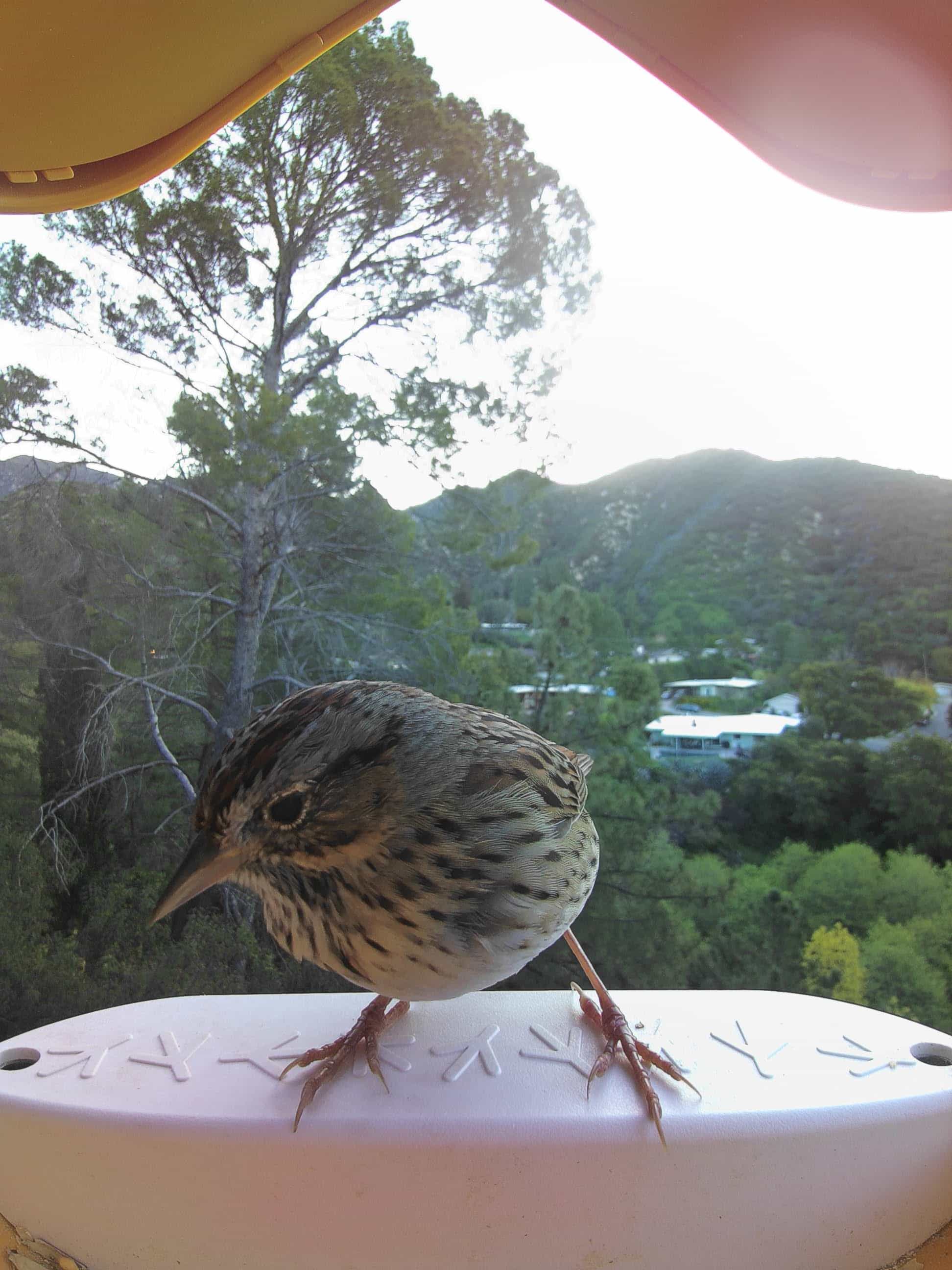
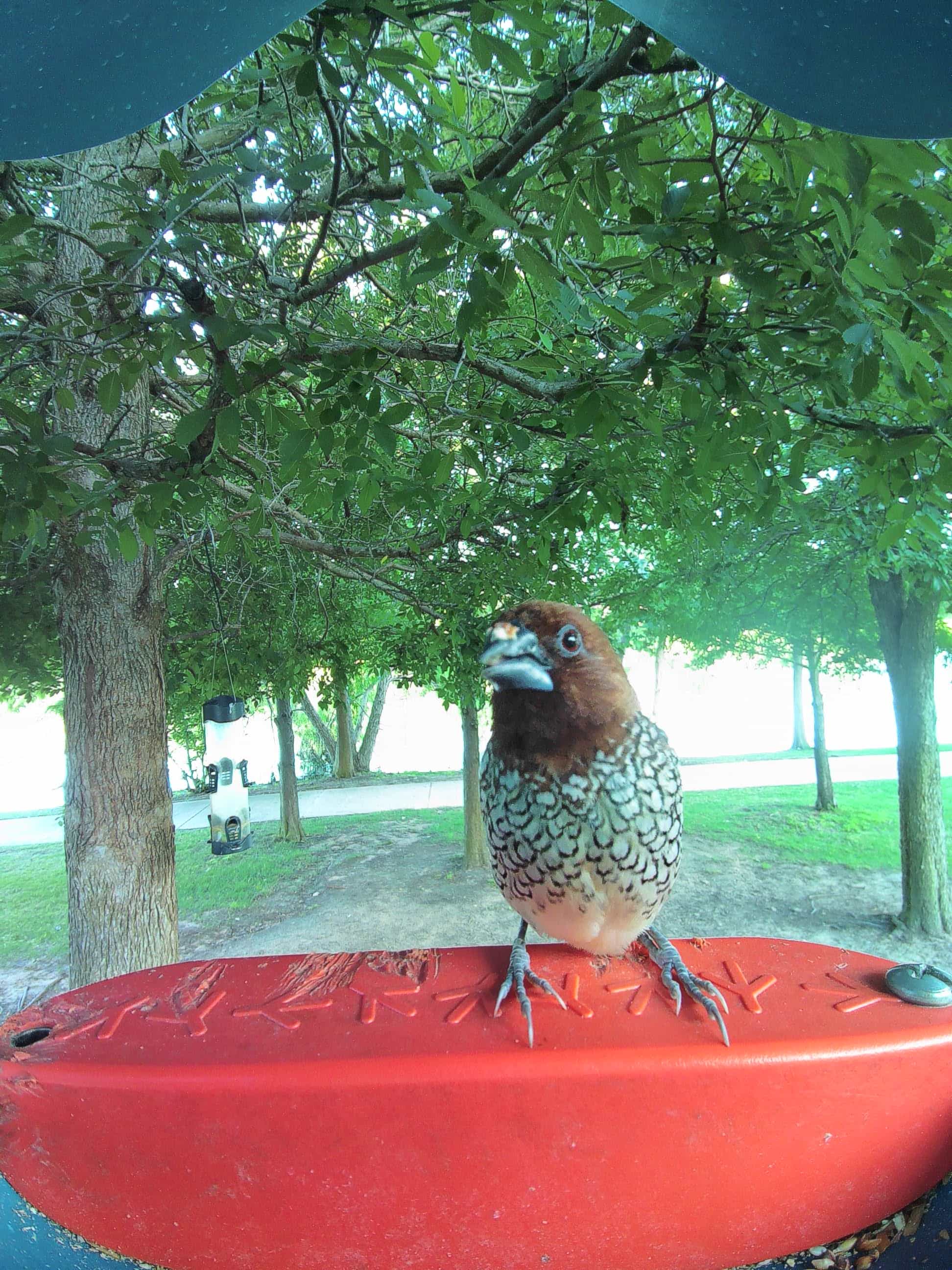
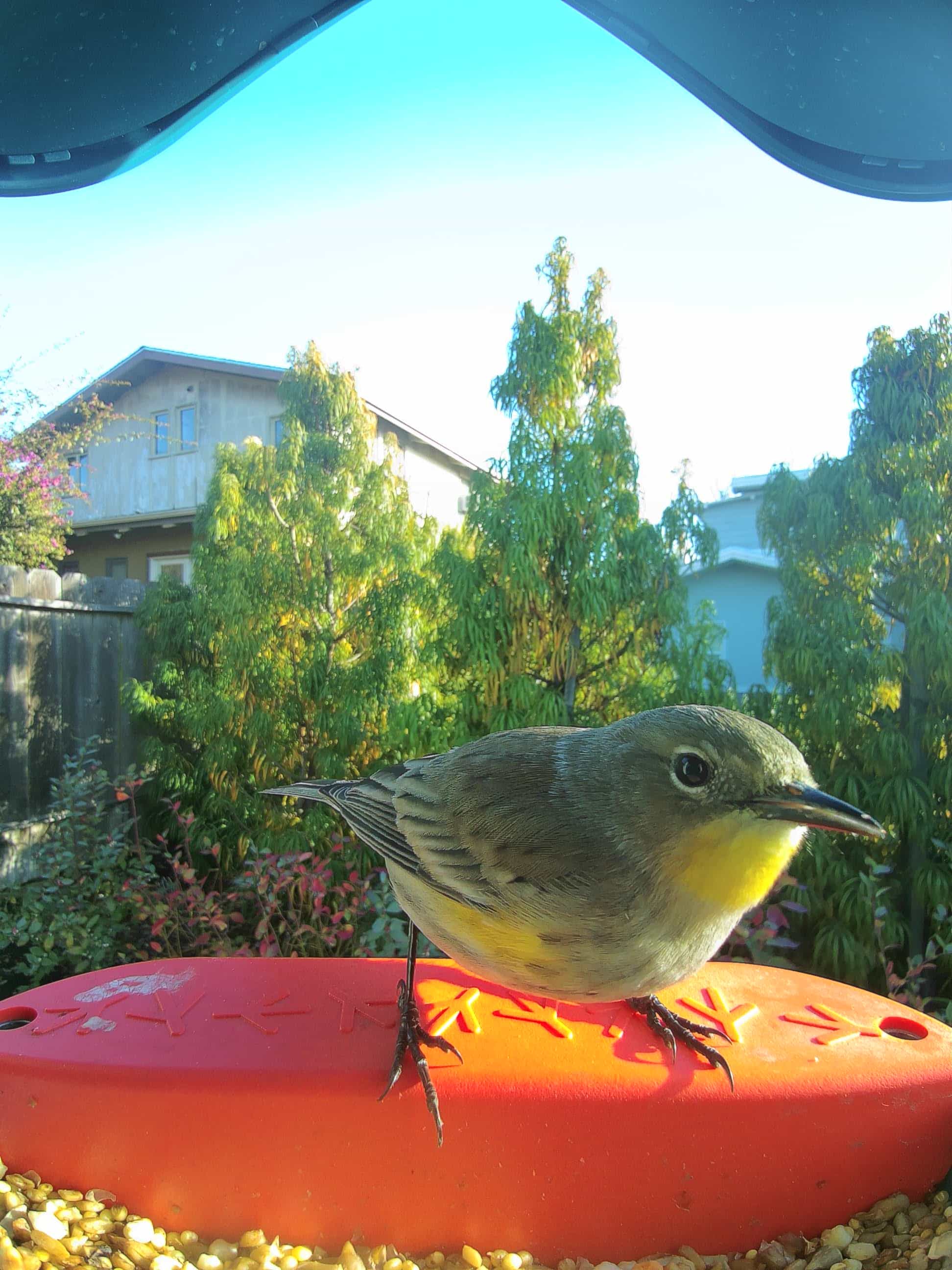
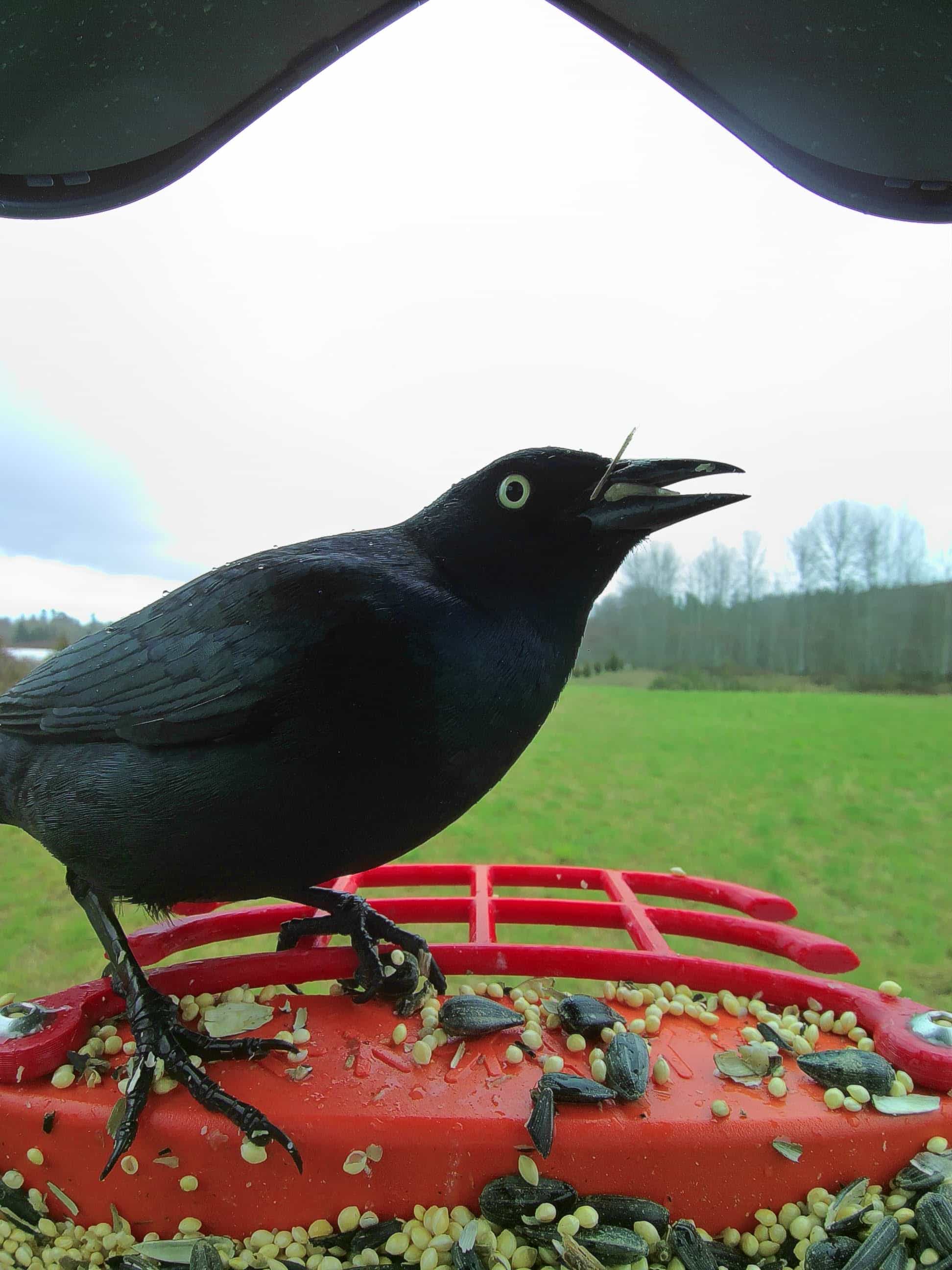
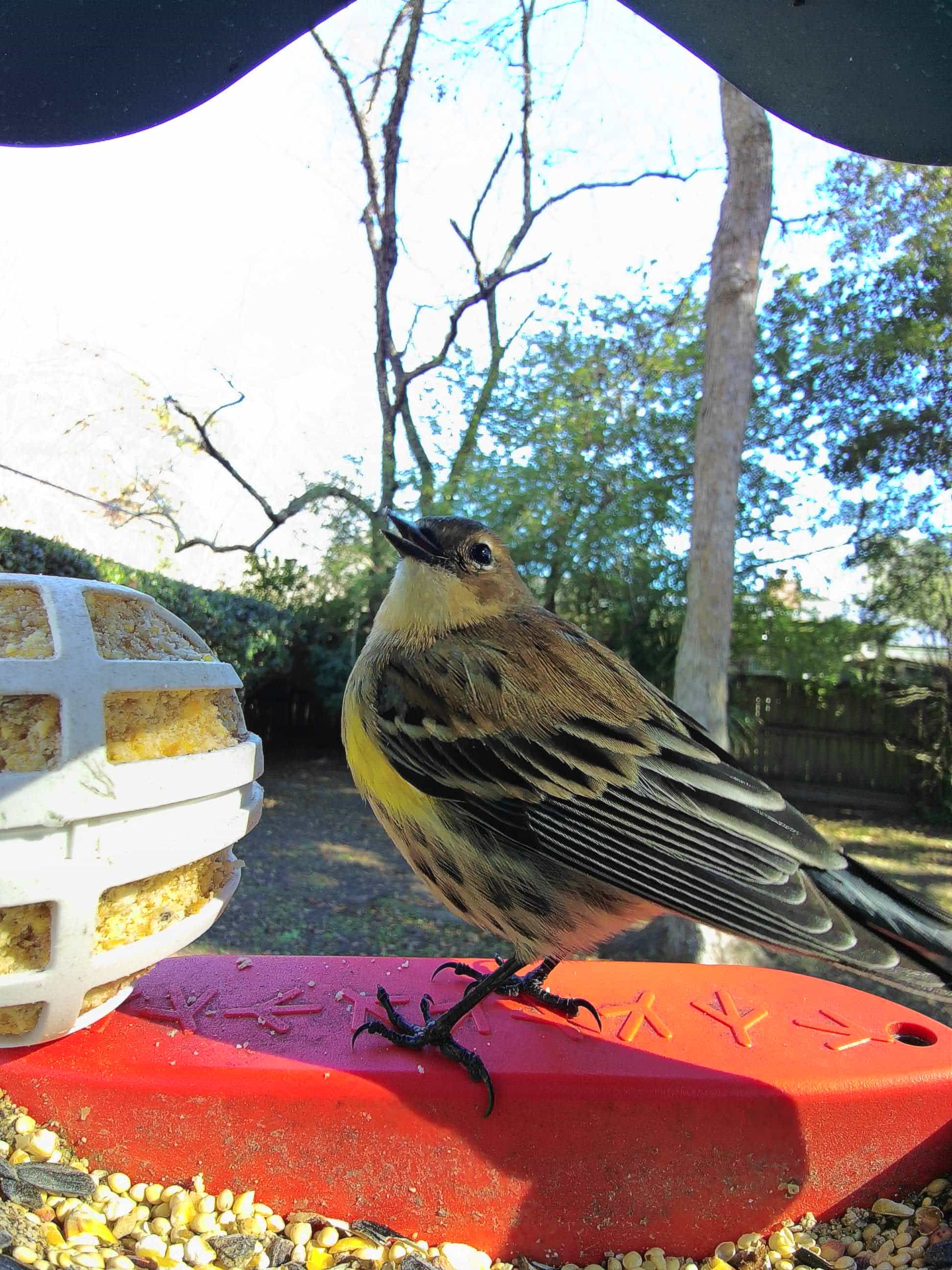
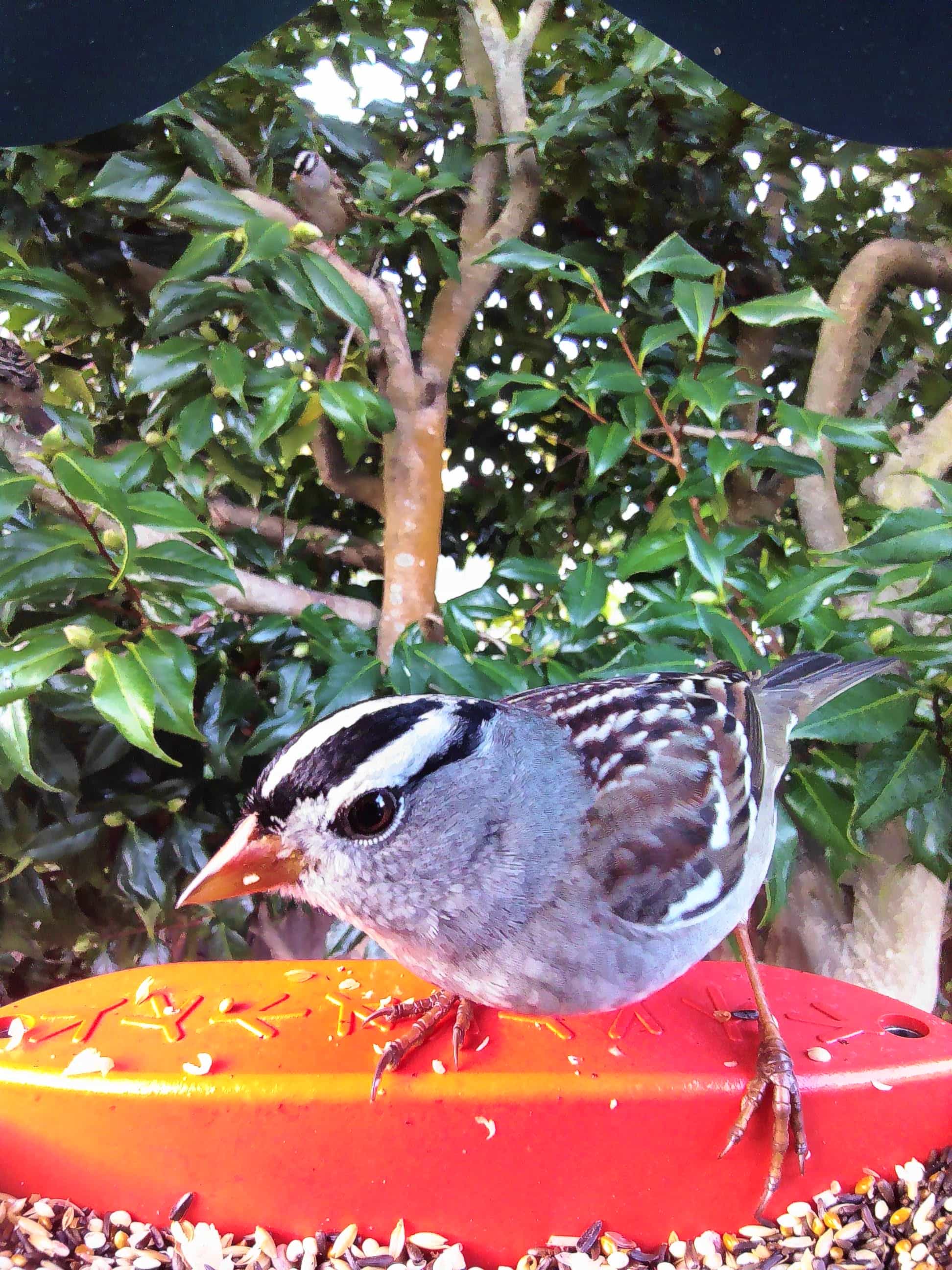
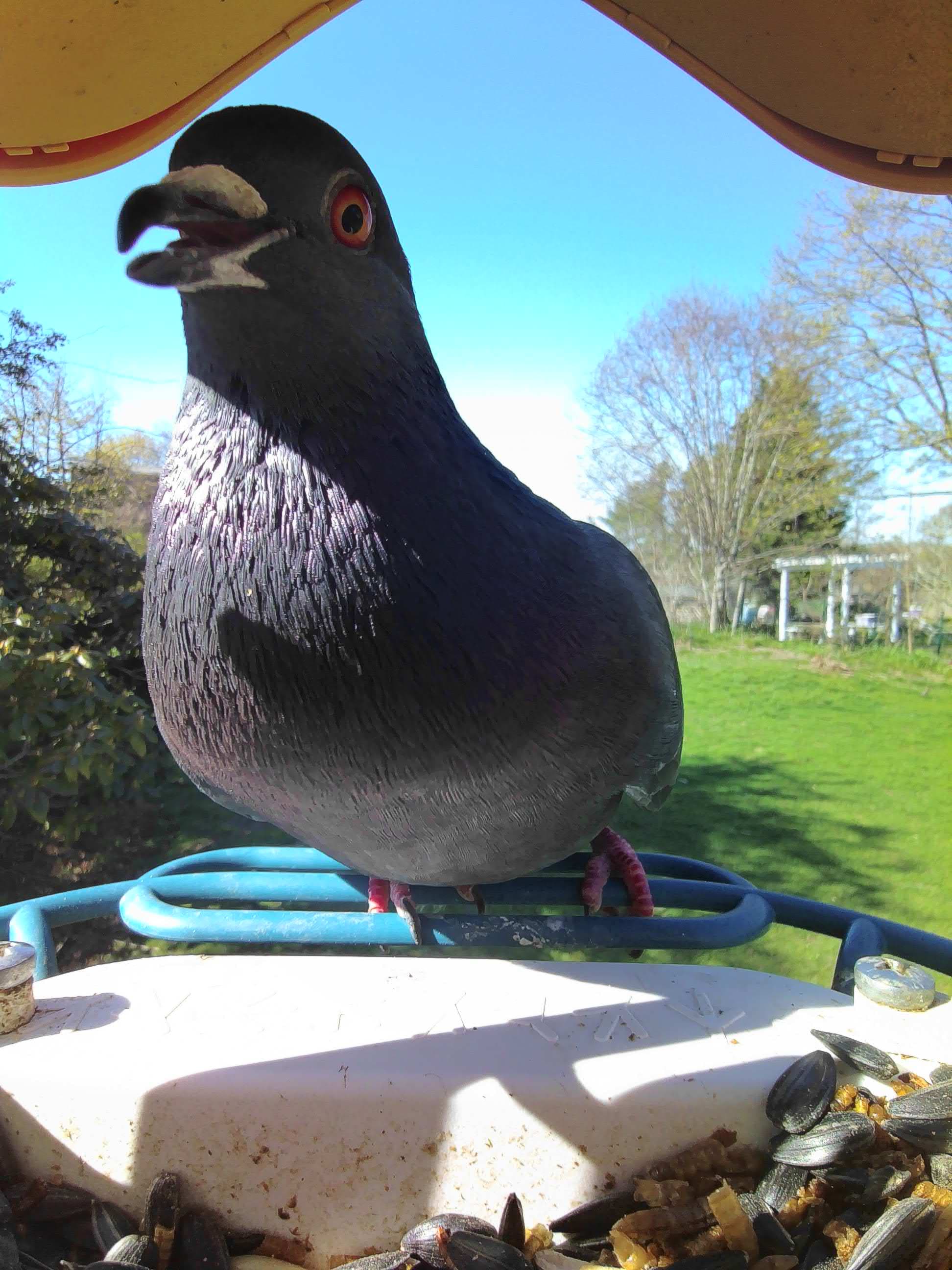
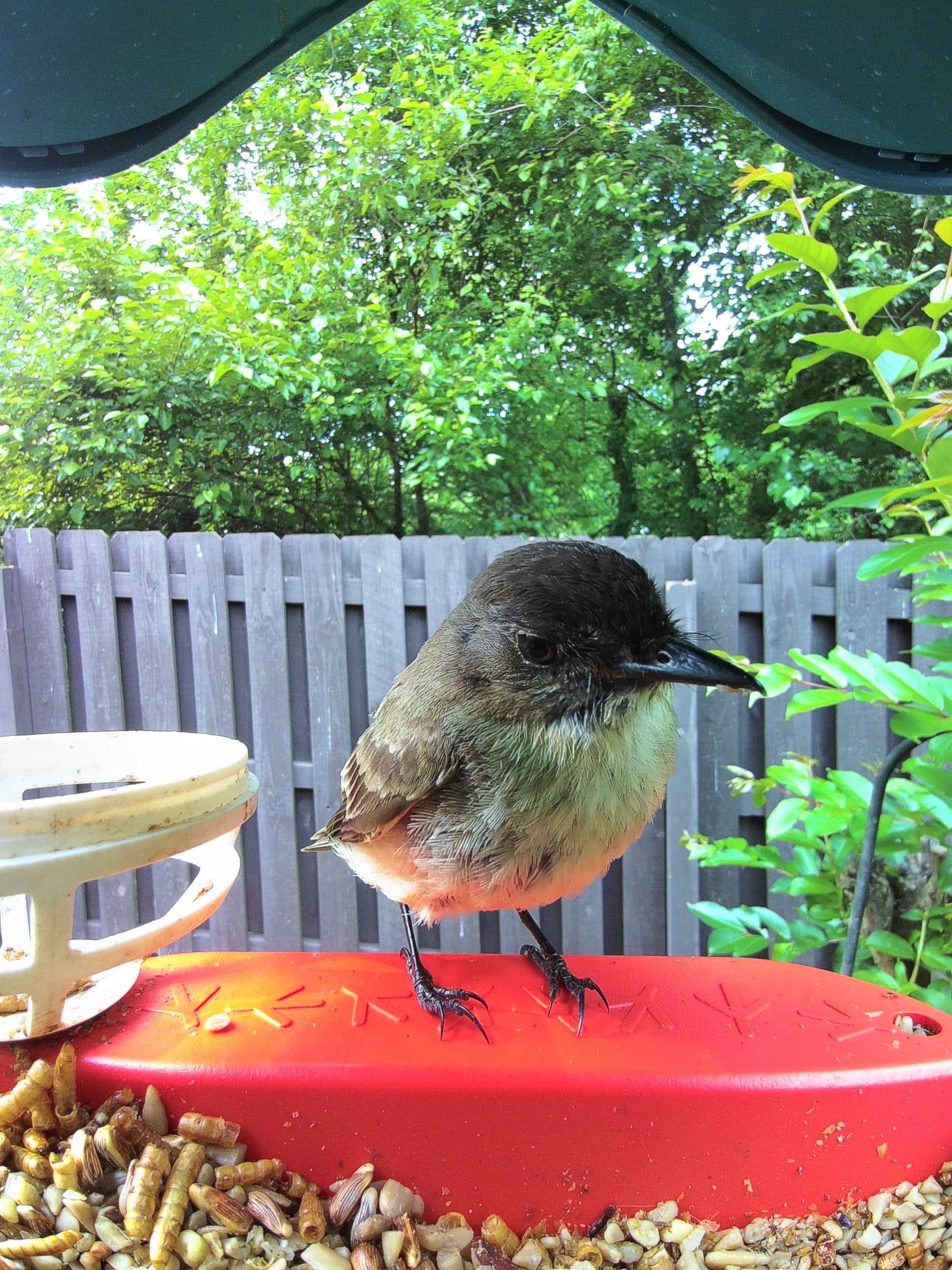
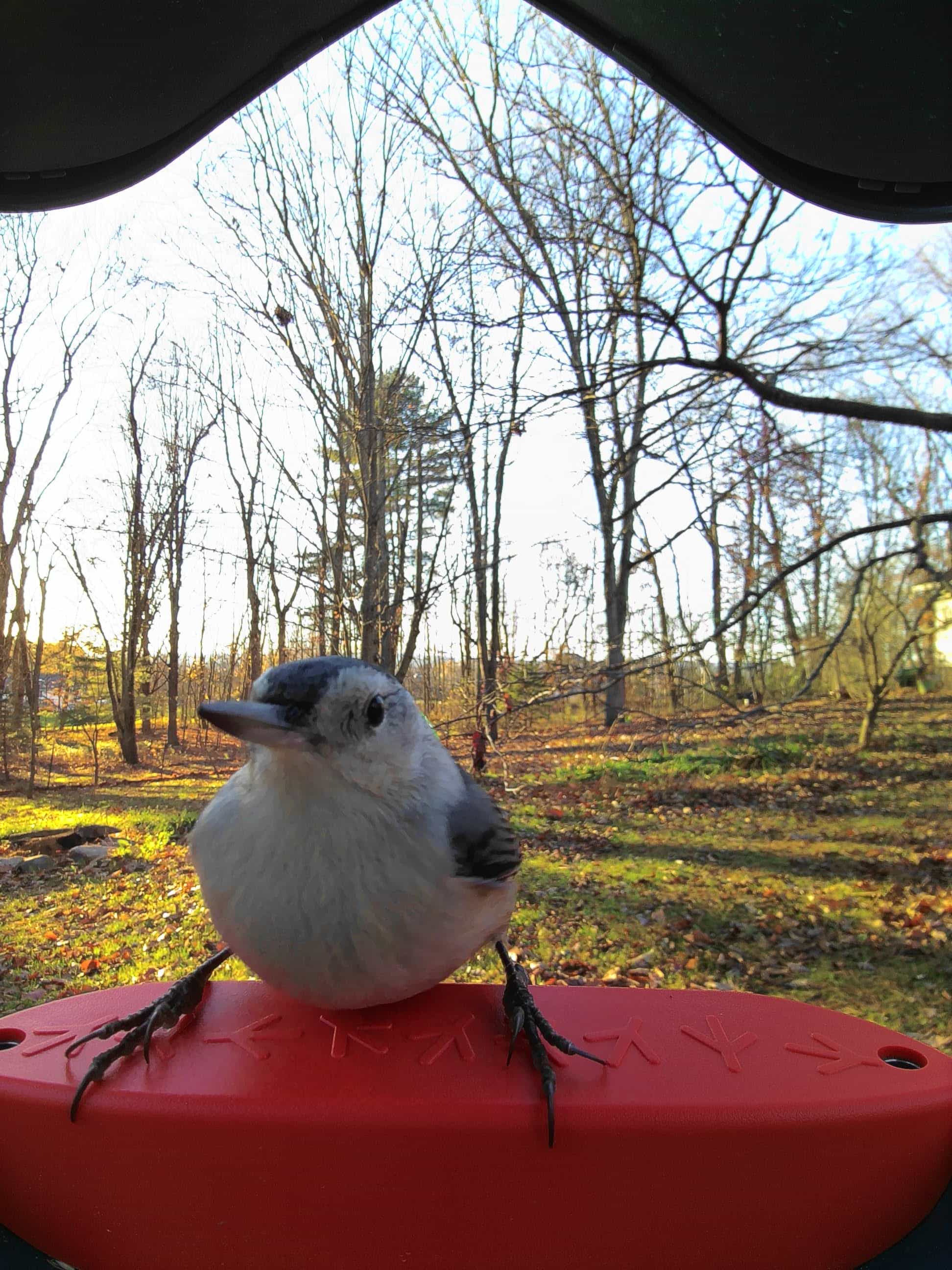
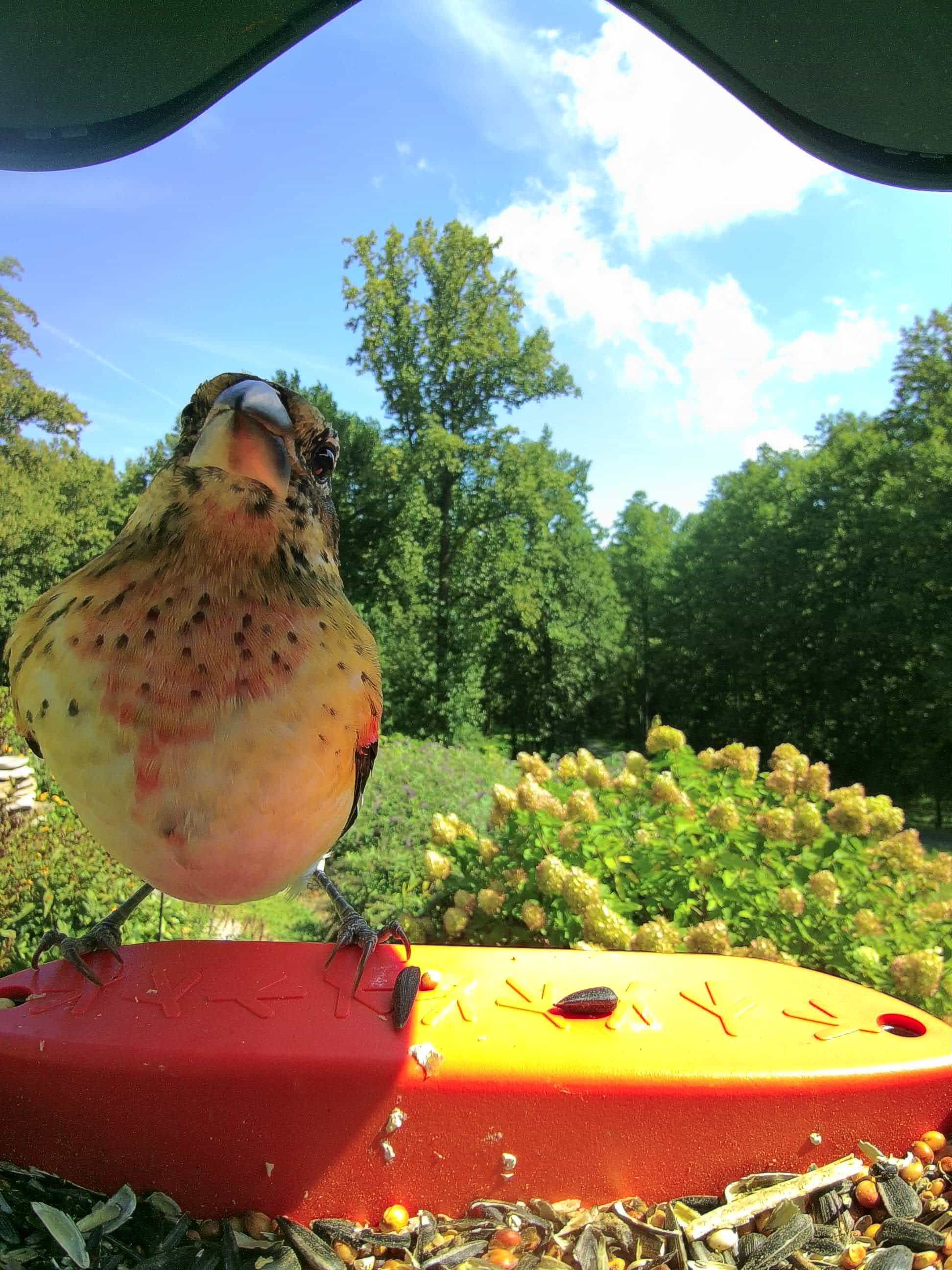
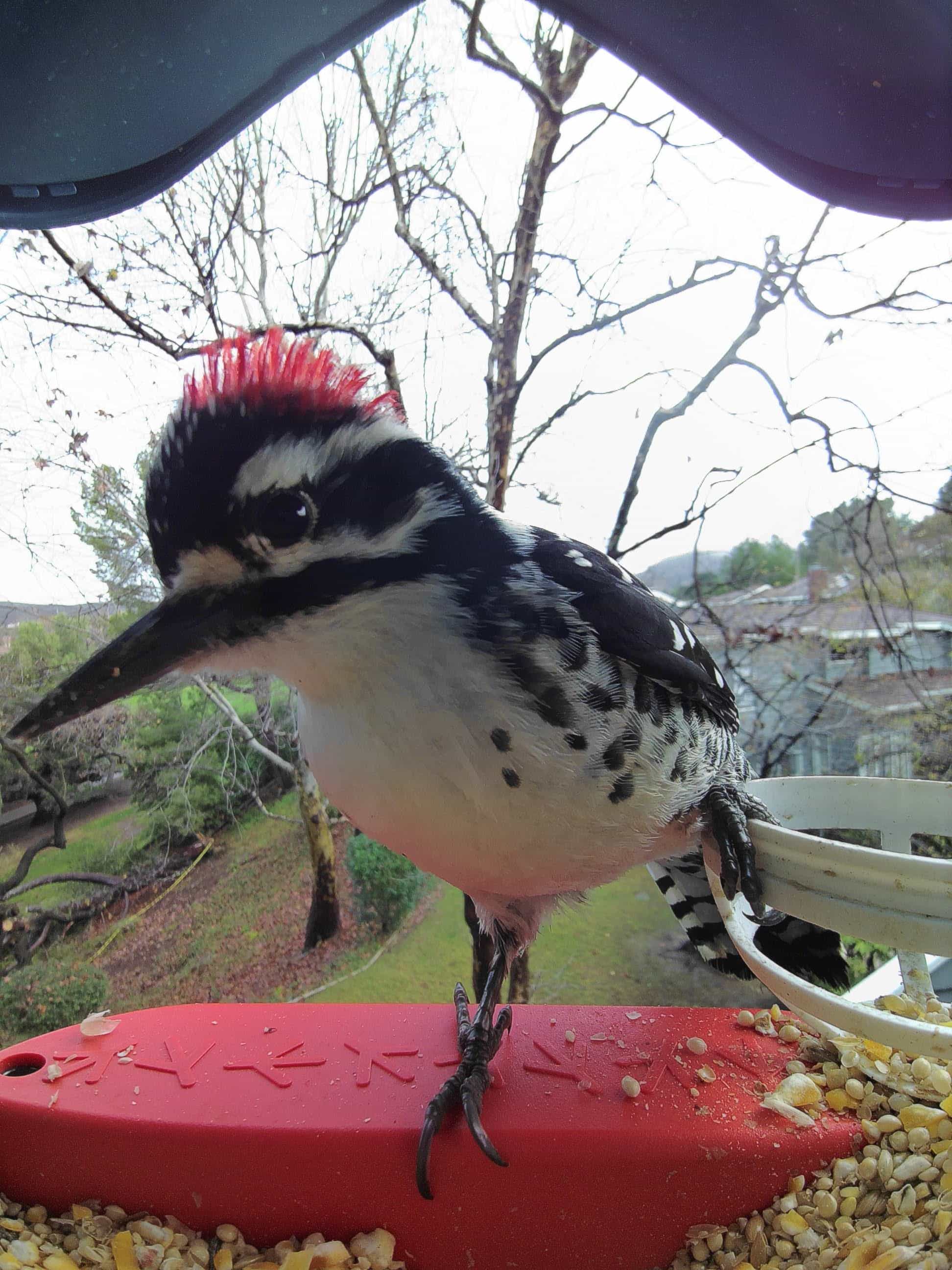
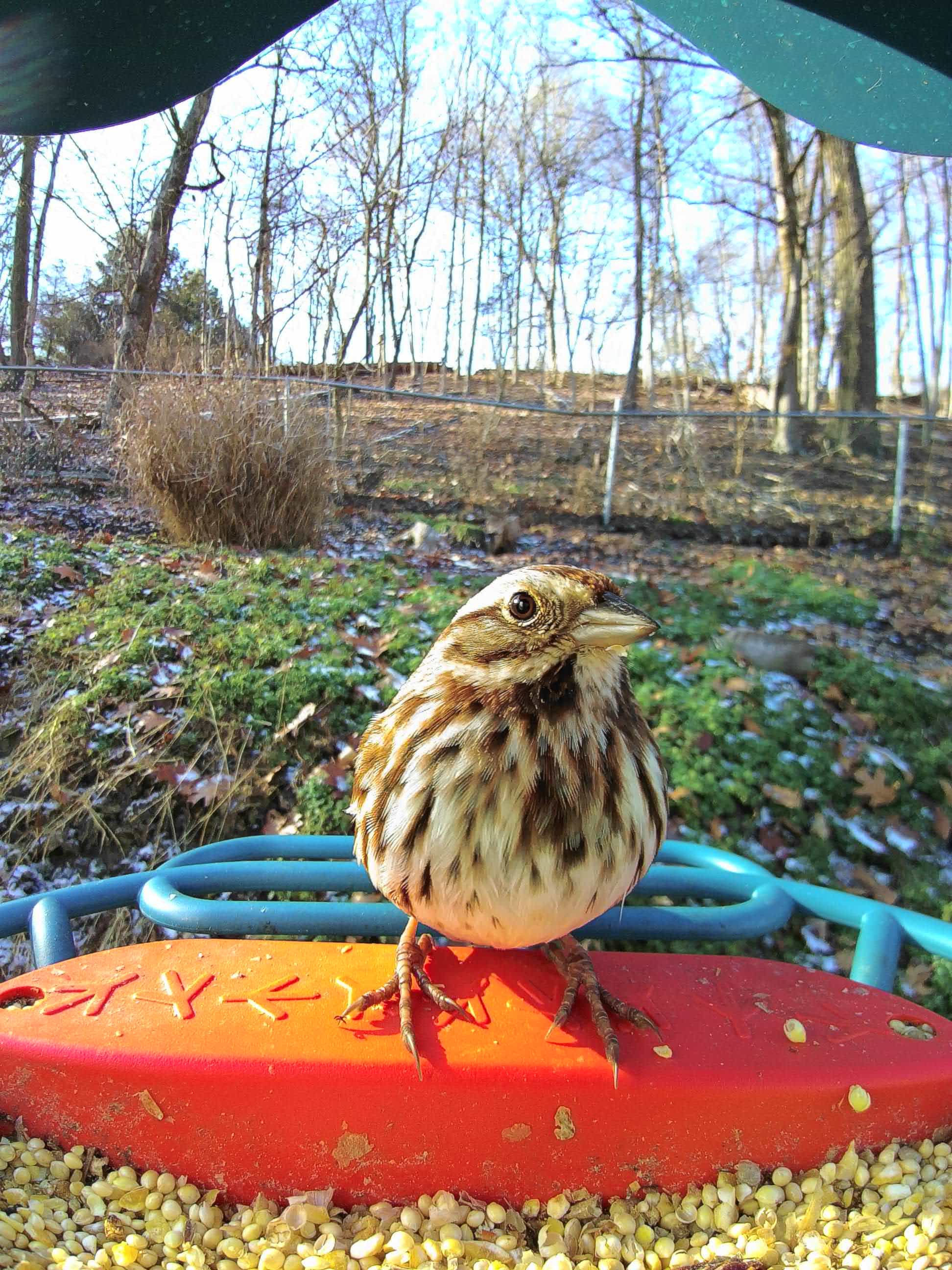
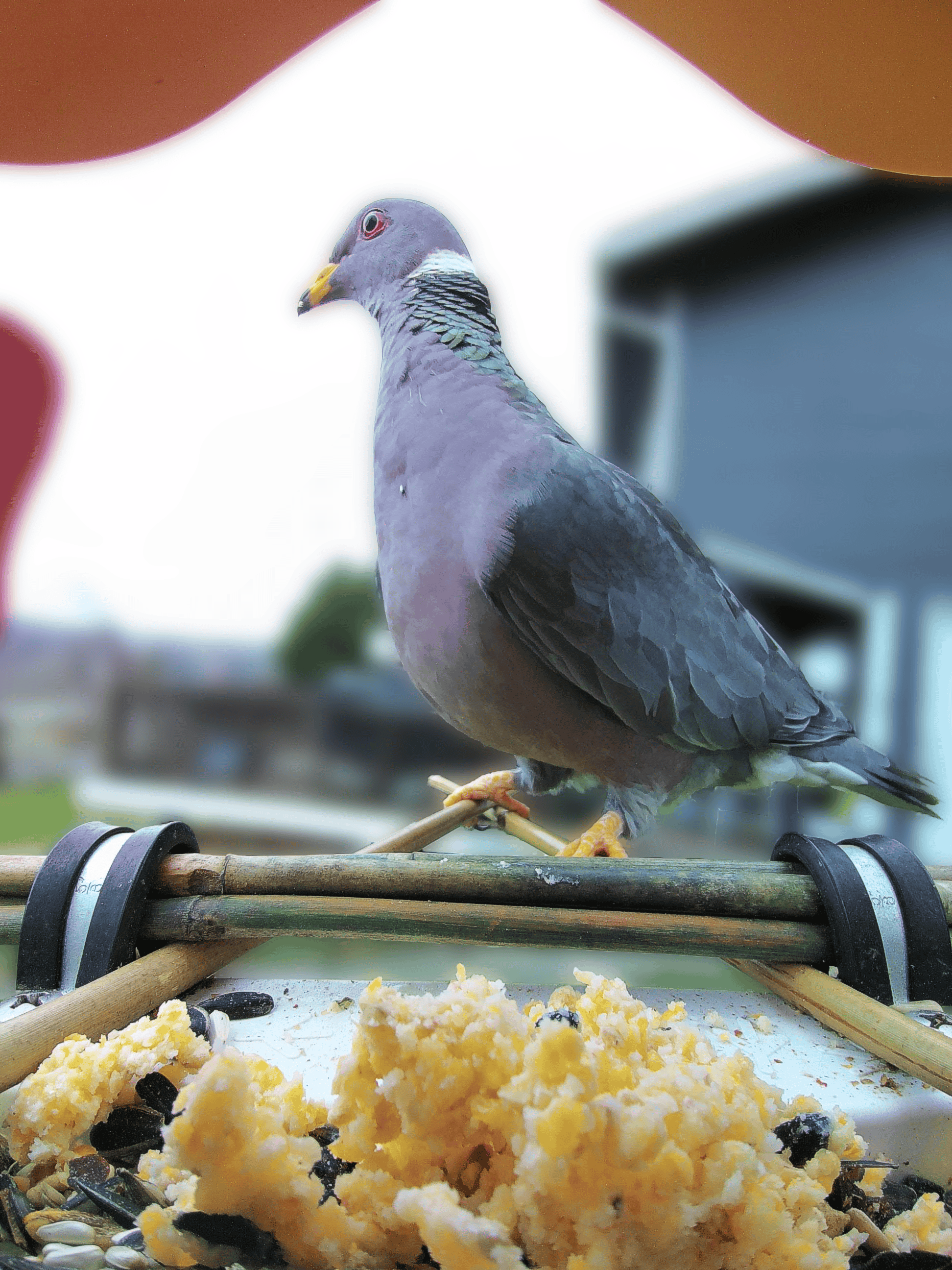
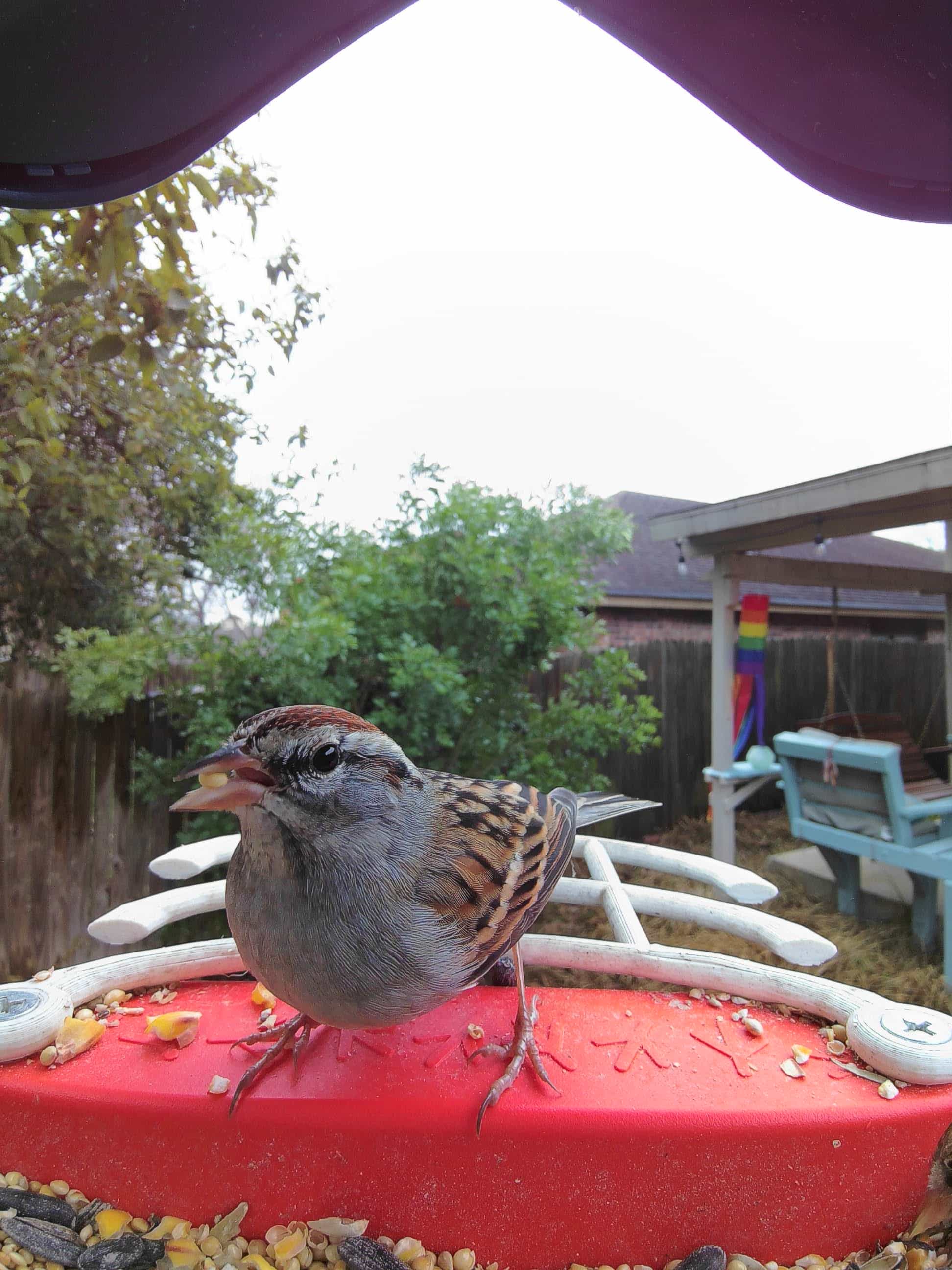
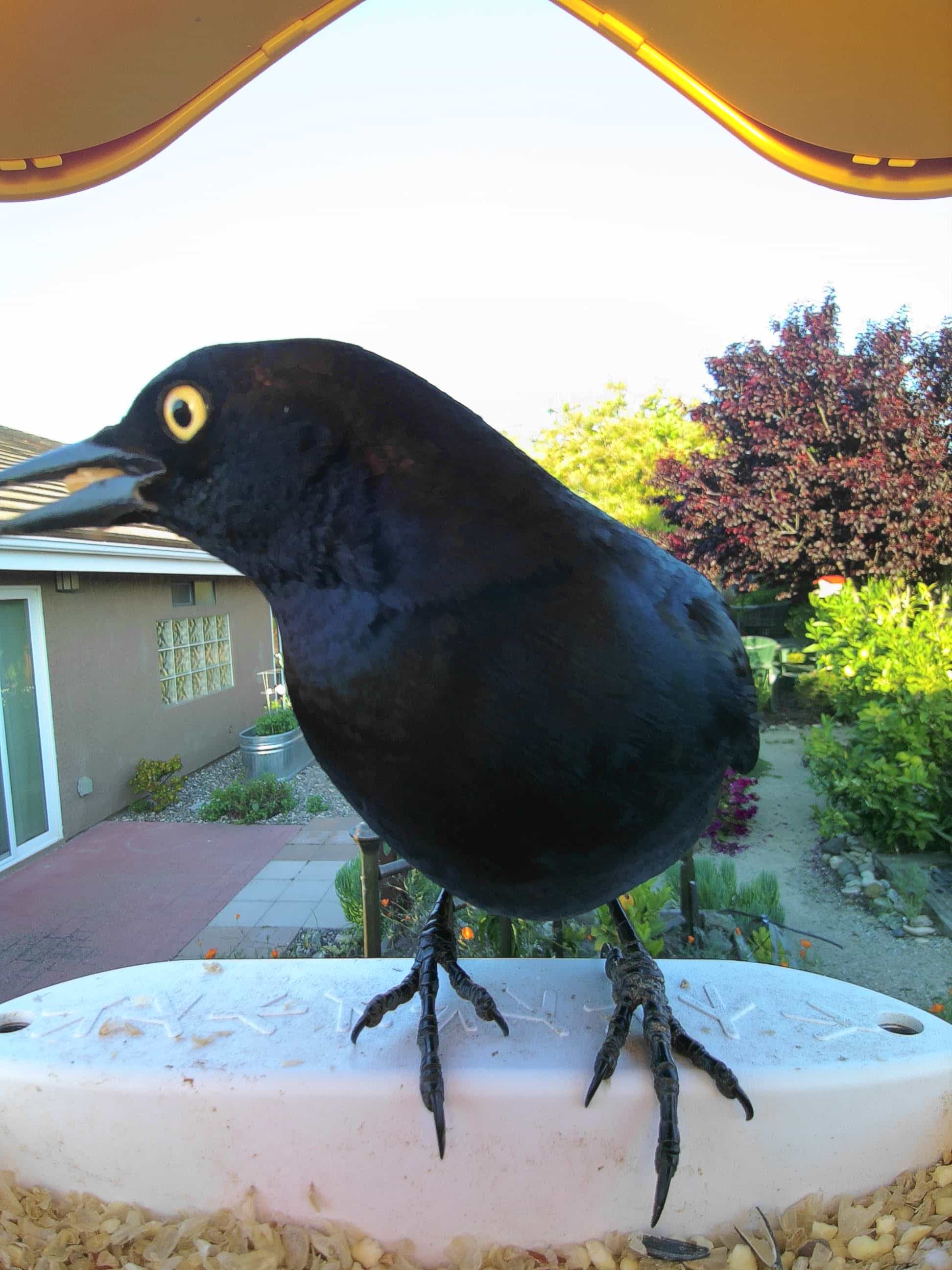
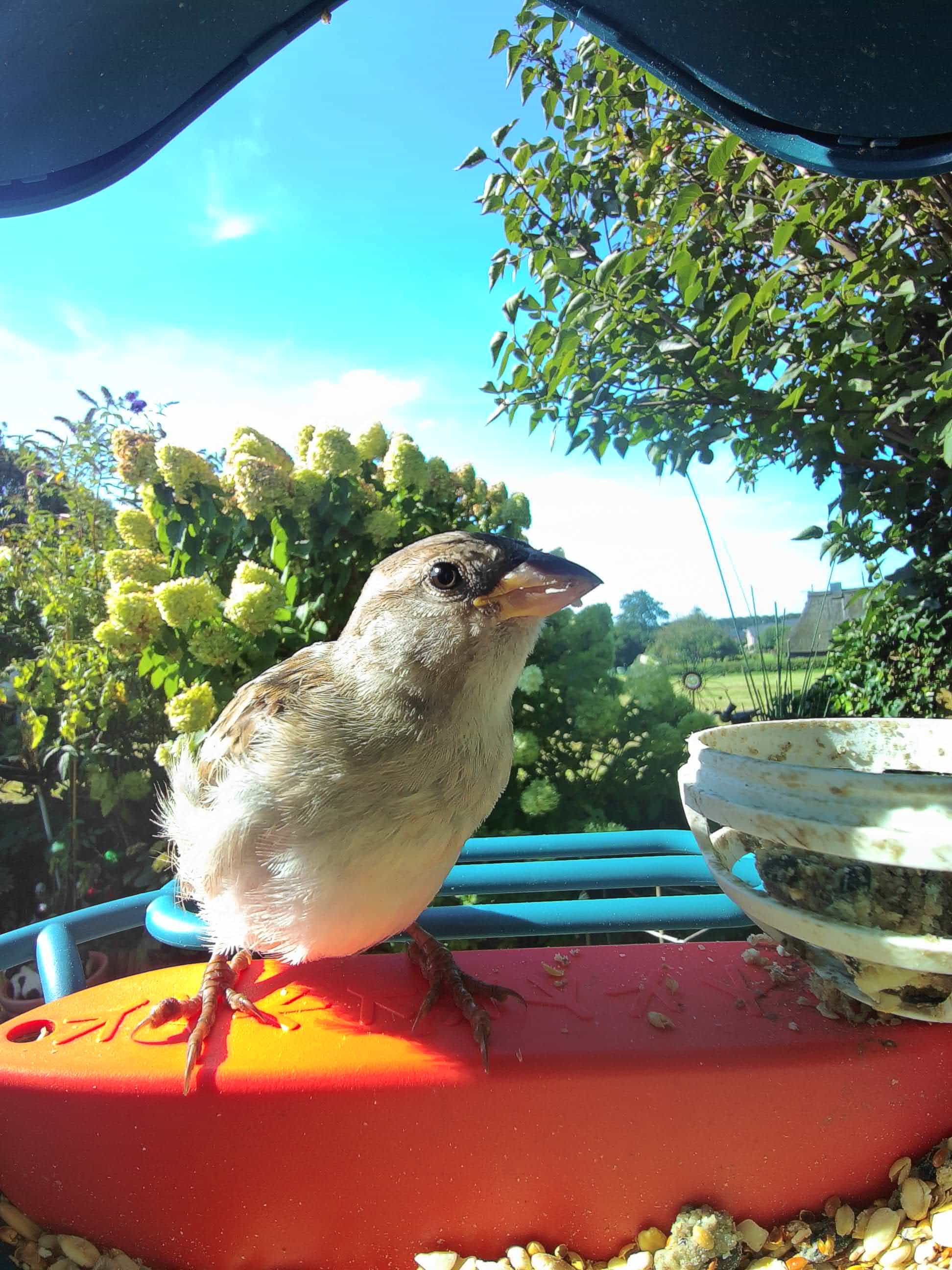
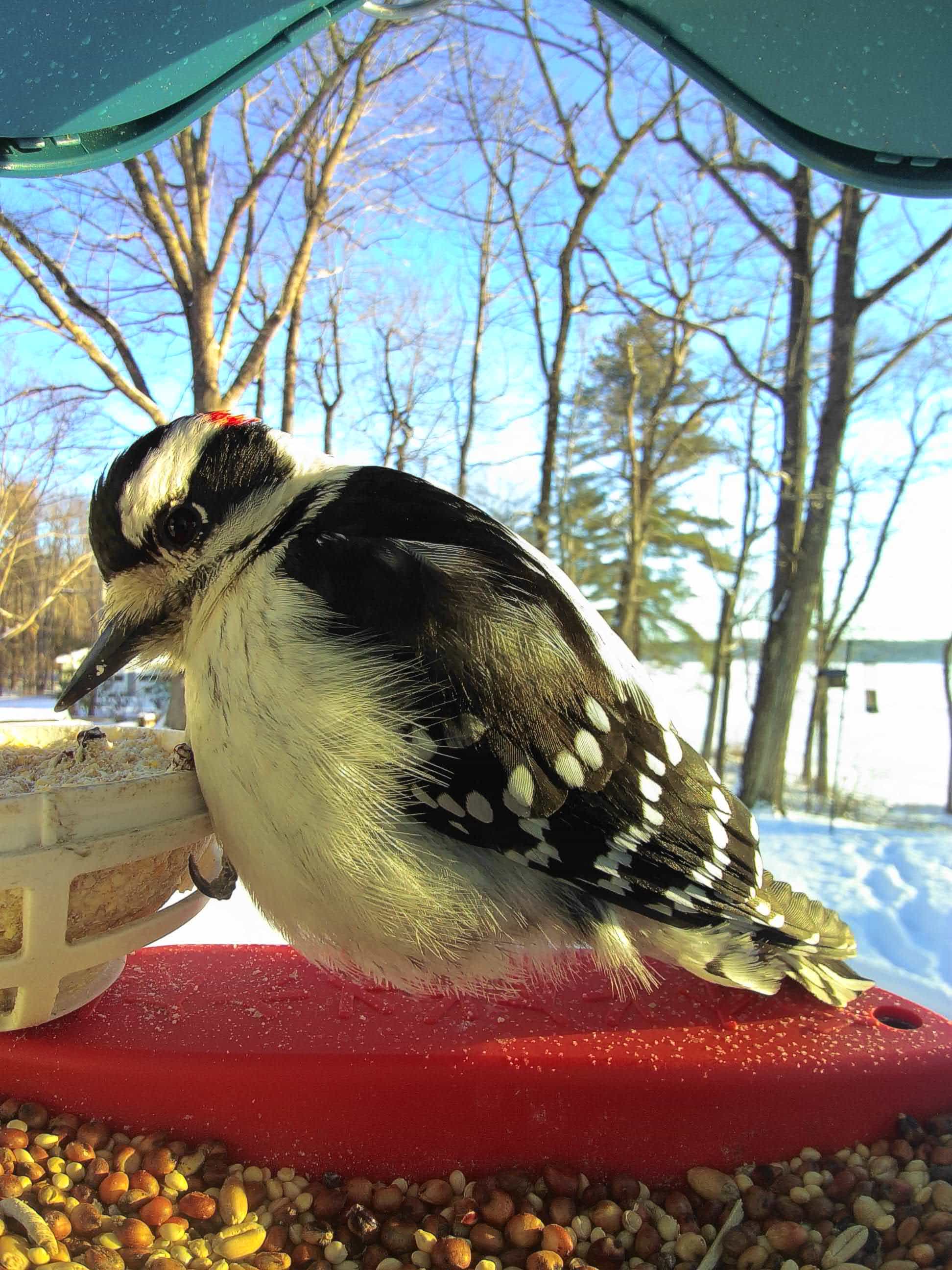
Birds seen on Birdbuddy feeders in Los Angeles
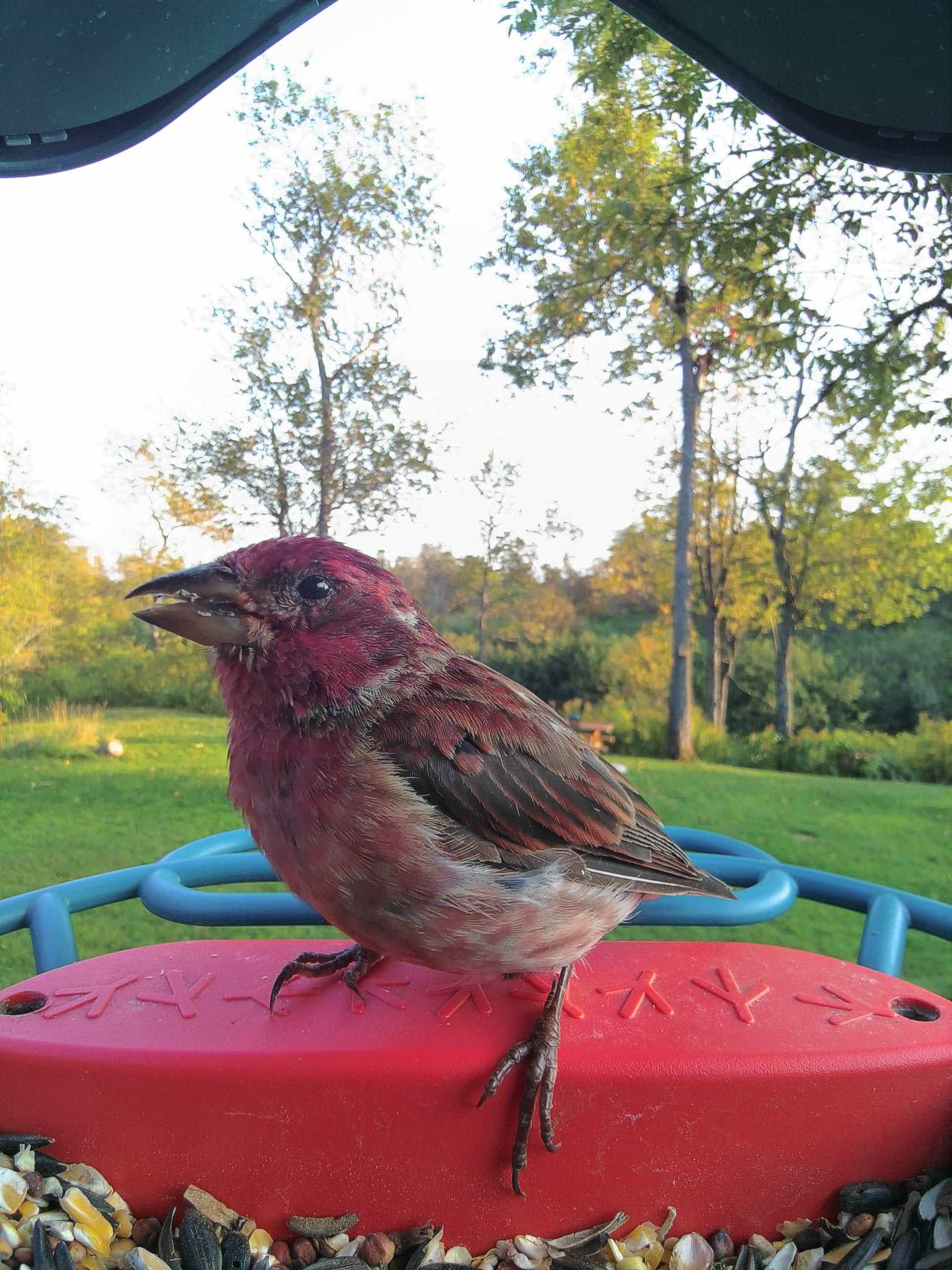
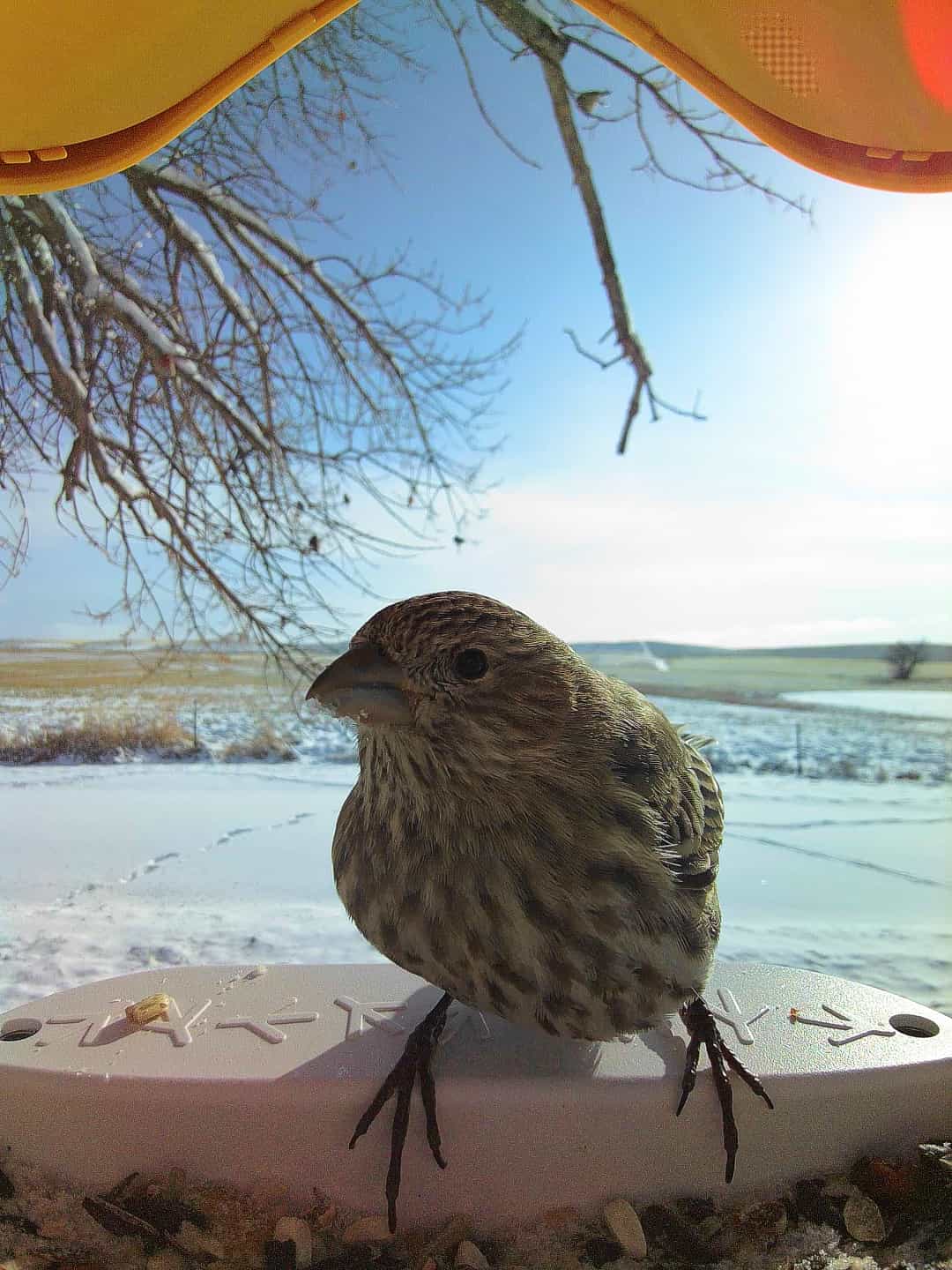
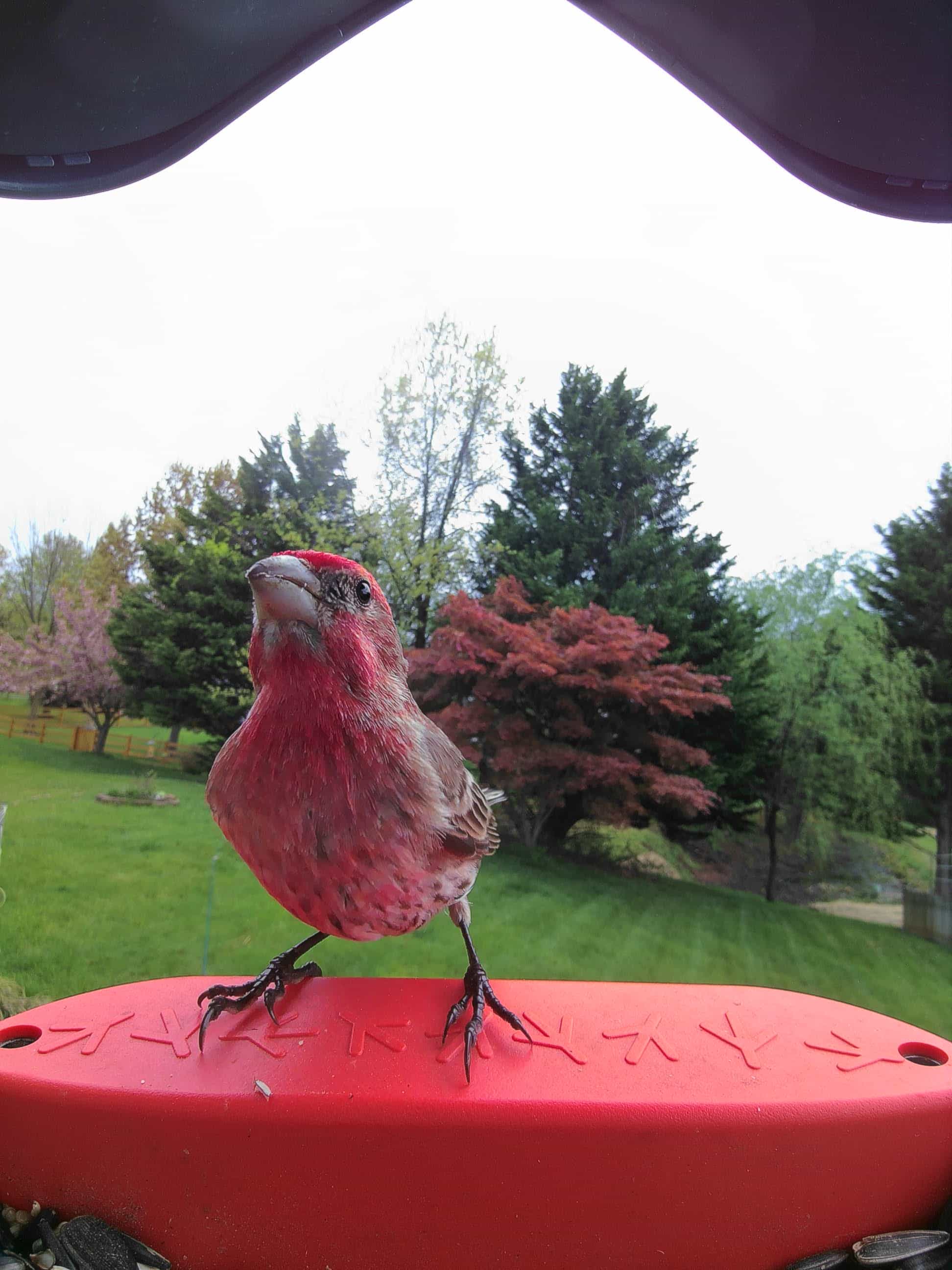
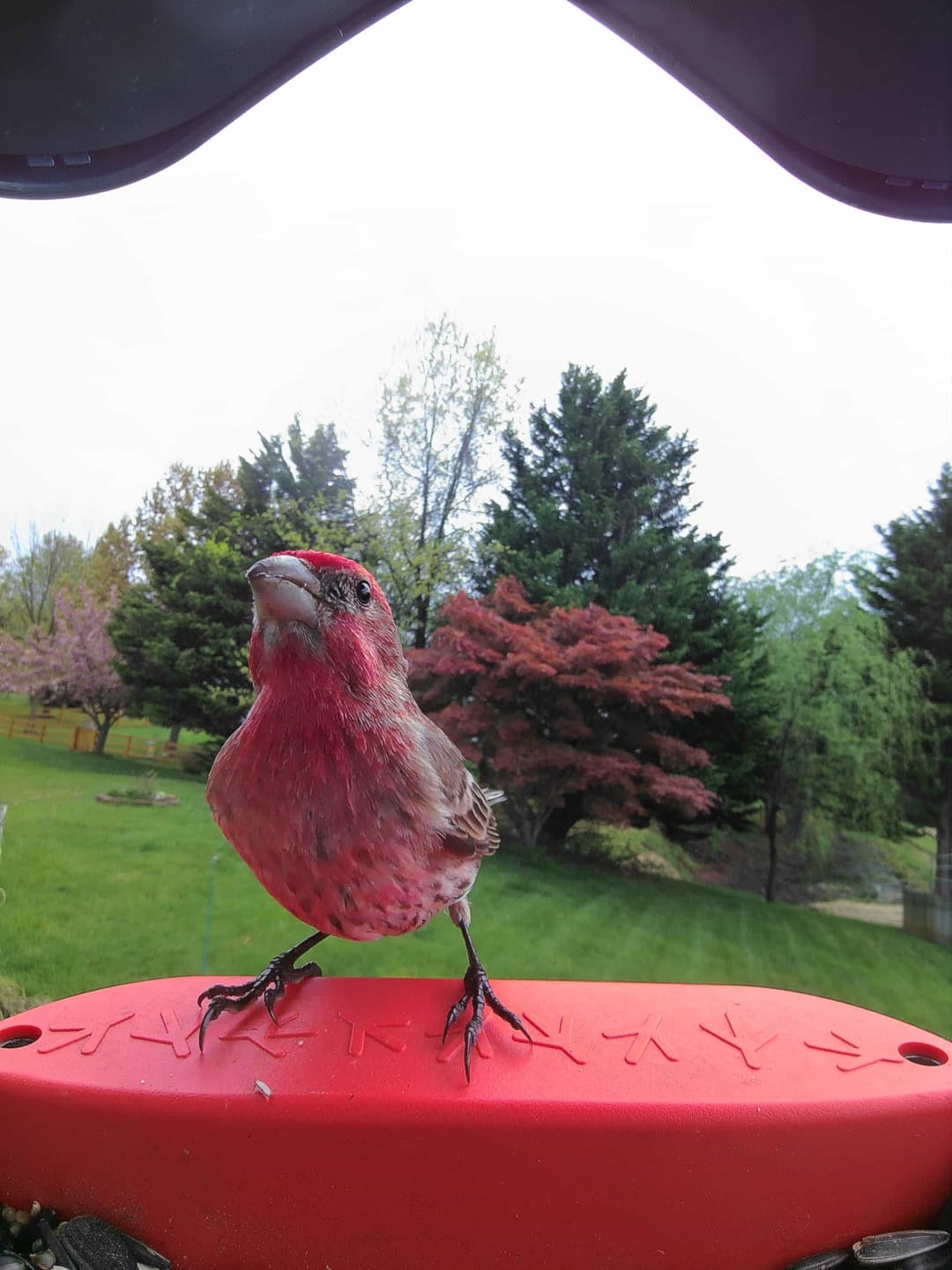
House Finch (Haemorhous mexicanus): A small, adaptable bird native to North America, it has a vibrant red head and breast in males, streaky brown plumage in females, and a cheerful, warbling song often heard in urban and suburban areas.
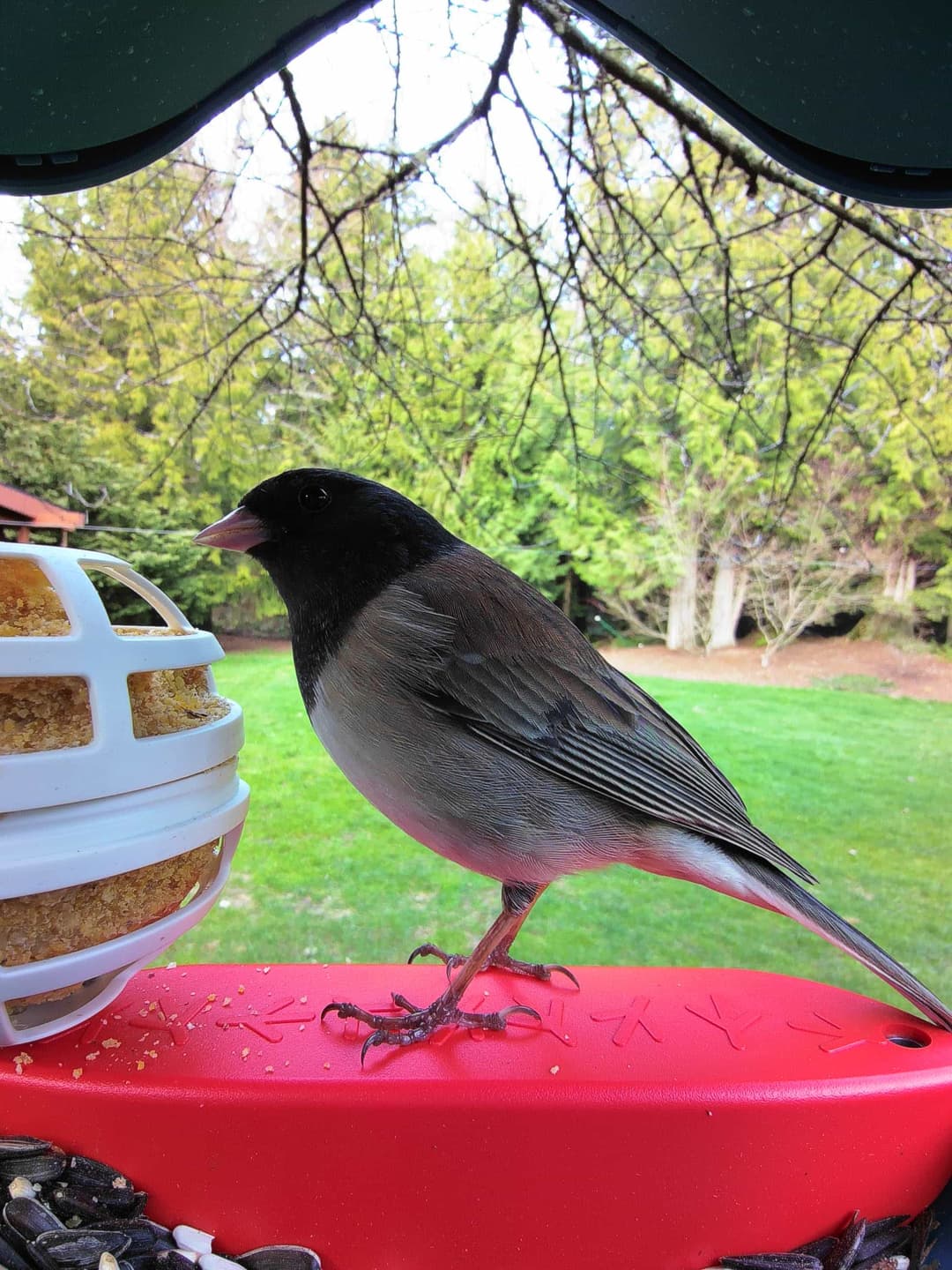
Dark-Eyed Junco (Junco hyemalis): This small, sociable bird is primarily slate gray with a white underside, featuring a distinct pink bill and flashes of white in its tail feathers, often seen foraging on the ground in flocks during winter months across North America.
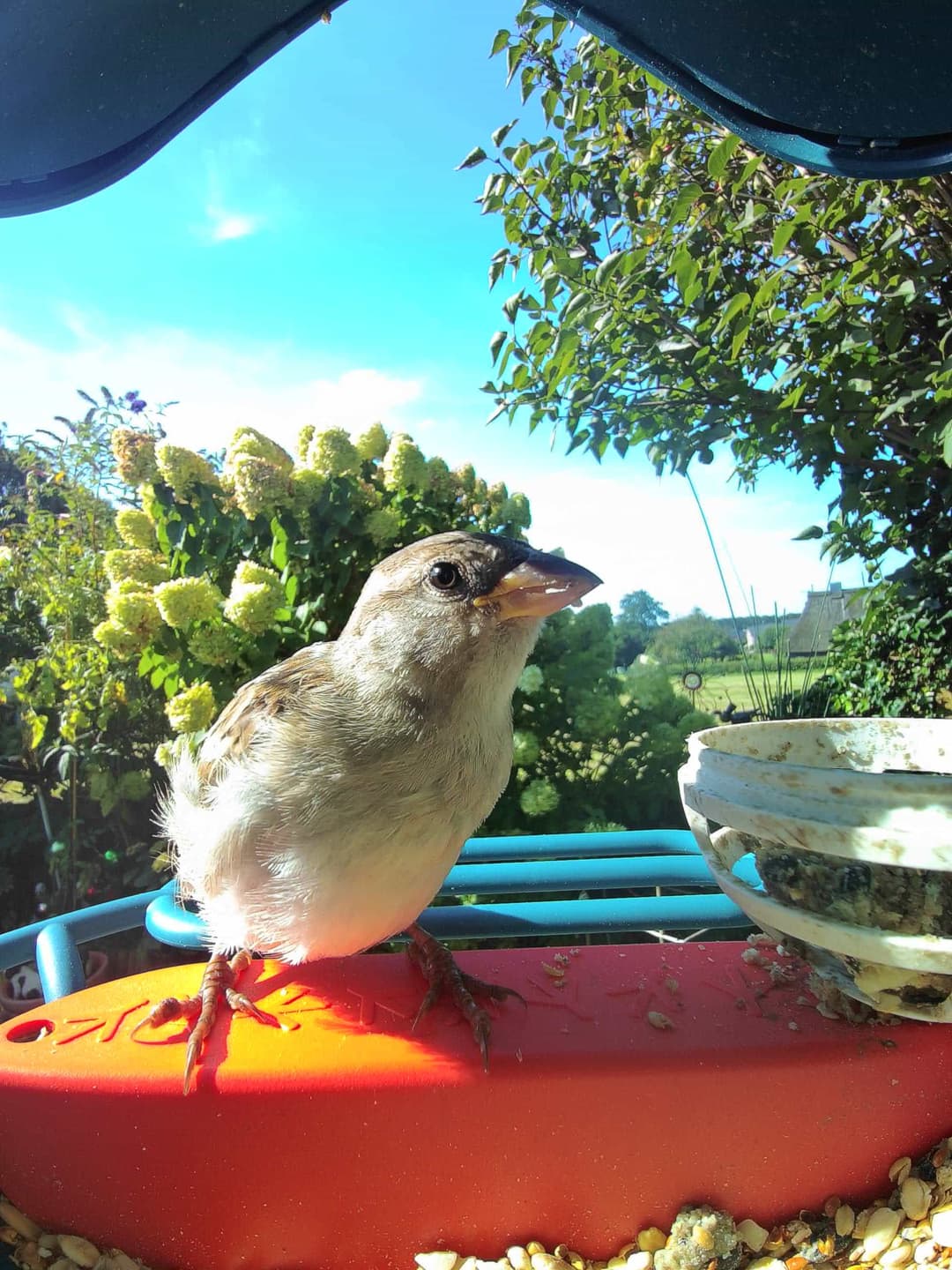
House Sparrow (Passer domesticus): A small, stocky bird with a stout bill, this species is easily recognized by its gray and brown plumage, distinctive black bib in males, and its adaptability to urban and rural environments worldwide.
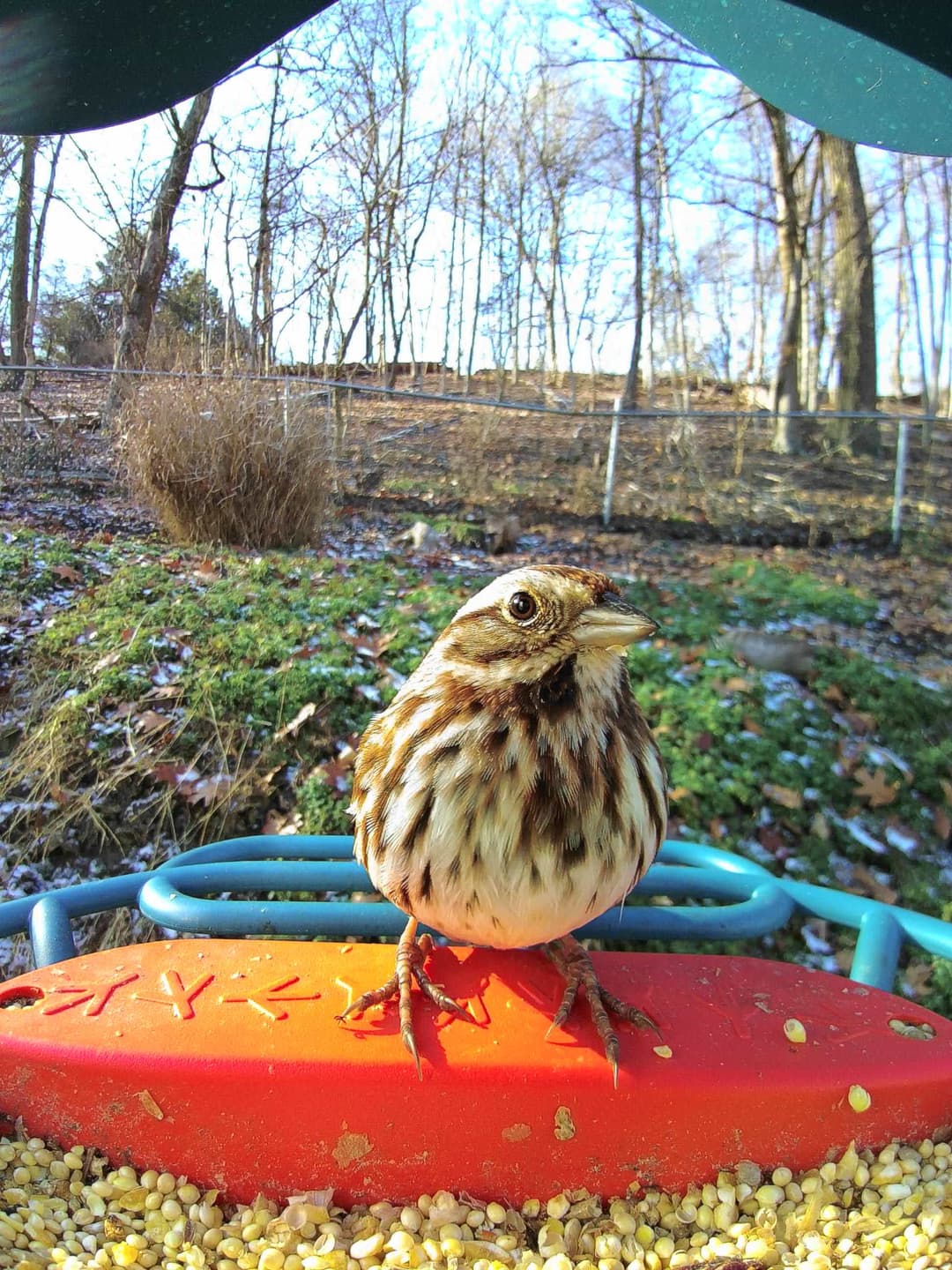
Song Sparrow (Melospiza melodia): This small, adaptable bird is characterized by its streaked brown plumage, melodic and varied song, and widespread presence across North America, often inhabiting open and shrubby areas.
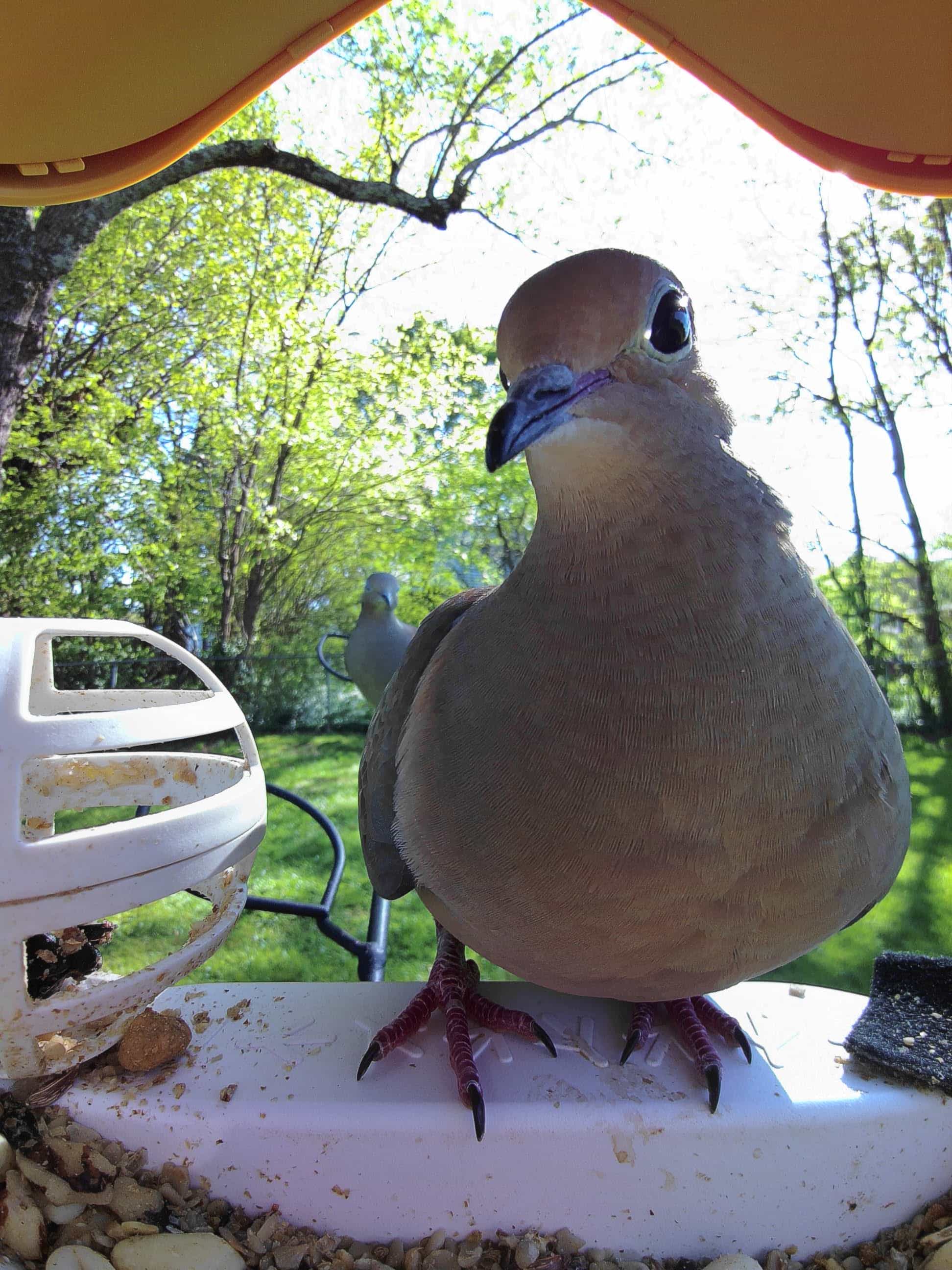
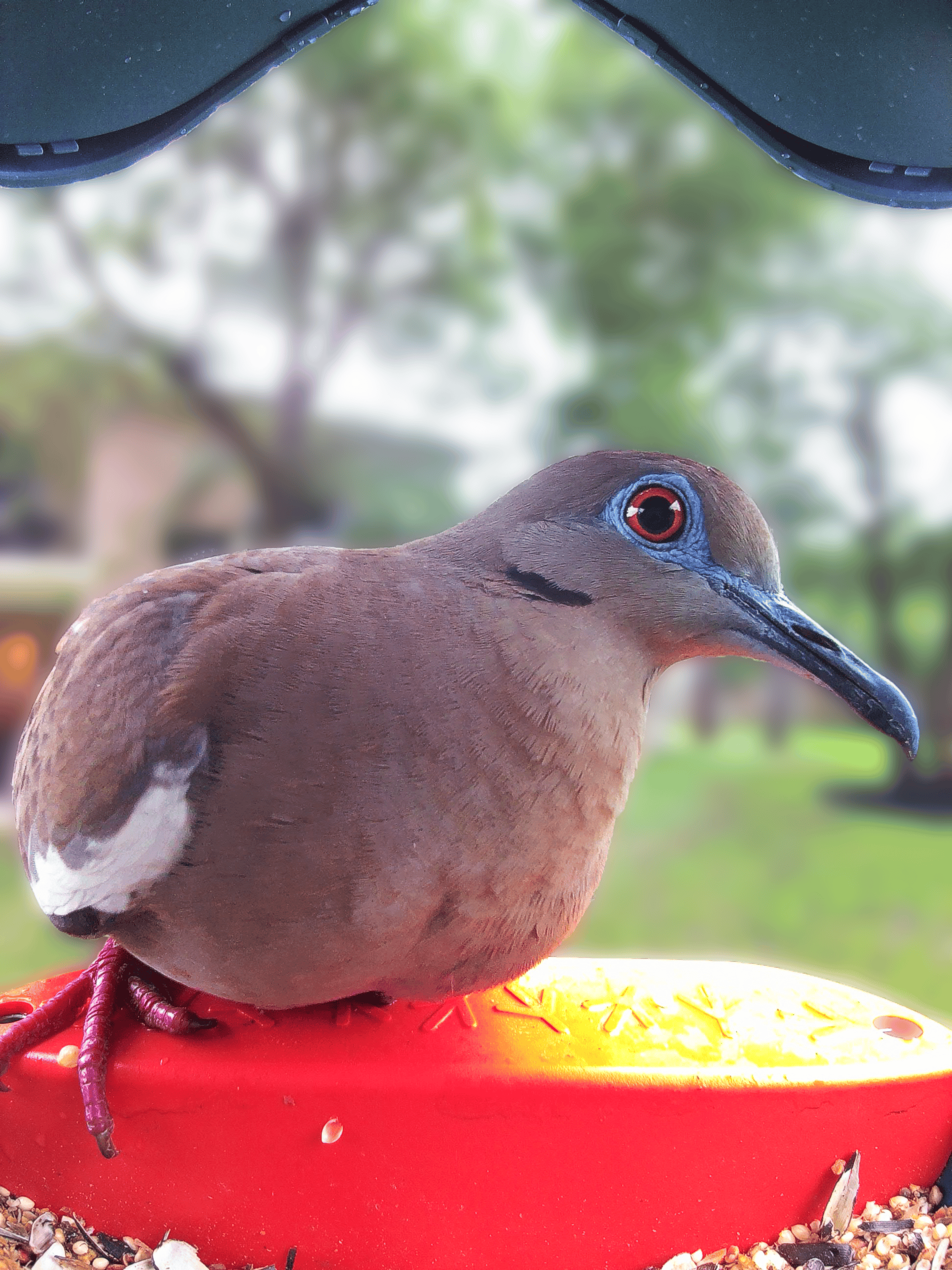
Mourning Dove (Zenaida macroura): This bird is a slender, medium-sized creature with a soft grayish-brown body, long pointed tail with white edges, and distinctive black spots on its wings, often recognized for its gentle, mournful cooing sound.
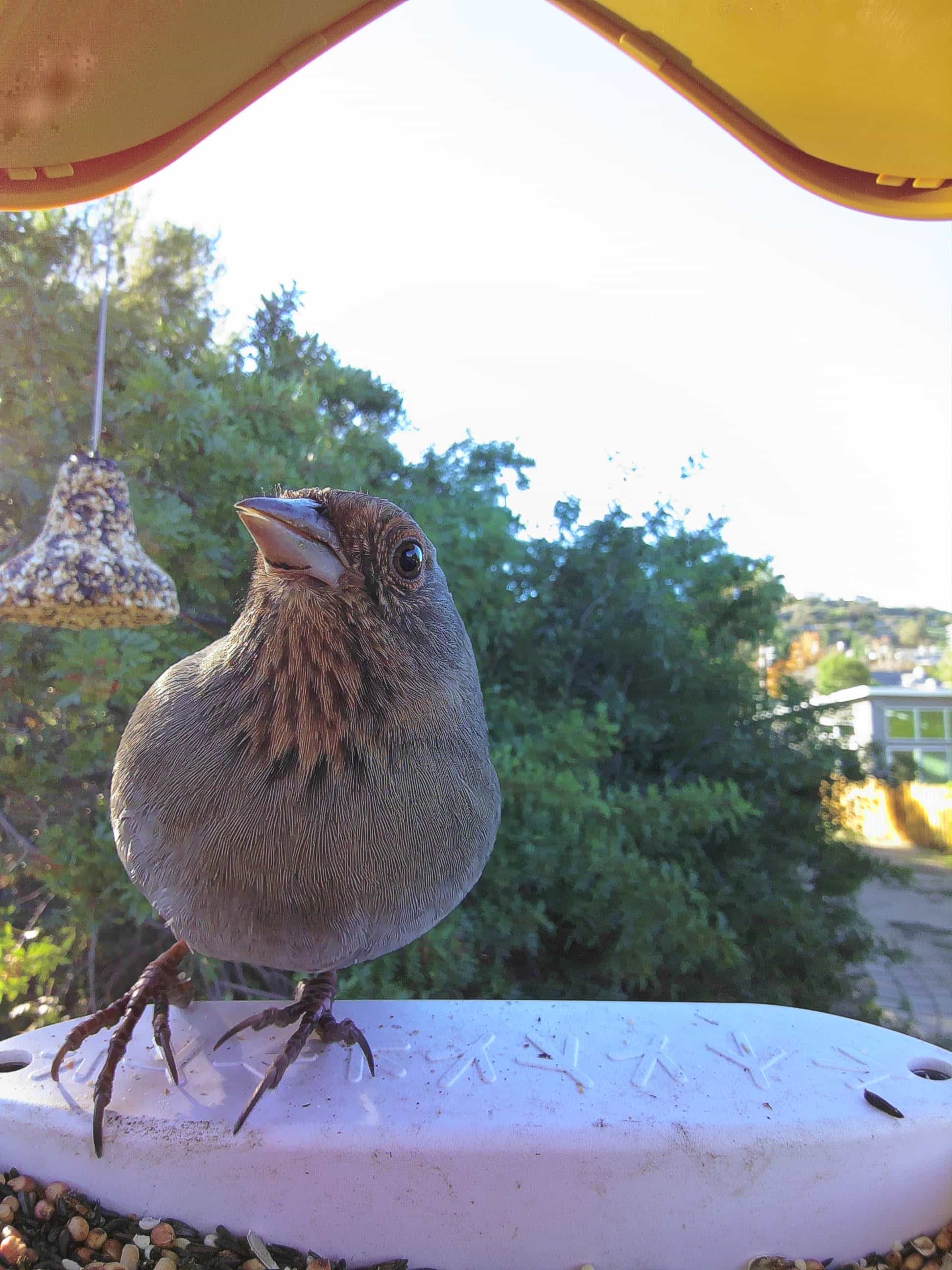
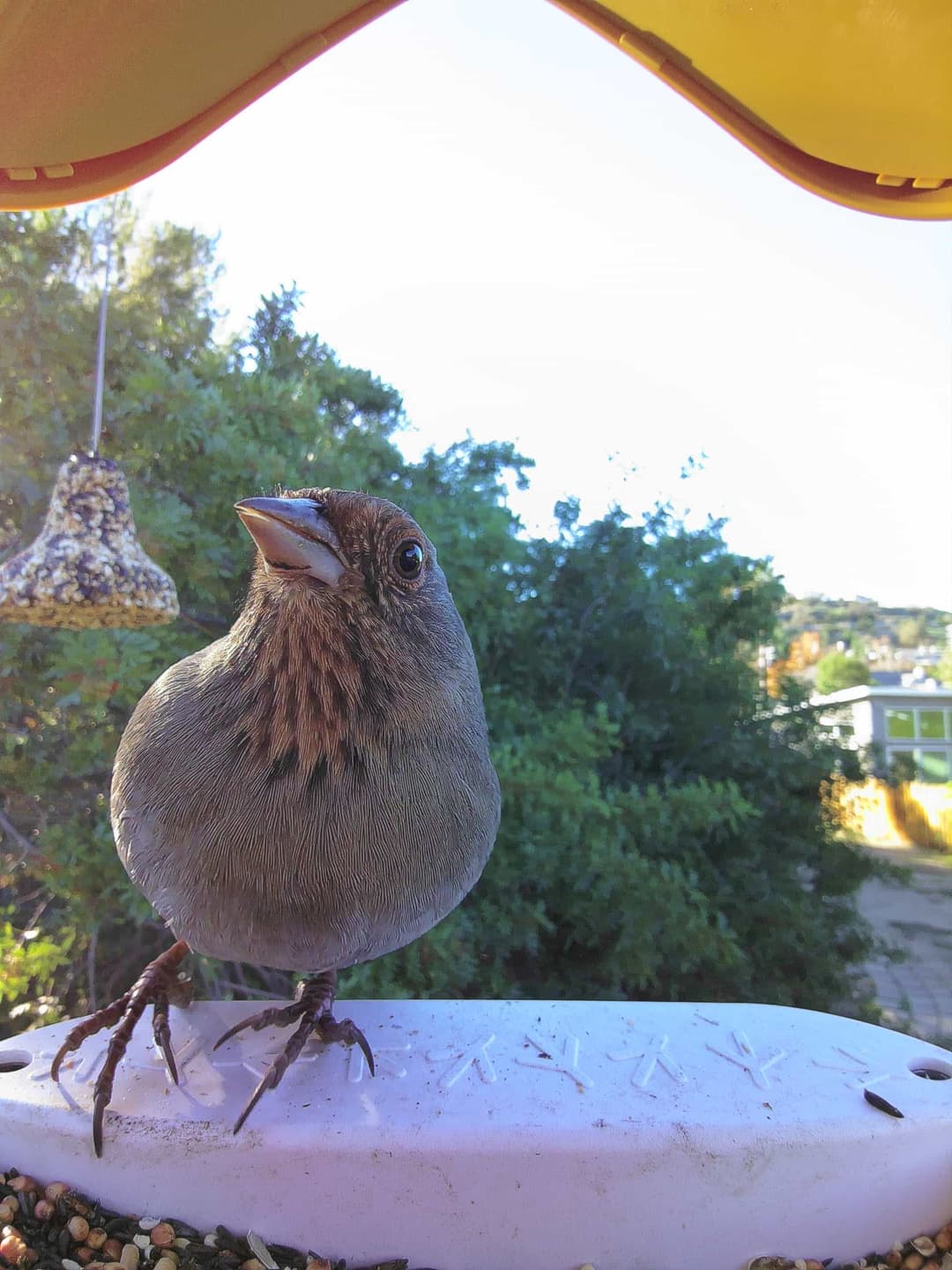
California Towhee (Melozone crissalis): This bird is a medium-sized, sparrow-like species with a noticeable long tail, plain brown plumage, and subtle warm tones on its undertail and around its face, commonly found in California's urban and suburban areas as well as chaparral habitats.

Identifying bird sounds and calls in Los Angeles
Bird sounds are a key way to identify different species, even when they're hidden in trees or bushes. Each bird has its own unique vocalizations, from melodic songs to distinctive calls. Learning these sounds can help you identify birds even before you see them.
Migration
Species that pass through during migration seasons
Timing and migration patterns
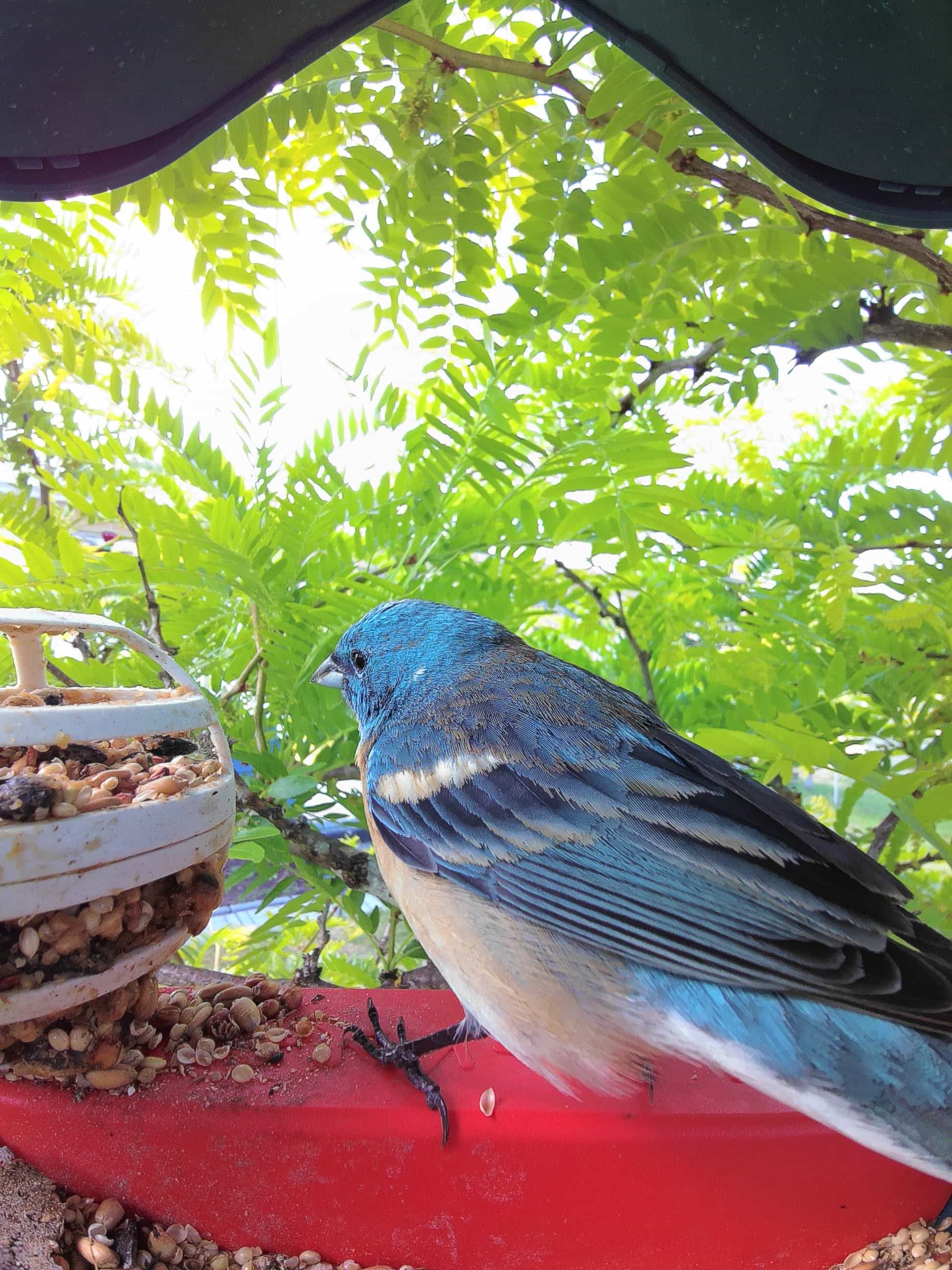
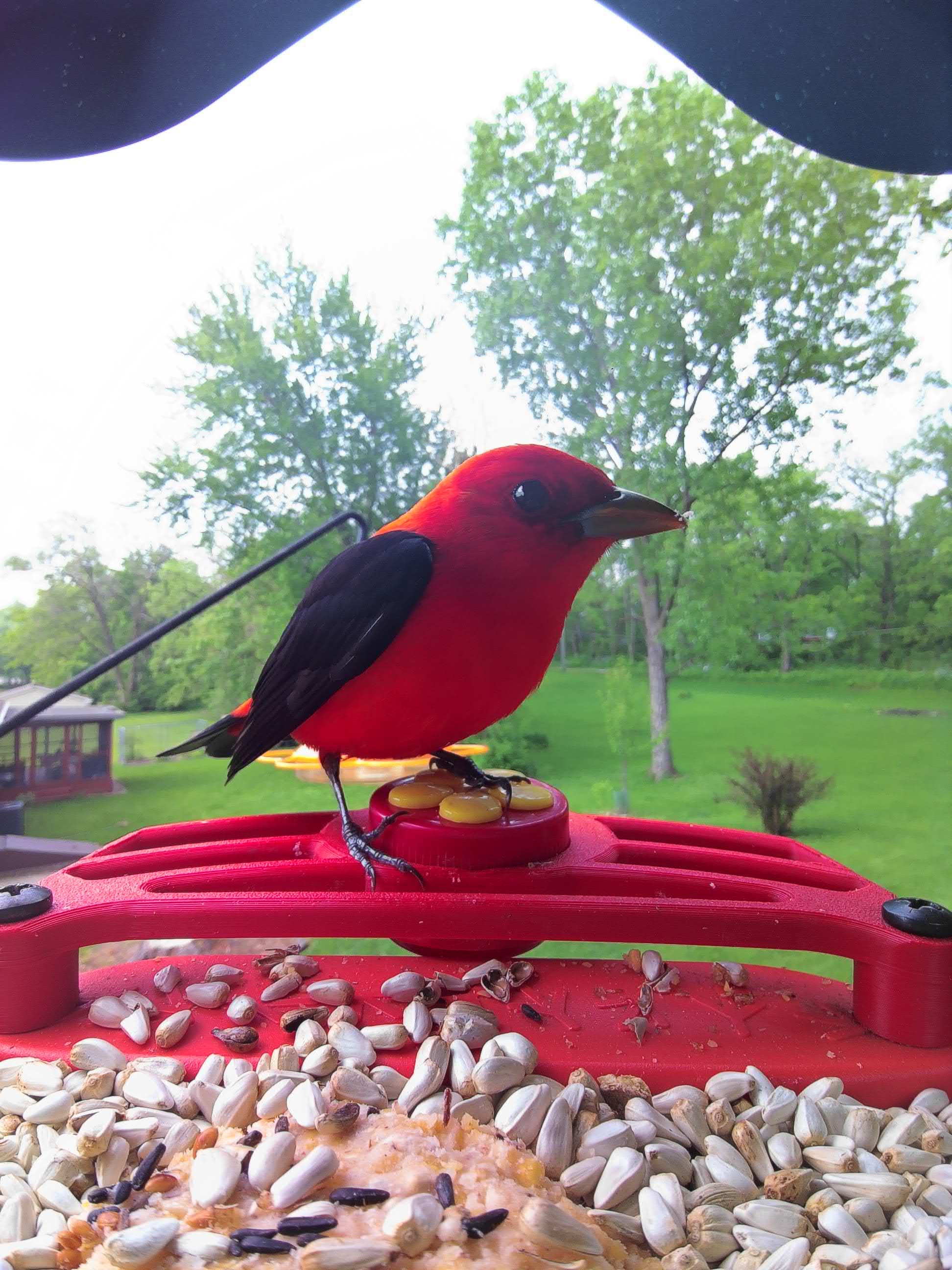
Painted Buntings migrate through Los Angeles during late summer to early fall.
Birdwatching hotspots in Los Angeles
Parks, reserves, and observatories
Los Angeles, California, is home to diverse habitats ranging from coastal wetlands to mountainous areas, providing a rich environment for birdwatching.
Griffith Park: A sprawling urban park known for its variety of bird species including hawks and hummingbirds.
Ballona Wetlands: A protected wetland habitat offering sightings of shorebirds and waterfowl.
Topanga State Park: Features chaparral and coastal sage scrub habitats, attracting diverse bird species.
Accessibility and facilities
Many parks have accessible trails and viewing areas, though some more rugged reserves may have limited facilities.
Conservation efforts
Los Angeles is actively engaged in conserving its natural resources, focusing on urban biodiversity, water conservation, and habitat restoration. Some of the efforts include:
- Restoration of urban green spaces
- Water conservation initiatives
- Protection of native wildlife habitats
How Can I Help?
- Participate in local tree planting events
- Reduce water usage at home
- Support local environmental NGOs
Live bird sightings in the Los Angeles area
Discover what birds are currently active in Los Angeles through real-time sightings from Birdbuddy users. Explore hotspots and track your favorite species with updates from our community network.
Learn more about Birdbuddy