
Gilded Flicker
Gilded Flicker
Colaptes chrysoides


Quick Identification guide
Quick Identification guide
Male
- •
golden-yellow plumage on the underparts with a contrasting brown crown and back
- •
Distinct black bib under the chin and spots on the belly
- •
Characteristic whitish rump visible in flight
Female
- •
Predominantly brown with golden-yellow tones on the underparts
- •
Lacks the male's black bib but features similar spotting on the belly
- •
Similar whitish rump as the male, seen when flying
What does a gilded flicker sound like?
The gilded flicker typically vocalizes with a loud, repeated "woika" sound and a loud series of "kee" notes. Its call pattern involves a variation of flat and rising tones. The types of calls this bird makes can be classified as a chirp or chip, a rattle, and a scream. These vocalizations effectively communicate different signals or emotions in the bird's behavior.


Description
Did you know that gilded flickers are a perfect example of Bergmann's rule? It states that animals in hot environments will be smaller than those in cooler environments. Hence, why gilded flickers are much smaller than northern flickers! They may be small but they are no pushovers and have proven that they can hold their own against larger and aggressive starlings.
The gilded flicker can weigh between 92to129grams and be from28to30centimeters tall.
The Gilded Flicker, a type of woodpecker, typically lives up to 11 years in the wild. This lifespan is comparable to related species: the Red-shafted Flicker and the Yellow-shafted Flicker, which also both live up to 11 years. Their survival rates are influenced by factors like predation and habitat loss.
Did you know?
Most popular questions about gilded flicker
How to recognise a gilded flicker?
General appearance
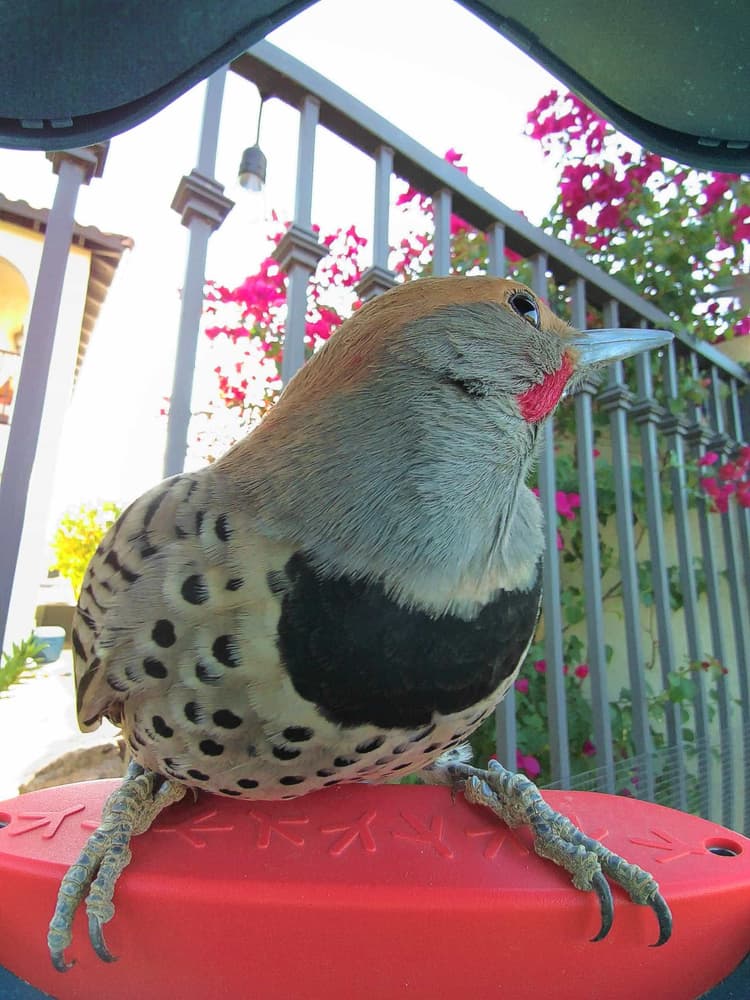
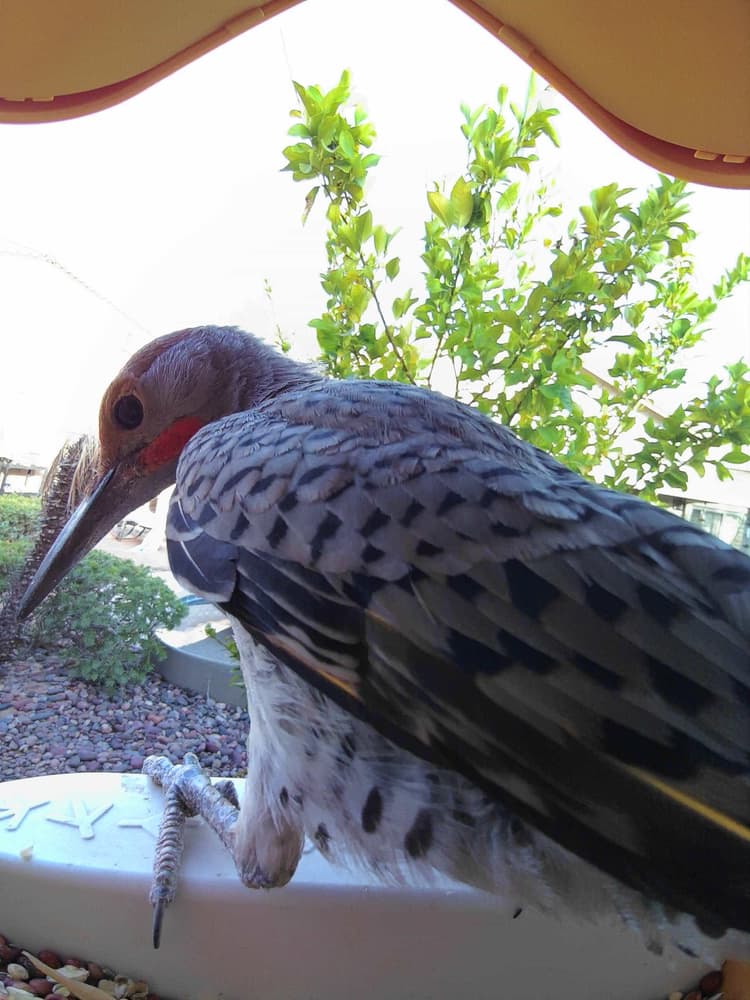
The gilded flicker is a bird about the size of a crow, bright yellow under its wings and tail, displaying a gray face and a vivid cinnamon crown. The species exhibits more black on the underside of their tails as compared to similar bird species. Additionally, the flicker has a multi-pointed, wedge-shaped tail and its wings are broad, rounded, and short.
Male vs female
There are certain subtle differences between male and female gilded flickers. Usually, the male gilded flicker possesses a unique red mustache mark which is absent in females. Otherwise, both genders share similar physical traits and coloration.
Juvenile
The description does not provide specific distinguishing characteristics for the juveniles of the species. Nevertheless, juveniles of many bird species commonly bear resemblance to adults. Apart from this, recognizing an interbreeding between Gilded and 'Red-shafted' flickers may require keen observation as it produces birds bearing intermediate markings. Such interbreeding commonly occurs in middle elevations in Arizona.
Often mistaken for
Northern Flicker vs Gilded Flicker
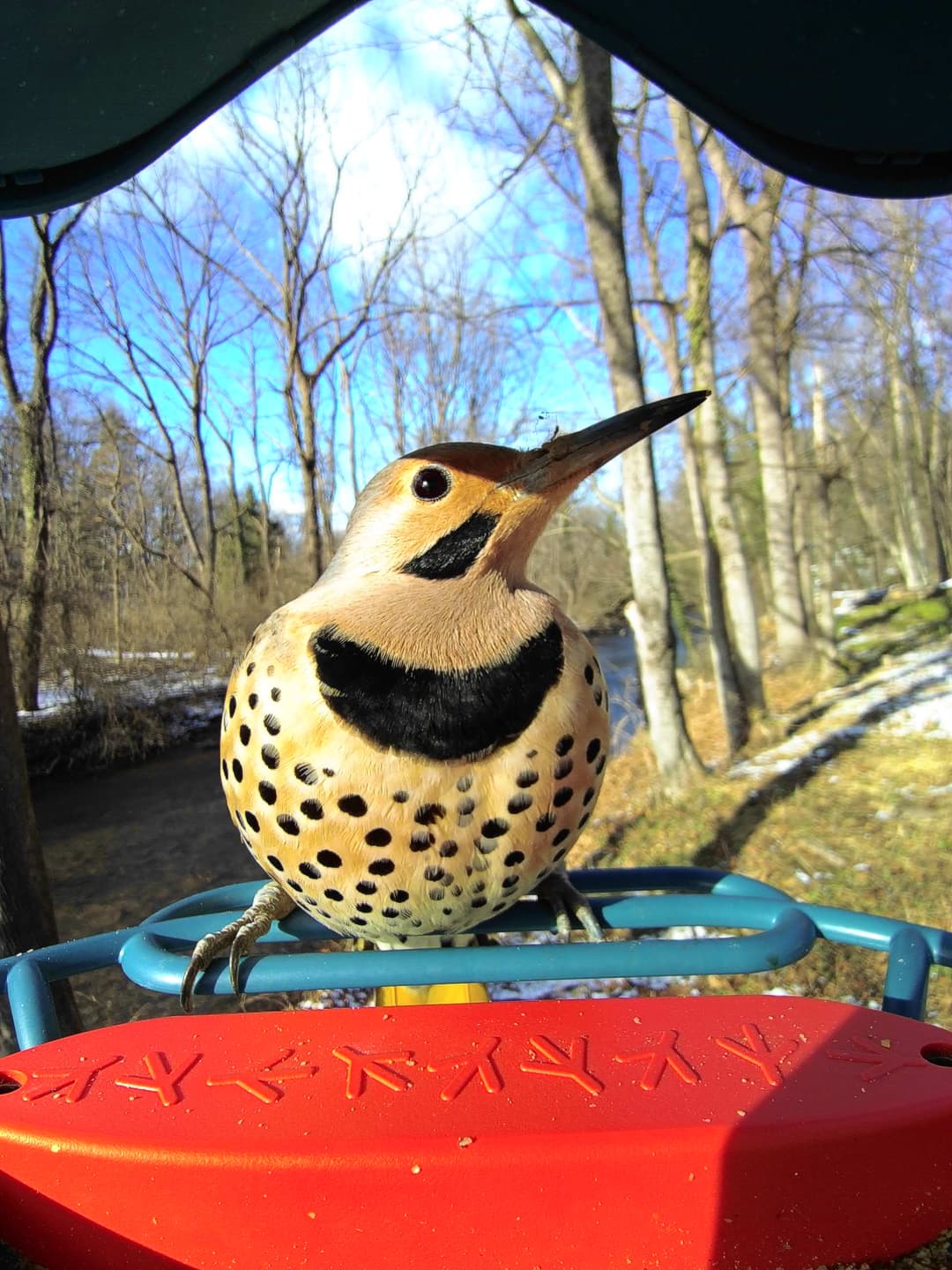
Gilded Flicker has a more limited range, primarily in desert areas, compared to the widespread Northern Flicker. Gilded has brighter yellow underwings and tail feathers, while the Northern shows red or yellow, depending on the region. Look for the red malar stripe on male Gilded, absent in Northern.
Gila Woodpecker vs Gilded Flicker
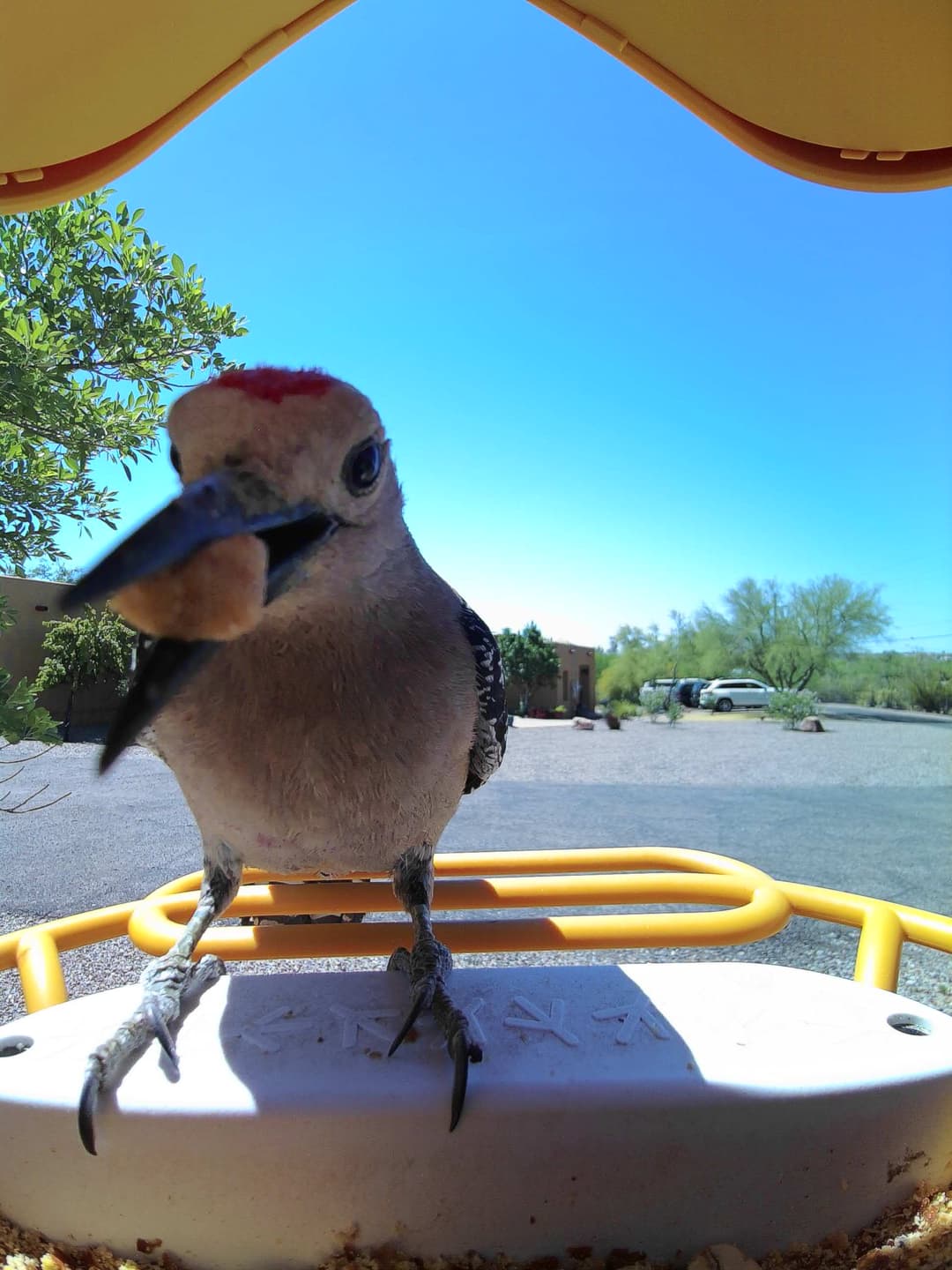
Gilded Flicker has a speckled breast and yellow underwings, while Gila Woodpecker is more plain with barred upperparts and white wing patches. Gila lacks the flicker's characteristic crescent-shaped mark on its breast, and Gilded has a stronger, more pointed bill.
Breeding and nesting habits of the gilded flicker
Mating behaviors
Gilded flickers employ a variety of activities during mating, including defending nesting territories with calls, drumming, and aggressive displays. These include swinging the head, flicking wings, and spreading the tail to display the bright underside. Courtship behaviors are largely similar to those used in territorial defense.
Nesting details
Nesting occurs in cavities excavated in giant cacti, trees, or posts. Preferred cavity sites are typically located in dead wood within trees. Both males and females participate in excavating these cavities, which are generally situated 6 to 20 feet above ground, though they can occasionally be higher.
Eggs and chick-rearing
Upon completion of the nest cavity, eggs are laid and incubated by both parents. Details on chick feeding and rearing practices are not specified, but like many bird species, it is likely that both parents share responsibilities in caring for and feeding the young until they fledge.
What does a gilded flicker like to eat?
Fruits
Insects
Nectar
Seeds
Natural diet
The gilded flicker's natural diet primarily consists of ants and other insects. It is unique among many birds as it consumes a large number of ants, similar to other flickers and some woodpeckers. Its diet also includes beetles, termites, caterpillars, and a variety of other insects. In addition to insects, the gilded flicker consumes many fruits, berries, seeds, and occasionally nuts.
Bird feeders
The gilded flicker does not have specific mentions of food it commonly eats at bird feeders. However, in general, flickers may occasionally visit feeders for suet or seeds.
Feeding gilded flickers
Gilded flickers are particularly fond of insects, berries, and nuts, making Bird Buddy seeds a fantastic choice for attracting them. These seeds are chosen by experts for each season, ensuring their nutritions content aligns with the gilded flicker's dietary needs.
Choosing the right bird feeder
Gilded flickers, similar to their woodpecker relatives, prefer suet feeders that allow them to cling and peck. Hang these feeders close to trees or on high bird stands to make them comfortable and accessible for your flickering friends.
Creating a flicker-friendly environment
Make your yard a haven for gilded flickers by installing nesting boxes and providing a bird bath. These adaptations mimic the bird's natural habitats, increasing the likelihood that they'll frequent your yard.
Flicker fun fact
If you're looking for a sing-along, the gilded flicker may just be your perfect match. These charming birds are known for their loud 'flicker' calls, a sound you'll soon be eagerly anticipating.
Where can you find gilded flickers?

Primary habitat
The gilded flicker primarily resides in the Sonoran desert, nesting in holes within giant saguaro cacti.
Additional range
This bird is also found in riverside groves of cottonwoods and other trees, particularly at low elevations along rivers and streams.
Do they migrate?
The gilded flicker is essentially a permanent resident, indicating that it does not undertake long-distance migrations like some other bird species. This means the gilded flicker typically stays in the same geographic area year-round, with only local movements. These birds are known to inhabit desert regions primarily found in the southwestern United States and parts of northwestern Mexico, including the Sonoran Desert. Their territory includes areas in Arizona, southeastern California, and western Mexico, where they find suitable habitats throughout the year. Since the gilded flicker is non-migratory, there is no defined migration route, timing, or key stopover locations associated with this species. Instead, their movement is limited to local shifts, possibly dictated by resource availability or minor seasonal changes in climate within their territorial range. They are often found in saguaro cactus habitats and other desert environments where they maintain their presence throughout the seasons, adapting to the harsh desert conditions rather than traveling long distances.
What is the role of gilded flickers in nature and how to protect them?
Conservation status
The gilded flicker is still relatively common but faces vulnerability primarily due to habitat loss. Its conservation status reflects concern over the decreasing availability of its natural environment, primarily desert areas impacted by urban development and agriculture. Key conservation efforts focus on habitat preservation and management to secure areas where these birds can thrive. Significant threats include land conversion and climate change, which further exacerbate habitat fragmentation. Continued monitoring and conservation initiatives are vital to prevent the species from becoming endangered.
Ecological role of gilded flickers
Its role in the ecosystem
The gilded flicker, a variety of woodpecker, contributes significantly to its ecosystem. It particularly assists with pest control, consuming a large volume of ants, beetles, termites, and caterpillars. By mainly feasting on ants, a contrast with most bird types, the flicker aids in preventing potential ant infestations or population build-ups. This behavior has a positive knock-on effect on other species within the same habitat, protecting vegetation and maintaining a balanced ecosystem. In addition, their feeding habits include fruits, berries, seeds, and nuts. As a result, the flicker aids in seed dispersal when the seeds pass through their digestive system and are excreted, facilitating plant propagation and diversification across the ecosystem. The gilded flicker's nesting behavior plays a role in sanitary decay. Their creation of cavities in cacti and dead wood assists in breaking down decaying plant matter. Furthermore, these cavities may serve as homes for other species, contributing to biodiversity. Therefore, their ecological significance is multifaceted, from pest control to seed dispersal and habitat creation.
How to help protect gilded flickers
Preservation tips
Habitat preservation strategies
Safeguarding gilded flicker's natural habitat is crucial to maintain their population. It provides a sanctuary for feeding, breeding and nurture their offspring. This includes conserving desert habitats and preserving saguaro cacti that they principally nest in. Communities can establish local laws limiting overdevelopment and destruction of these habitats. Advocacy for the expansion of protected lands where these species thrive can also be beneficial.
Community science initiatives
Sensitizing local residents about the Gilded flicker encourages active involvement in their protection. Hosting bird watching events, and organizing identification training sessions can garner interest and participation. Citizen scientist projects such as reporting sightings and nest locations can aid in tracking their populations and trends. Involving schools in education programs about their conservation can also help foster a sense of responsibility towards these at-risk species.