
Hummingbird
Hummingbird
Trochilidae
Quick Identification guide
Quick Identification guide
- •
Recognizable by their iridescent plumage, which can vary from brilliant greens to ruby reds depending on the light and species
- •
Possess a tiny, slender body, often no larger than a feather, making them one of the smallest bird families
- •
Equipped with an elongated, needle-like beak perfectly adapted for reaching into flowers
Description
Hummingbirds number some 350 species and have one of the fastest metabolisms of any warm-blooded animal and the fastest wing beat! It ranges from 12 to 80 beats per second; a method that allows them to hover in mid-air and produces the humming sound that gave them their name. They are also culturally important. Trinidad and Tobago are known as the land of the hummingbird and Aztecs wore hummingbird talismans and depicted one of their deities as one.
The hummingbird can weigh between 1.6to24grams and be from5to26centimeters tall.
Hummingbirds typically live for 3-5 years, though the oldest recorded lived up to 12 years. Compared to other small birds with similar metabolic rates, this is significantly longer. For instance, Warblers only live approximate 2 years, and Chickadees live around 4 years. Such durability can be attributed to the hummingbirds' high energy levels and rapid metabolism.
Did you know?
Most popular questions about hummingbird
How to recognise a hummingbird?
General appearance
Hummingbirds are small, vibrant birds with iridescent feathers. They are most noticeable for their quick, darting flying style and ability to hover in mid-air. Colors range widely, including greens, blues, purples, reds, and whites, often with a metallic sheen. They possess a long, thin beak perfect for sipping nectar from flowers.
Male vs female
Males are typically brighter and more colorful than females, often with a ‘gorget’ or patch of bright, iridescent throat feathers that females lack. Female hummingbirds have softer, muted coloration for camouflage when nesting. Males are also slightly smaller on average.
Juvenile
Juvenile hummingbirds resemble their mothers in colouring to stay camouflaged. They lack the iridescent throat patch of adult males. As they mature, juvenile males begin to develop more vibrant feathers, particularly on their throats, and by their first winter, most will have at least a few bright feathers indicative of their gender.
Often mistaken for
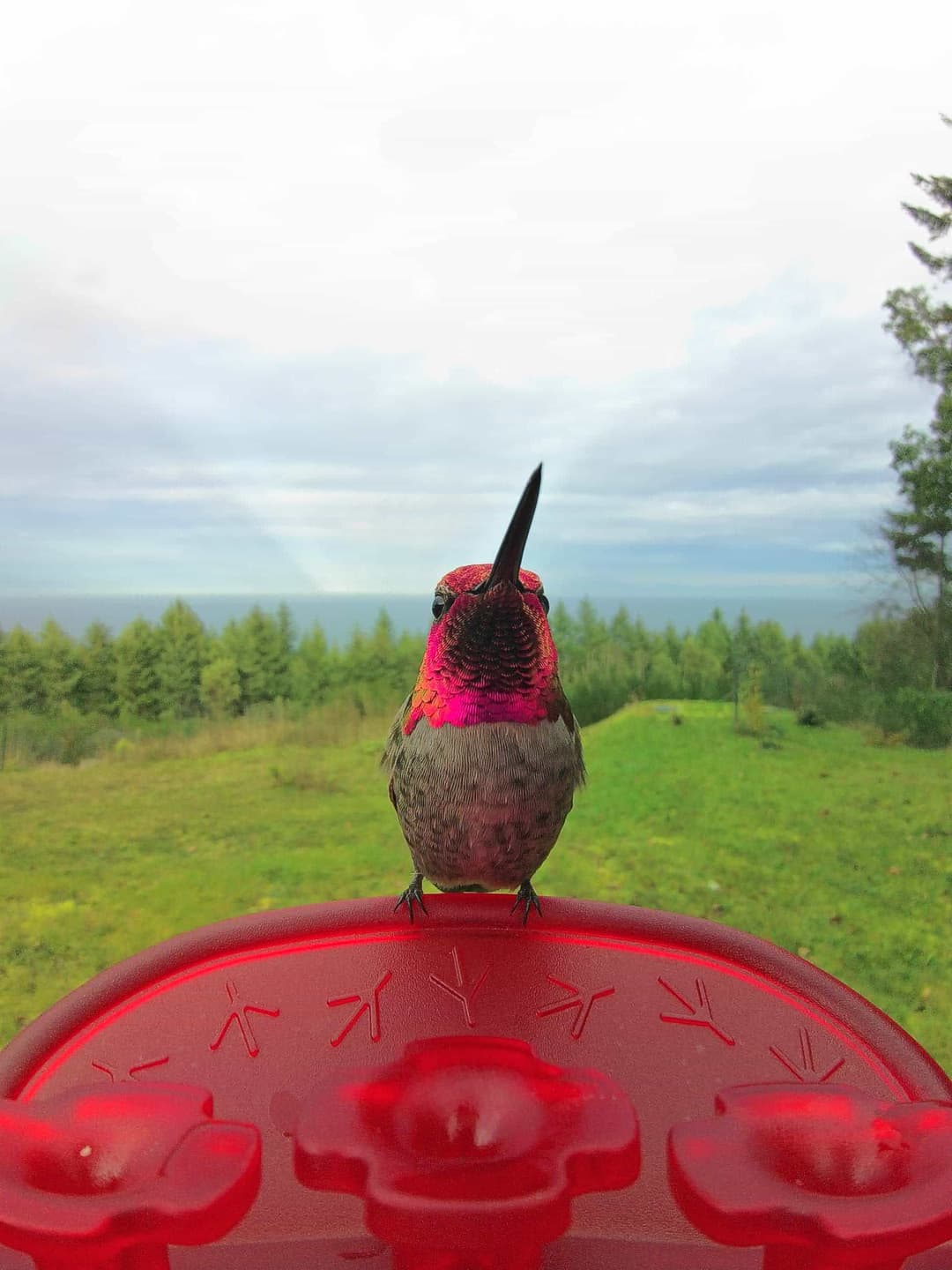
Anna's Hummingbird vs Hummingbird
Anna's Hummingbird can be mistaken for other hummingbirds due to its small size and rapid wings, but can be identified by its iridescent emerald feathers and pinkish-red throat patch.
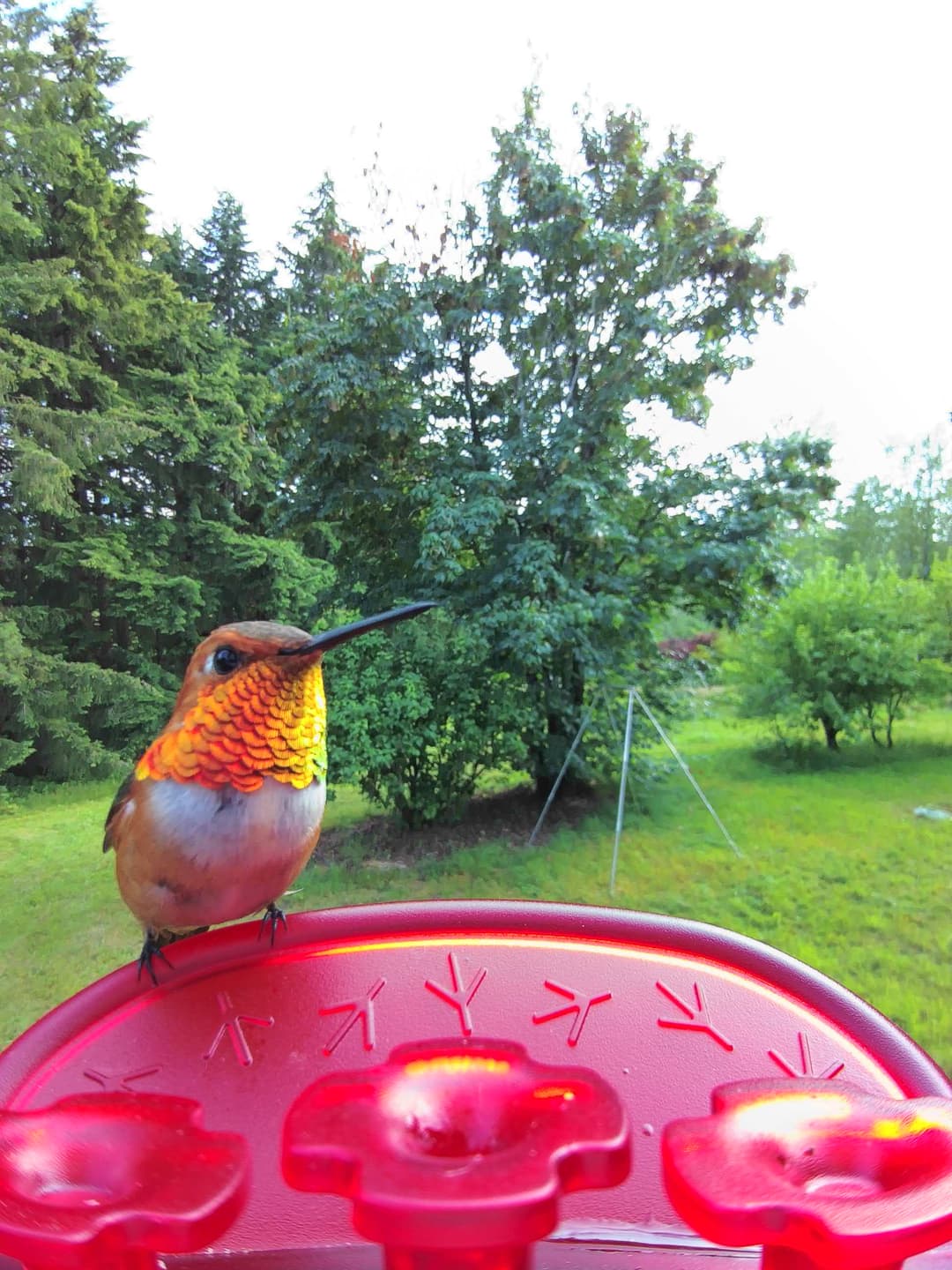
Allen's Hummingbird vs Hummingbird
Allen's Hummingbird is similar in size and behavior to other hummingbirds but features a coppery-orange throat and tail, which distinguishes it from other species.
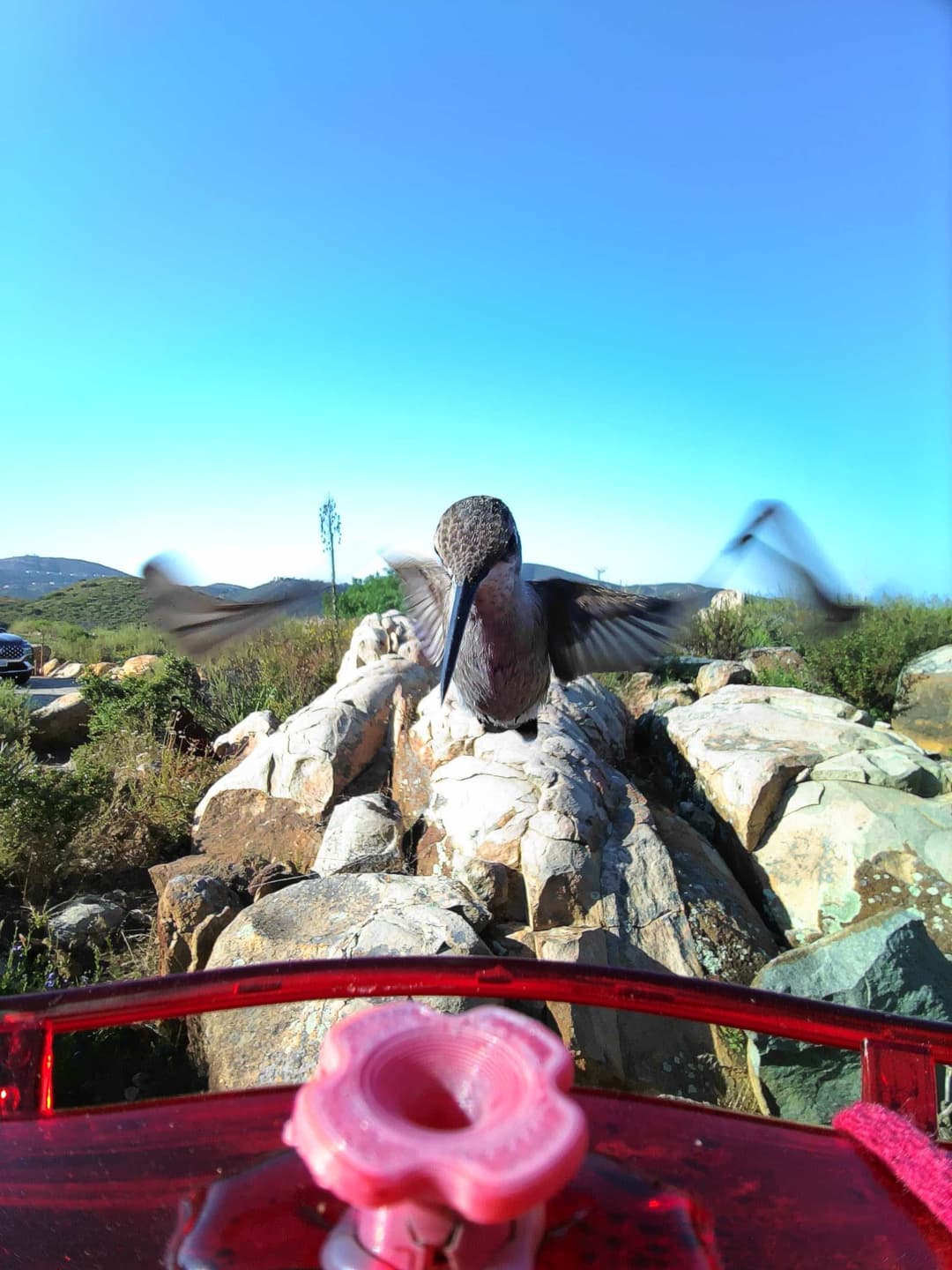
Black-Chinned Hummingbird vs Hummingbird
This hummingbird can be confused with others for its small size, but it can be identified by its distinct black chin and male's metallic purple band below the chin.
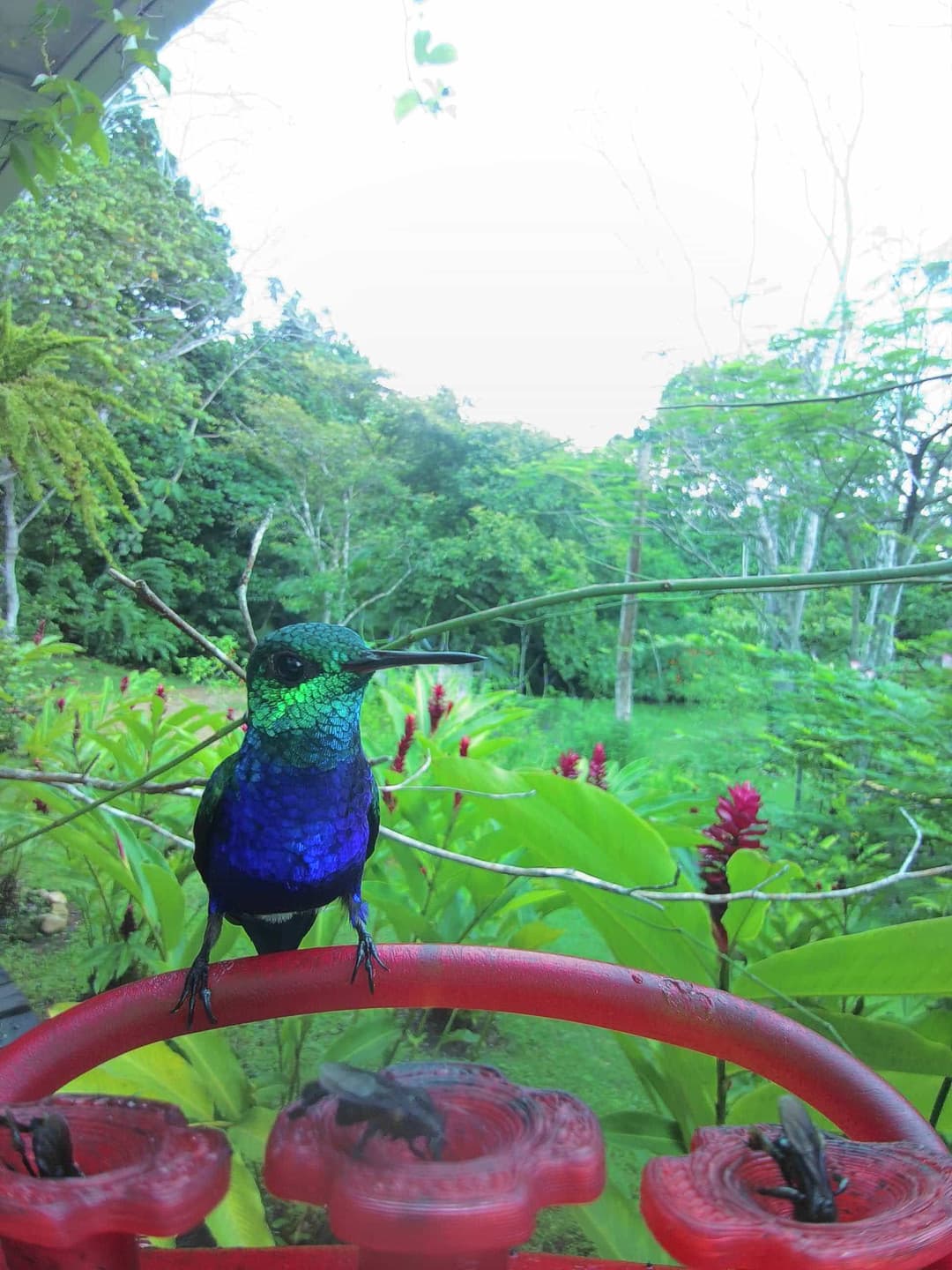
Blue-Chested Hummingbird vs Hummingbird
The Blue-Chested Hummingbird shares the typical hummingbird characteristics of size and flight patterns but is distinguished by its vibrant blue chest and green head.
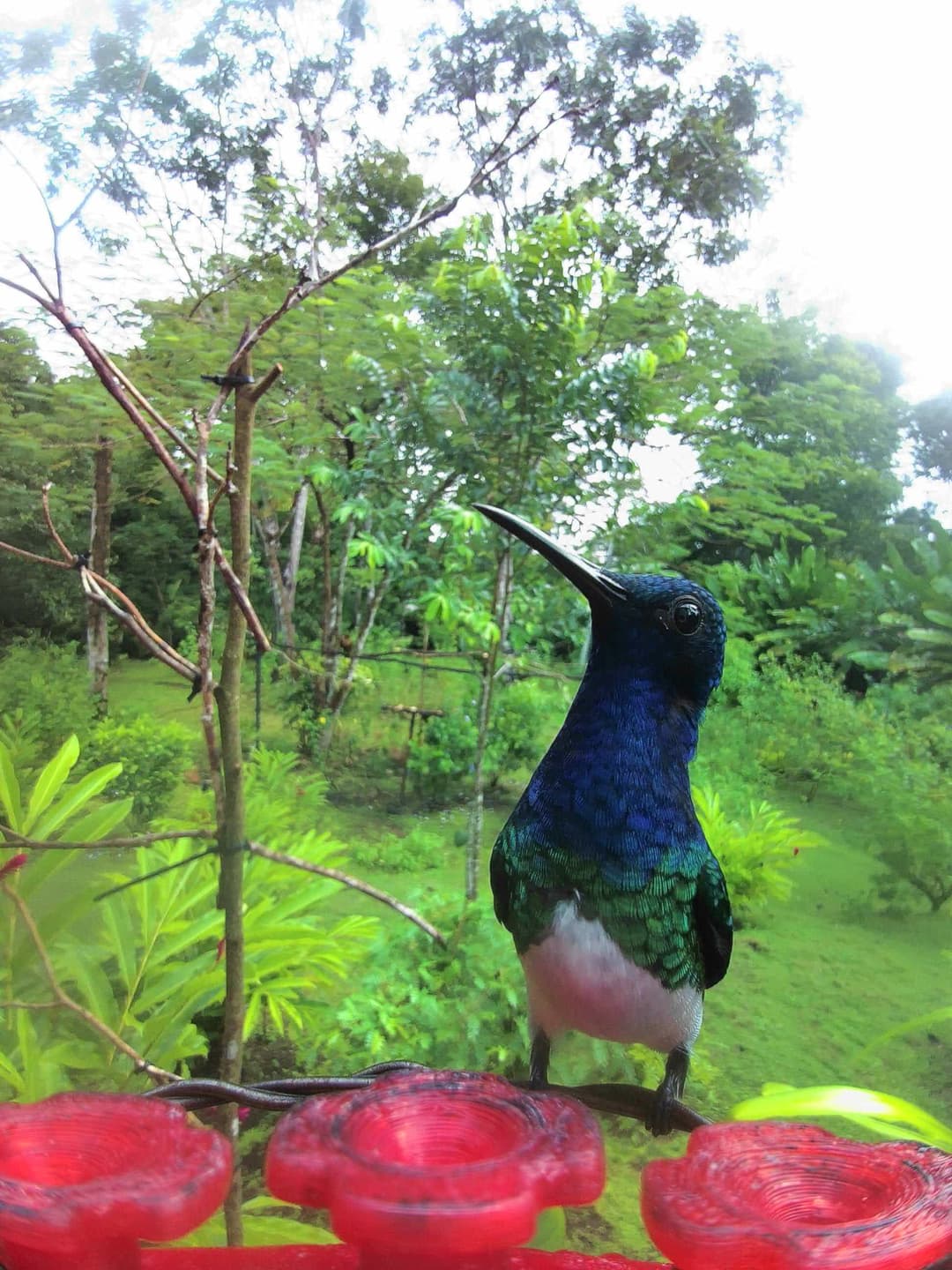
White-Necked Jacobin vs Hummingbird
Like other hummingbirds, it has a small frame and rapid wing movement, but can be distinguished by its bright blue body and white neck patch.
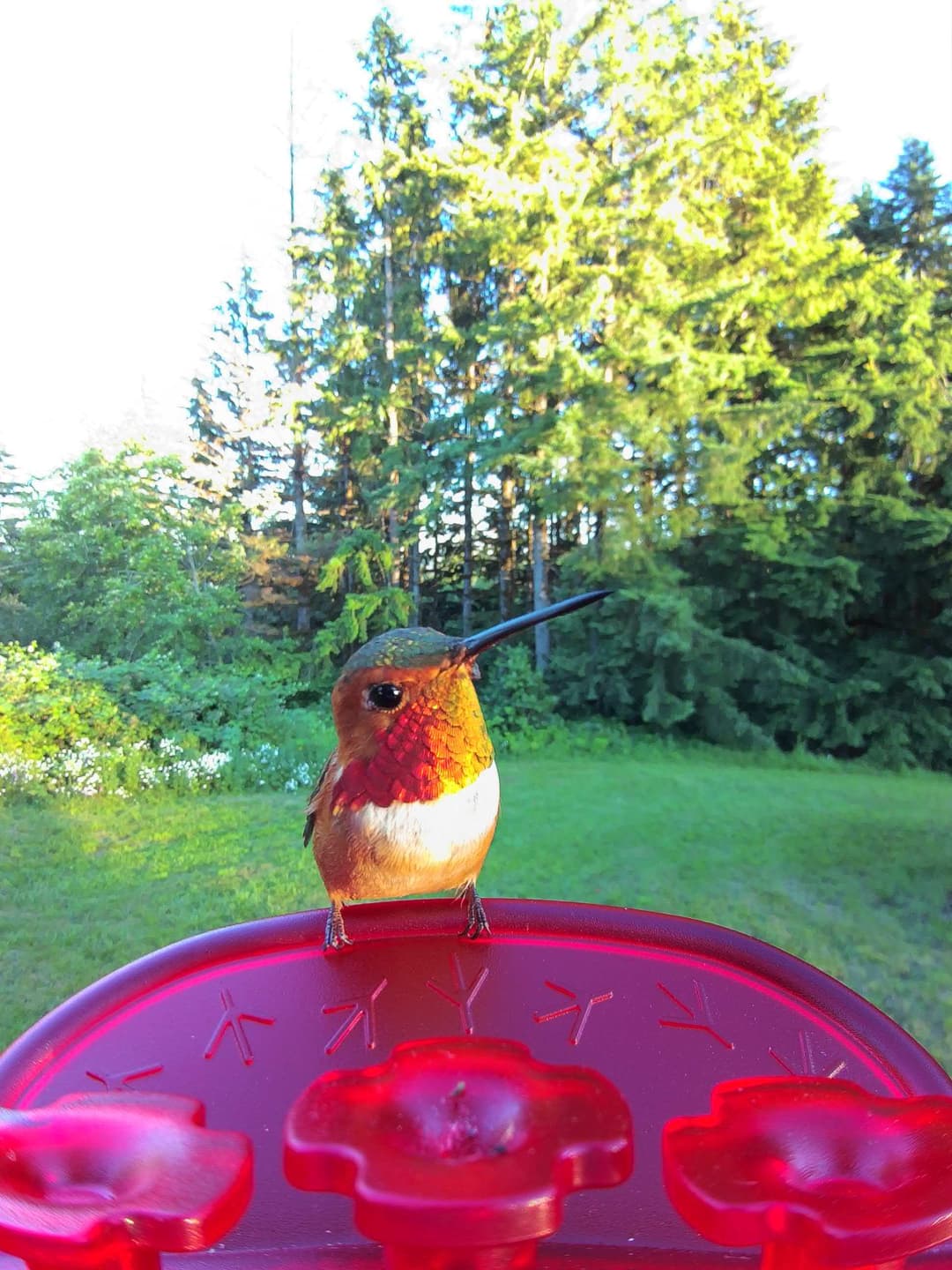
Rufous Hummingbird vs Hummingbird
The Rufous Hummingbird resembles other hummingbirds with its size and feeding behavior. It can be mainly identified by its rufous-colored body and orange-red throat.
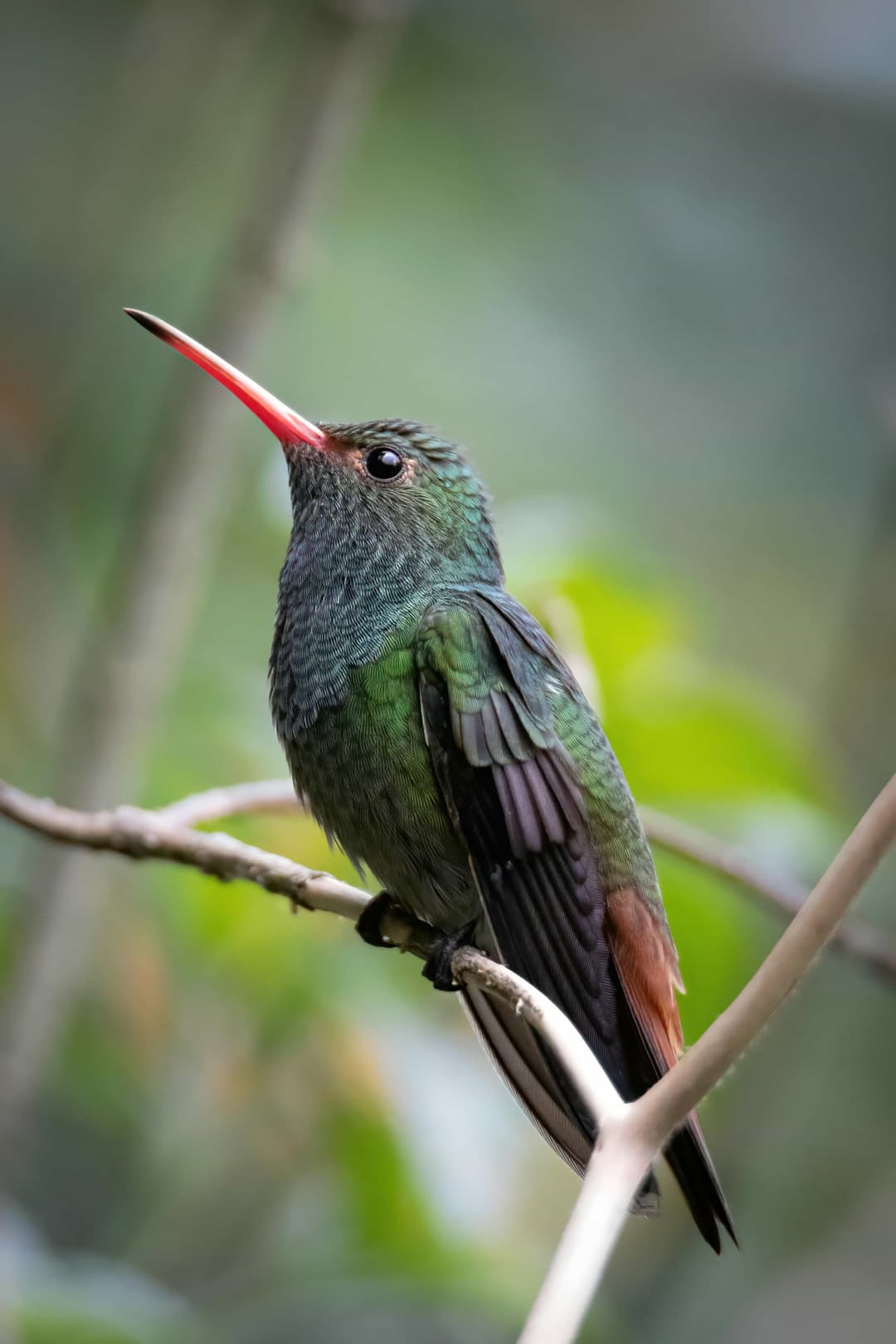
Buff-Bellied Hummingbird vs Hummingbird
This species can be easily confused with other hummingbird varieties due to its size, but it can be distinguished by its buff-colored belly and bright green back.
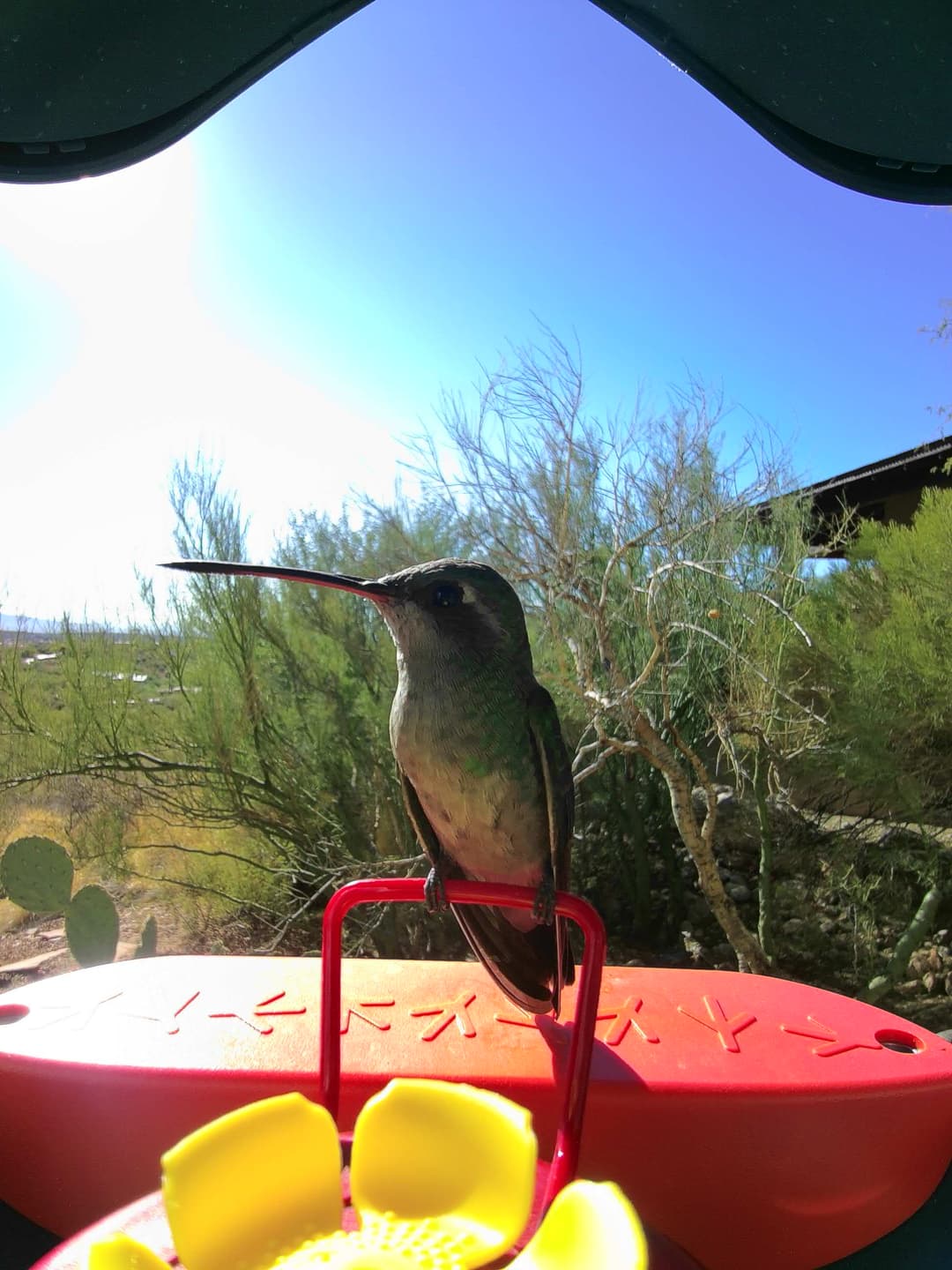
Broad-Billed Hummingbird vs Hummingbird
It is similar to others in shape and size but has distinctive broad, bright red bills and iridescent blue and green feathering.
Broad-Tailed Hummingbird vs Hummingbird
This species, while resembling others in size, has a distinct metallic green color and males have broad, shining red gorget (throat patch).
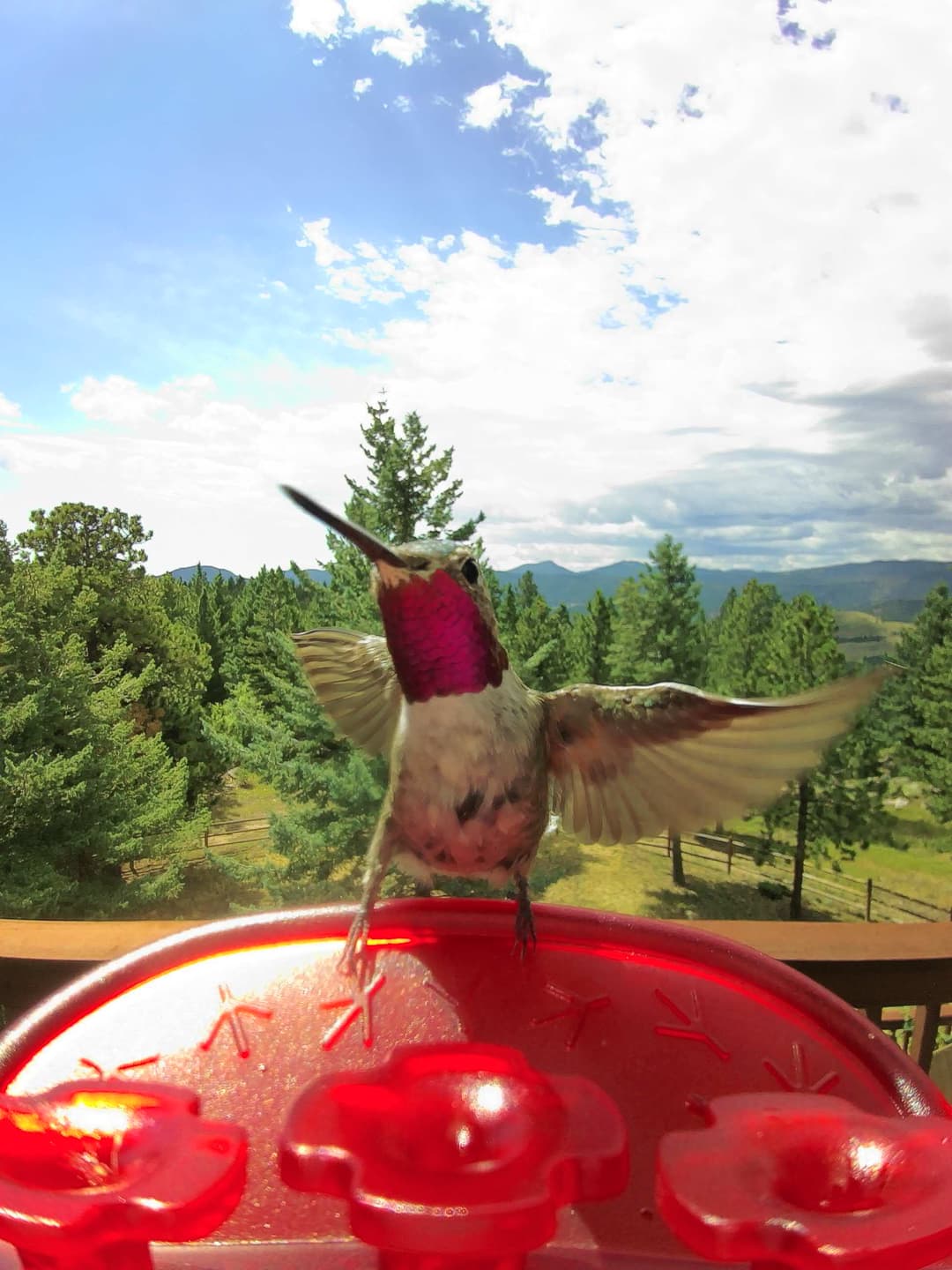
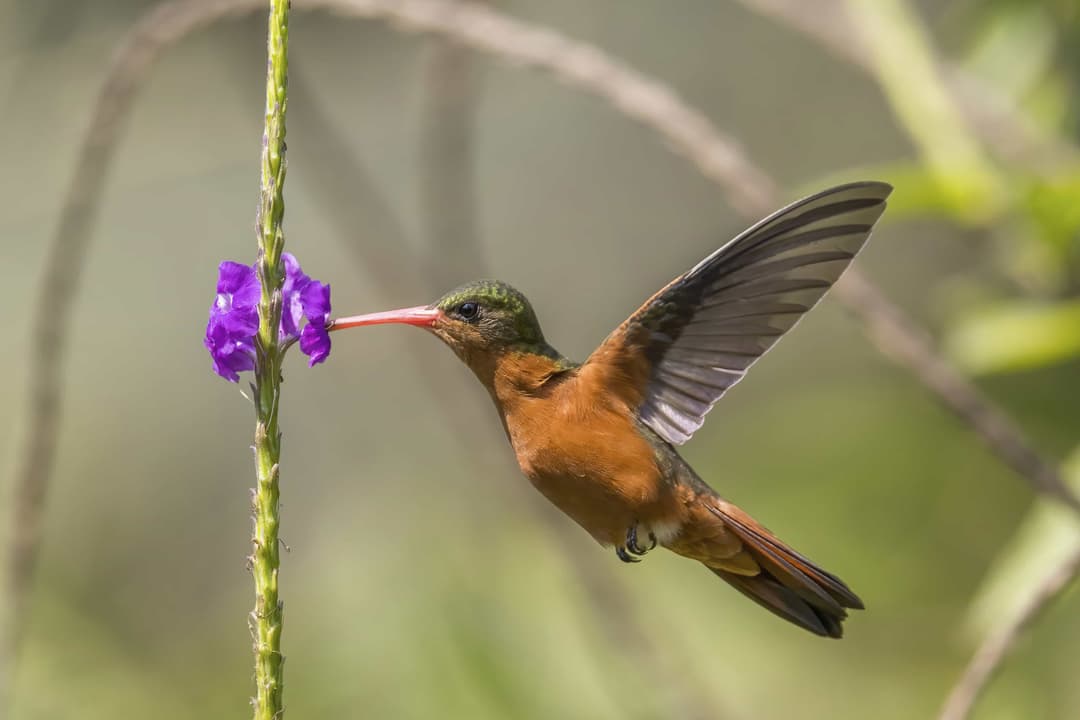
Cinnamon Hummingbird vs Hummingbird
It can be mistaken for other hummingbirds due to similar physical stature, but features distinguishable cinnamon-brown belly and wings with emerald green upperparts.
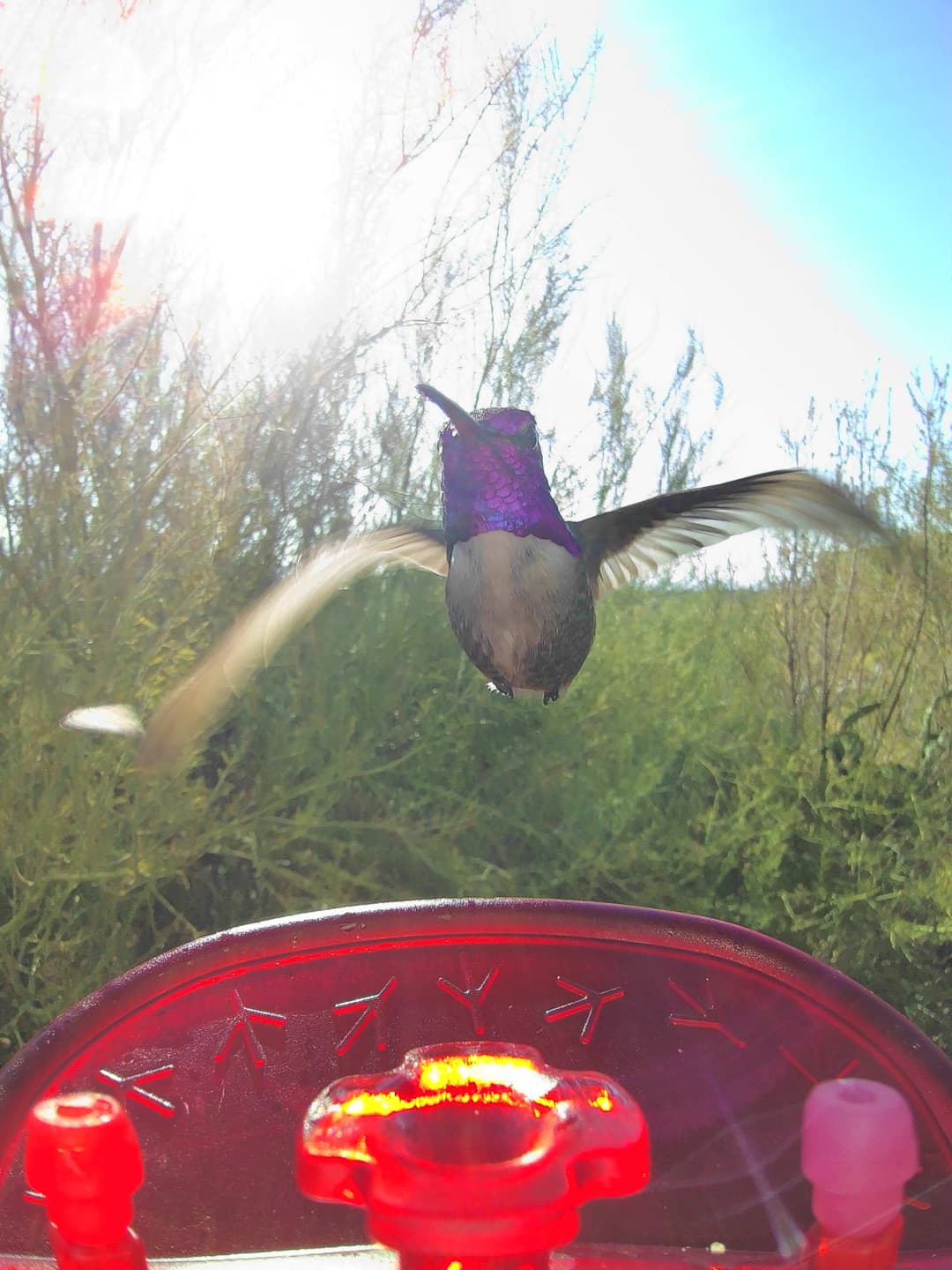
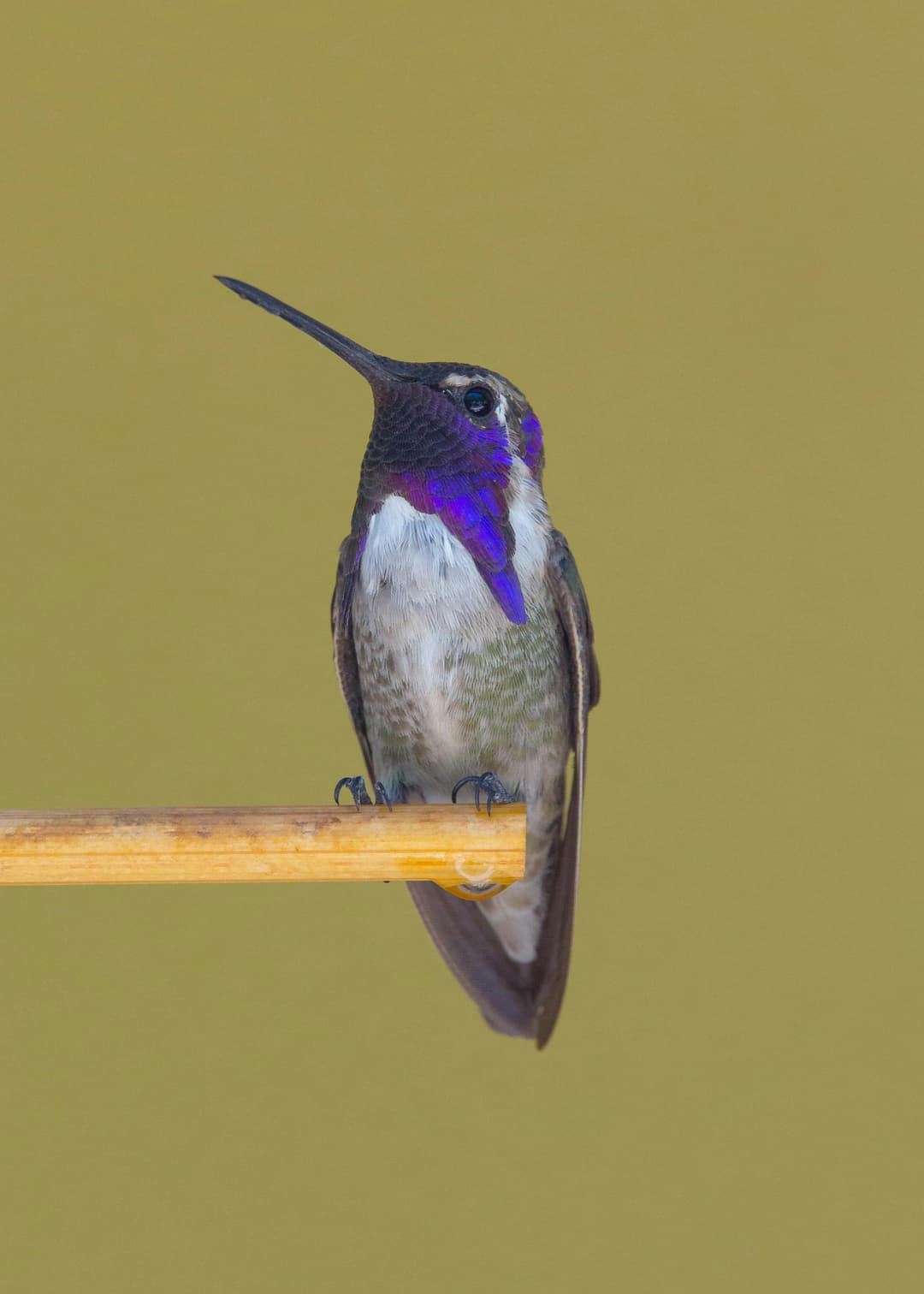
Costa’s Hummingbird vs Hummingbird
The Costa’s Hummingbird is similar in size to other hummingbirds but is distinctive with its striking iridescent violet crown and throat.
Long-Billed Starthroat vs Hummingbird
Looks similar to other hummingbirds but can be identified by its unusually long bill and starry, white patterns on the throat against a dark backdrop.
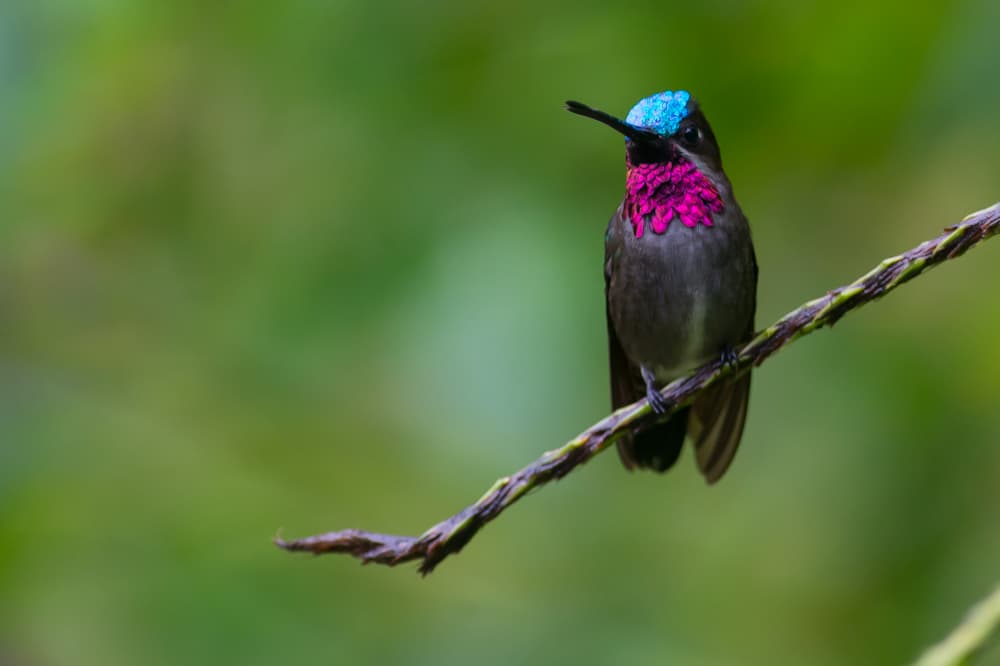
Lucifer Hummingbird vs Hummingbird
Although resembling other hummingbirds in size, it has a uniquely curved bill and a distinct violet throat, setting it apart.
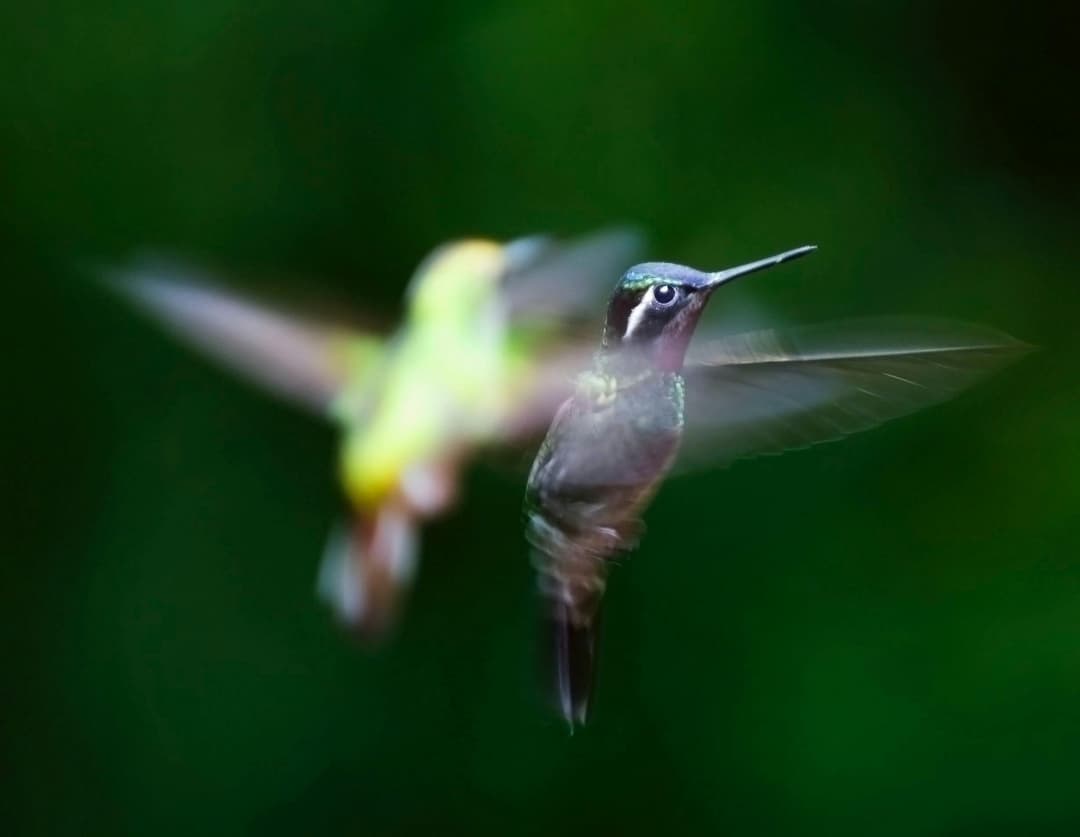
Rivoli's Hummingbird vs Hummingbird
This bird shares similar traits with other hummingbirds but displays a more robust build with a metallic crown and large tail.
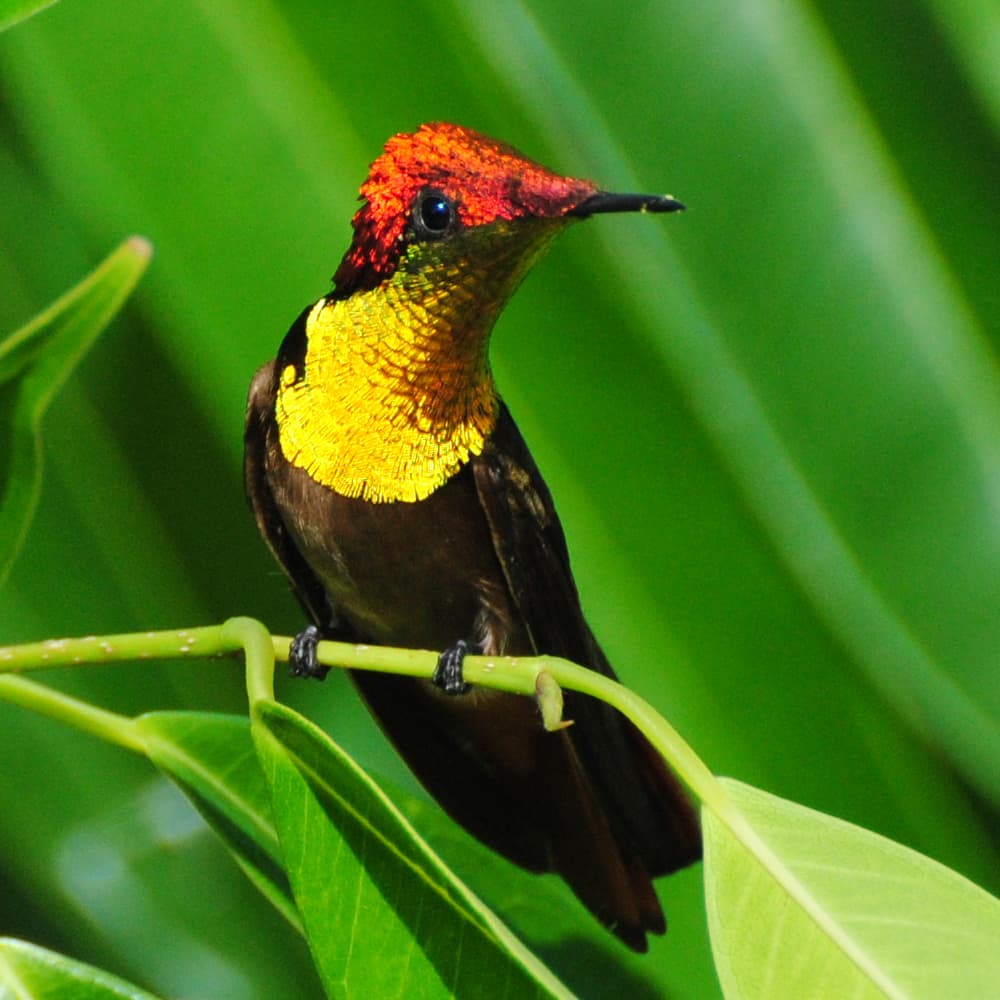
Ruby-Topaz Hummingbird vs Hummingbird
Can be confused with other species due to its size, but has distinctive bright ruby and topaz colored throat, setting it apart.
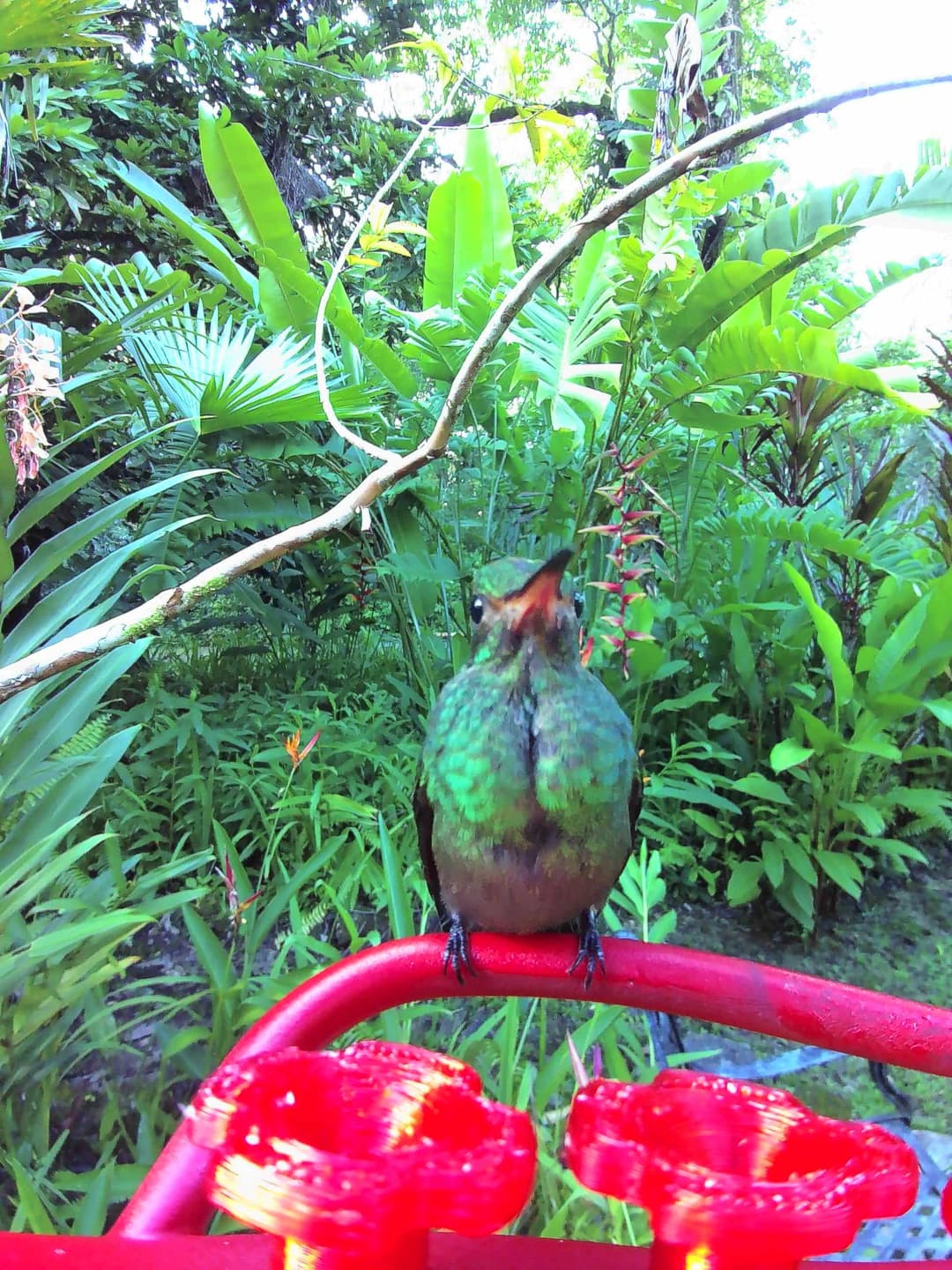
Rufous-Tailed Hummingbird vs Hummingbird
While similar to others in size, it features a rufous-colored tail and a vivid green body, which are identifying markings.
Swallow-tailed Hummingbird vs Hummingbird
Although it shares the general size of other hummingbirds, it is distinct for its forked 'swallow' tail and metallic blue coloring.
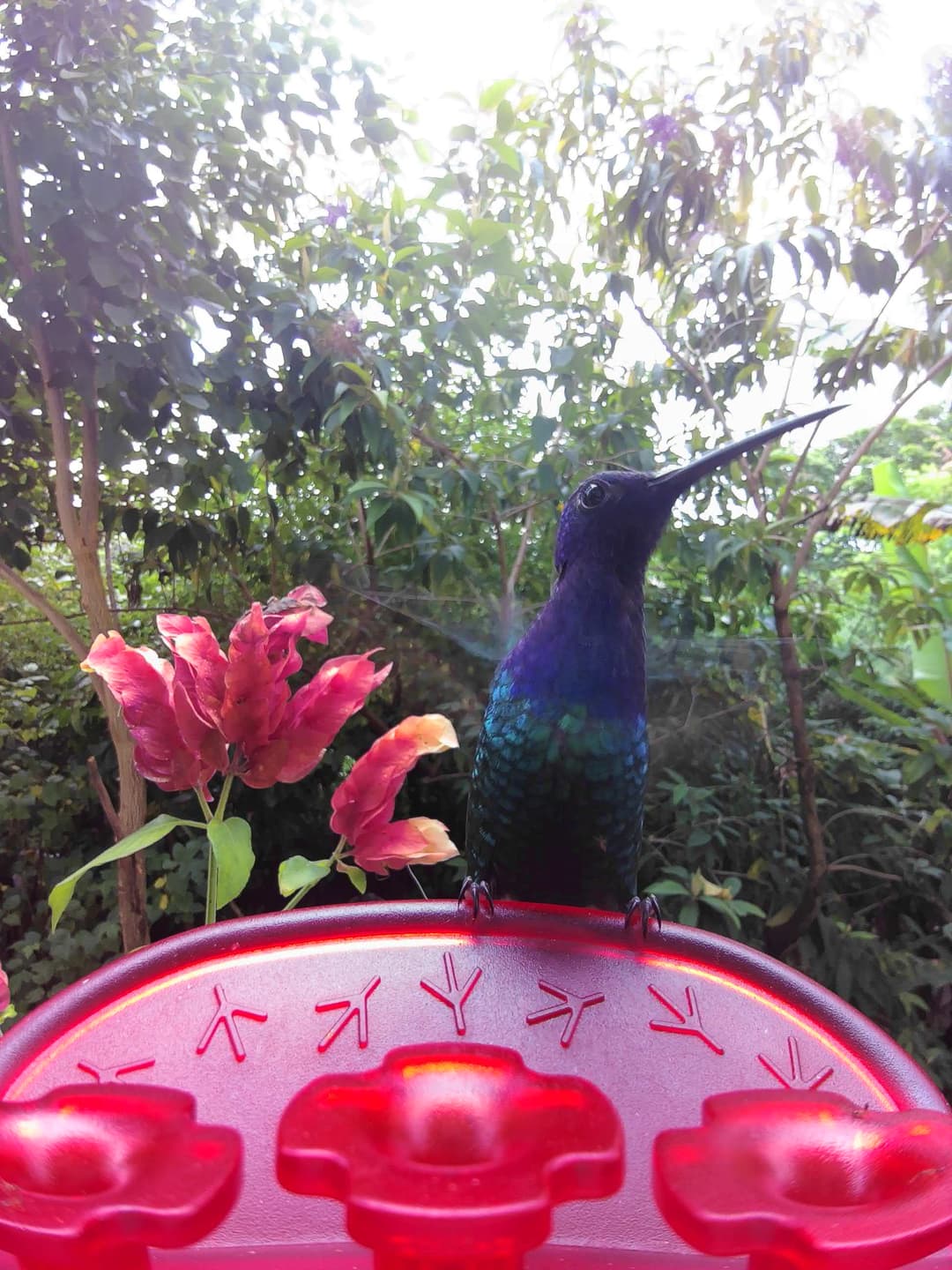
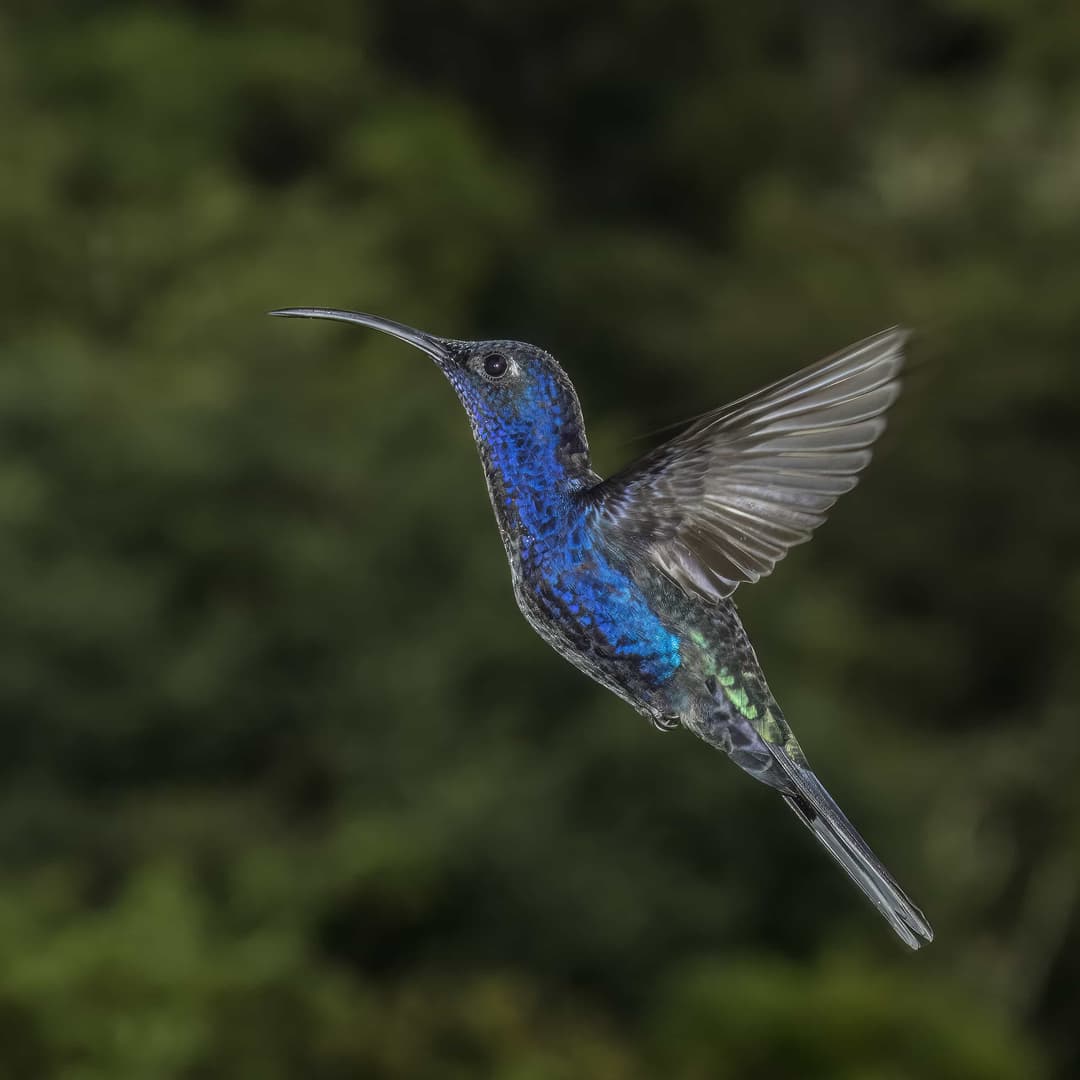
Violet Sabrewing vs Hummingbird
Appears similar in size but distinguished by its larger size among hummingbirds and deep violet feathers.
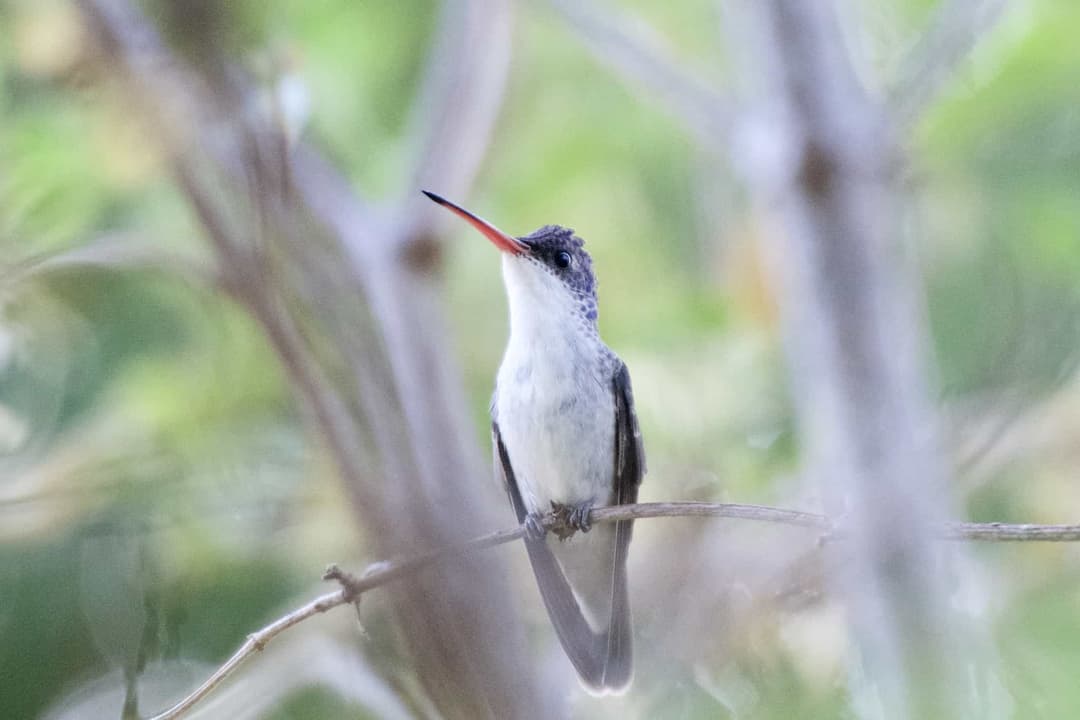
Violet-Crowned Hummingbird vs Hummingbird
This hummingbird is similar in stature to others but can be distinguished by the bright violet crown and white underparts.
Breeding and nesting habits of the hummingbird
Mating behaviors
Male hummingbirds perform elaborate aerial displays to attract females, including rapid dives and vocalizations. Once a mate is chosen, the male leaves and the female handles all nesting responsibilities.
Nesting details
Hummingbirds build small cup-shaped nests in trees or shrubs, often hidden within foliage. They use materials like moss, plant down, and spider silk for elasticity. Some species adapt to gardens, where plants like butterfly bush and trumpet vine can provide shelter.
Eggs and chick-rearing
The female lays two eggs per clutch, incubating them for about two weeks. After hatching, chicks are fed regurgitated food. The mother cares for them alone until they fledge, around three weeks old.
What does a hummingbird like to eat?
Insects
Nectar
Spiders
Natural diet
Hummingbirds primarily feed on nectar from flowers, which provides them with the necessary energy for their high metabolism. They are attracted to brightly colored tubular flowers. In addition to nectar, they consume small insects and spiders, which supply essential proteins for their diet.
Bird feeders
At bird feeders, hummingbirds commonly consume sugar water solutions. A typical ratio for homemade nectar is one part white granulated sugar to four parts water. It is important that the solution does not contain honey, artificial sweeteners, or food coloring. These feeders are often brightly colored to attract the birds.
Setting up the perfect feeder
Hummingbirds are attracted to bright colors — particularly red, as it reminds them of their favorite flowers. Place a red or brightly colored bird feeder in your yard, ideally one with multiple feeding ports. If possible, choose a feeder that minimizes dripping, as spilled sugar water can attract pests. Consider getting a feeder with an ant guard or a bee guard to keep them away.
Choosing the right snacks
Hummingbirds love sweet things, and nectar is their favorite snack. Prepare a homemade nectar by combining four parts water to one part white sugar. Avoid using honey, fruit juice, or artificial sweeteners, as these can harm the birds. For extra nutrients, opt for Bird Buddy seeds, which are chosen by experts for the season, and have shown the best results in nourishing and attracting hummingbirds.
Adding attractive plants
Creating a hummingbird-friendly yard includes incorporating the right plants with bright, tubular flowers. They love red, pink, and orange flowers that are rich in nectar. Go for plants like bee balm, salvia, bleeding hearts, or lupine. The birds will be attracted to the colorful garden, providing them with more food options.
Fun tricks
Hummingbirds are very visual and territorial. If you hang a mirror near the feeder, they might see their reflection and think it's a rival, causing them to return frequently. Also, hummingbirds are fond of spraying water fountains, so consider adding a bird bath or sprinkler in your garden. This would not only help them cool down but also act as an additional attraction.
Where can you find hummingbirds?
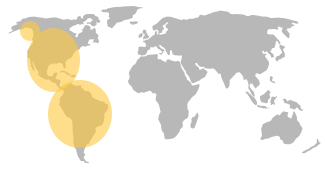
Primary habitat
Hummingbirds primarily inhabit tropical and subtropical regions, with the highest species diversity found in rainforests. They also inhabit mountainous regions and desert edges.
Additional range
Hummingbirds additionally occupy temperate climates during breeding season, migrating to North and South America. Some species adapt to urban environments, living in gardens and parks.
Do they migrate?
Hummingbirds, particularly the Ruby-throated Hummingbird, are known for their remarkable migration. They do not stay in one place year-round. These small birds travel from their breeding grounds in North America to their wintering habitats in Central America, primarily Mexico, Panama, and the Yucatán Peninsula. Migration typically begins in late August to September, with some hummingbirds covering up to 2,000 miles. A key portion of this journey involves a non-stop flight across the Gulf of Mexico, spanning approximately 500 miles, which can take about 18-24 hours. This significant flight demonstrates their incredible stamina and navigation skills. Return migration begins as early as February, with a steady passage through Texas and along the Gulf Coast, reaching breeding territories by late March to early April. Key stopover locations include flower-rich areas in the southern United States, which offer necessary refueling opportunities. Hummingbirds exhibit site fidelity, often returning to the same locations each year. Strategic conservation efforts along these routes are essential to ensure the availability of resources required for their successful migration.
What is the role of hummingbirds in nature and how to protect them?
Conservation status
Hummingbirds vary widely in conservation status. While many species are common and not at risk, some are vulnerable or endangered due to habitat loss, climate change, and competition from invasive species. Key threats include deforestation and urban expansion. Conservation efforts focus on habitat preservation, restoration, and creating bird-friendly spaces. In certain regions, initiatives like planting native flowering plants support their survival. Protecting ecosystems and regulating land use are crucial for the hummingbirds' future. Overall, the conservation status of hummingbirds depends on the specific species and their habitats.
Ecological role of hummingbirds
Its role in the ecosystem
Hummingbirds play a crucial role in the ecosystem. Their primary ecological role is that of pollinators. With their long, slender beaks, they can reach the nectar of long, tubular flowers that other birds cannot, transferring pollen from one flower to another in the process, promoting plant reproduction. This trait makes them vital in the survival and diversity of many flower species. Secondly, hummingbirds also play a role in pest control. They have a diverse diet that includes small insects and spiders, assisting in keeping these populations in check. Additionally, some hummingbirds play a minor role in seed dispersal, as seeds can stick to their beaks or feathers and are then transported to new locations. Furthermore, hummingbirds' health and presence can indicate the overall health of an ecosystem, serving as bioindicators. In conclusion, hummingbirds are more than their aesthetic value; they play pivotal ecological roles that contribute to the health and viability of our ecosystems.
How to help protect hummingbirds
Preservation tips
Habitat preservation strategies
Support the conservation of hummingbirds by protecting and restoring their natural habitat. This includes maintaining native plants which provide nectar for feeding, insects for protein, and spots for nesting. Limit the use of pesticides that may kill insects hummingbirds prey on. Consider creating backyard habitats with hummingbird-friendly plants and feeders.
Community science initiatives
Participate in citizen science initiatives to help monitor hummingbird populations and migration patterns. This data aids in identifying challenges faced by hummingbirds and formulating conservation strategies. Examples are the Project FeederWatch and the Hummingbird Monitoring Network. Raising community awareness about the importance and needs of these birds is another beneficial step.