
Brown-Headed Cowbird
Brown-Headed Cowbird
Molothrus ater


Quick Identification guide
Quick Identification guide
Male
- •
iridescent black plumage distinguishing the body from the head
- •
A shiny, deep brown head contrasts with the body
- •
medium-sized, slender bird with a straight profile
Female
- •
brownish-gray overall coloring with streaks for camouflage
- •
A lighter throat contrasts with the rest of the plumage
- •
delicate body structure with subtle streaked pattern on the belly
What does a brown-headed cowbird sound like?
The brown-headed cowbird's vocalizations are highly varied, encompassing sounds described as a squeaky gurgle, a check or rattle-like call, and a chatter, chirp, or whistle. These vocal expressions can follow a falling, flat, or rising pattern. The cowbird's call types can range from a simple "hi", to a more complex trill, all contributing to its unique bird song.


Description
When the cows come home, so do brown-headed cowbirds; they get their name from following around grazing livestock that bring a lot of insects for them to eat. Work smart, not hard, right? That seems to apply to their parenting style as well or lack thereof. They are notorious nest parasites, laying eggs in the nests of other birds. When the baby cowbird hatches, it will roll the other eggs out of the nest!
The brown-headed cowbird can weigh between 32to50grams and be from16to20centimeters tall.
The lifespan of the brown-headed cowbird is generally about1.5-2 years, but some can live up to 16 years. Compared to other passerine birds, this is relatively long-lived, with many species living only a few years. However, larger bird species such as raptors and seabirds often live much longer, with lifespans of several decades. So, while cowbirds are hardy for their size and category, they don't compare to the longevity of larger birds.
Did you know?
Most popular questions about brown-headed cowbird
How to recognise a brown-headed cowbird?
General appearance
The brown-headed cowbird is a medium-sized bird, approximately the size of a robin or sparrow, measuring between 6-8 inches or 15-20 cm. Its wing shape is broad and the tail is either rounded or square-tipped. The bird's coloration includes hues of black, brown, green, and tan.
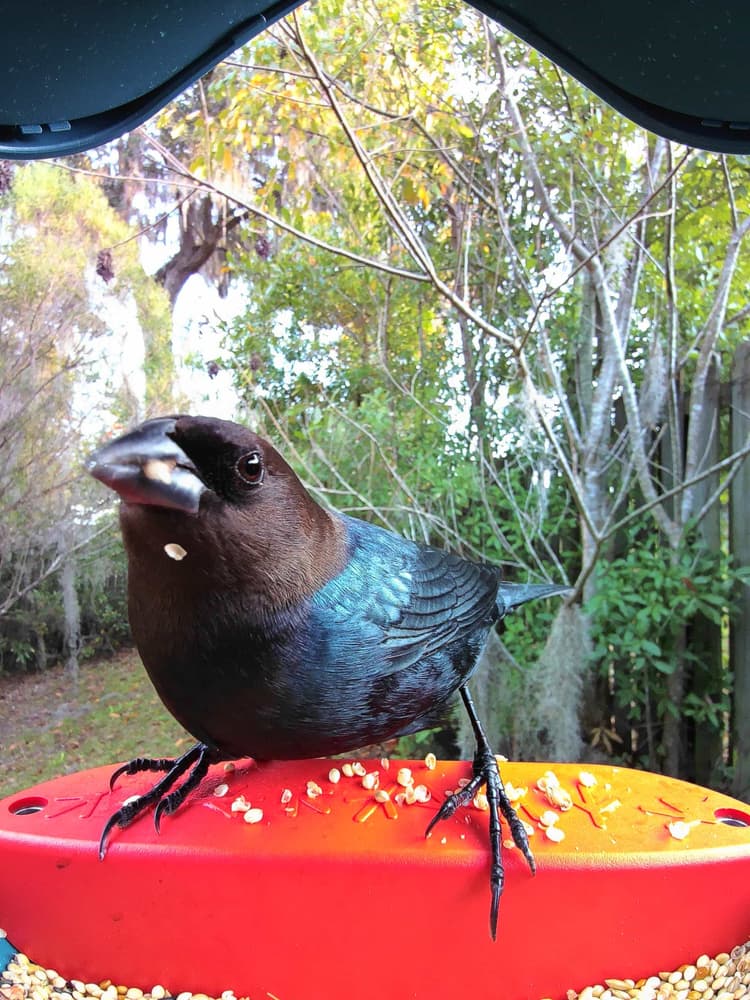
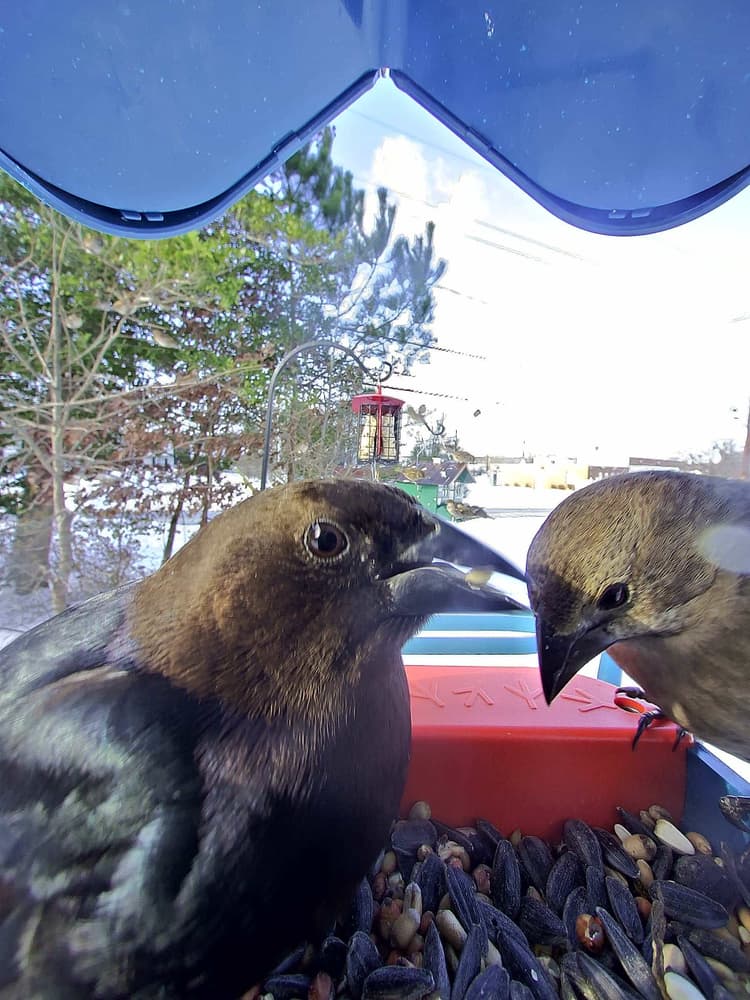
Male vs female
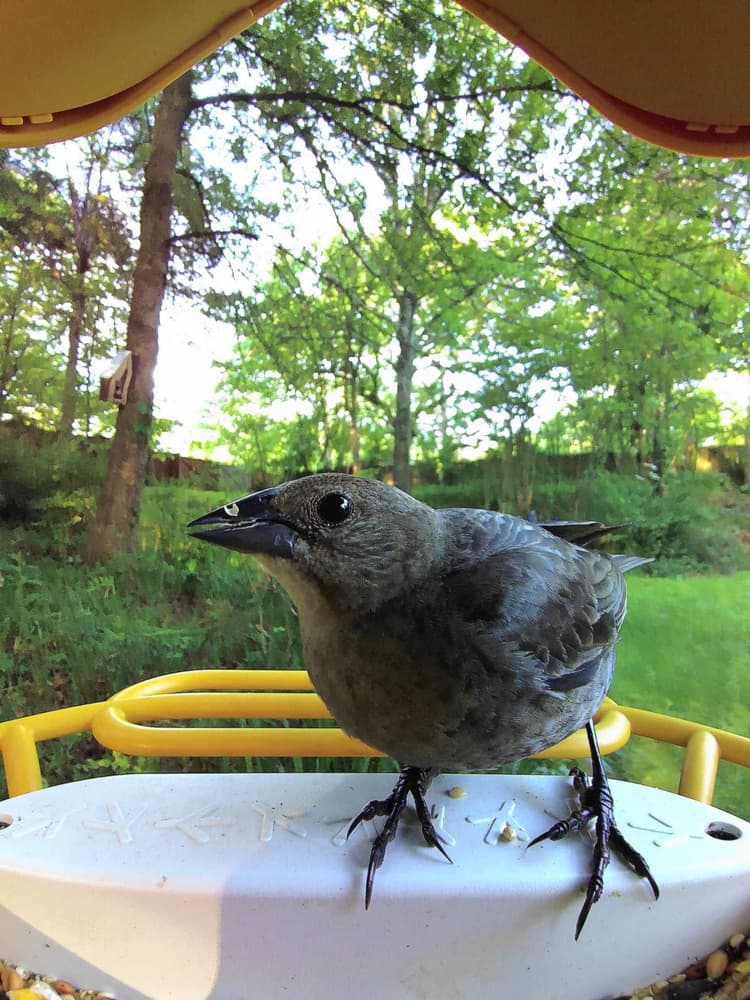
In terms of gender differences, male brown-headed cowbirds are glossy black and sport a contrasting brown head. On the other hand, females have a different appearance, with a plain dusty brown color and a darker sparrowlike bill.
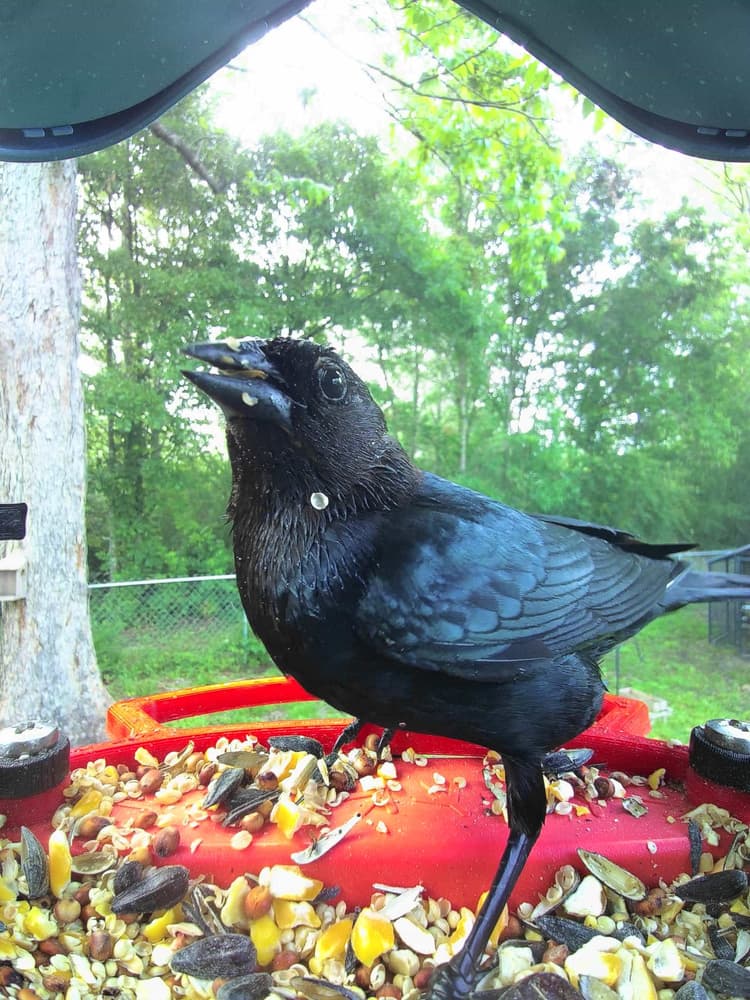
Male Brown-Headed Cowbird
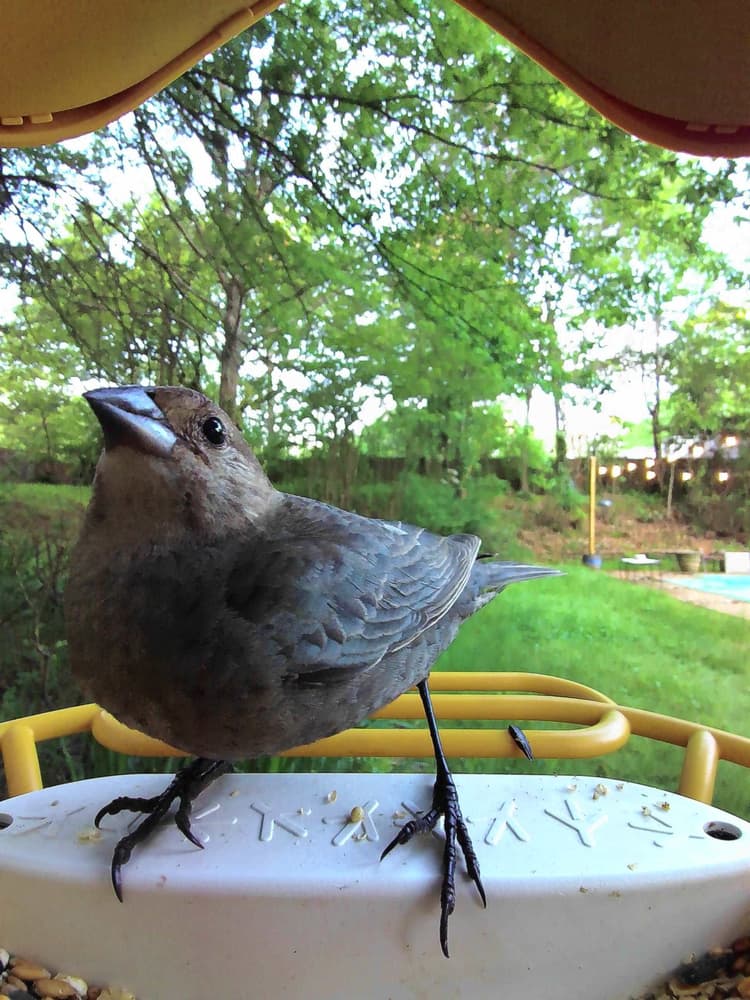
Female Brown-Headed Cowbird
Juvenile
Juvenile brown-headed cowbirds have a unique appearance that changes as they mature. Initially, they are streaked and tend to resemble female adults but their coloration grows darker as they age. Further observation is needed to note if this pattern is consistent across all seasons.
Often mistaken for
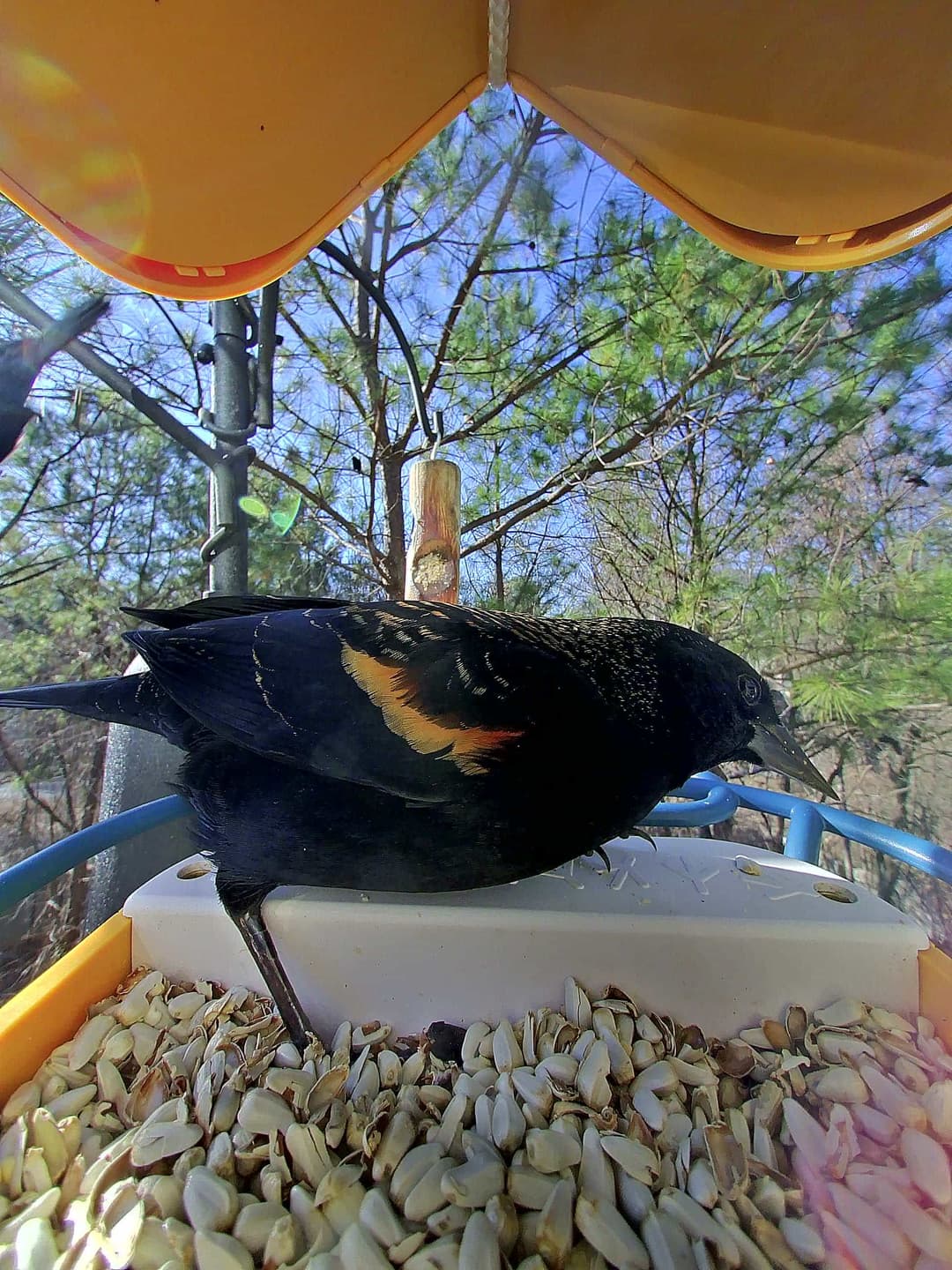
Red-Winged Blackbird vs Brown-Headed Cowbird
Brown-Headed Cowbird males have a brown head and a glossy black body, while Red-Winged Blackbird males feature red and yellow shoulder patches. Females of both species are streaked brown but can be distinguished by their size and shape; red-wings are slimmer and longer-tailed.
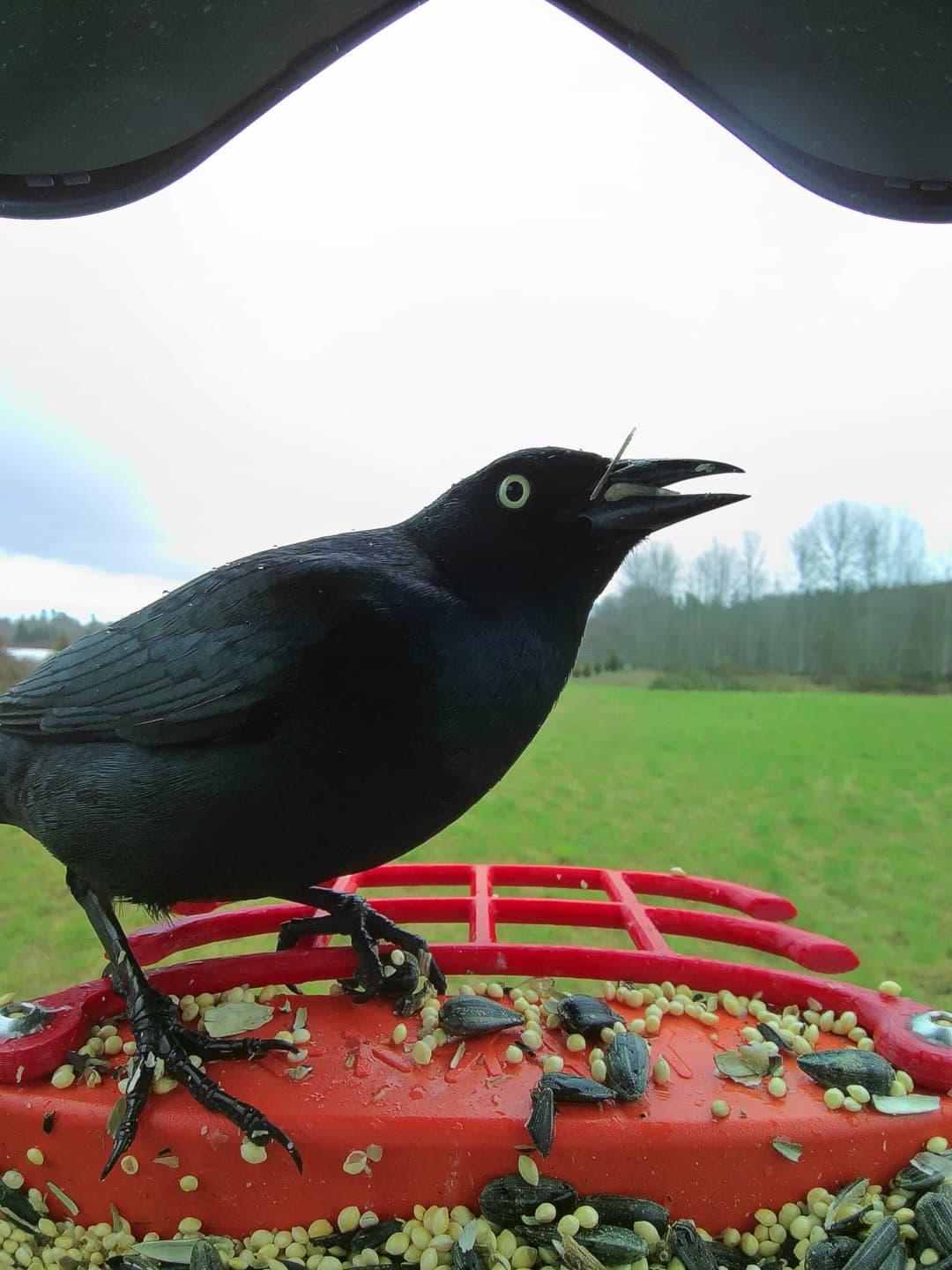
Brewer’s Blackbird vs Brown-Headed Cowbird
Brewer’s Blackbird males are uniformly black with purplish sheen, and females are plain brown. Cowbirds can be differentiated by their smaller size and brown-headed males. Look for the Brewer’s stolid stance and lighter eye (in males) when identifying.
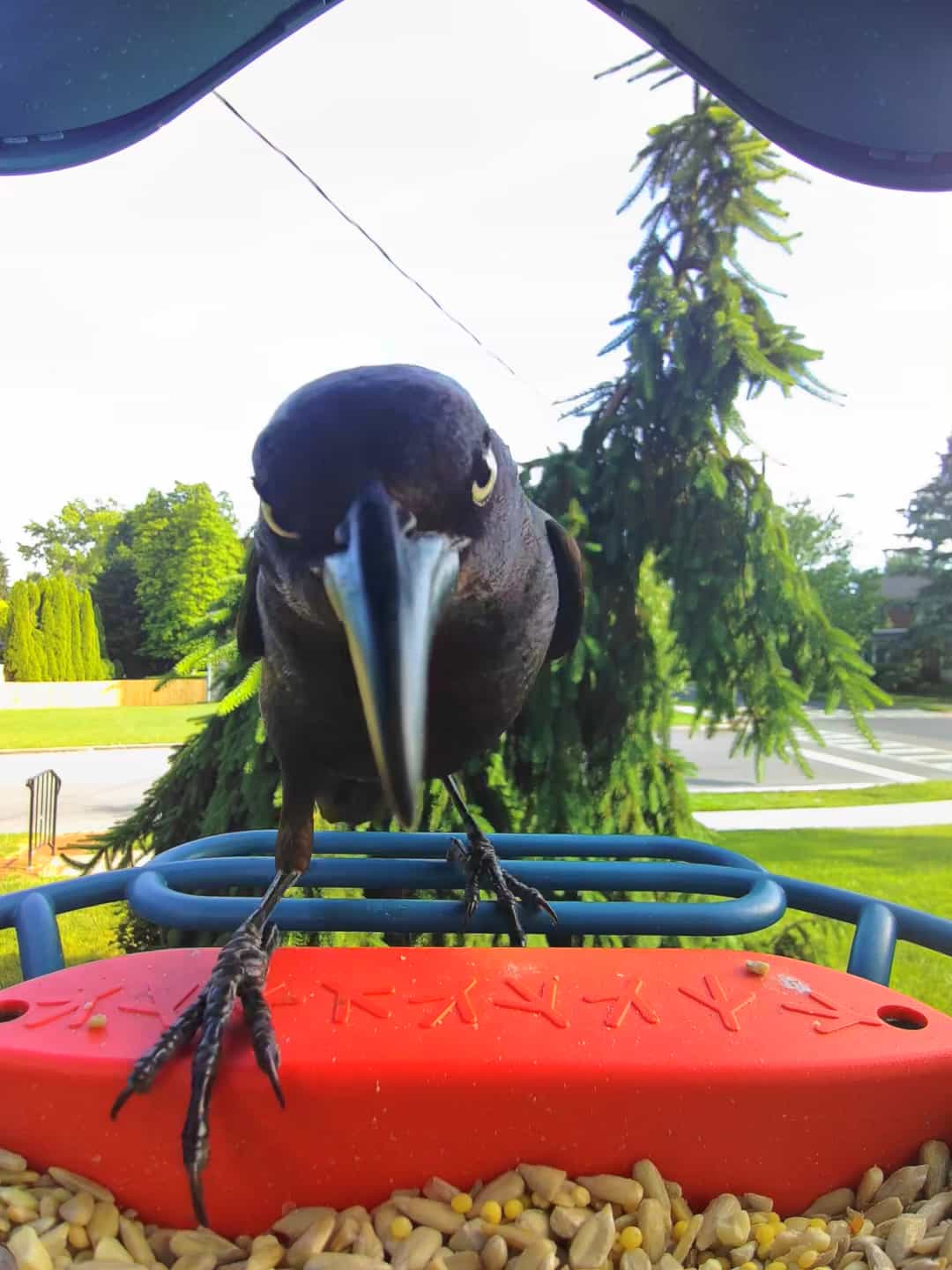
Common Grackle vs Brown-Headed Cowbird
Grackles are larger, with a longer tail and a more iridescent body than Cowbirds. Their bill is longer and more pronounced. In contrast, Brown-Headed Cowbirds have a shorter, chunkier body with a distinct brown head.
Bronzed Cowbird vs Brown-Headed Cowbird
The Bronzed Cowbird is larger and has red eyes compared to the smaller, more common Brown-Headed Cowbird. Bronzed Cowbird's plumage is darker with a bluish sheen, while the Brown-Headed has a glossy black body.
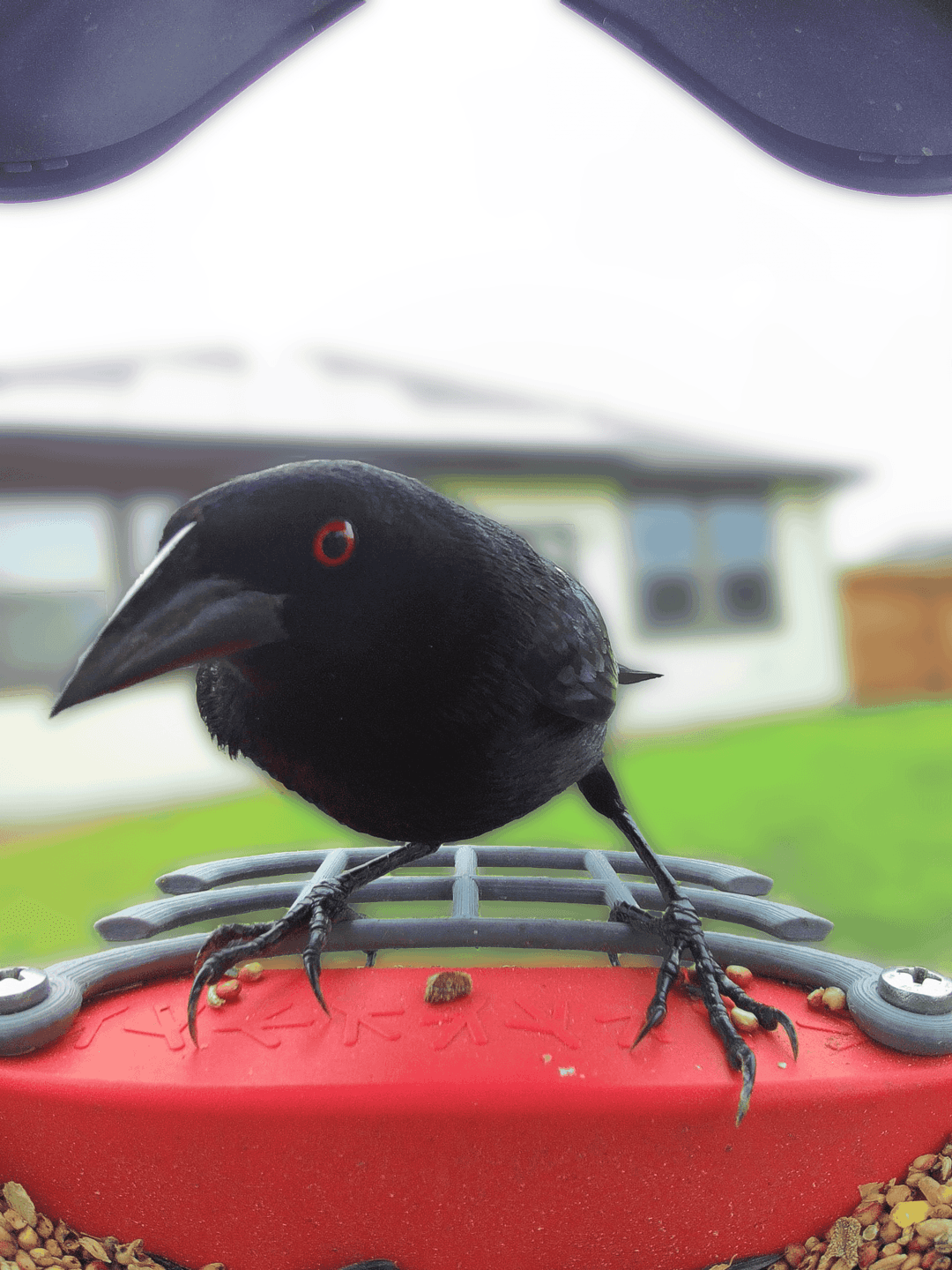
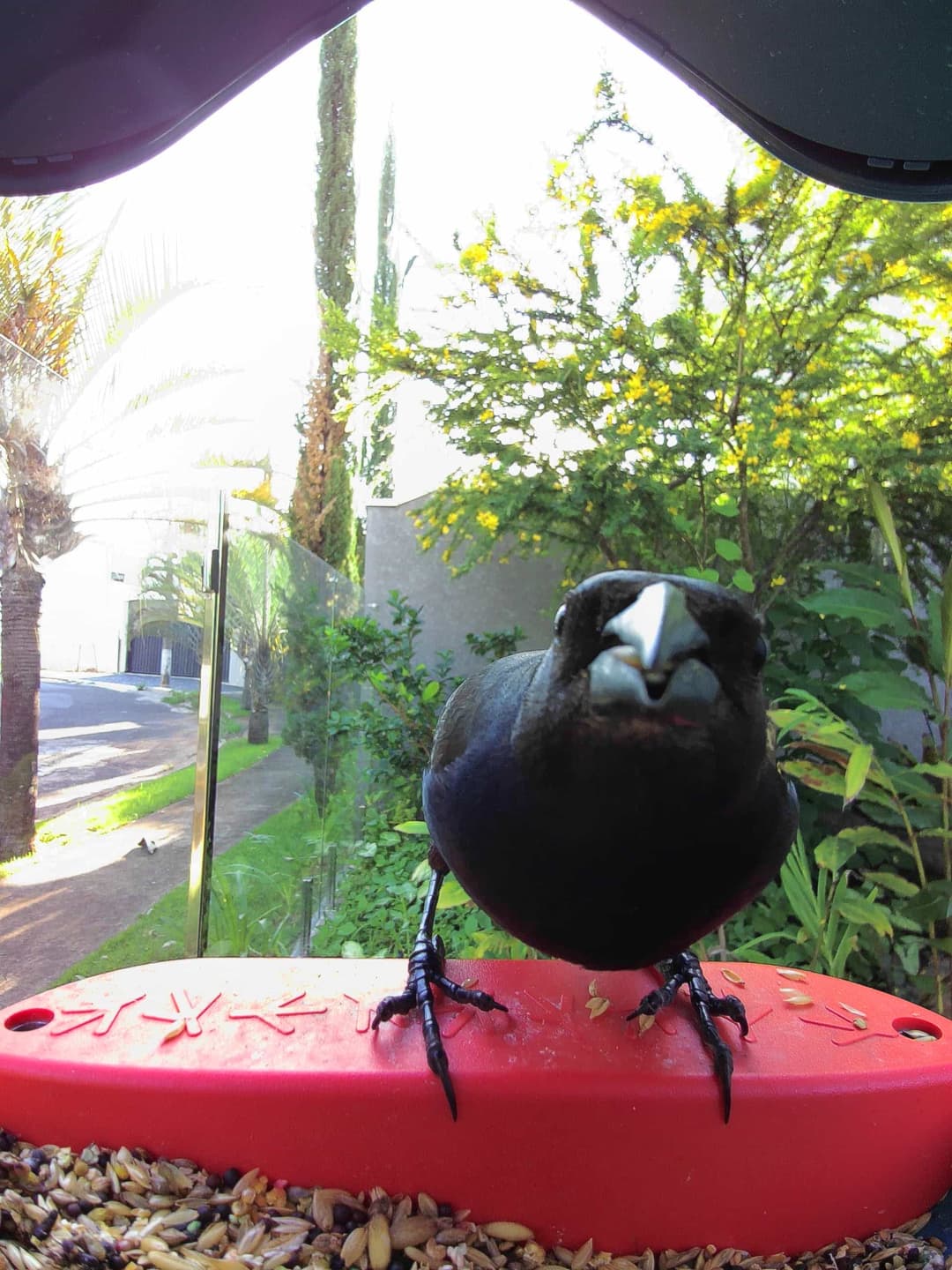
Shiny Cowbird vs Brown-Headed Cowbird
Both Shiny and Brown-Headed Cowbirds have similar builds, but the Shiny Cowbird lacks the brown head. It’s all black with a slightly purple hue. Observe the region as Shiny Cowbirds are more common in the southern United States.
Breeding and nesting habits of the brown-headed cowbird
Mating behaviors
During the breeding season, male brown-headed cowbirds engage in display behaviors to attract females. They puff up their body feathers, partially spread their wings and tail, and perform deep bows, all while singing. Occasionally, groups of males will perch together to sing and display collectively.
Nesting details
Brown-headed cowbirds do not build their own nests. Instead, they lay their eggs in the nests of other bird species. This behavior is known as brood parasitism, where the responsibility of incubating the eggs and raising the young falls to the host birds.
Eggs and chick-rearing
The cowbird eggs are incubated by the host birds, and once hatched, the cowbird chicks are cared for by the unsuspecting host parents. The host birds provide food and protection to the cowbird chicks alongside their own, often prioritizing the cowbird chicks due to their demanding nature.
What does a brown-headed cowbird like to eat?
Insects
Seeds
Snails
Spiders
Natural diet
The brown-headed cowbird's diet primarily consists of seeds and insects. During summer, their diet is about half seeds and for more than 90% in winter. The seeds include those from grasses, weeds, and waste grain. The remainder of their diet is largely insects, particularly grasshoppers, beetles, and caterpillars, along with spiders and millipedes.
Bird feeders
At bird feeders, brown-headed cowbirds typically consume seeds. They may eat a variety of birdseed mixes, such as sunflower seeds, millet, and cracked corn, which are commonly available in feeders.
Attract brown-headed cowbirds with choice seeds
Brown-headed cowbirds are seed eaters, so your first order of business should be supplying them with a healthy selection of seeds. We recommend Bird Buddy seeds, which are hand-picked by experts to complement the nutritional needs of your feathery friends for the season.
Use feeder types suitable for brown-headed cowbirds
Use a large sturdy feeder that can comfortably accommodate Brown-headed cowbirds as these birds are relatively larger than other common feeder birds. Plate or platform feeders, and large tube feeders work very well.
Encourage cowbirds to visit often
To encourage your new bird friends to visit more frequently, keep the feeder full and clean at all times, as Brown-headed cowbirds prefer tidy feeding spaces. You can also use bird calls to attract them. They would love to drop by for not just food, but also for a cute little sing-along.
Where can you find brown-headed cowbirds?
Based on Birdbuddy sighting data. The heatmap shows where Birdbuddy users have spotted this species.
Embed this map
This map shows the full native range based on scientific range data.
Primary habitat
The brown-headed cowbird favors open or semi-open countrysides like farms, fields, prairies, and wood edges, concentrating in farmlands or pastures during winter for easy foraging.
Additional range
In the breeding season, it is more widespread, occupying grasslands, brushy regions, forest edges, and even deserts, yet it avoids dense unbroken forests.
Do they migrate?
The brown-headed cowbird exhibits partial migratory behavior. It is present all year in many southern areas, implying that in these regions, at least some populations do not migrate and remain resident year-round. During the nesting season, which typically spans from spring to early summer, the cowbird is very widespread across a broader range, indicating that many individuals move northward to breed. As the breeding season concludes, these northern populations generally begin to migrate southward as early as July or August. The migration route typically involves moving from northern and central parts of North America—where they spread out during the nesting season—back towards southern U.S. regions and parts of Mexico. By fall, most northern populations would have completed their migration to warmer climates. Key locations during migration include transitional areas such as the central United States, where they might stop to forage before continuing their journey. In the winter, the cowbird is generally localized, often found in the southern United States and Mexico, returning northward again as spring approaches to begin the breeding cycle anew. This cyclical movement allows them to exploit different ecological zones seasonally.
What is the role of brown-headed cowbirds in nature and how to protect them?
Conservation status
The brown-headed cowbird is common and more abundant today than in the past, although surveys indicate slight population declines in recent decades. Its widespread parasitic nesting behavior negatively impacts other bird species, posing a threat to biodiversity. Conservation efforts often focus on managing habitat and controlling cowbird numbers in areas where they endanger more vulnerable species. There are no immediate threats causing it to be classified as vulnerable or endangered, but monitoring and management continue to balance its impact on ecosystems.
Ecological role of brown-headed cowbirds
Its role in the ecosystem
The Brown-headed Cowbird plays a substantial role in ecological balance. Its diet, consisting mostly of insects and seeds, positions it as a significant agent for pest control and seed dispersal. By eating large numbers of insects, including destructive ones like grasshoppers and beetles, it helps in pest management and control, which is beneficial for crops and vegetation. On the other hand, the bird's consumption of seeds is also crucial as it directly contributes to seed dispersal. This process aids in the propagation and proliferation of various plant species, directly contributing to biodiversity. Additionally, its unique nesting behavior - being a brood parasite, impacts other bird species as it lays eggs in their nests. This interaction might seem harmful to the host species, but it can indirectly contribute to genetic diversity and resilience among bird populations. Therefore, the Brown-headed Cowbird bears considerable ecological significance through pest control, seed dispersal, and impacting avian biodiversity.
How to help protect brown-headed cowbirds
Preservation tips
Habitat preservation strategies for cowbird conservation
To support the conservation of the brown-headed cowbird, prioritize the preservation of essential habitats. This bird species is notably dependent on open grasslands and transitional areas between different habitats. Activating land management actions that keep these areas intact are crucial. This can involve restoring grasslands or preventing the unnecessary development of open spaces.
Utilizing community science for cowbird conservation
Involvement in community science initiatives can greatly contribute to the brown-headed cowbird conservation. Regular sightings and population count can be reported to local wildlife or birder groups. This helps keep track of population changes and the identification of potentially important habitats. Further, citizens can participate in initiatives such as the 'Great Backyard Bird Count' or 'Project FeederWatch' to assist in broader population studies.