
Varied Bunting
Varied Bunting
Passerina versicolor
Quick Identification guide
Quick Identification guide
- •
The male Varied Bunting displays a vibrant mix of deep purple, blue, and red plumage, creating a striking appearance
- •
Females are more understated with olive-brown tones blending seamlessly for a subtler look
- •
Both sexes have a conical beak which is short and thick, ideal for seed eating
What does a varied bunting sound like?
The varied bunting is renowned for its complex, undulating series of sweet, melodious notes. Each note or phrase in this series is typically repeated, creating a rich tapestry of sound. In terms of its call type, the varied bunting leans towards the buzz, chirp/chip, and whistle. Hence, its vocalizations are beautifully varied, comprising a delightful mixture of sounds that are often repeated in an appealing, rhythmic pattern.
Description
Did you know that at the start of nesting season females follow males when the two go foraging. However, when it's nest-building time, the roles are reversed and males follow the females' lead. These gentle birds avoid populated areas and don't like to come by feeders, so spotting them is a challenge for the most dedicated of birders!
The varied bunting can weigh between 11to13grams and be from11to14centimeters tall.
The Varied Bunting typically lives up to 7 years. This is comparable to related species such as the Painted Bunting and the Indigo Bunting. Factors impacting lifespan include predation, habitat loss and diseases.
Did you know?
Most popular questions about varied bunting
How to recognise a varied bunting?
General appearance
The Varied Bunting is a small bird measuring 4 1/2-5 1/2 inches (11-14 cm), about the size of a Sparrow. Its distinctive coloration includes hues of black, blue, brown, and red. The bird's wing shape tends to be rounded, and the tail shape can range from notched, rounded to square-tipped.
Male vs female
Males are distinguishable by their darker appearance from a distance, appearing almost black. In good light, their plumage consists of dull purple coupled with a red nape and blue forehead. Their colors are obscurely hidden by brown edging in the fall. Females, on the other hand, are a plain brown and lack any wing-bars or chest streaks, making them relatively less colorful than their male counterparts.
Juvenile
The description does not provide specific details on the juvenile Varied Bunting. However, similar bird species often look like the females until their adult plumage develops, associating them with a duller, brown coloration.
Often mistaken for
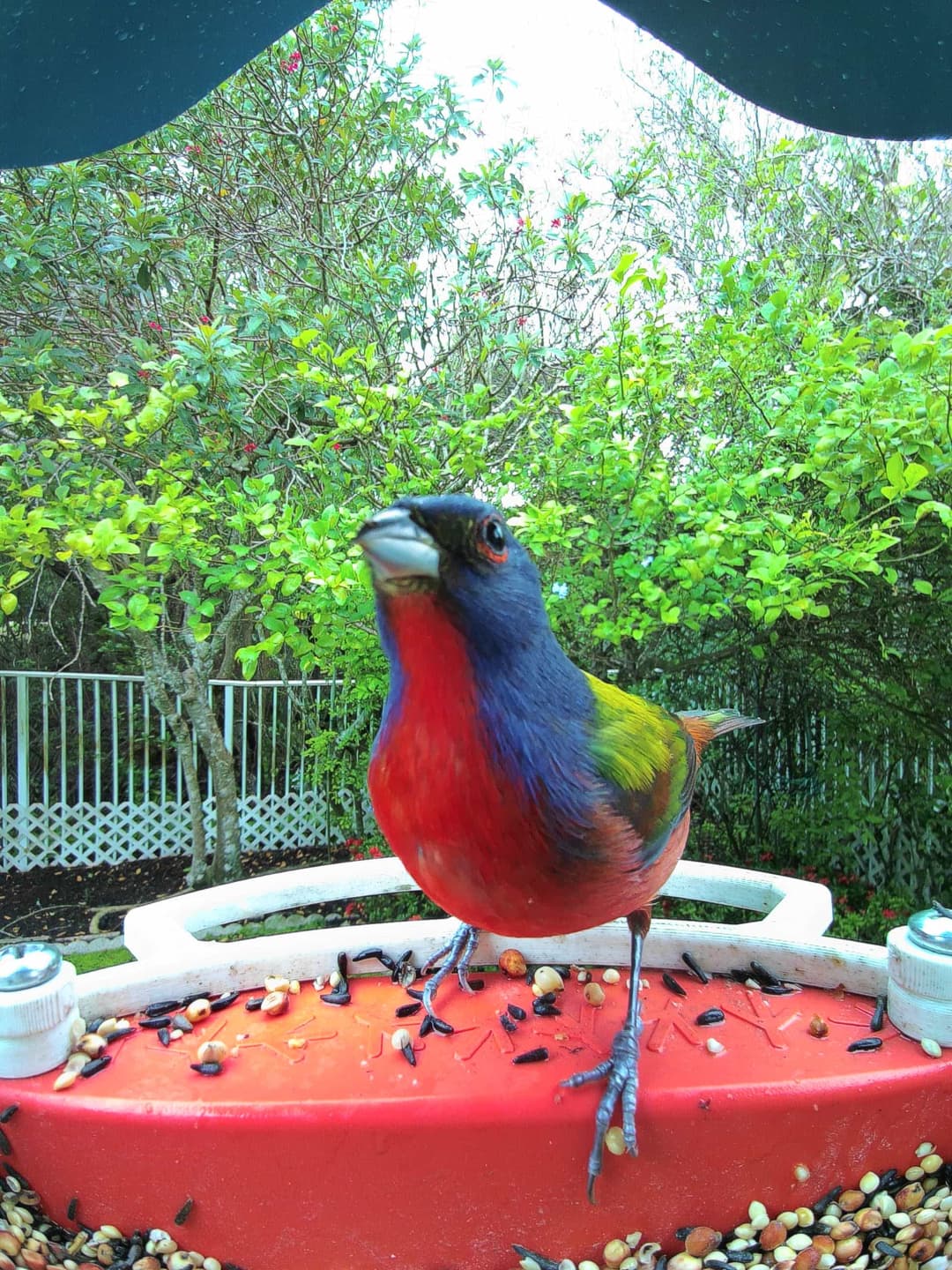
Painted Bunting vs Varied Bunting
Varied Bunting males are more purple and red compared to the multi-colored Painted Bunting which exhibits bright blues, greens, and reds. Look for the absence of green on the Varied Bunting.
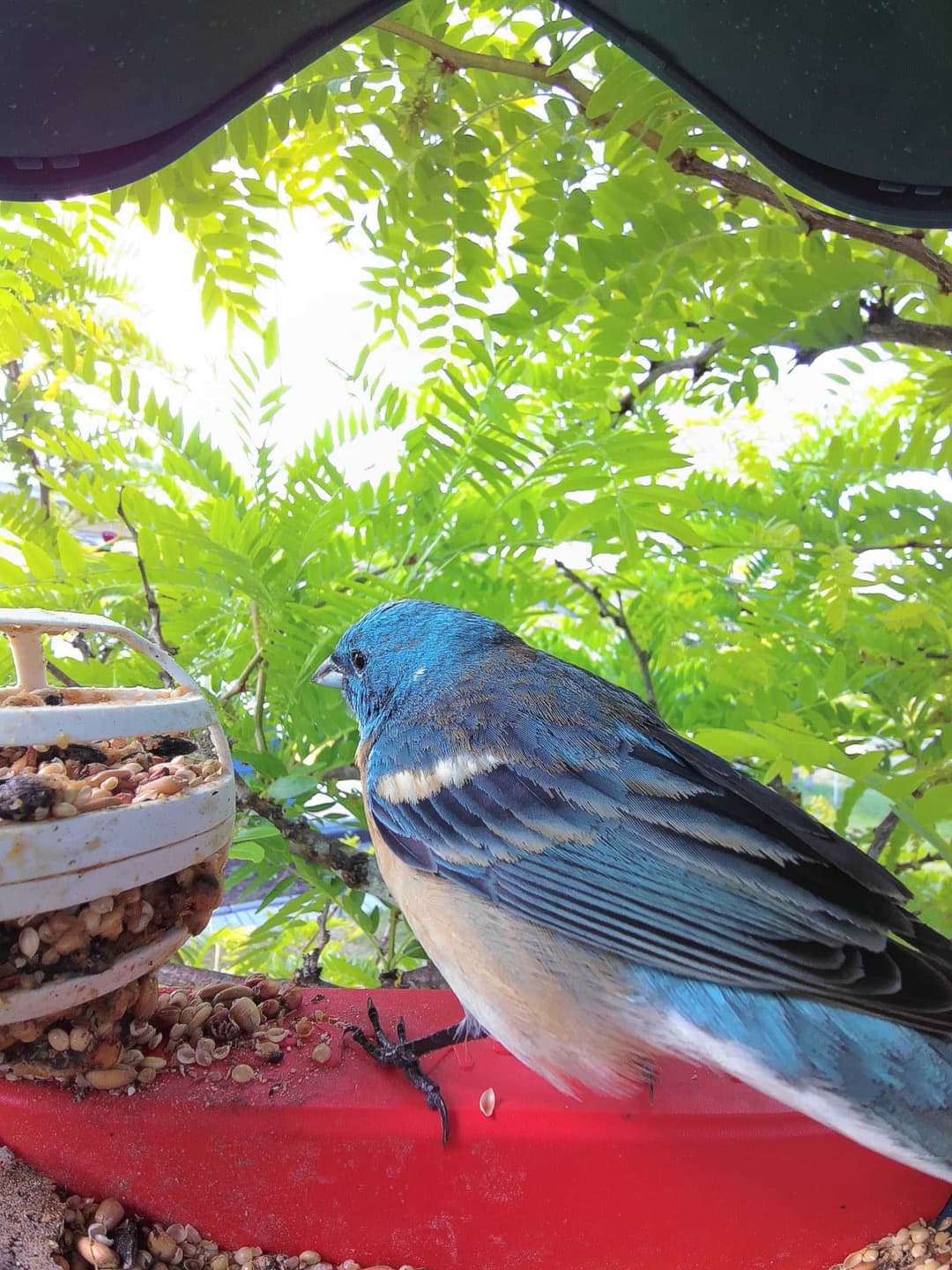
Lazuli Bunting vs Varied Bunting
The Varied Bunting is darker with more purple hues, while the Lazuli Bunting shows bright blue and orange coloring. Note the lack of orange on the breast of the Varied Bunting.
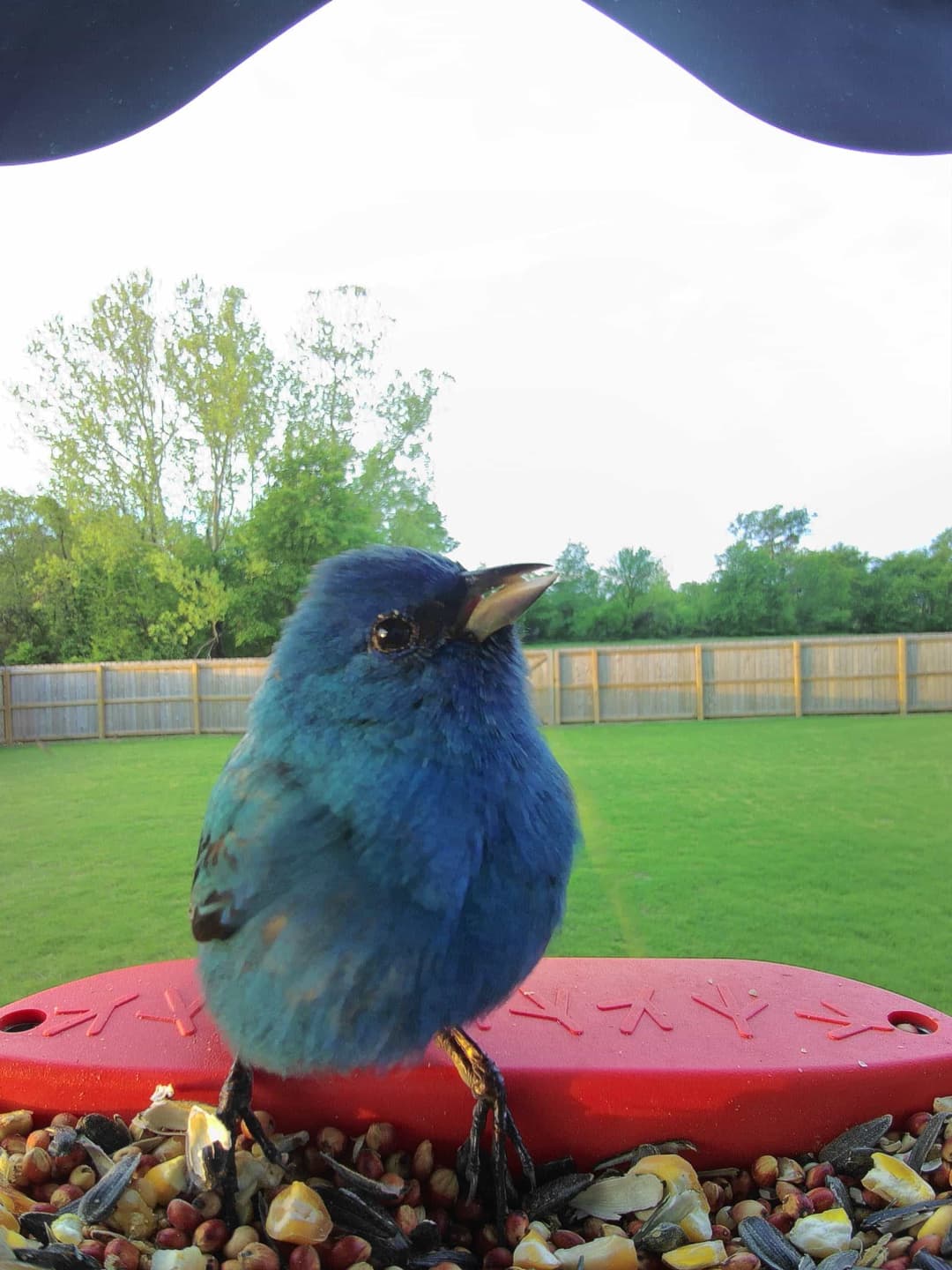
Indigo Bunting vs Varied Bunting
Indigo Bunting is more uniformly blue, whereas Varied Bunting has a mix of purple and deep red shades. Check the wing color: Indigo is all blue, Varied is more varied.
Breeding and nesting habits of the varied bunting
Mating behaviors
Varied buntings engage in elaborate courtship displays that include singing and visual displays by the males to attract females. Males often perch prominently while showcasing their colorful plumage to gain attention.
Nesting details
The varied bunting typically nests in dense shrubs or low trees, preferring locations that offer concealment and protection. Nest construction involves both males and females using materials like grasses, plant fibers, and spider silk to create a sturdy cup-shaped structure.
Eggs and chick-rearing
The female lays about 2-5 pale blue or green eggs, which she incubates for approximately two weeks. After hatching, both parents participate in feeding and caring for the chicks. The young fledge the nest about 10-12 days post-hatching. To create a suitable garden habitat, plant native shrubs and trees, ensuring a mix of dense foliage and open areas for foraging.
What does a varied bunting like to eat?
Fruits
Insects
Seeds
Natural diet
The varied bunting's natural diet consists of seeds and insects. During the breeding season, it likely feeds chiefly on insects, while still consuming some seeds and berries. Food provided to its young at the nest is predominantly insect-based. In winter, its diet probably shifts to include a greater proportion of seeds.
Bird feeders
The varied bunting is not commonly seen at bird feeders. Its primary natural diet of insects and seeds suggests that if it does visit feeders, it may be attracted to those offering seeds similar to its natural diet, such as sunflower seeds or millet.
Setting up your yard
To welcome varied buntings, first ensure your yard provides a welcoming habitat. The key to this is providing ample cover with thick vegetation, such as shrubs and trees, which the buntings can use to hide and build nests. If possible, incorporate native plants into your yard, as these will be familiar to the buntings and attract them easily.
Feeder type and placement
Varied buntings prefer feeders that provide some cover, which makes squirrel-proof tube feeders a great option. Hang the feeder in a well-protected area, close to bushes or trees where the bunting can seek refuge quickly if needed.
Preferred varieties of bird seed
Varied buntings are fond of various types of seeds, but millet, safflower seeds, and crushed peanuts are their favorites. Ensure to fill your feeders with these varieties. For best results, use Bird Buddy seeds, as they are specially selected by experts for the season to match the bunting's preferences.
Engage in a sing-along!
Playing bird songs around your yard could also help attract varied buntings, as they are known for their melodic songs. This imitation of a potential mate or competitor can draw them closer to your yard for investigation, increasing your chances of sighting. However, be careful not to stress the birds with excessive or very loud playback.
Where can you find varied buntings?
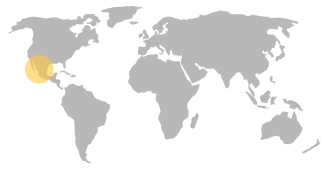
Primary habitat
The varied bunting predominantly seeks habitats within dense, thorny brush areas, typically alongside streams within canyons and under the cover of scattered trees.
Additional range
Despite a main preference for areas near water, they may also reside in flat, dry deserts within the United States, provided there is a sufficient density of brush foliage.
Do they migrate?
The varied bunting is a migratory bird species found in parts of the Southwestern United States and Mexico. It typically migrates between breeding and wintering grounds. **Migration Route and Timing:** - **Breeding Range:** During the breeding season, varied buntings reside in the arid and semi-arid habitats of the Southwestern U.S., including parts of Arizona, New Mexico, and Texas, as well as northern Mexico. - **Migration Period:** Migration typically occurs from late April to May when they move north to their breeding territories. The southward migration begins around late August to September. - **Wintering Grounds:** In winter, varied buntings migrate to southern Mexico, primarily in tropical and subtropical regions, such as Oaxaca and Chiapas. **Key Locations:** - **Breeding:** Chihuahuan Desert, the Sonoran Desert regions, and thornscrub areas. - **Wintering:** Dense, brushy areas, often at lower elevations in southern Mexico. During migration, varied buntings may stop at various locations in the western inland routes, though specific stopovers can vary annually depending on food availability and weather conditions. This migration helps them exploit different ecosystems based on seasonal resource availability.
What is the role of varied buntings in nature and how to protect them?
Conservation status
The varied bunting remains locally common in the southwestern United States, though some habitat loss has occurred. In parts of its range in Mexico, the species is likely declining due to habitat degradation from overgrazing, particularly by goats. While it's not classified as endangered, its declining numbers in certain areas signal a vulnerability that requires attention. Key conservation efforts should focus on protecting and restoring habitats, especially in regions heavily impacted by agricultural practices. Addressing overgrazing can help stabilize and improve its habitat sustainability.
Ecological role of varied buntings
Its role in the ecosystem
The varied bunting plays a crucial role in maintaining the health of its ecosystem. Firstly, it contributes to pest control, through feeding on insects during the breeding season. This limits the population of potentially harmful insects that may otherwise cause imbalance in the ecosystem. Additionally, by feeding on a varied diet which includes seeds and berries, the varied bunting aids in seed dispersal. This activity helps in the propagation of several plant species, contributing to plant diversity and forest growth. Lastly, the varied bunting’s nesting behavior aids in checking the growth of shrubs and trees, as it builds its nest in these plants. This can help maintain the density of vegetation within certain levels. Given these activities, the varied bunting is an important player in sustaining an ecological balance.
How to help protect varied buntings
Preservation tips
Habitat preservation strategies
To support varied bunting conservation, preserving and restoring its natural habitat is critical. This includes protecting riparian areas, brushy areas and lower-elevation desert scrub. Thicket-like vegetation areas should be maintained or created as they provide forage and nesting sites. Advocacy for legislation offering greater protection to these habitats is also paramount.
Community science initiatives
Community involvement in monitoring varied bunting populations can provide vital data to conservationists. Encourage participation in bird-watching and reporting any sightings to local wildlife agencies or through community science platforms like eBird. Outreach initiatives should be taken for educating the public about the importance of these birds and their ecosystem. Community-led habitat restoration projects can also be initiated for direct action.