Birds in Chapel Hill,
North Carolina
Chapel Hill, North Carolina, boasts a diverse ecosystem with woodlands, wetlands, and open spaces, creating a rich habitat for birdwatching. The town's proximity to tidal rivers and the Piedmont Plateau provides varied topography and a substantial migratory corridor. Important for observing both resident and migratory birds, it attracts birdwatchers seeking species diversity, including warblers, raptors, and waterfowl, making Chapel Hill a notable spot for avian enthusiasts.
Most iconic Chapel Hill bird
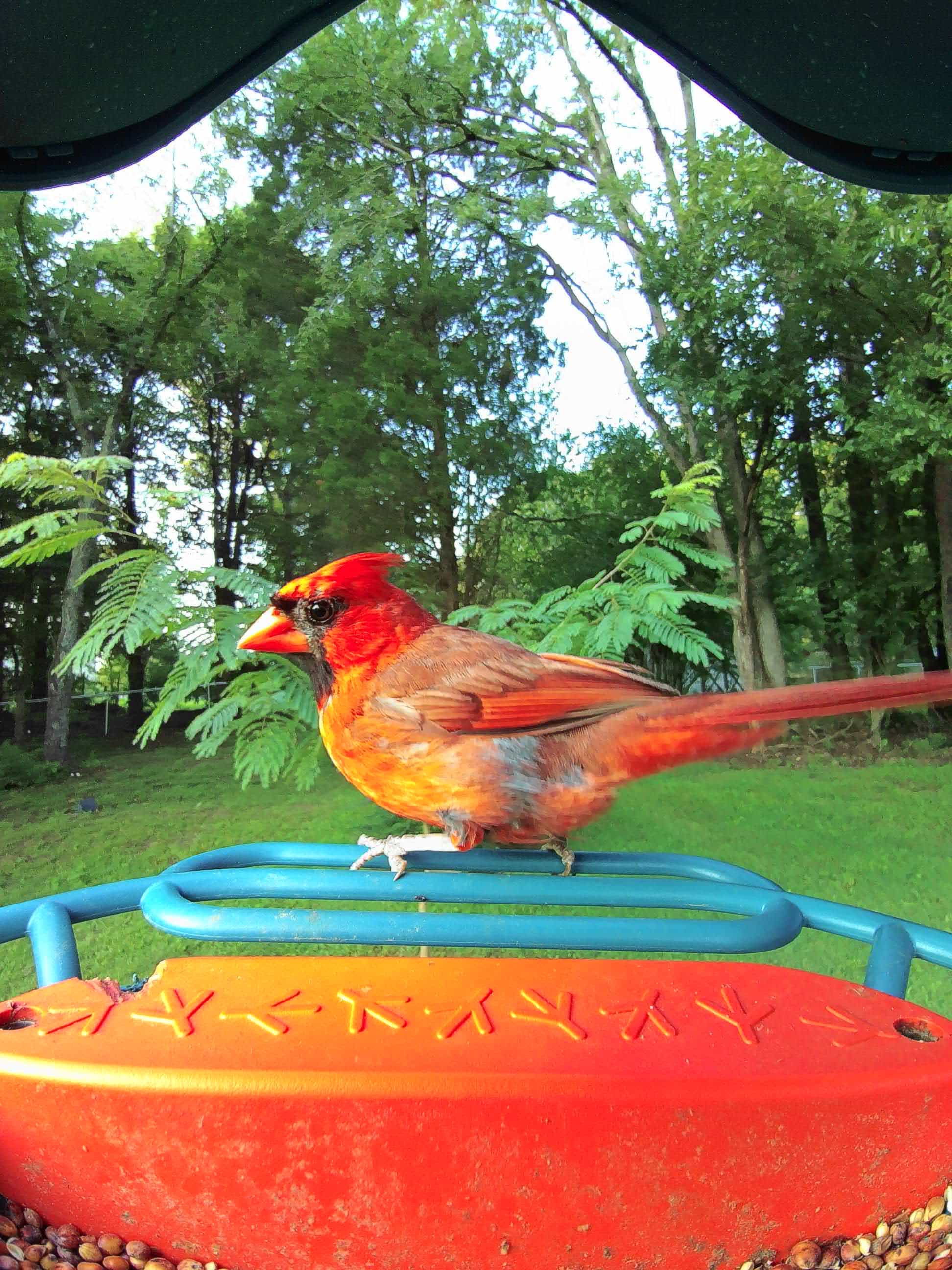
The Northern cardinal was chosen as the state bird of North Carolina because it is commonly found in the region and represents the state's natural beauty and heritage.
Common bird species in Chapel Hill
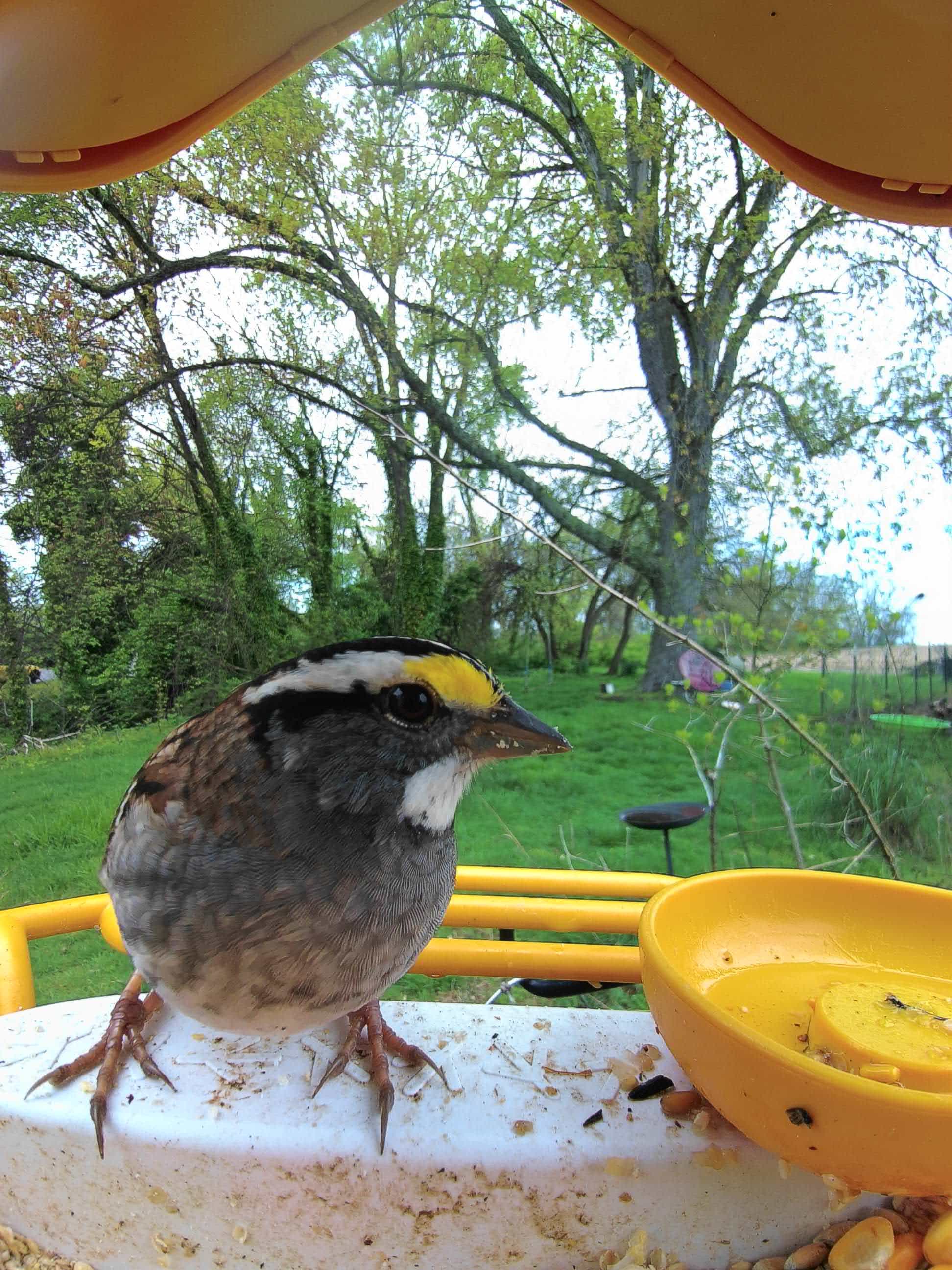
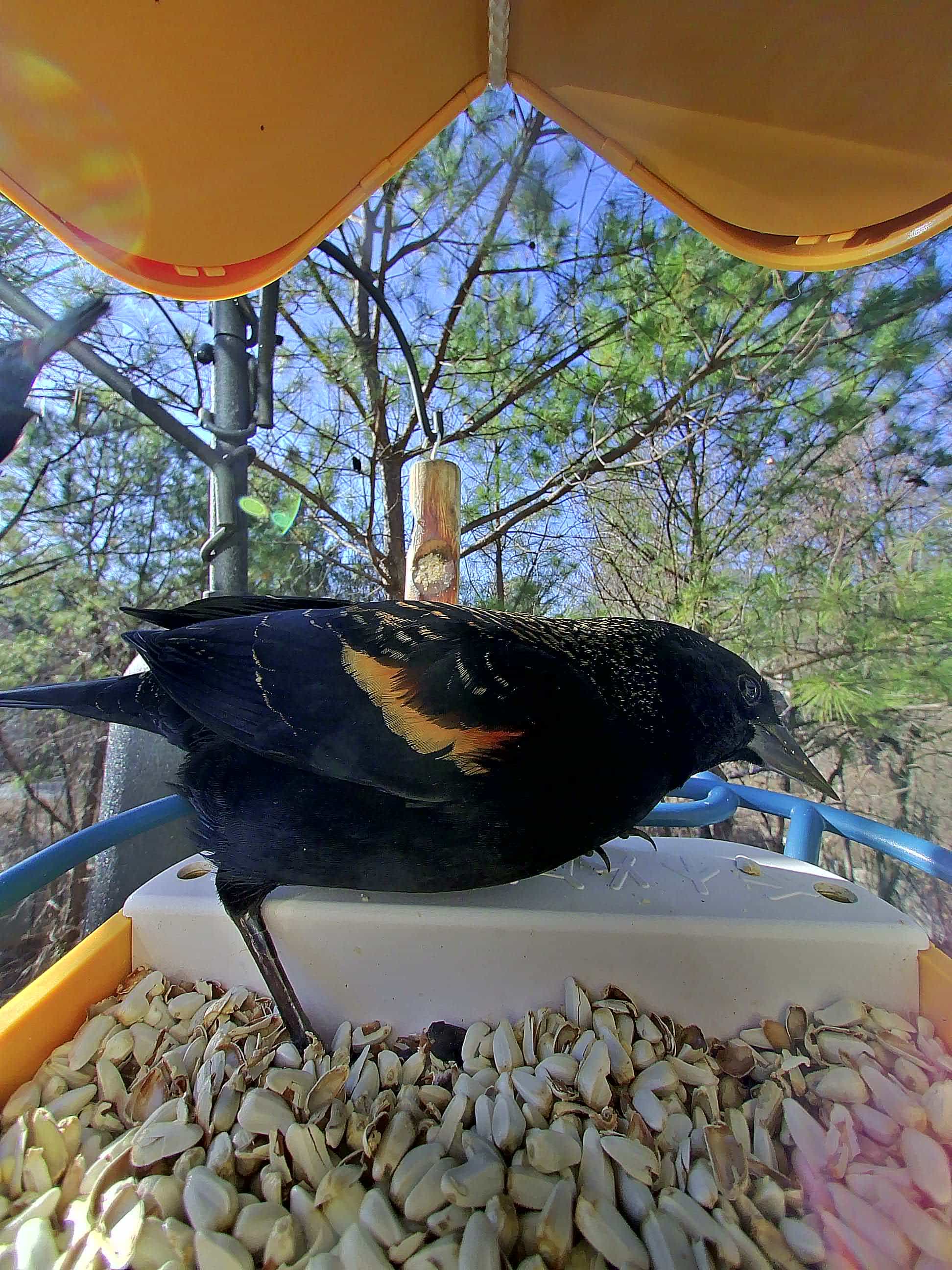
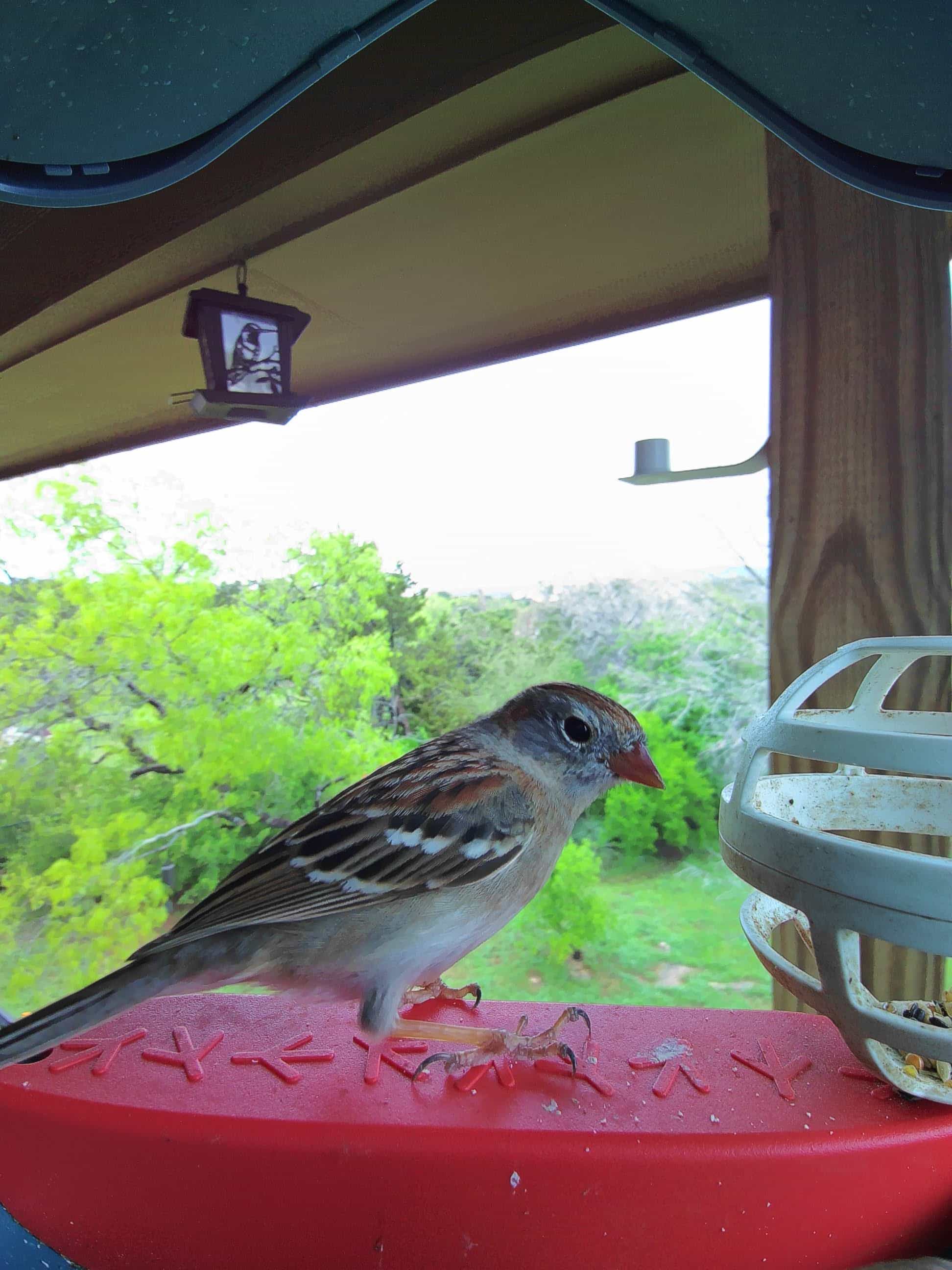
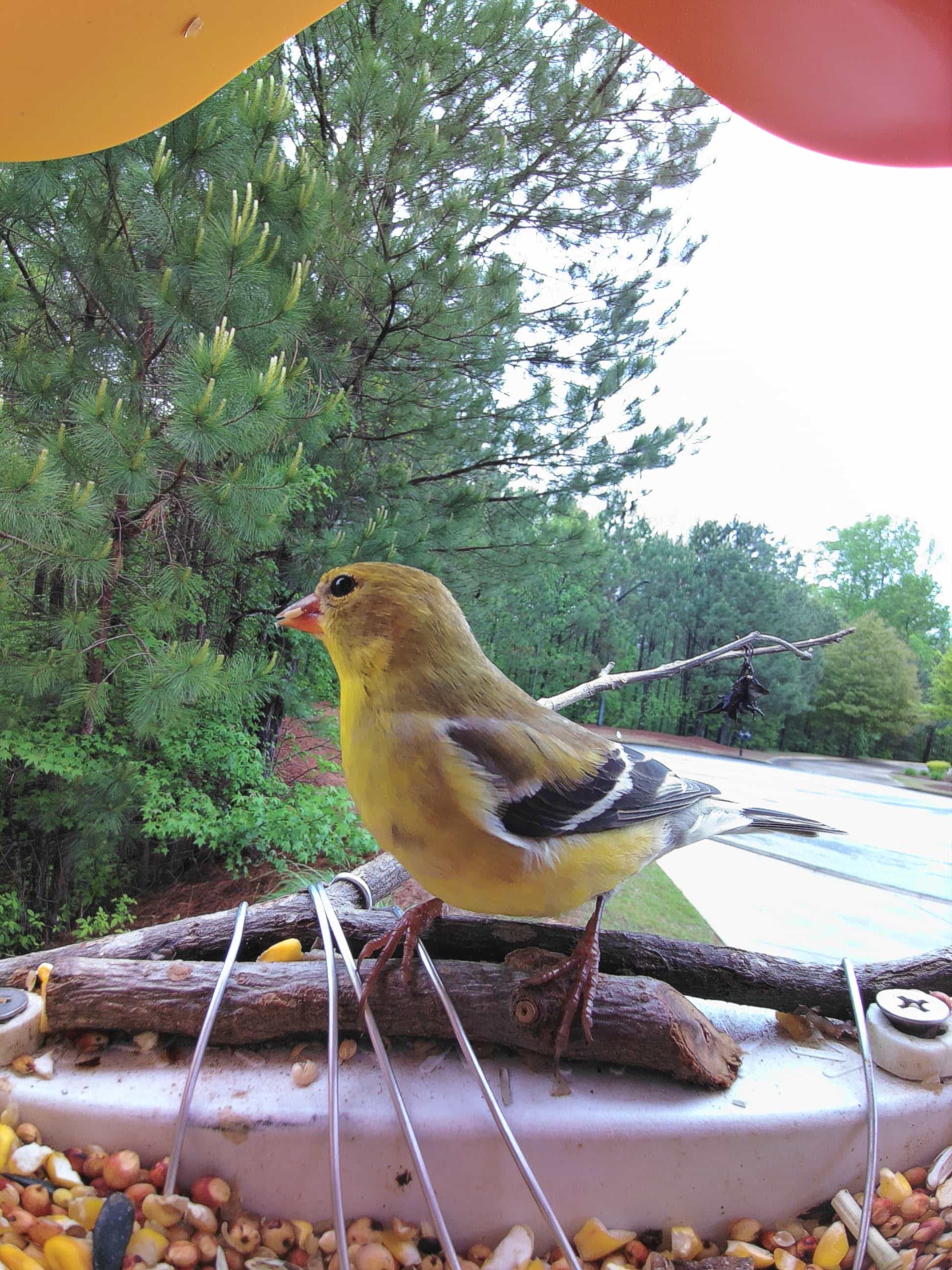
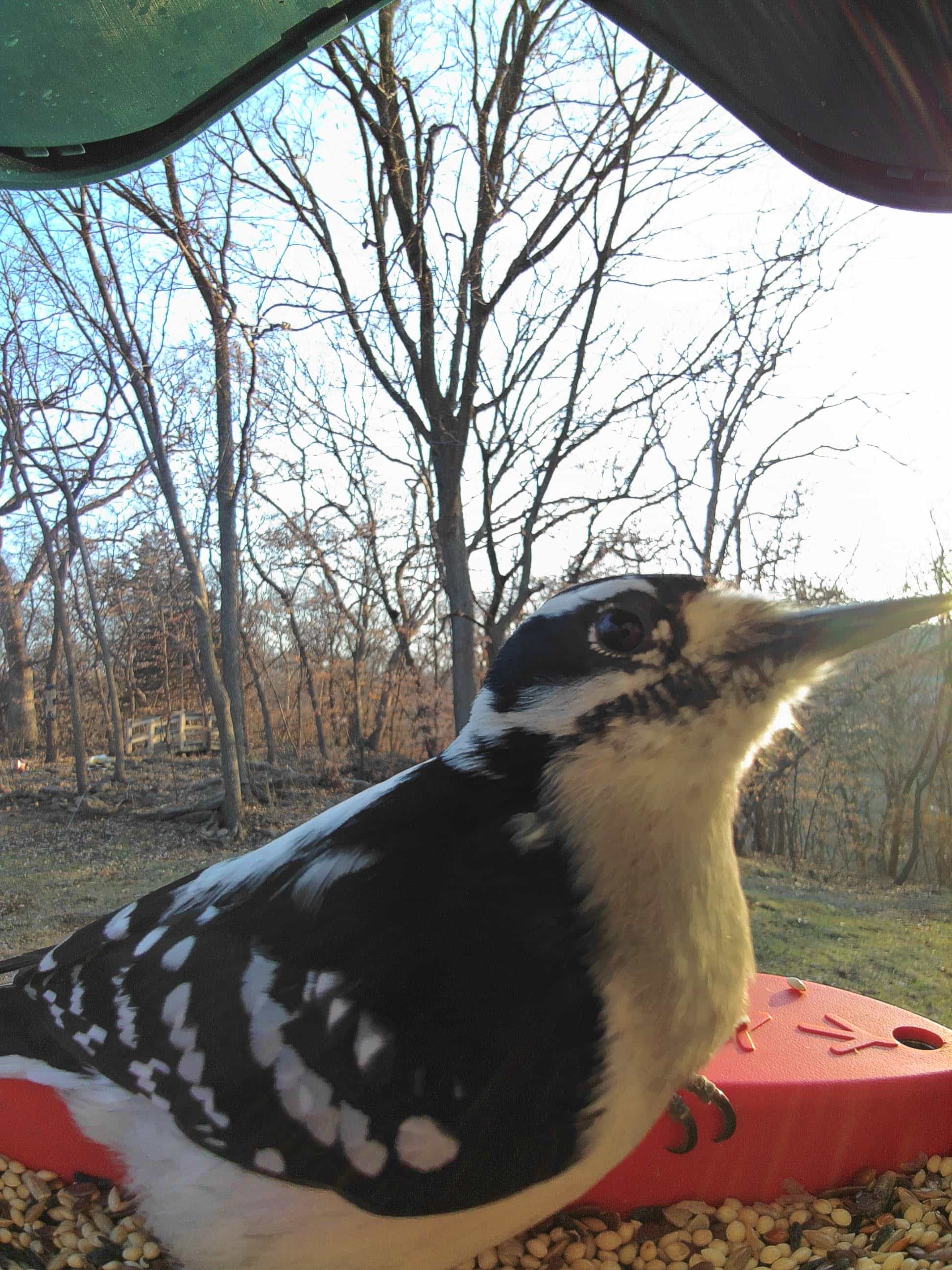
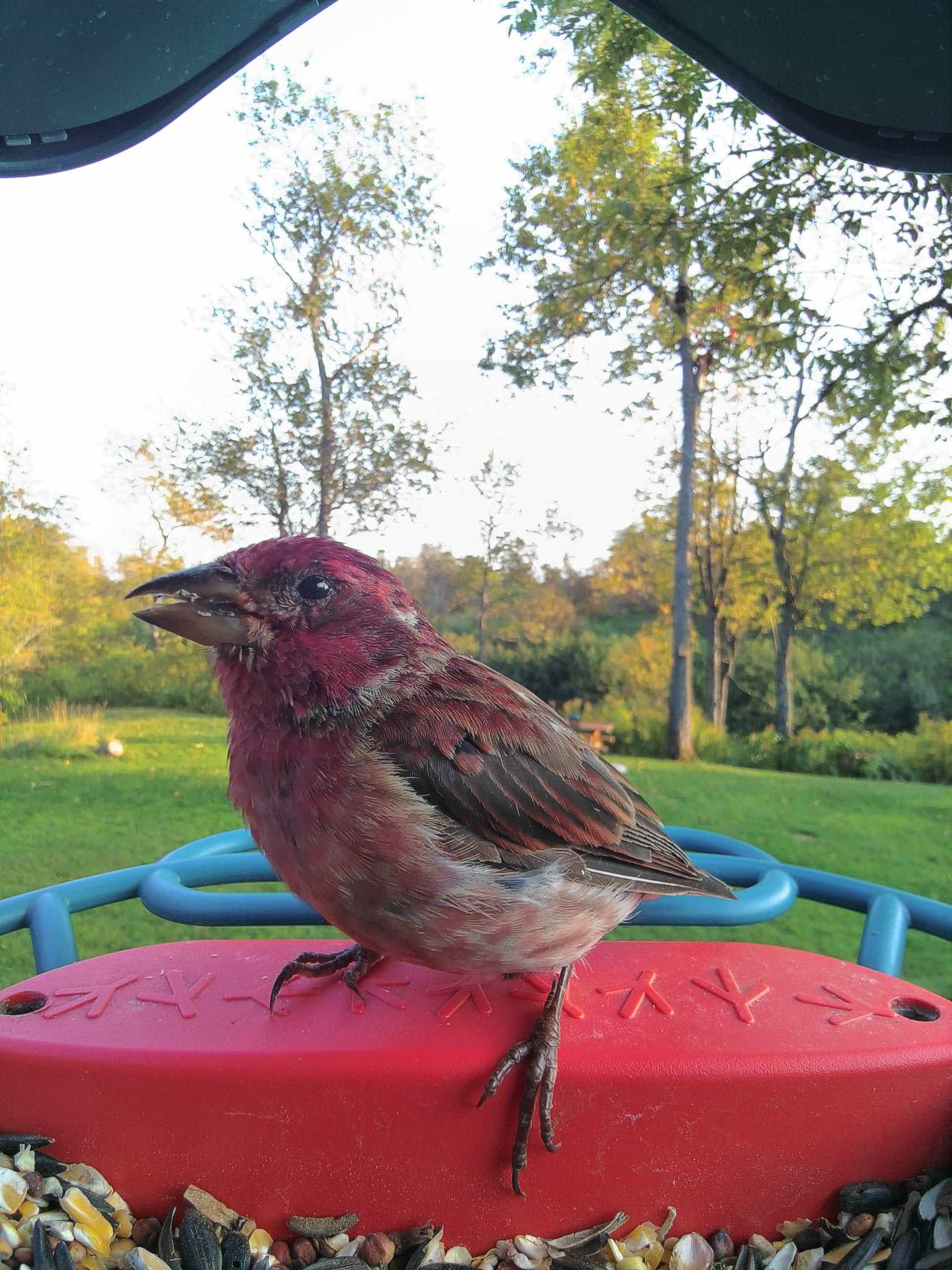
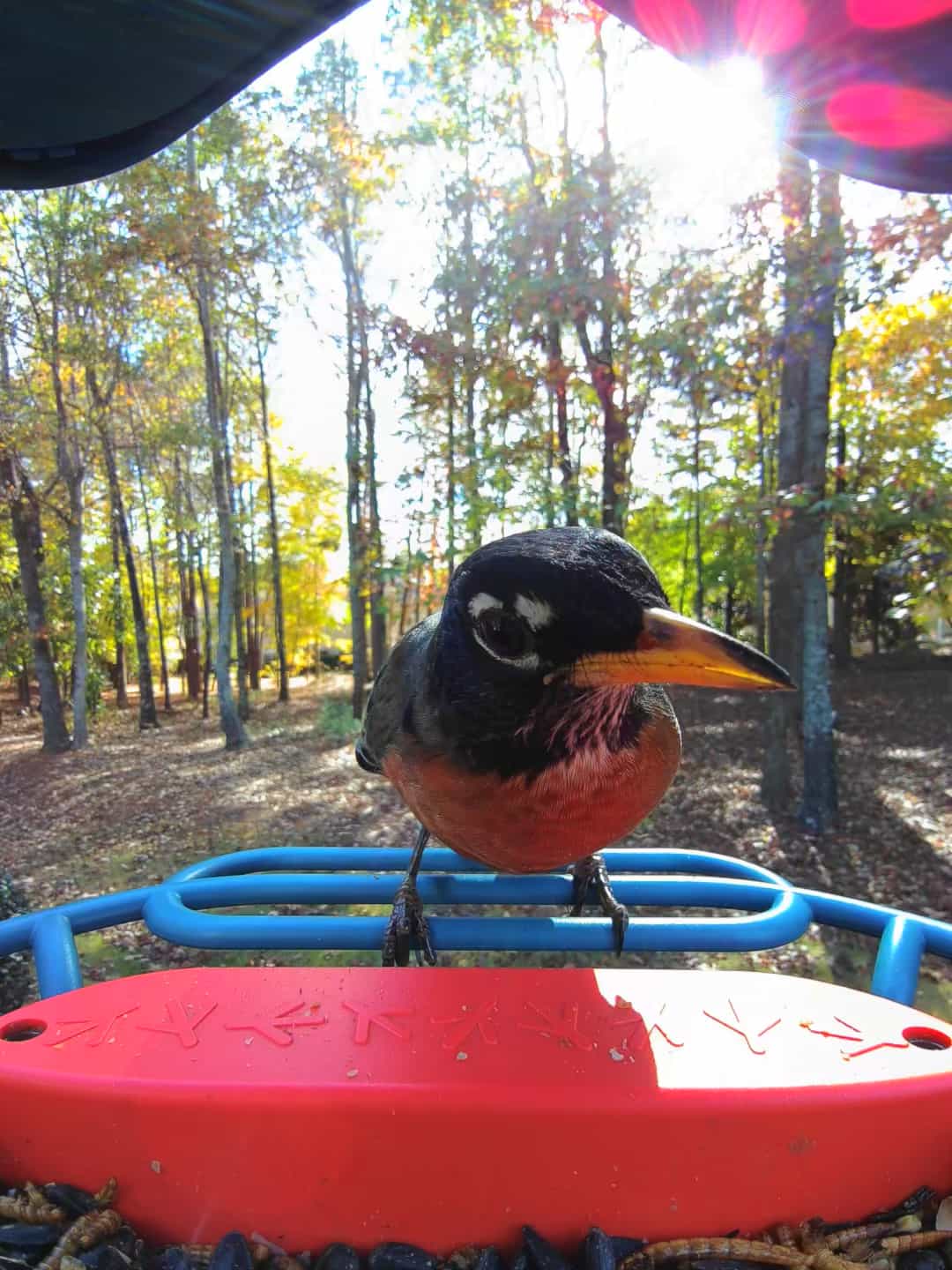
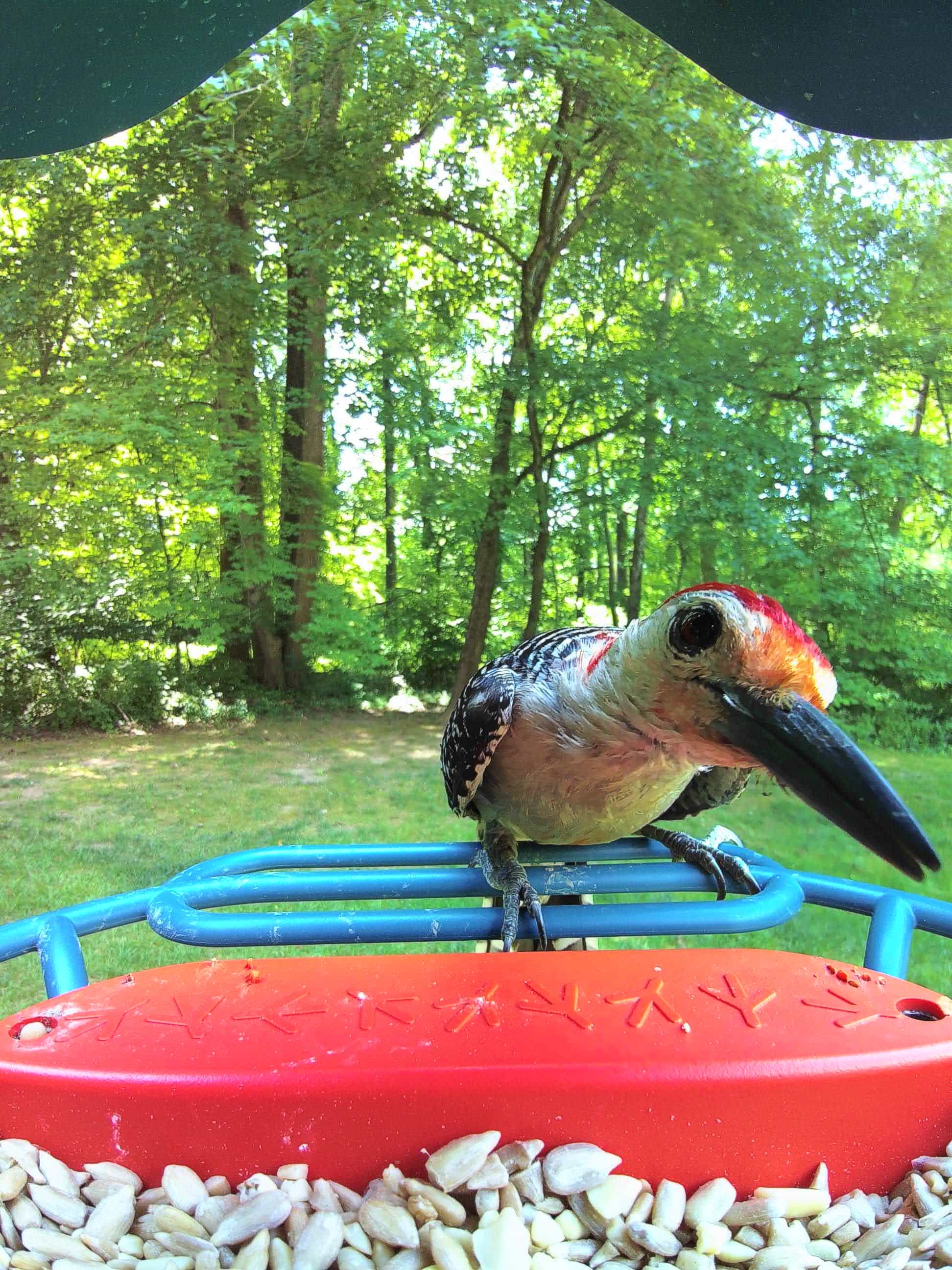
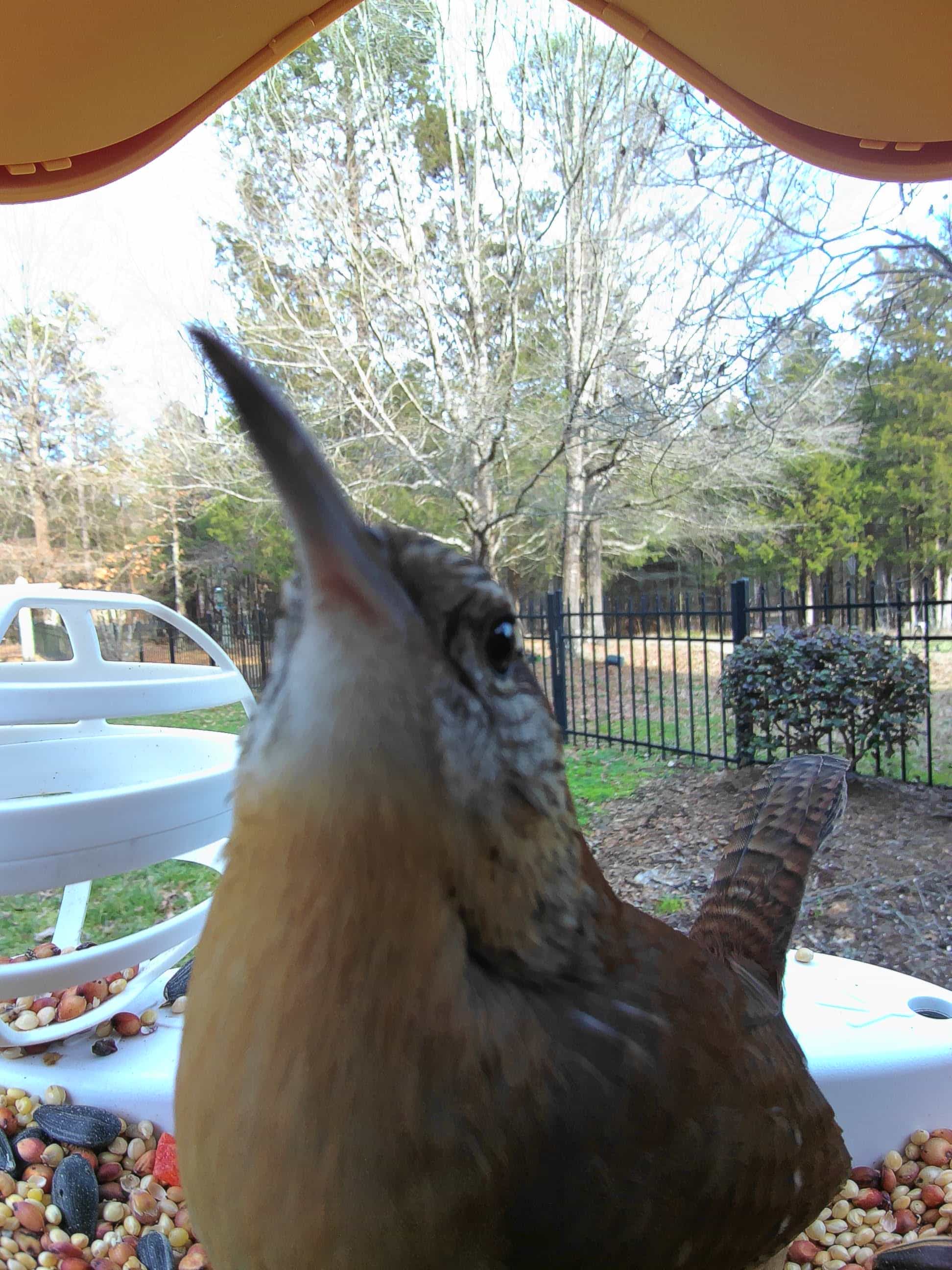
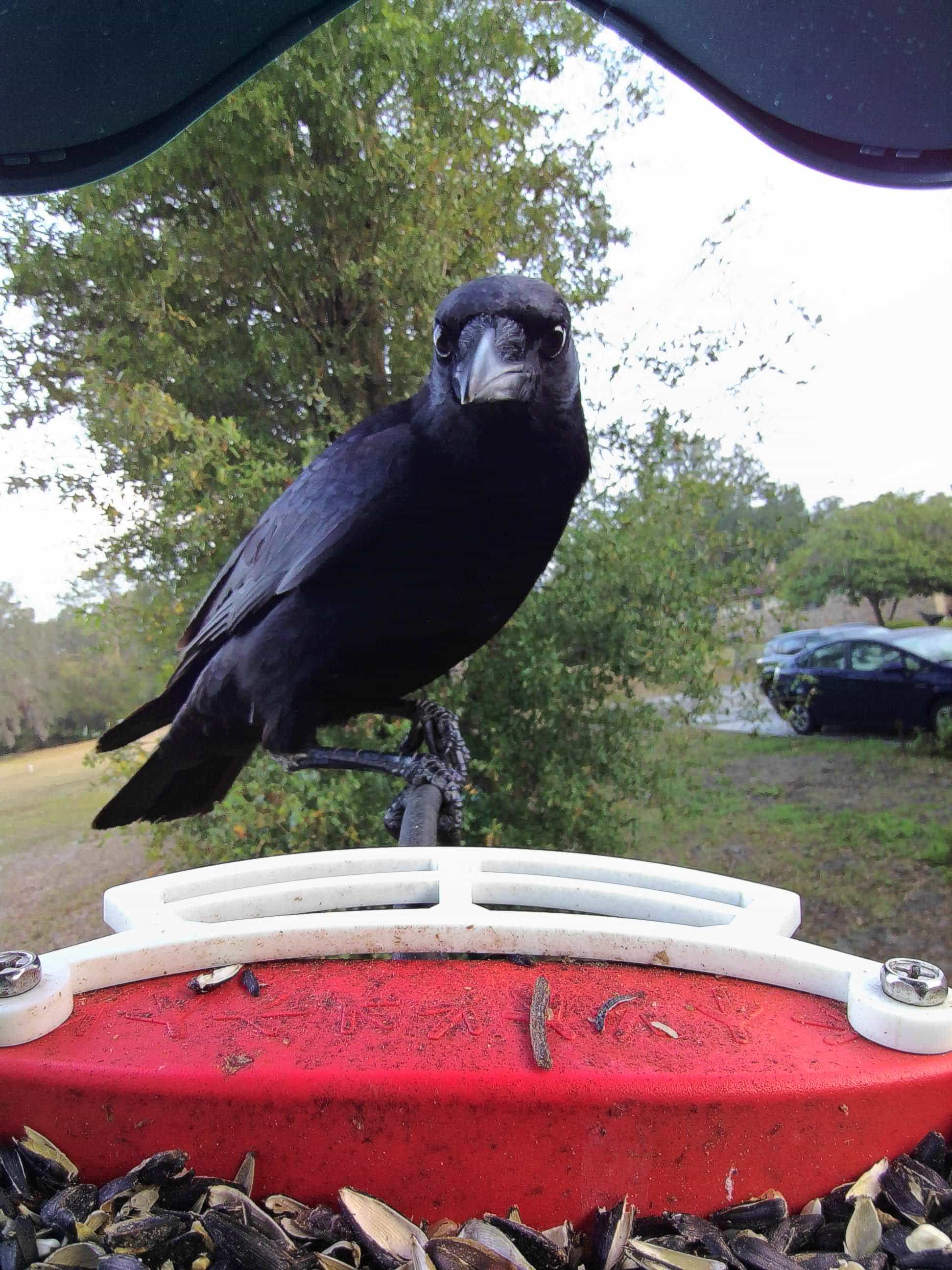
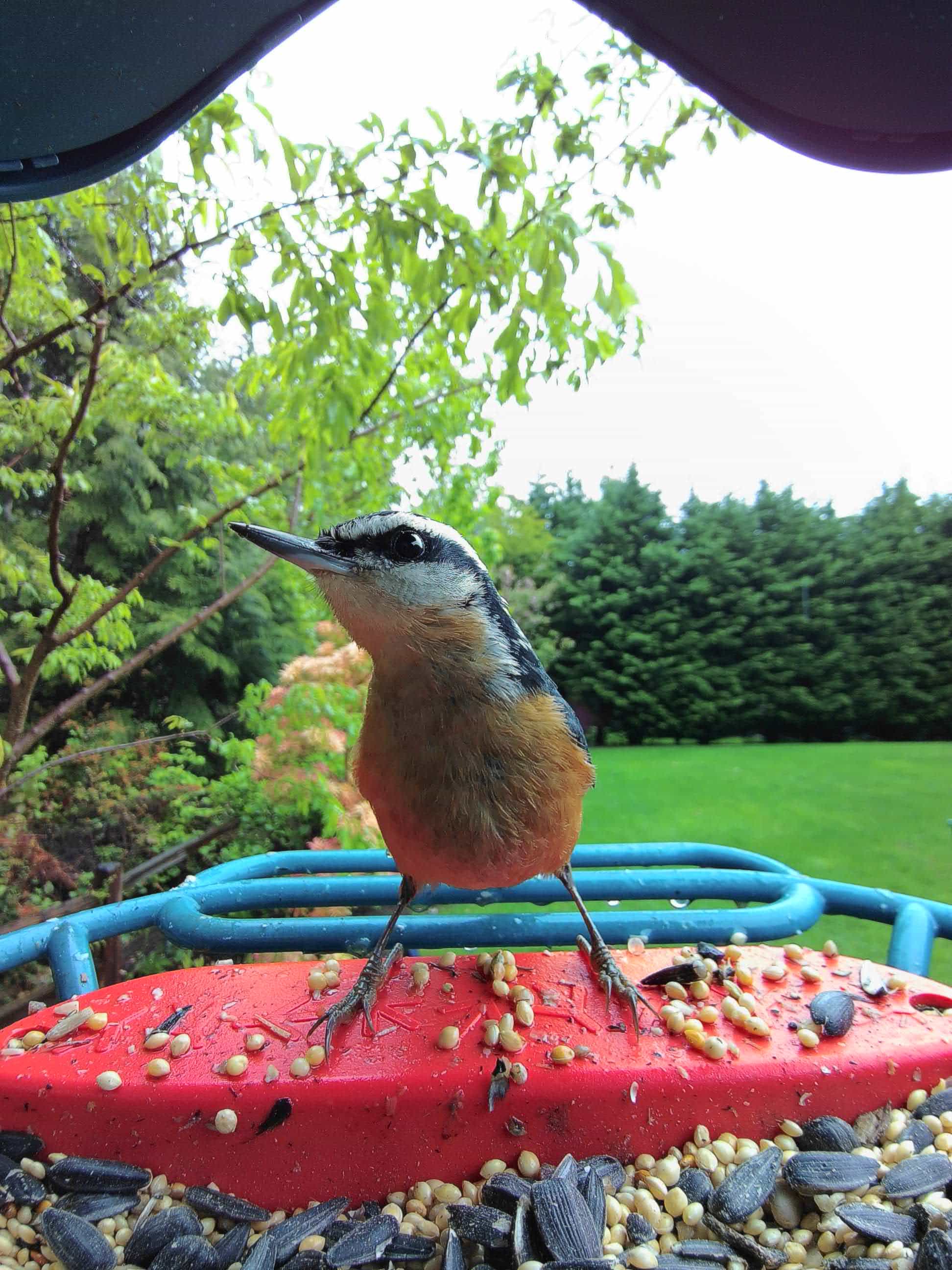
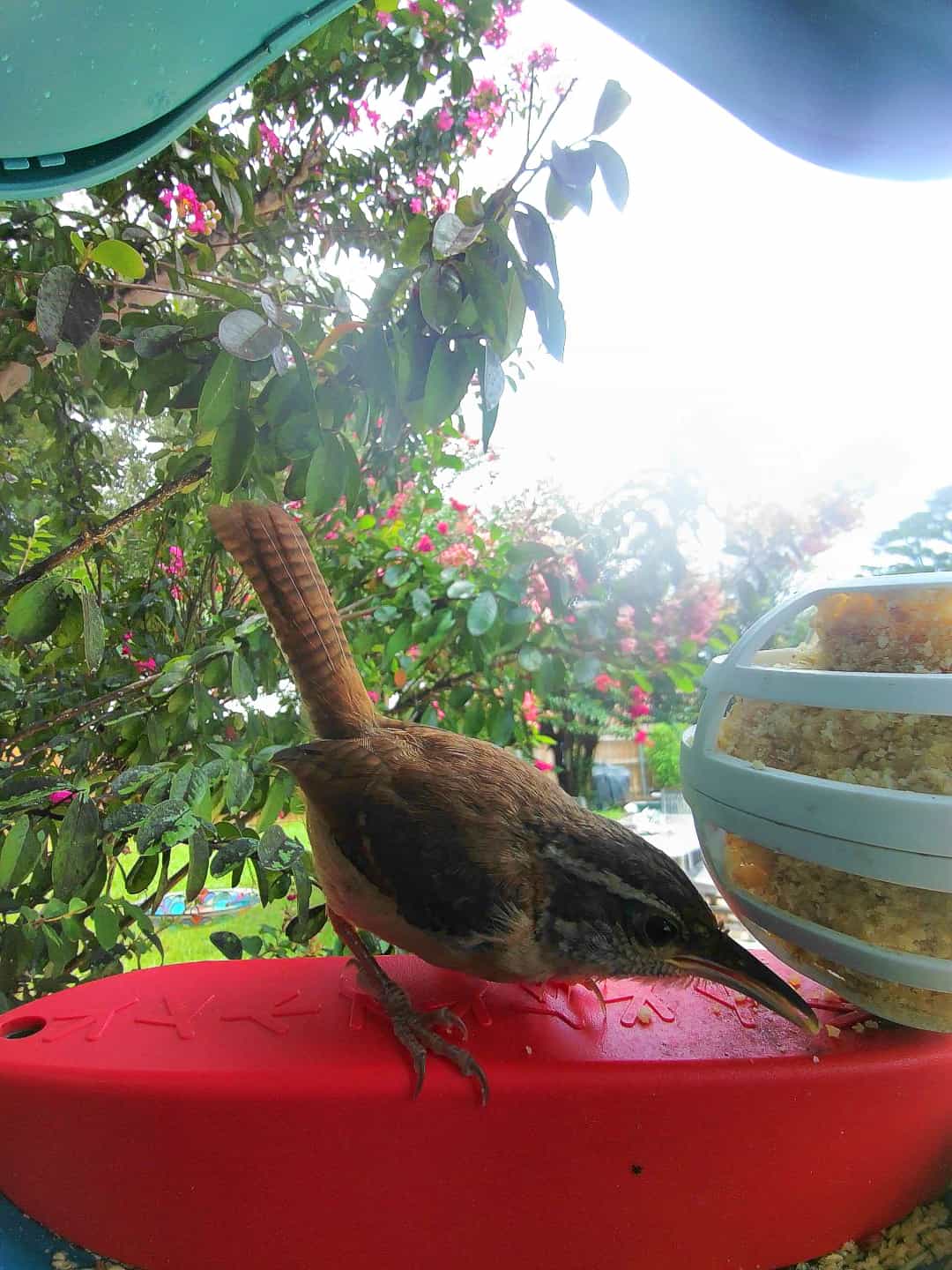
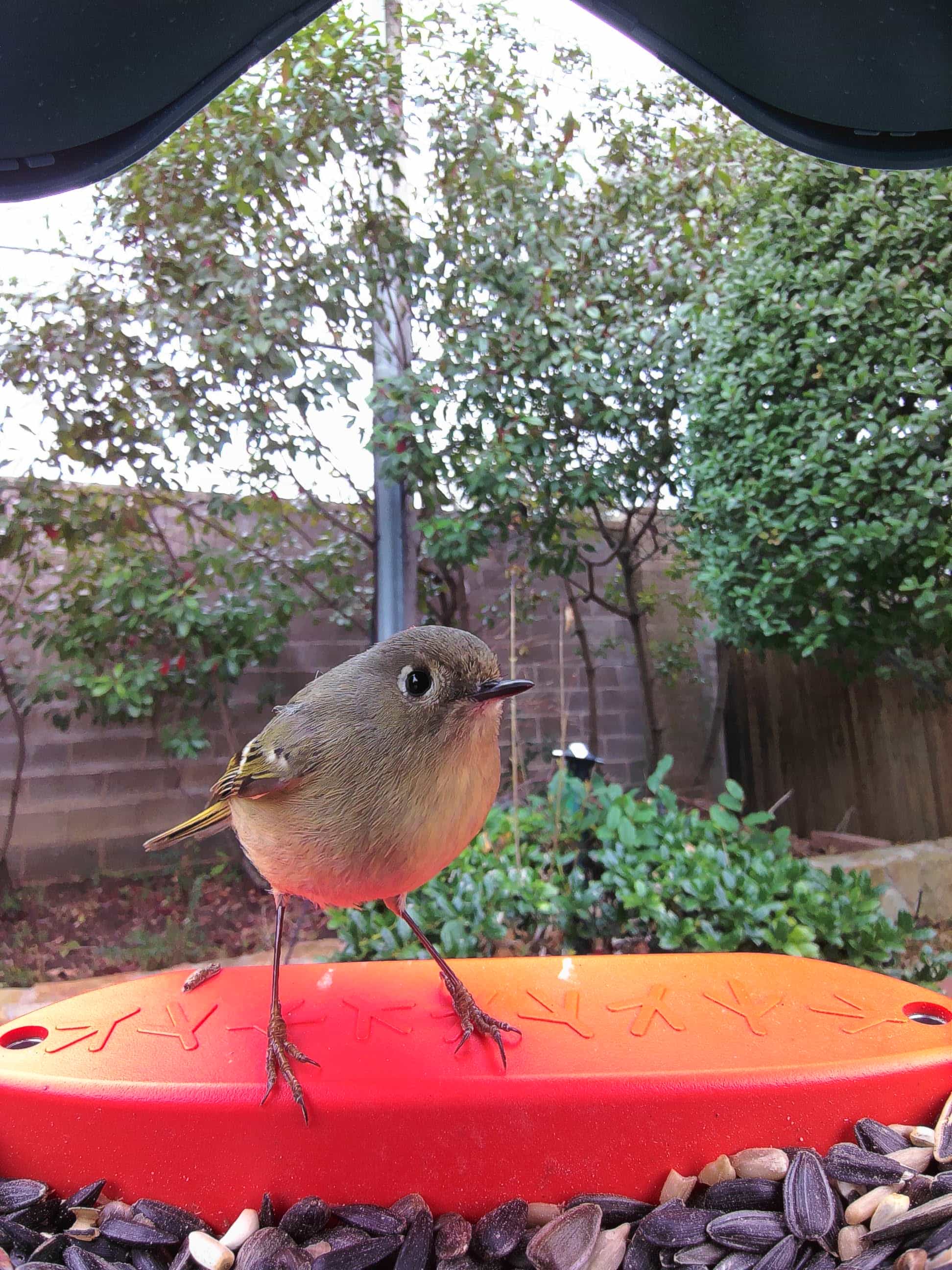
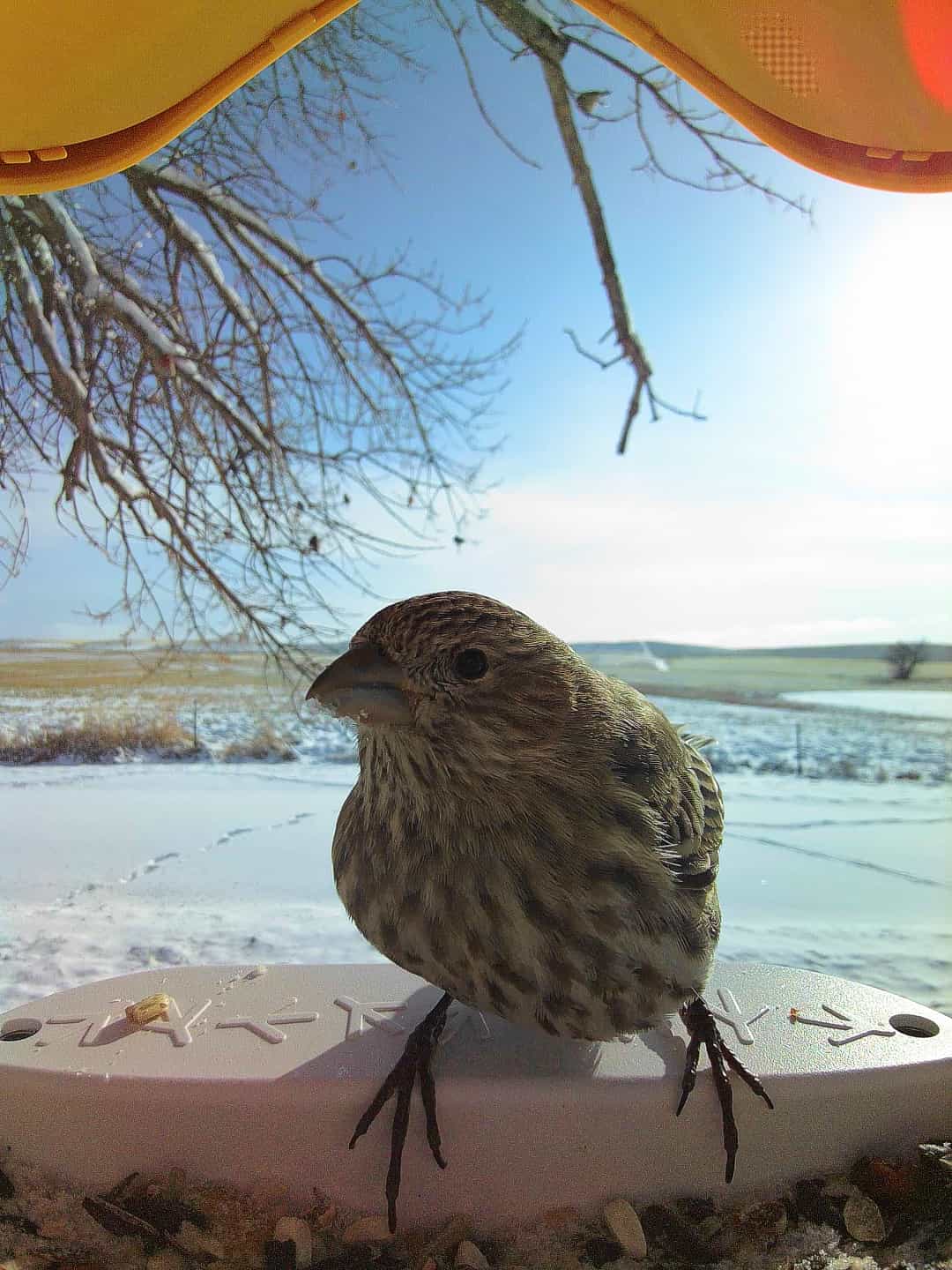
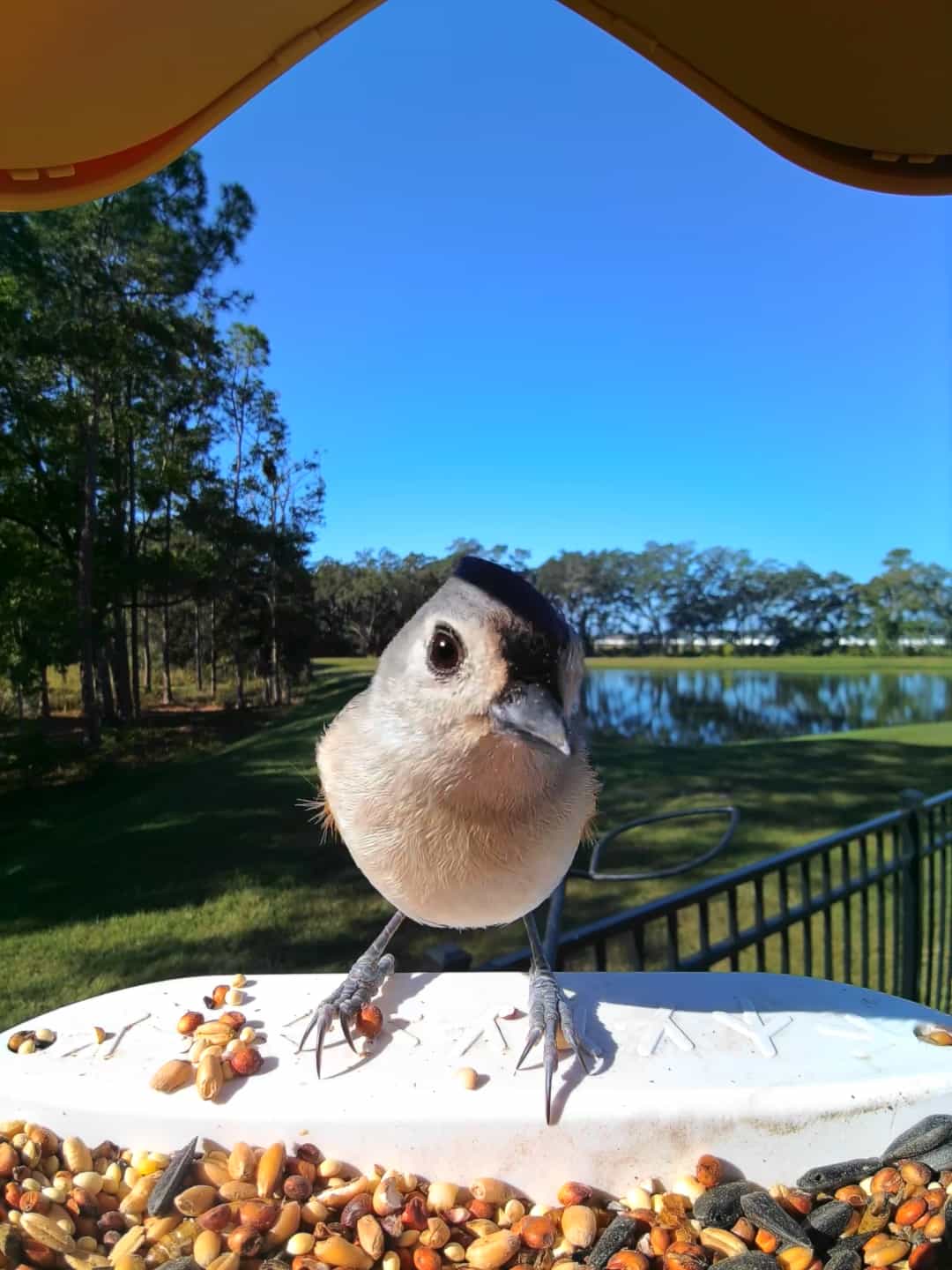
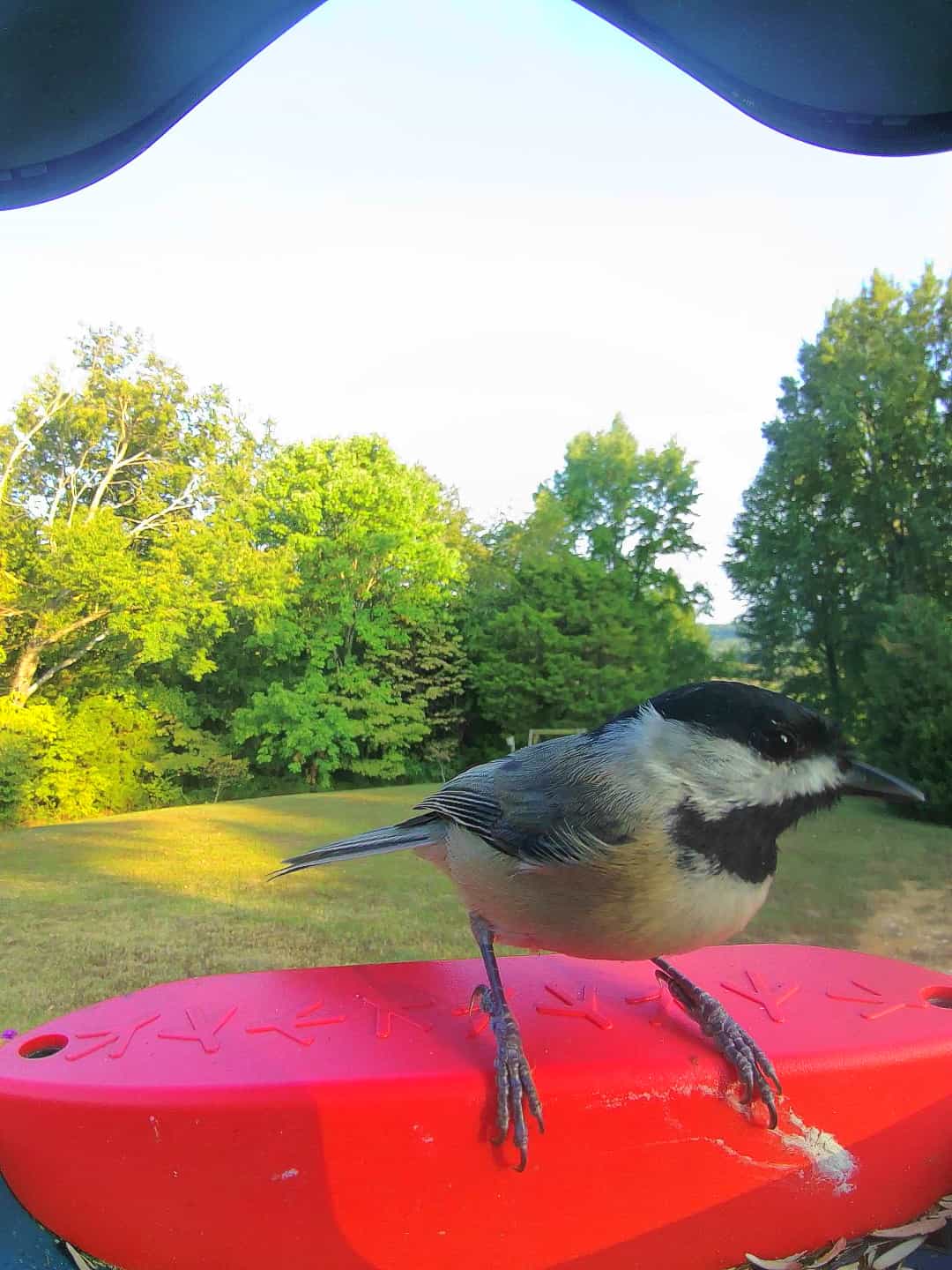
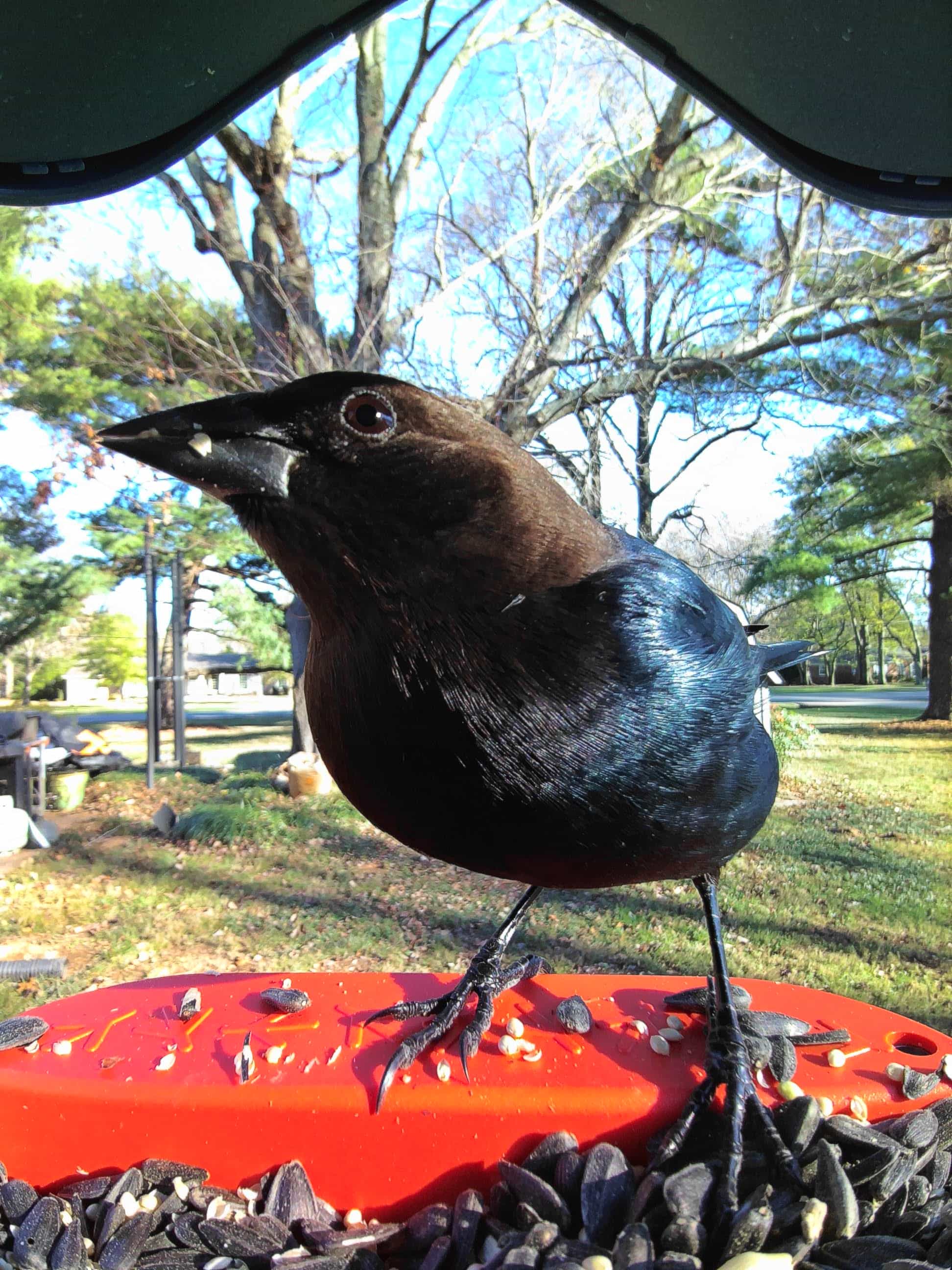
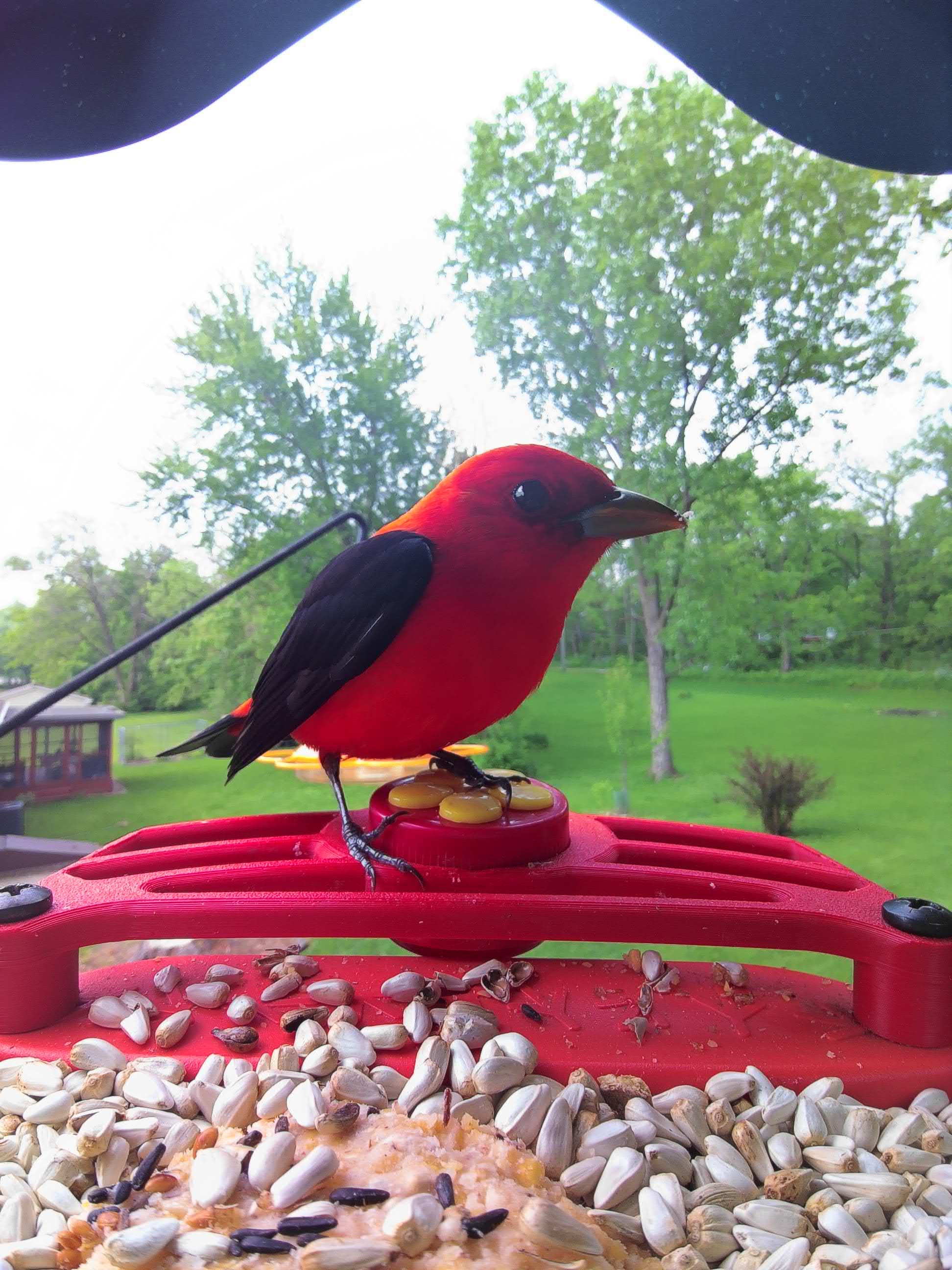
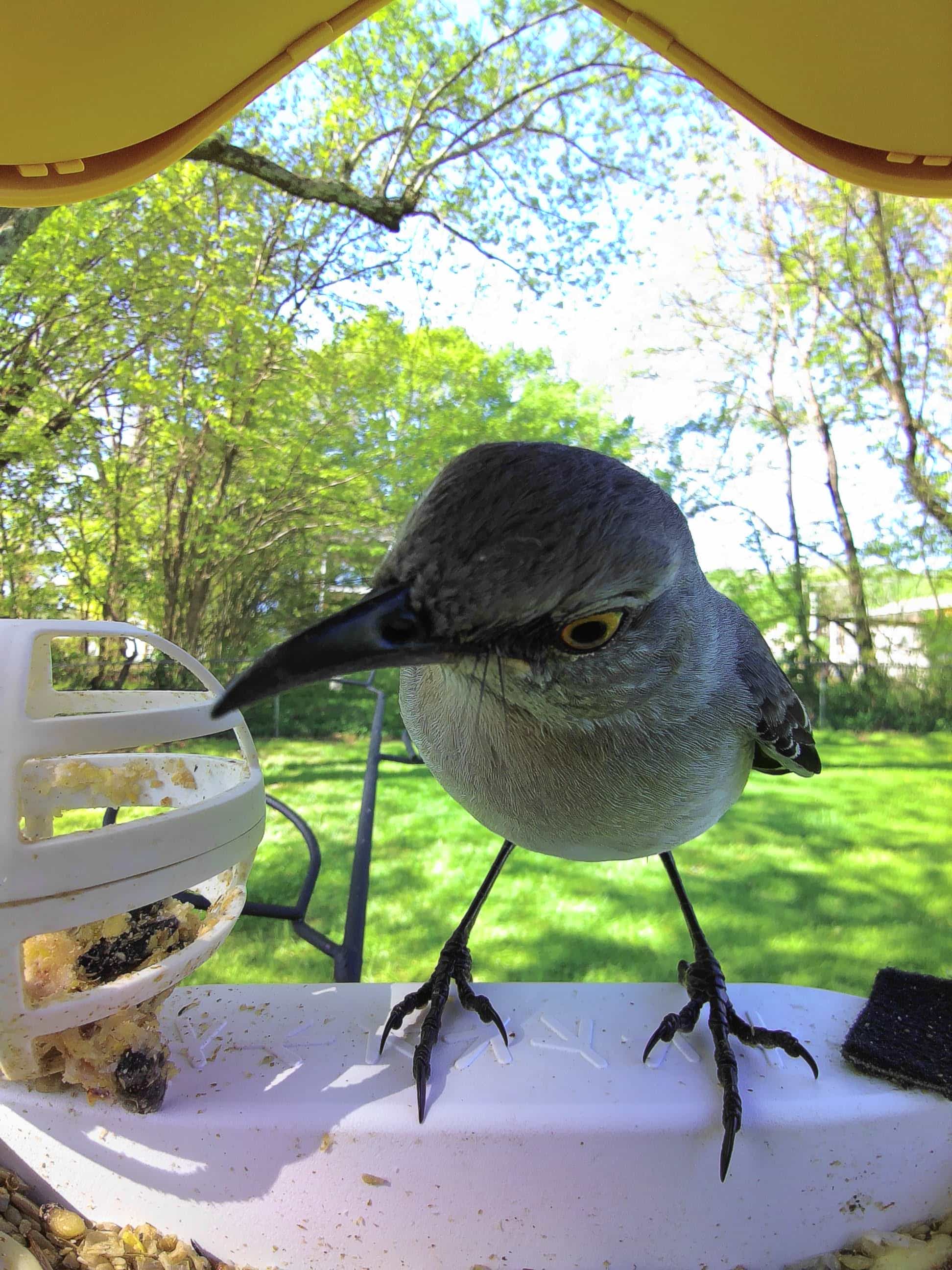
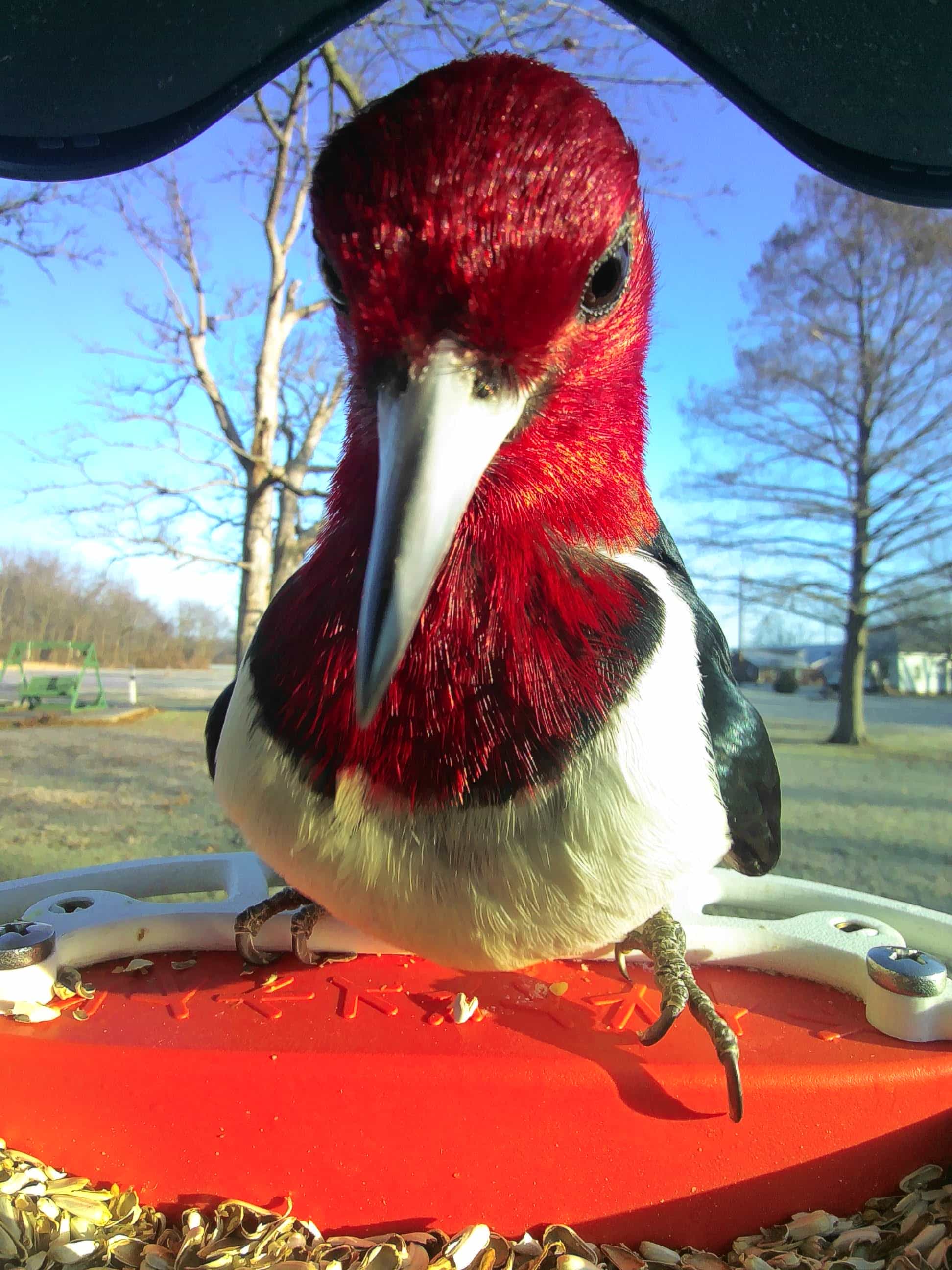
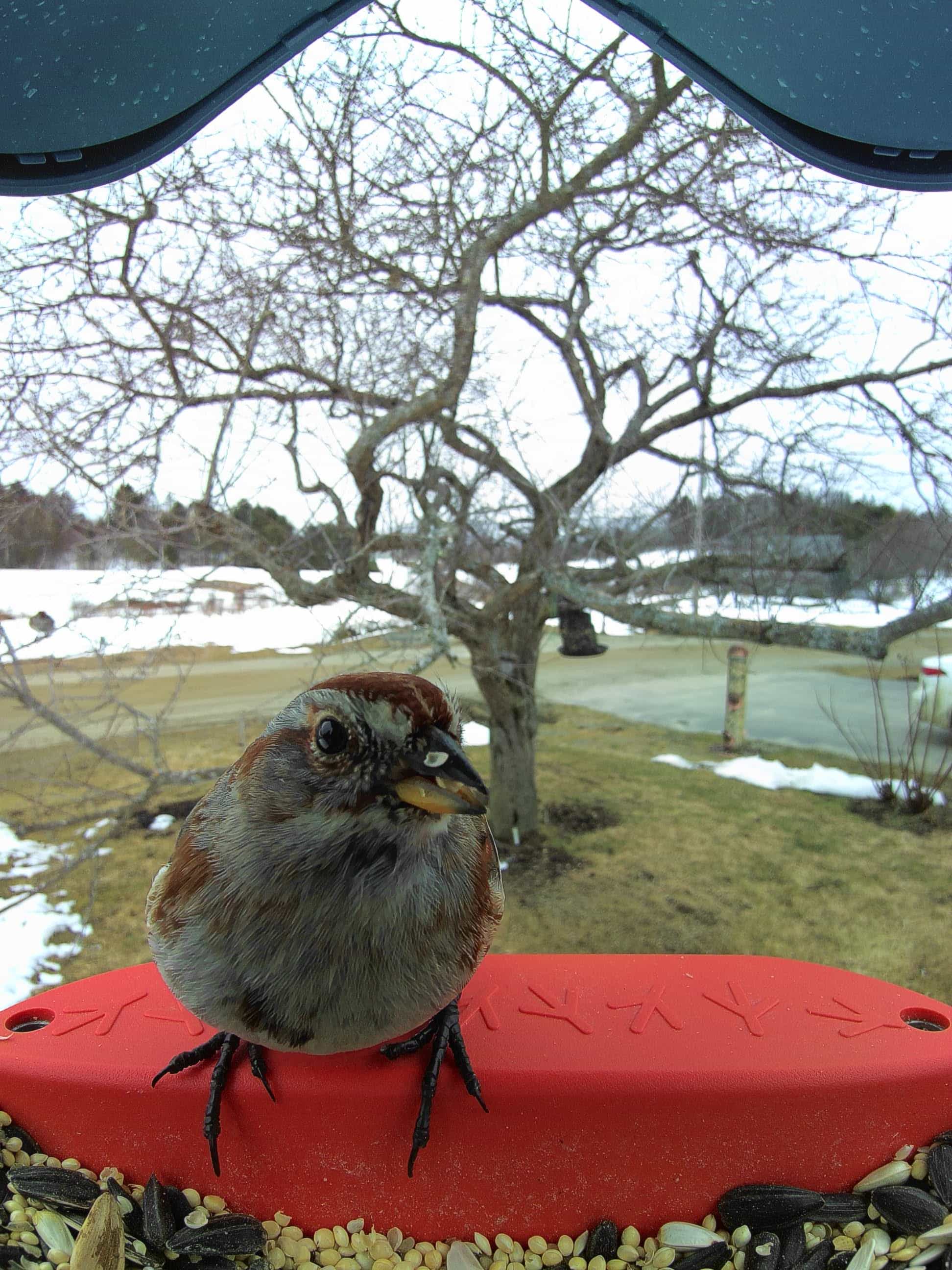
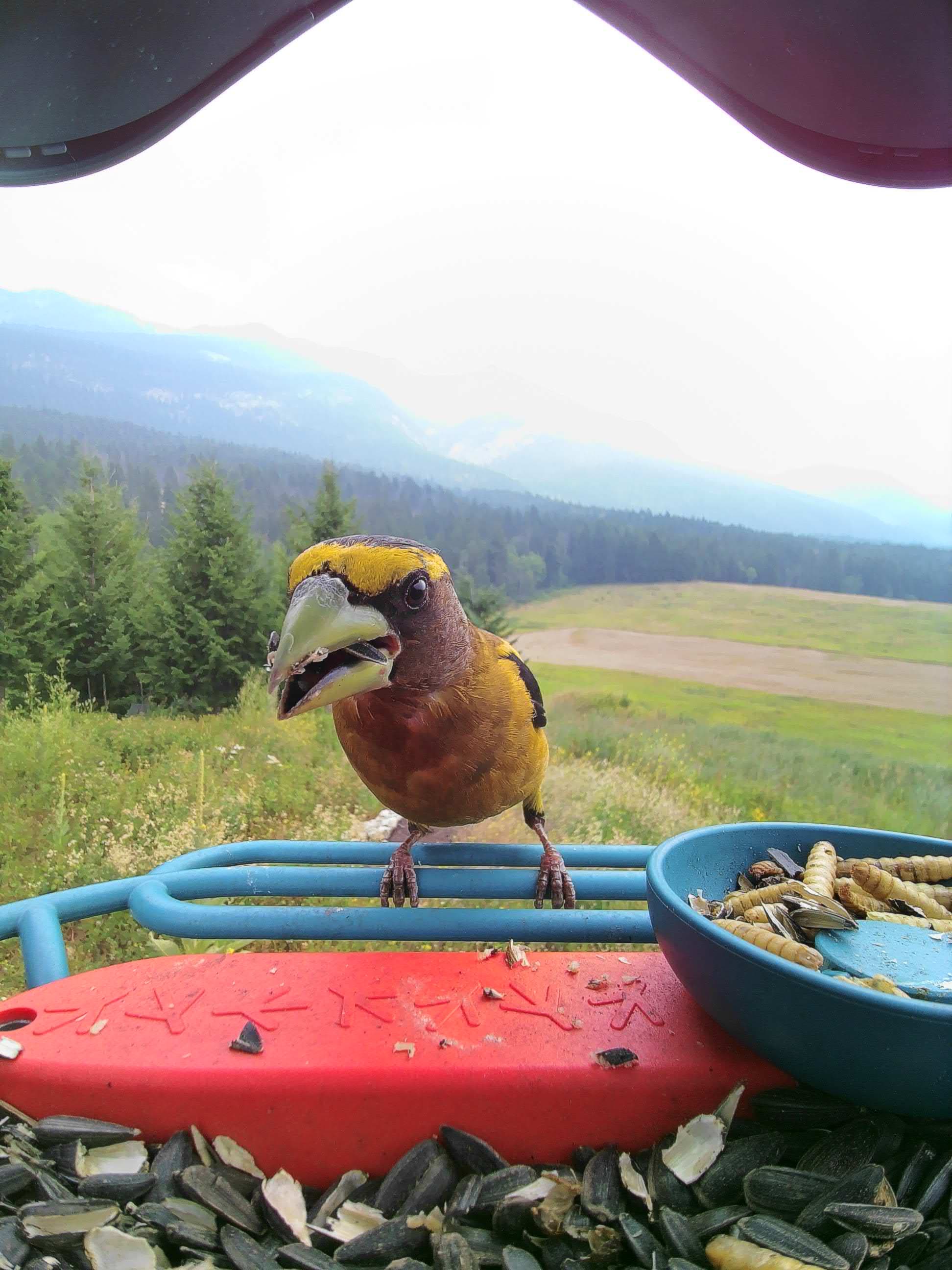
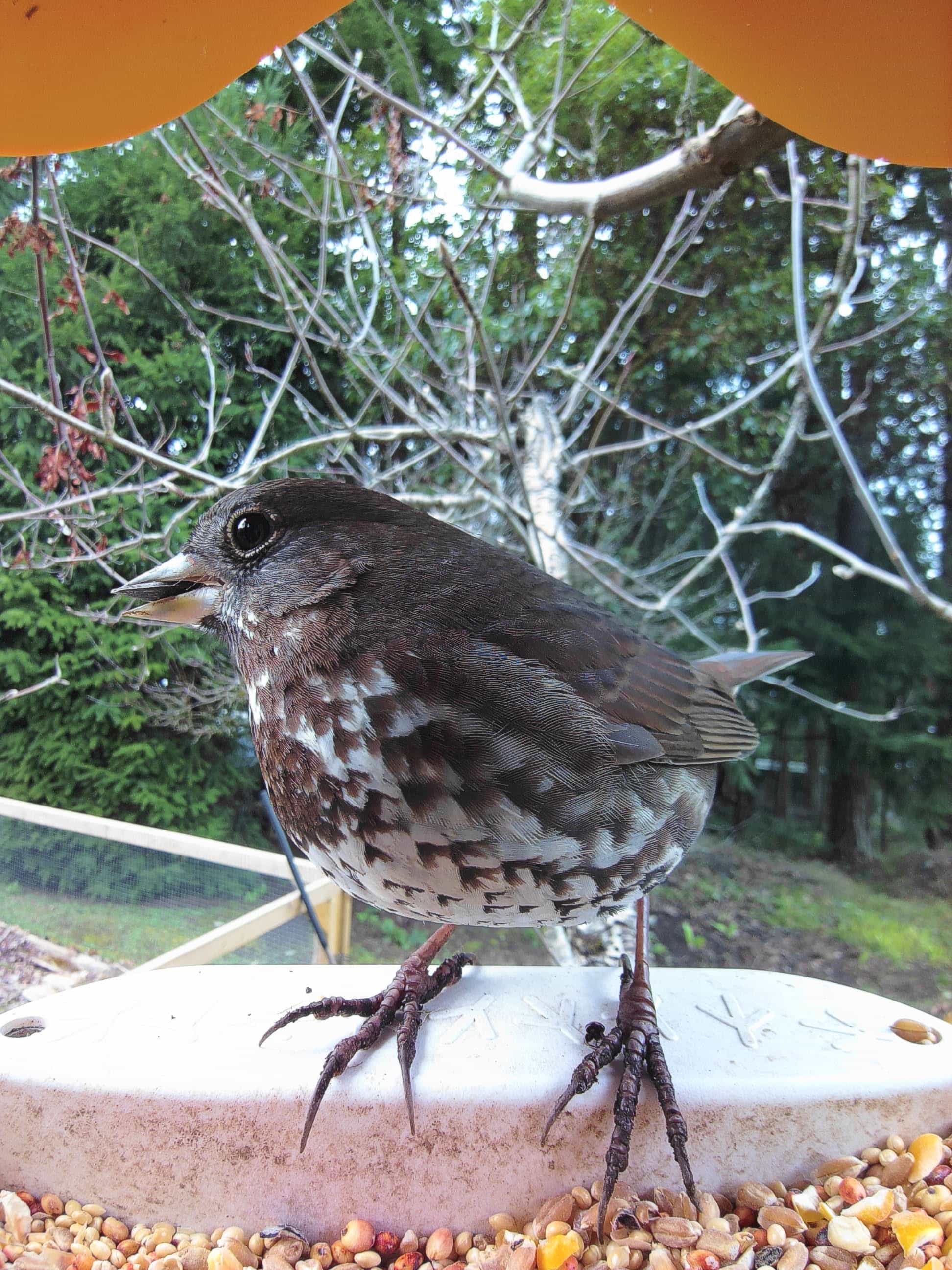
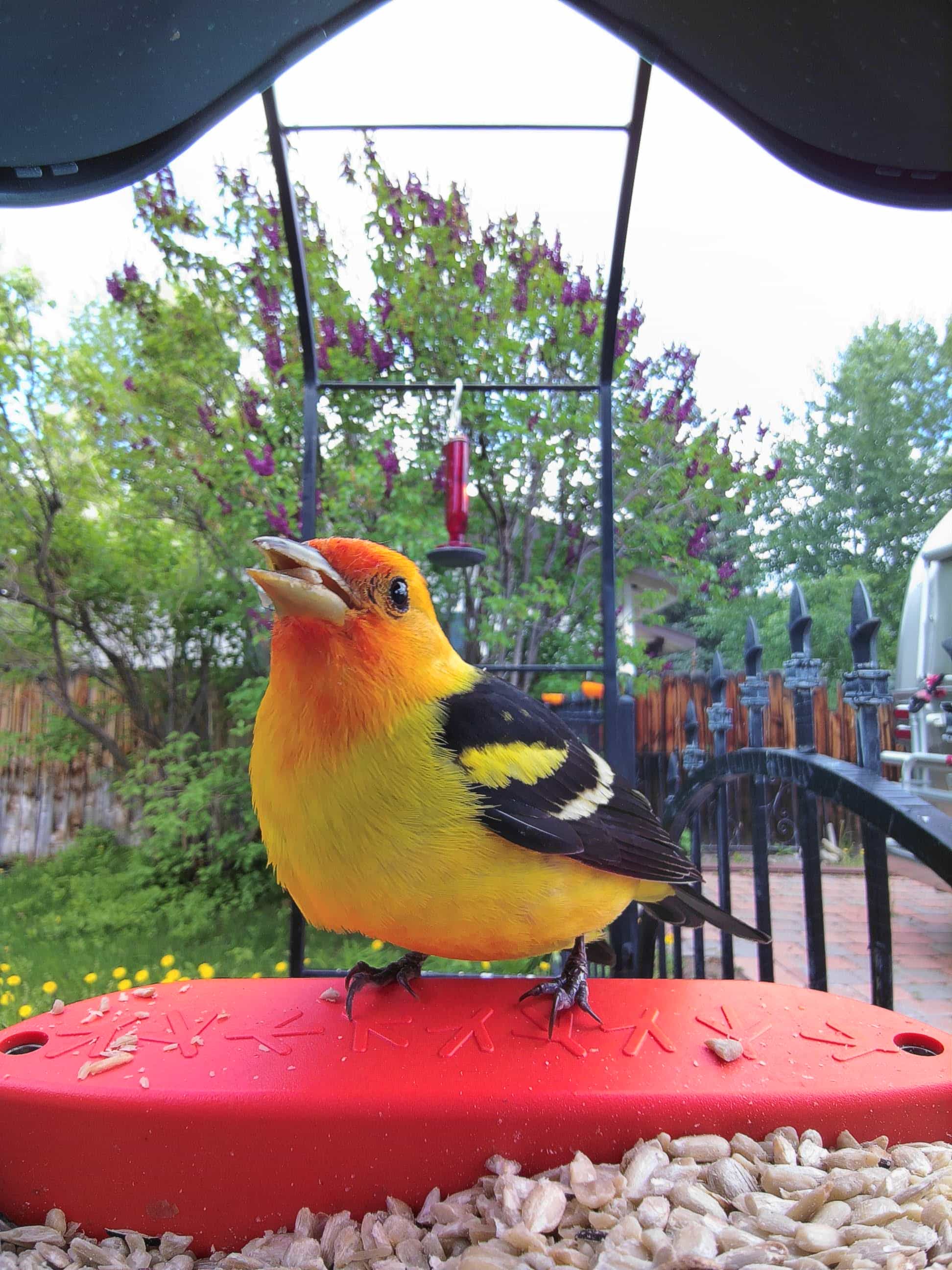
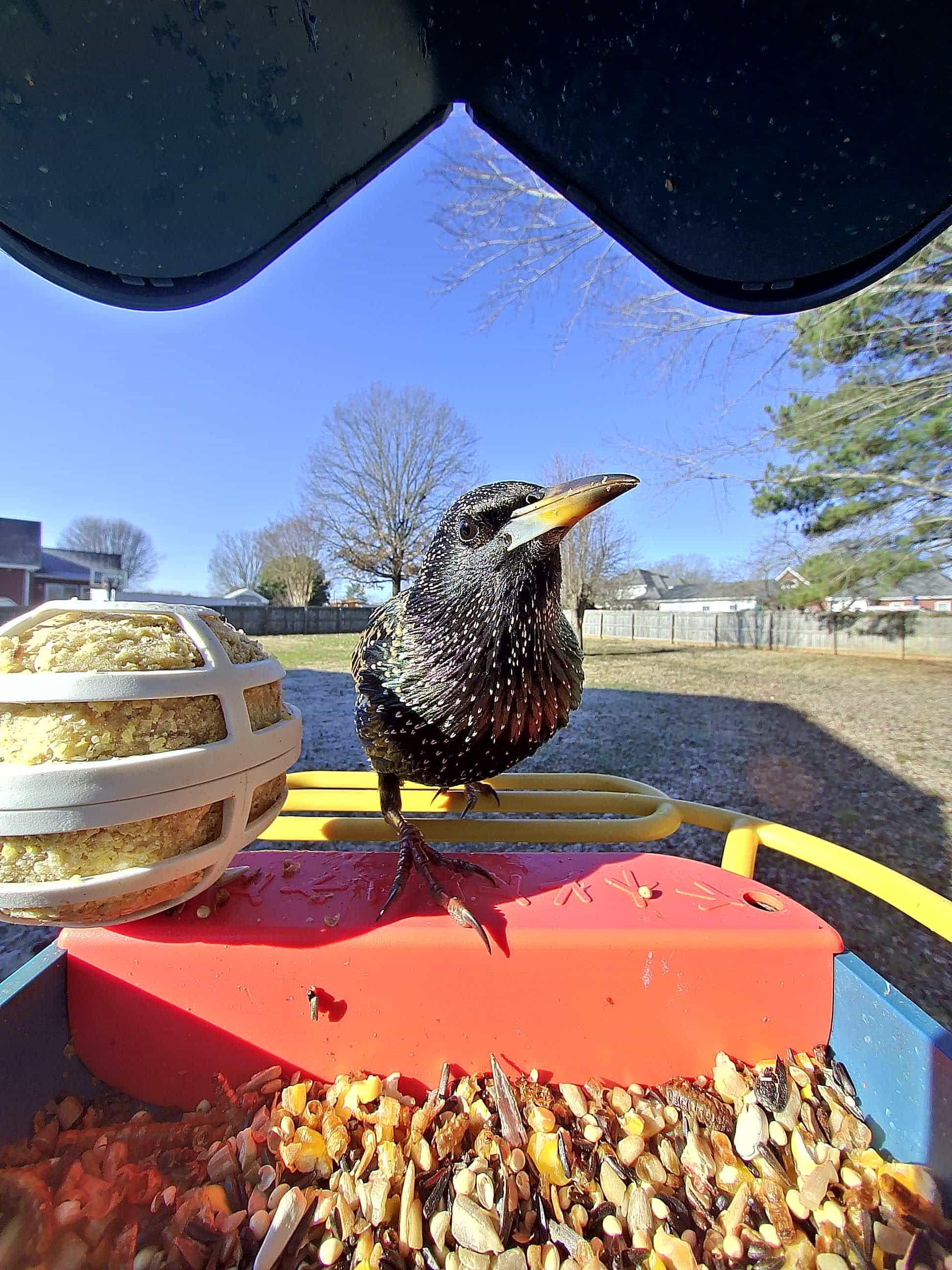
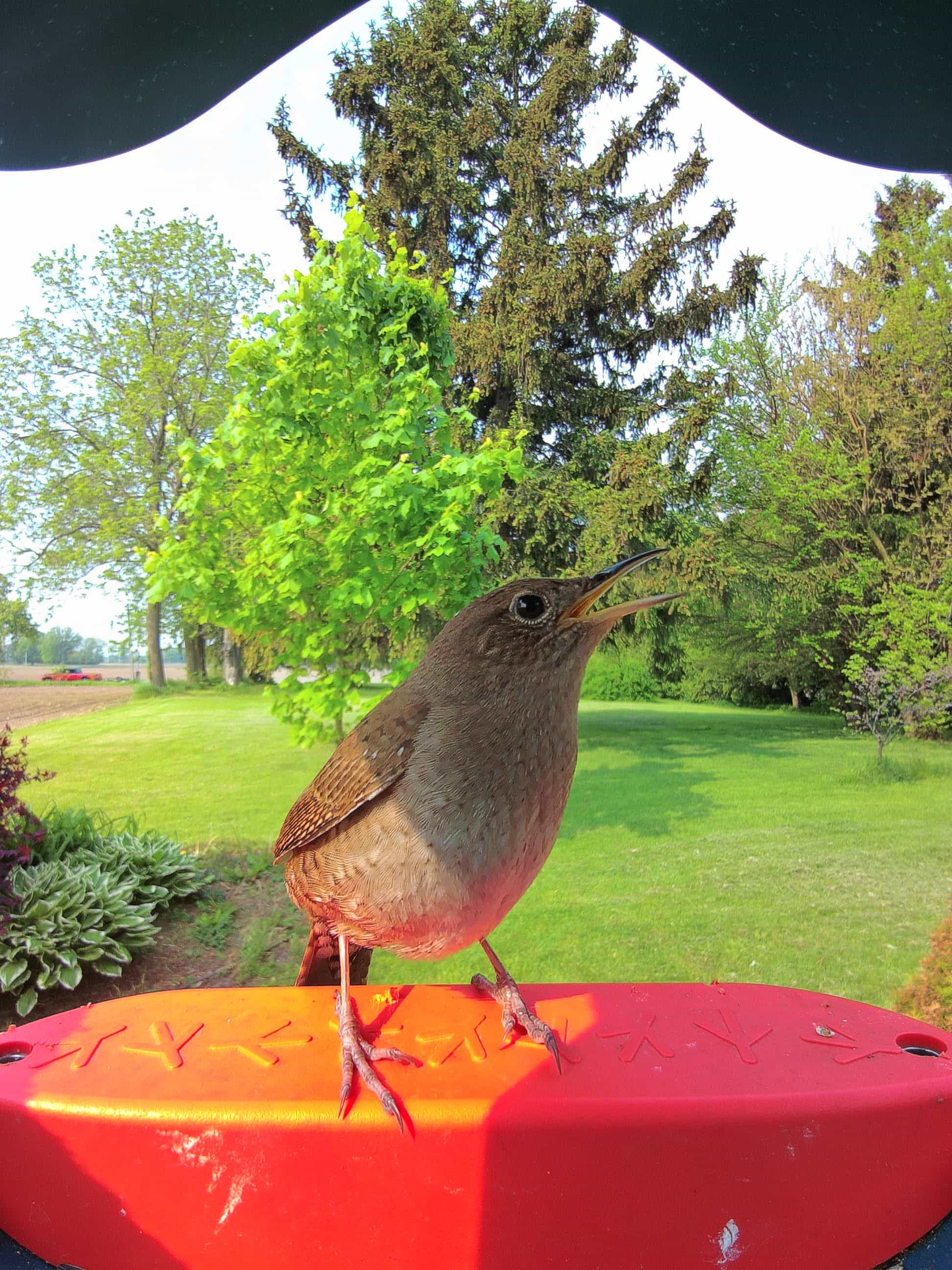
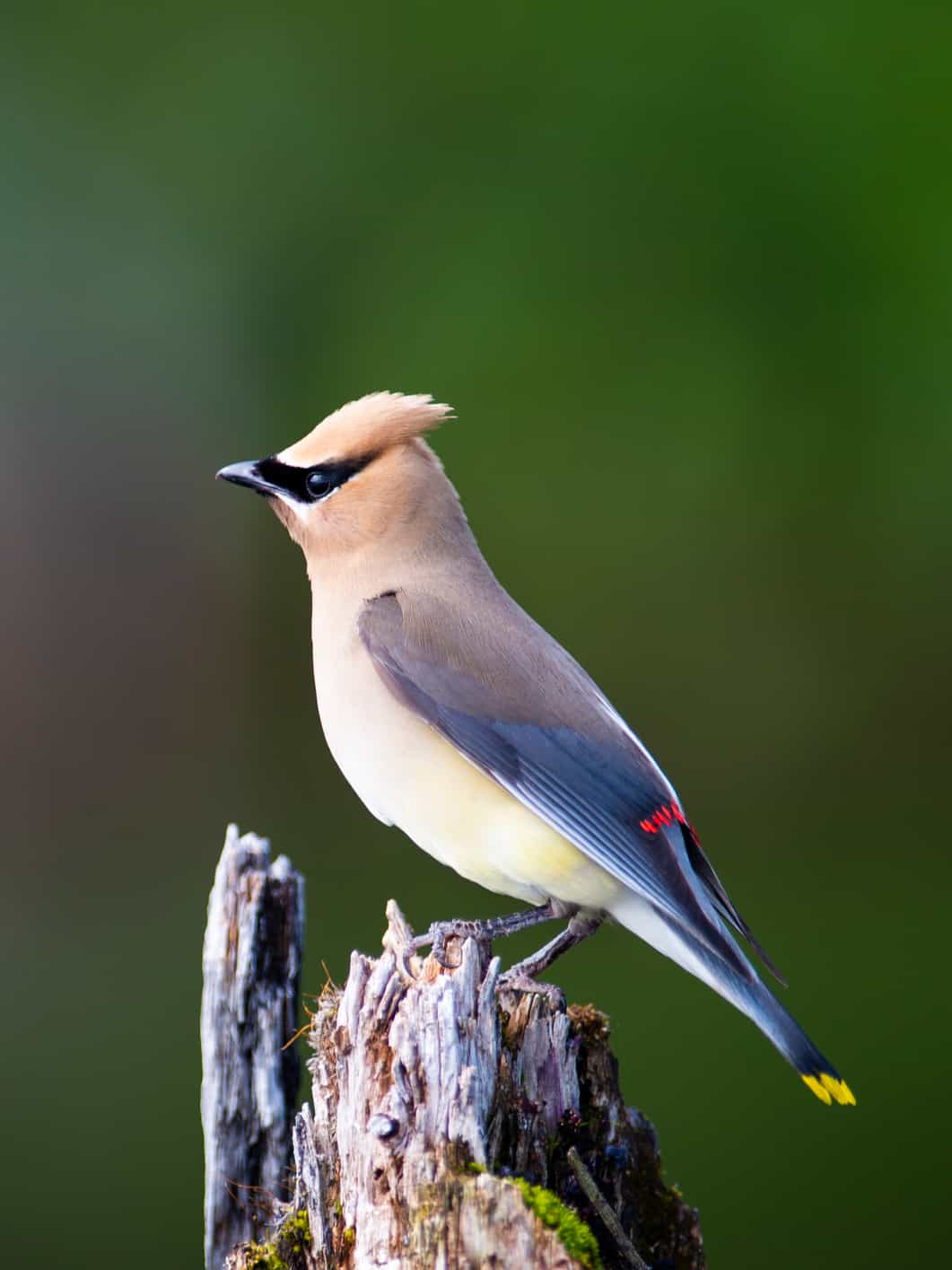
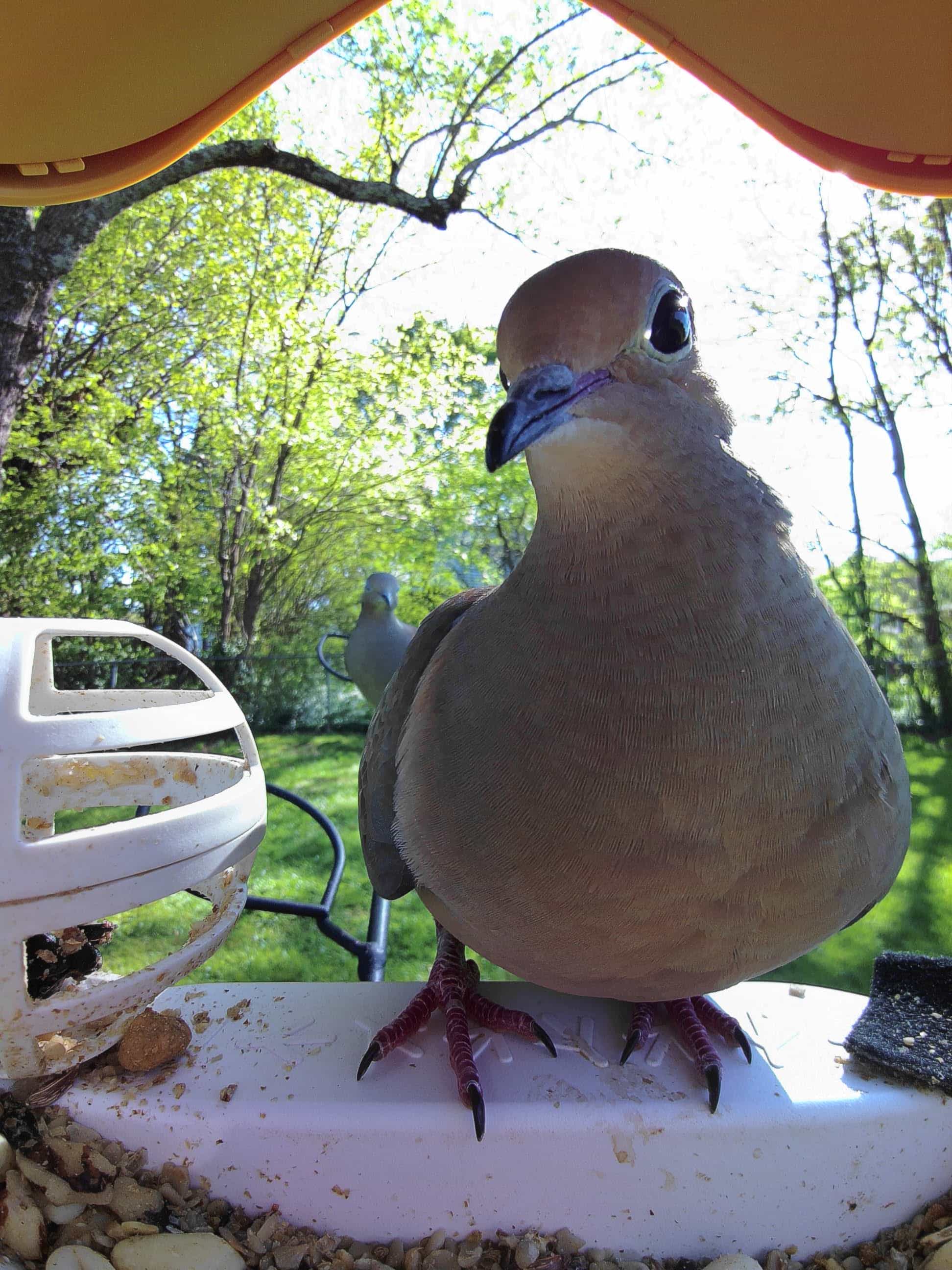
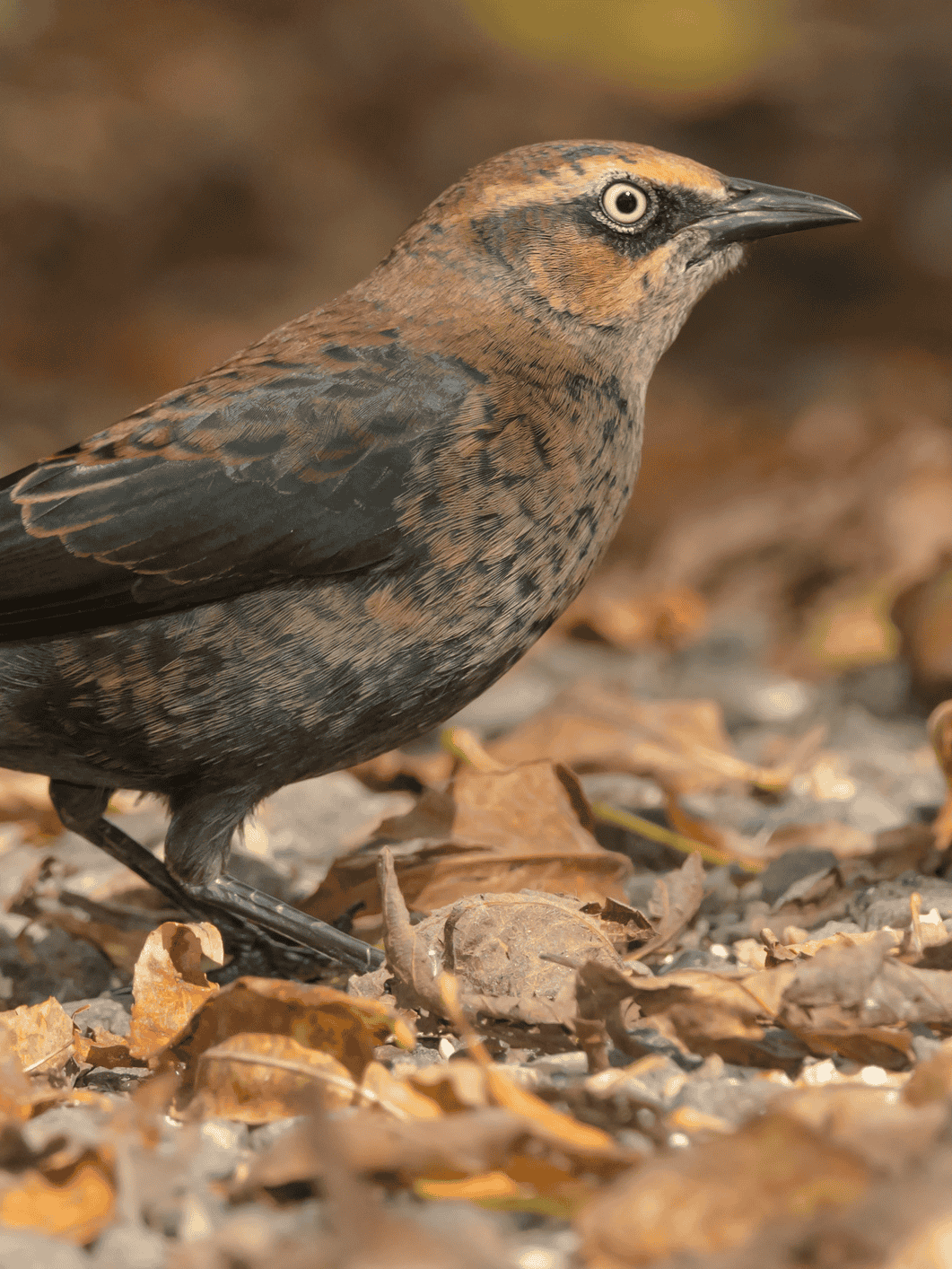
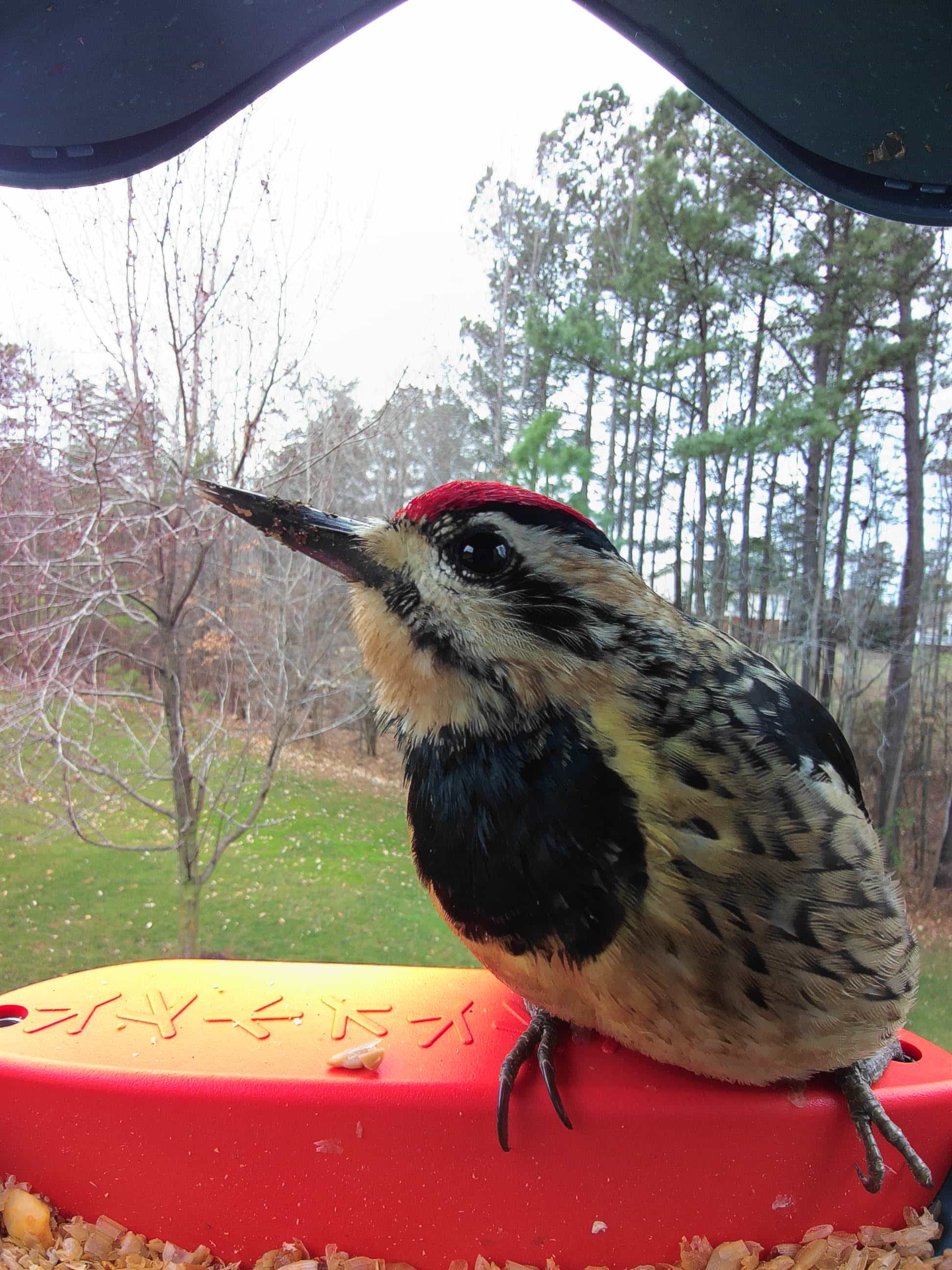
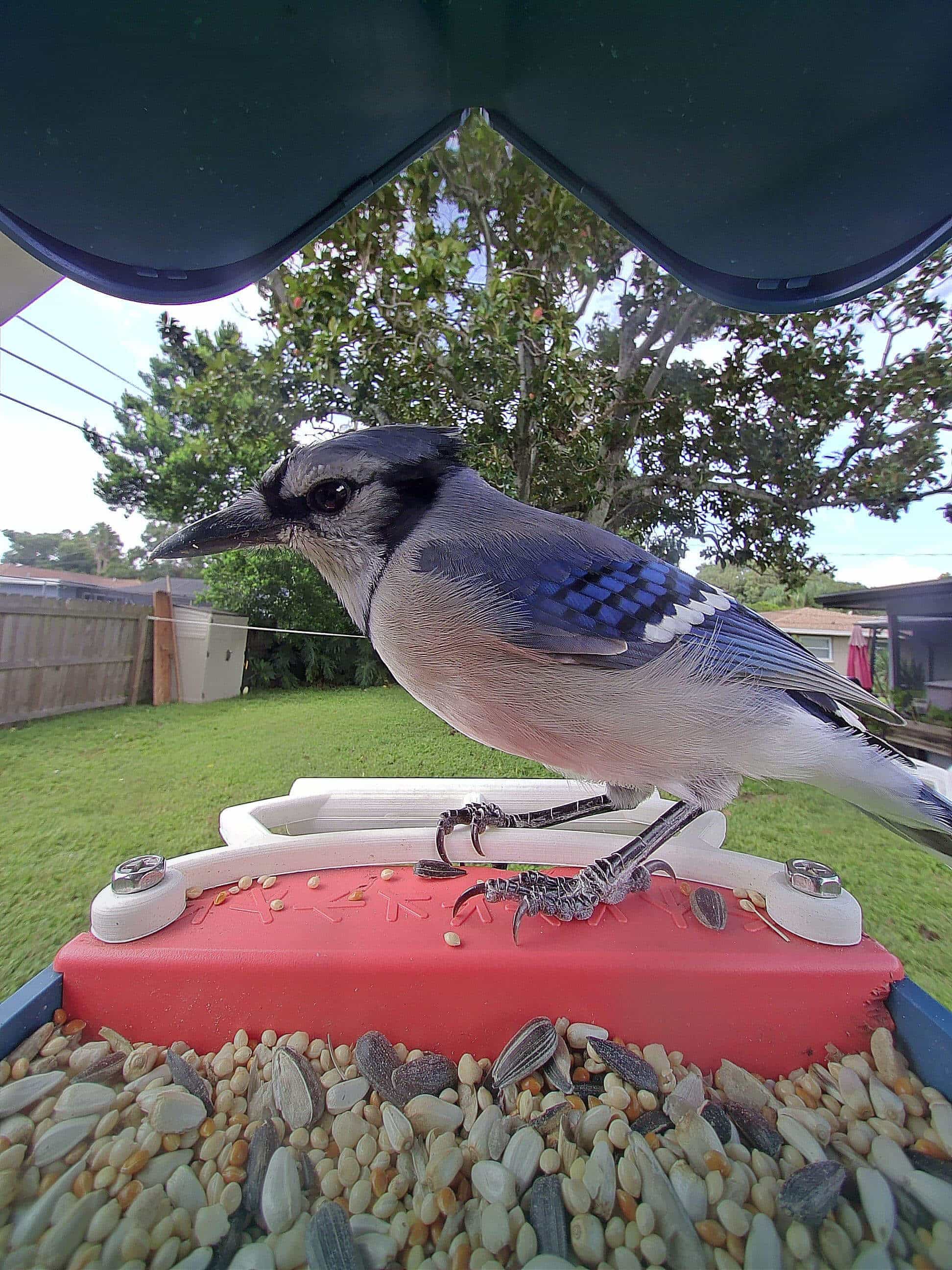
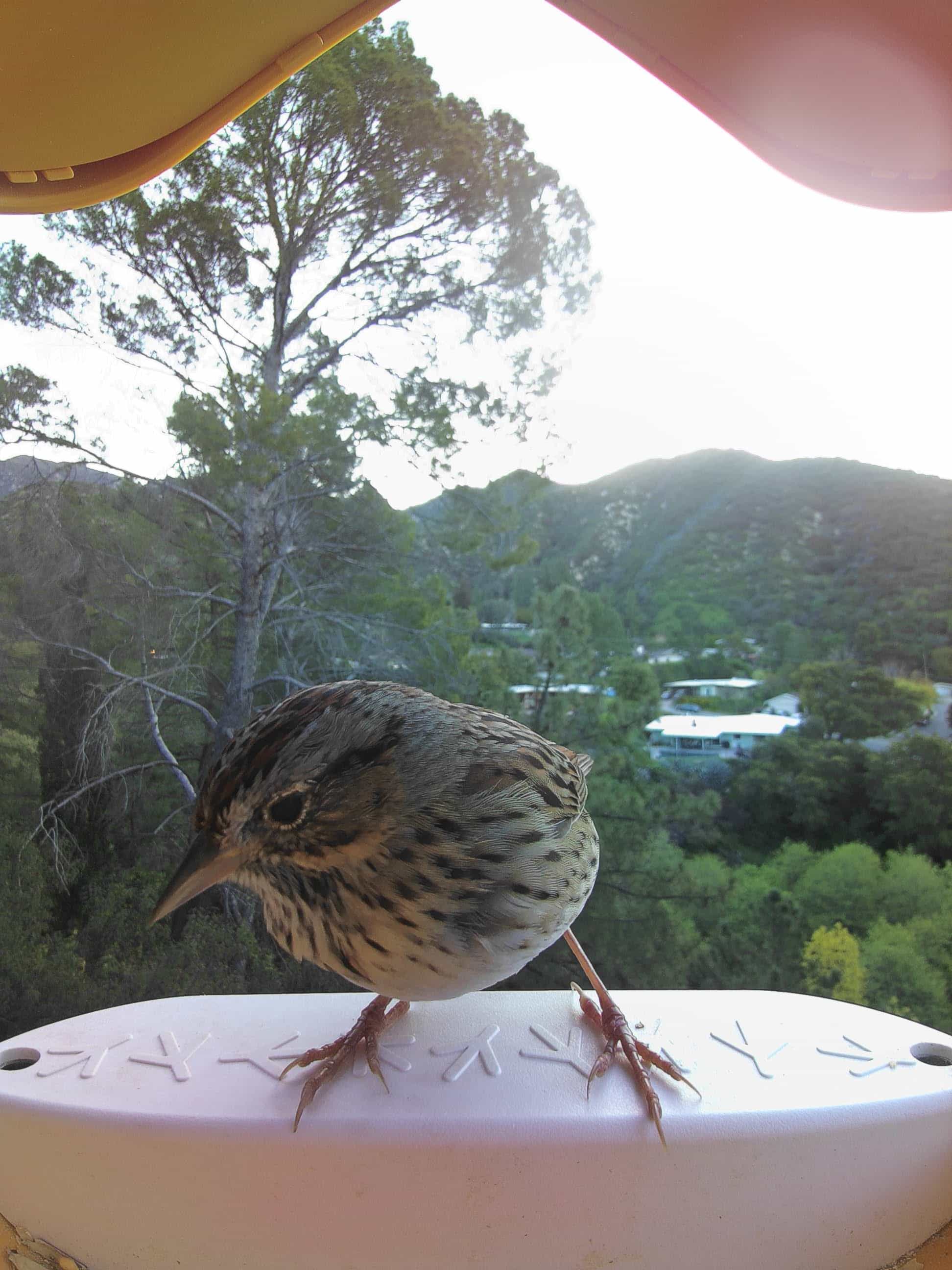
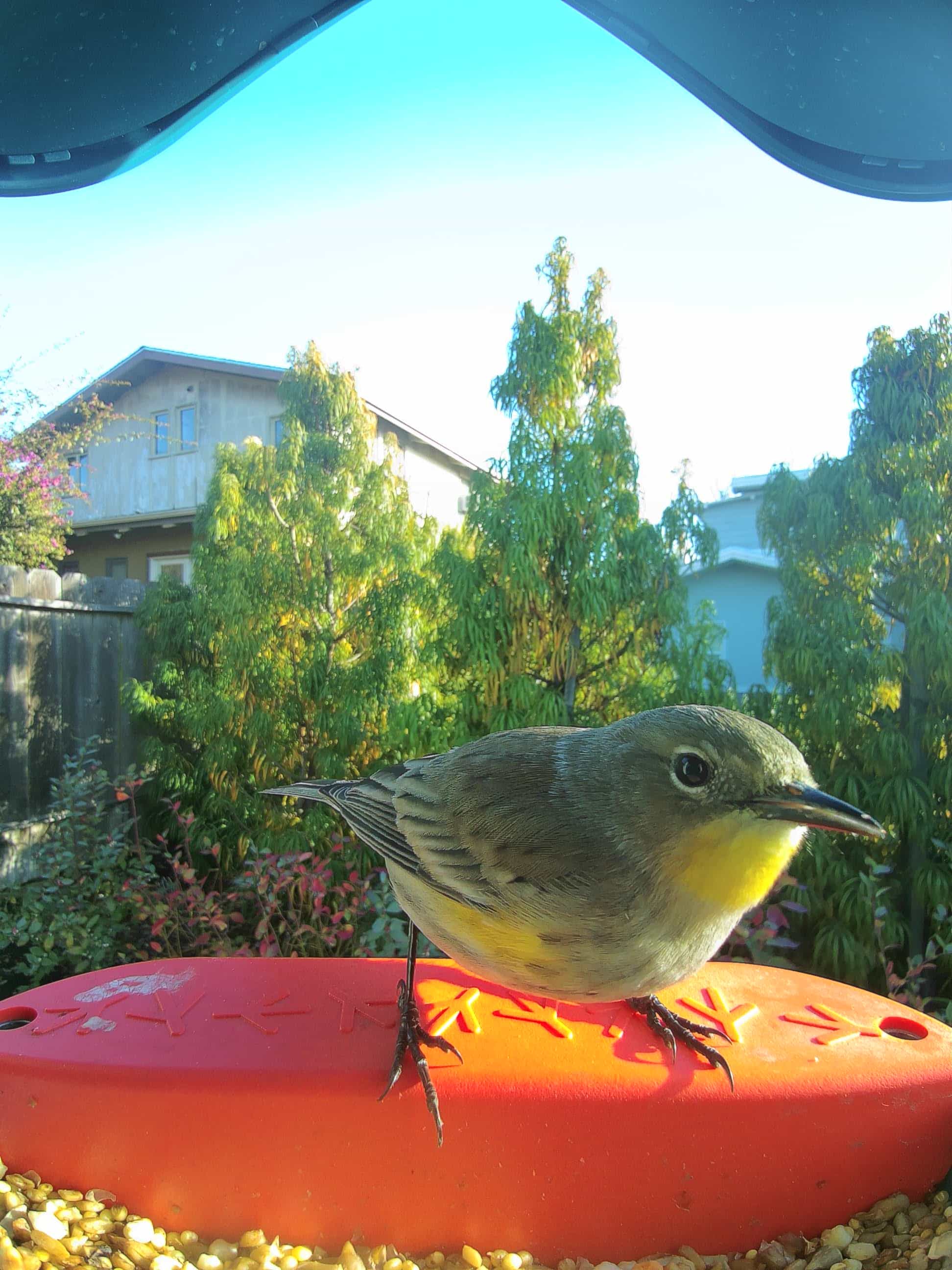
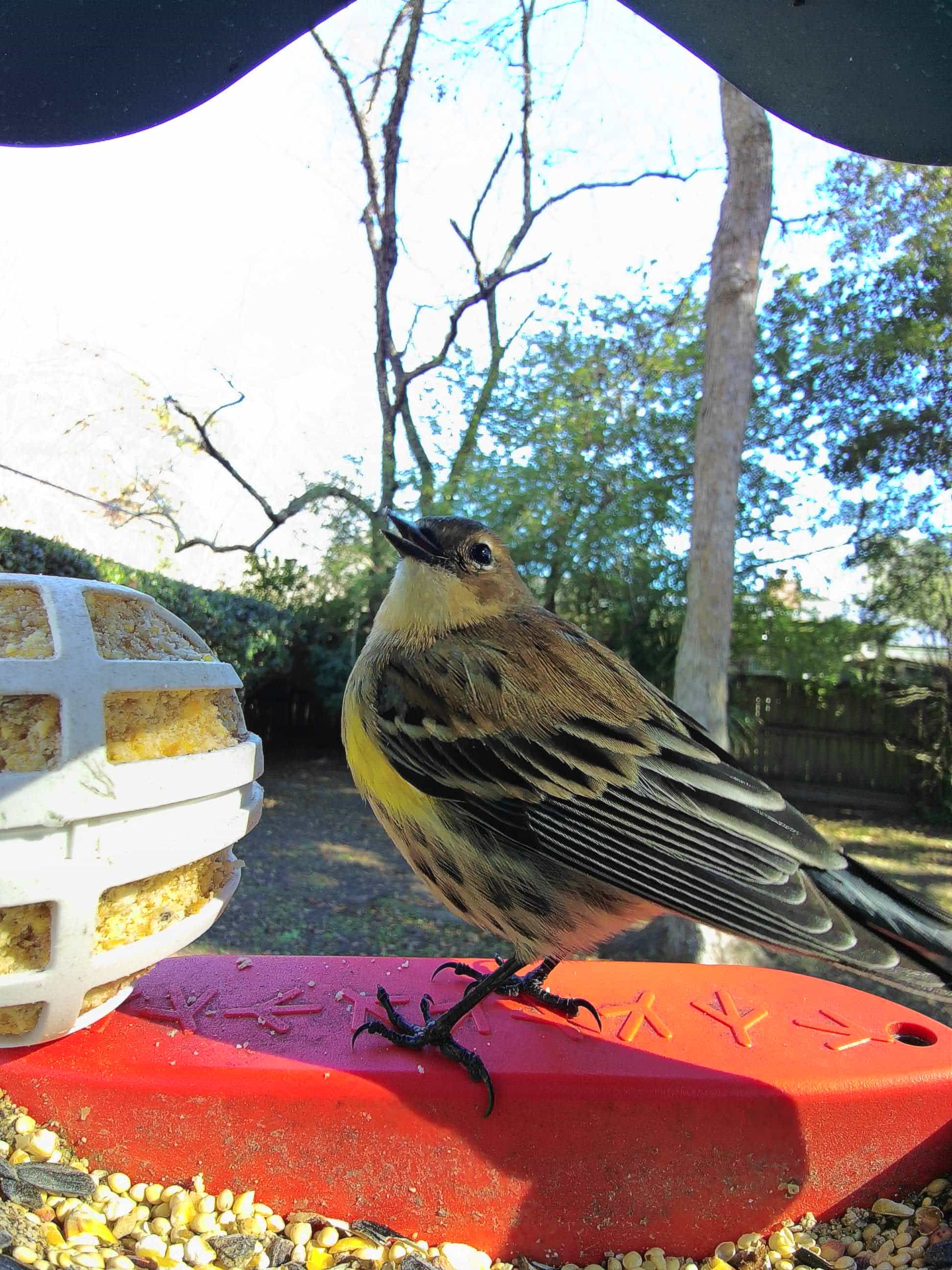
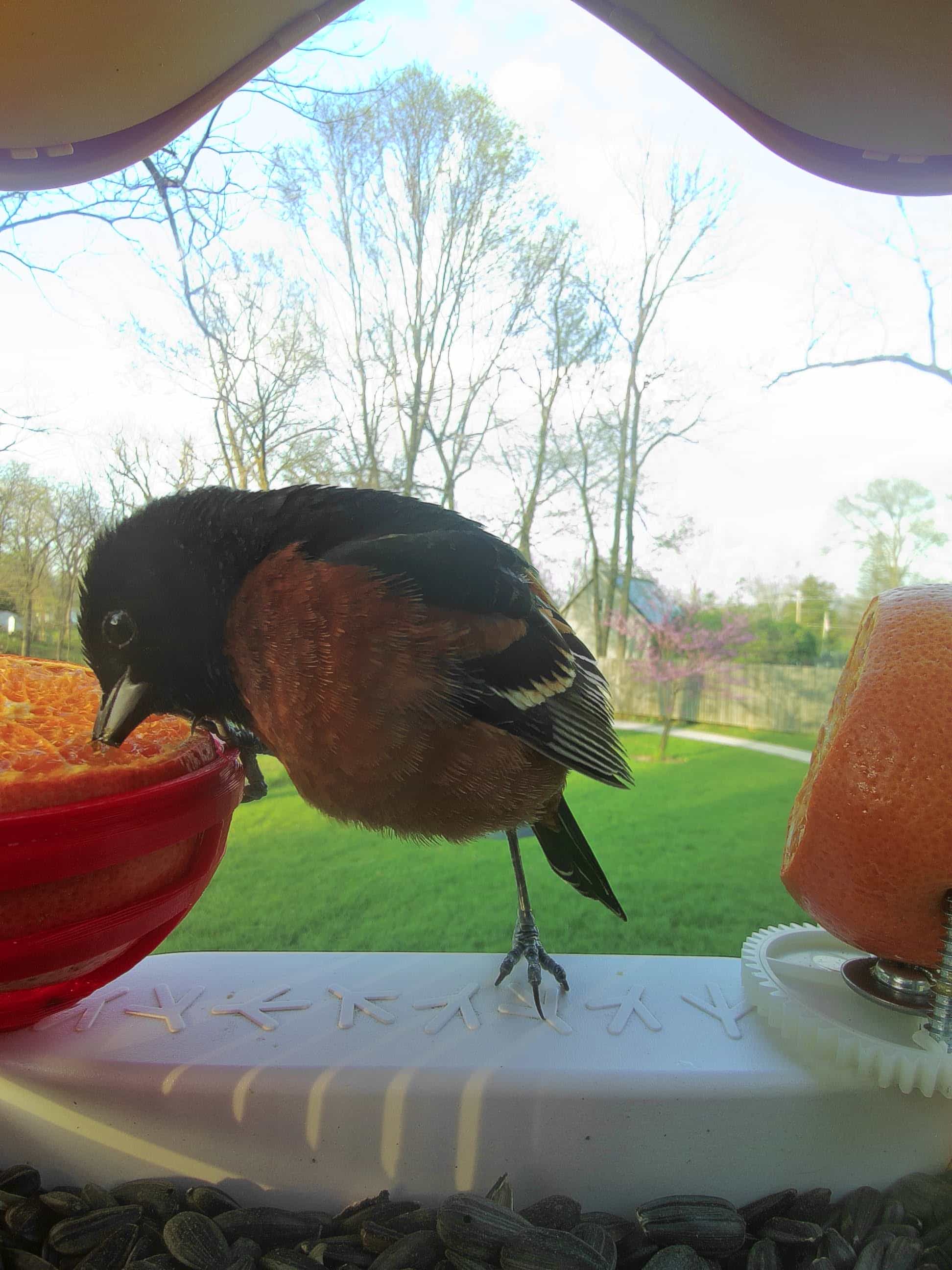
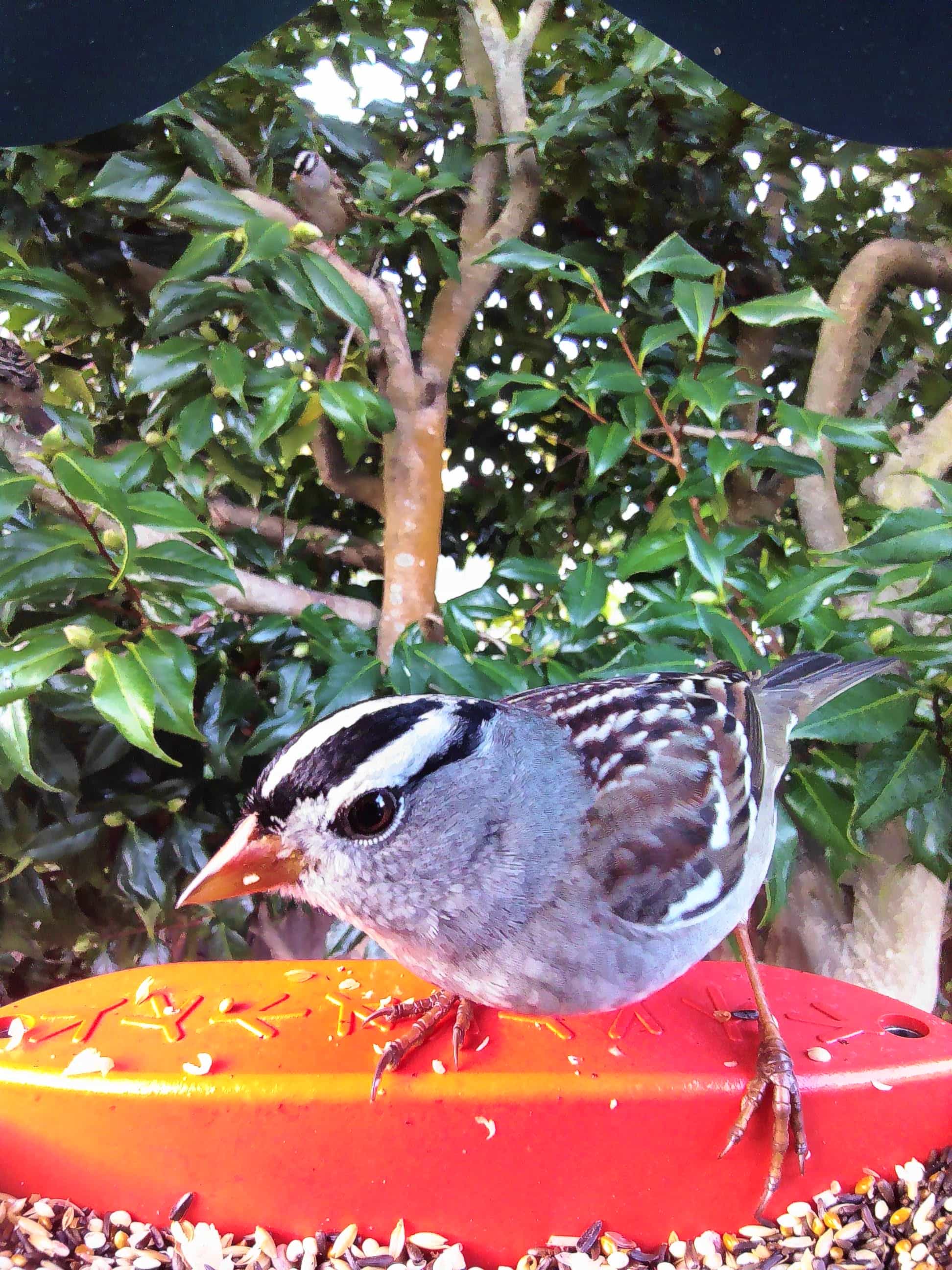
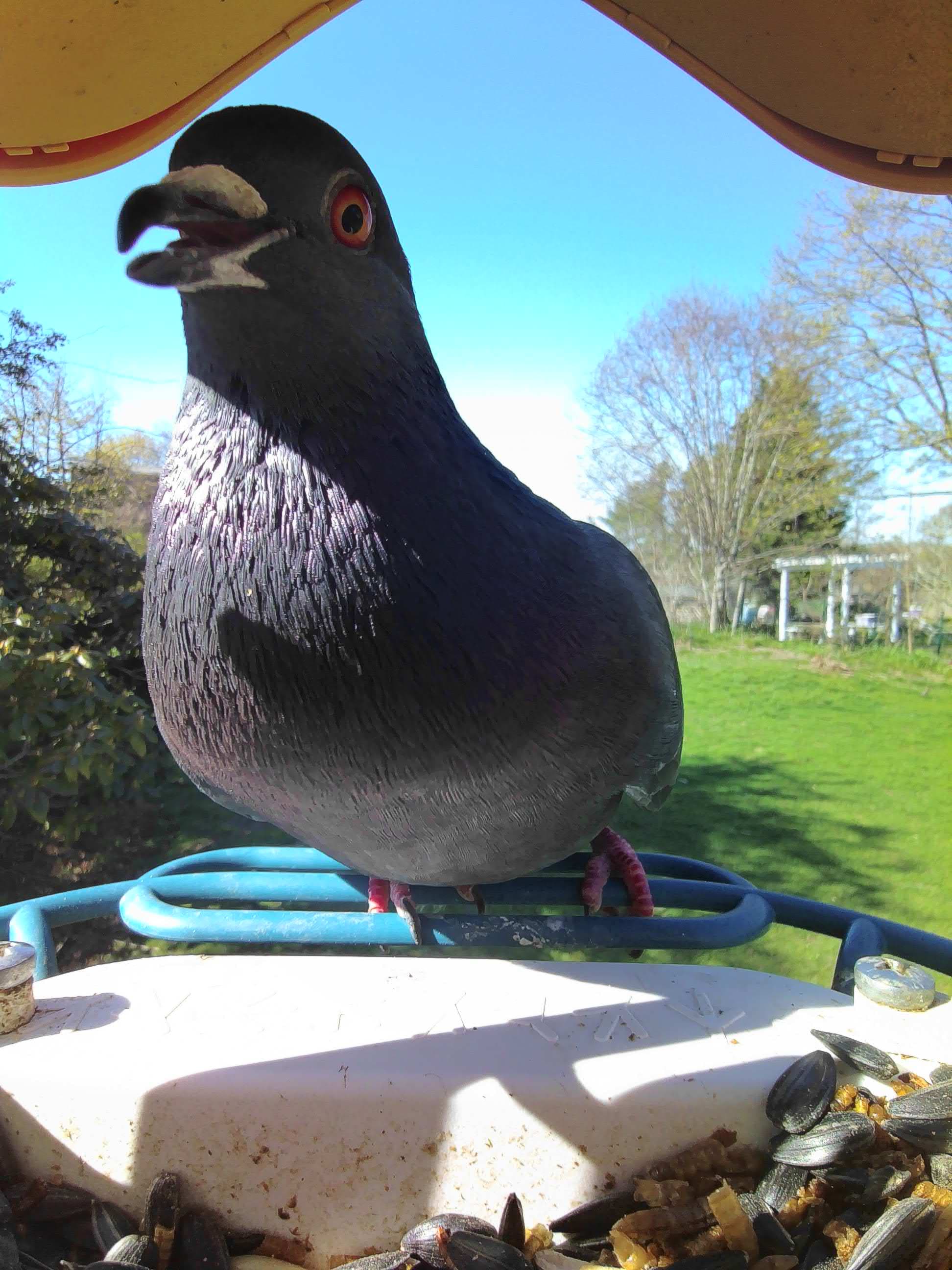
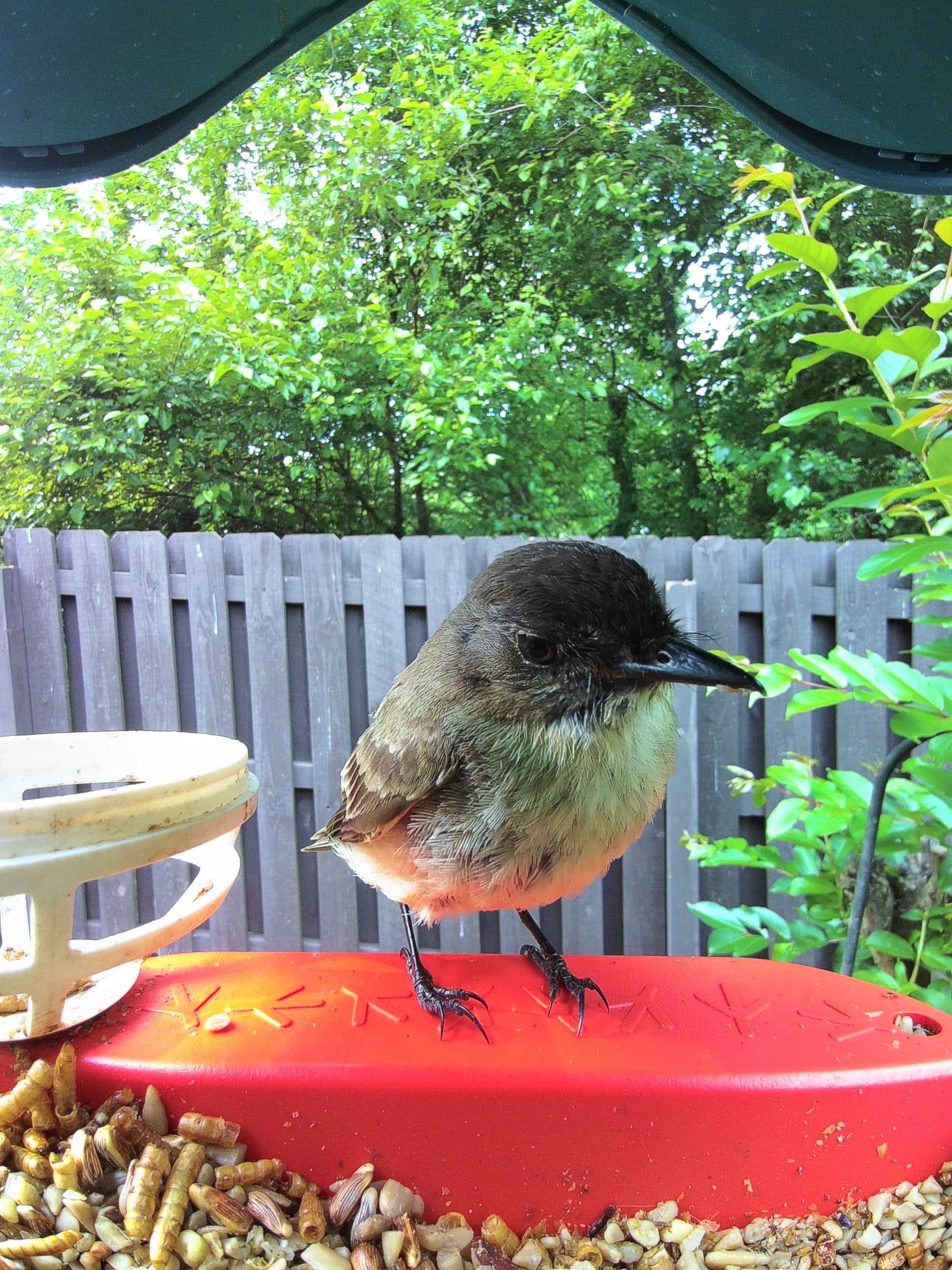
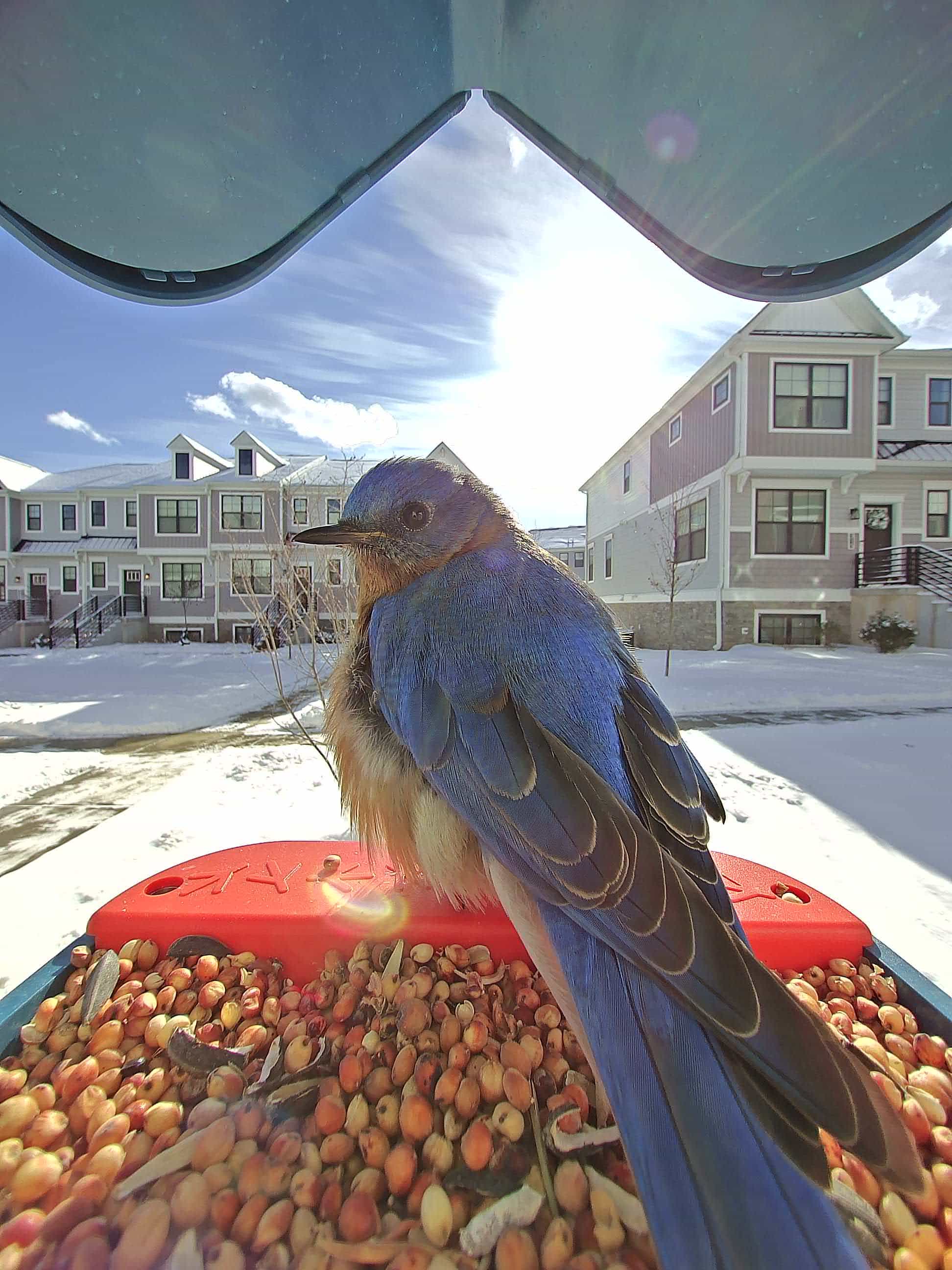
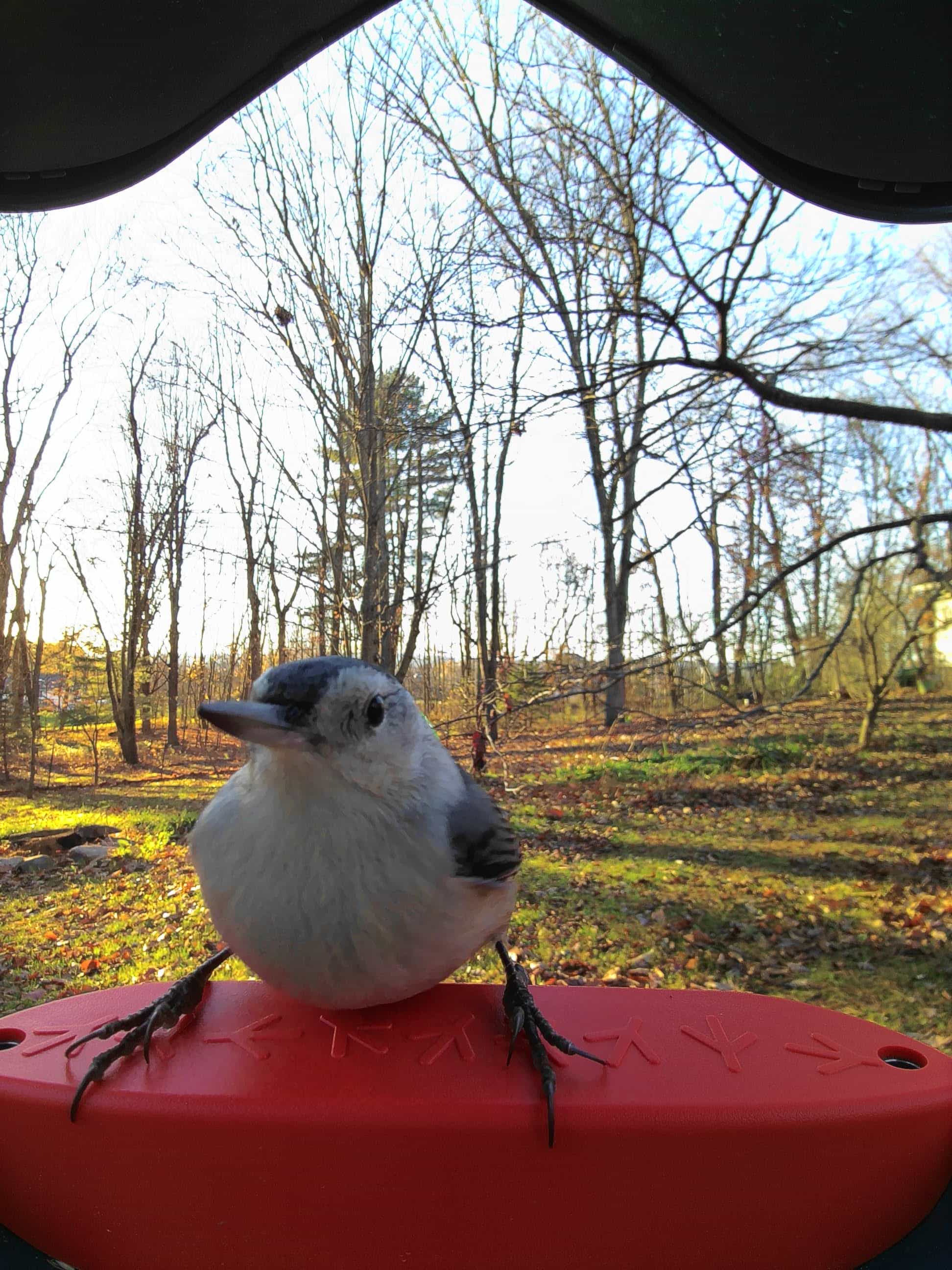
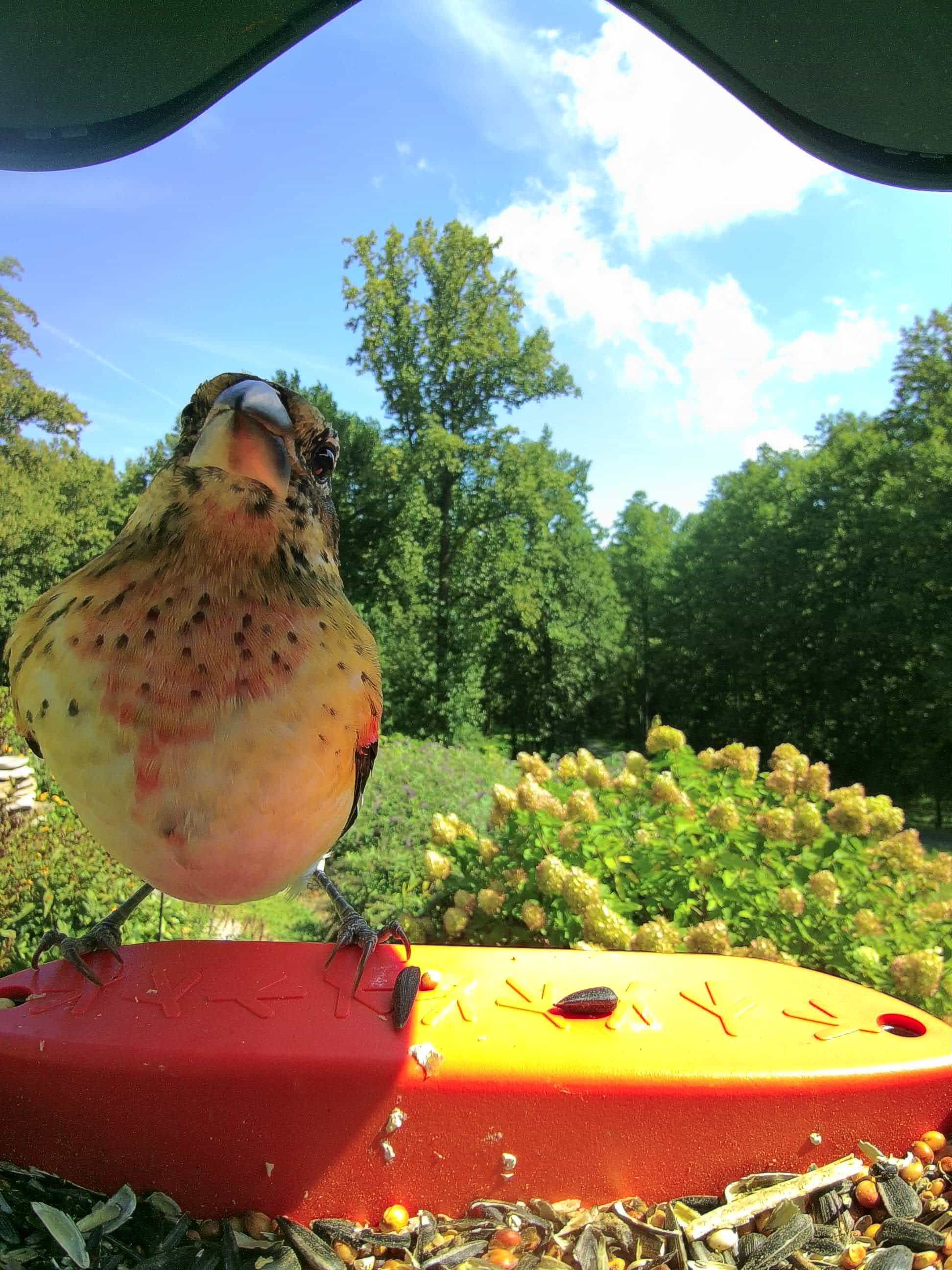
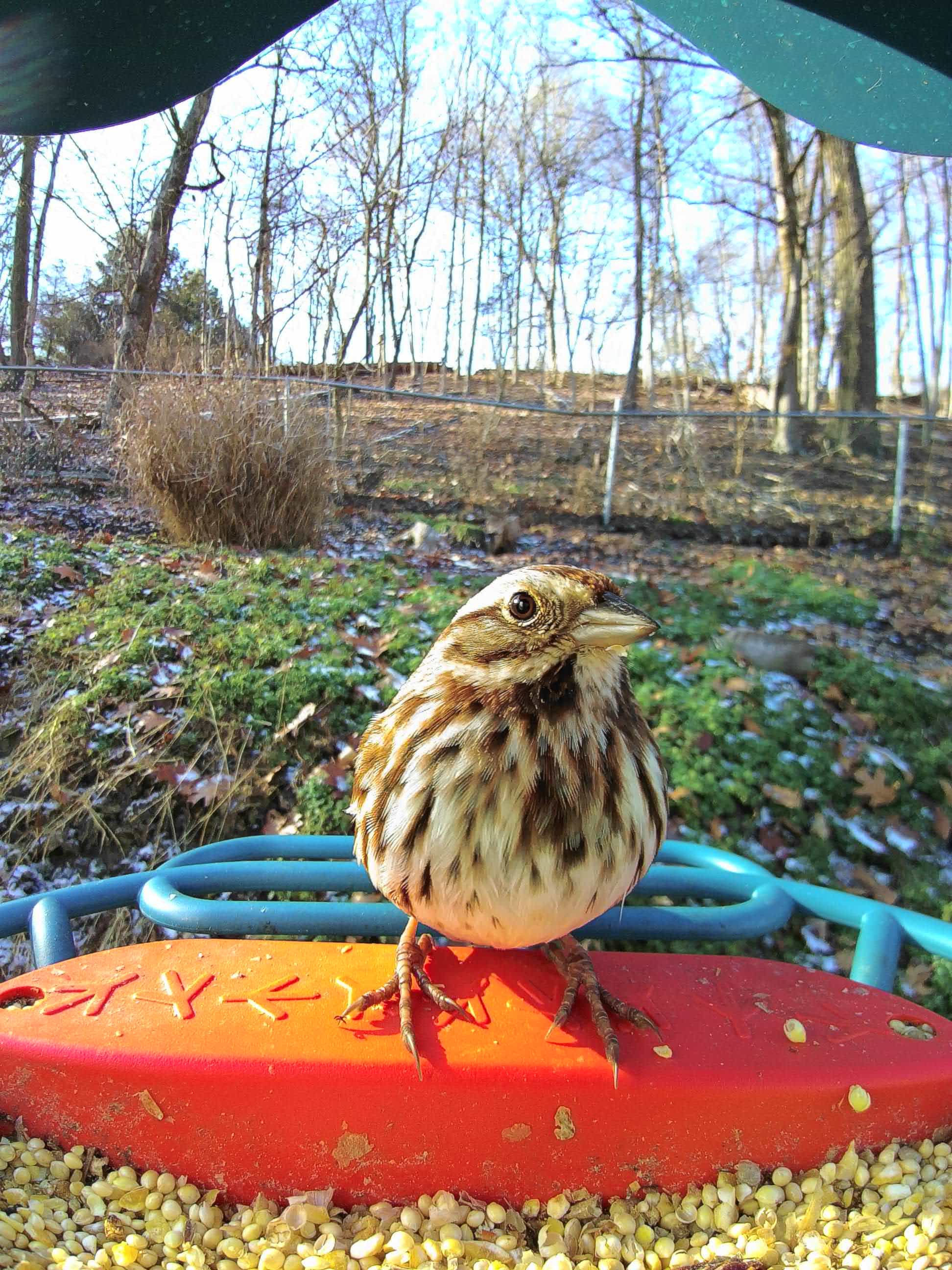
Birds seen on Birdbuddy feeders in Chapel Hill
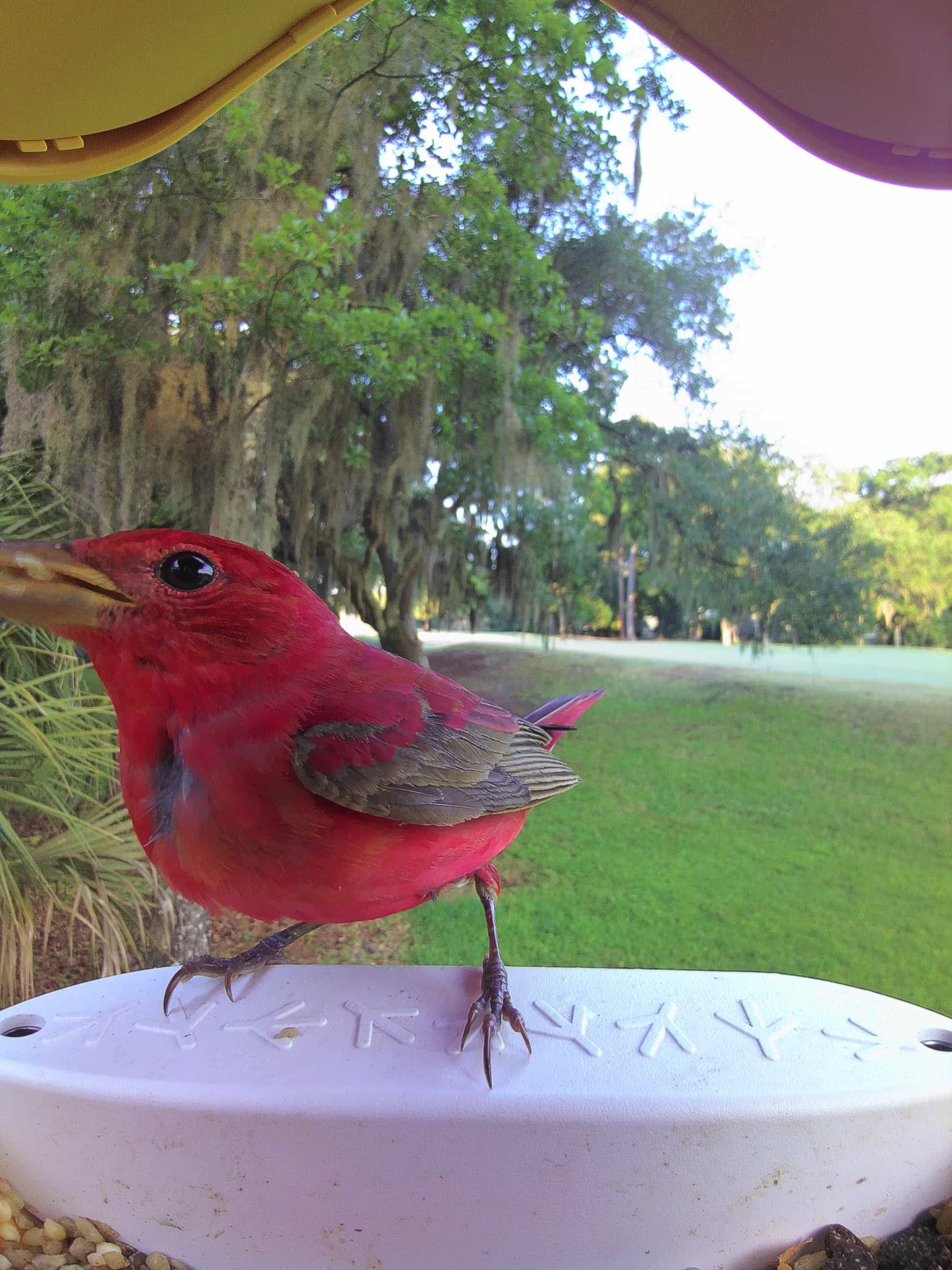
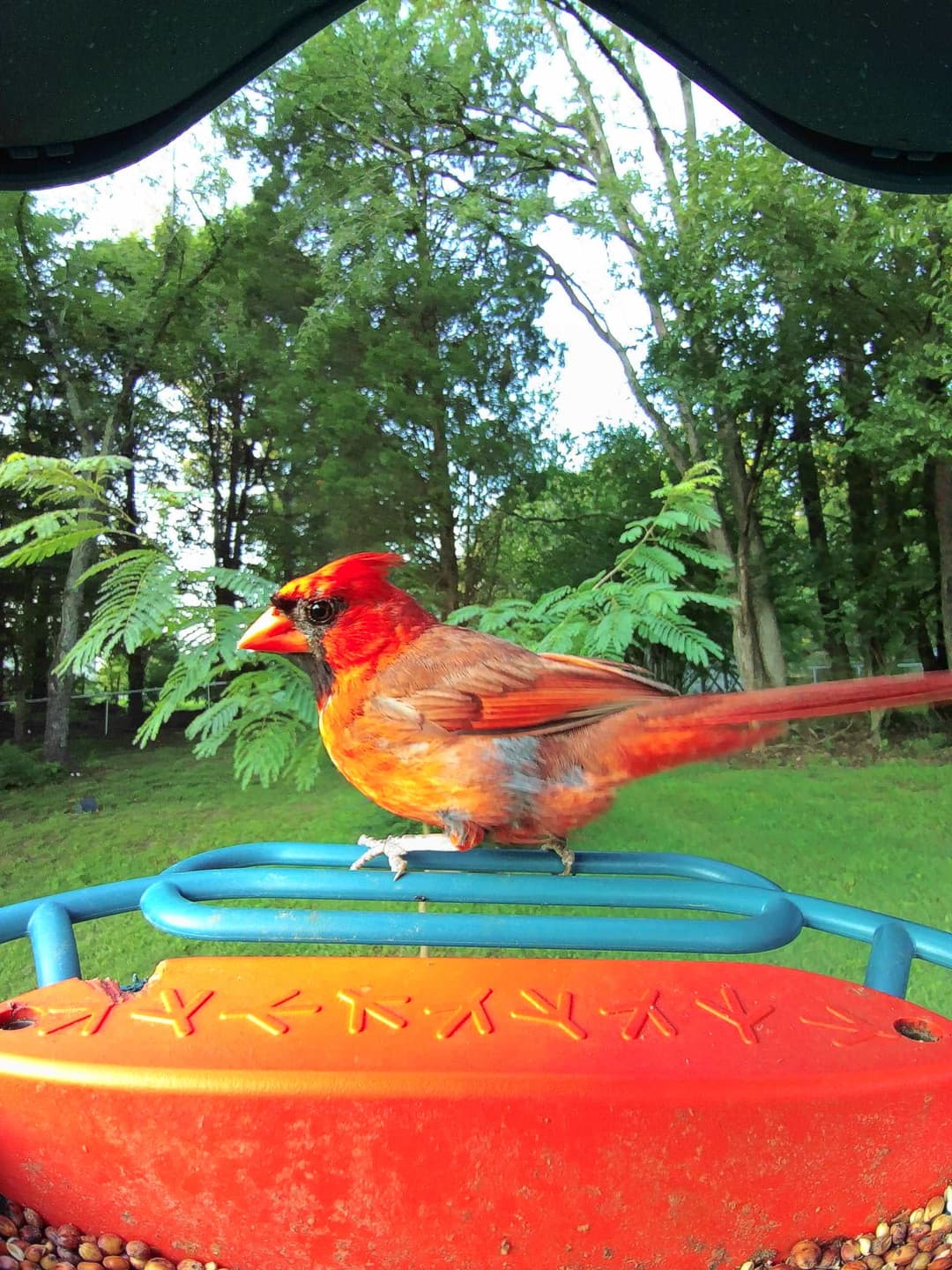
Northern Cardinal (Cardinalis cardinalis): This vibrant songbird is known for its striking red plumage, distinctive crest, and robust bill, commonly found in woodlands, gardens, and shrublands across North America.
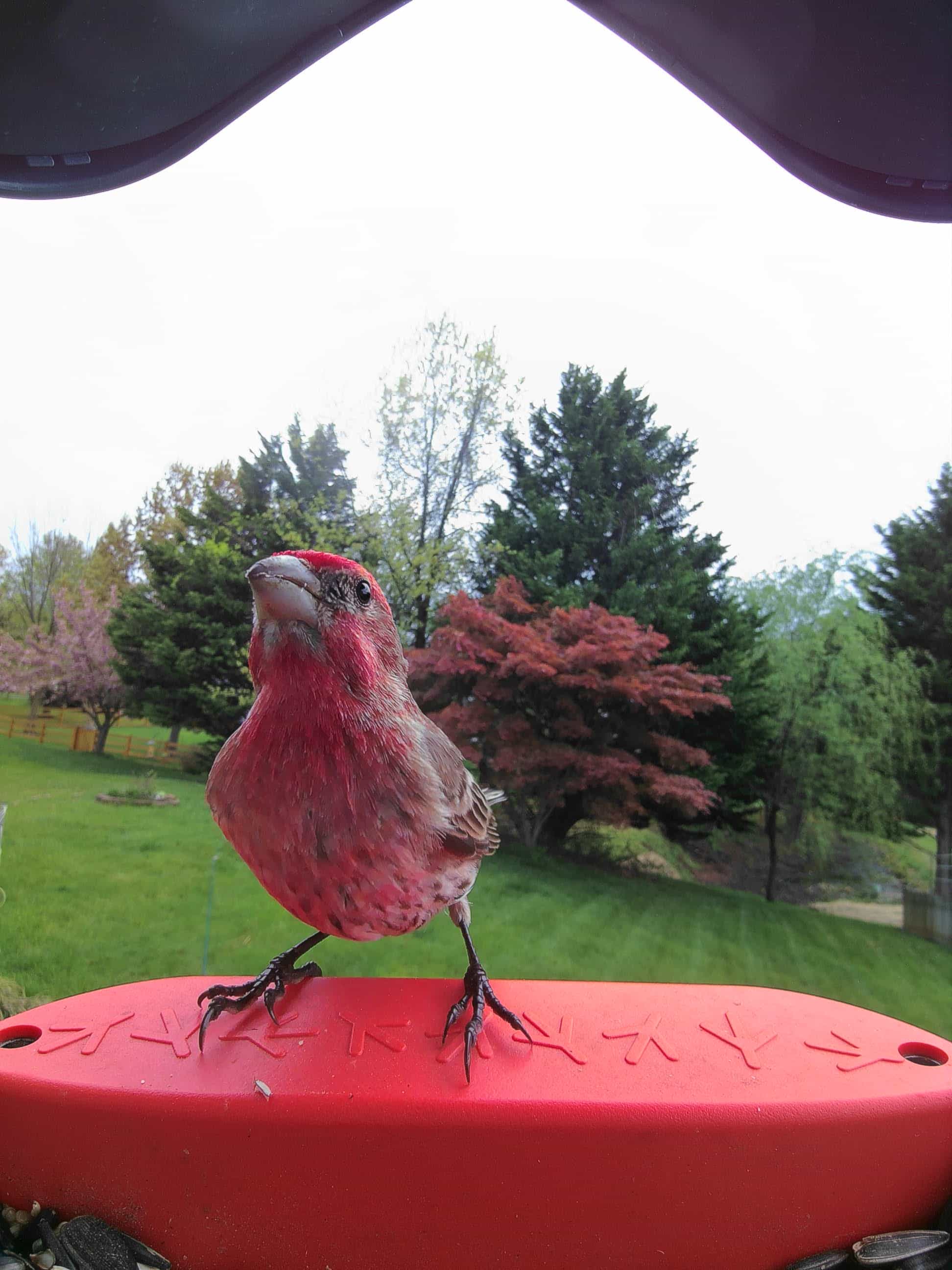
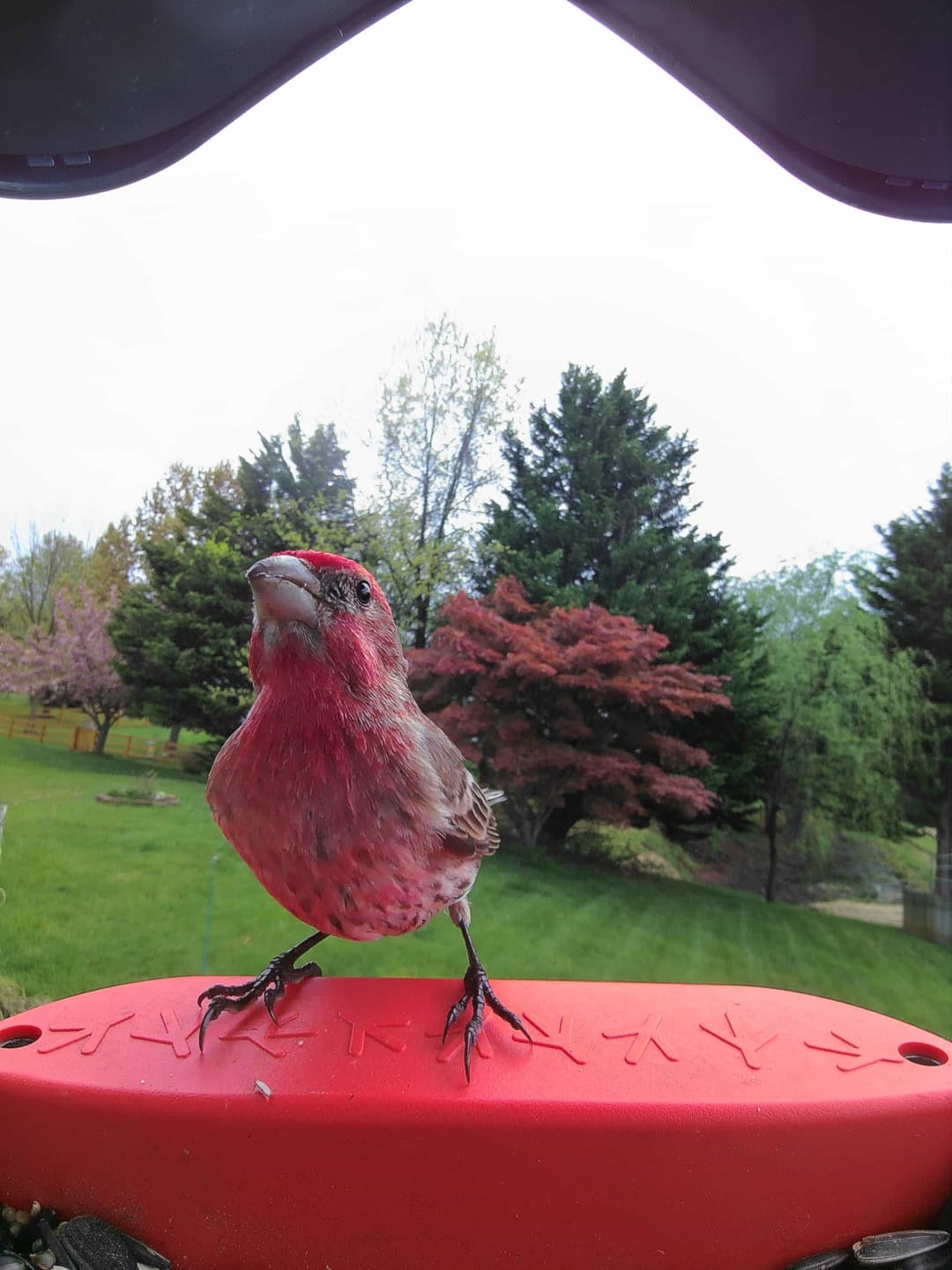
House Finch (Haemorhous mexicanus): A small, adaptable bird native to North America, it has a vibrant red head and breast in males, streaky brown plumage in females, and a cheerful, warbling song often heard in urban and suburban areas.
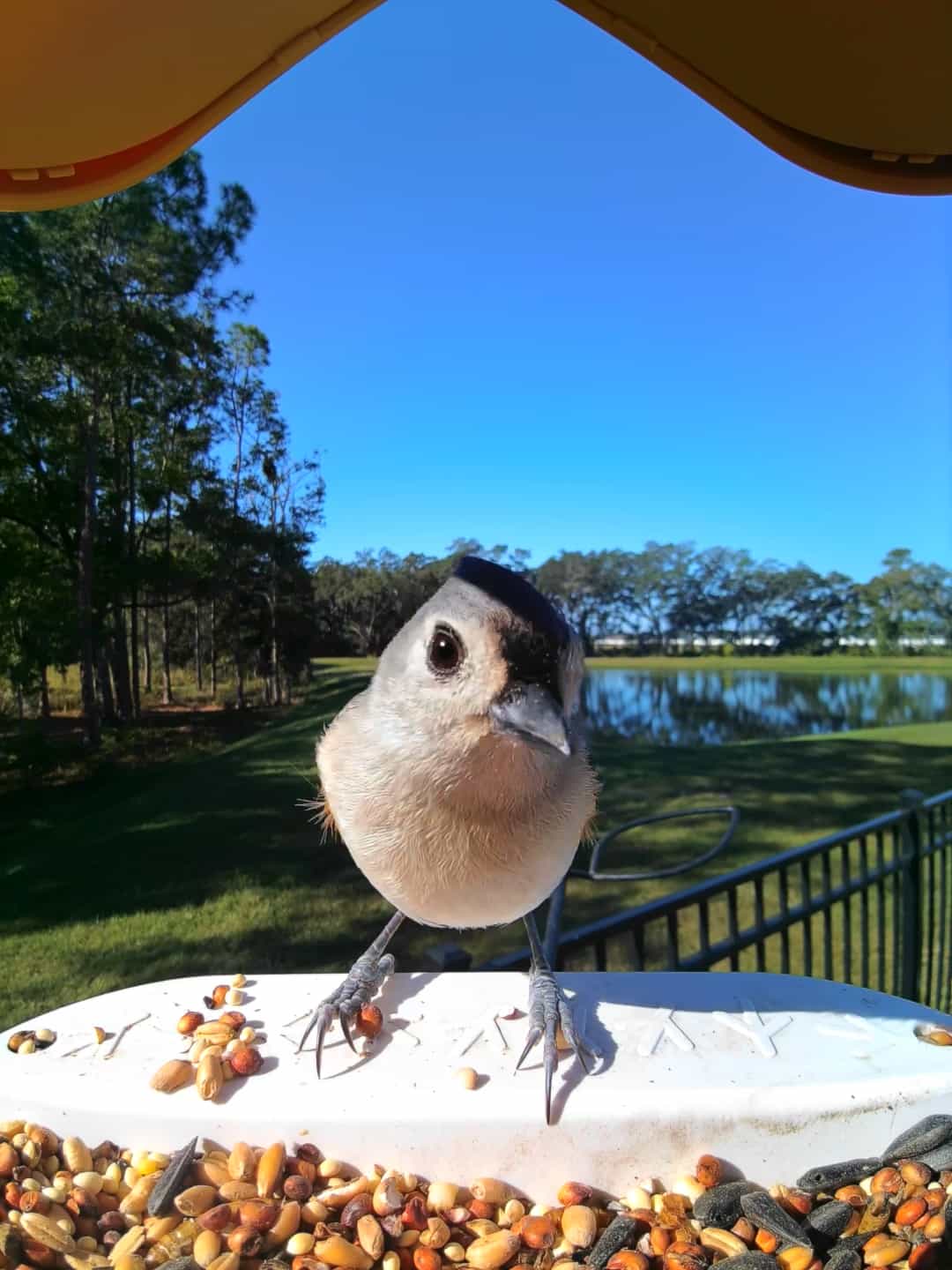
Tufted Titmouse (Baeolophus bicolor): This small songbird is known for its distinctive crest atop its head, soft gray plumage, white underparts, and a touch of rust-colored flanks, often seen flitting about in deciduous forests and backyard feeders across the eastern United States.
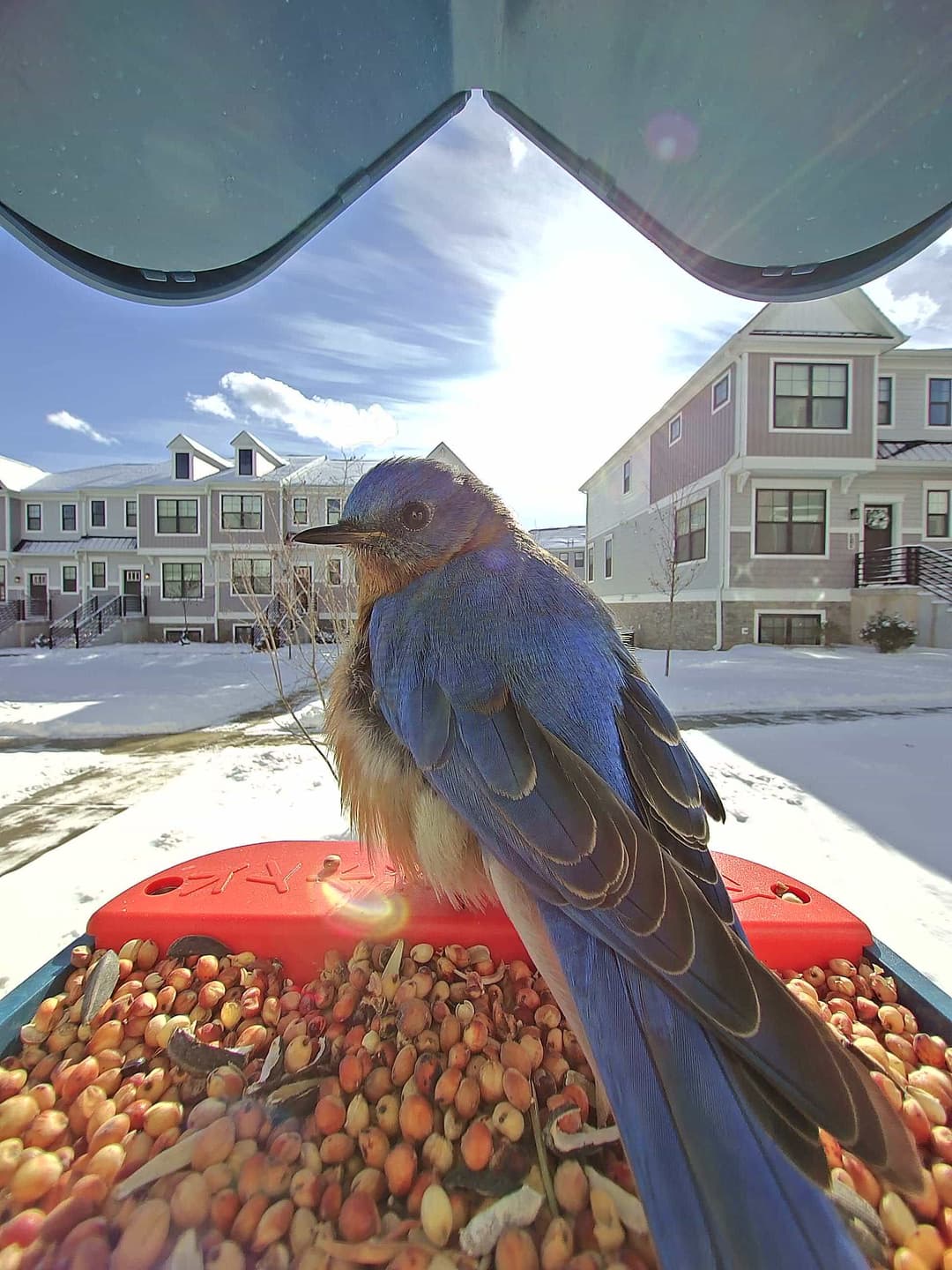
Eastern Bluebird (Sialia sialis): A small North American songbird, this species is known for its vibrant blue plumage, rusty-orange breast, and melodious song, often found in open woodlands, fields, and gardens where it feeds on insects and fruits.
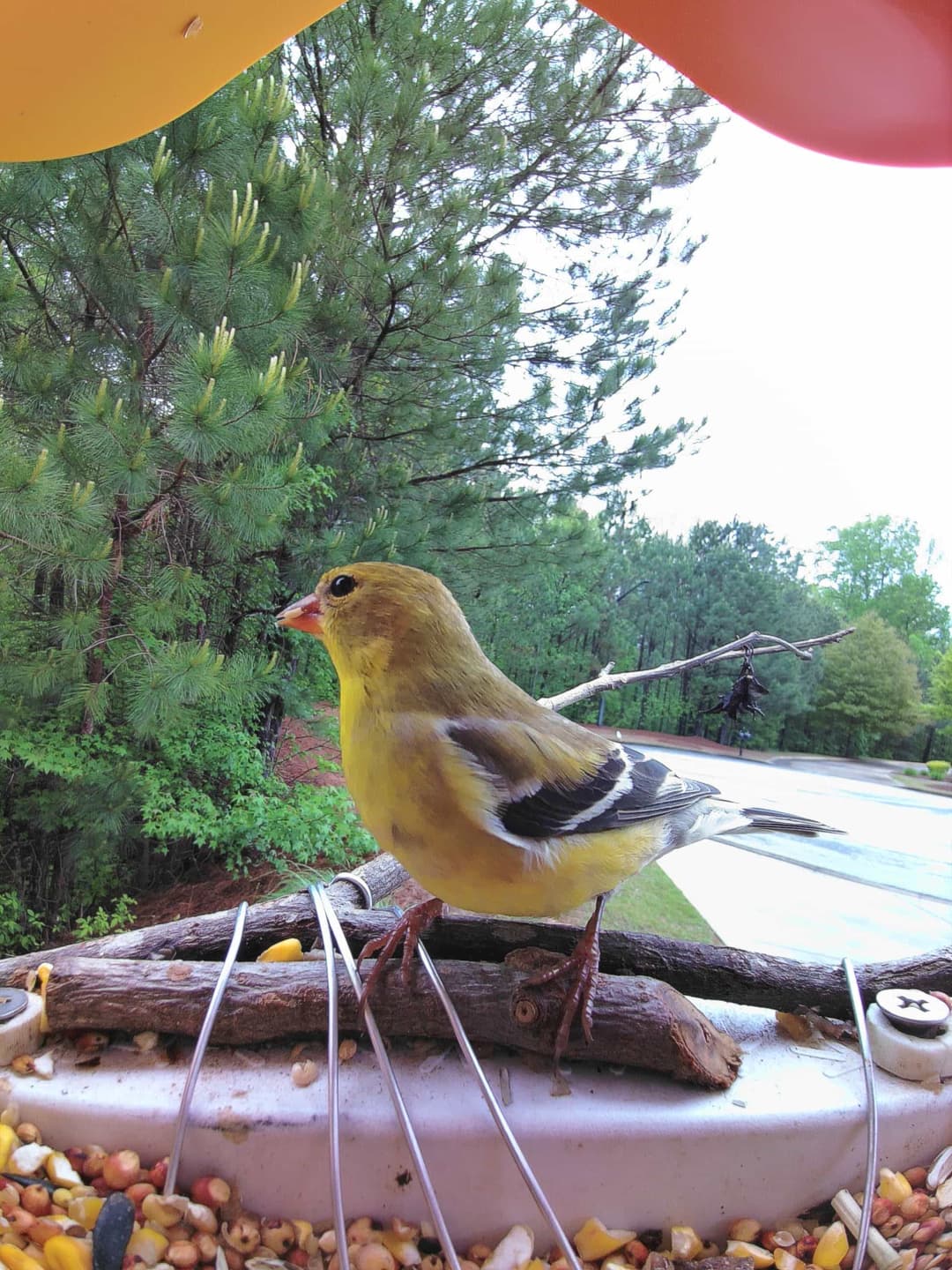
American Goldfinch (Spinus tristis): This small, vibrant bird is known for its striking yellow plumage in males during the breeding season, has a distinctive black cap on its head, and displays a lively, undulating flight pattern, often found in weedy fields and suburban areas where it feeds on seeds.
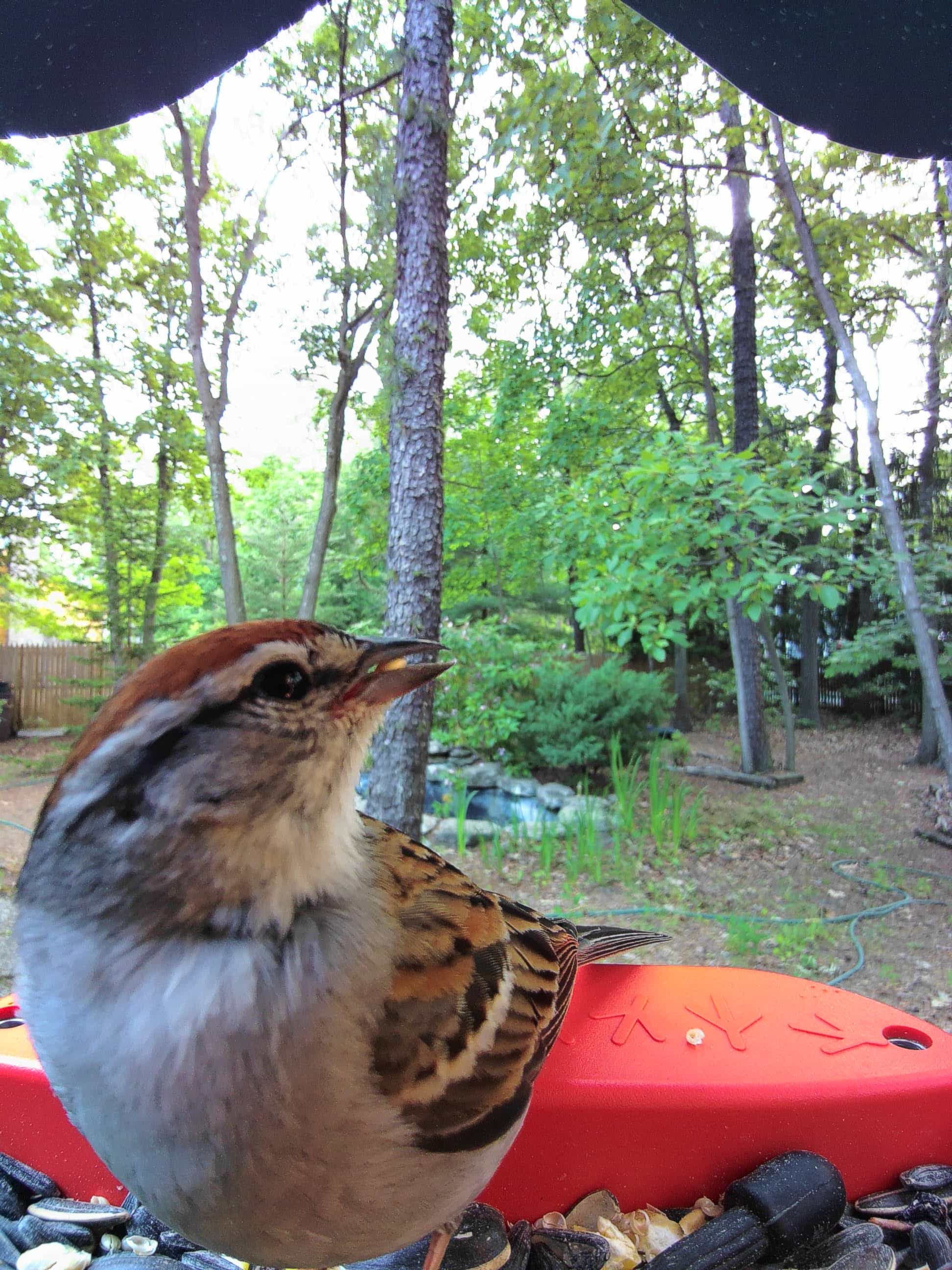
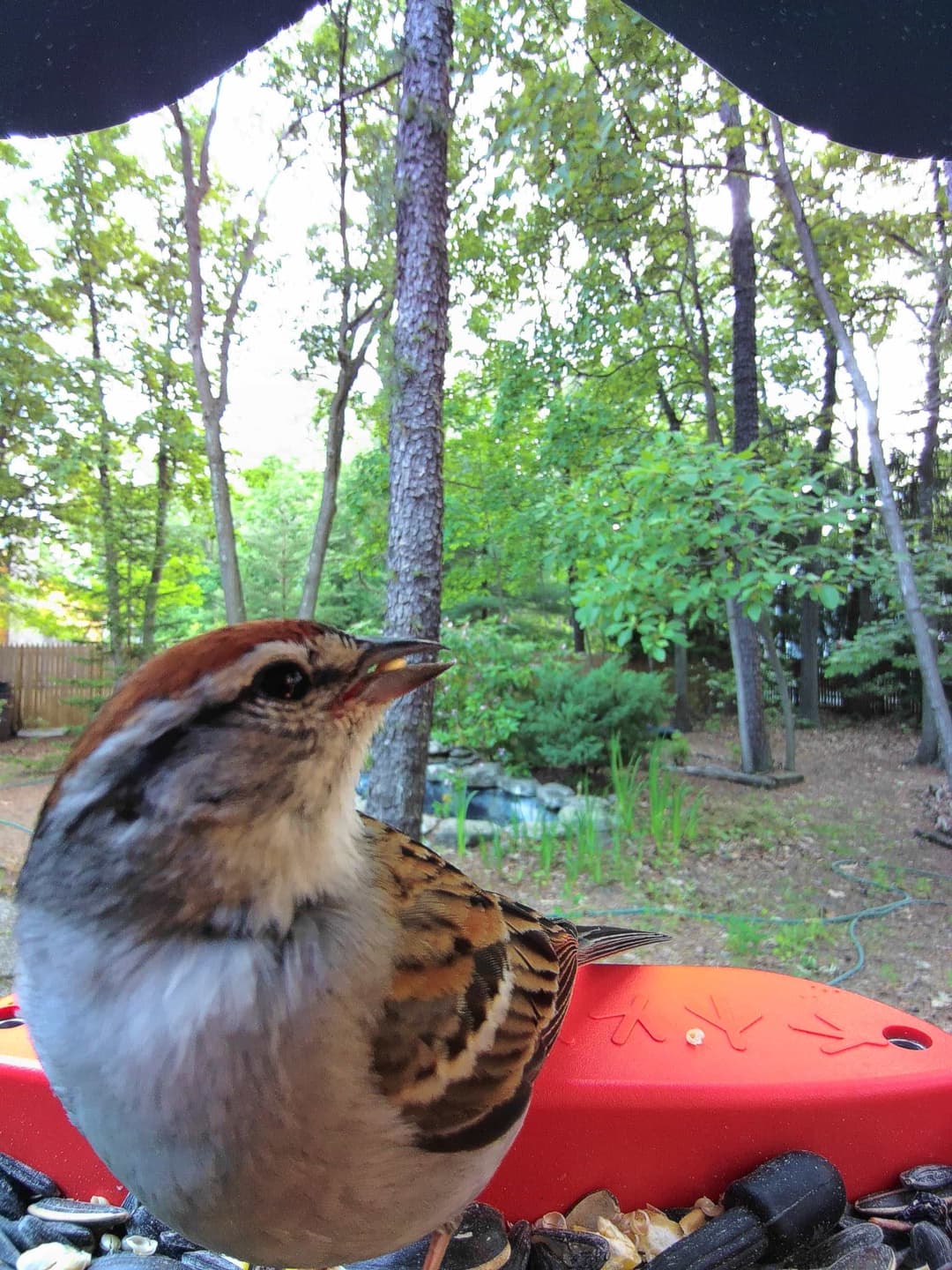
Chipping Sparrow (Spizella passerina): This small, slender bird is characterized by its distinctive bright rufous crown, grayish face with a dark eye stripe, pale underparts, and a lightly streaked brown back, commonly found in open woodlands and grassy areas across North America.
Identifying bird sounds and calls in Chapel Hill
Bird sounds are a key way to identify different species, even when they're hidden in trees or bushes. Each bird has its own unique vocalizations, from melodic songs to distinctive calls. Learning these sounds can help you identify birds even before you see them.
Birdwatching hotspots in Chapel Hill
Parks, reserves, and observatories
Chapel Hill, North Carolina offers diverse habitats including forests, wetlands, and trails, making it an ideal location for birdwatching and enjoying nature.
Carolina North Forest: A large protected area offering miles of trails and rich birdlife in a forest setting.
Mason Farm Biological Reserve: A biologically rich reserve with varied ecosystems and numerous bird species.
Battle Park: Historic park with established trails and excellent birdwatching opportunities.
Accessibility and facilities
Most parks and reserves have well-maintained trails and basic facilities, with several locations accessible for people with disabilities.
Conservation efforts
Chapel Hill, North Carolina is actively engaged in conservation efforts to protect its natural environment and promote sustainable living. Some of the efforts include:
- Preservation of local parks and green spaces
- Initiatives to improve water quality in local streams
- Programs to promote biodiversity and habitat protection
How Can I Help?
- Volunteer for local cleanup events in parks and waterways
- Participate in local tree planting initiatives
- Support local conservation organizations
Live bird sightings in the Chapel Hill area
Discover what birds are currently active in Chapel Hill through real-time sightings from Birdbuddy users. Explore hotspots and track your favorite species with updates from our community network.
Learn more about Birdbuddy