
Brown Creeper
Brown Creeper
Also known as: American Treecreeper
Certhia americana


Quick Identification guide
Quick Identification guide
- •
Features a slender, decurved bill that is ideal for probing bark
- •
Displays mottled brown upperparts with white underparts that provide excellent camouflage against tree bark
- •
Has a long, stiff tail that helps in climbing vertically on tree trunks
What does a brown creeper sound like?
The brown creeper vocalizes a high-pitched, lisping 'tsee' and a tinkling, descending warble as its song. This melodic tune adopts a falling, flat pattern, creating an engaging variety in sounds. Its typical call types are characterized by a distinct buzz, an enthusiastic 'hi' and a clear whistle, adding to its engaging repertoire of sounds.


Description
Did you know that eating a single spider gives a brown creeper enough energy to climb 200 feet? They are known to build nests in all sorts of unusual places. Arizonan brown creepers build their nests with two holes; one, facing down, is the entrance, and the other, facing up, is the exit. Now you see them, now you don't – when threatened, they freeze and can blend seamlessly into their surroundings thanks to their plumage pattern.
The brown creeper can weigh between 7to10grams and be from12to13.5centimeters tall.
The average lifespan of a Brown Creeper in the wild is approximately 2.6 years, although some have been known to live up to 6 years. Compared to related species, this is a similar lifespan to the White-breasted Nuthatch's, but slightly shorter than that of the Red-breasted Nuthatch. The lifespan fluctuates depending on predation, habitat, and food availability.
Did you know?
Most popular questions about brown creeper
How to recognise a brown creeper?
General appearance
The brown creeper is a small, slender bird with a distinctive brown, streaked back that camouflages against tree bark. Its underparts are white, enhancing its visibility when viewed from below. The bird has a curved, slender bill that assists in extracting insects from bark crevices, and a long, stiff tail that helps it balance as it creeps along trunks.
Male vs female
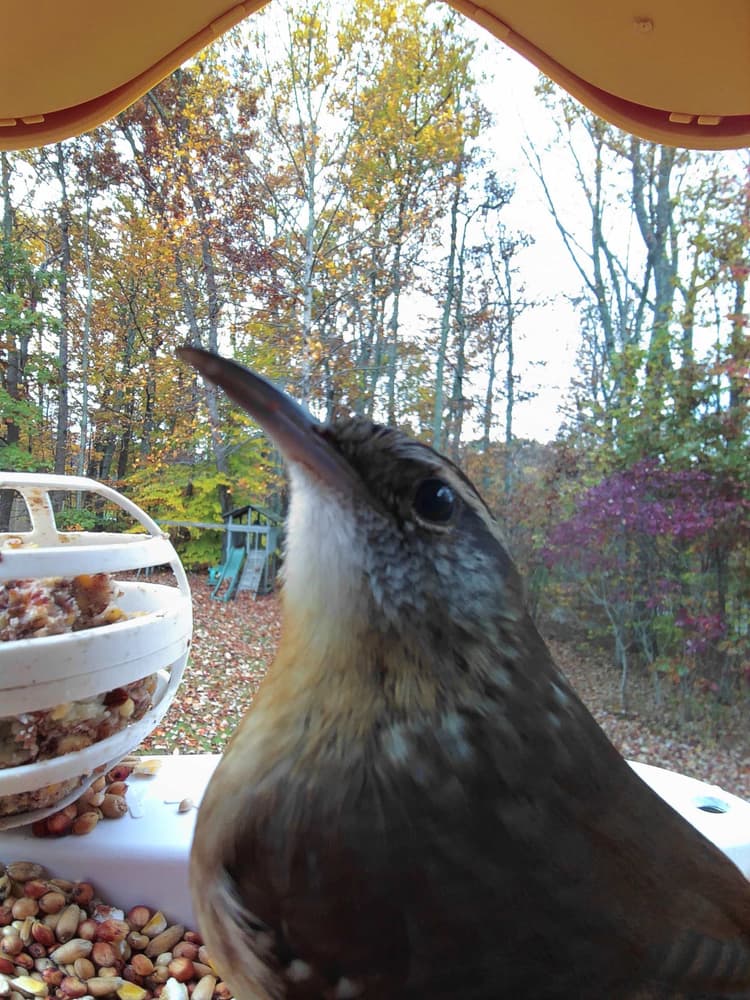
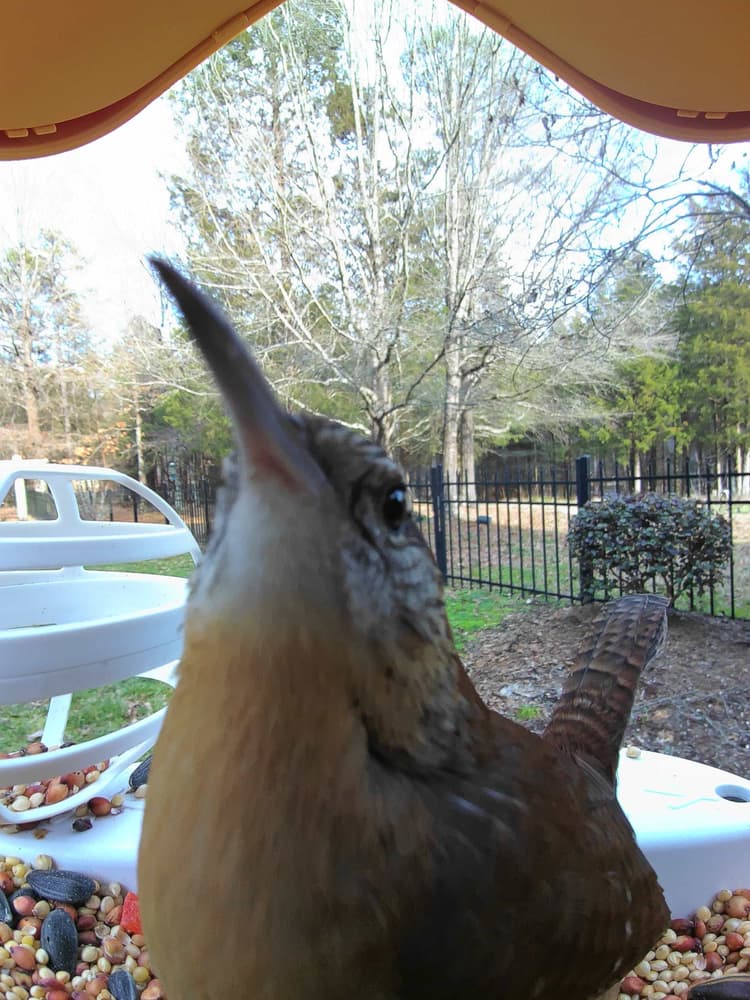
There is no significant visual difference between male and female brown creepers. Both sexes share similar size, plumage, and coloration, making them difficult to distinguish in the field. Their behavior and vocalizations rather than appearance are often used to tell them apart, especially during mating season.
Juvenile
Juvenile brown creepers resemble adults but can be slightly fluffier with somewhat duller plumage. They lack the full differentiation and crispness of adult feather patterns, and may have slightly shorter bills compared to adults. As they mature, their plumage sharpens and gains the distinct streaking characteristic of adult birds.
Often mistaken for
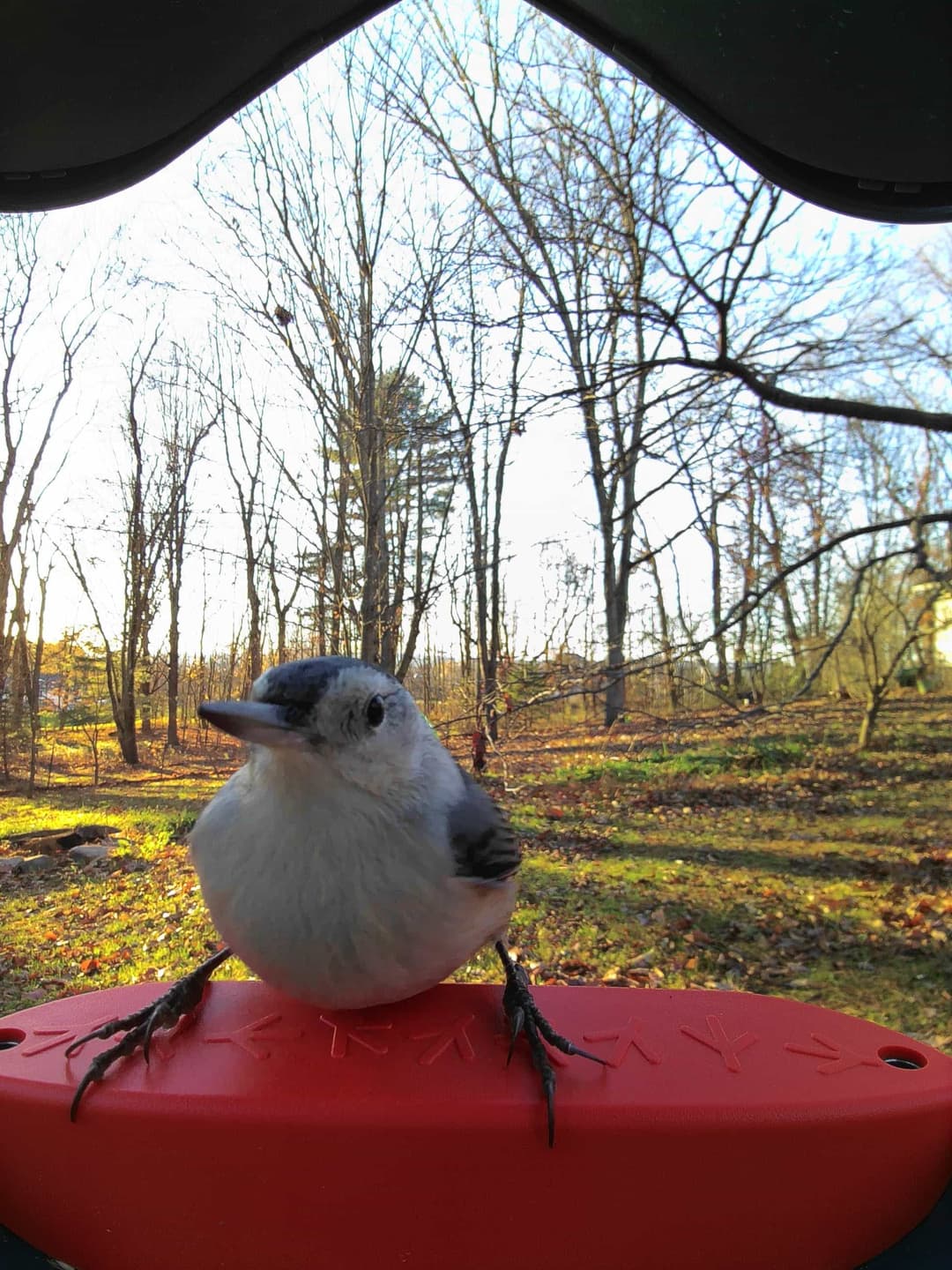
White-Breasted Nuthatch vs Brown Creeper
Brown Creepers have mottled brown backs blending into tree bark, while White-Breasted Nuthatches have a distinct white face and breast. Unlike creepers, nuthatches commonly move headfirst down tree trunks.
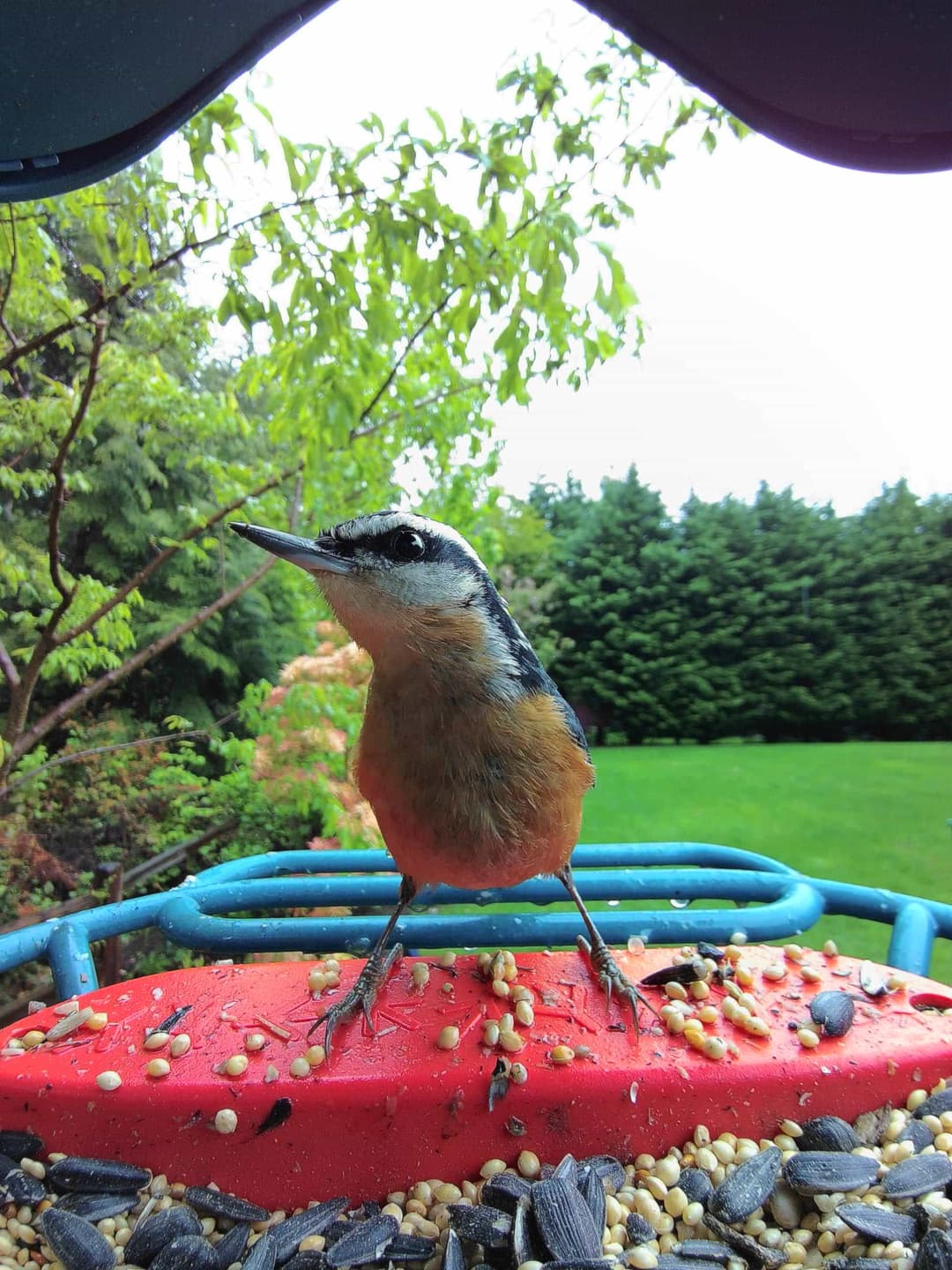
Red-Breasted Nuthatch vs Brown Creeper
Red-Breasted Nuthatches have a striking rusty underbelly and a black eye stripe. Brown Creepers are more cryptic with streaked brown plumage. Nuthatches are often more agile, moving in any direction on the trunk.
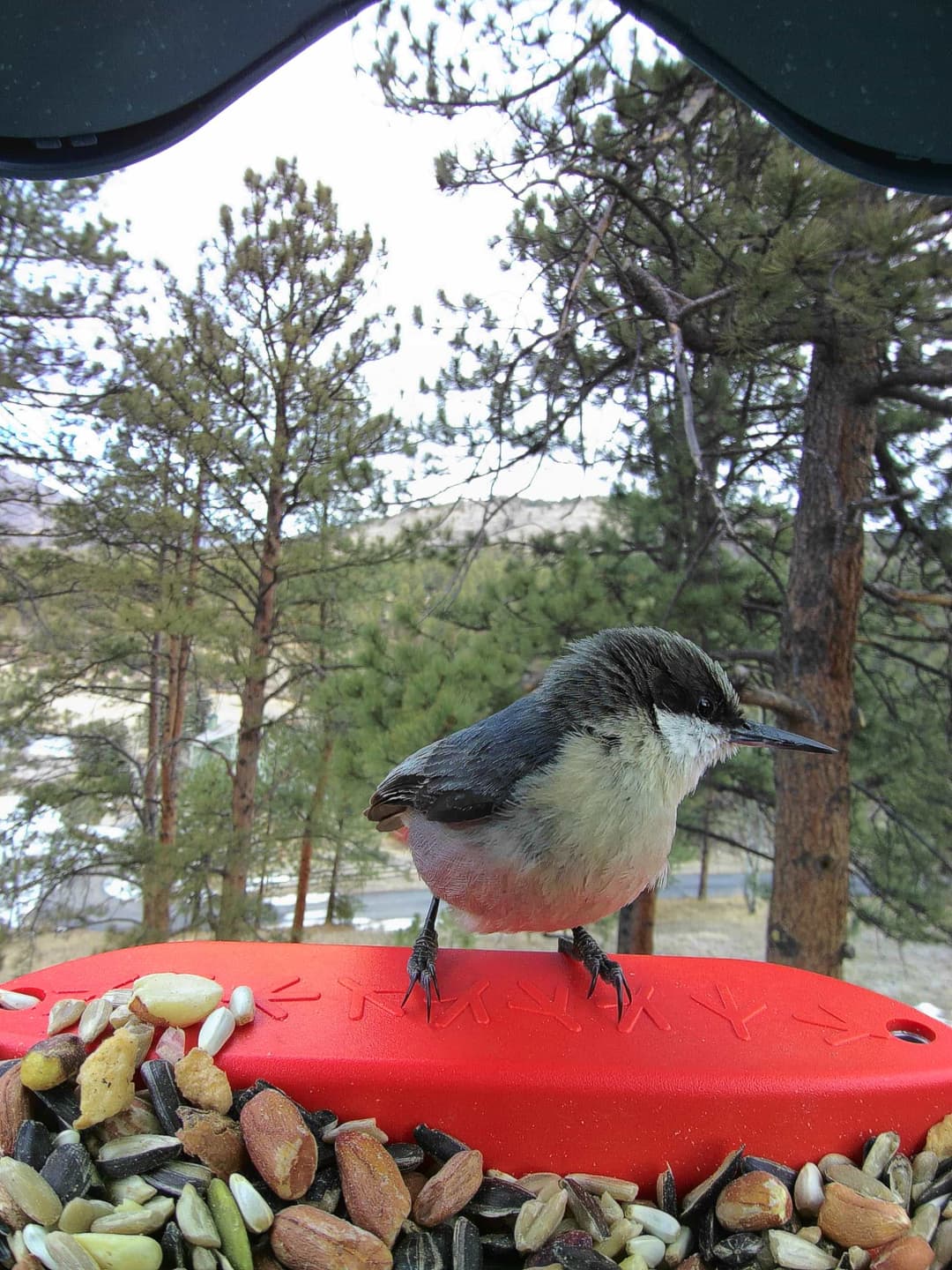
Pygmy Nuthatch vs Brown Creeper
Pygmy Nuthatches are smaller with a grayish-blue back and a pale underbelly. Brown Creepers are more camouflaged against bark. Pygmy Nuthatches travel in energetic flocks, contrasting the solitary behavior of creepers.
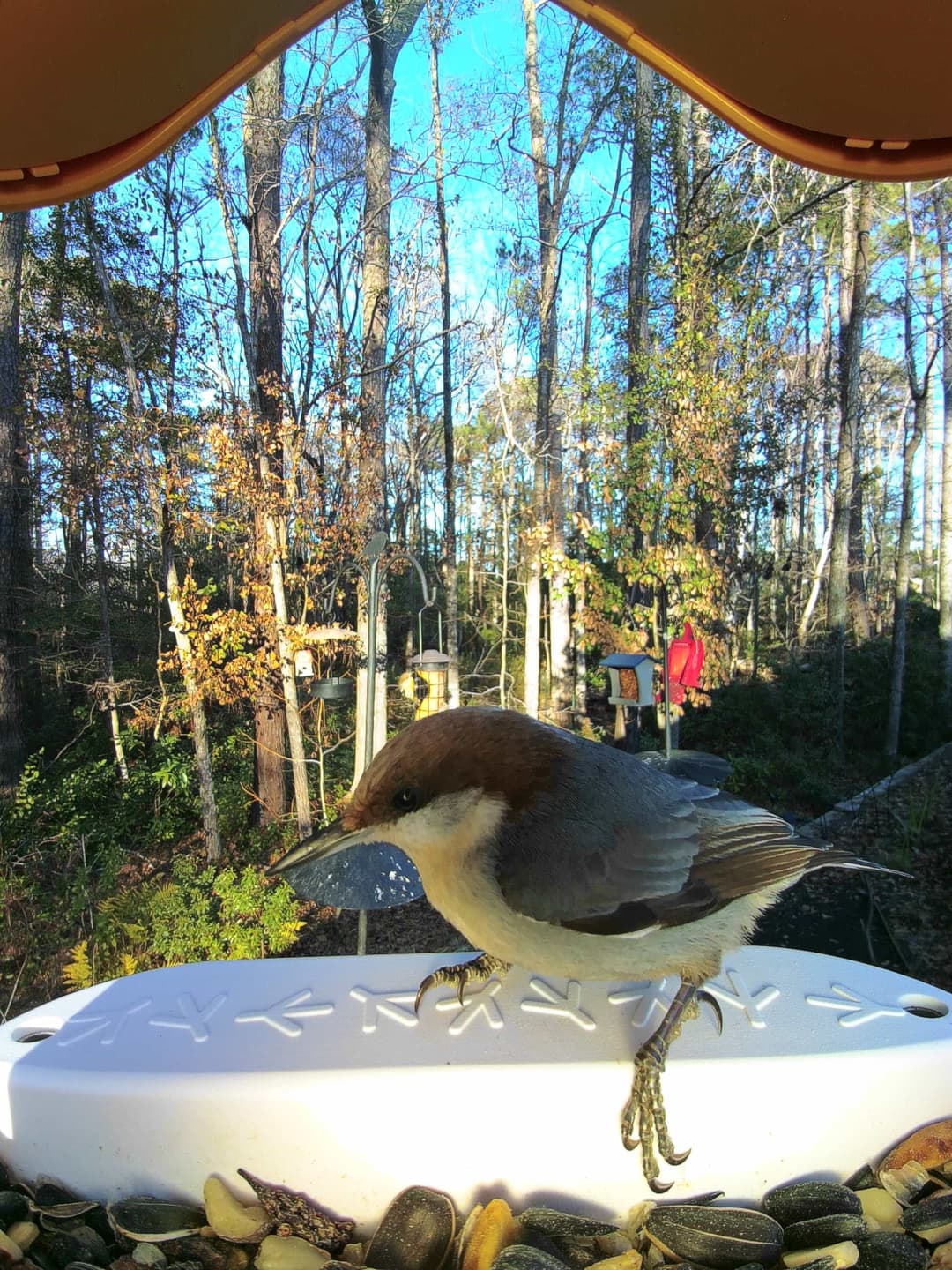
Brown-Headed Nuthatch vs Brown Creeper
Brown-Headed Nuthatches display a brown cap and a blue-gray back, while Brown Creepers are streaked brown. Nuthatches tend to hang upside down, unlike the upright creeping style of the Brown Creeper.
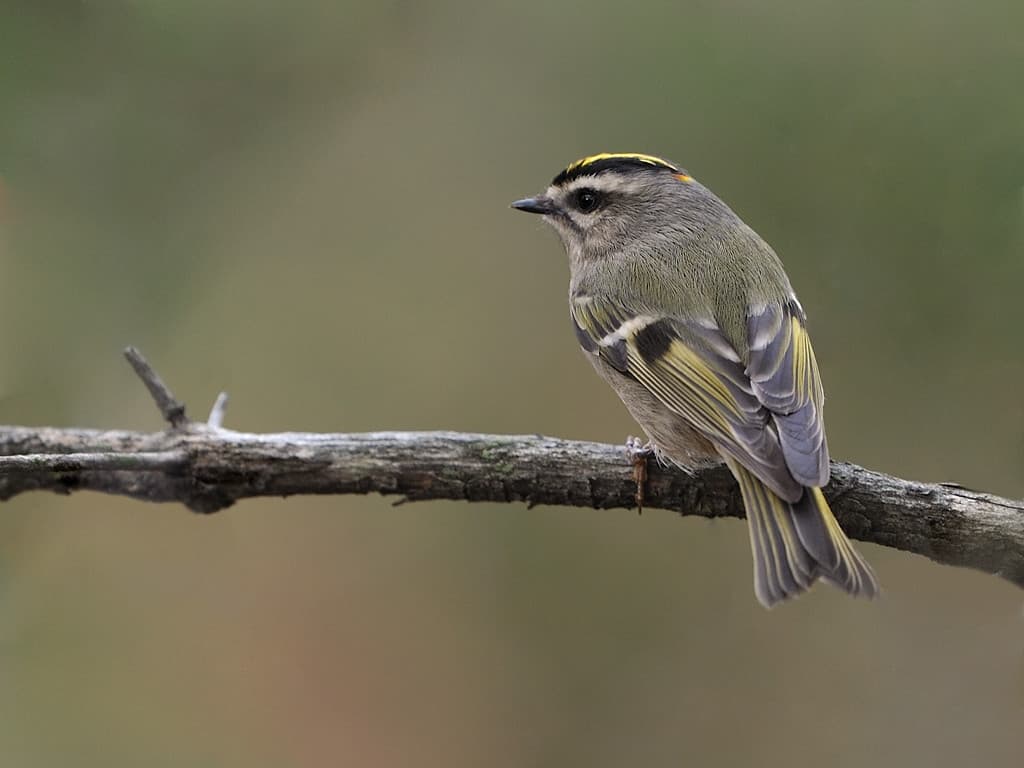
Golden-Crowned Kinglet vs Brown Creeper
Golden-Crowned Kinglets are smaller with vibrant yellow crown stripes. Brown Creepers blend with bark due to their brown and white streaks. Kinglets are more active and flit around branches instead of creeping along trunks.
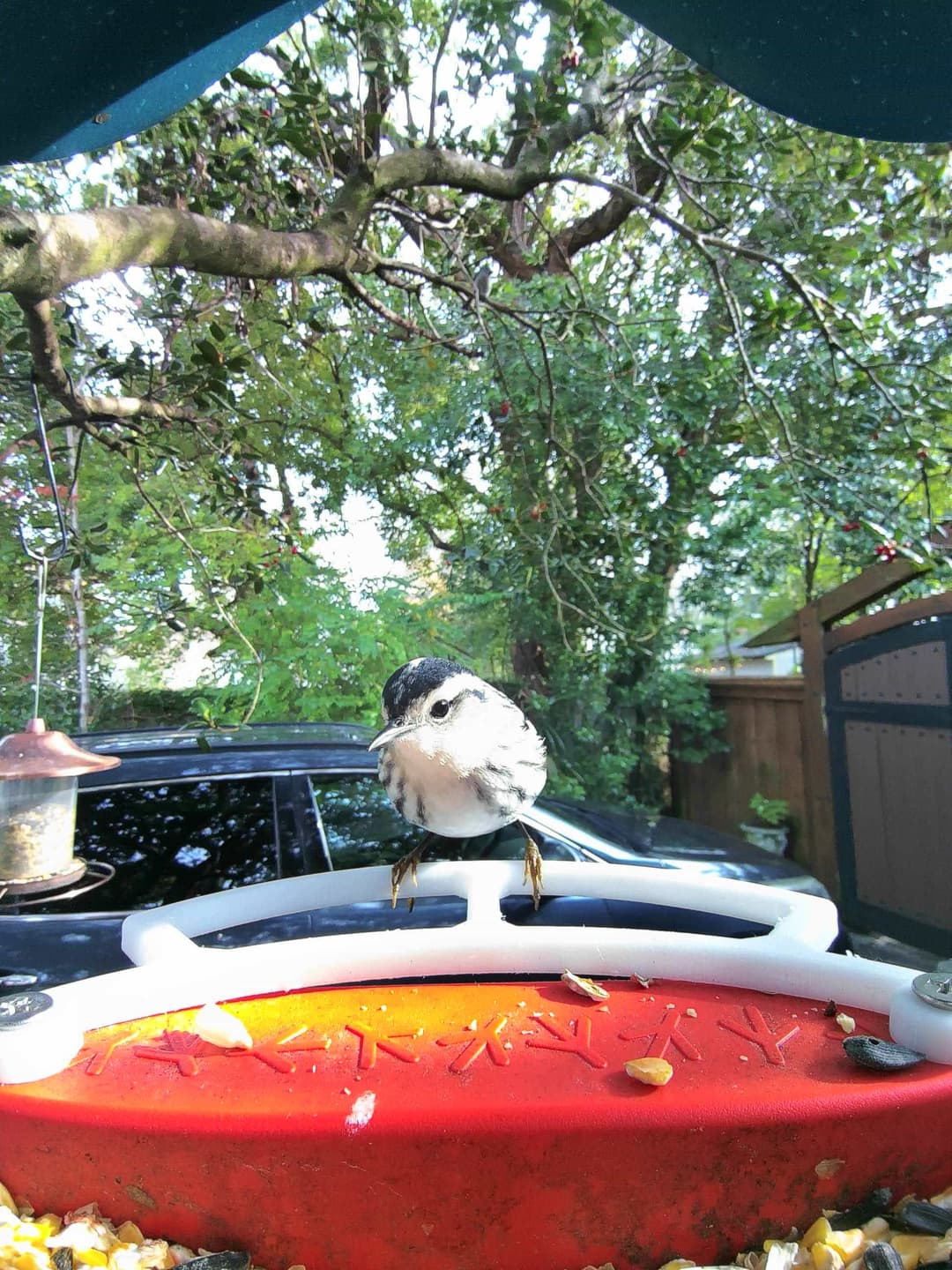
Black-and-White Warbler vs Brown Creeper
Black-and-White Warblers sport bold black-and-white streaks and often forage on branches, while Brown Creepers have subtler coloring and favor spiraling up tree trunks. Warblers are quick movers while creepers are methodical.
Breeding and nesting habits of the brown creeper
Mating behaviors
Male brown creepers establish nesting territories by singing. During courtship, the male exhibits rapid, twisting flights among trees and may pursue the female in the air and around tree trunks.
Nesting details
The brown creeper typically nests behind a large strip of bark attached to a tree, or sometimes in a tree cavity. These nests can be located at various heights, from very low to over 50 feet. The nests are shallow half-cups conforming to the space behind the bark slab. The female builds the nest using twigs, bark strips, moss, and leaves, with some materials provided by the male, and lines it with finer materials.
Eggs and chick-rearing
Upon completing the nest, the female lays eggs and tends to the chick-rearing duties. Information on chick-rearing practices was not provided, but it typically involves incubation and feeding by the female.
What does a brown creeper like to eat?
Insects
Seeds
Spiders
Natural diet
The brown creeper predominantly feeds on insects, focusing on a diverse range such as insect eggs and pupae often concealed in tree bark. Its diet includes weevils, other beetles, true bugs, leafhoppers, scale insects, aphids, caterpillars, and ants, among others. In addition to insects, it consumes spiders and pseudoscorpions. Occasionally, it also eats some seeds.
Bird feeders
At bird feeders, the brown creeper is known to feed on suet and mixtures containing peanut butter.
How to attract brown creepers
Brown Creepers are small, fascinating birds primarily known for their unique feeding habits. These birds like to start at the base of a tree and climb upward, spiraling around the trunk while looking for insects. Although attracting them might seem challenging, with few simple steps, you can create a friendly environment in your yard that grabs their attention.
Preferred snacks
Brown Creepers fancy eating a diet rich in insects and seeds. Thus, placing feeders with a mix of small bugs and larvae can be quite attractive to them. Additionally, consider using Bird Buddy seeds. Notably, these seeds have shown the best functionality as they are chose by experts per the season.
Feeder types
Unlike other birds, Brown Creepers are not a big fan of flying to a feeder. Instead, they prefer a feeder attached to a tree trunk or a feeder arranged at the base of a tree where they spend most of their time searching for food. Considering their nature of spiraling upwards, placing a feeder high on a tree trunk can work wonders.
Fun tricks
In addition to feeders, nurturing a habitat that resembles Brown Creeper’s natural environment can yield exciting results. Consider leaving a few dead trees or logs in your yard, which can host a variety of bugs and insects, making it a perfect feeding and nesting site for this bird species. If you are patient and quiet, you might be in for a delightful sing-along as Brown Creepers are known to have a sweet, melodic song.
Bird buddy seeds
One unique element you don’t want to miss out on is Bird Buddy seeds. Being selected by birding experts according to seasonality, these seeds can provide the nutrition that Brown Creepers need during different times of the year, making your yard a preferred destination for this bird species.
Where can you find brown creepers?

Primary habitat
The brown creeper primarily breeds in mature forests, either coniferous or deciduous, with many large trees. These environments include mountain pine woods to lowland swamp forest.
Additional range
During migration, brown creepers can be found in habitats with some good-sized trees, such as suburbs and city parks.
Do they migrate?
The brown creeper is a bird that migrates, although its migratory behavior varies across different parts of its range. Generally, brown creepers in the northern parts of their range, such as Canada and the northern United States, tend to migrate, whereas those in more southern areas may be more residential. When they do migrate, they typically do so in small flocks. The migration for brown creepers generally peaks in two distinct periods: in April as they move towards their breeding grounds and between late September and early October as they return to wintering areas. During these periods, they move primarily through forested areas, as they rely on trees to forage for insects and other small invertebrates in the bark. Key locations for their migration include mixed forests and woodlands across North America. Their northward spring migration takes them to breeding areas in dense, mature forests, often in coniferous or mixed-wood habitats. In contrast, their wintering migration sees them move to a broader range of habitats, often lower in elevation and further south, including decidine-dark speckled underparts) as they follow favorable weather and food availability.
What is the role of brown creepers in nature and how to protect them?
Conservation status
The brown creeper has declined as a breeding bird in much of the eastern United States due to deforestation, as it primarily nests in mature forests rather than young second growth. Despite this, it remains locally common in northern and western regions. Its conservation status suggests a vulnerability in the east due to habitat loss, but it is not currently endangered. Key conservation efforts focus on preserving mature forests to protect its habitat. The main threat to the species is the continued cutting of forests, which reduces suitable nesting areas.
Ecological role of brown creepers
Its role in the ecosystem
The brown creeper, often known for its acrobatic feeding behaviour on tree trunks and limbs, plays a significant role in maintaining ecological balance. Most importantly, it aids in natural pest control by preying predominantly on insects such as beetles, aphids, caterpillars and ants. This predation helps to keep the insect population in check, reducing the damage to trees by insect pests. It particularly seeks out insects hidden in bark, thus functioning as a control for pest species that are harmful to trees. The creeper's diet also includes seeds, which it may spread while feeding, acting as an agent of seed dispersal. This can potentially help with forest and tree regeneration. Both these roles underline the creeper's ecological significance and importance to the well-being of its forest habitat. In addition, by building nests behind bark still attached to trees, brown creepers potentially make these spaces available for other species, aiding in biodiversity.
How to help protect brown creepers
Preservation tips
Habitat preservation strategies
Brown creepers thrive in old, large trees, thus efforts should center around forest preservation and the planting of new forests with suitable tree species. Support policies and organizations focused on protecting forests from deforestation and degradation. Promote sustainable forestry practices in your local community.
Community science initiatives
Participate in community science initiatives such as bird counts and habitat surveys to help track the brown creeper population and their habitat use. Reporting sightings to bird databases like eBird helps researchers understand distribution patterns, while nest monitoring can provide information on breeding success. Work with local conservation groups to increase awareness about the brown creeper's needs.