
Brown-Headed Nuthatch
Brown-Headed Nuthatch
Sitta pusilla


Quick Identification guide
Quick Identification guide
- •
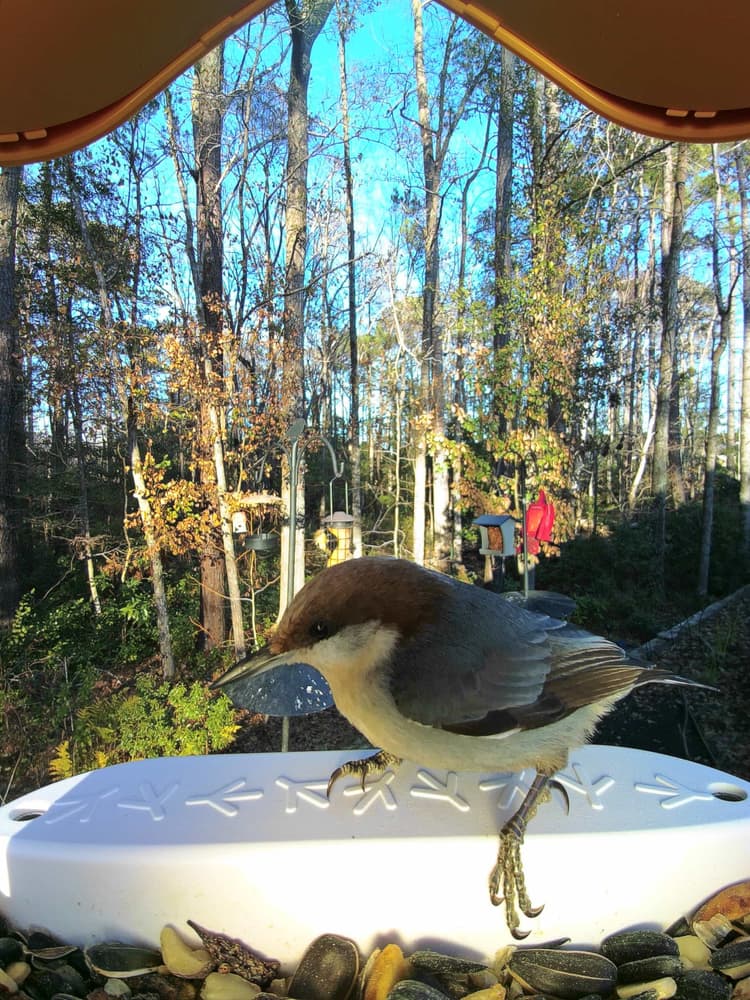
Small bird with a distinctive brown cap on the head, providing contrast with its grayish-blue upperparts
- •
Possesses a short, pointed beak that is well-suited for its feeding habits
- •
Shows pale underparts with a slightly darker wash on flanks, creating a subtle two-tone effect
What does a brown-headed nuthatch sound like?
The brown-headed nuthatch produces high-pitched piping notes distinct from other eastern nuthatches. Its typical call pattern exhibits a falling, flat style. The bird employs diverse call types, including chirp or chip and whistle sounds. These vocalizations represent its unique melodious language, which significantly stands out in its natural environment.


Description
What's that sound? Is it a squeaky toy? No, just a brown-headed nuthatch! Did you know that nuthatches are one of the few birds that use tools? They use a piece of bark to lift up tree bark and get to the delicious insects underneath. They are social and gather in mixed-species flocks in wintertime and, at home, immature males help build the nest and feed chicks.
The brown-headed nuthatch can weigh between 9to11grams and be from10to11centimeters tall.
The Brown-headed Nuthatch typically lives for around seven years. However, the longest recorded lifespan in the wild is 10 years. This is longer than the closely related Pygmy Nuthatch, which lives for about five years, but shorter than the lifespan of the Red-breasted Nuthatch, which can live up to 12 years.
Did you know?
Most popular questions about brown-headed nuthatch
How to recognise a brown-headed nuthatch?
General appearance
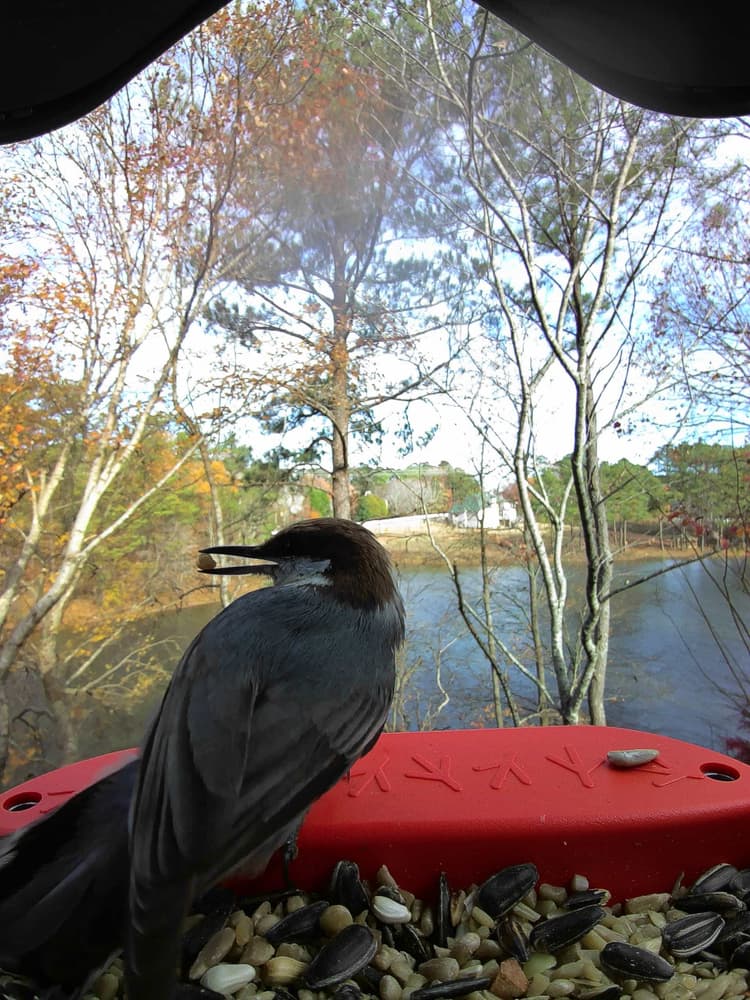
The Brown-headed Nuthatch is about the size of a sparrow, measuring 4 1/4 inches or around 11 cm. It has a brown cap down to the eye, transitioning to pale on the lower head. The bird possesses a gray back and white nape spot. Its wing and tail shapes are rounded, the latter being short and square-tipped. Coloration consists of shades of brown, gray, red, tan and white.
Male vs female
Unfortunately, the Brown-headed Nuthatch exhibits no significant sexual dimorphism. Identifiable traits such as the brown capped head, gray back and white nape spot are consistent across both genders. This makes it very difficult to distinguish between males and females based solely on physical traits.
Juvenile
The juvenile Brown-headed Nuthatch has similar coloration and physical traits as adults, making it difficult to distinguish without the aid of behavioral cues or vocalization. As they mature, they fully develop into their characteristic colors and physical traits discussed previously.
Often mistaken for
Pygmy Nuthatch vs Brown-Headed Nuthatch
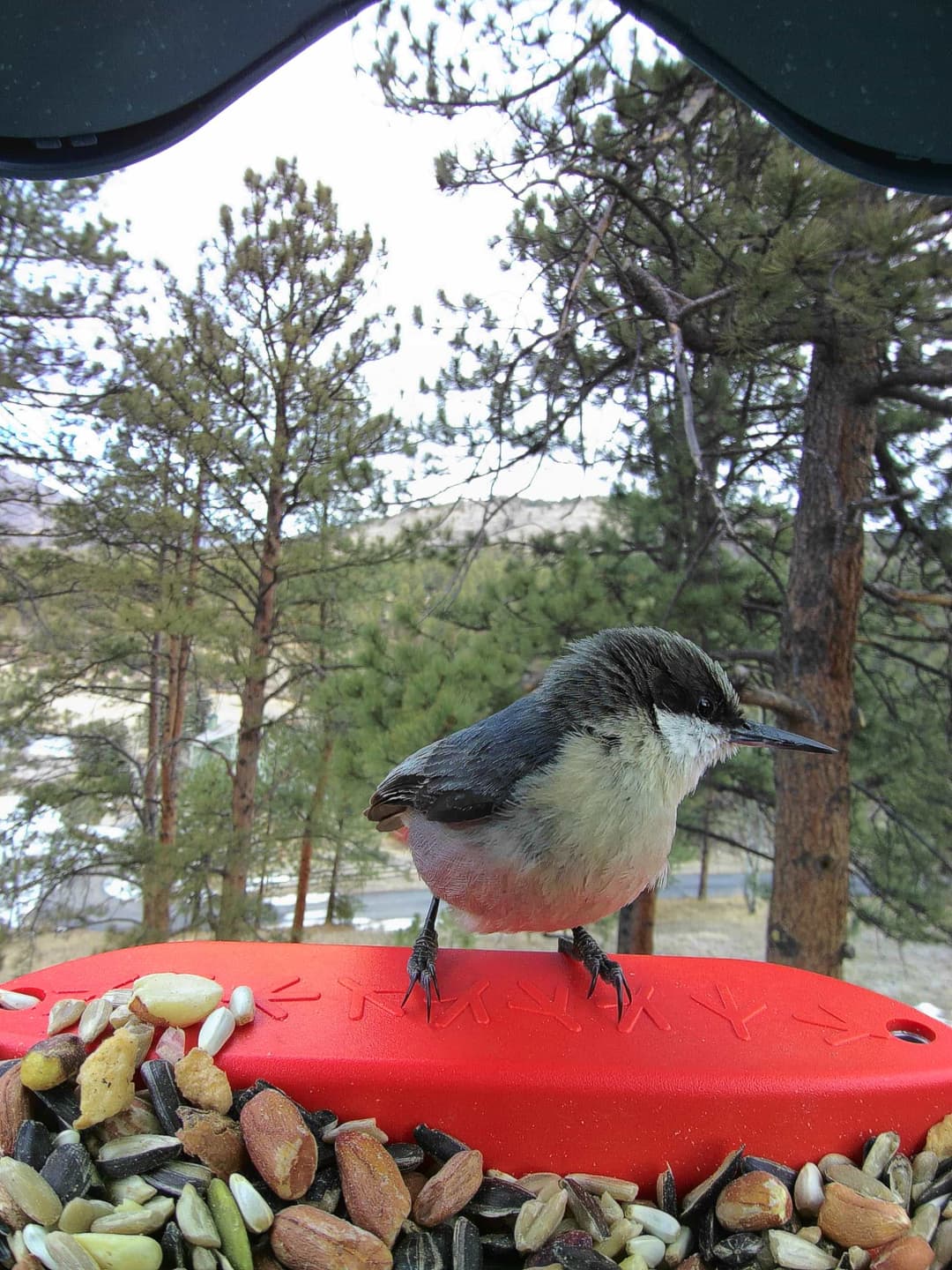
The Brown-Headed Nuthatch has a distinct brown cap and a smaller size compared to the Pygmy Nuthatch, which has a grayish-blue upper body and lacks the distinct brown head. The Brown-Headed Nuthatch's call is also higher-pitched and more nasal.
Red-Breasted Nuthatch vs Brown-Headed Nuthatch
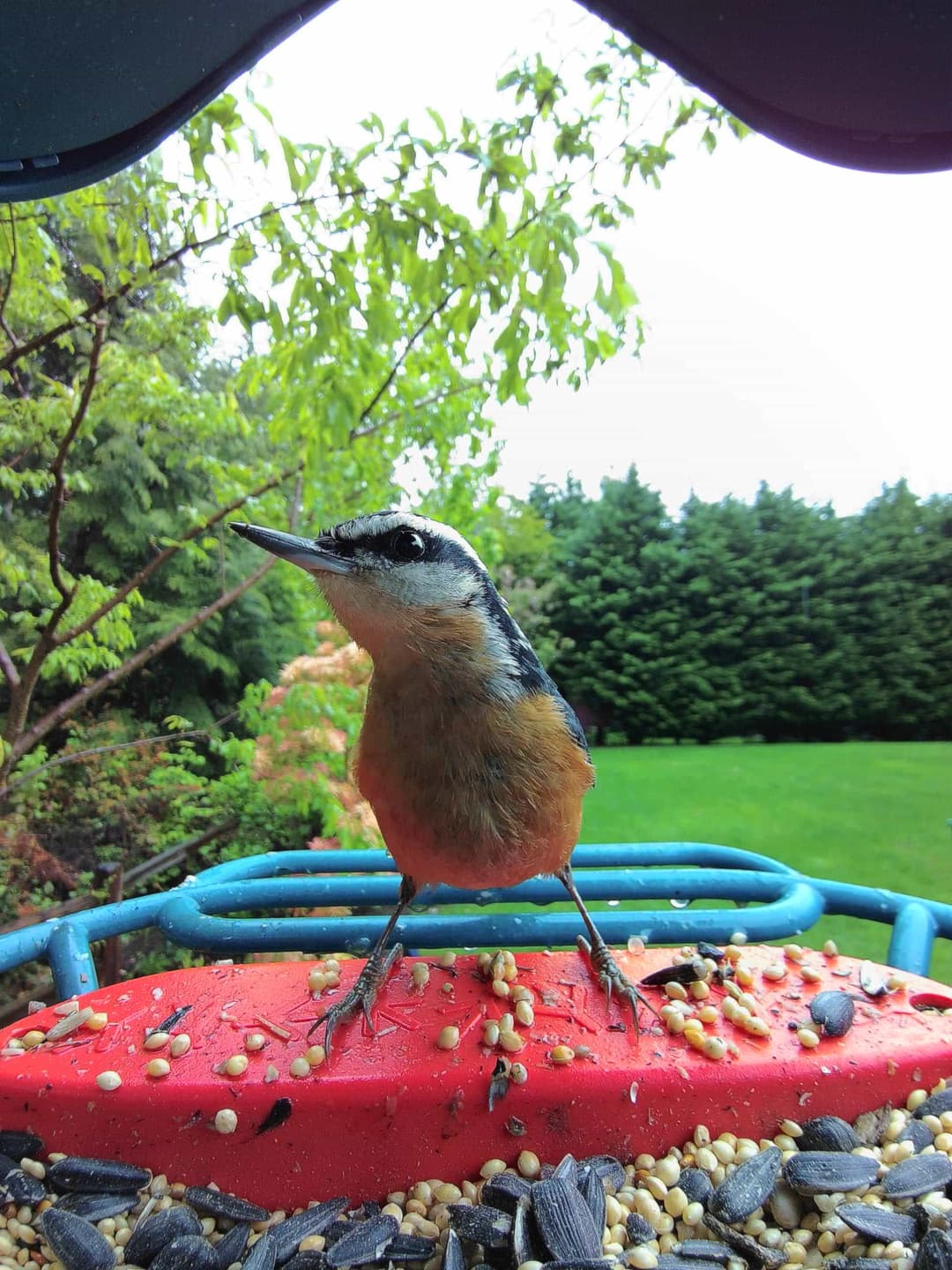
The Brown-Headed Nuthatch features a brown cap and lacks the rusty underparts seen in the Red-Breasted Nuthatch. Additionally, the Red-Breasted Nuthatch sports a black eye line and more vivid reddish hue on its belly. The calls also differ, with the Red-Breasted having a faster, more insistent 'yank-yank'.
White-Breasted Nuthatch vs Brown-Headed Nuthatch
The White-Breasted Nuthatch is larger and has a more extensive white face and breast, with a black cap instead of brown. Unlike the softer calls of the Brown-Headed Nuthatch, the White-Breasted produces more whistled 'yank' notes.
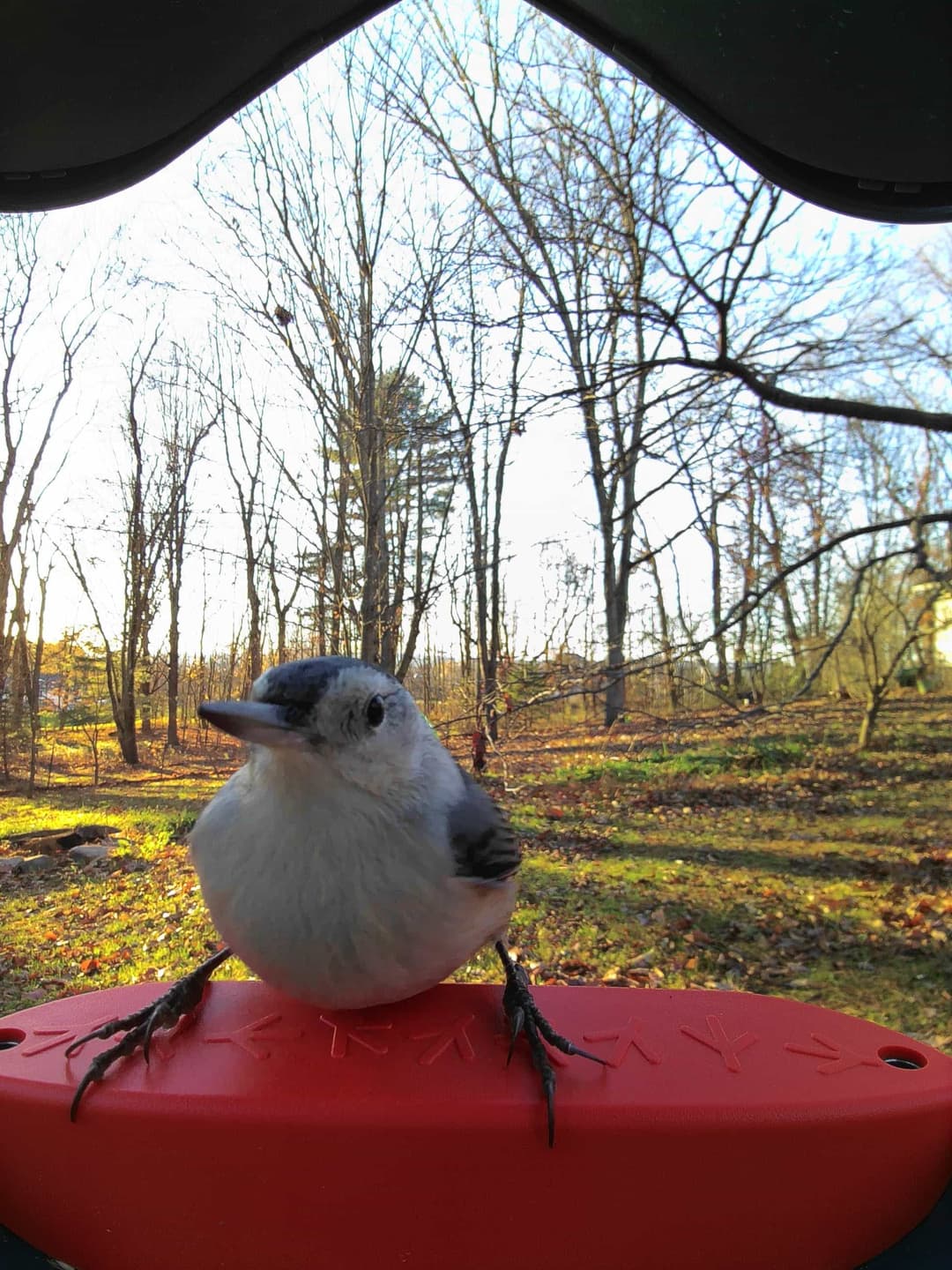
Breeding and nesting habits of the brown-headed nuthatch
Mating behaviors
Brown-headed nuthatches may include a 'helper' male that assists by bringing food to the nesting female and the chicks post-hatching. This additional male plays a supportive role in the parenting process.
Nesting details
Nests are usually excavated by both sexes in dead trees, primarily pine, but sometimes deciduous trees or fence posts, particularly near pine forests. The birds may start several potential sites before completing one. They also utilize birdhouses and old woodpecker holes, competing occasionally with Eastern Bluebirds. Nests are typically 5 feet above ground, rarely exceeding 15 feet, and consist of materials like grass, bark fibers, hair, feathers, and 'wings' of pine seeds.
Eggs and chick-rearing
The 'helper' male contributes by feeding chicks in addition to the parent birds after the eggs hatch. This cooperative care ensures sufficient resources and protection for the young nuthatches.
What does a brown-headed nuthatch like to eat?
Insects
Seeds
Spiders
Natural diet
The brown-headed nuthatch primarily consumes a diet that consists mostly of insects and seeds. During the summer months, its diet includes a higher proportion of insects and spiders, while in winter, it shifts to predominantly consuming seeds, mainly focusing on pine seeds.
Bird feeders
At bird feeders, the brown-headed nuthatch often enjoys sunflower seeds, suet, and peanuts, which are common offerings that complement its natural diet.
Tempting the brown-headed nuthatch
To attract the Brown-Headed Nuthatch to your yard or feeder, there are a few steps you can take. Firstly, make your garden a welcoming environment with plenty of trees and safe nesting spots. These birds particularly enjoy pine forests, so consider planting some pine trees if conditions allow.
Feeder types and snacks
When it comes to feeders, these birds enjoy feeder types that allow them to hang upside down whilst eating considering that's their natural feeding state in the wild. Suet feeders and tube feeders with small perches will work well. As for snacks, the Brown-Headed Nuthatch loves insects, grits, and particularly seeds. The Bird Buddy seeds are highly recommended because they are seasonal and expertly chosen to attract this particular bird species.
Fun tricks
One fun trick to tempt the Brown-Headed Nuthatch is to place some nesting materials near your feeder. Things like small twigs, strips of bark or a birdhouse can be tempting for these birds who might be looking for new nesting spaces. Also, these birds are known for their 'rubber duck' like calls, so playing some bird calls could encourage them to drop by for a little sing-along!
Where can you find brown-headed nuthatches?

Primary habitat
The brown-headed nuthatch prefers open pine woods. It is often in mixed woodlands, with deciduous trees such as sweetgum, oak, hickory, or sycamore.
Additional range
Various pine species, like loblolly, longleaf, slash and pond pines are consistent in their habitat, aside from other conifers including bald cypress and Atlantic white cedar.
Do they migrate?
The brown-headed nuthatch is primarily a permanent resident and does not engage in significant migration. This species is mostly found in the southeastern United States, including parts of Florida, Georgia, Alabama, Mississippi, and the Carolinas, among other areas. They are typically associated with mature pine forests and are well adapted to residing in these habitats year-round, demonstrating a preference for longleaf and loblolly pines. Rarely, some individuals may wander slightly north of their usual range, but these movements are not considered true migration. Instead, they represent short-distance dispersal that does not follow specific routes or timing comparable to migratory species. Key locations for the brown-headed nuthatch include pine-dominant ecosystems in the aforementioned states, where they maintain their territories throughout the year. Their lifestyle is closely tied to specific environmental conditions provided by these habitats, which negates the necessity for seasonal migration.
What is the role of brown-headed nuthatches in nature and how to protect them?
Conservation status
The brown-headed nuthatch is considered the least numerous nuthatch in North America. While it remains common in areas with southern pine forests, habitat loss has led to declines in some regions. Key threats include deforestation and habitat fragmentation. Conservation efforts focus on preserving and restoring pine forests to support their populations. Despite facing habitat challenges, the species is not currently classified as vulnerable or endangered but does require ongoing conservation efforts to maintain its numbers in suitable habitats.
Ecological role of brown-headed nuthatches
Its role in the ecosystem
Brown-headed nuthatches contribute significantly to the ecosystem with their feeding and nesting habits. Their diet primarily consists of insects and spiders, which allows them to naturally control pest populations, contributing to a healthy forest ecosystem. They show a distinct preference for pine trees where they engage in foraging for insects under the bark. Their feeding behavior is unique, often using a bark chip as a tool to pry off other bark pieces, thereby playing a role in tree health. During winter, they eat more seeds, particularly pine seeds. This seed-eating activity is essential for seed dispersal, helps in the propagation of pine forests, and thus promotes biodiversity in their habitats. Apart from this, they usually nest in pine trees, in cavities excavated by them, this in turn affects the structural integrity of the trees providing more niches and resources for other species. Thus, this bird species has an important ecological role in pest regulation, seed dispersion, and enhancing biodiversity.
How to help protect brown-headed nuthatches
Preservation tips
Habitat preservation strategy
Prioritize the protection and restoration of mature, pine-dominant woodlands as this is the primary habitat of the brown-headed nuthatch. Avoid fragmentation or conversion of these ecosystems into other land uses. Introduce controlled fires to mimic the natural, fire-dependent ecology that helps to maintain habitats for brown-headed nuthatch. The creation of nest boxes is also beneficial as loss of natural cavities is a threat.
Community science initiatives
Encourage community involvement in bird watching and counting initiatives to monitor the population status of the nuthatch. Provide resources and training to community members on identification and recording techniques. Collaborate with local schools, clubs, and nature organizations to raise awareness and create community-led conservation programs. Support citizen science projects like the Christmas Bird Count or eBird to gather essential data about nuthatch populations.