
Swamp Sparrow
Swamp Sparrow
Melospiza georgiana


Quick Identification guide
Quick Identification guide
- •
Features a rufous crown with a gray stripe down the center and grayish cheeks
- •
Exhibits rusty wings and a streaked back, with a pale underbelly
- •
Short, conical bill suited for seed-eating, and a slightly rounded tail with a subtle notch
What does a swamp sparrow sound like?
The swamp sparrow has a unique vocalization highlighted by a sweet, musical trill, consistent in a single note. Its calls are typically a blend of chirps, chips, and trills. The bird’s call pattern is generally flat, presenting an undulating rhythm. These soothing sounds contribute to the rich biodiversity soundscape of its swampy habitats.


Description
Did you know that swamp sparrows' legs go all the way up? Well, almost. But their legs are longer than other sparrows'! That is because they wade into the water in search of food and sometimes even stick their heads underwater to catch a snack. Males are born singers and sing from before daybreak to mid-morning, with some singing even at night-time.
The swamp sparrow can weigh between 11to24grams and be from12.5to14.5centimeters tall.
The typical lifespan of a swamp sparrow is around 11 years. This makes the species longer-lived compared to some other sparrow species such as the house sparrow and the song sparrow.
Did you know?
Most popular questions about swamp sparrow
How to recognise a swamp sparrow?
General appearance
The swamp sparrow is a medium-sized sparrow with a stout build. Notable features include a rich chestnut crown, gray face, and rusty wings. Their underparts are primarily gray with some brown streaks. The back is brown with black streaks. They possess a relatively short tail and a robust, conical bill, ideal for seed-eating.
Male vs female
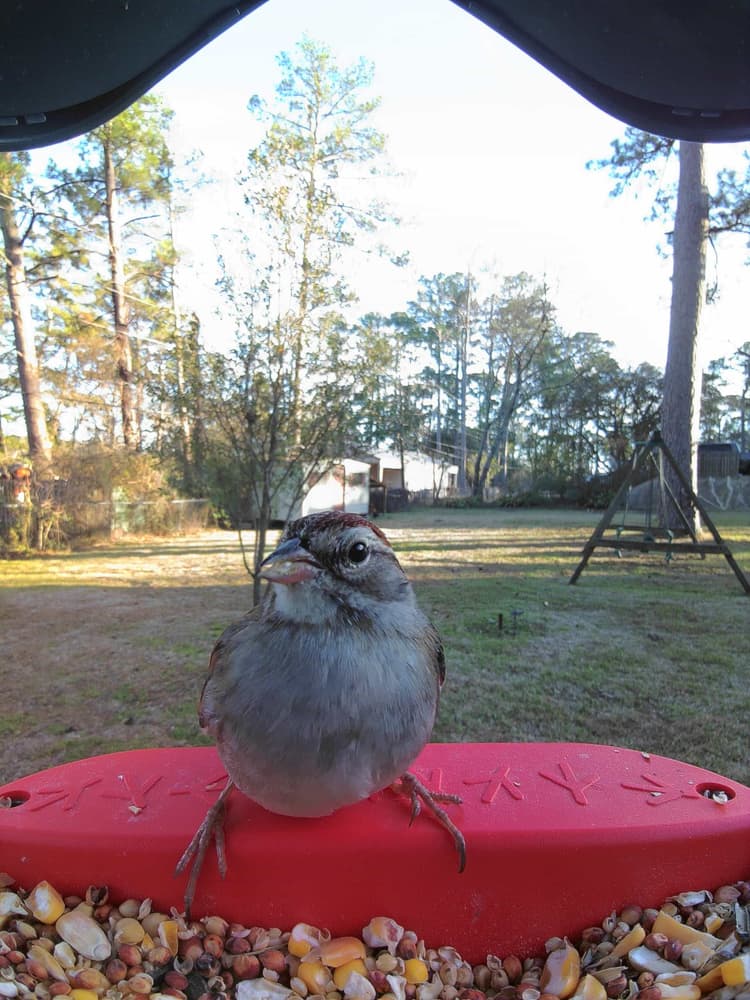
Male and female swamp sparrows are similar in appearance, both featuring the characteristic rusty and gray color palette. However, males might exhibit slightly brighter plumage, particularly during the breeding season, with more vivid chestnut tones on the cap. Females tend to have a more subdued coloration year-round.
Juvenile
Juvenile swamp sparrows are duller than adults, with more brown and less distinct markings. The crown is typically more streaked rather than solid chestnut. As juveniles molt into adult plumage, the vibrant chestnut crown and gray face become more pronounced. Juveniles lack the fully developed rusty wings of adults initially.
Often mistaken for
Chipping Sparrow vs Swamp Sparrow
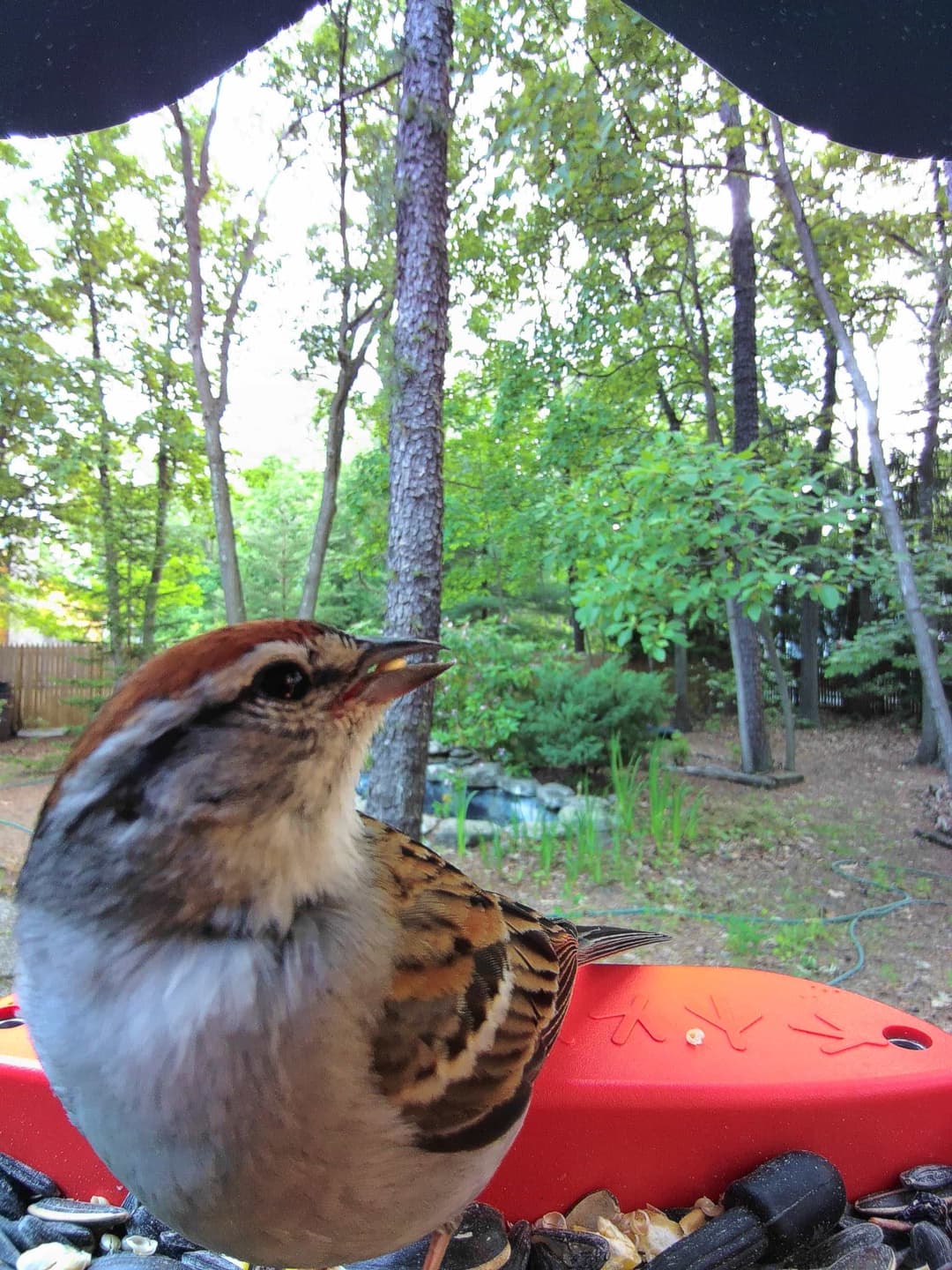
Swamp Sparrows have a darker, richer brown overall with a grayish face and a chestnut crown. Chipping Sparrows feature a brighter chestnut crown and lack the gray face. The Swamp Sparrow’s song is slower, more melodious.
Field Sparrow vs Swamp Sparrow
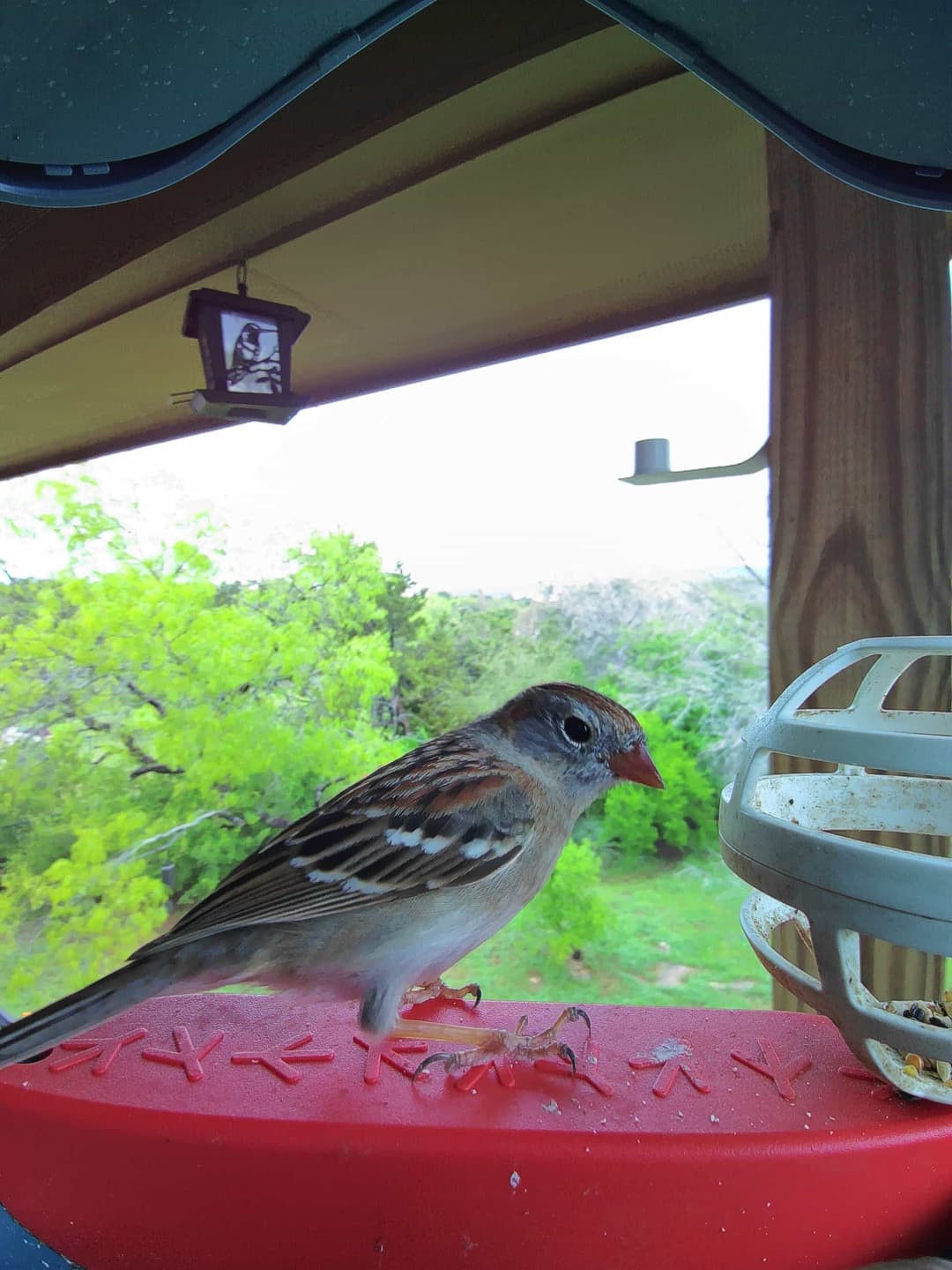
Field Sparrows display a pink bill and a more uniform pale brown color. Swamp Sparrows have a darker, streaked brown body with a rusty crown and a gray face. The Swamp Sparrow's song is buzzy and monotone.
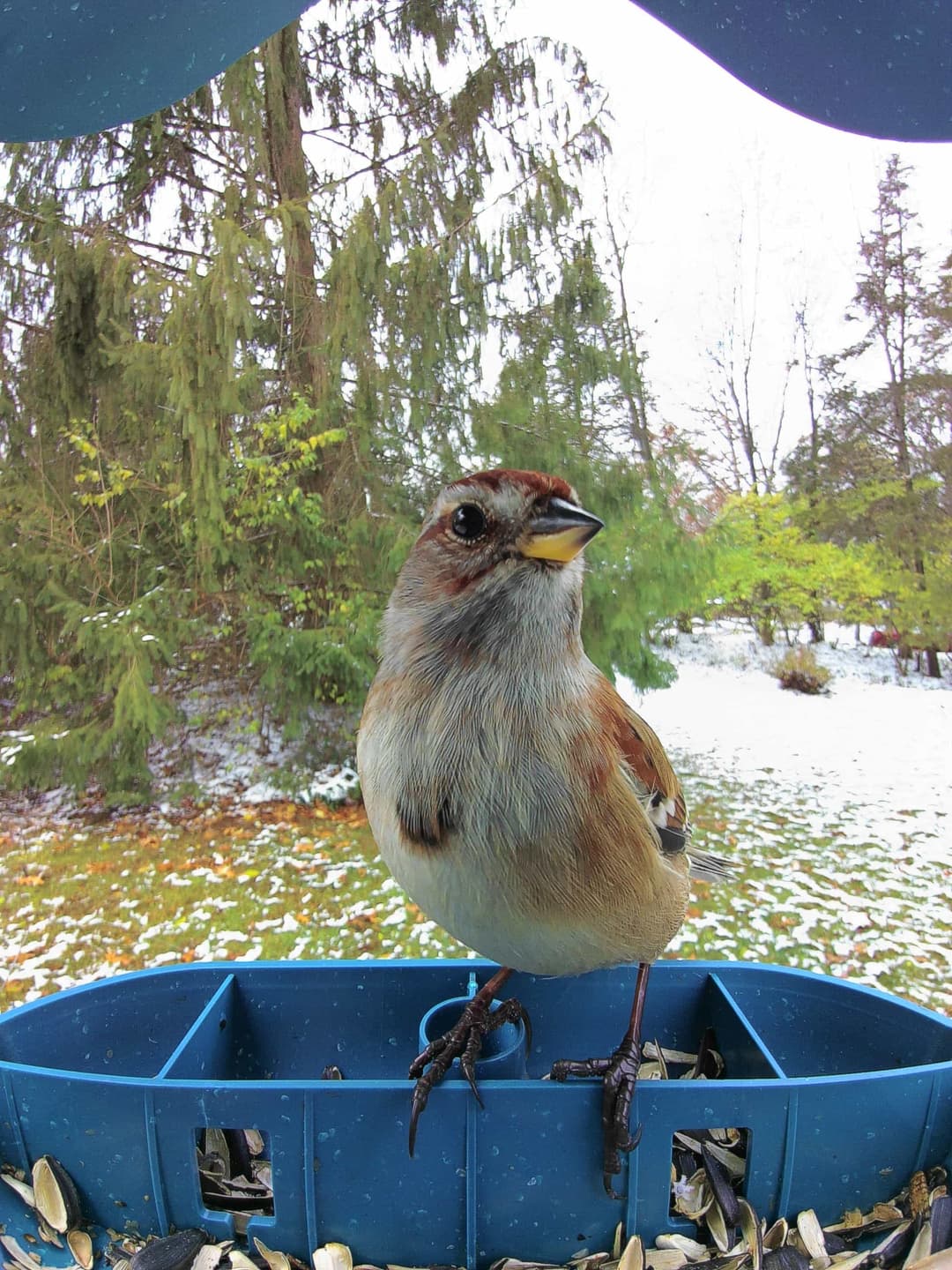
American Tree Sparrow vs Swamp Sparrow
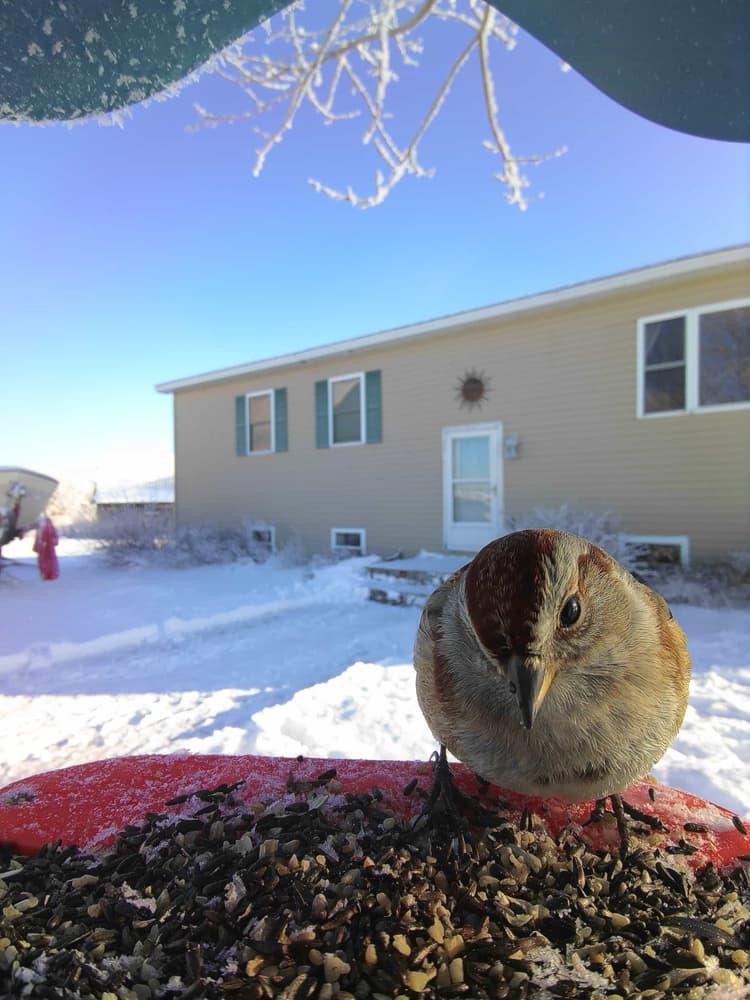
American Tree Sparrows have a rusty cap and a distinct central breast spot. Swamp Sparrows are darker overall with a gray face and lack the breast spot. Their habitats also differ; Tree Sparrows prefer open, snowy fields.
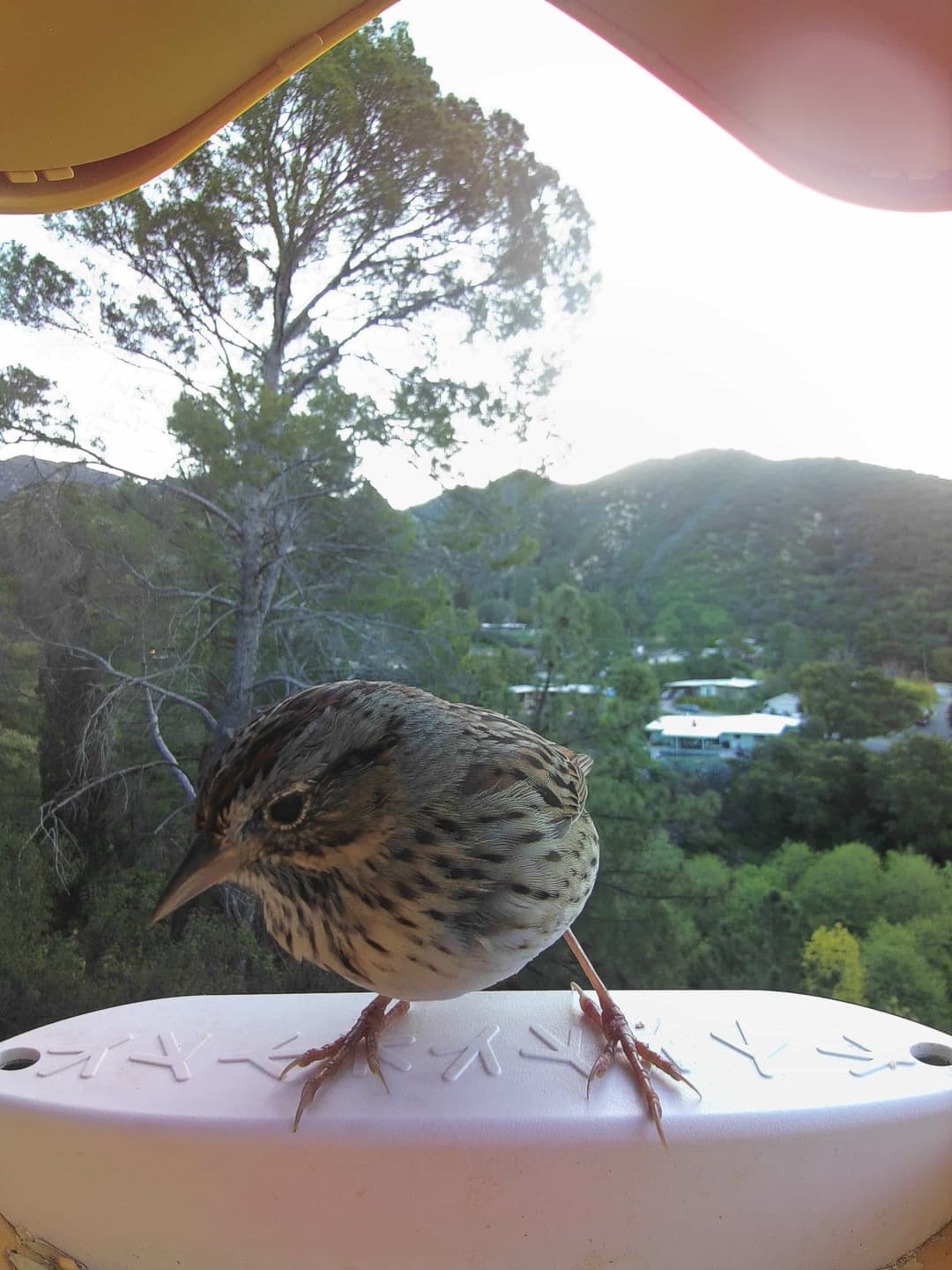
Lincoln’s Sparrow vs Swamp Sparrow
Lincoln’s Sparrows have a finer streaking on their chest and a buffy, more intricate facial pattern. Swamp Sparrows are less intricately marked with a characteristic rufous crown and grayish face. Swamps live in wetter habitats.
Breeding and nesting habits of the swamp sparrow
Mating behaviors
The male defends its nesting territory through singing, a behavior displayed both day and night. The song is delivered from elevated positions in the marsh, such as the top of cattails or shrubs, to assert dominance and attract mates.
Nesting details
Nests are placed in marsh vegetation like cattails or sedge tussocks, typically above water, up to 5 feet high. Nests may feature a foundation of coarse grass and marsh plants, with a finer grass inner cup. Often, leaves arch over the nest, creating a side entrance.
Eggs and chick-rearing
While specific details on eggs and chick-rearing are not provided, it is implied that nesting tasks, such as building and maintaining the nest structure, might be performed by the female only. Chicks are likely reared in the protective marsh environment, ensuring their safety from predators.
What does a swamp sparrow like to eat?
Aquatic animals
Fruits
Insects
Seeds
Spiders
Natural diet
The swamp sparrow predominantly consumes insects and seeds in its natural habitat. Insects form a significant portion of their diet, more so than in related sparrow species, especially during the summer months. The diet includes various beetles, caterpillars, grasshoppers, crickets, ants, and other arthropods. During the fall and winter seasons, the sparrow's diet shifts to include many seeds, particularly those from grasses, weeds, and sedges.
Bird feeders
Swamp sparrows may occasionally visit bird feeders, although they predominantly forage in their natural habitats. At feeders, they may consume a variety of seeds typically provided, such as sunflower seeds and millet, which mimic the types of seeds they consume in the wild.
Attracting the swamp sparrow with food
One of the best ways to tempt a swamp sparrow to your yard is by offering it some of its favorite snacks. Bird Buddy seeds are highly recommended because they are chosen by experts to meet the birds' seasonal dietary needs. Millet, a primary component of Bird Buddy seeds, is a particular favorite of swamp sparrows. You can scatter these seeds in a ground feeder, as swamp sparrows prefer feeding close to the ground.
Choosing the right feeder
Swamp sparrows are ground feeders, meaning they prefer to eat on the ground rather than from hanging feeders. Choose feeders that are low to the ground, or simply scatter your Bird Buddy seeds directly on the ground. Please ensure you place the feeder or scatter seeds away from high traffic areas and safe from predators.
Encouraging their stay
Swamp sparrows are attracted to yards that resemble their natural habitat; marsh-like environments. You can create a welcoming habitat by maintaining a bird-friendly yard. This could include a bird bath for them to cool down and providing dense shrubbery for them to take shelter. Additionally, playing swamp sparrow song recordings can also lure them into your yard and induce them to participate in a beautiful, harmonious sing-along.
Where can you find swamp sparrows?
Primary habitat
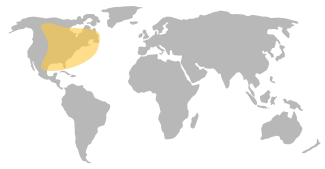
Swamp sparrows primarily breed in freshwater marshes with good growth of sedges, grass, or cattails, often surrounded by alder or willow thickets, and sometimes in swampy thickets around ponds and rivers.
Additional range
They also inhabit salt marshes on the middle Atlantic Coast. During migration and winter, they are found mainly in marshes, but also in streamside thickets, and rank weedy fields.
Do they migrate?
The swamp sparrow exhibits migratory behavior, particularly among populations breeding in western Canada. These birds generally move eastward in the fall to spend the winter in the southeastern United States. This migration suggests a significant seasonal shift from their breeding grounds towards areas that offer milder winter climates. While the primary movement is eastward from western Canada to the Southeast, it's noteworthy that some swamp sparrows do remain in the western regions during winter, albeit in smaller numbers. This indicates some level of flexibility in their migratory patterns, potentially influenced by local environmental conditions or resource availability. As for timing, the migration of swamp sparrows typically begins in the fall as the breeding season concludes, aligning with the decrease in temperature and changes in habitat conditions in their northern breeding grounds. Their stay in the southeastern regions usually lasts through the winter months, before they begin their return migration to their breeding territories in the spring. Overall, this eastward and then return migration route highlights a distinct seasonal adaptation, helping them avoid harsh winter conditions while optimizing breeding opportunities in the spring and summer.
What is the role of swamp sparrows in nature and how to protect them?
Conservation status
The swamp sparrow remains widespread and common, despite a decline in population due to marsh habitat loss. However, the localized salt-marsh race along the Atlantic Coast is potentially vulnerable to further habitat destruction. Key conservation efforts should focus on preserving and restoring marsh ecosystems to prevent further decline. Addressing the primary threat of habitat loss is crucial to ensuring the survival of the species, particularly for the vulnerable salt-marsh population.
Ecological role of swamp sparrows
Its role in the ecosystem
The Swamp Sparrow plays a vital role in the ecosystem by contributing to both pest control and seed dispersal. Firstly, the Swamp Sparrow heavily feeds on insects such as beetles, caterpillars, grasshoppers, crickets, ants, and other arthropods, especially during summer. By feeding on these insects, the Sparrows keep the insect population in check, maintaining a balance in the ecosystem and acting as a natural form of pest control. Secondly, they also consume many seeds, particularly in fall and winter. The seeds they eat are often from grasses, weeds, and sedges. Through this feeding habit, Swamp Sparrows contribute to seed dispersal in their habitat, aiding plant reproduction and facilitating the growth and spread of various species of plants within the marshland ecosystem. This ensures the survival and thriving of their habitats. In terms of nesting, Swamp Sparrows typically choose marsh vegetation such as cattails, sedge tussocks, or bushes, which may indirectly contribute to the vegetation's growth and development.
How to help protect swamp sparrows
Preservation tips
Habitat preservation for swamp sparrow
Preserve and restore the wetlands where the Swamp Sparrow thrives, particularly freshwater marshes, wet meadows, bogs, and swamps. Avoid the use of pesticides that can be harmful to the swamp sparrows. Motivate governmental and non governmental organizations to protect and conserve these habitats. Implement buffer zones around the habitats to avoid human interference.
Community science initiatives for swamp sparrow conservation
Promote citizen science projects to collect data on Swamp Sparrow populations and behaviors. Encourage local communities to participate in bird monitoring projects such as the Christmas Bird Count and the Great Backyard Bird Count. Train locals in identification and monitoring methods. Create workshops and awareness programs to highlight the importance of Swamp Sparrow conservation. Partner with schools and universities to involve students in bird conservation research.