
Yellow-Bellied Sapsucker
Yellow-Bellied Sapsucker
Sphyrapicus varius


Quick Identification guide
Quick Identification guide
- •
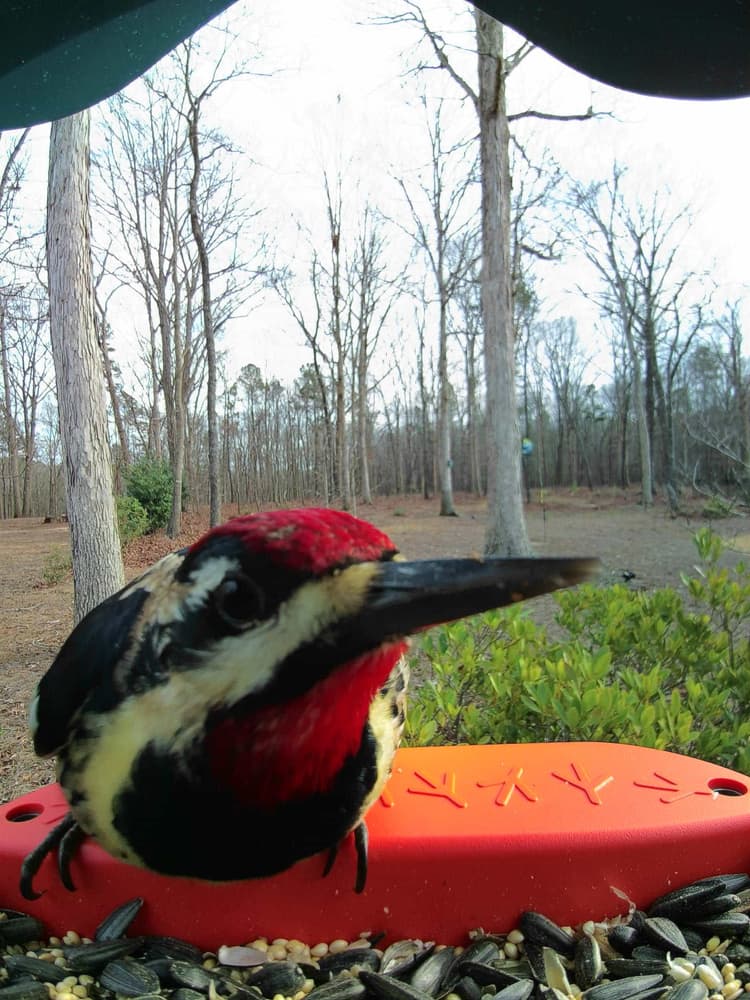
Features a bold black and white striped face with a vivid red forehead and crown in males
- •
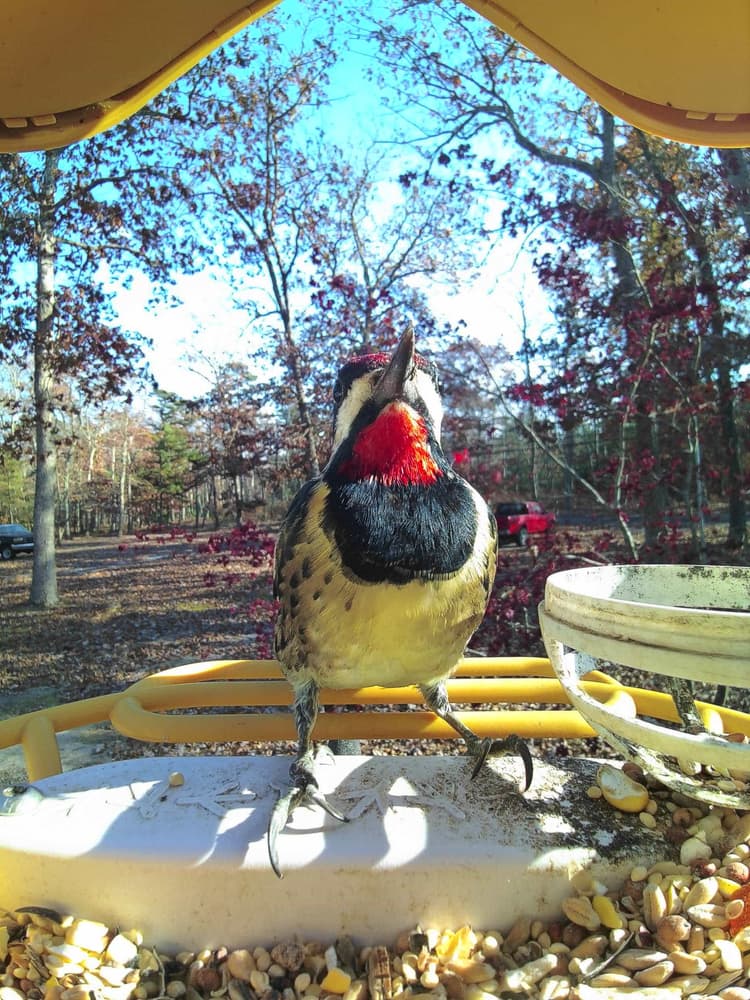
Has yellowish underparts that give the bird its name, with a black bib below the throat
- •
Displays a stiff and straight medium-length beak ideal for tapping into trees
What does a yellow-bellied sapsucker sound like?
The yellow-bellied sapsucker vocalizes by emitting mewing and whining notes. The call pattern of this bird is typically falling, flat-type sounds. The key types of calls it makes are categorized as a chirp or chip, a rattle, and a scream. These distinct chirp types and patterns form a major part of the yellow-bellied sapsucker's unique communication style.


Description
They claim their territory by drumming on objects with their powerful beak, even manmade ones! They will often pick out a favourite pole or roadside sign and come back to it. They make two types of holes: round and deep ones allow them to suck sap out of the tree, whereas shallow and square ones allow sap to leak out so they can lick it off. Hummingbirds are especially fond of the latter method as it lets them join the buffet.
The yellow-bellied sapsucker can weigh between 45to54grams and be from21to22centimeters tall.
The Yellow-bellied Sapsucker has an average lifespan of 7 years in the wild. This is relatively longer compared to some similar species such as the Downy Woodpecker which averages 2-5 years. However, it is shorter than the Northern Flicker's lifespan, another closely related species, which can live up to 9 years. Factors affecting lifespan include predation and habitat loss.
Did you know?
Most popular questions about yellow-bellied sapsucker
How to recognise a yellow-bellied sapsucker?
General appearance
The yellow-bellied sapsucker, about the size of a Robin, features a striking 8 1/2 inch (22 cm) long white stripe on its folded wing. The bird's back is mottled, and its face is striped. Its wings are broad and rounded, and it bears a distinctive, multi-pointed, wedge-shaped tail.
Male vs female
There are distinguishable differences between the male and female yellow-bellied sapsuckers. Primarily, the throat color varies, with males boasting a red throat while females have a white one. Both sexes exhibit a mix of black, brown, red, white, and yellow in their overall coloration.
Juvenile
Young yellow-bellied sapsuckers in their juvenile stage have brown heads in the fall season. As the season progresses towards late winter, the young birds gradually molt, their appearance shifting to closely resemble that of the adults.
Often mistaken for
Downy Woodpecker vs Yellow-Bellied Sapsucker
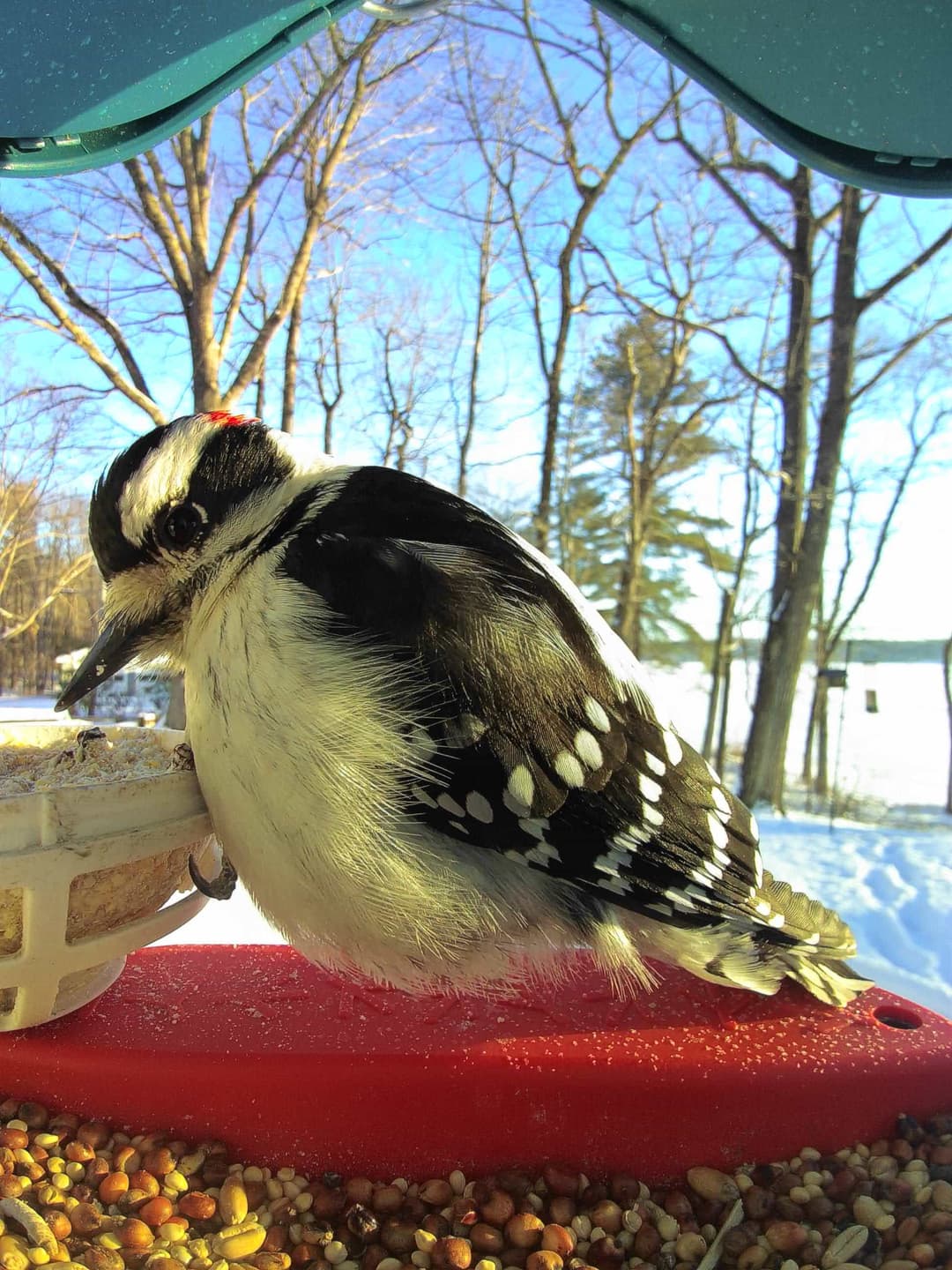
Downy Woodpeckers are smaller with a shorter bill and a white back. Yellow-Bellied Sapsuckers have a distinctive red throat (in males) and a faint yellow wash on their belly.
Hairy Woodpecker vs Yellow-Bellied Sapsucker
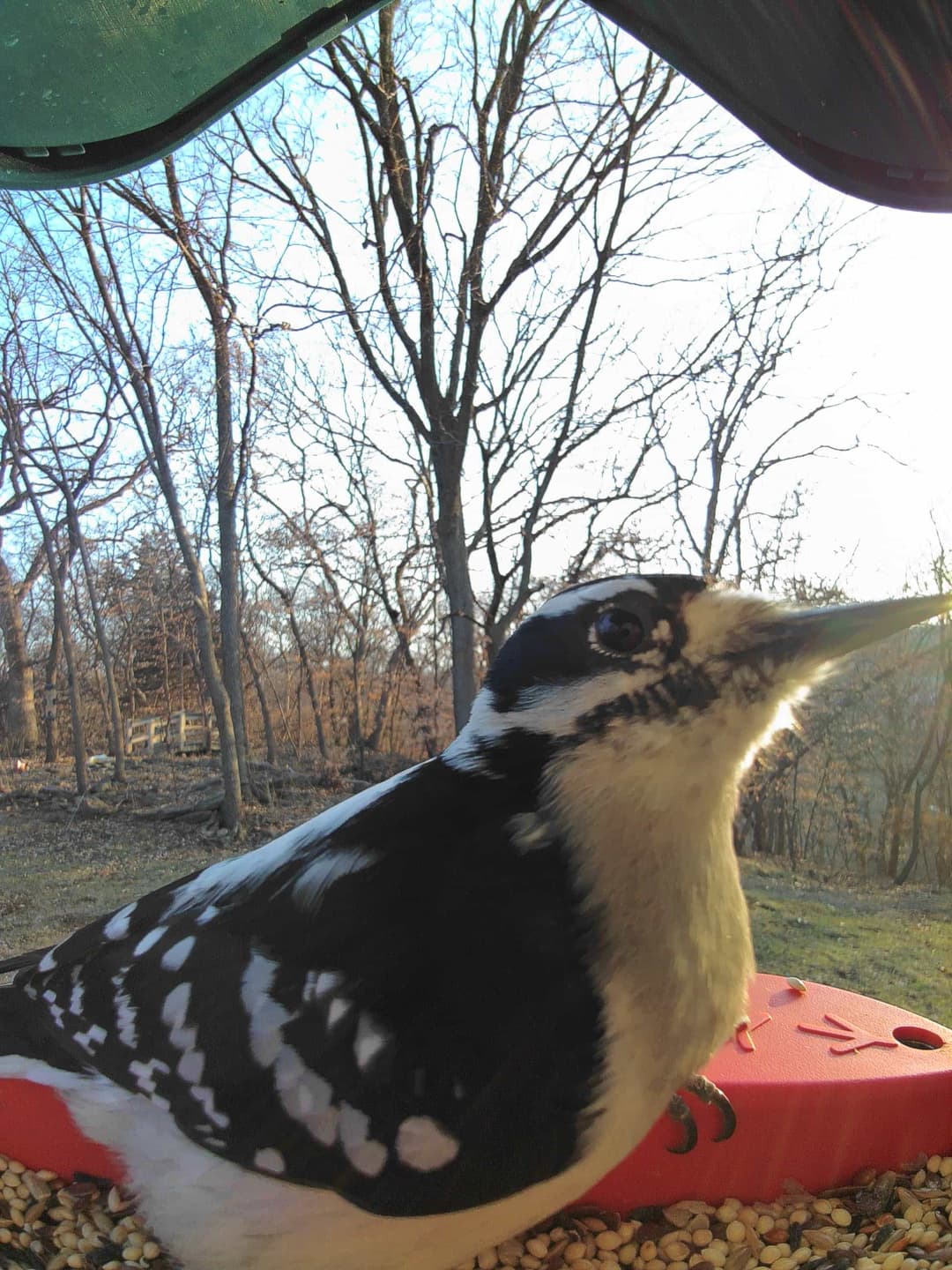
Hairy Woodpeckers are larger with a longer, more robust bill. Yellow-Bellied Sapsuckers have a red forehead and a mottled black and white back pattern.
Red-Naped Sapsucker vs Yellow-Bellied Sapsucker
Red-Naped Sapsuckers have a red nape, visible white stripe down their face, and a black chest band. Yellow-Bellied Sapsuckers have more extensive red on the throat and forehead.
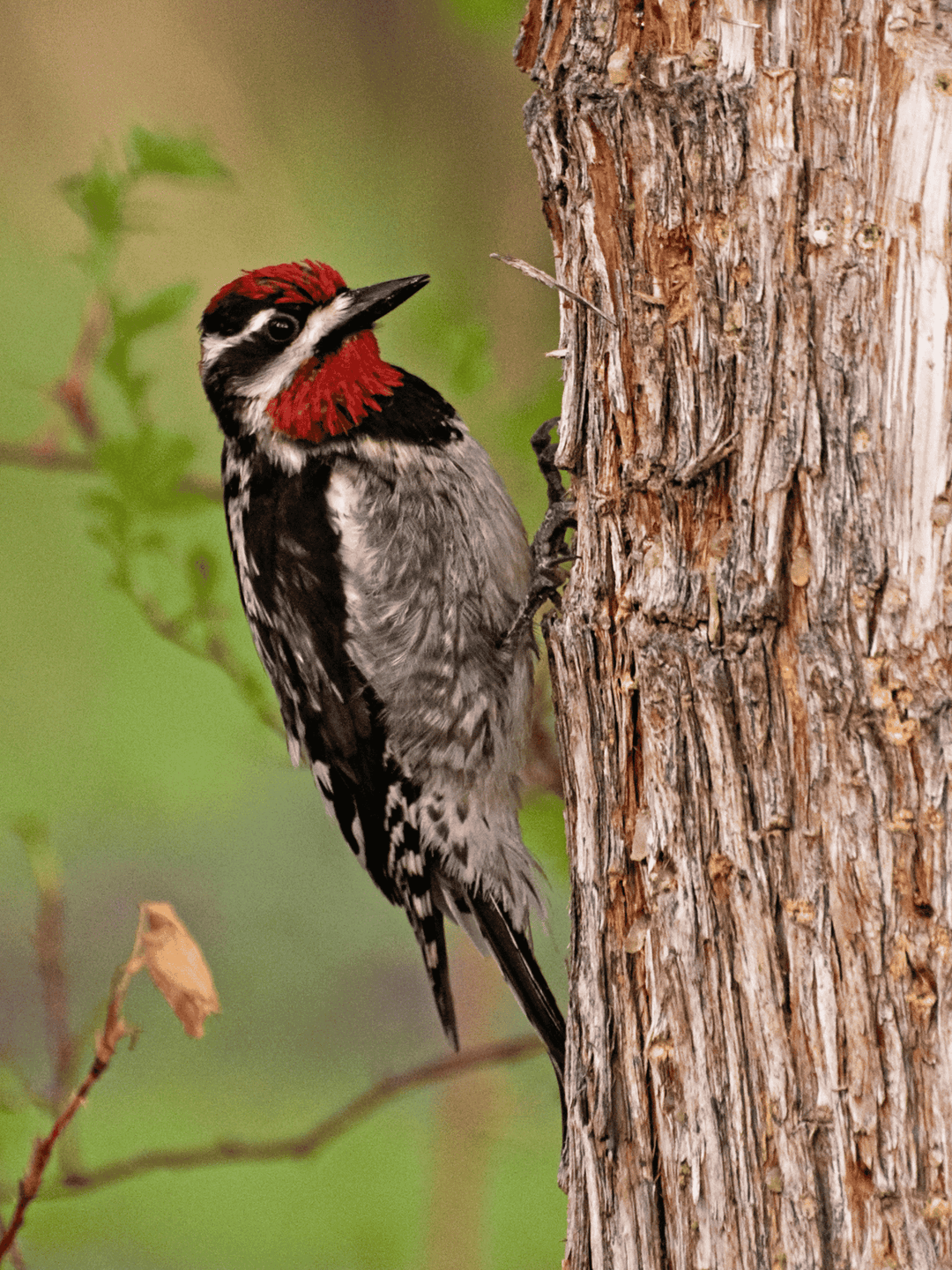
Red-Breasted Sapsucker vs Yellow-Bellied Sapsucker
Red-Breasted Sapsuckers have an all-red head and breast. Yellow-Bellied Sapsuckers have a distinctive red throat in males and are generally less vividly red.
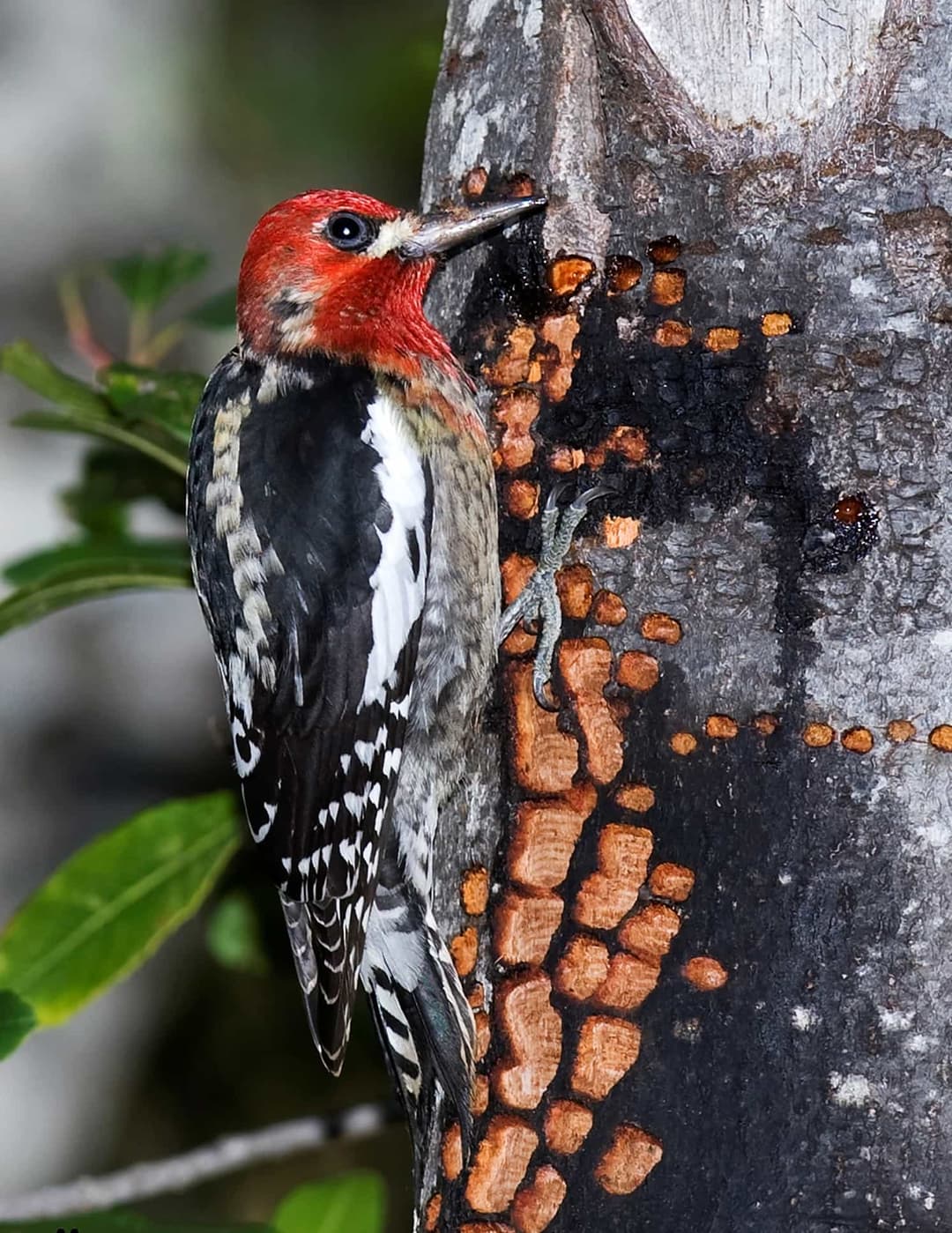
Breeding and nesting habits of the yellow-bellied sapsucker
Mating behaviors
Yellow-bellied sapsuckers engage in elaborate courtship displays that include drumming, calling, and chasing. The male often initiates courtship through a series of unique drumming patterns and vocalizations to attract a mate.
Nesting details
These birds nest in tree cavities, preferring deciduous trees like aspens and birches. Both the male and female excavate the nest, which takes about 7 to 10 days. Gardens with mature trees can attract these birds; ensuring the availability of suitable trees is key.
Eggs and chick-rearing
The female typically lays 4 to 7 white eggs. Both parents incubate the eggs for 12 to 13 days and participate in feeding the chicks. The young fledge after about 25 to 29 days, during which both parents teach them essential survival skills.
What does a yellow-bellied sapsucker like to eat?
Fruits
Insects
Nuts
Plants
Sap
Spiders
Natural diet
The yellow-bellied sapsucker's diet is diverse and primarily consists of insects, tree sap, fruit, and berries. It consumes a wide variety of insects, with a particular emphasis on ants, which it often harvests from tree trunks. In addition to insects, the bird regularly feeds on the sap of trees, which it accesses by drilling small holes in the bark. The consumption of berries and other types of fruit further supplements its nutritional intake, demonstrating the bird's adaptability in food sourcing within its natural habitat.
Bird feeders
The yellow-bellied sapsucker is less commonly seen at bird feeders compared to other species. However, it may occasionally visit feeders that offer suet, which can provide the necessary fats and proteins similar to its natural insect diet. Feeders with sugar water or fruit offerings might also attract this species, as these can mimic the bird's natural consumption of tree sap and berries. Bird enthusiasts can cater to sapsuckers by including these options in their feeding stations.
Tempt a yellow-bellied sapsucker: favorite snacks
To attract yellow-bellied sapsuckers, you'll want to provide their favorite treats. They particularly enjoy eating insects, tree sap, fruits, and berries. You can also tempt them with suet (a high-energy bird food made from fat), which is a favorite among many woodpecker species. For the best results, consider using Bird Buddy seeds, which are expertly chosen for the season.
Attract sapsuckers: feeder types
Yellow-bellied sapsuckers appreciate a suet feeder, which you can hang from a tree or pole in your yard. They're also known for their love of sap, so a sap feeder can be another great attraction. These feeders imitate the sapsucker's favorite feeding spots, offering a natural and familiar feeding method.
Fun tricks to attract sapsuckers
To encourage sapsuckers to visit and stay in your yard, try to mimic their natural habitat as much as possible. Ensure your yard has a blend of mature trees, as sapsuckers often drill into tree trunks for sap and insects. Providing a water source can also be beneficial. If you’re musically inclined, sapsuckers are known for their distinctive drumming pattern – a little ‘song-along’ could just be the thing to keep these fascinating birds in your area!
Where can you find yellow-bellied sapsuckers?

Primary habitat
The yellow-bellied sapsucker's primary habitat consists of woodlands, particularly mixed coniferous and deciduous woods and aspen groves. It is prevalent in areas with aspens during summer.
Additional range
In winter, it also resides in orchards and other trees primarily deciduous ones. During migration periods, it can be found in various woods or even dry brush.
Do they migrate?
The yellow-bellied sapsucker is a migratory bird species, known for one of the most distinctive migration patterns among woodpeckers. There is essentially no overlap between its summer and winter ranges, indicating complete migration. During the breeding season, these woodpeckers inhabit the northern parts of North America, specifically Canada and the northern United States. Come autumn, they migrate both eastward and southward. Their southward migration leads them to winter primarily in the southeastern United States. However, their range extends even further, reaching the West Indies and parts of Central America. This broad wintering range highlights their adaptability and the species' need for suitable feeding grounds beyond their breeding territories. Migrations typically occur from late September to early October, as they relocate to warmer regions to escape the harsh northern winters. In spring, they return to their breeding grounds around late March to early April. The yellow-bellied sapsucker’s migration is characterized by a unique eastward migration of some northwestern breeders, setting them apart from other woodpecker species. Key migration locations include southeastern U.S. states like Florida and Georgia, and for more southerly populations, parts of Central America and the Caribbean.
What is the role of yellow-bellied sapsuckers in nature and how to protect them?
Conservation status
The yellow-bellied sapsucker remains widespread and numerous despite having disappeared from several southern areas where it previously nested. It is not considered vulnerable or endangered. Key conservation efforts focus on maintaining healthy forest ecosystems, as their habitat preference is closely tied to deciduous and mixed forests. Significant threats include habitat loss due to logging, urbanization, and climate change, which can alter the availability of suitable nesting and feeding sites. Conservation strategies aim to monitor population trends and protect critical habitats.
Ecological role of yellow-bellied sapsuckers
Its role in the ecosystem
The yellow-bellied sapsucker plays a significant role in the ecosystem. Its drilling habits, while primarily for feeding, aids in pest control as it consumes a variety of insects, including ants, that are attracted to the sap oozing from the drilled holes. The sap wells it creates also provide food sources for other species. In addition to insects, the sapsucker's diet includes fruits and berries, contributing to seed dispersal and thus aiding in plant propagation. The inclusion of sap in its diet is also noteworthy as it helps in the circulation of nutrients within the tree. For nesting, these birds prefer trees affected by tinder fungus, this could possibly help control the spread of this tree disease. Overall, the yellow-bellied sapsucker contributes significantly to ecological synergy.
How to help protect yellow-bellied sapsuckers
Preservation tips
Habitat preservation
Strategies to support yellow-bellied sapsucker conservation include preserving their natural habitat primarily forested areas, preferably with mixed deciduous and coniferous trees. Avoid unnecessary deforestation and promote replanting. Regular monitoring should be conducted to keep track of the habitat health. Limit the use of pesticides and harmful chemicals that impact their food supply.
Community science initiatives
Citizens can participate in bird counting exercises and report sightings to local wildlife associations. They can also contribute to scientific research by joining local birdwatching groups, and documenting and sharing their observations. Educating the community about the importance of these birds in the ecosystem can help improve local conservation efforts.