Birds in Fort Wayne,
Indiana
Fort Wayne, Indiana, offers diverse birdwatching environments, featuring wooded areas, wetlands, and prairies. Its proximity to several rivers, including the St. Joseph, Maumee, and St. Marys, creates rich habitats. Unique landscape characteristics like Lindenwood Nature Preserve attract a wide array of migratory and native bird species. This diversity, combined with seasonal migrations, makes Fort Wayne a key stopover point for birdwatchers observing varied avian populations.
Most iconic Fort Wayne bird
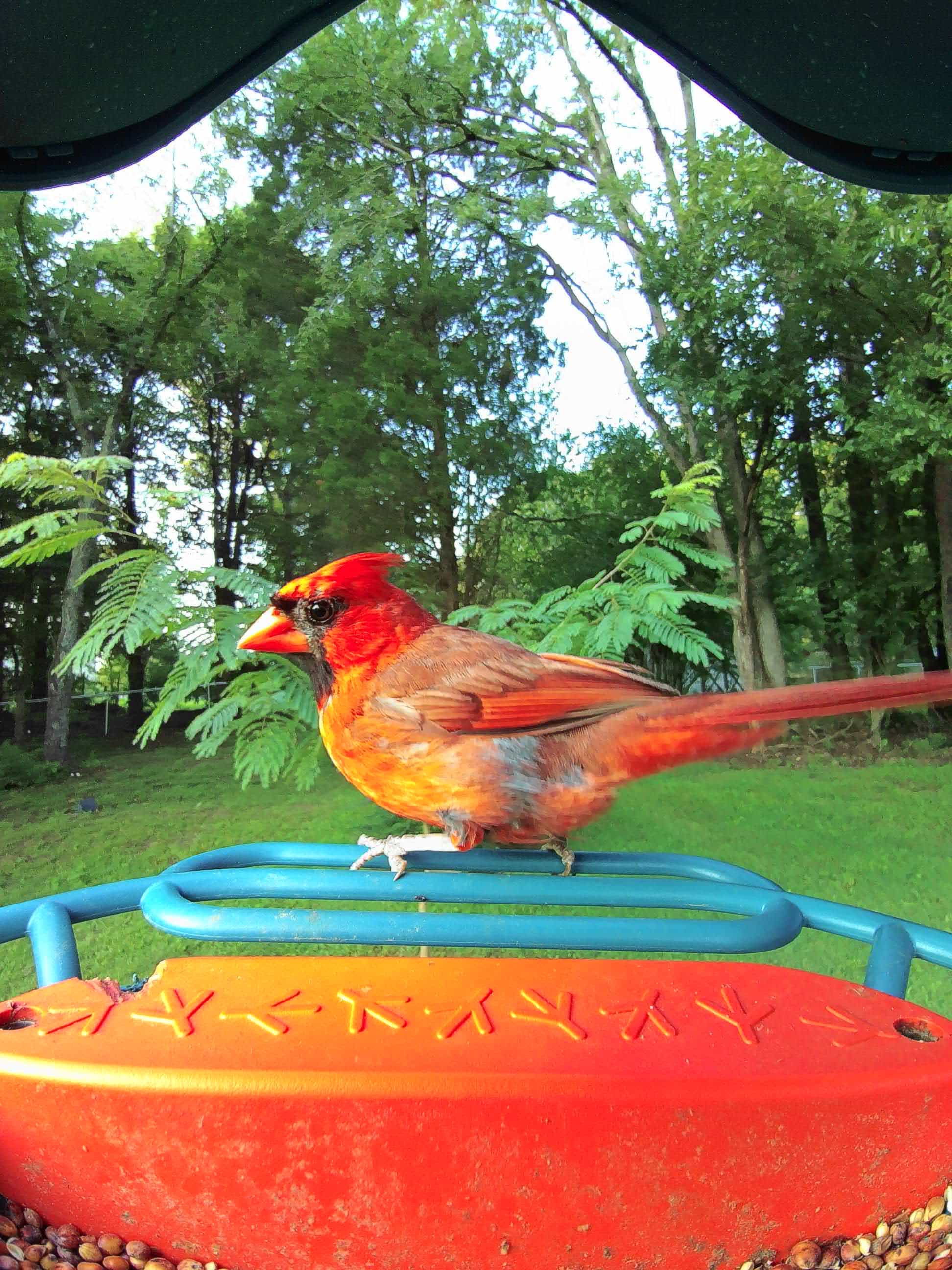
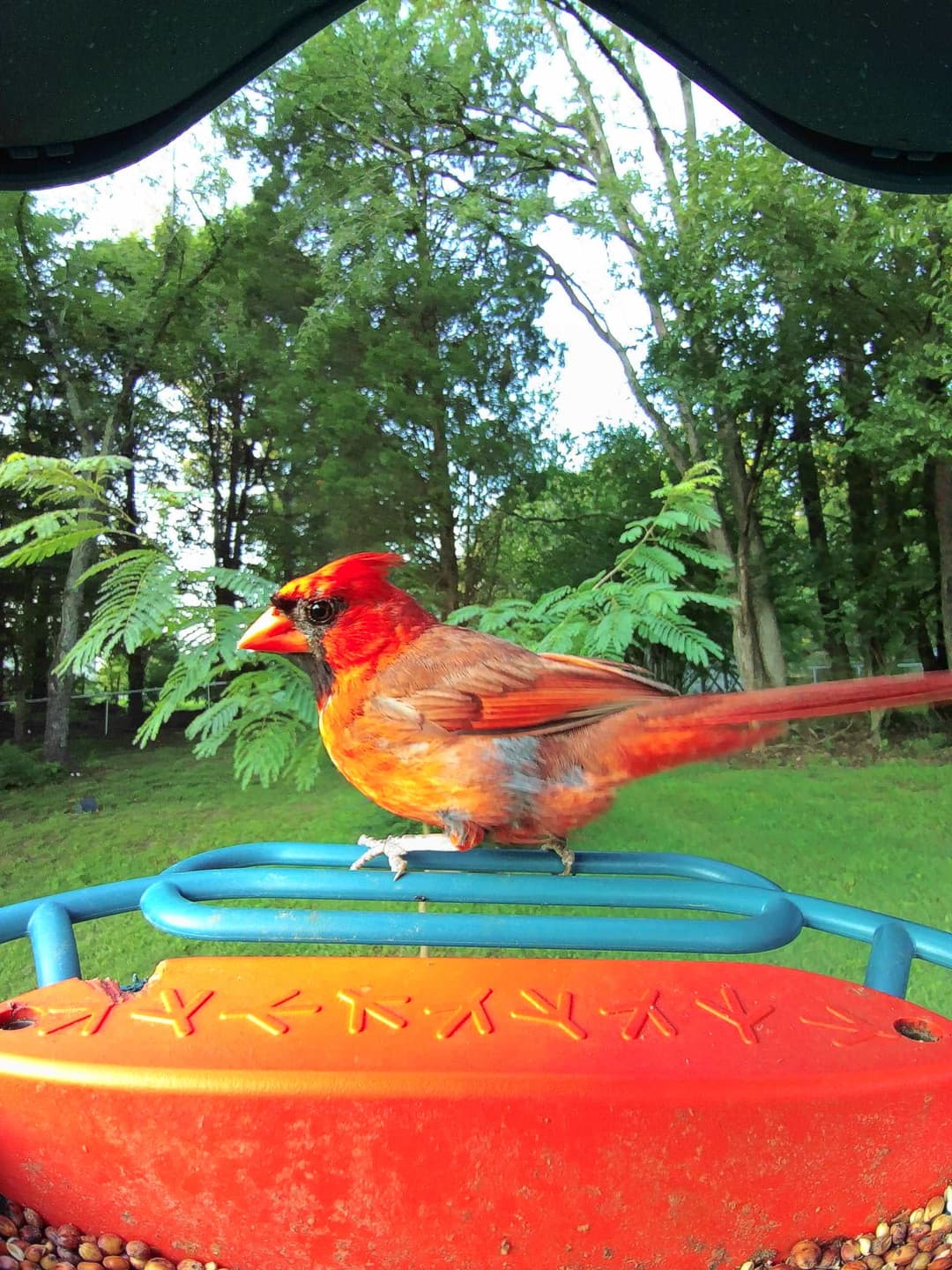
The Northern cardinal was chosen as the state bird of Indiana because it is commonly found in the region and represents the state's natural beauty and heritage.
Common bird species in Fort Wayne
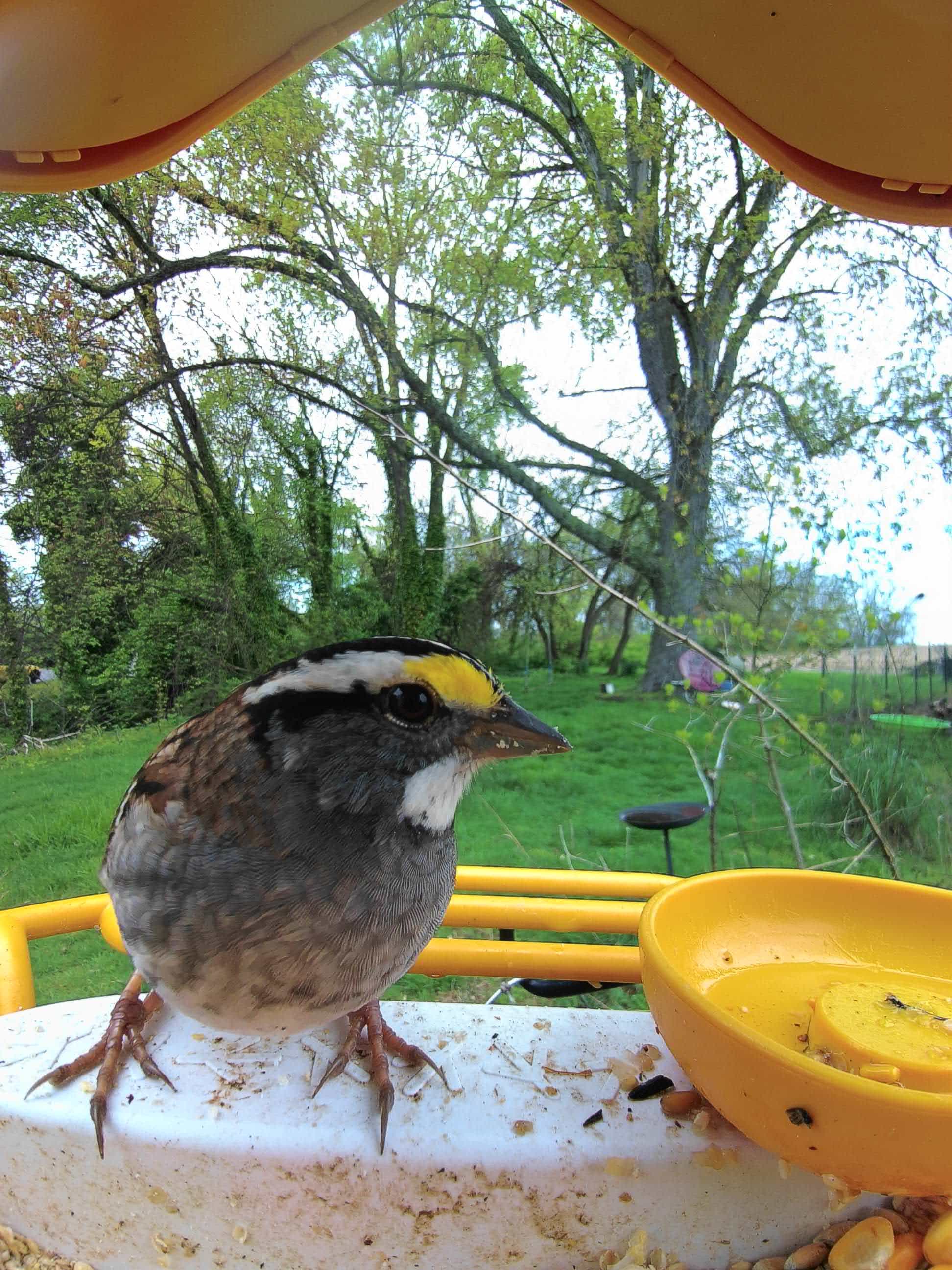
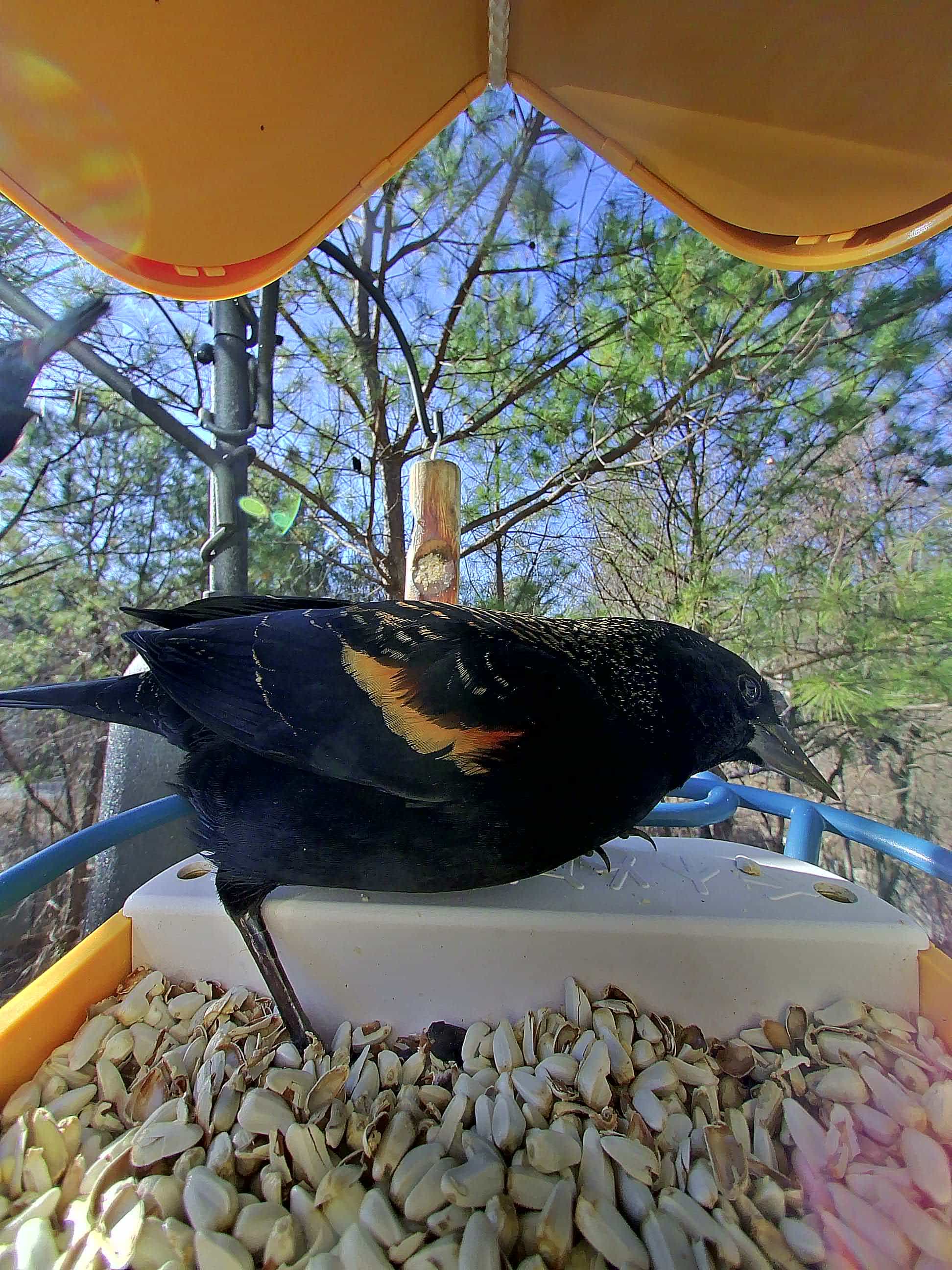
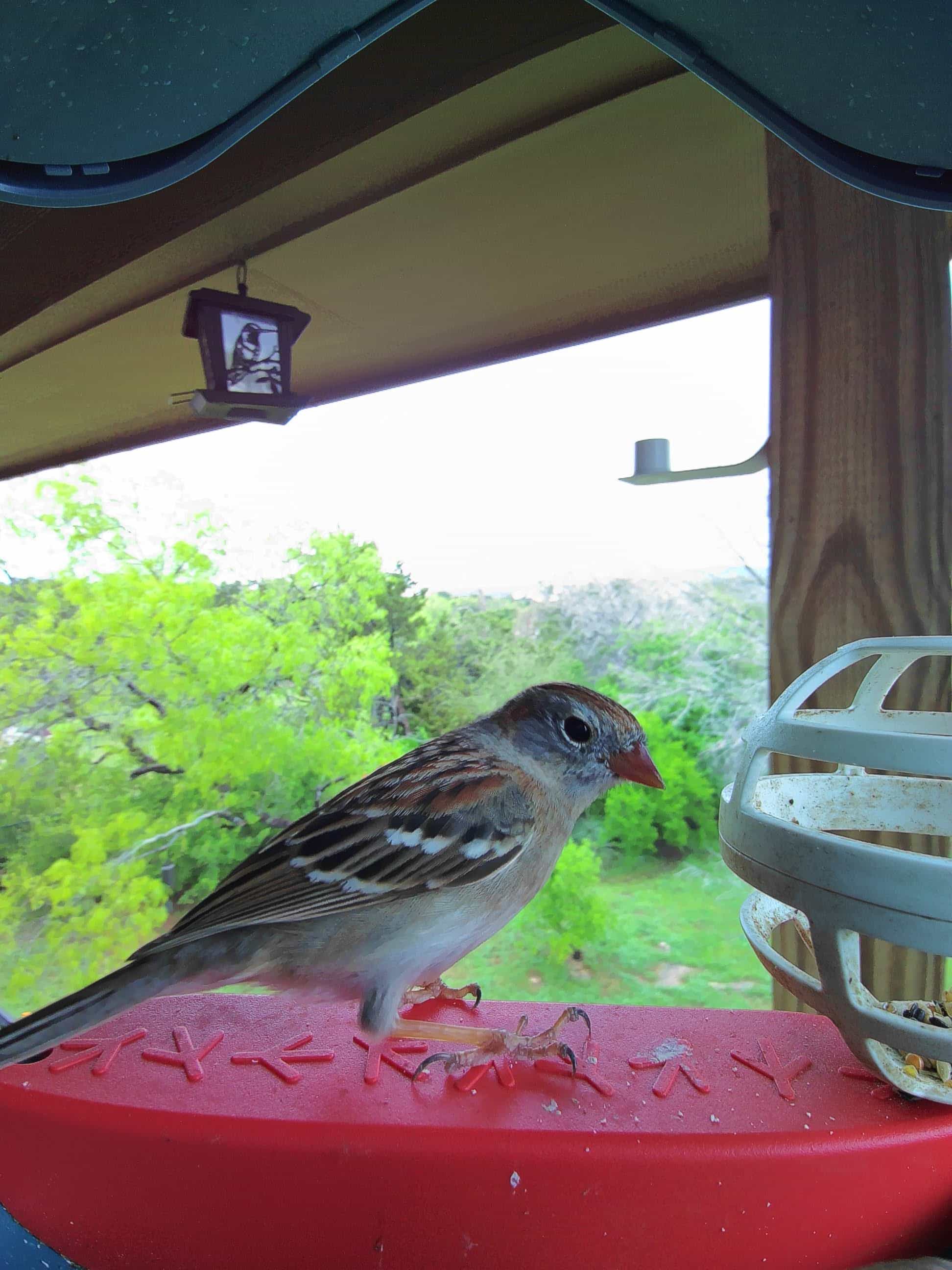
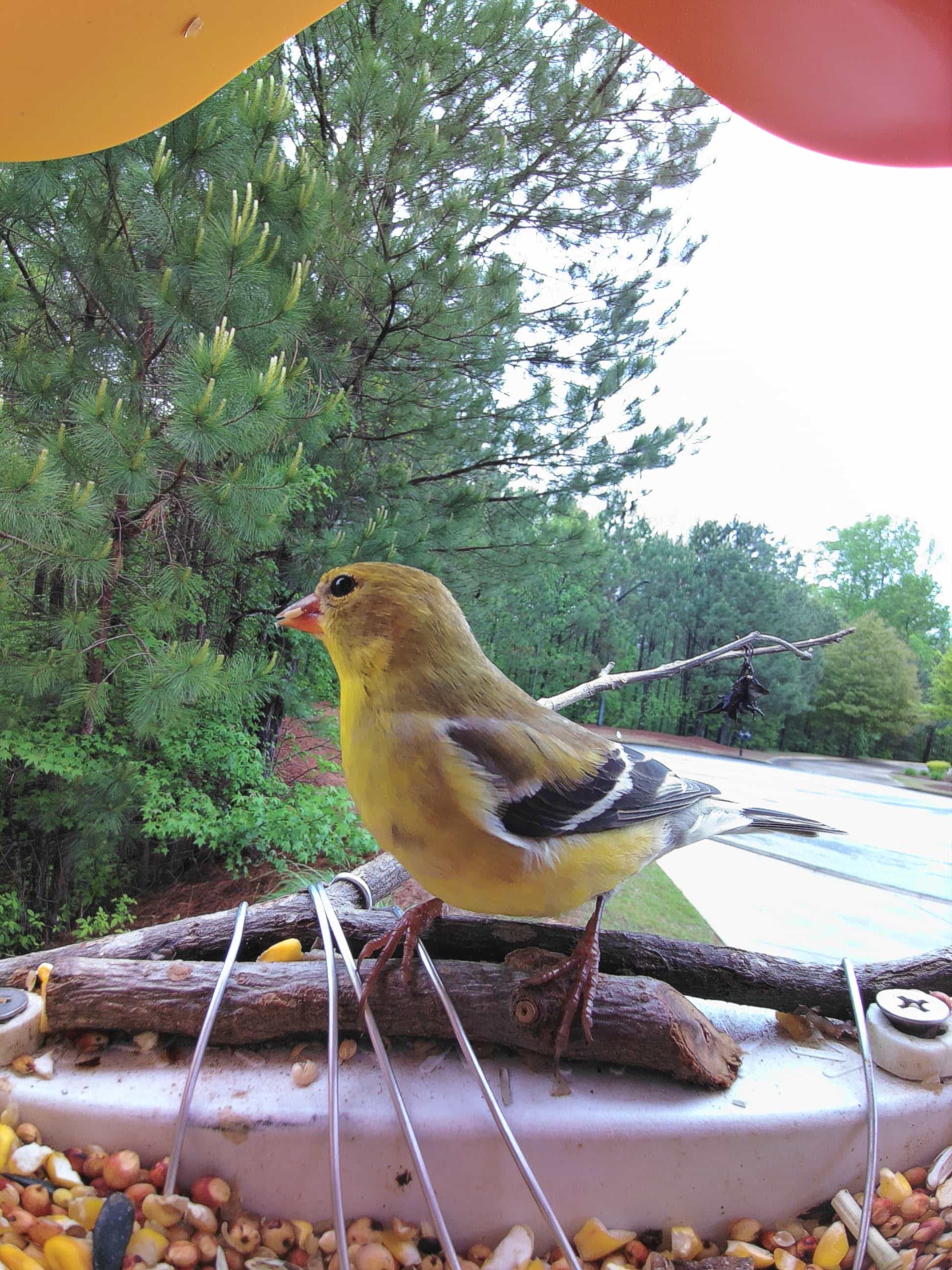
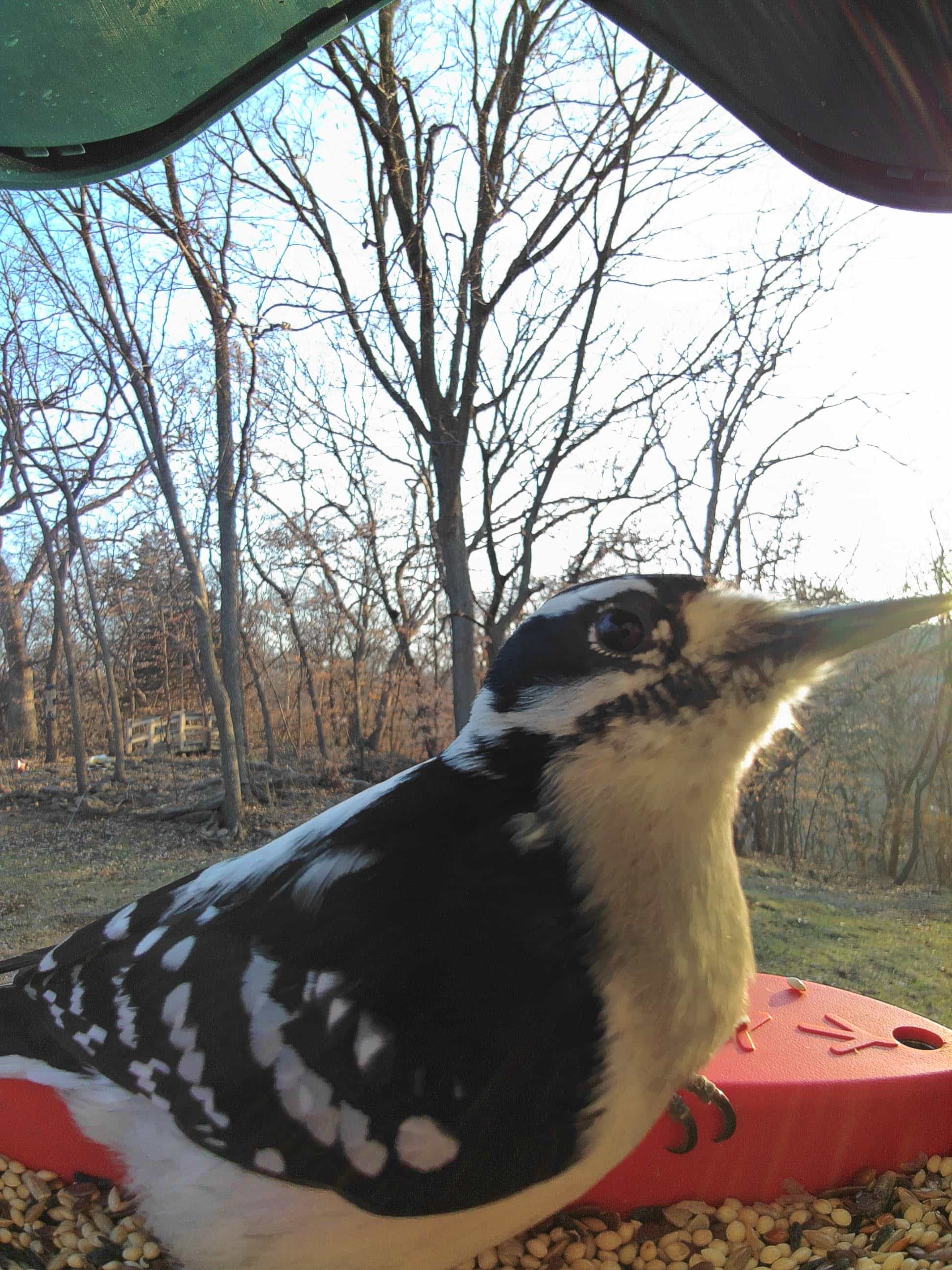
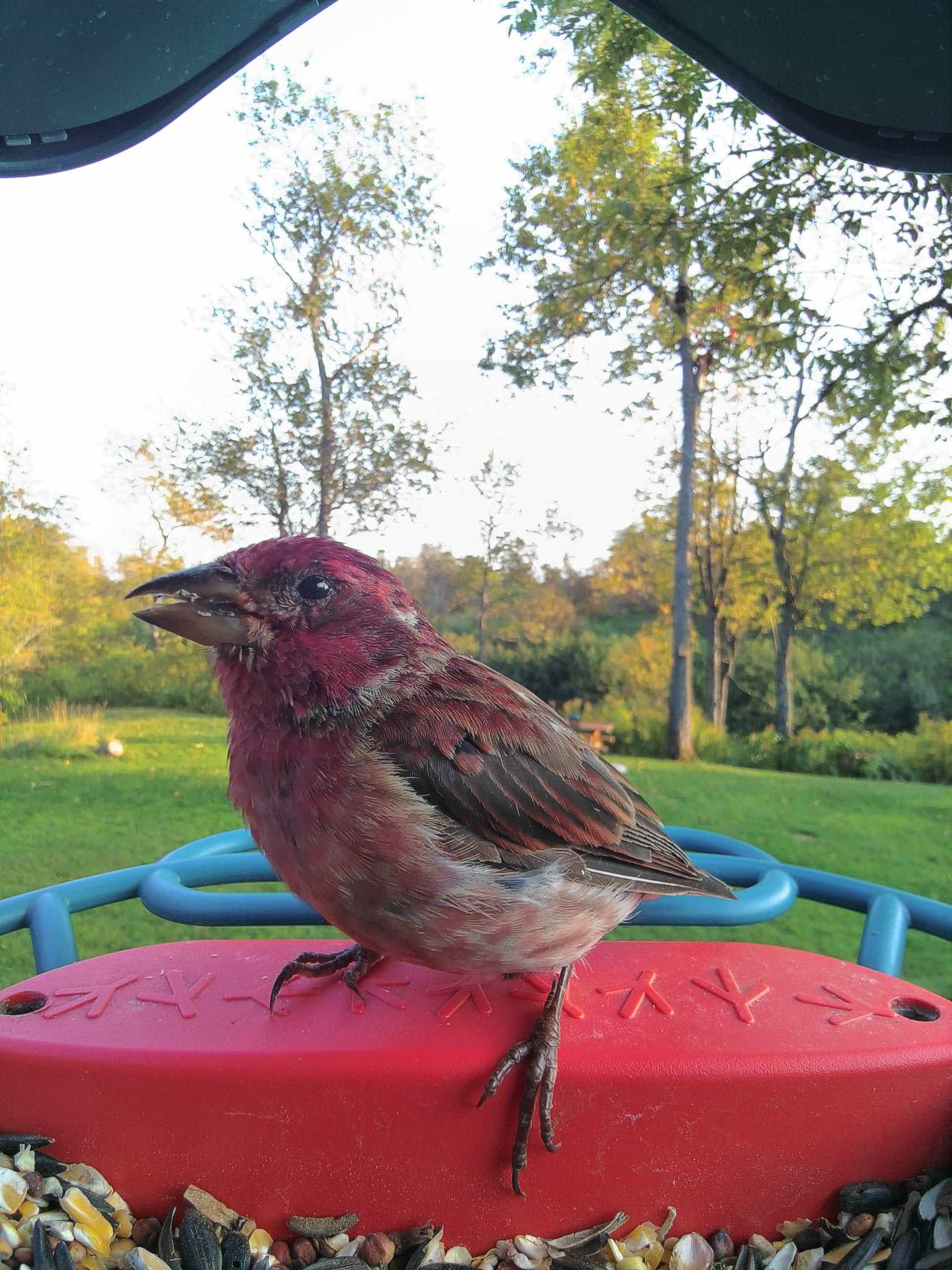
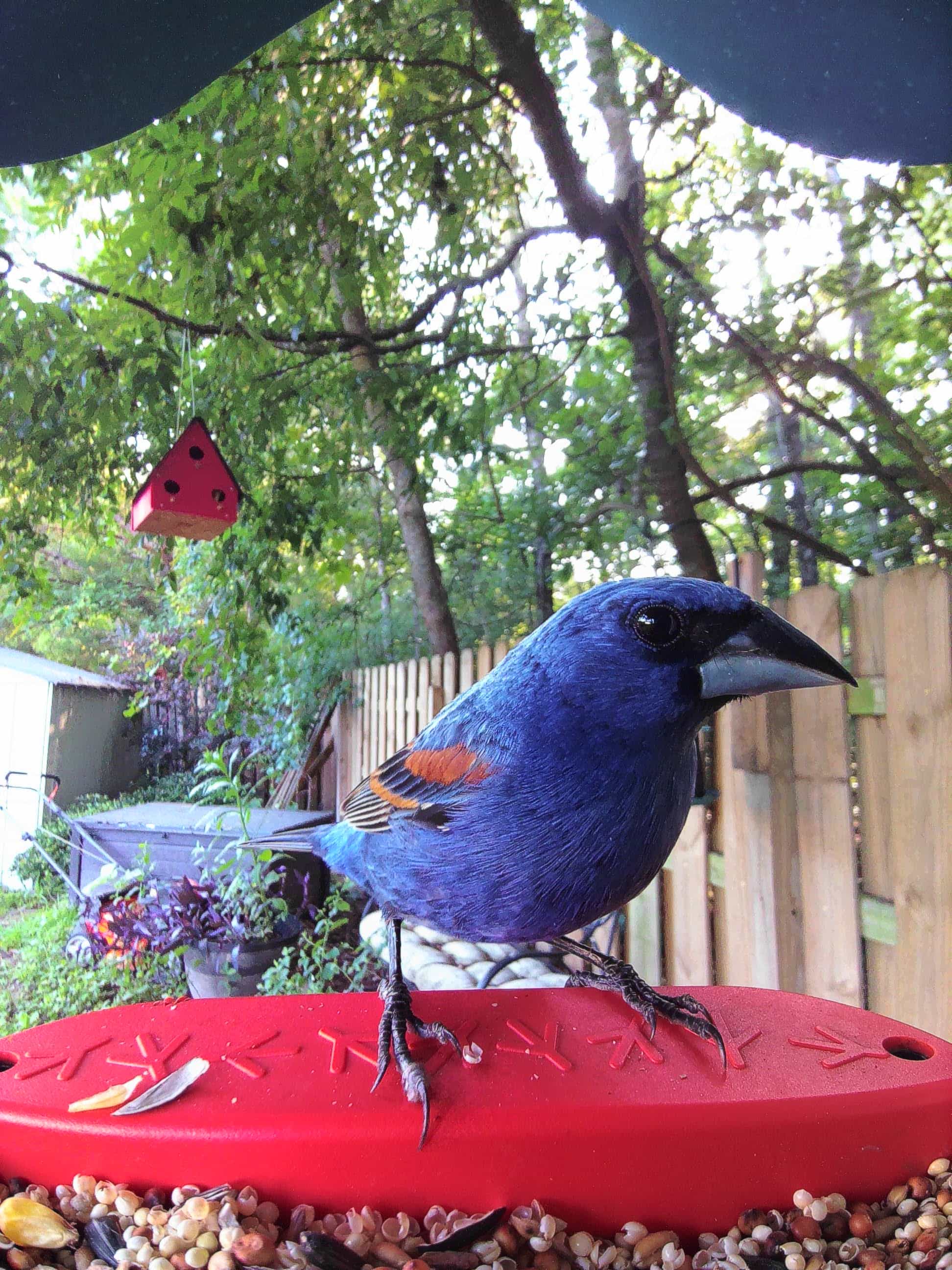
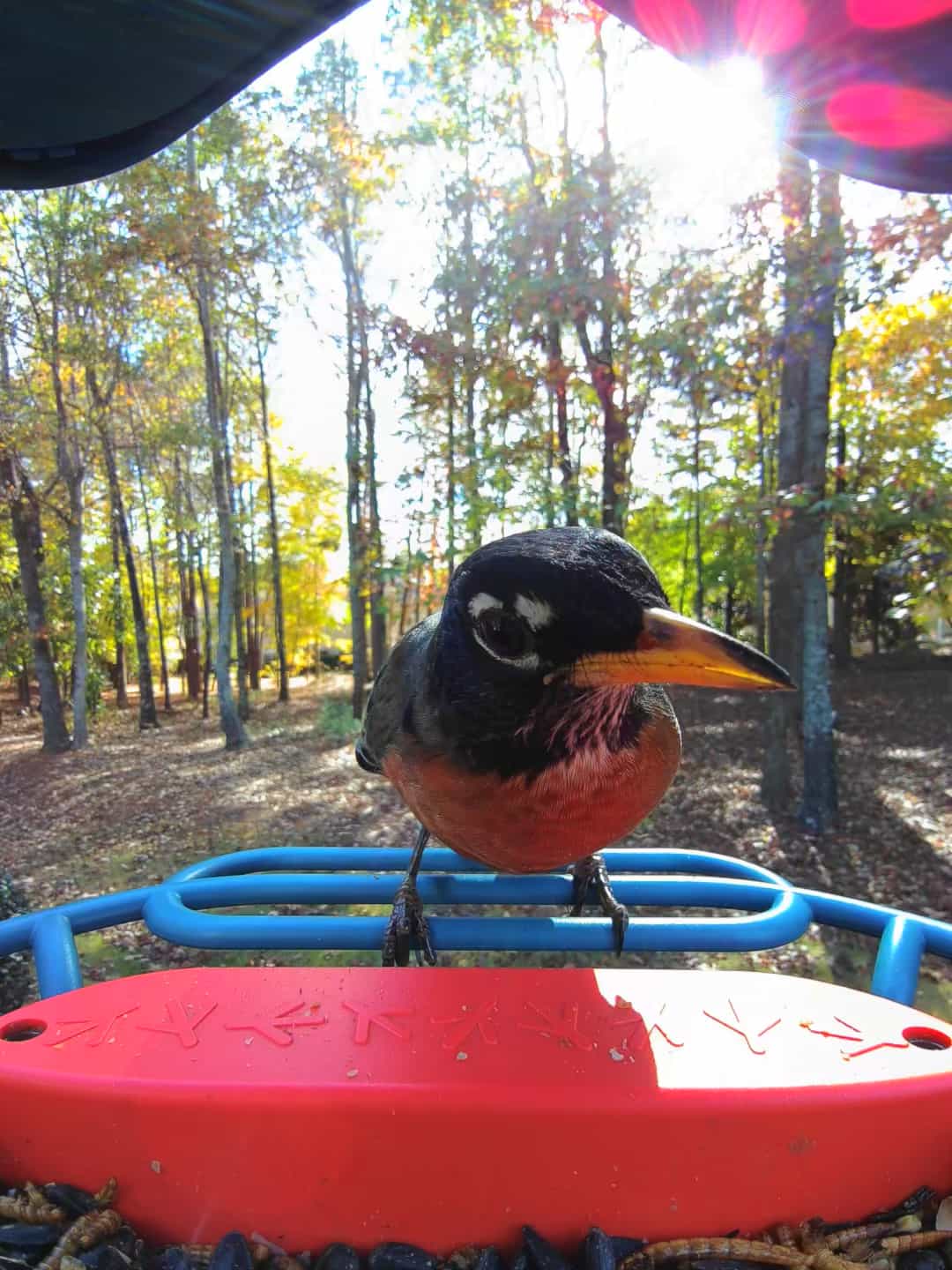
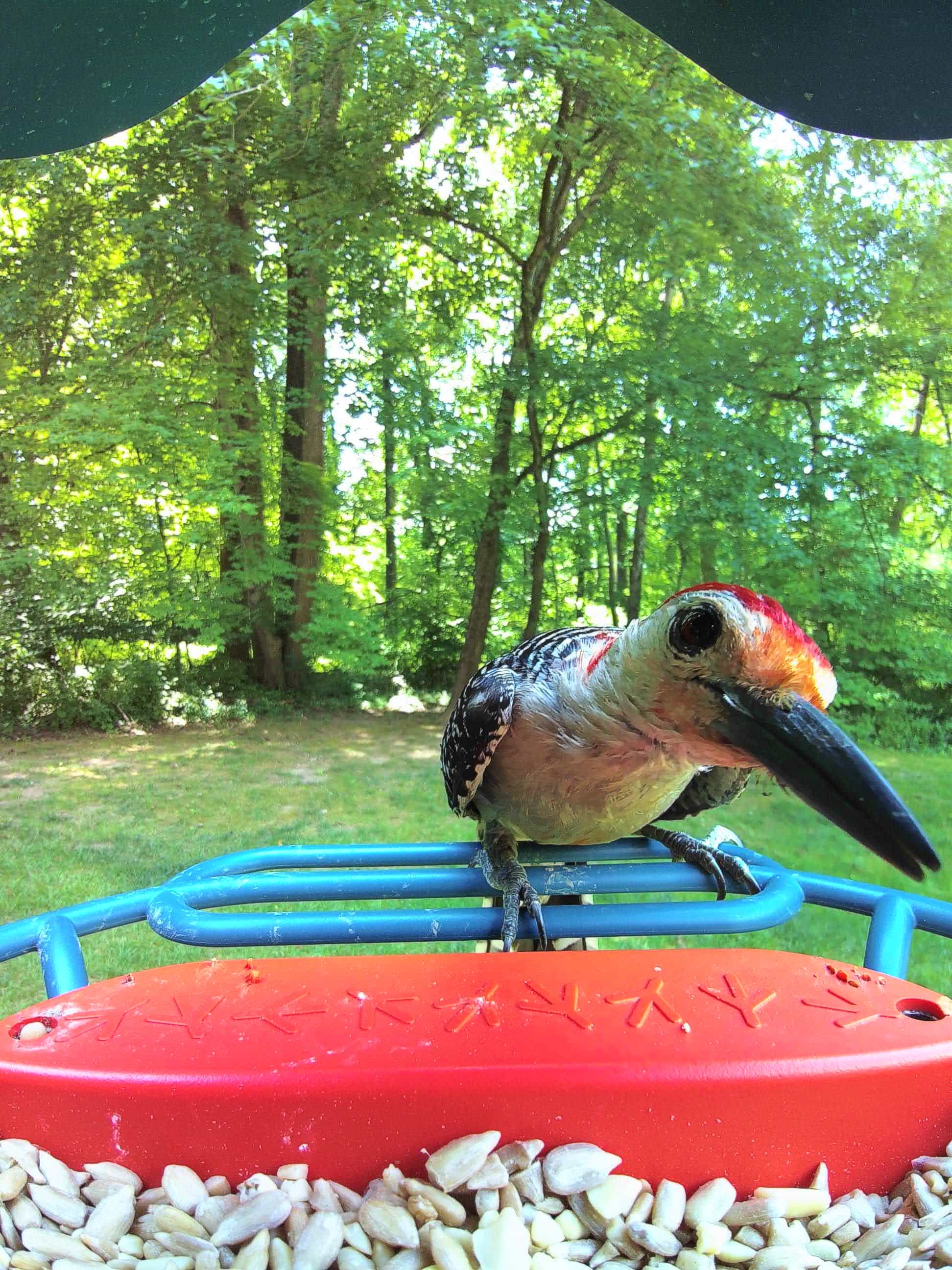
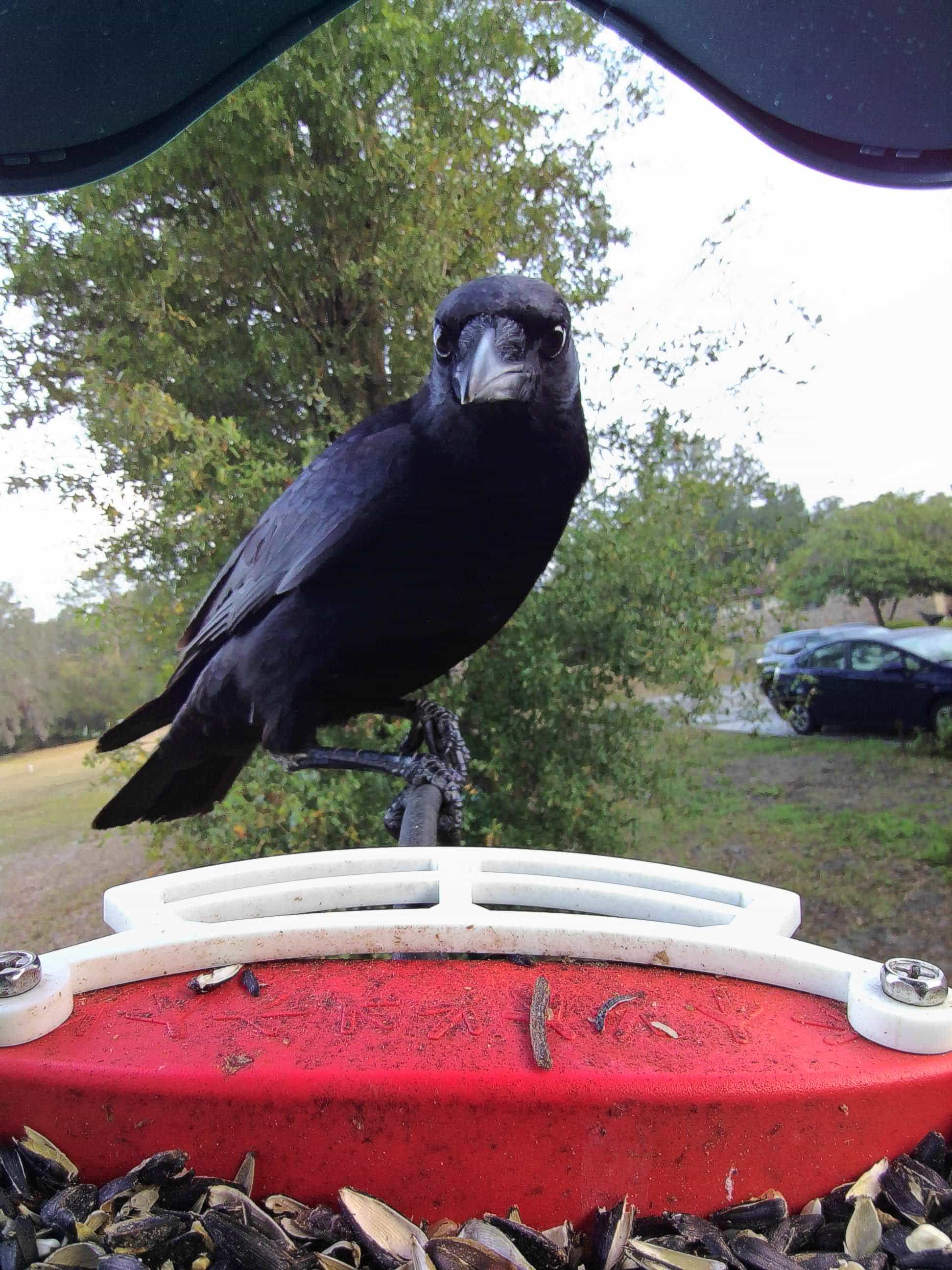
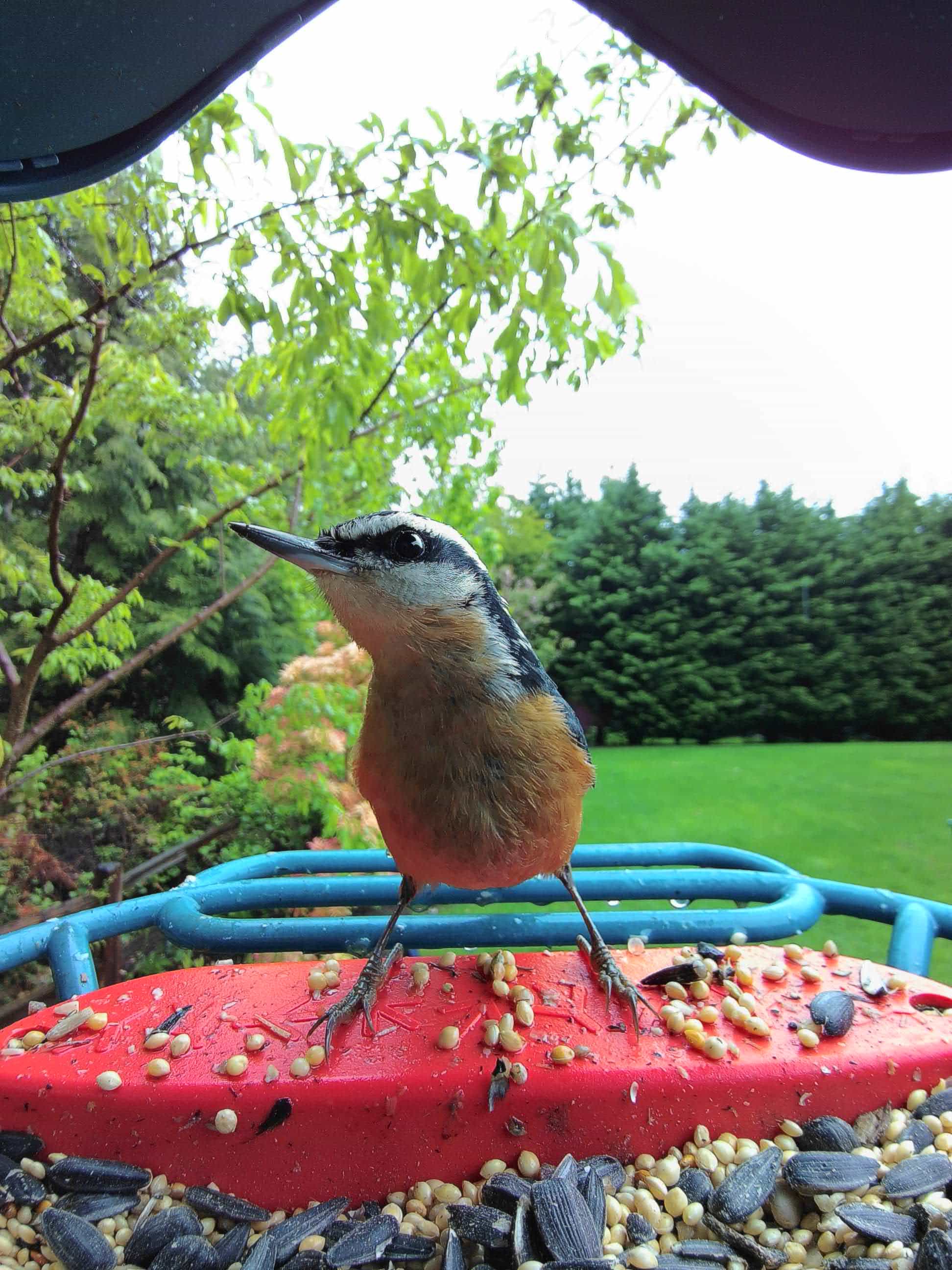
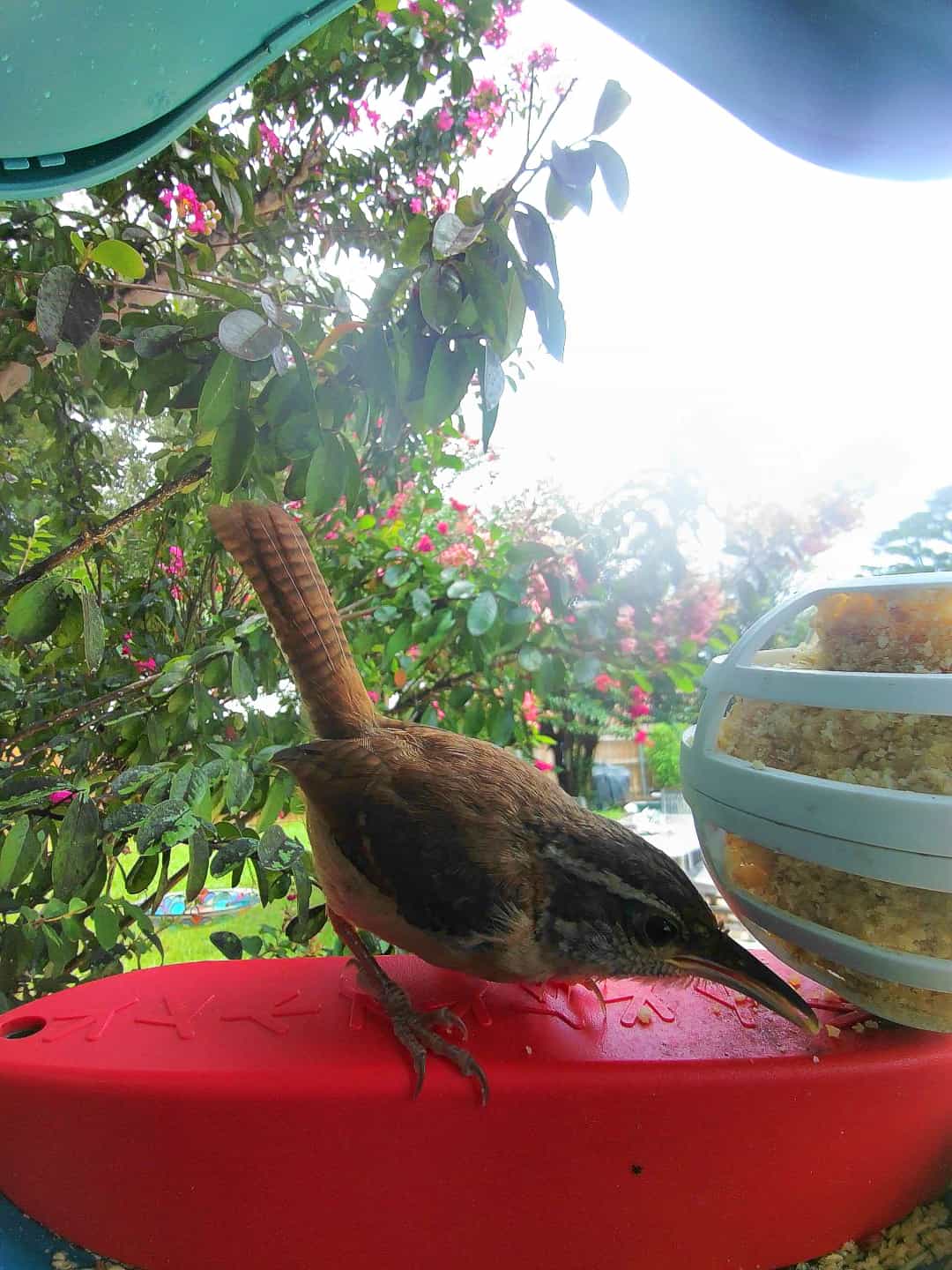
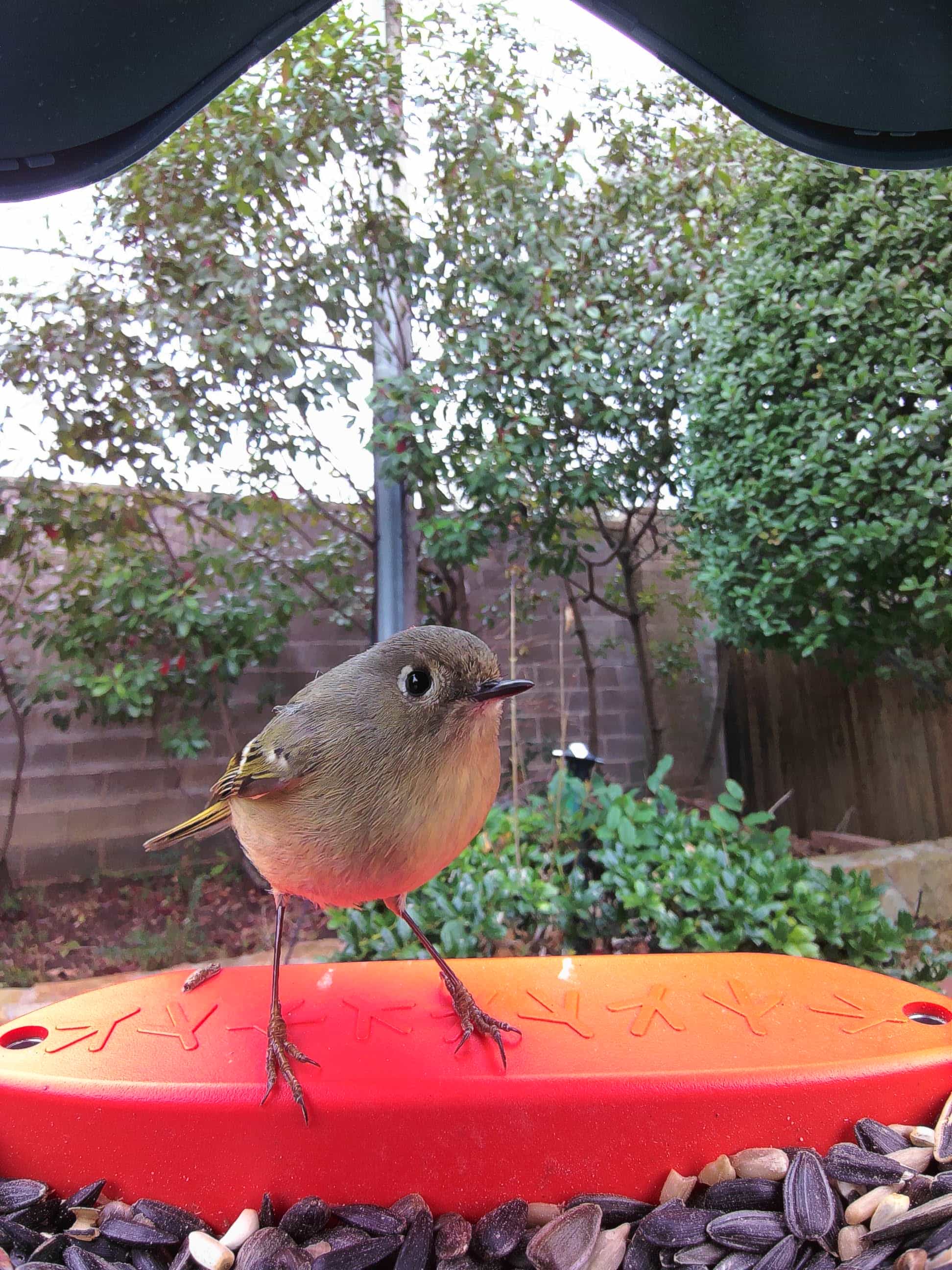
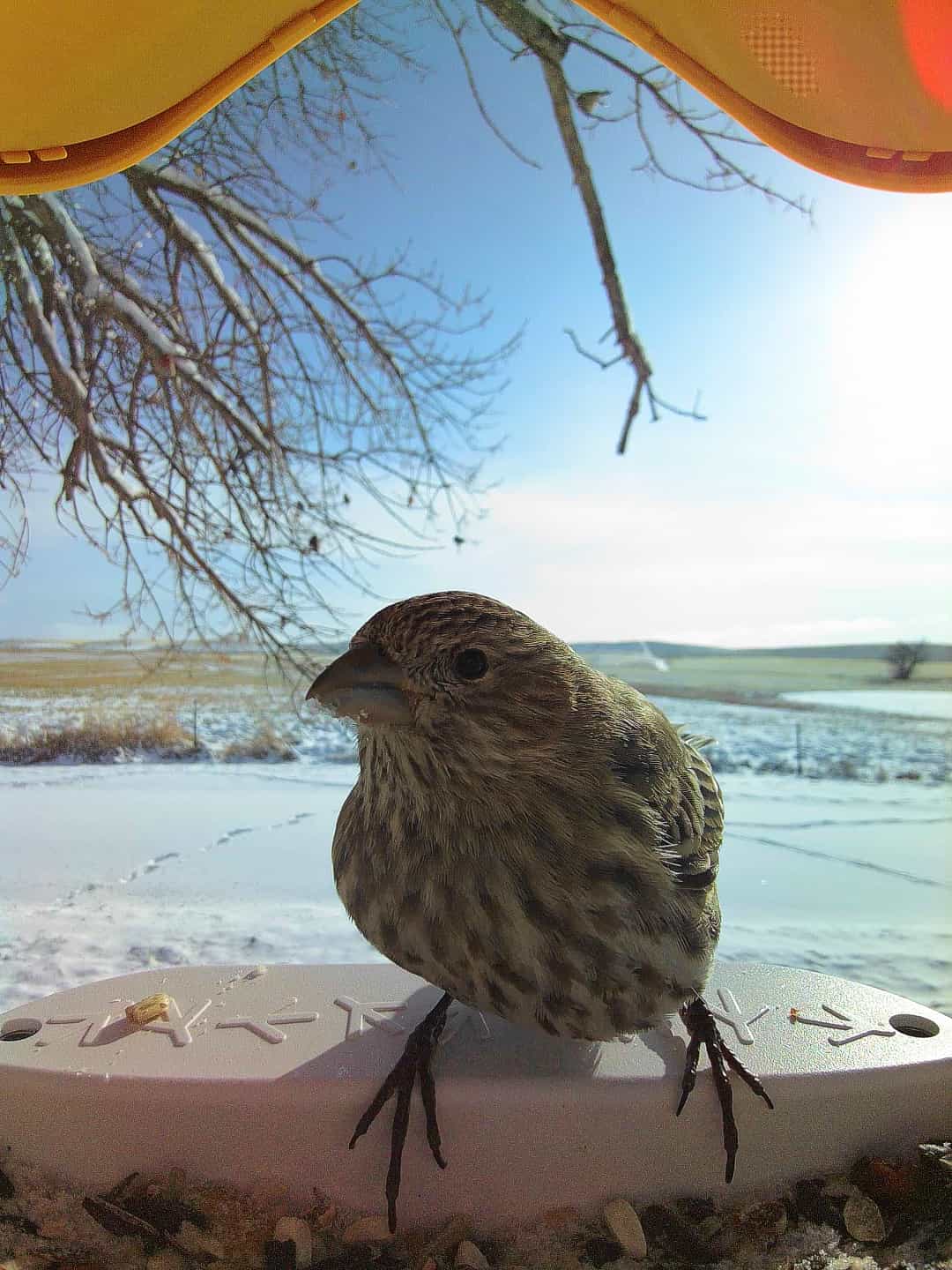
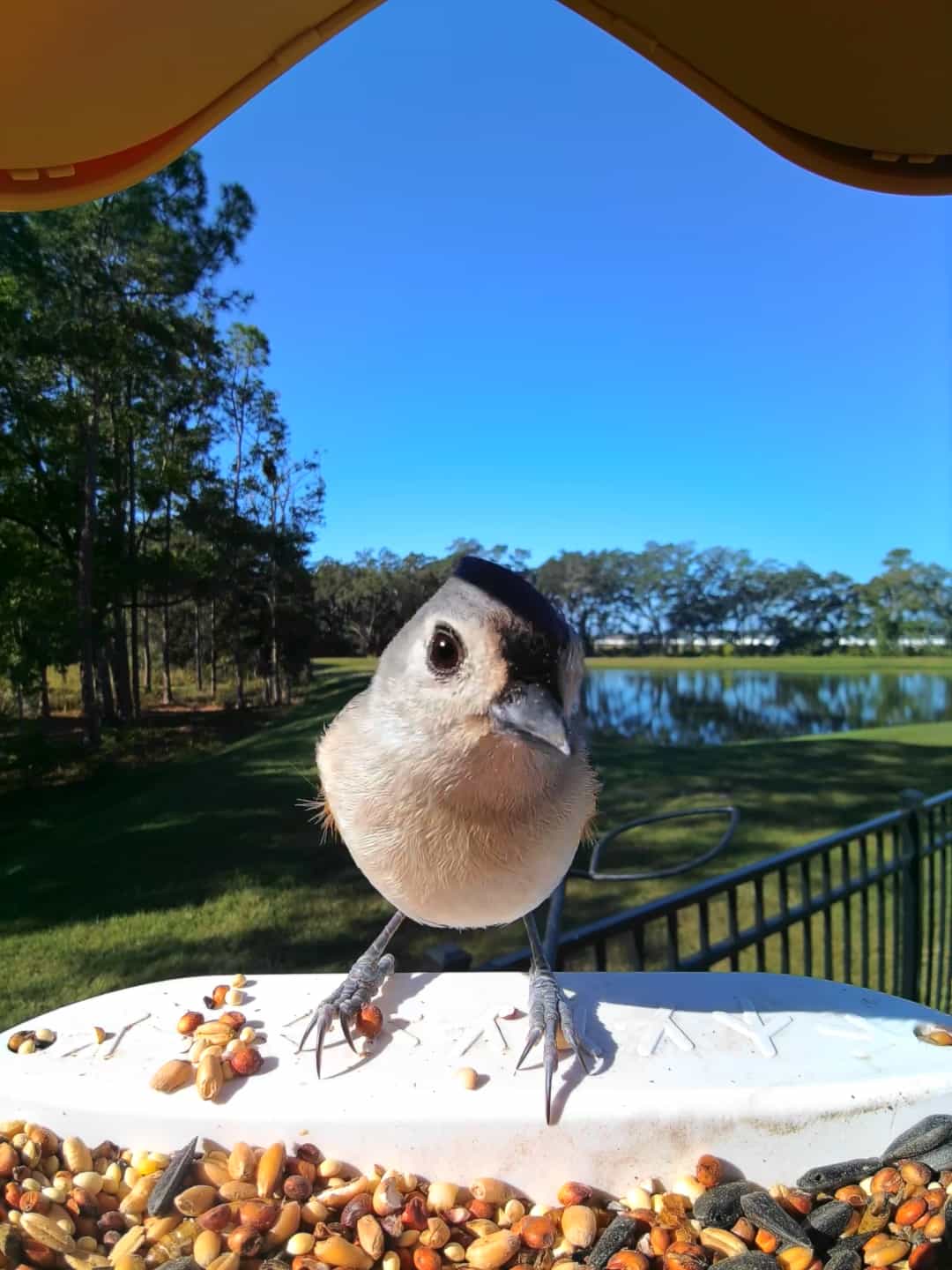
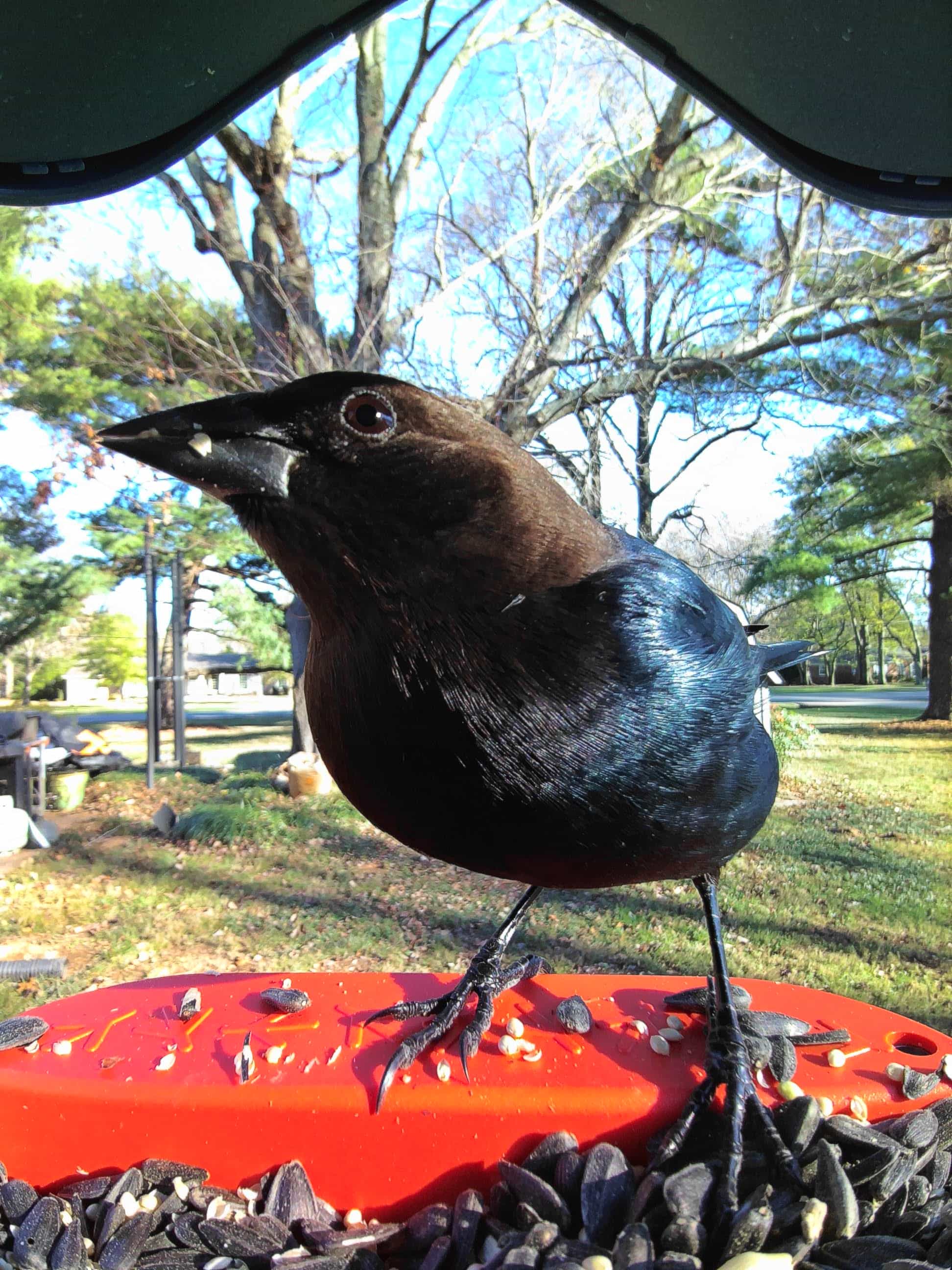
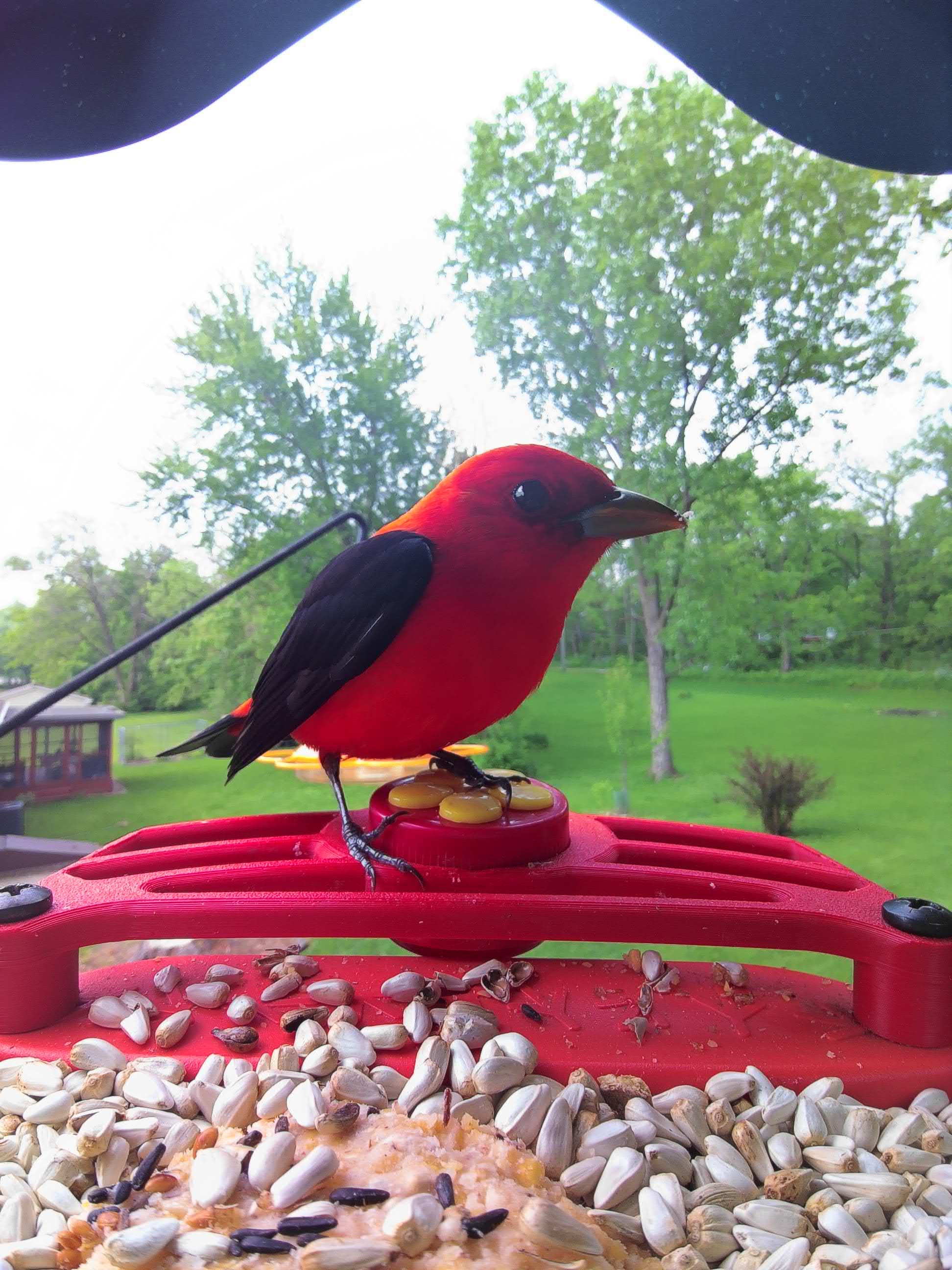
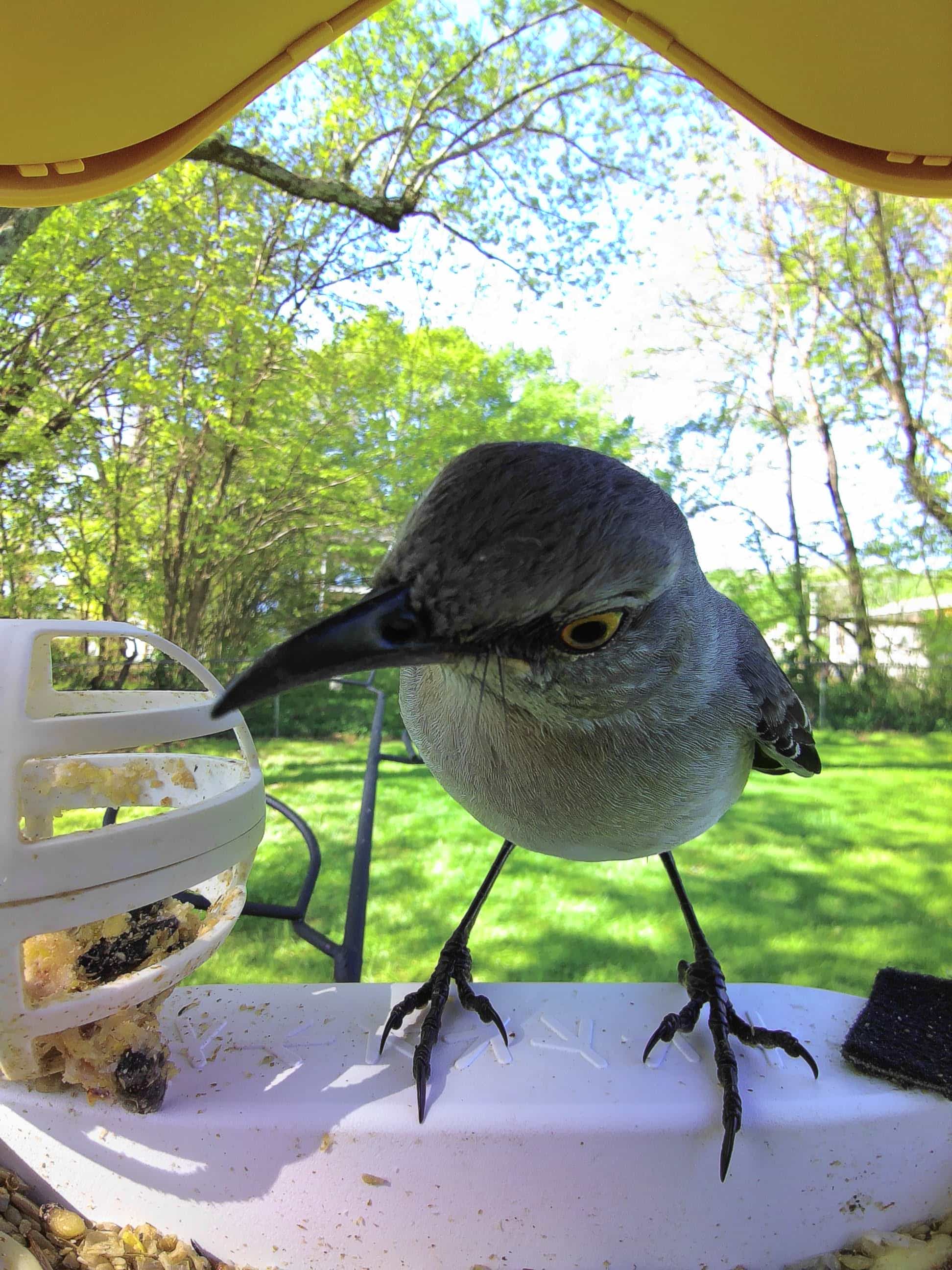
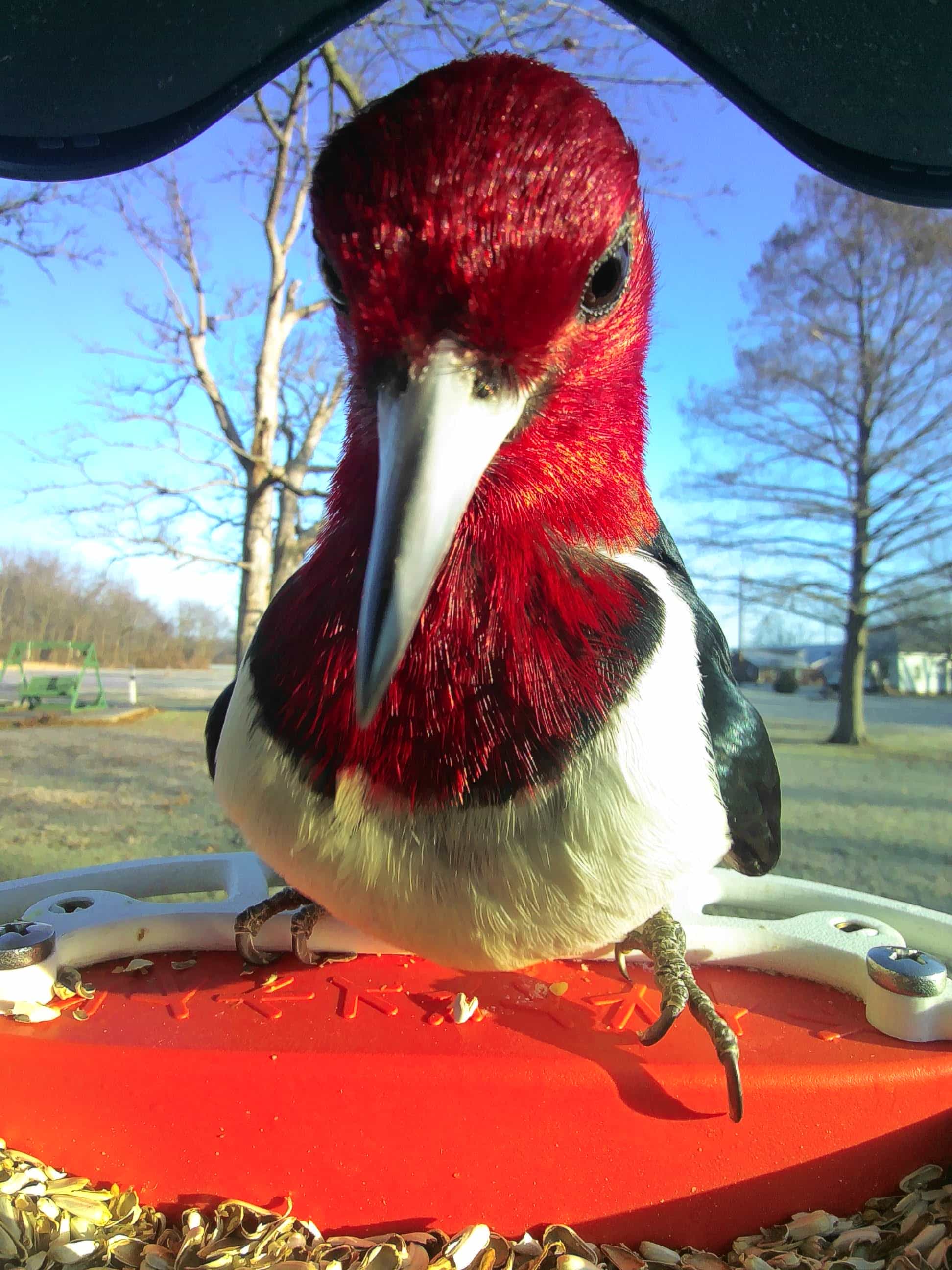
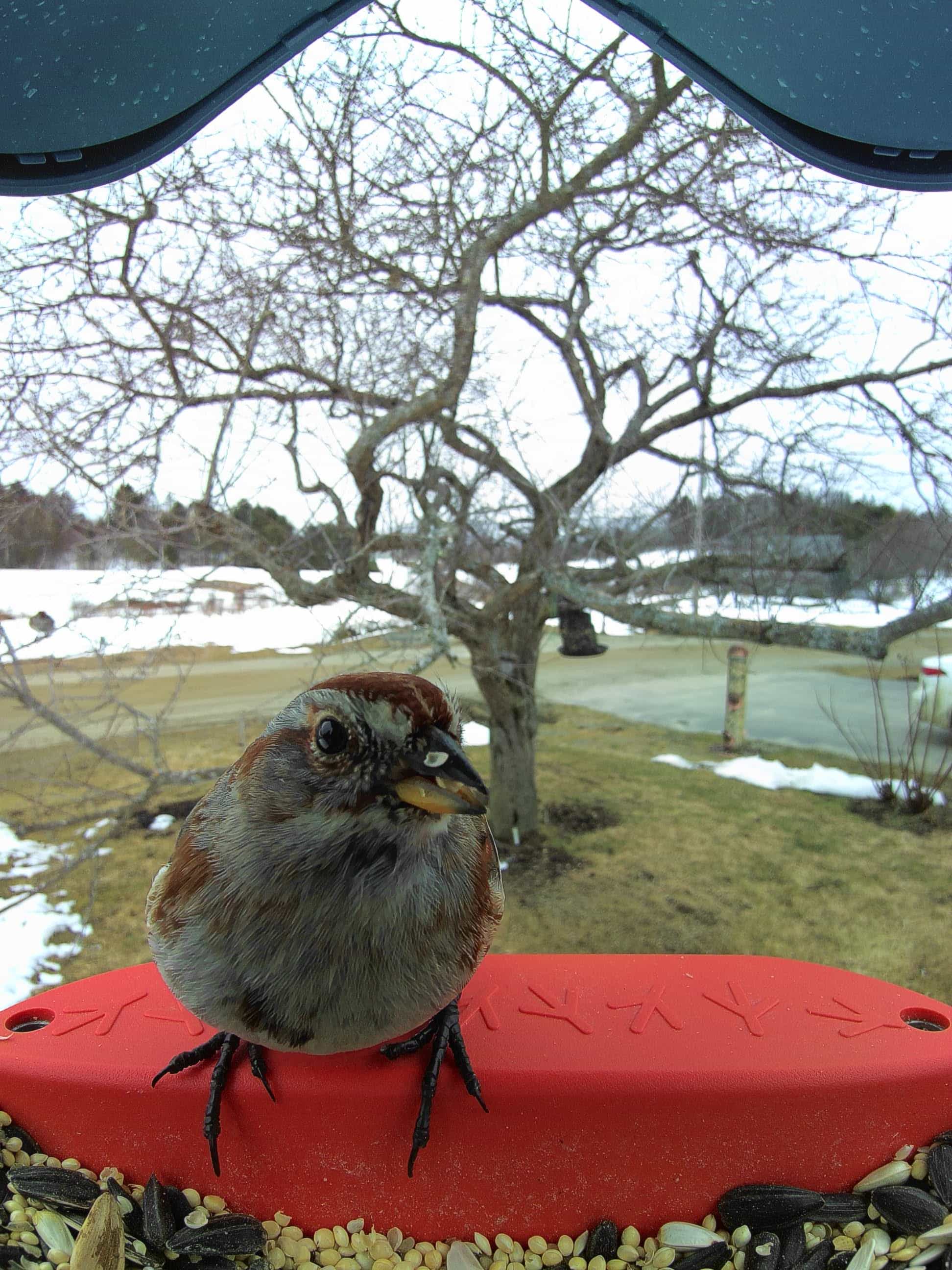
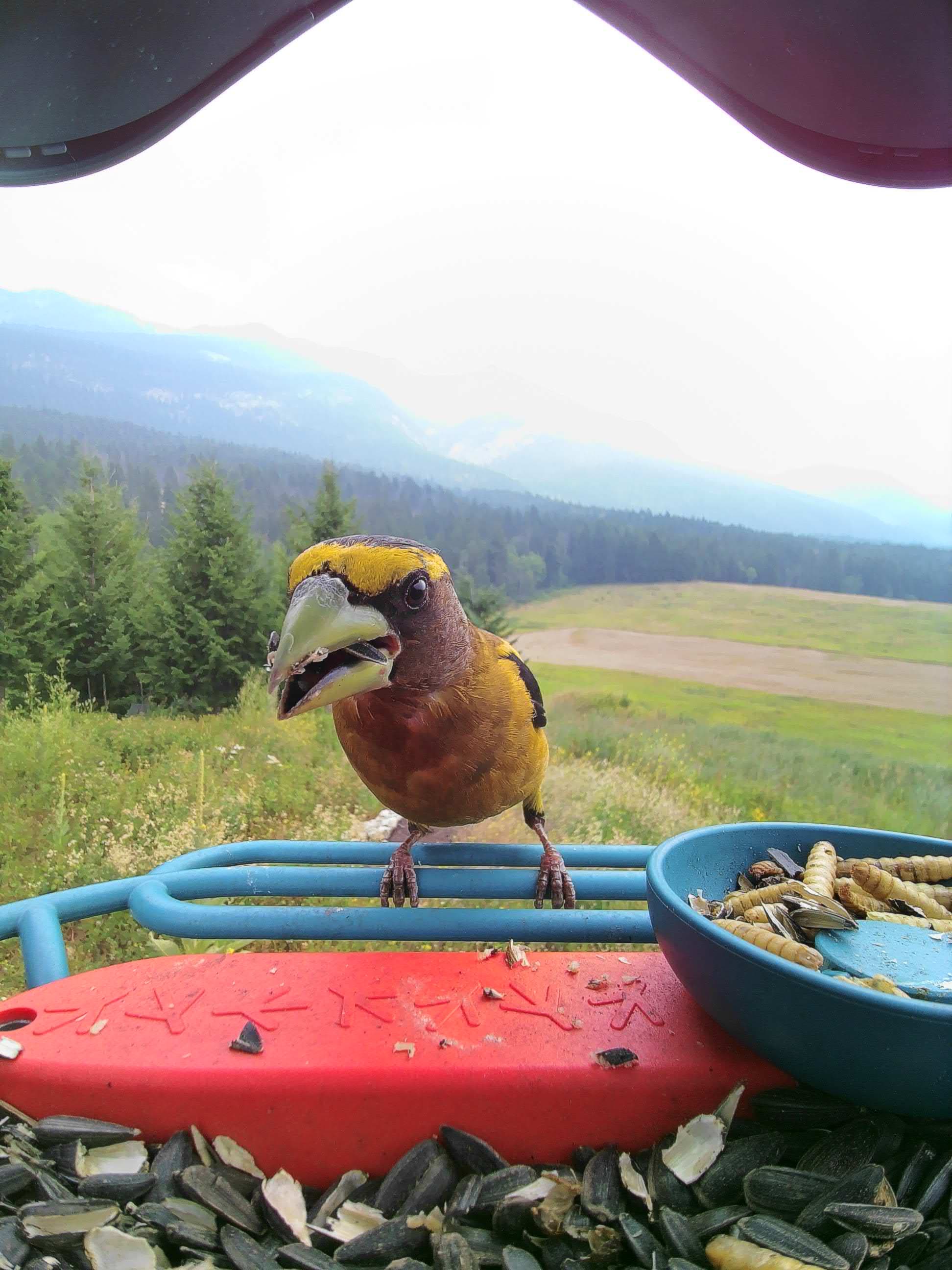
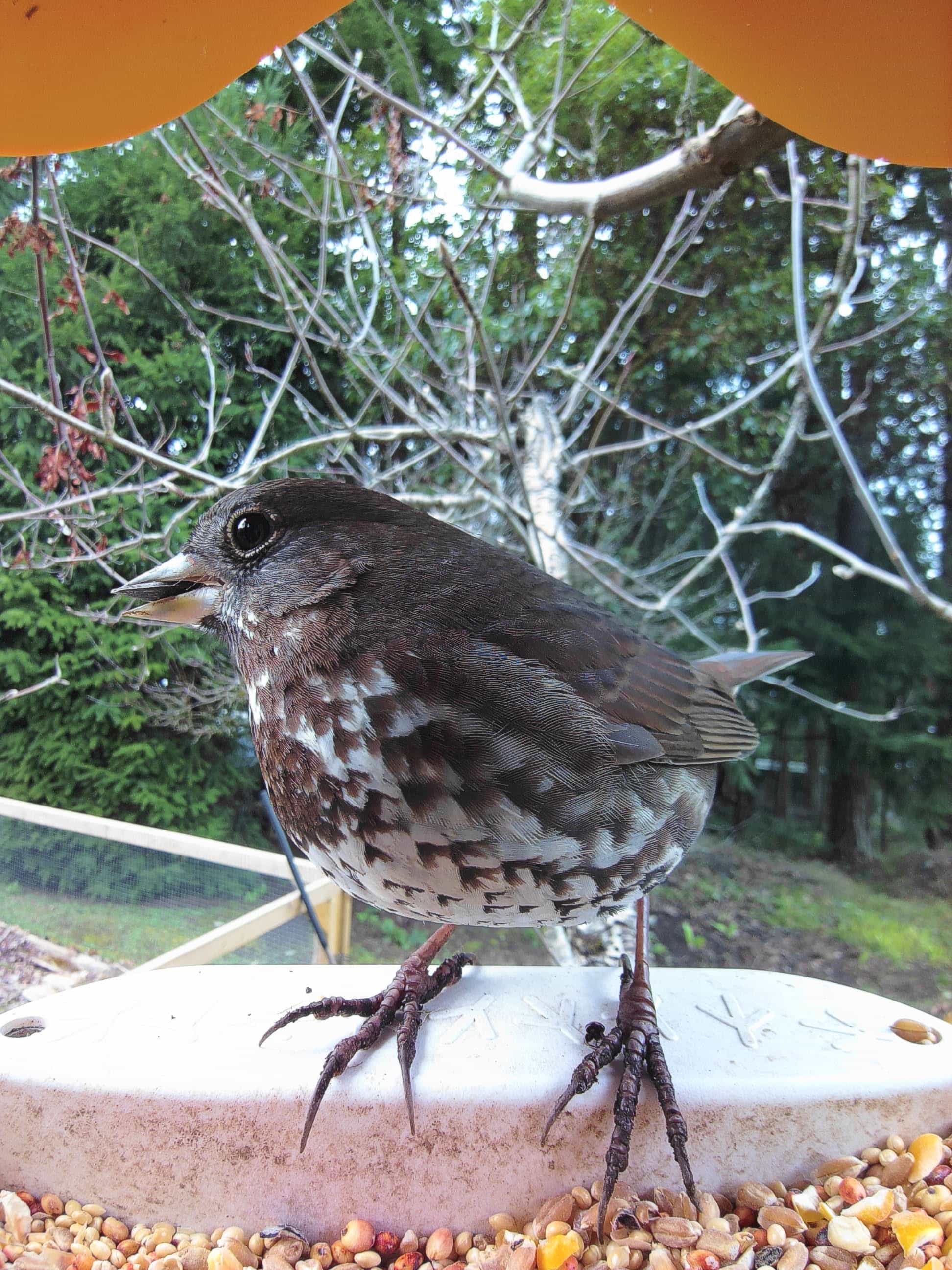
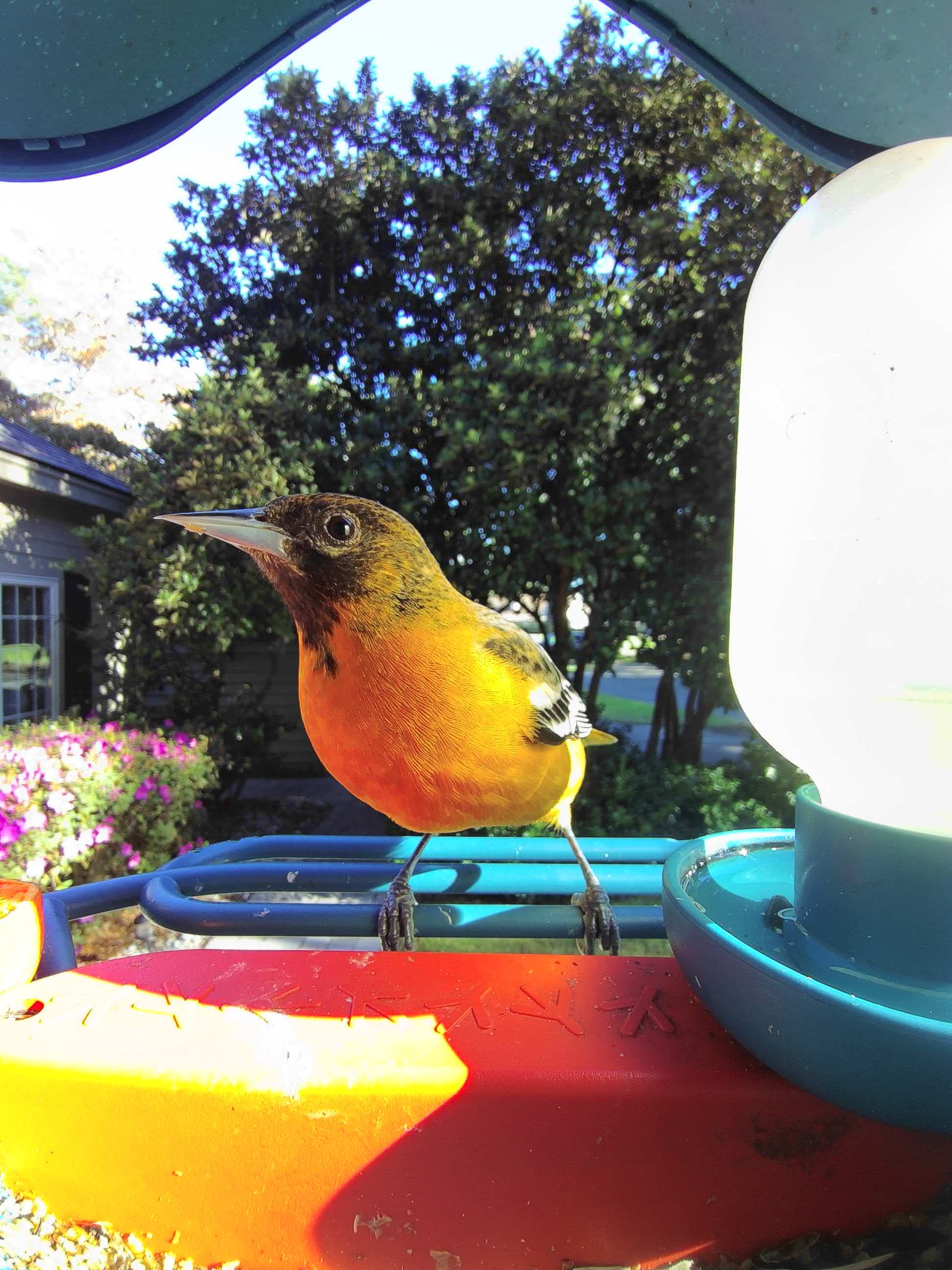
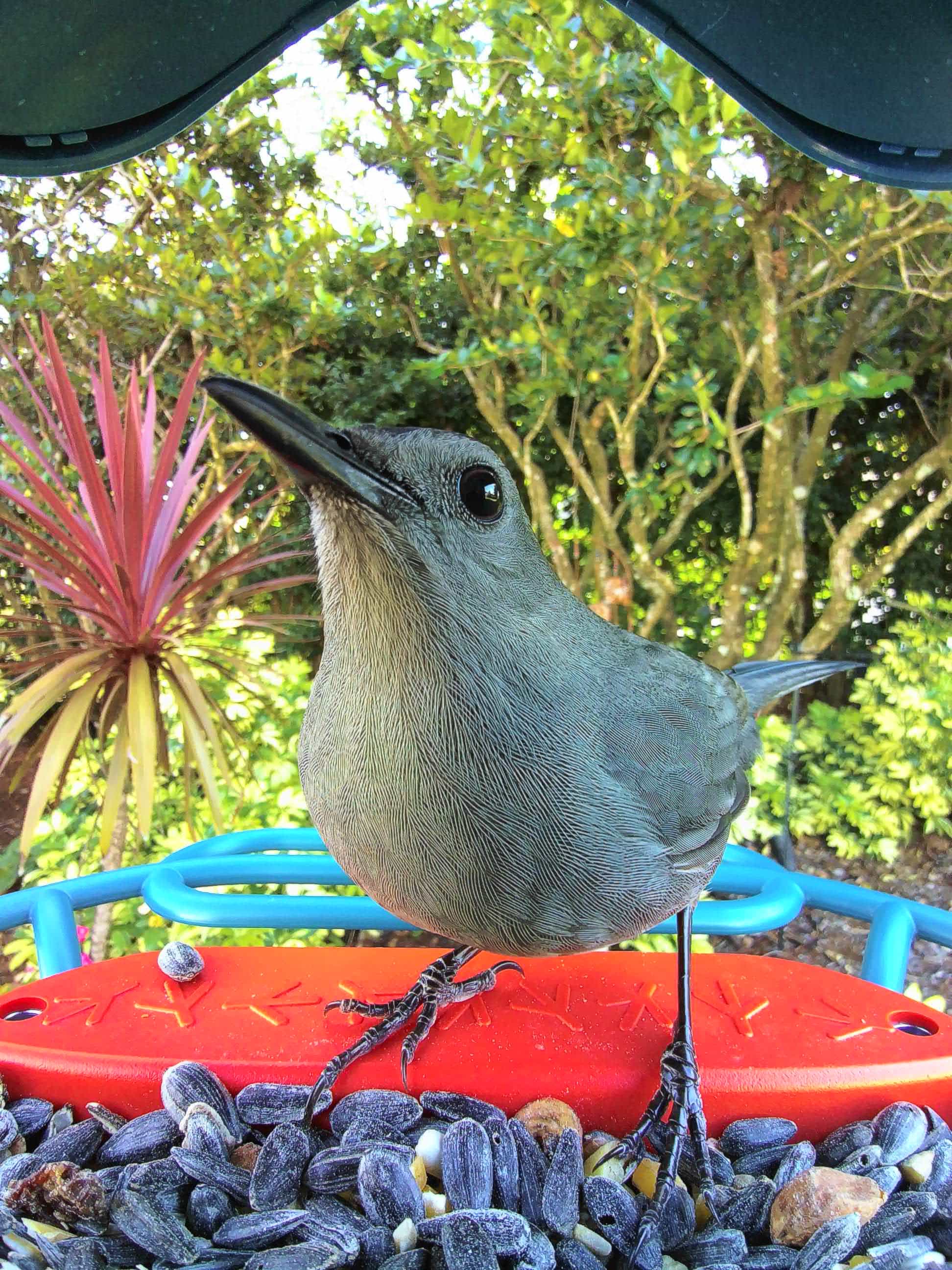
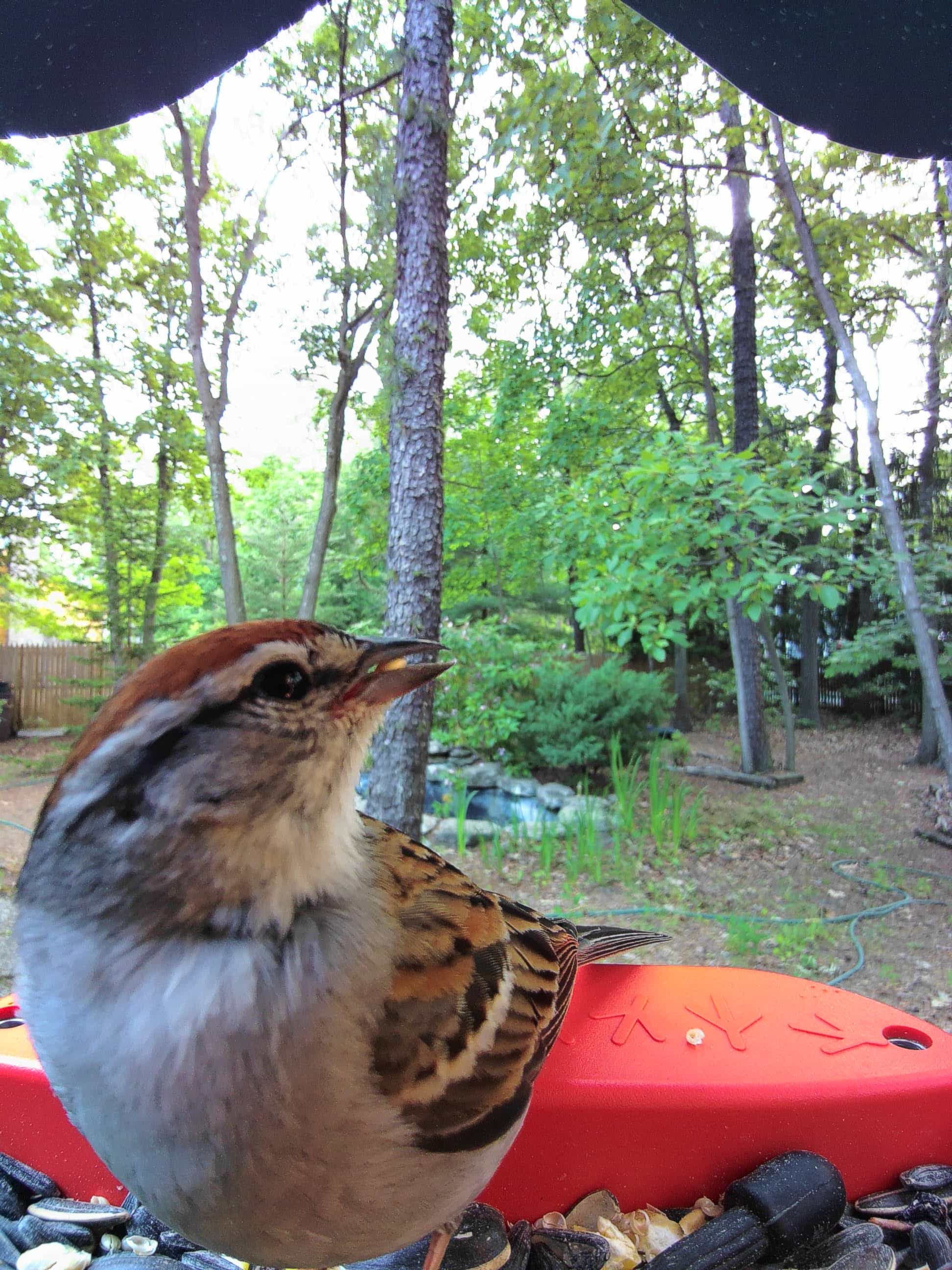
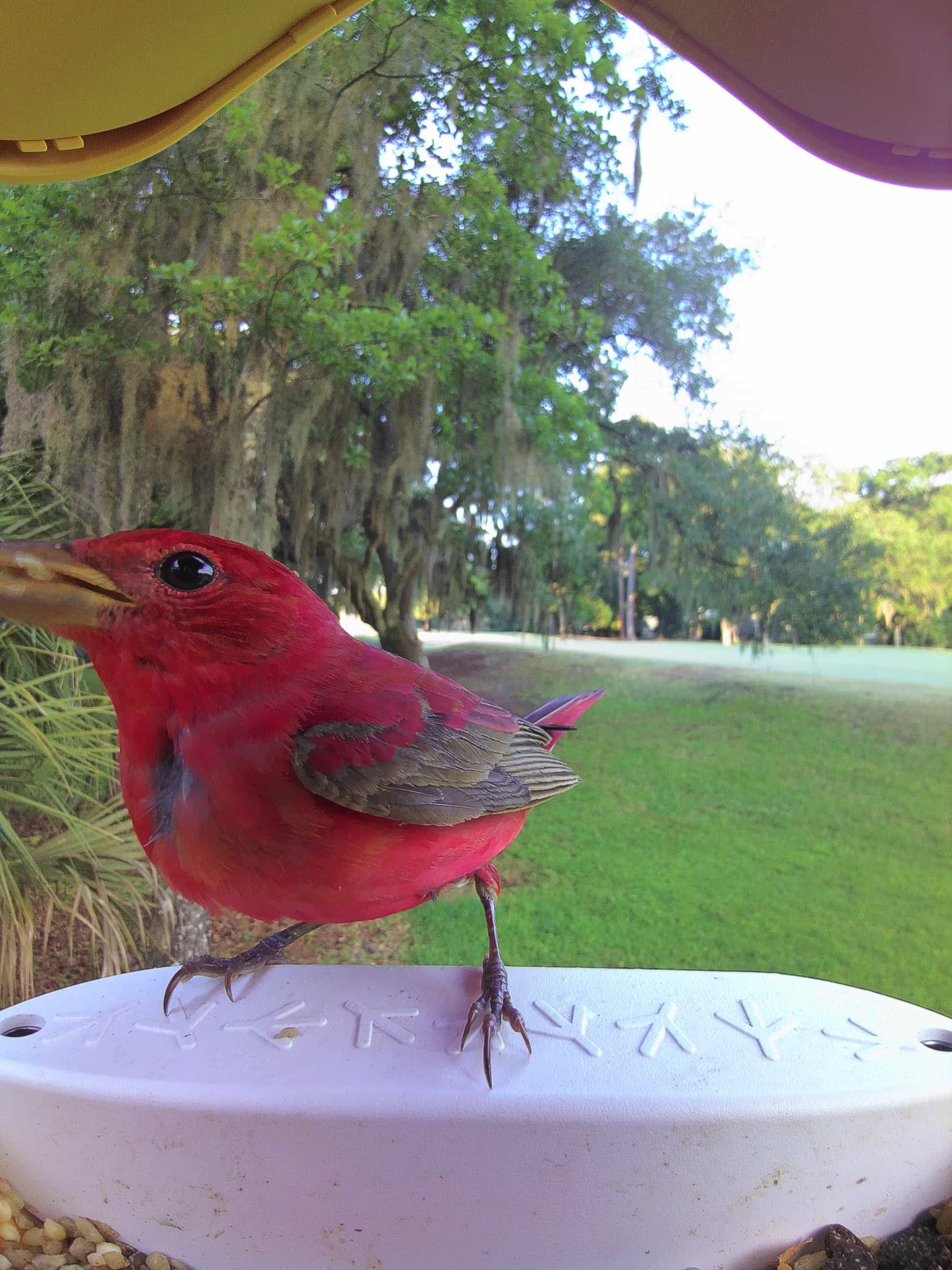
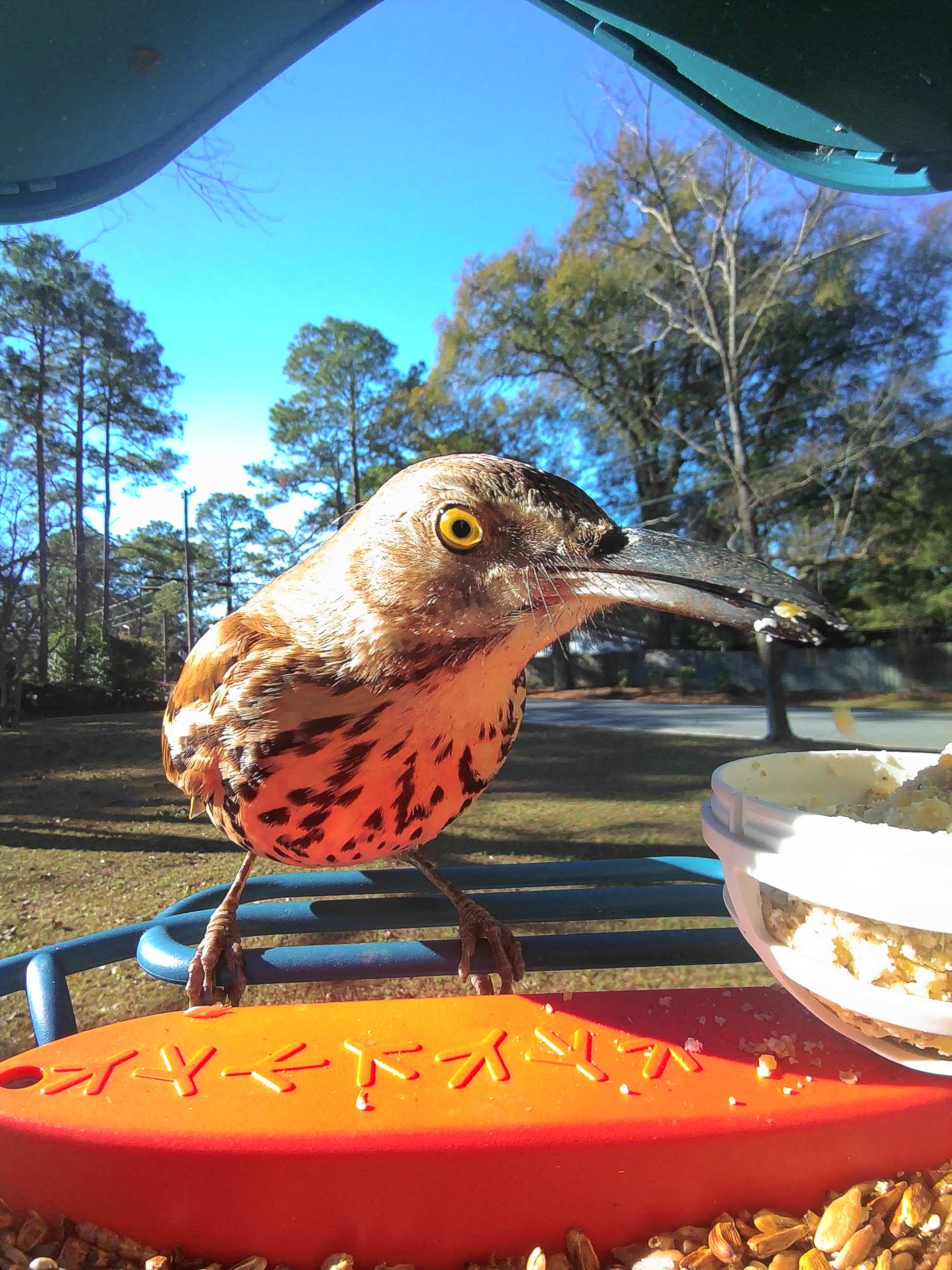
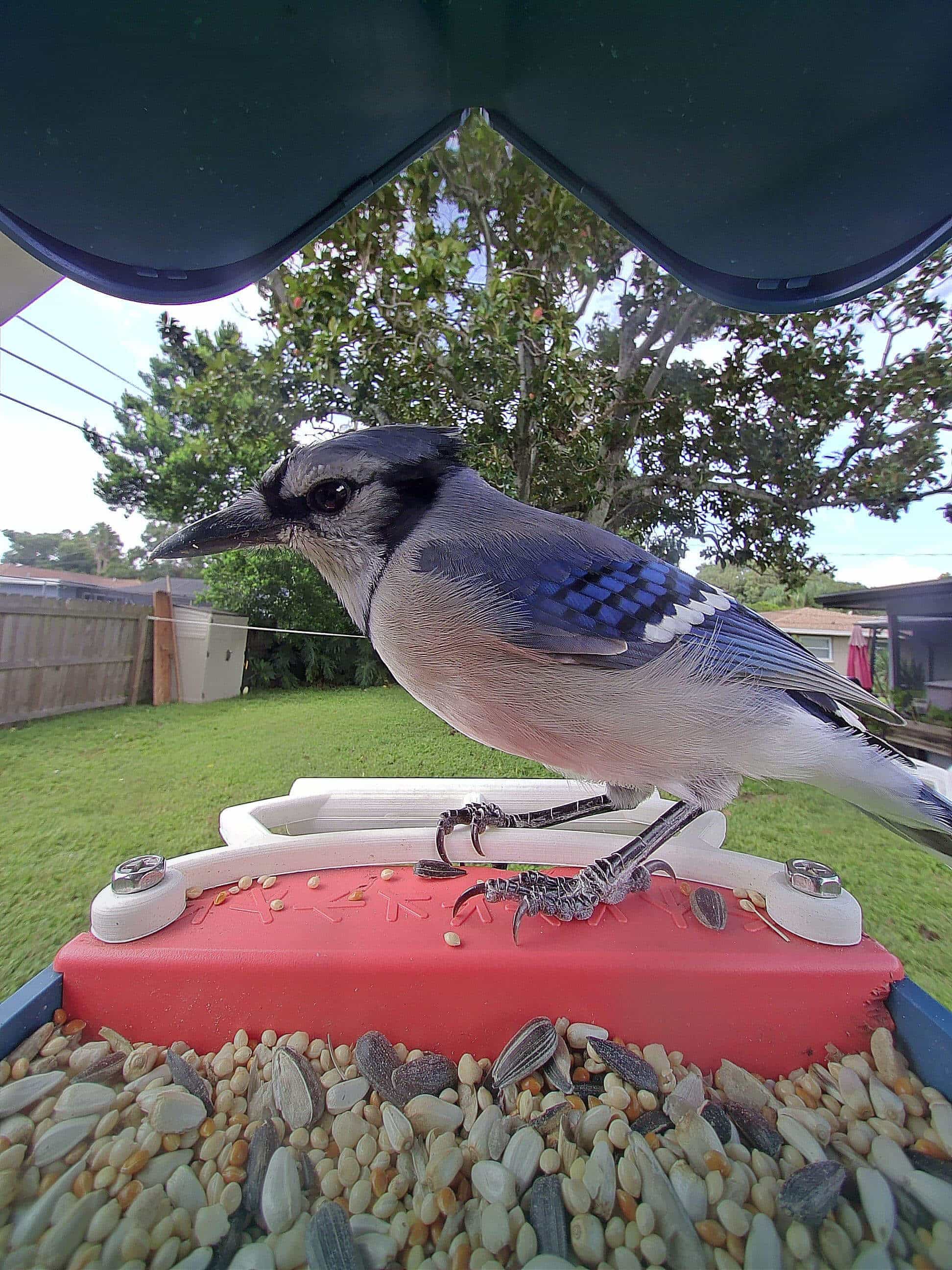
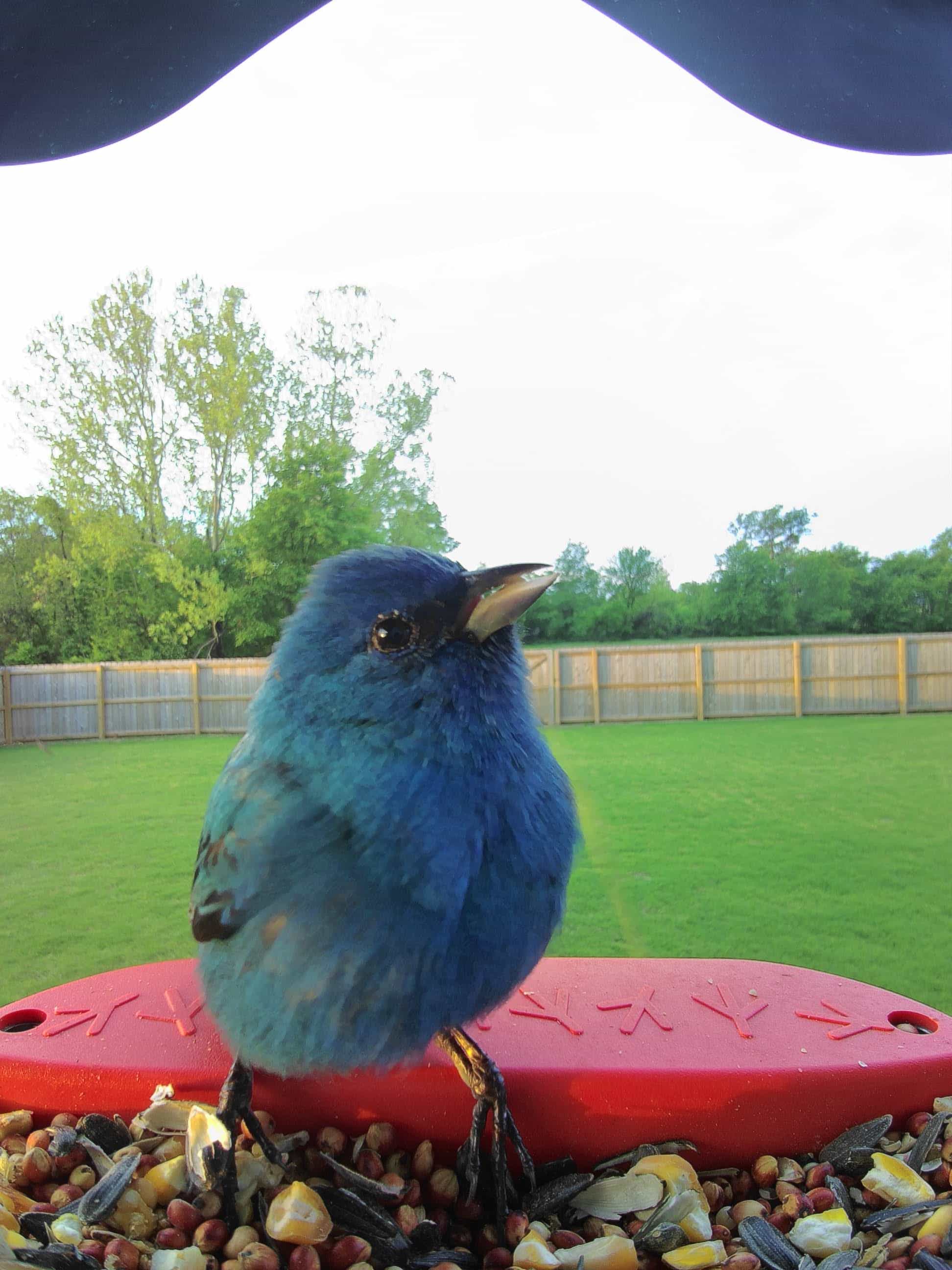
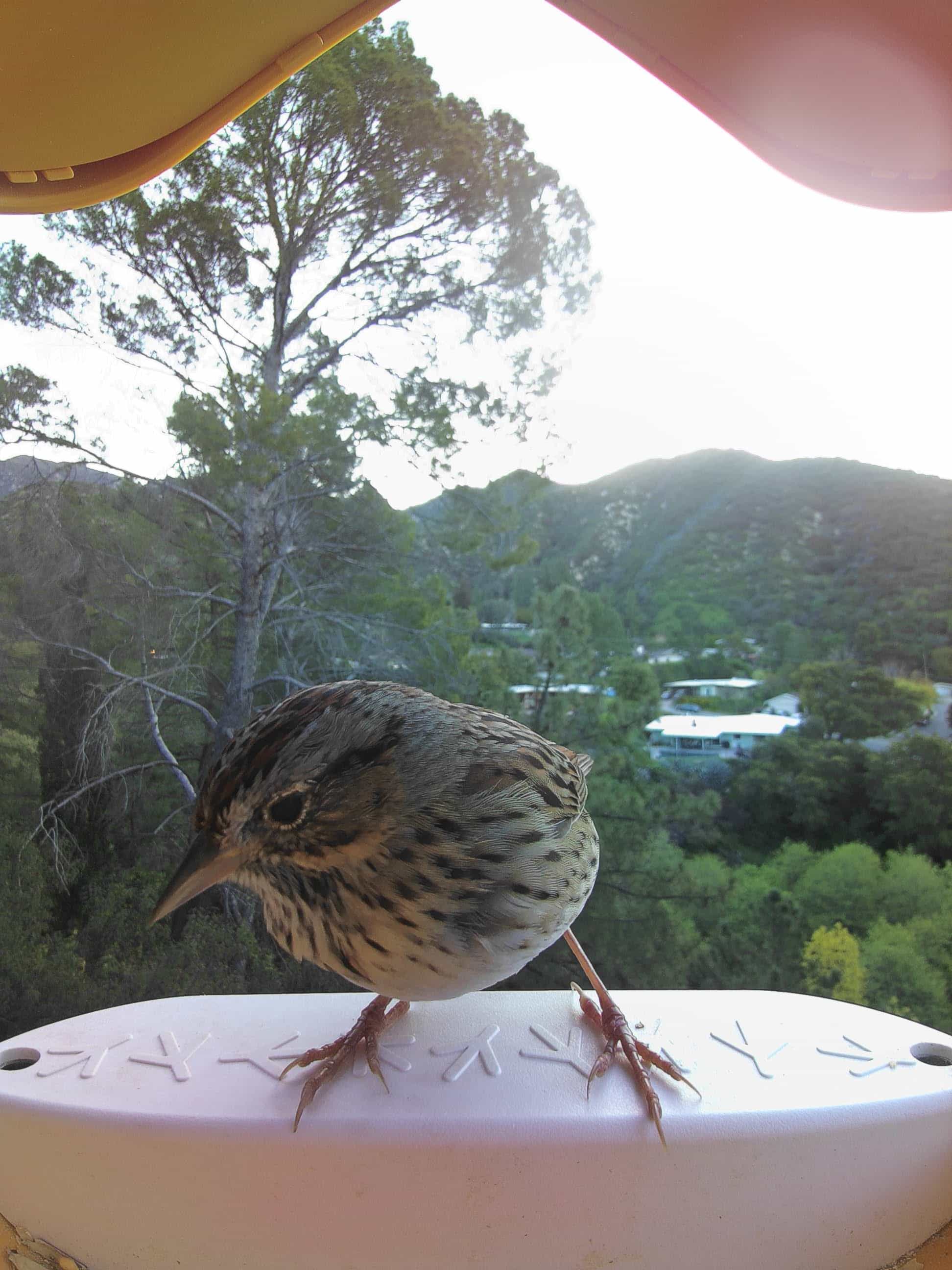
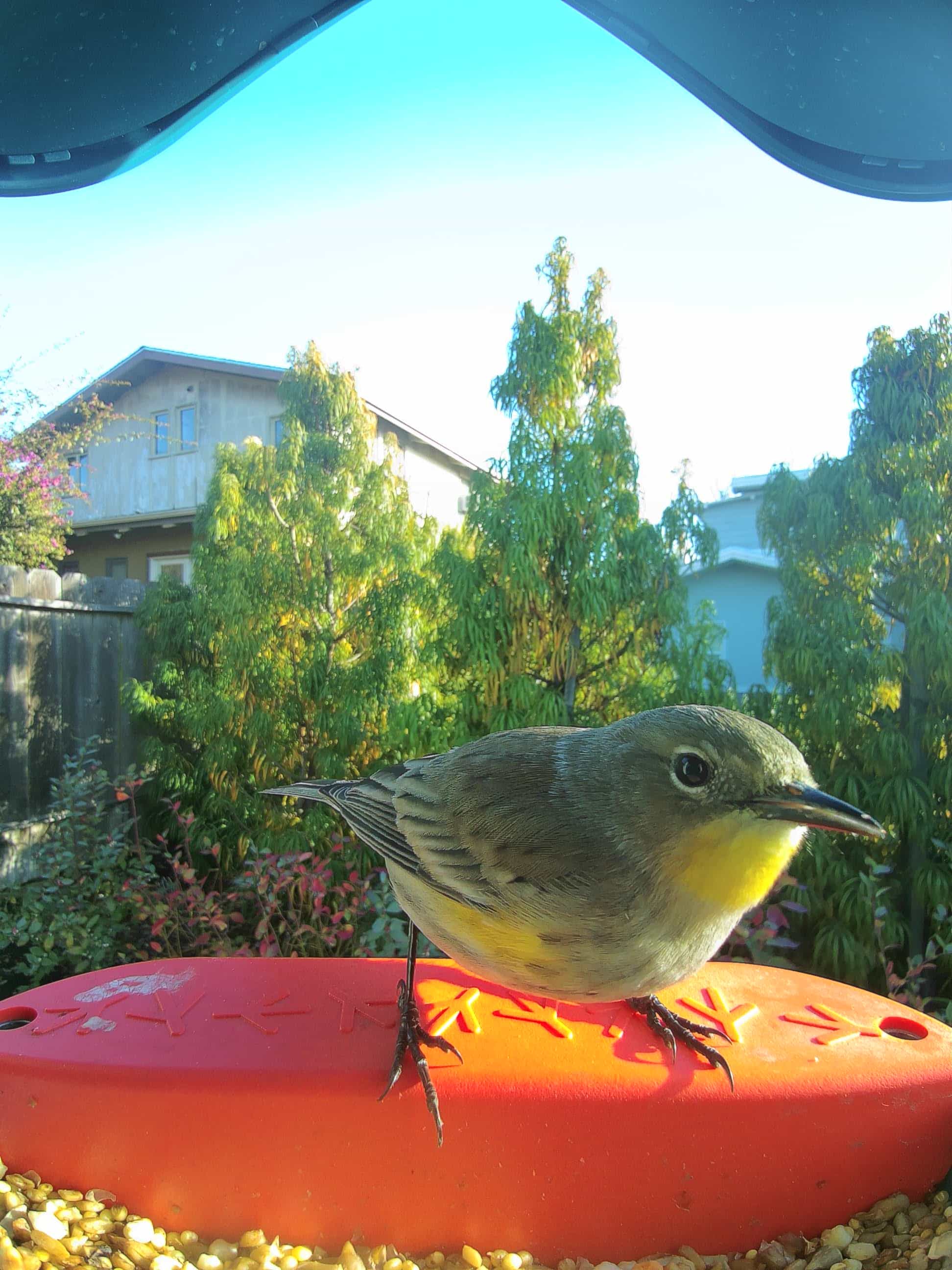
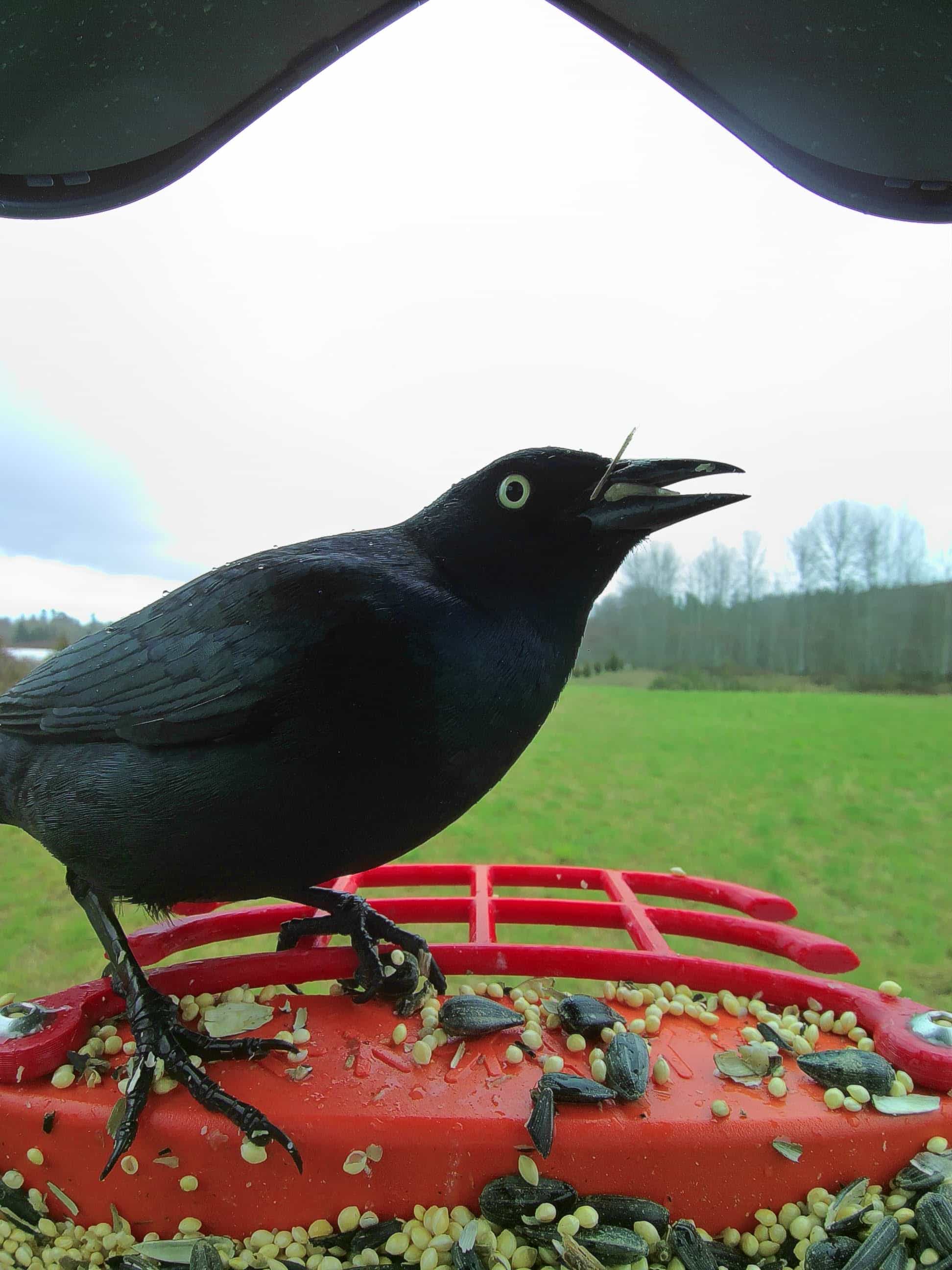
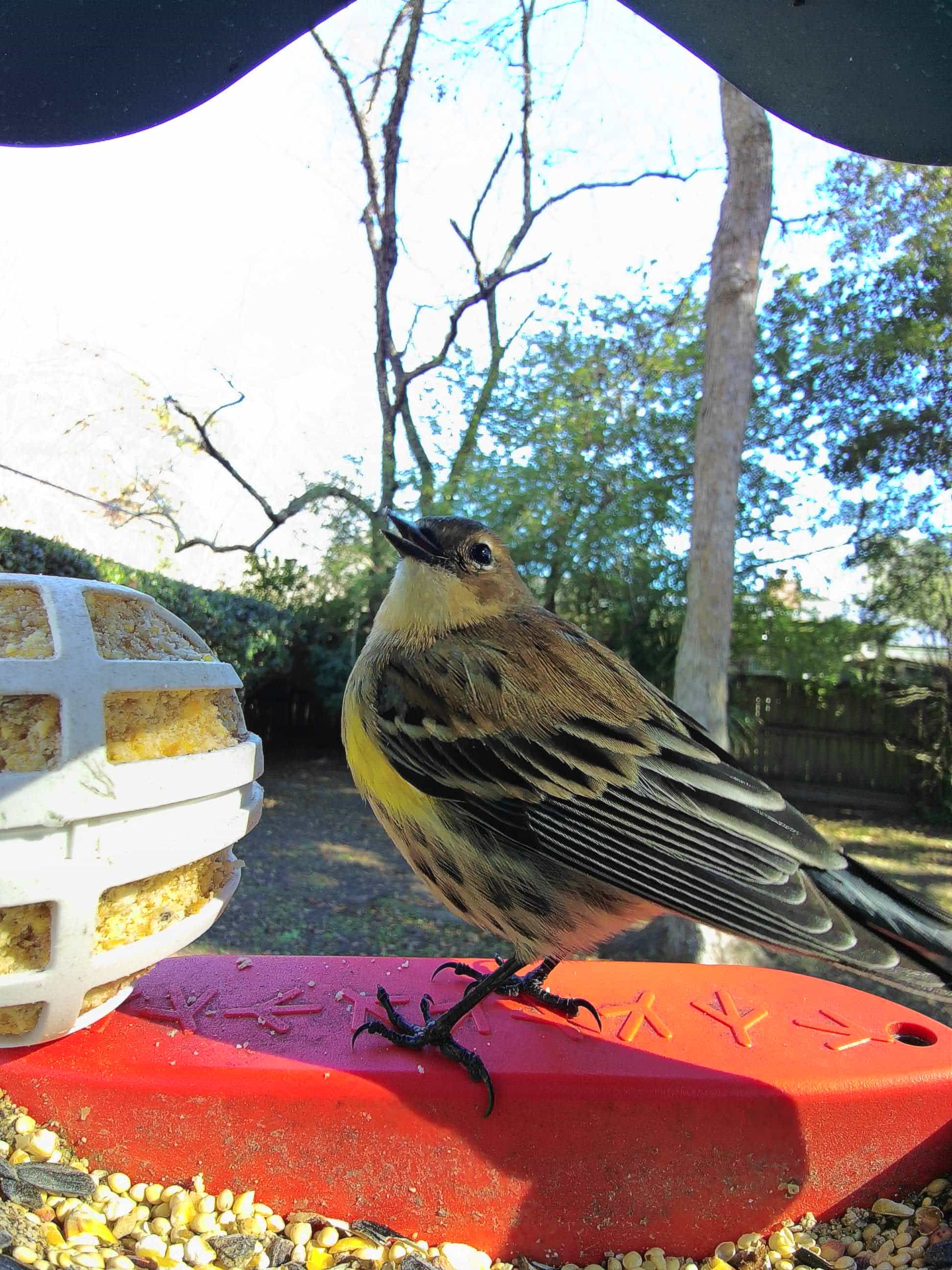
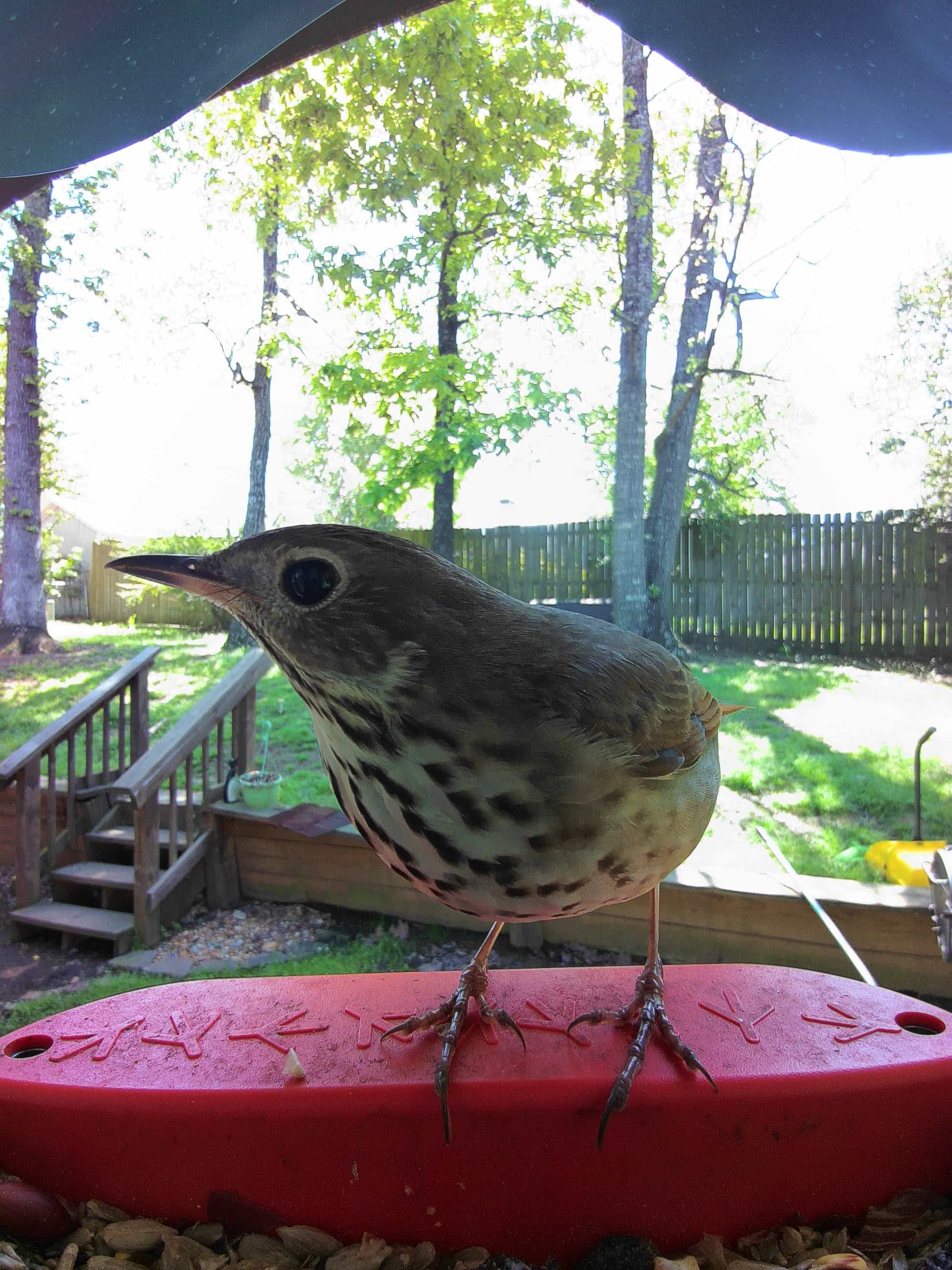
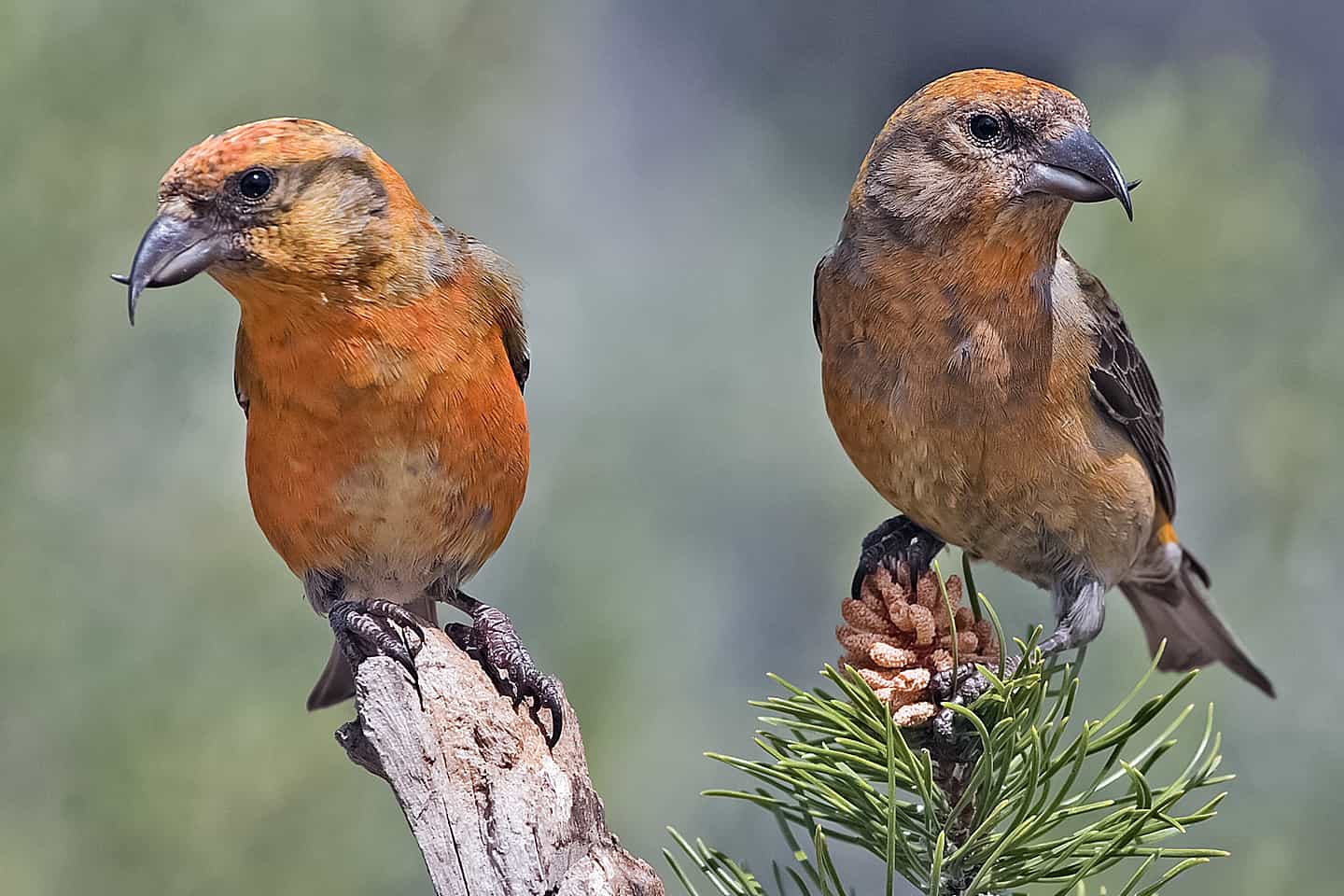
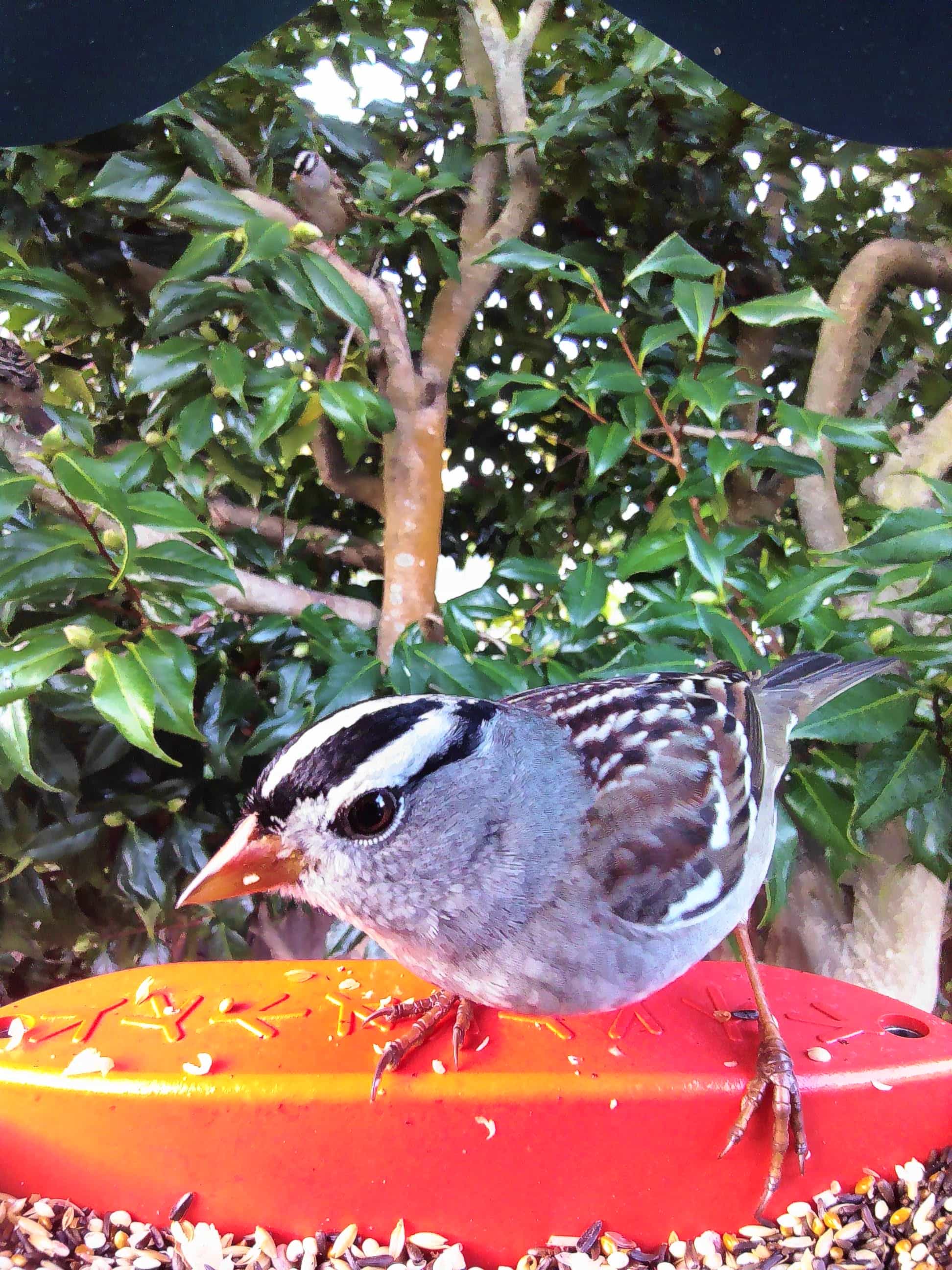
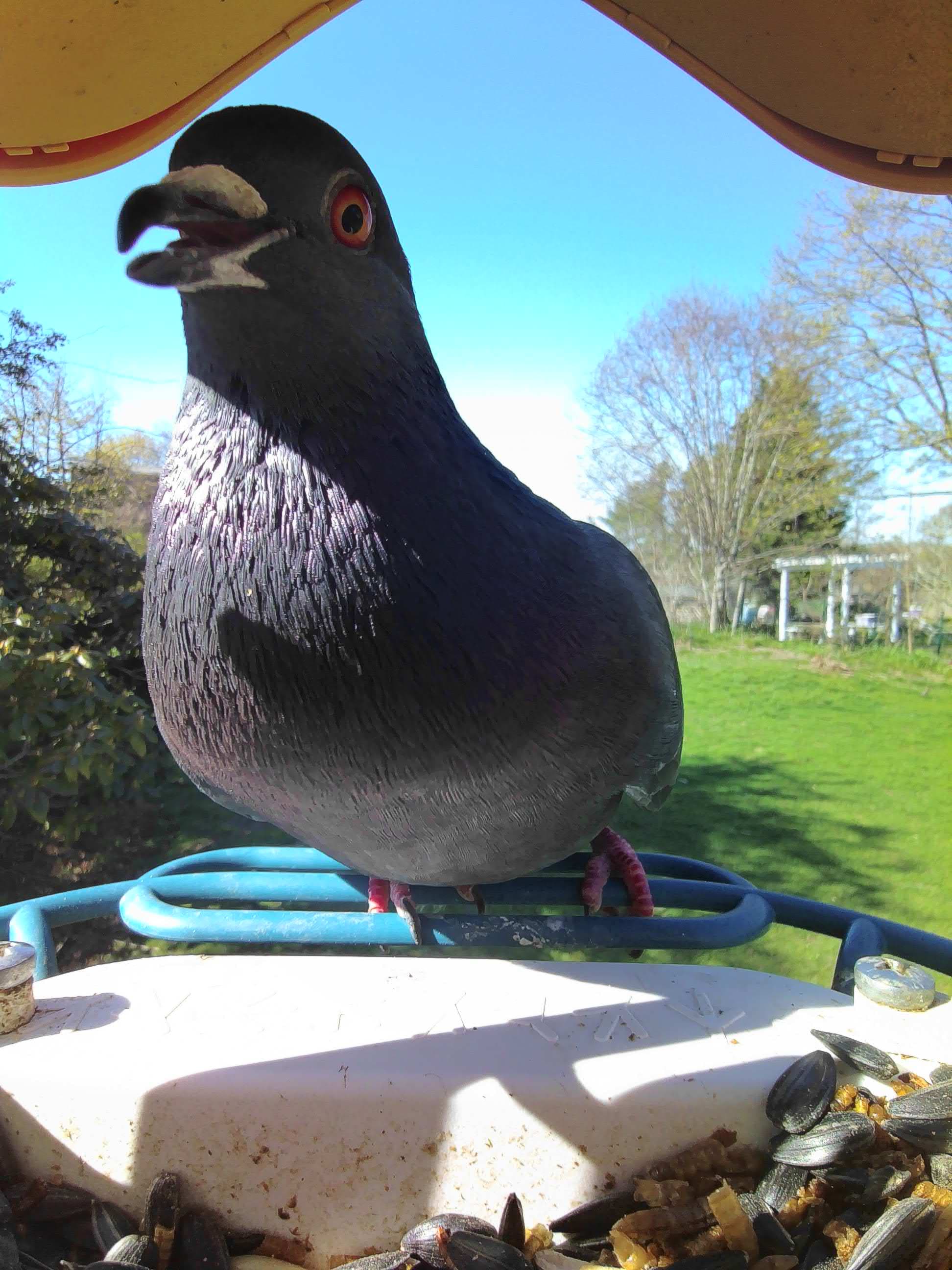
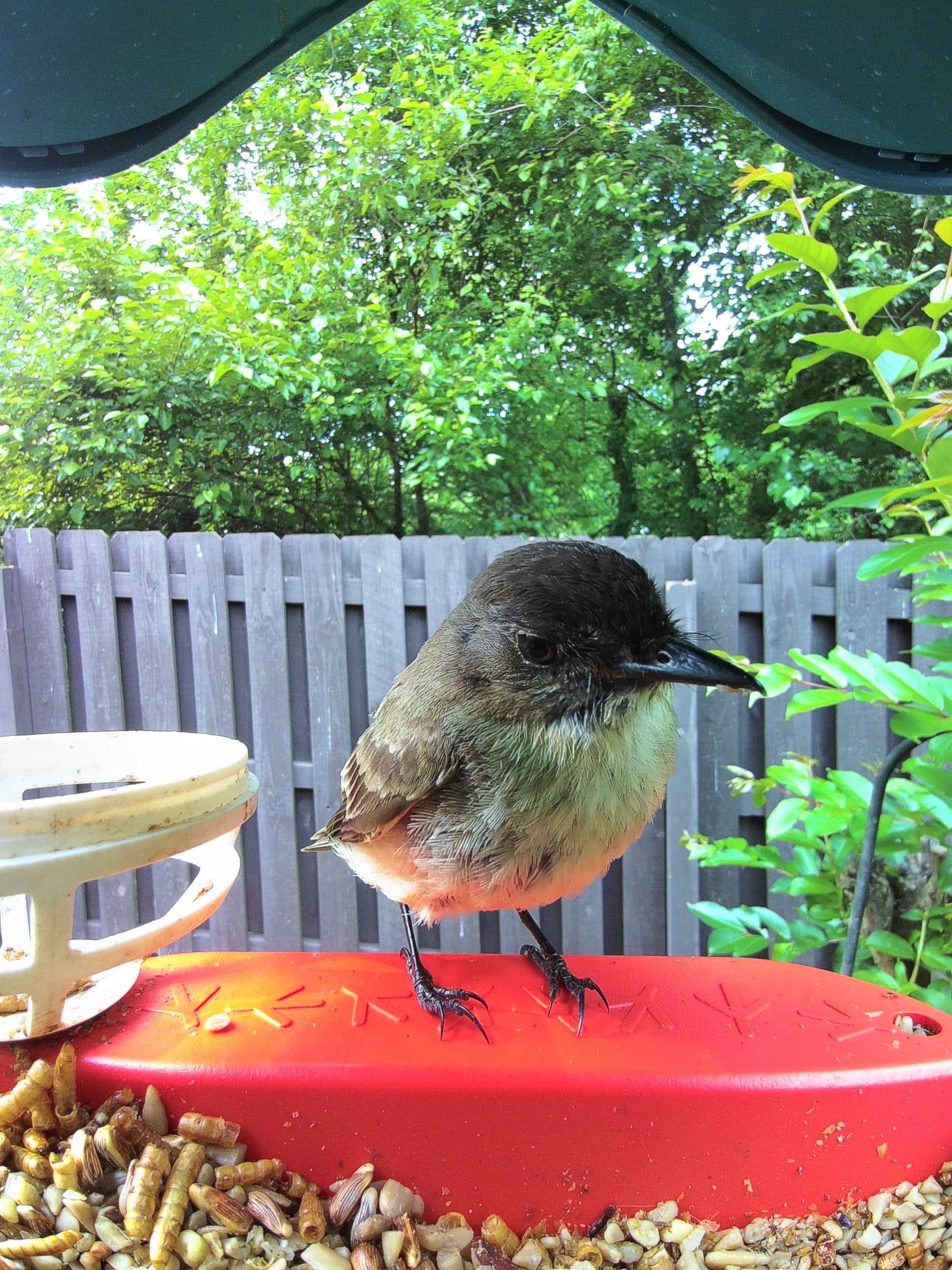
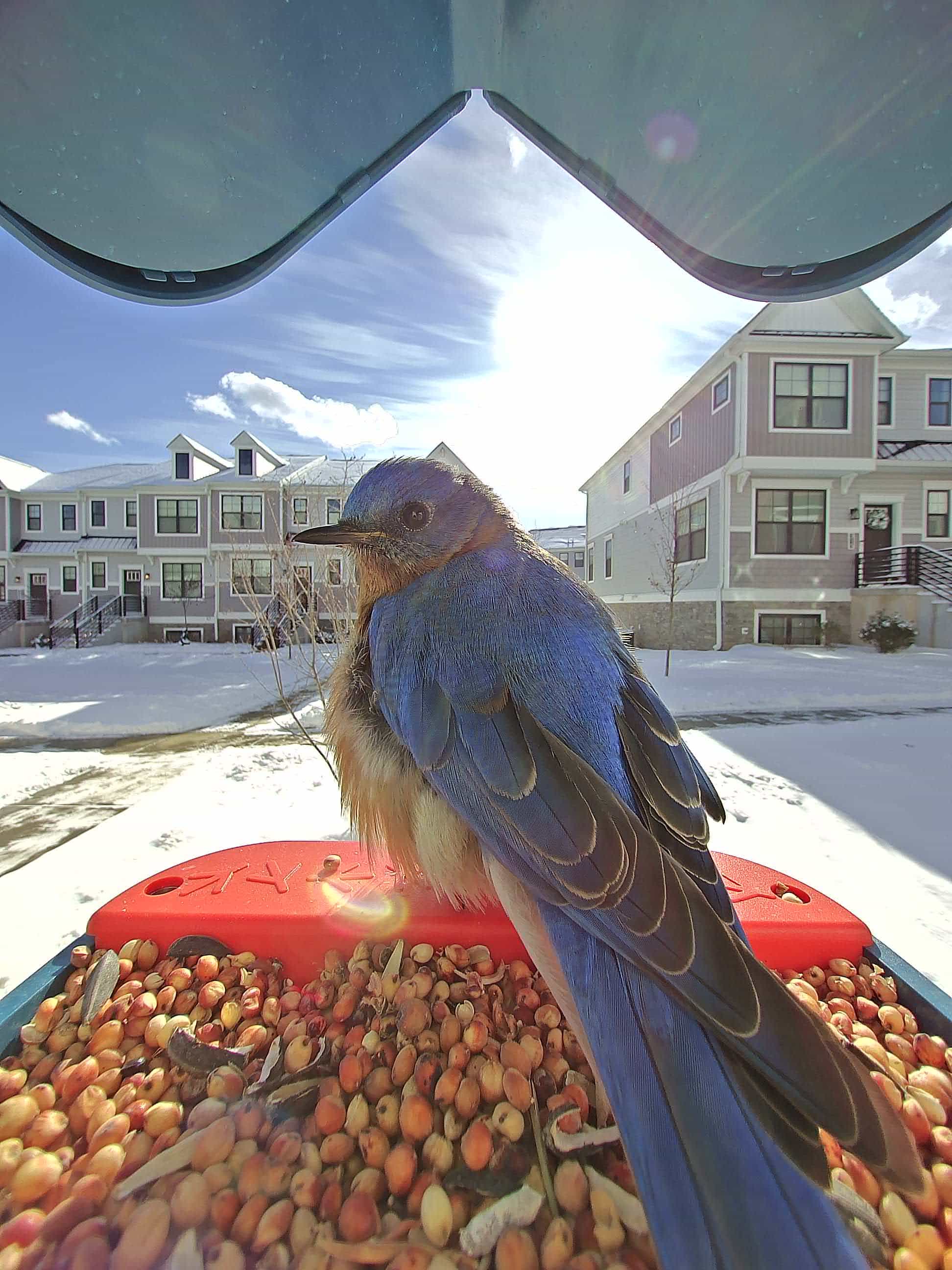
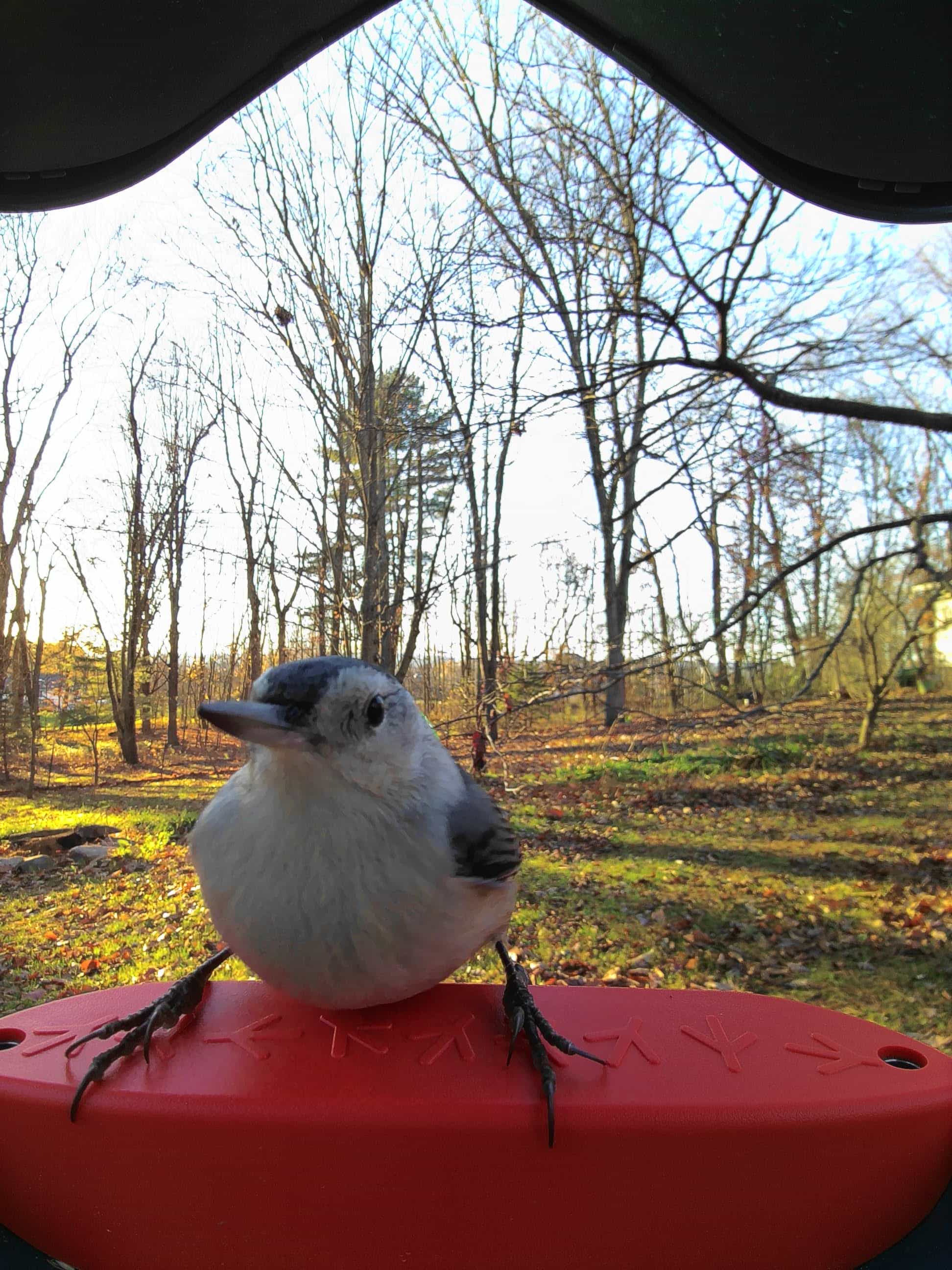
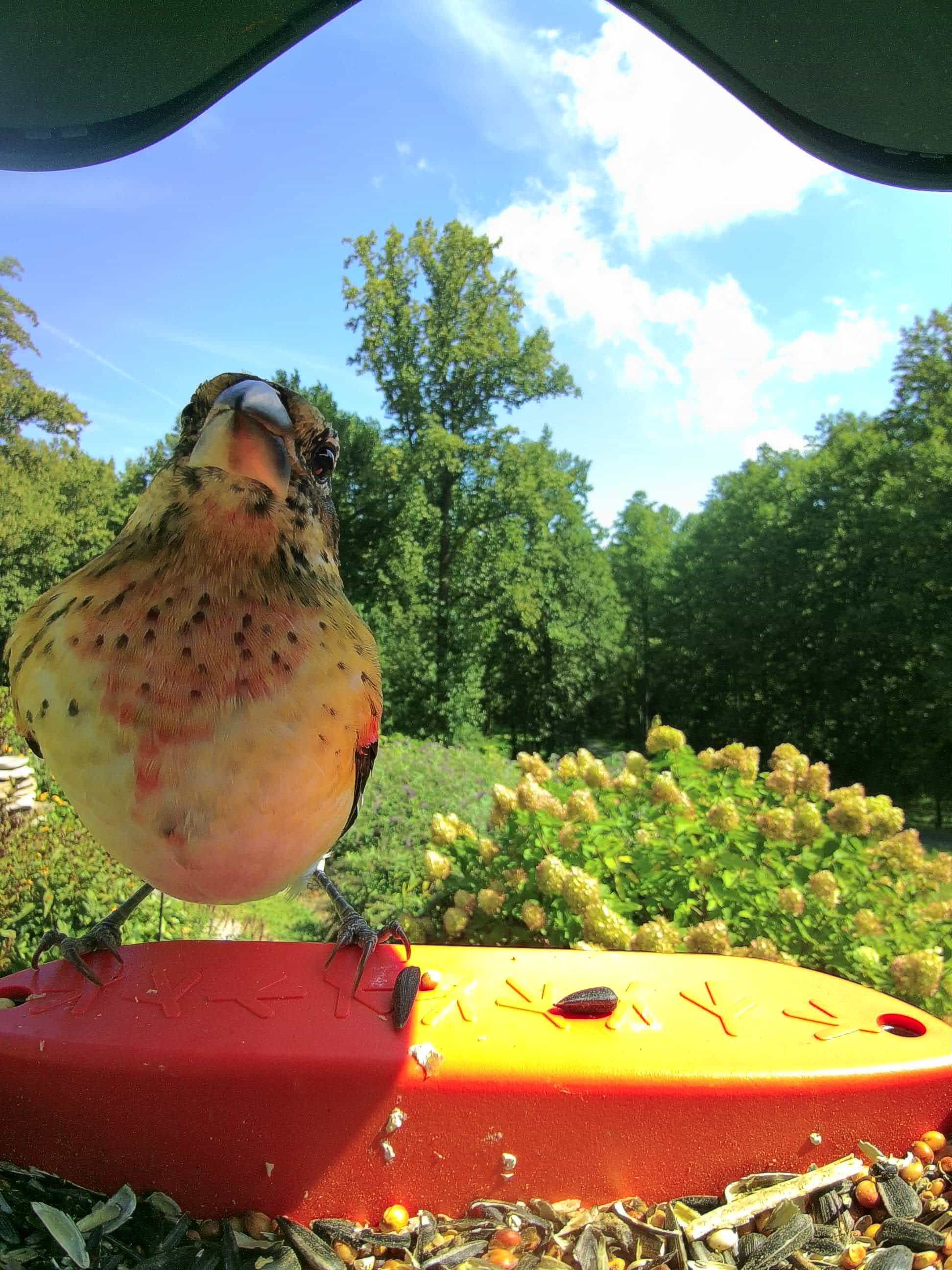
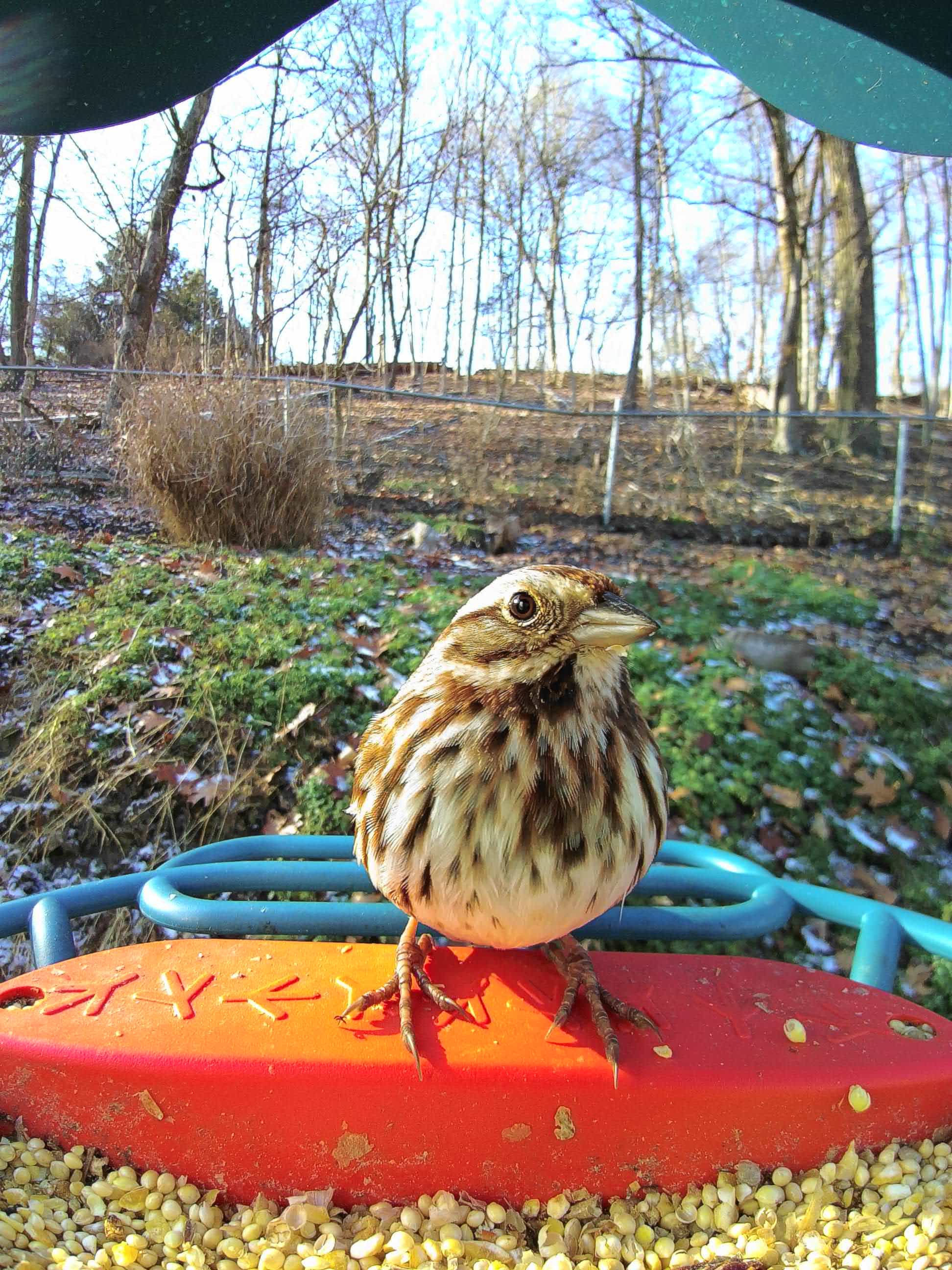
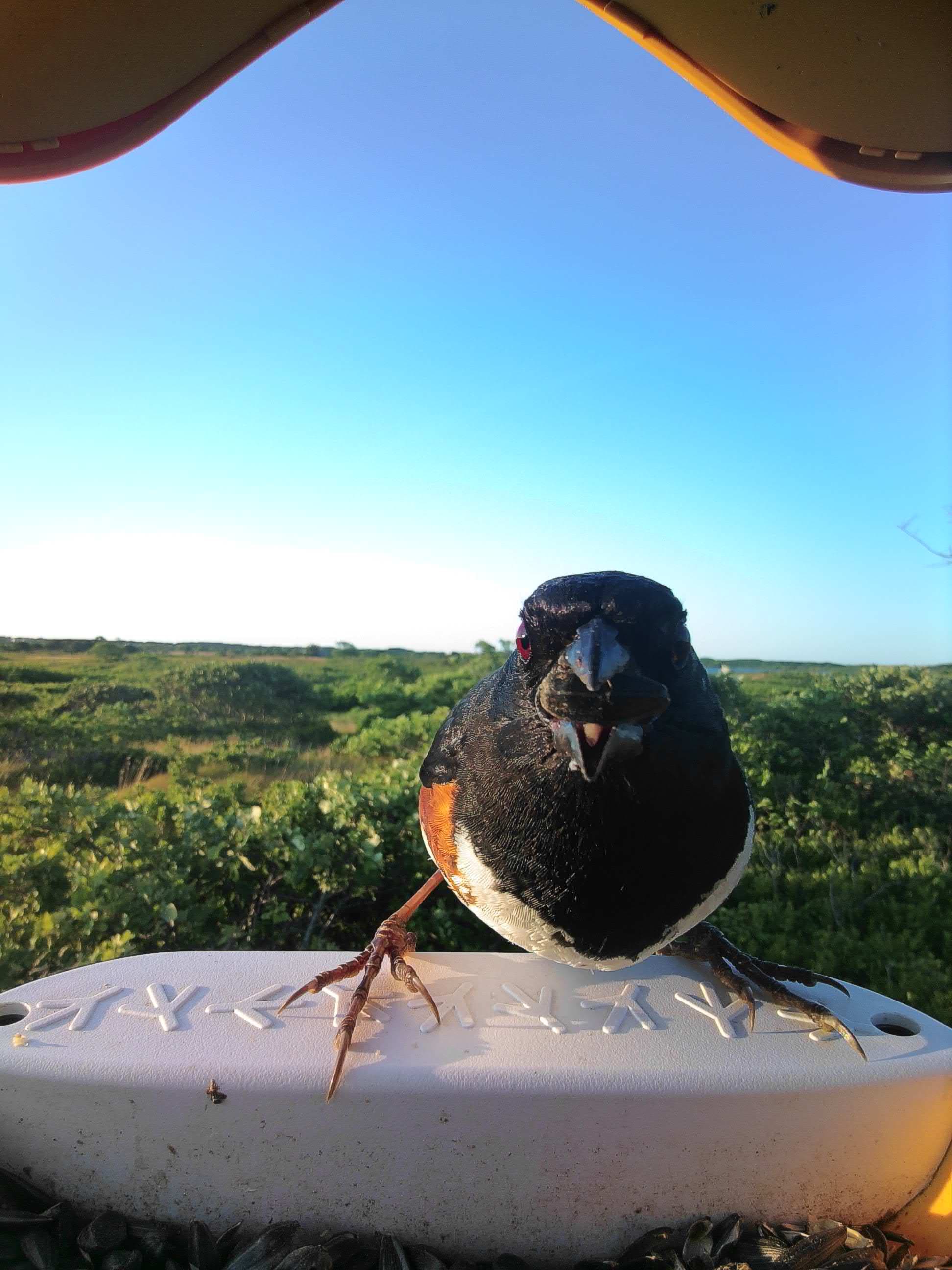
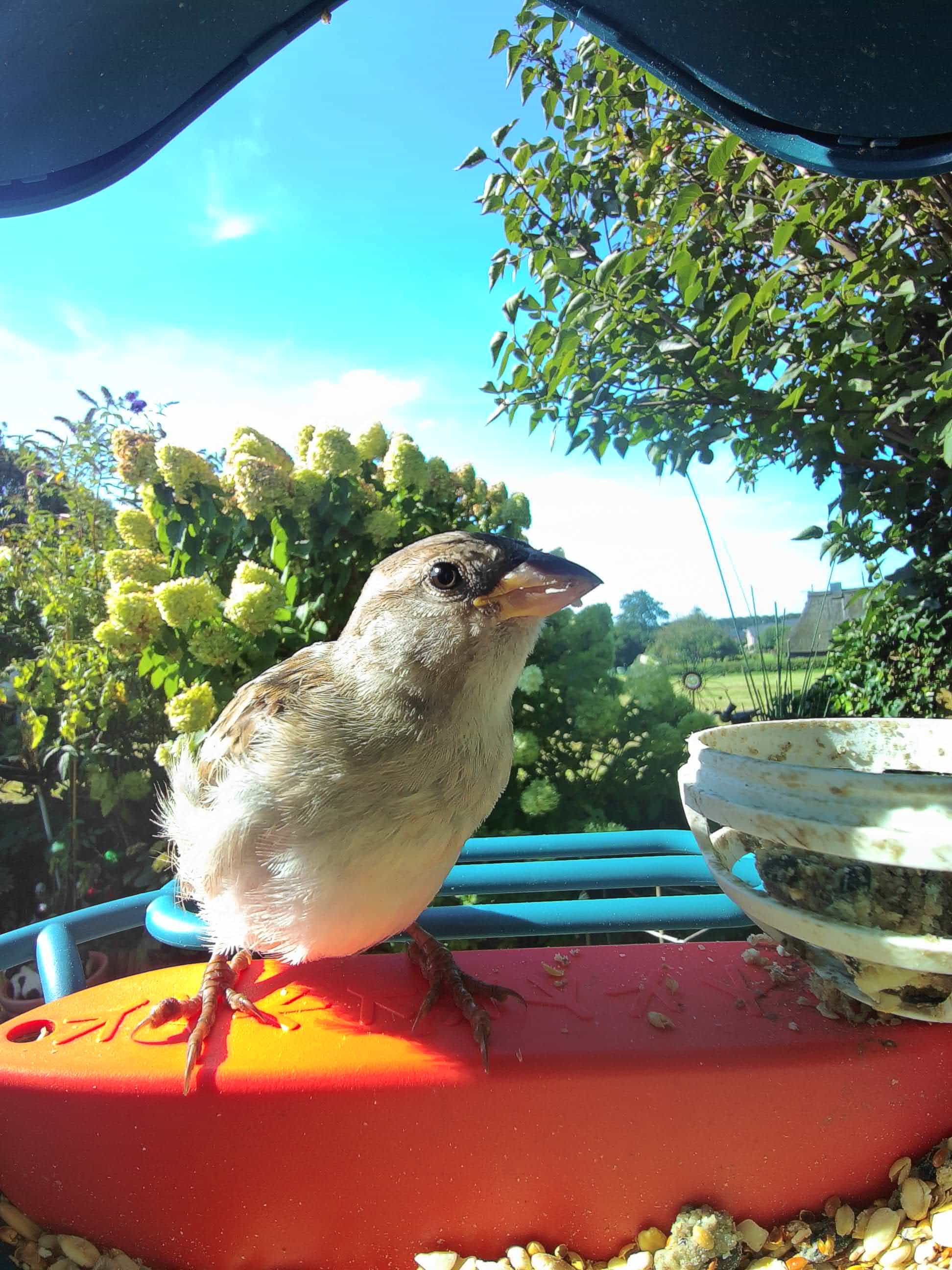
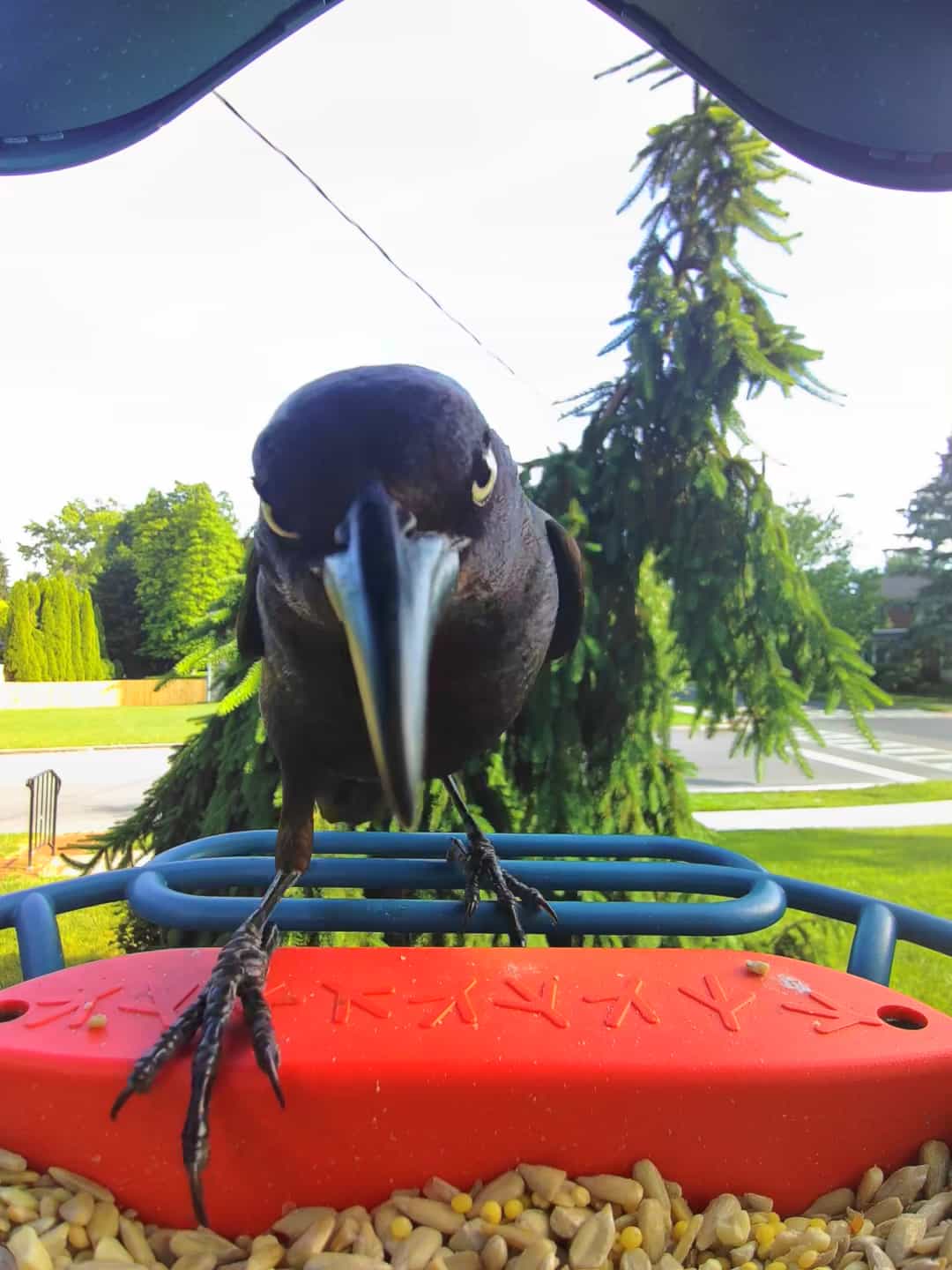
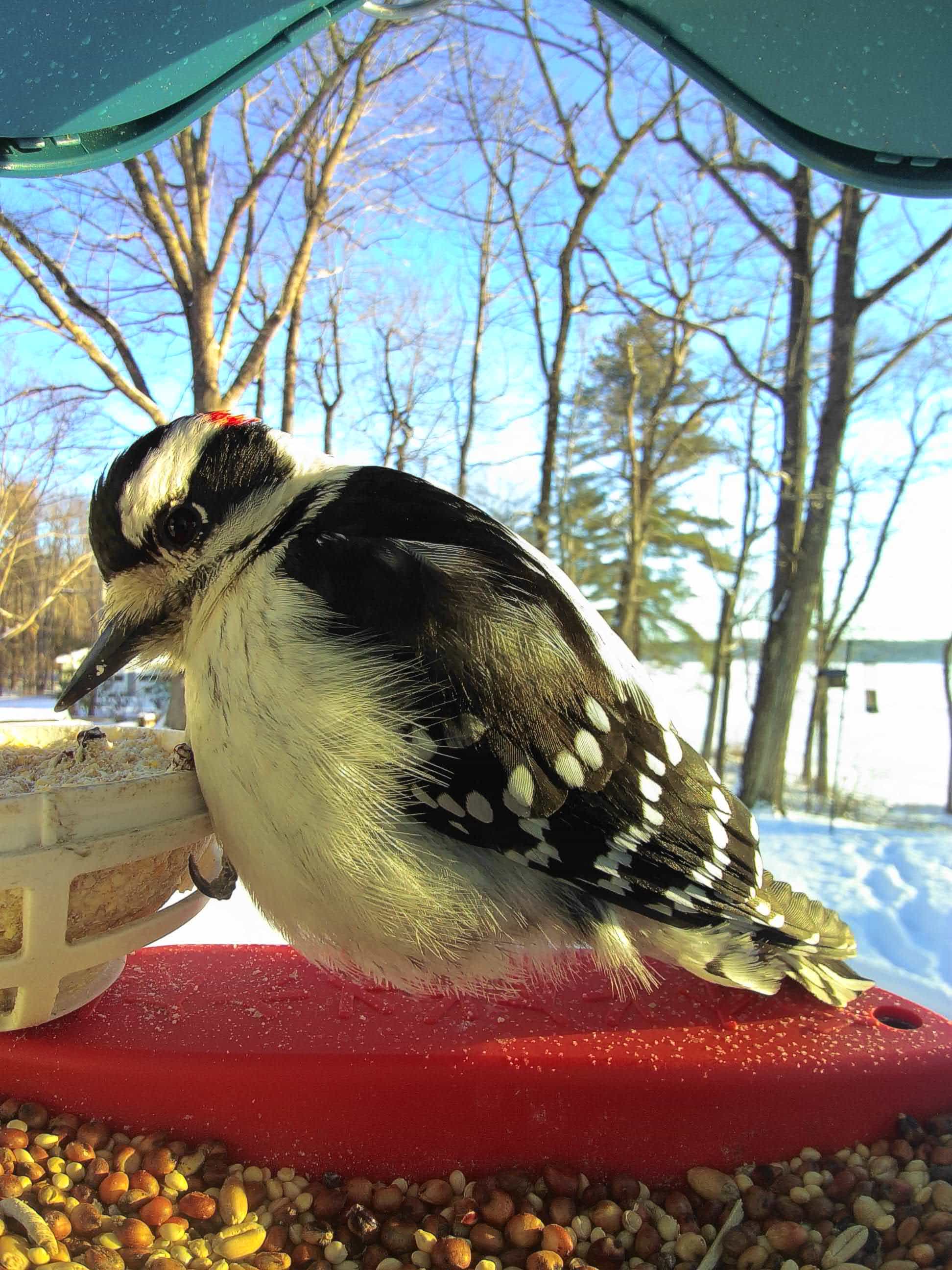
Birds seen on Birdbuddy feeders in Fort Wayne
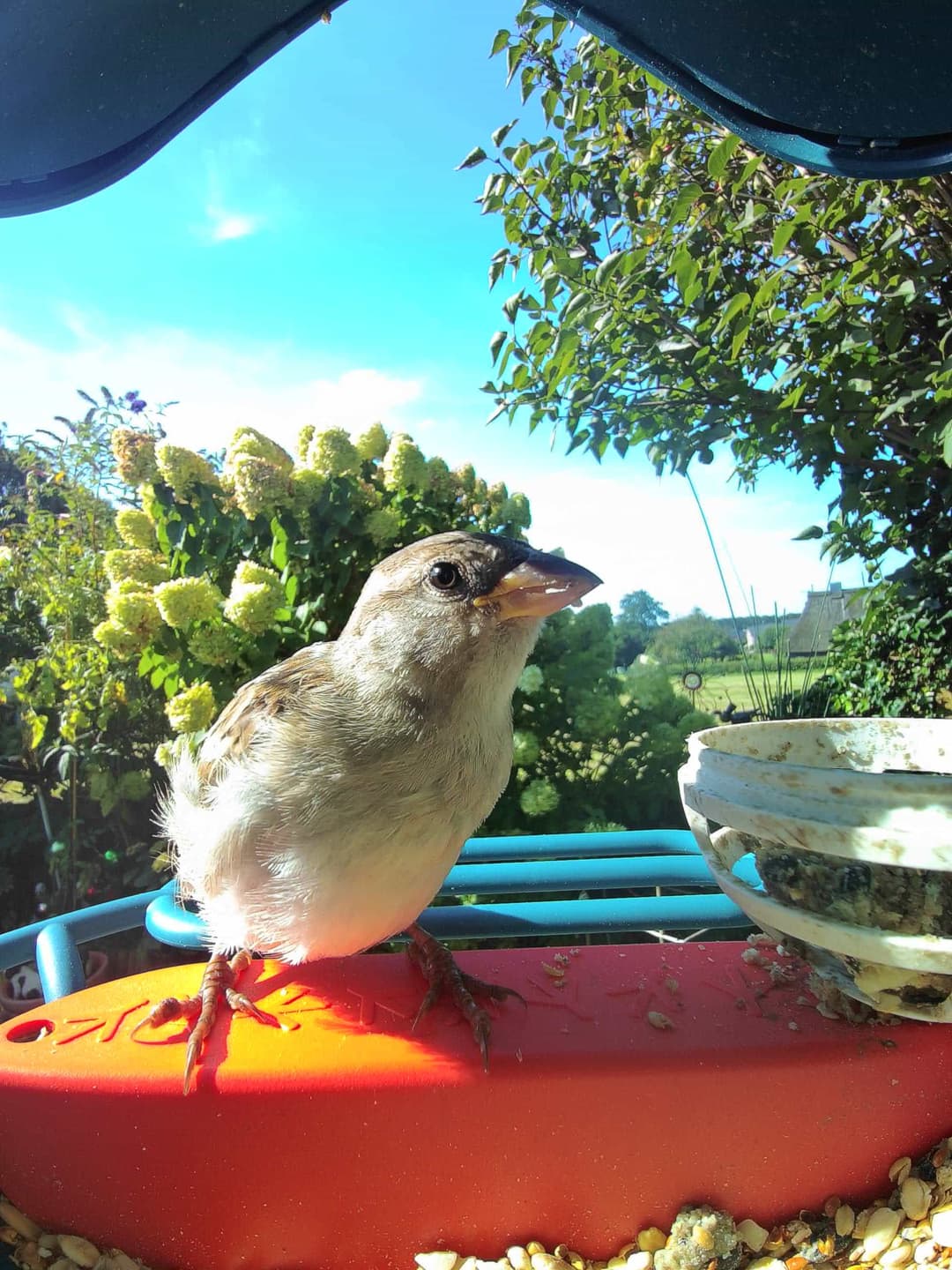
House Sparrow (Passer domesticus): A small, stocky bird with a stout bill, this species is easily recognized by its gray and brown plumage, distinctive black bib in males, and its adaptability to urban and rural environments worldwide.
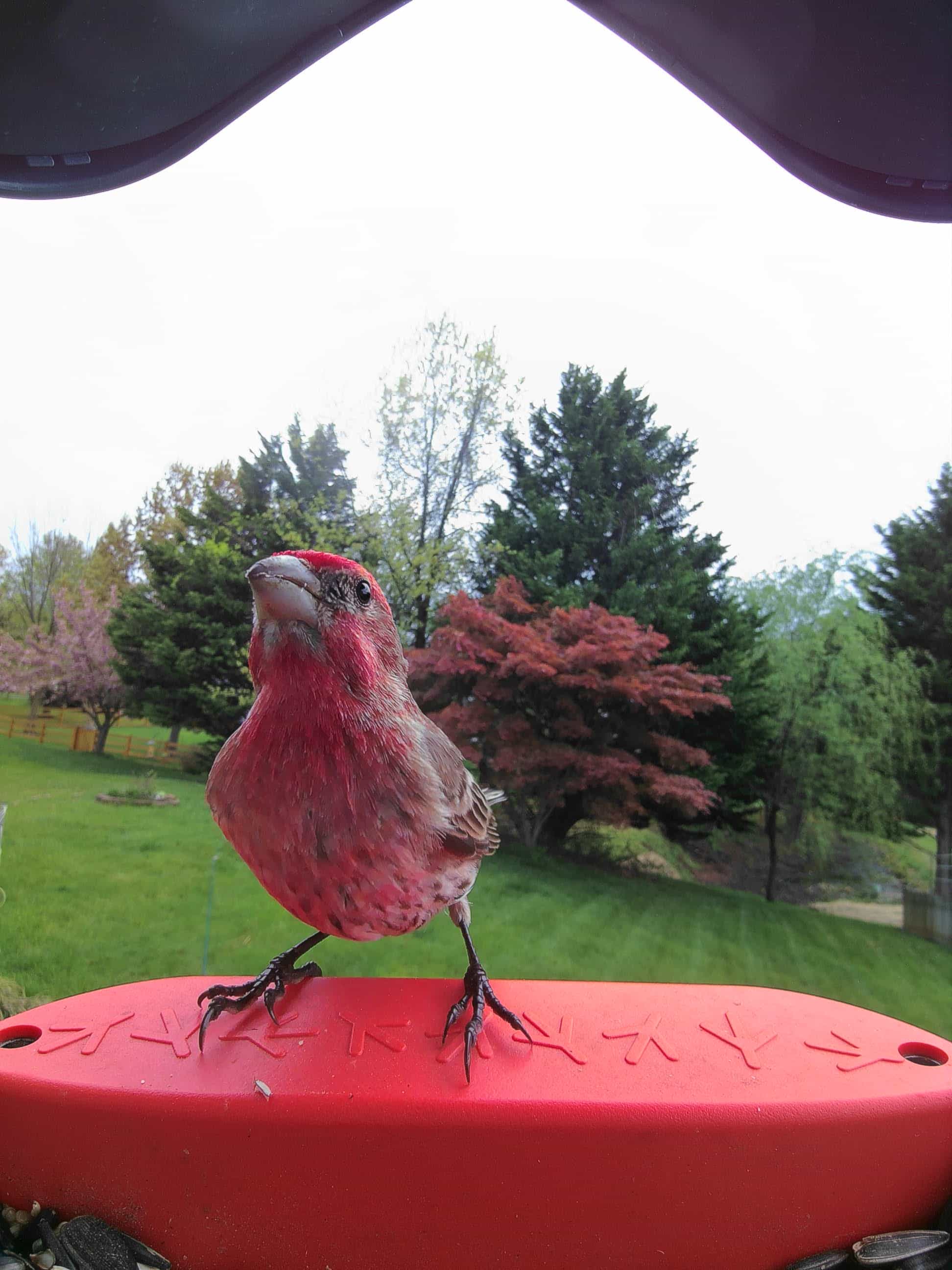
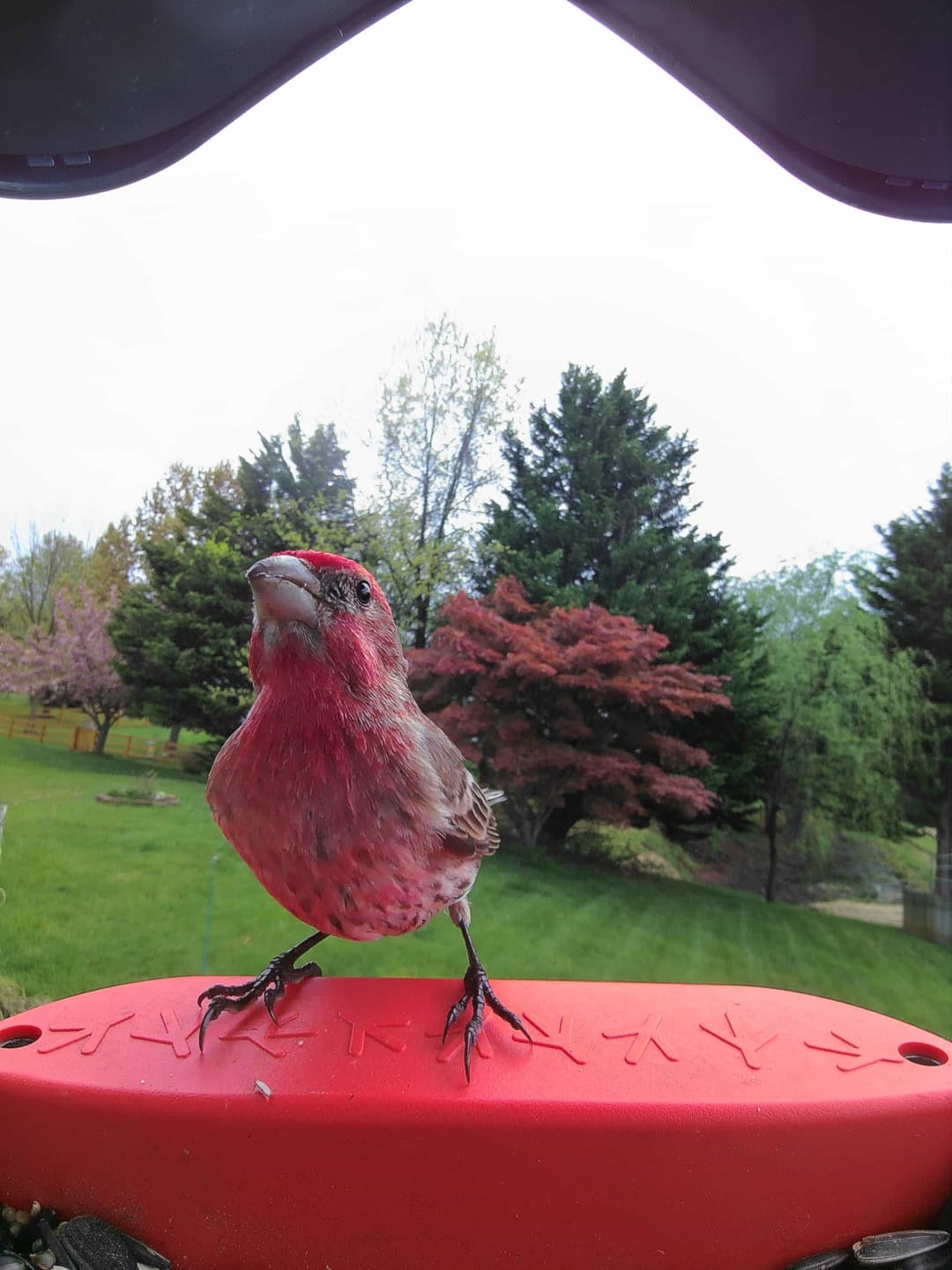
House Finch (Haemorhous mexicanus): A small, adaptable bird native to North America, it has a vibrant red head and breast in males, streaky brown plumage in females, and a cheerful, warbling song often heard in urban and suburban areas.
Northern Cardinal (Cardinalis cardinalis): This vibrant songbird is known for its striking red plumage, distinctive crest, and robust bill, commonly found in woodlands, gardens, and shrublands across North America.
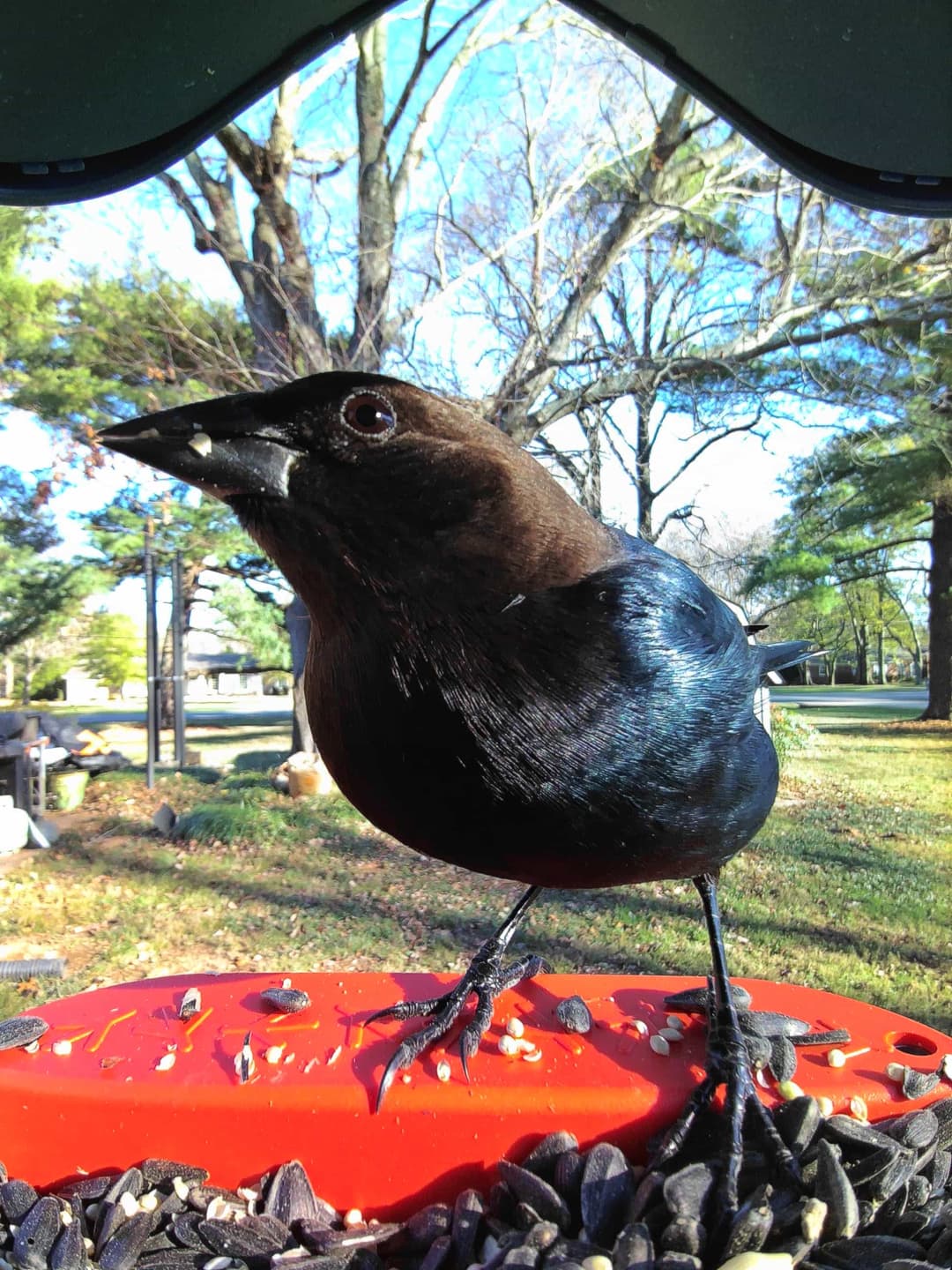
Brown-Headed Cowbird (Molothrus ater): This small, glossy blackbird with a slightly iridescent brown head is known for its brood parasitism, laying eggs in the nests of other bird species, leaving them to raise its young.
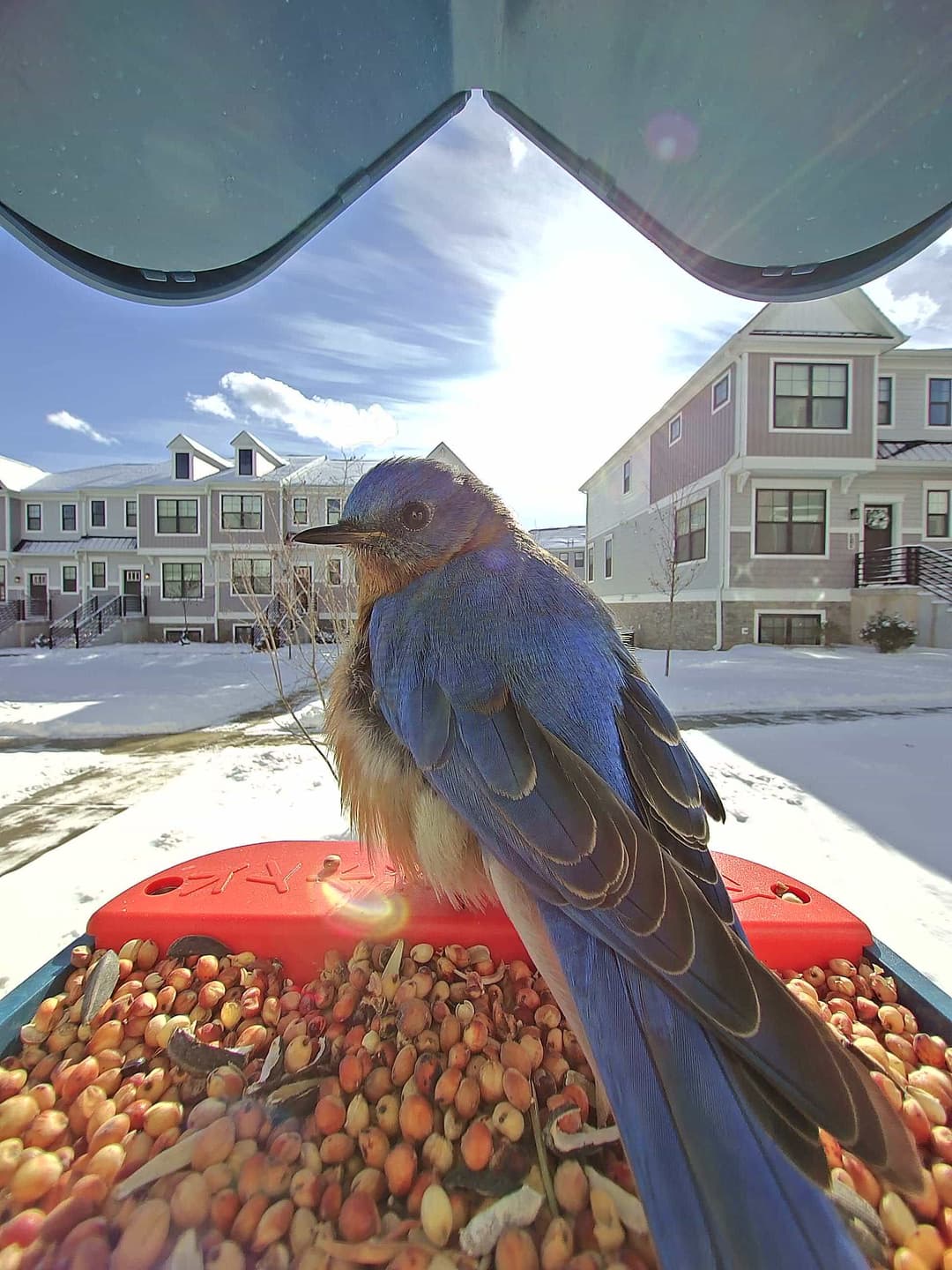
Eastern Bluebird (Sialia sialis): A small North American songbird, this species is known for its vibrant blue plumage, rusty-orange breast, and melodious song, often found in open woodlands, fields, and gardens where it feeds on insects and fruits.
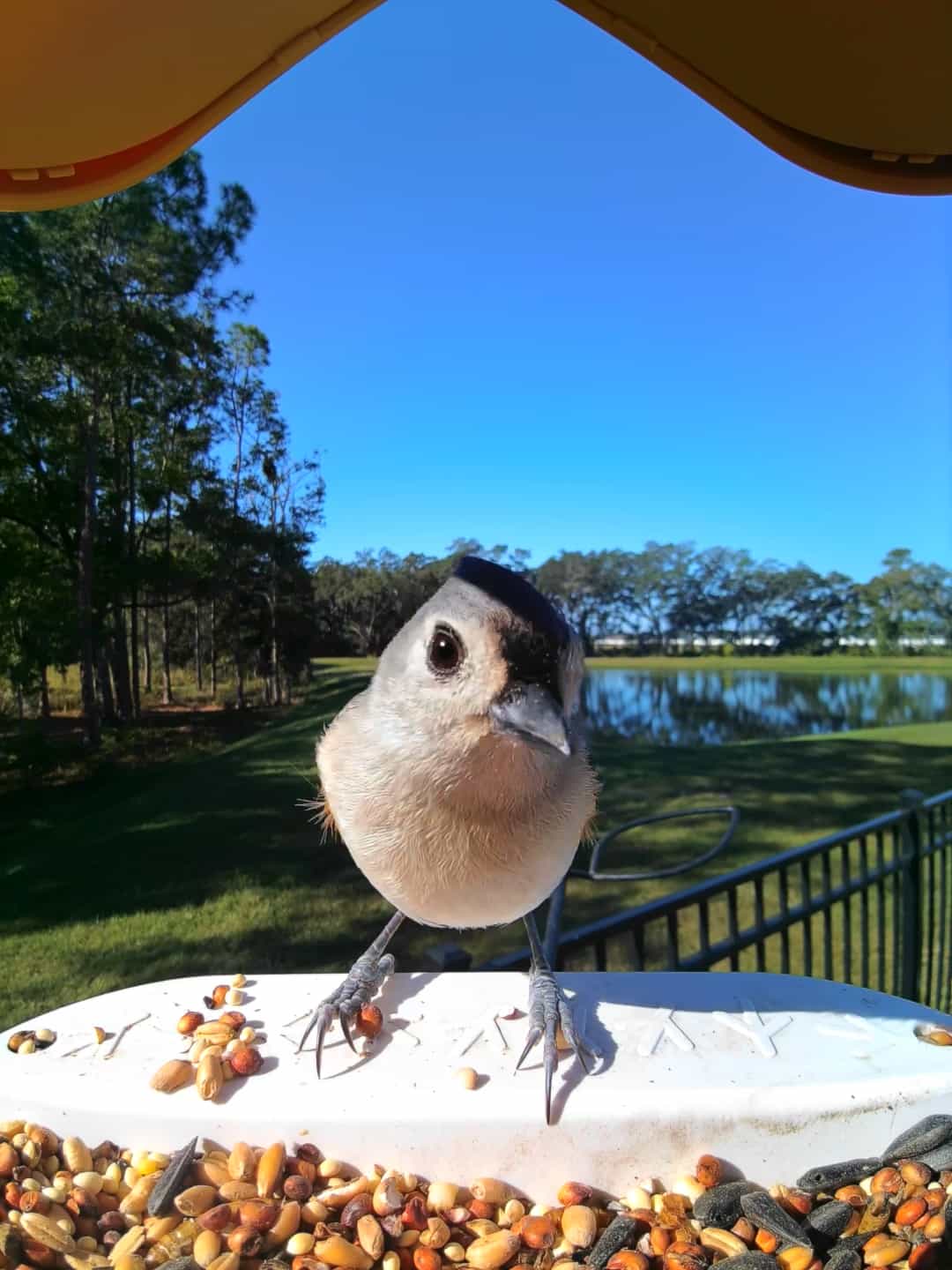
Tufted Titmouse (Baeolophus bicolor): This small songbird is known for its distinctive crest atop its head, soft gray plumage, white underparts, and a touch of rust-colored flanks, often seen flitting about in deciduous forests and backyard feeders across the eastern United States.
Identifying bird sounds and calls in Fort Wayne
Bird sounds are a key way to identify different species, even when they're hidden in trees or bushes. Each bird has its own unique vocalizations, from melodic songs to distinctive calls. Learning these sounds can help you identify birds even before you see them.
Birdwatching hotspots in Fort Wayne
Parks, reserves, and observatories
Fort Wayne, Indiana offers diverse habitats ranging from wetlands and woodlands to urban green spaces, making it rich in birdwatching opportunities.
Fox Island County Park: A 605-acre park featuring hiking trails, wetlands, and a nature center, ideal for observing diverse bird species.
Eagle Marsh: A restored wetland offering over 700 acres of land with 10 miles of walking and birdwatching trails.
Lindenwood Nature Preserve: This 110-acre preserve provides a quiet, natural setting with forest and wetland habitats for bird enthusiasts.
Accessibility and facilities
Most areas offer parking, restrooms, and trails suitable for varying mobility levels, making them accessible to many visitors.
Conservation efforts
Fort Wayne, Indiana is actively engaged in conservation efforts to preserve local ecosystems and enhance urban green spaces. Some of the efforts include:
- Partnerships with local environmental groups for habitat restoration.
- Implementation of urban forestry programs to increase tree cover.
- Promotion of sustainable land management practices in local parks.
How Can I Help?
- Participate in local clean-up and tree planting events.
- Volunteer with community conservation organizations.
- Advocate for green policies in local governance.
Live bird sightings in the Fort Wayne area
Discover what birds are currently active in Fort Wayne through real-time sightings from Birdbuddy users. Explore hotspots and track your favorite species with updates from our community network.
Learn more about Birdbuddy