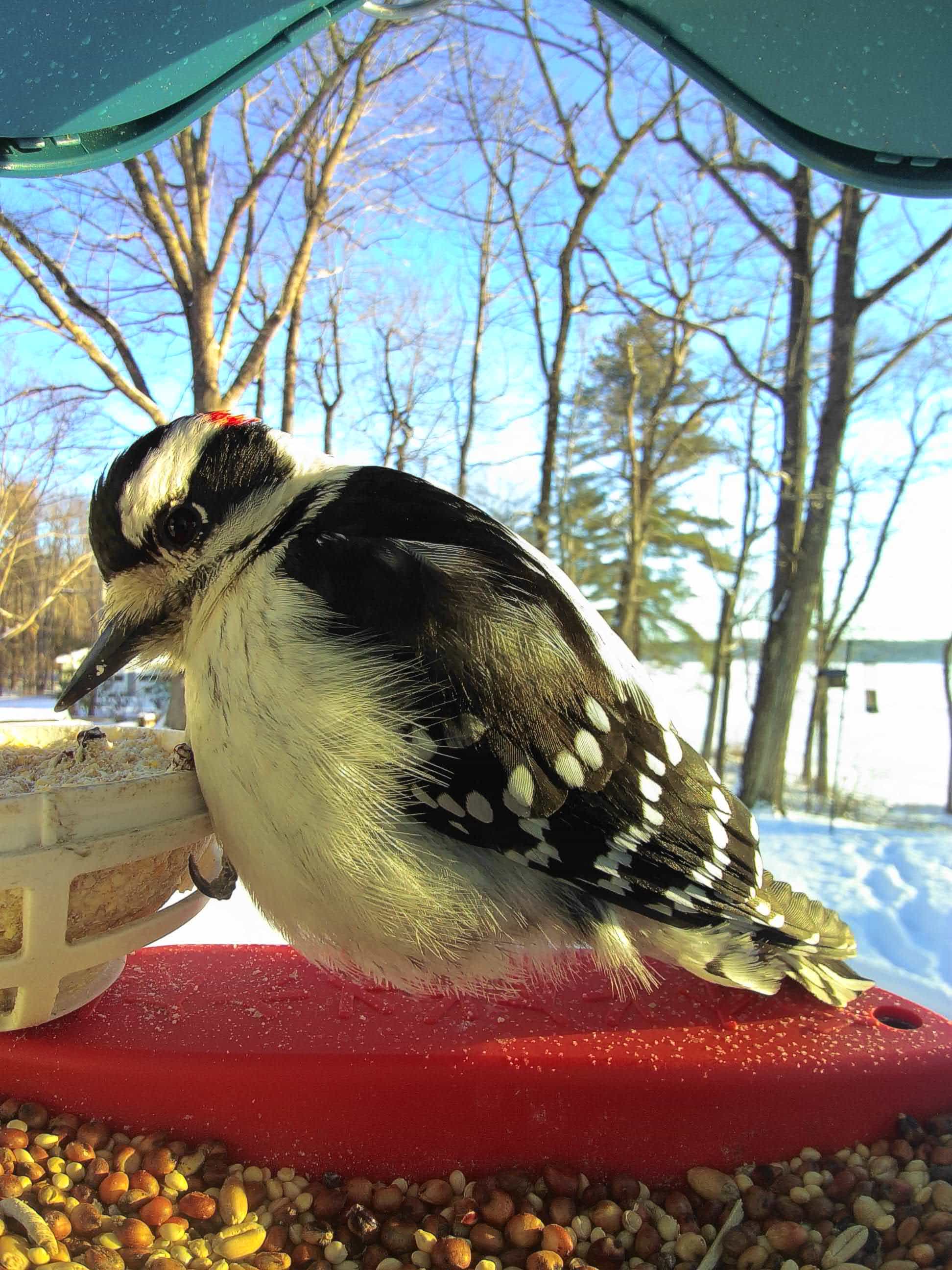
Birds in North Charleston,
South Carolina
North Charleston, South Carolina, features diverse ecosystems like salt marshes, tidal creeks, and lush woodlands. These habitats support a wide range of bird species, making it a key birdwatching destination. The convergence of freshwater and saltwater environments attracts migratory and resident birds, providing ample opportunities for sighting rare and common species. Its unique landscape offers birdwatchers vibrant biodiversity and picturesque views.
Most iconic North Charleston bird
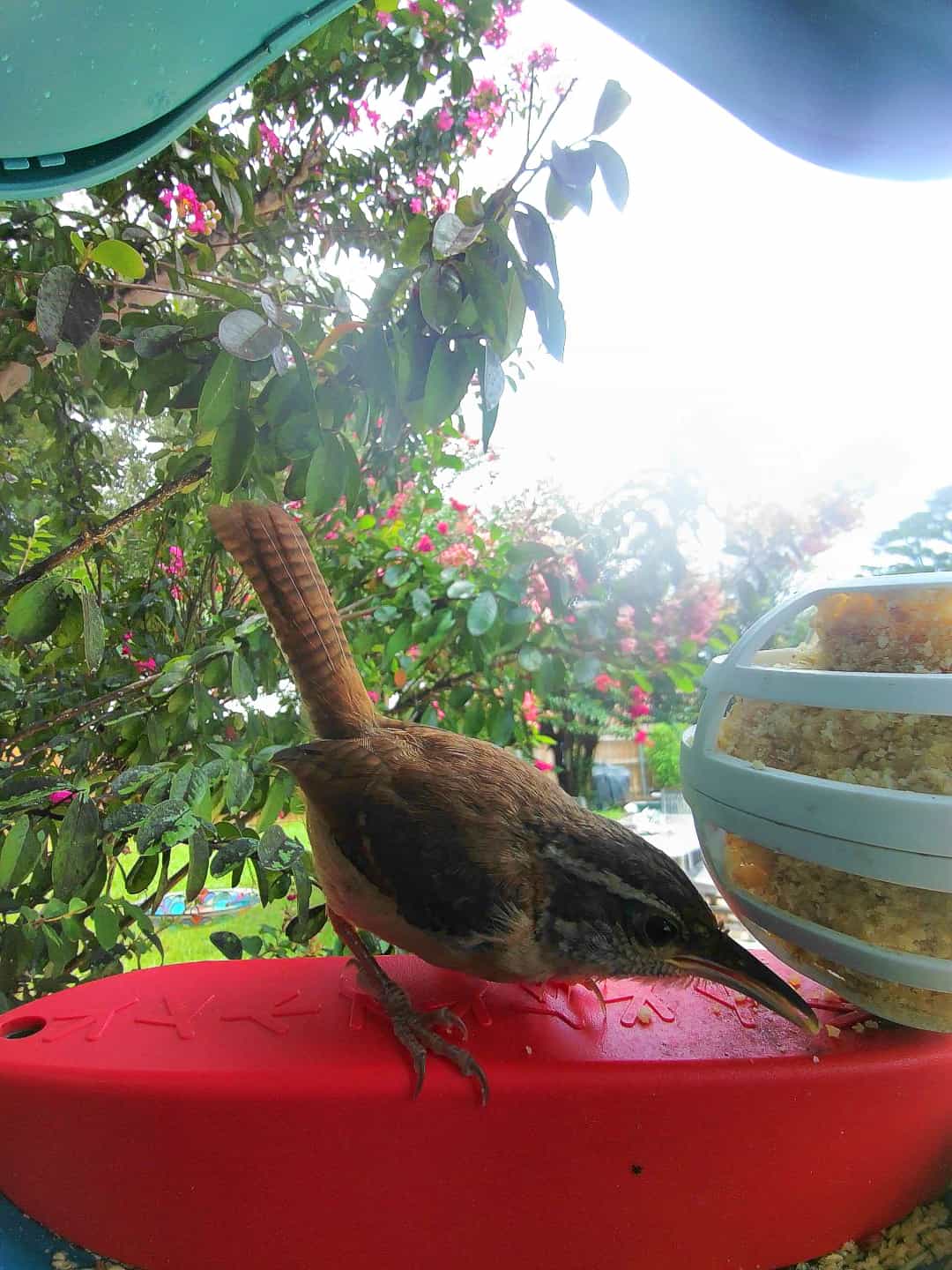
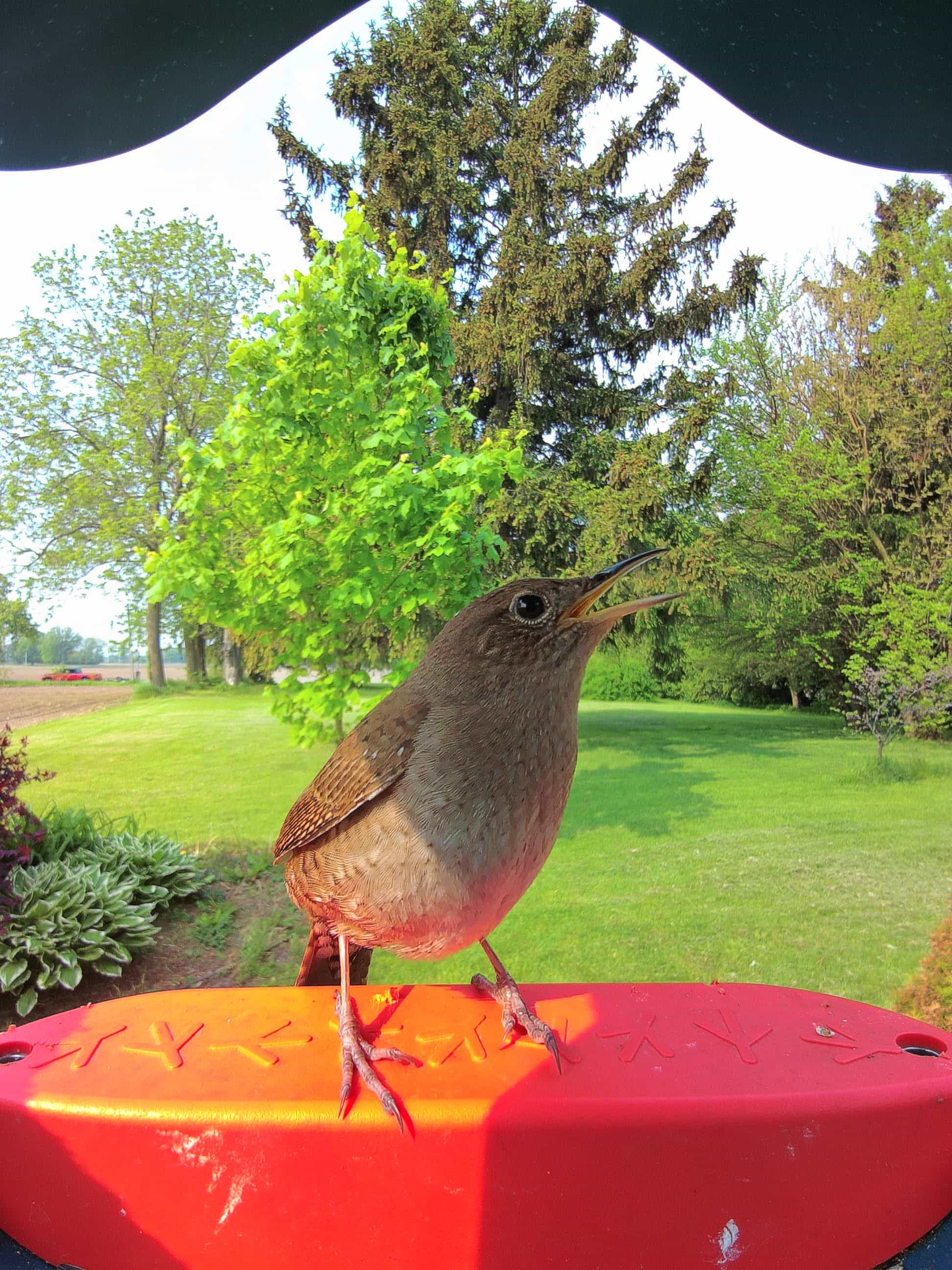
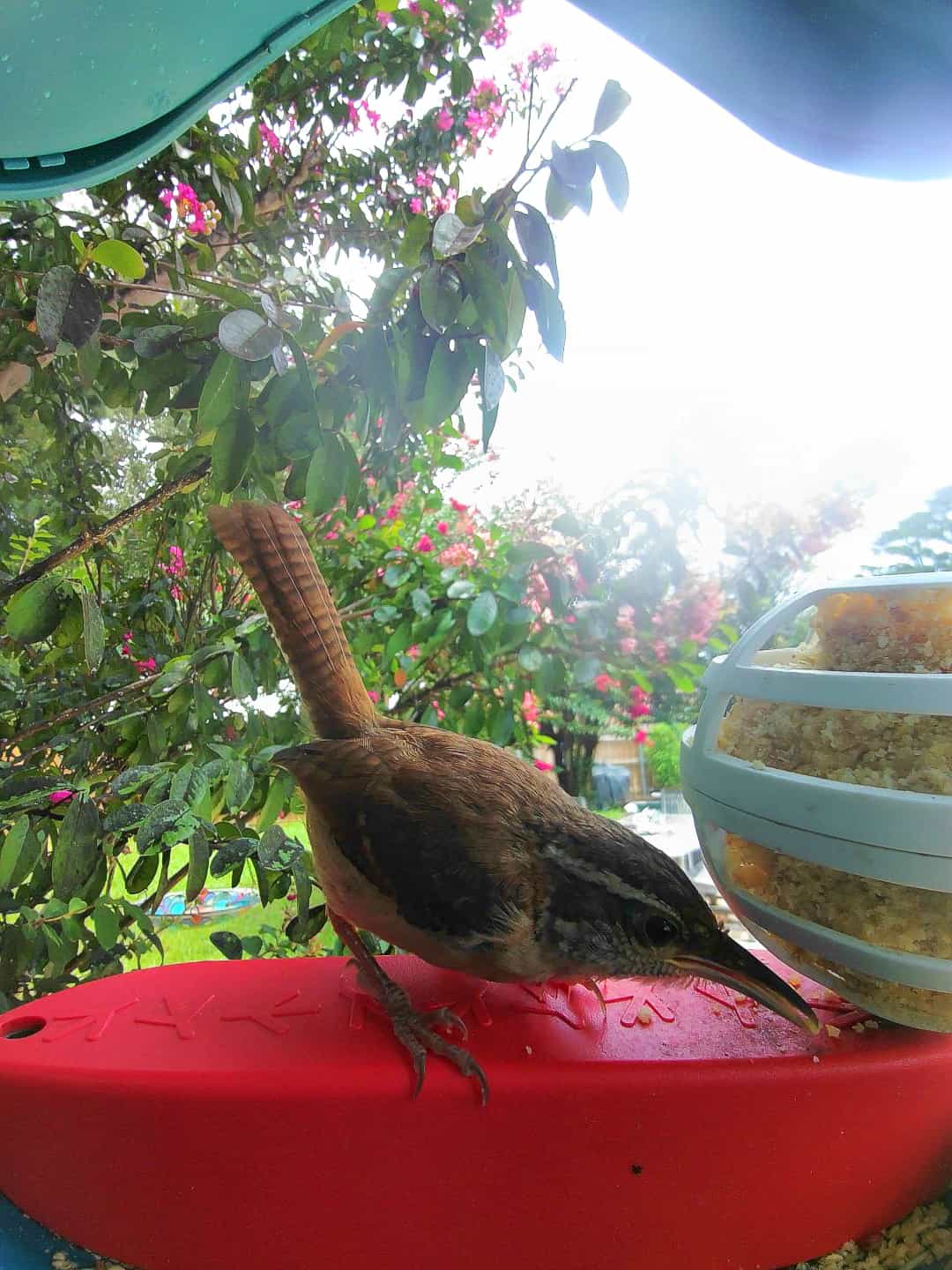
The Carolina wren was chosen as the state bird of South Carolina because it is commonly found in the region and represents the state's natural beauty and heritage.
Common bird species in North Charleston
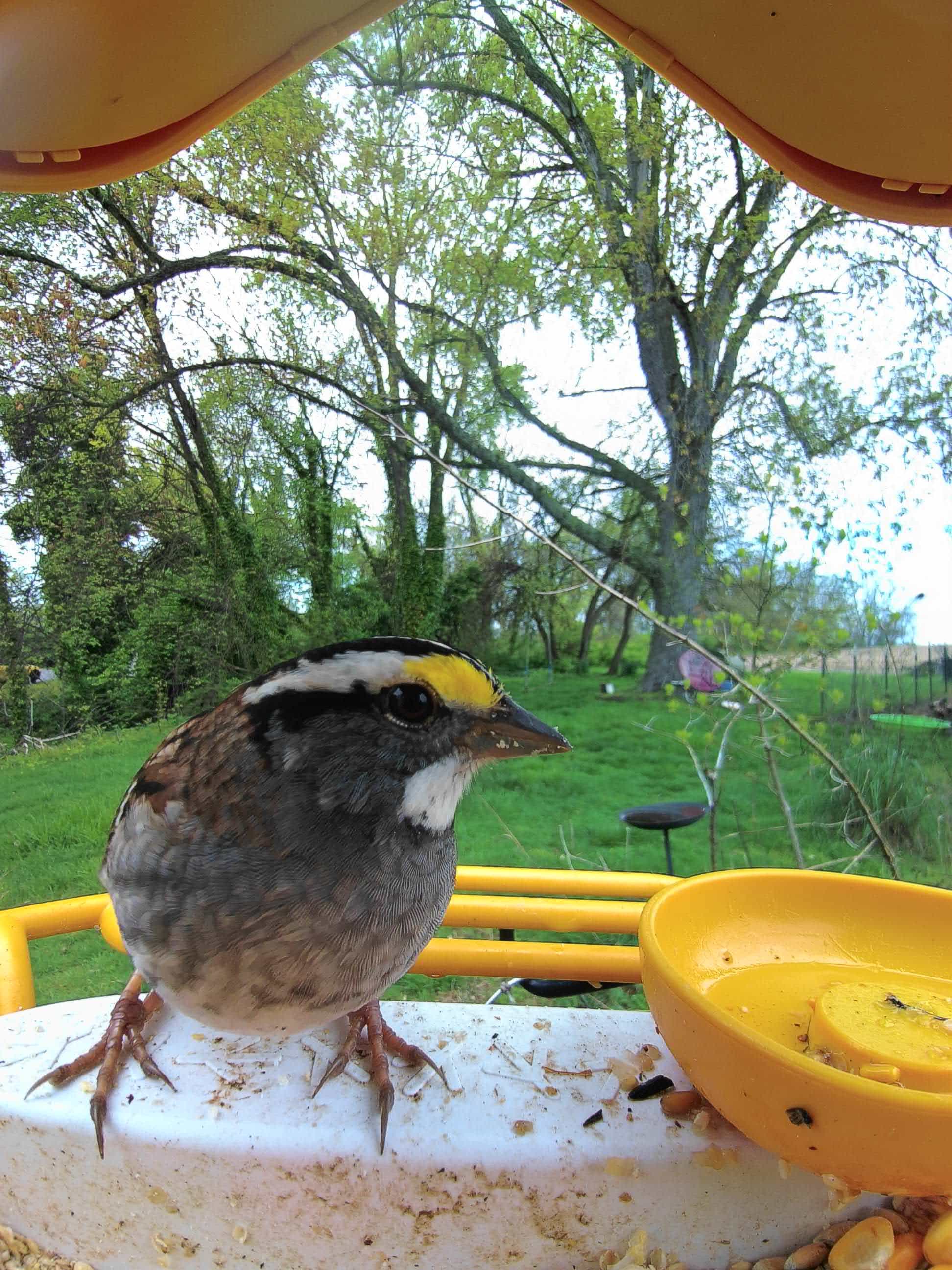
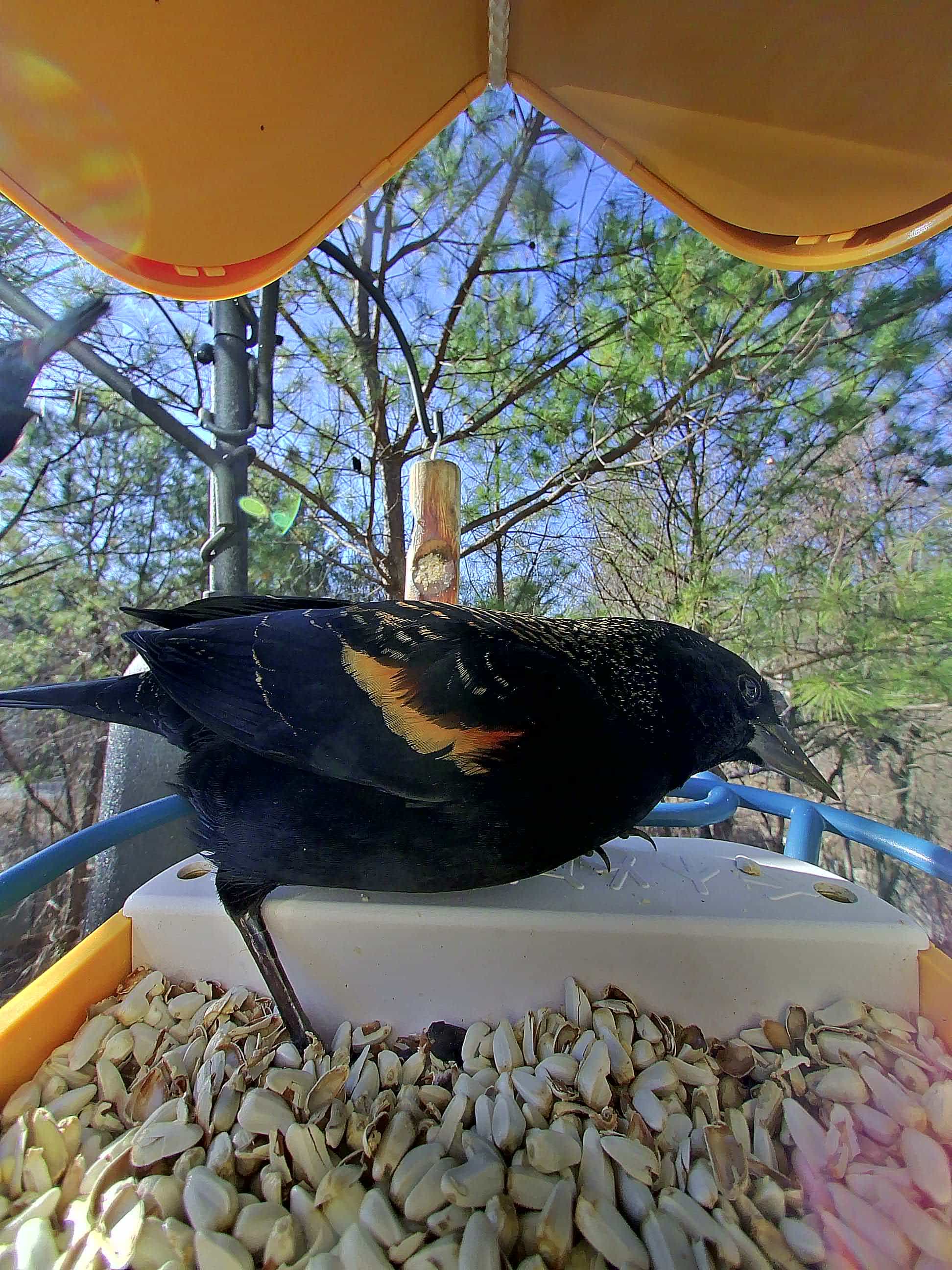
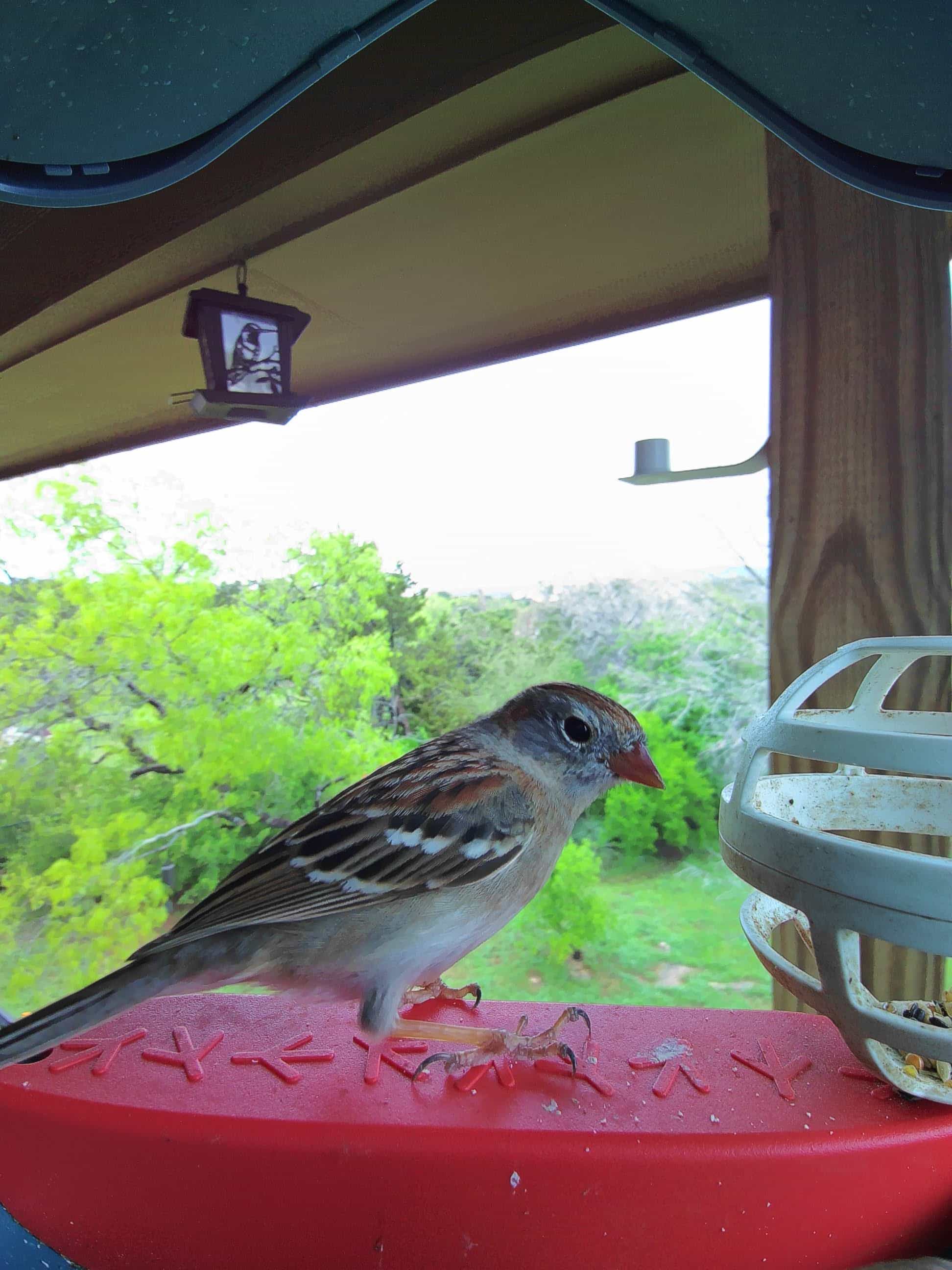
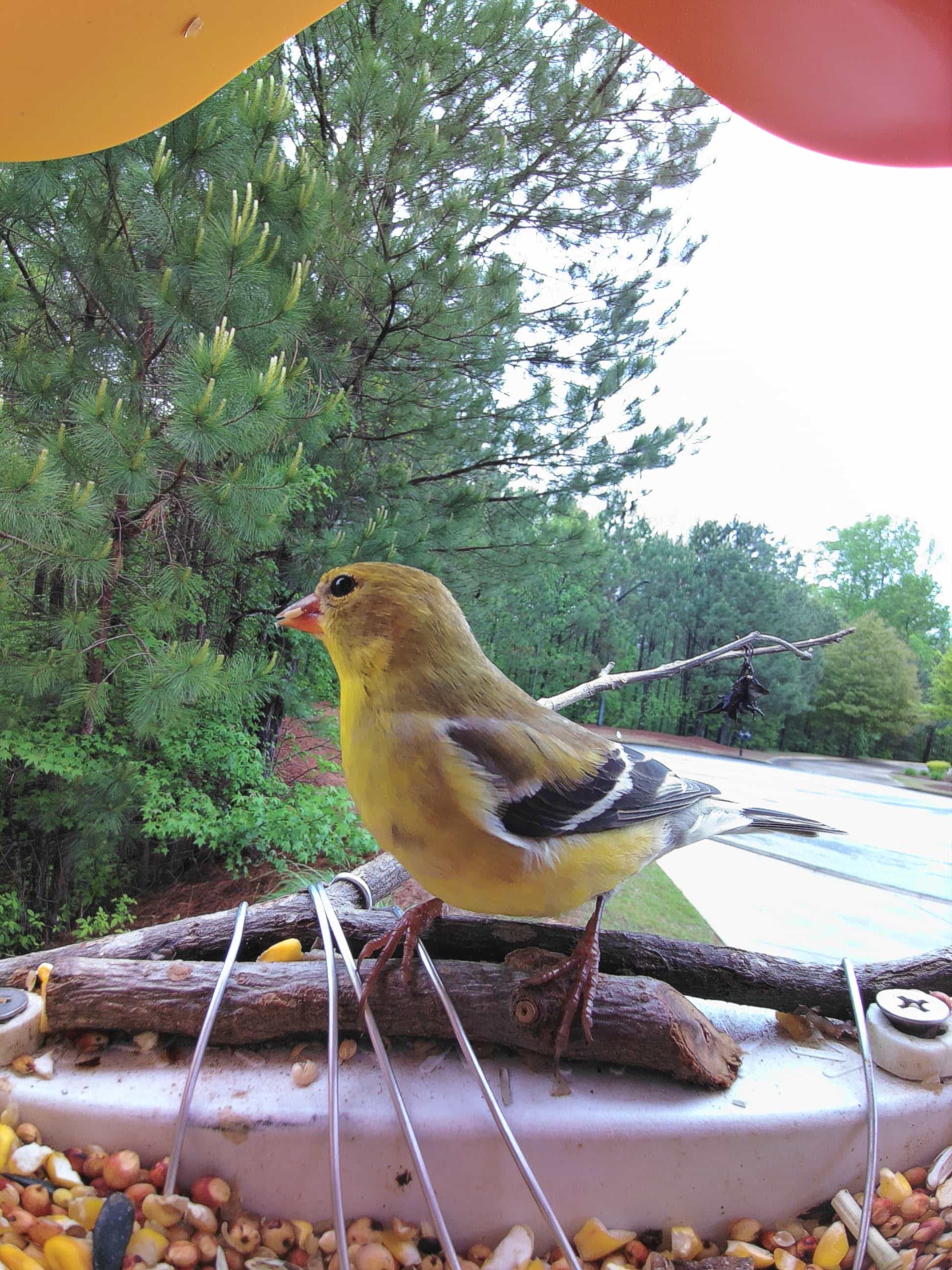
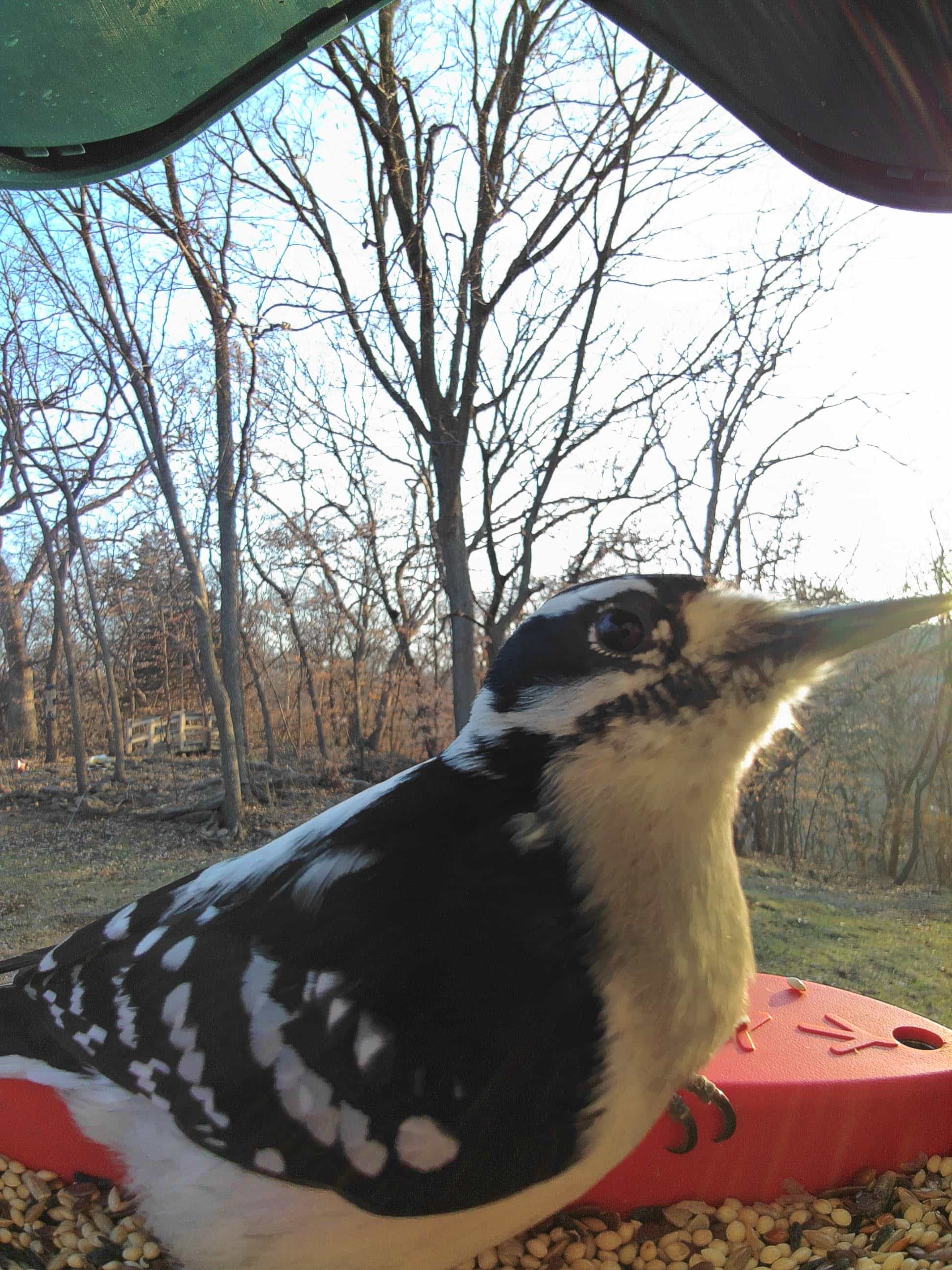
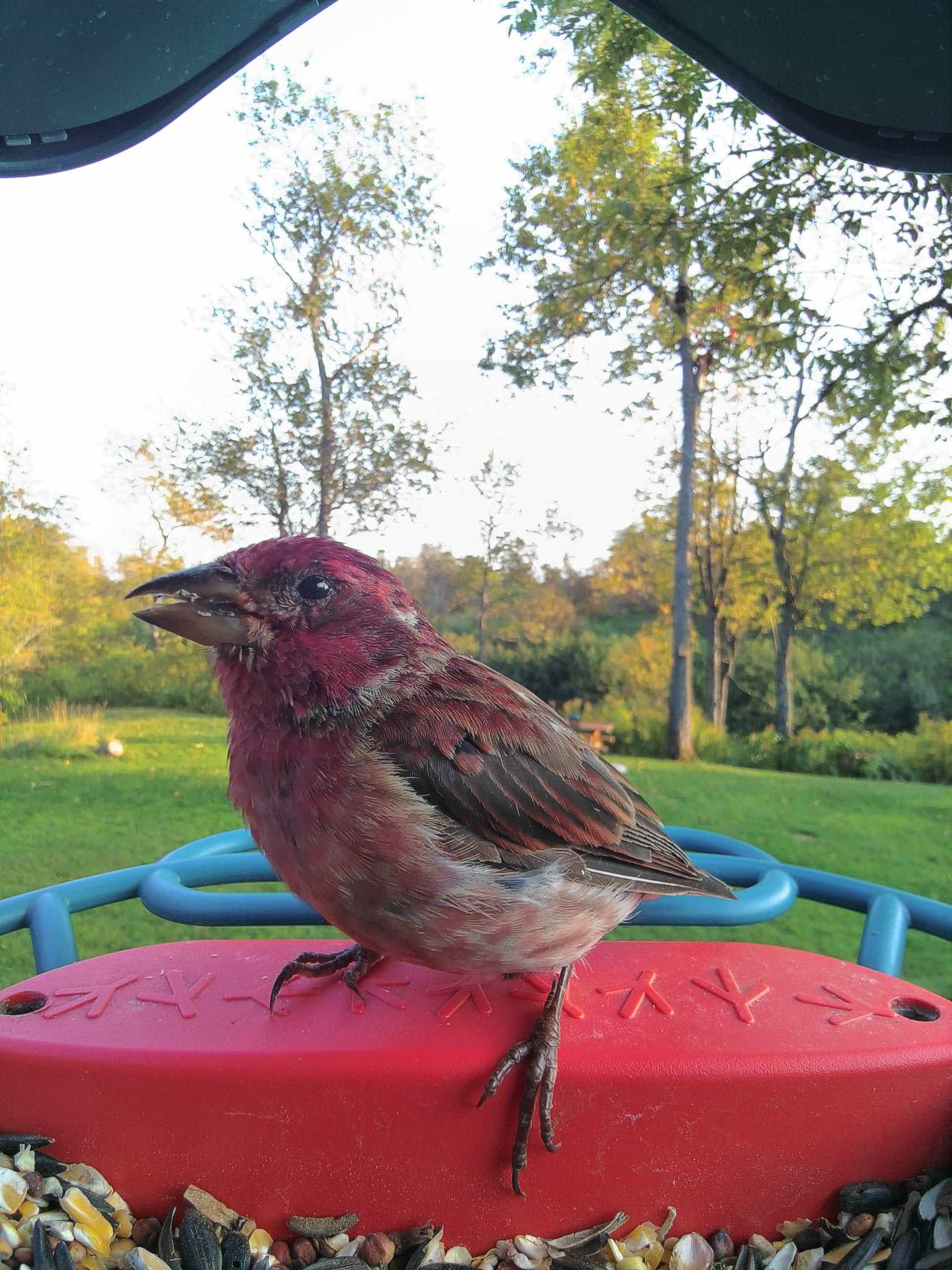
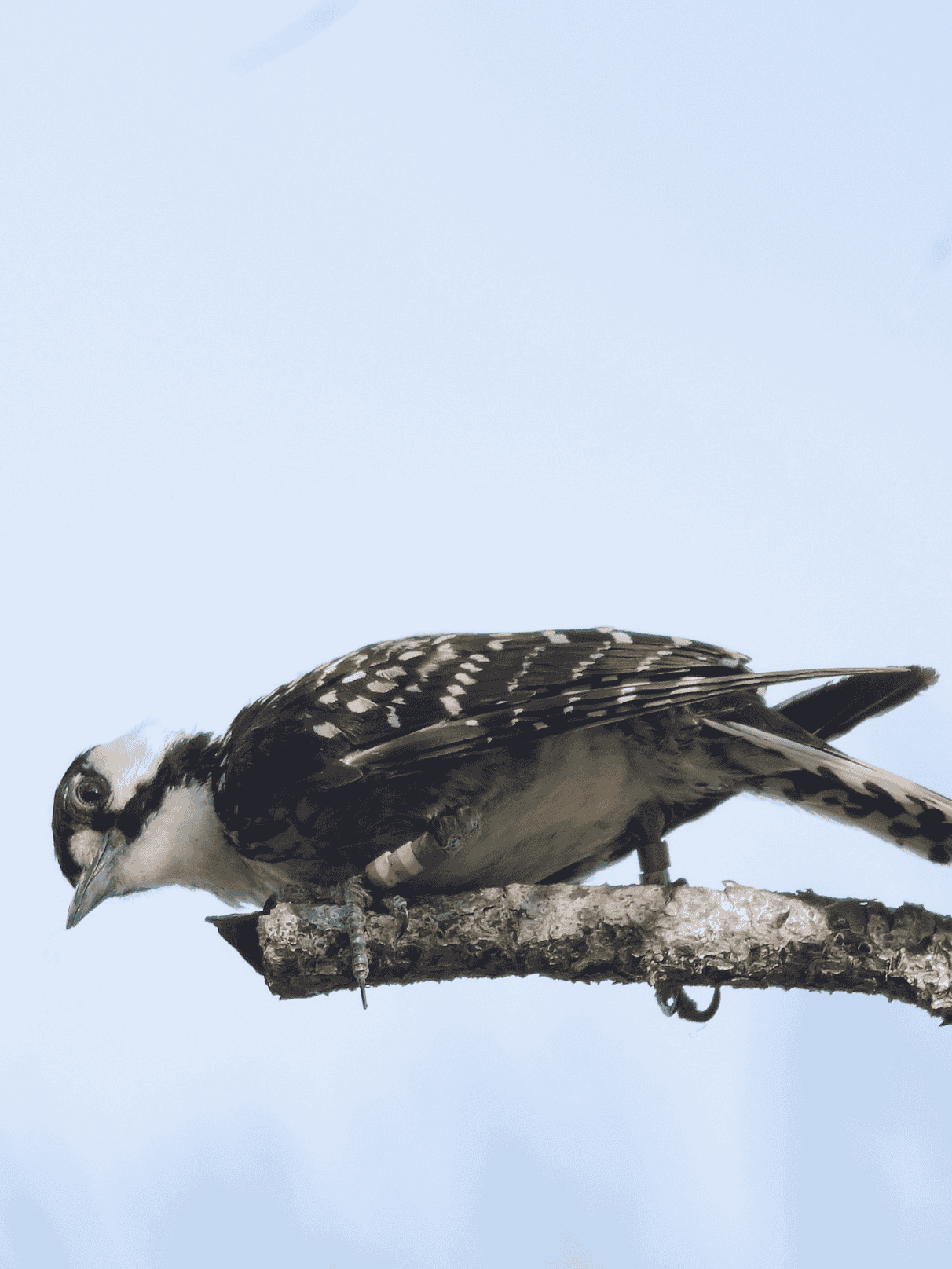
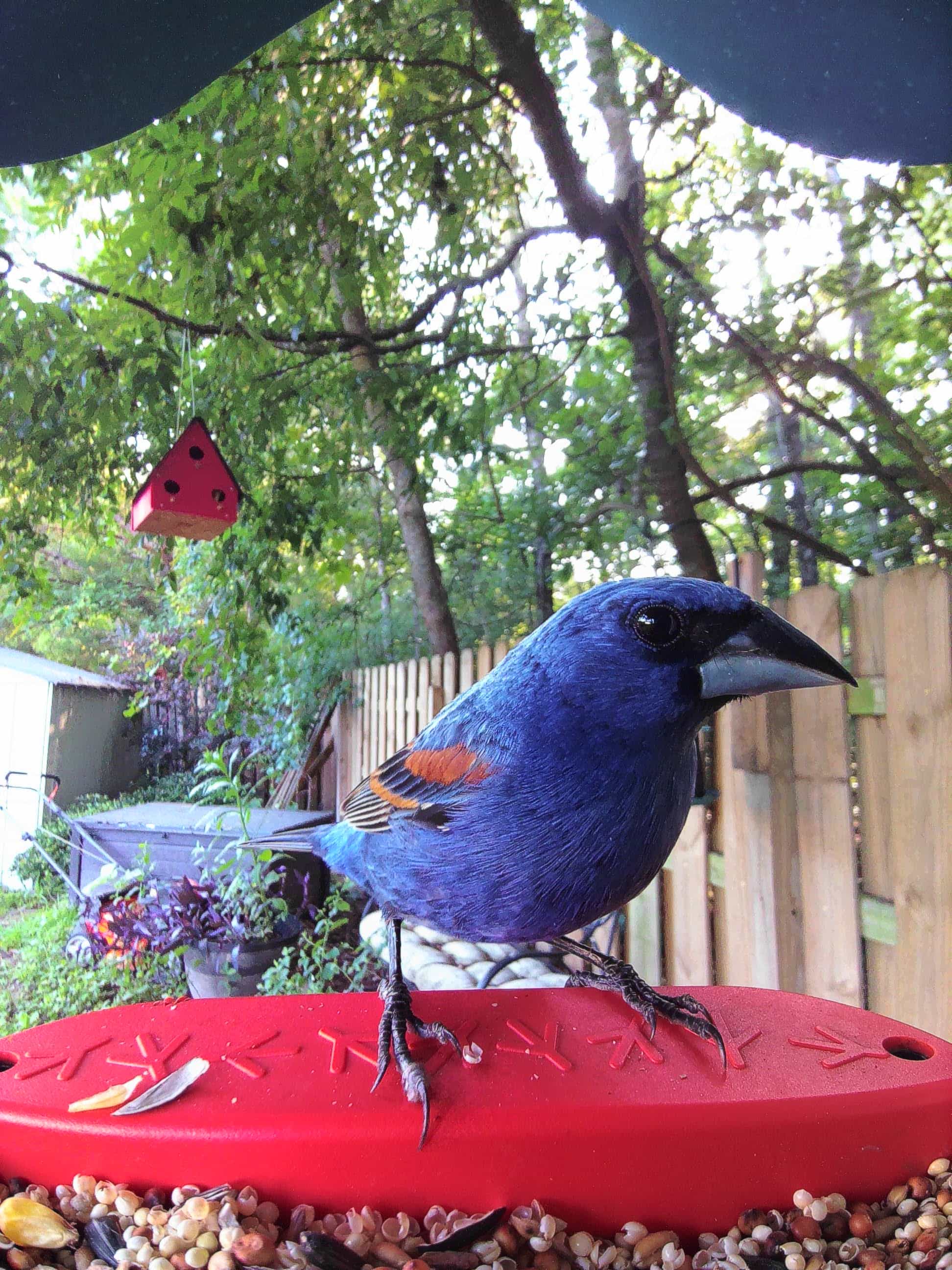
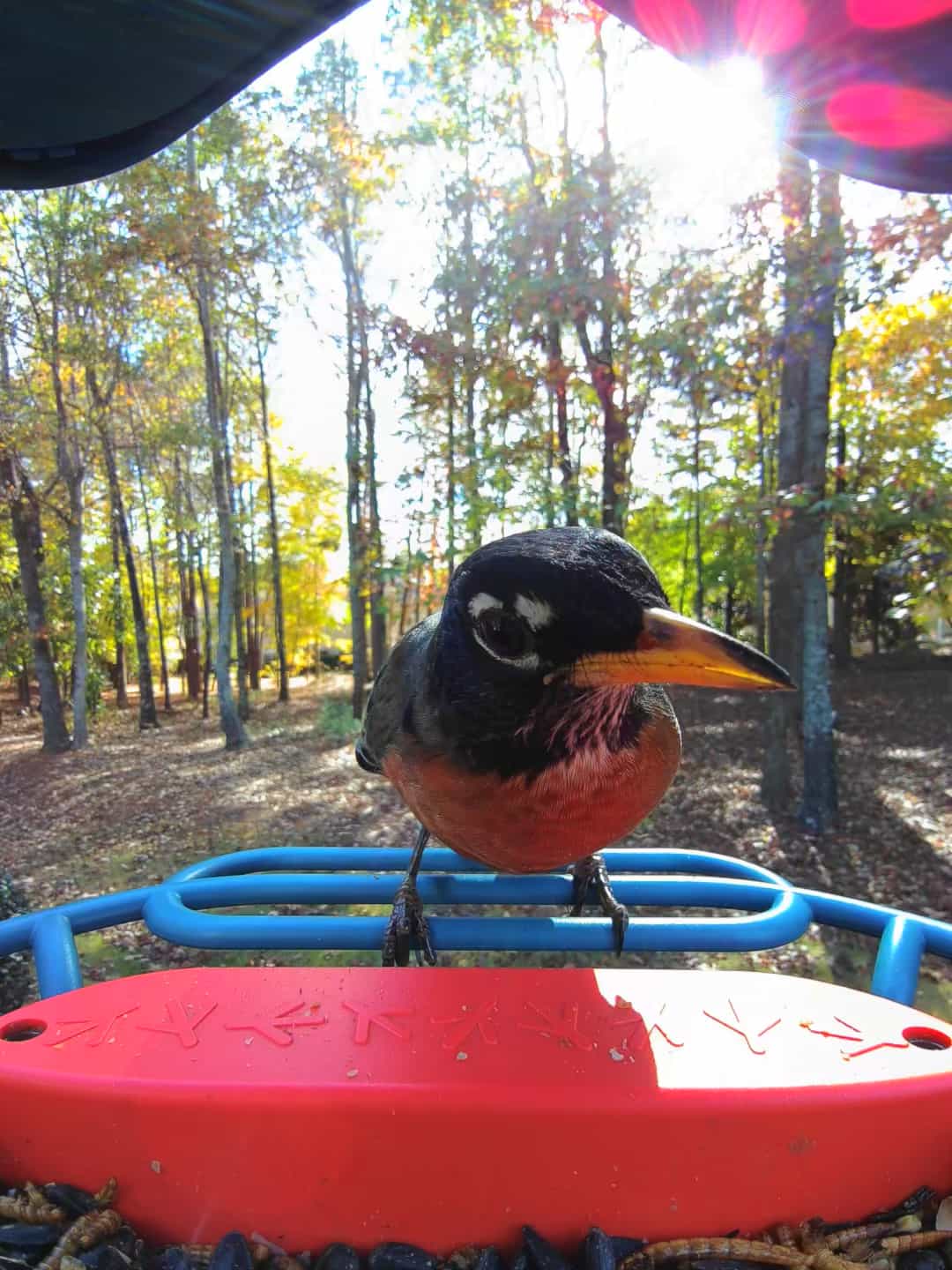
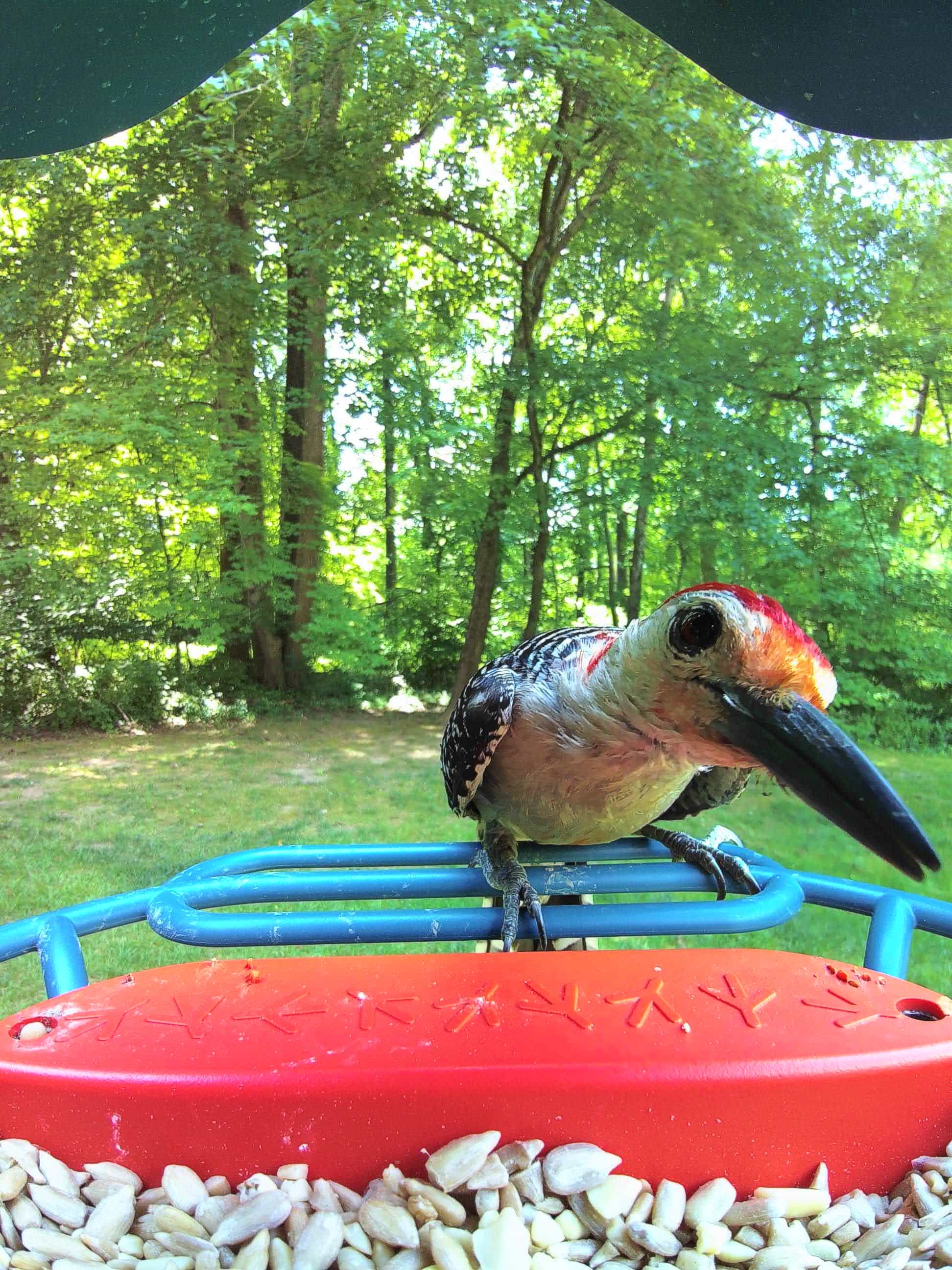
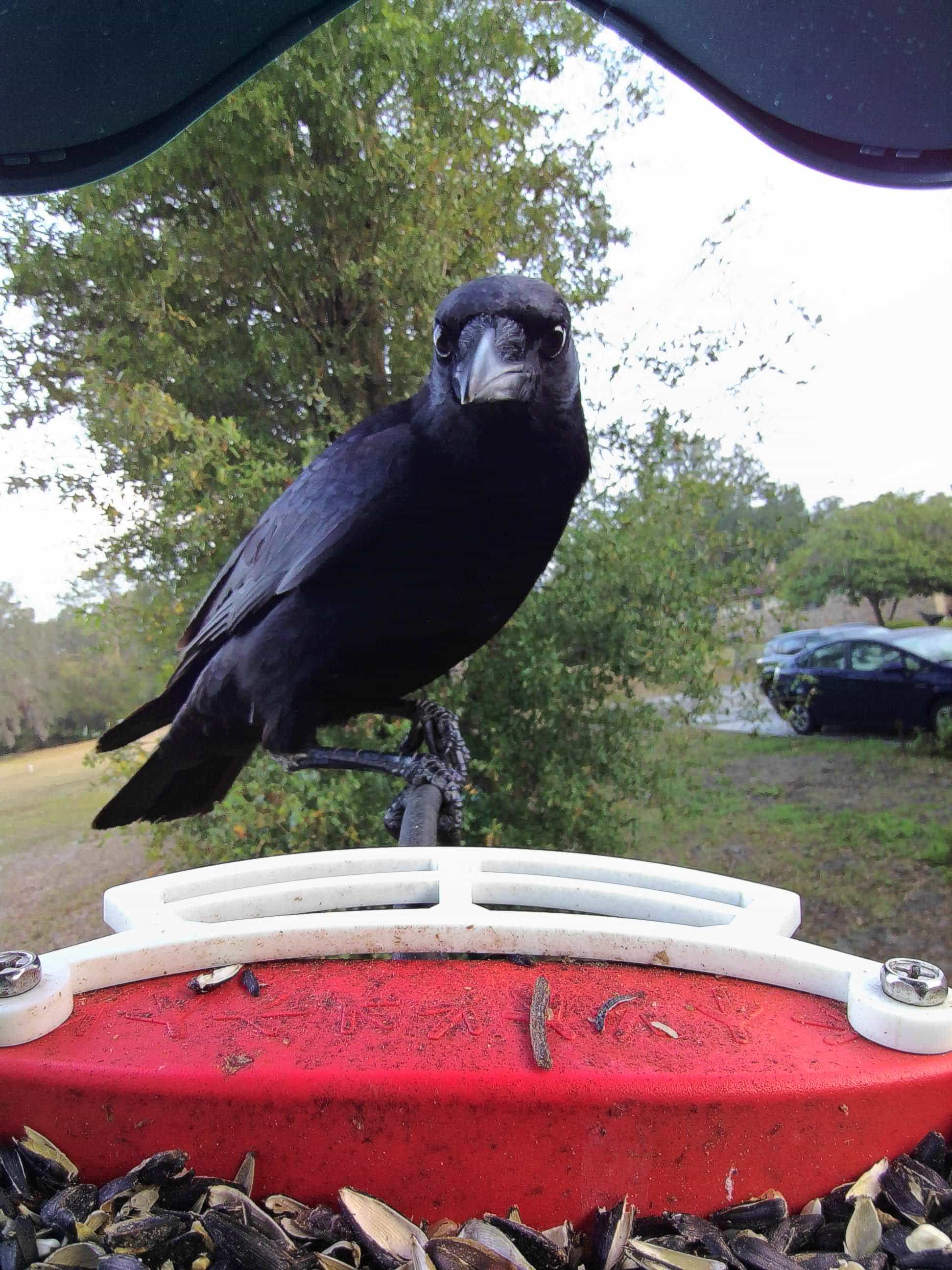
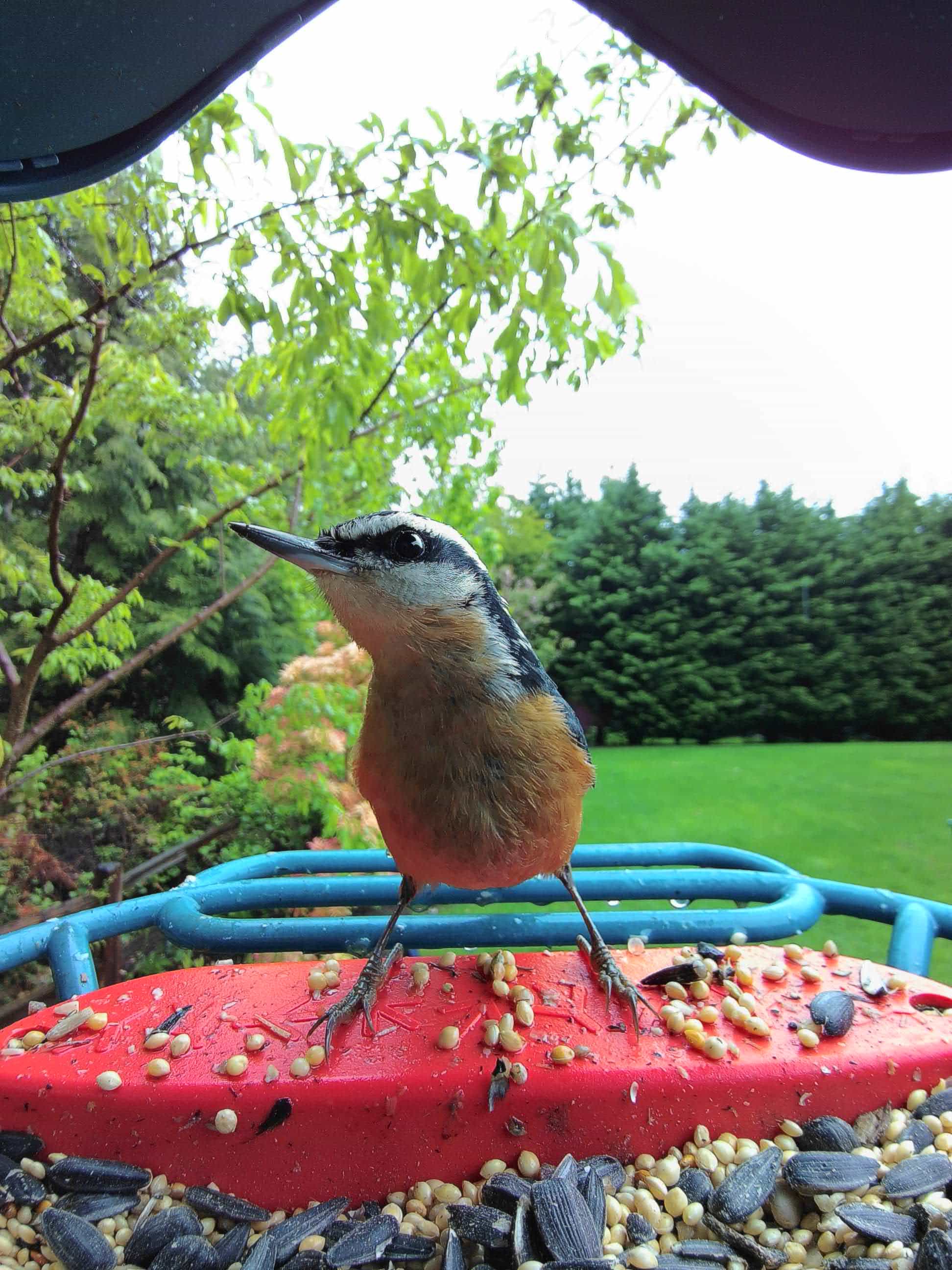
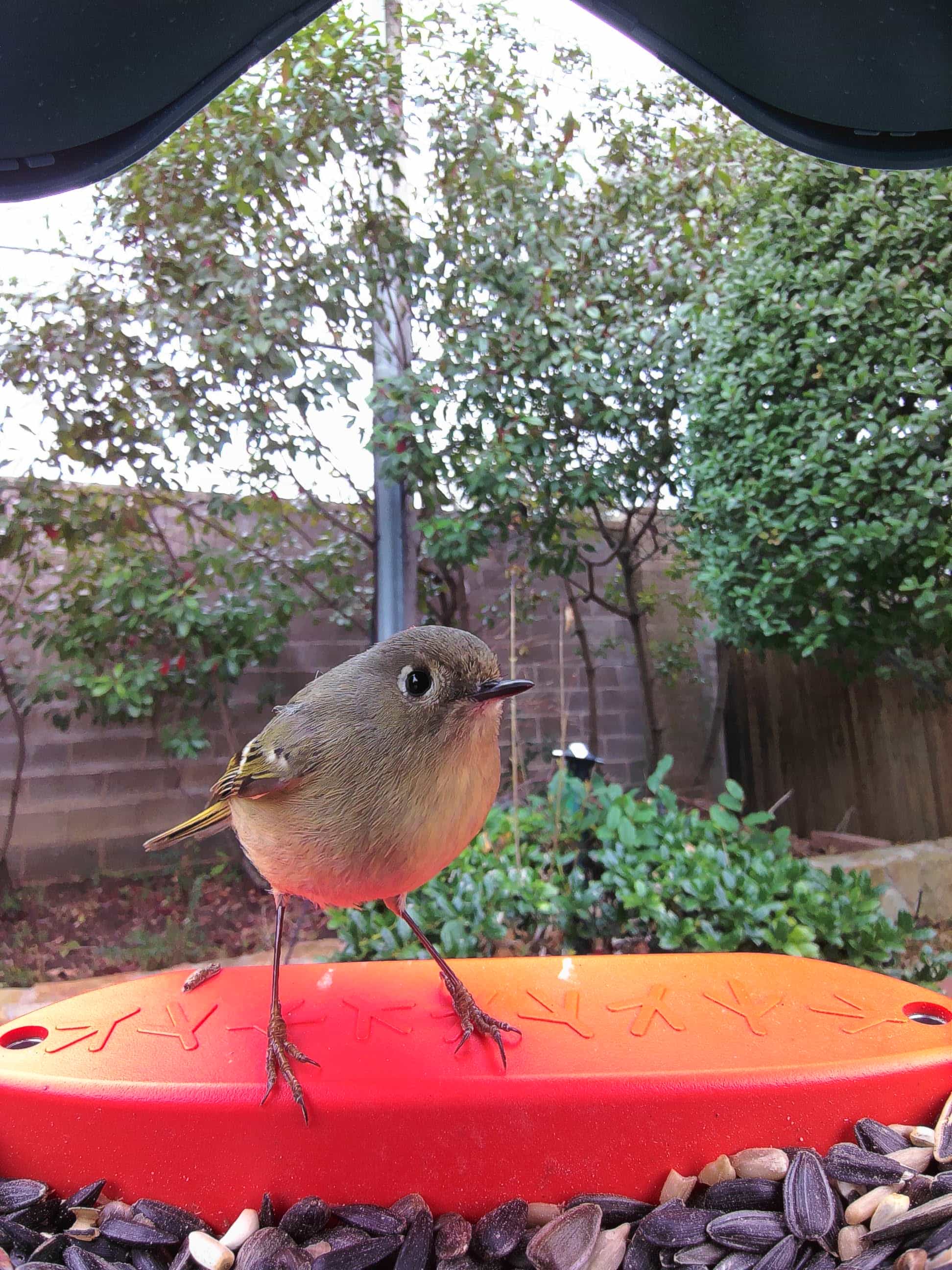
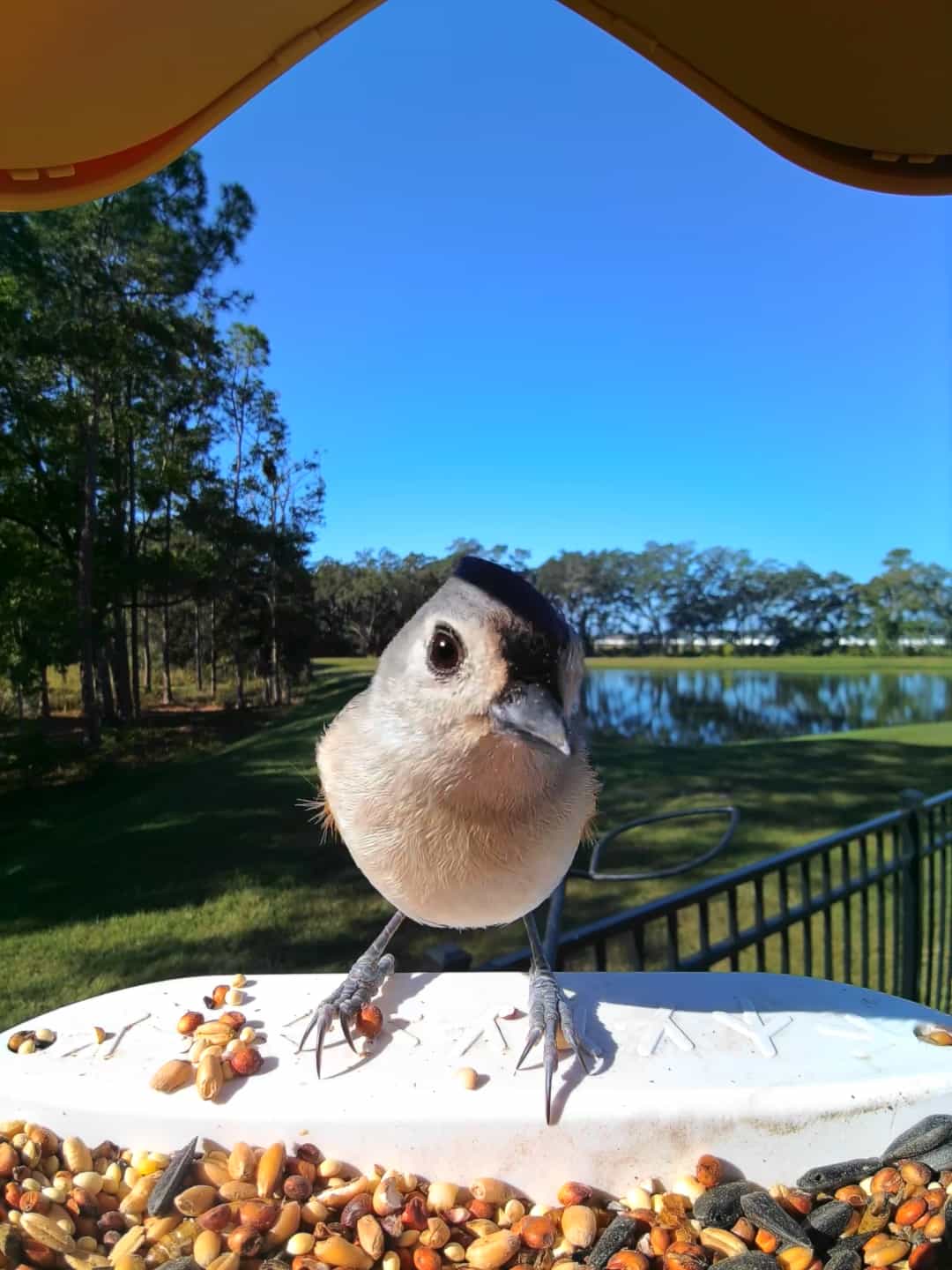
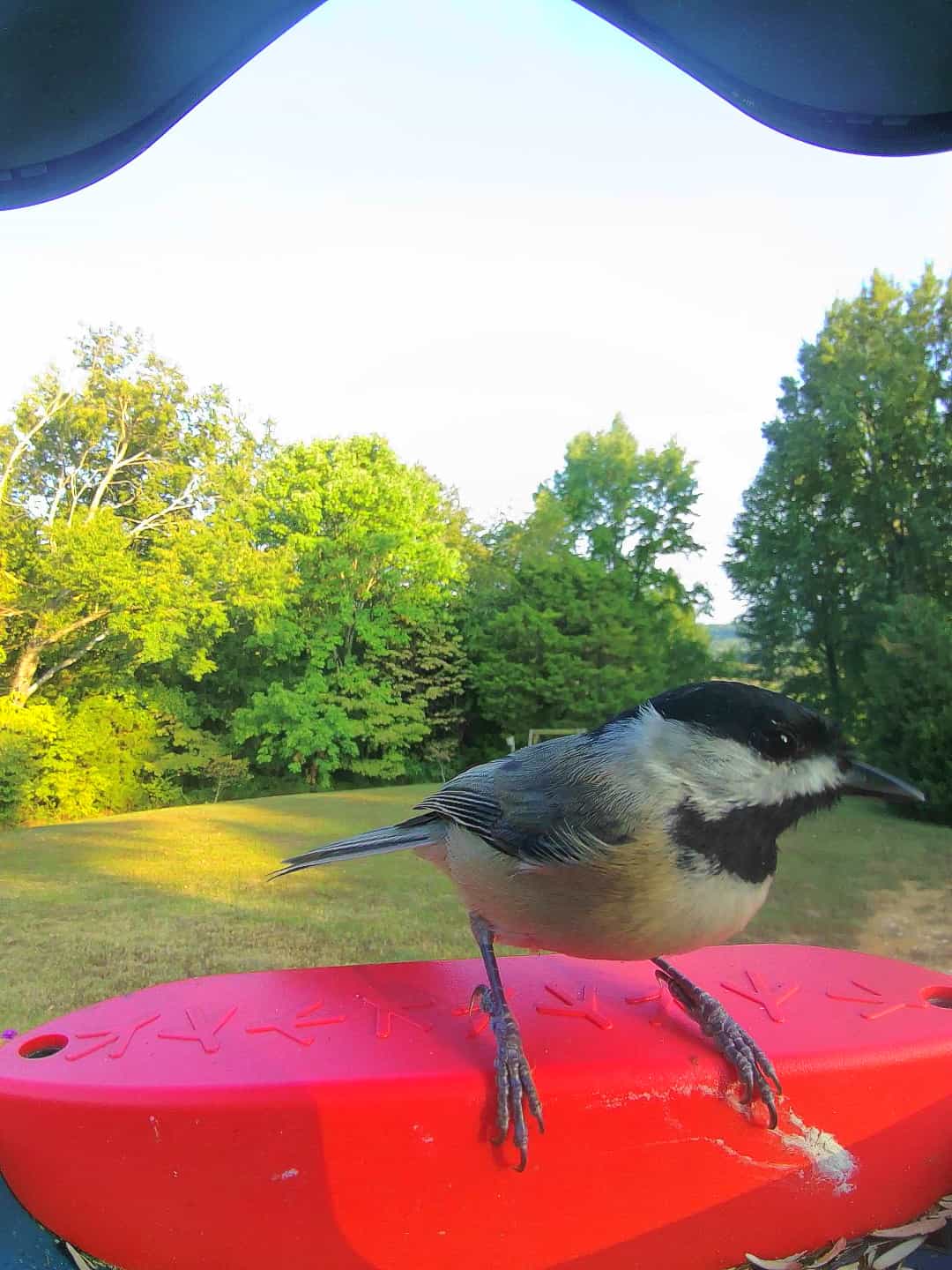
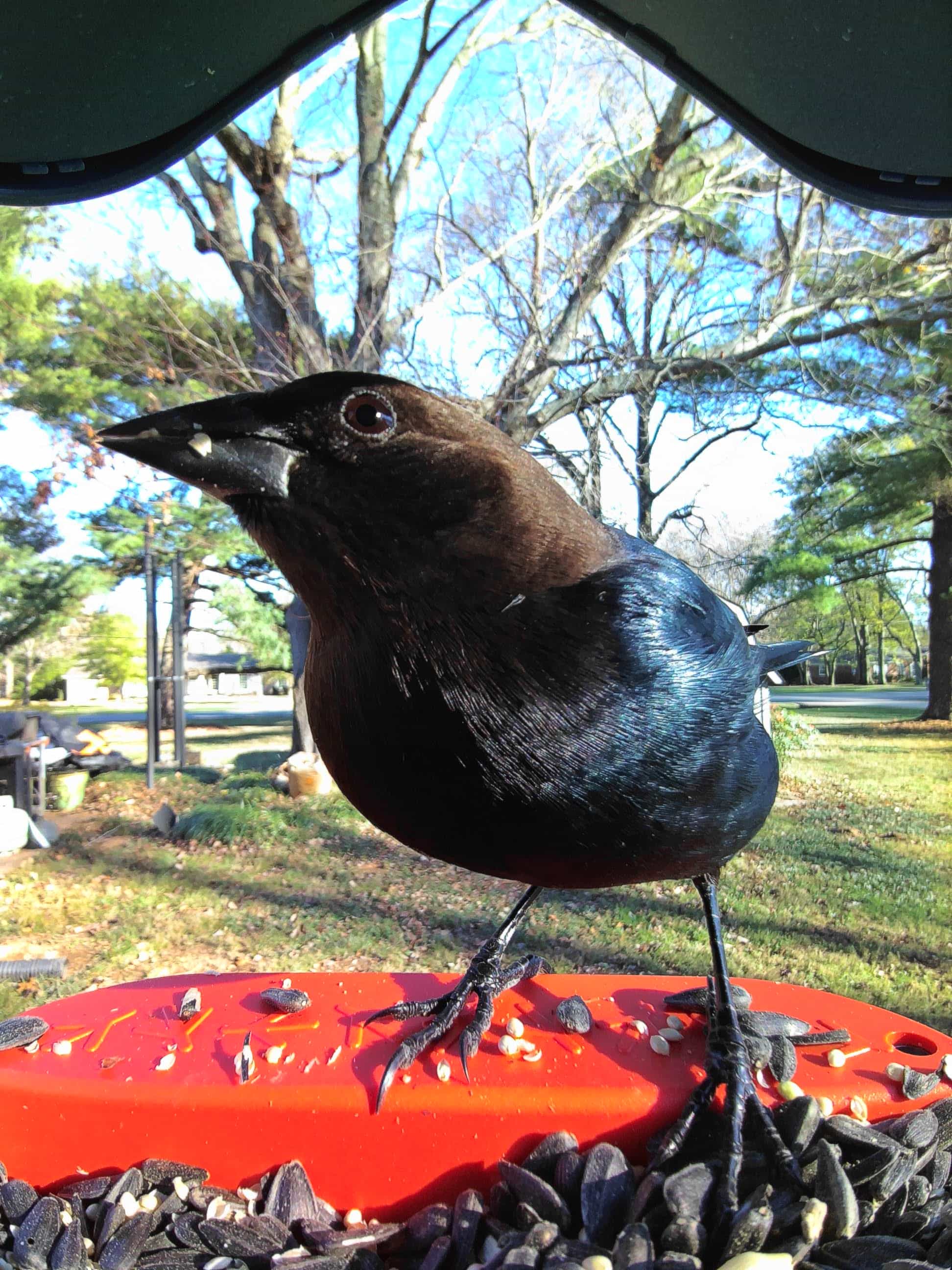
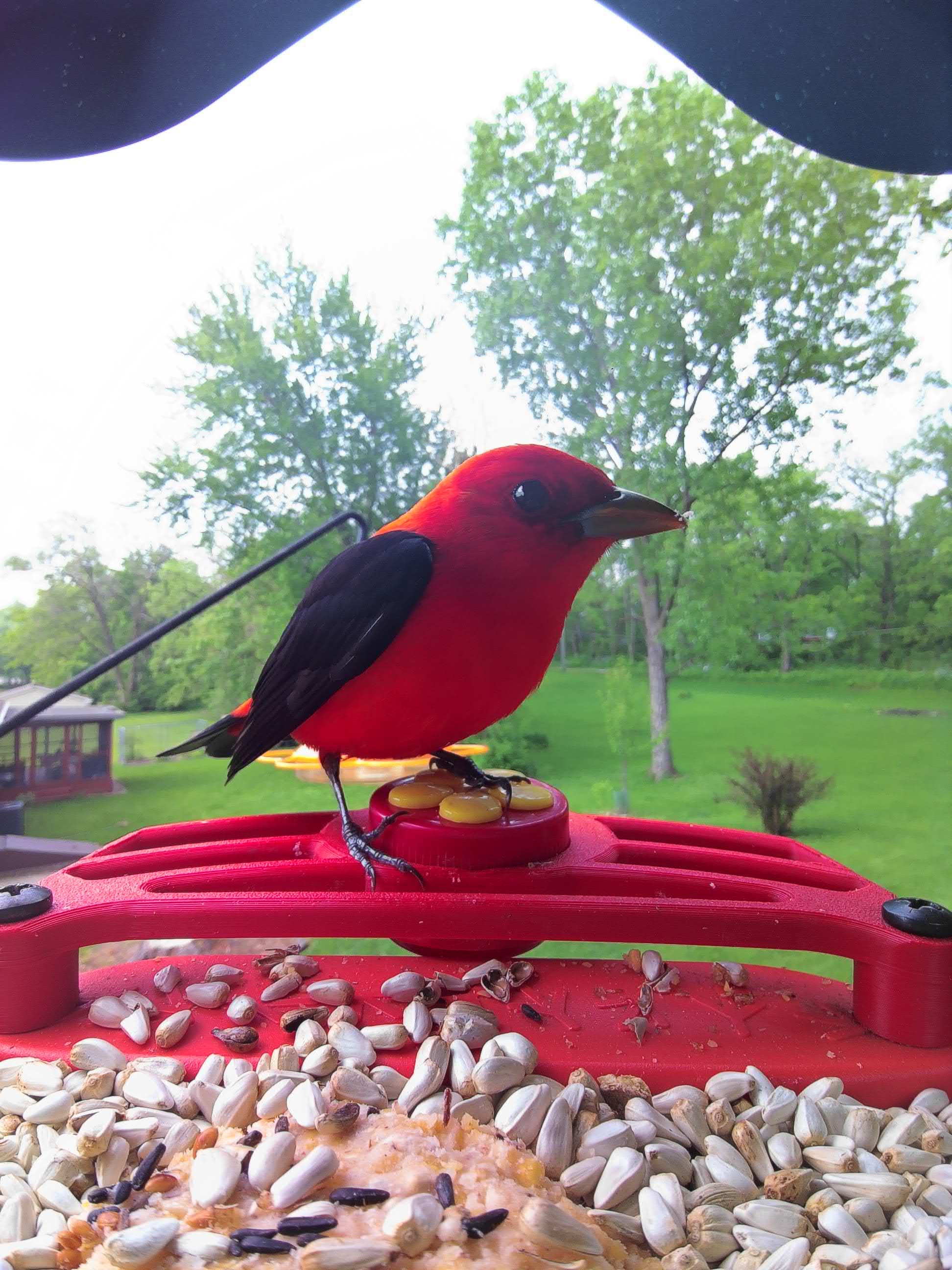
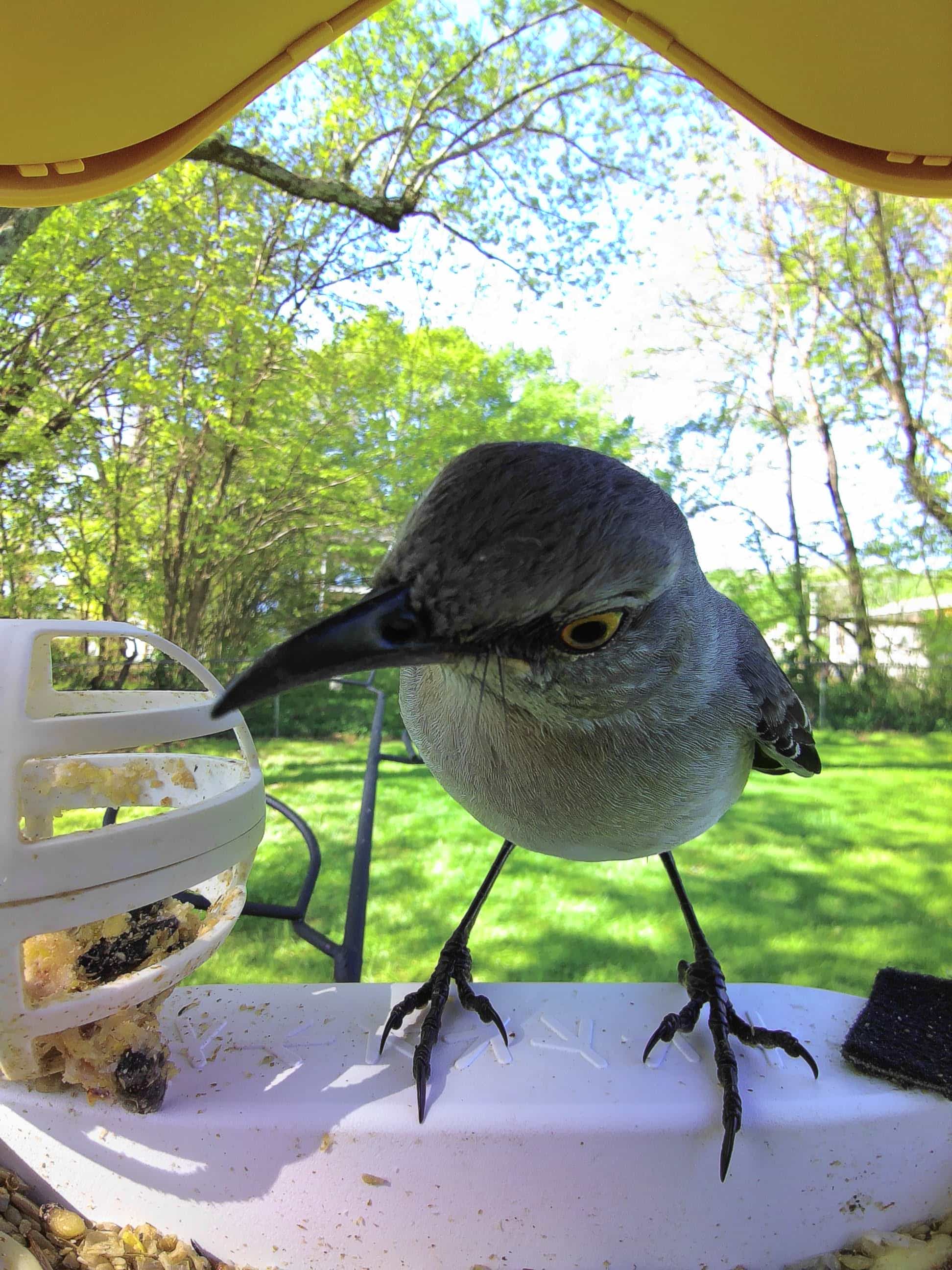
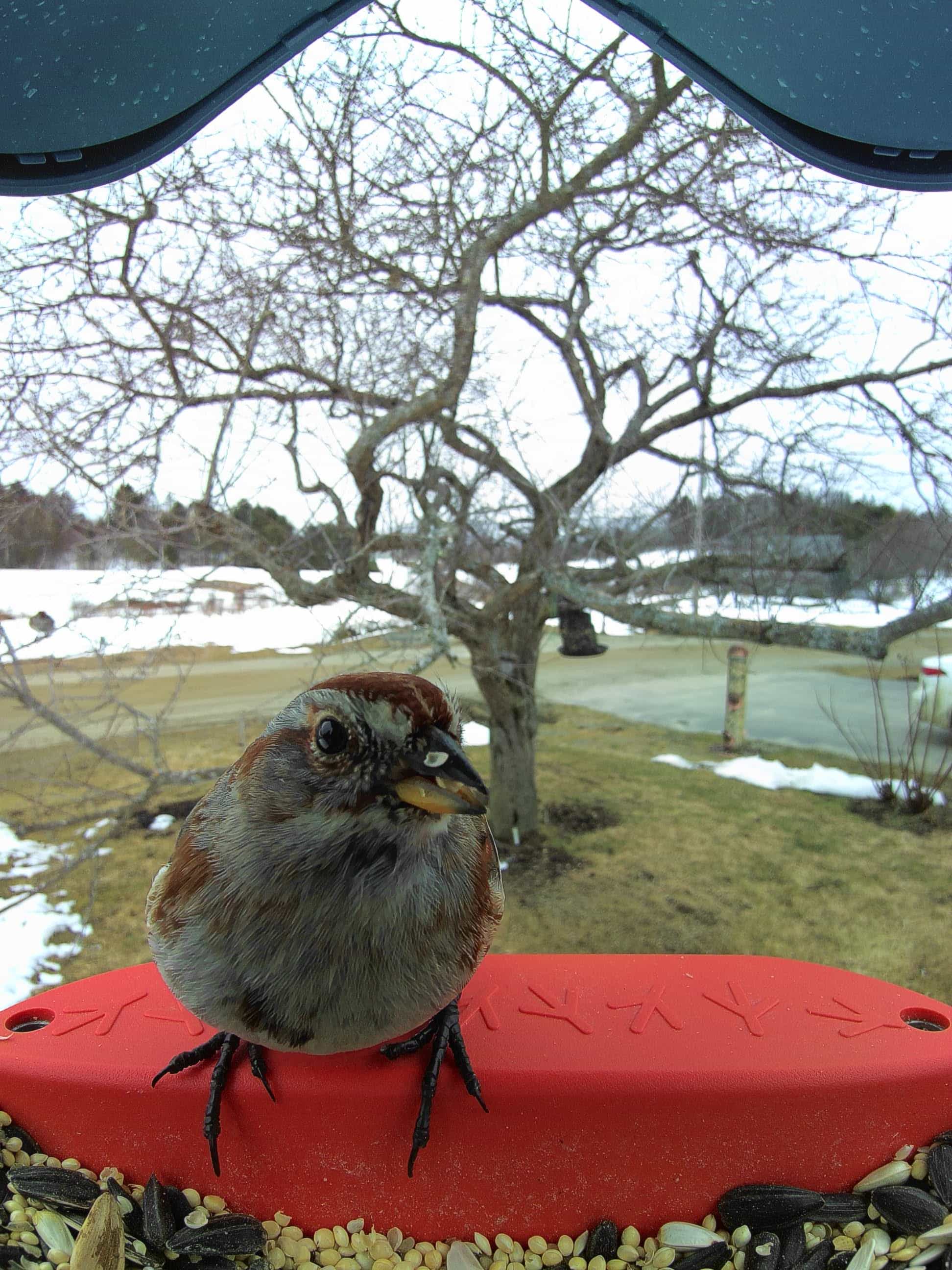
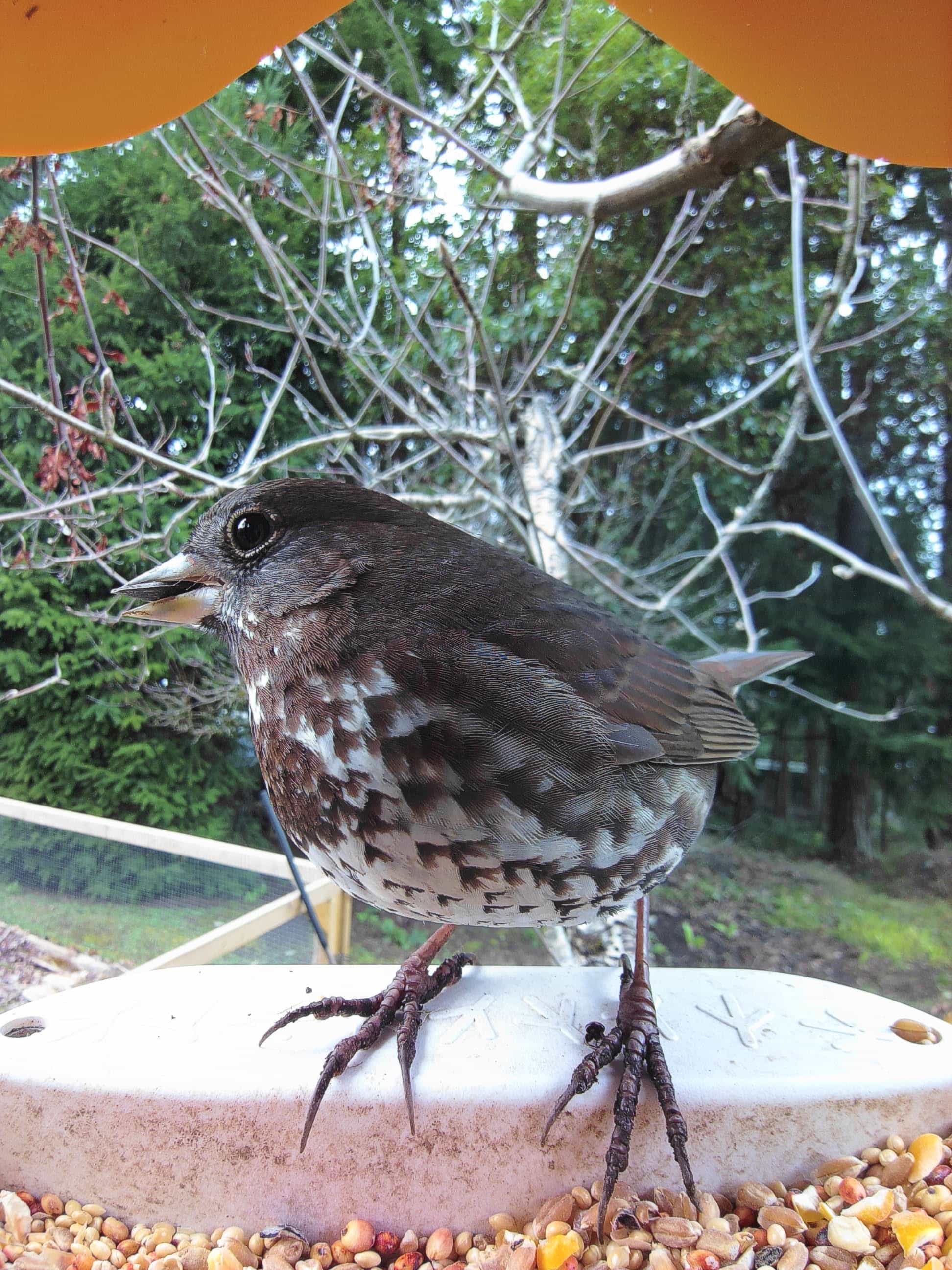
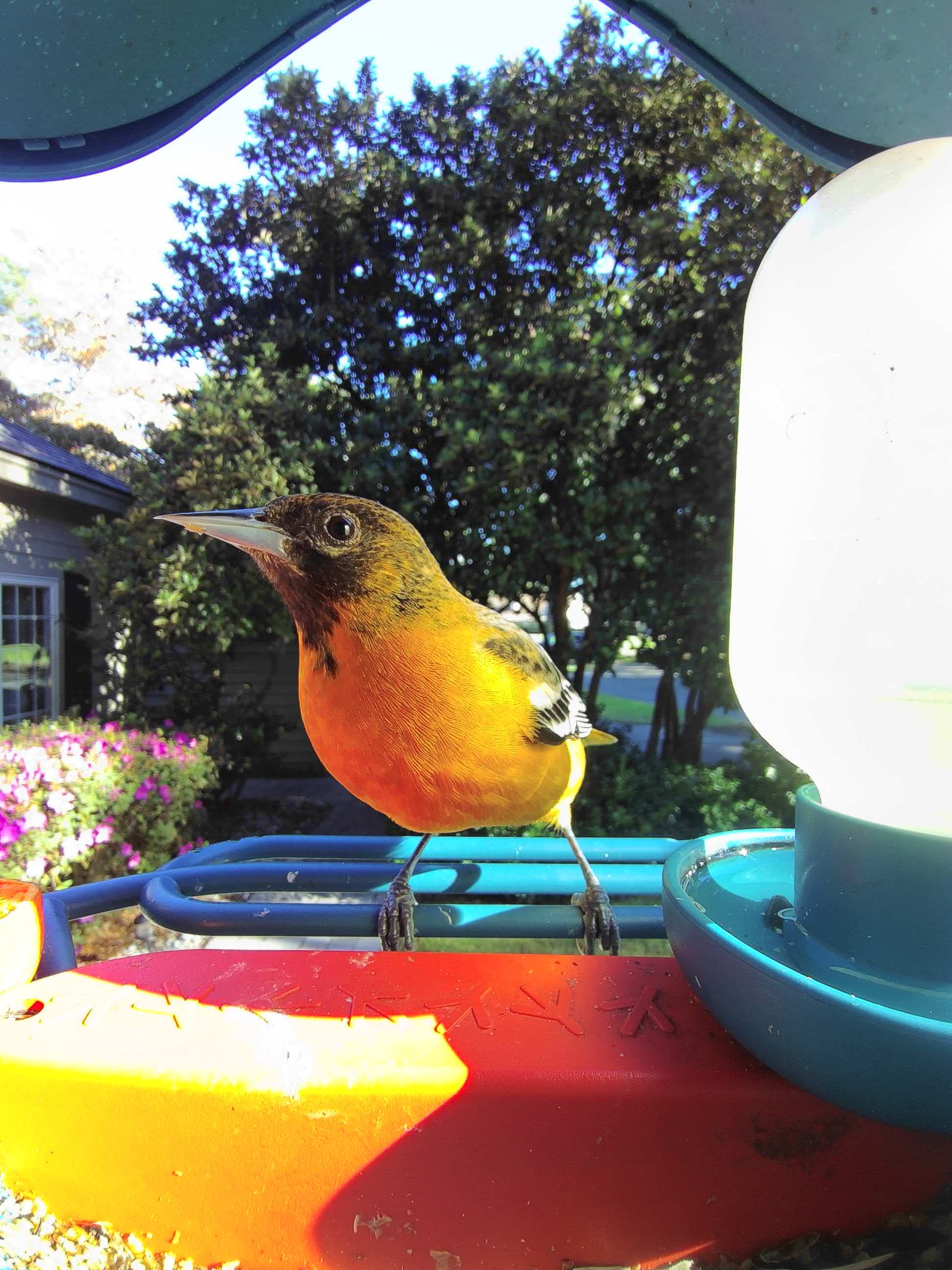
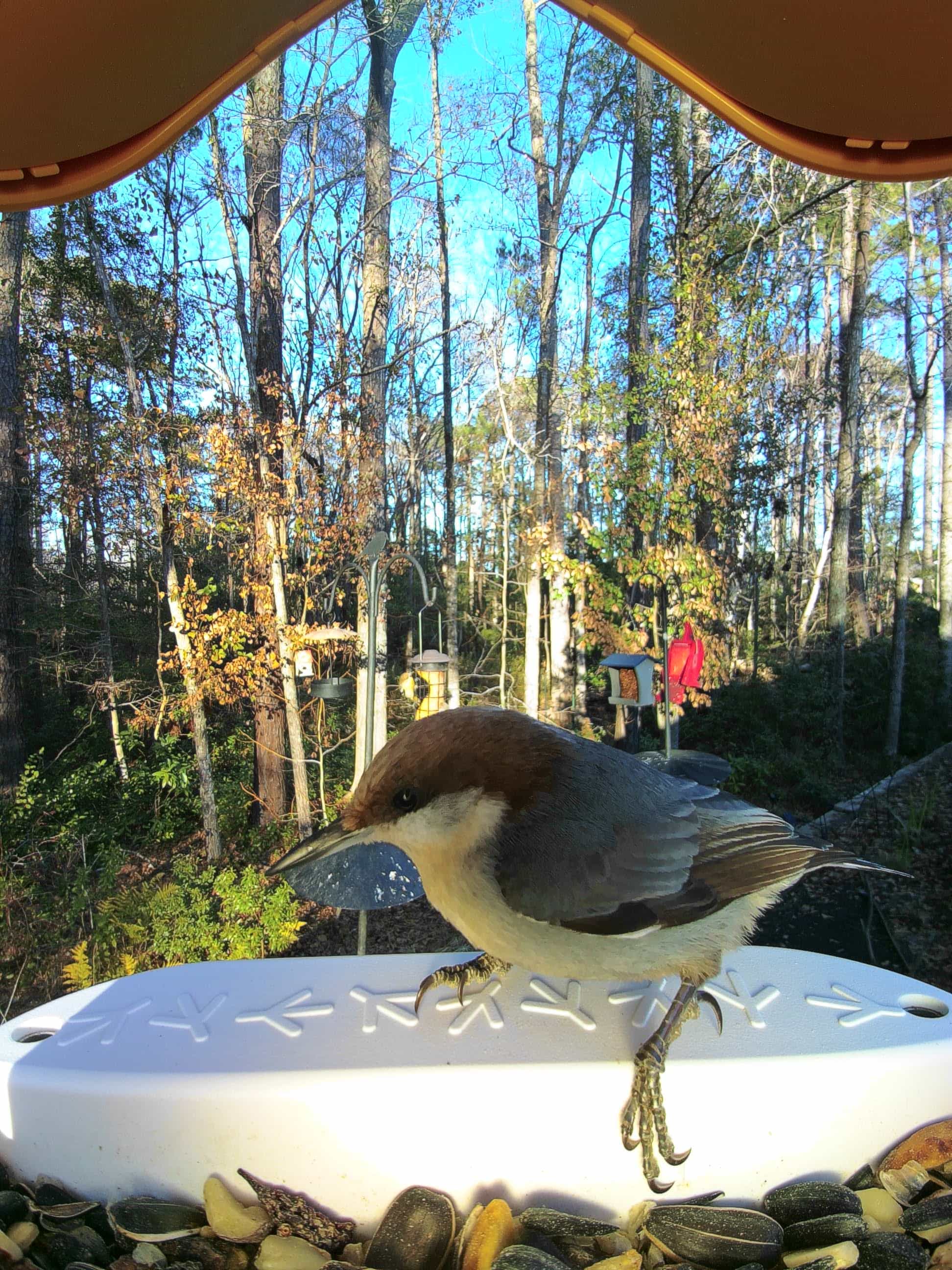
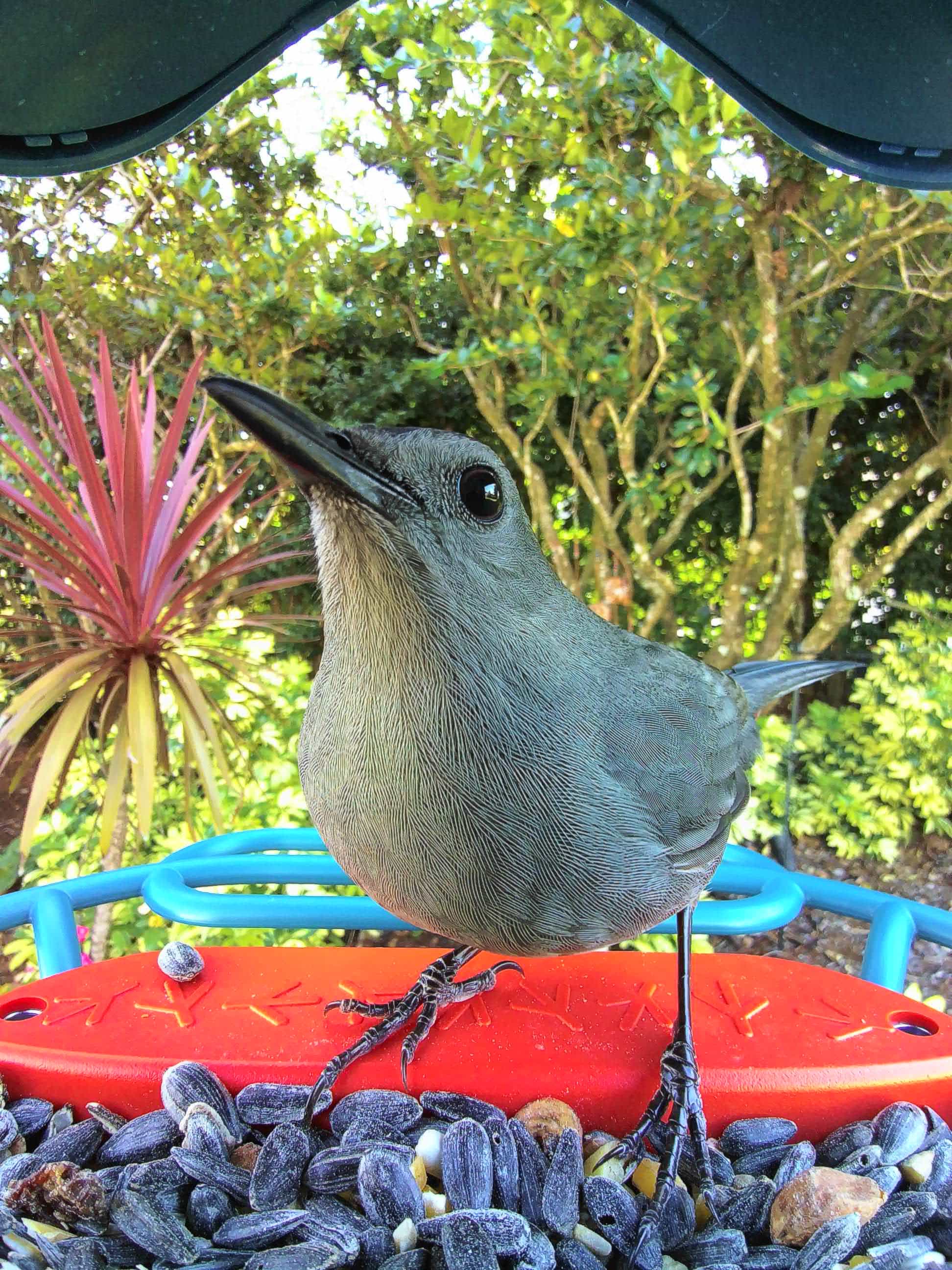
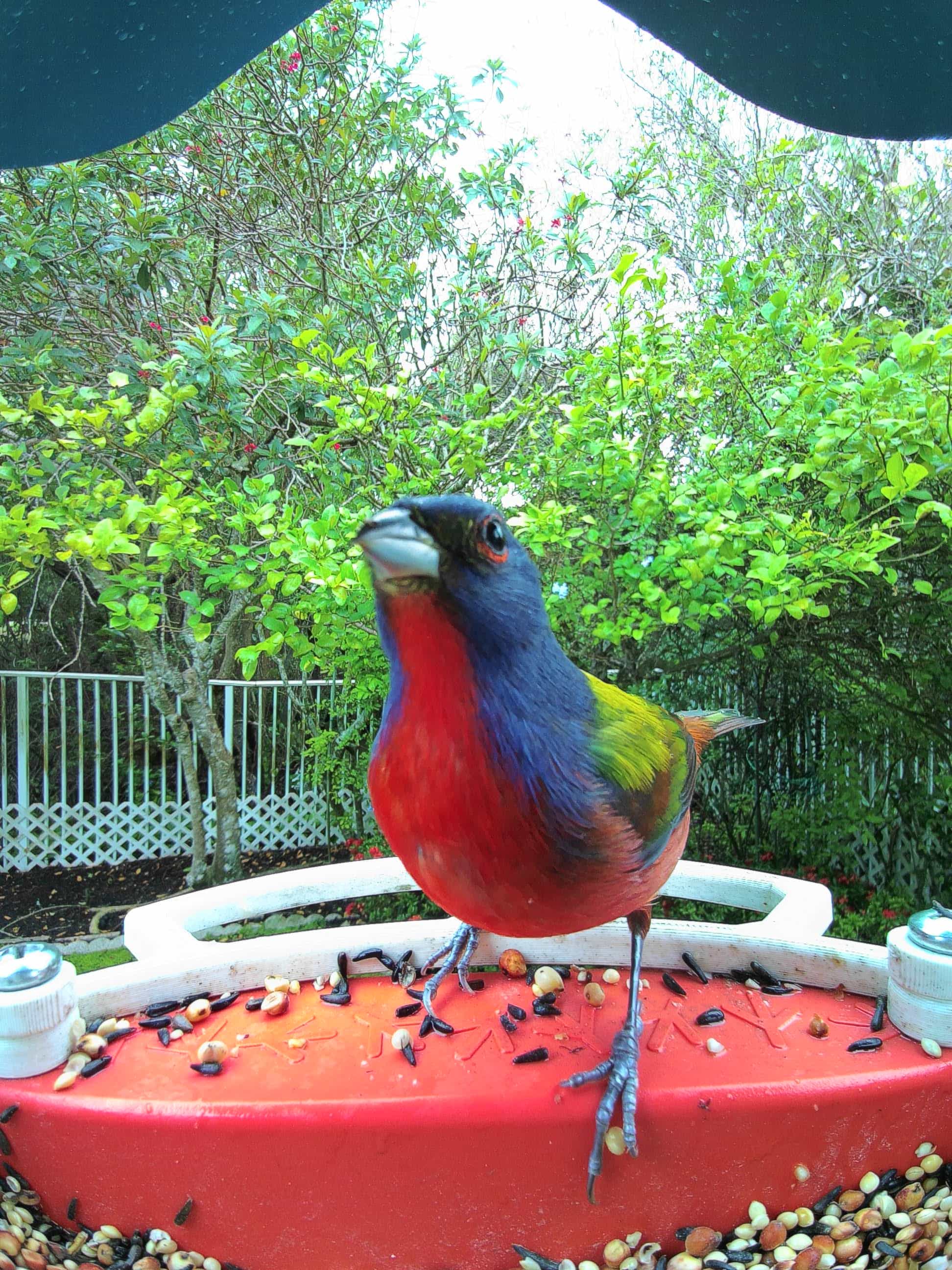
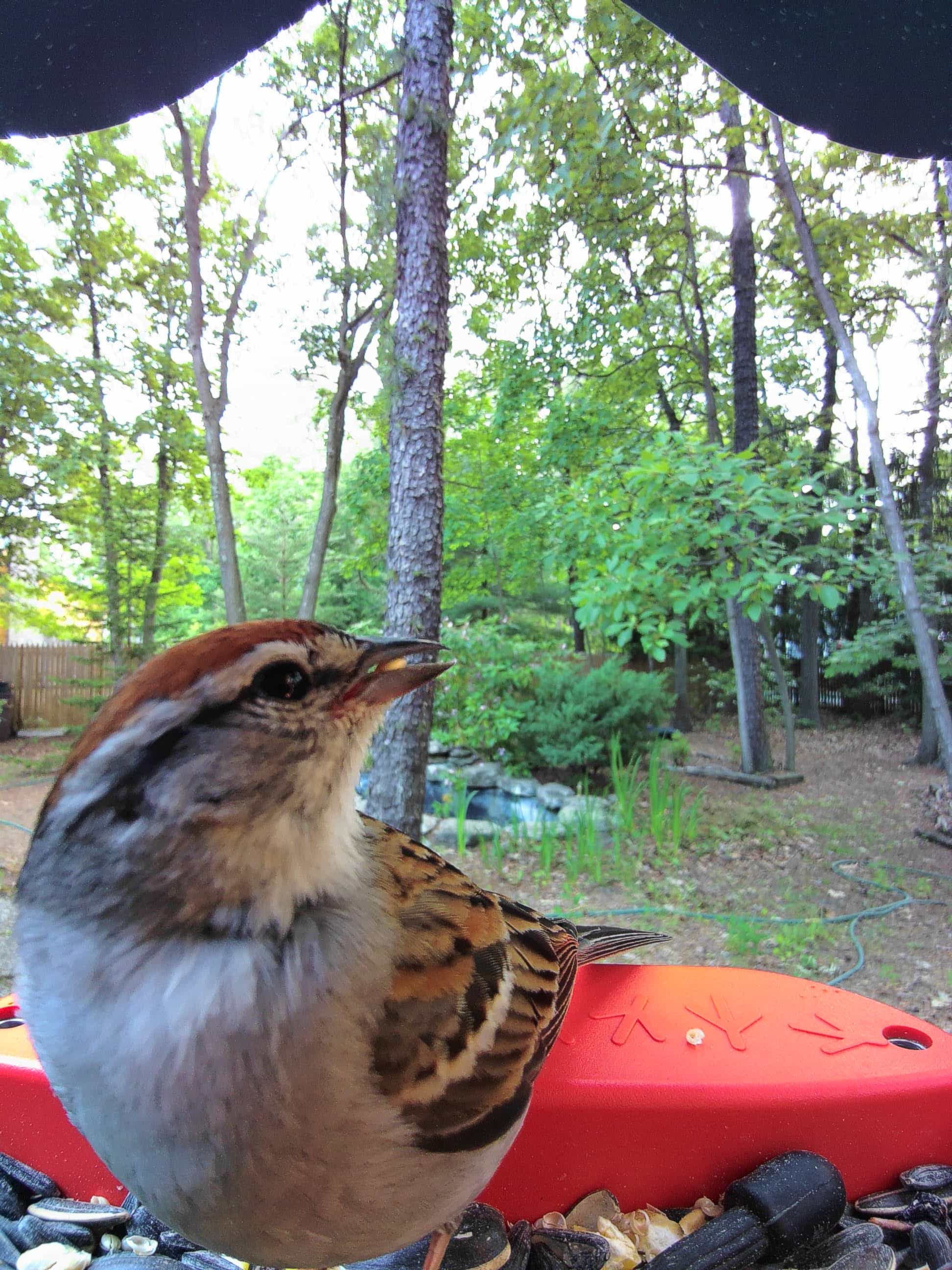
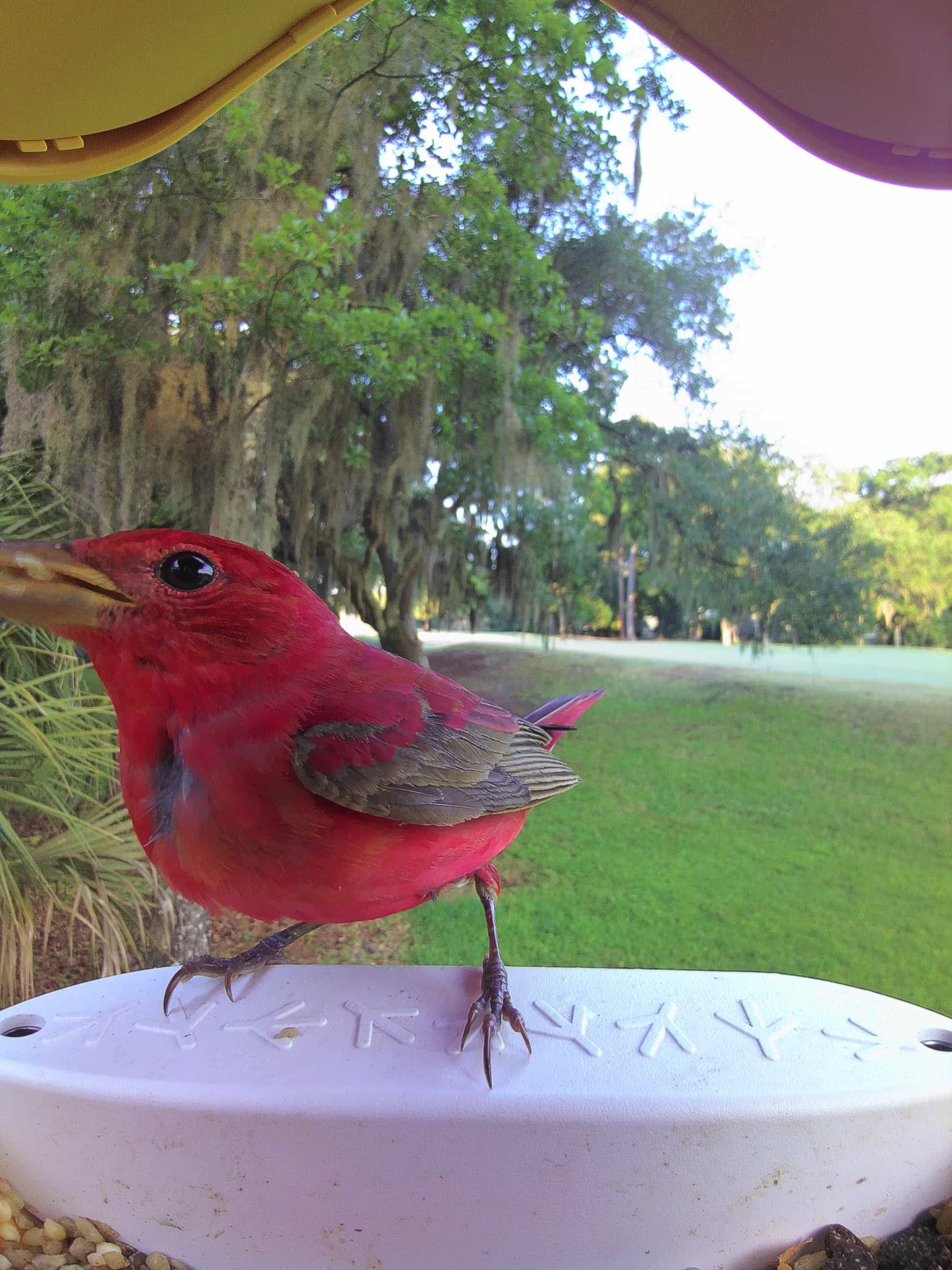
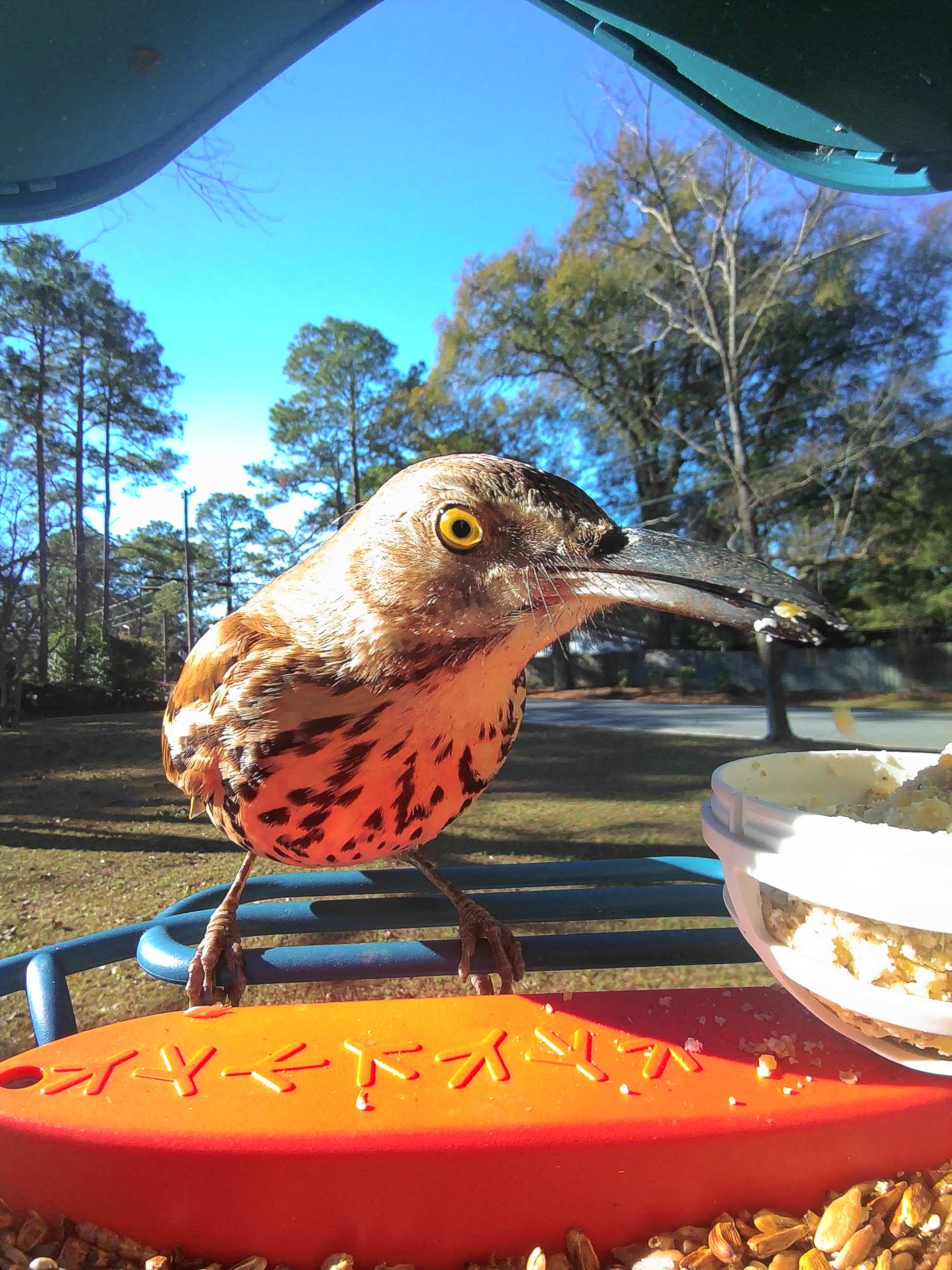
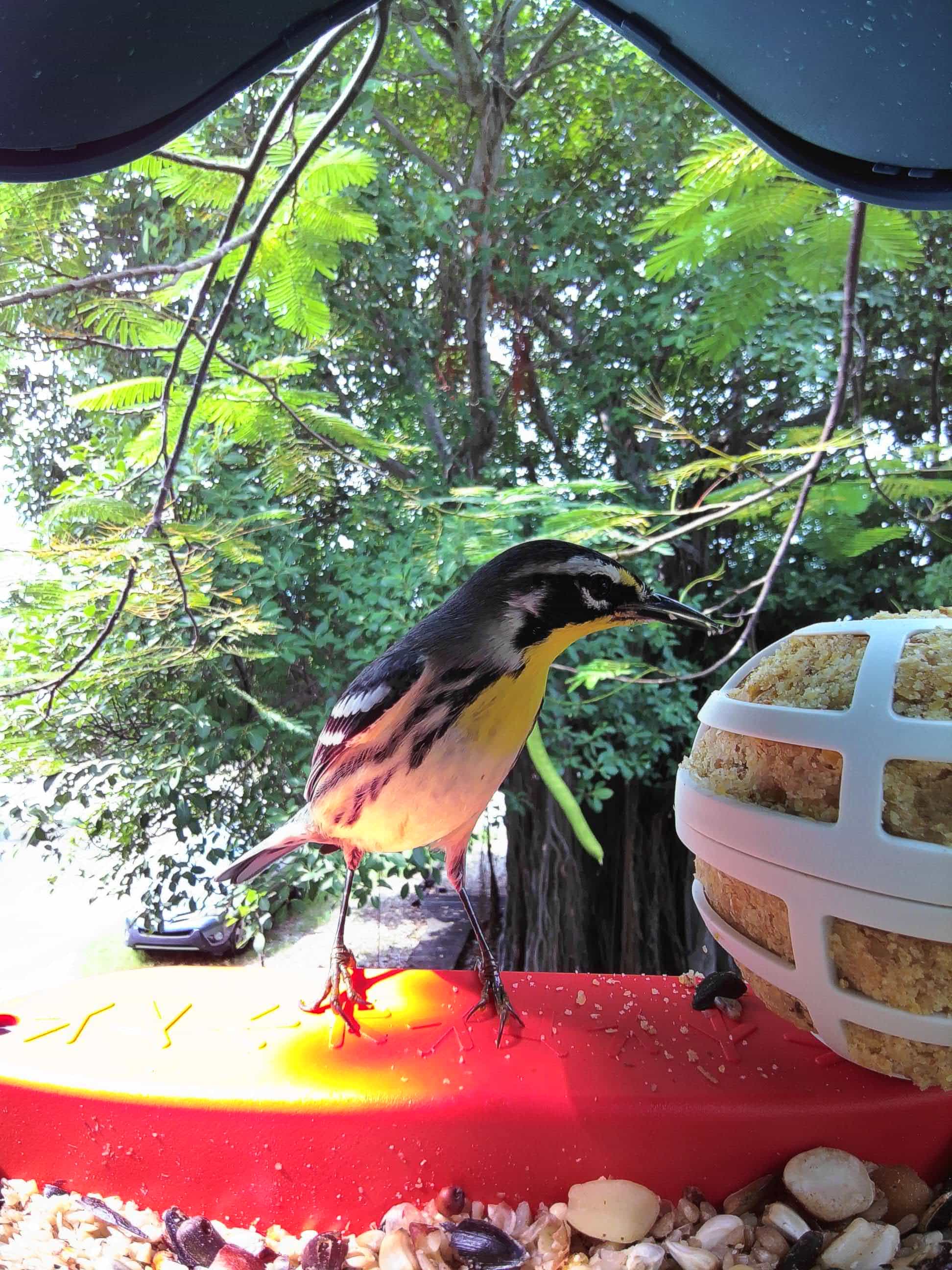
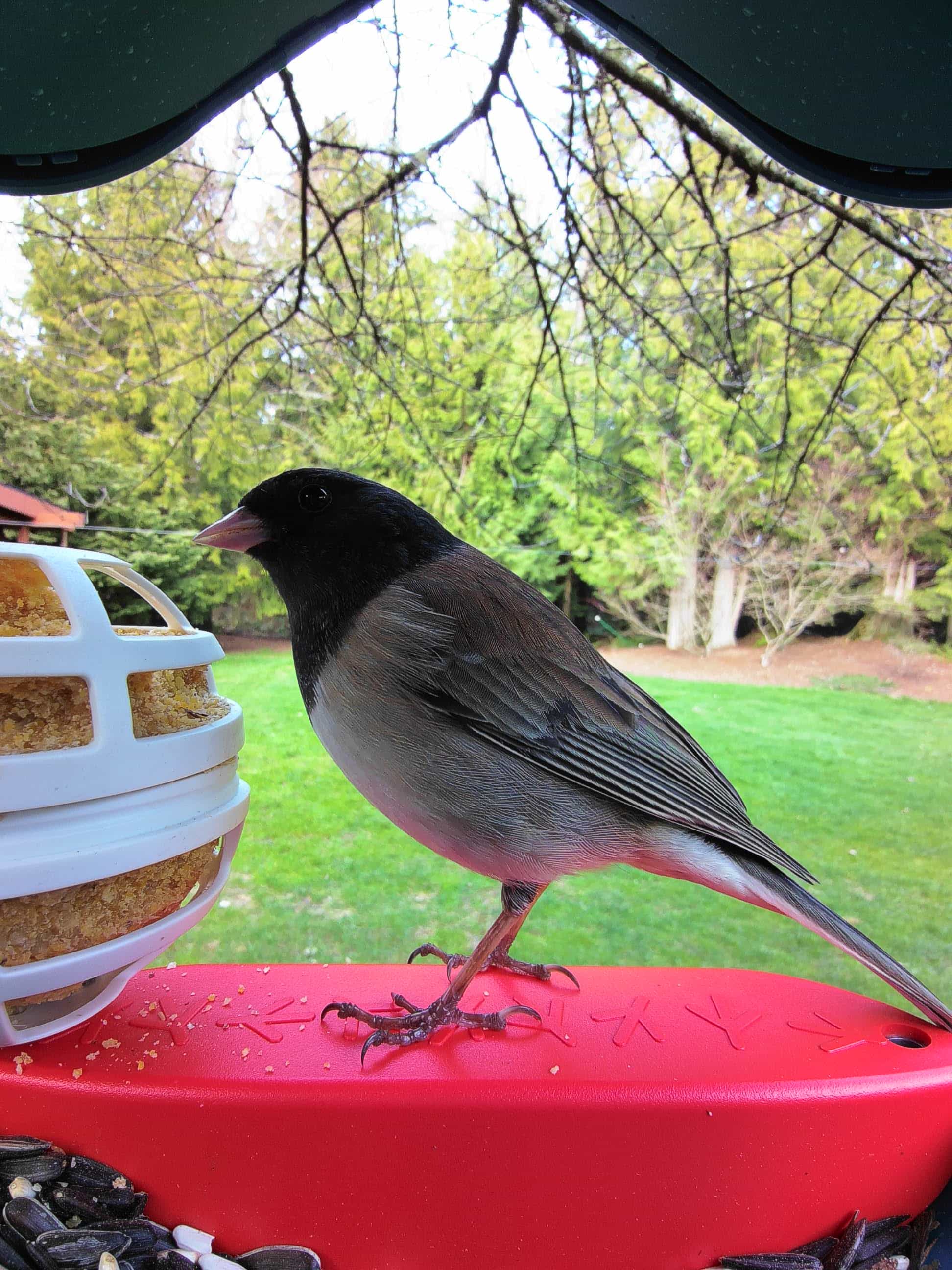
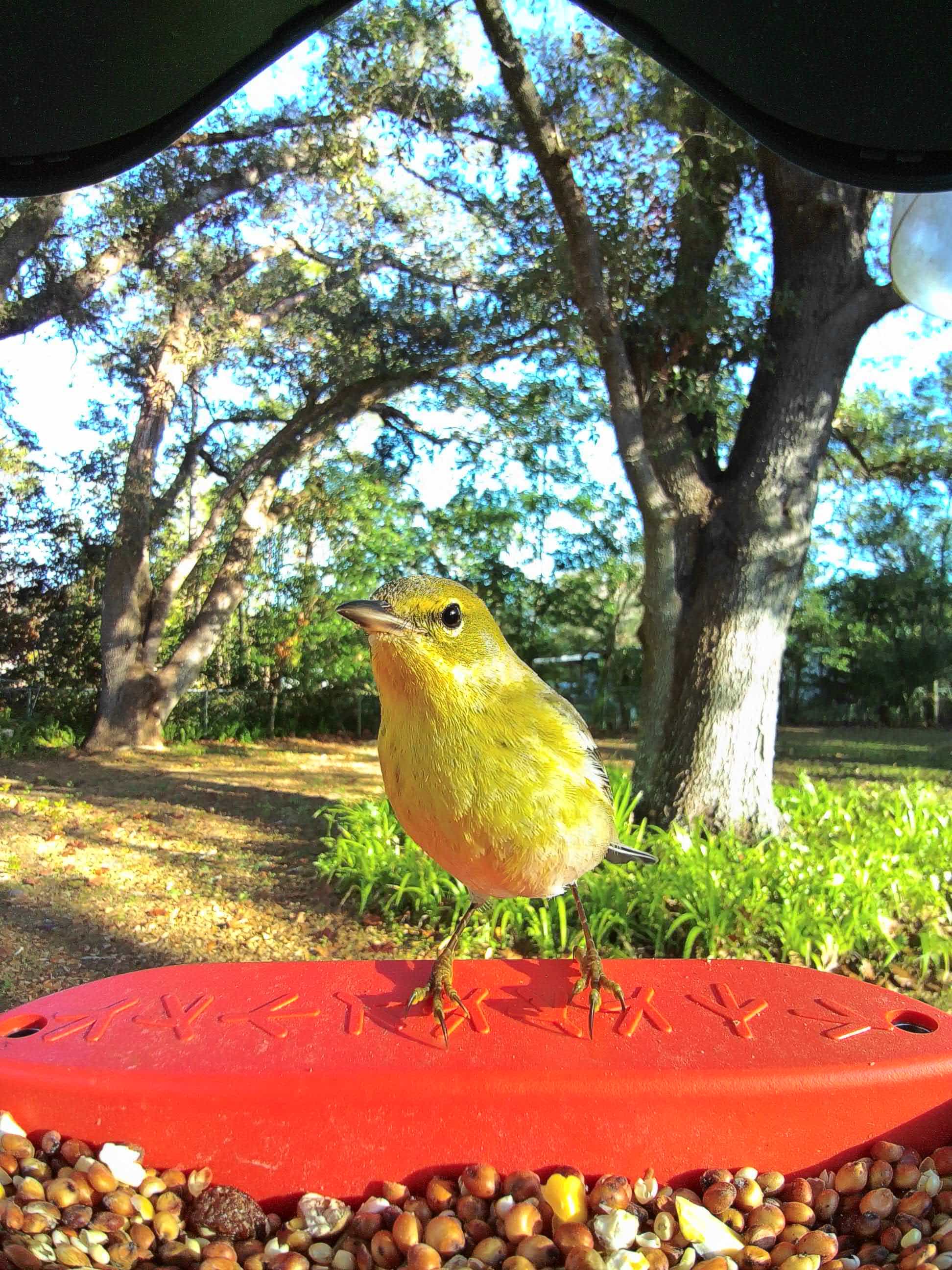
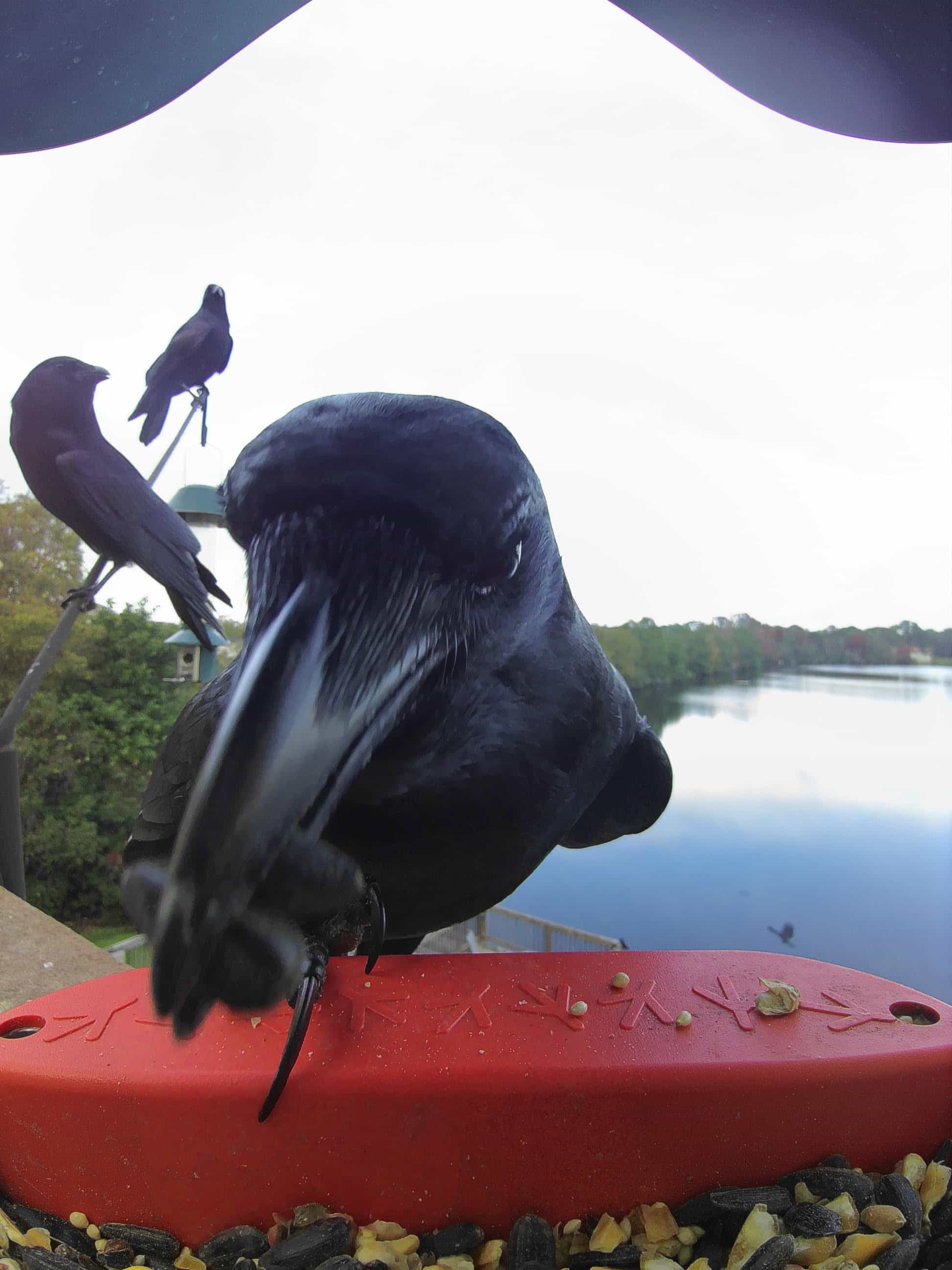
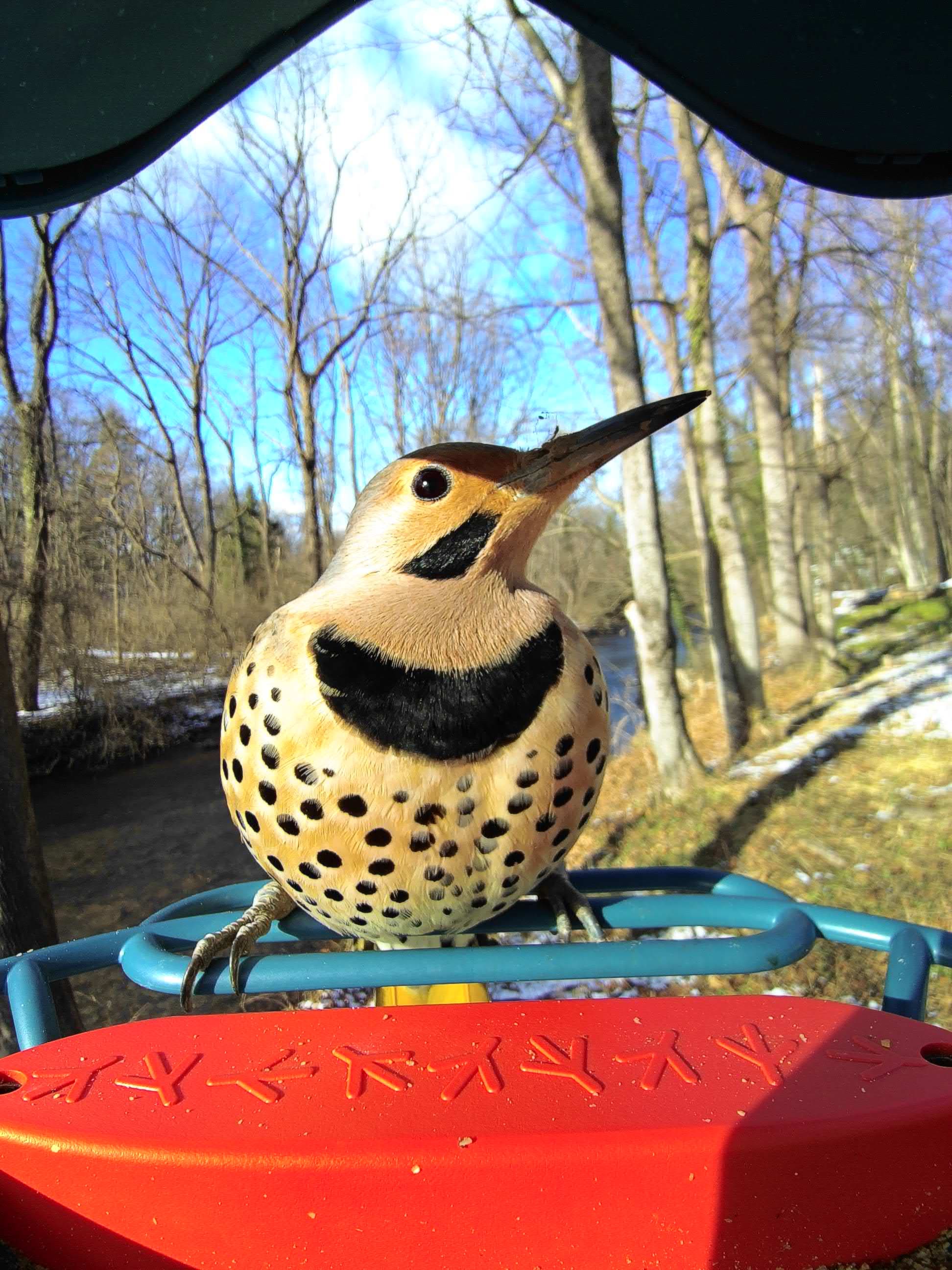
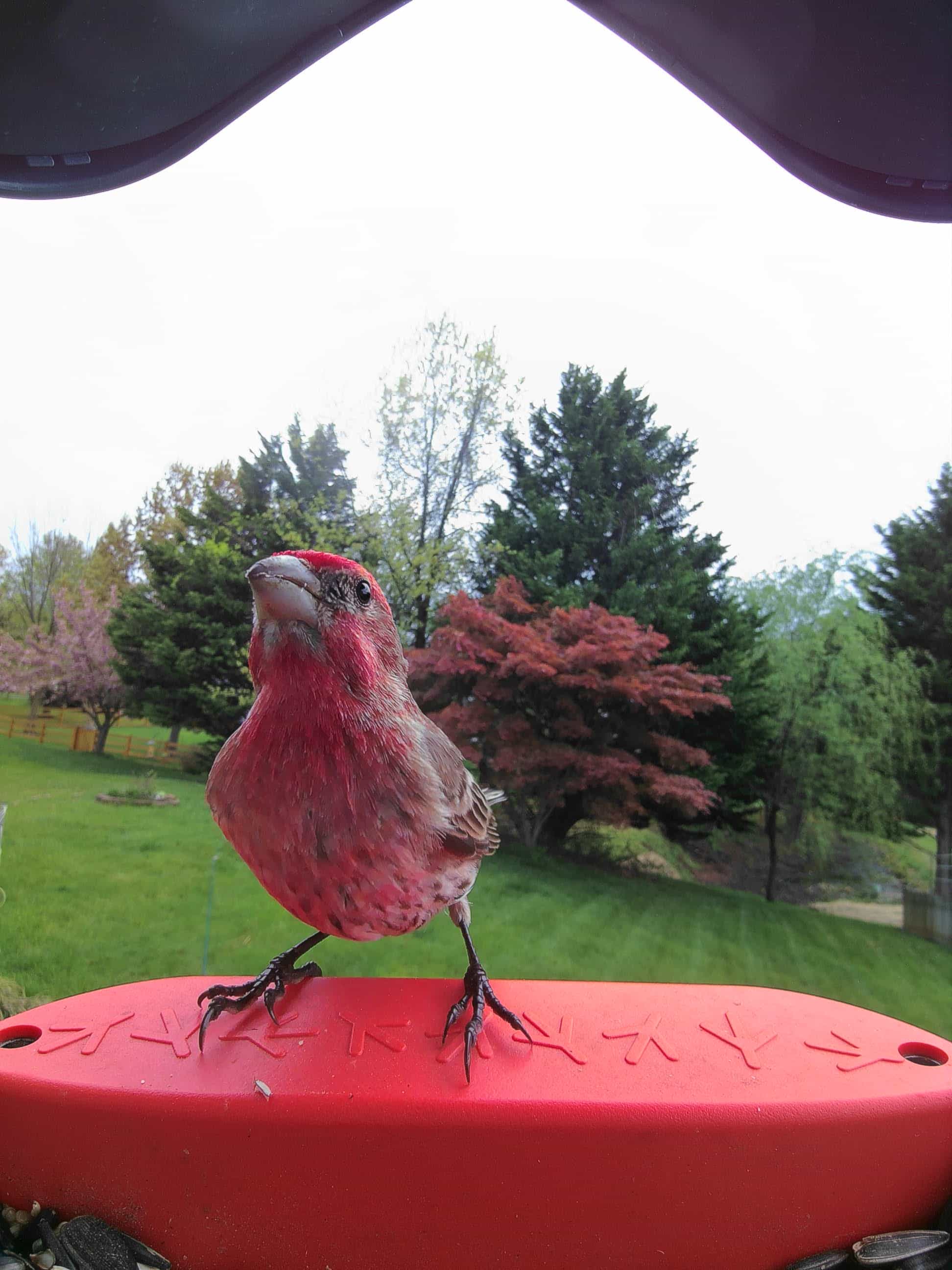
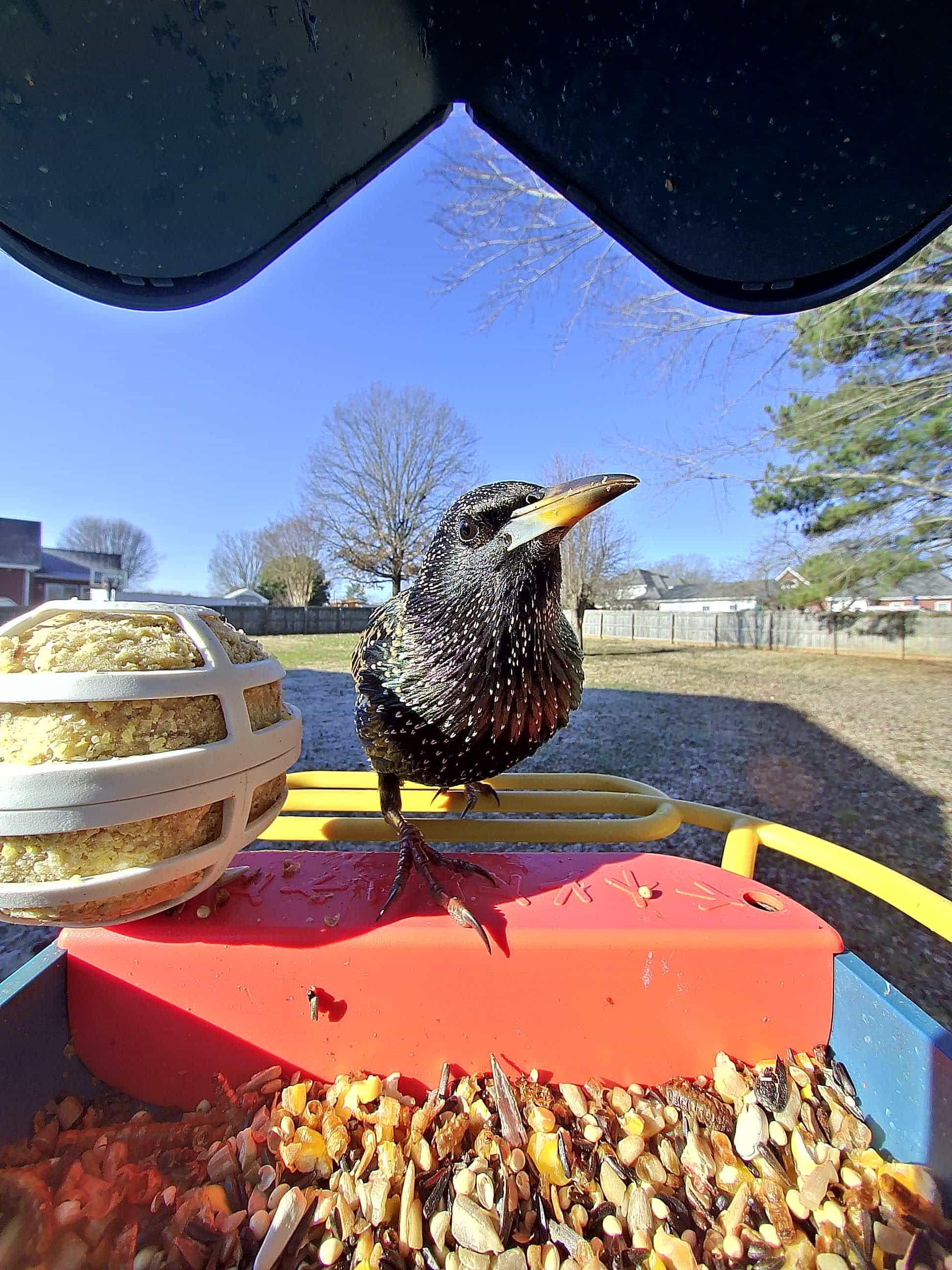
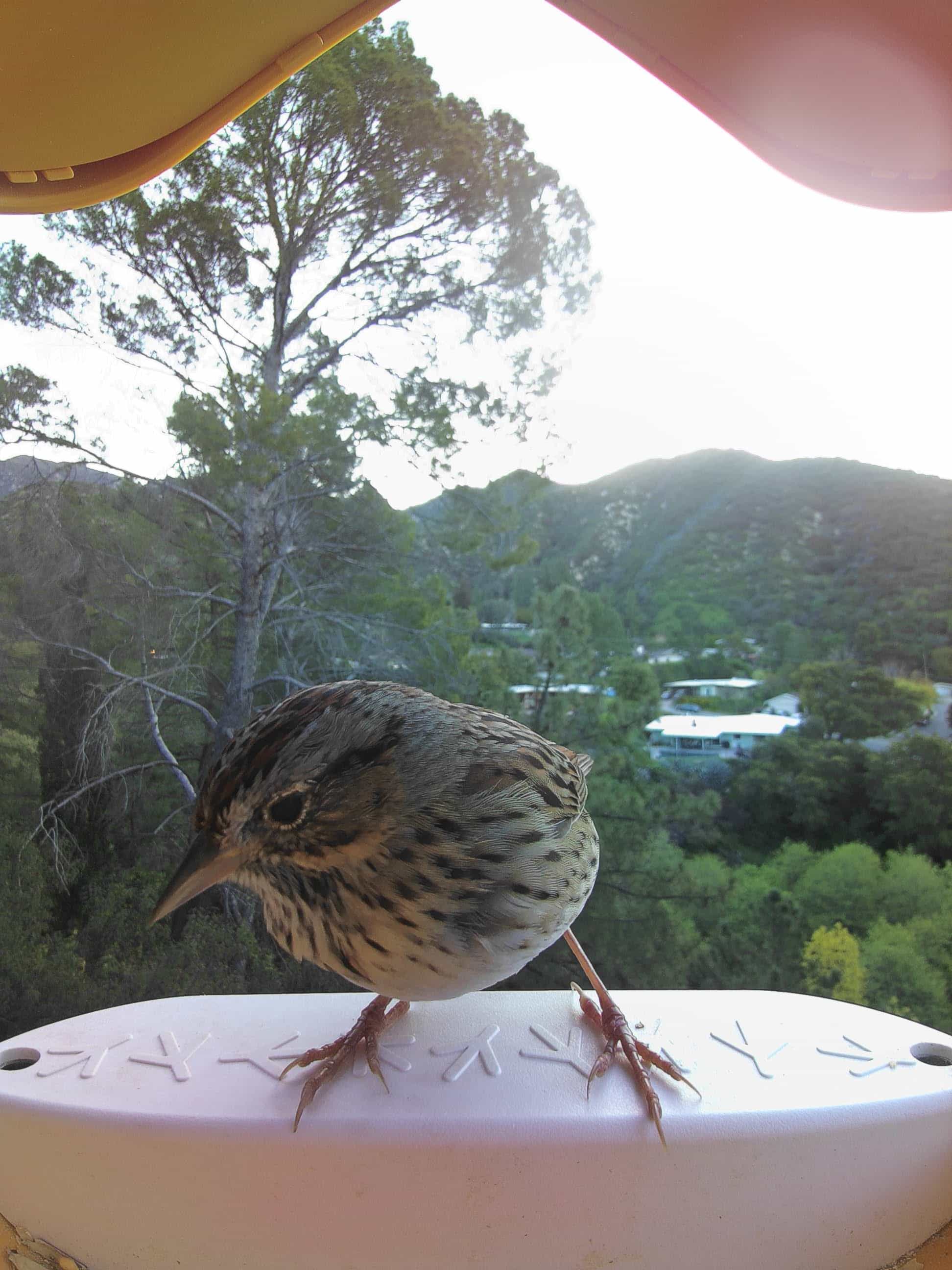
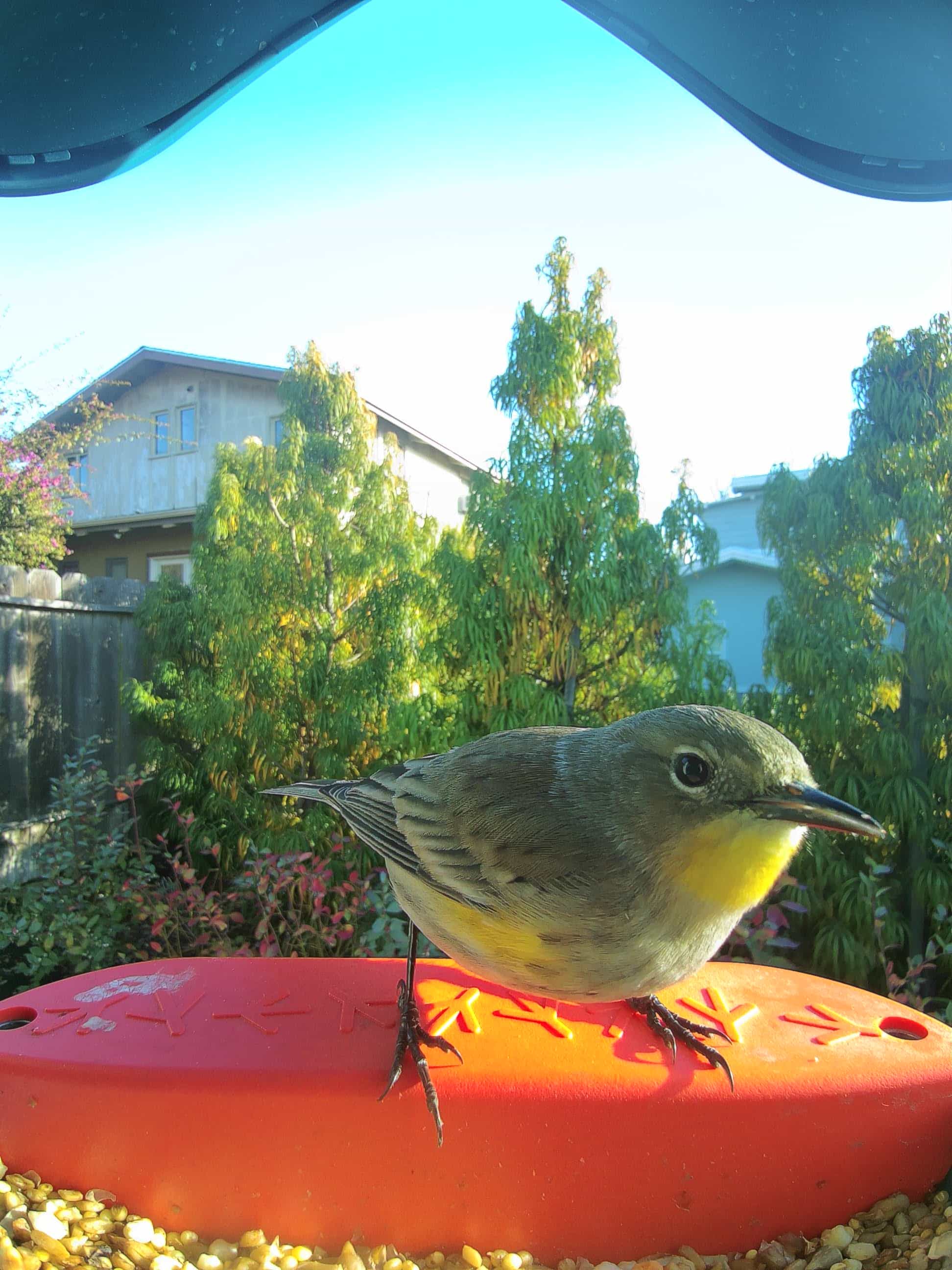
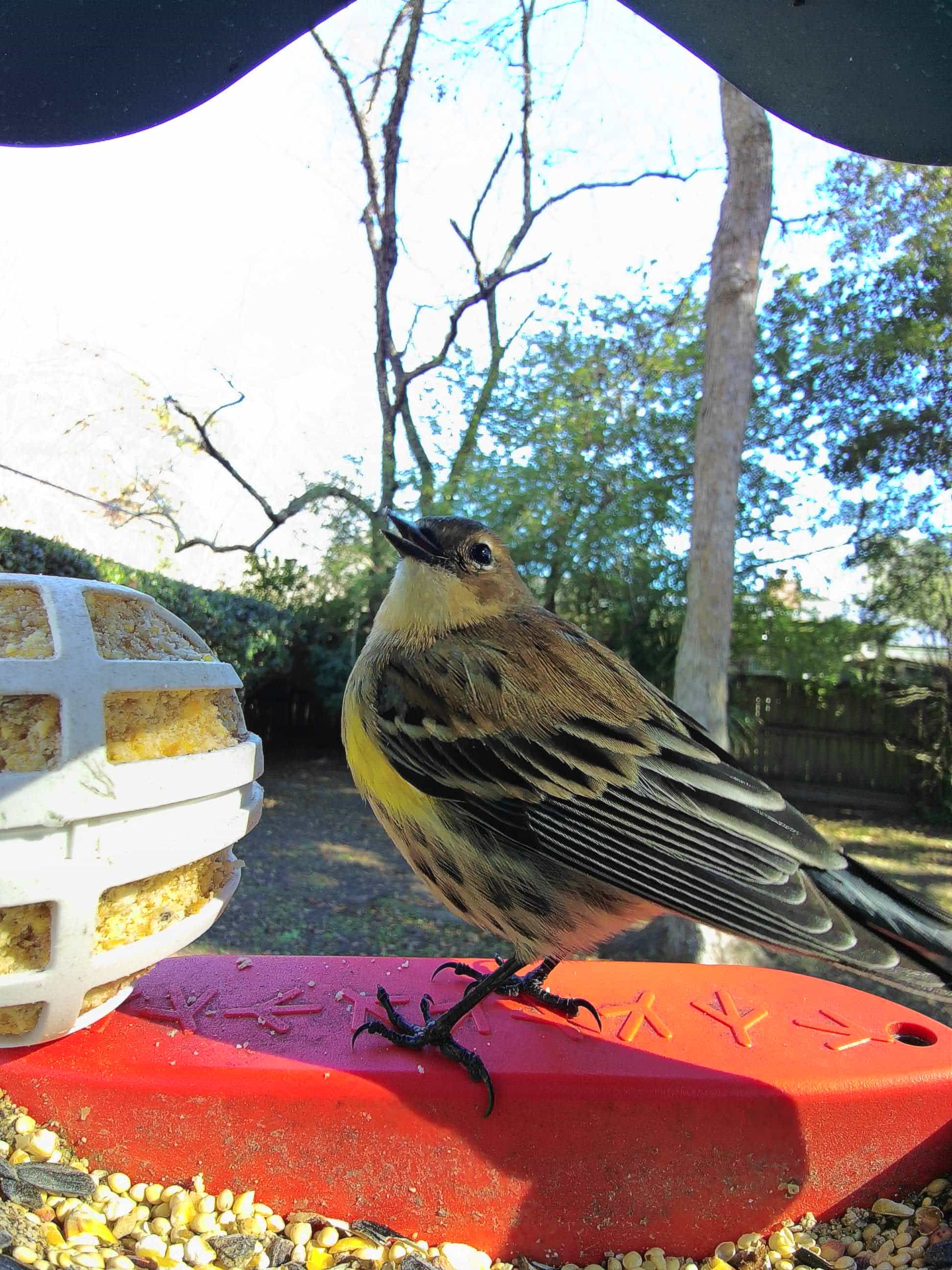
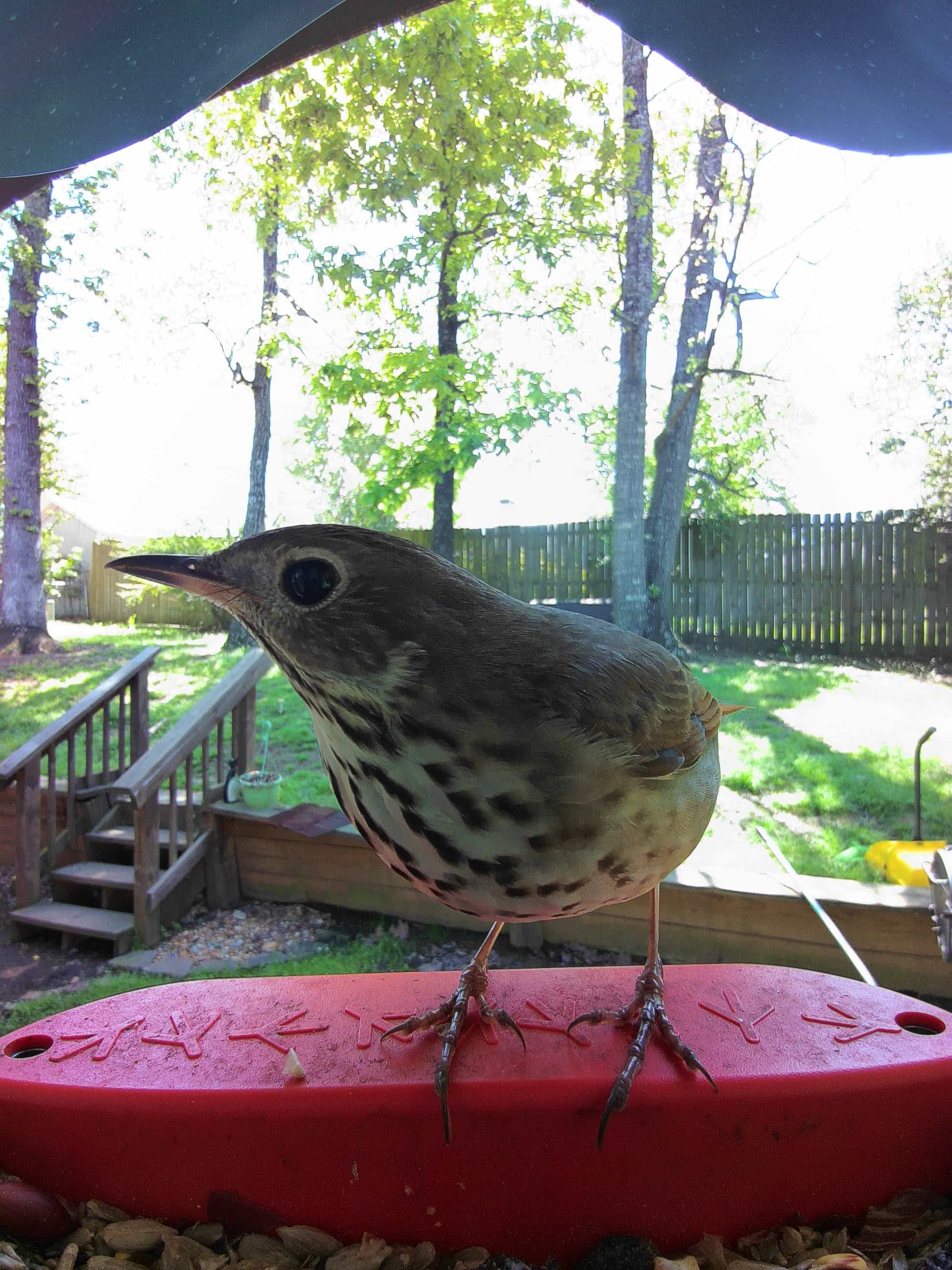
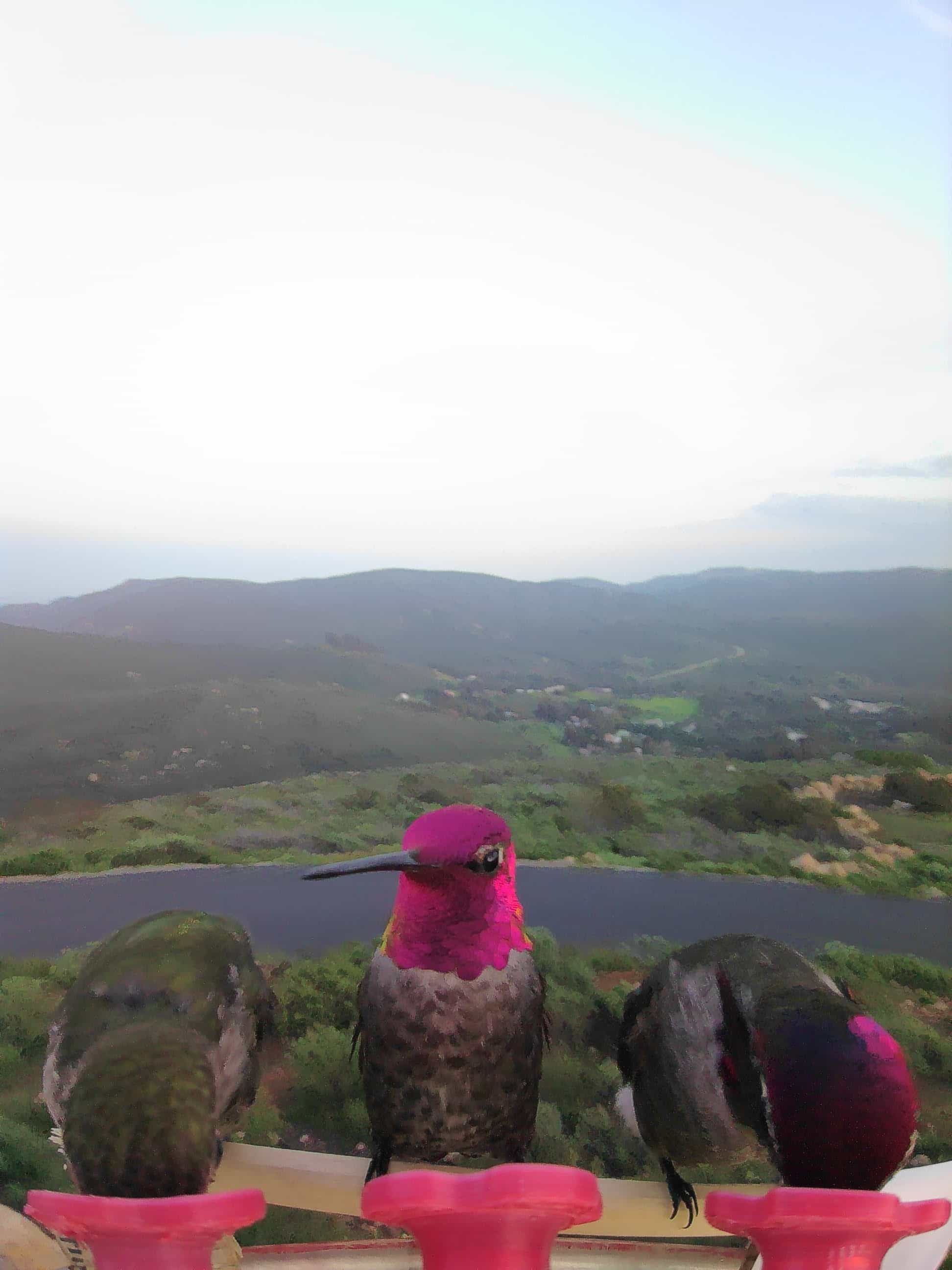
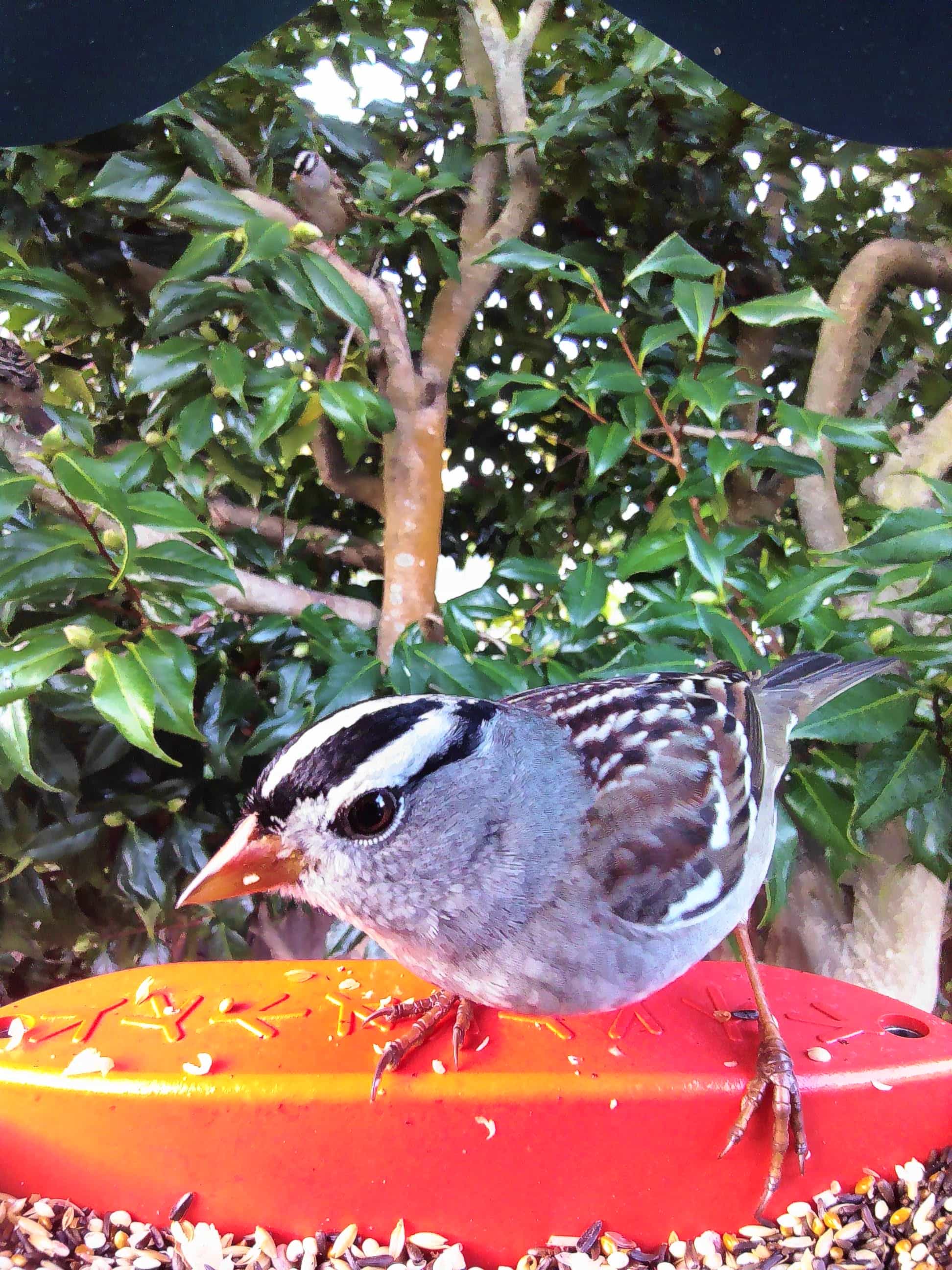
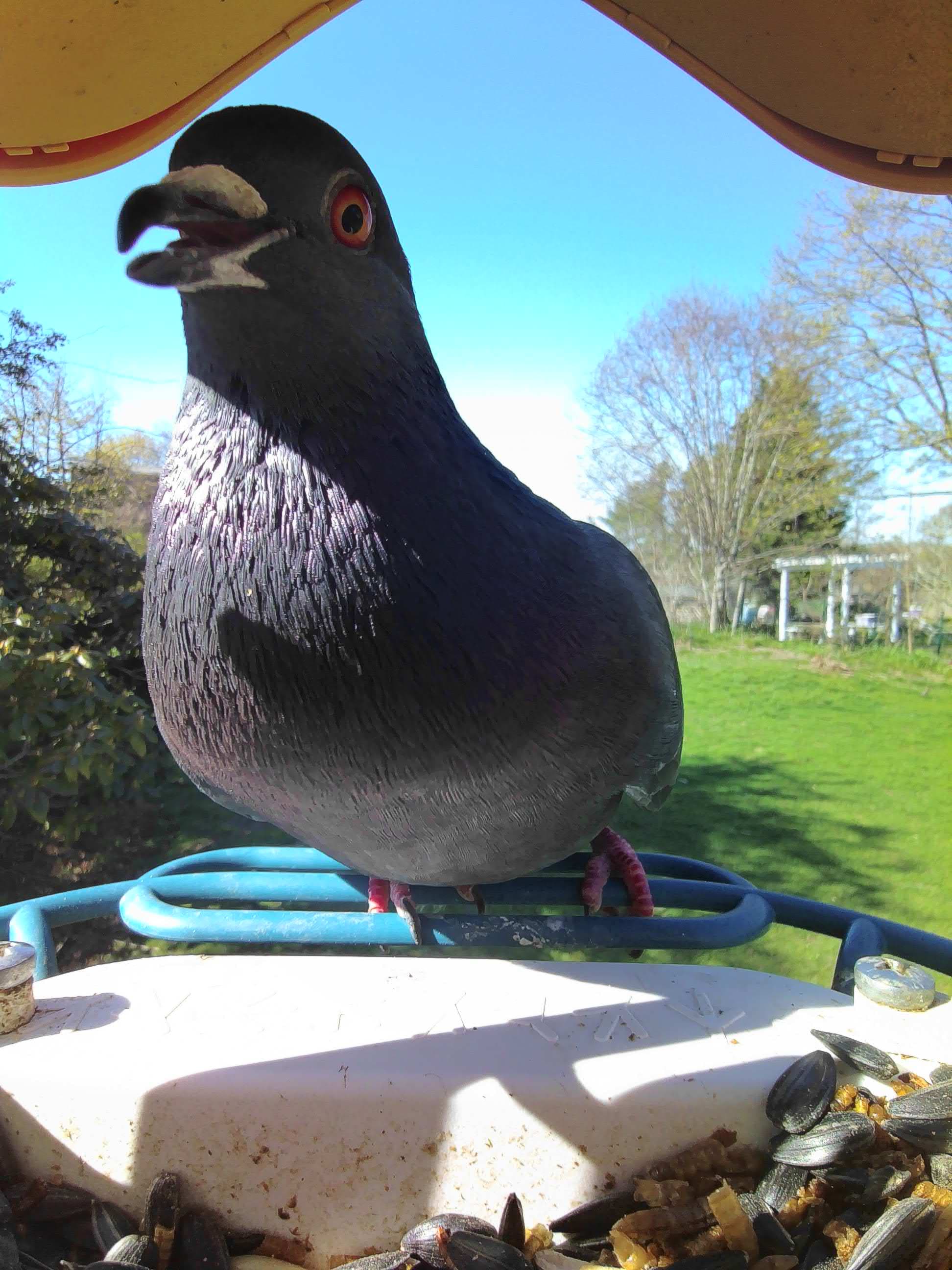
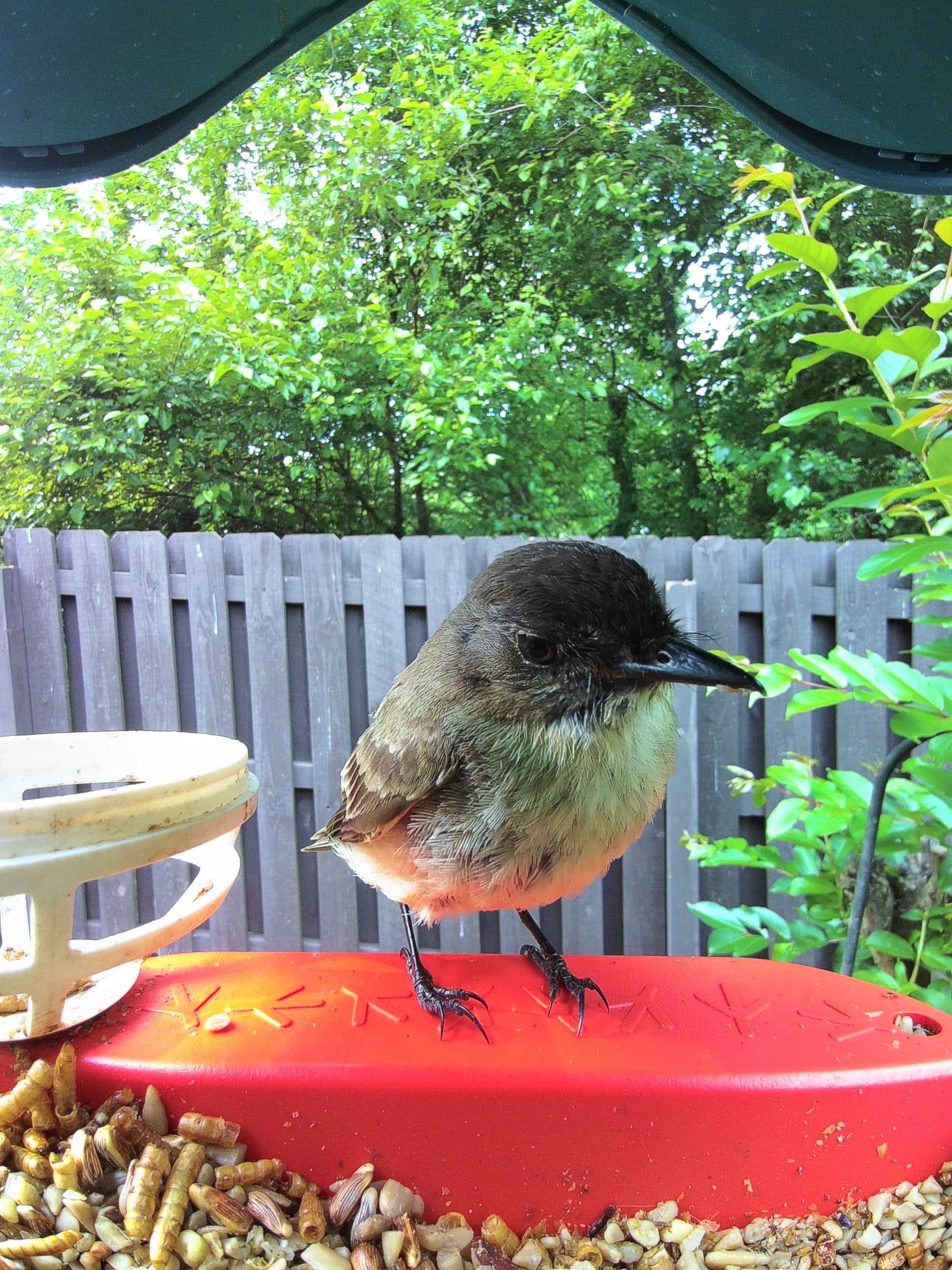
Birds seen on Birdbuddy feeders in North Charleston
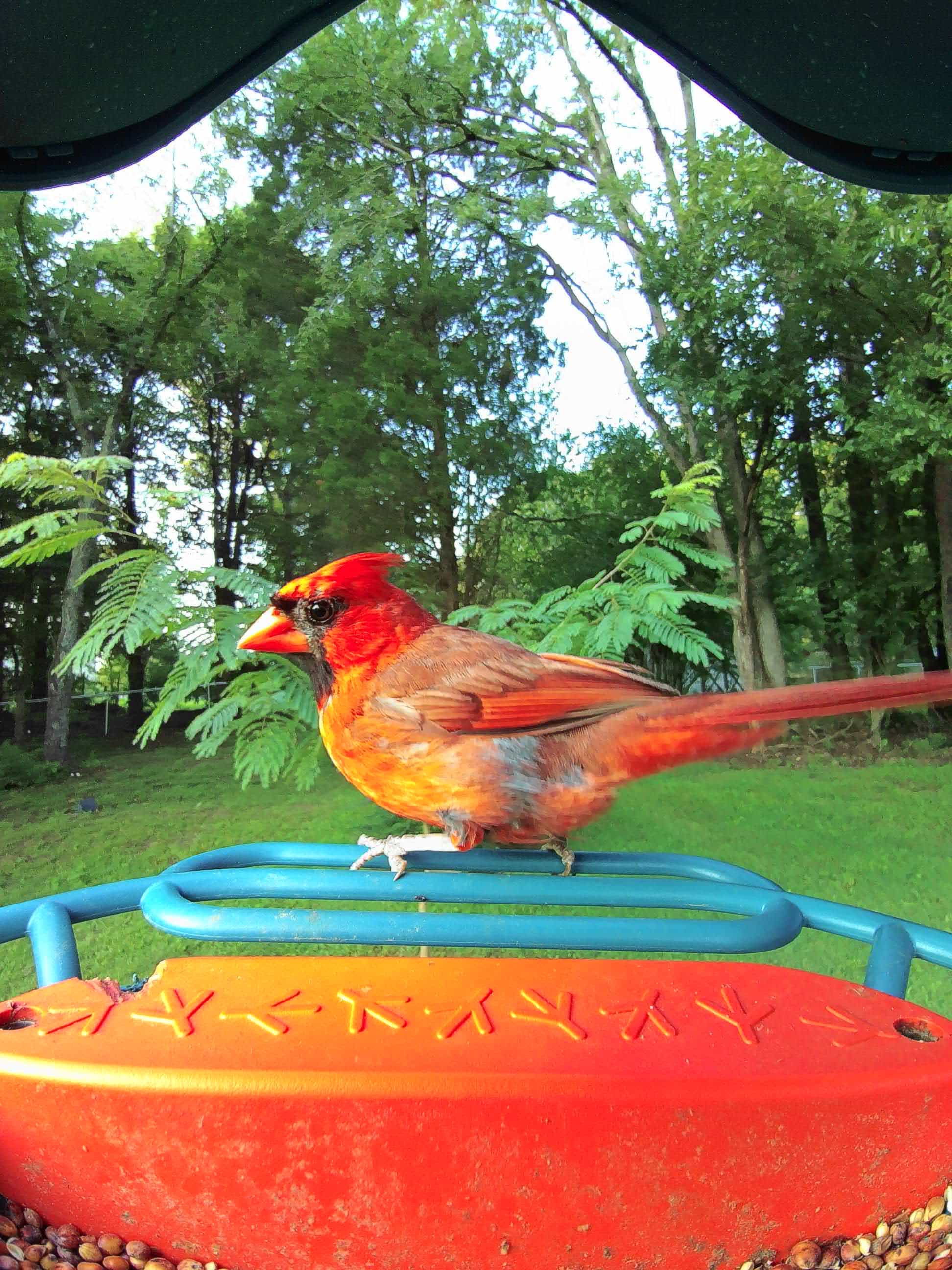
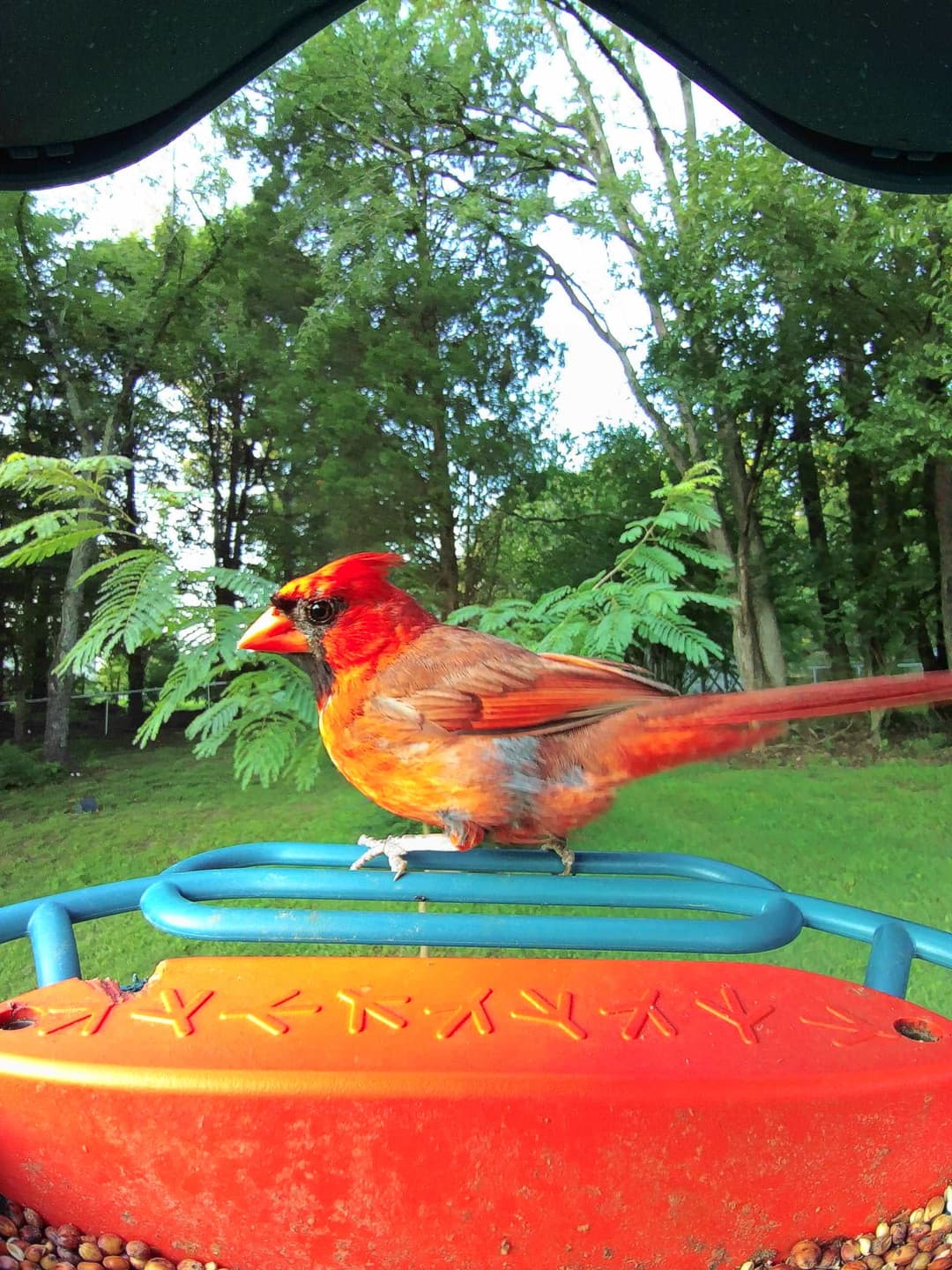
Northern Cardinal (Cardinalis cardinalis): This vibrant songbird is known for its striking red plumage, distinctive crest, and robust bill, commonly found in woodlands, gardens, and shrublands across North America.
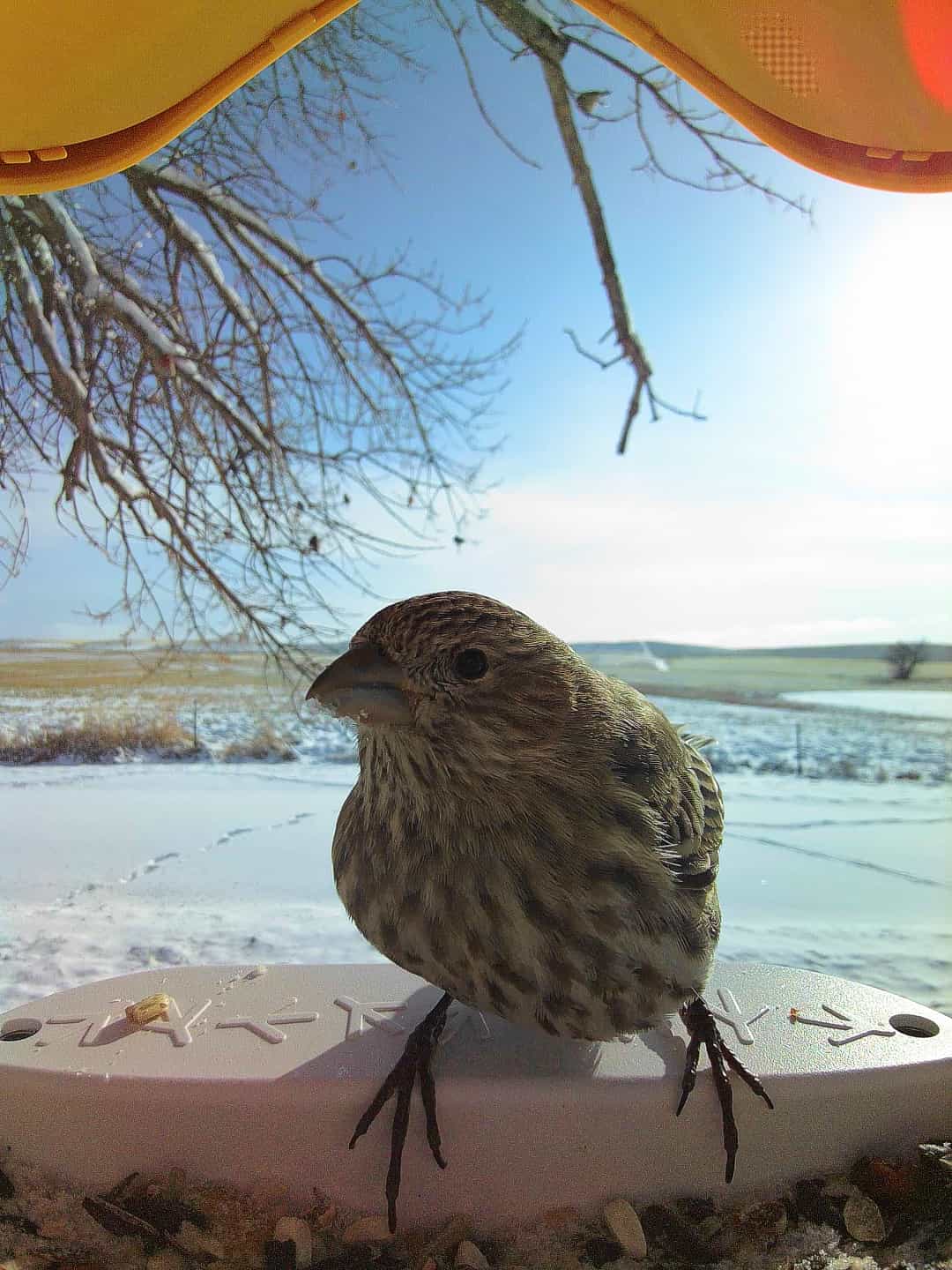
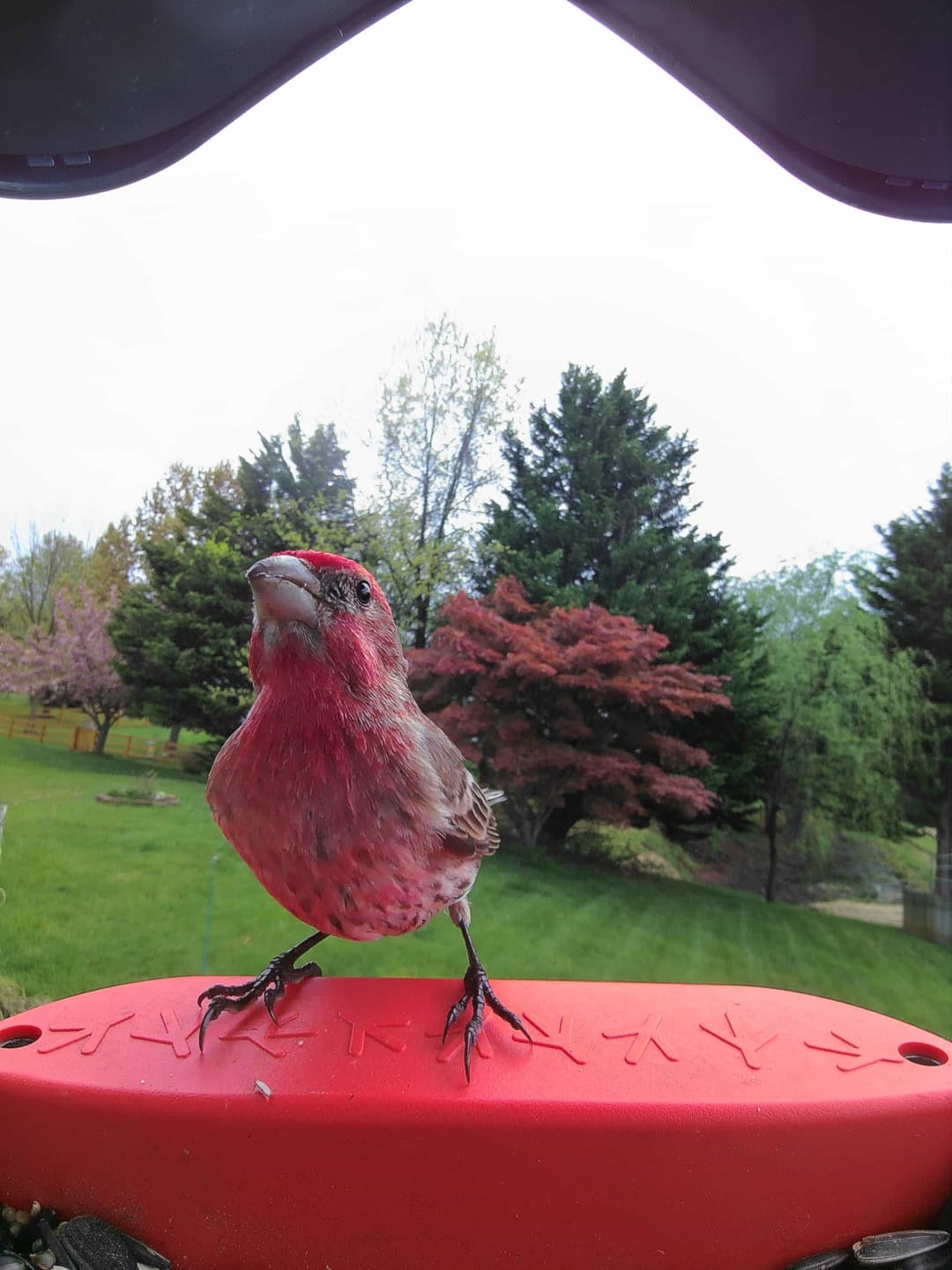
House Finch (Haemorhous mexicanus): A small, adaptable bird native to North America, it has a vibrant red head and breast in males, streaky brown plumage in females, and a cheerful, warbling song often heard in urban and suburban areas.
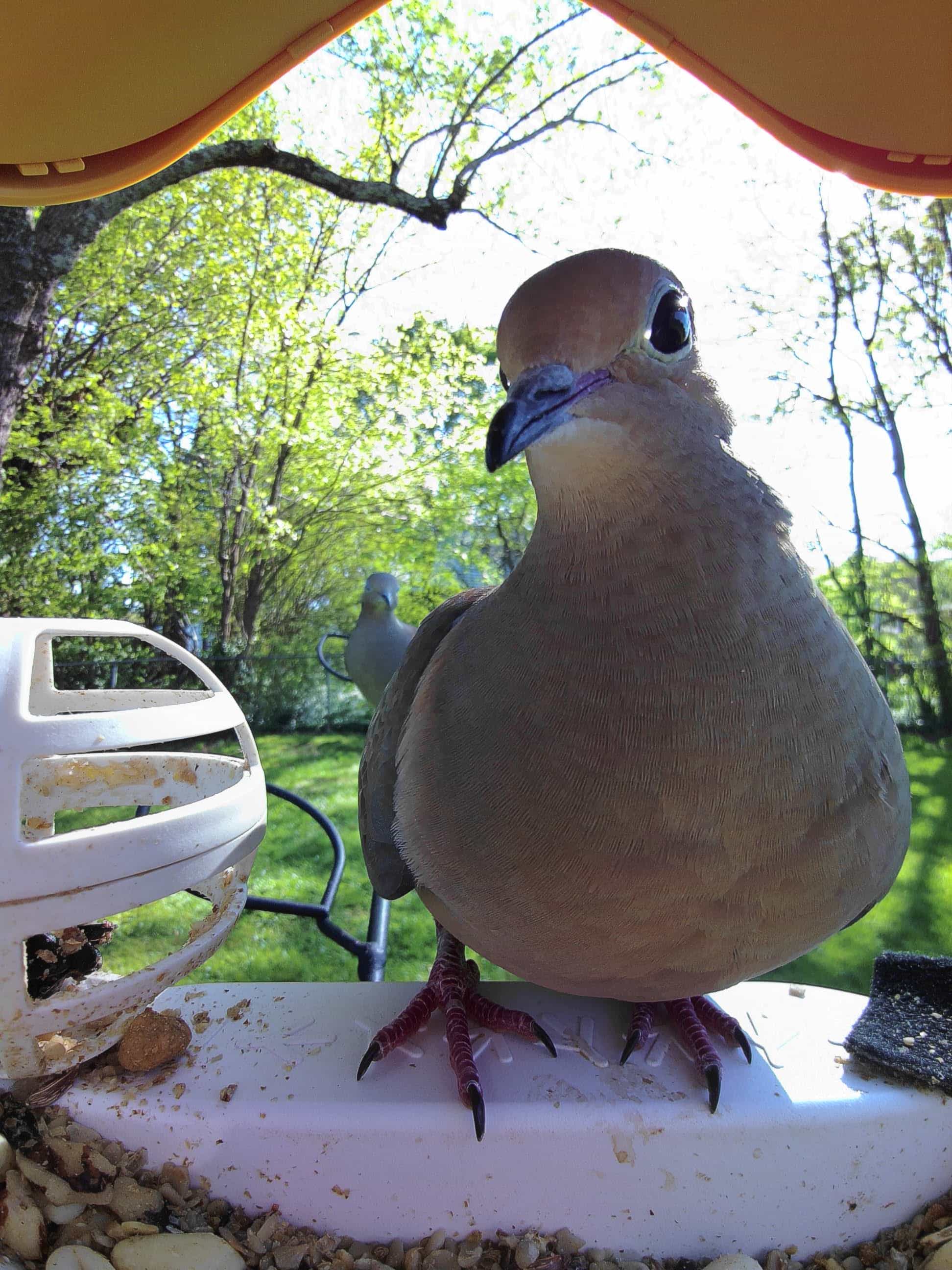
Mourning Dove (Zenaida macroura): This bird is a slender, medium-sized creature with a soft grayish-brown body, long pointed tail with white edges, and distinctive black spots on its wings, often recognized for its gentle, mournful cooing sound.
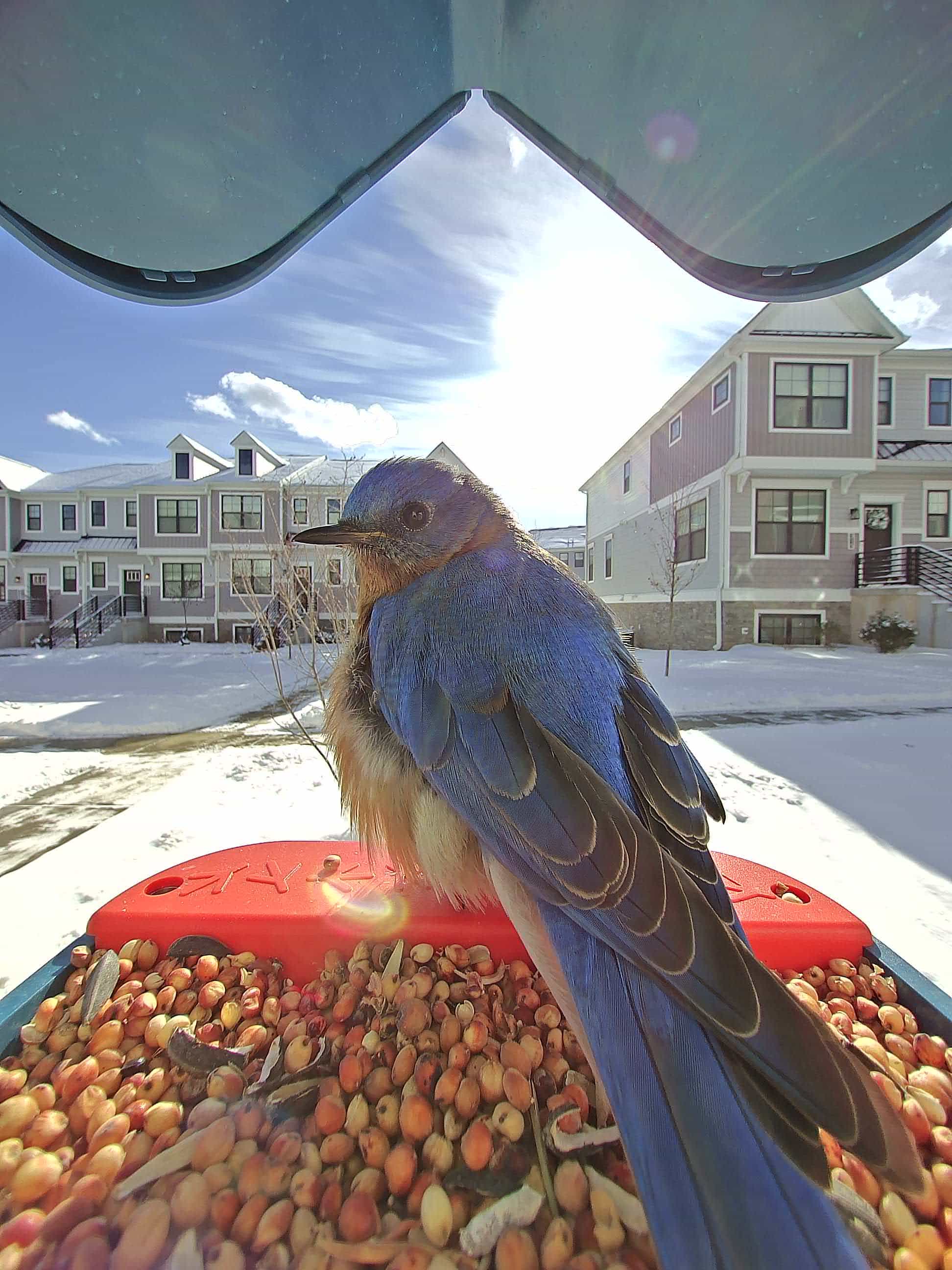
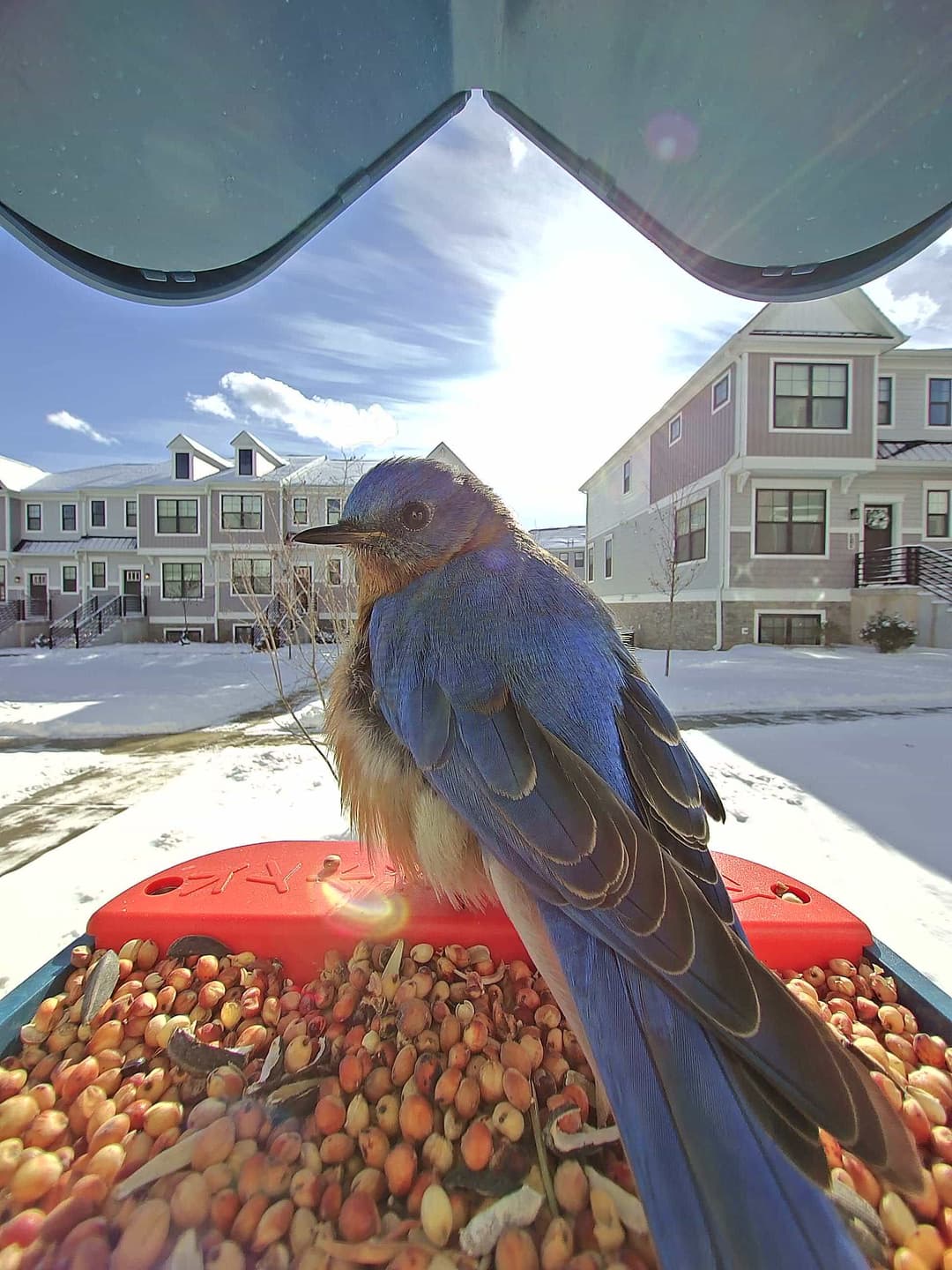
Eastern Bluebird (Sialia sialis): A small North American songbird, this species is known for its vibrant blue plumage, rusty-orange breast, and melodious song, often found in open woodlands, fields, and gardens where it feeds on insects and fruits.
Carolina Wren (Thryothorus ludovicianus): This small, energetic bird is known for its bold, reddish-brown plumage, prominent white eyebrow stripe, and loud, melodious song, and is often found in dense vegetation and brushy areas across southeastern parts of North America.
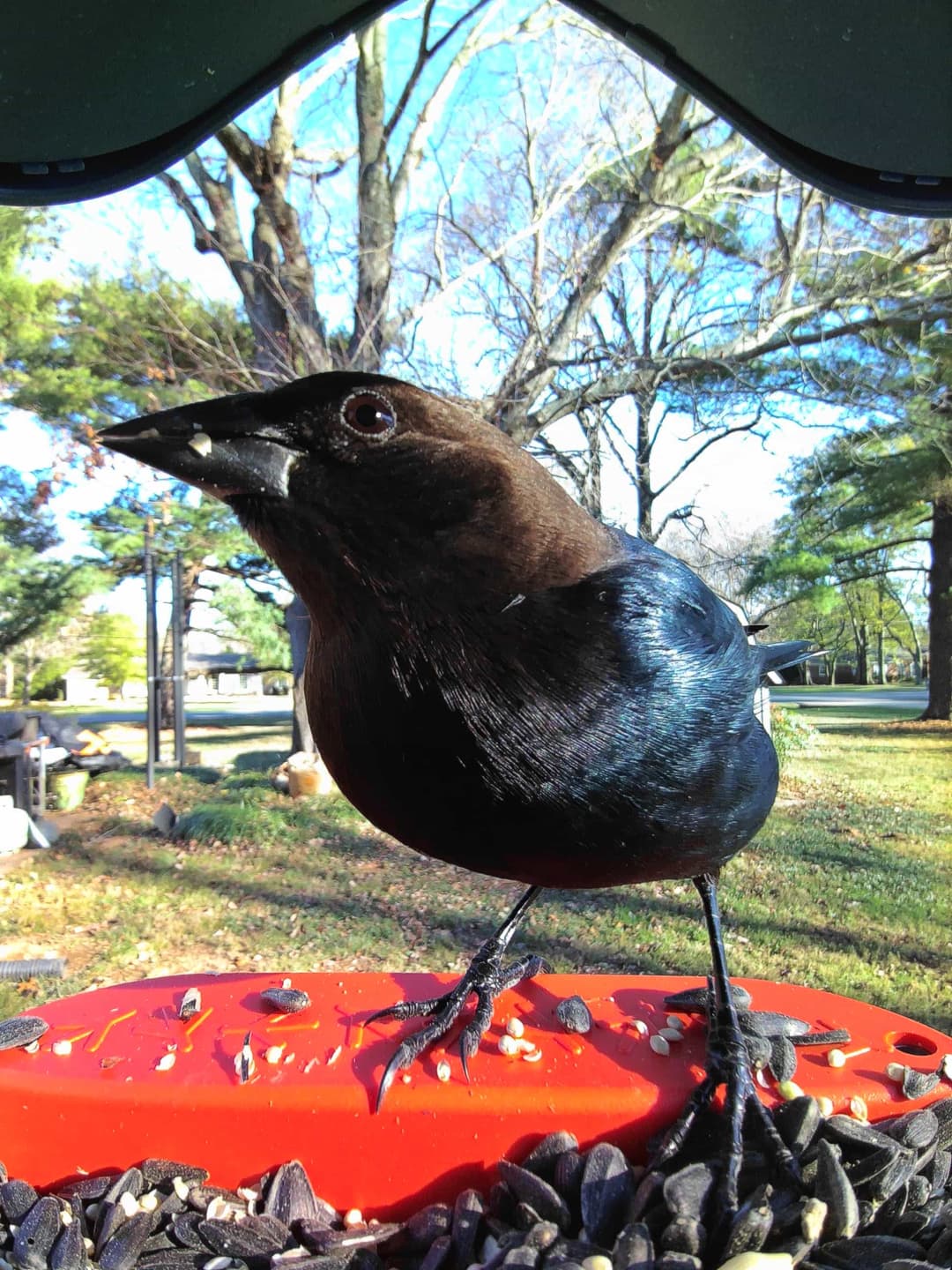
Brown-Headed Cowbird (Molothrus ater): This small, glossy blackbird with a slightly iridescent brown head is known for its brood parasitism, laying eggs in the nests of other bird species, leaving them to raise its young.

Identifying bird sounds and calls in North Charleston
Bird sounds are a key way to identify different species, even when they're hidden in trees or bushes. Each bird has its own unique vocalizations, from melodic songs to distinctive calls. Learning these sounds can help you identify birds even before you see them.
Birdwatching hotspots in North Charleston
Parks, reserves, and observatories
North Charleston, South Carolina offers a diverse range of habitats, including wetlands, forests, and coastal areas, attracting a variety of bird species.
North Charleston Wannamaker County Park: A large park with walking trails and diverse habitats ideal for birdwatching.
Francis Beidler Forest: A protected area with boardwalks through ancient cypress forests, perfect for observing native birds.
Magnolia Plantation and Gardens: Historic garden with extensive grounds that draw a wide array of bird species throughout the year.
Accessibility and facilities
The parks offer boardwalks and trails, with some areas providing wheelchair access and visitor facilities.
Conservation efforts
North Charleston, South Carolina actively engages in initiatives to protect its natural heritage and promote sustainable growth. Some of the efforts include:
- Restoration of local wetlands to support biodiversity.
- Tree planting projects across urban areas.
- Partnerships with local organizations to reduce pollution.
How Can I Help?
- Participate in community clean-up events.
- Support local conservation groups through donations.
- Volunteer for tree planting and restoration projects.
Live bird sightings in the North Charleston area
Discover what birds are currently active in North Charleston through real-time sightings from Birdbuddy users. Explore hotspots and track your favorite species with updates from our community network.
Learn more about Birdbuddy