
Red-Cockaded Woodpecker
Red-Cockaded Woodpecker
Leuconotopicus borealis
Quick Identification guide
Quick Identification guide
Male
- •
Primarily black and white plumage with distinctive horizontal white bars on the back
- •
A small to medium-sized body with a relatively short tail
- •
Unique lack of vibrant red on crown, instead males have small, nearly hidden, red feathers on the sides of the black cap
Female
- •
Similar black and white plumage as the male, but without the red markings
- •
Horizontal white bars on the back create a ladder-like effect
- •
A small to medium-sized body with a uniform black cap
What does a red-cockaded woodpecker sound like?
The red-cockaded woodpecker's vocalizations include a series of rapid, harsh chattering or "churr" sounds and a softer, more distinctive "queer" call used for communication with the flock. Occasionally, it will emit a high-pitched "peep" when foraging or alarmed. It does not have a traditional song, but courtship displays can involve a rhythmic drumming.
Description
Red-cockaded woodpeckers like to do things their own way. Did you know that they are one of the few members of the woodpecker family to excavate a nesting cavity inside a living pine tree? These territorial and non-migratory birds are firm believers in strength in numbers and choose nests and raise broods cooperatively.
The red-cockaded woodpecker can weigh between 40to56grams and be from20to23centimeters tall.
The red-cockaded woodpecker has a lifespan of up to 12 years in the wild. This is slightly longer compared to other woodpecker species such as the downy woodpecker with a lifespan of 1 to 2 years, and is comparable to the northern flicker, which can live up to 9 years.
Did you know?
Most popular questions about red-cockaded woodpecker
How to recognise a red-cockaded woodpecker?
General appearance
The red-cockaded woodpecker stands out for its black and white barred back, large white patches on the wings, and black cap. The bird has a unique pecking pattern, creating large, rectangular cavities in pine trees. Though it’s named for the tiny 'cockade' or red stripe found on males, this feature is often difficult to discern.
Male vs female
Both sexes of the red-cockaded woodpecker have similar coloration making them difficult to differentiate. However, mature males exhibit a small red line or 'cockade' on the sides of their black cap. This red streak is often not visible unless the bird is excited or agitated.
Juvenile
Juvenile red-cockaded woodpeckers look similar to adults but have a brownish cap instead of black. Their plumage is duller overall compared to adults' bright markings. Juveniles don't have the distinctive red cockade that males develop as they mature. Their appearance doesn't have seasonal variations.
Often mistaken for
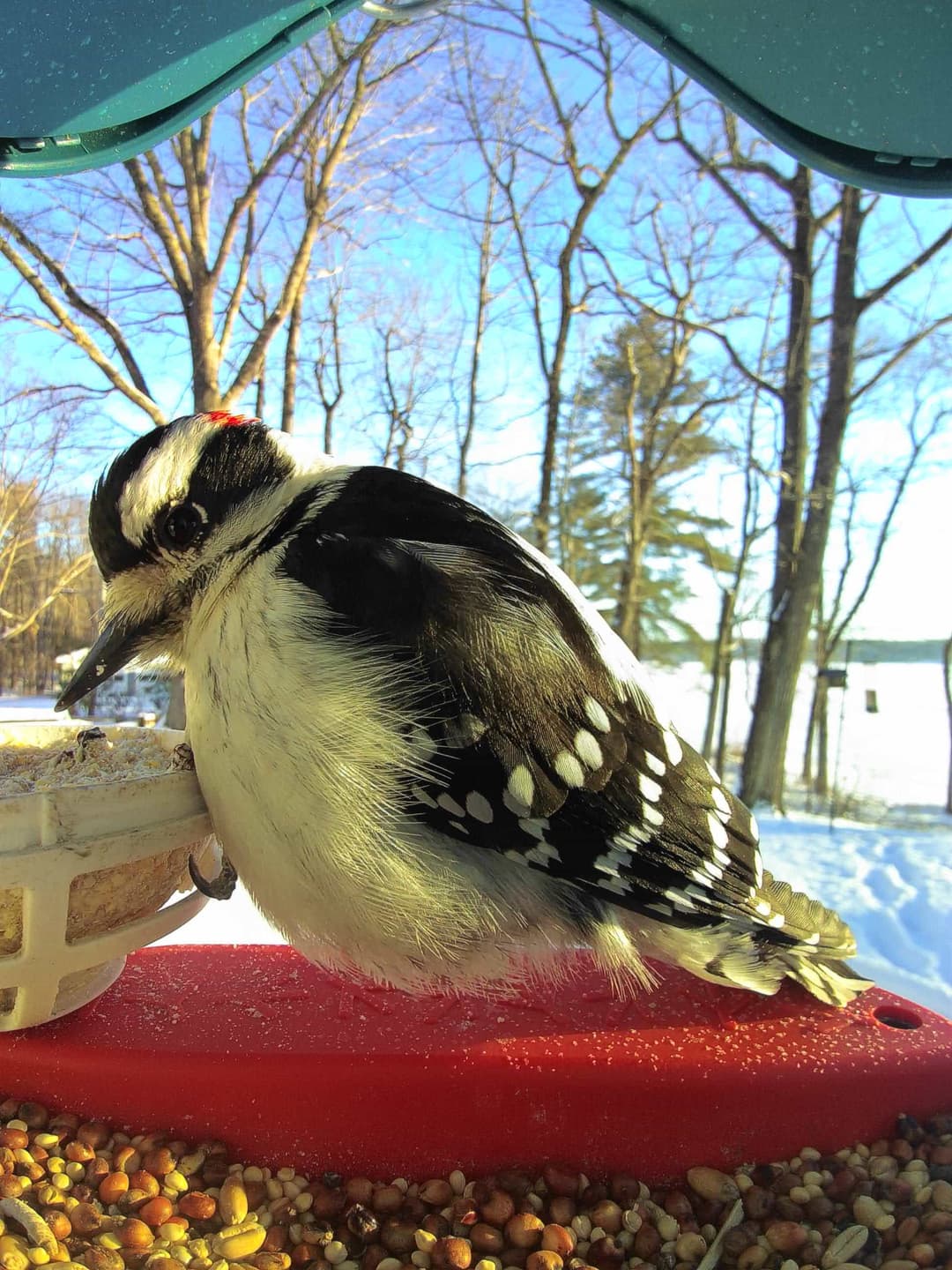
Downy Woodpecker vs Red-Cockaded Woodpecker
The Downy Woodpecker is smaller than the Red-Cockaded Woodpecker and has a white back with black spots. It typically has a white belly with black wings contrasted with white spots.
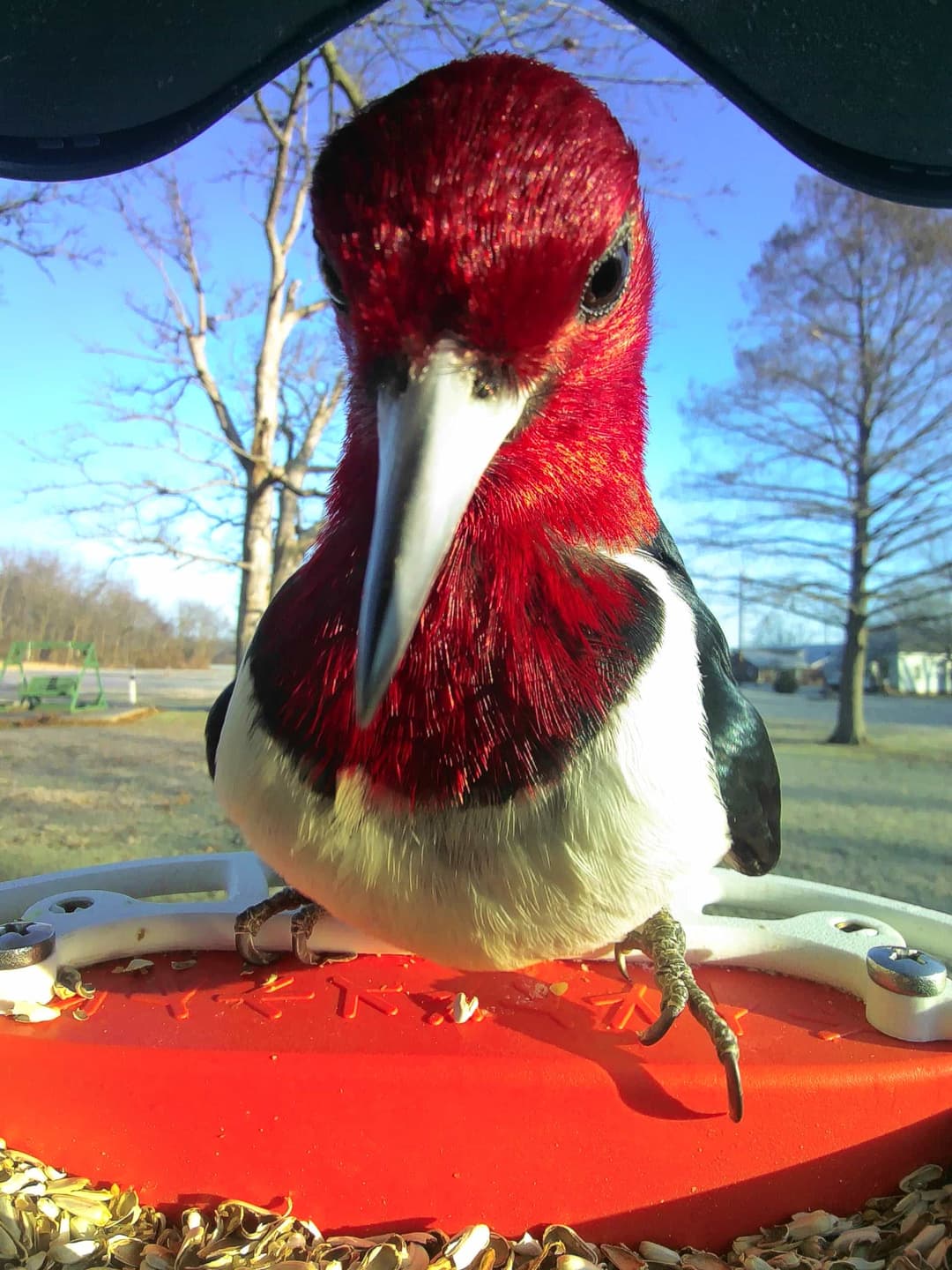
Red-Headed Woodpecker vs Red-Cockaded Woodpecker
The Red-Headed Woodpecker has a completely redhead, compared to the small red marking on the Red-Cockaded Woodpecker. It also has distinctive solid black and white blocks on its wings and back, unlike the more spotted pattern of the Red-Cockaded.
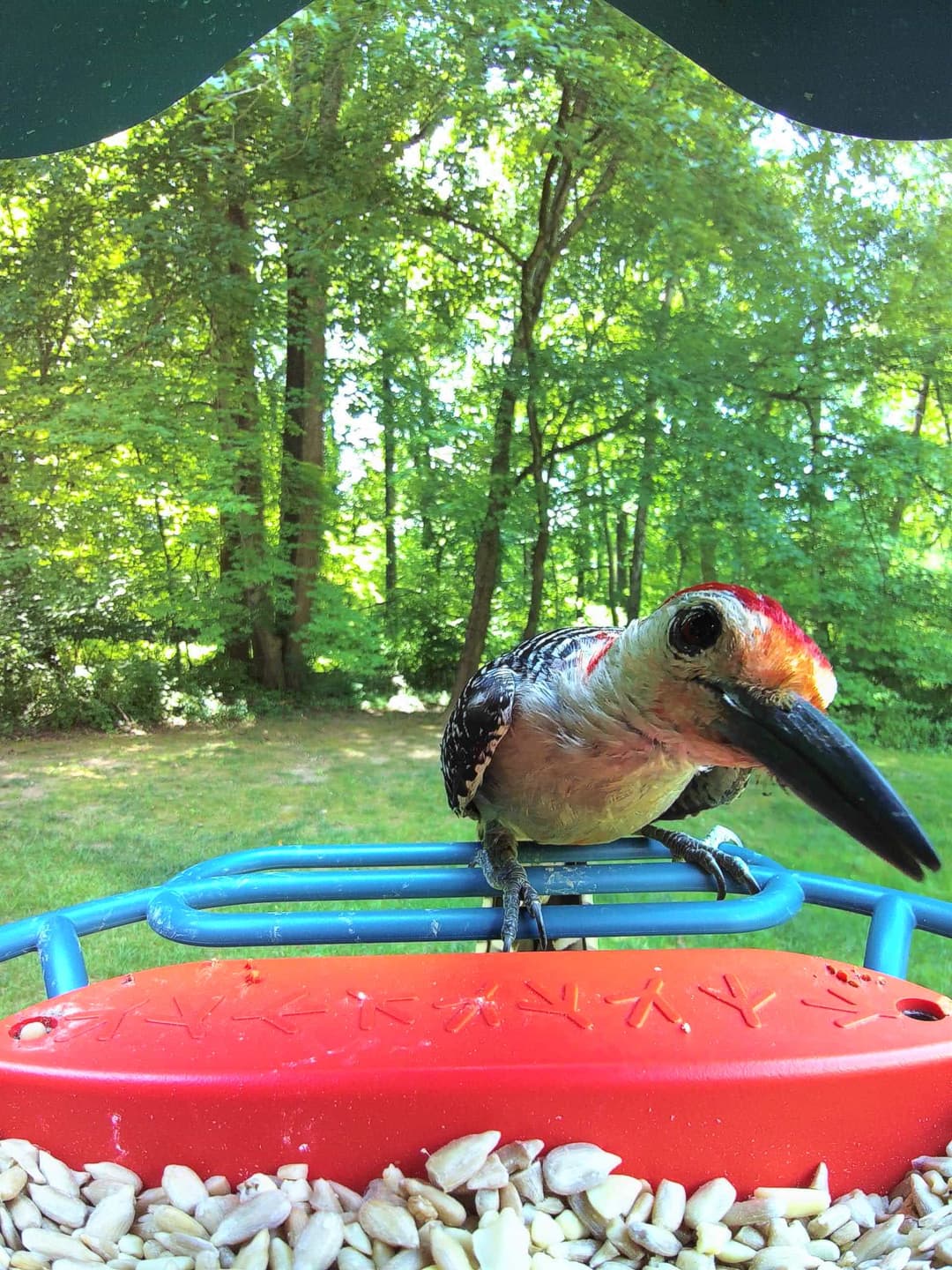
Red-Bellied Woodpecker vs Red-Cockaded Woodpecker
The Red-Bellied Woodpecker has a red cap and nape rather than just a small red streak. Its belly is lightly washed with red, and it lacks the distinctive black cap and cheek pattern of the Red-Cockaded Woodpecker.
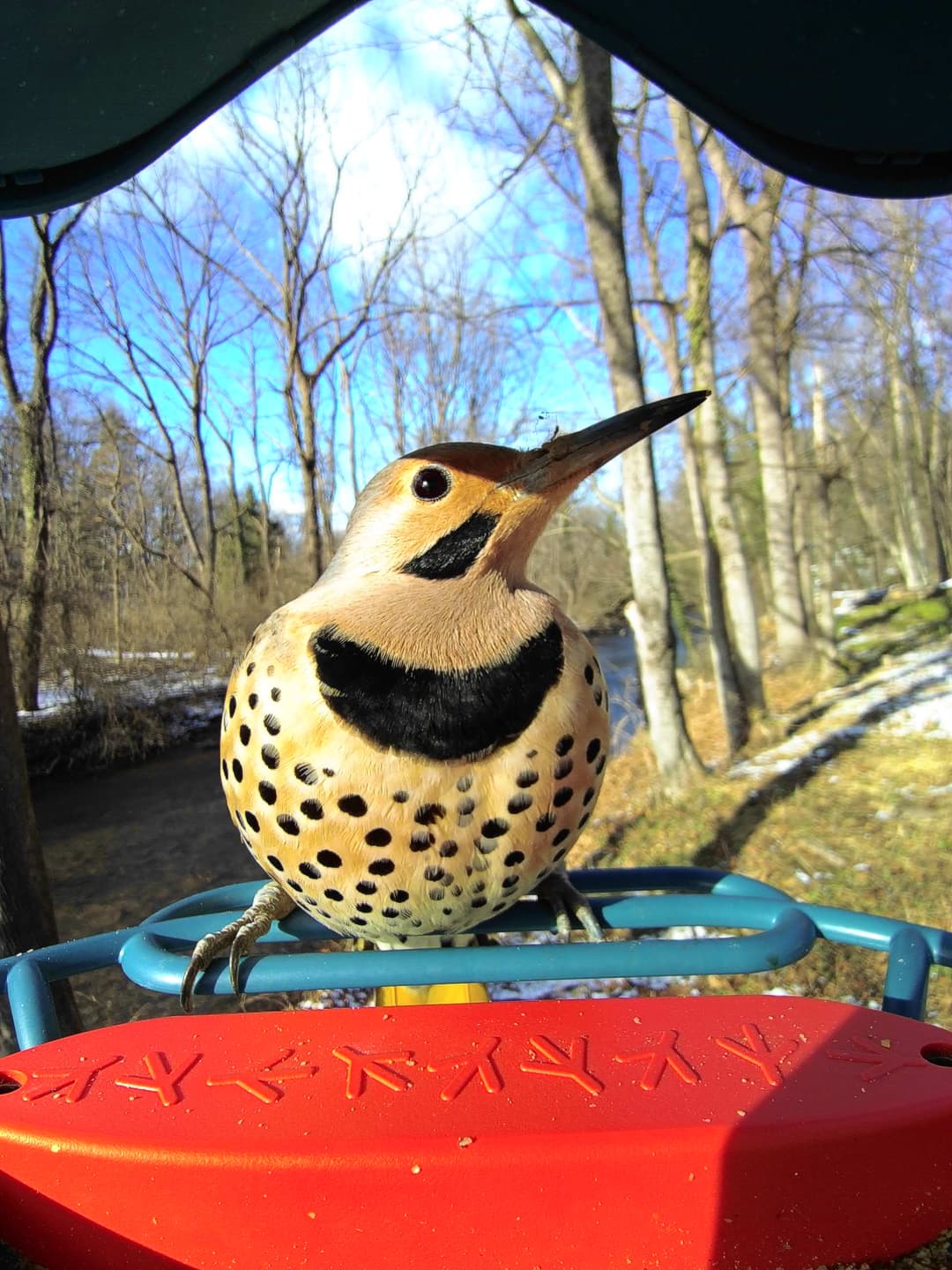
Northern Flicker vs Red-Cockaded Woodpecker
The Northern Flicker has a larger body than the Red-Cockaded Woodpecker and lacks the black and white striped face pattern. It is characterized by a brownish body with a spotted belly and a distinct white rump patch.
Breeding and nesting habits of the red-cockaded woodpecker
Mating behaviors
Red-cockaded woodpeckers engage in courtship displays involving calls, drumming, and mutual preening. Pairs are monogamous and maintain territories year-round, using subtle vocalizations to strengthen bonds.
Nesting details
These woodpeckers nest in living pine trees aged 60 years or older. They excavate cavities, often in clusters, using their bills. Resin from the trees creates a sticky barrier deterring predators, and nests are lined with wood chips.
Eggs and chick-rearing
Females lay 2-5 white eggs, incubated by both parents for about 10-12 days. Chicks are altricial and receive care from both parents and helpers, fledging approximately 26-29 days after hatching.
What does a red-cockaded woodpecker like to eat?
Berries
Insects
Seeds
Natural diet
The red-cockaded woodpecker primarily feeds on insects and other arthropods. They forage for ants, beetles, caterpillars, spiders, and wood-boring insects found in or on the bark, branches, and trunks of pine trees. Additionally, they occasionally consume fruits, nuts, and seeds, particularly pine seeds, which provide an essential energy source.
Bird feeders
Red-cockaded woodpeckers are rarely seen at bird feeders. They might occasionally be attracted to feeders offering suet, especially during colder months when insect availability is reduced. Other feeder foods like sunflower seeds, peanuts, or mealworms may attract these woodpeckers, though such occurrences are uncommon.
Attracting the red-cockaded woodpecker
Welcoming the Red-Cockaded Woodpecker to your yard involves a few simple steps. First, make your yard inviting. This species prefers mature pine forests, so try adding native pines to your landscape. Offer plenty of vertical space as these birds like to fly high.
Feeders and foods
The Red-Cockaded Woodpecker loves insects, especially beetles and ants. Supplement their diet with suet cakes or blocks. These birds are also known to eat fruits, so try offering some sliced fresh fruits occasionally. For your feeders, choose one that allows for hanging suet cakes or blocks. The feeder should be sturdy, easy to clean, and resistant to squirrel damage.
Encouraging regular visits
To encourage your feathery friends to visit you often, consider setting up a birdbath. Woodpeckers are known to enjoy bathing and this can provide a perfect spot for them to visit frequently. Also, maintain a quiet and safe atmosphere in your yard.
The best seeds for woodpeckers
To enhance your chances of attracting these unique birds, why not go with the brand favored by many? Bird Buddy seeds are expert-approved for every season, enriching your offerings to the Red-Cockaded Woodpecker and ensuring your feathered friends feel right at home.
Where can you find red-cockaded woodpeckers?
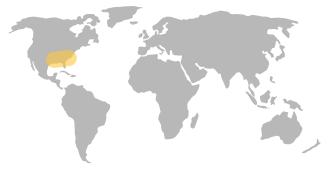
Primary habitat
The red-cockaded woodpecker primarily inhabits pine forests in Southeast USA, preferring older trees for nesting.
Additional range
Unexpected environments include younger forests with mix of hardwoods. Their range extends from Oklahoma to Florida, and up to Virginia.
Do they migrate?
The red-cockaded woodpecker is a non-migratory bird that stays in one place year-round. This species primarily resides in the southeastern United States, inhabiting mature pine forests, particularly those dominated by longleaf pines. It requires open forest habitats with old, living pines for nesting and foraging. Unlike migratory woodpecker species, the red-cockaded woodpecker establishes permanent territories. Family groups remain in these areas throughout the year, relying on a network of cavity trees for roosting and breeding. Their territories are typically managed by timber and wildlife managers to maintain the open, park-like structure of the forests they require. Conservation efforts, such as controlled burning and the creation of artificial cavities, are essential for maintaining their habitat and supporting stable populations. Due to habitat loss and fragmentation, the red-cockaded woodpecker is listed as a federally endangered species, emphasizing the importance of dedicated habitat management to ensure their survival.
What is the role of red-cockaded woodpeckers in nature and how to protect them?
Conservation status
The red-cockaded woodpecker is currently listed as vulnerable. Once common in the southeastern United States, its population has declined due to habitat loss from deforestation and urban development. Key conservation efforts include habitat management, such as controlled burns to maintain the open pine forests they require, and the installation of artificial nest cavities. The U.S. Fish and Wildlife Service and various conservation groups actively work to protect and restore these habitats. Predation and competition for nesting sites remain significant threats, alongside ongoing habitat destruction.
Ecological role of red-cockaded woodpeckers
Its role in the ecosystem
The red-cockaded woodpecker plays a vital ecological role in its native pine forests of the US. As a keystone species, its presence and actions significantly influence the ecosystem. Its main contribution is through its unique nesting habits, excavation in live pine trees, often infected by a heartwood disease. These cavities, once abandoned by the woodpeckers, serve as important habitats for other creatures like other bird species, small mammals, and invertebrates. Thus, the red-cockaded woodpecker indirectly promotes biodiversity. Moreover, by drilling holes in live trees, they also help in the natural control of certain pests, like beetles. Red-cockaded woodpeckers are primary cavity nesters, meaning they excavate their own cavities instead of using existing ones, positively impacting the ecosystem as they give way for secondary cavity nesters over time. Several plant species also benefit from the seed dispersal facilitated by these woodpeckers during their foraging activities.
How to help protect red-cockaded woodpeckers
Preservation tips
Habitat preservation strategies
Promote the preservation and restoration of longleaf pine forests, the natural habitat of red-cockaded woodpeckers. Encourage selective logging, controlled burns, and tree thinning to create a suitable habitat structure. Protect mature trees as they serve as nesting sites. Support laws and regulations that protect endangered species and their habitats, such as the U.S. Endangered Species Act.
Community science initiatives
Encourage participation in community science initiatives like the Audubon Christmas Bird Count or eBird to monitor red-cockaded woodpecker populations. Promote educational programs about the species and its conservation needs. Support local conservation groups, and advocate for sustainable forestry practices to corporate landowners. Inform and engage the public through workshops, guided tours, and citizen science projects.