Birds in Charleston,
South Carolina
Charleston, South Carolina, offers diverse birdwatching opportunities with its coastal wetlands, marshes, and maritime forests. These landscapes serve as critical stopovers for migratory birds along the Atlantic Flyway. The Lowcountry's rich biodiversity attracts a variety of species, making it a prime destination for birdwatchers. Key habitats include tidal marshes, estuaries, and barrier islands, supporting shorebirds, raptors, and waterfowl, enhancing its ecological importance for avian enthusiasts.
Most iconic Charleston bird
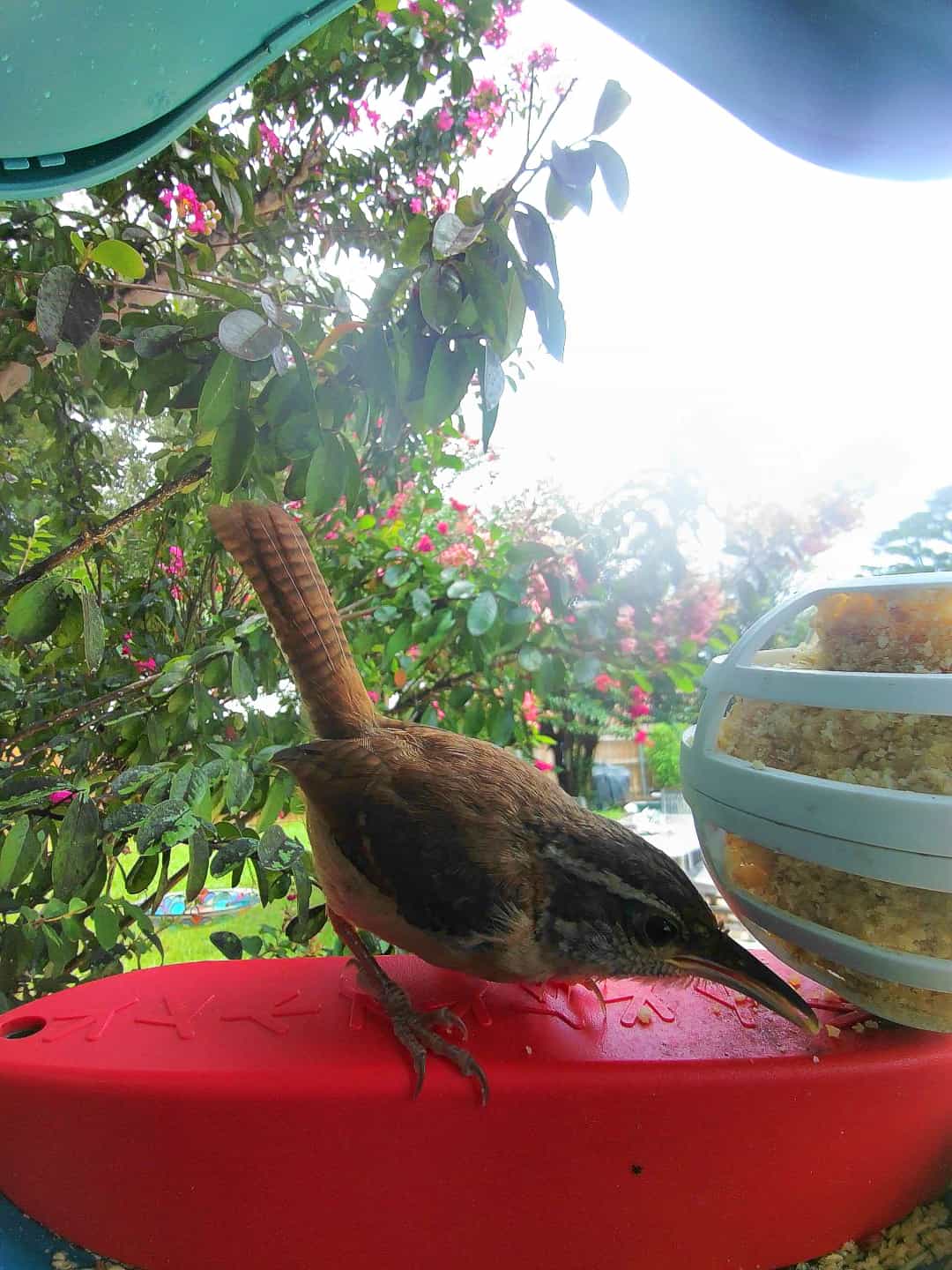
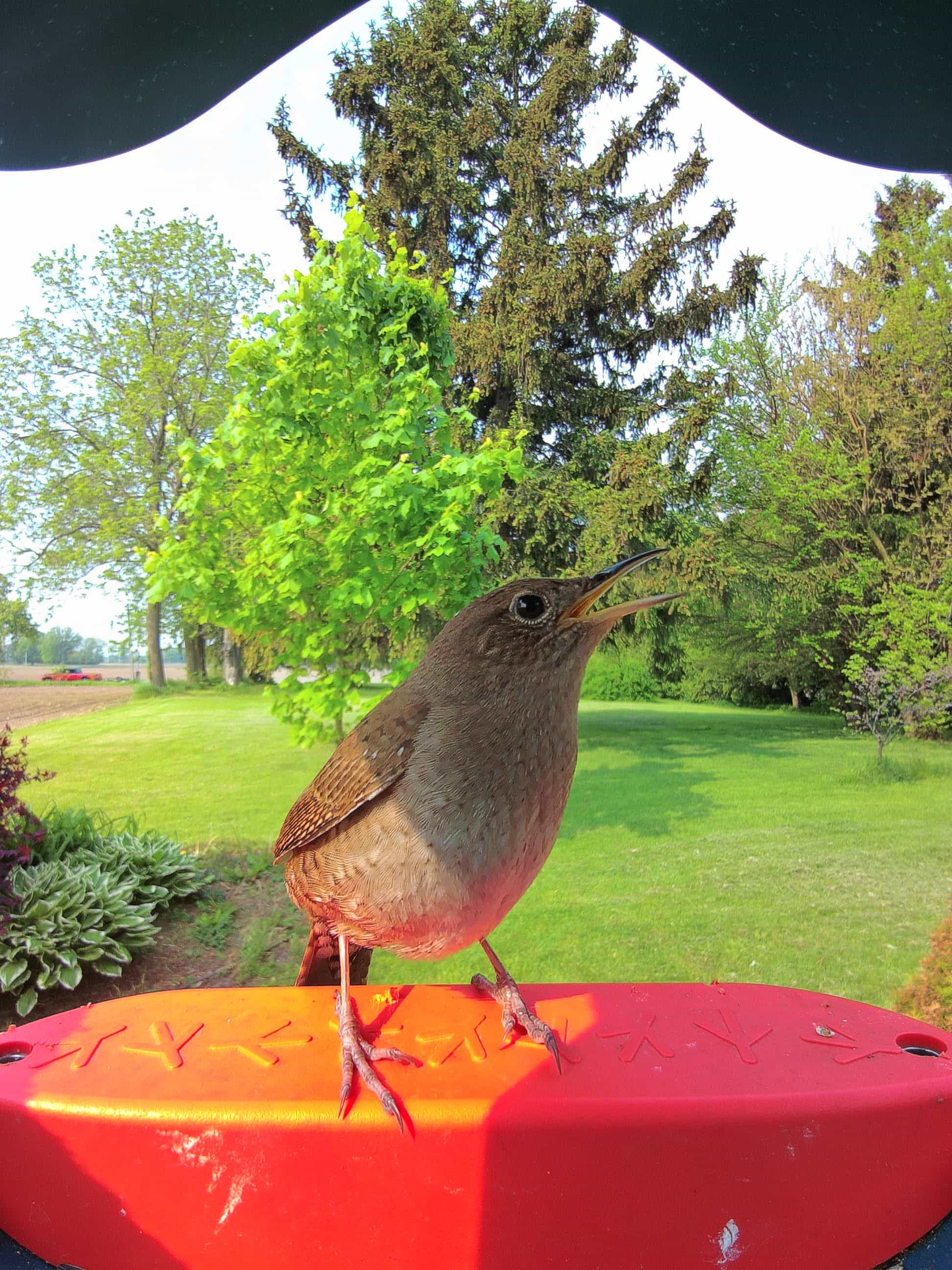
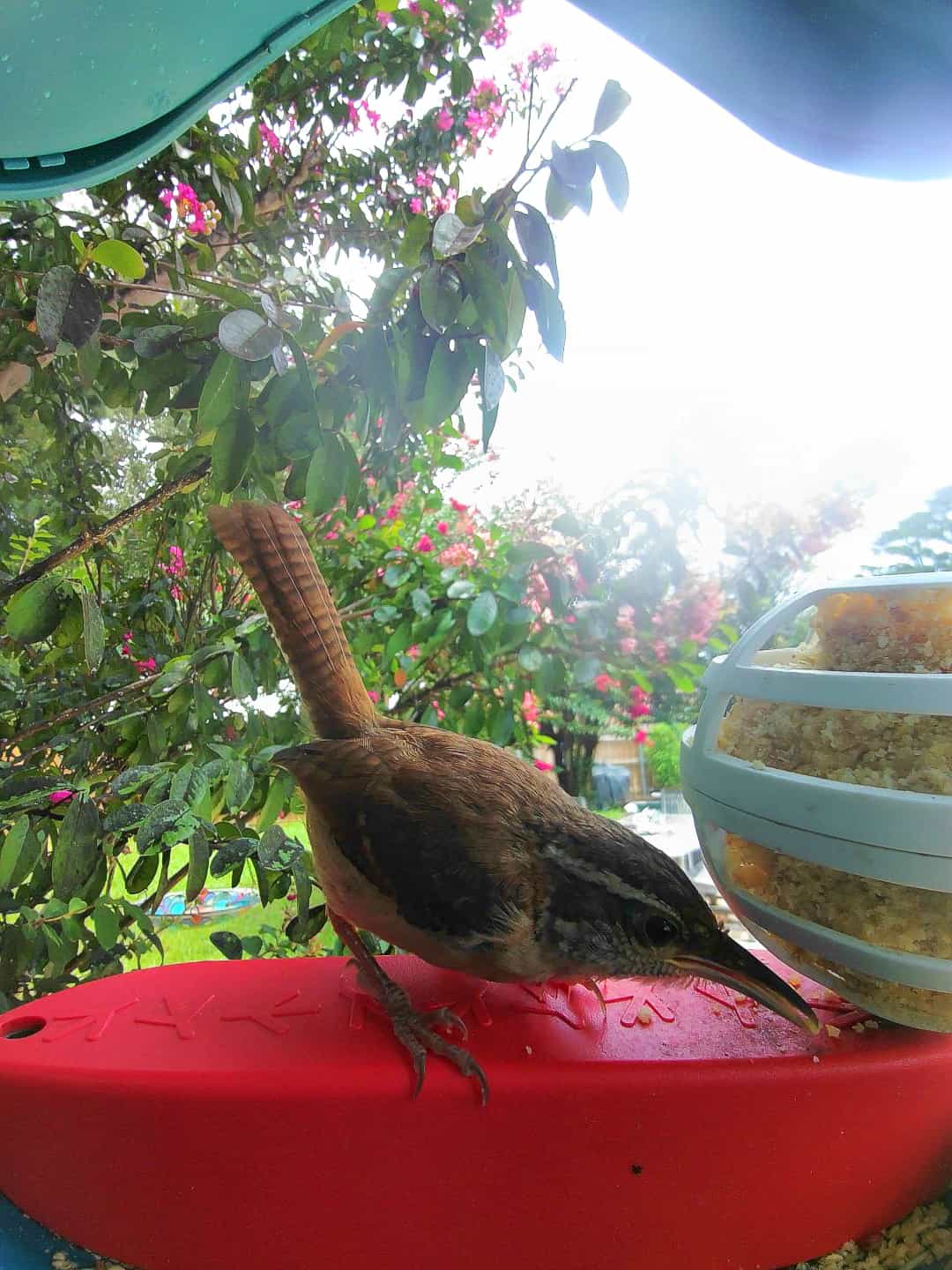
The Carolina wren was chosen as the state bird of South Carolina because it is commonly found in the region and represents the state's natural beauty and heritage.
Common bird species in Charleston
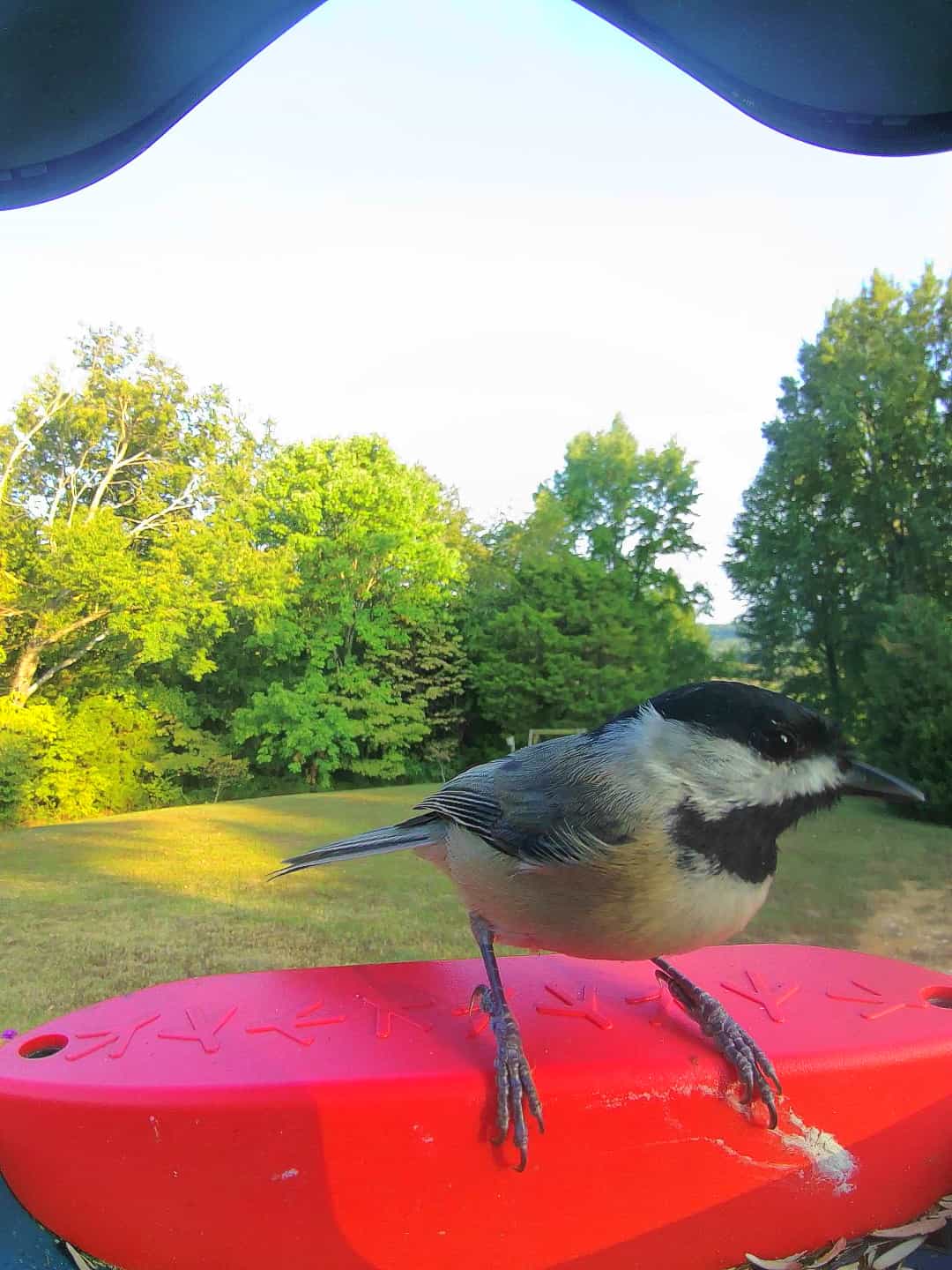
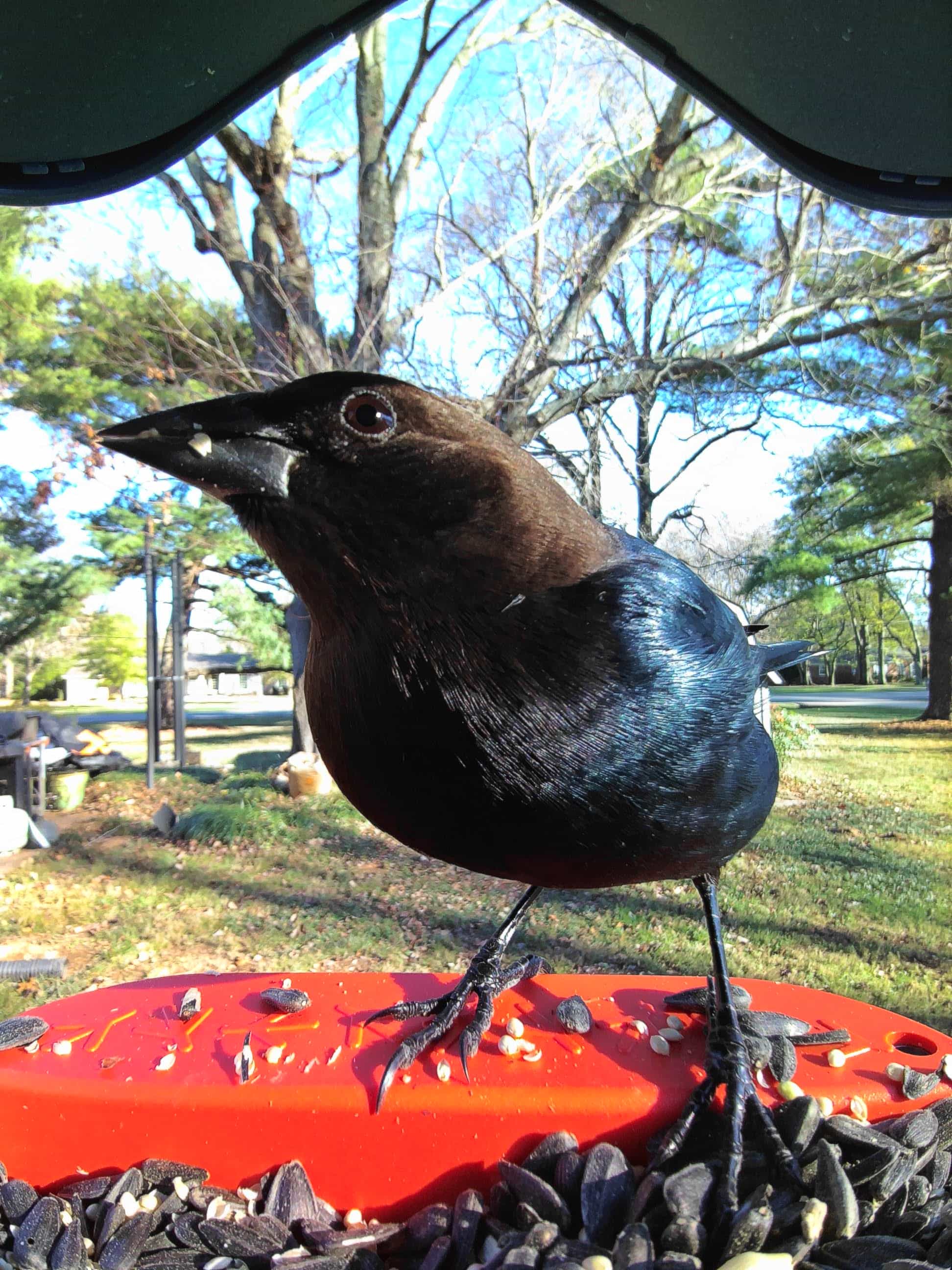
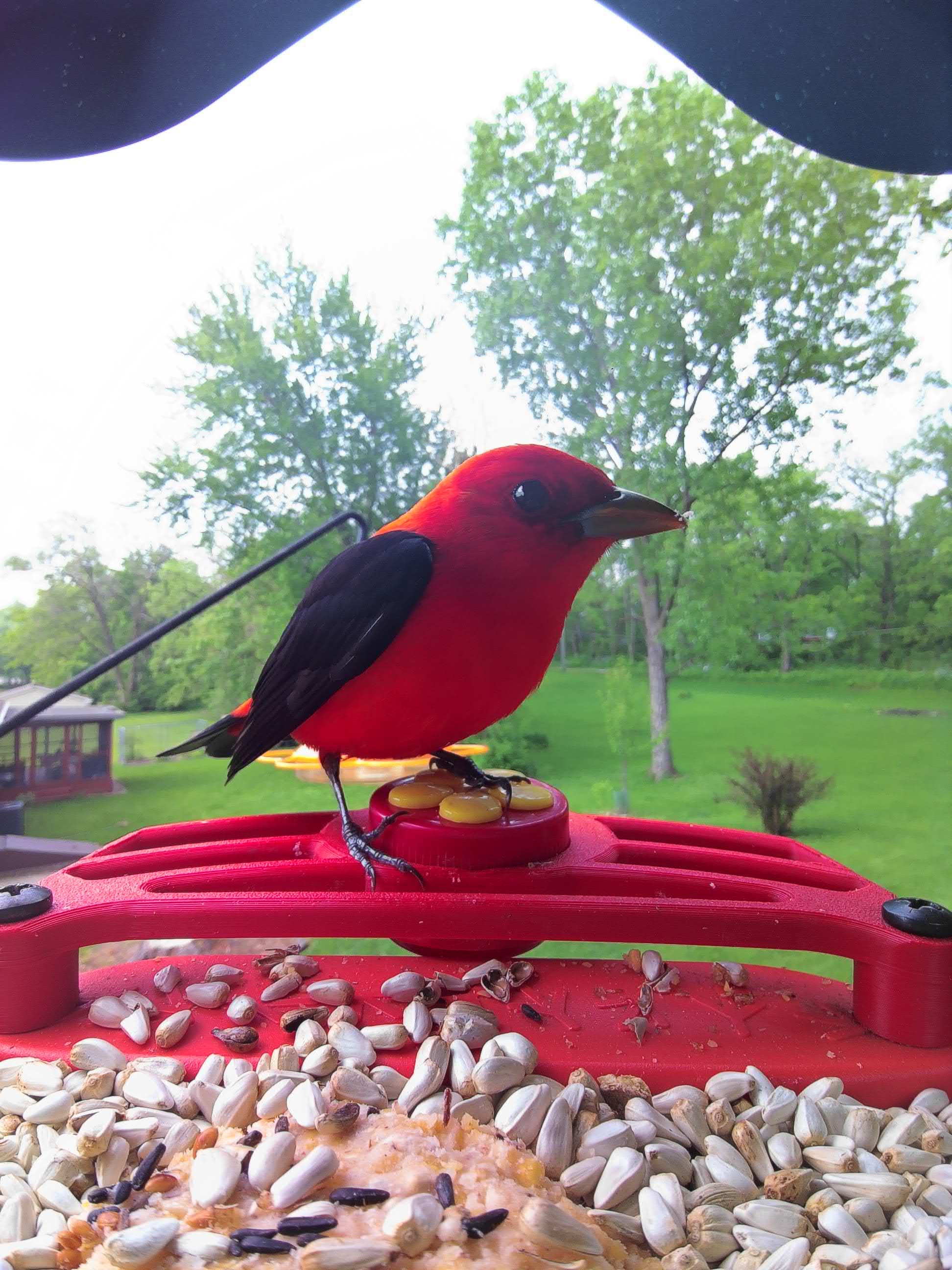
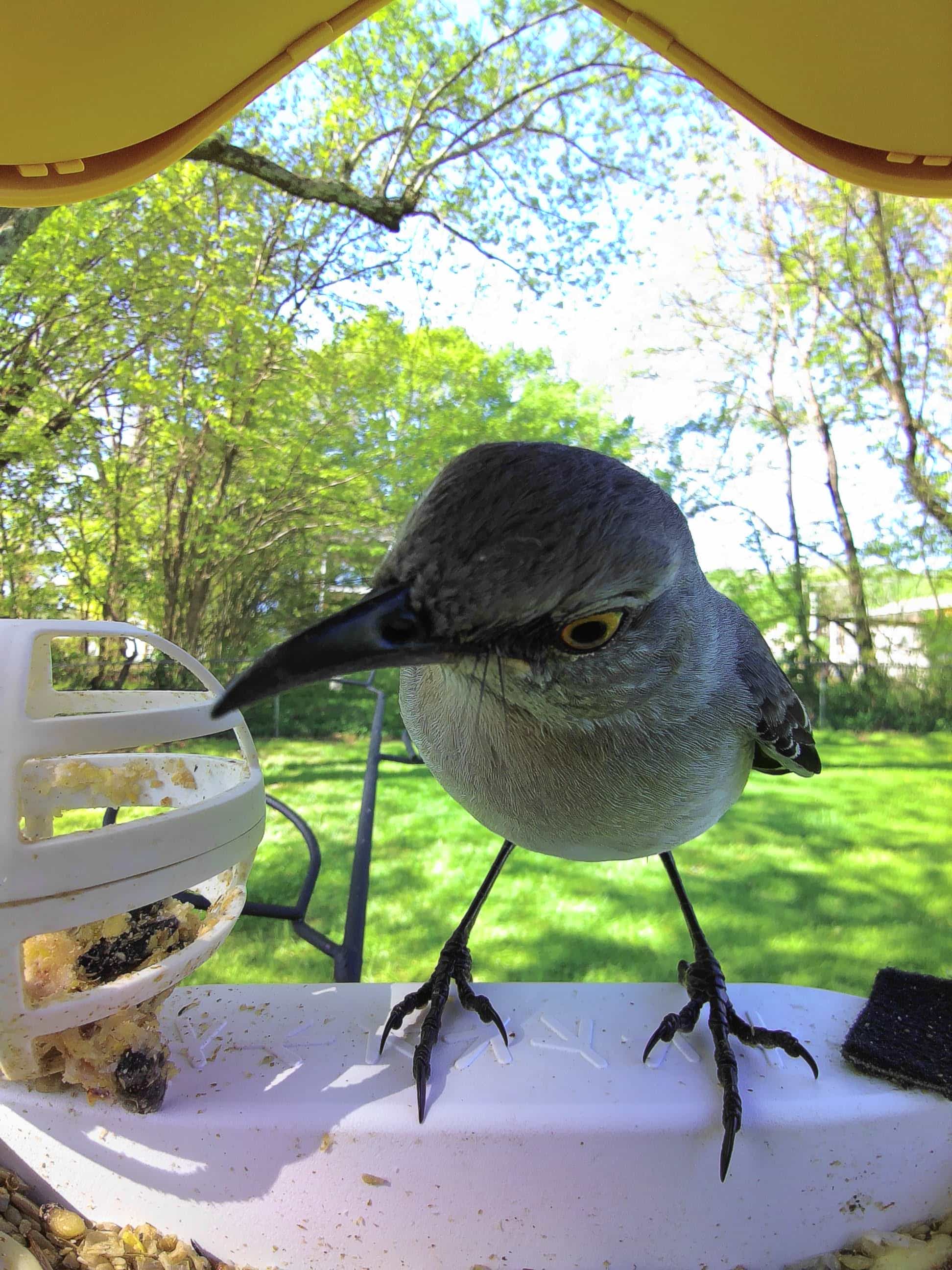
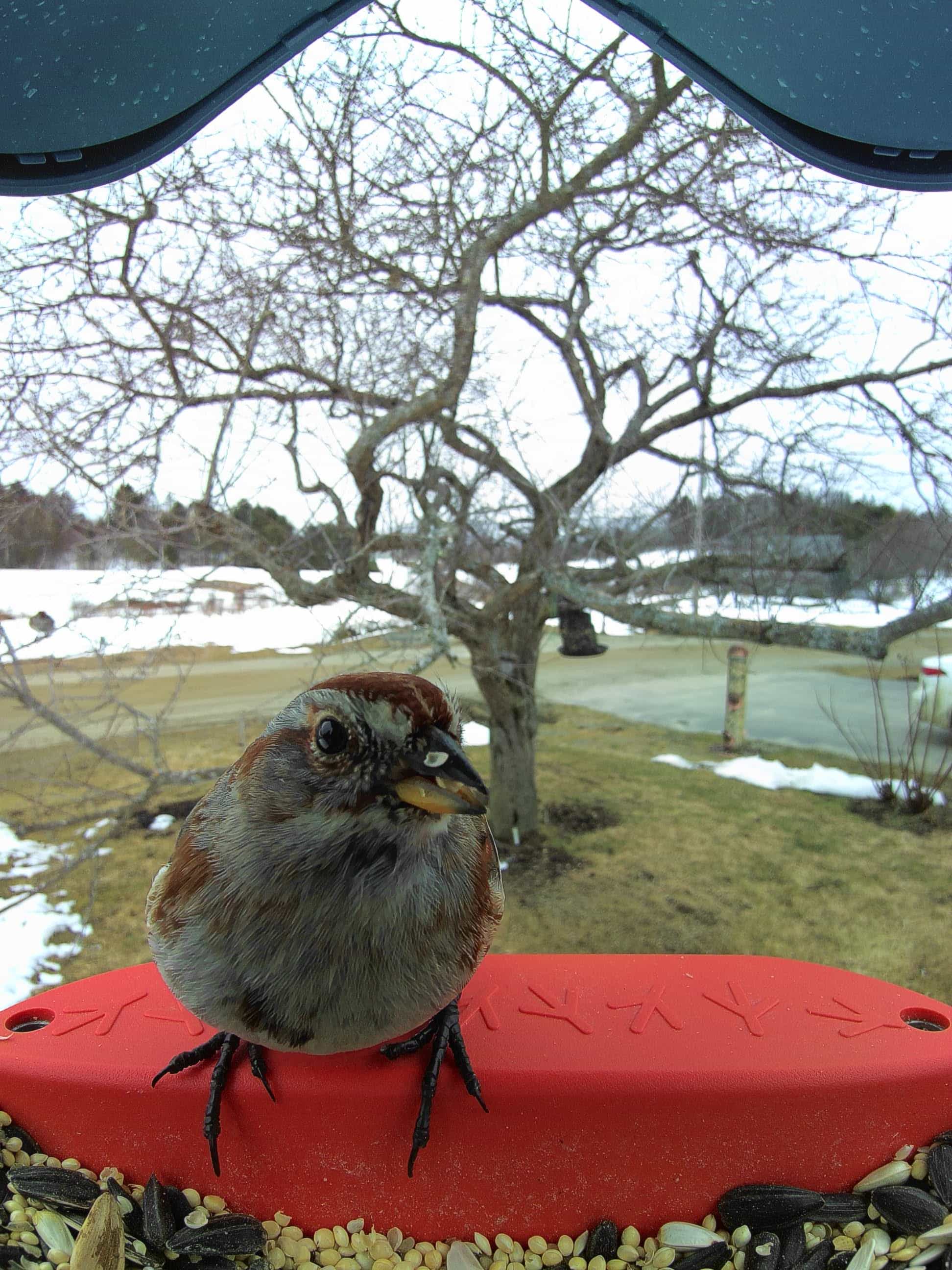
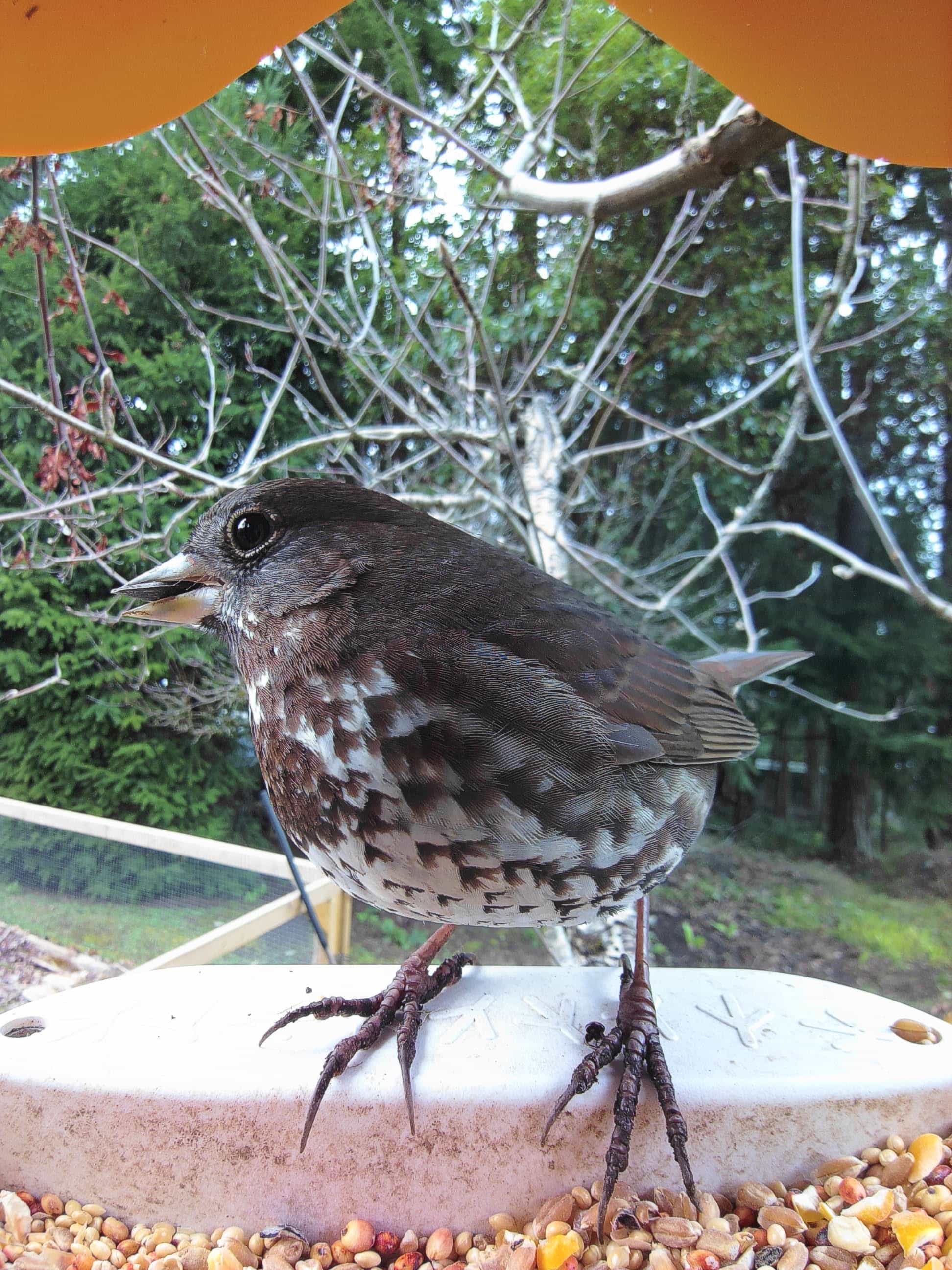
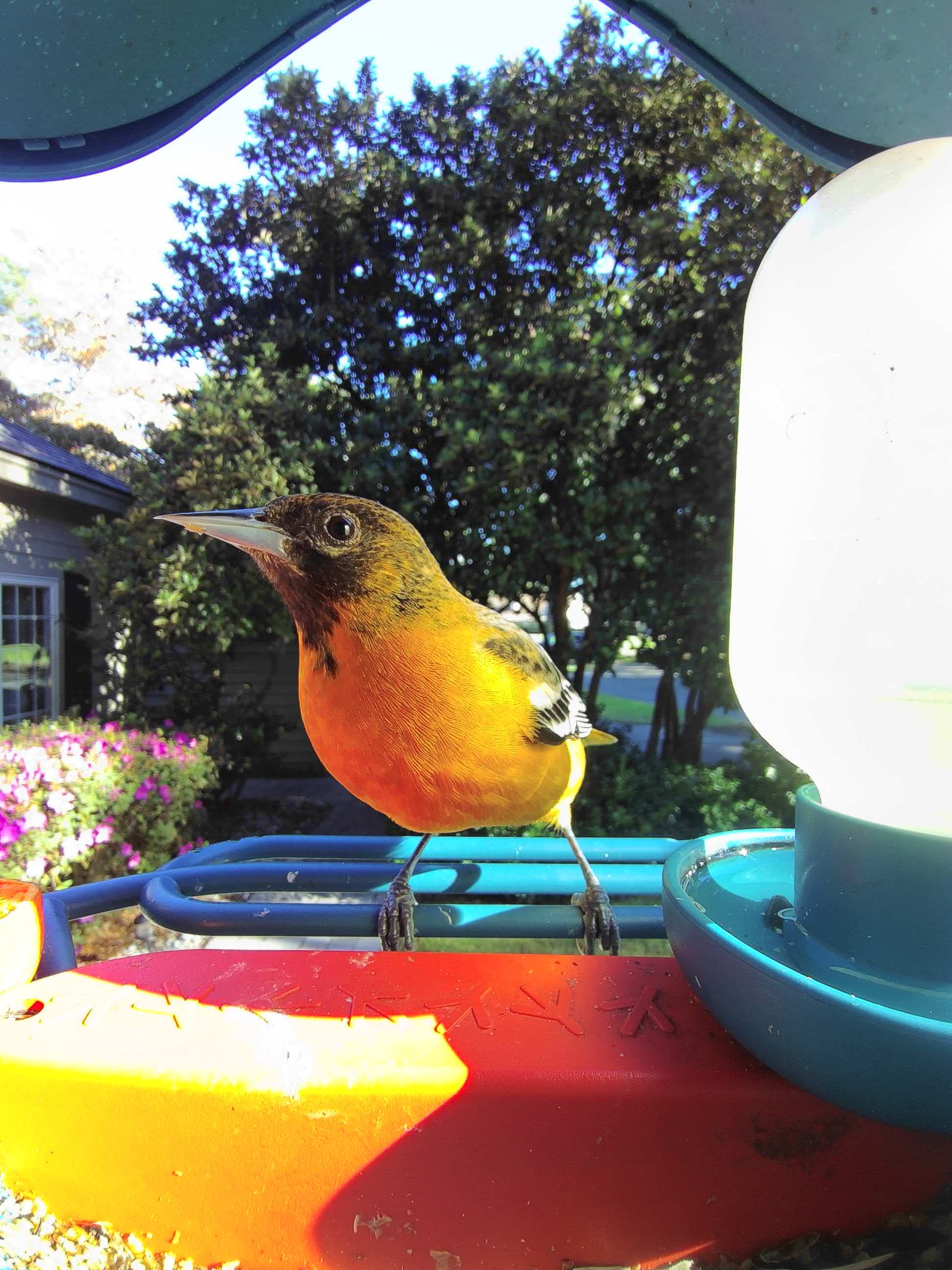
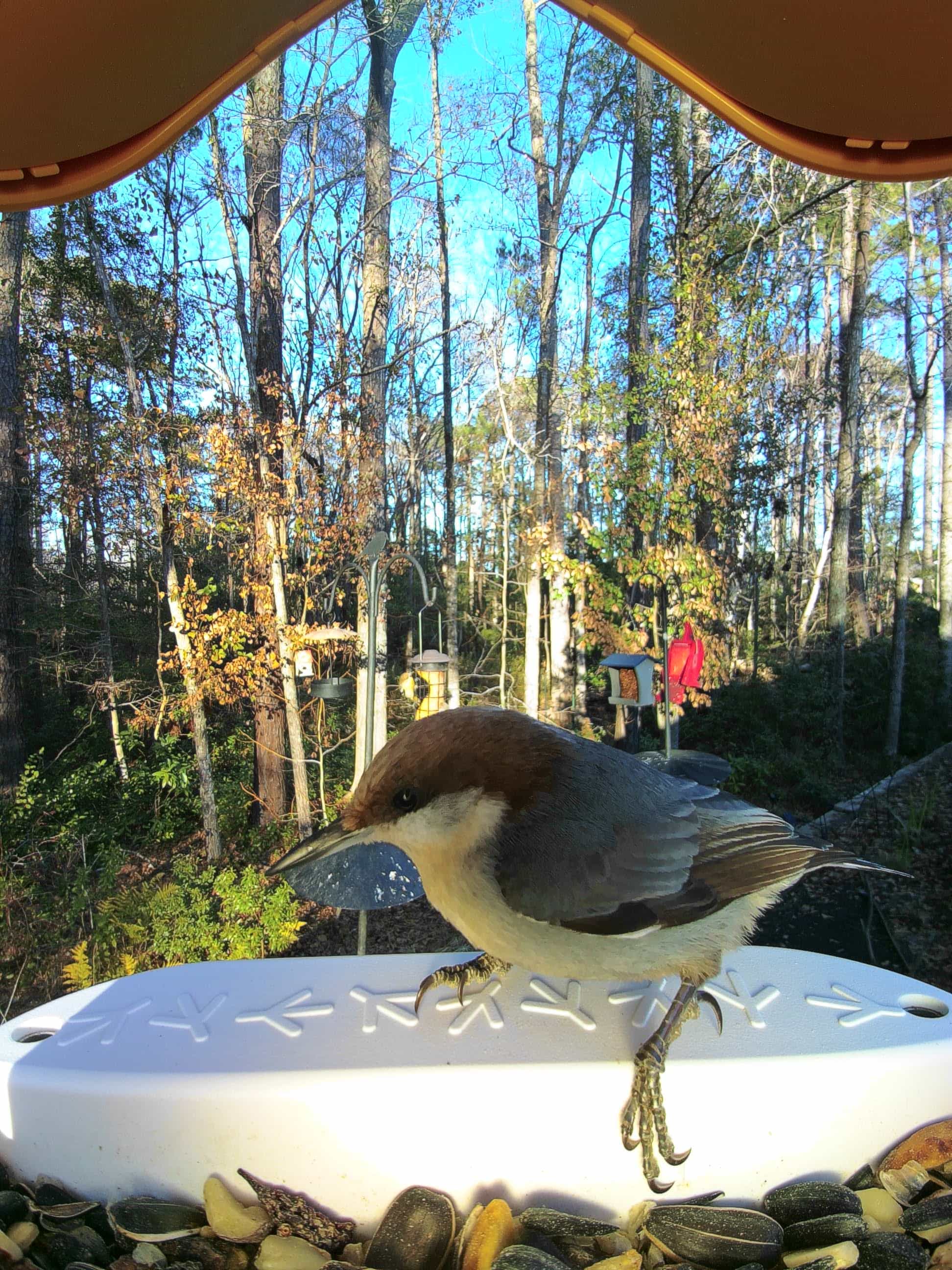
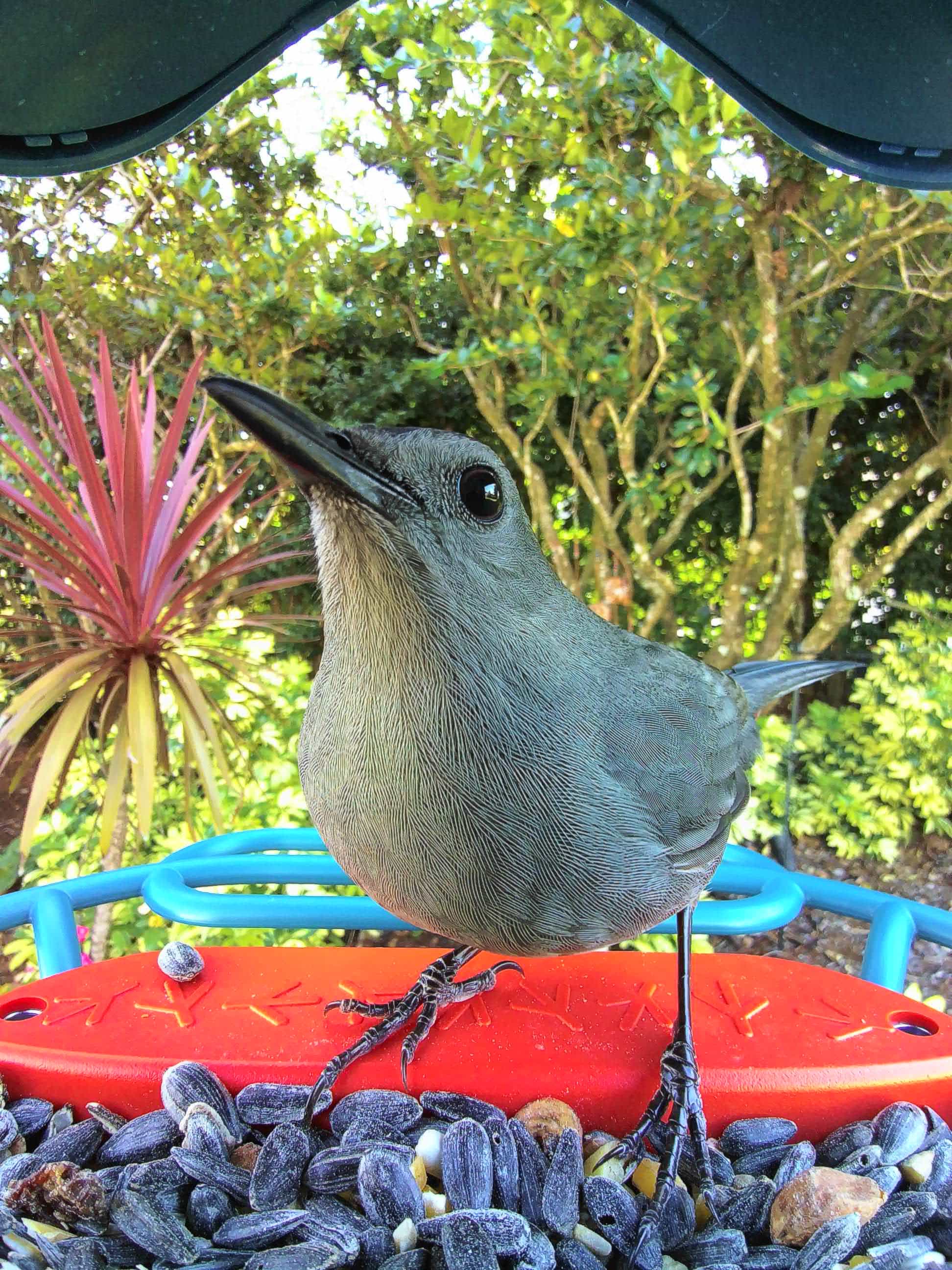
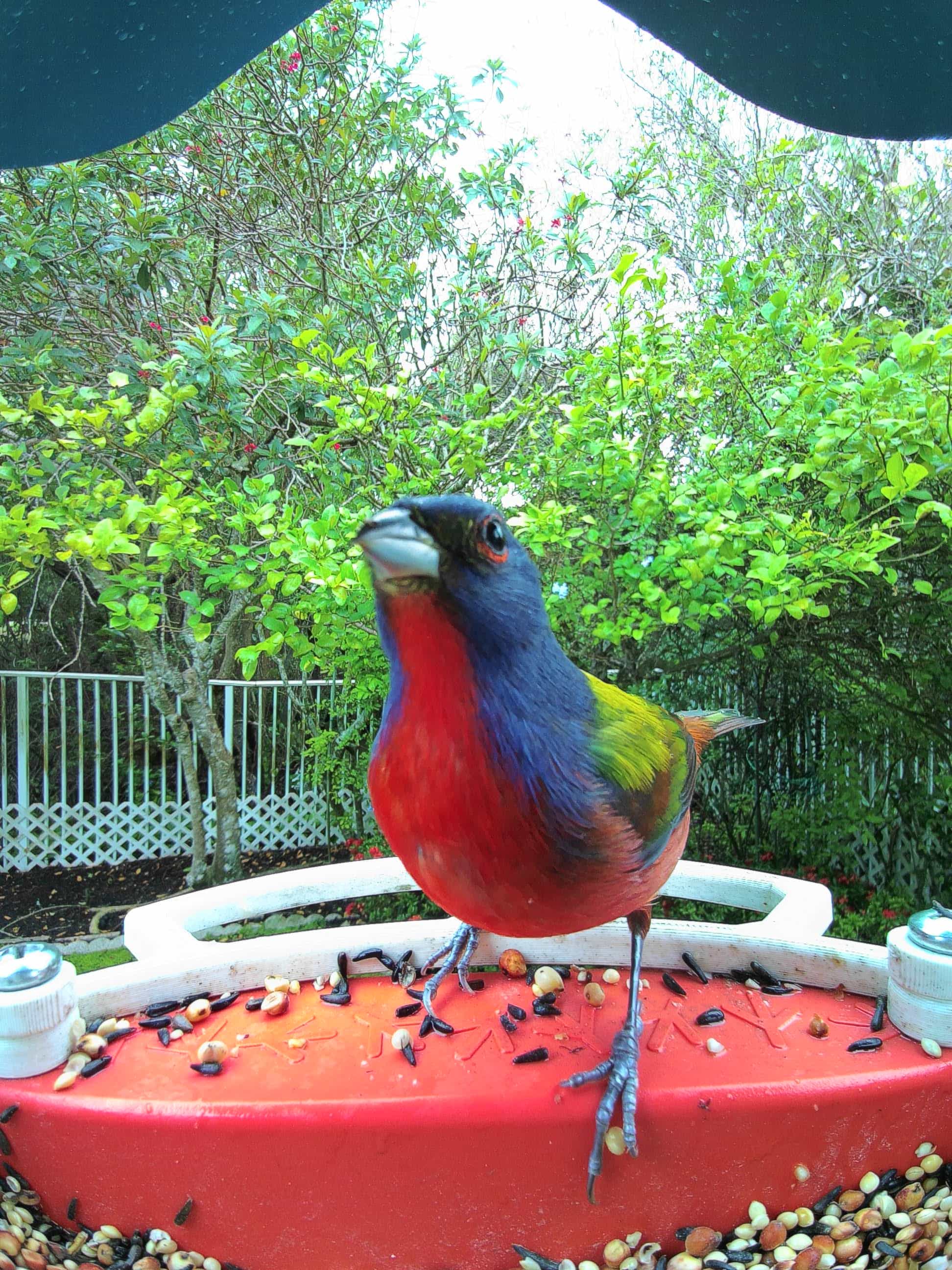
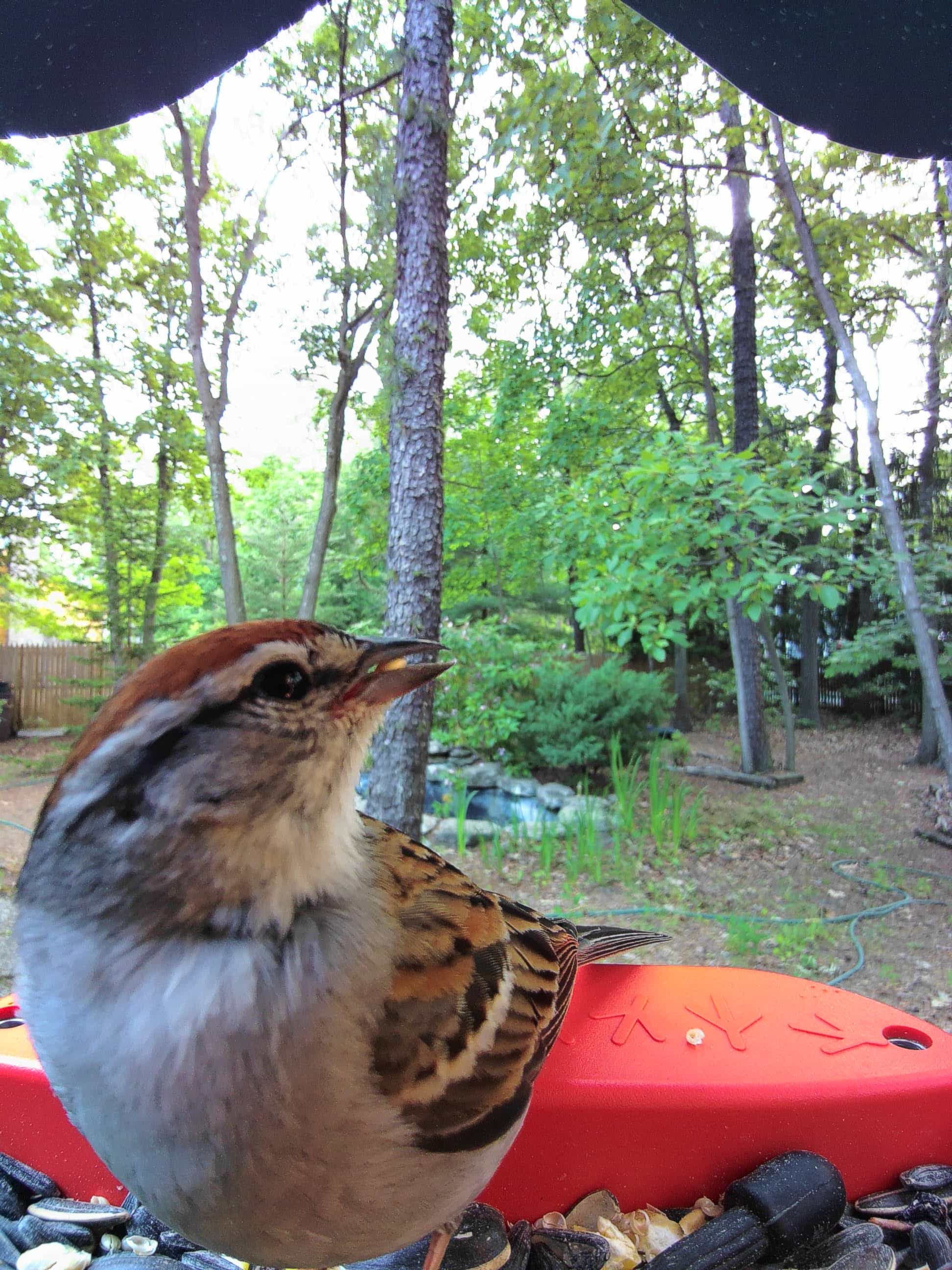
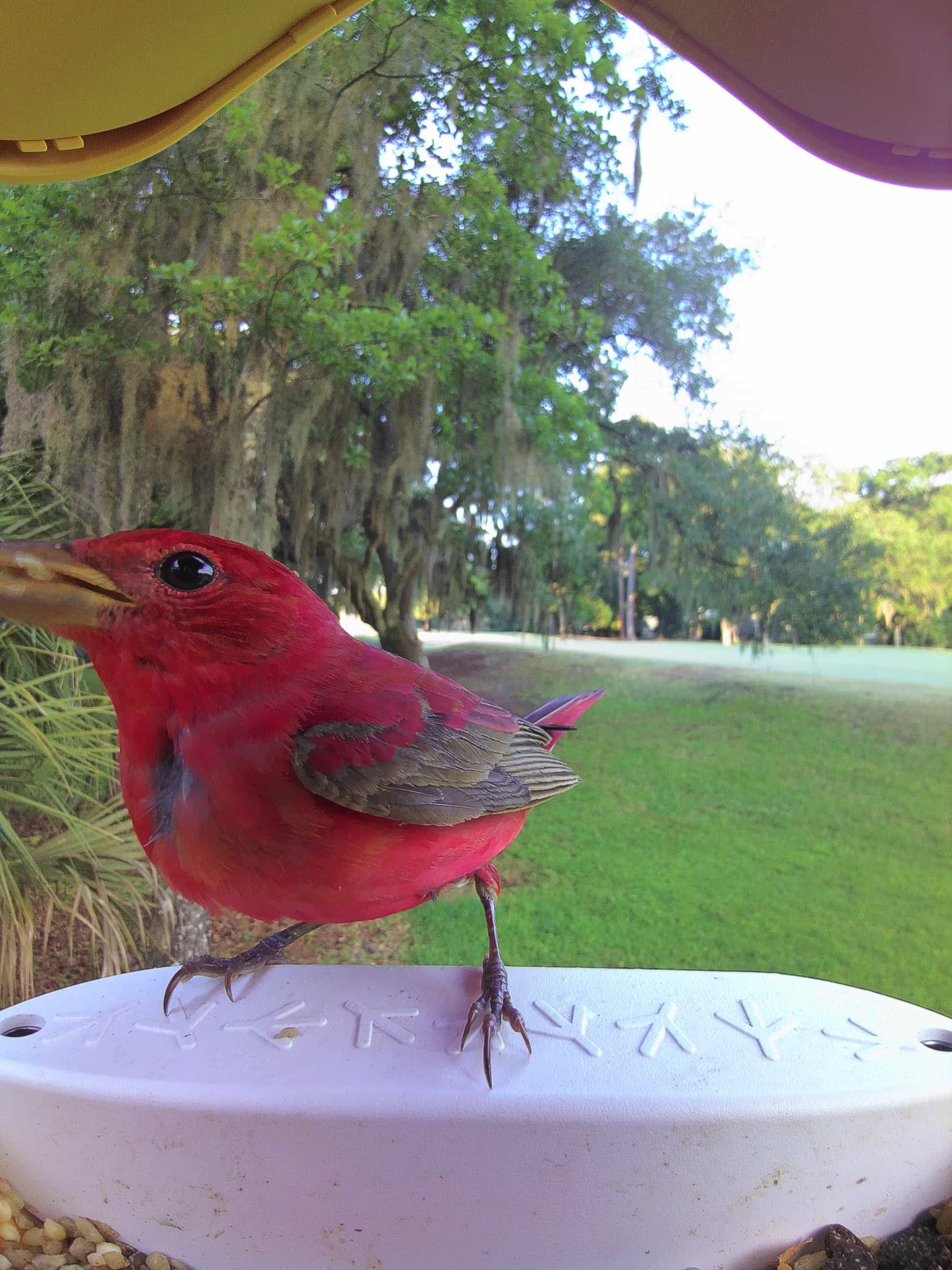
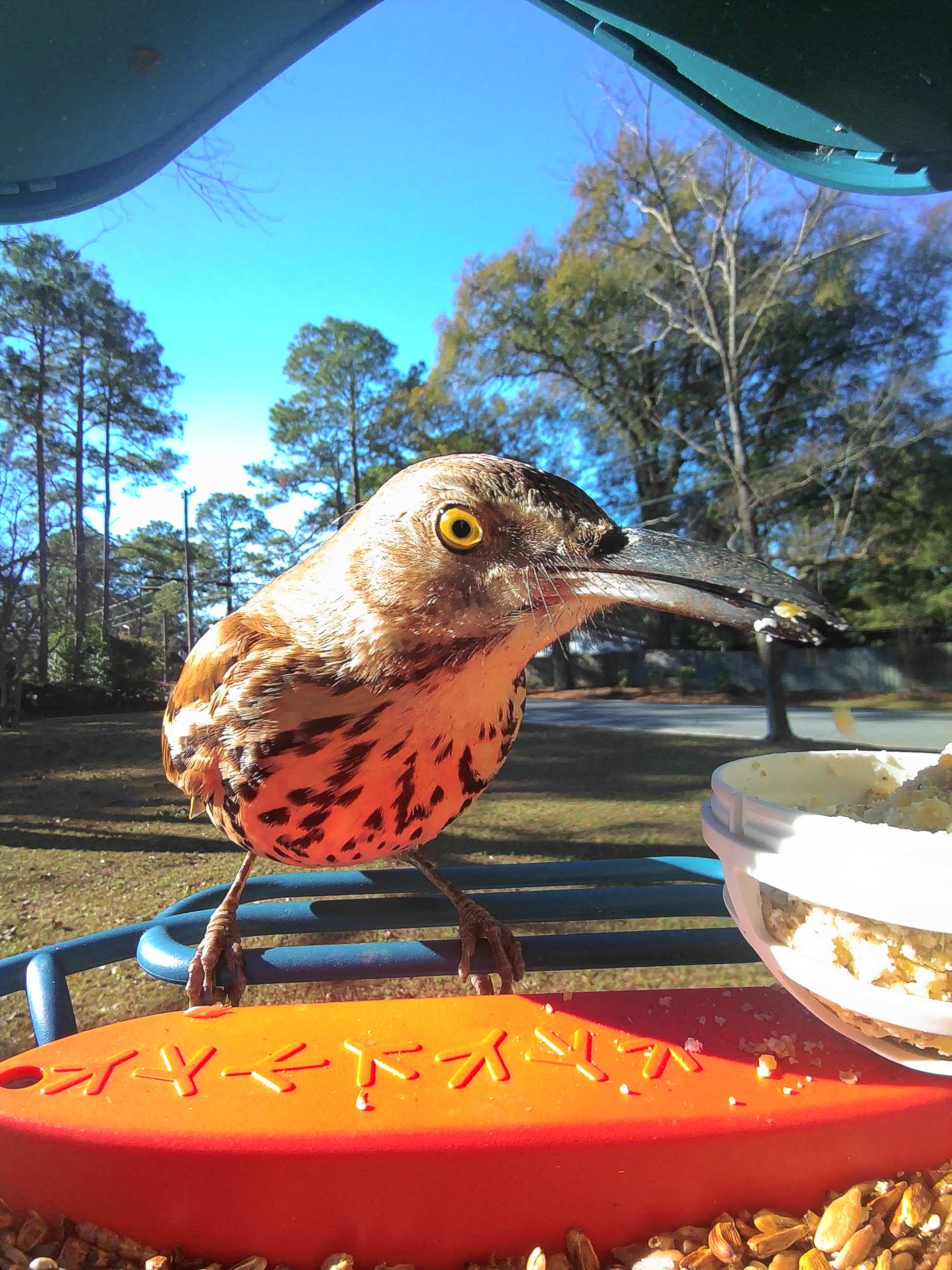
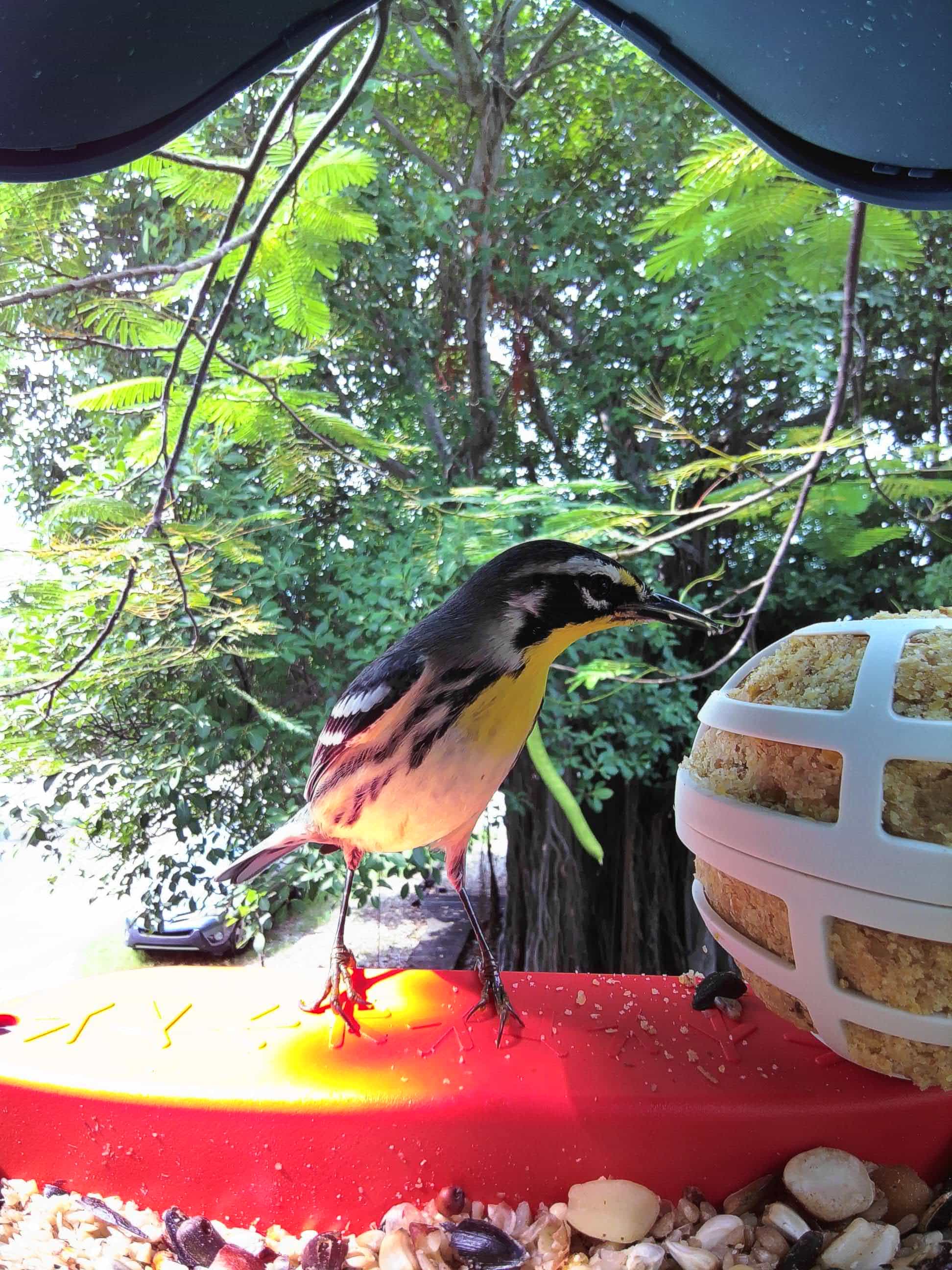
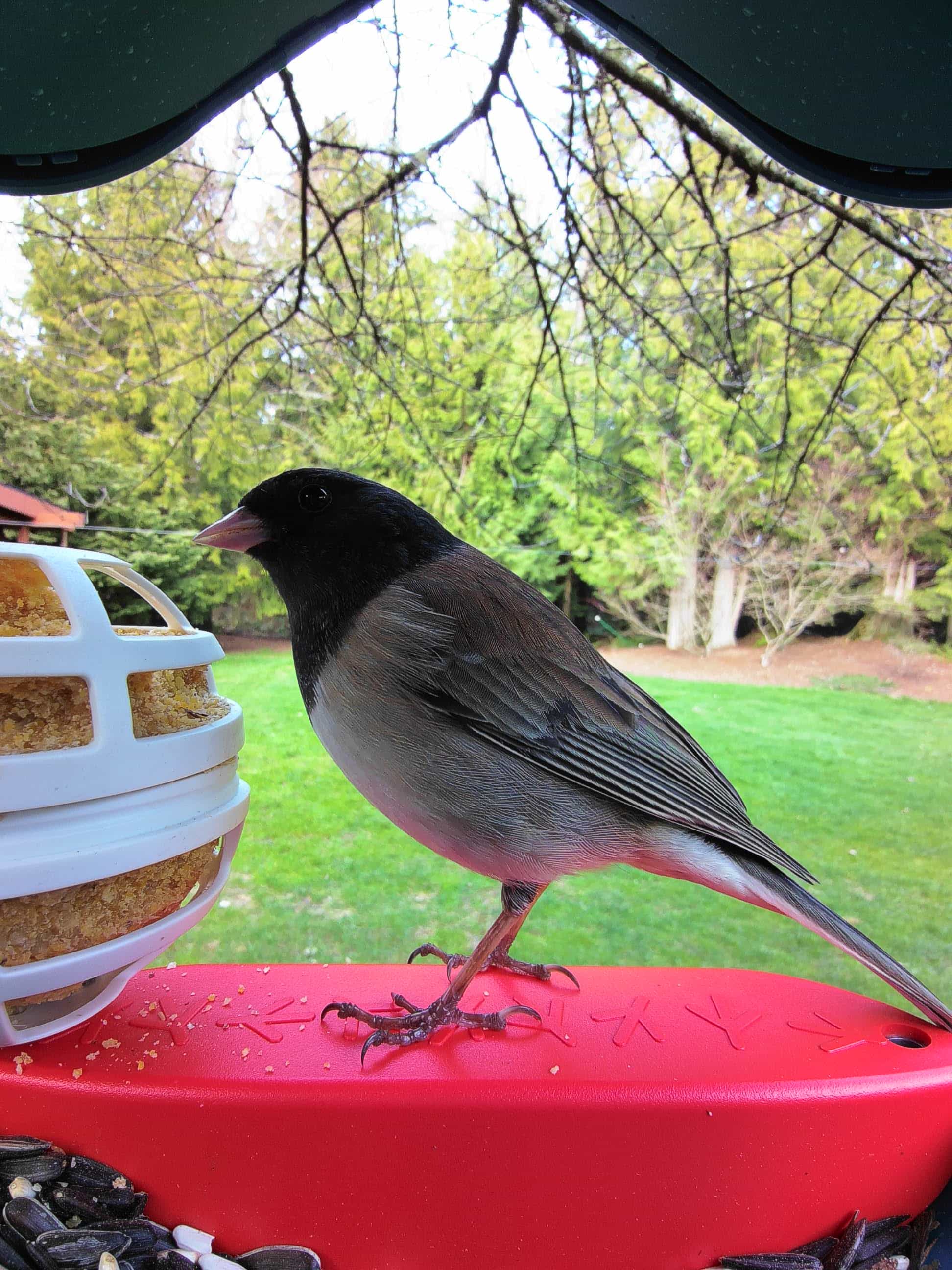
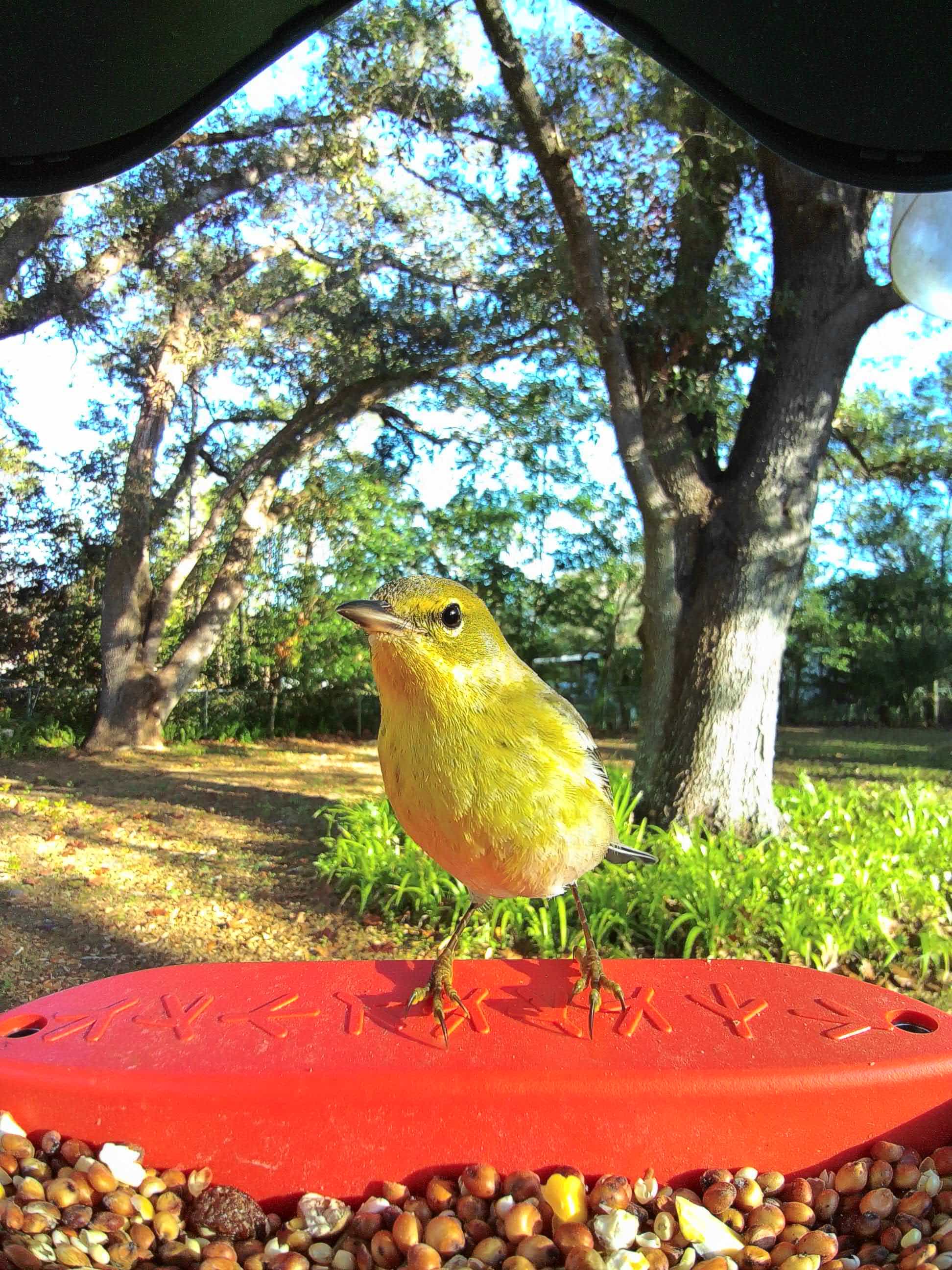
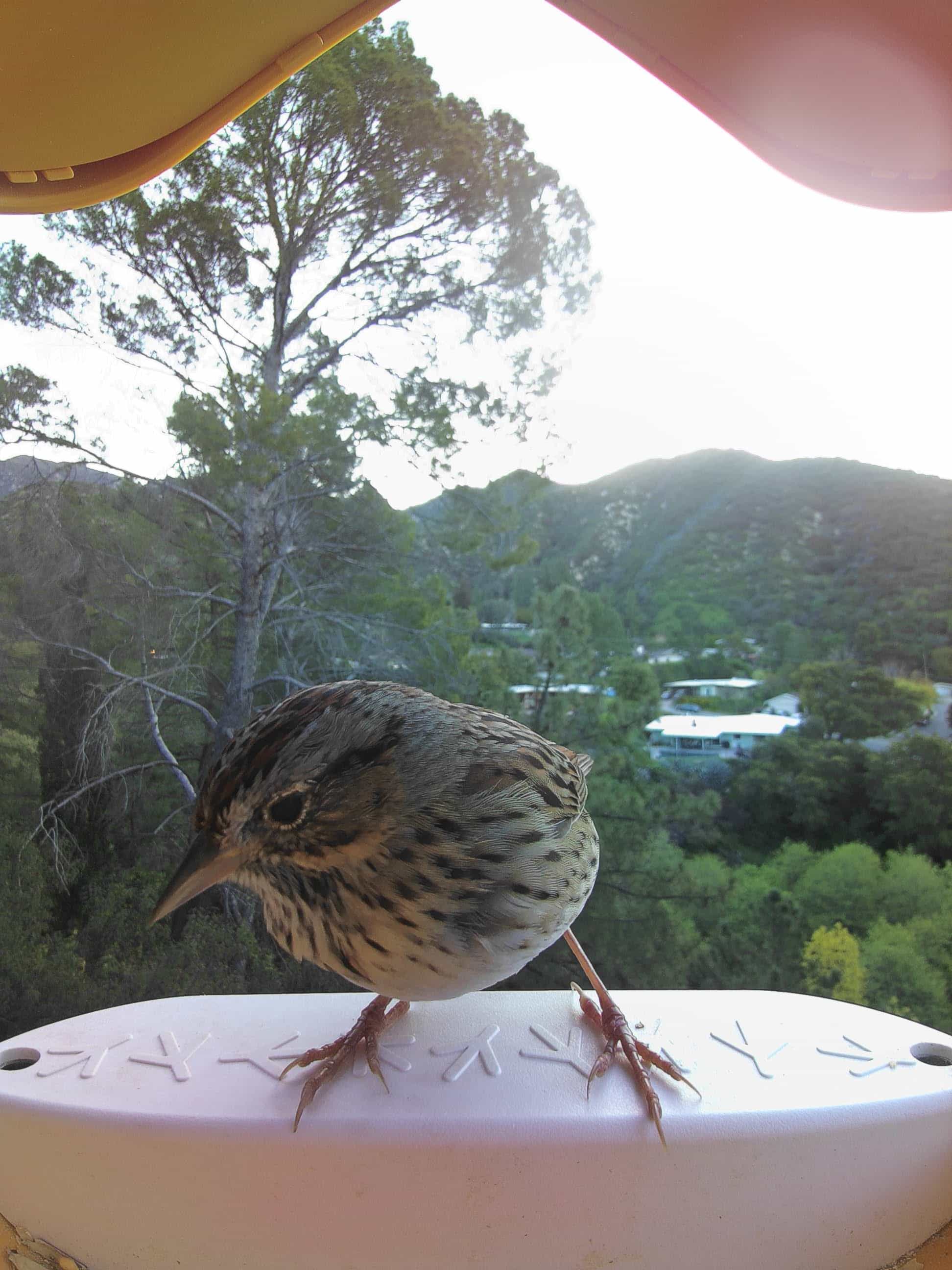
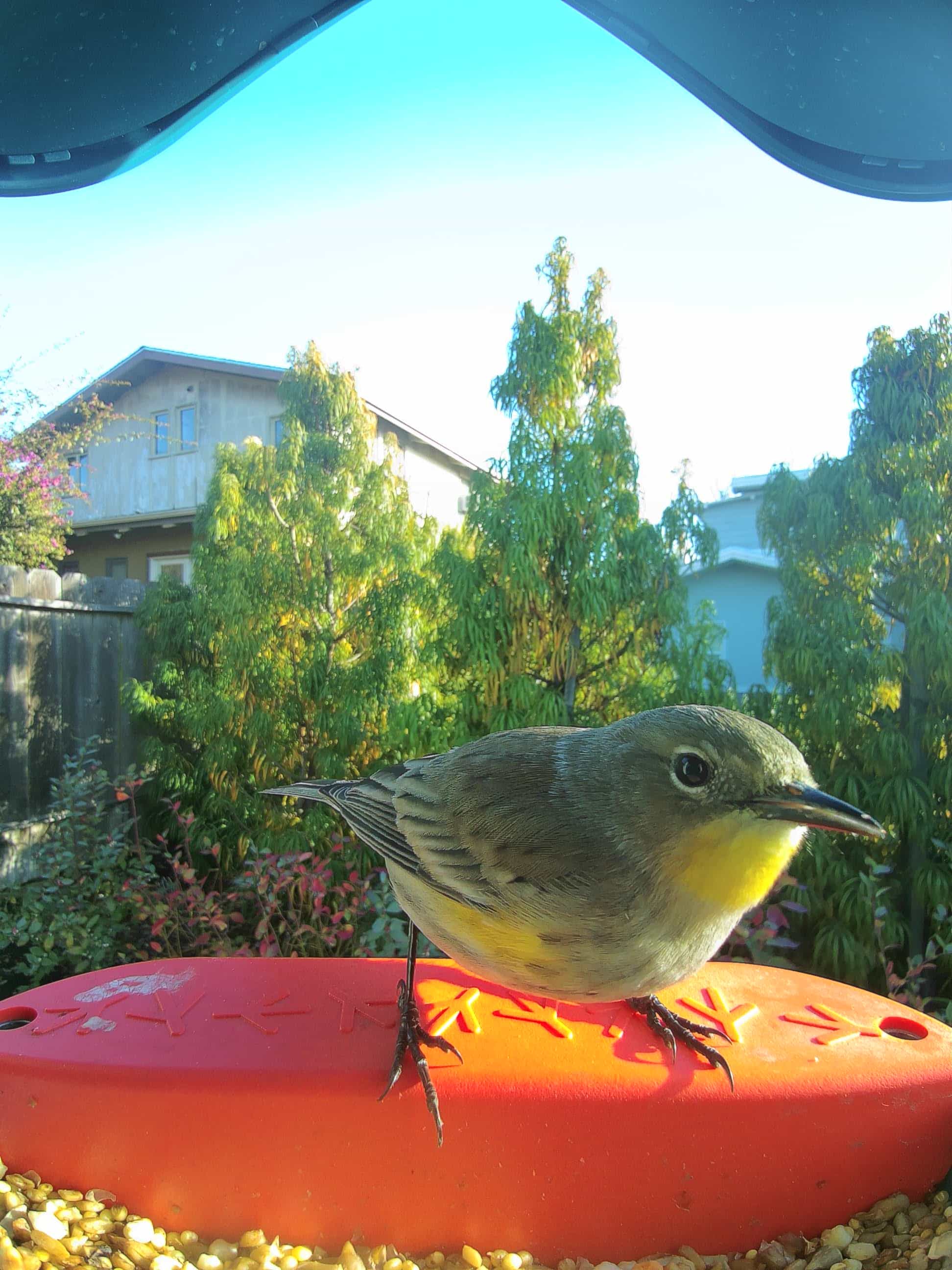
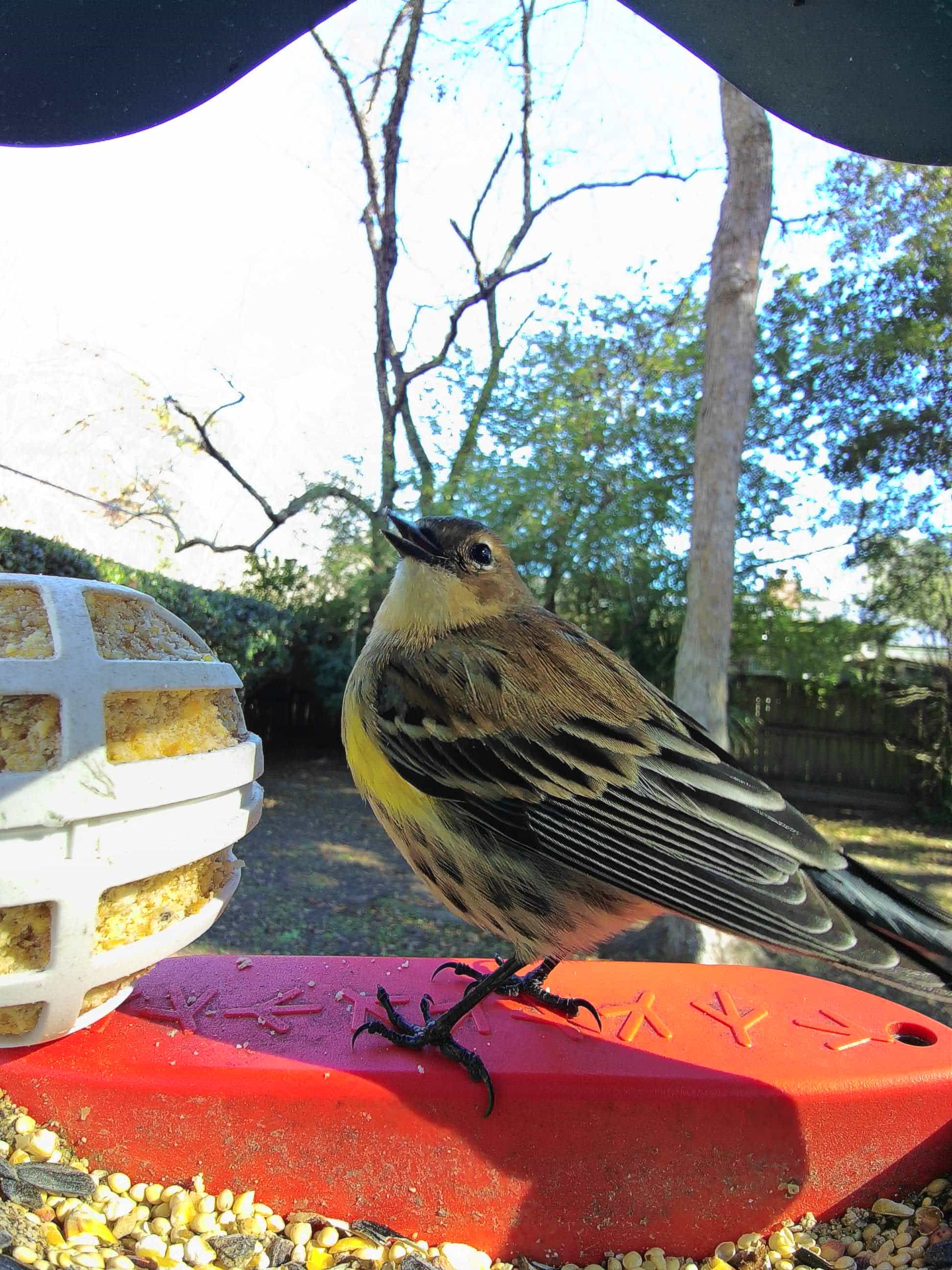
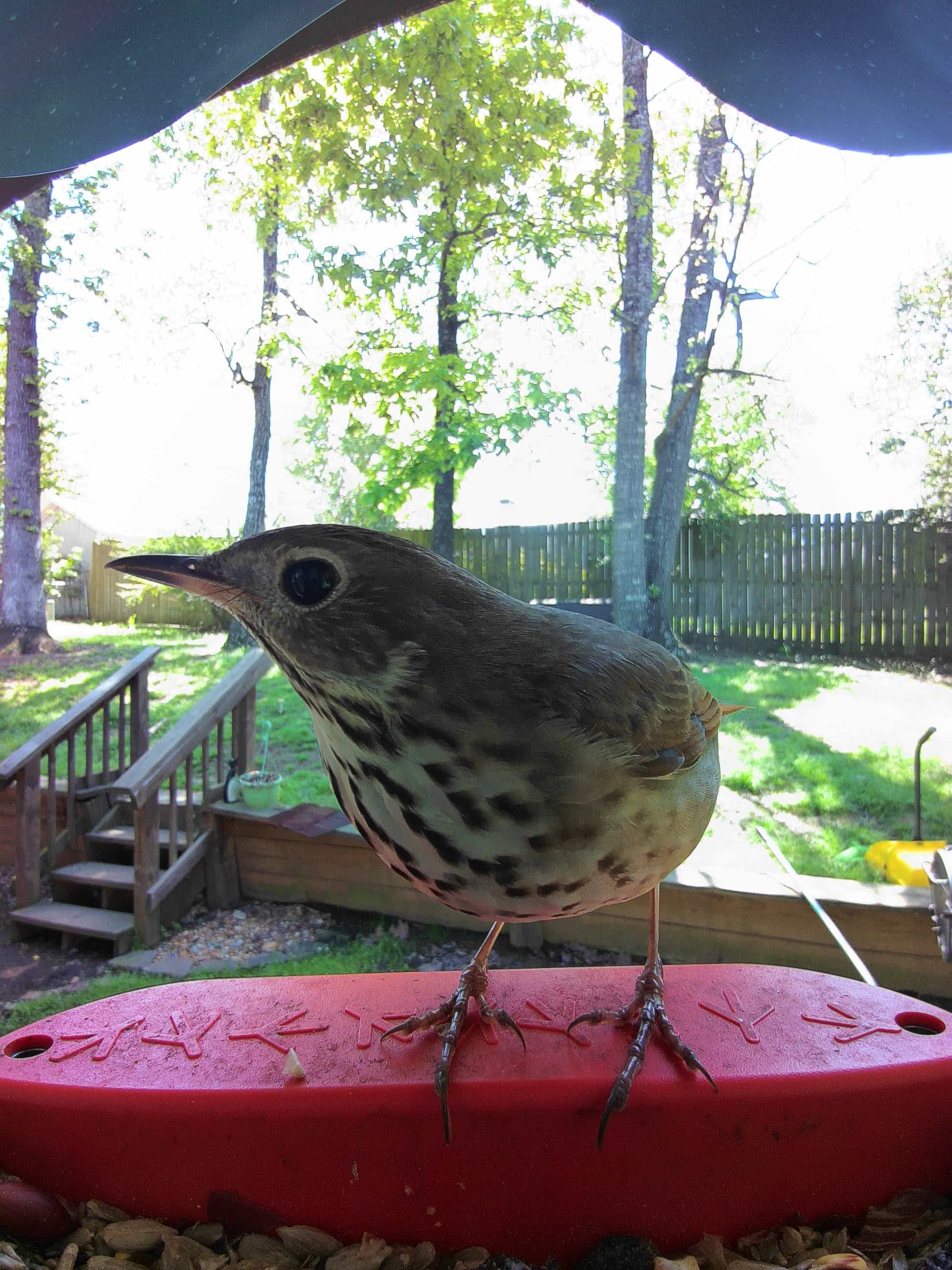
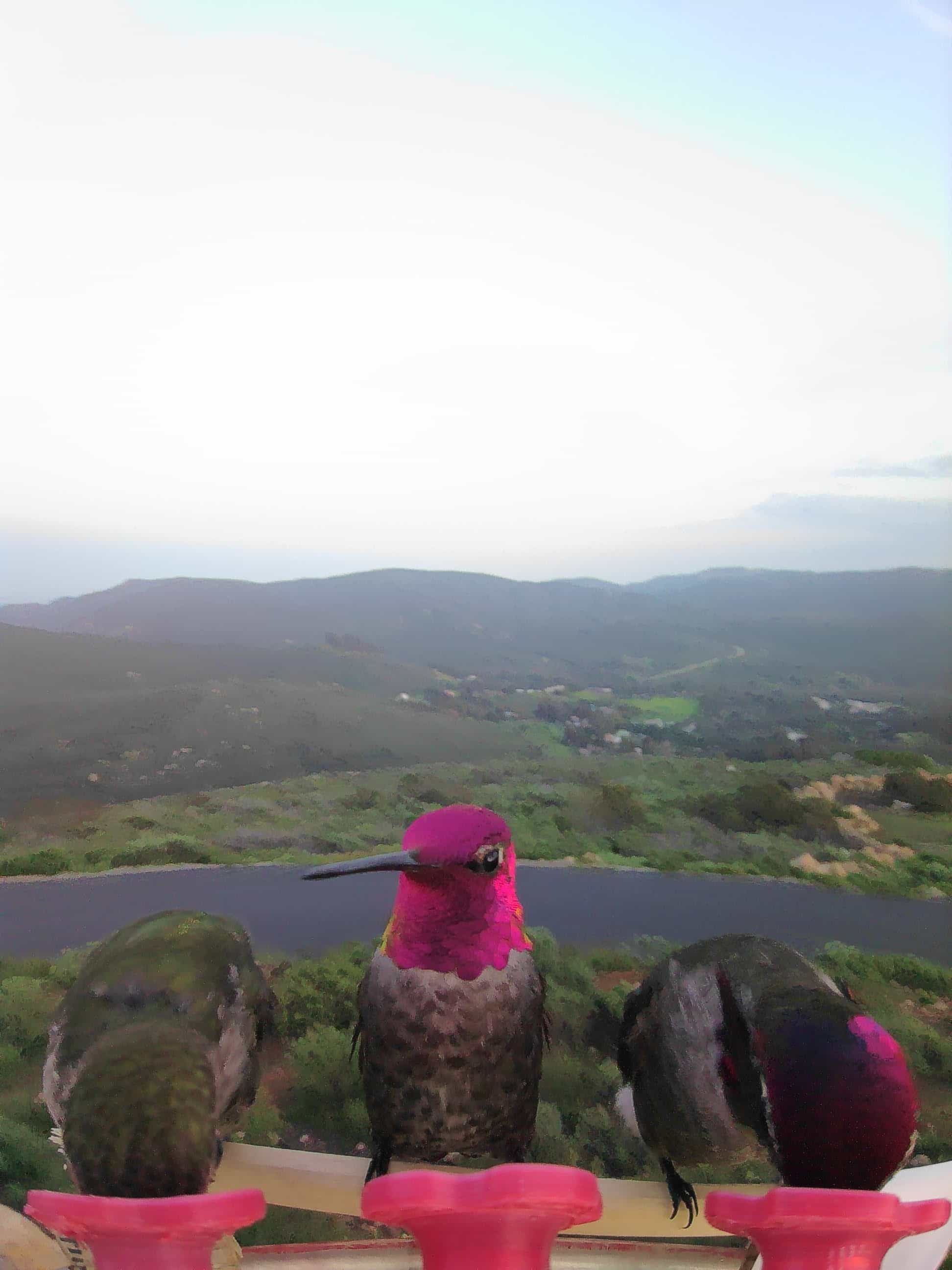
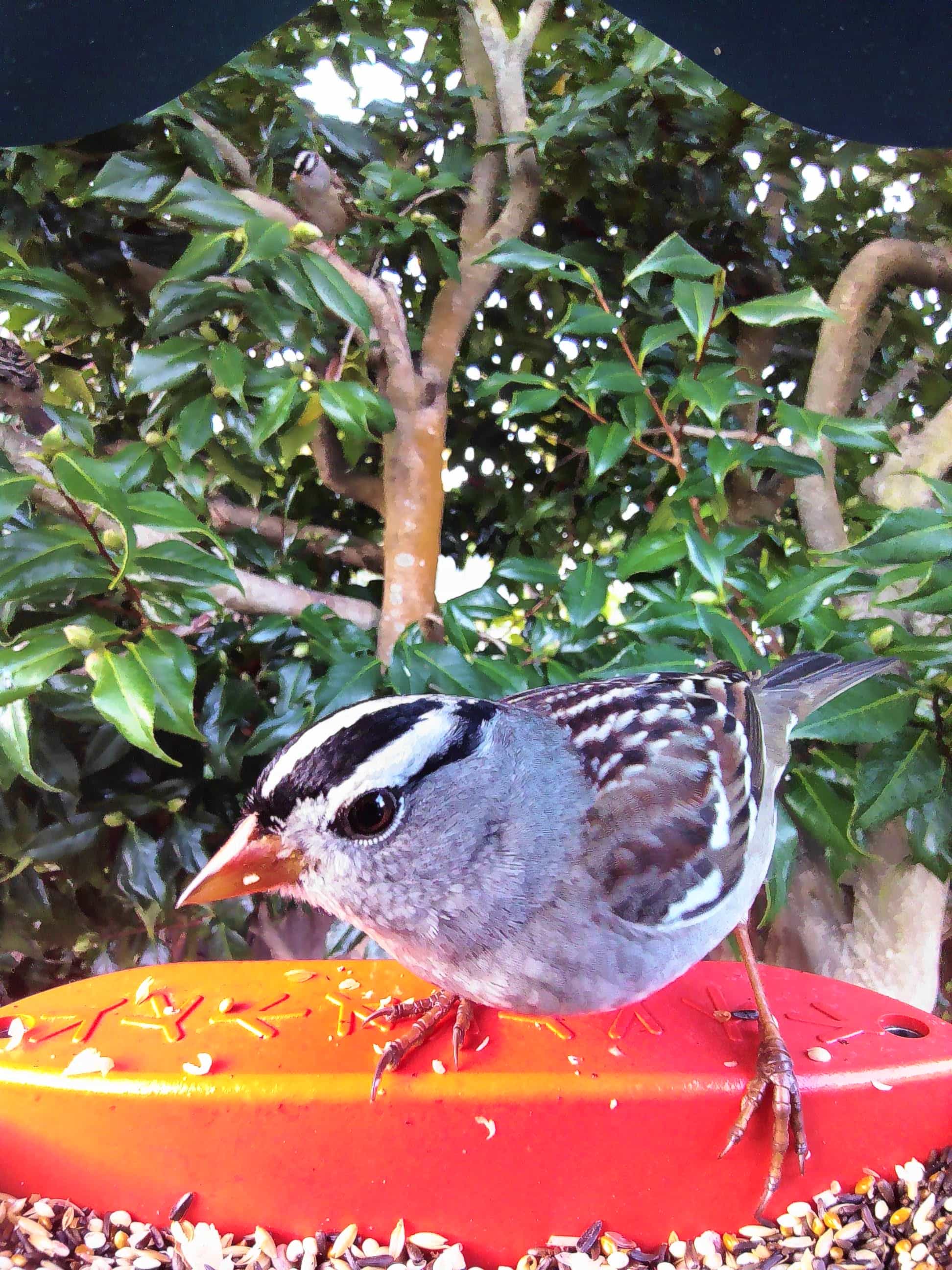
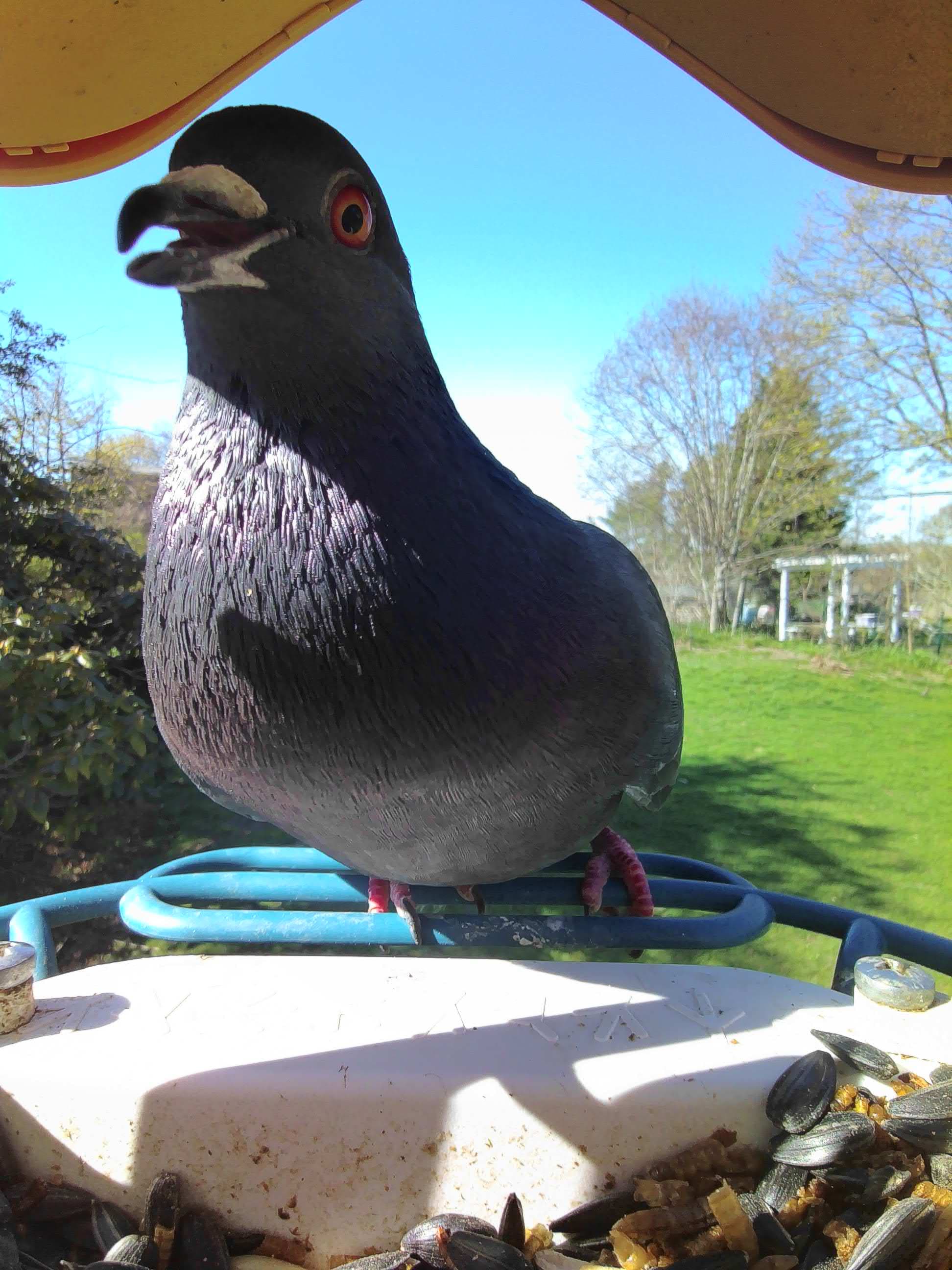
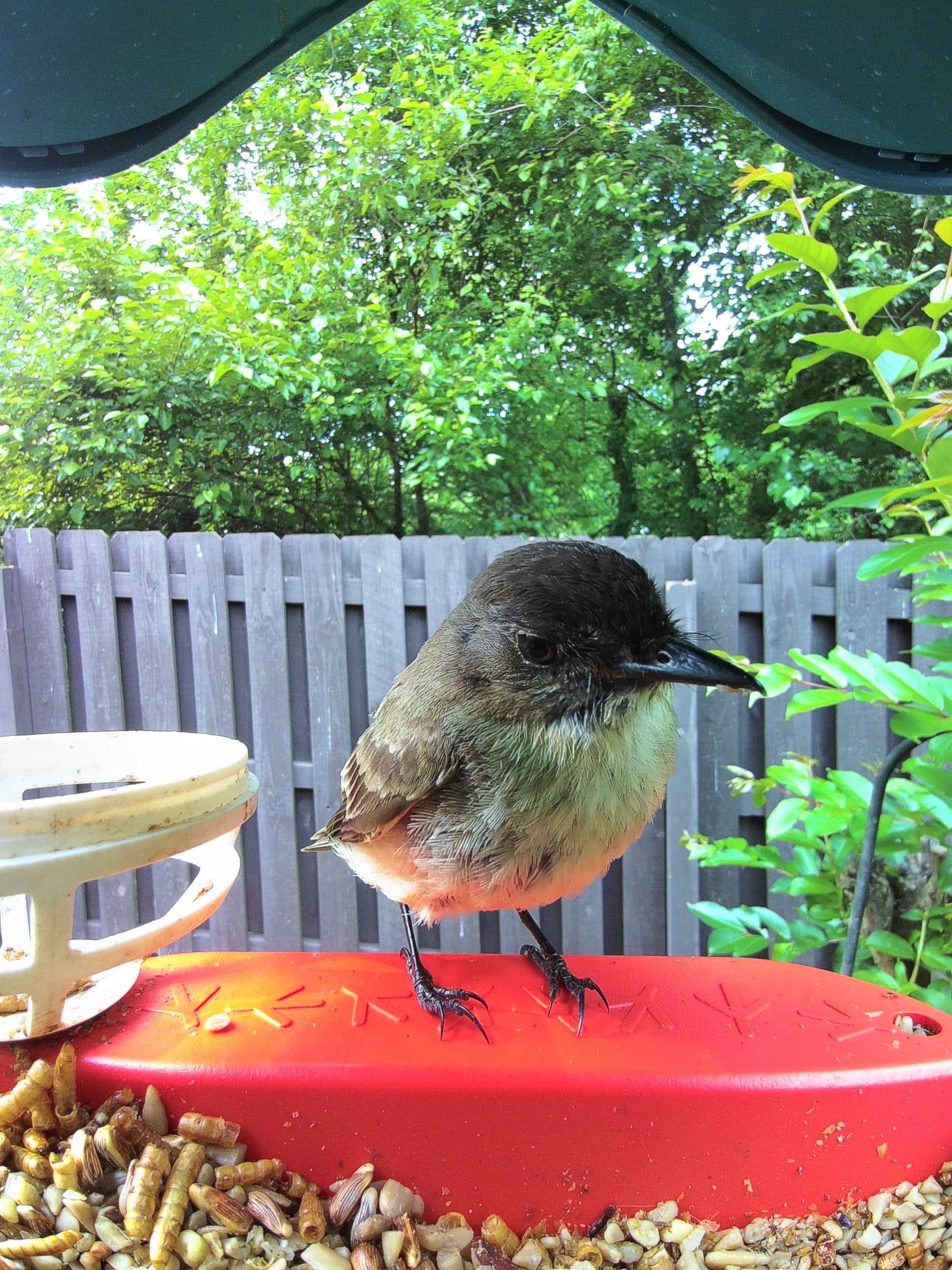
Birds seen on Birdbuddy feeders in Charleston
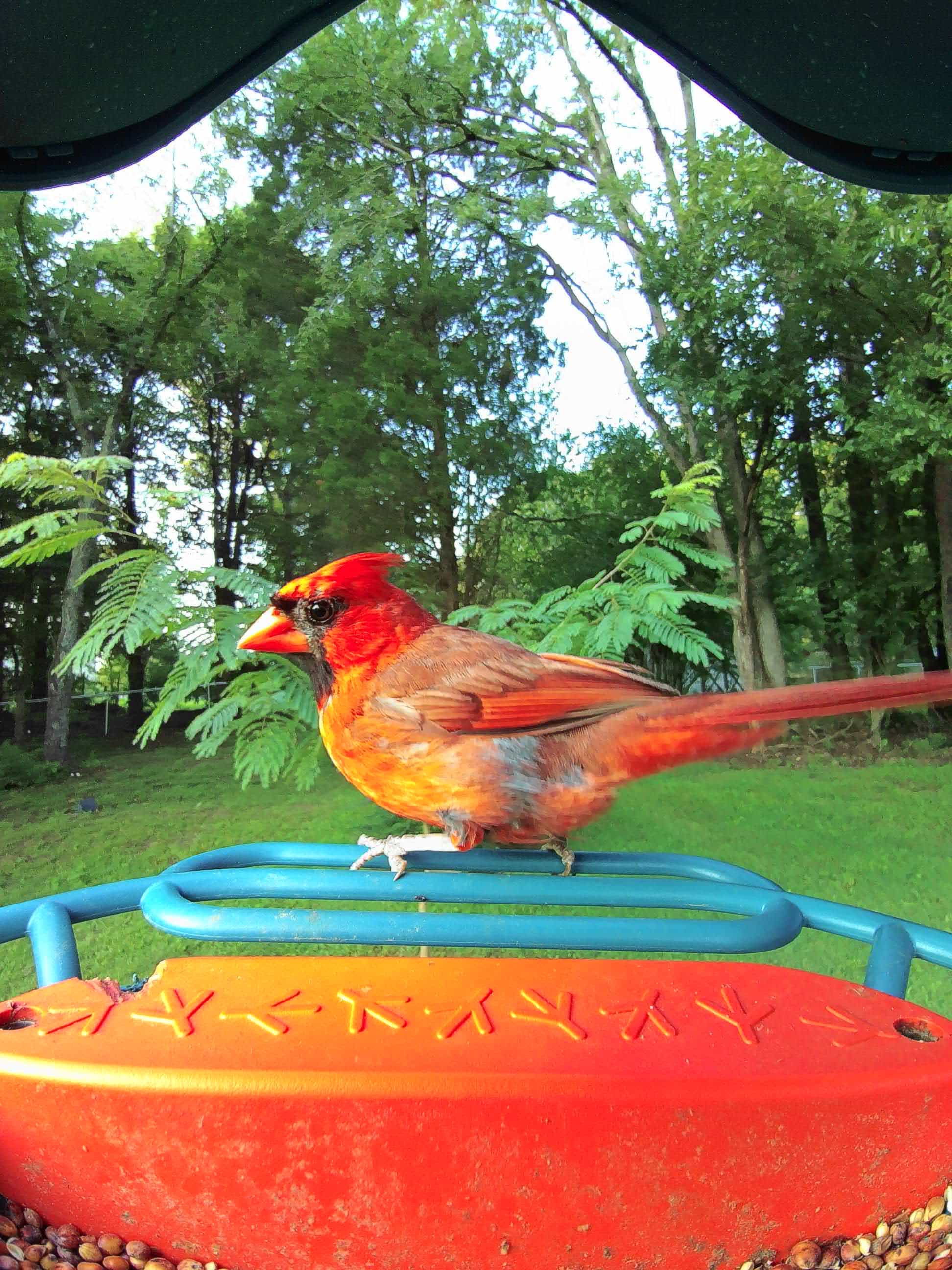
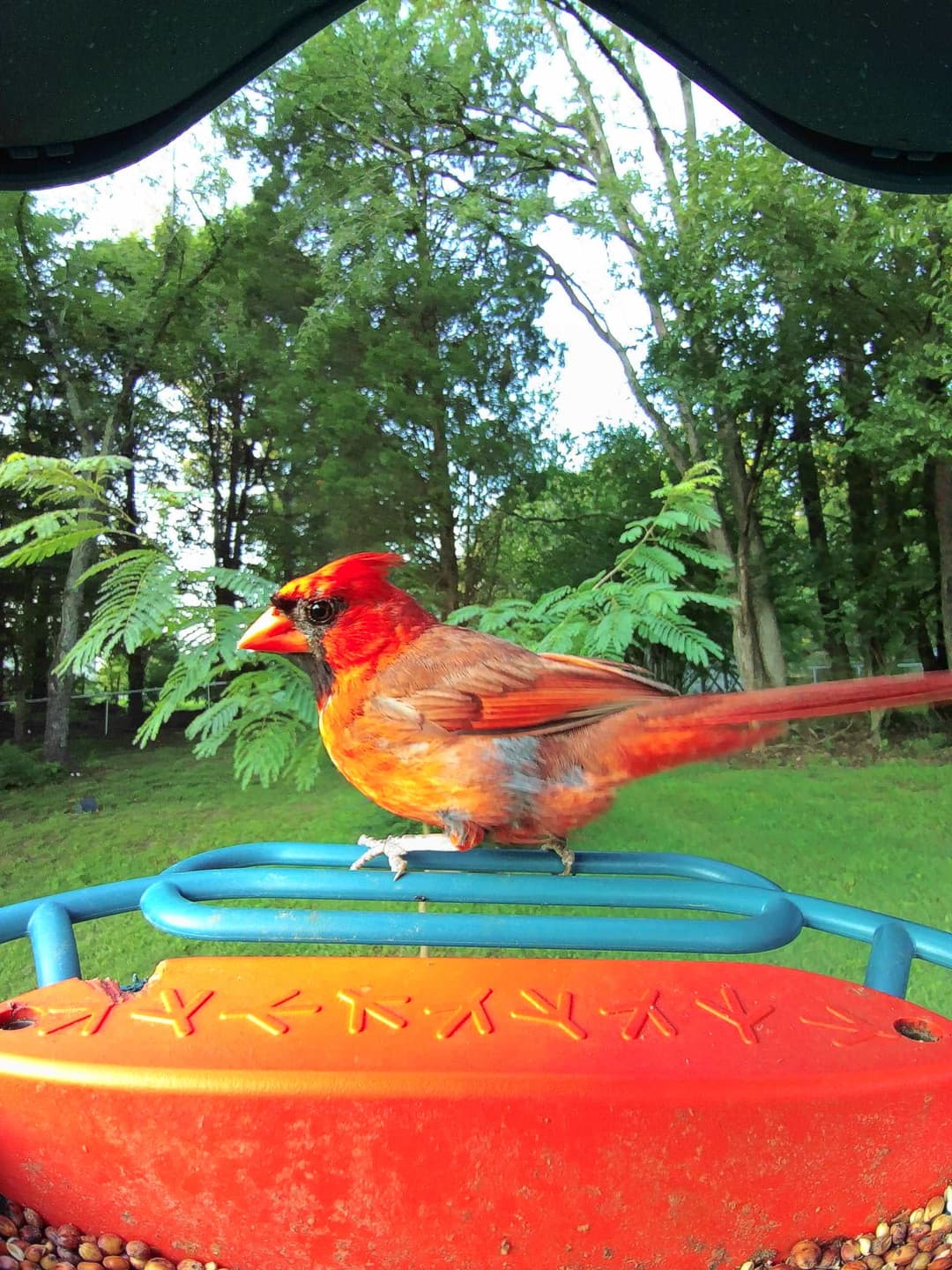
Northern Cardinal (Cardinalis cardinalis): This vibrant songbird is known for its striking red plumage, distinctive crest, and robust bill, commonly found in woodlands, gardens, and shrublands across North America.
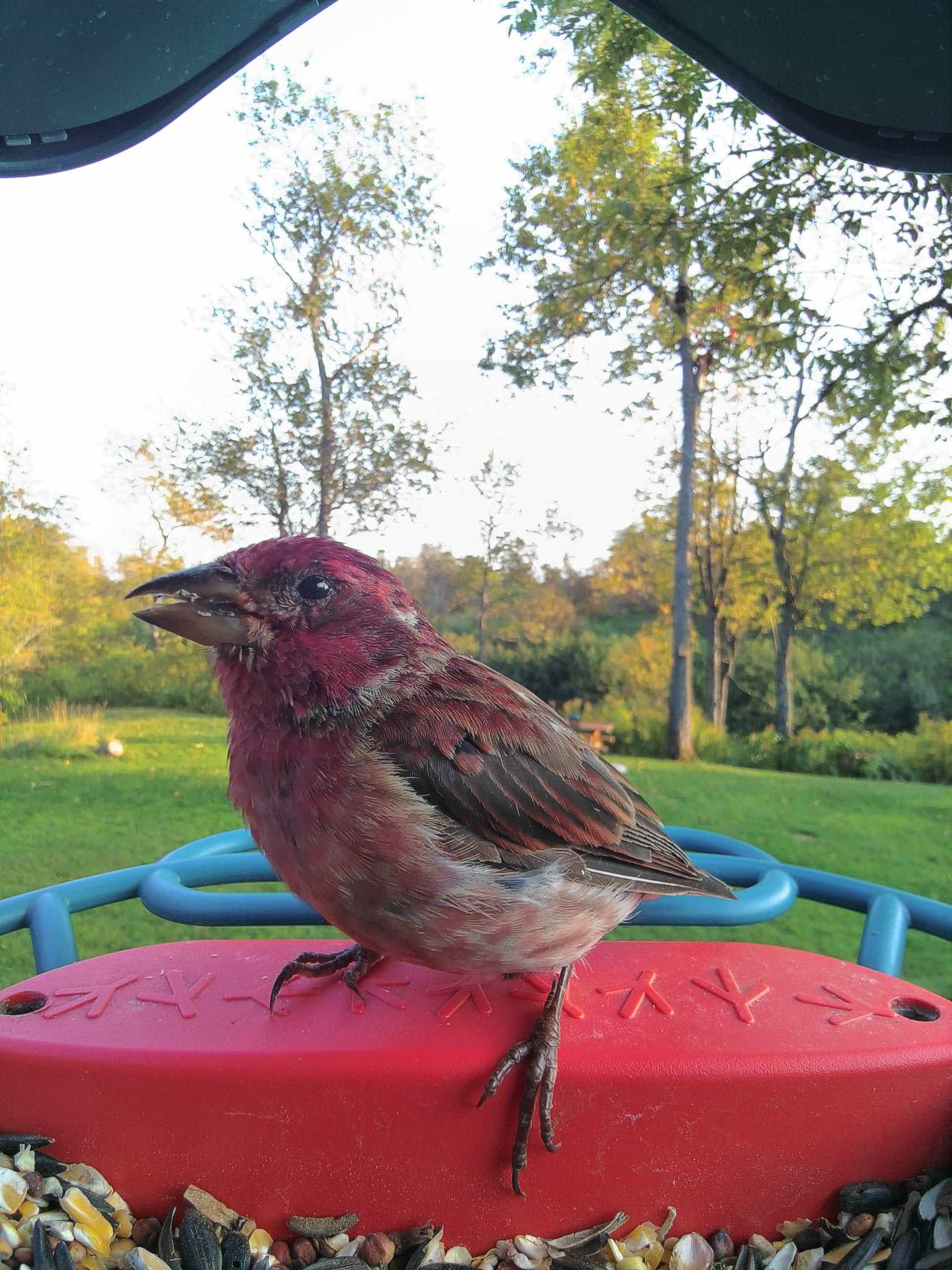
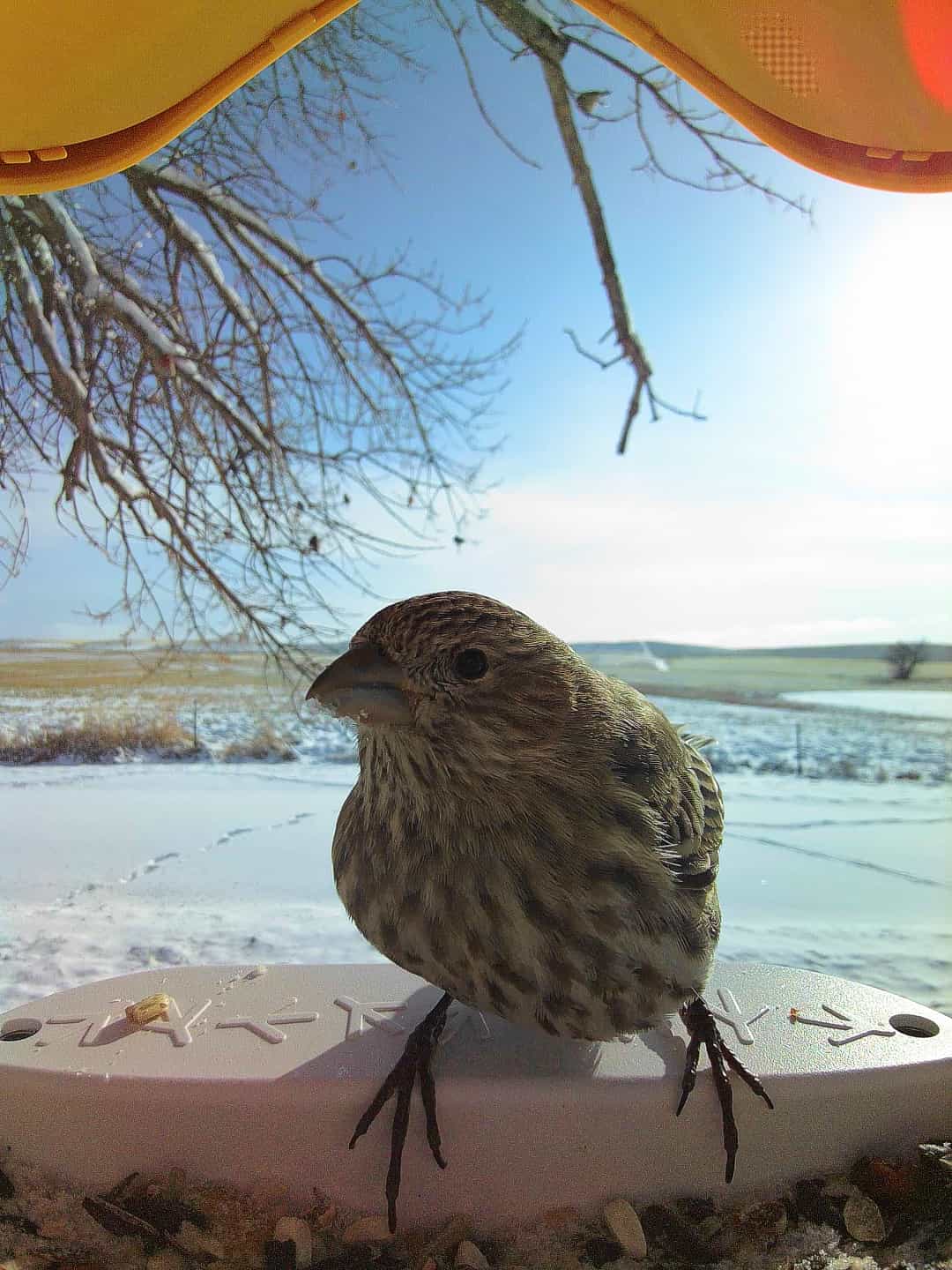
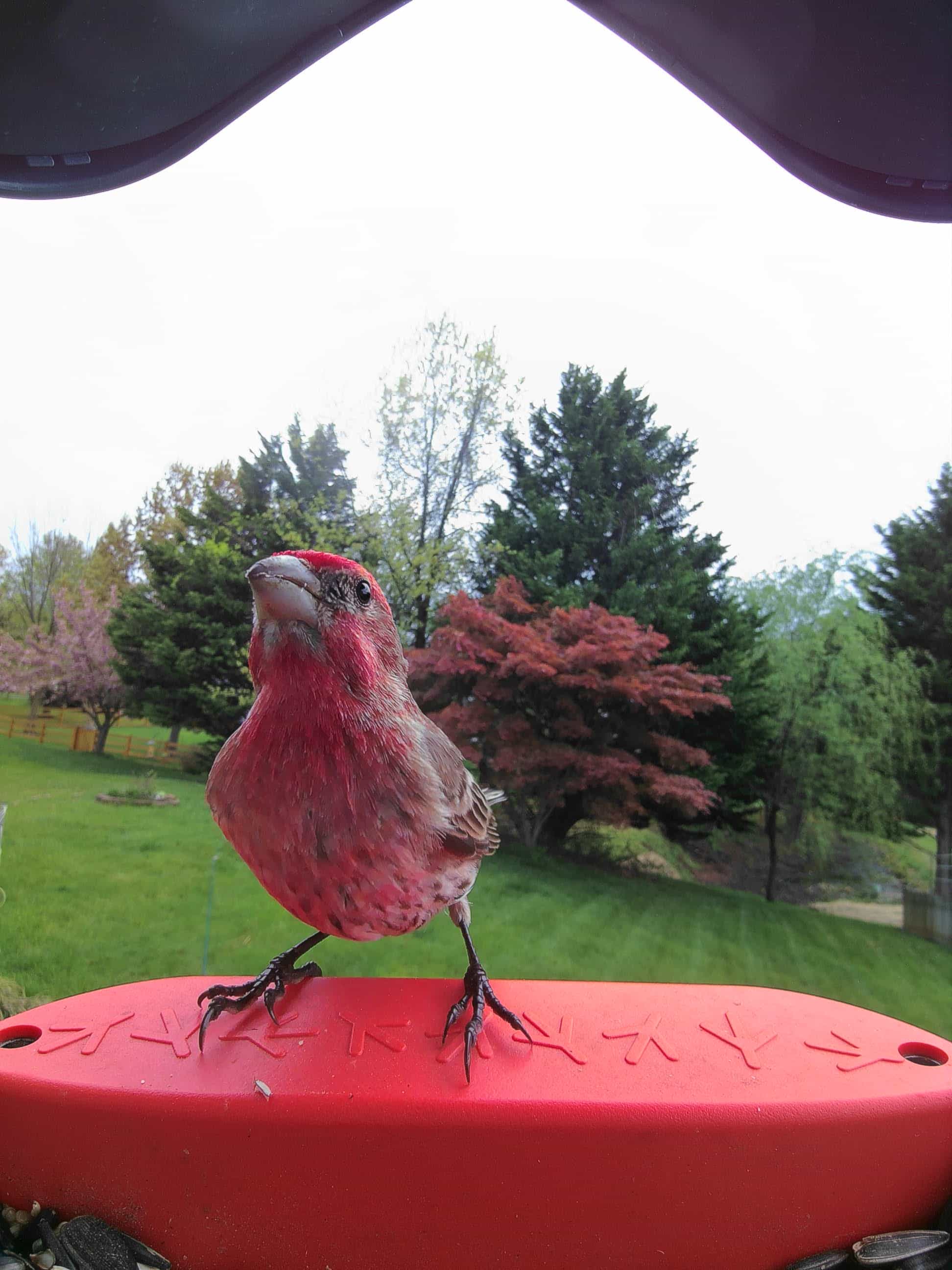
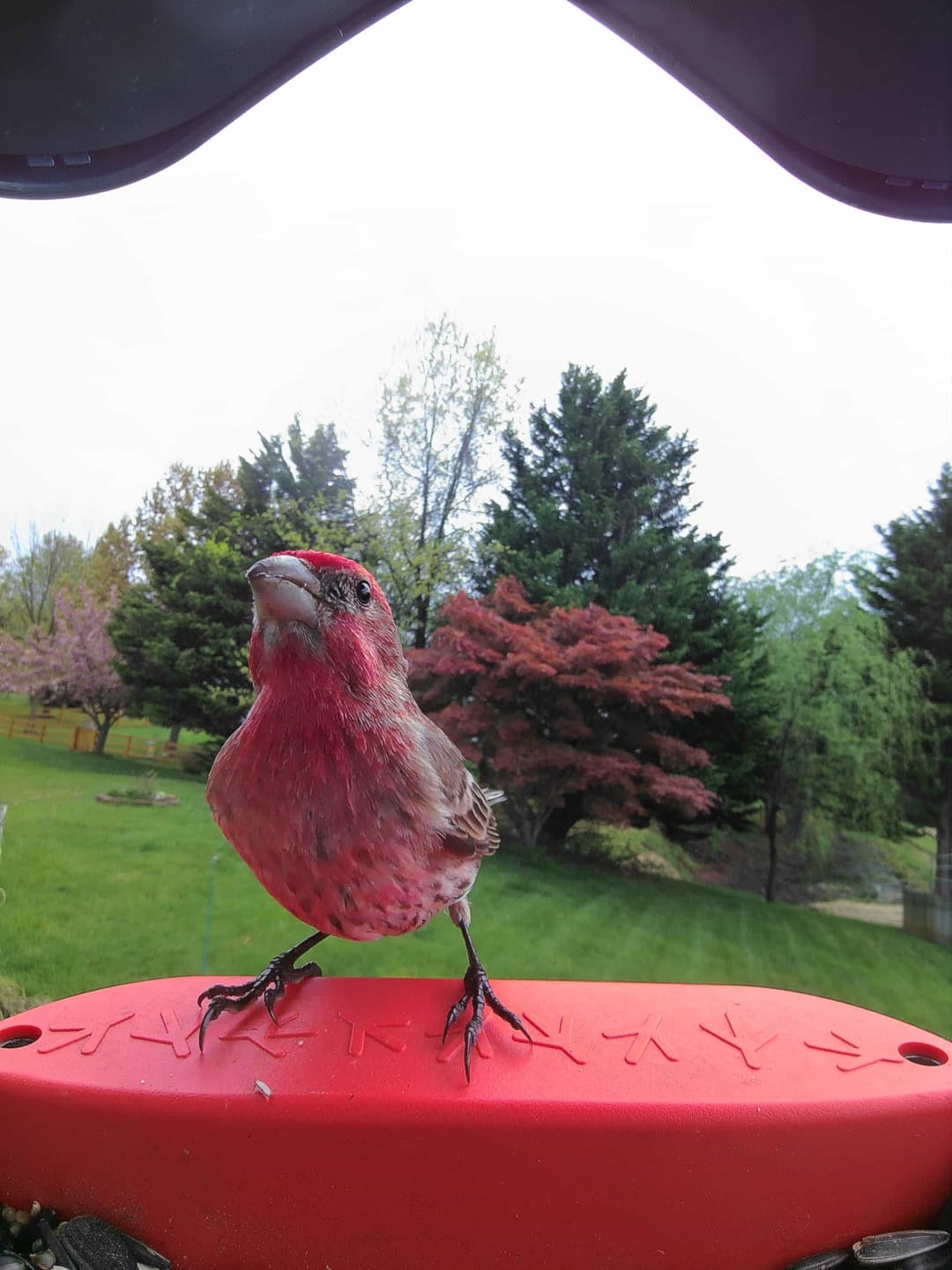
House Finch (Haemorhous mexicanus): A small, adaptable bird native to North America, it has a vibrant red head and breast in males, streaky brown plumage in females, and a cheerful, warbling song often heard in urban and suburban areas.
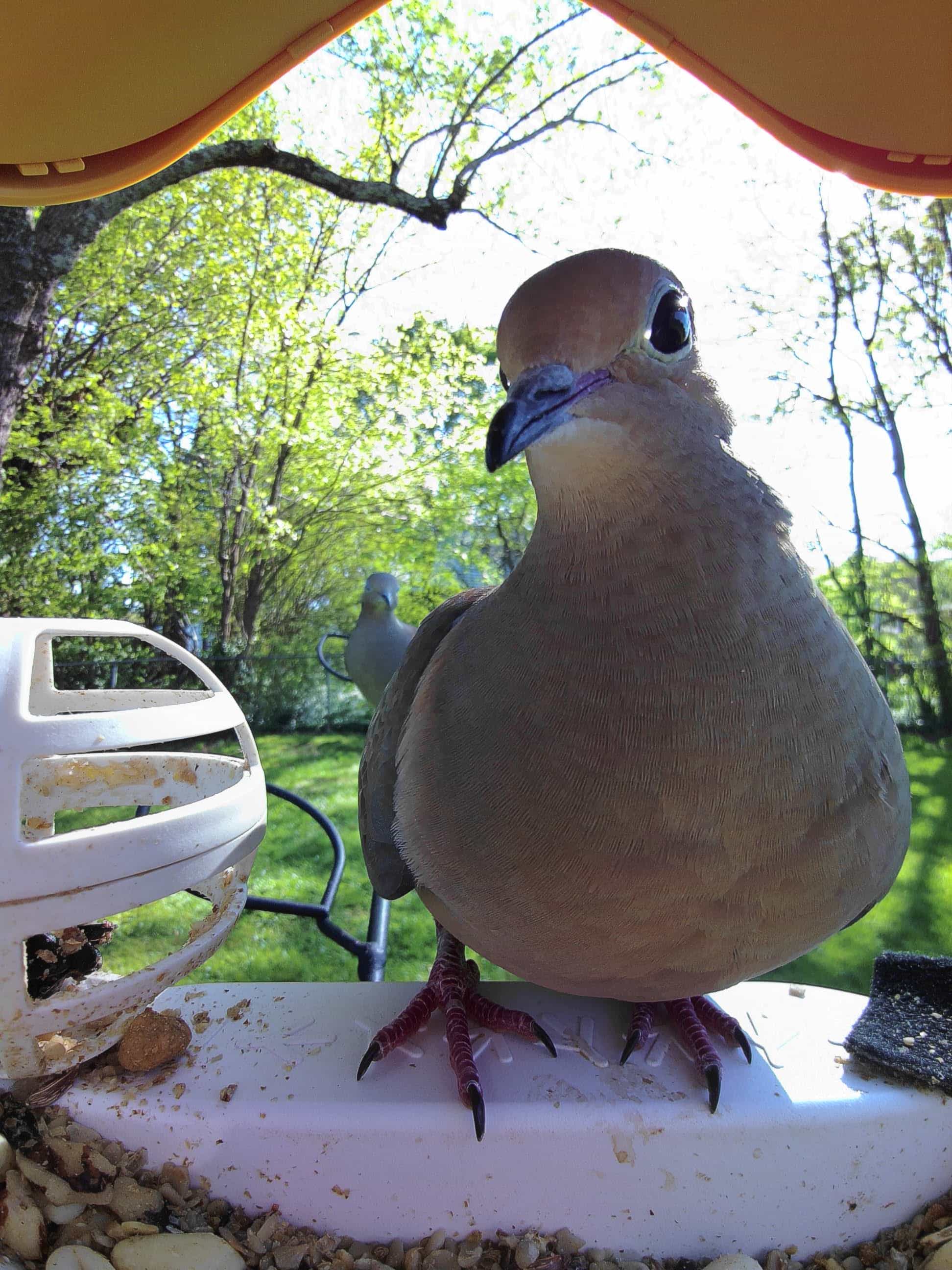
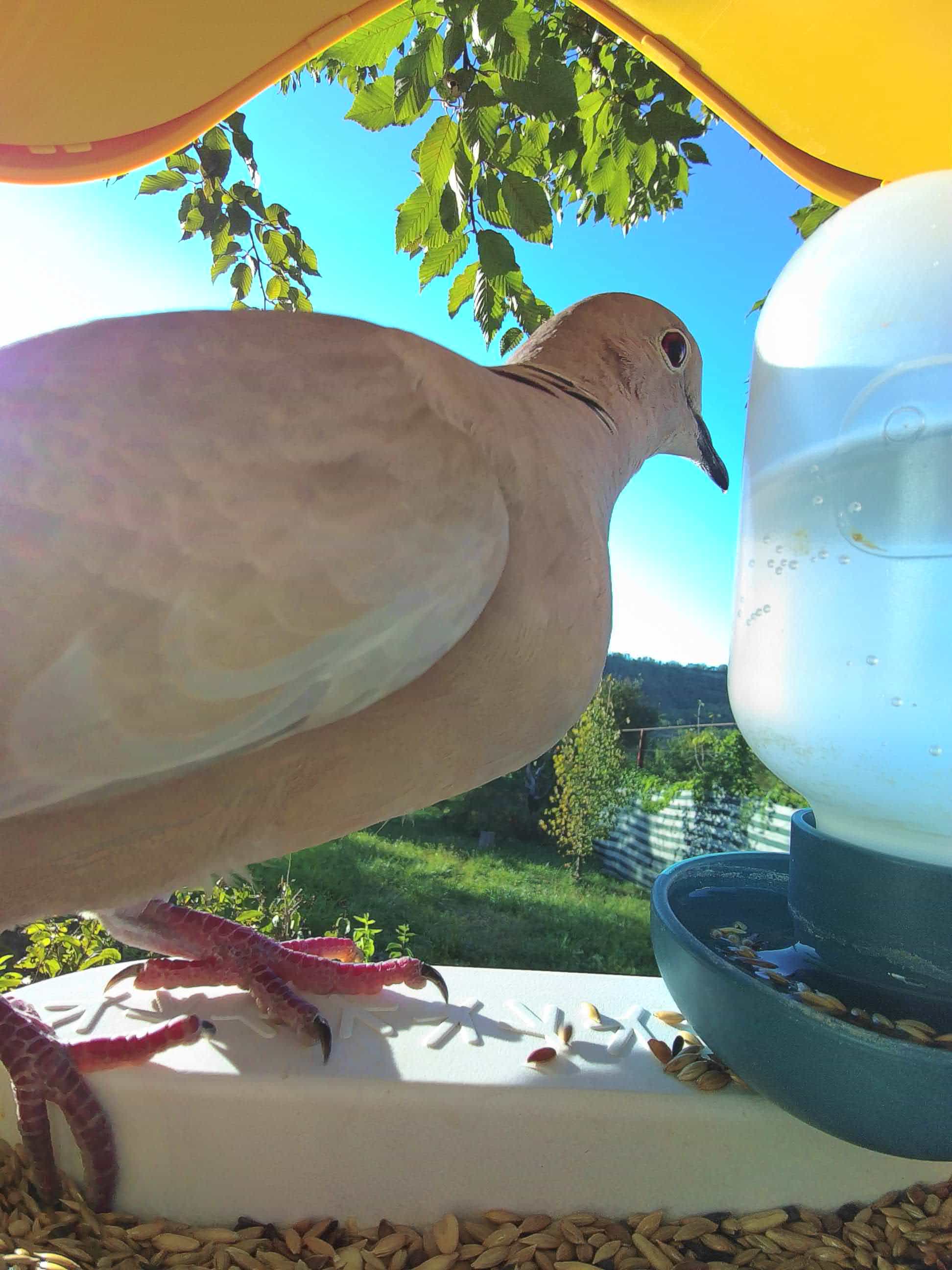
Mourning Dove (Zenaida macroura): This bird is a slender, medium-sized creature with a soft grayish-brown body, long pointed tail with white edges, and distinctive black spots on its wings, often recognized for its gentle, mournful cooing sound.
Carolina Wren (Thryothorus ludovicianus): This small, energetic bird is known for its bold, reddish-brown plumage, prominent white eyebrow stripe, and loud, melodious song, and is often found in dense vegetation and brushy areas across southeastern parts of North America.
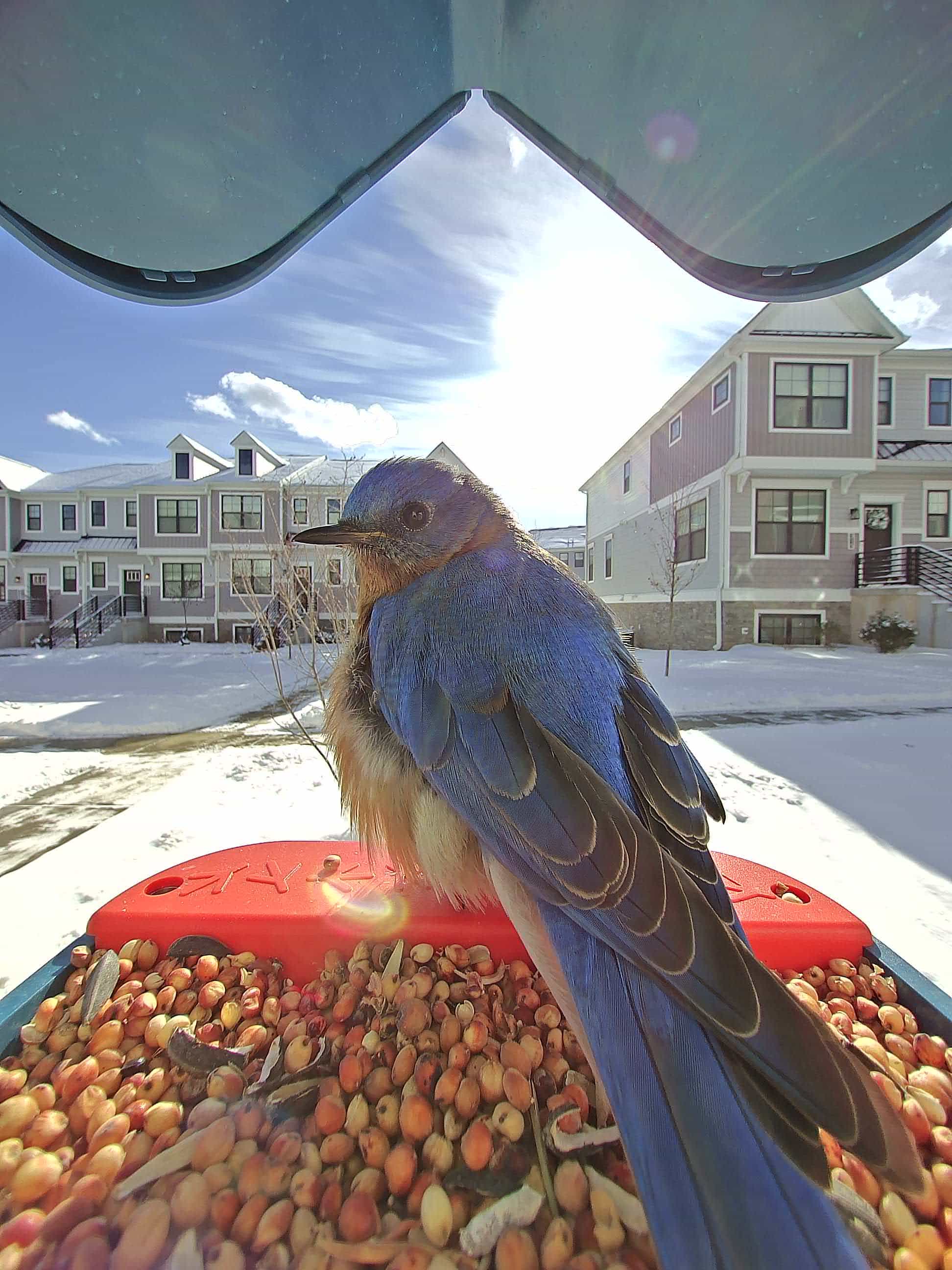
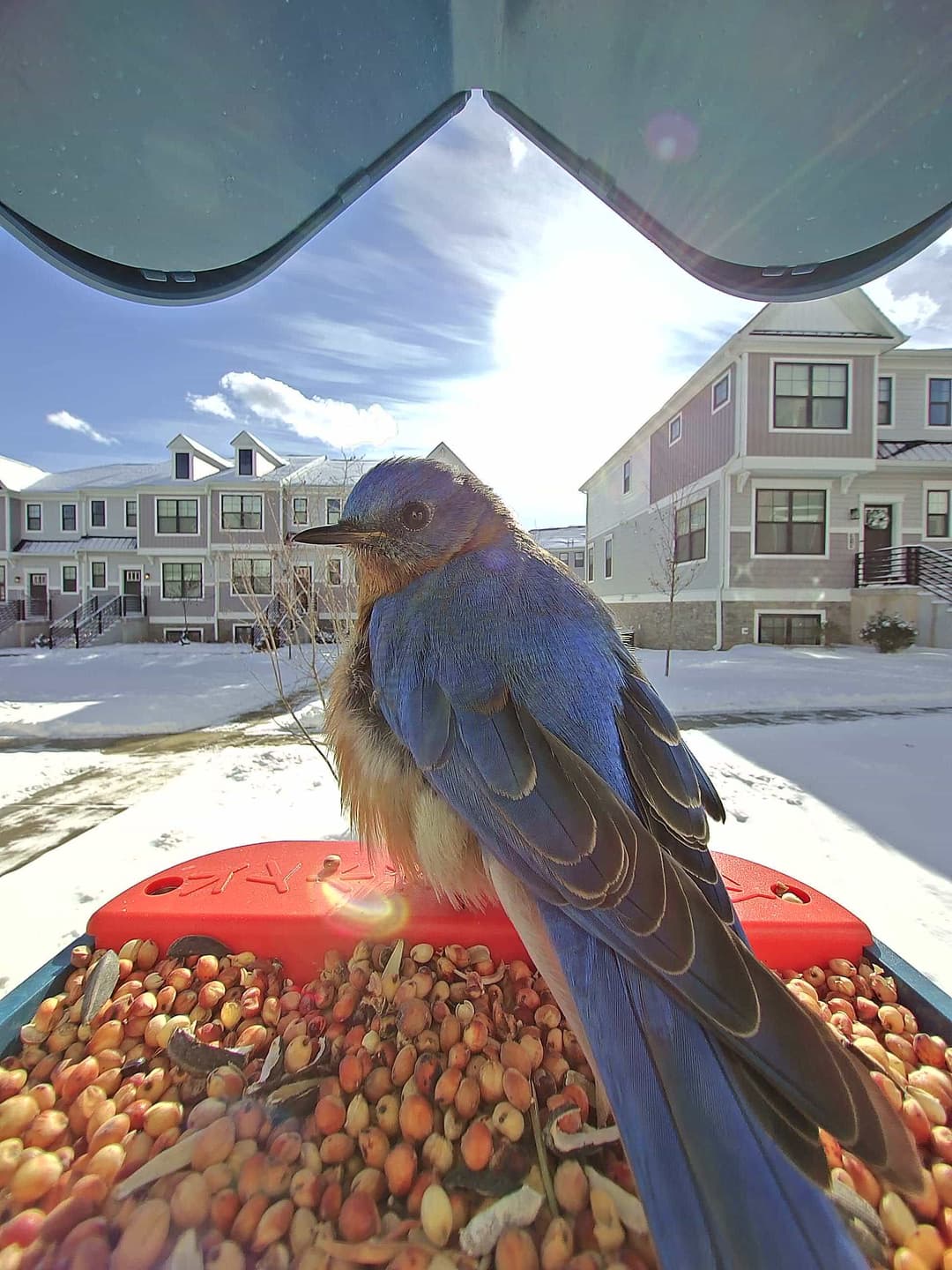
Eastern Bluebird (Sialia sialis): A small North American songbird, this species is known for its vibrant blue plumage, rusty-orange breast, and melodious song, often found in open woodlands, fields, and gardens where it feeds on insects and fruits.
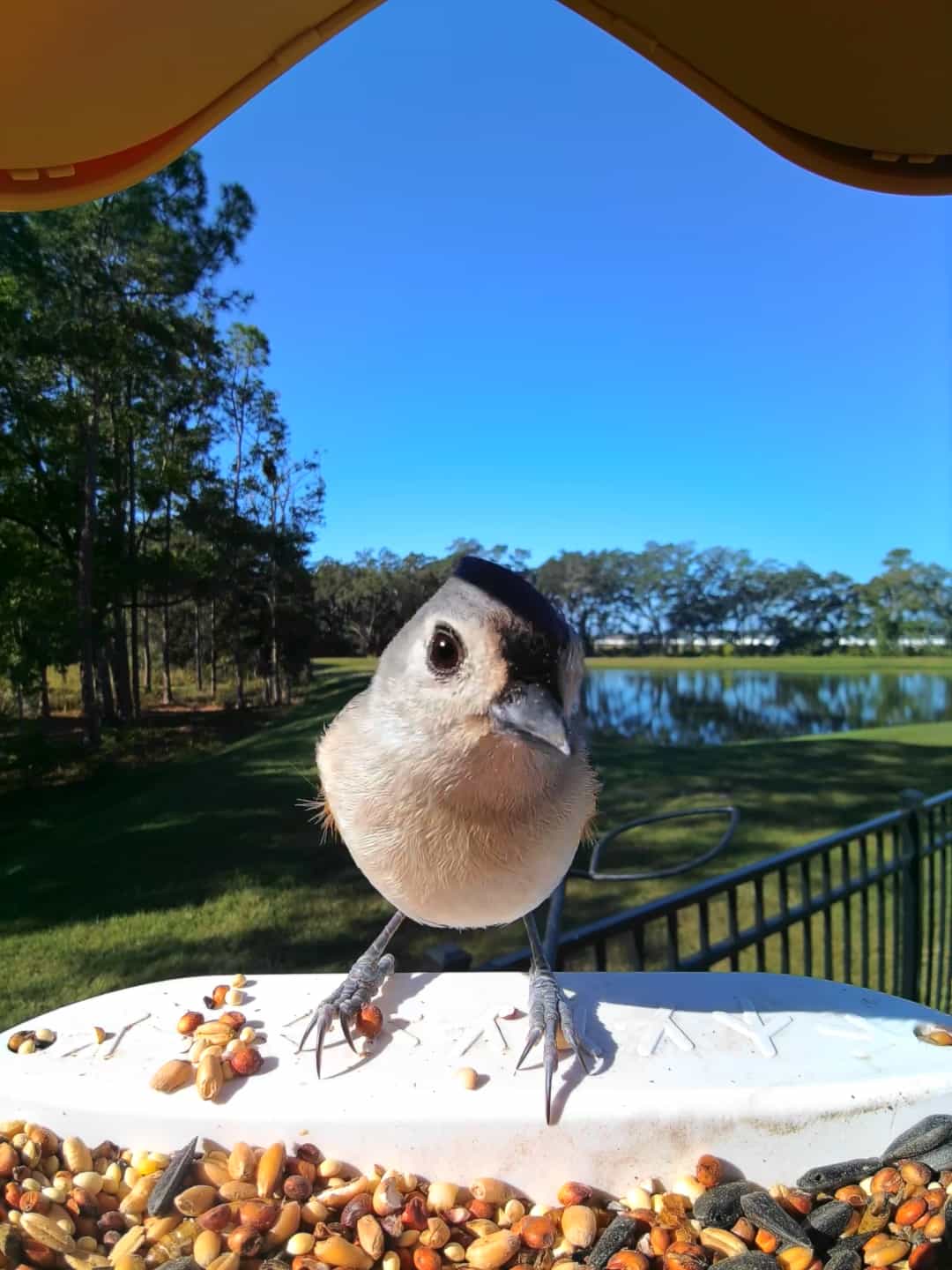
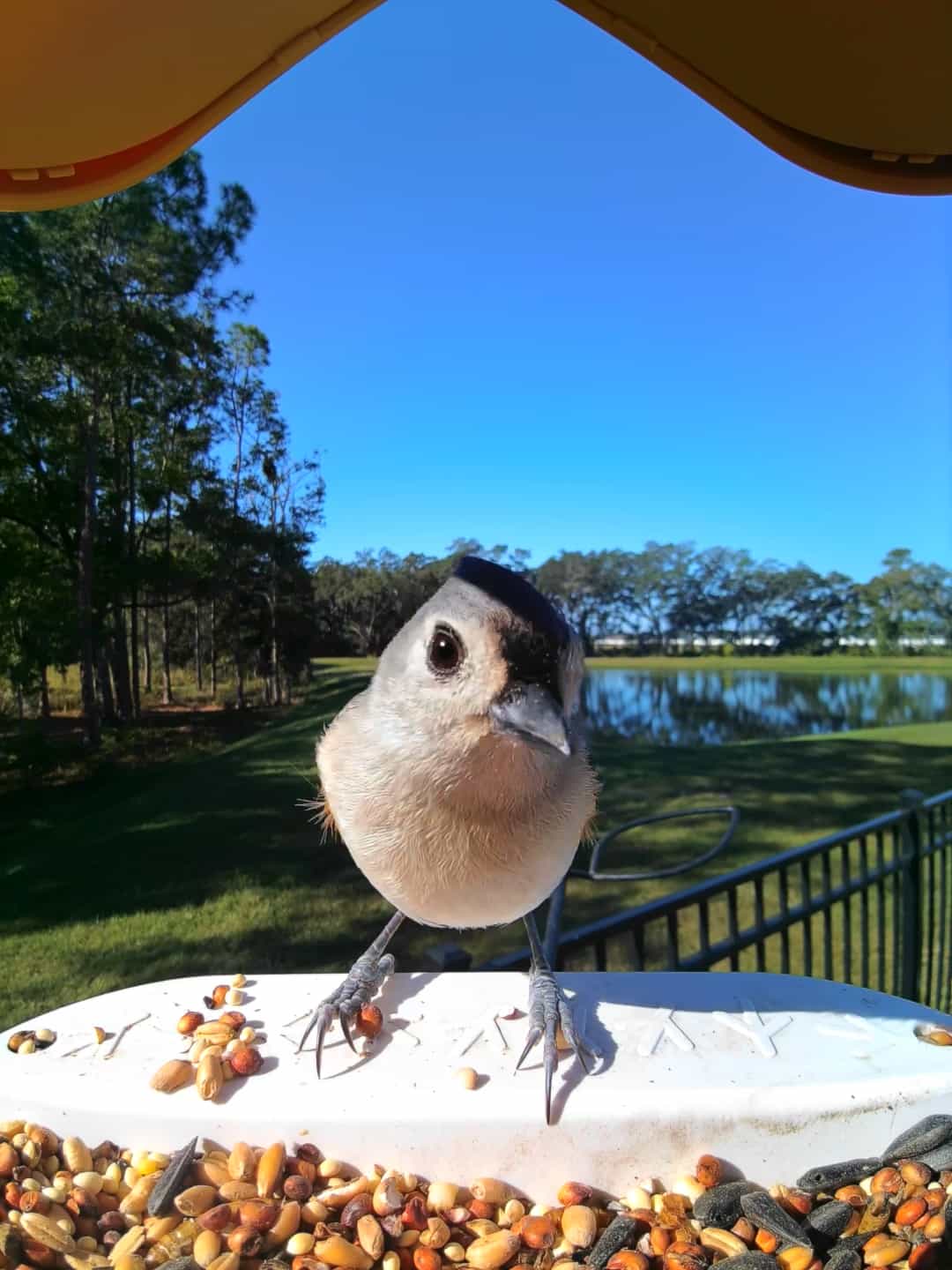
Tufted Titmouse (Baeolophus bicolor): This small songbird is known for its distinctive crest atop its head, soft gray plumage, white underparts, and a touch of rust-colored flanks, often seen flitting about in deciduous forests and backyard feeders across the eastern United States.

Identifying bird sounds and calls in Charleston
Bird sounds are a key way to identify different species, even when they're hidden in trees or bushes. Each bird has its own unique vocalizations, from melodic songs to distinctive calls. Learning these sounds can help you identify birds even before you see them.
Migration
Species that pass through during migration seasons
Timing and migration patterns
These species typically pass through Charleston during their spring and fall migrations, utilizing stopover sites along the Atlantic Flyway.
Birdwatching hotspots in Charleston
Parks, reserves, and observatories
Charleston, South Carolina offers a diverse range of habitats including wetlands, maritime forests, and coastal ecosystems, providing a rich environment for various bird species.
Magnolia Plantation and Gardens: Home to the Audubon Swamp Garden, offering prime birdwatching opportunities with boardwalks through cypress and tupelo trees.
Caw Caw Interpretive Center: Contains over six miles of trails with access to various habitats such as rice fields and marshlands rich with bald eagles and waterfowl.
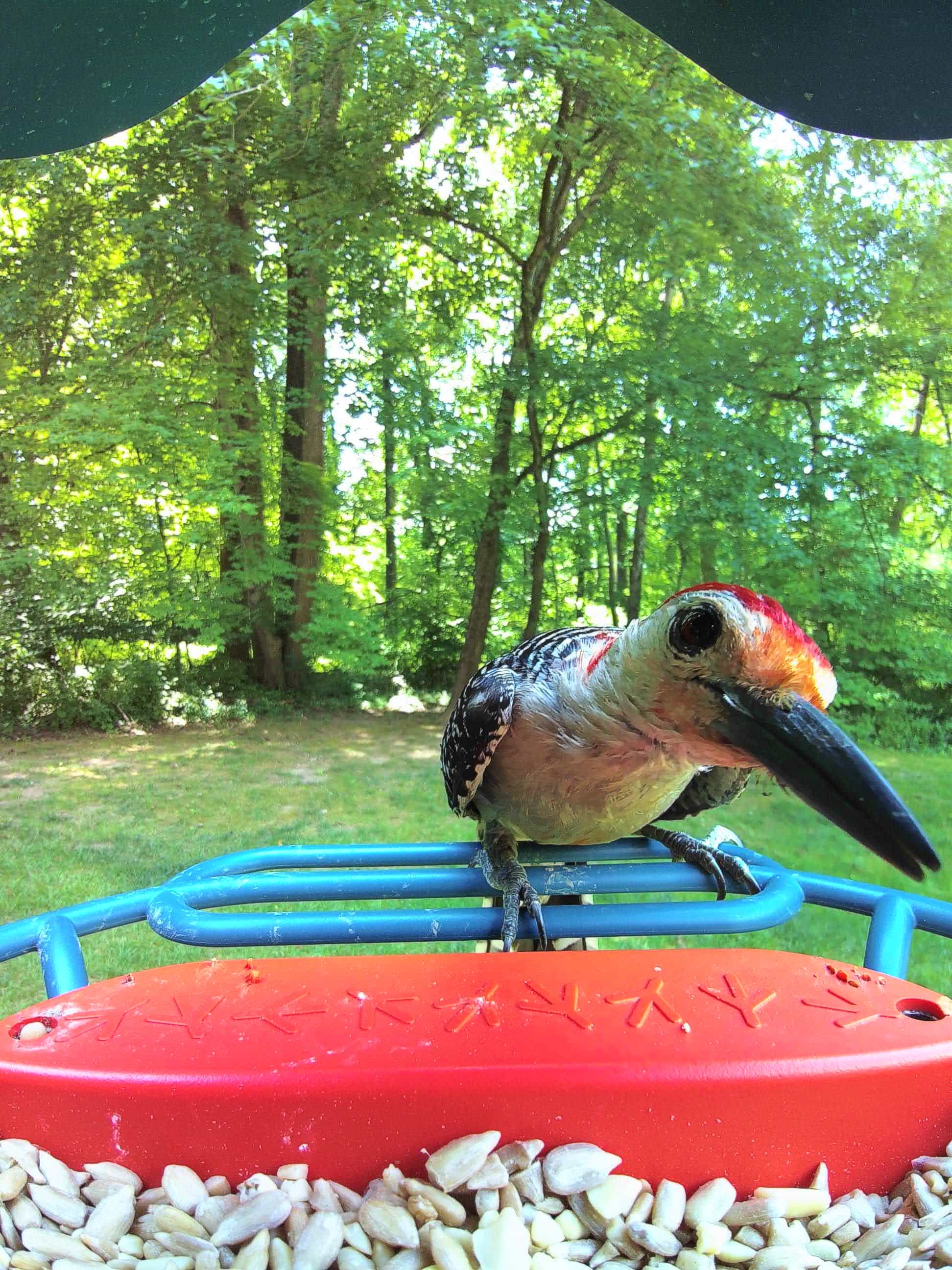
Francis Marion National Forest: Spanning over 250,000 acres, this forest has extensive wildlife, birdwatching opportunities, particularly for endangered species like the red-cockaded woodpecker.
Botany Bay Plantation Heritage Preserve: Offers a scenic drive and walking tours through coastal woodlands and tidal marsh, perfect for viewing shorebirds.
Accessibility and facilities
Many parks and reserves provide boardwalks and well-maintained trails, facilitating easy access for visitors, though some areas may have limited accessibility for individuals with disabilities.
Conservation efforts
Charleston, SC is actively engaged in preserving its rich biodiversity and natural habitats. Some of the efforts include:
- Local organizations work to protect coastal ecosystems.
- Efforts focus on sustaining wildlife in marshlands and estuaries.
- Community-driven programs aim to reduce pollution in waterways.
How Can I Help?
- Participate in local clean-up events.
- Support conservation groups by volunteering or donating.
- Practice responsible waste disposal and recycling.
Live bird sightings in the Charleston area
Discover what birds are currently active in Charleston through real-time sightings from Birdbuddy users. Explore hotspots and track your favorite species with updates from our community network.
Learn more about Birdbuddy