Birds in Baton Rouge,
Louisiana
Baton Rouge, nestled along the Mississippi River, offers rich wetlands and diverse habitats ideal for birdwatching. The area's cypress swamps, bottomland hardwood forests, and bayous provide crucial stopover points for migratory birds. Its location in the Mississippi Flyway attracts a wide variety of species, making it a prime birdwatching destination. The unique blend of ecosystems supports both local and migratory bird populations, enhancing its significance for bird enthusiasts.
Common bird species in Baton Rouge
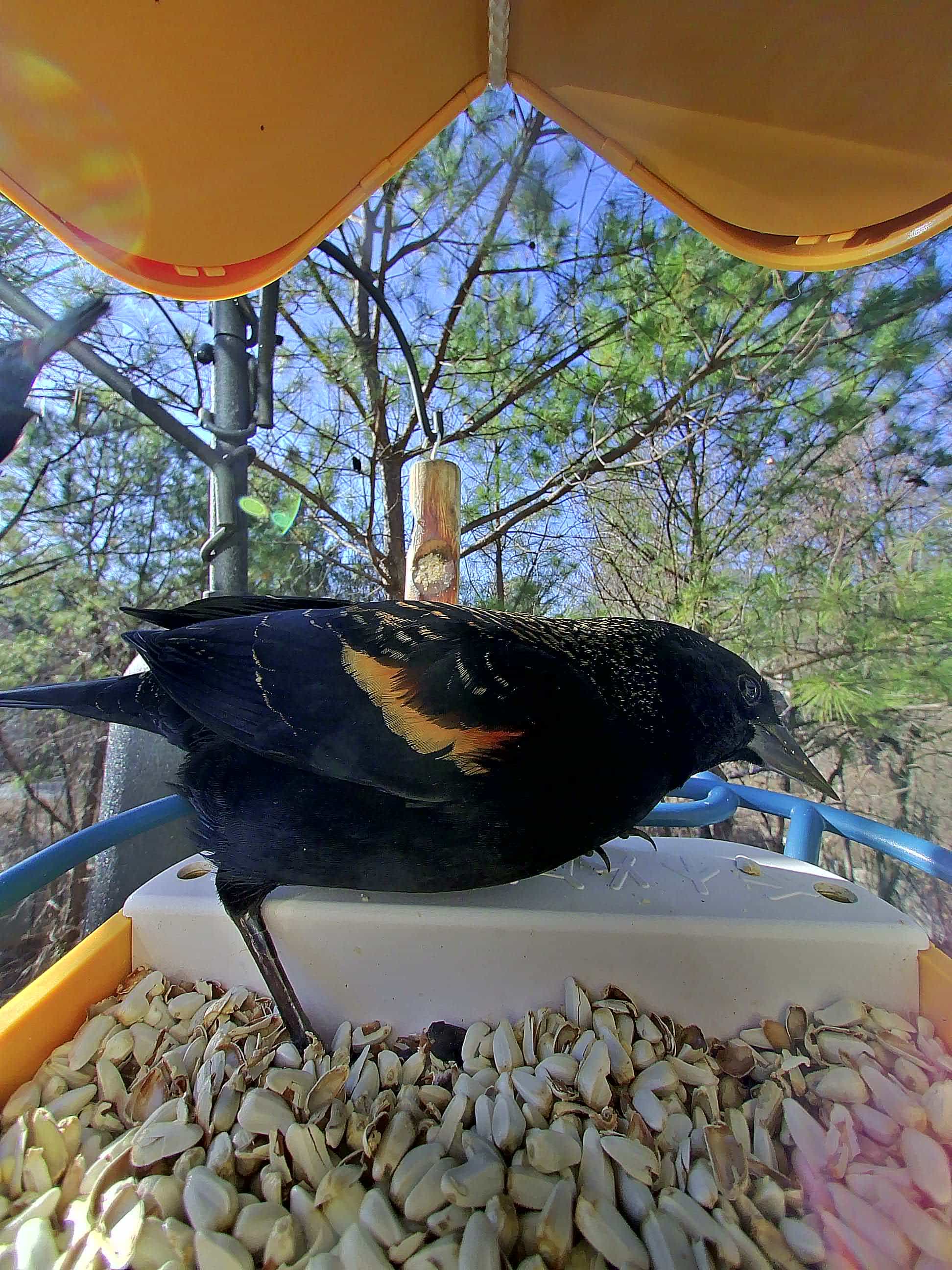
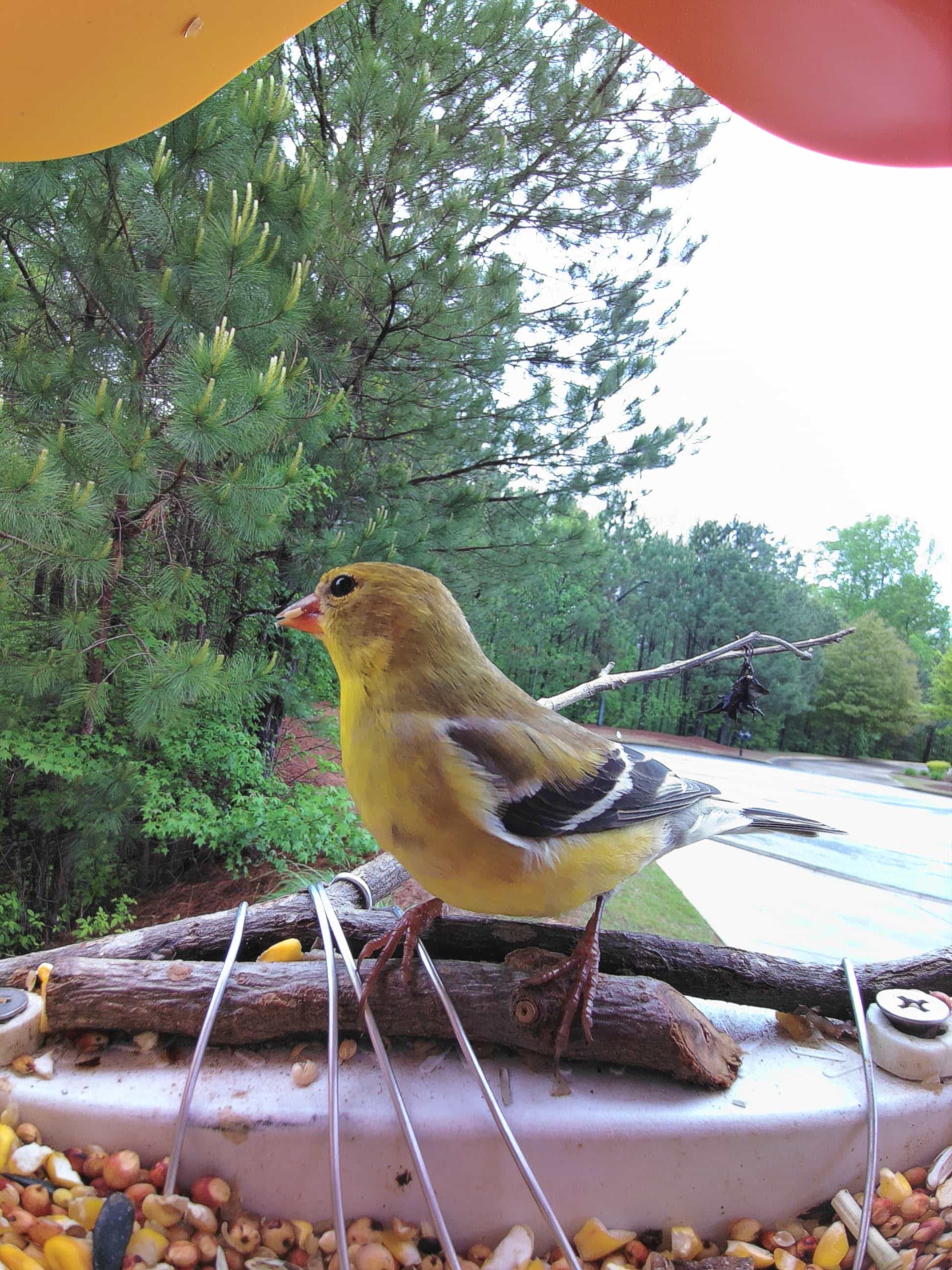
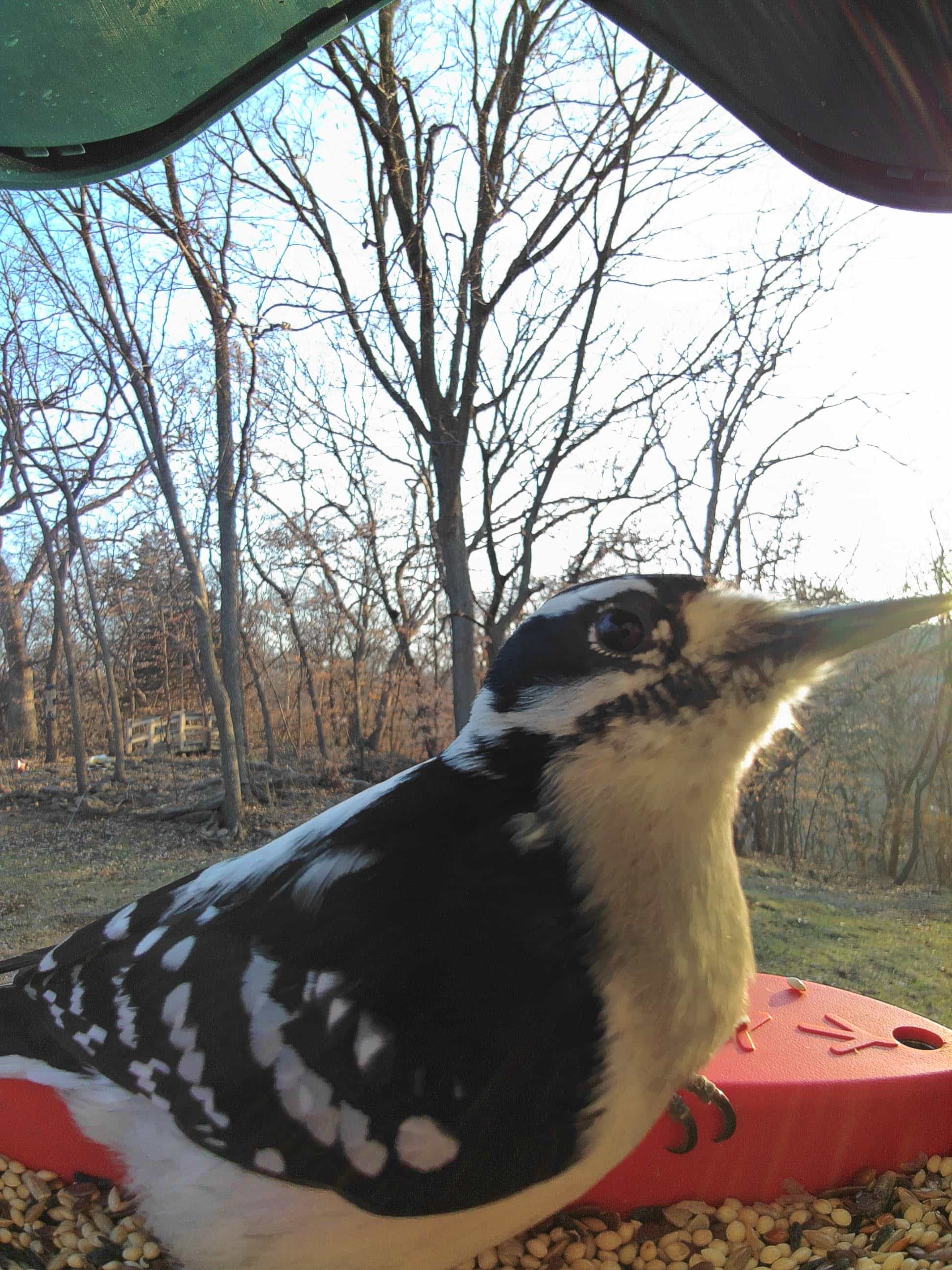
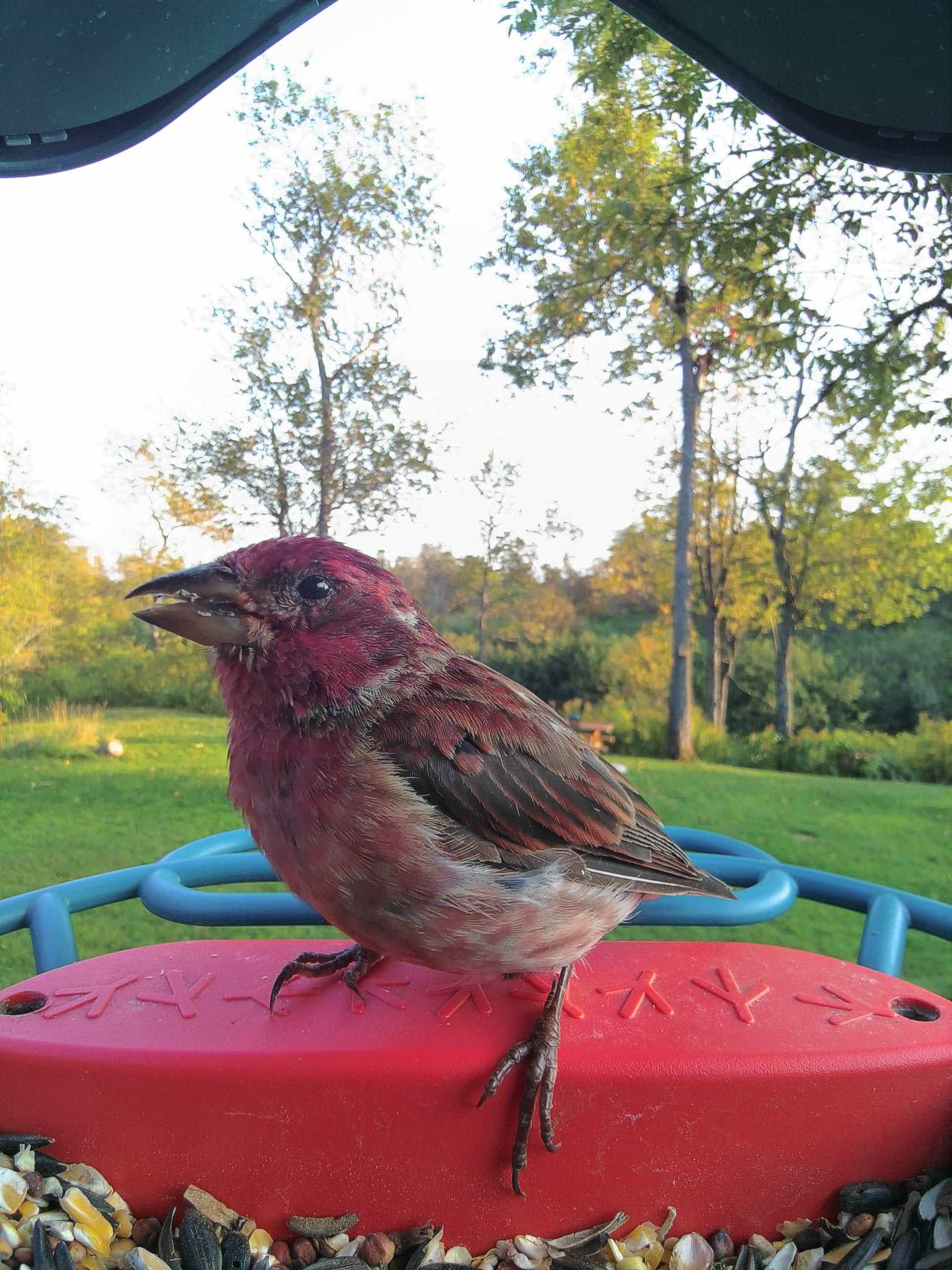
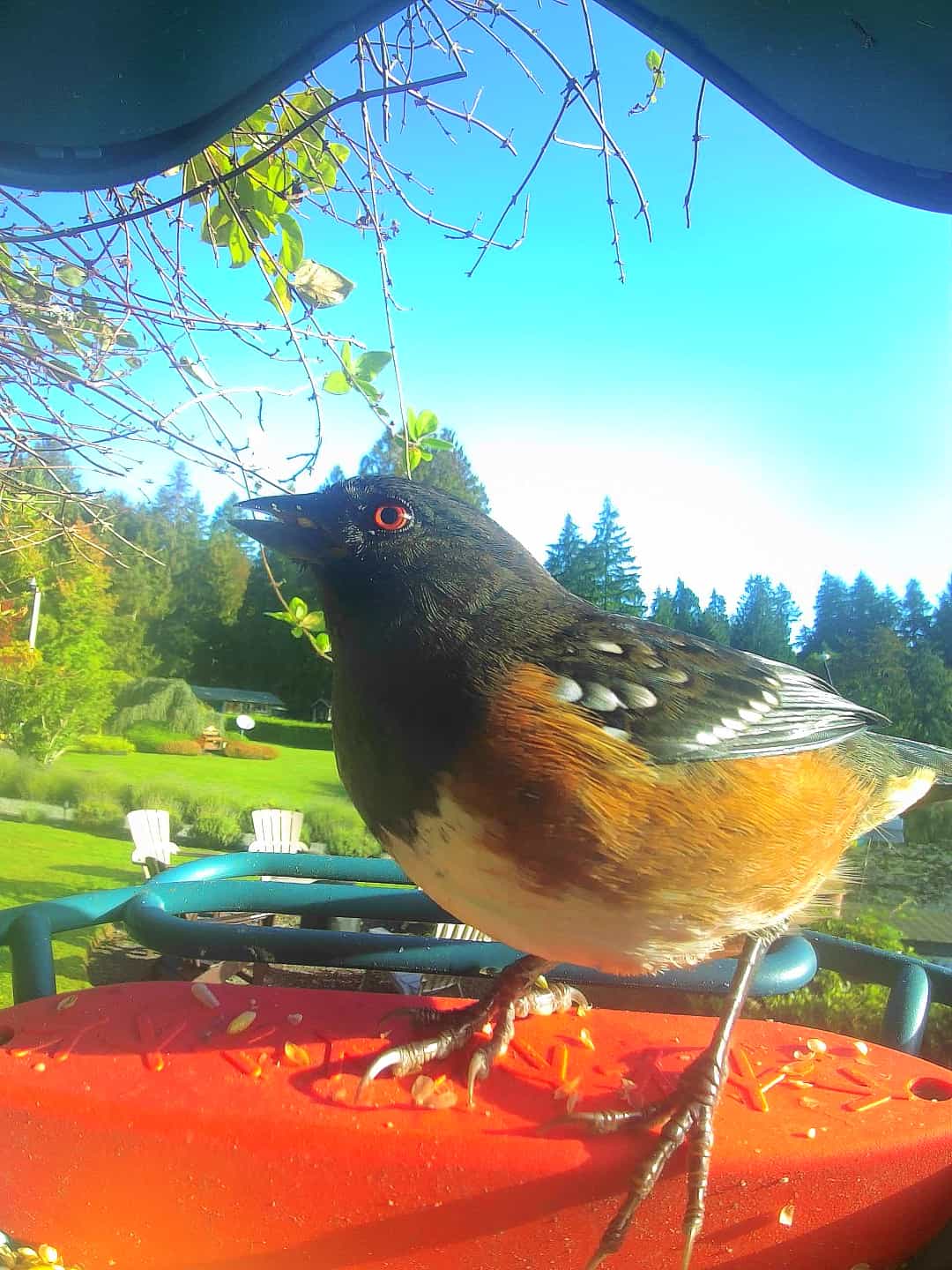
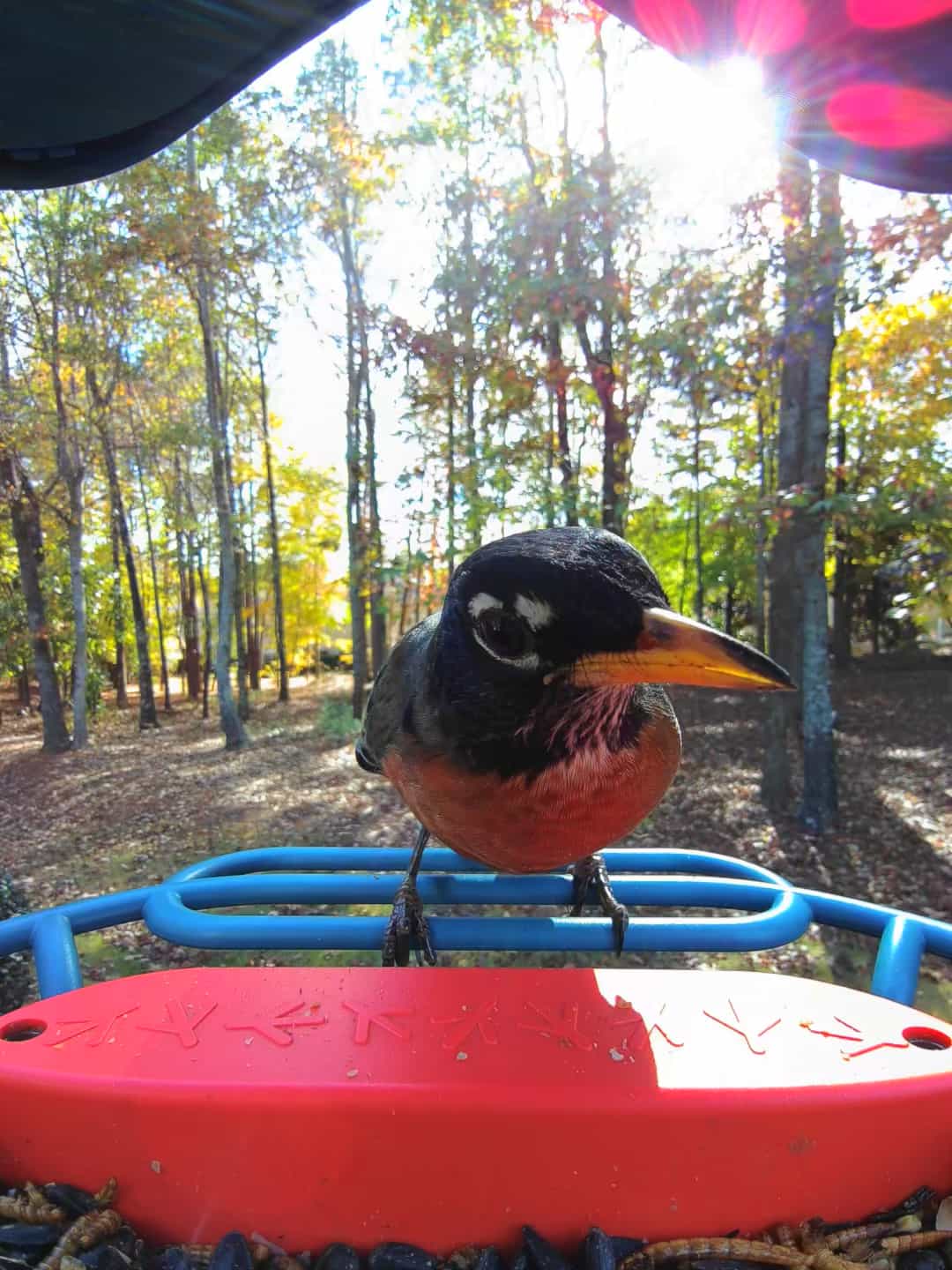
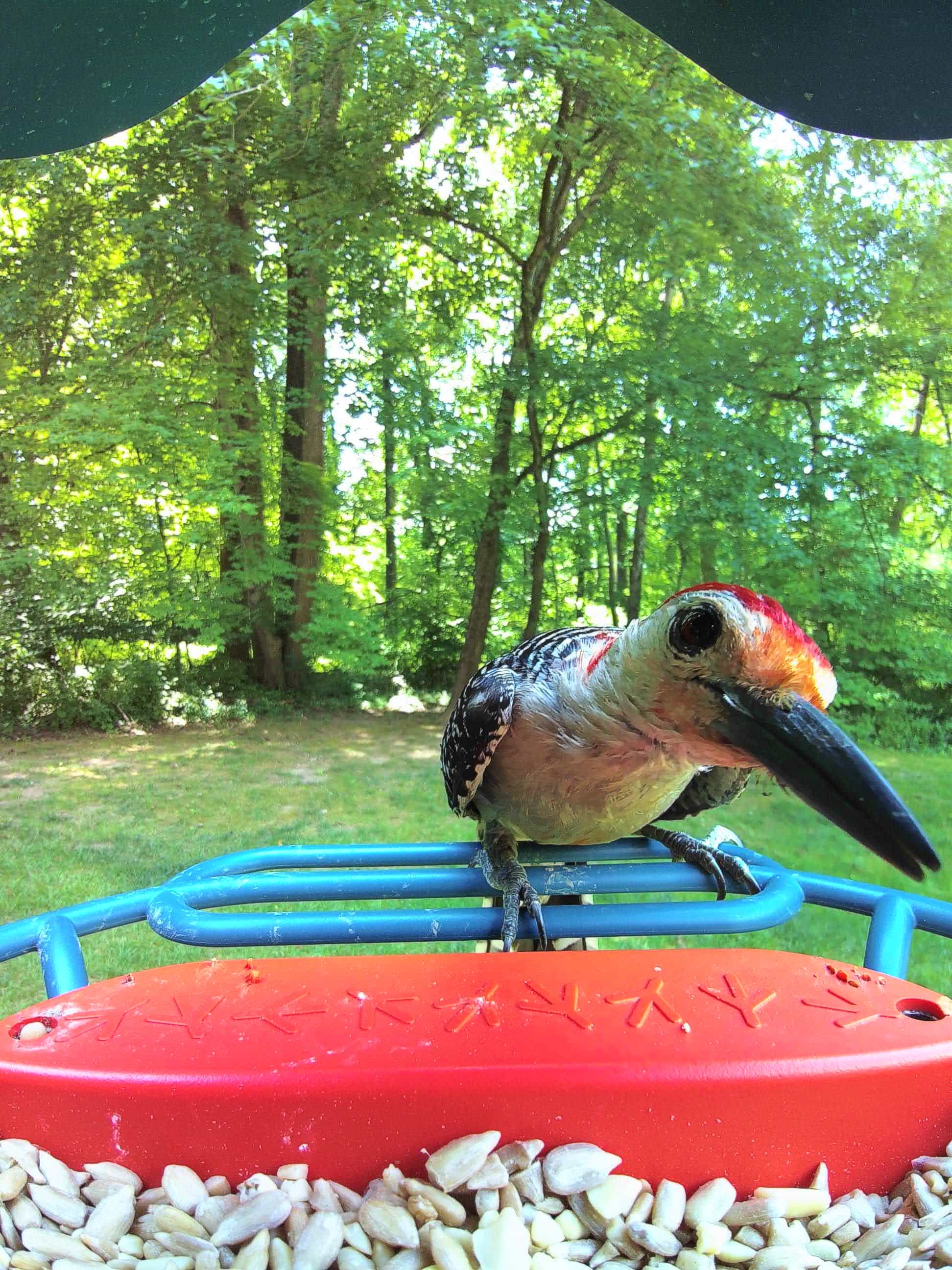
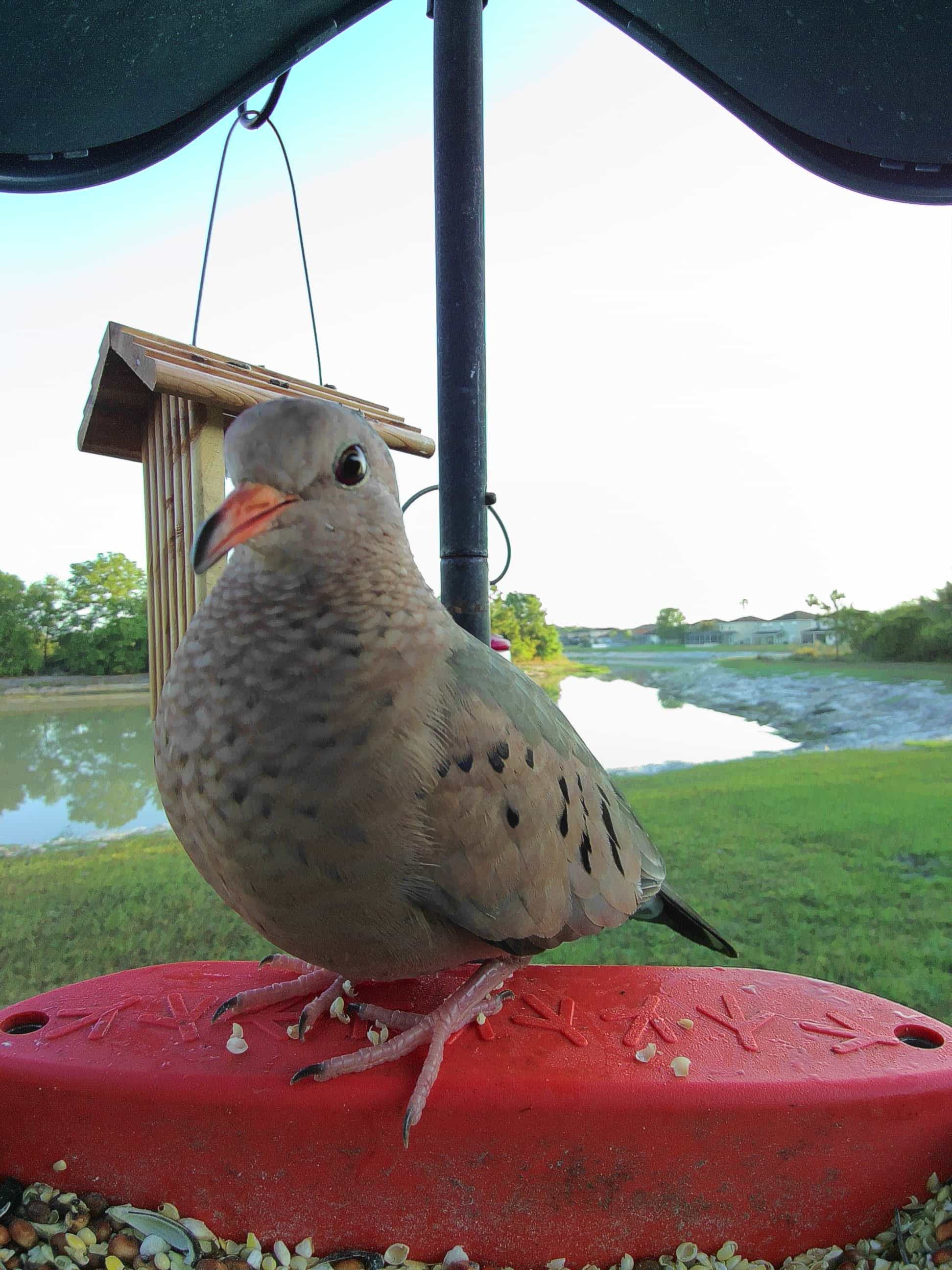
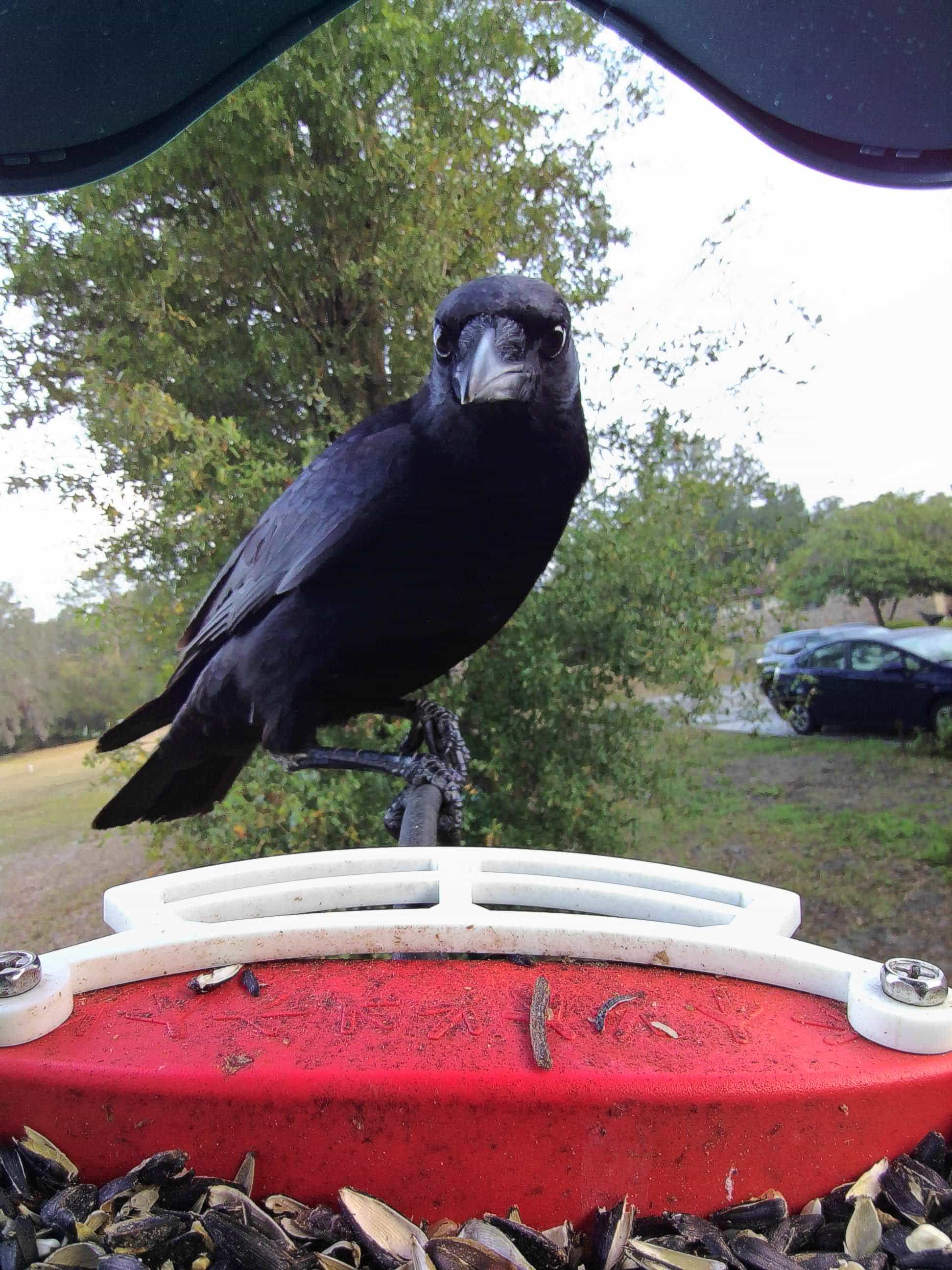
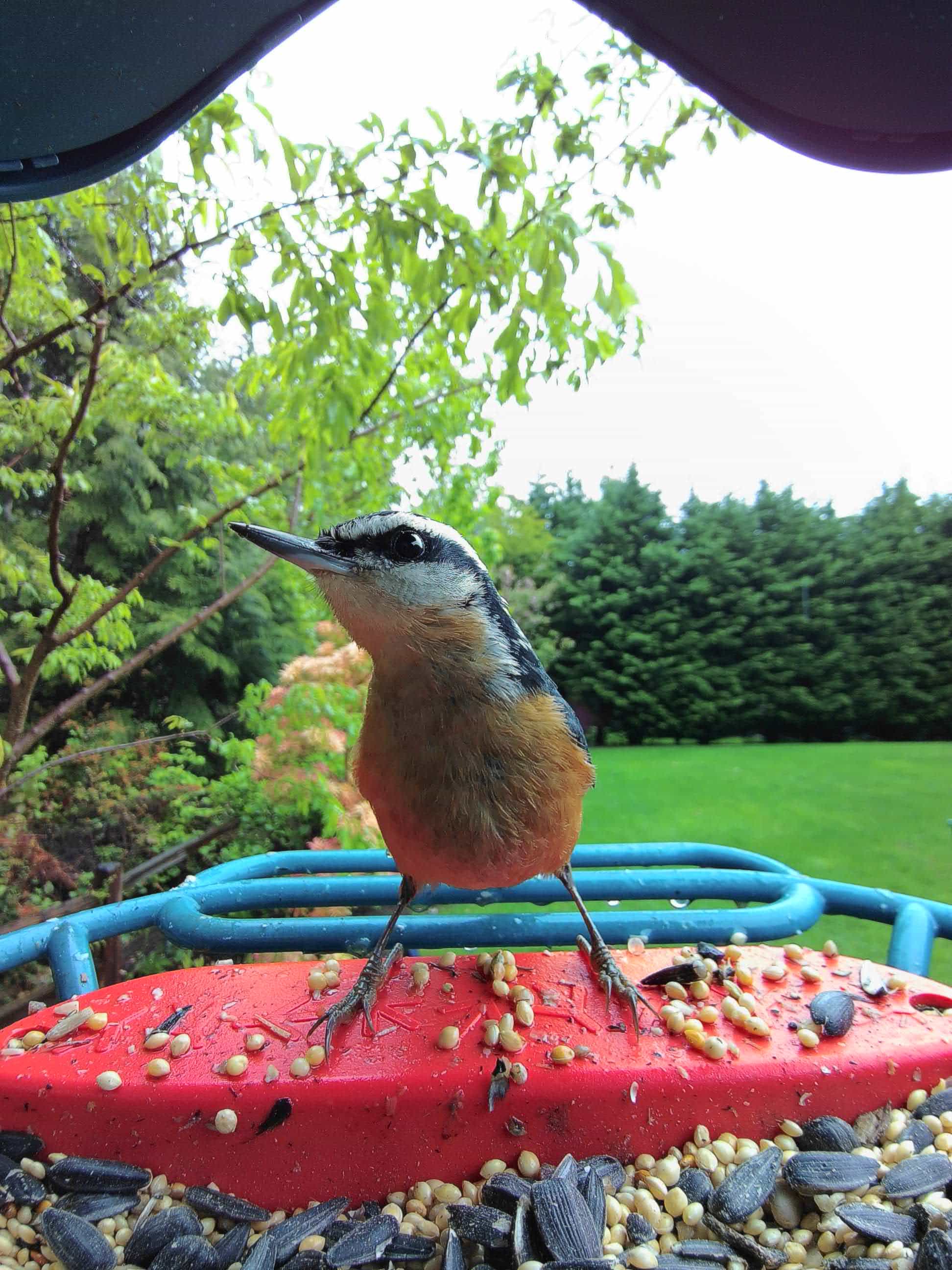
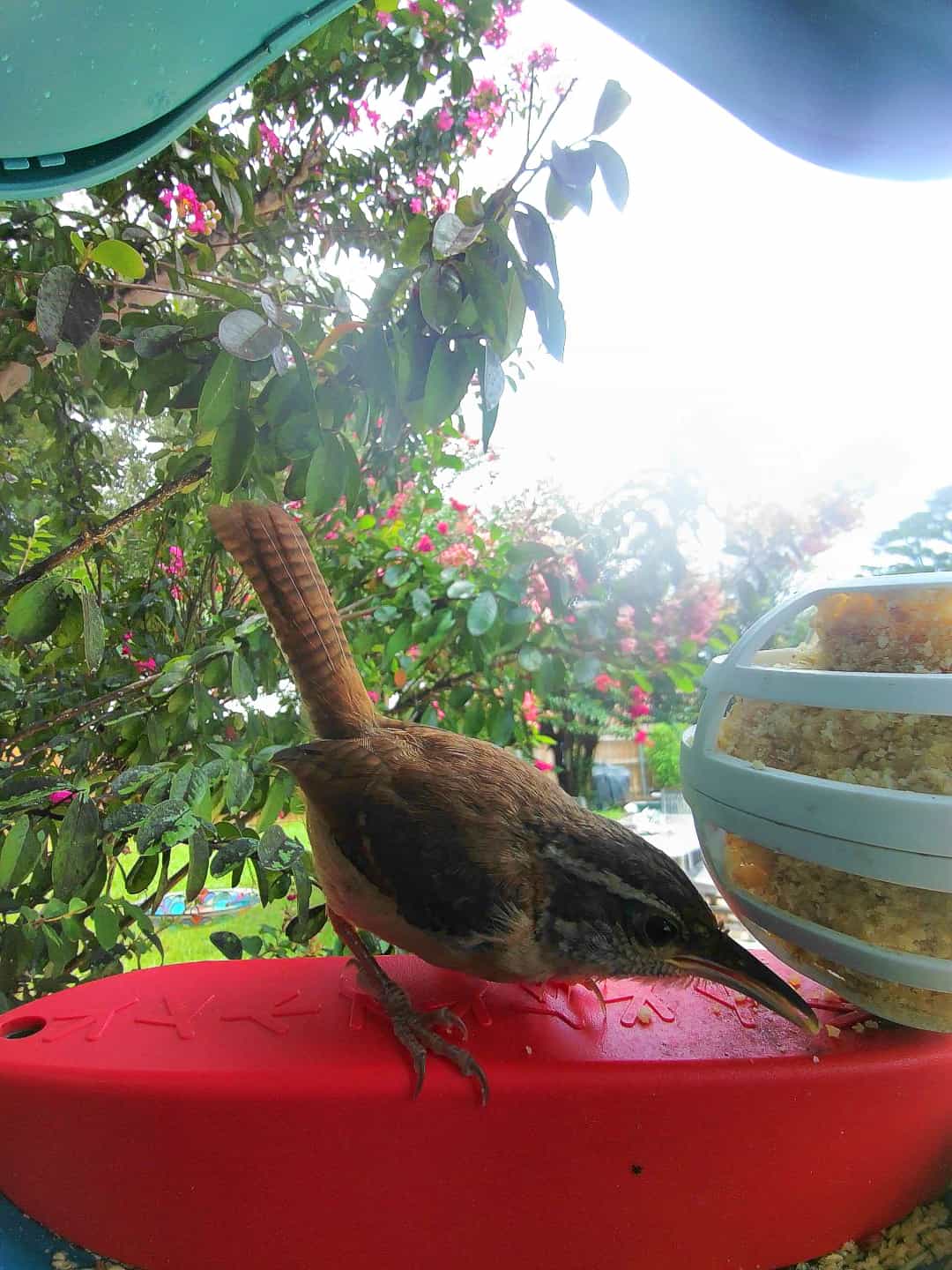
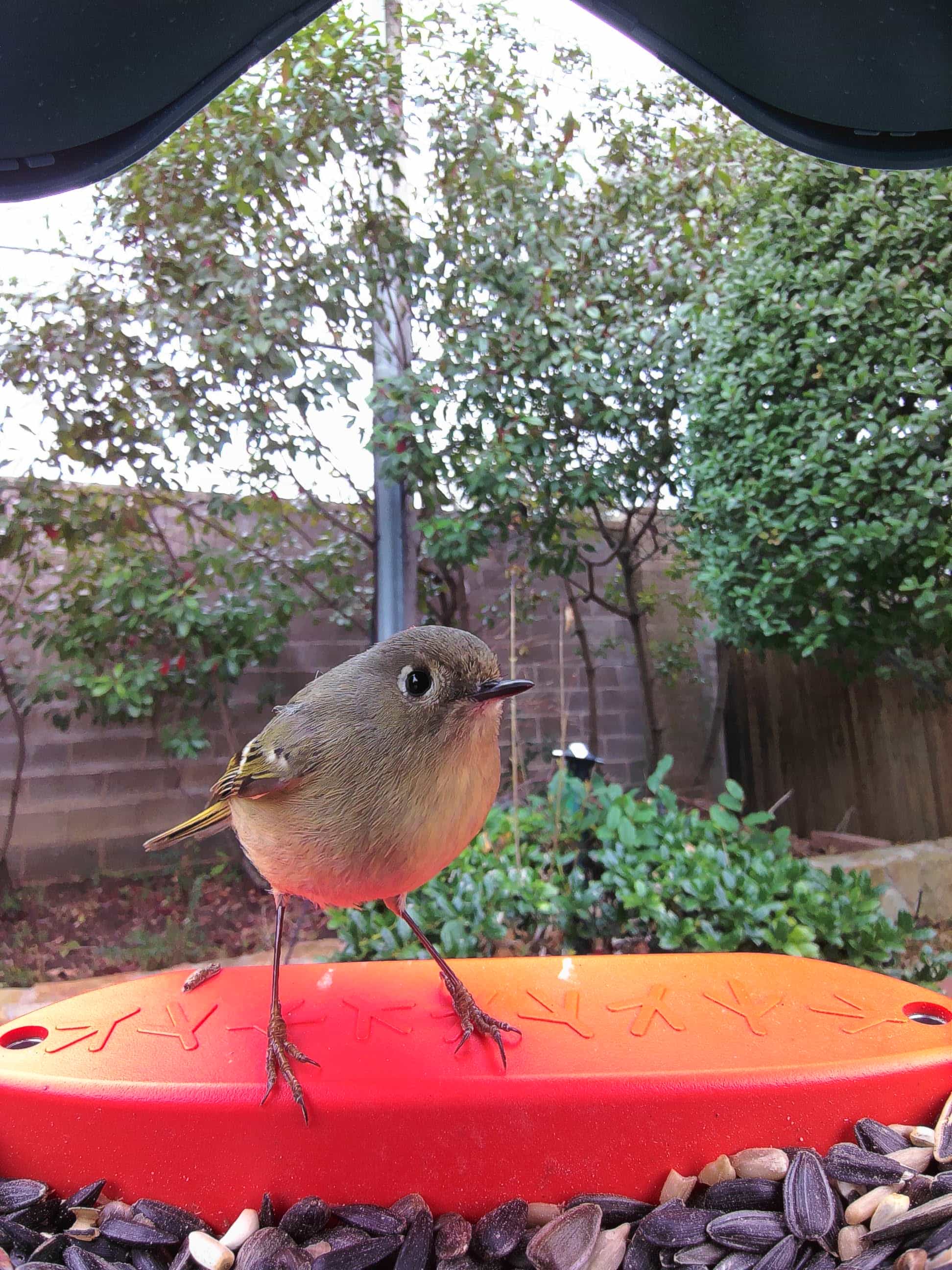
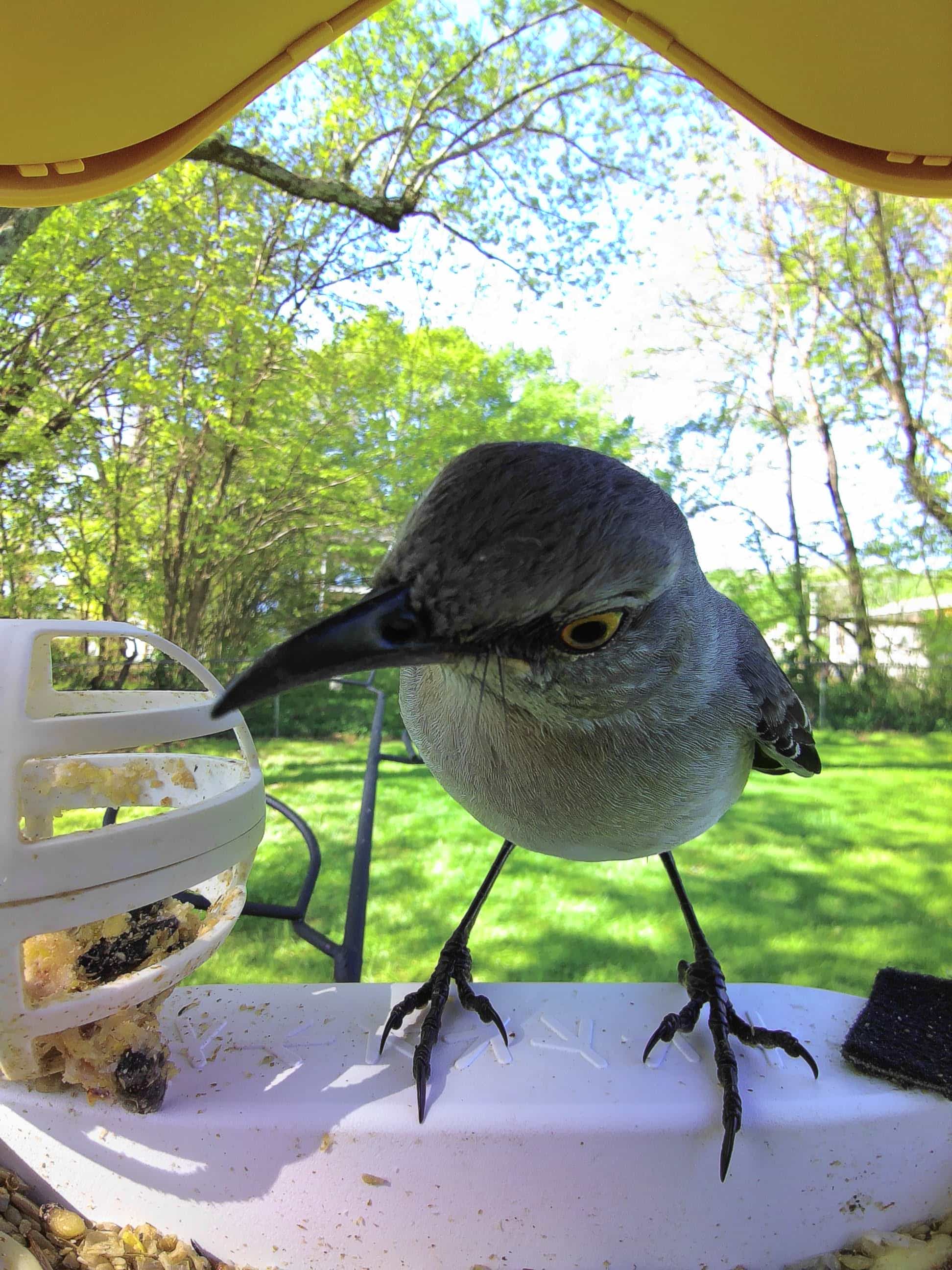
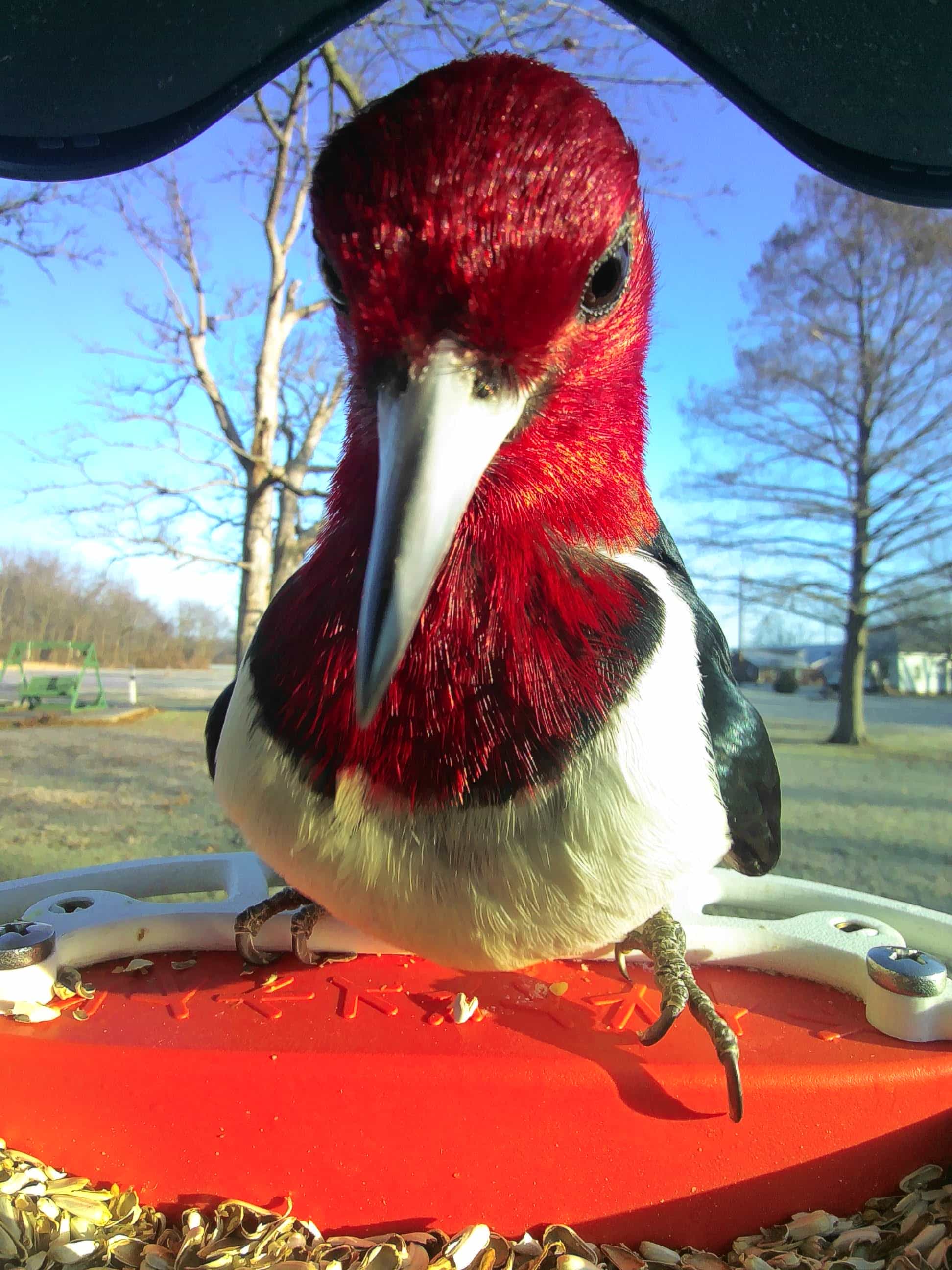
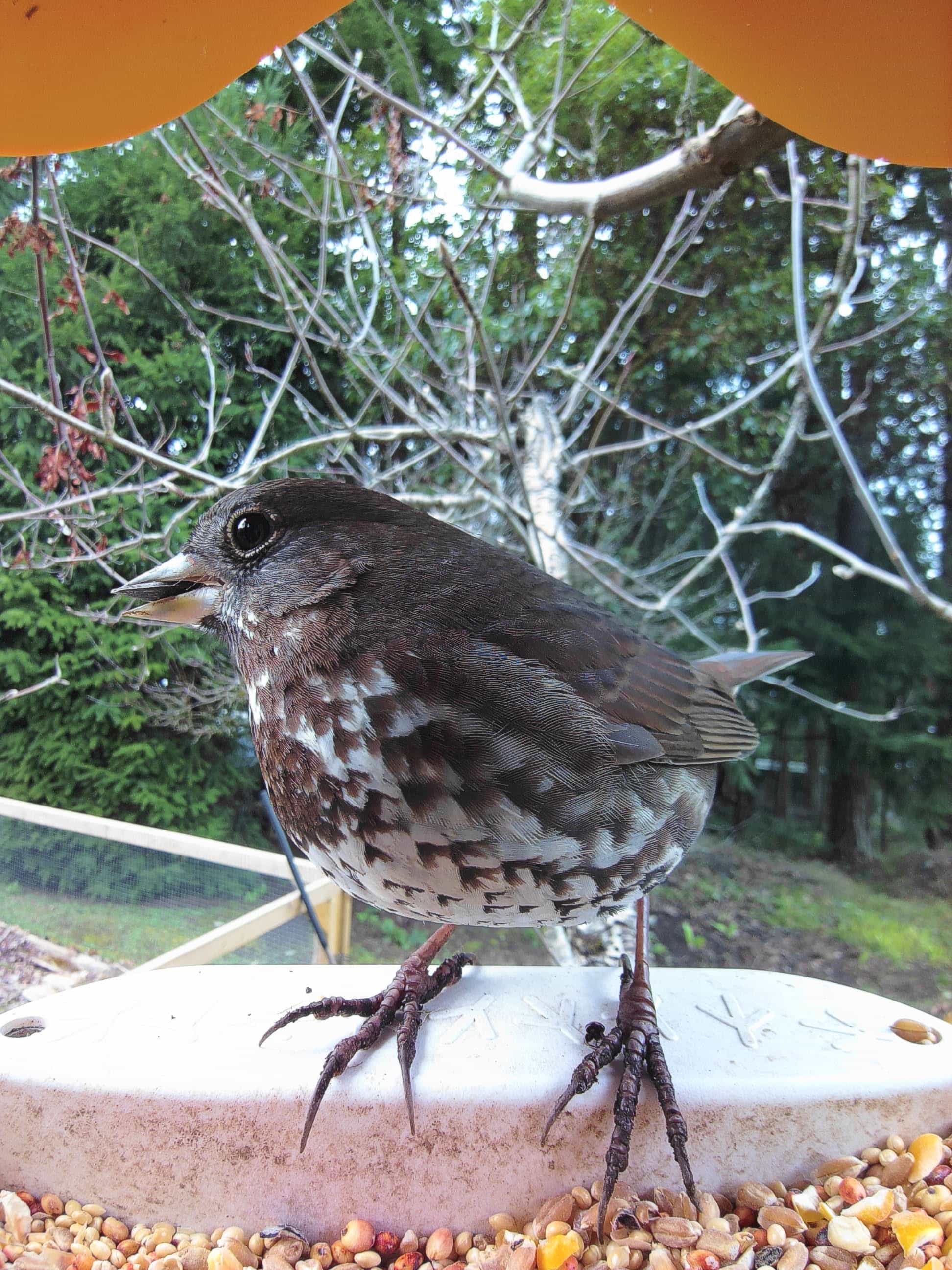
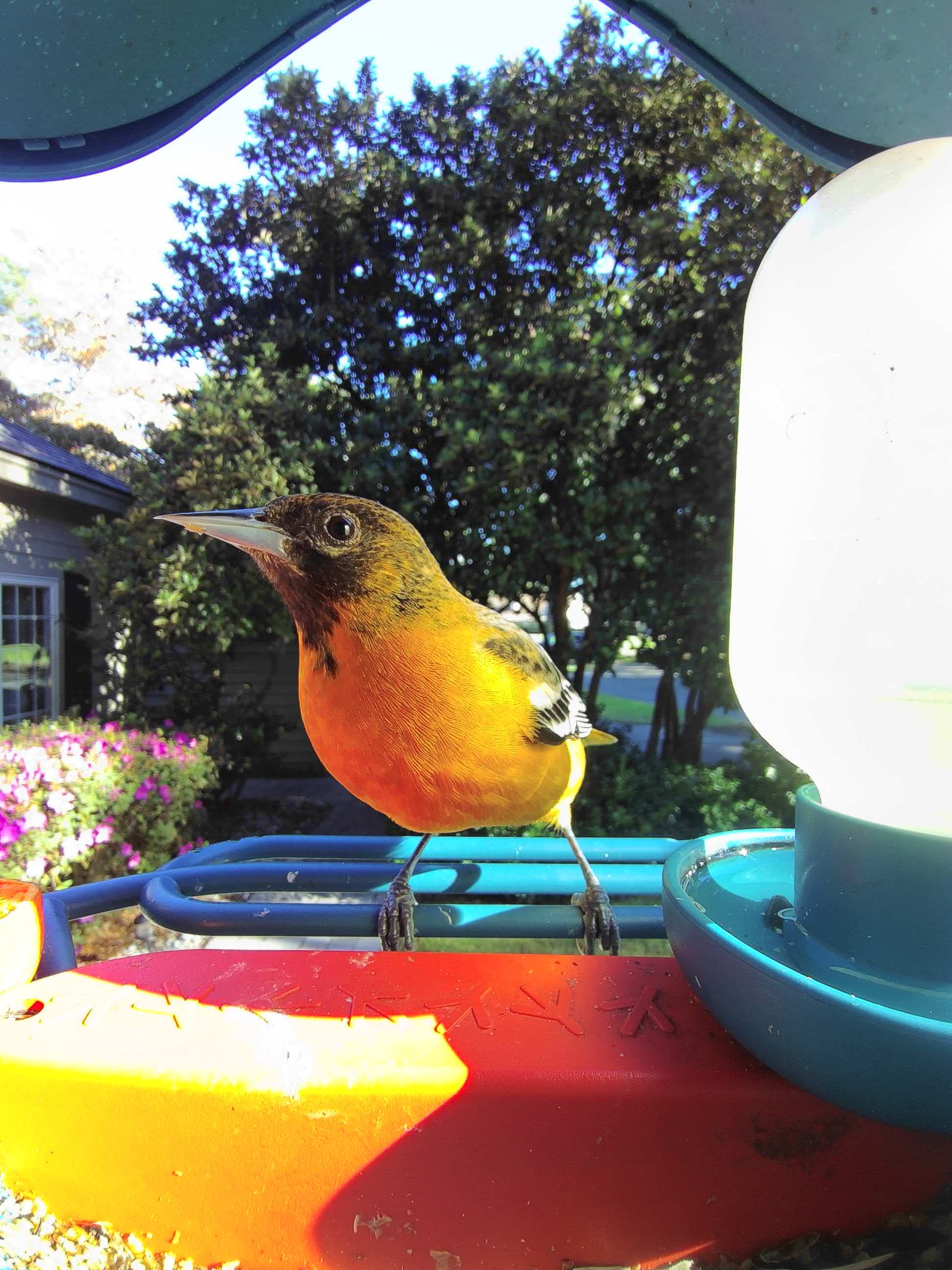
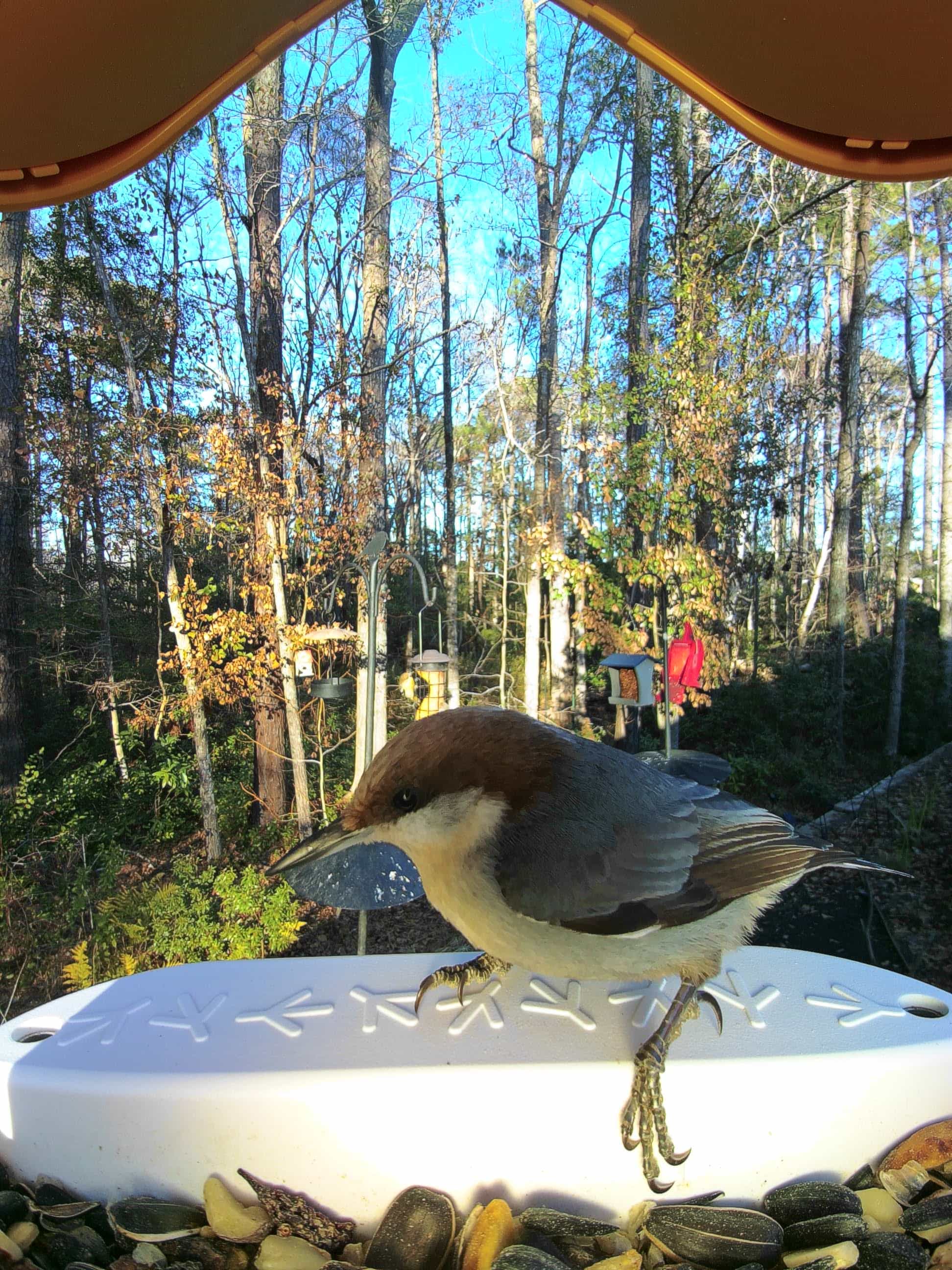
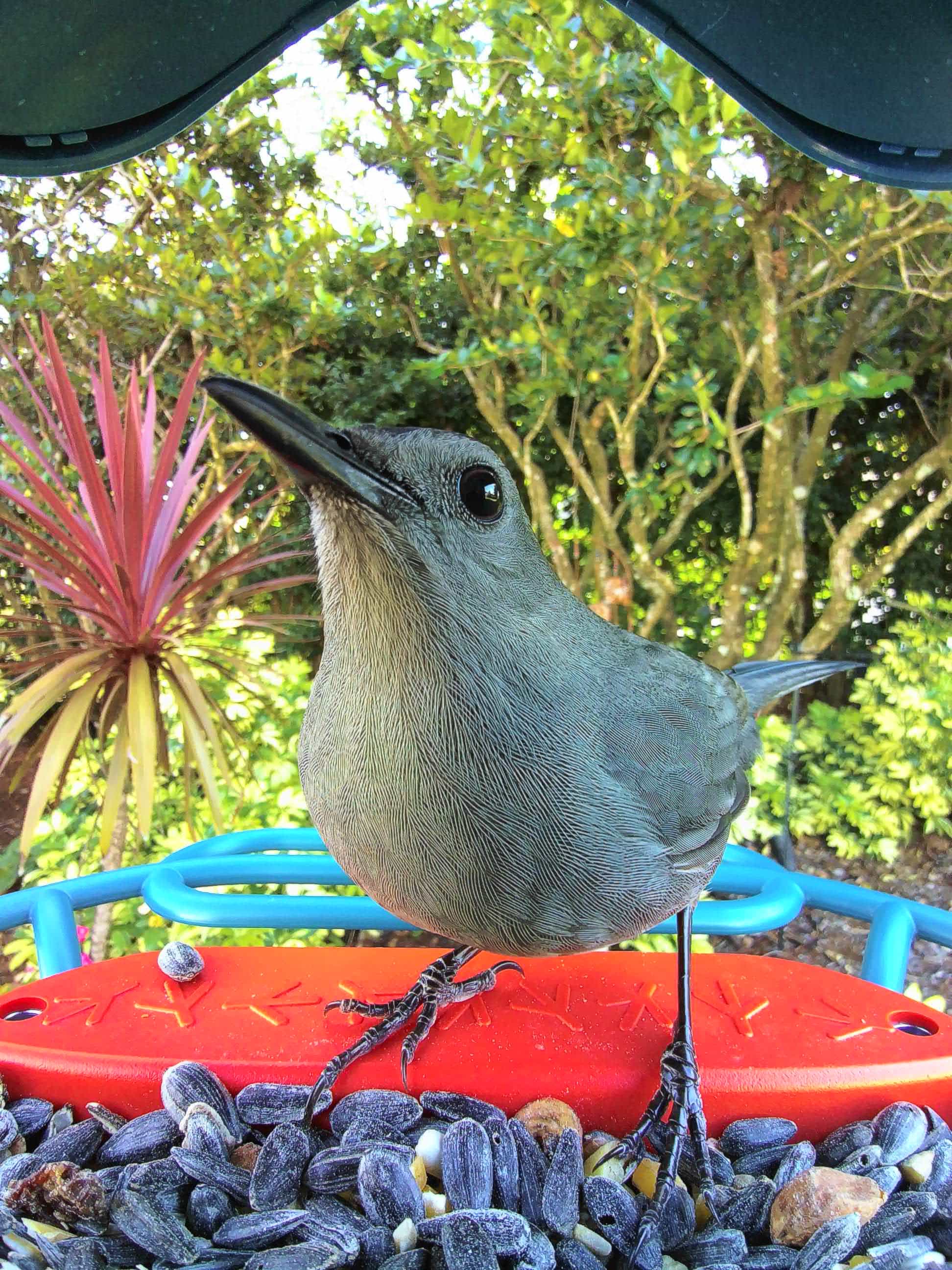
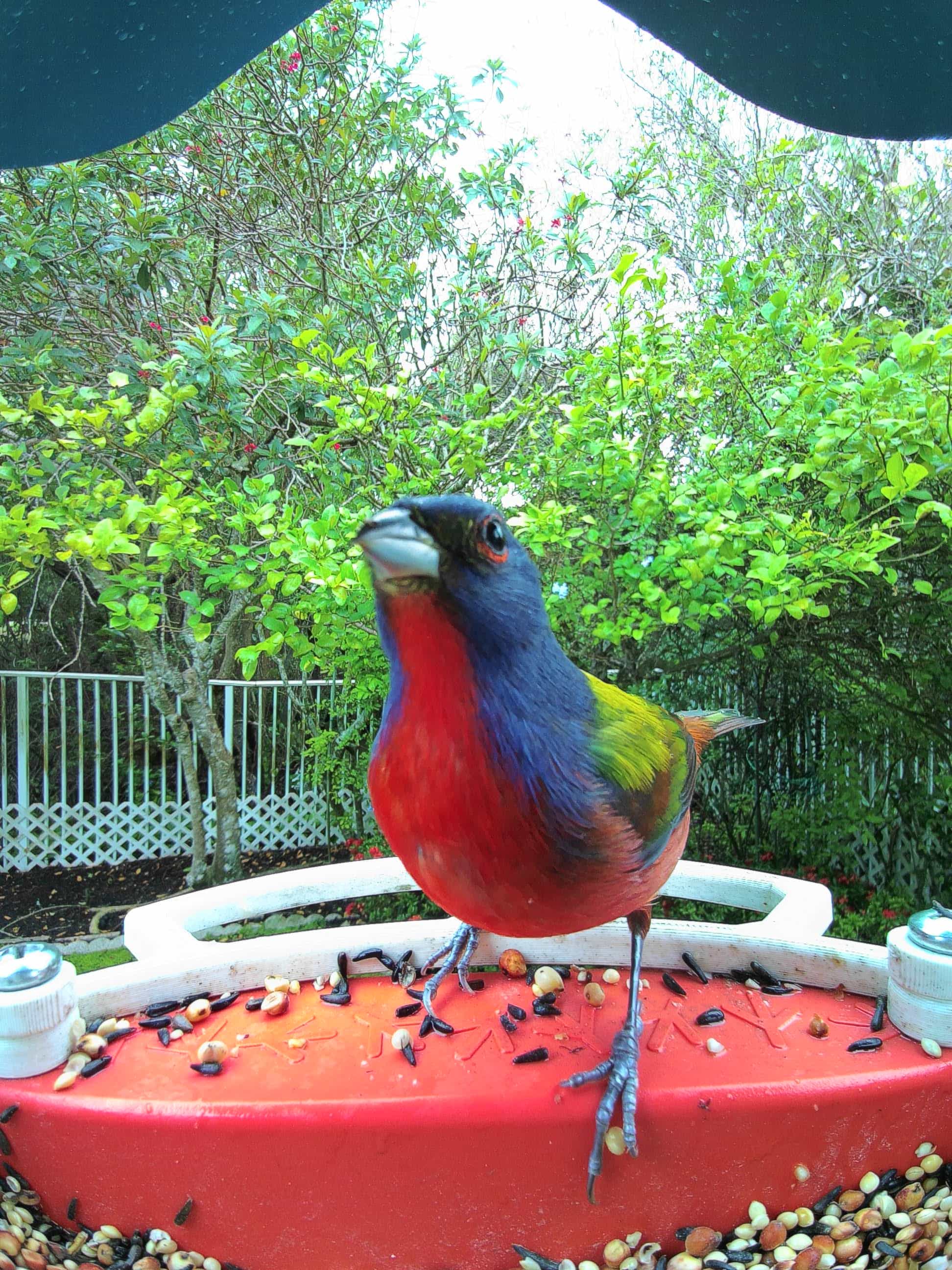
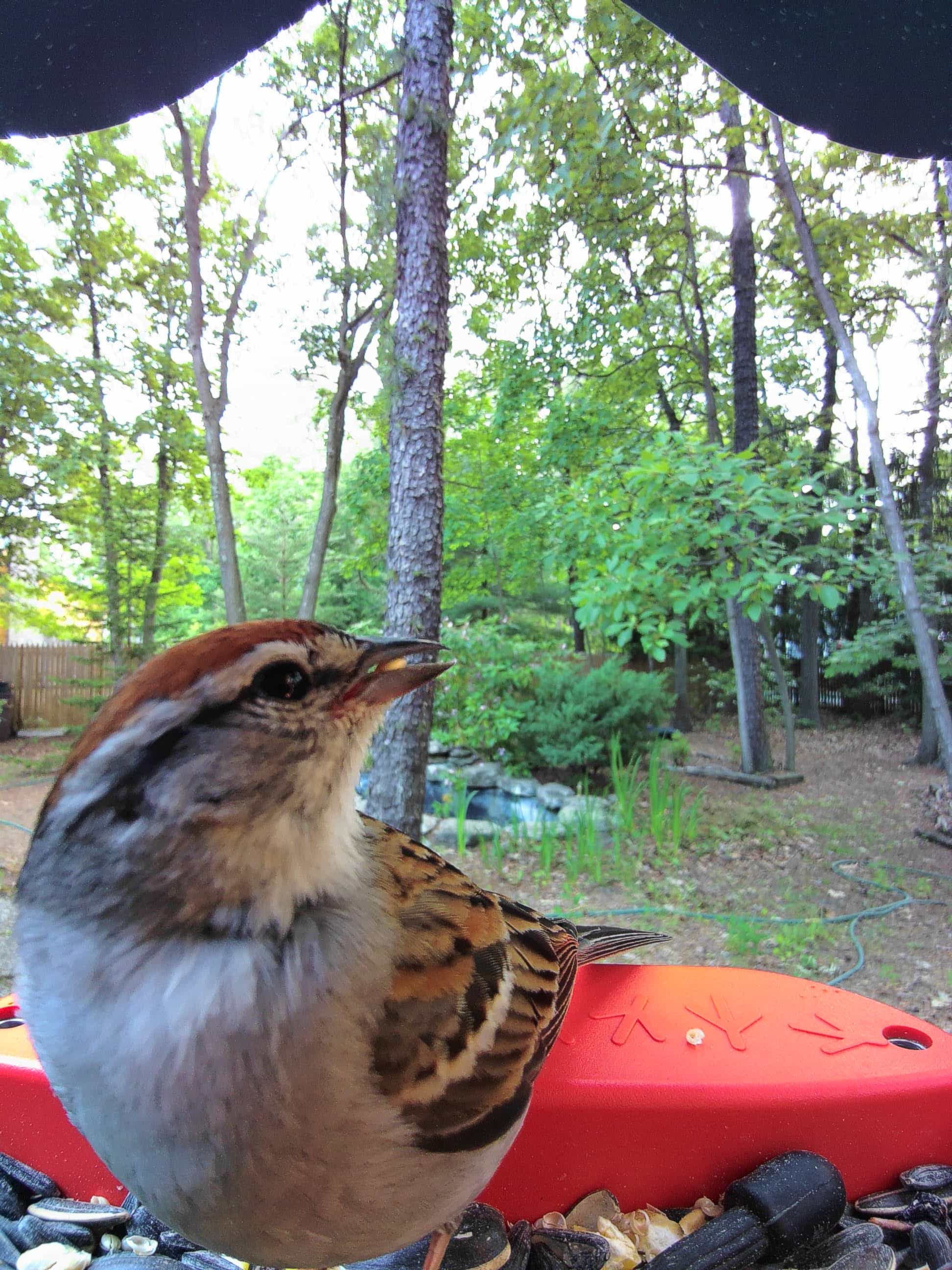
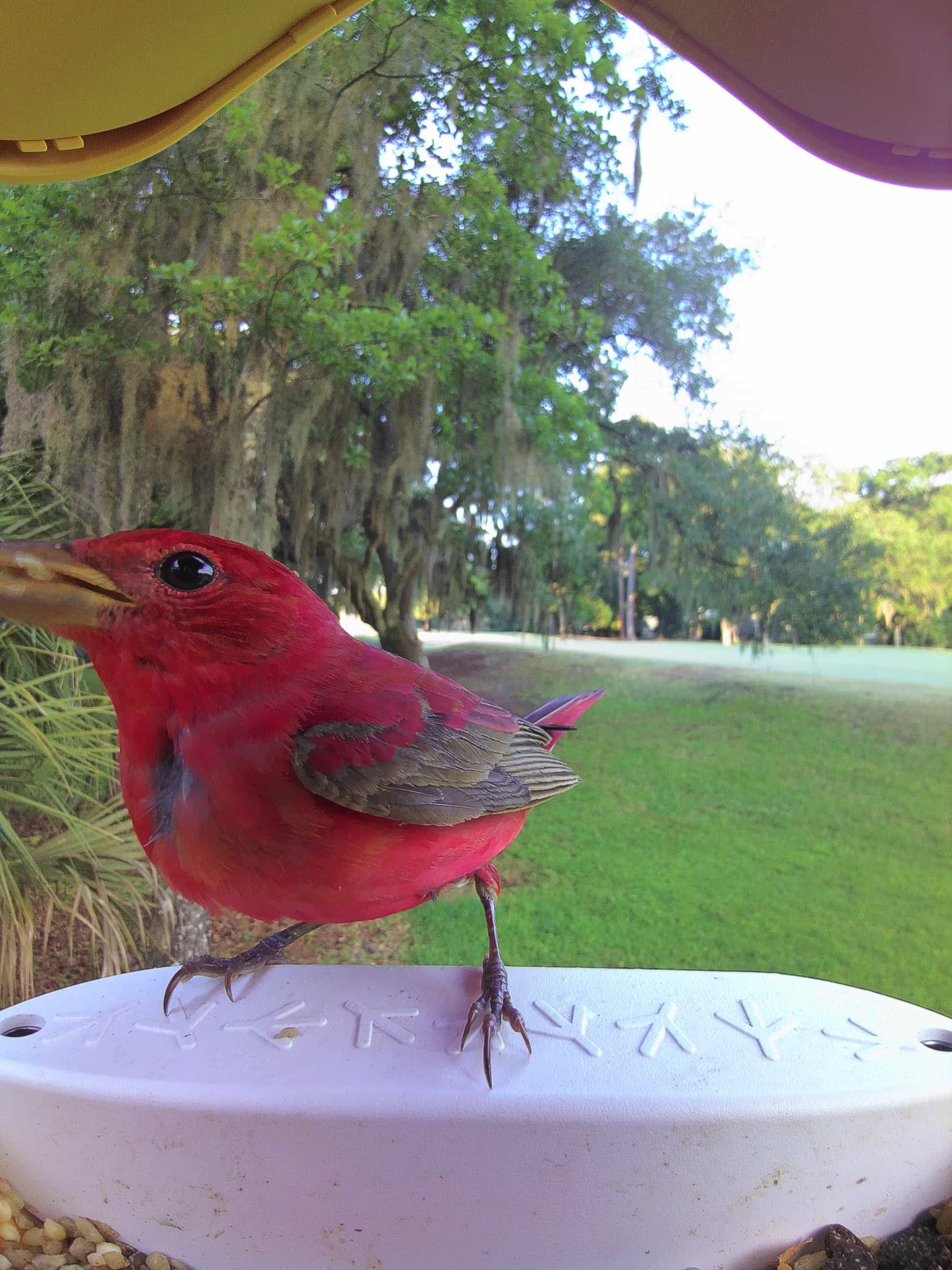
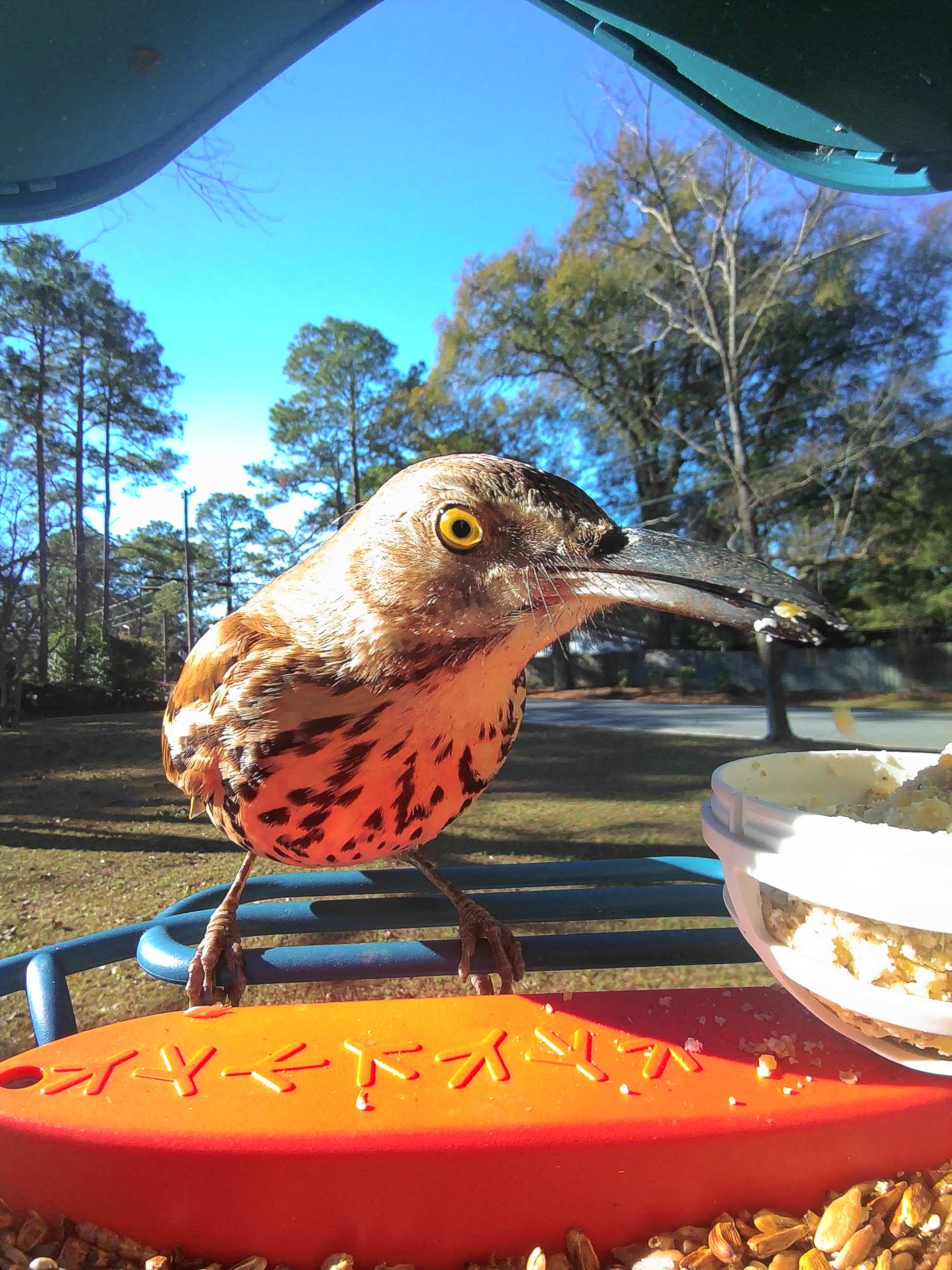
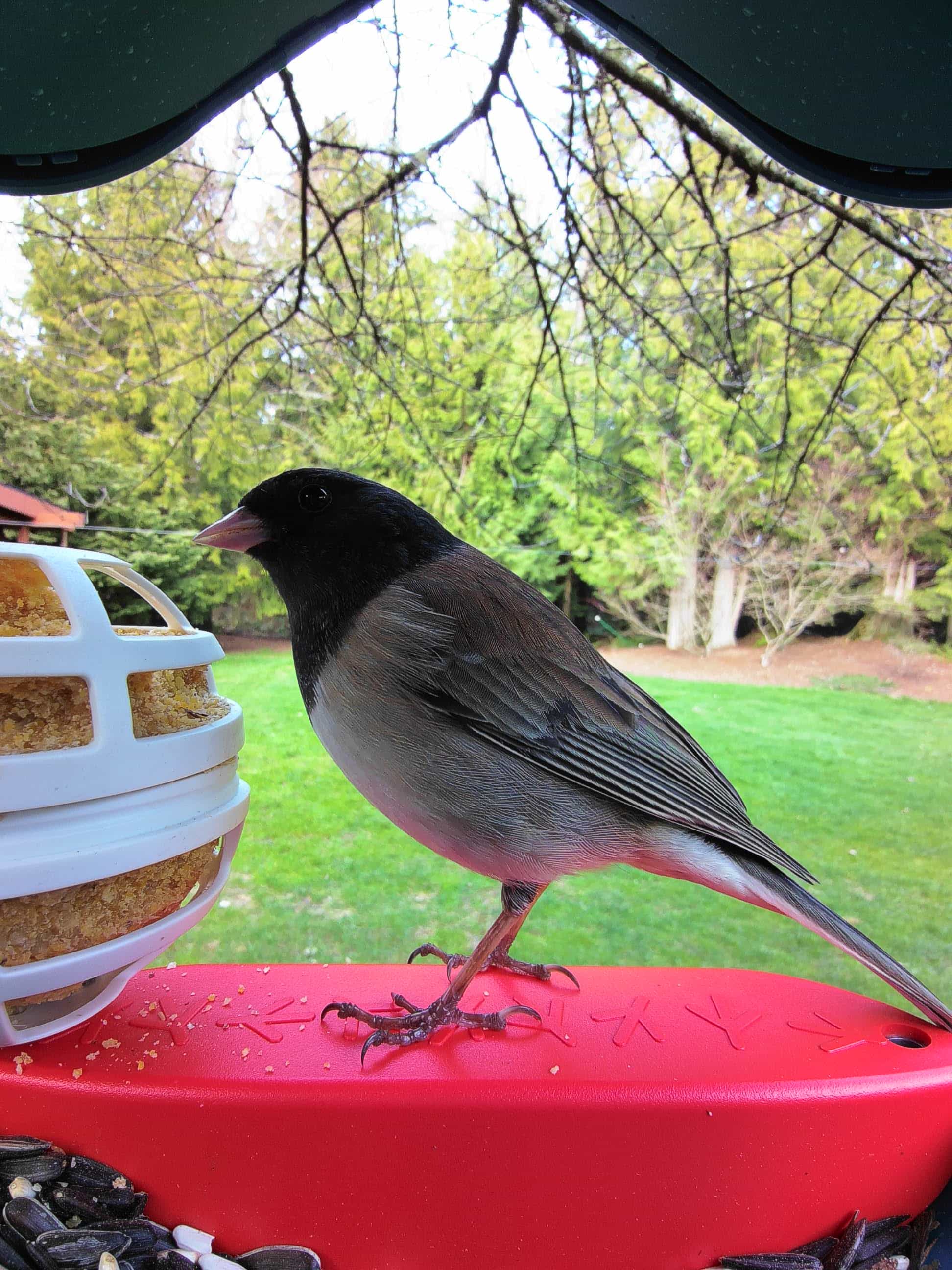
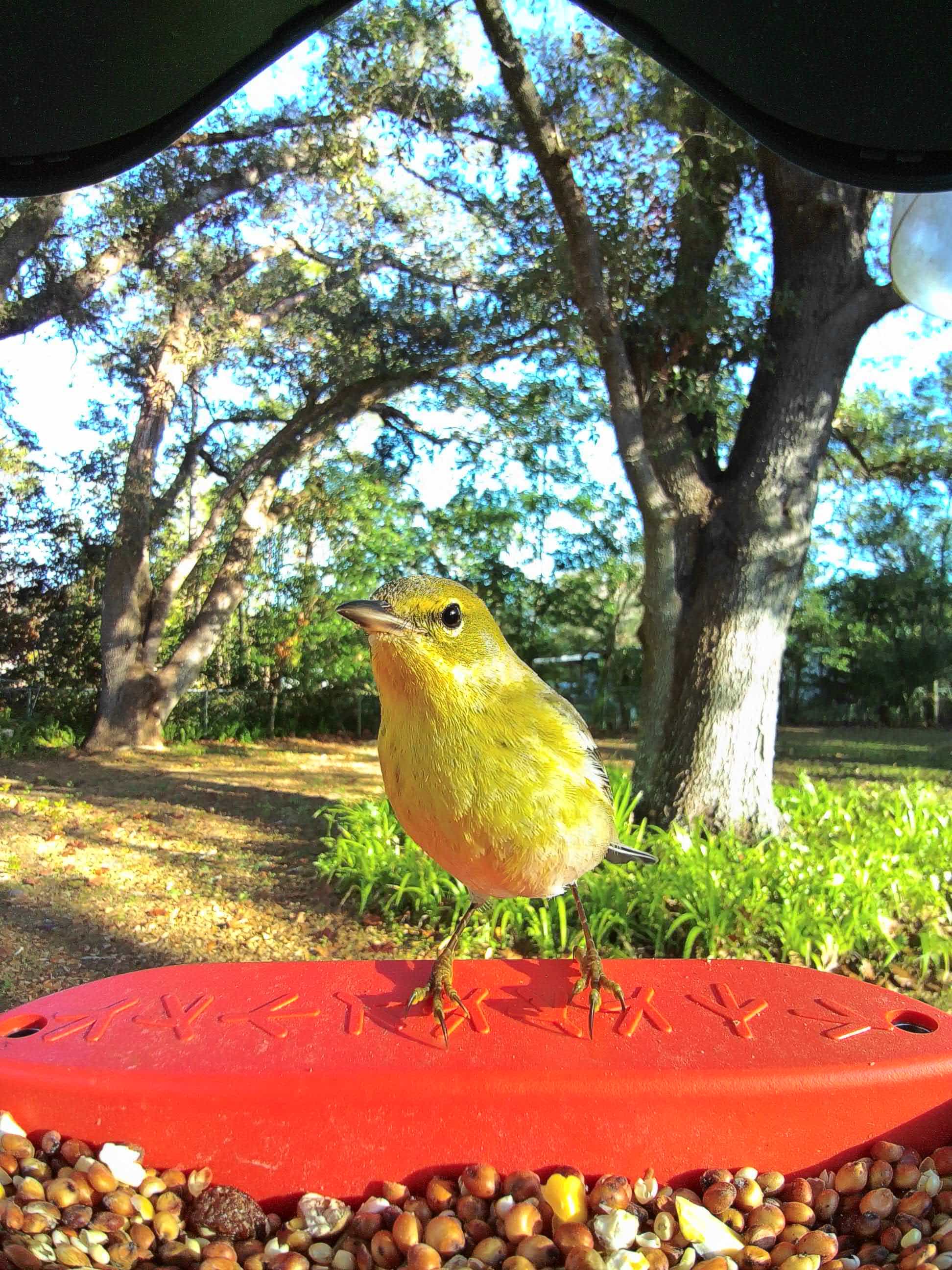
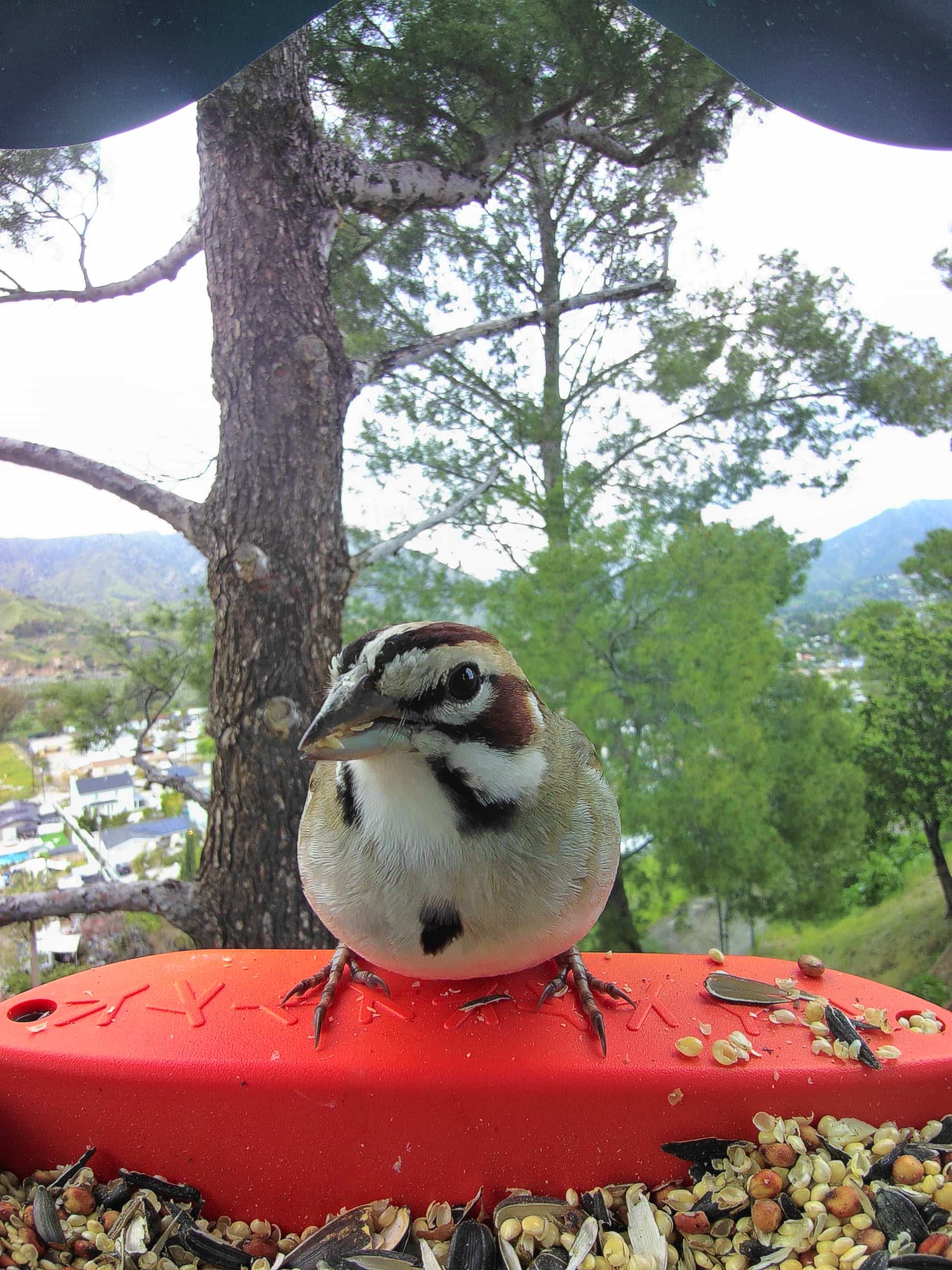
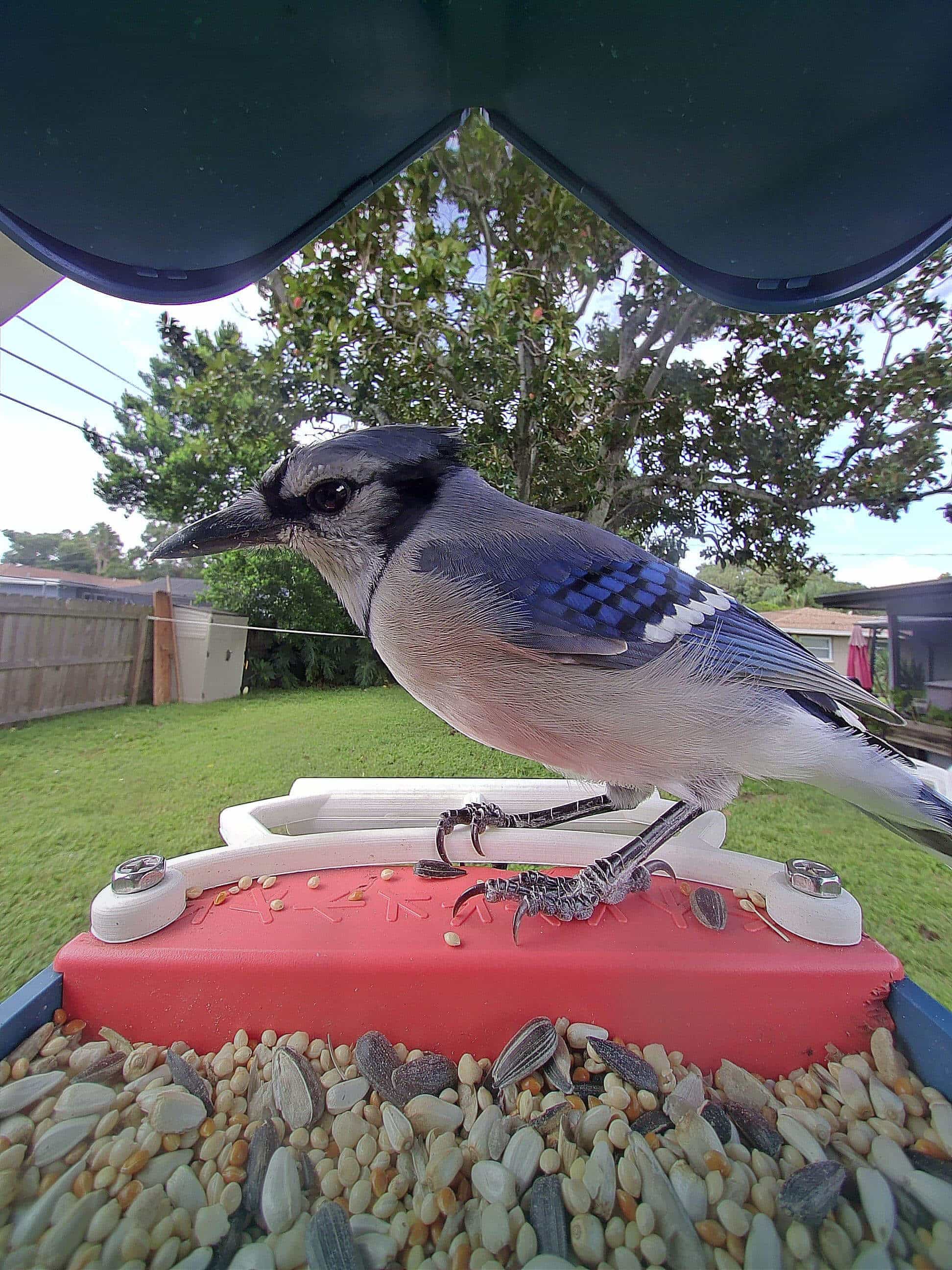
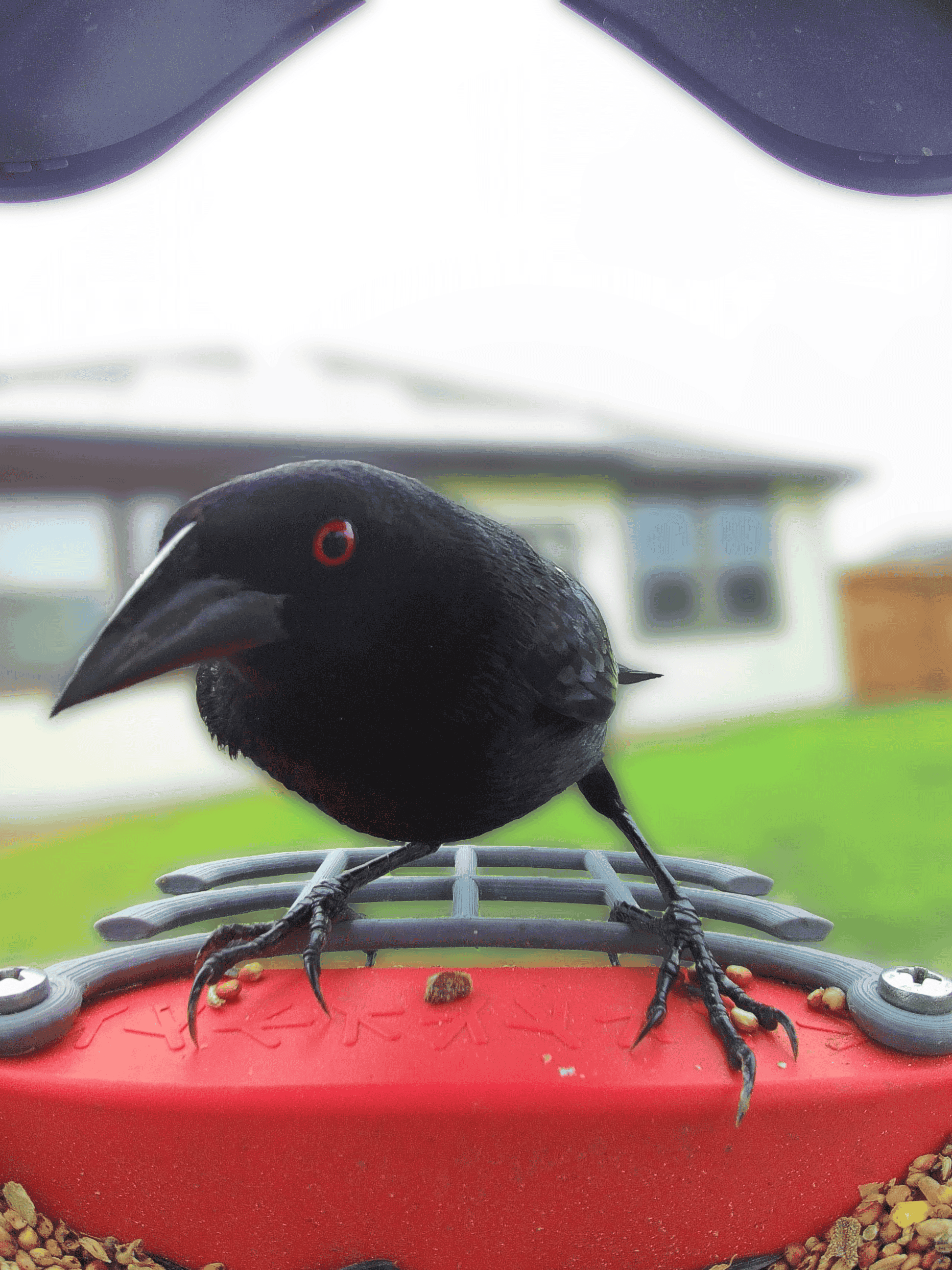
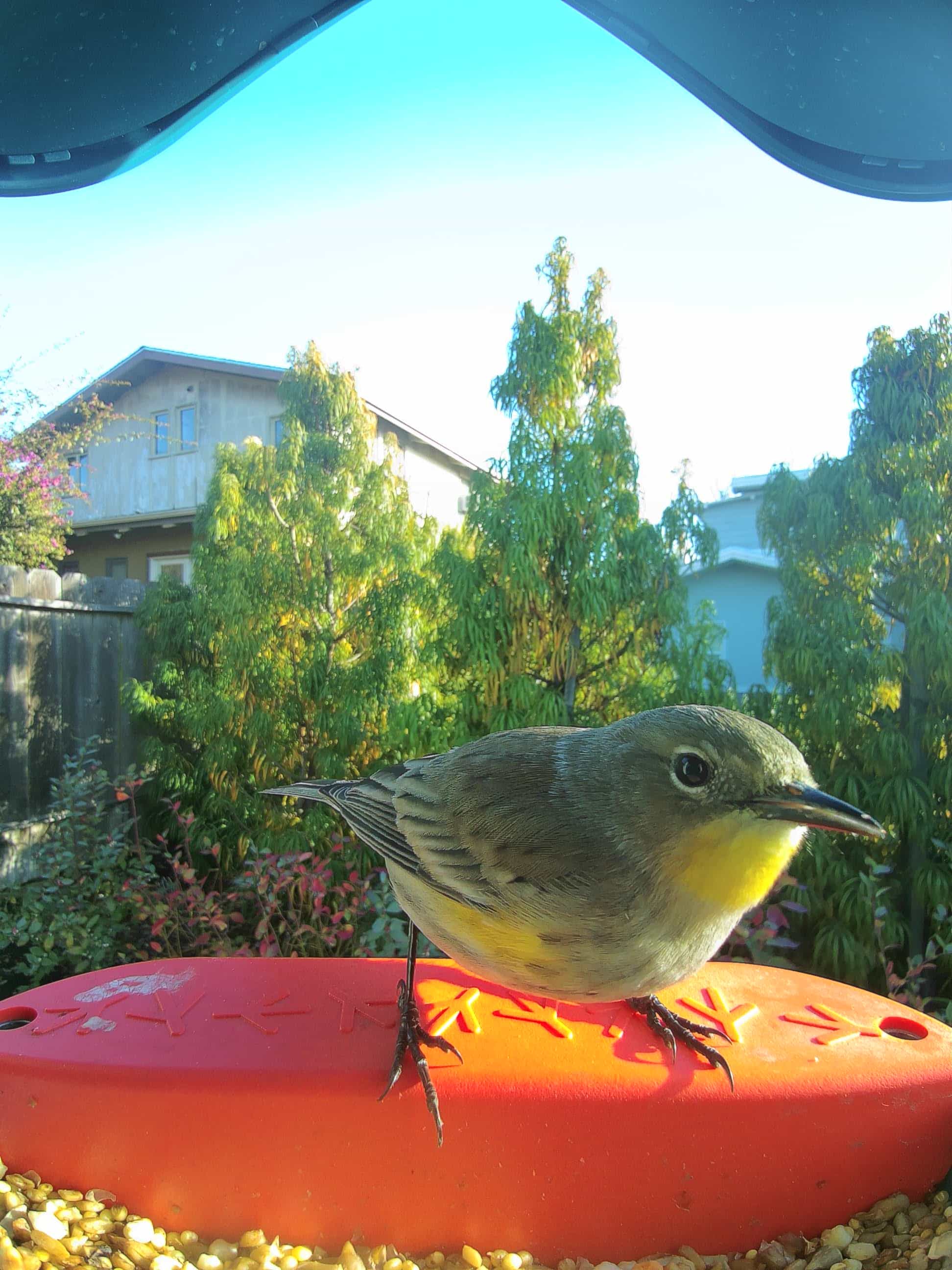
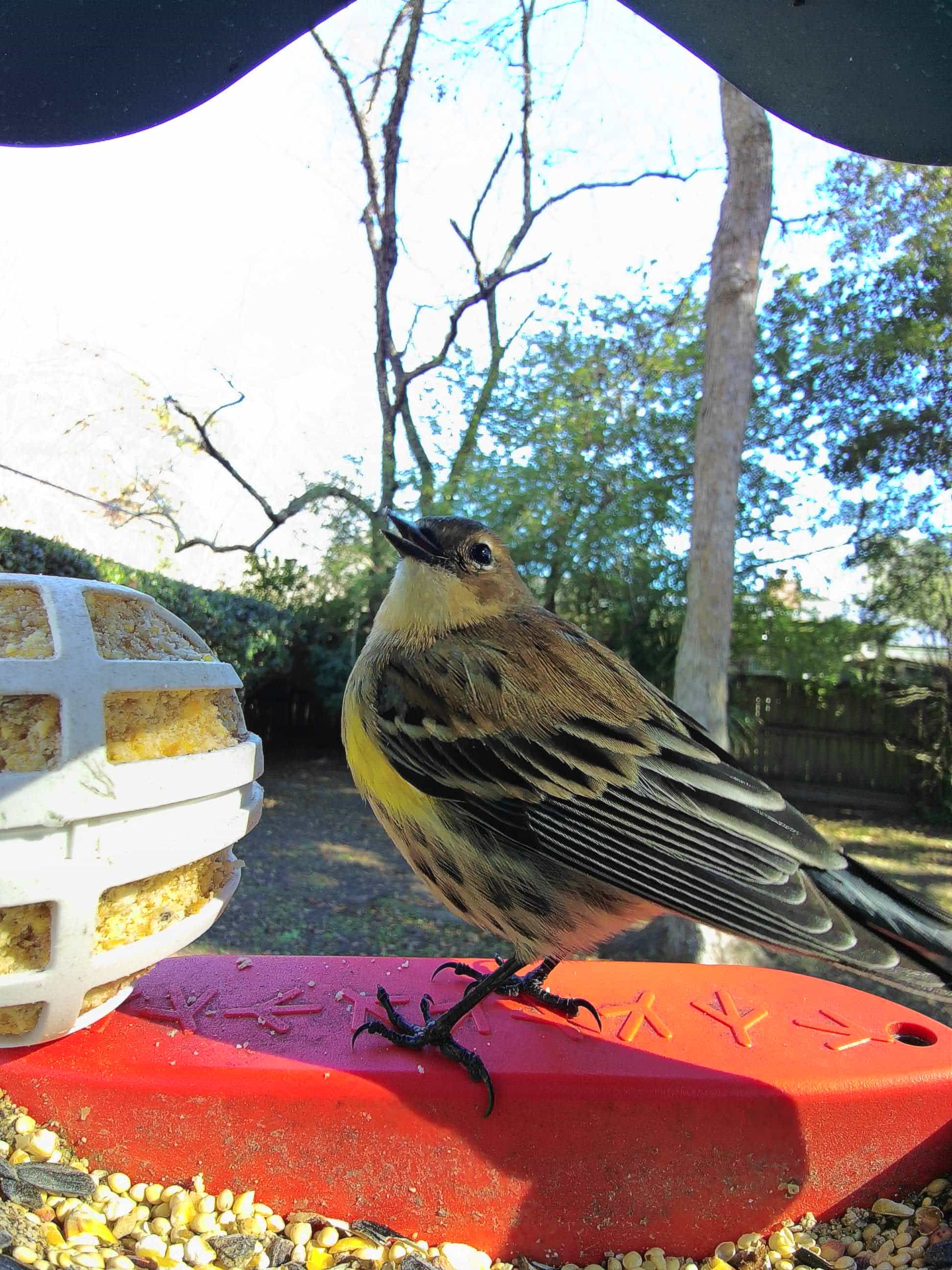
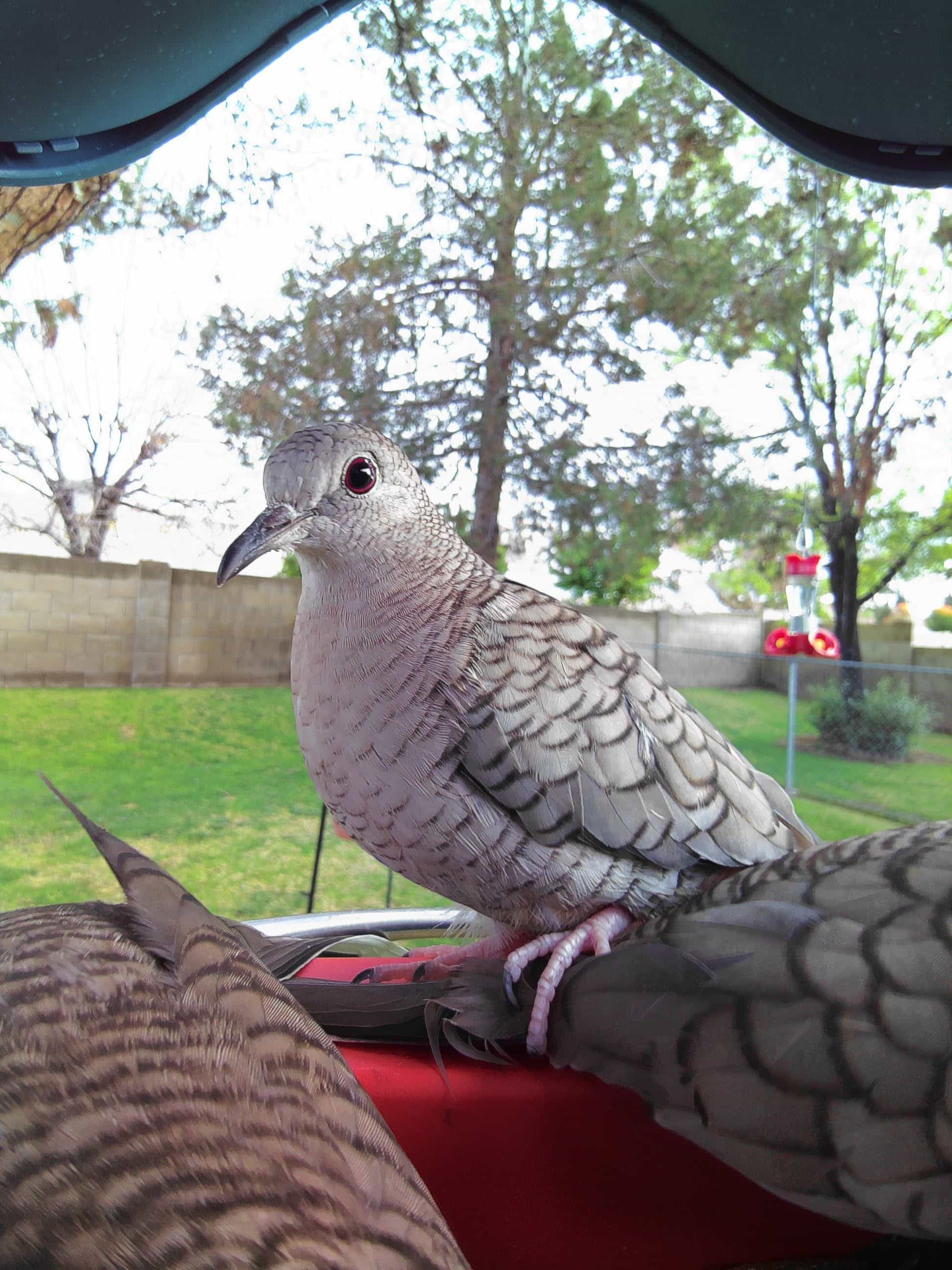
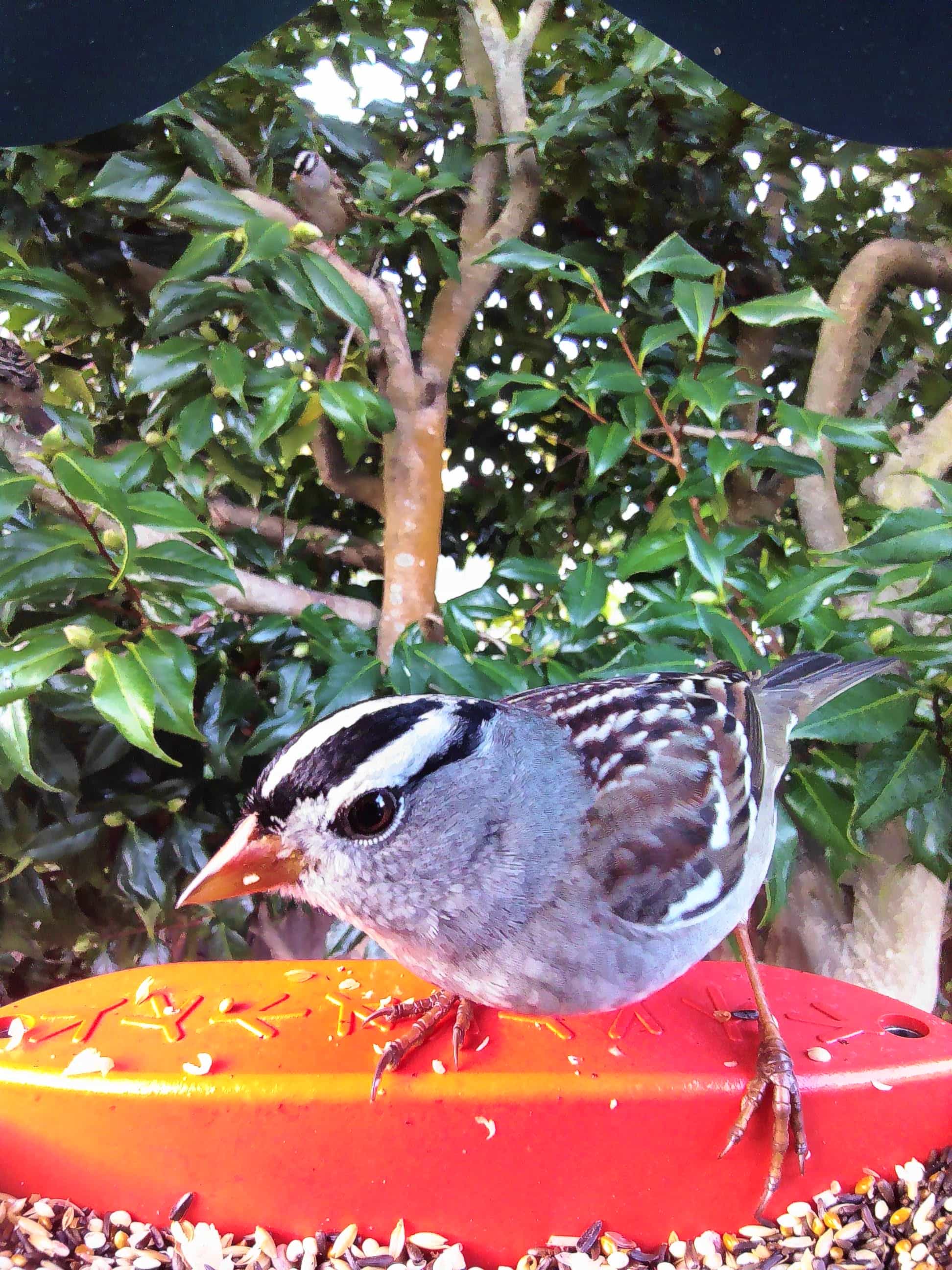
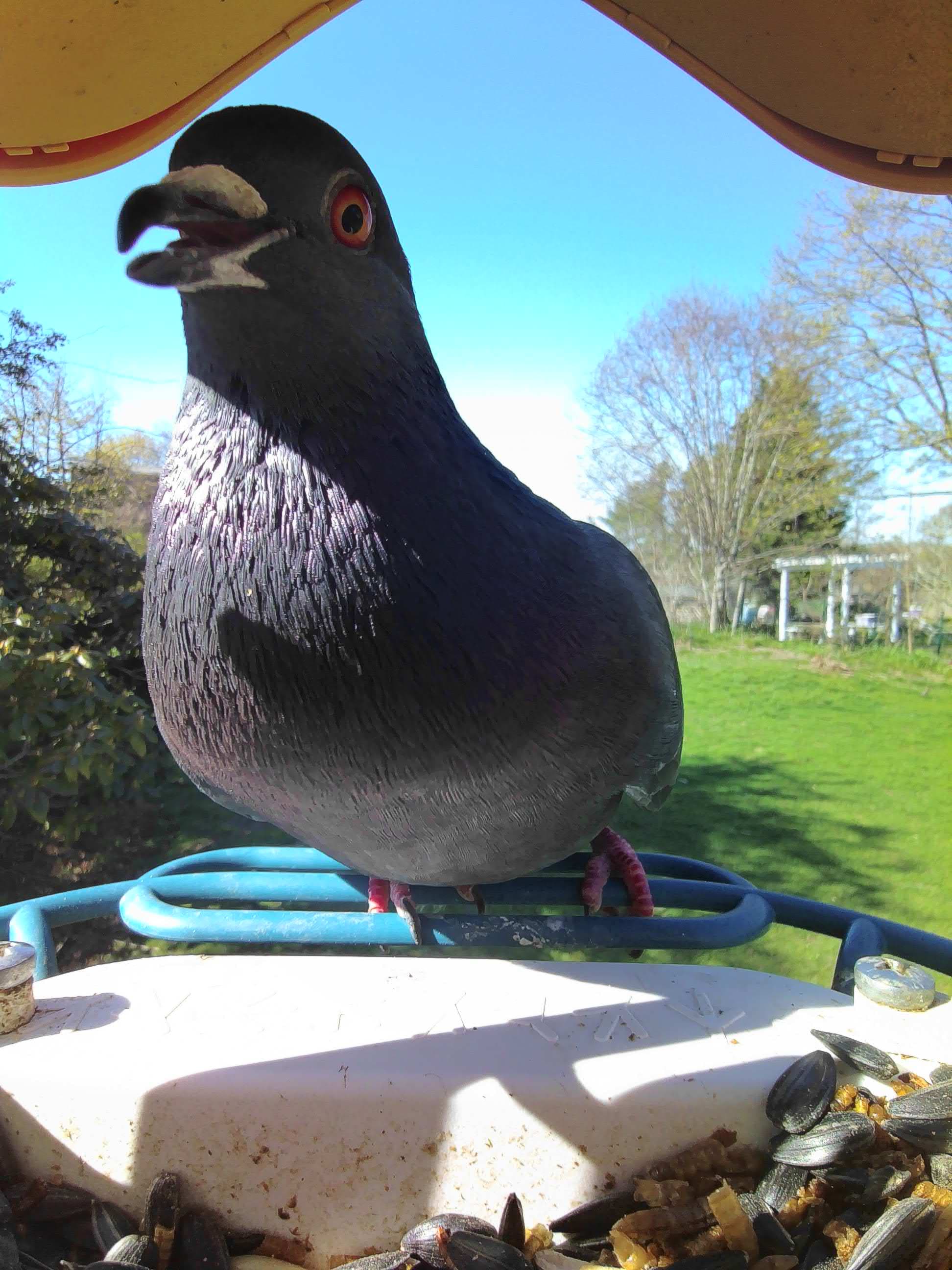
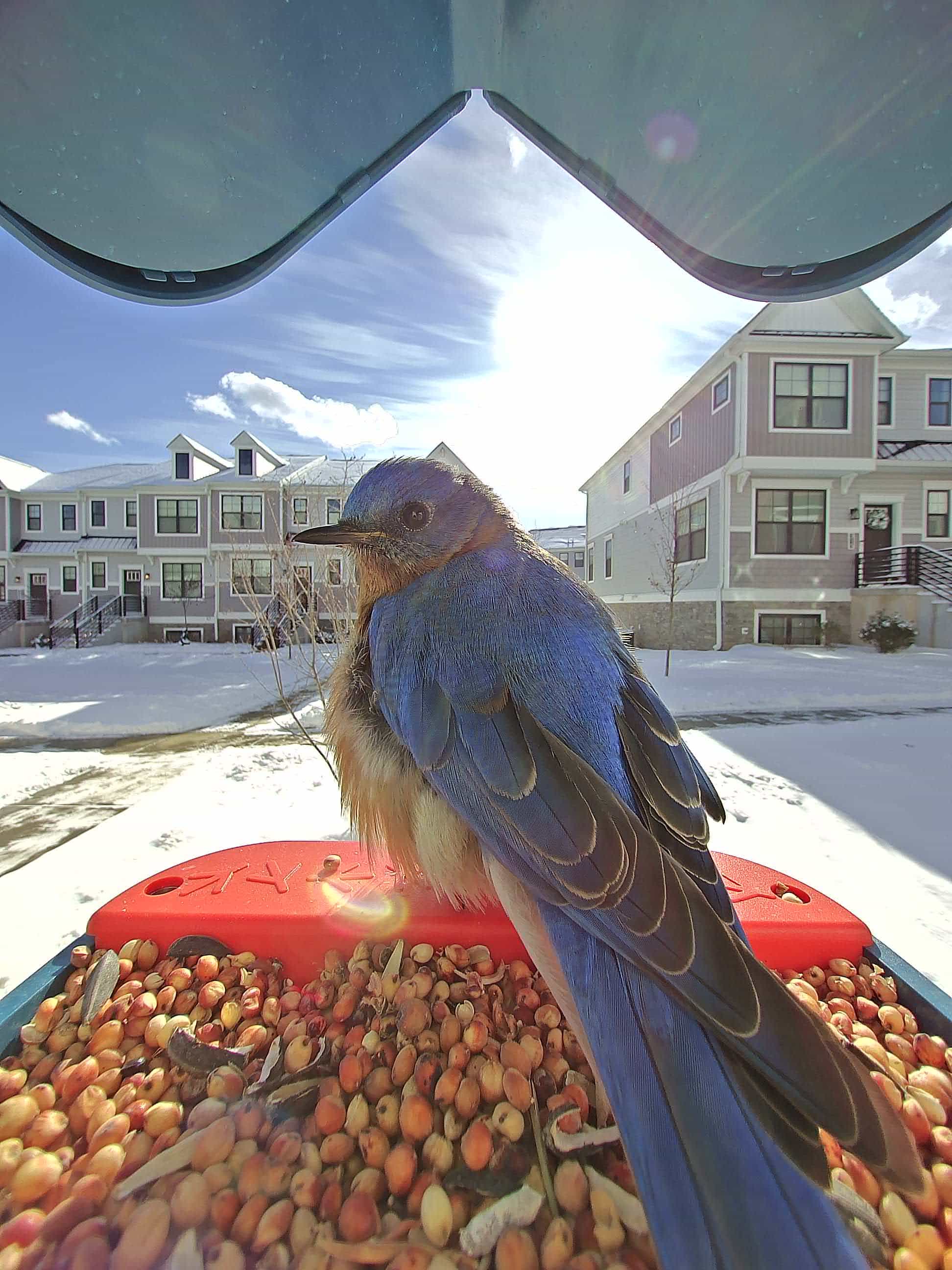
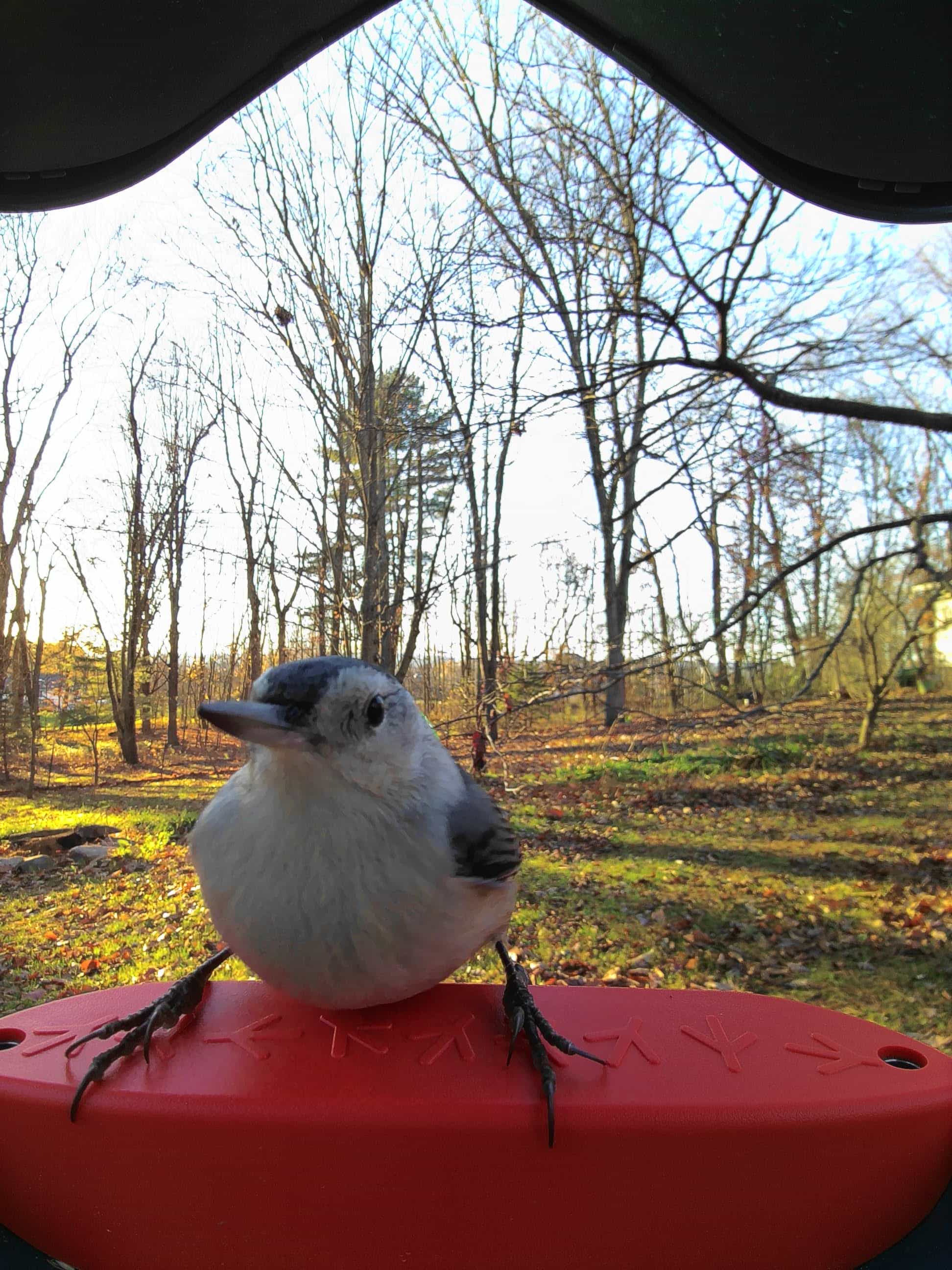
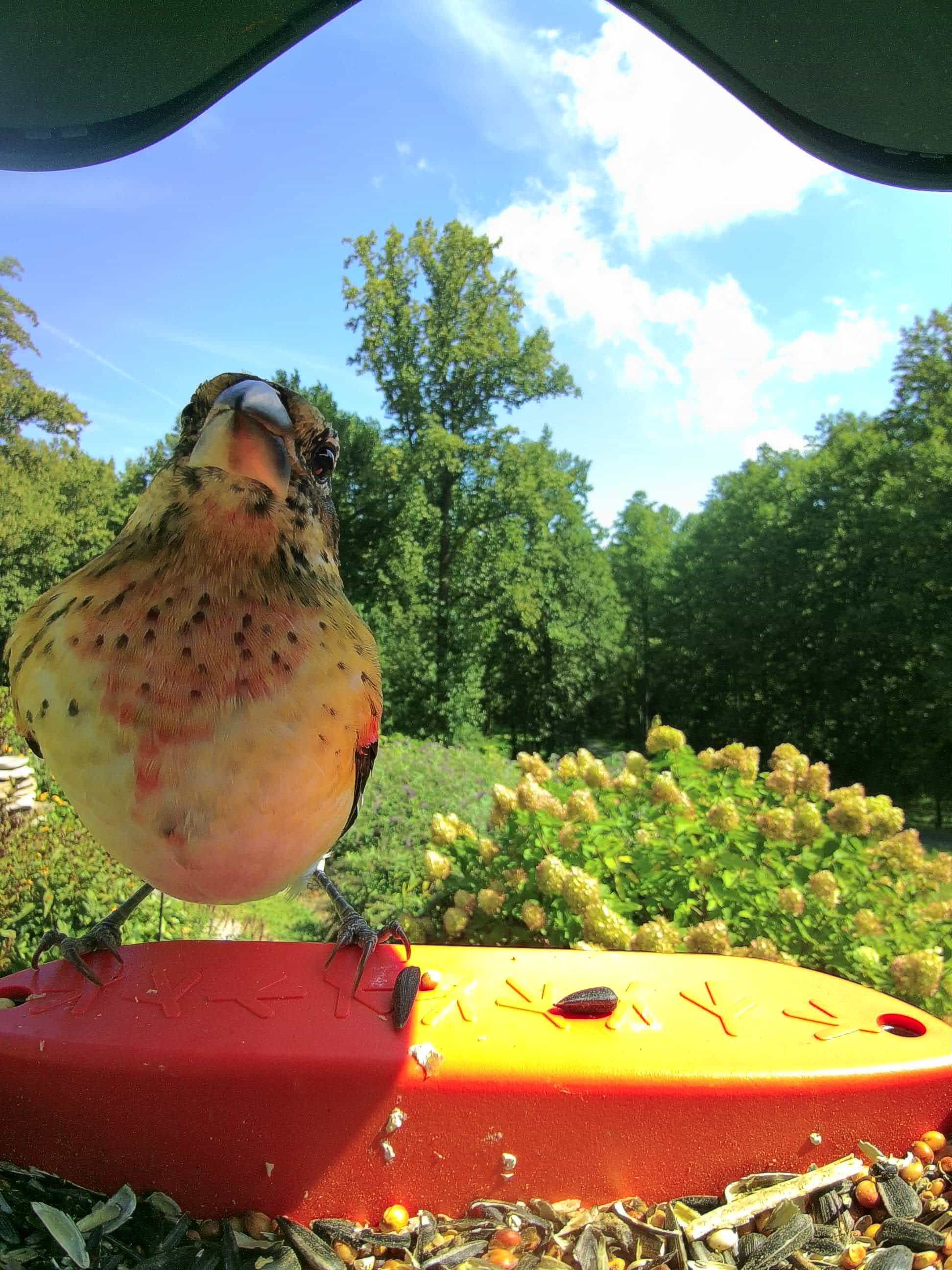
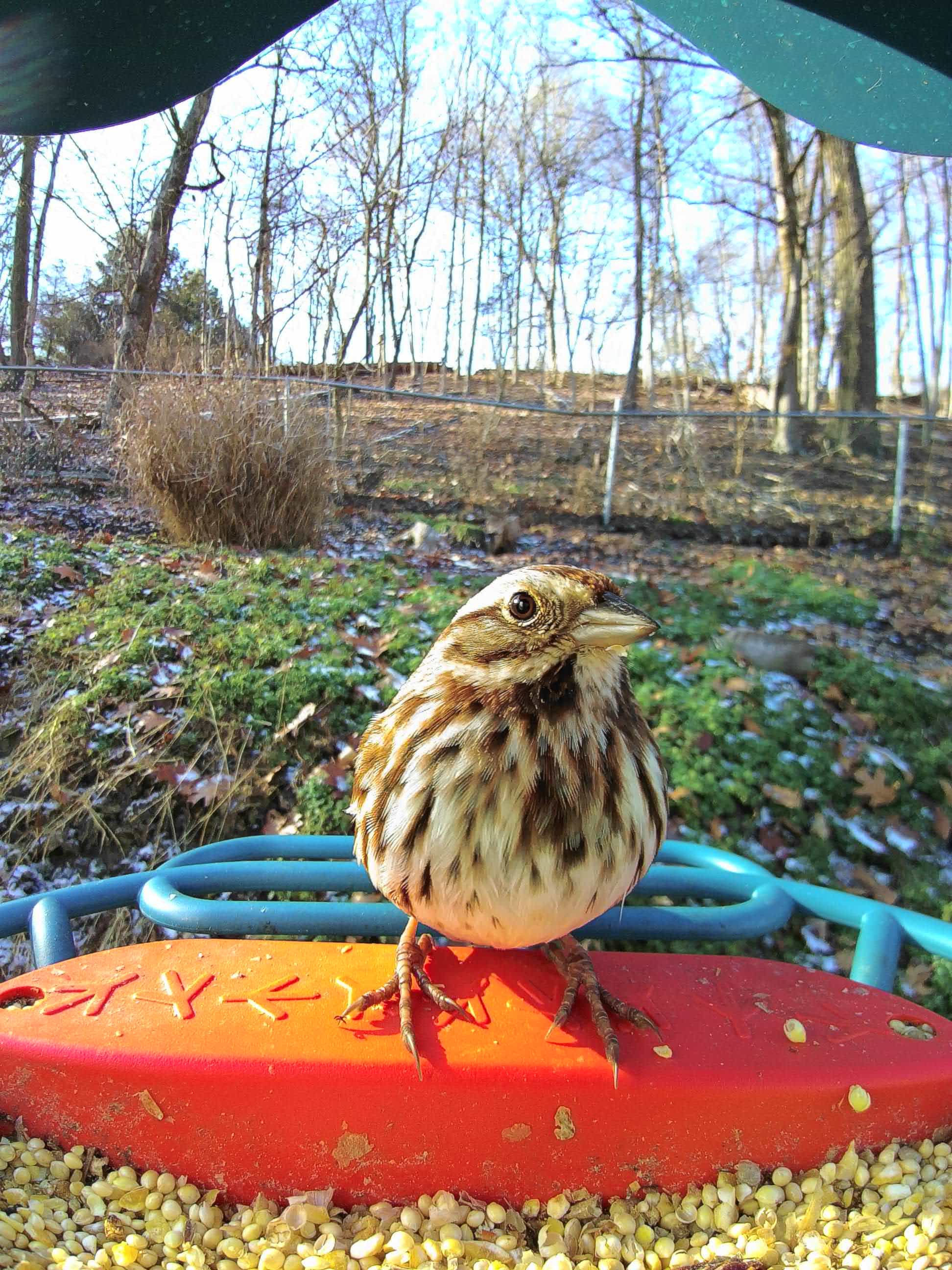
Birds seen on Birdbuddy feeders in Baton Rouge
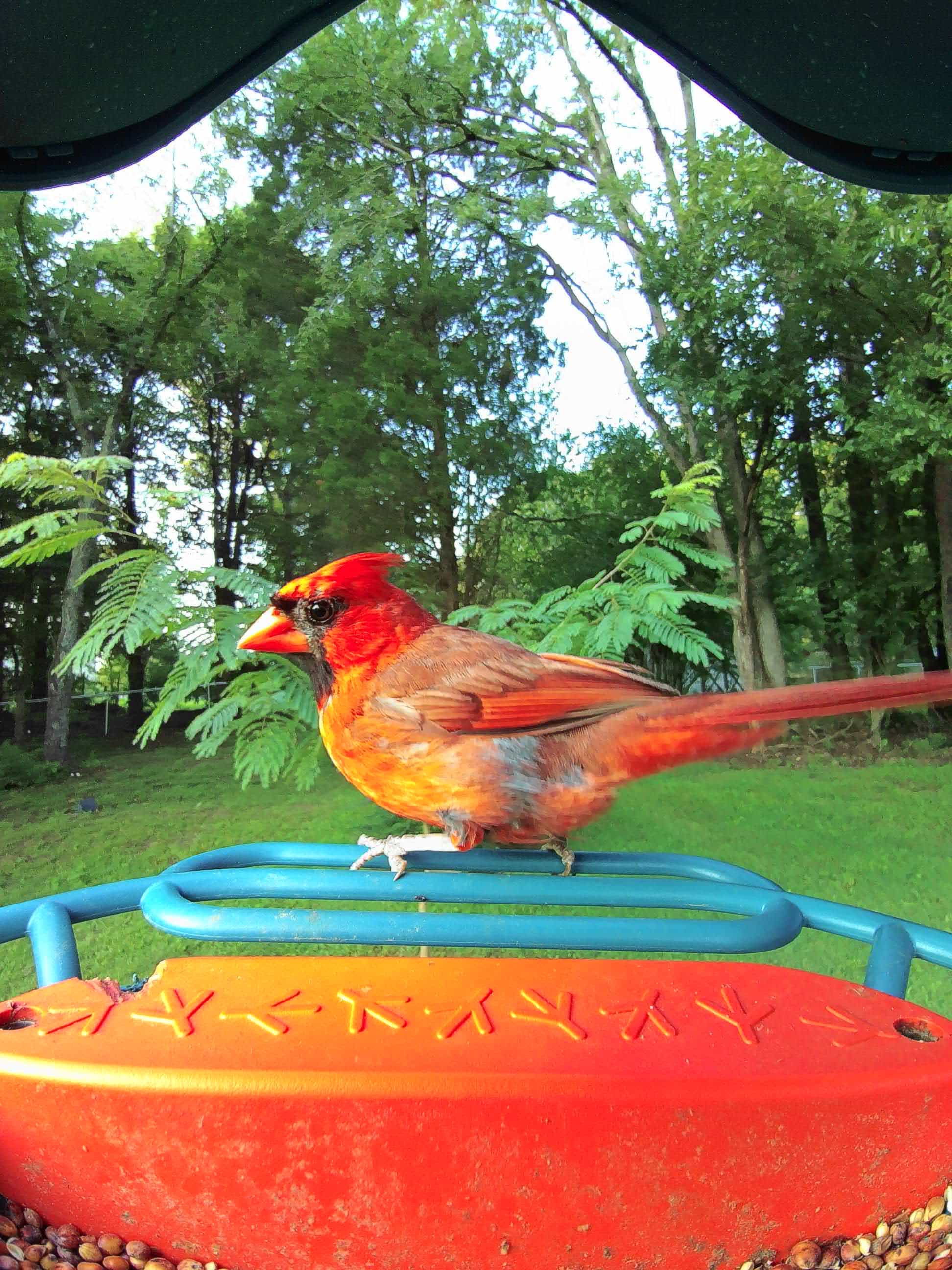
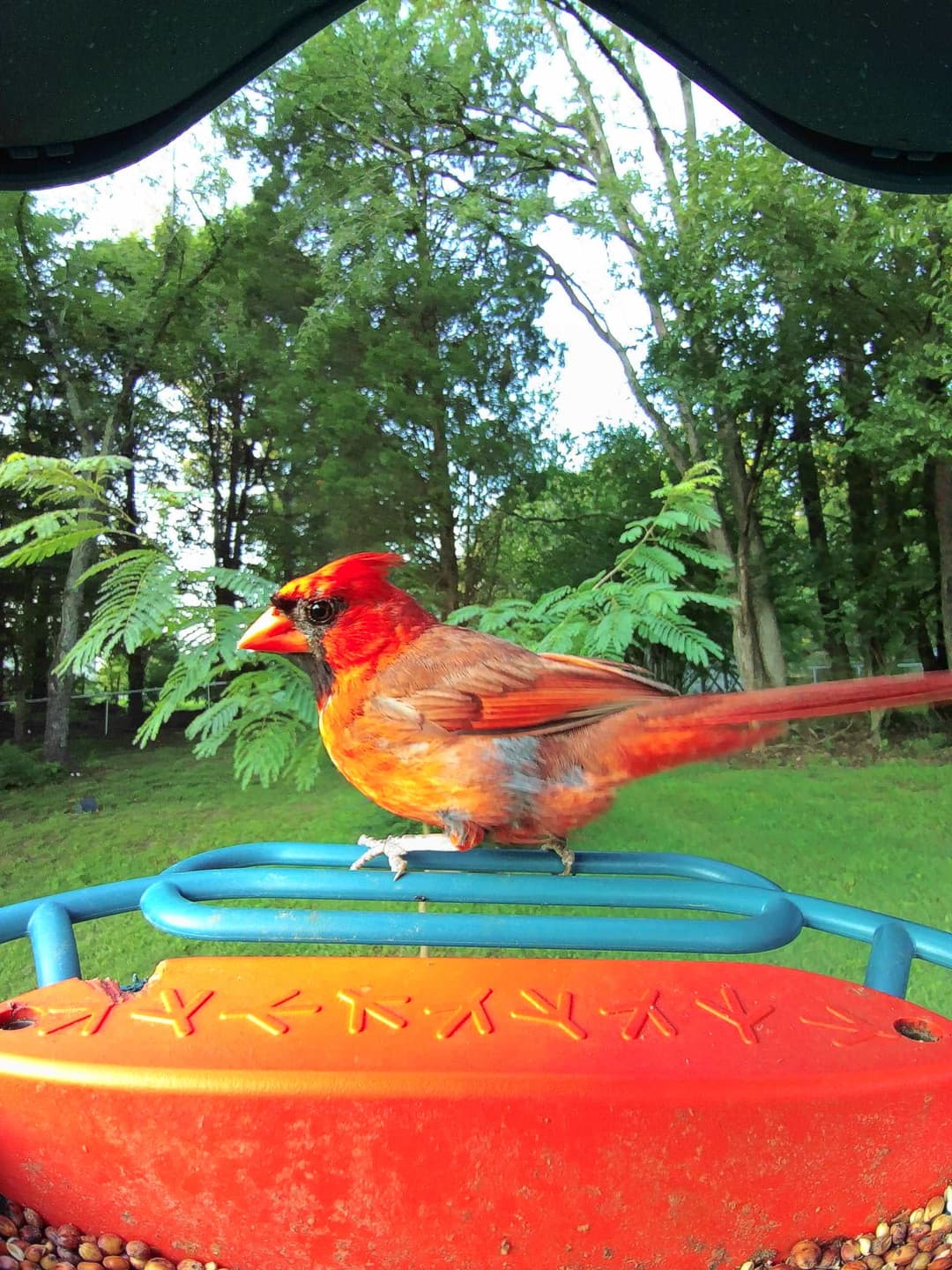
Northern Cardinal (Cardinalis cardinalis): This vibrant songbird is known for its striking red plumage, distinctive crest, and robust bill, commonly found in woodlands, gardens, and shrublands across North America.
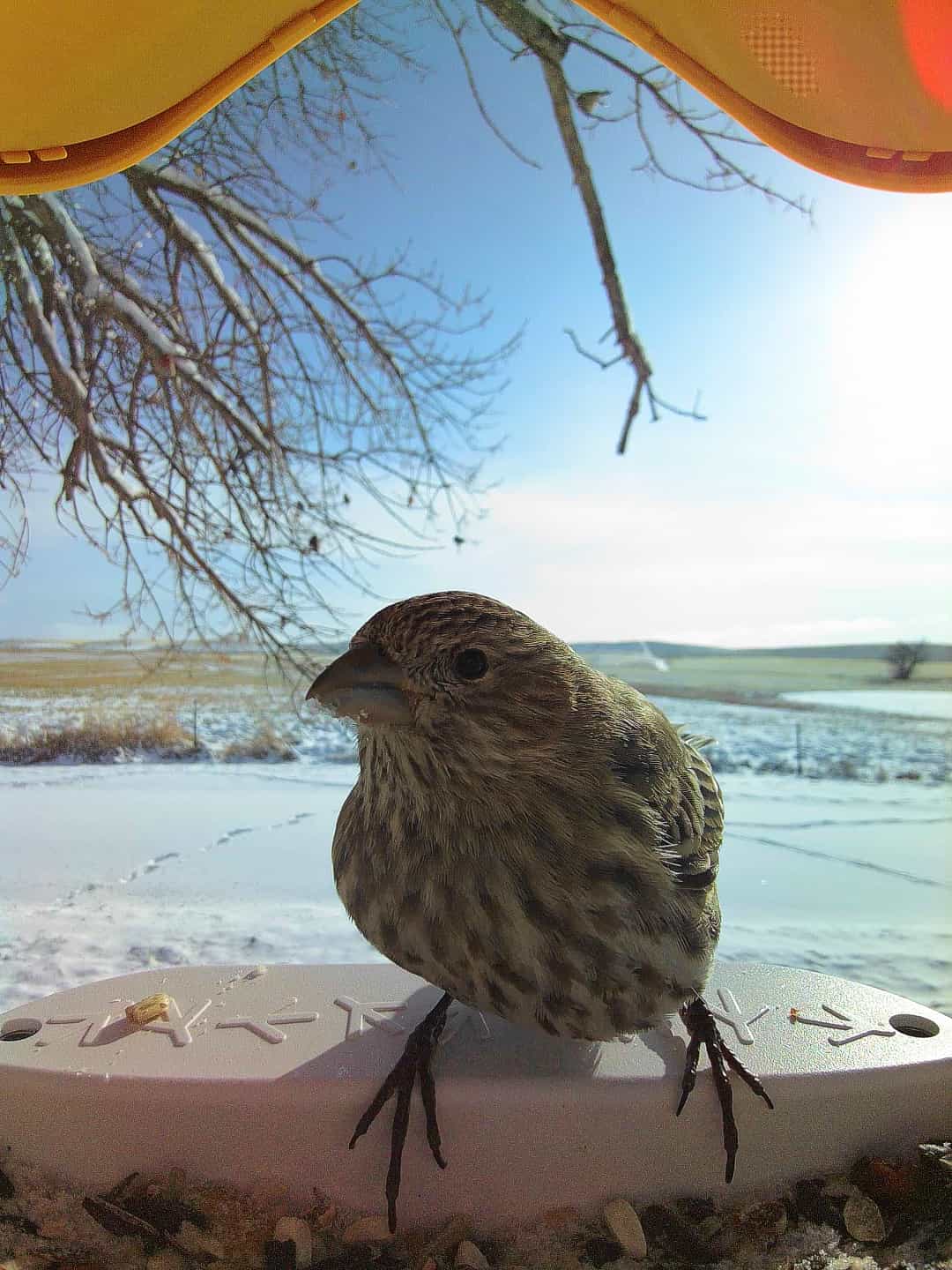
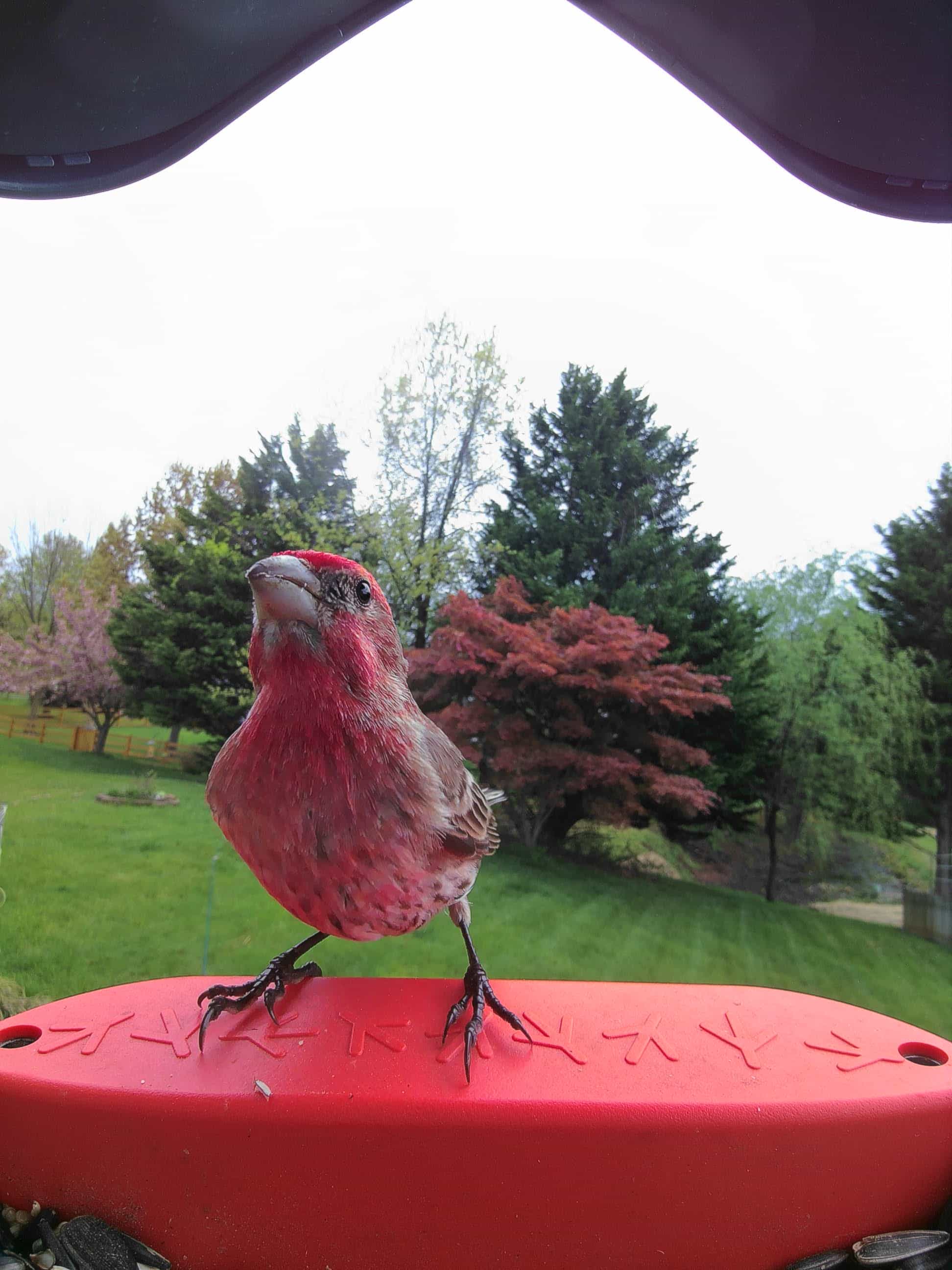
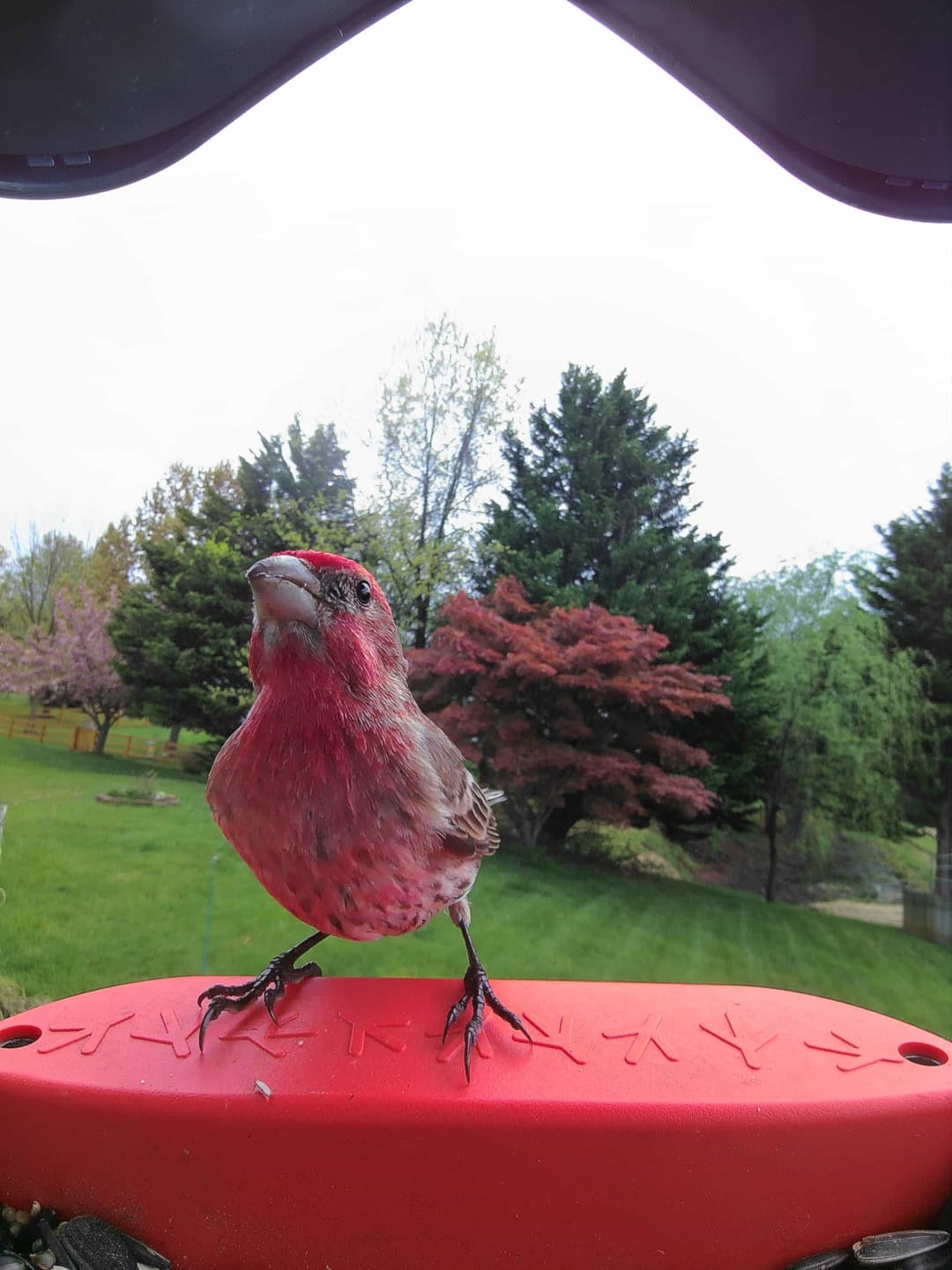
House Finch (Haemorhous mexicanus): A small, adaptable bird native to North America, it has a vibrant red head and breast in males, streaky brown plumage in females, and a cheerful, warbling song often heard in urban and suburban areas.
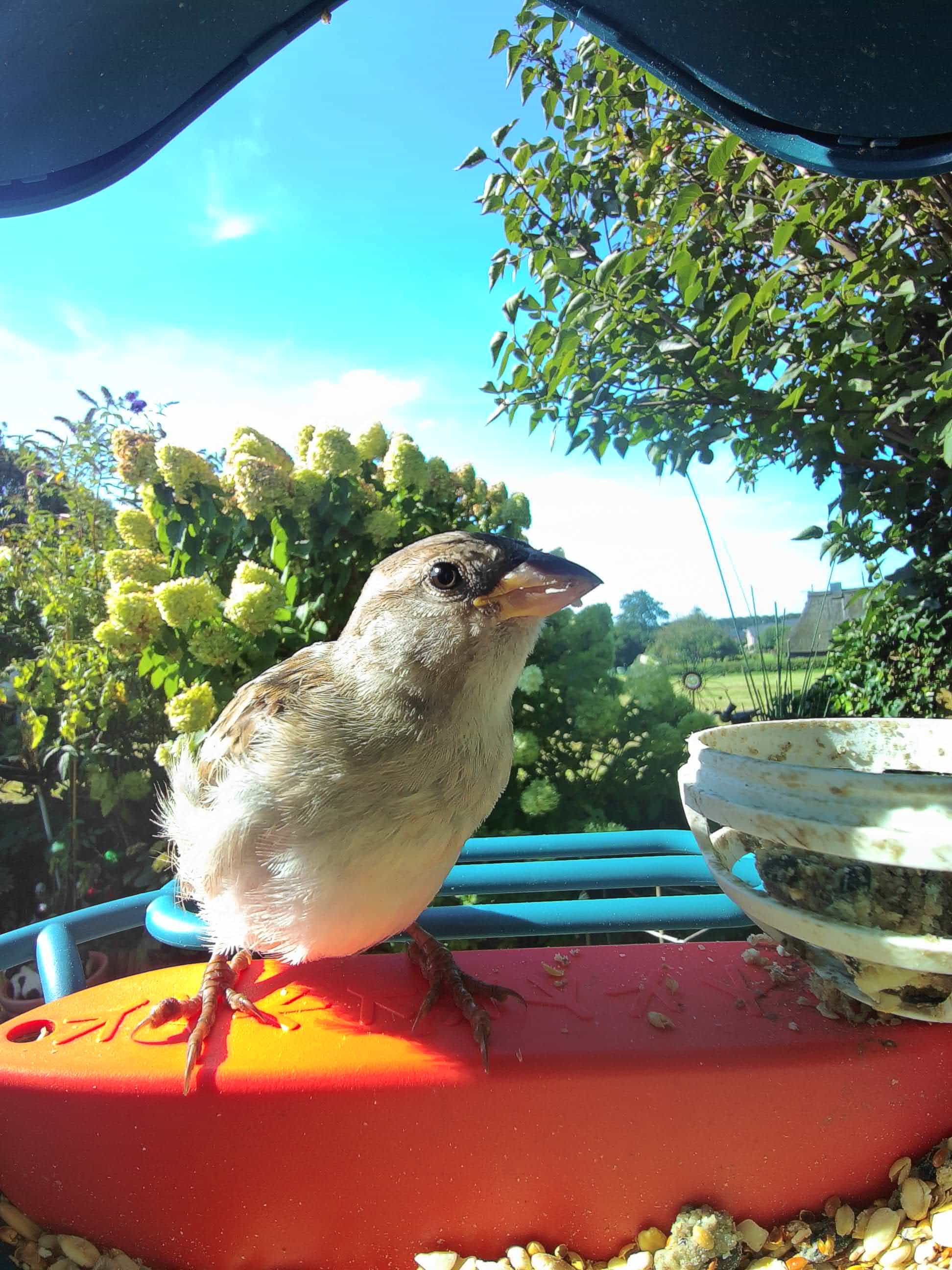
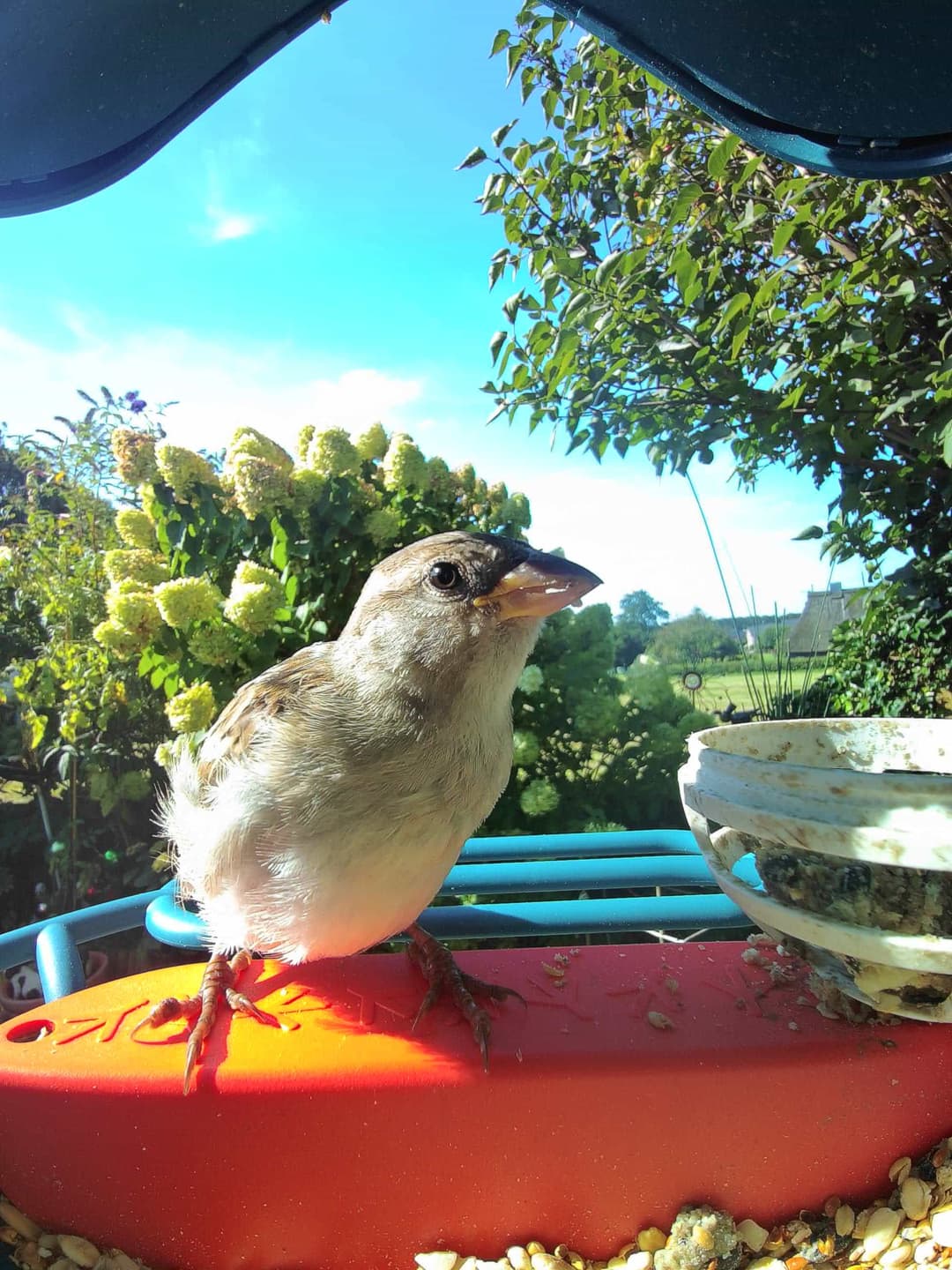
House Sparrow (Passer domesticus): A small, stocky bird with a stout bill, this species is easily recognized by its gray and brown plumage, distinctive black bib in males, and its adaptability to urban and rural environments worldwide.
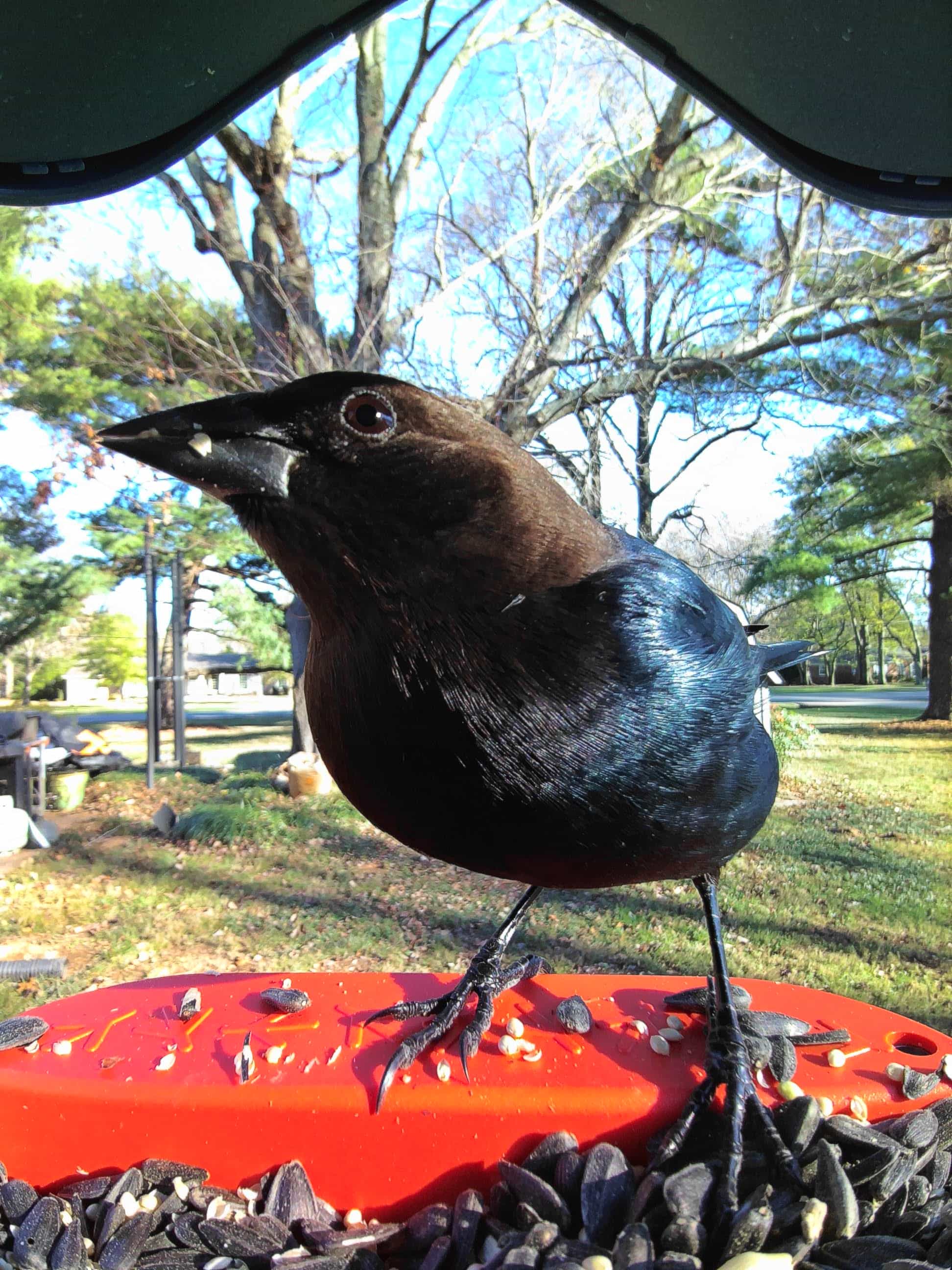
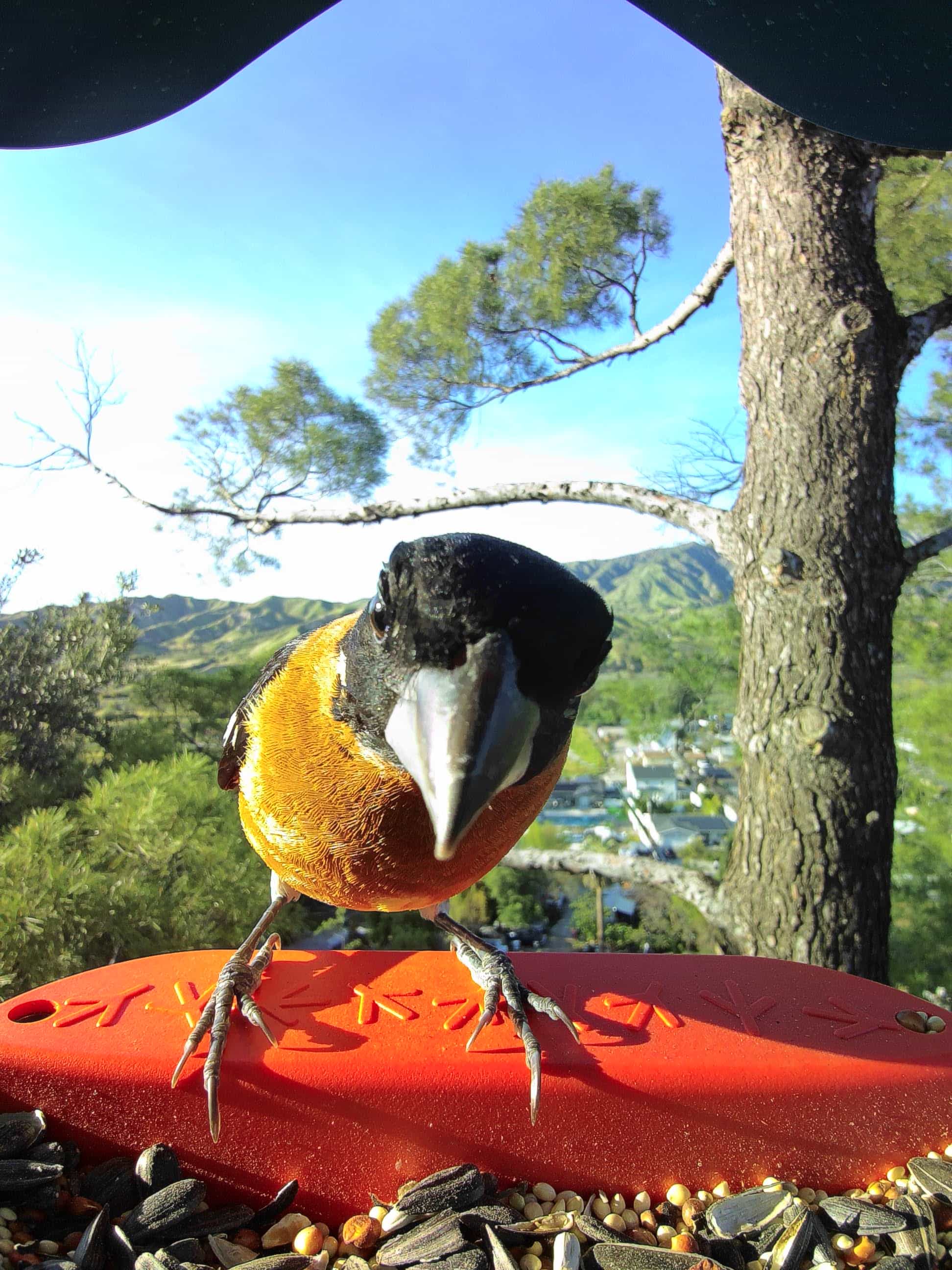
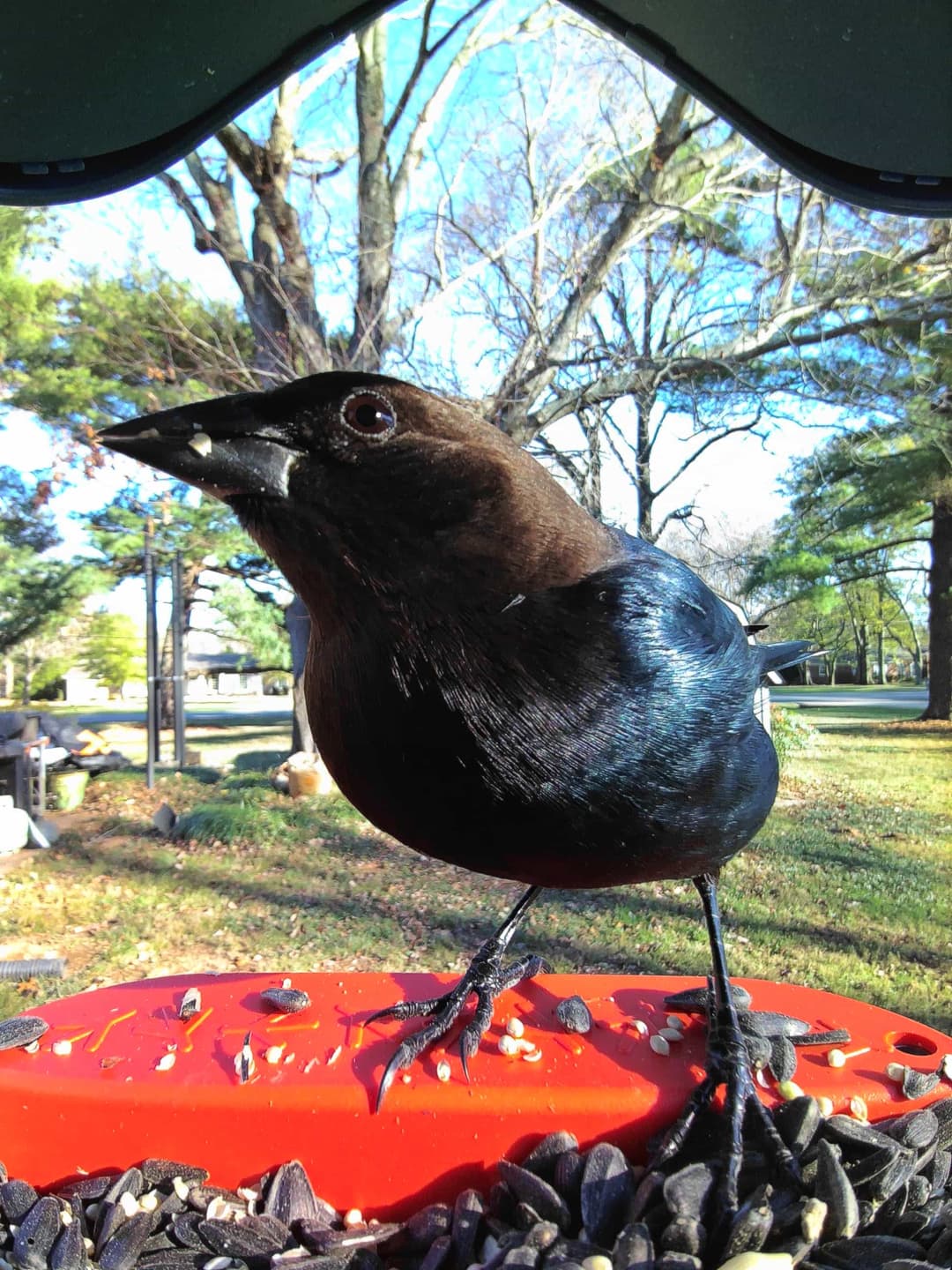
Brown-Headed Cowbird (Molothrus ater): This small, glossy blackbird with a slightly iridescent brown head is known for its brood parasitism, laying eggs in the nests of other bird species, leaving them to raise its young.
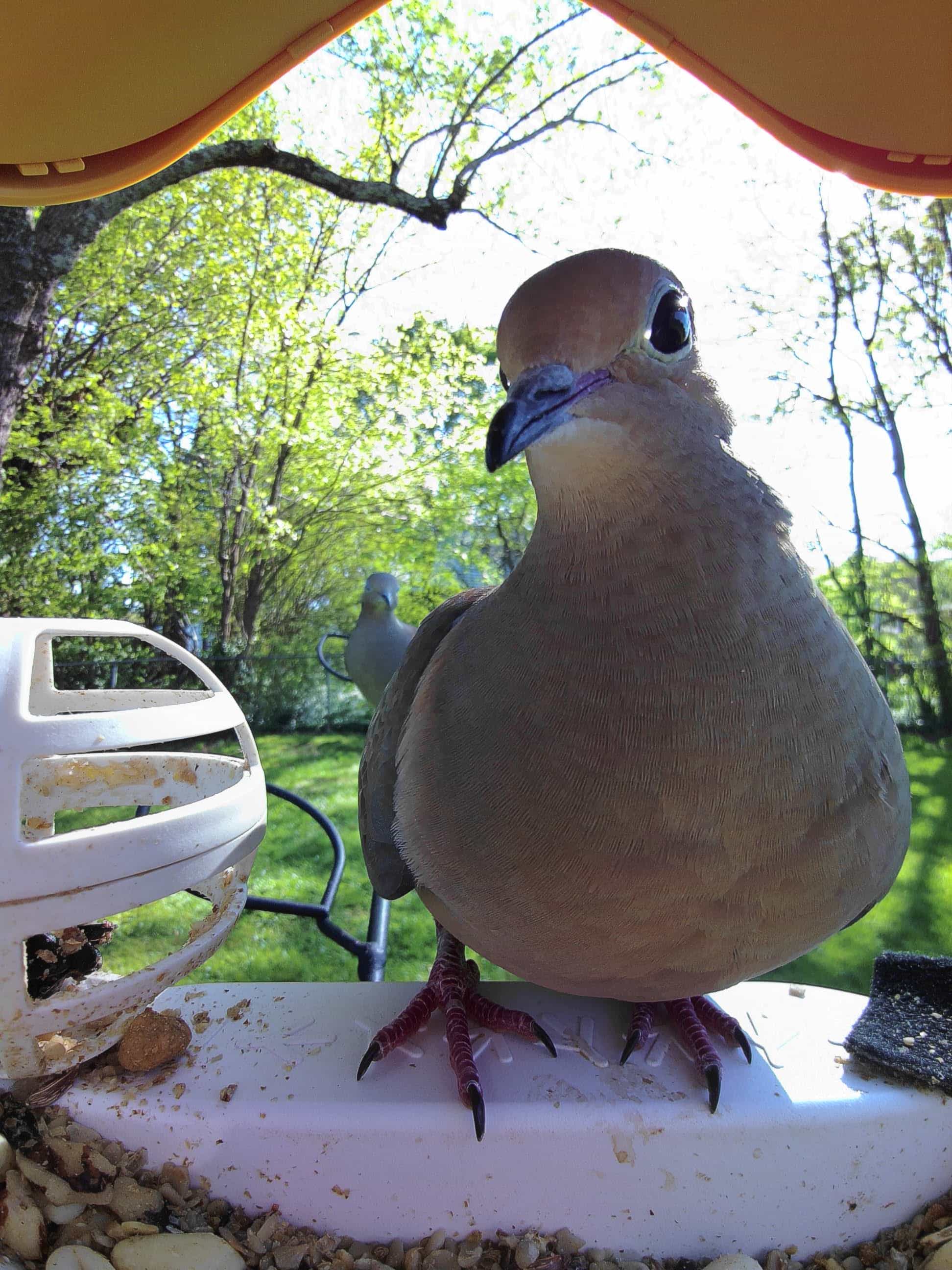
Mourning Dove (Zenaida macroura): This bird is a slender, medium-sized creature with a soft grayish-brown body, long pointed tail with white edges, and distinctive black spots on its wings, often recognized for its gentle, mournful cooing sound.
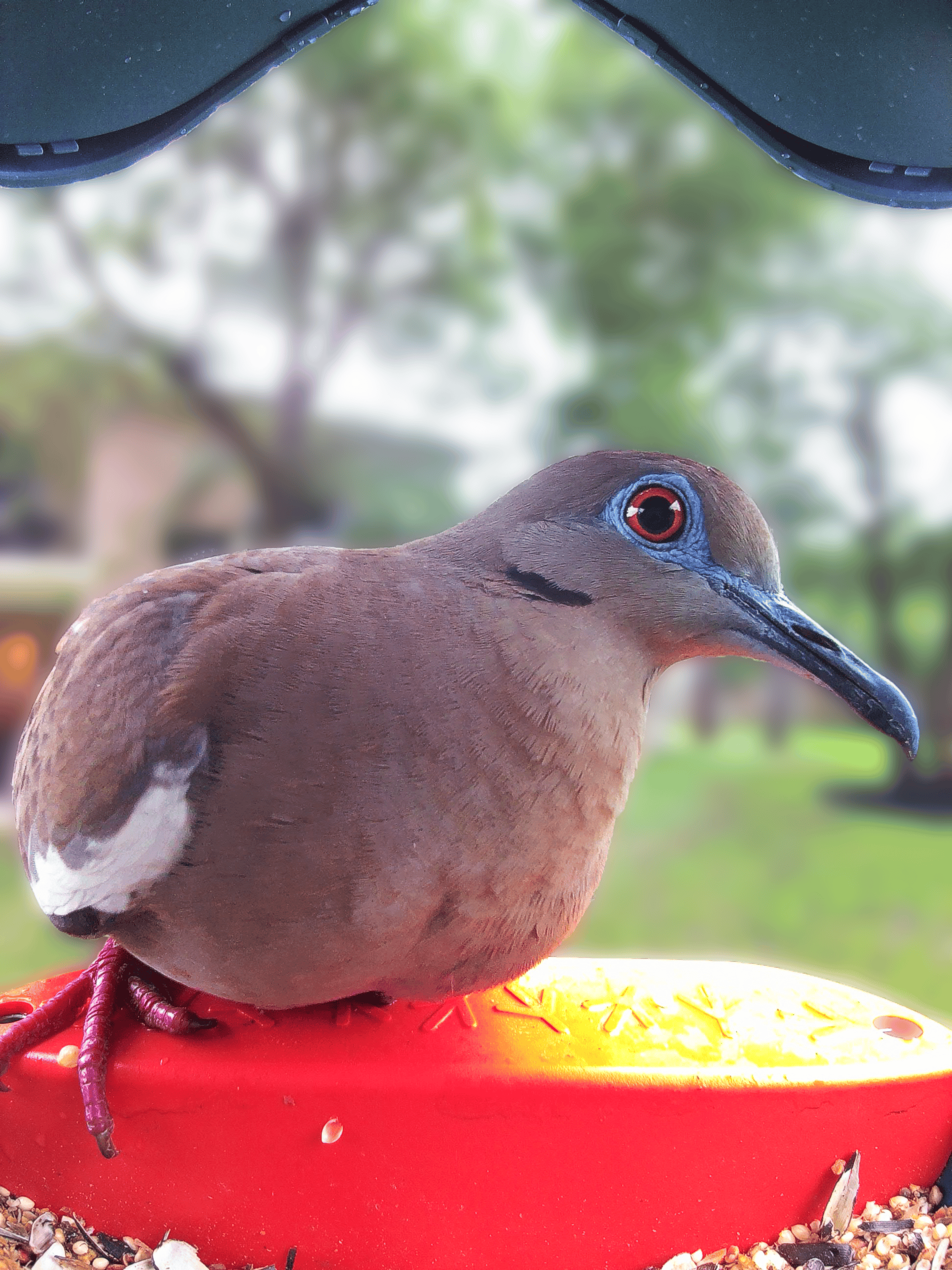
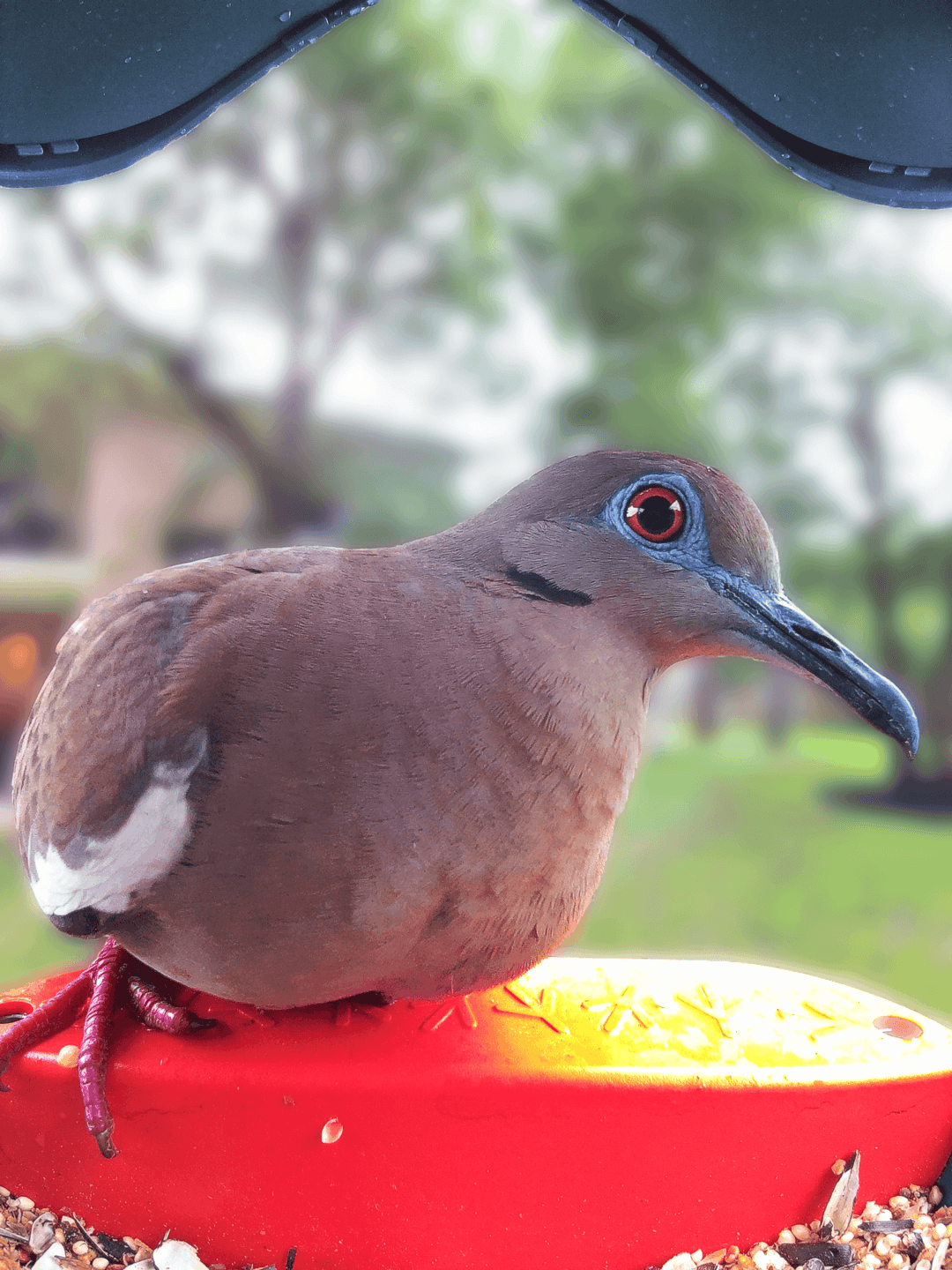
White-Winged Dove (Zenaida asiatica): A medium-sized bird characterized by a distinctive white edge on its wings, it has a plump body, a small head, and a long, square-tipped tail, commonly found in the southwestern United States, Mexico, Central America, and parts of the Caribbean, often recognized by its soft cooing calls.

Identifying bird sounds and calls in Baton Rouge
Bird sounds are a key way to identify different species, even when they're hidden in trees or bushes. Each bird has its own unique vocalizations, from melodic songs to distinctive calls. Learning these sounds can help you identify birds even before you see them.
Birdwatching hotspots in Baton Rouge
Parks, reserves, and observatories
Baton Rouge, Louisiana is home to a diverse array of habitats, including wetlands, forests, and urban parks, making it an ideal location for birdwatching enthusiasts.
Bluebonnet Swamp Nature Center: A 103-acre facility featuring walking trails and a variety of bird species amidst swamp and forest habitats.
Comite River Park: Offers a scenic trail with sightings of woodland and river birds in a serene environment.
LSU Hilltop Arboretum: A 14-acre museum of native plants that provides various habitats for diverse bird species.
Breck's Blackwater Conservation Area: Spans over 57 acres with hiking opportunities and is rich in wildlife including several bird species.
Accessibility and facilities
Most parks and reserves have well-maintained trails and some offer wheelchair accessibility and visitor facilities, ensuring comfort and convenience for all visitors.
Conservation efforts
Baton Rouge is actively engaged in protecting its unique ecosystems and promoting biodiversity through local conservation initiatives. Some of the efforts include:
- Local groups work to preserve the Mississippi River's natural habitats.
- Efforts are underway to restore native plant species in urban areas.
- Wildlife corridors are being developed to support animal movement.
How Can I Help?
- Participate in local clean-up events along the river.
- Volunteer with organizations focused on native plant restoration.
- Support local conservation groups through donations.
Live bird sightings in the Baton Rouge area
Discover what birds are currently active in Baton Rouge through real-time sightings from Birdbuddy users. Explore hotspots and track your favorite species with updates from our community network.
Learn more about Birdbuddy