Birds in Ypsilanti,
Michigan
Ypsilanti, Michigan offers diverse birdwatching conditions with its mix of wetlands, woodlands, and open fields. The Huron River and several parks provide rich habitats, attracting migratory and native bird species. Birdwatchers can enjoy observing various species due to the area's unique blend of natural landscapes and ecological significance, making it a popular destination for enthusiasts seeking to experience the region's vibrant avian life.
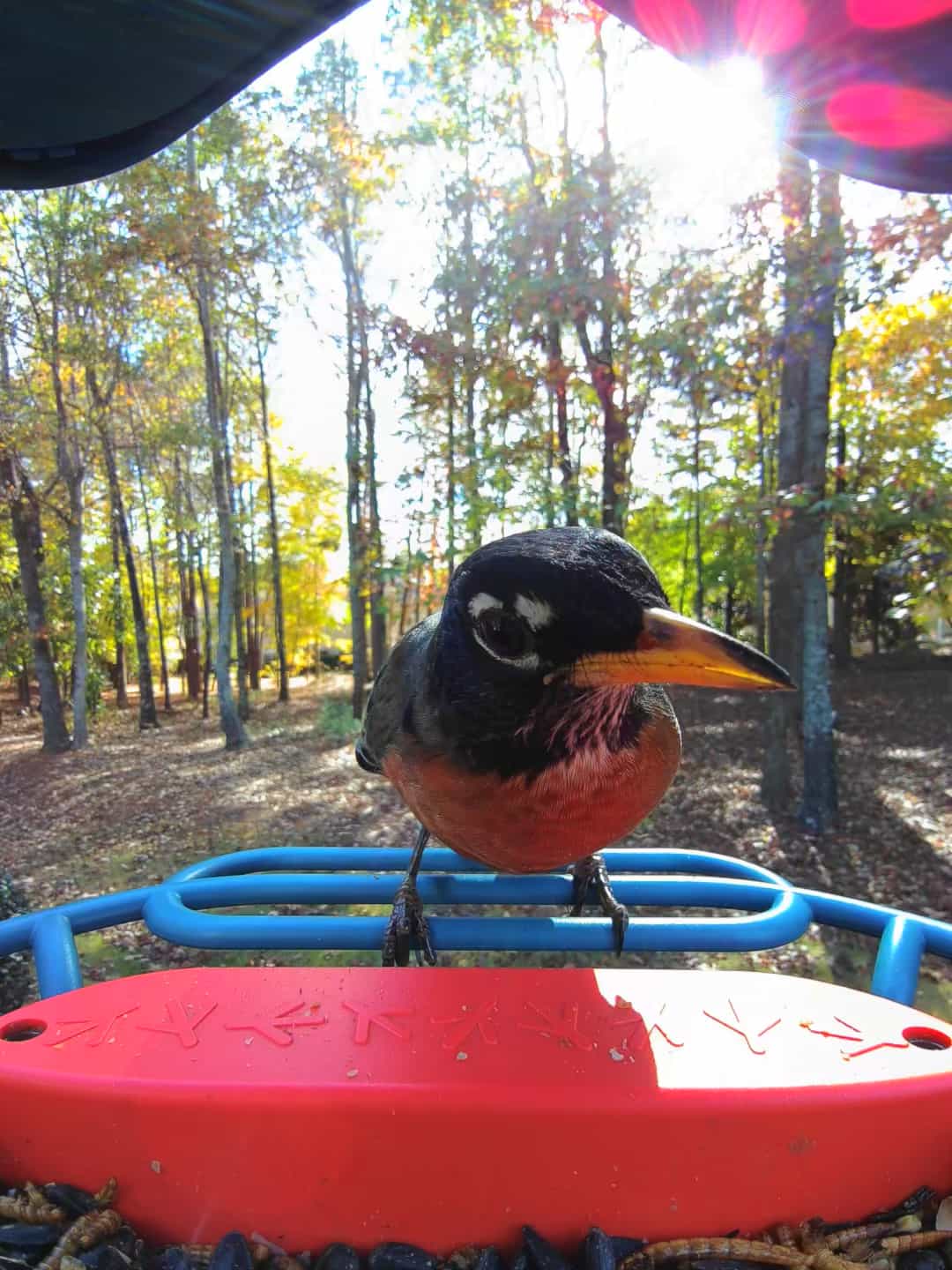
Most iconic Ypsilanti bird
The American robin was chosen as the state bird of Michigan because it is commonly found in the region and represents the state's natural beauty and heritage.

Common bird species in Ypsilanti
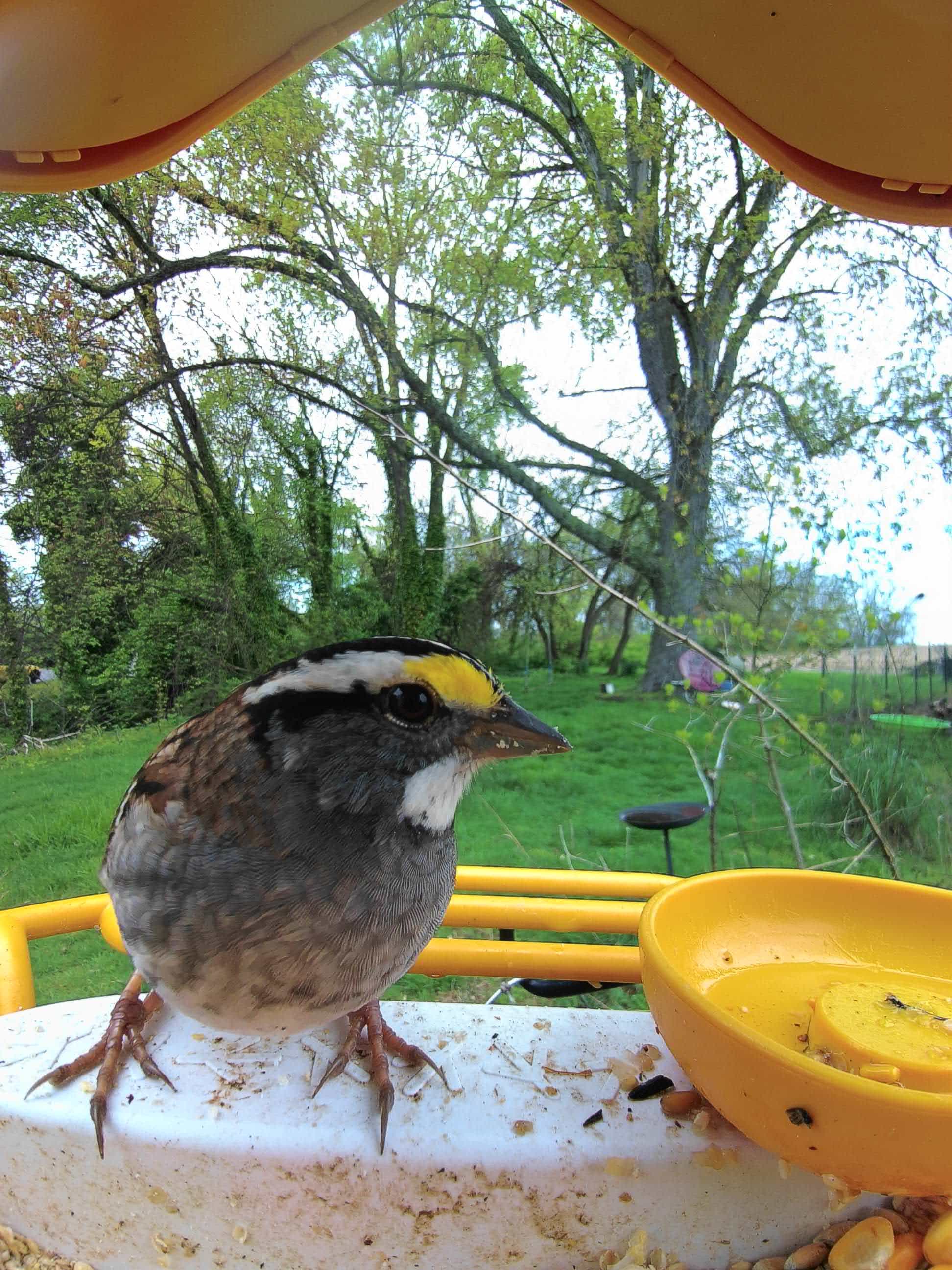
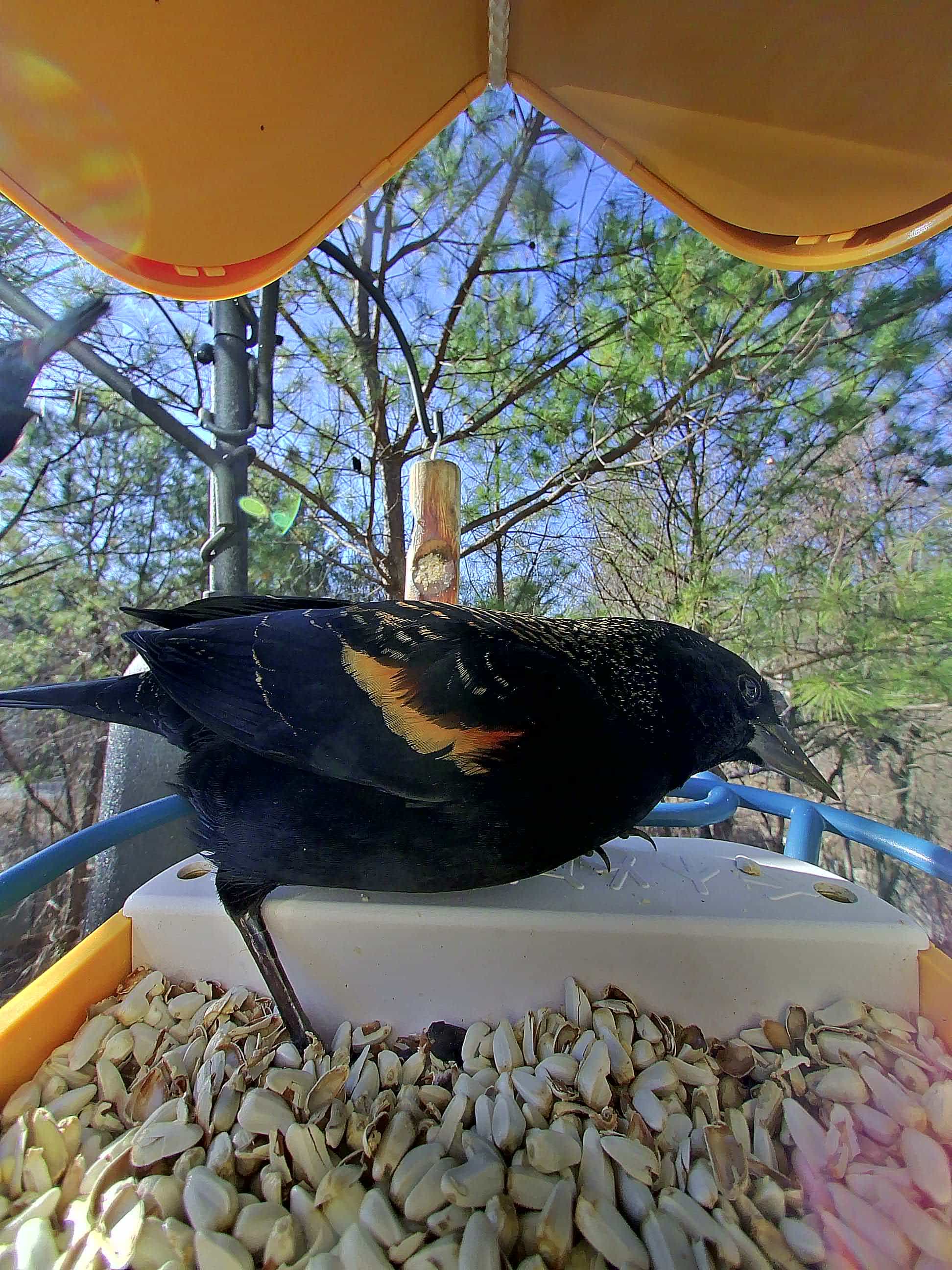
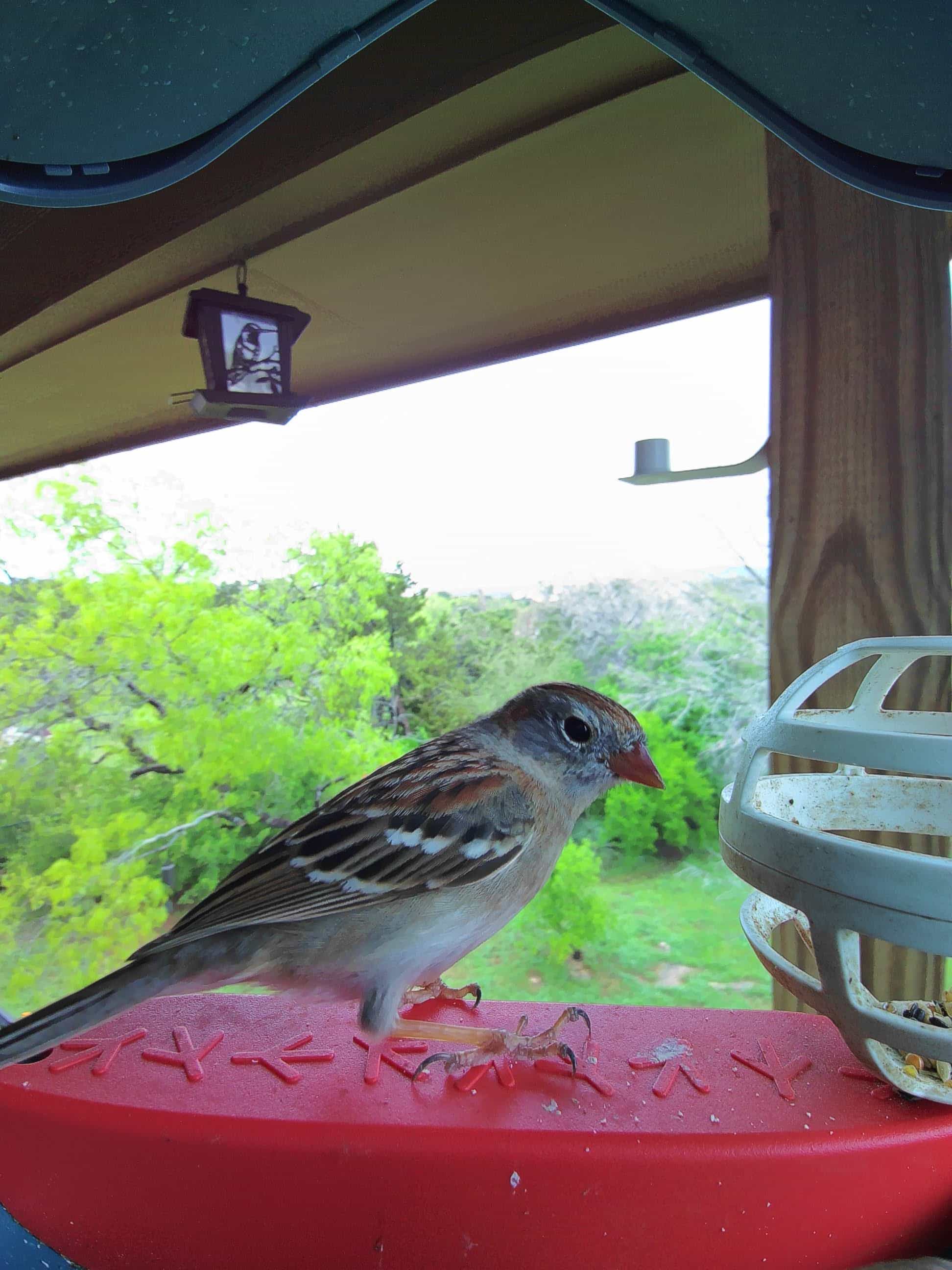
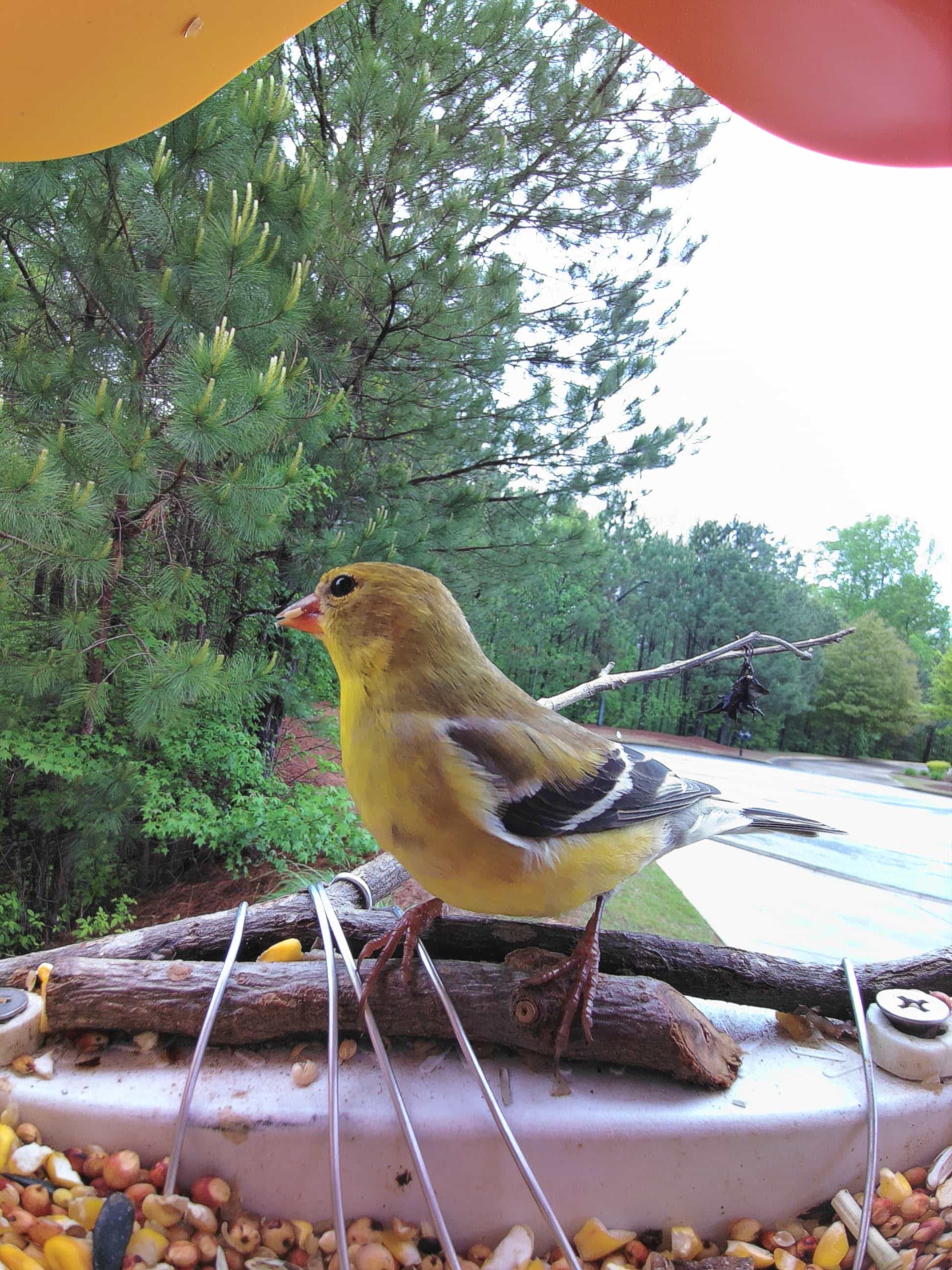
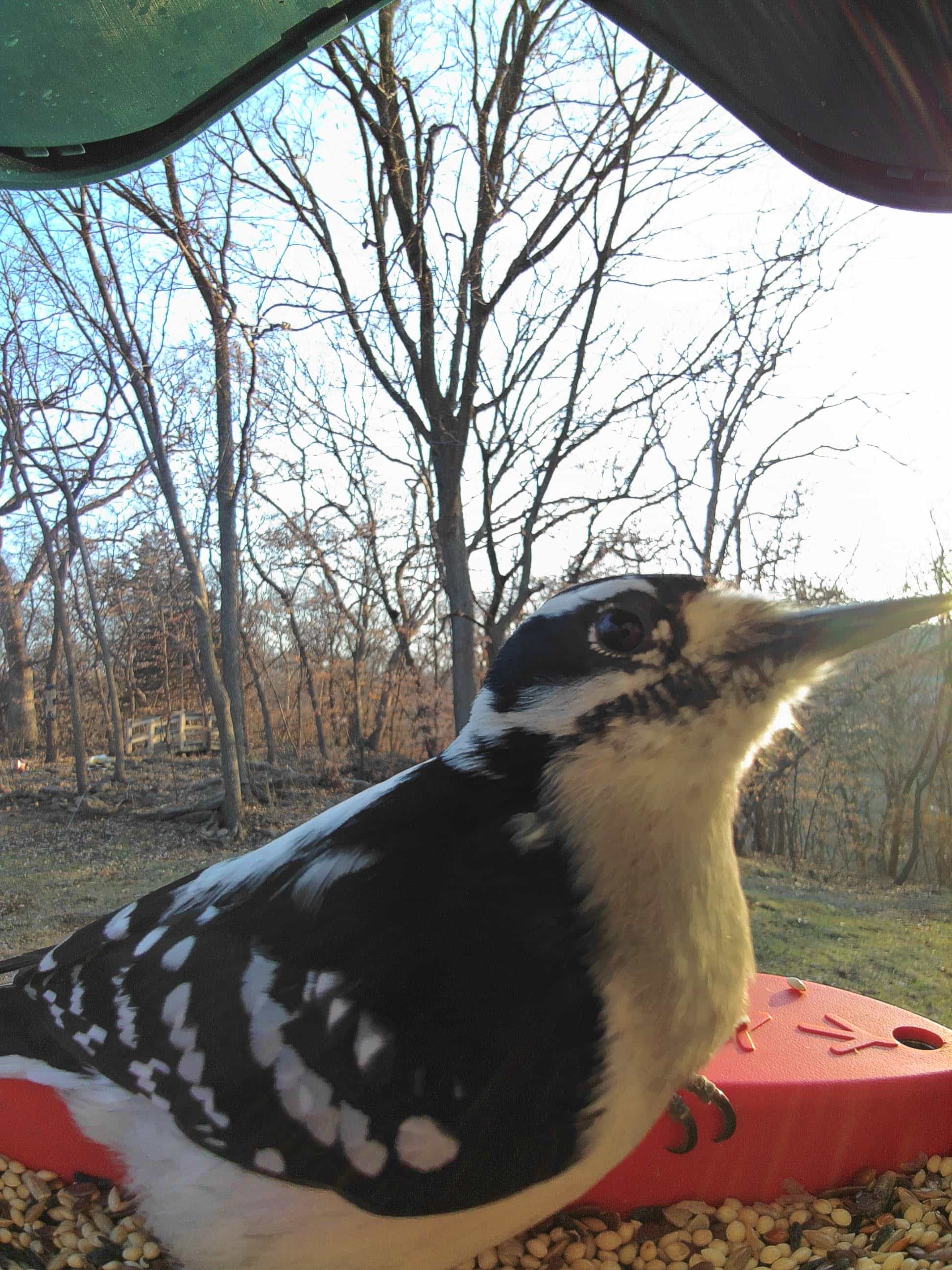
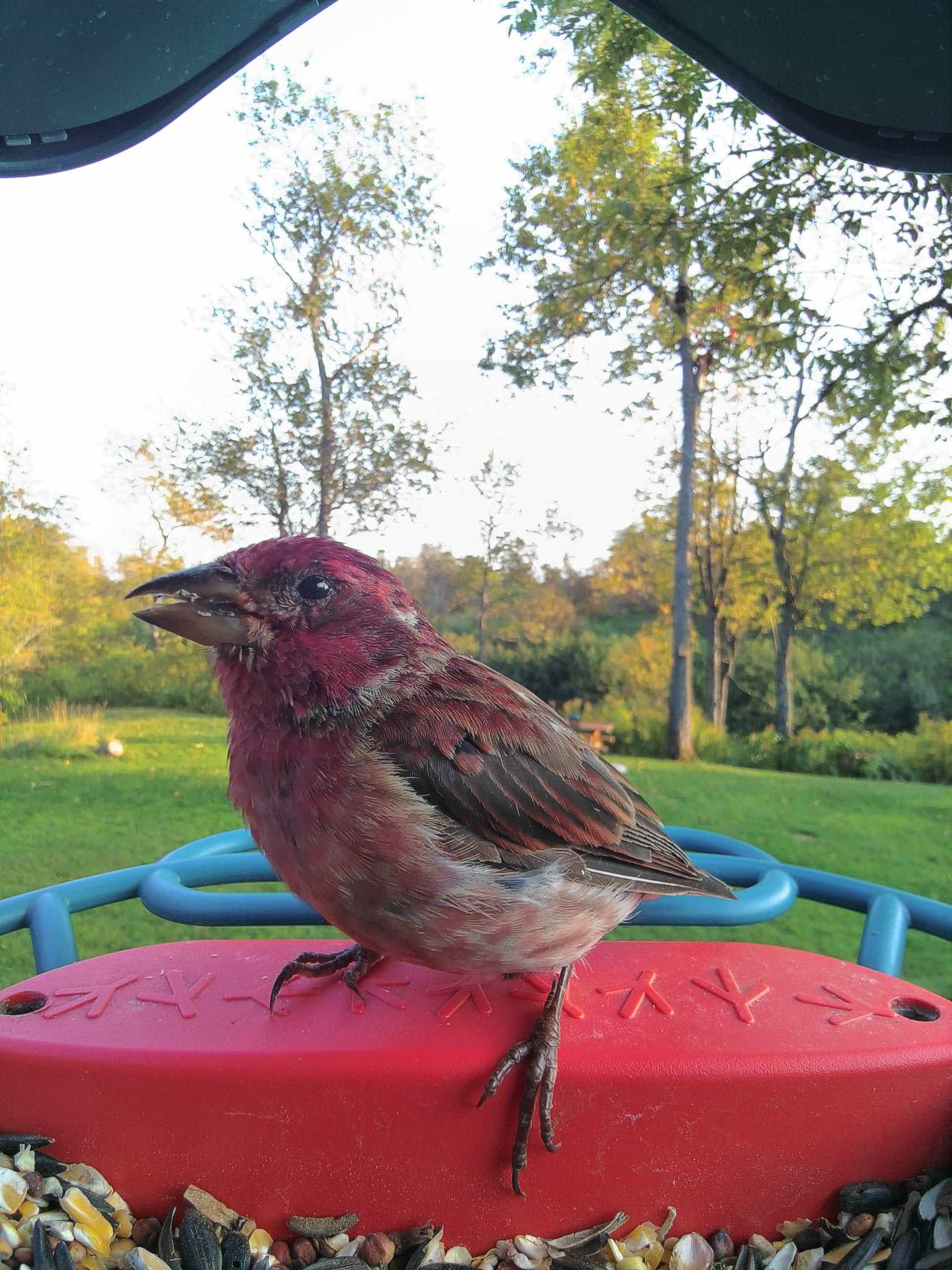
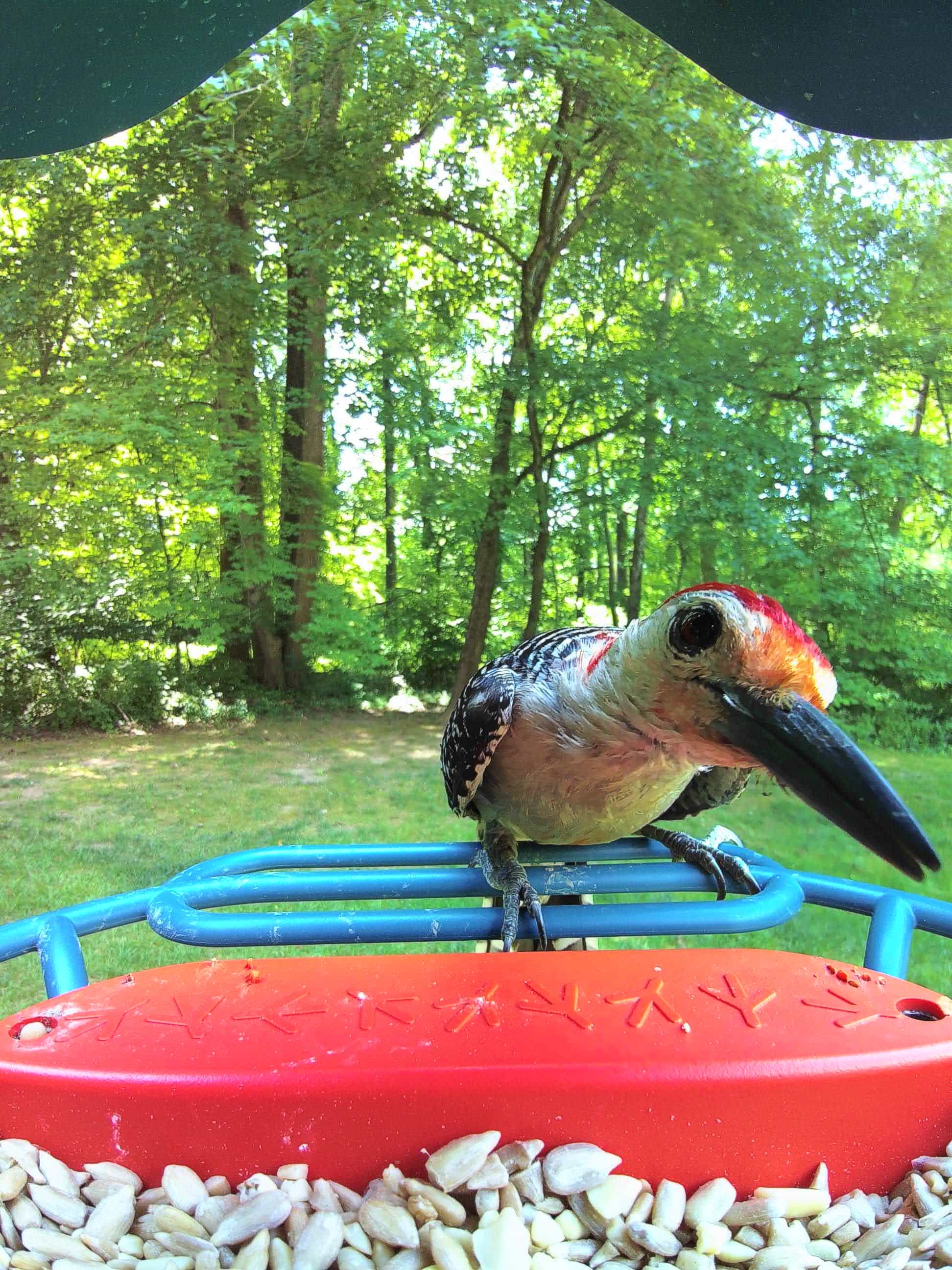
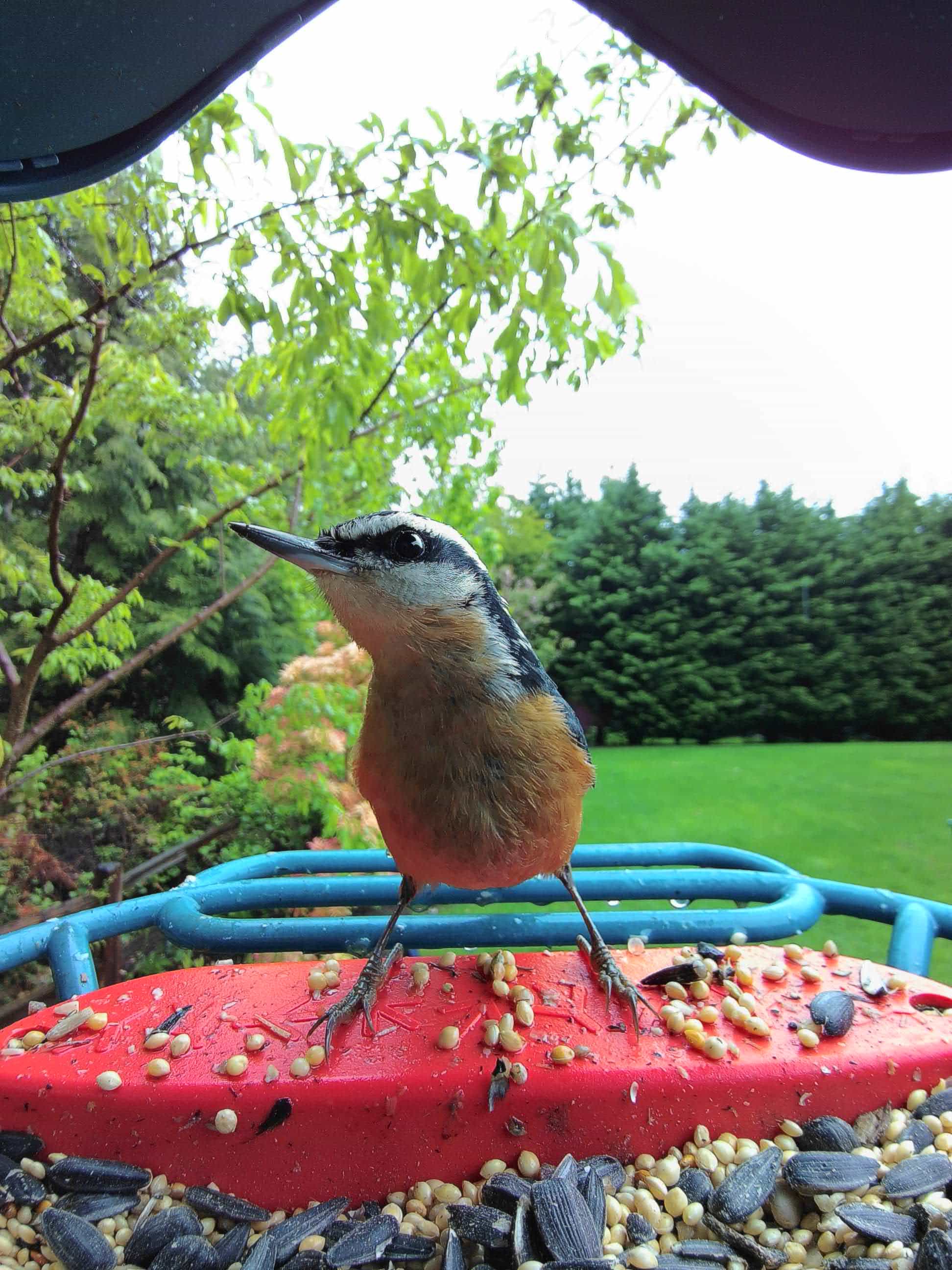
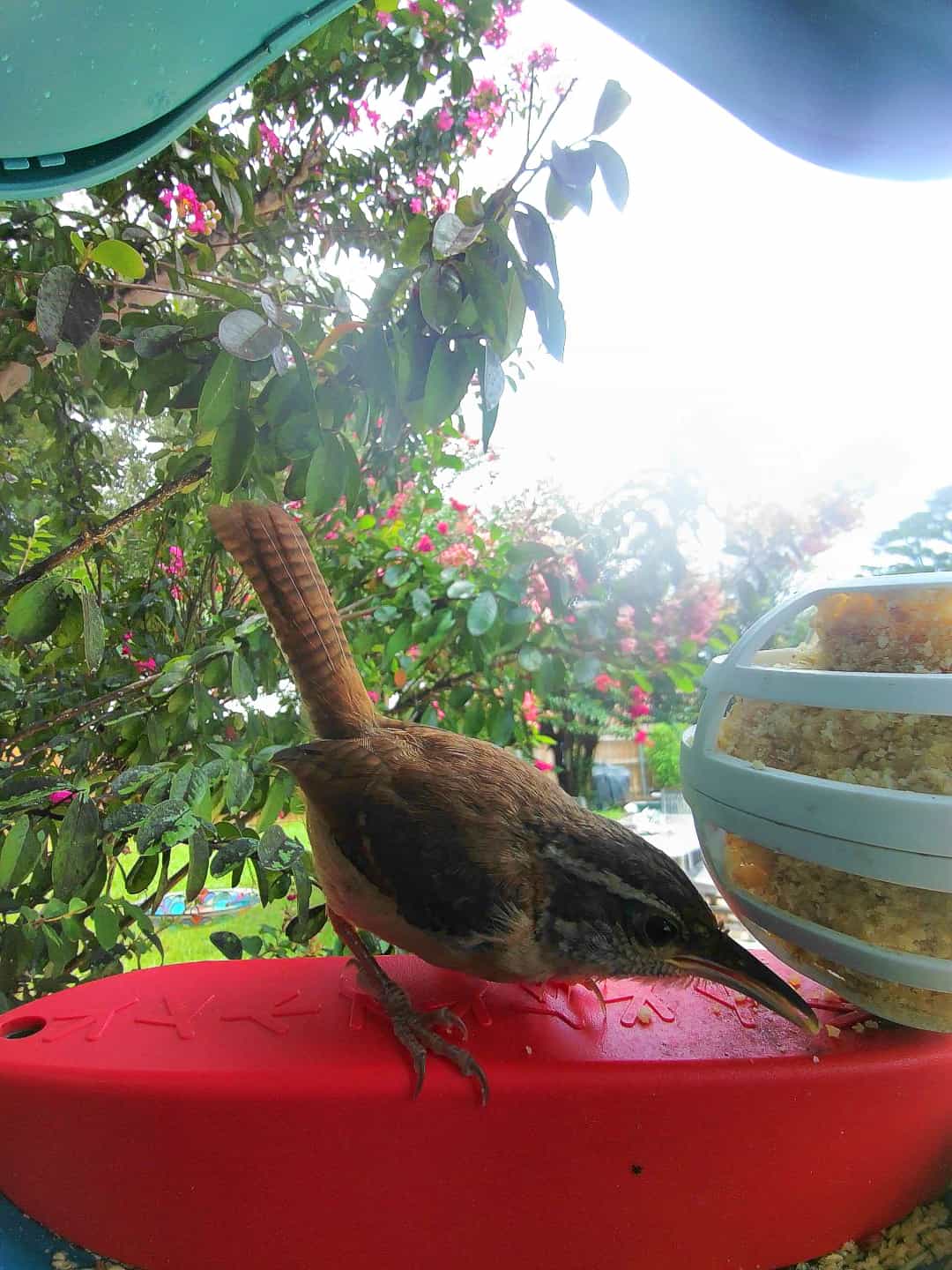
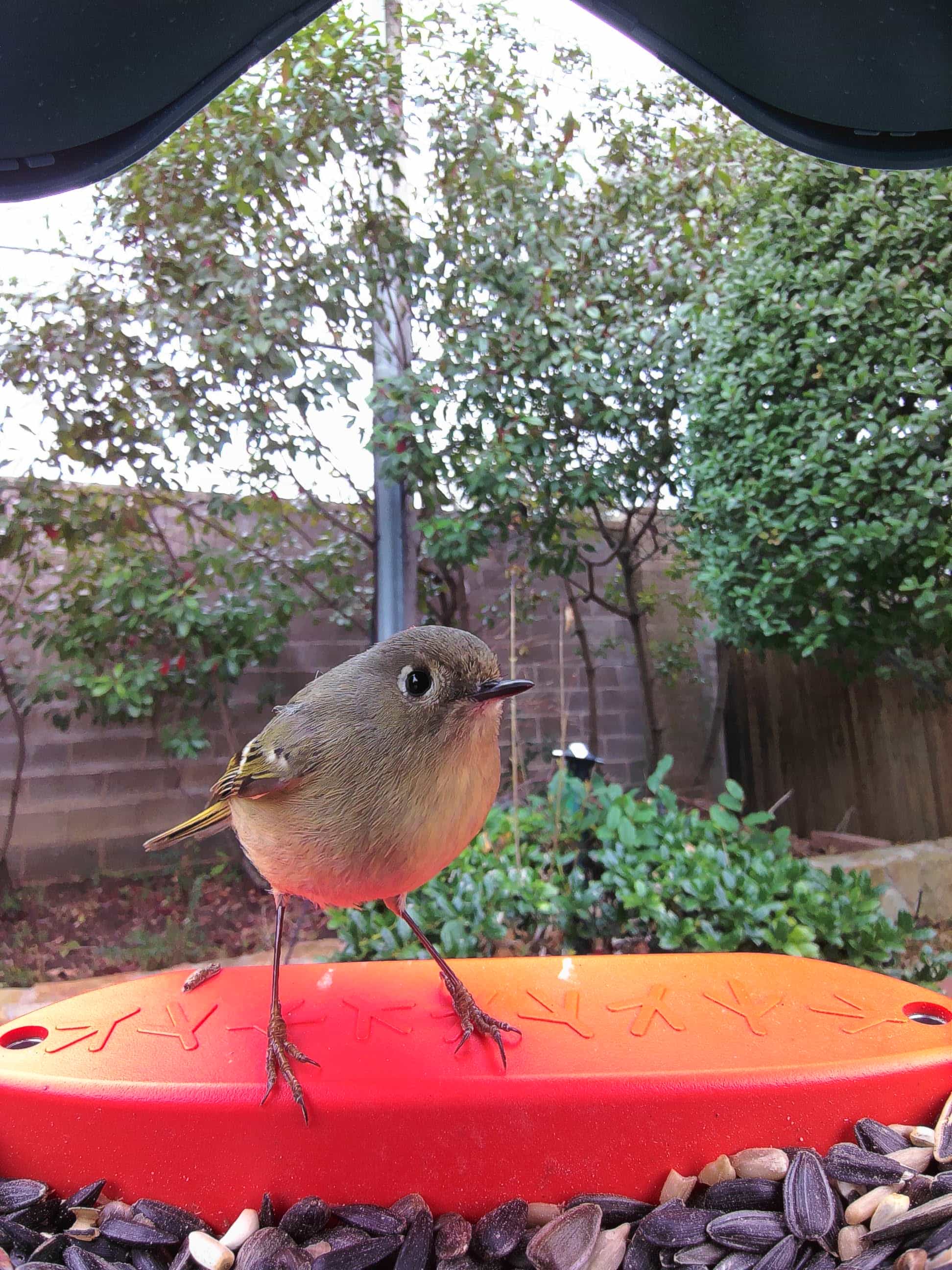
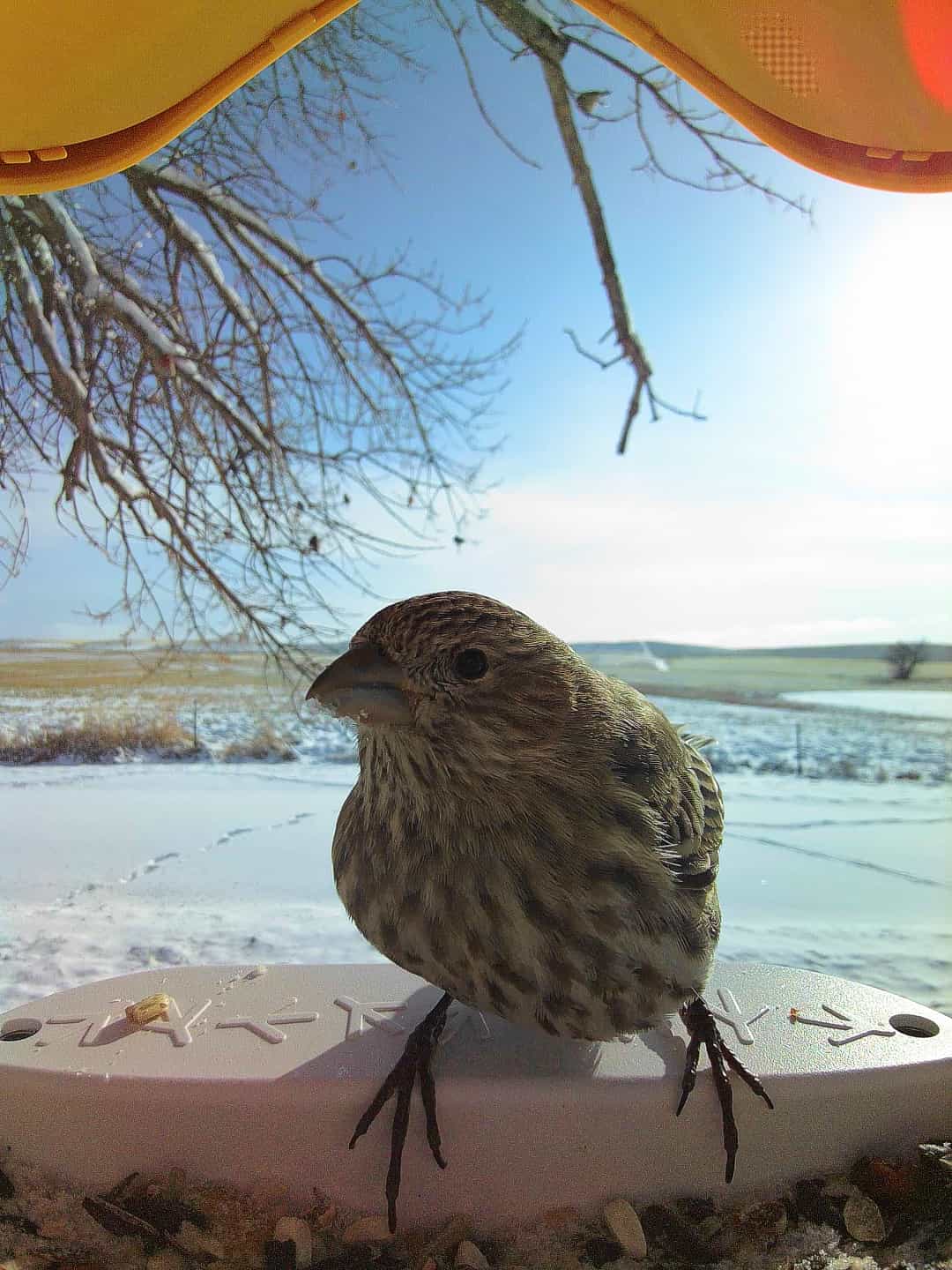
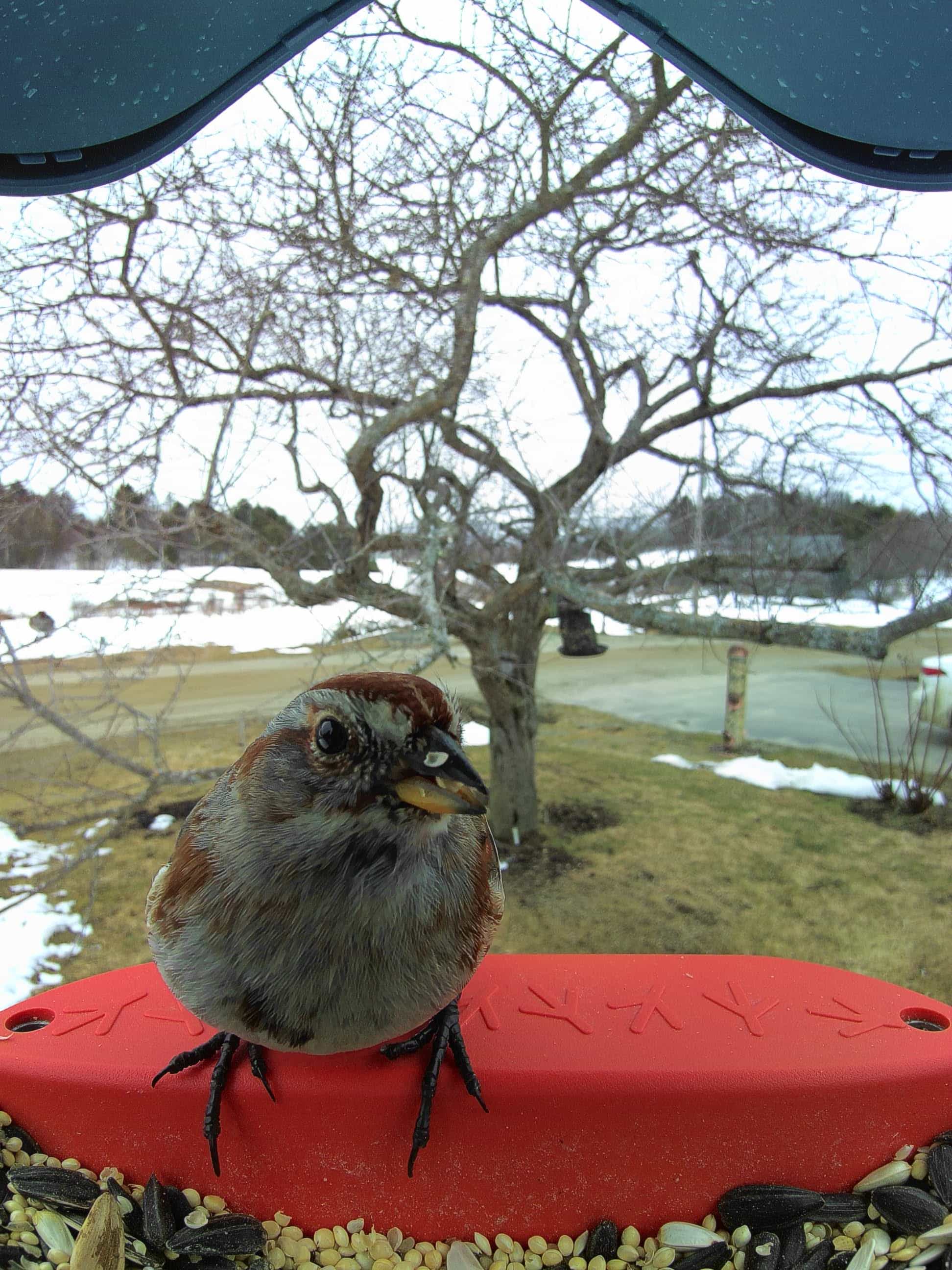
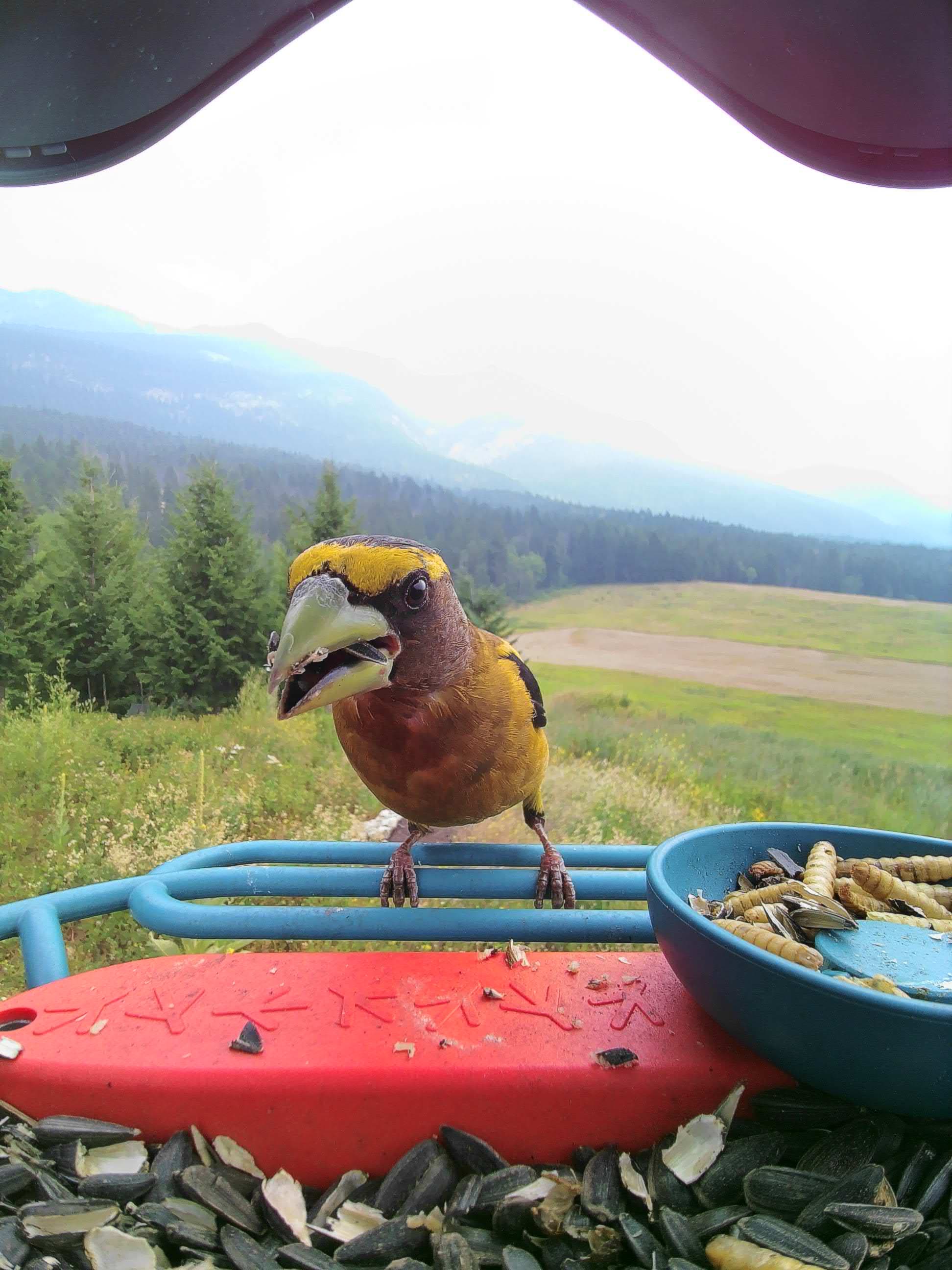
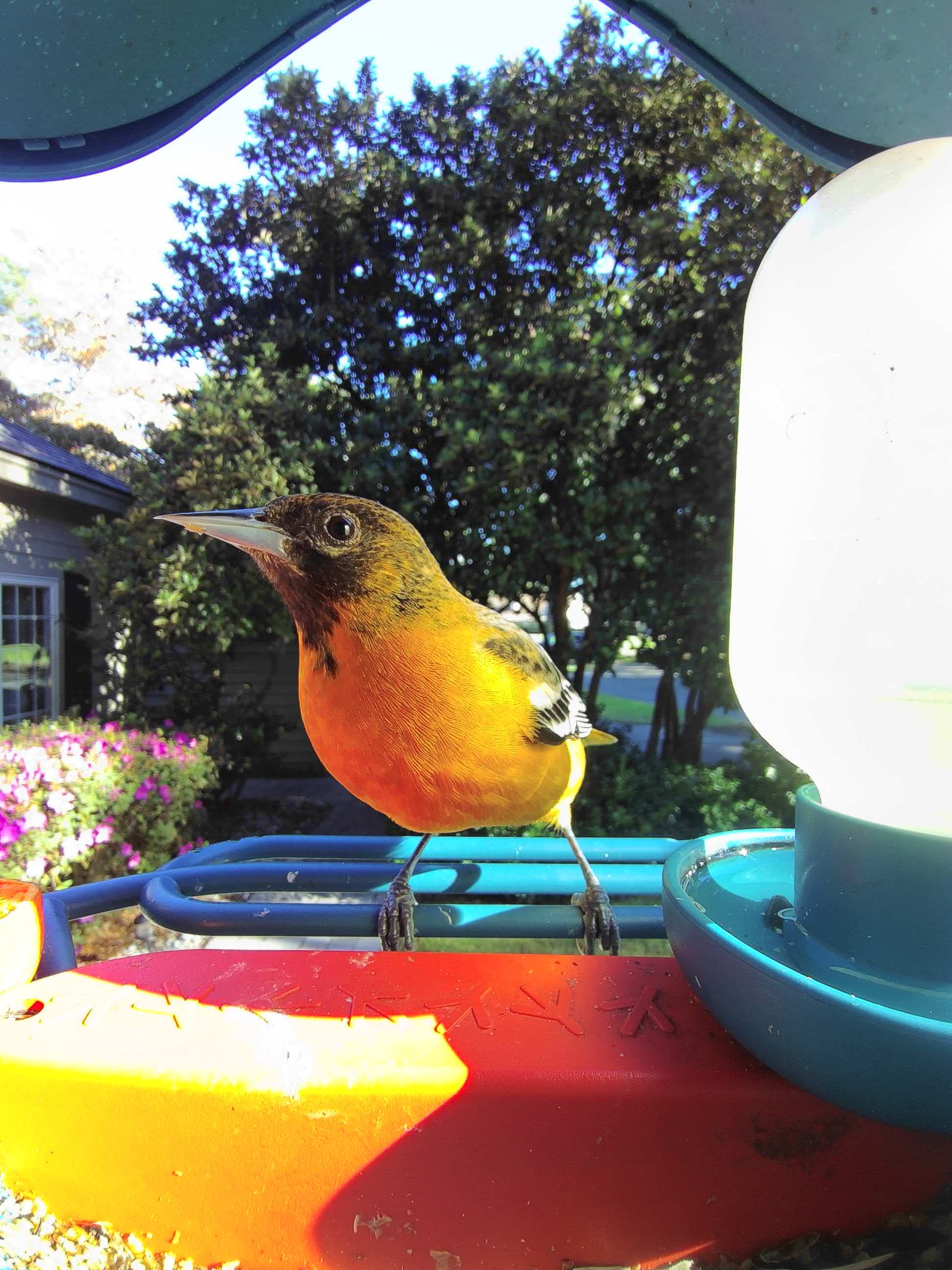
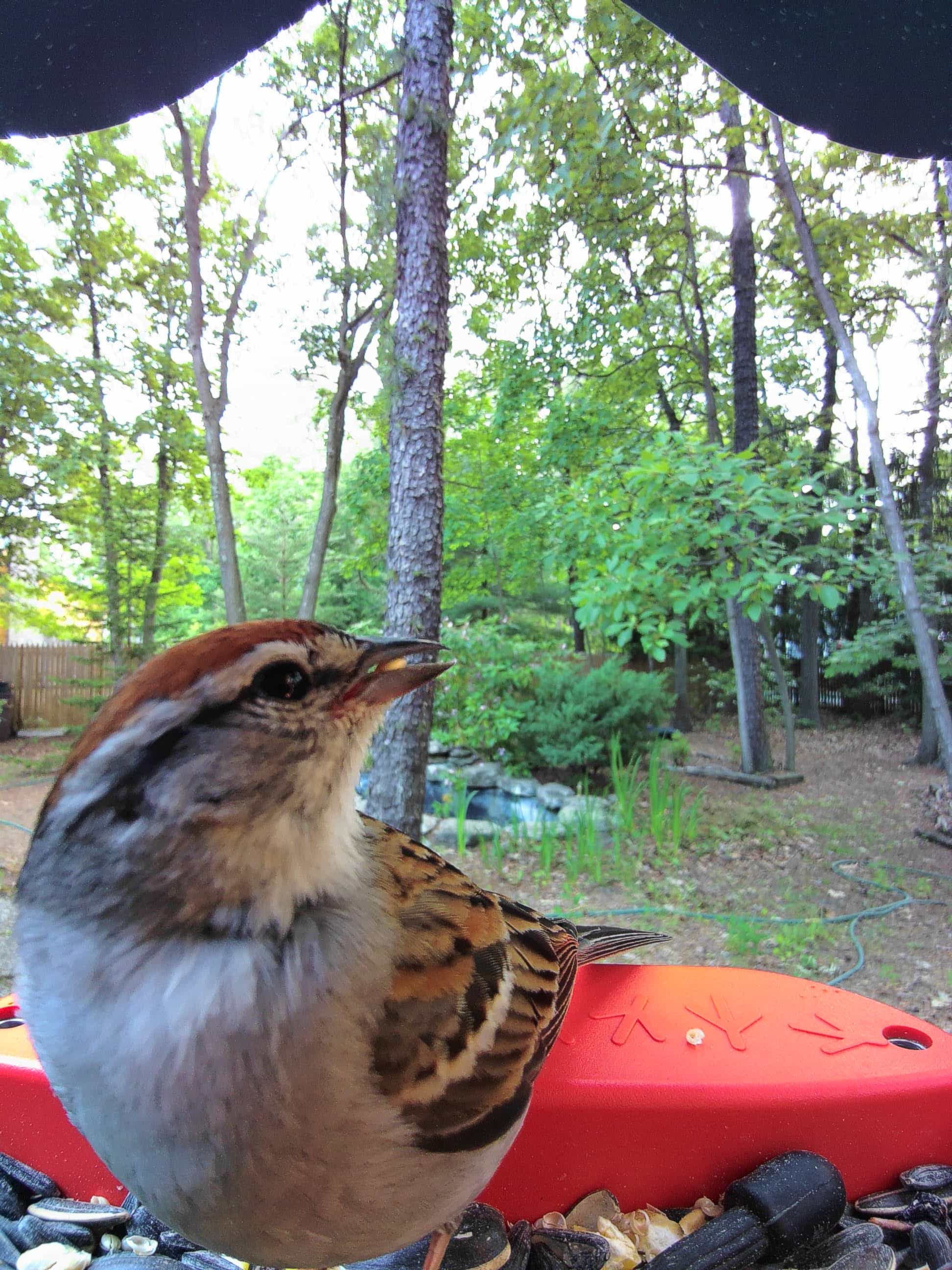
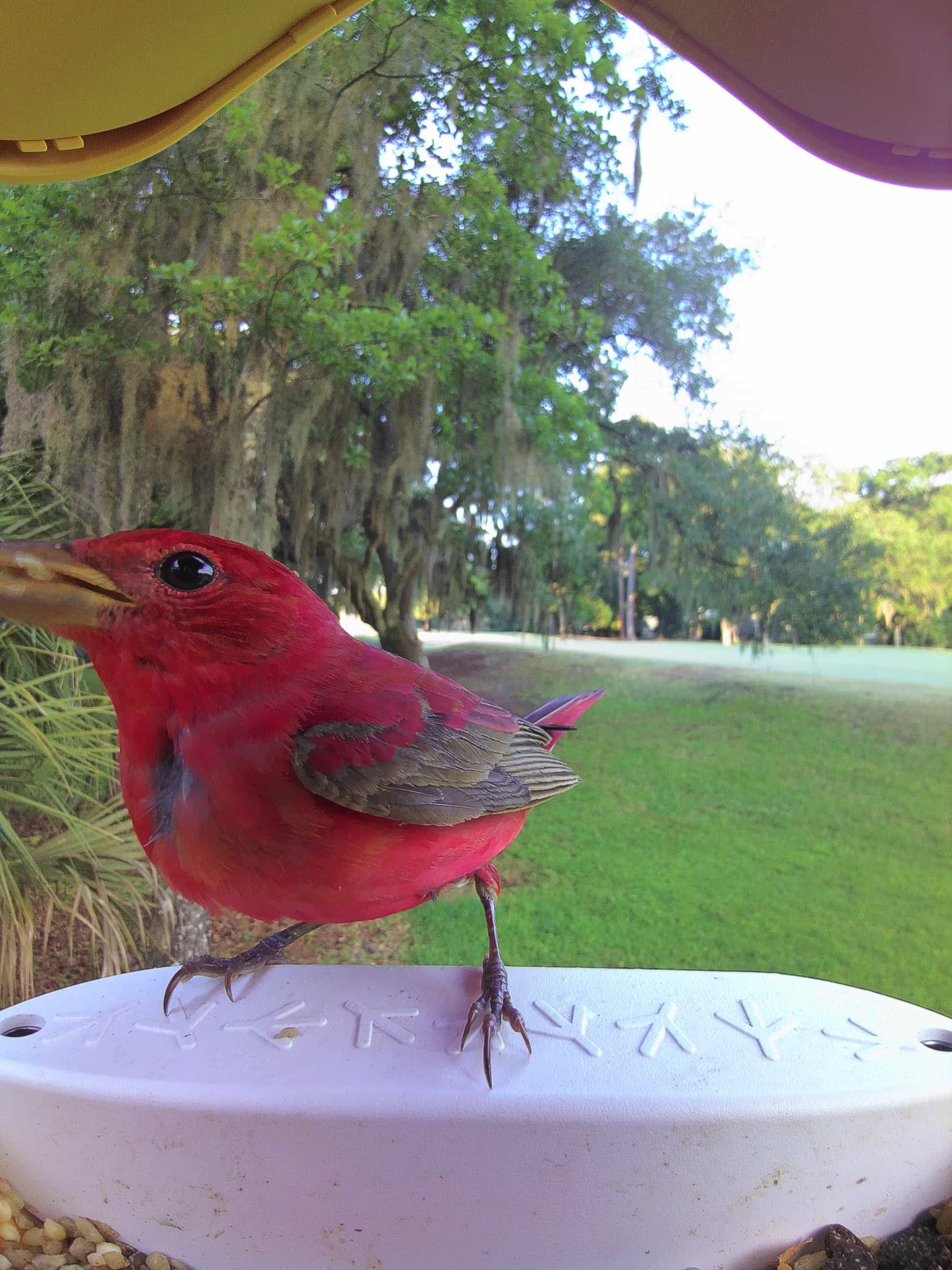
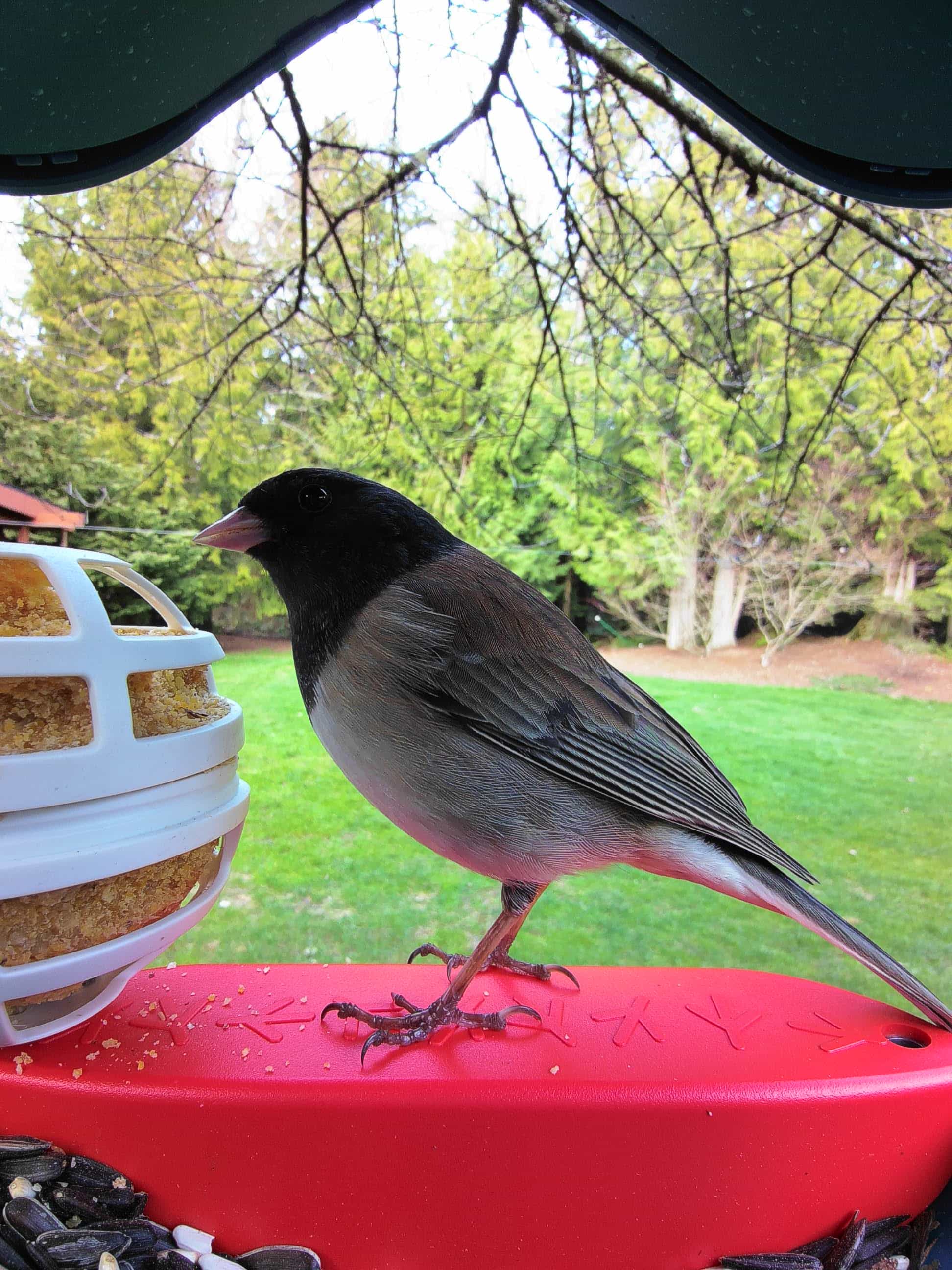
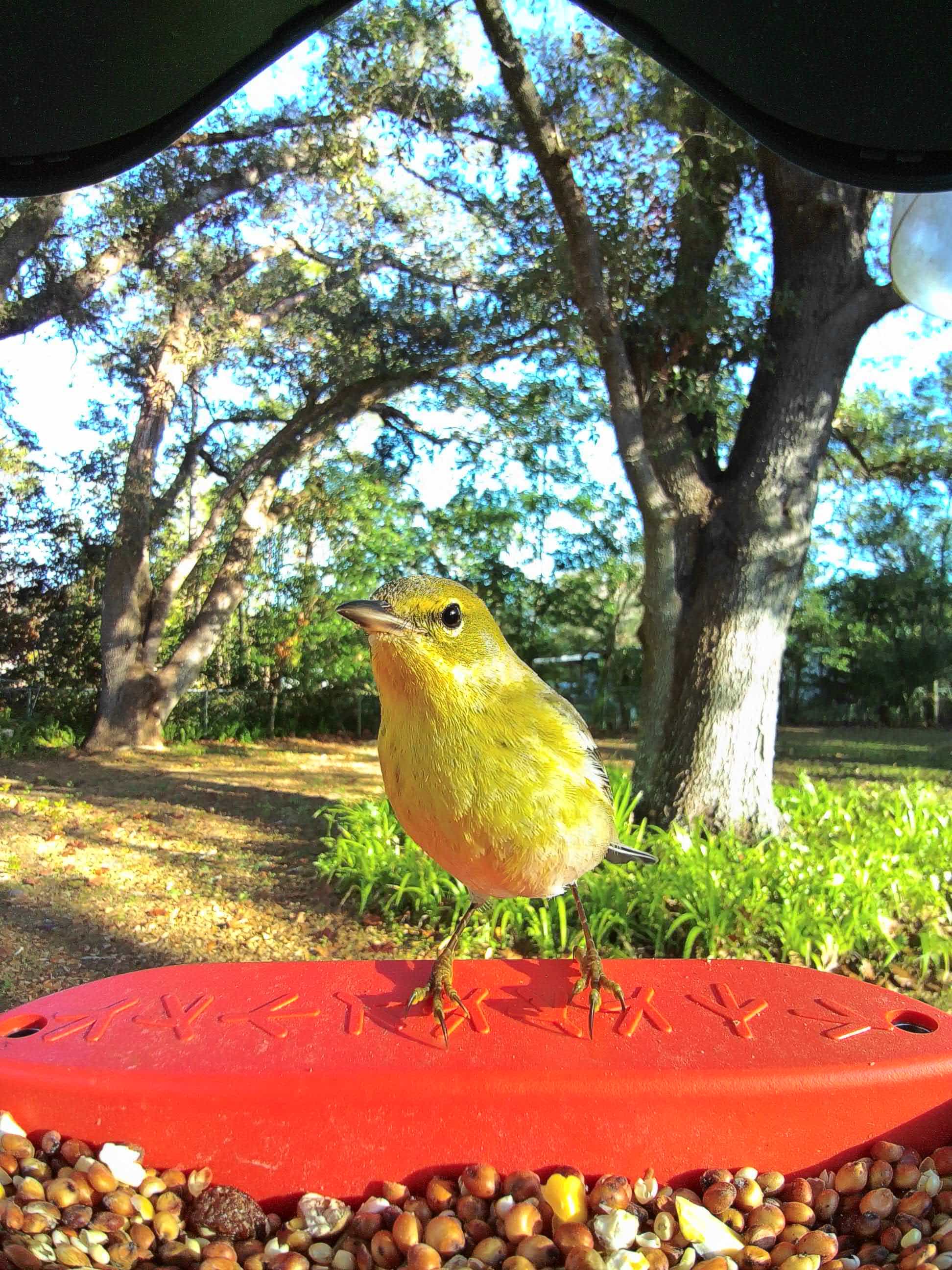
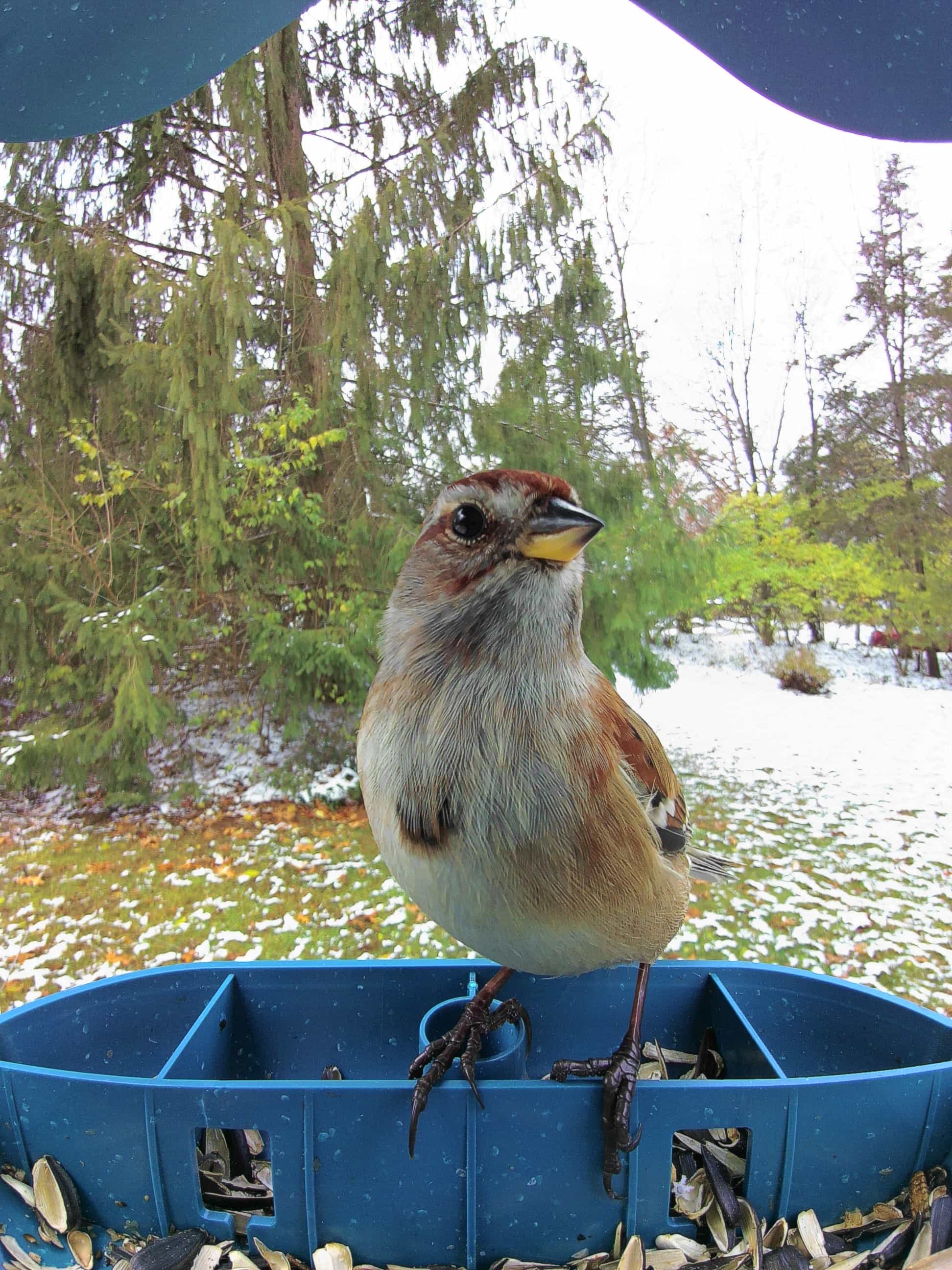
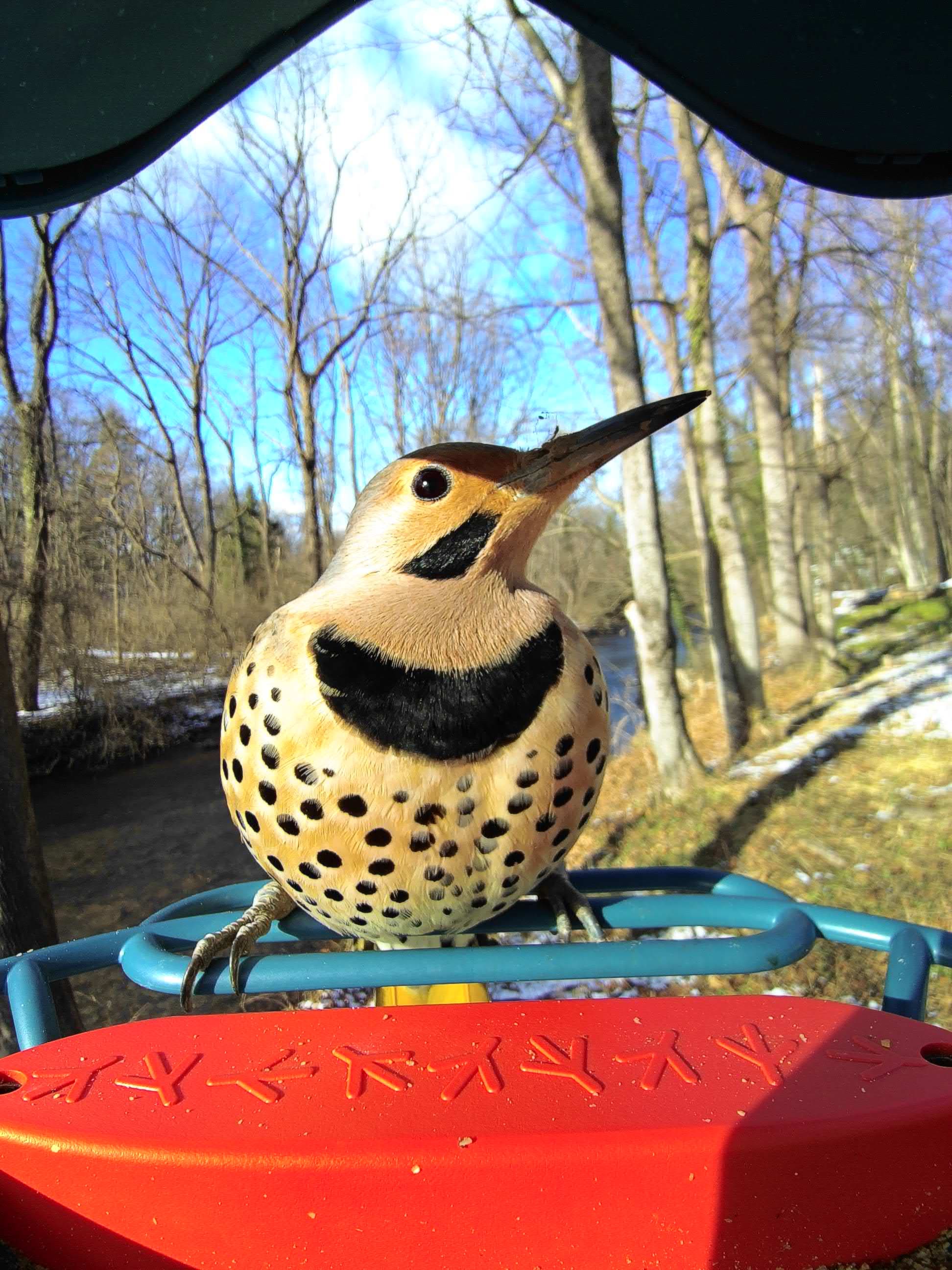
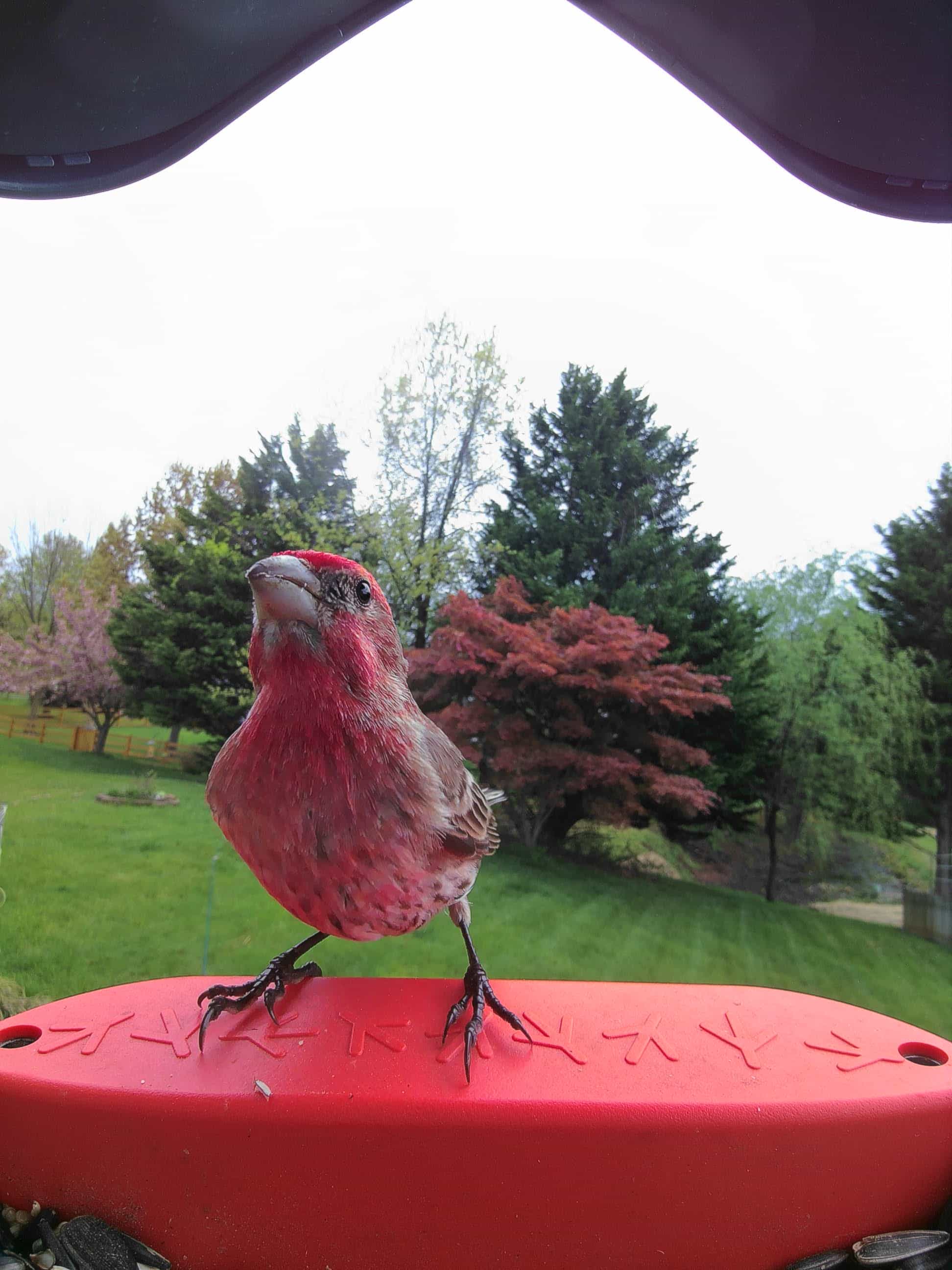
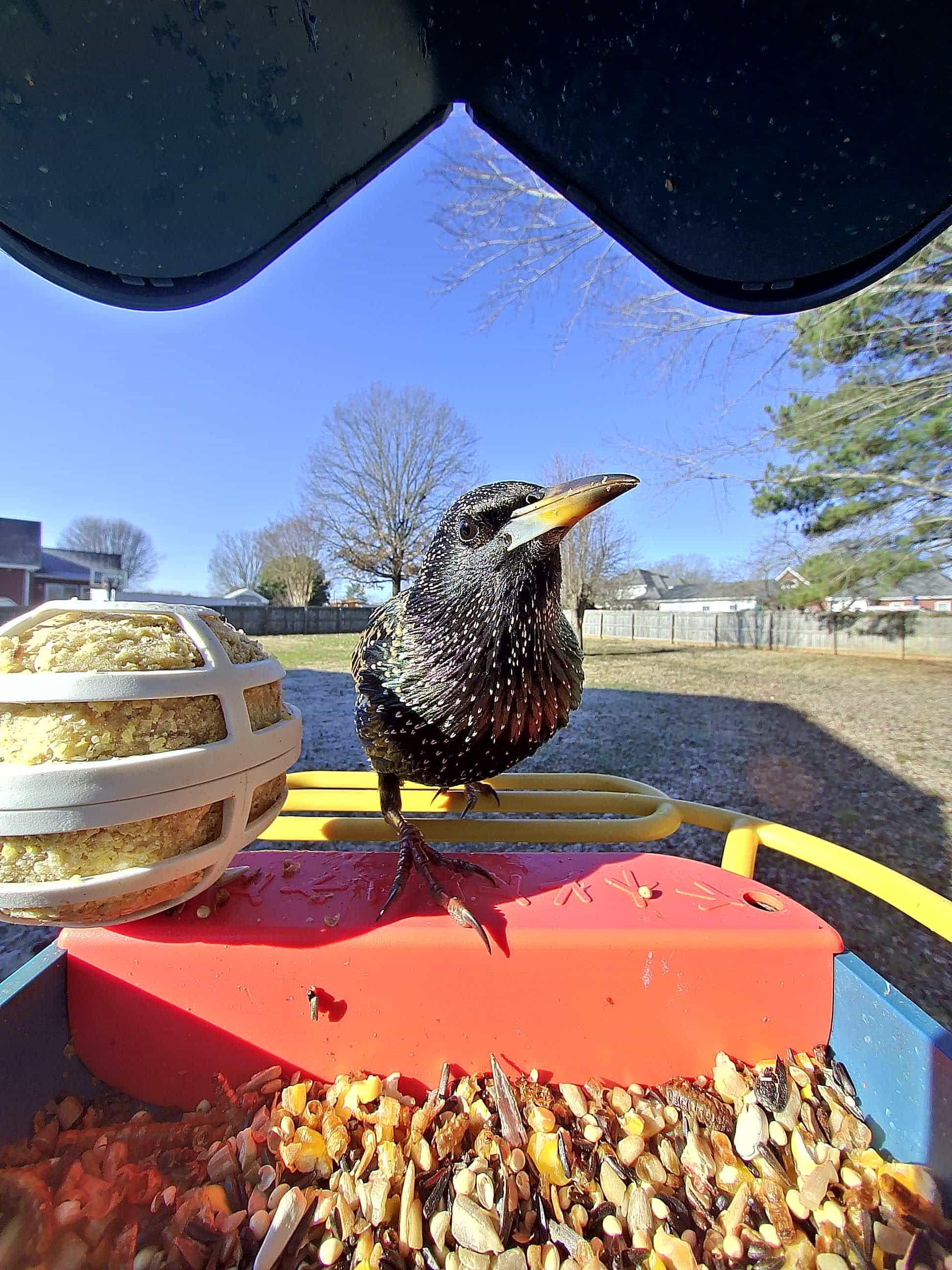
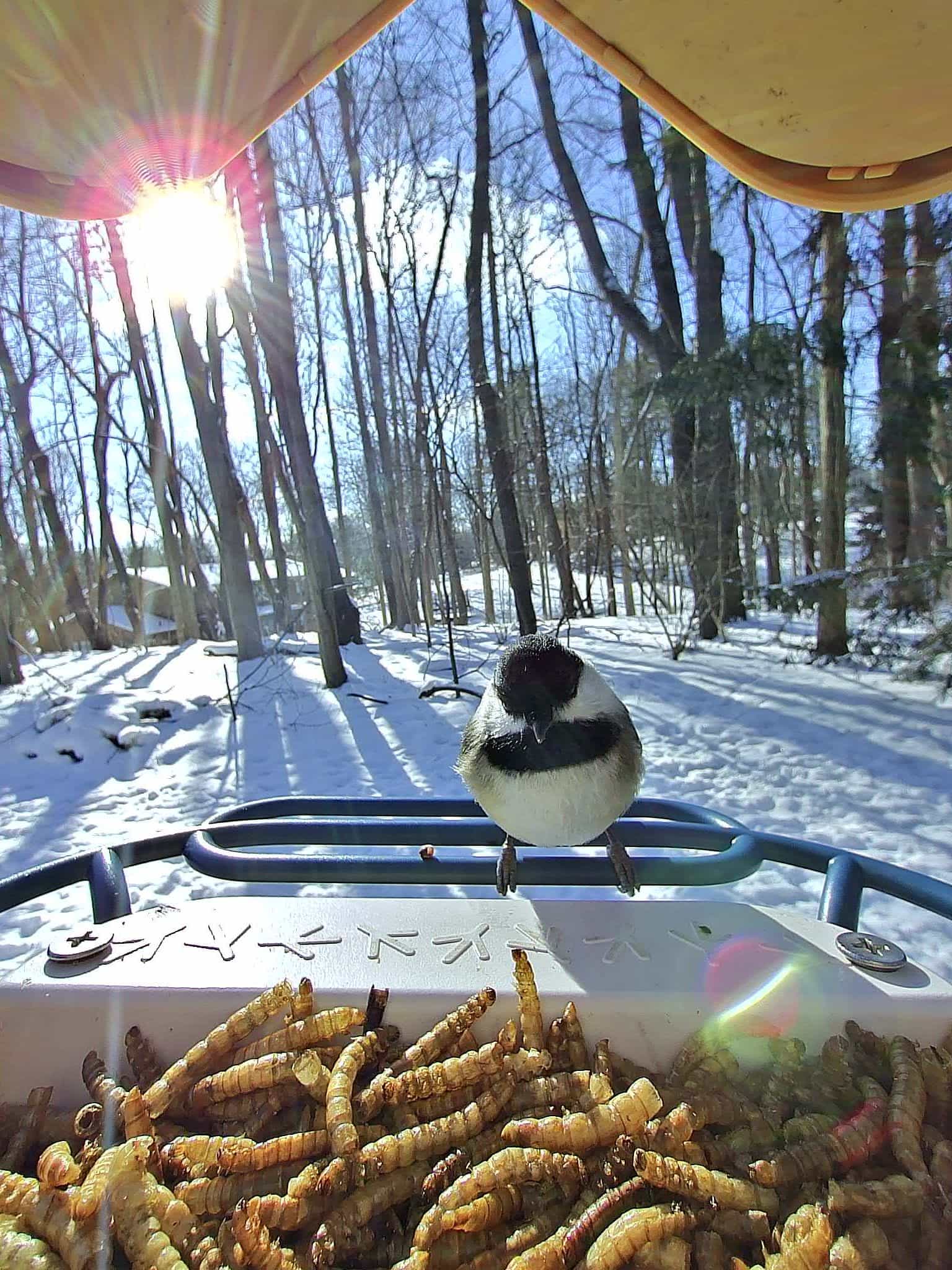
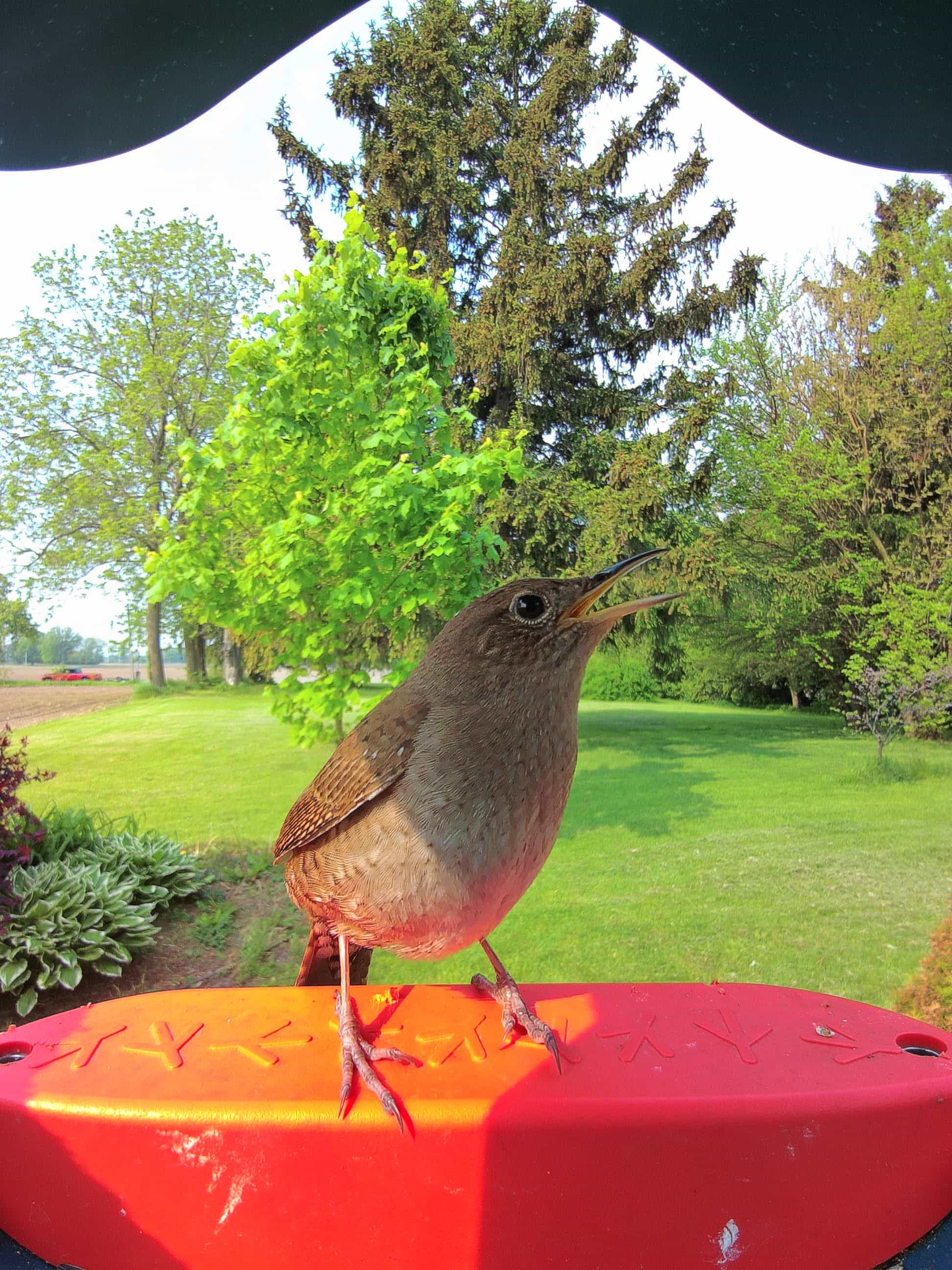
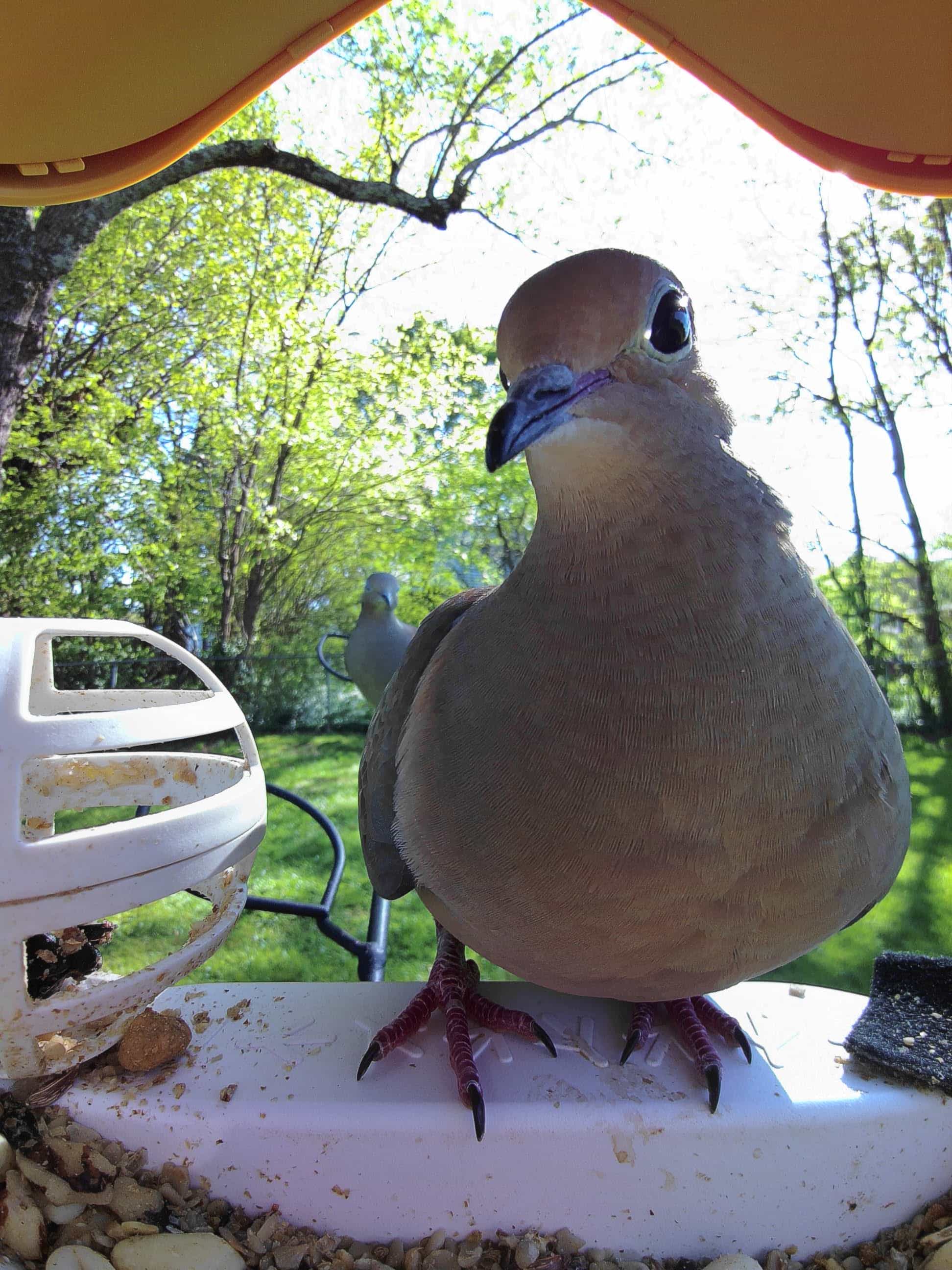
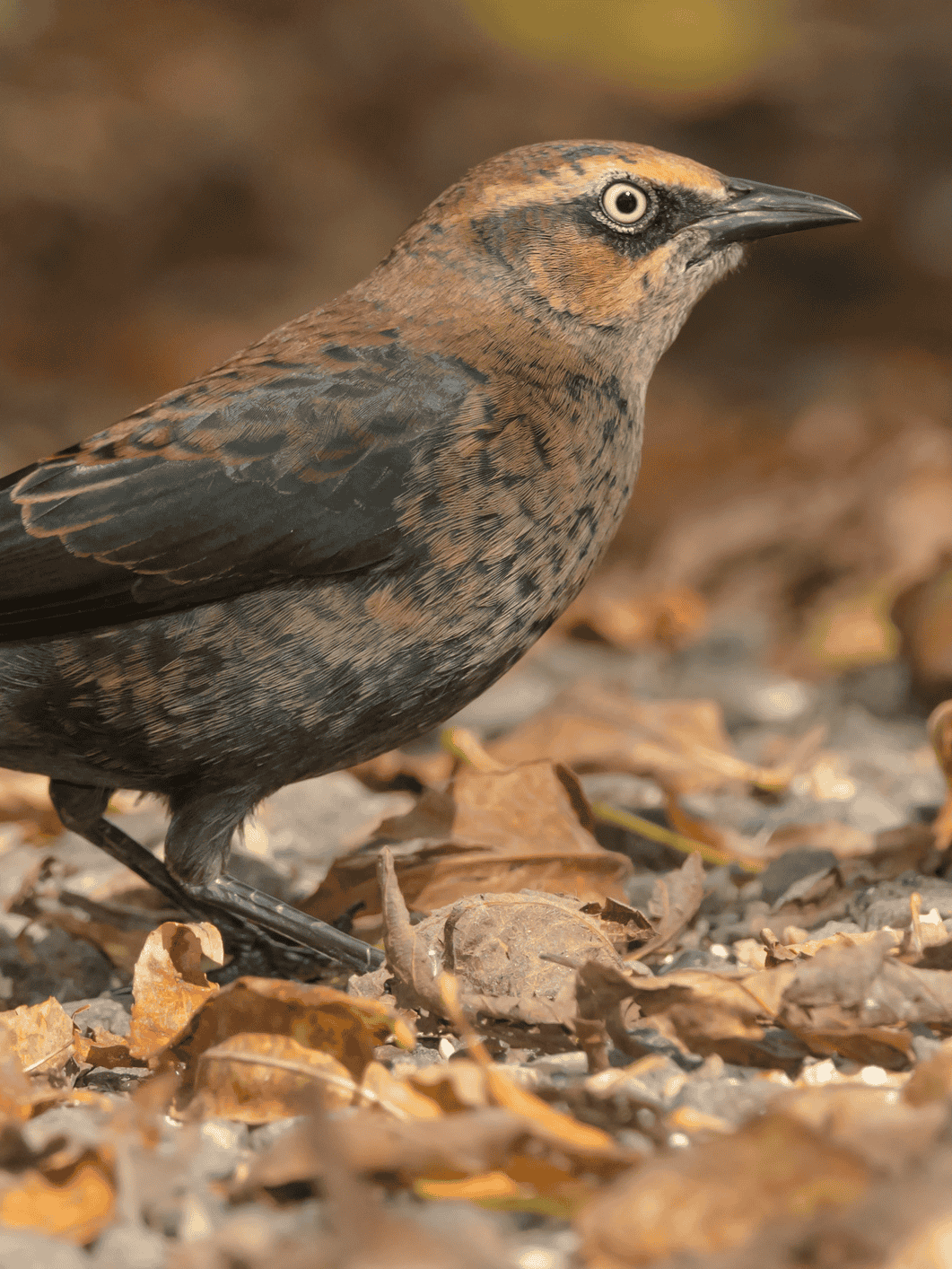
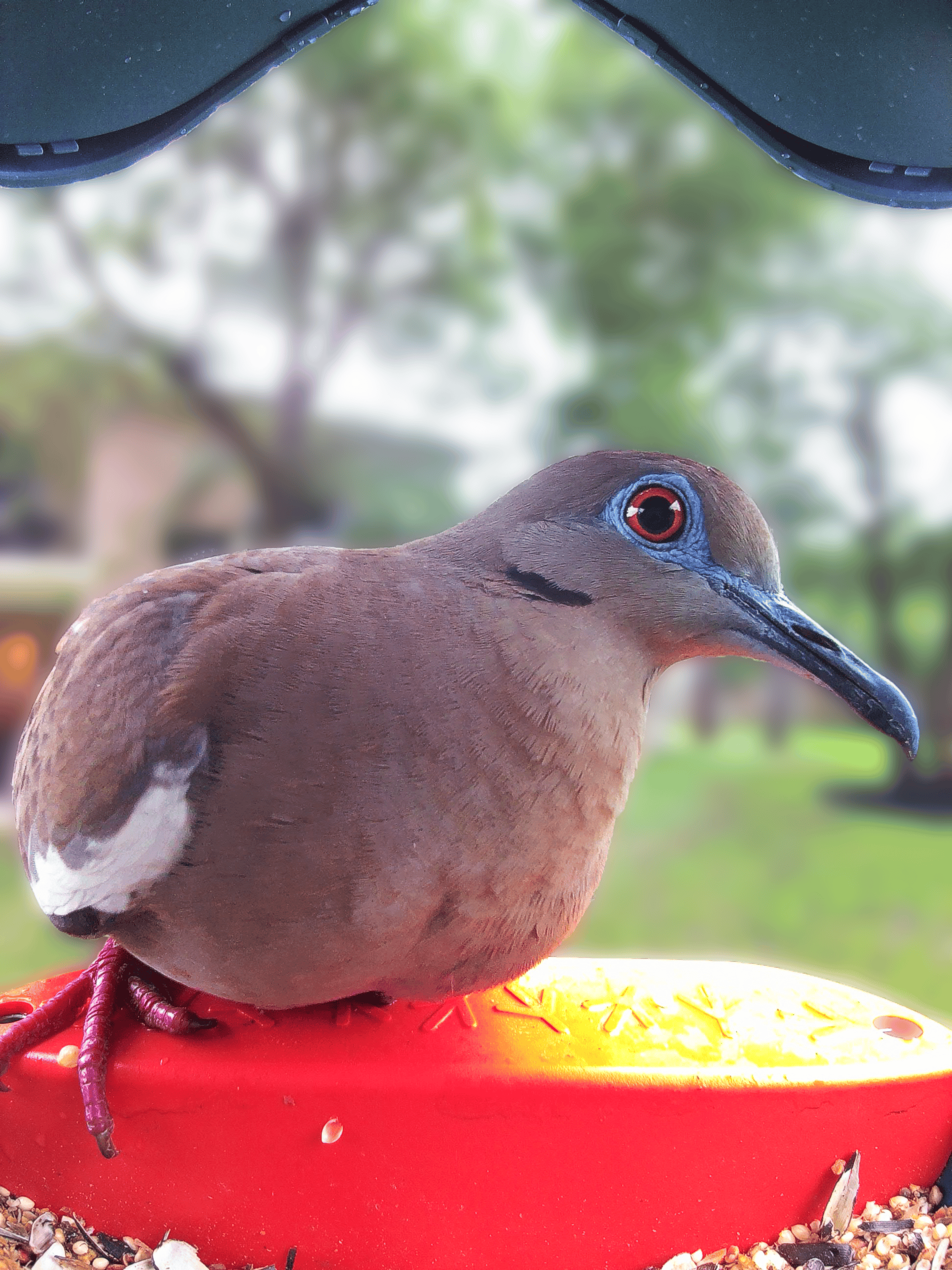
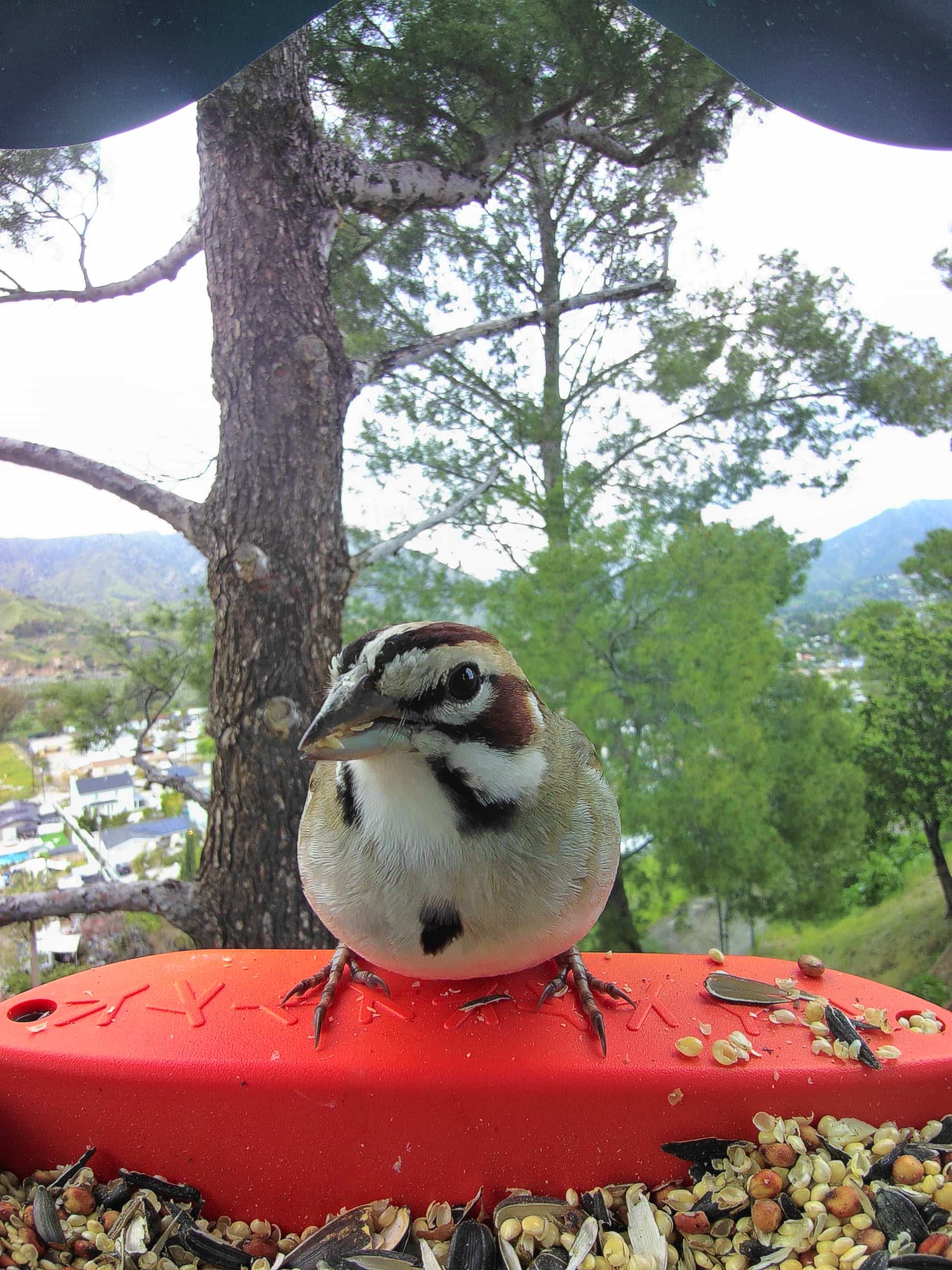
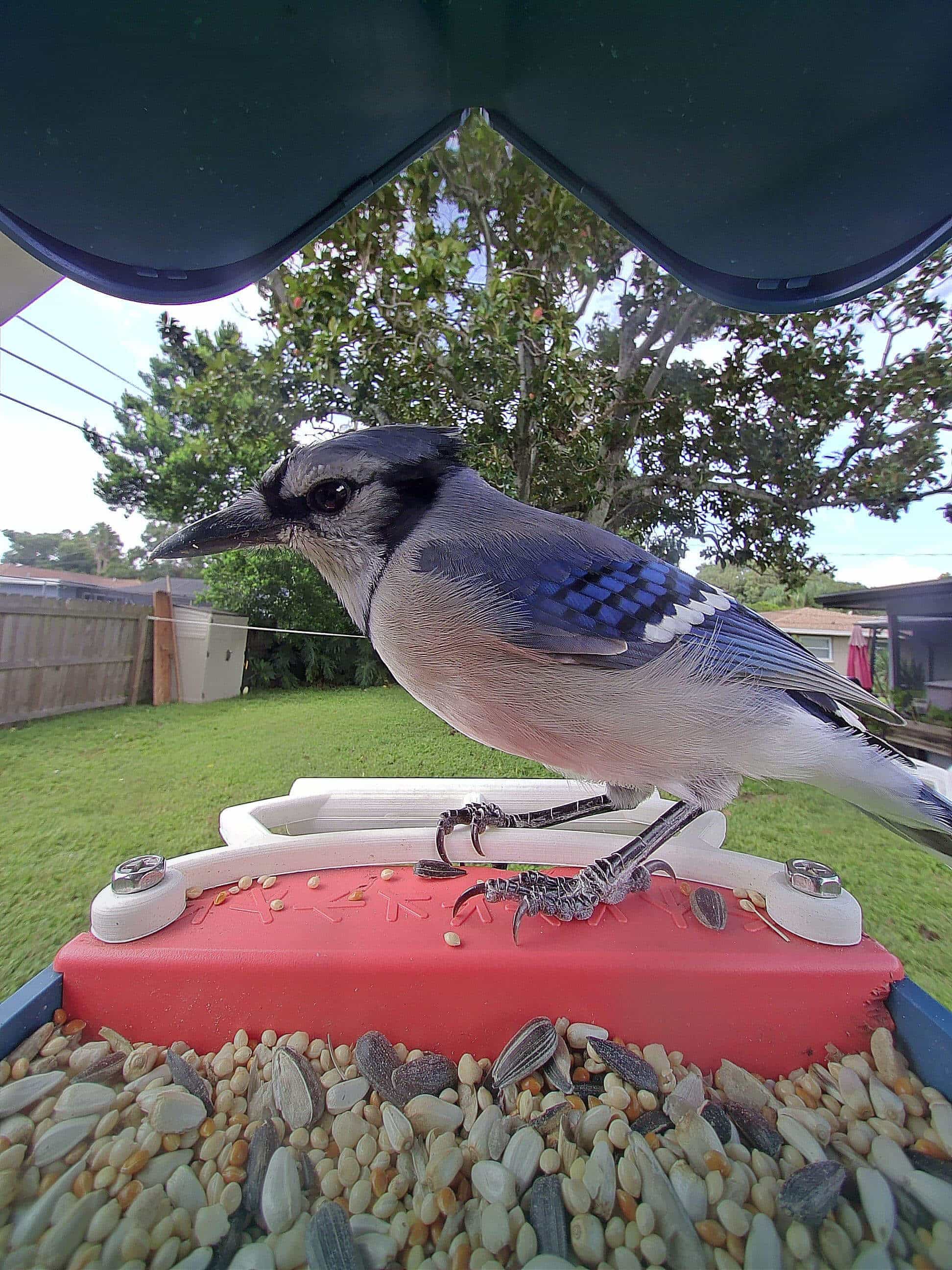
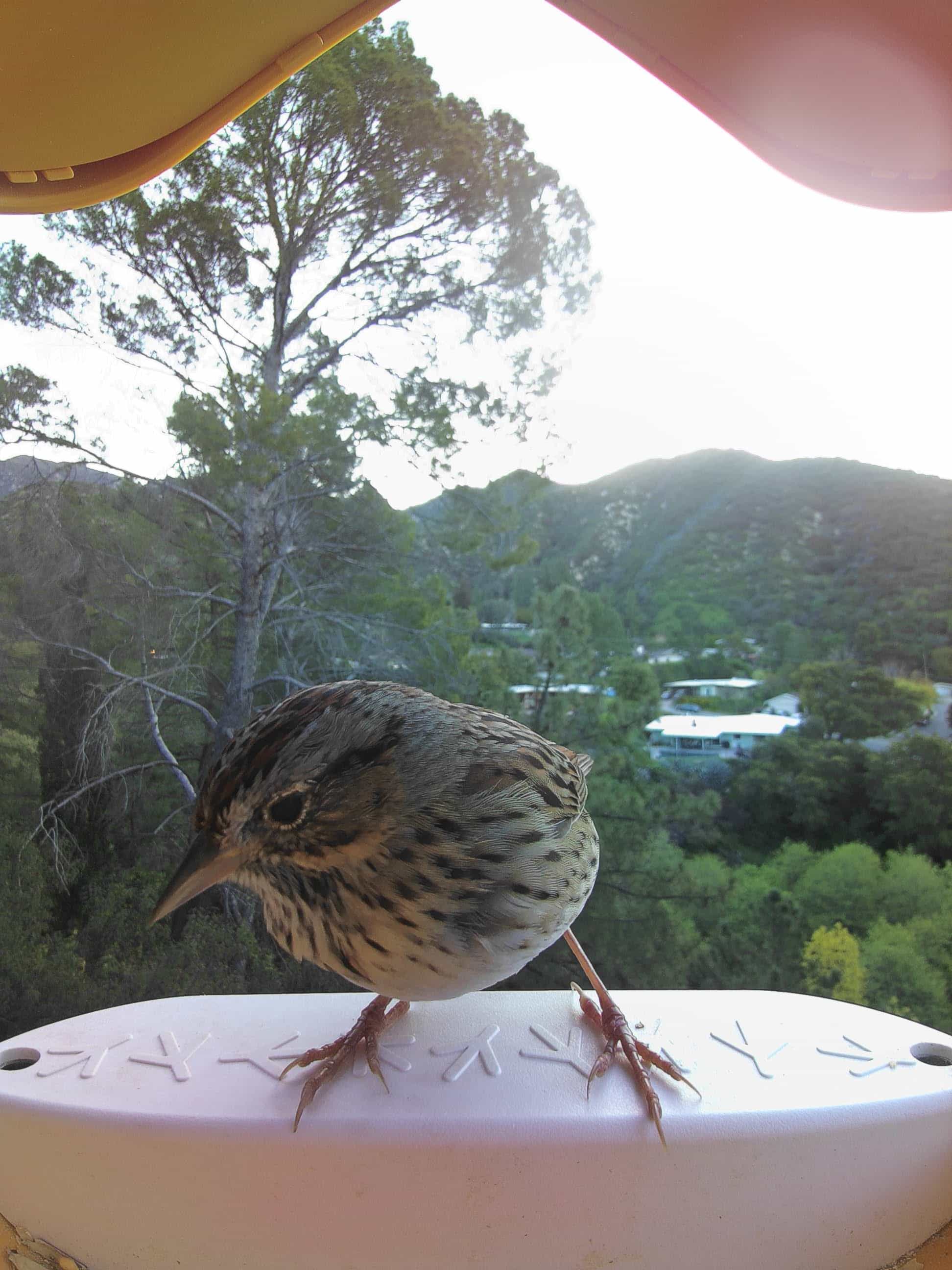
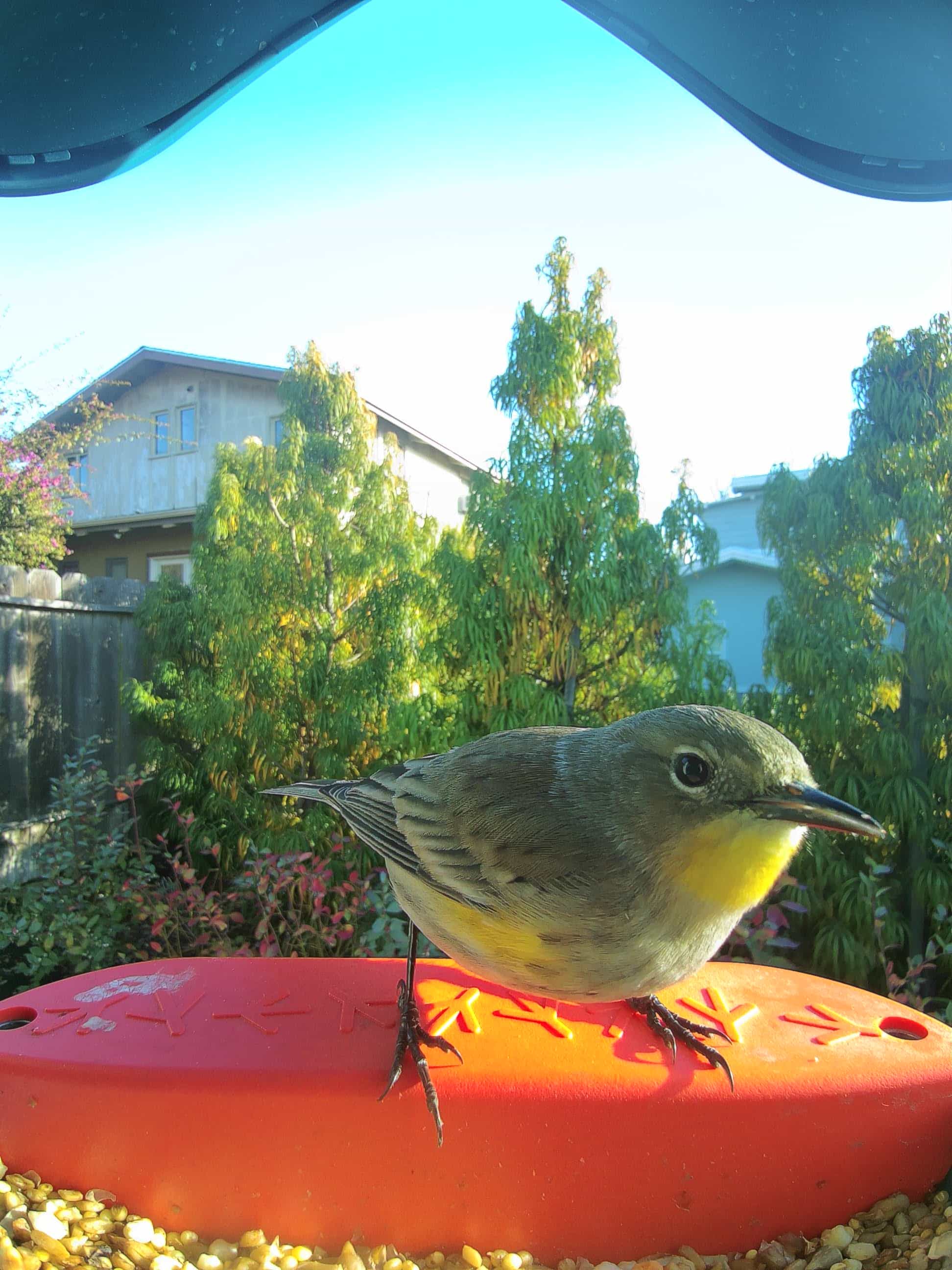
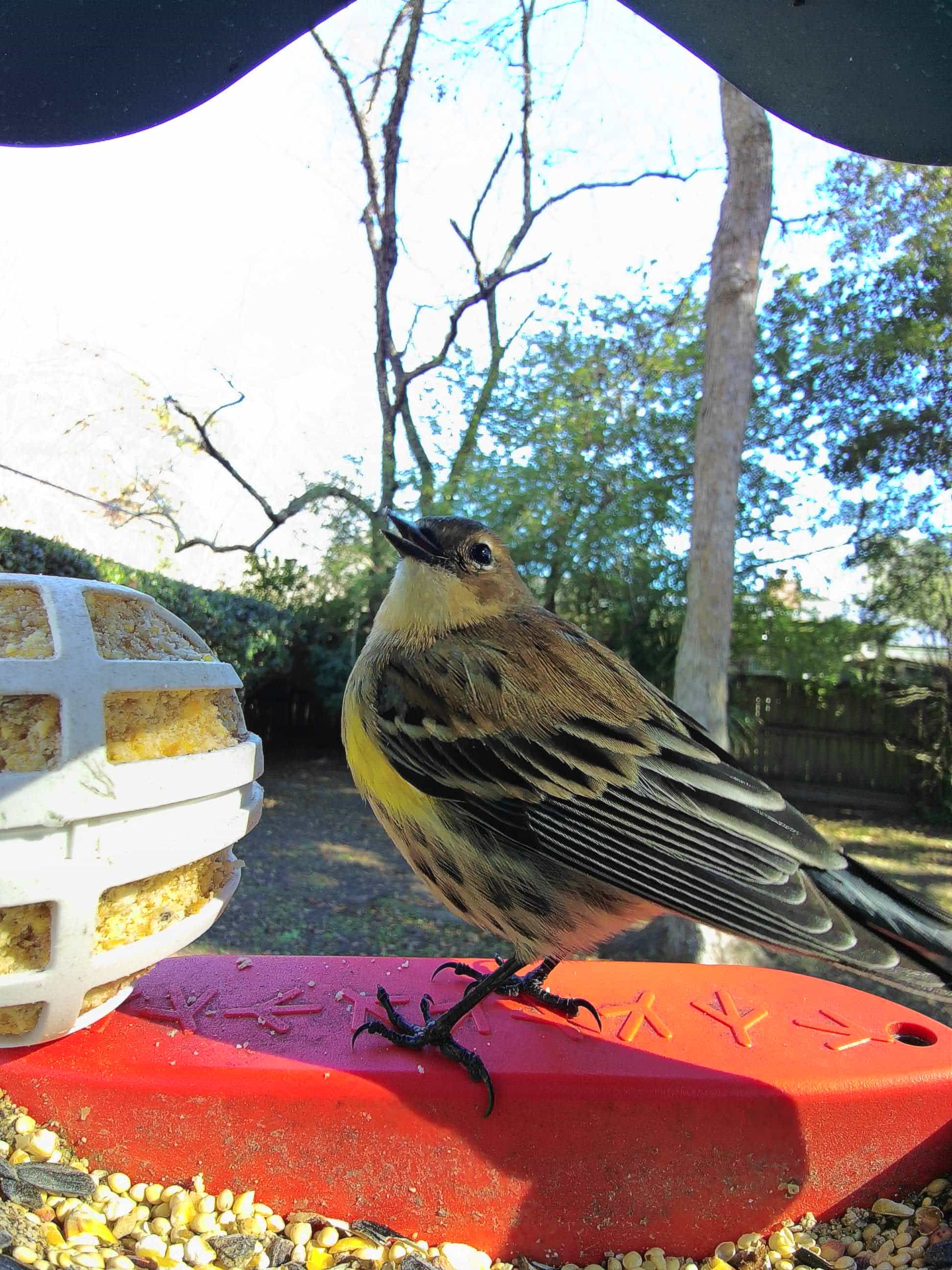
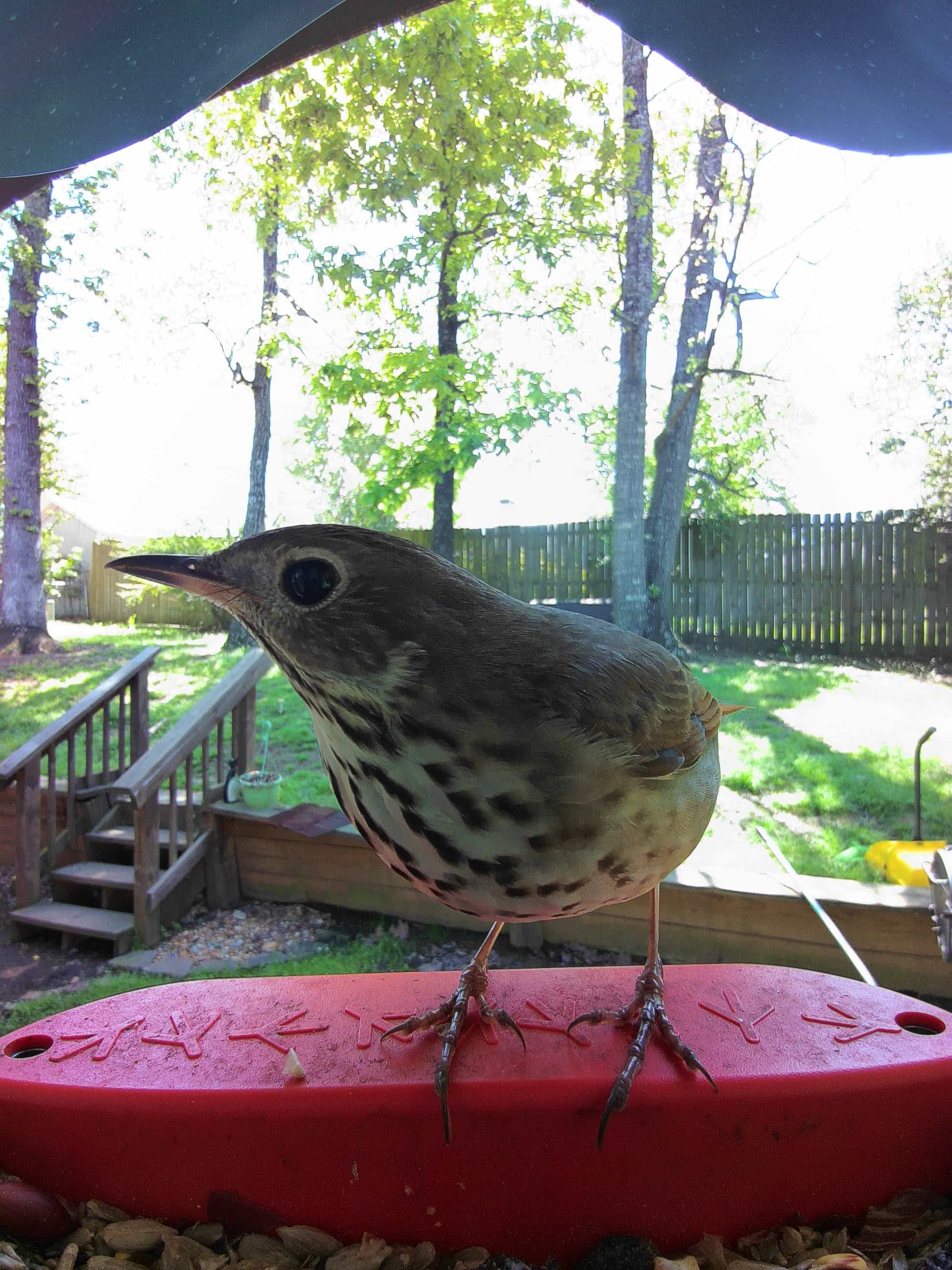
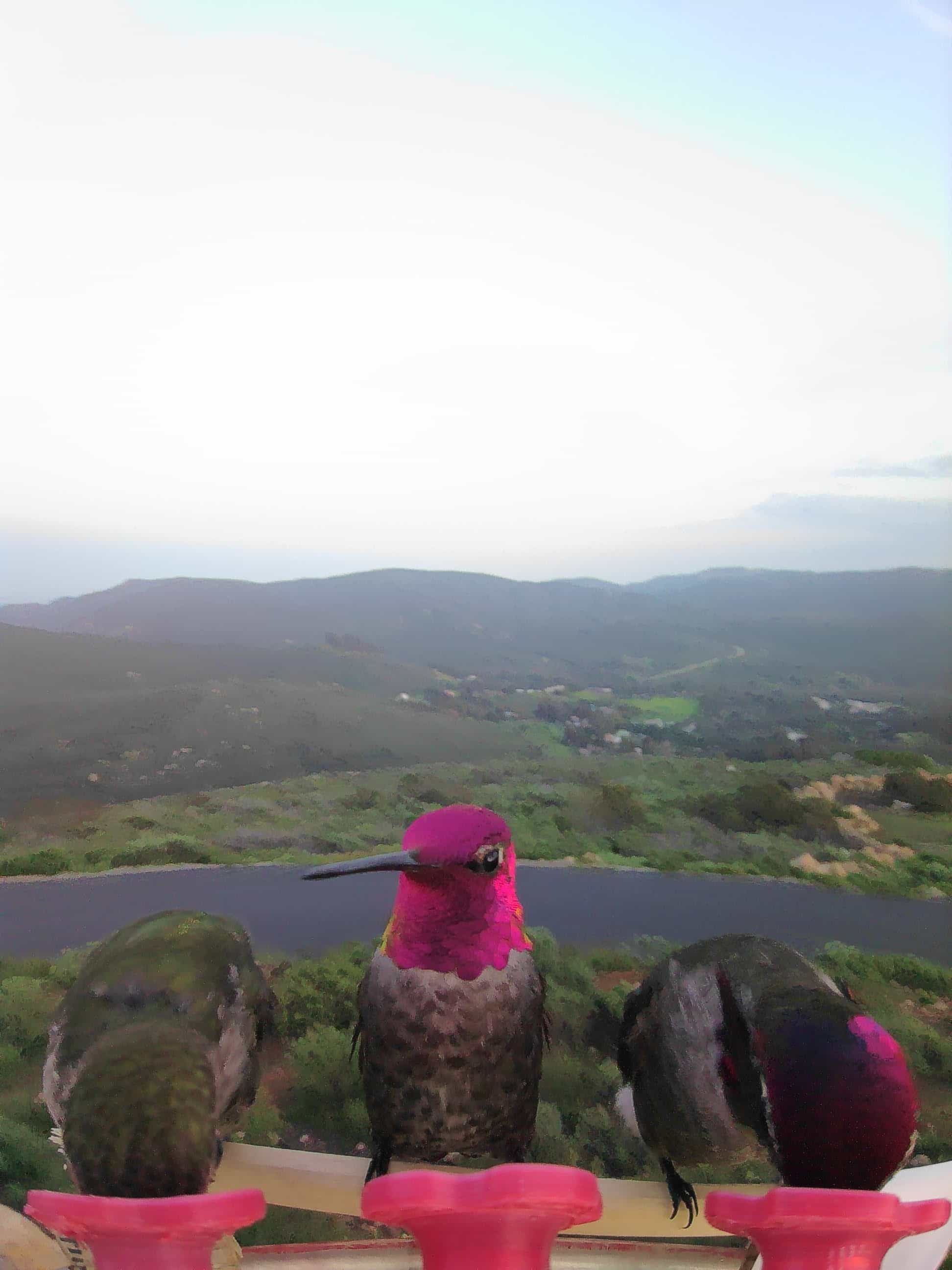
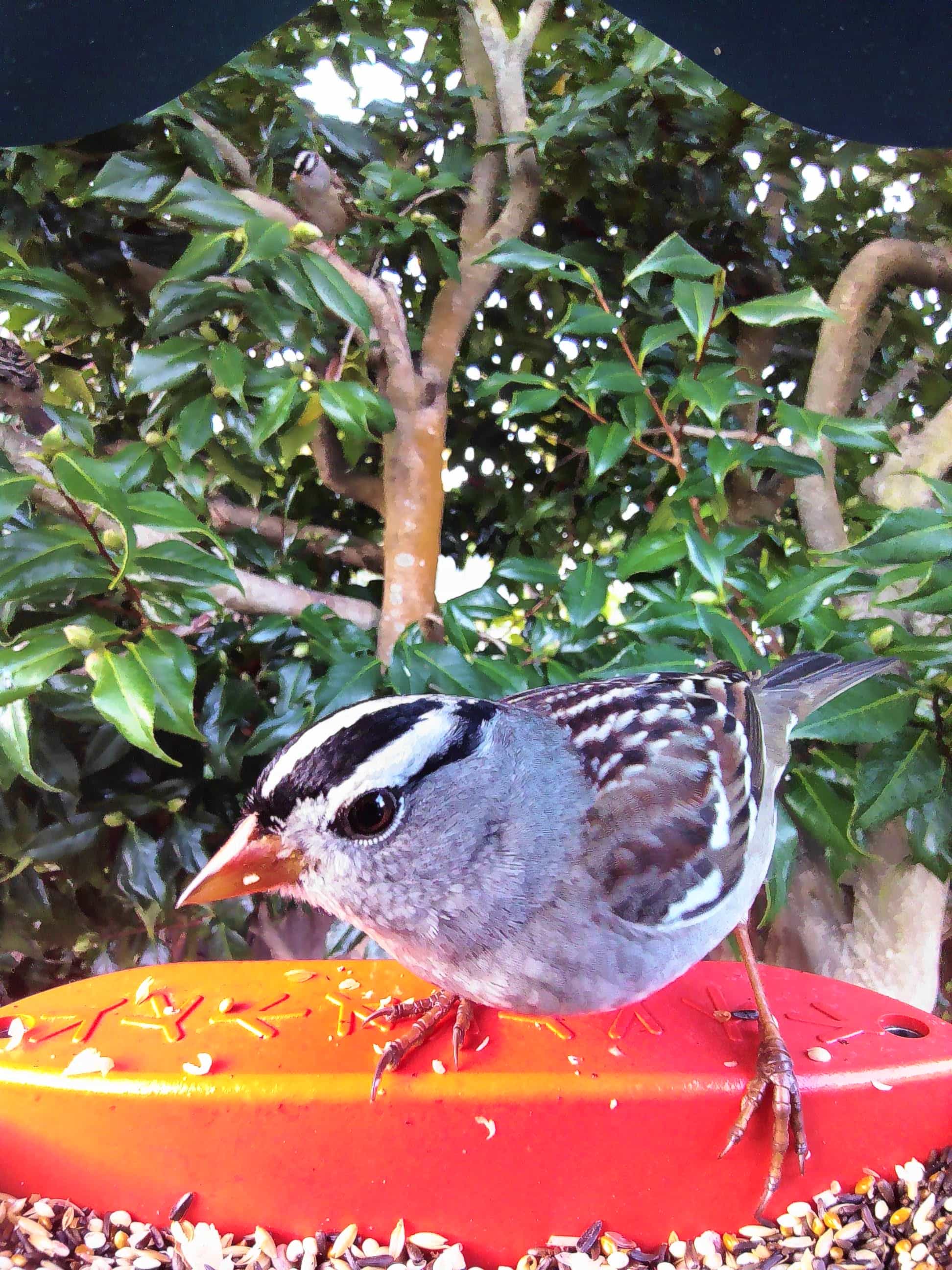
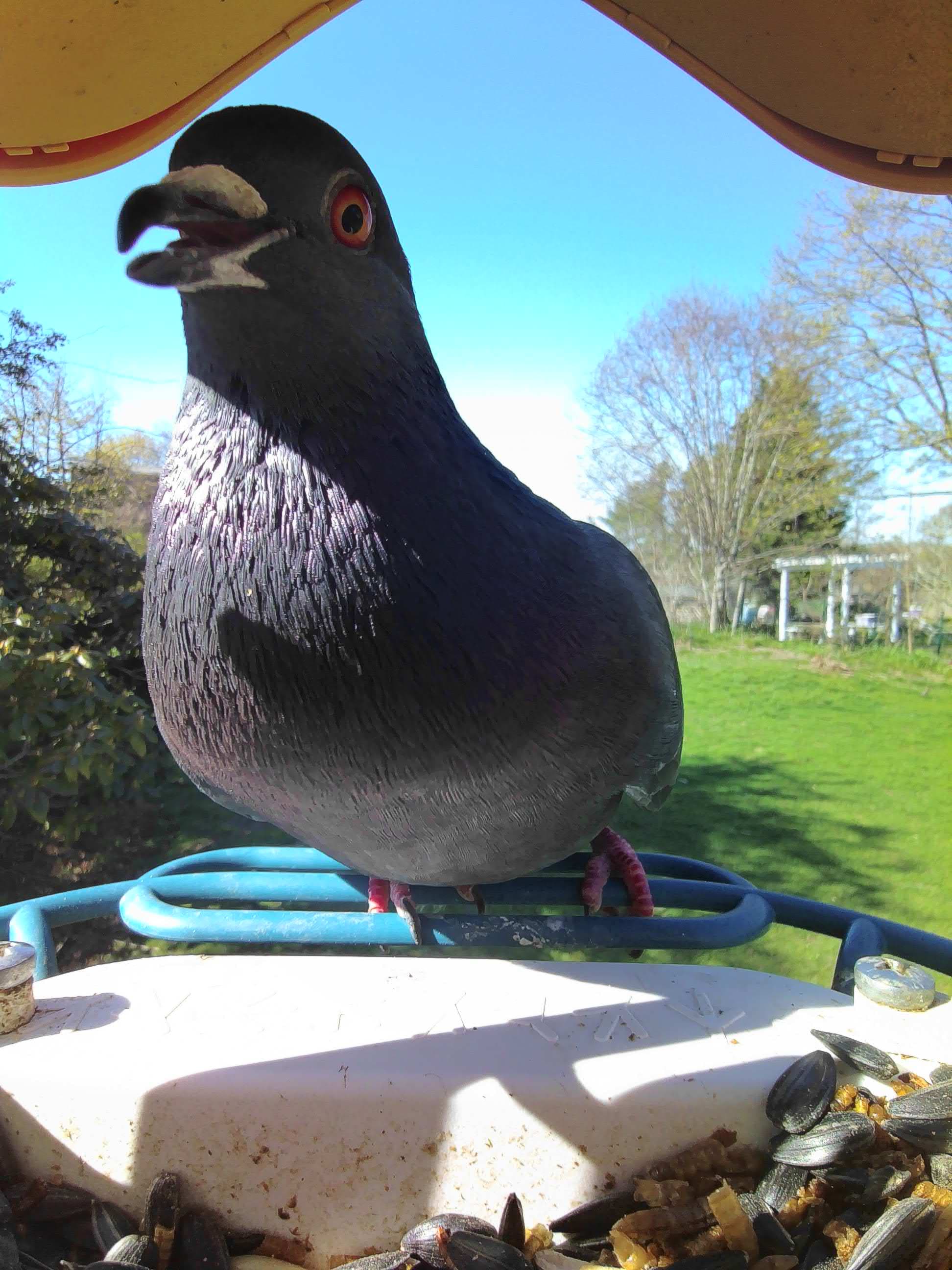
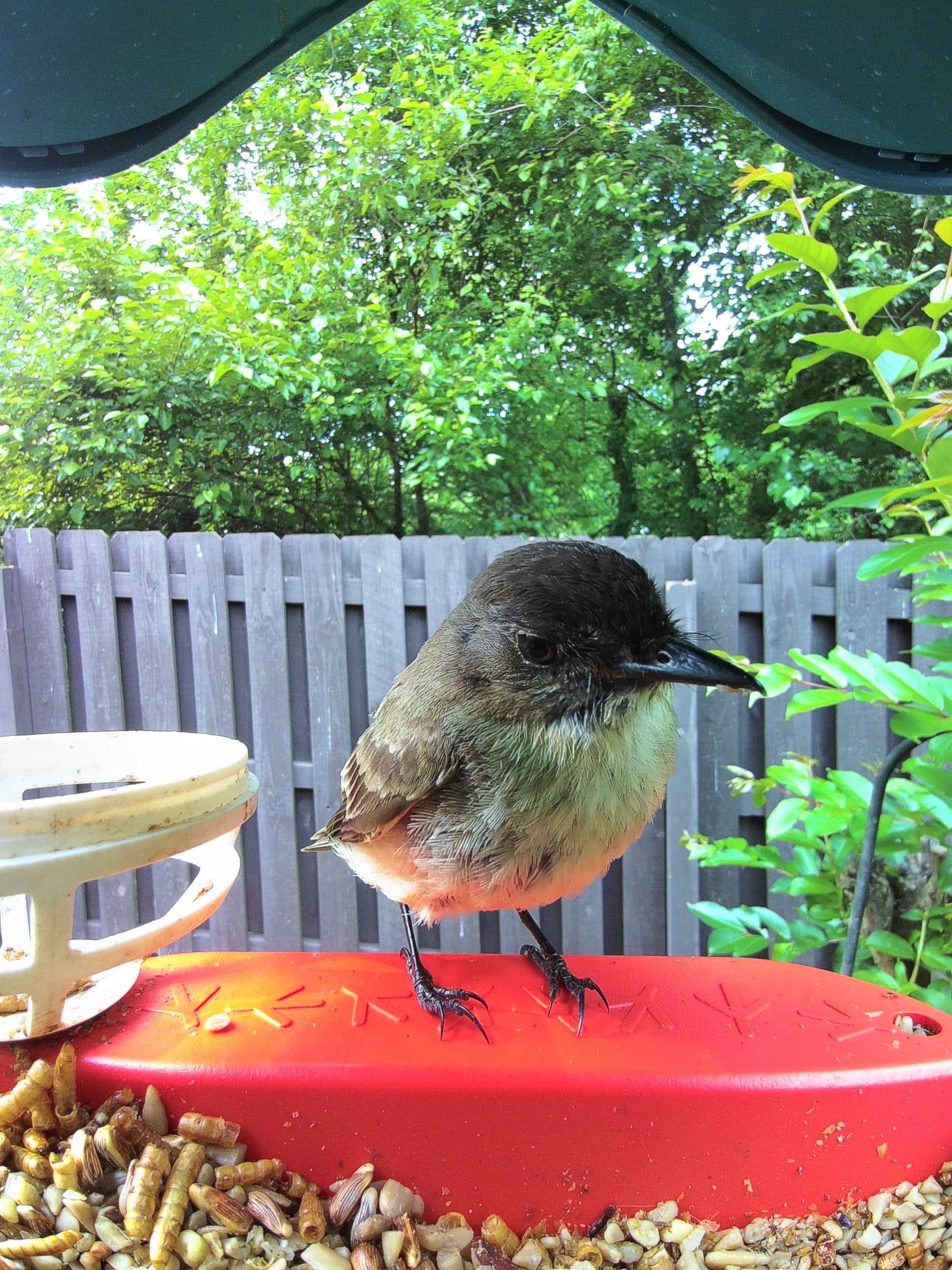
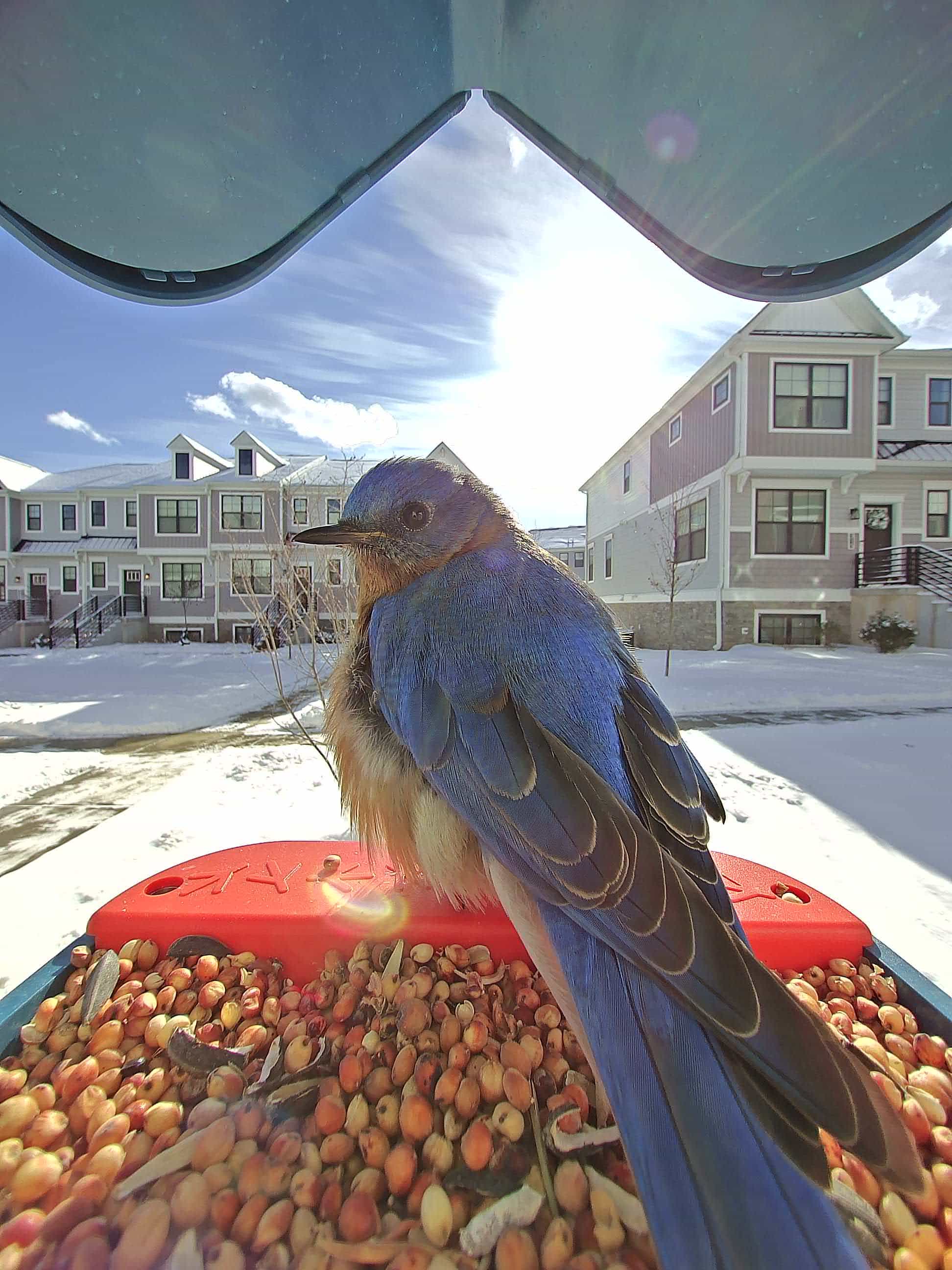
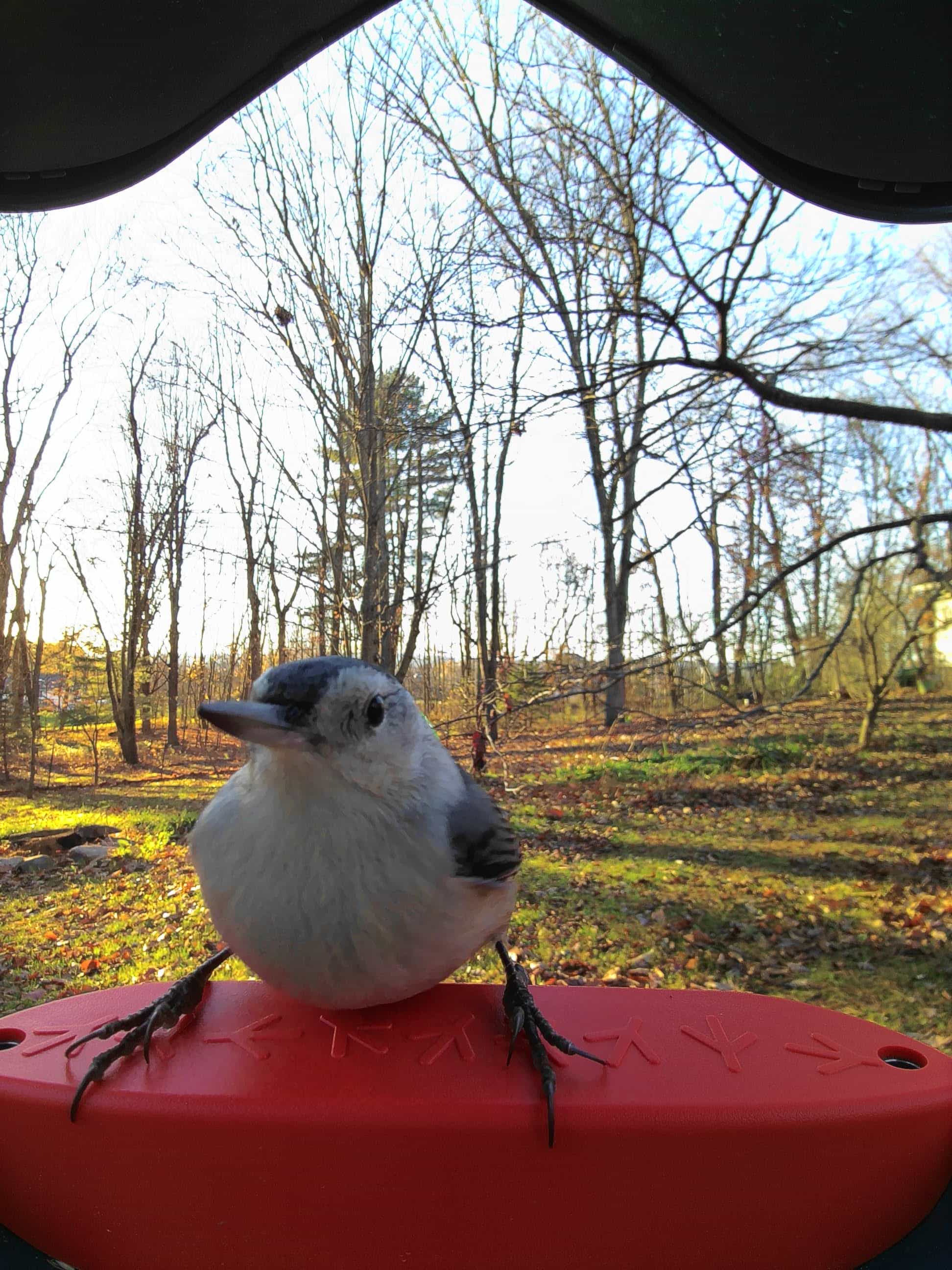
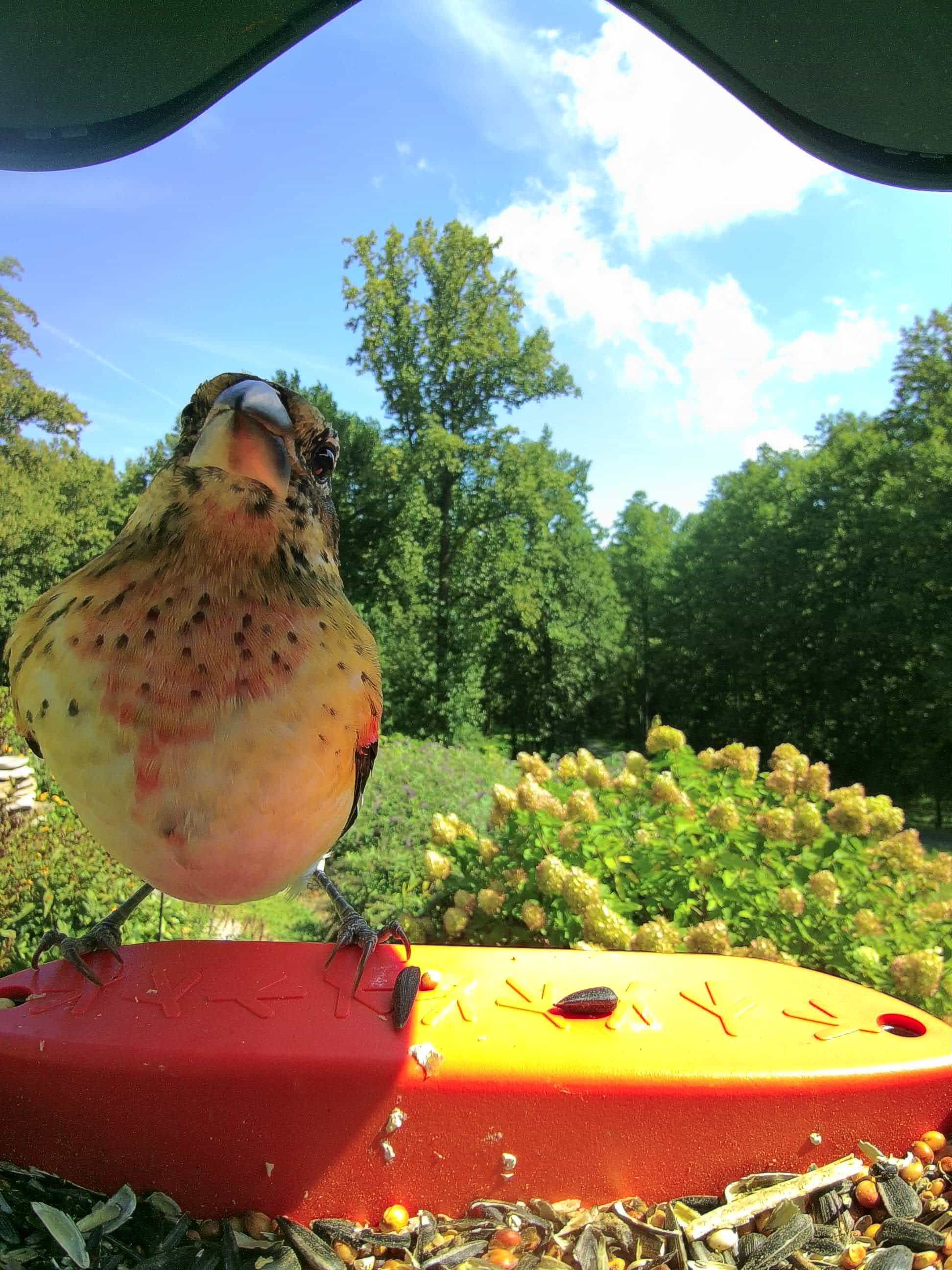
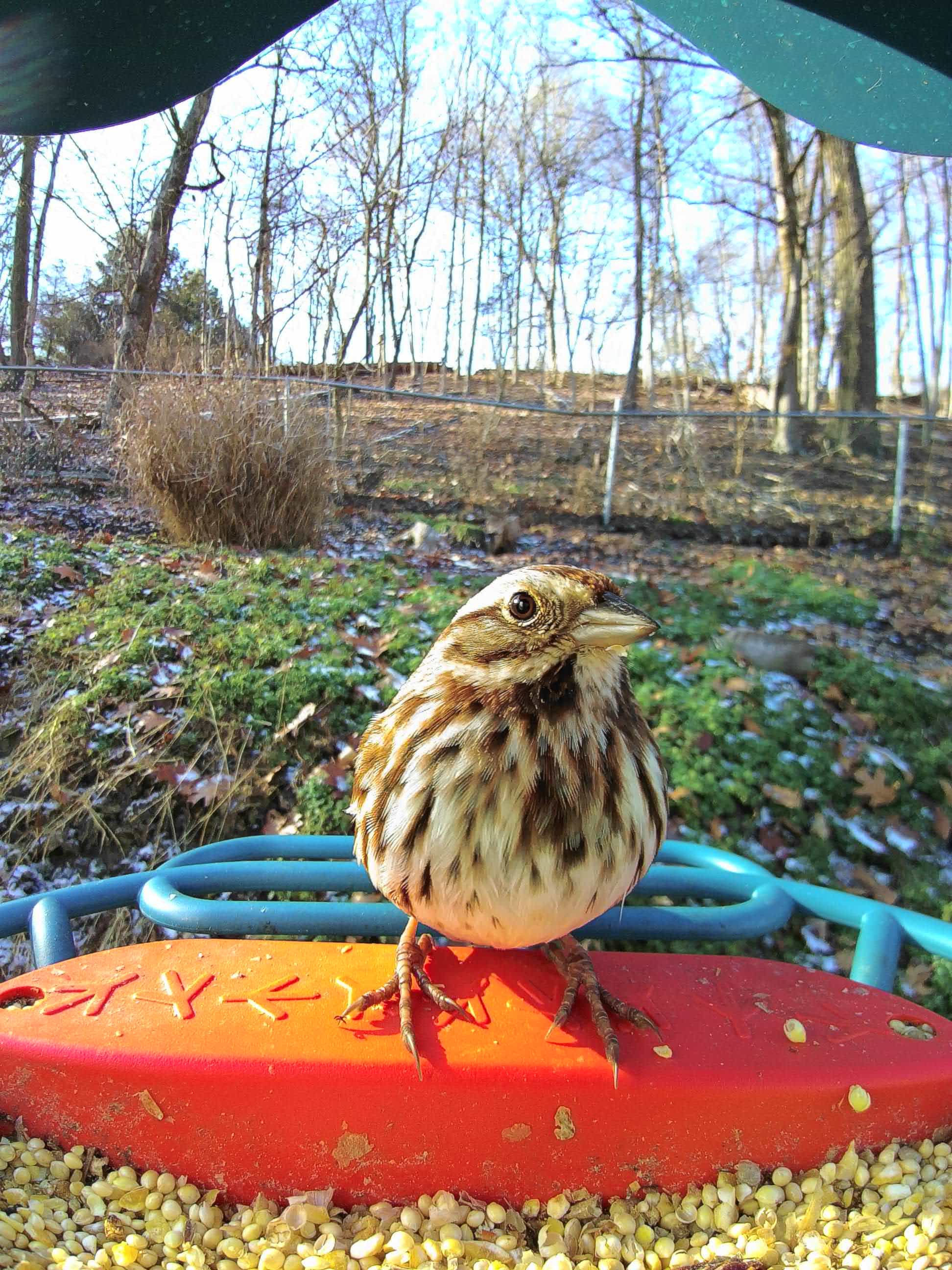
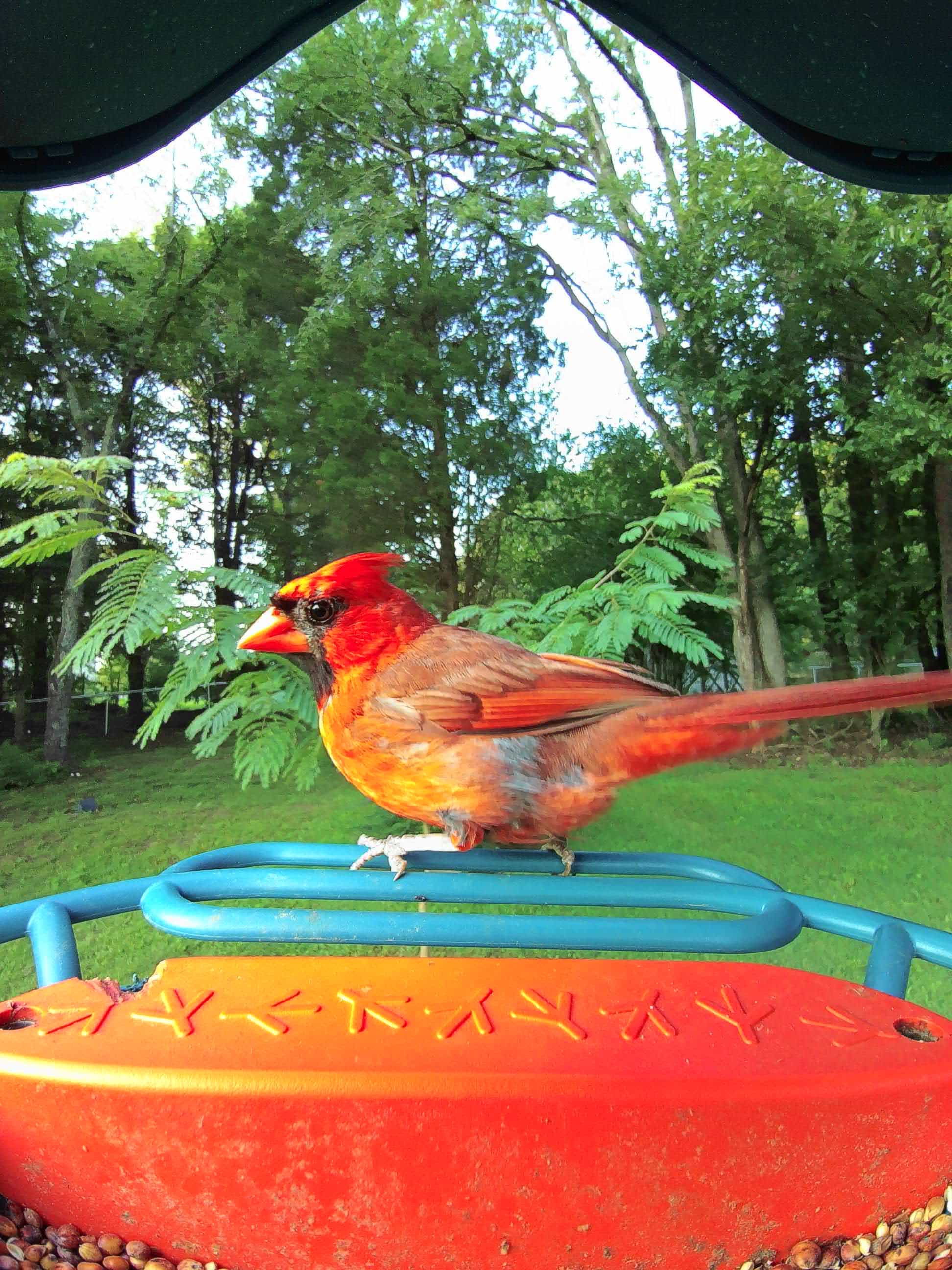
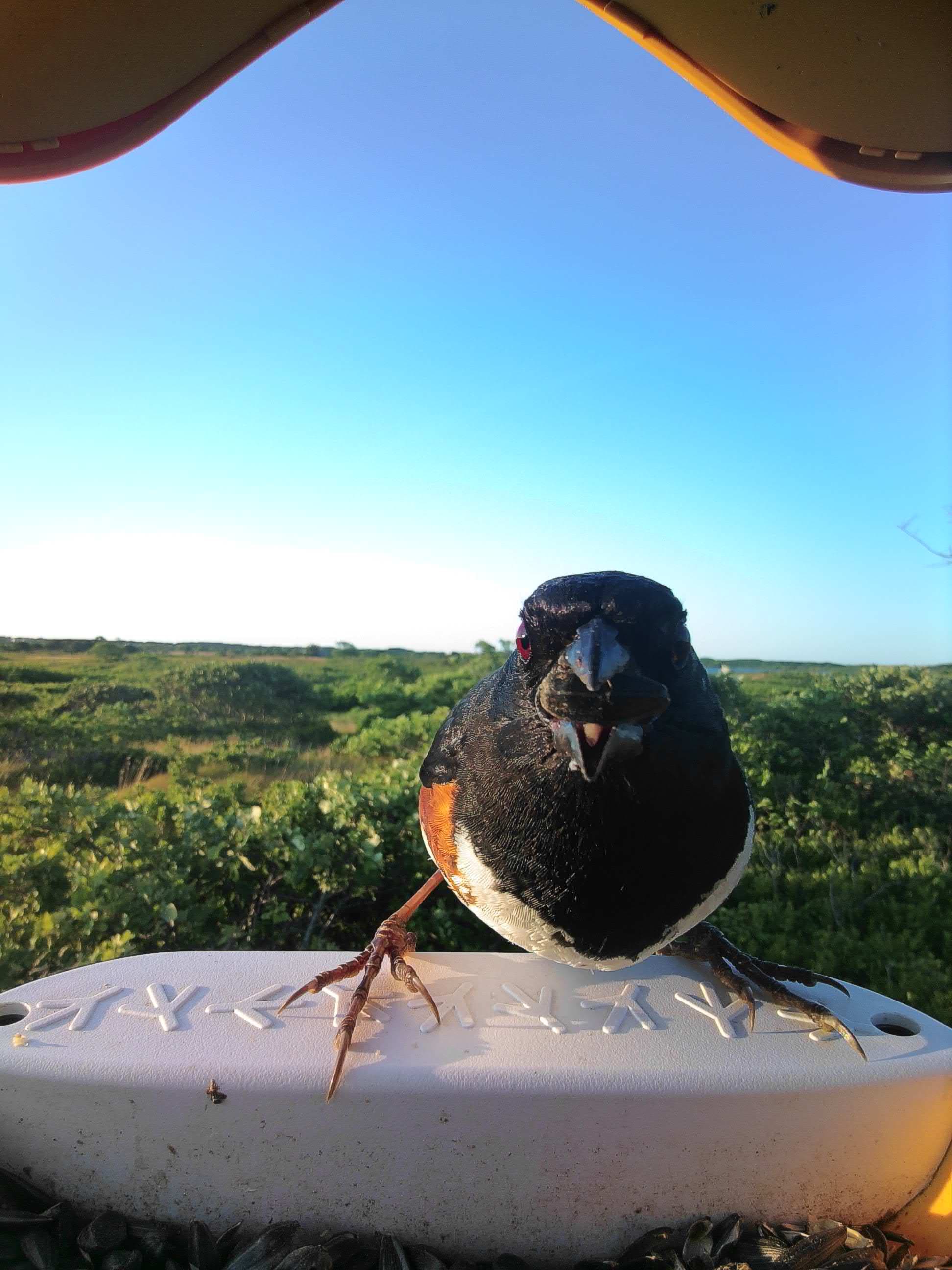
Birds seen on Birdbuddy feeders in Ypsilanti
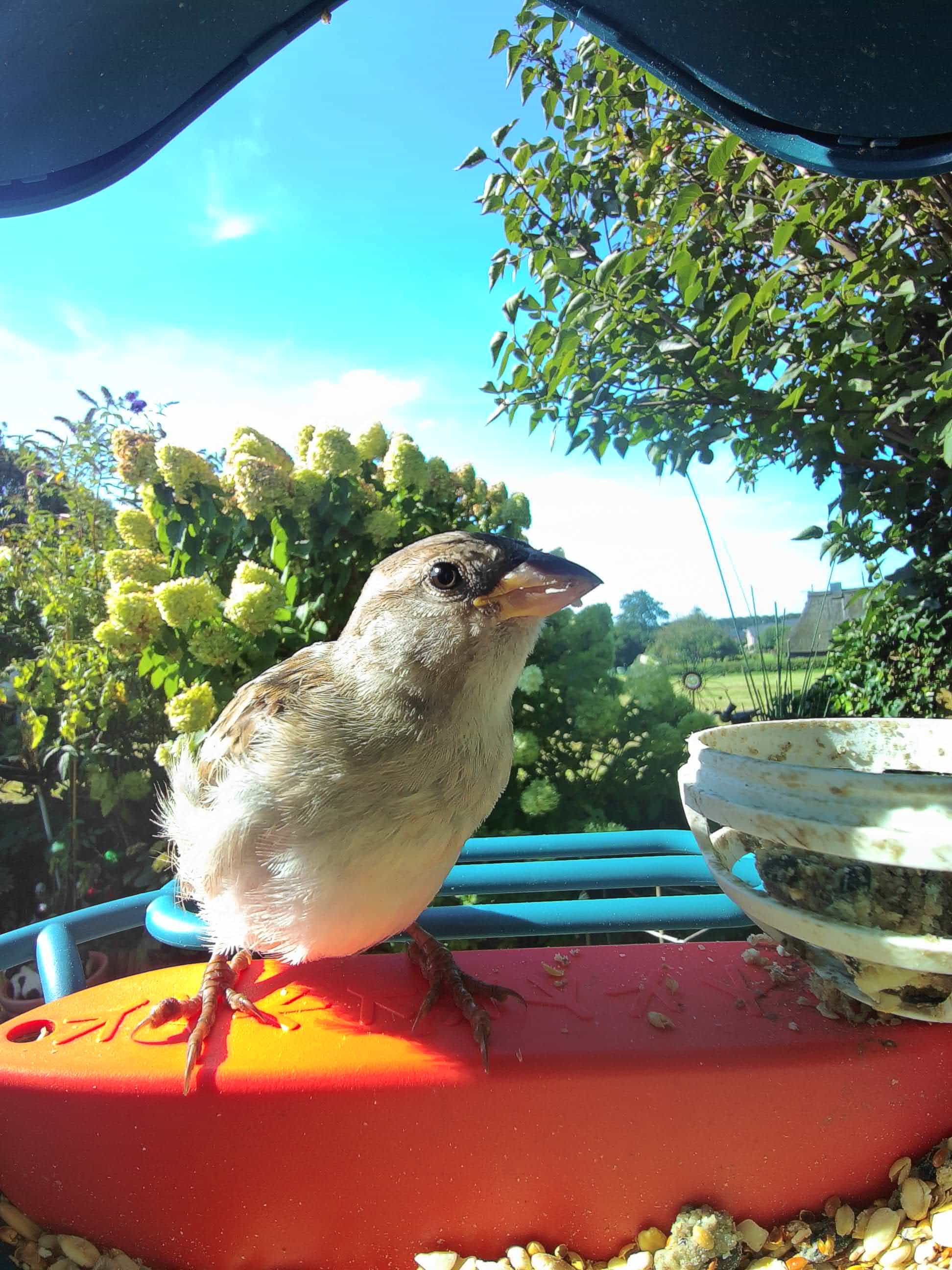
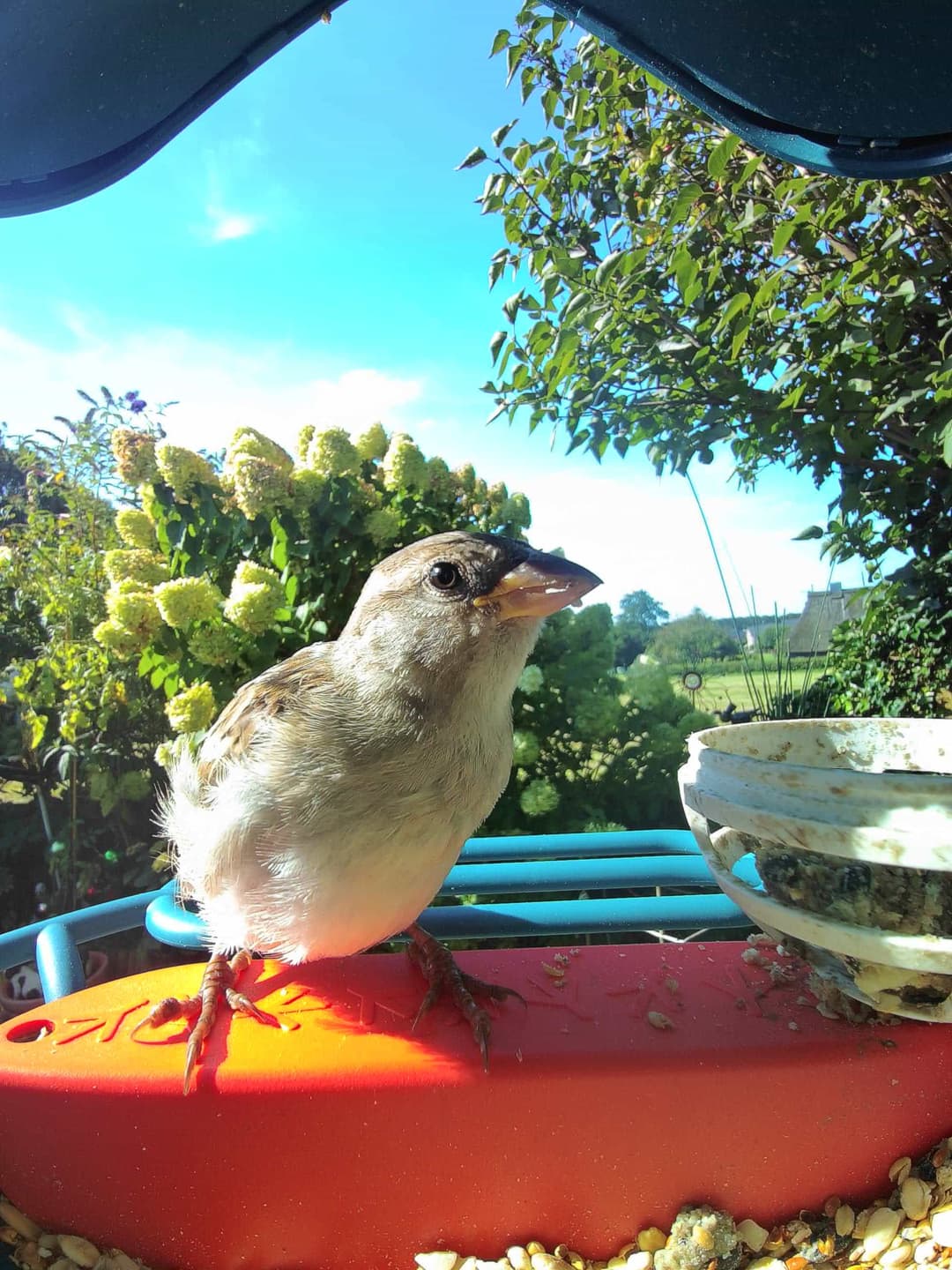
House Sparrow (Passer domesticus): A small, stocky bird with a stout bill, this species is easily recognized by its gray and brown plumage, distinctive black bib in males, and its adaptability to urban and rural environments worldwide.
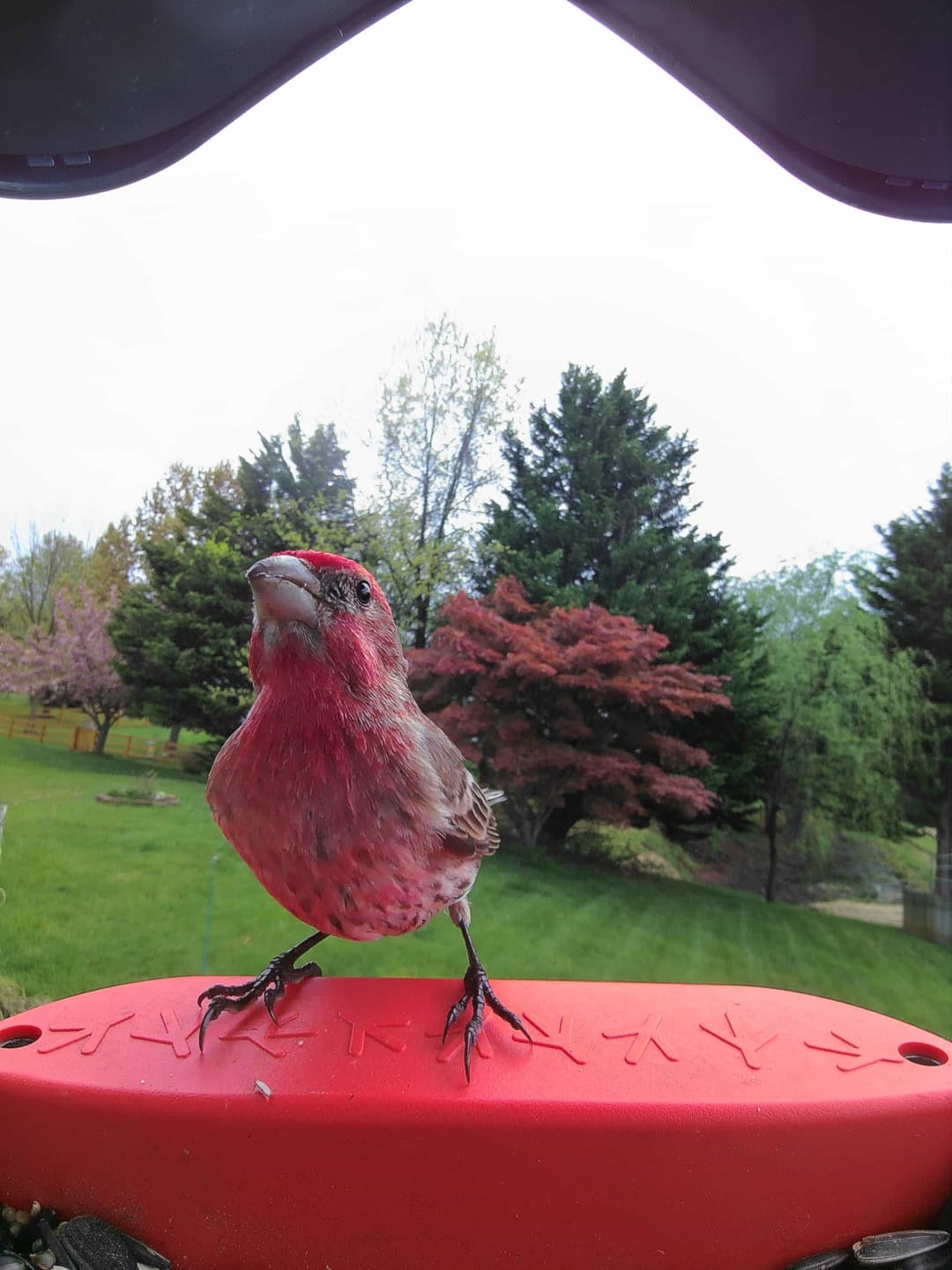
House Finch (Haemorhous mexicanus): A small, adaptable bird native to North America, it has a vibrant red head and breast in males, streaky brown plumage in females, and a cheerful, warbling song often heard in urban and suburban areas.
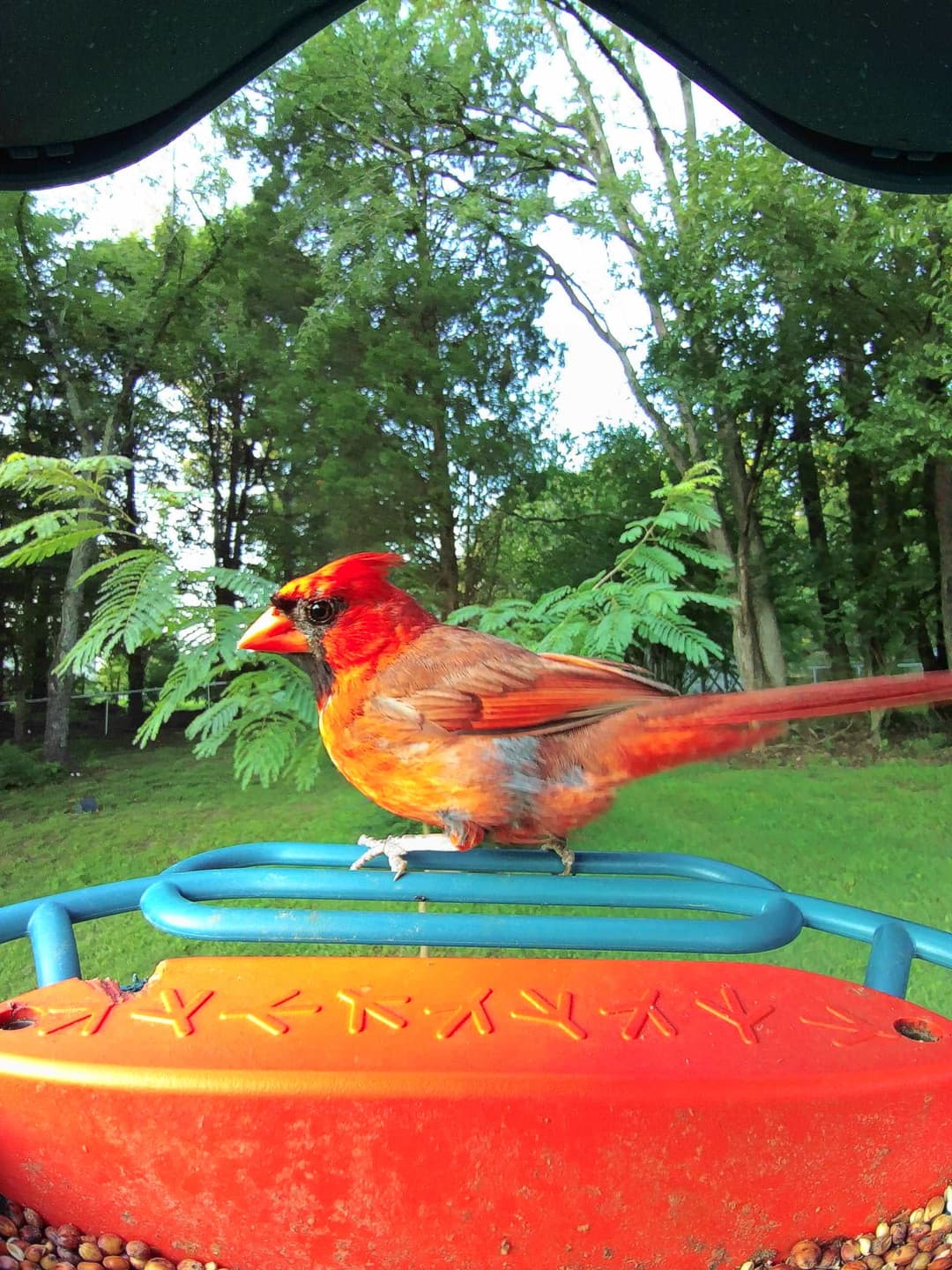
Northern Cardinal (Cardinalis cardinalis): This vibrant songbird is known for its striking red plumage, distinctive crest, and robust bill, commonly found in woodlands, gardens, and shrublands across North America.
Mourning Dove (Zenaida macroura): This bird is a slender, medium-sized creature with a soft grayish-brown body, long pointed tail with white edges, and distinctive black spots on its wings, often recognized for its gentle, mournful cooing sound.
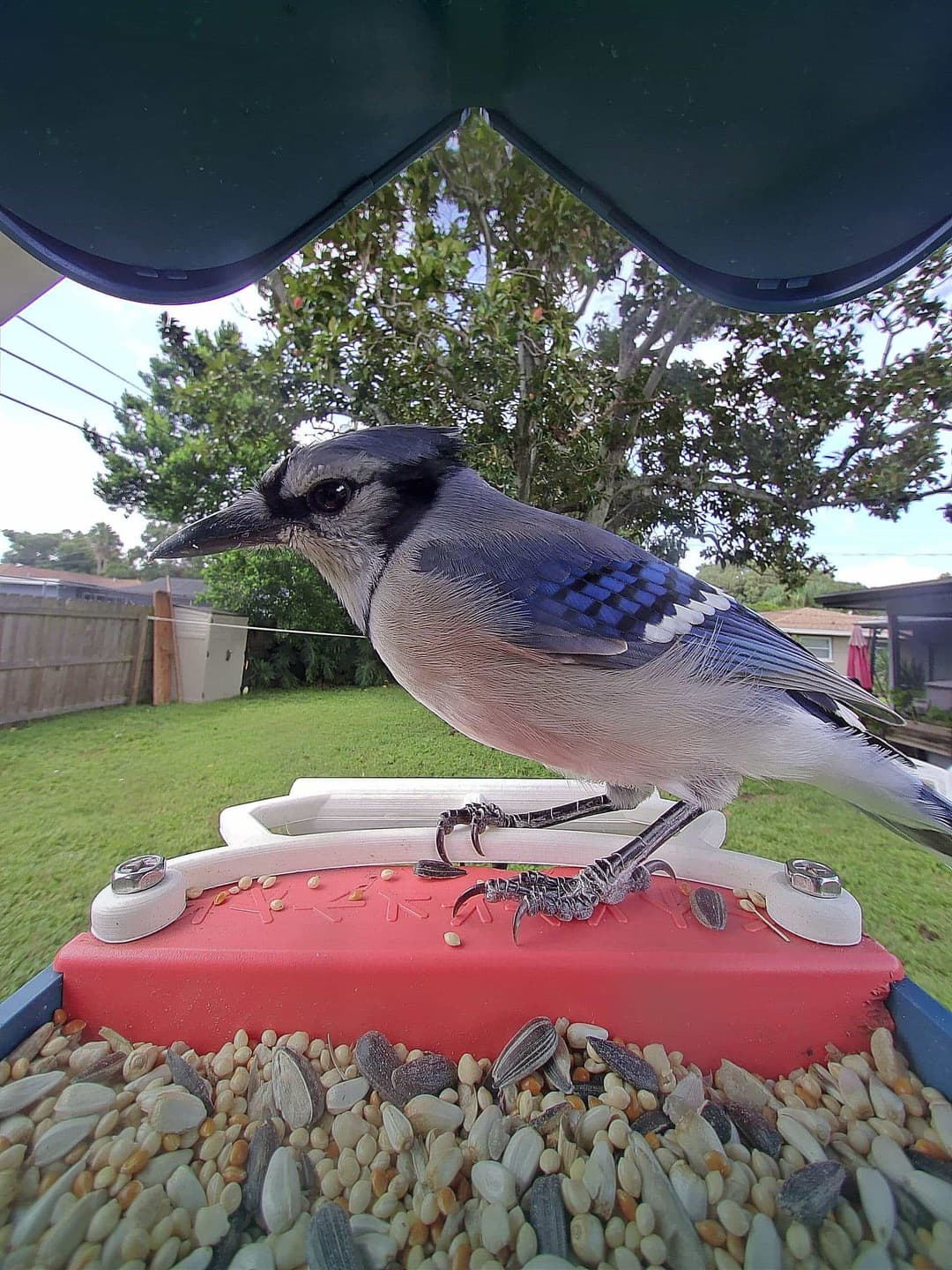
Blue Jay (Cyanocitta cristata): This vibrant bird, easily recognizable by its striking blue plumage, crest, and white chest with black markings, is known for its intelligence, complex social behavior, and a diverse range of vocalizations, including mimicking the calls of other species.
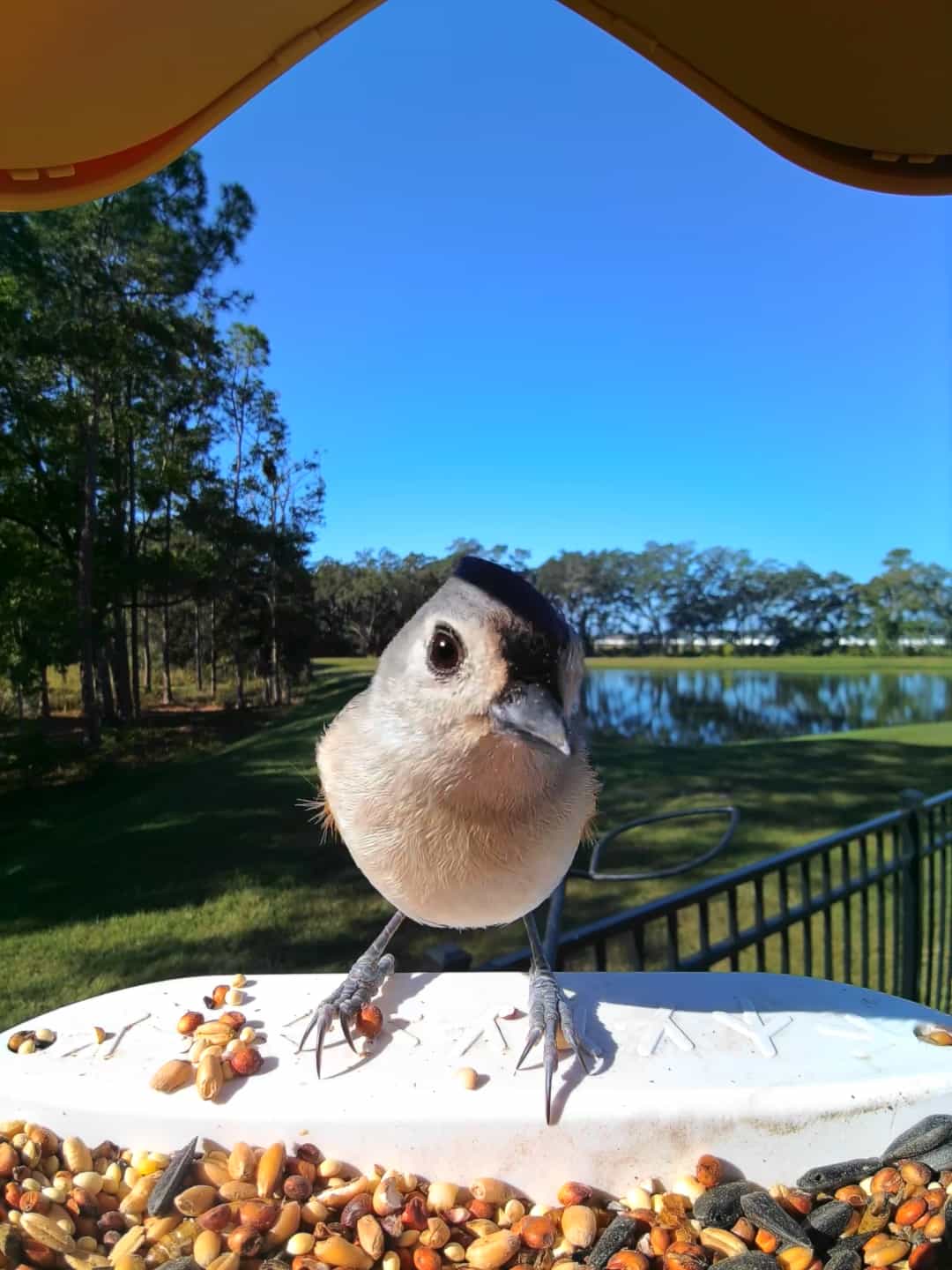
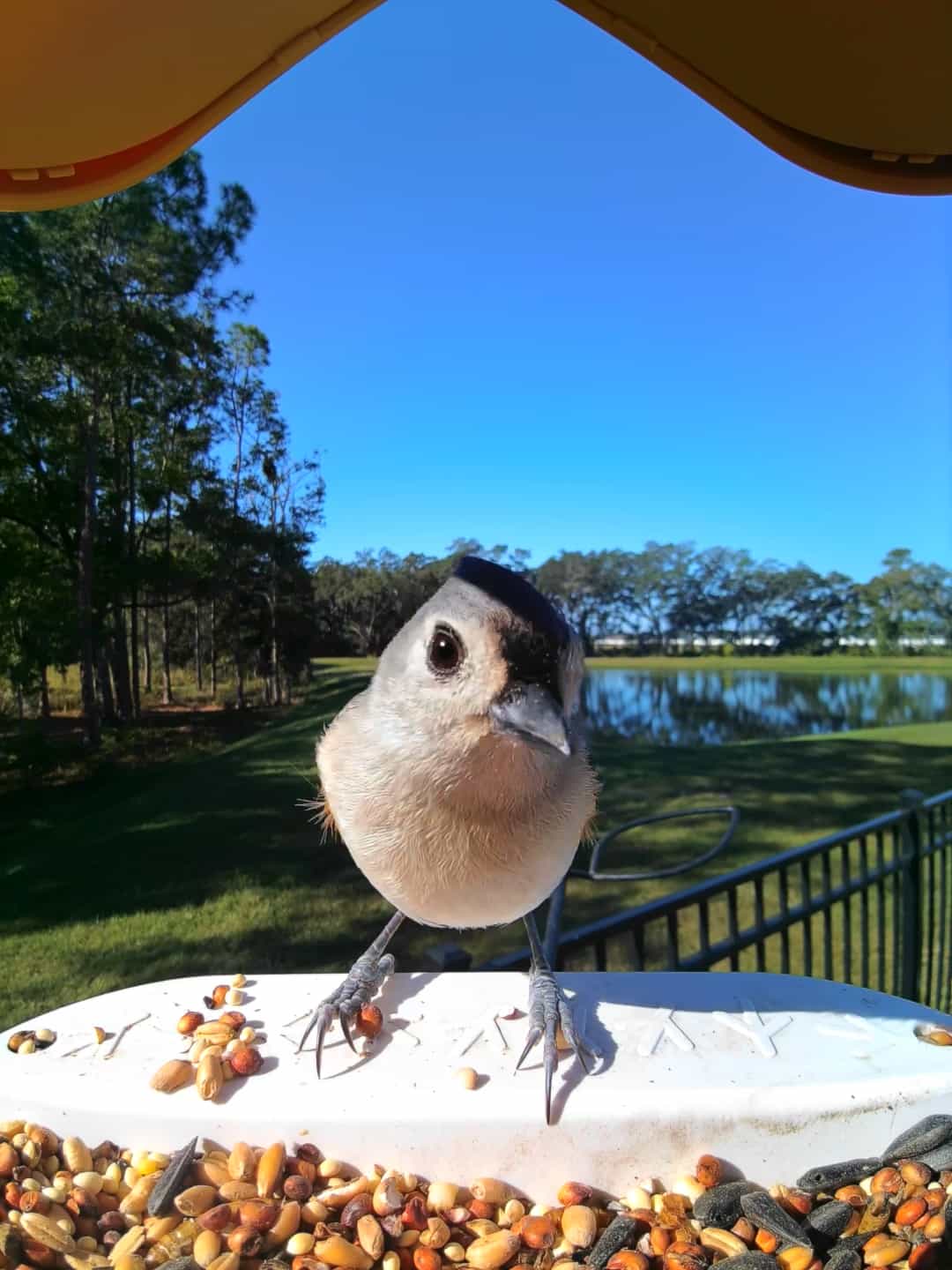
Tufted Titmouse (Baeolophus bicolor): This small songbird is known for its distinctive crest atop its head, soft gray plumage, white underparts, and a touch of rust-colored flanks, often seen flitting about in deciduous forests and backyard feeders across the eastern United States.

Identifying bird sounds and calls in Ypsilanti
Bird sounds are a key way to identify different species, even when they're hidden in trees or bushes. Each bird has its own unique vocalizations, from melodic songs to distinctive calls. Learning these sounds can help you identify birds even before you see them.
Migration
Species that pass through during migration seasons
Timing and migration patterns
Migratory birds arrive in spring, heading north to breed, and return south in autumn.
Birdwatching hotspots in Ypsilanti
Parks, reserves, and observatories
Ypsilanti, Michigan offers a diverse range of habitats suitable for bird watching, including wetlands, forests, and open fields, attracting a variety of bird species throughout the year.
Grove Road Park: A scenic park with a mix of wetlands and wooded areas ideal for observing waterfowl and forest birds.
Riverside Park: Located along the Huron River, it provides excellent views of aquatic and riparian bird species.
Ford Lake Park: This lakeside park offers a great spot for bird watchers to see diverse bird species in their natural habitat.
Accessibility and facilities
Most parks in Ypsilanti are accessible with well-maintained trails and sufficient facilities such as parking and restrooms.
Conservation efforts
Ypsilanti, Michigan focuses on ecological conservation, promoting local biodiversity and sustainable practices. Some of the efforts include:
- Restoration of native habitats in urban areas.
- Community clean-up events to reduce litter.
- Initiatives to promote water conservation.
How Can I Help?
- Participate in local clean-up events.
- Volunteer with local environmental groups.
- Adopt eco-friendly practices at home.
Live bird sightings in the Ypsilanti area
Discover what birds are currently active in Ypsilanti through real-time sightings from Birdbuddy users. Explore hotspots and track your favorite species with updates from our community network.
Learn more about Birdbuddy