Birds in Fleming Island,
Florida
Fleming Island, Florida offers diverse birdwatching conditions amid wetlands, forests, and waterways. The area's rich ecosystems, including the St. Johns River, attract varied bird species, making it a vital habitat for migratory and resident birds. Abundant bird species such as herons, egrets, and warblers thrive here, providing birdwatchers with ample opportunities to observe and enjoy avian diversity in a serene natural setting.
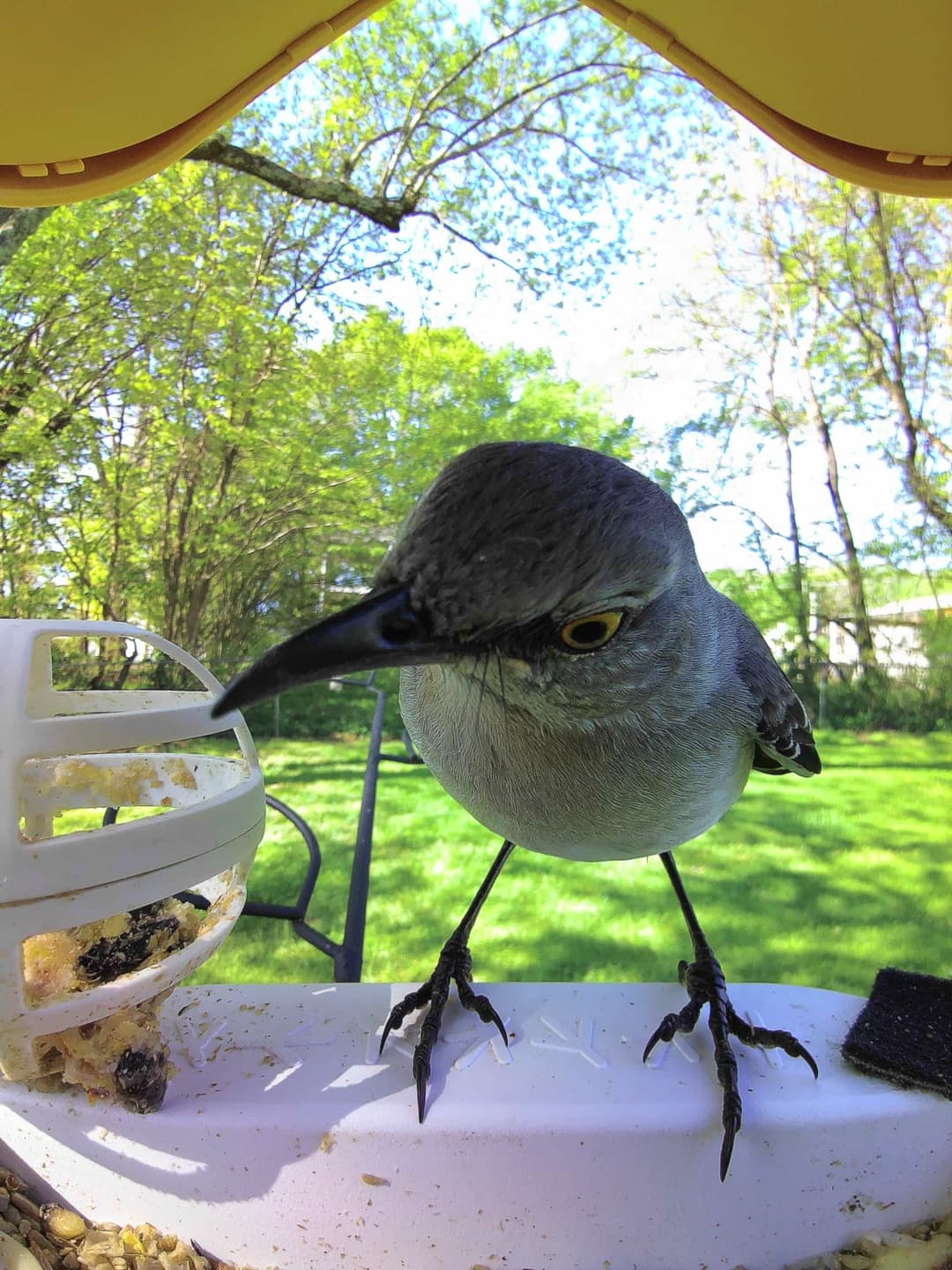
Most iconic Fleming Island bird
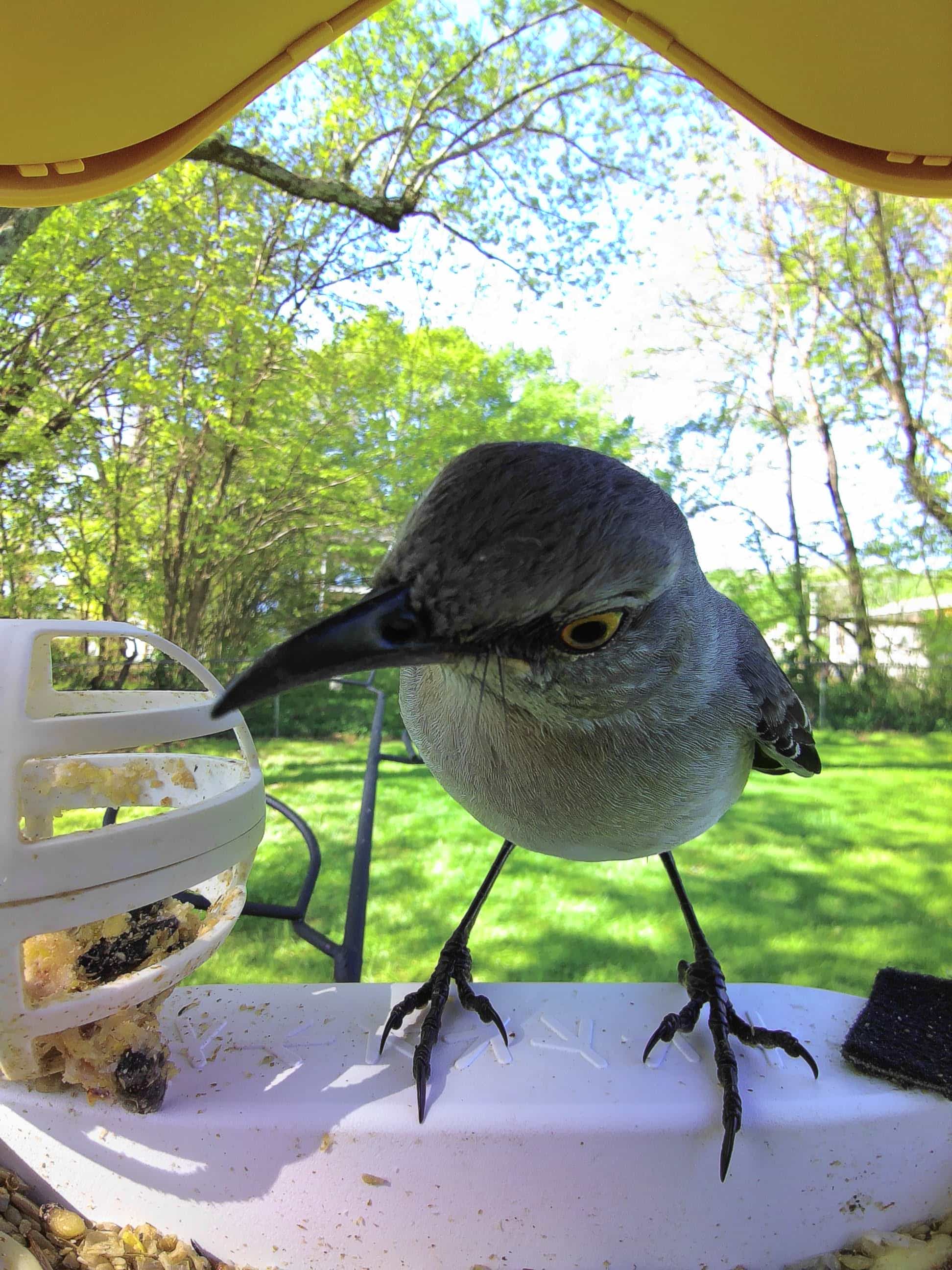
The Northern mockingbird was chosen as the state bird of Florida because it is commonly found in the region and represents the state's natural beauty and heritage.
Common bird species in Fleming Island
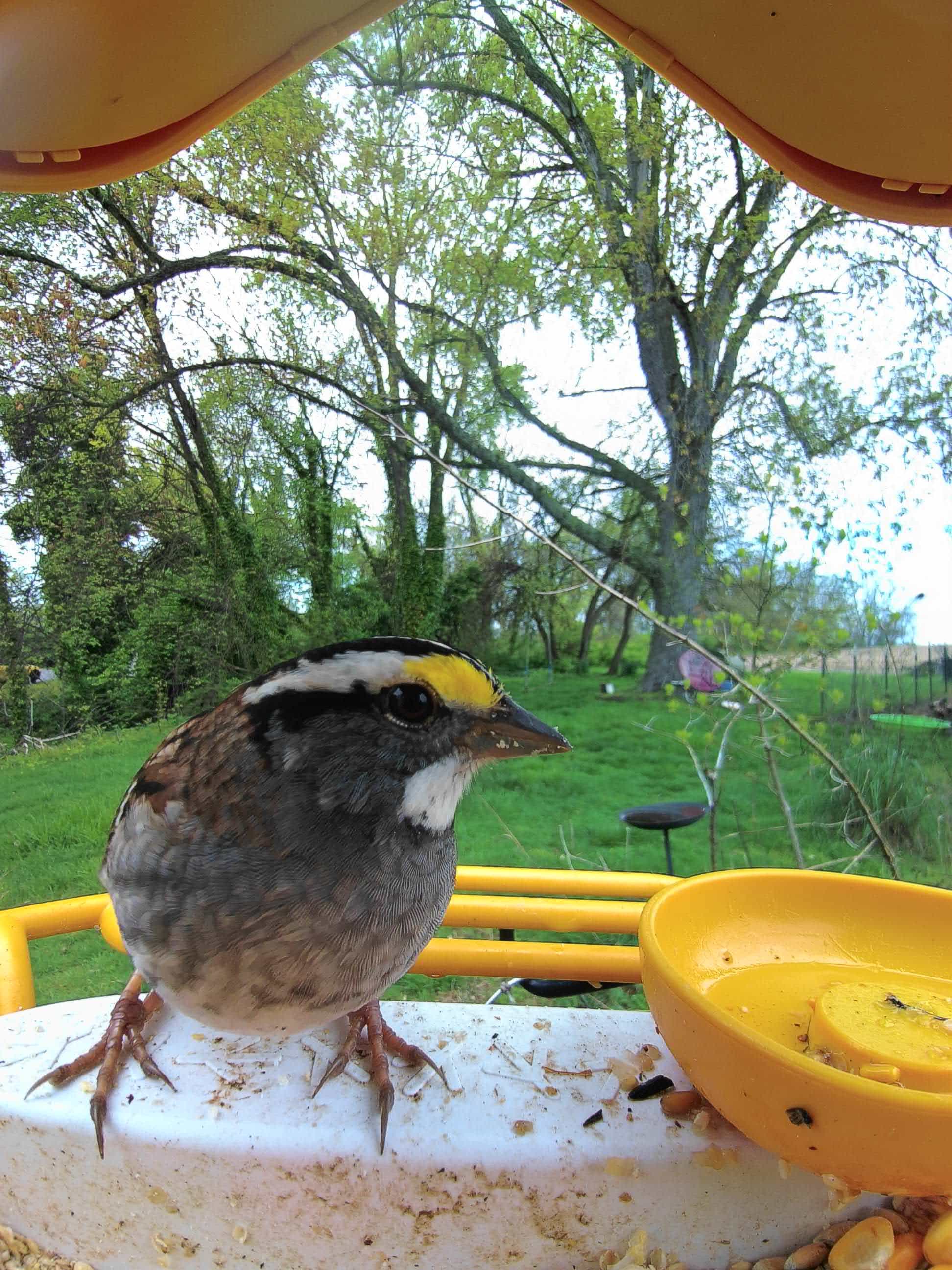
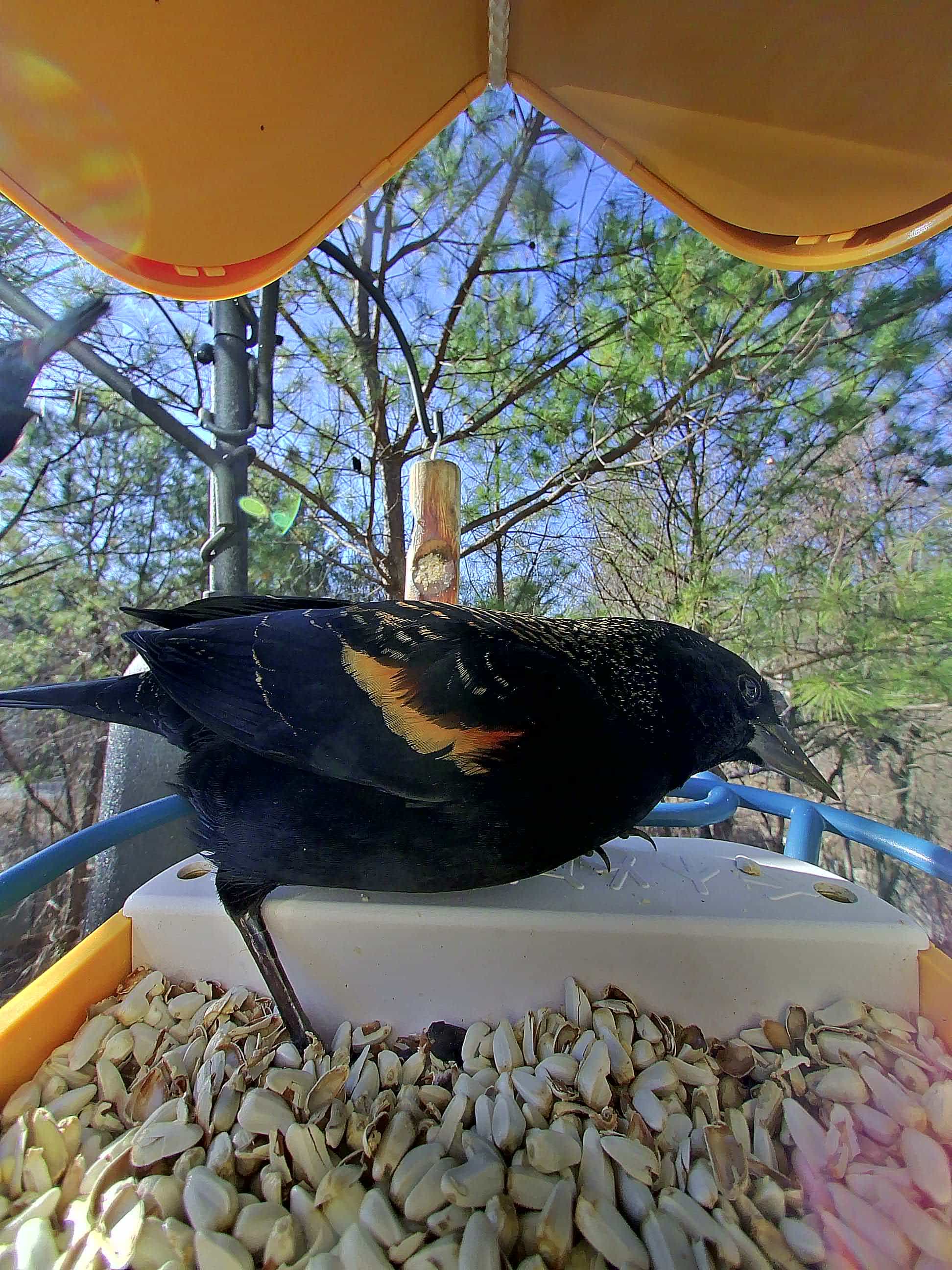
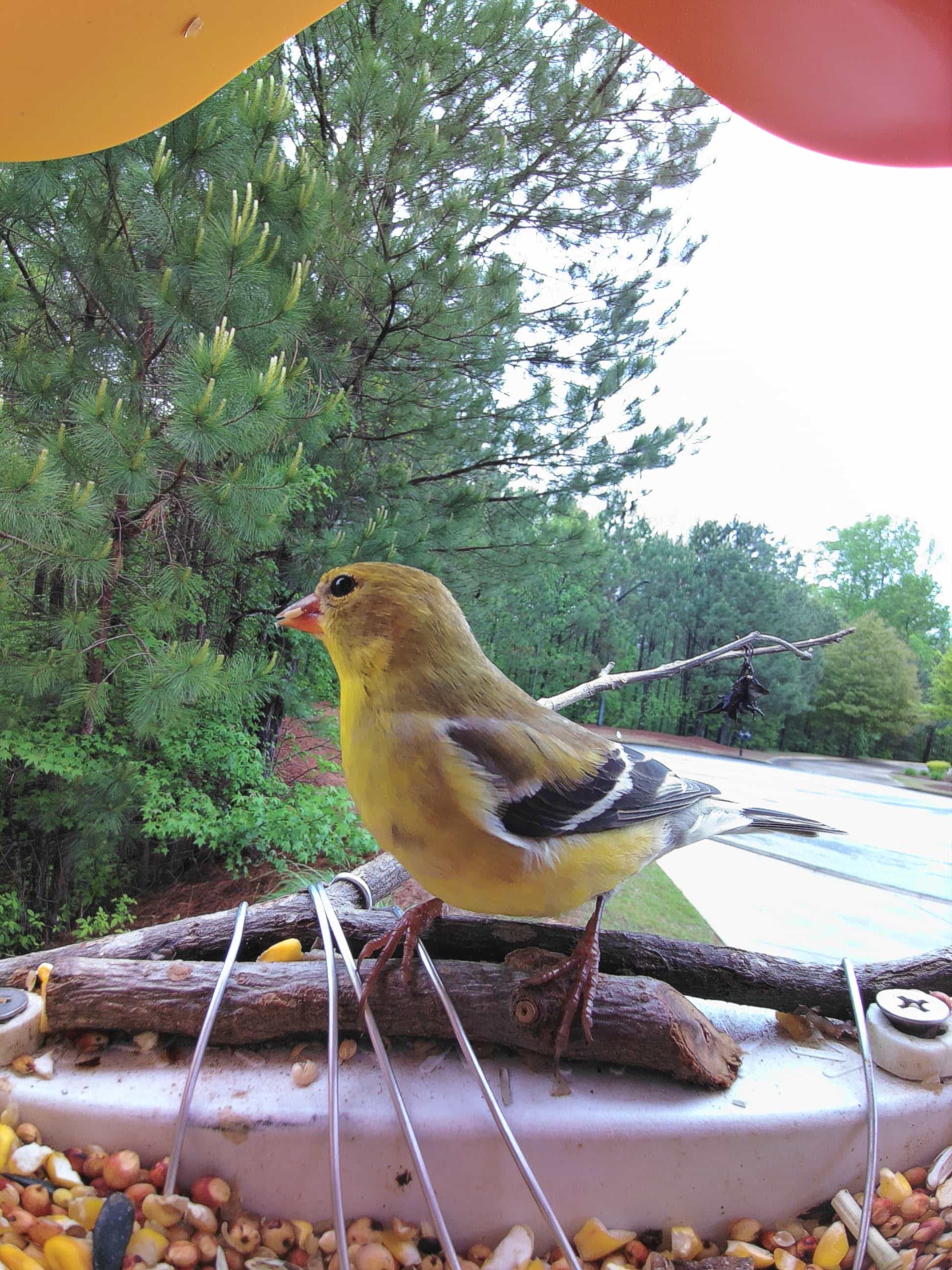
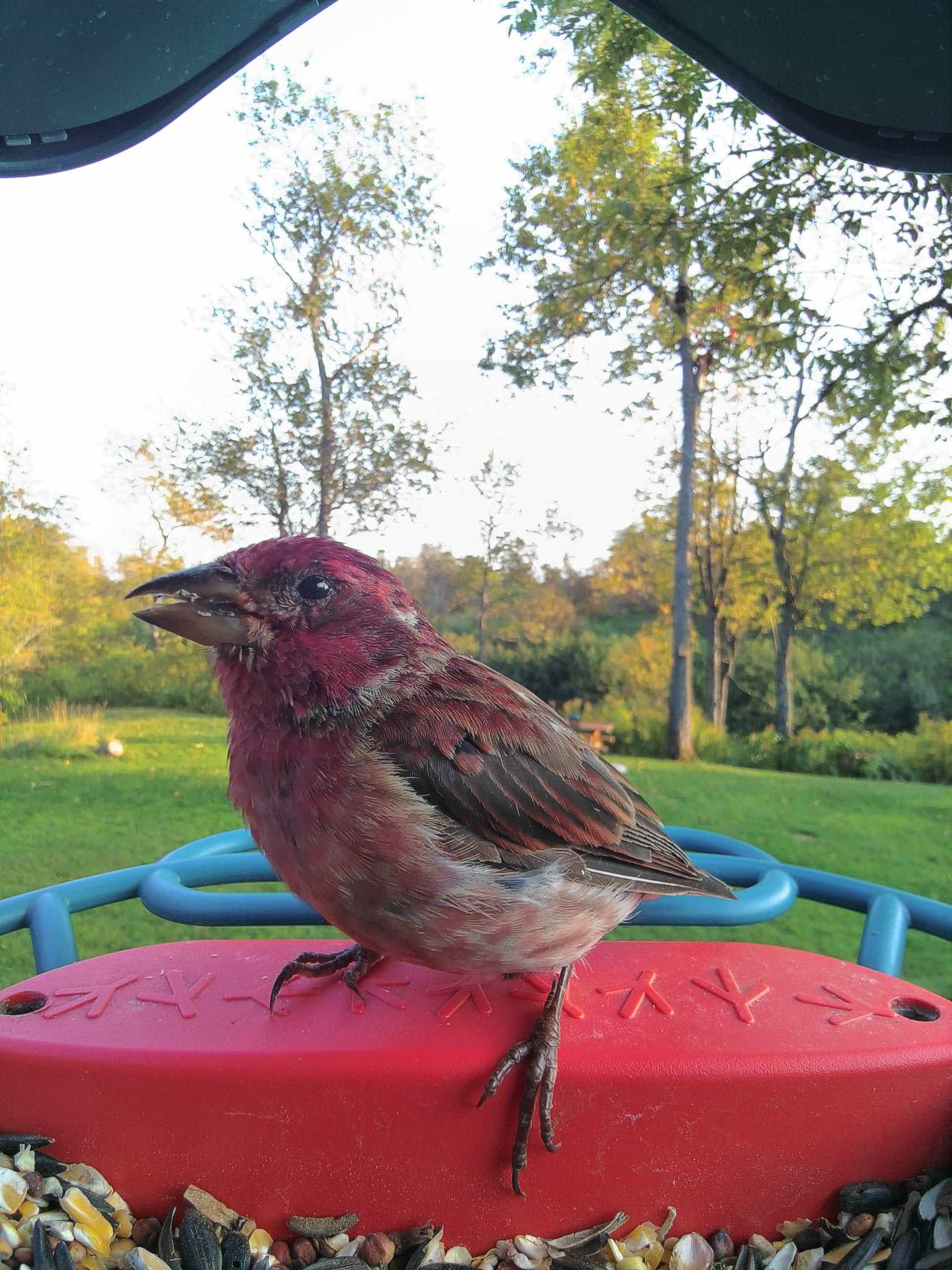
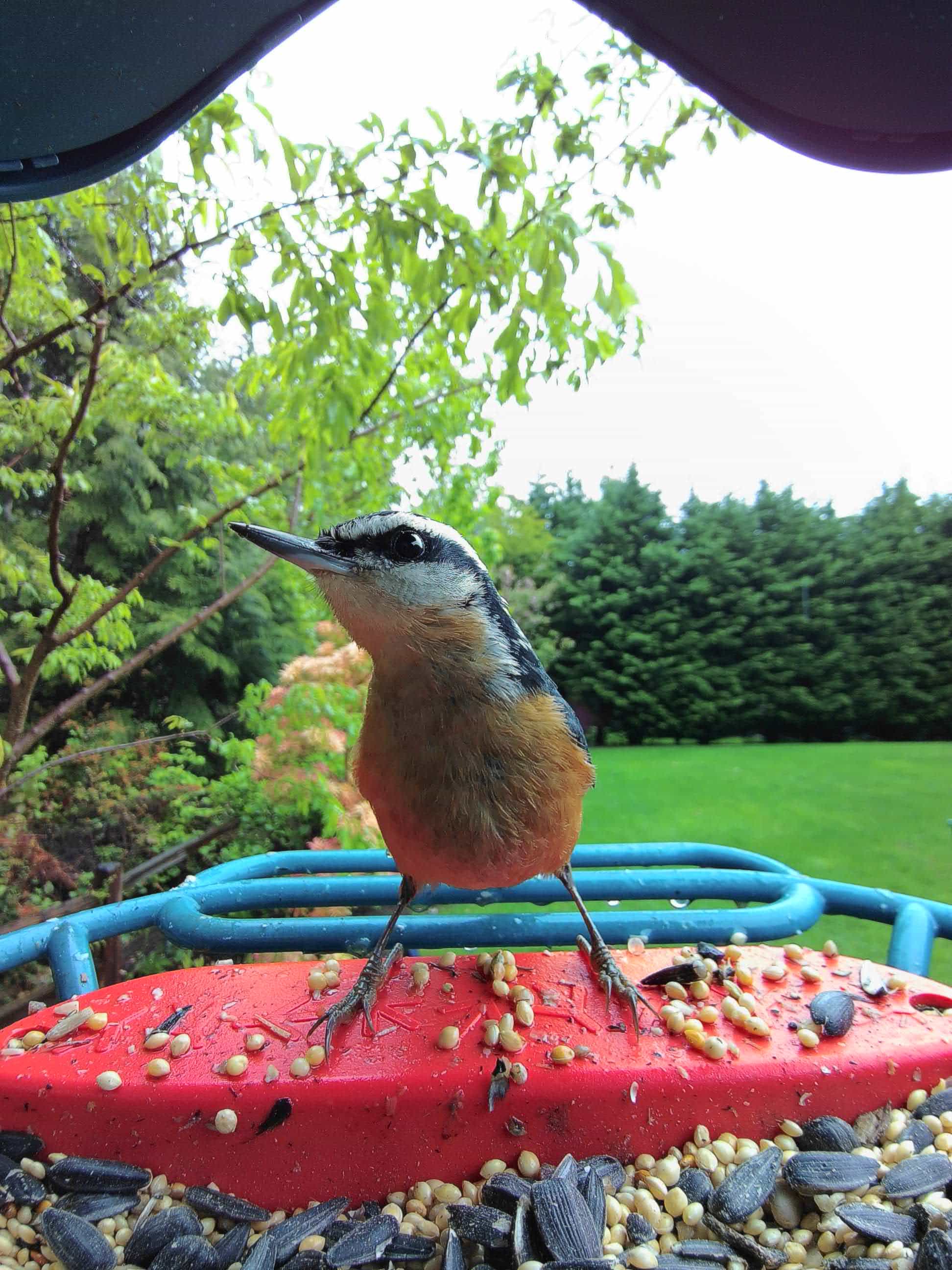
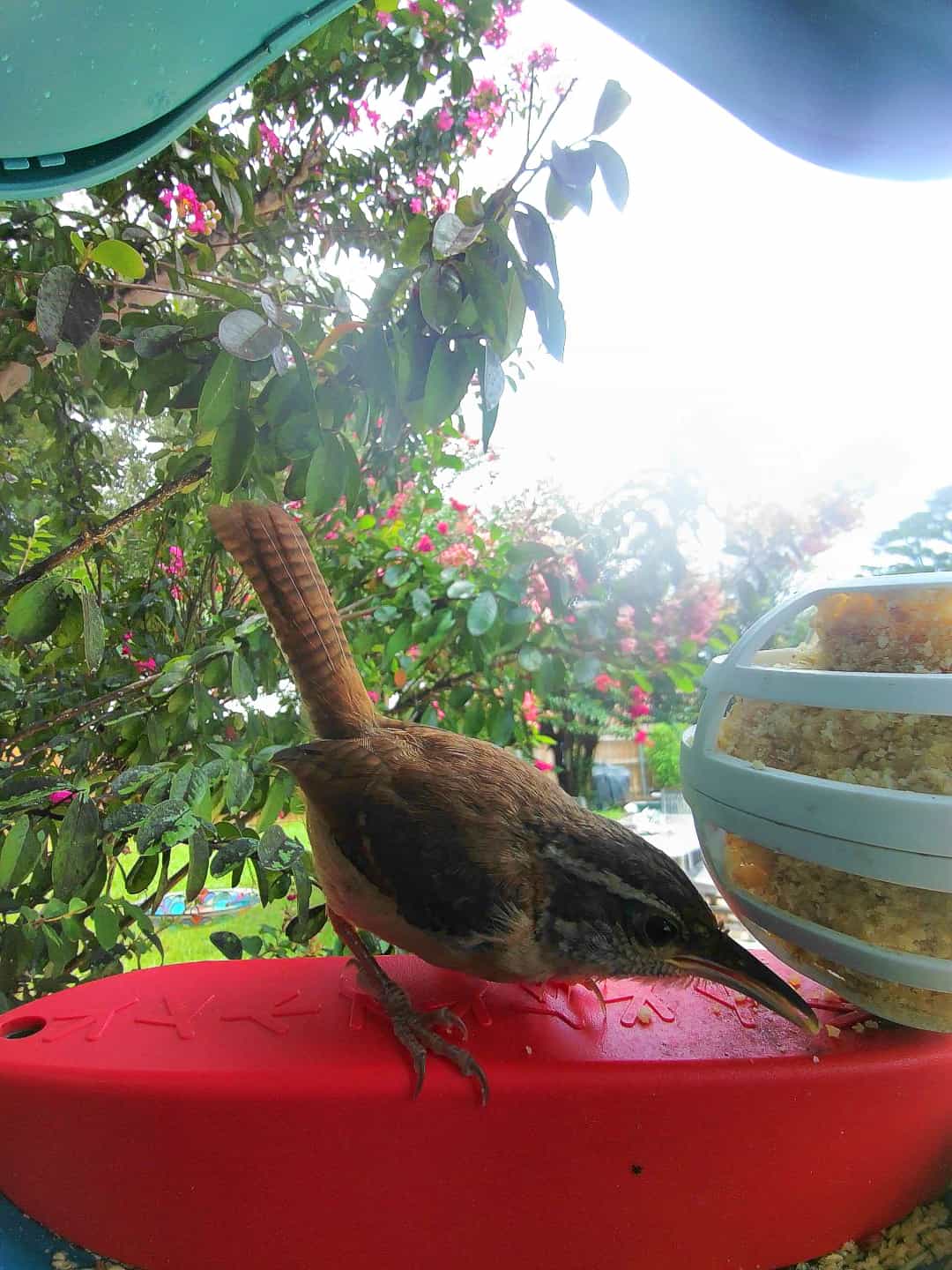
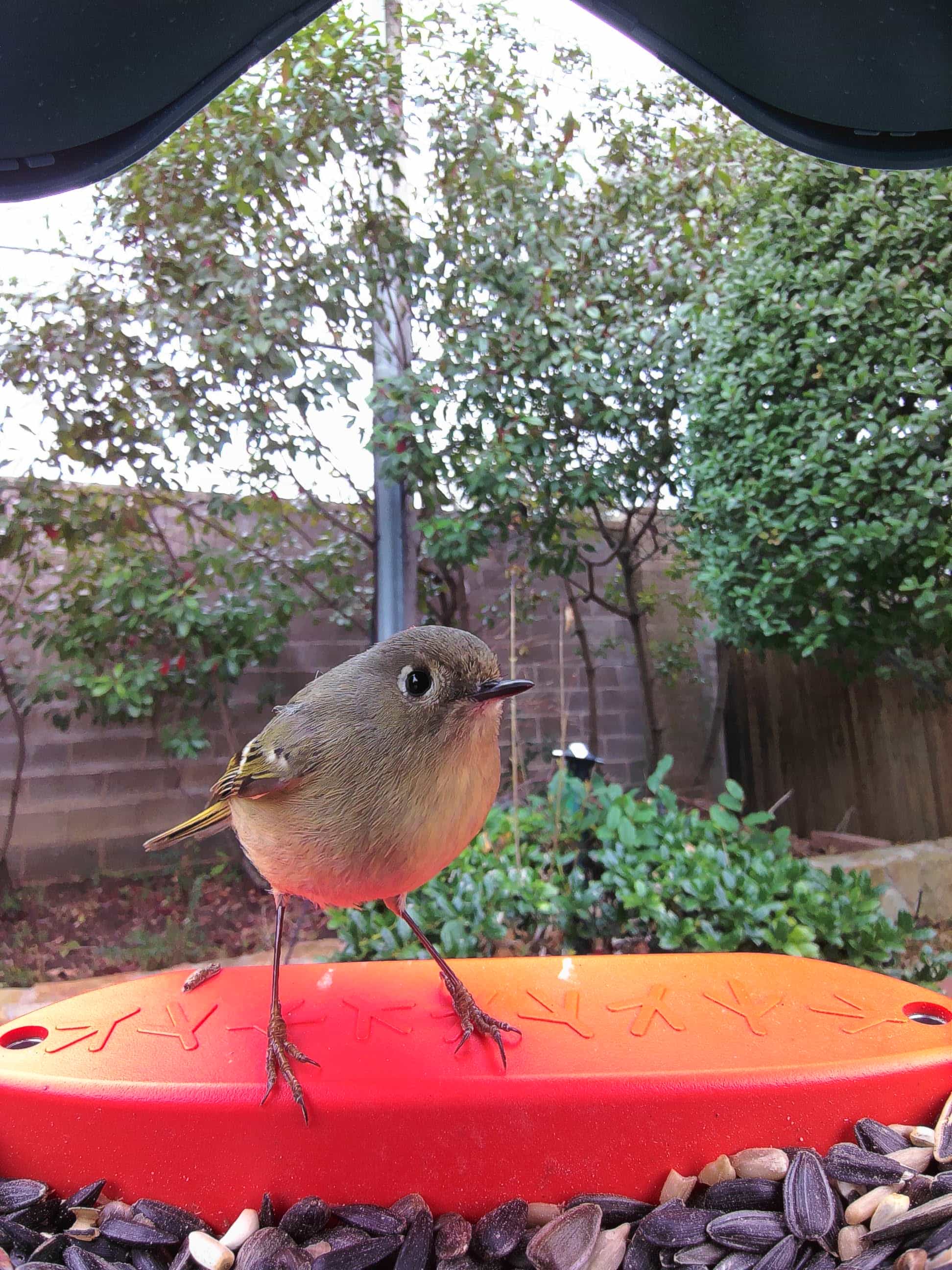
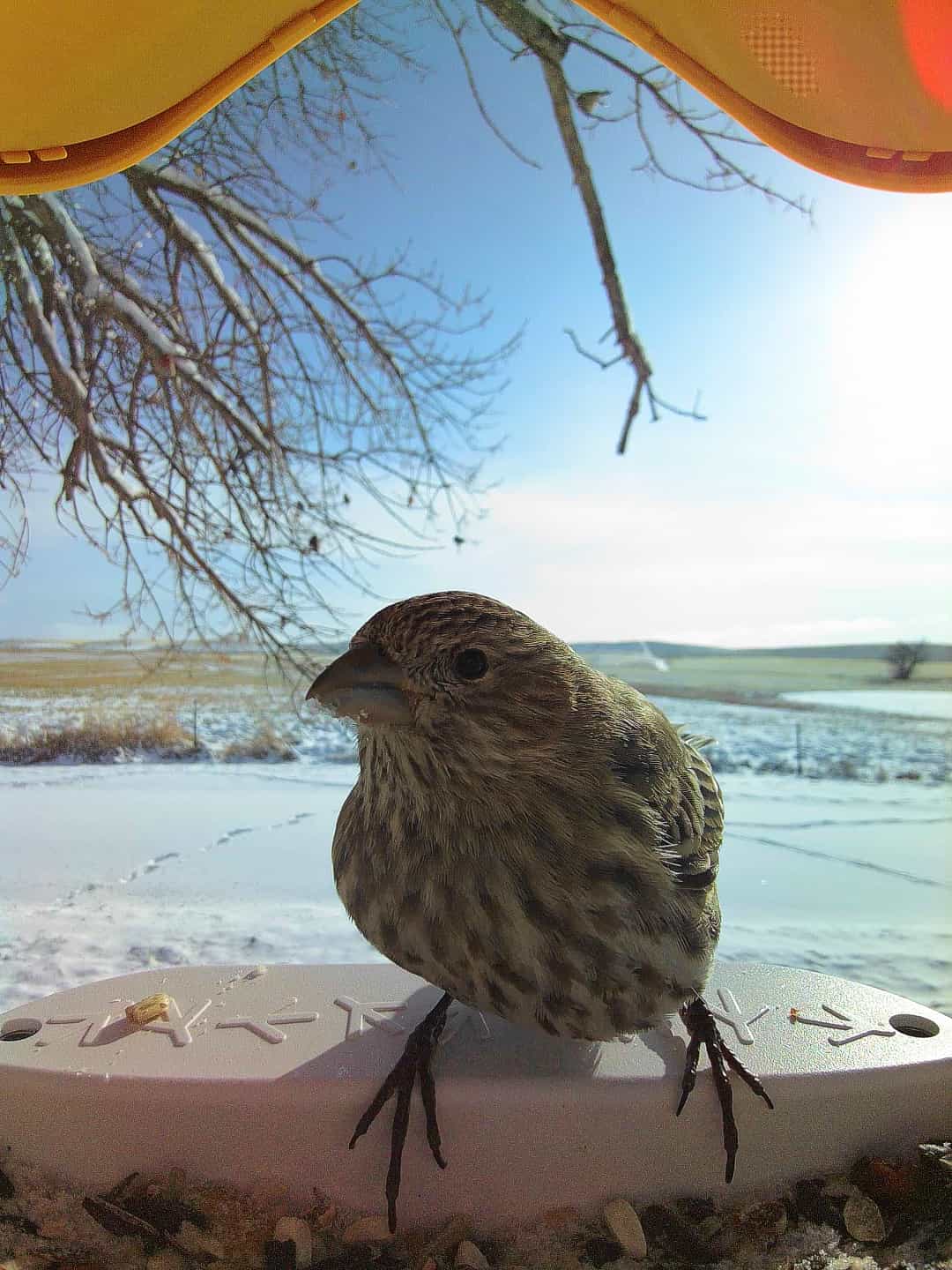
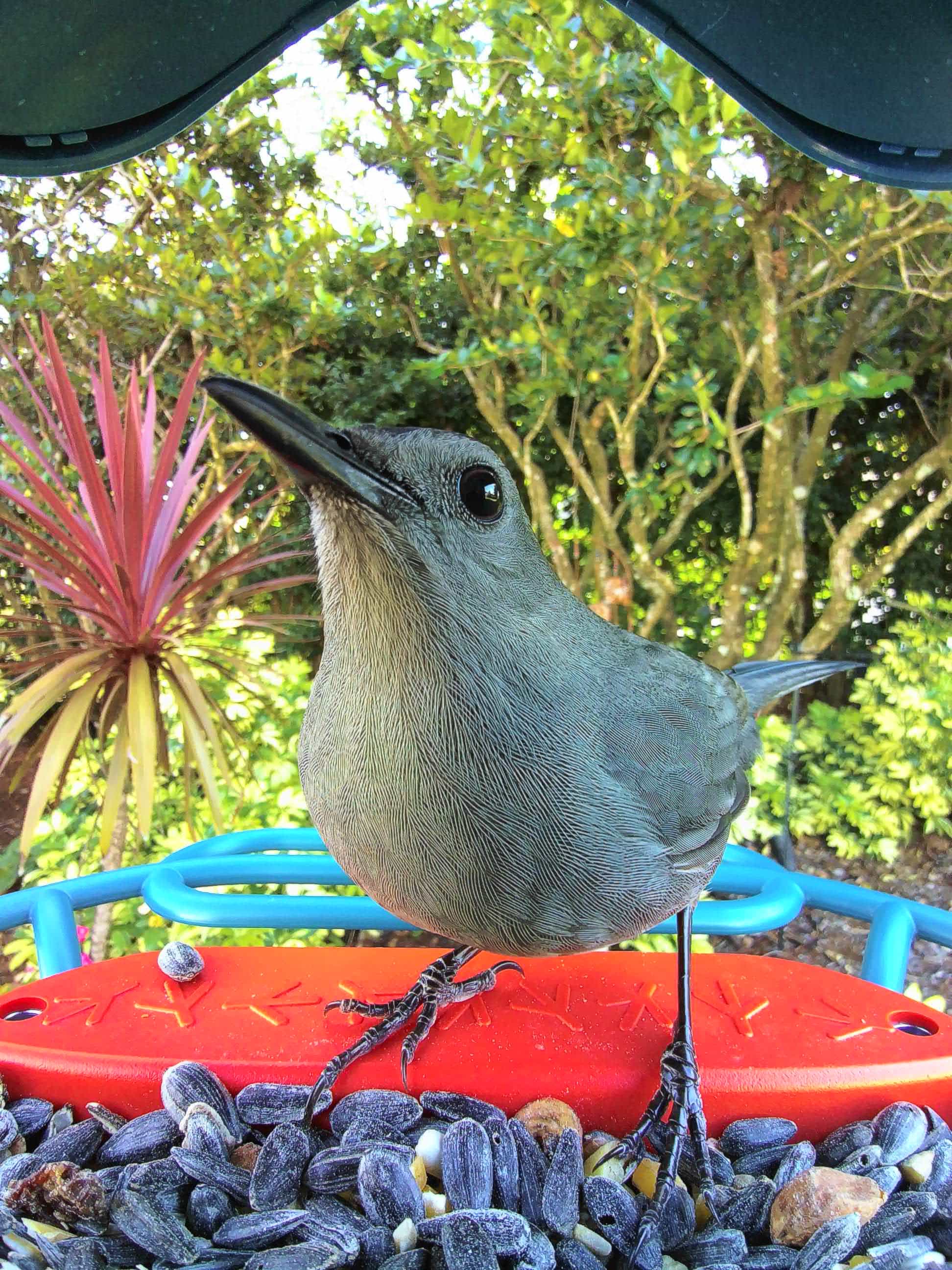
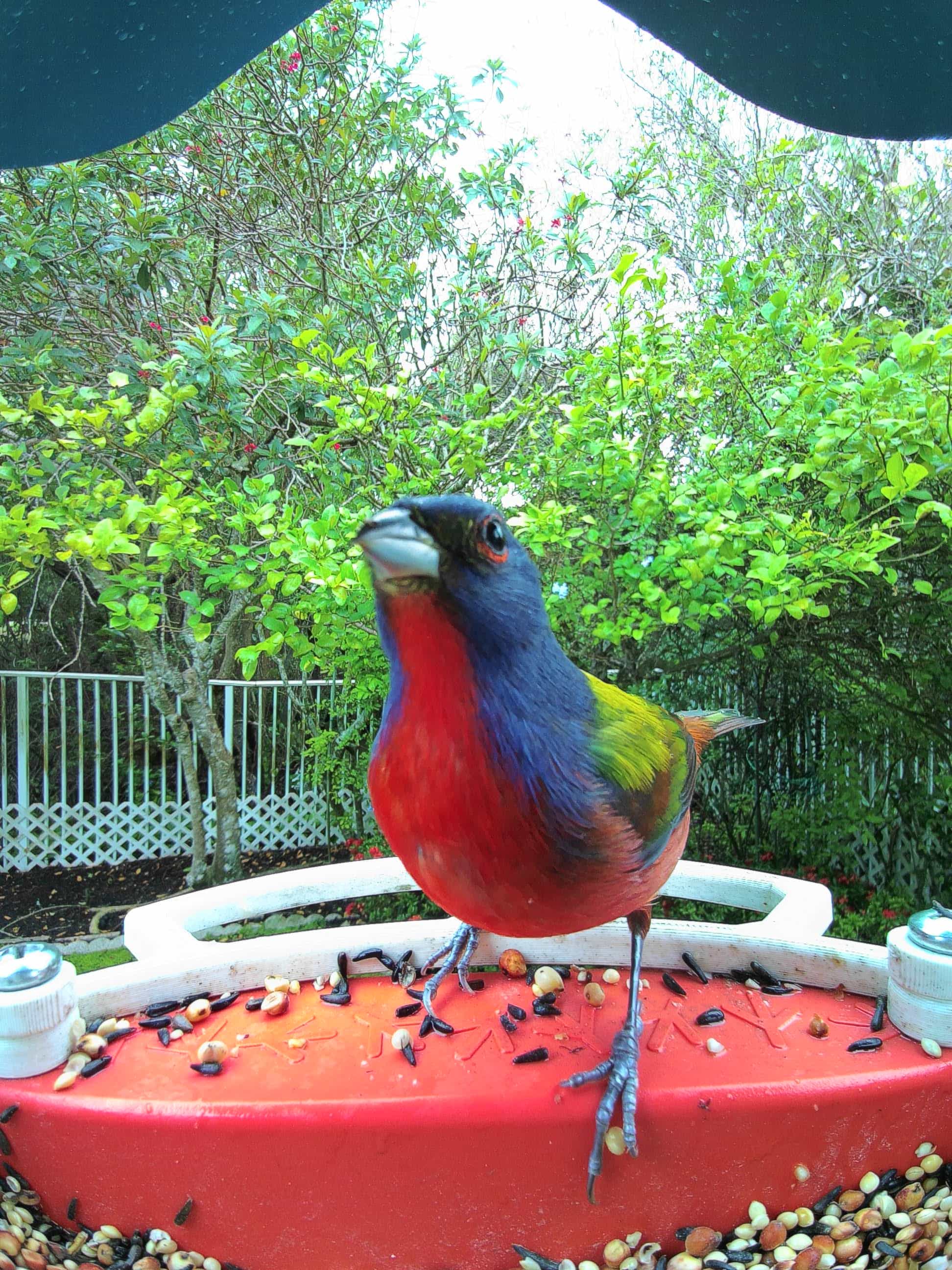
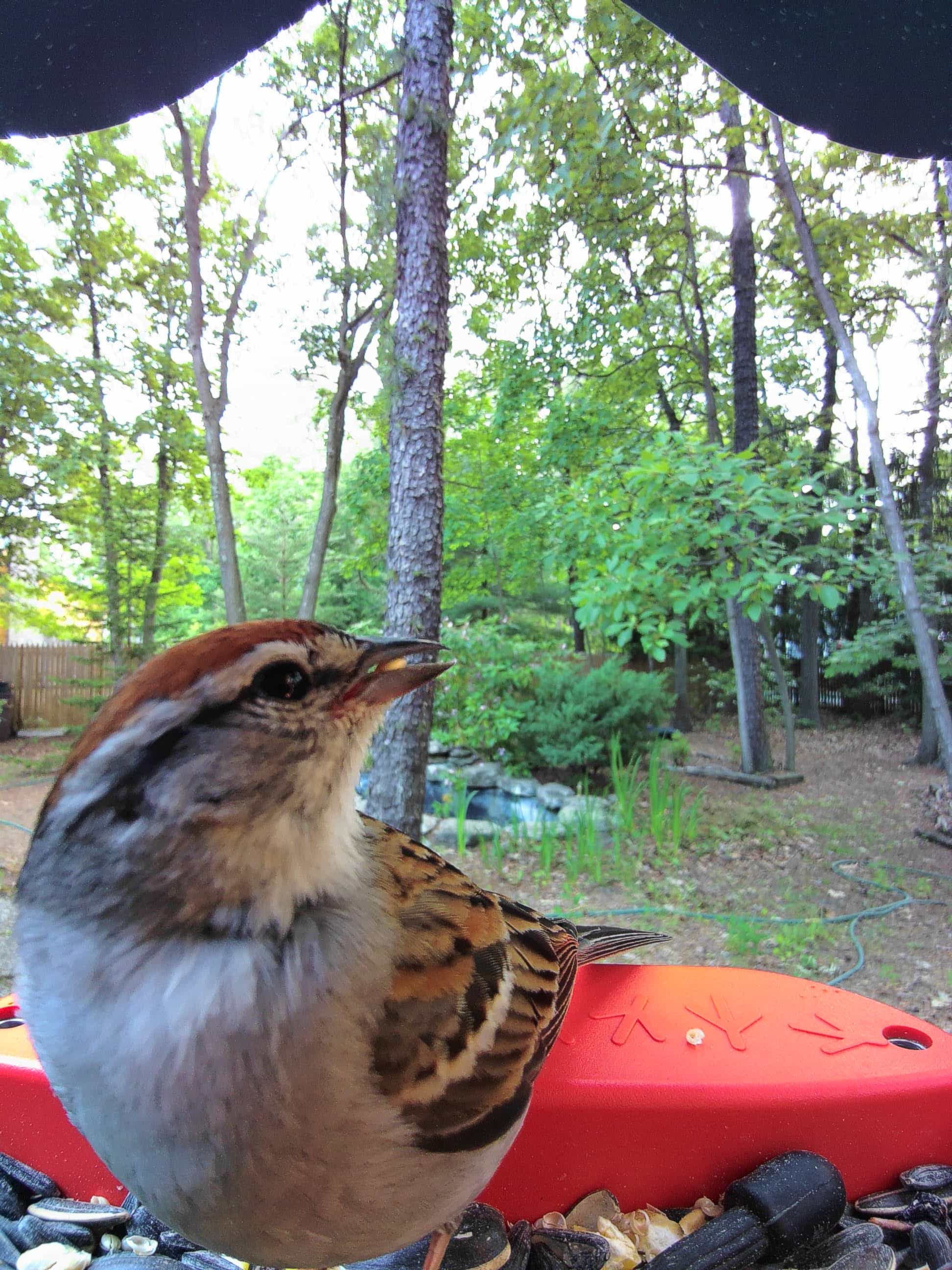
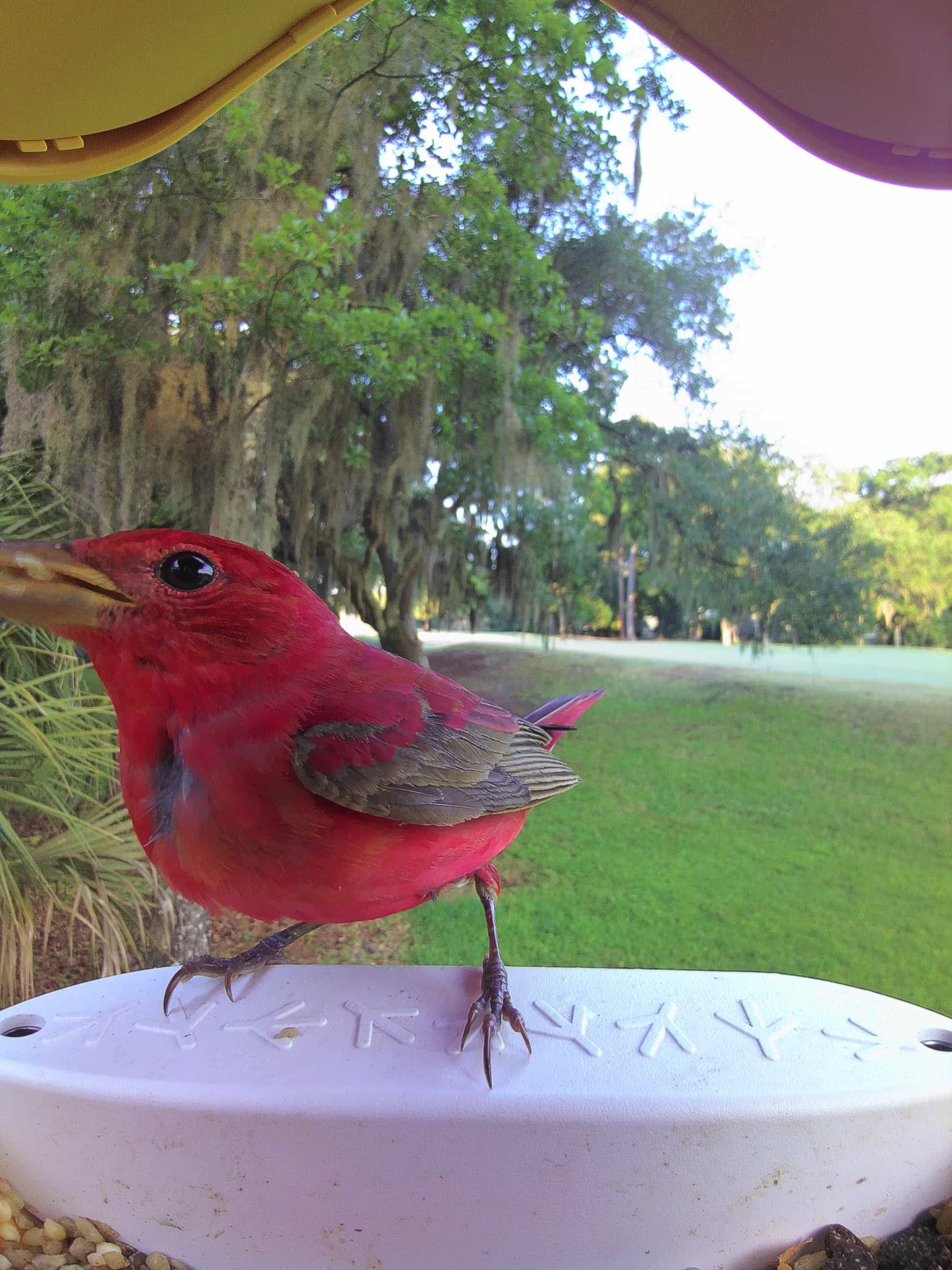
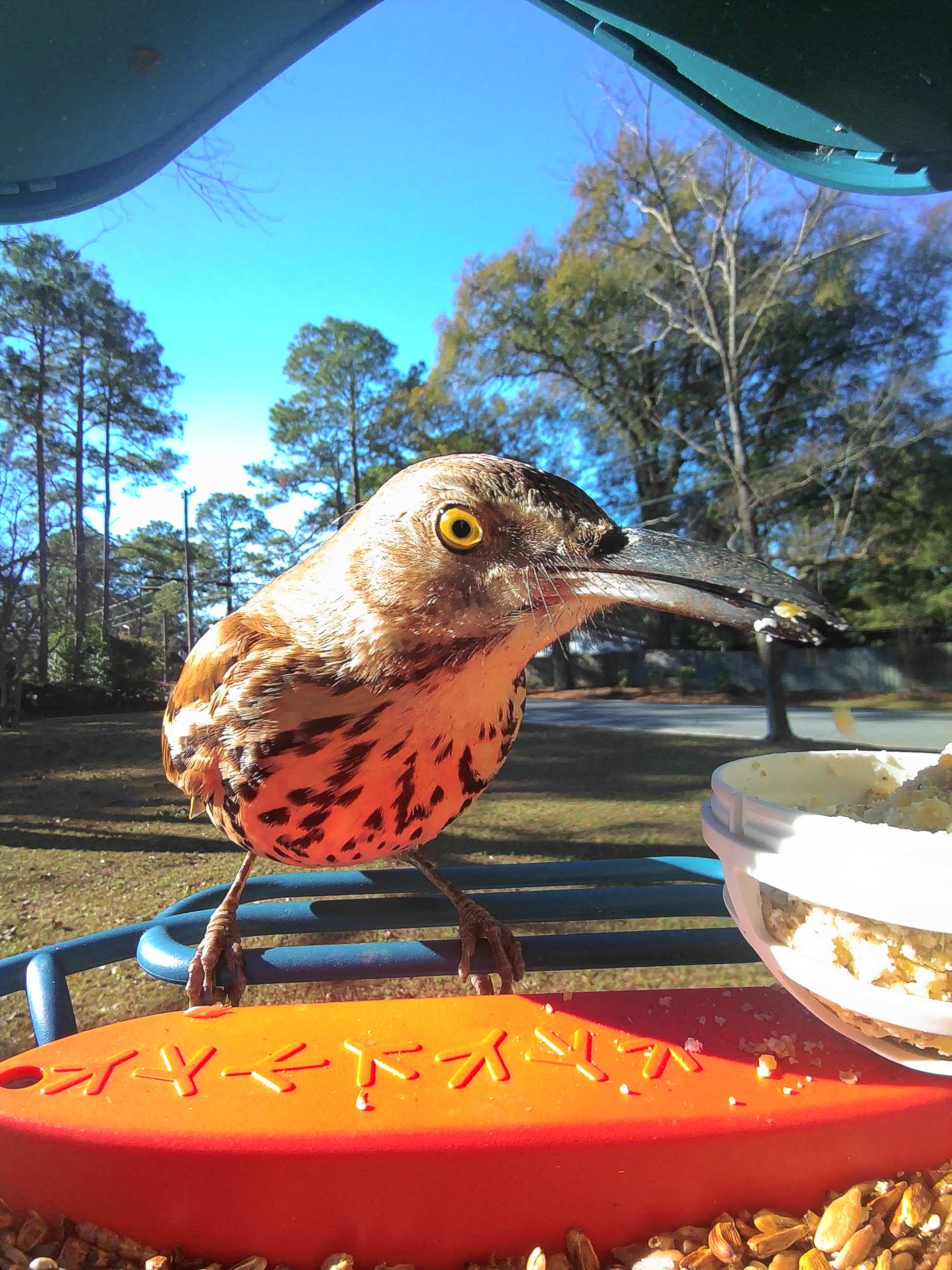
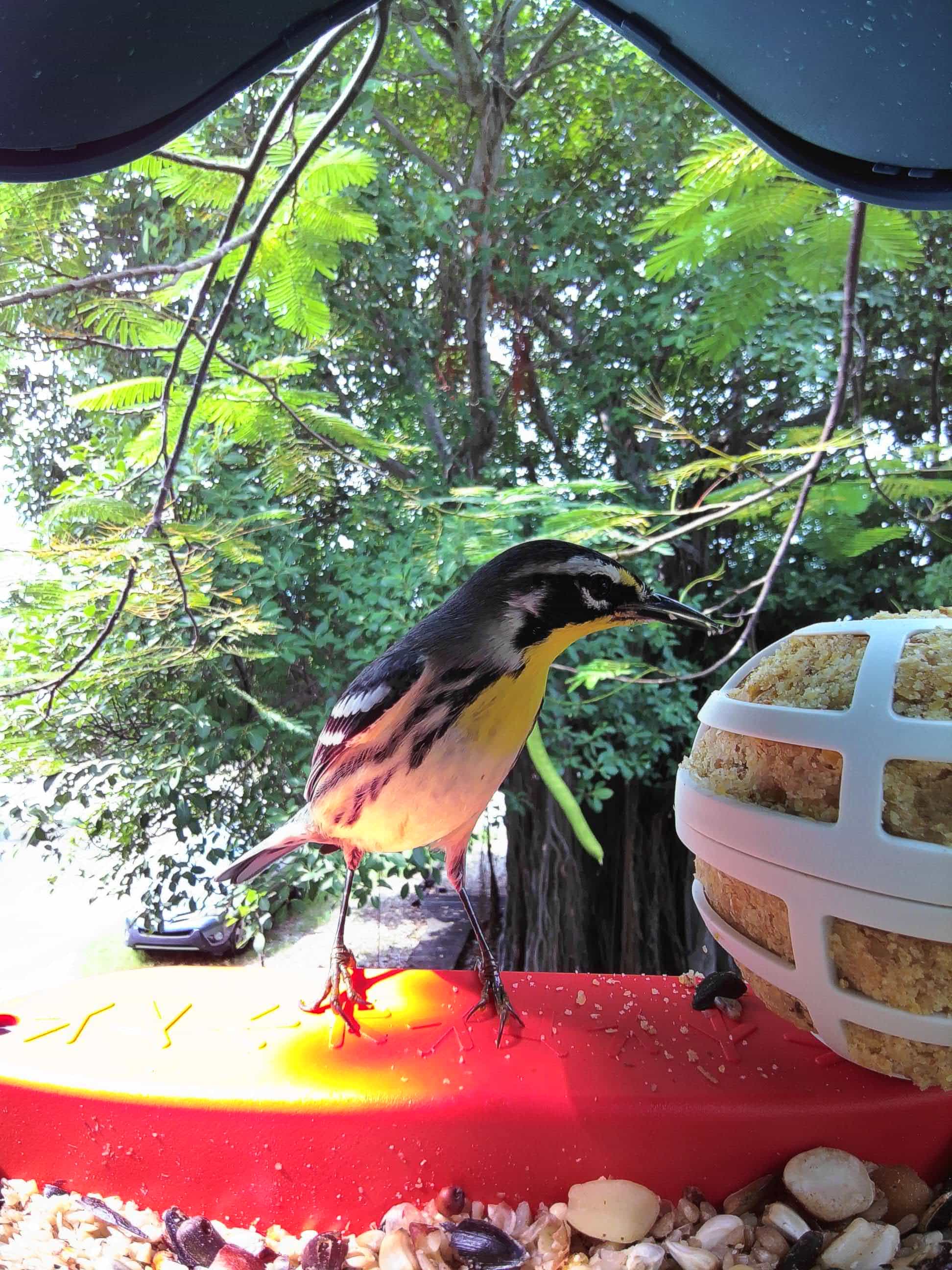
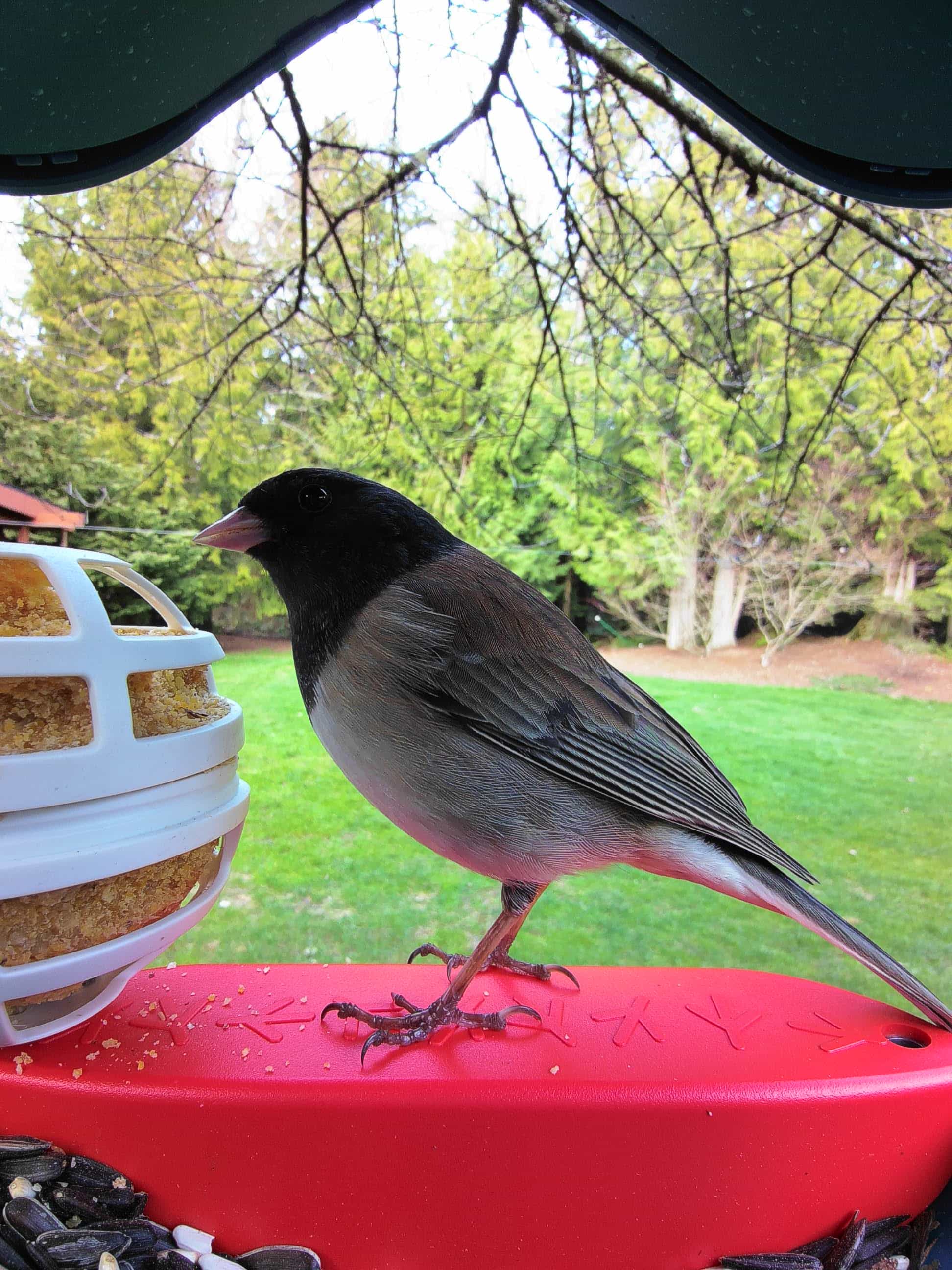
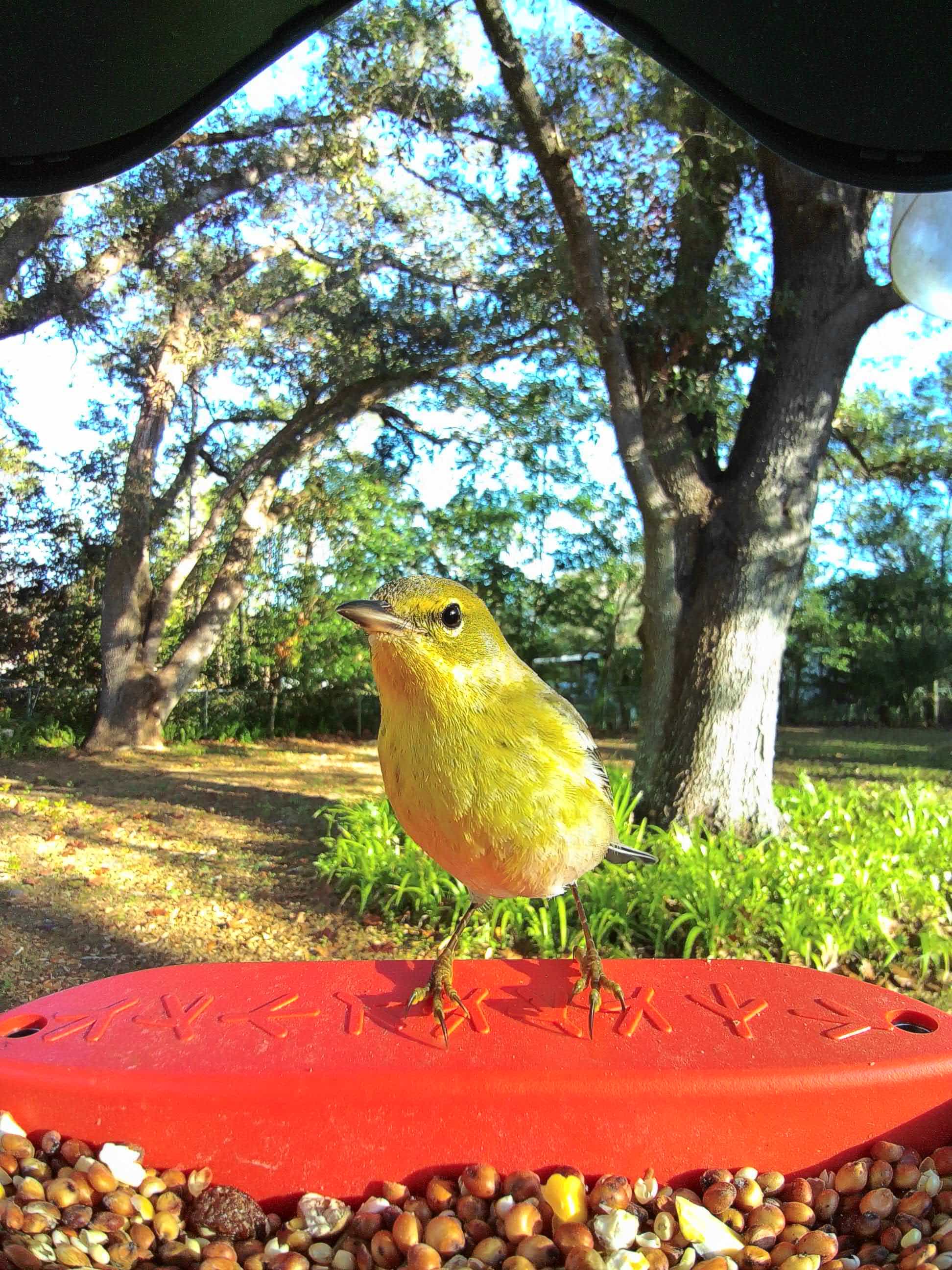
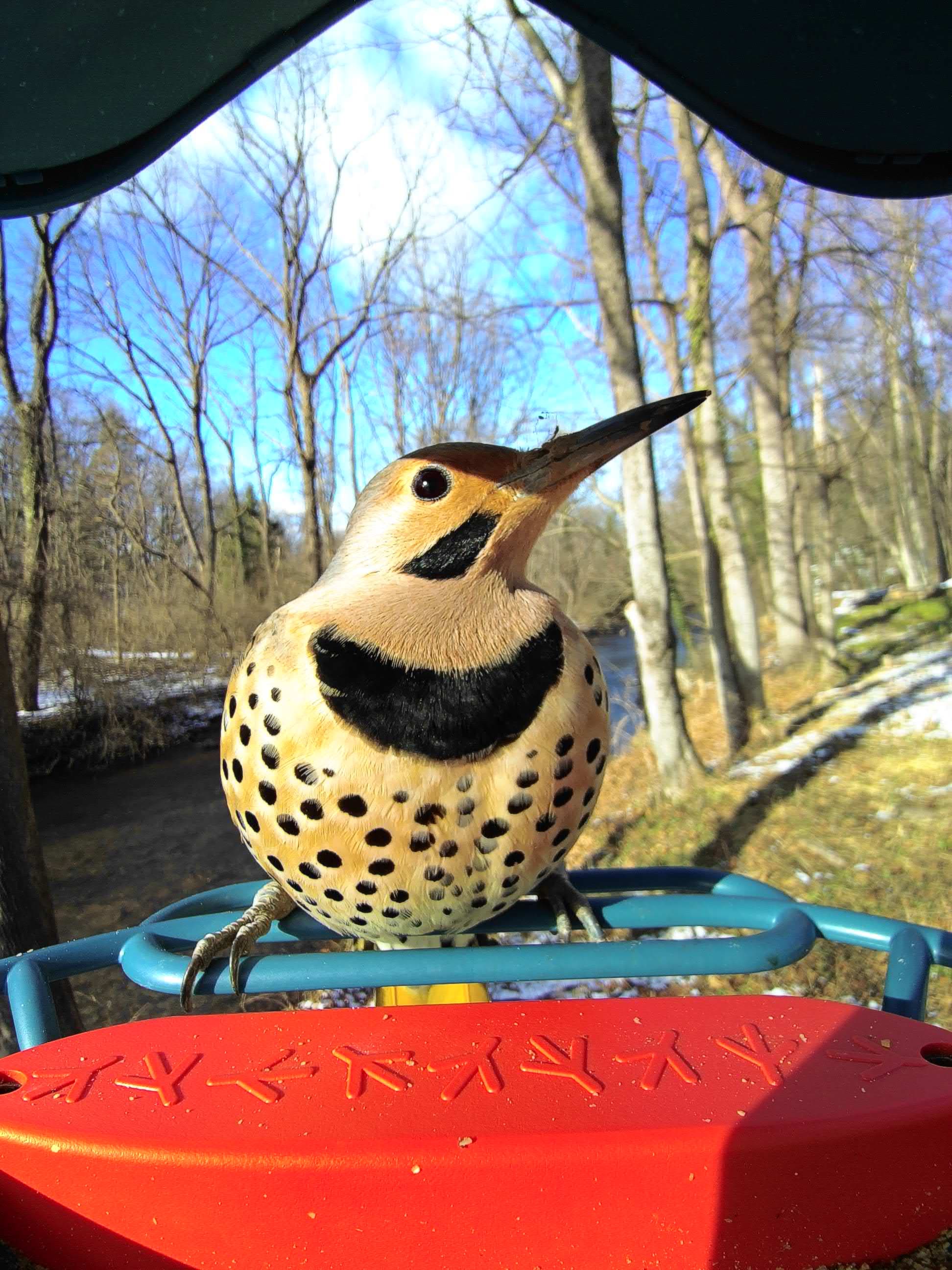
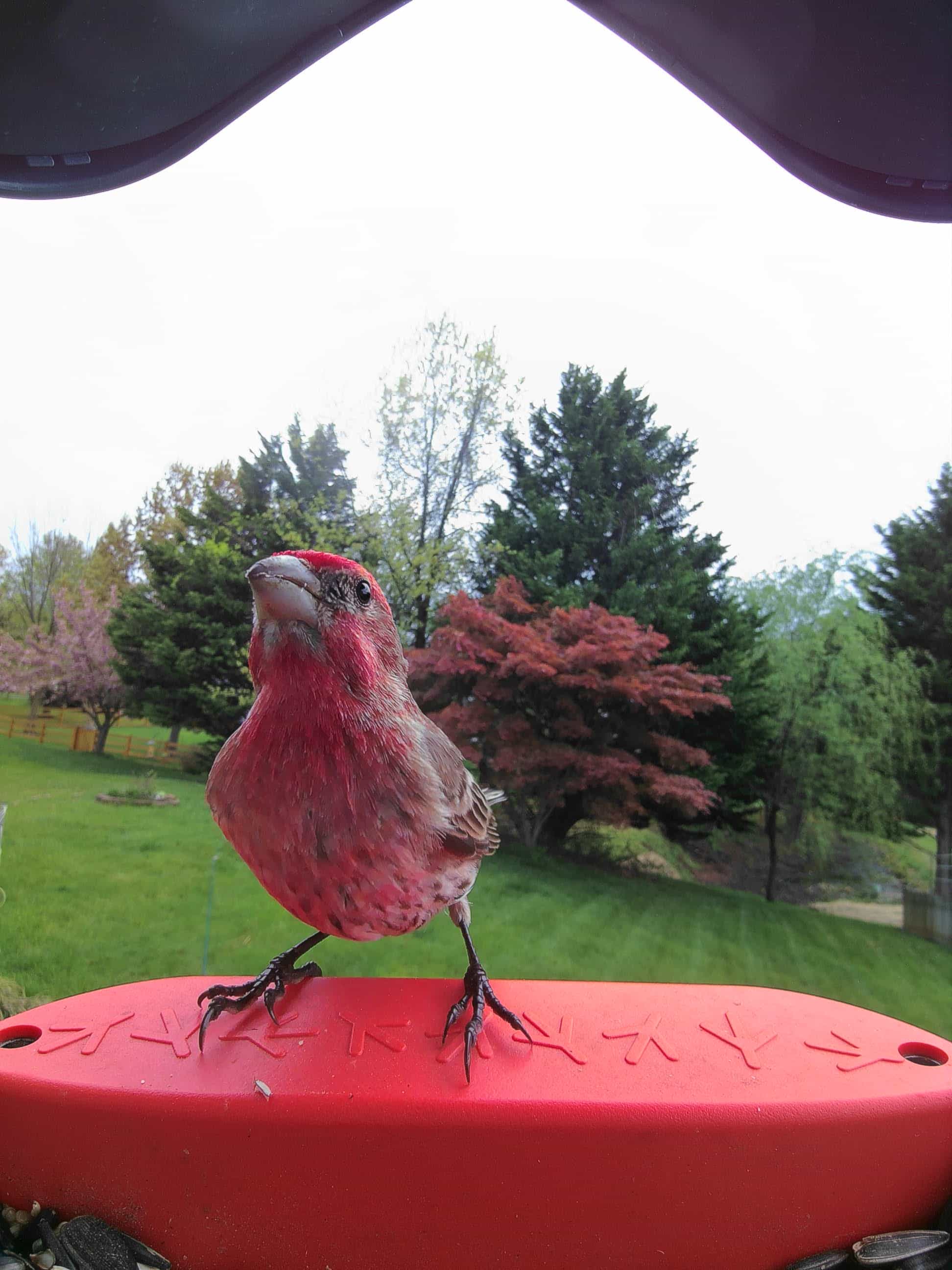
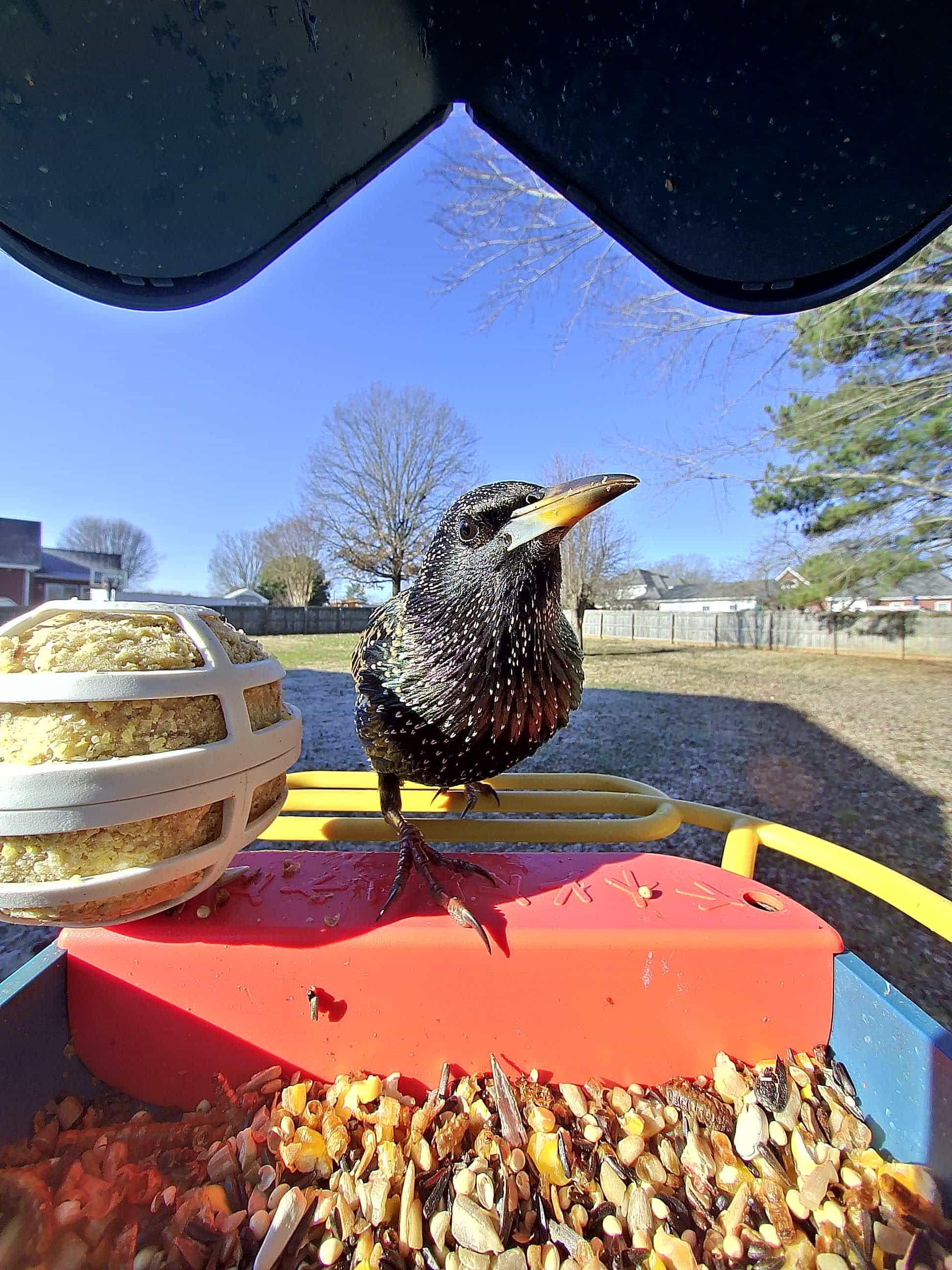
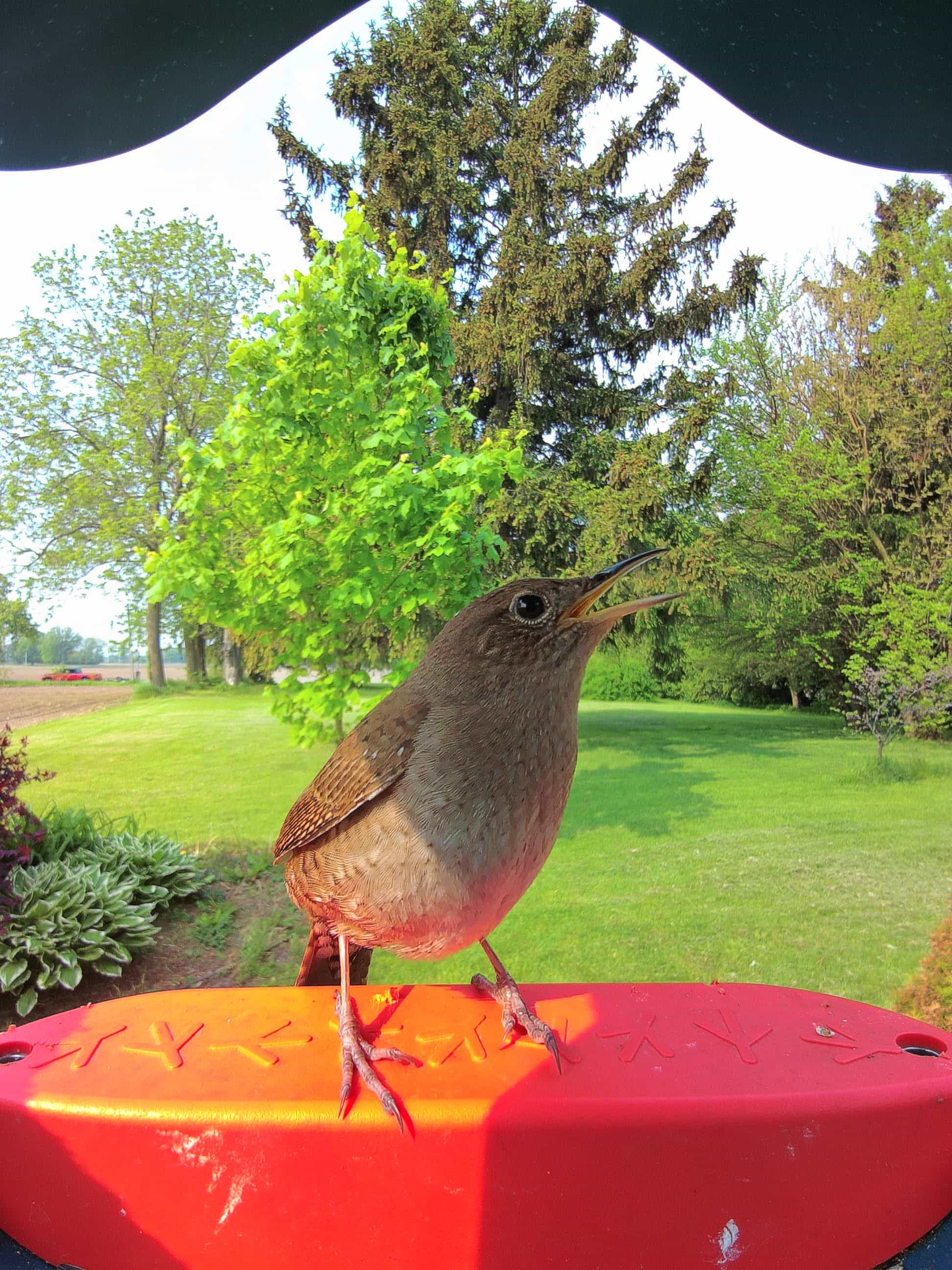
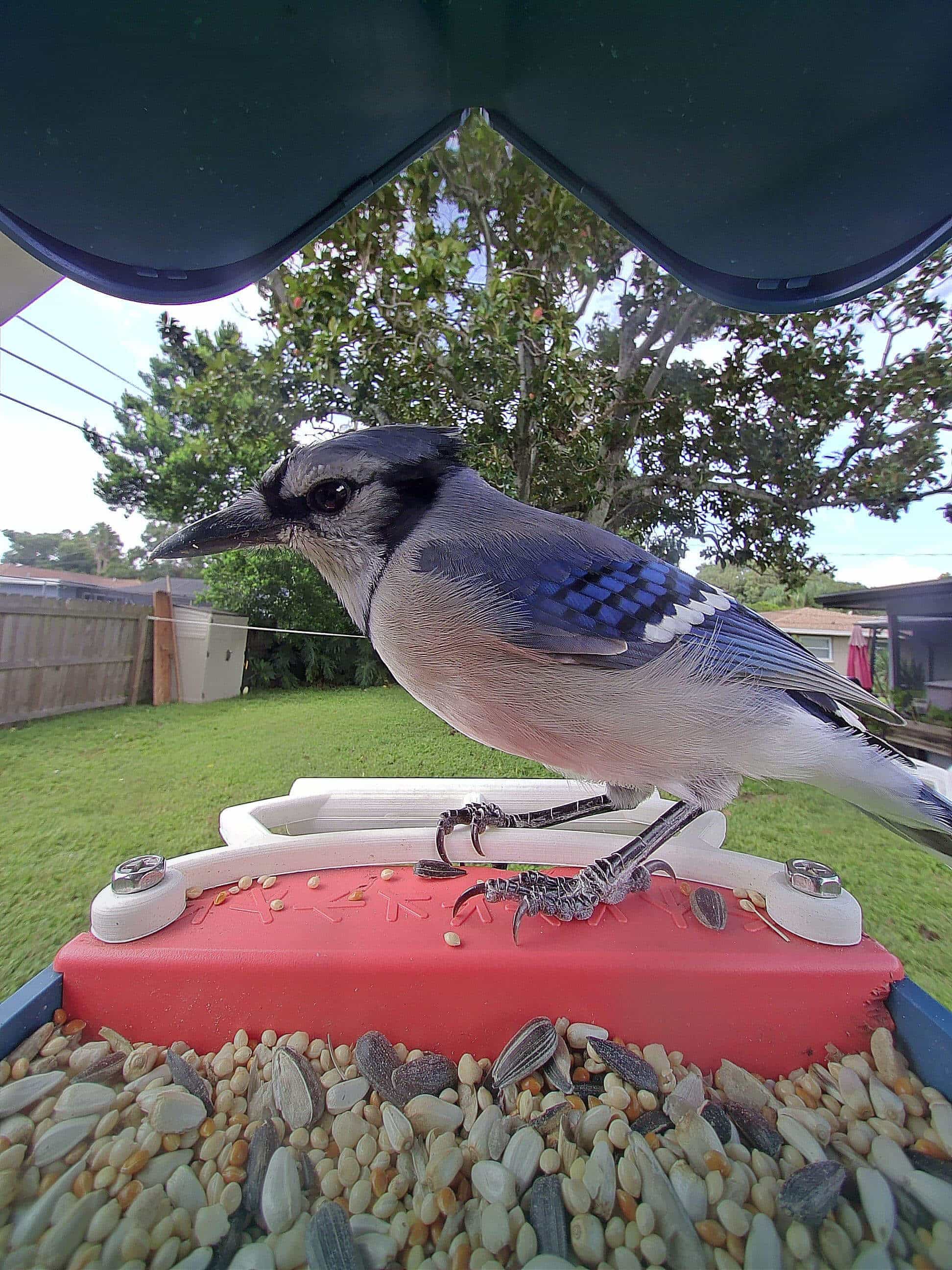
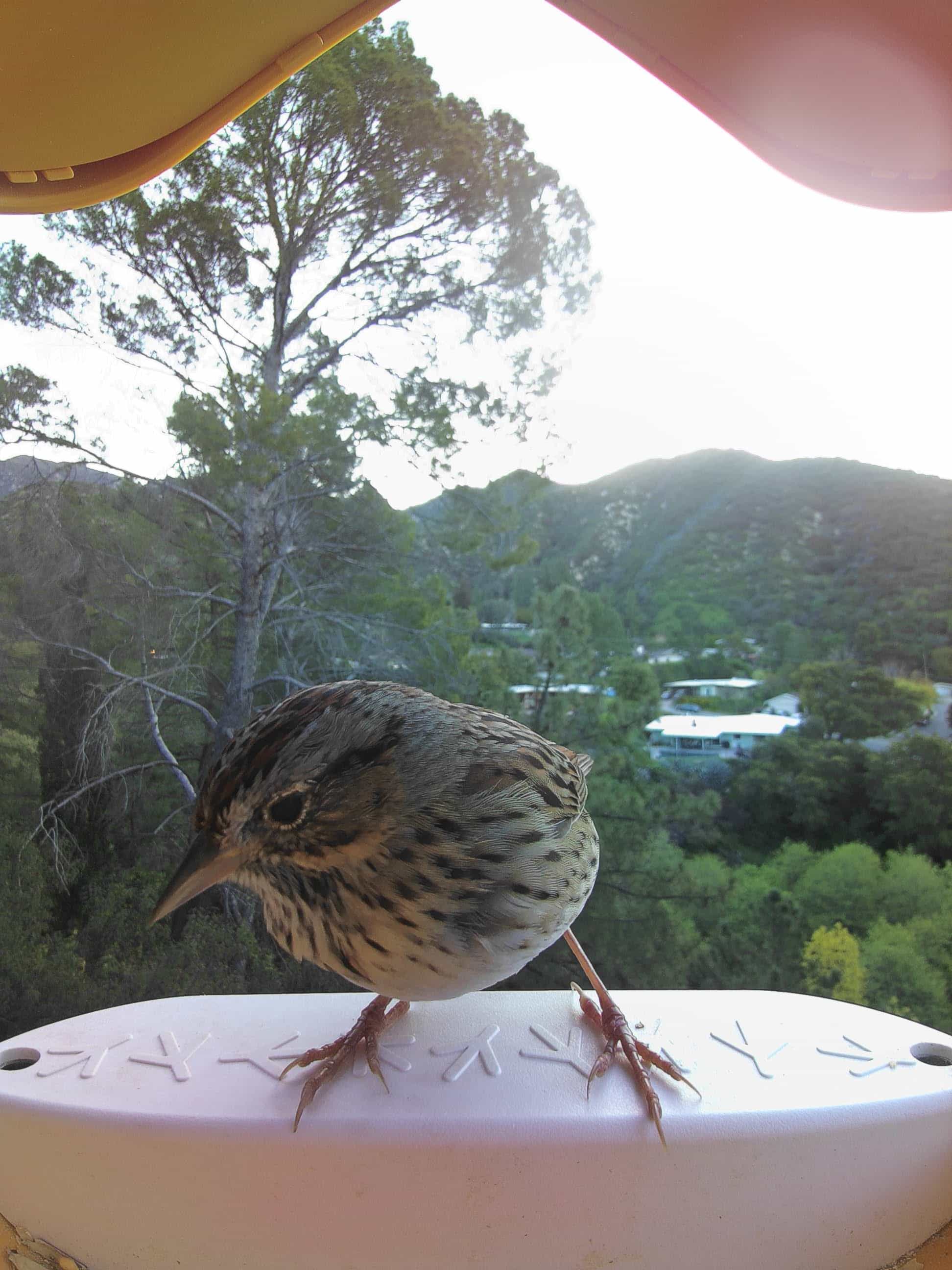
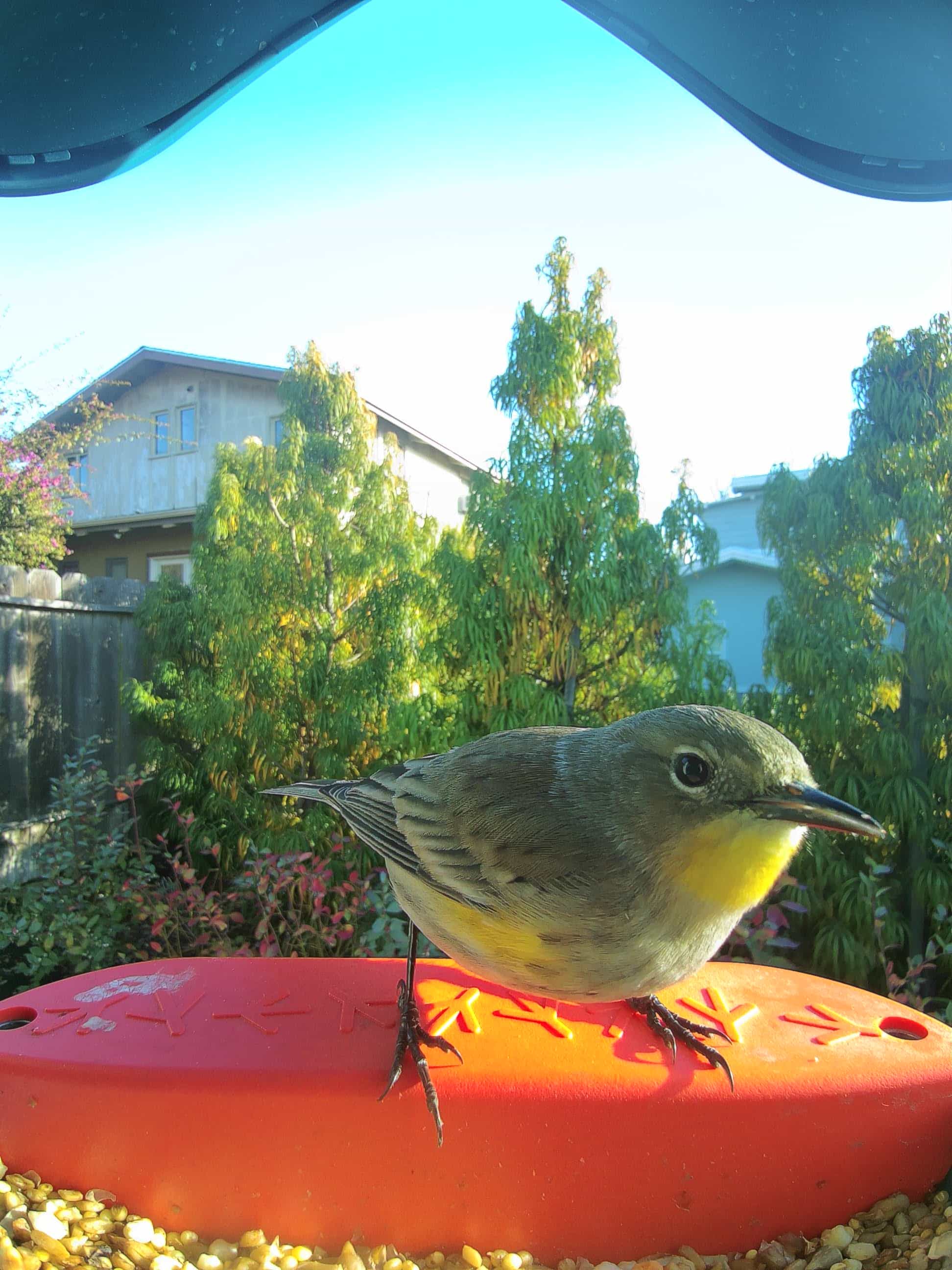
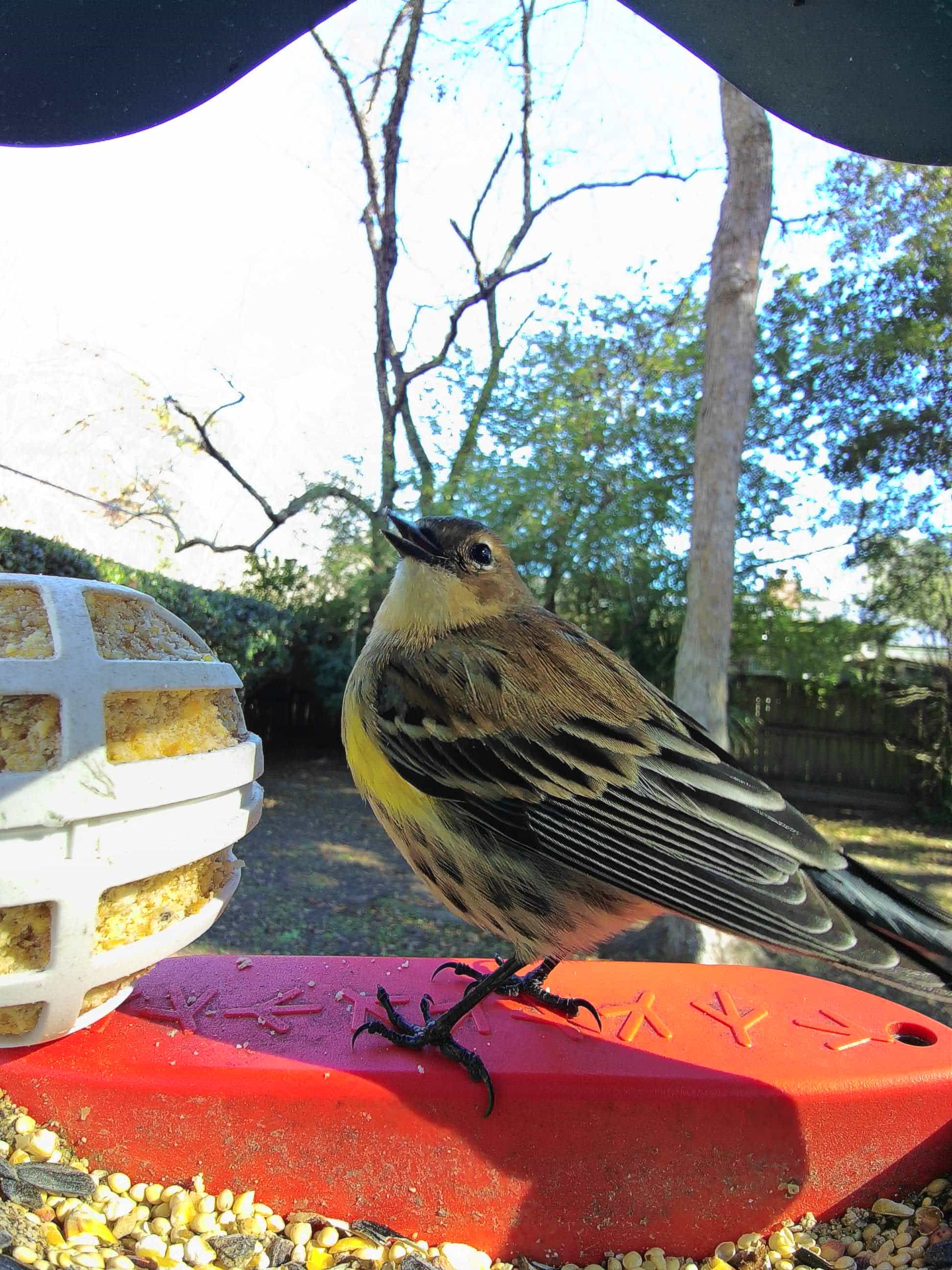
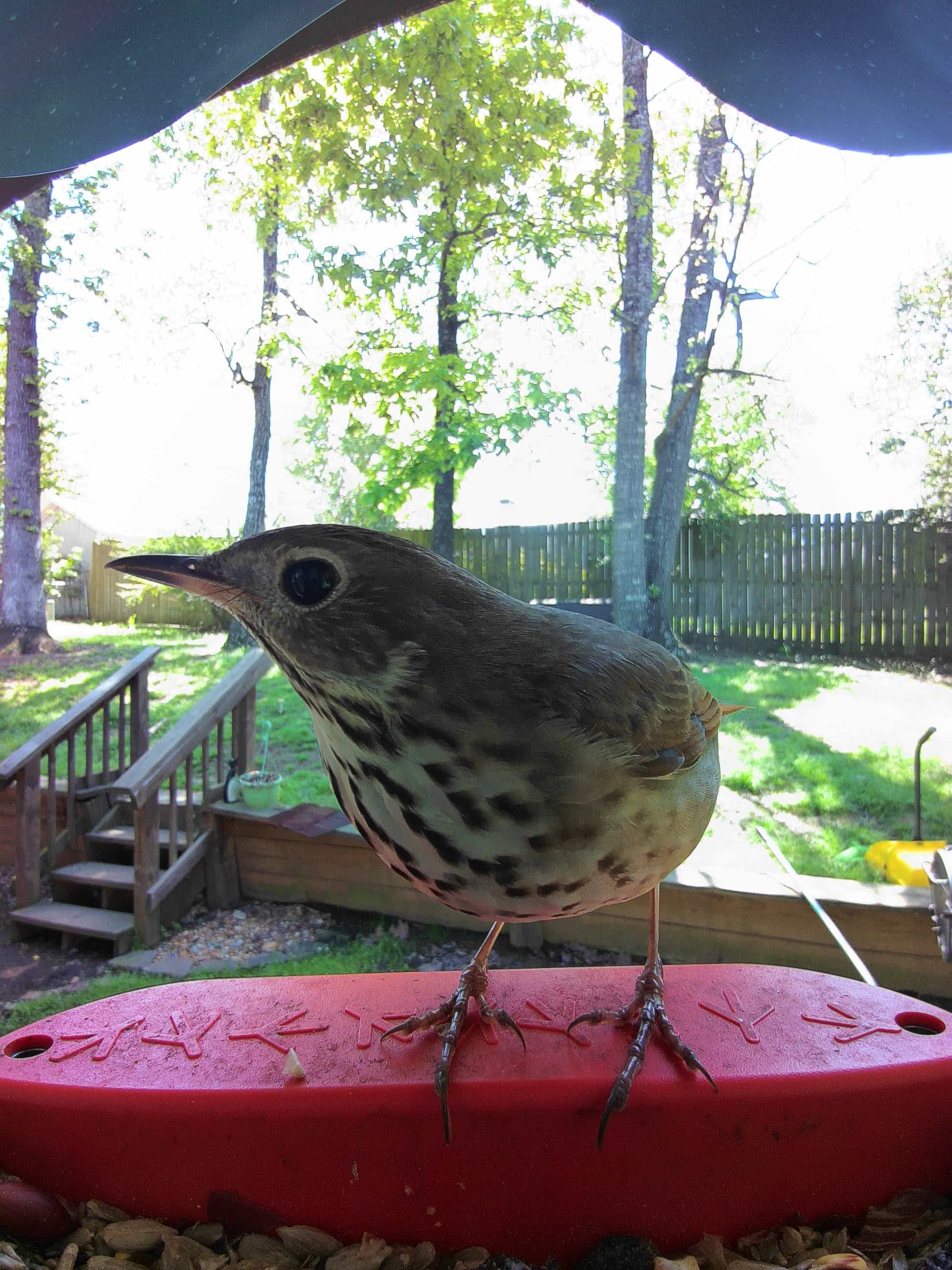
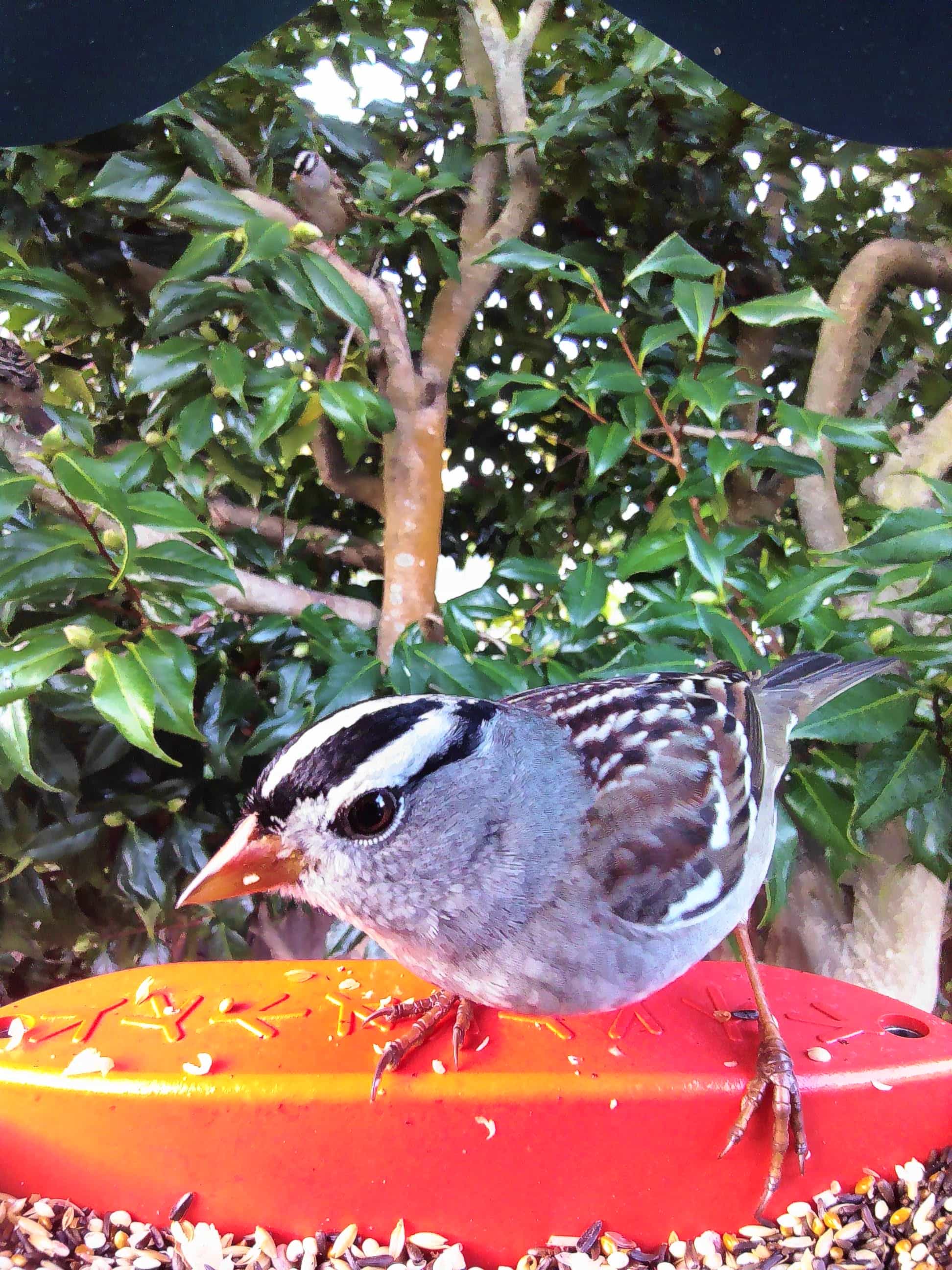
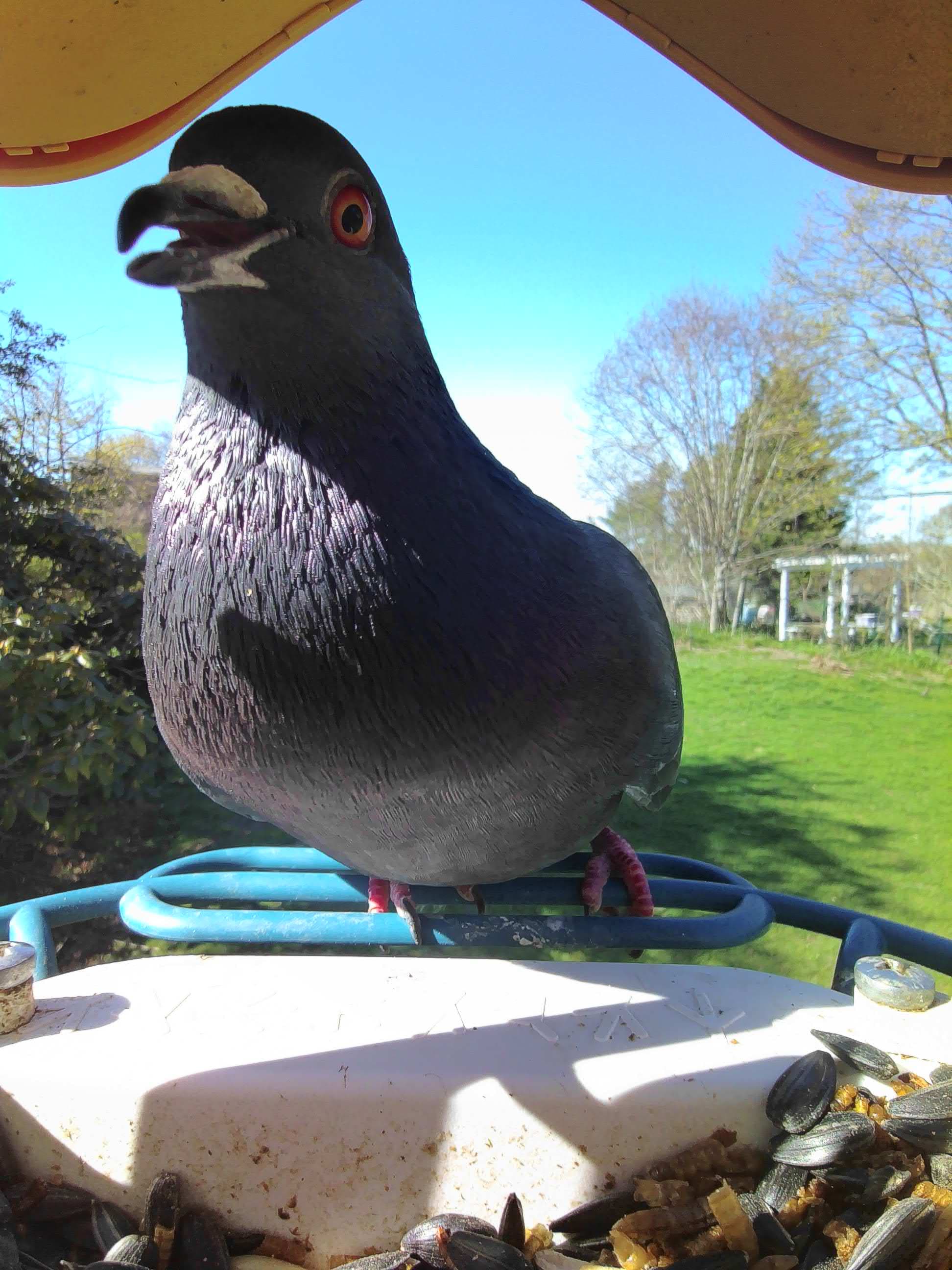
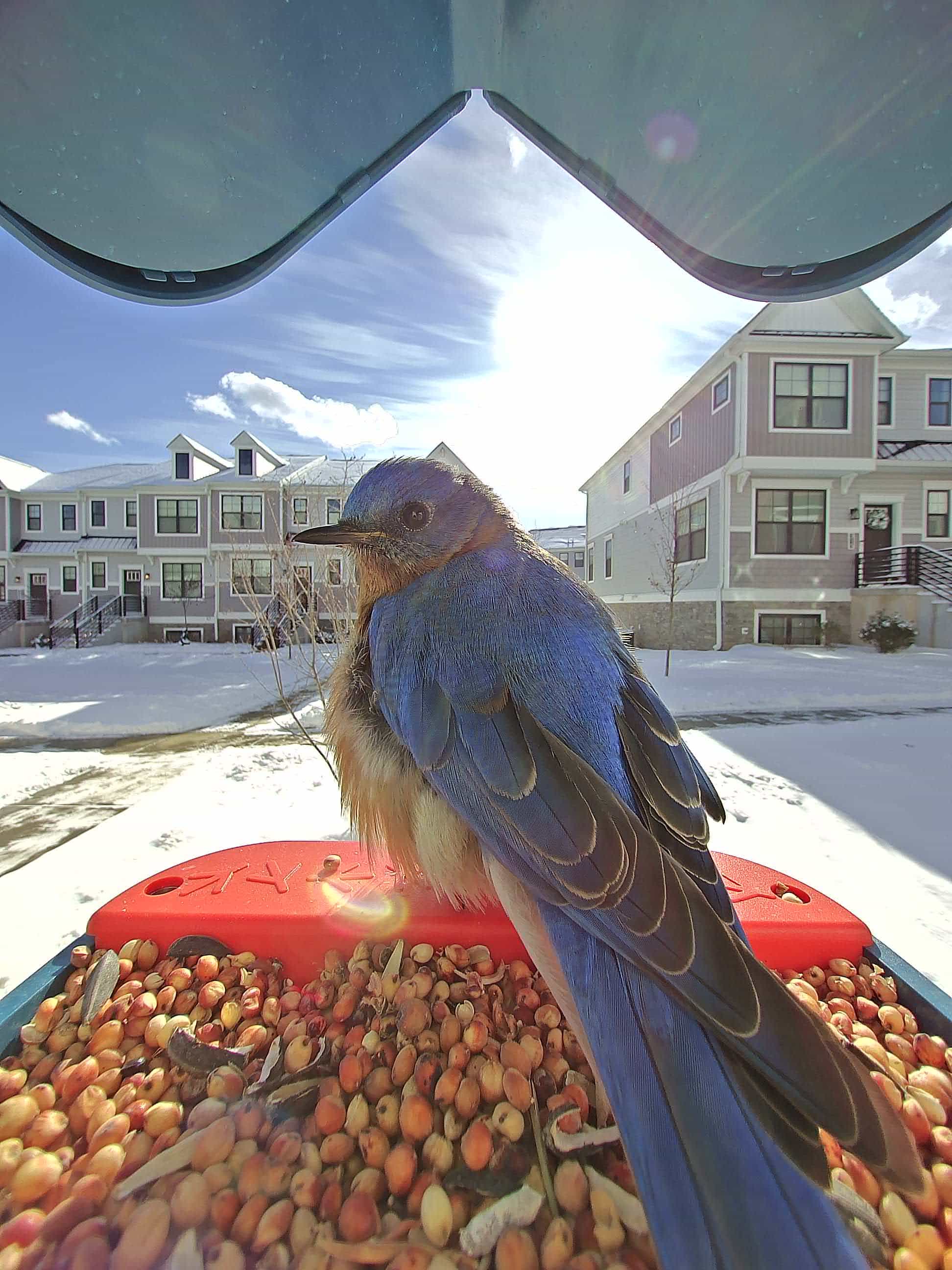
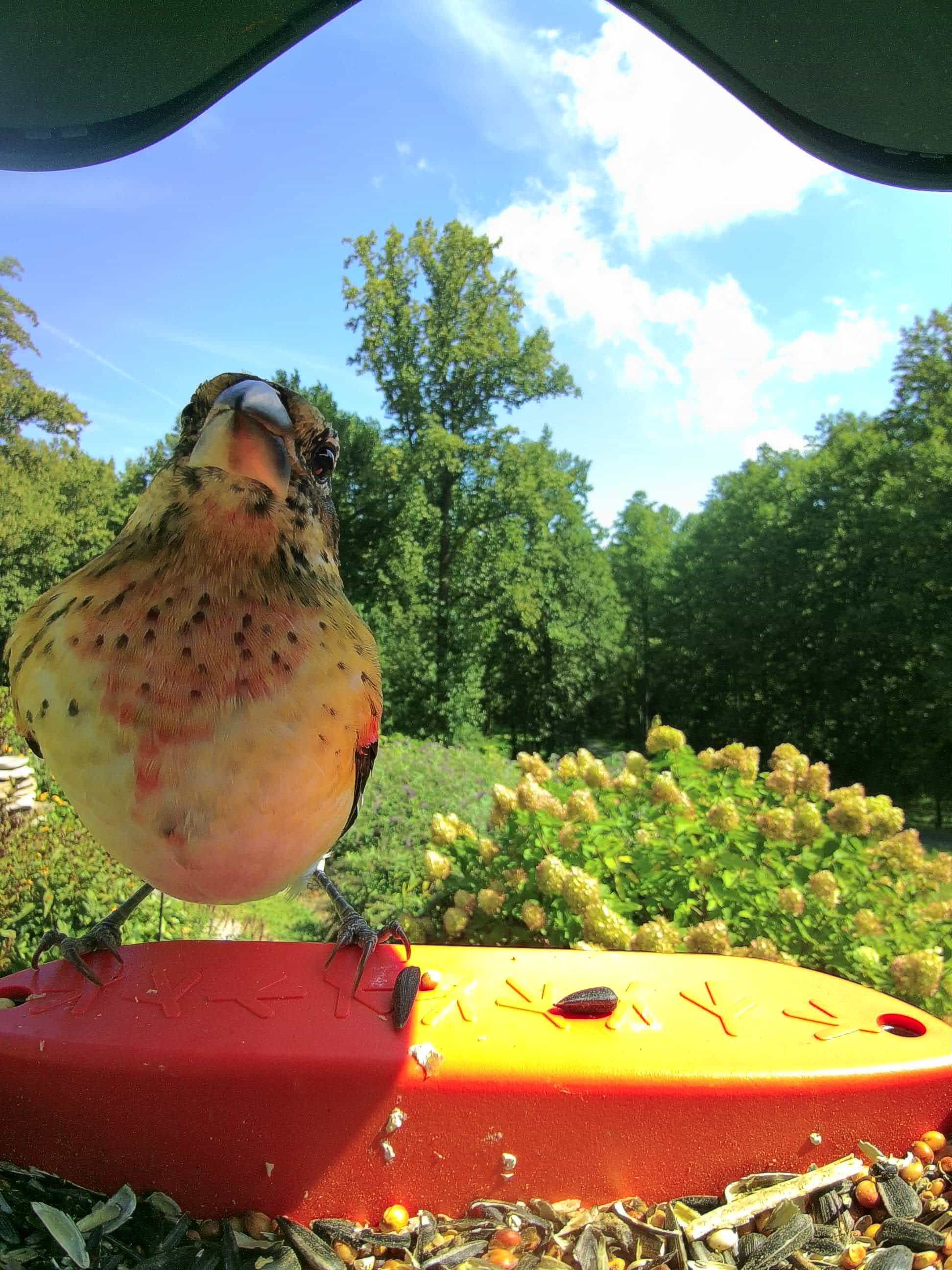
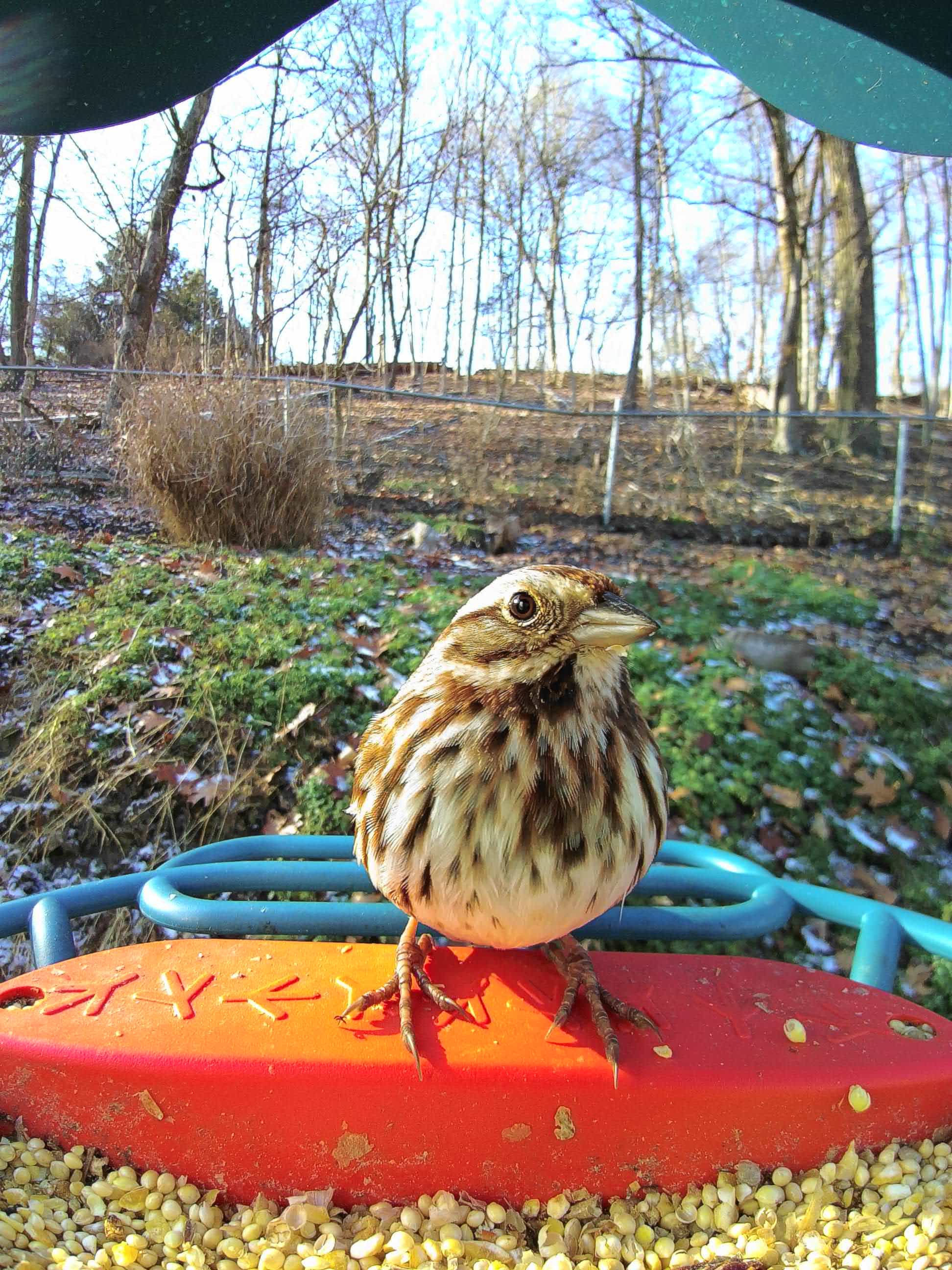
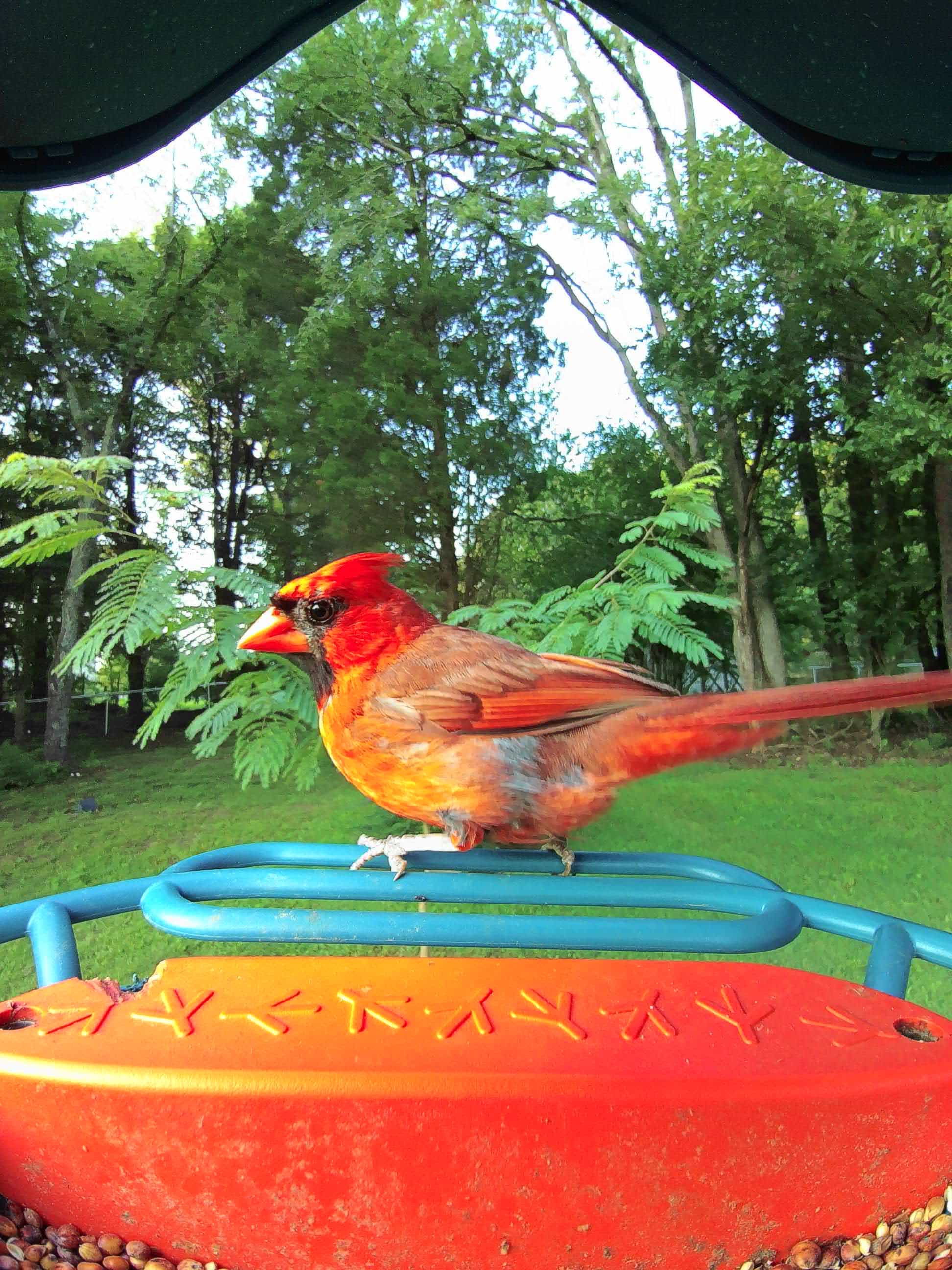
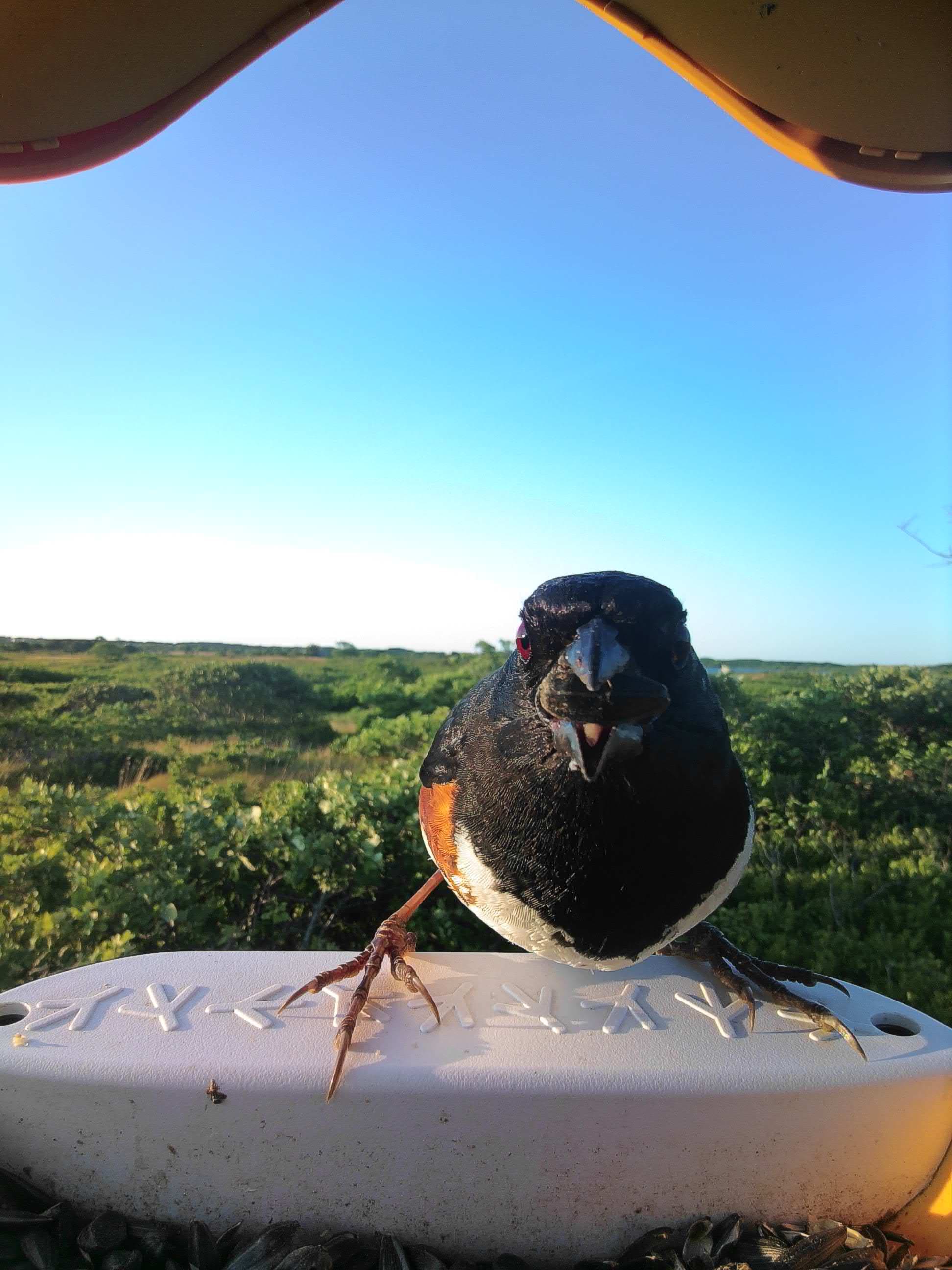
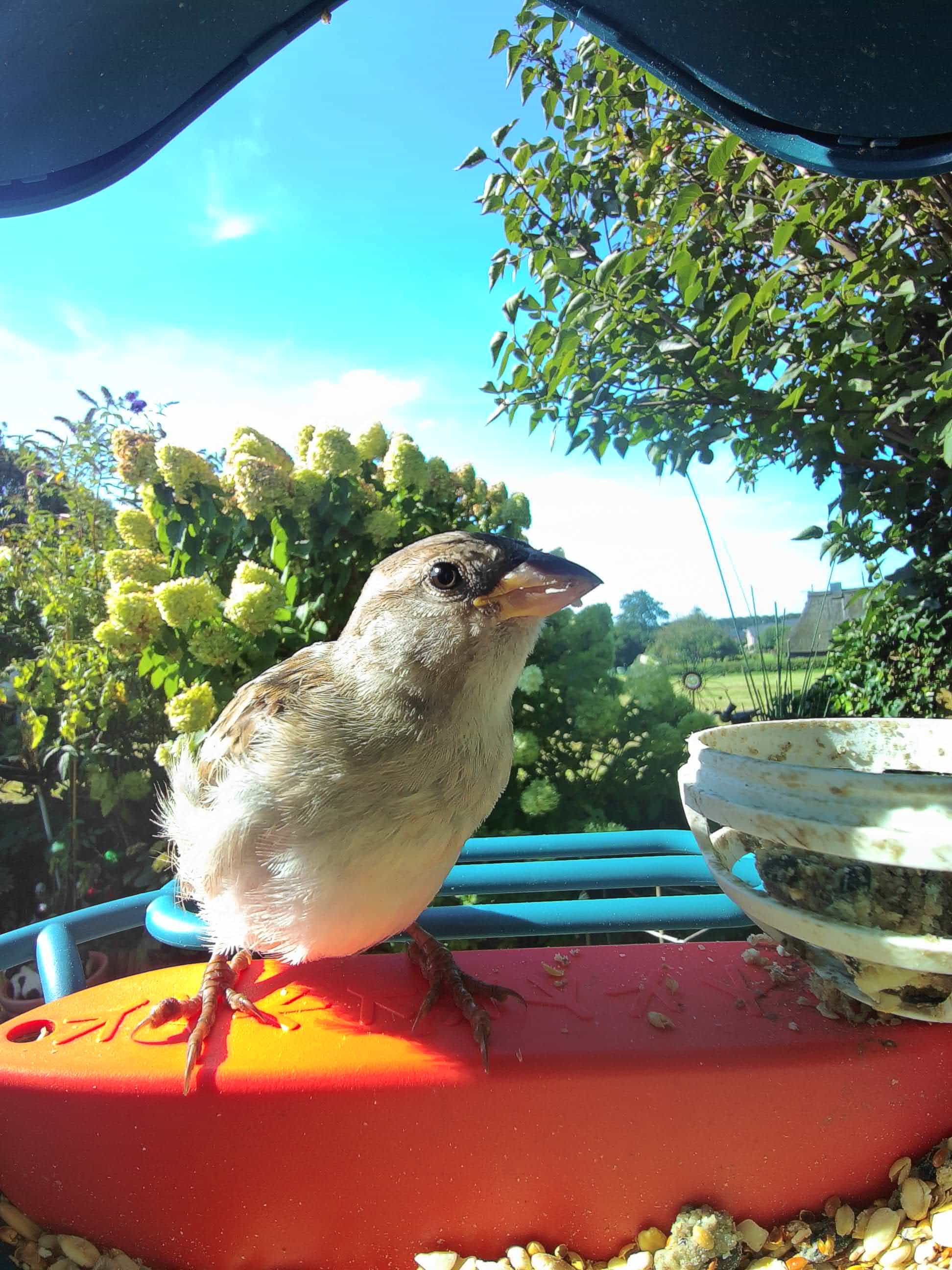
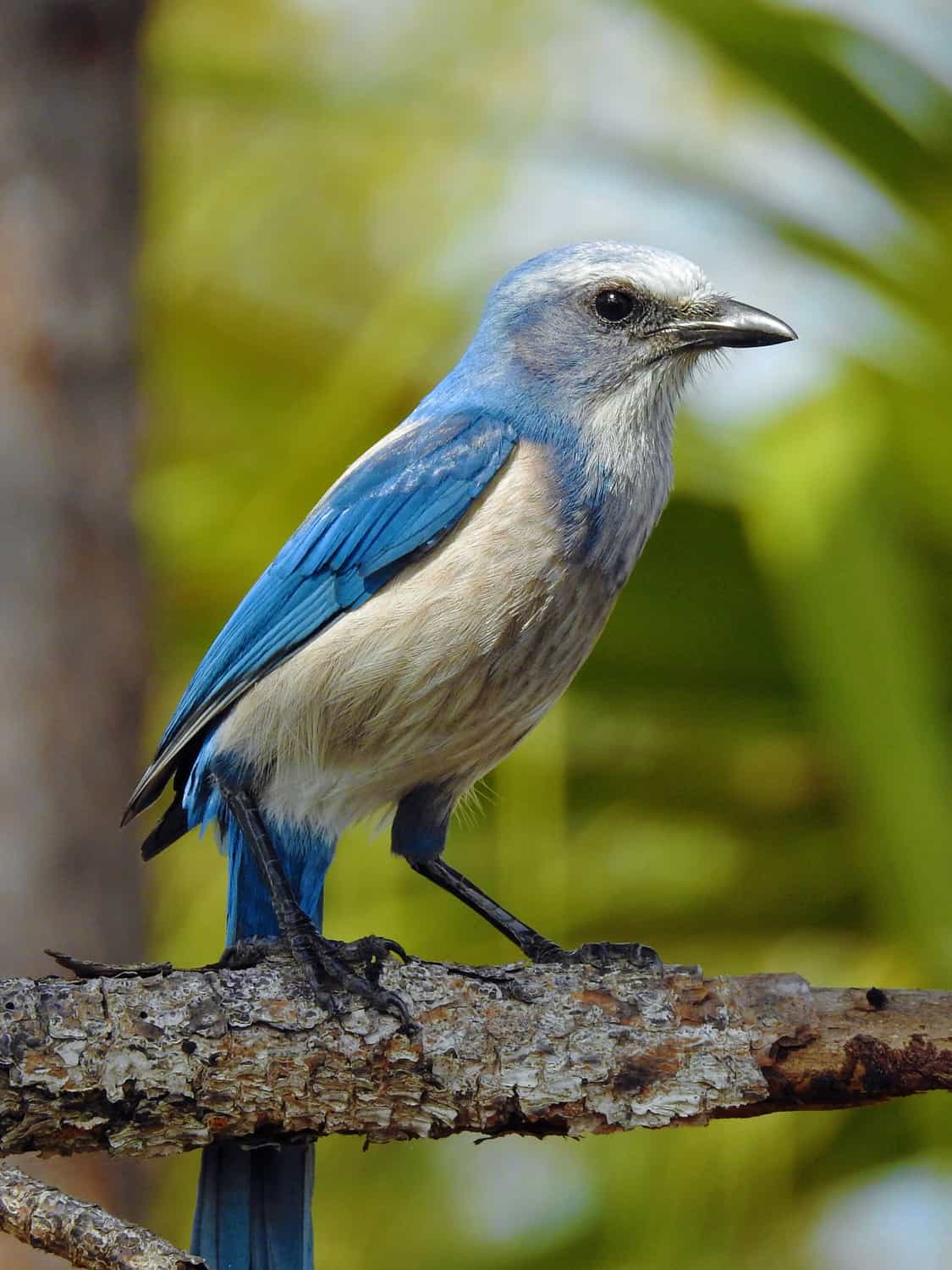
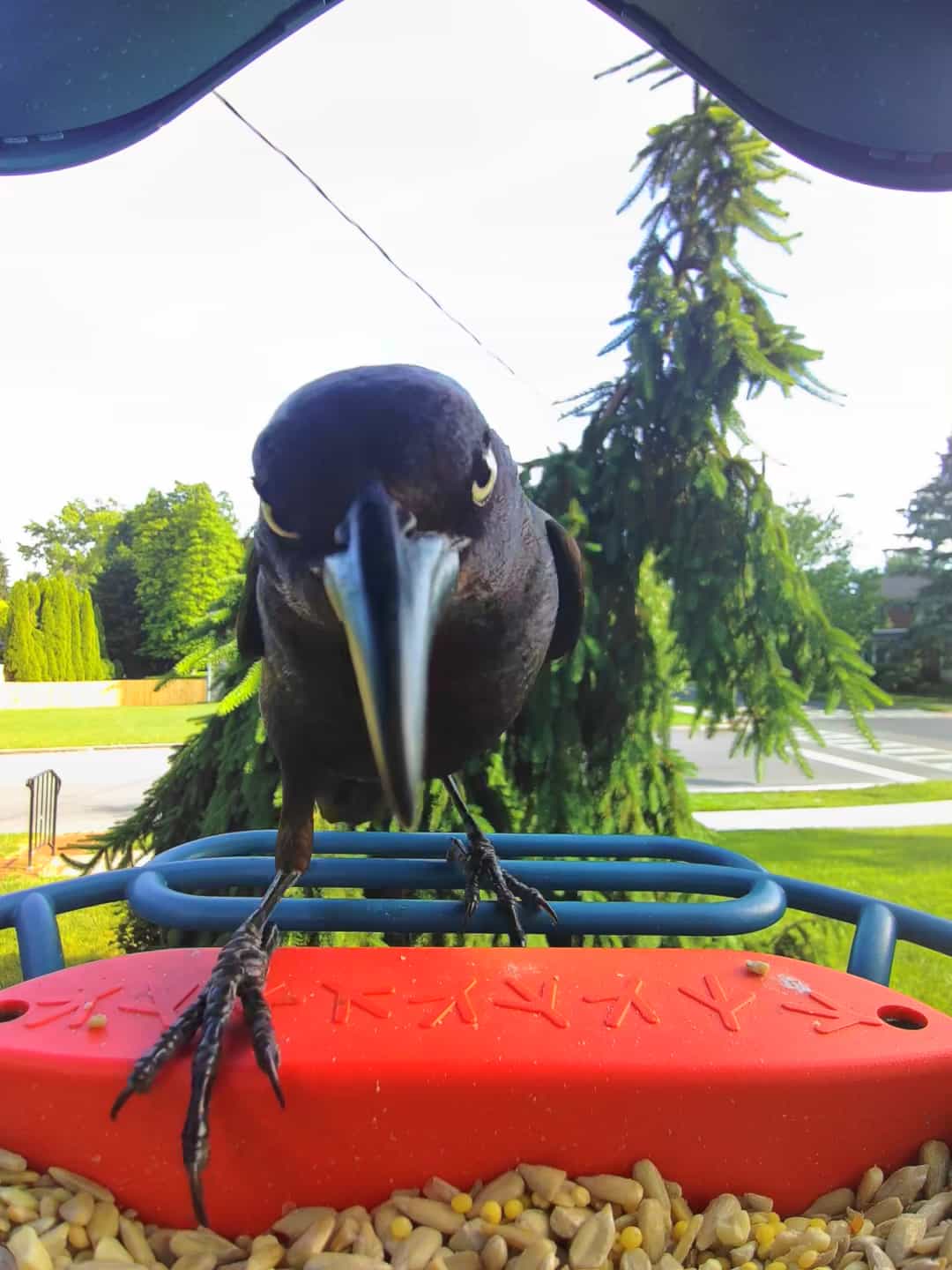
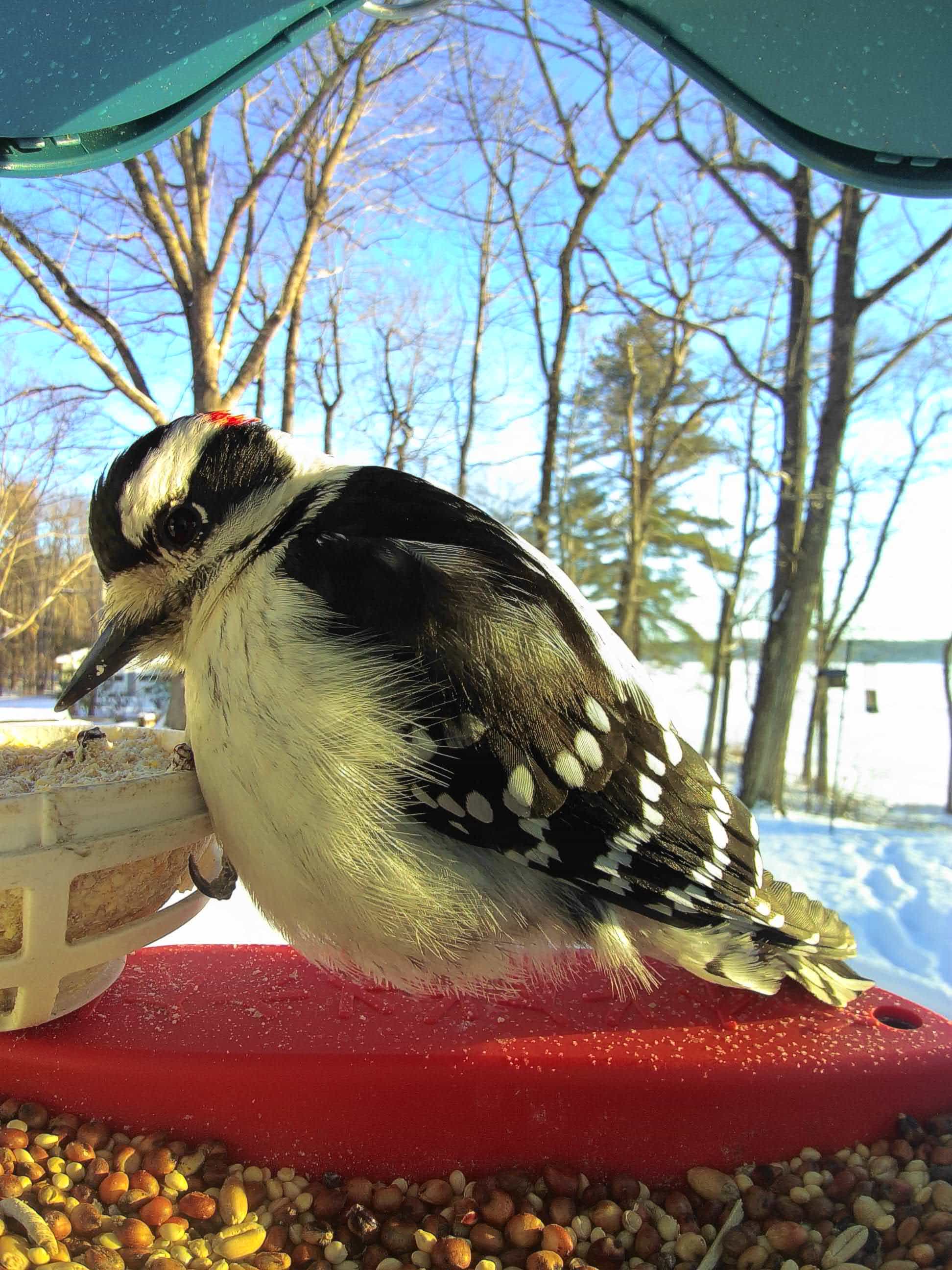
Birds seen on Birdbuddy feeders in Fleming Island
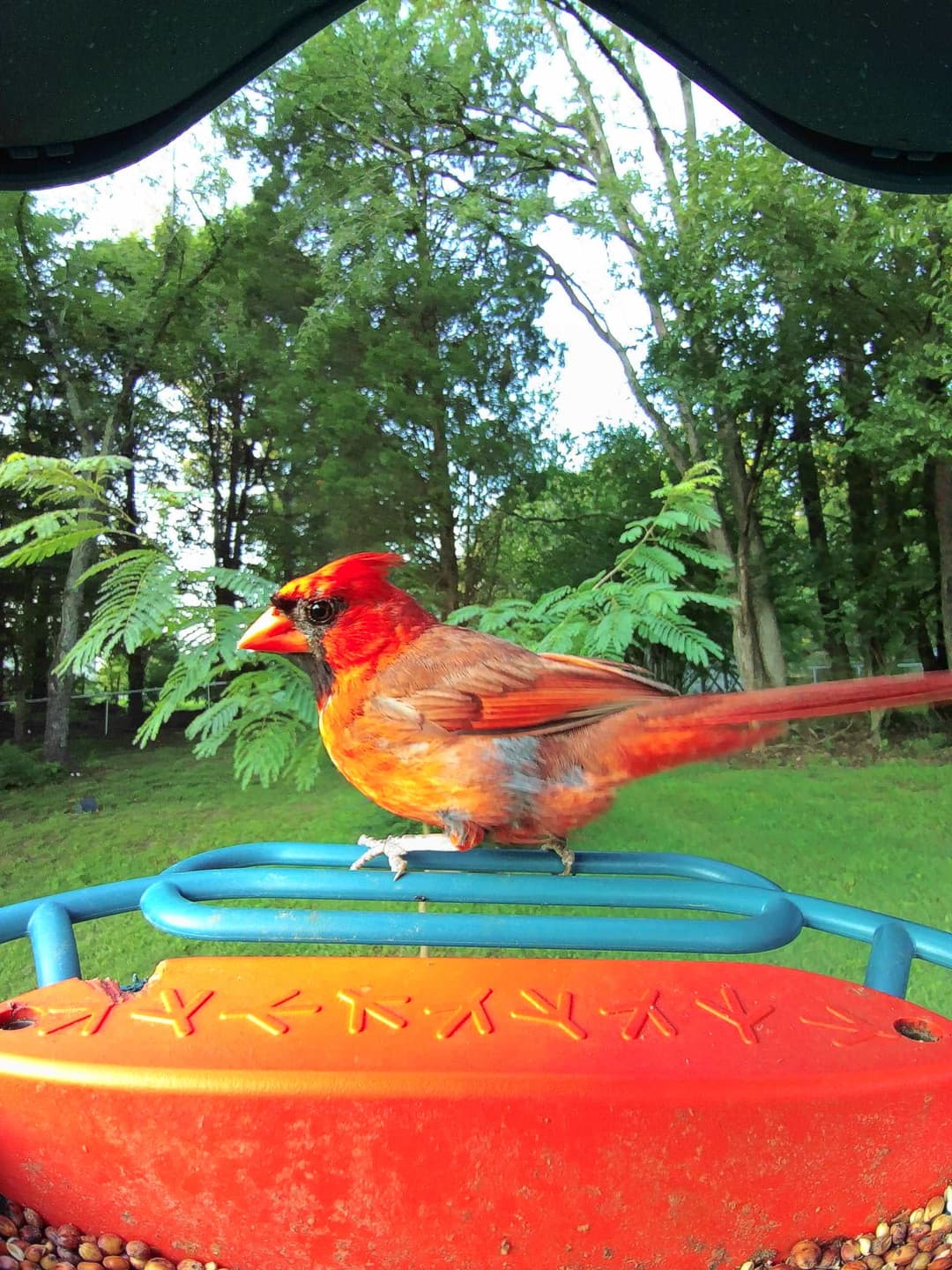
Northern Cardinal (Cardinalis cardinalis): This vibrant songbird is known for its striking red plumage, distinctive crest, and robust bill, commonly found in woodlands, gardens, and shrublands across North America.
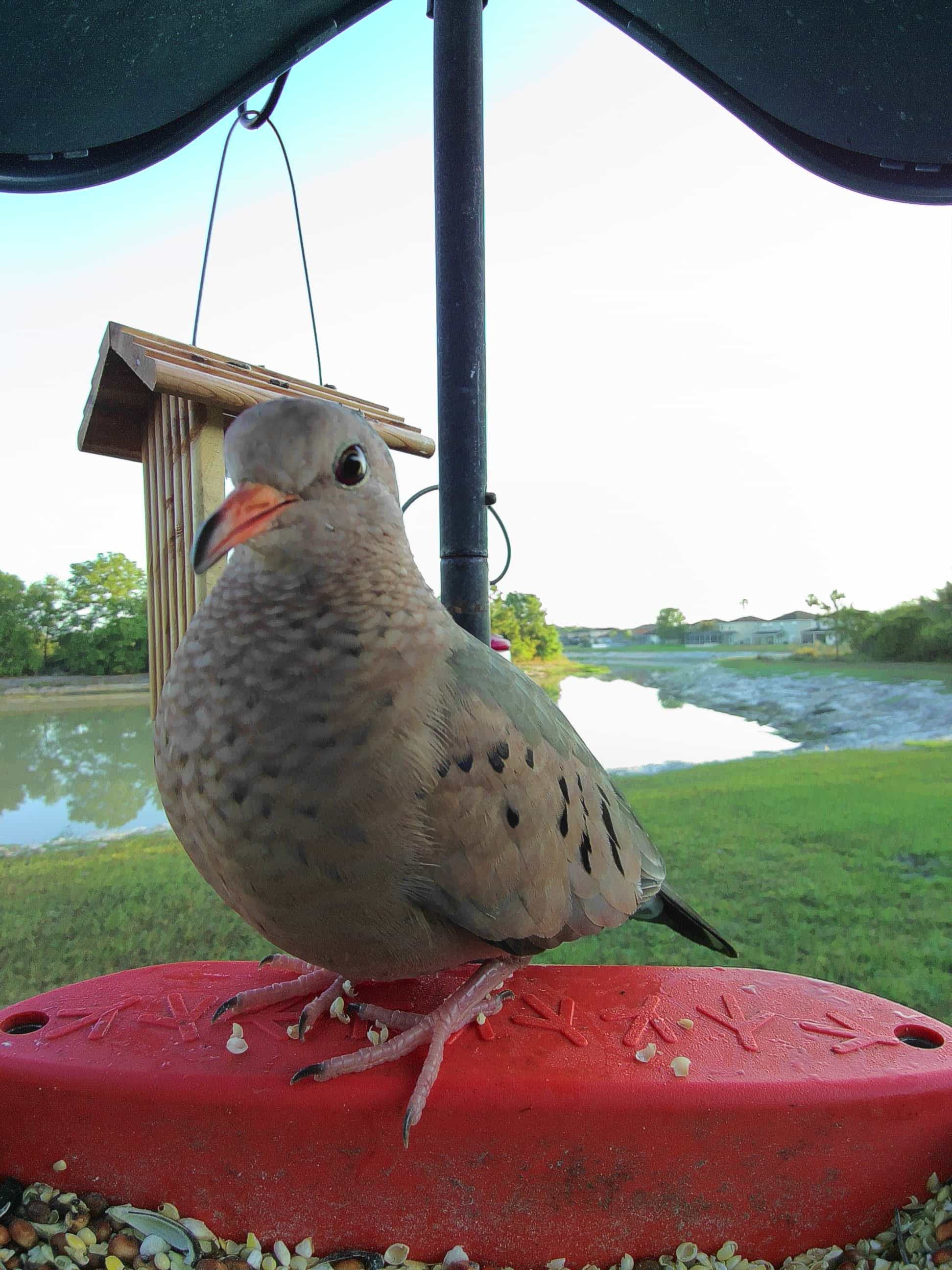
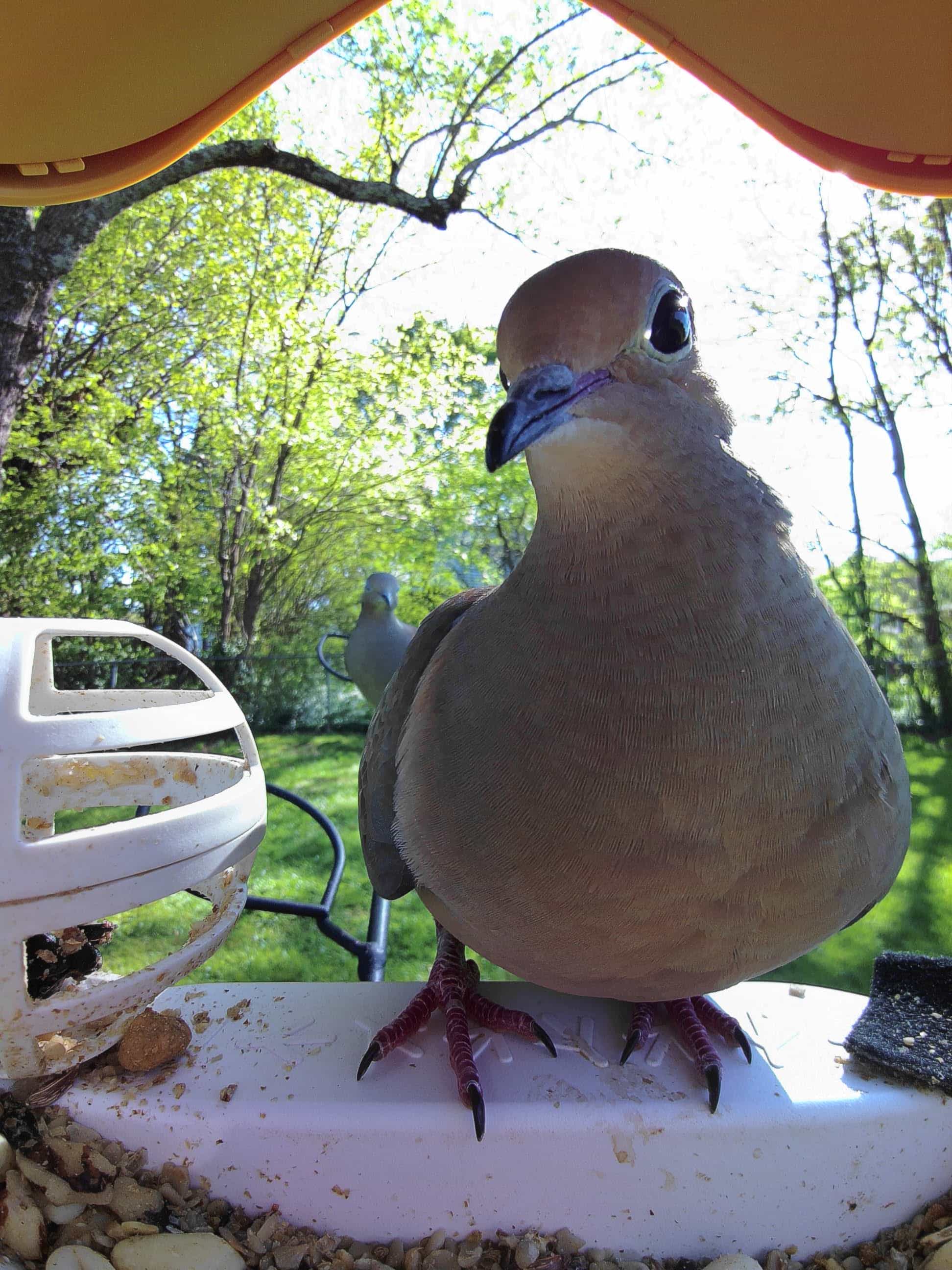
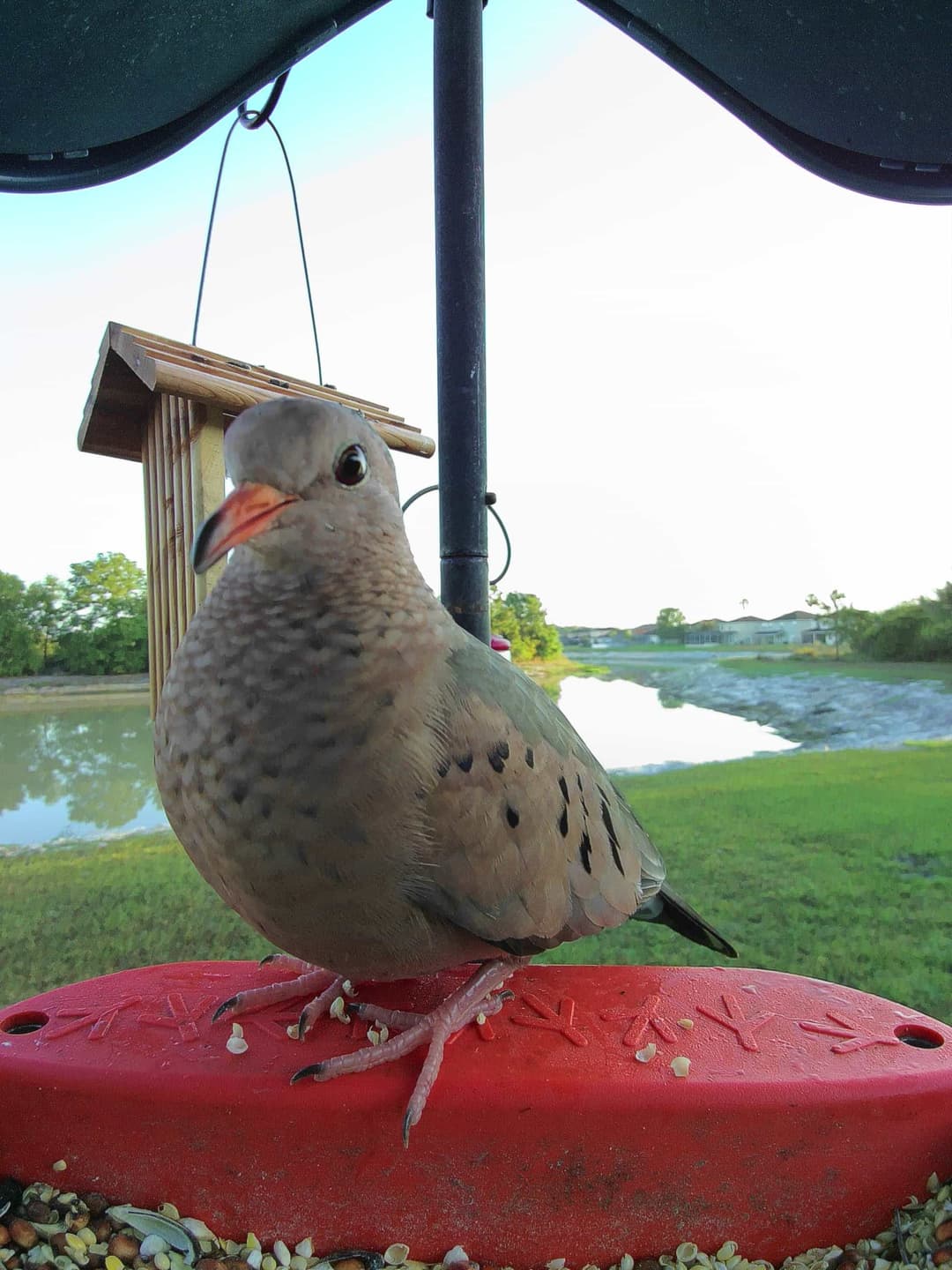
Mourning Dove (Zenaida macroura): This bird is a slender, medium-sized creature with a soft grayish-brown body, long pointed tail with white edges, and distinctive black spots on its wings, often recognized for its gentle, mournful cooing sound.
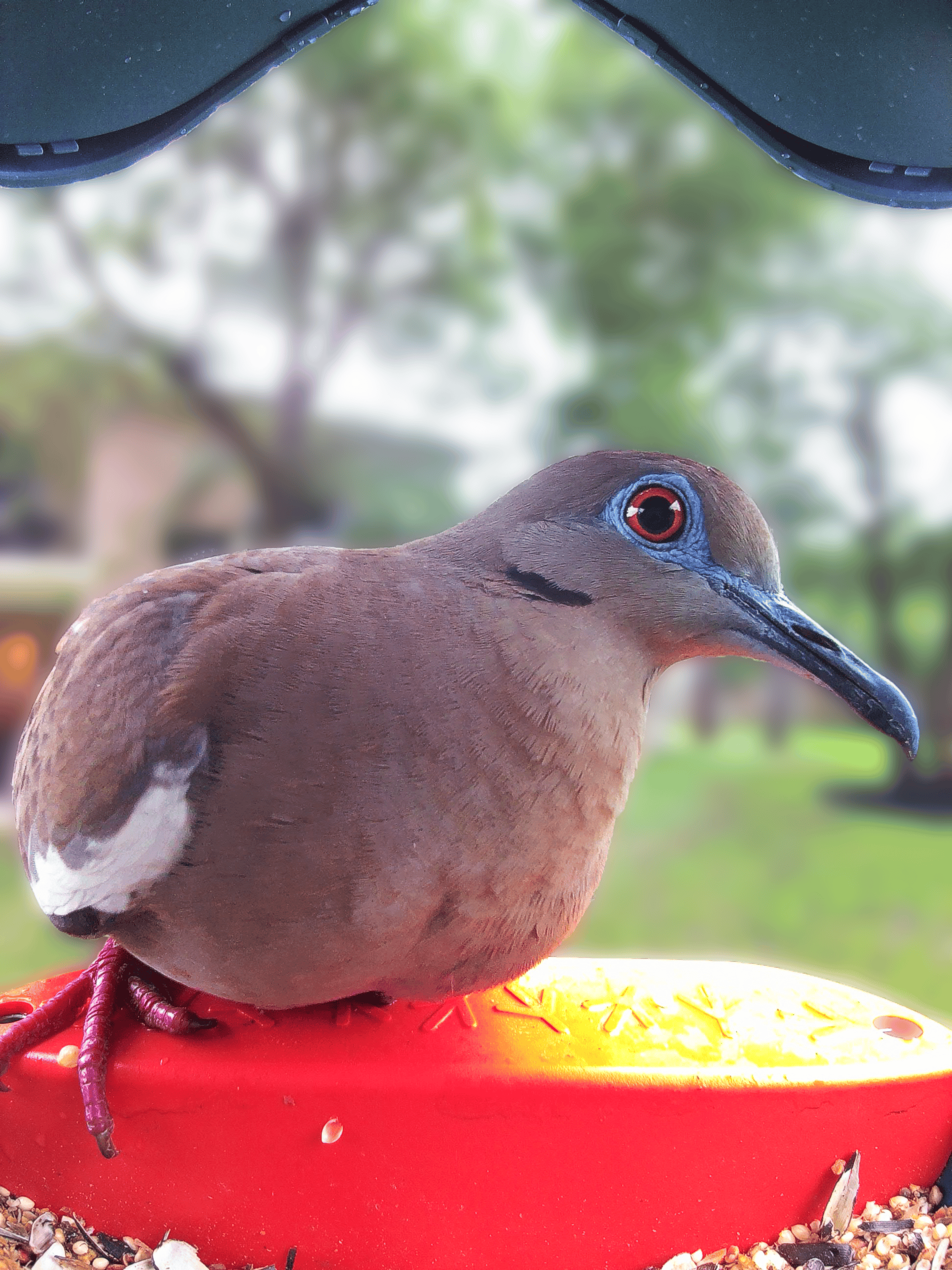
Common Ground-Dove (Columbina passerina): This small, delicate bird is characterized by its soft grayish-brown plumage with subtle pinkish hues, a short, thin black bill, and a distinctive scaled pattern on its neck and chest.
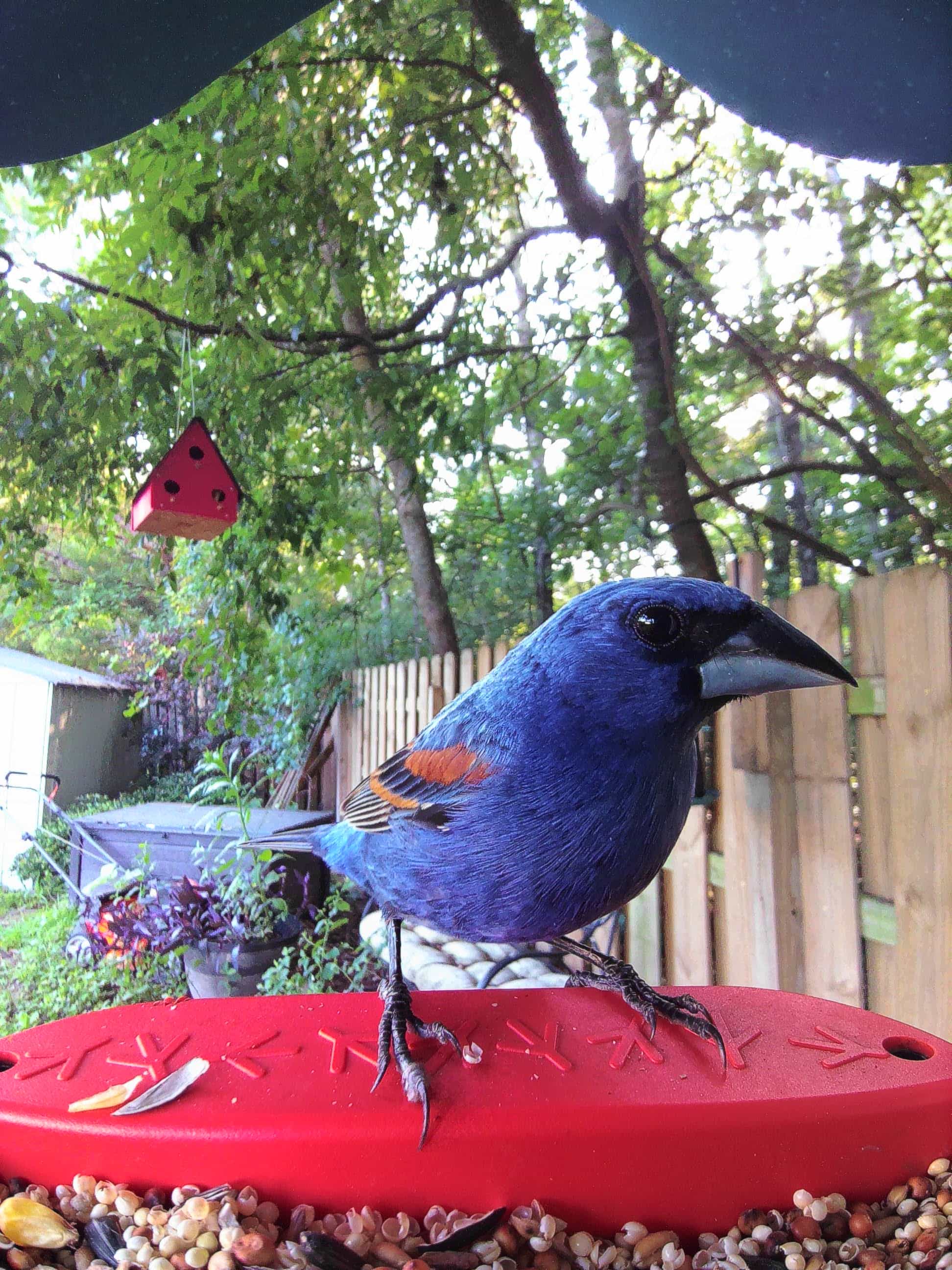
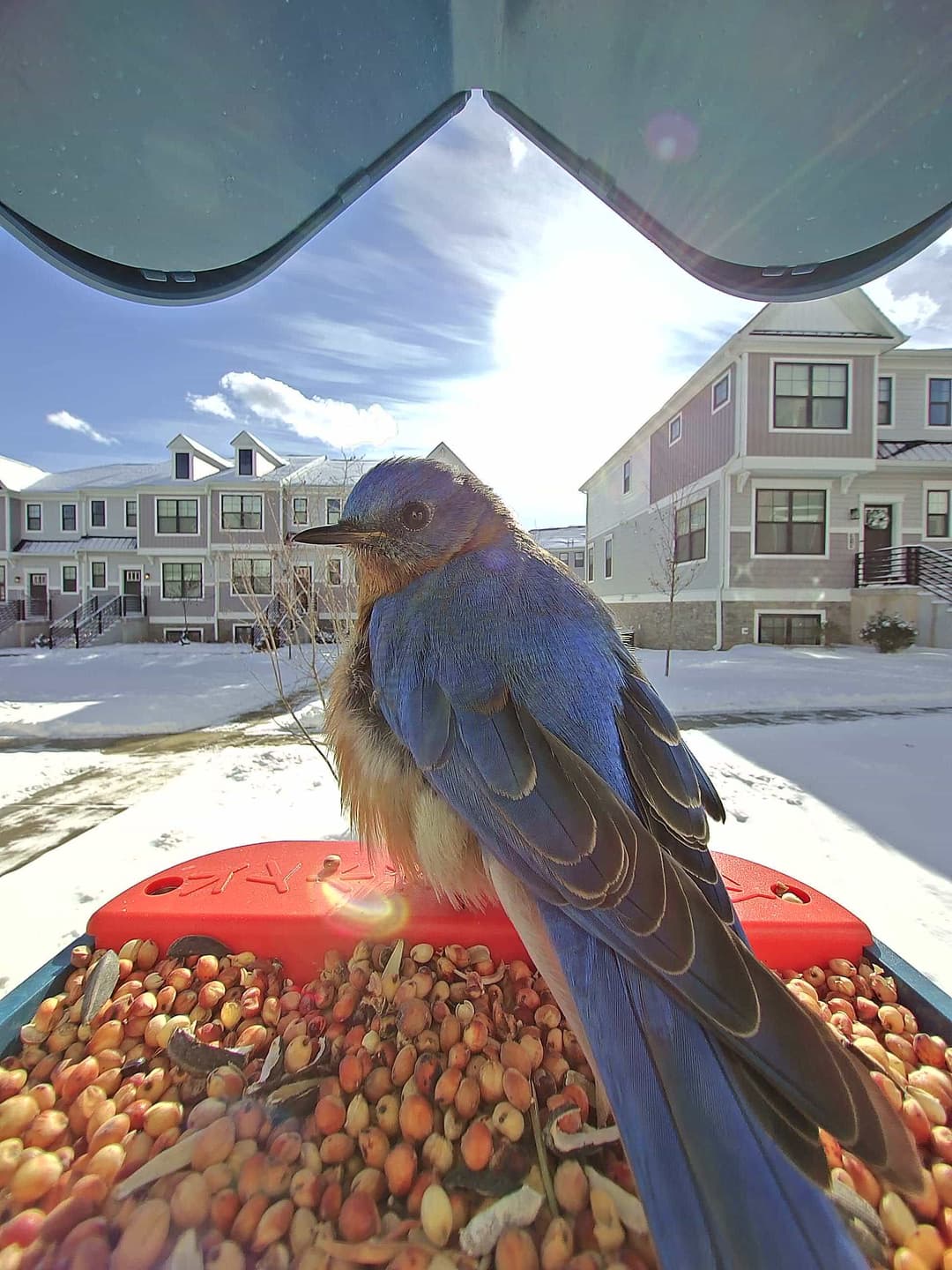
Eastern Bluebird (Sialia sialis): A small North American songbird, this species is known for its vibrant blue plumage, rusty-orange breast, and melodious song, often found in open woodlands, fields, and gardens where it feeds on insects and fruits.
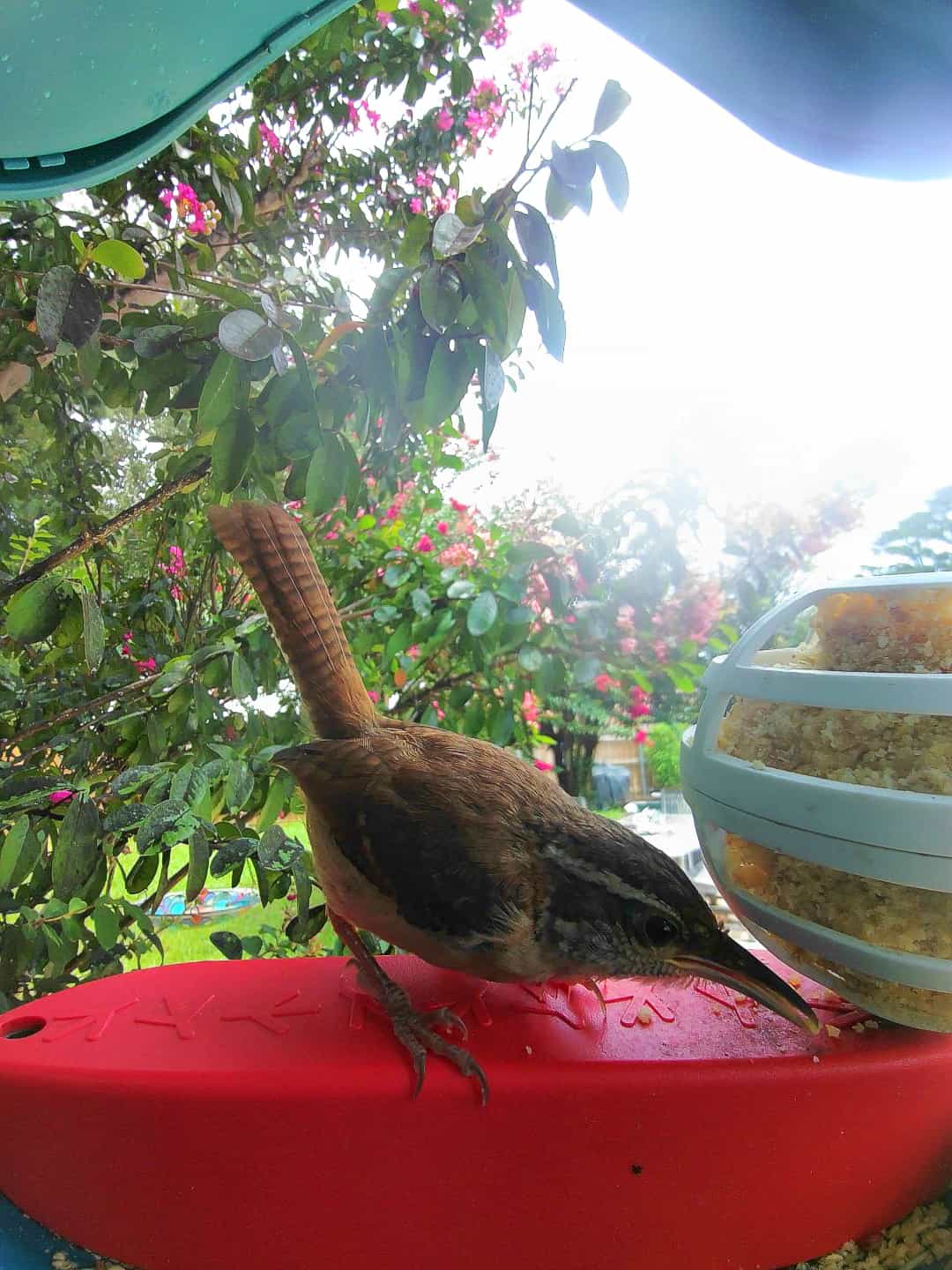
Carolina Wren (Thryothorus ludovicianus): This small, energetic bird is known for its bold, reddish-brown plumage, prominent white eyebrow stripe, and loud, melodious song, and is often found in dense vegetation and brushy areas across southeastern parts of North America.
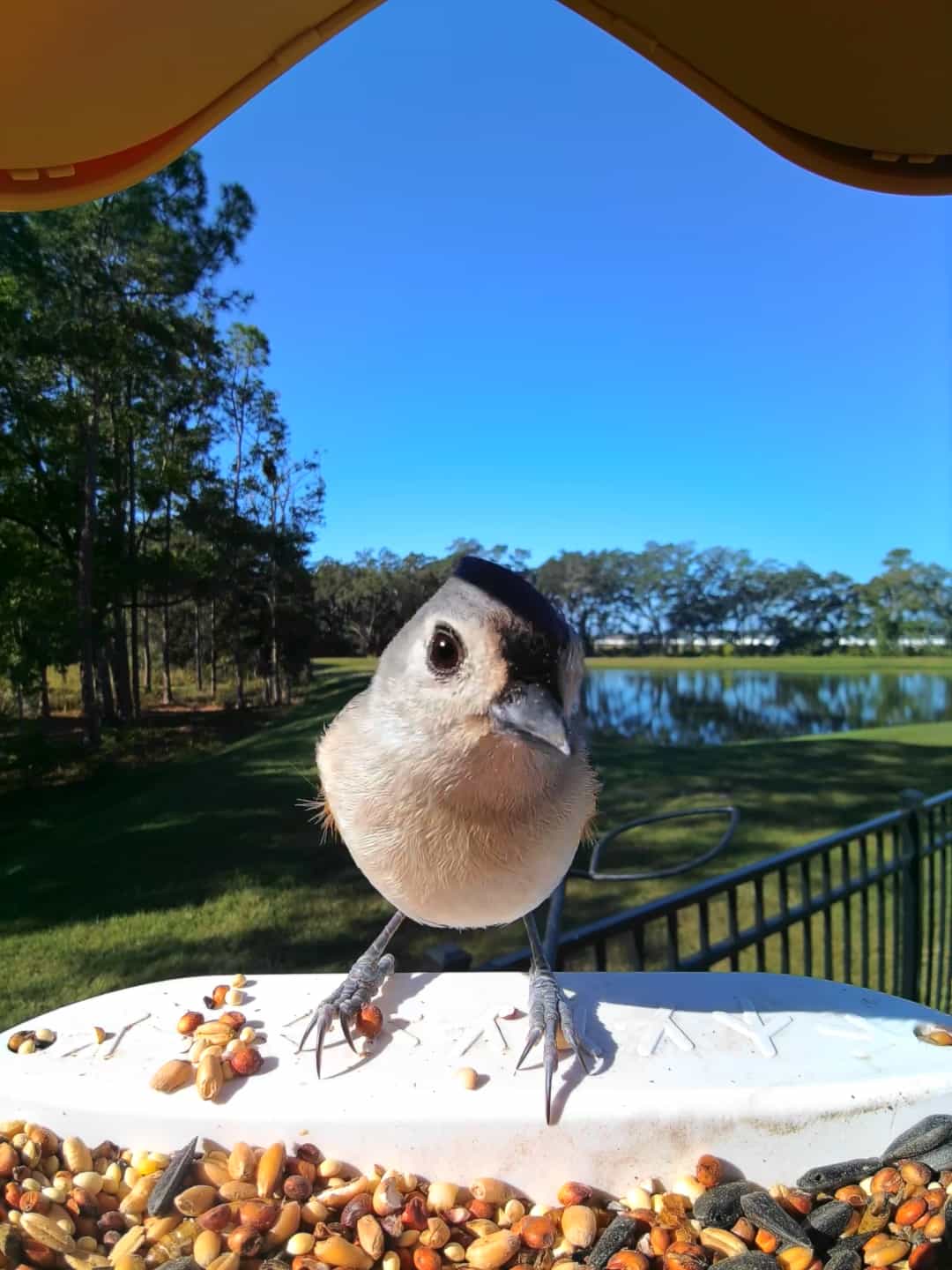
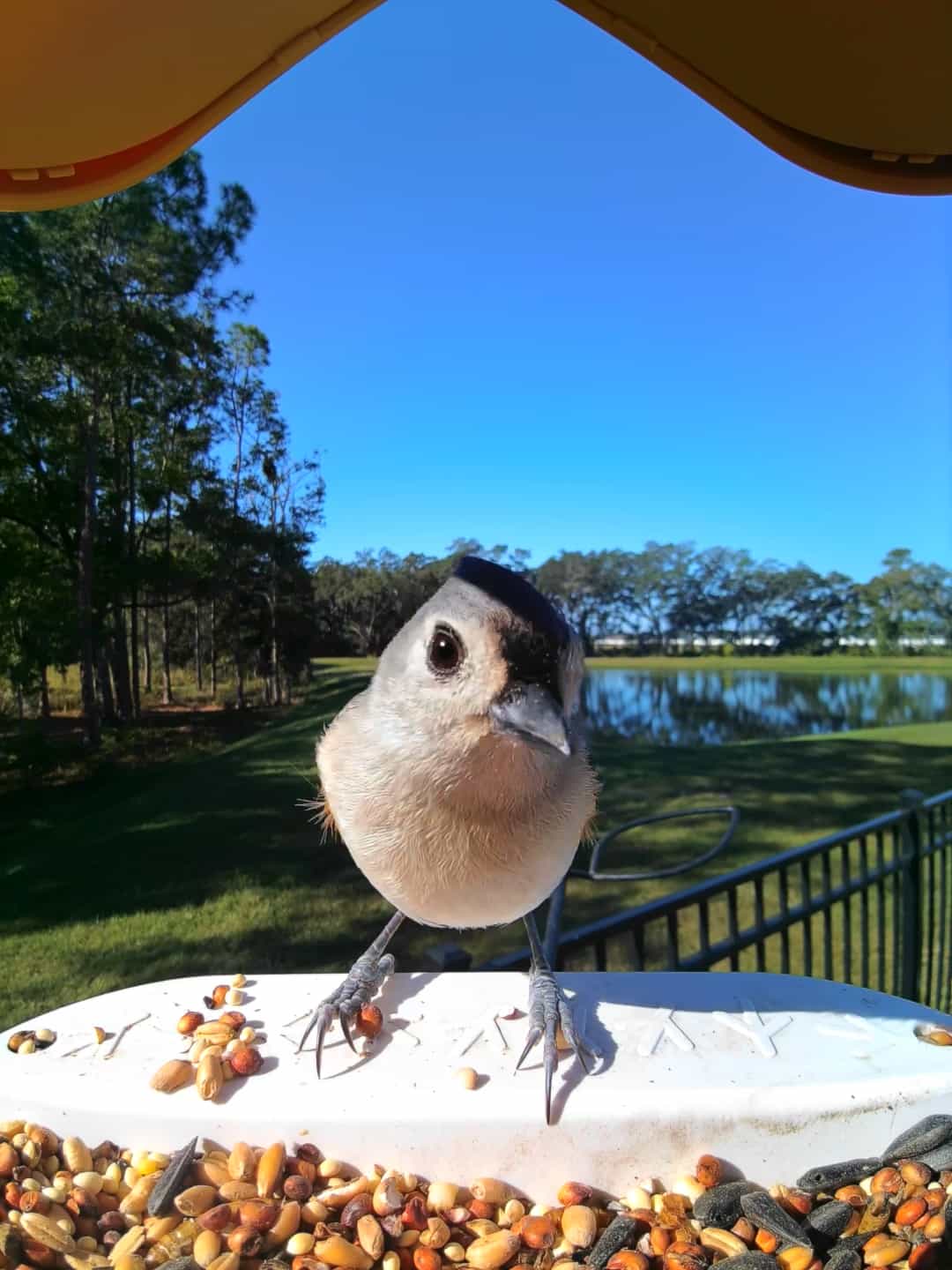
Tufted Titmouse (Baeolophus bicolor): This small songbird is known for its distinctive crest atop its head, soft gray plumage, white underparts, and a touch of rust-colored flanks, often seen flitting about in deciduous forests and backyard feeders across the eastern United States.

Identifying bird sounds and calls in Fleming Island
Bird sounds are a key way to identify different species, even when they're hidden in trees or bushes. Each bird has its own unique vocalizations, from melodic songs to distinctive calls. Learning these sounds can help you identify birds even before you see them.
Birdwatching hotspots in Fleming Island
Parks, reserves, and observatories
Fleming Island, Florida, offers diverse habitats including wetlands, pine forests, and marshes that attract a variety of bird species.
Fleming Island Marina Park: A well-maintained park situated along the waterfront, perfect for spotting waterfowl and shorebirds.
Pine Forest Nature Reserve: Features vast pine forests that provide a habitat for various songbirds and raptors.
Black Creek Reserve: Known for its marshlands and wooded areas, excellent for watching a wide range of bird species.
Accessibility and facilities
Most parks and reserves have paved trails with facilities such as restrooms and parking, ensuring easy access for visitors.
Conservation efforts
Conservation efforts in Fleming Island, Florida focus on protecting local wildlife and preserving natural habitats. Some of the efforts include:
- Efforts to preserve wetlands and natural water sources.
- Initiatives to protect endangered species and their habitats.
- Community clean-up events to maintain local parks and natural areas.
How Can I Help?
- Participate in local conservation meetings and workshops.
- Volunteer for habitat restoration projects.
- Support local wildlife protection organizations.
Live bird sightings in the Fleming Island area
Discover what birds are currently active in Fleming Island through real-time sightings from Birdbuddy users. Explore hotspots and track your favorite species with updates from our community network.
Learn more about Birdbuddy