
Birds in Surprise,
Arizona
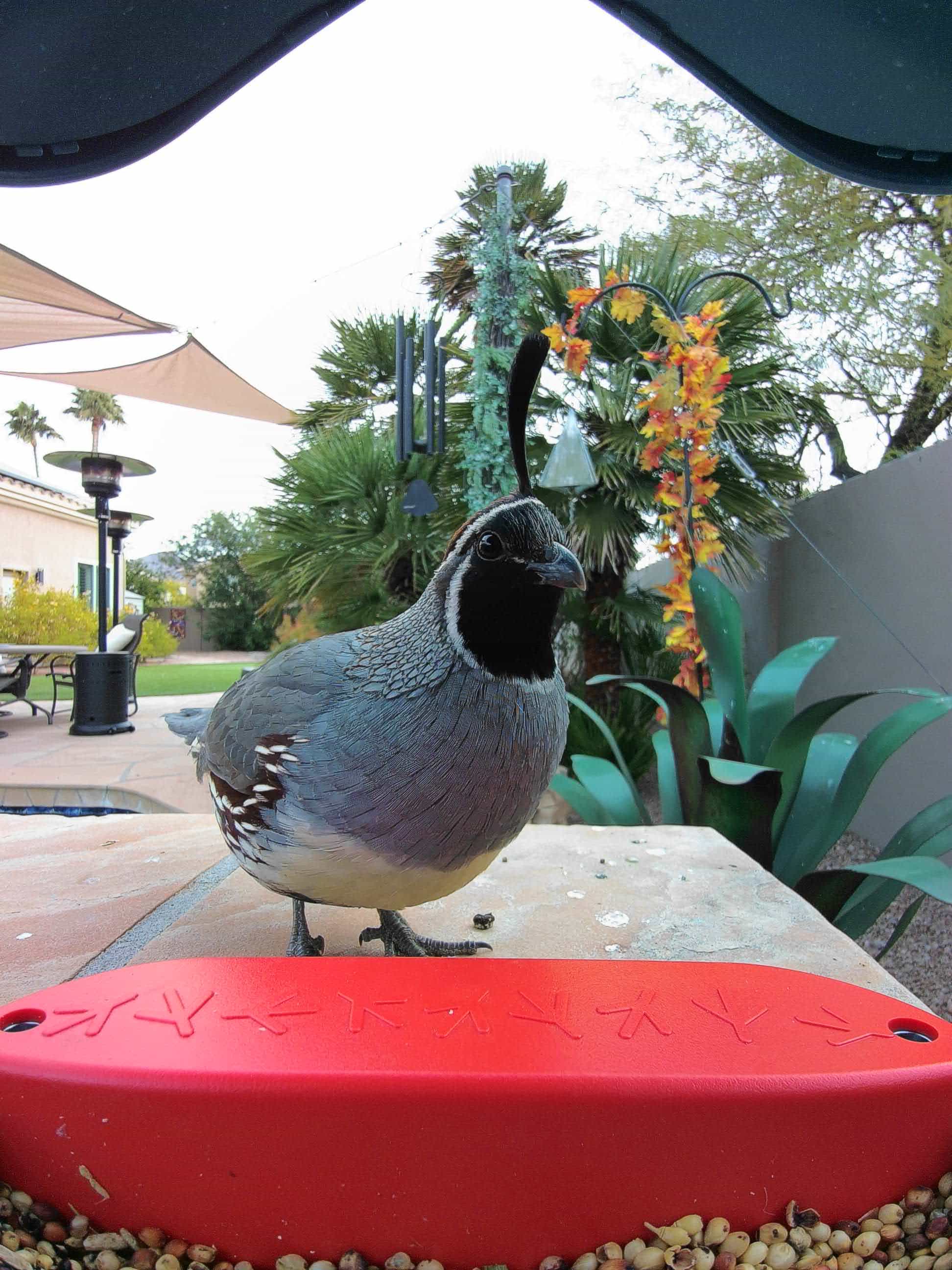
Surprise, Arizona offers unique birdwatching experiences with its diverse desert landscape, which includes the Sonoran Desert's cacti, shrublands, and riparian corridors attracting numerous bird species. Its mild winters and proximity to the White Tank Mountains create a rich habitat. Important for migratory and resident birds, the area provides opportunities to spot species like the Cactus Wren and Gambel's Quail, attracting birdwatchers seeking desert avifauna diversity.
Most iconic Surprise bird
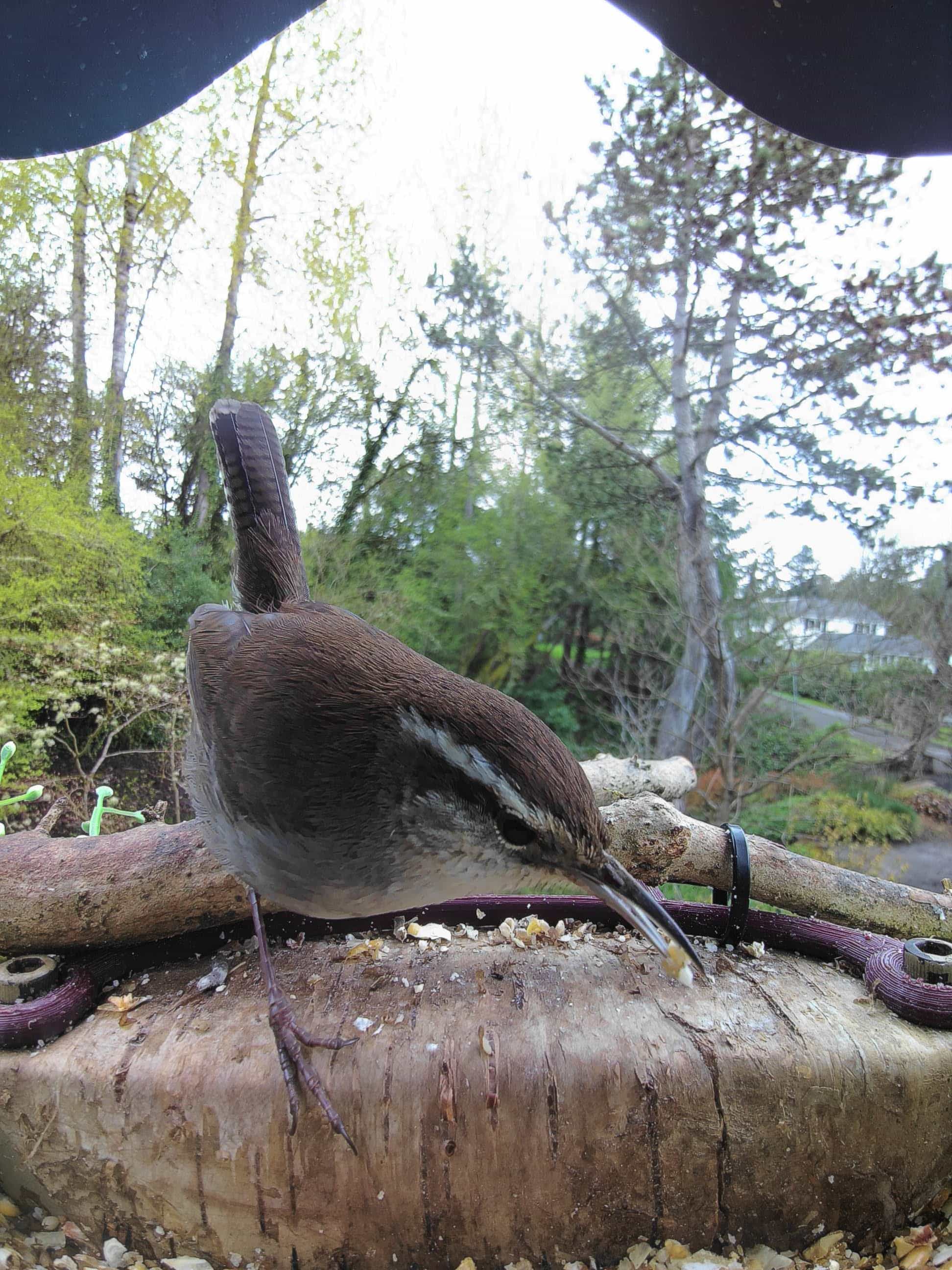
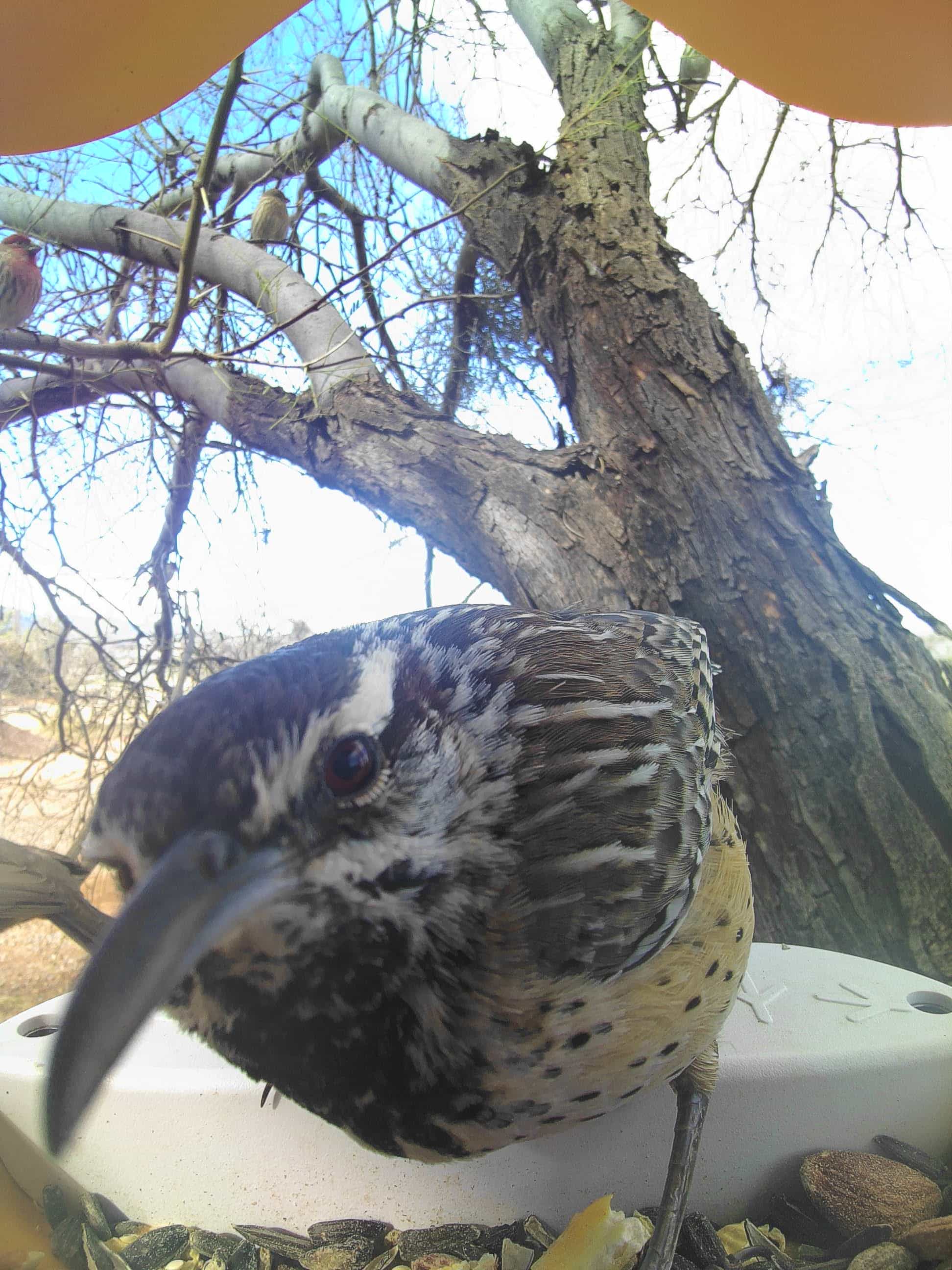
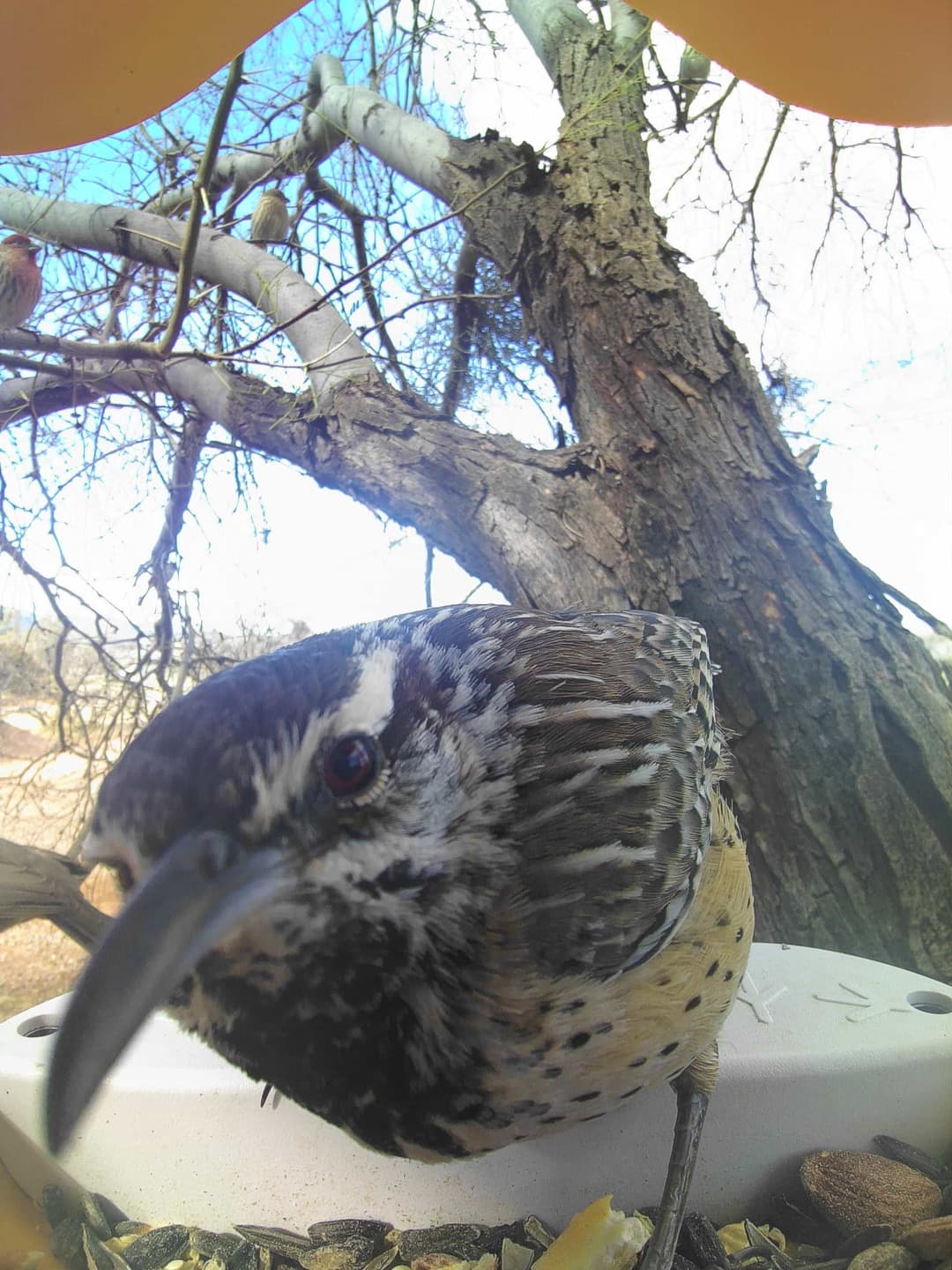
The Cactus wren was chosen as the state bird of Arizona because it is commonly found in the region and represents the state's natural beauty and heritage.
Common bird species in Surprise
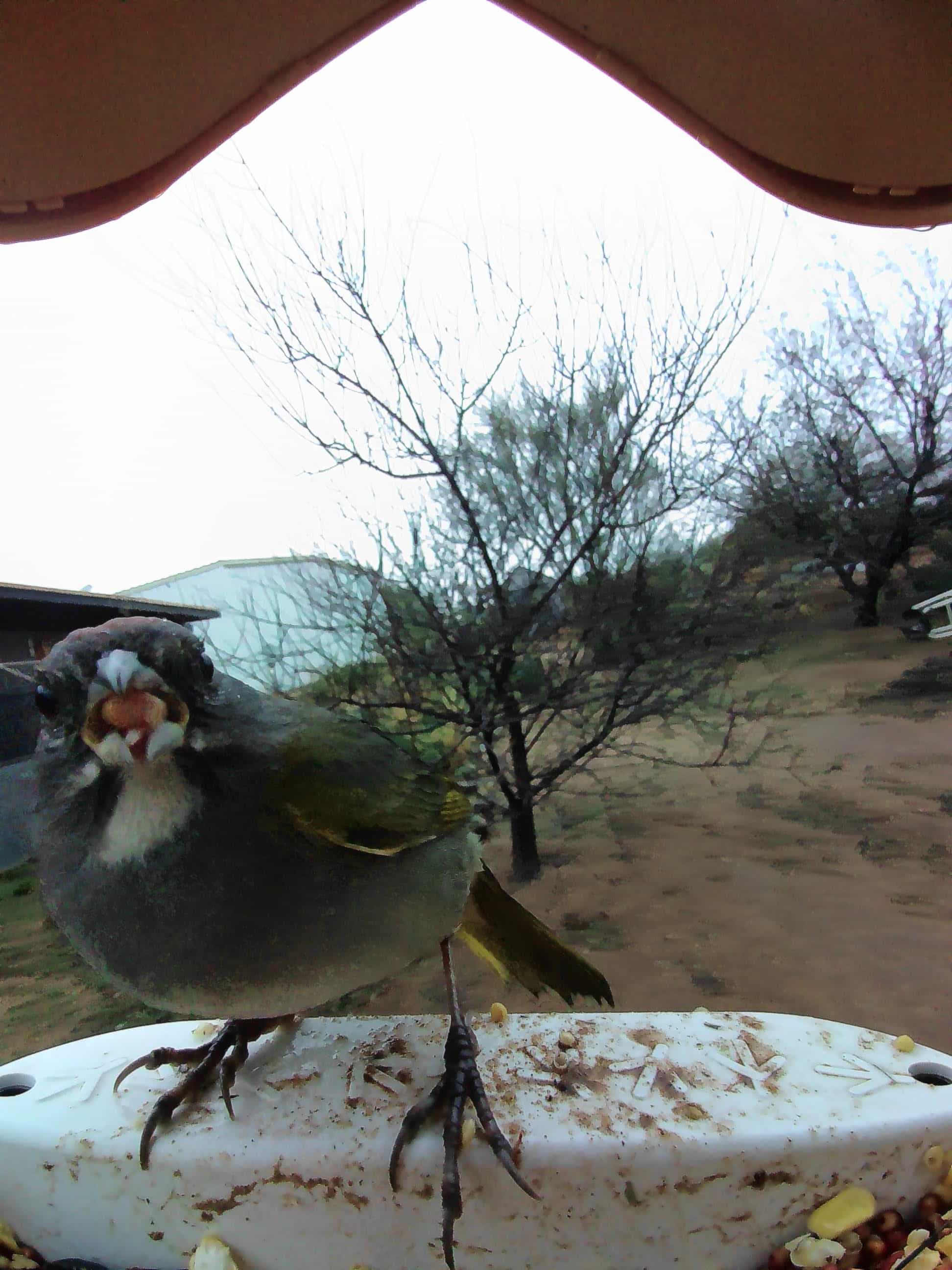
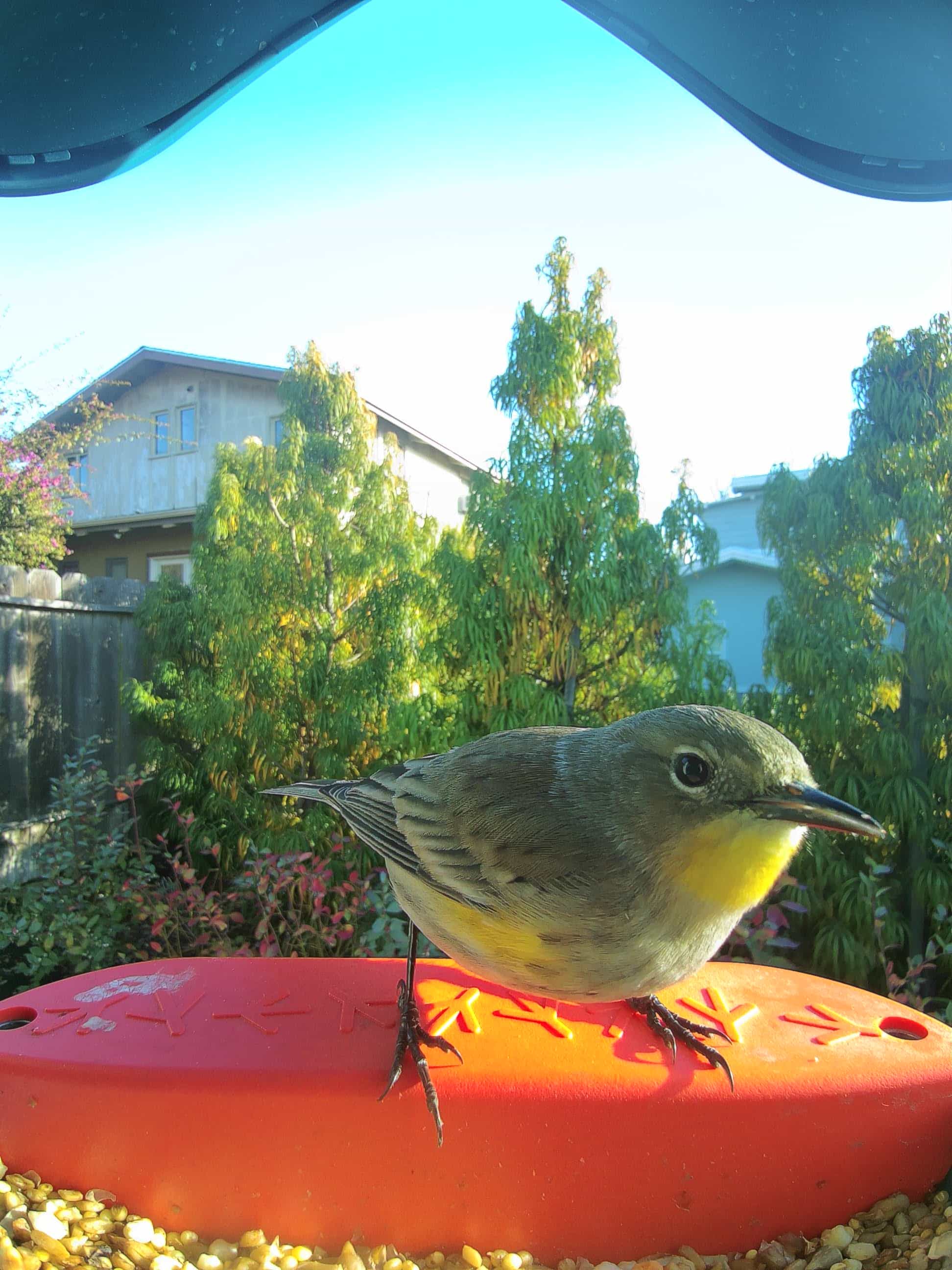
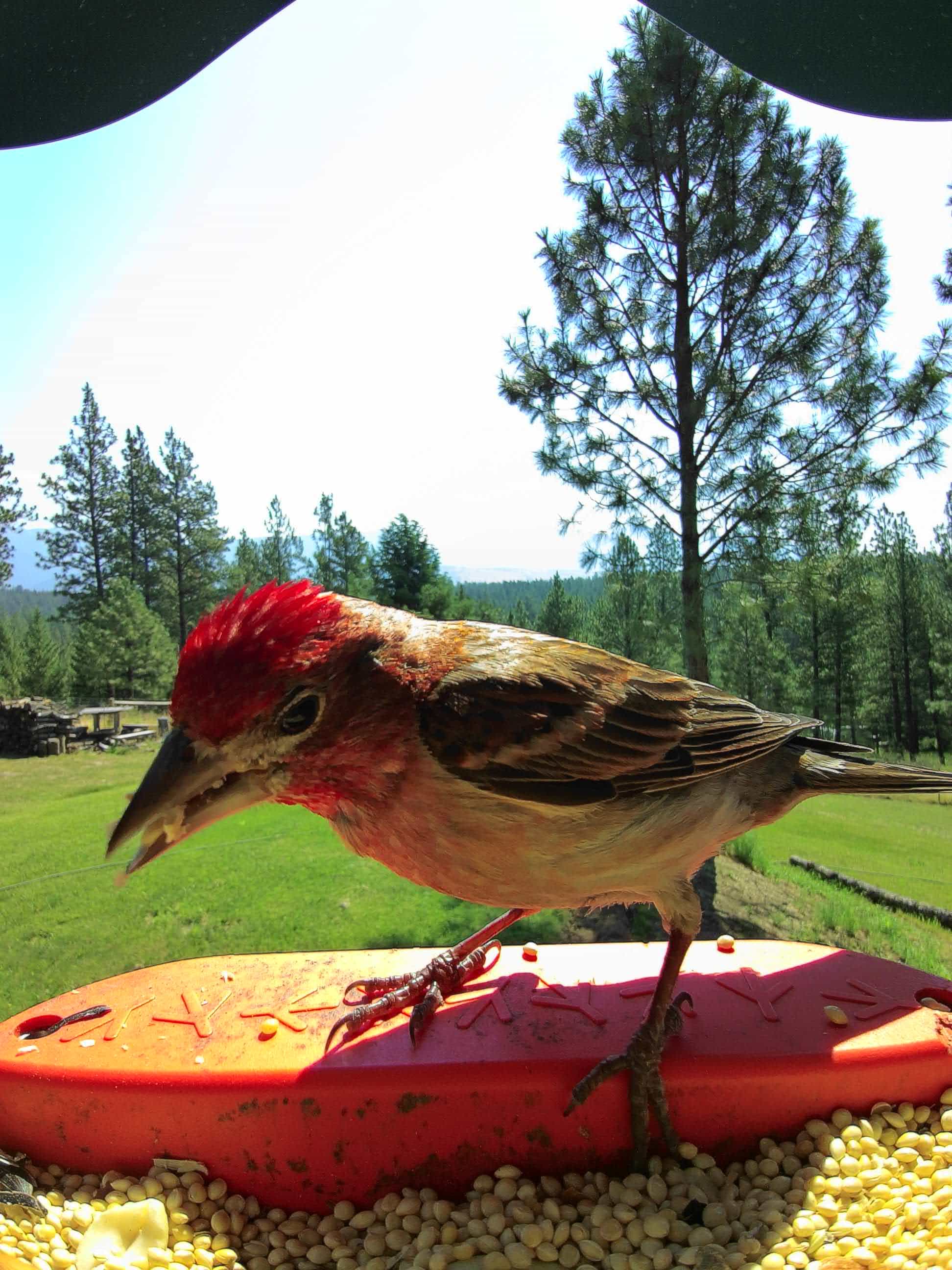
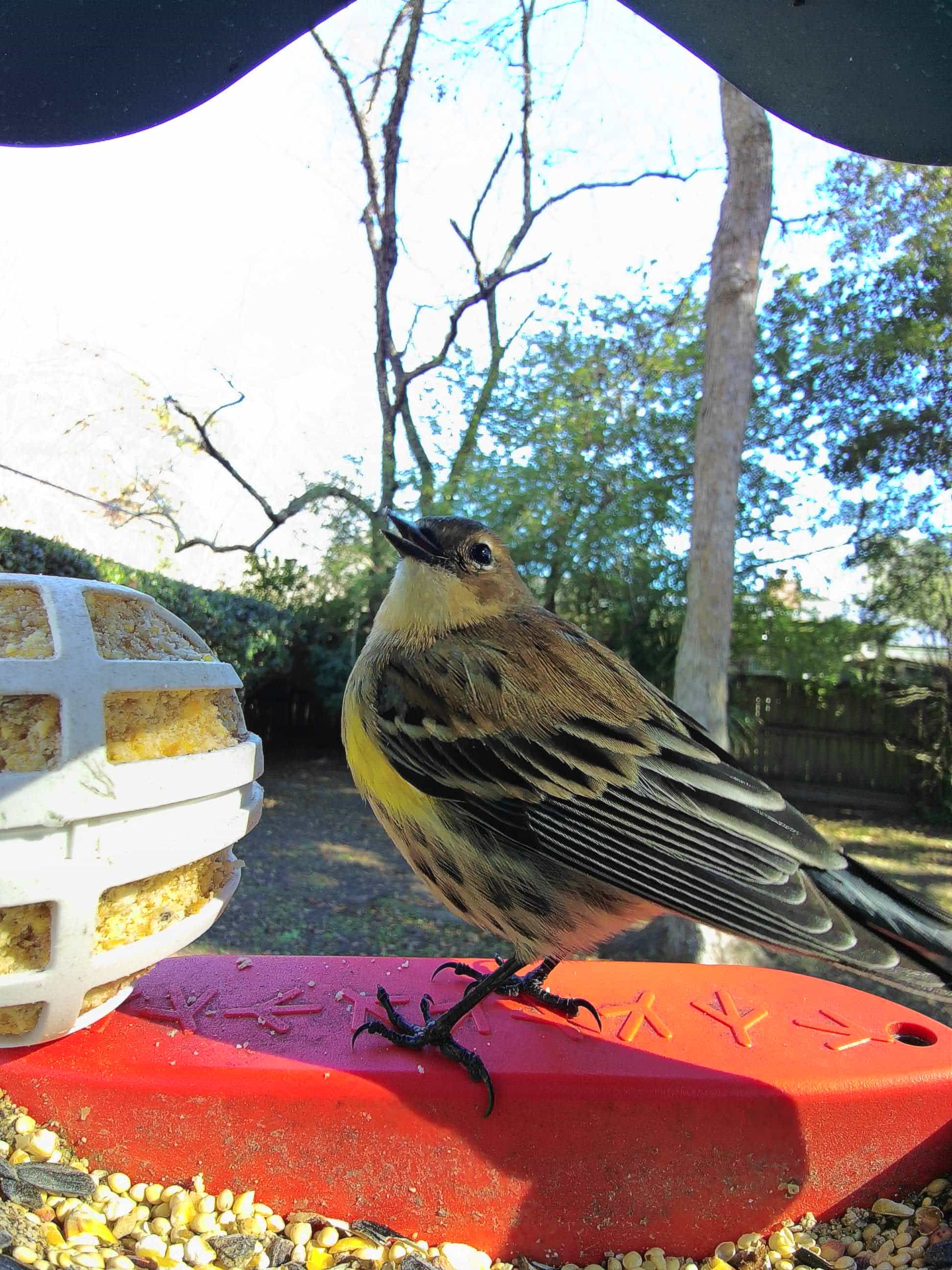
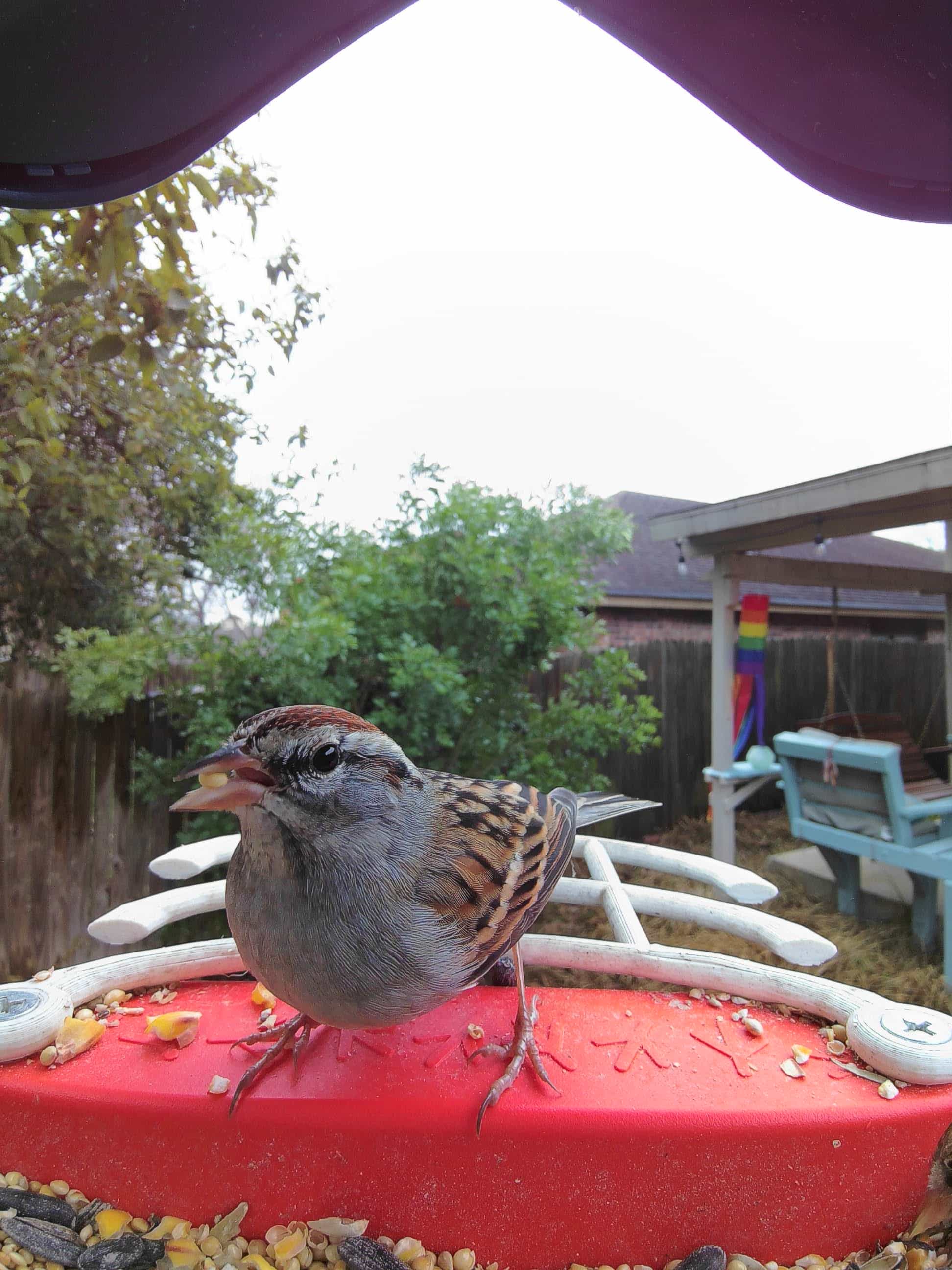
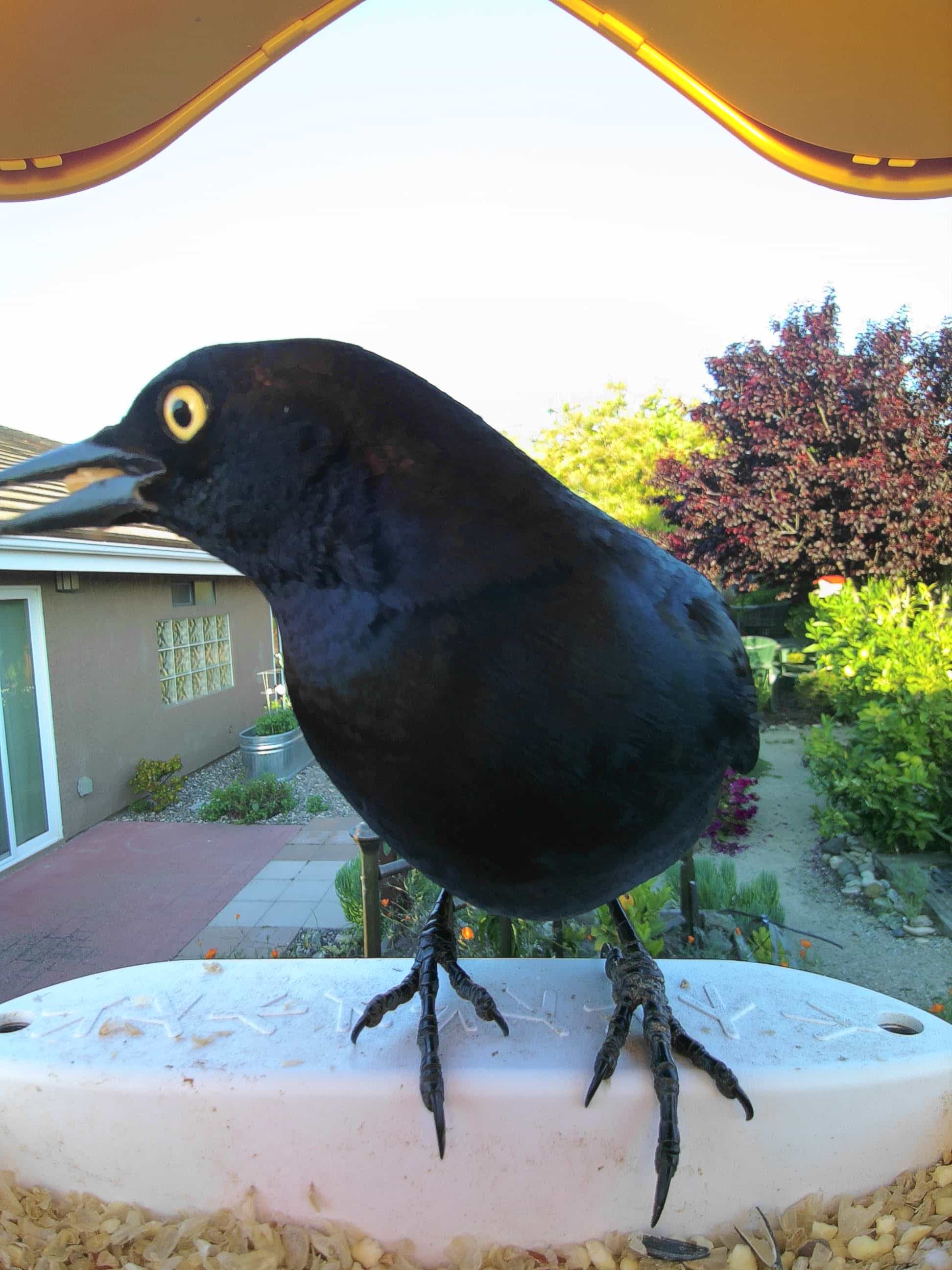
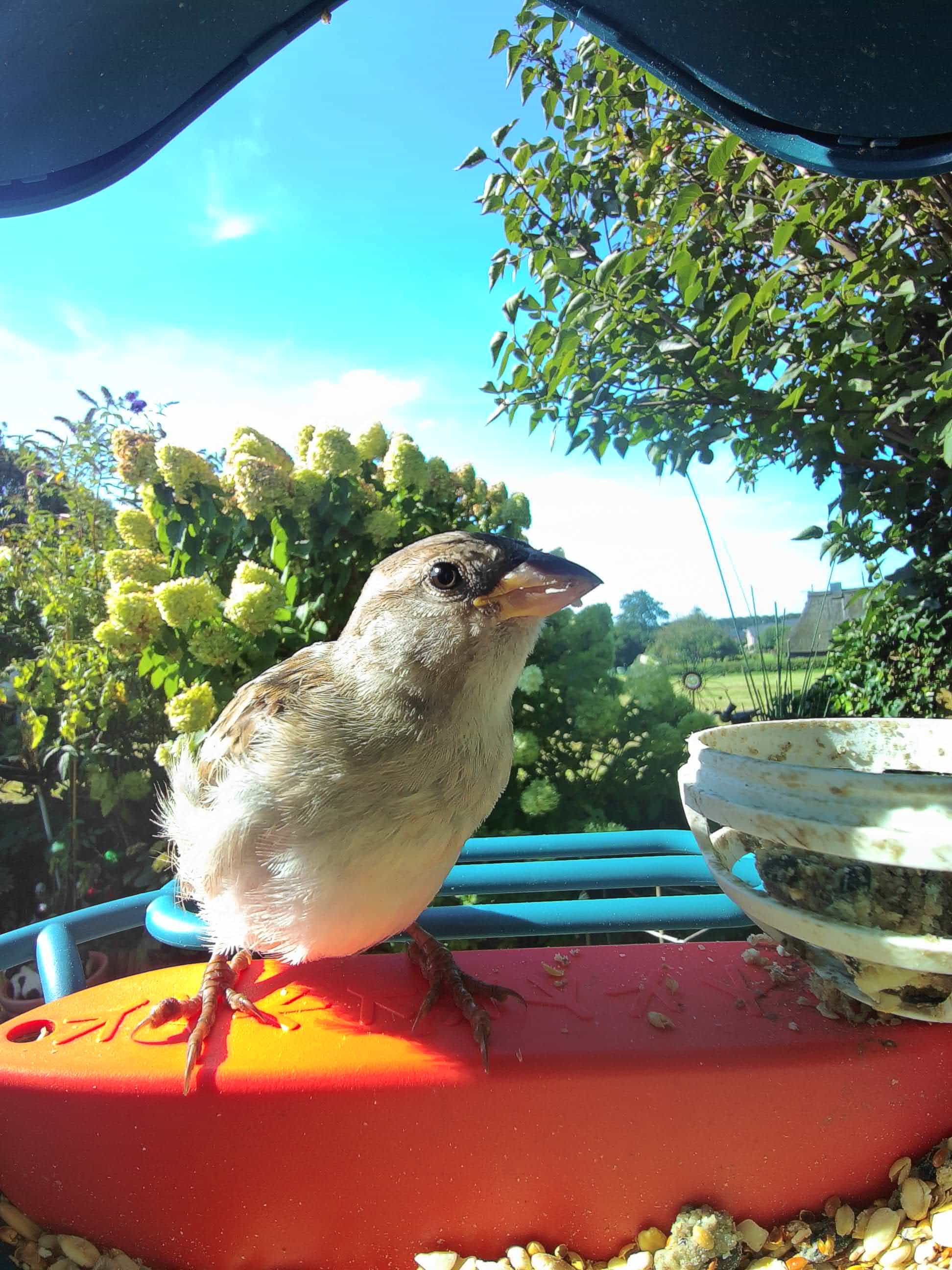
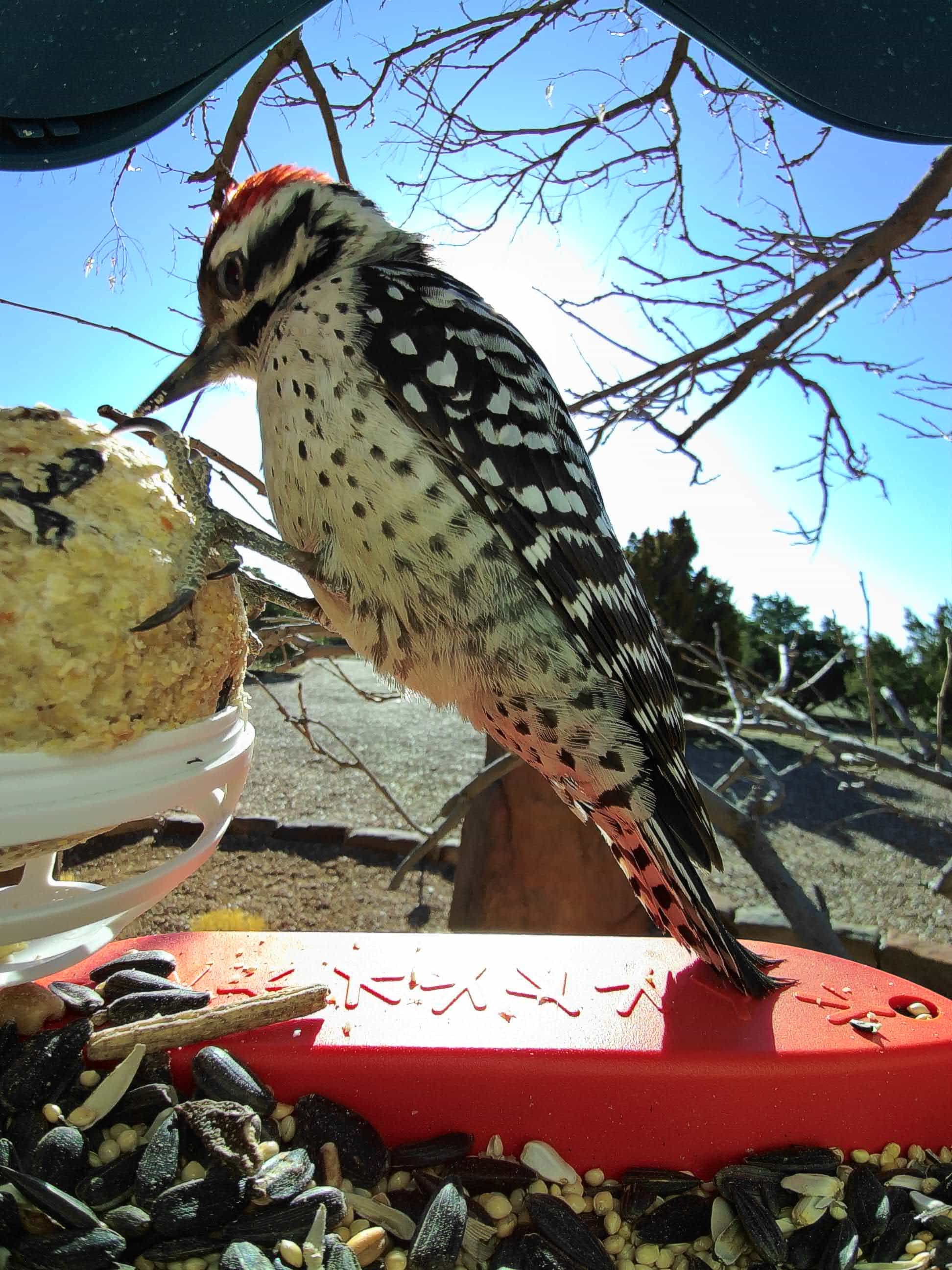
Birds seen on Birdbuddy feeders in Surprise
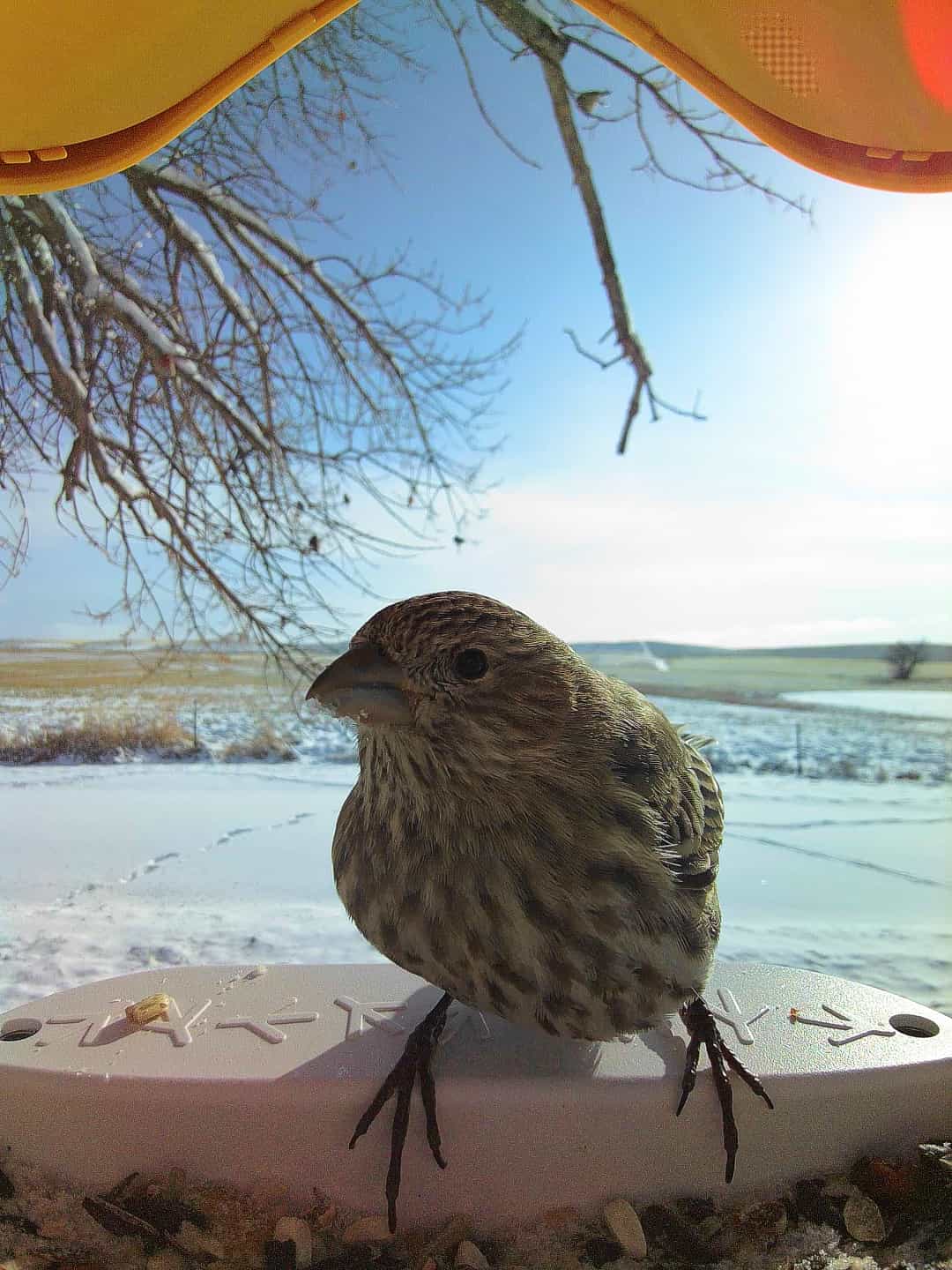
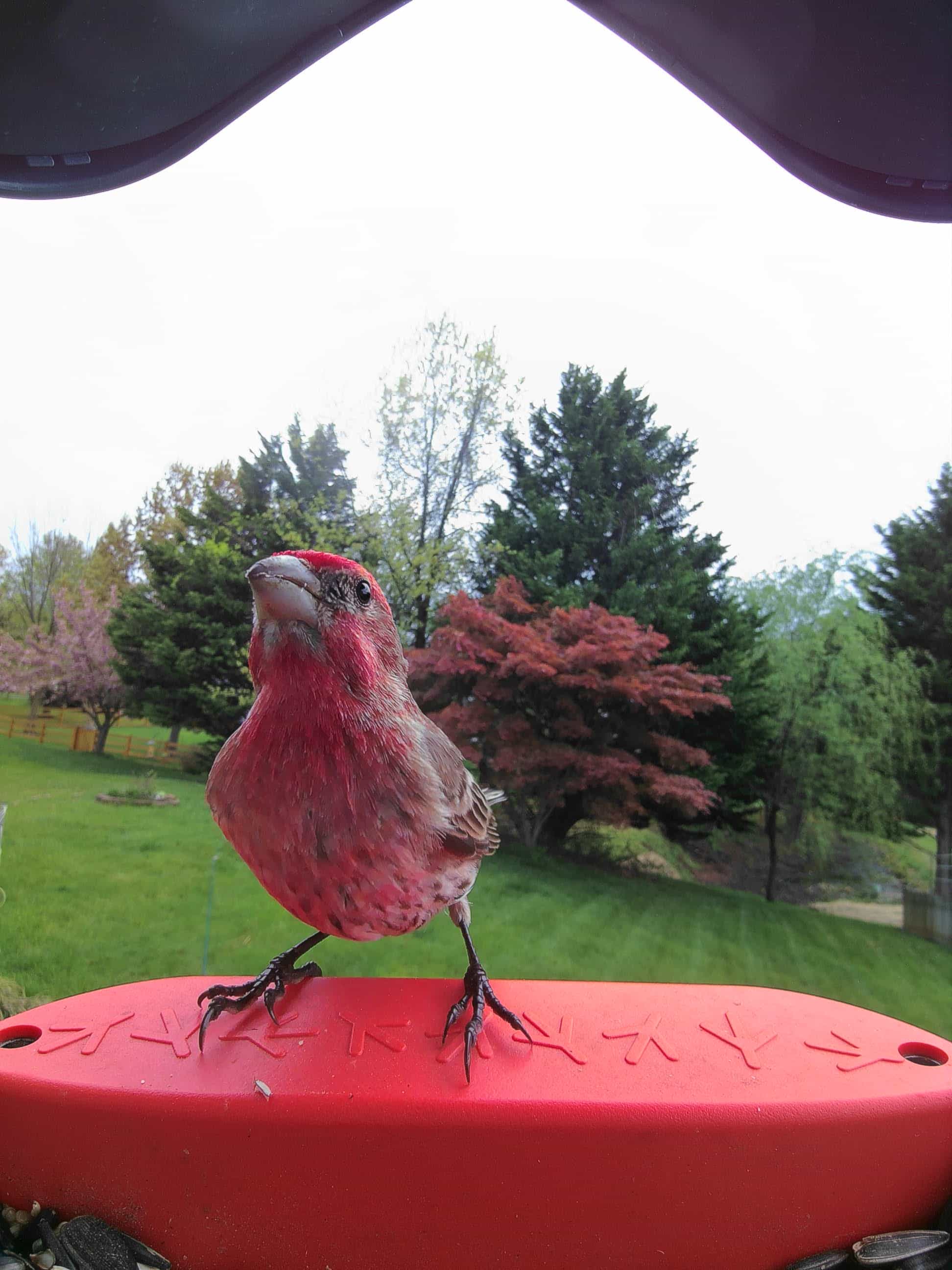
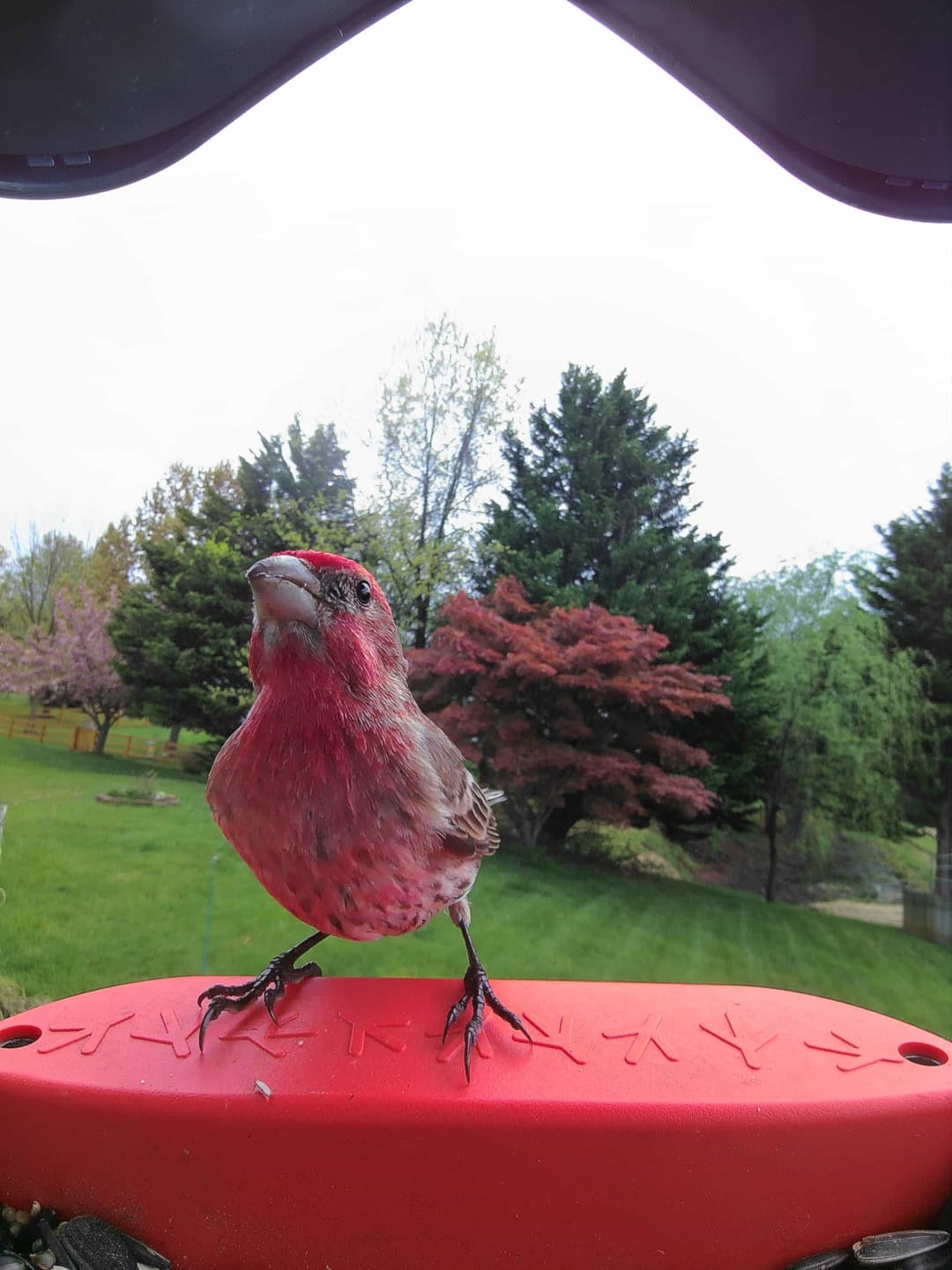
House Finch (Haemorhous mexicanus): A small, adaptable bird native to North America, it has a vibrant red head and breast in males, streaky brown plumage in females, and a cheerful, warbling song often heard in urban and suburban areas.
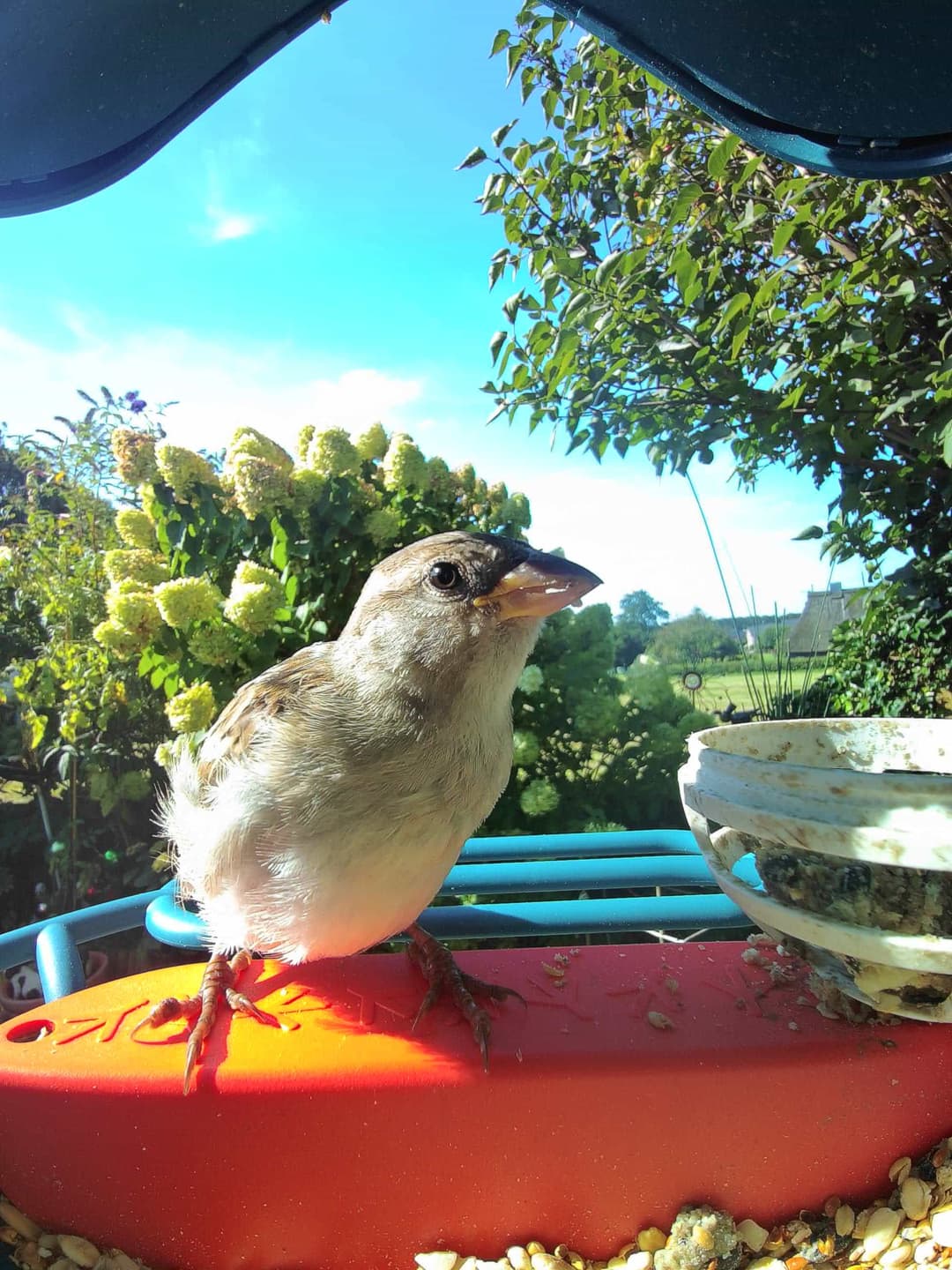
House Sparrow (Passer domesticus): A small, stocky bird with a stout bill, this species is easily recognized by its gray and brown plumage, distinctive black bib in males, and its adaptability to urban and rural environments worldwide.
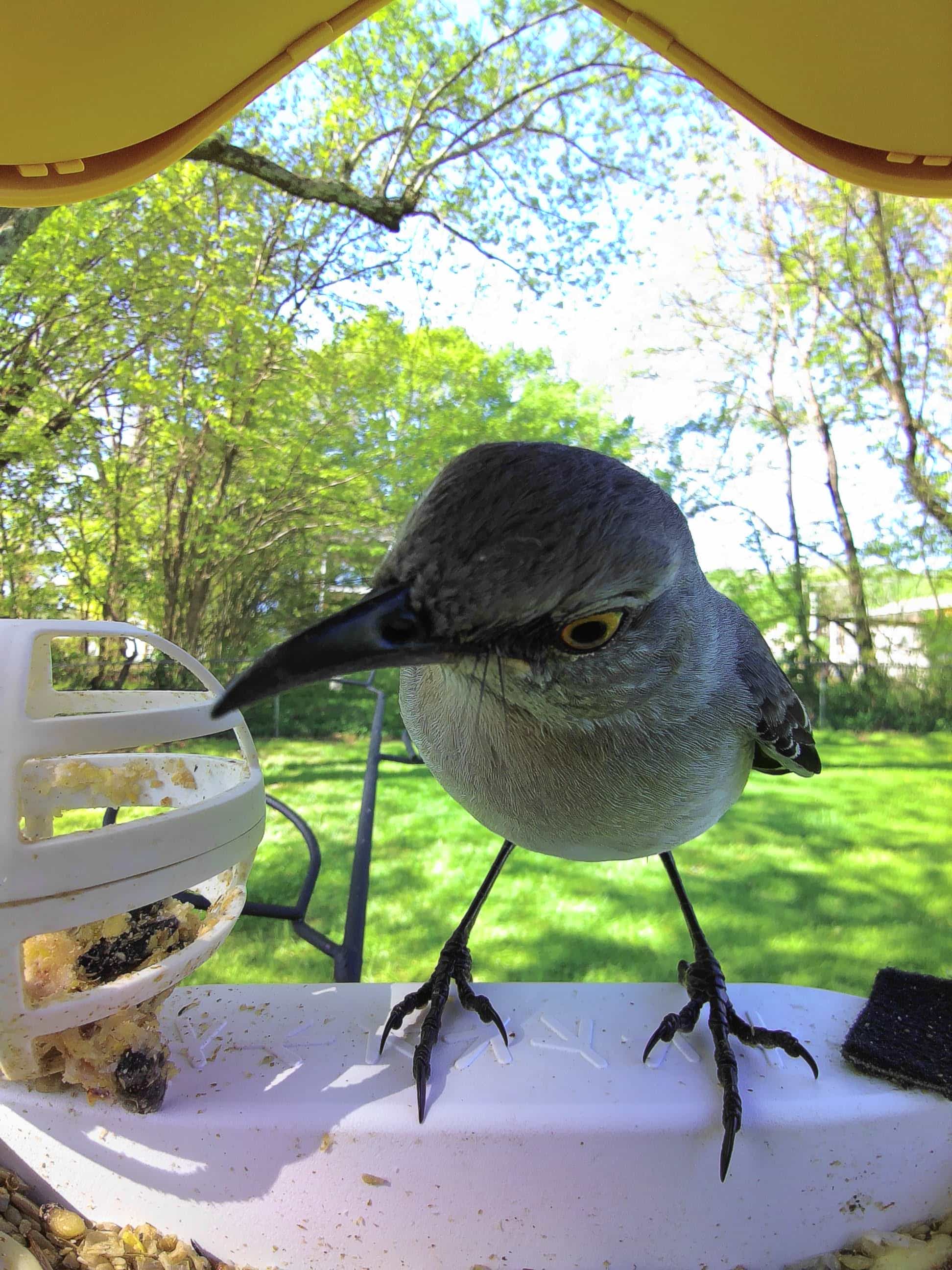
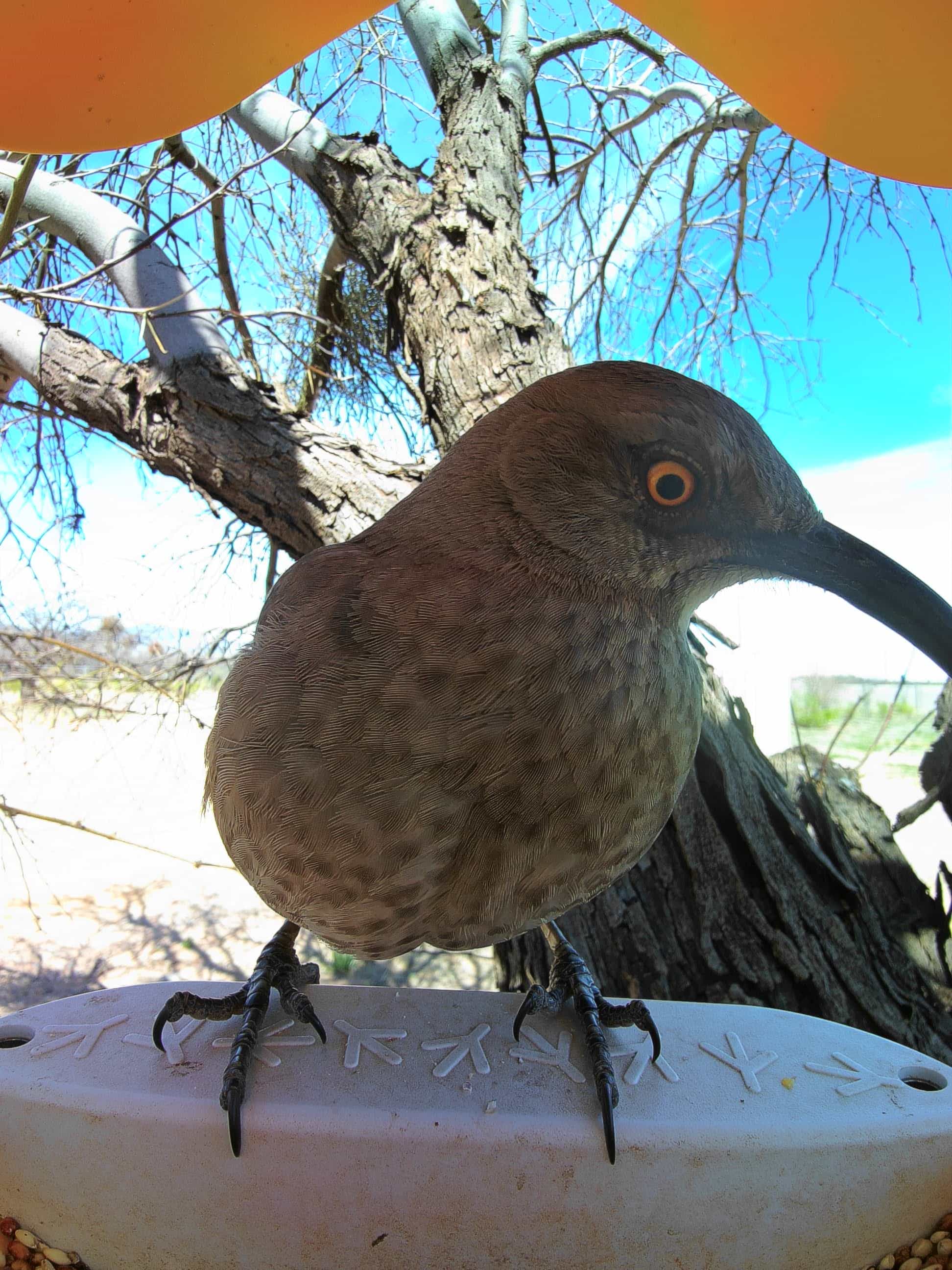
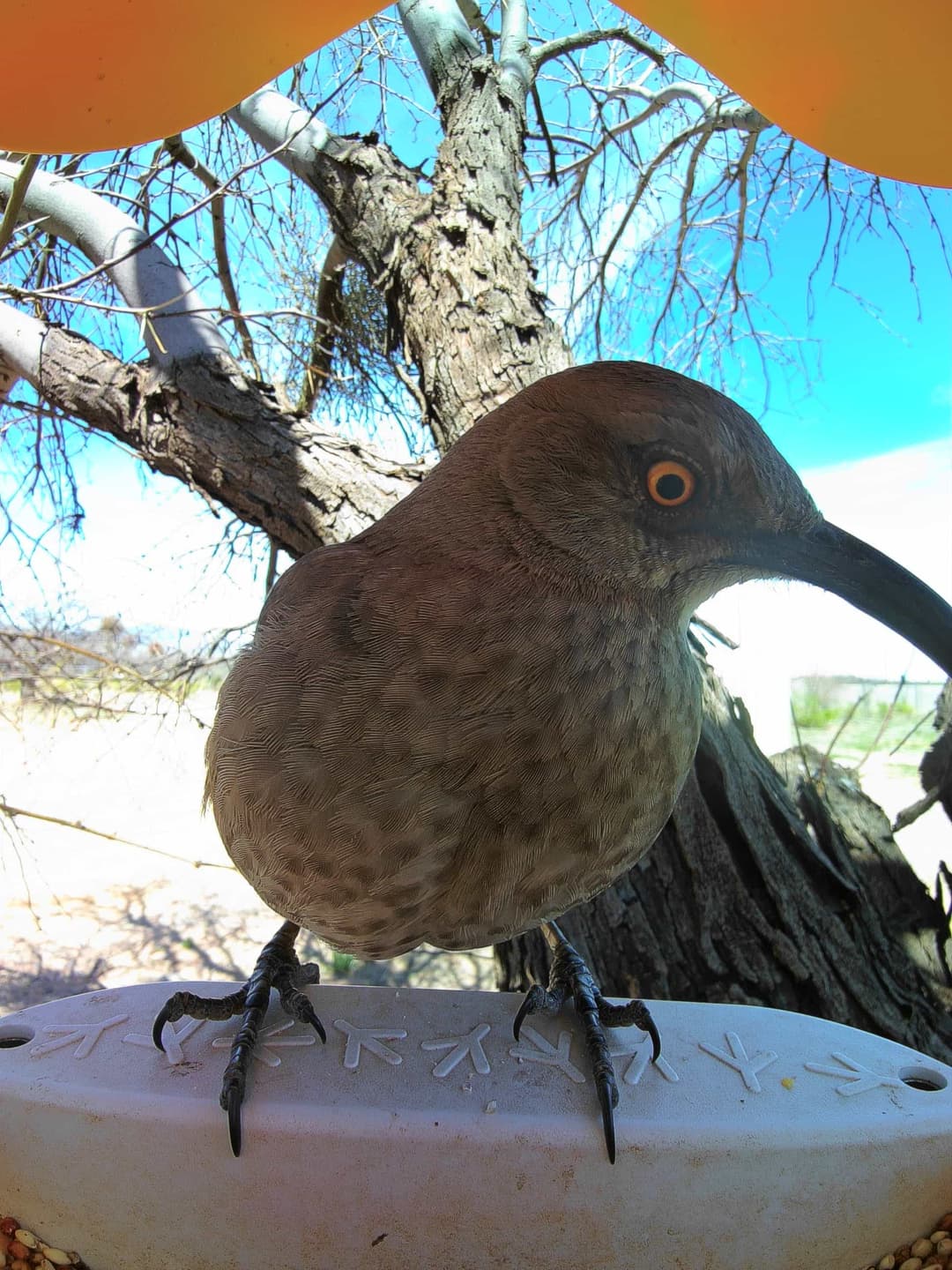
Curve-Billed Thrasher (Toxostoma curvirostre): A medium-sized bird characterized by its long, downward-curved bill and distinctive orange eyes, frequently found in arid and semi-arid regions where it forages on the ground for insects and seeds.
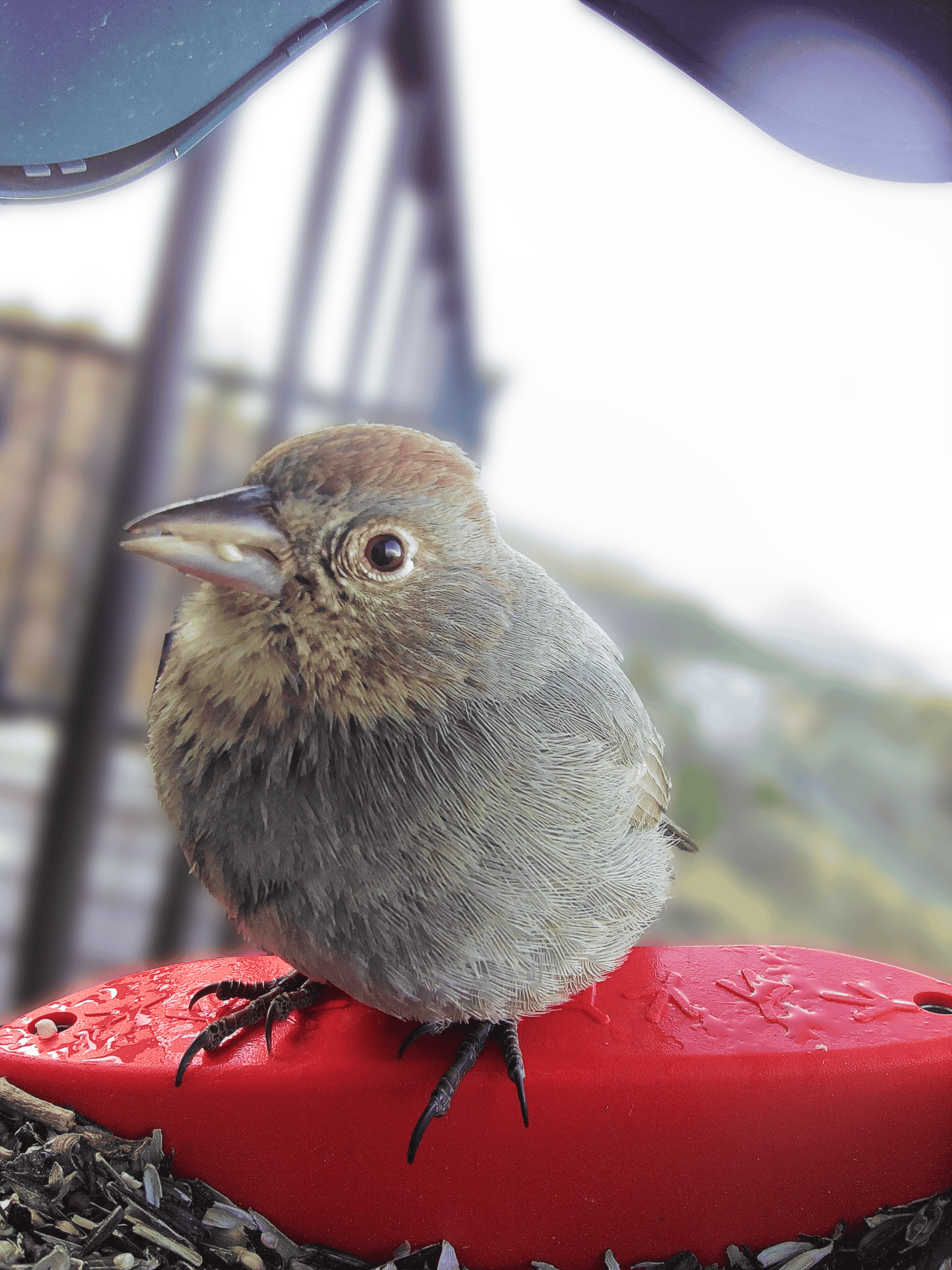
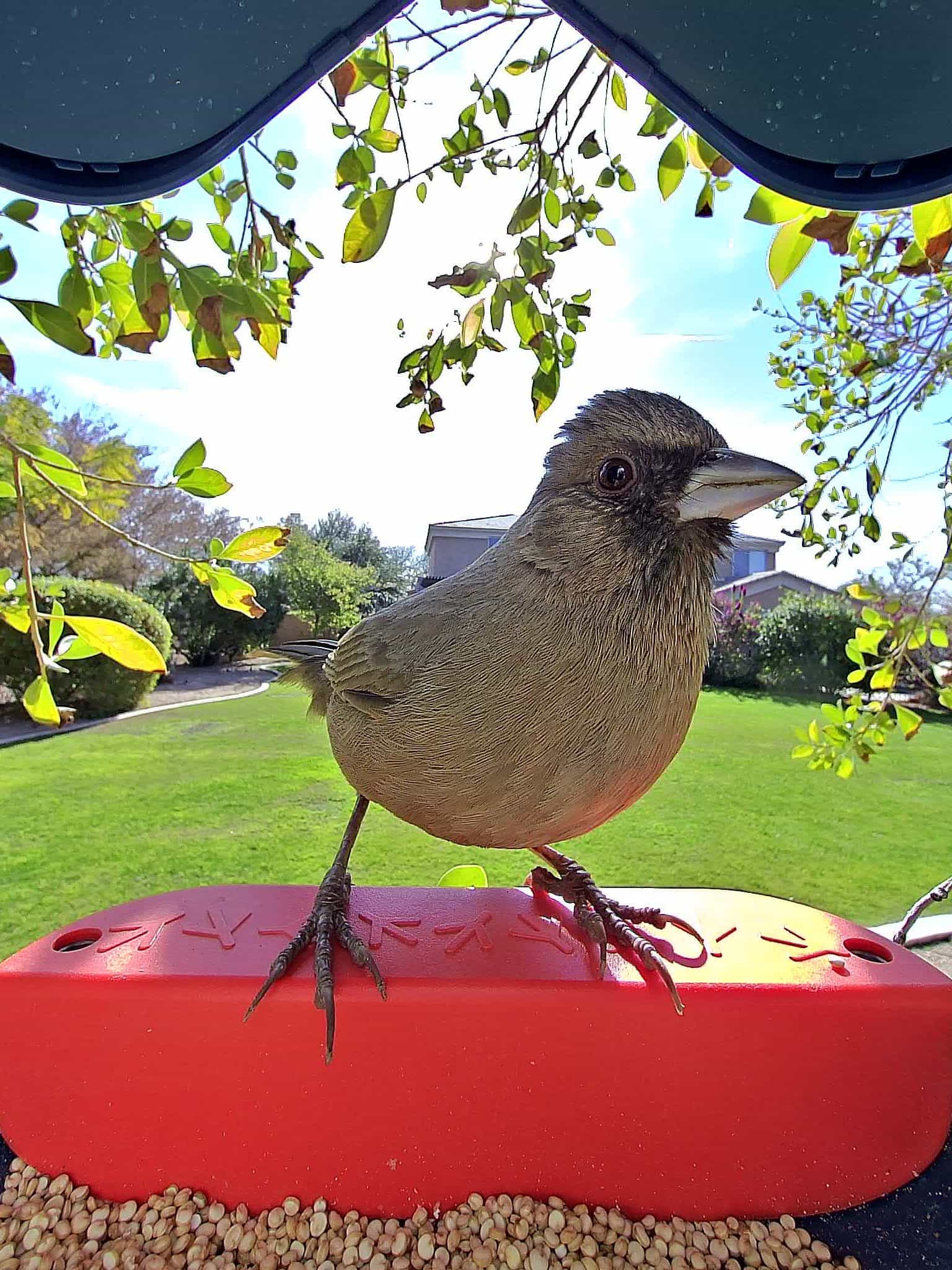
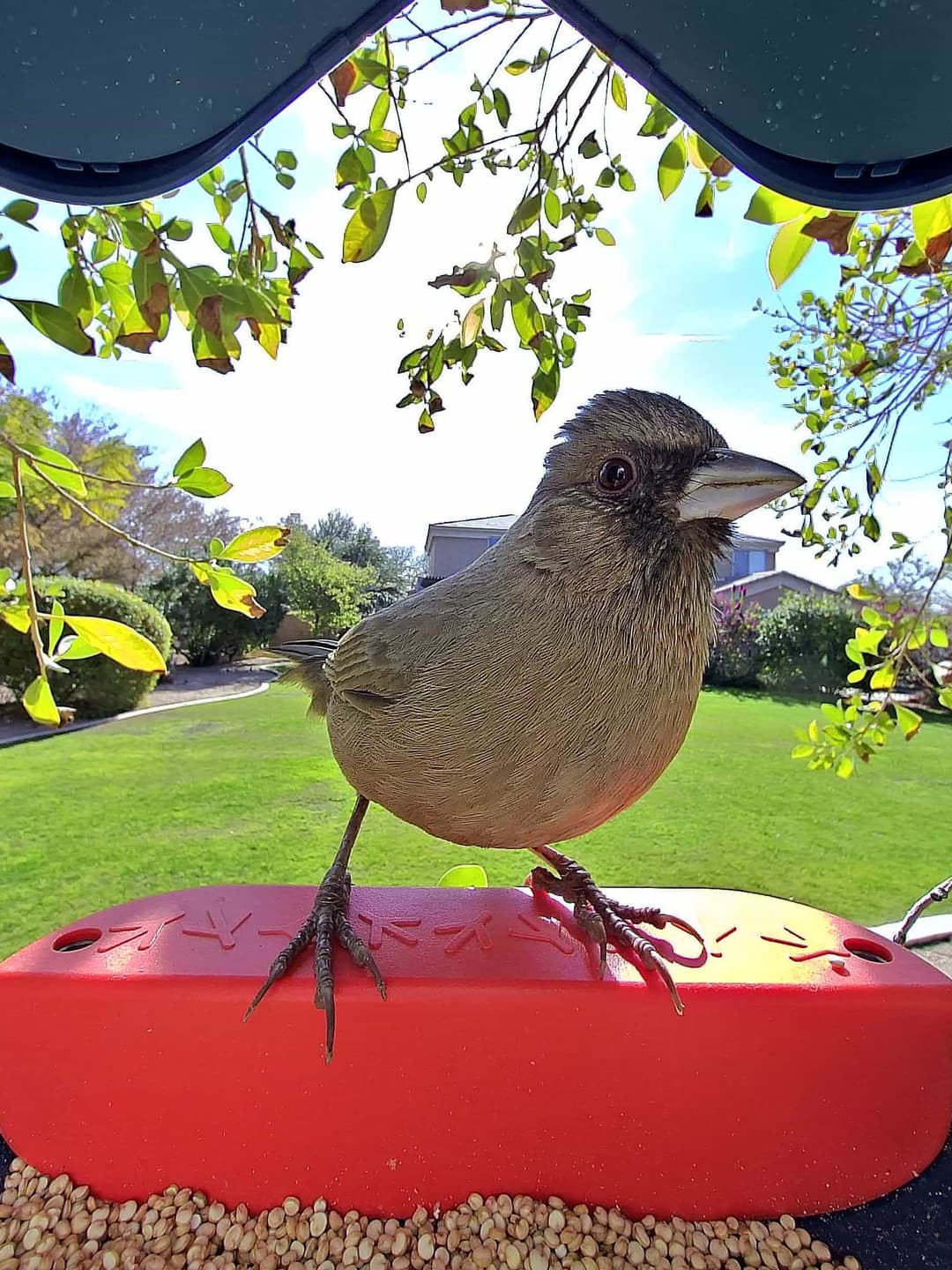
Abert’s Towhee (Melozone aberti): A plump, robin-sized bird characterized by its warm brown plumage, black face mask, and buffy undertail coverts, it inhabits dense brush and riparian areas of the American Southwest, where it often forages on the ground for seeds and insects.
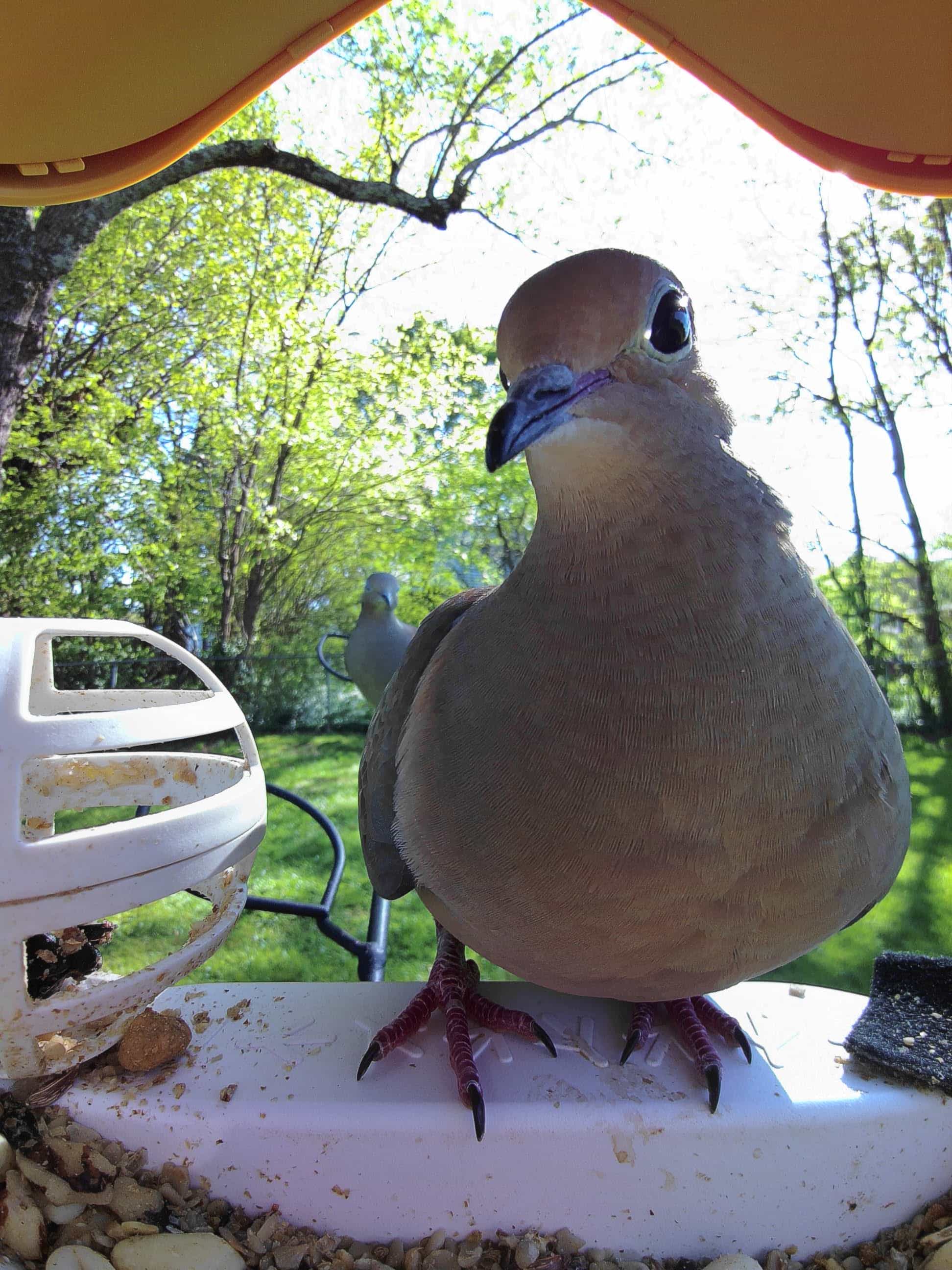
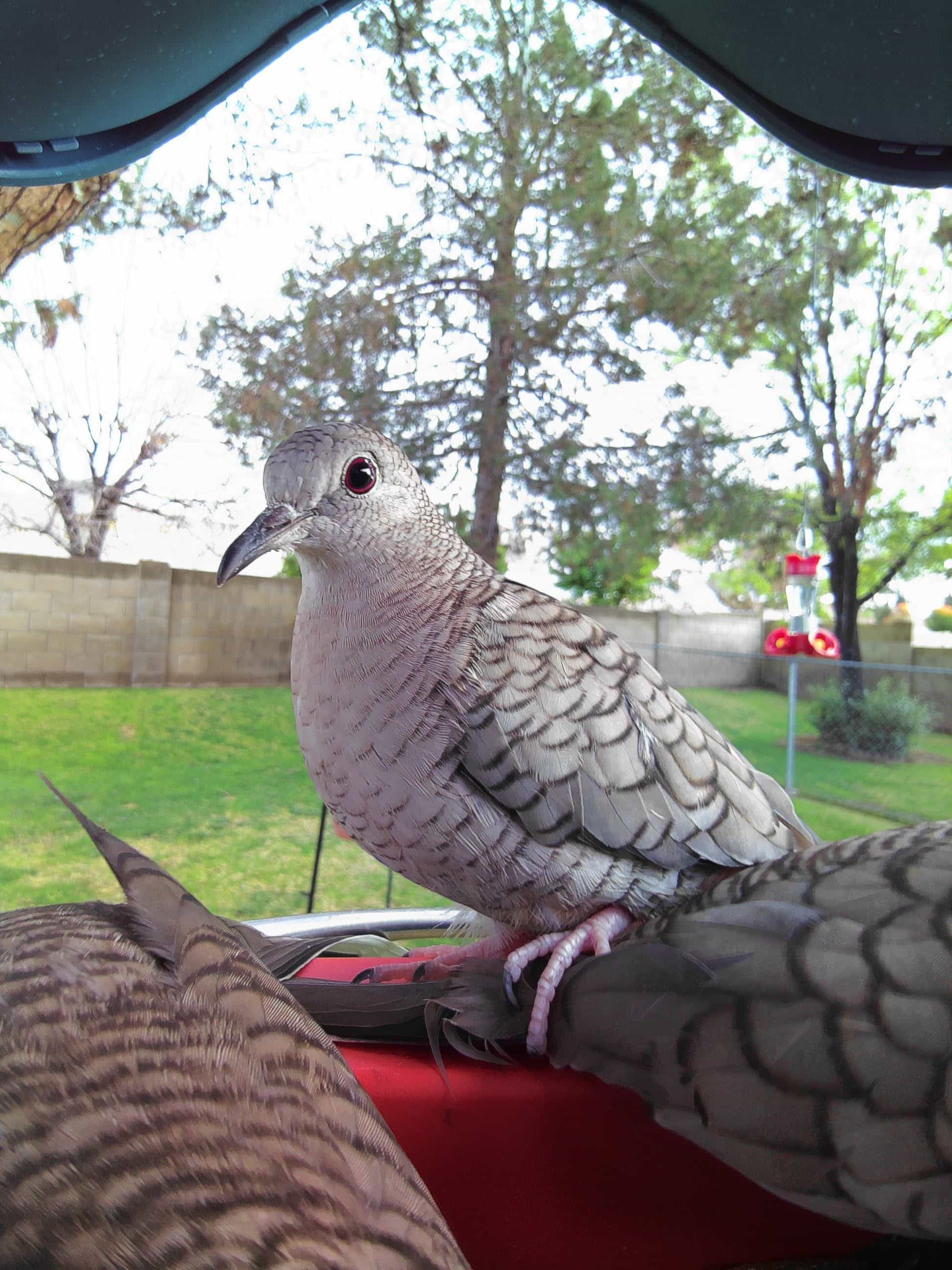
Mourning Dove (Zenaida macroura): This bird is a slender, medium-sized creature with a soft grayish-brown body, long pointed tail with white edges, and distinctive black spots on its wings, often recognized for its gentle, mournful cooing sound.
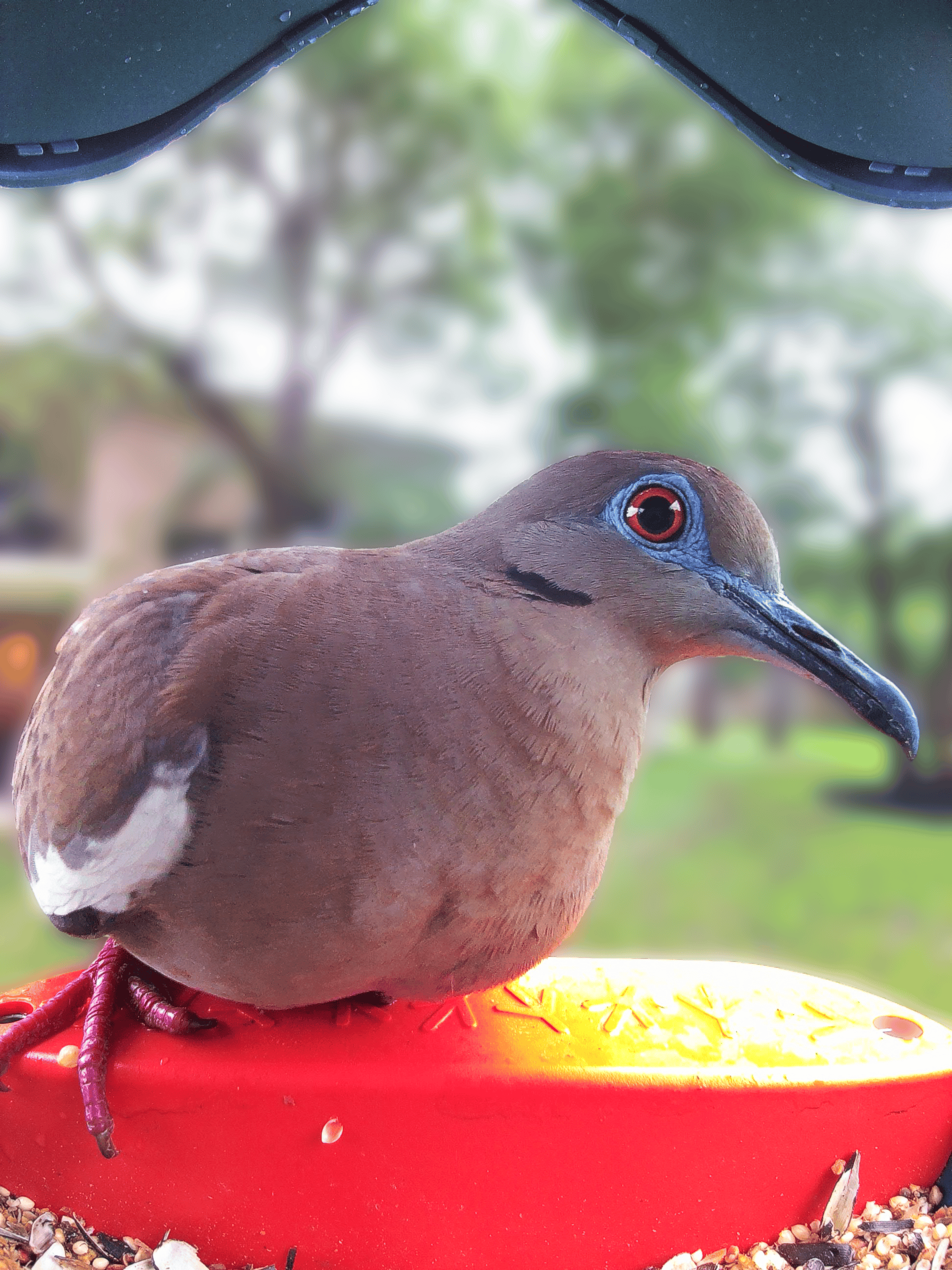
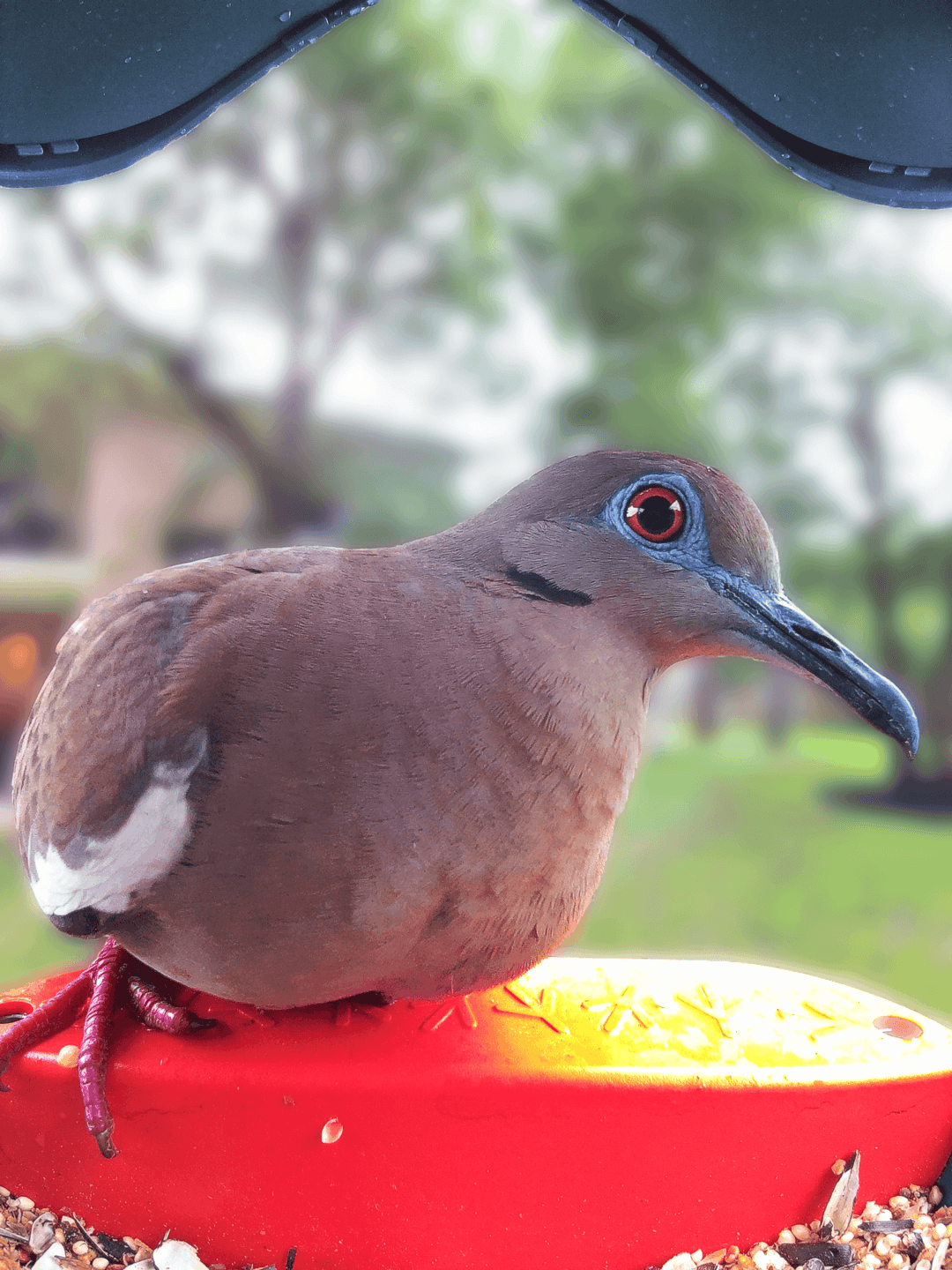
White-Winged Dove (Zenaida asiatica): A medium-sized bird characterized by a distinctive white edge on its wings, it has a plump body, a small head, and a long, square-tipped tail, commonly found in the southwestern United States, Mexico, Central America, and parts of the Caribbean, often recognized by its soft cooing calls.

Identifying bird sounds and calls in Surprise
Bird sounds are a key way to identify different species, even when they're hidden in trees or bushes. Each bird has its own unique vocalizations, from melodic songs to distinctive calls. Learning these sounds can help you identify birds even before you see them.
Migration
Species that pass through during migration seasons
Timing and migration patterns
Say's Phoebe and Tree Swallow migrate through Surprise, Arizona during spring and fall.
Birdwatching hotspots in Surprise
Parks, reserves, and observatories
Surprise, Arizona, is rich in diverse habitats ranging from desert landscapes to lush green spaces, offering excellent birdwatching opportunities.
White Tank Mountain Regional Park: A vast area with a scenic desert environment, popular for spotting native bird species.
Surprise Community Park: A well-maintained park featuring a large lake that attracts a variety of waterfowl and migratory birds.
Sonoran Desert National Monument: Preserves a diverse ecosystem with plenty of birdwatching opportunities in a natural desert setting.
Accessibility and facilities
Most locations offer ample parking, paved walking paths, and basic amenities for a comfortable visit.
Conservation efforts
Surprise, Arizona focuses on sustainable practices and natural habitat preservation. Some of the efforts include:
- Water conservation through efficient irrigation systems
- Protection of local wildlife habitats
- Promotion of renewable energy initiatives
How Can I Help?
- Participate in local clean-up events
- Adopt water-saving practices at home
- Support local renewable energy projects
Live bird sightings in the Surprise area
Discover what birds are currently active in Surprise through real-time sightings from Birdbuddy users. Explore hotspots and track your favorite species with updates from our community network.
Learn more about Birdbuddy