Birds in St. Petersburg,
Florida
St. Petersburg, Florida, offers diverse ecosystems ideal for birdwatching, including mangroves, wetlands, and coastal areas. The region's strategic location along migratory paths makes it a hotspot for observing various bird species. Its blend of urban and natural landscapes attracts shorebirds, waterfowl, and migratory raptors, making it a crucial stopover for birdwatchers seeking rich biodiversity and unique avian experiences.
Most iconic St. Petersburg bird
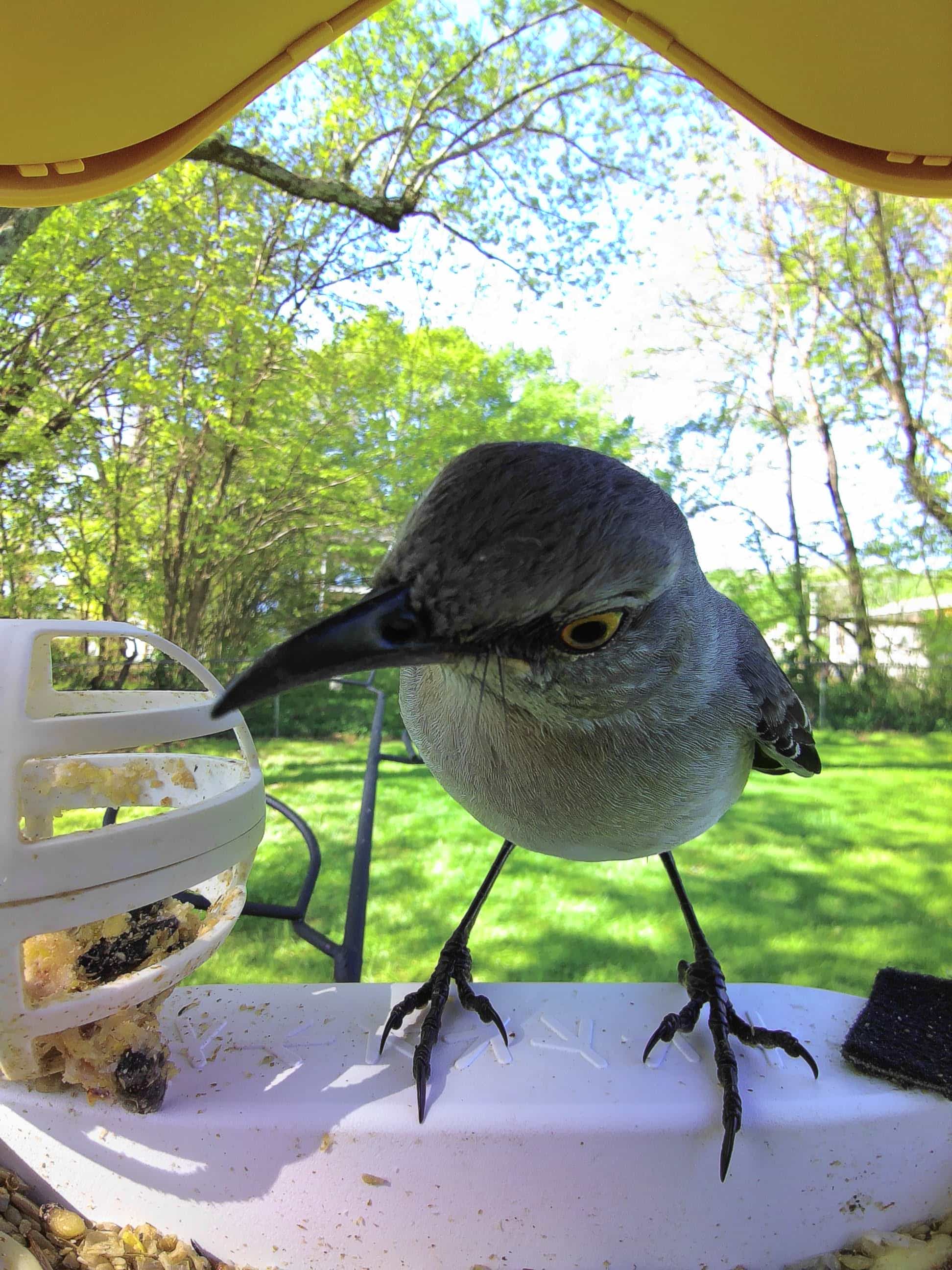
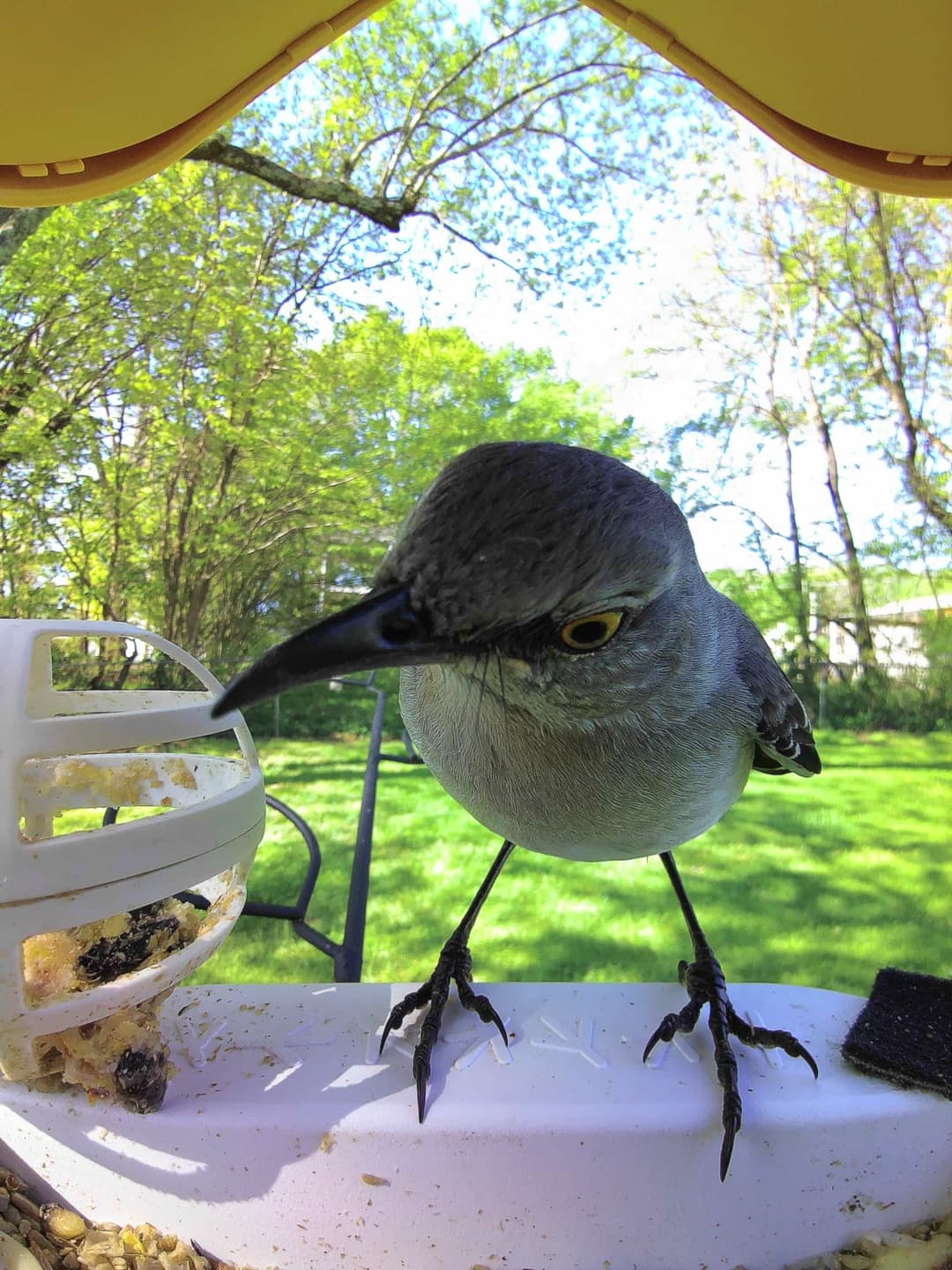
The Northern mockingbird was chosen as the state bird of Florida because it is commonly found in the region and represents the state's natural beauty and heritage.
Common bird species in St. Petersburg
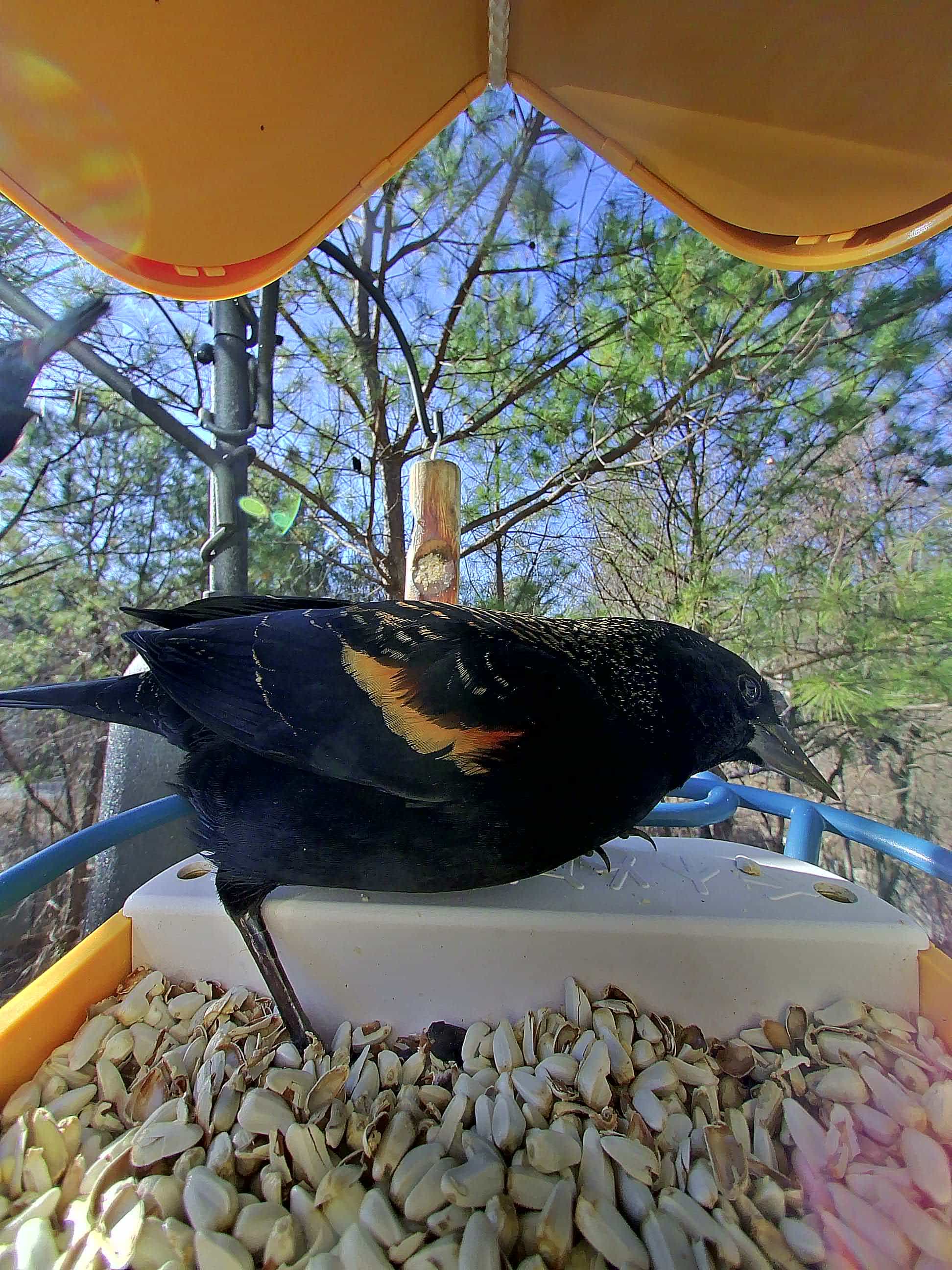
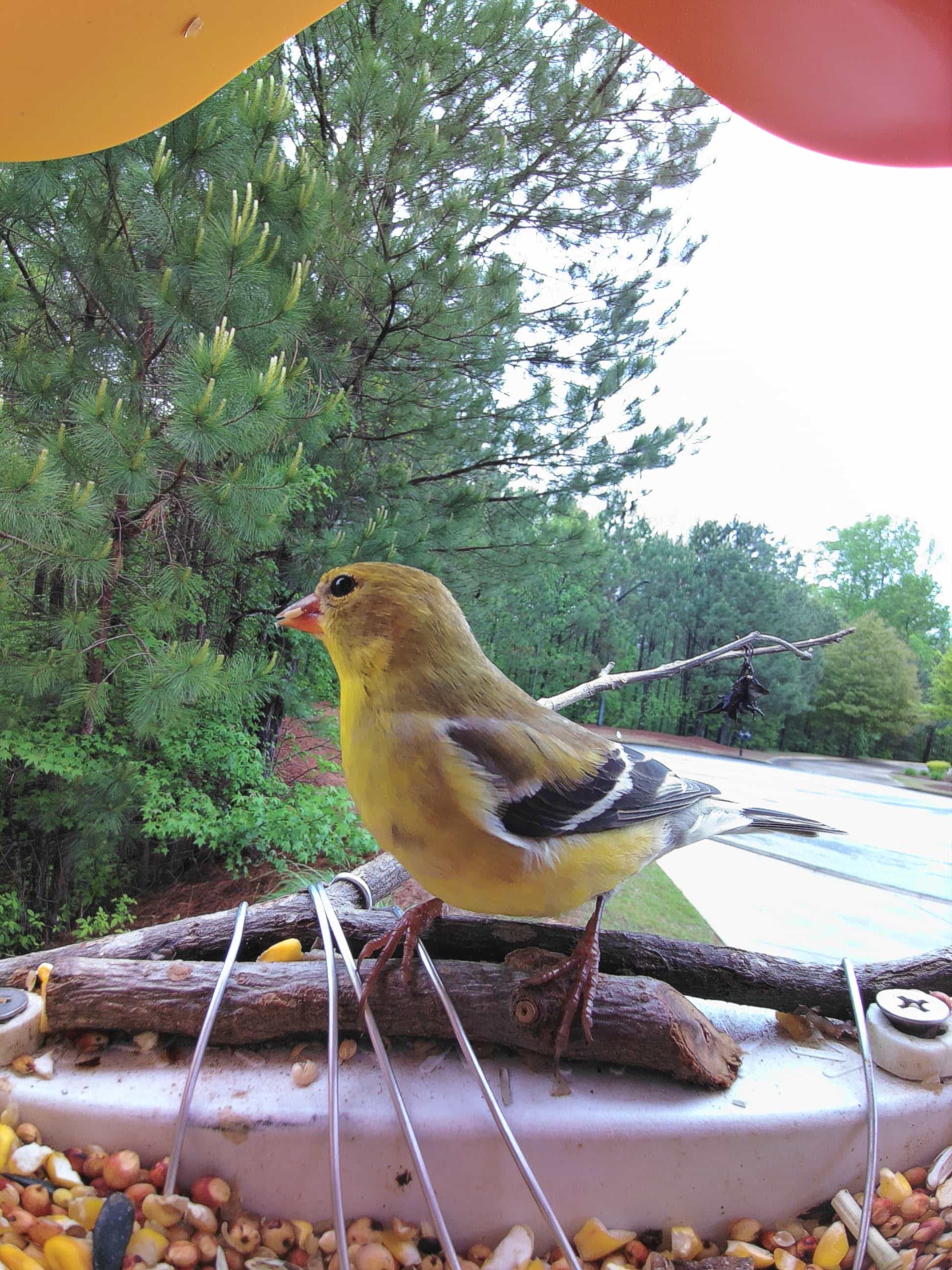
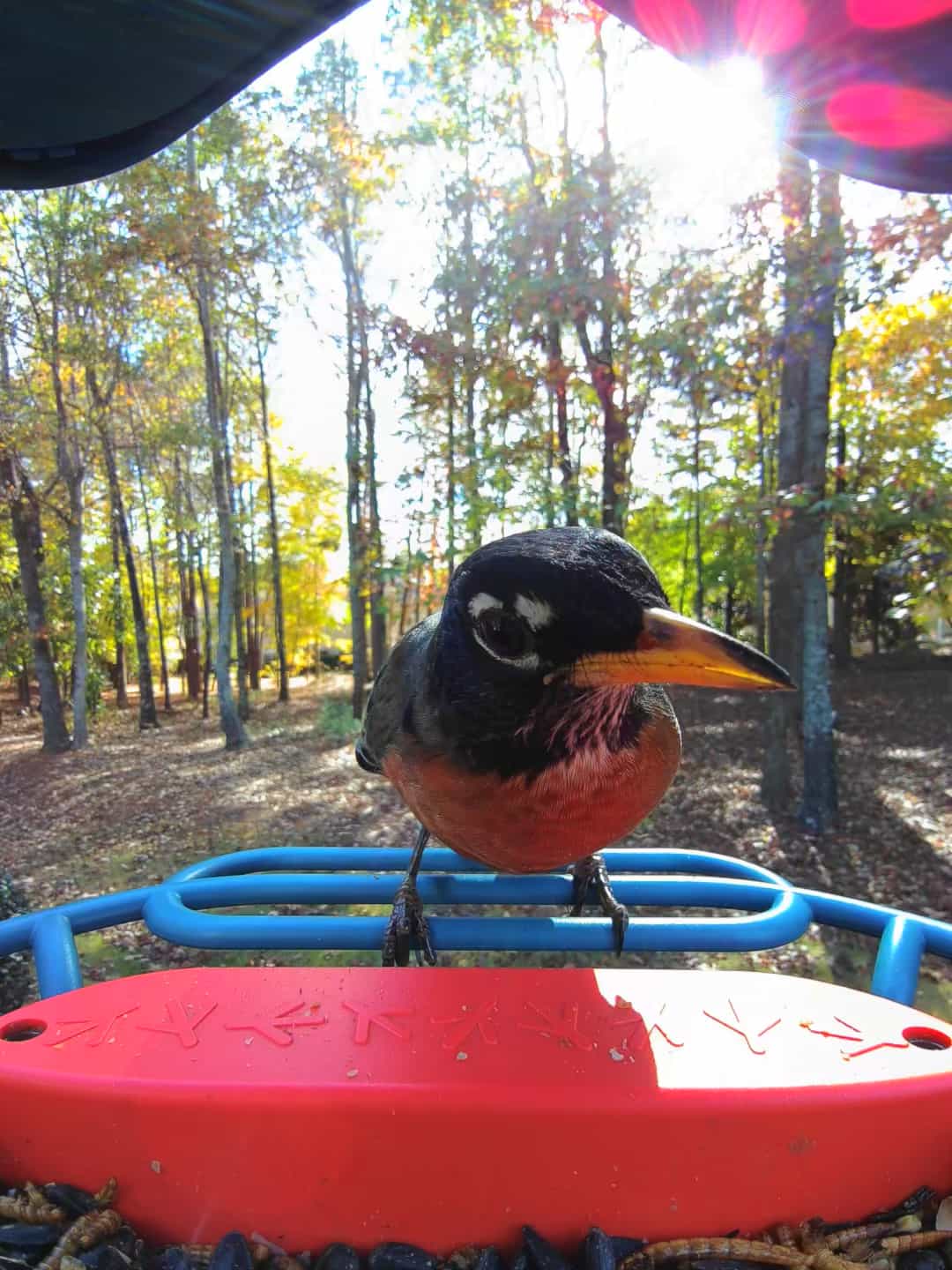
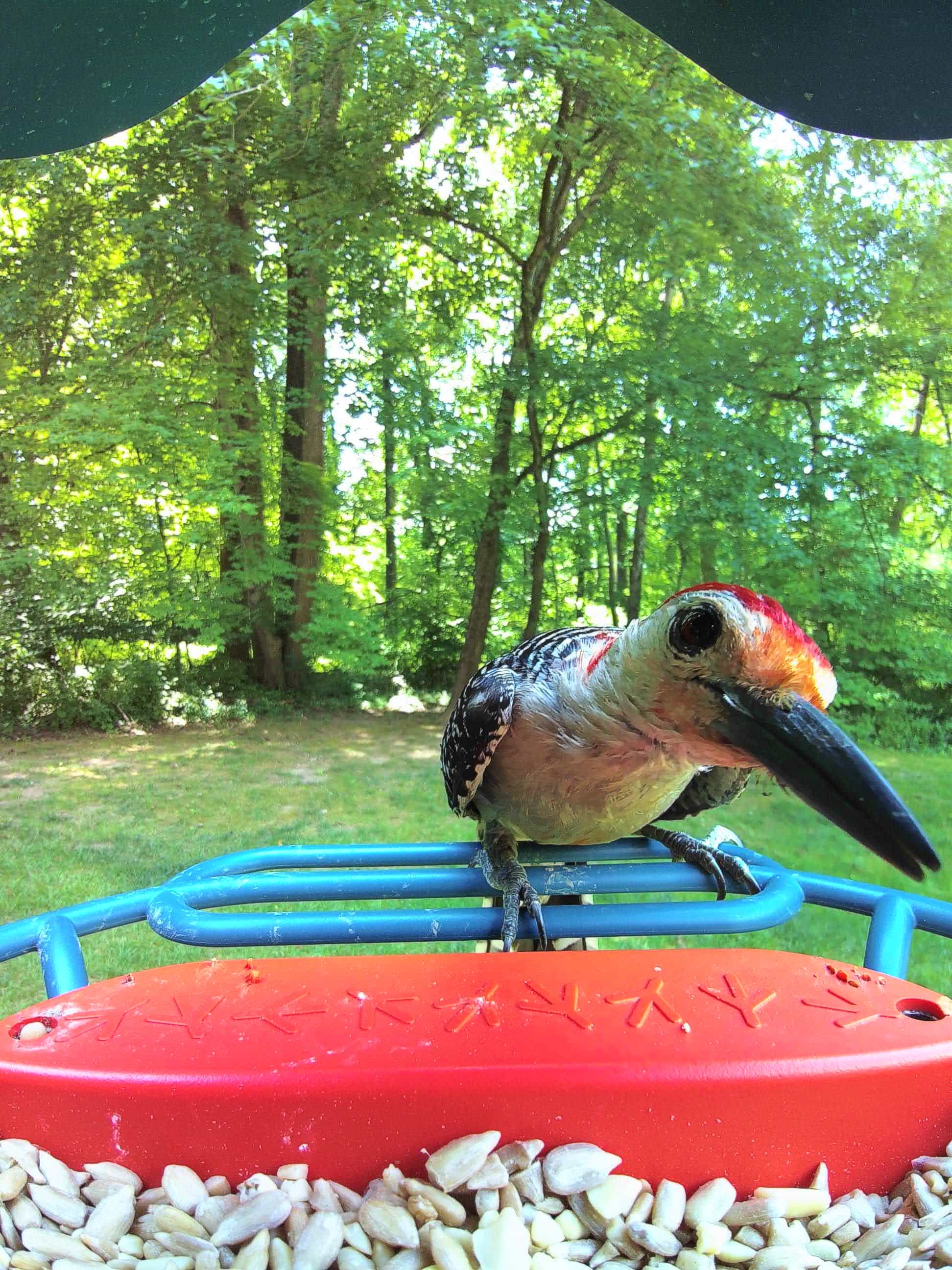
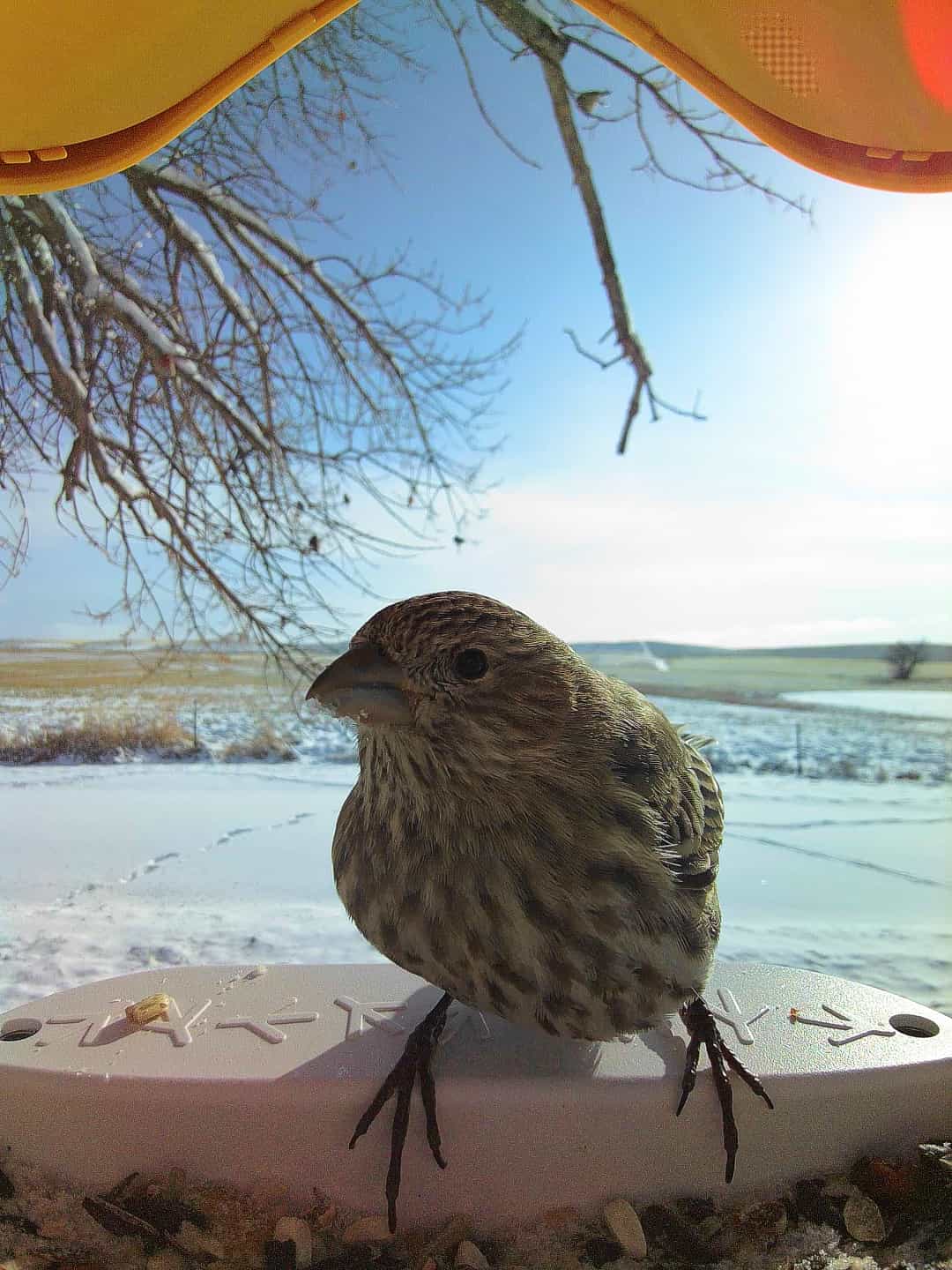
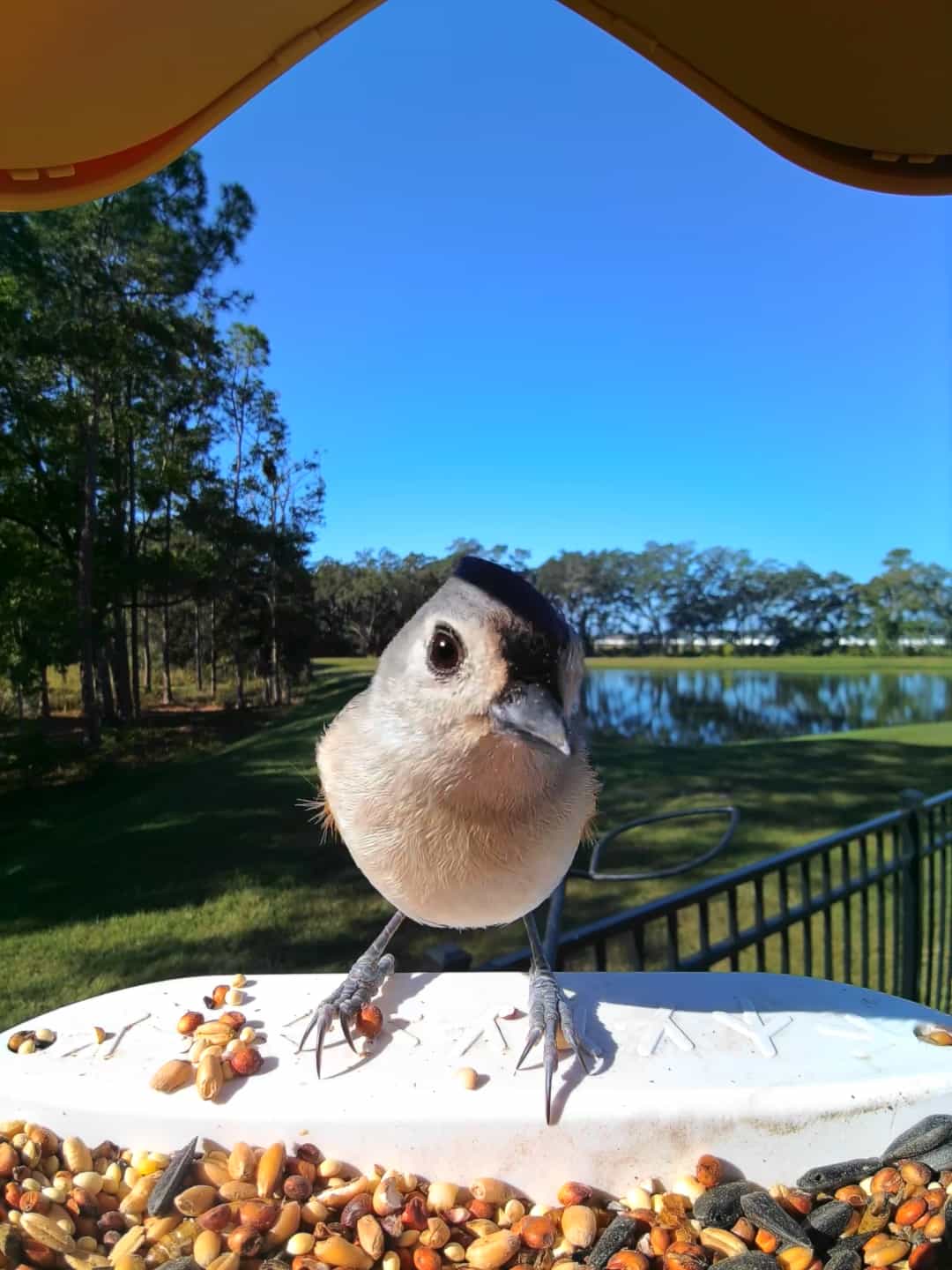
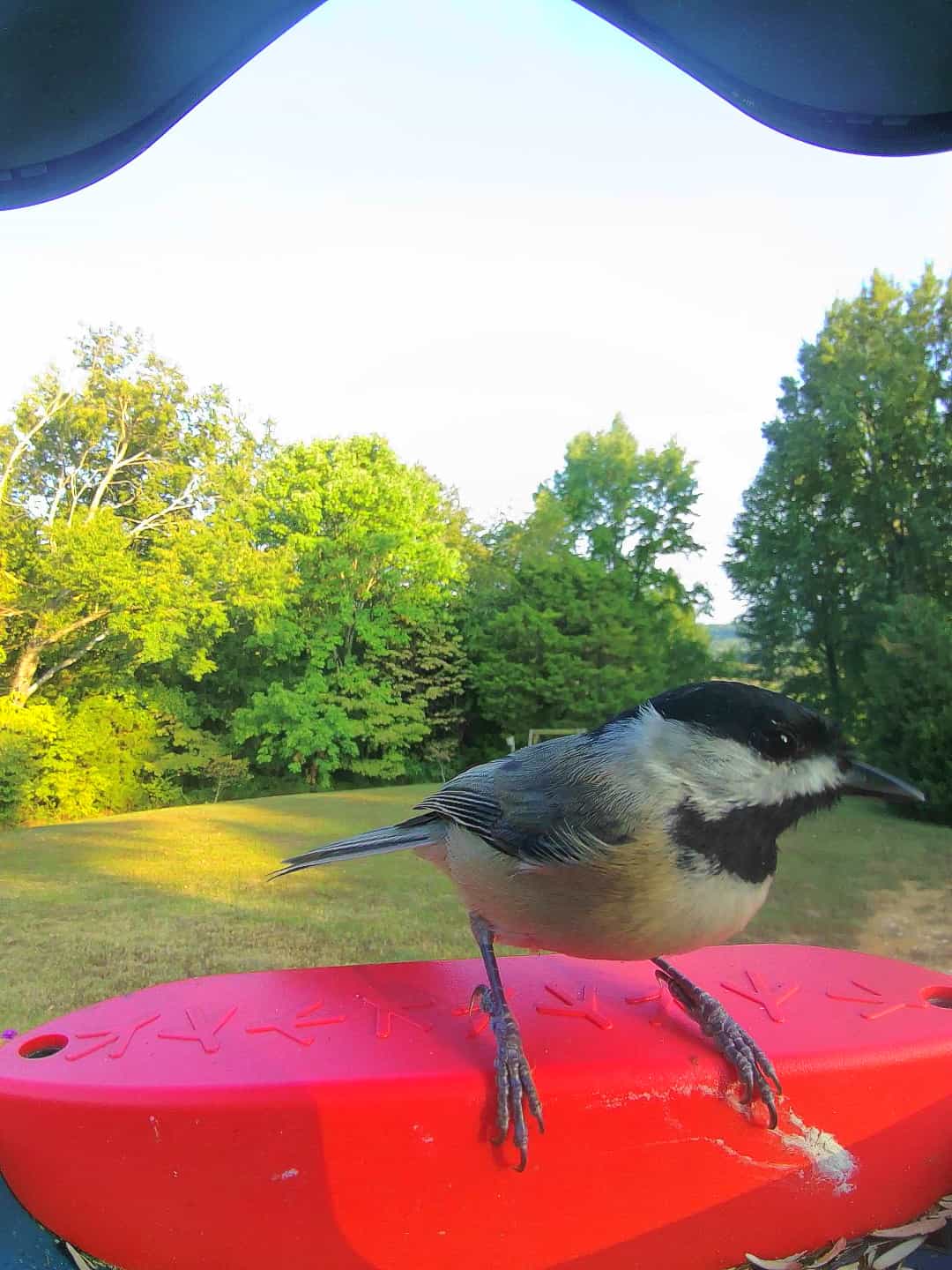
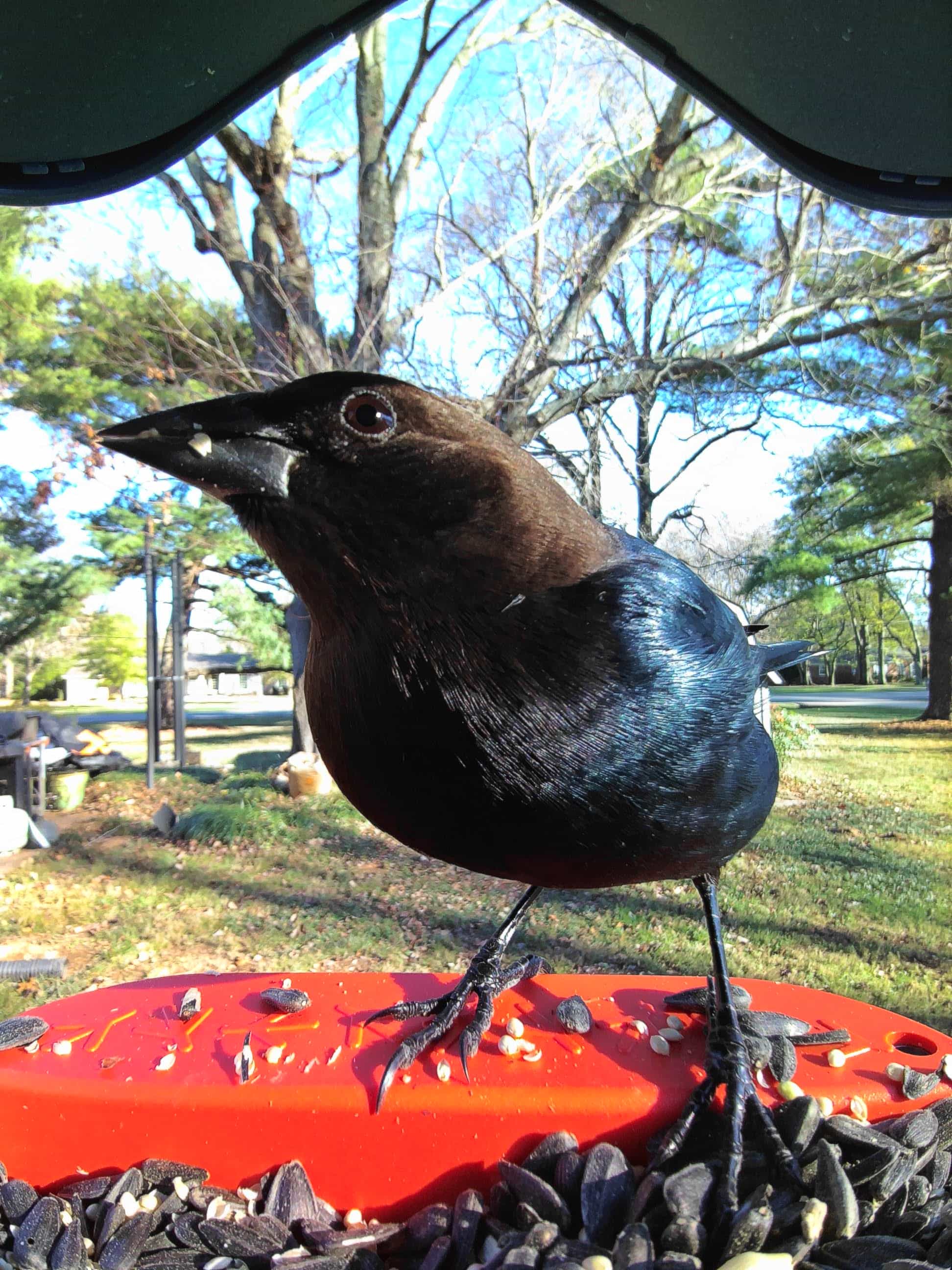
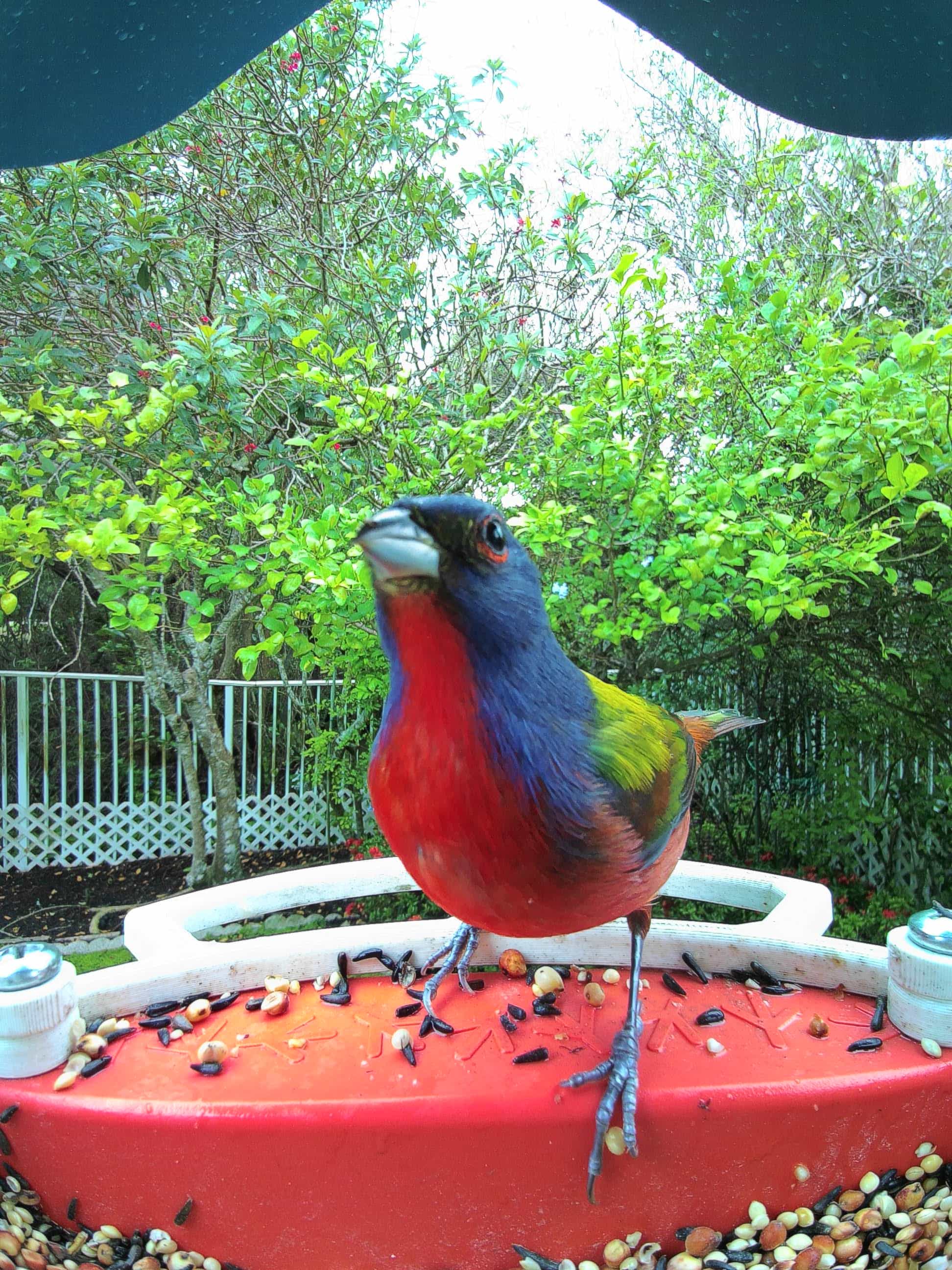
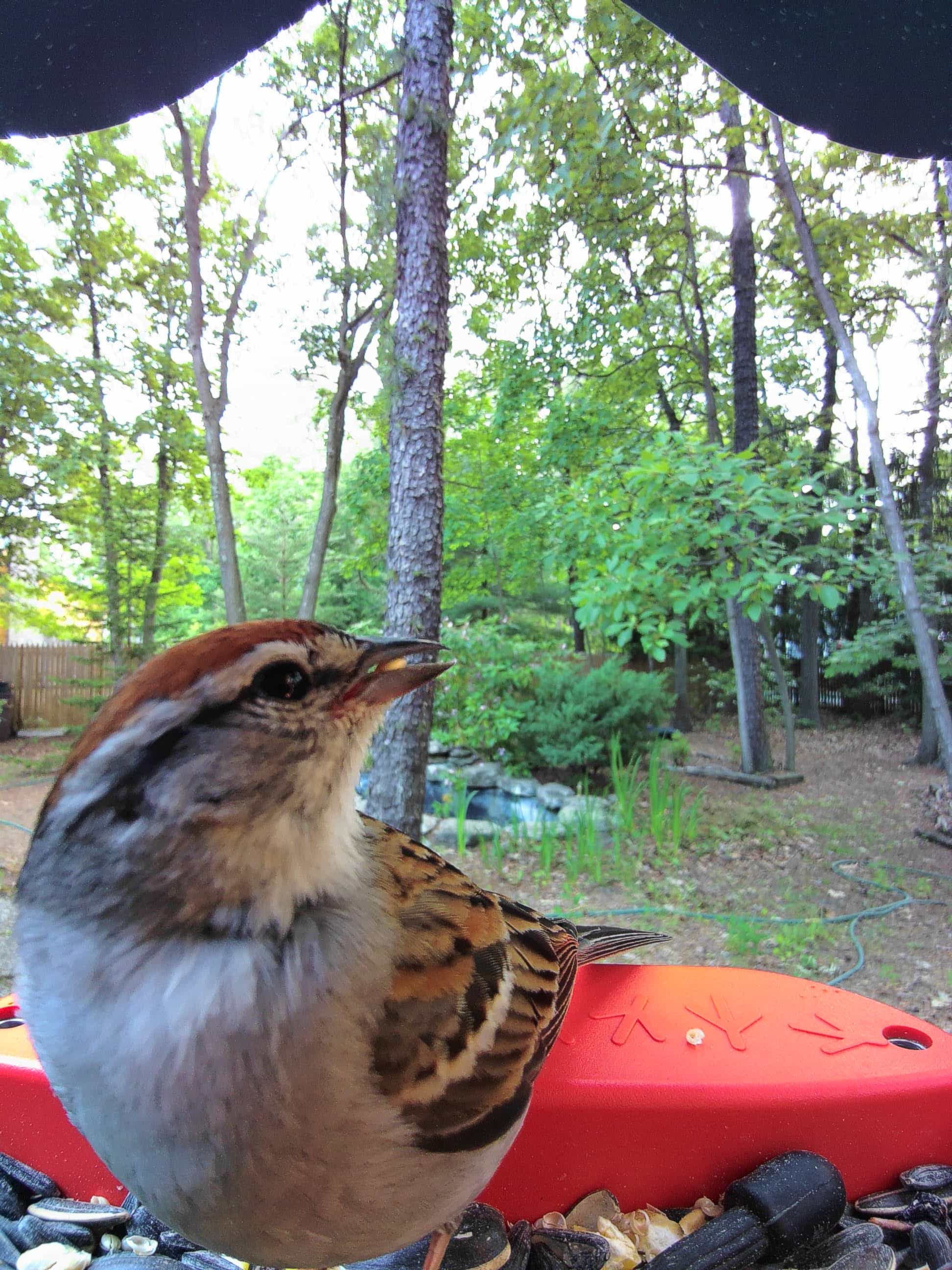
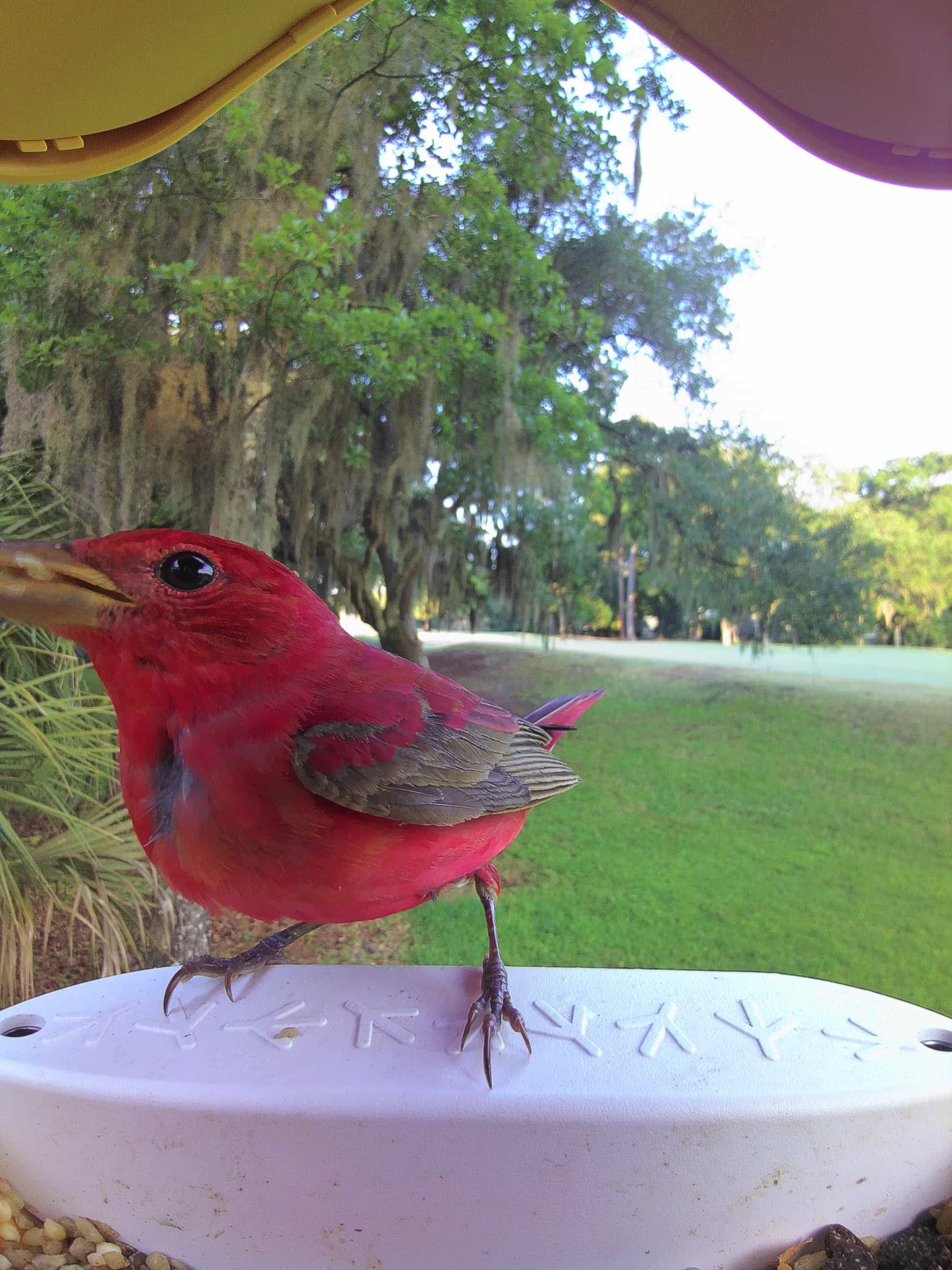
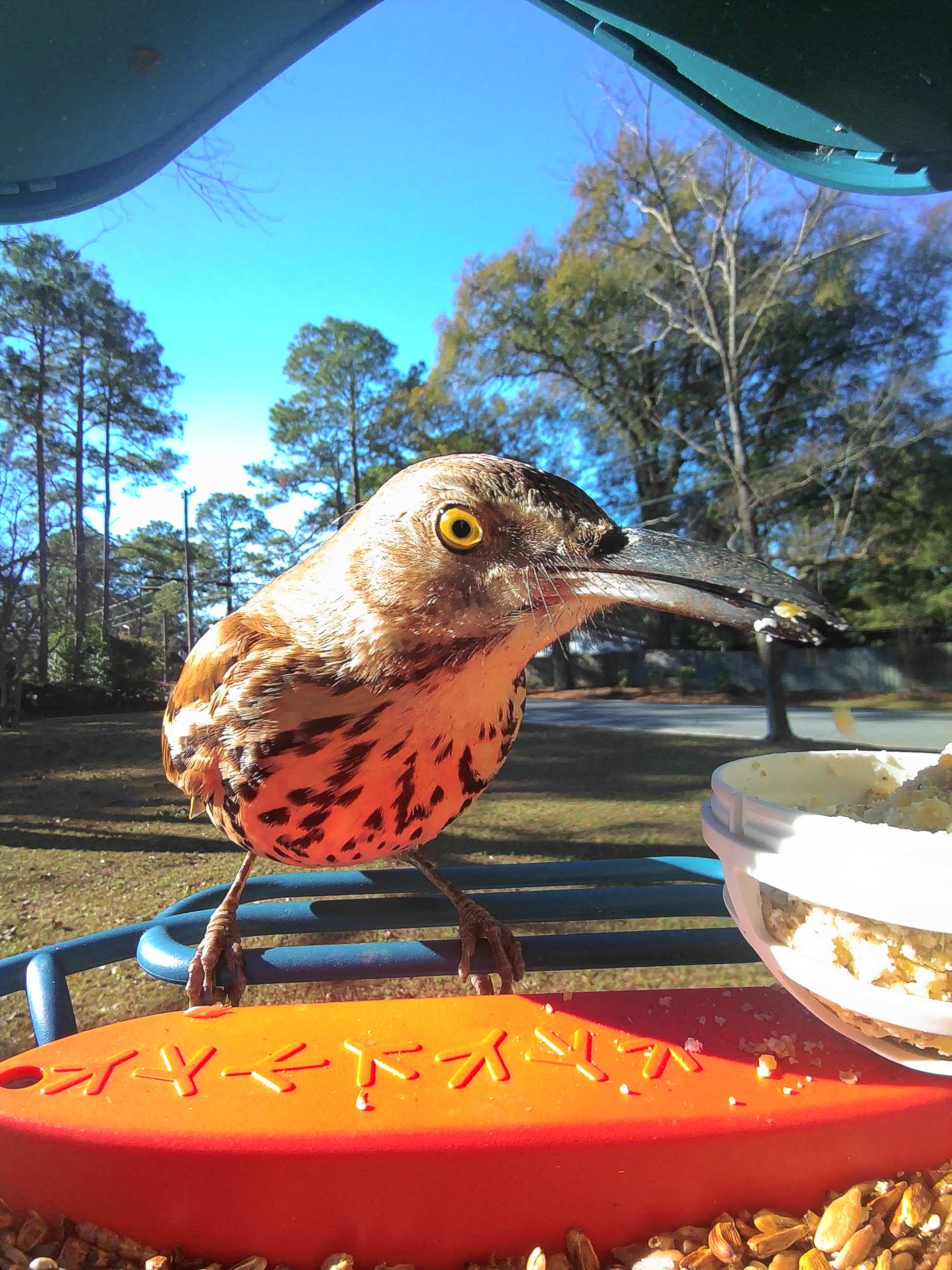
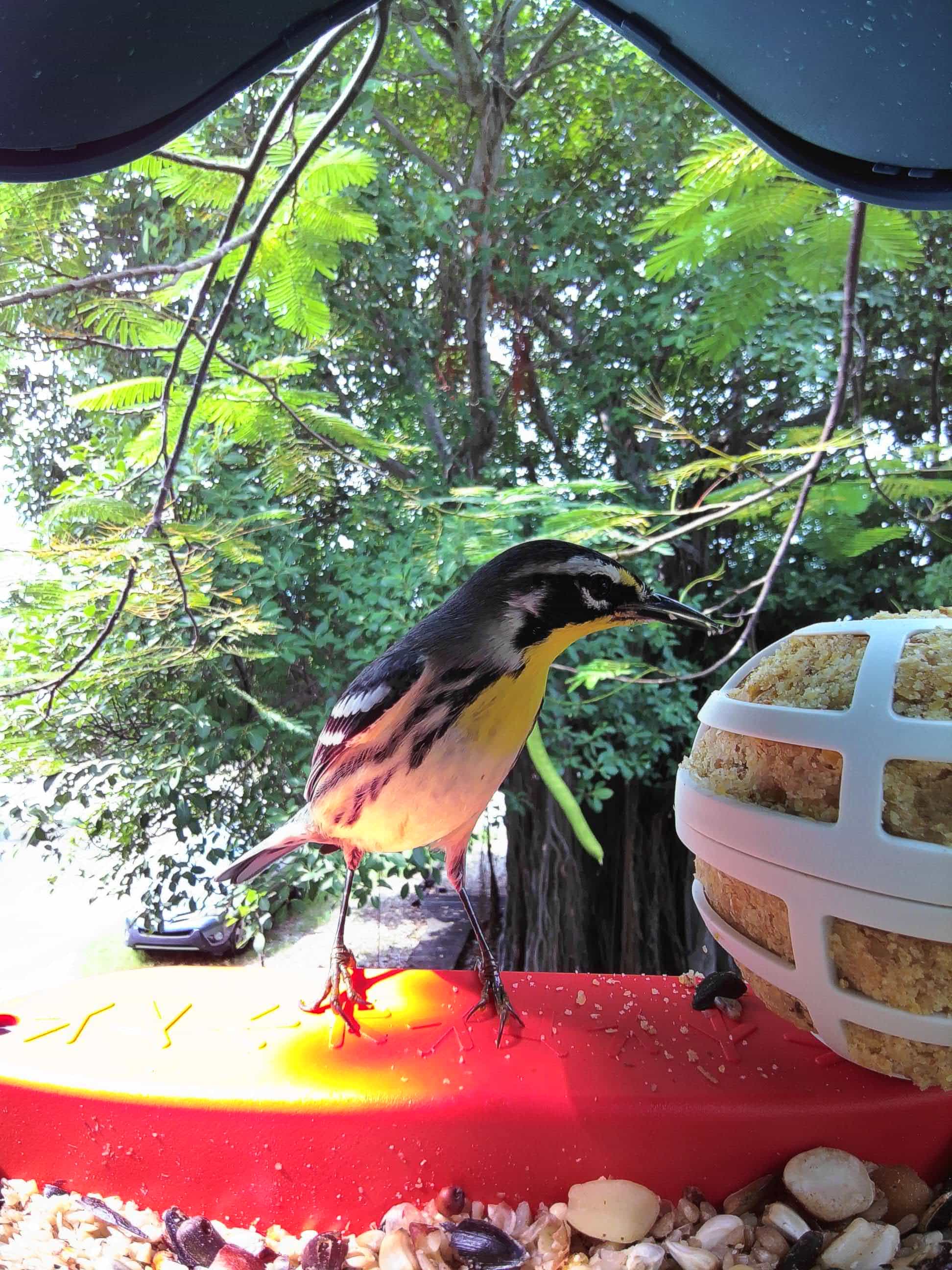
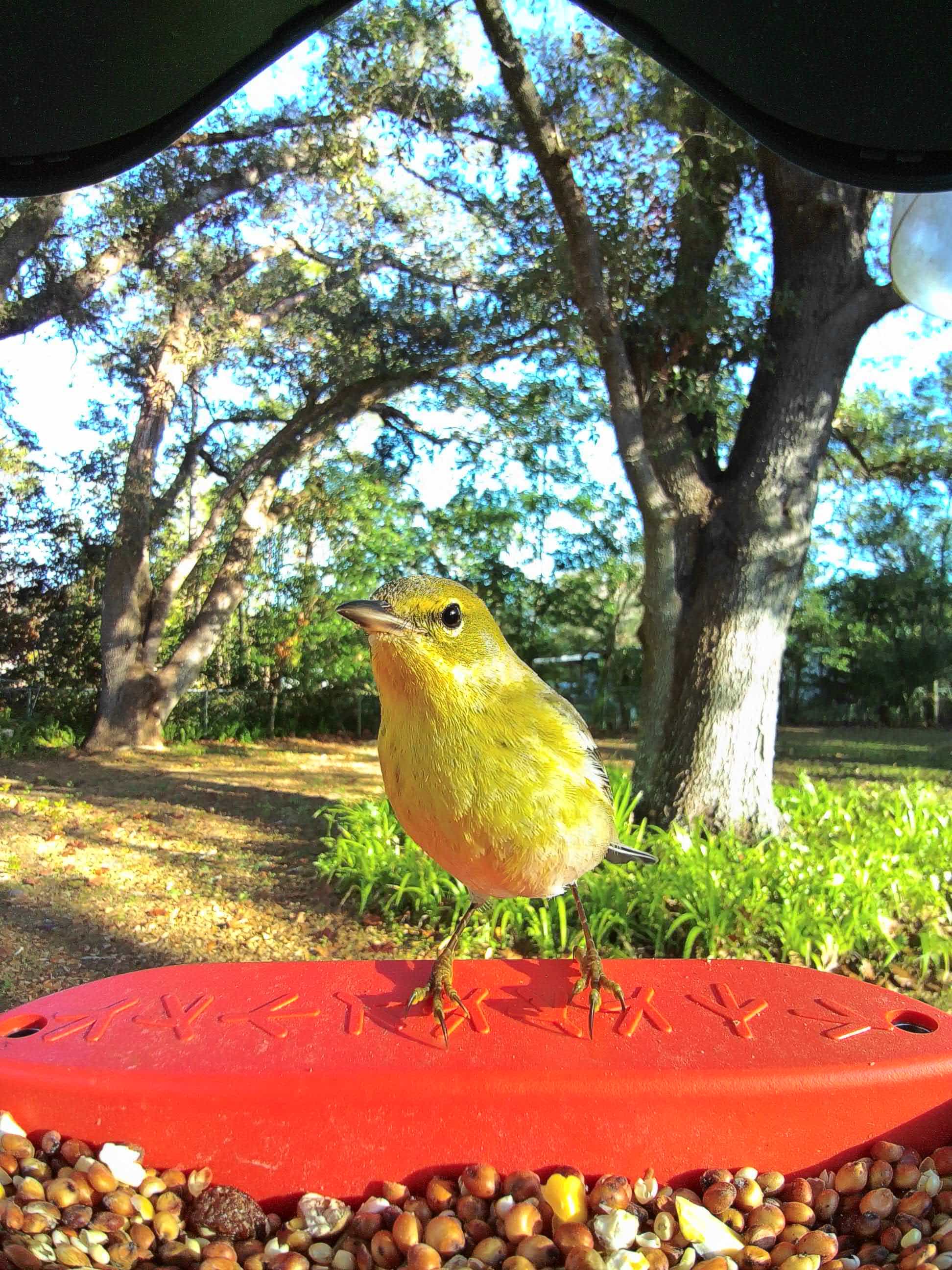
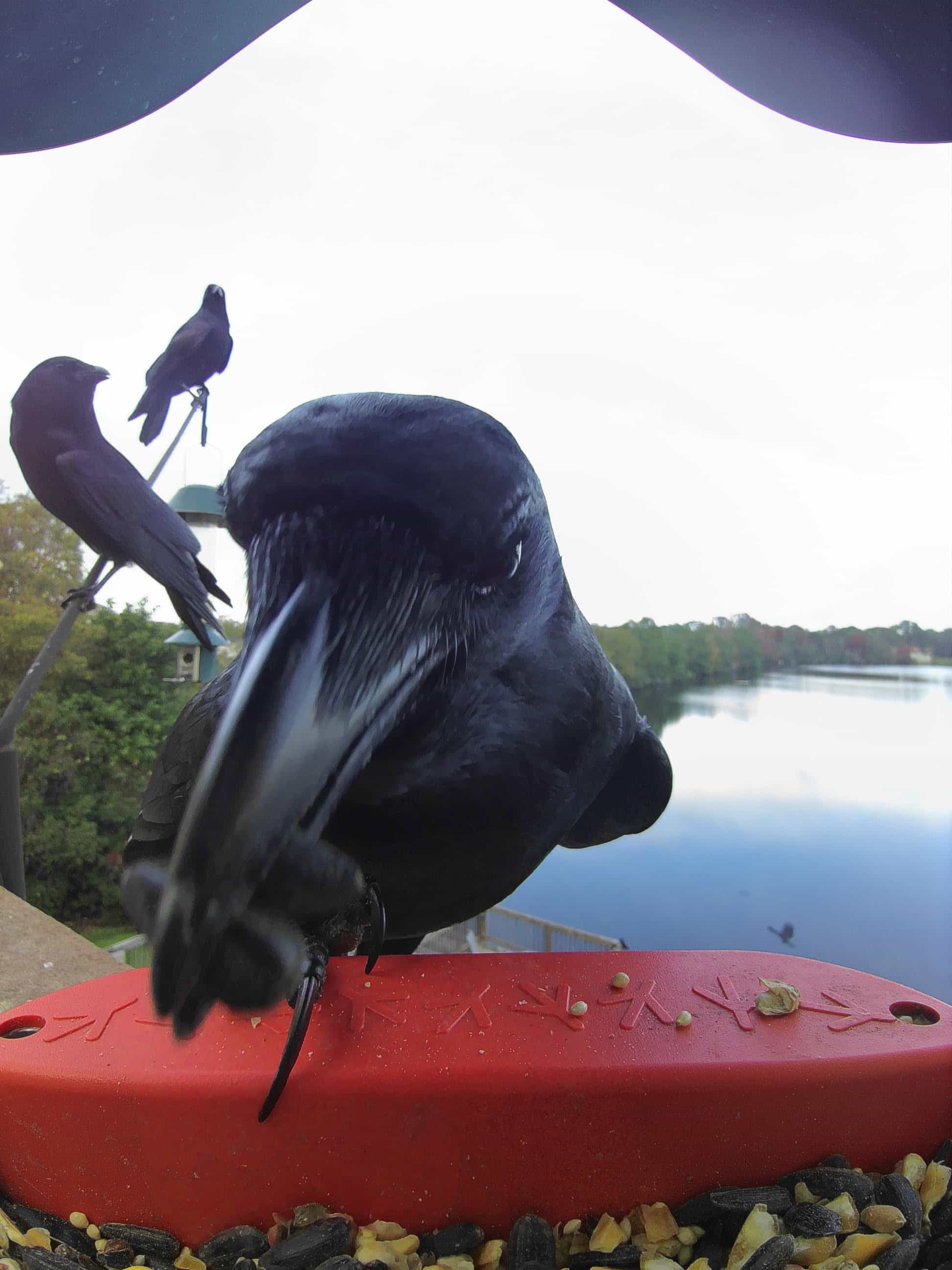
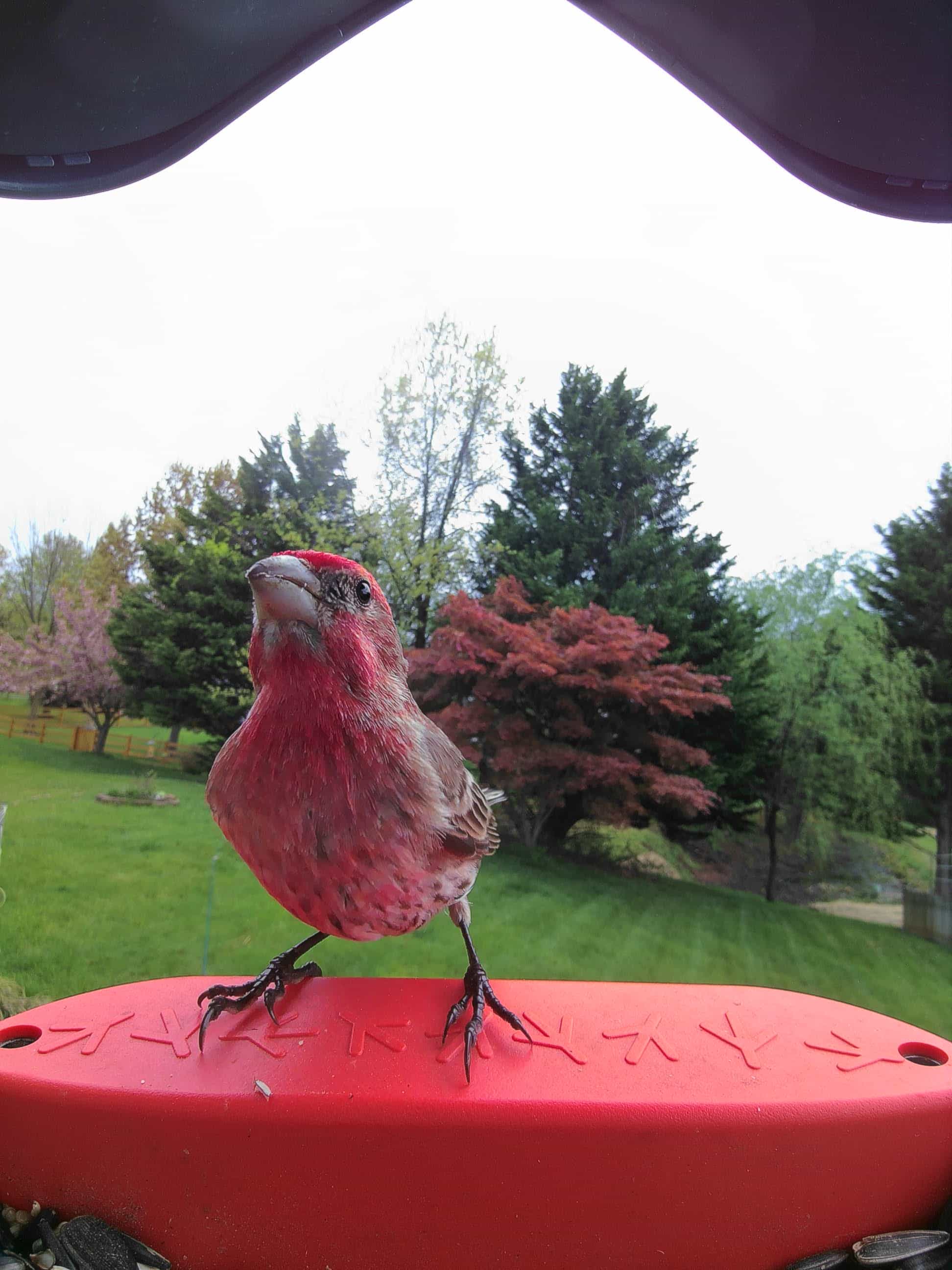
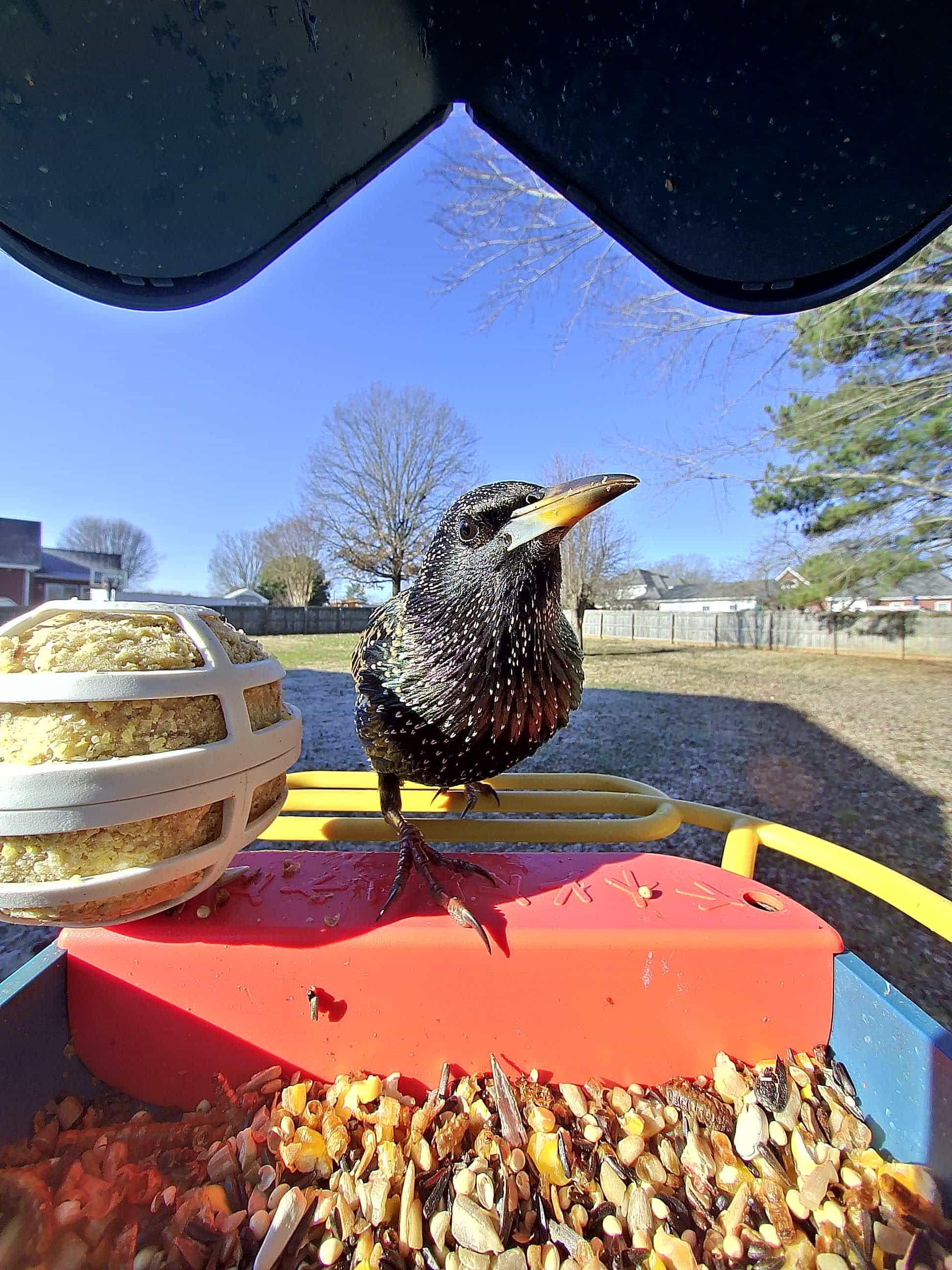
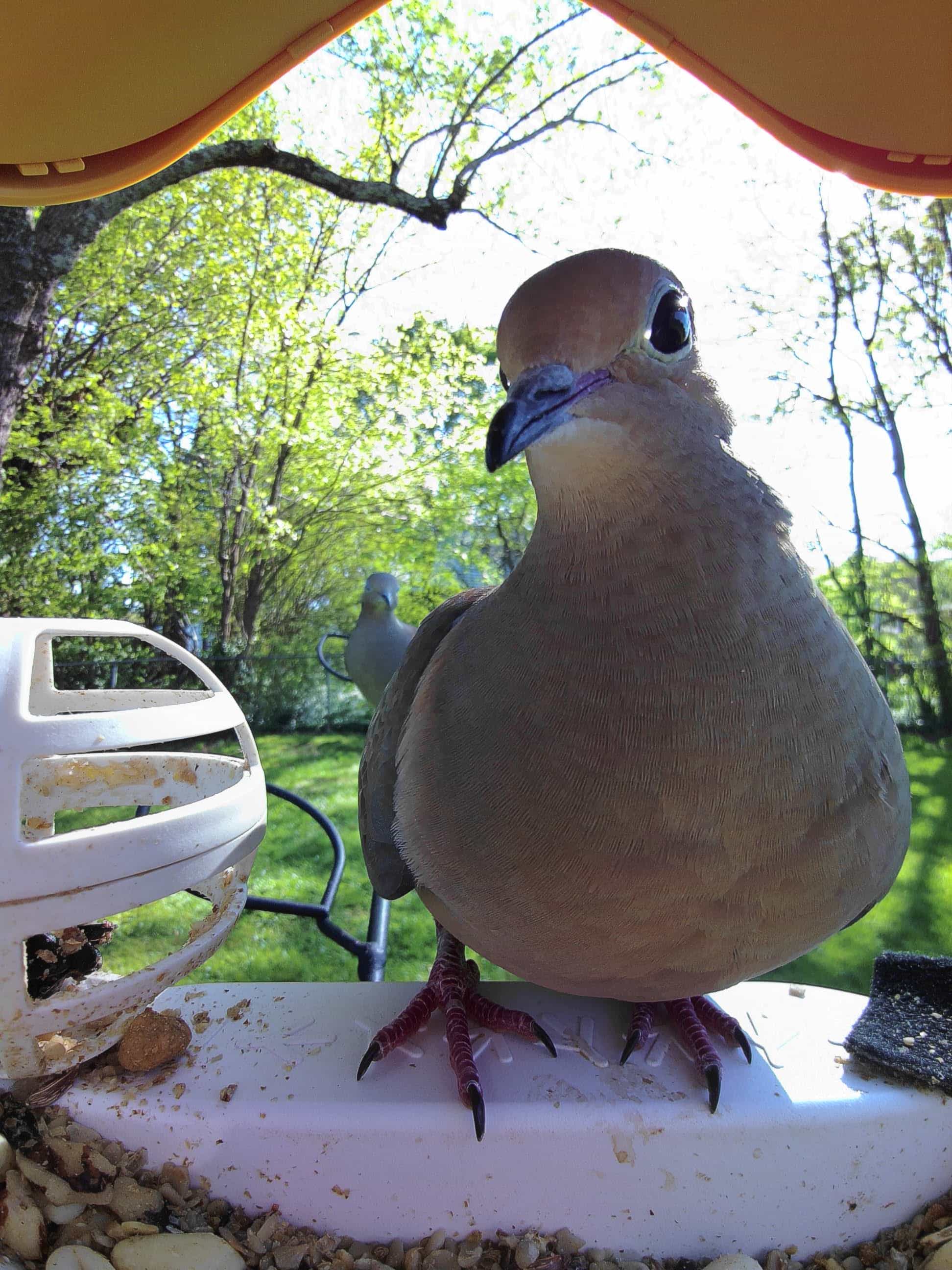
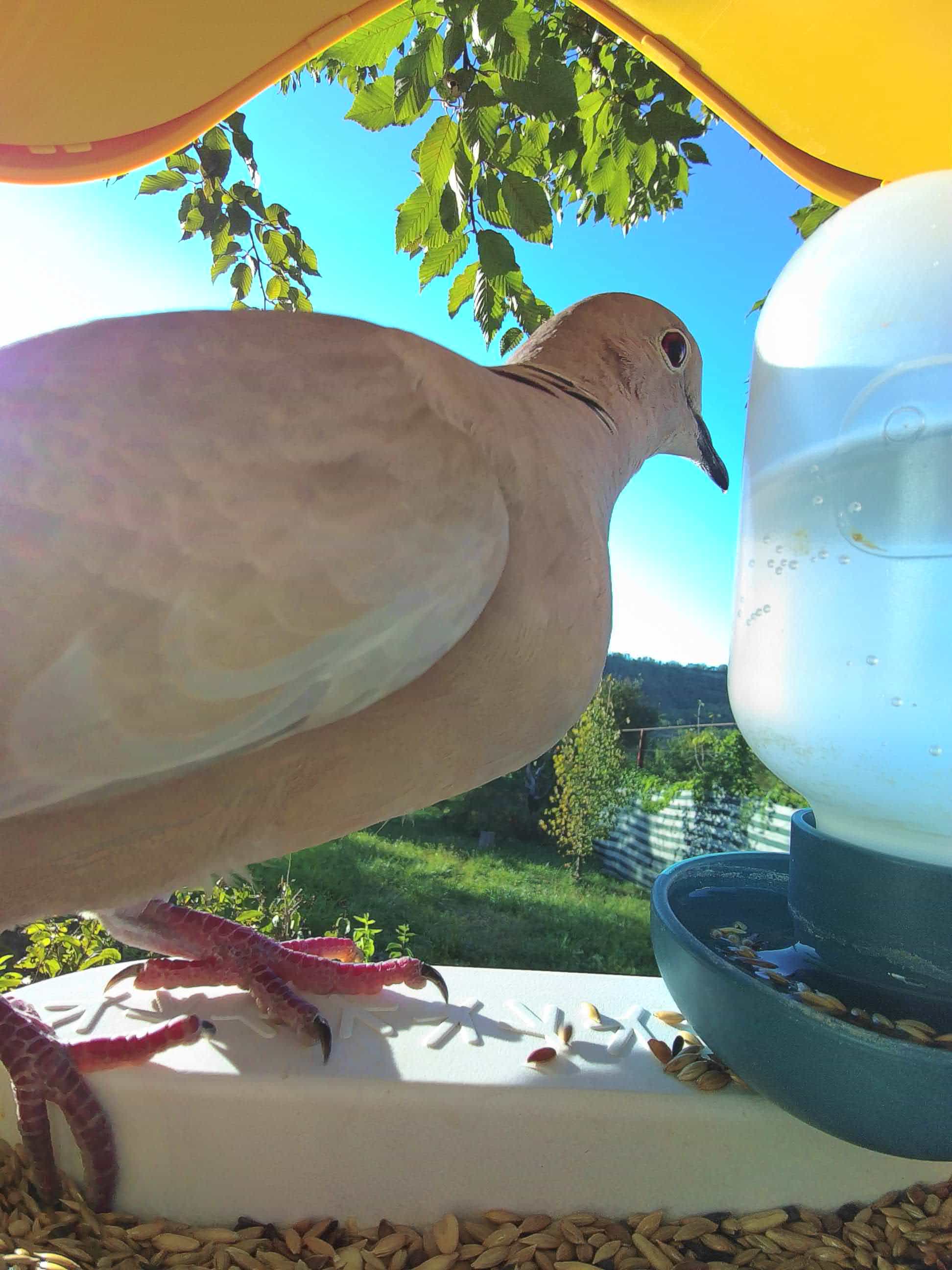
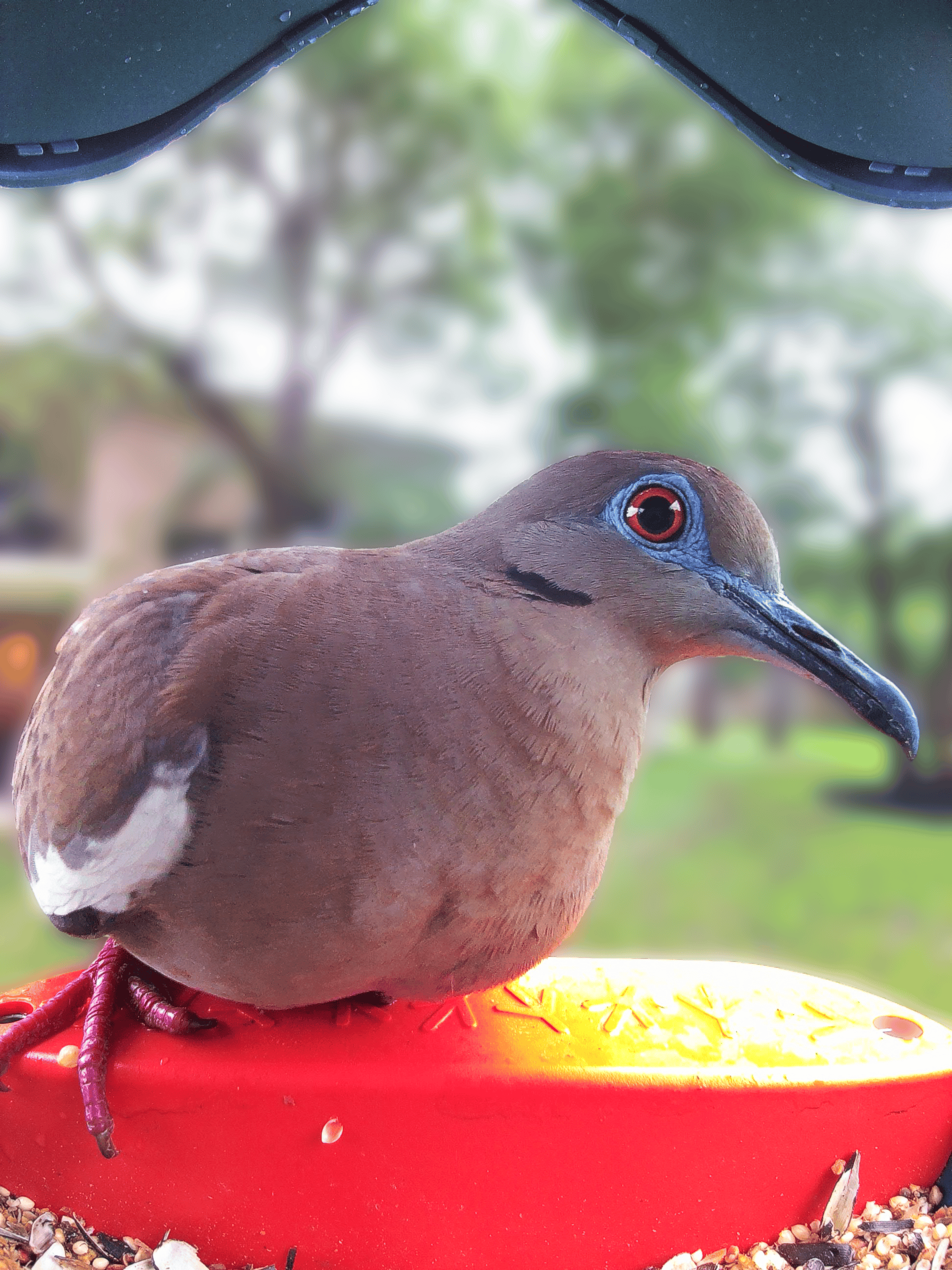
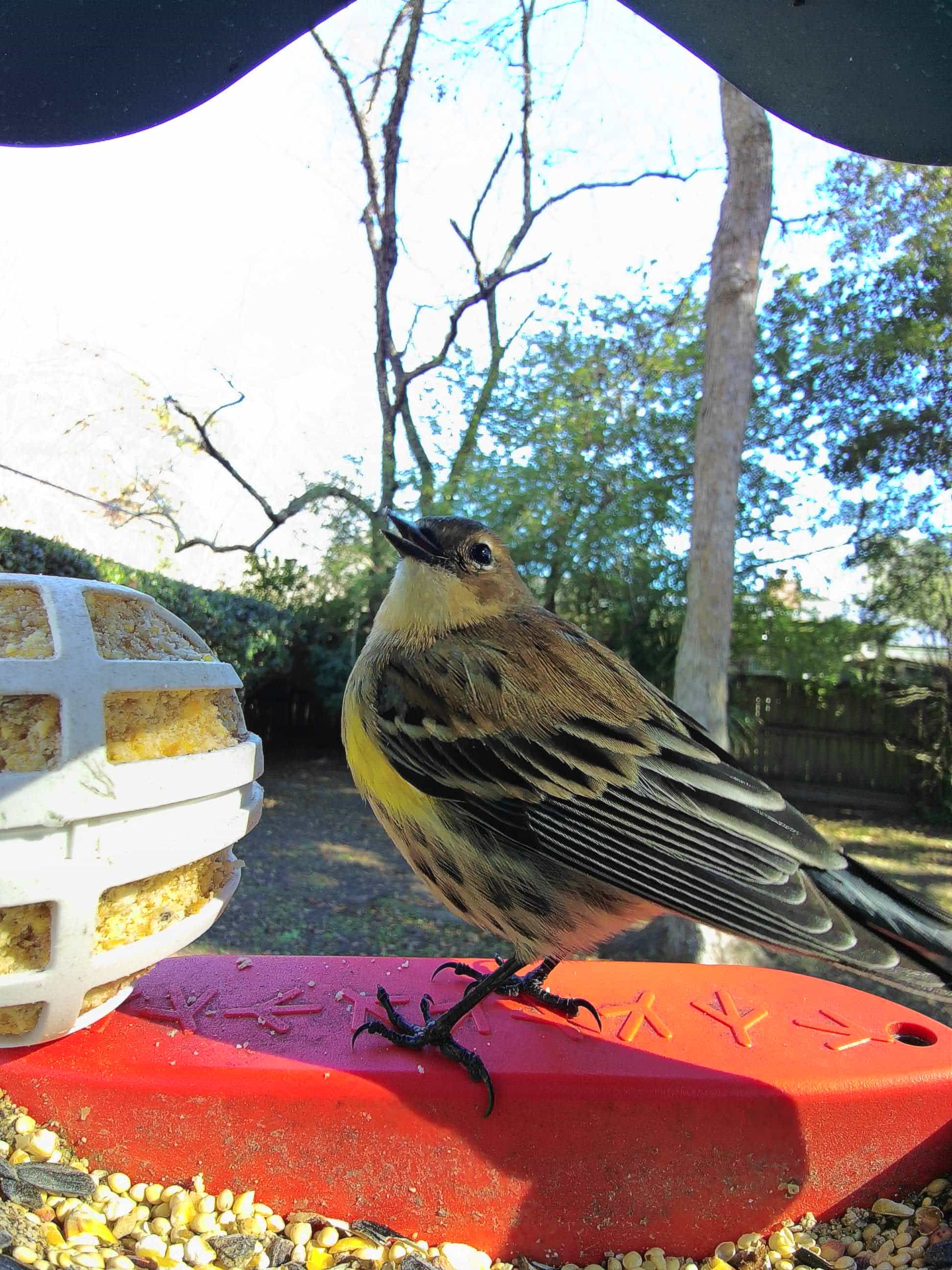
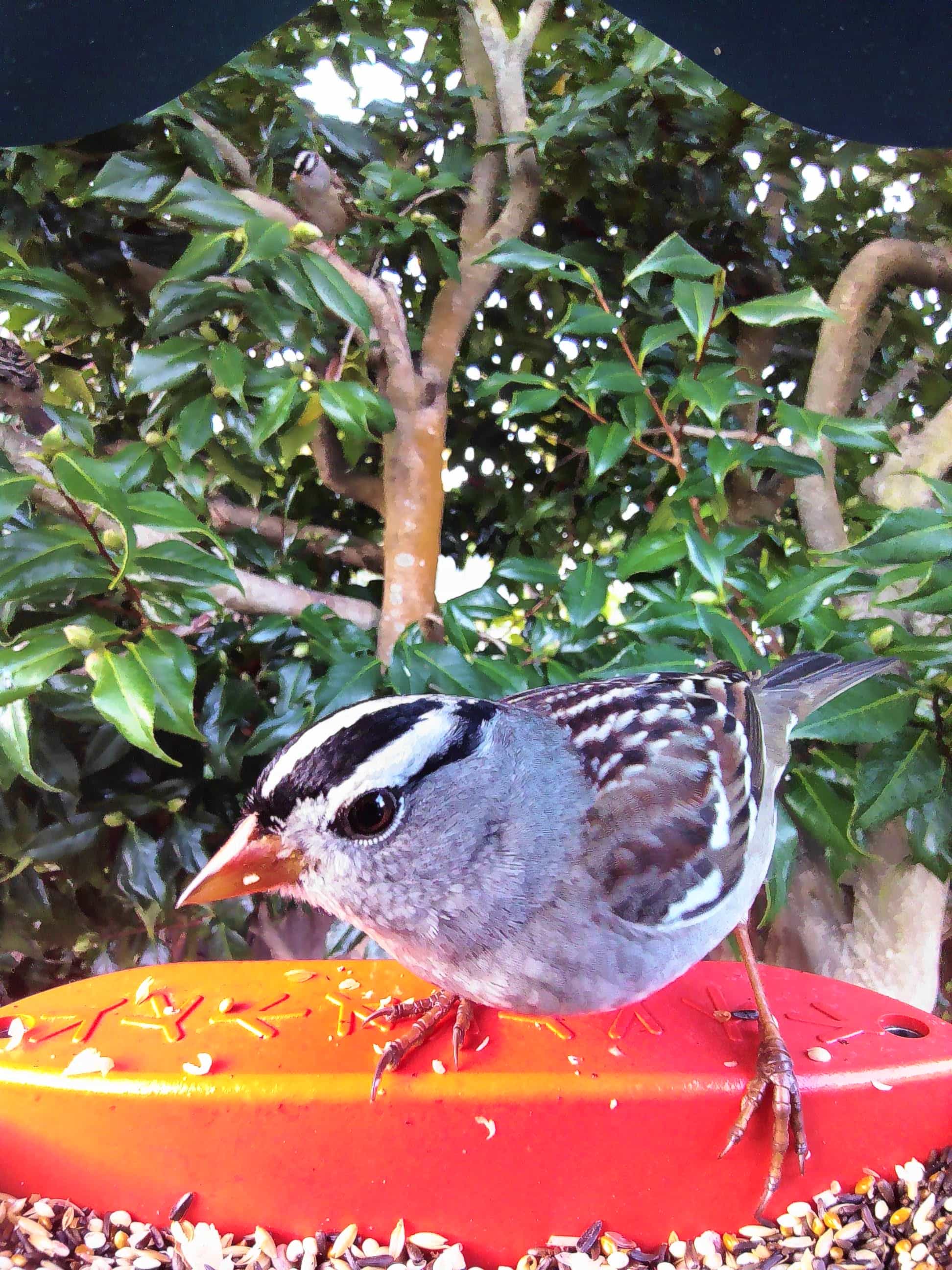
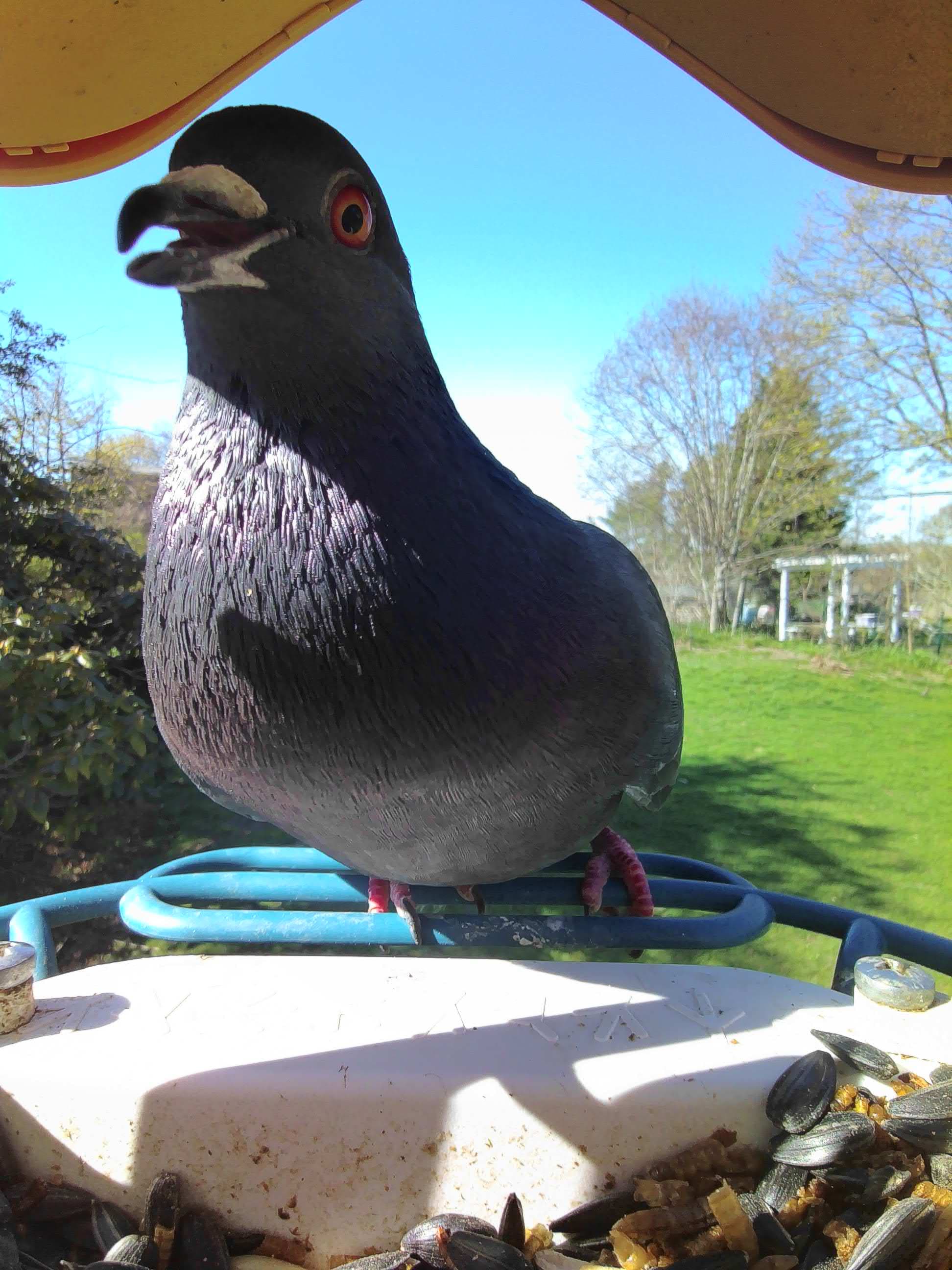
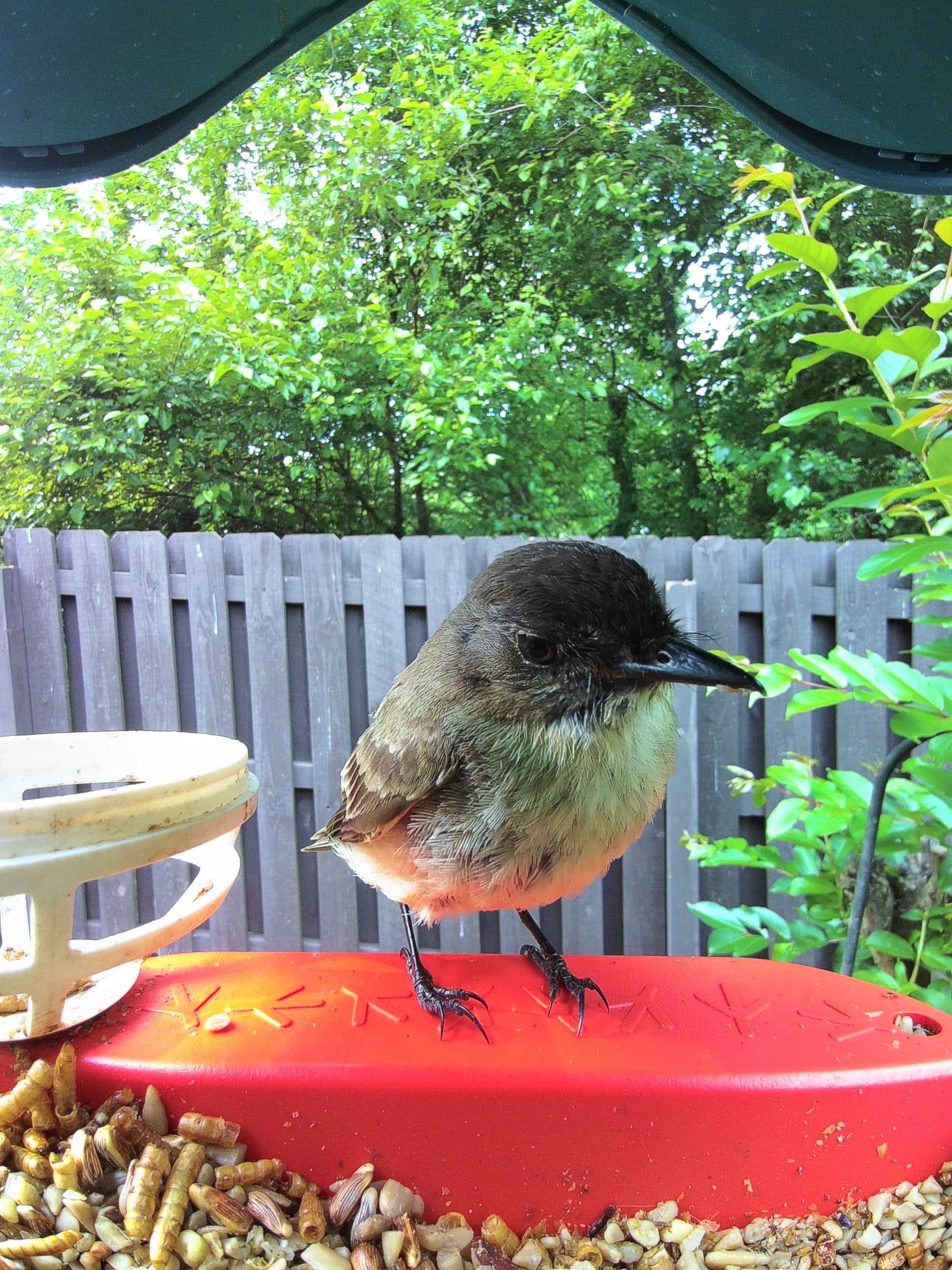
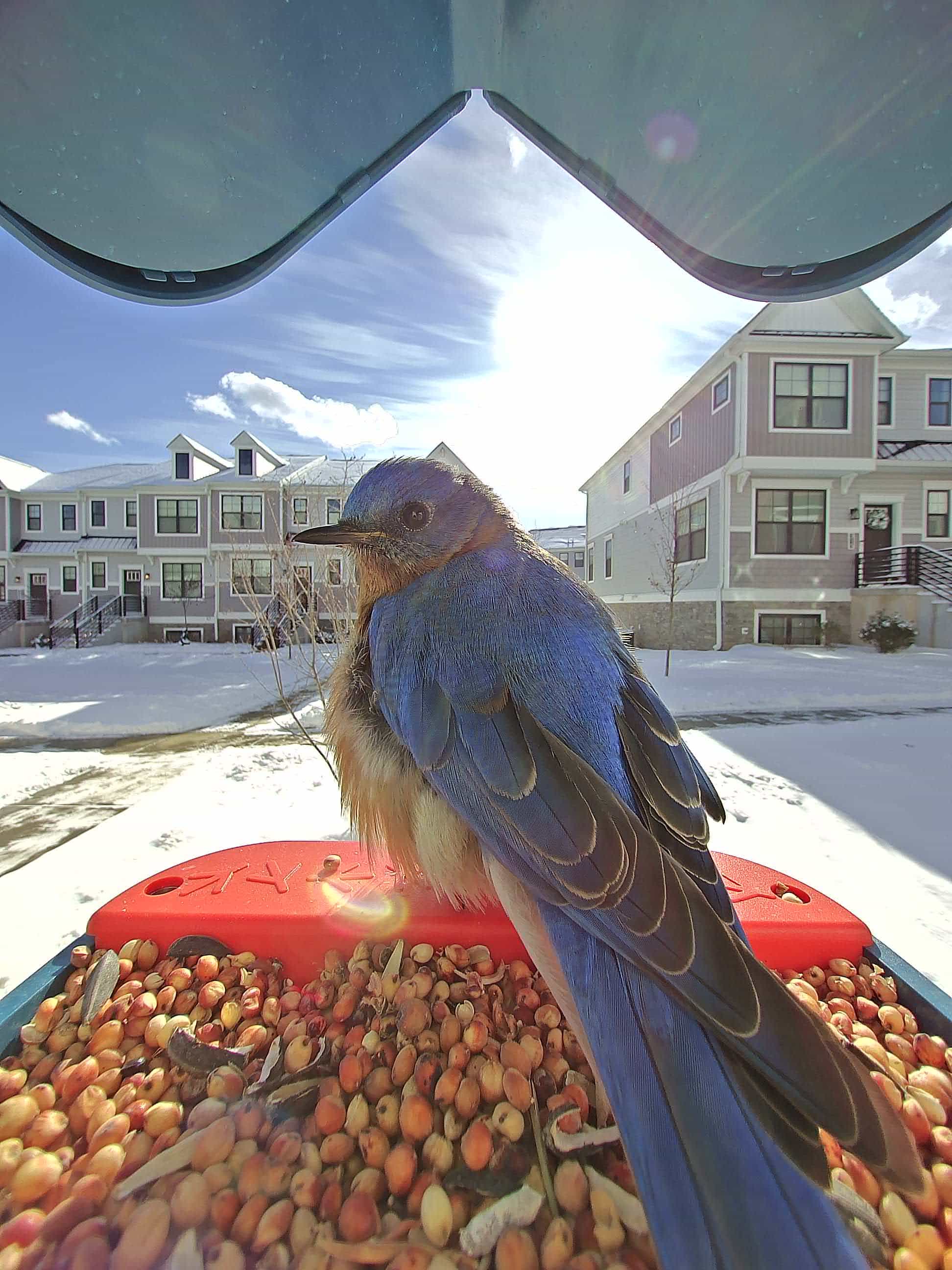
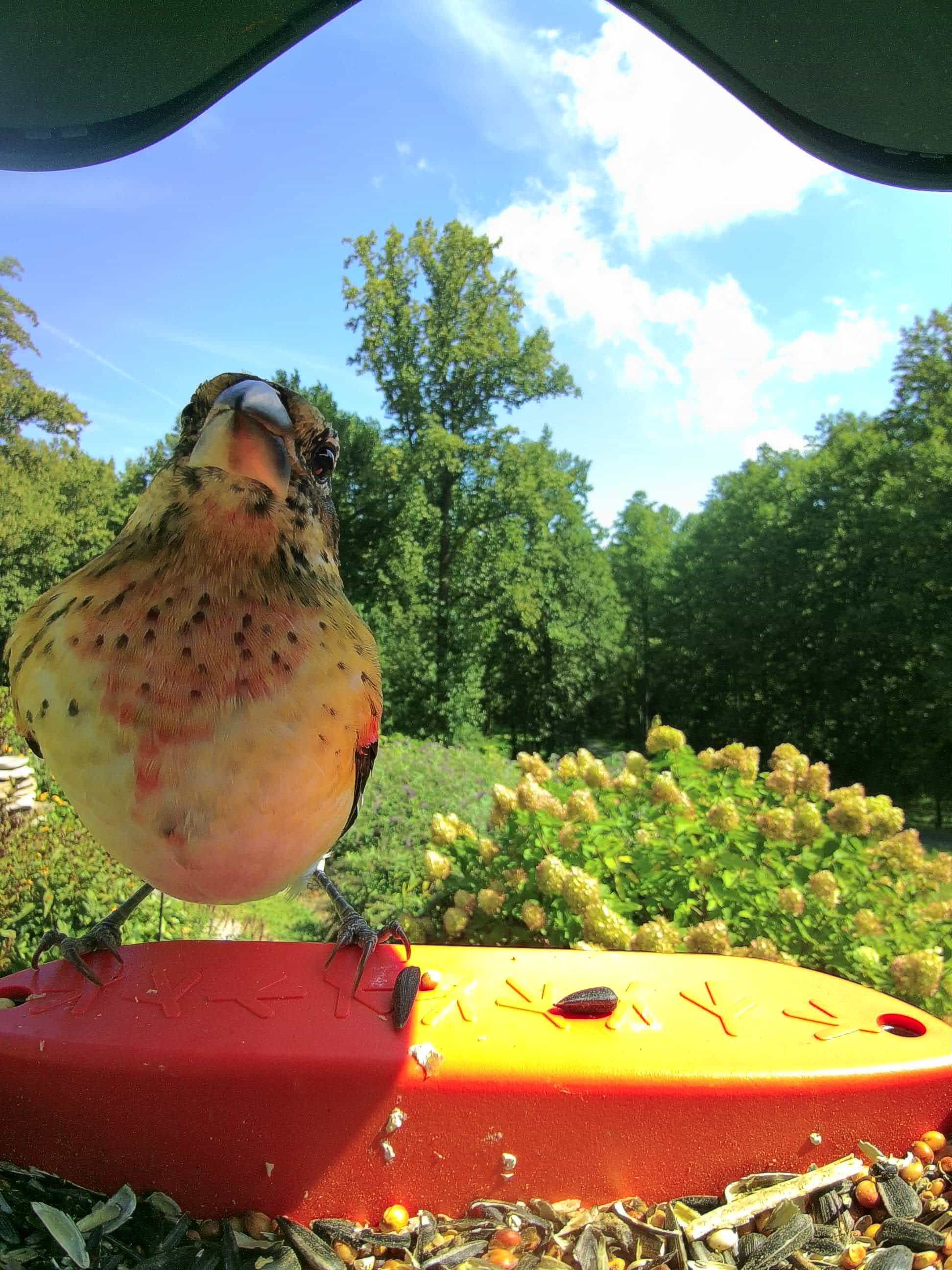
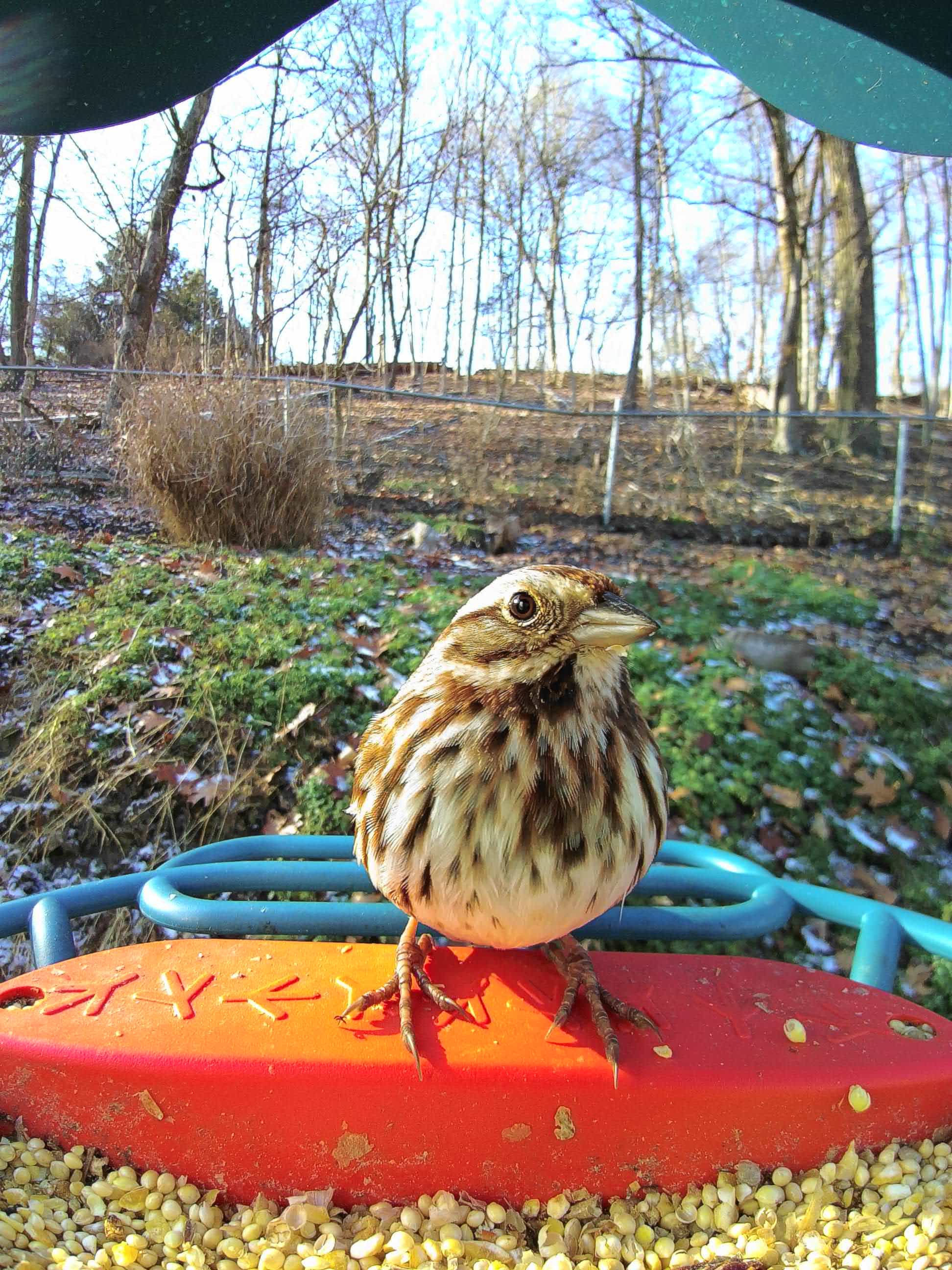
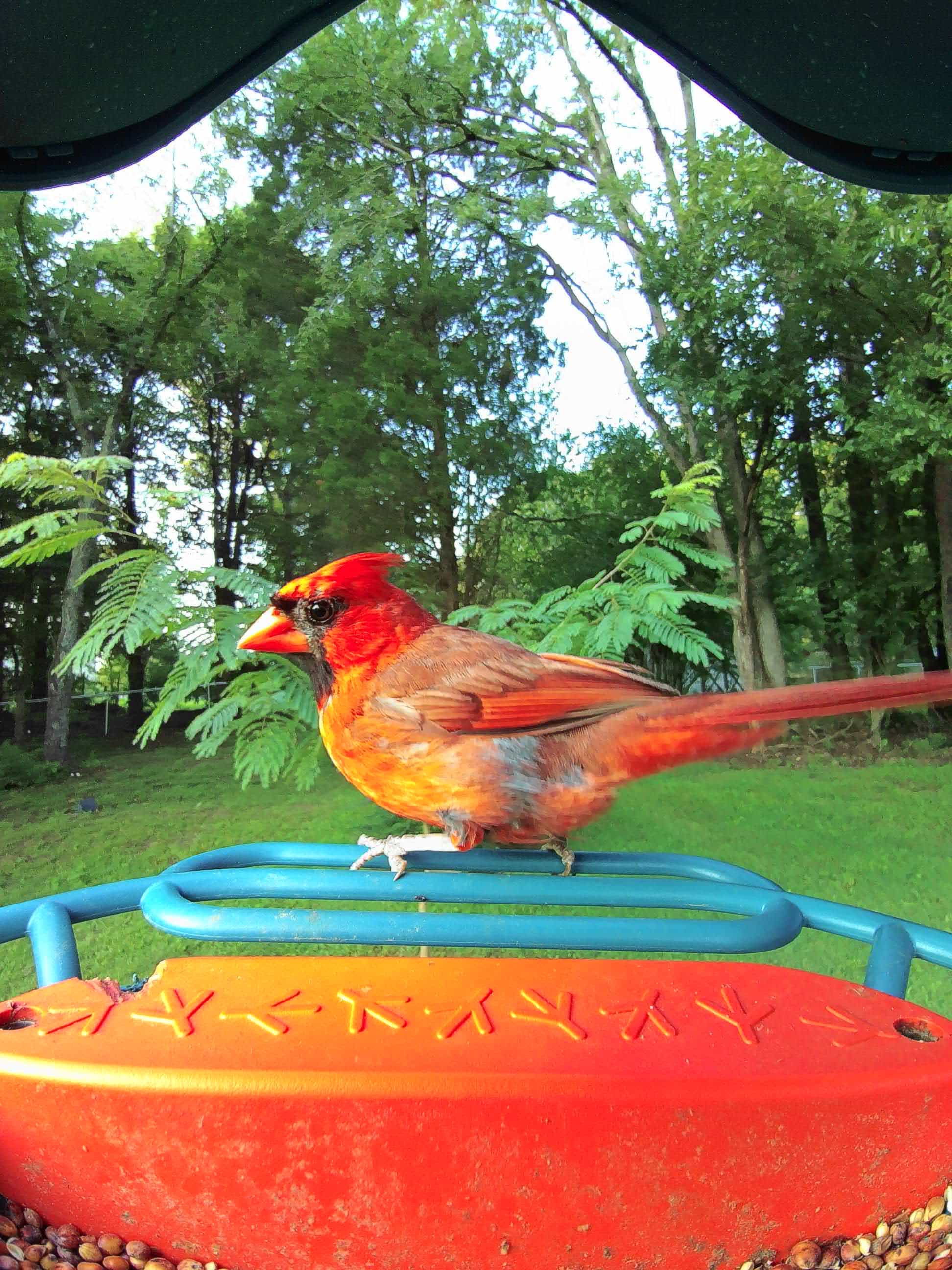
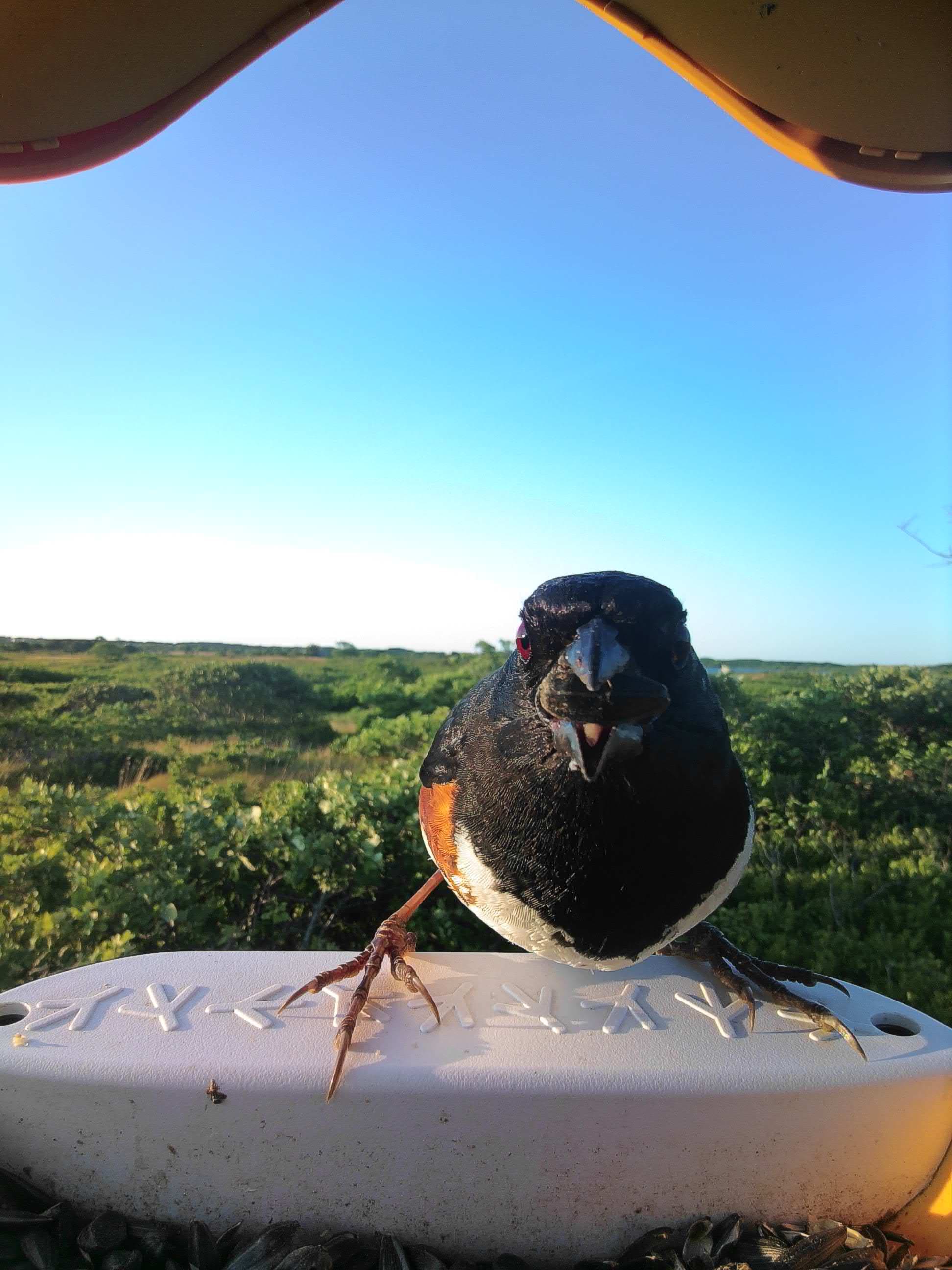
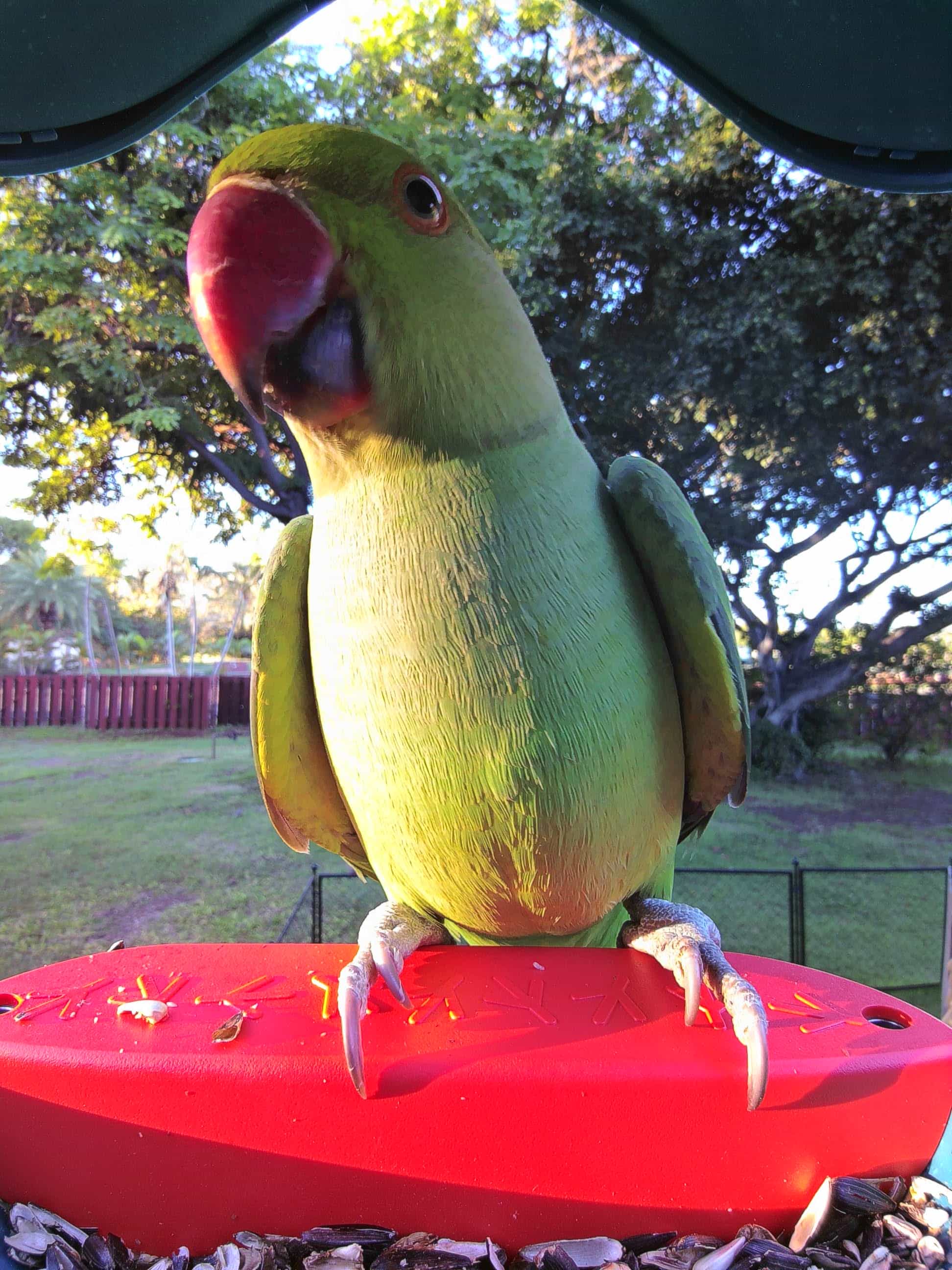
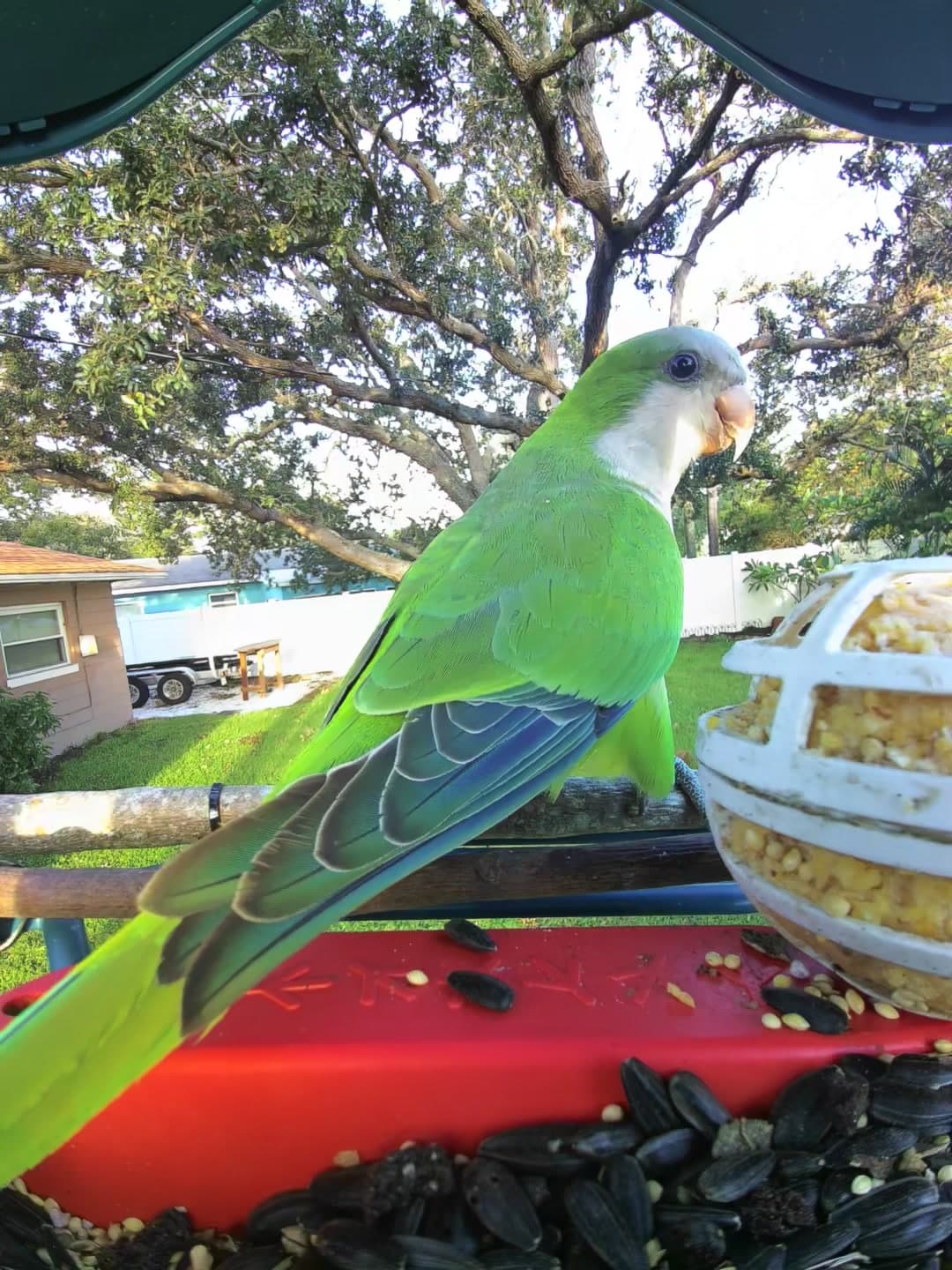
Birds seen on Birdbuddy feeders in St. Petersburg
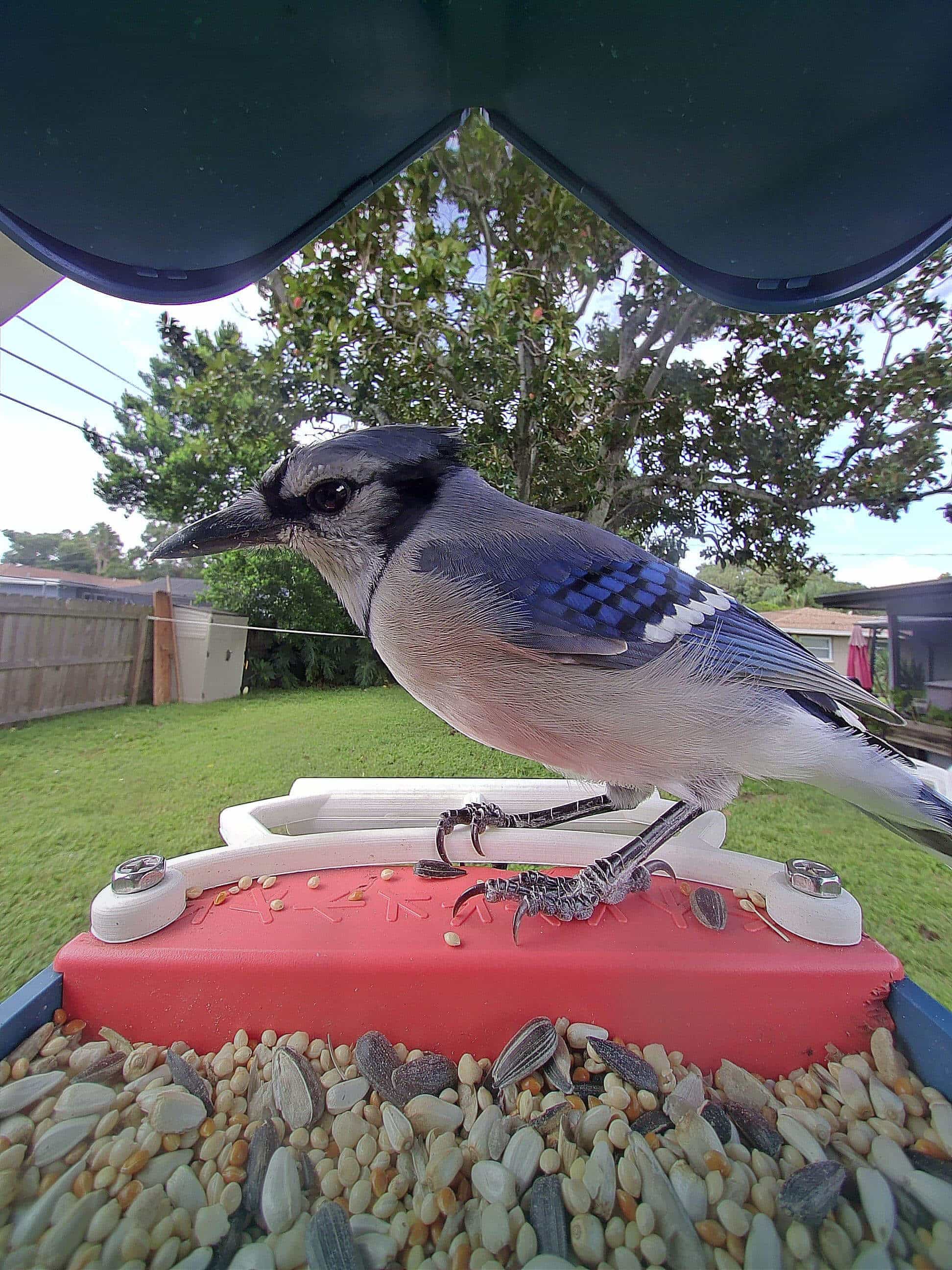
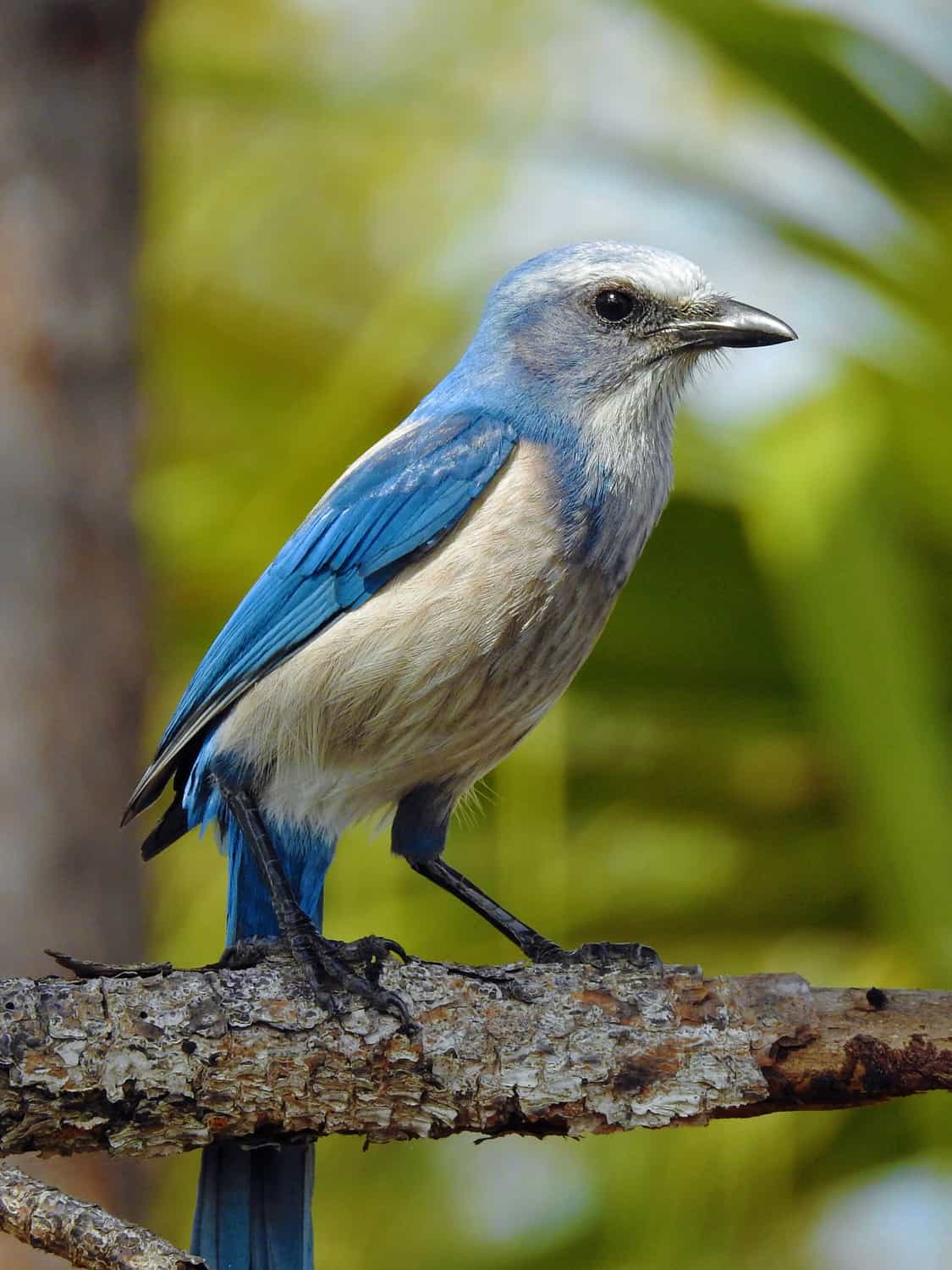
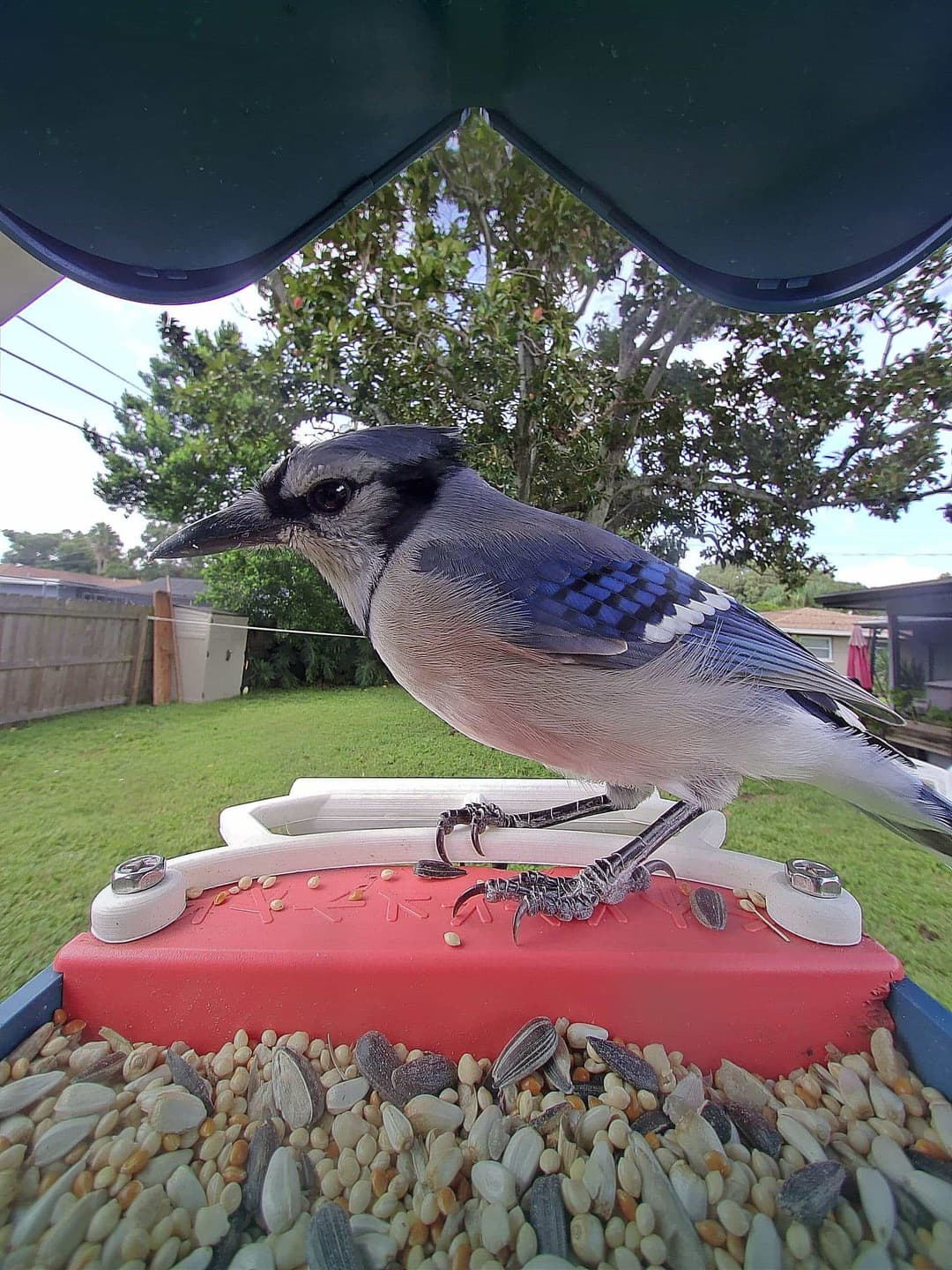
Blue Jay (Cyanocitta cristata): This vibrant bird, easily recognizable by its striking blue plumage, crest, and white chest with black markings, is known for its intelligence, complex social behavior, and a diverse range of vocalizations, including mimicking the calls of other species.
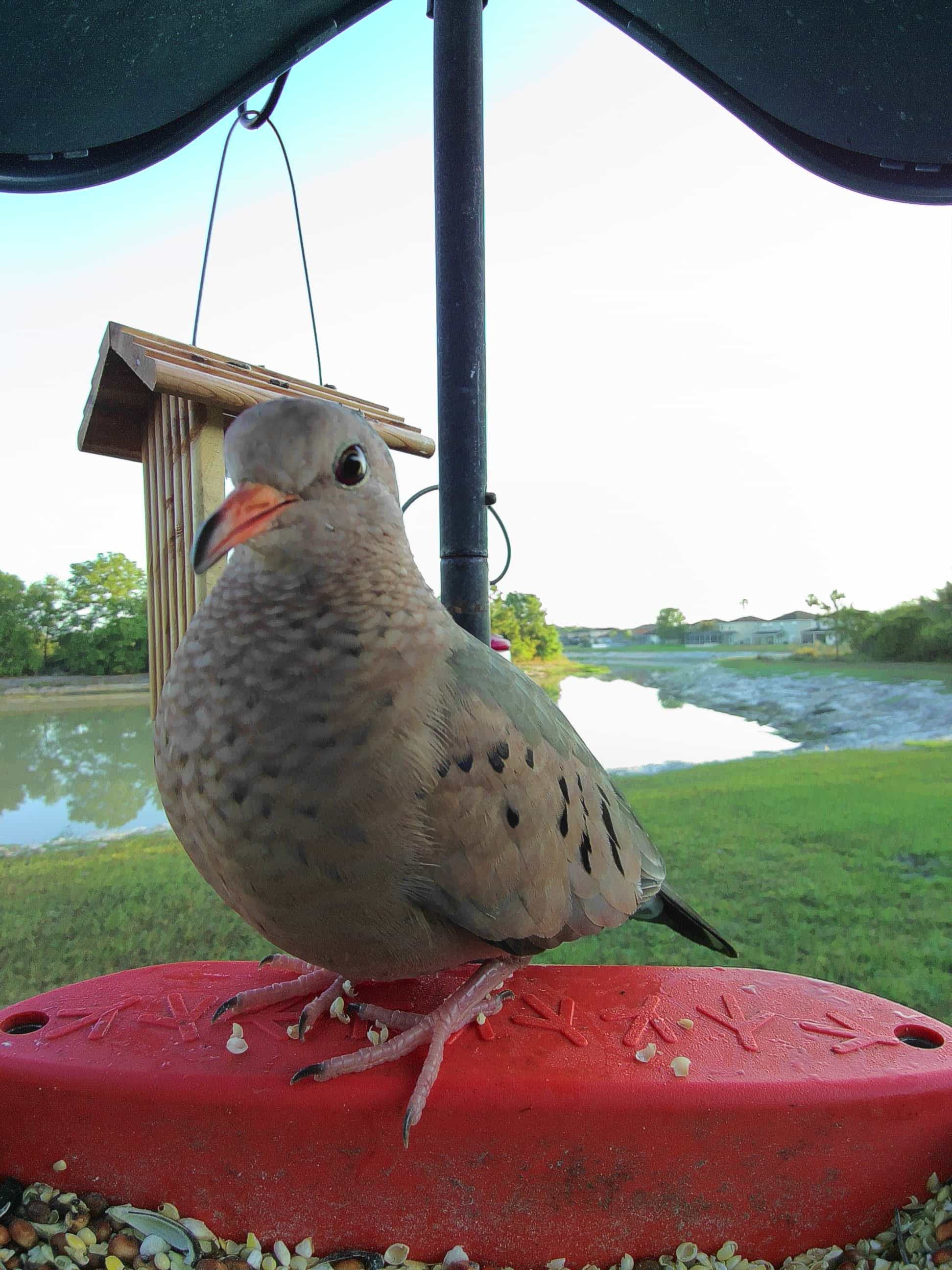
Mourning Dove (Zenaida macroura): This bird is a slender, medium-sized creature with a soft grayish-brown body, long pointed tail with white edges, and distinctive black spots on its wings, often recognized for its gentle, mournful cooing sound.
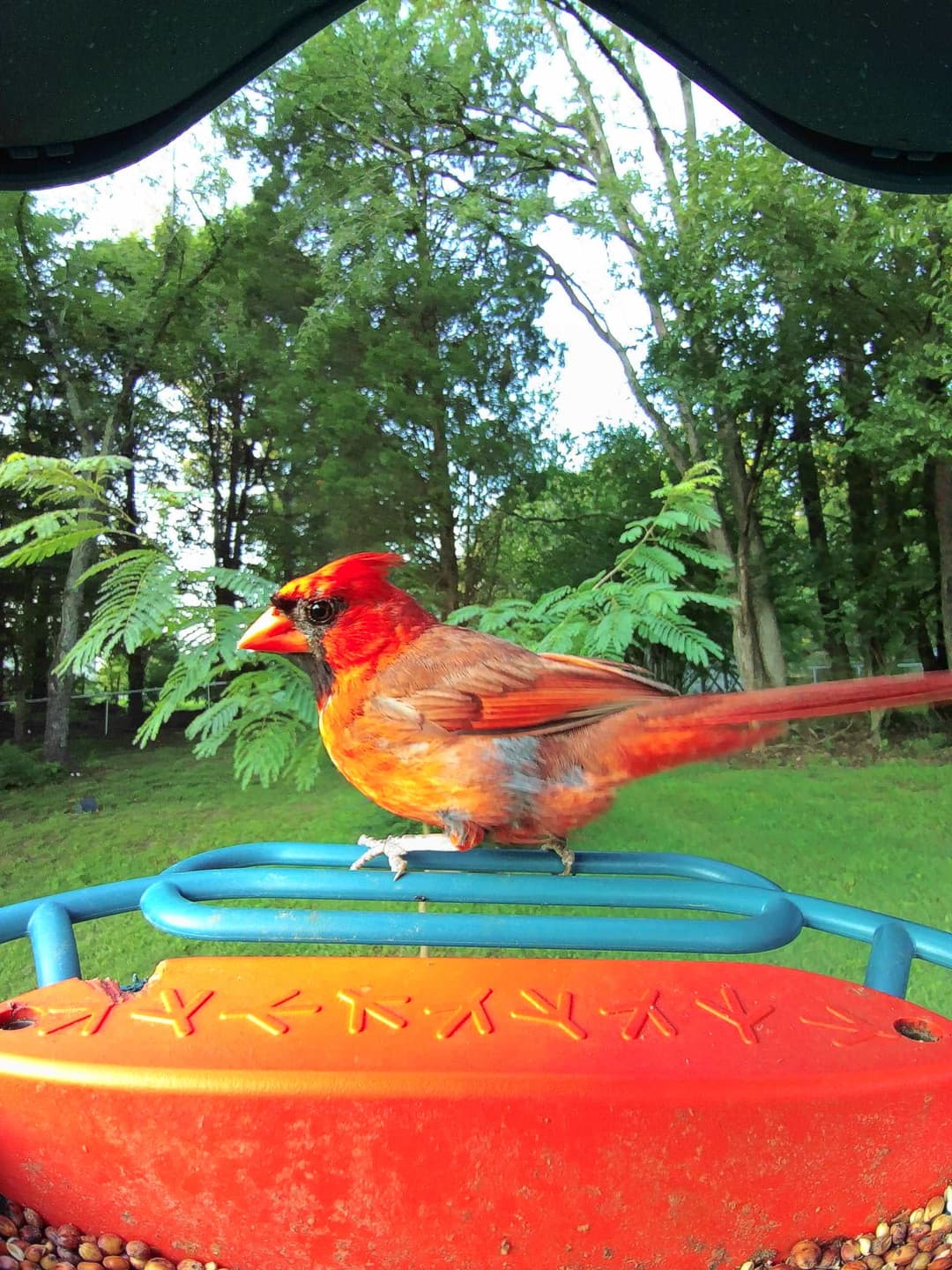
Northern Cardinal (Cardinalis cardinalis): This vibrant songbird is known for its striking red plumage, distinctive crest, and robust bill, commonly found in woodlands, gardens, and shrublands across North America.
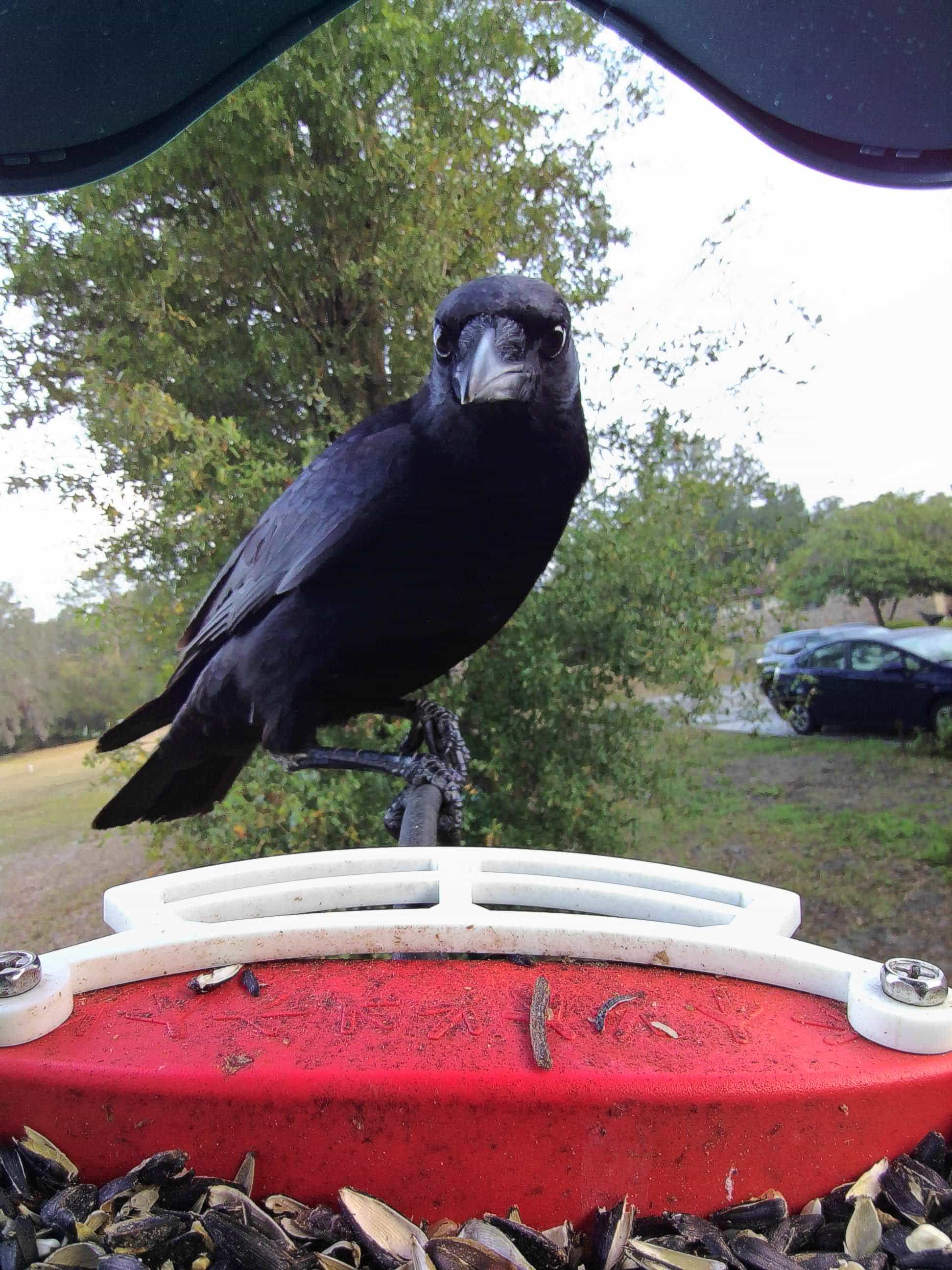
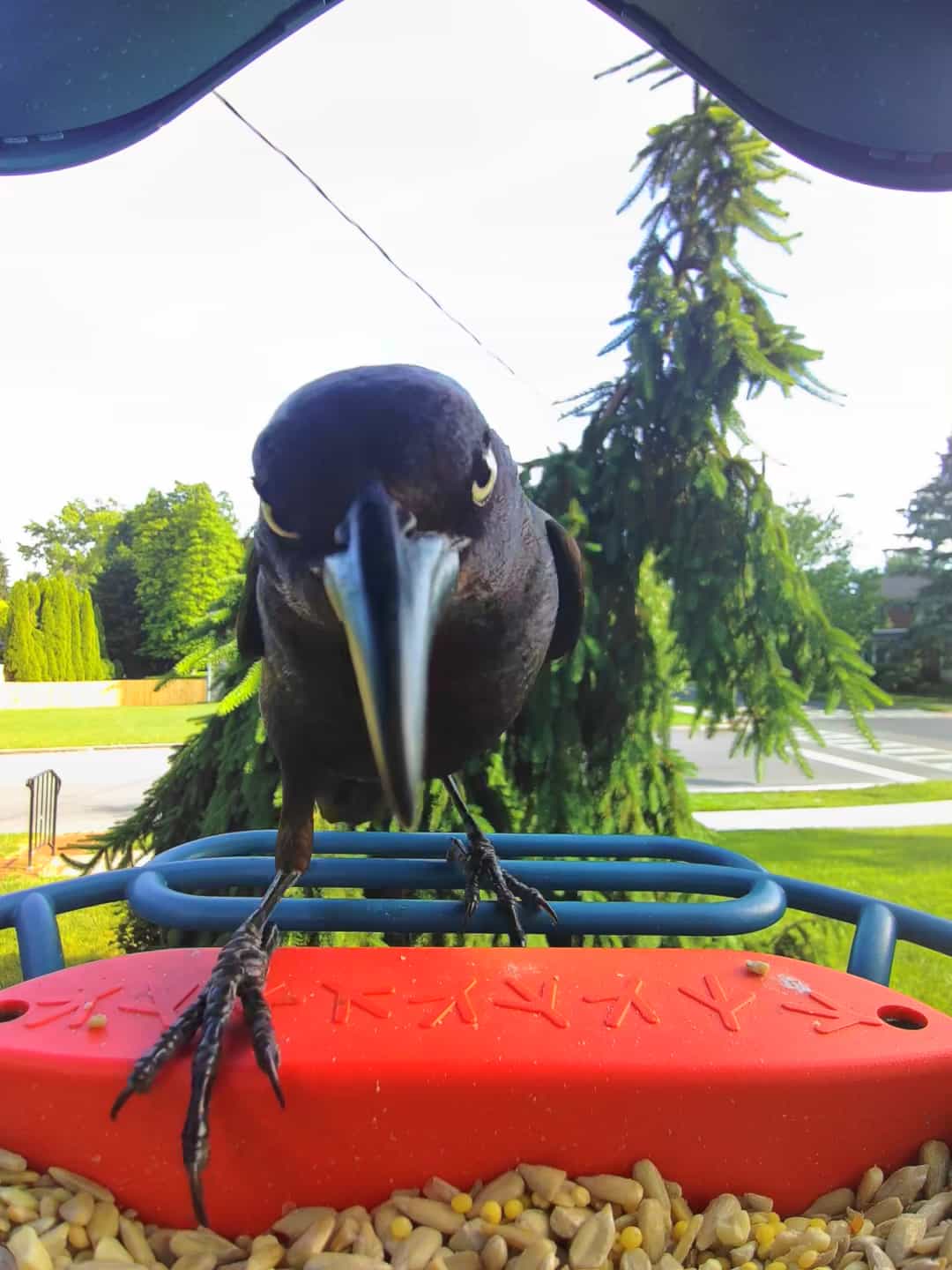
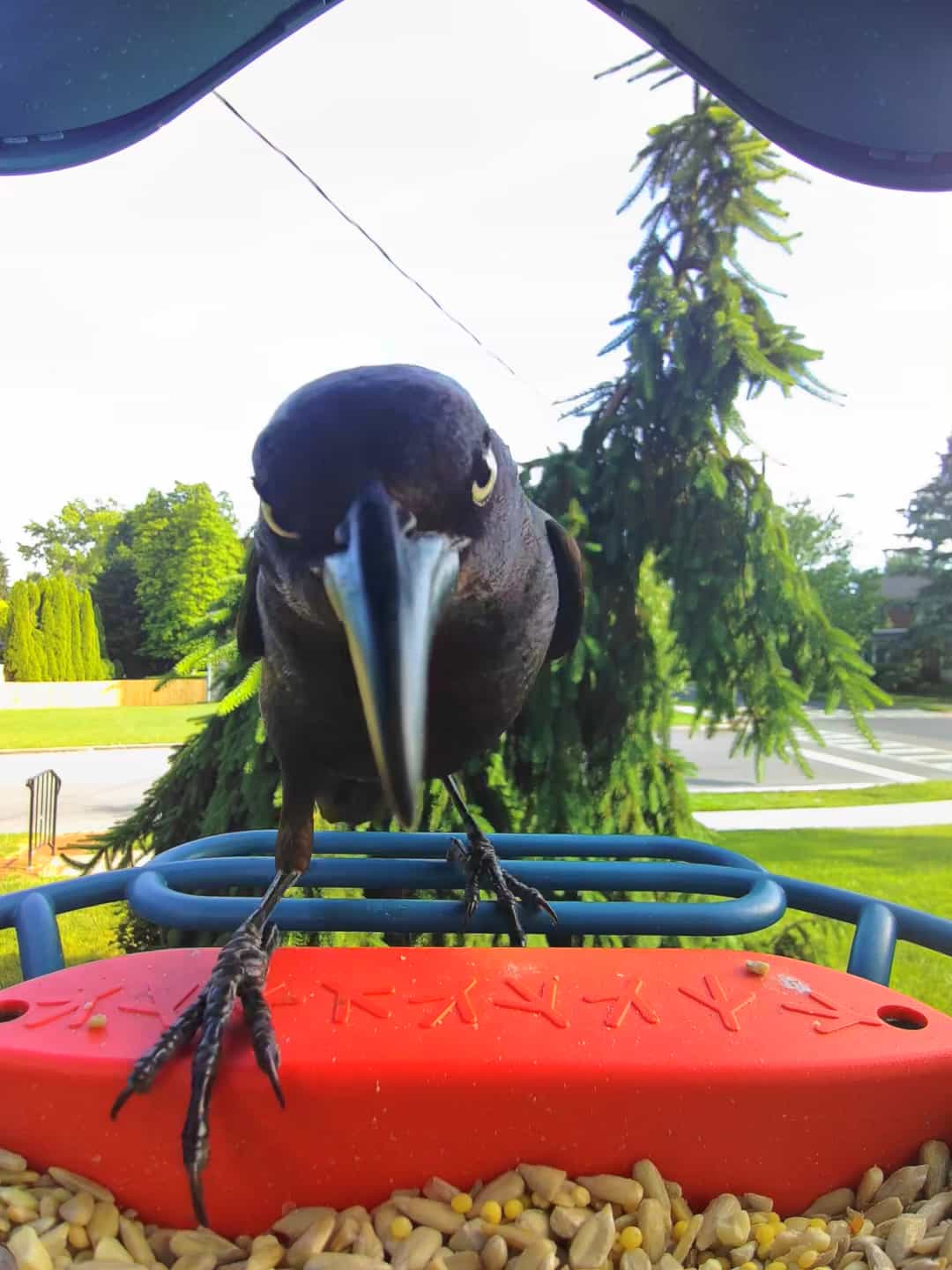
Common Grackle (Quiscalus quiscula): This bird is a large, iridescent blackbird with a long, tapered tail and bright yellow eyes, known for its distinctive, metallic-sounding call and commonly found in open and semi-open areas across North America.
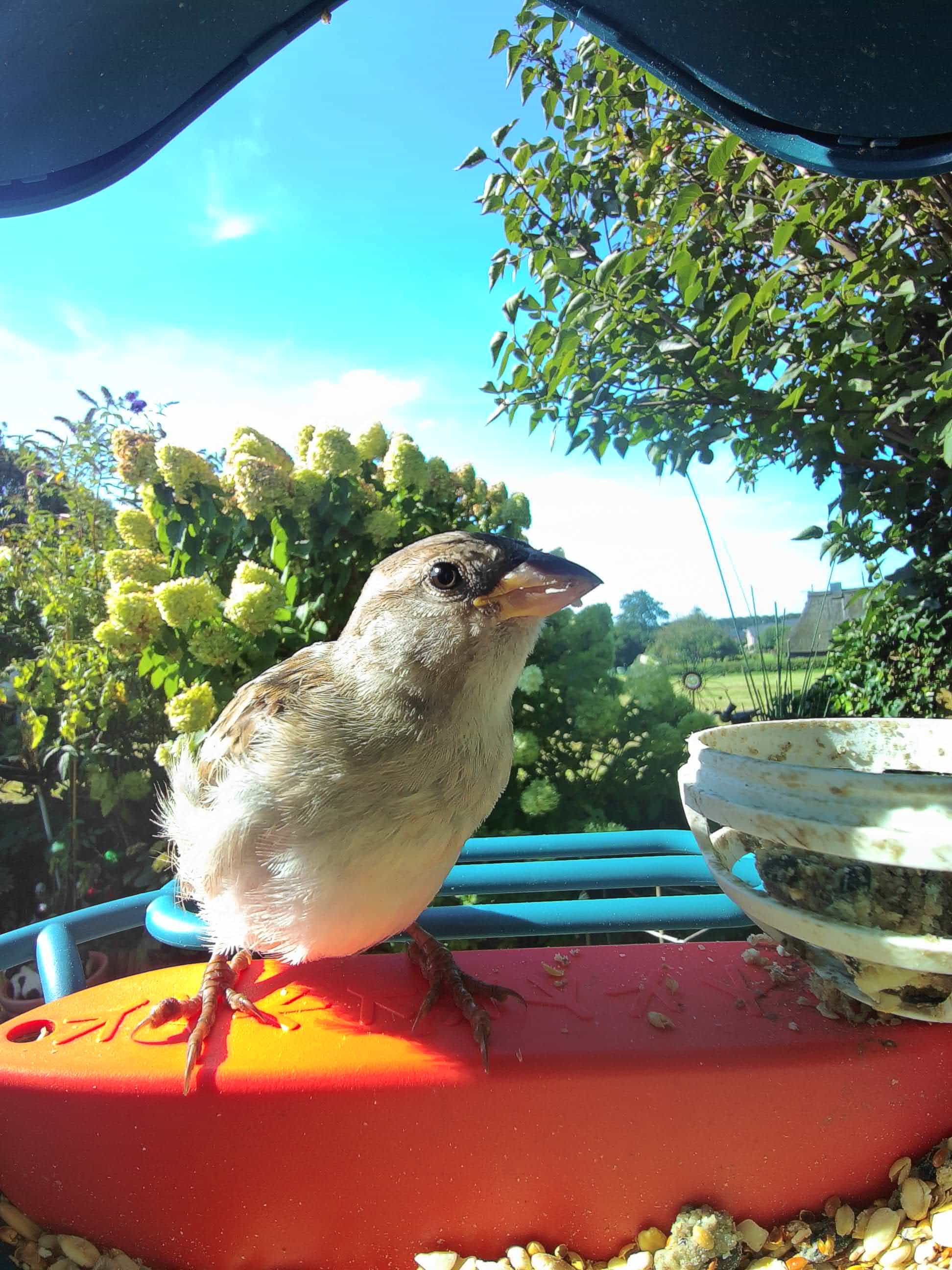
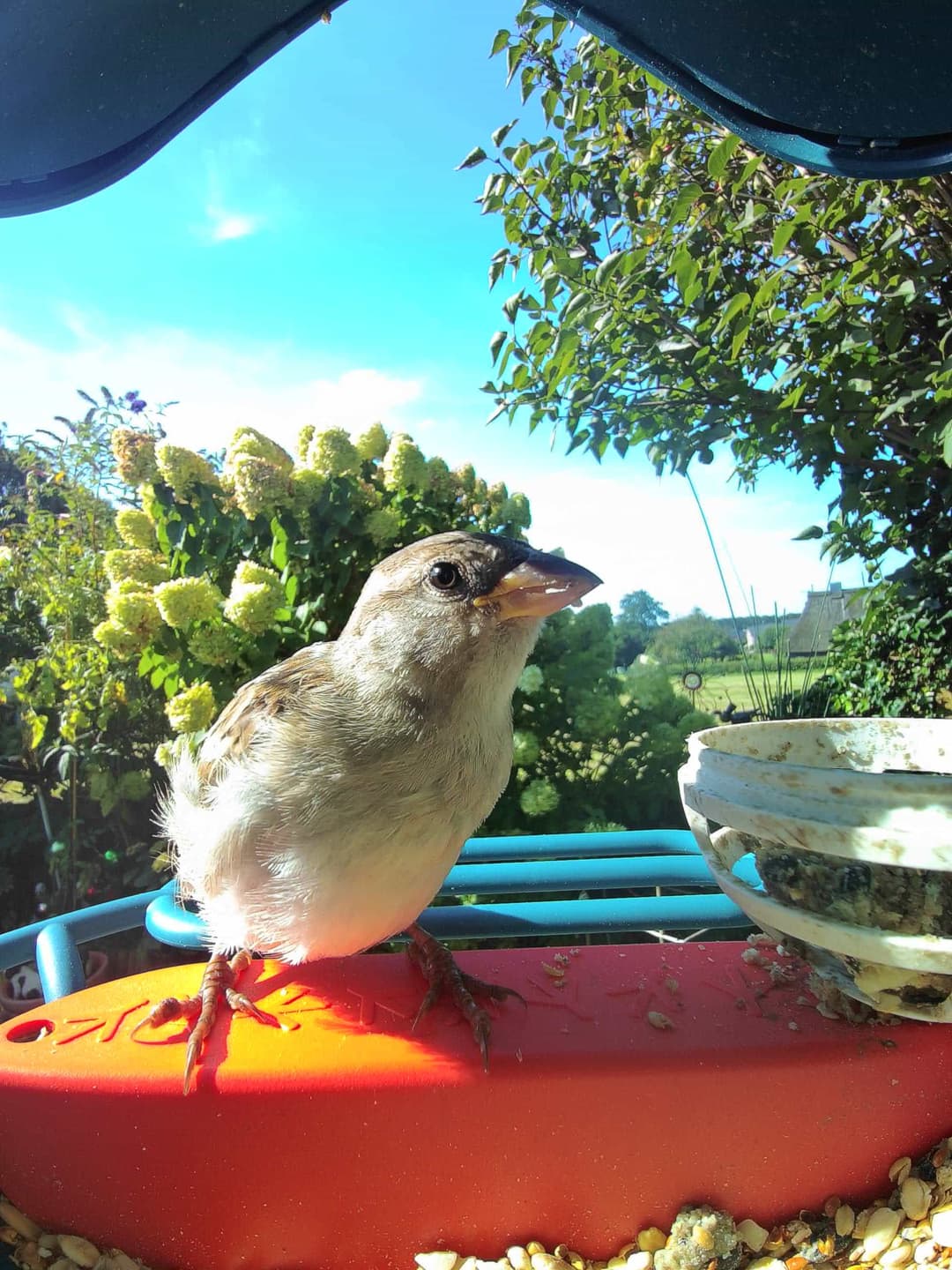
House Sparrow (Passer domesticus): A small, stocky bird with a stout bill, this species is easily recognized by its gray and brown plumage, distinctive black bib in males, and its adaptability to urban and rural environments worldwide.
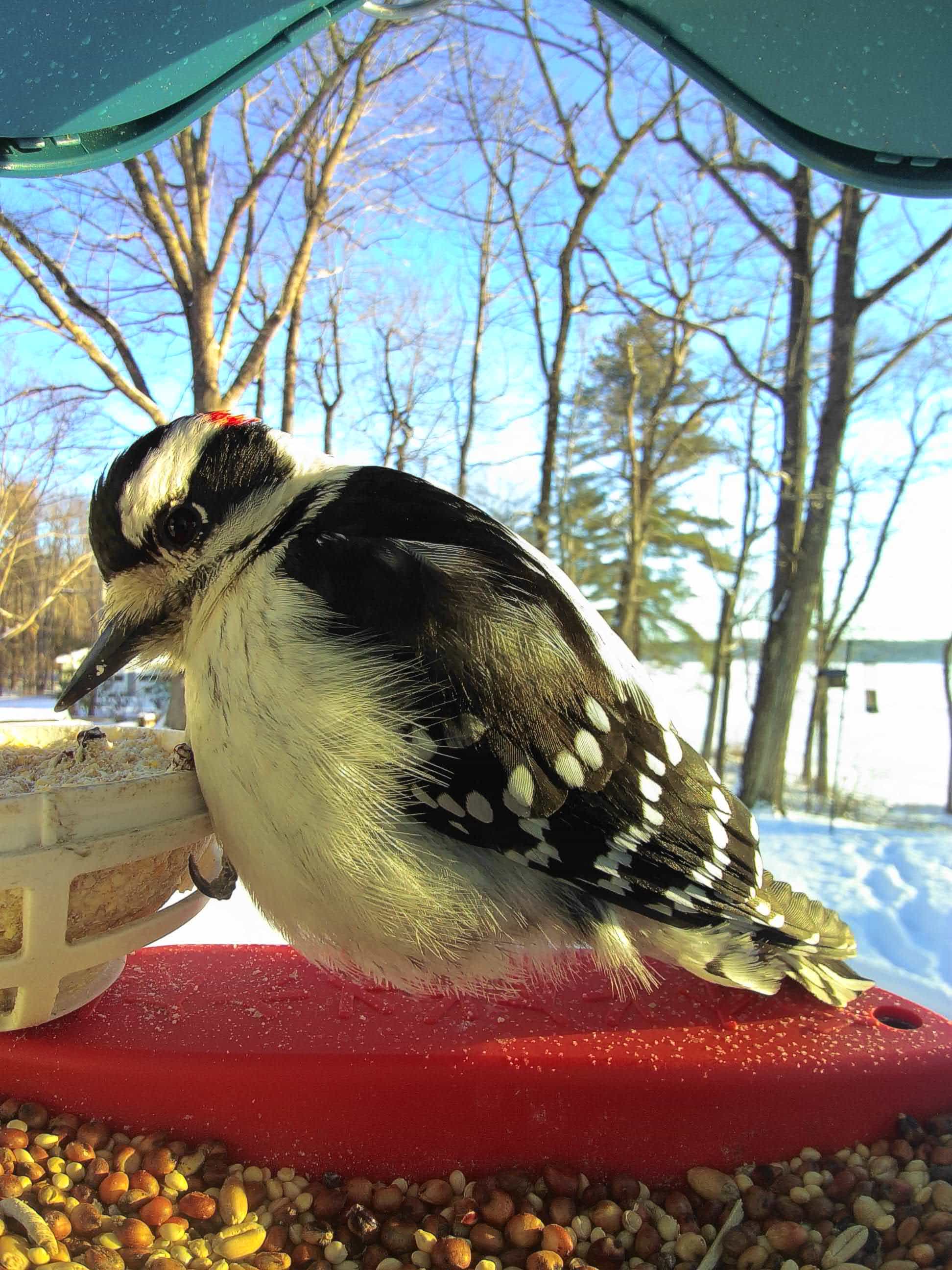
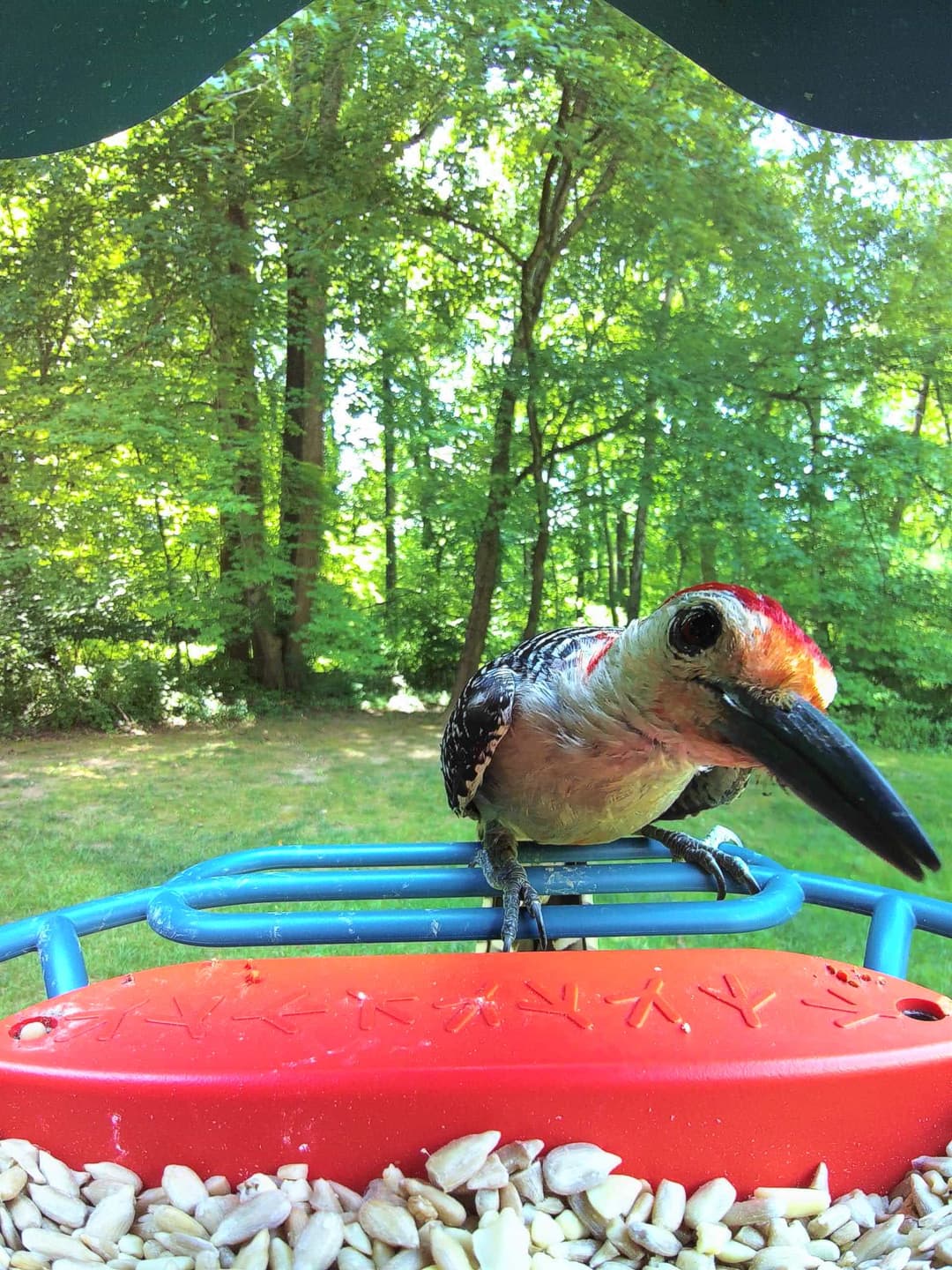
Red-Bellied Woodpecker (Melanerpes carolinus): This striking bird, commonly found in eastern North America, features a pale, lightly striped belly, vibrant red cap and nape, and a bold black-and-white barred back.

Identifying bird sounds and calls in St. Petersburg
Bird sounds are a key way to identify different species, even when they're hidden in trees or bushes. Each bird has its own unique vocalizations, from melodic songs to distinctive calls. Learning these sounds can help you identify birds even before you see them.
Birdwatching hotspots in St. Petersburg
Parks, reserves, and observatories
St. Petersburg, Florida is home to a diverse array of habitats, including sandy coastlines, mangrove swamps, and lush parklands, providing a rich environment for birds and birdwatchers alike.
Fort De Soto Park: A popular birdwatching destination with beaches and trails, offering views of migrating shorebirds and resident waterfowl.
Sawgrass Lake Park: Features a boardwalk and trails through wetlands, ideal for observing herons, egrets, and alligators.
Boyd Hill Nature Preserve: Provides a variety of ecosystems including pine flatwoods and hardwood hammocks, supporting a wide range of bird species.
Accessibility and facilities
Most parks and reserves have walking trails and boardwalks, with some offering wheelchair access and visitor facilities.
Conservation efforts
St. Petersburg, Florida, focuses on preserving its natural habitats and promoting sustainability. Some of the efforts include:
- Efforts to protect local marine life.
- Initiatives to restore and maintain local wetlands.
- Community programs aimed at reducing pollution.
How Can I Help?
- Participate in local beach clean-ups.
- Support local conservation organizations.
- Adopt sustainable practices at home.
Live bird sightings in the St. Petersburg area
Discover what birds are currently active in St. Petersburg through real-time sightings from Birdbuddy users. Explore hotspots and track your favorite species with updates from our community network.
Learn more about Birdbuddy