Birds in Sheridan,
Wyoming
Sheridan, Wyoming offers diverse birdwatching conditions with its unique blend of prairie, riparian habitats, and forest landscapes situated at the foot of the Bighorn Mountains. This location is crucial for birdwatchers due to its rich avian diversity, hosting species like raptors, waterfowl, and songbirds. The varied topography and ecosystems provide both migratory and resident birds with ample nesting and foraging opportunities, making it a prime birdwatching destination.
Most iconic Sheridan bird
The Western meadowlark was chosen as the state bird of Wyoming because it is commonly found in the region and represents the state's natural beauty and heritage.
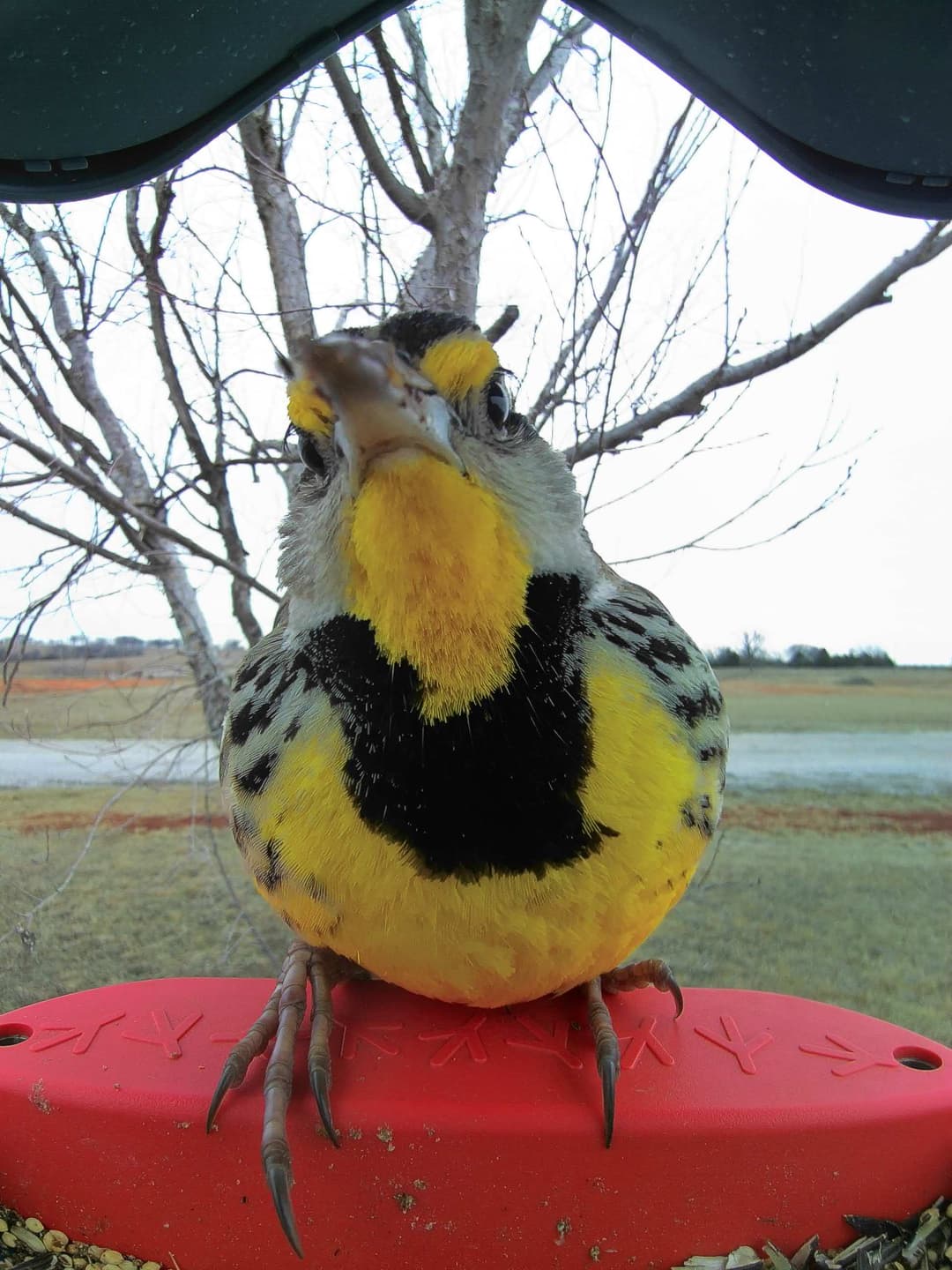
Common bird species in Sheridan
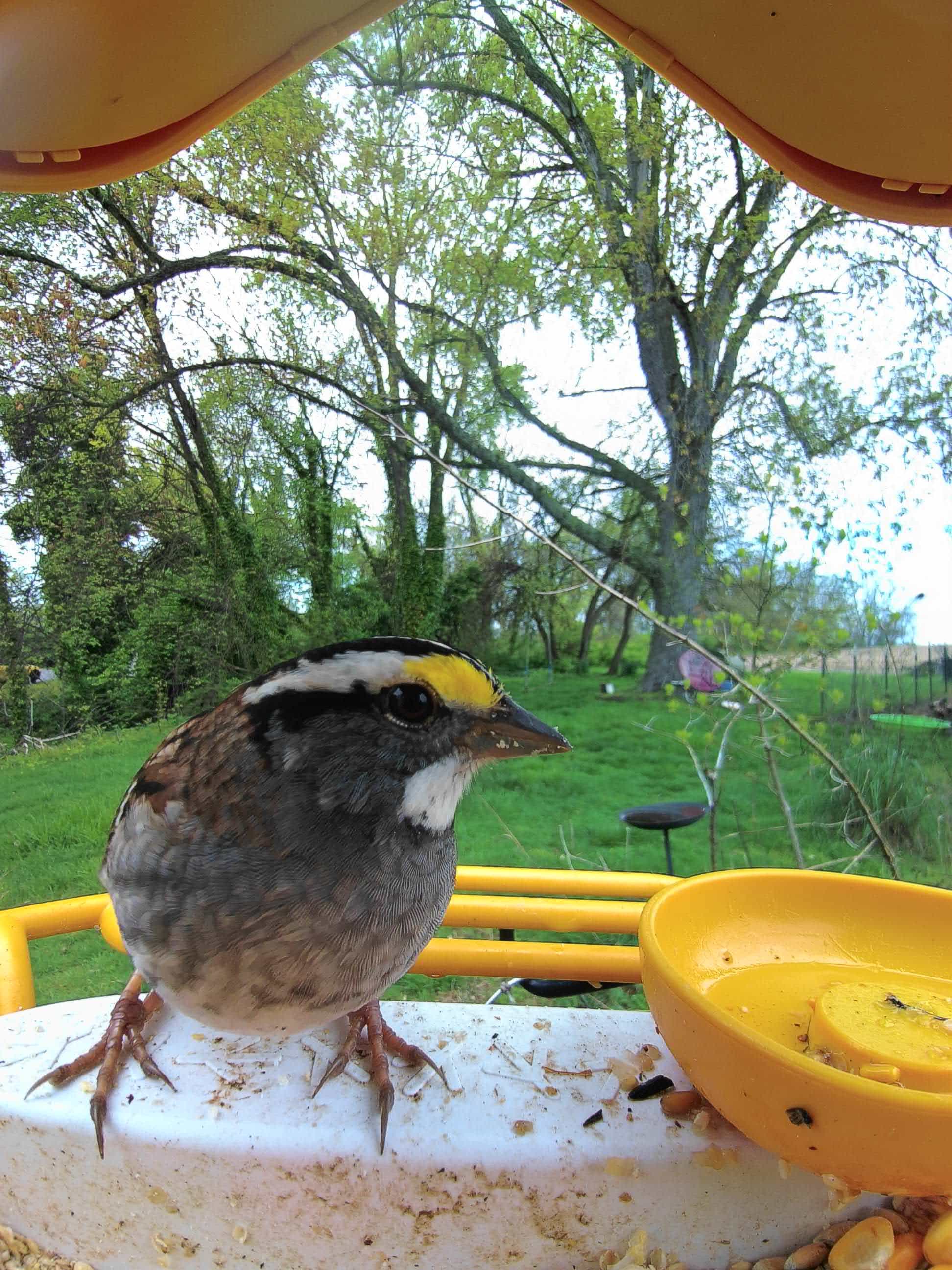
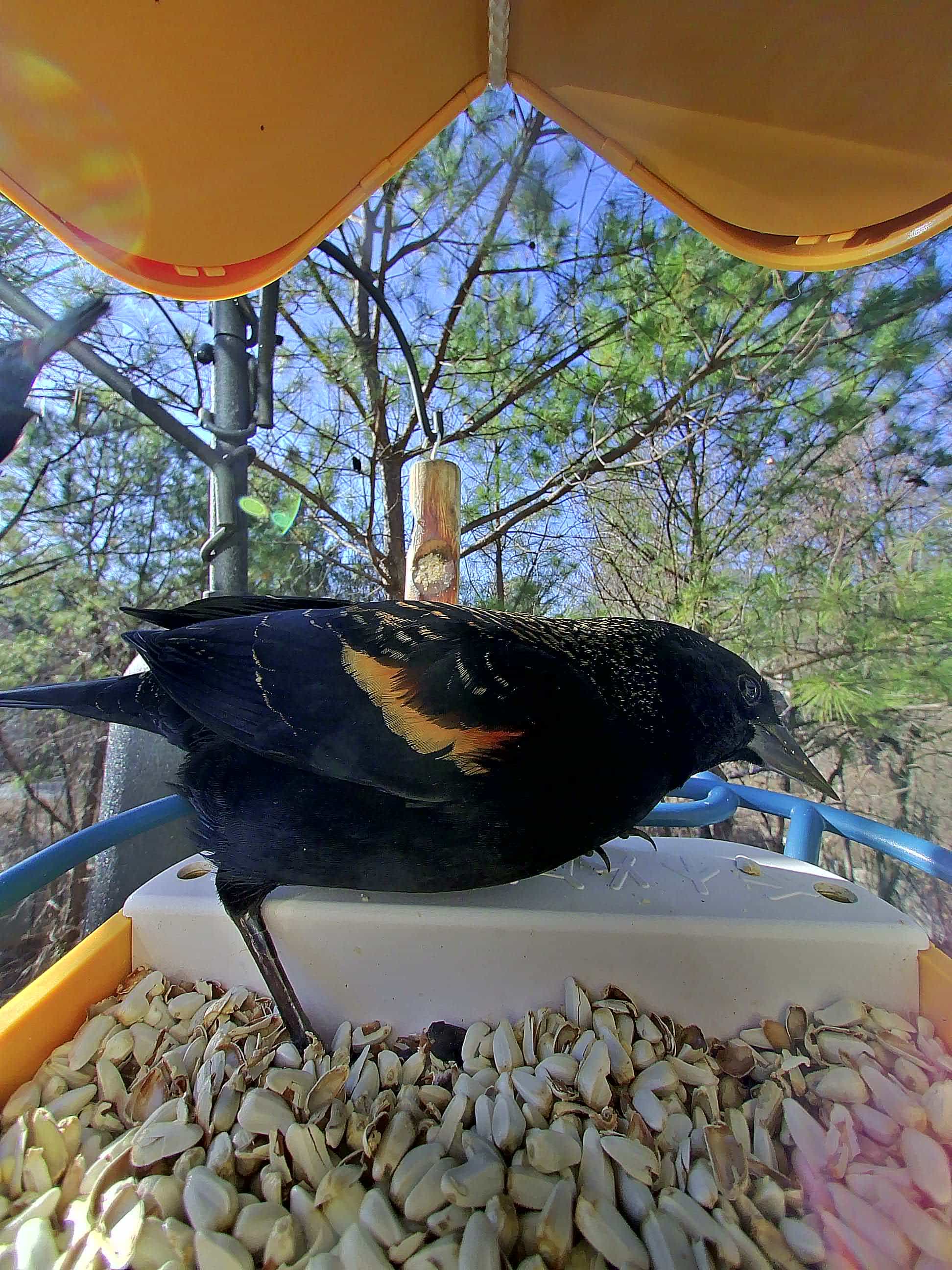
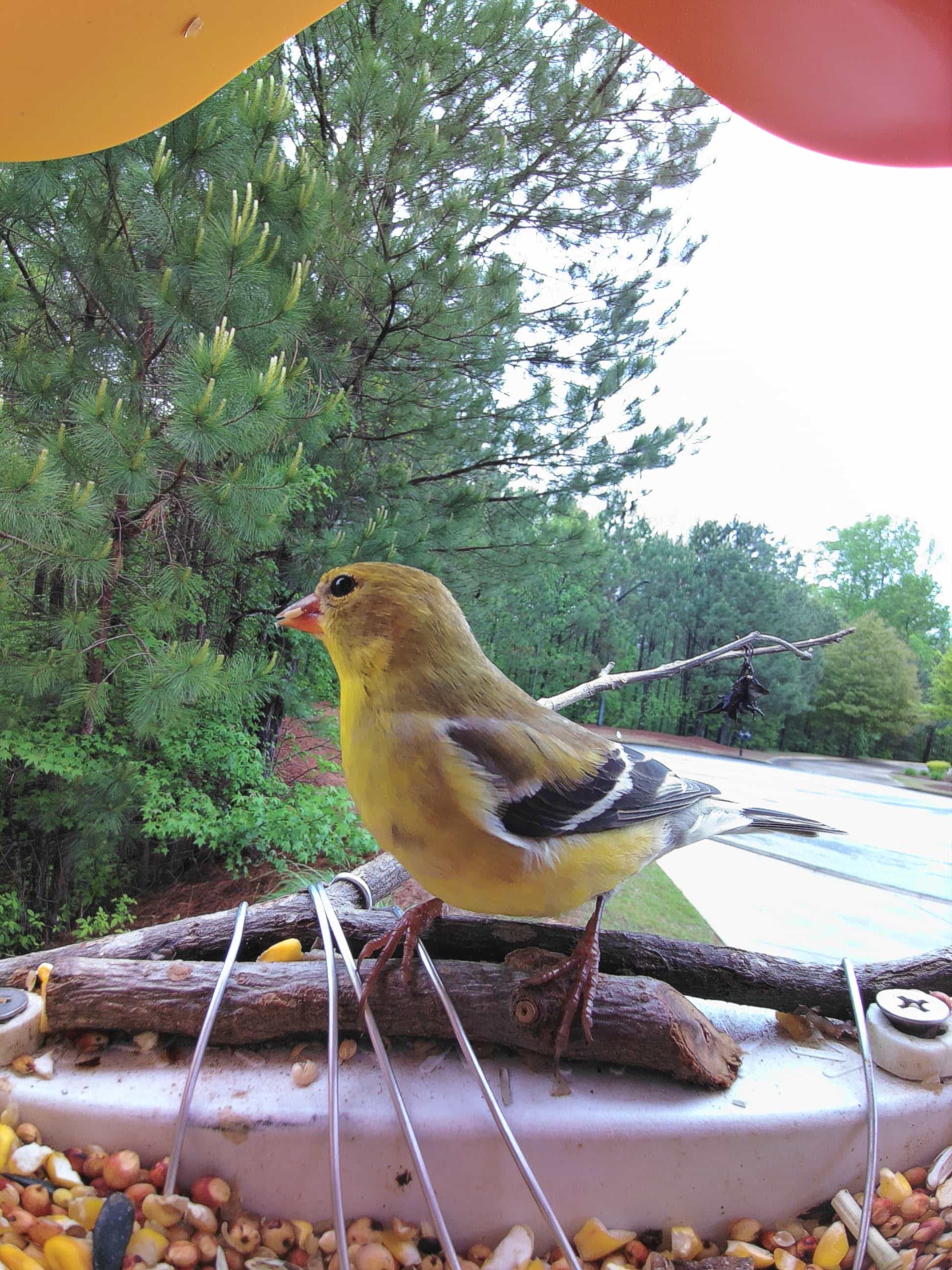
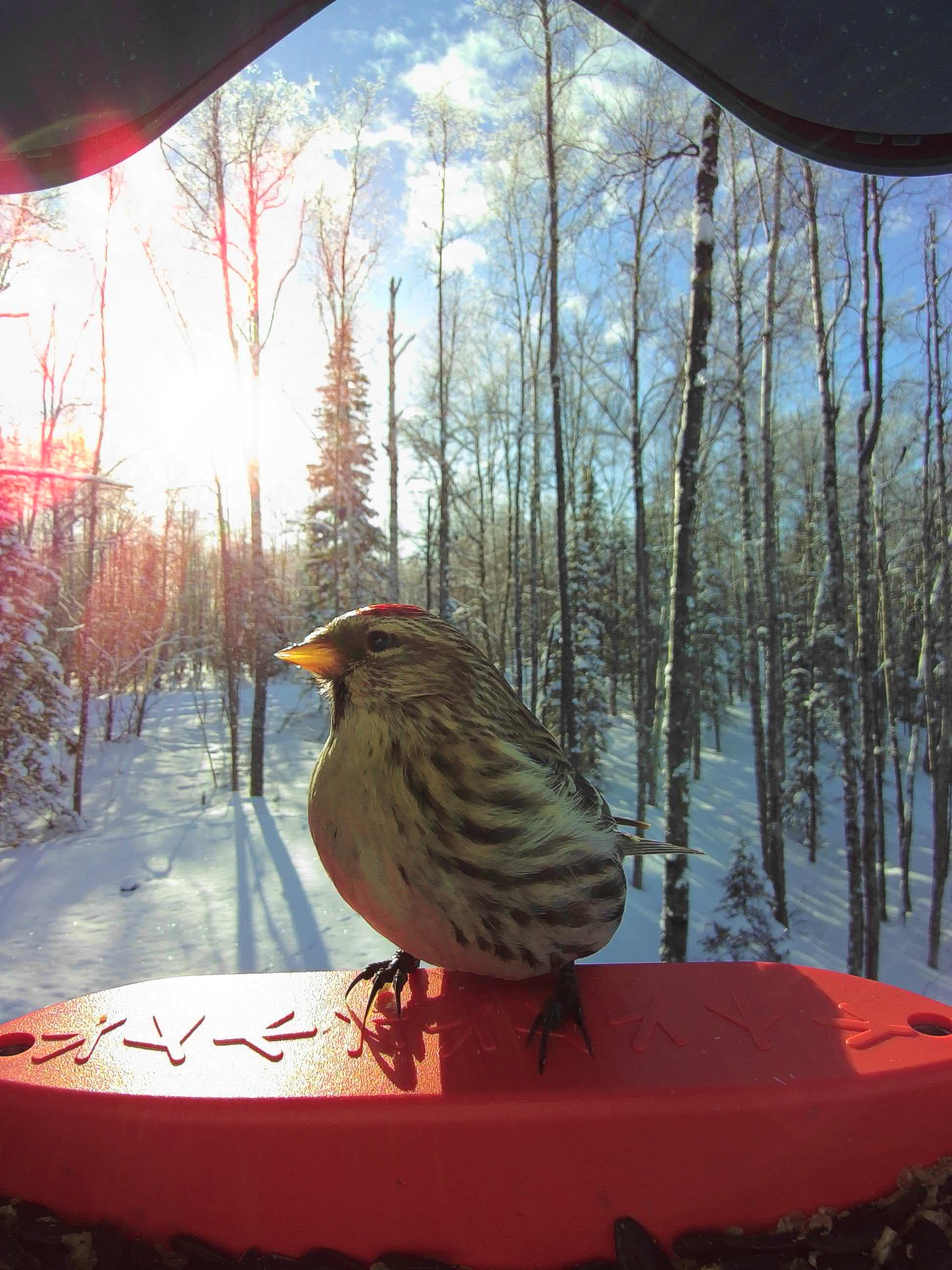
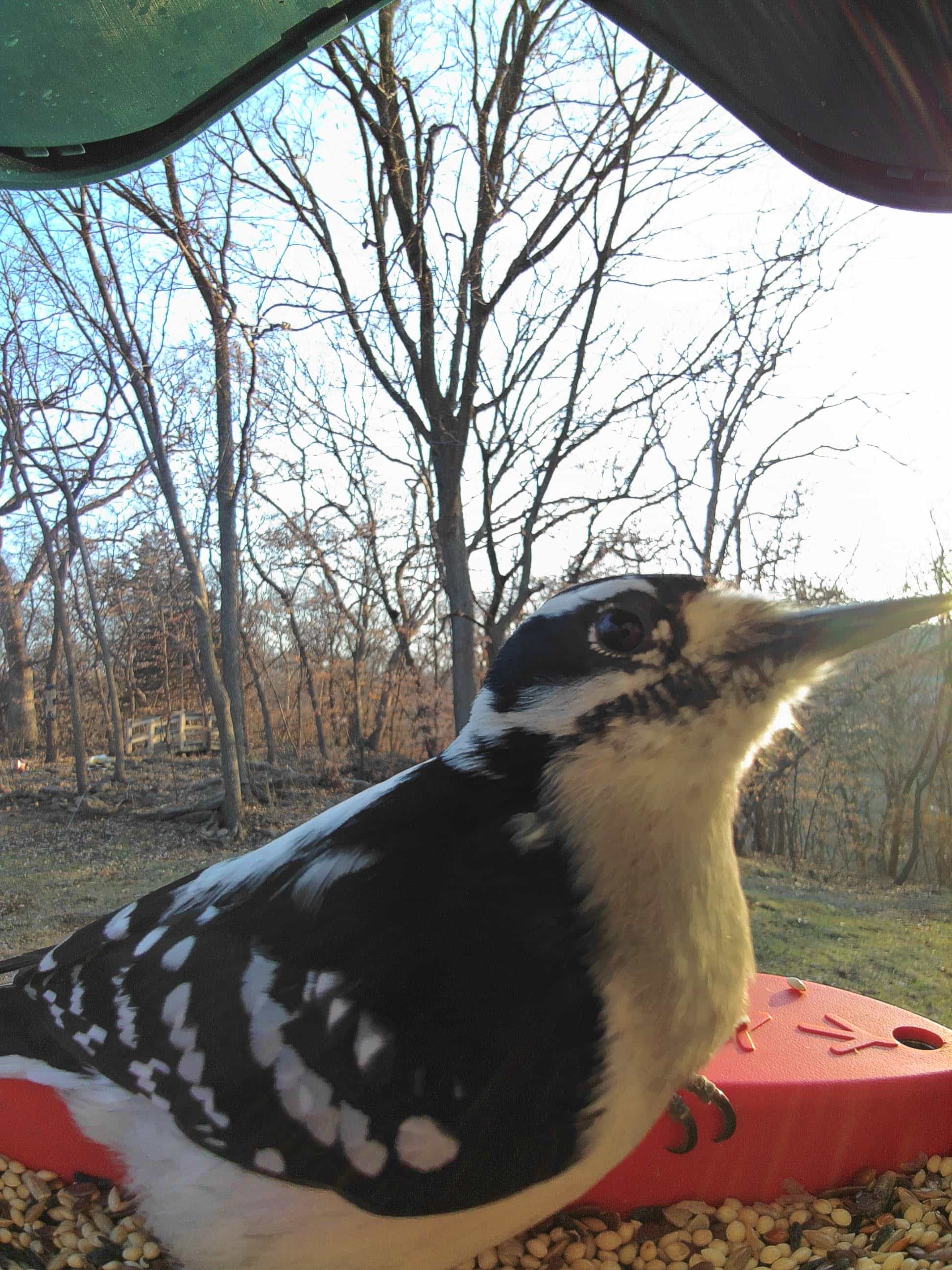
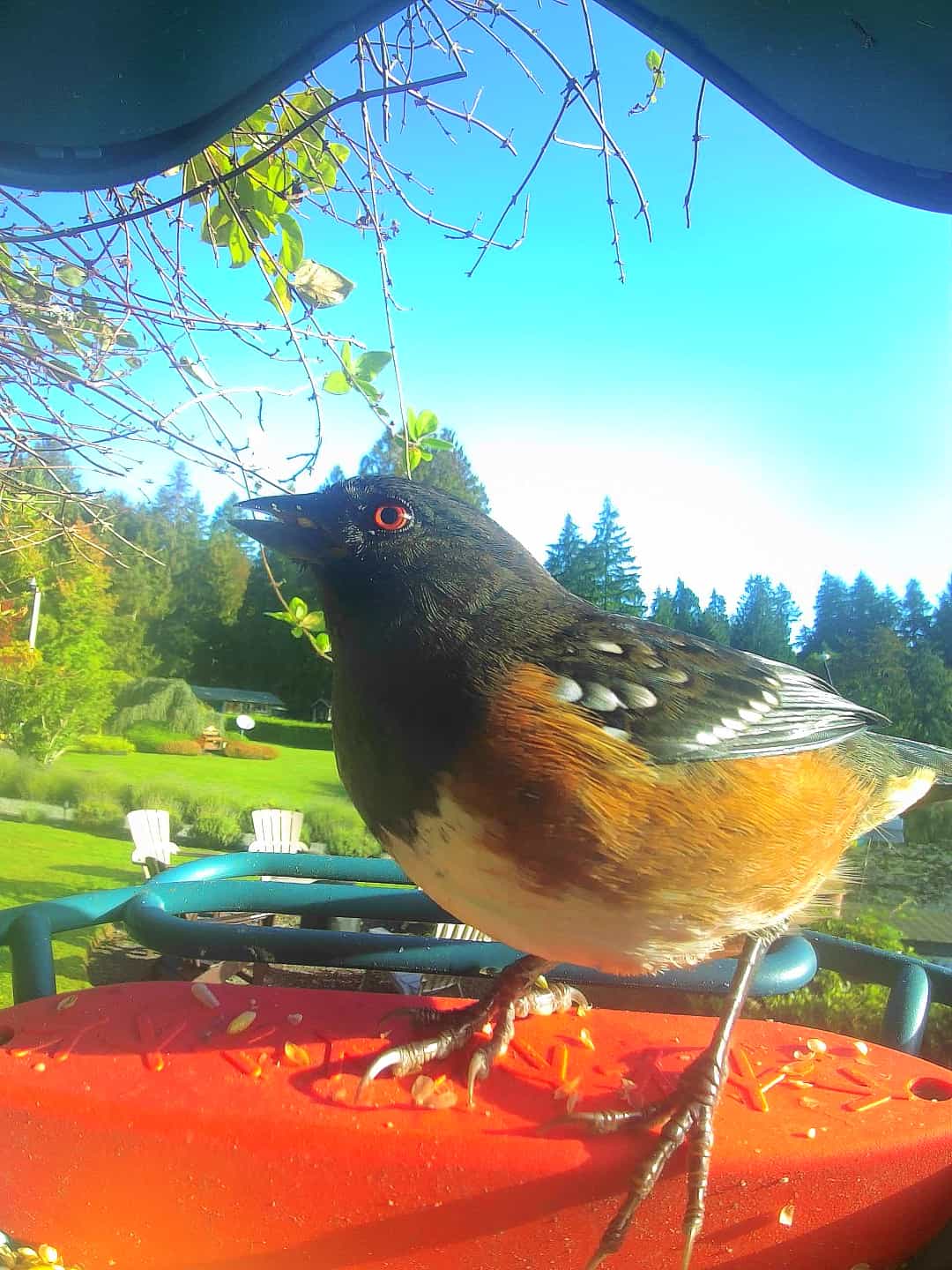
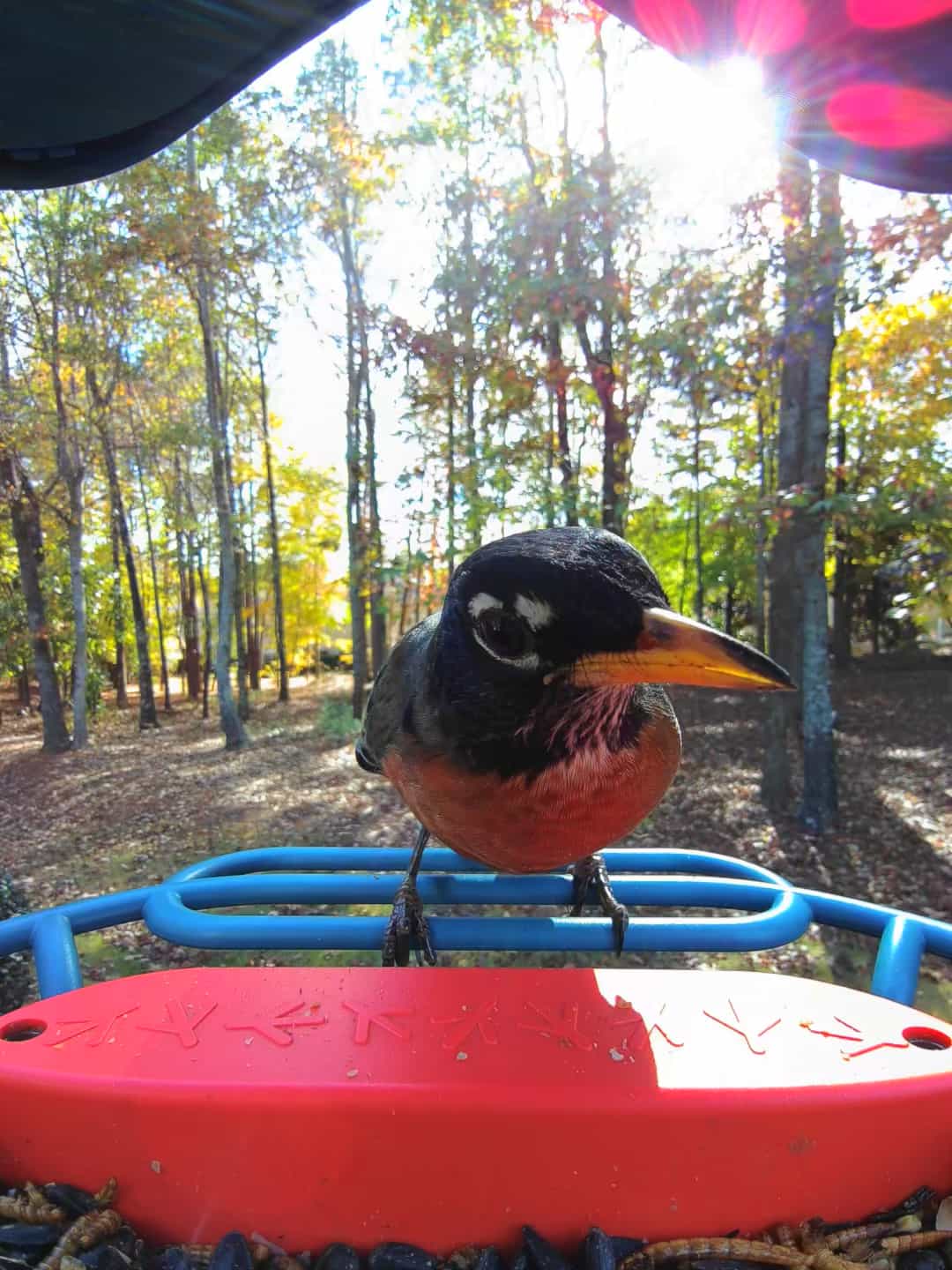
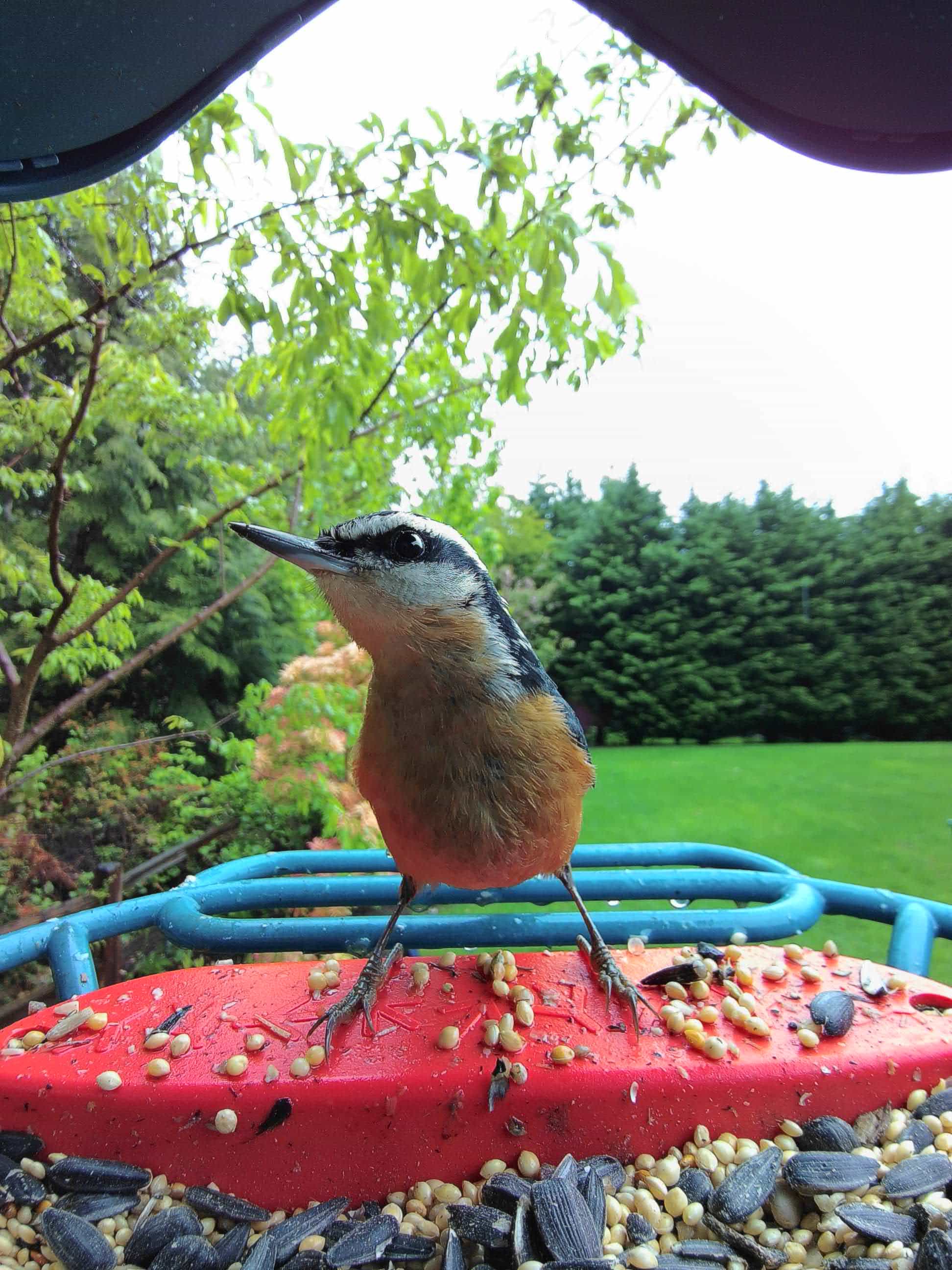
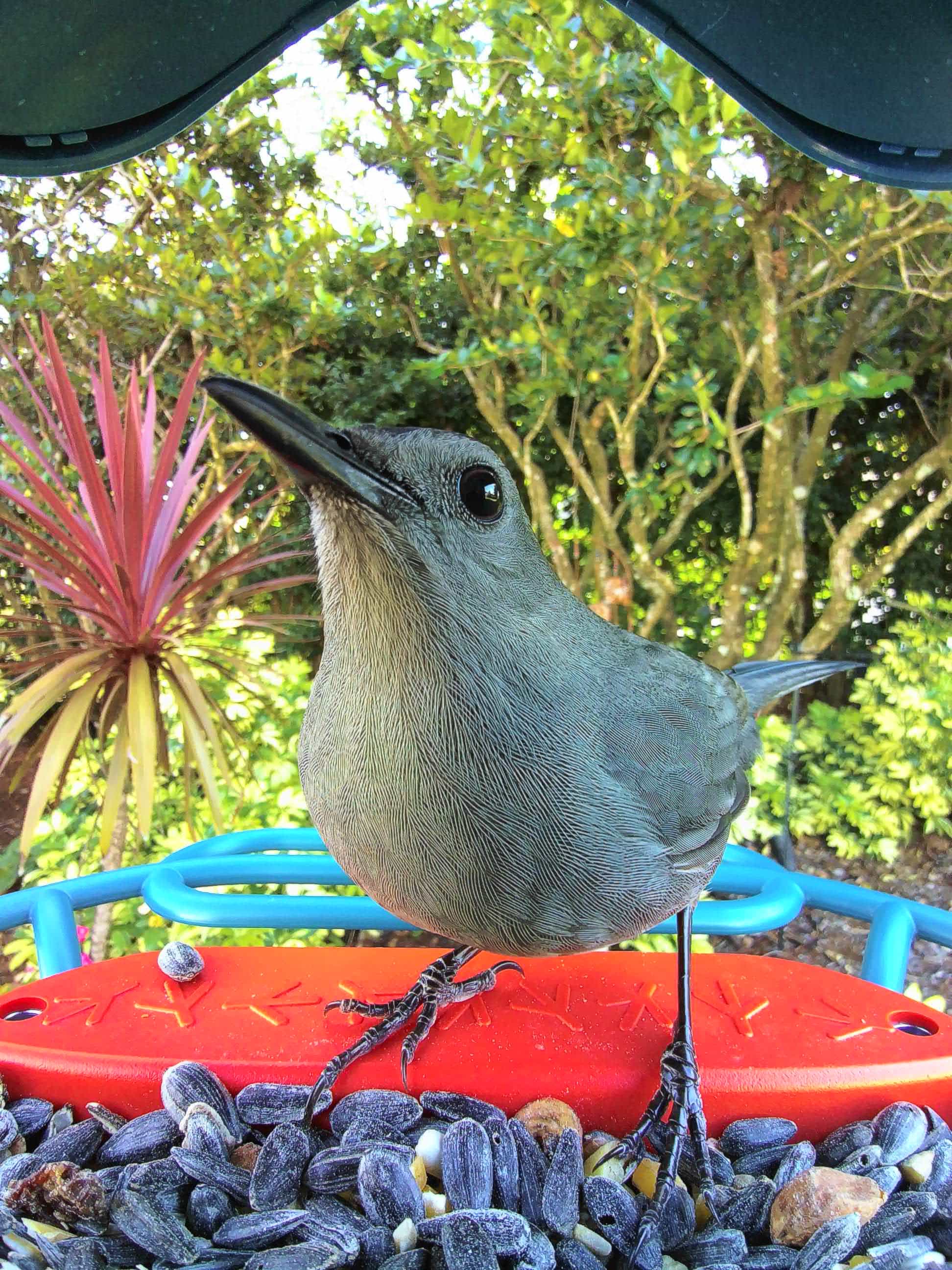
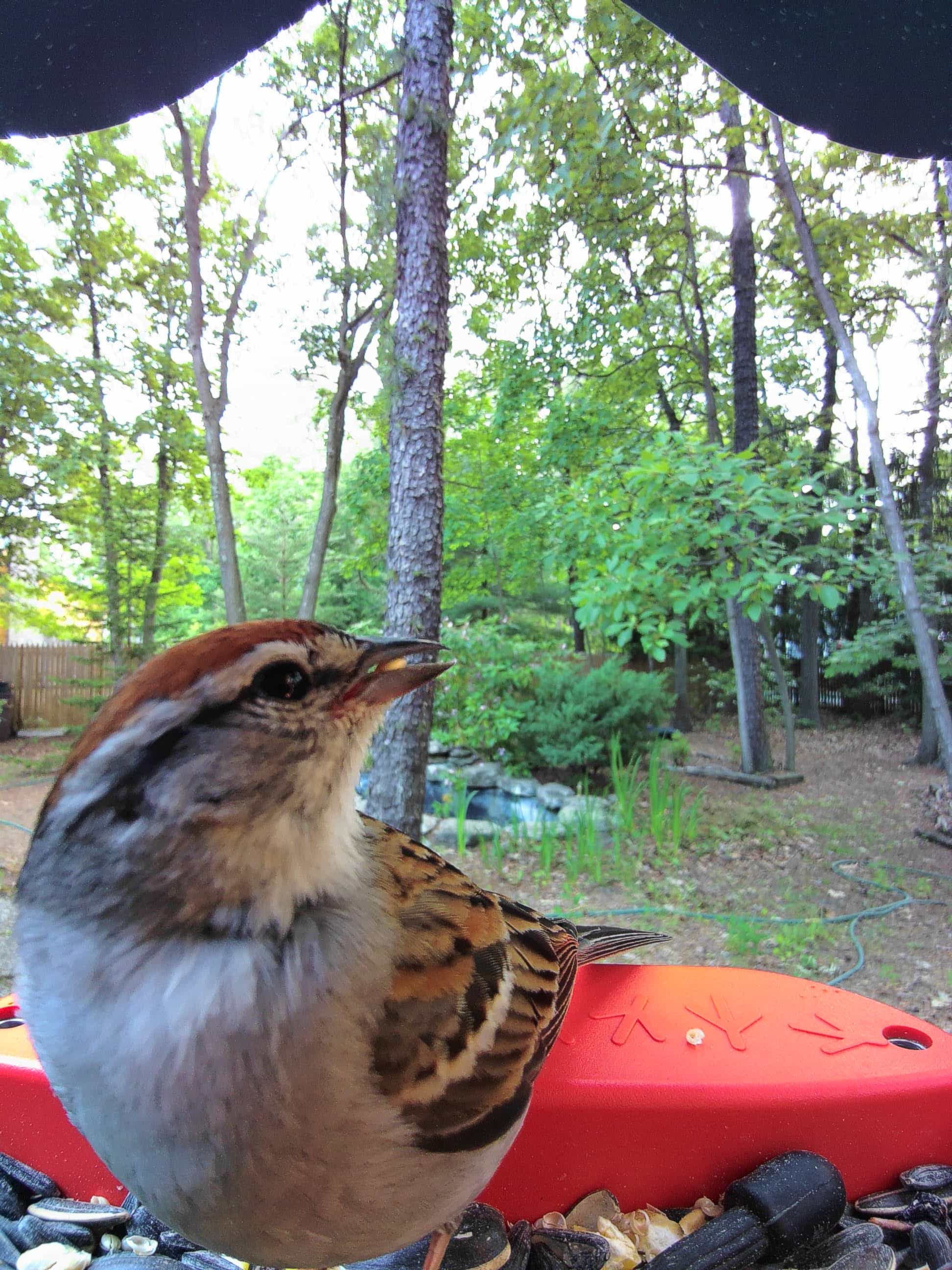
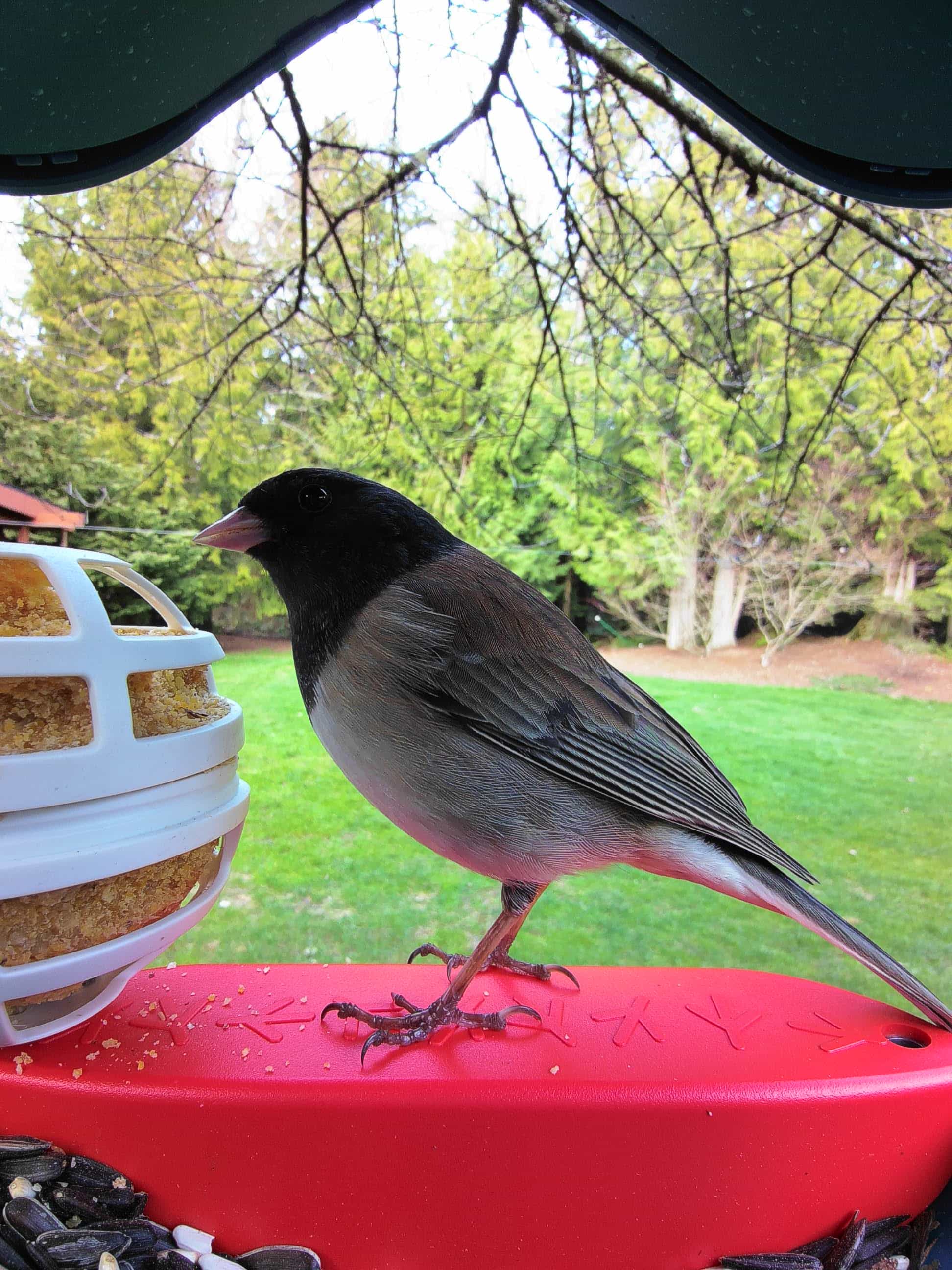
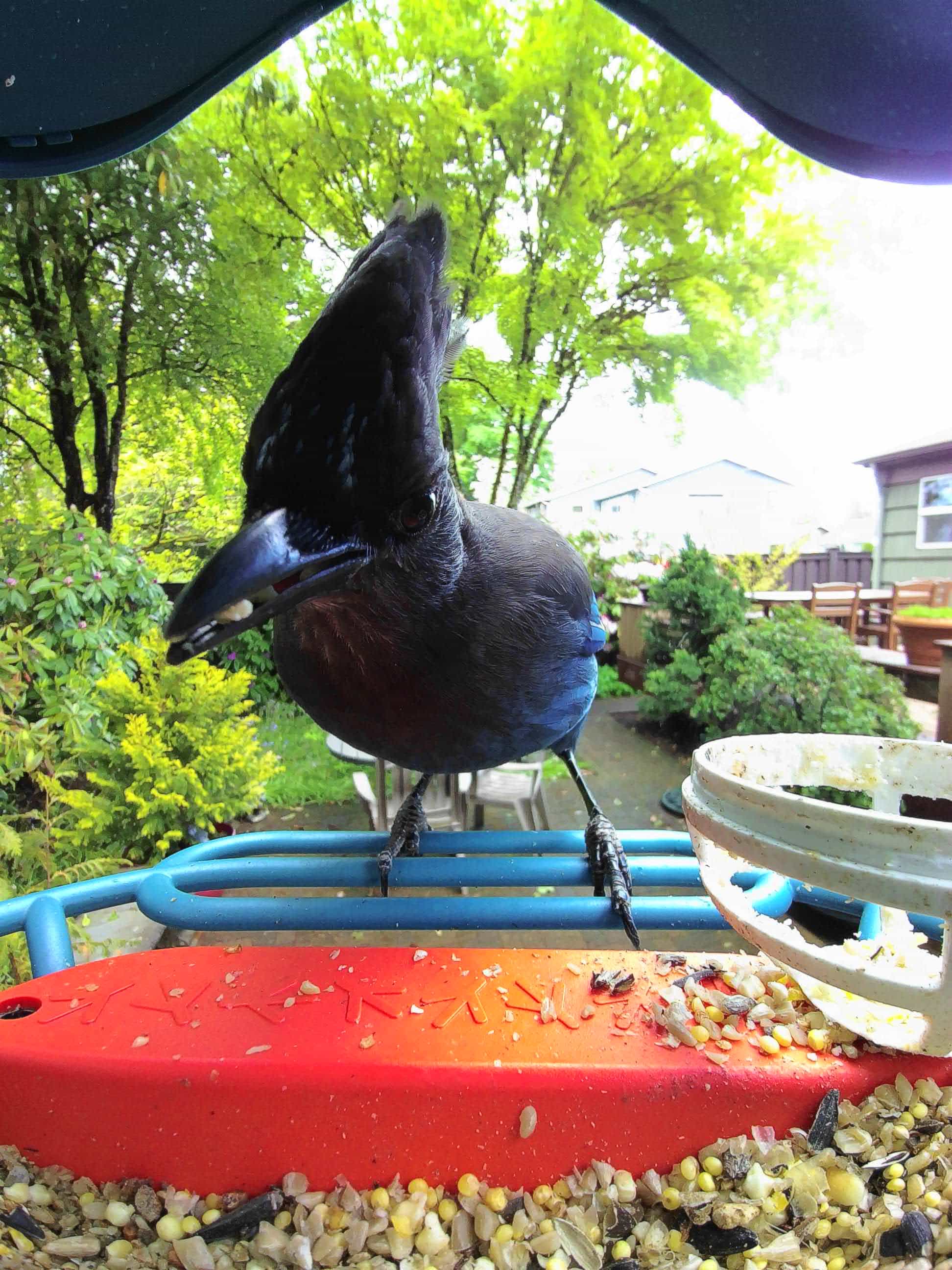
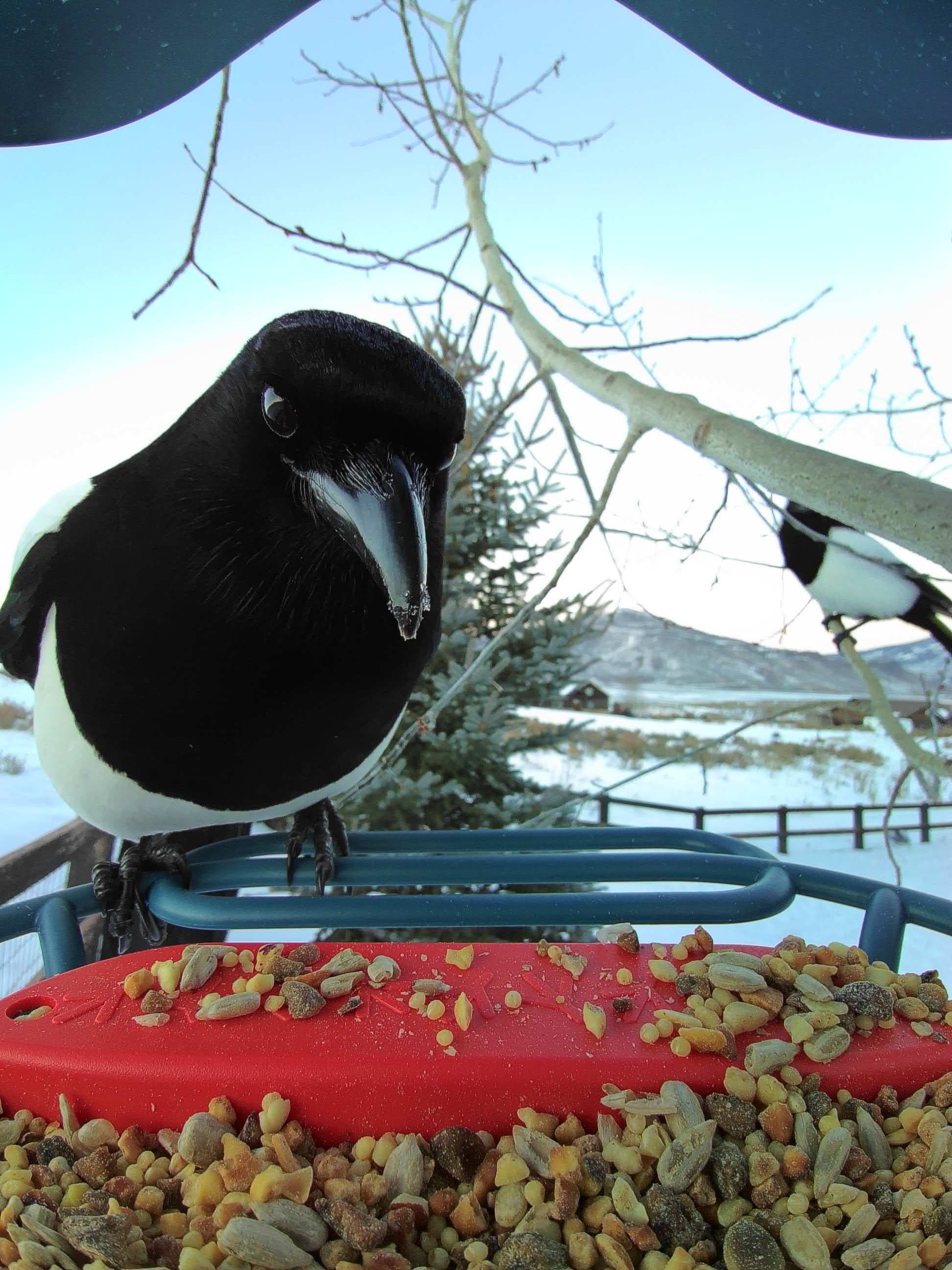
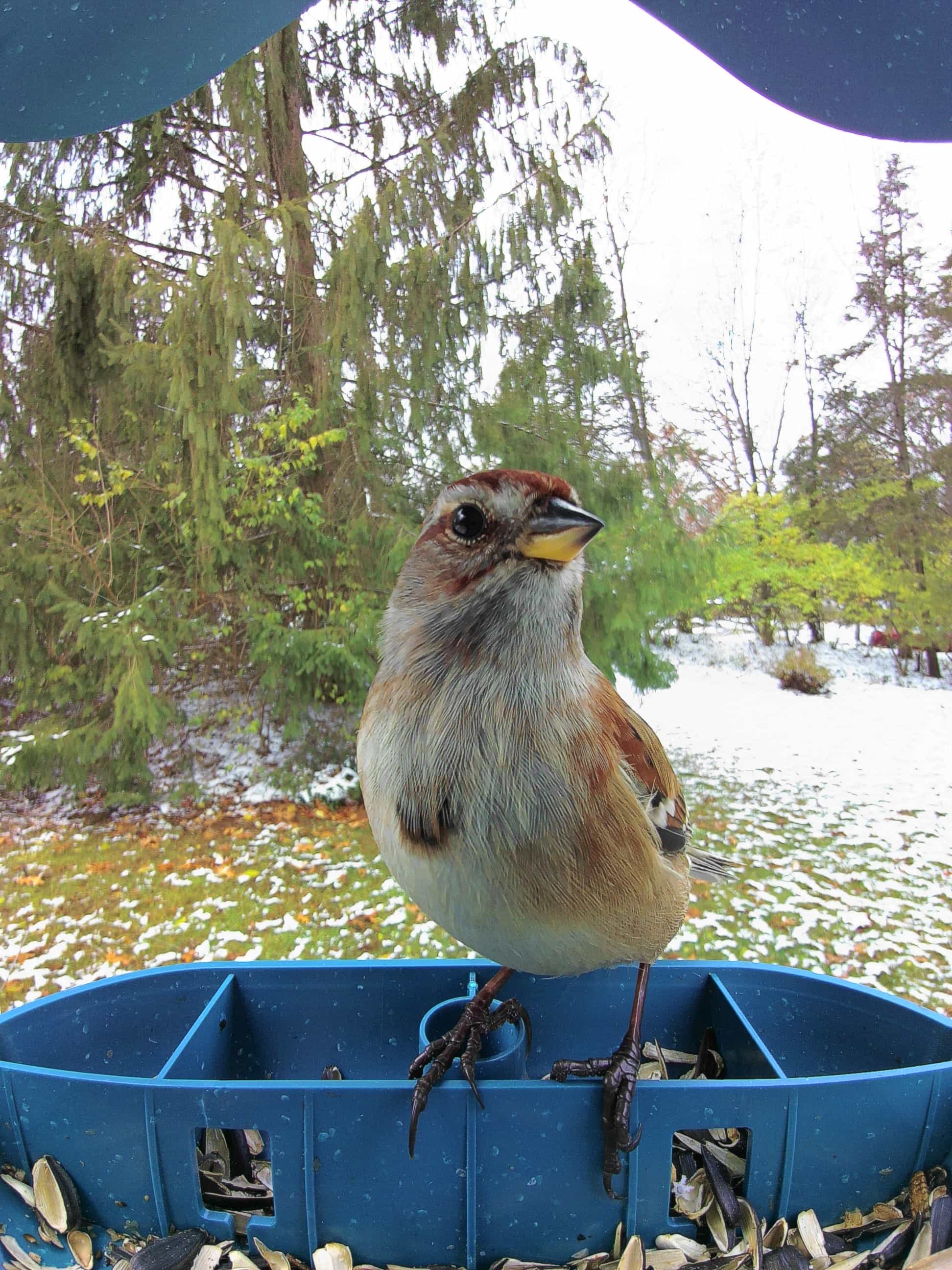
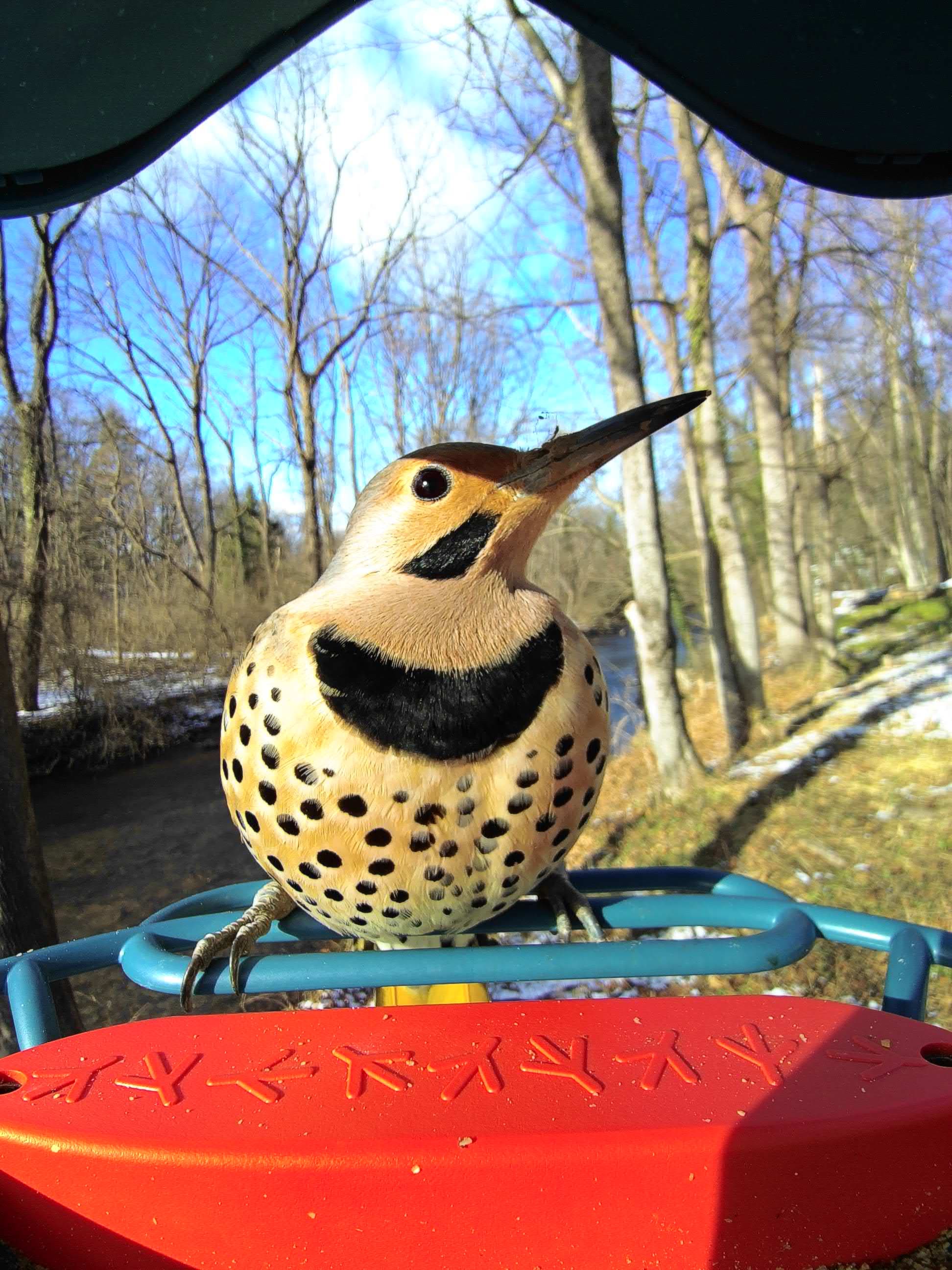
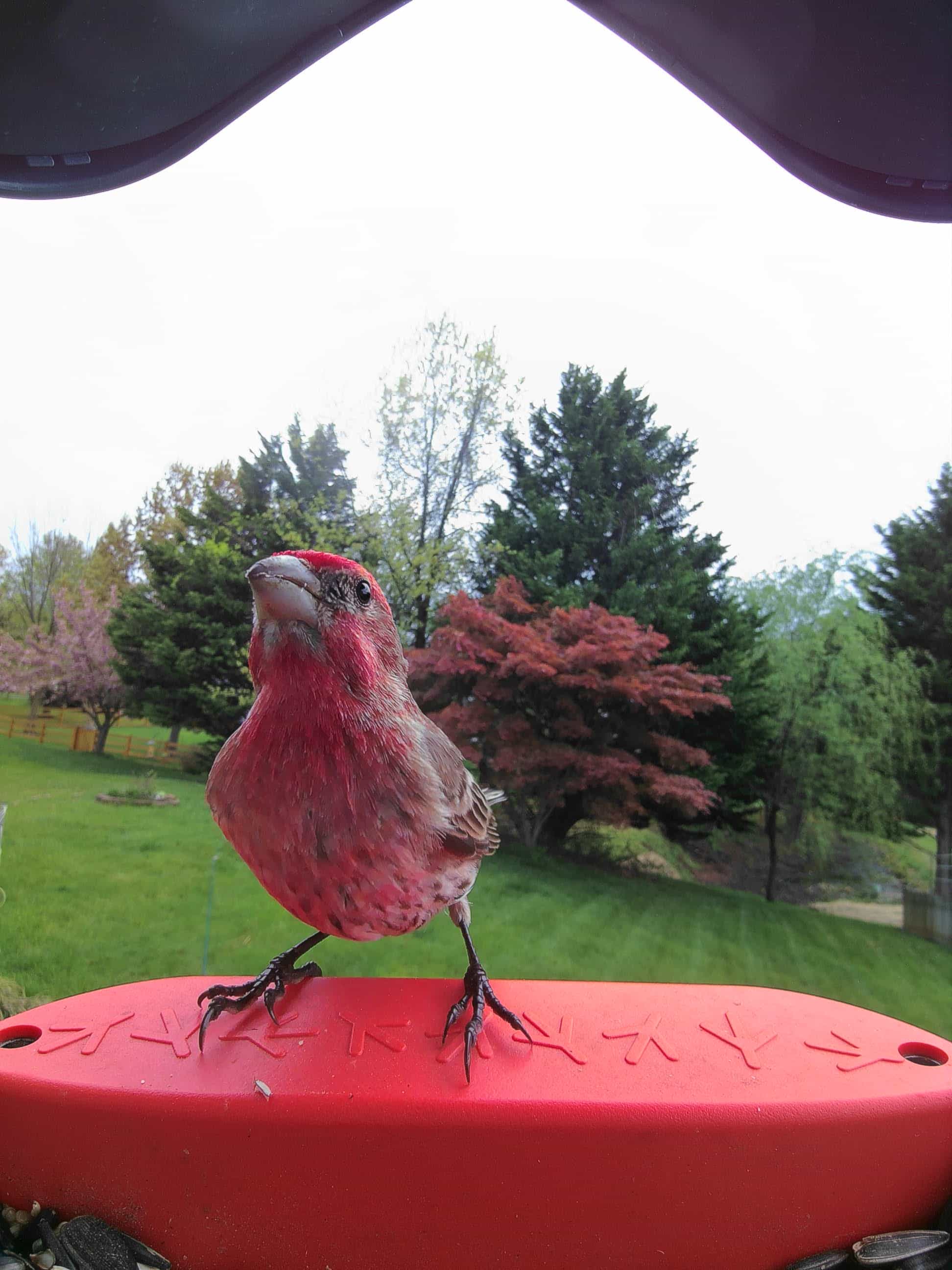
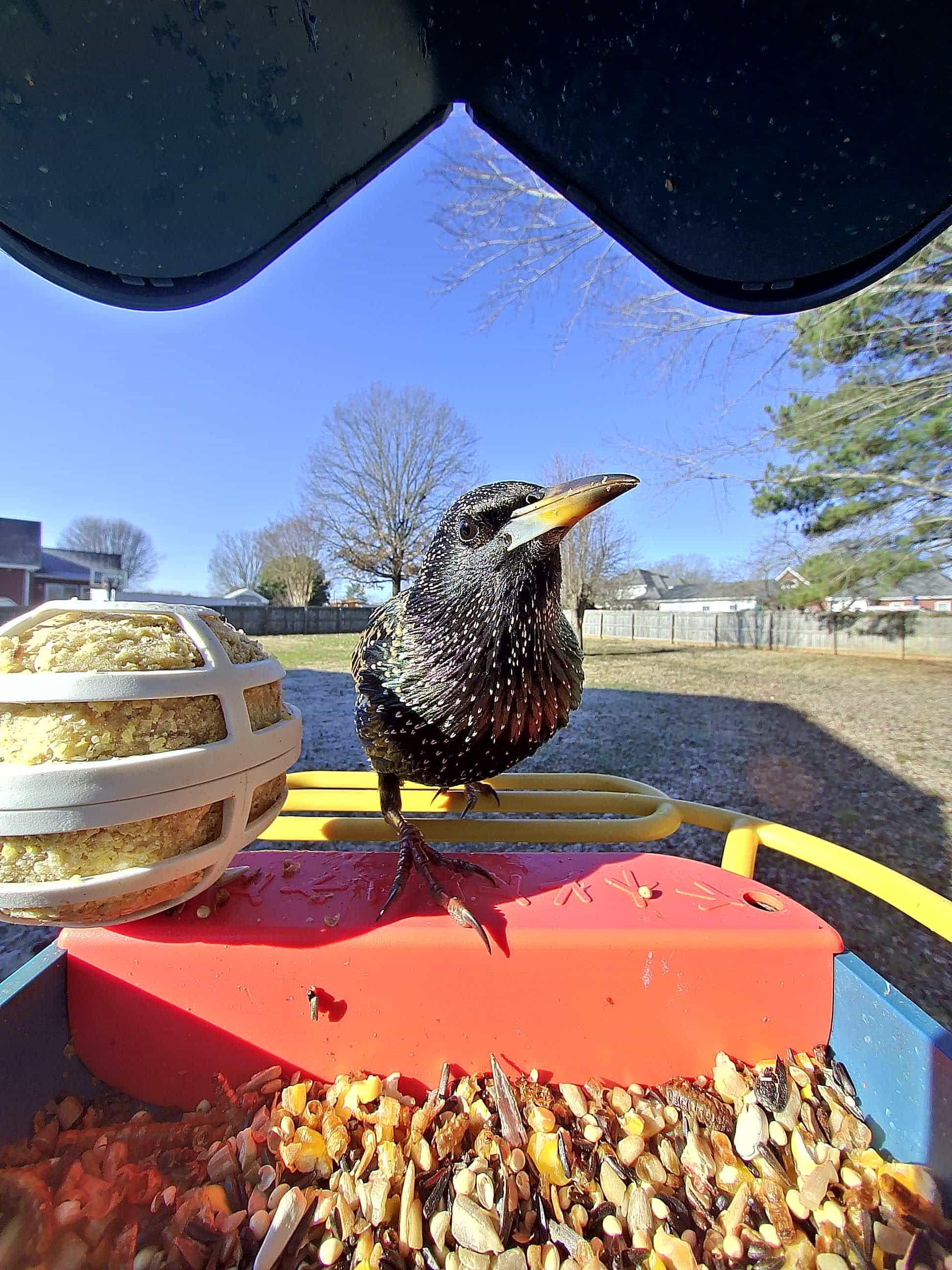
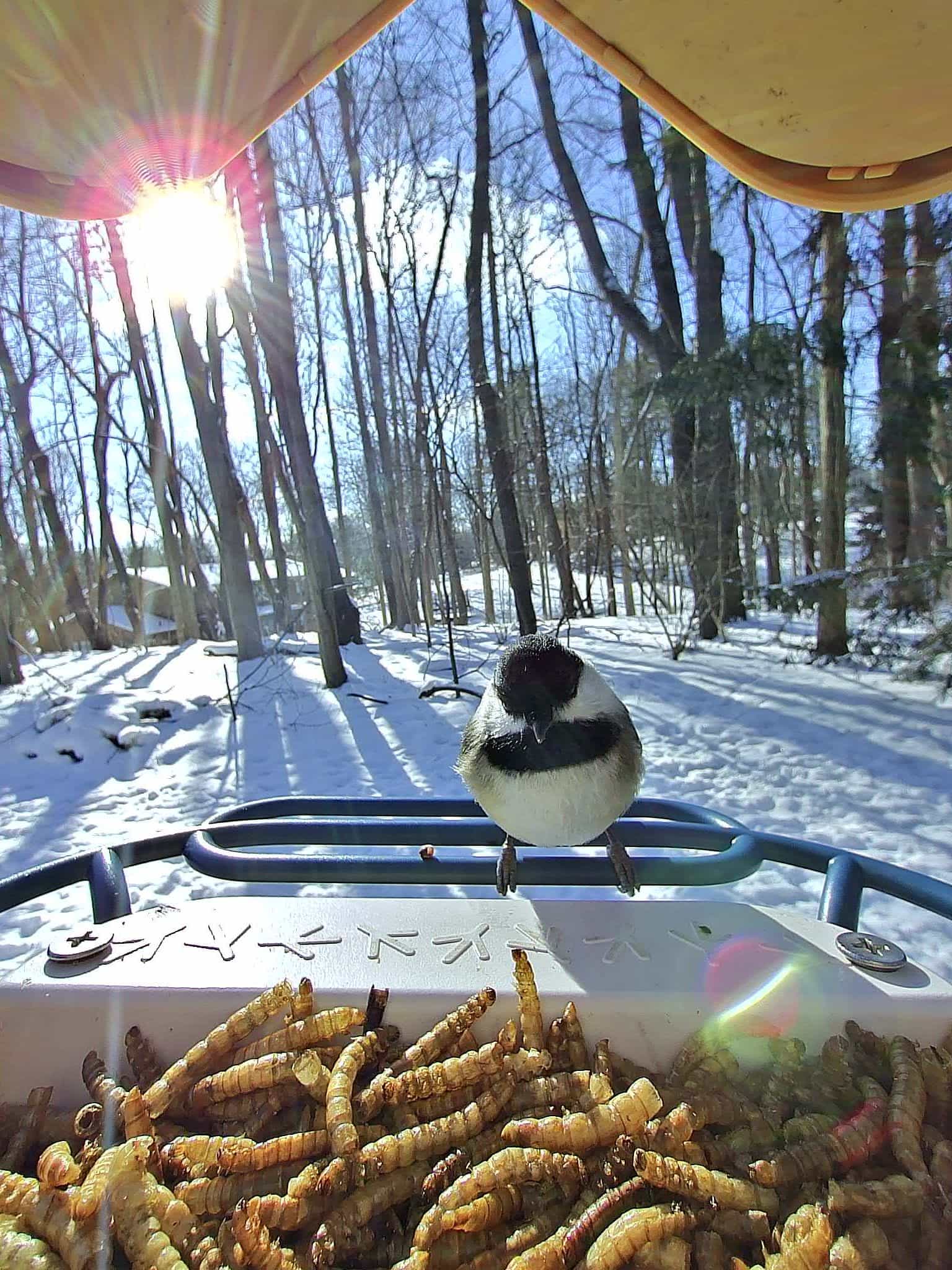
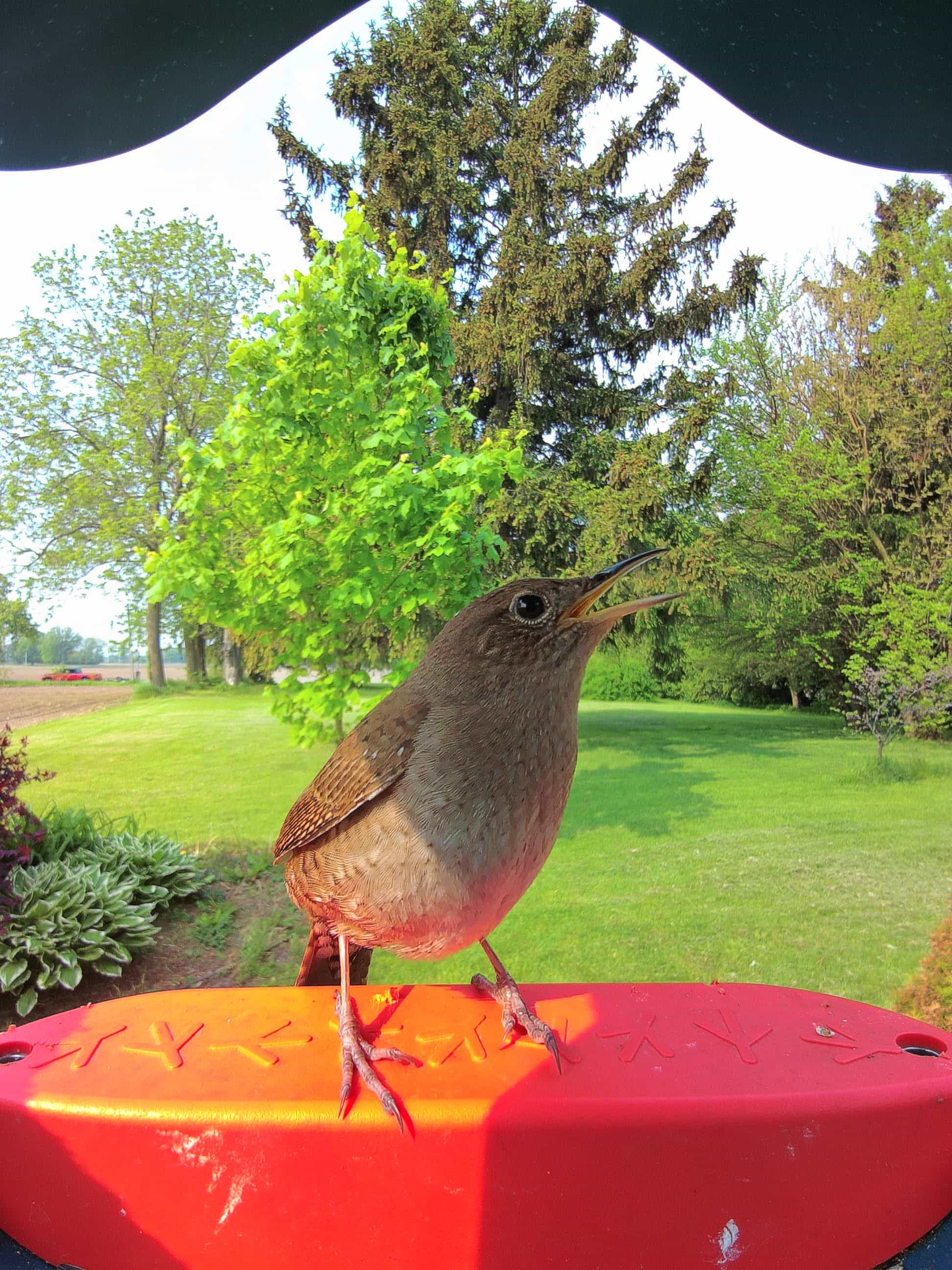
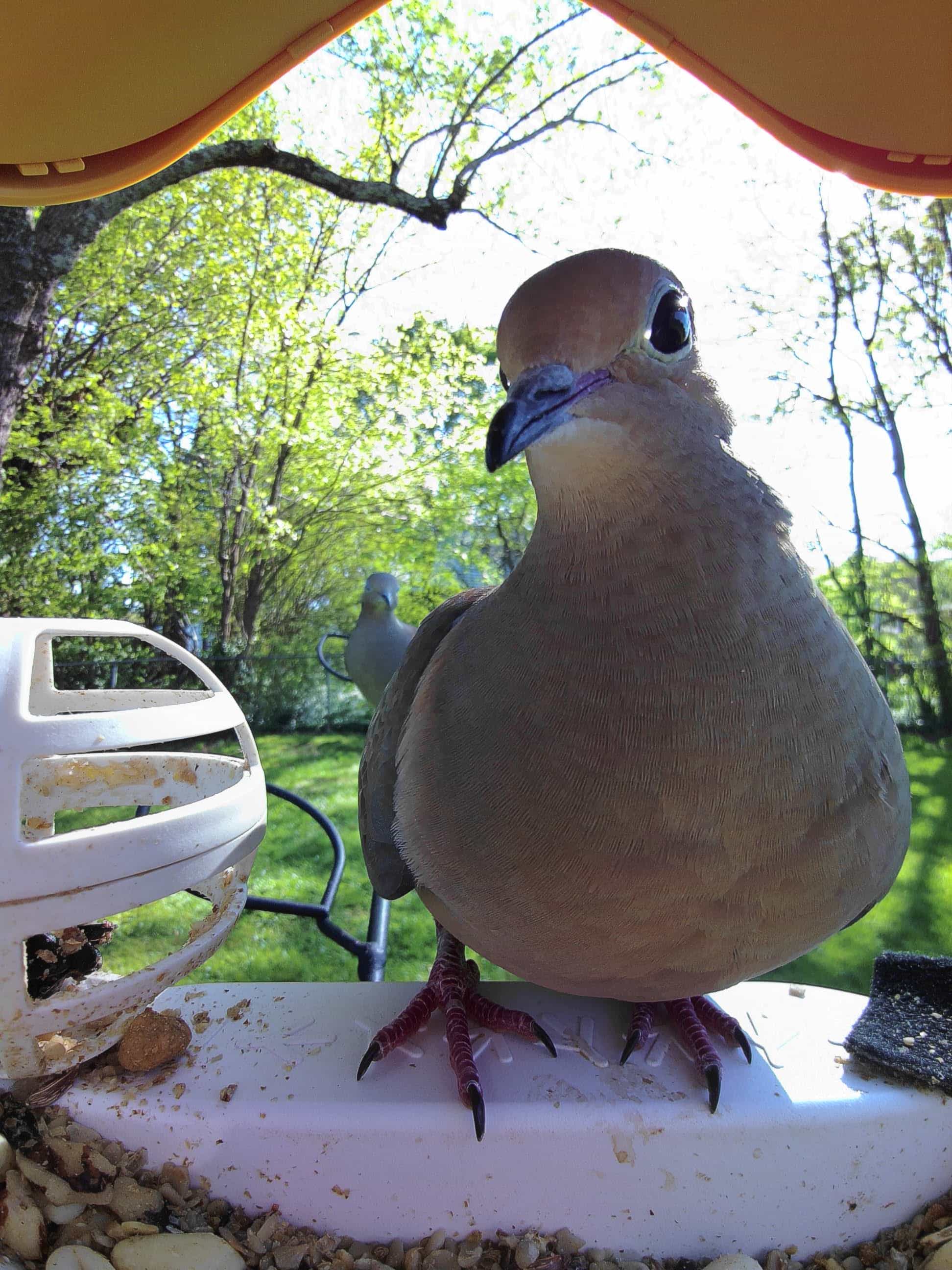
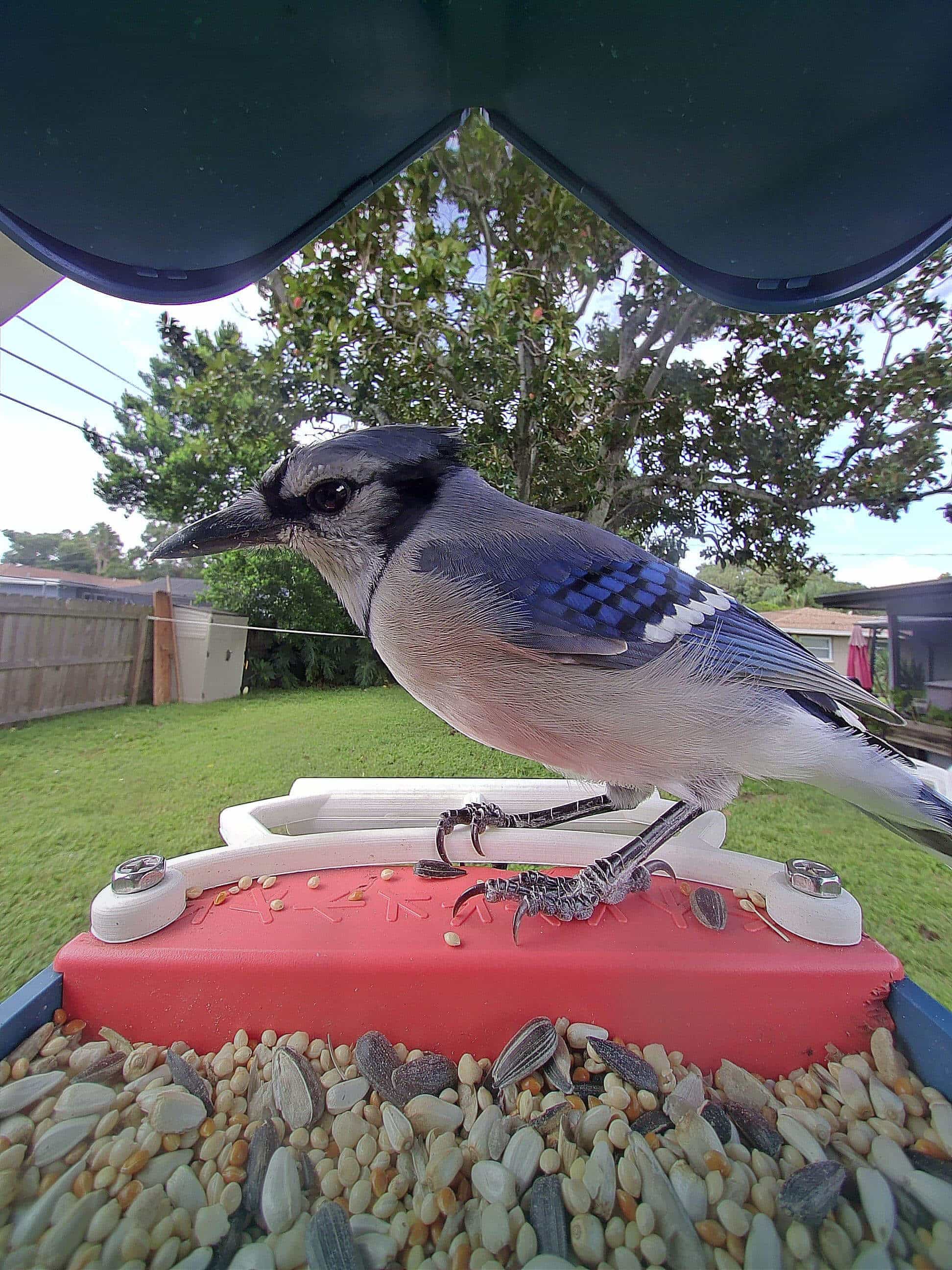
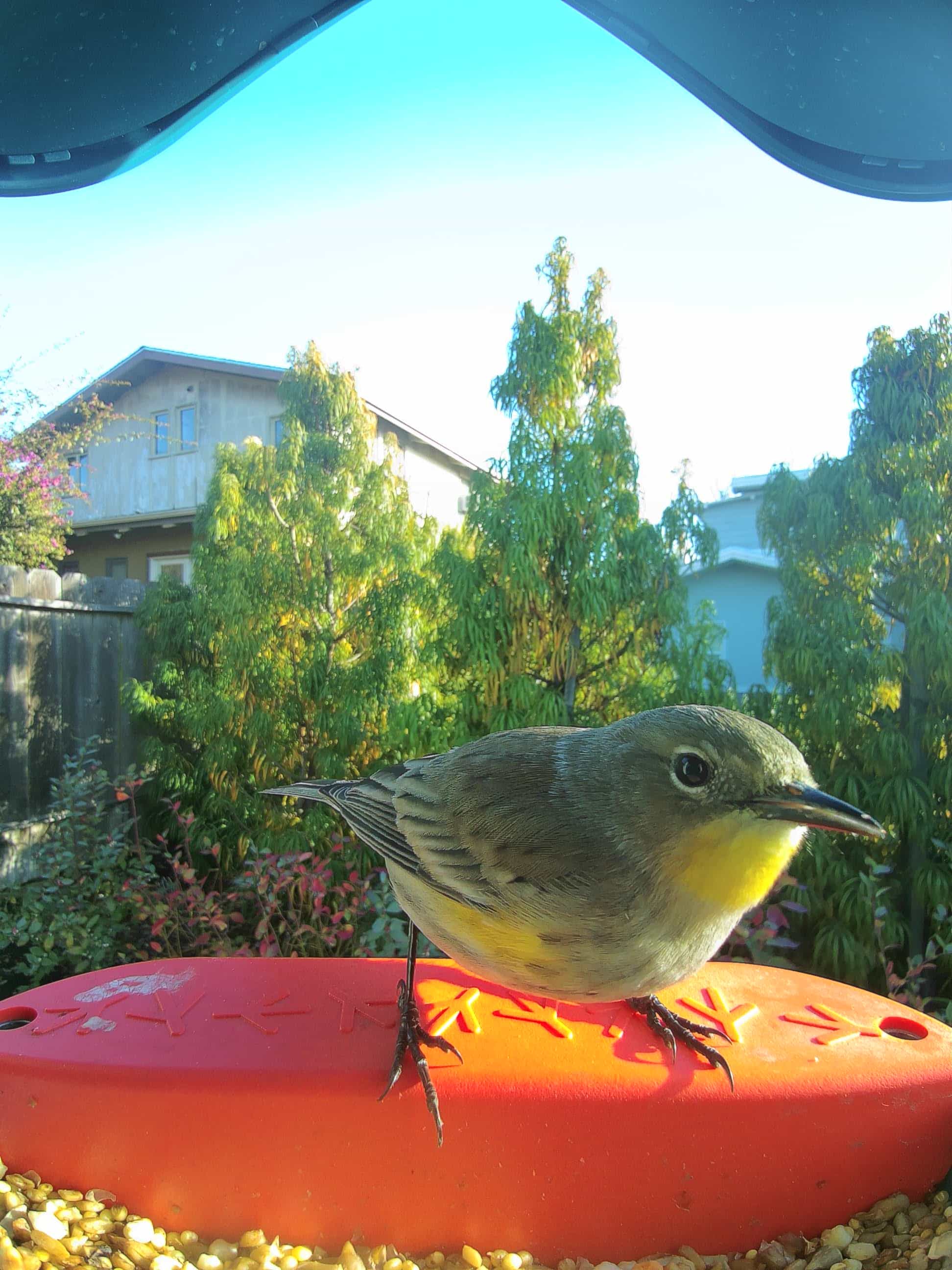
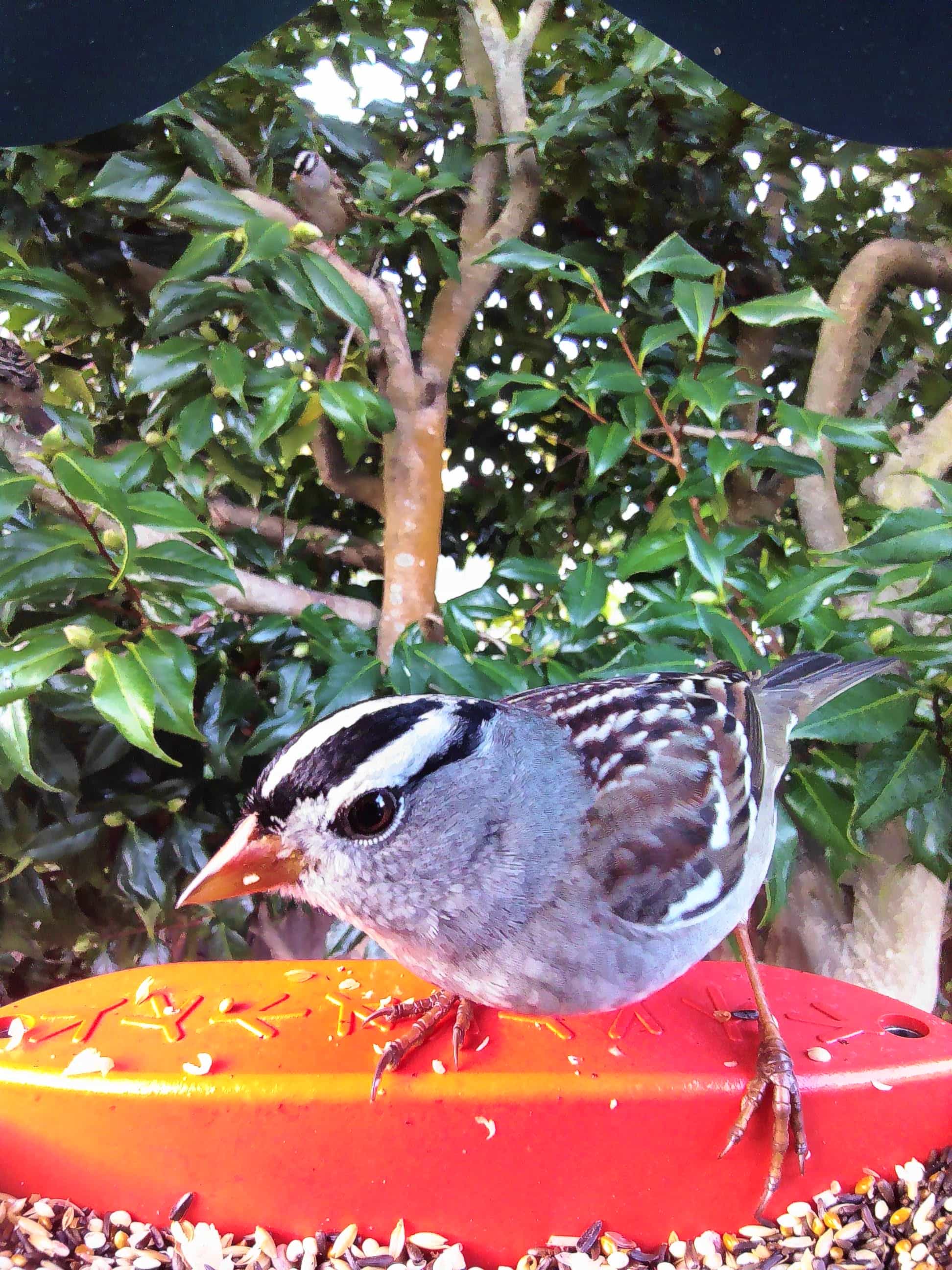
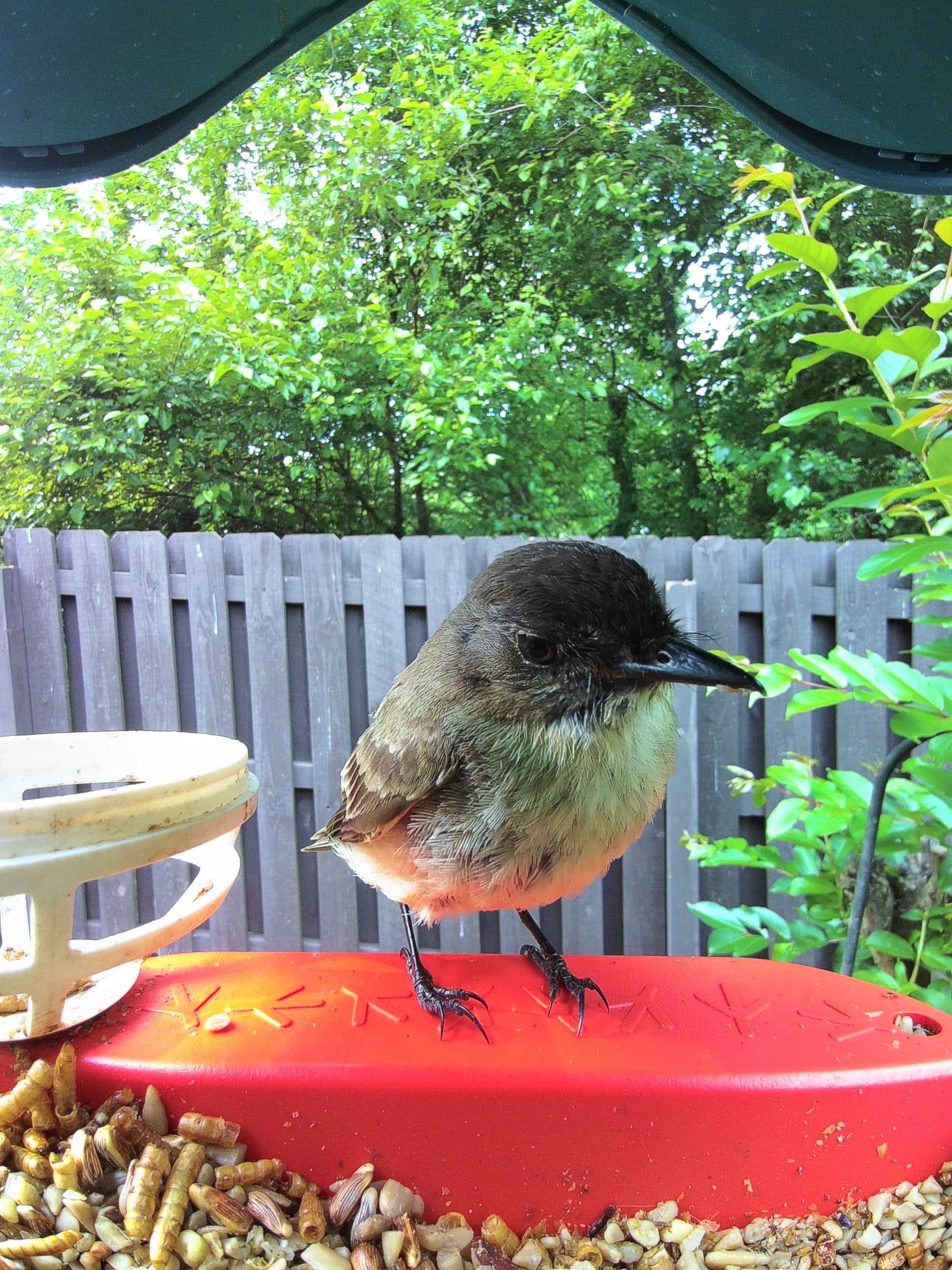
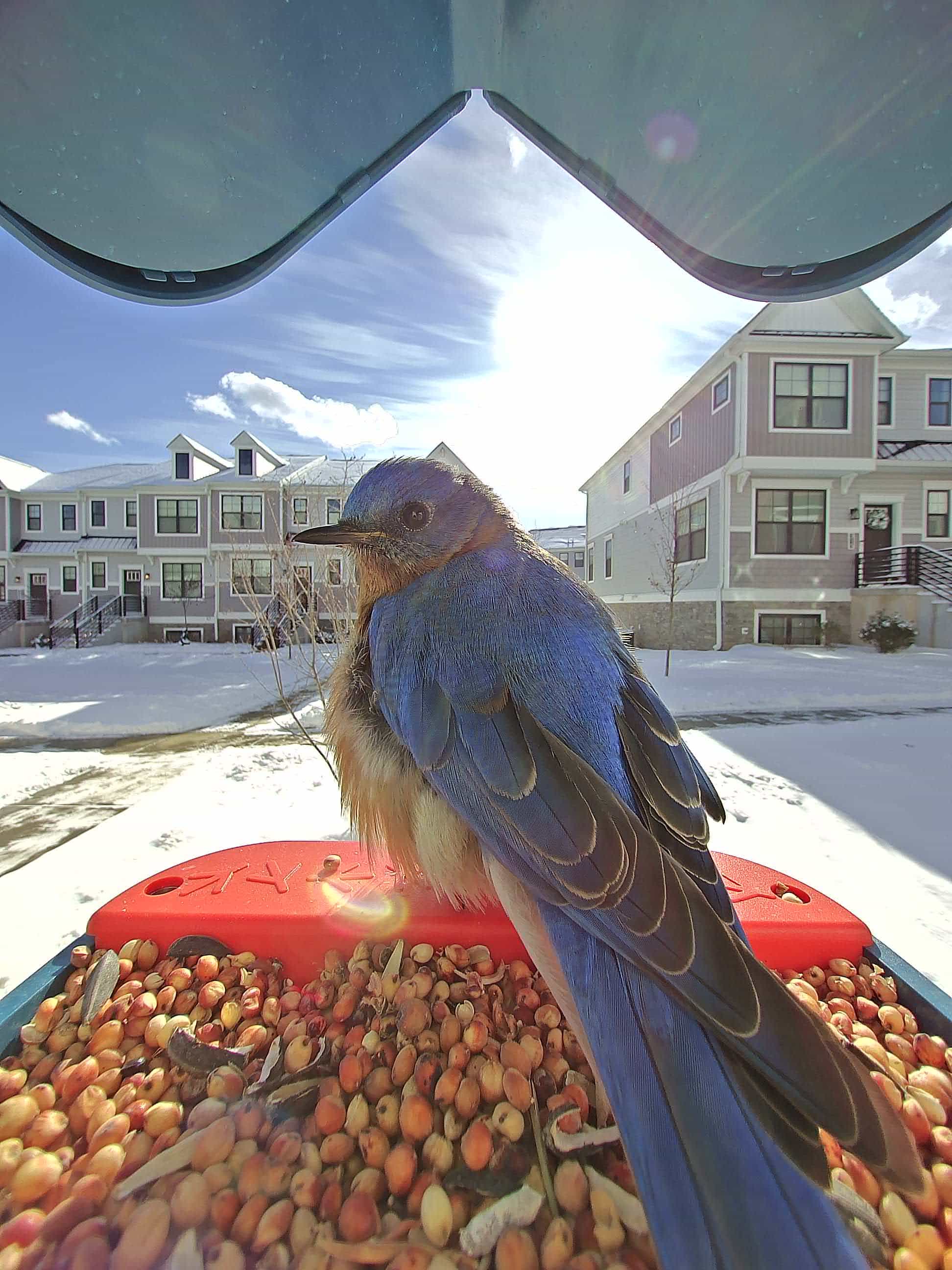
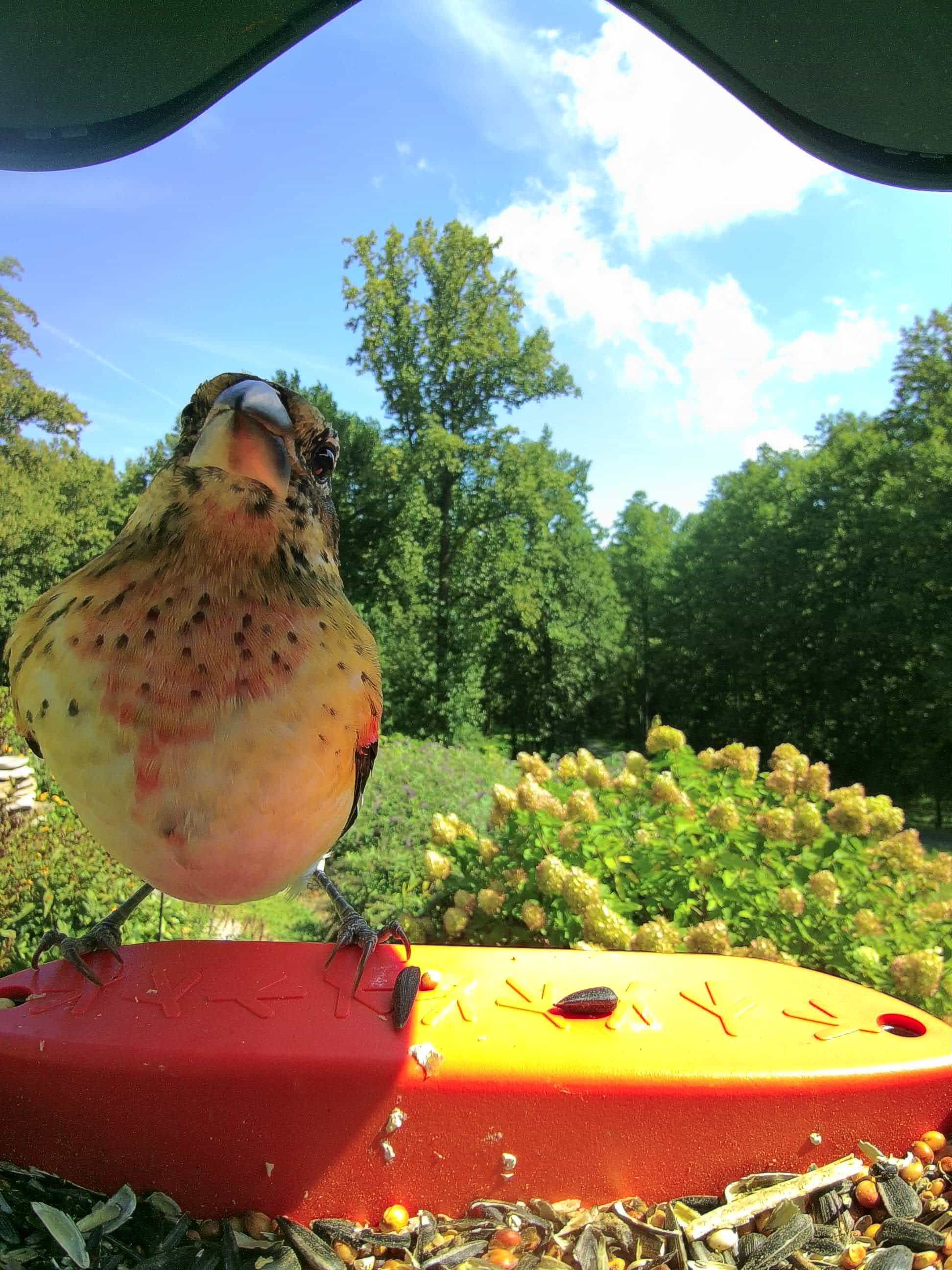
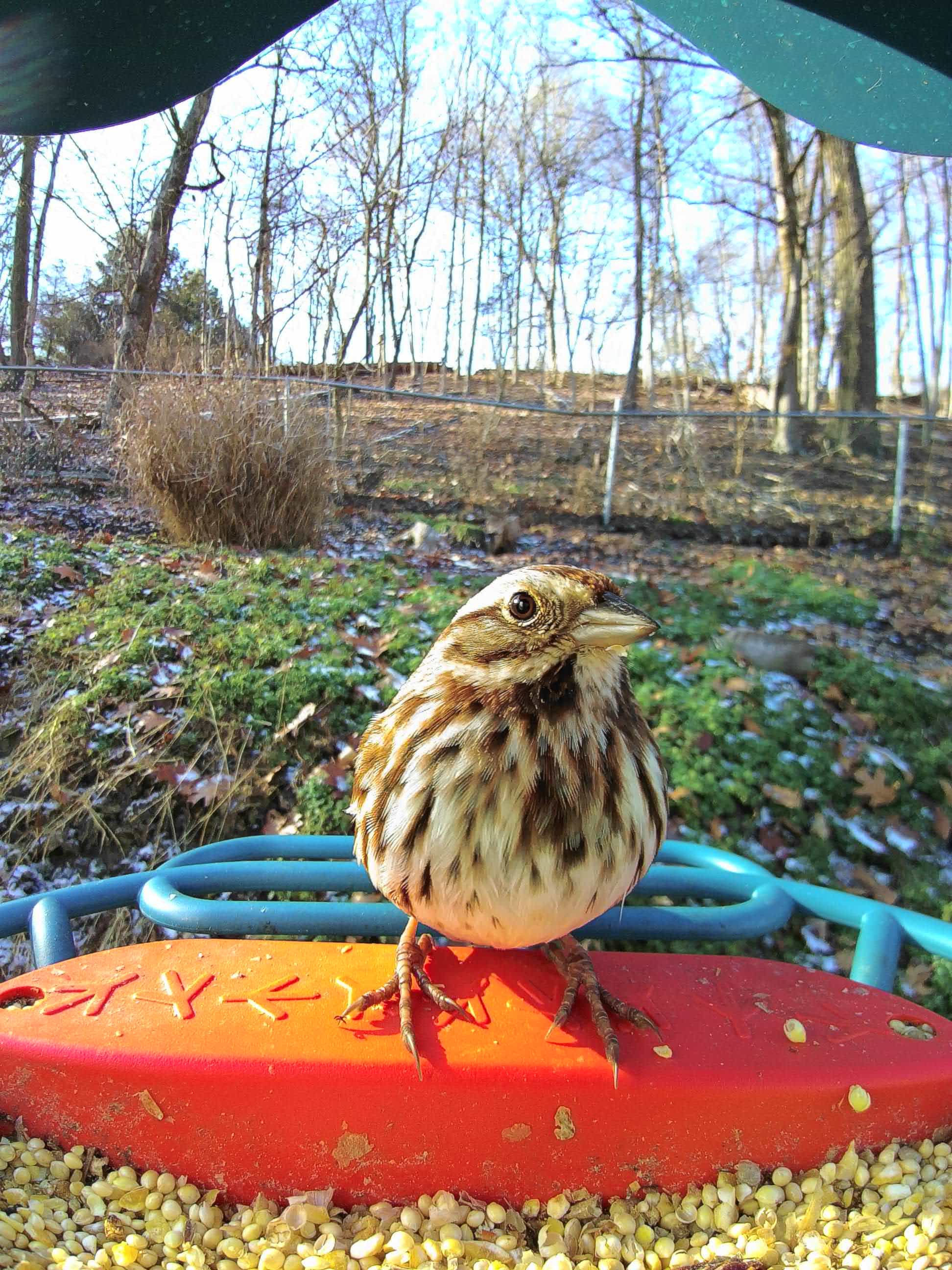
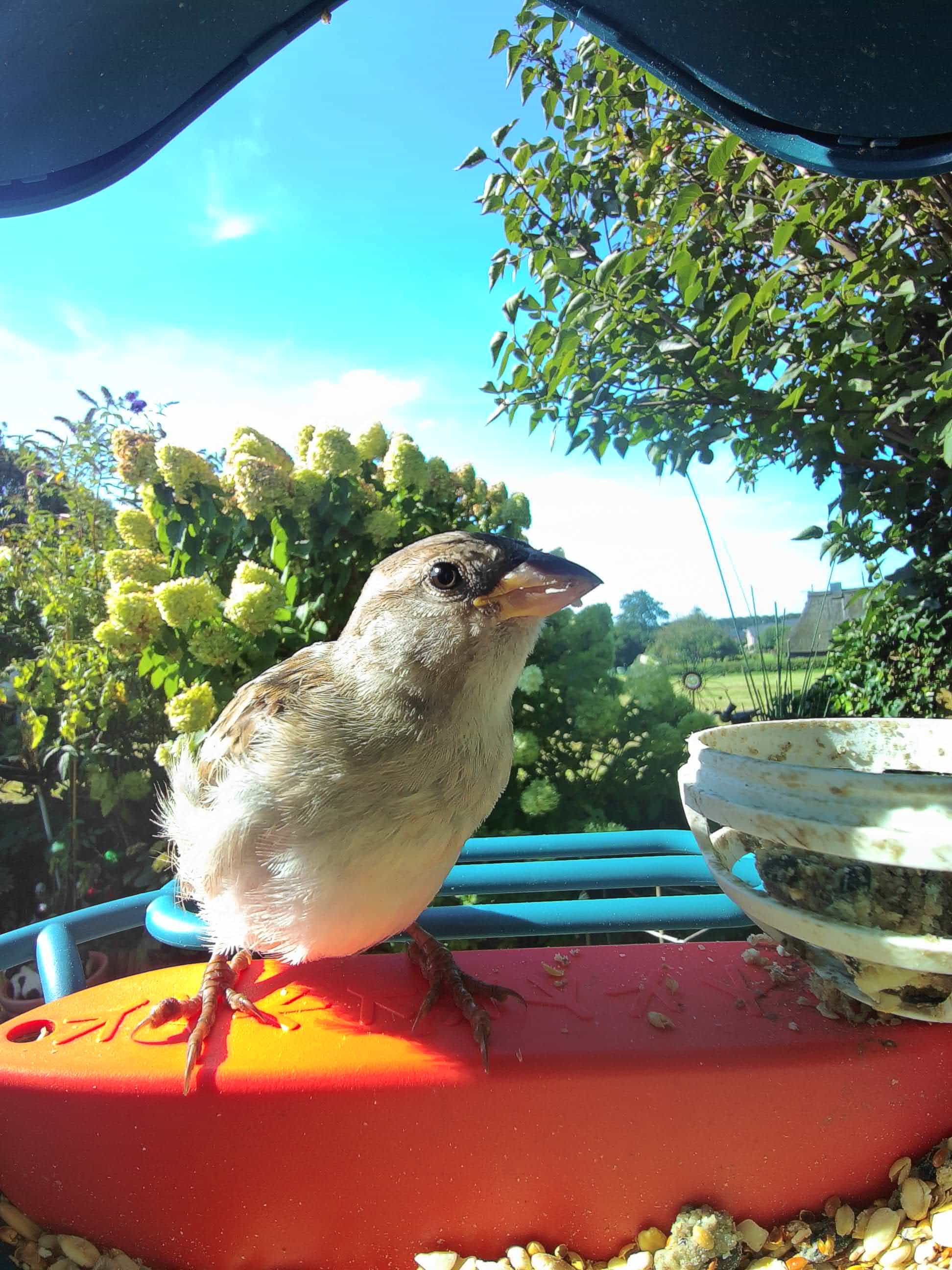
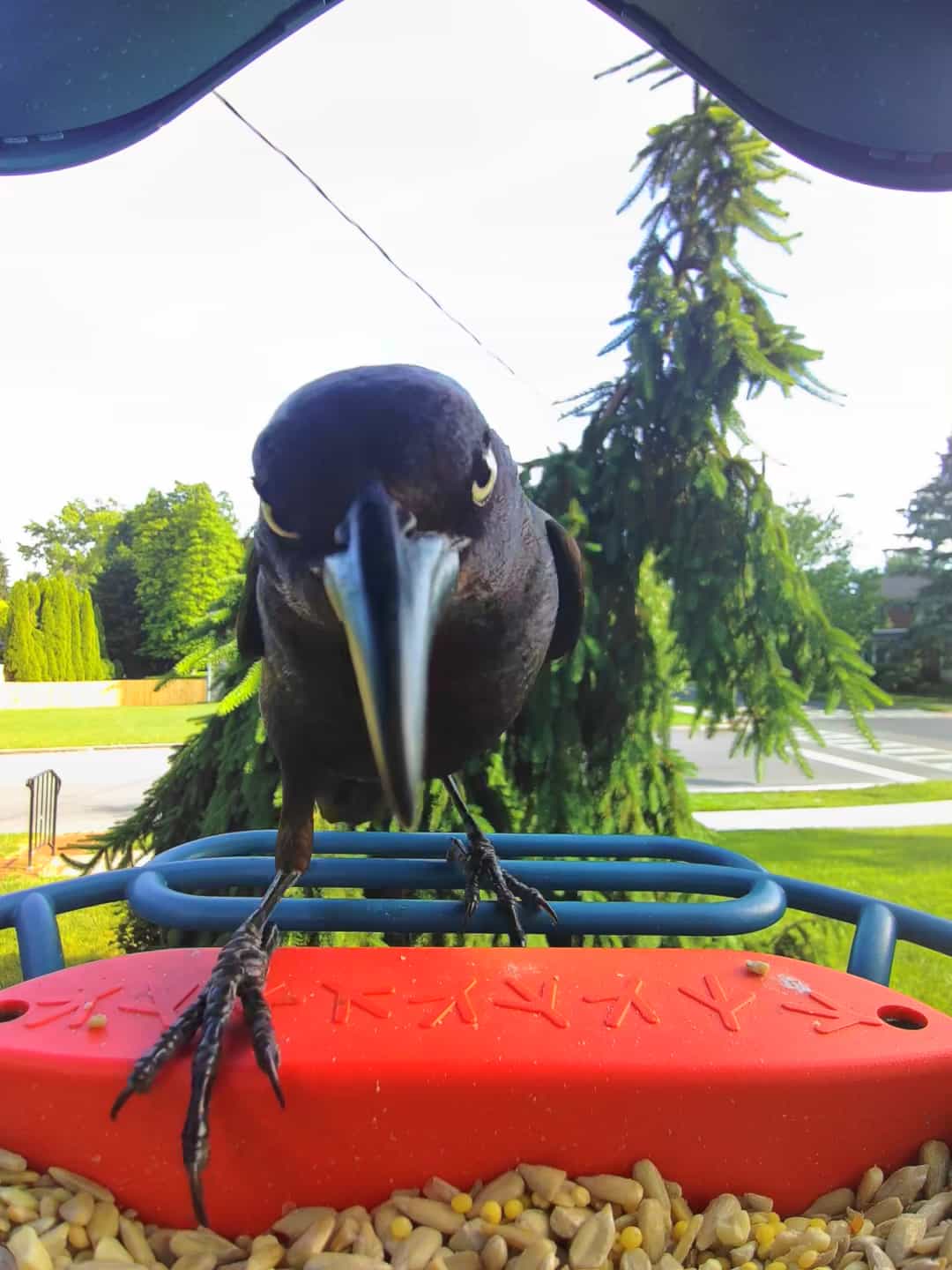
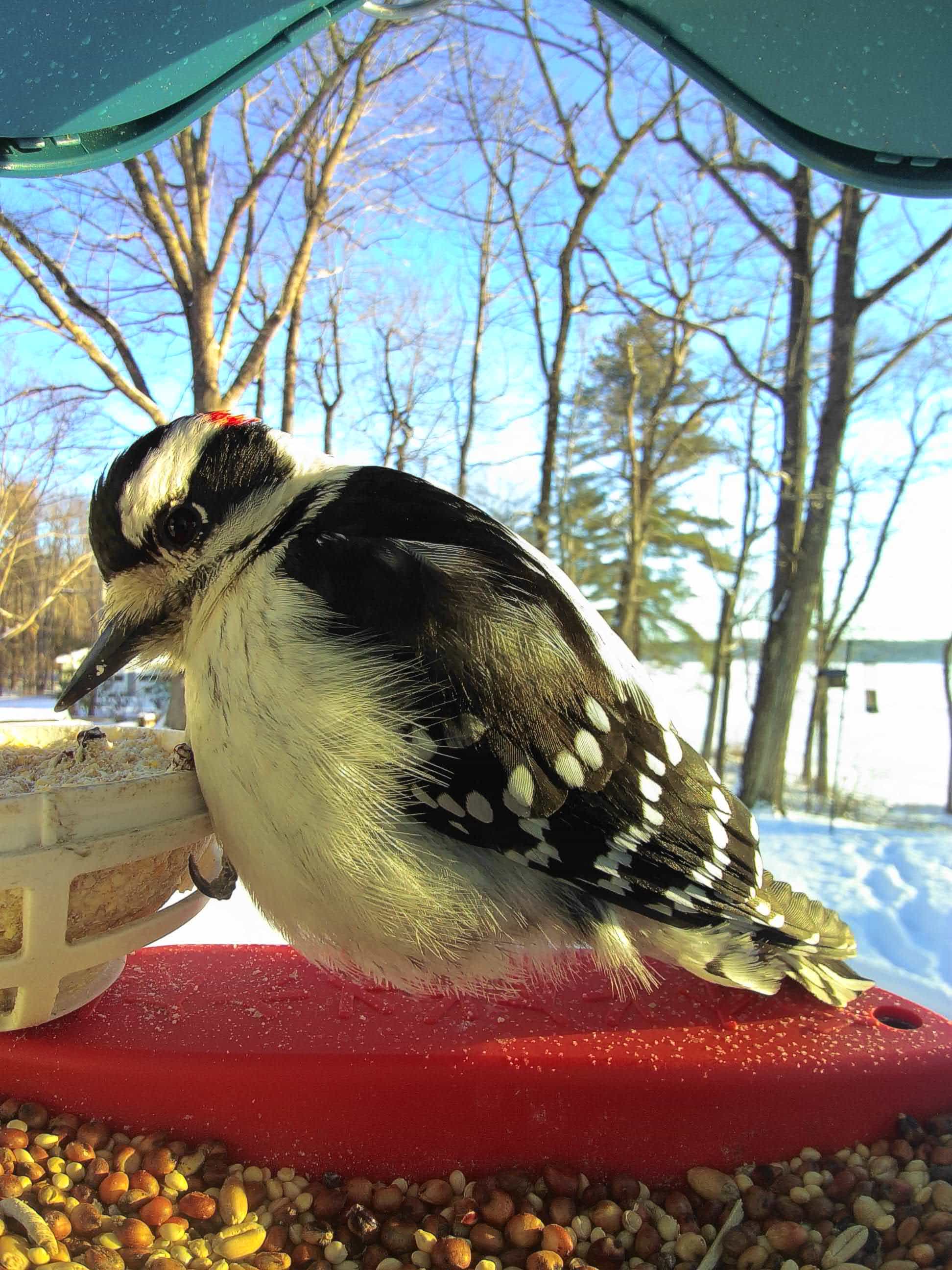
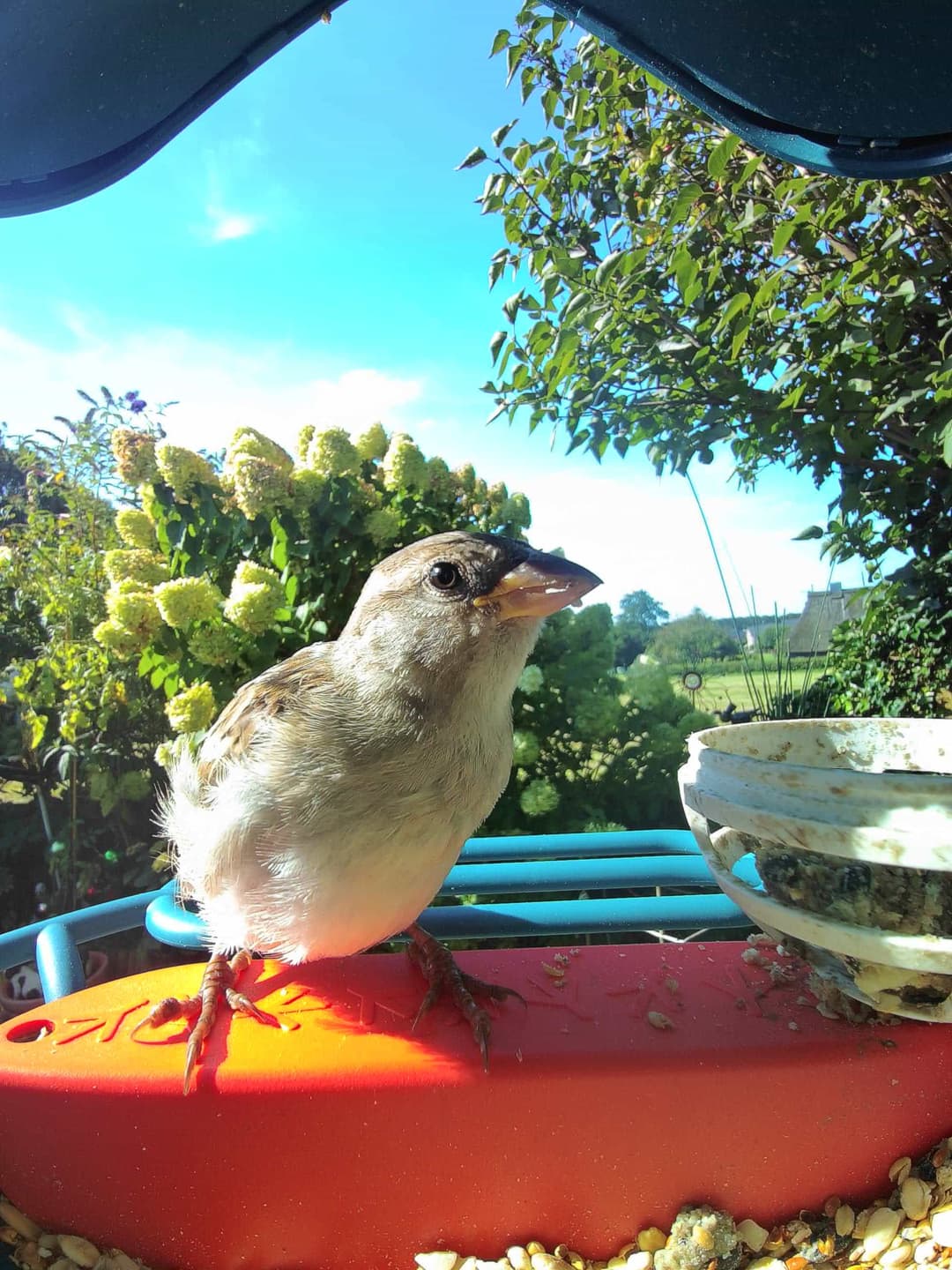
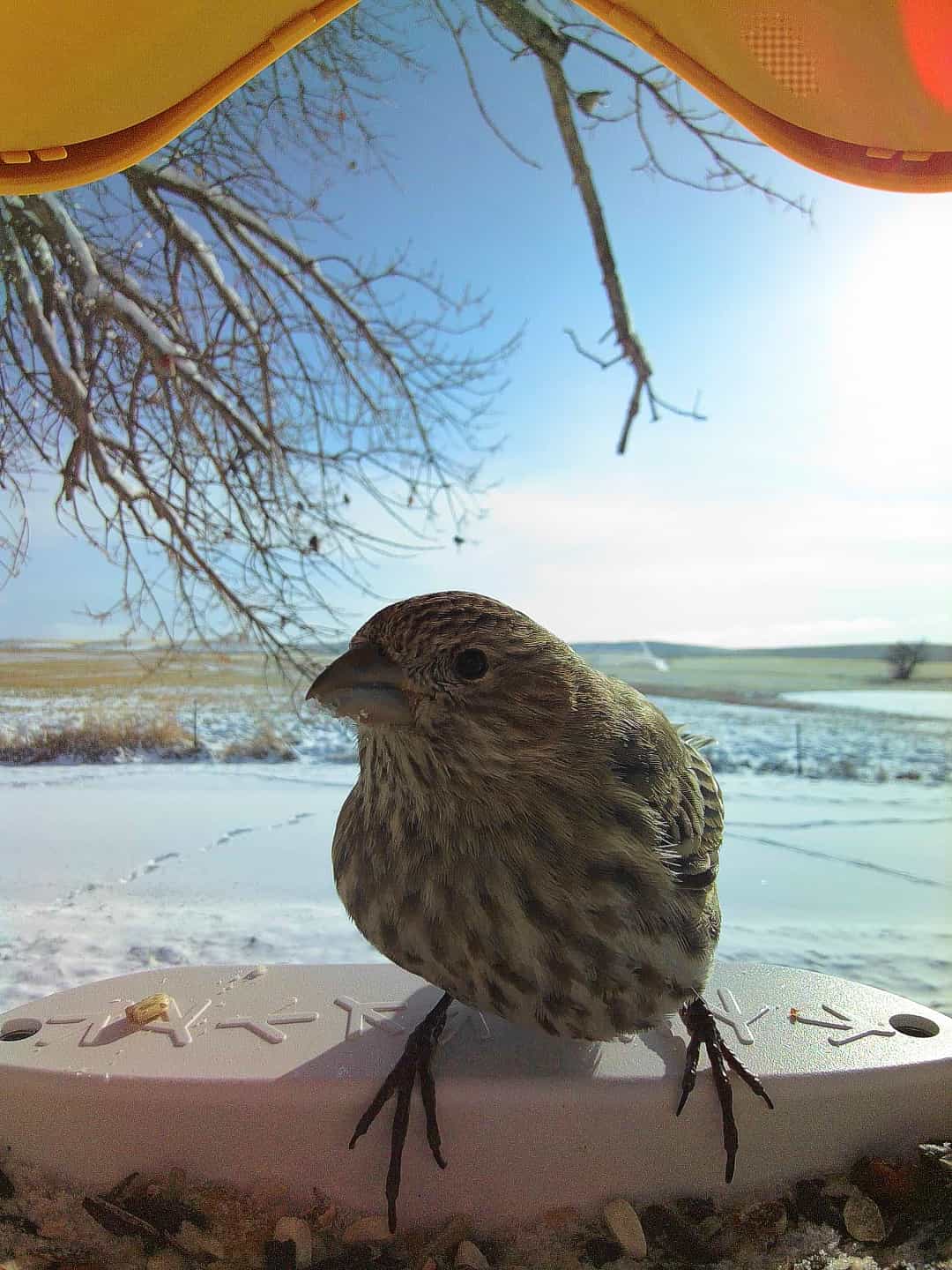
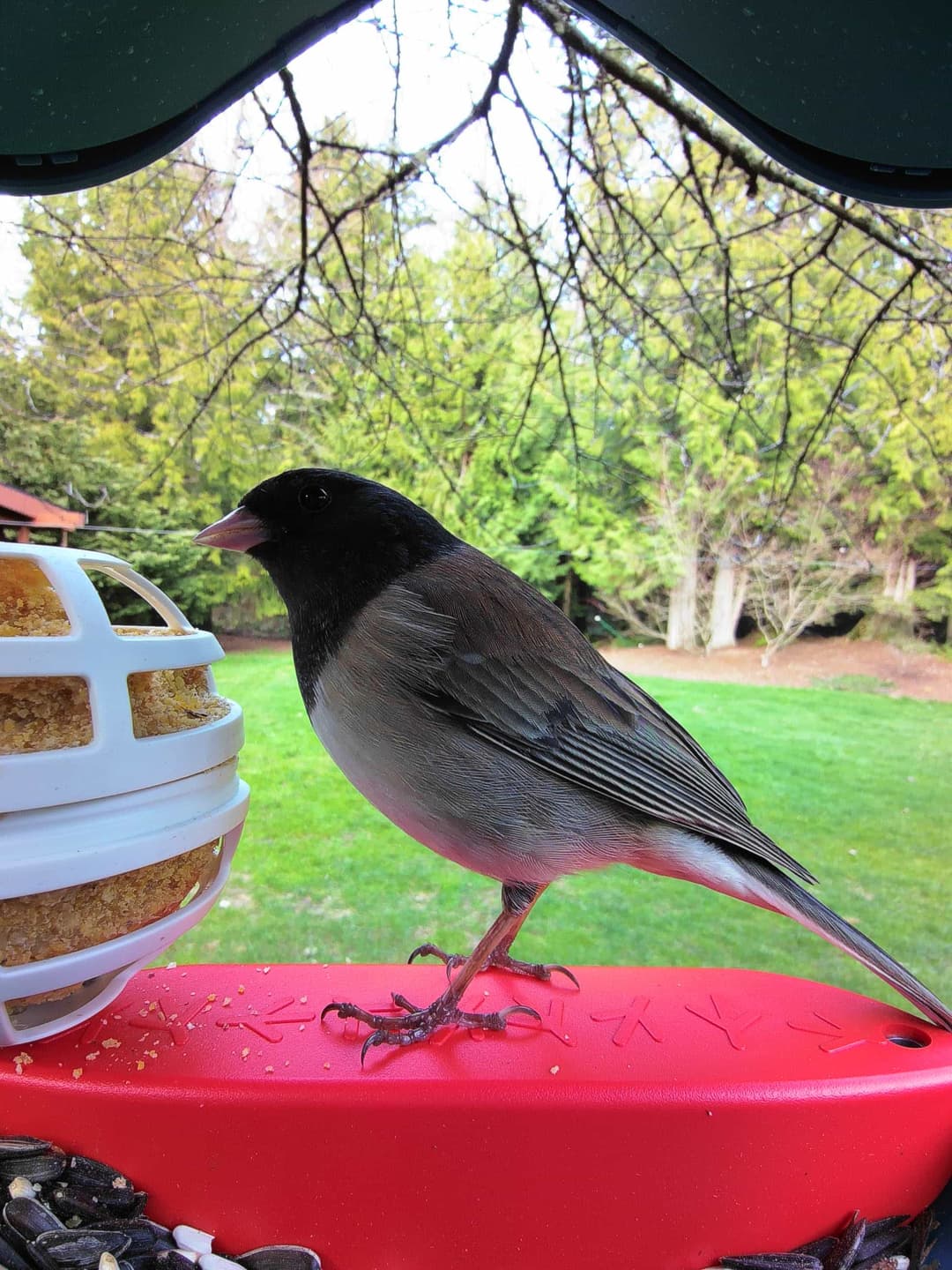
Birds seen on Birdbuddy feeders in Sheridan
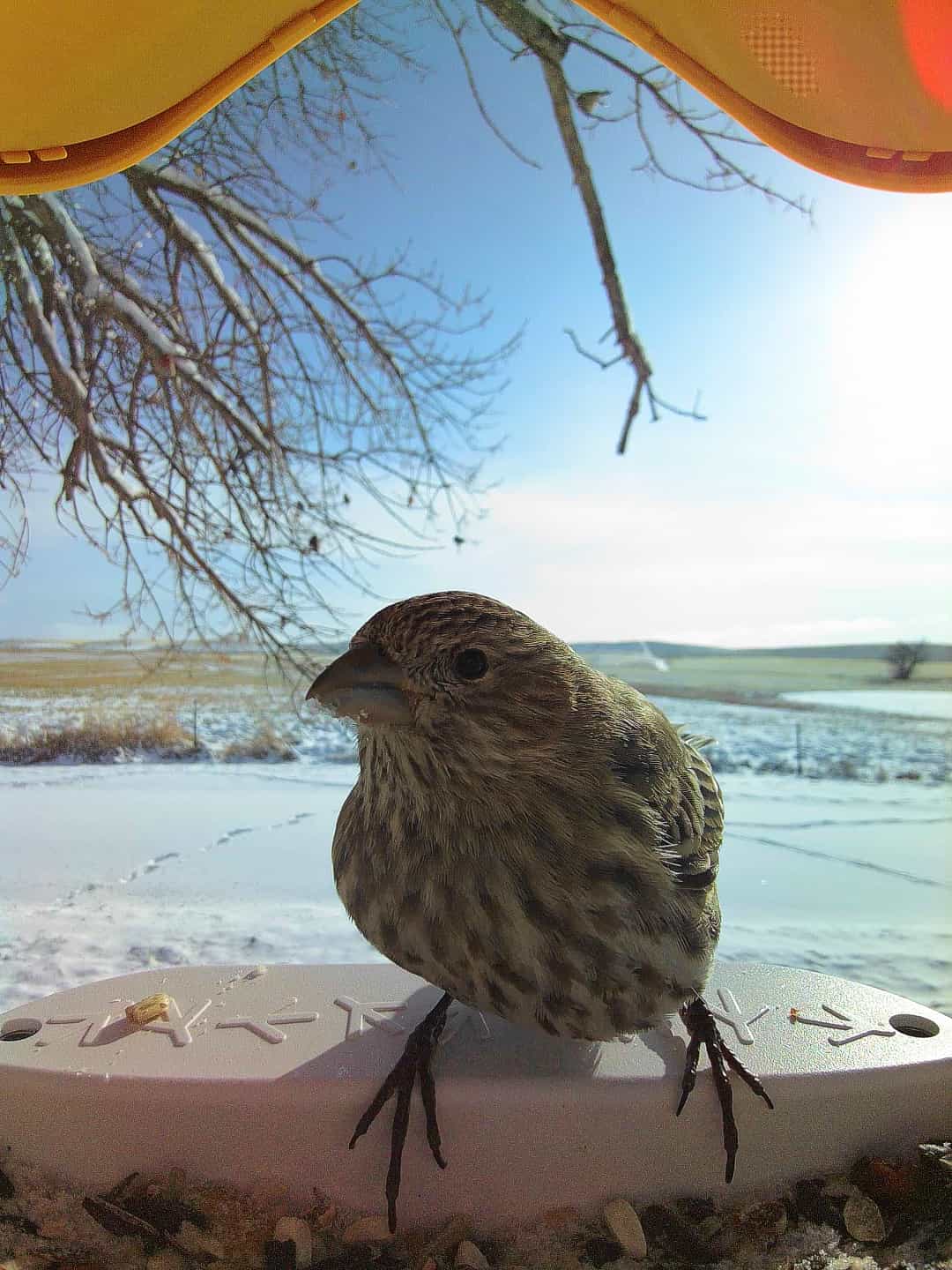
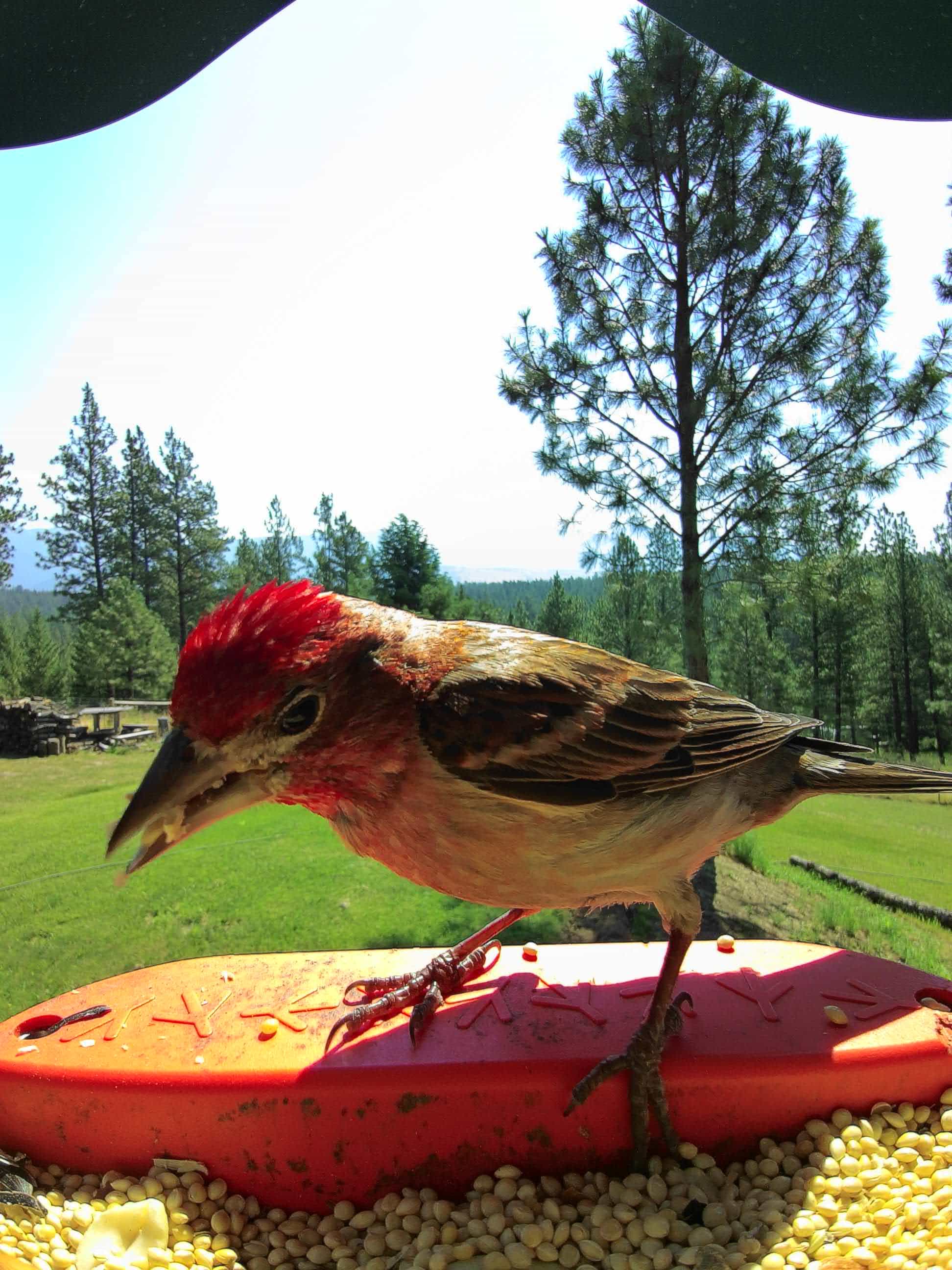
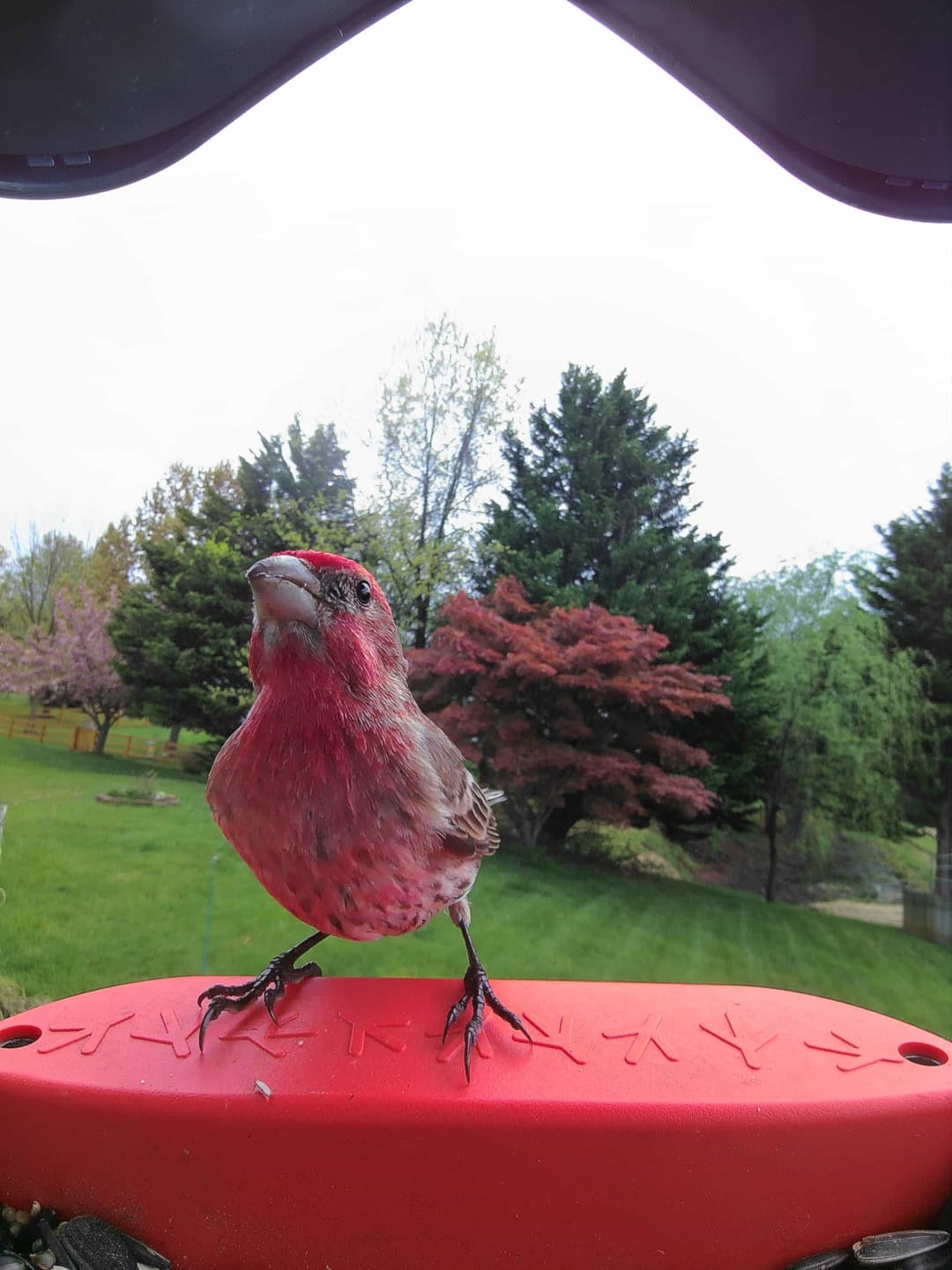
House Finch (Haemorhous mexicanus): A small, adaptable bird native to North America, it has a vibrant red head and breast in males, streaky brown plumage in females, and a cheerful, warbling song often heard in urban and suburban areas.
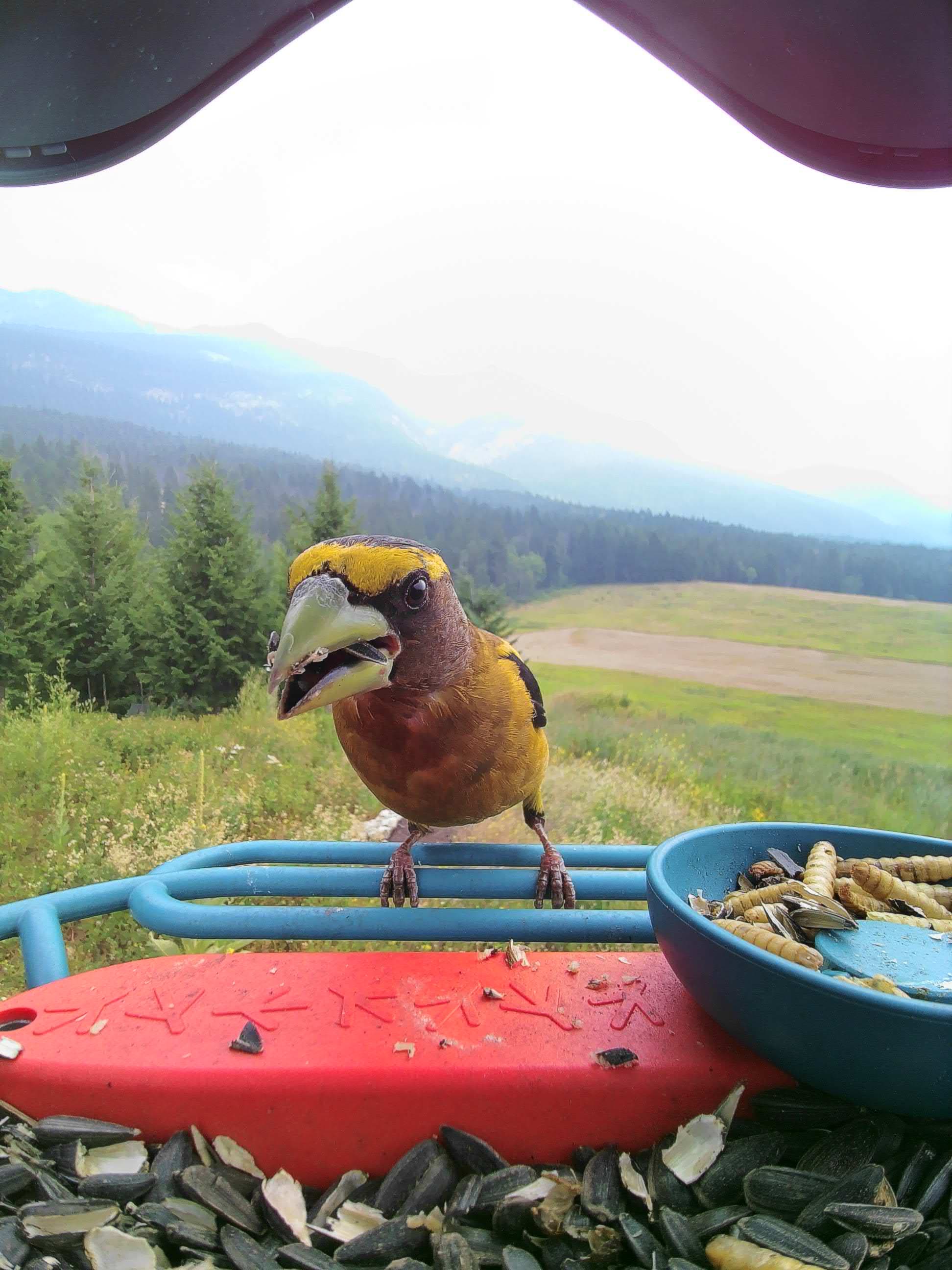
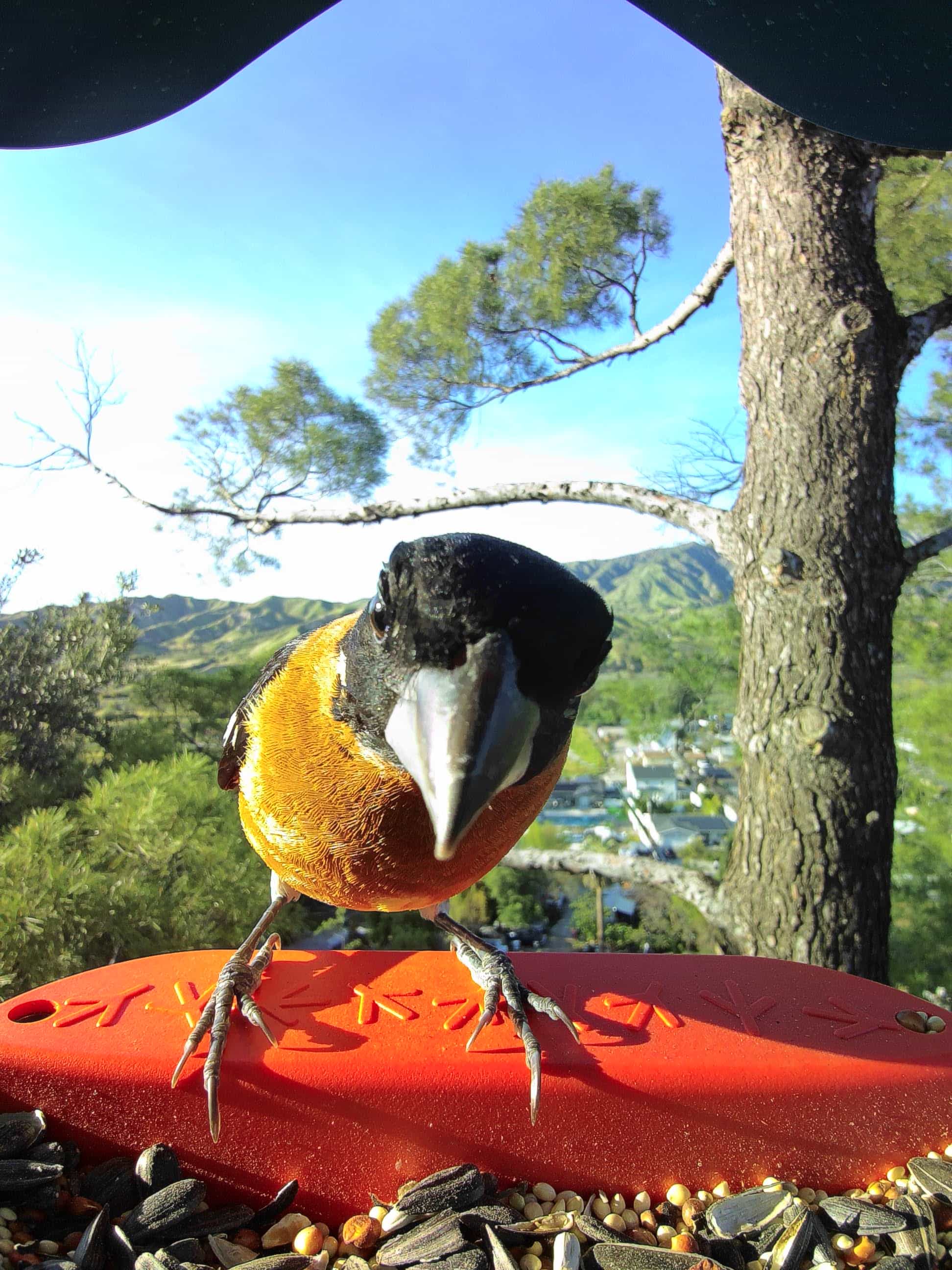
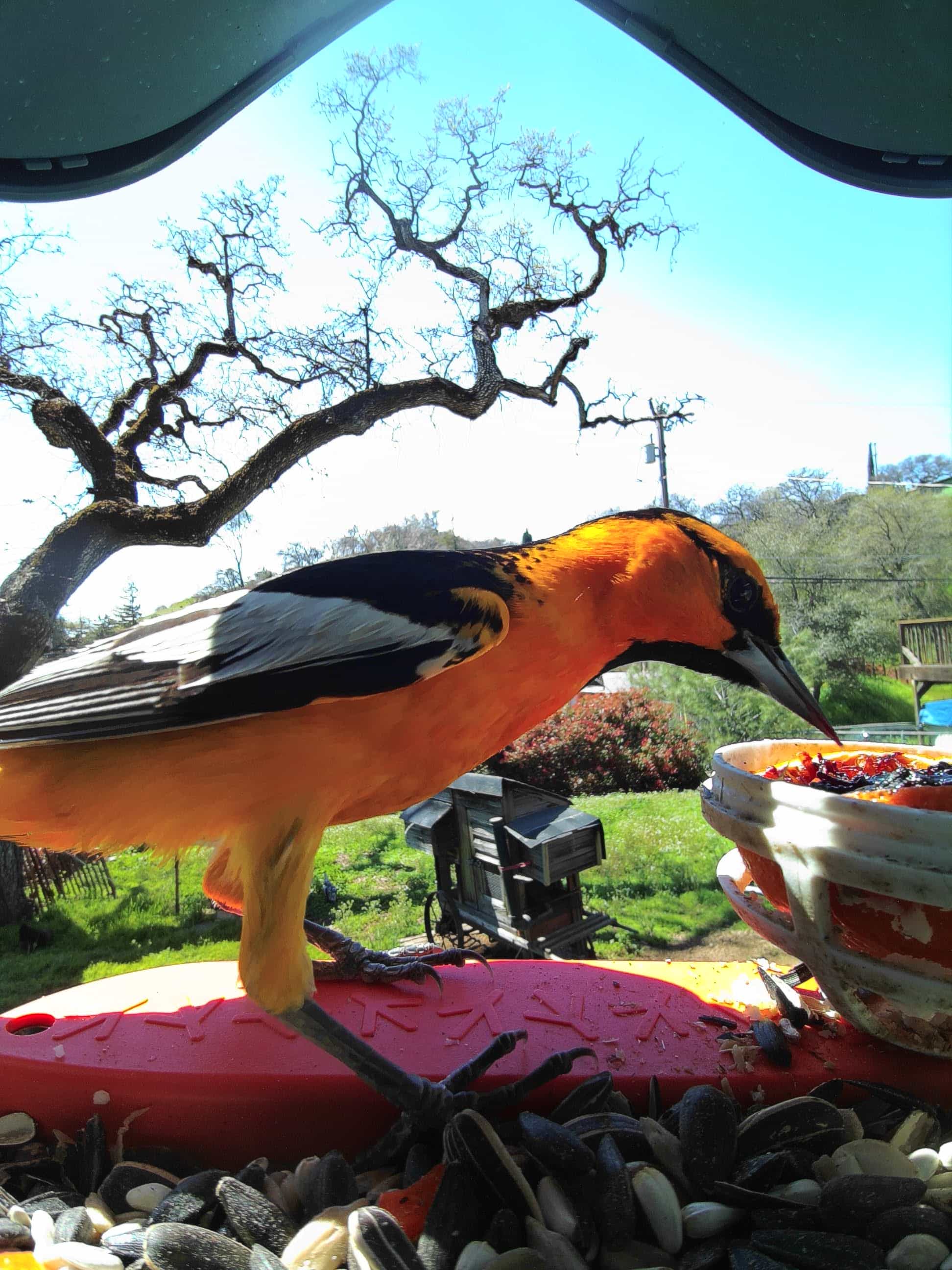
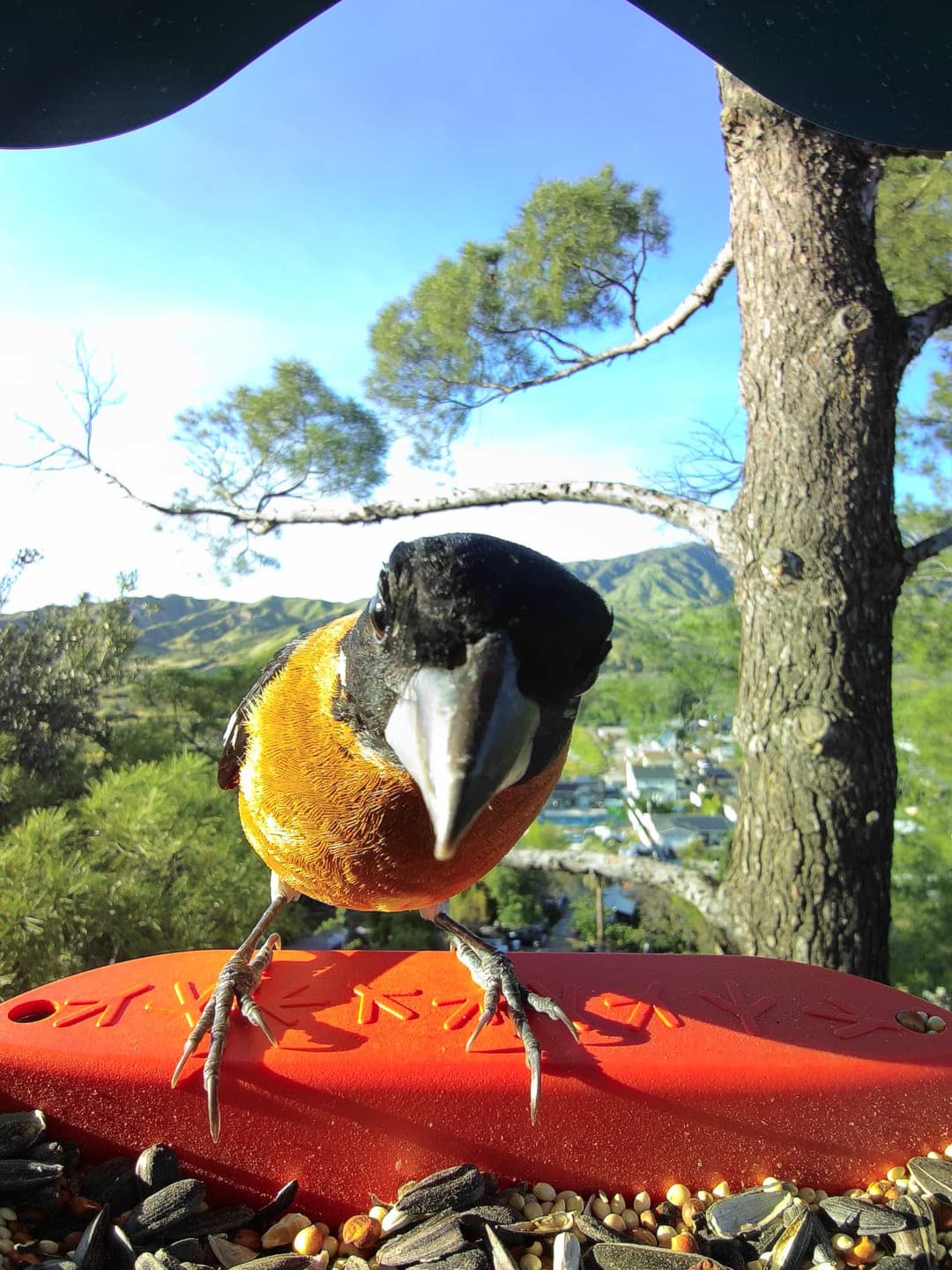
Black-Headed Grosbeak (Pheucticus melanocephalus): With its striking plumage featuring vibrant orange underparts contrasted by black wings and a tail, this robust songbird is known for its melodious song and is commonly found in the forests and woodlands of western North America during the breeding season.
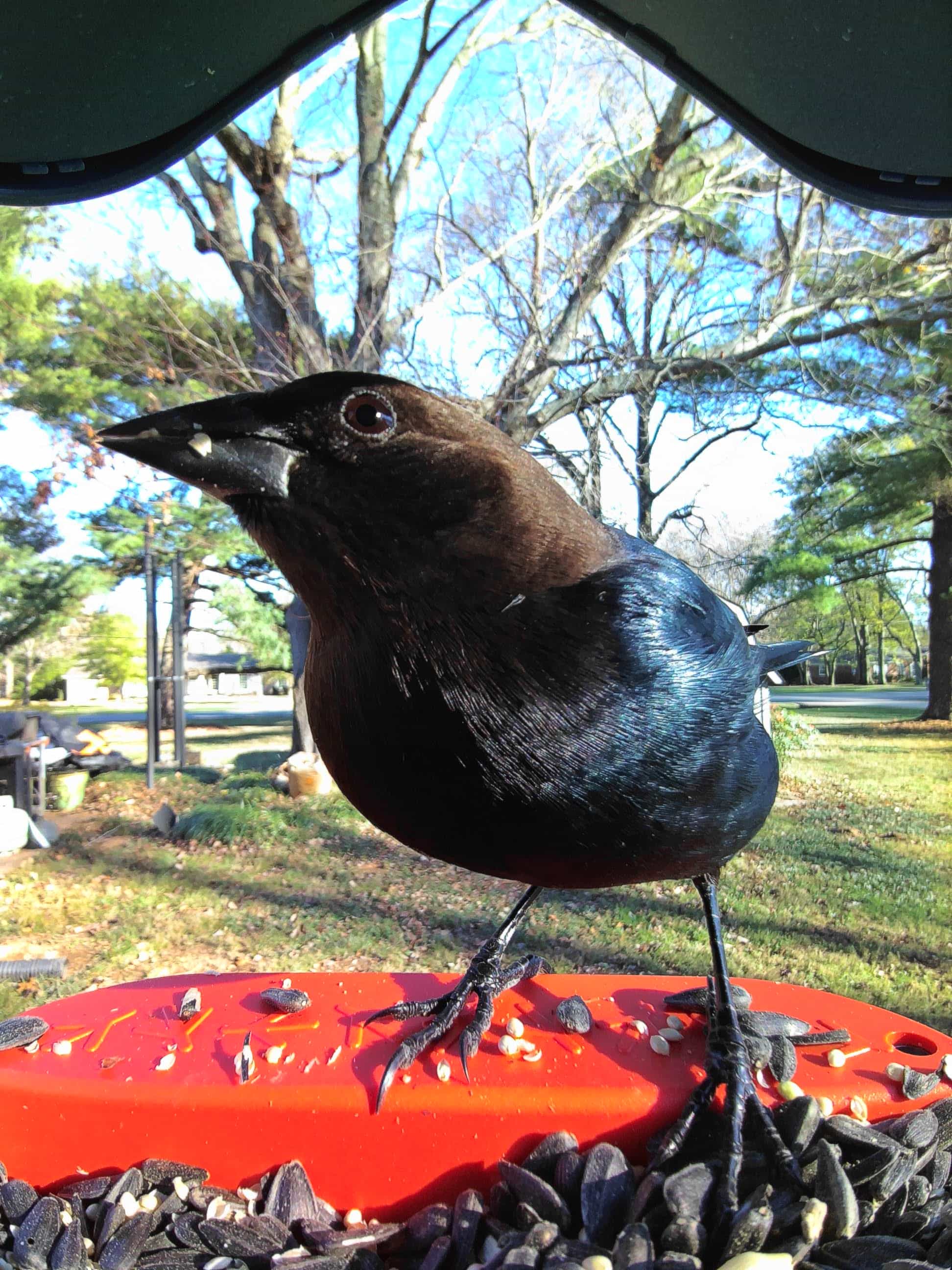
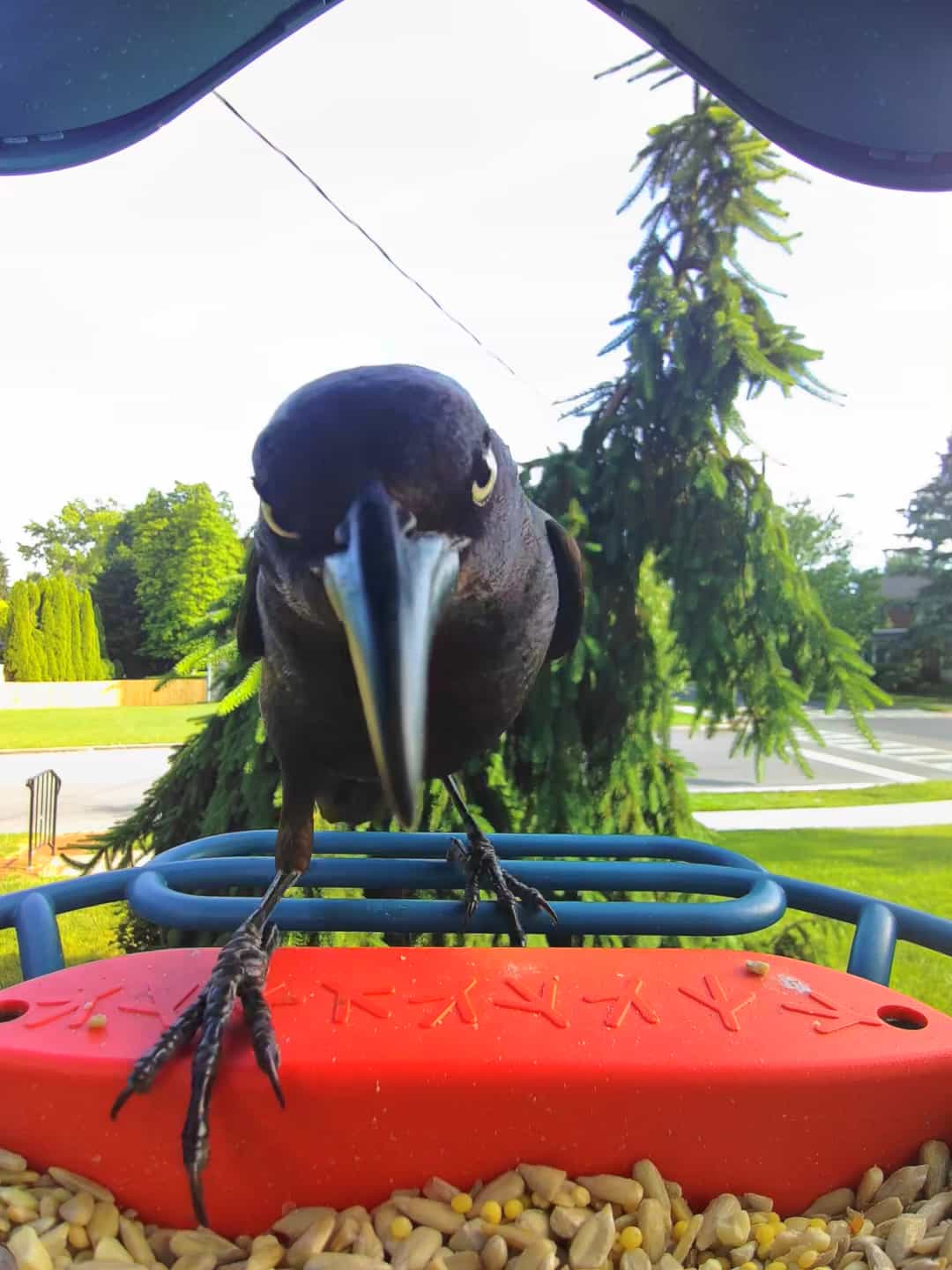
Common Grackle (Quiscalus quiscula): This bird is a large, iridescent blackbird with a long, tapered tail and bright yellow eyes, known for its distinctive, metallic-sounding call and commonly found in open and semi-open areas across North America.
House Sparrow (Passer domesticus): A small, stocky bird with a stout bill, this species is easily recognized by its gray and brown plumage, distinctive black bib in males, and its adaptability to urban and rural environments worldwide.
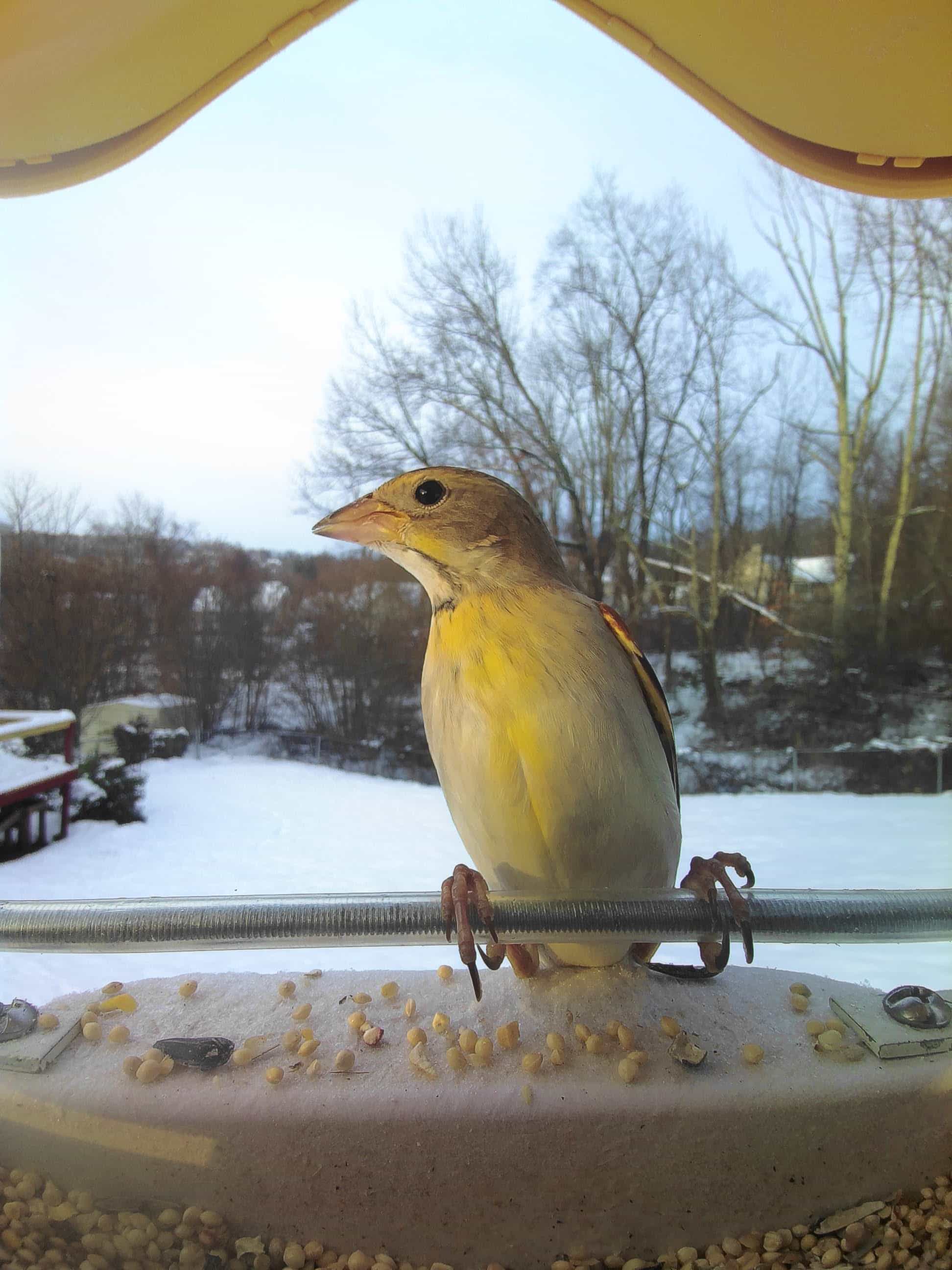
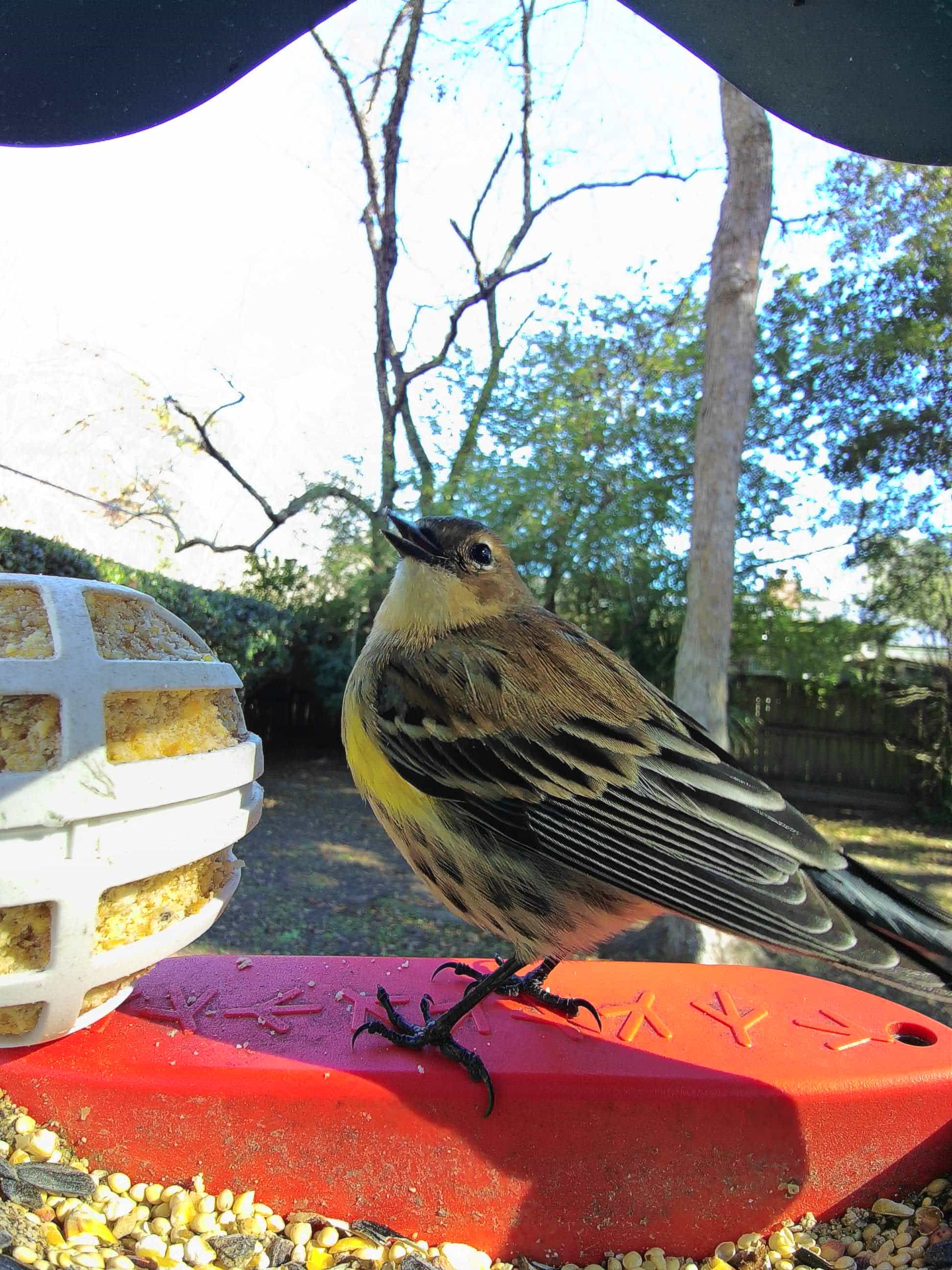
Pine Siskin (Spinus pinus): A small, brown-streaked finch with a sharp, pointed bill, it often displays flashes of bright yellow on its wings and tail, and is known for its acrobatic feeding habits and sociable nature, especially during winter months when it gathers in flocks.
Dark-Eyed Junco (Junco hyemalis): This small, sociable bird is primarily slate gray with a white underside, featuring a distinct pink bill and flashes of white in its tail feathers, often seen foraging on the ground in flocks during winter months across North America.
Identifying bird sounds and calls in Sheridan
Bird sounds are a key way to identify different species, even when they're hidden in trees or bushes. Each bird has its own unique vocalizations, from melodic songs to distinctive calls. Learning these sounds can help you identify birds even before you see them.
Migration
Species that pass through during migration seasons
Timing and migration patterns
These species pass through Sheridan, Wyoming primarily during spring and fall migrations.
Birdwatching hotspots in Sheridan
Parks, reserves, and observatories
Sheridan, Wyoming, offers diverse habitats with lush grasslands, mountainous terrains, and several water bodies, providing unique opportunities for birdwatching and wildlife exploration.
Kendrick Park: Located in the heart of Sheridan, this park provides a peaceful environment with a variety of trees attracting diverse bird species.
Tongue River Reservoir: A prime location for observing waterfowl and shorebirds, surrounded by picturesque natural beauty.
Bighorn National Forest: Extensive forests and meadows offering habitats for raptors and numerous other bird species.
Sheridan Municipal Watershed: A protected area with limited access that supports a range of bird species in its pristine natural environment.
Accessibility and facilities
Most sites offer easy access with maintained trails, though some remote areas may require more effort. Basic facilities like restrooms and parking are available in more developed parks.
Conservation efforts
Sheridan, Wyoming actively engages in conserving natural habitats and wildlife through various local initiatives. Some of the efforts include:
- Efforts to preserve local wildlife and natural landscapes.
- Community-driven projects for sustainable land use.
- Partnerships with organizations for habitat restoration.
How Can I Help?
- Participate in local clean-up events.
- Support local conservation groups.
- Volunteer for habitat restoration projects.
- Educate others about environmental sustainability.
Live bird sightings in the Sheridan area
Discover what birds are currently active in Sheridan through real-time sightings from Birdbuddy users. Explore hotspots and track your favorite species with updates from our community network.
Learn more about Birdbuddy