Birds in San Bruno,
California
San Bruno, California offers a diverse birdwatching environment thanks to its unique coastal scrub and chaparral habitats. The San Bruno Mountain State Park provides sweeping vistas and protected bio-diverse ecosystems. Its proximity to Pacific flyway makes it pivotal for migratory species, attracting both novice and expert birdwatchers. The area's varied terrains like grasslands and lush canyons enhance avian diversity, making it a significant birdwatching destination.
Most iconic San Bruno bird
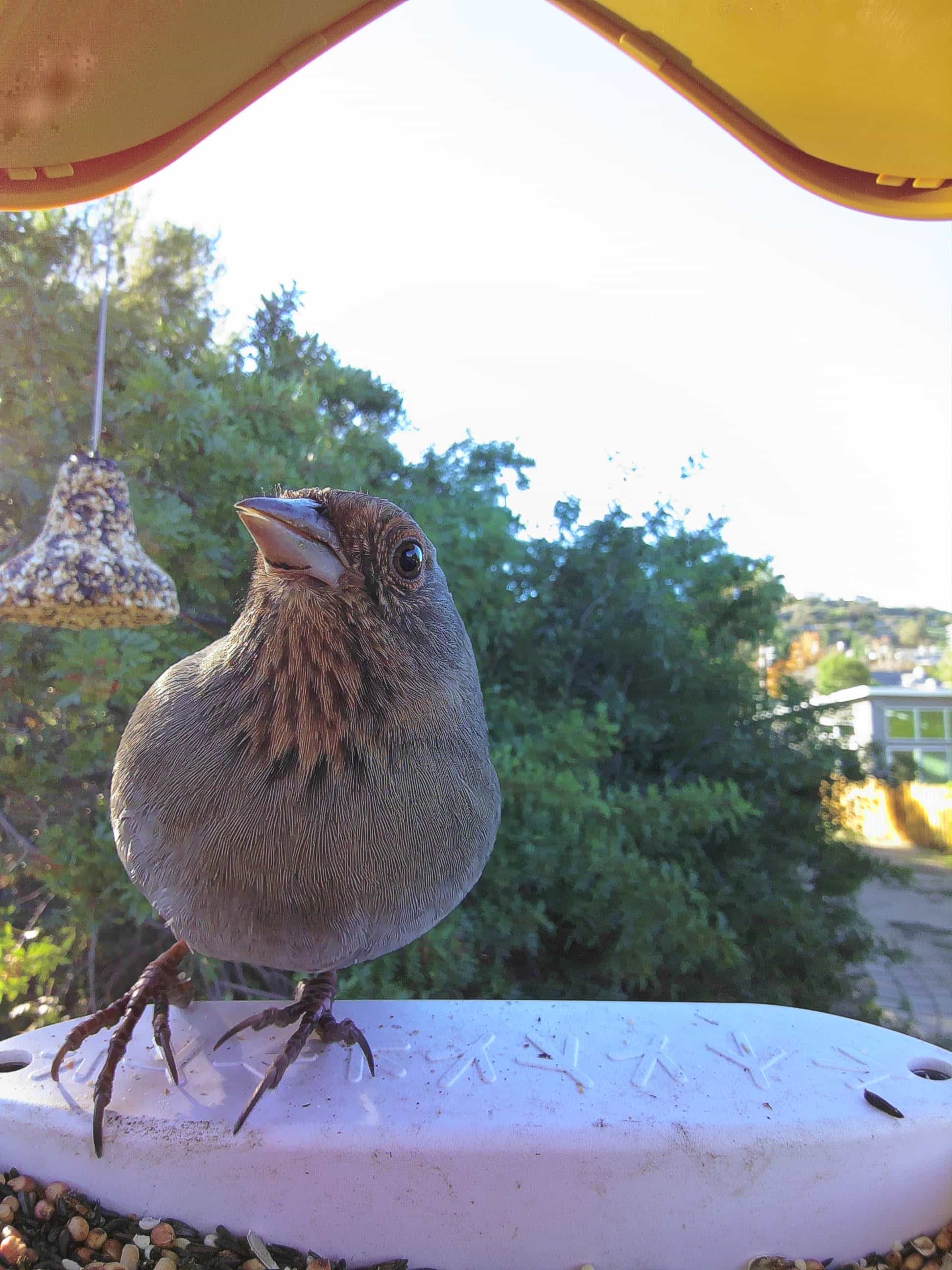
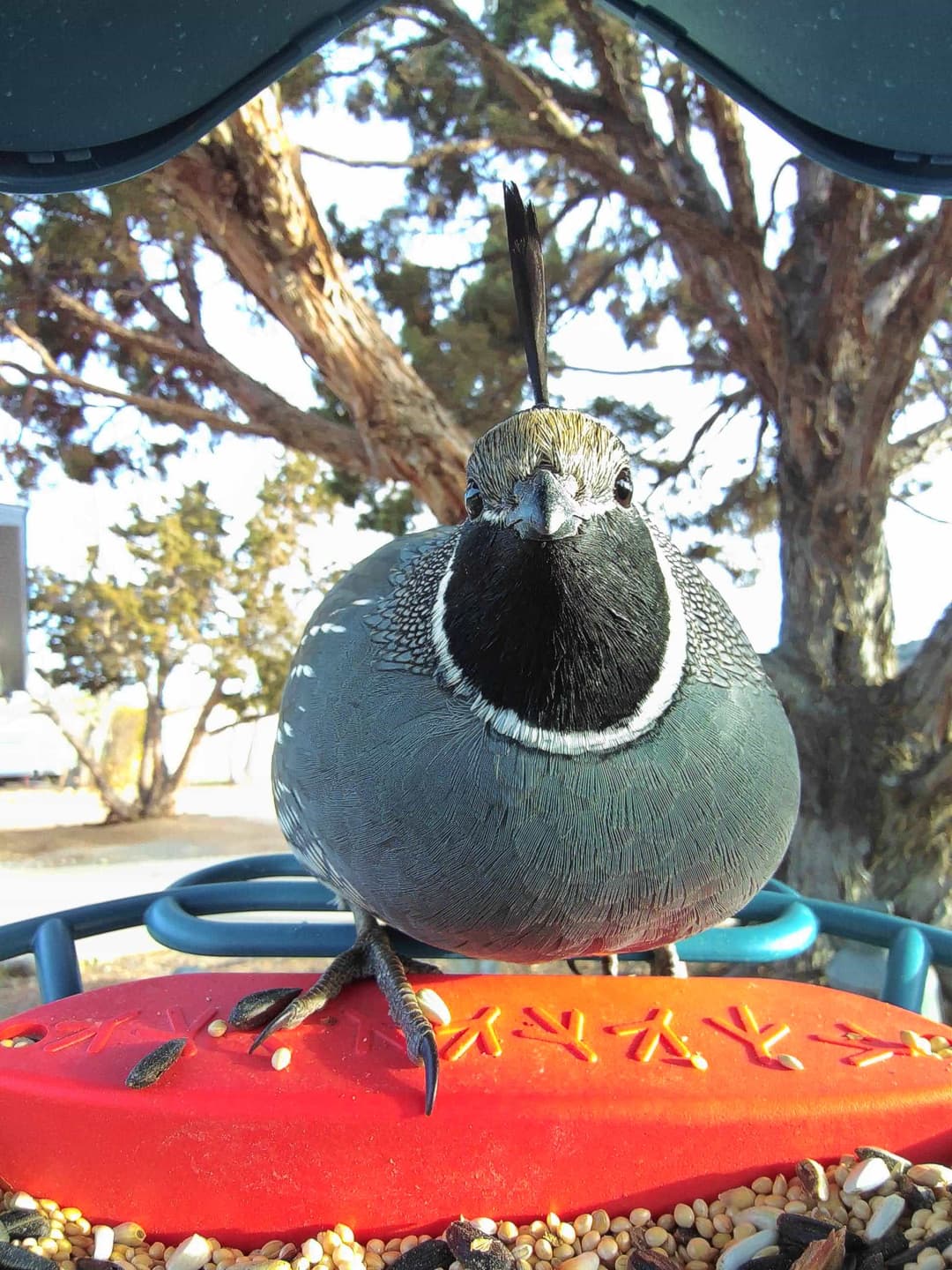
The California quail was chosen as the state bird of California because it is commonly found in the region and represents the state's natural beauty and heritage.
Common bird species in San Bruno
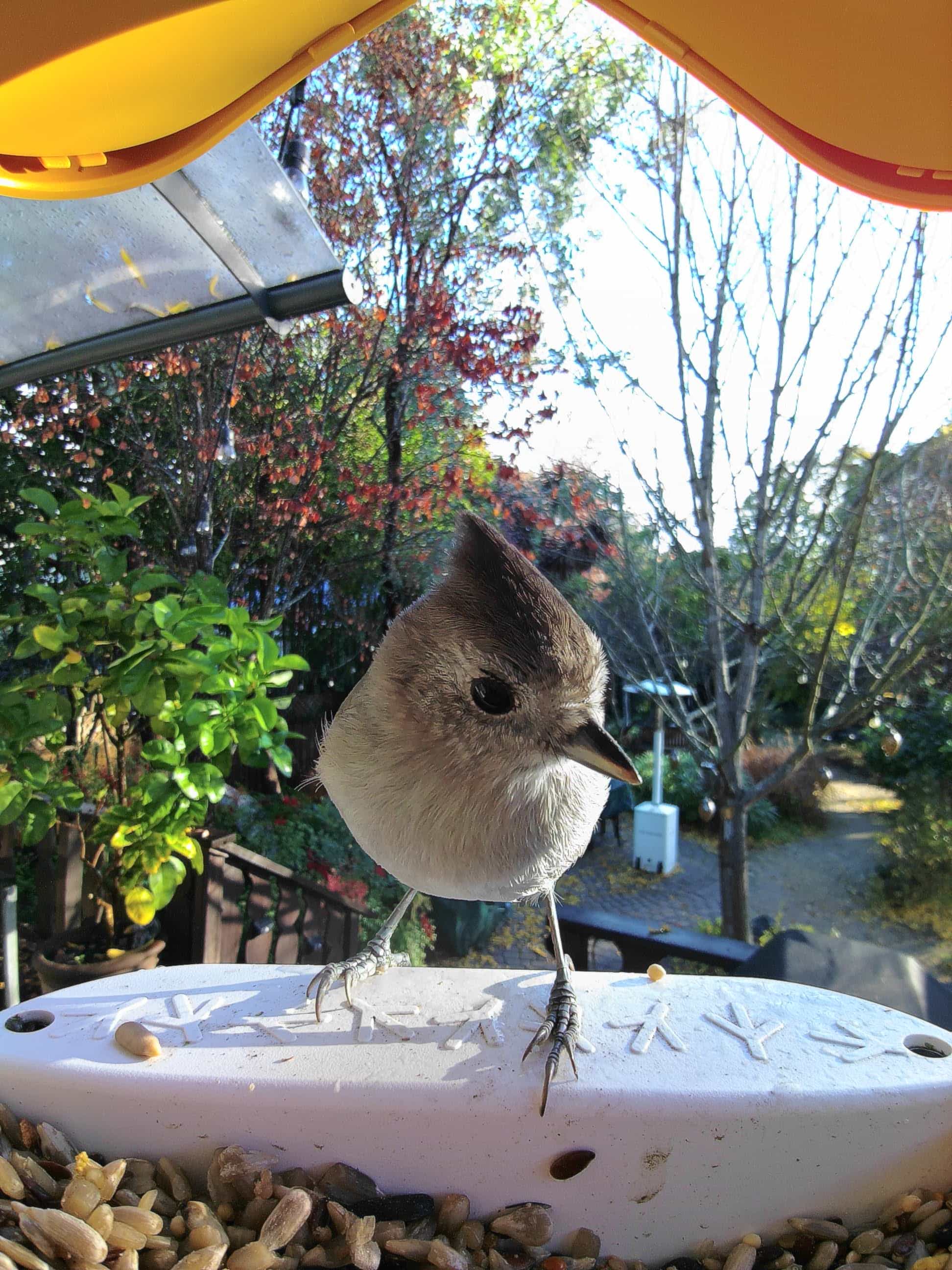
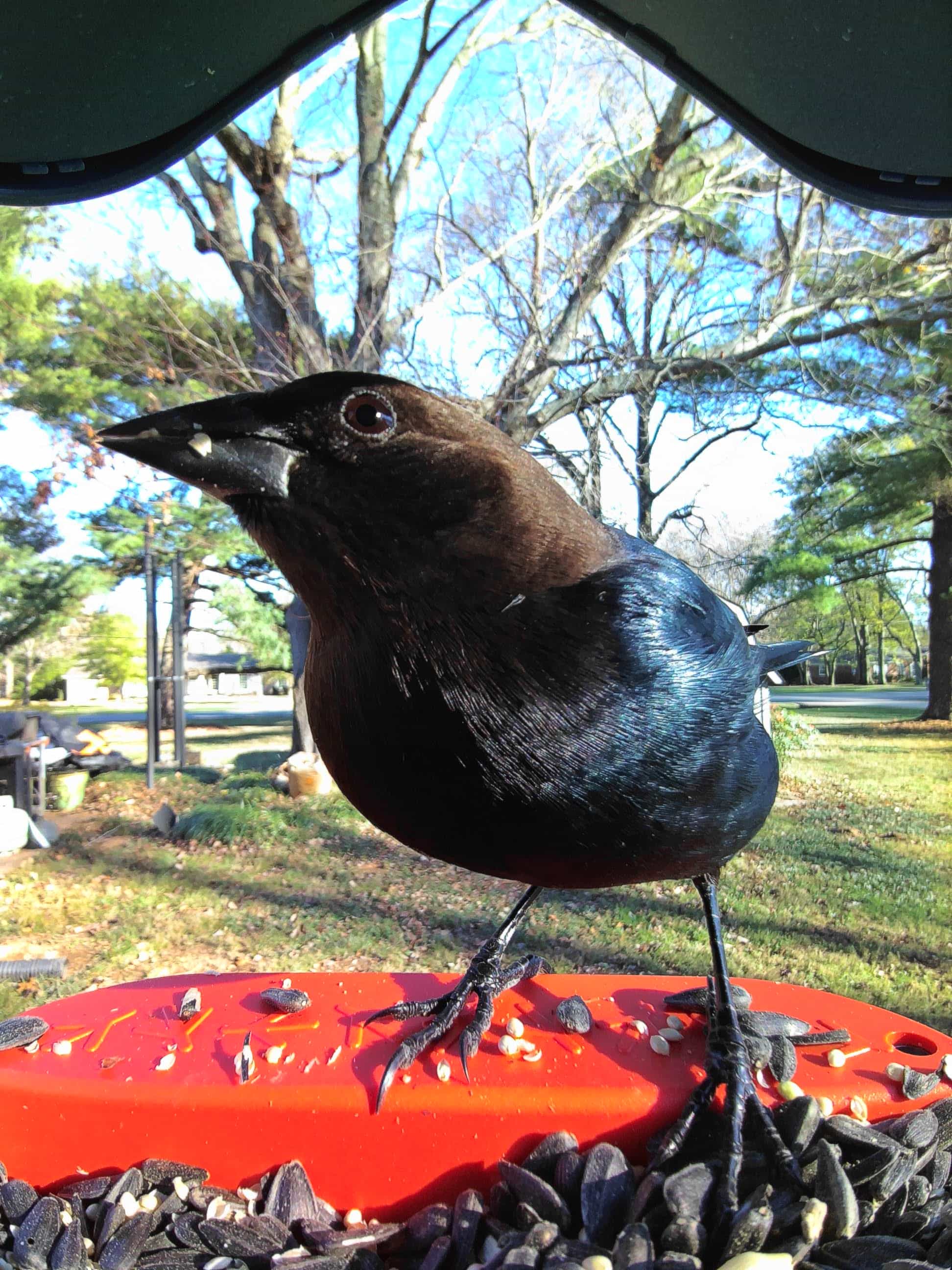
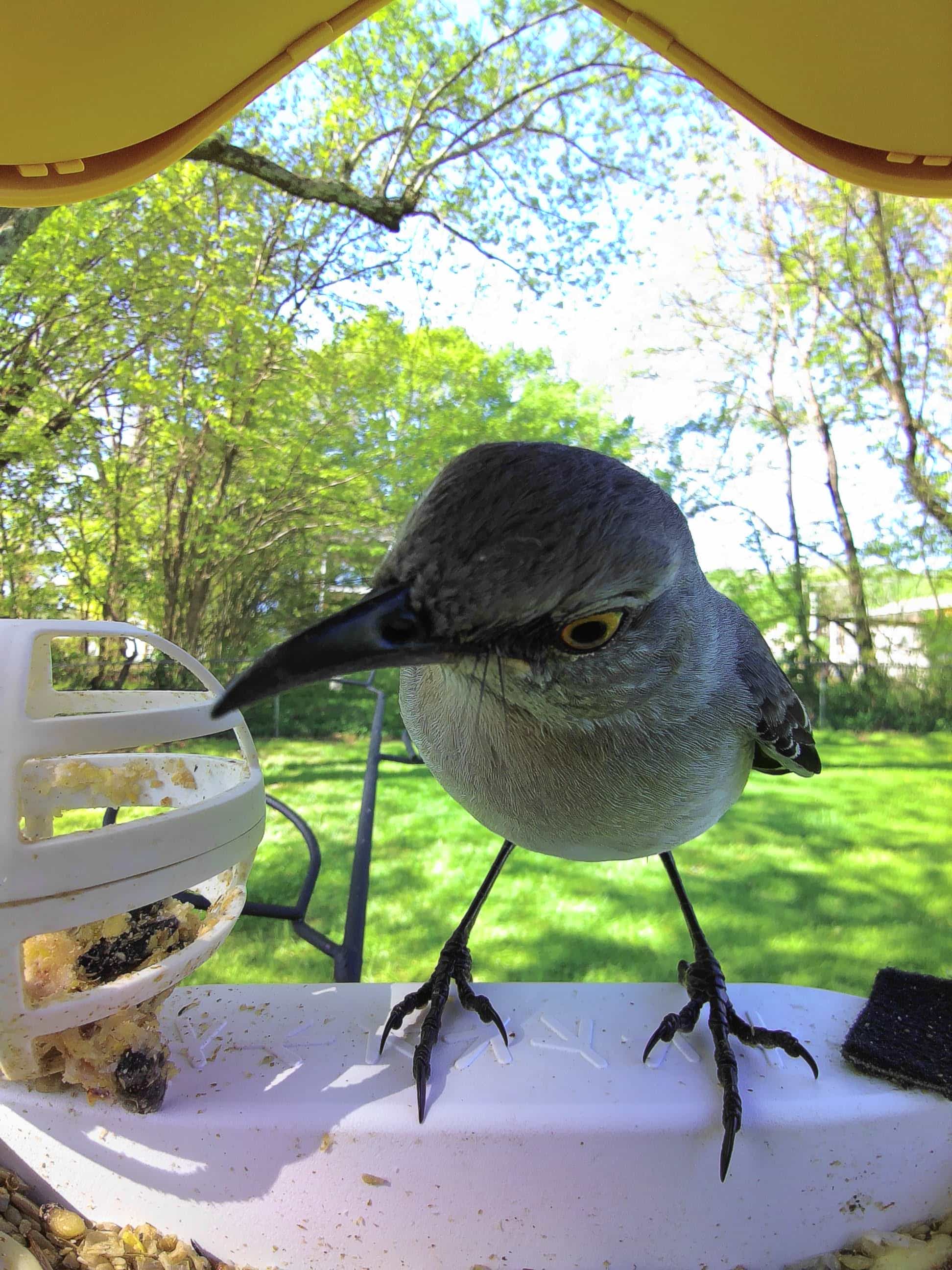
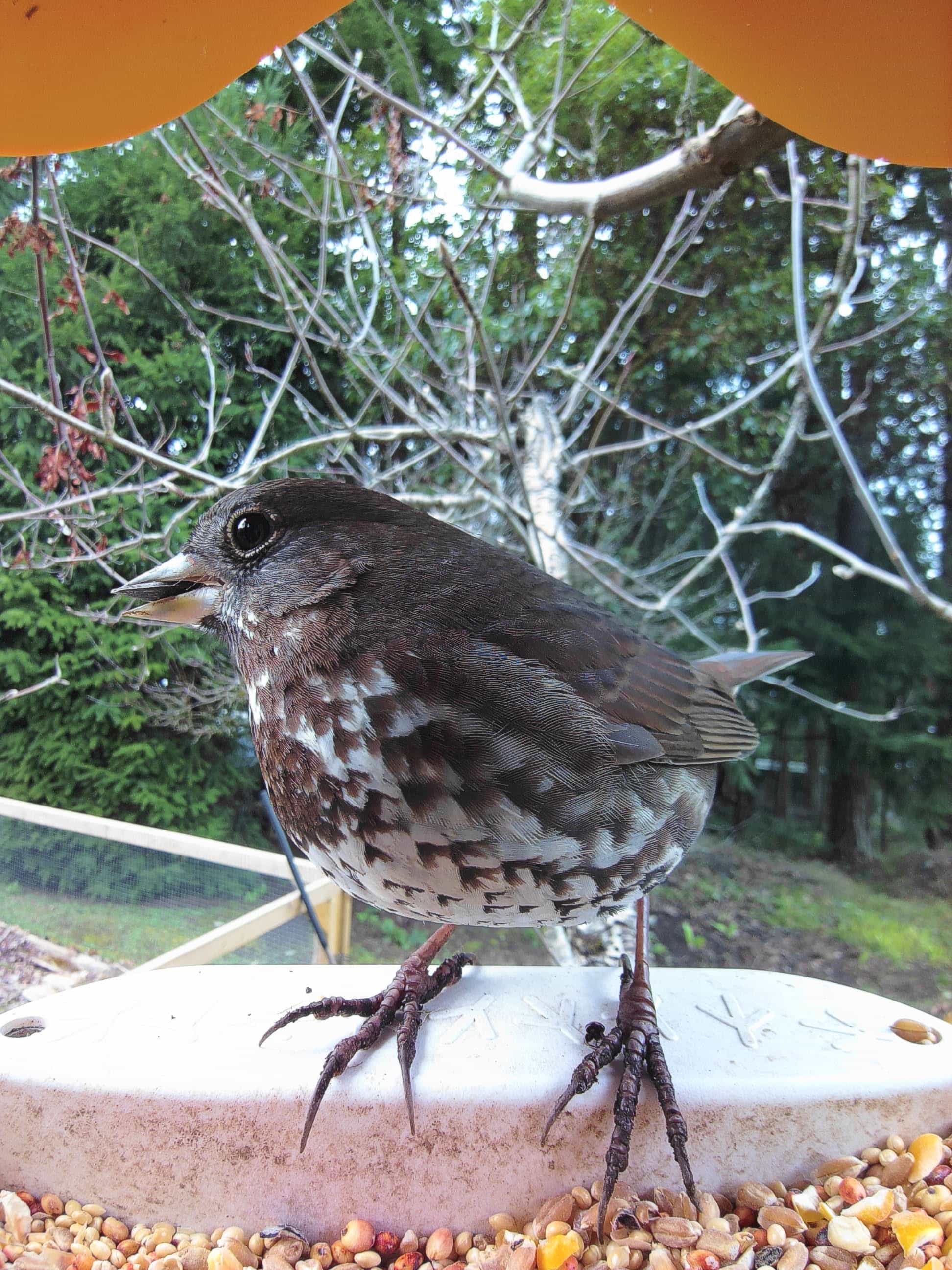
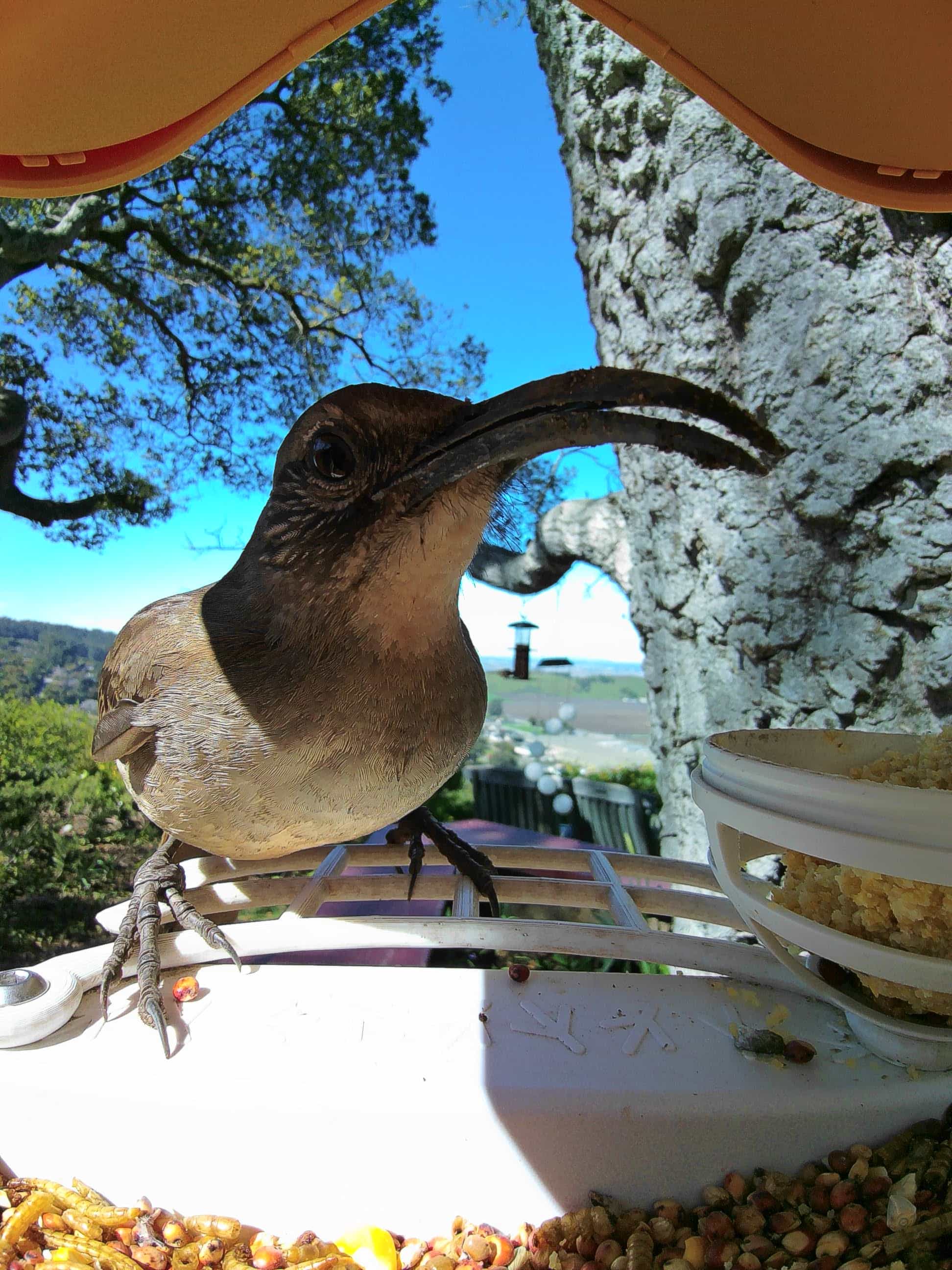
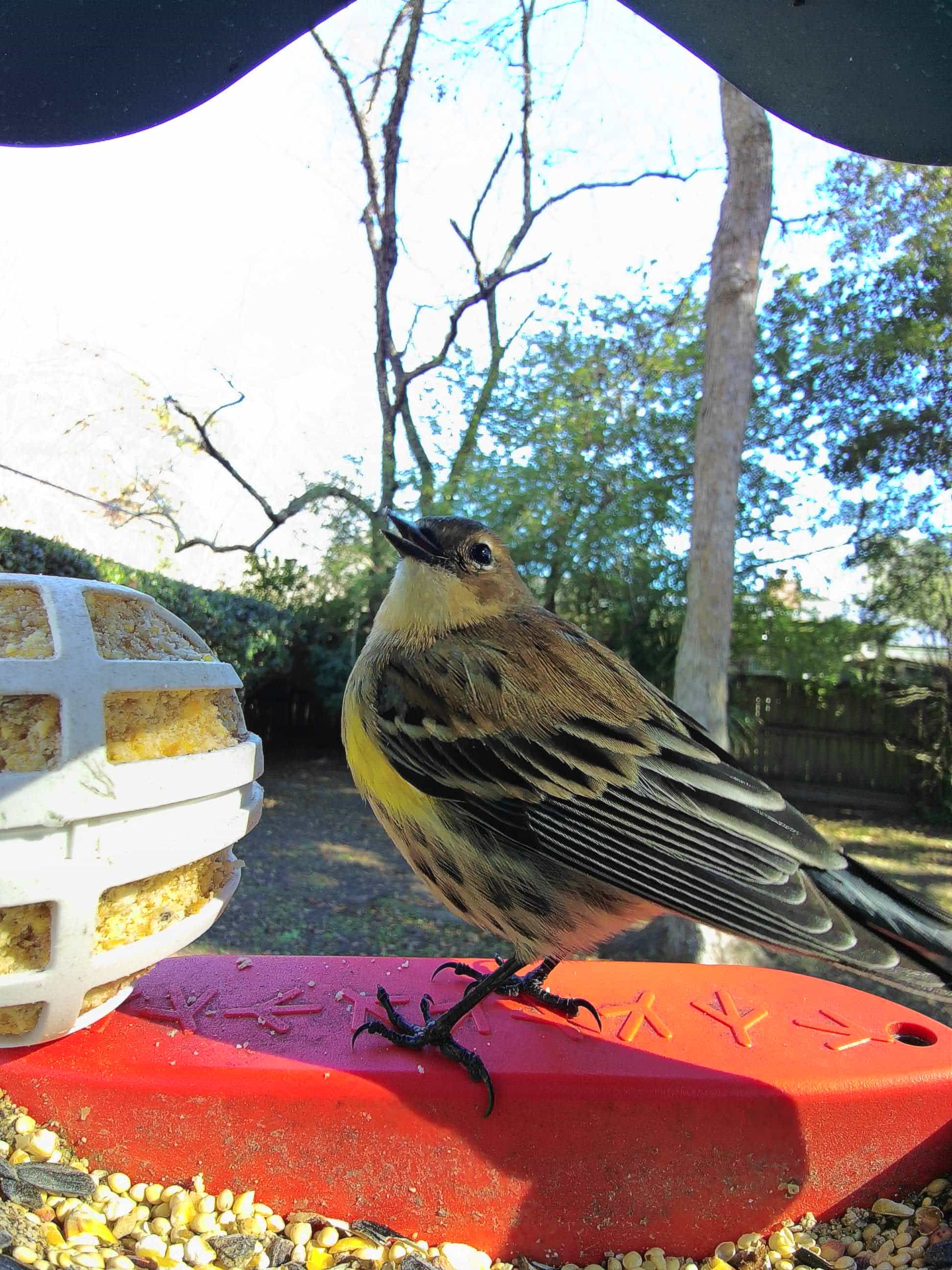
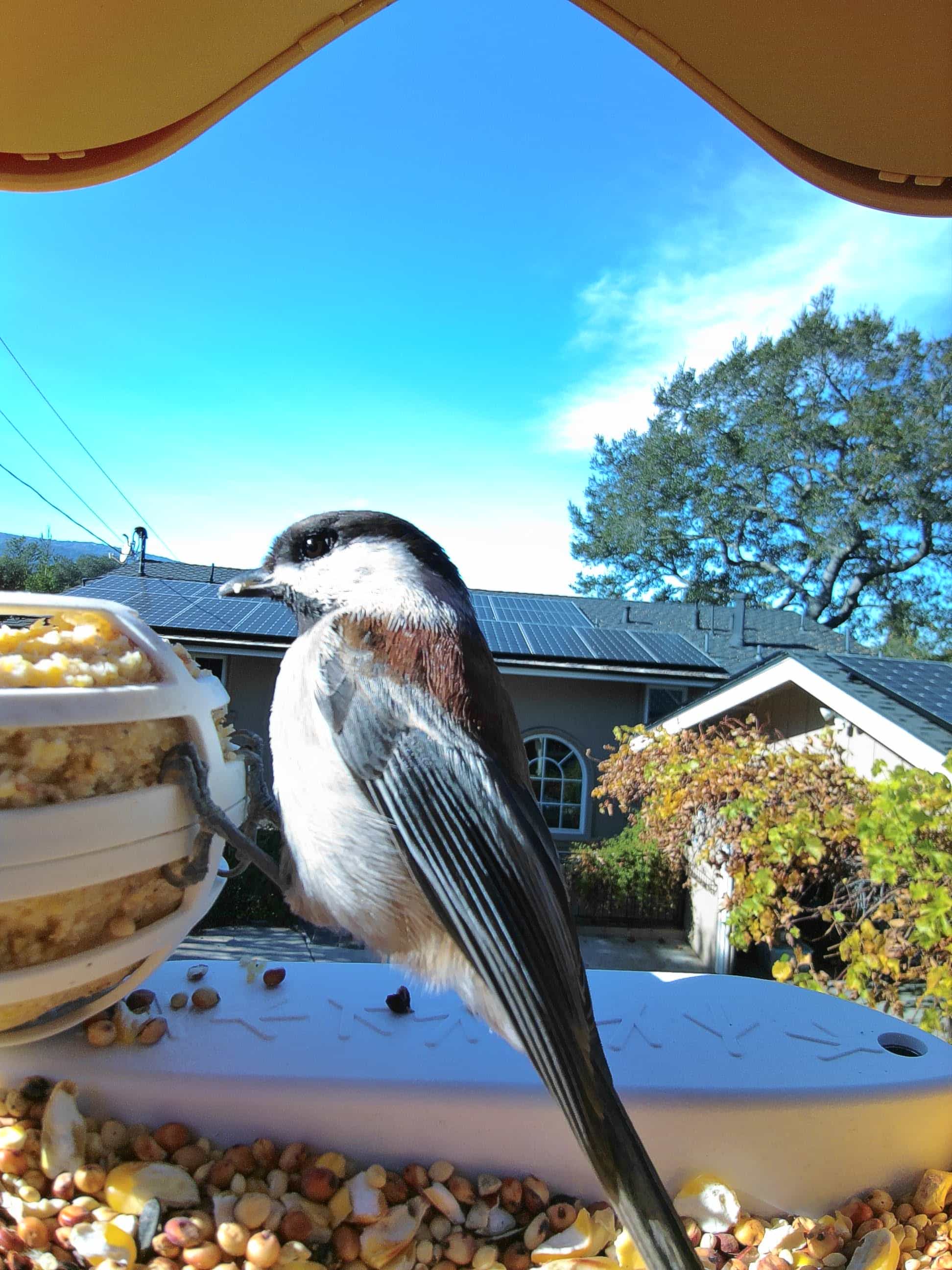
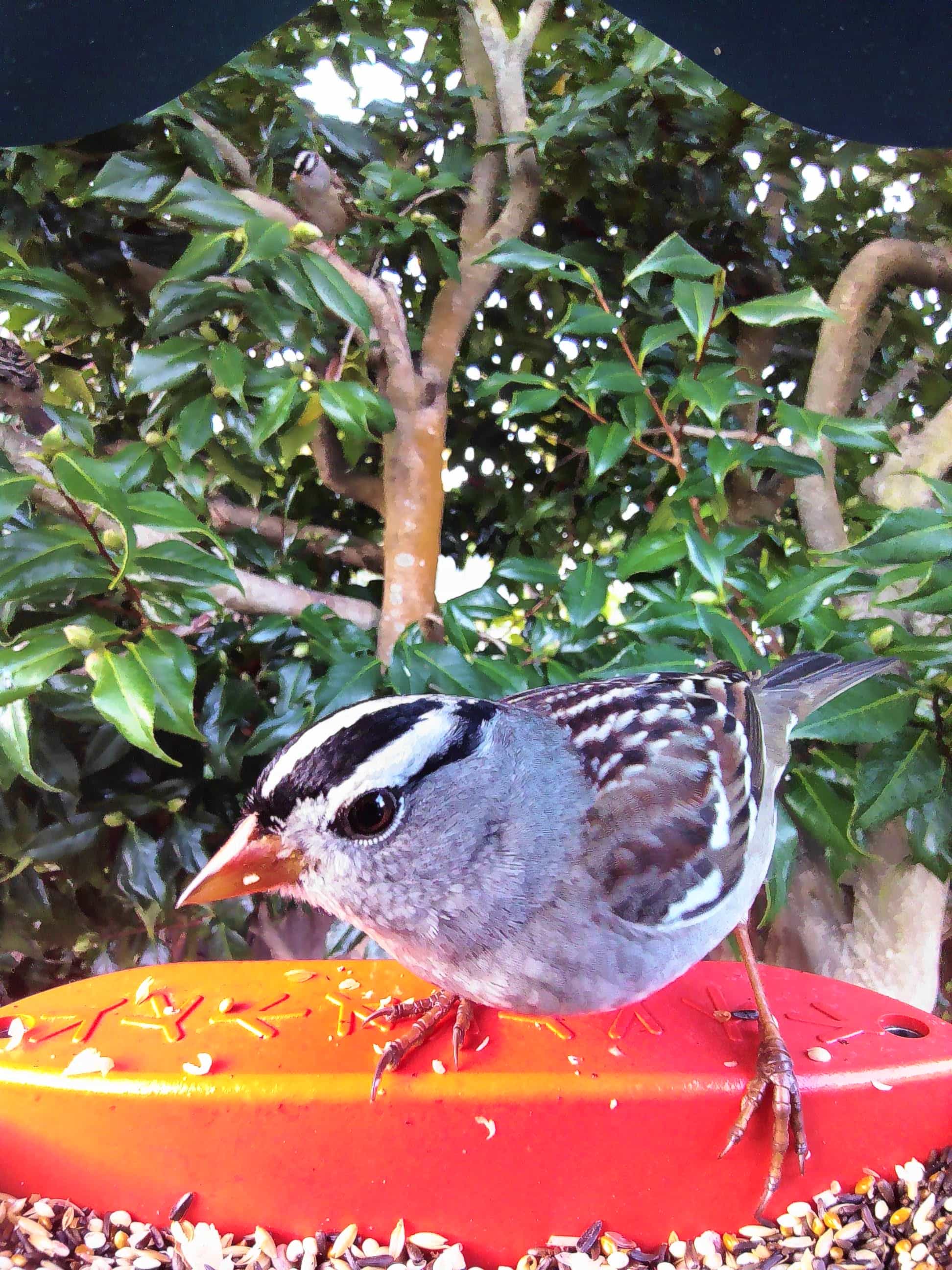
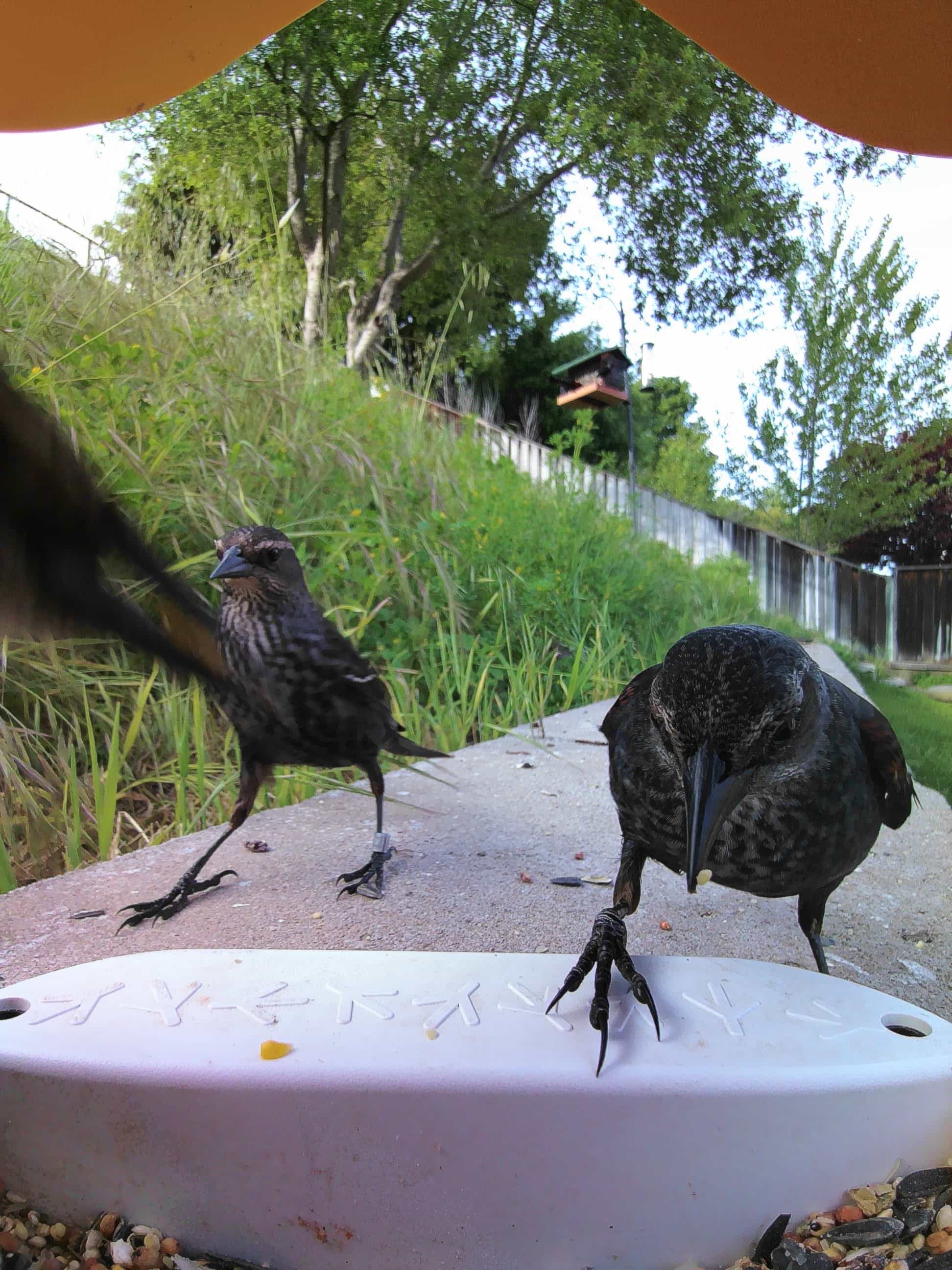
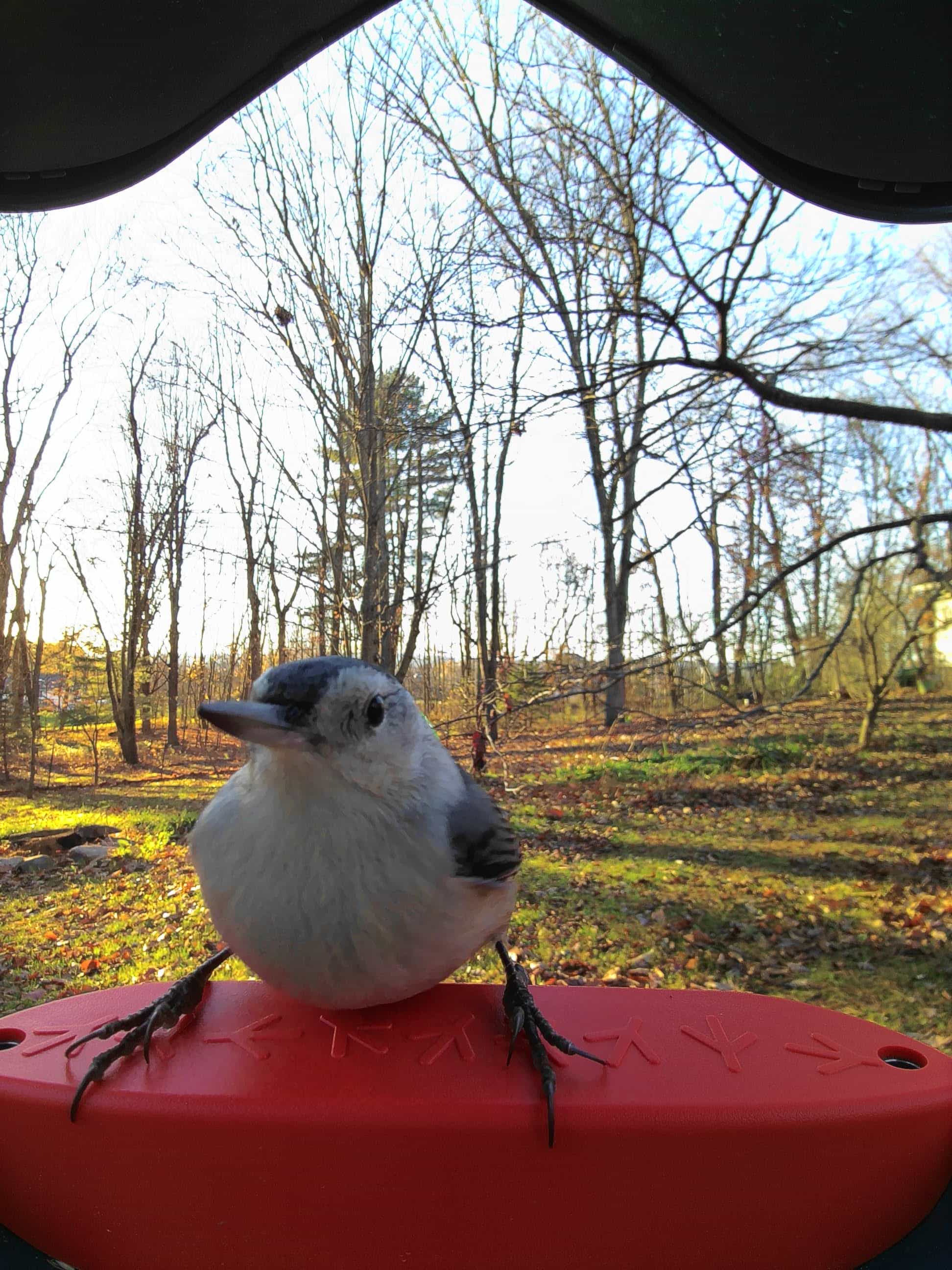
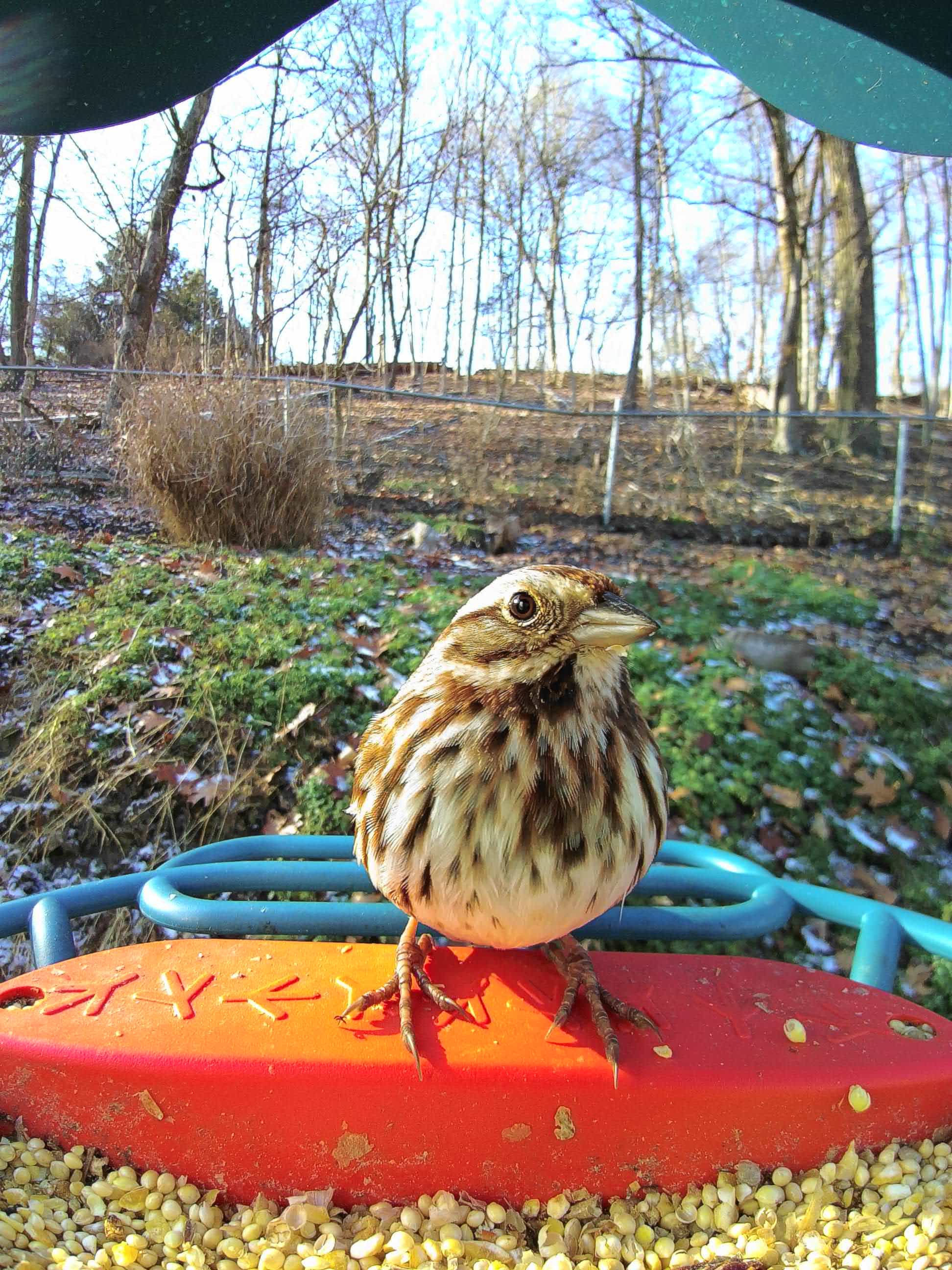
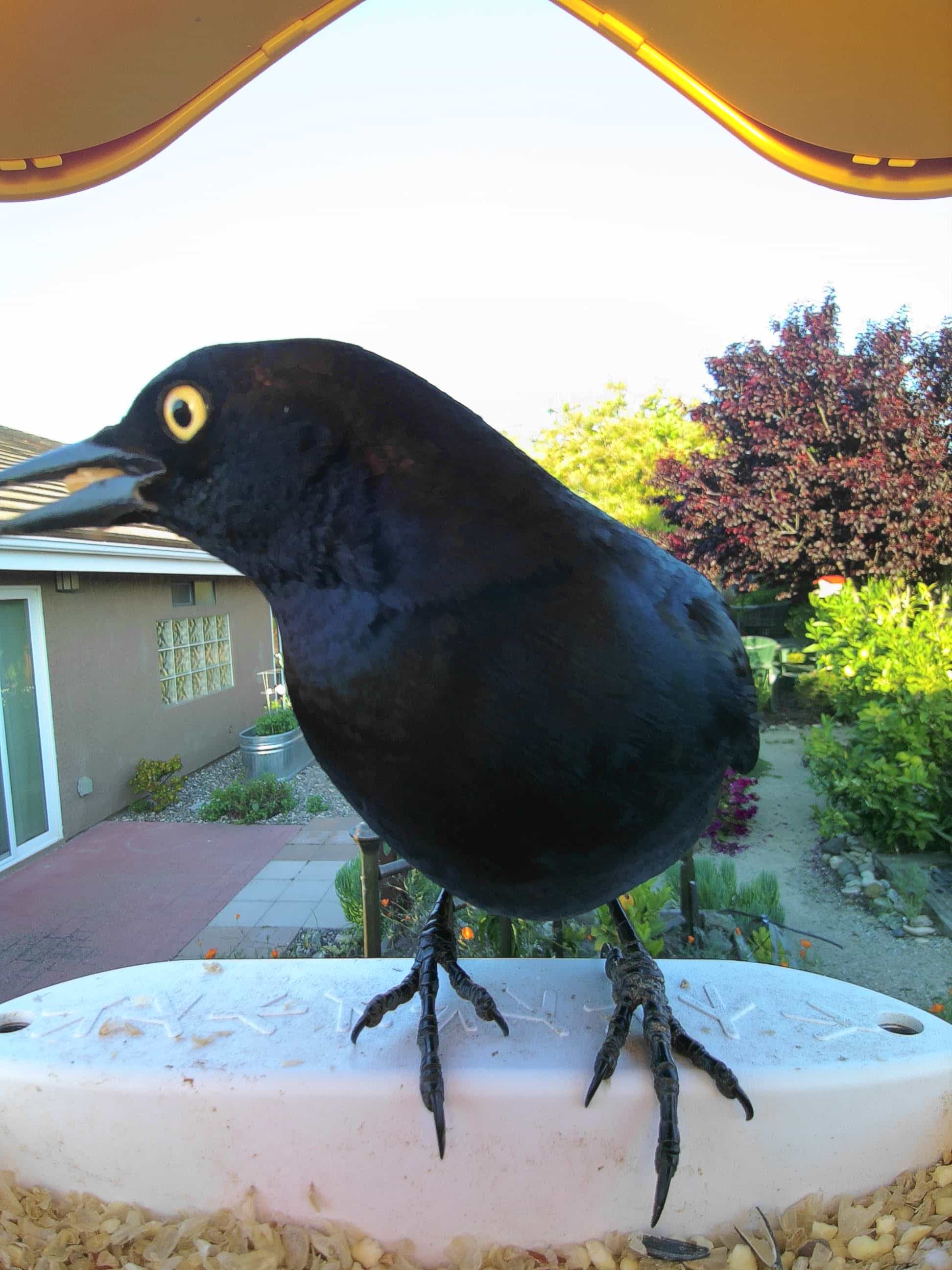
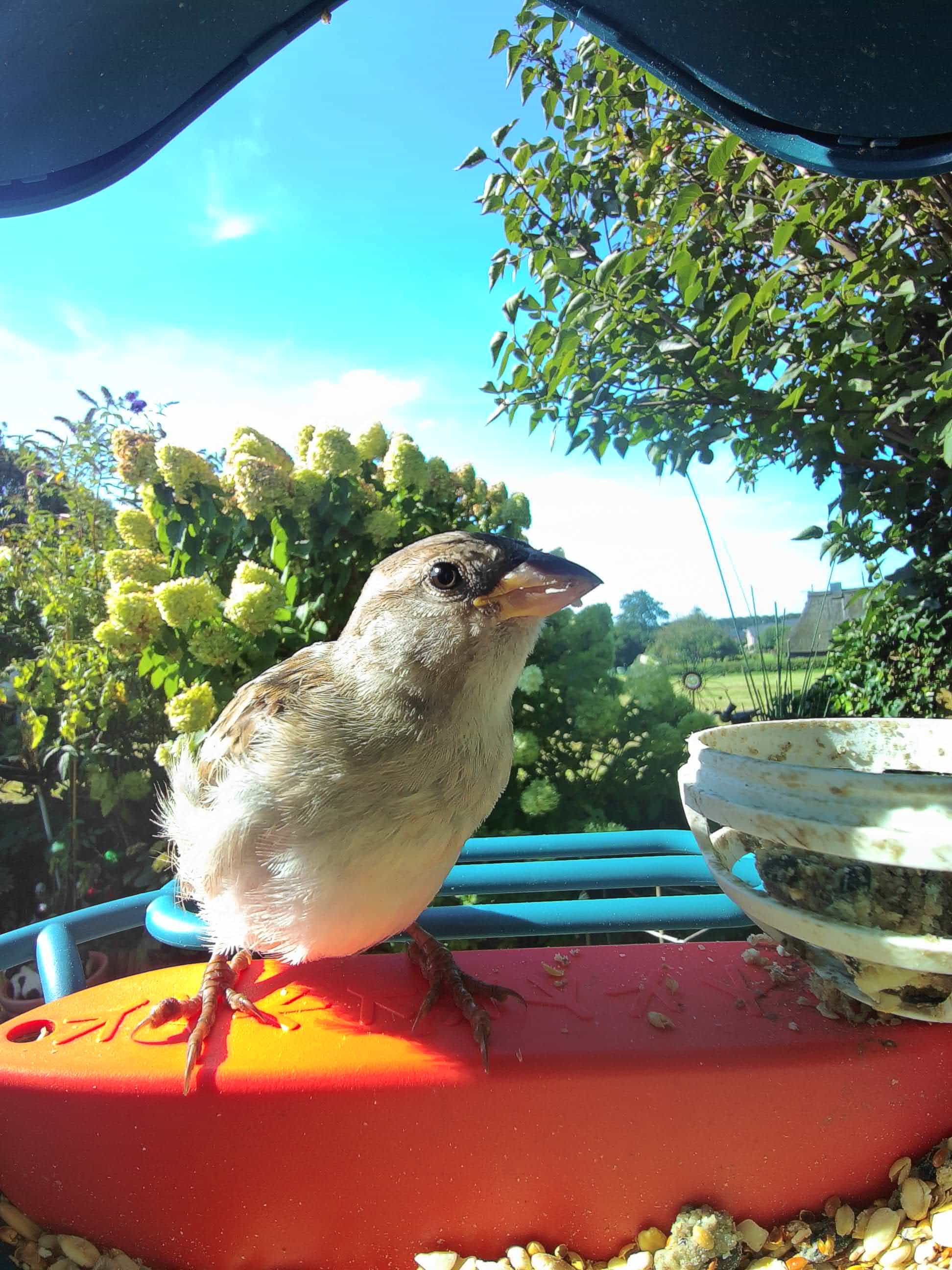
Birds seen on Birdbuddy feeders in San Bruno
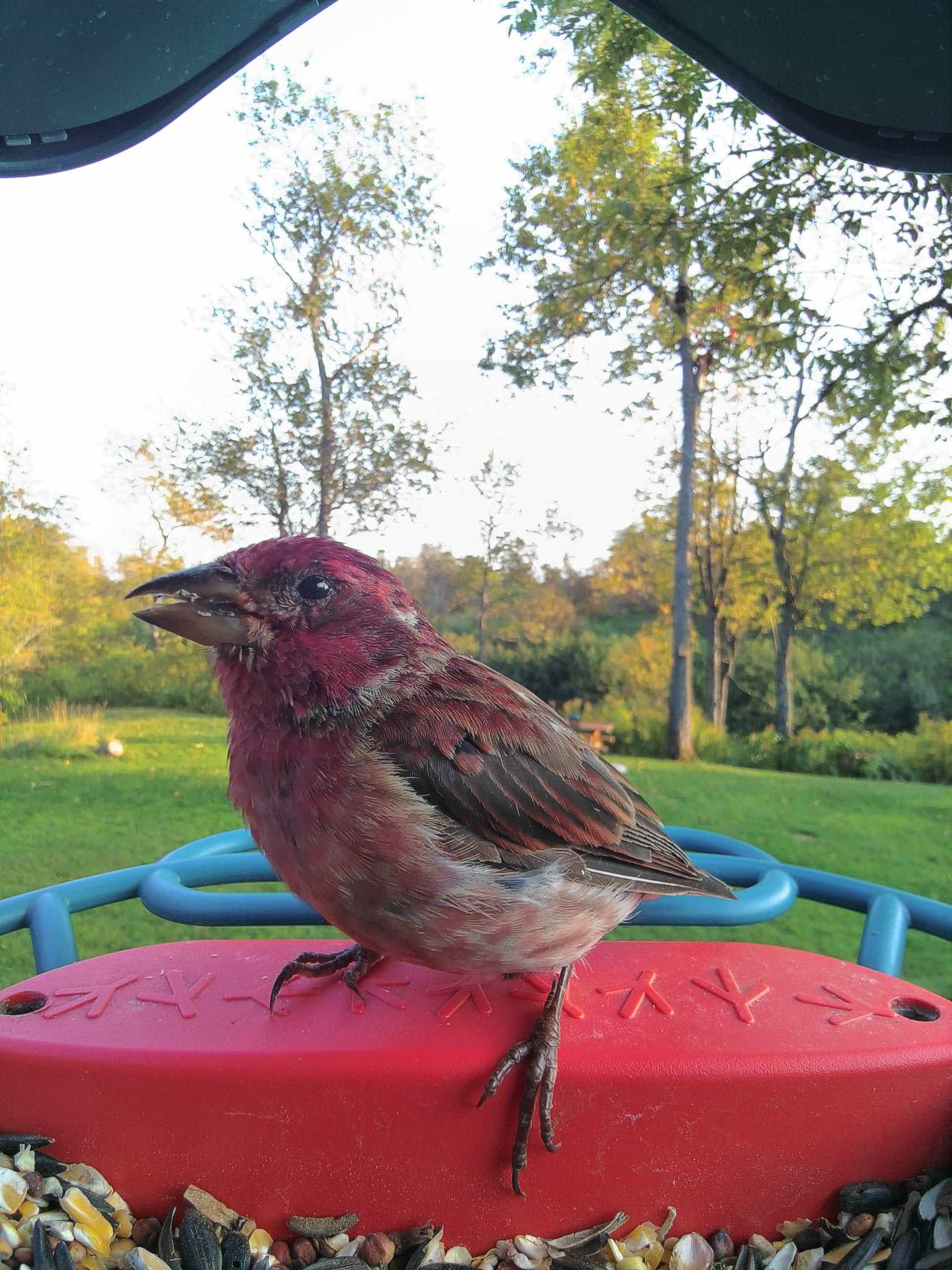
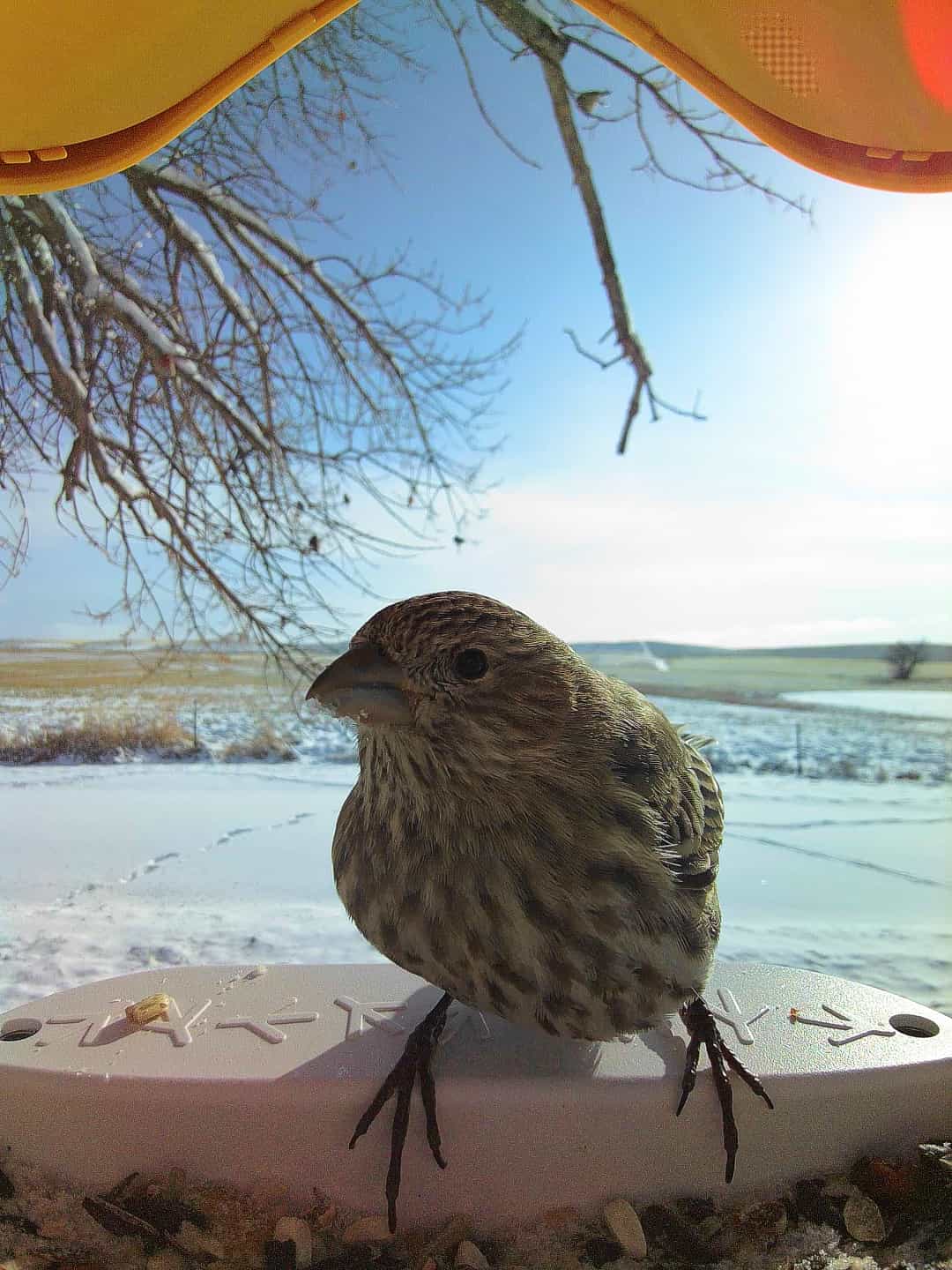
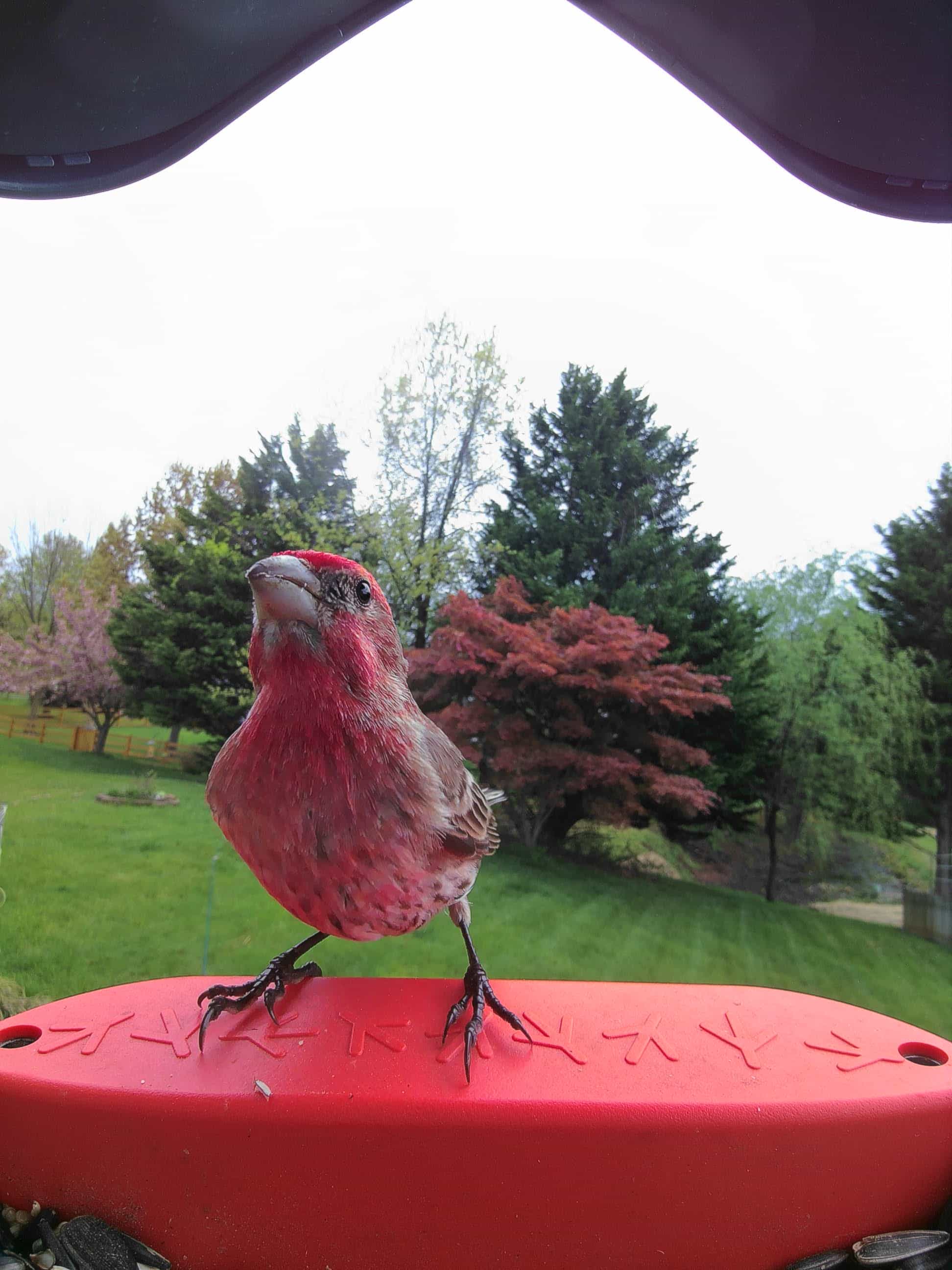
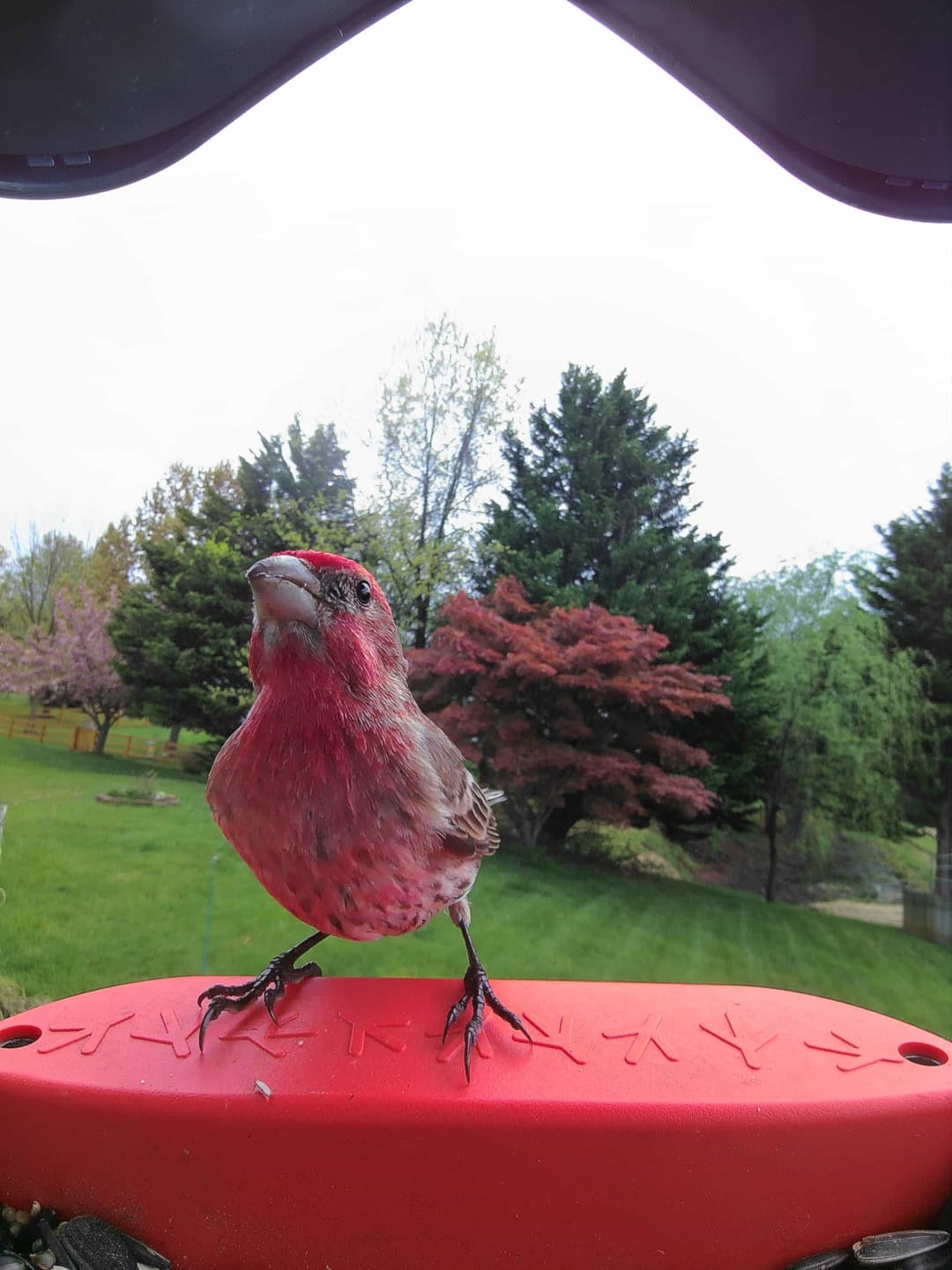
House Finch (Haemorhous mexicanus): A small, adaptable bird native to North America, it has a vibrant red head and breast in males, streaky brown plumage in females, and a cheerful, warbling song often heard in urban and suburban areas.
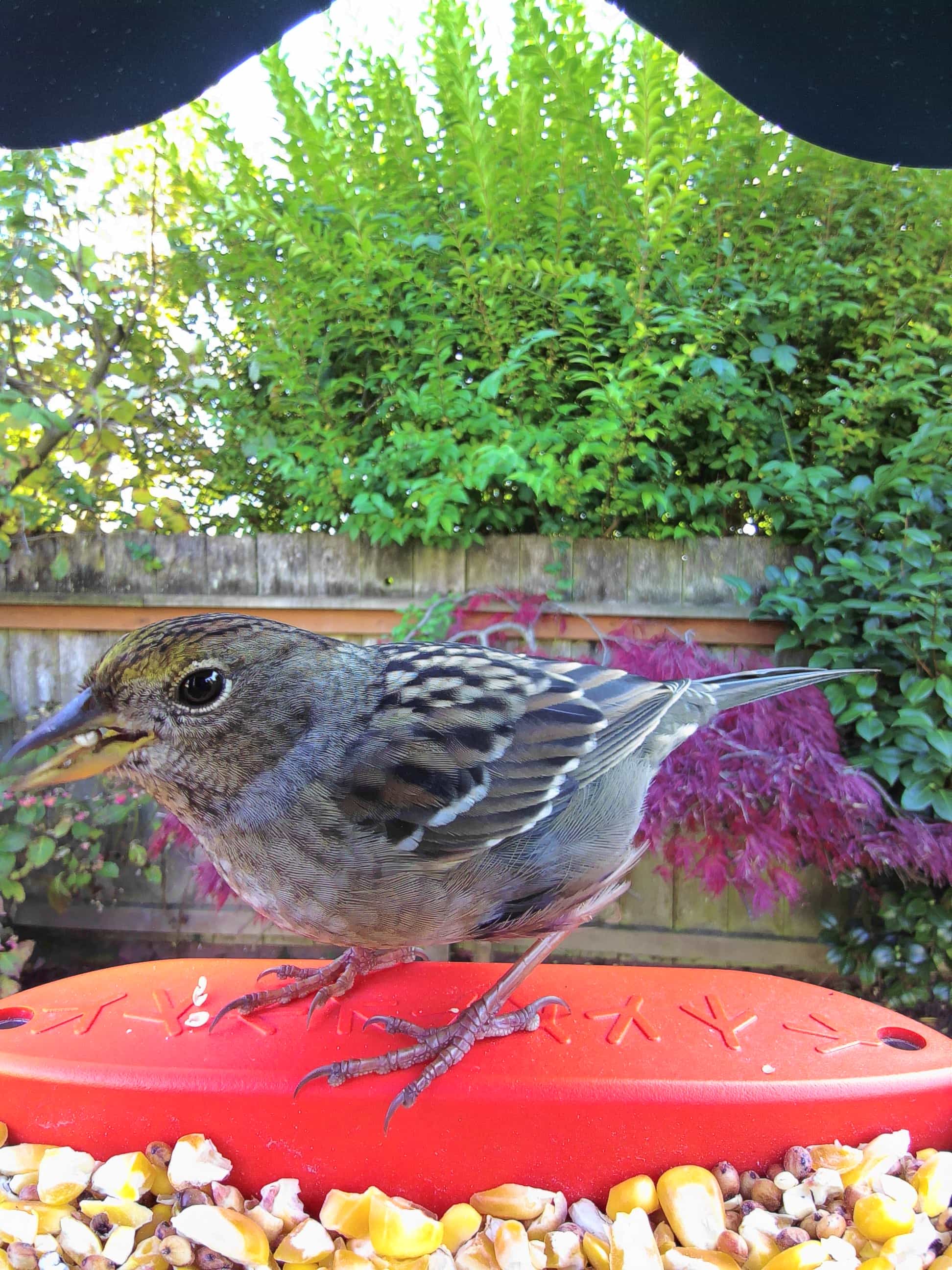
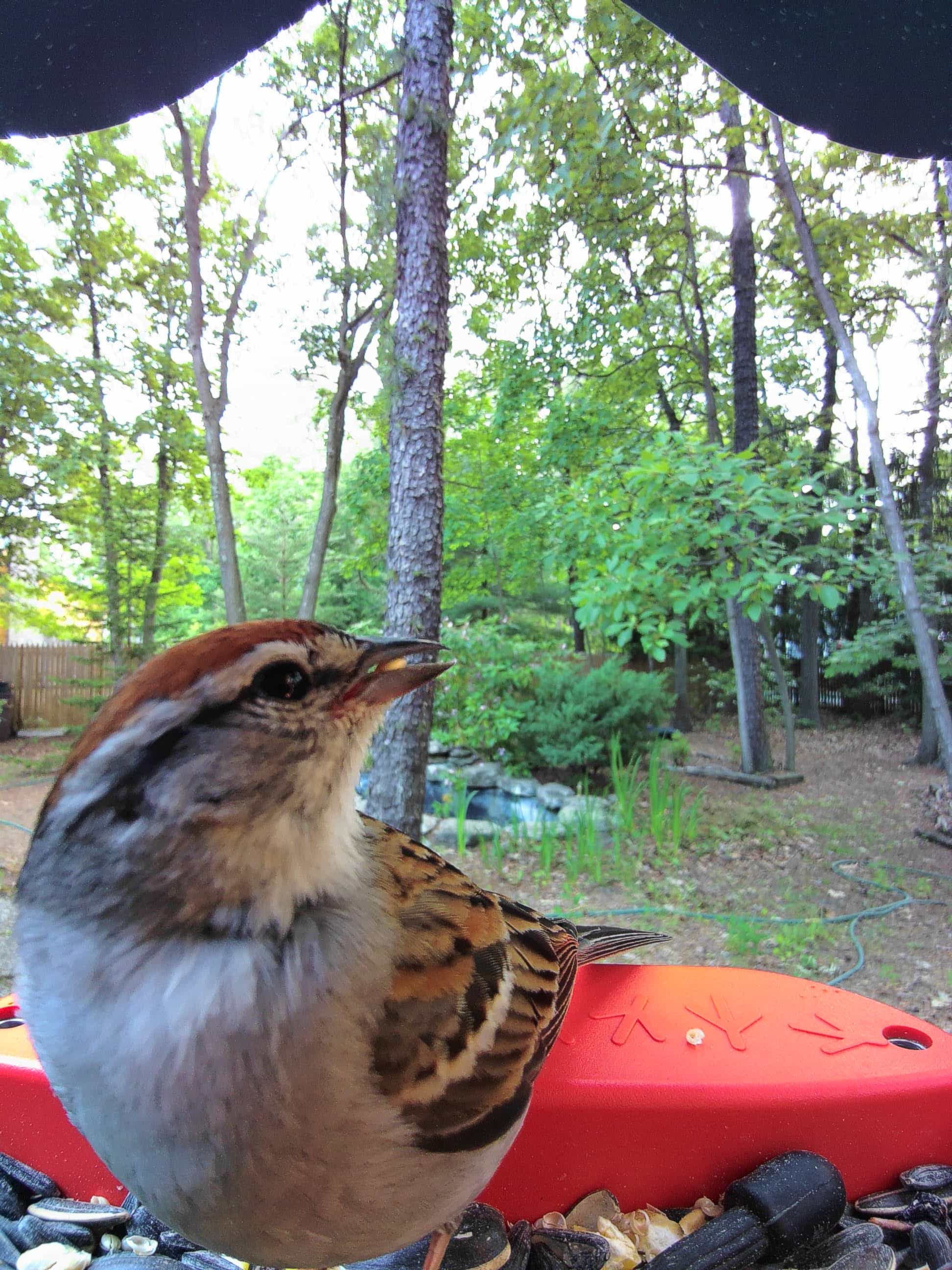
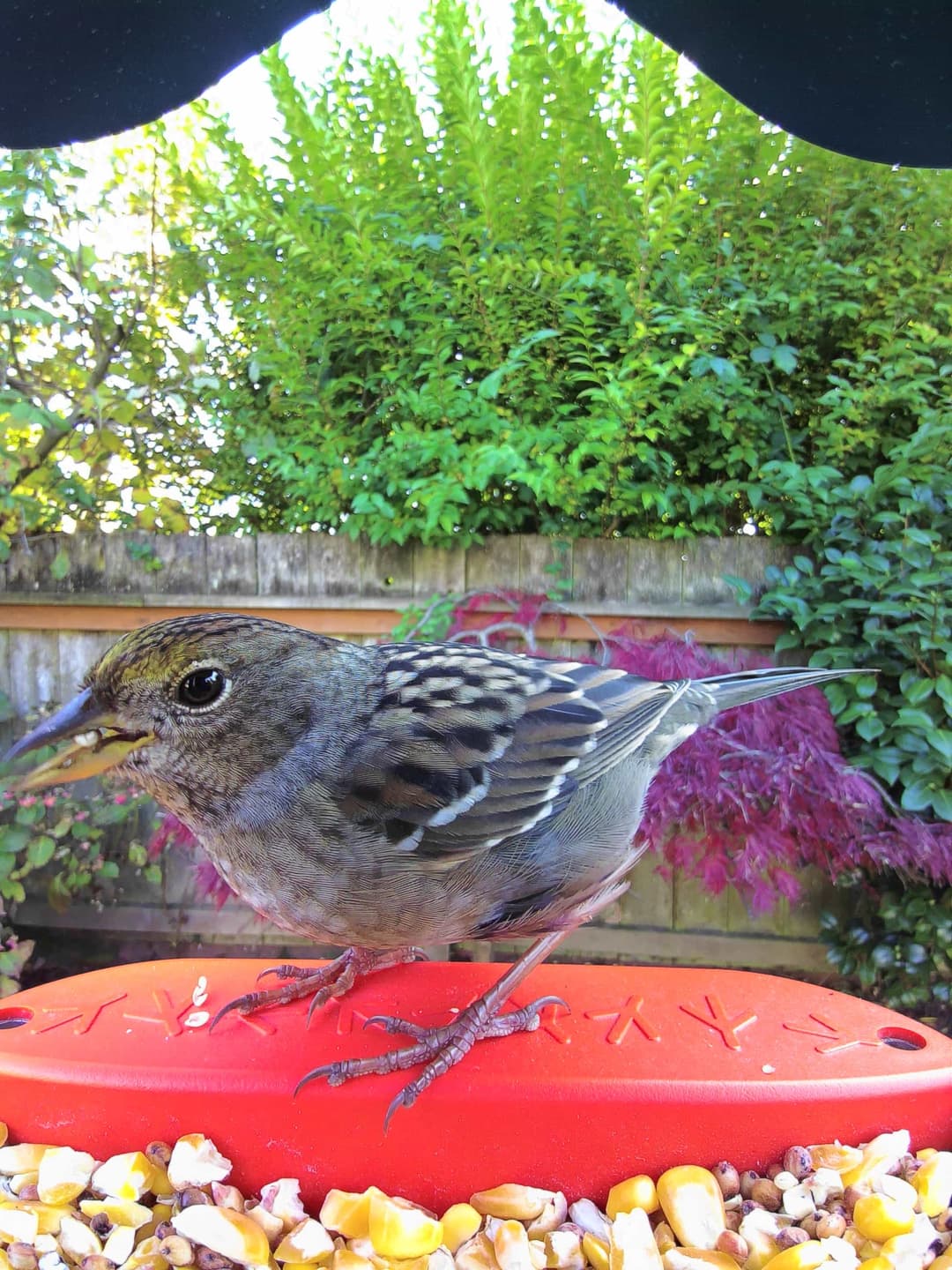
Golden-Crowned Sparrow (Zonotrichia atricapilla): Characterized by its distinctive bright yellow patch on the crown bordered by black, this medium-sized bird is commonly found in the Pacific Coast of North America, where it forages on the ground for seeds and insects during its migration and wintering periods.
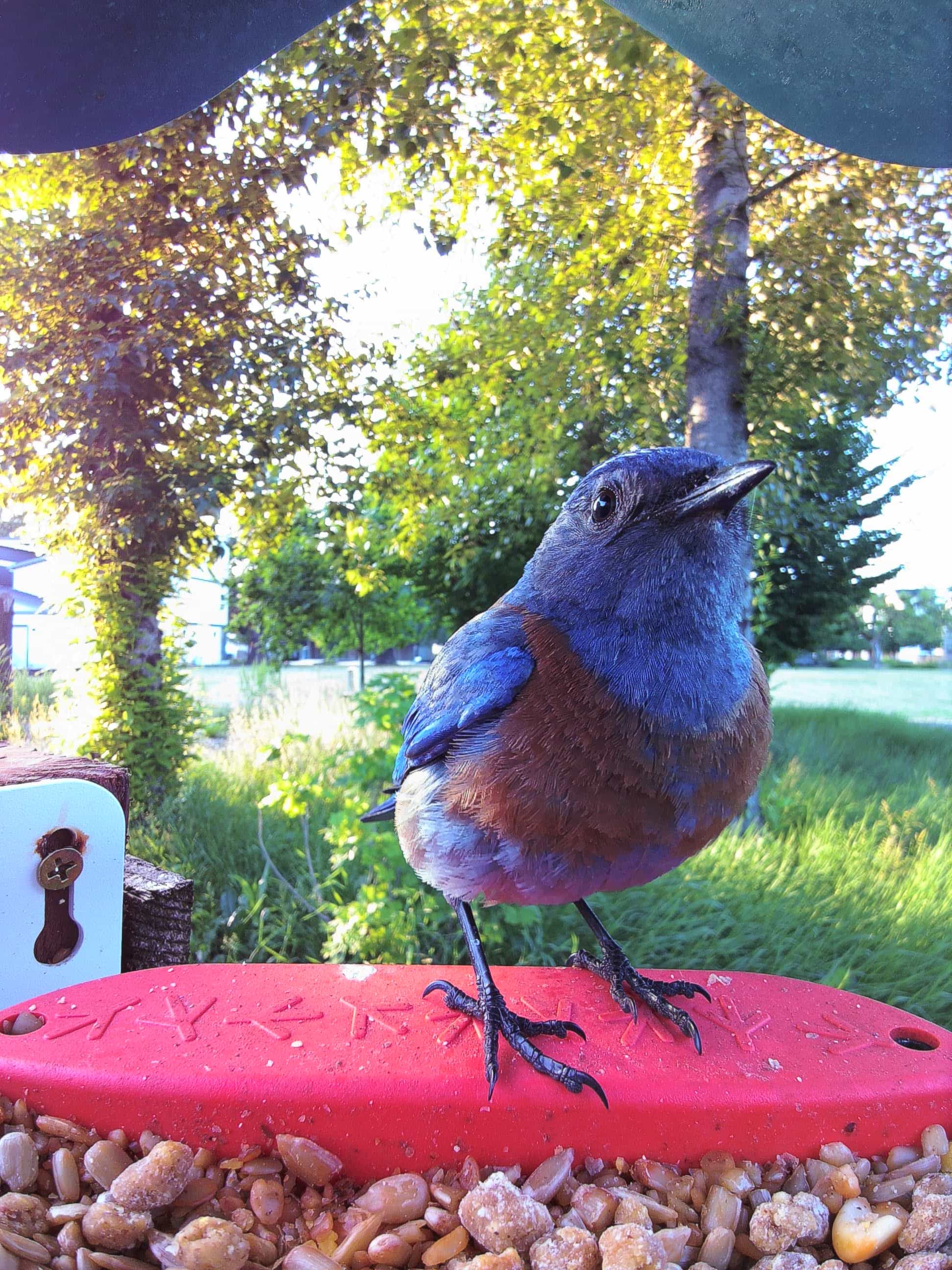
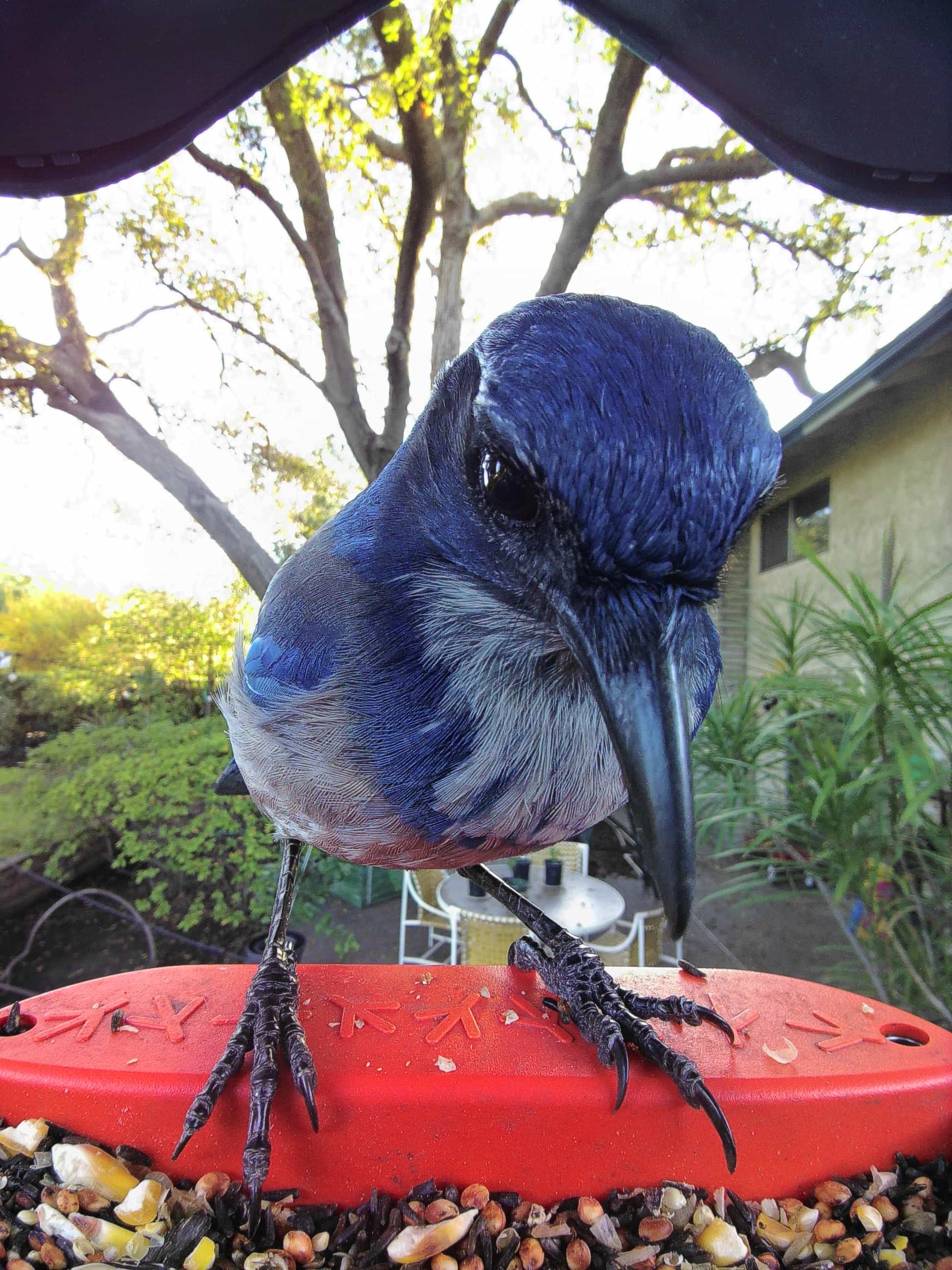
California Scrub-Jay (Aphelocoma californica): This medium-sized, vibrantly blue and gray bird is known for its intelligence and bold behavior, often spotted in open woodlands, gardens, and scrublands, where it forages for insects, seeds, and small animals.
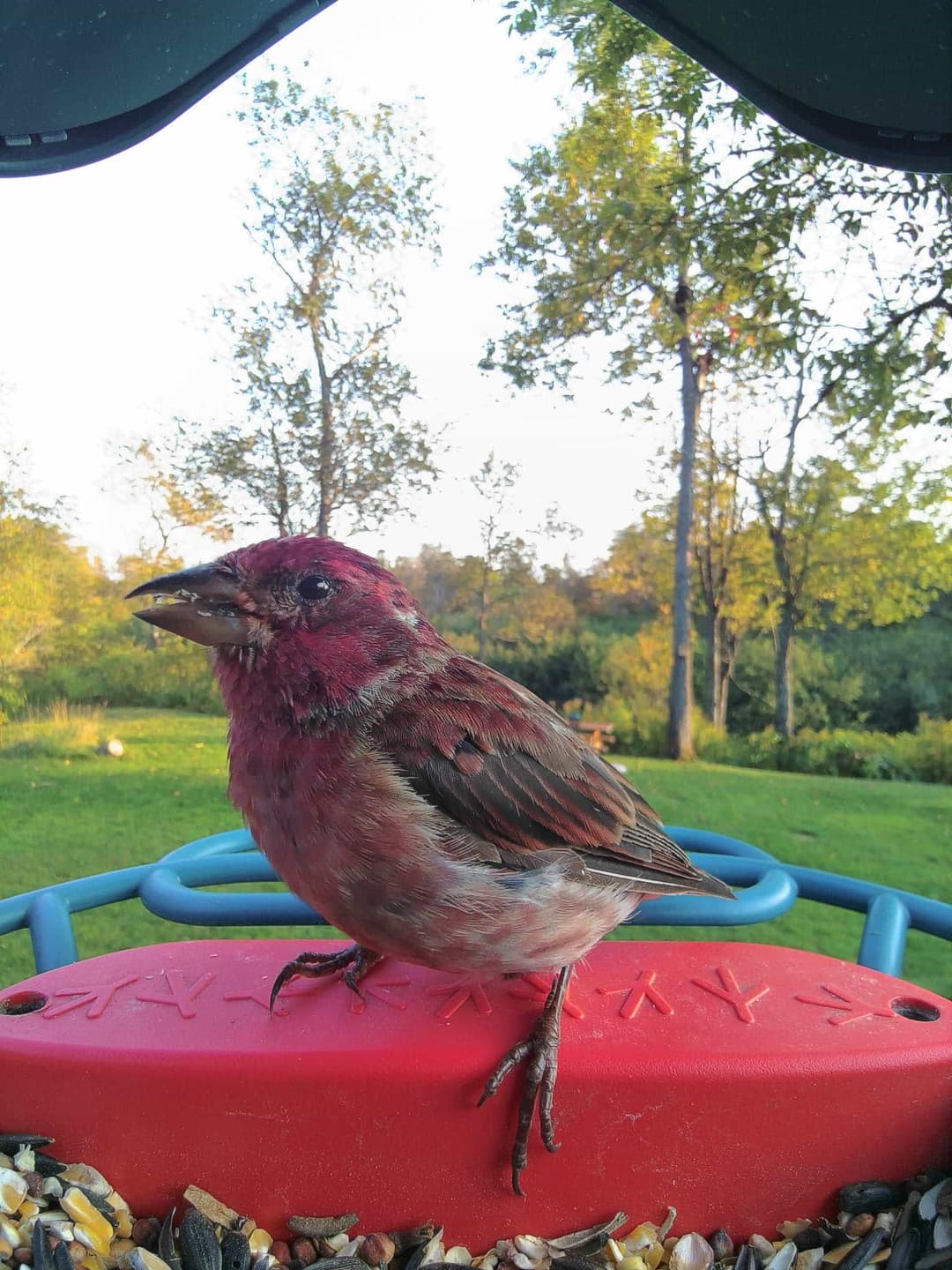
Purple Finch (Haemorhous purpureus): This small, vibrant songbird is known for its raspberry-red plumage in males, while females and juveniles display streaked brown and white feathers, and it inhabits coniferous and mixed woodlands across parts of North America, often visiting backyard feeders.
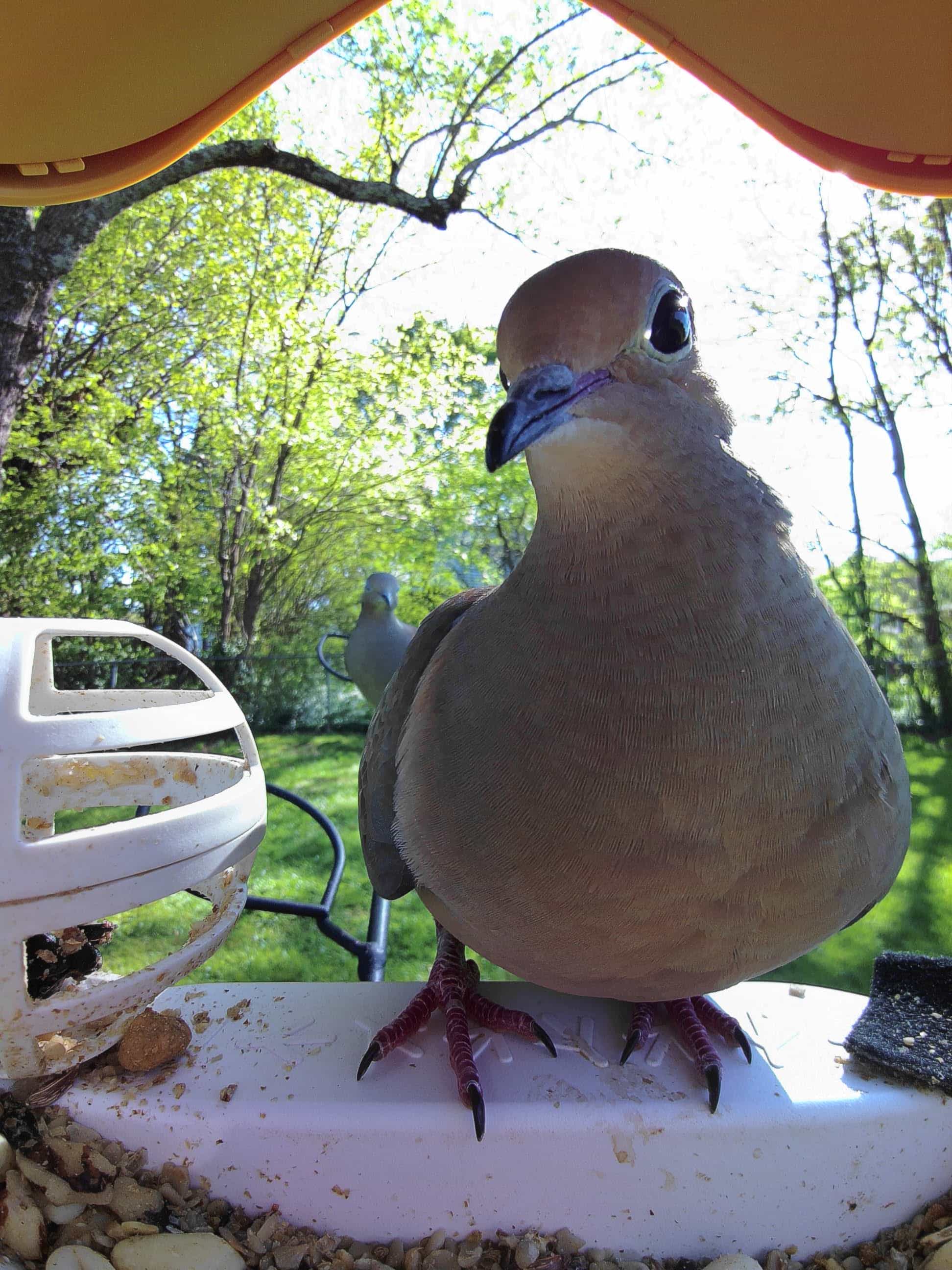
Mourning Dove (Zenaida macroura): This bird is a slender, medium-sized creature with a soft grayish-brown body, long pointed tail with white edges, and distinctive black spots on its wings, often recognized for its gentle, mournful cooing sound.
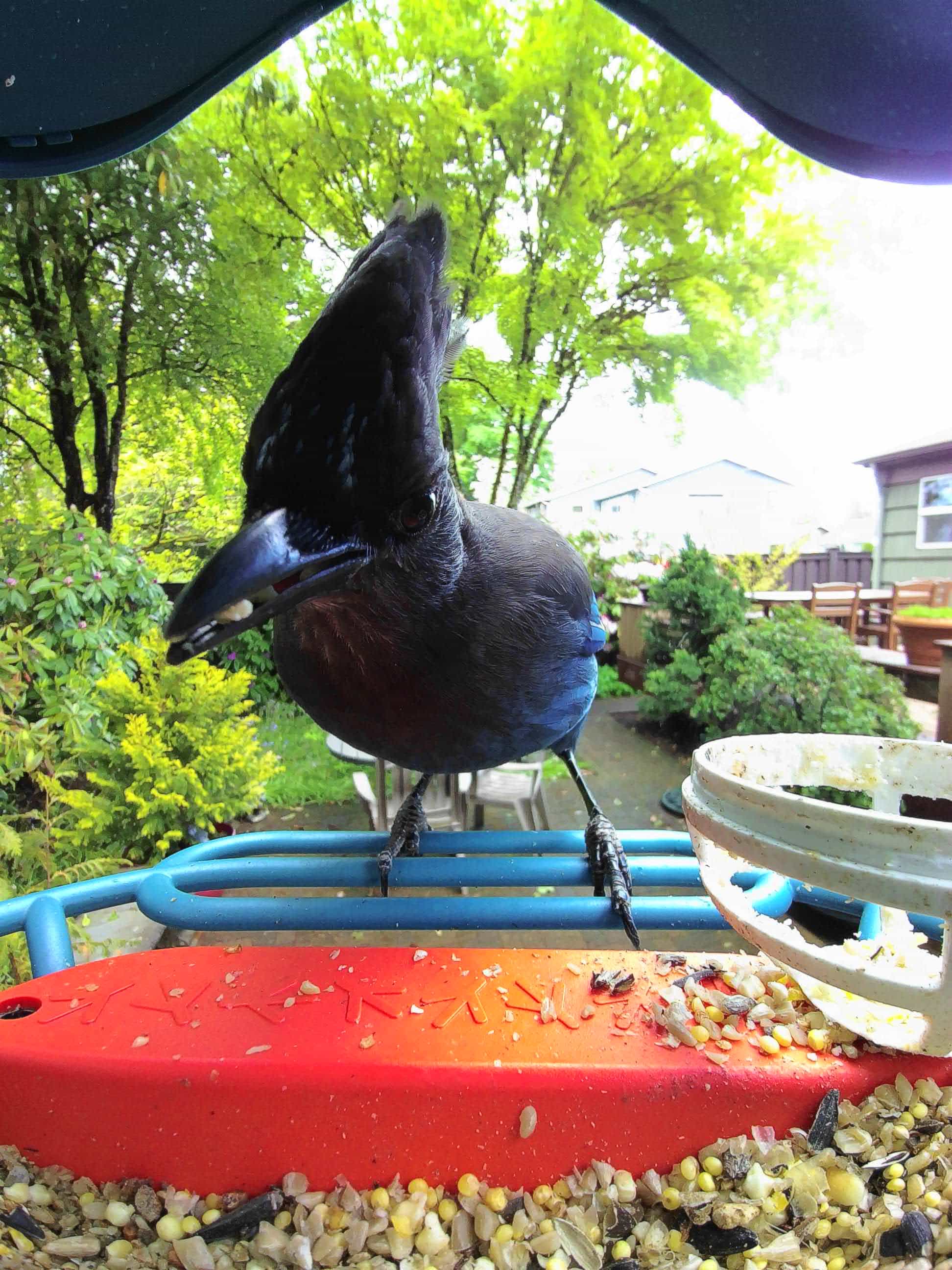
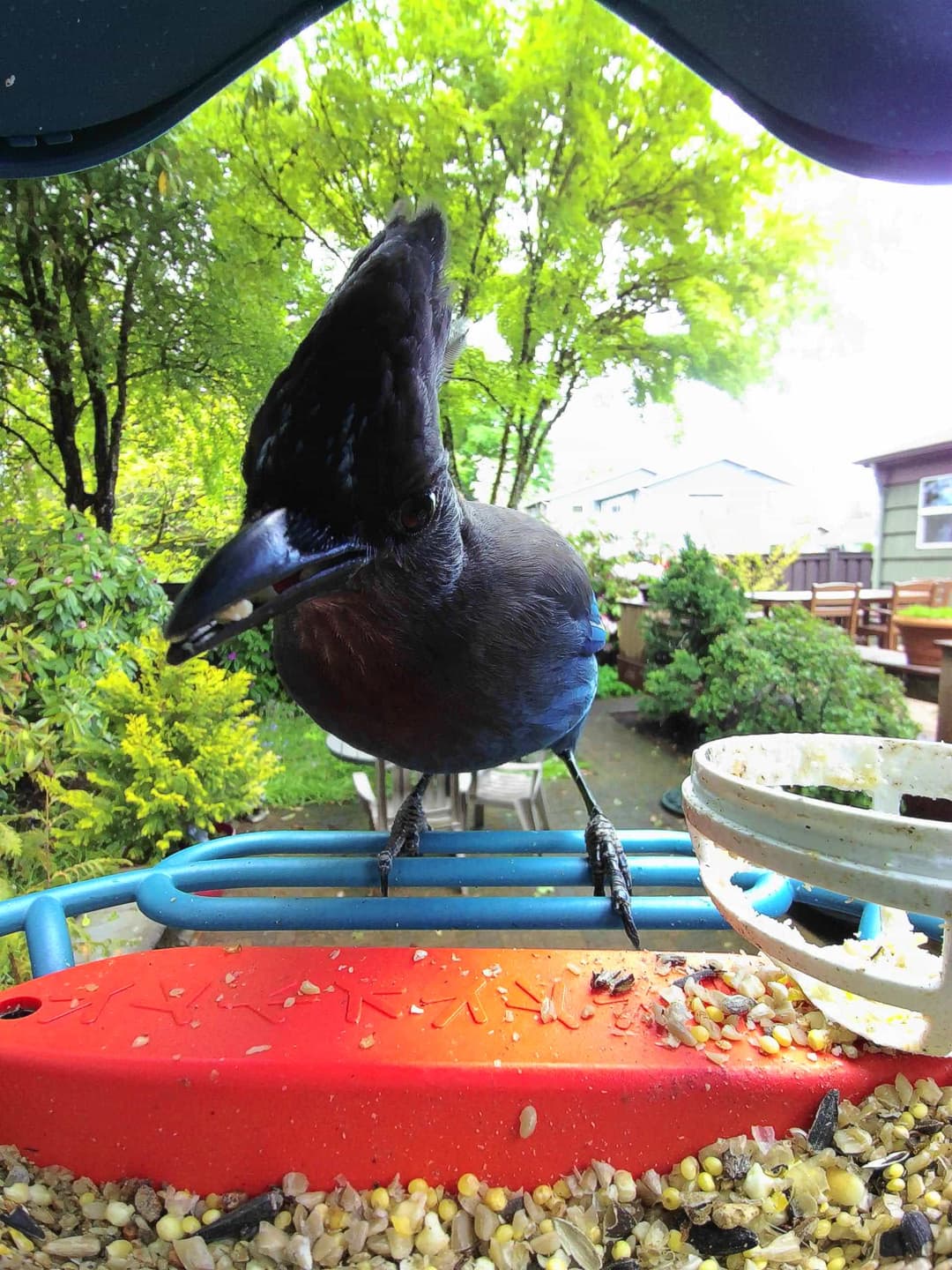
Steller’s Jay (Cyanocitta stelleri): Characterized by its striking blue and black plumage and distinctive crest, this bird is known for its bold and noisy behavior, inhabiting coniferous forests of western North America.


Identifying bird sounds and calls in San Bruno
Bird sounds are a key way to identify different species, even when they're hidden in trees or bushes. Each bird has its own unique vocalizations, from melodic songs to distinctive calls. Learning these sounds can help you identify birds even before you see them.
Migration
Species that pass through during migration seasons
Timing and migration patterns
Migrants generally arrive in spring and depart by autumn, with some wintering in the area.
Birdwatching hotspots in San Bruno
Parks, reserves, and observatories
San Bruno, California is home to diverse habitats including coastal areas, forests, and grasslands, making it a rich environment for birdwatching.
Junipero Serra County Park: A beautiful park with trails offering great opportunities for observing local bird species.
Skyline College: The college campus features open spaces and wooded areas ideal for birdwatching.
Sweeney Ridge Trail: Offers stunning views and habitat for a variety of birds along the trail.
Accessibility and facilities
These locations generally provide good accessibility with walking trails, parking facilities, and some areas equipped with restrooms.
Conservation efforts
San Bruno, California focuses on preserving its natural resources and biodiversity through community engagement and local initiatives. Some of the efforts include:
- San Bruno Mountain Habitat Conservation Plan
- Regional trail maintenance and restoration
- Educational programs in environmental stewardship
How Can I Help?
- Volunteer for local clean-up events
- Participate in habitat restoration projects
- Support local conservation organizations
Live bird sightings in the San Bruno area
Discover what birds are currently active in San Bruno through real-time sightings from Birdbuddy users. Explore hotspots and track your favorite species with updates from our community network.
Learn more about Birdbuddy