
Chestnut-Backed Chickadee
Chestnut-Backed Chickadee
Poecile rufescens


Quick Identification guide
Quick Identification guide
- •
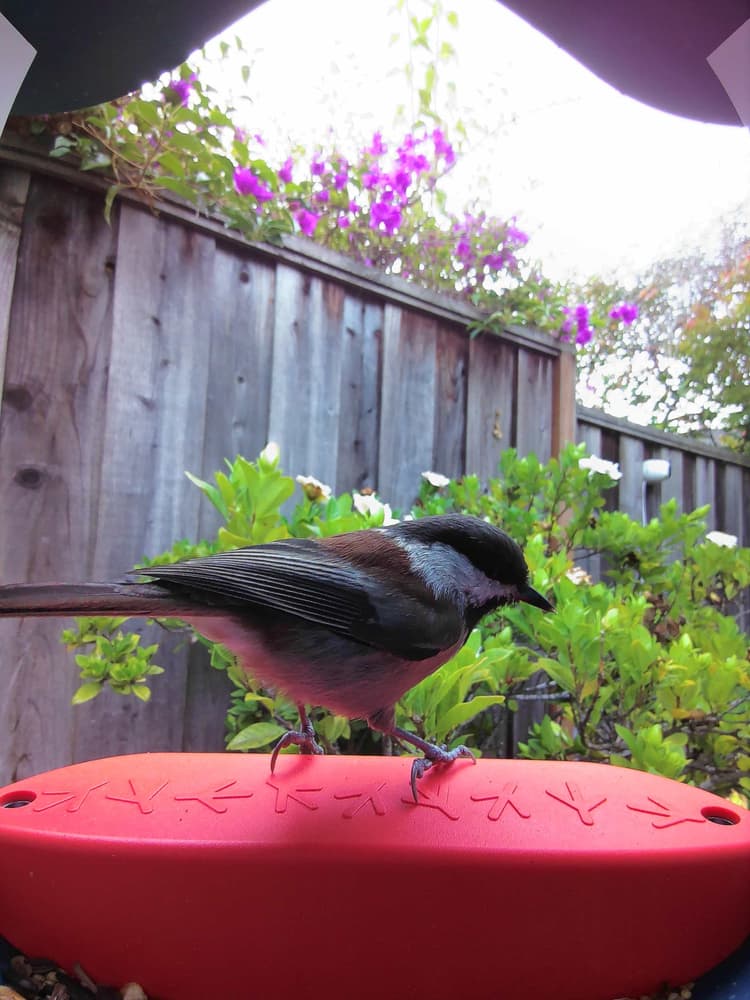
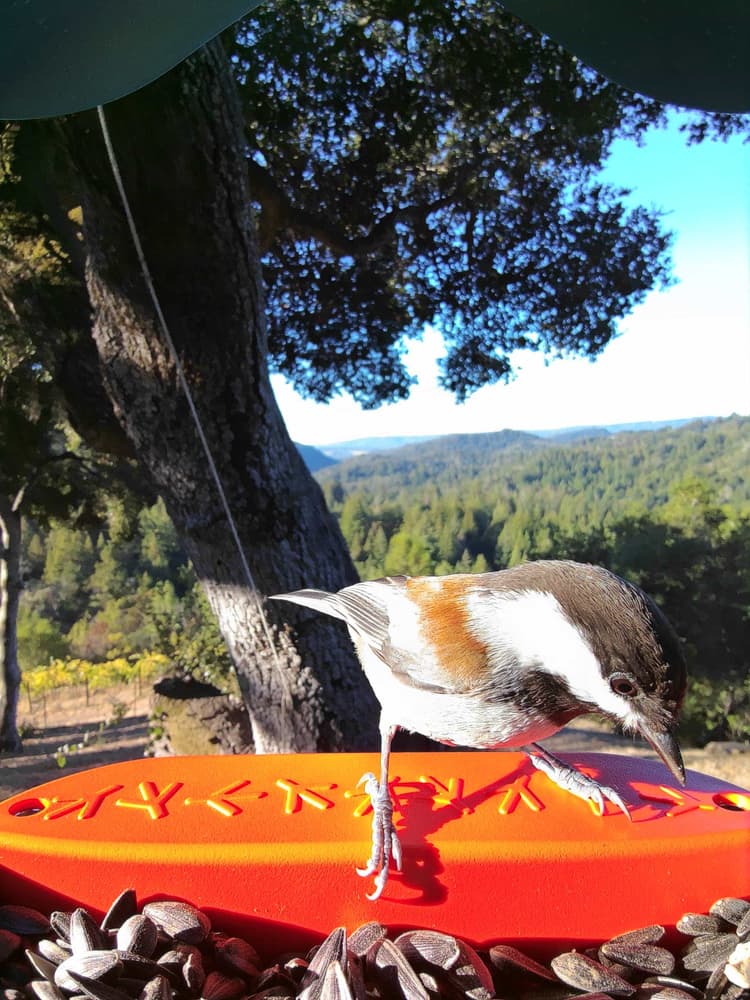
Recognizable by its rich chestnut back contrasted with a dark brown cap and white cheeks
- •
Features a small black bib under the beak, complementing its short, rounded body
- •
Displays distinct pale reddish flanks and a stubby, straight beak
What does a chestnut-backed chickadee sound like?
The chestnut-backed chickadee vocalizes with a unique mix of sounds, often shriller and faster than other chickadees. Its typical calls include a thin tsee-deee and thin lisping notes, adding diversity to its vocal range. The chickadee also has a squeaky song, with call patterns that are predominantly falling and flat. In addition to these unique quality of sounds, the bird showcases different call types that can be categorized as a buzz, a chirp or chip, and a trill, creating a rich audioscape.


Description
Chestnut-backed chickadees are little firecrackers. These active, sociable birds make their presence known by being very, very loud! They decorate their nests with fur of all kinds. Fancy, right? In fact, fur accounts for up to half of all their nest-building materials. When parents leave the nest, they even make a little fur blanket to cover the eggs with.
The chestnut-backed chickadee can weigh between 8.5to12.6grams and be from10to12.5centimeters tall.
The Chestnut-backed Chickadee has an average lifespan of 2-5 years in the wild. It is relatively short compared to related species like the Black-Capped Chickadee, which can live up to 12 years. Lifespan is affected by factors like predation and harsh weather conditions, the average lifespan may still be higher in ideal conditions.
Did you know?
Most popular questions about chestnut-backed chickadee
How to recognise a chestnut-backed chickadee?
General appearance
The chestnut-backed chickadee is a small bird, roughly the size of a sparrow. Measuring about 4 1/2 -5 inches from beak to tail, this variety stands out due to its distinctive color scheme. It flaunts a rich chestnut back and sides, contrasting with its sooty brown cap and gray wings. Some variations found on the central California coast have gray sides instead of chestnut but are always more deeply colored in areas overlapping with the Boreal Chickadee.
Male vs female
The chestnut-backed chickadee exhibits little to no sexual dimorphism. This means that males and females of the species are very similar in appearance, making them difficult to distinguish based on physical characteristics alone.
Juvenile
Juvenile chestnut-backed chickadees closely resemble adults, but they may be slightly duller in color. As they mature, the rich chestnut and contrasting gray of their plumage become more pronounced. Notably, they do not undergo any significant seasonal variations in their appearance. Therefore, identification throughout the year remains consistent.
Often mistaken for
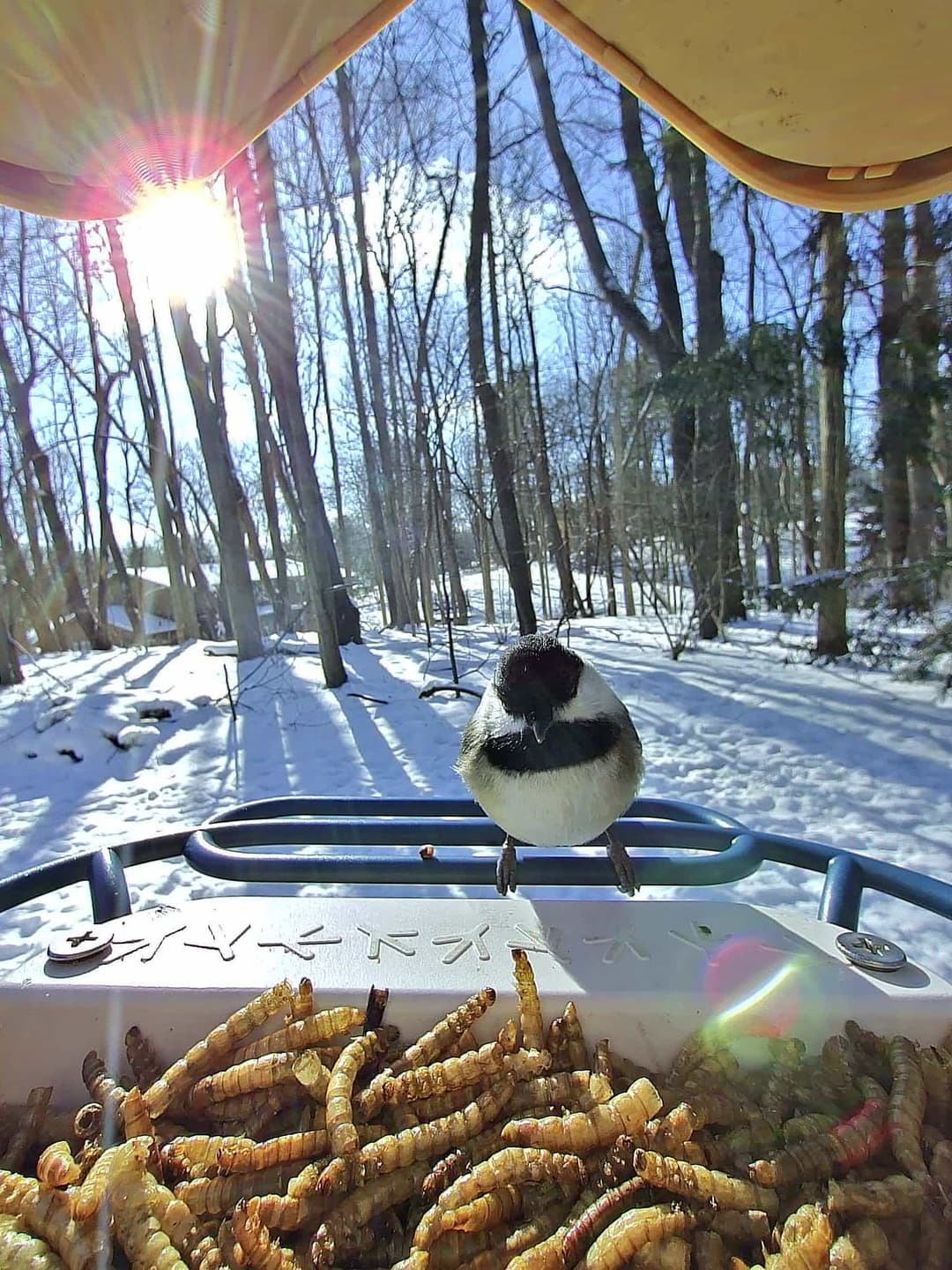
Black-Capped Chickadee vs Chestnut-Backed Chickadee
The Chestnut-Backed Chickadee has a distinctive chestnut brown back and sides, contrasting with the Black-Capped Chickadee's gray back. The Black-Capped Chickadee has a more prominent white stripe on its wings. Try looking for the rich brown coloration for a correct ID.
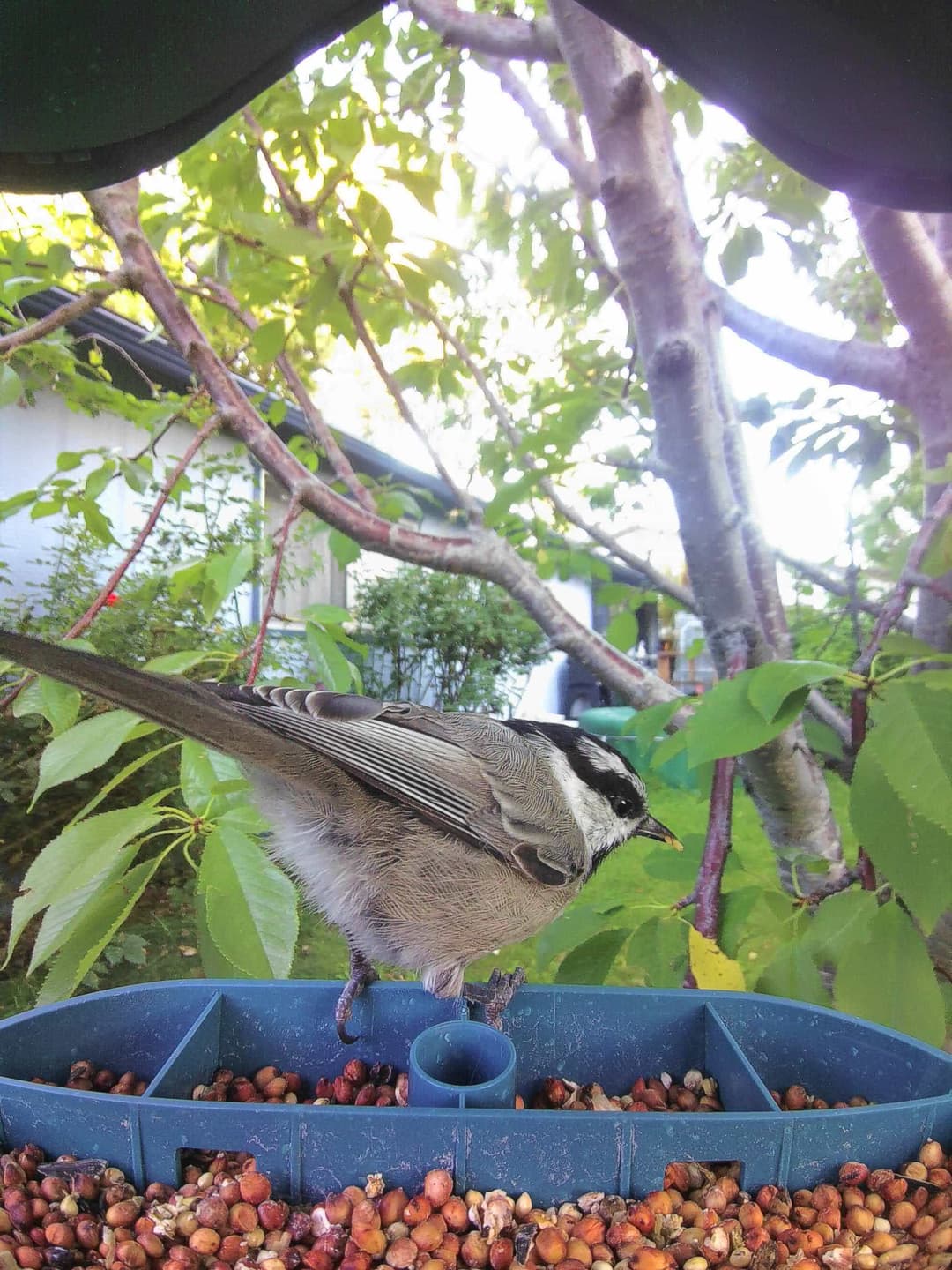
Mountain Chickadee vs Chestnut-Backed Chickadee
The Chestnut-Backed Chickadee can be distinguished from the Mountain Chickadee by its lack of the black eye line present on the Mountain variety. The Chestnut-Backed Chickadee's chestnut back and flanks set it apart from the grayer Mountain Chickadee.
Boreal Chickadee vs Chestnut-Backed Chickadee
Both are brown-backed, but the Chestnut-Backed Chickadee has more vibrant chestnut tones compared to the Boreal Chickadee's duller brown. The Boreal Chickadee has a brown cap, whereas the Chestnut-Backed Chickadee's cap is black.
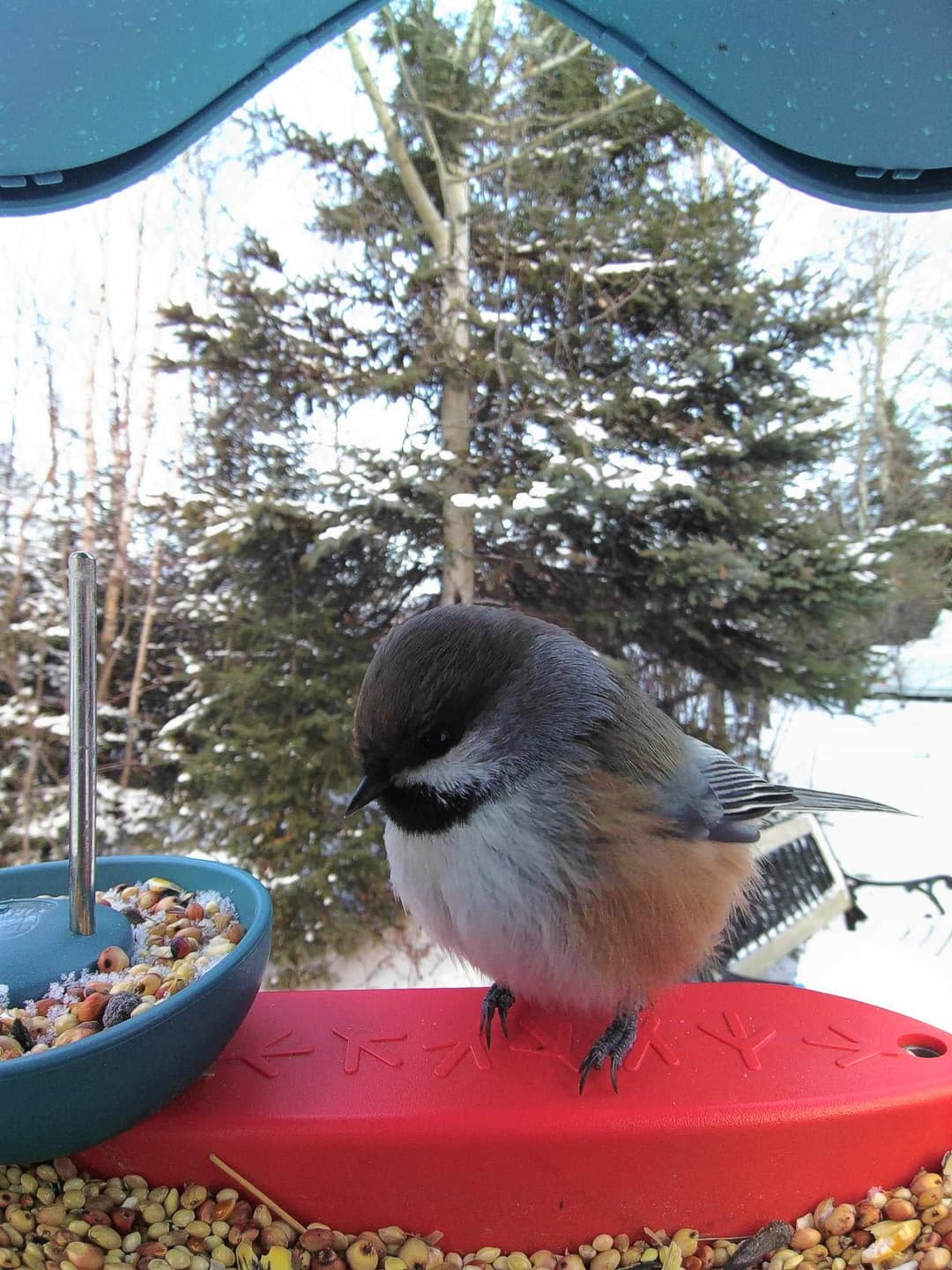
Breeding and nesting habits of the chestnut-backed chickadee
Mating behaviors
Mating behaviors of the chestnut-backed chickadee are not well documented, but pairs may remain together throughout the year, indicating potential long-term monogamous bonds.
Nesting details
Chickadees choose nest sites in cavities in dead or rotten wood, often in tree holes 2-20' above the ground, but sometimes higher. They may reuse the same site annually, utilizing natural cavities or old woodpecker holes, and may also nest in boxes. Nests are built with a foundation of moss, lichens, and fibers, lined with soft materials such as feathers and animal hair. Creating a suitable habitat in gardens involves providing nest boxes with proper dimensions to attract these birds.
Eggs and chick-rearing
While specifics on egg numbers and chick-rearing for the chestnut-backed chickadee are not detailed here, these birds typically lay eggs in their carefully constructed nests, and both parents may be involved in feeding and caring for the young until they fledge.
What does a chestnut-backed chickadee like to eat?
Fruits
Insects
Seeds
Spiders
Natural diet
The chestnut-backed chickadee primarily feeds on insects, seeds, and berries. Its insect diet includes a wide variety such as caterpillars, moths, beetles, leafhoppers, scale insects, and small wasps. Additionally, it consumes spiders and seeds, particularly those of conifers.
Bird feeders
When visiting bird feeders, the chestnut-backed chickadee often consumes sunflower seeds, suet, and peanut butter mixtures, which are commonly provided by bird enthusiasts to attract various bird species.
Welcome chestnut-backed chickadees with the right feed
Supply a variety of seeds that these cute deft flyers love. Bird Buddy recommends their expertly chosen seasonal seeds for the best results. These birds love sunflower seeds, peanuts, and suet. Providing a mix of these in your feeder will definitely entice them to visit.
Use suitable feeders
Chestnut-backed Chickadees prefer tube feeders with perches. These feeders allow the chickadees to cling and hang while they feed, which is a natural behavior for them. They also prefer feeders at medium height, about 5 to 15 feet off the ground, stationed in quiet and safe places, preferably close to trees for quick getaways from predators.
Create a bird-friendly environment
Apart from food, providing clean water and a safe environment for chickadees is important. A bird bath or a water feature is a good idea. Native plants, shrubs, and trees not only provide additional food sources in the form of insects and berries, but they also provide shelter and nesting habitants. It's a full package deal for the chickadees!
Fun tricks to keep them coming
Chickadees are very sociable birds. Playing bird songs, especially chickadee calls should pique their interest and keep them around. Also, these birds are known for their memory. If they had a pleasant time at your yard or feeder, they'd likely come back! Hence, your welcoming, properly-stocked environment with Bird Buddy seeds, will become a favorite stopover for these lovely creatures.
Where can you find chestnut-backed chickadees?

Primary habitat
The chestnut-backed chickadee primarily favors dense, moist coniferous forests populated with spruce, fir, tamarack, hemlock, and other conifer species.
Additional range
In the southern part of its range, this bird dwells in pine-oak woods, and redwood forests with alders and willows understory. It is also found in oak woods and along stream-bordered willow groves.
Do they migrate?
The chestnut-backed chickadee is mostly a permanent resident, meaning it generally stays in one place throughout the year. However, individuals of this species may engage in short-distance movements during the fall and winter months. This behavior is not considered true migration, as it does not involve long-distance, seasonal journeys. Instead, these movements are typically related to searching for food or adjusting to environmental conditions. These short-distance wanderings usually occur within their preferred habitat, which consists of coniferous and mixed forests along the Pacific coast of North America, from southern Alaska through British Columbia and down to California. The chestnut-backed chickadee may venture slightly outside its usual range to find suitable feeding grounds during the colder months, but these excursions tend to remain fairly localized. Key locations remain consistent with their normal habitat range, indicating that these birds do not establish consistent migration routes or timing common to long-distance migratory species. Essentially, while chestnut-backed chickadees might move short distances, they largely maintain a resident lifestyle in their preferred habitat year-round.
What is the role of chestnut-backed chickadees in nature and how to protect them?
Conservation status
The chestnut-backed chickadee is generally considered a common species, but surveys suggest slight population declines in recent decades, likely due to habitat loss. While it is not currently classified as vulnerable or endangered, continued habitat destruction remains a significant threat to its stability. Key conservation efforts focus on preserving and restoring its forest habitats, particularly in areas where urbanization and deforestation are prevalent. Monitoring population trends and habitat quality is essential to ensure the species remains common and to prevent future decline.
Ecological role of chestnut-backed chickadees
Its role in the ecosystem
The Chestnut-backed Chickadee plays a crucial role in pest control in its ecosystem. Its diet consists primarily of a variety of insects such as caterpillars, moths, beetles, leafhoppers, scale insects, small wasps, among others, and spiders, which helps regulate the population of these organisms and prevent infestations that could negatively impact the ecosystem. In addition to pest control, this bird also contributes to seed dispersal. It feeds on seeds, especially those of conifers, and it is likely that some seeds are transported and subsequently dispersed in different areas through the bird’s droppings, fostering plant diversity and growth in its habitat. The bird also consumes berries, which further aids in seed dispersal. The species is known to store food for later consumption, which could also potentially lead to the unintentional planting of seeds in new locations. Therefore, the Chestnut-backed Chickadee indirectly contributes to the preservation and enhancement of its ecosystem through its feeding habits.
How to help protect chestnut-backed chickadees
Preservation tips
Habitat preservation strategies
Focus efforts on preserving the natural habitats of the Chestnut-backed chickadee, such as coniferous forests in the Pacific Northwest and California. Protect these areas from logging and urban development. Encourage legislation that supports wildlife protection and increases protected areas. Plant native tree species in community green spaces to provide additional habitats.
Community science initiatives
Drive community involvement in monitoring chickadee populations and reporting sightings. Use citizen science platforms like eBird to track sightings and collect data. Encourage community members to create bird-friendly habitats in their backyards, such as bird feeders or nesting boxes. Promote education about the species to increase awareness and involvement in its conservation.