Birds in West Sacramento,
California
West Sacramento offers diverse birdwatching conditions due to its wetlands, riparian zones, and grasslands. The convergence of the Sacramento and American Rivers creates a rich habitat for migratory and native birds. This area is critical for birdwatchers, providing opportunities to observe species like herons, egrets, and hawks in their natural settings. The landscape's unique mix supports a diverse avian population throughout the year, making it a prime birdwatching destination.
Most iconic West Sacramento bird
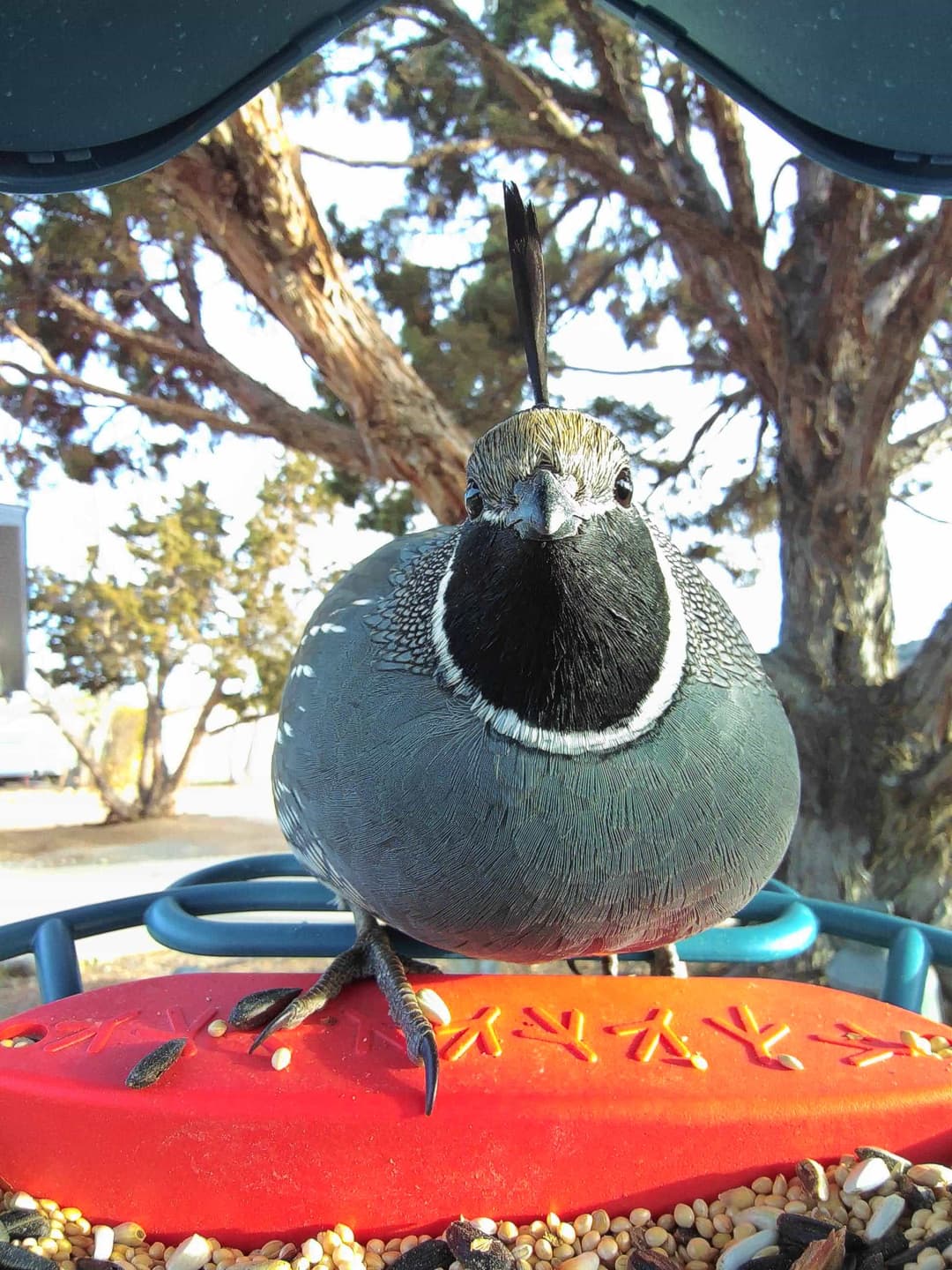
The California quail was chosen as the state bird of California because it is commonly found in the region and represents the state's natural beauty and heritage.
Common bird species in West Sacramento
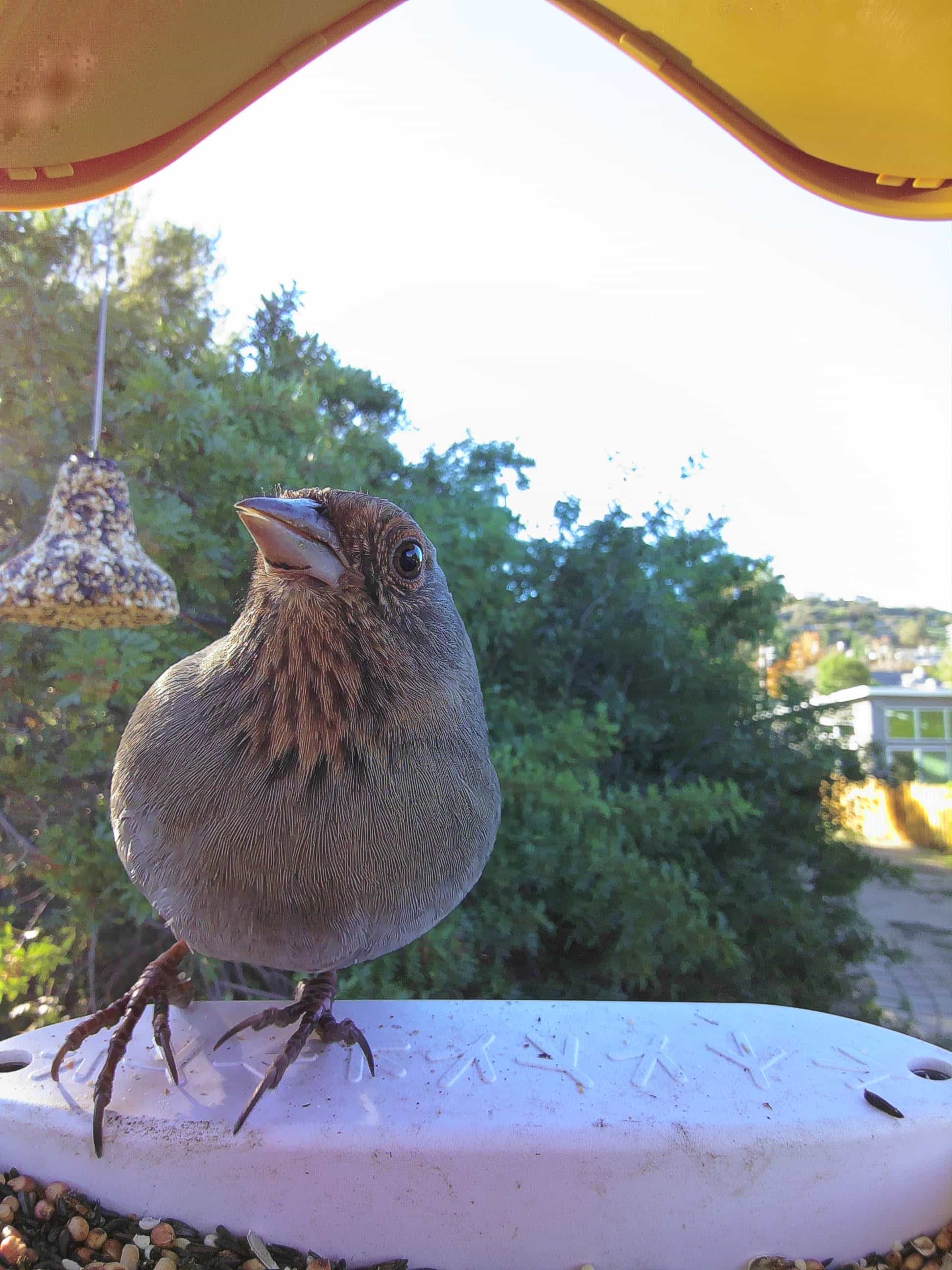
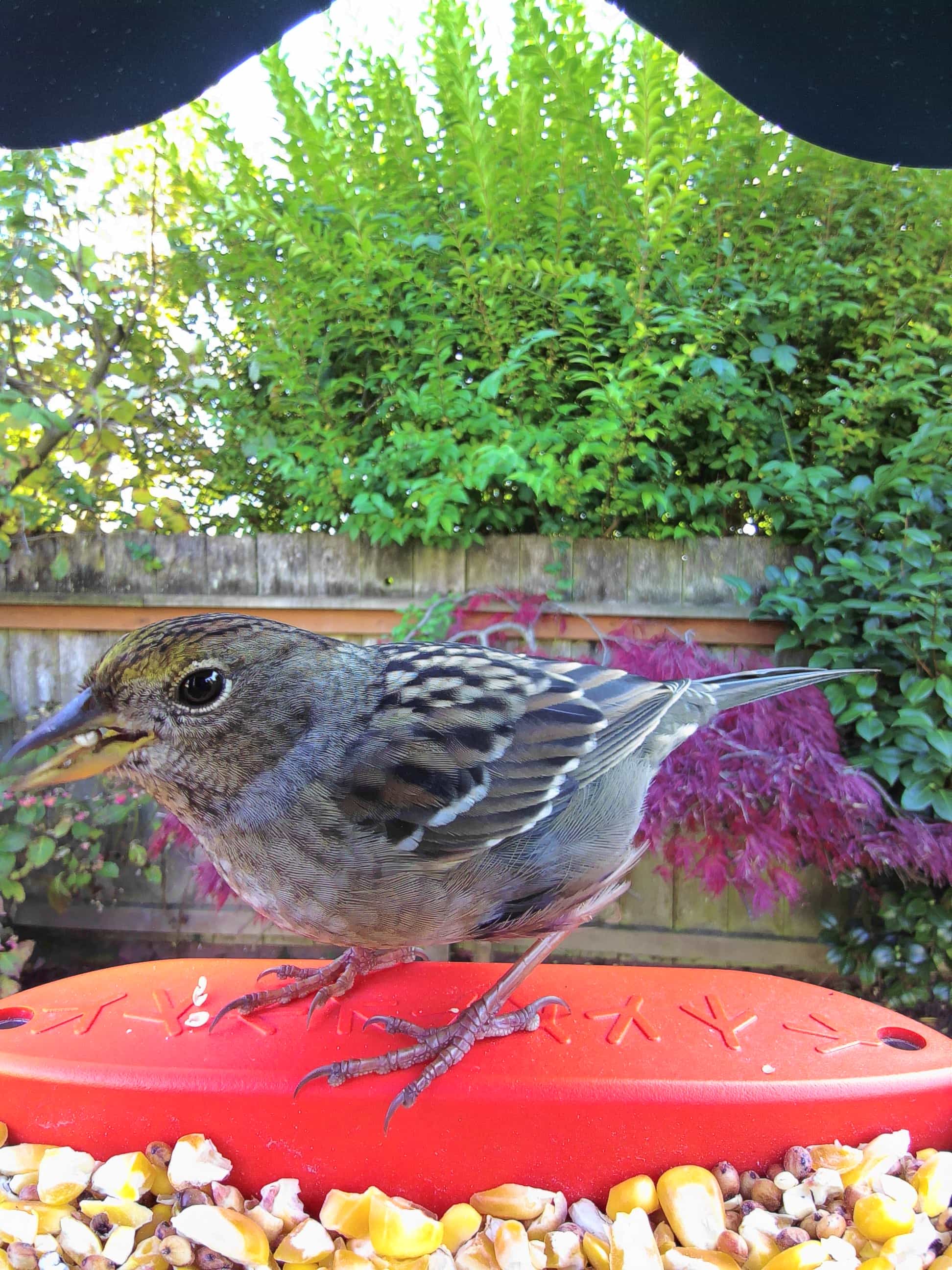
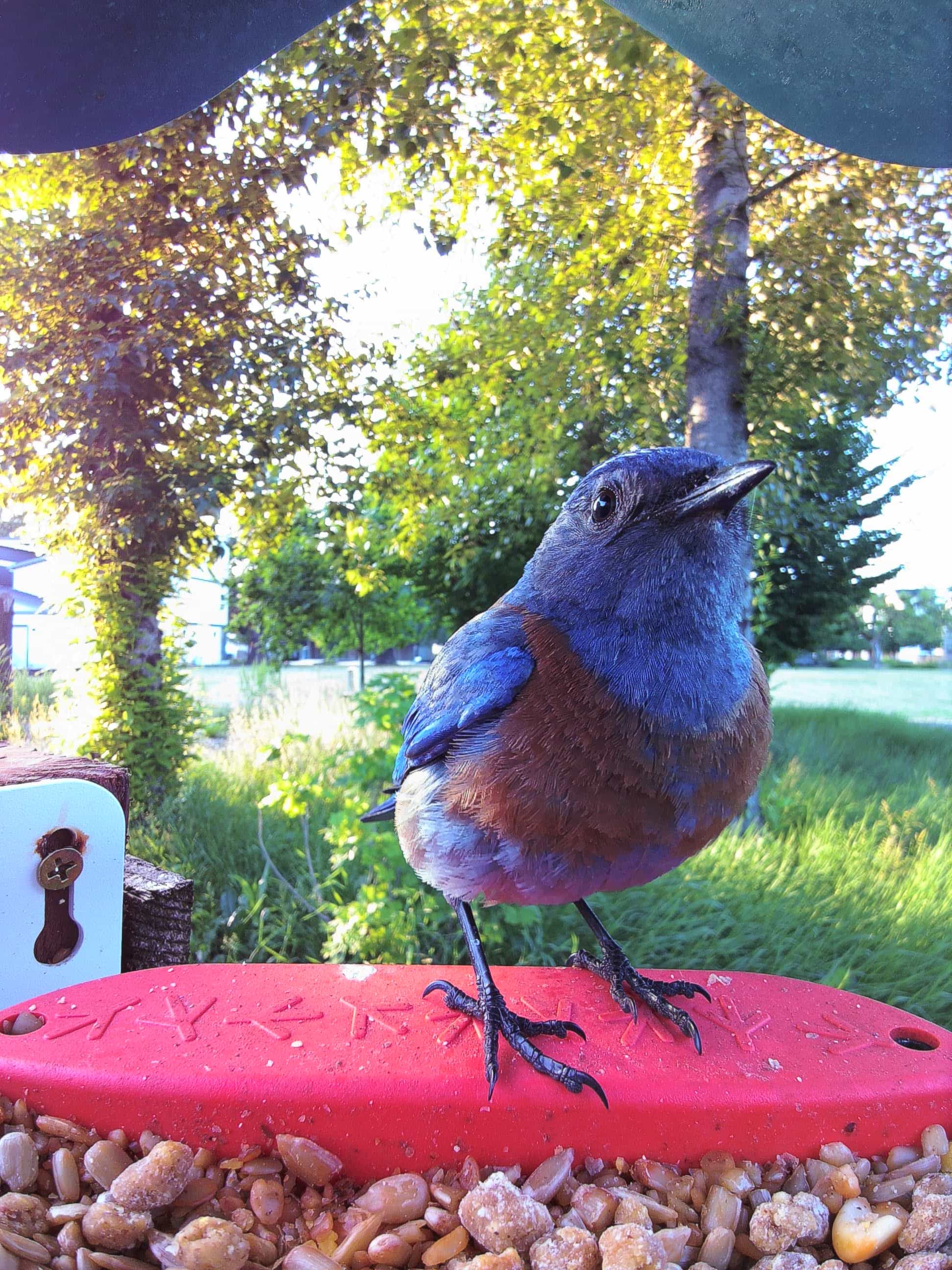
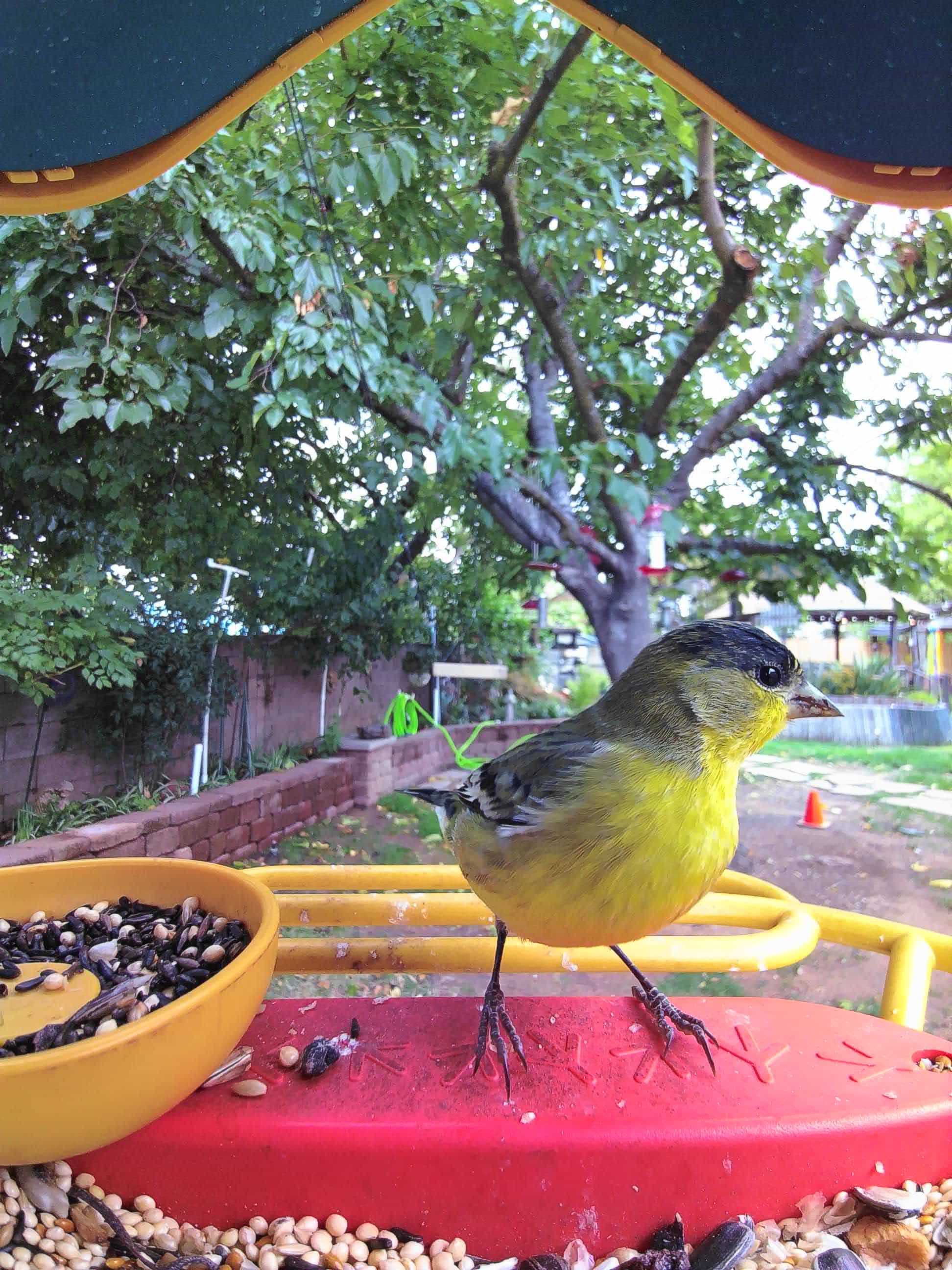
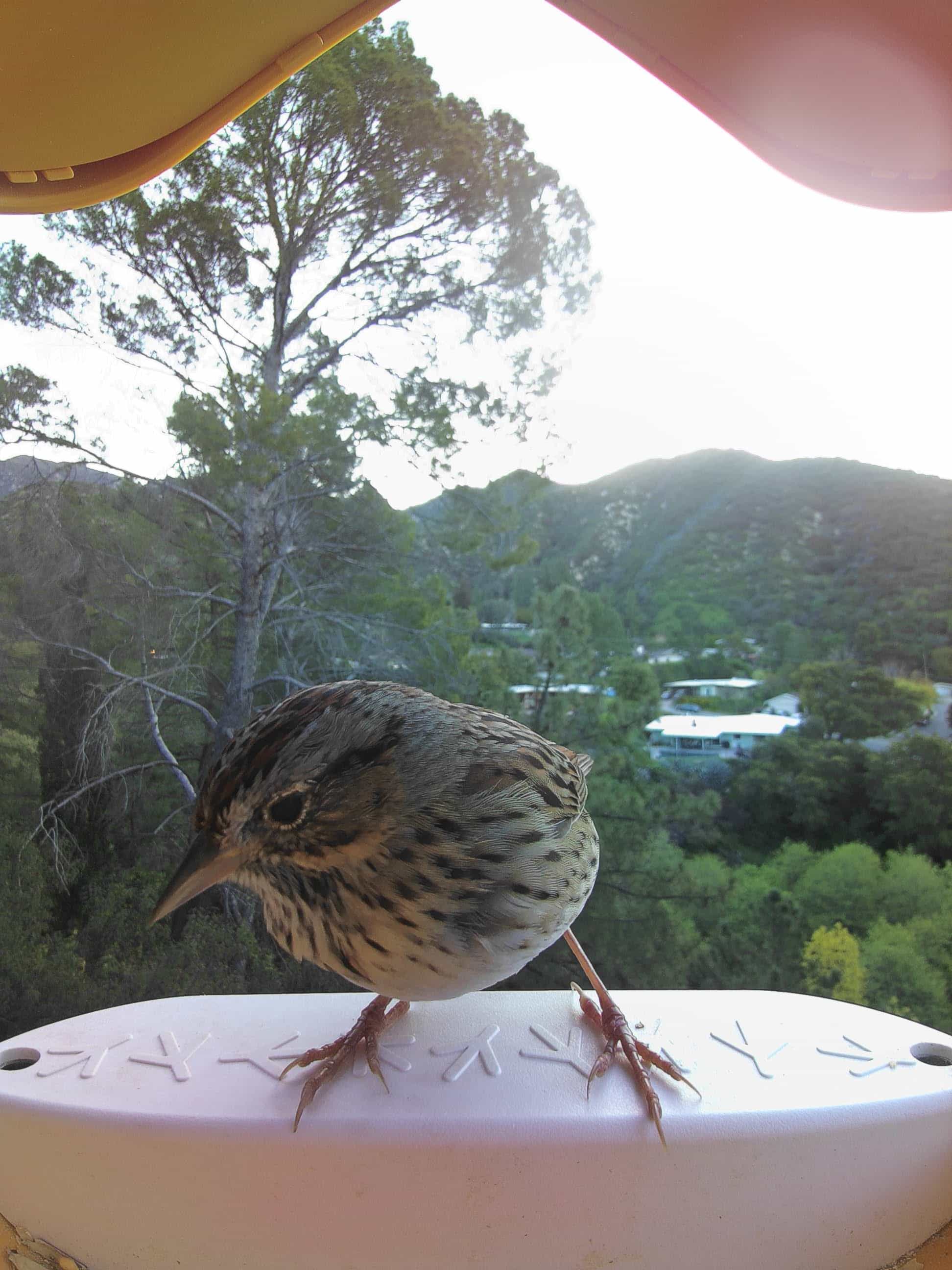
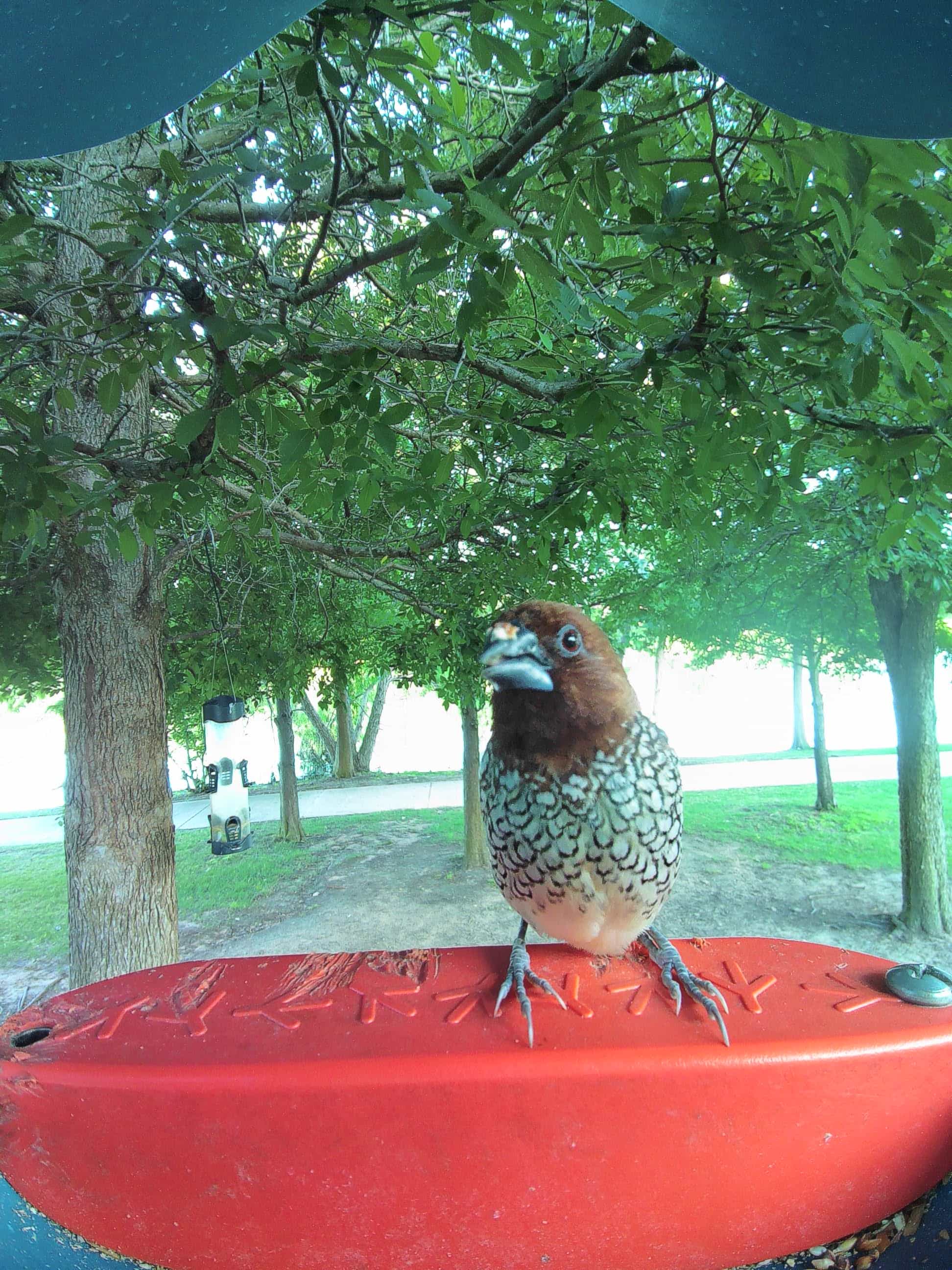
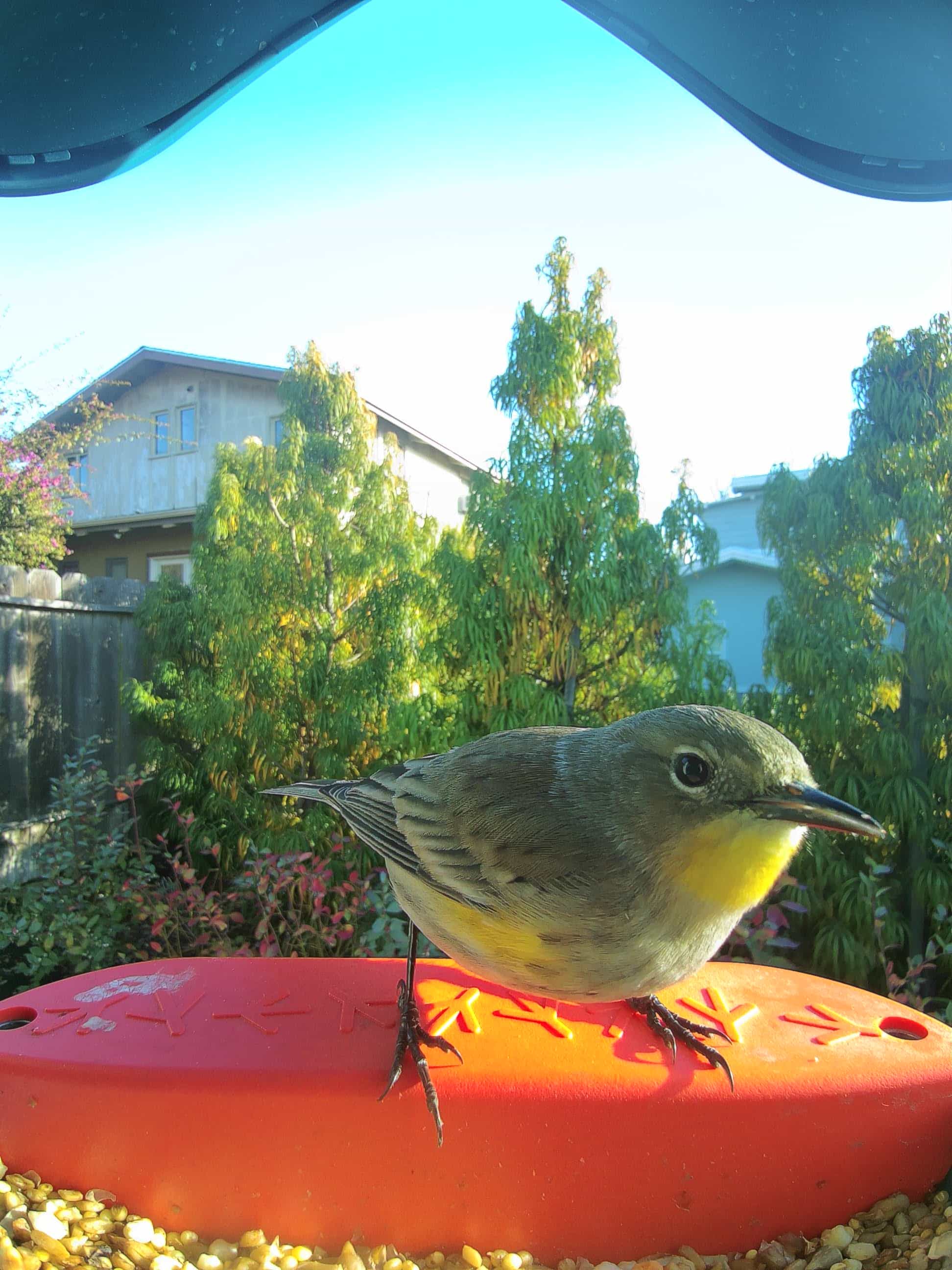
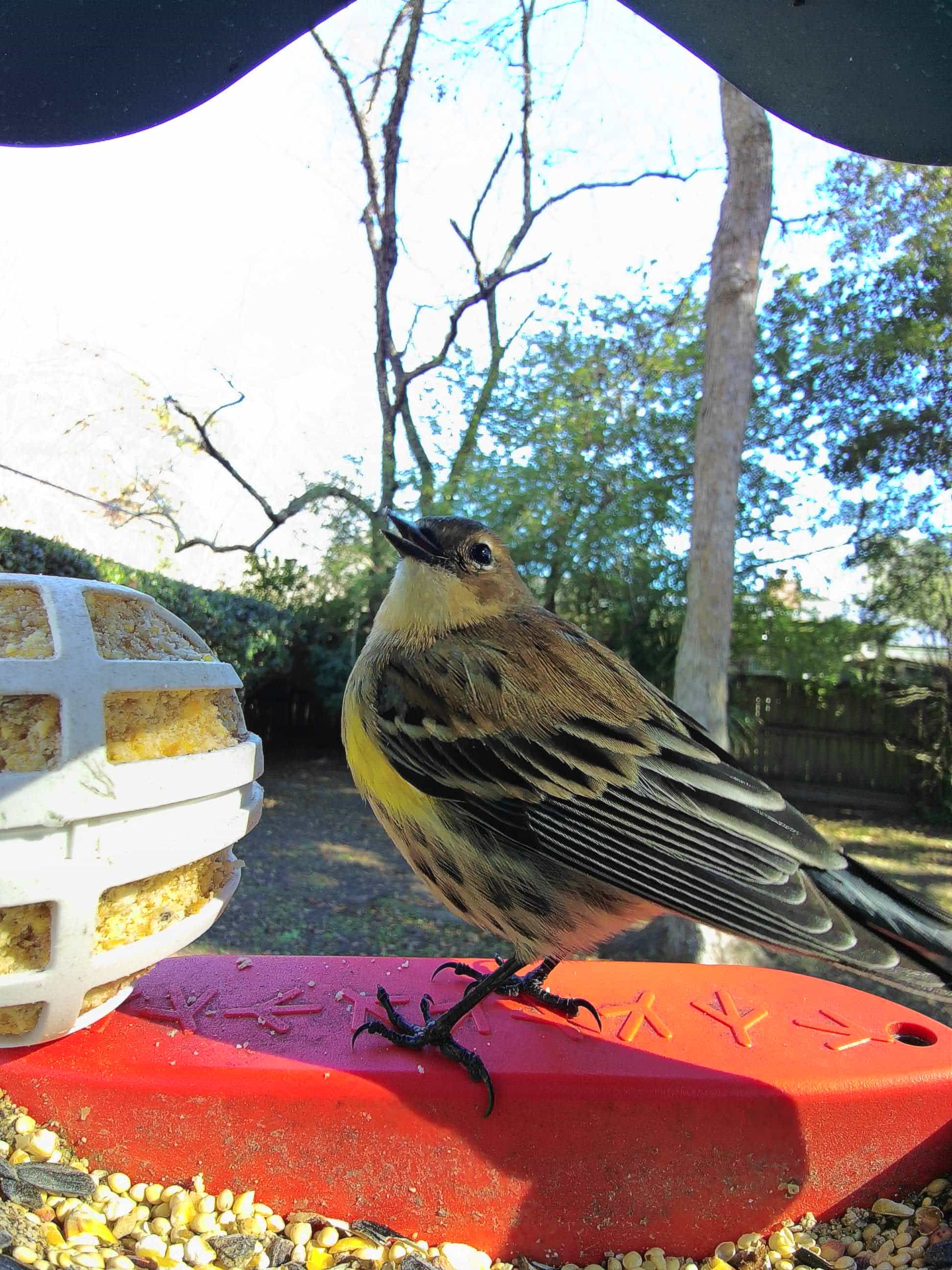
Birds seen on Birdbuddy feeders in West Sacramento
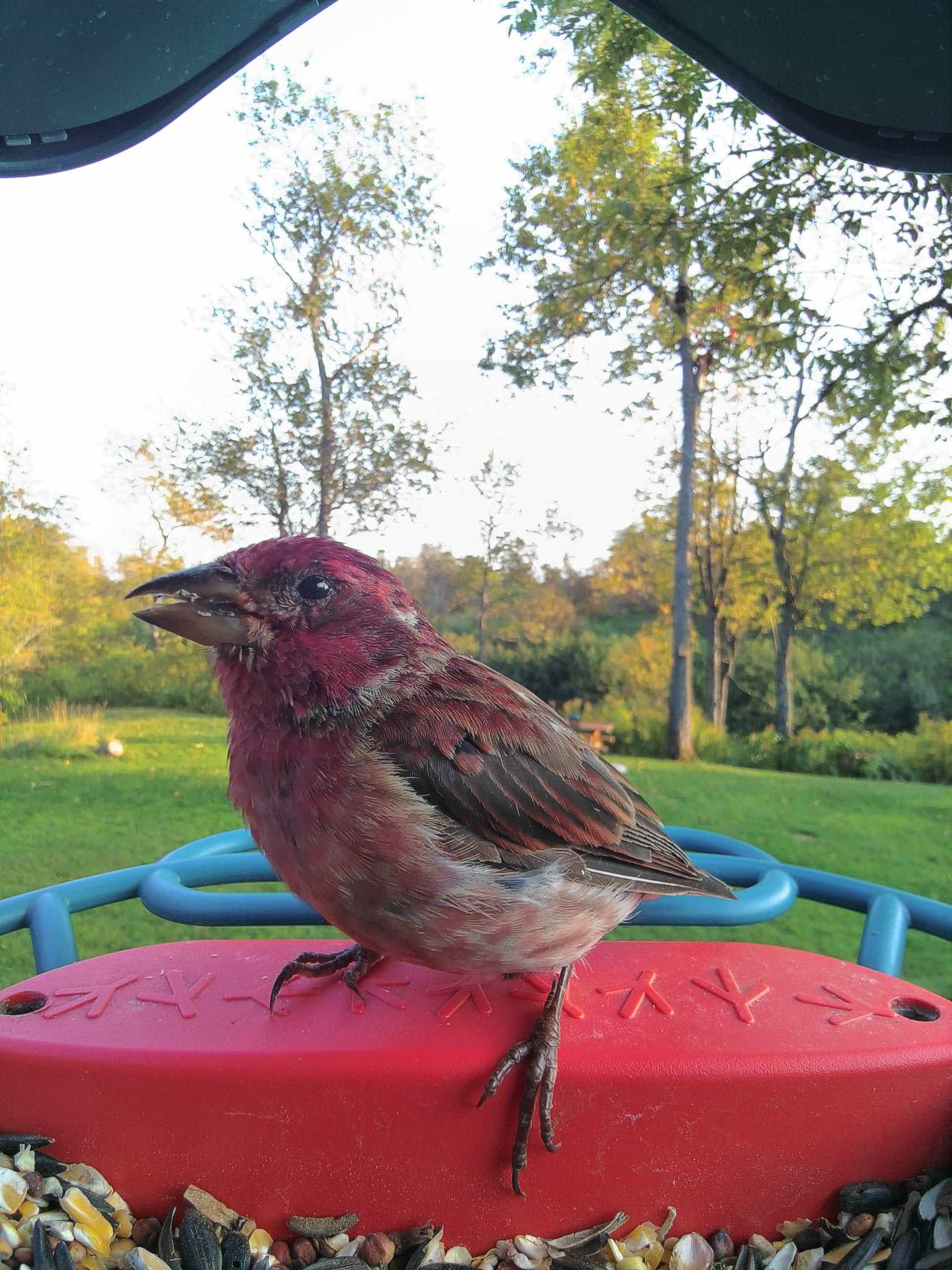
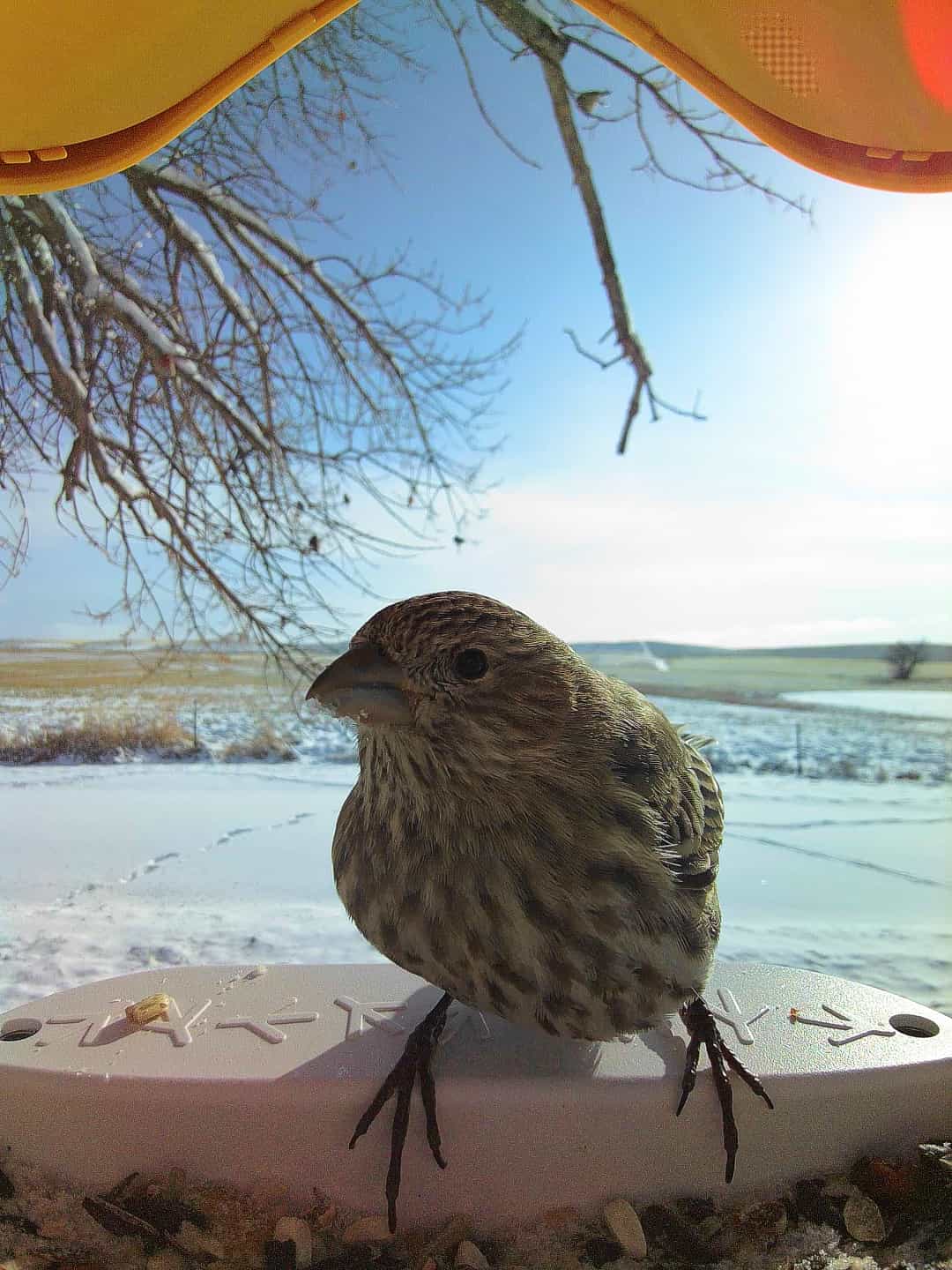
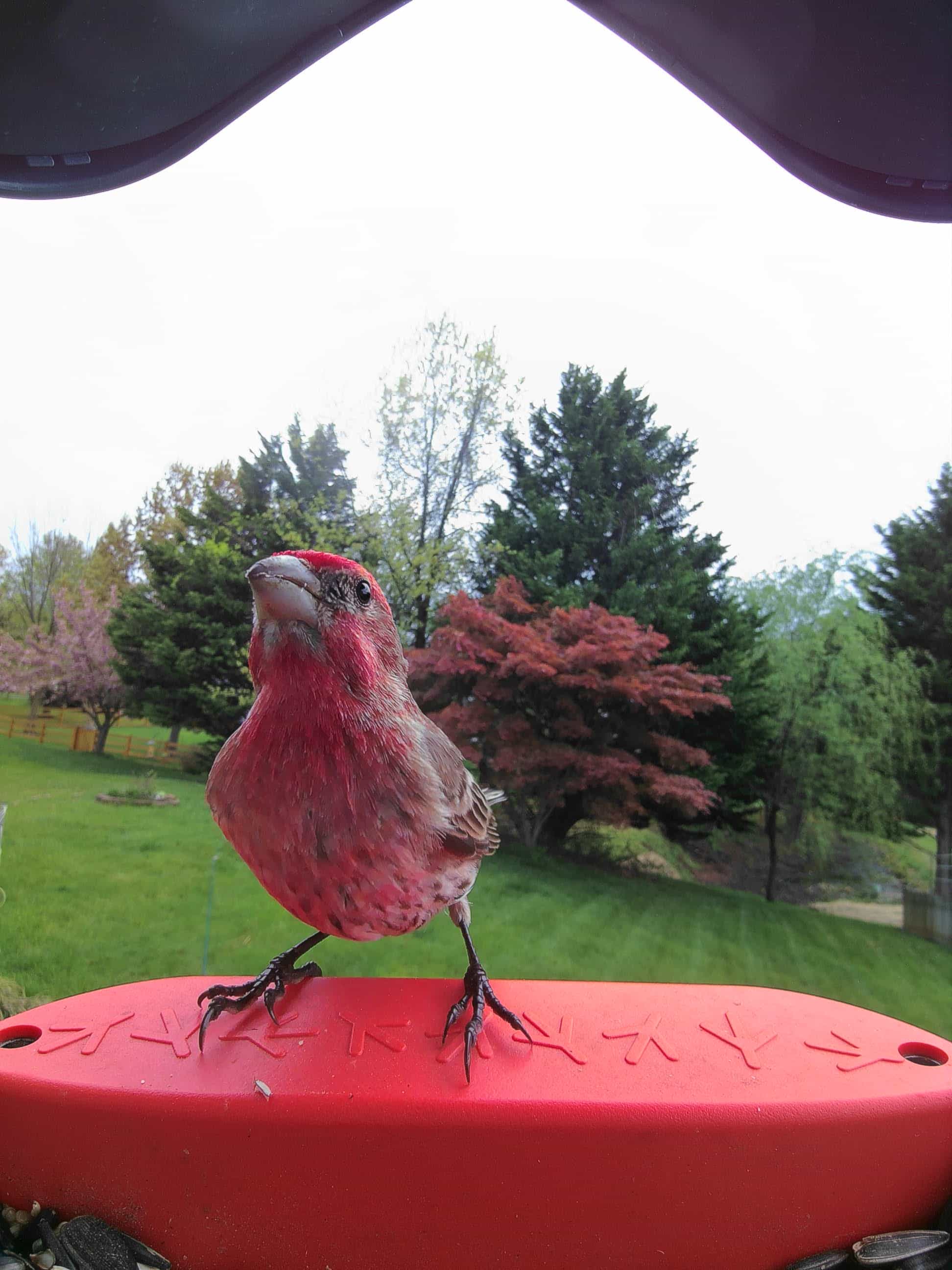
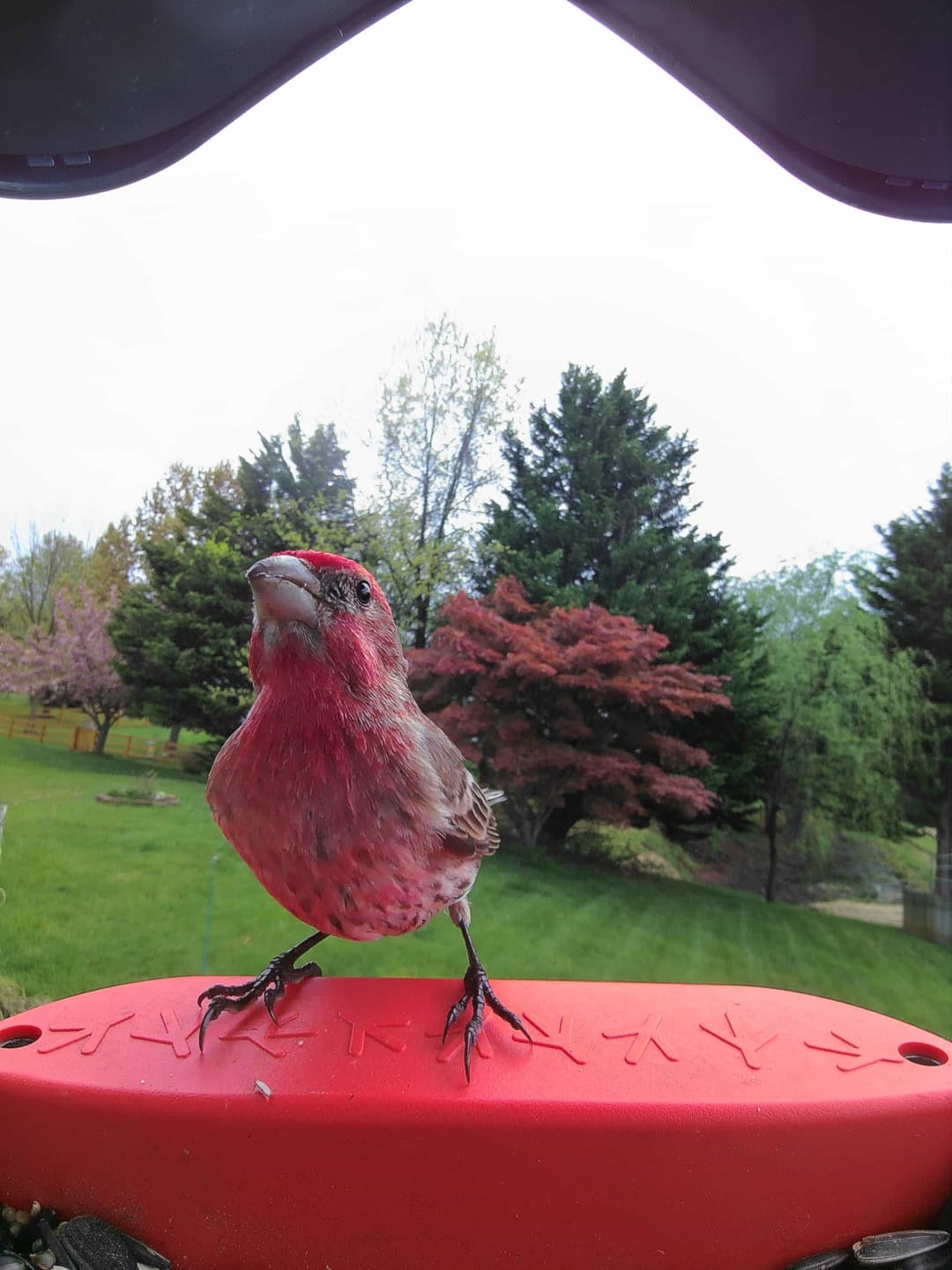
House Finch (Haemorhous mexicanus): A small, adaptable bird native to North America, it has a vibrant red head and breast in males, streaky brown plumage in females, and a cheerful, warbling song often heard in urban and suburban areas.
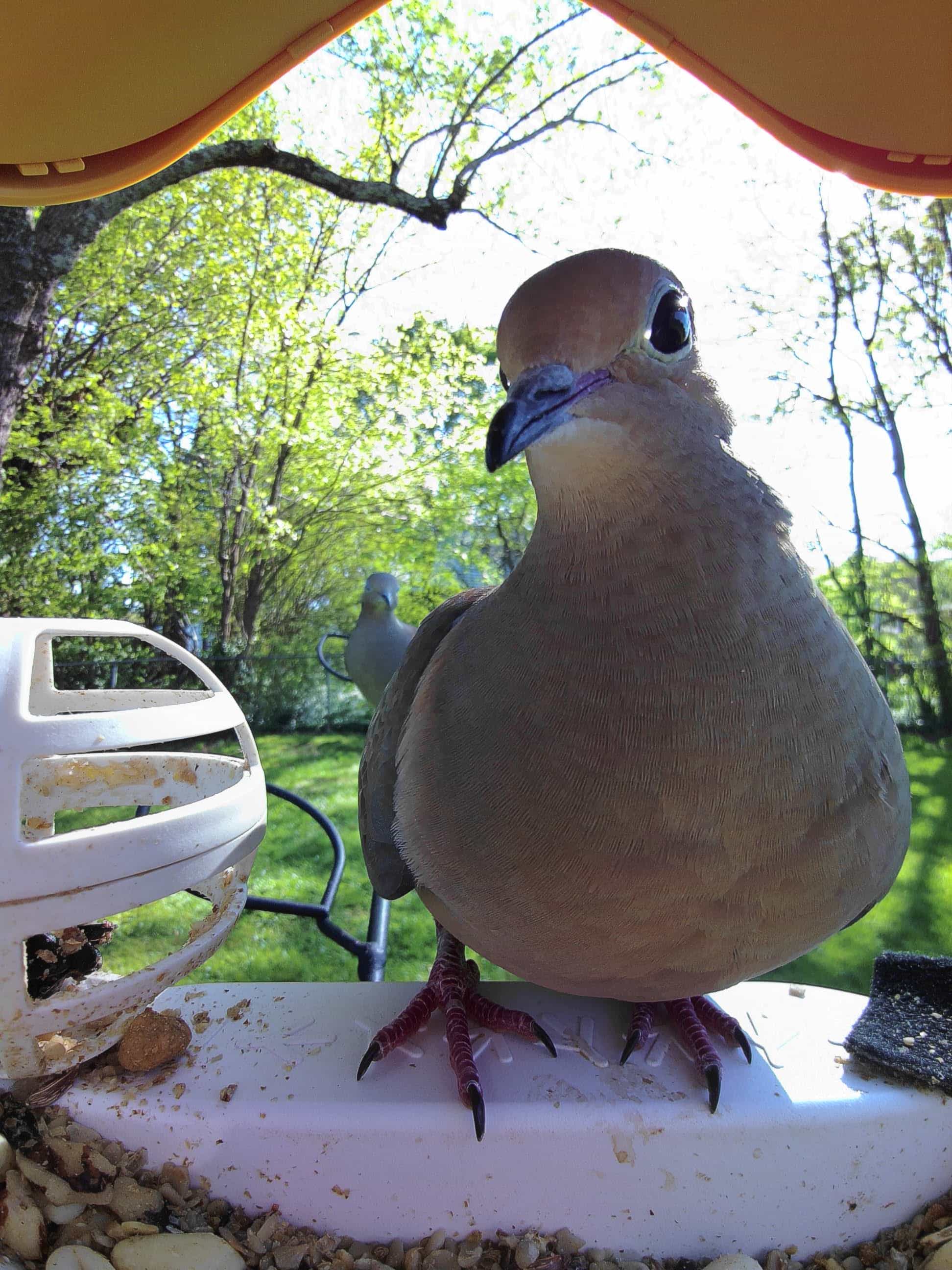
Mourning Dove (Zenaida macroura): This bird is a slender, medium-sized creature with a soft grayish-brown body, long pointed tail with white edges, and distinctive black spots on its wings, often recognized for its gentle, mournful cooing sound.
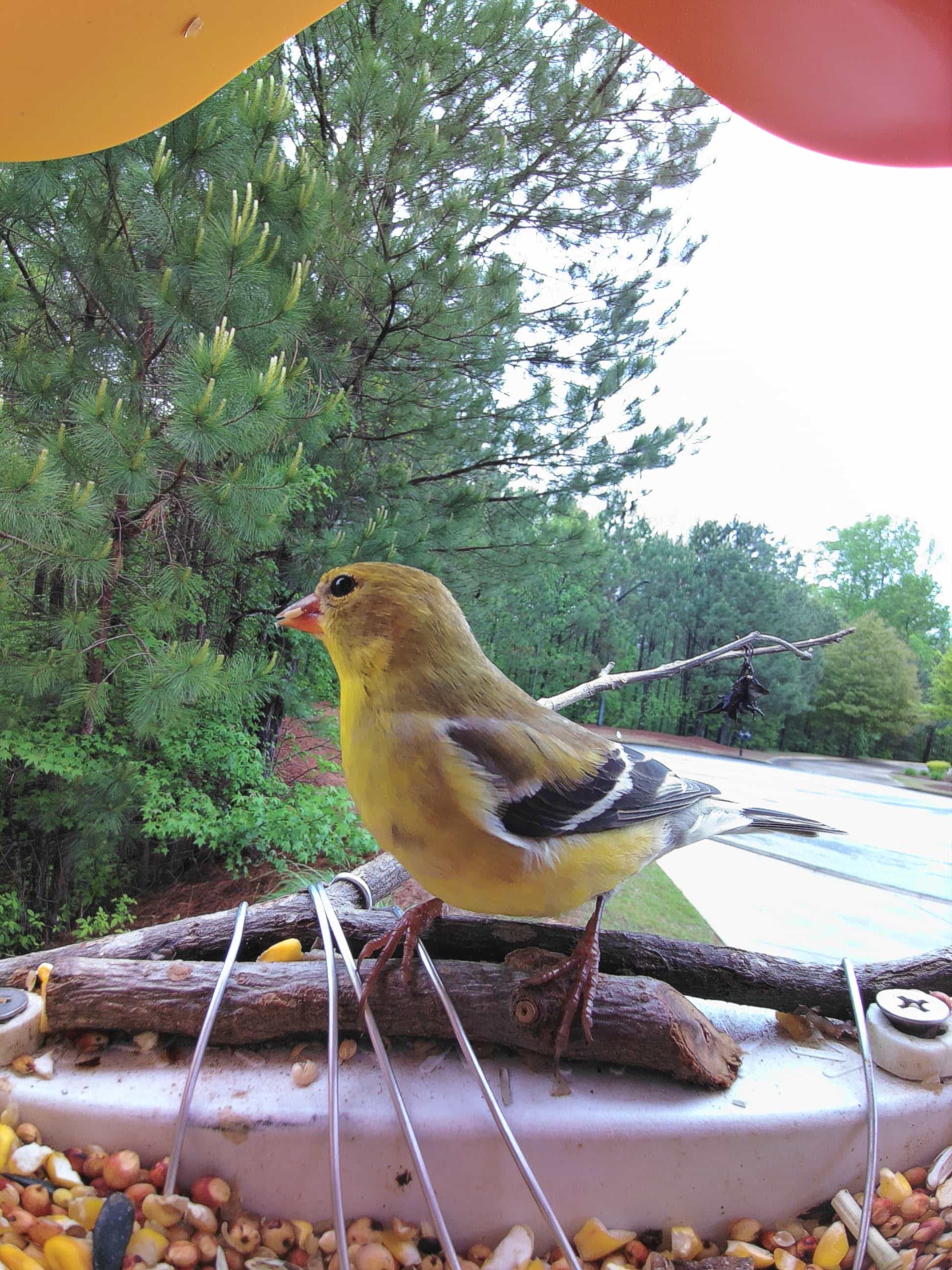
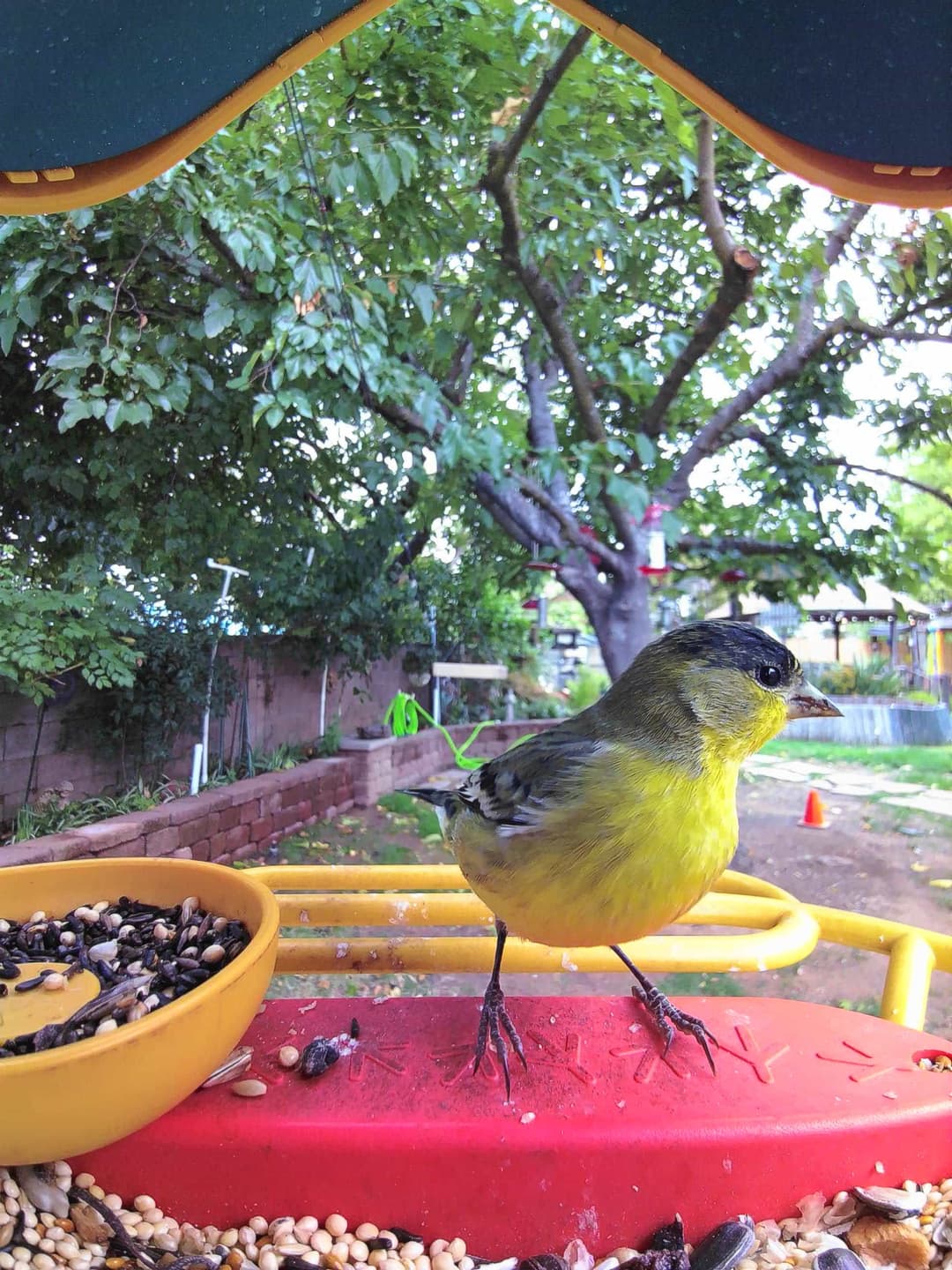
Lesser Goldfinch (Spinus psaltria): This small songbird is easily recognizable by its vibrant yellow underparts, olive to black upperparts, and distinctive white wing patches, often found in open woodlands, gardens, and shrubby areas where it feeds primarily on seeds.
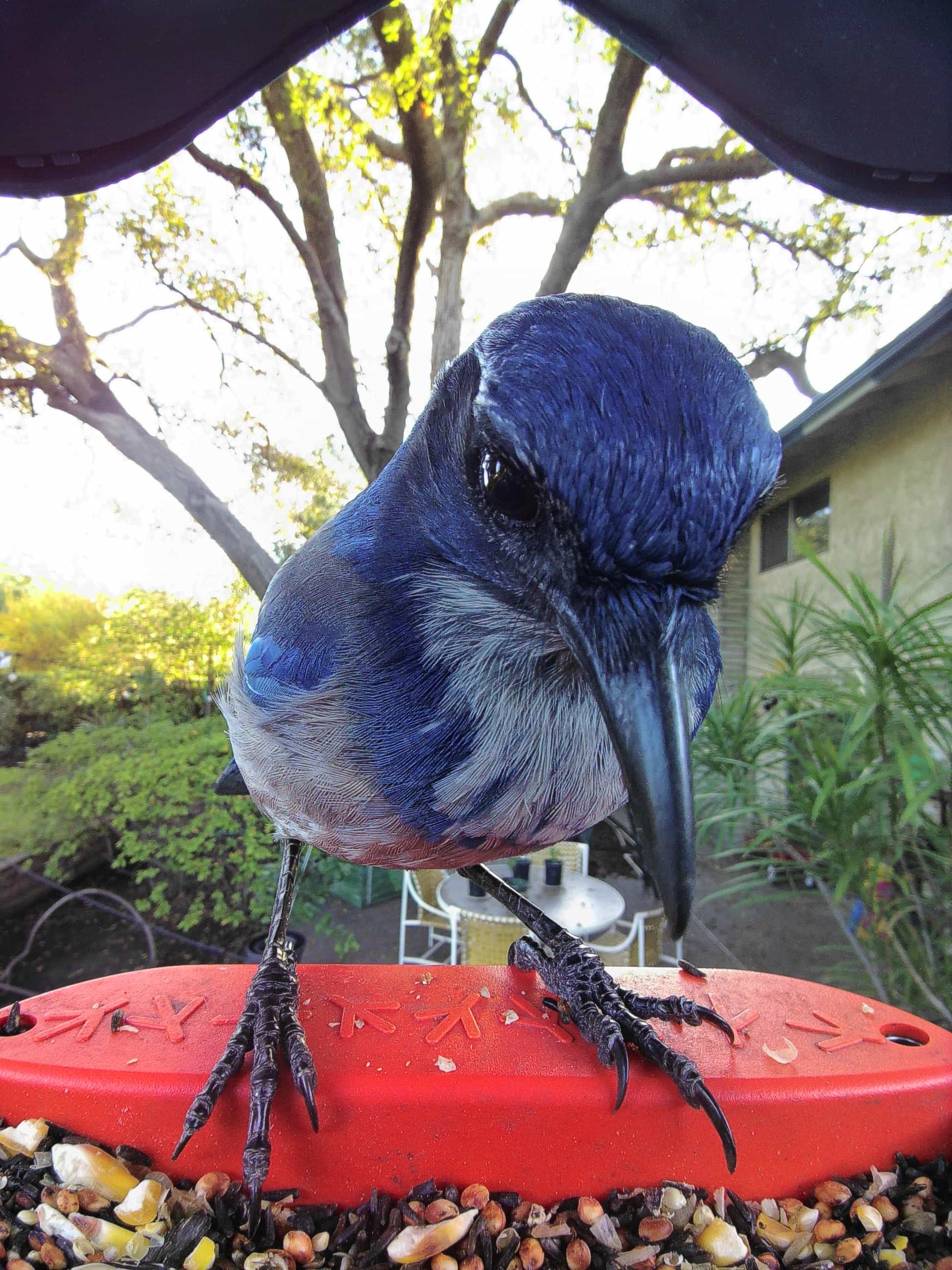
California Scrub-Jay (Aphelocoma californica): This medium-sized, vibrantly blue and gray bird is known for its intelligence and bold behavior, often spotted in open woodlands, gardens, and scrublands, where it forages for insects, seeds, and small animals.
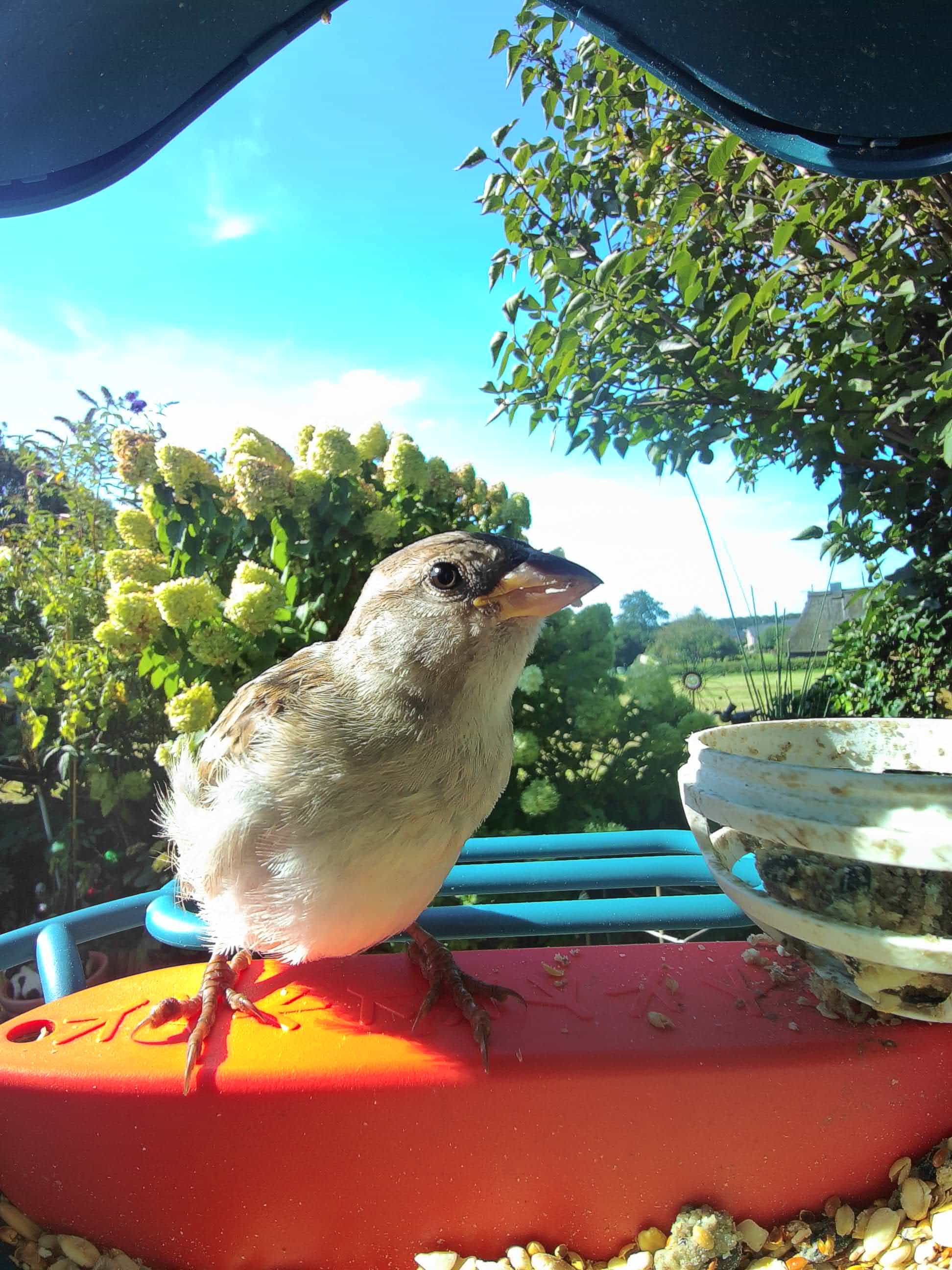
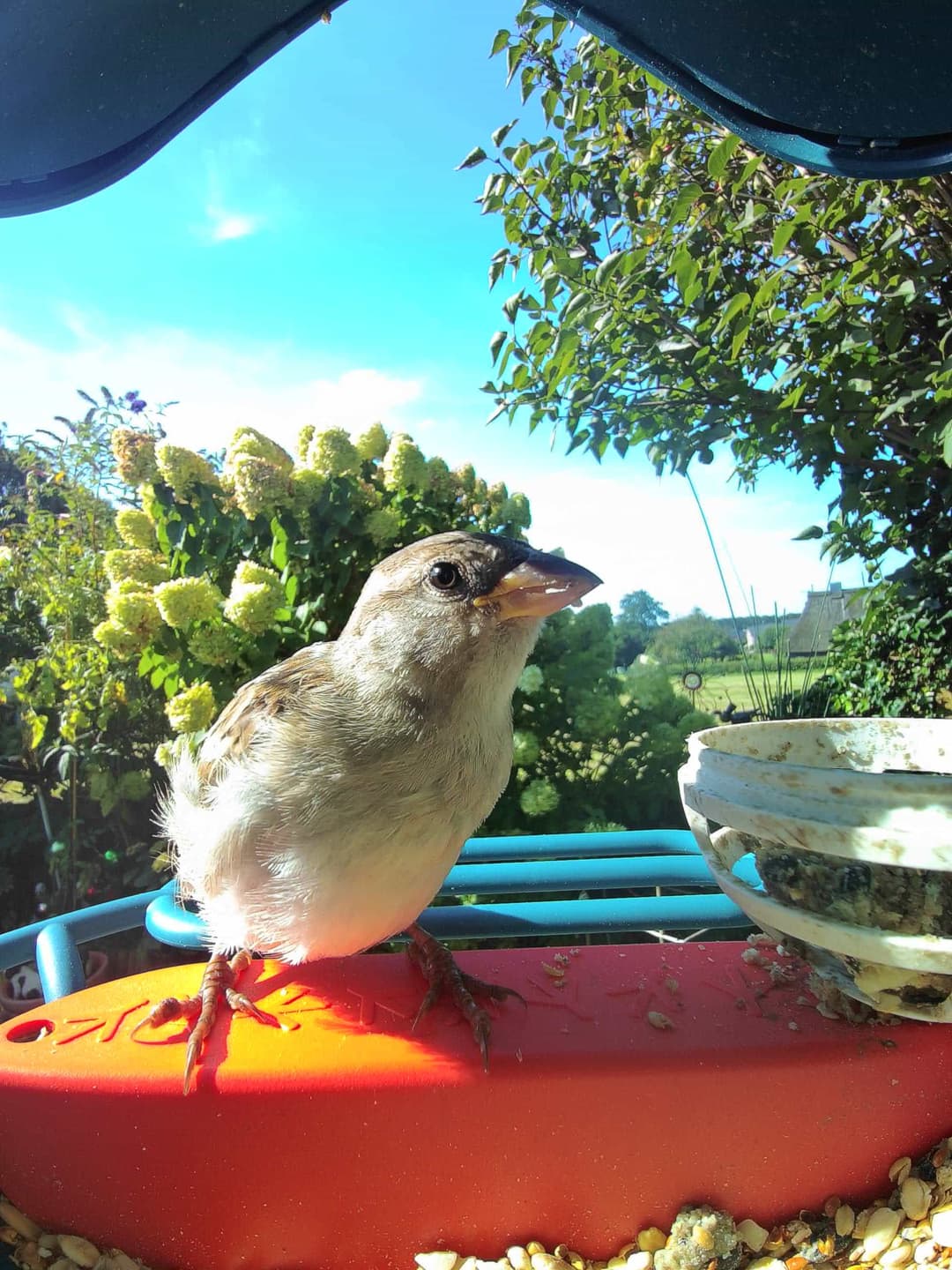
House Sparrow (Passer domesticus): A small, stocky bird with a stout bill, this species is easily recognized by its gray and brown plumage, distinctive black bib in males, and its adaptability to urban and rural environments worldwide.
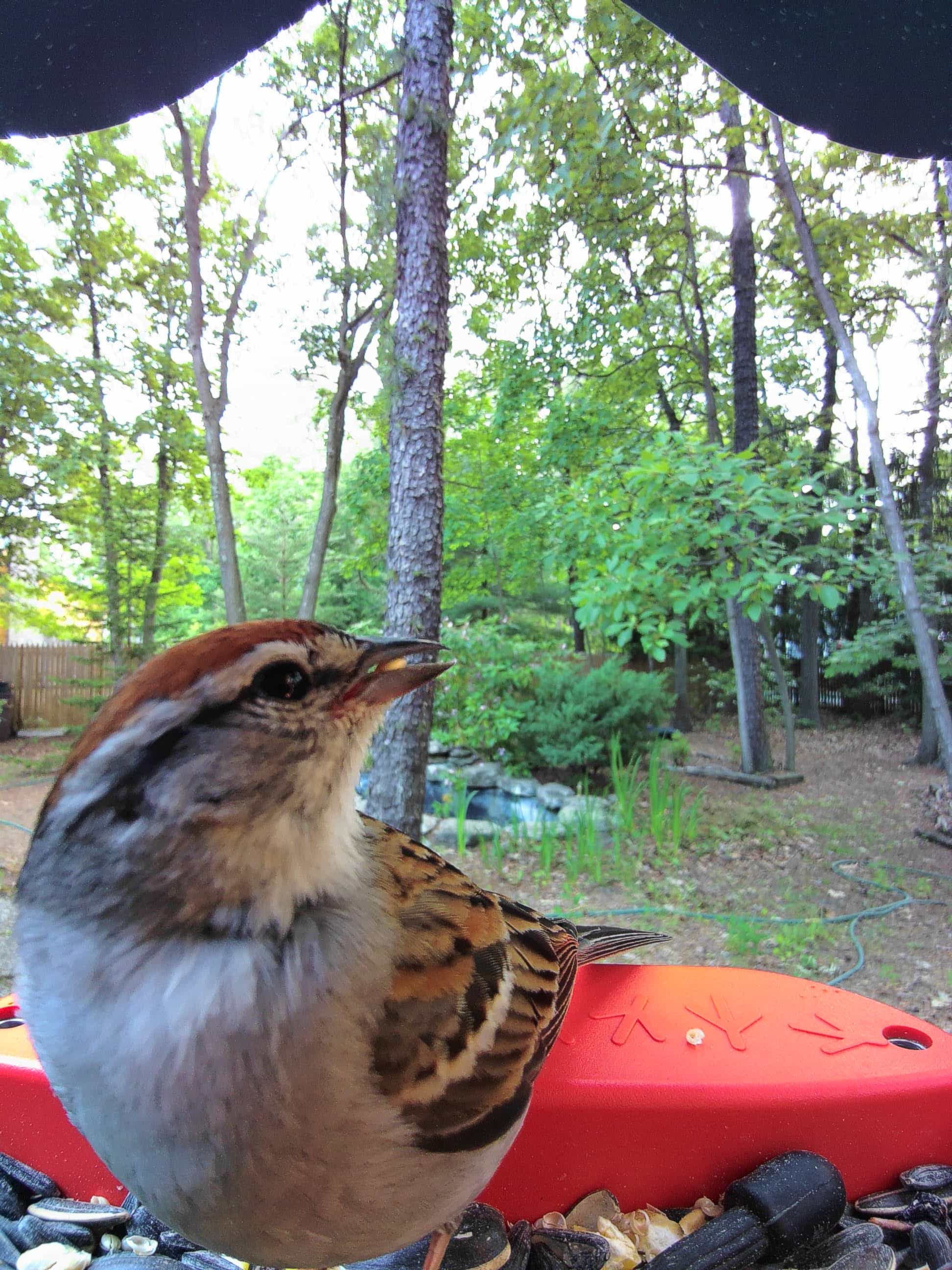
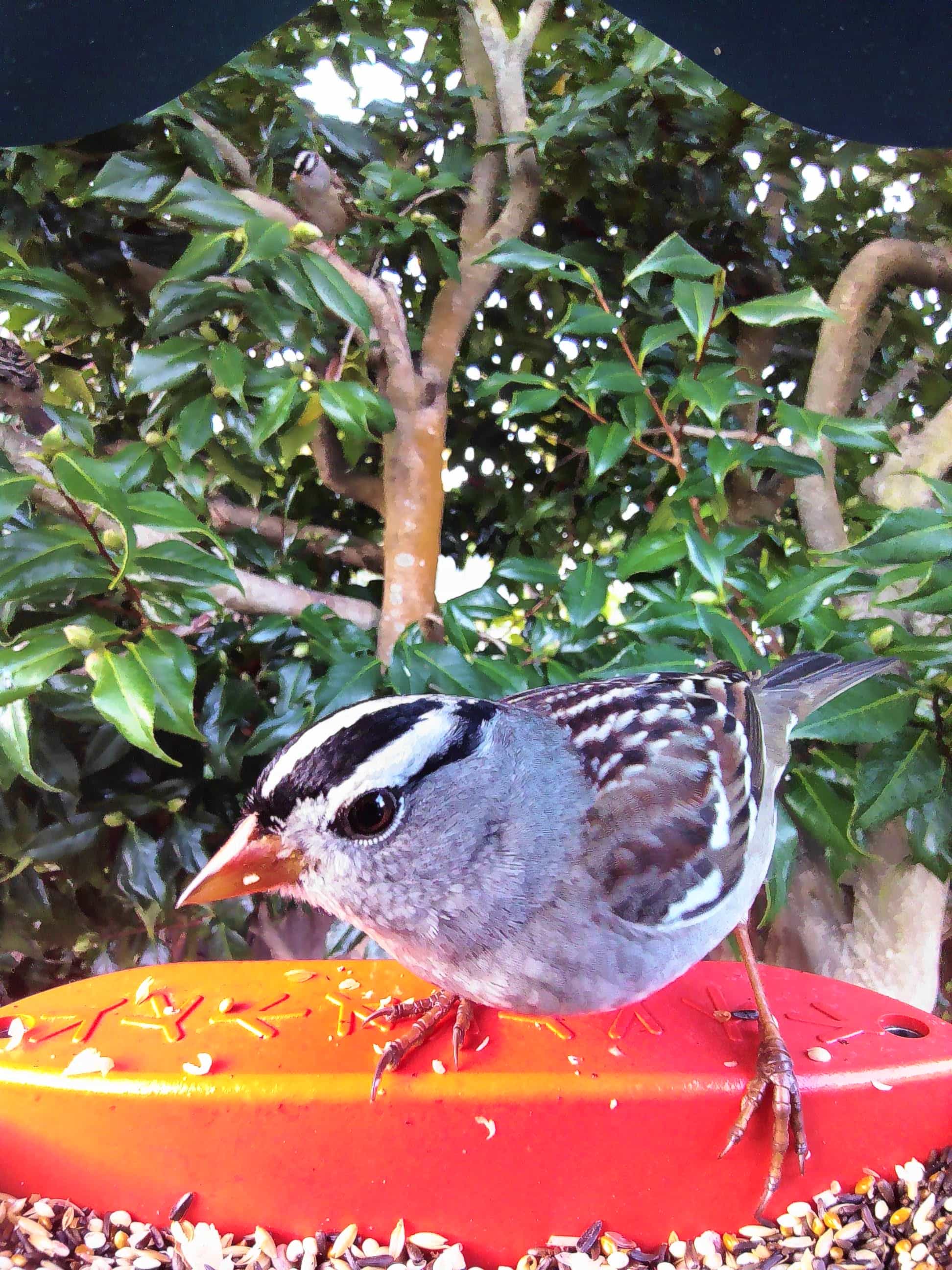
White-Crowned Sparrow (Zonotrichia leucophrys): This small, striking bird is easily recognizable by its bold black and white striped head, grayish face and breast, and brown streaked back, and it is commonly found across North America, particularly in open woodlands, shrubs, and gardens.



Identifying bird sounds and calls in West Sacramento
Bird sounds are a key way to identify different species, even when they're hidden in trees or bushes. Each bird has its own unique vocalizations, from melodic songs to distinctive calls. Learning these sounds can help you identify birds even before you see them.
Migration
Species that pass through during migration seasons
Timing and migration patterns
Barn Swallows pass through in spring and fall. Tree Swallows migrate through in early spring. Tricolored Blackbirds move in late spring.
Birdwatching hotspots in West Sacramento
Parks, reserves, and observatories
West Sacramento offers diverse habitats including wetlands, riversides, and grasslands that attract a variety of bird species.
Yolo Bypass Wildlife Area: A vast area of seasonal wetlands that are home to many migratory birds.
Stone Lakes National Wildlife Refuge: This refuge provides habitat for waterfowl and hosts many birdwatching events.
Sacramento River Parkway: A scenic riverside park offering birdwatching opportunities along the Sacramento River.
Accessibility and facilities
Most parks have walking trails and some have wheelchair accessible paths, with basic facilities like restrooms available.
Conservation efforts
West Sacramento, California focuses on preserving natural habitats and sustainable resource use. Some of the efforts include:
- Initiatives to protect the Sacramento River ecosystem.
- Programs promoting urban green spaces.
- Efforts to enhance local biodiversity.
How Can I Help?
- Participate in local clean-up events.
- Support local conservation organizations.
- Reduce water usage at home.
Live bird sightings in the West Sacramento area
Discover what birds are currently active in West Sacramento through real-time sightings from Birdbuddy users. Explore hotspots and track your favorite species with updates from our community network.
Learn more about Birdbuddy