Hummingbird or Anna's Hummingbird?
Here's how to tell the difference
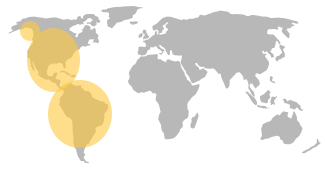
Hummingbird


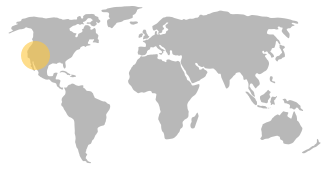
Anna's Hummingbird
Hummingbird
Trochilidae
General appearance
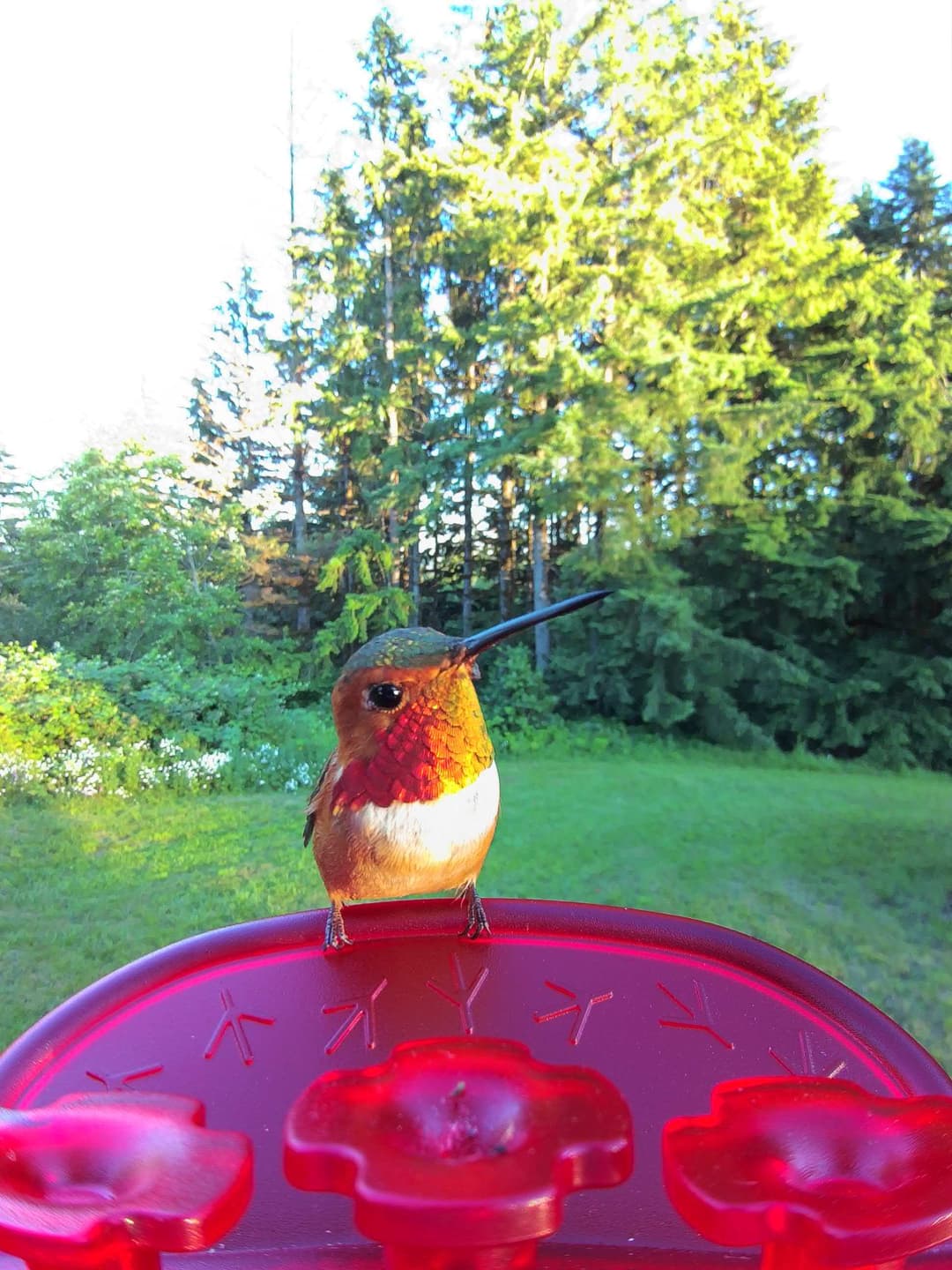
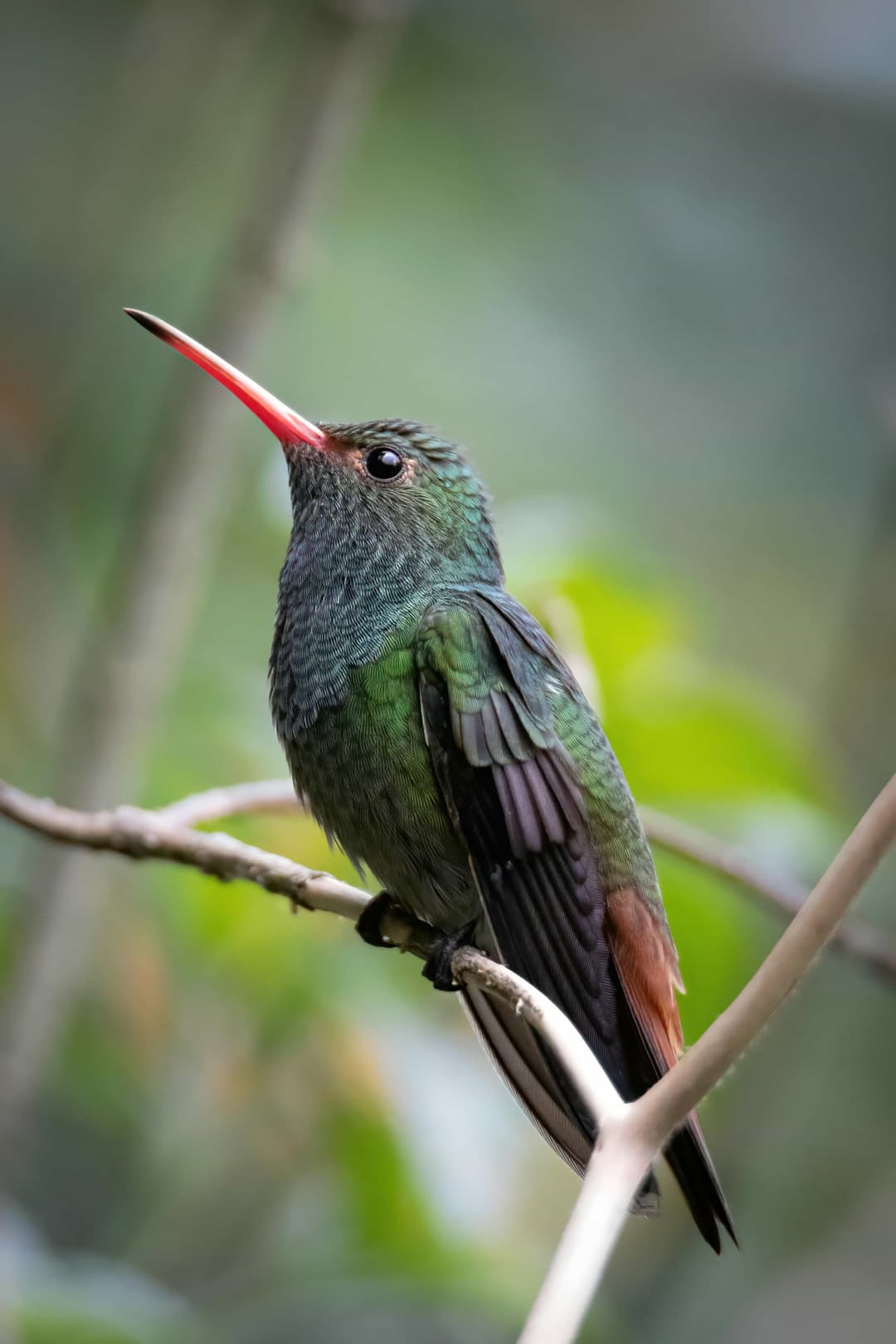
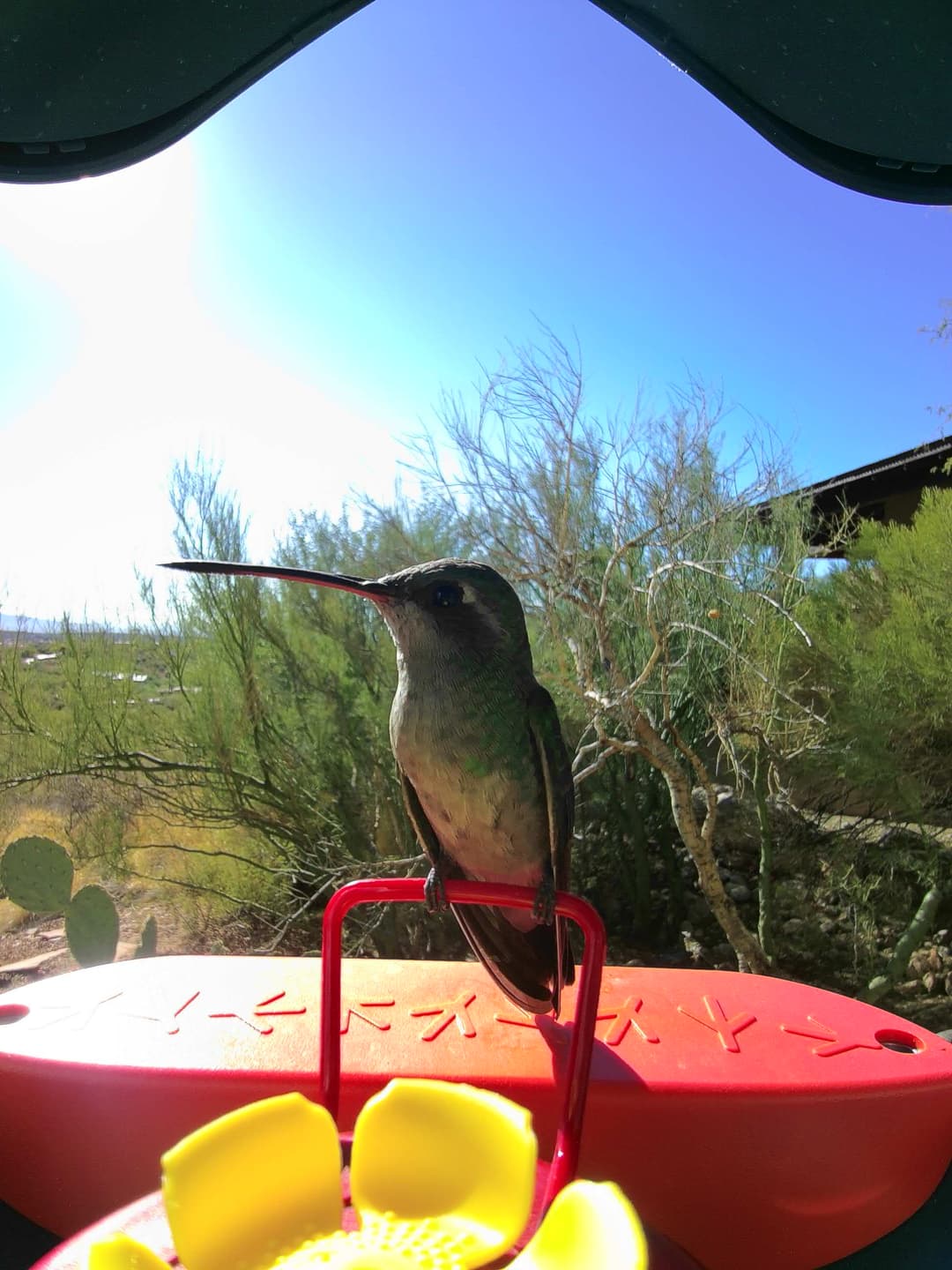
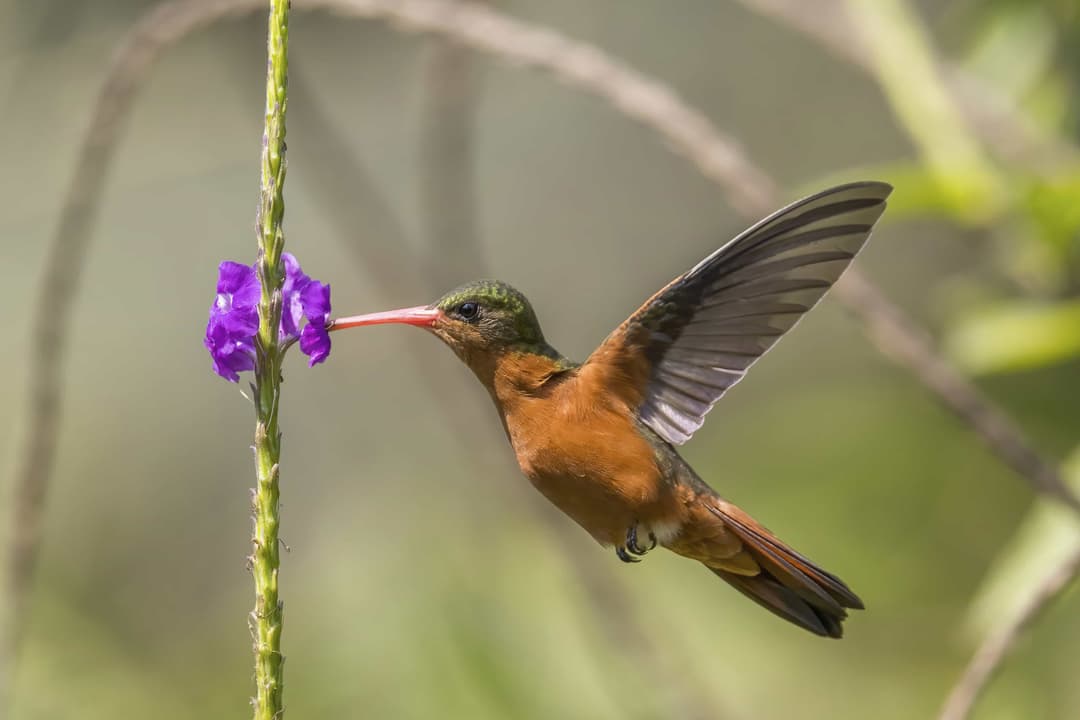
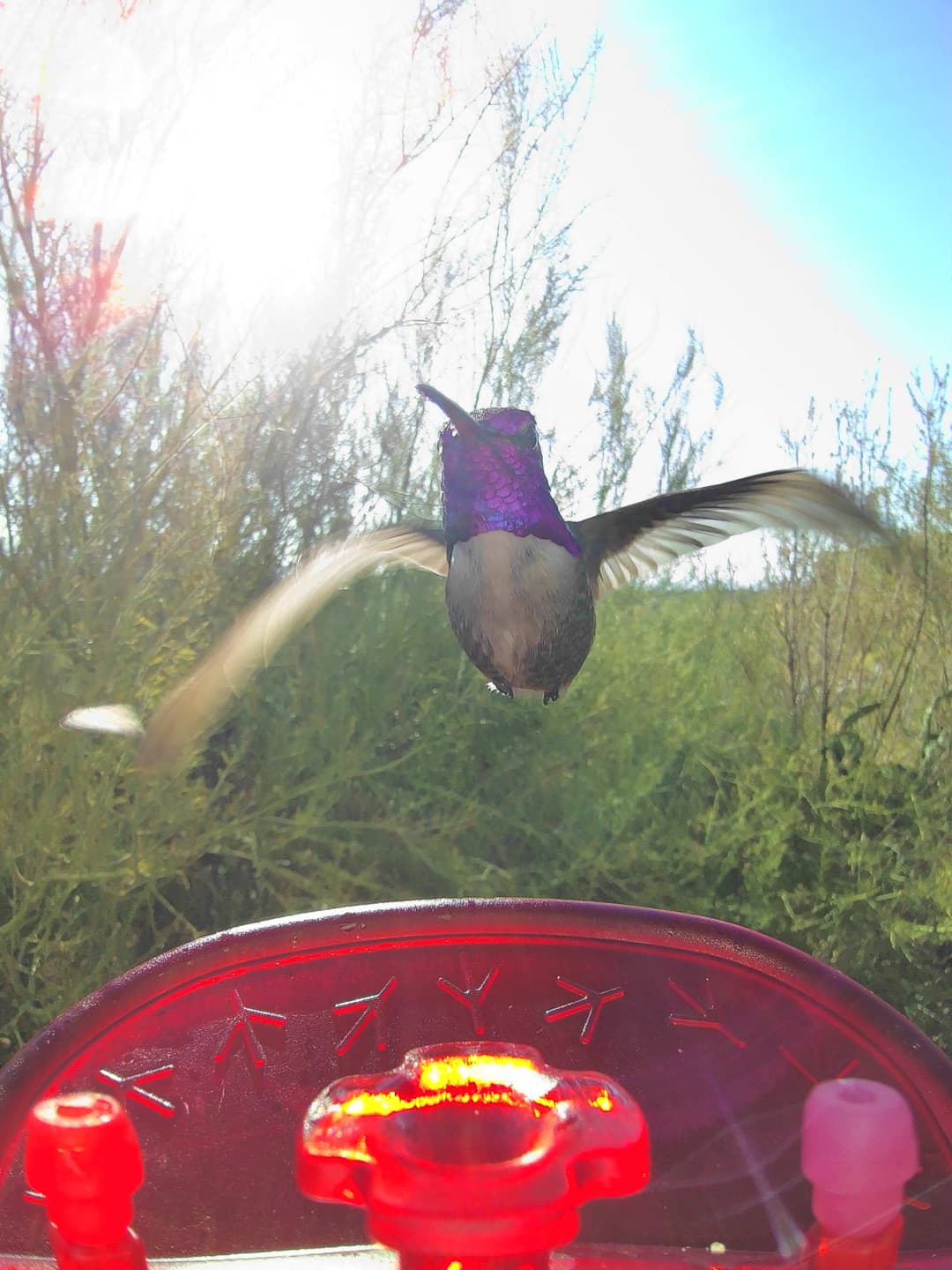
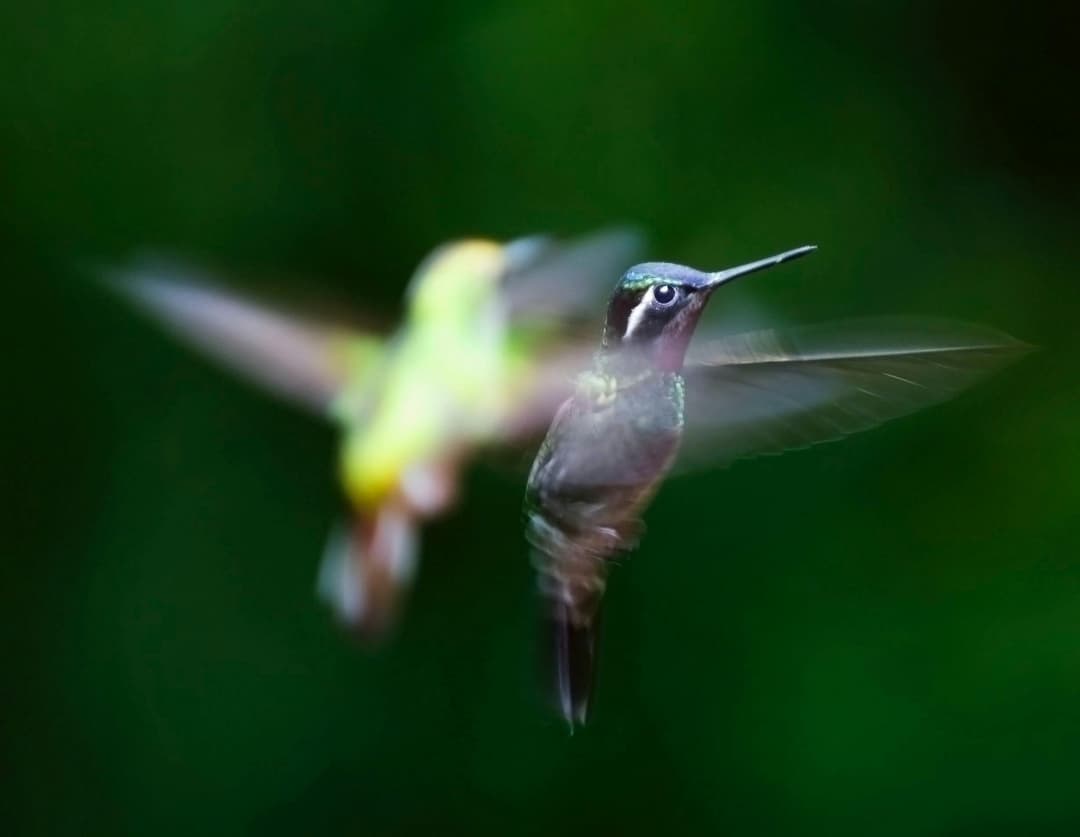
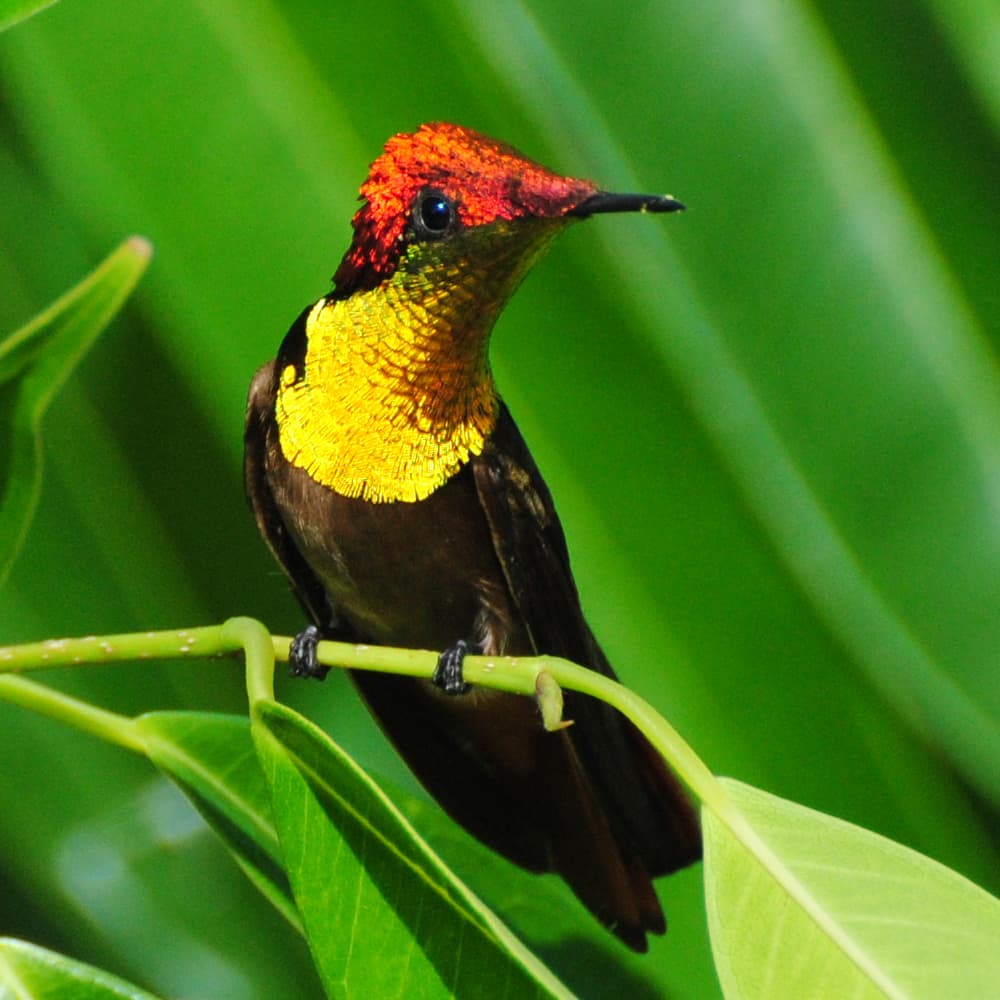
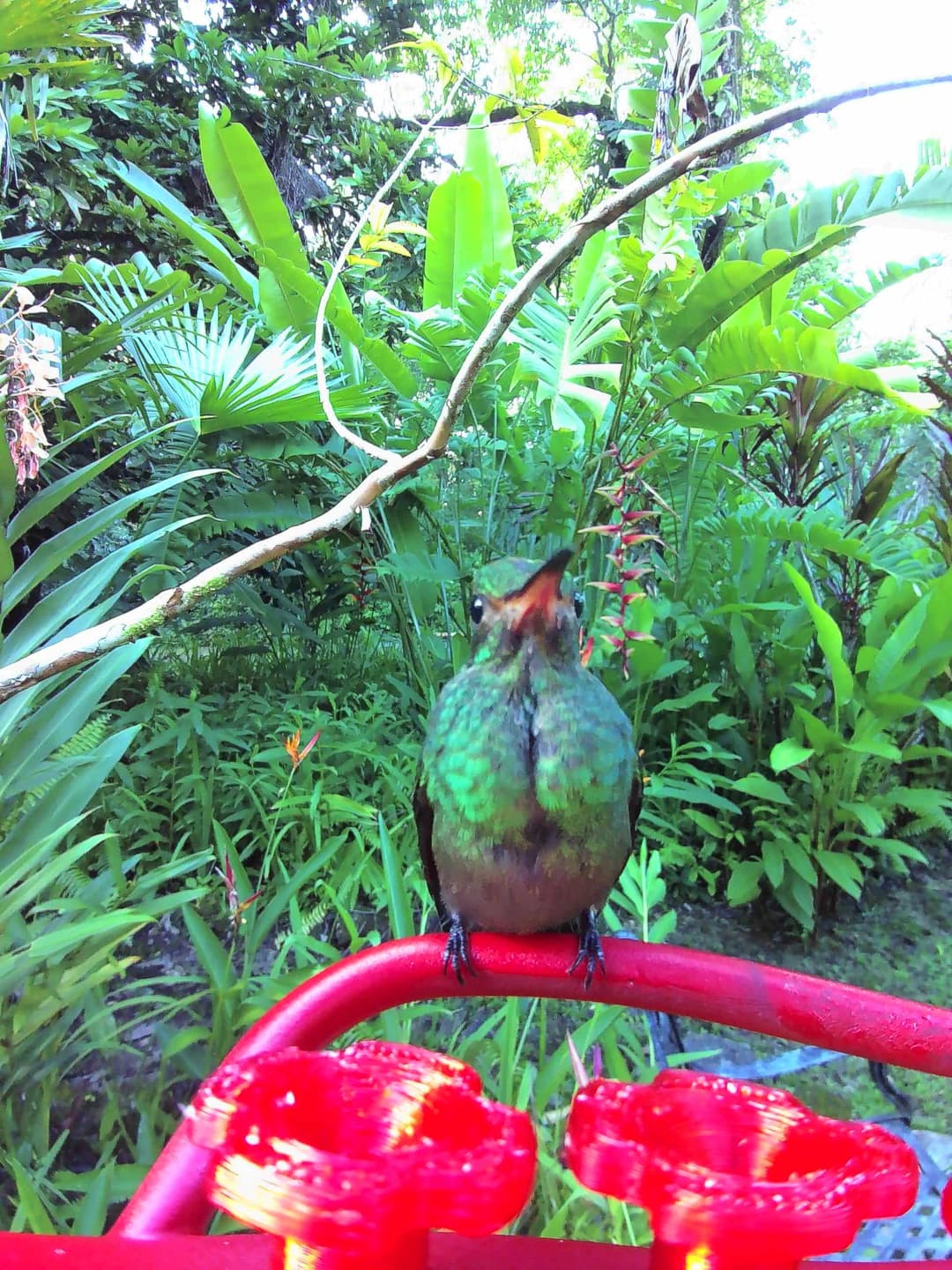
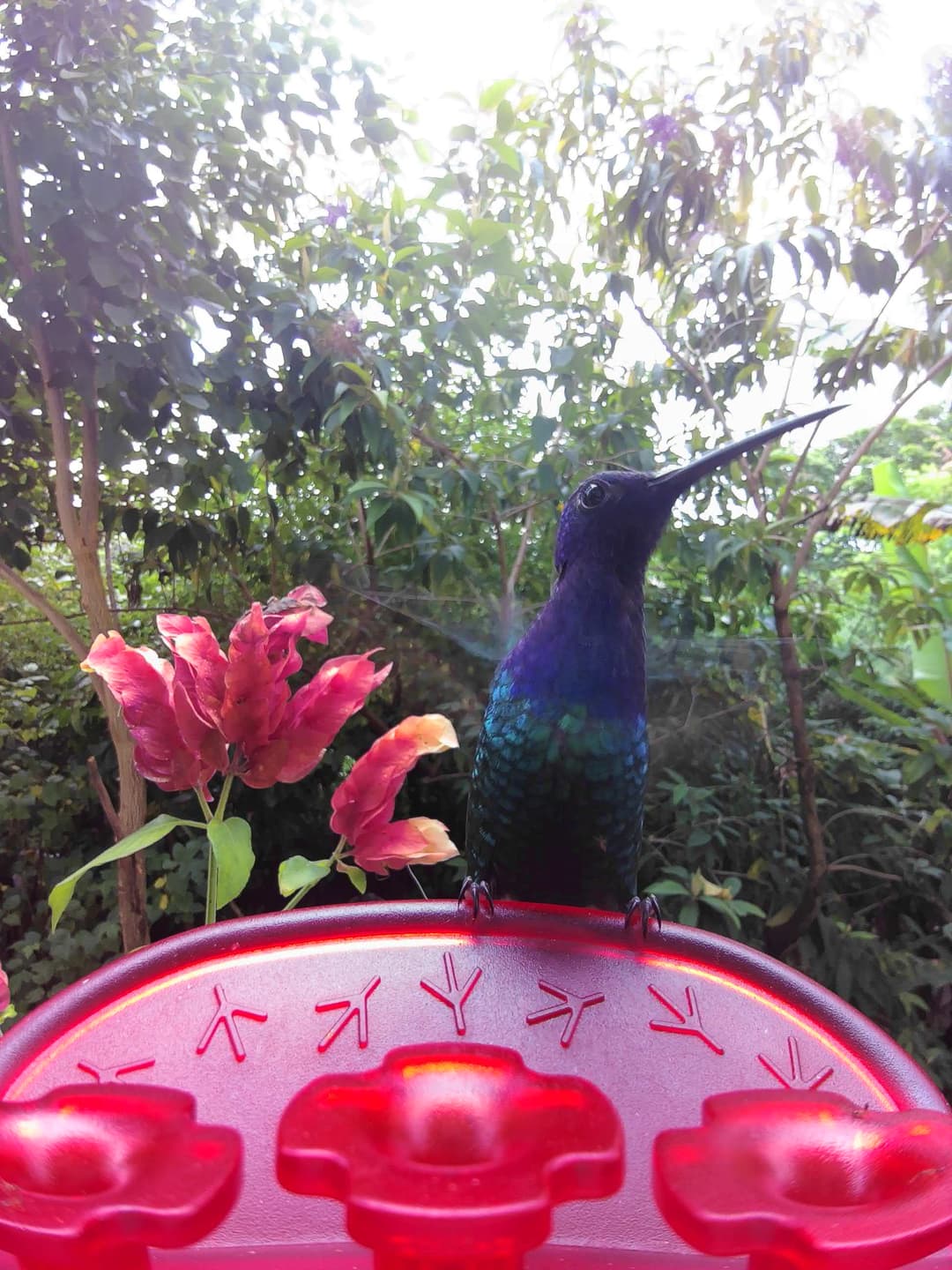
Hummingbirds are small, vibrant birds with iridescent feathers. They are most noticeable for their quick, darting flying style and ability to hover in mid-air. Colors range widely, including greens, blues, purples, reds, and whites, often with a metallic sheen. They possess a long, thin beak perfect for sipping nectar from flowers.
Male vs female
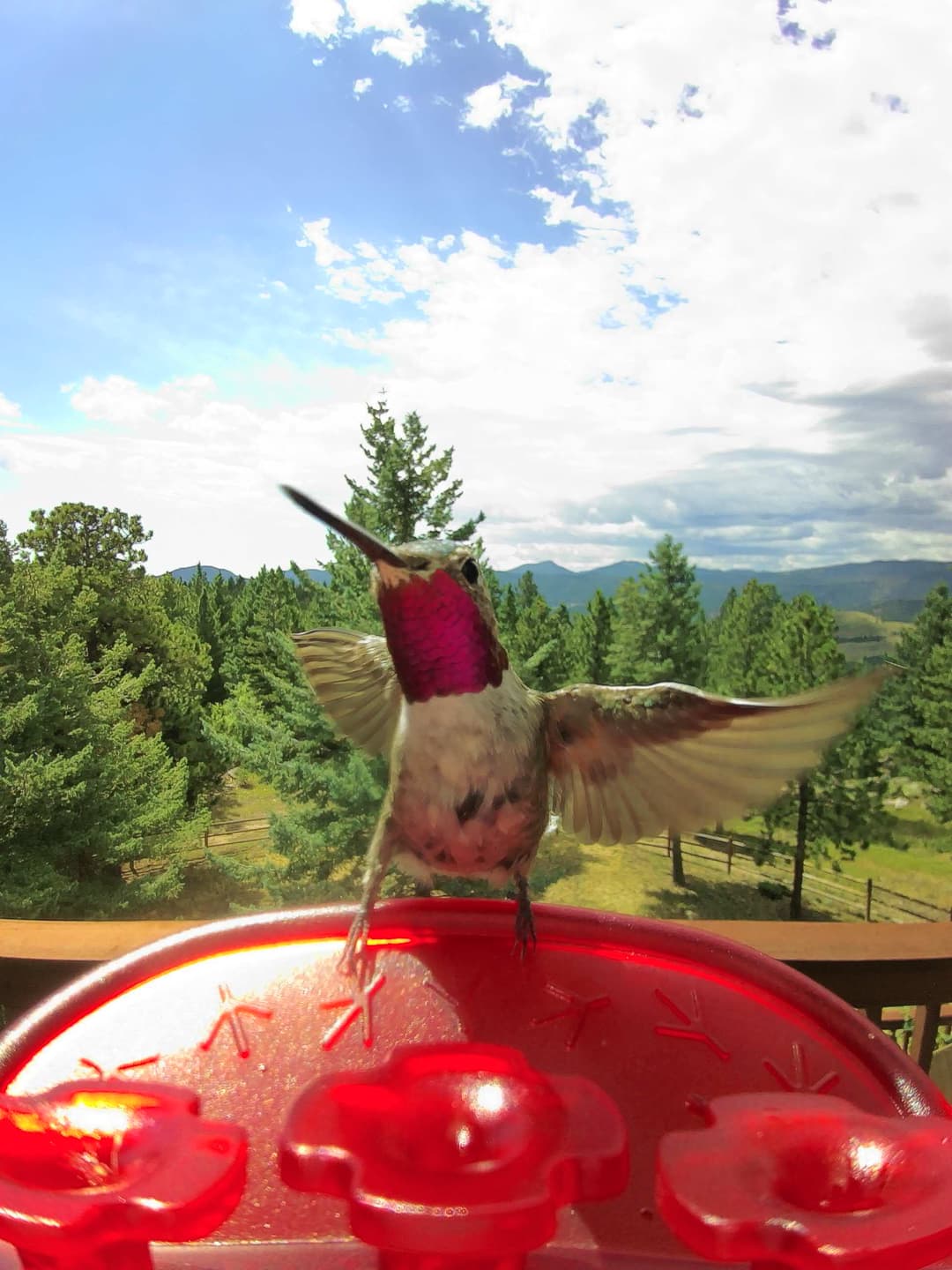
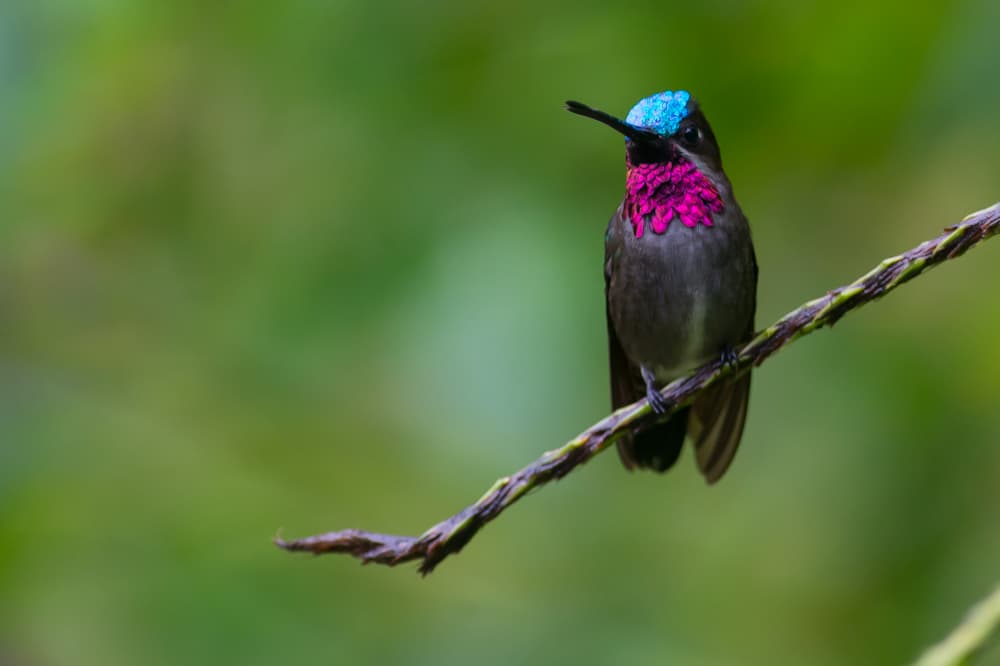
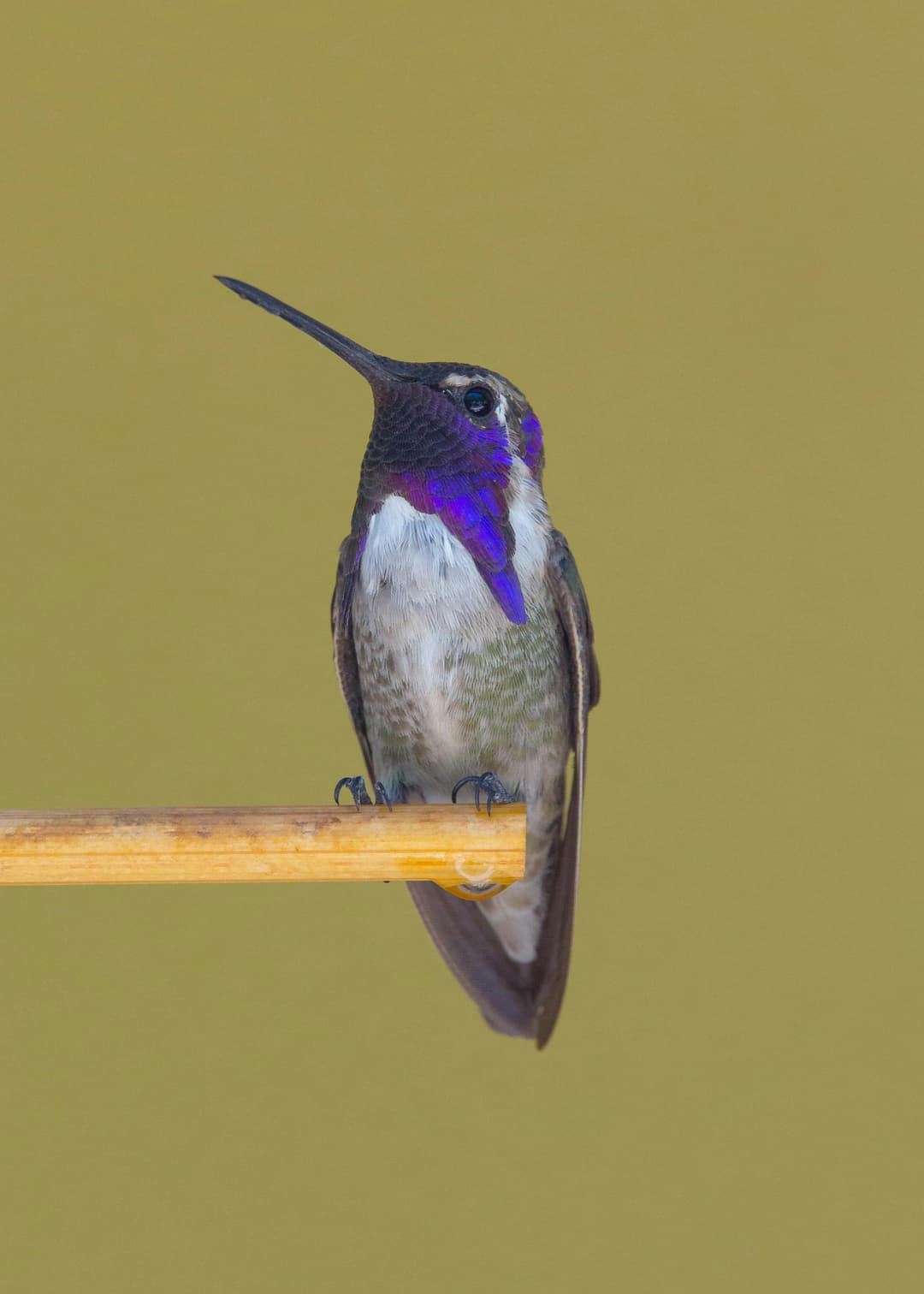
Males are typically brighter and more colorful than females, often with a ‘gorget’ or patch of bright, iridescent throat feathers that females lack. Female hummingbirds have softer, muted coloration for camouflage when nesting. Males are also slightly smaller on average.
Juvenile
Juvenile hummingbirds resemble their mothers in colouring to stay camouflaged. They lack the iridescent throat patch of adult males. As they mature, juvenile males begin to develop more vibrant feathers, particularly on their throats, and by their first winter, most will have at least a few bright feathers indicative of their gender.
Size
2.0 - 10.2 in/0.1 - 0.8 oz
There's more to learn about Hummingbird
View full detailsAnna's Hummingbird
Calypte anna
General appearance
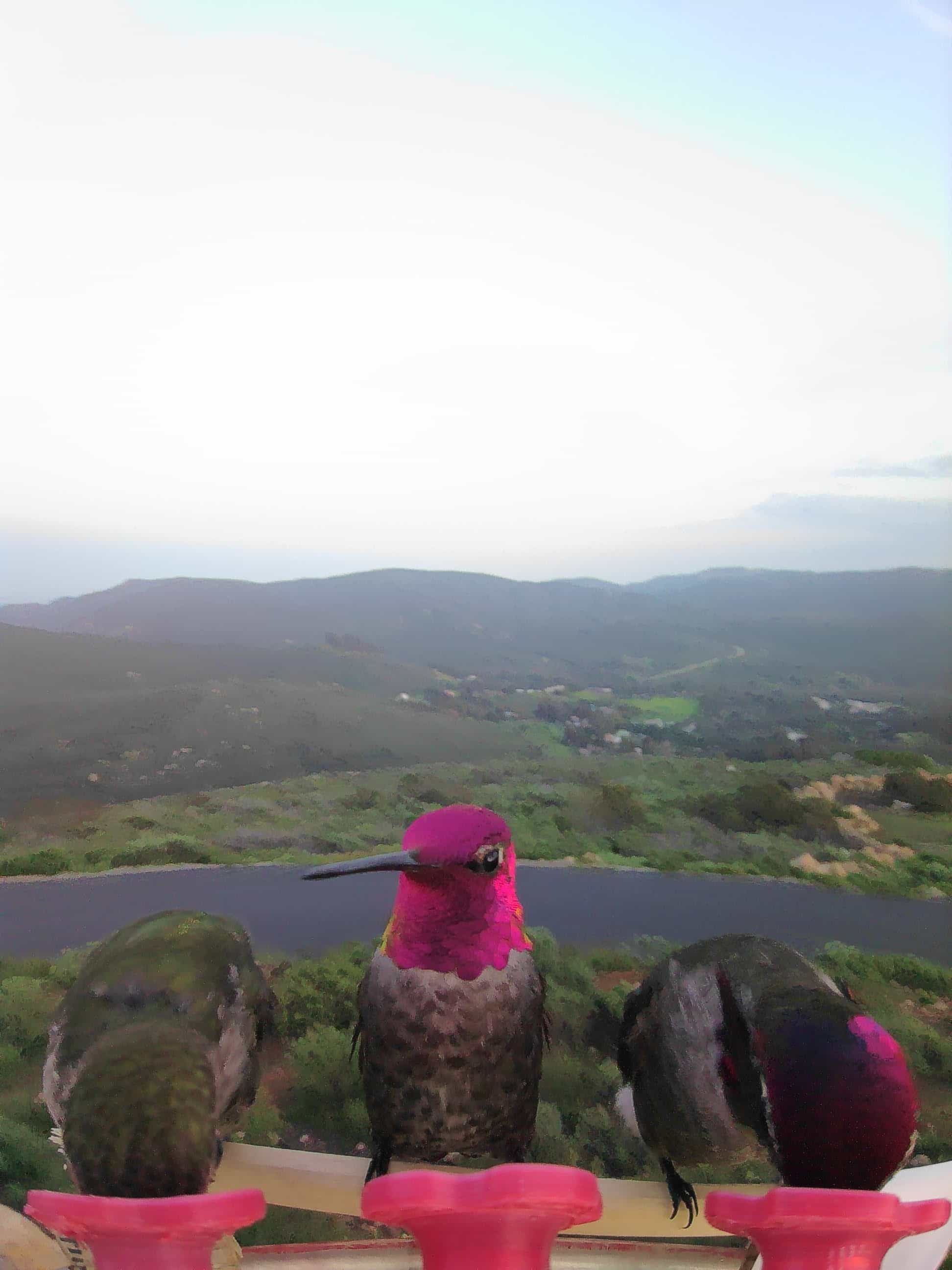
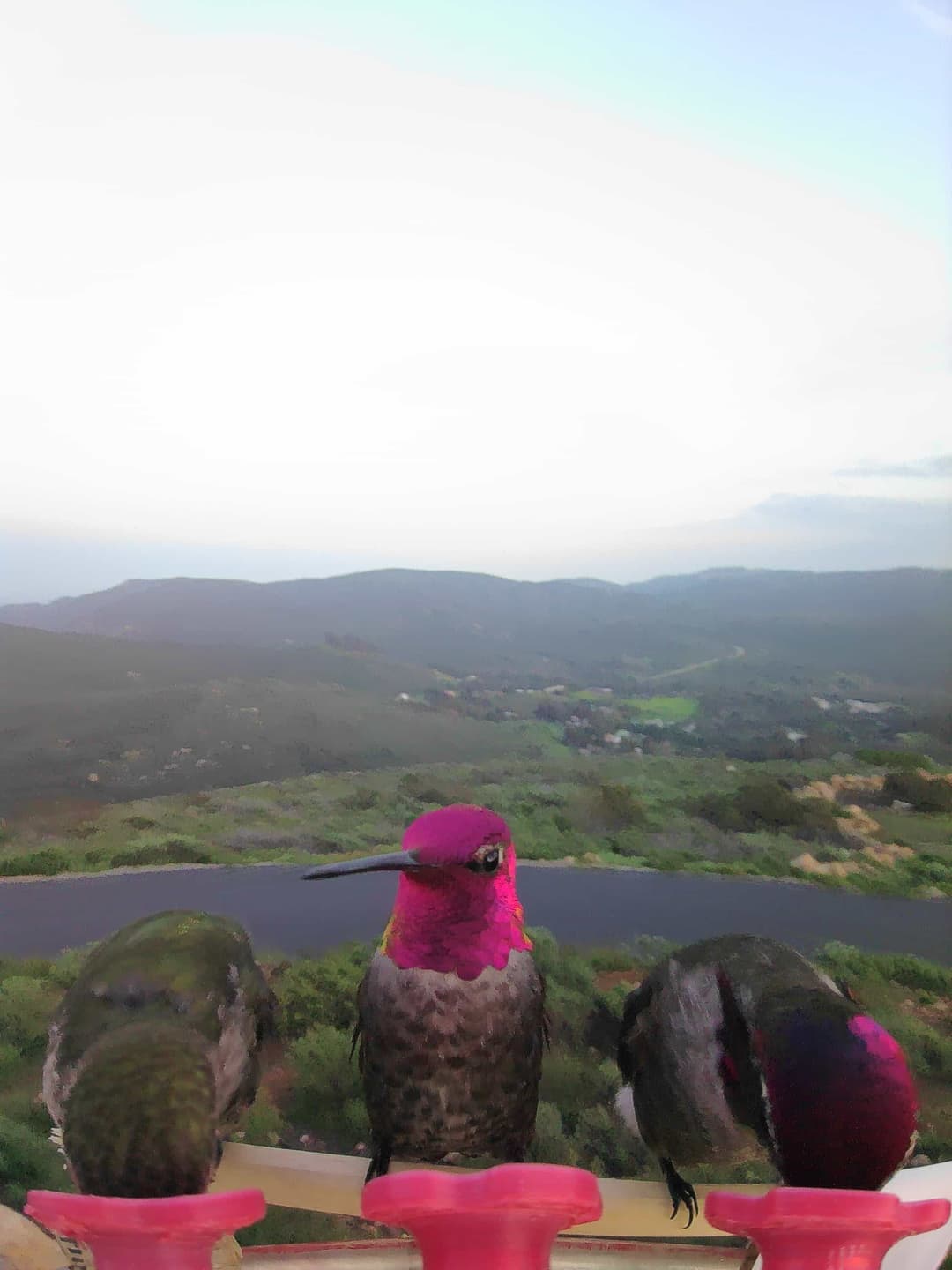
Feast your eyes on Anna's hummingbirds! These radiant beauties are a vibrant combination of elegant form and stunning color. Their body is adorned with green and grey shades, offering a subtle yet captivating sight. The lower body beams with a light grey-white color, balancing the otherwise rich tones. Despite their relatively small size of about 9cm, they own their presence, darting daringly through the skies.
Male vs female
Males and females of Anna's hummingbirds showcase a delightful color variation. The males steal the spotlight with their breath-taking iridescent crimson-red crowns and throats, shimmering brilliantly in direct sunlight. Their back is metallic green, a perfect contrast to their radiant front. The ladies, on the other hand, adorn a more modest attire of green on top and greyish white underneath. Some females may display a subtle touch of red marking on their throat, adding a dash of secret charm.
Juvenile
The juveniles initially mirror the females in coloration carrying the green-grey theme. But as they grow, the young male Anna's hummingbirds start developing their glamorous red feathers that herald their entry into adulthood. A hint of this transformation is their first indicator of age. Regardless of age, the Anna's hummingbirds keep their vibrant energy, embodying the spirit of free flight throughout their life!
Size
3.7 - 4.1 in/0.1 - 0.2 oz
There's more to learn about Anna's Hummingbird
View full detailsHow to tell the Hummingbird from the Anna's Hummingbird
Visual differences
Hummingbirds are a diverse family with vibrant, iridescent colors ranging across blues, greens, and reds. They range from 2 to 10 inches in length, often sporting long, thin beaks. In contrast, Anna's Hummingbird is about 3.5 to 4 inches long, featuring a distinctive crimson-red crown and throat in males, with metallic green backs. Females are green with a subtle grey-white underside, sometimes showing faint red on the throat. While both species boast iridescence, Anna's Hummingbird is notable for its specific color pattern and slightly larger size within the Trochilidae family.
Key differences and behavior
Hummingbirds, encompassing around 350 species, generally inhabit tropical regions, with many migrating to temperate zones for breeding. They exhibit diverse habitats, unlike Anna's Hummingbird, which predominantly resides in gardens, chaparral, and city parks along the western coast of the United States. Both feed primarily on nectar and insects, but hummingbirds show a broader adaptation, frequenting feeders more widely. Anna's Hummingbirds (3.5-3.7 in, 0.14-0.16 oz) display an elaborate 12-second dive during courtship, whereas many hummingbird species perform varied aerial displays. Breeding in Anna's begins early, sometimes in December, often utilizing urban settings, while hummingbirds seasonally migrate, choosing secluded or semi-urban areas. Female Anna's selects nest placements from diverse spots, while hummingbird species prefer concealed foliage nests. Despite both focusing on nectar, their distinct breeding habits and habitat preferences highlight the behavioral differences.
Still not sure? Here are more lookalikes!
Hummingbird vs Allen's Hummingbird
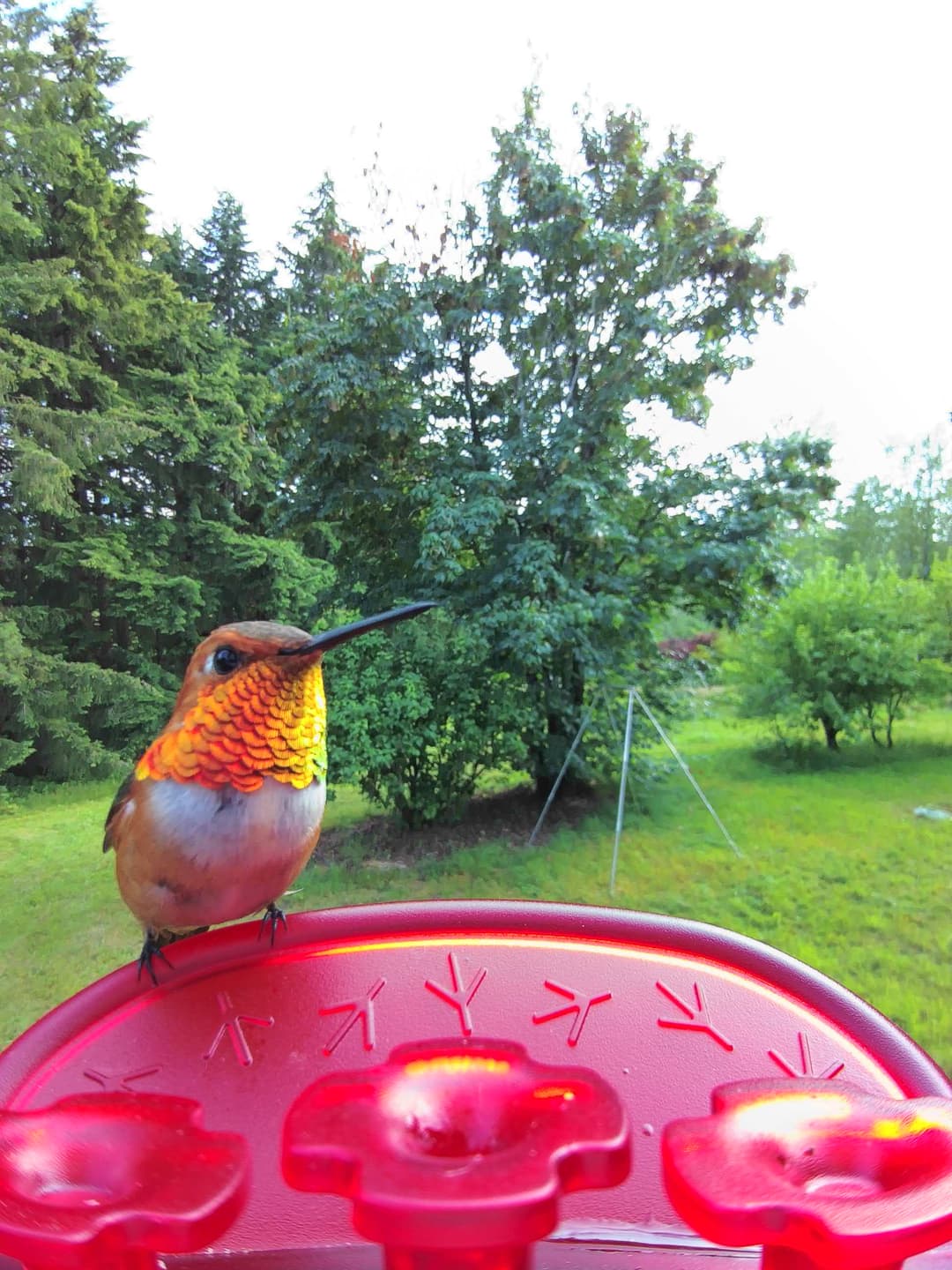
Hummingbird vs Black-Chinned Hummingbird
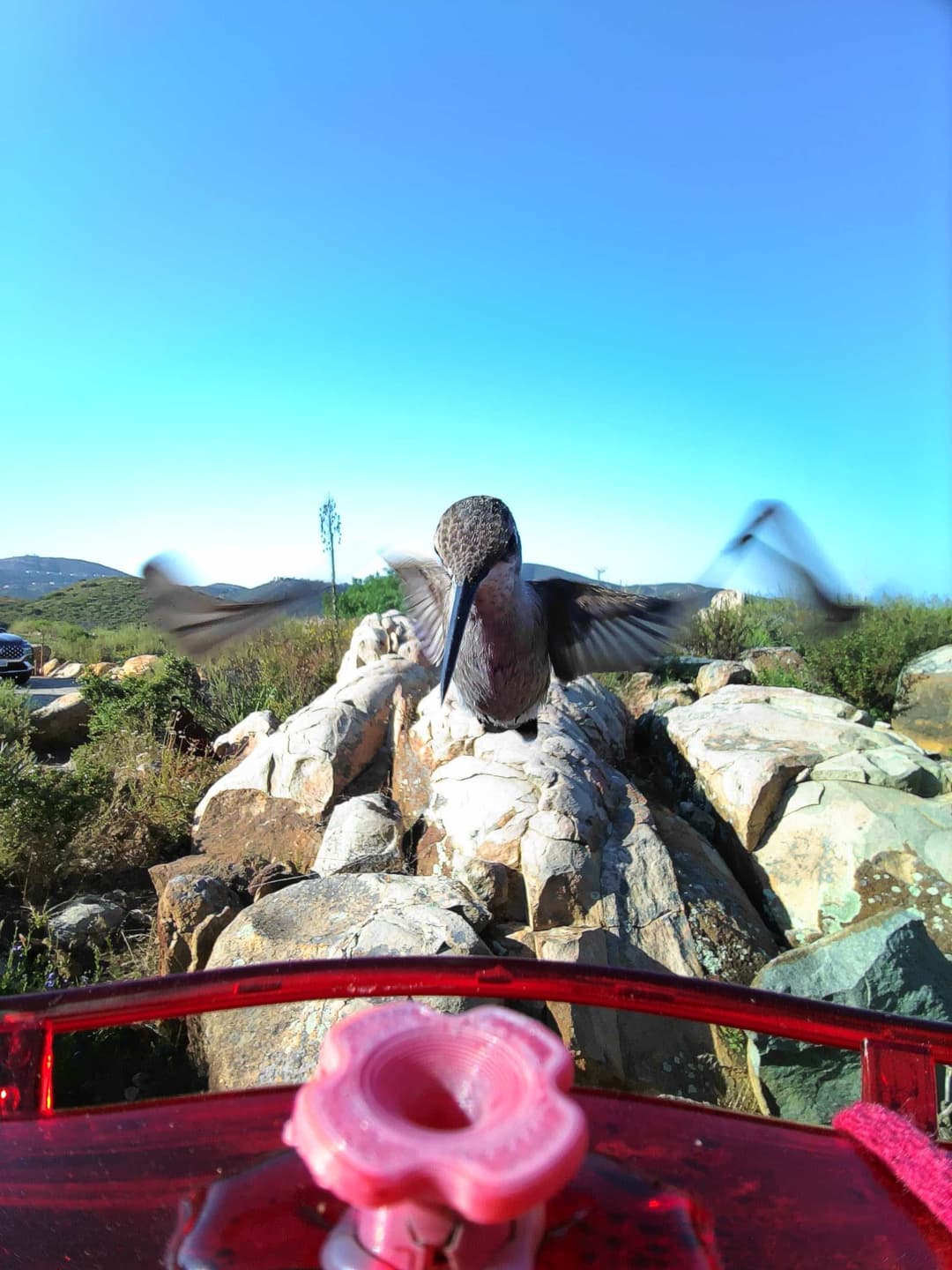
Hummingbird vs Blue-Chested Hummingbird
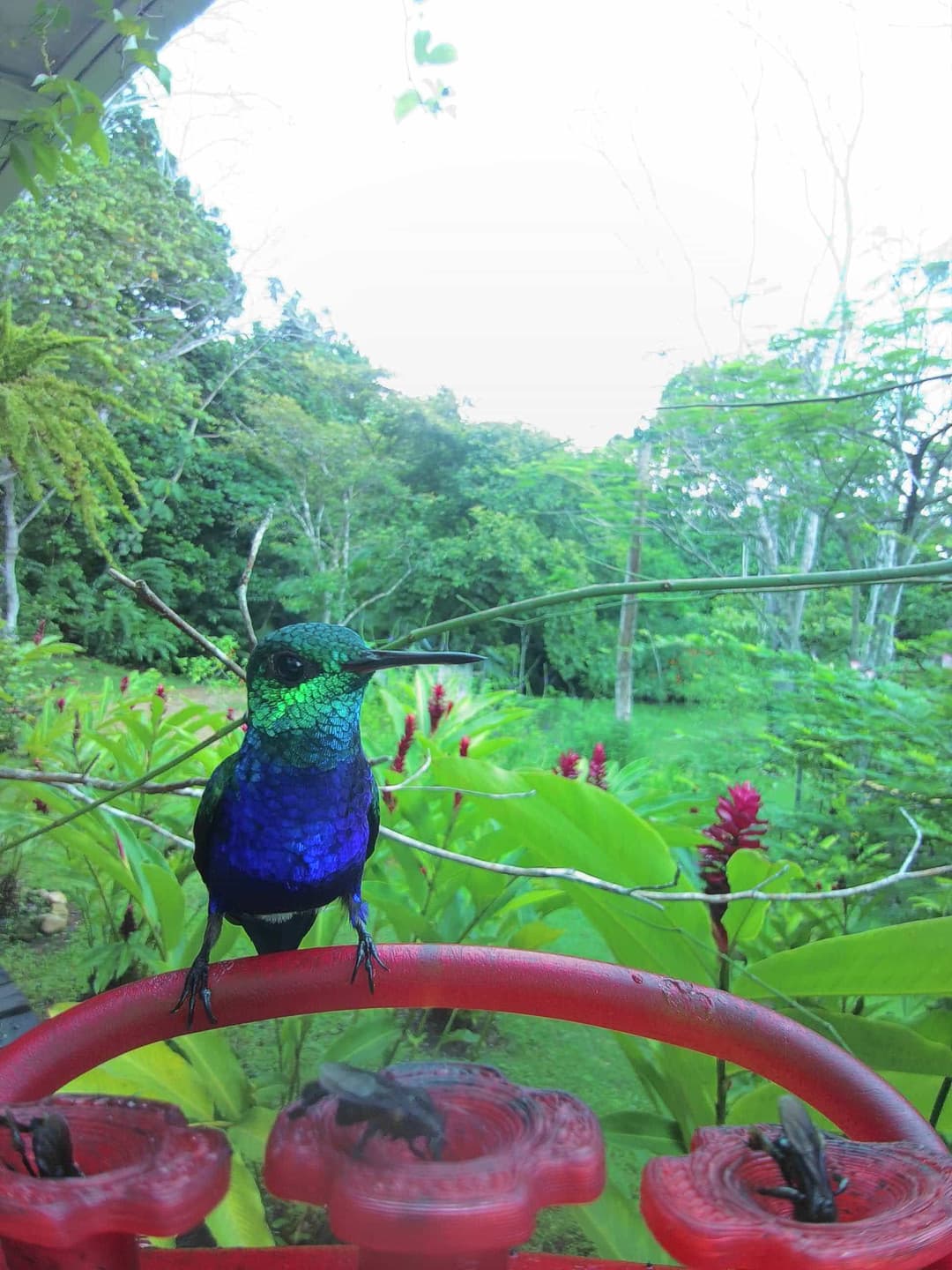
Hummingbird vs White-Necked Jacobin
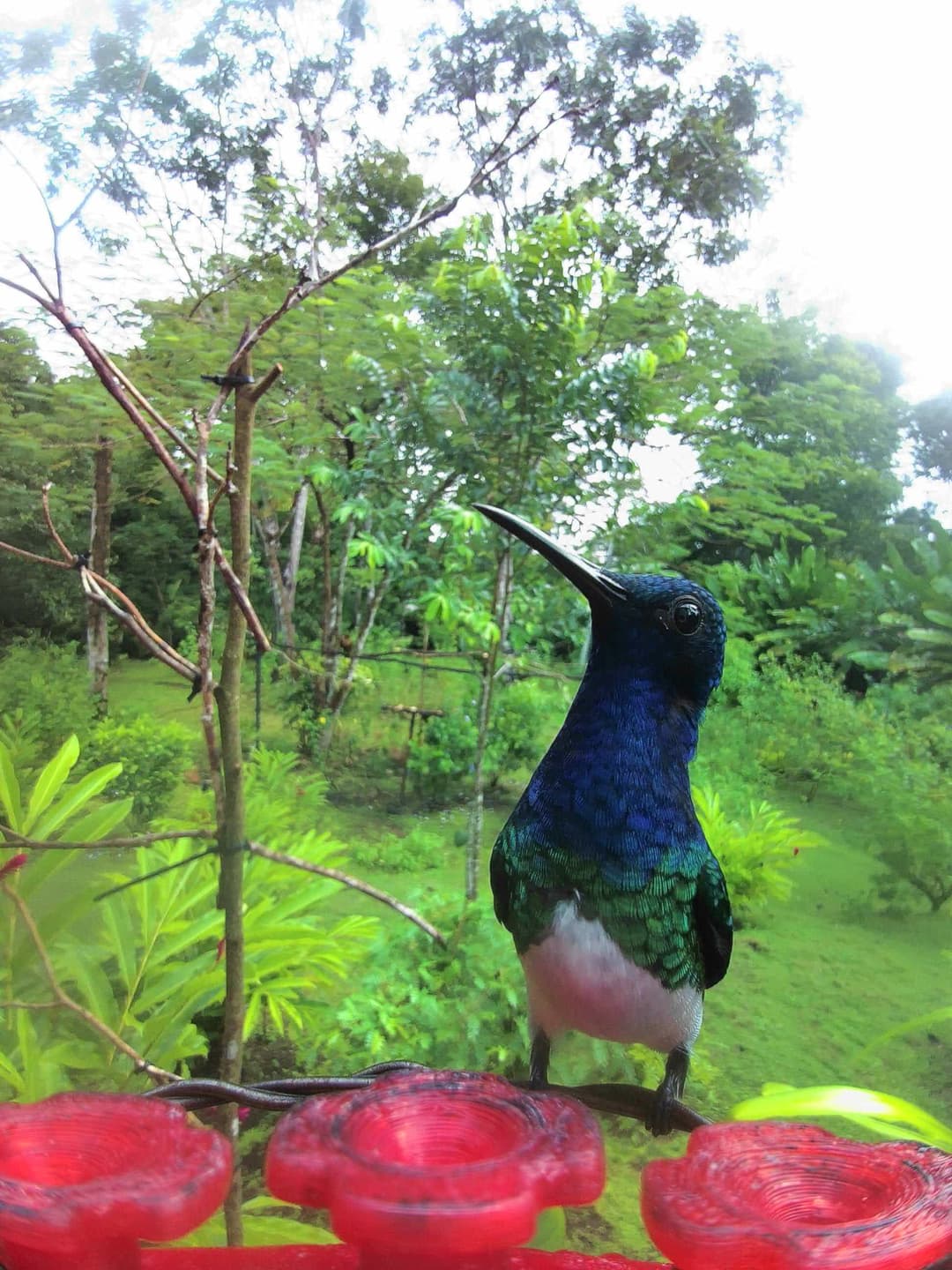
Hummingbird vs Rufous Hummingbird
Hummingbird vs Swallow-tailed Hummingbird
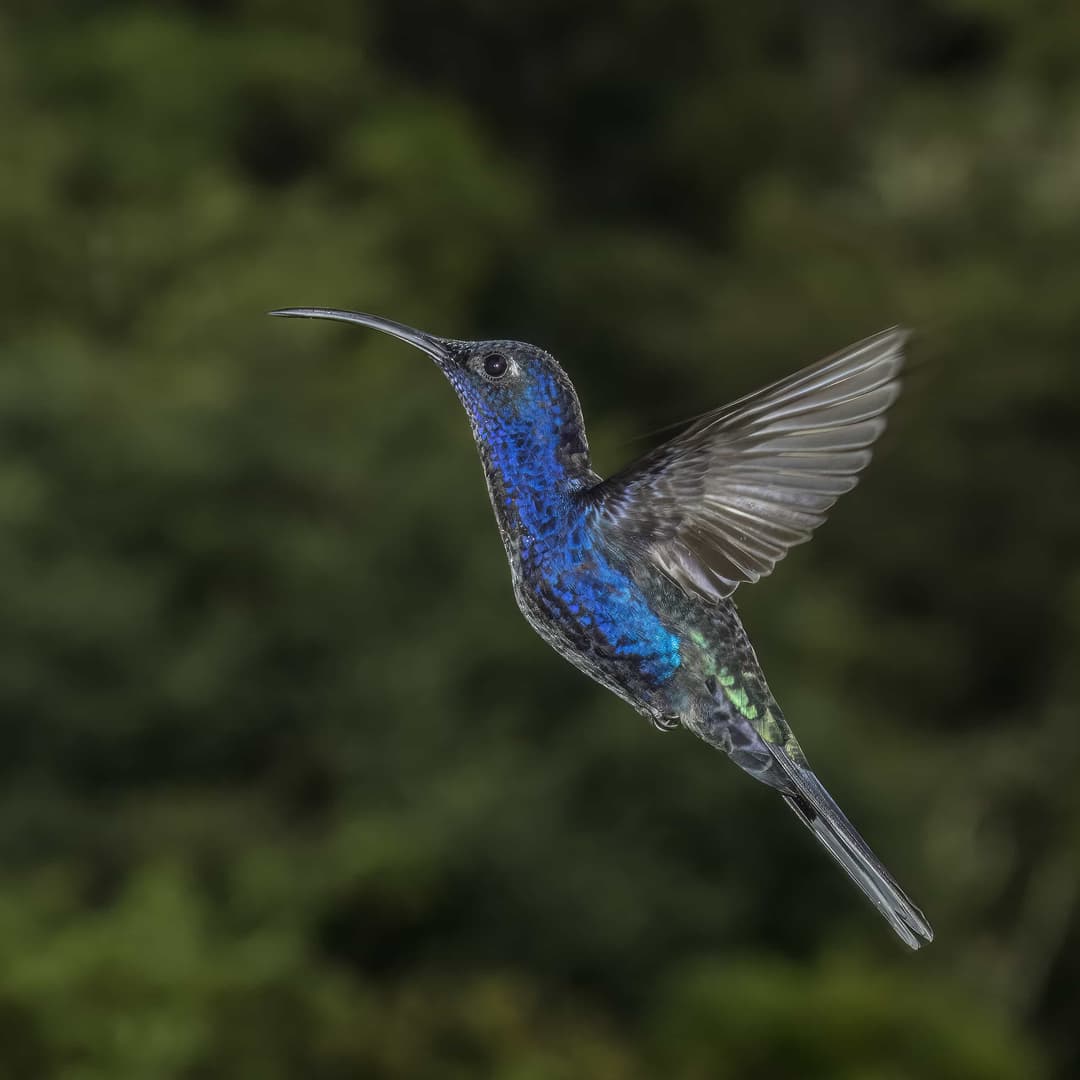
Hummingbird vs Violet-Crowned Hummingbird
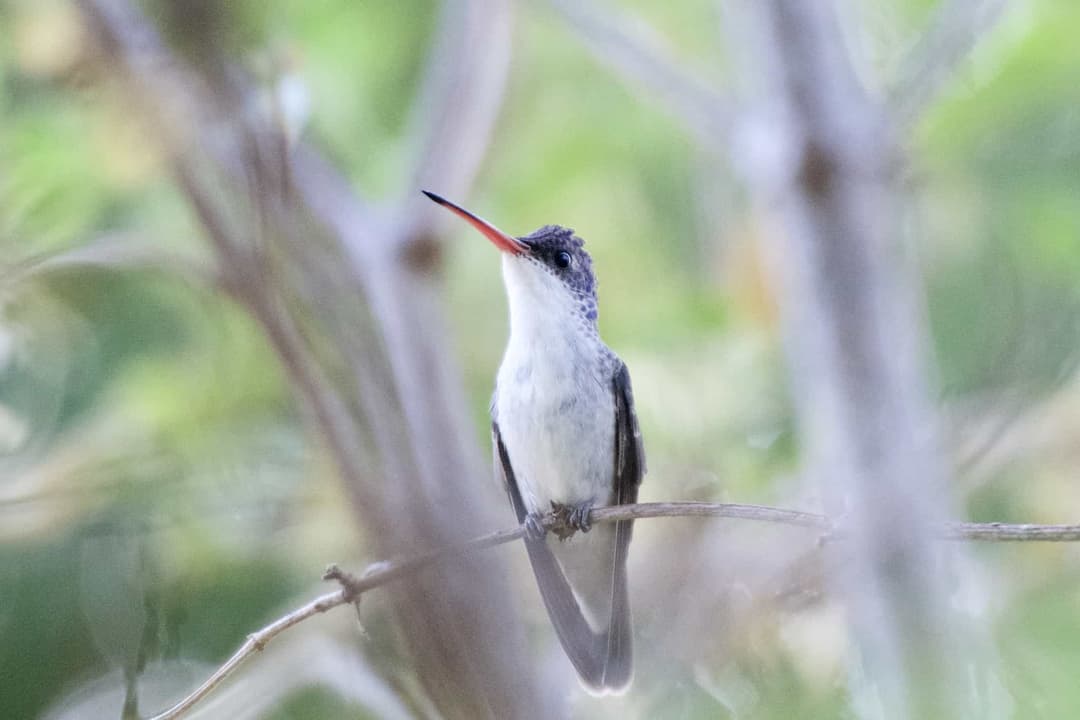
Anna's Hummingbird vs Broad-Tailed Hummingbird
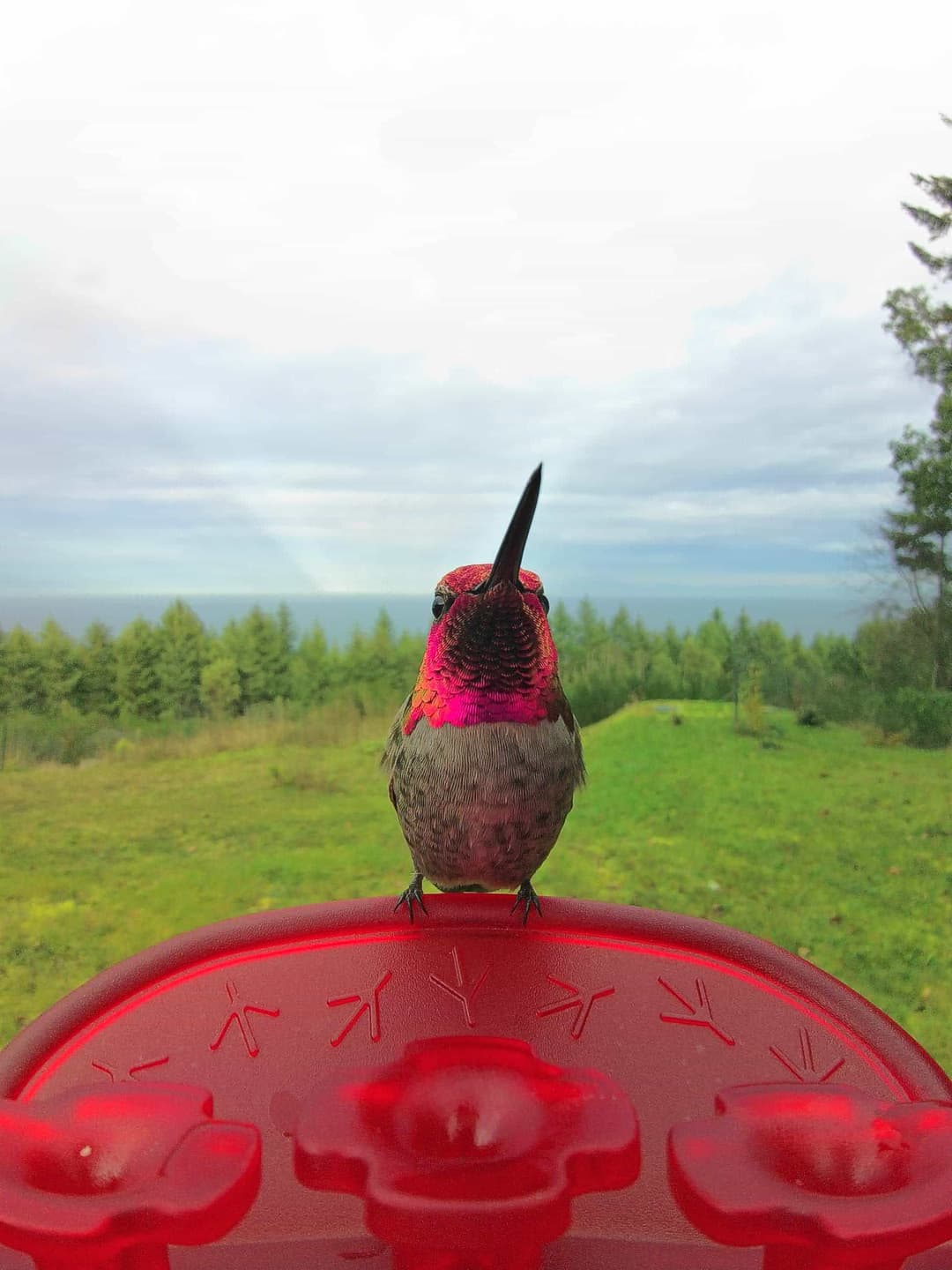
Anna's Hummingbird vs Black-Chinned Hummingbird
Anna's Hummingbird vs Costa’s Hummingbird
Anna's Hummingbird vs Rufous Hummingbird
Hummingbird vs [Select a bird]

[Select a bird]
Pick a bird to compare
Anna's Hummingbird vs [Select a bird]
[Select a bird]
Pick a bird to compare