Anna's Hummingbird or Rufous Hummingbird?
Here's how to tell the difference




Anna's Hummingbird


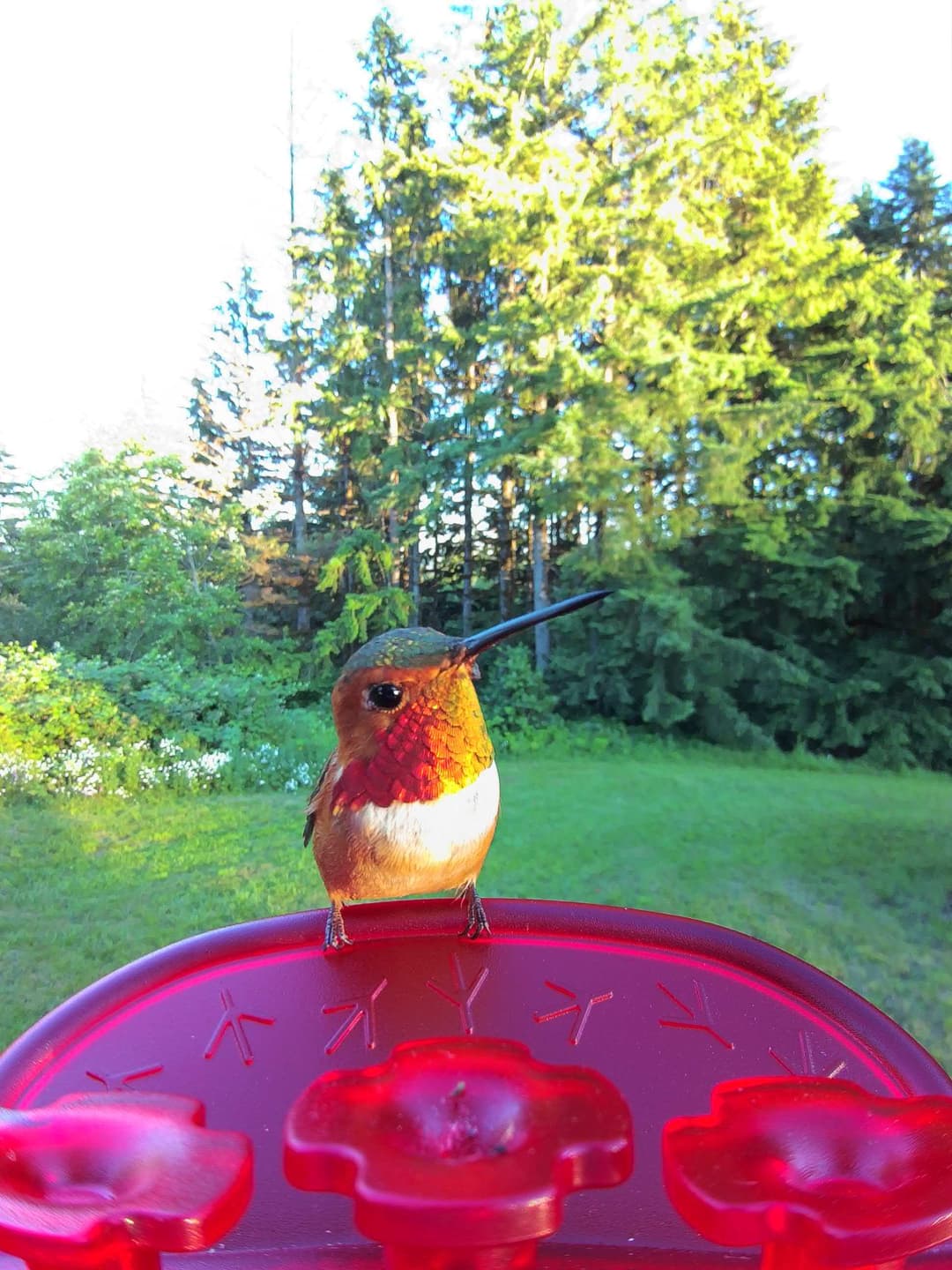
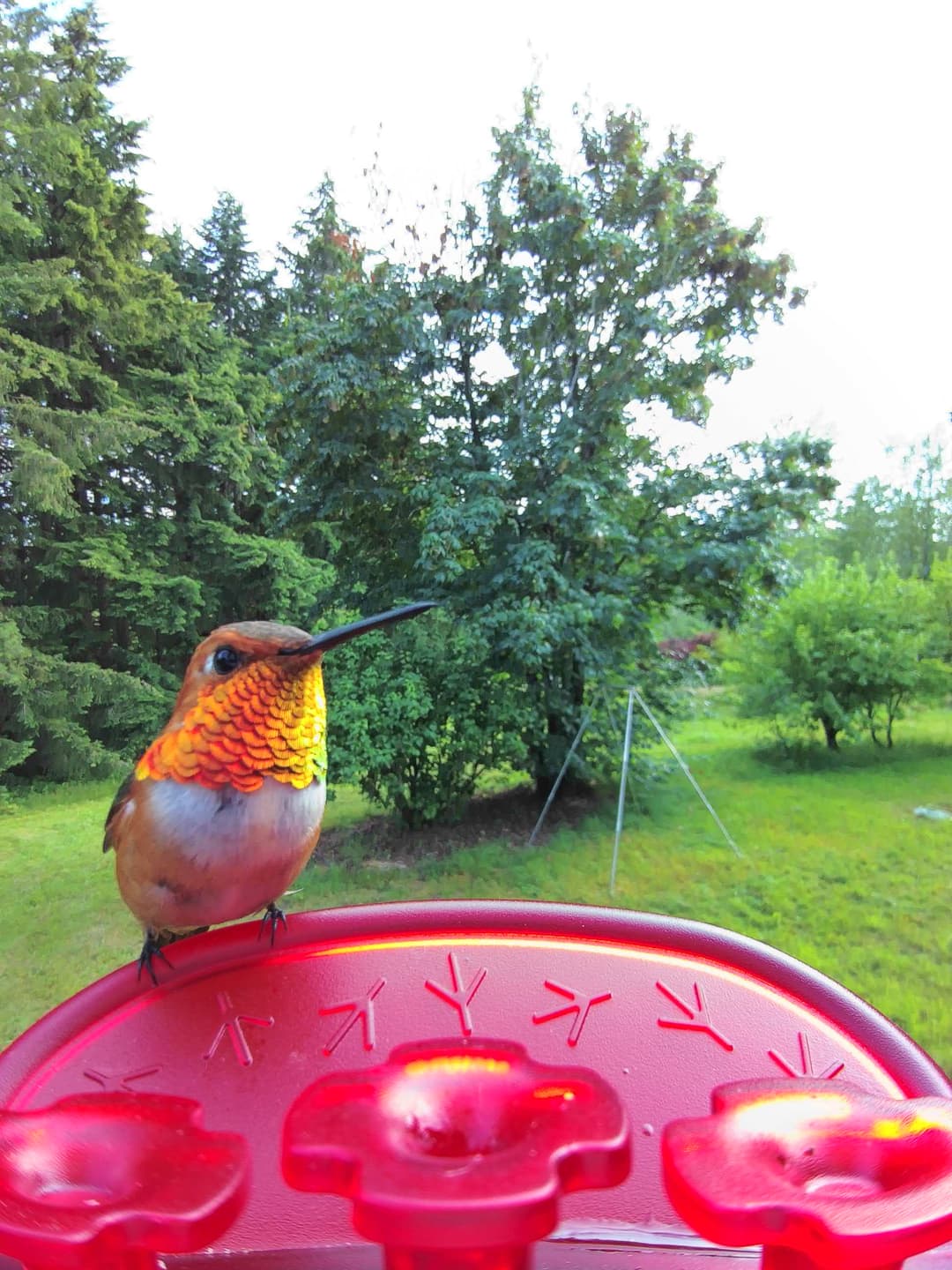
Rufous Hummingbird
Anna's Hummingbird
Calypte anna
General appearance
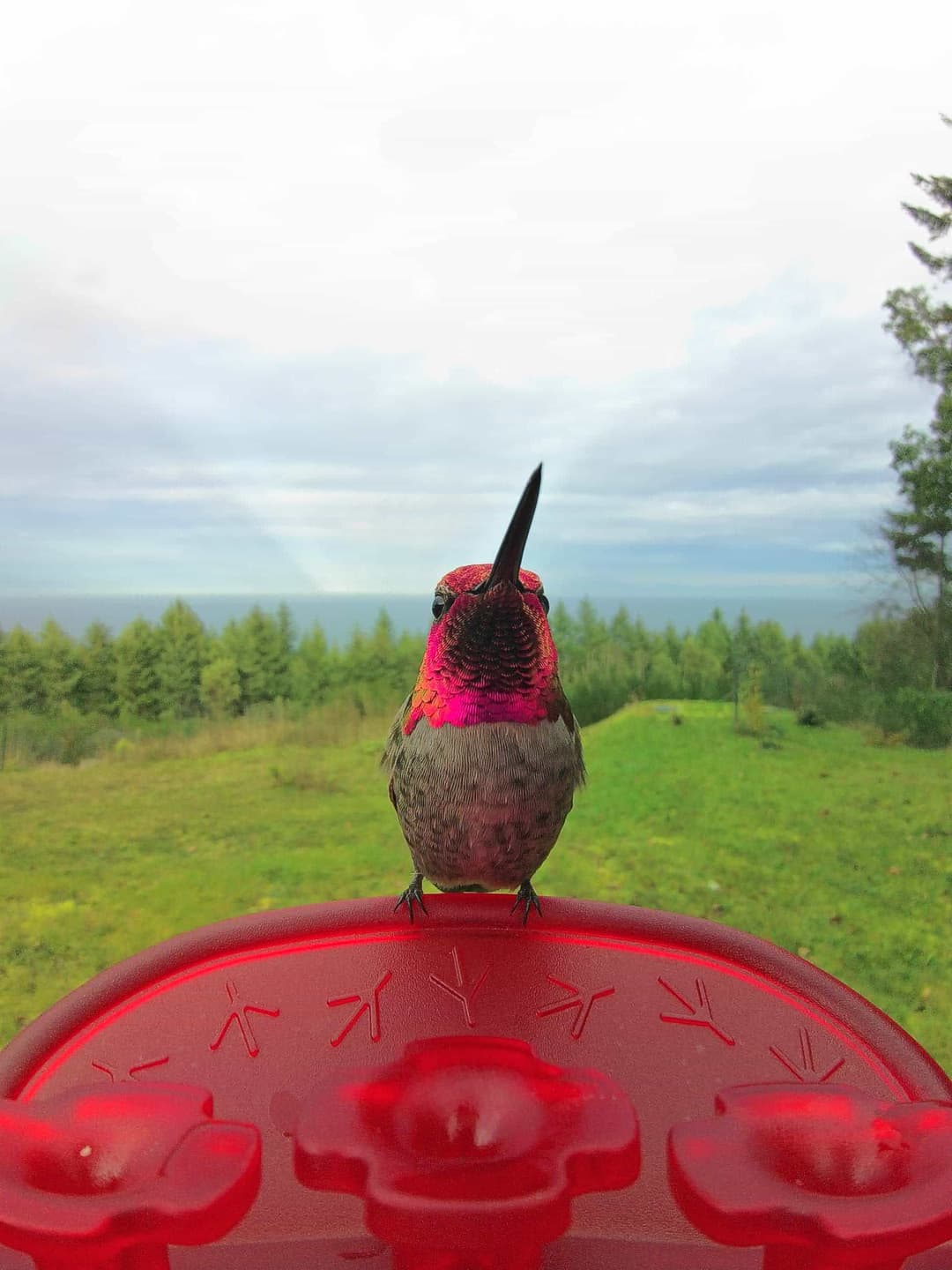
Feast your eyes on Anna's hummingbirds! These radiant beauties are a vibrant combination of elegant form and stunning color. Their body is adorned with green and grey shades, offering a subtle yet captivating sight. The lower body beams with a light grey-white color, balancing the otherwise rich tones. Despite their relatively small size of about 9cm, they own their presence, darting daringly through the skies.
Male vs female
Males and females of Anna's hummingbirds showcase a delightful color variation. The males steal the spotlight with their breath-taking iridescent crimson-red crowns and throats, shimmering brilliantly in direct sunlight. Their back is metallic green, a perfect contrast to their radiant front. The ladies, on the other hand, adorn a more modest attire of green on top and greyish white underneath. Some females may display a subtle touch of red marking on their throat, adding a dash of secret charm.
Juvenile
The juveniles initially mirror the females in coloration carrying the green-grey theme. But as they grow, the young male Anna's hummingbirds start developing their glamorous red feathers that herald their entry into adulthood. A hint of this transformation is their first indicator of age. Regardless of age, the Anna's hummingbirds keep their vibrant energy, embodying the spirit of free flight throughout their life!
Size
3.7 - 4.1 in/0.1 - 0.2 oz
There's more to learn about Anna's Hummingbird
View full detailsRufous Hummingbird
Selasphorus rufus
General appearance
The rufous hummingbird measures about the length of 3 1/2 inches or 9 cm, similar to a sparrow. It boasts an array of colors: black, green, orange, red, and white. Its wing and tail shapes are varied, being narrow, rounded, and short, with multiple points, notches, rounded edges, and square tips.
Male vs female
The adult male is distinguished by a bright coppery rufous color above with a dark throat that glistens red in favorable light. In contrast, females and young sport a green back, a spotted throat with an orange-buff wash on their sides and at the tail's base, presenting a more variegated look.
Juvenile
Juvenile rufous hummingbirds share similar physical attributes with the females, with a green back, a spotted throat, and an orange-buff wash on the sides and tail base. It is likely these colors help them blend into their surroundings for protection, since their eye-catching adult coloration is not yet developed.
Size
3.5 - 3.9 in/0.1 - 0.2 oz
There's more to learn about Rufous Hummingbird
View full detailsHow to tell the Anna's Hummingbird from the Rufous Hummingbird
Visual differences
Anna's Hummingbirds possess metallic green backs, with males flaunting iridescent crimson-red crowns and throats, while females are more subdued with greyish-white undersides and occasional red throat markings. They are about 3.7-4.1 inches long. Conversely, Rufous Hummingbirds are 3.5 inches long, with males exhibiting bright coppery rufous bodies and dark red throats, whereas females and juveniles display a green back, spotted throats, and an orange-buff wash on sides. Anna's are slightly larger and flashier in sunlight compared to the more consistently warm-toned Rufous.
Key differences and behavior
Anna's and Rufous Hummingbirds differ notably in behavior and habitat preferences. Anna's perform stunning 12-second dive displays, often in urban gardens and chaparral areas, and begin nesting in December, making them common in city parks. Their mating involves the male singing and diving before the female. Rufous are more aggressive and notable for their remarkable 2,000-mile migration, occupying forest edges and mountain meadows, mainly nesting in spring. Their courtship entails an energetic U-shaped flight by males. Both species feed on nectar and insects, with Rufous known for high food consumption, but Anna's are more common at bird feeders due to their prolonged urban presence. Anna's nests in various urban vegetations, while Rufous nests in lower, concealed sites within conifers or shrubs.
Still not sure? Here are more lookalikes!
Anna's Hummingbird vs Broad-Tailed Hummingbird
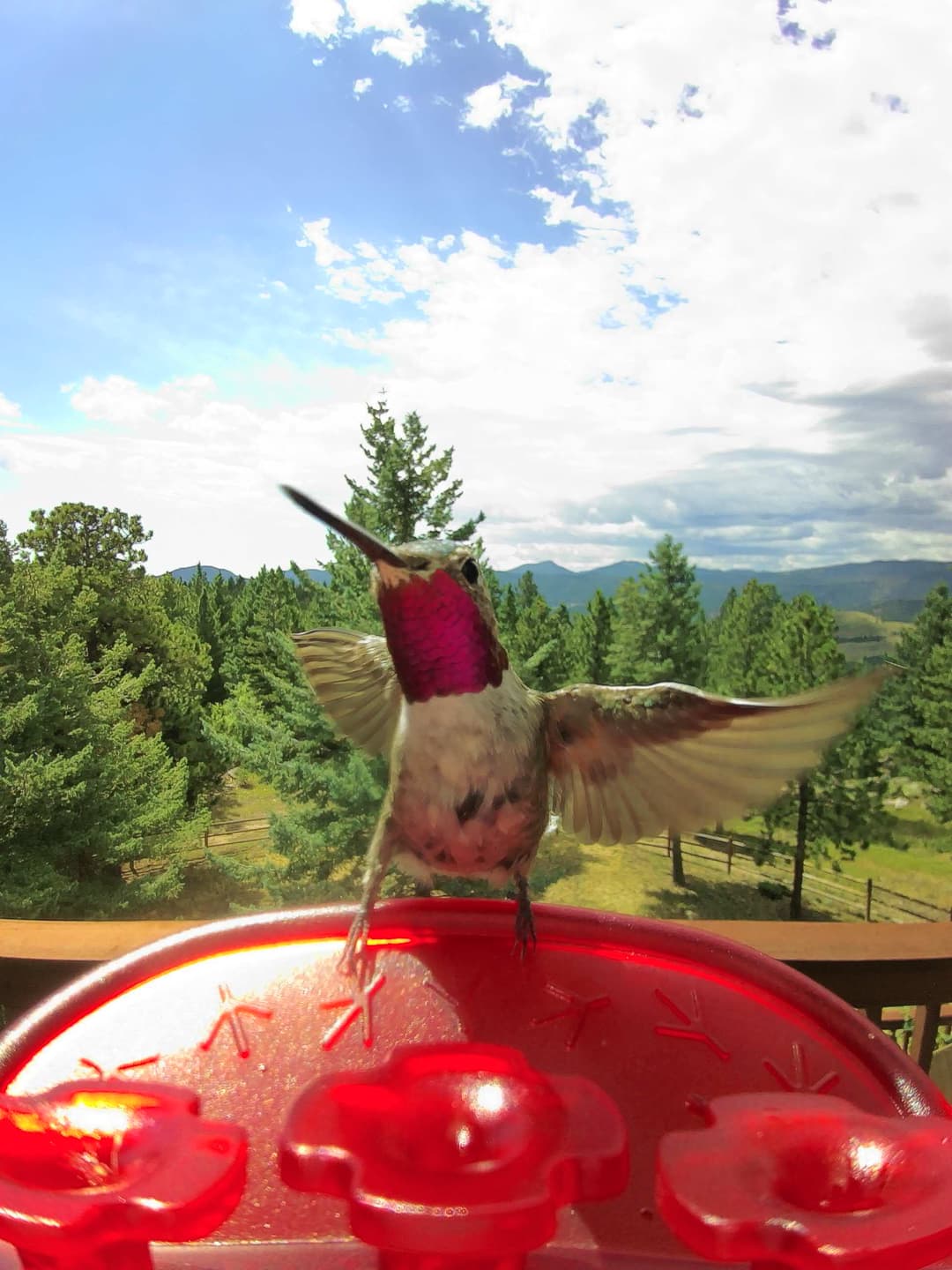
Anna's Hummingbird vs Black-Chinned Hummingbird
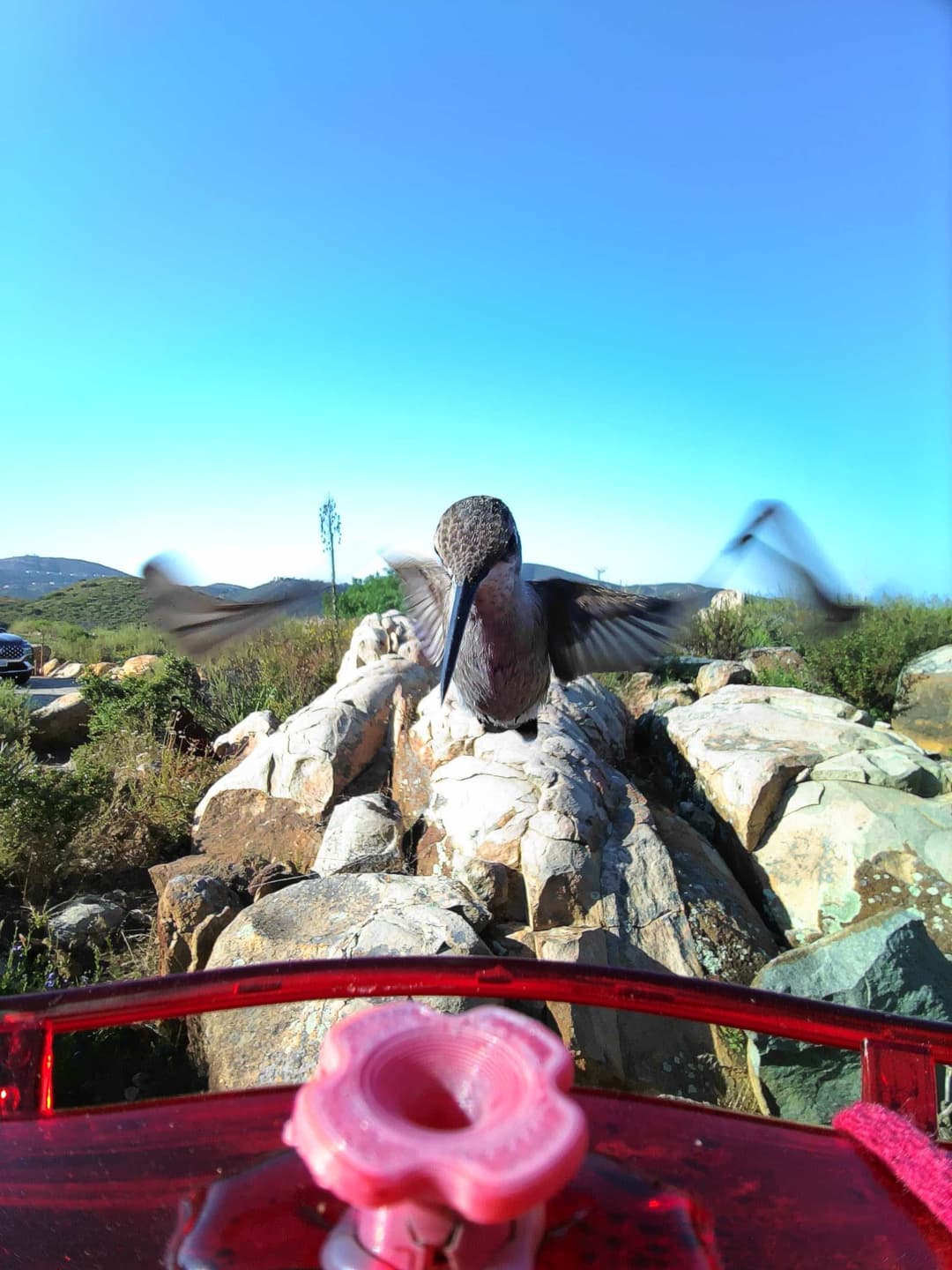
Anna's Hummingbird vs Costa’s Hummingbird
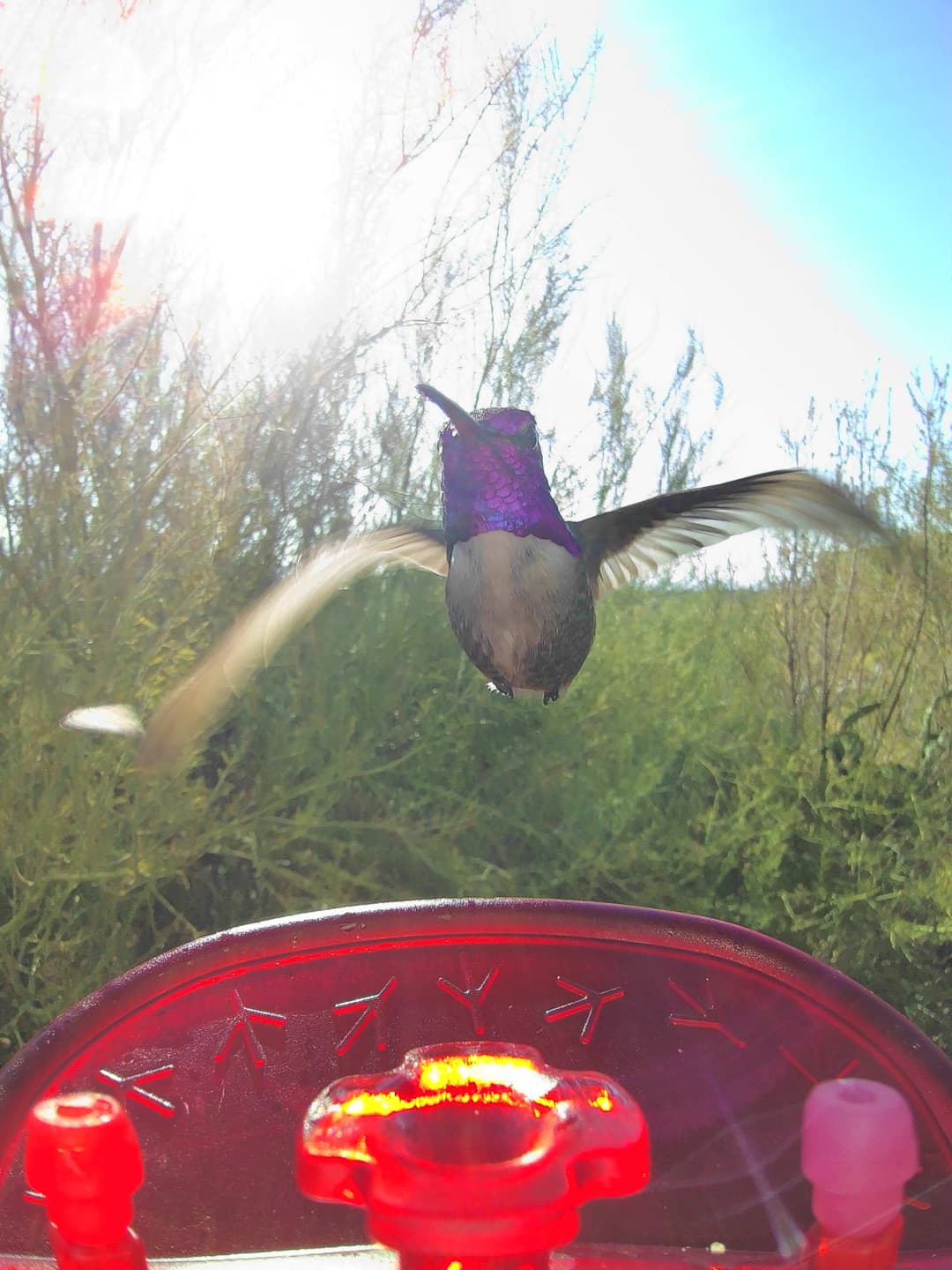
Rufous Hummingbird vs Allen's Hummingbird
Rufous Hummingbird vs Broad-Tailed Hummingbird
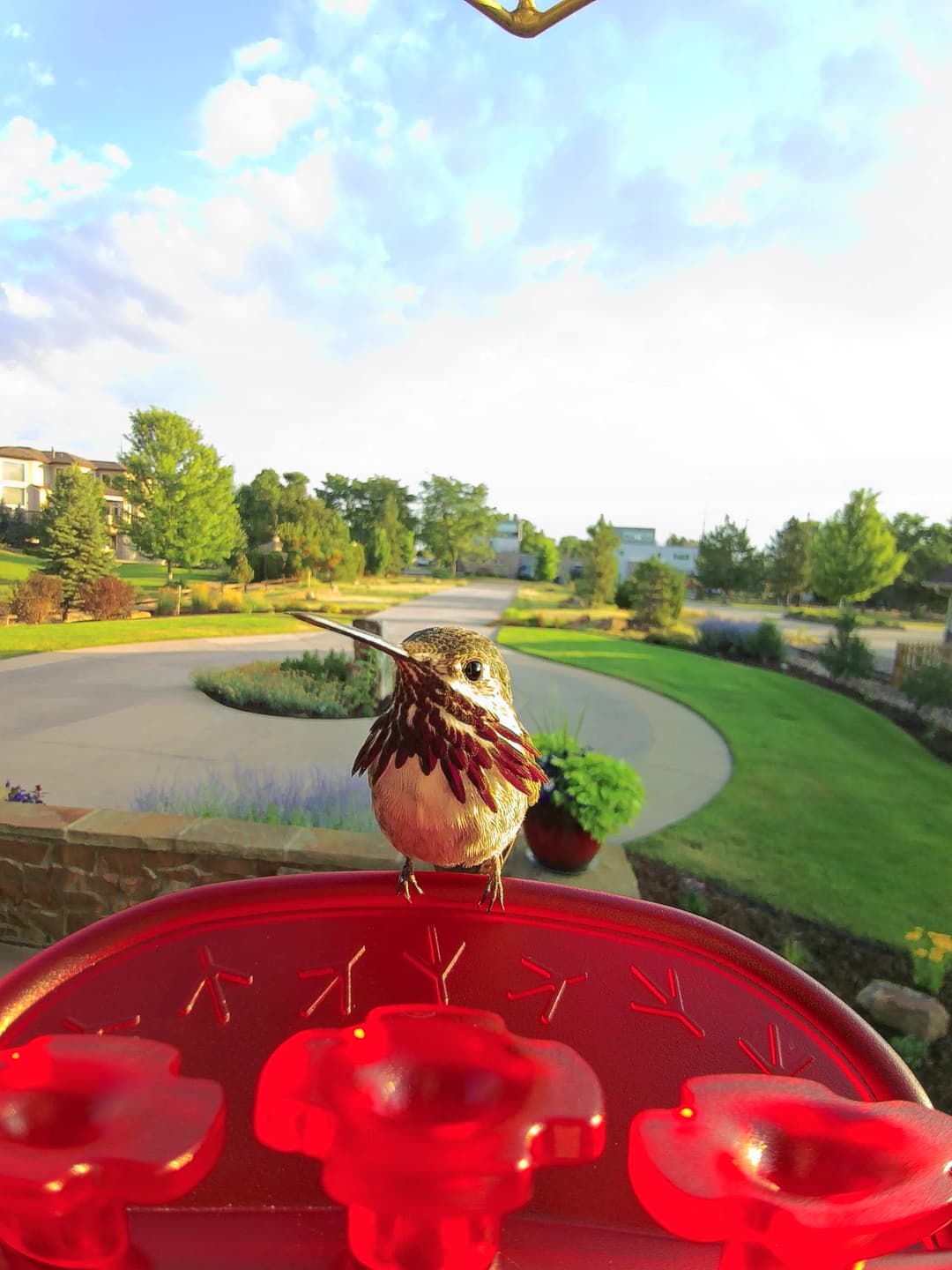
Rufous Hummingbird vs Calliope Hummingbird
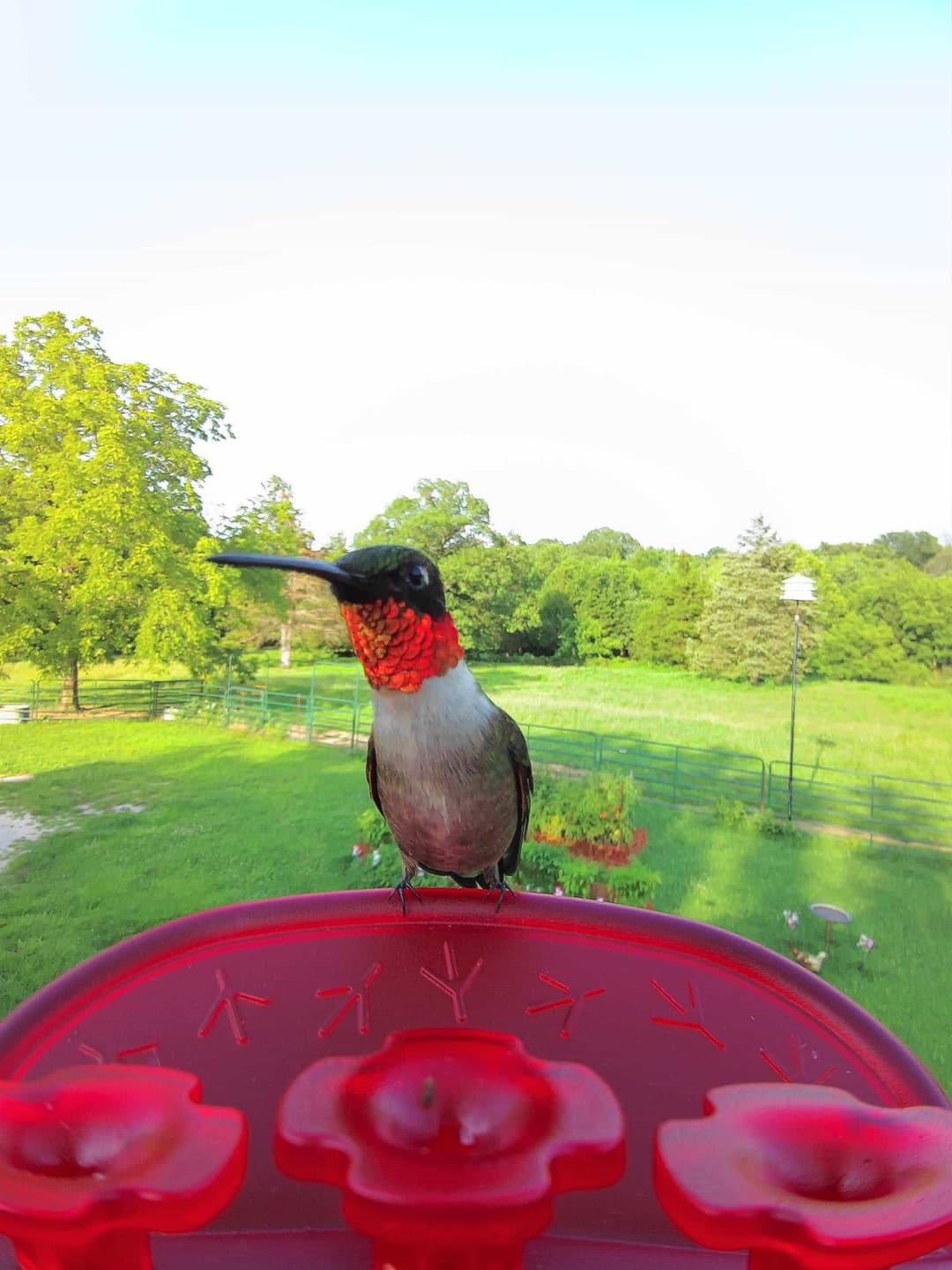
Rufous Hummingbird vs Ruby-Throated Hummingbird
Anna's Hummingbird vs [Select a bird]

[Select a bird]
Pick a bird to compare
Rufous Hummingbird vs [Select a bird]
[Select a bird]
Pick a bird to compare