Hummingbird or Long-Billed Starthroat?
Here's how to tell the difference

Hummingbird

Long-Billed Starthroat
Hummingbird
Trochilidae
General appearance
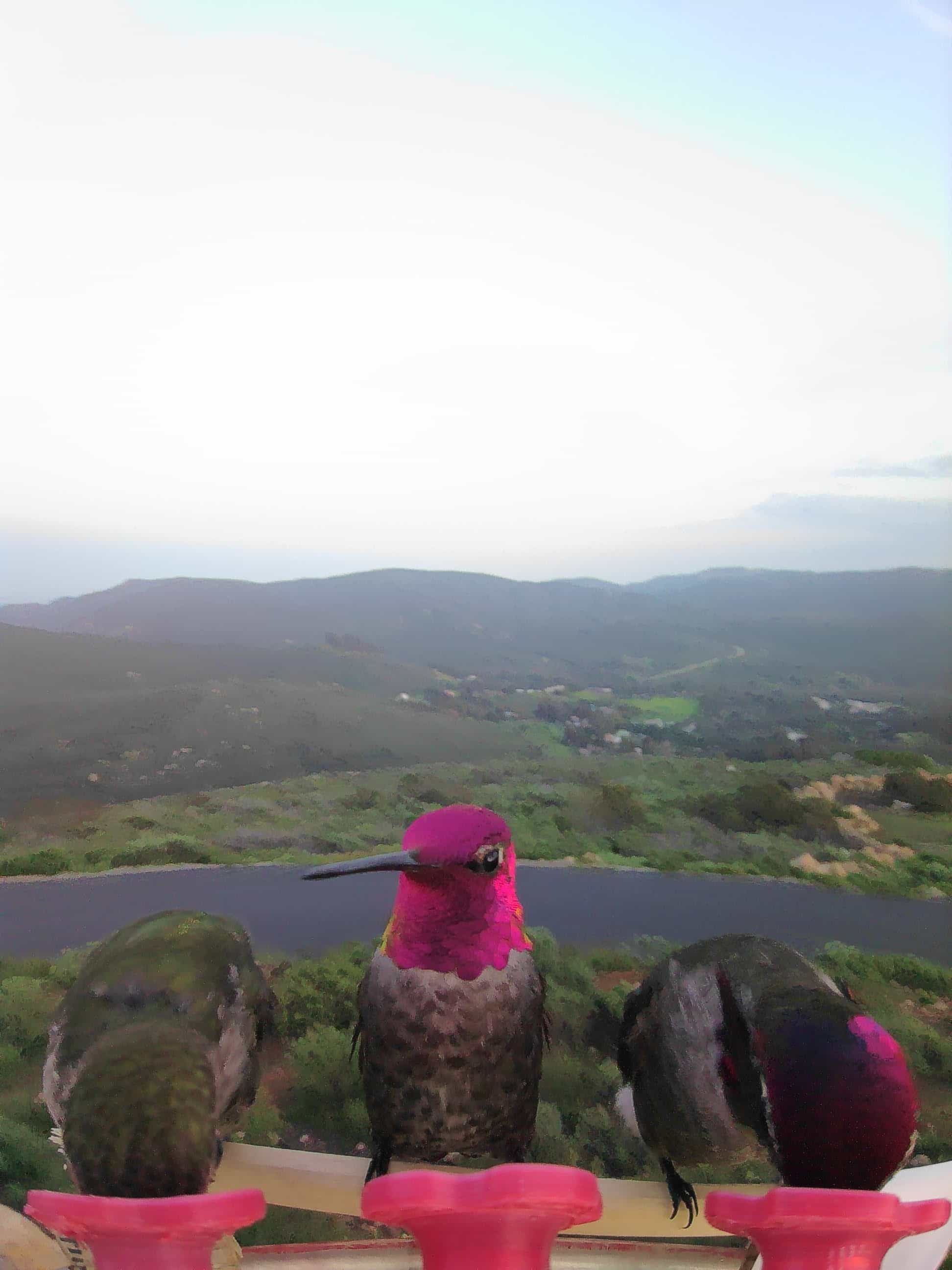
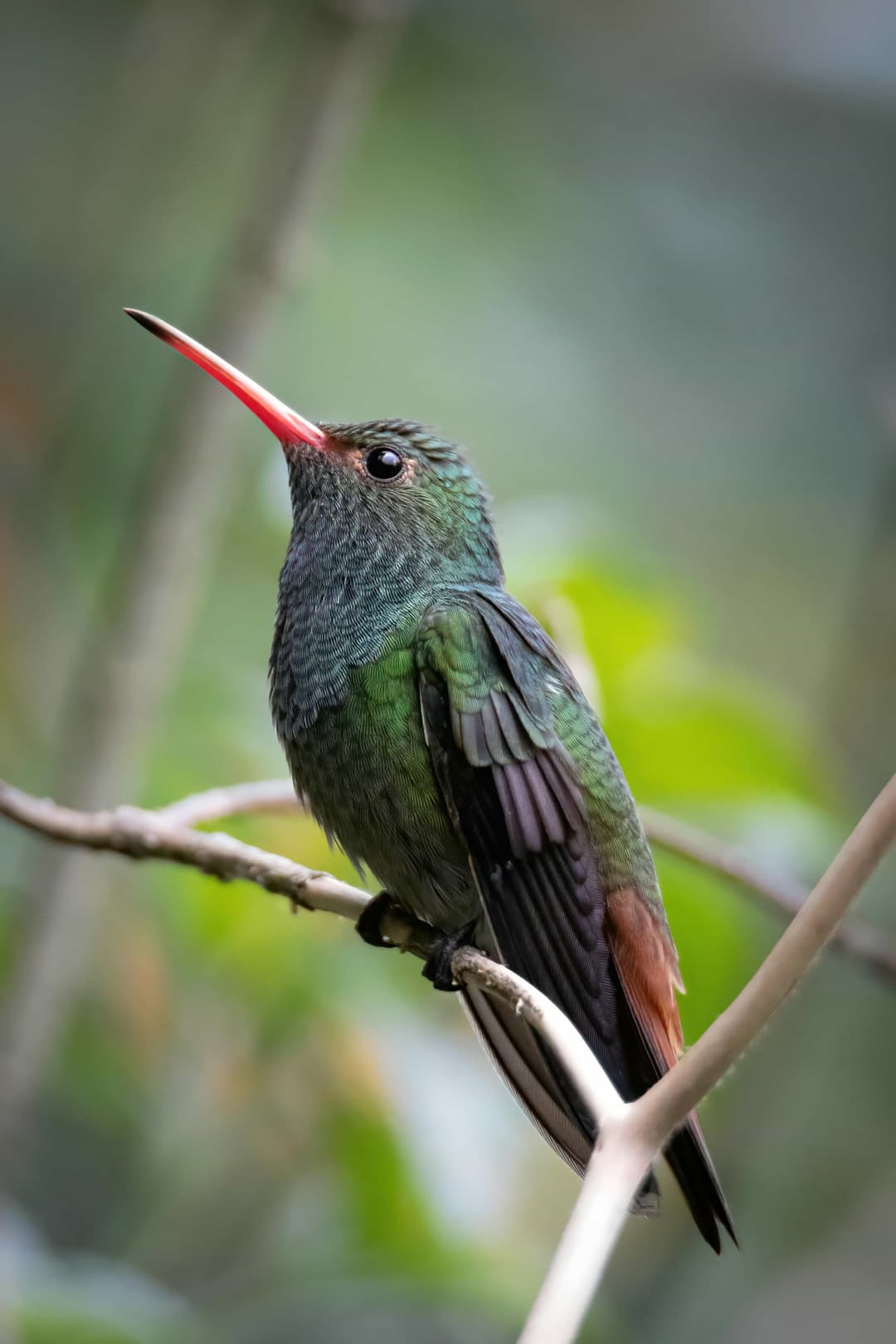
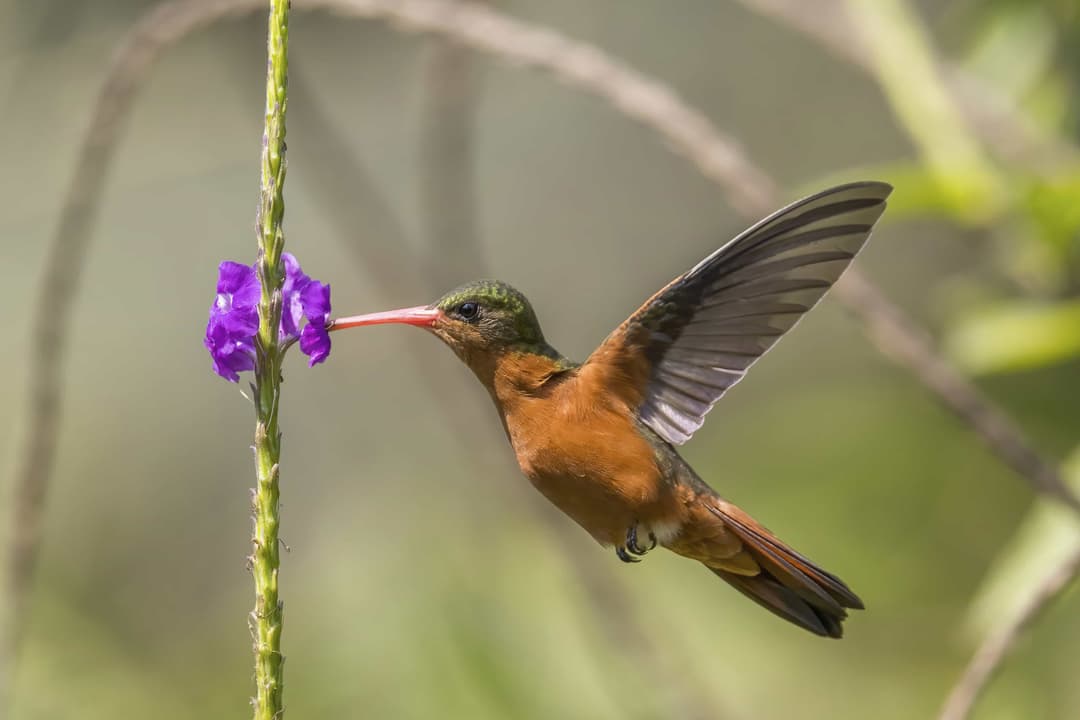
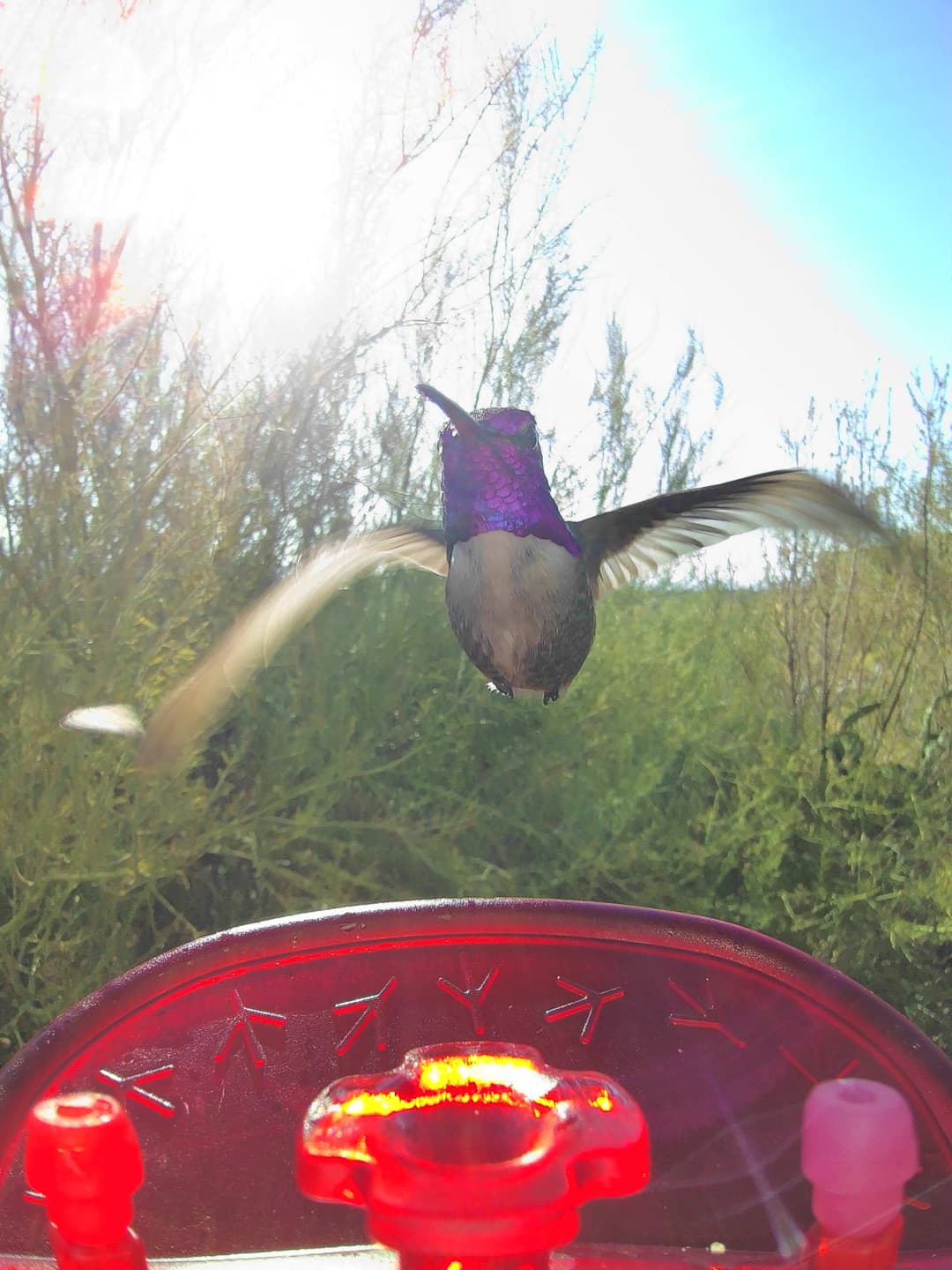
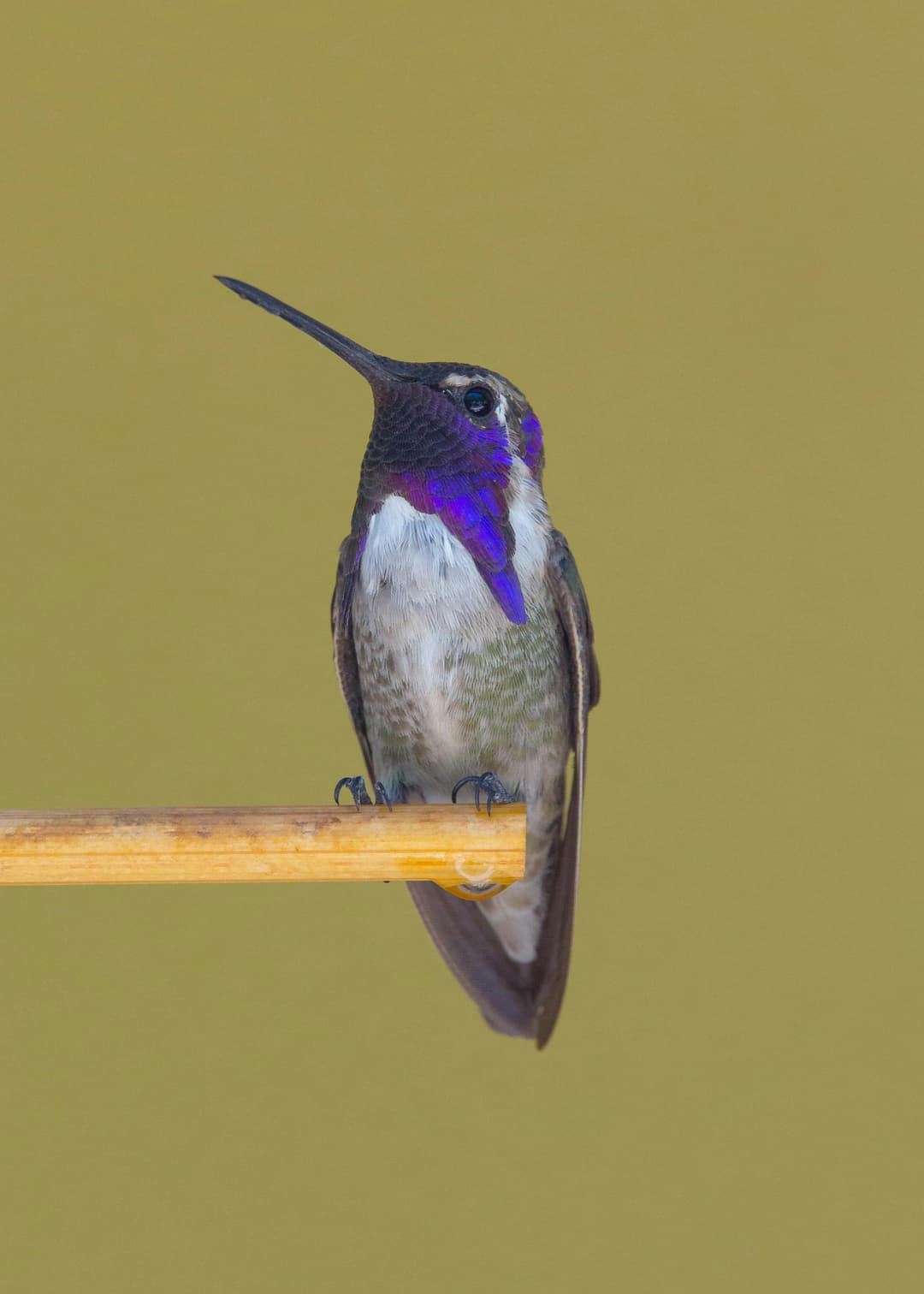
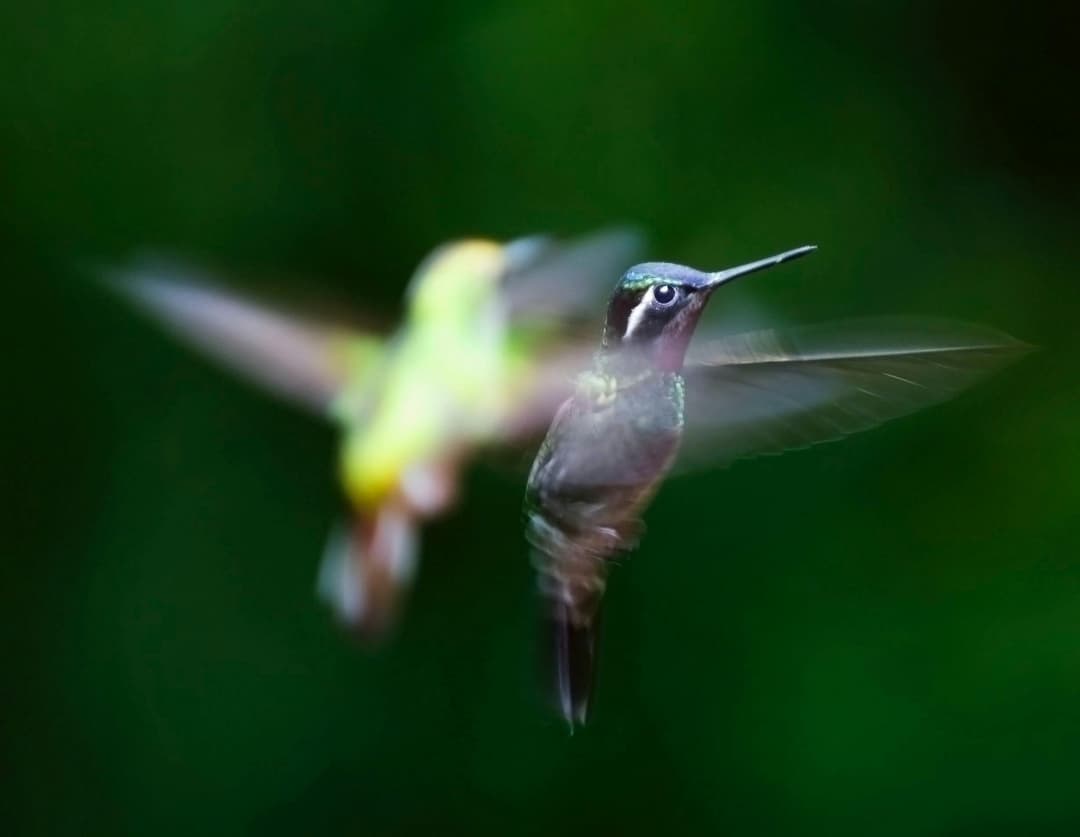
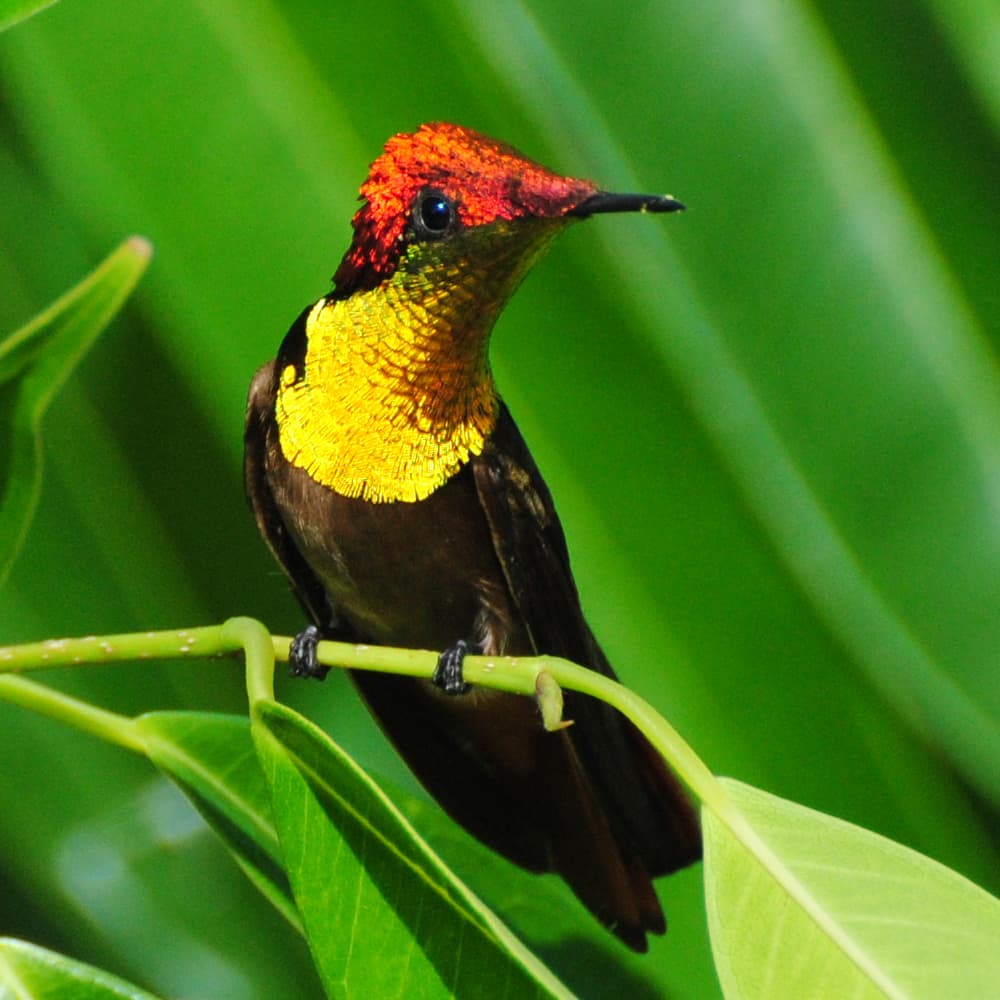
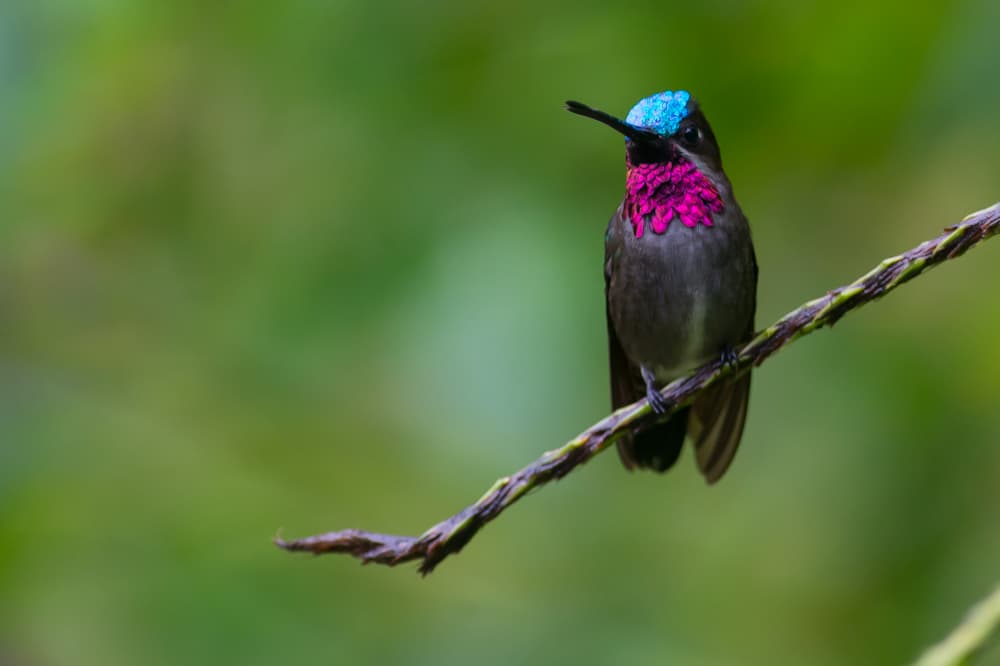
Hummingbirds are small, vibrant birds with iridescent feathers. They are most noticeable for their quick, darting flying style and ability to hover in mid-air. Colors range widely, including greens, blues, purples, reds, and whites, often with a metallic sheen. They possess a long, thin beak perfect for sipping nectar from flowers.
Male vs female
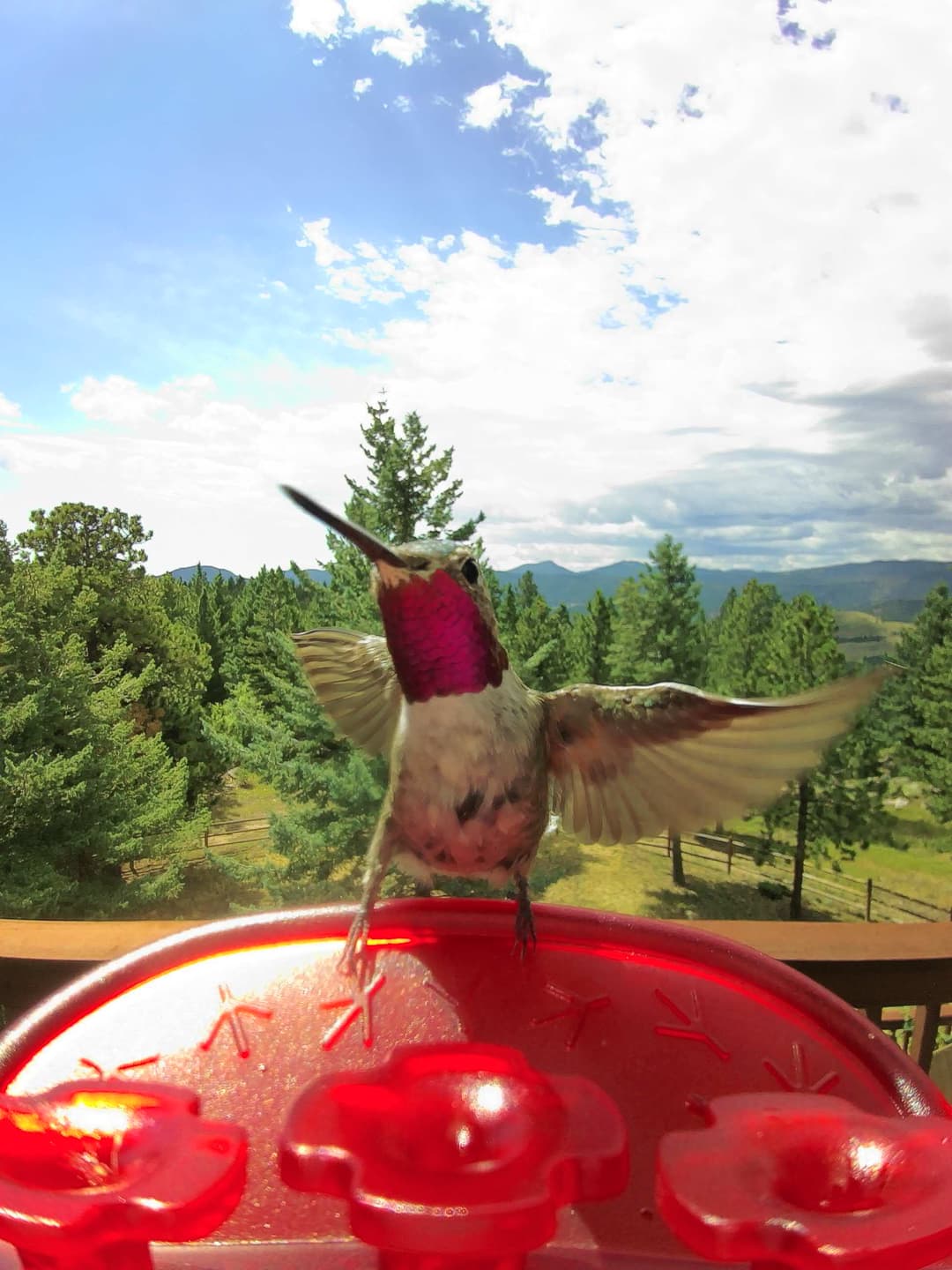
Males are typically brighter and more colorful than females, often with a ‘gorget’ or patch of bright, iridescent throat feathers that females lack. Female hummingbirds have softer, muted coloration for camouflage when nesting. Males are also slightly smaller on average.
Juvenile
Juvenile hummingbirds resemble their mothers in colouring to stay camouflaged. They lack the iridescent throat patch of adult males. As they mature, juvenile males begin to develop more vibrant feathers, particularly on their throats, and by their first winter, most will have at least a few bright feathers indicative of their gender.
Size
2.0 - 10.2 in/0.1 - 0.8 oz
There's more to learn about Hummingbird
View full detailsLong-Billed Starthroat
Heliomaster longirostris
General appearance
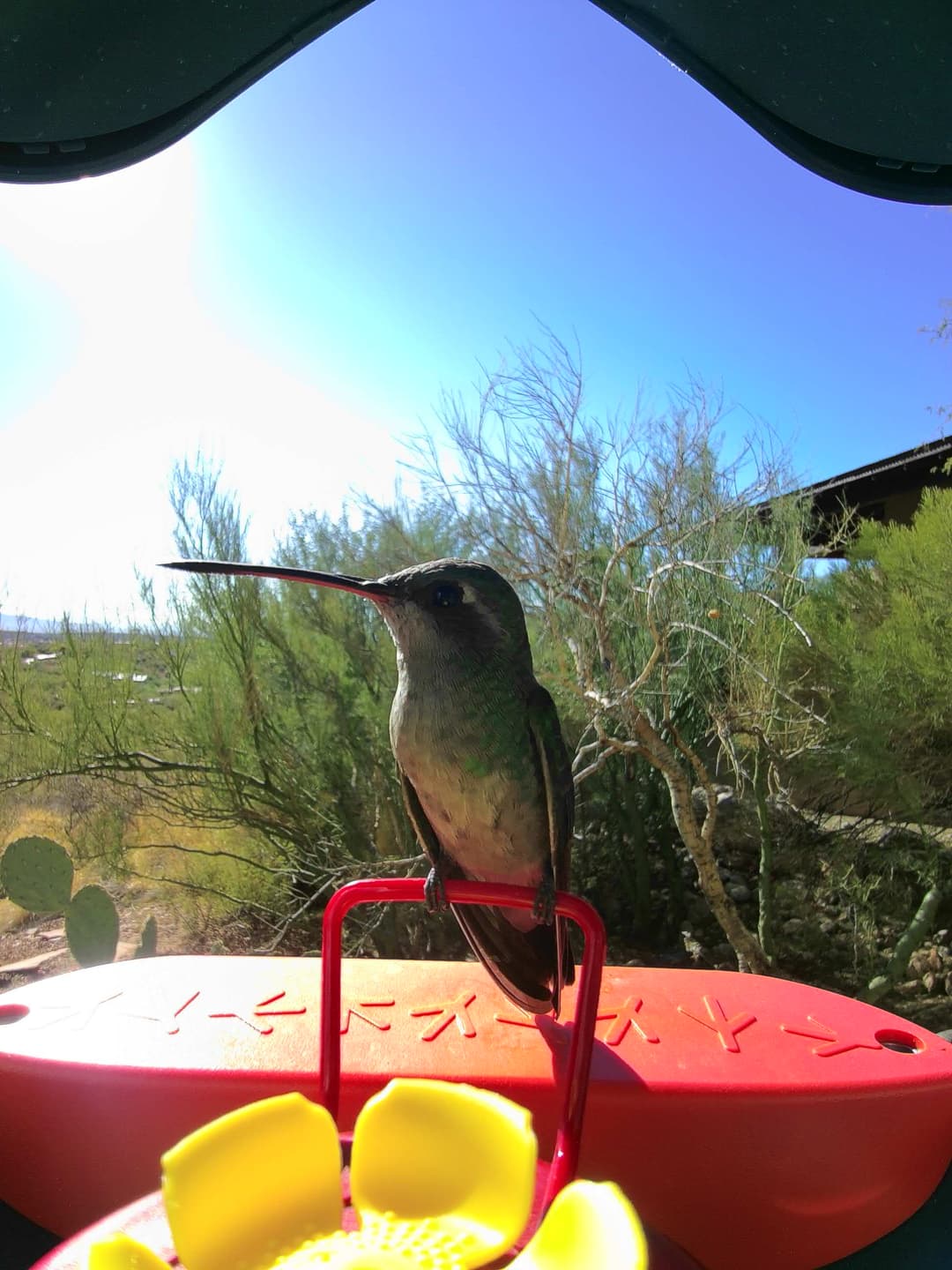
The long-billed starthroat is a medium-sized hummingbird with a length of 10-11 cm. It flaunts a primarily green body, with green-bronze upperparts and glittering green underparts. The bird sports a distinguishable white spot behind the eye and its bill is straight, lengthy and reddish-black.
Male vs female
Male long-billed starthroats can be identified by the distinctive pink or purple streak that extends down their throats, which isn't present in females. The male also possesses a deeply forked, black tail. Females, on the other hand, showcase a rounded tail with white tips on the outer feathers.
Juvenile
Similar to the female, the juvenile long-billed starthroat lacks the adult male’s brilliant throat streak. Juveniles also have buffy fringes to the feathers on the upperparts. As they age, the buffy tips wear off resulting in a greener appearance.
Size
4.3 - 4.7 in/0.2 - 0.3 oz
There's more to learn about Long-Billed Starthroat
View full detailsHow to tell the Hummingbird from the Long-Billed Starthroat
Visual differences
Hummingbirds generally vary widely in size (2-10 inches) and coloration, displaying vibrant iridescent colors like green, blue, and red. Male hummingbirds often have a bright, iridescent throat patch, which females lack. In contrast, the Long-Billed Starthroat measures around 4.3-4.7 inches and features a primarily green-bronze body with a distinctive white eye spot, a long, straight reddish-black bill, and a deeply forked black tail in males. Males show a pink or purple throat streak; females and juveniles lack this feature. Starthroats have a more uniform green appearance as juveniles mature.
Key differences and behavior
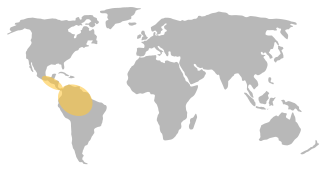
Hummingbirds, numbering around 350 species, have remarkable hovering abilities and are highly energetic, thriving in diverse habitats from rainforests to urban gardens. In contrast, the long-billed starthroat, a more reserved and less vocal hummingbird species, prefers tropical woodlands and shrublands from Mexico to Panama. While both feed predominantly on nectar and insects, the long-billed starthroat often forages solitarily and supplements its diet with occasional fruits. During mating, both engage in aerial displays, though hummingbirds are known for their elaborate performances. Both species have females that solely manage nesting, using similar materials for their cup-shaped nests. Hummingbirds have broader migratory patterns across the Americas, while the long-billed starthroat occasionally ventures to the U.S. Weight and size also differ; hummingbirds range from 0.06-0.85 oz and 2-10 in, whereas the long-billed starthroat is 0.19-0.25 oz and 4-4.5 in.
Still not sure? Here are more lookalikes!
Hummingbird vs Anna's Hummingbird
Hummingbird vs Allen's Hummingbird
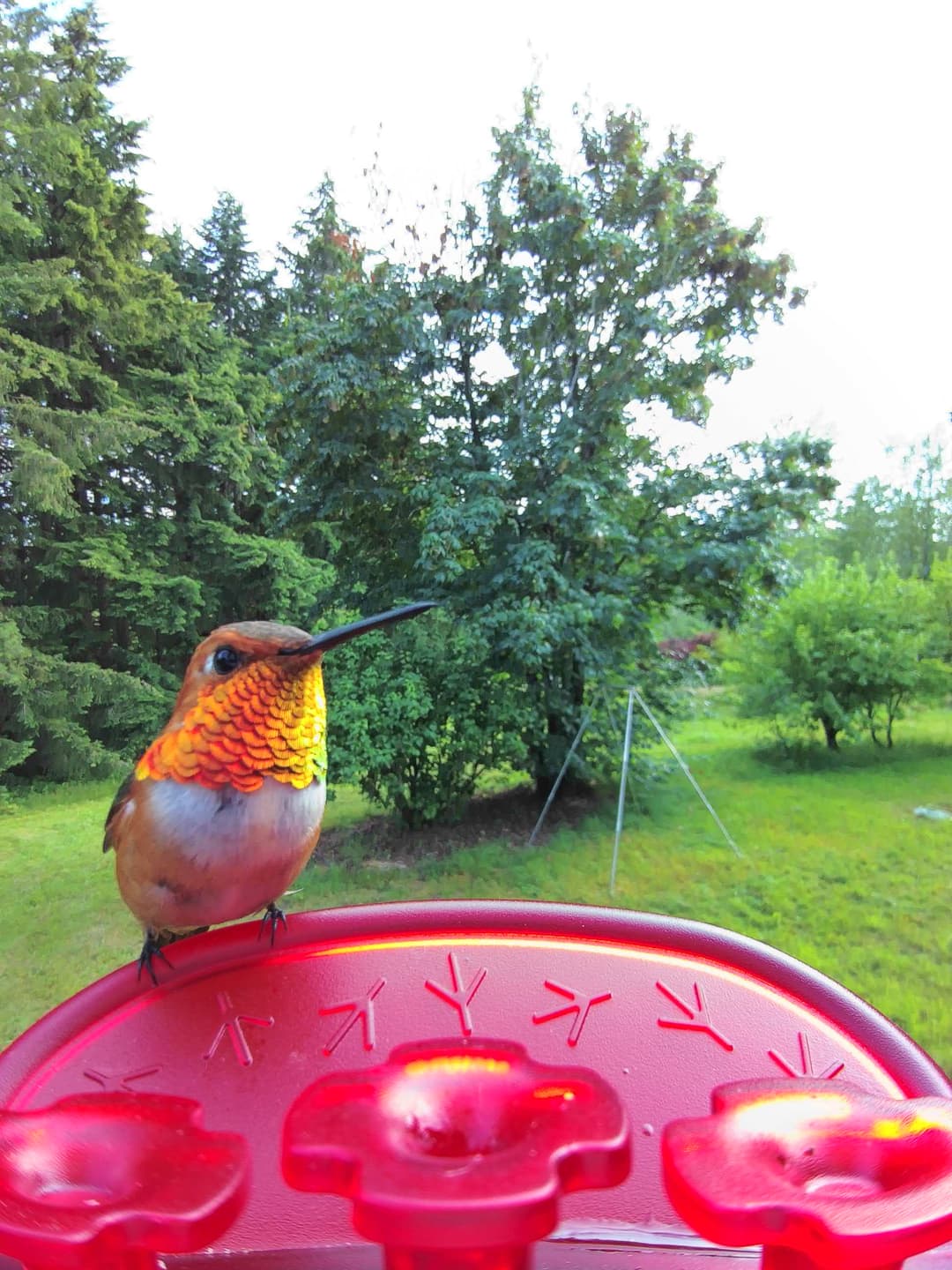
Hummingbird vs Black-Chinned Hummingbird
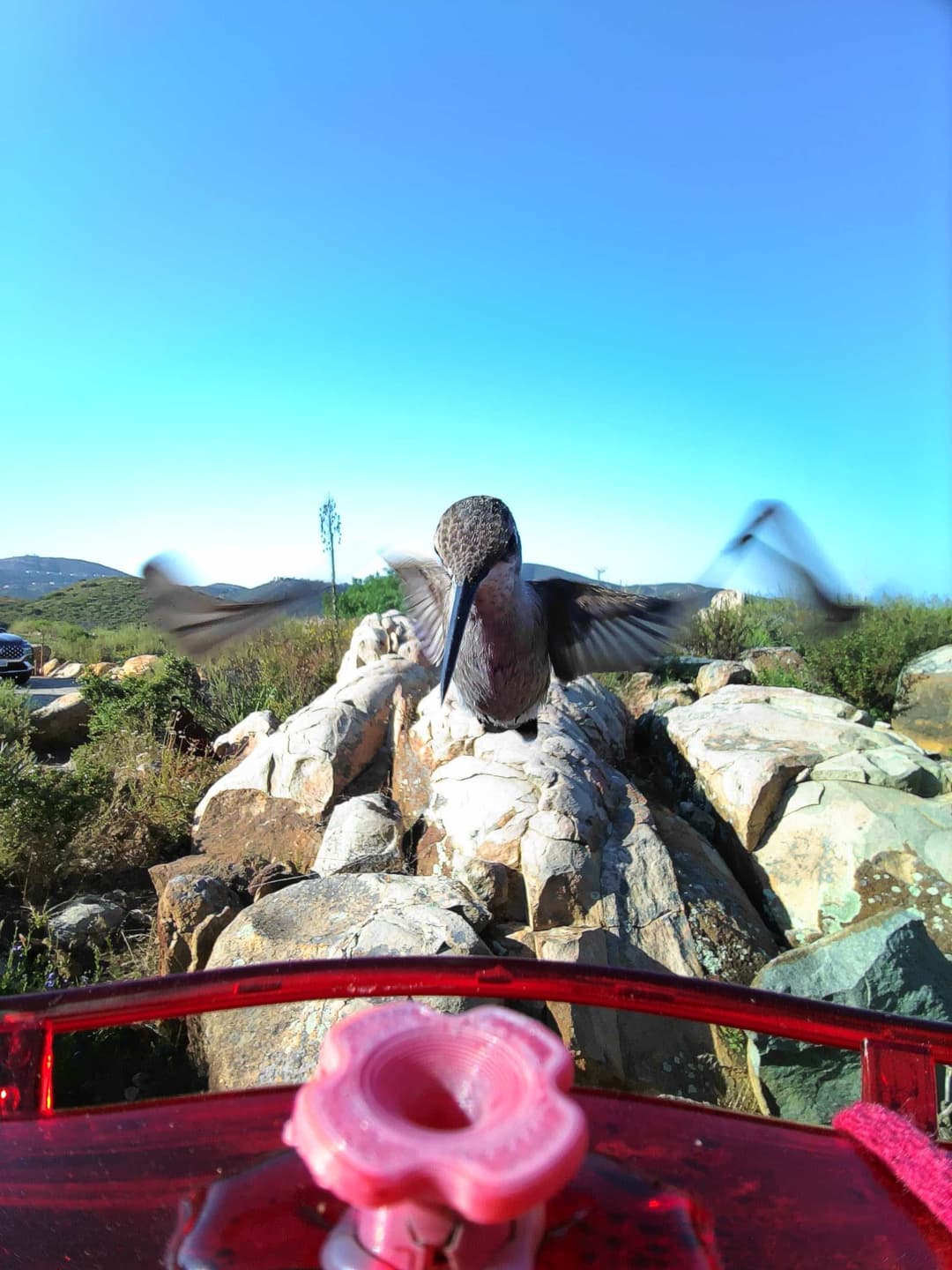
Hummingbird vs Blue-Chested Hummingbird

Hummingbird vs White-Necked Jacobin
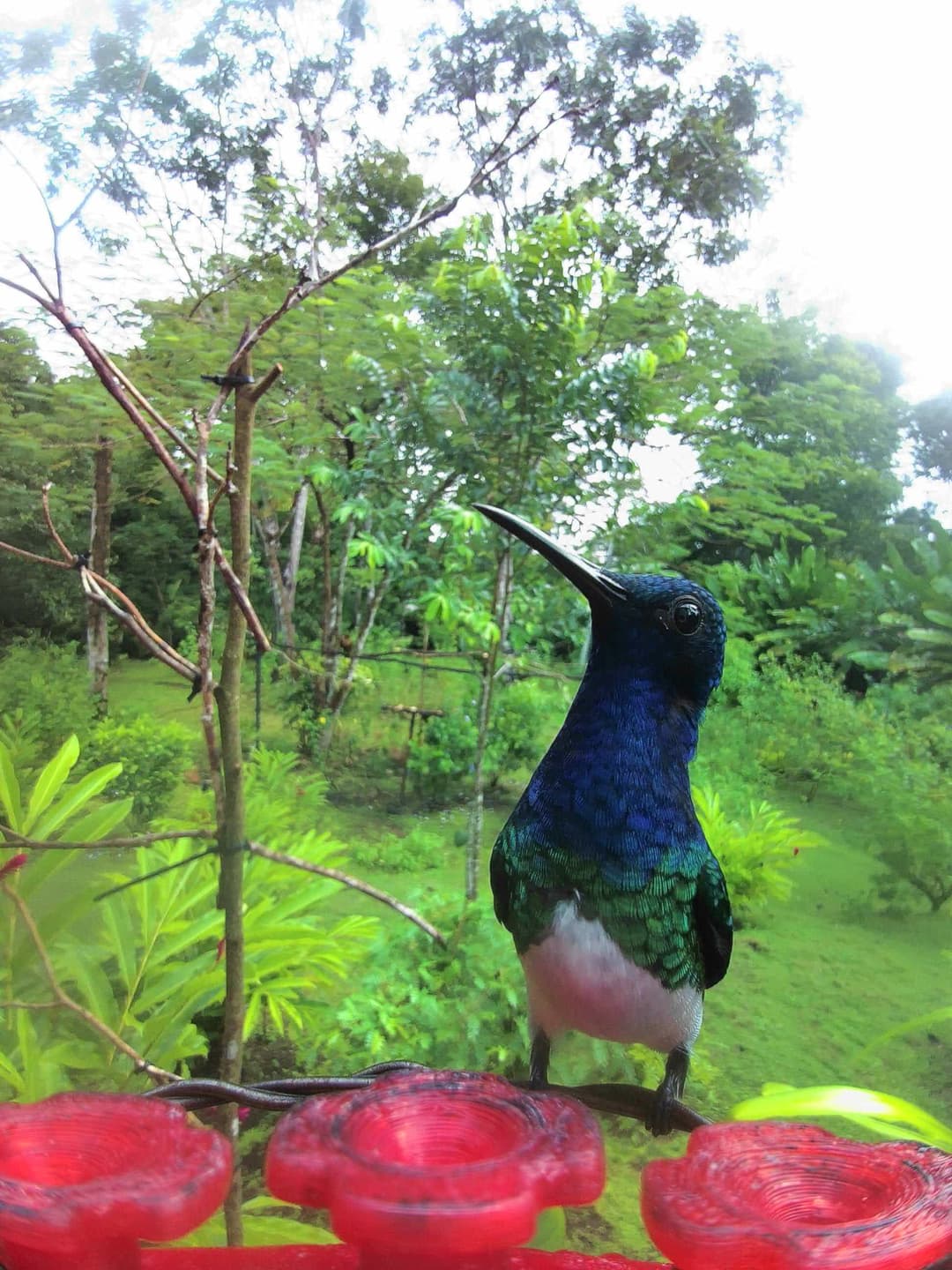
Hummingbird vs Rufous Hummingbird
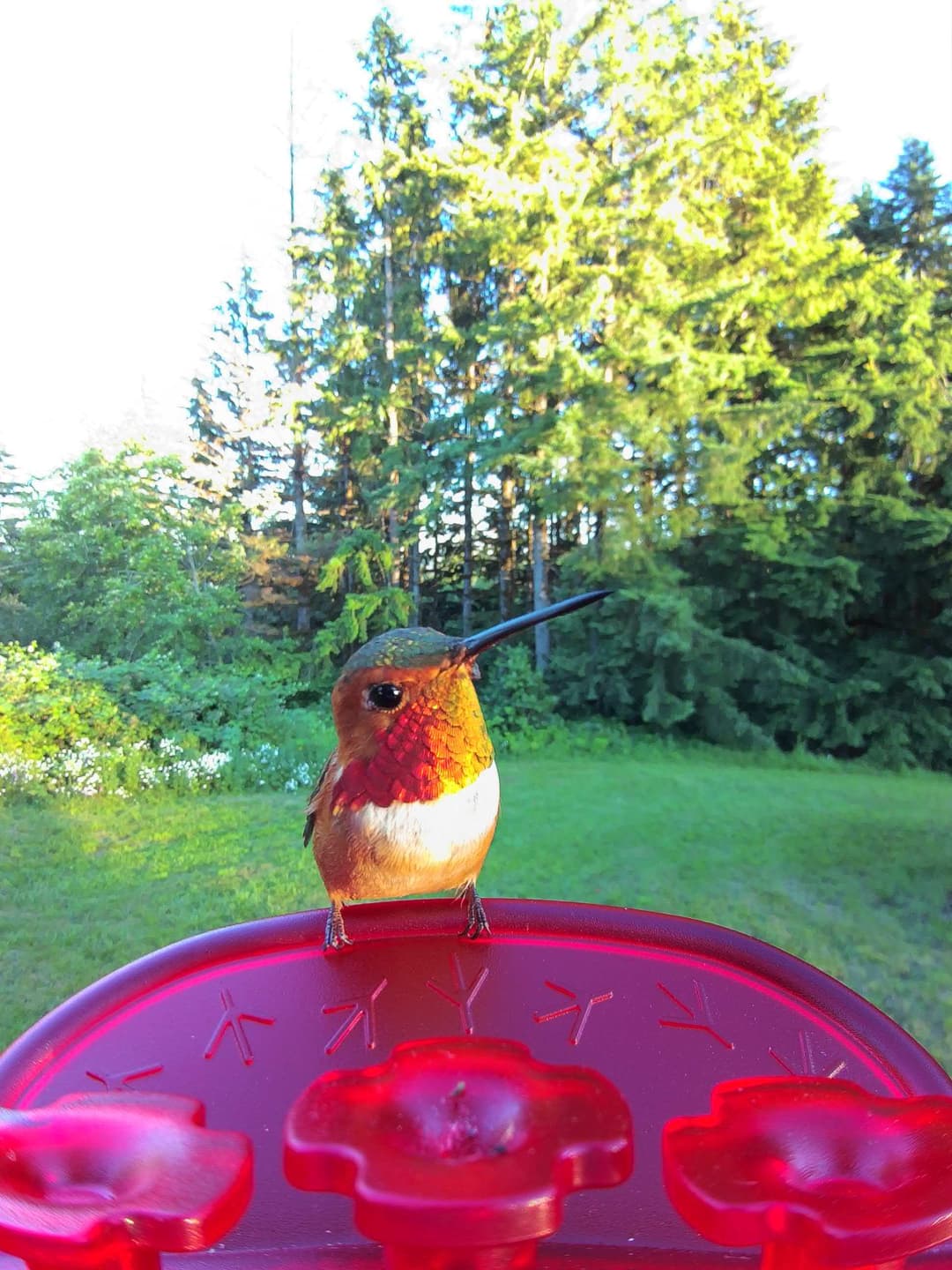
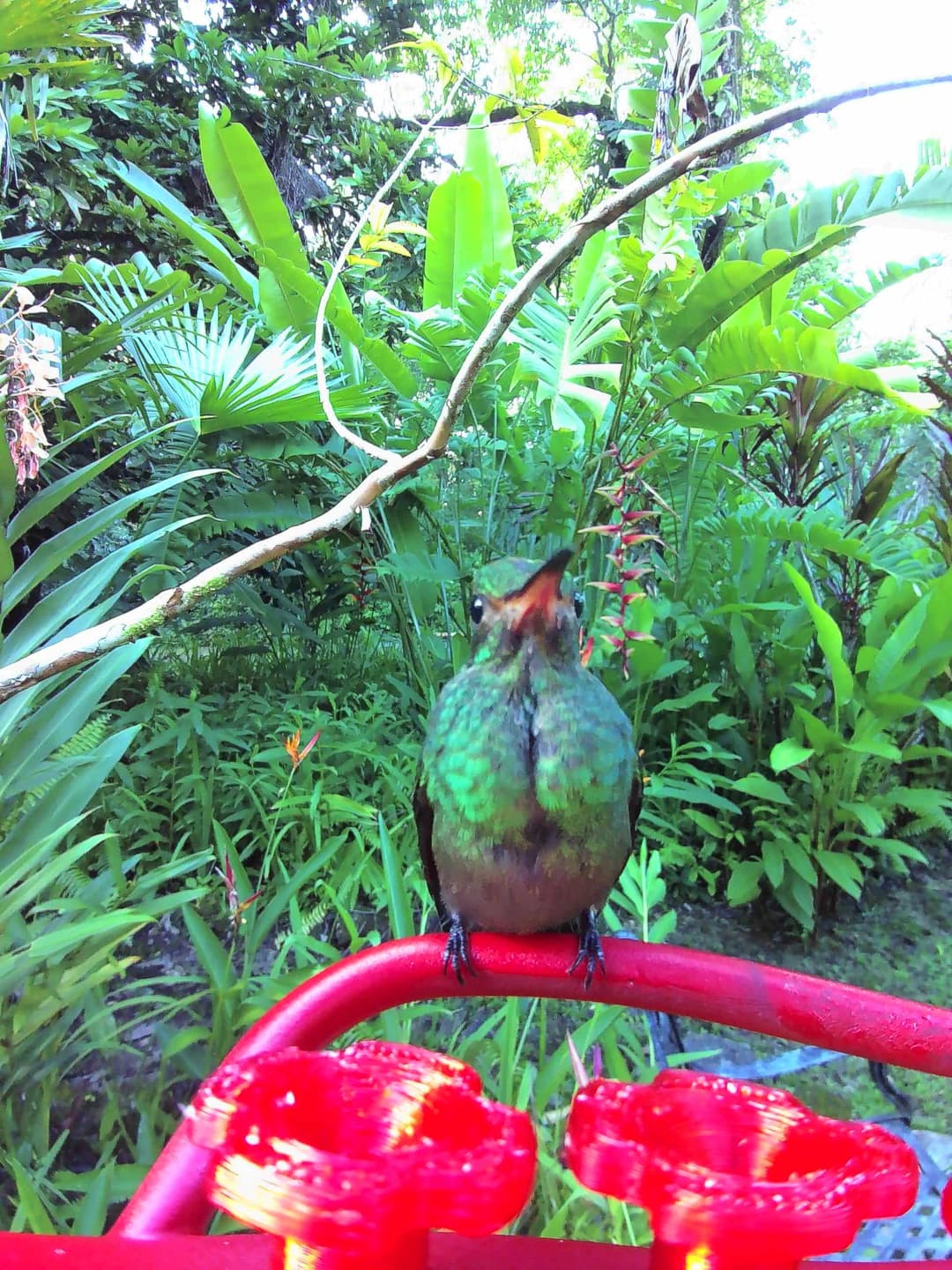
Hummingbird vs Swallow-tailed Hummingbird
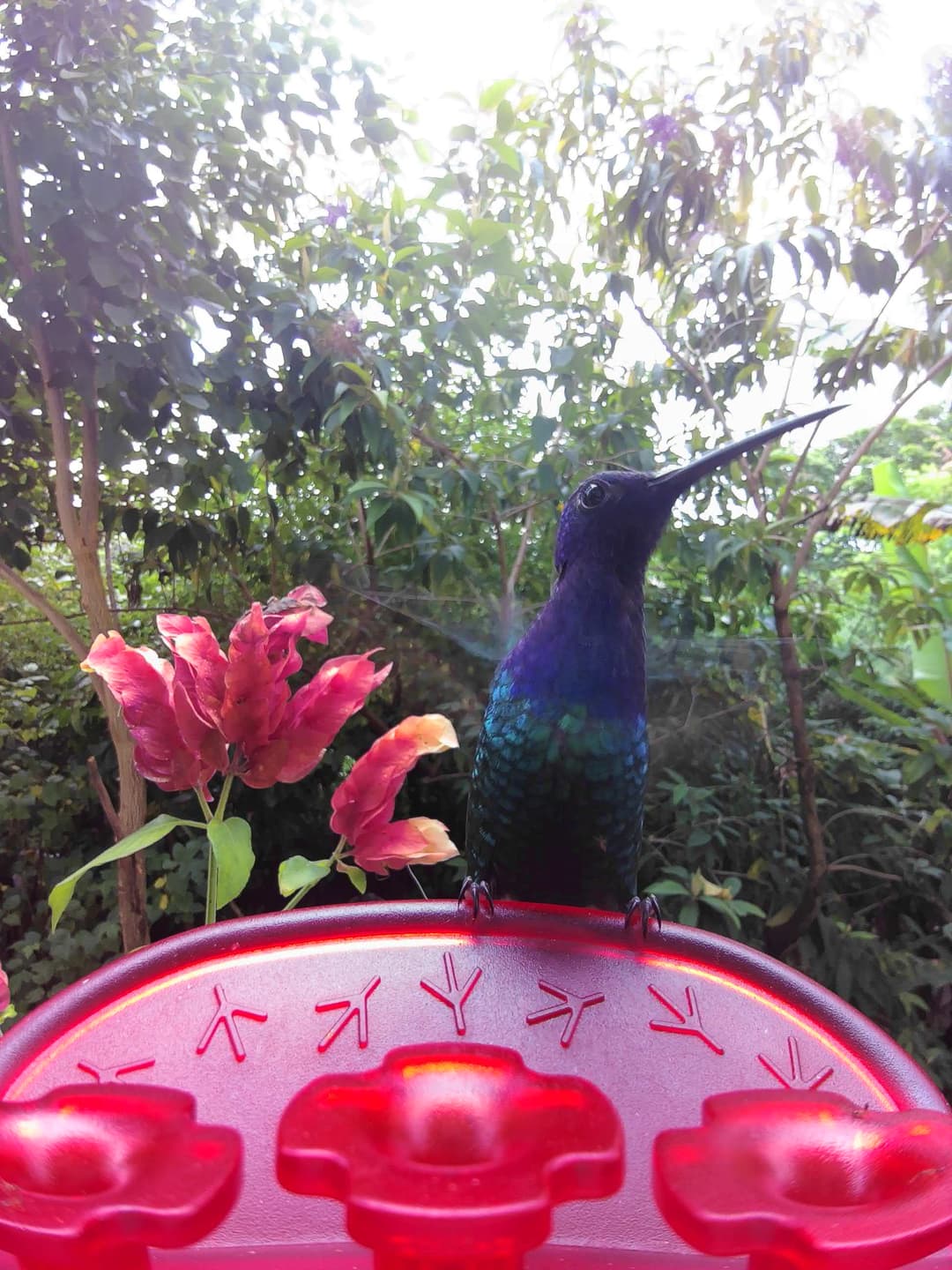
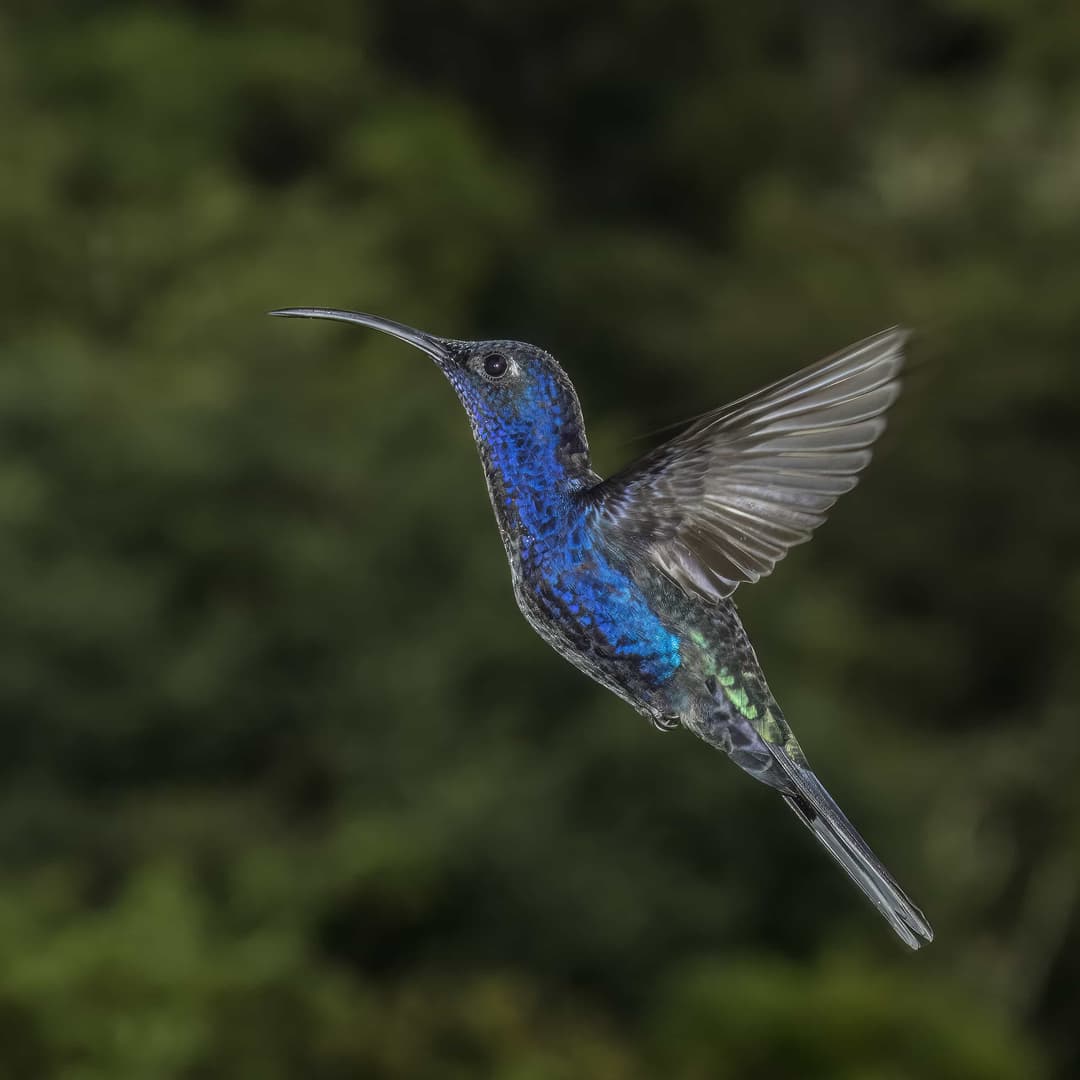
Hummingbird vs Violet-Crowned Hummingbird
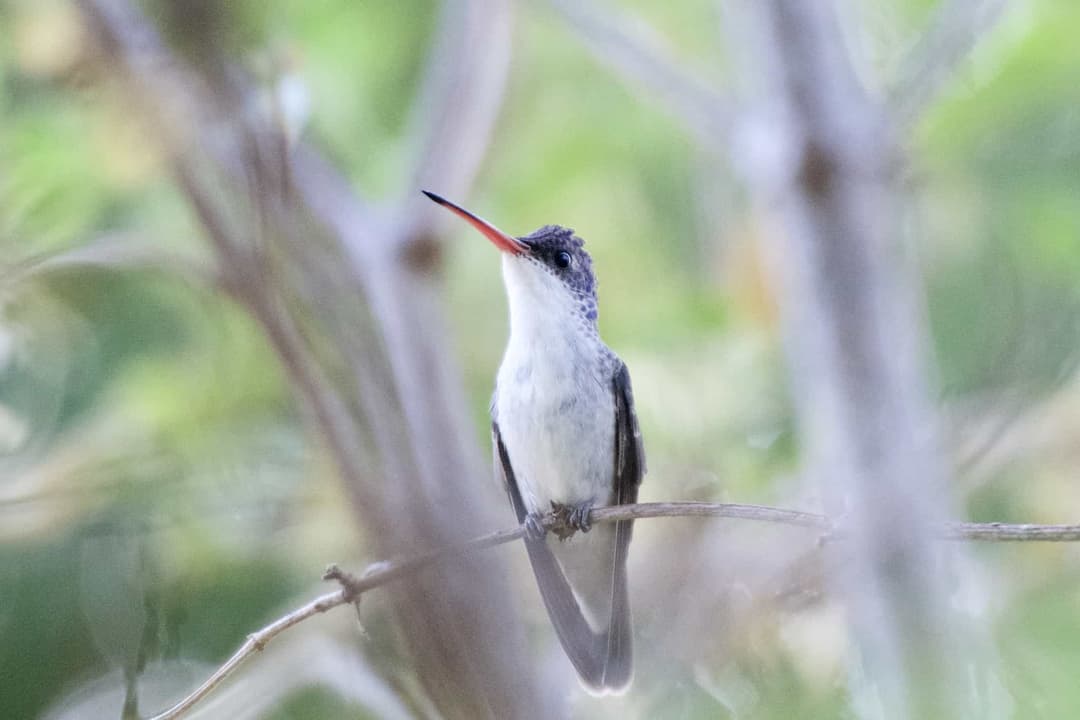
Hummingbird vs [Select a bird]

[Select a bird]
Pick a bird to compare
Long-Billed Starthroat vs [Select a bird]
[Select a bird]
Pick a bird to compare