Hummingbird or Broad-Billed Hummingbird?
Here's how to tell the difference


Hummingbird


Broad-Billed Hummingbird
Hummingbird
Trochilidae
General appearance
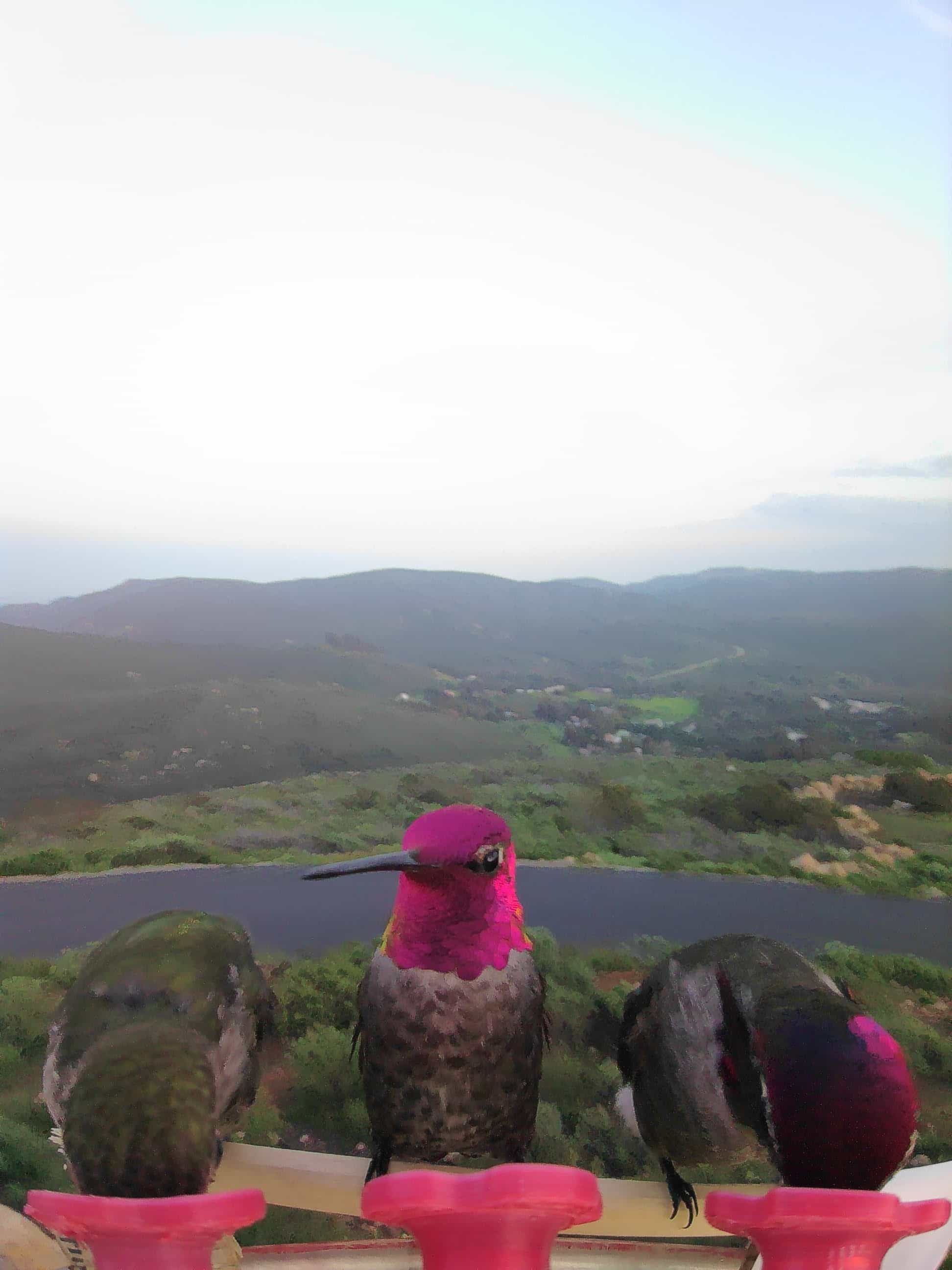
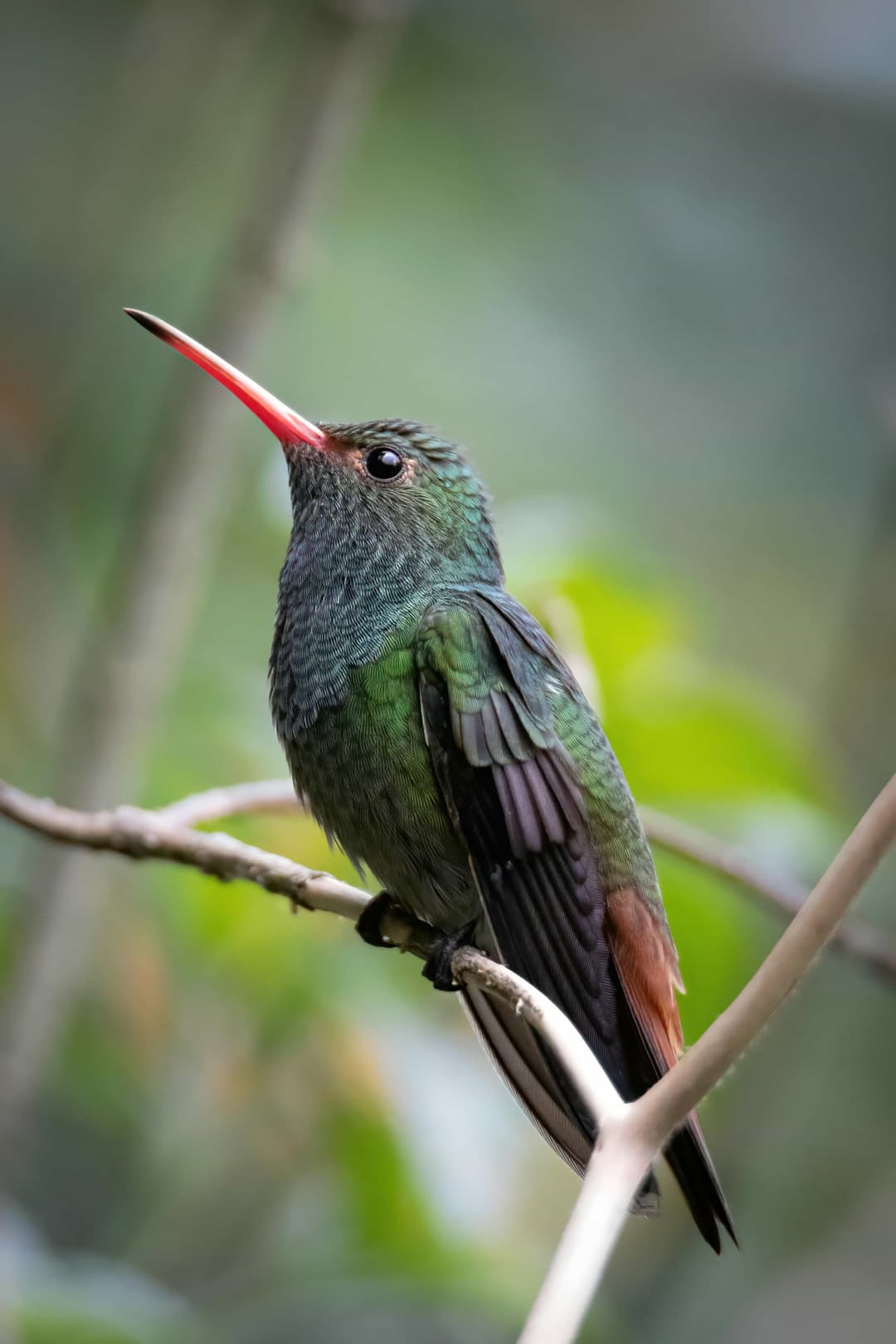
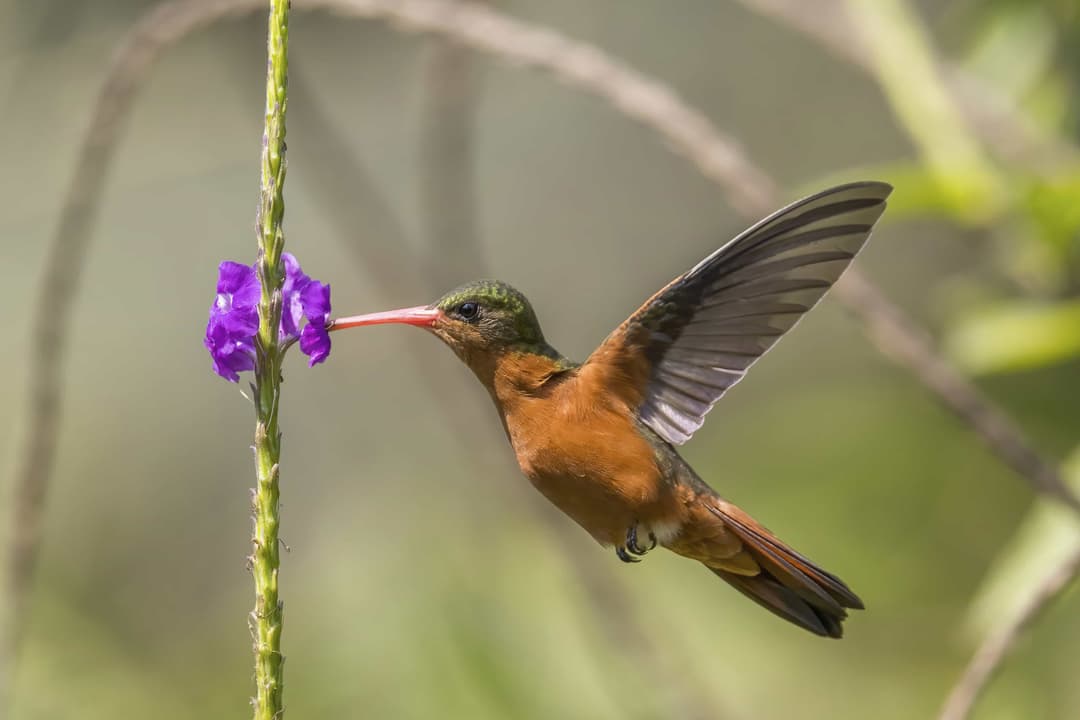
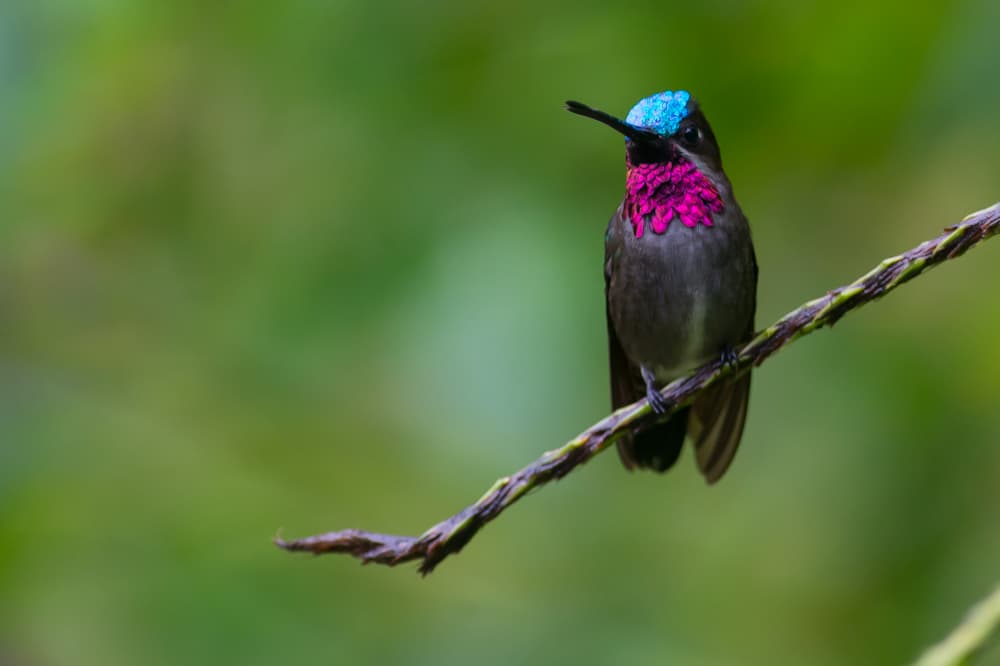
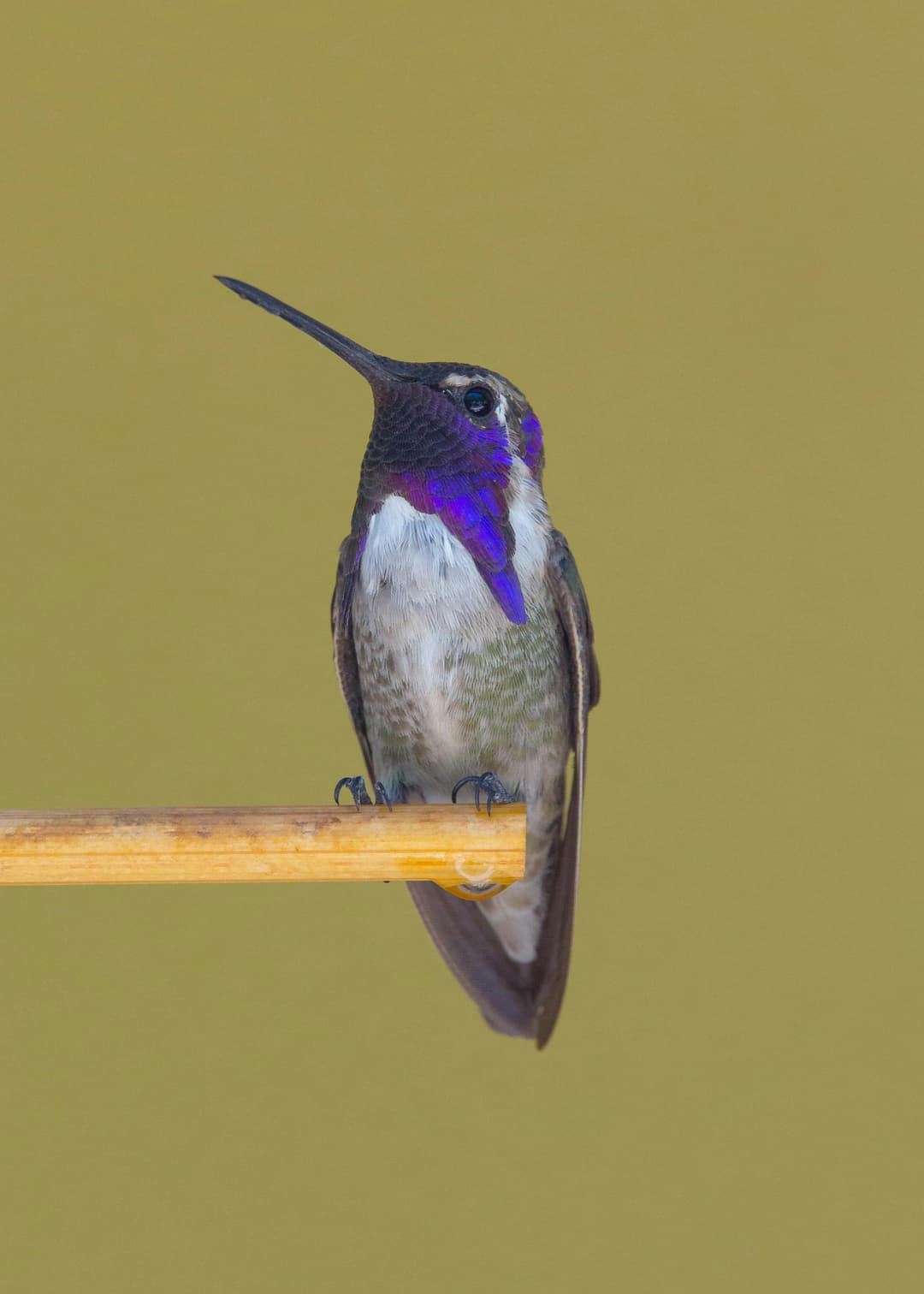
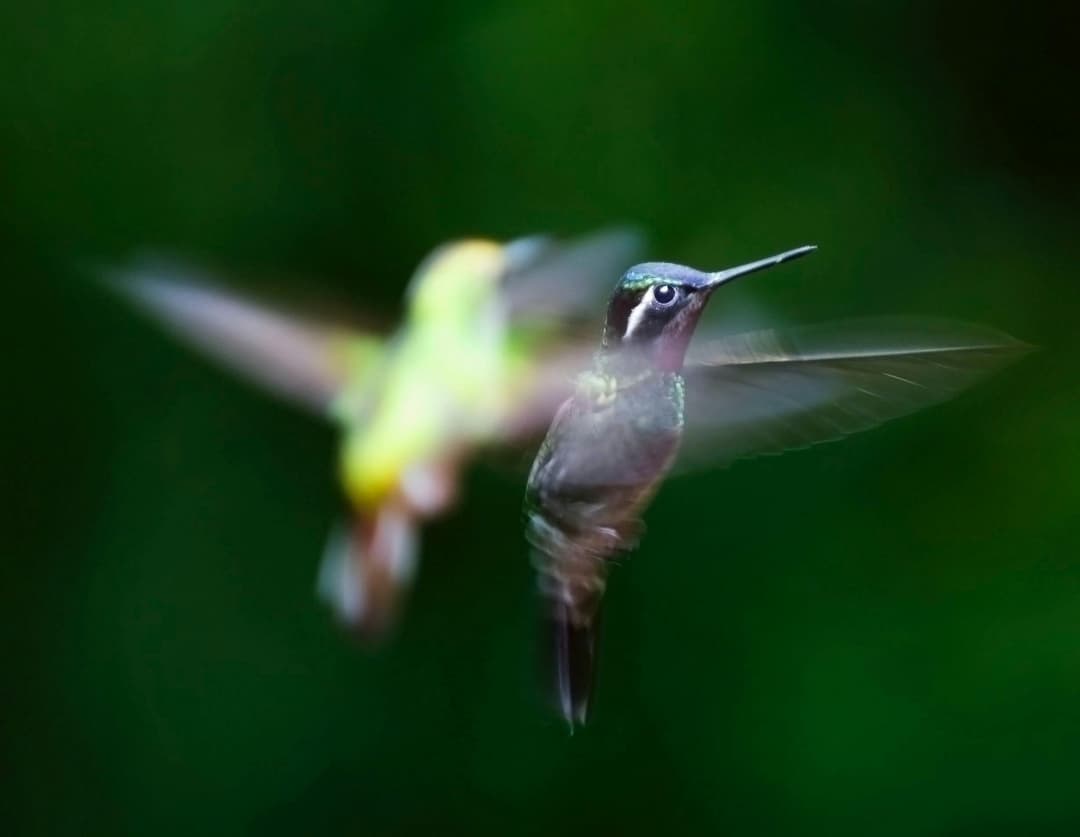
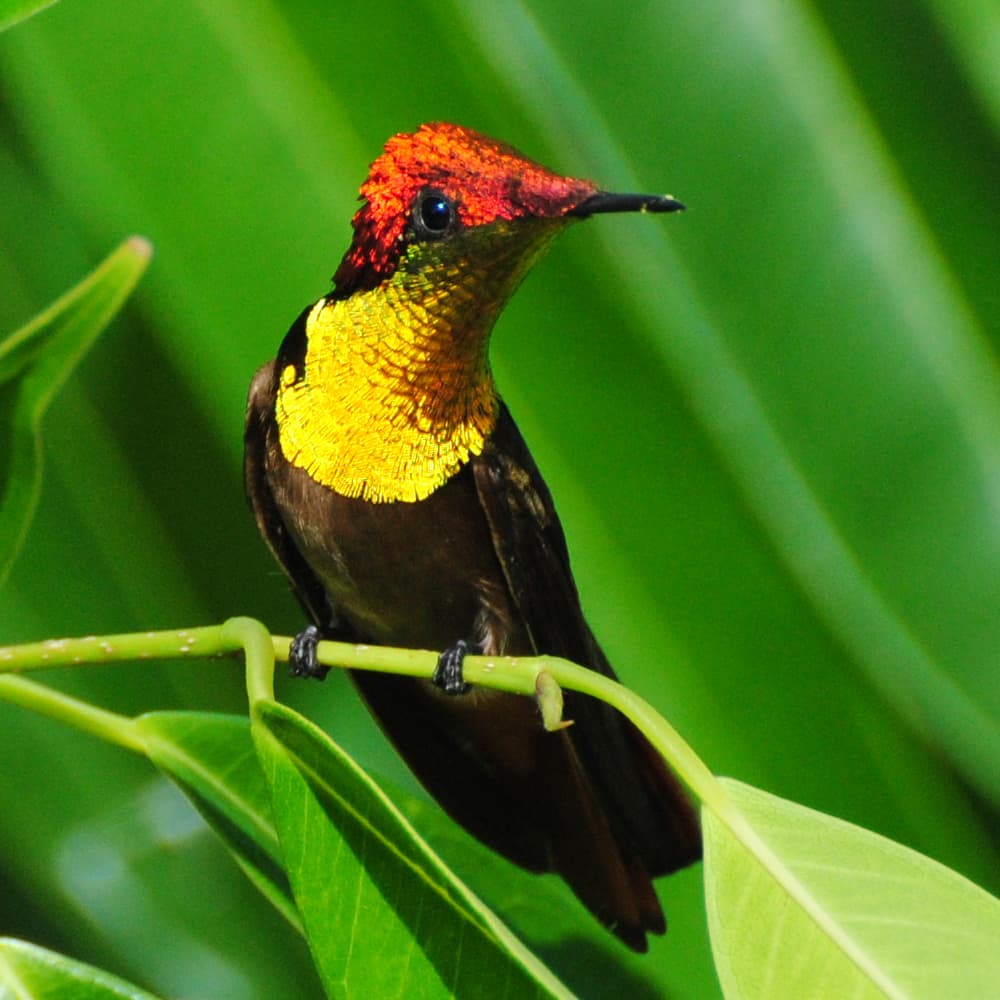
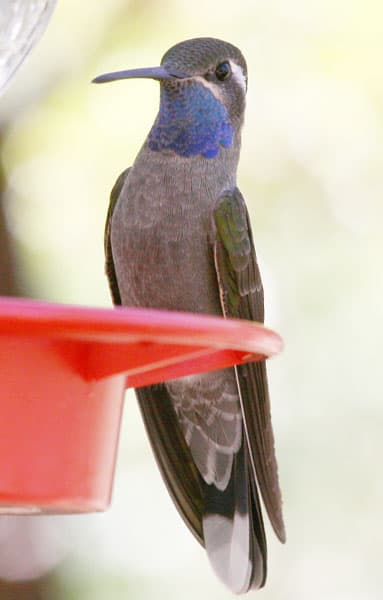
Hummingbirds are small, vibrant birds with iridescent feathers. They are most noticeable for their quick, darting flying style and ability to hover in mid-air. Colors range widely, including greens, blues, purples, reds, and whites, often with a metallic sheen. They possess a long, thin beak perfect for sipping nectar from flowers.
Male vs female
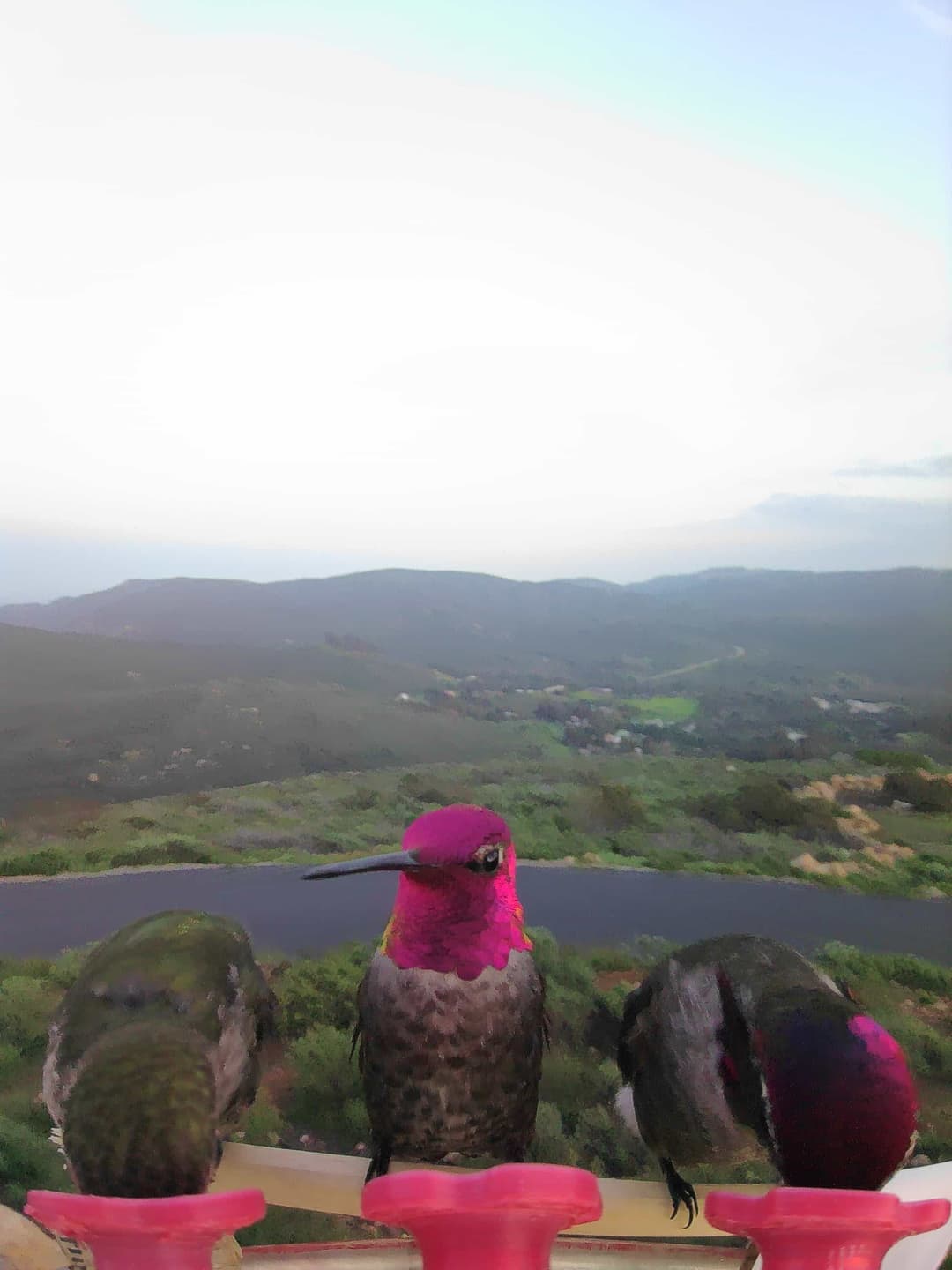
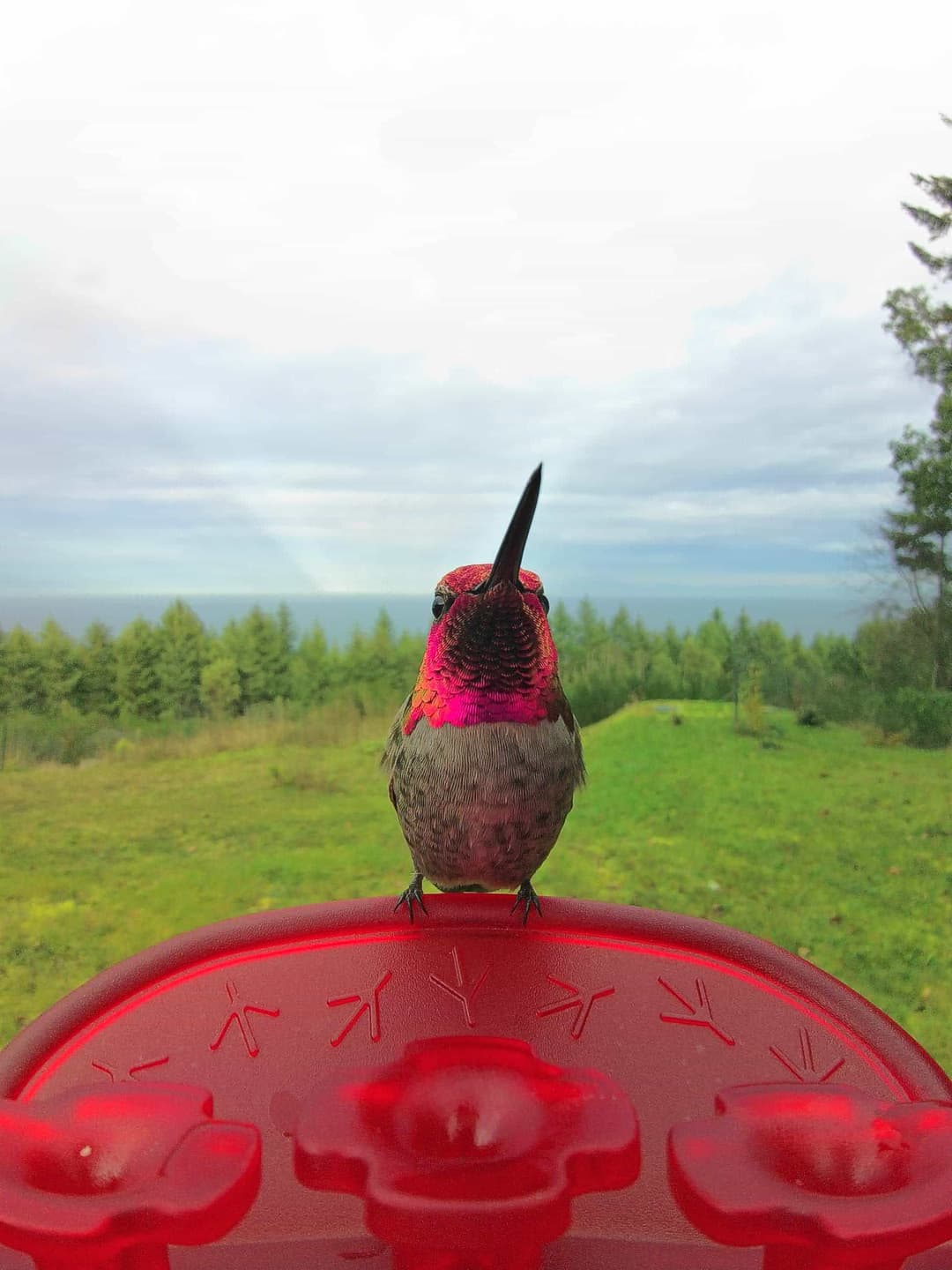
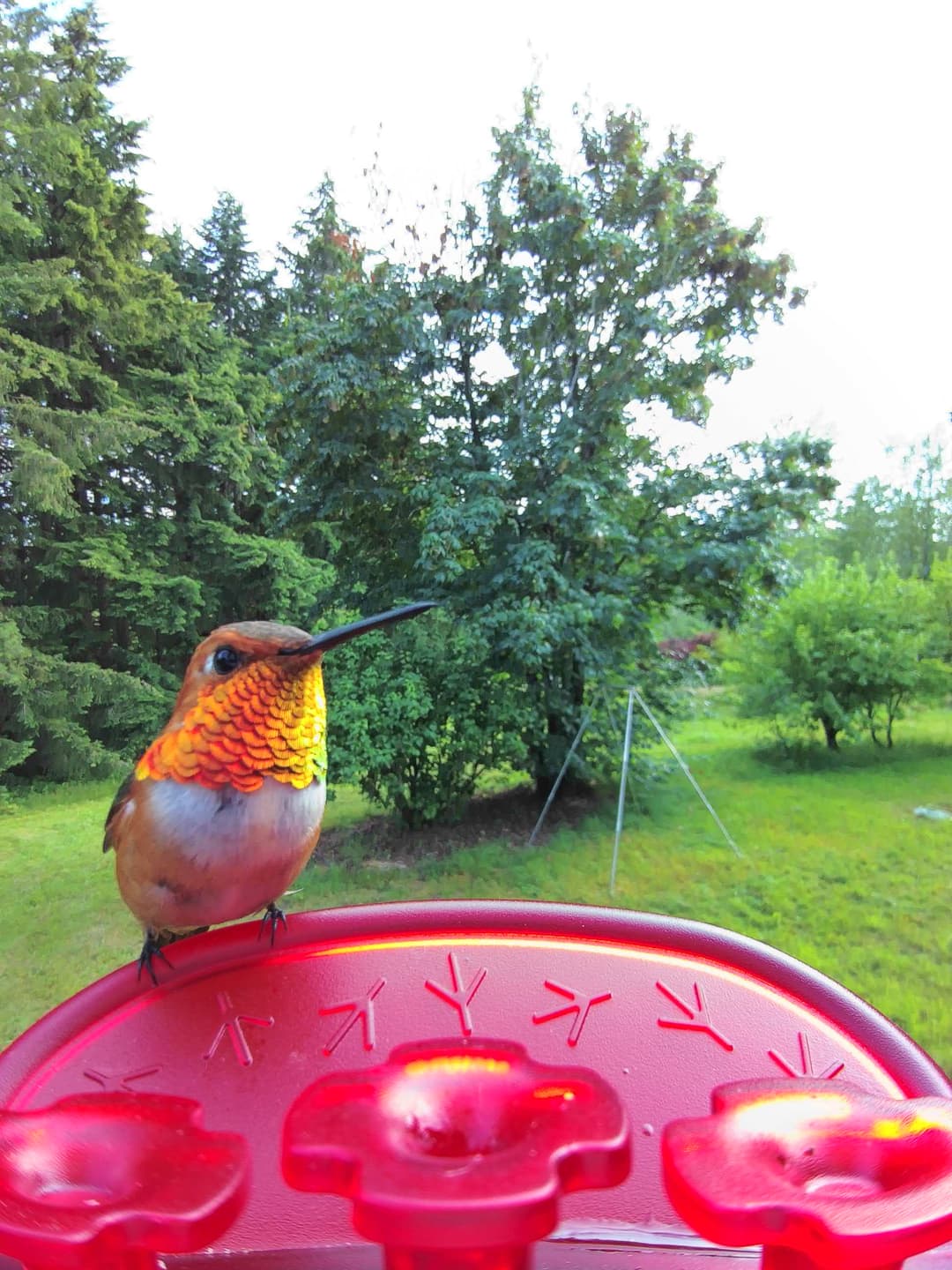
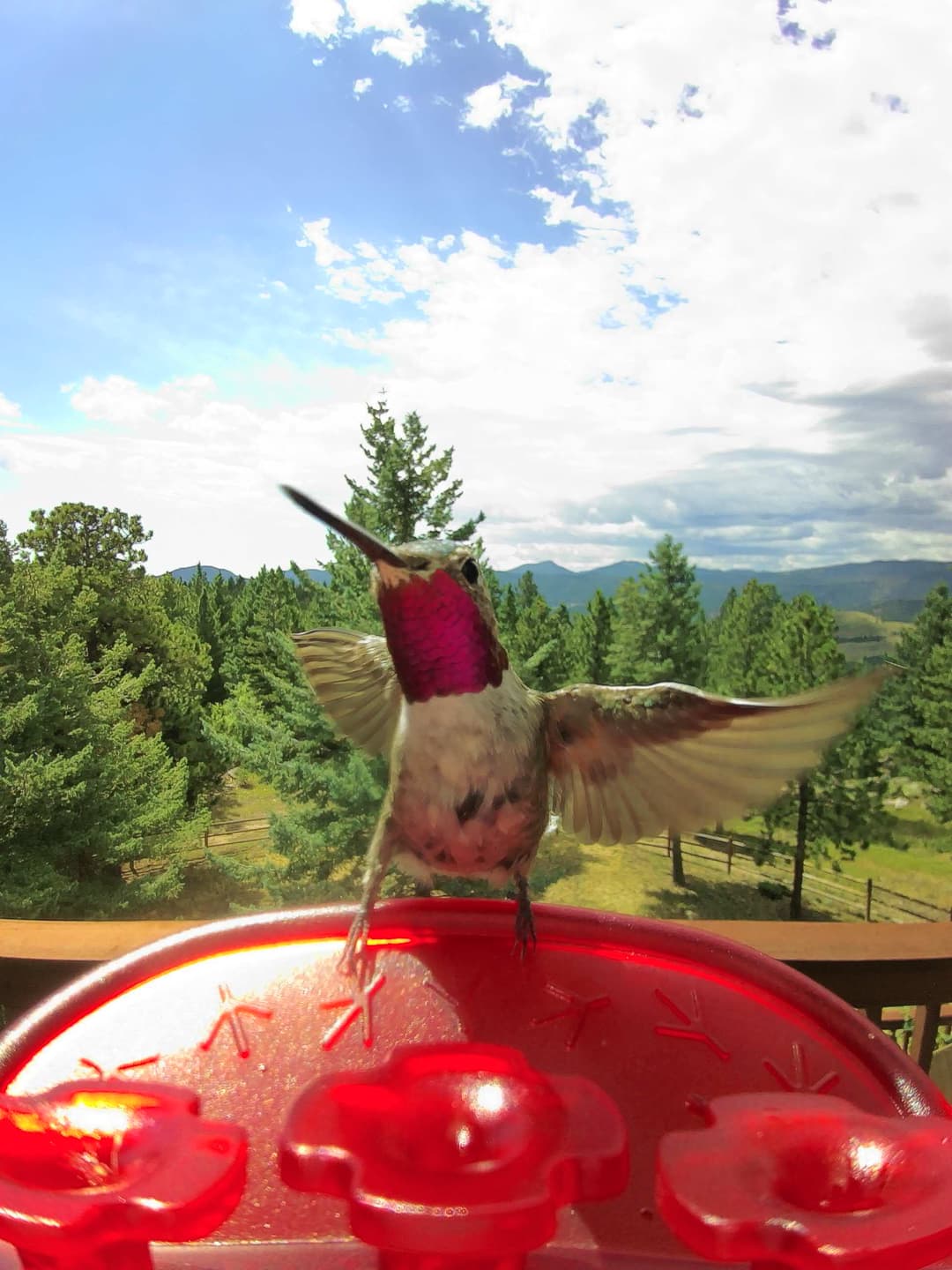
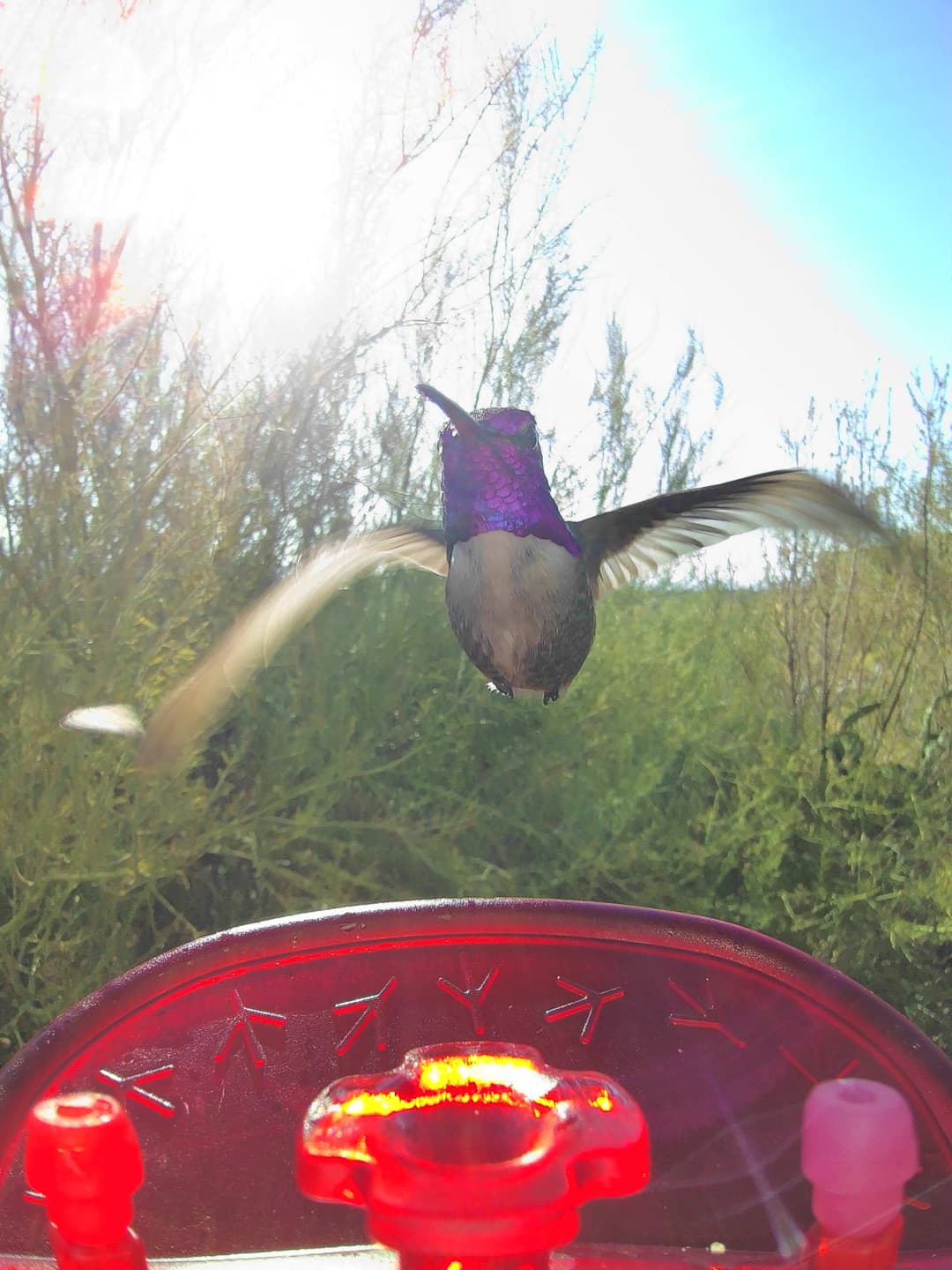
Males are typically brighter and more colorful than females, often with a ‘gorget’ or patch of bright, iridescent throat feathers that females lack. Female hummingbirds have softer, muted coloration for camouflage when nesting. Males are also slightly smaller on average.
Juvenile
Juvenile hummingbirds resemble their mothers in colouring to stay camouflaged. They lack the iridescent throat patch of adult males. As they mature, juvenile males begin to develop more vibrant feathers, particularly on their throats, and by their first winter, most will have at least a few bright feathers indicative of their gender.
Size
2.0 - 10.2 in/0.1 - 0.8 oz
There's more to learn about Hummingbird
View full detailsBroad-Billed Hummingbird
Cynanthus latirostris
General appearance
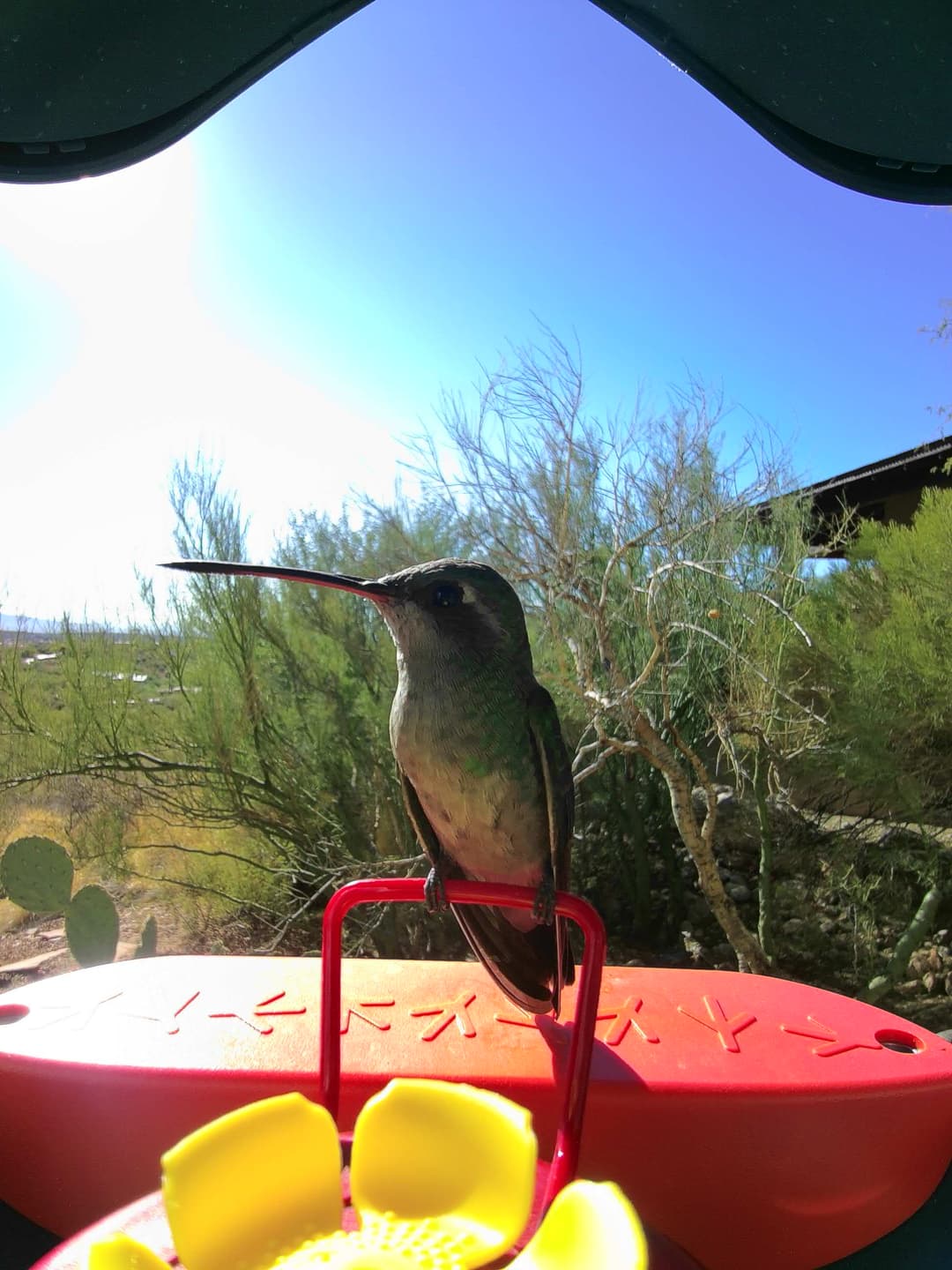
The broad-billed hummingbird is a small, vibrant bird known for its vivid coloration and striking bill. It features a broad, red bill with a dark tip, making it easily recognizable. The plumage showcases brilliant emerald green coloration that shimmers in sunlight, complemented by a bluish throat.
Male vs female
Males possess more vivid plumage compared to females, with a noticeable bright blue throat and shimmering green body. Females are less colorful, often displaying a duller green back and a white or greyish throat. Both sexes have the characteristic red bill, although females may exhibit a slightly shorter and less intensely colored beak.
Juvenile
Juvenile broad-billed hummingbirds typically exhibit a duller version of the adults’ plumage. They often lack the vivid blue throats seen in adult males and can display a grey or buff-colored throat. Identifying juveniles in the wild can be challenging due to their resemblance to females, with a less developed, muted color palette.
Size
3.1 - 3.9 in/0.1 oz
There's more to learn about Broad-Billed Hummingbird
View full detailsHow to tell the Hummingbird from the Broad-Billed Hummingbird
Visual differences
The Broad-Billed Hummingbird is smaller, around 3.1-4 inches in length and 0.07-0.14 ounces, compared to the generic hummingbird's range of 2-10 inches and 0.06-0.85 ounces. It features a distinctive broad, red bill with a dark tip, vibrant emerald green plumage, and a vivid blue throat in males. In contrast, hummingbirds generally have long, thin beaks, and their color ranges across greens, blues, purples, reds, and whites with metallic sheen. Male hummingbirds are more colorful with iridescent throat patches, whereas females and juveniles are duller for camouflage.
Key differences and behavior
The Hummingbird family (Trochilidae) encompasses diverse species, while the Broad-Billed Hummingbird (Cynanthus latirostris) is more specific, inhabiting regions like Arizona's semi-open habitats. Broad-billed males defend territories with perches and songs, contrasting with the elaborate aerial courtship displays of many other hummingbirds. Both species feed primarily on nectar and insects, though broad-billed hummingbirds show a preference for tubular flowers like bouvardia. In nesting, broad-billed females camouflage nests with leaves or bark, distinct from the Hummingbird practice of using lichens. While both species build cup-shaped nests, broad-billed nests are lower, at 3-9 feet high. Broad-billed hummingbirds adjust their metabolism during cold nights, a trait not universally observed in all hummingbirds. Both species utilize feeders but differ in habitat choices, with broad-billed preferring lower canyons in desert regions, whereas general hummingbirds inhabit diverse environments from rainforests to urban settings.
Still not sure? Here are more lookalikes!
Hummingbird vs Anna's Hummingbird
Hummingbird vs Allen's Hummingbird
Hummingbird vs Black-Chinned Hummingbird
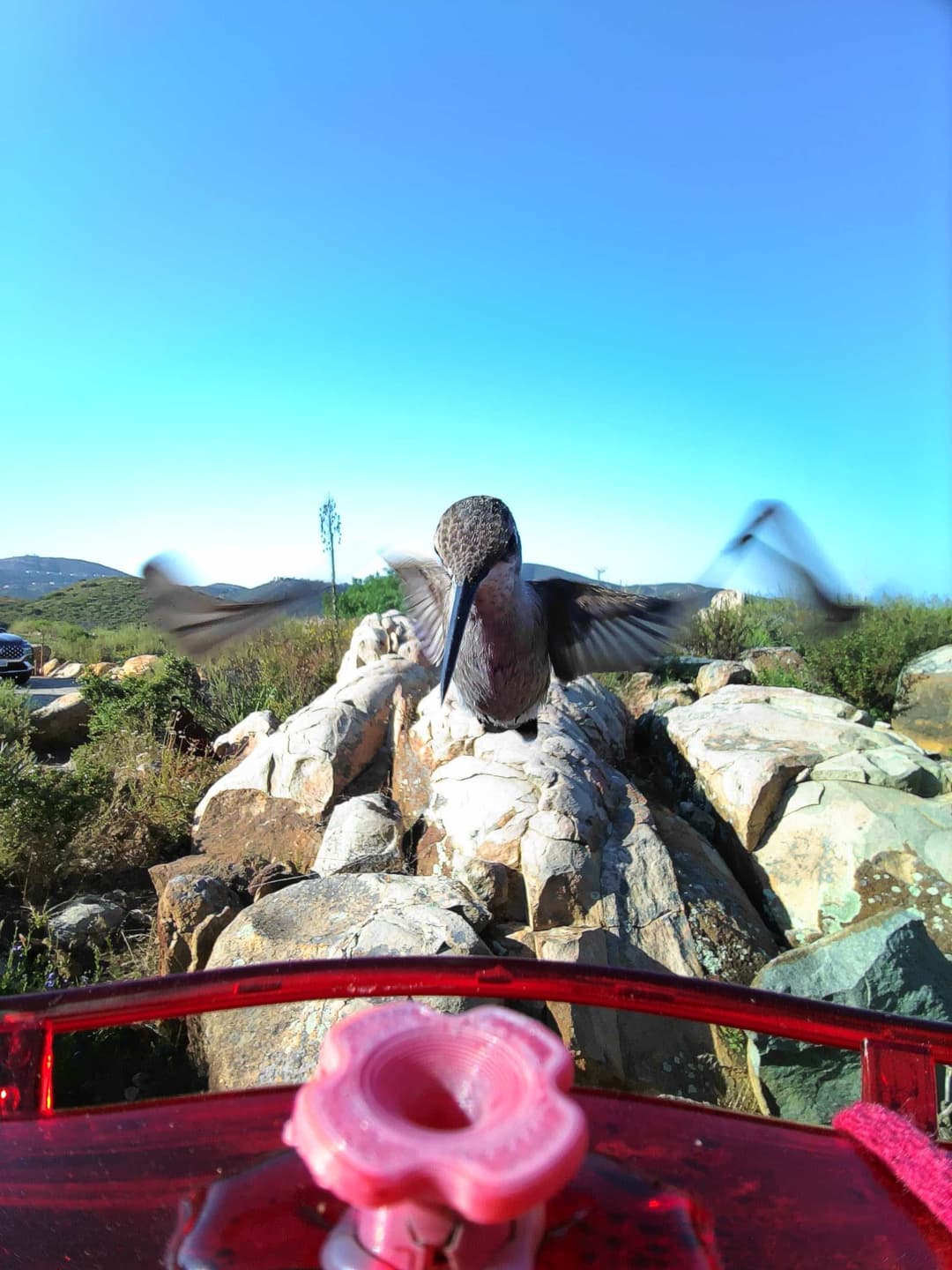
Hummingbird vs Blue-Chested Hummingbird
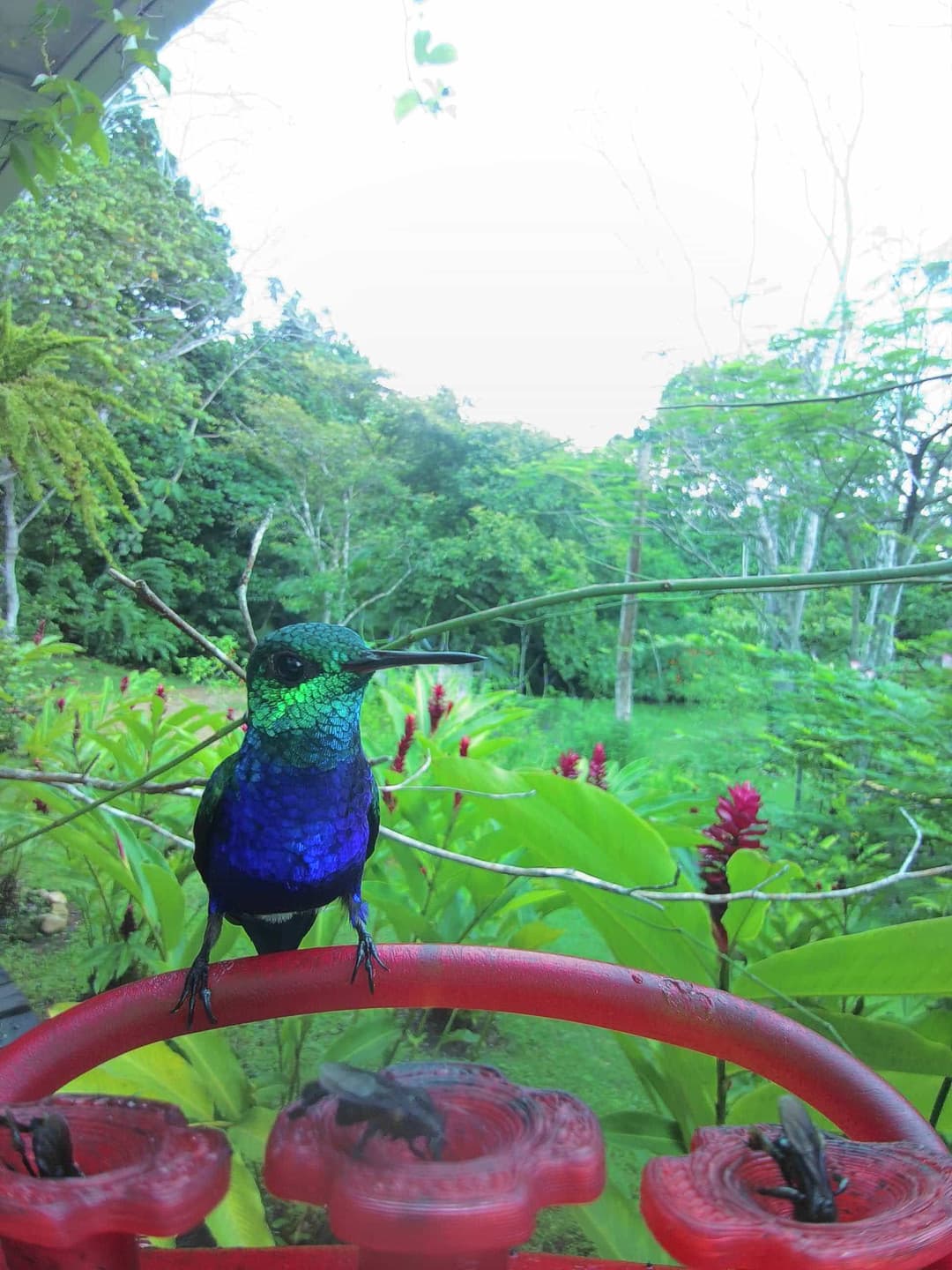
Hummingbird vs White-Necked Jacobin
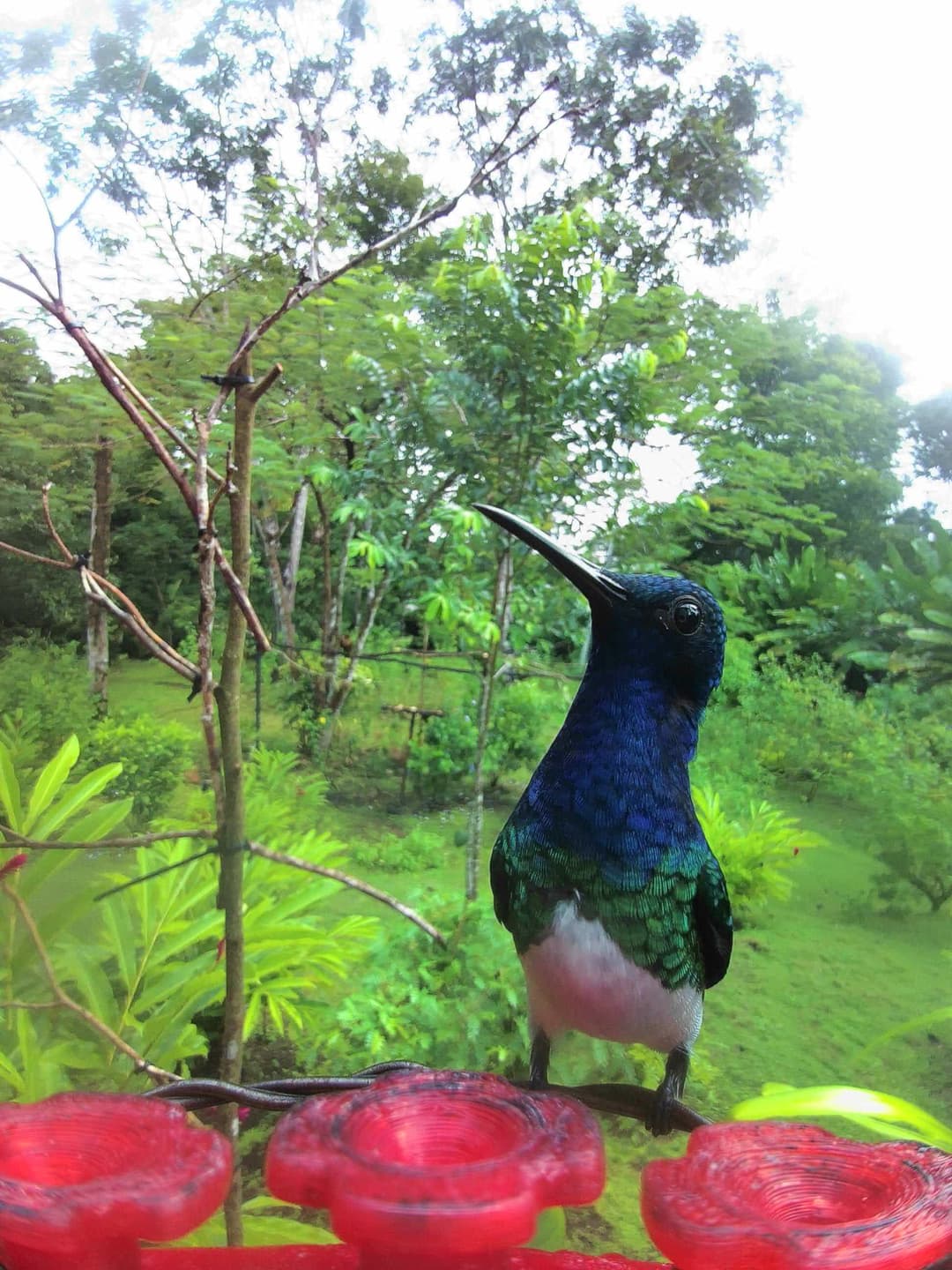
Hummingbird vs Rufous Hummingbird
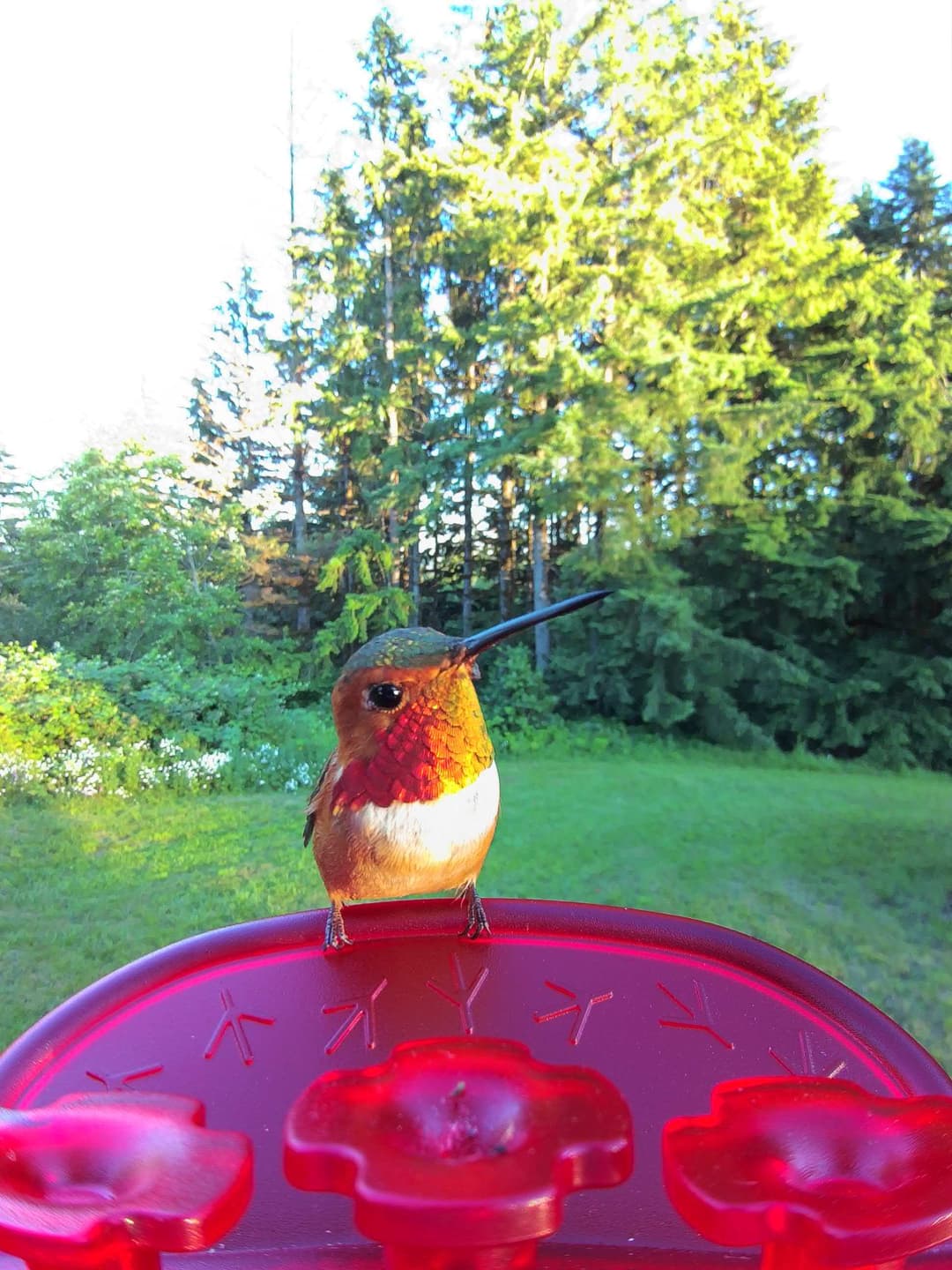
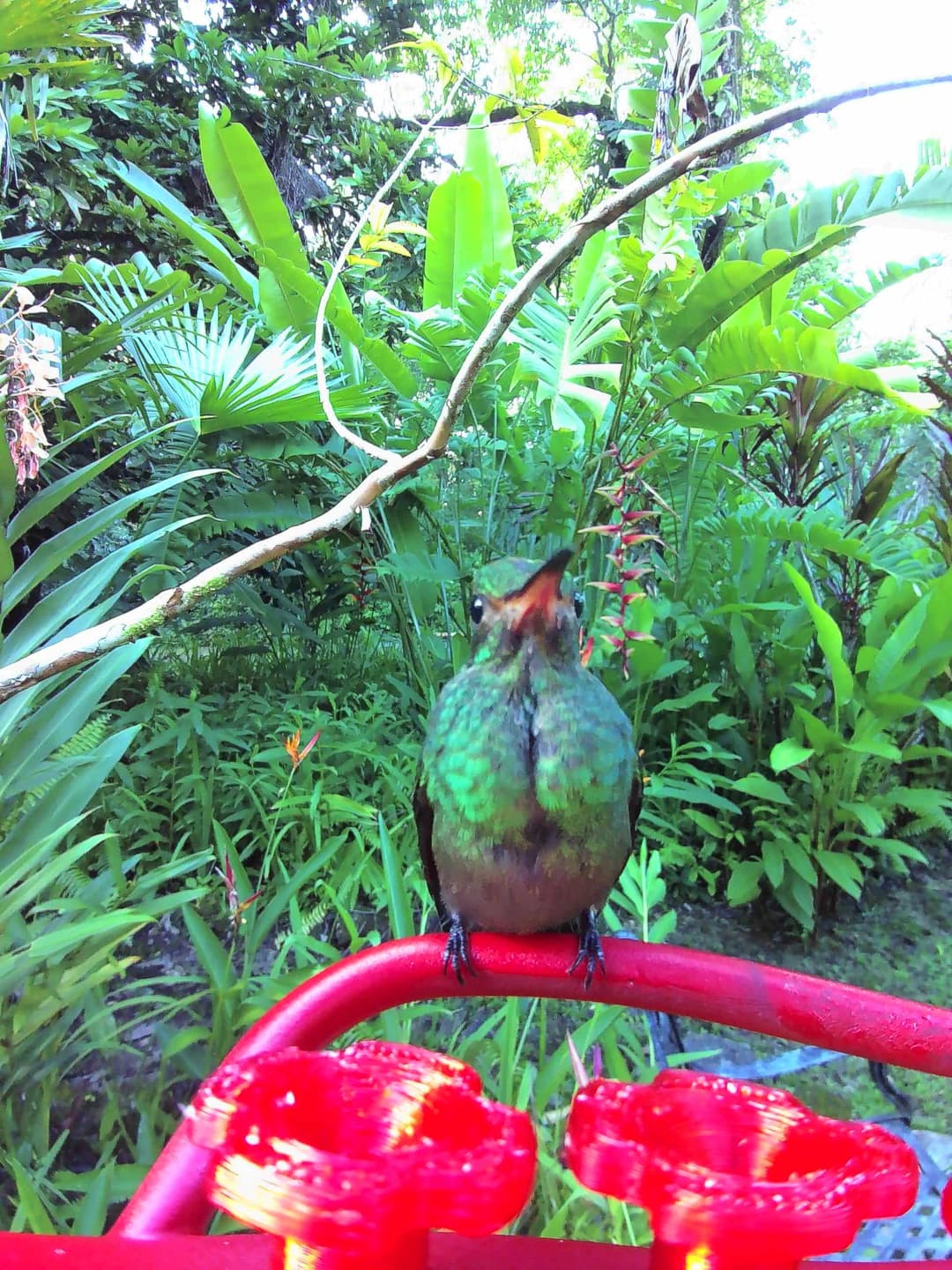
Hummingbird vs Swallow-tailed Hummingbird
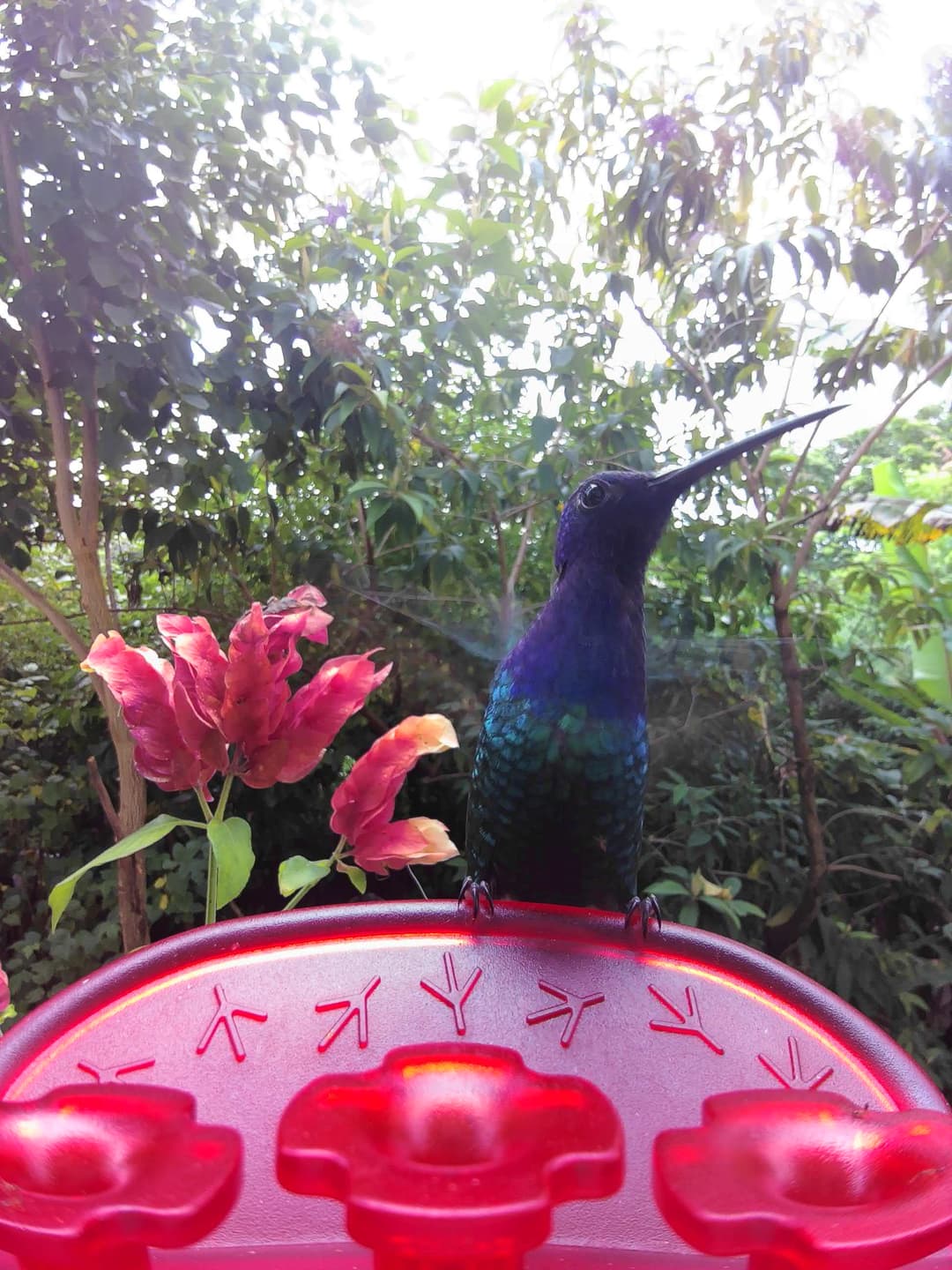
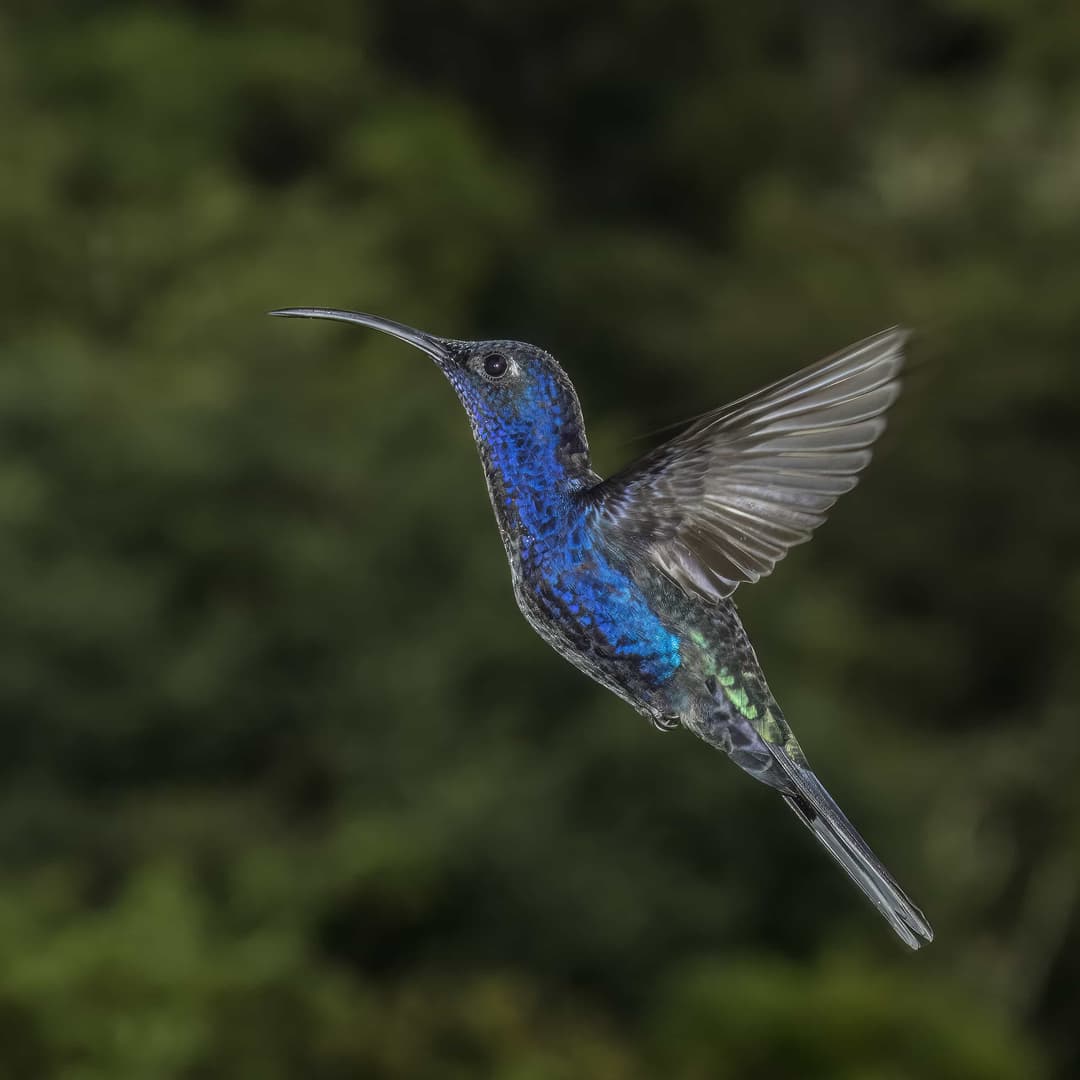
Hummingbird vs Violet-Crowned Hummingbird
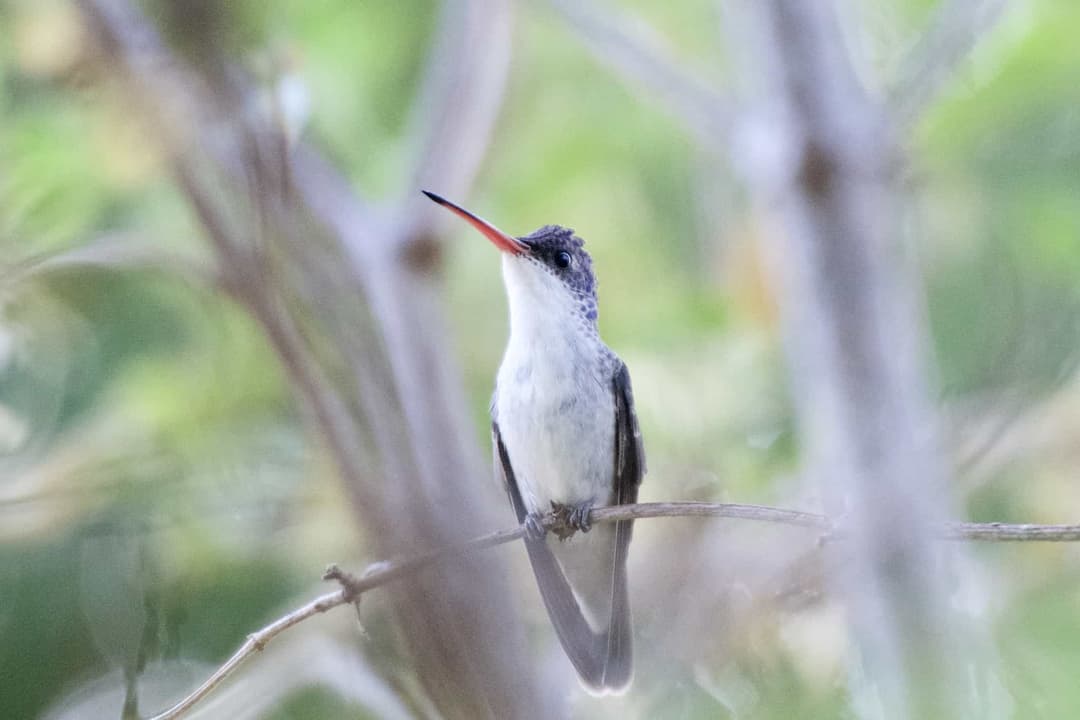
Broad-Billed Hummingbird vs Blue-Throated Mountain-Gem
Hummingbird vs [Select a bird]

[Select a bird]
Pick a bird to compare
Broad-Billed Hummingbird vs [Select a bird]
[Select a bird]
Pick a bird to compare