
Broad-Tailed Hummingbird
Broad-Tailed Hummingbird
Selasphorus platycercus


Quick Identification guide
Quick Identification guide
- •
Features a glittering green back and crown, complemented by a bold rosy-red gorget in males
- •
Possesses a slender build with a long, straight beak suited for nectar feeding
- •
Exhibits a broad, fan-shaped tail that fans out during flight, edged with a rich cinnamon hue
What does a broad-tailed hummingbird sound like?
The broad-tailed hummingbird produces a variety of vocalizations, typically consisting of sharp "chick" sounds. Its signature call, often heard during flight, presents a pattern that is usually flat. This bird's communication repertoire also includes chirping or chipping sounds and a distinctive trill. Overall, its vocalizations are sharp, clear, and consistent, contributing to its unique auditory presence.


Description
Did you know that beating their wings is a way for broad-tailed hummingbirds to communicate? It's a method used by both males and females! However, males have a special type of wing beating sound that they only produce during courtship, and that can be heard up to 76 metres away. Got to make sure all the ladies hear him.
The broad-tailed hummingbird can weigh between 3to4grams and be from8.3to9.7centimeters tall.
The broad-tailed hummingbird typically lives up to 9 years. Their lifespan is moderate compared to related species like the ruby-throated hummingbird which lives up to 9 years as well, and the black-chinned hummingbird with a lifespan reported up to 11 years. These lifespans are variable and greatly influenced by factors such as predation and harsh environmental conditions.
Where can you find broad-tailed hummingbirds?
Based on Birdbuddy sighting data. Bubbles represent reported bird sightings over the past years.
Embed this mapPrimary habitat
The broad-tailed hummingbird typically breeds in mountainous regions, up to elevations exceeding 10,000 feet. They primarily occupy open forests, especially ones situated near streams. These forests generally include pine-oak, pinyon-juniper woods, as well as spruce, Douglas-fir, and aspen trees.
Additional range
In addition to mountains, these hummingbirds also migrate through all semi-open habitats within these regions. Interestingly, they are known to make stopovers in lowlands.
Do they migrate?
The broad-tailed hummingbird is a migratory species. Its migration pattern is marked by seasonal movements between breeding and wintering grounds. This species begins its northward migration in early spring, typically around early March. During this period, adult males precede females and juveniles. The route typically takes them through lowland areas, where they seek favorable conditions as they head towards their breeding grounds. Conversely, in early August, the broad-tailed hummingbird initiates its southward migration. Again, males generally depart before females and young. During this journey, they tend to traverse mountainous regions, which may offer adequate resources and stopover sites. Key locations for the broad-tailed hummingbird include breeding ranges in the western United States, primarily in the Rocky Mountains, and wintering habitats in southern regions, including parts of Mexico and Central America. The differentiation in routes—lowlands for northward movement and mountains for southward return—reflects adaptive strategies to navigate prevailing environmental conditions and food availability. These migration patterns are crucial for their survival, allowing them to exploit seasonal resources optimally.
Did you know?
Most popular questions about broad-tailed hummingbird
How to recognise a broad-tailed hummingbird?
General appearance
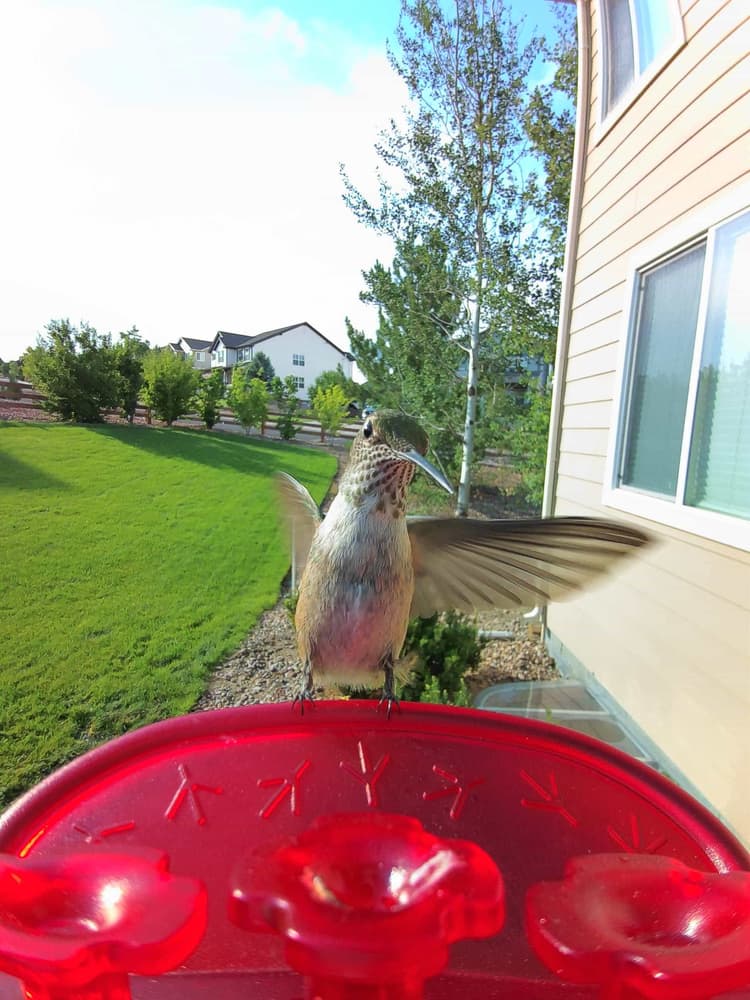
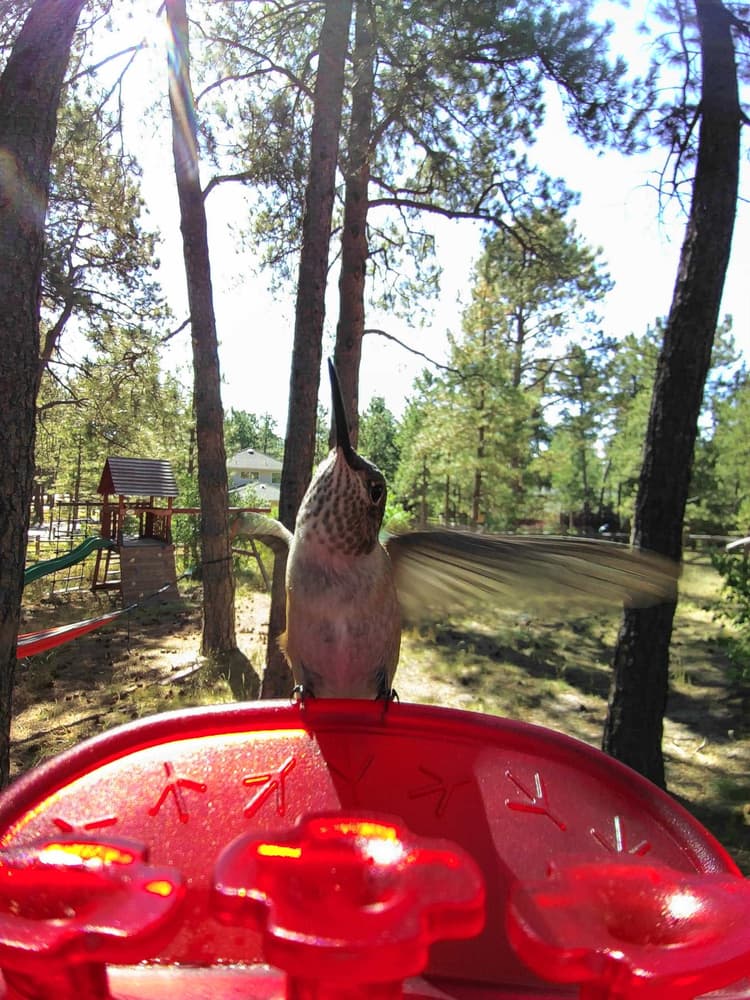
The broad-tailed hummingbird measures 4-4 1/2 inches (10-11 cm) in length. It displays a unique coloration pattern with a green back, the sides, and distinct pearlescent hues. The tail is multi-pointed, notched, rounded, and square-tipped, embodying a rusty orange color. Their wings are narrow, rounded, and short, akin to that of a sparrow.
Male vs female
Males are identifiable with a rose-colored throat, contributing to their vibrant display. In contrast, females bear a green coat above with buff tones on the sides. They are distinguishable from the female Rufous Hummingbird by their larger tail. Seasonal variations in appearance may occur, particularly in males.
Juvenile
Juvenile broad-tailed hummingbirds retain a semblance to young male Anna's hummingbirds found in the western regions. Identification markers for juveniles are not specifically mentioned, but they are likely to possess less vibrant, more uniform coloration than adults, following the general pattern in avian species.
Often mistaken for
Rufous Hummingbird vs Broad-Tailed Hummingbird
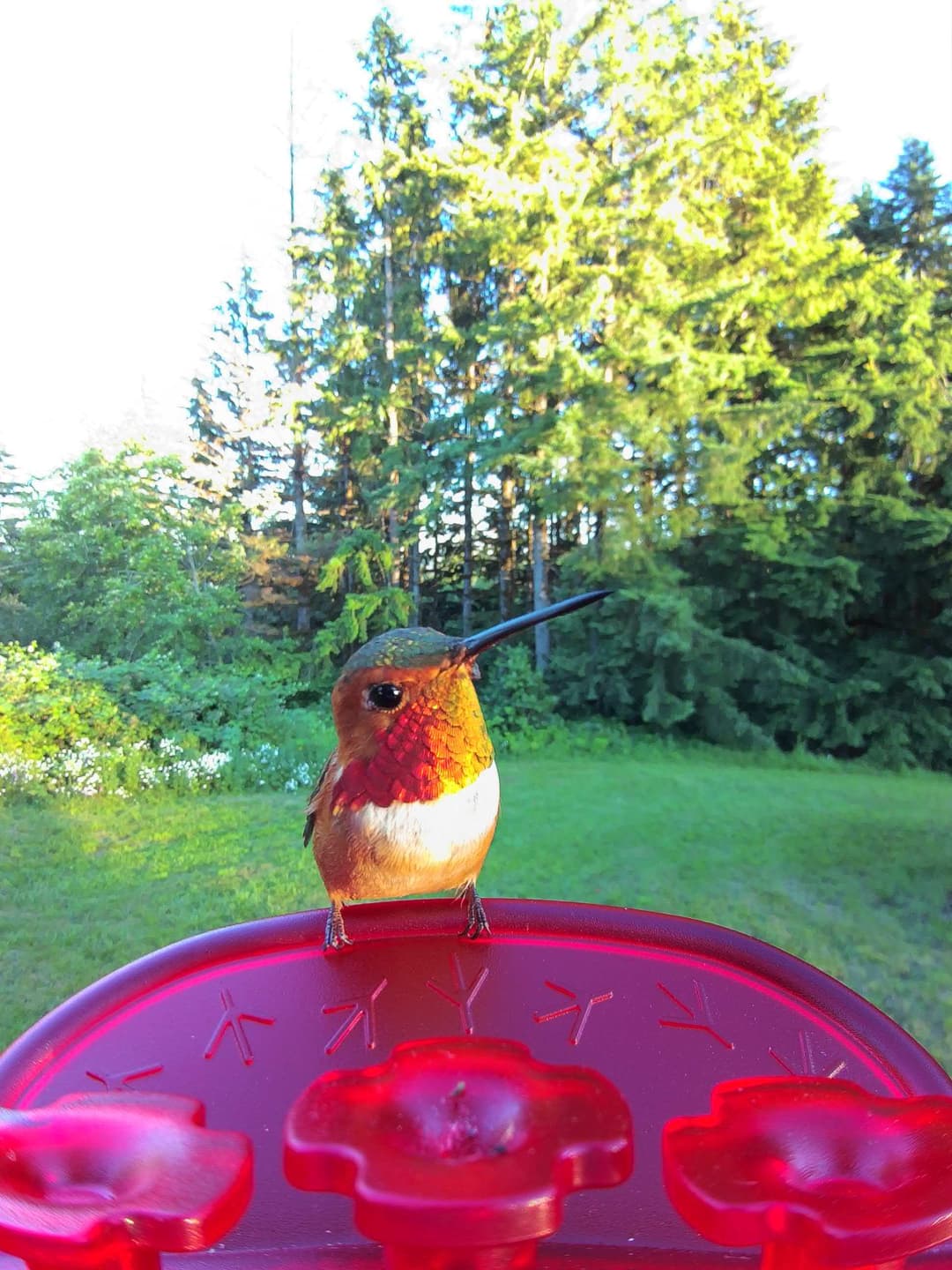
Broad-Tailed Hummingbirds have iridescent rose-pink throats, unlike the Rufous’s more orange hue. Rufous males have a distinct rufous back and crown, while Broad-Tailed males are more green-backed. Their tails also differ, with Rufous having broader, more rufous tails.
Allen's Hummingbird vs Broad-Tailed Hummingbird
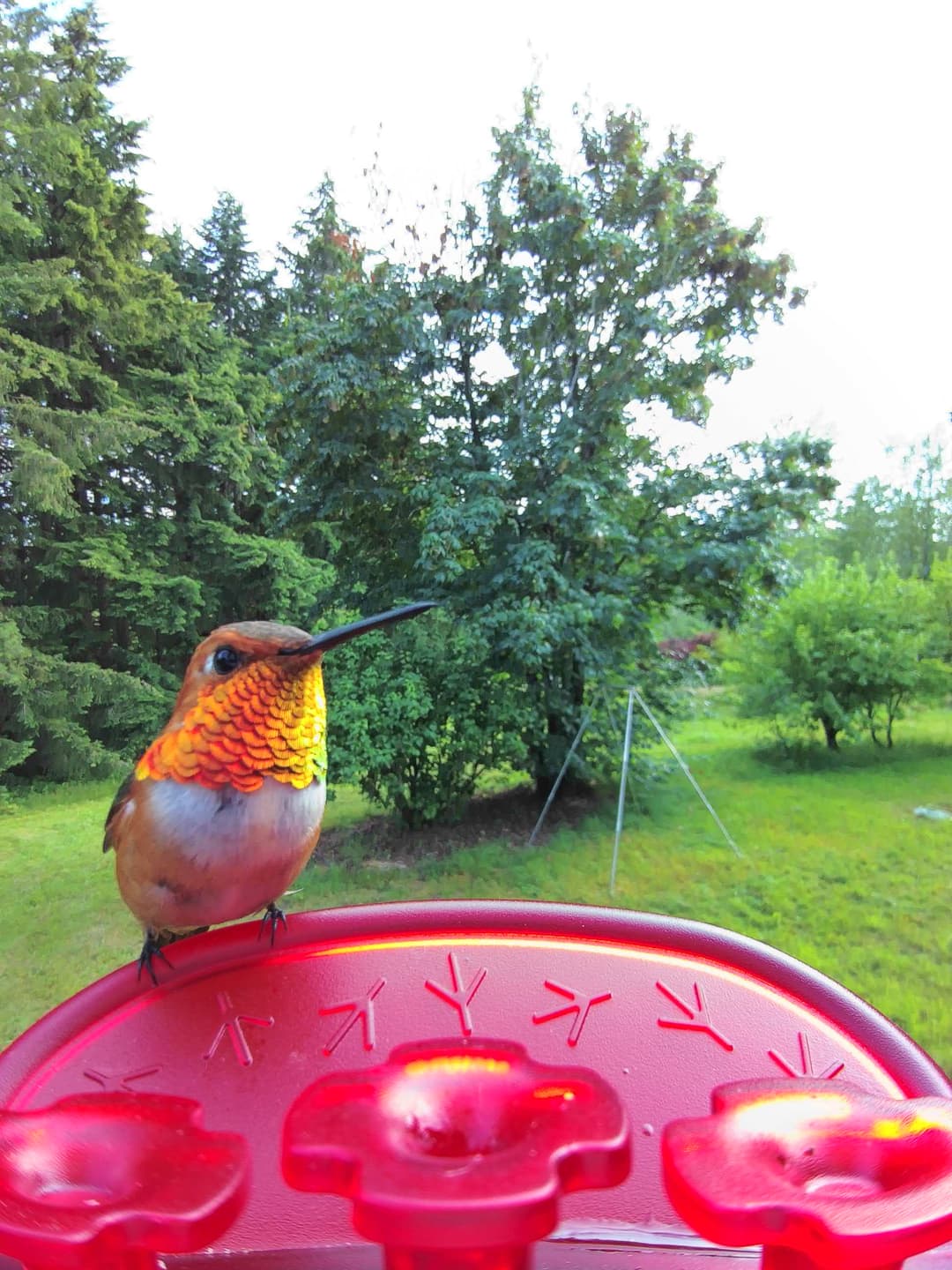
Allen's Hummingbird males have more orange in their plumage and an orange-reddish throat, compared to the Broad-Tailed’s pink throat. Broad-Tailed Hummingbirds tend to appear more metallic green on the back, providing a contrast with Allen's overall warmer colors.
Anna's Hummingbird vs Broad-Tailed Hummingbird
The Broad-Tailed Hummingbird has a distinct pink iridescent throat, while Anna's typically displays a reddish to pink overall. Anna's are slightly larger with a more robust body and noticeably green back, whereas Broad-Tailed appear more streamlined.
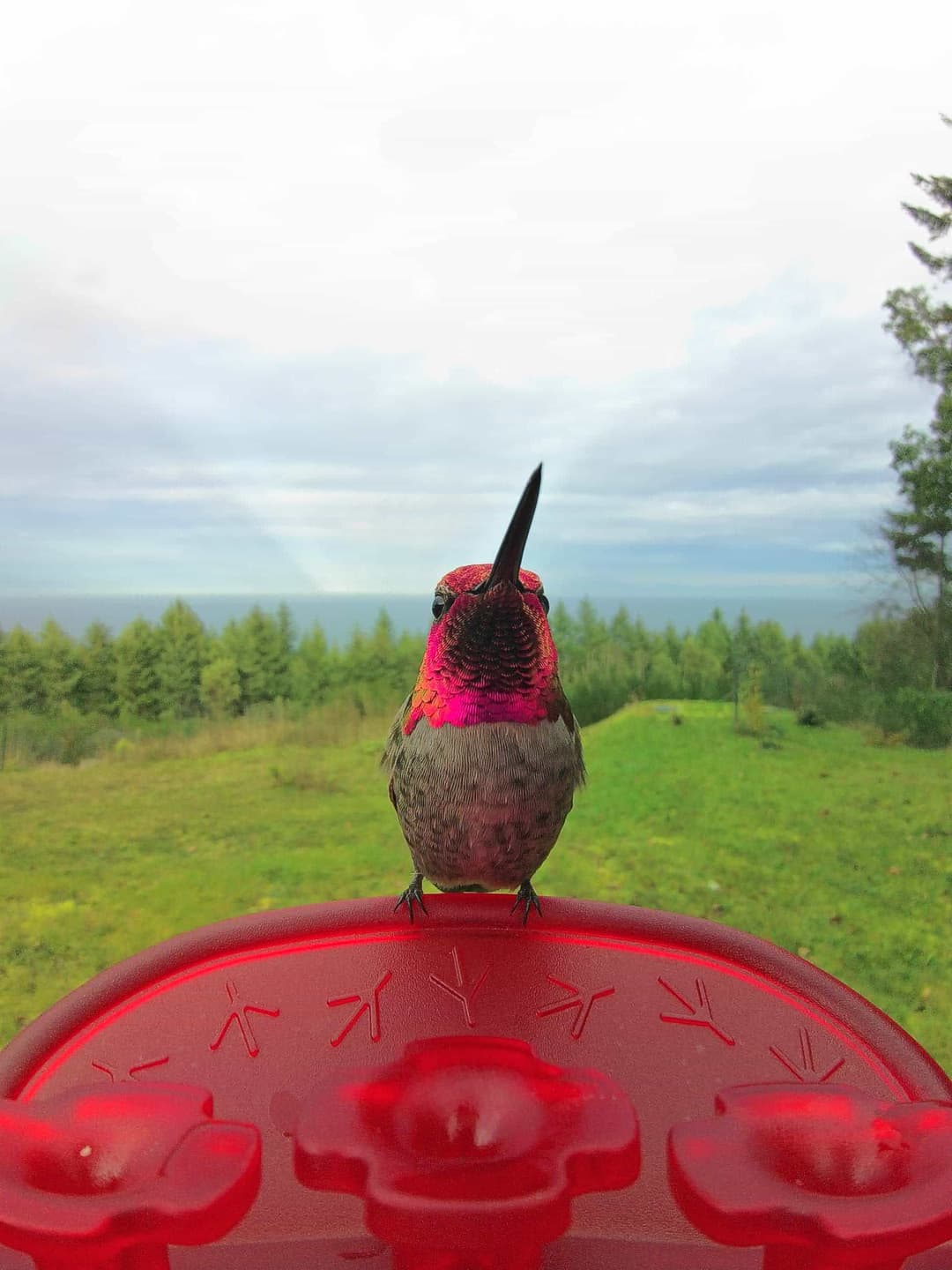
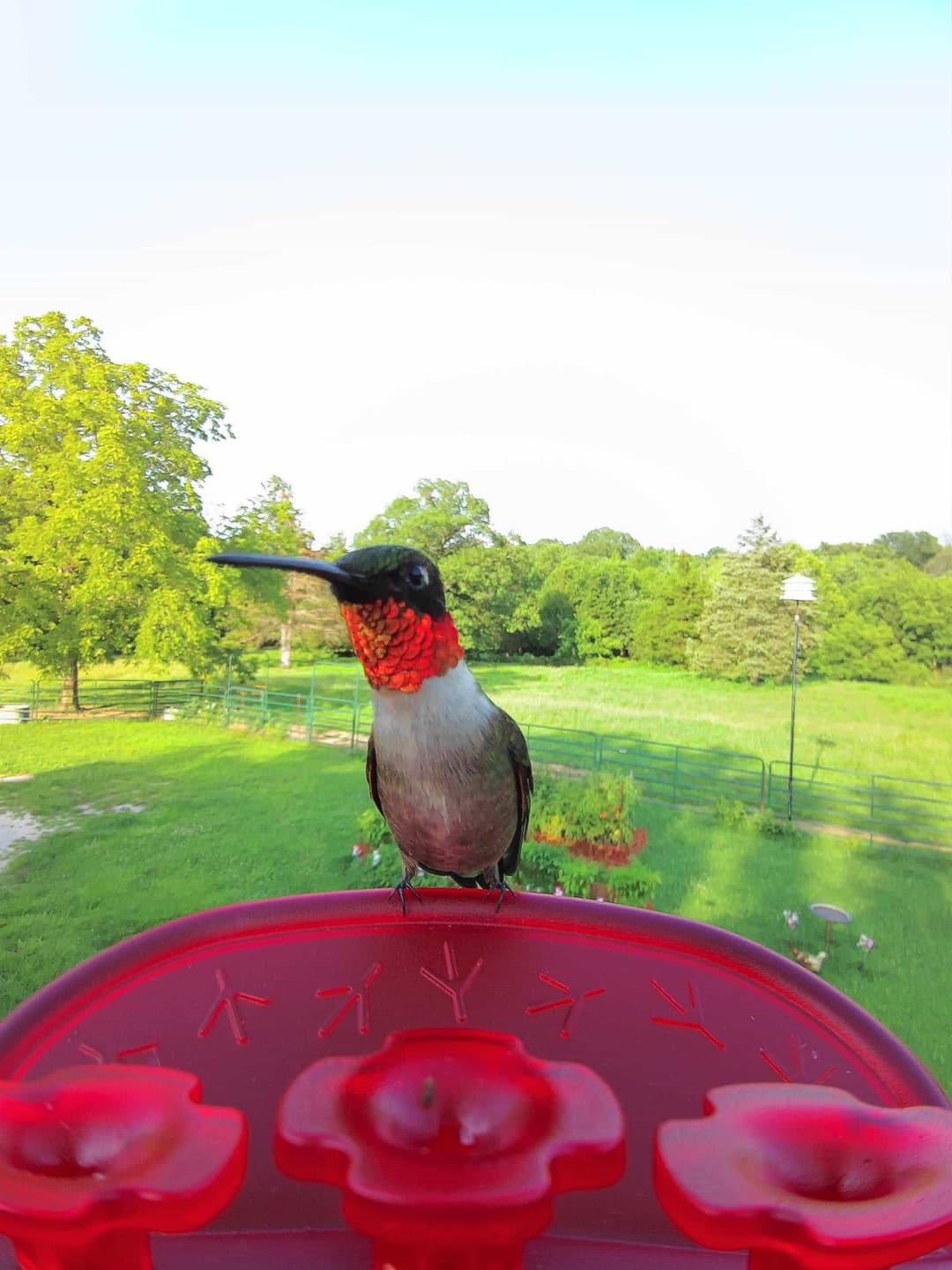
Ruby-Throated Hummingbird vs Broad-Tailed Hummingbird
Broad-Tailed males have rose-pink throats, in contrast to the Ruby-Throated’s brilliant ruby-red throats. Broad-Tailed also have a whiter underbelly and are generally found more in the western regions compared to the primarily eastern Ruby-Throated.
Breeding and nesting habits of the broad-tailed hummingbird
Mating behaviors
The broad-tailed hummingbird male performs remarkable aerial displays to attract females, including loops and dives, producing a buzzing sound with its wings. This is key in courtship, allowing the male to showcase his strength and stamina.
Nesting details
Nests are often built at high elevations in montane meadows or open woodlands. The female constructs the nest using materials like spider silk, plant down, and lichen, which provide flexibility and camouflage. Gardens can attract nesting by offering native flowering plants, shrubs, and small trees as potential sites.
Eggs and chick-rearing
Typically, two white eggs are laid, with the female solely responsible for incubation, lasting about 14-17 days. After hatching, she feeds regurgitated nectar and insects to the chicks for approximately 20-26 days before fledging. Providing a pesticide-free environment rich in insects can support chick nutrition.
What does a broad-tailed hummingbird like to eat?
Insects
Nectar
Sap
Spiders
Natural diet
The broad-tailed hummingbird primarily consumes nectar from flowers, showing a preference for red tubular flowers. In addition to nectar, it also feeds on tiny insects.
Bird feeders
This hummingbird is attracted to sugar-water mixtures typically offered in hummingbird feeders.
Prepare a welcoming feast for the broad-tailed hummingbird
The Broad-Tailed Hummingbird is specifically attracted to red or orange flowers that are rich in nectar. Plant these in your yard to catch their attention. For snacks, these beauties are fond of consuming tree sap, small insects and spiders in addition to nectar. Provide these in your feeder to pique their interest.
Choose the right feeder
The Broad-Tailed Hummingbird prefers a feeder that has a lot of red on it and is easy to access. Tube feeders with multiple ports are particularly popular among these birds as they easily simulate the tubular flowers they drink from in the wild.
Make use of fun tricks
Hummingbirds are known for their curiosity. Adding moving elements like wind chimes and spinners to your yard can pique their interest. Moreover, placing your feeder near a water source can also attract these birds since they love their baths.
Bird buddy seeds are recommended
The Broad-Tailed Hummingbird might be little, but it has a big appetite for seeds. The Bird Buddy seed mix, selected by experts for the individual seasons, proves to be the best choice. These offer the nutrients and energy these birds need to maintain their high metabolism.
Finally, remember to keep it all clean
To ensure your feathered friends keep visiting and possibly even stay, regularly clean your feeders and make sure any food you provide is fresh. With all these steps, the Broad-Tailed Hummingbird will definitely consider your yard a go-to place!
What is the role of broad-tailed hummingbirds in nature and how to protect them?
Conservation status
The broad-tailed hummingbird remains common and widespread, but surveys show a decline in numbers in recent decades. Its conservation status is not currently classified as vulnerable or endangered, but the declining trend is concerning. Key threats include habitat loss, climate change, and competition for resources. Conservation efforts focus on habitat protection and restoration, along with monitoring populations to better understand the causes of decline. Promoting native plant growth and creating bird-friendly spaces can support their populations.
Ecological role of broad-tailed hummingbirds
Its role in the ecosystem
The Broad-tailed Hummingbird plays a substantial role in the ecosystem. Its peculiar diet contributes significantly to pest control; by feeding on small insects and spiders, it helps regulate these potentially harmful species' populations. This aids in maintaining a balanced ecosystem, thus indirectly benefiting other organisms within its habitat. Additionally, this hummingbird contributes to pollination. While it feeds on nectar from primarily red flowers, its long bill and extended tongue facilitate the transfer of pollen, enabling plant reproduction. With its feeding habits, it also inadvertently aids in seed dispersal. Lastly, the Broad-tailed Hummingbird's territorial behavior can impact the distribution and behavior of other species within its territory, subtly shaping the ecosystem. Therefore, its presence and behavior can both directly and indirectly influence the ecological makeup and biodiversity of its surroundings.
How to help protect broad-tailed hummingbirds
Preservation tips
Habitat preservation strategies
To protect the Broad-tailed hummingbird, preserve its natural habitat by refraining from excessive use of pesticides, ensuring healthy biodiversity in your garden, and planting native flowering vegetation. Additionally, setting up a bird-friendly garden can provide these birds a mini-refuge, especially in urban areas. Remember to include feeders with a 4-to-1 water-to-sugar ratio to help them during migration.
Community science initiatives
Participate in initiatives like the 'Hummingbird Monitoring Network' and 'Project FeederWatch' to contribute to the understanding and conservation of these species. Additionally, support legislation and organizations that are aimed at protecting and conserving wildlife and their habitats. Educating the community about the importance of these birds and their role in the ecosystem can further mobilize conservation efforts.