Hummingbird or Violet Sabrewing?
Here's how to tell the difference
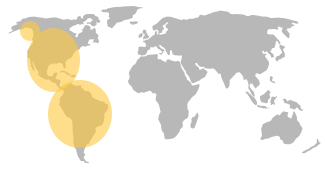
Hummingbird

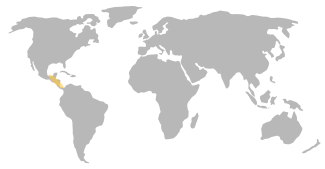
Violet Sabrewing
Hummingbird
Trochilidae
General appearance
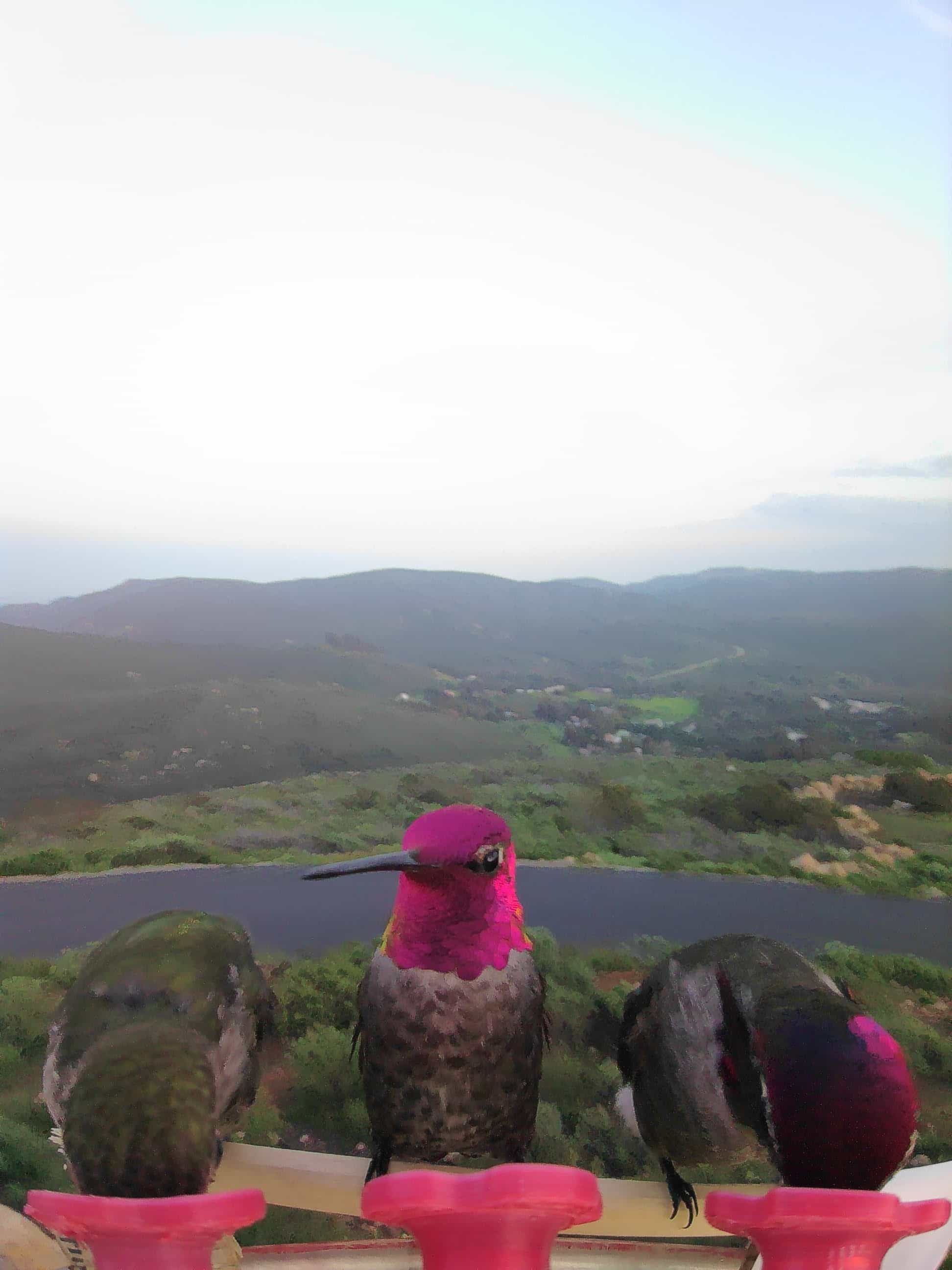
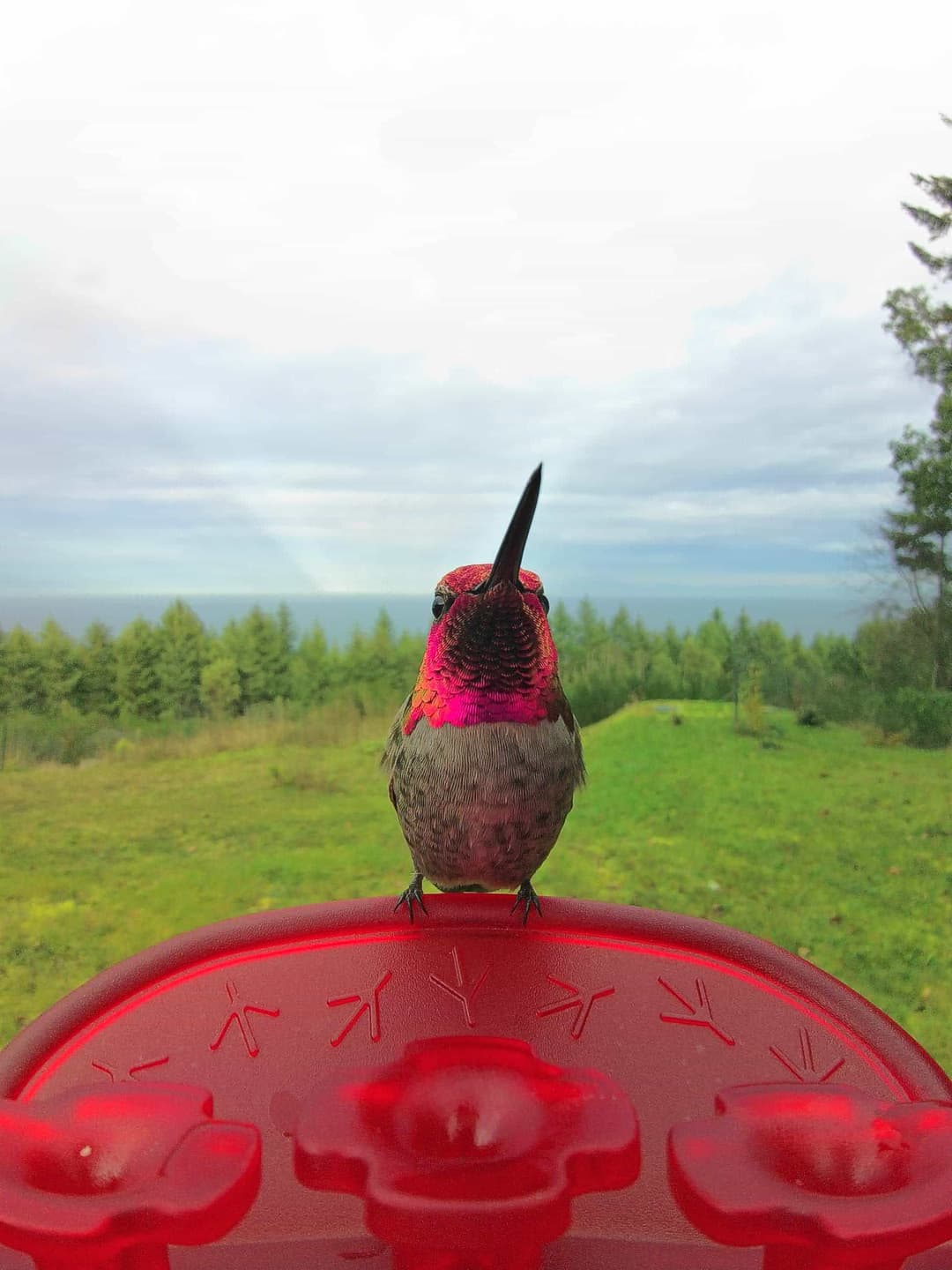
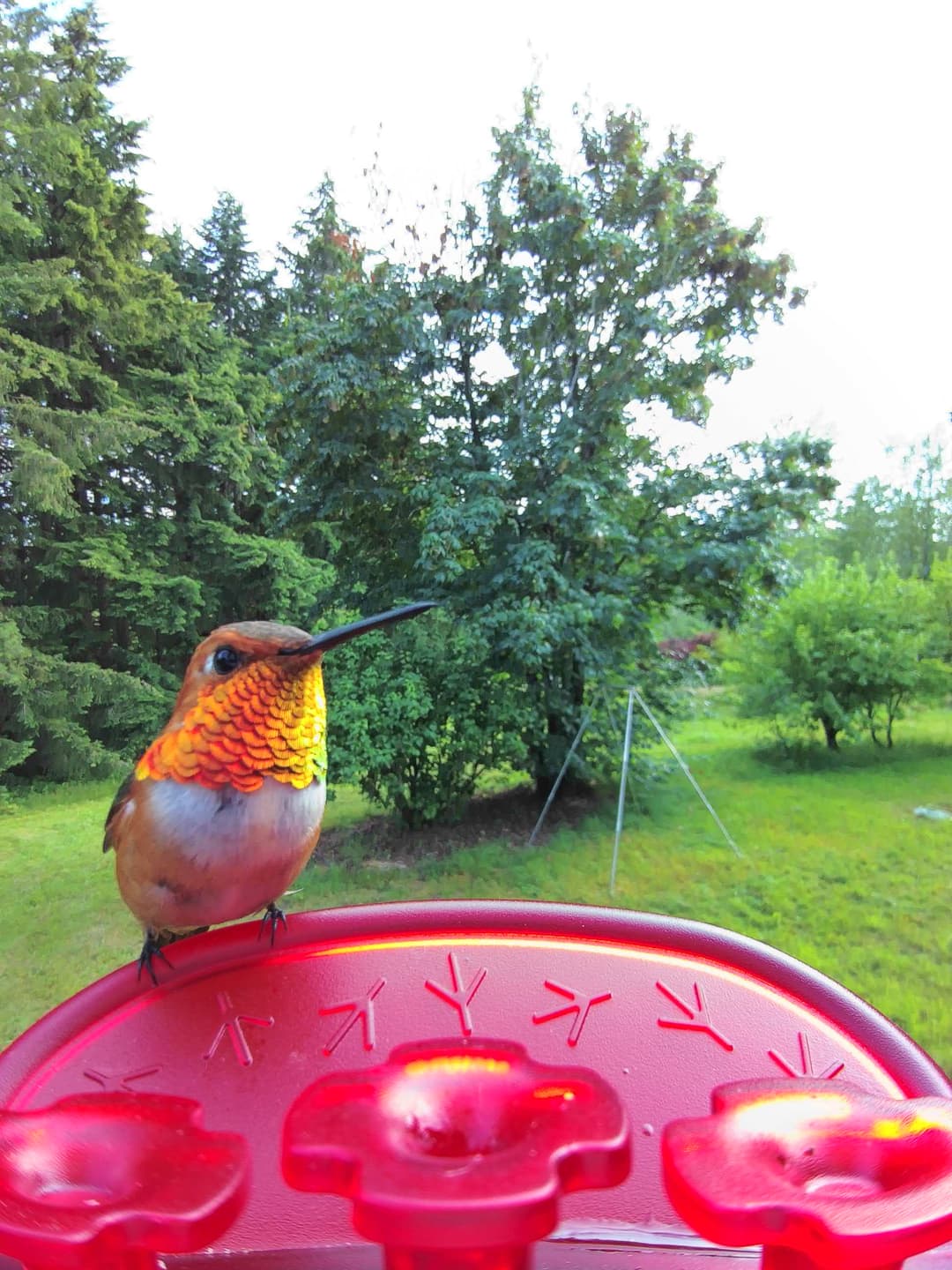
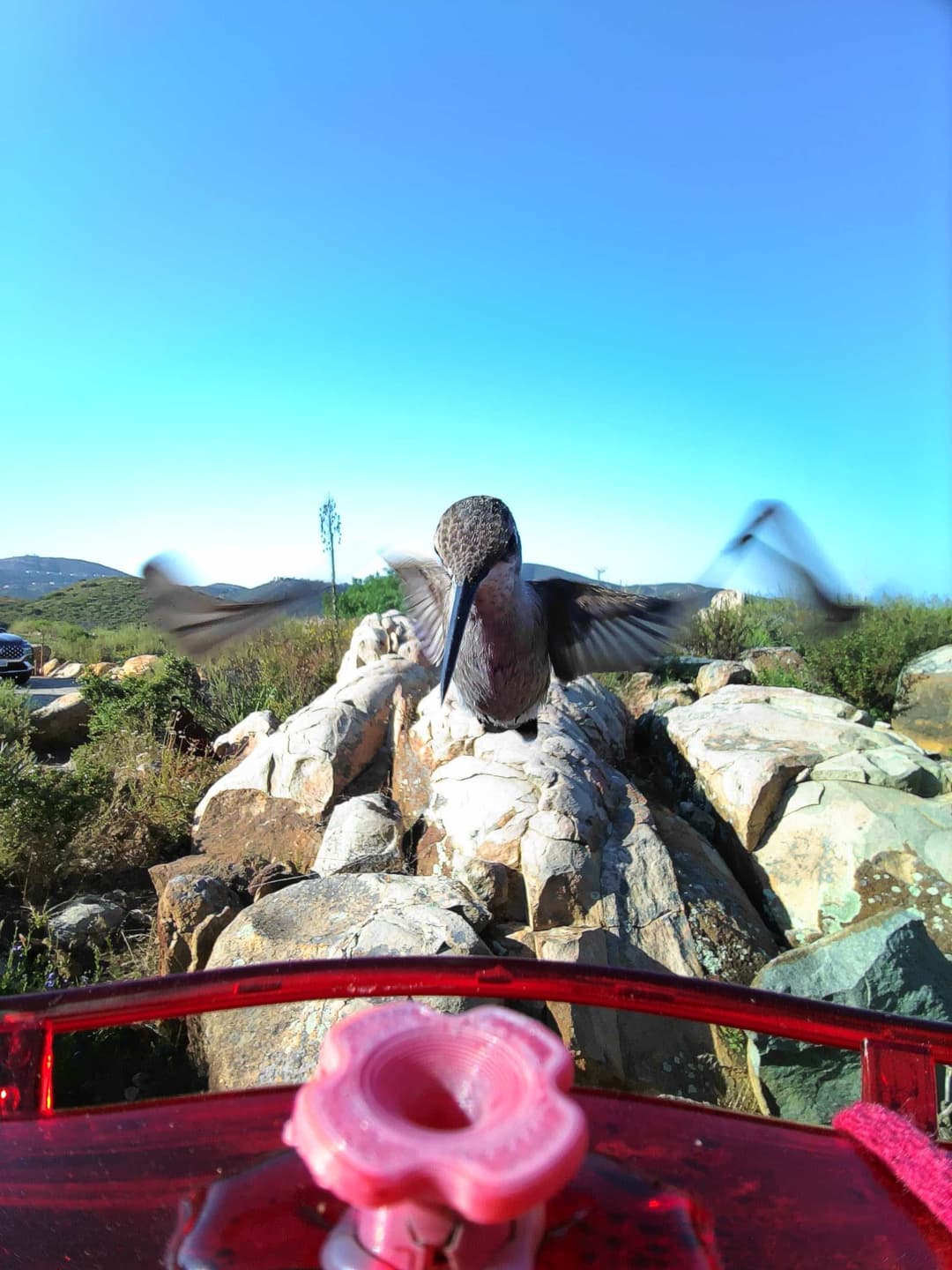
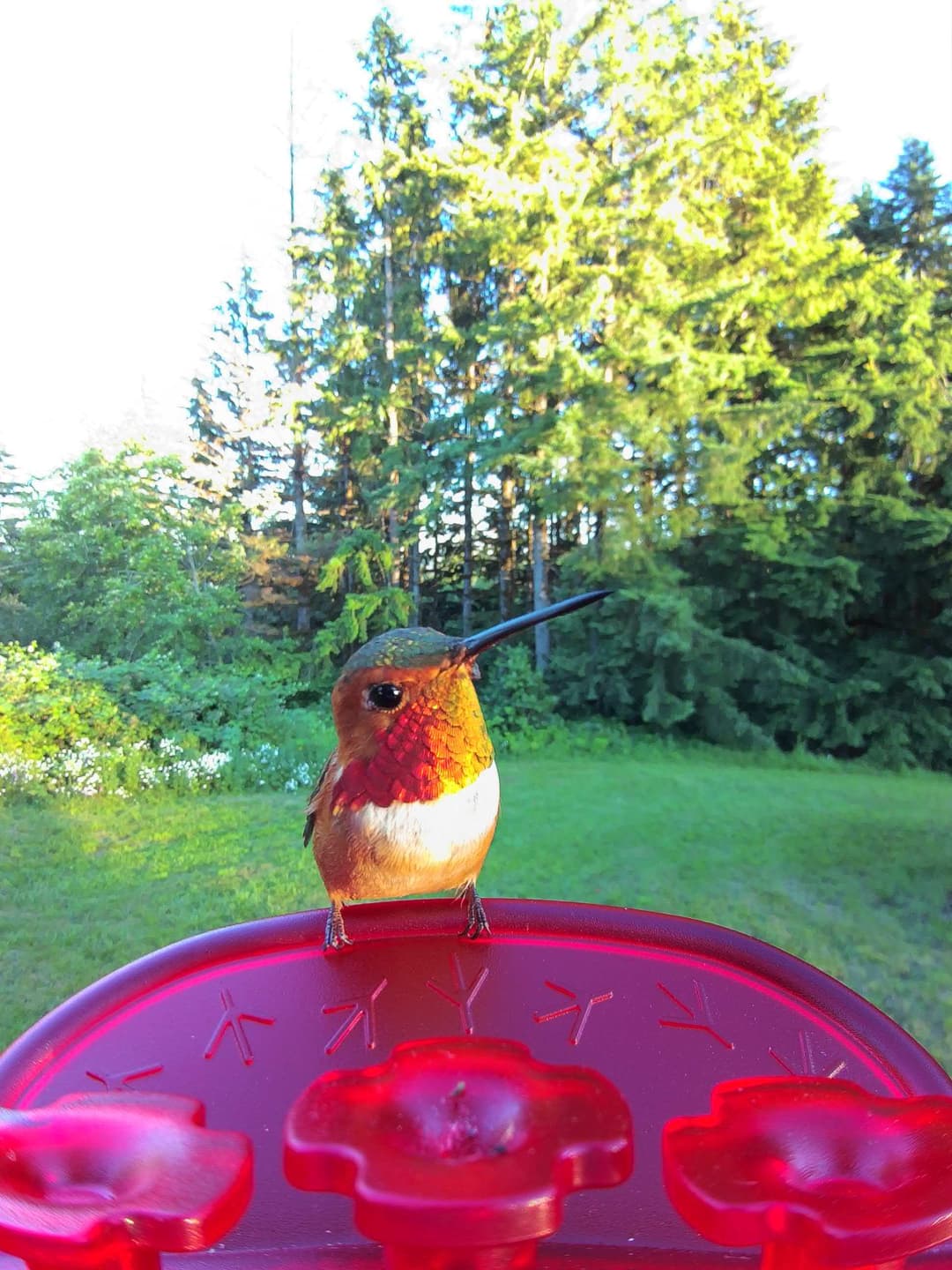
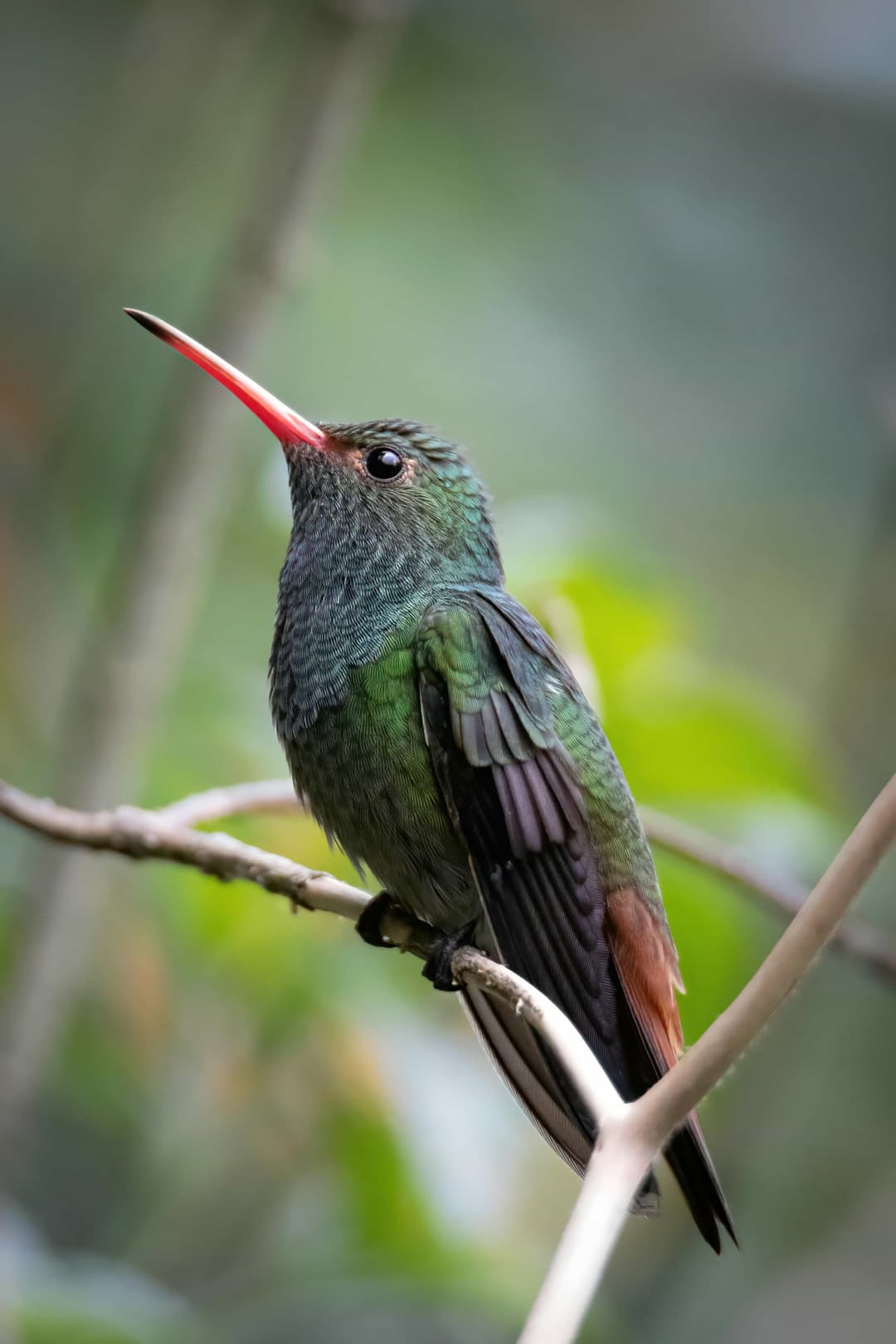
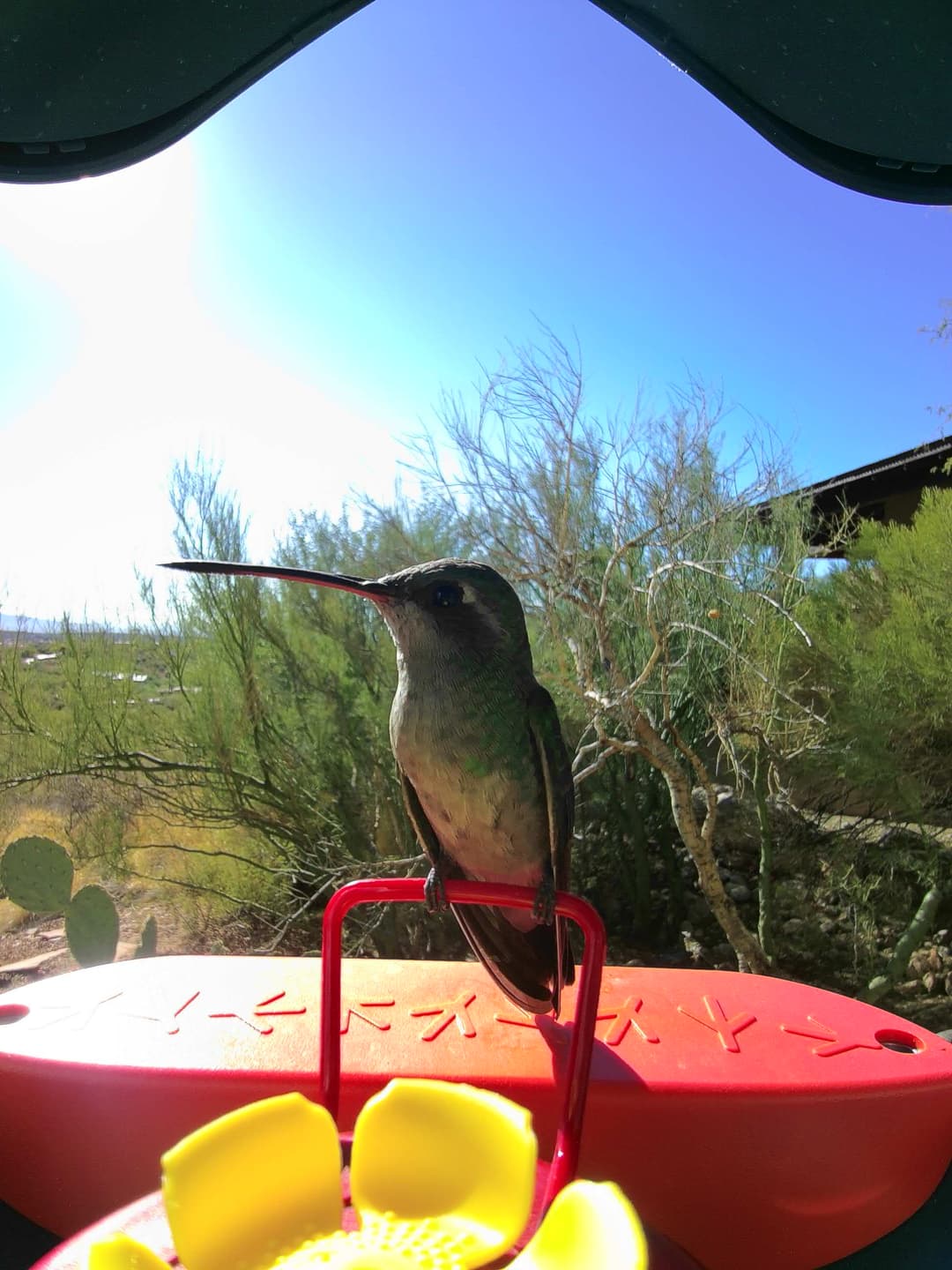
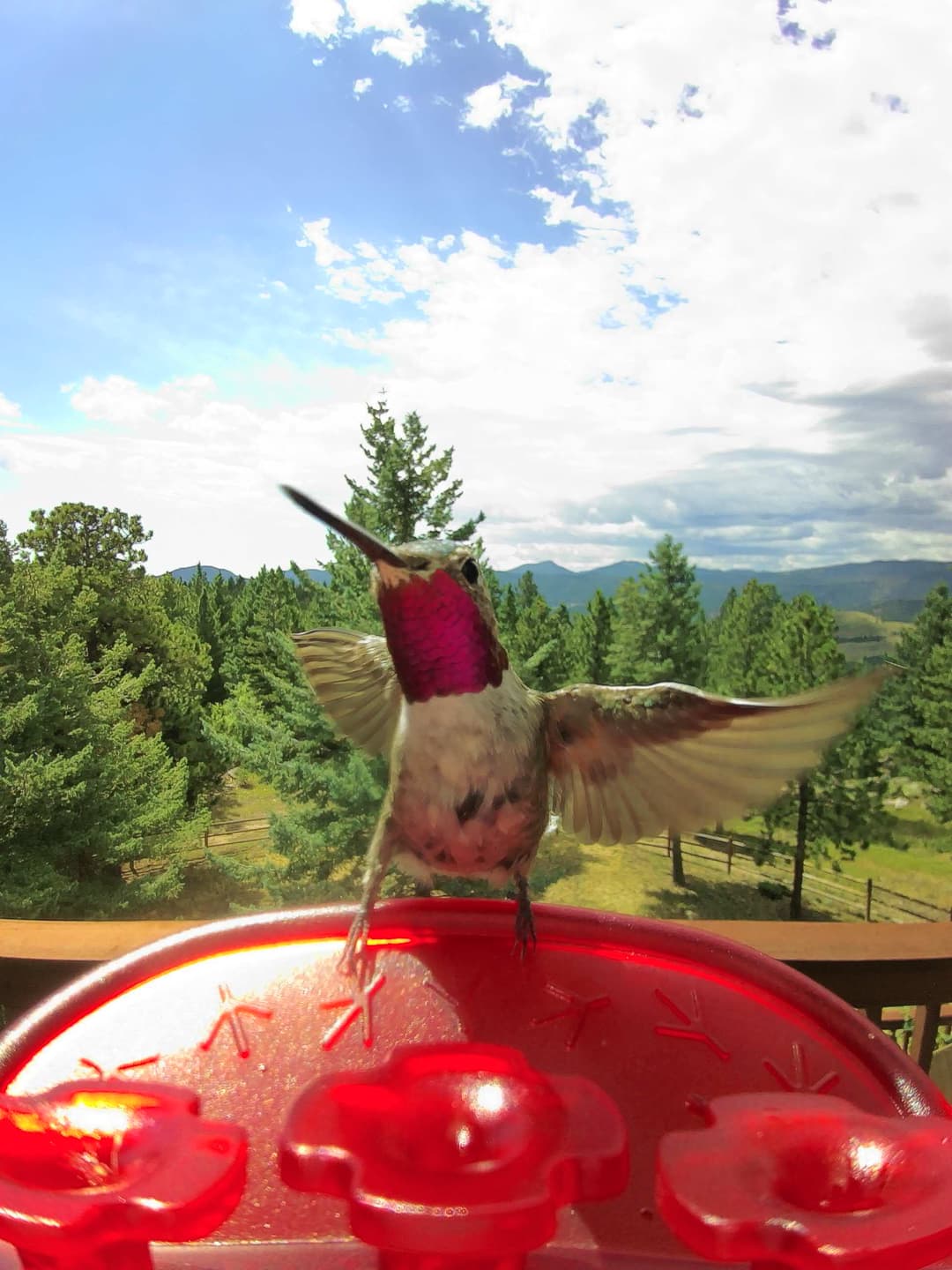
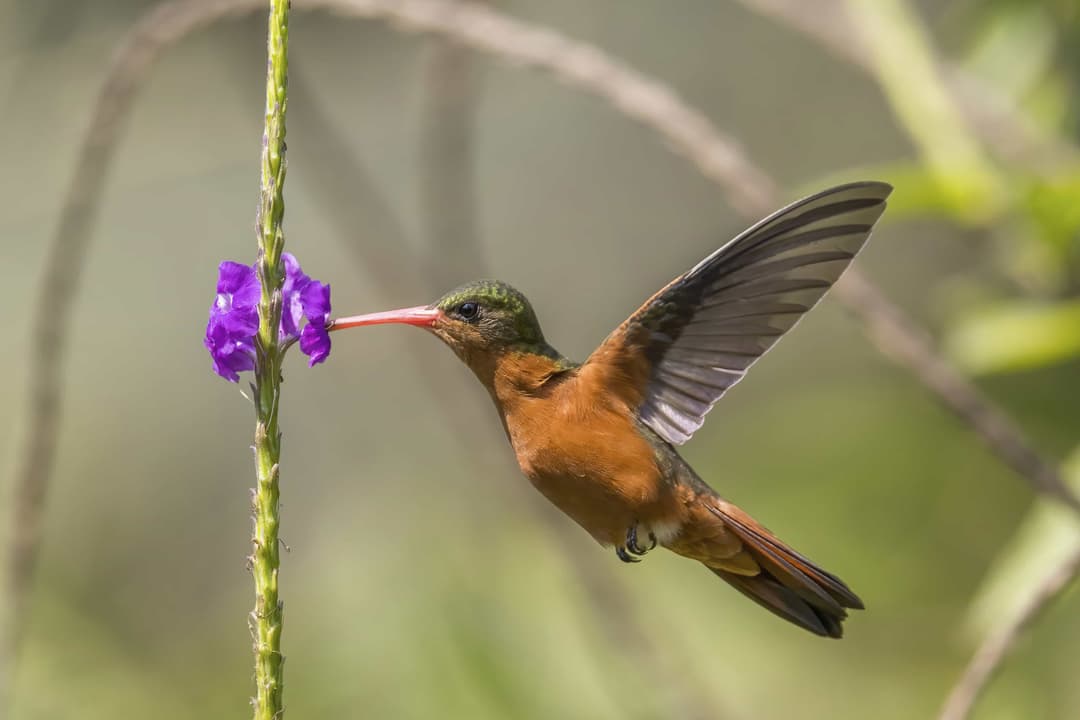
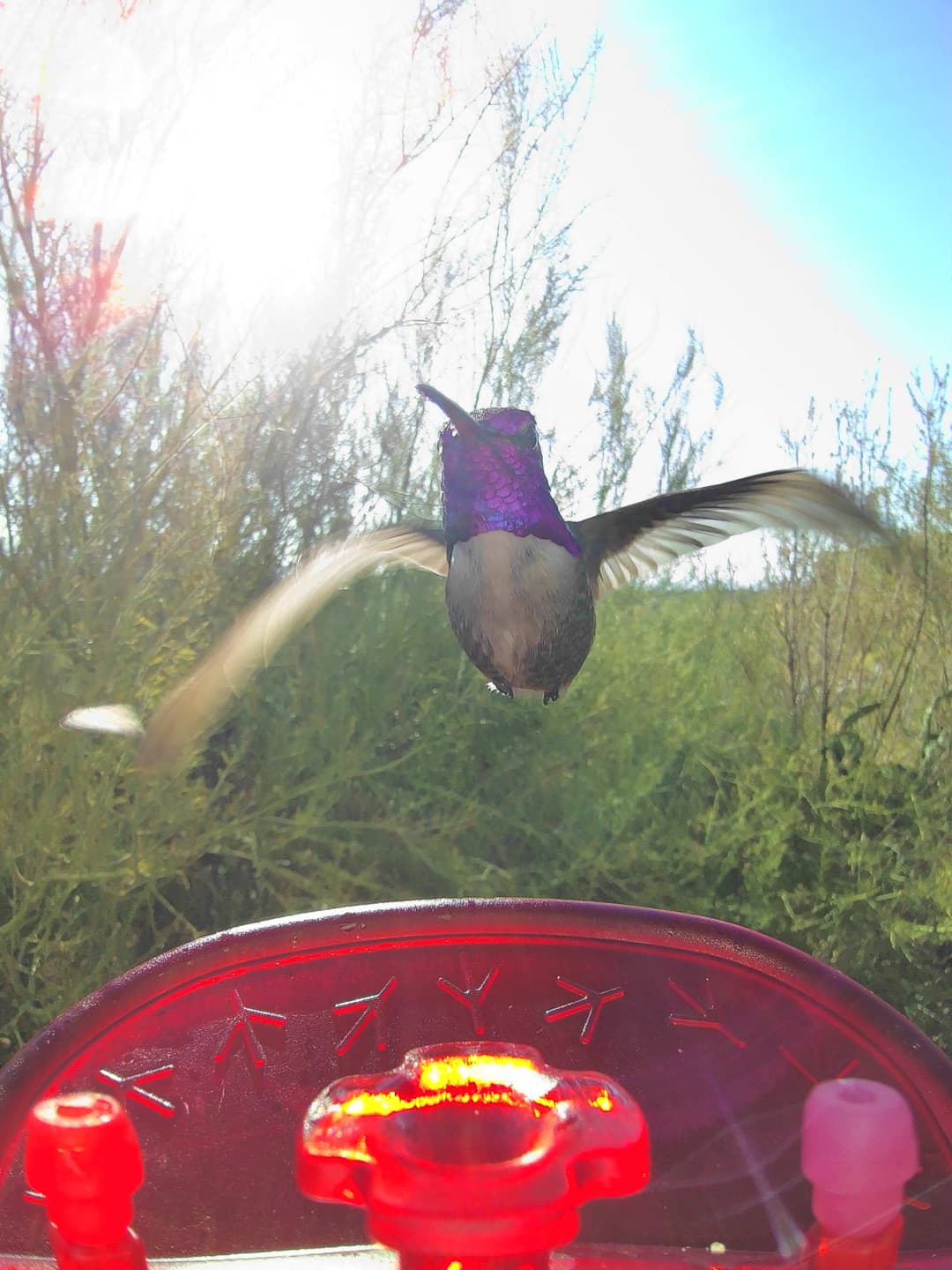
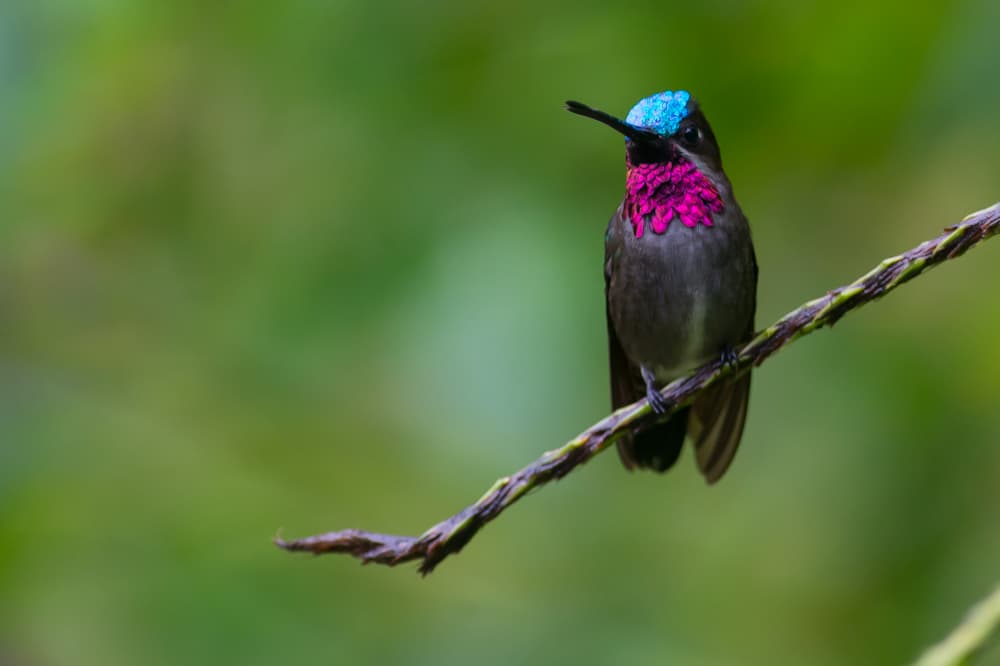
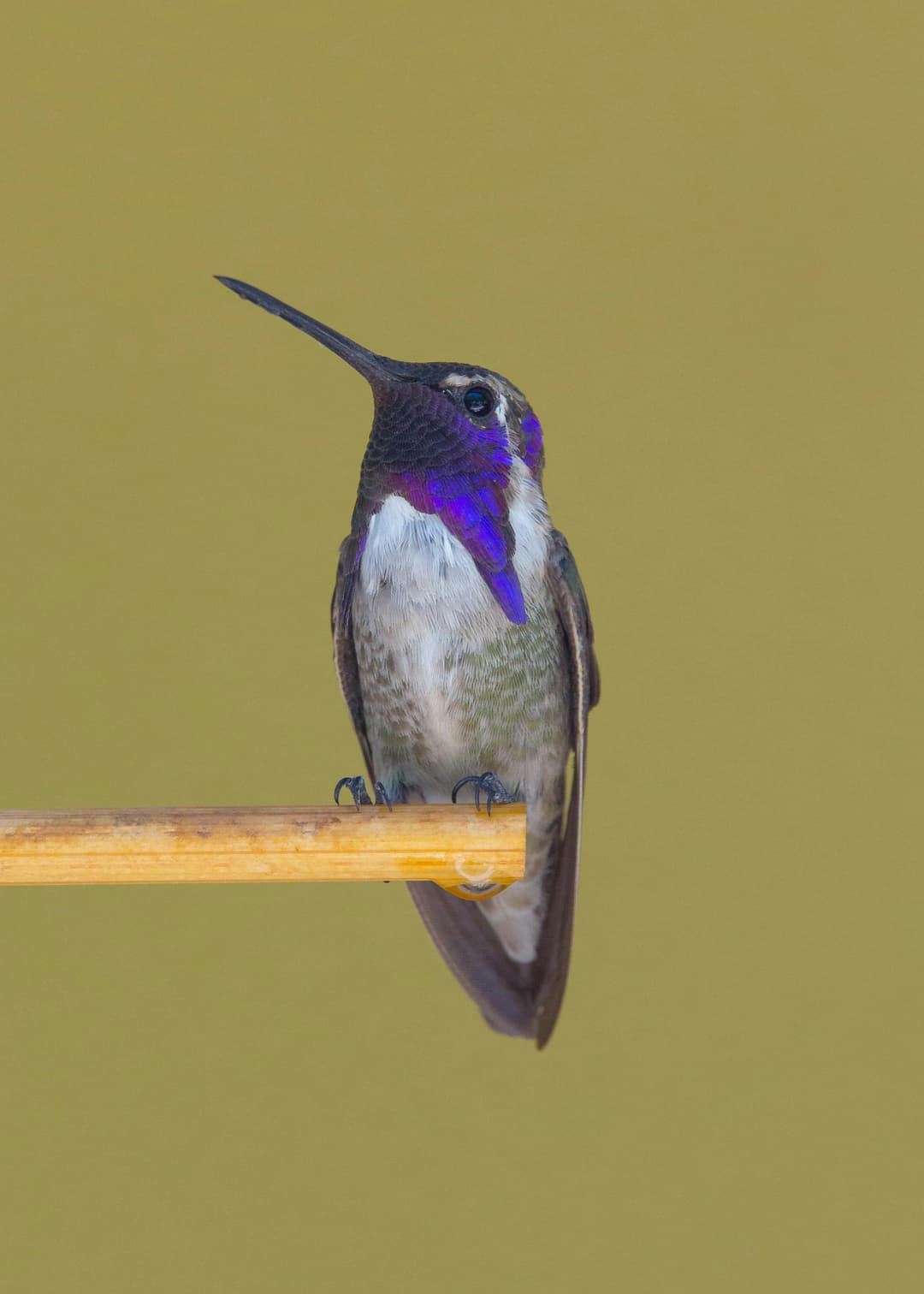
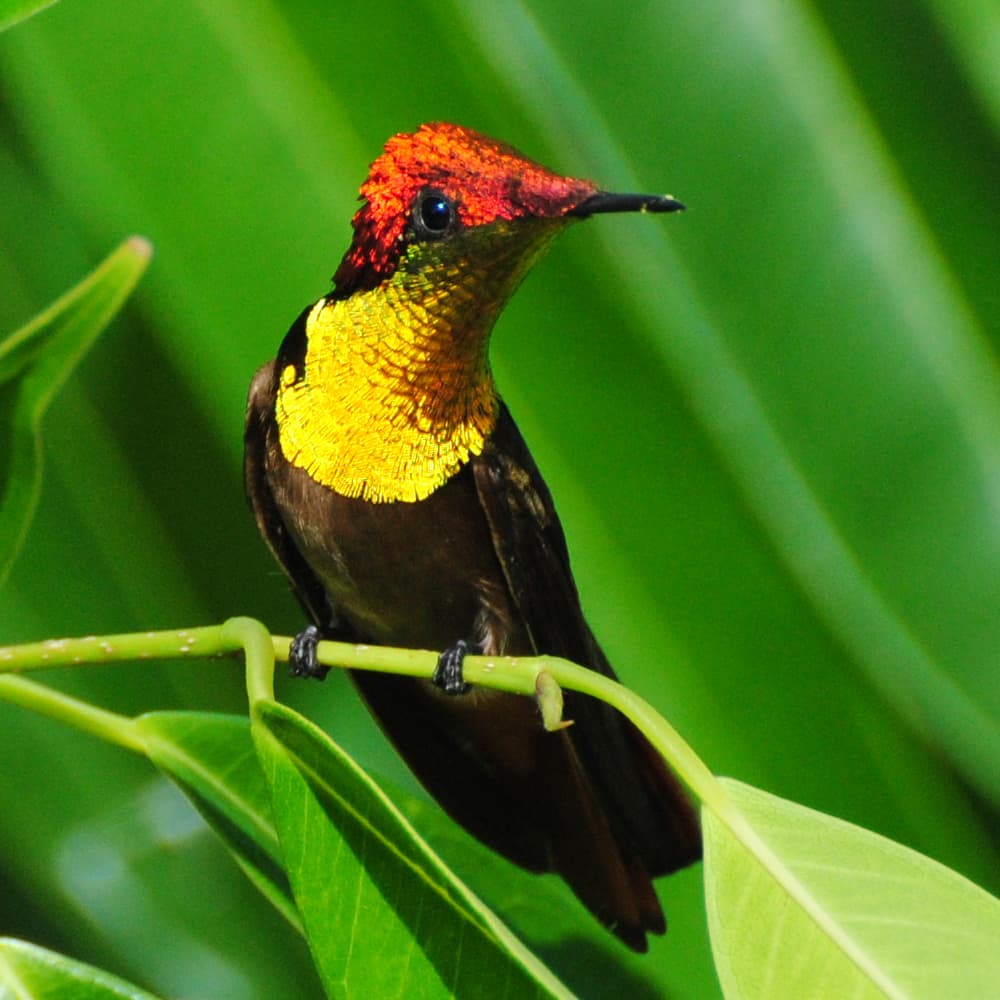
Hummingbirds are small, vibrant birds with iridescent feathers. They are most noticeable for their quick, darting flying style and ability to hover in mid-air. Colors range widely, including greens, blues, purples, reds, and whites, often with a metallic sheen. They possess a long, thin beak perfect for sipping nectar from flowers.
Male vs female
Males are typically brighter and more colorful than females, often with a ‘gorget’ or patch of bright, iridescent throat feathers that females lack. Female hummingbirds have softer, muted coloration for camouflage when nesting. Males are also slightly smaller on average.
Juvenile
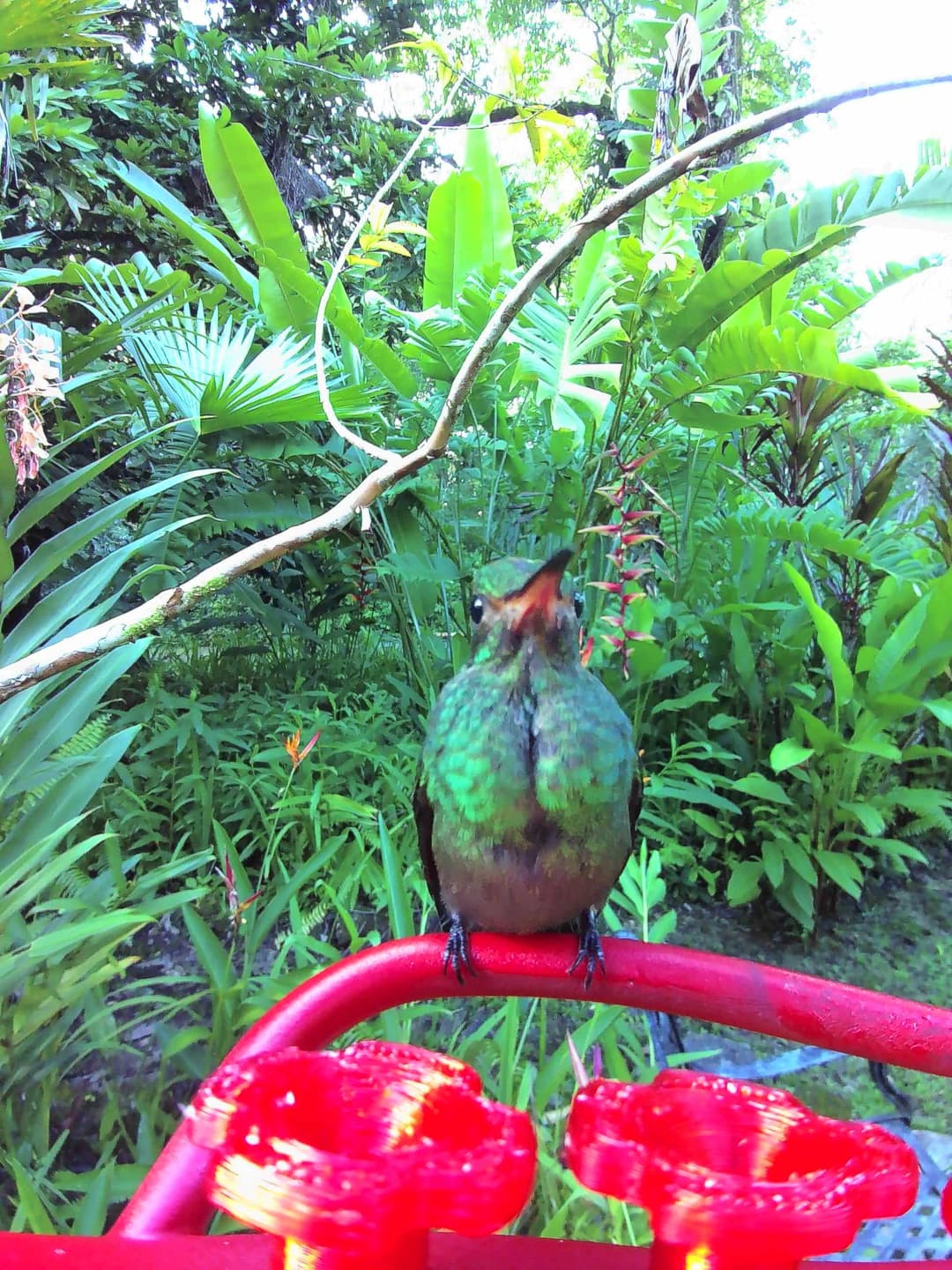
Juvenile hummingbirds resemble their mothers in colouring to stay camouflaged. They lack the iridescent throat patch of adult males. As they mature, juvenile males begin to develop more vibrant feathers, particularly on their throats, and by their first winter, most will have at least a few bright feathers indicative of their gender.
Size
2.0 - 10.2 in/0.1 - 0.8 oz
There's more to learn about Hummingbird
View full detailsViolet Sabrewing
Campylopterus hemileucurus
General appearance
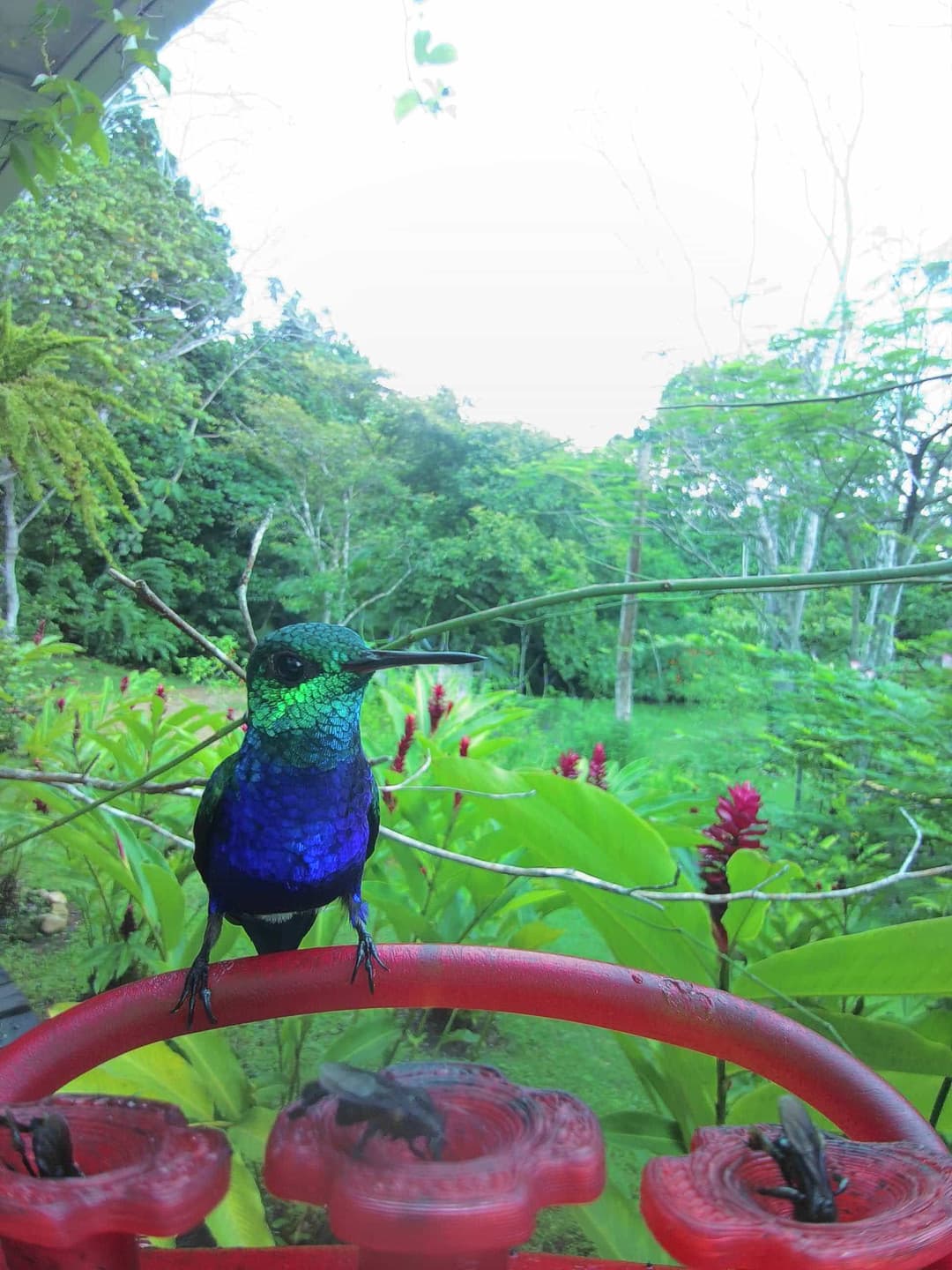
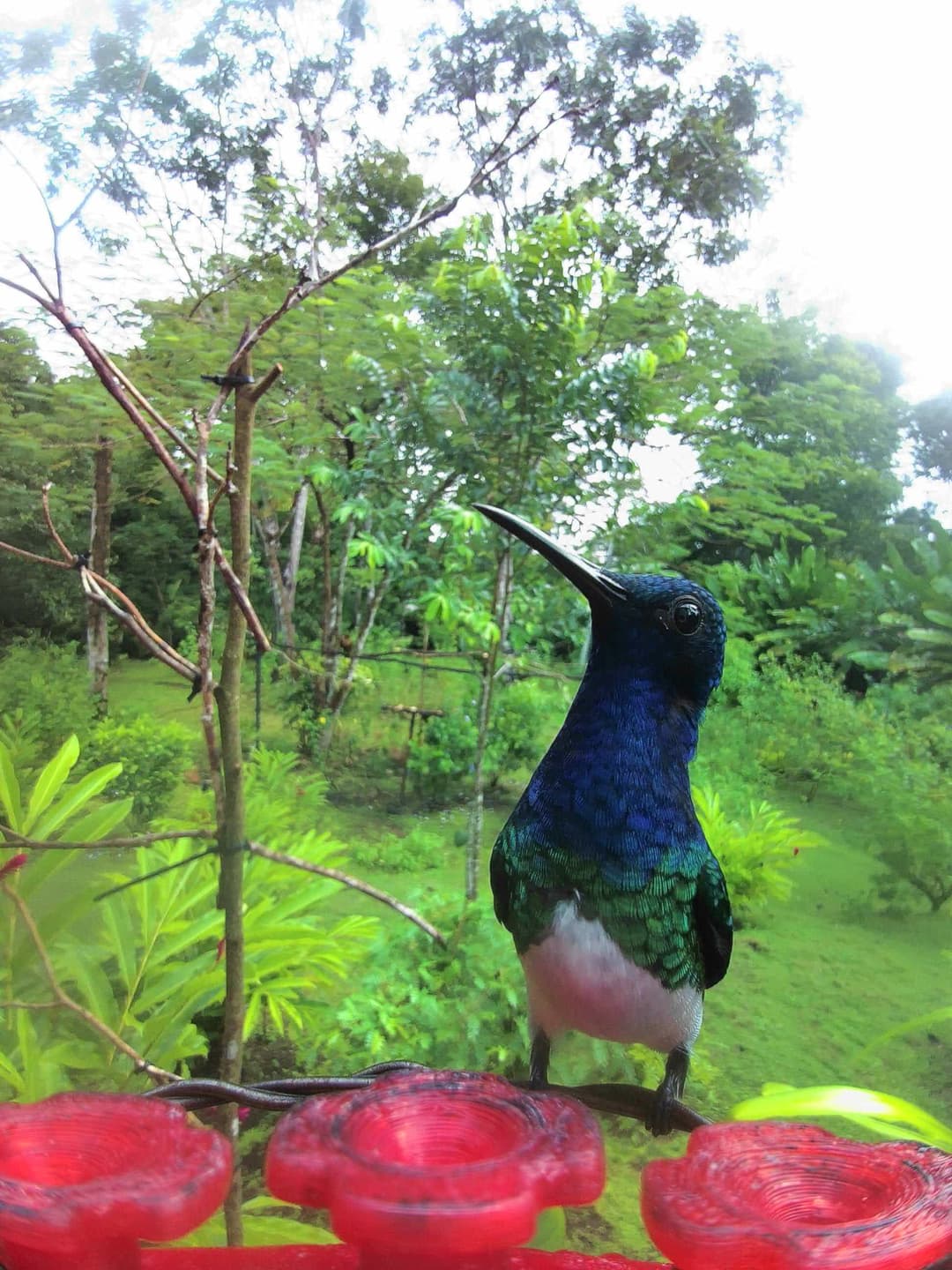
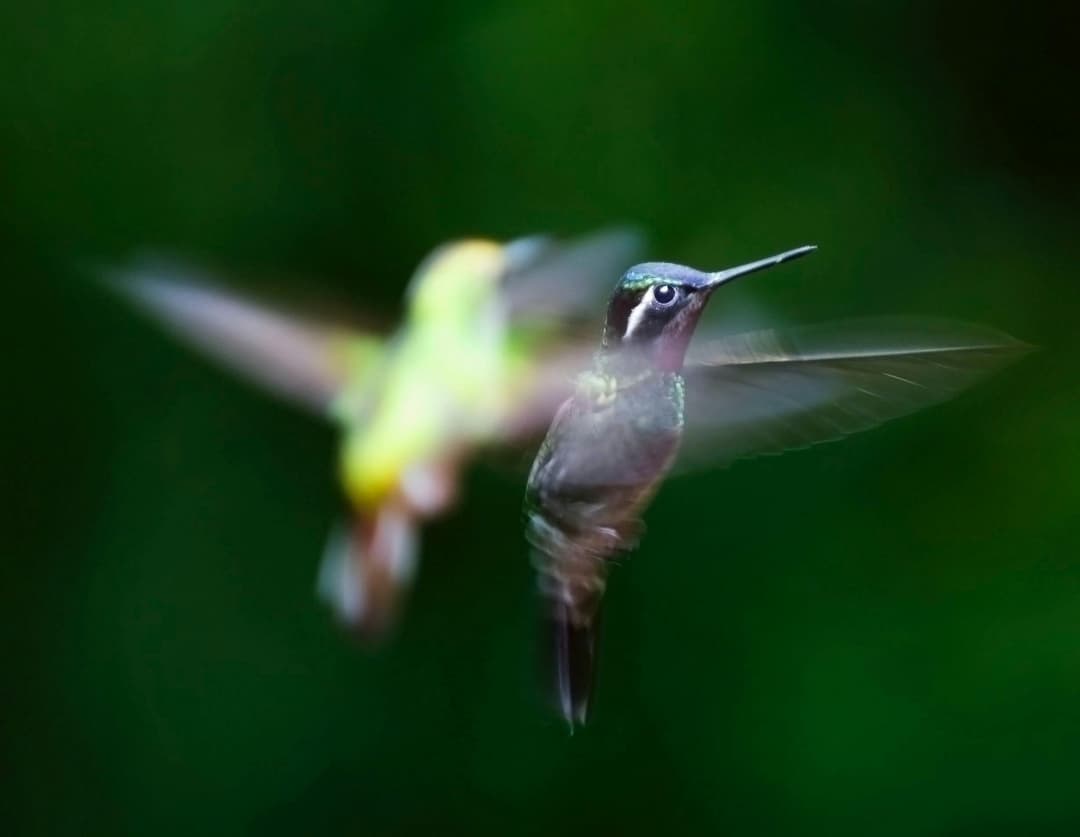
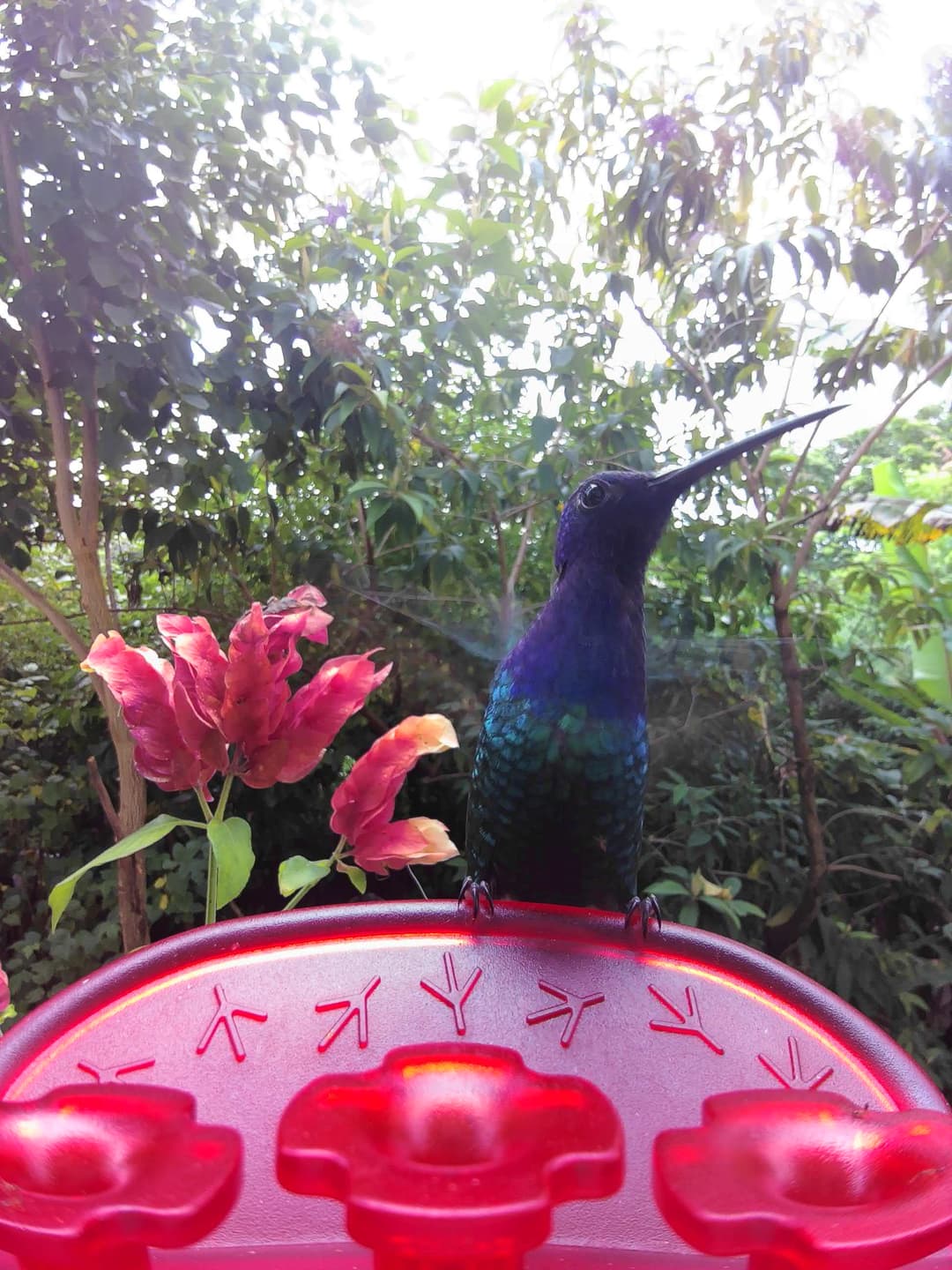
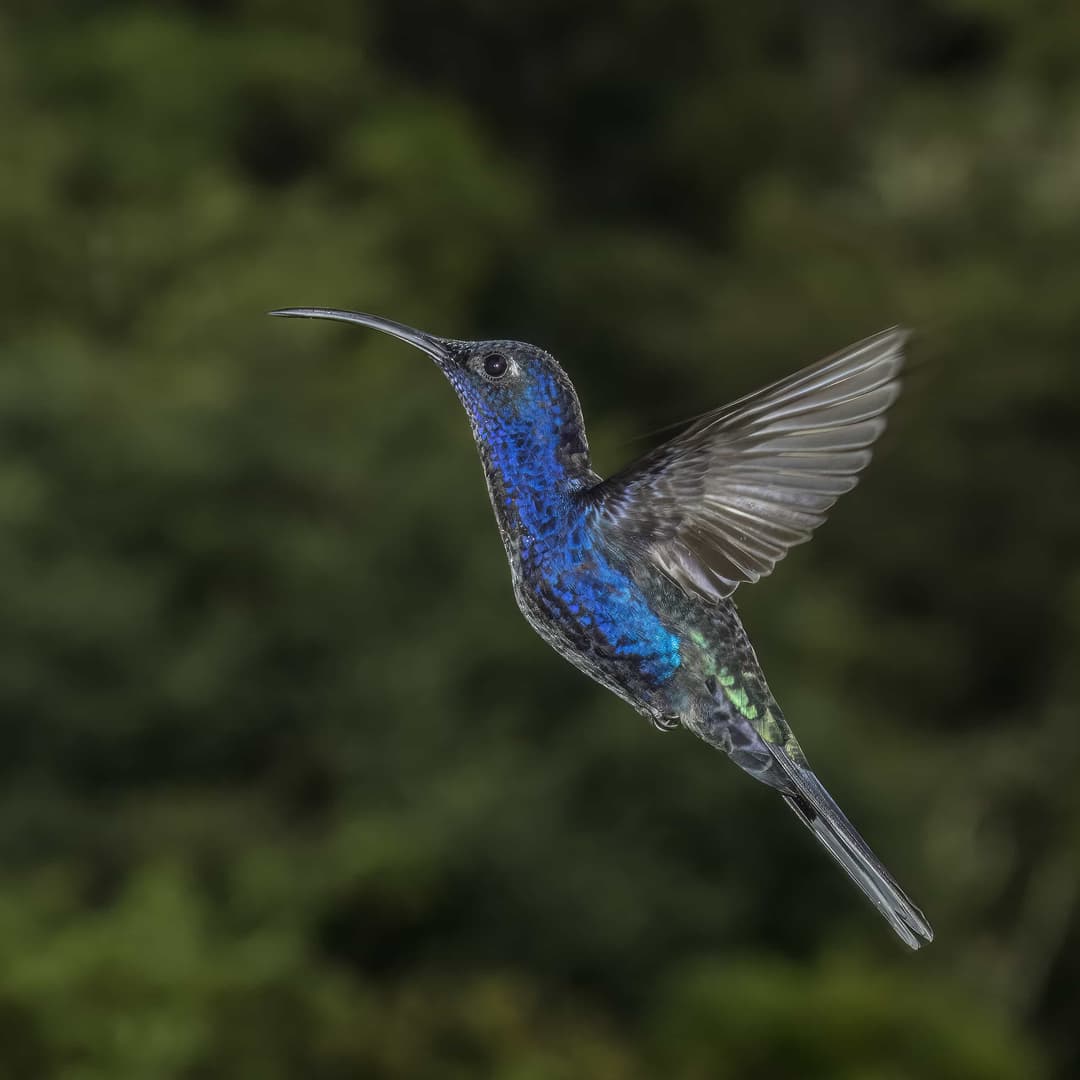
The Violet Sabrewing is a large, striking hummingbird endemic to Central America. It is characterized by its vibrant purple-blue plumage that covers most of its body. With a long, decurved bill and white, feathery underparts, it measures around 5.5 inches in length. The strong wings of this species, from which its name is derived, have black- or green-tipped secondary feathers.
Male vs female
Violet Sabrewing males stand out with their dazzling, iridescent blue-violet feathers, particularly in the breeding season. Females, though more subdued, bear a greenish-blue hue in good light, but are mainly greyish-brown. Whilst males have full white underparts, females display a white-striped belly against a greyish background. Males also boast slightly longer tails.
Juvenile
Juvenile Violet Sabrewings resemble females but are dimmer with a shorter, straighter bill. As they age, the iridescence starts appearing and they grow into the sweeping curves of the adult form. Young males develop their full, bright violet-blue coloration after maturing over time.
Size
5.5 - 5.9 in/0.4 - 0.5 oz
There's more to learn about Violet Sabrewing
View full detailsHow to tell the Hummingbird from the Violet Sabrewing
Visual differences
The Violet Sabrewing, at 5.5 inches long and weighing 11.2-13.3 ounces, is larger than most hummingbirds, which range 2-10 inches and 0.06-0.84 ounces. Violet Sabrewings feature vibrant purple-blue plumage with white underparts and a long, decurved bill. In contrast, hummingbirds display diverse colors including metallic greens and reds, and have long, slender bills. Male hummingbirds often have colorful gorgets. Violet Sabrewings possess strong wings with black- or green-tipped feathers, whereas hummingbird wings beat rapidly for hovering. Female Violet Sabrewings are greyish-brown with a white-striped belly, differing from the generally muted females of other hummingbird species.
Key differences and behavior
Hummingbirds, with over 350 species, are diverse and agile, known for hovering with rapid wing beats. They inhabit tropical, subtropical, and temperate regions, often adapting to urban environments. They perform solo courtship displays, with females solely handling nesting. Their diet is primarily nectar and insects. In contrast, the Violet Sabrewing is Central America's largest hummingbird, exhibiting territorial behavior at feeders. It thrives in humid forests and high-altitude habitats, from southern Mexico to Panama. They perform group courtship displays and aggressively defend territories. Similar to hummingbirds, their diet includes nectar and insects, and they adapt to feeders. Both share nesting habits involving camouflaged, cup-shaped nests and maternal care for hatchlings. However, Violet Sabrewings form group displays, whereas regular hummingbirds display alone. The Sabrewing's specific range and aggressive nature make it easier to distinguish behaviorally from other hummingbirds.
Still not sure? Here are more lookalikes!
Hummingbird vs Anna's Hummingbird
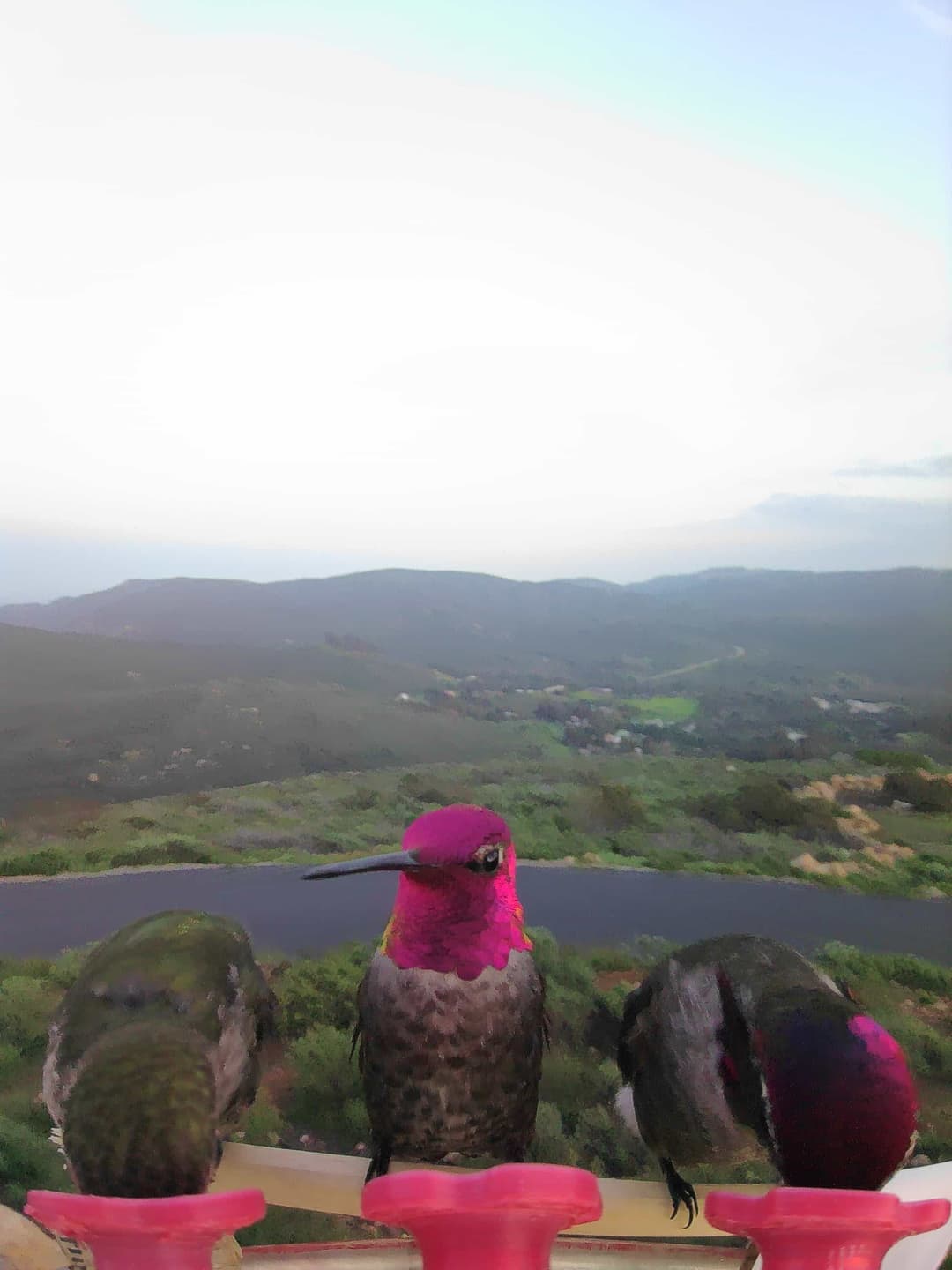
Hummingbird vs Allen's Hummingbird
Hummingbird vs Black-Chinned Hummingbird
Hummingbird vs Blue-Chested Hummingbird
Hummingbird vs White-Necked Jacobin
Hummingbird vs Rufous Hummingbird
Hummingbird vs Swallow-tailed Hummingbird
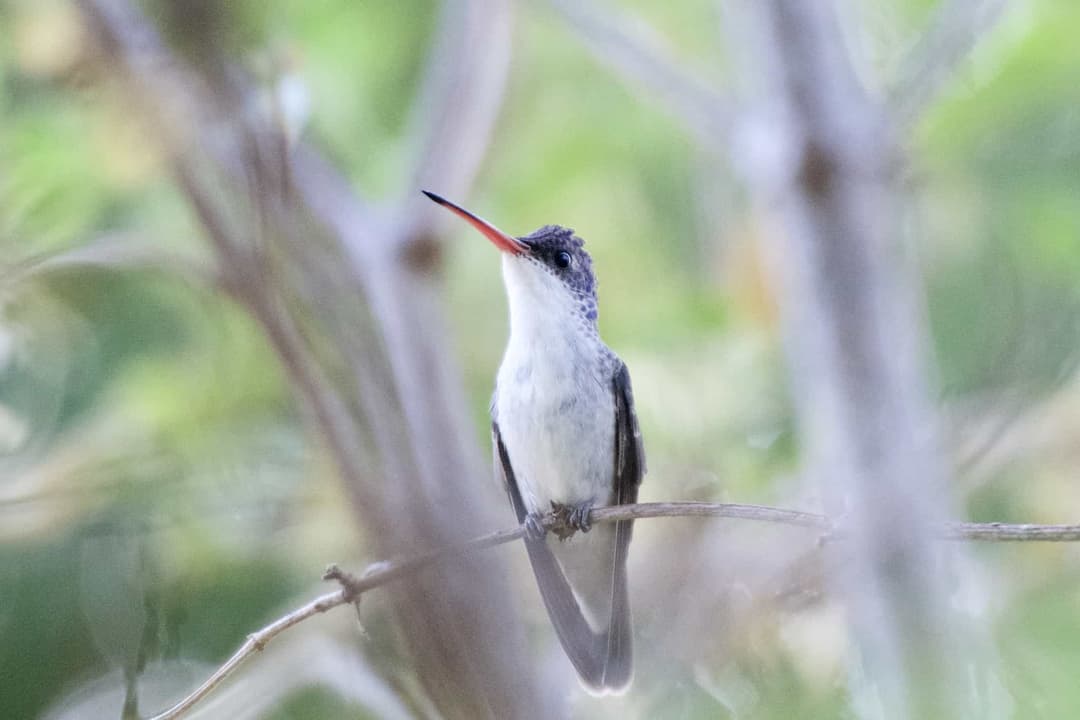
Hummingbird vs Violet-Crowned Hummingbird
Hummingbird vs [Select a bird]

[Select a bird]
Pick a bird to compare
Violet Sabrewing vs [Select a bird]
[Select a bird]
Pick a bird to compare