
Blue-Chested Hummingbird
Blue-Chested Hummingbird
Also known as: Blue Chested Hummingbird
Polyerata amabilis


Quick Identification guide
Quick Identification guide
- •
Features a vibrant blue chest contrasting with a green crown and back
- •
Exhibits a small, straight beak perfect for nectar feeding
- •
Possesses a gleaming white underside with a subtle blend on the sides
What does a blue-chested hummingbird sound like?
The blue-chested hummingbird is known for its lively, high-pitched vocalizations. Typical calls incorporate a series of quick, sharp chirping sounds, often used to signal alert or claim territory. Their songs, on the other hand, are complex and melodic, characterized by a range of buzzing and wiry notes. These vocalizations notably shift in pitch, volume, and speed, making each call or song distinct and richly textured. The blue-chested hummingbird's vocal skills reflect not just its communication needs but also its dynamic and expressive nature.


Description
Blue-chested hummingbirds don't like to stay put. They are known as short-distance migrants, and are constantly on the move in search of the yummiest flowers. When nectar is scarce, they go into survival mode, fiercely defending their feeding territory. Otherwise, they like to get together in casual groups, also known as leks, and sing together in hopes of impressing the ladies.
The blue-chested hummingbird can weigh between 3.8to4.8grams and be from7to11centimeters tall.
The blue-chested hummingbird typically lives around 3 to 5 years in the wild. This lifespan is comparable to many other hummingbird species, such as the ruby-throated hummingbird and the broad-tailed hummingbird. However, environmental factors and predation can affect longevity. Some species, like the Anna’s hummingbird, may live slightly longer, occasionally reaching up to 8 to 9 years. Despite their small size and rapid metabolism, hummingbirds have adapted to survive on limited resources, although their lifespans can be curtailed by habitat loss and climate change impacts.
Did you know?
Most popular questions about blue-chested hummingbird
How to recognise a blue-chested hummingbird?
General appearance
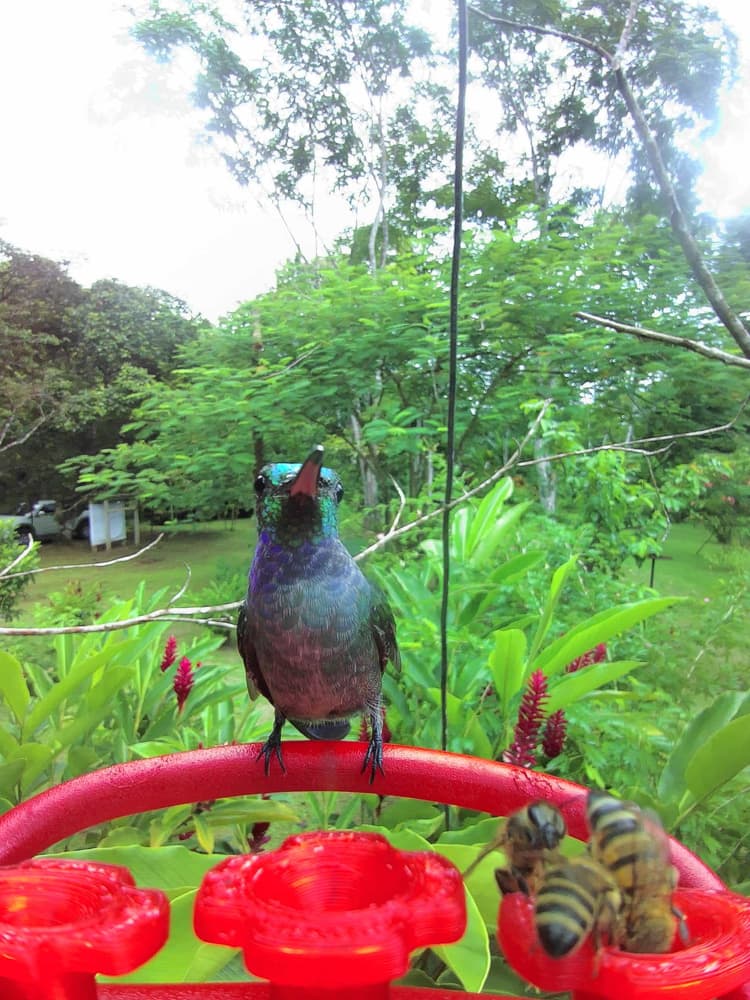
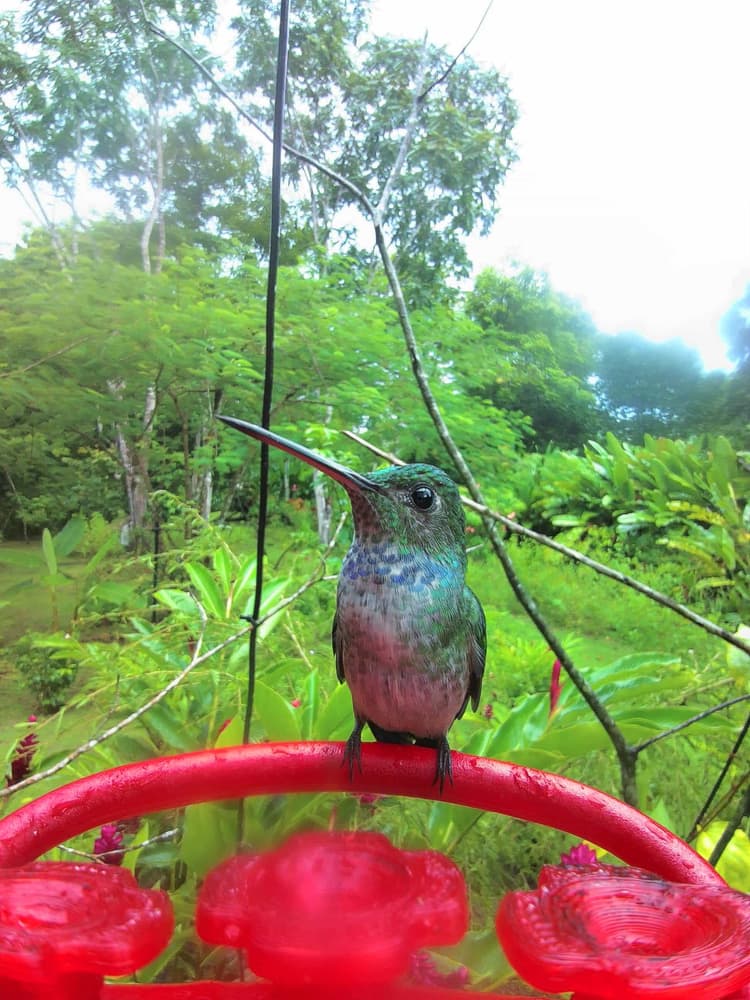
The Blue-chested Hummingbird, a colorful creature, has a metallic green upper body. Its lower body varies between dark green and blue. It has bright white spots on its tail feathers and a slender, straight beak ideal for feeding on nectar.
Male vs female
Distinguishing between a male and female Blue-chested Hummingbird can be challenging as both sexes share the same colorations. However, males are usually more luminous and have more blue on their chests compared to their female counterparts.
Juvenile
Juvenile Blue-chested Hummingbirds resemble their adult counterparts, although their plumage may not be as vibrant. As they mature, their colors gradually become brighter. Differences between sexes are negligible during this stage of development.
Often mistaken for
Ruby-Throated Hummingbird vs Blue-Chested Hummingbird
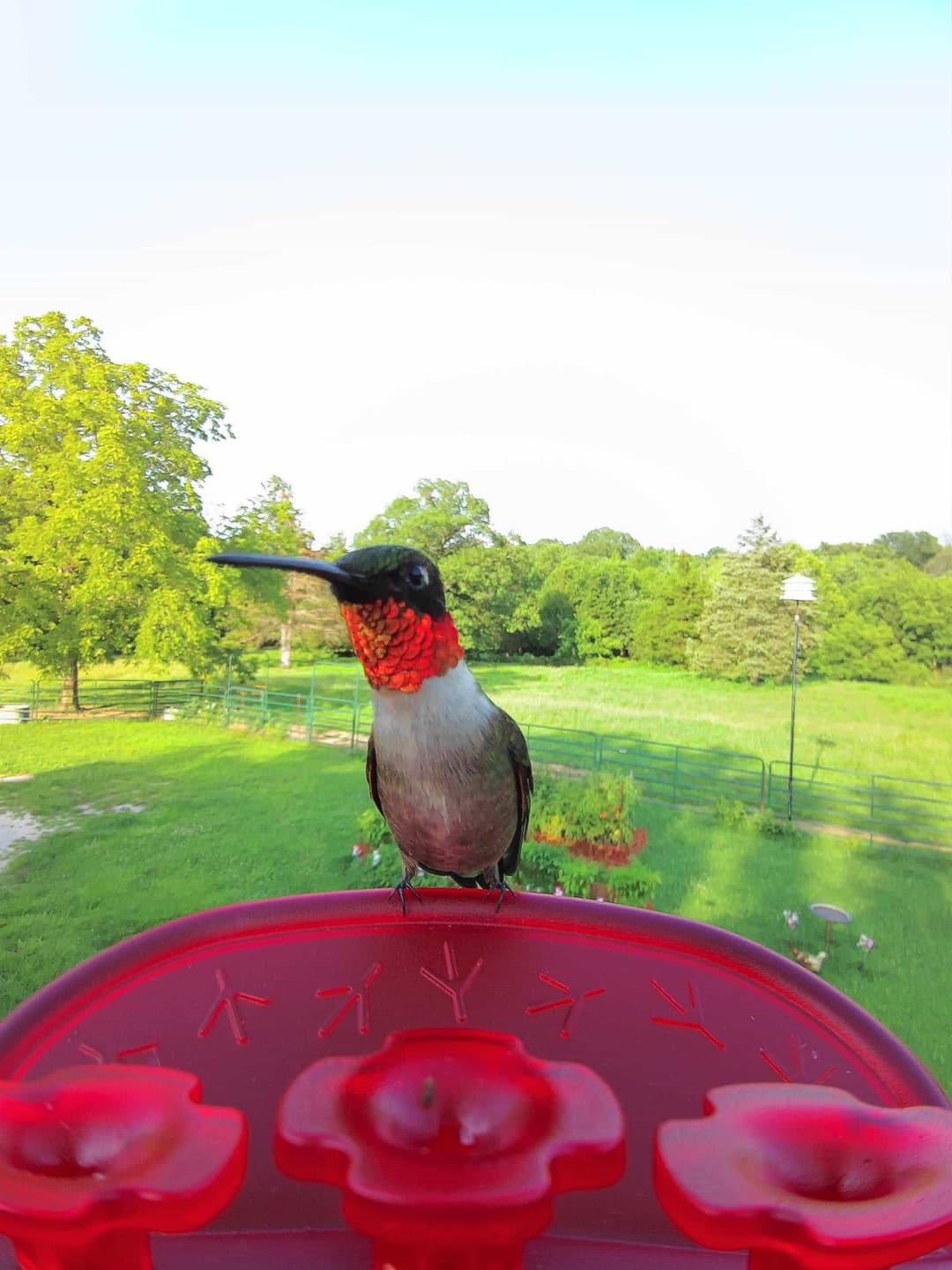
The Ruby-Throated Hummingbird and the Blue-Chested Hummingbird both have vibrant iridescent coloring. The primary distinguishing feature is the unique throat color; the Ruby-Throated has a bright ruby throat in males, whereas the Blue-Chested has a blue chest.
Anna's Hummingbird vs Blue-Chested Hummingbird
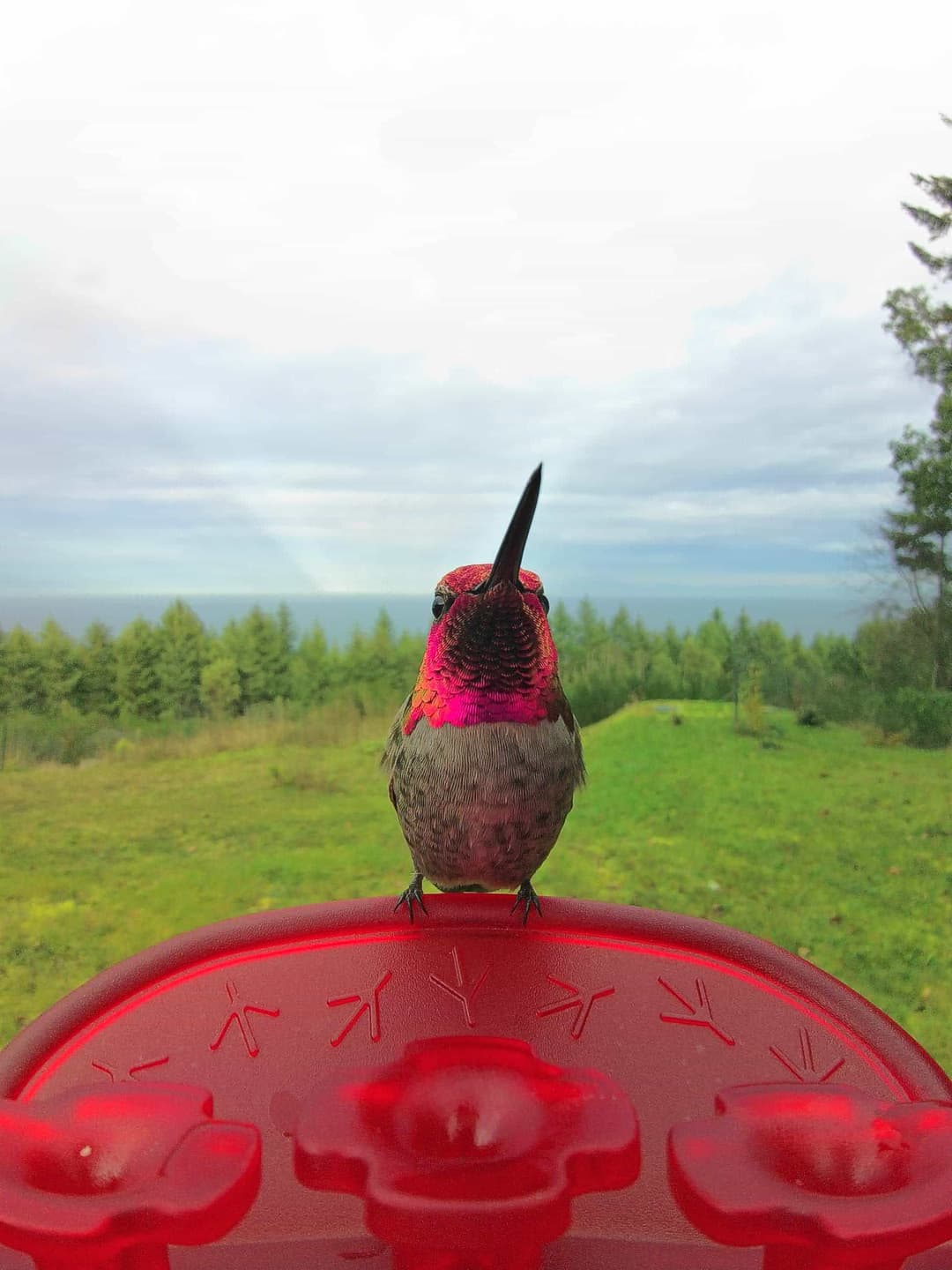
Anna's Hummingbird can be mistaken for the Blue-Chested Hummingbird due to its size and color. However, Anna's has a distinctive iridescent pink crown and throat, setting it apart from the blue chest of the Blue-Chested Hummingbird.
Allen's Hummingbird vs Blue-Chested Hummingbird
Allen's Hummingbird may resemble the Blue-Chested Hummingbird due to their similar sizes and metallic green coloring. The main difference is that Allen's has an orange-red throat in males and rusty flanks, contrasting with the blue chest of the Blue-Chested Hummingbird.
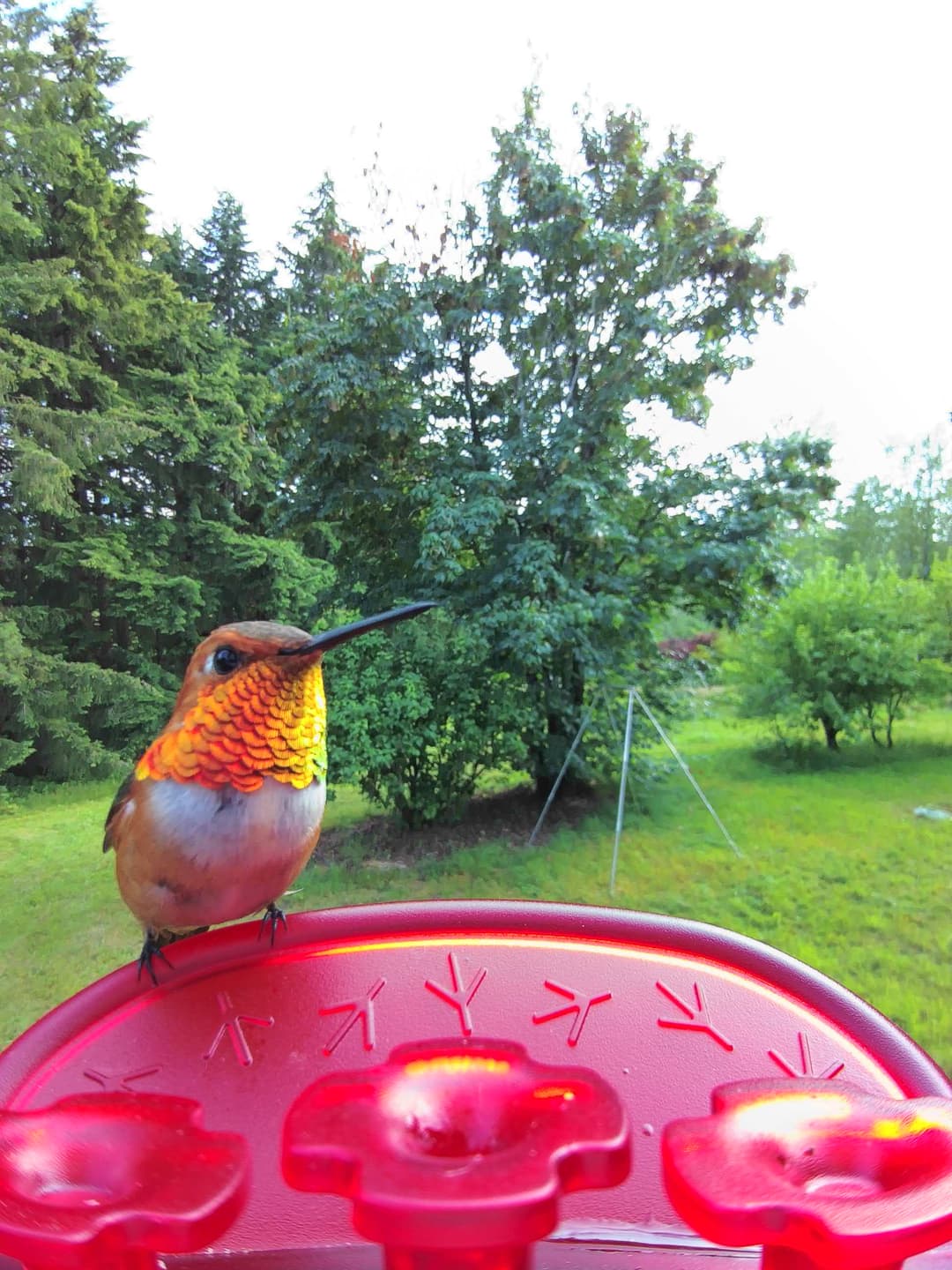
Black-Chinned Hummingbird vs Blue-Chested Hummingbird
The Black-Chinned Hummingbird could be confused with the Blue-Chested Hummingbird due to their similar size and coloration. However, the Black-Chinned has a distinctive black chin and white collar, contrasting with the Blue-Chested Hummingbird.
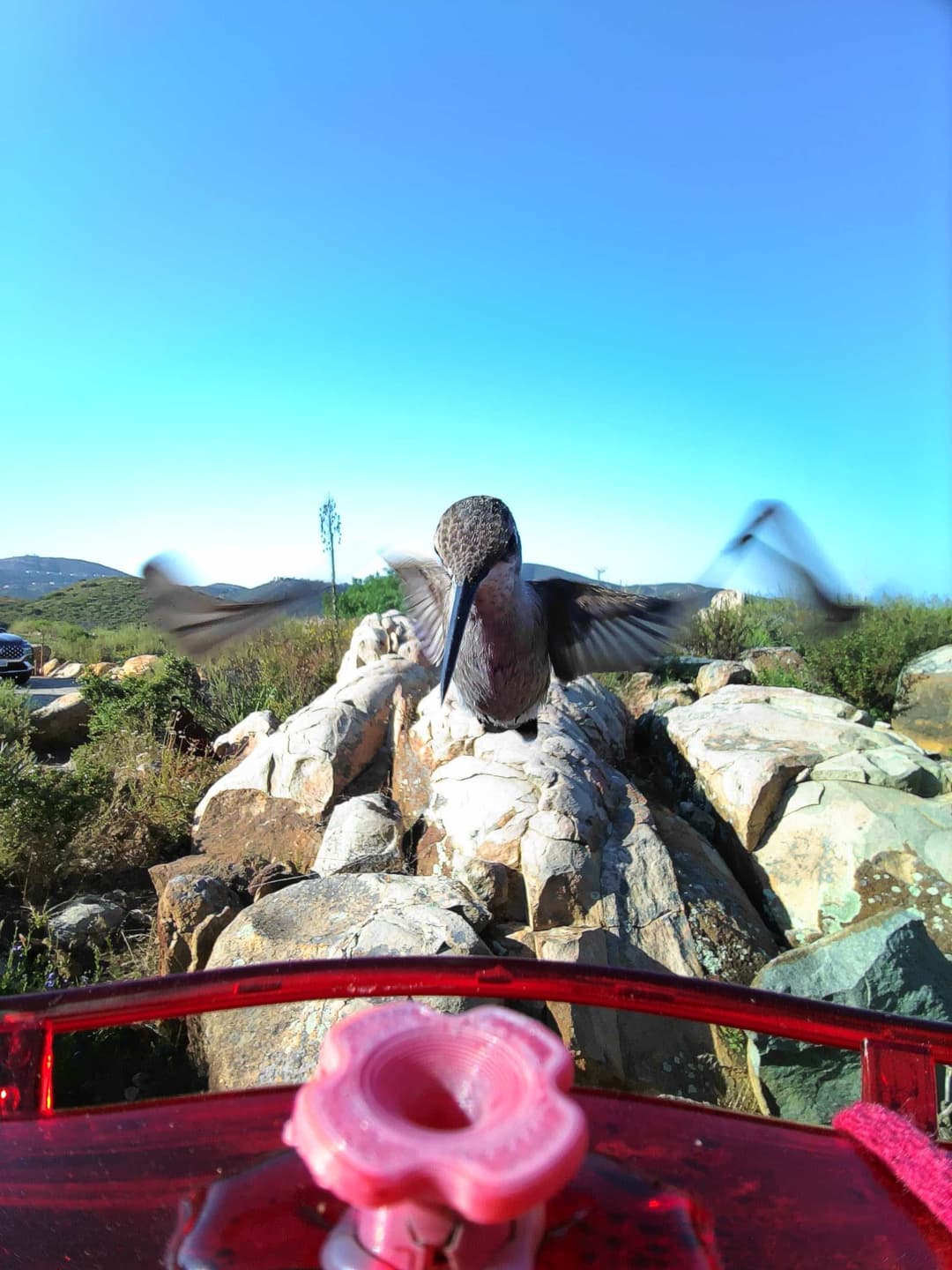
Rufous Hummingbird vs Blue-Chested Hummingbird
Rufous Hummingbirds appear similar because of their small size and iridescent qualities, but they have a predominantly reddish-brown coloration distinguishing them from the Blue-Chested Hummingbird.
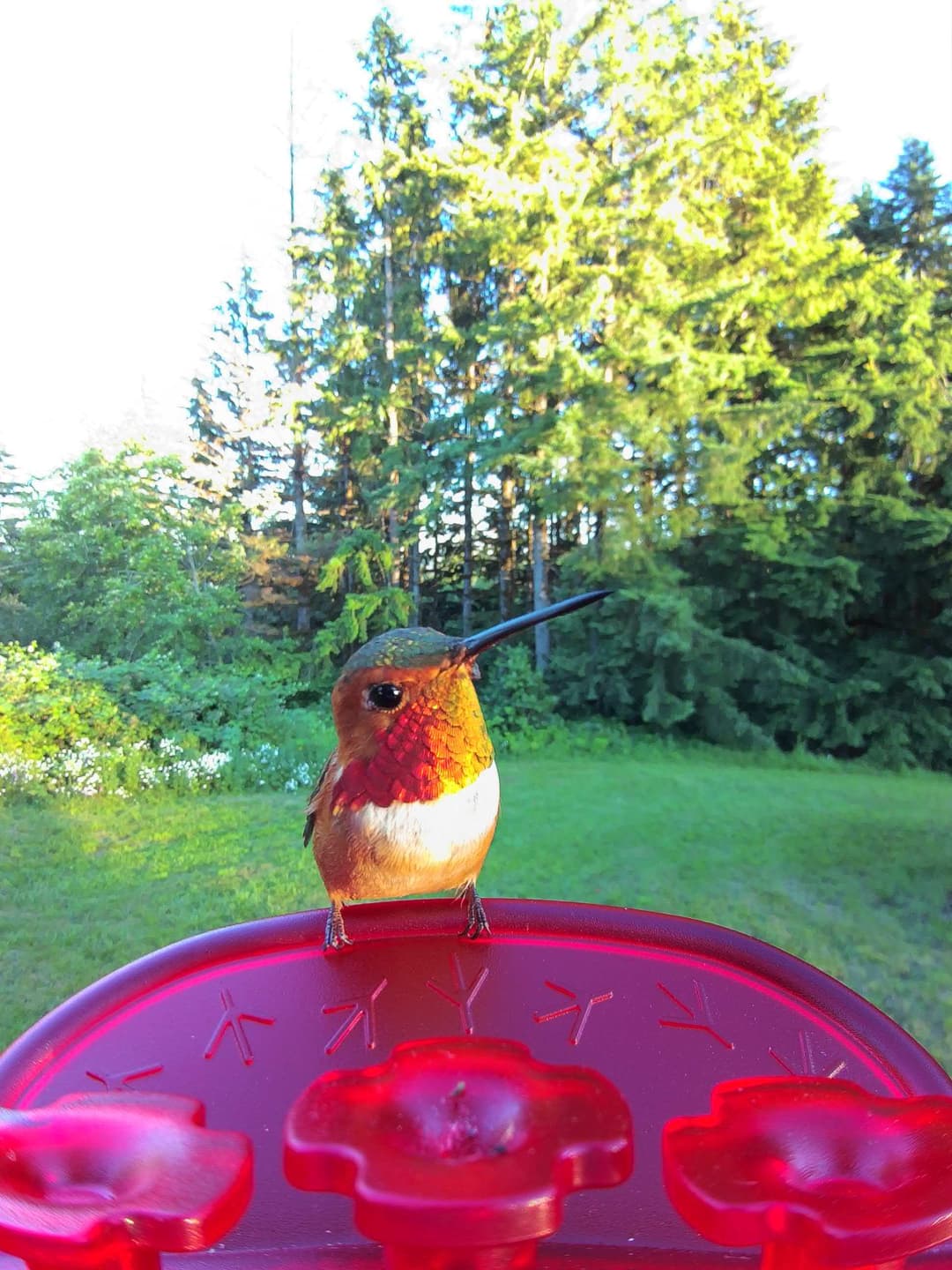
Breeding and nesting habits of the blue-chested hummingbird
Mating behaviors
The blue-chested hummingbird engages in elaborate courtship displays, where males perform aerial acrobatics and display their iridescent plumage to attract females. Vocalizations are also used to draw attention during the mating season.
Nesting details
These hummingbirds typically build small cup-shaped nests in trees or shrubs, often camouflaged with lichens and plant fibers. Nests are usually located 1-10 meters above the ground. In gardens, providing native flowering plants and small trees or shrubs can create a suitable nesting habitat.
Eggs and chick-rearing
Females lay two tiny white eggs, which they incubate alone. After hatching, the female also feeds and cares for the chicks, mostly by providing regurgitated nectar and small insects. Chicks fledge about 18-22 days after hatching, though they remain dependent on the mother for a short period afterward.
What does a blue-chested hummingbird like to eat?
Insects
Nectar
Natural diet
The blue-chested hummingbird primarily feeds on nectar from various flowering plants, using its long bill to access deep floral tubes. It prefers flowers with high sugar concentrations, such as those from Heliconia, Costus, and Palicourea species. Additionally, it consumes small insects and spiders, which provide essential proteins and nutrients necessary for its diet.
Bird feeders
At bird feeders, the blue-chested hummingbird commonly enjoys a sugar-water mixture, which mimics the nectar it naturally seeks. A recommended ratio is four parts water to one part white granulated sugar. It's crucial to avoid honey, artificial sweeteners, or food coloring, as these can be harmful to the birds.
Preferred food for blue-chested hummingbirds
Hummingbirds love nectar, and blue-chested hummingbirds are no exception. You can entice these beautiful creatures to your yard by setting up a feeder filled with nectar, preferably one with red accents as hummingbirds are attracted to this color. We recommend Bird Buddy seeds, since they are specifically chosen by experts for the season and have shown the best results.
Best feeder types for hummingbirds
Blue-chested hummingbirds appreciate easy access to food. Select a feeder with a perch which allows them to sit and eat. Feeders should be easy to clean, as nectar can ferment quickly, especially during hot weather. It's advisable to place the feeder near a window so you can monitor its nectar levels and delight in the view.
Fun tricks to encourage hummingbird visits
Adding a water mister to your garden can attract blue-chested hummingbirds, as they love to bathe in fine sprays of water. When they are not feeding, they are often looking for a place to bathe or rest. A blooming garden can also be a lure, hummingbirds love to feed on flower nectar as well. If you want them to stay longer or visit often, plant a variety of local flowering plants that are rich in nectar.
Where can you find blue-chested hummingbirds?

Primary habitat
The blue-chested hummingbird primarily inhabits humid lowland forests and forest edges, typically found in Central and South America.
Additional range
While preferring tropical and subtropical climates, it can also adapt to secondary growth forests and plantations, sometimes venturing into drier areas.
Do they migrate?
The blue-chested hummingbird is a non-migratory species, meaning it typically remains in its range throughout the year. This hummingbird is primarily found in Central and South America, particularly from southern Honduras and Nicaragua through Costa Rica and Panama, reaching as far as western Colombia and Ecuador. Its habitat consists of subtropical or tropical moist lowland forests, along with gardens and plantations at elevations up to 1,200 meters. The availability of flowers for nectar and small insects for food allows the blue-chested hummingbird to sustain a year-round presence in these areas. Unlike migratory hummingbirds, such as the ruby-throated hummingbird, which travel vast distances between breeding and wintering grounds, the blue-chested hummingbird does not undertake large-scale seasonal movements. Instead, any movements made by this species are likely local or influenced by changes in food availability or habitat conditions. This ensures a stable, year-round presence in its established habitats.
What is the role of blue-chested hummingbirds in nature and how to protect them?
Conservation status
The blue-chested hummingbird is currently listed as Least Concern, indicating it is relatively common and not at immediate risk of extinction. However, the species faces threats from habitat loss due to deforestation and land conversion for agriculture. Conservation efforts focus on preserving its tropical forest habitat and promoting sustainable land-use practices. Protected areas and reserves play a crucial role in safeguarding its environment. Monitoring population trends and habitat quality remains essential to ensure the species does not move into more threatened categories in the future.
Ecological role of blue-chested hummingbirds
Its role in the ecosystem
The blue-chested hummingbird plays a substantial role in maintaining ecological balance. As pollinators, they assist in the reproduction of many plant species, hence enhancing biodiversity. By visiting flowers for nectar, they inadvertently acquire pollen on their beaks and feathers, which then gets transferred to other flowers. This pollination helps in the production and dispersal of seeds, facilitating the growth of a diverse array of plants. Moreover, hummingbirds can contribute to pest control. Their diet not only consists of nectar but also includes small insects. By controlling insect populations, they reduce the impact of pests on vegetation. Thus, preserving habitats for blue-chested hummingbirds can benefit the overall health and resilience of ecosystems.
How to help protect blue-chested hummingbirds
Preservation tips
Habitat preservation strategies
Protecting the natural habitat of the blue-chested hummingbird is crucial. Encourage legislation for forest preservation to help maintain its natural habitat. Keeping areas with abundant flower species can provide necessary food resources. Limit human disruption in these habitats by reducing deforestation, pesticides usage, and urban development.
Community science initiatives
Promote community science initiatives that educate the public about the importance of the blue-chested hummingbird and its role in biodiversity. These initiatives can also teach how to create hummingbird-friendly environments with nectar-rich plants. Encourage citizen participation in monitoring hummingbird populations, documenting sightings, and reporting on habitat conditions. This data can provide valuable insights for conservation strategies.