Hummingbird or Violet-Crowned Hummingbird?
Here's how to tell the difference
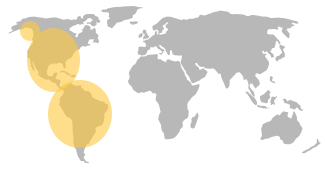
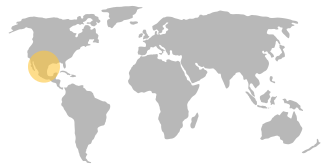
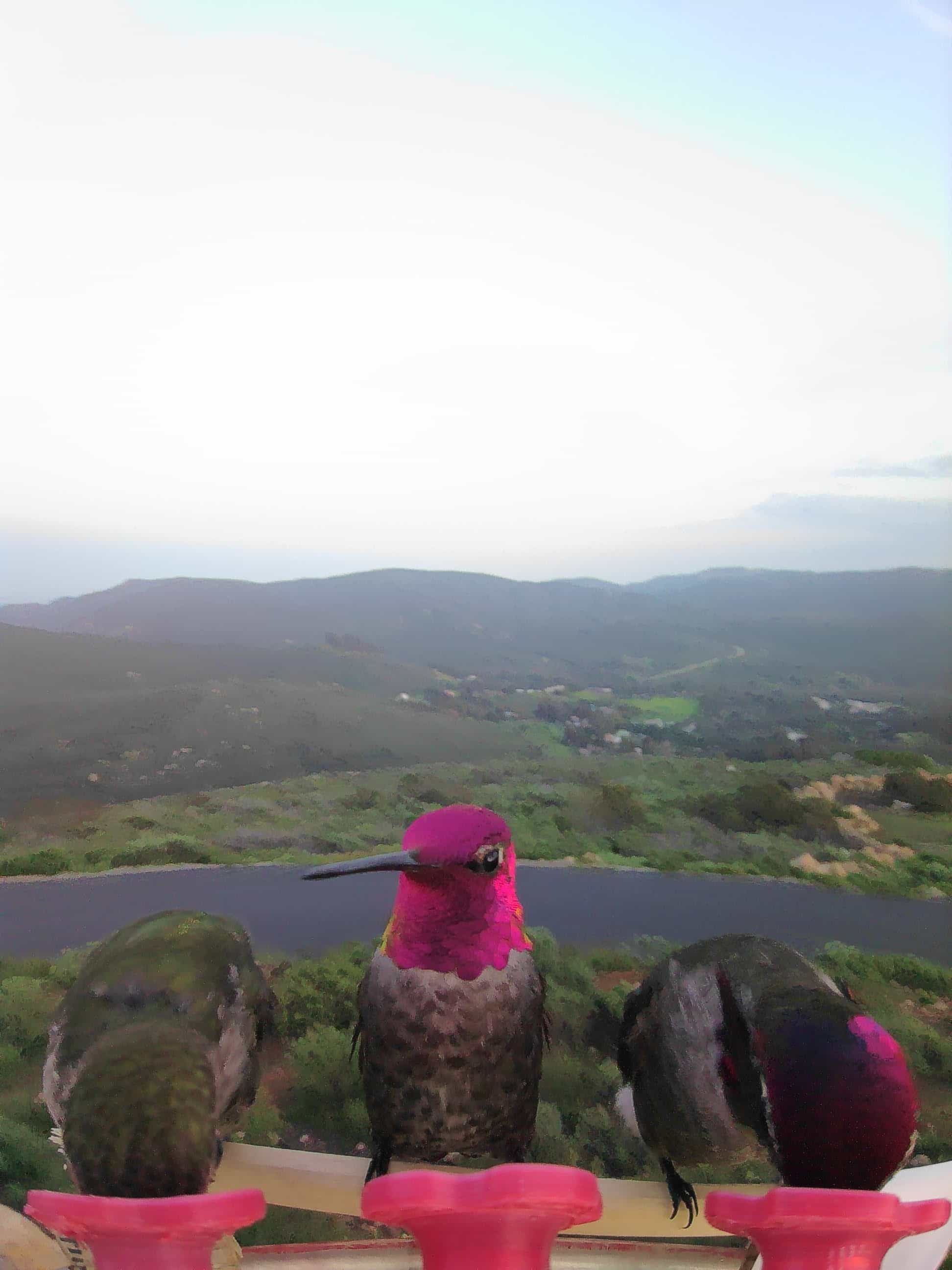
Hummingbird

Violet-Crowned Hummingbird
Hummingbird
Trochilidae
General appearance
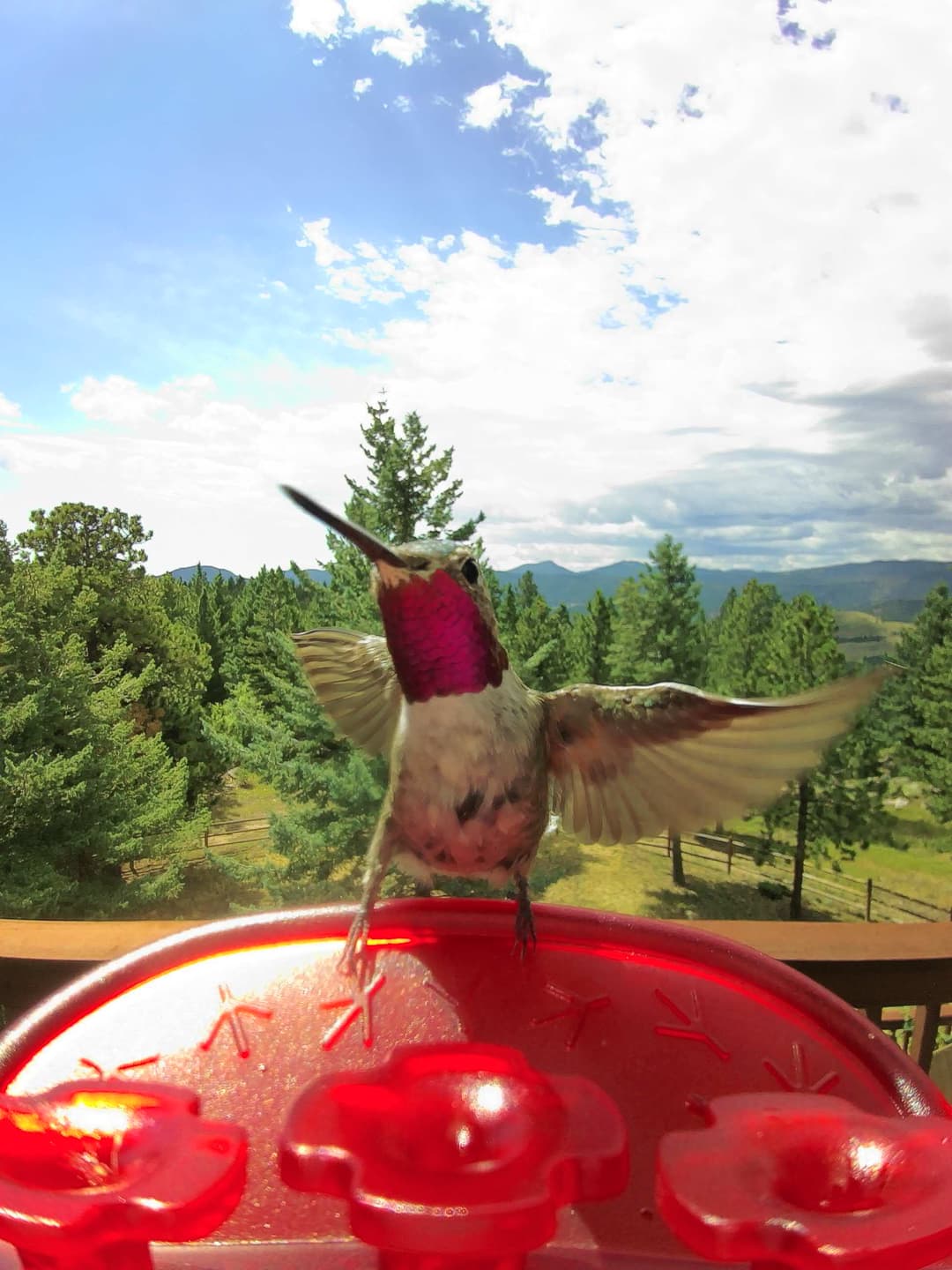
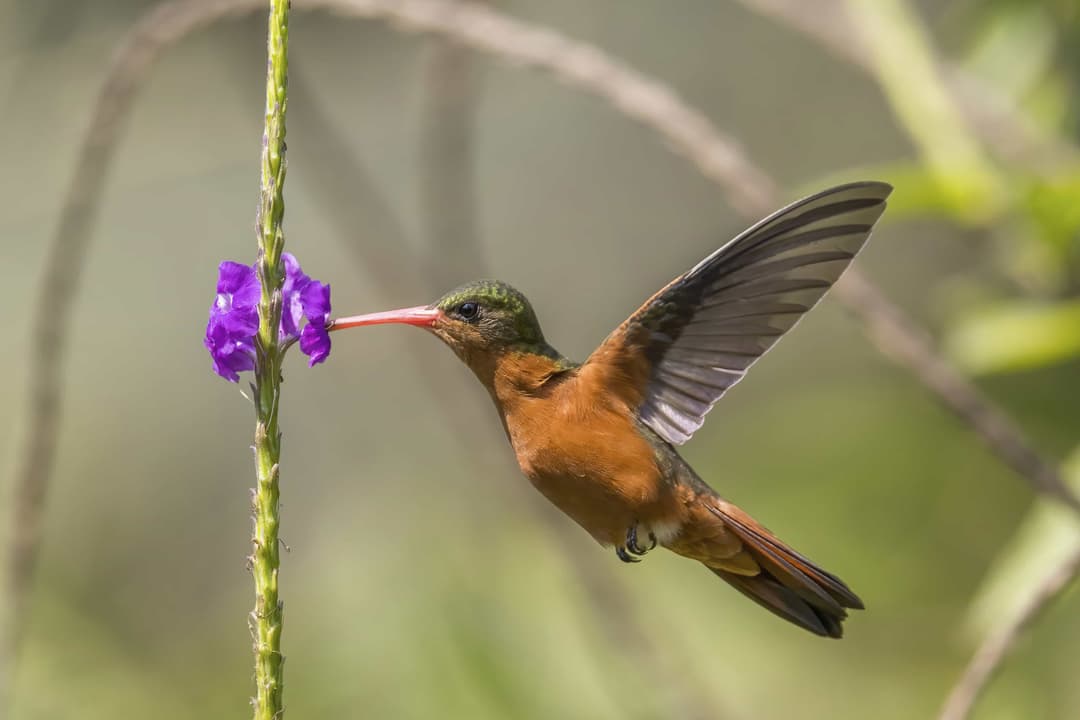
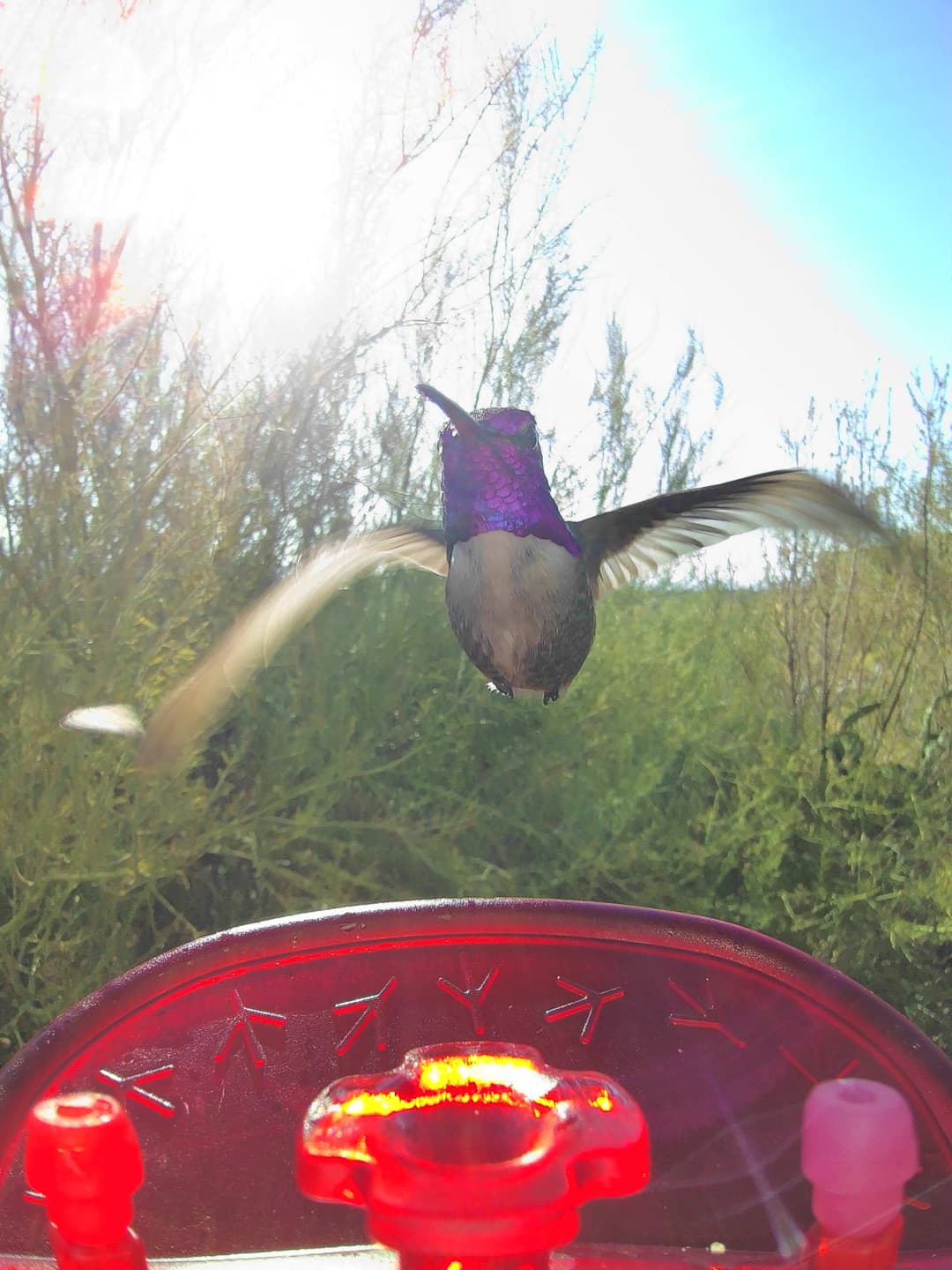
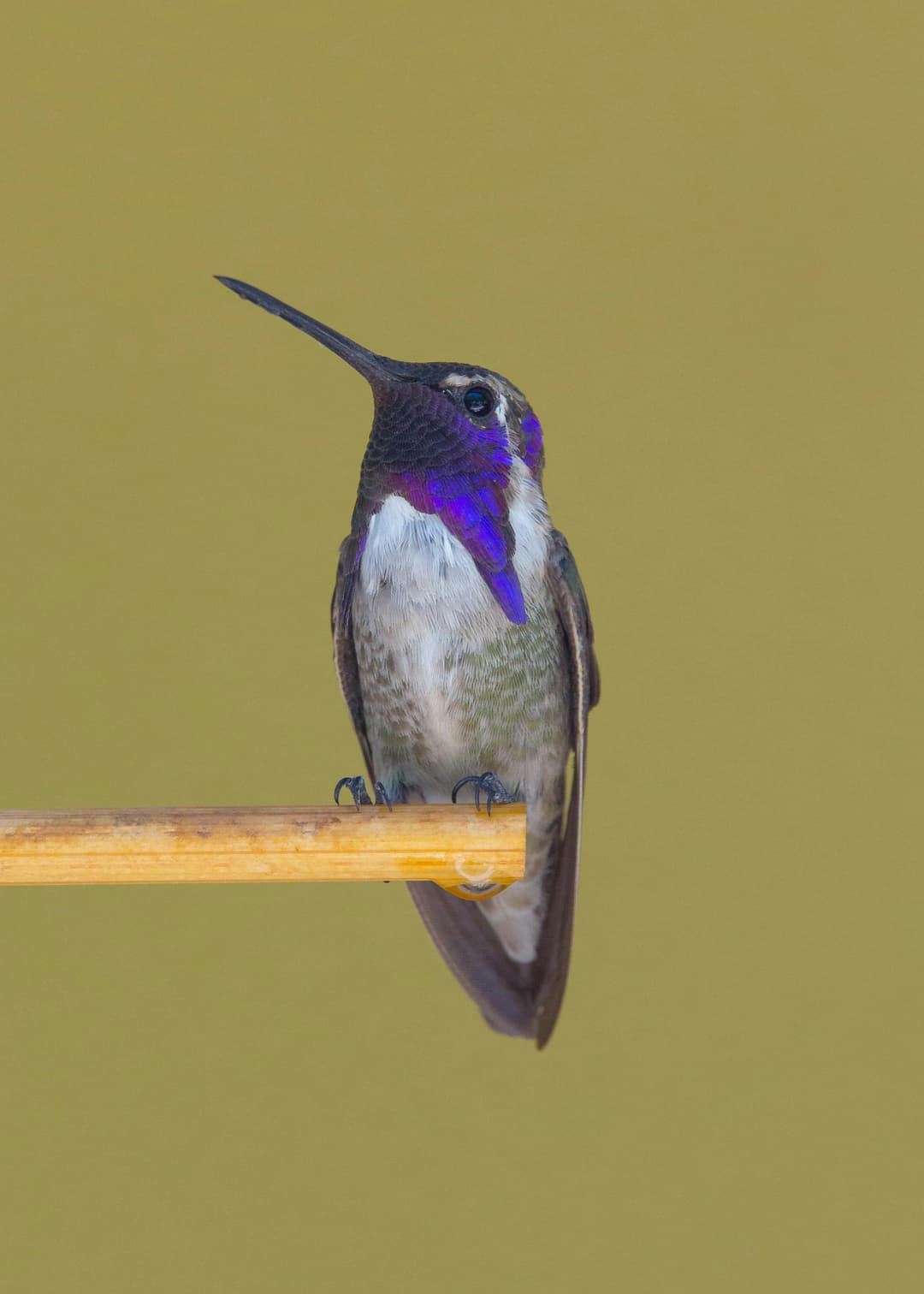
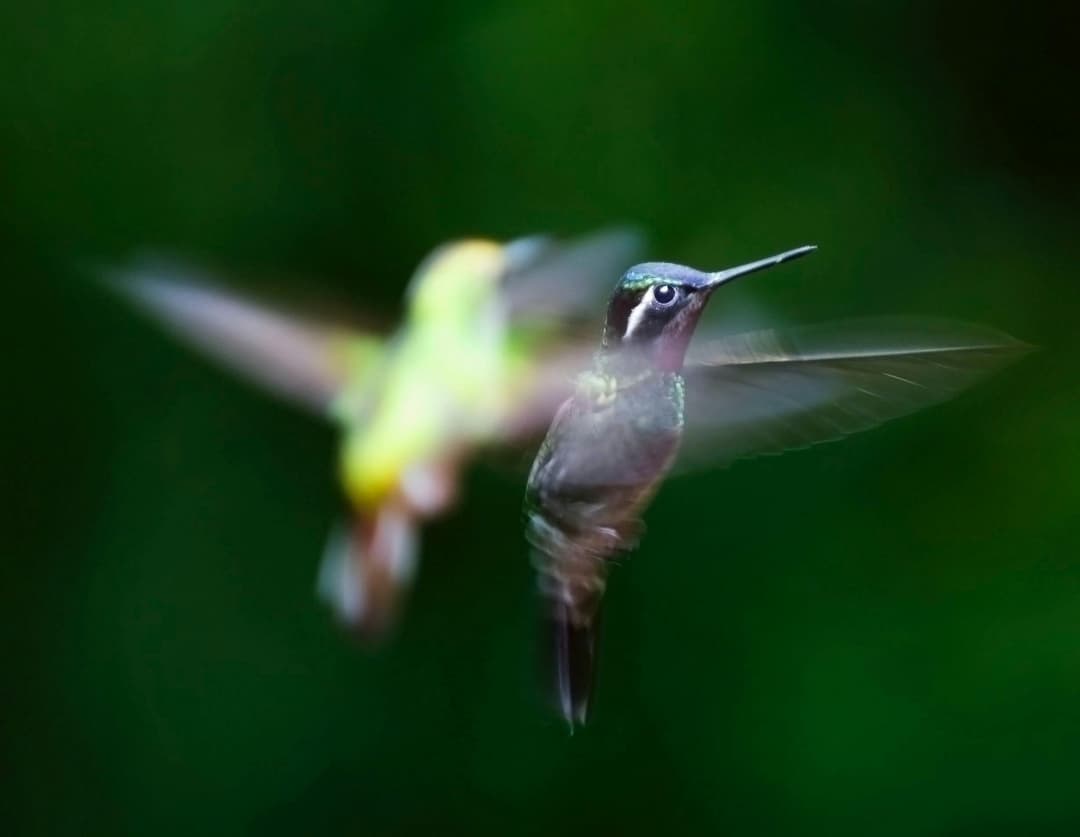
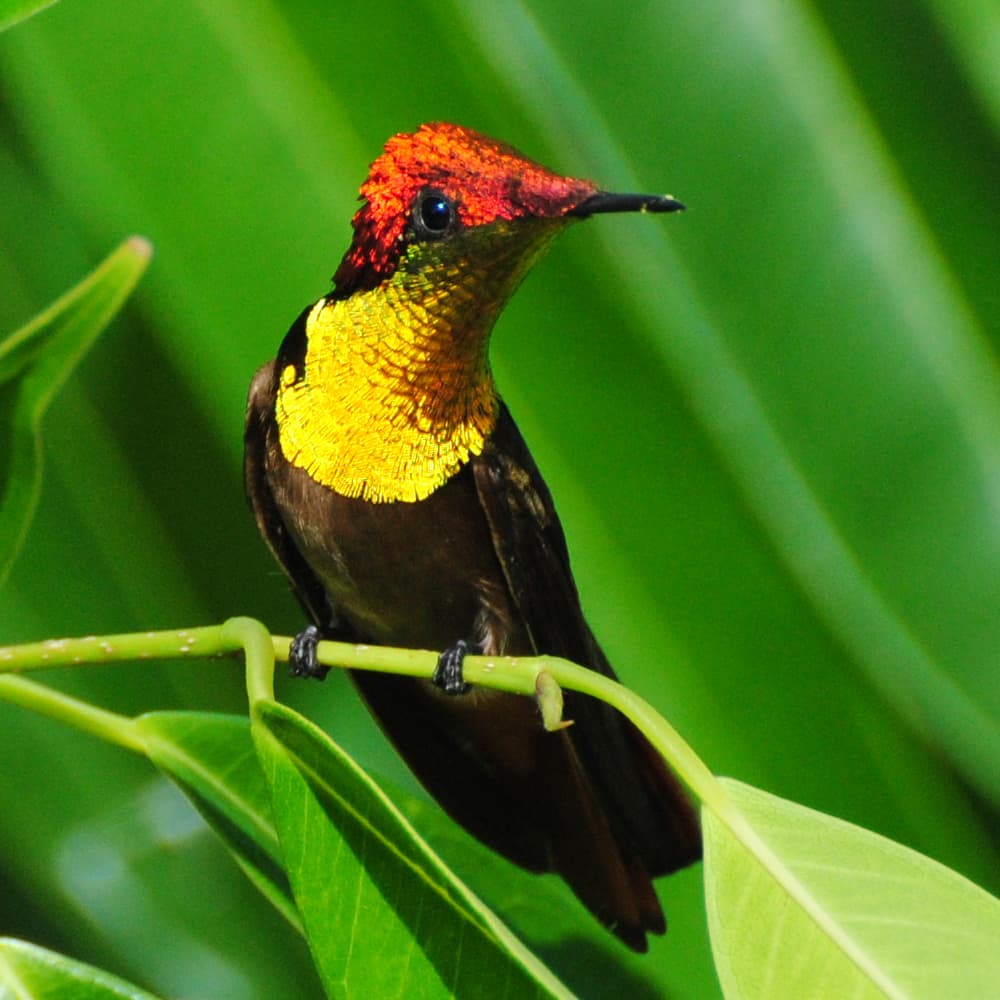
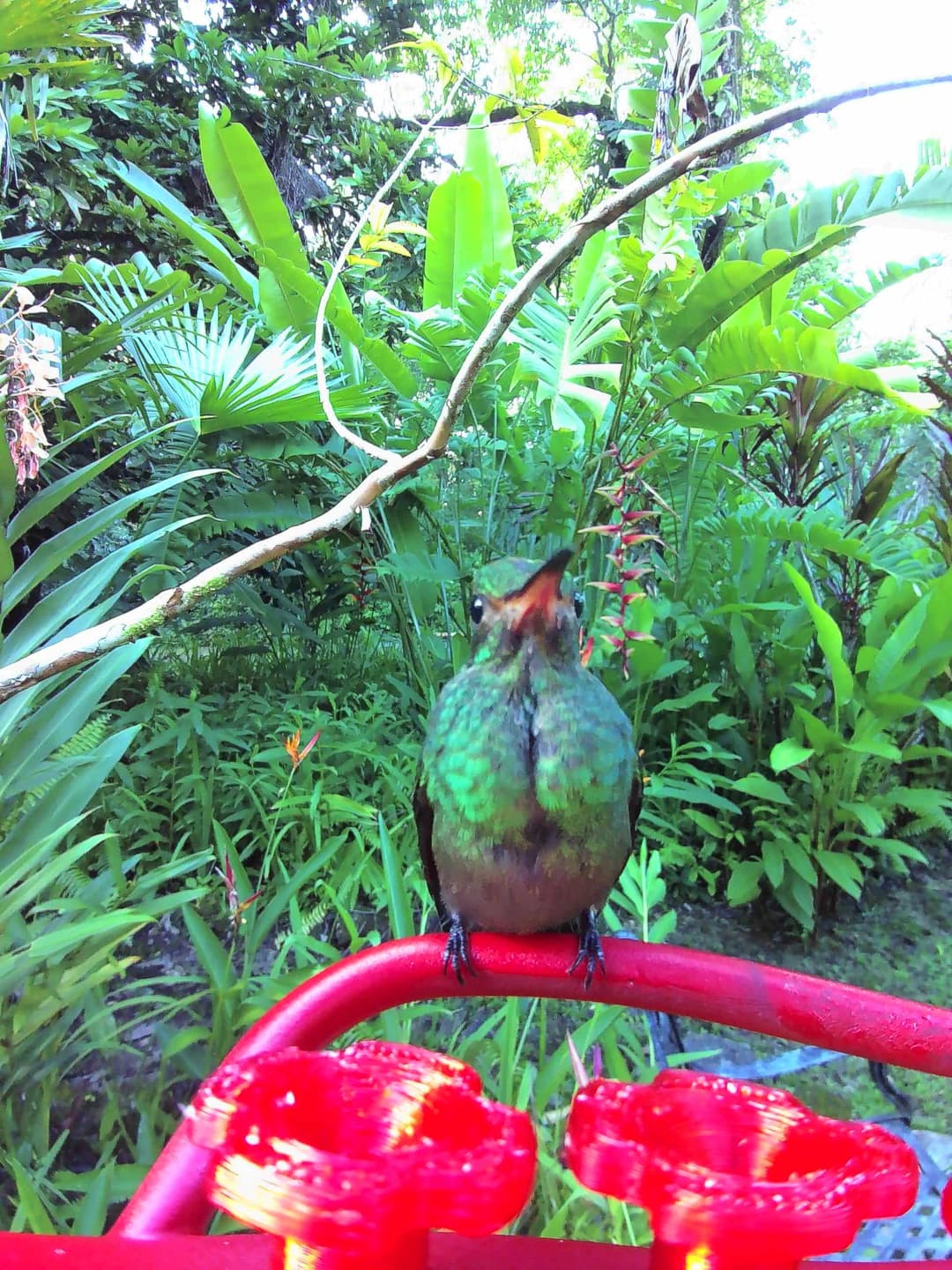
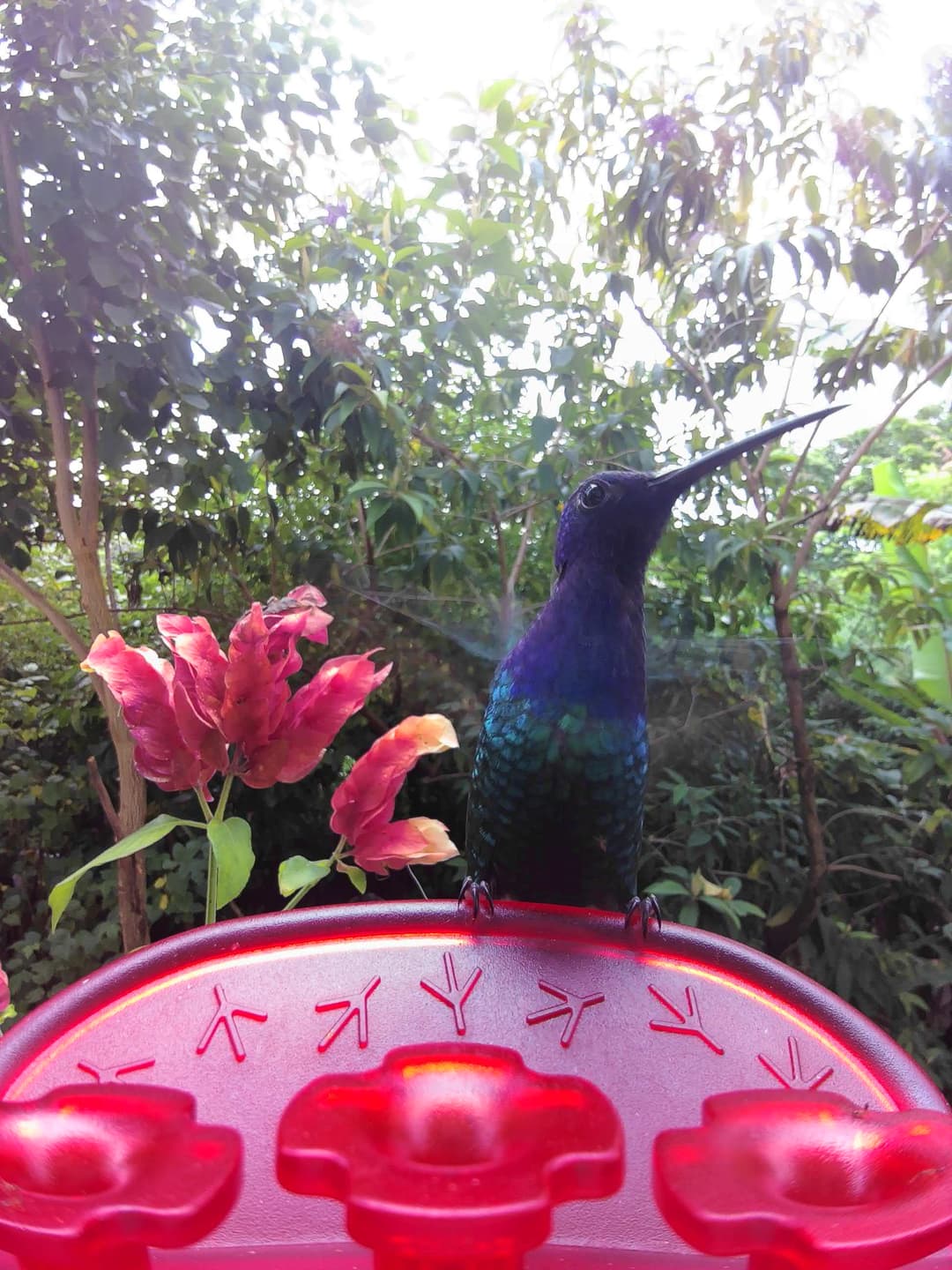
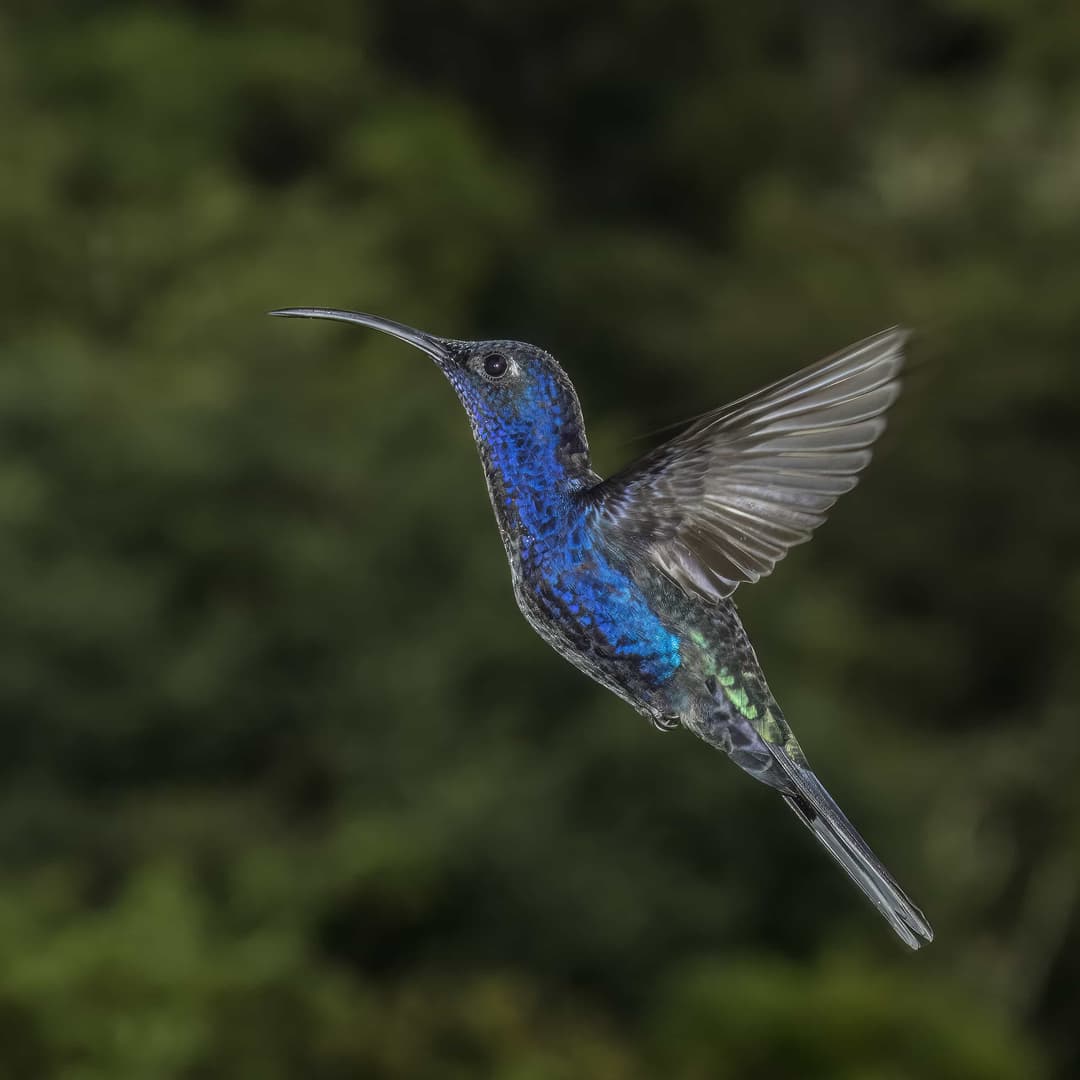
Hummingbirds are small, vibrant birds with iridescent feathers. They are most noticeable for their quick, darting flying style and ability to hover in mid-air. Colors range widely, including greens, blues, purples, reds, and whites, often with a metallic sheen. They possess a long, thin beak perfect for sipping nectar from flowers.
Male vs female
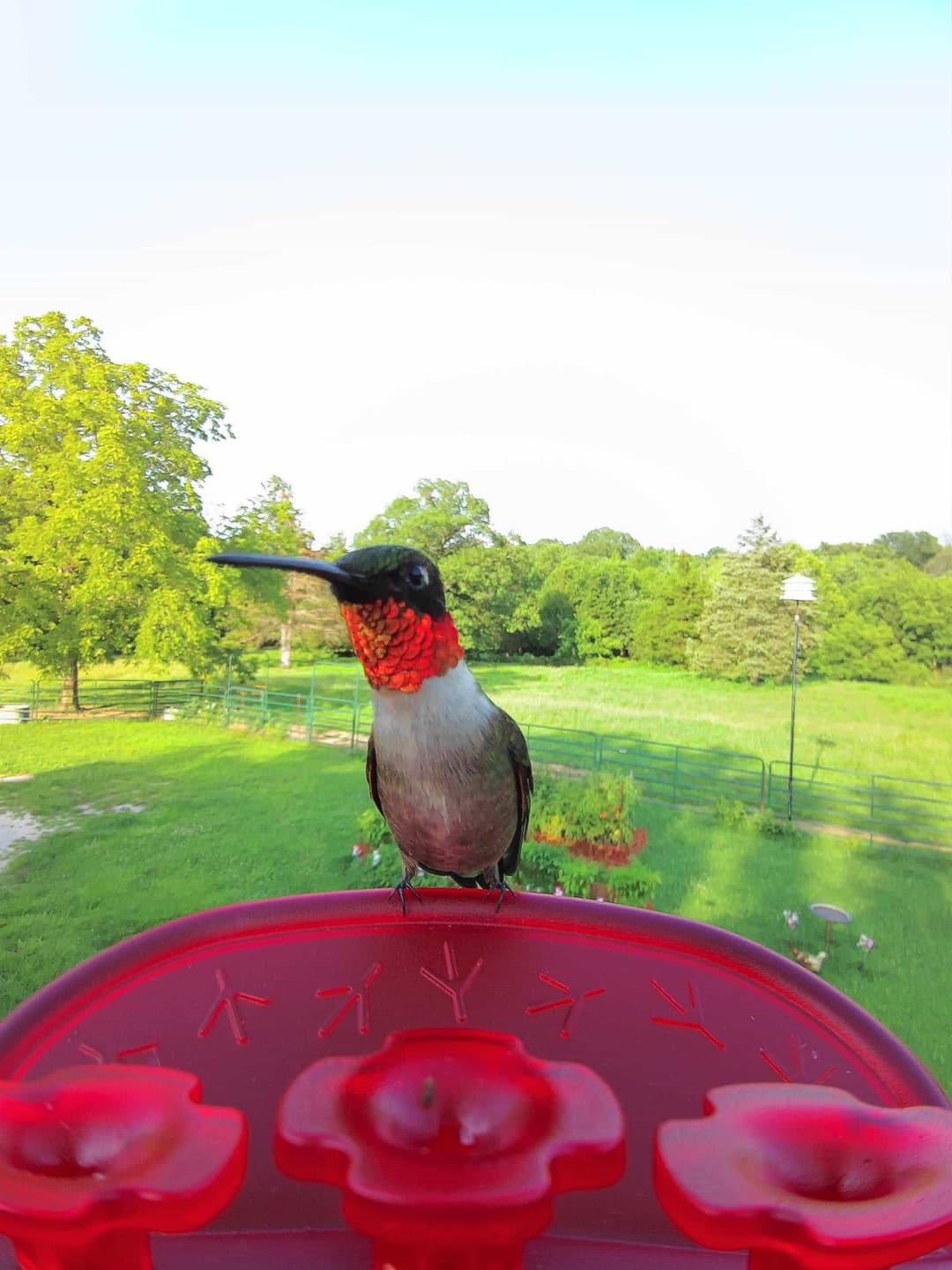
Males are typically brighter and more colorful than females, often with a ‘gorget’ or patch of bright, iridescent throat feathers that females lack. Female hummingbirds have softer, muted coloration for camouflage when nesting. Males are also slightly smaller on average.
Juvenile
Juvenile hummingbirds resemble their mothers in colouring to stay camouflaged. They lack the iridescent throat patch of adult males. As they mature, juvenile males begin to develop more vibrant feathers, particularly on their throats, and by their first winter, most will have at least a few bright feathers indicative of their gender.
Size
2.0 - 10.2 in/0.1 - 0.8 oz
There's more to learn about Hummingbird
View full detailsViolet-Crowned Hummingbird
Leucolia violiceps
General appearance
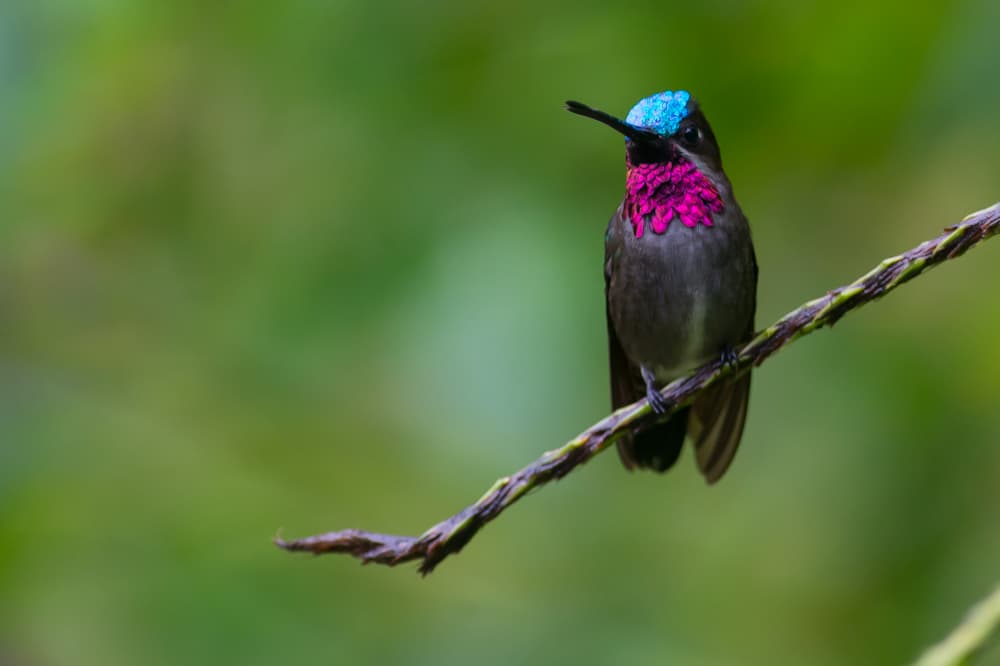
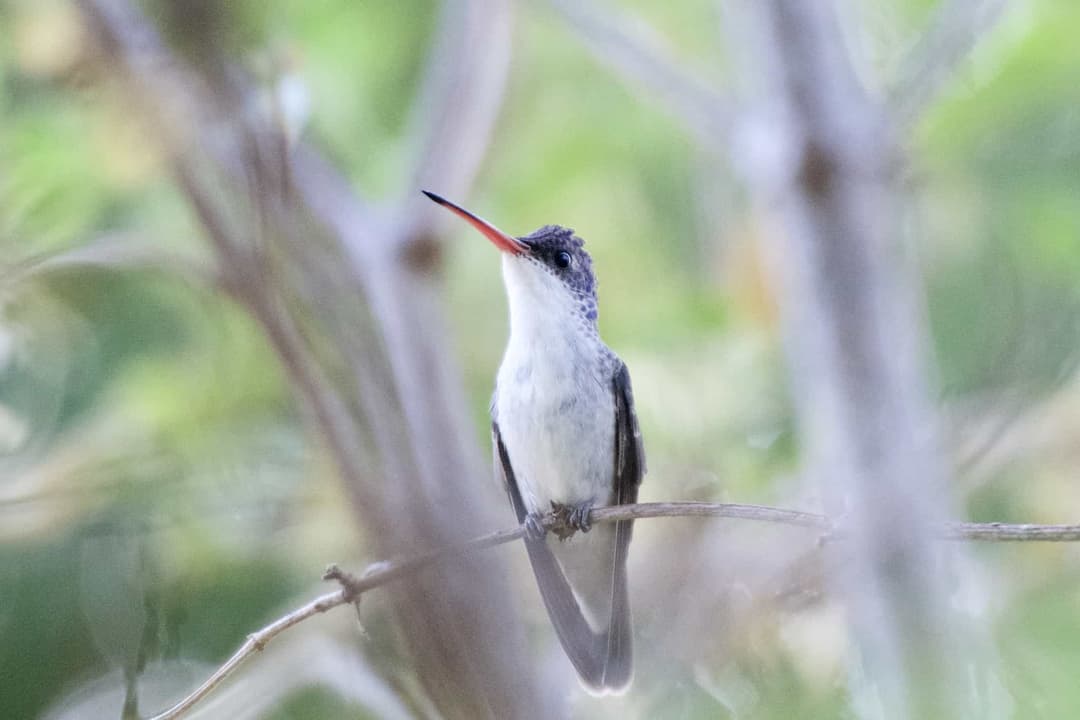
The violet-crowned hummingbird stands out for its vibrant violet-blue crown which contrasts brightly with its white underparts. Its back and tail are a shiny green, and its straight, slender bill is predominantly reddish with a black tip.
Male vs female
Both male and female violet-crowned hummingbirds share similar plumage, a rarity among hummingbirds. The main difference lies in size, with females being slightly larger, and in tail shape, with females having rounded tail feathers and males having forked ones.
Juvenile
Juvenile violet-crowned hummingbirds are similar to adults but their plumage is duller. Their crowns might not possess the distinctive violet hue until they mature. They can be recognized by the presence of buffy feather tips on their back and wing coverts.
Size
3.9 - 4.5 in/0.2 oz
There's more to learn about Violet-Crowned Hummingbird
View full detailsHow to tell the Hummingbird from the Violet-Crowned Hummingbird
Visual differences
The Violet-Crowned Hummingbird is larger, weighing 0.18-0.20 oz and measuring 4-4.5 inches long, compared to general hummingbirds that range from 0.06-0.85 oz and 2-10 inches. Violet-Crowneds have striking white underparts, a vibrant violet-blue crown, and a long red bill with a black tip. In contrast, general hummingbirds display a variety of iridescent colors and metallic sheens, with males typically having more colorful gorgets. Violet-Crowneds lack a colorful gorget, and both genders share similar plumage, unlike the more dramatically sexual dimorphism in general hummingbirds.
Key differences and behavior
To distinguish between general hummingbirds and the Violet-Crowned Hummingbird based on behavior and habitat, note the following: Hummingbirds, with nearly 350 species, are globally diverse, inhabiting tropical to temperate regions, whereas the Violet-Crowned Hummingbird specifically frequents canyons and broadleaf forests in Mexico and the southwestern U.S., often near sycamore trees. Both species display aerial courtship, but Violet-Crowned males use distinctive wing and tail sounds. In feeding, both consume nectar and insects, but Violet-Crowned Hummingbirds are particularly associated with plants like agave and desert willow. Feeding habits at bird feeders are similar, but the Violet-Crowned Hummingbird is more commonly year-round in certain regions, while other hummingbirds are more migratory. Nesting is solitary in both, with females solely responsible, but Violet-Crowned Hummingbirds prefer nesting close to water sources. These factors are key to identifying these species in the field beyond visual traits.
Still not sure? Here are more lookalikes!
Hummingbird vs Anna's Hummingbird
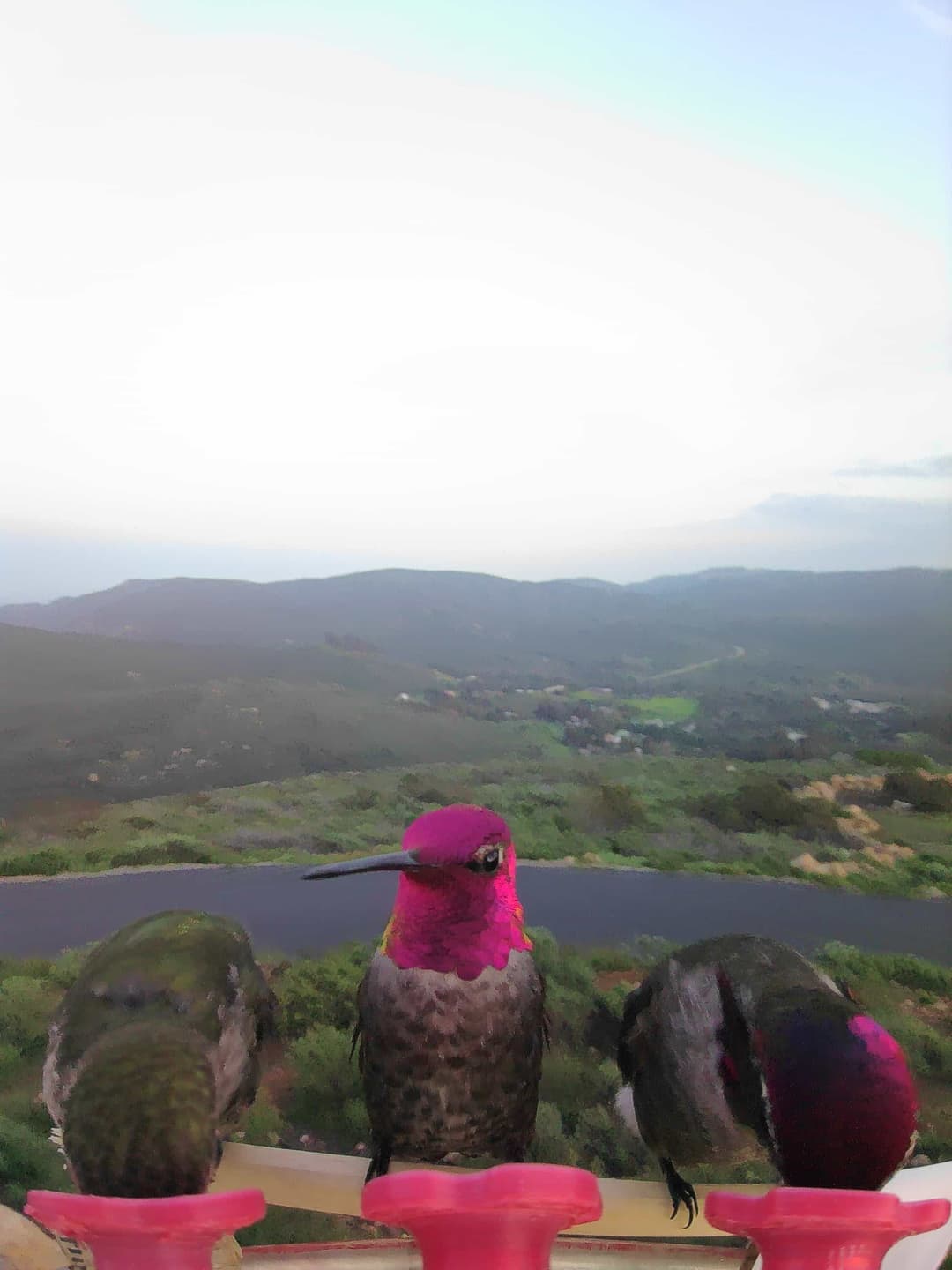
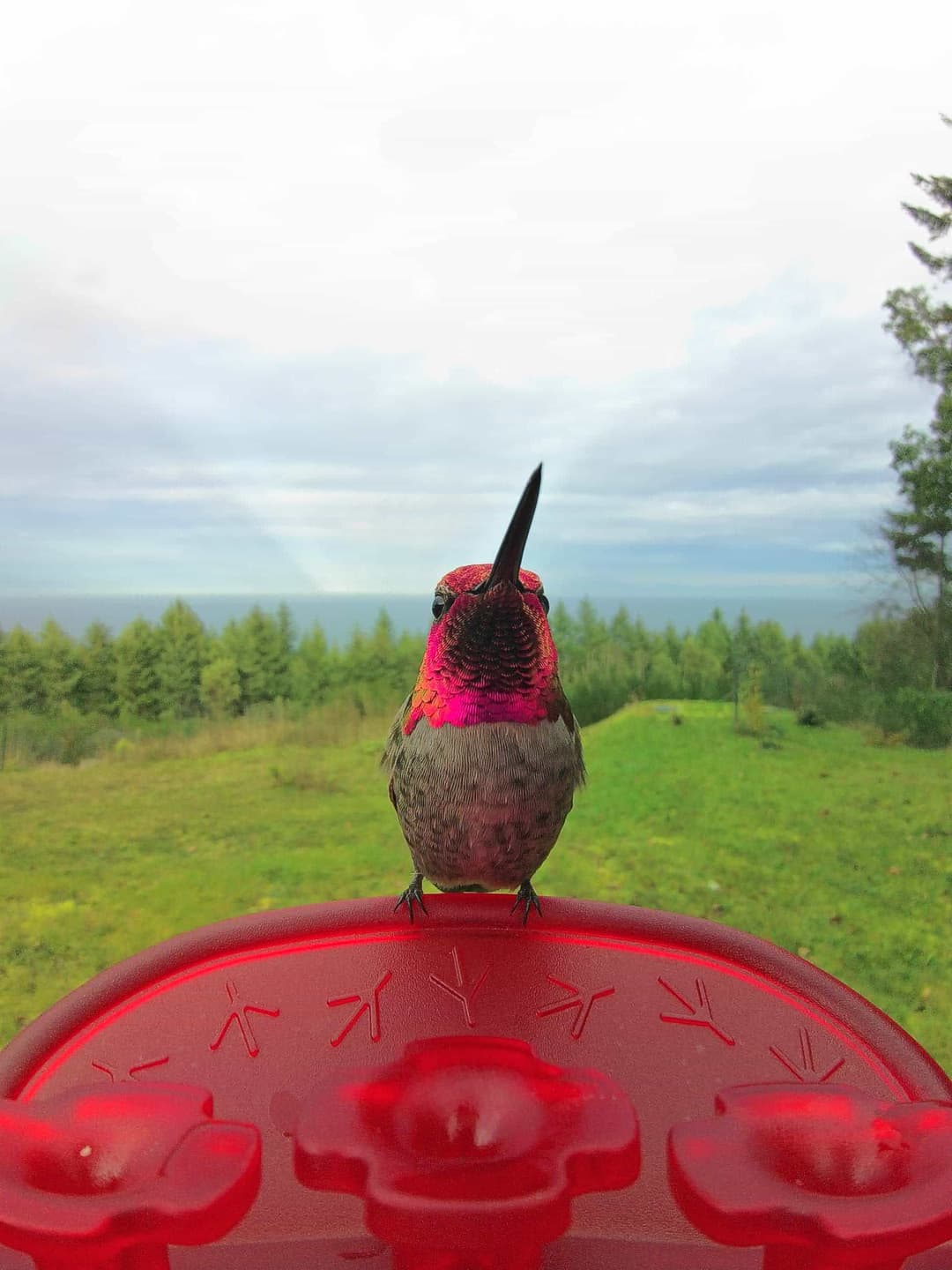
Hummingbird vs Allen's Hummingbird
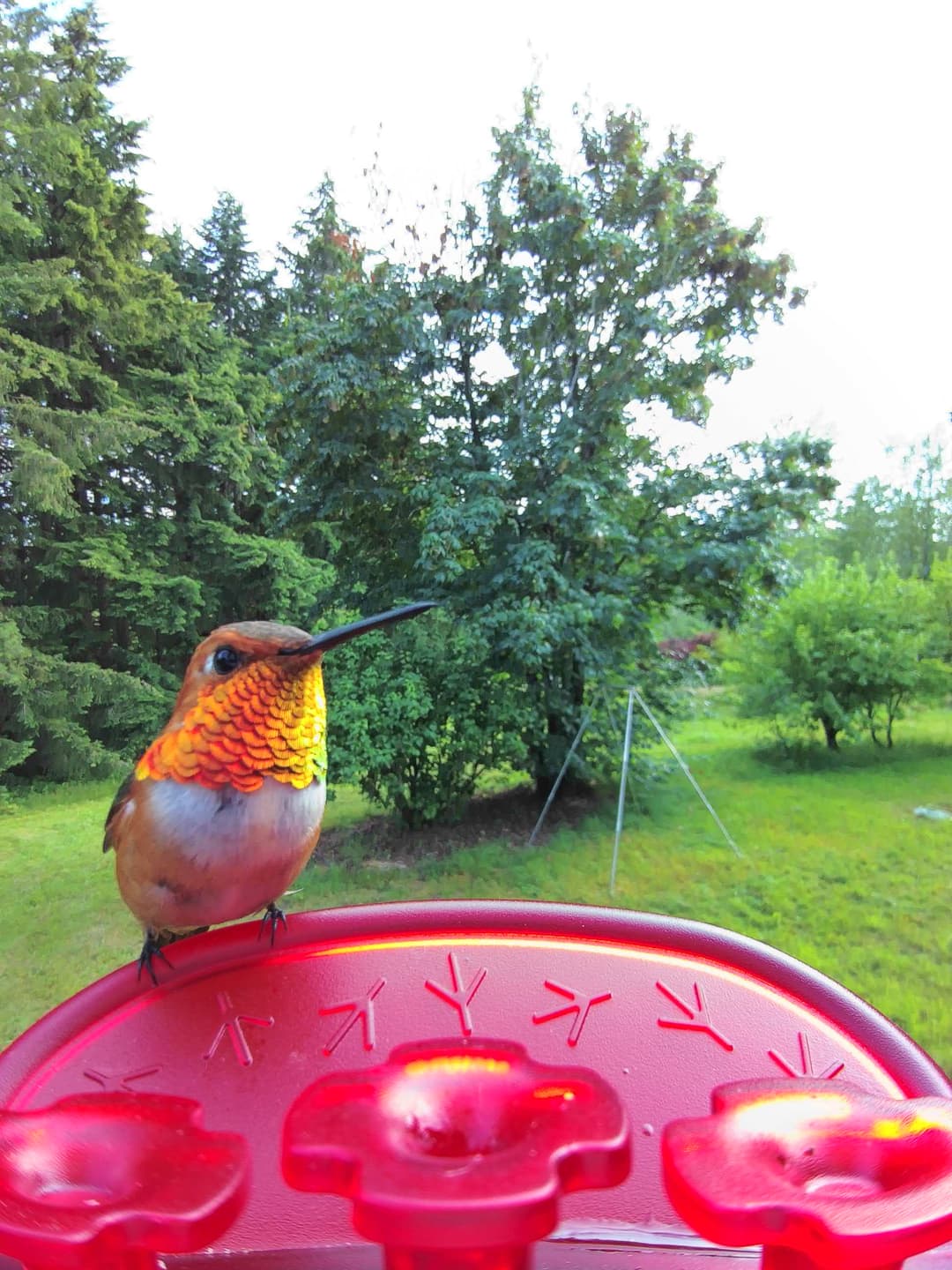
Hummingbird vs Black-Chinned Hummingbird
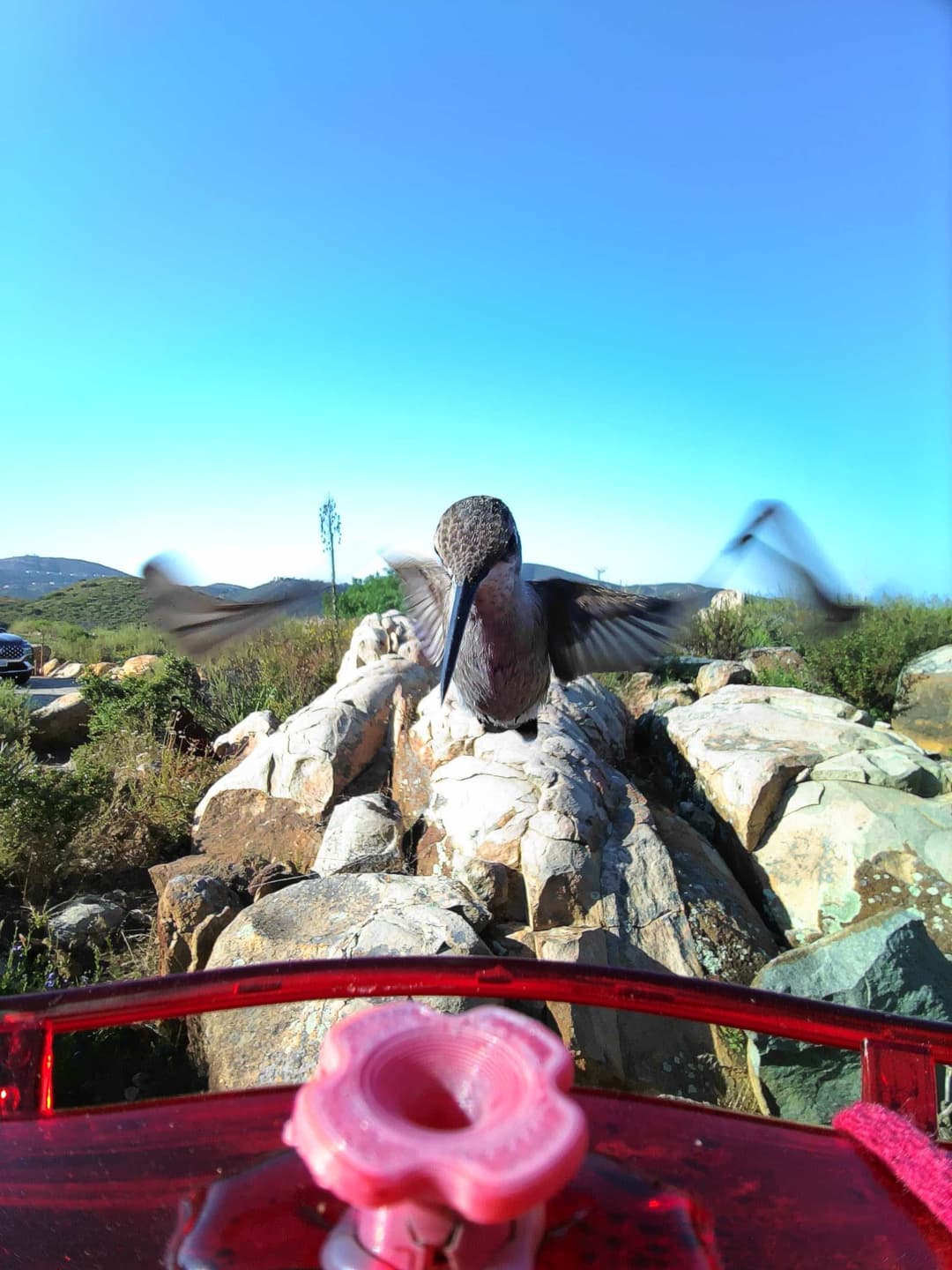
Hummingbird vs Blue-Chested Hummingbird
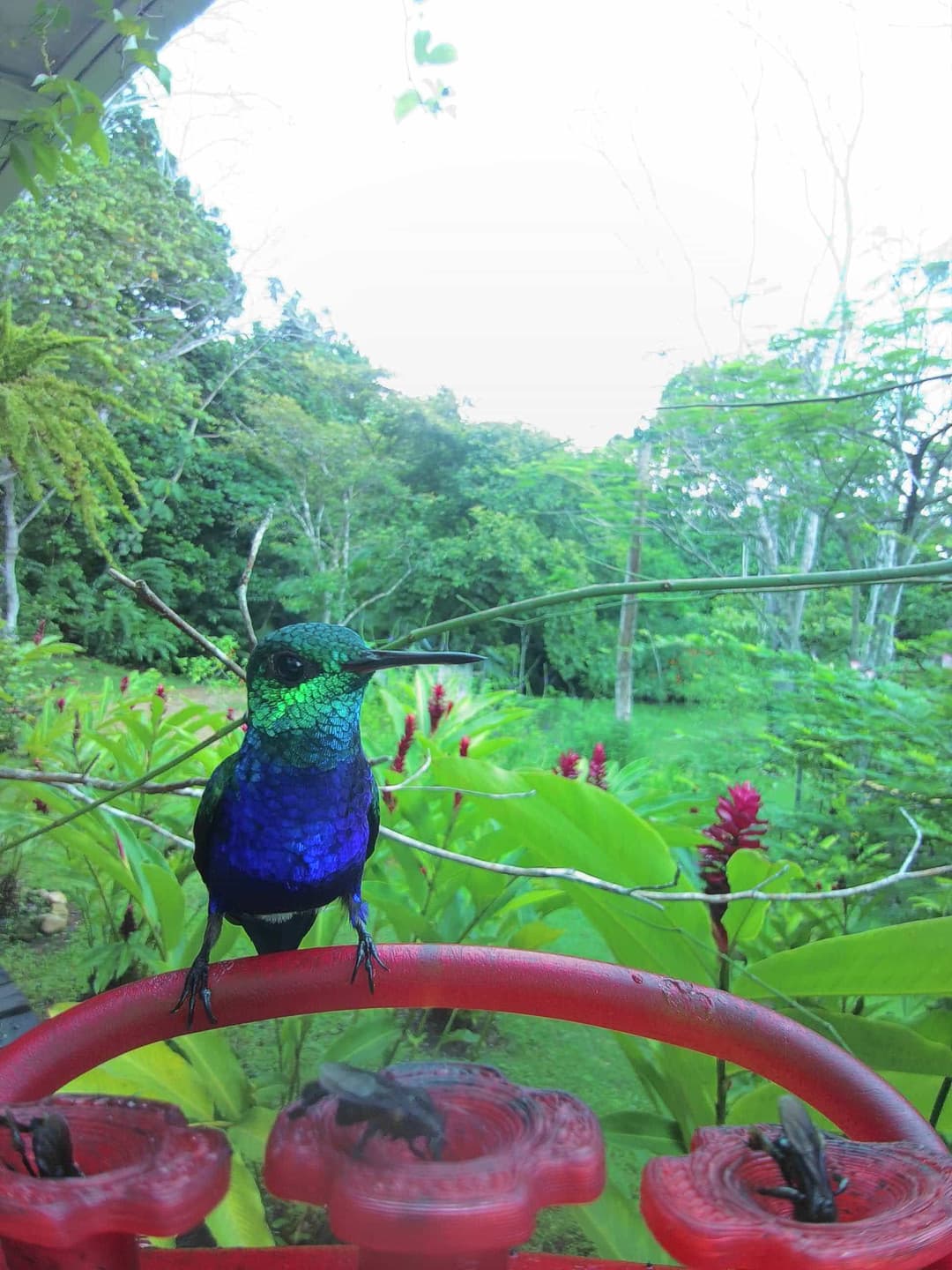
Hummingbird vs White-Necked Jacobin
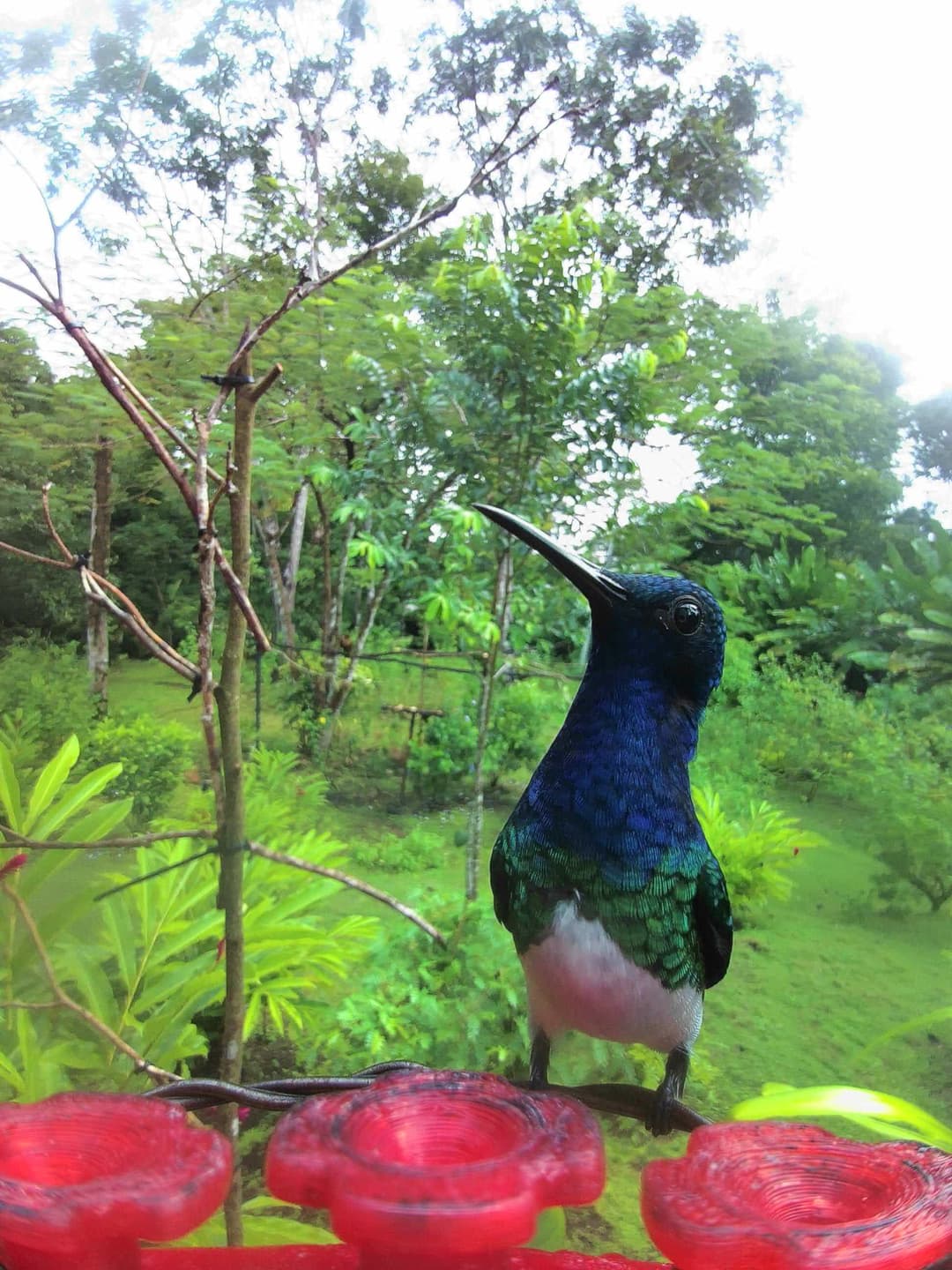
Hummingbird vs Rufous Hummingbird
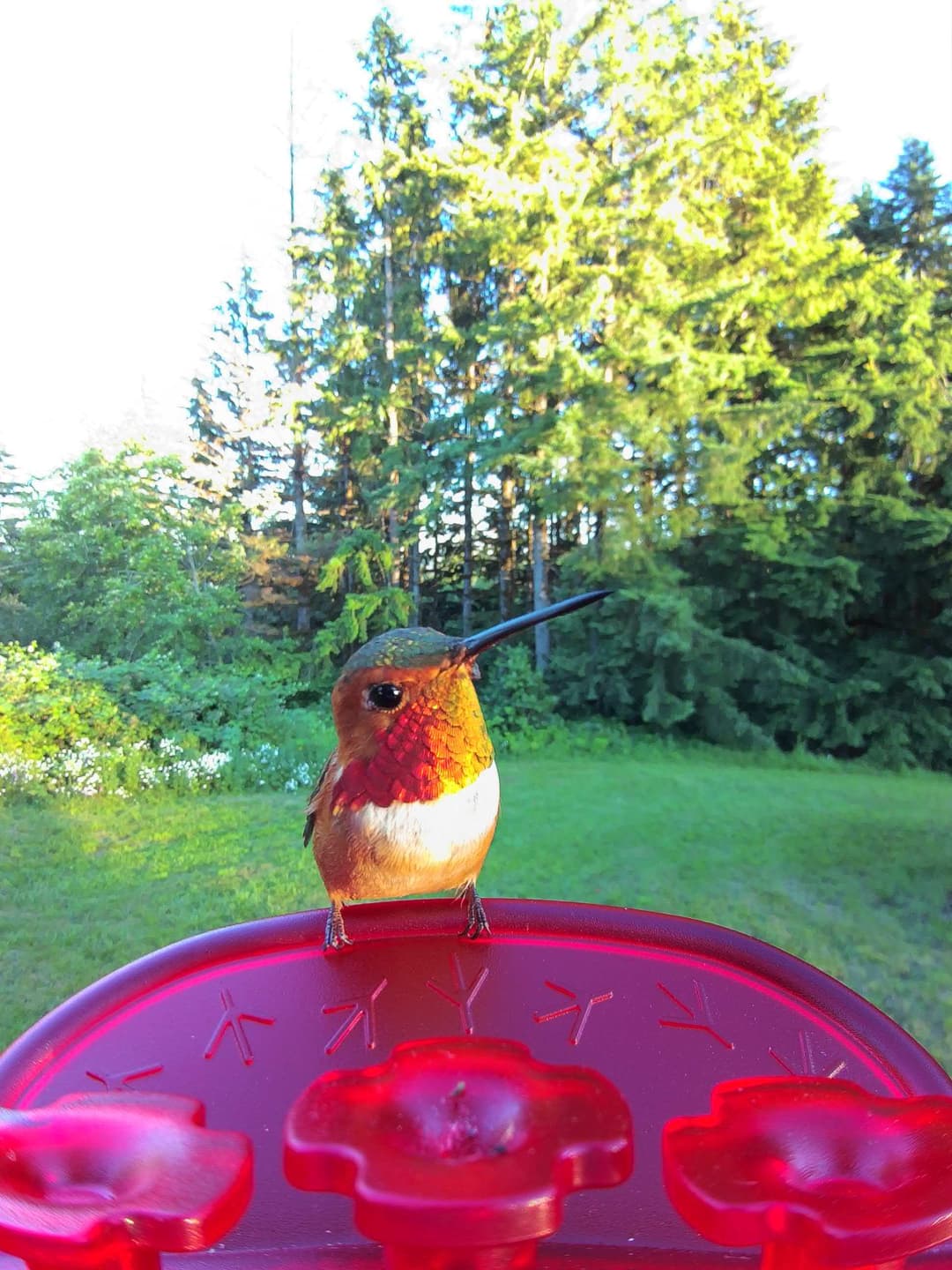
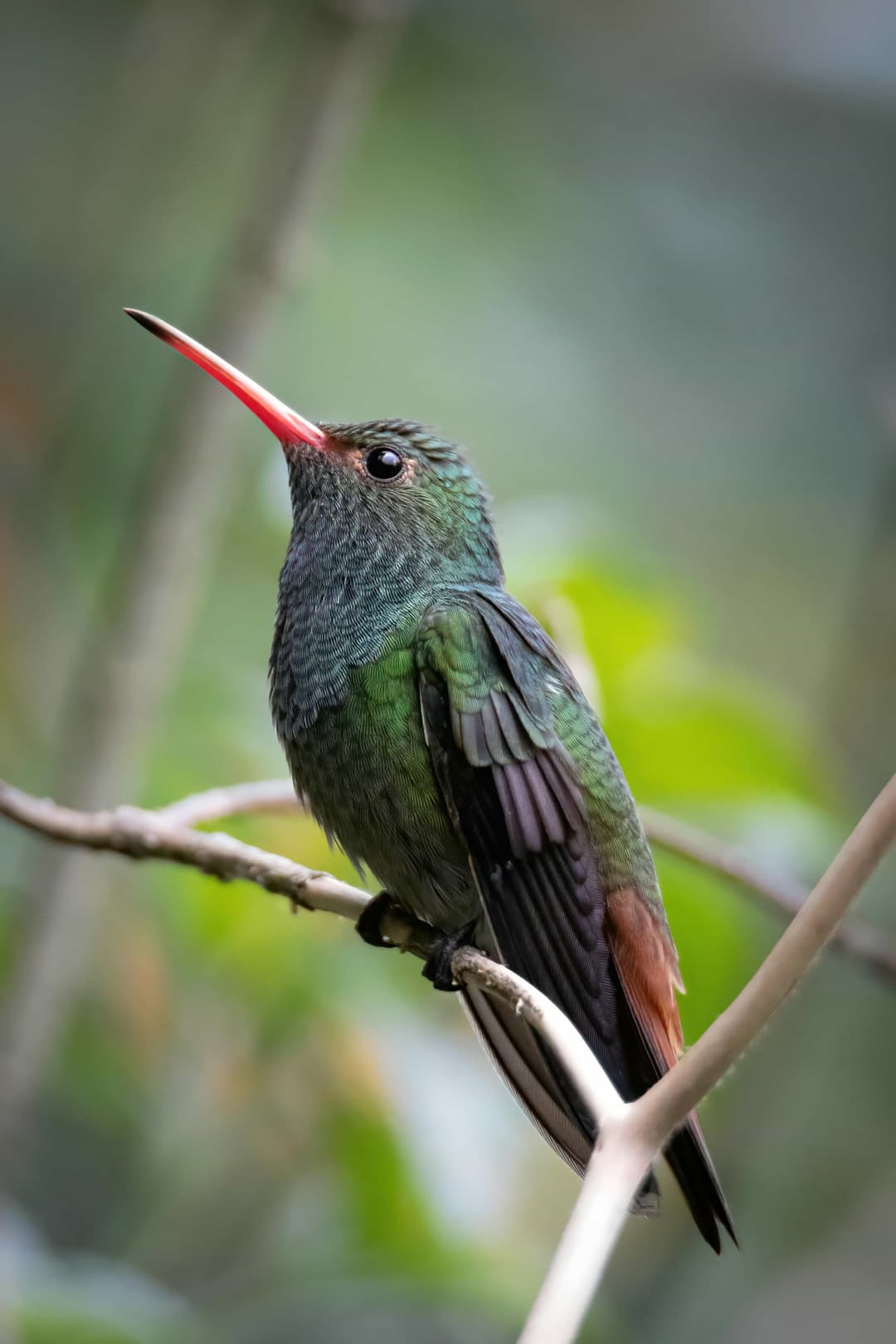
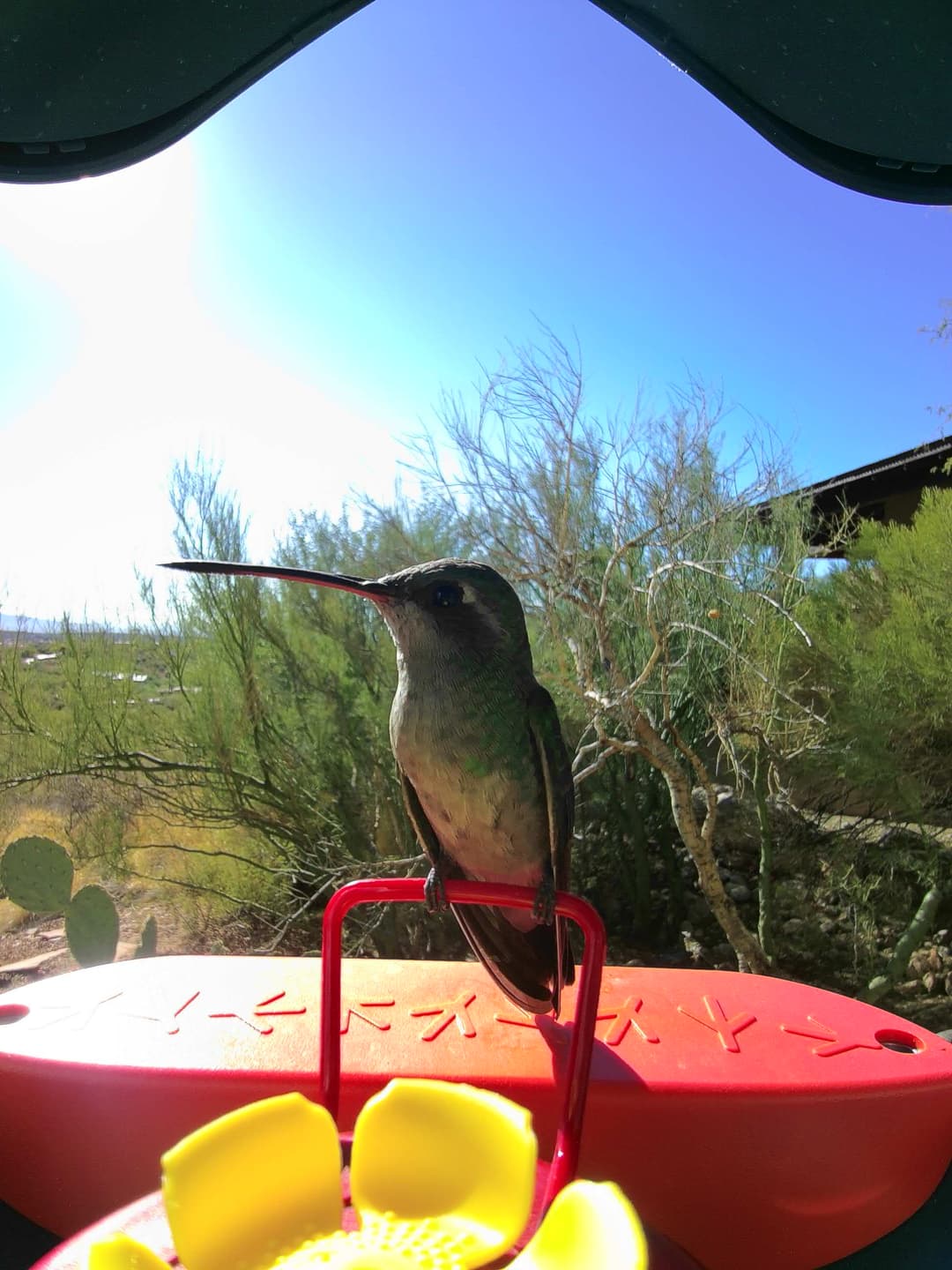
Hummingbird vs Swallow-tailed Hummingbird
Violet-Crowned Hummingbird vs Ruby-Throated Hummingbird
Violet-Crowned Hummingbird vs Anna's Hummingbird
Violet-Crowned Hummingbird vs Black-Chinned Hummingbird
Violet-Crowned Hummingbird vs Allen's Hummingbird
Violet-Crowned Hummingbird vs Rufous Hummingbird
Hummingbird vs [Select a bird]

[Select a bird]
Pick a bird to compare
Violet-Crowned Hummingbird vs [Select a bird]
[Select a bird]
Pick a bird to compare