Sparrow or Song Sparrow?
Here's how to tell the difference



Sparrow



Song Sparrow
Sparrow
Passer
Also known as: True Sparrow
General appearance
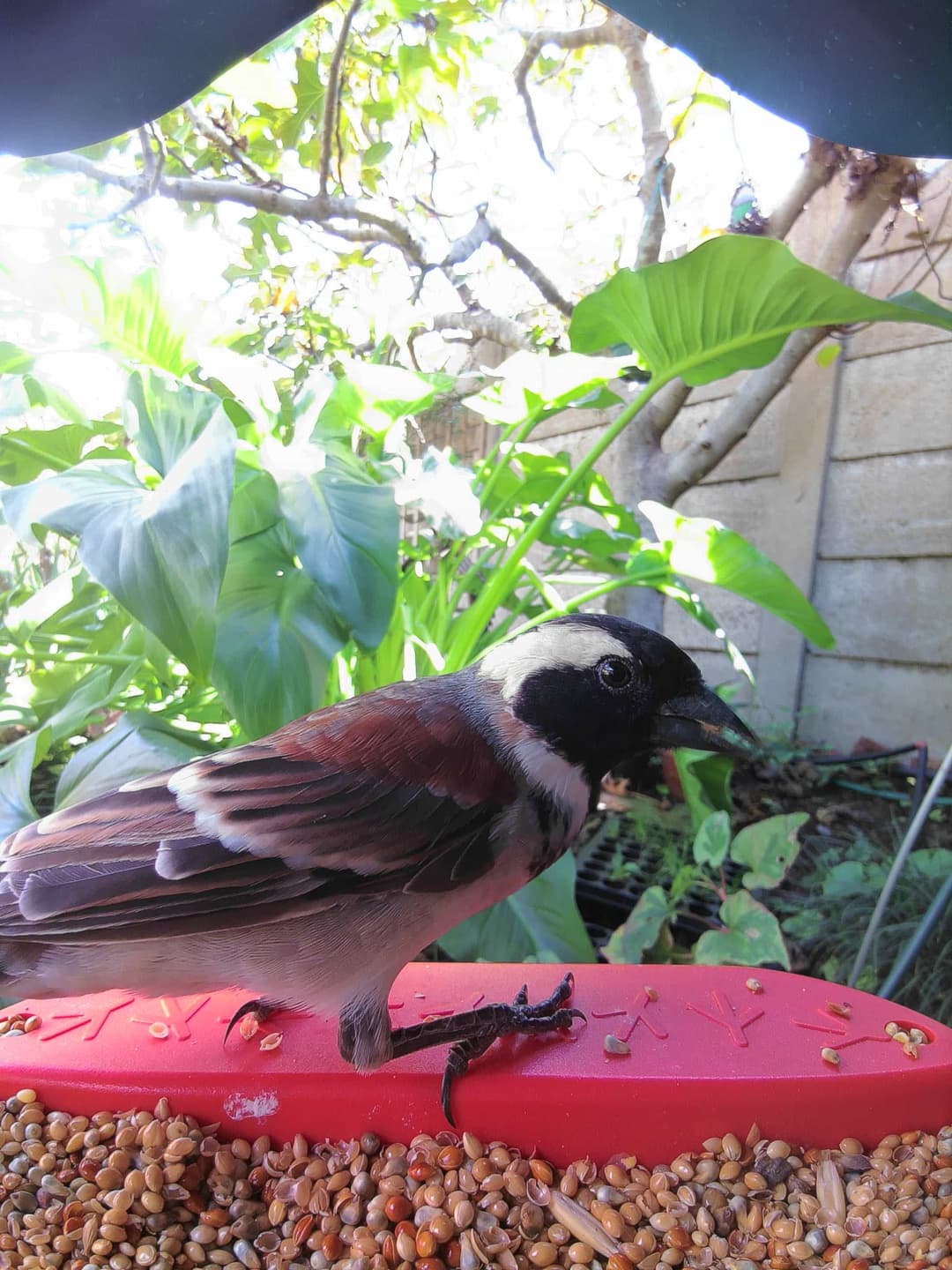
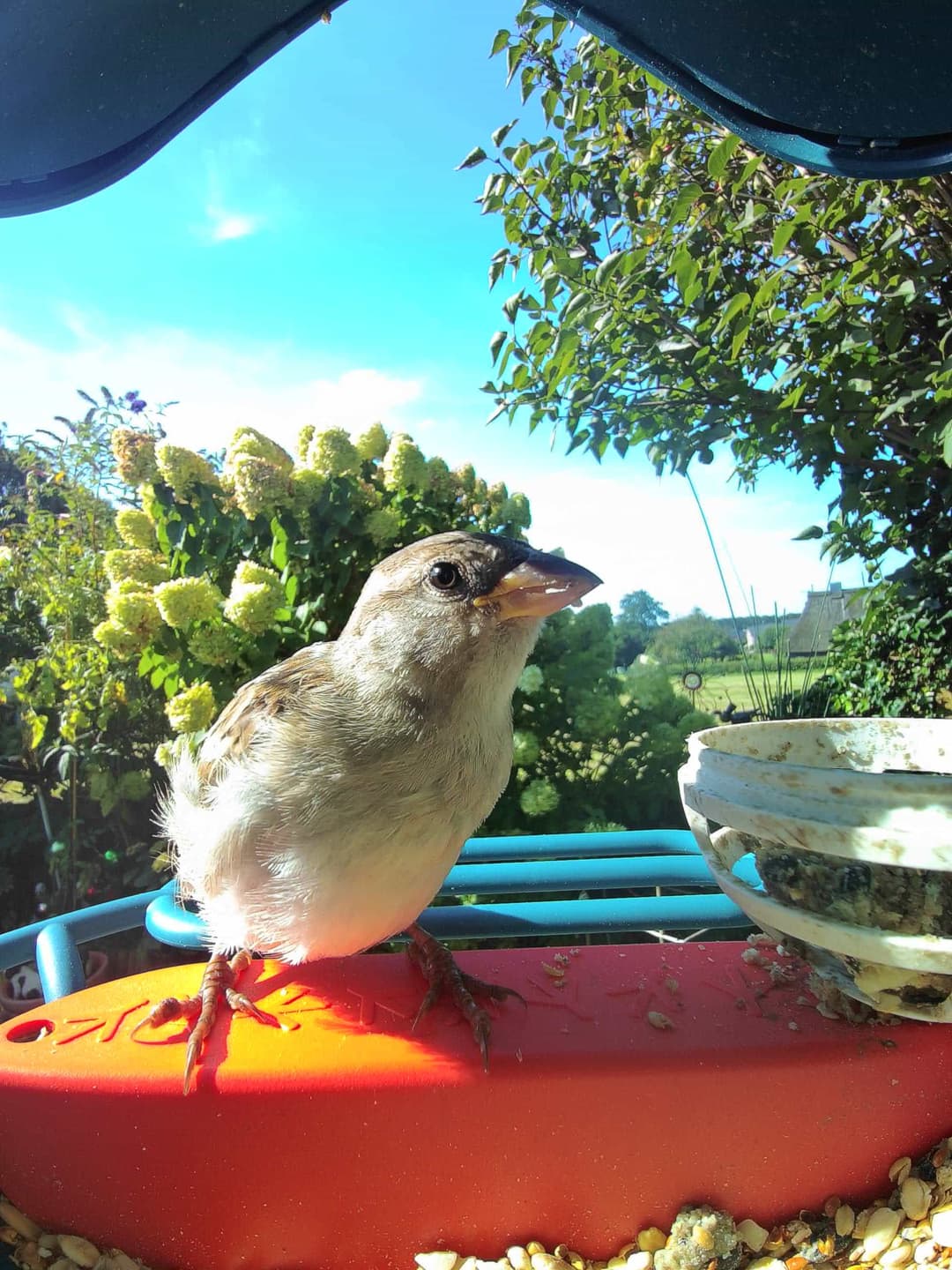
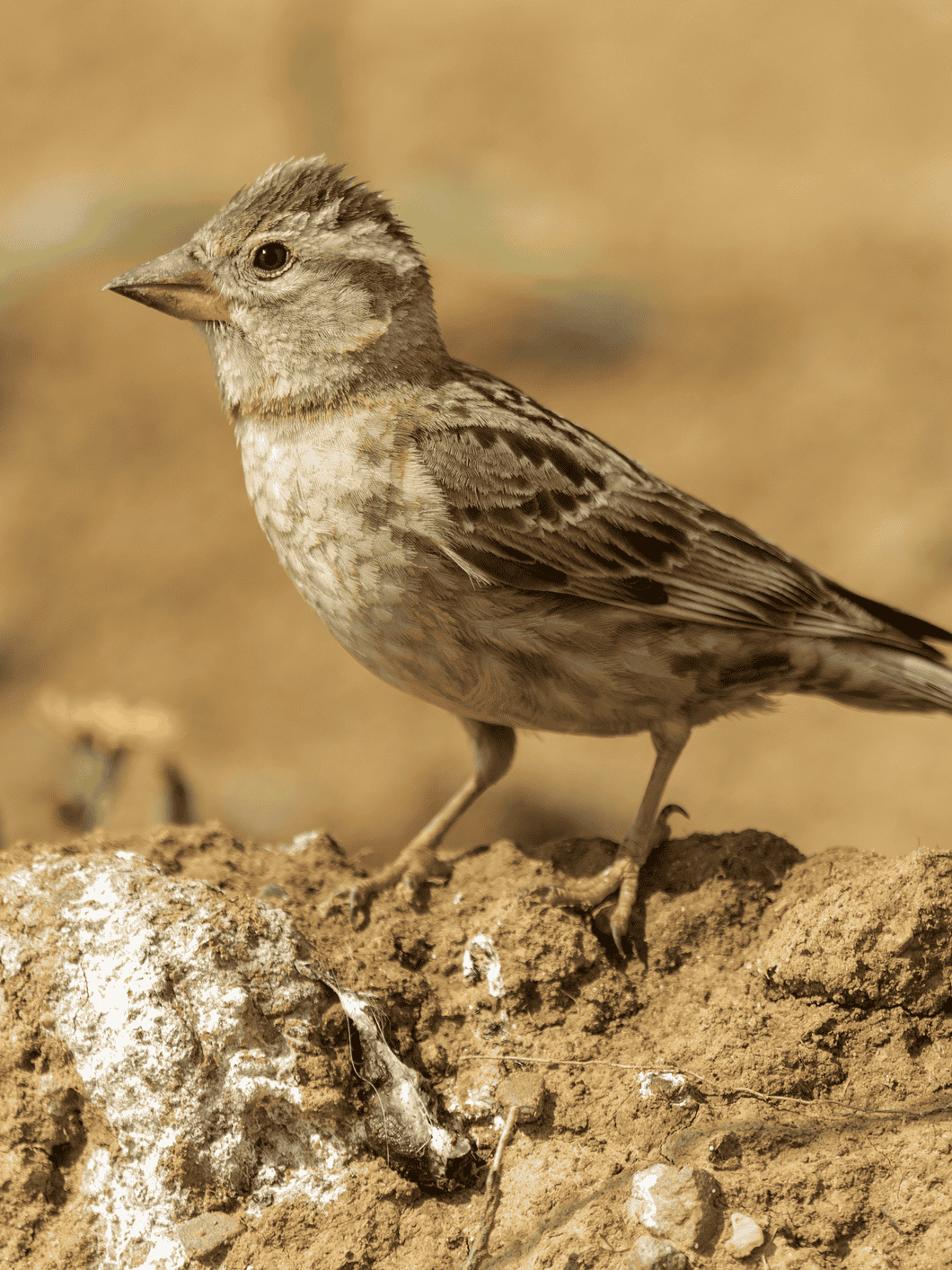
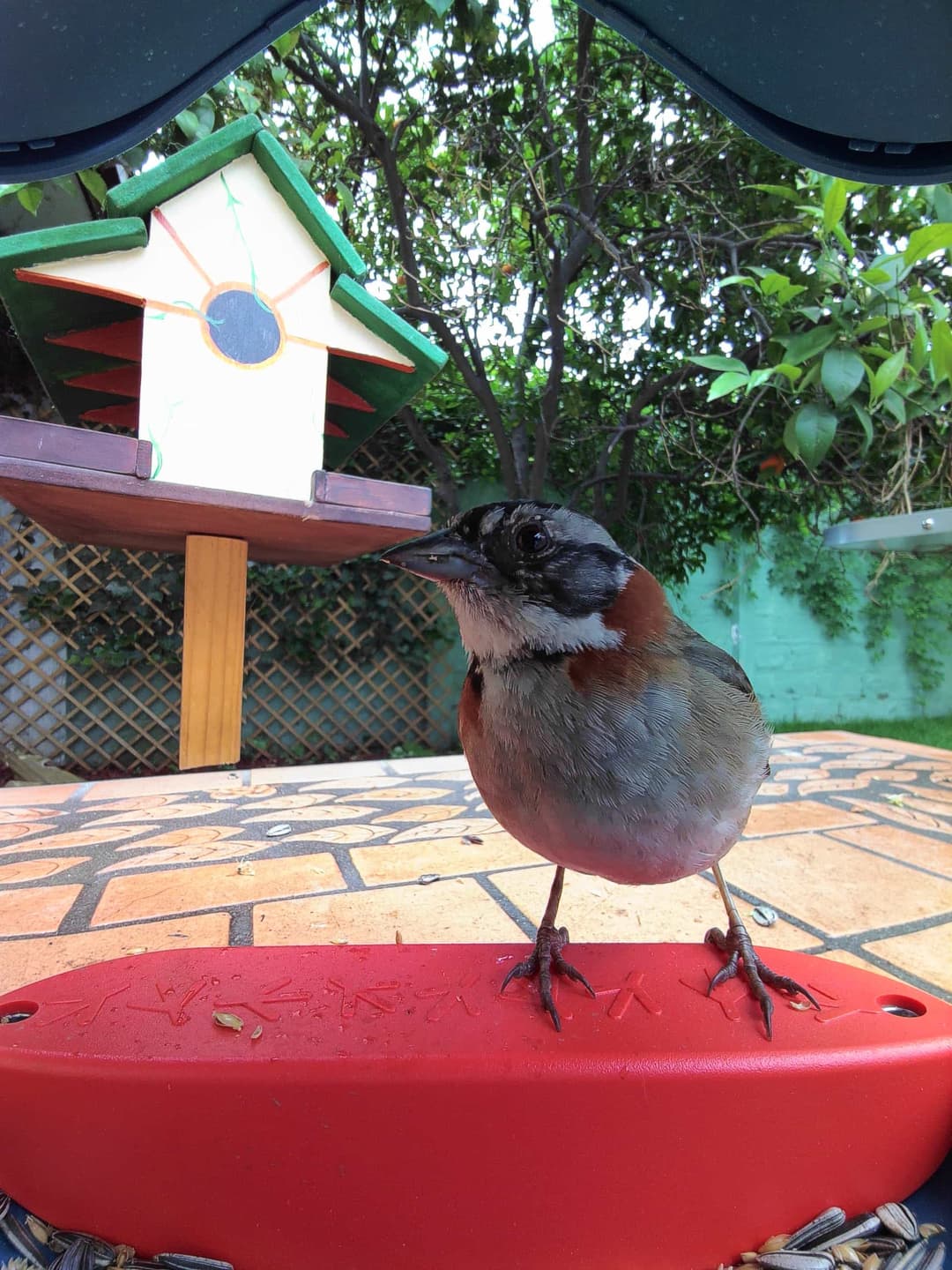
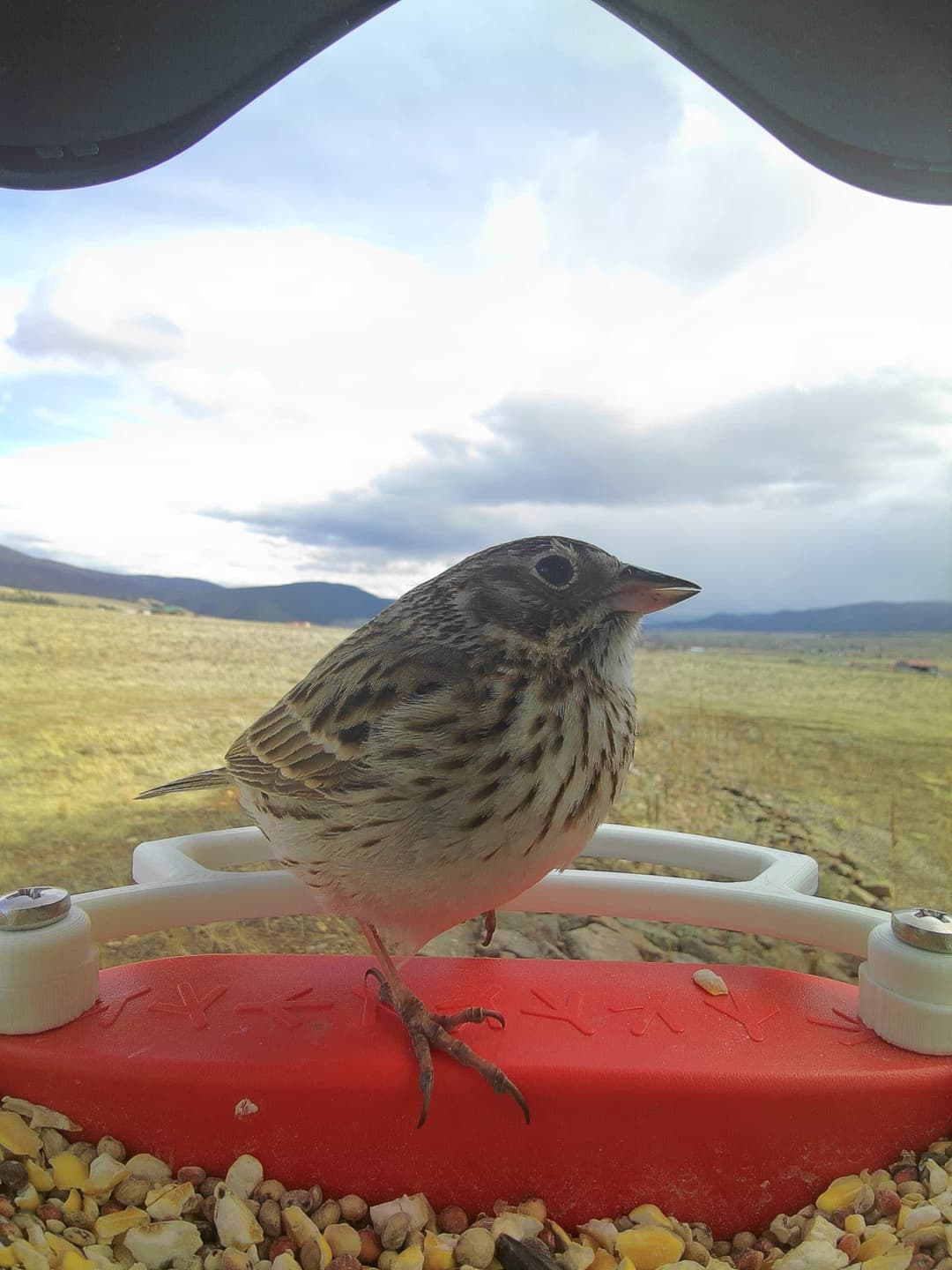
Sparrows are small, plump birds with short tails and subdued colors. They generally exhibit brown, black, and white coloration, with streaked or solid patterns. Sparrows also have a stout beak, designed for seed eating.
Male vs female
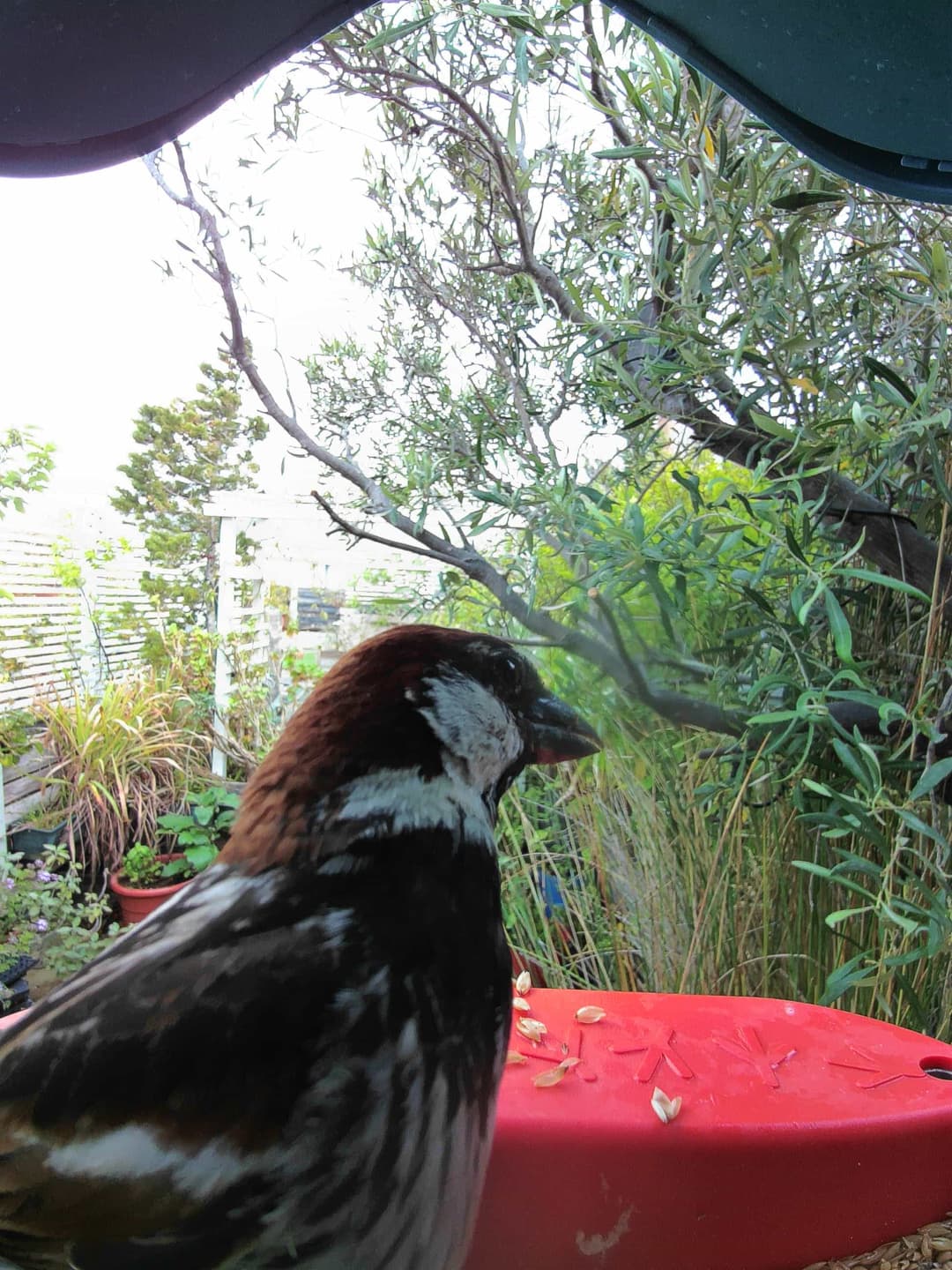
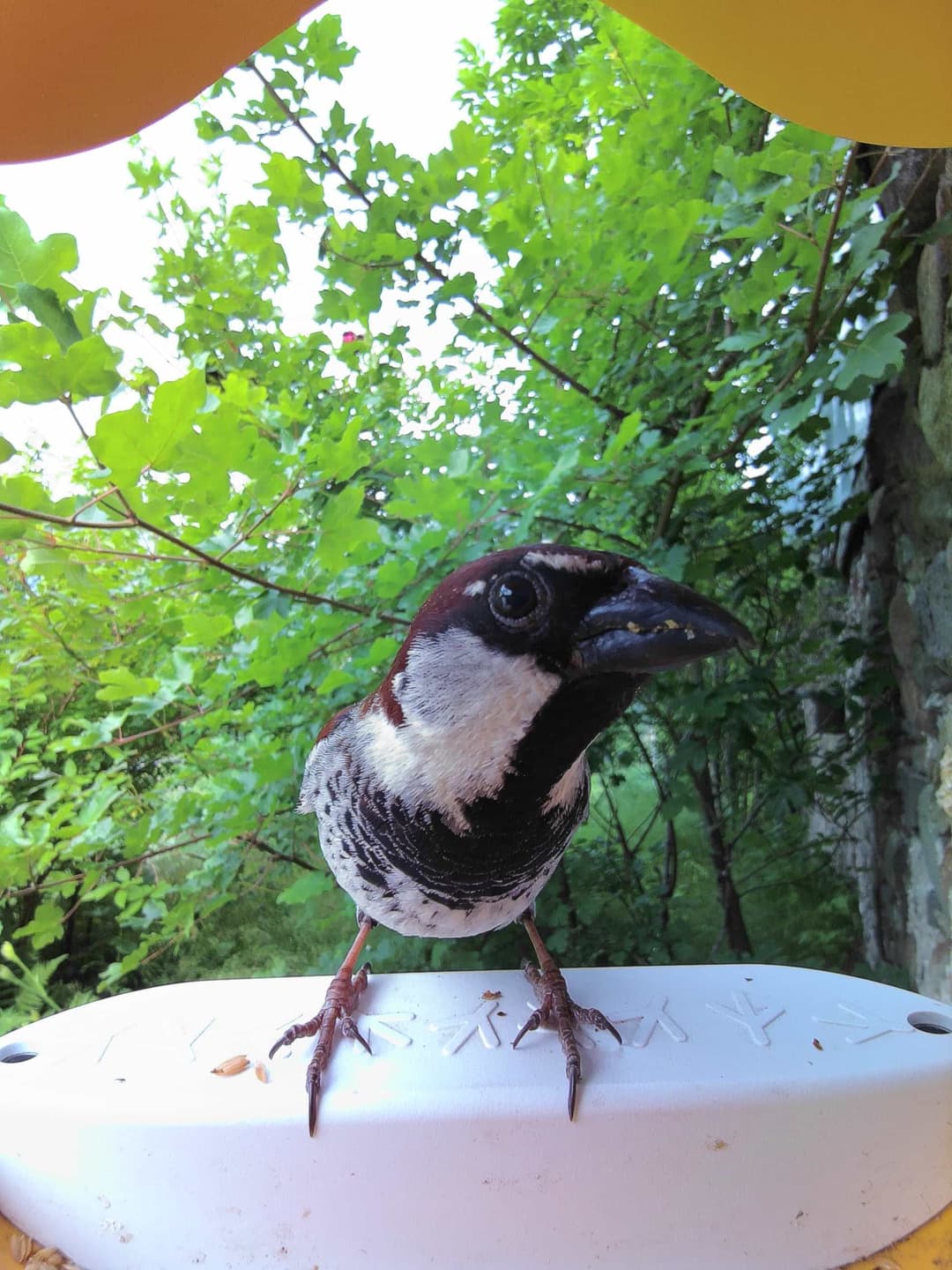
Male and female sparrows can be distinguished by their coloration and markings. Males tend to have more distinct and vibrant colors, like black bibs and white cheeks, while females usually have duller, brownish colors. Seasonal changes in plumage make the males more distinct during the breeding season.
Juvenile
Juvenile sparrows have similar coloration to females but are often even duller and may show some streaking. Their beaks start black, then turn yellow and finally the adult's color. Juveniles often show a more marked gape (the sides of the beak) than adults.
Size
4.1 - 7.1 in/0.4 - 1.7 oz
There's more to learn about Sparrow
View full detailsSong Sparrow
Melospiza melodia
General appearance
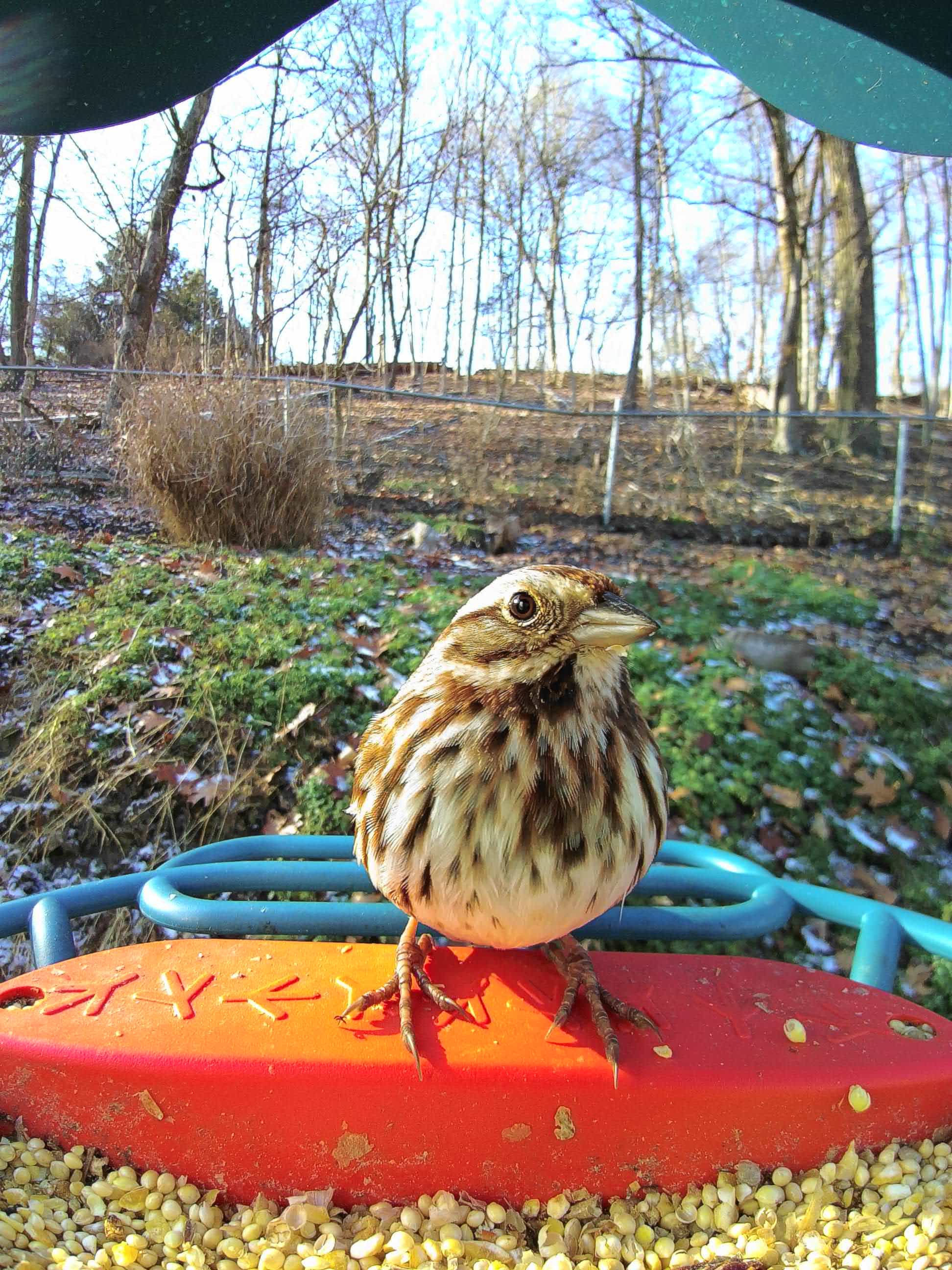
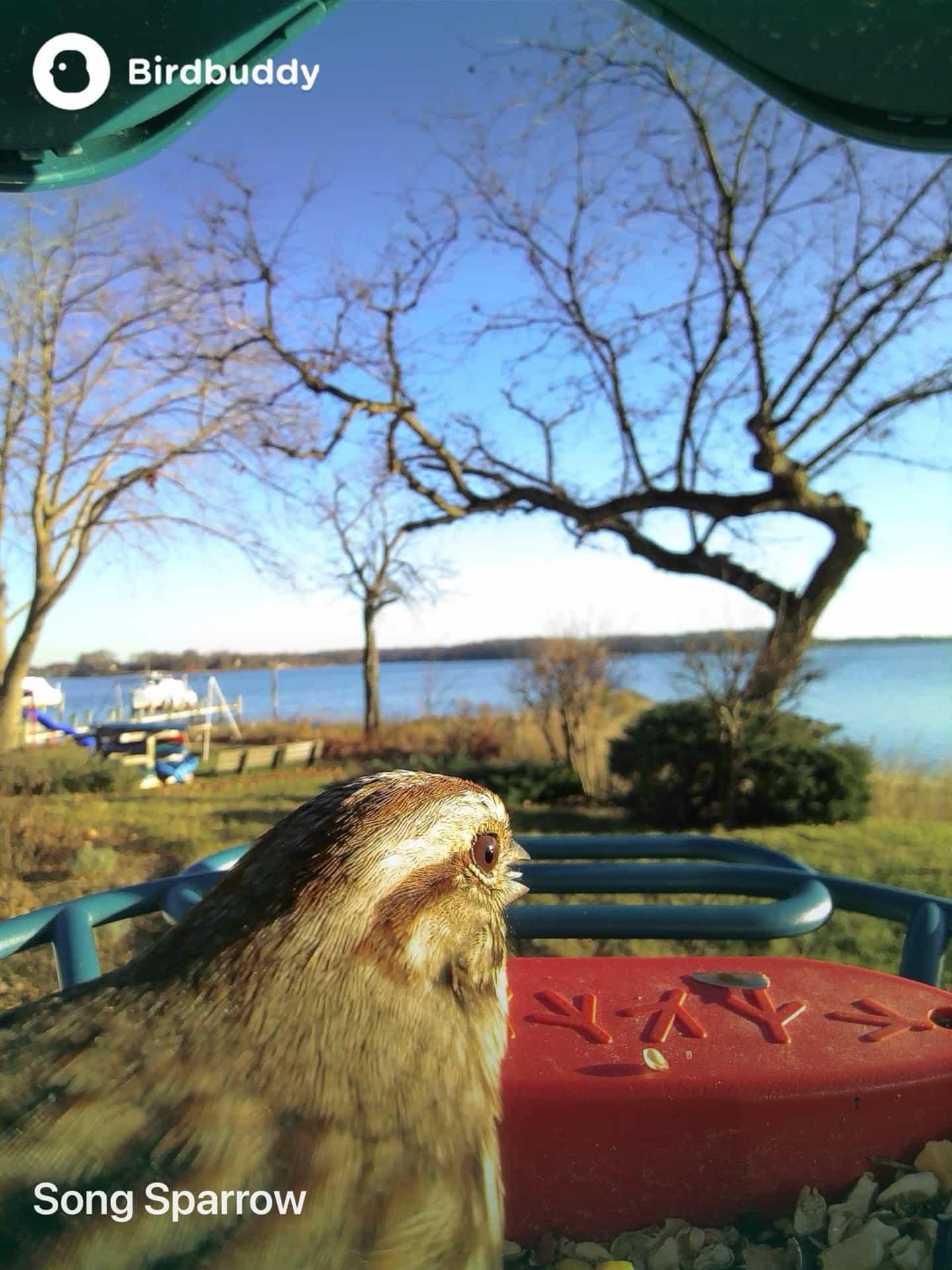
A song sparrow is the size of a robin, with a fairly long tail. Its distinctive markings include a striped face and streaks on its chest, often merging into a central blotch. The bird displays a range of colors, including black, brown, gray, red, and white. Its wings are broad and its tail can be notched, rounded, or square-tipped. It is often seen in open fields.
Male vs female
Both male and female song sparrows have similar appearances, making it difficult to tell them apart by sight alone. Both genders share the same size, coloration, and physical traits, such as their striped faces, long tails, and chest markings.
Juvenile
Juvenile song sparrows have similarly colored plumage to adults but typically appear more muted. Their chest streaks may not be as prominent and can take some time to fully develop. As they mature, they grow into their characteristic markings and colorations.
Size
4.7 - 6.7 in/0.4 - 1.9 oz
There's more to learn about Song Sparrow
View full detailsHow to tell the Sparrow from the Song Sparrow
Visual differences
Visually, Sparrows (Passer) are smaller with lengths of 4.1-7.1 inches and display plump bodies, short tails, and subdued brown, black, and white colors with a stout beak. Song Sparrows (Melospiza melodia) are robin-sized, measuring 4.7-6.7 inches, featuring long tails, a striped face, and streaked chest often forming a central spot, with colors including black, brown, gray, red, and white. Song Sparrows exhibit broad wings and can have notched tails, while Sparrows have a more robust build with a stout beak for seed-eating.
Key differences and behavior
Sparrows (Passer) and Song Sparrows (Melospiza melodia) exhibit distinct behavioral traits and habitat preferences. Sparrows are highly social, often seen in large groups across urban and diverse environments like deserts, whereas Song Sparrows prefer solitary territories in more natural settings such as thickets and marshes. Sparrows have an omnivorous diet with a strong preference for seeds, adapting easily to urban food sources, while Song Sparrows consume more insects in summer, switching to seeds in winter. Breeding behaviors differ: Sparrows perform communal courting rituals, nesting in sheltered areas, while male Song Sparrows defend isolated territories, with nests often on or near the ground. Despite their adaptable nesting, Song Sparrows rely on dense cover for protection. Recognizing them in the field, listen for Song Sparrows' diverse melodies, while house sparrows are more vocal within their flocks.
Still not sure? Here are more lookalikes!
Sparrow vs House Sparrow
Sparrow vs Chipping Sparrow
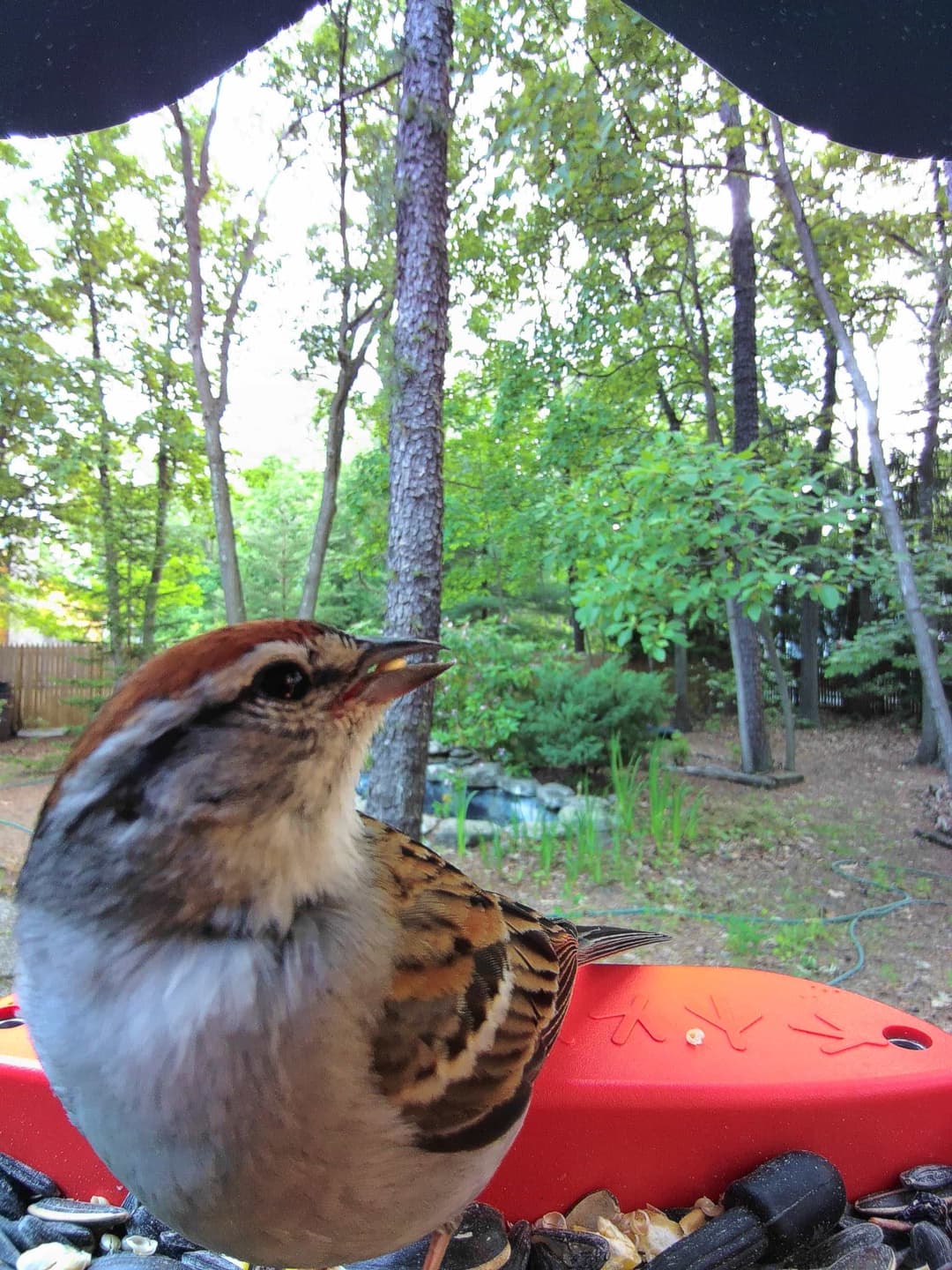
Sparrow vs White-Crowned Sparrow

Sparrow vs Eurasian Tree Sparrow
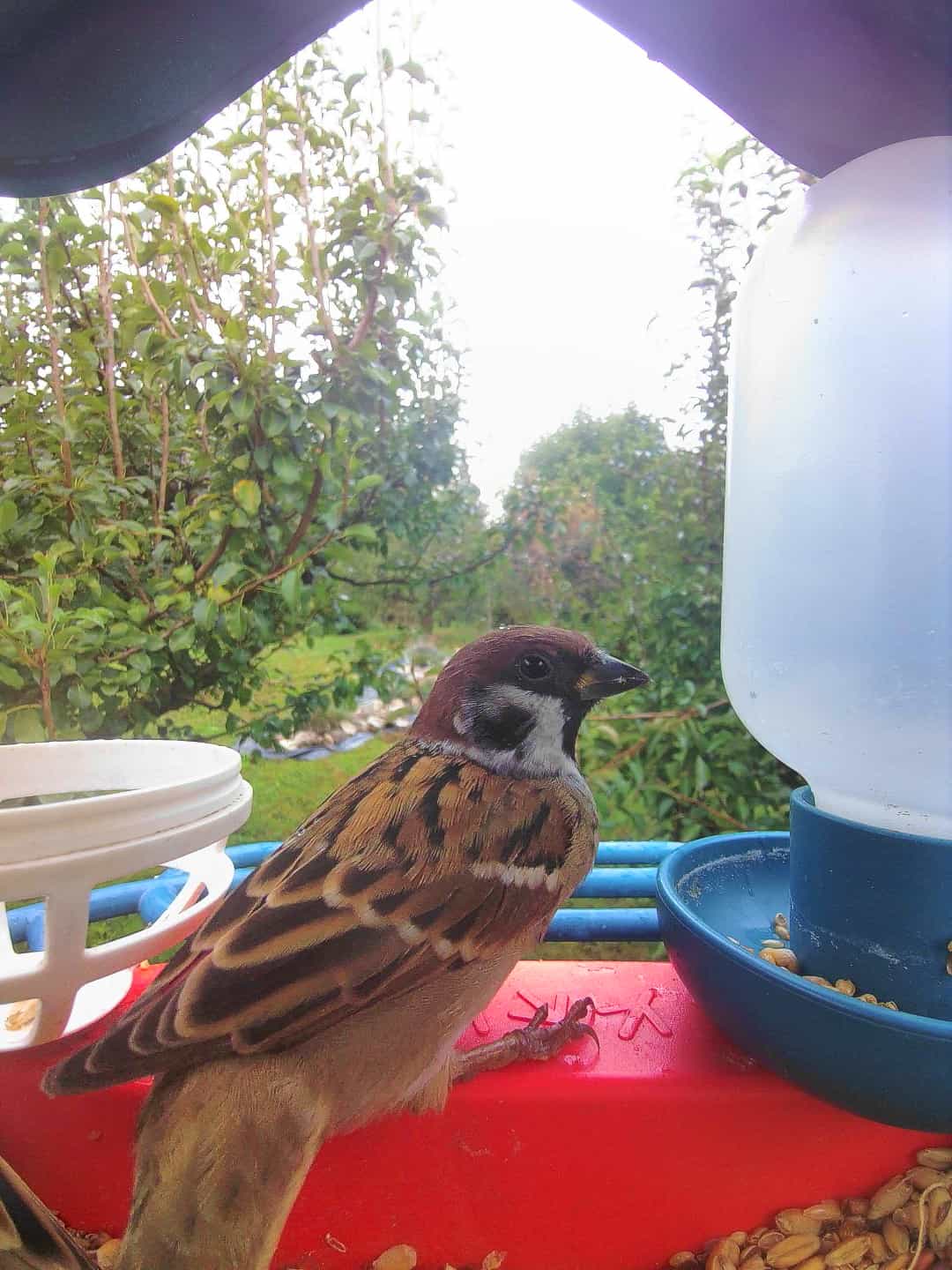
Sparrow vs American Tree Sparrow
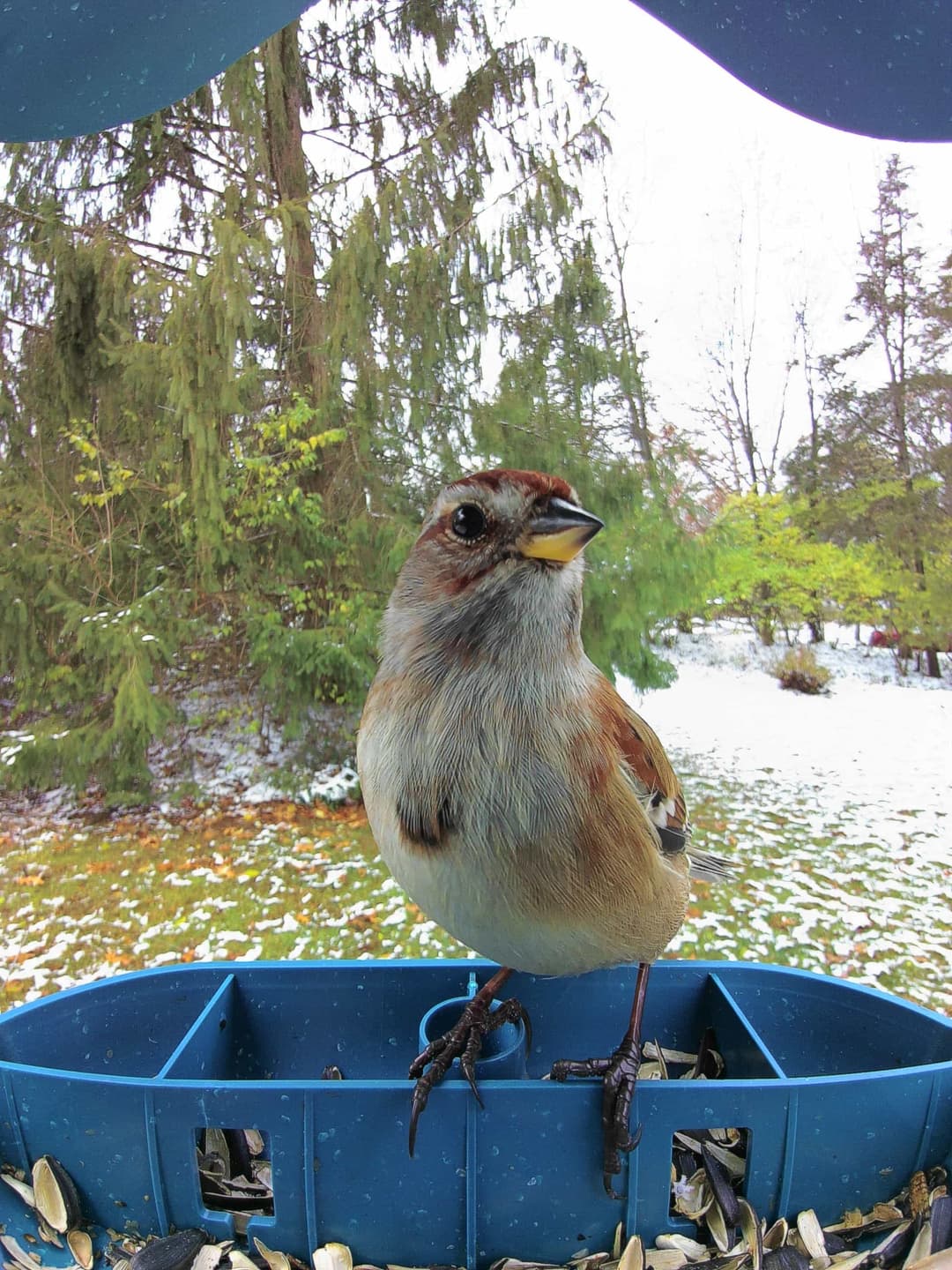
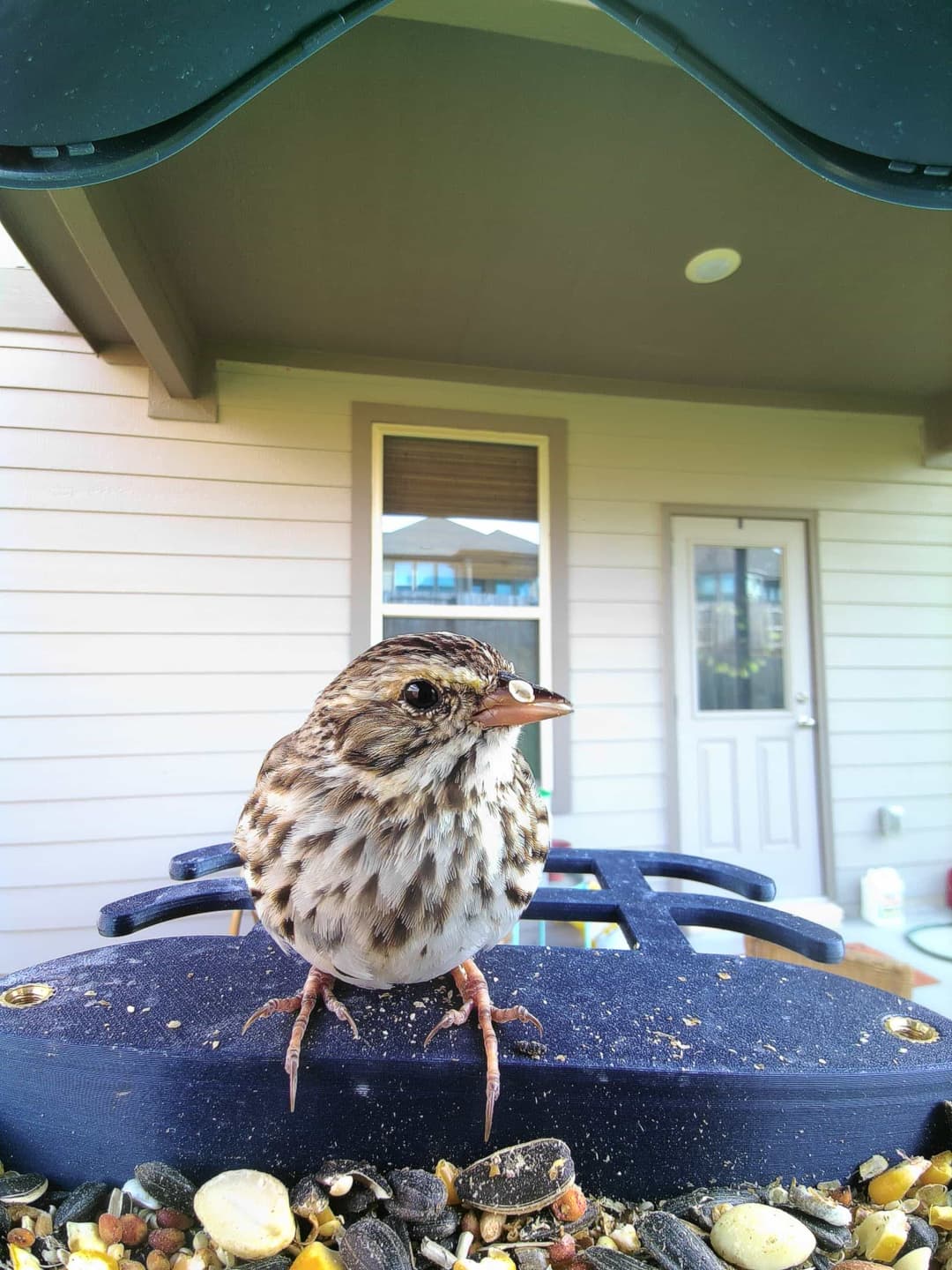
Sparrow vs White-Throated Sparrow
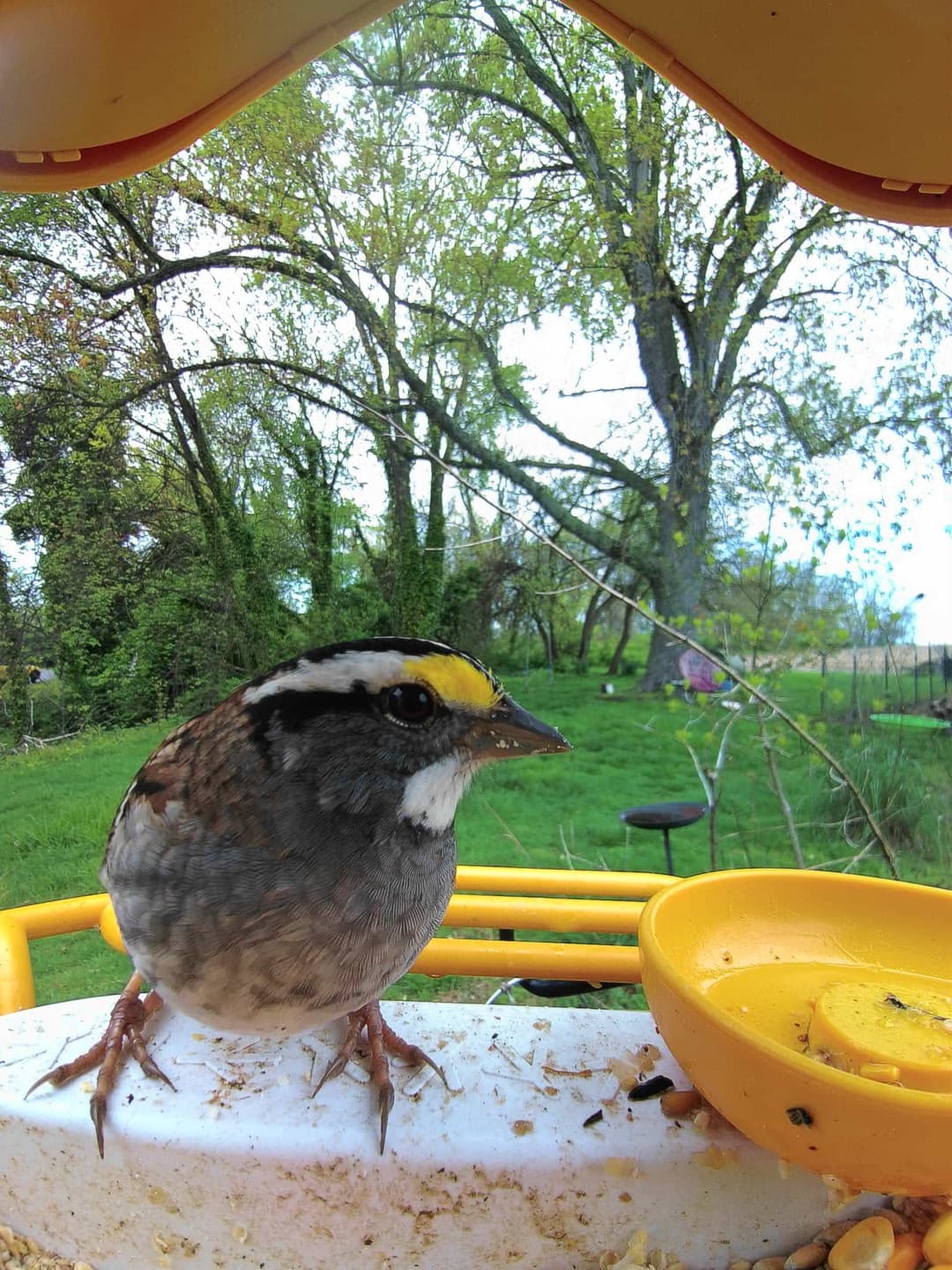
Song Sparrow vs Savannah Sparrow
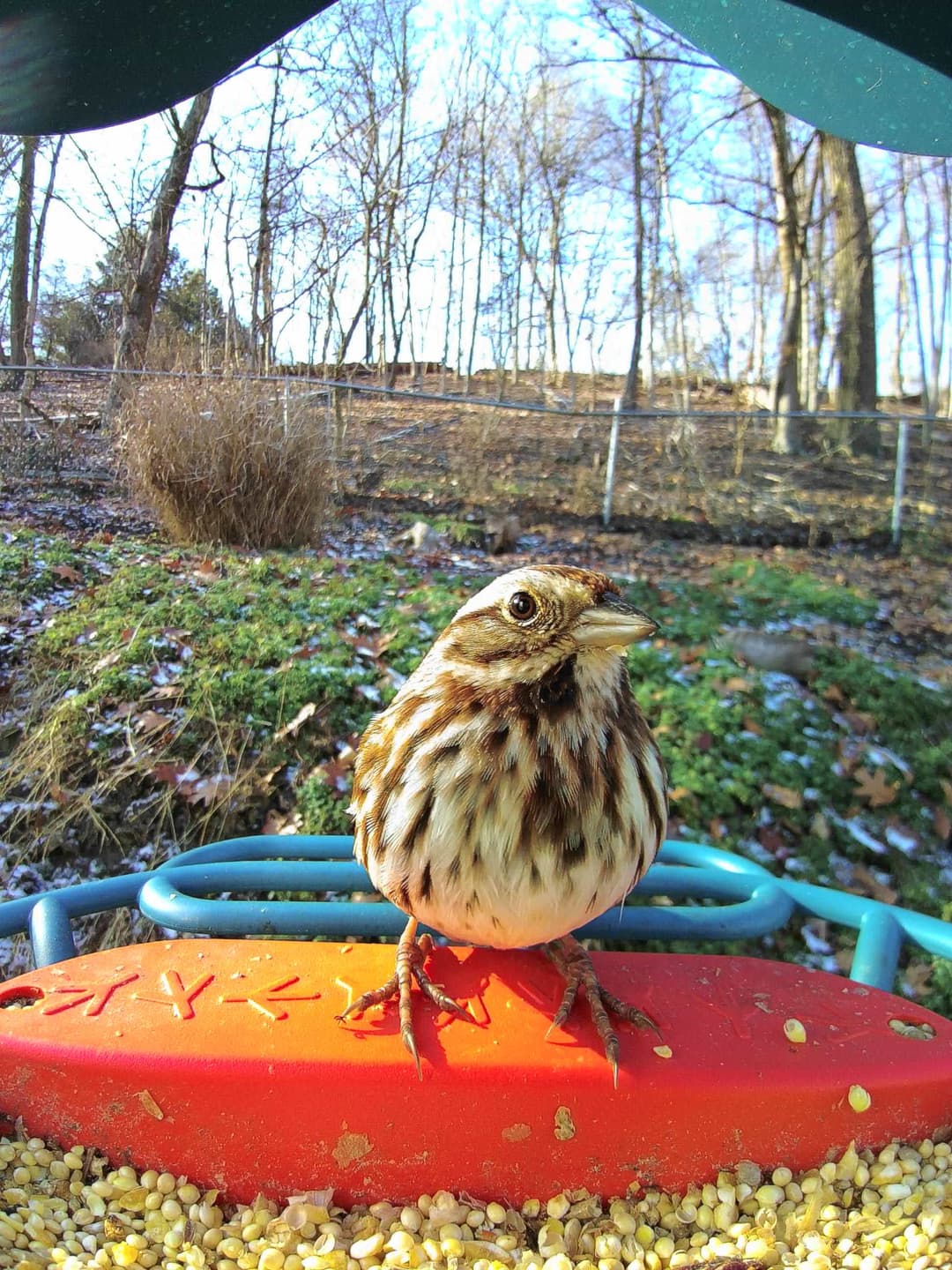
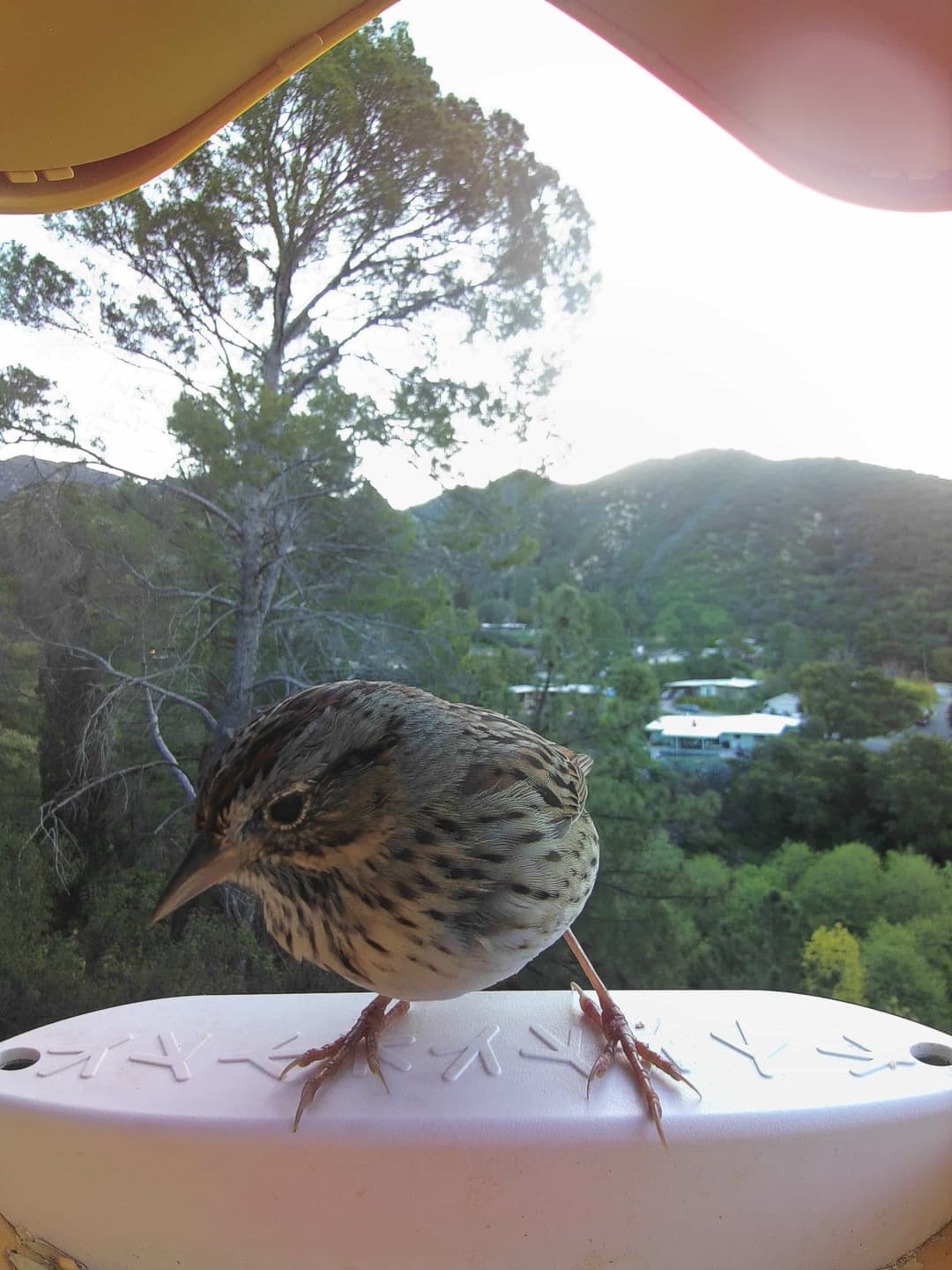
Song Sparrow vs Lincoln’s Sparrow
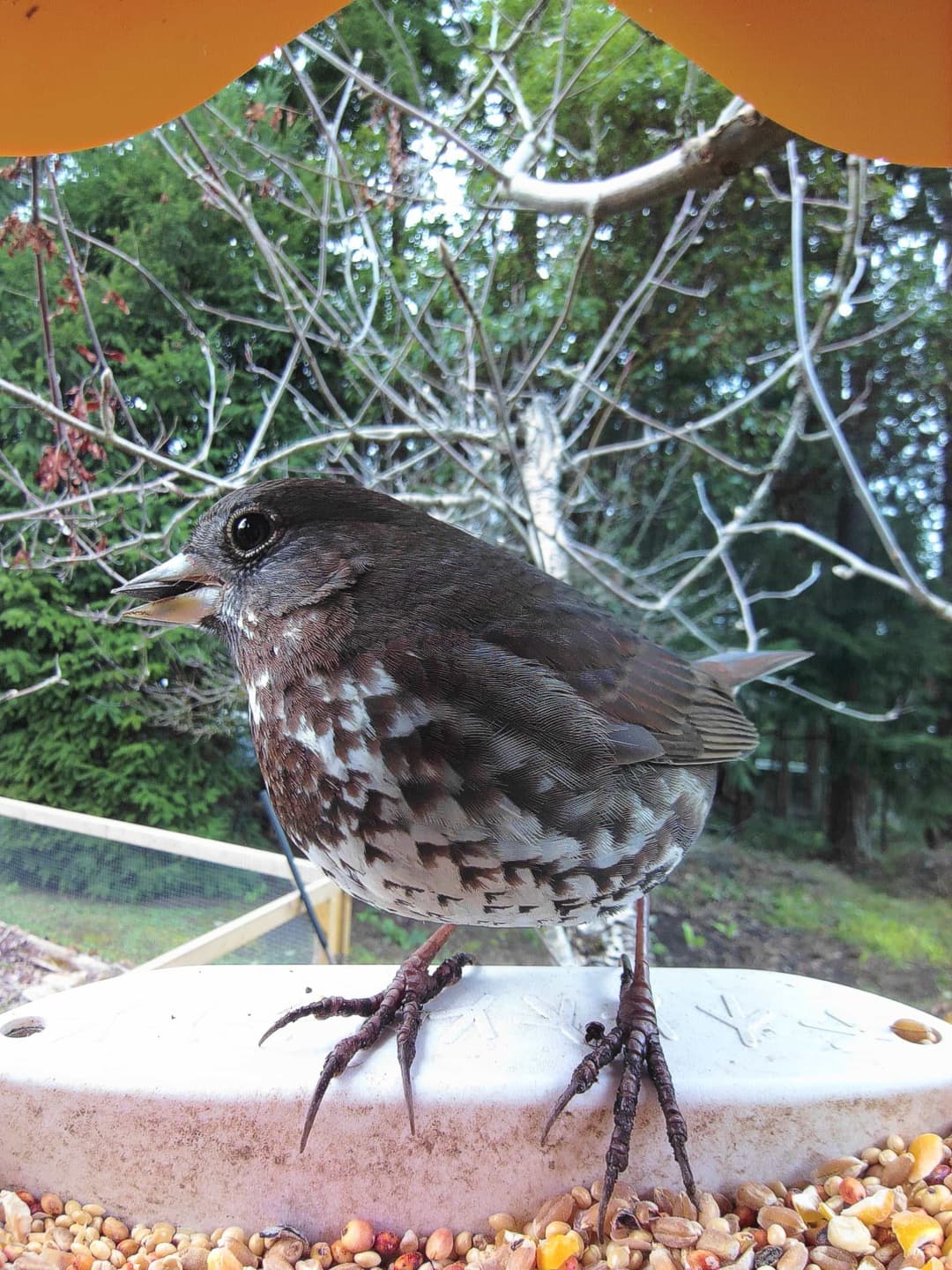
Song Sparrow vs Fox Sparrow
Song Sparrow vs Vesper Sparrow
Sparrow vs [Select a bird]

[Select a bird]
Pick a bird to compare
Song Sparrow vs [Select a bird]
[Select a bird]
Pick a bird to compare