
Savannah Sparrow
Savannah Sparrow
Passerculus sandwichensis


Quick Identification guide
Quick Identification guide
- •
Features brownish streaked upperparts with a finely streaked to clean white underbelly for contrast
- •
Identifiable by a distinctive yellowish stripe above the eye, known as the supercilium, especially noticeable in good light
- •
Has a short, conical beak well-suited for seed consumption and overall slender, sparrow-like build
What does a Savannah sparrow sound like?
The Savannah Sparrow vocalizes a high-pitched, buzzy "tsip-tsip-tsip-se-e-e-srr" sound. Its calls showcase various patterns but predominantly feature a falling call type. Its vocal repertoire comprises buzzes, chirps or chips, and 'hi' sounds, often ending with a trill. These distinct sounds make the Savannah Sparrow's song unique and identifiable.


Description
Did you know Savannah sparrows aren't named after the dry, grassy ecosystem, but after Savannah, Georgia? They are rather inconspicuous birds, but keep your eyes open for the yellow spot before their eye – a good way to help you identify them. They are one of the most numerous songbirds in North America and if they are there, chances are you'll hear them thanks to their loud song.
The Savannah sparrow can weigh between 15to29grams and be from11to15centimeters tall.
The Savannah Sparrow typically lives up to five years. While this is the most common lifespan, a recorded outlier lived for 13 years. In comparison, related sparrows such as Song Sparrows generally have a similar 11-year lifespan, while House Sparrows can live up to 13 years.
Did you know?
Most popular questions about Savannah sparrow
How to recognise a Savannah sparrow?
General appearance
The savannah sparrow is a small, streaked songbird with a short tail and a distinguishing yellow spot between the eye and beak. Its back and wings are brown with heavy streaking, while the underparts are white with dark streaks. The bill is typically short and conical.
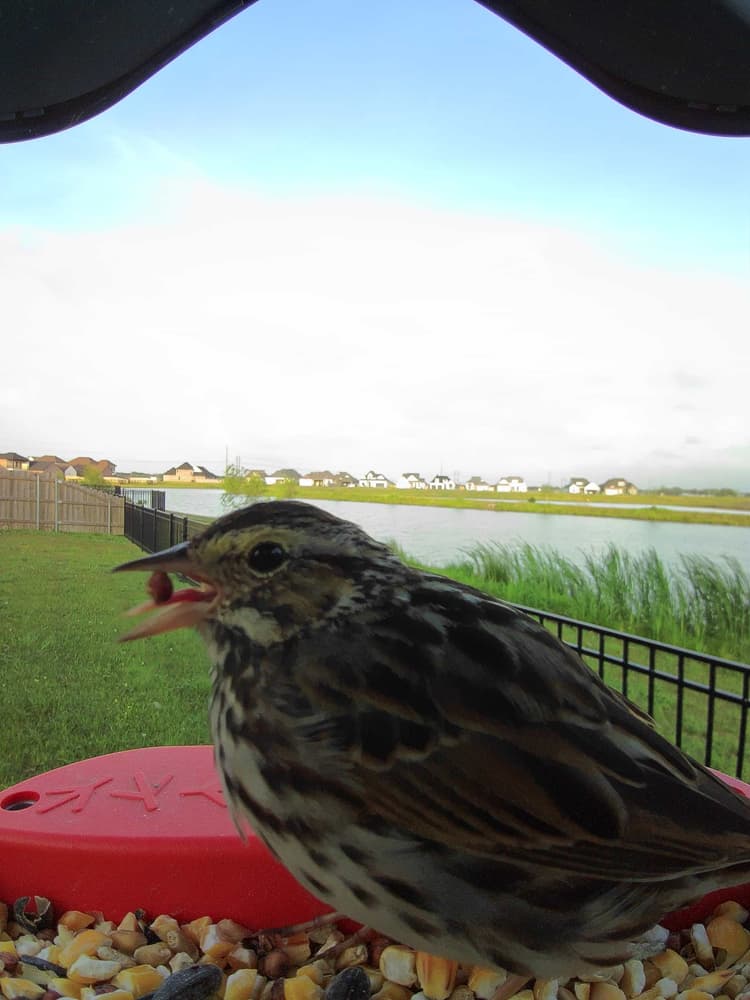
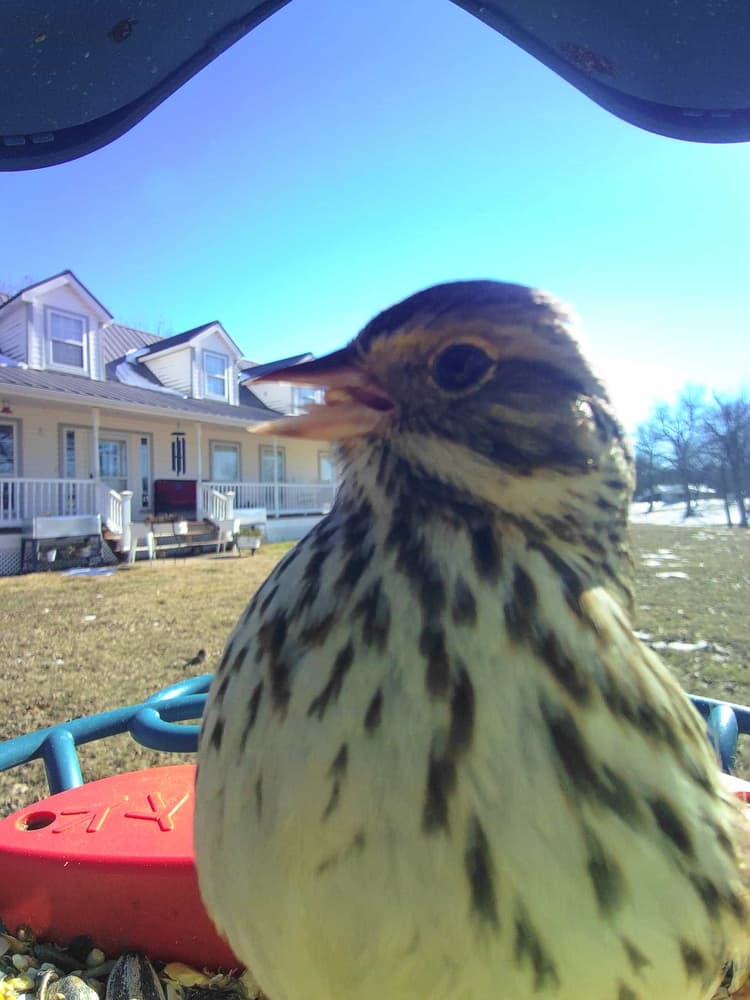
Male vs female
Males and females are similar in appearance, but males often exhibit slightly brighter and more contrasting plumage during the breeding season. Both sexes feature a similar patterning and coloration throughout the year.
Juvenile
Juvenile savannah sparrows resemble adults but have a more subdued coloration and streaking. The yellow spot may be less pronounced in juveniles. As they mature, their plumage becomes more defined, resembling adult birds.
Often mistaken for
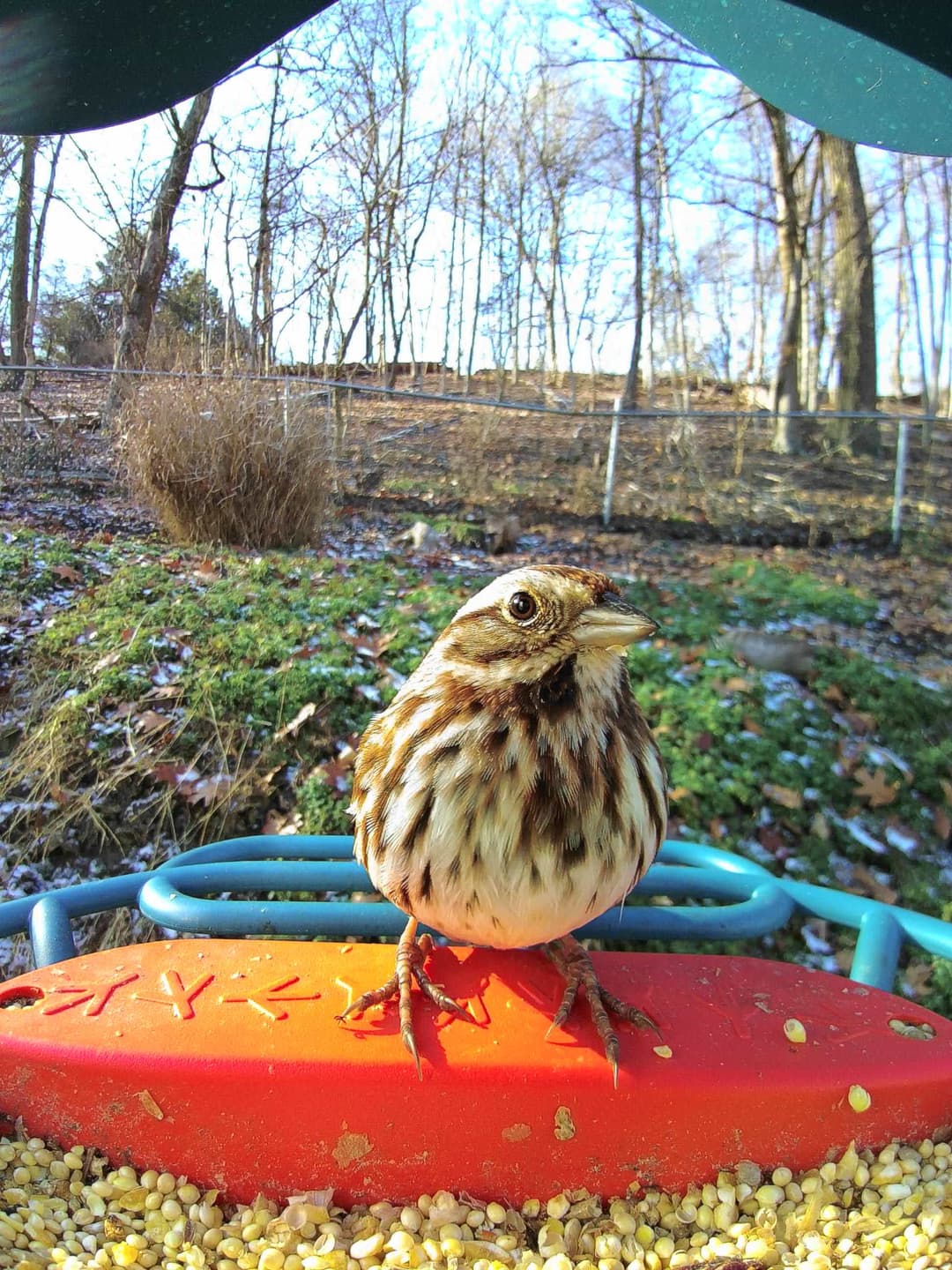
Song Sparrow vs Savannah Sparrow
Savannah Sparrow is smaller, with a short tail and a distinct yellow spot near the eyes. Song Sparrow has a rounder head with heavier streaking that converges into a central breast spot.
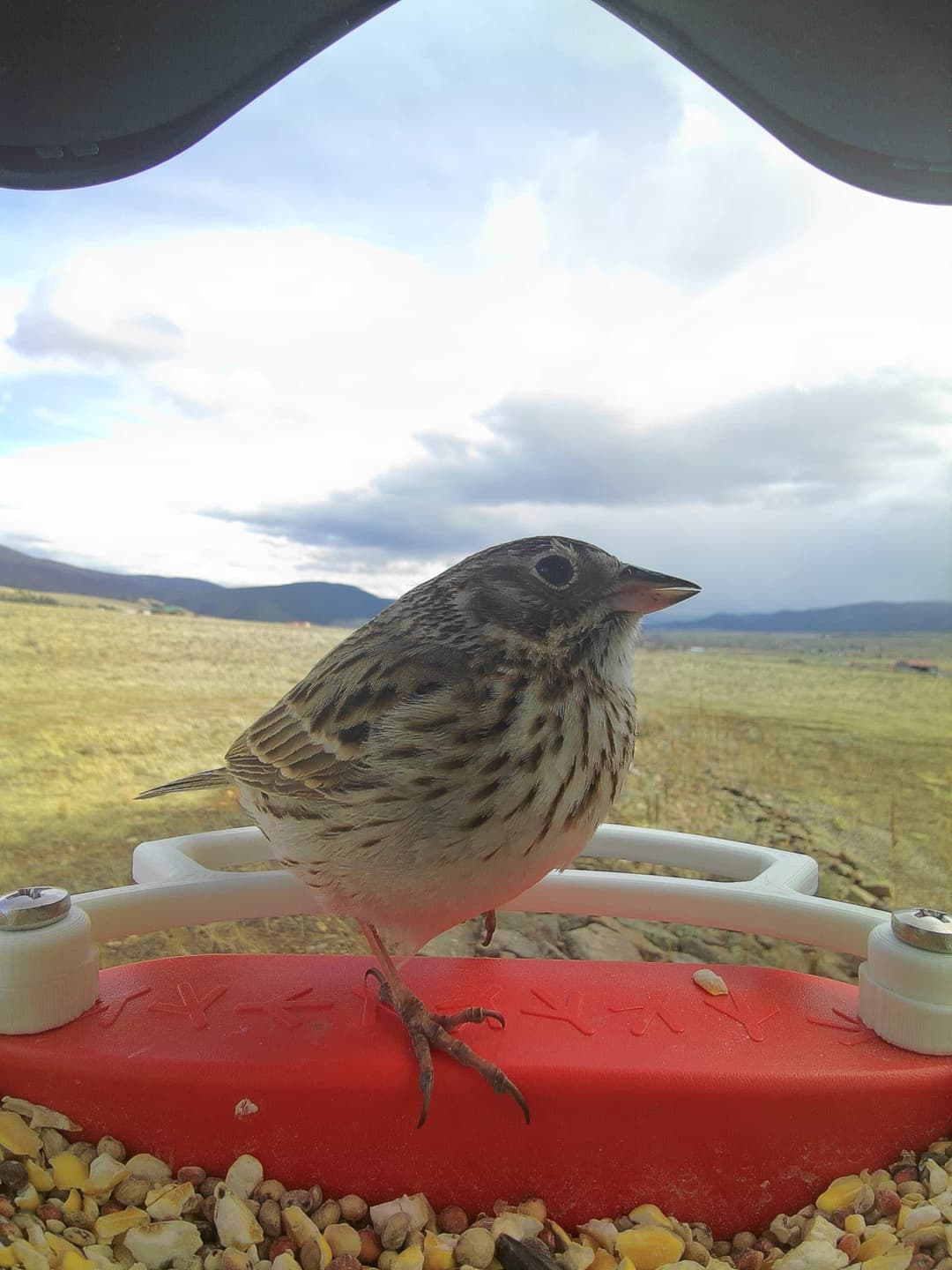
Vesper Sparrow vs Savannah Sparrow
Savannah Sparrow has a yellow spot near the eyes and finer streaking. Vesper Sparrow is larger, with a distinctive white eyering and white outer tail feathers visible in flight.
White-Throated Sparrow vs Savannah Sparrow
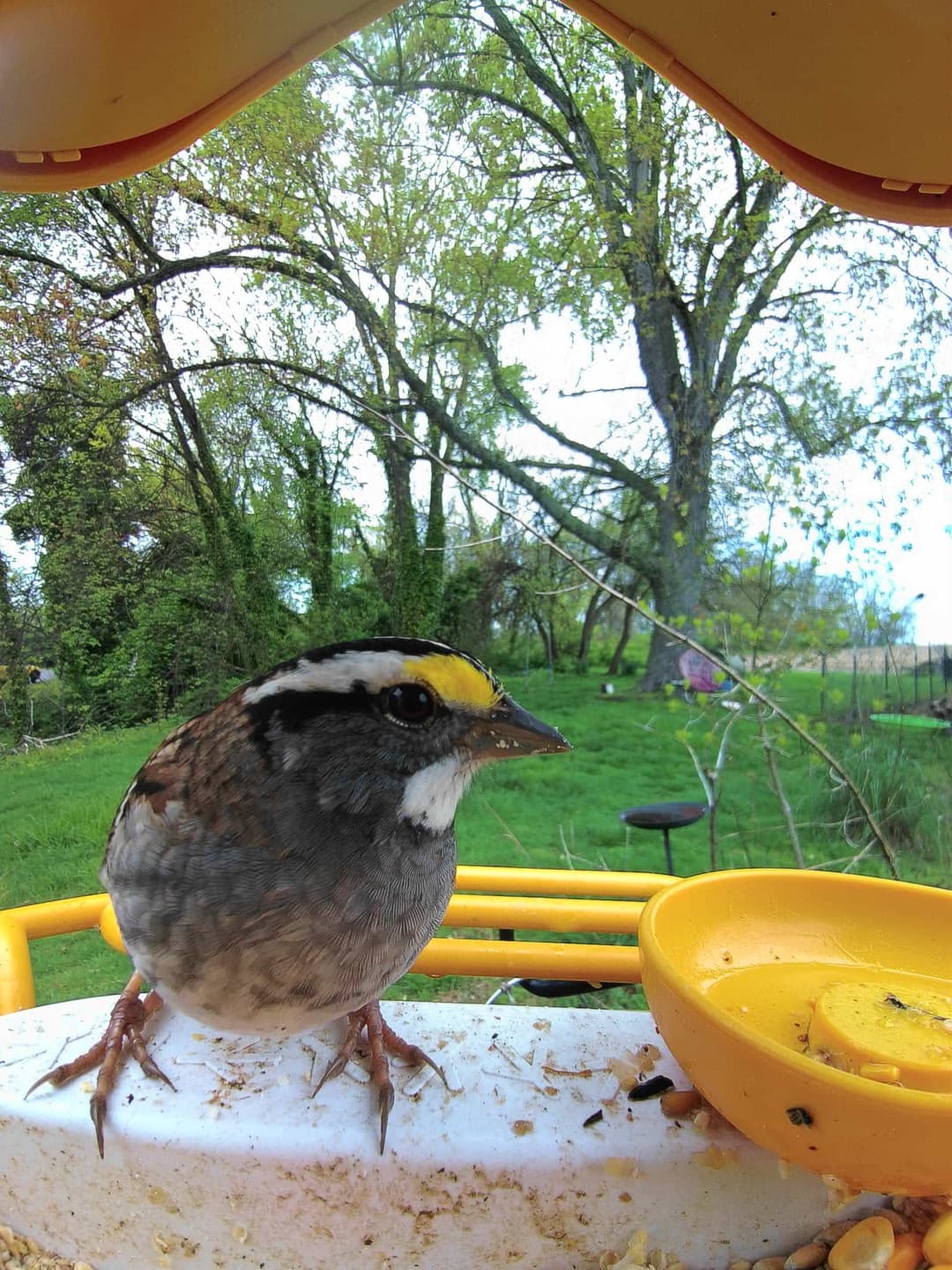
Savannah Sparrow is more slender with yellow near the eyes. White-Throated Sparrow has a prominent white throat patch and striking black and white head stripes.
Breeding and nesting habits of the Savannah sparrow
Mating behaviors
Savannah sparrows display unique mating behaviors, involving males singing from elevated perches to attract females. During courtship, males may chase females and perform fluttering flight displays. Territorial defense also plays a crucial role in mating success.
Nesting details
These sparrows typically build cup-shaped nests at ground level, hidden among tall grasses or shrubs. Preferred nesting materials include grasses, rootlets, and fine twigs. Occasionally, they may use human-made structures like gardens, favoring thick foliage. To encourage nesting, maintaining undisturbed grassy areas with dense cover is beneficial.
Eggs and chick-rearing
Females lay 3-5 eggs, which are incubated for about 12 days. Both parents participate in feeding the chicks once hatched. The young fledge in about 8-11 days, during which parents continue to care for them vigilantly, providing insects and seeds for nourishment.
What does a Savannah sparrow like to eat?
Berries
Fruits
Insects
Seeds
Snails
Spiders
Natural diet
The Savannah Sparrow primarily feeds on insects and seeds. It consumes a variety of insects, such as beetles, grasshoppers, caterpillars, and flies, particularly in the summer months. It also eats spiders. Coastal populations of Savannah Sparrows are known to eat tiny crustaceans and mollusks. Seeds, especially those from grasses and weeds, form a significant part of their diet, alongside some berries. The young Savannah Sparrows are predominantly fed insects to support their growth.
Bird feeders
Savannah Sparrows are less commonly seen at bird feeders compared to other sparrows. However, they may occasionally visit feeders to eat seeds, especially during migration or when natural food sources are scarce. Providing seeds that mimic their natural choices, such as those from grasses and weeds, could potentially attract them.
Lure with a yummy treat
The Savannah Sparrow is a particular fan of seeds and insects. The Bird Buddy seeds, crafted by experts to suit the season, yield some of the best results when it comes to attracting these small birds. You can scatter them around your yard or at your bird feeder to pique the sparrows' interest.
Choose the ideal bird feeder
Opt for a platform or tray feeder as Savannah Sparrows prefer these to hop on and access their food. They appreciate feeders mindfully placed a short distance off the ground. You can also try scattering some seeds directly on the ground to recreate a more natural feeding environment. Remember to keep the food and water fresh and the feeder clean!
Make your yard bird-friendly
Creating a hospitable environment is key. Retaining some patches of bare ground or short grass can provide an attractive feeding and foraging area for Savannah Sparrows. Providing a source of water, like a bird bath or shallow dish, not only attracts them but also keeps them hydrated. They also appreciate a little cover, so having some low shrubs or thicket-like growth in your yard will help them feel secure.
Turn your space into their stage
Savannah Sparrows are known songbirds! Setting up a few birdhouses around your yard can encourage these singing sensations to stay, nest, and serenade. Make sure the birdhouses are safe from predators, have good drainage, and are easily accessible for cleaning.
Patience is rewarding
Remember that it might take a while for Savannah Sparrows to discover your yard or feeder, especially if these are new. Keep a consistent supply of food and maintain a welcoming environment. Over time, you'll see them drop by and possibly become regular visitors.
Where can you find savannah sparrows?

Primary habitat
The Savannah Sparrow is primarily found in open fields, meadows, pastures and the edges of marshes. In the summertime, it inhabits tundra, while in winter, shores and weedy vacant lots form its habitat.
Additional range
Some regional variants exhibit unique habitats; the Northeastern 'Ipswich' resides on grassy coastal dunes, while the Southwestern 'Belding's' and 'Large-billed' races dwell in salt marshes.
Do they migrate?
The savannah sparrow is a migratory bird species. Its migration pattern generally follows a north-south trajectory between its breeding and wintering grounds. During the breeding season, savannah sparrows are found across a wide range of North America, extending from Alaska and northern Canada down to parts of the northern United States. As the season changes to fall, these sparrows migrate southwards to their wintering habitats, which span across the southern United States, parts of Mexico, and occasionally further into Central America. Migration typically occurs mostly at night. The timing of this migration usually begins early in the spring as the birds head north to their breeding locations, and they start their journey back south late in the fall. However, these migrations can spread over a considerable period in both seasons, suggesting variability depending on local conditions and individual bird behavior. Key stopover locations during their migratory route include a variety of open habitats such as grasslands, agricultural fields, and coastal marshes, which provide necessary food resources and rest stops. The expansive range and robust migratory habits of the savannah sparrow showcase its adaptability to diverse environments across North America.
What is the role of savannah sparrows in nature and how to protect them?
Conservation status
The savannah sparrow is abundant and widespread, indicating it is generally common. However, specific coastal marsh populations have small numbers and are vulnerable due to habitat loss. While not currently endangered, the species faces significant threats from habitat destruction. Conservation efforts should focus on protecting these vulnerable habitats, ensuring their preservation to maintain the overall health of the species. Strategies may include wetland conservation, habitat management, and monitoring of population trends to prevent future declines.
Ecological role of savannah sparrows
Its role in the ecosystem
The Savannah Sparrow plays vital roles in ecological balance and biodiversity. With its diet mainly consisting of insects, it effectively controls the insect population, thereby contributing to pest management. By feeding on insects such as beetles, grasshoppers, caterpillars, and others, these sparrows naturally limit the potential overpopulation of these species, many of which are considered pest organisms for crops, thus indirectly aiding in agriculture. Additionally, by consuming a variety of seeds, mainly from grasses and weeds, the Savannah Sparrows participate in seed dispersal, thus facilitating plant propagation and contributing to plant diversity. The consumption of tiny crustaceans and mollusks in coastal populations reflects an interesting adapting behavior and an additional food web connection within the ecosystem.
How to help protect savannah sparrows
Preservation tips
Habitat preservation strategies
To support the conservation of the savannah sparrow, focus on preserving and restoring its natural habitats which are mainly open grasslands. Reduce the use of pesticides in these areas as they can harm the birds indirectly by killing their insect prey. Battle against habitat loss by advocating for land use policies that favor conservation and discourage destructive agricultural practices.
Community science initiatives
Participate in local bird counts and monitoring efforts to help track Savannah Sparrow populations. Encourage community members to plant native grasses and wildflowers that attract insects, providing a natural food source for sparrows. Use platforms like eBird to record observations. Share these initiatives through local schools and community groups to raise awareness and recruit more volunteers for the cause.