Sparrow or Italian Sparrow?
Here's how to tell the difference


Sparrow


Italian Sparrow
Sparrow
Passer
Also known as: True Sparrow
General appearance
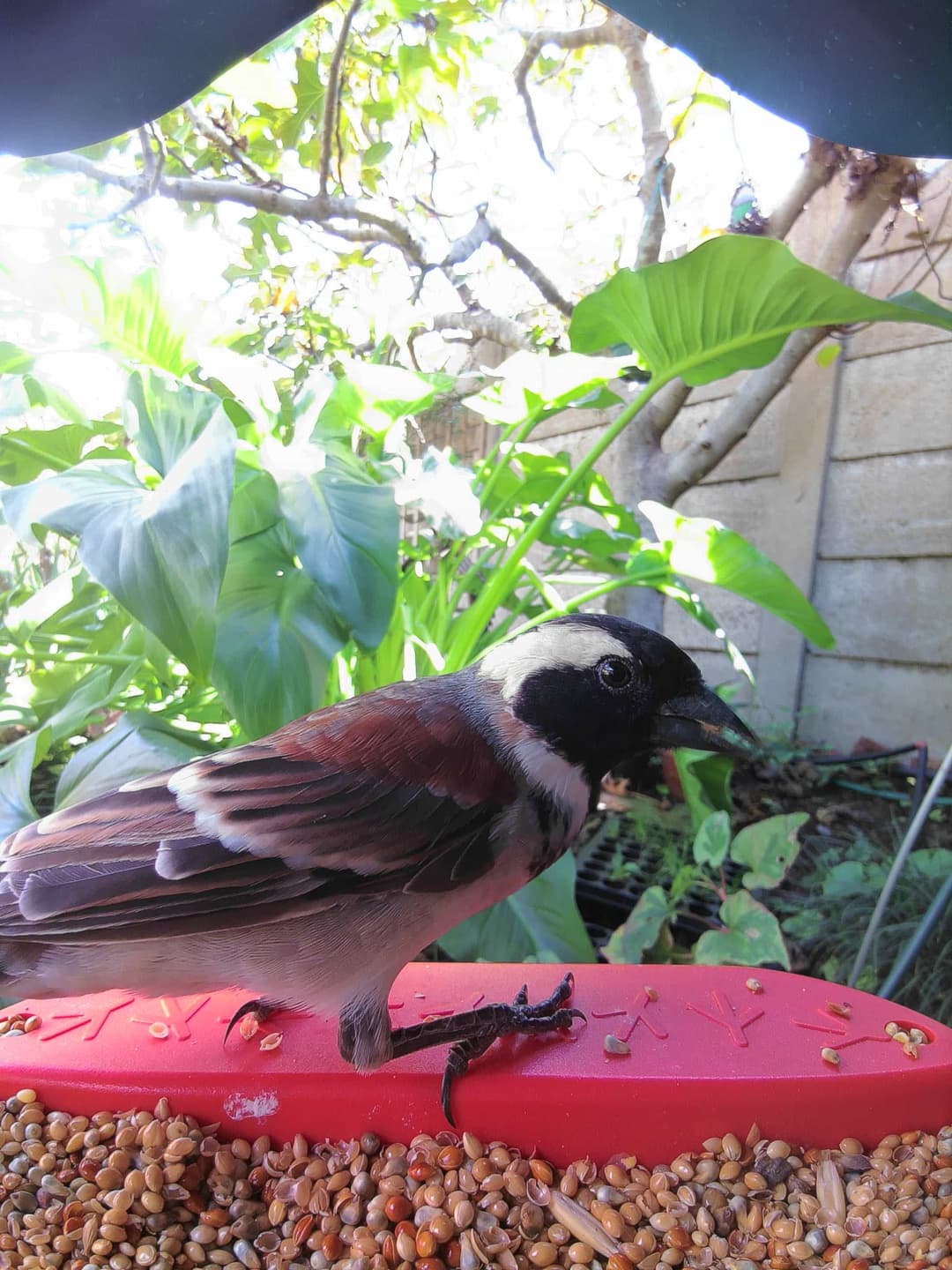
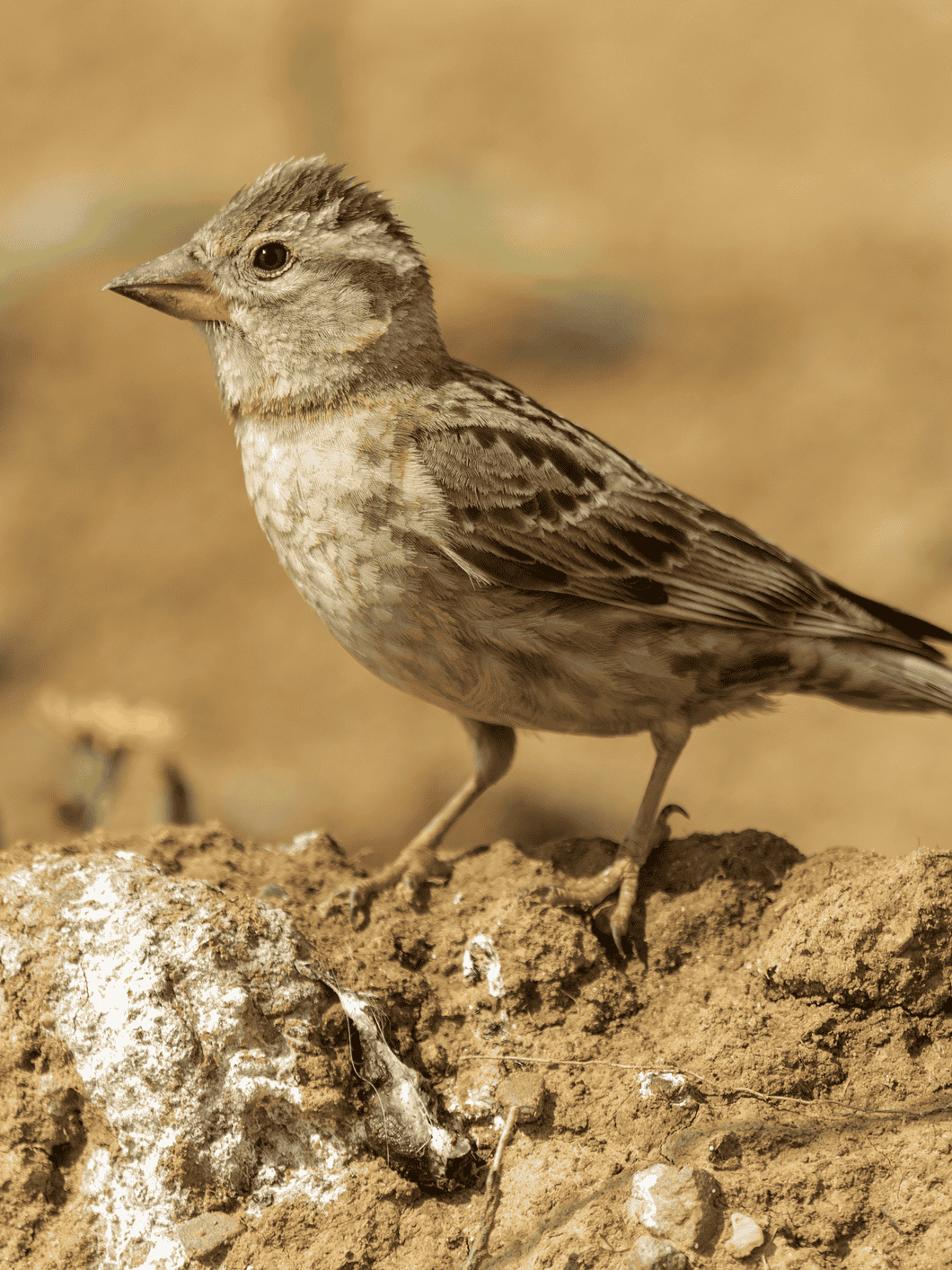
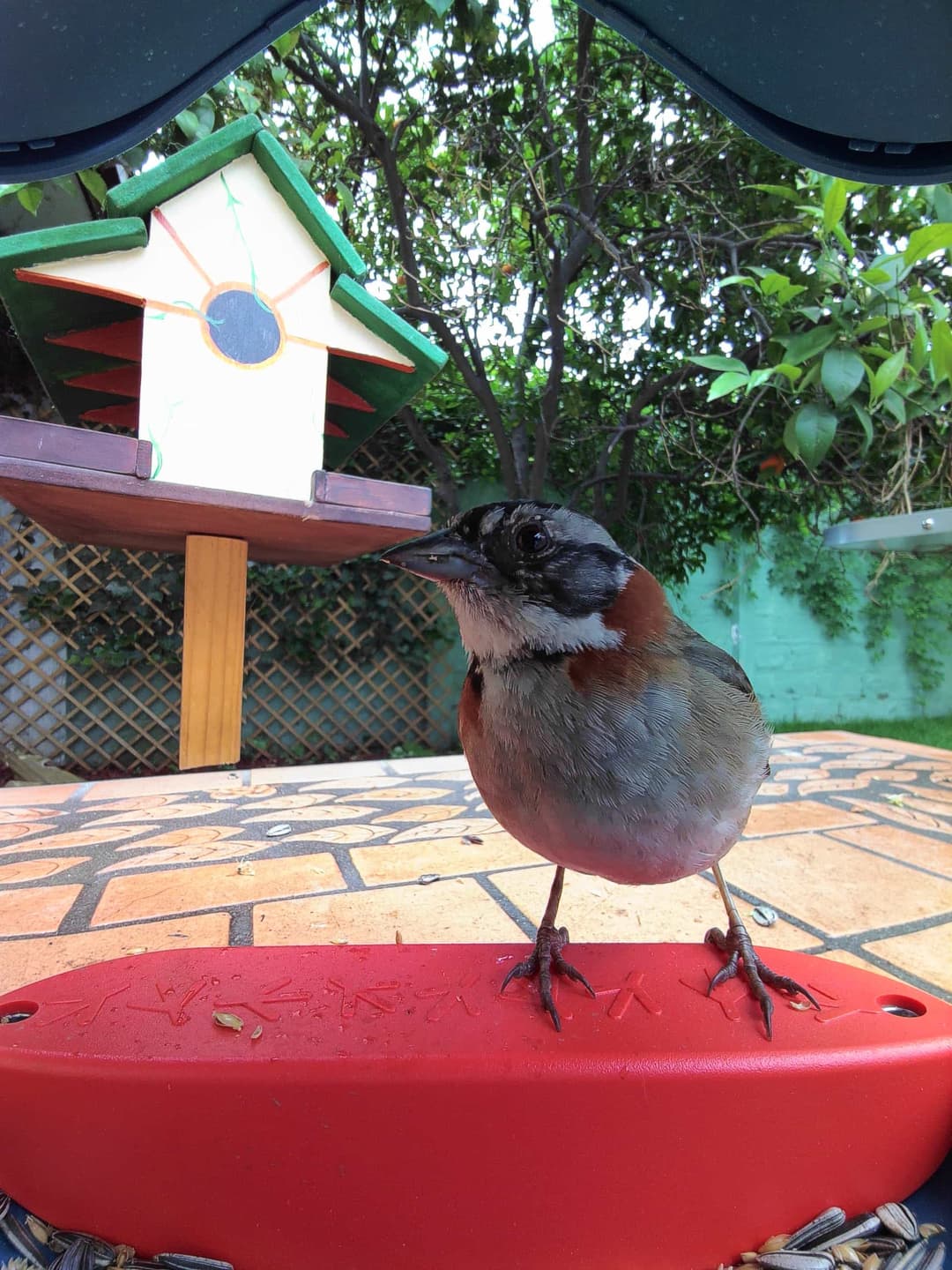
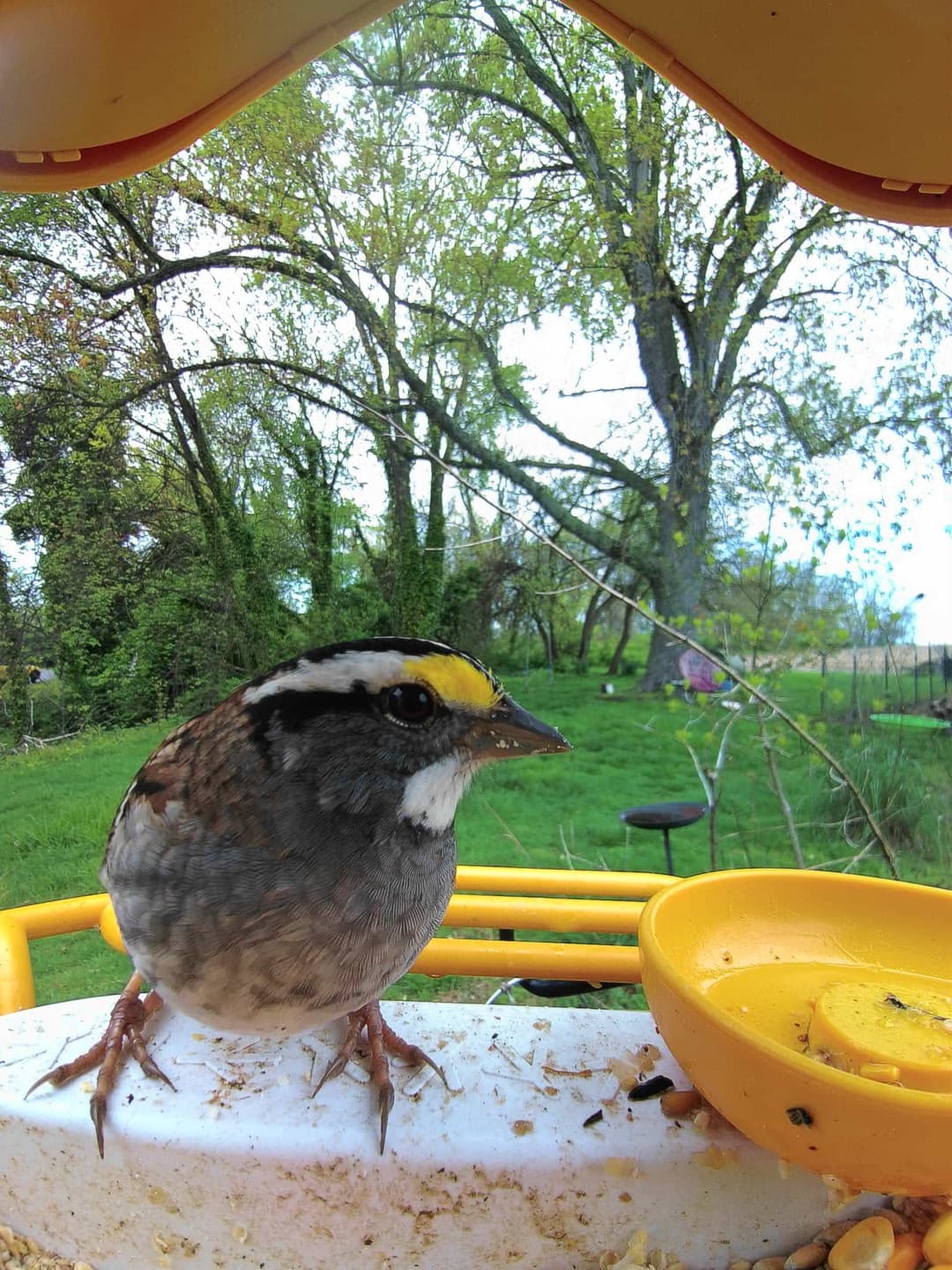
Sparrows are small, plump birds with short tails and subdued colors. They generally exhibit brown, black, and white coloration, with streaked or solid patterns. Sparrows also have a stout beak, designed for seed eating.
Male vs female
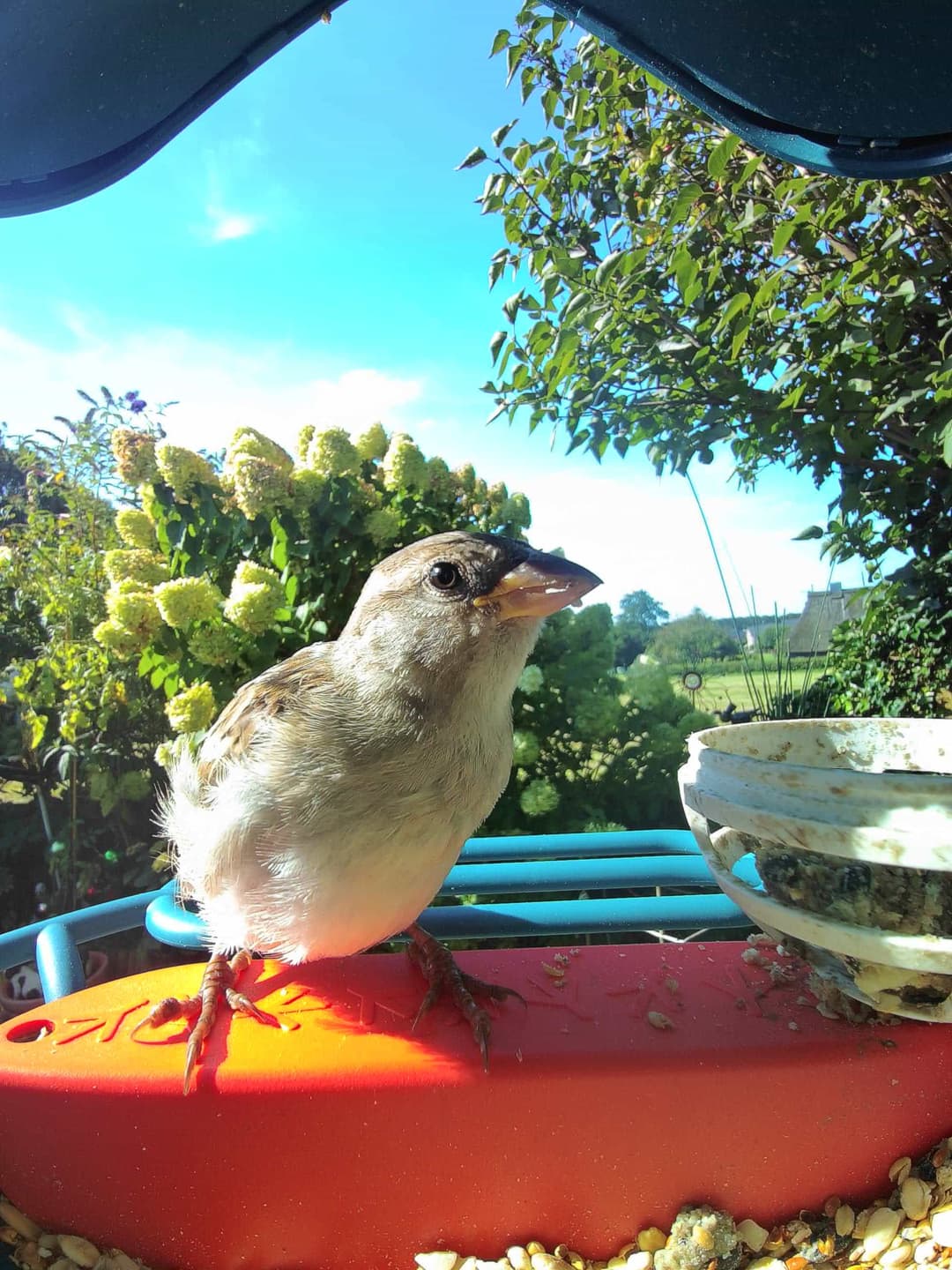
Male and female sparrows can be distinguished by their coloration and markings. Males tend to have more distinct and vibrant colors, like black bibs and white cheeks, while females usually have duller, brownish colors. Seasonal changes in plumage make the males more distinct during the breeding season.
Juvenile
Juvenile sparrows have similar coloration to females but are often even duller and may show some streaking. Their beaks start black, then turn yellow and finally the adult's color. Juveniles often show a more marked gape (the sides of the beak) than adults.
Size
4.1 - 7.1 in/0.4 - 1.7 oz
There's more to learn about Sparrow
View full detailsItalian Sparrow
Passer italiae
Also known as: Cisalpine Sparrow
General appearance
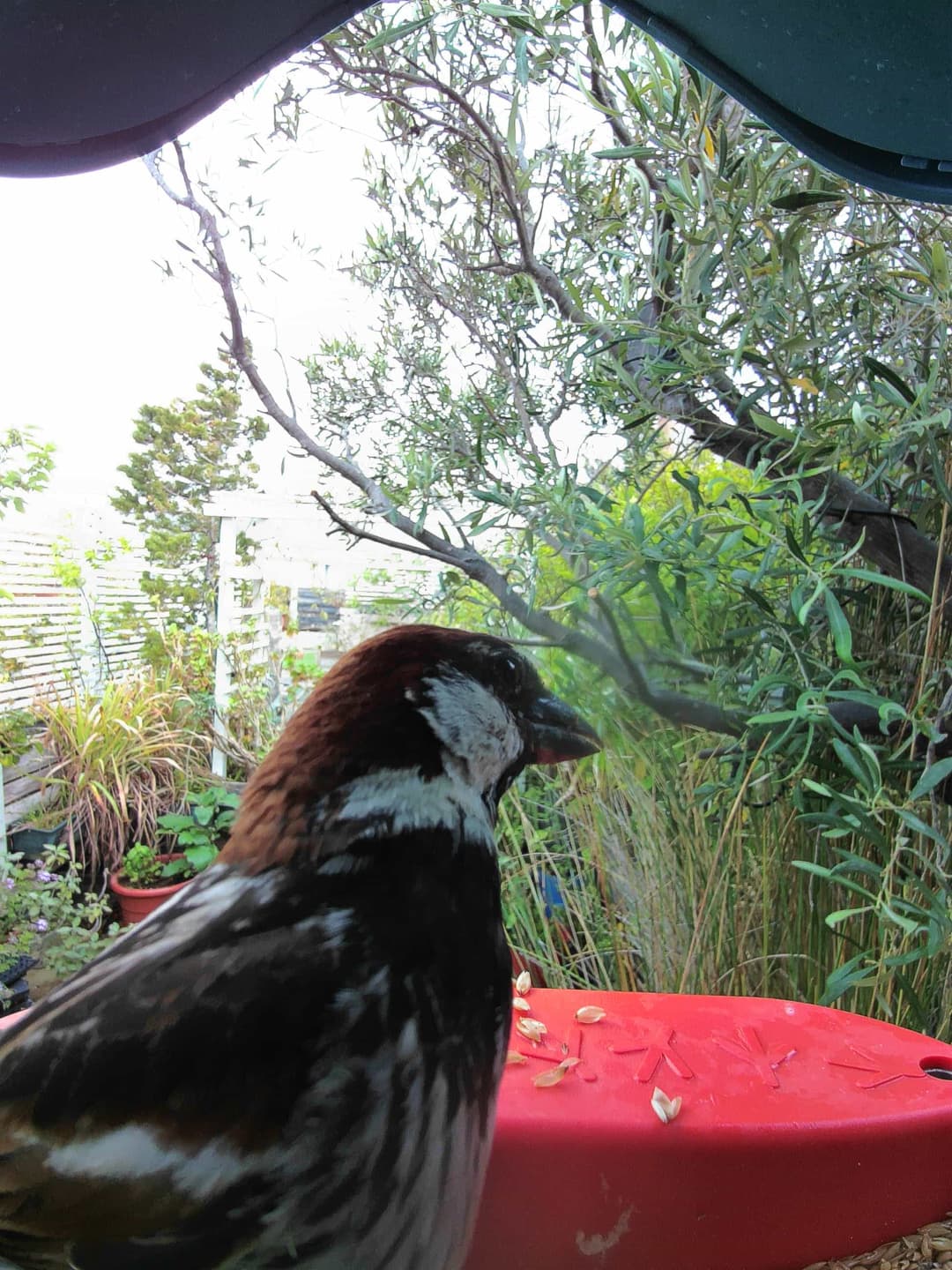
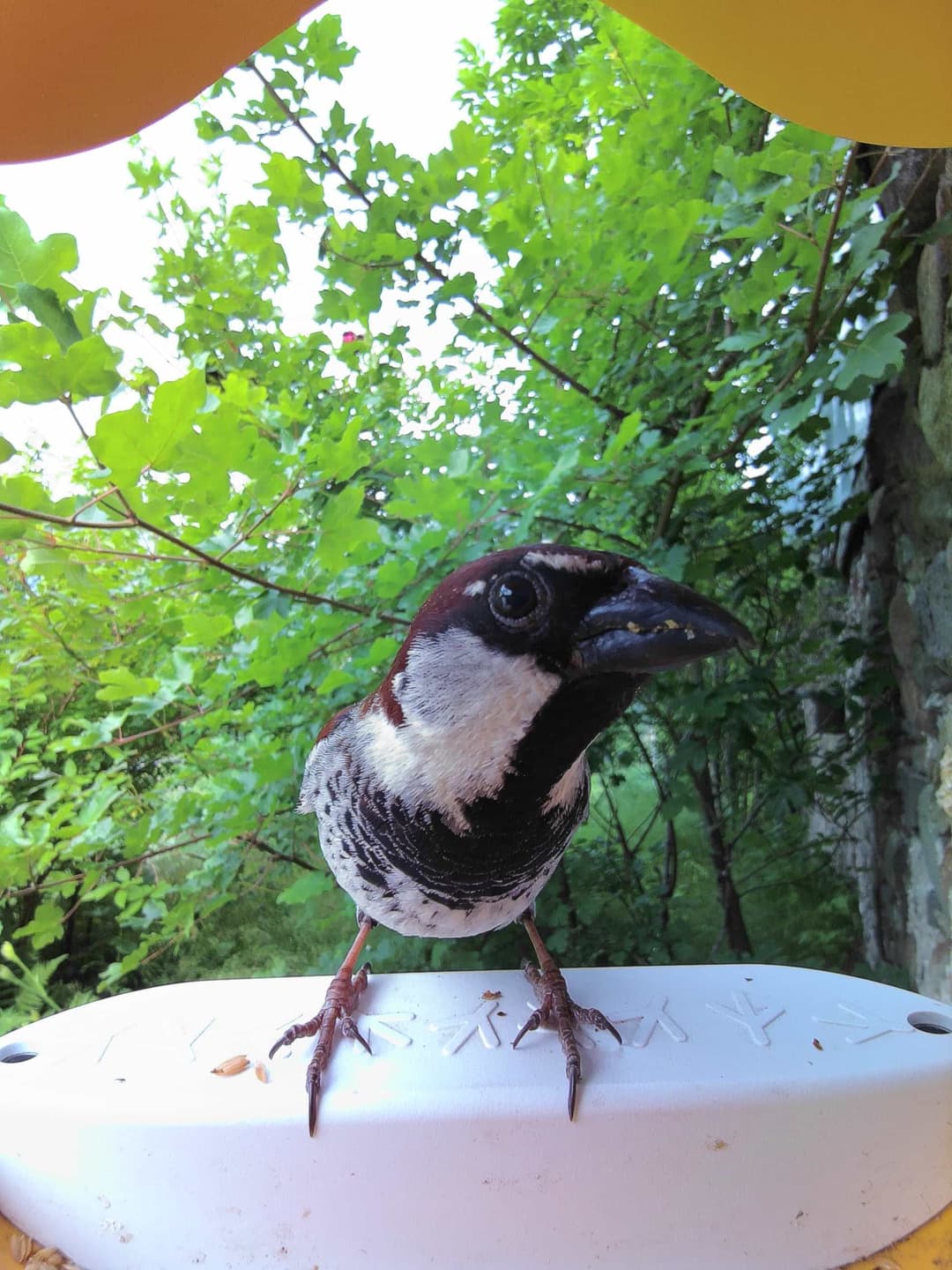
The Italian sparrow (Passer italiae) is compact and robust, measuring between 14 to 16cm with a wingspan of 23–28cm. It showcases a combination of a chestnut crown and nape, grey cheeks and a typical sparrow-patterned brown back. Males tend to be more colorful than females.
Male vs female
Males have brighter colors, with their underparts and collar marked in a more intense black, while their crown shows deep chestnut hues contrasting to the slate-grey patch on their temples. Females, on the other hand, have less striking colors featuring a dull brown back, pale grey underparts and lack the contrastive facial markings seen in males.
Juvenile
Juvenile Italian sparrows share similarities with adult females, although juveniles display more uniform coloration, having less pronounced browns, pale streaks in the crown and nape, and lack the sharp facial contrasts. As they age into their first year, they gradually obtain adult-like features.
Size
5.5 - 6.3 in/0.8 - 1.1 oz
There's more to learn about Italian Sparrow
View full detailsHow to tell the Sparrow from the Italian Sparrow
Visual differences
The Sparrow (Passer) and Italian Sparrow (Passer italiae) differ in size and plumage. Sparrows are 4.1-7.1 inches long, while Italian Sparrows are 5.5-6.3 inches. Sparrows have subdued, streaked brown, black, and white with stout beaks. Italian Sparrows feature chestnut crowns, slate-grey patches, and more vibrant males. Male Sparrows have black bibs; Italian males have deeper chestnut and black collar markings. Females of both are brown but Italian females lack striking facial markings. Juvenile Sparrows are duller; Italian young are uniform with pale streaks. Italian Sparrows exhibit a more compact, robust build.
Key differences and behavior
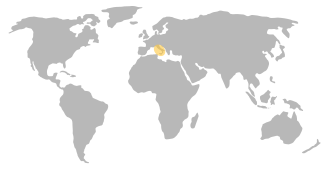
Sparrows and Italian Sparrows exhibit distinct behaviors in the field. Sparrows adapt to various climates, including urban environments worldwide, while Italian Sparrows prefer Mediterranean climates and human settlements in Italy and Switzerland. Both species are social and engage in lively courtship displays, but sparrows are known for their untidy nests, whereas Italian Sparrows construct their nests with more structured materials. In diet, both primarily consume seeds and grains, but sparrows are less selective, readily taking human food remnants, whereas Italian Sparrows focus more on agricultural fields. Both species share similar breeding habits, laying 3-5 eggs with biparental care. Despite these similarities, sparrows are omnipresent, while Italian Sparrows are more region-specific, serving as biological indicators of pollution. Sparrows weigh 0.4-1.7 oz (0.6-0.8 oz typical for smaller species), while Italian Sparrows weigh 0.8-1.1 oz, reflecting their regional variance.
Still not sure? Here are more lookalikes!
Sparrow vs House Sparrow
Sparrow vs Chipping Sparrow
Sparrow vs White-Crowned Sparrow

Sparrow vs Song Sparrow
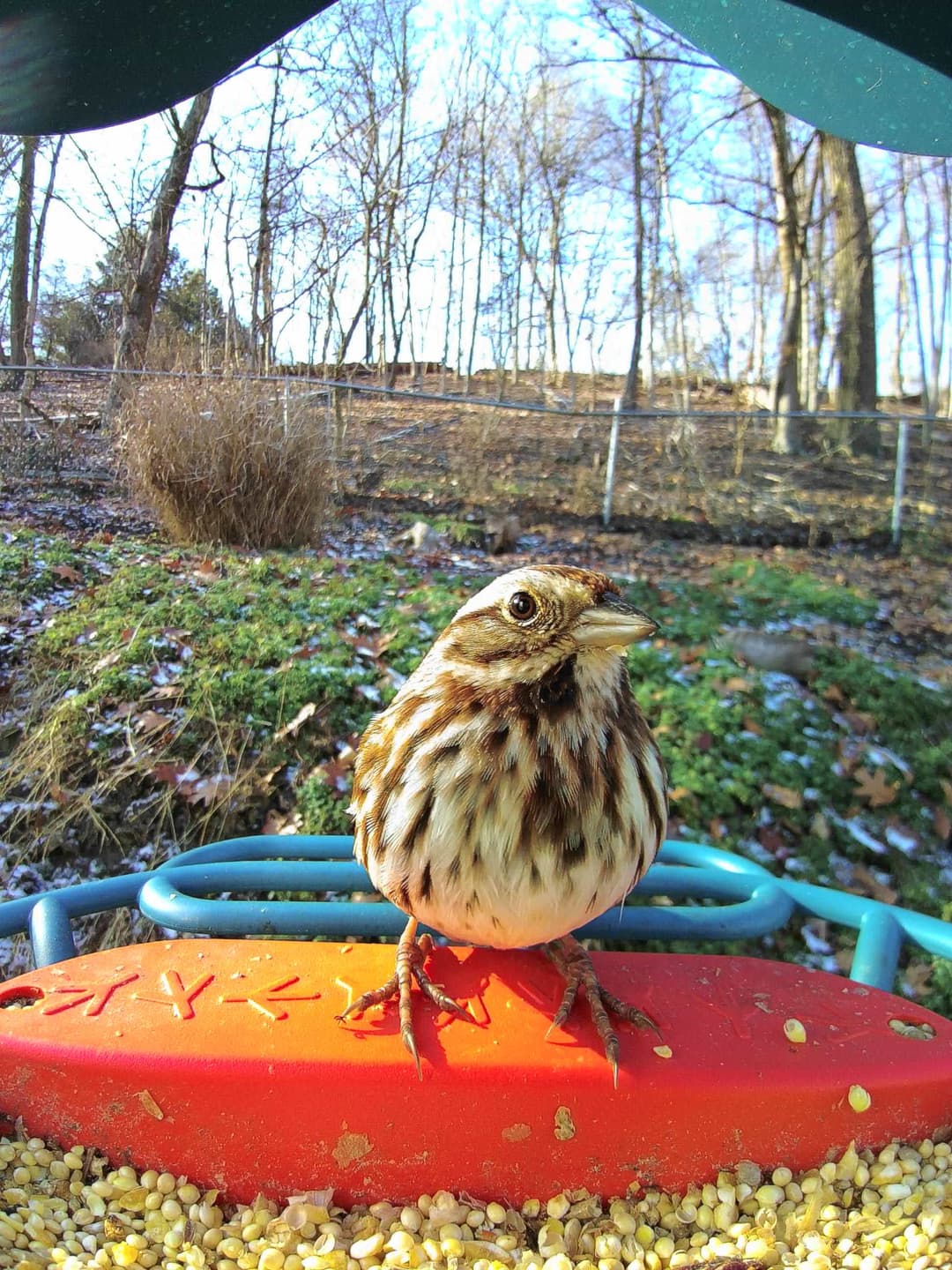
Sparrow vs Eurasian Tree Sparrow
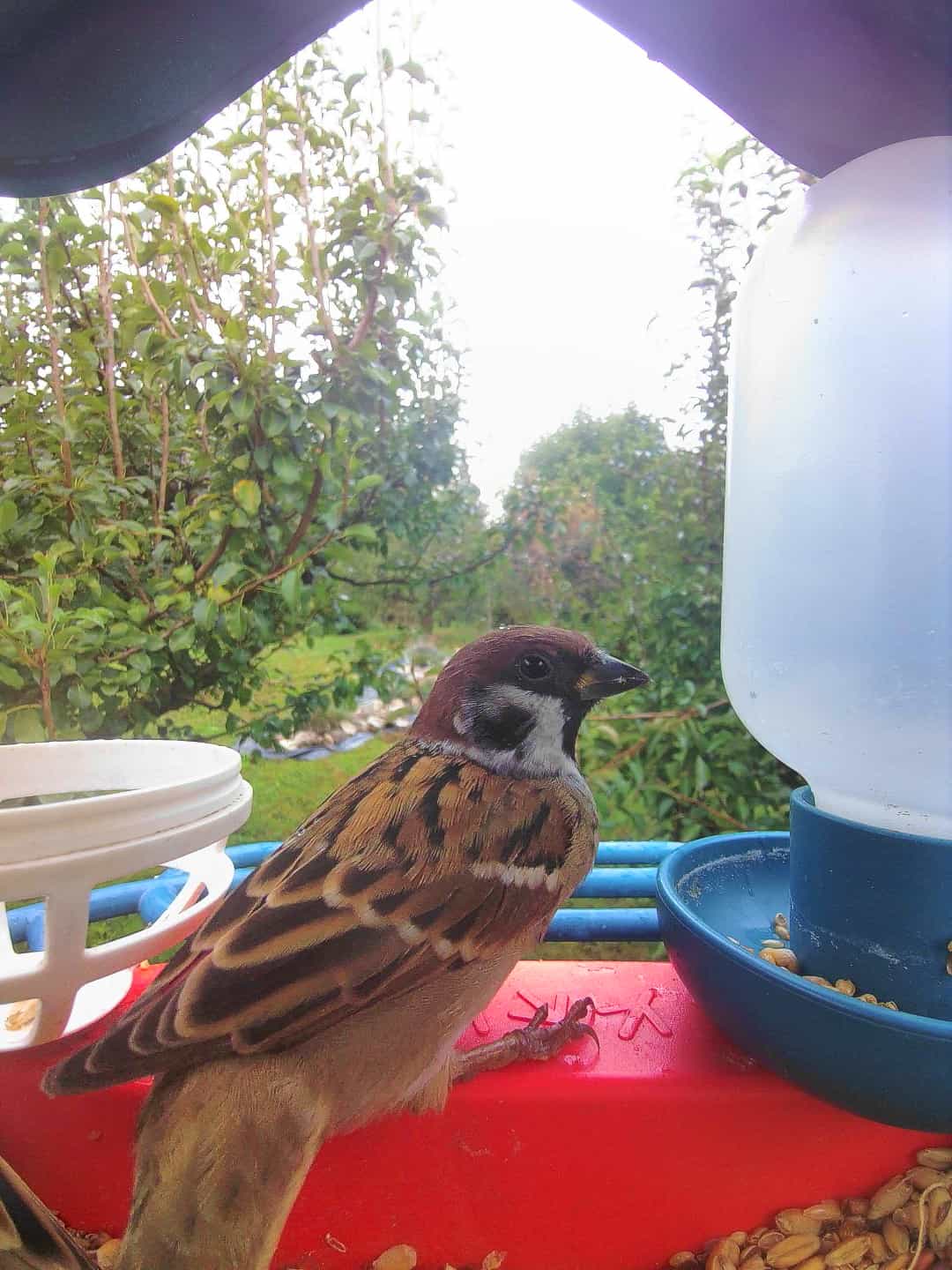
Sparrow vs American Tree Sparrow
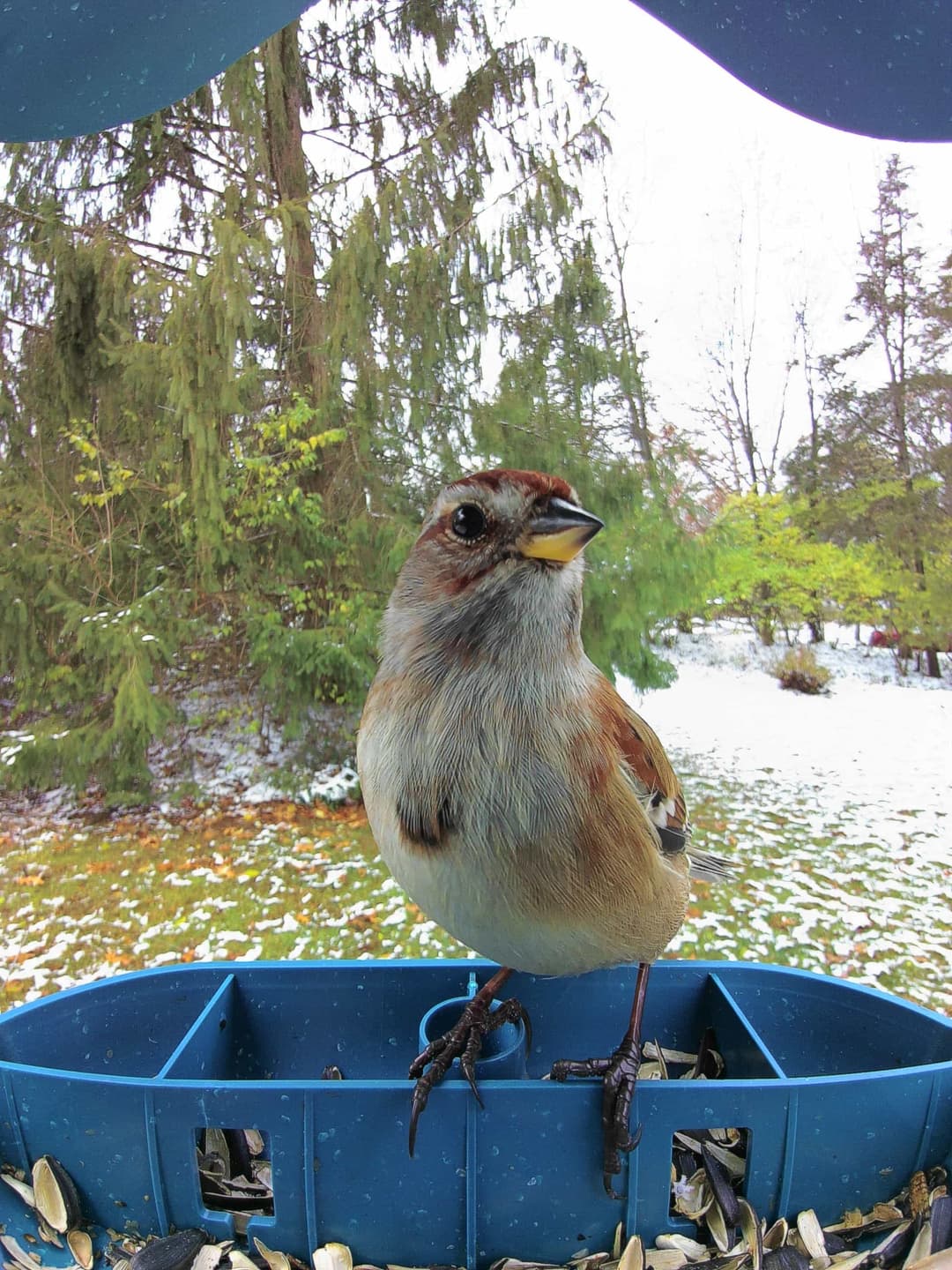
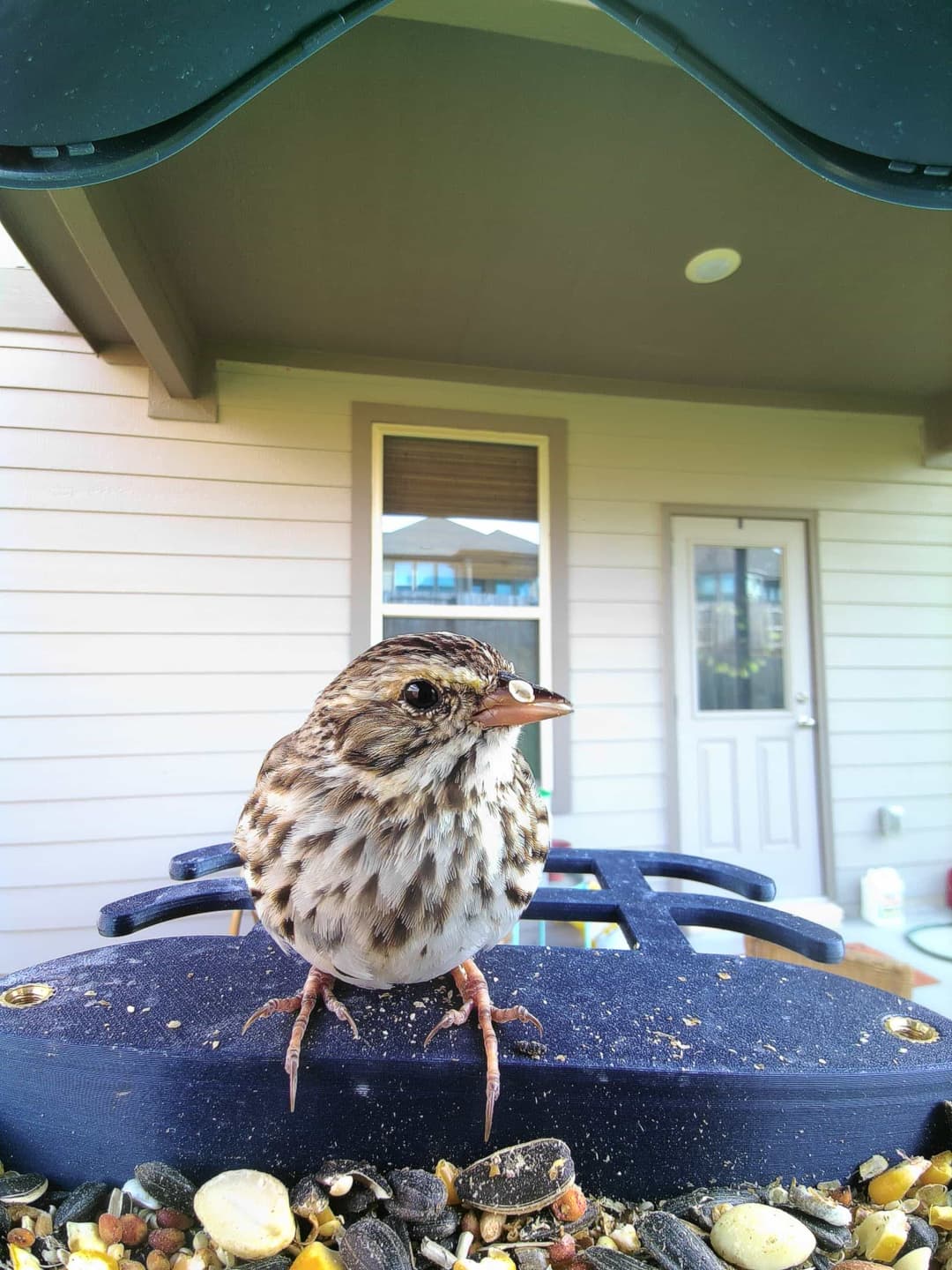
Sparrow vs White-Throated Sparrow
Italian Sparrow vs House Sparrow
Sparrow vs [Select a bird]

[Select a bird]
Pick a bird to compare
Italian Sparrow vs [Select a bird]
[Select a bird]
Pick a bird to compare