Sparrow or Spanish Sparrow?
Here's how to tell the difference


Sparrow


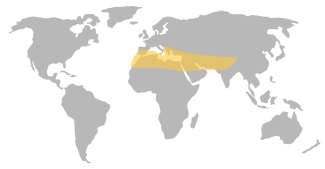
Spanish Sparrow
Sparrow
Passer
Also known as: True Sparrow
General appearance
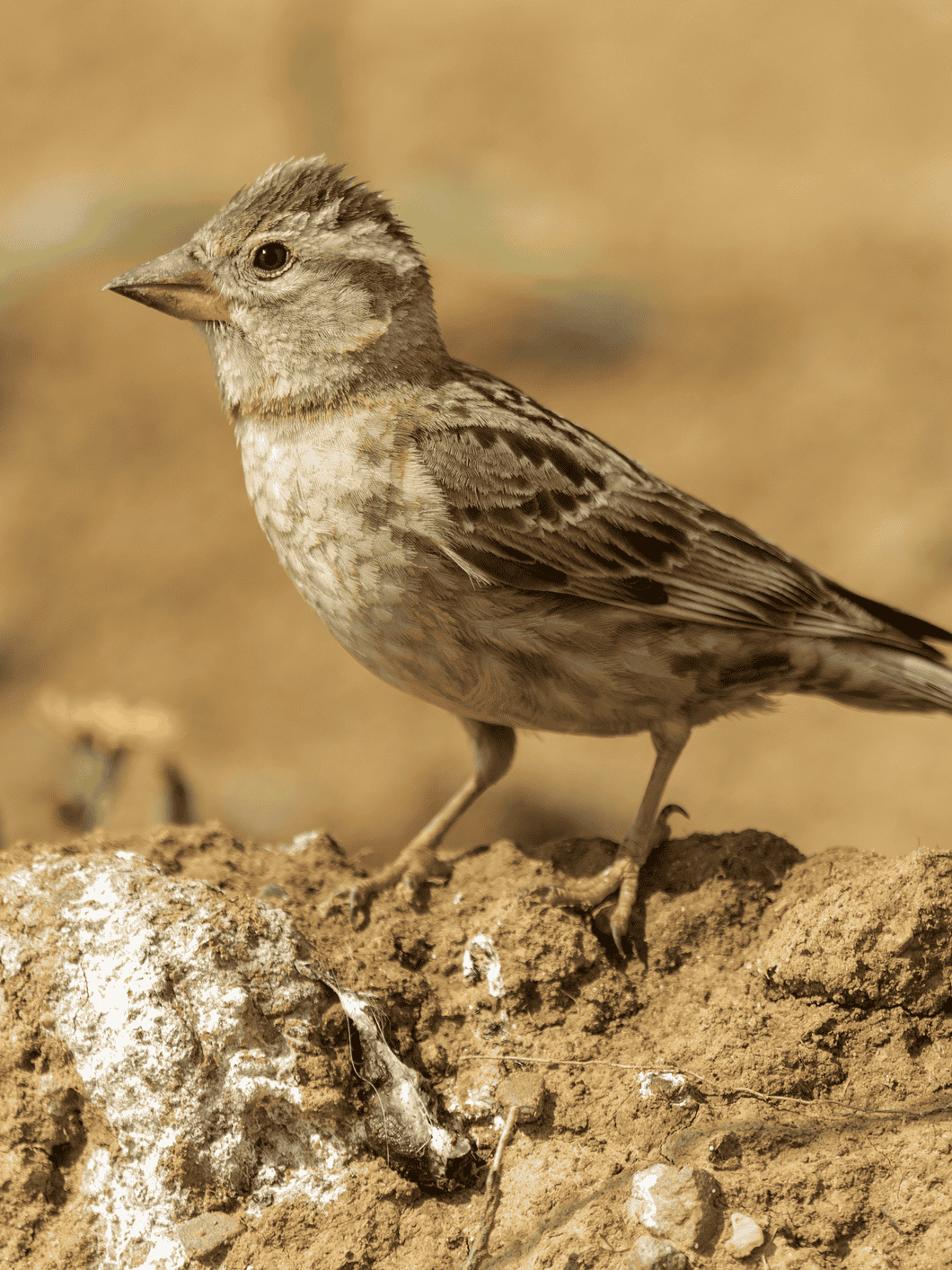
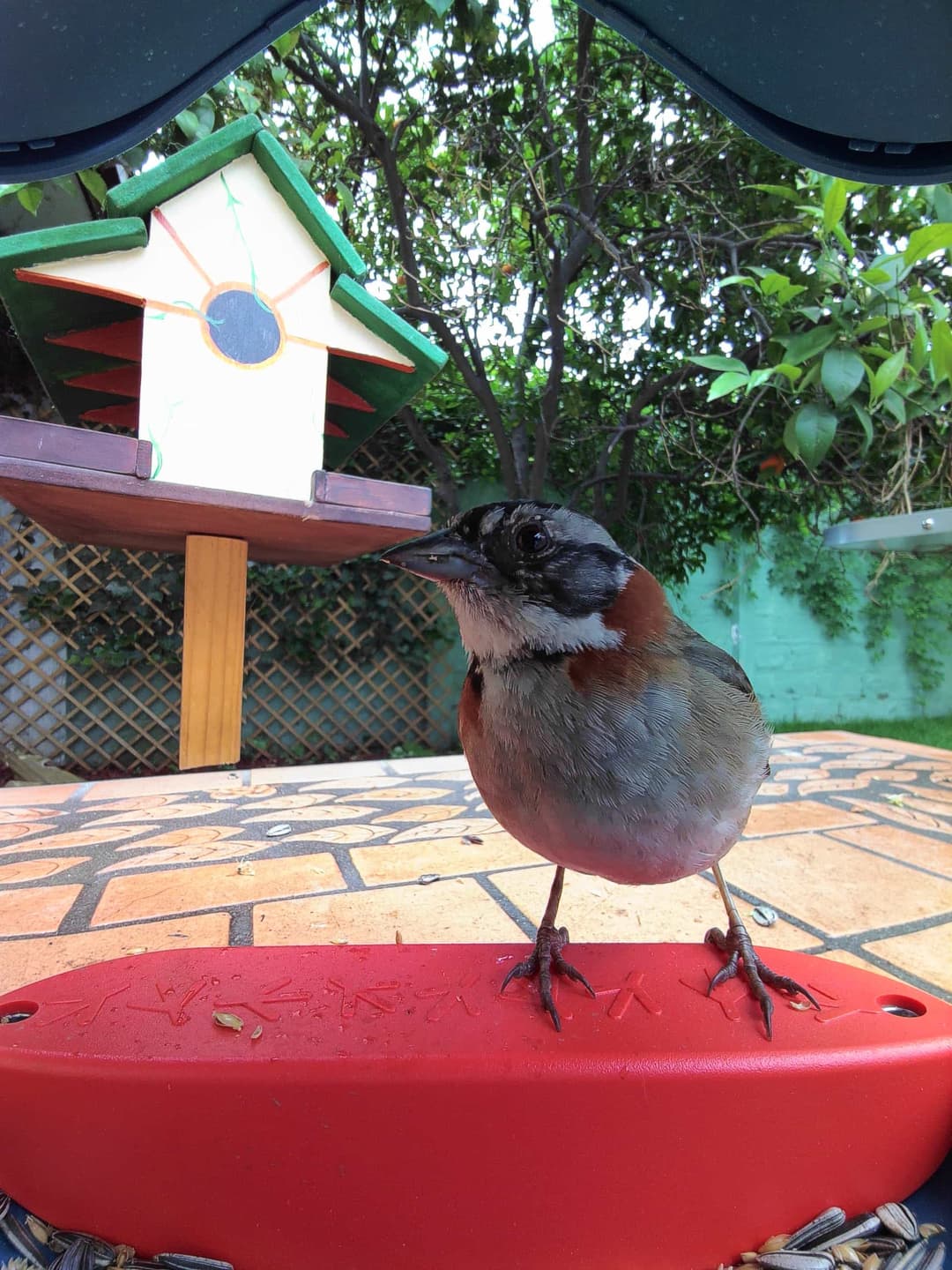
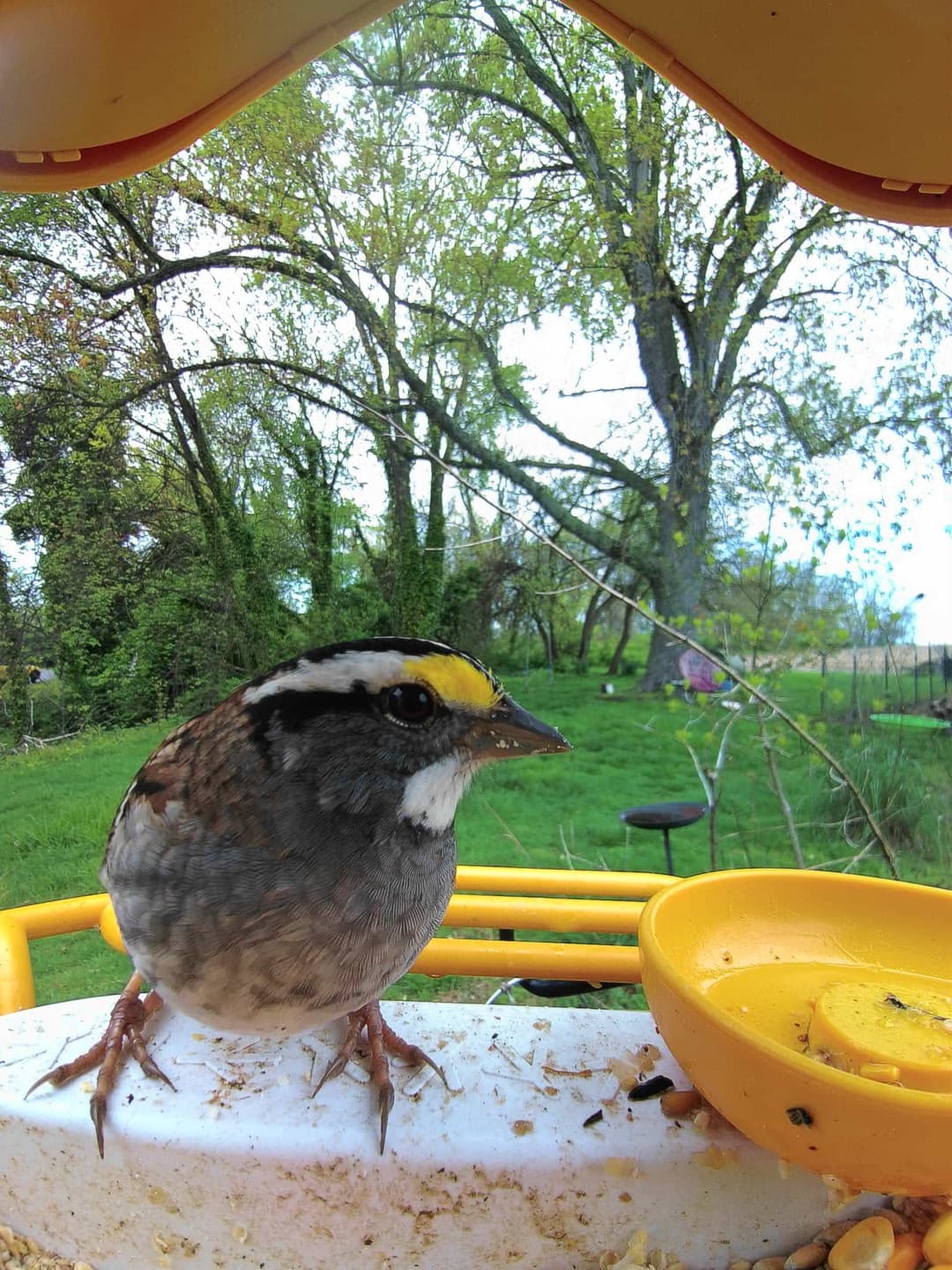
Sparrows are small, plump birds with short tails and subdued colors. They generally exhibit brown, black, and white coloration, with streaked or solid patterns. Sparrows also have a stout beak, designed for seed eating.
Male vs female
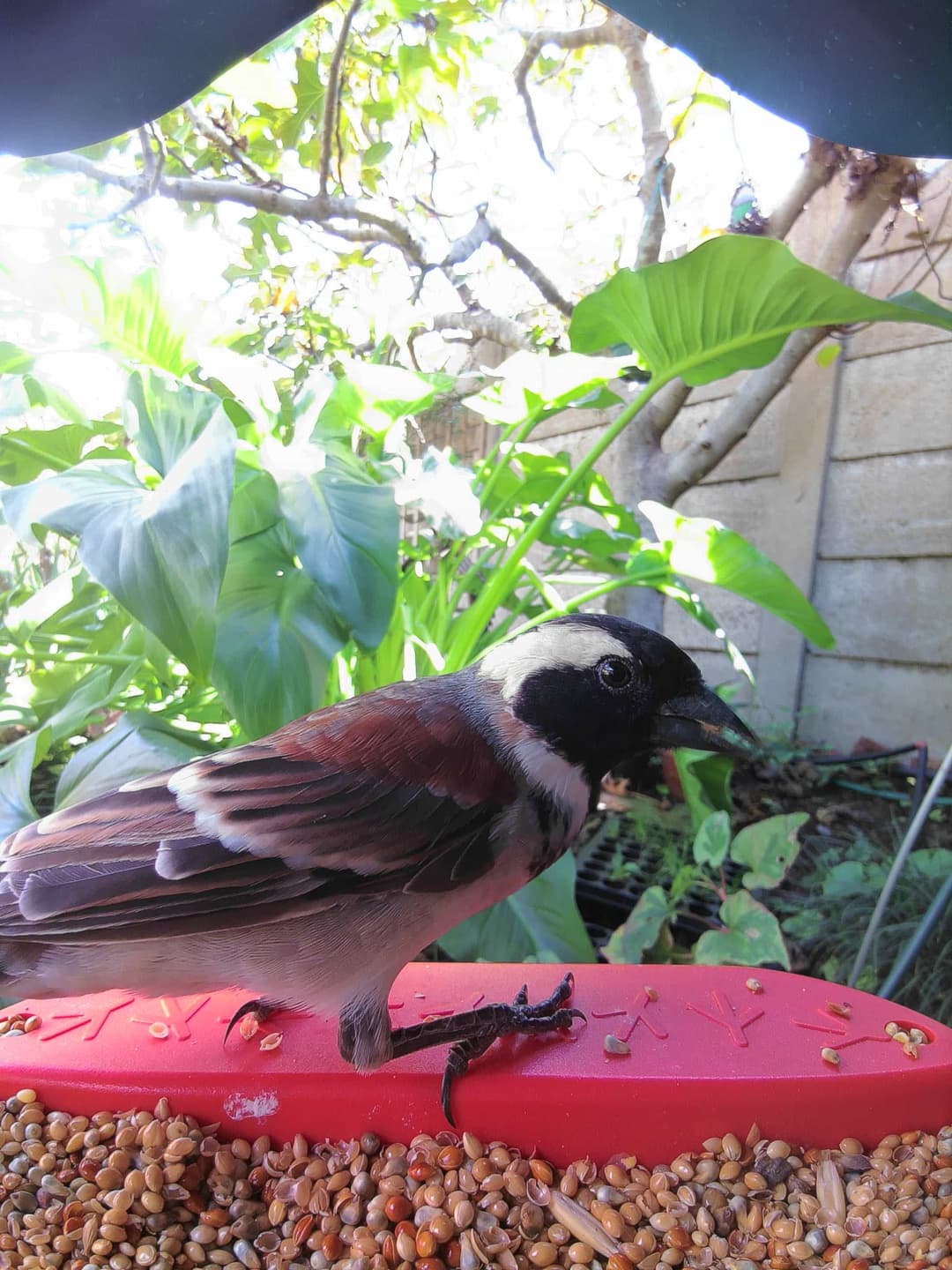
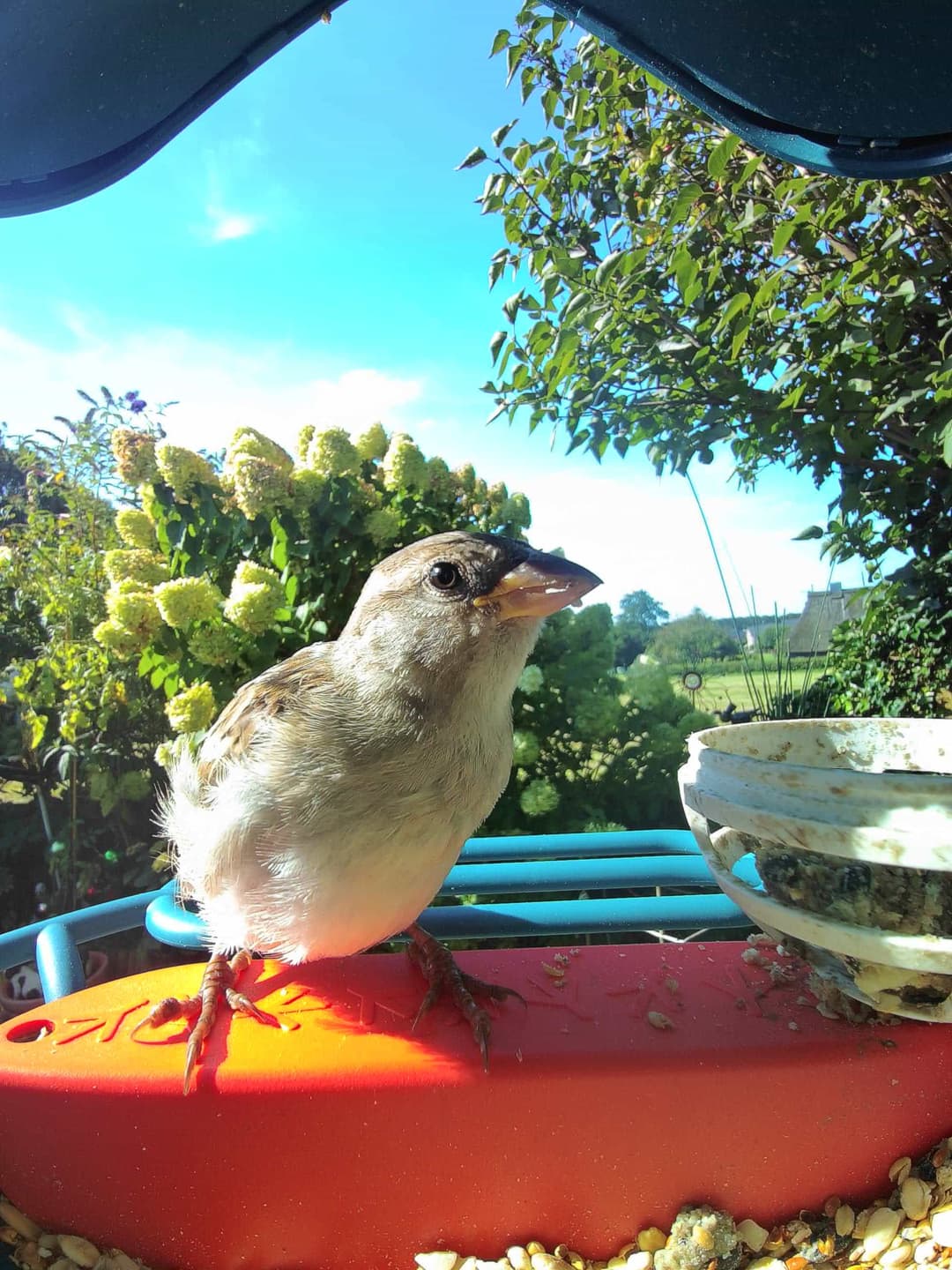
Male and female sparrows can be distinguished by their coloration and markings. Males tend to have more distinct and vibrant colors, like black bibs and white cheeks, while females usually have duller, brownish colors. Seasonal changes in plumage make the males more distinct during the breeding season.
Juvenile
Juvenile sparrows have similar coloration to females but are often even duller and may show some streaking. Their beaks start black, then turn yellow and finally the adult's color. Juveniles often show a more marked gape (the sides of the beak) than adults.
Size
4.1 - 7.1 in/0.4 - 1.7 oz
There's more to learn about Sparrow
View full detailsSpanish Sparrow
Passer hispaniolensis
Also known as: Willow Sparrow
General appearance
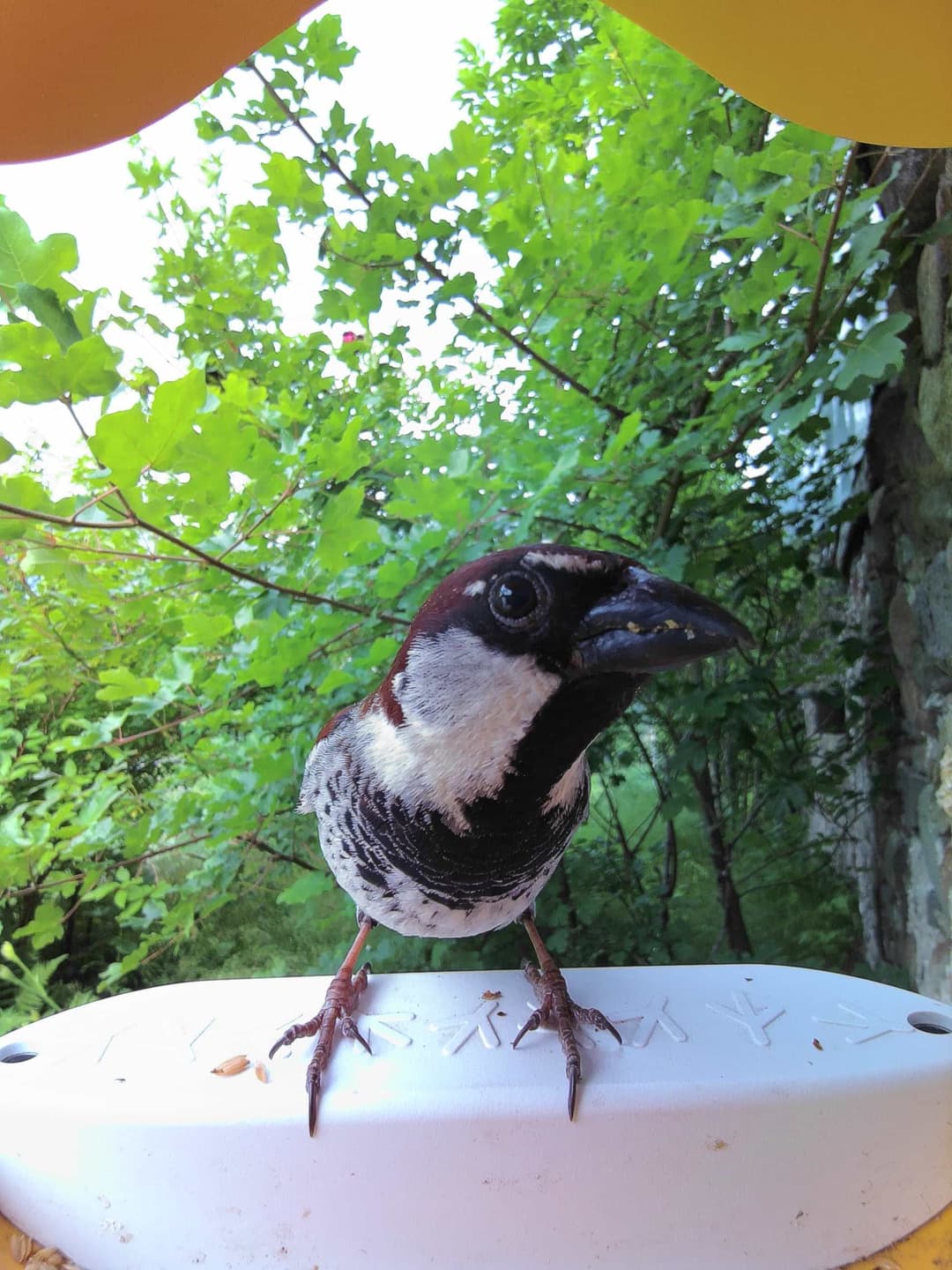
The Spanish Sparrow or 'Passer hispaniolensis' stands out for its robust, chunky fogginess. Generally, it is larger (15-16 cm) than its cousin, the common House Sparrow. They have brown upperparts with black streaks and underparts boast a grayish tone.
Male vs female
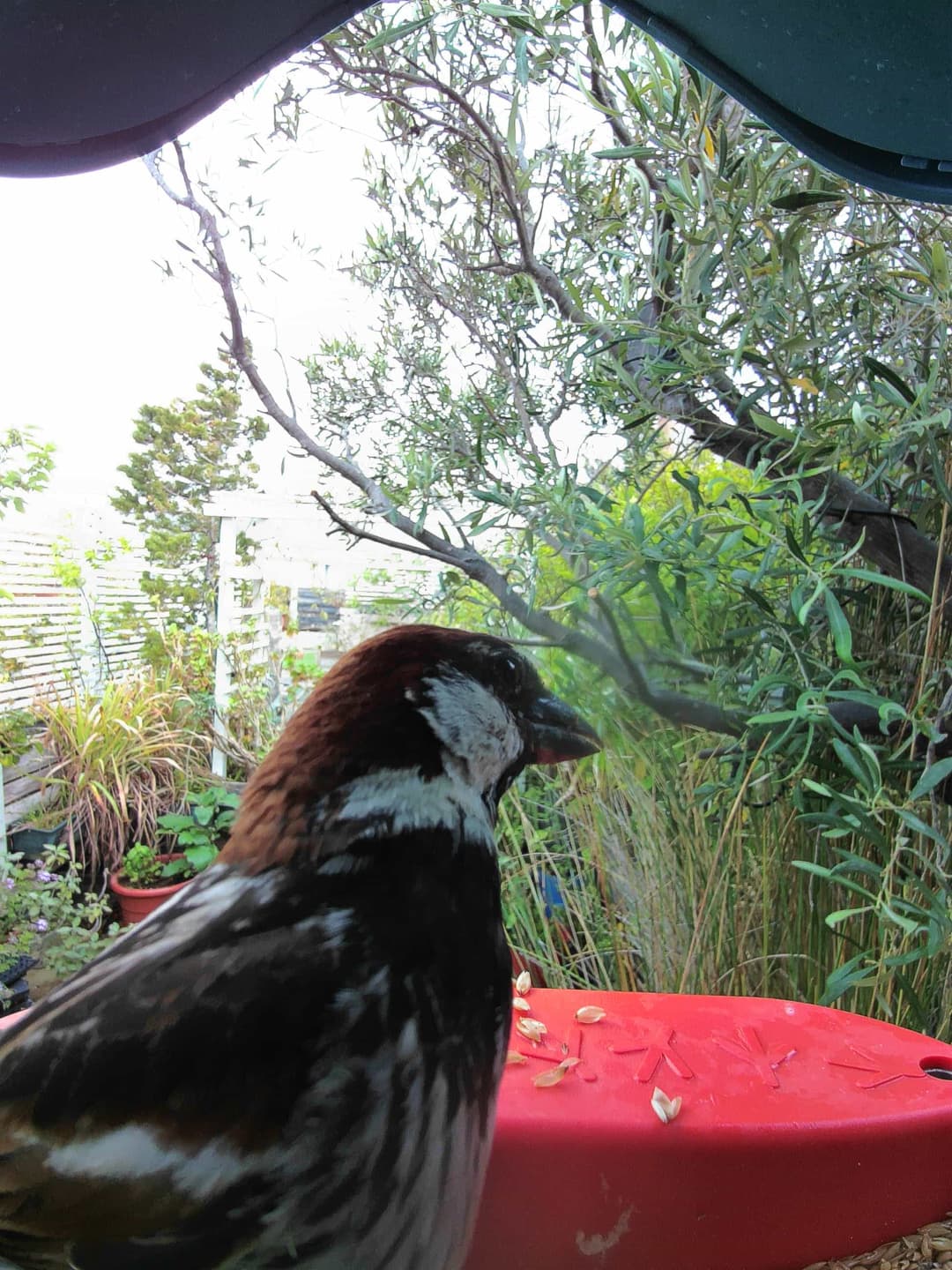
Males and females exhibit sexual dimorphism. Males possess a chestnut crown, a black bib, and white cheeks. In summer, males exhibit blacker back and whiter underparts along with an eye-stripe, characteristic of the species. Females, on the other hand, lack the crisp black and white head markings, looking more closer to the female house sparrow, although are paler and less streaked.
Juvenile
Juvenile Spanish Sparrows resemble female adults but are more finely streaked. They will gradually acquire the mature plumage as they age. Identifying these young ones in the wild might be challenging.
Size
5.9 - 6.3 in/0.8 - 1.3 oz
There's more to learn about Spanish Sparrow
View full detailsHow to tell the Sparrow from the Spanish Sparrow
Visual differences
Sparrows, including common House Sparrows, are generally smaller (4.1-7.1 inches) and weigh 0.4-1.7 ounces. They have brown, black, and white plumage with more muted patterns. In contrast, Spanish Sparrows are larger (5.9-6.3 inches), weighing 0.8-1.3 ounces, with robust features. Male Spanish Sparrows have a distinctive chestnut crown, black bib, and eye-stripe, with less streaking on the underparts than male House Sparrows. Females of both species appear similar, but female Spanish Sparrows are paler with fewer streaks. Both species have stout beaks for seed eating.
Key differences and behavior
Sparrows and Spanish Sparrows exhibit distinct behavioral traits. Sparrows thrive in diverse habitats, from urban areas to deserts, and are not fussy nest builders, often in loose colonies. In contrast, Spanish Sparrows favor warm, dry climates and often share nests, sometimes building under larger birds' nests like storks. Sparrows are highly adaptive, eating seeds, insects, and human-provided food, while Spanish Sparrows primarily consume seeds and insects, focusing on cereals in farmlands. Both species display courtship behaviors, but Spanish Sparrows are more colonial in nesting, with both parents involved in care. Sparrows' nesting is scatter-shot in comparison. Both maintain diverse diets but their geographic preferences and nesting behaviors mark key distinctions.
Still not sure? Here are more lookalikes!
Sparrow vs House Sparrow
Sparrow vs Chipping Sparrow
Sparrow vs White-Crowned Sparrow

Sparrow vs Song Sparrow
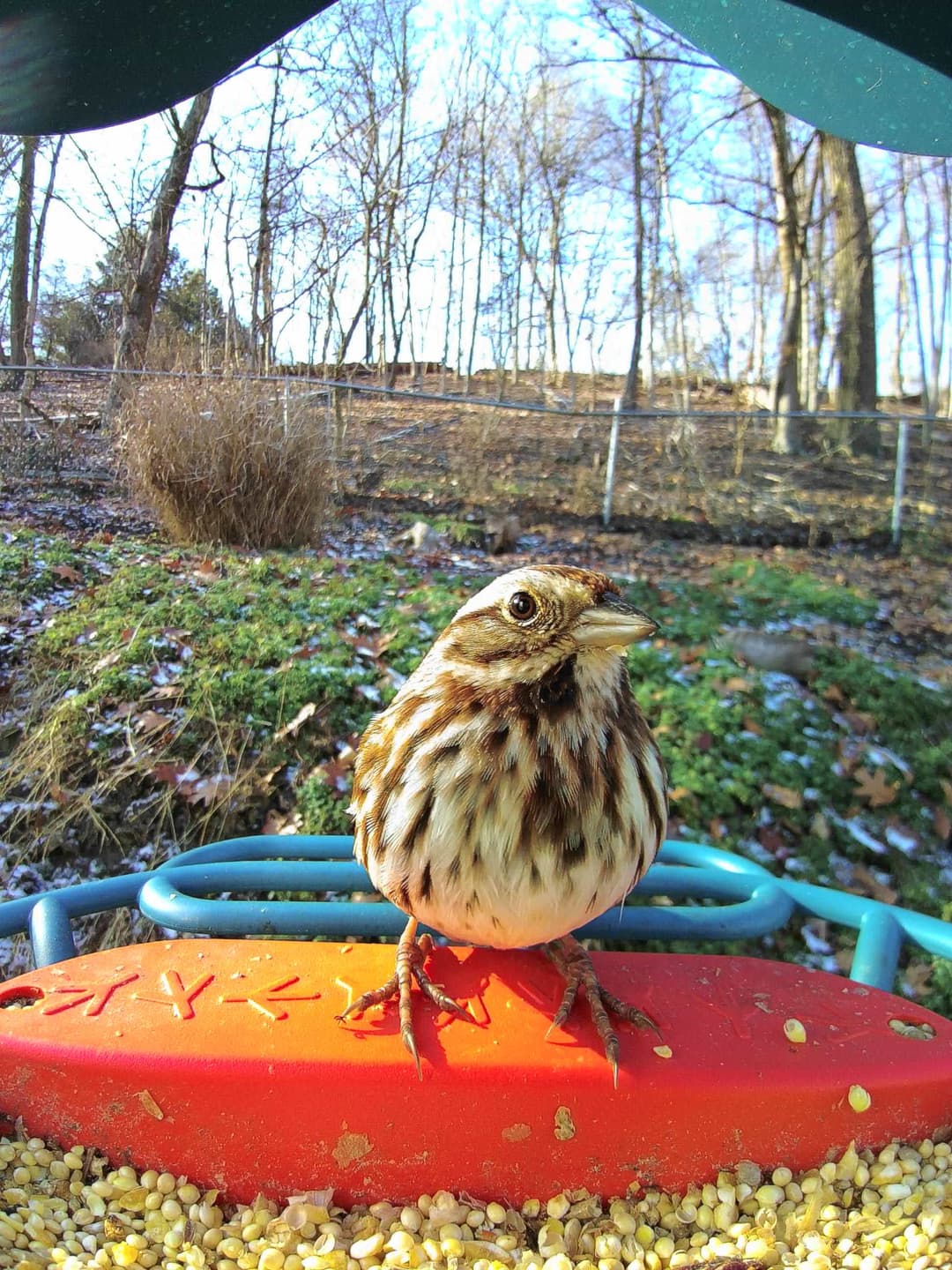
Sparrow vs Eurasian Tree Sparrow
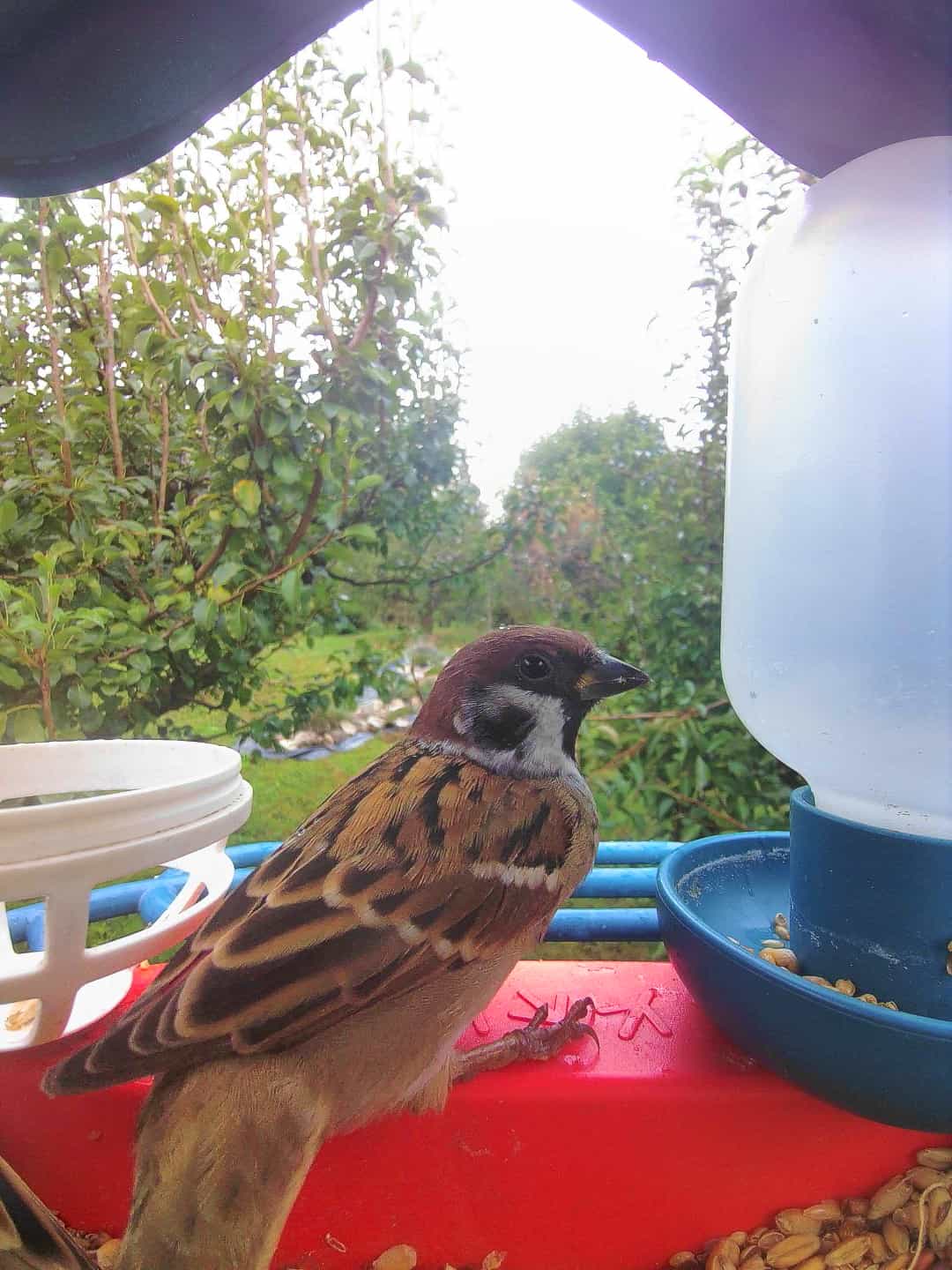
Sparrow vs American Tree Sparrow
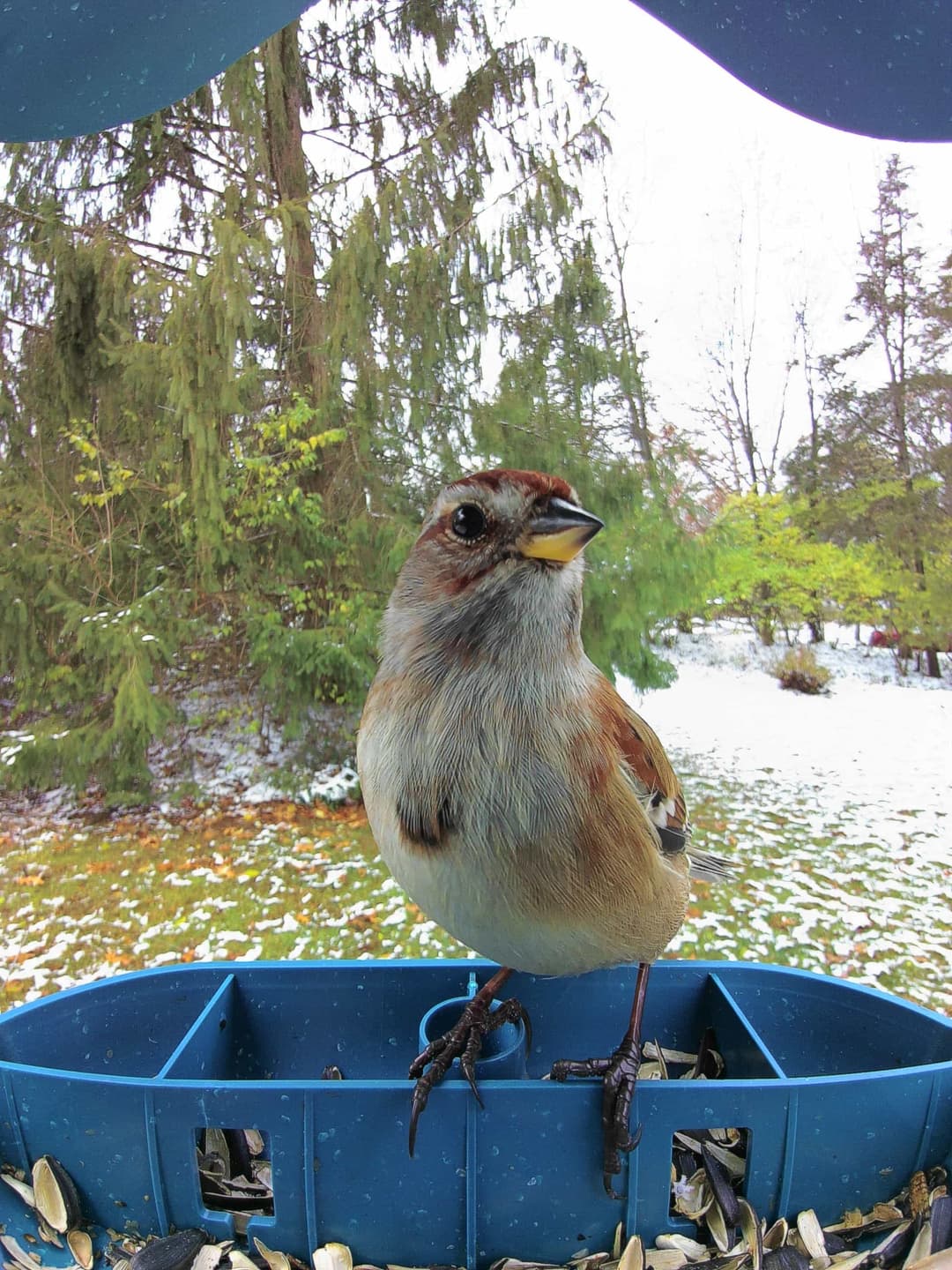
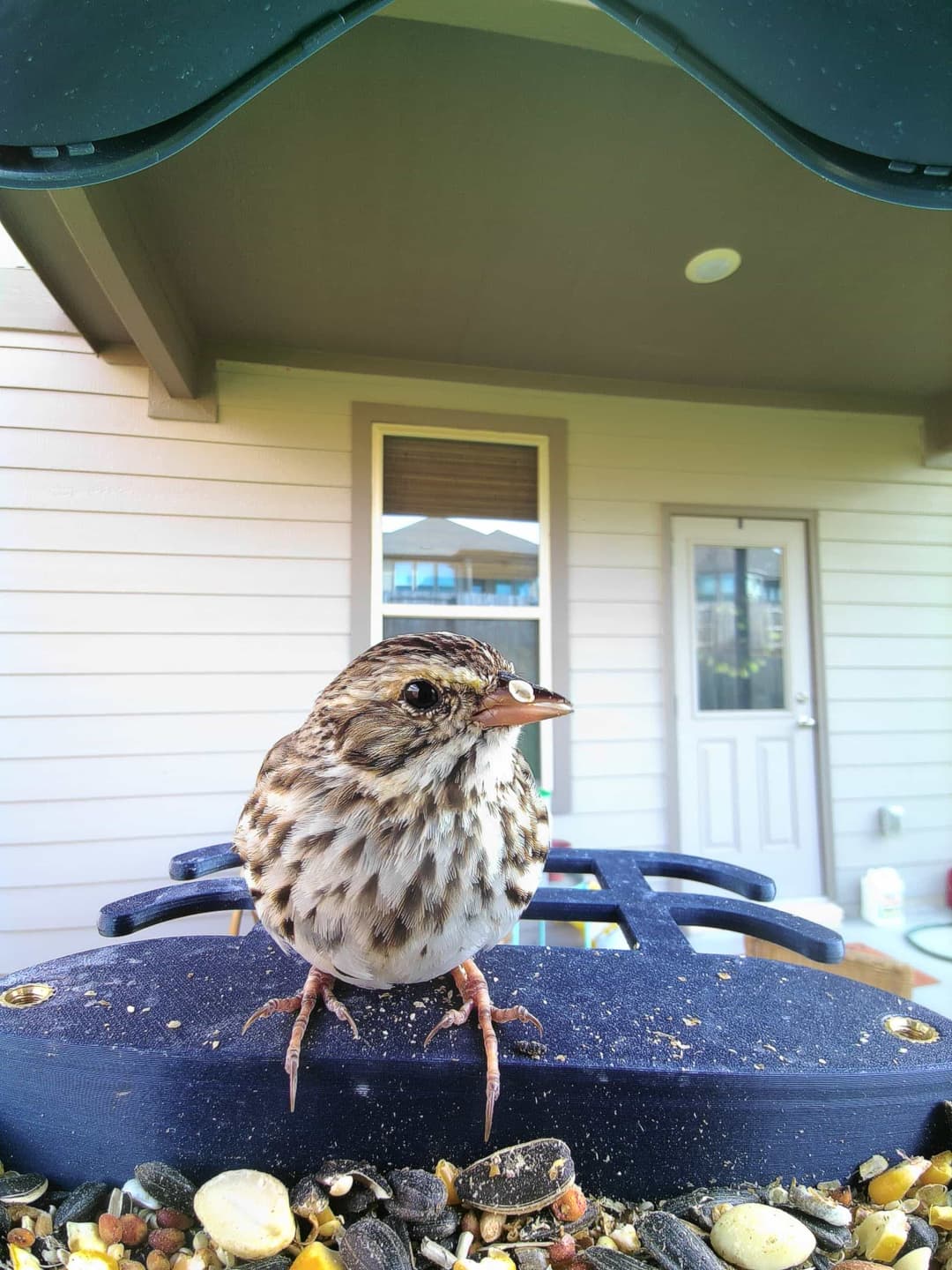
Sparrow vs White-Throated Sparrow
Spanish Sparrow vs House Sparrow
Spanish Sparrow vs Eurasian Tree Sparrow
Sparrow vs [Select a bird]

[Select a bird]
Pick a bird to compare
Spanish Sparrow vs [Select a bird]
[Select a bird]
Pick a bird to compare