Sparrow or Rock Sparrow?
Here's how to tell the difference


Sparrow

Rock Sparrow
Sparrow
Passer
Also known as: True Sparrow
General appearance
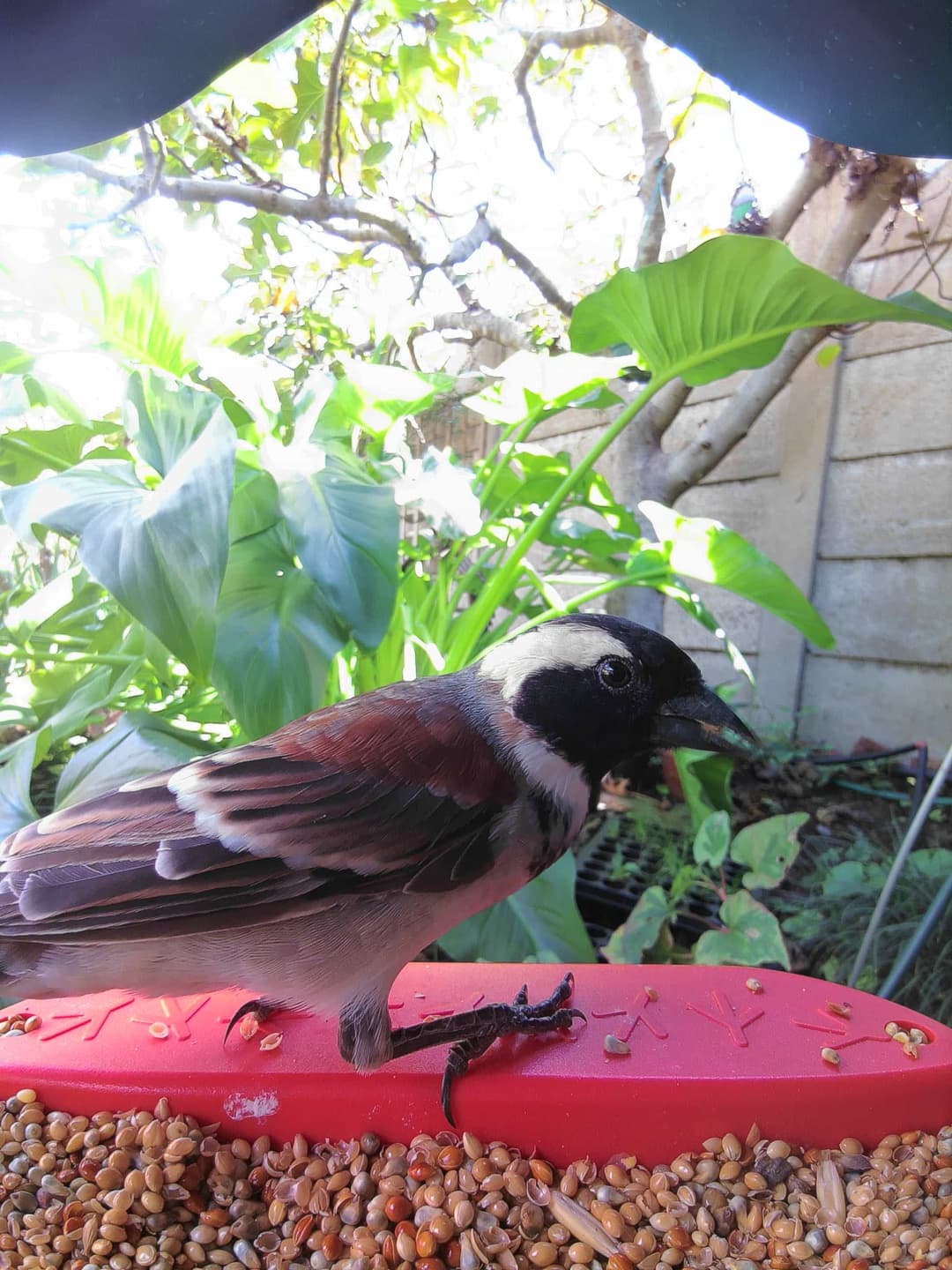
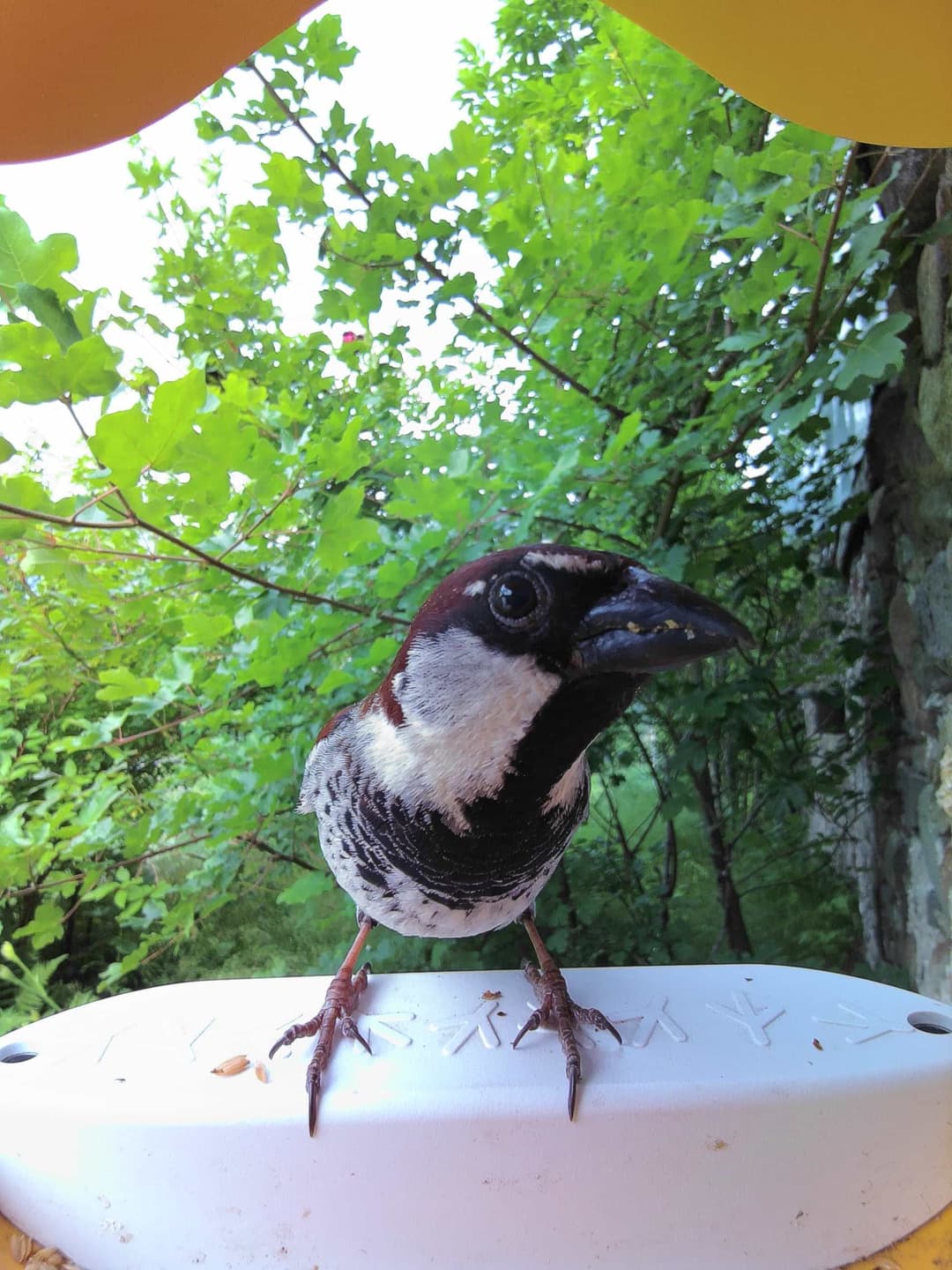
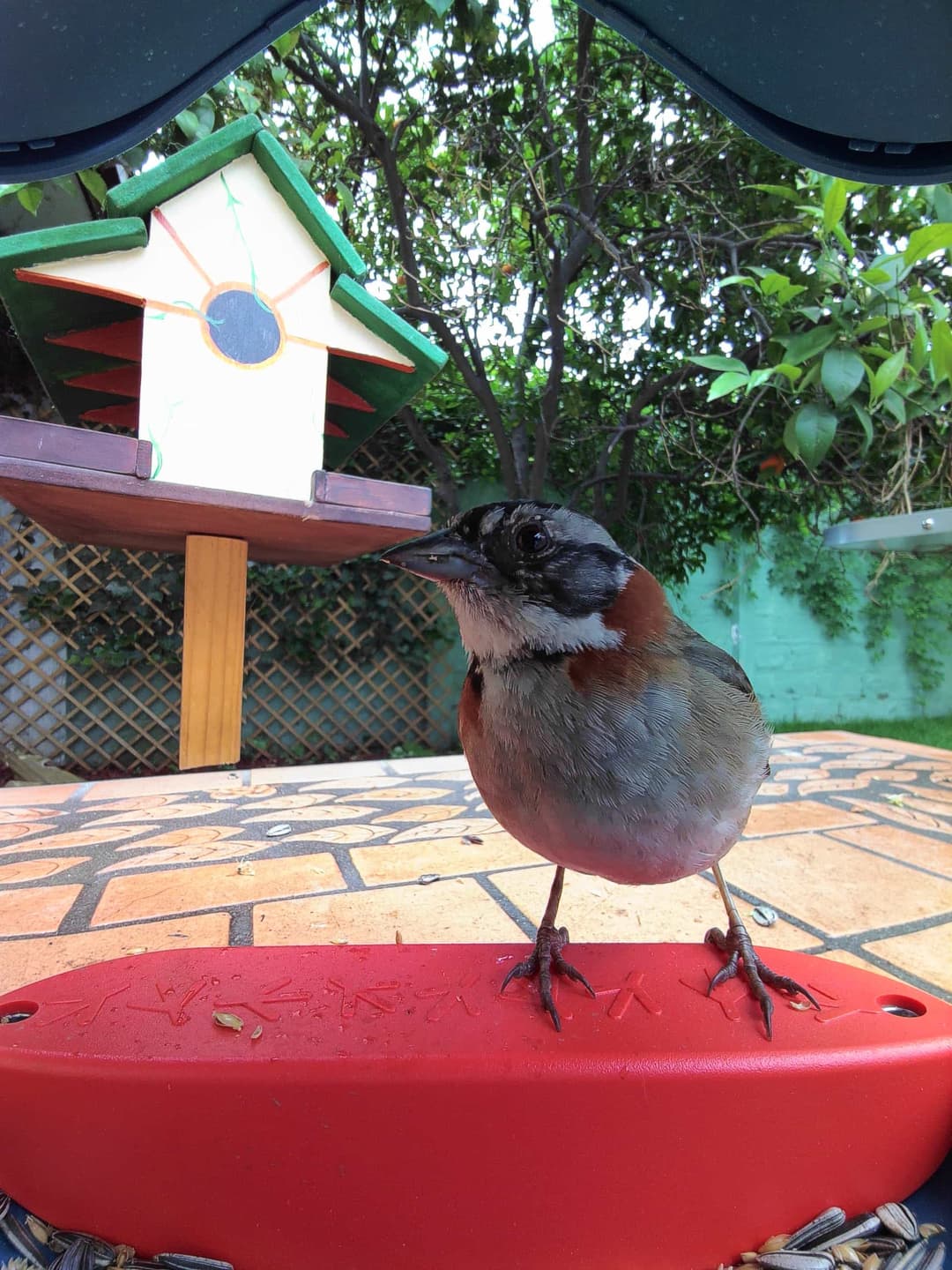
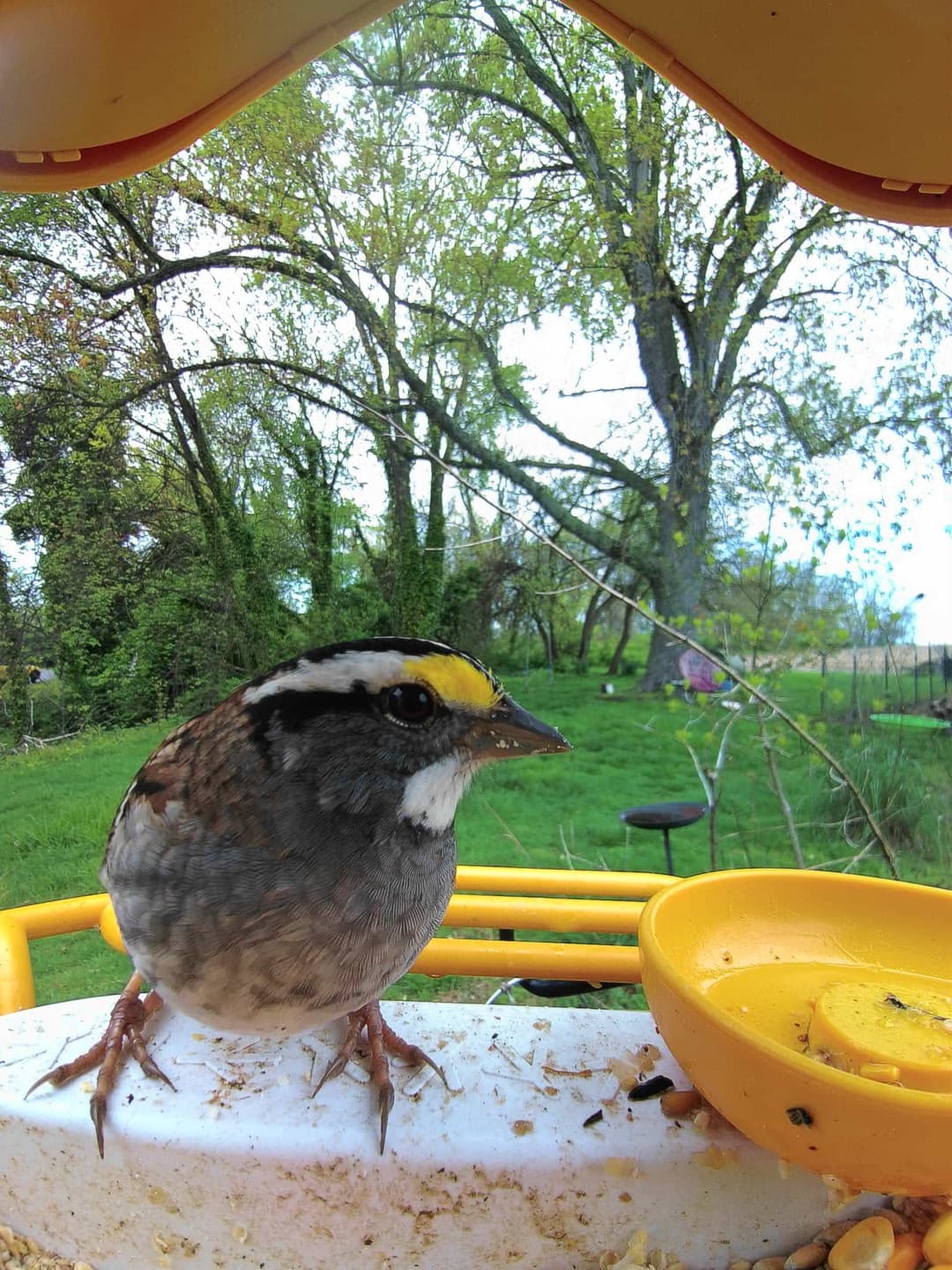
Sparrows are small, plump birds with short tails and subdued colors. They generally exhibit brown, black, and white coloration, with streaked or solid patterns. Sparrows also have a stout beak, designed for seed eating.
Male vs female
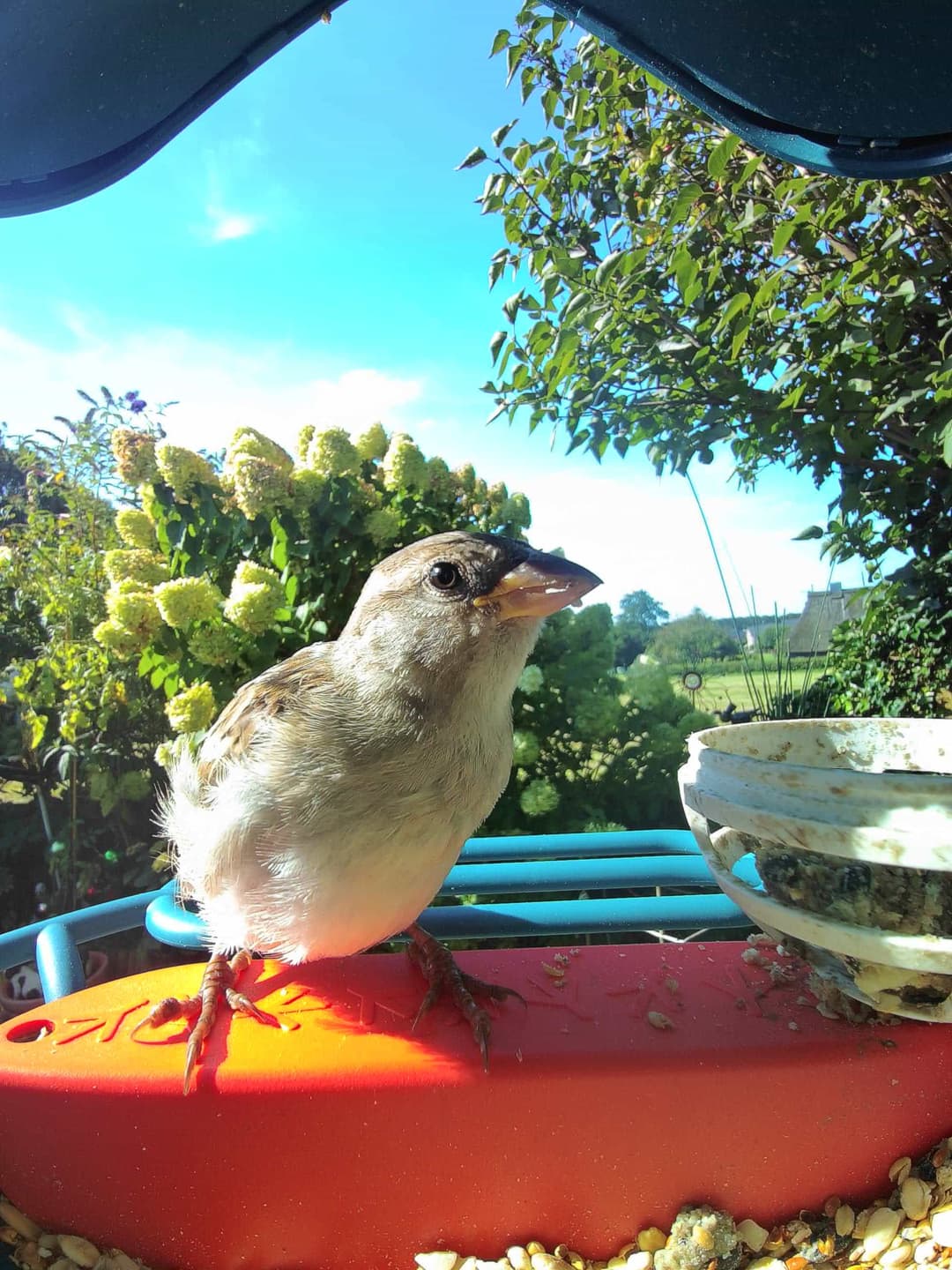
Male and female sparrows can be distinguished by their coloration and markings. Males tend to have more distinct and vibrant colors, like black bibs and white cheeks, while females usually have duller, brownish colors. Seasonal changes in plumage make the males more distinct during the breeding season.
Juvenile
Juvenile sparrows have similar coloration to females but are often even duller and may show some streaking. Their beaks start black, then turn yellow and finally the adult's color. Juveniles often show a more marked gape (the sides of the beak) than adults.
Size
4.1 - 7.1 in/0.4 - 1.7 oz
There's more to learn about Sparrow
View full detailsRock Sparrow
Petronia petronia
Also known as: Rock Petronia
General appearance
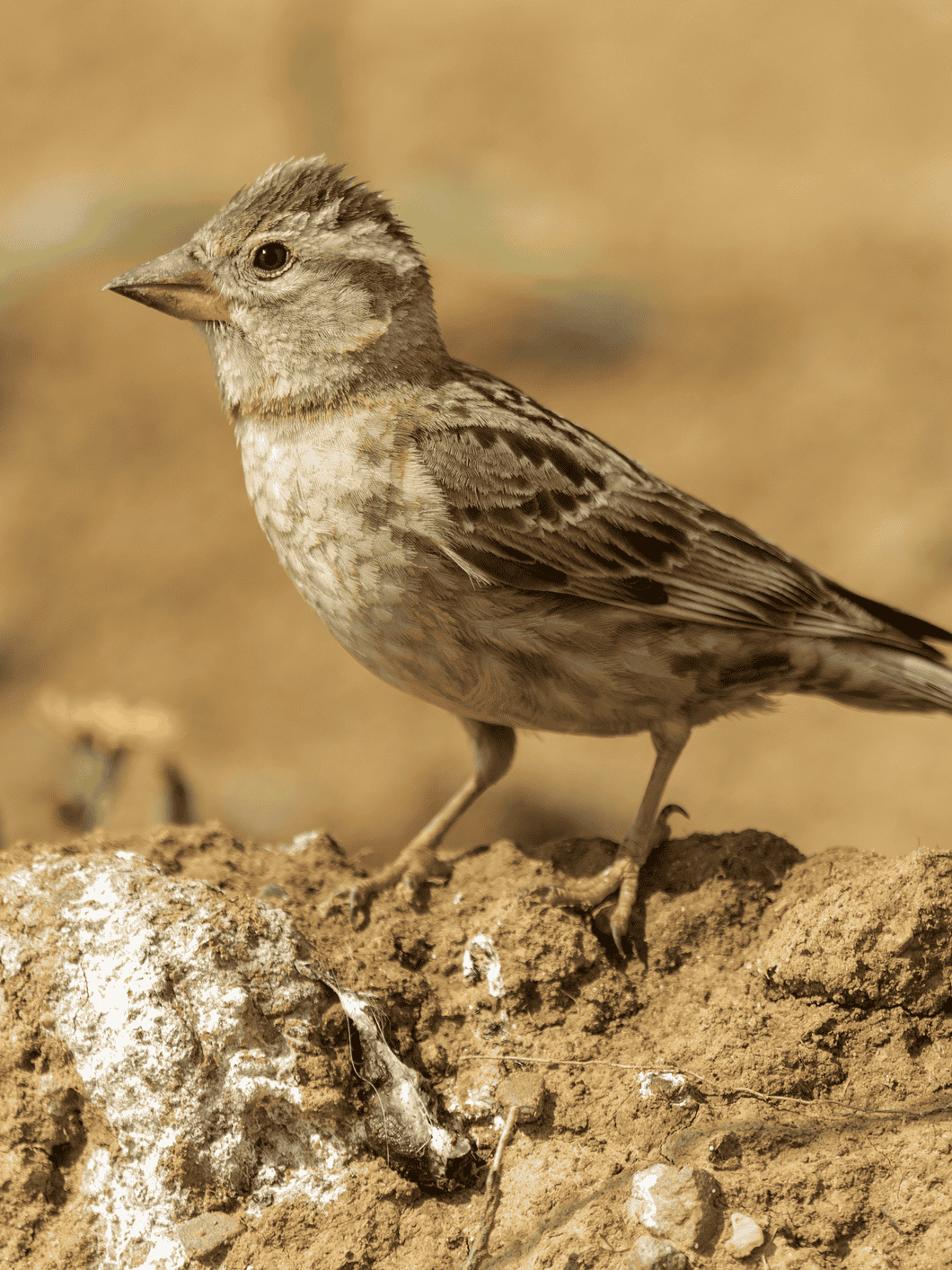
The rock sparrow is a small bird characterized by its size, about 15 centimeters in length. The coloration primarily consists of greyish-brown plumage peppered with black, white, and yellow markings. They also host distinctive yellow and black 'teardrop' features around their eyes.
Male vs female
Sexual dimorphism is subtle in rock sparrows. Males are more colorful with a stronger contrast between their grey and brown feathers. They have a striking black bib underline their beak, not present in females. Females, while physically similar, are duller in terms of coloration.
Juvenile
Juvenile rock sparrows resemble females in duller coloration but lack the yellow eye mark. Their feathers, especially on the wings and back, are more edged than those on adults. The black bib starts to emerge as they mature. They switch to adult plumage after their first molt, typically occurring in late summer.
Size
5.5 - 5.9 in/0.9 - 1.4 oz
There's more to learn about Rock Sparrow
View full detailsHow to tell the Sparrow from the Rock Sparrow
Visual differences
Sparrows (Passer) are small birds, averaging 4.1-7.1 inches in length and weighing 0.4-1.7 ounces. They have brown, black, and white plumage with stout, seed-eating beaks. Sparrows often exhibit sexual dimorphism, with males being more colorful. Rock Sparrows (Petronia petronia) are slightly larger at 5.5-5.9 inches and 0.9-1.4 ounces. They feature greyish-brown plumage with black, white, and yellow, and a distinctive yellow throat mark. Males show more color contrast. Rock Sparrows also have unique yellow and black teardrop eye features and a prominent black bib on males.
Key differences and behavior
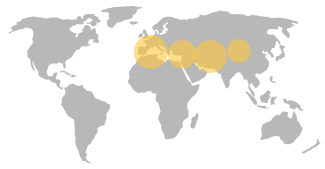
Sparrows (Passer genus) are highly social, inhabiting open, semi-open, and urban areas across the globe, except Antarctica. They adapt well to human environments, feeding on seeds, grains, fruits, and insects, and readily approach bird feeders. Breeding includes courtship displays and communal, untidy nests in varied sheltered locations, with both parents caring for offspring. In contrast, Rock Sparrows (Petronia petronia) favor rocky terrains and mountainous regions in Europe and Asia, expanding to lowlands in winter. They also consume seeds and insects but are less reliant on urban feeders. Their courtship involves elaborate song displays and flights, with nesting in rocky crevices. Both species share incubation duties, but Rock Sparrow chicks remain under care post-fledging. While sparrows are globally adaptive and form large flocks, Rock Sparrows are more habitat-specific and exhibit less pronounced social behavior. Both are omnivorous, though Rock Sparrows lean towards seeds from specific environments.
Still not sure? Here are more lookalikes!
Sparrow vs House Sparrow
Sparrow vs Chipping Sparrow
Sparrow vs White-Crowned Sparrow

Sparrow vs Song Sparrow
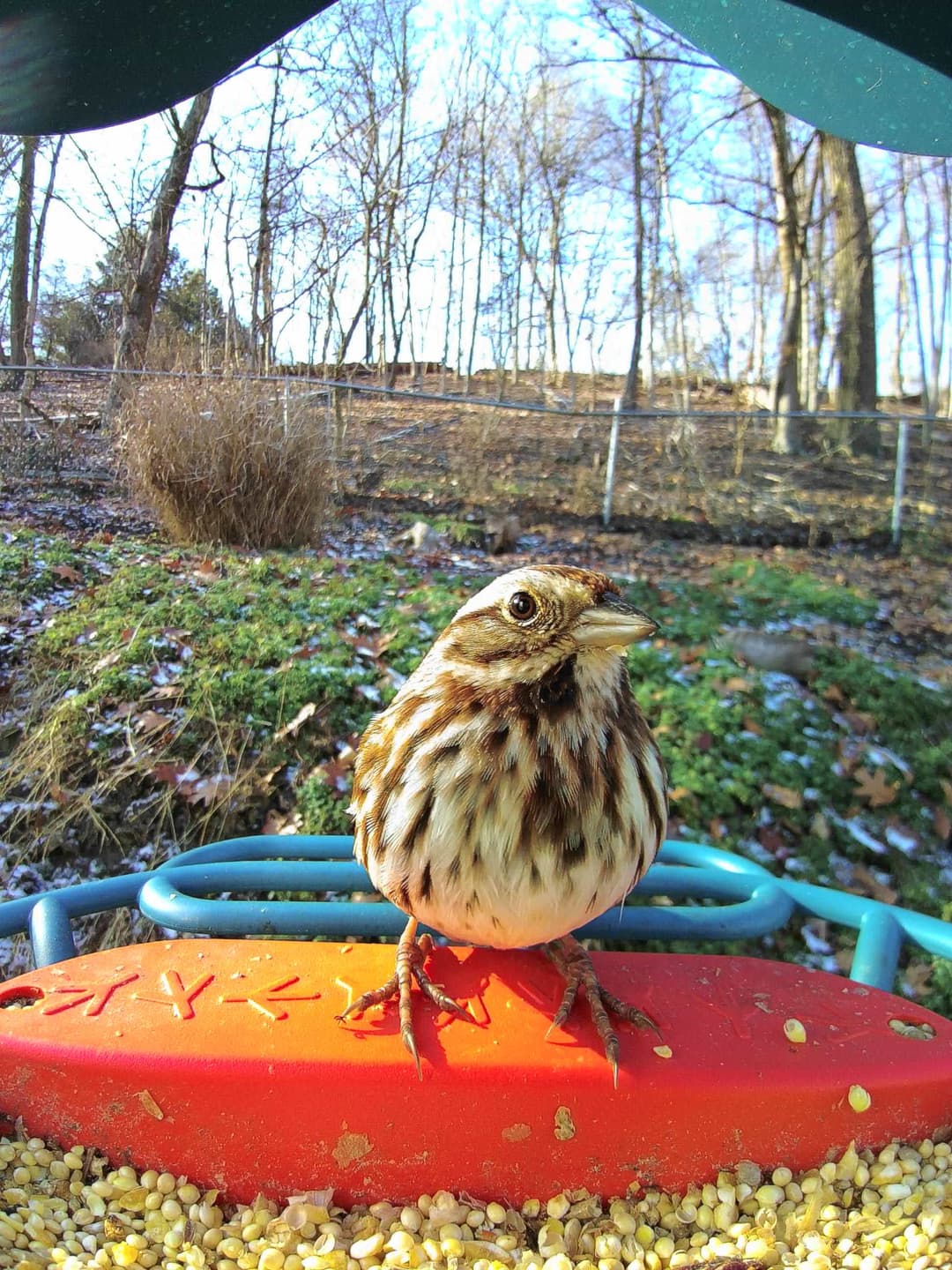
Sparrow vs Eurasian Tree Sparrow

Sparrow vs American Tree Sparrow
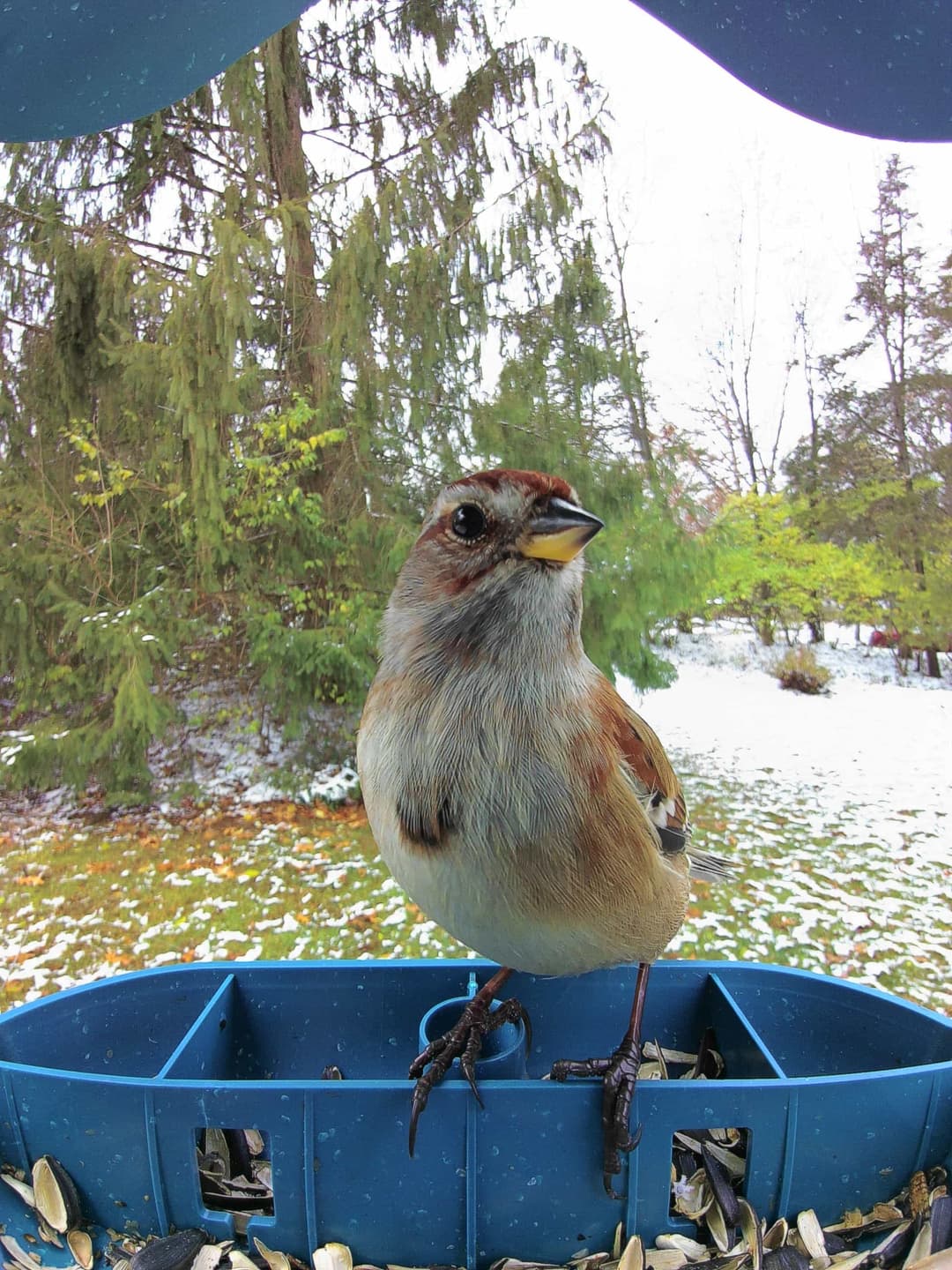
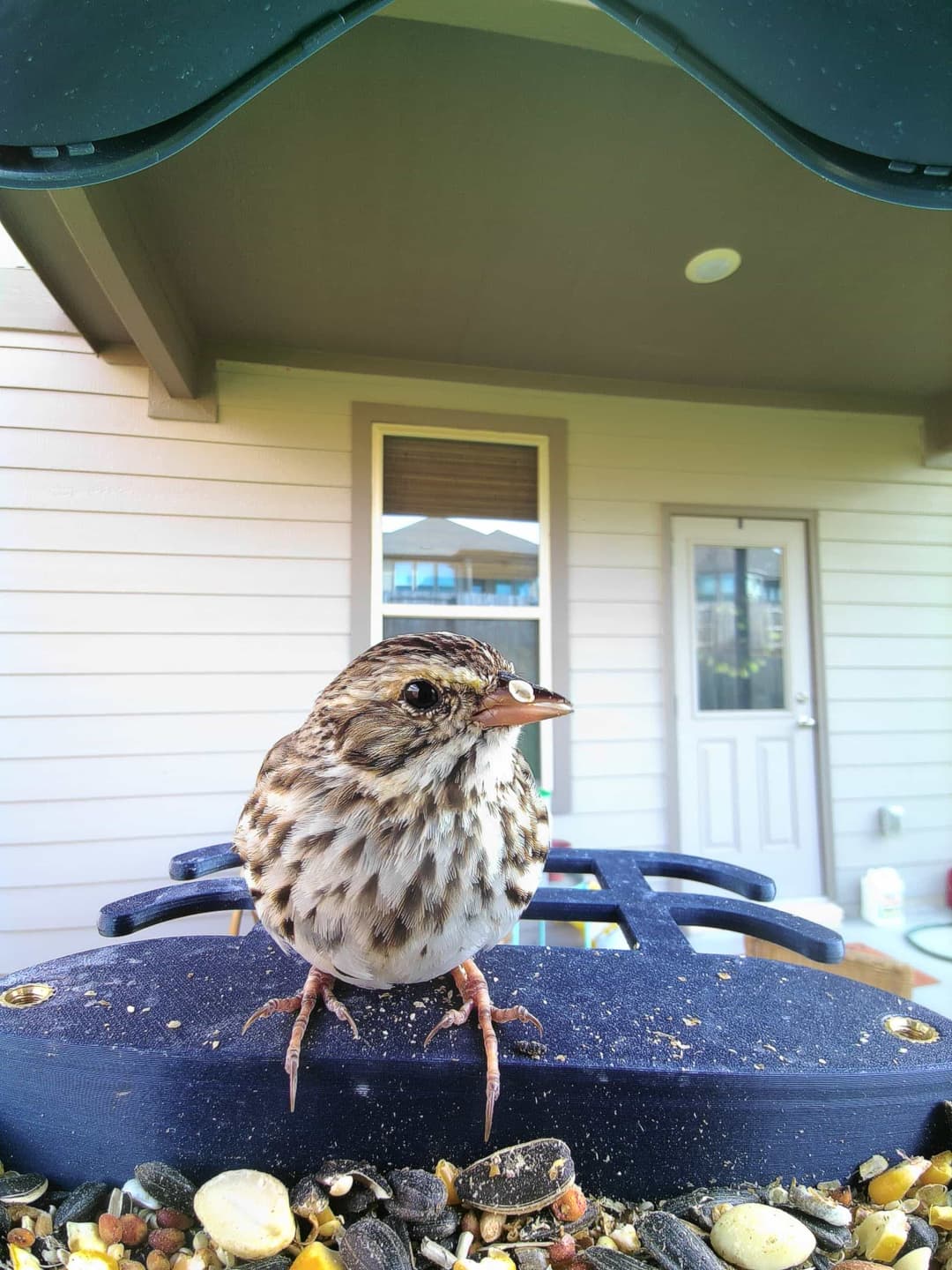
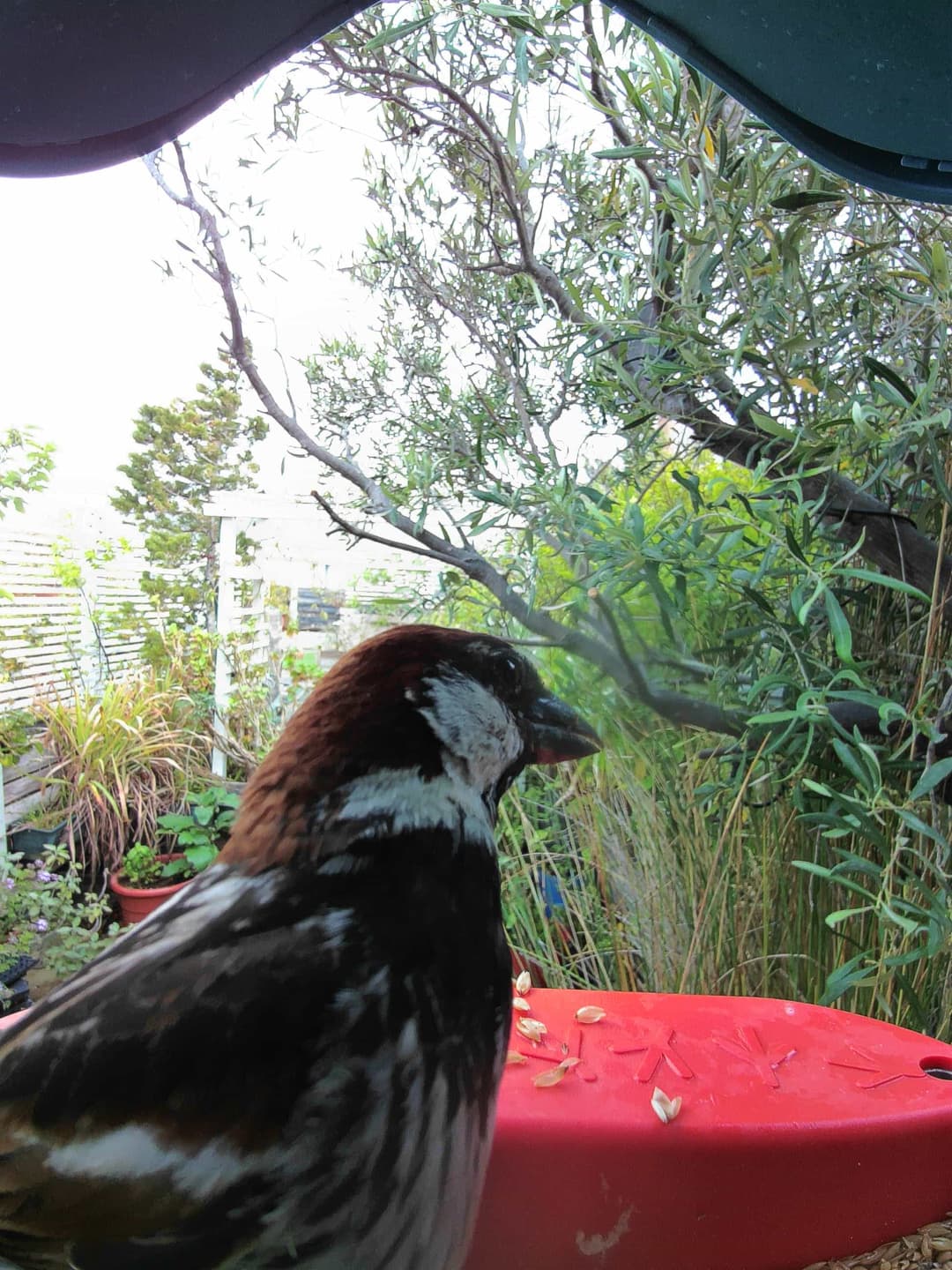
Sparrow vs White-Throated Sparrow
Rock Sparrow vs House Sparrow
Rock Sparrow vs Chipping Sparrow
Rock Sparrow vs Eurasian Tree Sparrow
Sparrow vs [Select a bird]

[Select a bird]
Pick a bird to compare
Rock Sparrow vs [Select a bird]
[Select a bird]
Pick a bird to compare