Sparrow or White-Crowned Sparrow?
Here's how to tell the difference



Sparrow
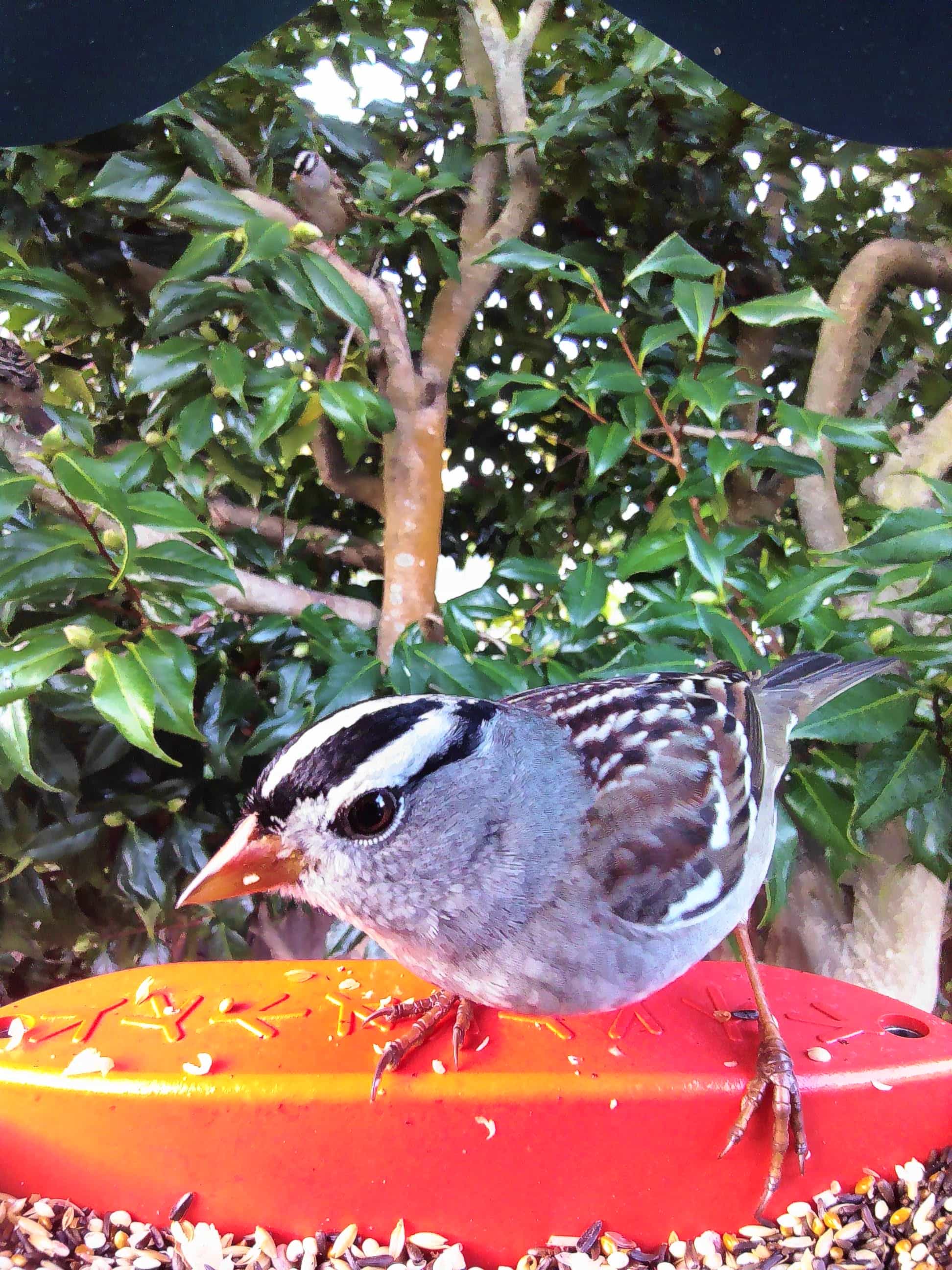


White-Crowned Sparrow
Sparrow
Passer
Also known as: True Sparrow
General appearance
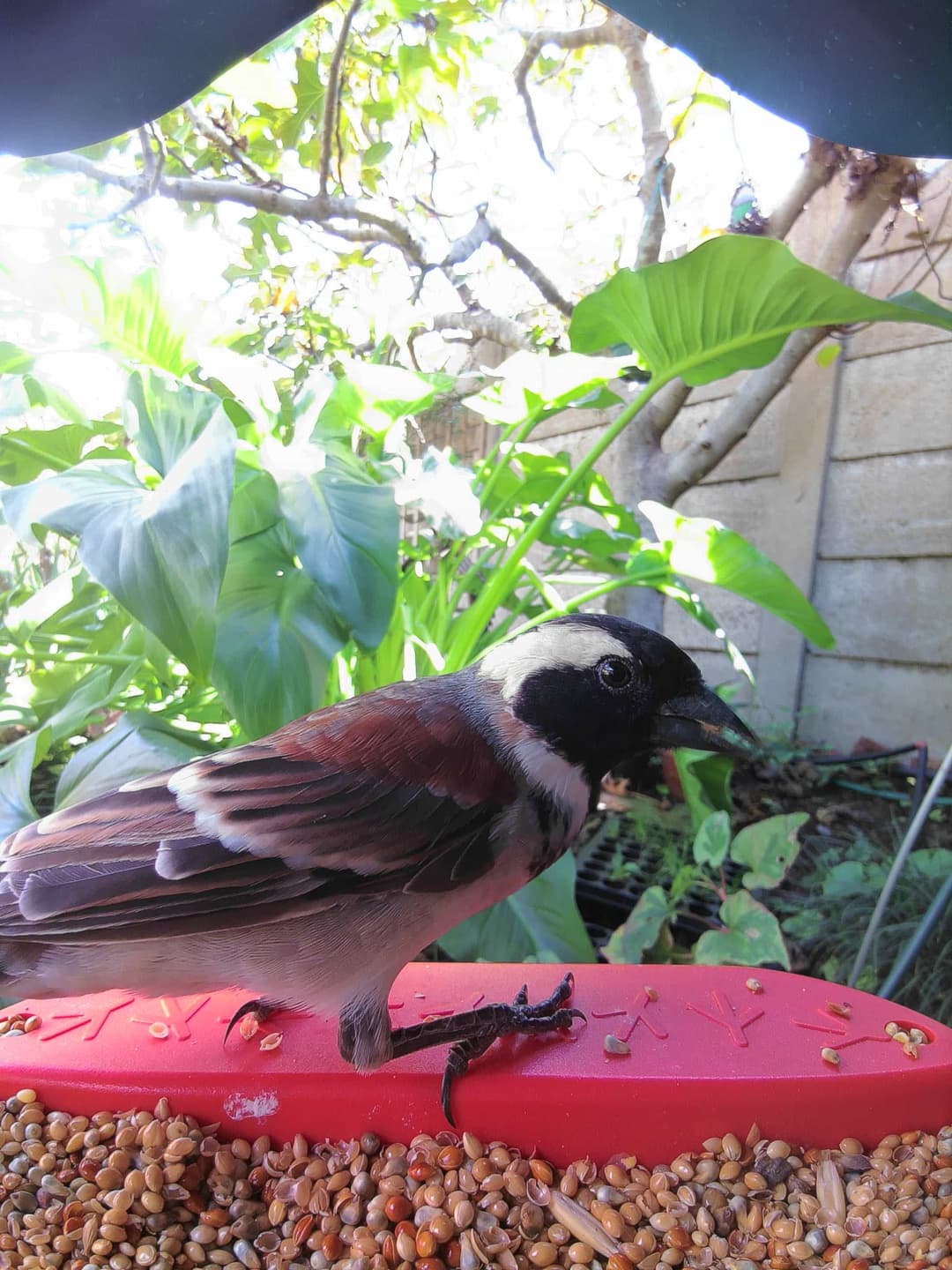
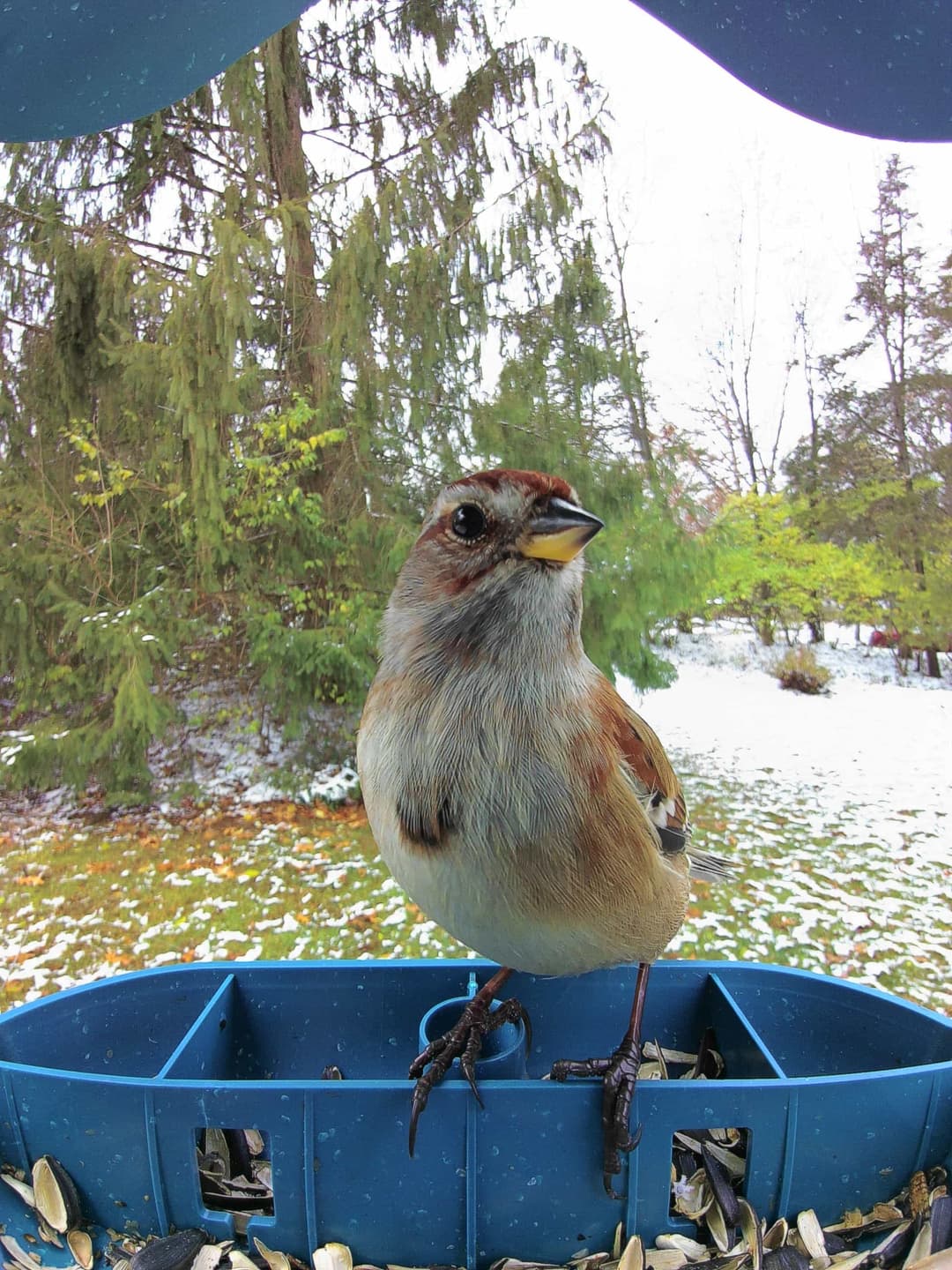
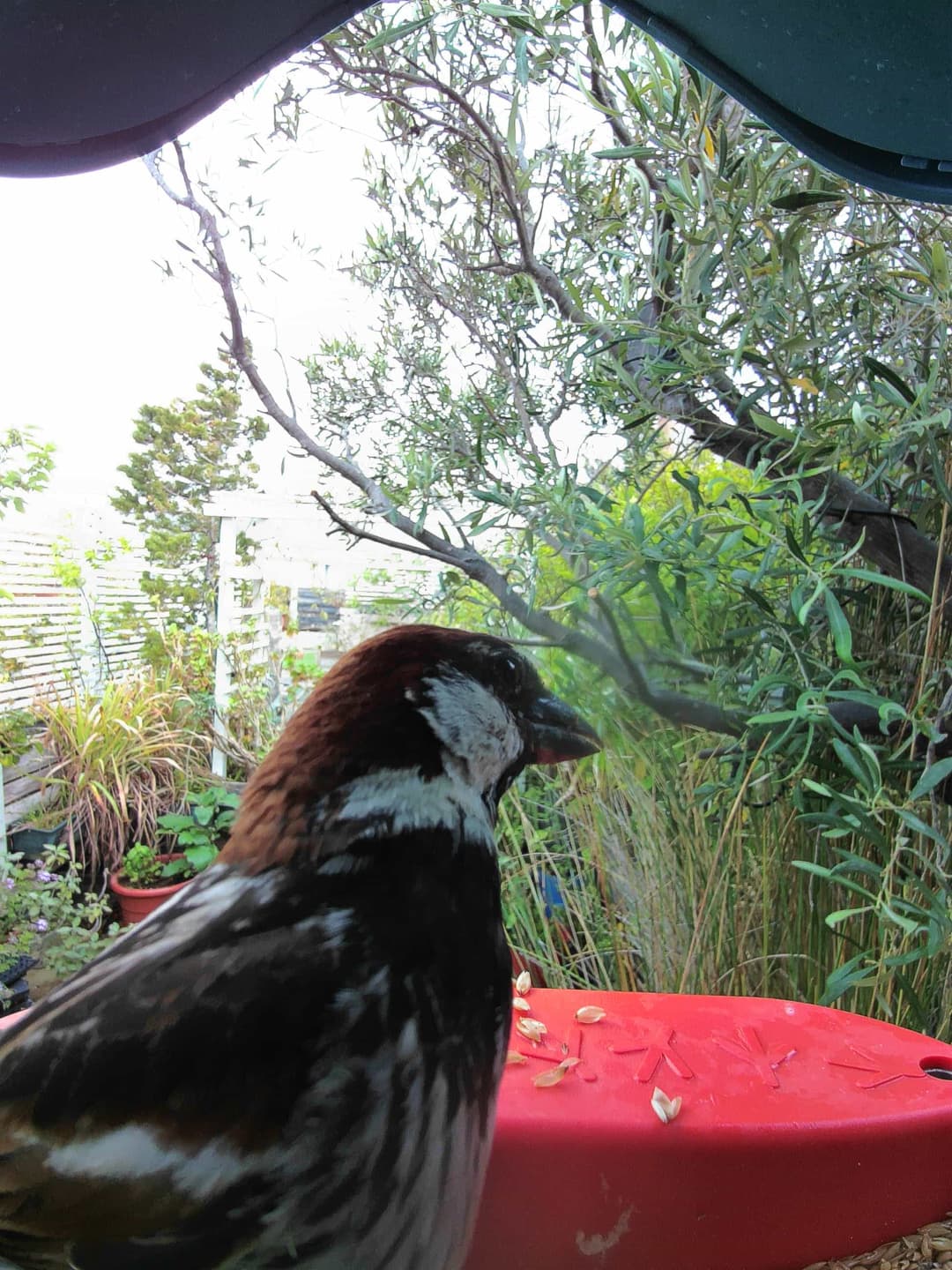
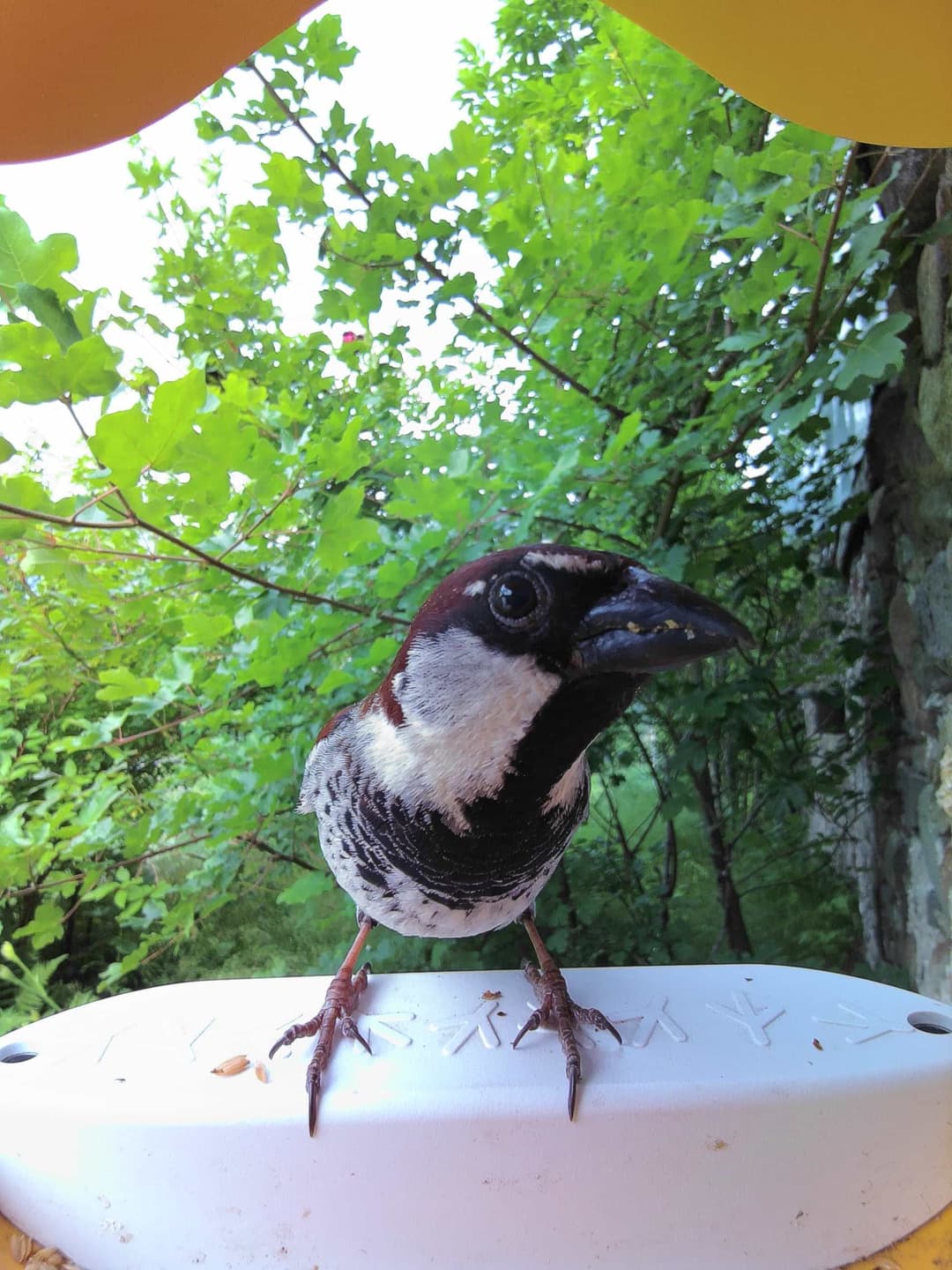
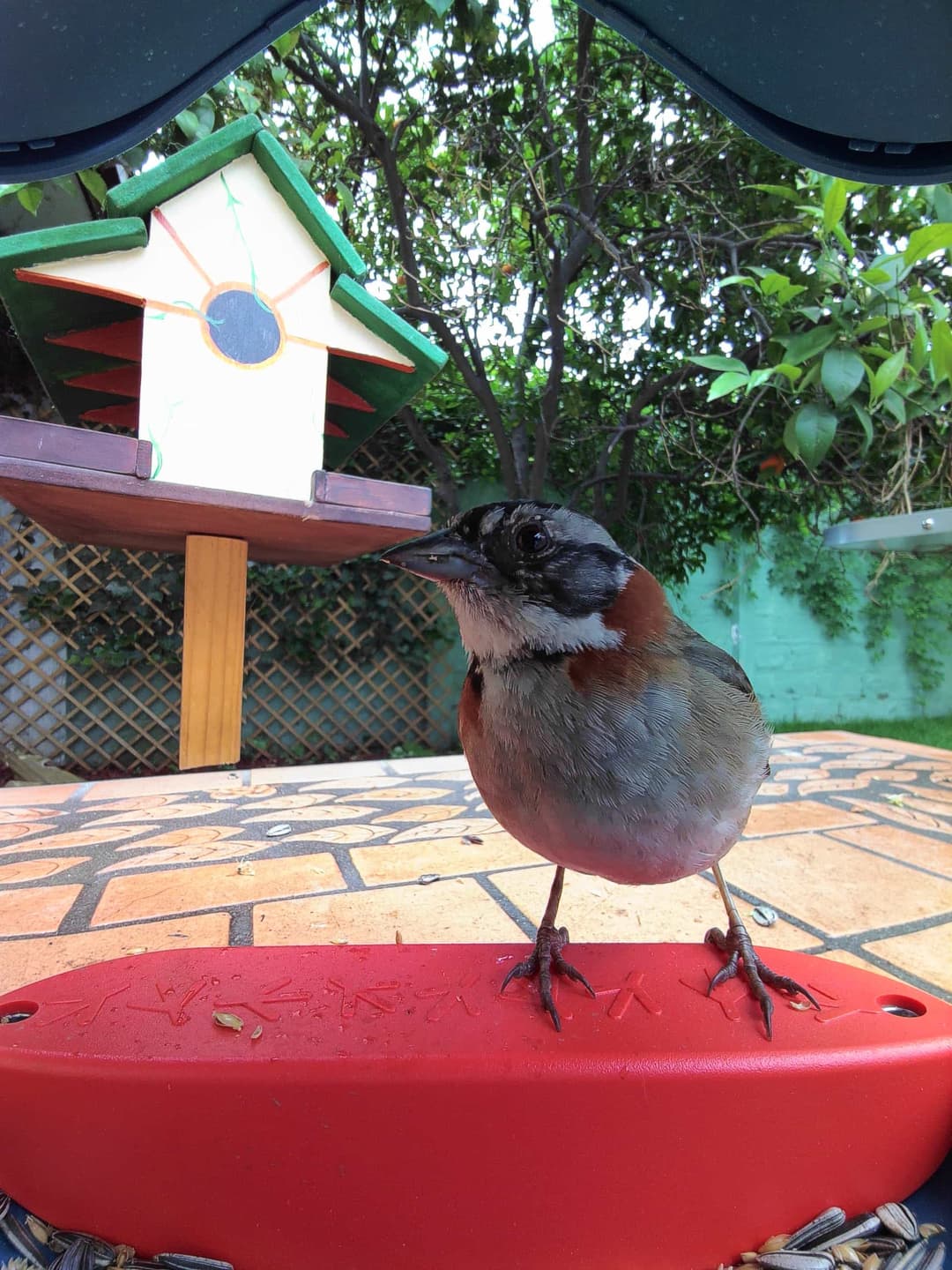
Sparrows are small, plump birds with short tails and subdued colors. They generally exhibit brown, black, and white coloration, with streaked or solid patterns. Sparrows also have a stout beak, designed for seed eating.
Male vs female
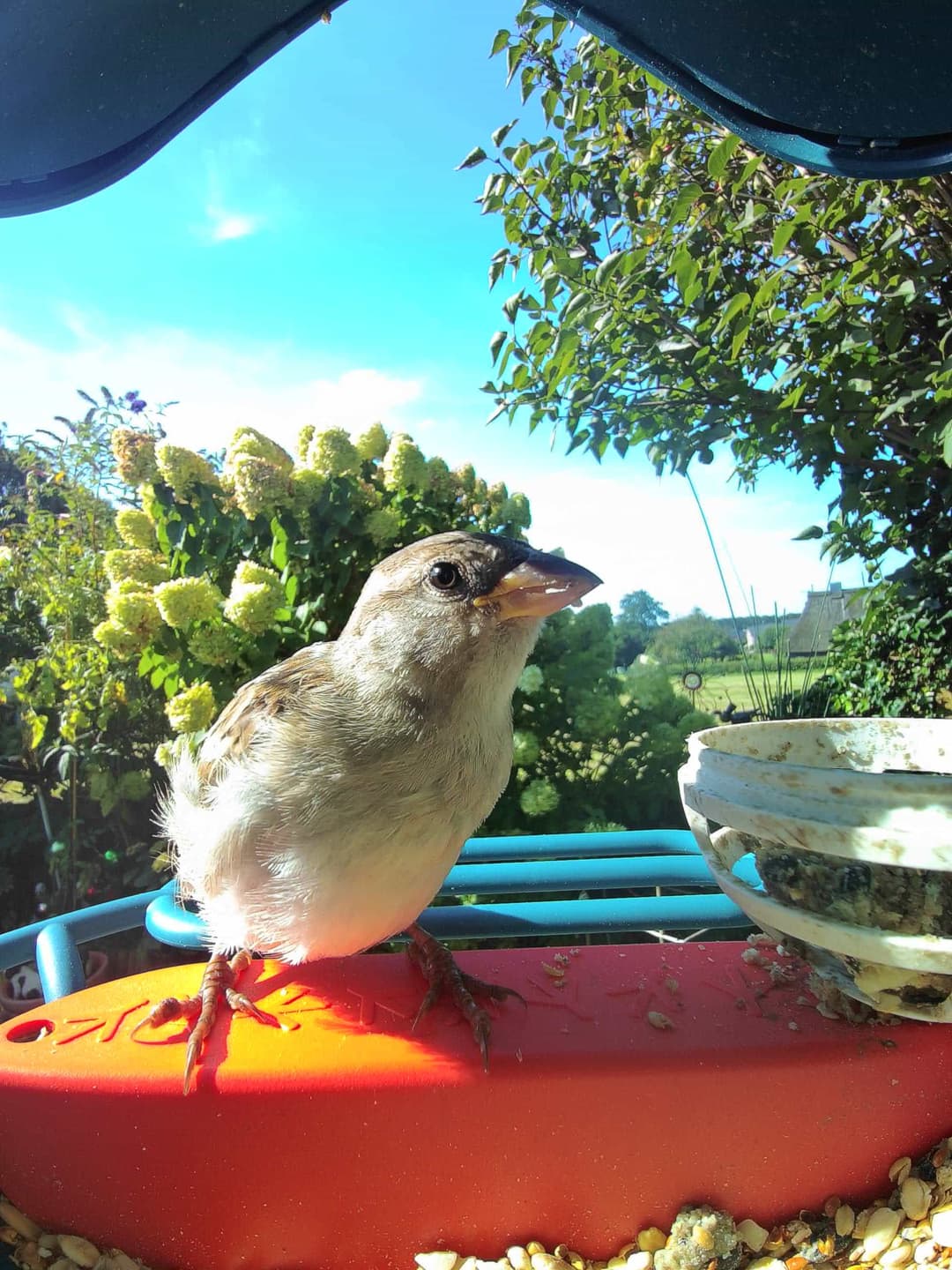
Male and female sparrows can be distinguished by their coloration and markings. Males tend to have more distinct and vibrant colors, like black bibs and white cheeks, while females usually have duller, brownish colors. Seasonal changes in plumage make the males more distinct during the breeding season.
Juvenile
Juvenile sparrows have similar coloration to females but are often even duller and may show some streaking. Their beaks start black, then turn yellow and finally the adult's color. Juveniles often show a more marked gape (the sides of the beak) than adults.
Size
4.1 - 7.1 in/0.4 - 1.7 oz
There's more to learn about Sparrow
View full detailsWhite-Crowned Sparrow
Zonotrichia leucophrys
General appearance
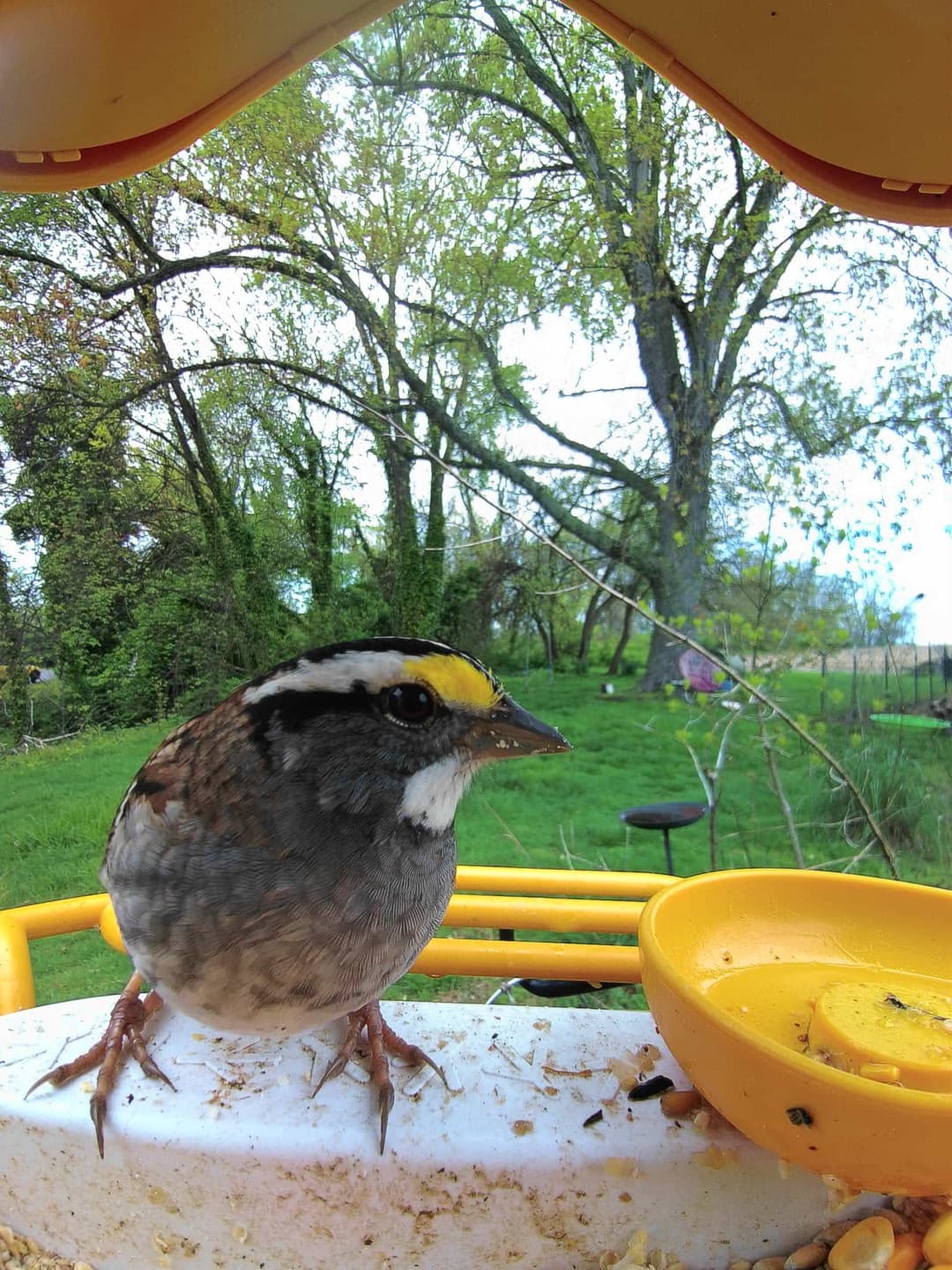
The white-crowned sparrow has a striking black-and-white striped crown, gray face, and a pink bill. Its back is streaked brown, and its underparts are grayish. Its wings have two white bars.
Male vs female
Males and females are similar in appearance, both displaying the distinctive black-and-white crown pattern. However, males may exhibit slightly brighter plumage during the breeding season.
Juvenile
Juvenile white-crowned sparrows have a rusty brown crown compared to the black-and-white stripes of adults. Their overall plumage is browner and less distinctly marked, lacking the bright contrast seen in mature birds.
Size
5.9 - 6.3 in/0.9 - 1.0 oz
There's more to learn about White-Crowned Sparrow
View full detailsHow to tell the Sparrow from the White-Crowned Sparrow
Visual differences
Sparrows (Passer) are small, plump birds (4.1-7.1 inches, 0.39-1.69 oz) with subdued brown, black, and white streaked patterns and a stout beak. Males have distinct features like black bibs, while females are duller. In contrast, White-Crowned Sparrows (Zonotrichia leucophrys) are slightly larger (5.9-6.3 inches, 0.88-0.99 oz), showcasing a striking black-and-white striped crown, a gray face, pink bill, and a grayish underpart with brown streaked back. Both sexes look similar. Juveniles differ, with sparrows being dull and white-crowned sparrows having a rusty brown crown.
Key differences and behavior
Sparrows (Passer) and White-Crowned Sparrows (Zonotrichia leucophrys) display distinct behavioral differences. Sparrows thrive in diverse habitats, including urban areas, and their social behavior is evident in communal gatherings, untidy nests, and adaptable feeding habits that welcome human food leftovers. In contrast, White-Crowned Sparrows prefer specific habitats like boreal scrubs and consistently return to familiar wintering sites. They exhibit territorial behavior during breeding, with males arriving first to establish territories. Sparrows are opportunistic omnivores, frequently eating seeds and insects, while White-Crowned Sparrows focus on seeds in winter and insects in summer. Both species engage in similar nesting practices, yet White-Crowned Sparrows, with their ground or shrub nests, often retain year-round pair bonds in southern regions, indicating a stronger habit fidelity than the more adaptable Sparrows.
Still not sure? Here are more lookalikes!
Sparrow vs House Sparrow
Sparrow vs Chipping Sparrow
Sparrow vs Song Sparrow
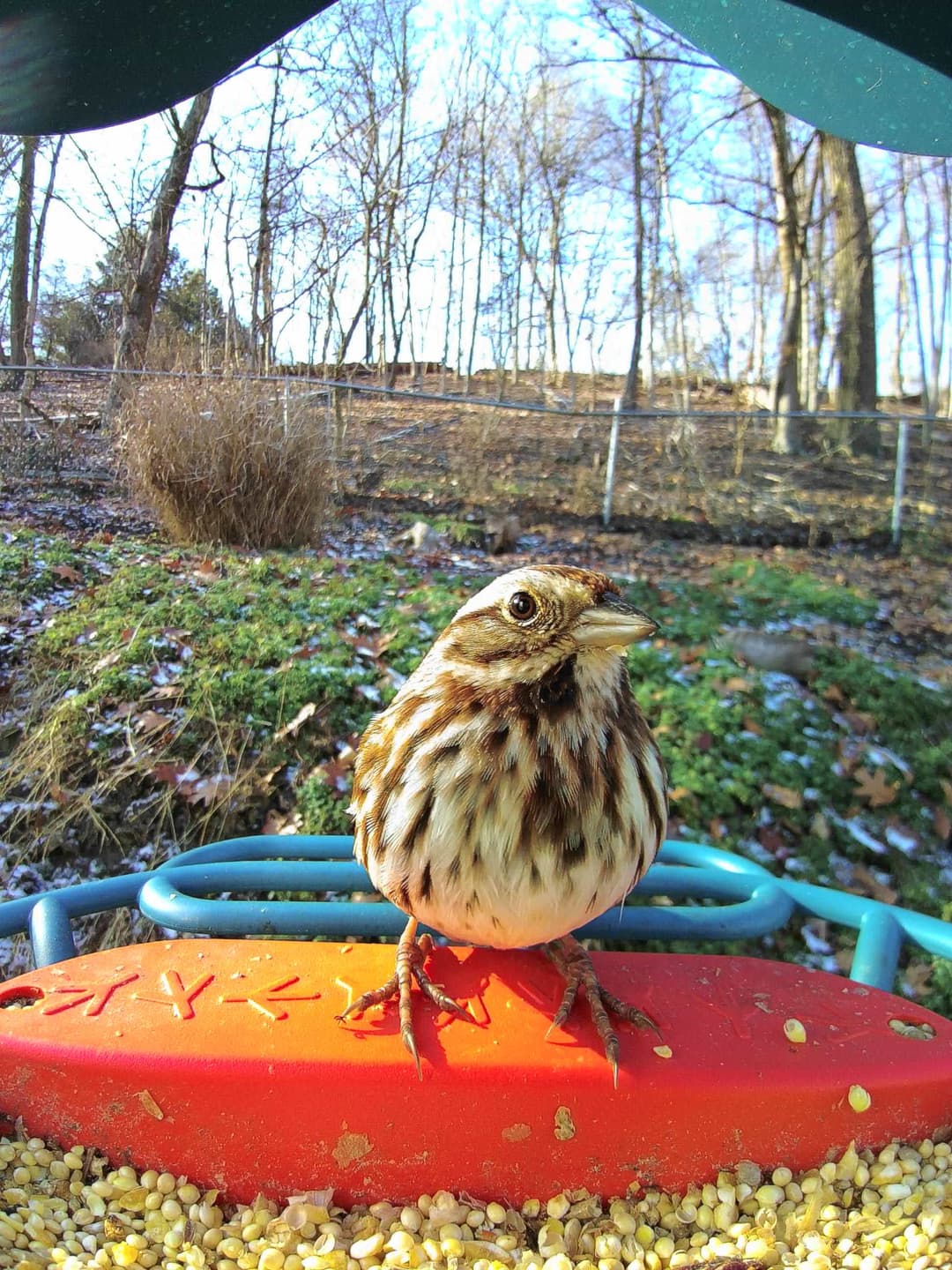
Sparrow vs Eurasian Tree Sparrow

Sparrow vs American Tree Sparrow
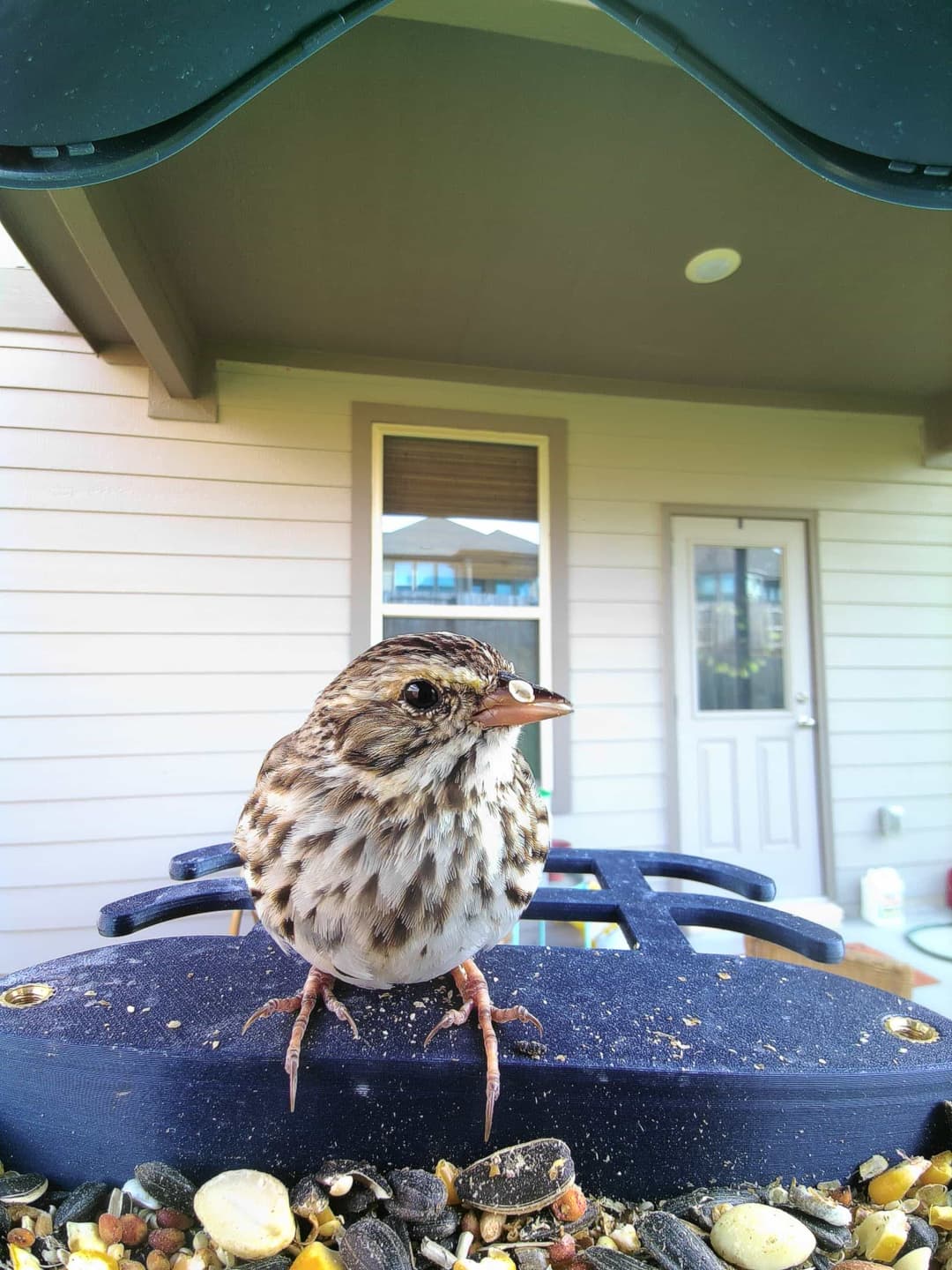
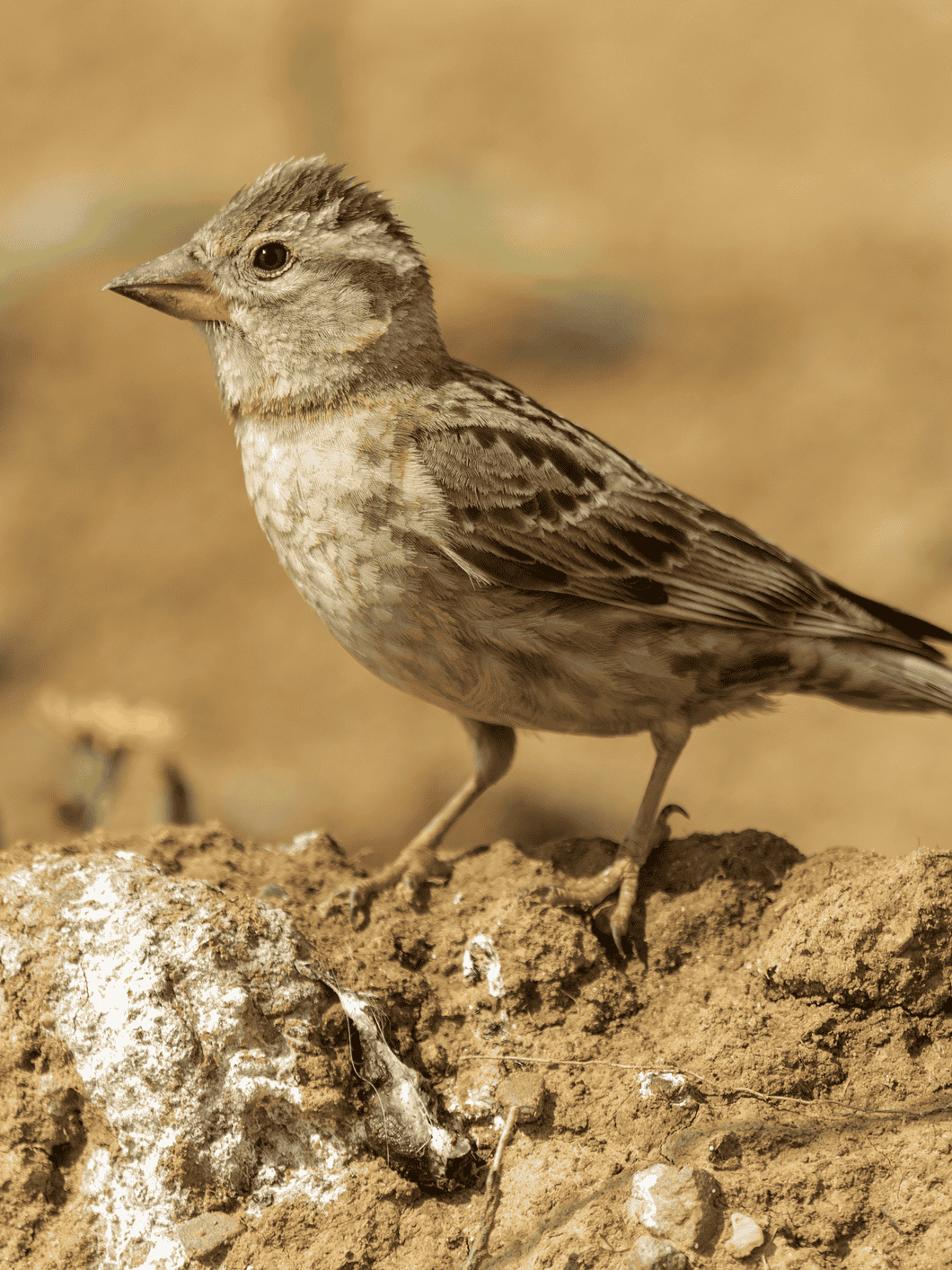
Sparrow vs White-Throated Sparrow
White-Crowned Sparrow vs White-Throated Sparrow

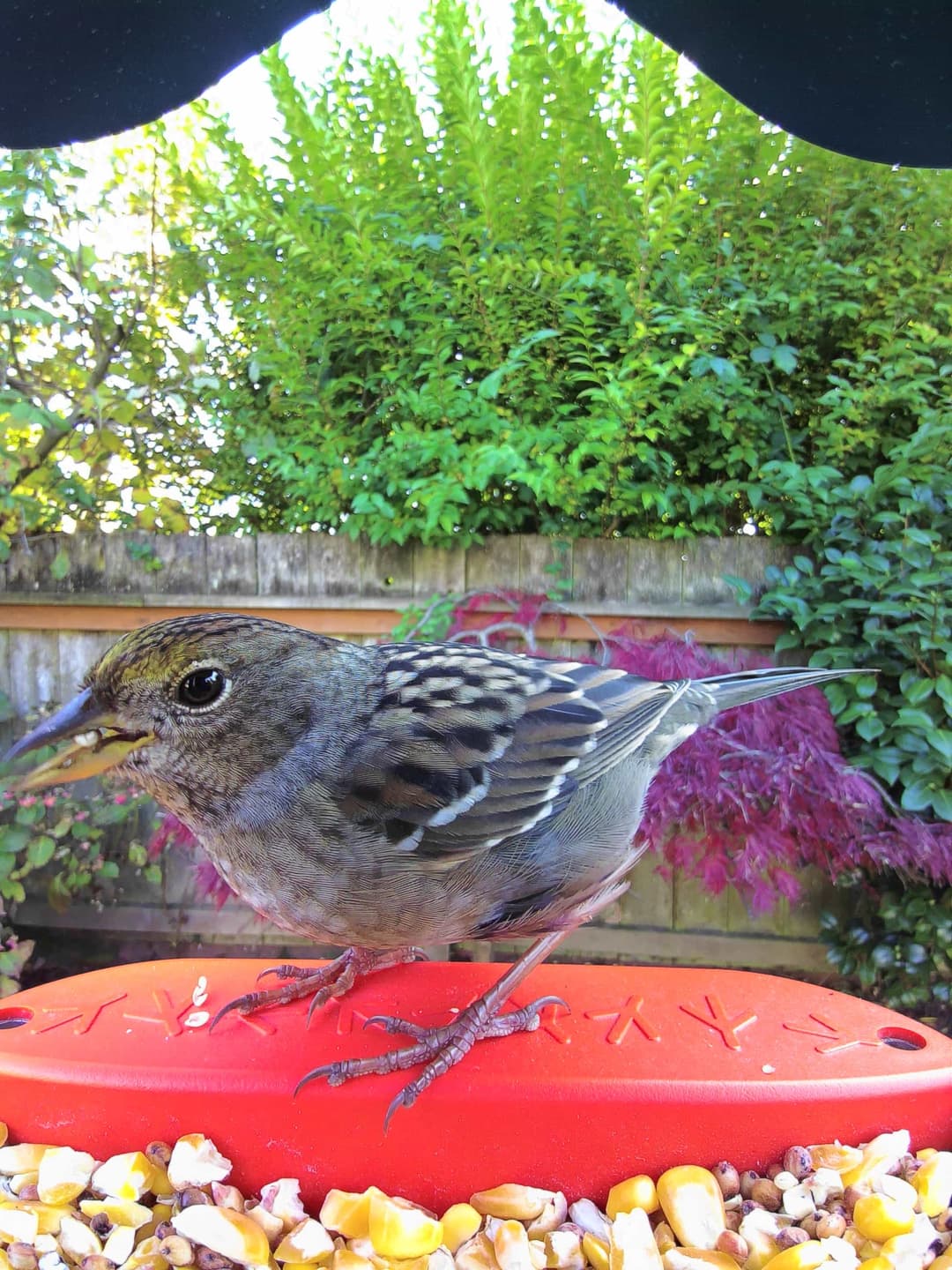
White-Crowned Sparrow vs Golden-Crowned Sparrow
Sparrow vs [Select a bird]

[Select a bird]
Pick a bird to compare
White-Crowned Sparrow vs [Select a bird]
[Select a bird]
Pick a bird to compare