Sparrow or Eurasian Tree Sparrow?
Here's how to tell the difference
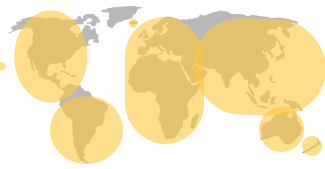

Sparrow
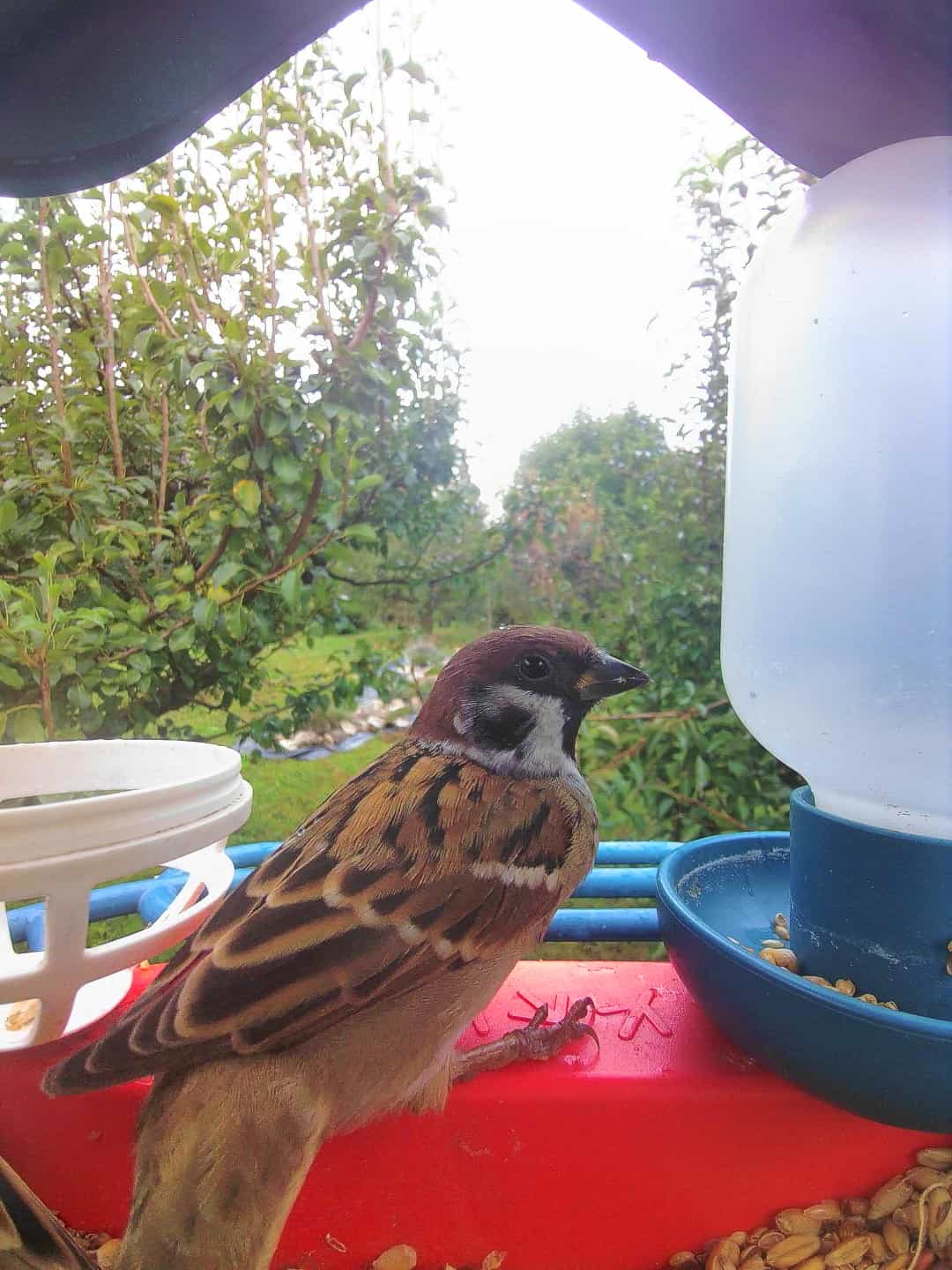


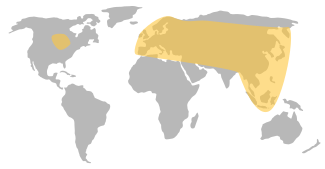
Eurasian Tree Sparrow
Sparrow
Passer
Also known as: True Sparrow
General appearance
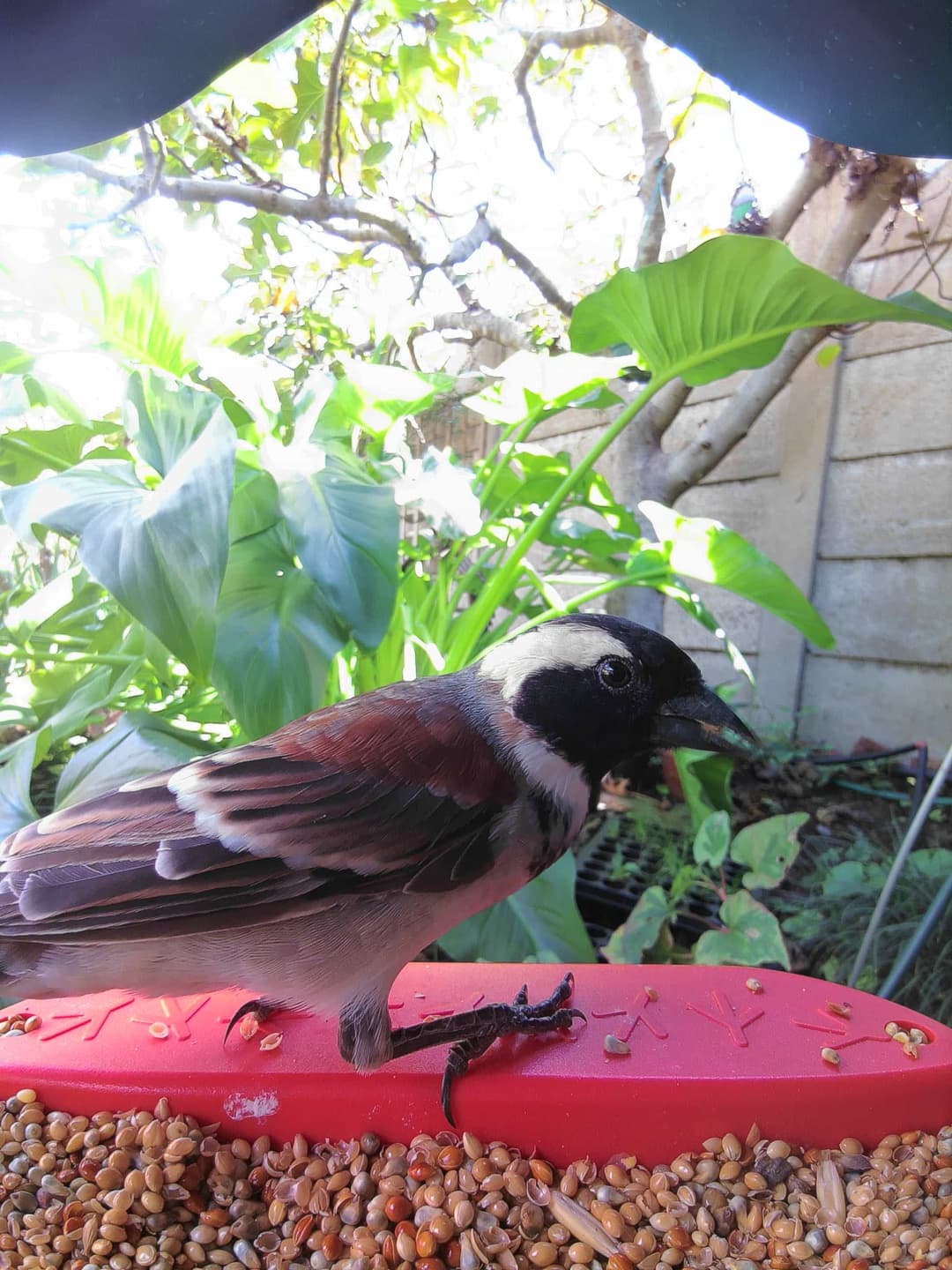
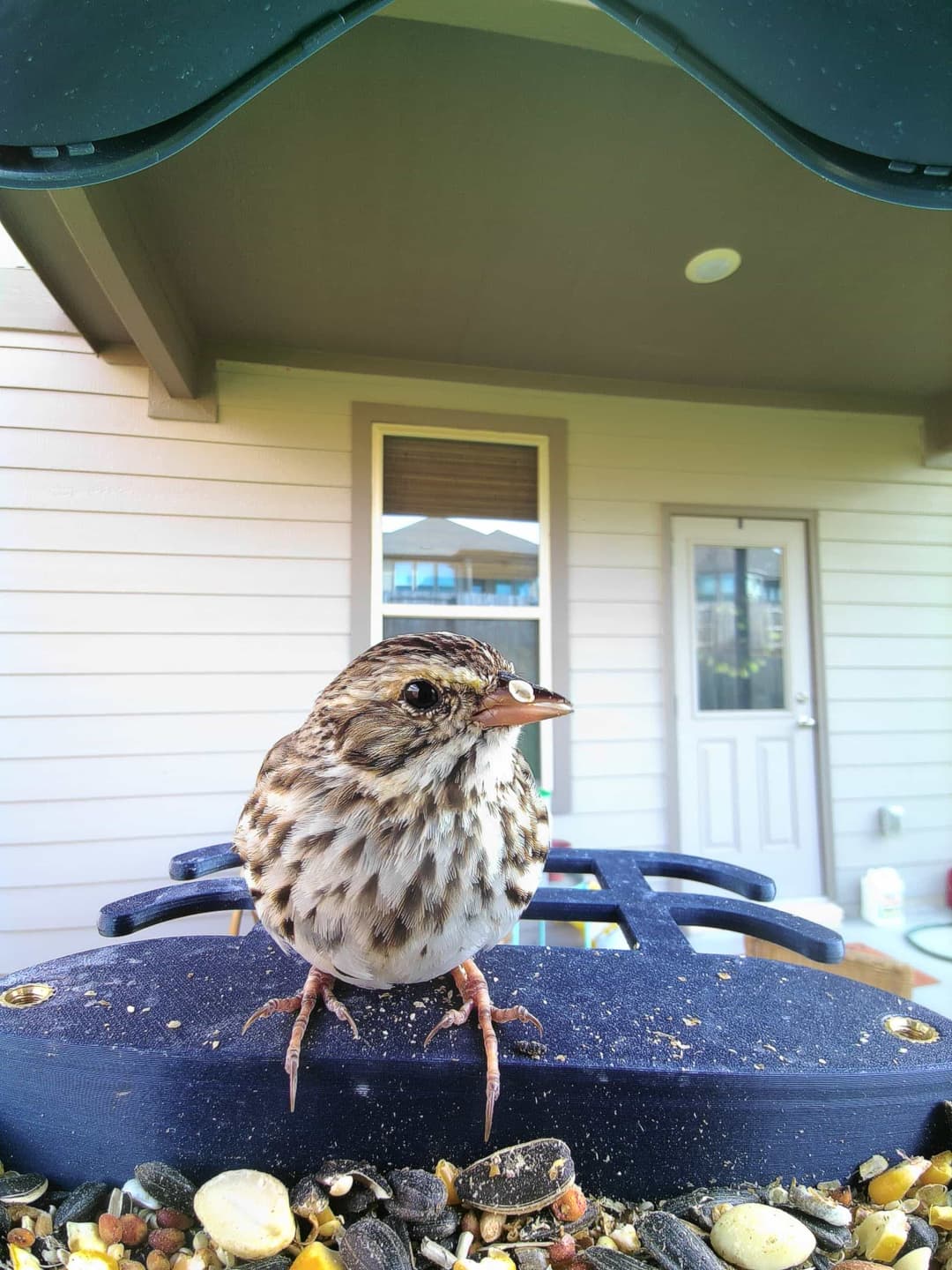
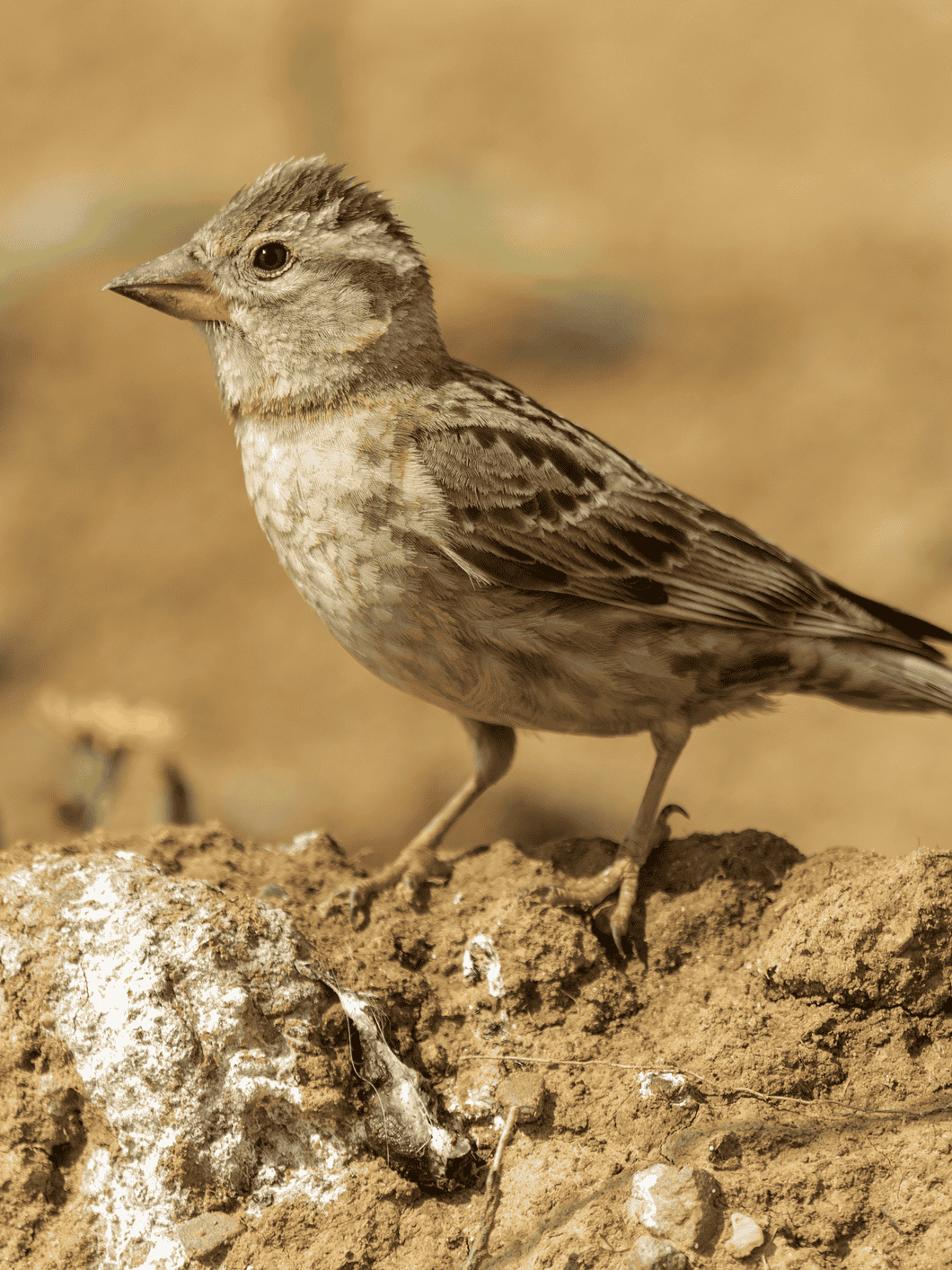
Sparrows are small, plump birds with short tails and subdued colors. They generally exhibit brown, black, and white coloration, with streaked or solid patterns. Sparrows also have a stout beak, designed for seed eating.
Male vs female
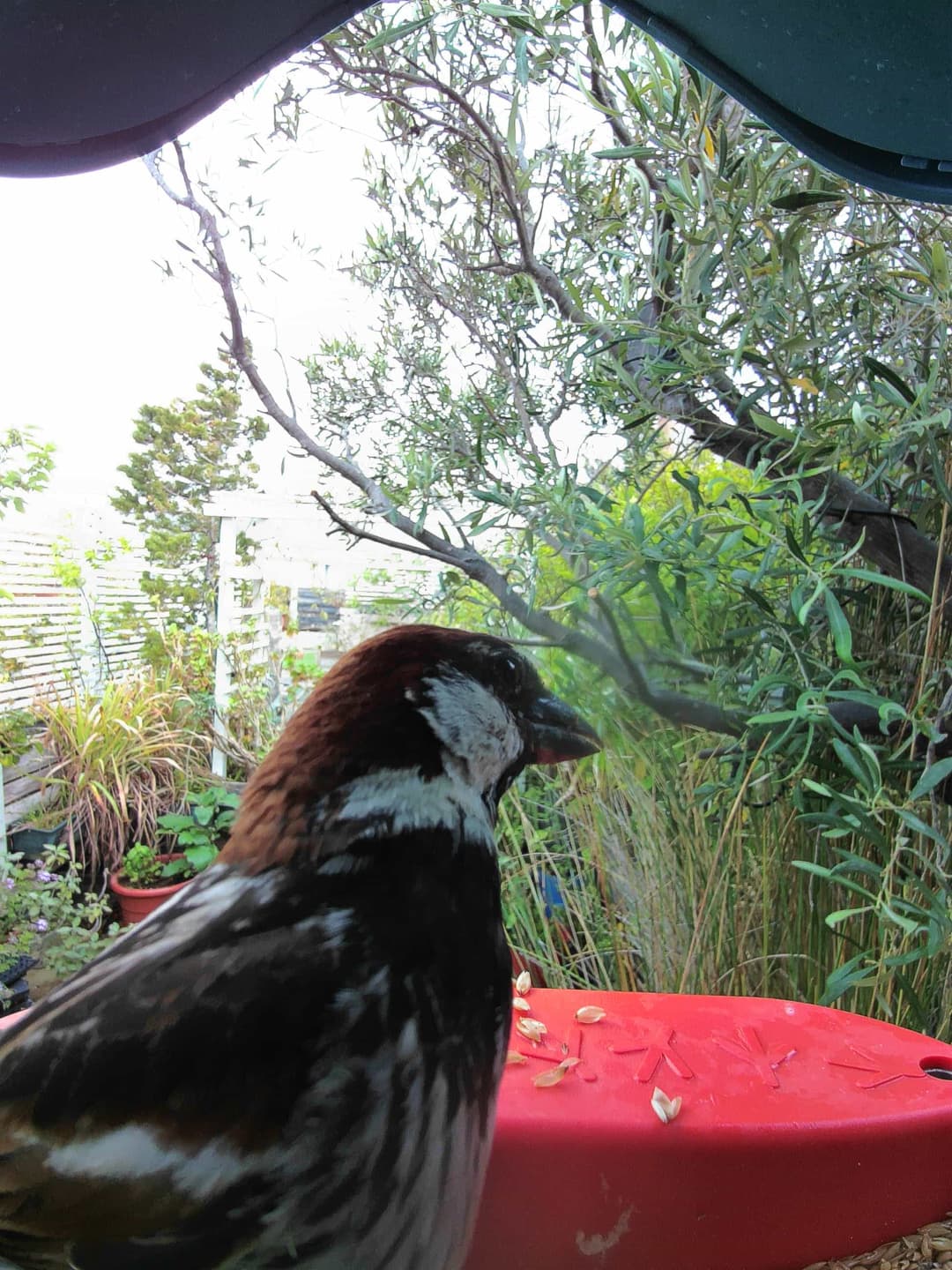
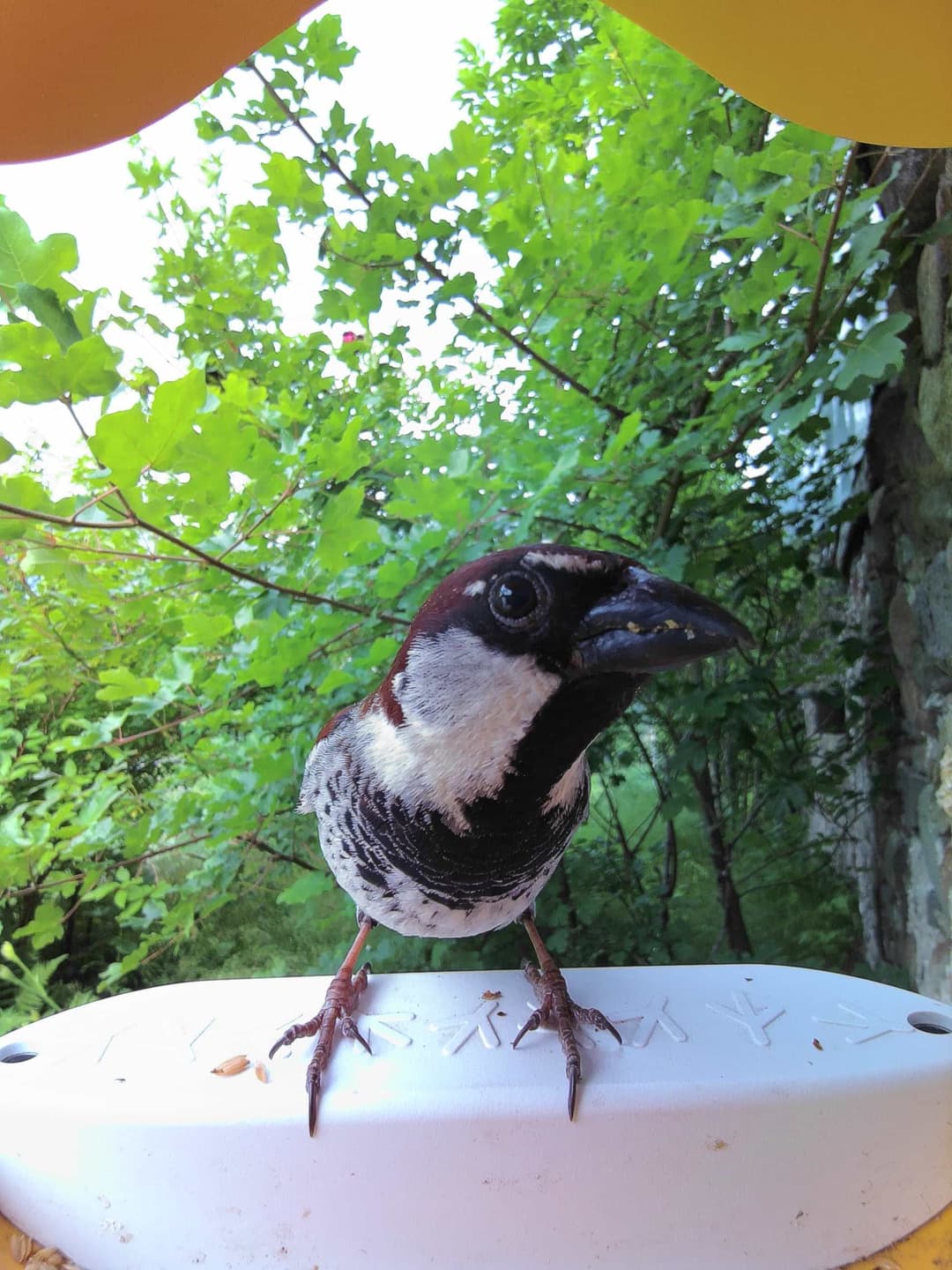
Male and female sparrows can be distinguished by their coloration and markings. Males tend to have more distinct and vibrant colors, like black bibs and white cheeks, while females usually have duller, brownish colors. Seasonal changes in plumage make the males more distinct during the breeding season.
Juvenile
Juvenile sparrows have similar coloration to females but are often even duller and may show some streaking. Their beaks start black, then turn yellow and finally the adult's color. Juveniles often show a more marked gape (the sides of the beak) than adults.
Size
4.1 - 7.1 in/0.4 - 1.7 oz
There's more to learn about Sparrow
View full detailsEurasian Tree Sparrow
Passer montanus
Also known as: German Sparrow, Tree Sparrow
General appearance
The Eurasian tree sparrow is about the size of a House Sparrow, roughly 15 cm or 6 inches long. Its wing shape is either fingered or rounded and its tail may be notched, rounded, or square-tipped. It has a combination of colors; black, brown, gray, tan, and white. One distinctive feature is the brown crown on its head, differing from the gray crown of the House Sparrow. It also has a black ear spot on a white cheek.
Male vs female
Both male and female Eurasian tree sparrows resemble the male House Sparrow, and there is no notable sexual dimorphism between them. This means that both sexes share similar features such as a brown crown, white cheeks with black ear spot, and usually a smaller black bib. This species does not show significant changes in appearance between seasons.
Juvenile
Juvenile Eurasian tree sparrows tend to look like adults but their colors are more muted, making them less conspicuous to predators. As they mature, their colors will become more pronounced. It is noteworthy, however, that size or color variations may occur depending on their diet and habitat condition.
Size
4.9 - 5.5 in/0.6 - 1.0 oz
There's more to learn about Eurasian Tree Sparrow
View full detailsHow to tell the Sparrow from the Eurasian Tree Sparrow
Visual differences
The House Sparrow and Eurasian Tree Sparrow can be differentiated visually by size and head markings. The House Sparrow ranges from 4.1 to 7.1 inches in length and varies in plumage, with males displaying black bibs and gray crowns. In contrast, the Eurasian Tree Sparrow typically measures around 6 inches, sporting a distinctive brown crown and a black ear spot on a white cheek, with no sexual dimorphism. Both have stout beaks, but Tree Sparrows lack the pronounced seasonal color difference seen in House Sparrow males.
Key differences and behavior
The House Sparrow (Passer) and Eurasian Tree Sparrow (Passer montanus) exhibit distinct behaviors. House Sparrows are highly social, often found in large flocks, and adaptable to various environments, including urban areas worldwide except Antarctica. Eurasian Tree Sparrows are more localized to Europe and Asia with limited presence in North America, preferring semi-open woodland edges and farms. In terms of diet, both species are omnivorous, eating seeds and insects, though House Sparrows are less selective and consume human scraps. Both engage in nesting in sheltered areas, but the House Sparrow's nest is notably untidy compared to the structured nests of Eurasian Tree Sparrows. Pair bonding also differs; Eurasian Tree Sparrows maintain long-term pair bonds, unlike the more opportunistic mating behaviors of House Sparrows. Finally, while both species visit bird feeders, the Eurasian Tree Sparrow may show greater consistency in seed preference.
Still not sure? Here are more lookalikes!
Sparrow vs House Sparrow
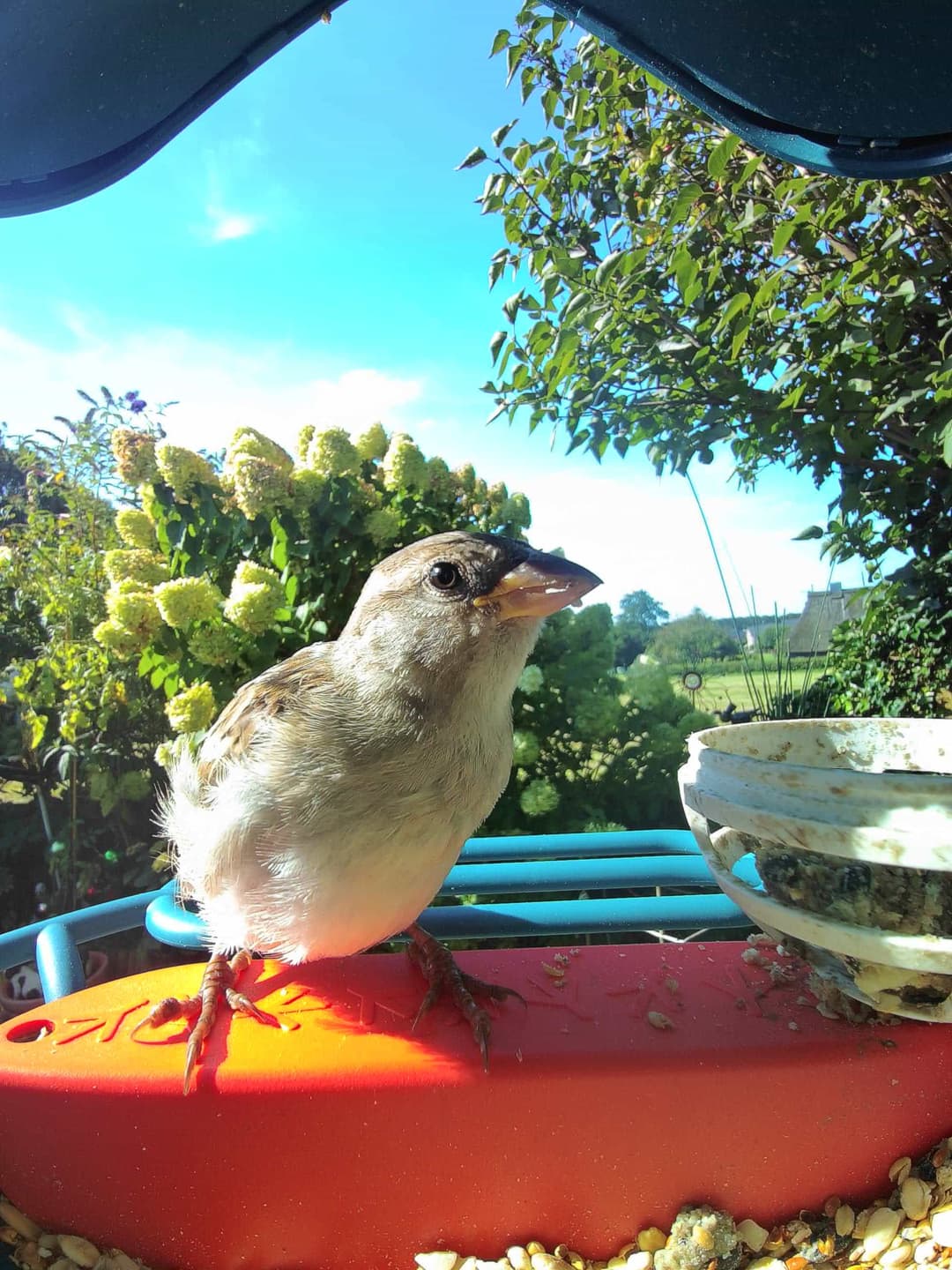
Sparrow vs Chipping Sparrow
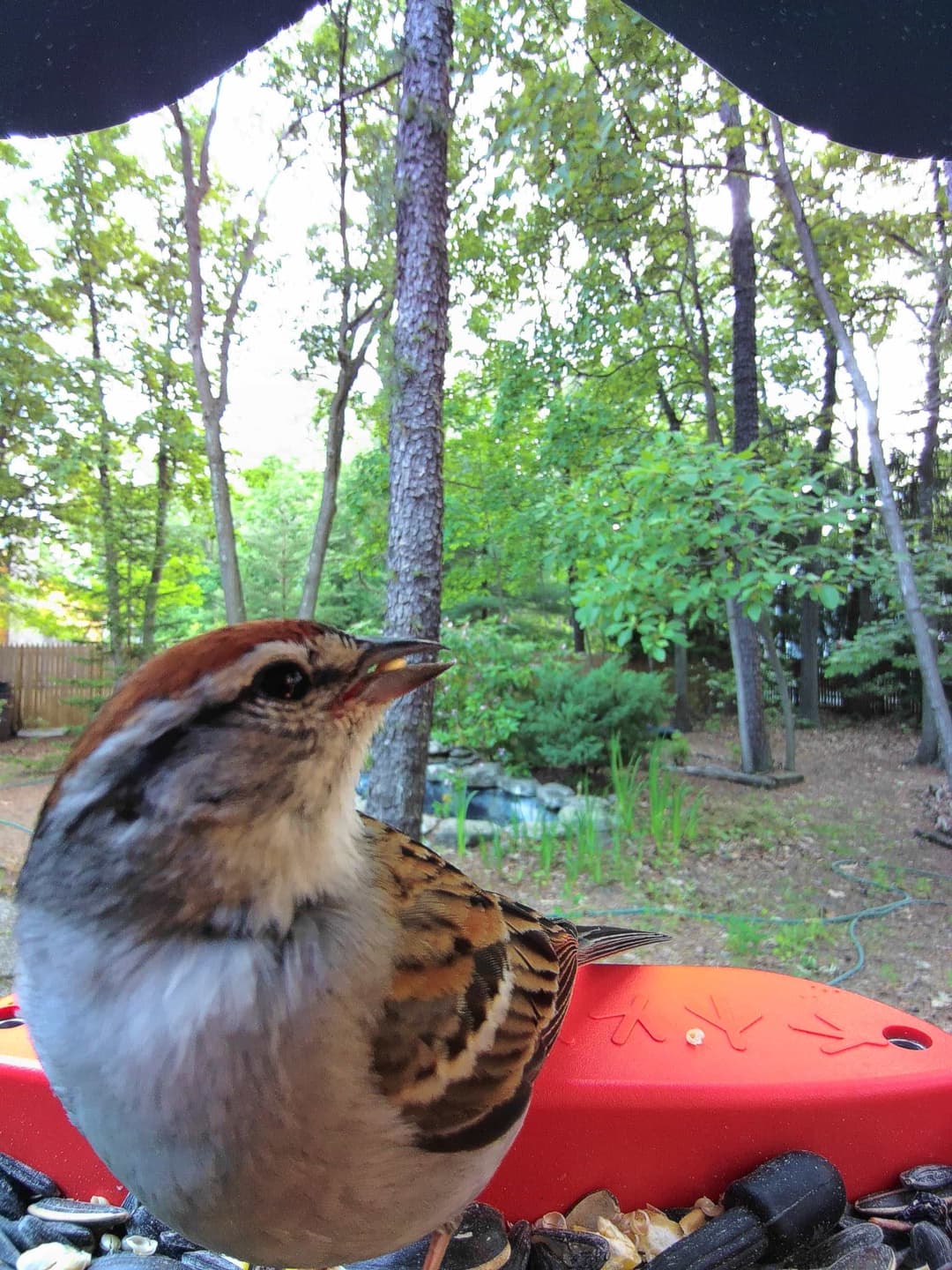
Sparrow vs White-Crowned Sparrow

Sparrow vs Song Sparrow
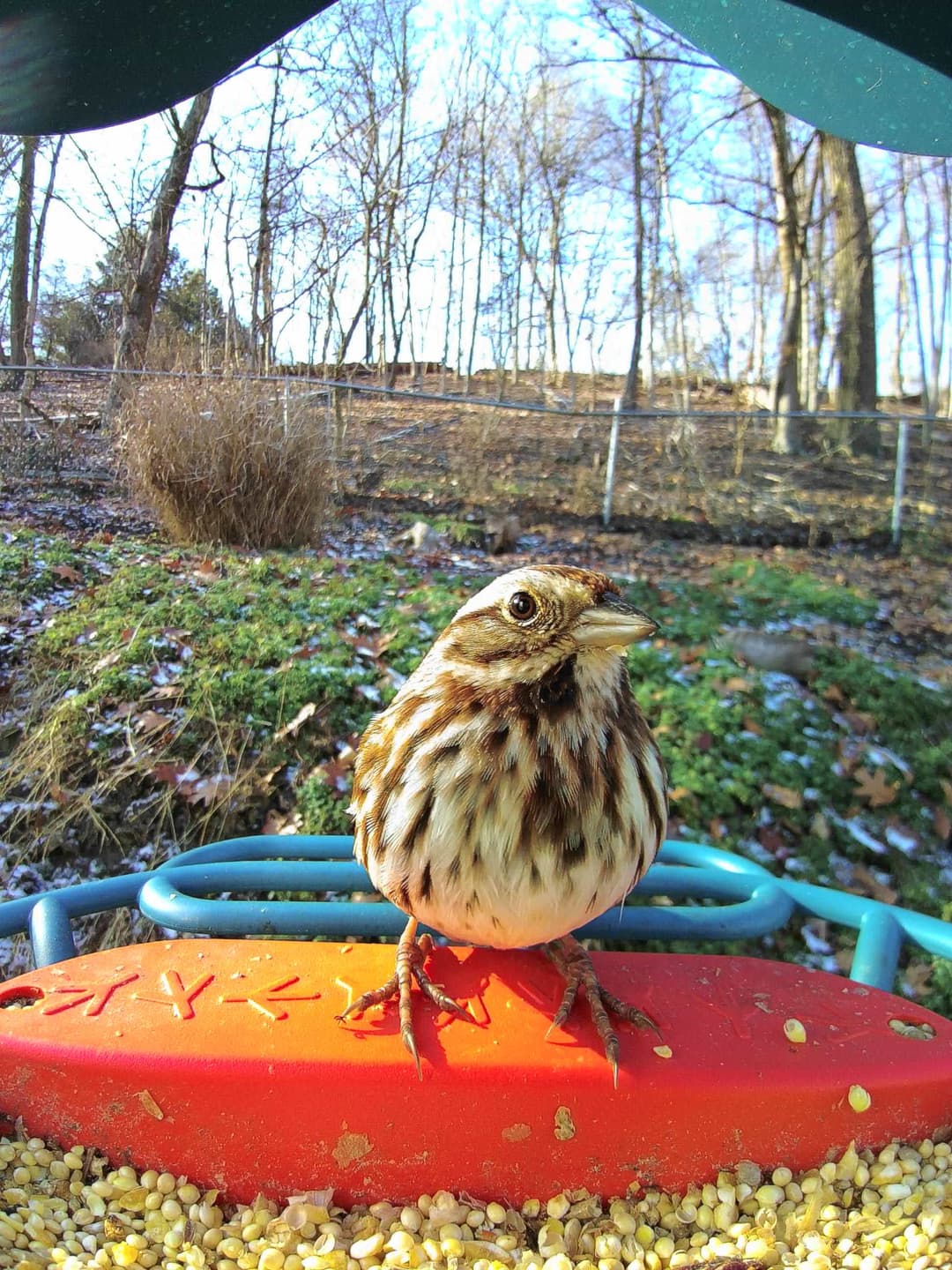
Sparrow vs American Tree Sparrow
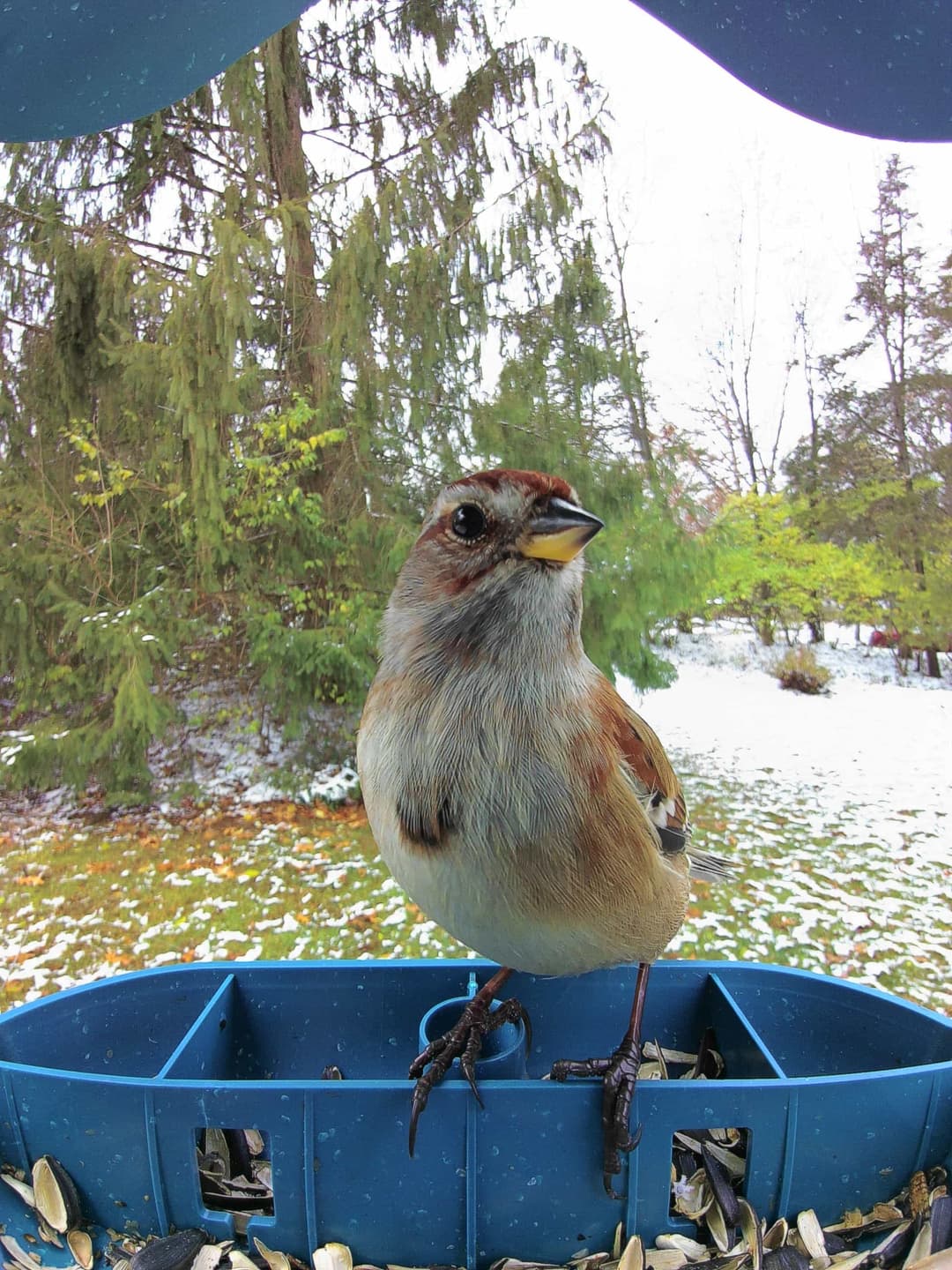
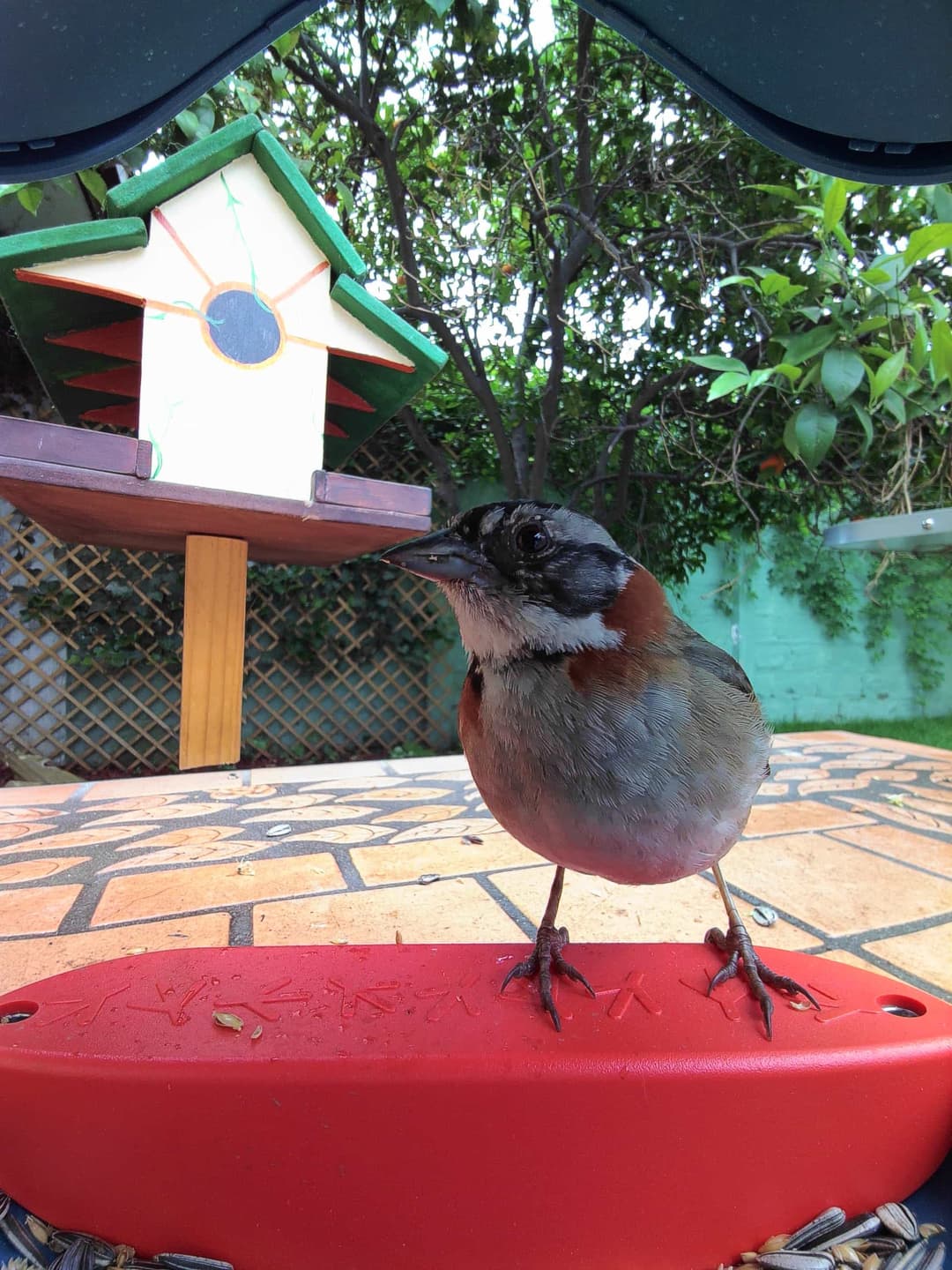
Sparrow vs White-Throated Sparrow
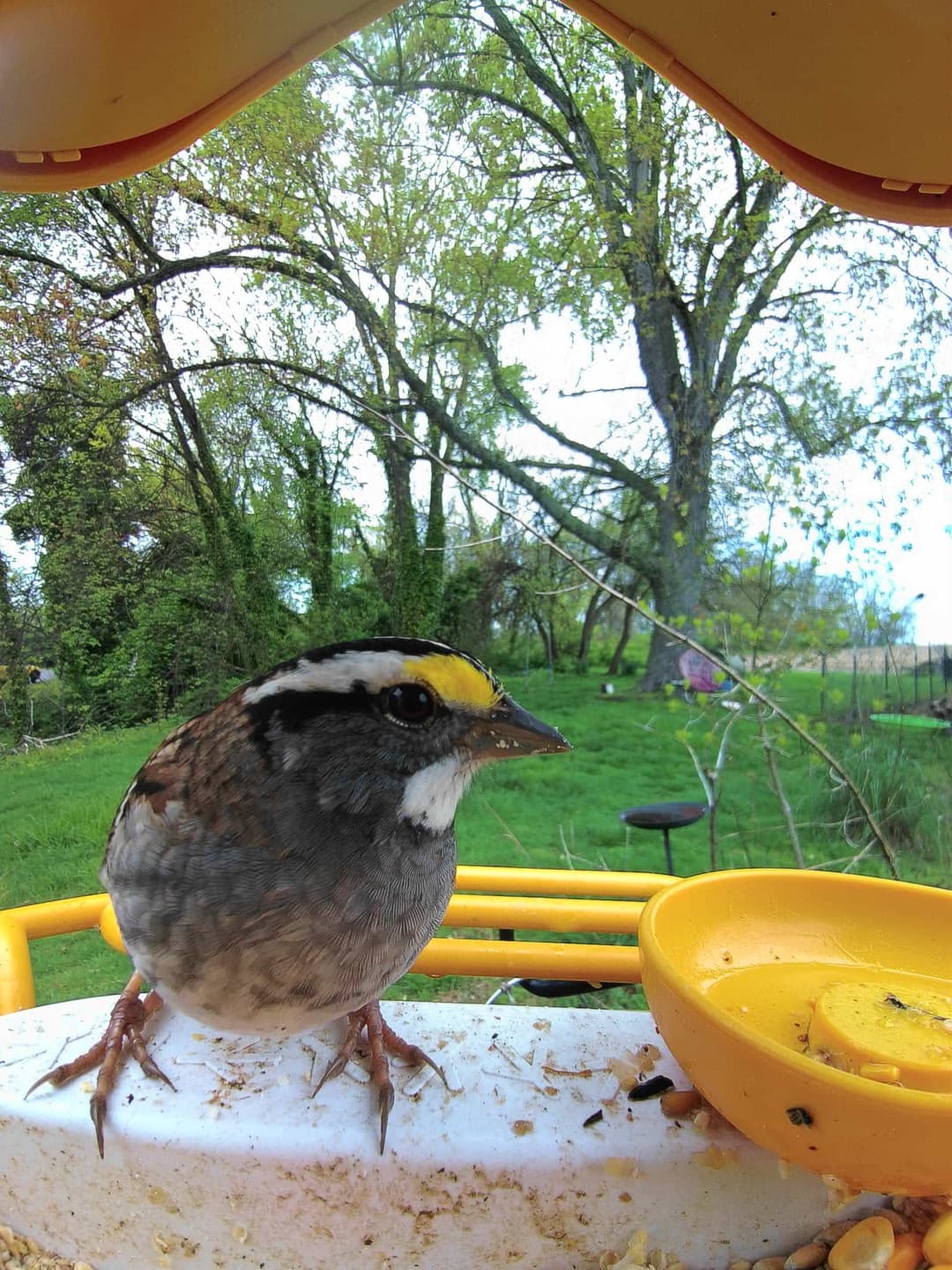
Eurasian Tree Sparrow vs House Sparrow
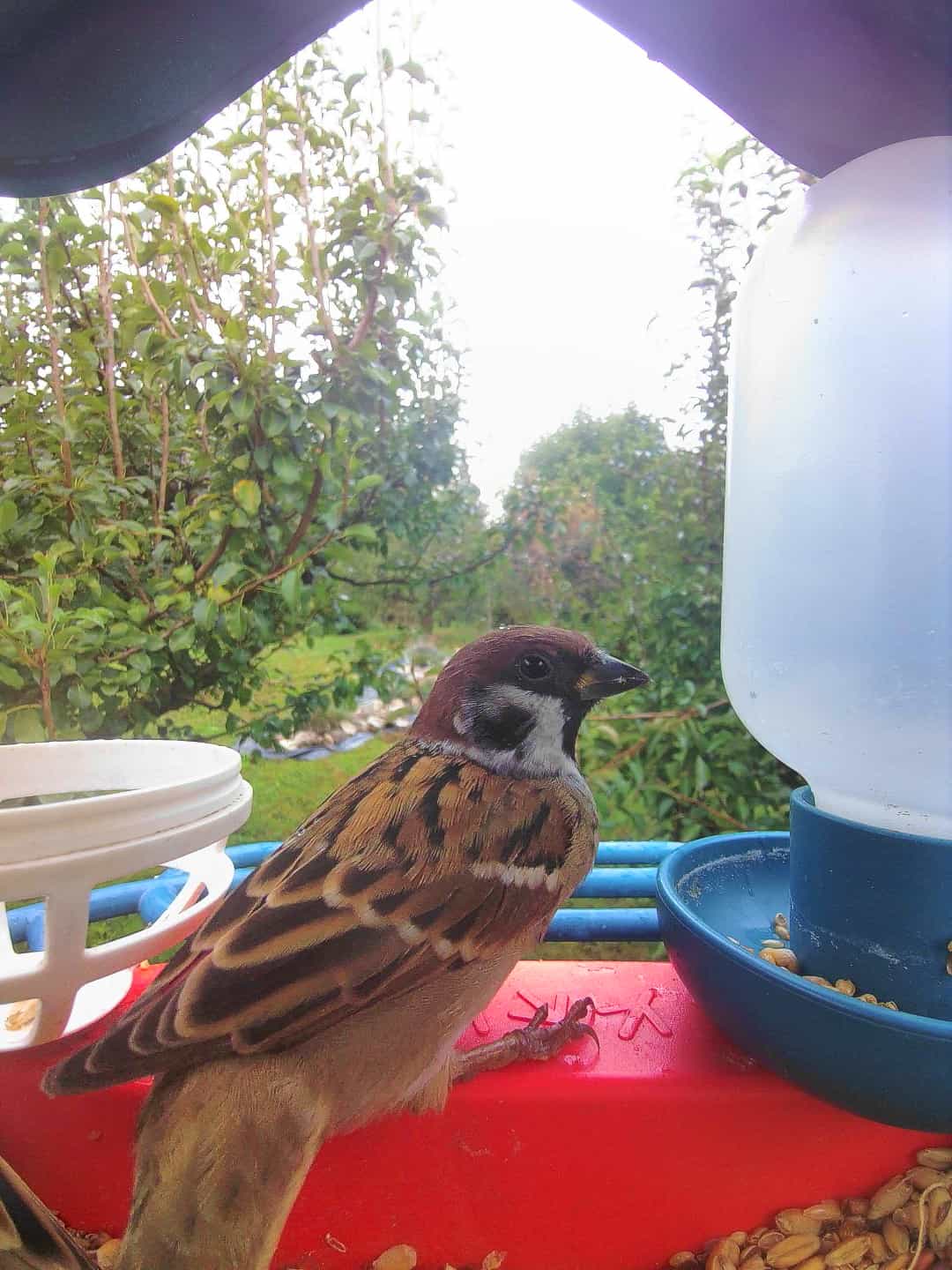
Eurasian Tree Sparrow vs Chipping Sparrow
Sparrow vs [Select a bird]

[Select a bird]
Pick a bird to compare
Eurasian Tree Sparrow vs [Select a bird]
[Select a bird]
Pick a bird to compare