
Sparrow
Sparrow
Also known as: True Sparrow
Passer
Quick Identification guide
Quick Identification guide
- •
Typically has brown and gray plumage with a subtle black bib on its throat
- •
Displays a short, stout beak ideal for seed-eating
- •
Possesses a rounded head and a short tail, contributing to its compact appearance
Description
Did you know that house sparrows and Eurasian tree sparrows are two of the most common bird species in the world? And they are both part of the Passer genus, along with 26 other species. These plump birds like spending time with other birds; the more, the merrier! They are also not too fussy when it comes to building their nest, which they keep pretty untidy.
The sparrow can weigh between 11to48grams and be from10.5to18centimeters tall.
Sparrows typically live 4-5 years in the wild, although some have been recorded to live up to 13 years. The lifespan of sparrows is generally shorter than other birds, like pigeons or blackbirds, but longer than some small species like the titmouse. Factors like predation, disease and harsh environments can affect the lifespan of these birds.
Did you know?
Most popular questions about sparrow
How to recognise a sparrow?
General appearance
Sparrows are small, plump birds with short tails and subdued colors. They generally exhibit brown, black, and white coloration, with streaked or solid patterns. Sparrows also have a stout beak, designed for seed eating.
Male vs female
Male and female sparrows can be distinguished by their coloration and markings. Males tend to have more distinct and vibrant colors, like black bibs and white cheeks, while females usually have duller, brownish colors. Seasonal changes in plumage make the males more distinct during the breeding season.
Juvenile
Juvenile sparrows have similar coloration to females but are often even duller and may show some streaking. Their beaks start black, then turn yellow and finally the adult's color. Juveniles often show a more marked gape (the sides of the beak) than adults.
Often mistaken for
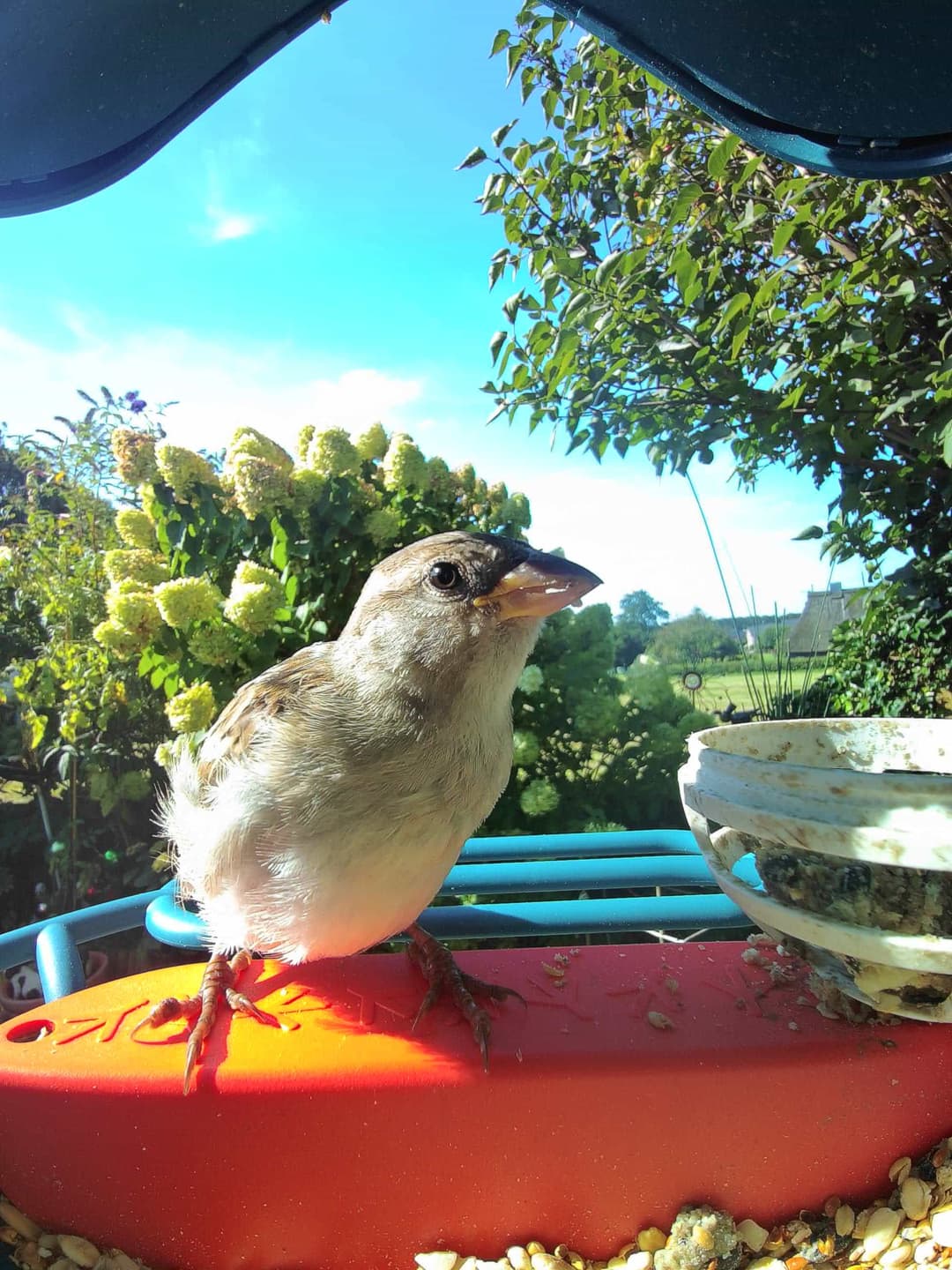
House Sparrow vs Sparrow
This bird species is very similar to other sparrows with its brown and grey plumage and distinctive black bib. It blends well with urban settings.
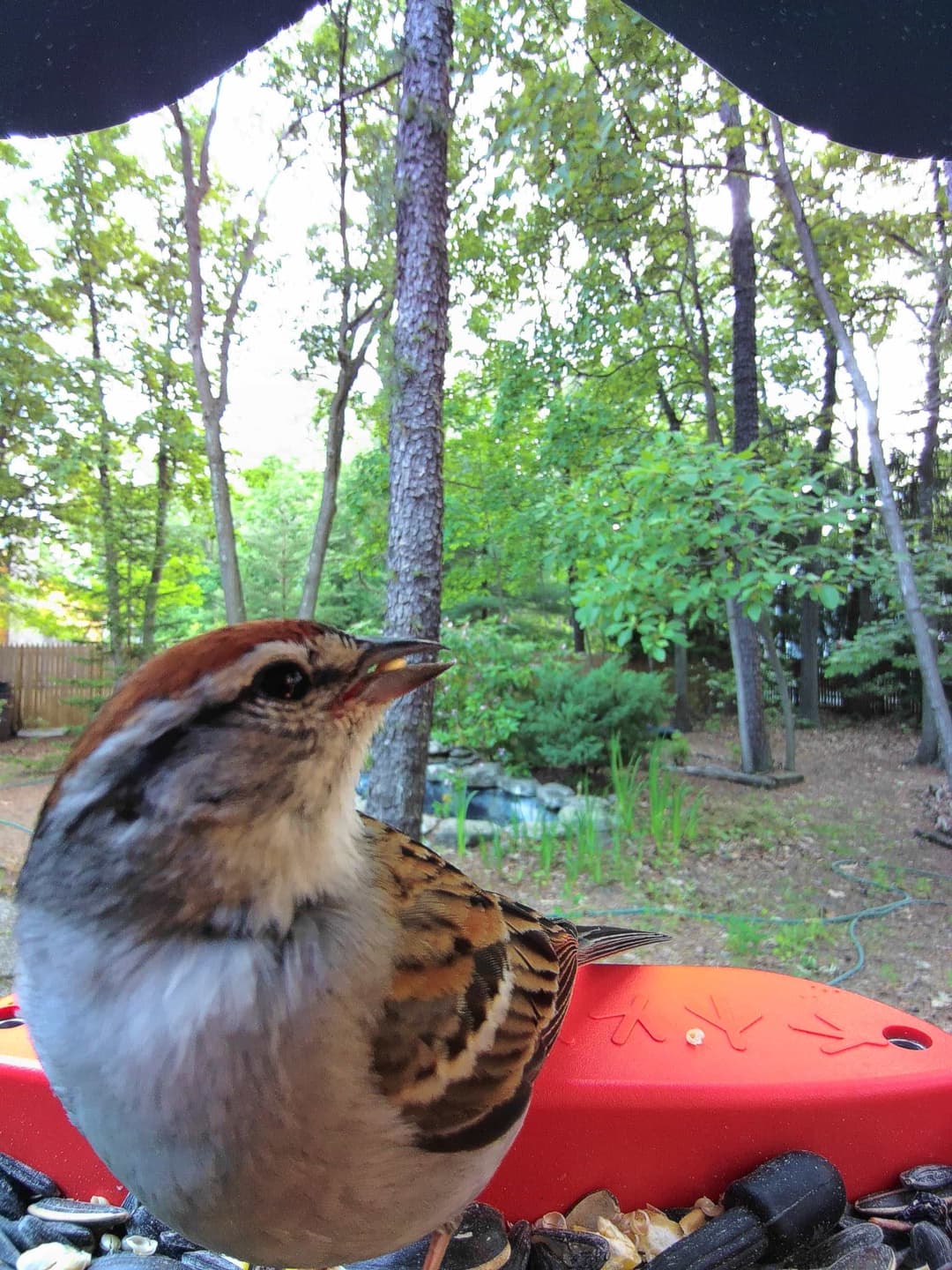
Chipping Sparrow vs Sparrow
A small sparrow with a crisp black eye line and rusty cap during the breeding season, distinguishing it from more uniform brown sparrows.
White-Crowned Sparrow vs Sparrow
Features distinctive black and white stripes on the head, which sets it apart from the usual plainer sparrows.

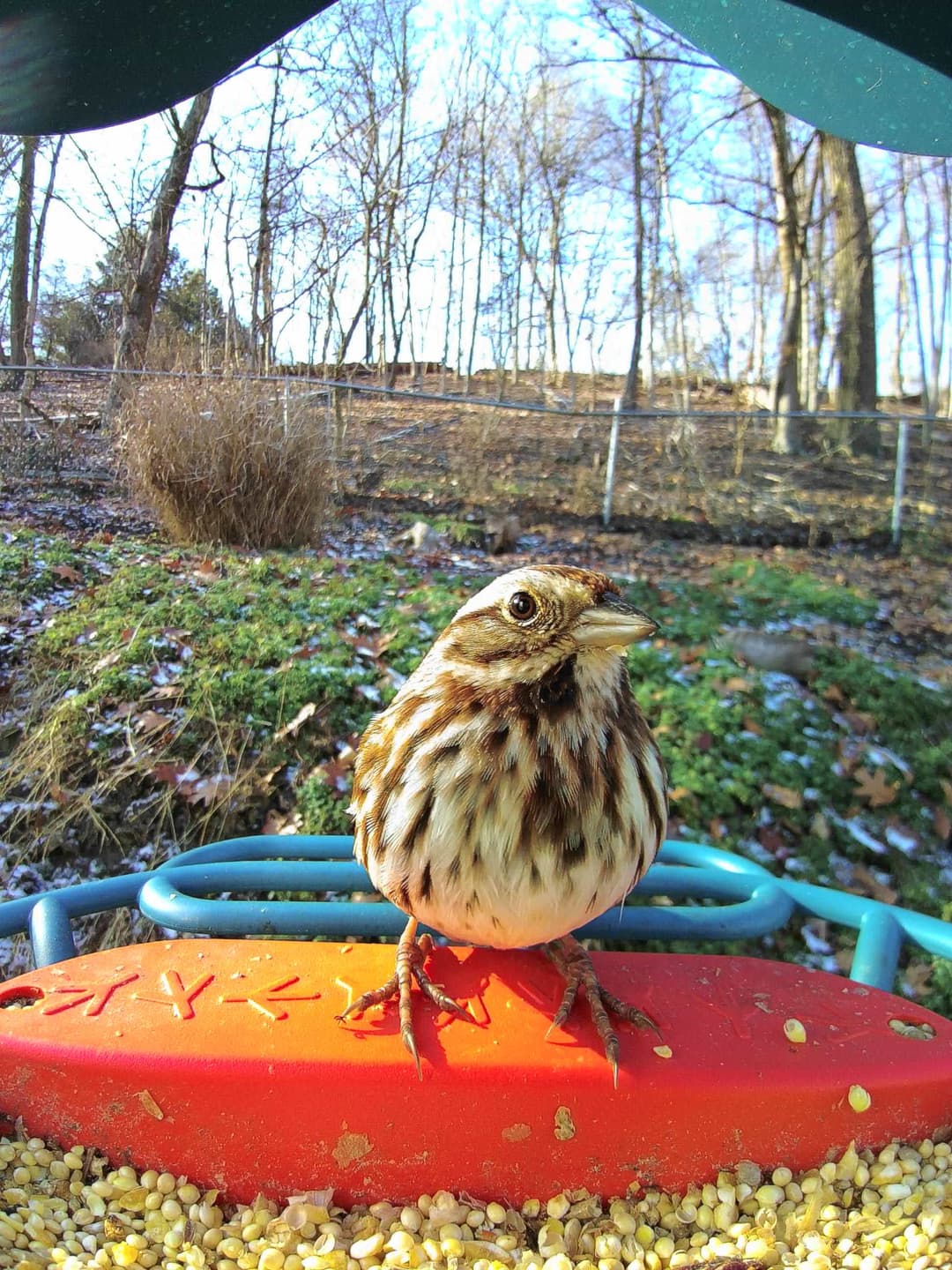
Song Sparrow vs Sparrow
Noted for its streaky brown appearance and a distinctive central dark spot on its breast.
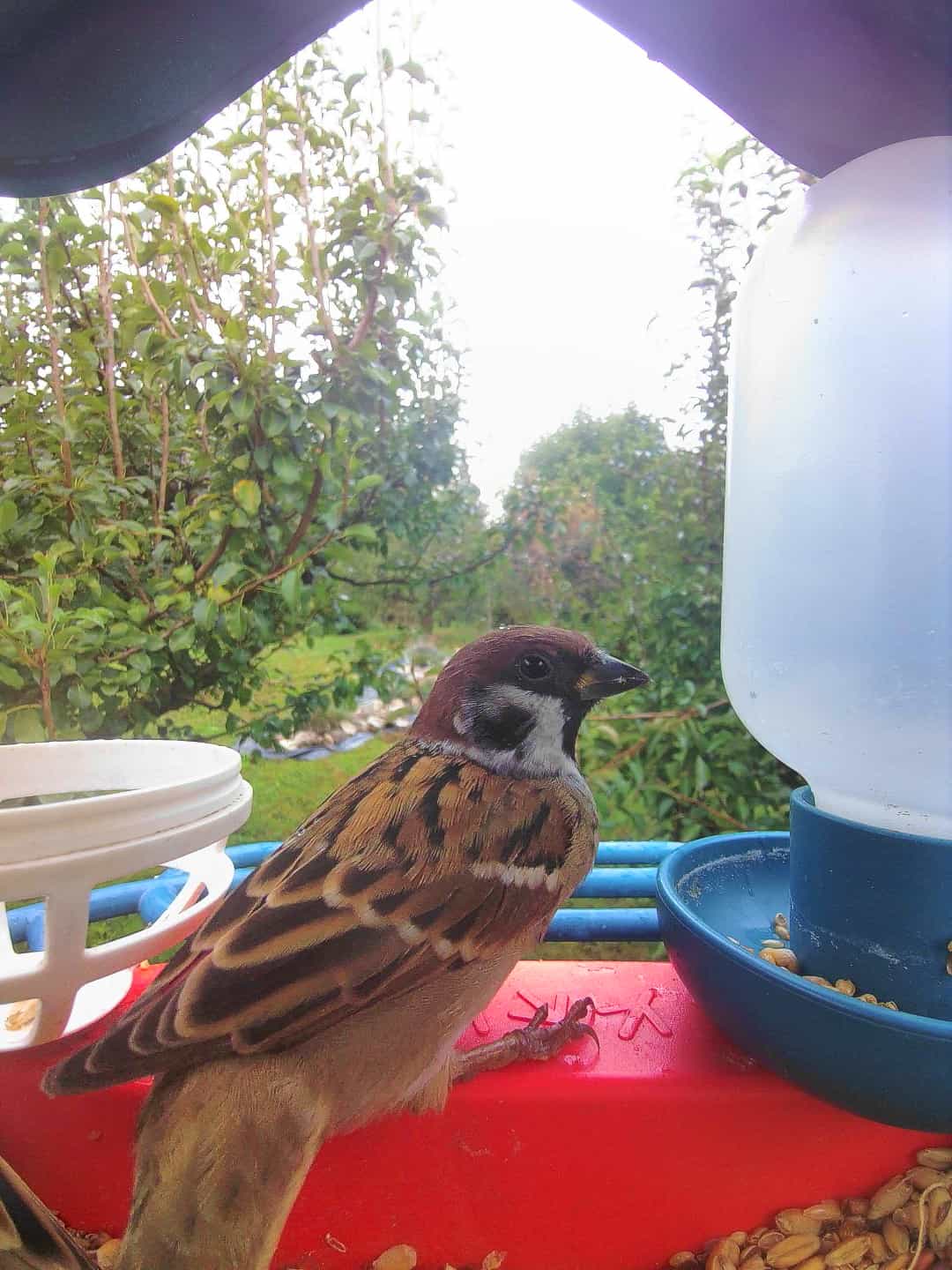
Eurasian Tree Sparrow vs Sparrow
Similar to the House Sparrow but with a distinctive chocolate-brown head and black cheek spots.
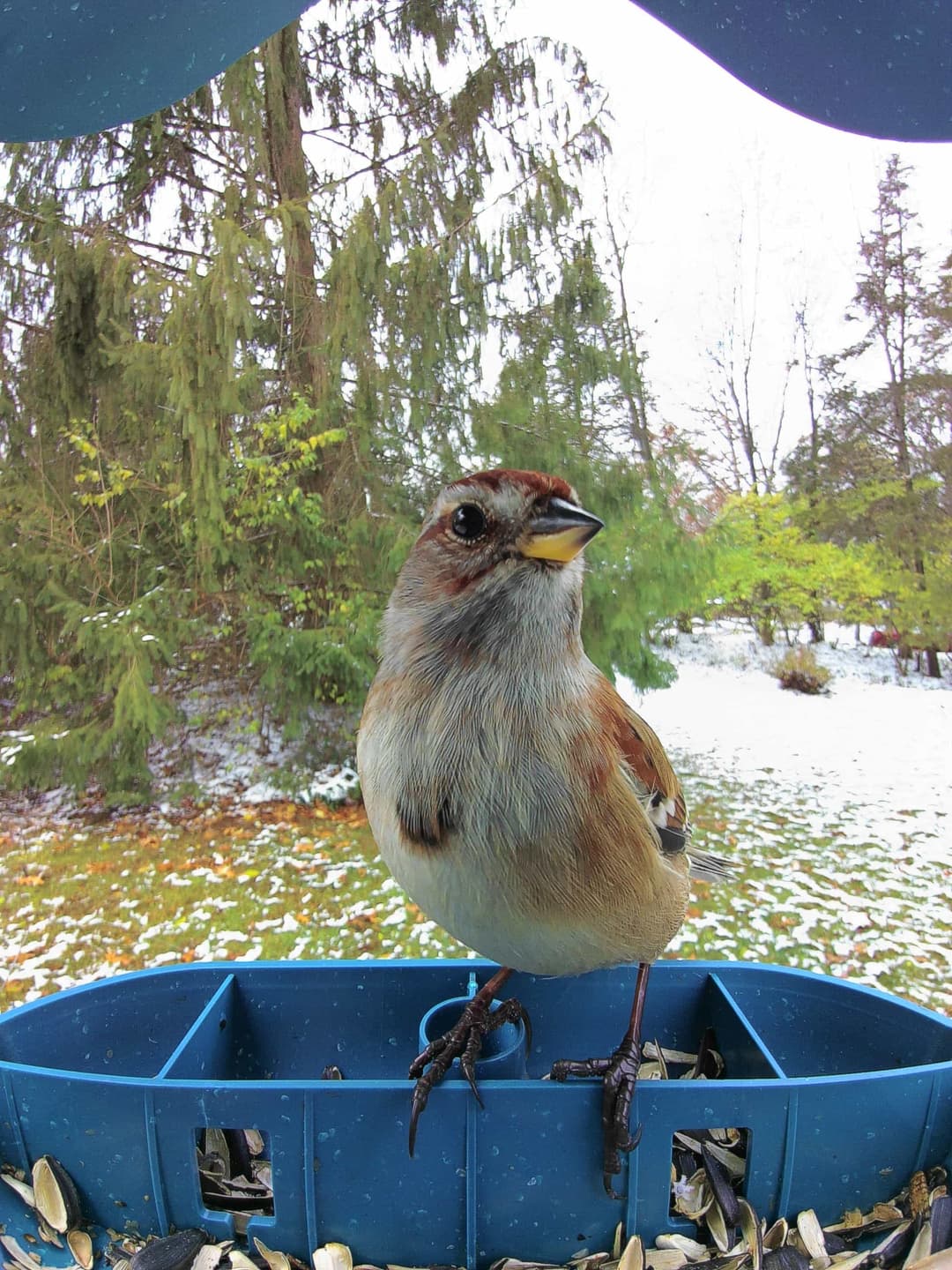
American Tree Sparrow vs Sparrow
Distinguished by its rusty cap and central breast spot, contrasted with its grey face and streaked brown back.
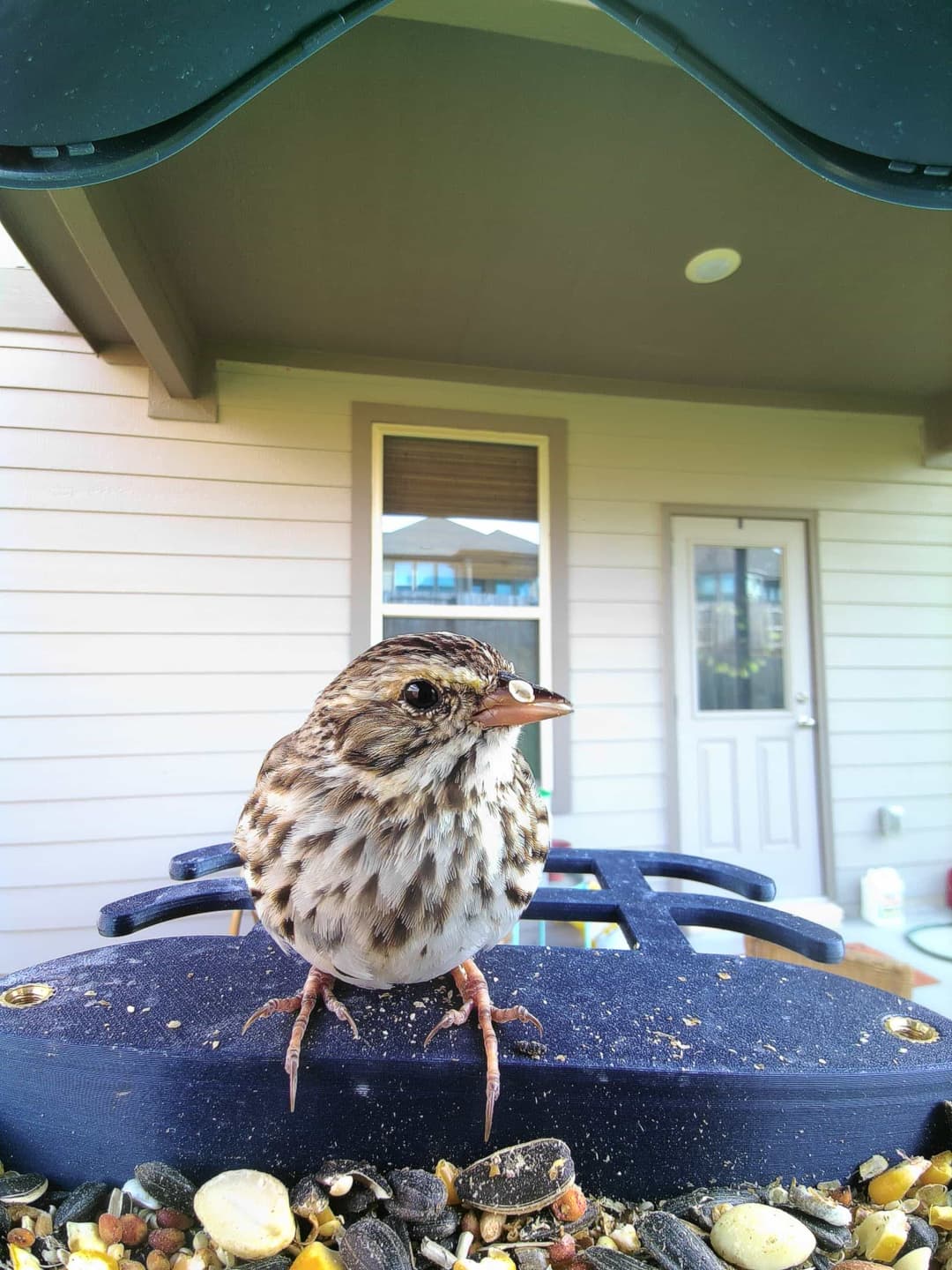
Savannah Sparrow vs Sparrow
Known for its crisp streaks and subtle yellow around the eye, differentiating it from the more uniform sparrow species.
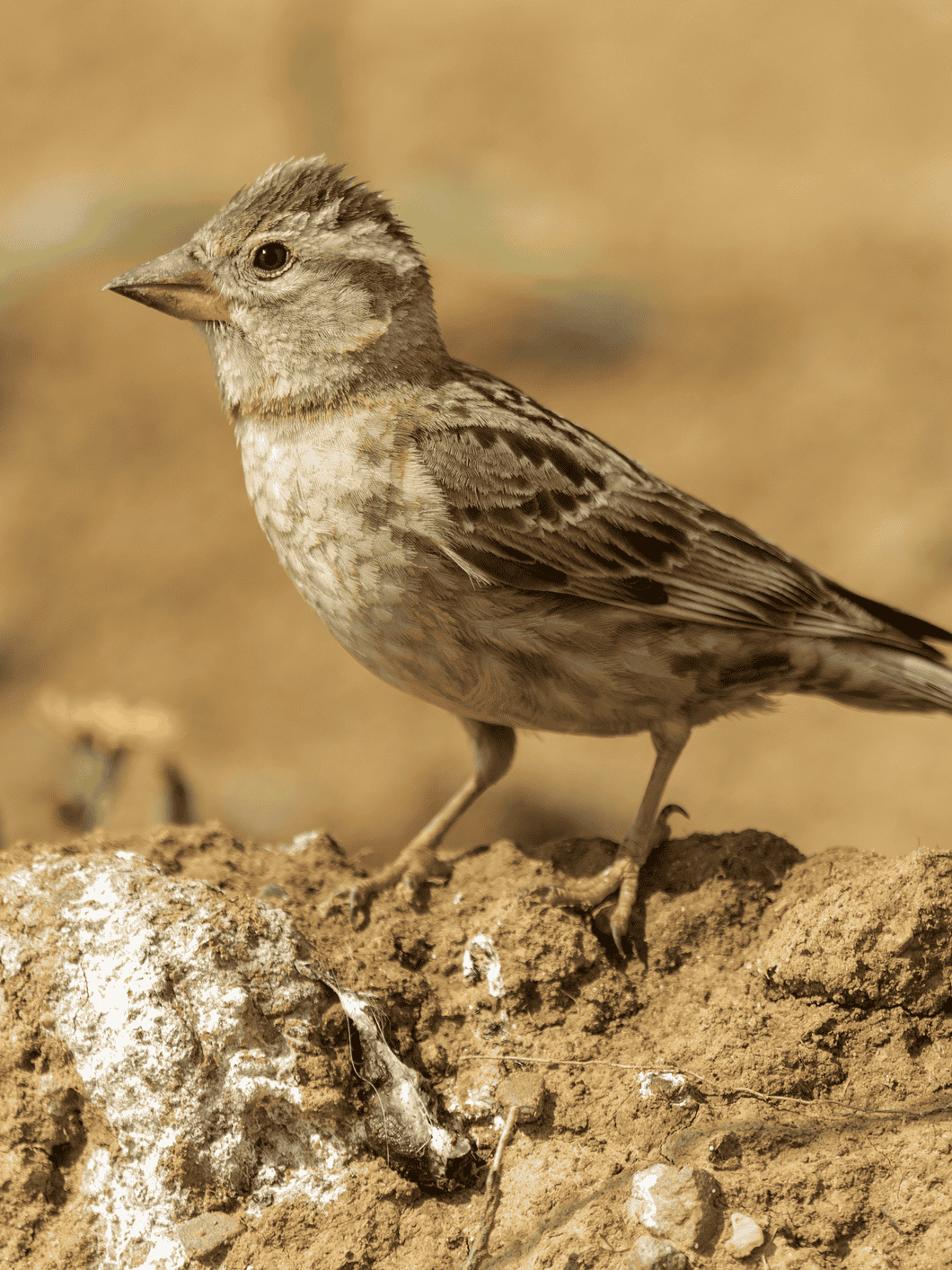
Rock Sparrow vs Sparrow
Recognized by its more robust body and strong bill with a yellowish throat, unlike typical smaller sparrows.
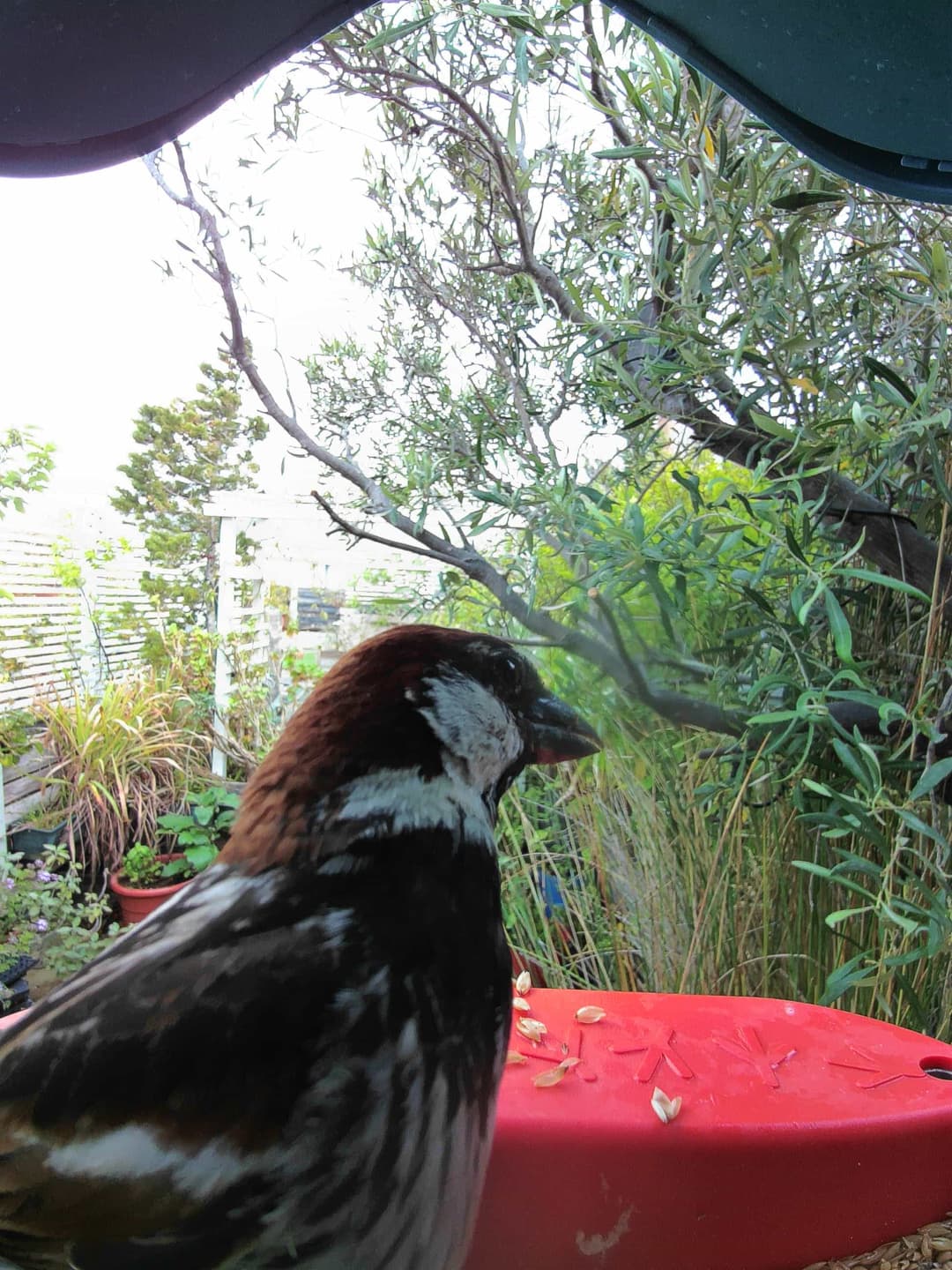
Spanish Sparrow vs Sparrow
This sparrow has a bold, patterned appearance with chestnut crown and black-streaked sides, differing from plainer sparrows.
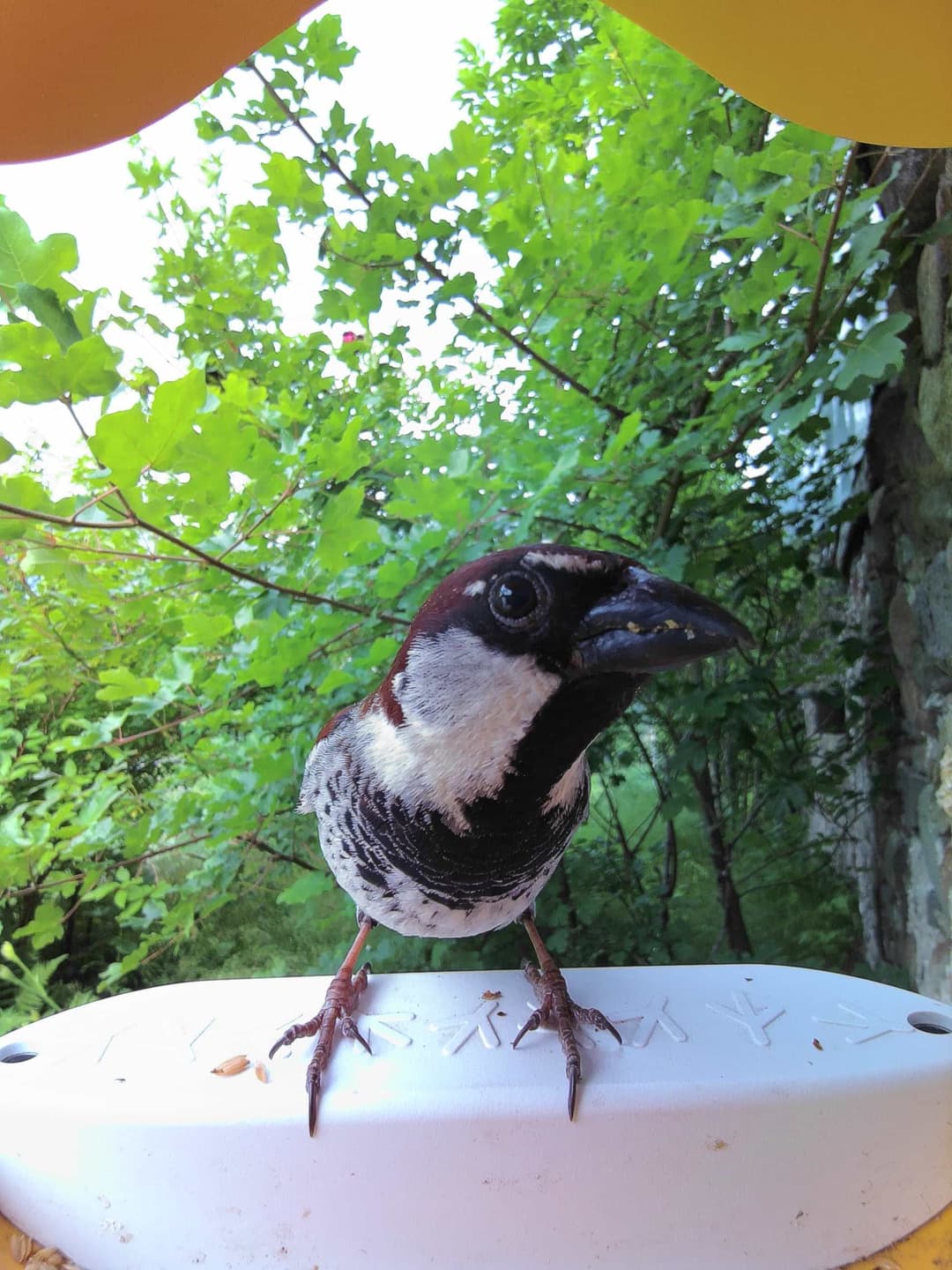
Italian Sparrow vs Sparrow
Similar in size and shape to the House Sparrow but can be distinguished by a more reddish-brown cap and less grey on the nape.
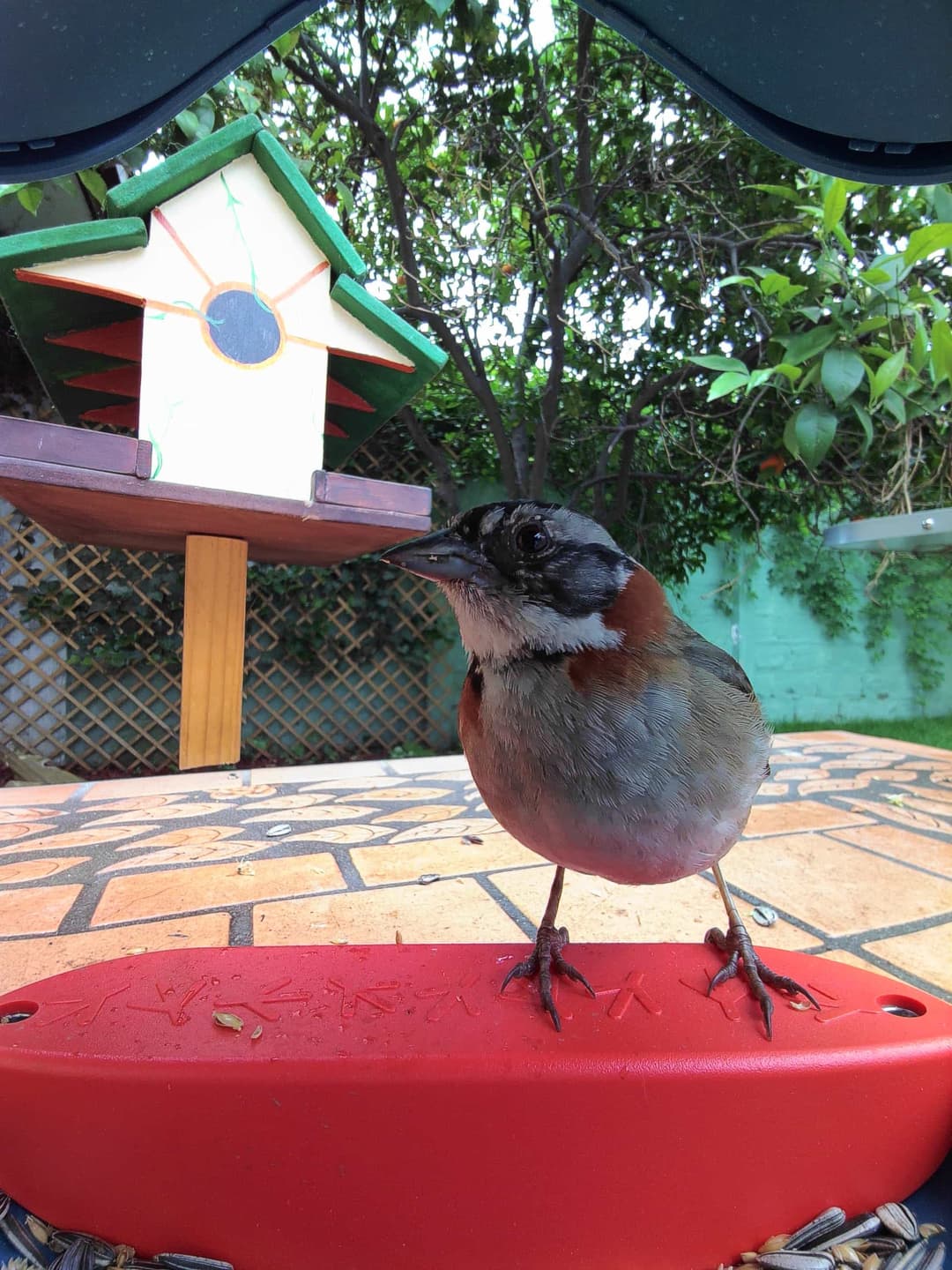
Rufous-Collared Sparrow vs Sparrow
This species has a prominent rufous collar and distinct black-and-white head pattern, unlike the simpler plumage of others.
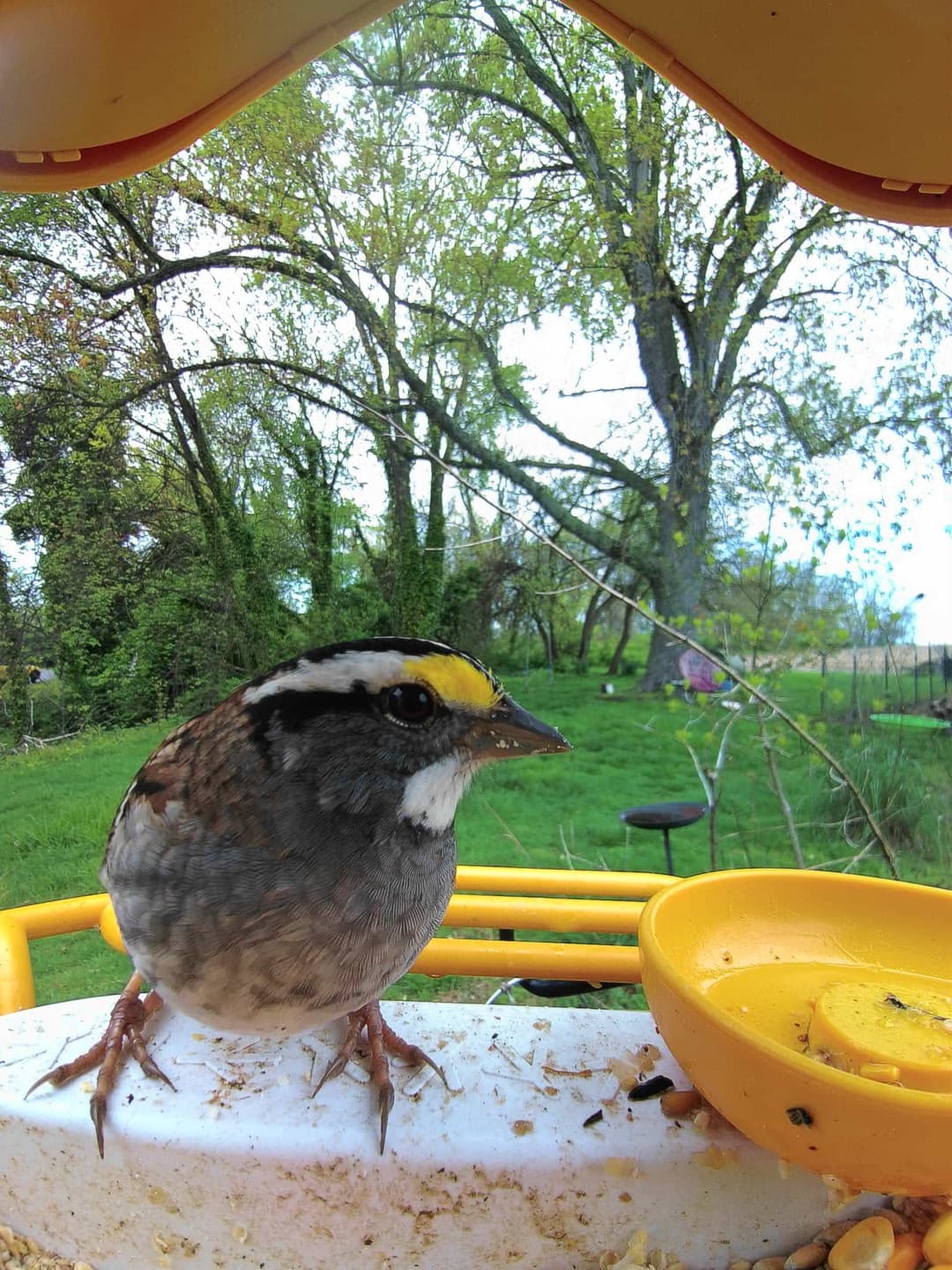
White-Throated Sparrow vs Sparrow
Distinguished by its white throat patch and yellow lores, setting it apart from the more uniform House Sparrow.
Breeding and nesting habits of the sparrow
Mating behaviors
Sparrows engage in courtship displays that include singing and wing fluttering. Males may chase females and perform courtship feeding as a part of their mating rituals.
Nesting details
Sparrows typically nest in sheltered areas such as tree hollows, eaves, or birdhouses. They use materials like grass, feathers, and paper to build nests. In gardens, providing dense shrubs or nesting boxes can encourage nesting.
Eggs and chick-rearing
Sparrows lay 3-5 eggs per clutch, which are incubated for about 12-14 days. Both parents feed the chicks with insects and grains. Chicks fledge between 14-17 days after hatching.
What does a sparrow like to eat?
Berries
Flowers
Insects
Nectar
Plants
Scraps
Seeds
Snails
Natural diet
Sparrows are omnivorous birds that primarily focus on seeds and grains in their natural diet. They often consume seeds from grasses, weeds, and various kinds of wildflowers. Additionally, they may eat insects such as beetles, caterpillars, flies, and spiders, especially during the breeding season to provide essential protein for their young. Sparrows also forage for fruits and berries when available, supplementing their diet with seasonal vegetation.
Bird feeders
At bird feeders, sparrows are attracted to a variety of seeds, particularly millets, cracked corn, and sunflower seeds. They may also eat commercial birdseed mixes that contain a blend of these ingredients. Some species of sparrows, like the house sparrow, are less selective and readily consume breadcrumbs, suet, and other offerings from human sources. Their adaptability allows them to exploit different types of food, especially in urban environments.
Attract sparrows with their favorite snacks
Sparrows have a strong preference for seeds, so supplying them with a high-quality variety such as Bird Buddy seeds is a great start for attracting them. These seeds are expertly selected for the season, ensuring that your feathered guests receive the nutrition they need.
Pick the right feeder
Sparrows prefer platform feeders or hopper feeders that have plenty of space for them to gather and eat. It's also favorable if these feeders have covers to protect them from larger birds and bad weather.
Offer extra treats
Supplement the seeds with additional treats like mealworms, suet, or corn to provide more variety in their diet and encourage their frequent visits.
Create a bird friendly yard
Plant shrubs and trees that sparrows like for roosting and nesting, such as hawthorns, elderberries, or birches. Always ensure to keep a source of clean water for them to drink and bathe in.
Encourage sparrows to sing-along
Playing soft bird songs or providing nesting materials can also stimulate sparrows to stick around, interact, and sing along, turning your yard into a harmonious, lively bird haven.
Where can you find sparrows?

Primary habitat
Sparrows prefer open and semi-open areas, making their nests in shrubs or man-made structures. They are able to adapt to a variety of climates.
Additional range
Sparrows inhabit every continent except Antarctica. Unexpected environments they occupy include deserts and urban areas.
Do they migrate?
Sparrows comprise numerous species, each with different migratory patterns. Notably, the House Sparrow (*Passer domesticus*) is primarily non-migratory, often staying in urban and suburban areas year-round. However, the American Tree Sparrow (*Spizelloides arborea*) and the Savannah Sparrow (*Passerculus sandwichensis*) exhibit migration behavior. The American Tree Sparrow breeds in the tundra and boreal forests of Canada and Alaska. In late September to October, it migrates to the northern United States, primarily inhabiting weedy fields, marshes, and gardens through the winter. By March to early April, these sparrows return north to their breeding grounds. The Savannah Sparrow is more complex, with some populations being migratory while others are resident. Migratory Savannah Sparrows breed in the northern United States and most of Canada. From September to October, they migrate south to the southern United States and Mexico. They typically return to their breeding territories in late April or early May. Both migratory species use key stopover locations like the Great Plains and the Mississippi Flyway, taking advantage of food-rich areas to refuel during their journeys. These migrations are crucial for breeding, feeding, and avoiding harsh winter conditions.
What is the role of sparrows in nature and how to protect them?
Conservation status
The sparrow, particularly the house sparrow, is generally widespread and common in many parts of the world. However, populations have declined in urban areas of Europe, making them a species of concern there. Key conservation efforts focus on habitat protection and urban environment adaptation. Significant threats include habitat loss, pollution, changes in urban architecture, and reduced food availability. Conservationists emphasize the importance of creating urban green spaces and monitoring environmental pollutants to support sparrow populations. Overall, while not globally endangered, regional declines highlight the need for targeted conservation strategies.
Ecological role of sparrows
Its role in the ecosystem
Sparrows play a crucial role in maintaining ecological balance as they contribute significantly to pest control and seed dispersal. Their diet includes a variety of insects and pests which decreases the need for chemical pesticides, thus benefiting agricultural practices and promoting biodiversity. In terms of seed dispersal, sparrows feed on a wide range of seeds and disperse them through their droppings, enabling plant propagation. This not only aids in the continuity of plant species, but also enriches the soil as their droppings act as natural fertilizers. Additionally, sparrows serve as a bioindicator species, as their population trends can indicate environmental changes or threats. A decline in sparrow populations, for instance, may signal a decrease in air quality or a loss of insect biodiversity due to excessive pesticide use. Overall, sparrows contribute to the health of ecosystems in many significant ways.
How to help protect sparrows
Preservation tips
Habitat preservation strategies
To support sparrow conservation, one key strategy is preserving their natural habitats. Sparrows thrive in hedges, scrubs, grasslands and urban green spaces. Protect these spaces from destructive human activities. Promote native plant growth as they provide shelter and food for the sparrows. Advocate for and apply environmentally friendly agriculture practices, which helps maintain biodiversity and protect the sparrow’s food supply.
Community science initiatives
Engage in community science initiatives to monitor the sparrow population and raise awareness. Participate in birdwatching events and report your observations to a local ornithological society. Educate community members about the importance of sparrows in the ecosystem and the need for their conservation. Organize local clean-up drives to maintain the cleanliness of their habitats. Working together at a community level can greatly contribute to sparrow conservation efforts.