Sparrow or Rufous-Collared Sparrow?
Here's how to tell the difference
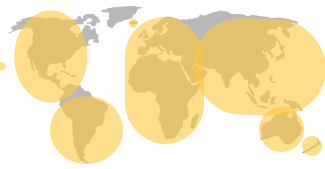

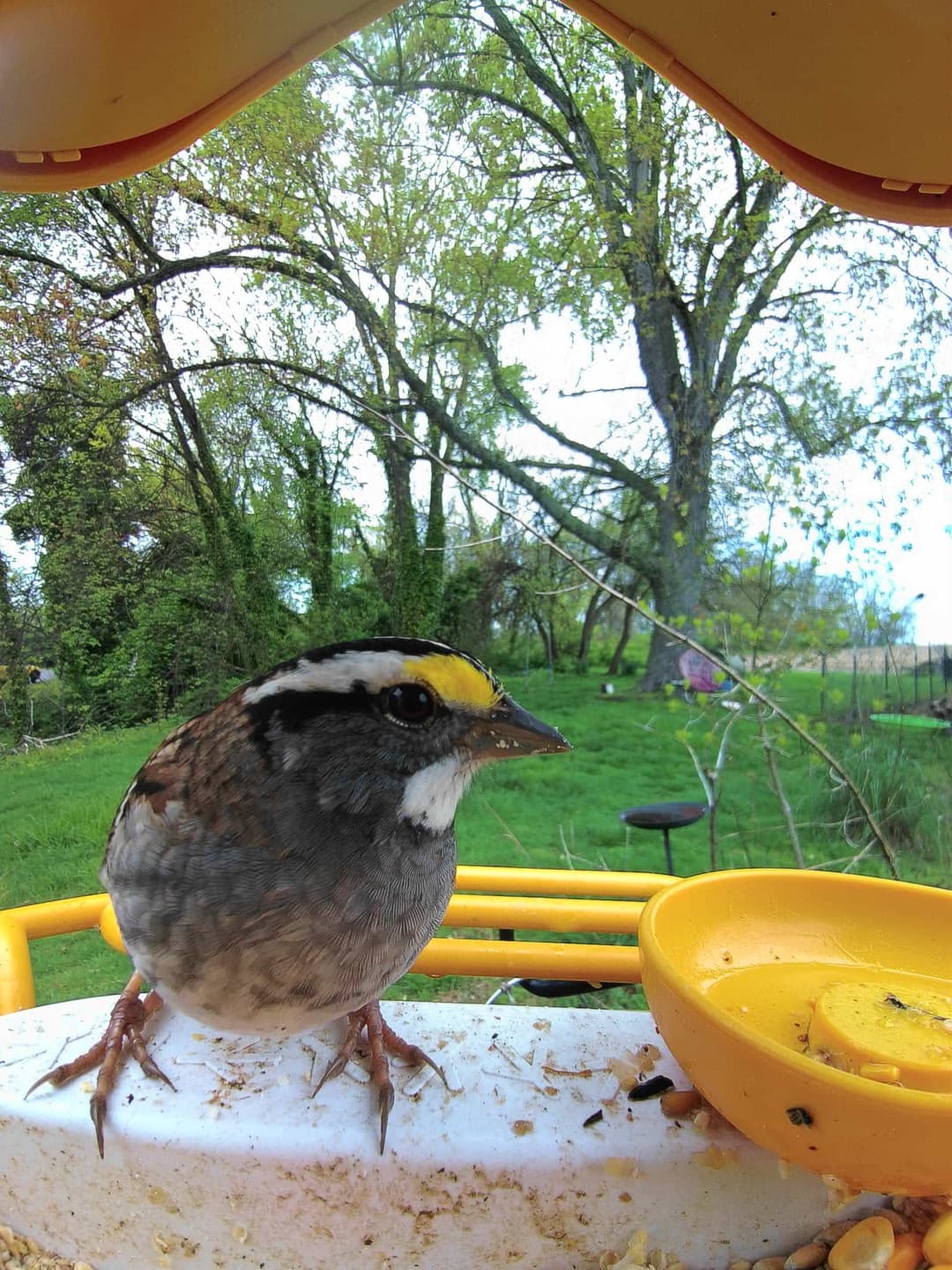
Sparrow


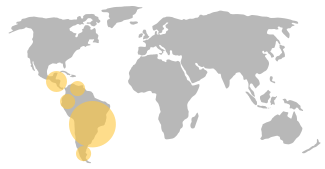
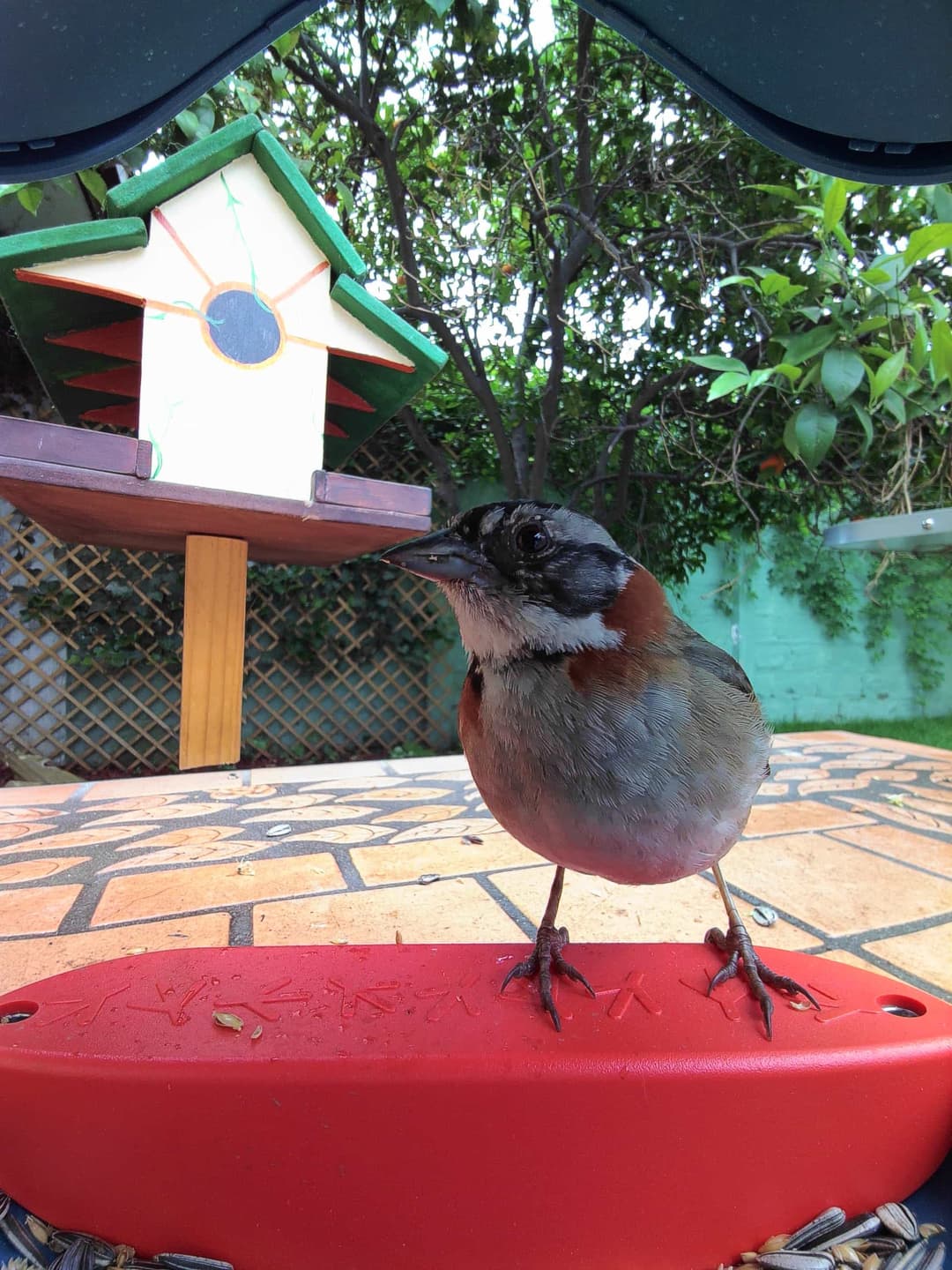
Rufous-Collared Sparrow
Sparrow
Passer
Also known as: True Sparrow
General appearance
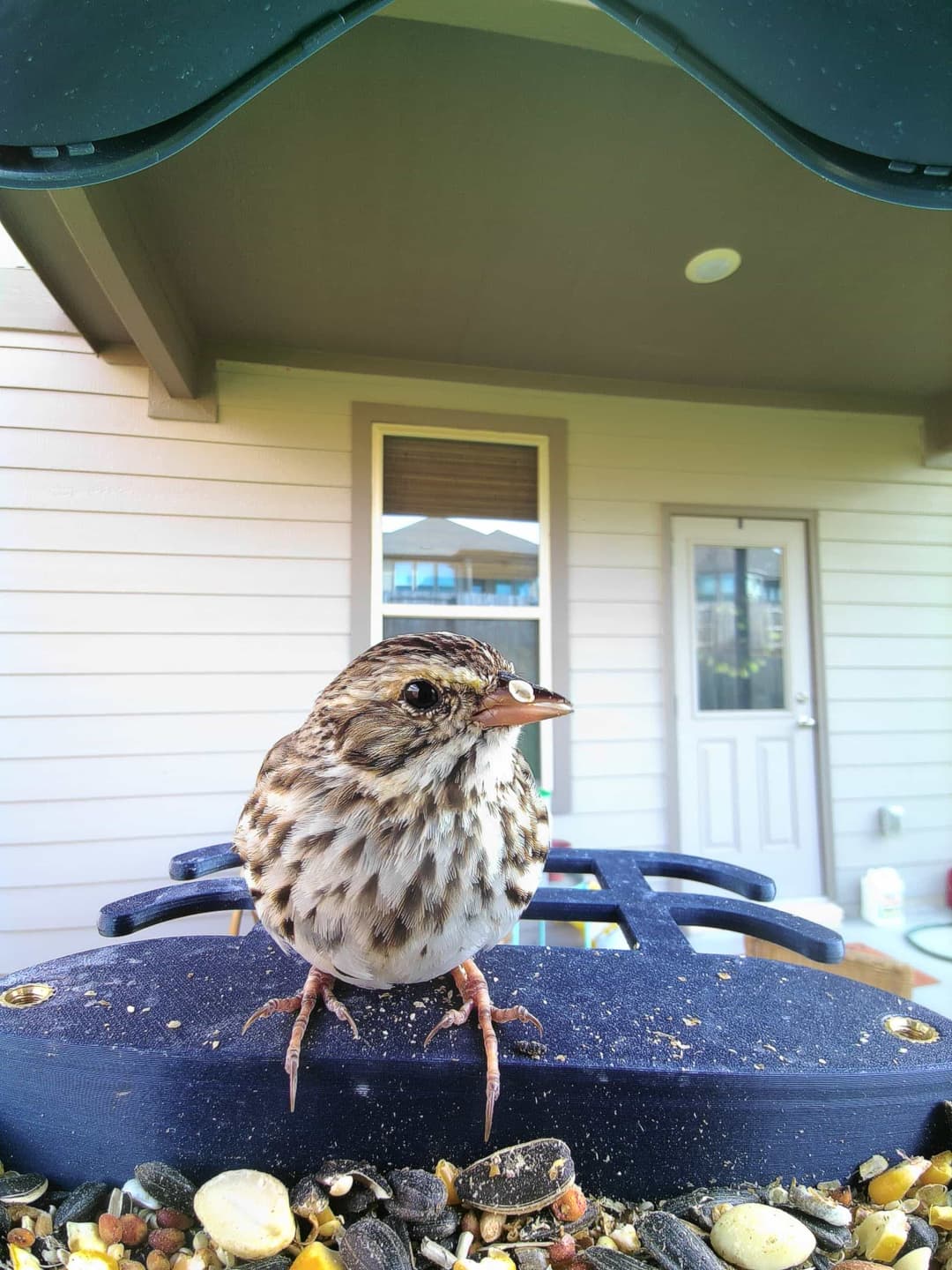
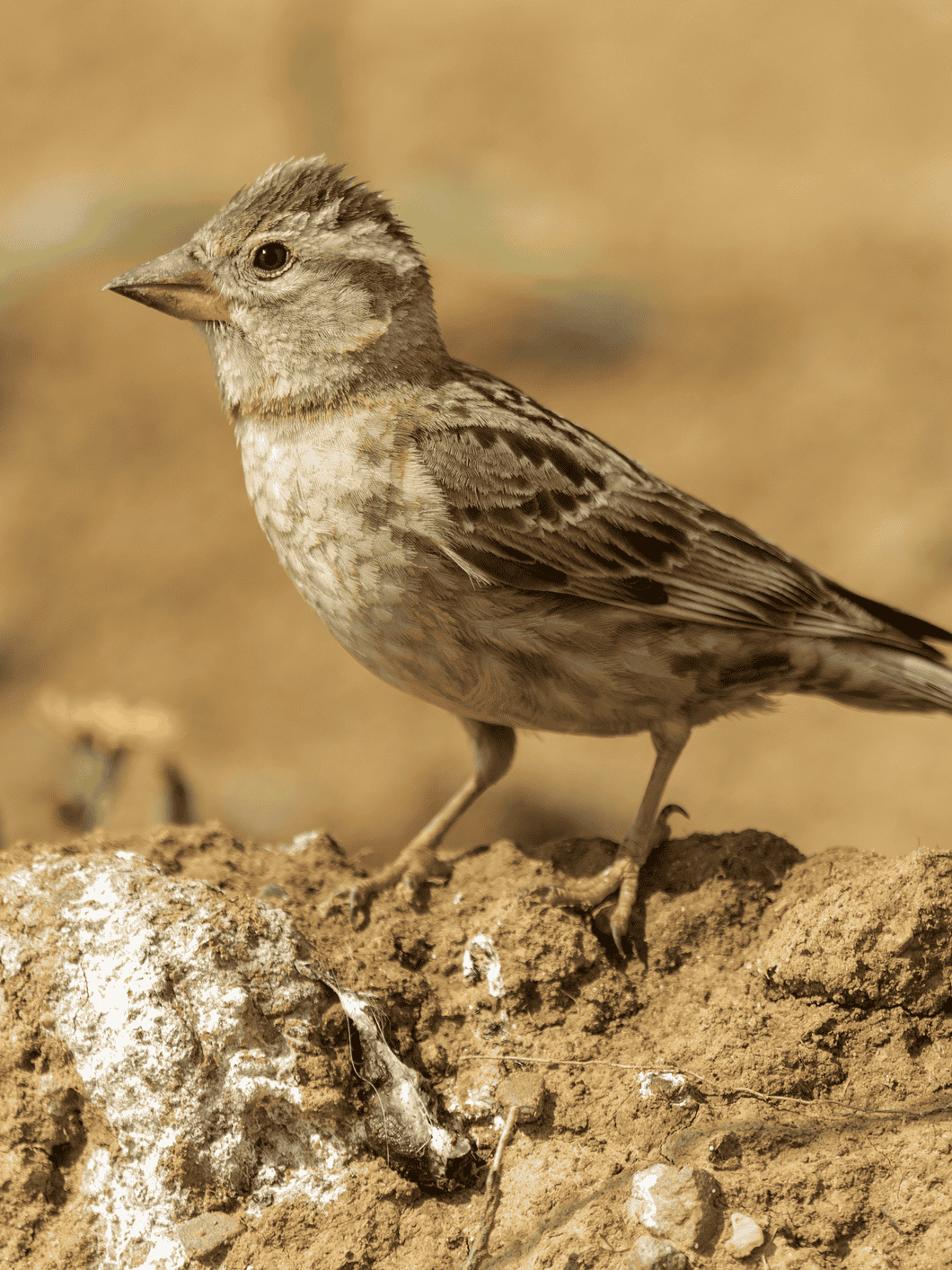
Sparrows are small, plump birds with short tails and subdued colors. They generally exhibit brown, black, and white coloration, with streaked or solid patterns. Sparrows also have a stout beak, designed for seed eating.
Male vs female
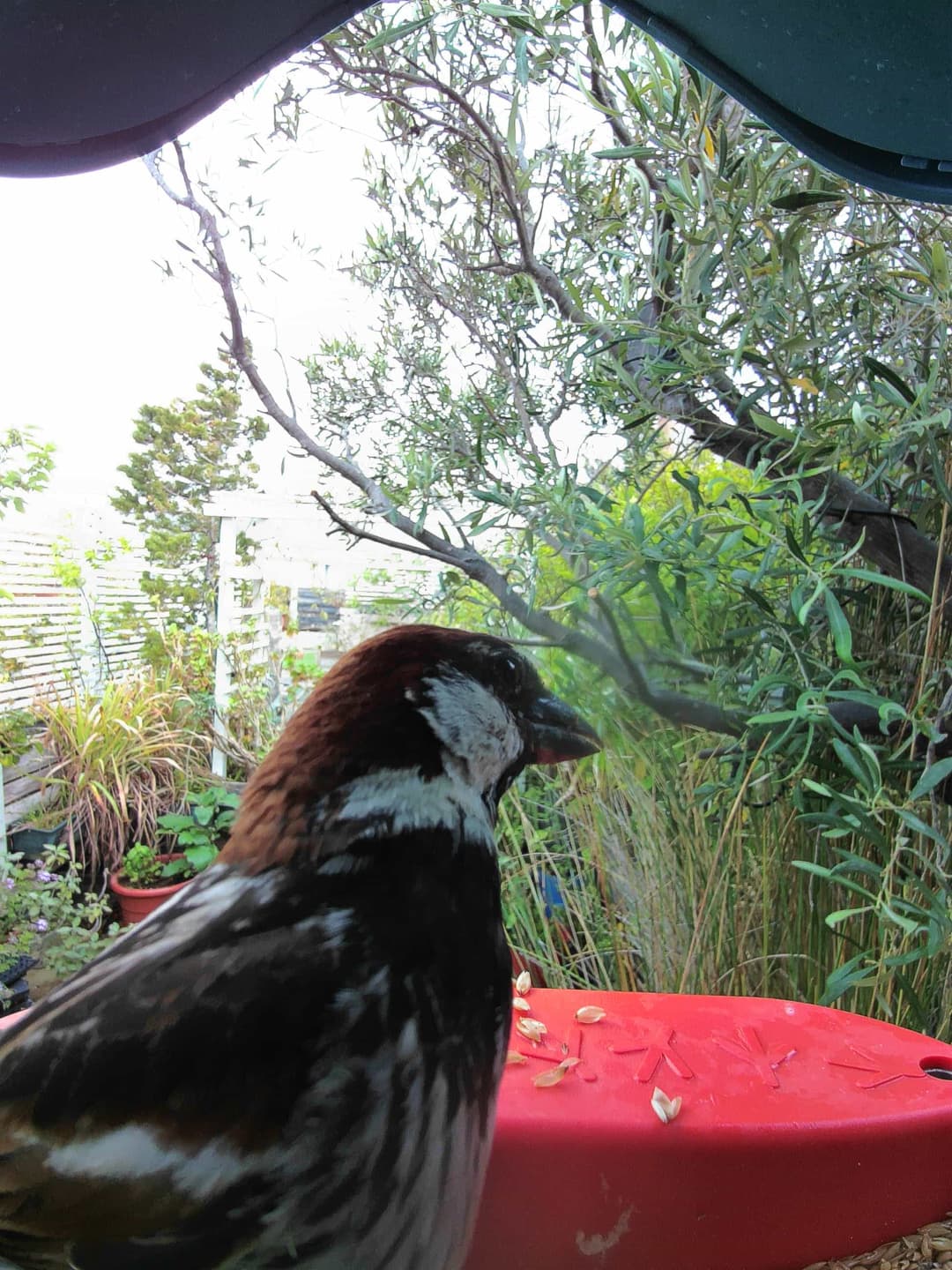
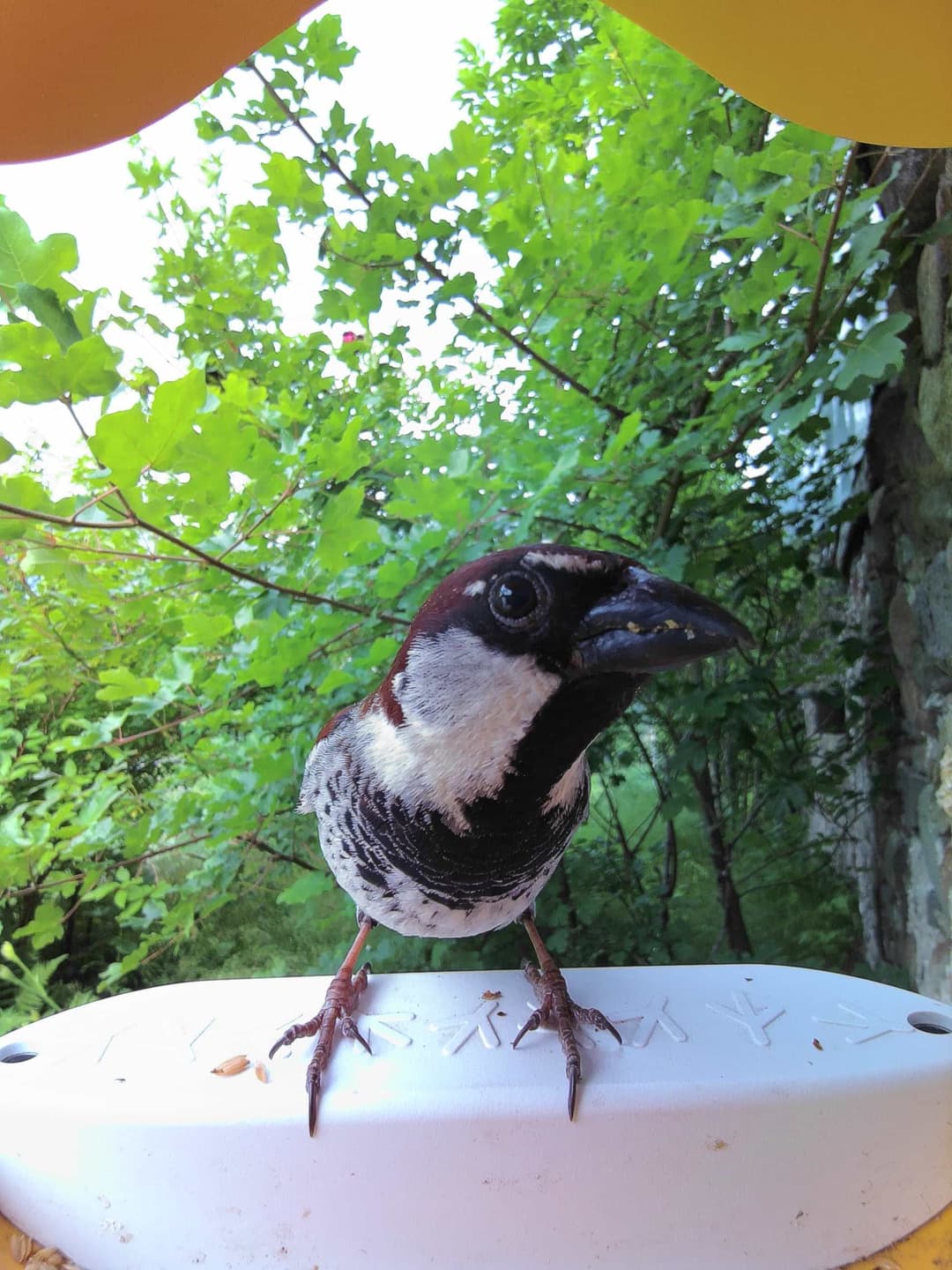
Male and female sparrows can be distinguished by their coloration and markings. Males tend to have more distinct and vibrant colors, like black bibs and white cheeks, while females usually have duller, brownish colors. Seasonal changes in plumage make the males more distinct during the breeding season.
Juvenile
Juvenile sparrows have similar coloration to females but are often even duller and may show some streaking. Their beaks start black, then turn yellow and finally the adult's color. Juveniles often show a more marked gape (the sides of the beak) than adults.
Size
4.1 - 7.1 in/0.4 - 1.7 oz
There's more to learn about Sparrow
View full detailsRufous-Collared Sparrow
Zonotrichia capensis
Also known as: Andean Sparrow
General appearance
The rufous-collared sparrow is characterized by its striking coloration. This bird sports a grey head and nape with a black-streaked crown. Its distinguishing trait is a rufous or chestnut collar that surrounds its neck - hence its name. A broad, black streak extends from its beak, across its eye, and tapers off as it reaches the bird’s back. The majority of its body is brown with black streaking, while its underparts are off-white.
Male vs female
Both sexes of this species closely resemble each other, making them difficult to distinguish by just physical appearance. They share the same striking markings, from the rufous collar to the black-streaked brown back and grey head. Both males and females also have the same body size and shape.
Juvenile
Younger rufous-collared sparrows lack the adults’ striking markings. They are duller in color, with a blend of olive brown and buff streaking throughout their bodies. The characteristic rufous collar and black streaks only begin to develop as they mature. However, they usually show a hint of the collar, which can give a clue to their species.
Size
4.7 - 5.5 in/0.6 - 1.1 oz
There's more to learn about Rufous-Collared Sparrow
View full detailsHow to tell the Sparrow from the Rufous-Collared Sparrow
Visual differences
The Sparrow (Passer) is generally plump with subdued brown, black, and white colors and a stout beak. Males have distinct markings like black bibs. In contrast, the Rufous-Collared Sparrow (Zonotrichia capensis) features a striking rufous collar, a black-streaked crown, and a grey head. Its body is brown with black streaking and off-white underparts. Both sexes share similar markings. Size differs slightly, with Sparrows ranging 4.1-7.1 inches long and Rufous-Collared Sparrows from 4.7-5.5 inches.
Key differences and behavior
House sparrows (Passer) and rufous-collared sparrows (Zonotrichia capensis) exhibit notable behavioral distinctions. Sparrows are highly social, thriving in large flocks and adapting to varied climates, including urban environments, where they nest in man-made structures. Their courtship involves singing and wing displays, and both parents participate in chick-rearing. In contrast, rufous-collared sparrows favor highland and urban areas in Central and South America, selecting consistent singing spots. Their courtship features song duets and aerial chases. Female rufous-collared sparrows solely incubate eggs, though males aid in feeding. While both species consume seeds and insects, house sparrows exploit human food, reflecting greater dietary adaptability. House sparrows are slightly larger (4.1-7.1 oz), whereas rufous-collared sparrows are smaller (6.7-9.4 oz) but have a shorter incubation period.
Still not sure? Here are more lookalikes!
Sparrow vs House Sparrow
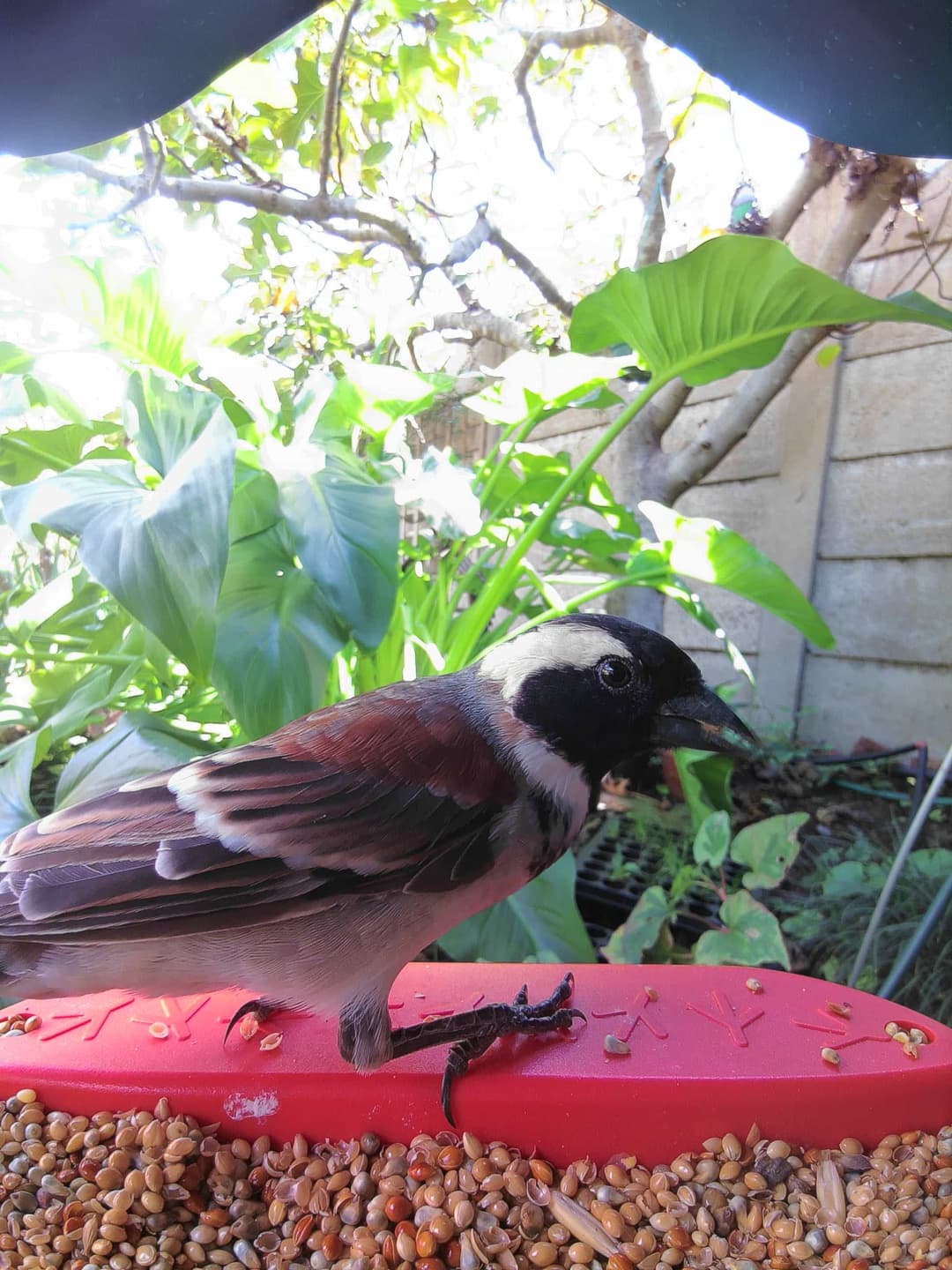
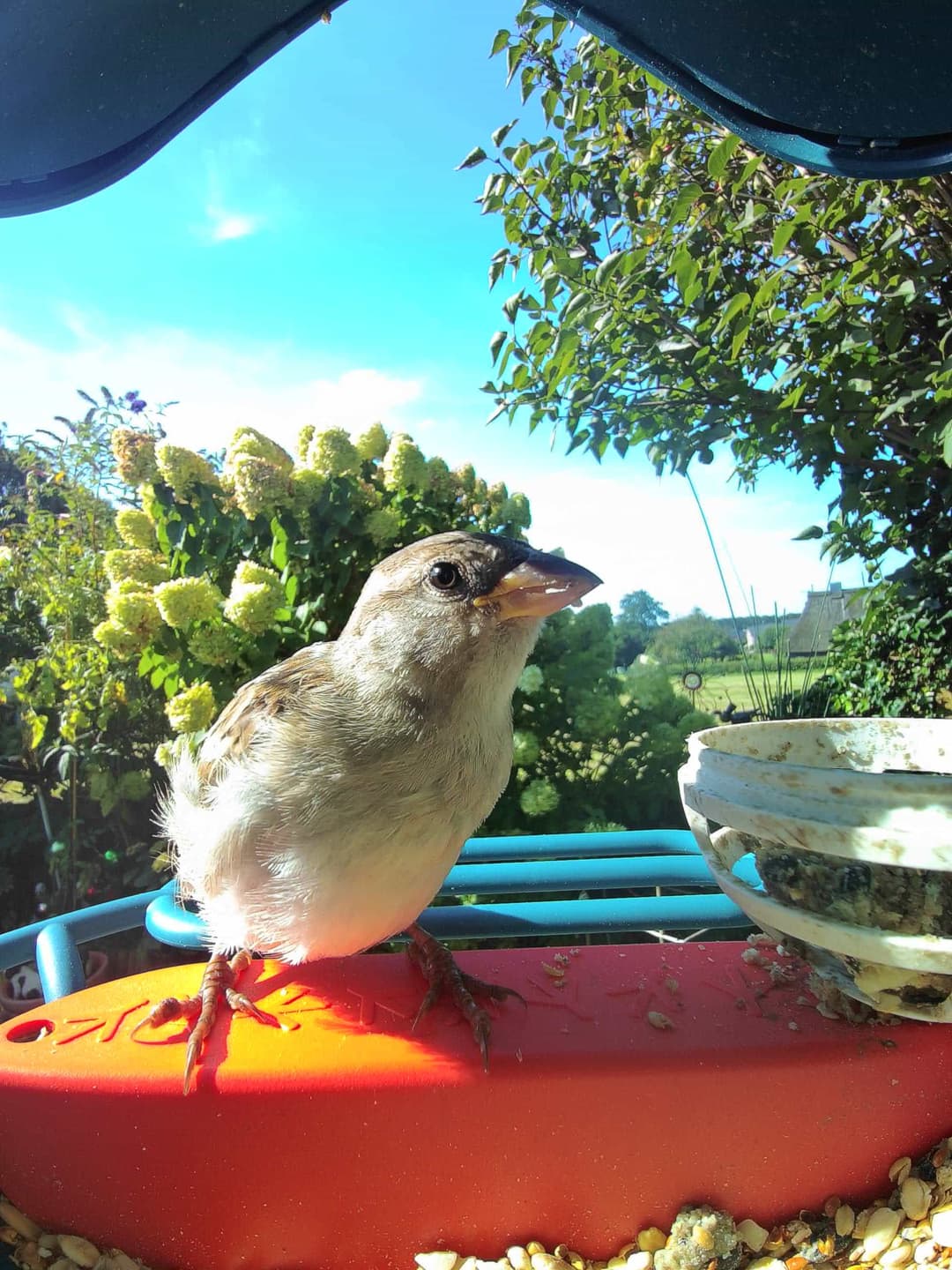
Sparrow vs Chipping Sparrow
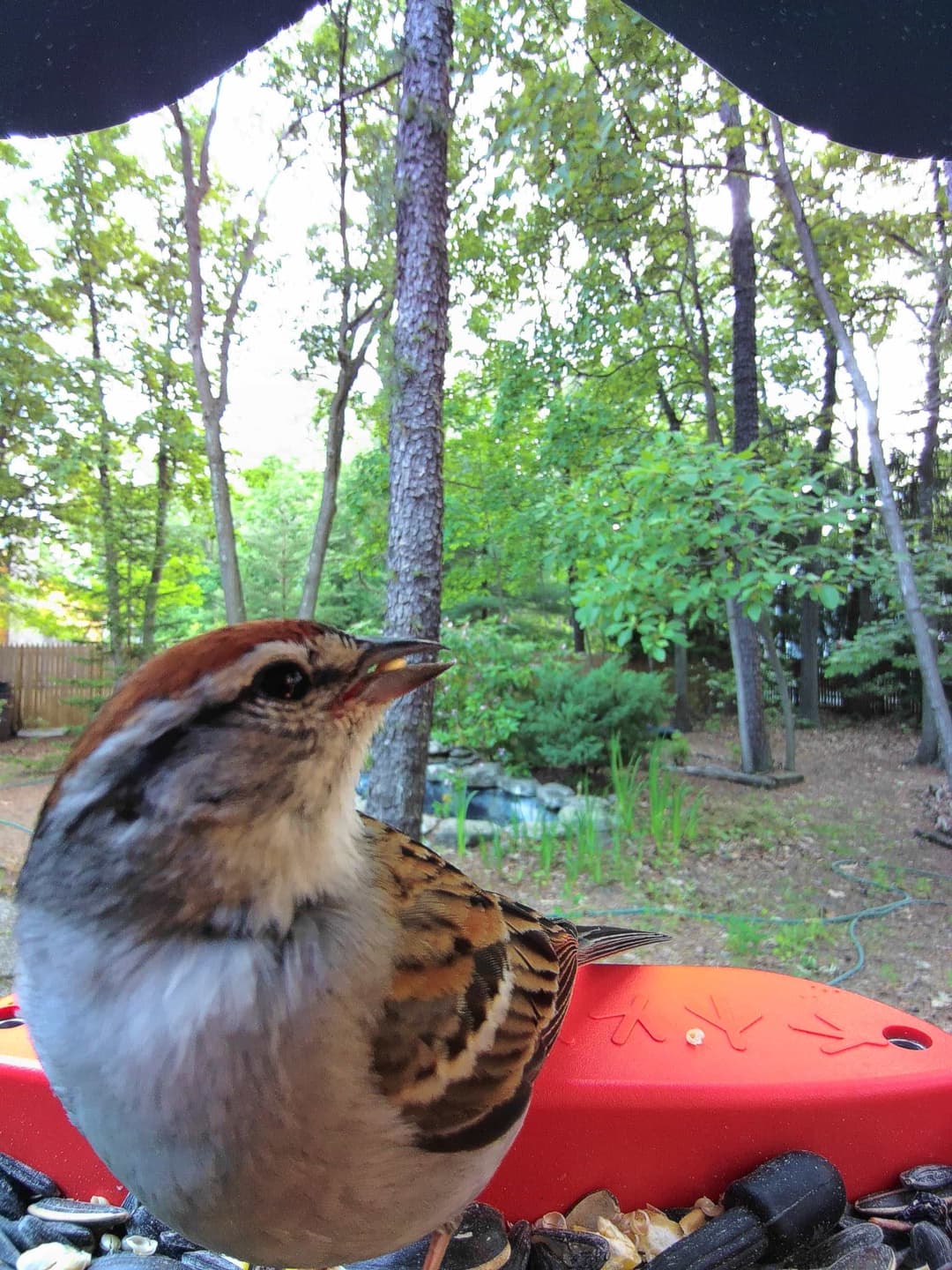
Sparrow vs White-Crowned Sparrow

Sparrow vs Song Sparrow
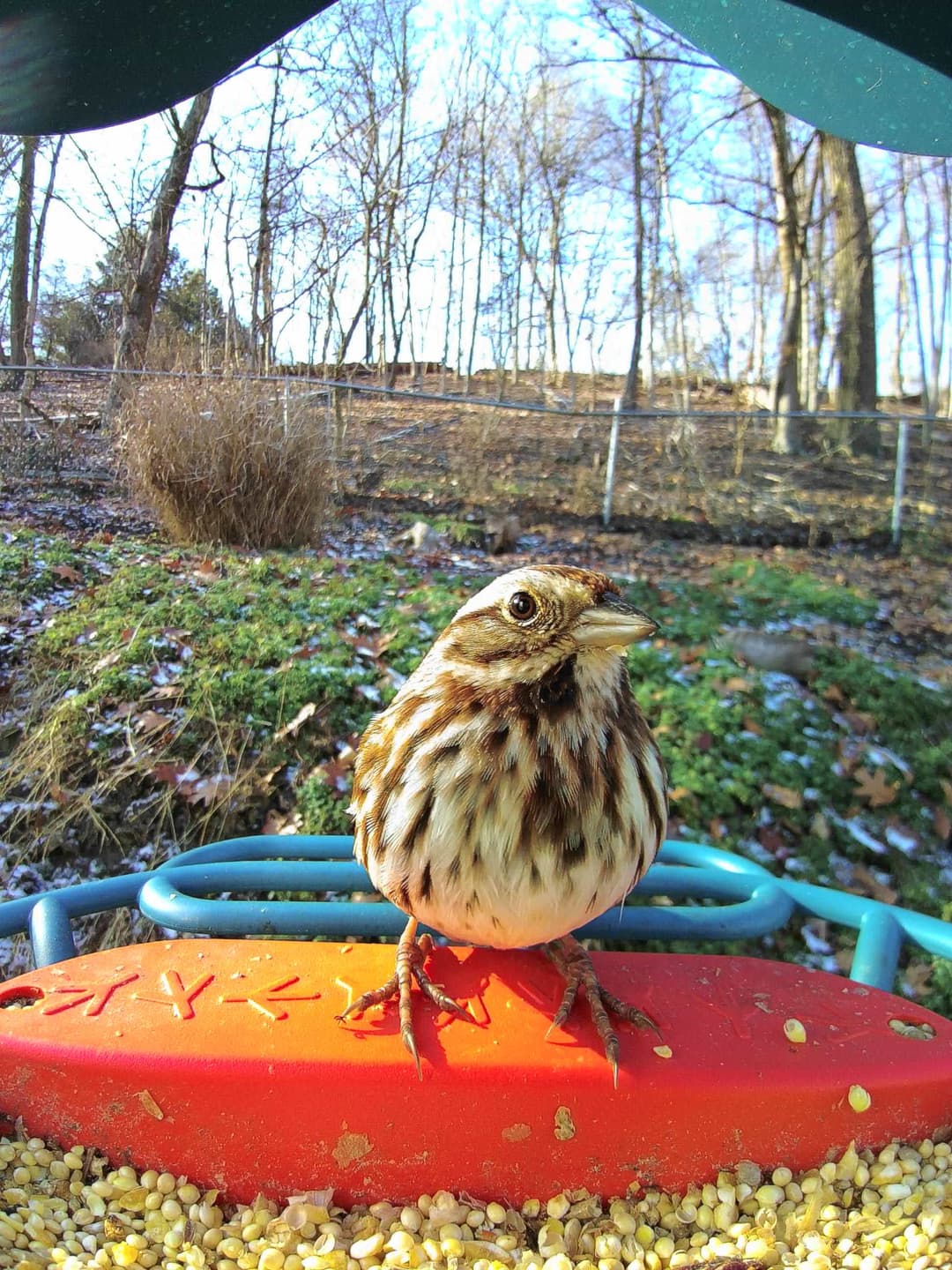
Sparrow vs Eurasian Tree Sparrow
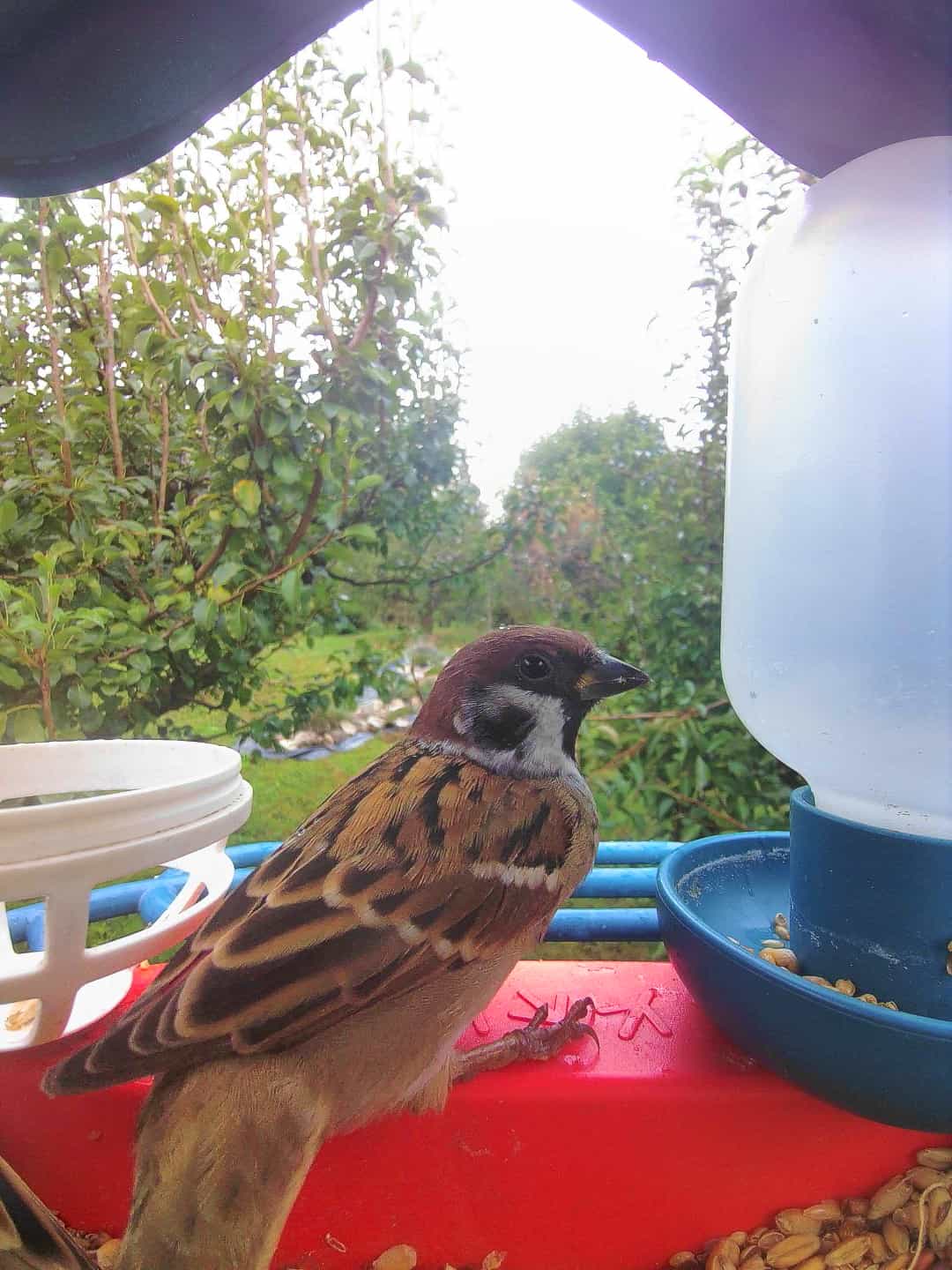
Sparrow vs American Tree Sparrow
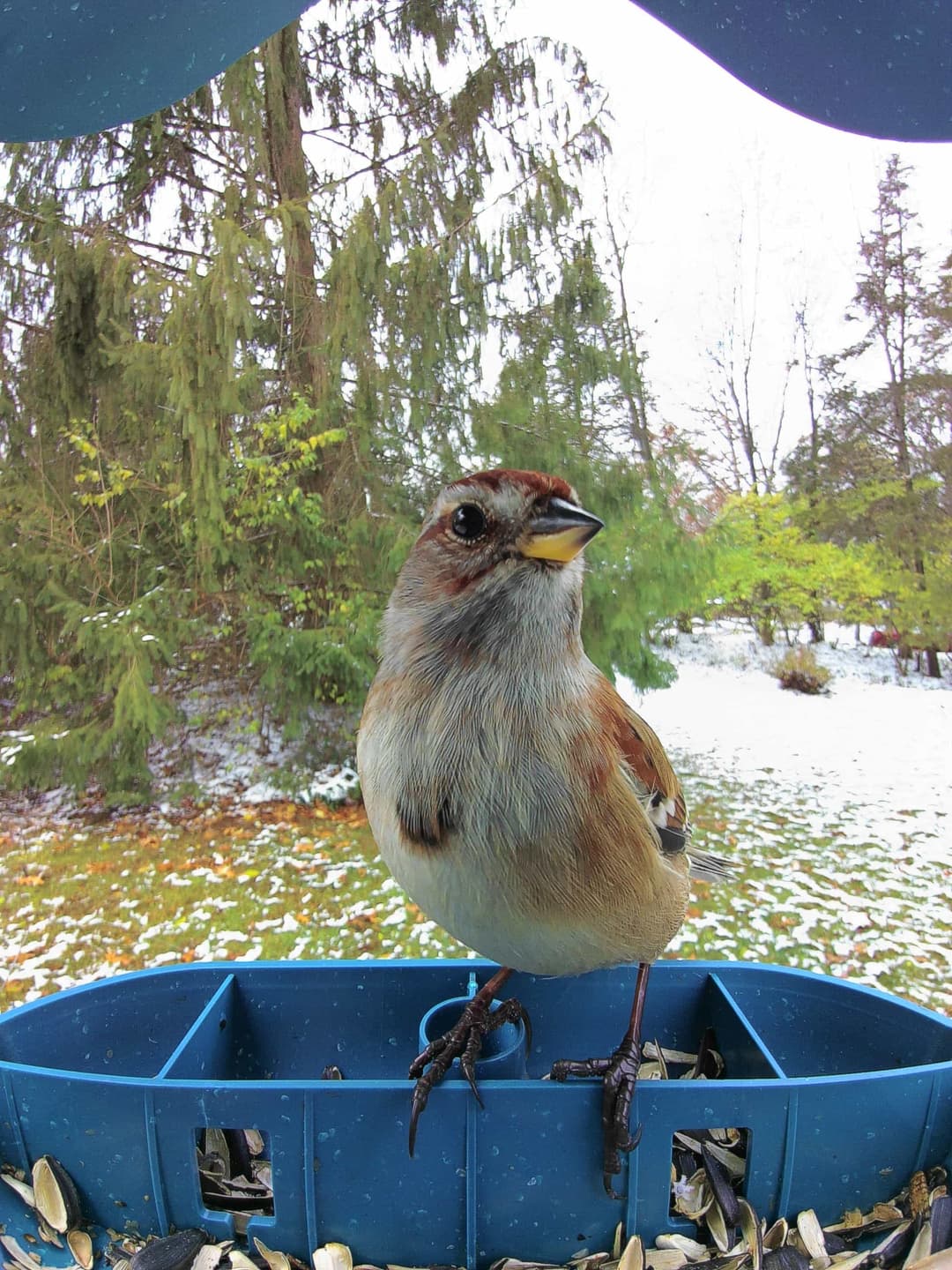
Sparrow vs White-Throated Sparrow
Sparrow vs [Select a bird]

[Select a bird]
Pick a bird to compare
Rufous-Collared Sparrow vs [Select a bird]
[Select a bird]
Pick a bird to compare