
Rock Sparrow
Rock Sparrow
Also known as: Rock Petronia
Petronia petronia
Quick Identification guide
Quick Identification guide
- •
The Rock Sparrow features a streaked brown back and a pale underbelly that aids in camouflage among rocky terrains
- •
Its conical beak is robust and suited for seed consumption, a typical characteristic of sparrows
- •
Boasts a distinctive bright yellow spot on the throat that contrasts with its otherwise muted colors
What does a rock sparrow sound like?
The Rock Sparrow frequently uses a tschilp call, a sound resembling a 'chu-it' or 'teu-it'. Its singing, typically performed atop rocks or flight, contains quick, upbeat sequences of pleasing chirps, trills, and whistles. The song may include imitations of other birds’ tunes, with each phrase repeated multiple times before moving to the next. Male Rock Sparrows sing with a varied repertoire, contributing to unique vocalizations within their species.
Description
You can tell rock sparrows apart by the yellow mark on their throats. The brighter the patch, the sexier its fellow sparrows find it and the cooler it is in sparrow society. These little songbirds are migratory and when they fly, they fly high – even as high as 14,763 feet!
The rock sparrow can weigh between 26to39grams and be from14to15centimeters tall.
The rock sparrow typically lives for up to 5 years. This is similar to the lifespan of many other sparrows. For instance, house sparrows typically have a lifespan of about 3 years, while white-throated sparrows can live up to 9 years. However, it is relatively shorter than the lifespan of the American tree sparrows that can live for around 10 years.
Did you know?
Most popular questions about rock sparrow
How to recognise a rock sparrow?
General appearance
The rock sparrow is a small bird characterized by its size, about 15 centimeters in length. The coloration primarily consists of greyish-brown plumage peppered with black, white, and yellow markings. They also host distinctive yellow and black 'teardrop' features around their eyes.
Male vs female
Sexual dimorphism is subtle in rock sparrows. Males are more colorful with a stronger contrast between their grey and brown feathers. They have a striking black bib underline their beak, not present in females. Females, while physically similar, are duller in terms of coloration.
Juvenile
Juvenile rock sparrows resemble females in duller coloration but lack the yellow eye mark. Their feathers, especially on the wings and back, are more edged than those on adults. The black bib starts to emerge as they mature. They switch to adult plumage after their first molt, typically occurring in late summer.
Often mistaken for
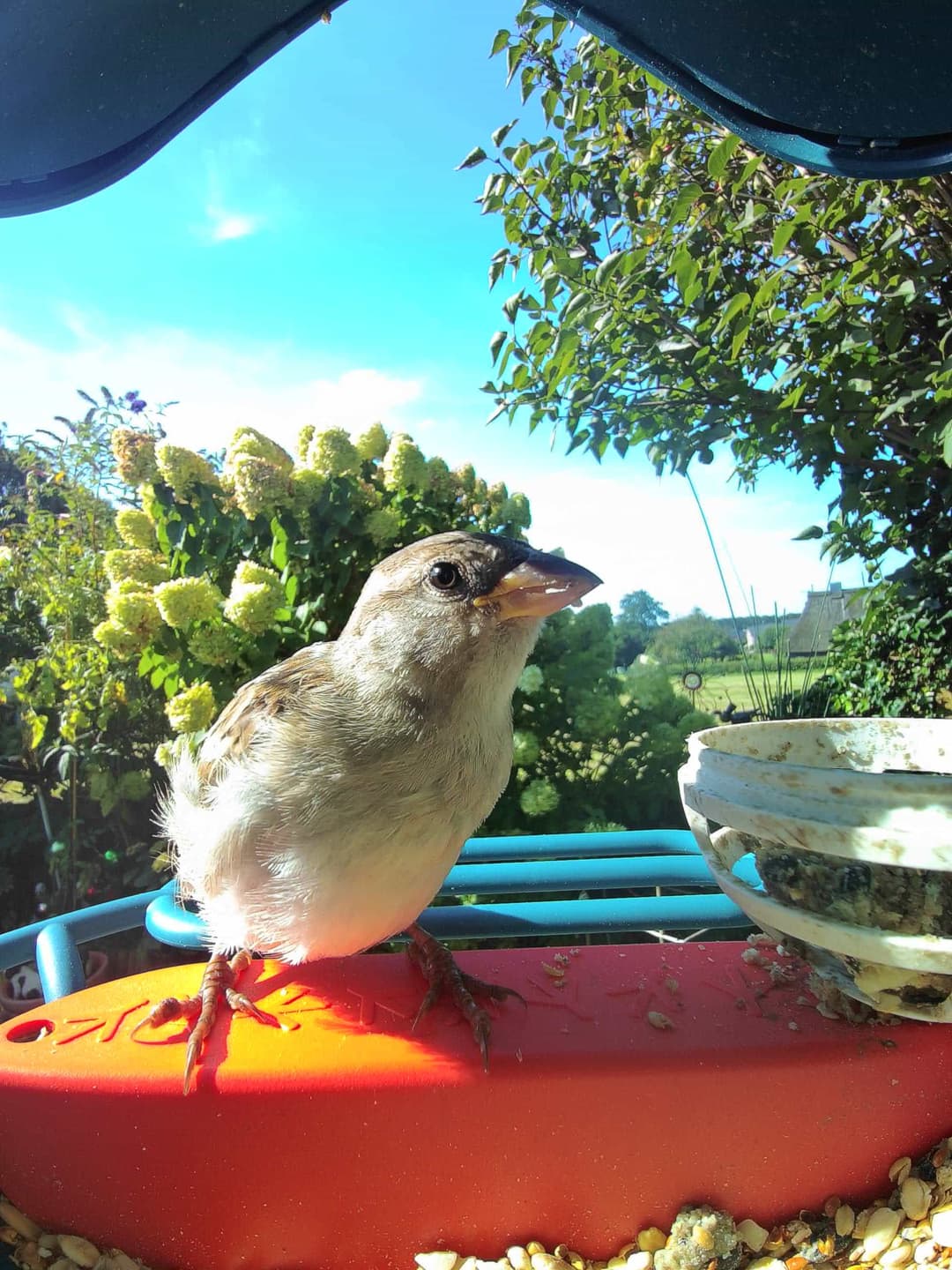
House Sparrow vs Rock Sparrow
The House Sparrow is smaller than the Rock Sparrow and has distinctive black and white markings on its head. The Rock Sparrow, on the other hand, has a more uniform coloration with a distinct yellow throat patch.
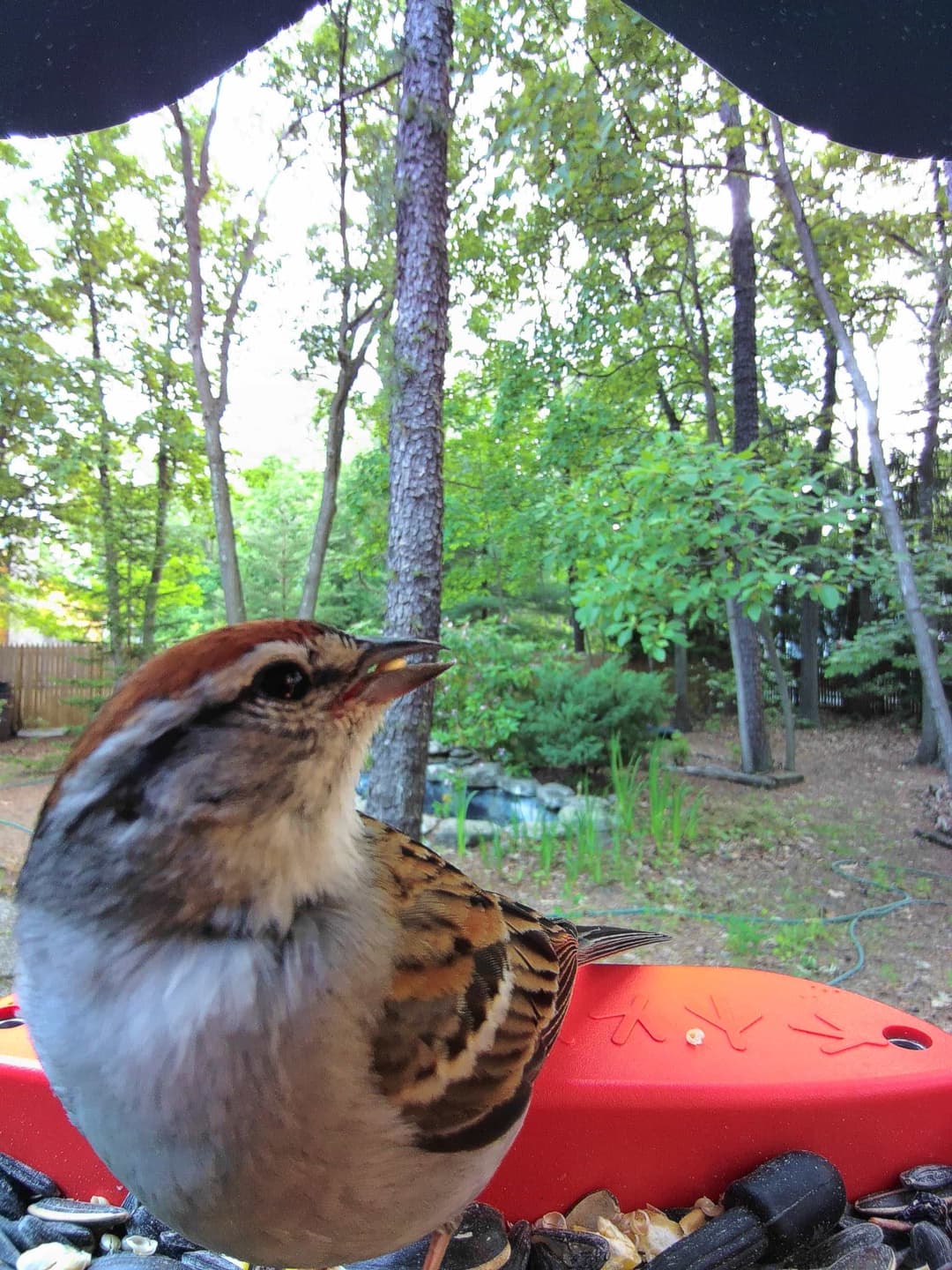
Chipping Sparrow vs Rock Sparrow
While Chipping Sparrows are smaller than Rock Sparrows and have a distinctive bright rufous cap, the Rock Sparrow is more robust with a strong beak and yellow throat, which the Chipping Sparrow lacks.
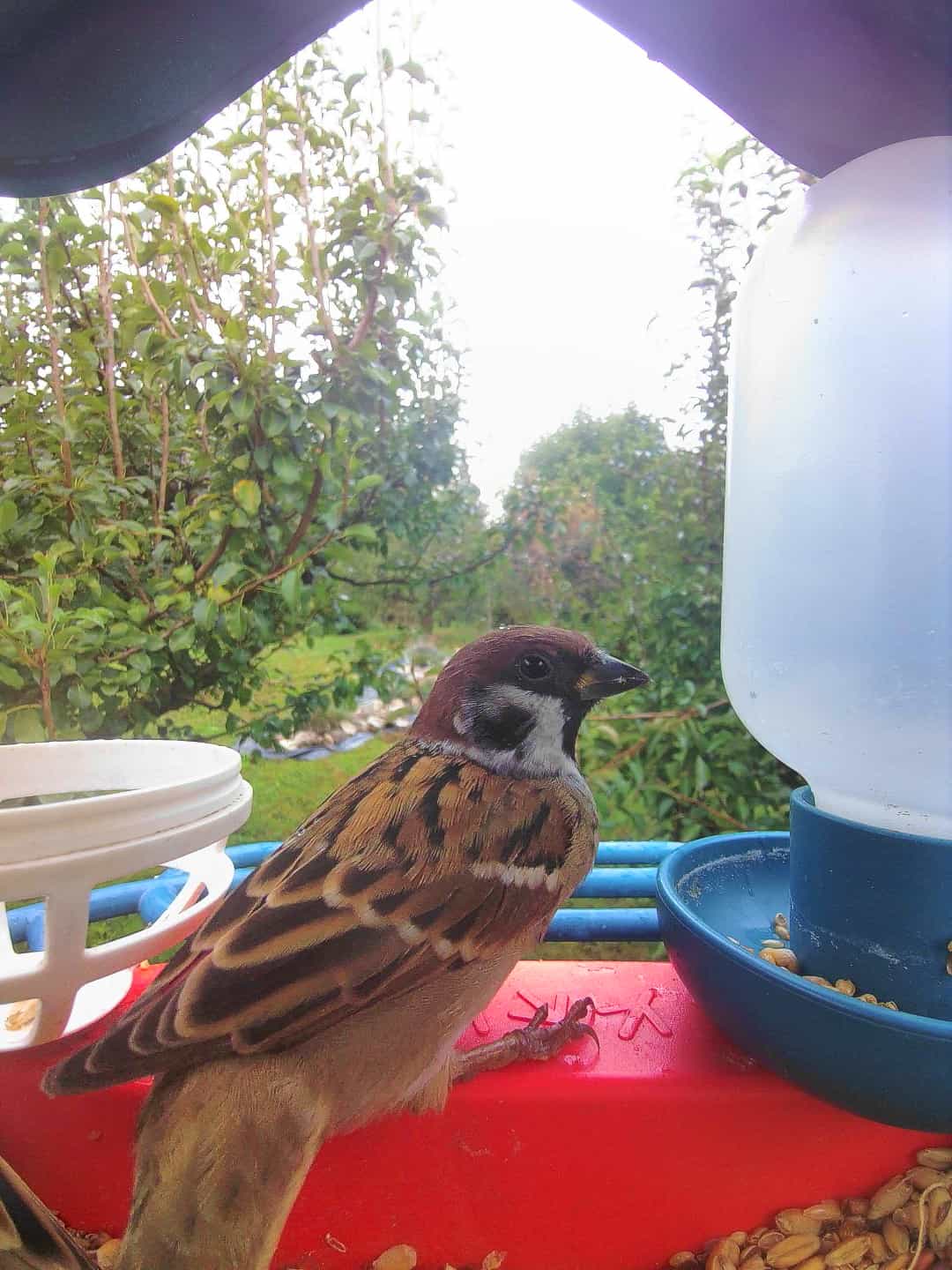
Eurasian Tree Sparrow vs Rock Sparrow
The Eurasian Tree Sparrow is smaller and has a distinctive black spot on its white cheeks. The Rock Sparrow is bulkier, has a distinctive yellow throat patch, and lacks the tree sparrow's cheek pattern.
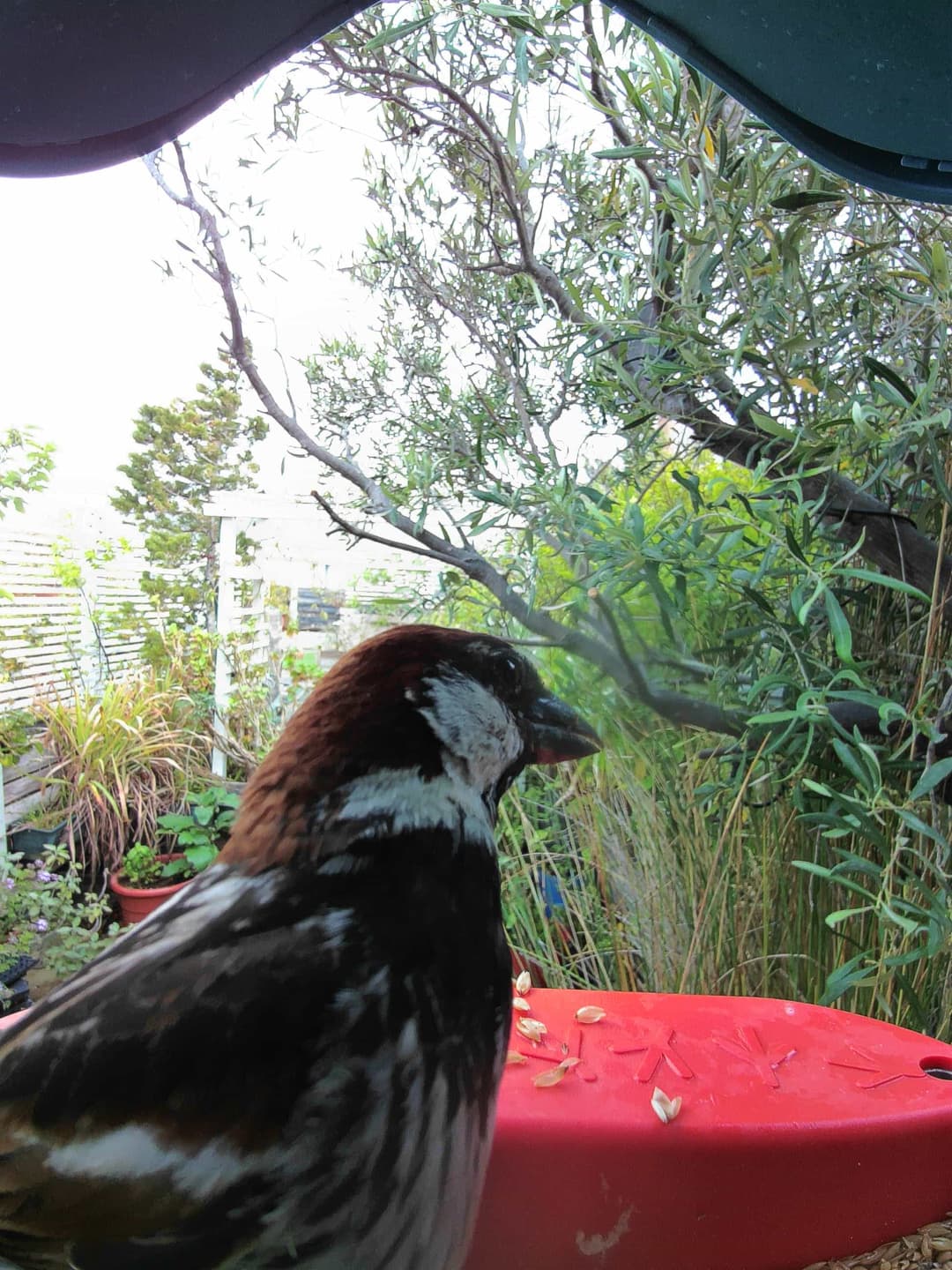
Spanish Sparrow vs Rock Sparrow
The Spanish Sparrow has a distinct chestnut crown and black spots on its chest, while the Rock Sparrow is more uniformly brown with a yellowish throat patch.
Breeding and nesting habits of the rock sparrow
Mating behaviors
Rock sparrows engage in elaborate courtship displays. Males showcase their plumage, sing melodious songs, and perform fluttering flights to attract females. These displays are crucial for pairing and establishing territories.
Nesting details
Rock sparrows typically nest in rocky crevices but can adapt to gardens with suitable environments. They use grass, feathers, and twigs as nesting materials. To attract them to gardens, provide low shrubs and rocky areas.
Eggs and chick-rearing
Females lay 3-5 eggs, usually white with brown speckles. Both parents share the incubation duties and feed the hatchlings a diet of insects. Chicks fledge about two weeks after hatching, with continued parental support.
What does a rock sparrow like to eat?
Fruits
Insects
Seeds
Natural diet
Rock sparrows primarily feed on seeds, including those from grasses, weeds, and cereal crops, which they forage on the ground. They also consume small insects, especially during the breeding season, to provide protein for growing chicks. Their diet may include caterpillars, beetles, and other arthropods.
Bird feeders
At bird feeders, rock sparrows are known to eat a variety of seeds offered, such as sunflower seeds, millet, and mixed birdseed. They may also be attracted to suet, particularly during colder months when energy needs are higher.
Attract rock sparrows with the right feed
When it comes to luring rock sparrows into your yard, feeding is crucial. Bird Buddy seeds are highly recommended as these are selected by professionals based on the season. These seeds contain the types of nutritional content rock sparrows love and need. Regularly refilling your feeder with Bird Buddy seeds will increase your chances of having these charming birds in your yard.
Invest in a suitable feeder
Feeder type should be considered too when trying to attract rock sparrows. These birds prefer feeders where they can perch comfortably to eat. An ideal feeder is one that has a tray for the bird to stand on and a cover that protects the seeds from weather elements like rain or snow. Place the feeder in a quiet and safe place near shrubs or trees for a quick escape from predators.
Tricks to encourage rock sparrow visits
Creating a bird-friendly environment is a surefire way to attract rock sparrows. You might want to provide a bird bath or fountain as these small creatures like to bathe and preen. Moreover, playing soft bird songs or using bird call devices can persuade them to drop by and maybe even stay for a sing-along. Above all, patience is key. It might take time, but the joy of seeing rock sparrows flocking to your yard will be worth the wait.
Where can you find rock sparrows?

Primary habitat
The rock sparrow primarily inhabits rocky areas, cliffs, and ancient buildings across southern and central Europe and Asia. Its common habitats include mountainous regions.
Additional range
In winter, the rock sparrow may expand its range to lowlands, cultivated areas, gardens, and even towns. While preferring dry and warm climates, it can adapt to colder conditions.
Do they migrate?
The rock sparrow, primarily found in southern Europe, parts of North Africa, and Central Asia, is generally a sedentary bird. However, some populations exhibit partial migratory behavior, particularly those in cooler mountainous or northern regions. In Europe, rock sparrows may move altitudinally to lower elevations during the winter months, especially in mountainous areas like the Pyrenees and Alps, seeking milder climates and better food availability. Similarly, in Central Asia, some populations migrate short distances southward to avoid harsh winter conditions. During these migrations, rock sparrows tend to travel to nearby lower valleys and plains rather than undertaking long-distance journeys. Key locations for these winter movements might include regions in Spain, southern France, and the Mediterranean Basin, where climates are more temperate. Migration timings are generally aligned with changes in local weather conditions, primarily occurring from late autumn to early spring. The movement is usually limited and not well-defined, lacking the distinct, long-distance routes seen in more traditional migratory species. This adaptability aids the rock sparrow in surviving in varied environments, from Mediterranean scrublands to rocky hillsides and man-made structures.
What is the role of rock sparrows in nature and how to protect them?
Conservation status
The rock sparrow is currently classified as "Least Concern" according to the IUCN Red List, indicating it is relatively common and not immediately at risk. It inhabits a wide range across Europe, North Africa, and Asia. Key threats include habitat loss due to agricultural expansion and urbanization. Conservation efforts focus on habitat protection and monitoring population trends. While it is not vulnerable or endangered, maintaining stable environments and limiting habitat disturbance are crucial for its continued stability.
Ecological role of rock sparrows
Its role in the ecosystem
The Rock Sparrow (Petronia petronia) plays a very significant role in the ecosystems it inhabits. Being an omnivorous bird, it acts as both a seed disperser and a predator of pests. As a seed disperser, it contributes to the propagation of many plant species. It eats fruits, berries, and seeds then distributes them across vast areas via its droppings. This not only helps to regenerate forests but also maintains biodiversity. As a predator of various pests, a Rock Sparrow helps to control damaging insect populations. It consumes a variety of insects and their larvae, which are often agricultural pests, thus aiding in organic pest control and contributing to the maintenance of balanced ecosystems. The nests of Rock Sparrows also provide homes for other bird species, thus promoting broader biodiversity. As a part of the food chain, they serve as prey for larger predators, contributing to the overall health and function of the ecosystem.
How to help protect rock sparrows
Preservation tips
Habitat preservation strategies
Foster a secure environment for Rock Sparrows by preserving and restoring their habitat. This primarily consists of rocky, open landscapes with sparse vegetation. Limit construction and development in these areas, helping prevent habitat fragmentation. Implement controlled burns and grazing to maintain the sparse vegetation that Rock sparrows prefer.
Community science initiatives
Promote community participation in bird monitoring programs like the Christmas Bird Count or eBird where sightings of Rock Sparrows can be reported. Encourage local educational institutions to involve students in projects focused on the study and conservation of the species. Initiate community awareness programs to educate people about the importance of preserving the Rock Sparrow habitat. Collaborate with local government and conservation groups to secure funding and support for these initiatives.