Sparrow or Savannah Sparrow?
Here's how to tell the difference
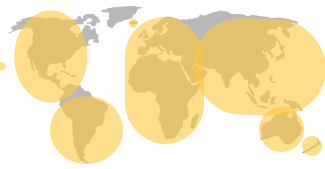


Sparrow


Savannah Sparrow
Sparrow
Passer
Also known as: True Sparrow
General appearance
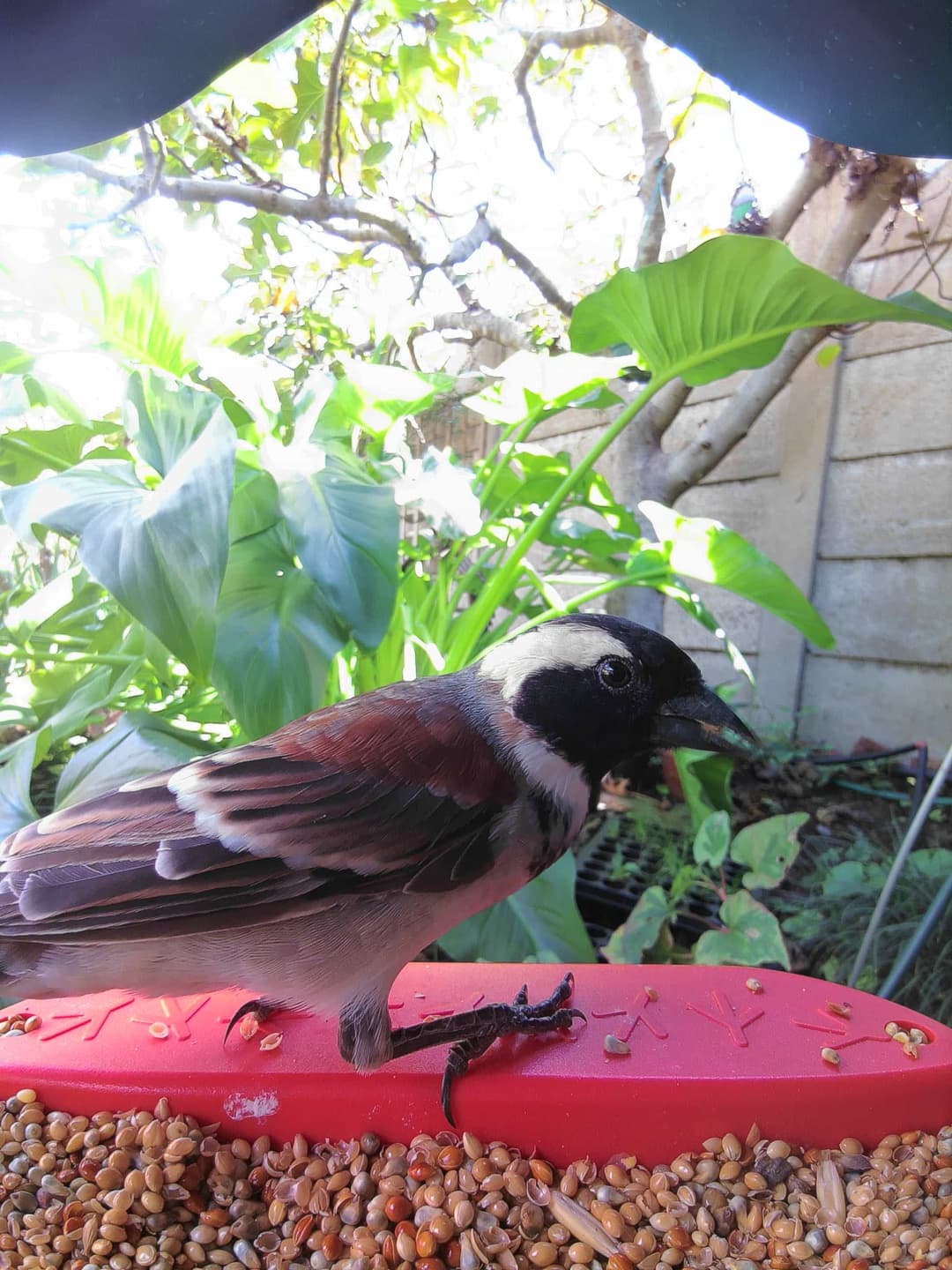
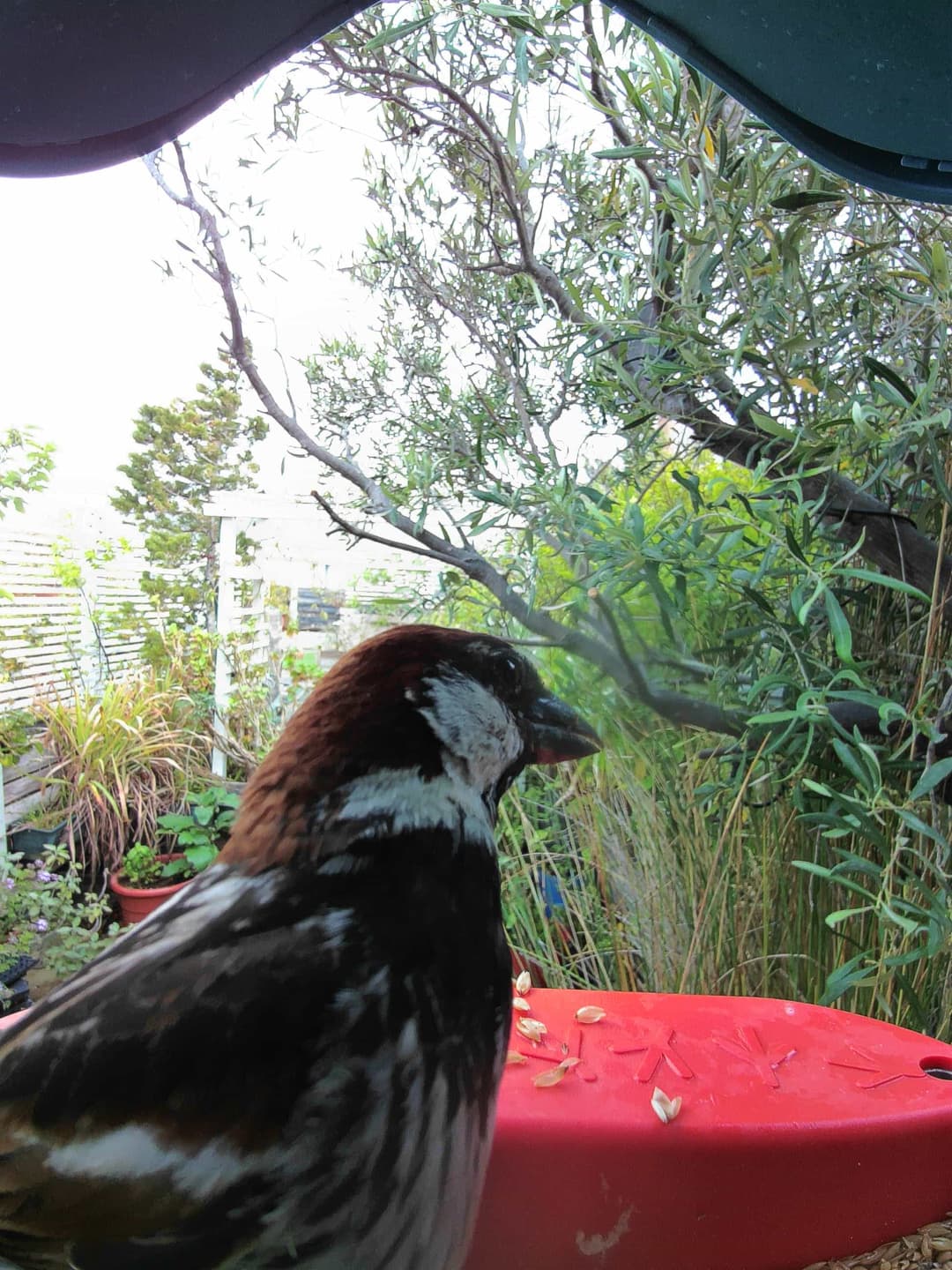
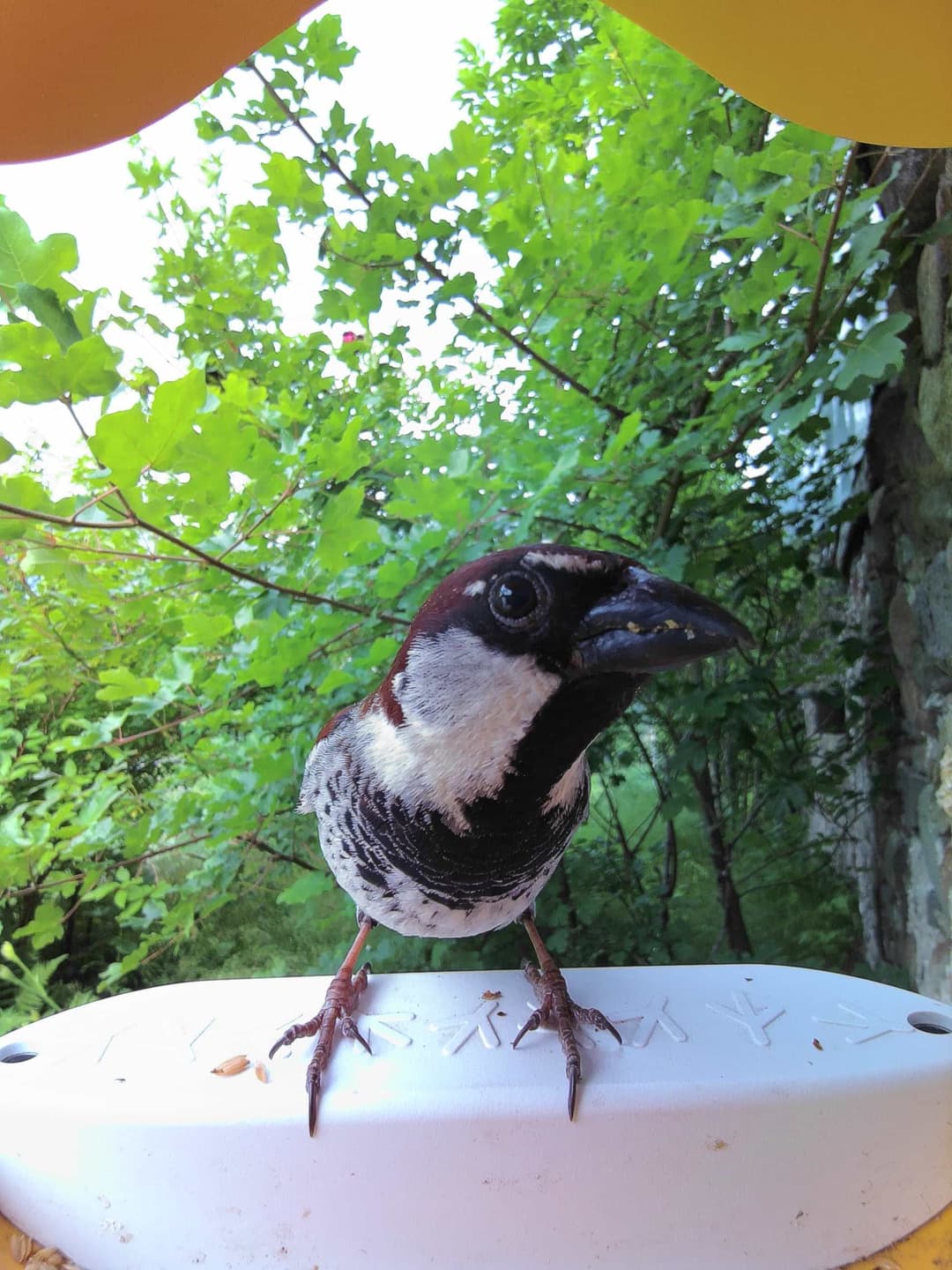
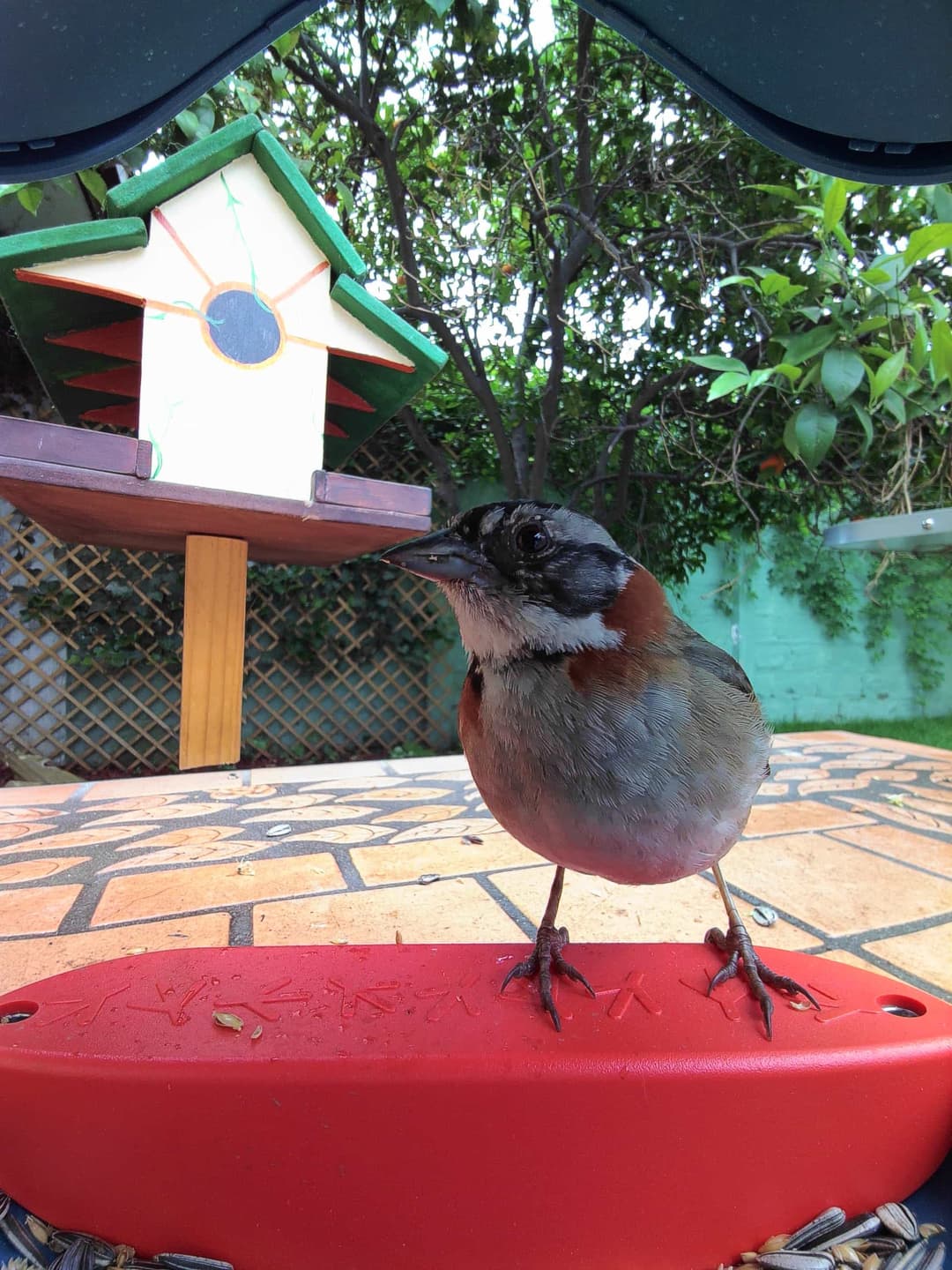
Sparrows are small, plump birds with short tails and subdued colors. They generally exhibit brown, black, and white coloration, with streaked or solid patterns. Sparrows also have a stout beak, designed for seed eating.
Male vs female
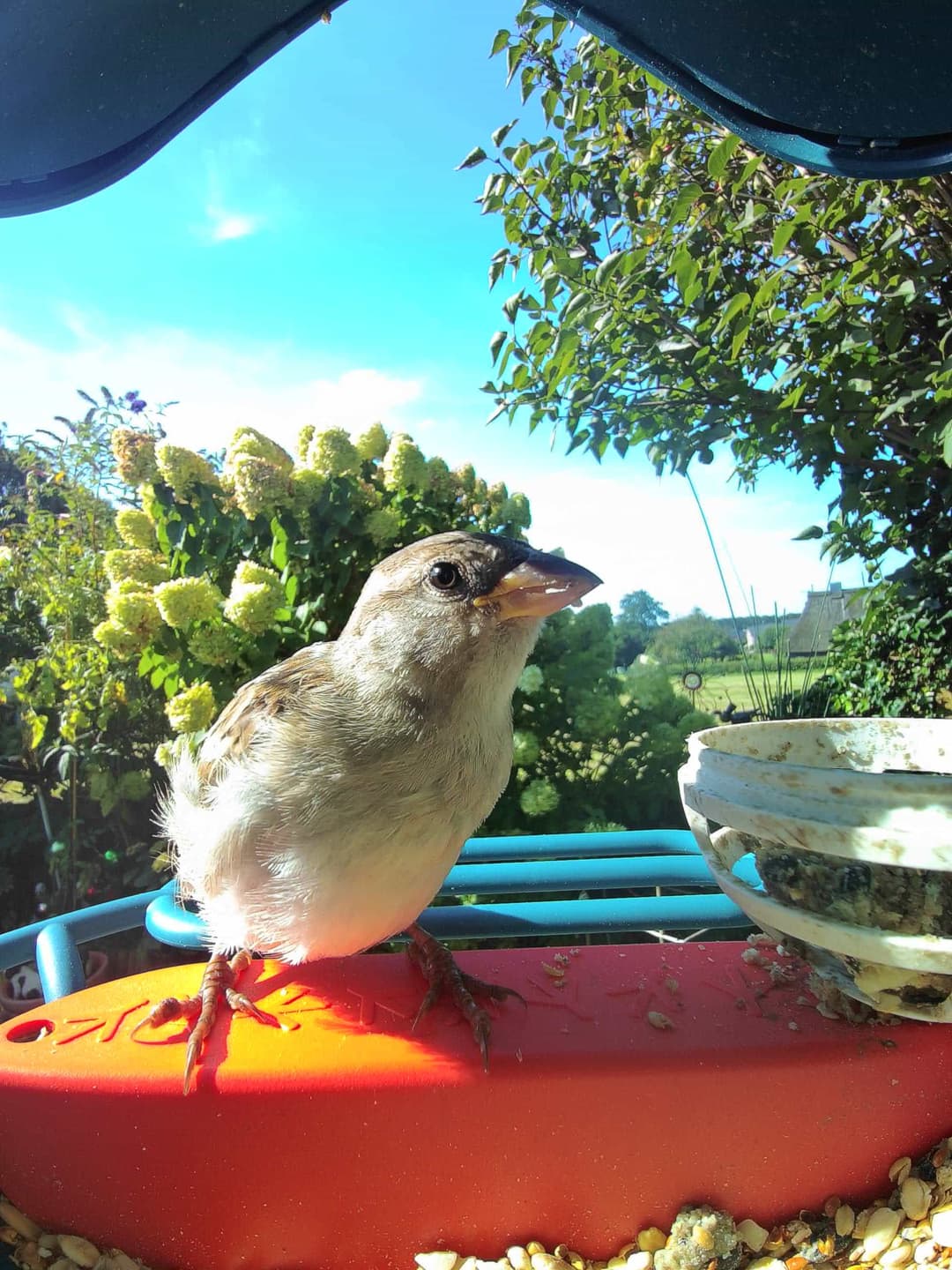
Male and female sparrows can be distinguished by their coloration and markings. Males tend to have more distinct and vibrant colors, like black bibs and white cheeks, while females usually have duller, brownish colors. Seasonal changes in plumage make the males more distinct during the breeding season.
Juvenile
Juvenile sparrows have similar coloration to females but are often even duller and may show some streaking. Their beaks start black, then turn yellow and finally the adult's color. Juveniles often show a more marked gape (the sides of the beak) than adults.
Size
4.1 - 7.1 in/0.4 - 1.7 oz
There's more to learn about Sparrow
View full detailsSavannah Sparrow
Passerculus sandwichensis
General appearance
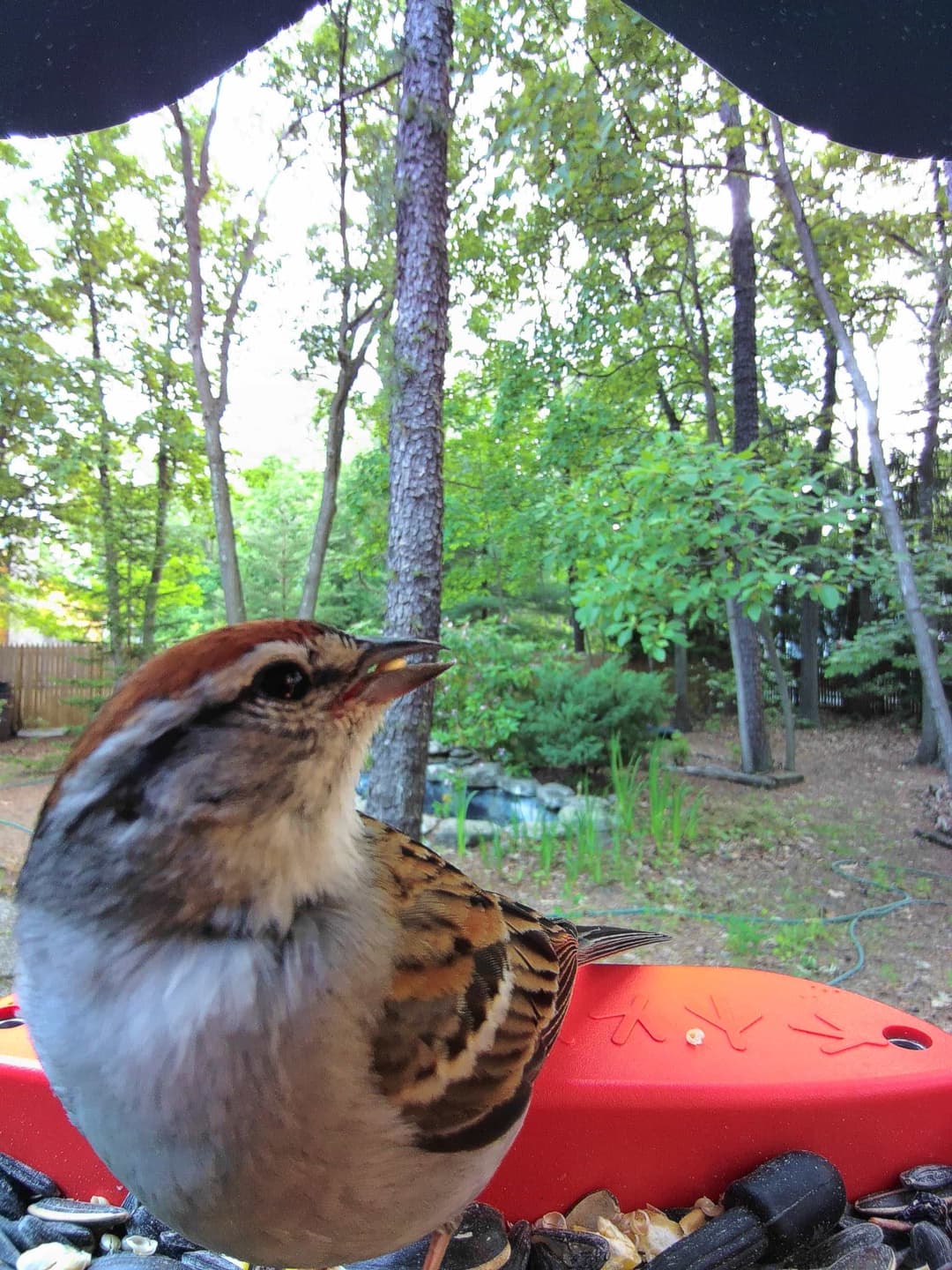
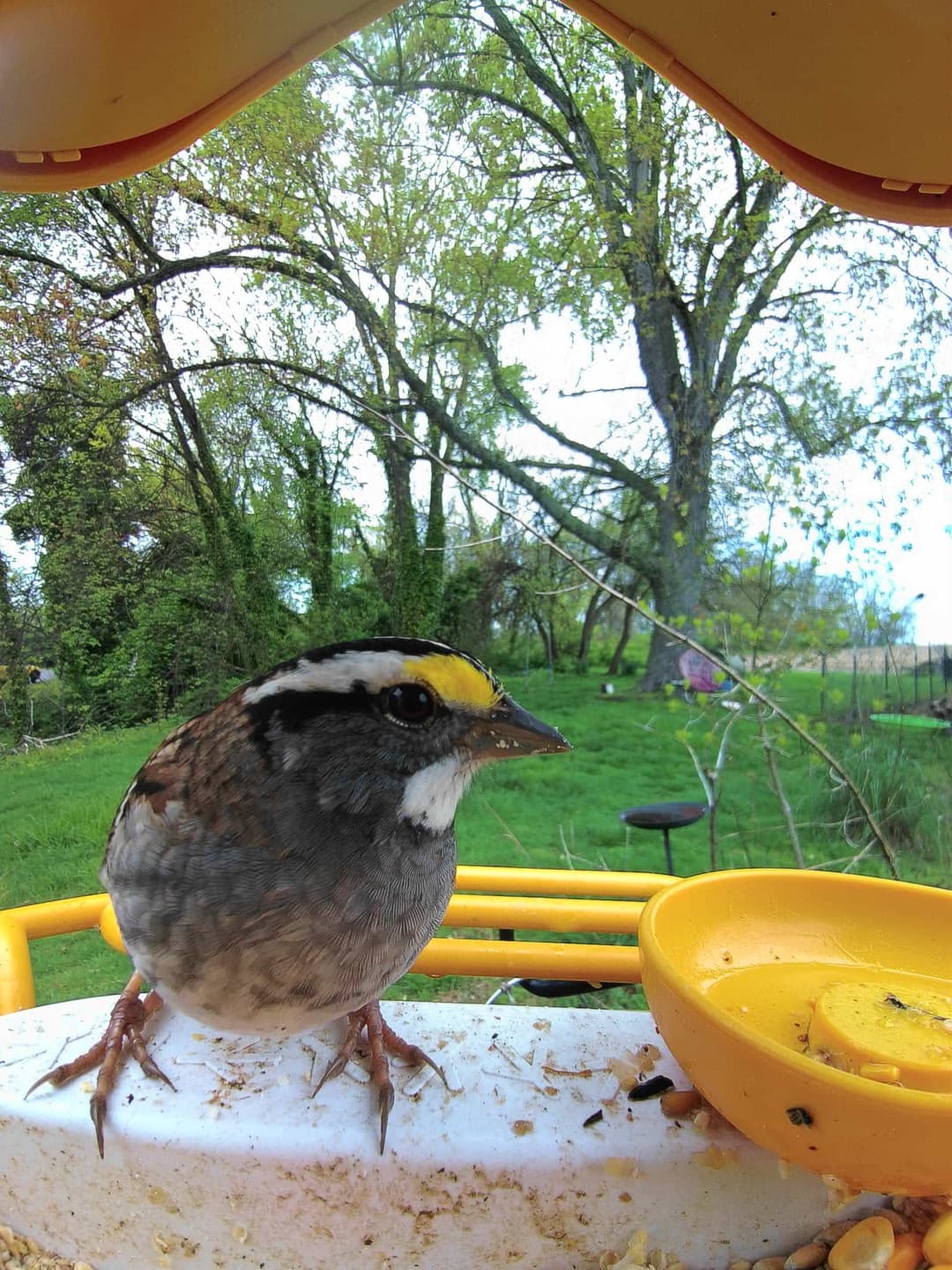
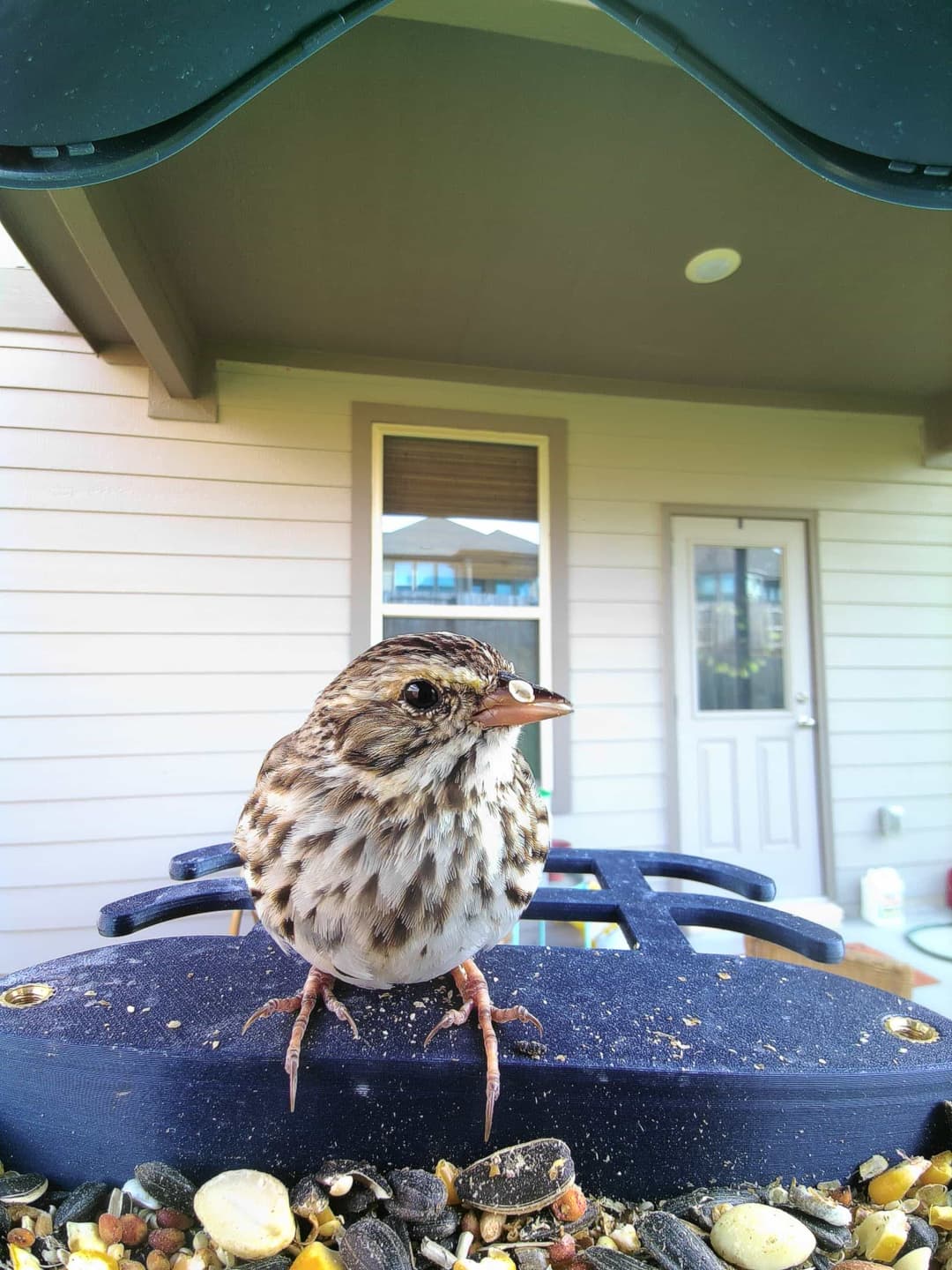
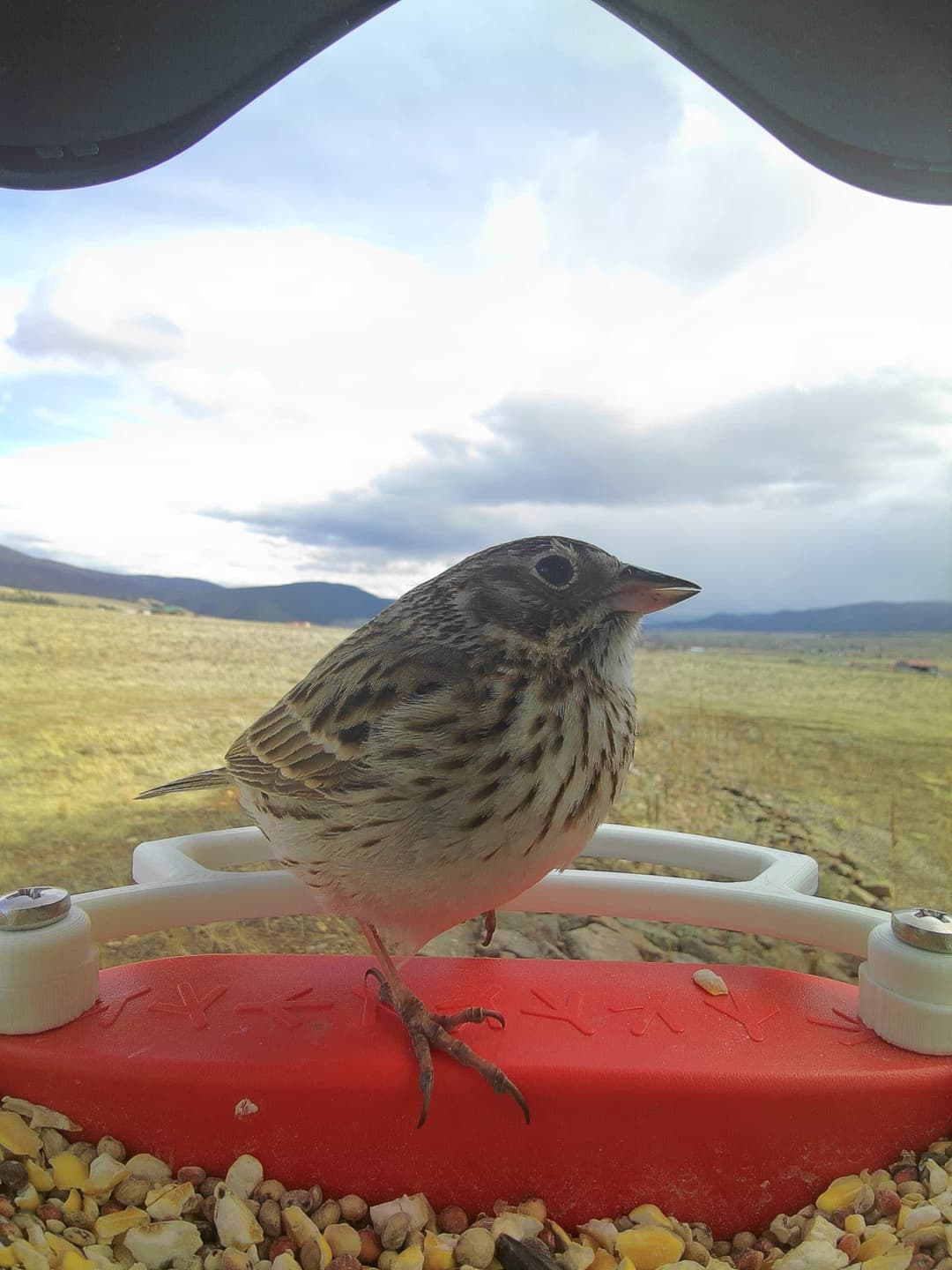
The savannah sparrow is a small, streaked songbird with a short tail and a distinguishing yellow spot between the eye and beak. Its back and wings are brown with heavy streaking, while the underparts are white with dark streaks. The bill is typically short and conical.
Male vs female
Males and females are similar in appearance, but males often exhibit slightly brighter and more contrasting plumage during the breeding season. Both sexes feature a similar patterning and coloration throughout the year.
Juvenile
Juvenile savannah sparrows resemble adults but have a more subdued coloration and streaking. The yellow spot may be less pronounced in juveniles. As they mature, their plumage becomes more defined, resembling adult birds.
Size
4.3 - 5.9 in/0.5 - 1.0 oz
There's more to learn about Savannah Sparrow
View full detailsHow to tell the Sparrow from the Savannah Sparrow
Visual differences
Sparrows (Passer) are generally plump with short tails, exhibiting brown, black, and white streaked or solid patterns, and have a stout beak. They weigh 0.4-1.7 oz and measure 4.1-7.1 inches in length. Savannah Sparrows (Passerculus sandwichensis), however, are smaller and lighter, weighing 0.5-1 oz and measuring 4.3-5.9 inches. They have a distinctive yellow spot before the eye, brown streaked back, and white streaked underparts. Savannah Sparrows feature a conical bill and are less marked than sparrows. Both species have short tails, but Savannah Sparrows are adorned with more defined streaking.
Key differences and behavior
Sparrows (Passer) and Savannah Sparrows (Passerculus sandwichensis) differ significantly in behavior and ecology. Sparrows, adaptable to urban environments, thrive in diverse habitats, nesting in trees and structures, showing less selective feeding—seeds, grains, and urban food scraps are typical. They exhibit social behavior, forming dense flocks, and use elaborate courtship displays. In contrast, Savannah Sparrows prefer open fields and marshes, with some regional habitat specialization like coastal dunes. Their diet is mainly insects and seeds, with coastal populations consuming small marine life. These sparrows are more solitary, with males singing from high perches. Nesting is at ground level, in tall grasses. While both species lay 3-5 eggs per clutch, Savannah Sparrows’ young fledge quicker (about 8-11 days) compared to Sparrows (14-17 days). Savannah Sparrows tend to avoid bird feeders, contrasting the more opportunistic Sparrows.
Still not sure? Here are more lookalikes!
Sparrow vs House Sparrow
Sparrow vs Chipping Sparrow
Sparrow vs White-Crowned Sparrow

Sparrow vs Song Sparrow
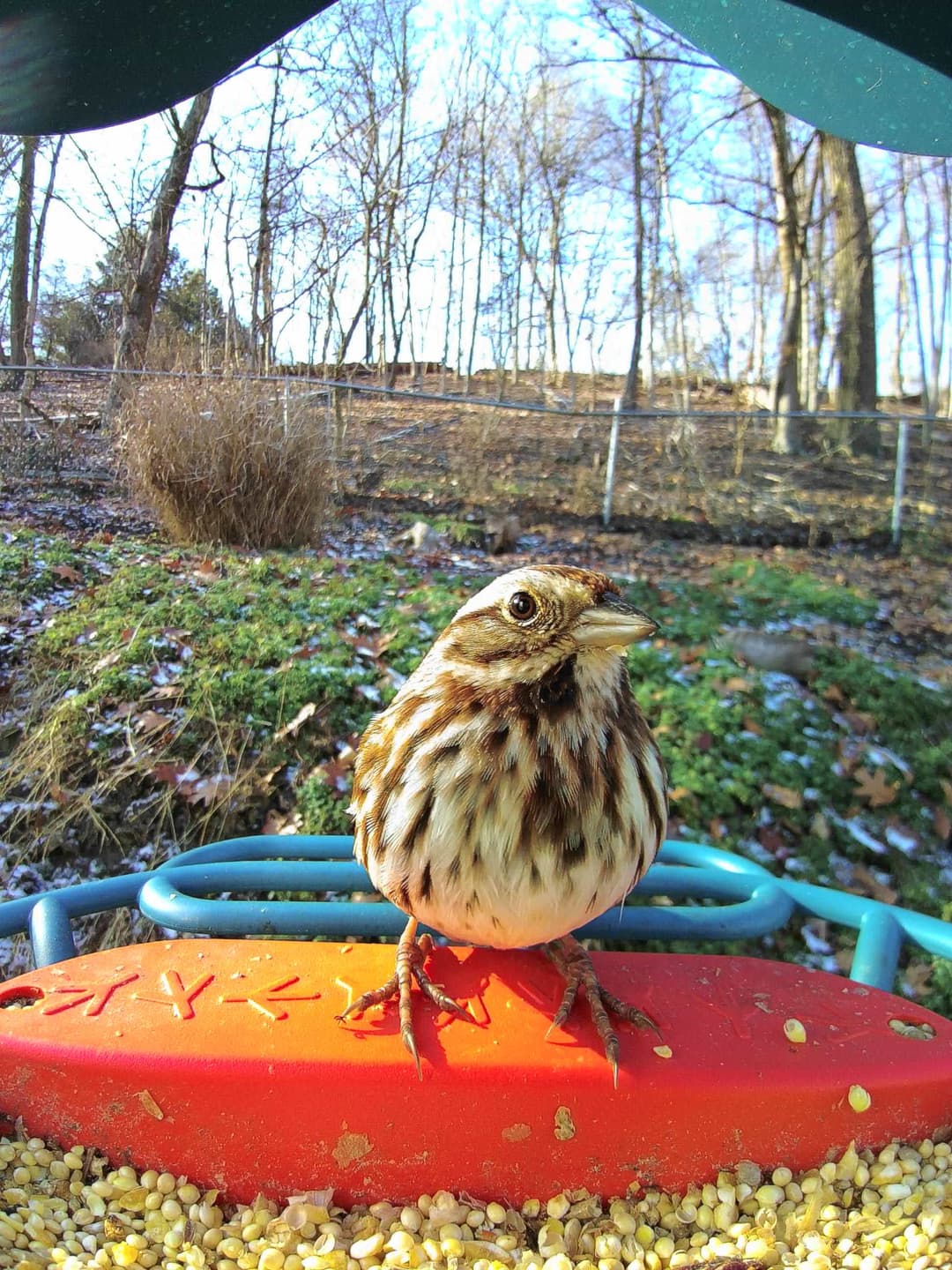
Sparrow vs Eurasian Tree Sparrow
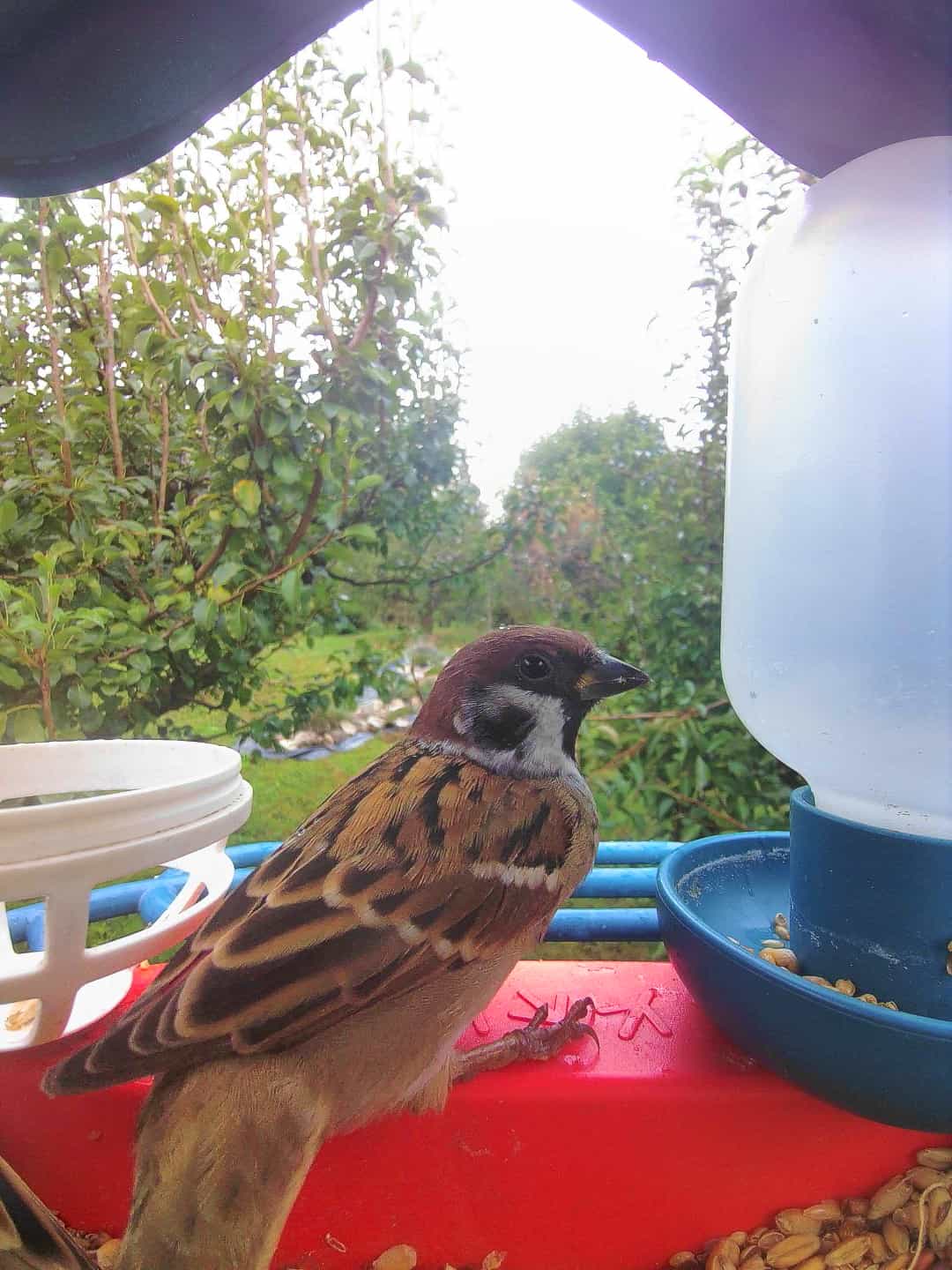
Sparrow vs American Tree Sparrow
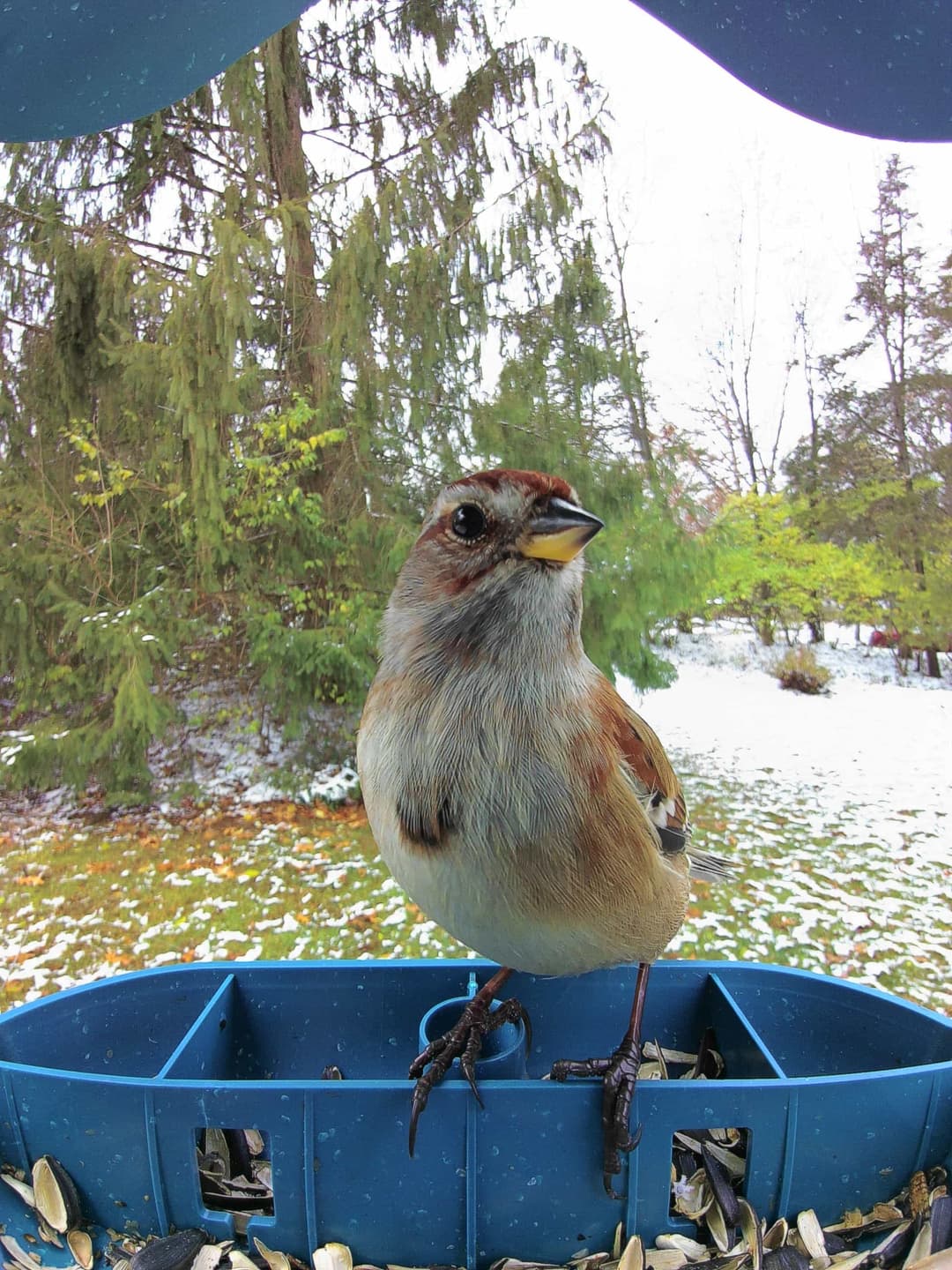
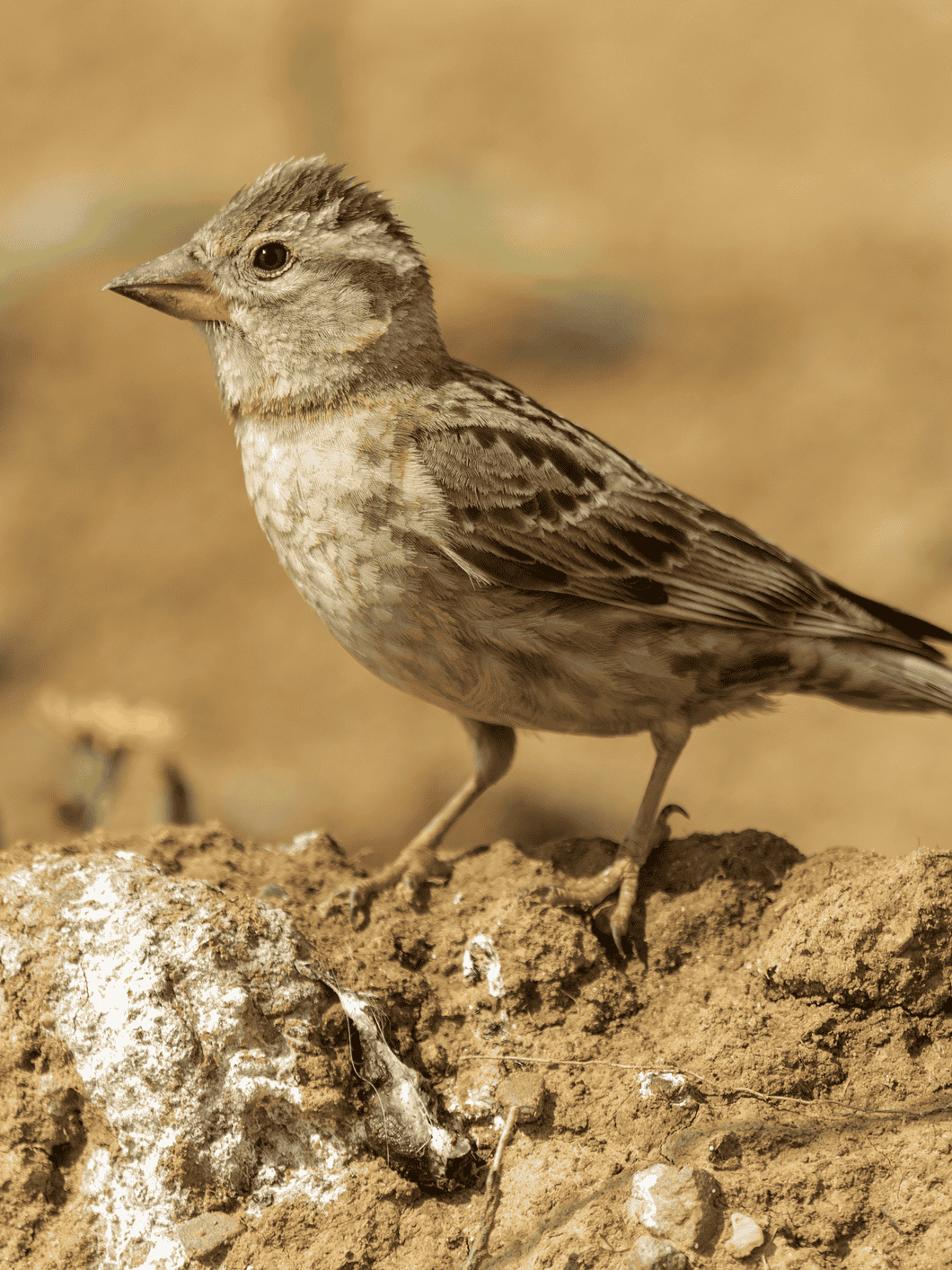
Sparrow vs White-Throated Sparrow
Savannah Sparrow vs Song Sparrow
Savannah Sparrow vs White-Throated Sparrow
Sparrow vs [Select a bird]

[Select a bird]
Pick a bird to compare
Savannah Sparrow vs [Select a bird]
[Select a bird]
Pick a bird to compare