Song Sparrow or Savannah Sparrow?
Here's how to tell the difference


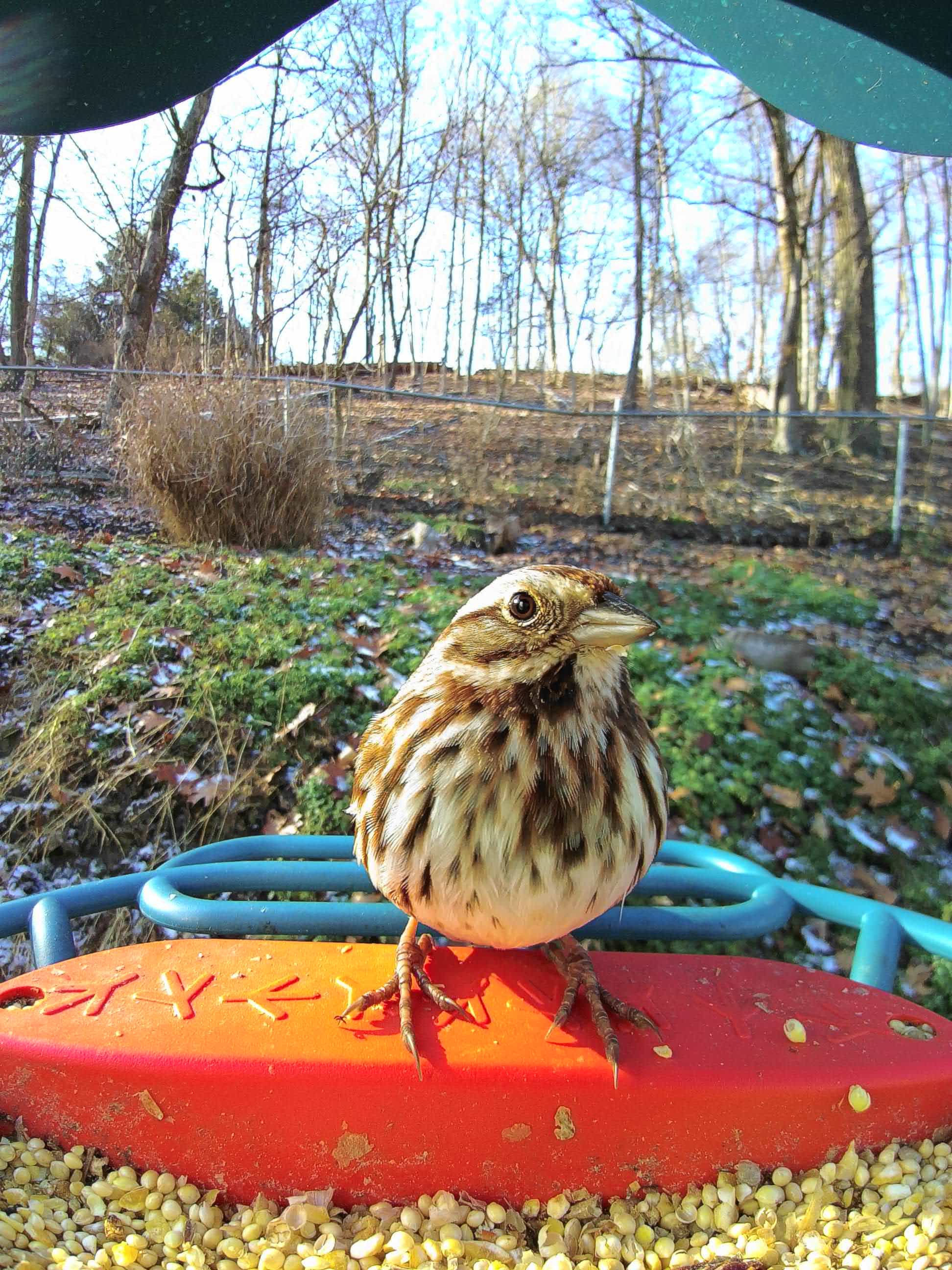


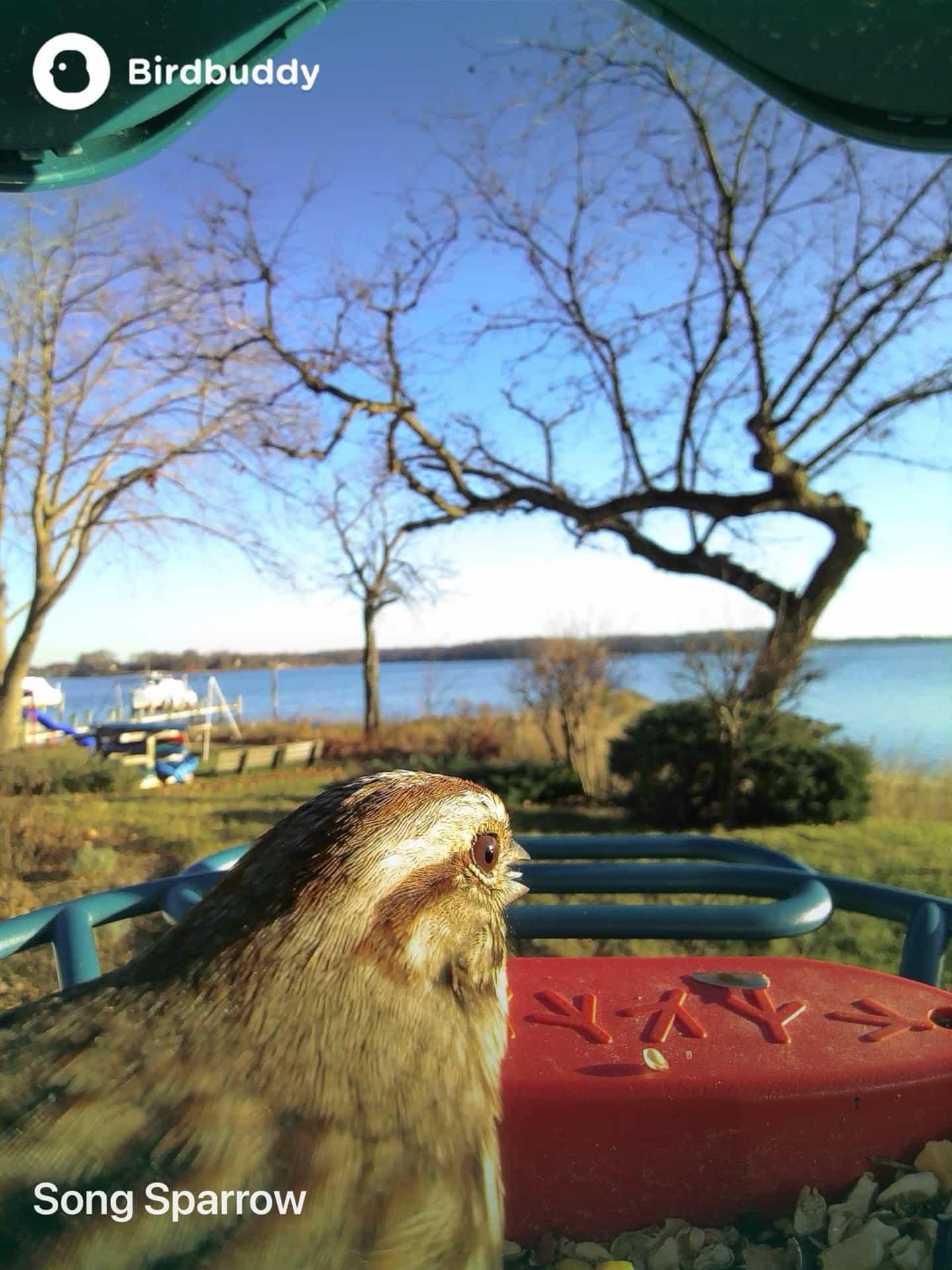

Song Sparrow


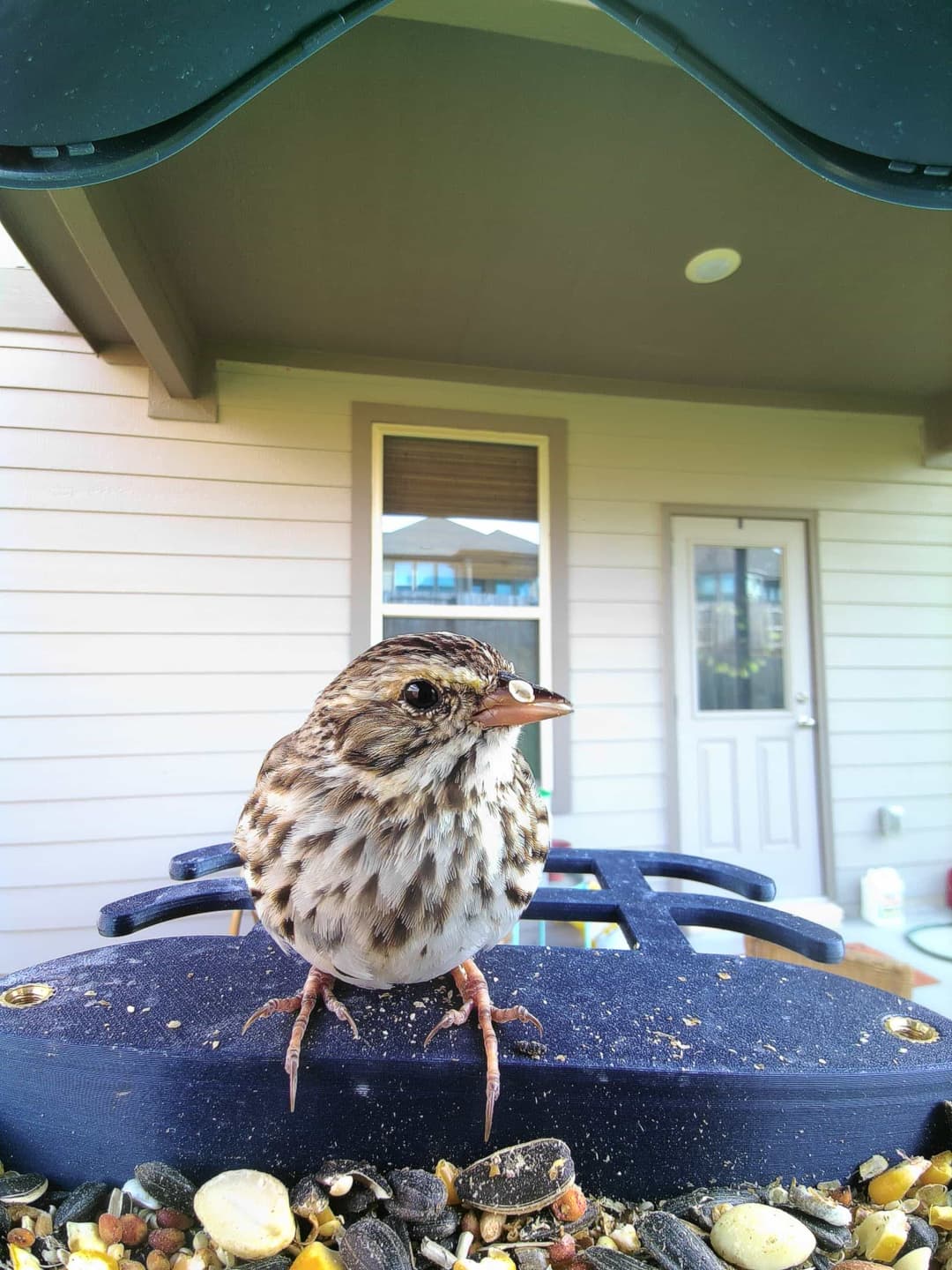
Savannah Sparrow
Song Sparrow
Melospiza melodia
General appearance
A song sparrow is the size of a robin, with a fairly long tail. Its distinctive markings include a striped face and streaks on its chest, often merging into a central blotch. The bird displays a range of colors, including black, brown, gray, red, and white. Its wings are broad and its tail can be notched, rounded, or square-tipped. It is often seen in open fields.
Male vs female
Both male and female song sparrows have similar appearances, making it difficult to tell them apart by sight alone. Both genders share the same size, coloration, and physical traits, such as their striped faces, long tails, and chest markings.
Juvenile
Juvenile song sparrows have similarly colored plumage to adults but typically appear more muted. Their chest streaks may not be as prominent and can take some time to fully develop. As they mature, they grow into their characteristic markings and colorations.
Size
4.7 - 6.7 in/0.4 - 1.9 oz
There's more to learn about Song Sparrow
View full detailsSavannah Sparrow
Passerculus sandwichensis
General appearance
The savannah sparrow is a small, streaked songbird with a short tail and a distinguishing yellow spot between the eye and beak. Its back and wings are brown with heavy streaking, while the underparts are white with dark streaks. The bill is typically short and conical.
Male vs female
Males and females are similar in appearance, but males often exhibit slightly brighter and more contrasting plumage during the breeding season. Both sexes feature a similar patterning and coloration throughout the year.
Juvenile
Juvenile savannah sparrows resemble adults but have a more subdued coloration and streaking. The yellow spot may be less pronounced in juveniles. As they mature, their plumage becomes more defined, resembling adult birds.
Size
4.3 - 5.9 in/0.5 - 1.0 oz
There's more to learn about Savannah Sparrow
View full detailsHow to tell the Song Sparrow from the Savannah Sparrow
Visual differences
The Song Sparrow, larger at 4.7-6.7 inches, has a longer tail and notched tips. It sports a striped face, varied browns, grays, and reds, with chest streaks merging into a central blotch. In contrast, the Savannah Sparrow is smaller at 4.3-5.9 inches, displays a short tail, and a distinctive yellow spot between the eye and beak. Its plumage is heavily streaked with brown, with white underparts. The Savannah Sparrow has a short, conical bill, while the Song Sparrow's is more varied in color and pattern.
Key differences and behavior
Song Sparrows and Savannah Sparrows exhibit distinct behavioral and ecological differences. Song Sparrows are known for their frequent and varied singing, often heard every eight seconds during spring mornings, while Savannah Sparrows also have a loud song but are less melodically varied. Both species forage primarily on the ground, but Song Sparrows perform a distinctive kicking dance as they forage. Habitat preferences differ as well; Song Sparrows favor dense low cover like thickets and marsh edges, while Savannah Sparrows are more inclined towards open fields and meadows. In terms of breeding, Song Sparrows build nests both on the ground and in shrubs, whereas Savannah Sparrows consistently nest at ground level. Dietarily, both consume insects and seeds, but Song Sparrows are more likely to visit bird feeders. Savannah Sparrows are less common at feeders, relying more on natural seed sources. Both species share similar diets, but Savannah Sparrows are more insect-reliant for feeding their young.
Still not sure? Here are more lookalikes!
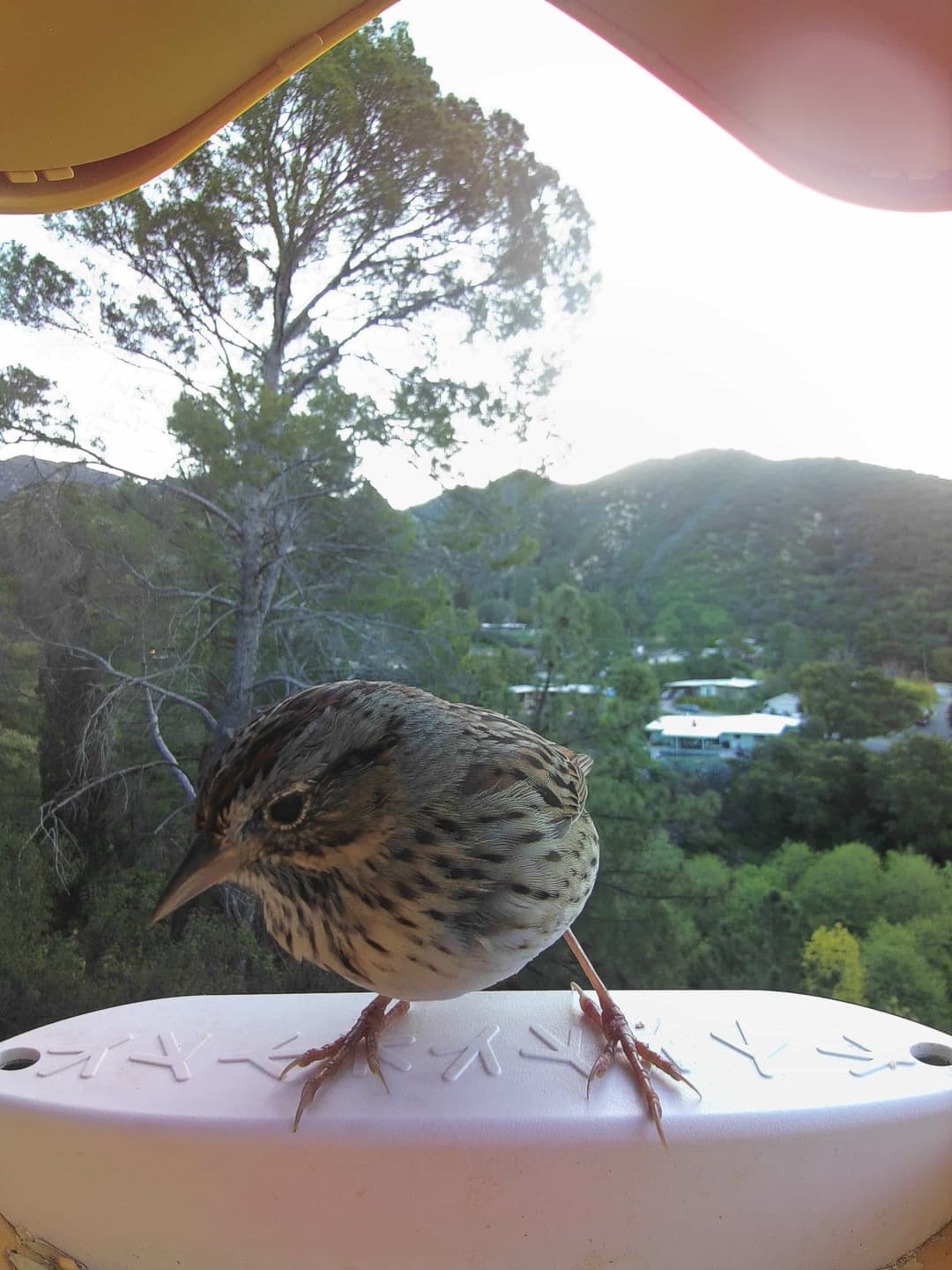
Song Sparrow vs Lincoln’s Sparrow
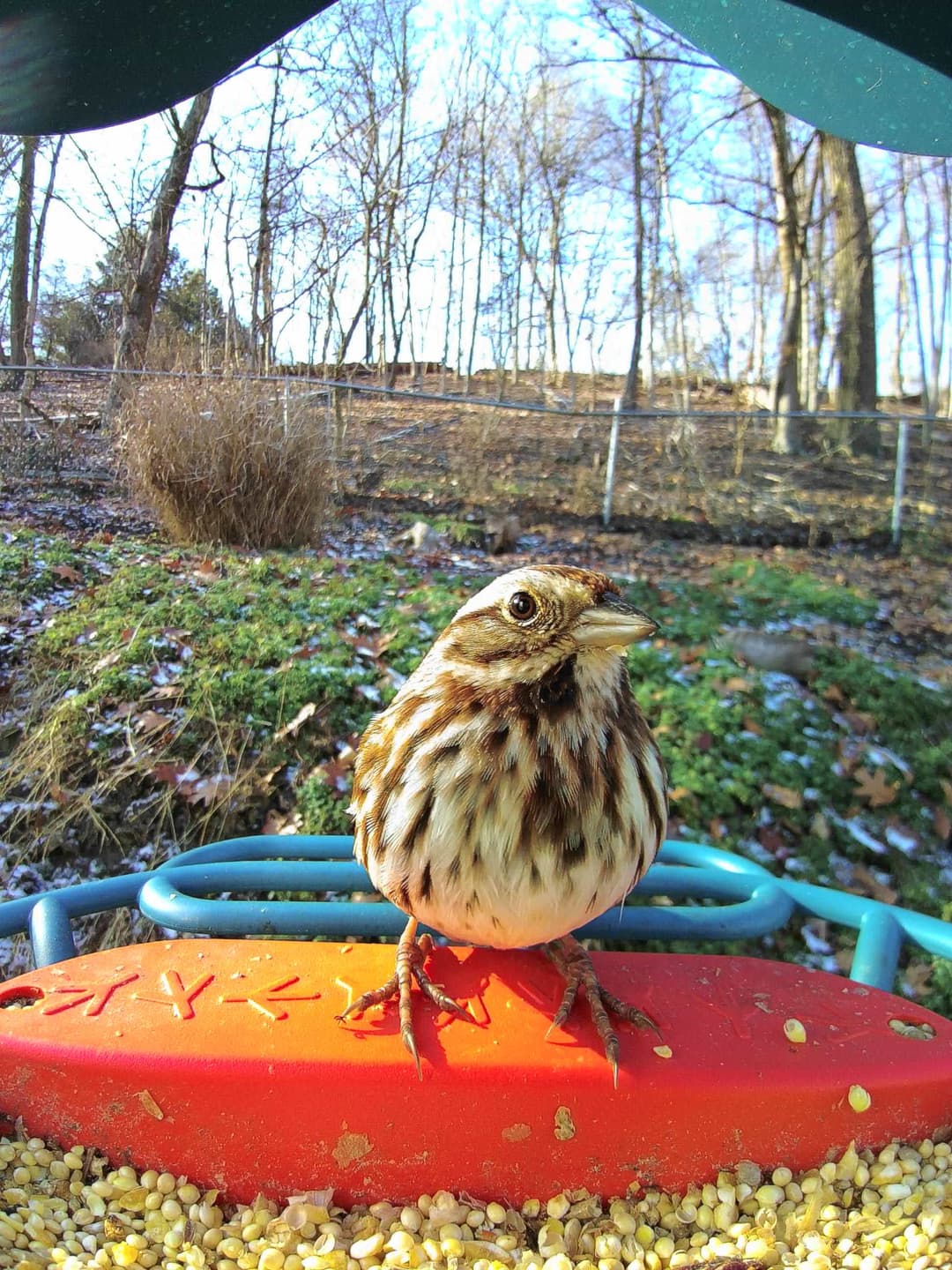
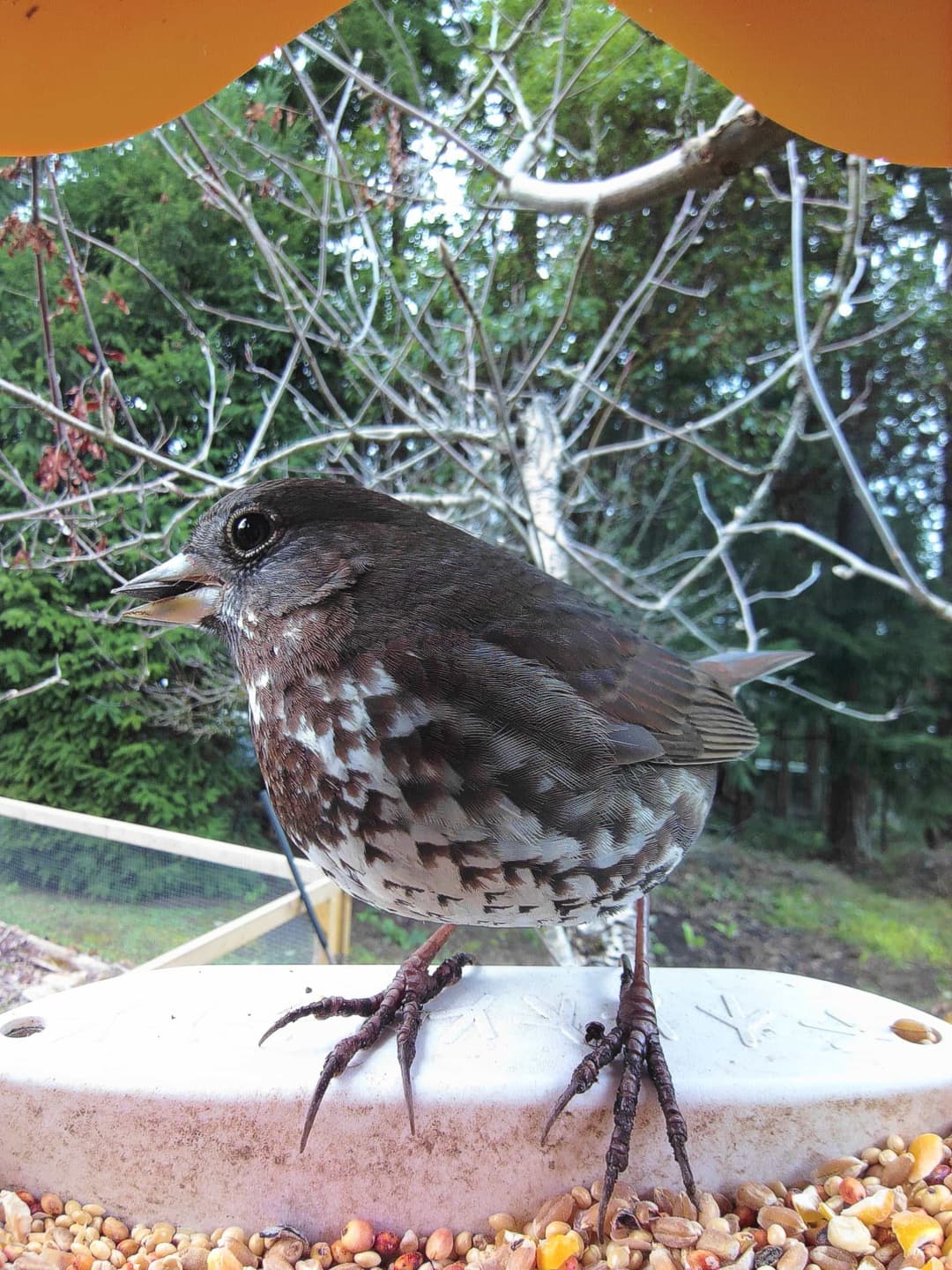
Song Sparrow vs Fox Sparrow
Song Sparrow vs Vesper Sparrow

Savannah Sparrow vs White-Throated Sparrow

Song Sparrow vs [Select a bird]

[Select a bird]
Pick a bird to compare
Savannah Sparrow vs [Select a bird]
[Select a bird]
Pick a bird to compare