Rock Sparrow or Chipping Sparrow?
Here's how to tell the difference
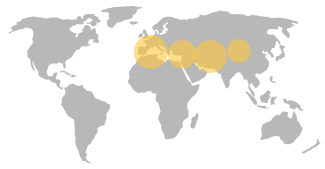


Rock Sparrow
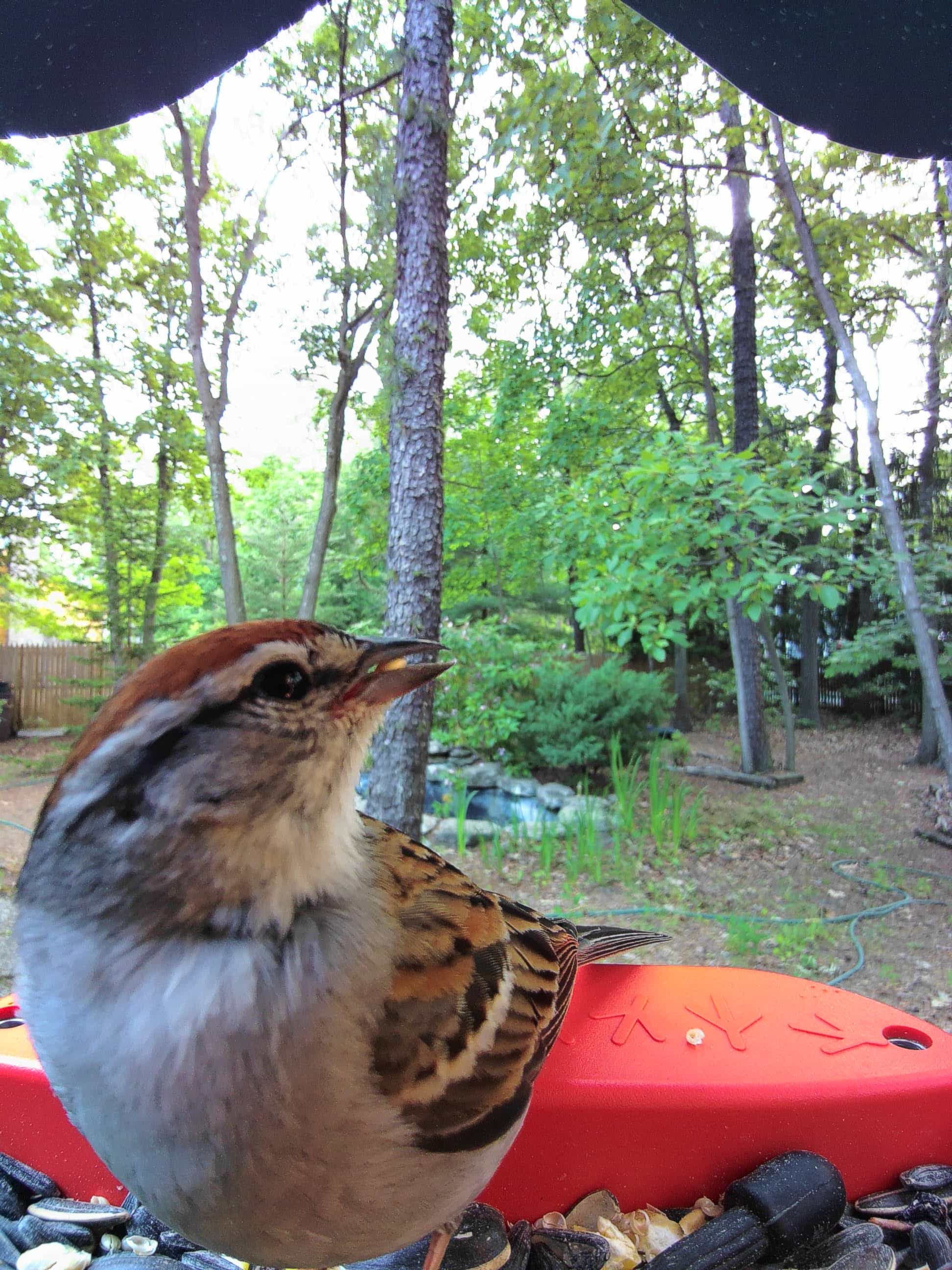


Chipping Sparrow
Rock Sparrow
Petronia petronia
Also known as: Rock Petronia
General appearance
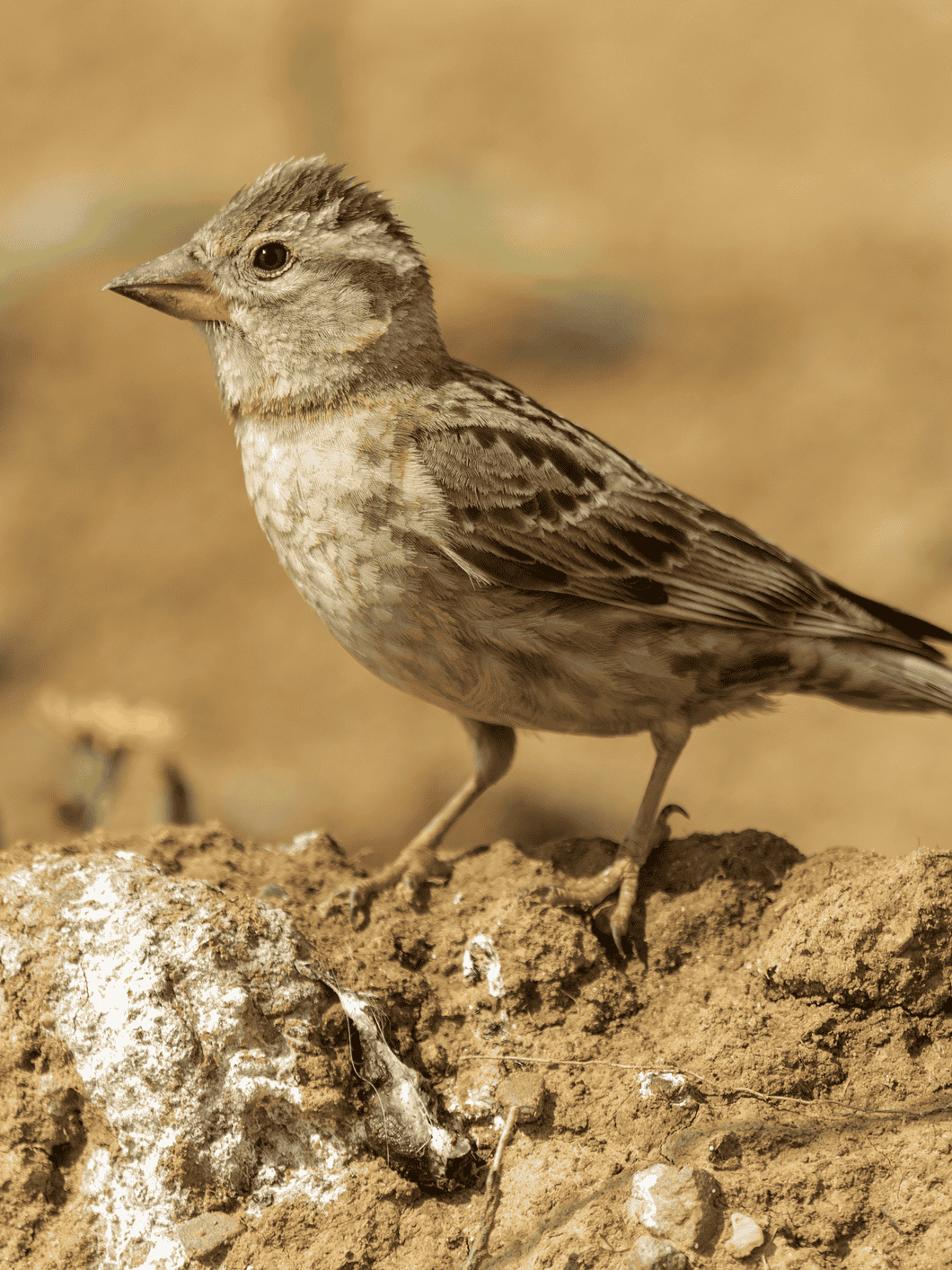
The rock sparrow is a small bird characterized by its size, about 15 centimeters in length. The coloration primarily consists of greyish-brown plumage peppered with black, white, and yellow markings. They also host distinctive yellow and black 'teardrop' features around their eyes.
Male vs female
Sexual dimorphism is subtle in rock sparrows. Males are more colorful with a stronger contrast between their grey and brown feathers. They have a striking black bib underline their beak, not present in females. Females, while physically similar, are duller in terms of coloration.
Juvenile
Juvenile rock sparrows resemble females in duller coloration but lack the yellow eye mark. Their feathers, especially on the wings and back, are more edged than those on adults. The black bib starts to emerge as they mature. They switch to adult plumage after their first molt, typically occurring in late summer.
Size
5.5 - 5.9 in/0.9 - 1.4 oz
There's more to learn about Rock Sparrow
View full detailsChipping Sparrow
Spizella passerina
General appearance
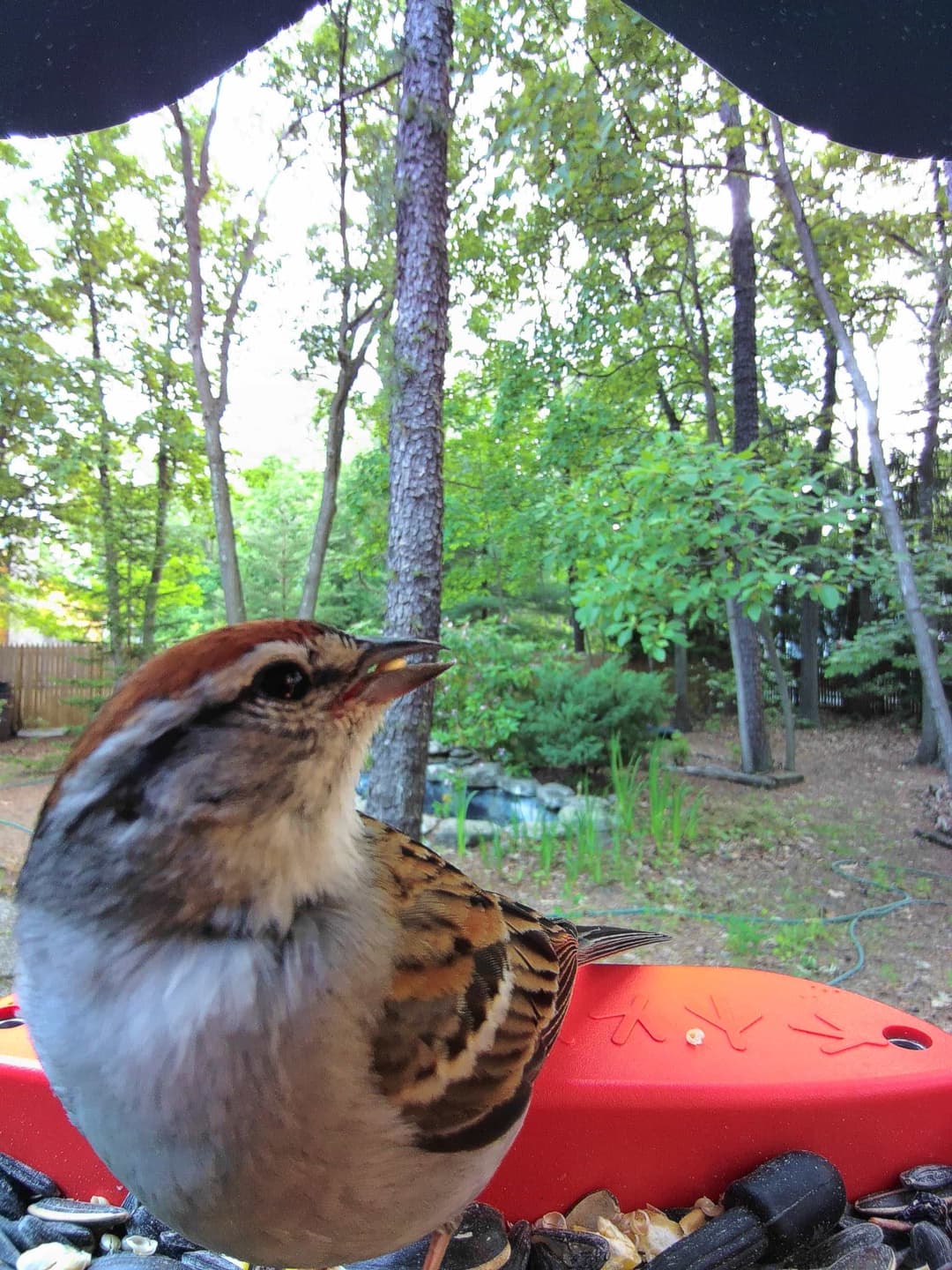
The Chipping Sparrow is a small 5-5 1/2 inch bird, equivalent to 13-14 cm. Sporting a blend of black, brown, gray, red, and white colors, it has a distinctive chestnut cap, white eyebrow, and black eyeline. Its wings are broad and the tail shape varies from notched, rounded to square-tipped. The bird's rump is gray, distinguishing it from Clay-Colored and Brewer's Sparrows that have brown rumps.
Male vs female
The Chipping Sparrow doesn't exhibit significant sexual dimorphism, meaning males and females have similar appearance. They both have less contrast in winter with their chestnut color partly obscured.
Juvenile
Young Chipping Sparrows are initially streaky and retain some of these streaks into fall. Dull fall juveniles can suggest Clay-Colored Sparrow and Brewer's Sparrow, but the gray rump identifies them as Chipping Sparrows. As they age, they acquire the characteristic colors and patterns of adult Chipping Sparrows.
Size
4.7 - 5.9 in/0.4 - 0.6 oz
There's more to learn about Chipping Sparrow
View full detailsHow to tell the Rock Sparrow from the Chipping Sparrow
Visual differences
The Rock Sparrow is slightly larger, measuring 5.5-5.9 inches, with greyish-brown plumage, a distinctive yellow throat patch, and yellow-black teardrop markings near the eyes. It has a subtle yellow bib in males. In contrast, the Chipping Sparrow is 5-5.5 inches and features a chestnut cap, white eyebrow, and black eyeline, with a gray rump and a more defined black marking pattern. Both lack strong sexual dimorphism, but juvenile Chipping Sparrows have streaky plumage, while juvenile Rock Sparrows lack yellow eye marks.
Key differences and behavior
The Rock Sparrow (Petronia petronia) and Chipping Sparrow (Spizella passerina) exhibit distinct behavioral and ecological differences. Rock Sparrows prefer rocky habitats and high altitudes, even migrating to lowlands in winter, whereas Chipping Sparrows thrive in open woods, suburbs, and city parks. While the Rock Sparrow engages in elaborate courtship displays and typically forms monogamous pairs, Chipping Sparrows may exhibit polygamy, with males attracting multiple mates. Diet-wise, both species consume seeds and insects, but Rock Sparrows favor more cereal crops, especially in breeding seasons, while Chipping Sparrows emphasize insects in summer and switch to seeds in colder months. In nesting, Rock Sparrows use rocky crevices, while Chipping Sparrows prefer lower tree heights. Despite both birds visiting feeders for sunflower seeds and millet, Chipping Sparrows display a more flexible habitat and dietary adaptation, suited to suburban environments, as opposed to the Rock Sparrow's mountain and rocky area preference.
Still not sure? Here are more lookalikes!
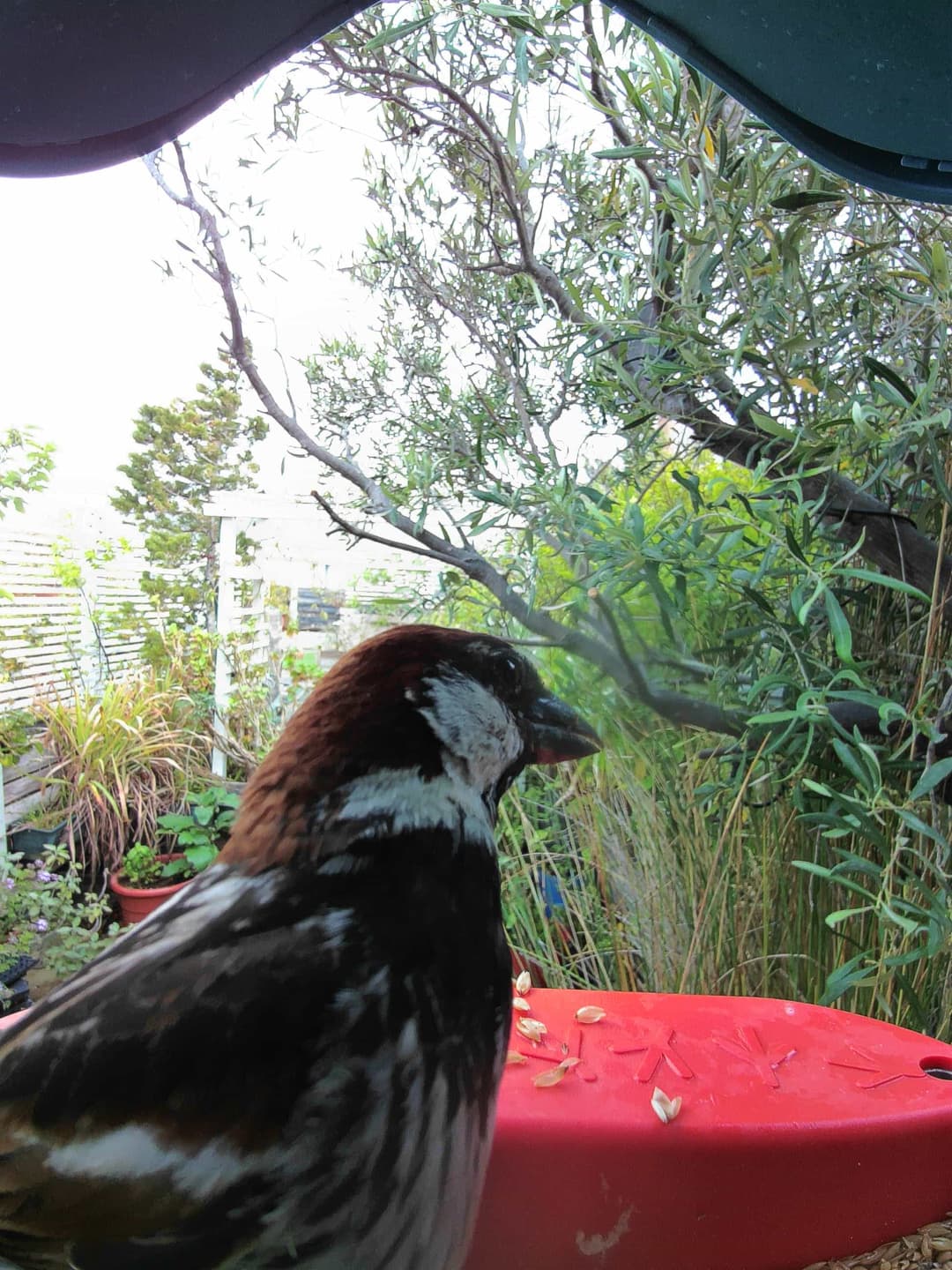
Rock Sparrow vs House Sparrow
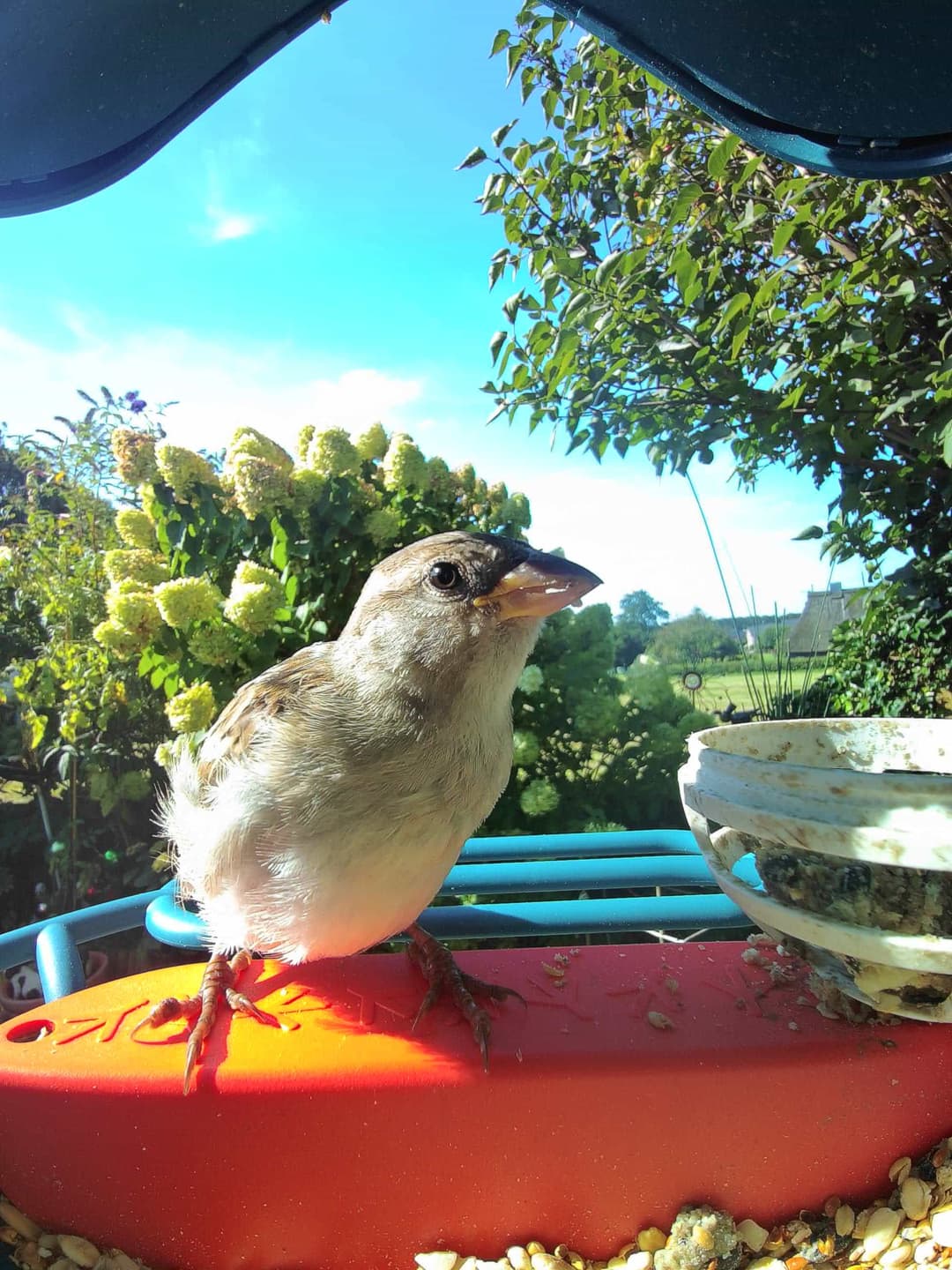
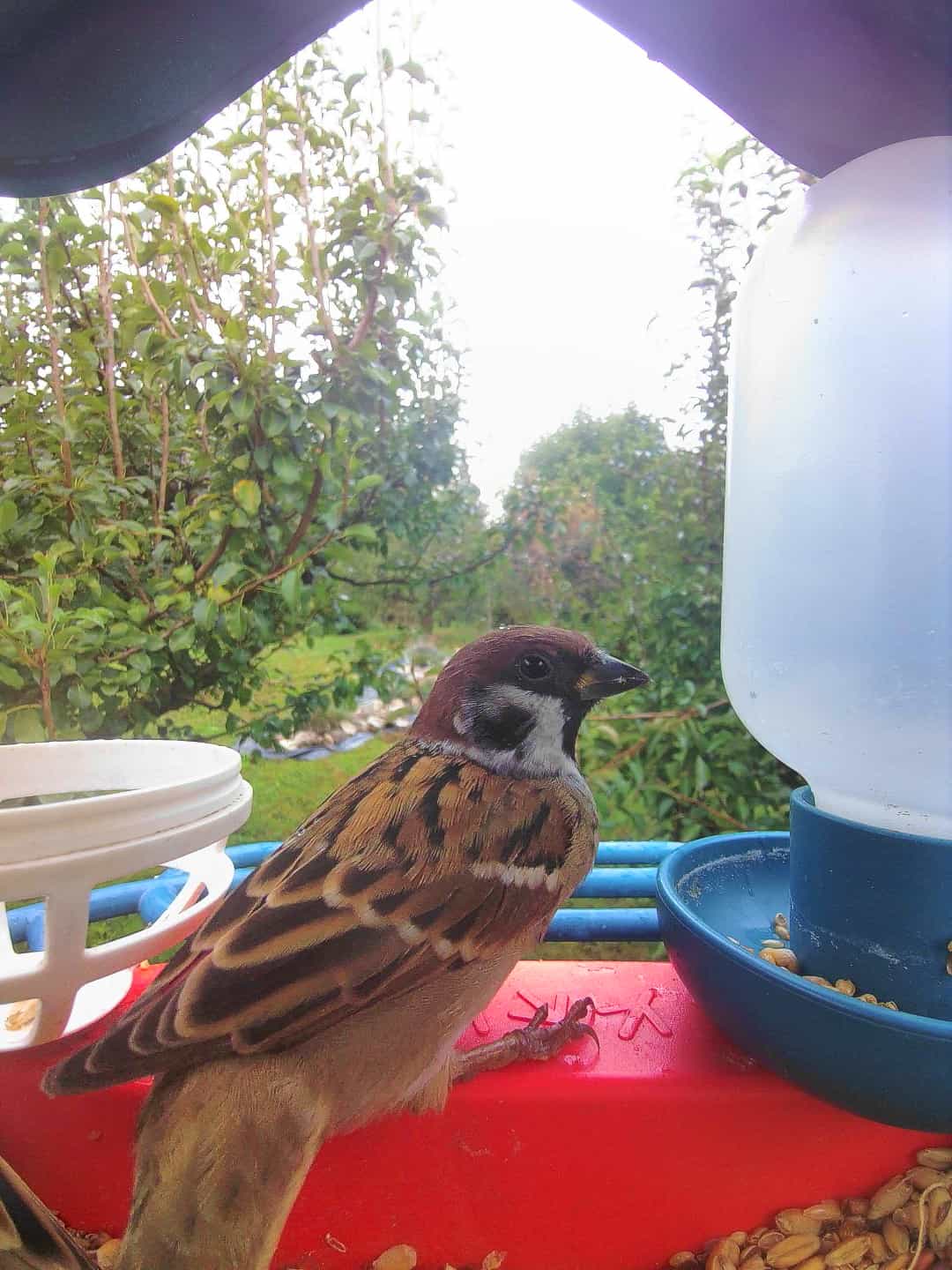
Rock Sparrow vs Eurasian Tree Sparrow
Chipping Sparrow vs American Tree Sparrow
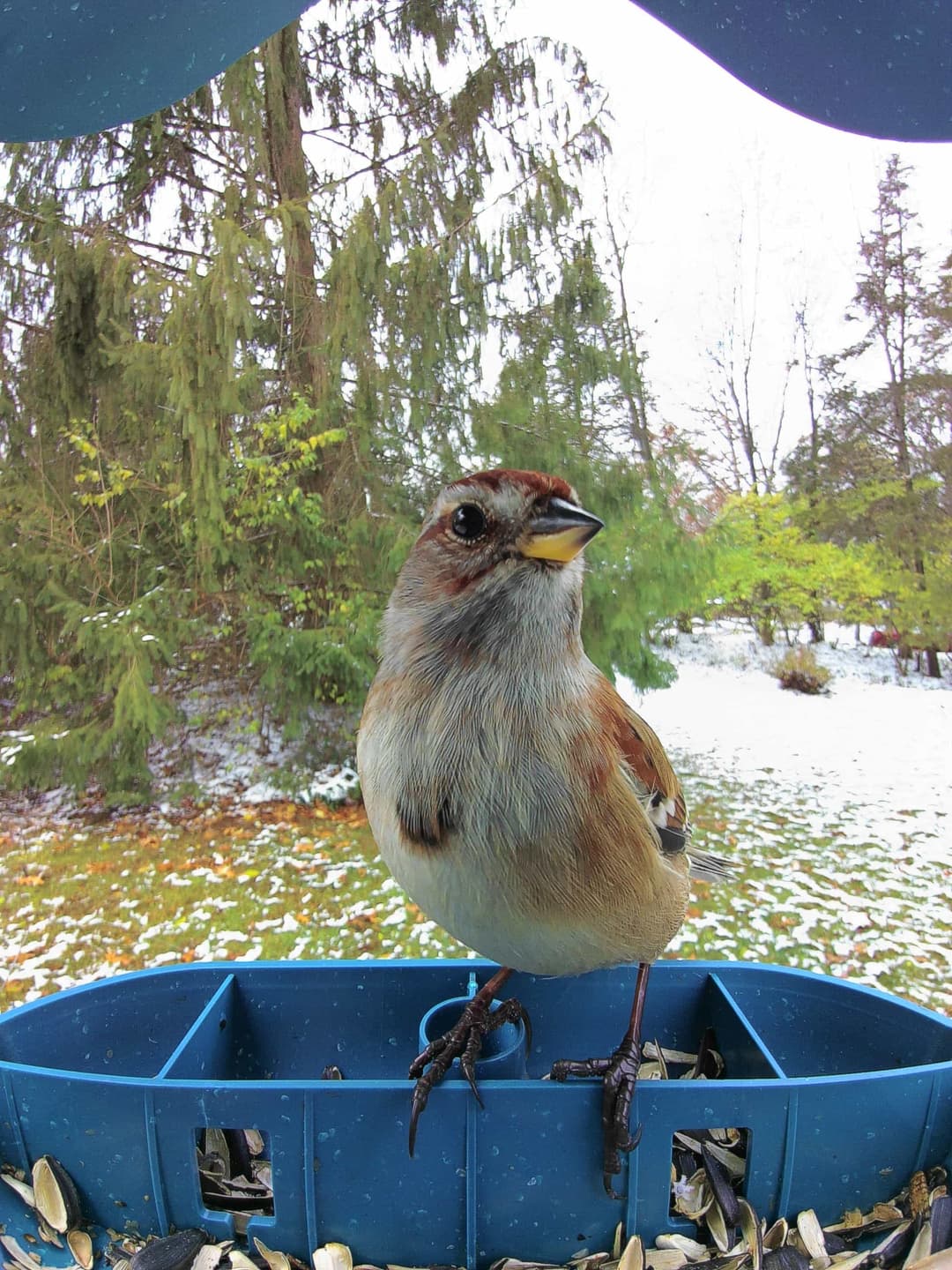
Chipping Sparrow vs Field Sparrow
Rock Sparrow vs [Select a bird]

[Select a bird]
Pick a bird to compare
Chipping Sparrow vs [Select a bird]
[Select a bird]
Pick a bird to compare