Spanish Sparrow or House Sparrow?
Here's how to tell the difference
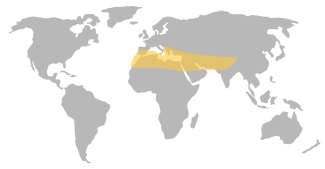



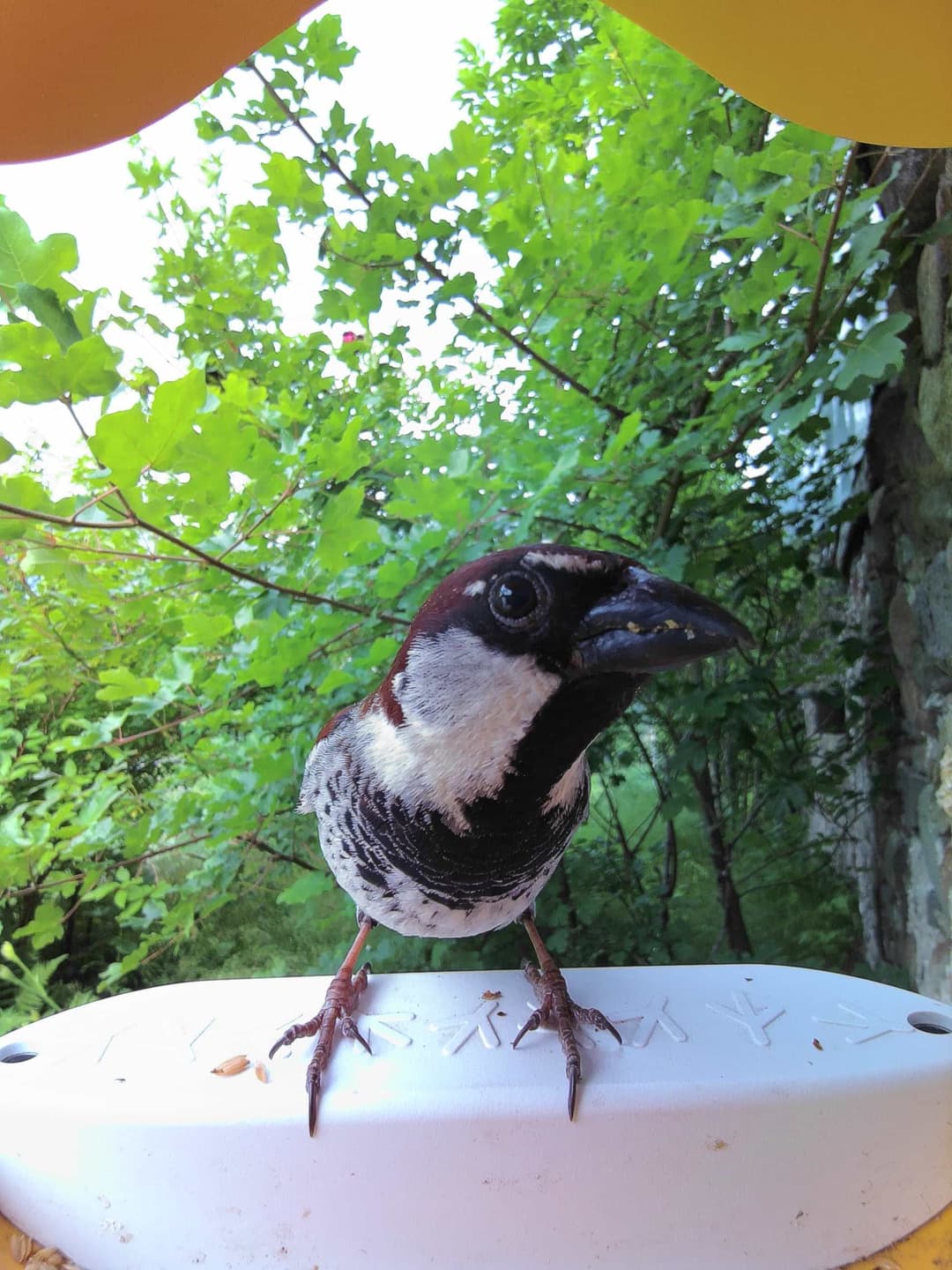
Spanish Sparrow
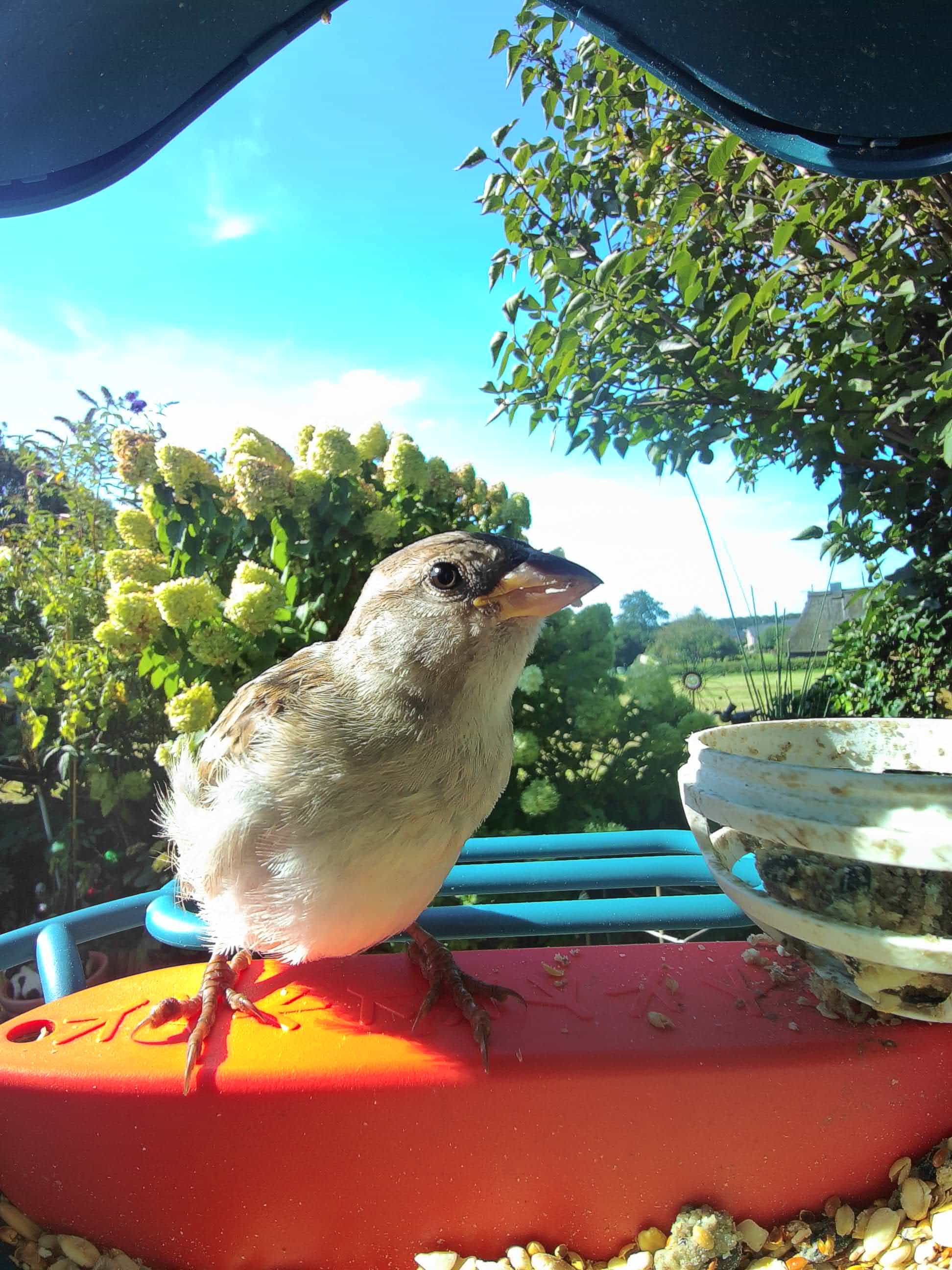


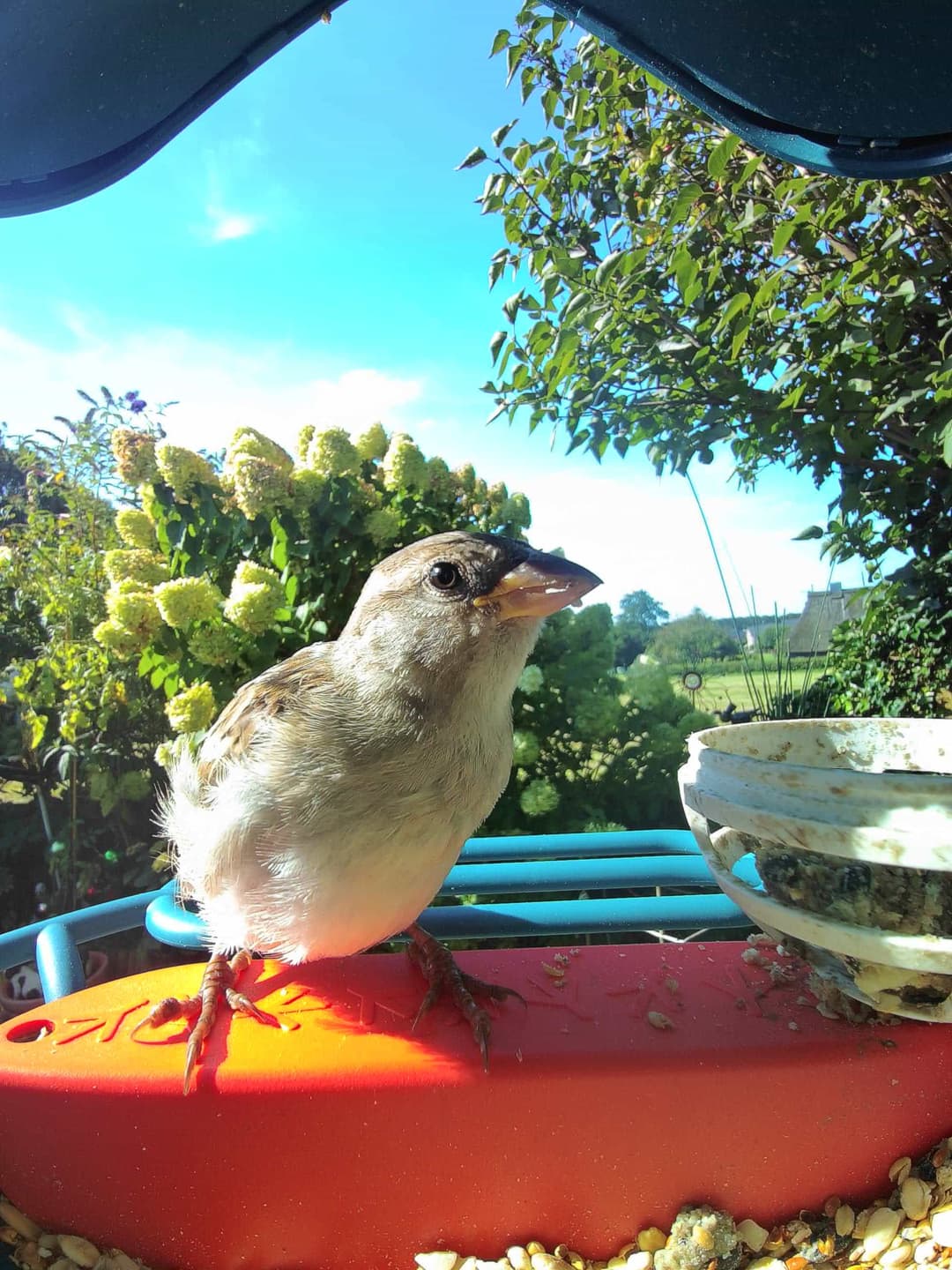
House Sparrow
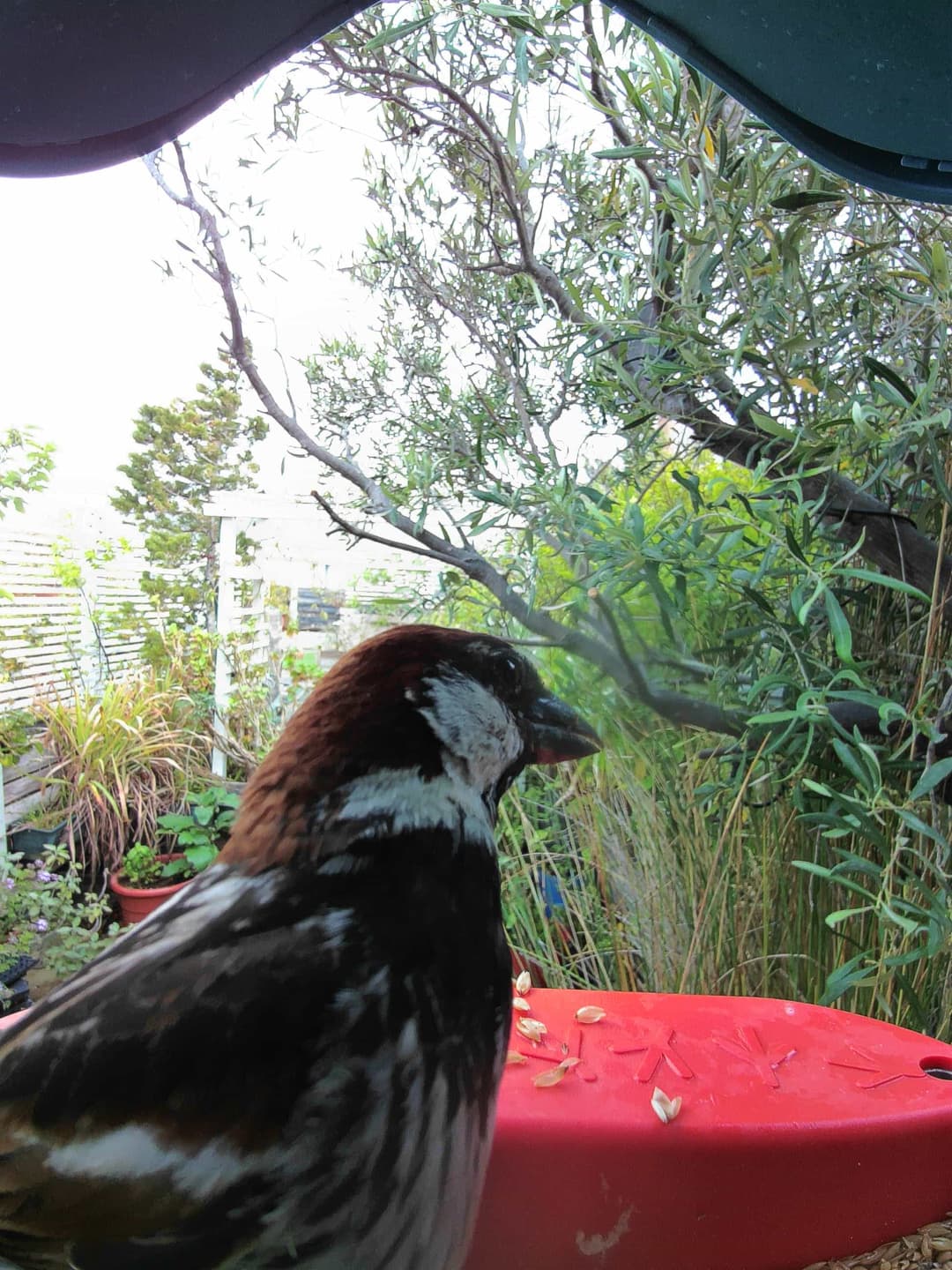
Spanish Sparrow
Passer hispaniolensis
Also known as: Willow Sparrow
General appearance
The Spanish Sparrow or 'Passer hispaniolensis' stands out for its robust, chunky fogginess. Generally, it is larger (15-16 cm) than its cousin, the common House Sparrow. They have brown upperparts with black streaks and underparts boast a grayish tone.
Male vs female
Males and females exhibit sexual dimorphism. Males possess a chestnut crown, a black bib, and white cheeks. In summer, males exhibit blacker back and whiter underparts along with an eye-stripe, characteristic of the species. Females, on the other hand, lack the crisp black and white head markings, looking more closer to the female house sparrow, although are paler and less streaked.
Juvenile
Juvenile Spanish Sparrows resemble female adults but are more finely streaked. They will gradually acquire the mature plumage as they age. Identifying these young ones in the wild might be challenging.
Size
5.9 - 6.3 in/0.8 - 1.3 oz
There's more to learn about Spanish Sparrow
View full detailsHouse Sparrow
Passer domesticus
General appearance
House sparrows are small, stocky birds measuring about 16 cm in length. They have a short tail and a stout bill. Their plumage is predominantly brown, with black streaks on their back and wings. This common bird has a distinctive, somewhat rounded head and a smooth body shape that helps in identifying it in urban and rural areas alike.
Male vs female
Male house sparrows are more vibrant with a gray crown, a chestnut-brown nape, and white cheeks. They have a distinctive black bib on their throat, which can vary in size seasonally. In contrast, females are duller with a more uniform brown coloration, lacking the bold markings of males. Their underparts are a plain grayish-brown, and they have a more pronounced eye stripe behind the eye.
Juvenile
Juvenile house sparrows resemble females but are even paler, with grayish-brown plumage and softer streaks. They lack the developed throat patch and bright head pattern found in adults. Juveniles gradually acquire adult coloration through moulting, becoming distinguishable by their more uniform brown appearance and subtler facial markings.
Size
5.9 - 6.7 in/1.0 - 1.1 oz
There's more to learn about House Sparrow
View full detailsHow to tell the Spanish Sparrow from the House Sparrow
Visual differences
The Spanish Sparrow (6-6.3 in) is slightly larger than the House Sparrow (6.3-6.7 in). Male Spanish Sparrows have a chestnut crown, black bib, and white cheeks, with darker backs and lighter underparts in summer. House Sparrow males show a gray crown, chestnut nape, and variable black bib. Female Spanish Sparrows are paler and less streaked compared to female House Sparrows, whose underparts are plain grayish-brown with a pronounced eye stripe. Both species share brown, black-streaked upper plumage but differ in these distinct facial and crown markings.
Key differences and behavior
The Spanish Sparrow (Passer hispaniolensis) and House Sparrow (Passer domesticus) share social behavior, often found in groups. Spanish Sparrows prefer warm, dry climates and can nest in unusual places, like under stork nests. They breed in colonies with both parents caring for the young. Their diet mainly consists of seeds, grains, and insects during breeding seasons. House Sparrows, common in human-occupied spaces, can be seen dust bathing for cleanliness. They nest in small colonies, either in enclosed spaces or open sites, often using urban debris. Their courtship involves distinctive male displays. Primarily feeding on seeds and waste grain, they also adapt by eating crumbs in cities. Both species can be observed at feeders enjoying similar offerings, but House Sparrows are more ubiquitous in urban and rural areas. Spanish Sparrows are larger (6-6.3 inches) than the House Sparrows (6-6.7 inches), though they weigh similarly.
Still not sure? Here are more lookalikes!
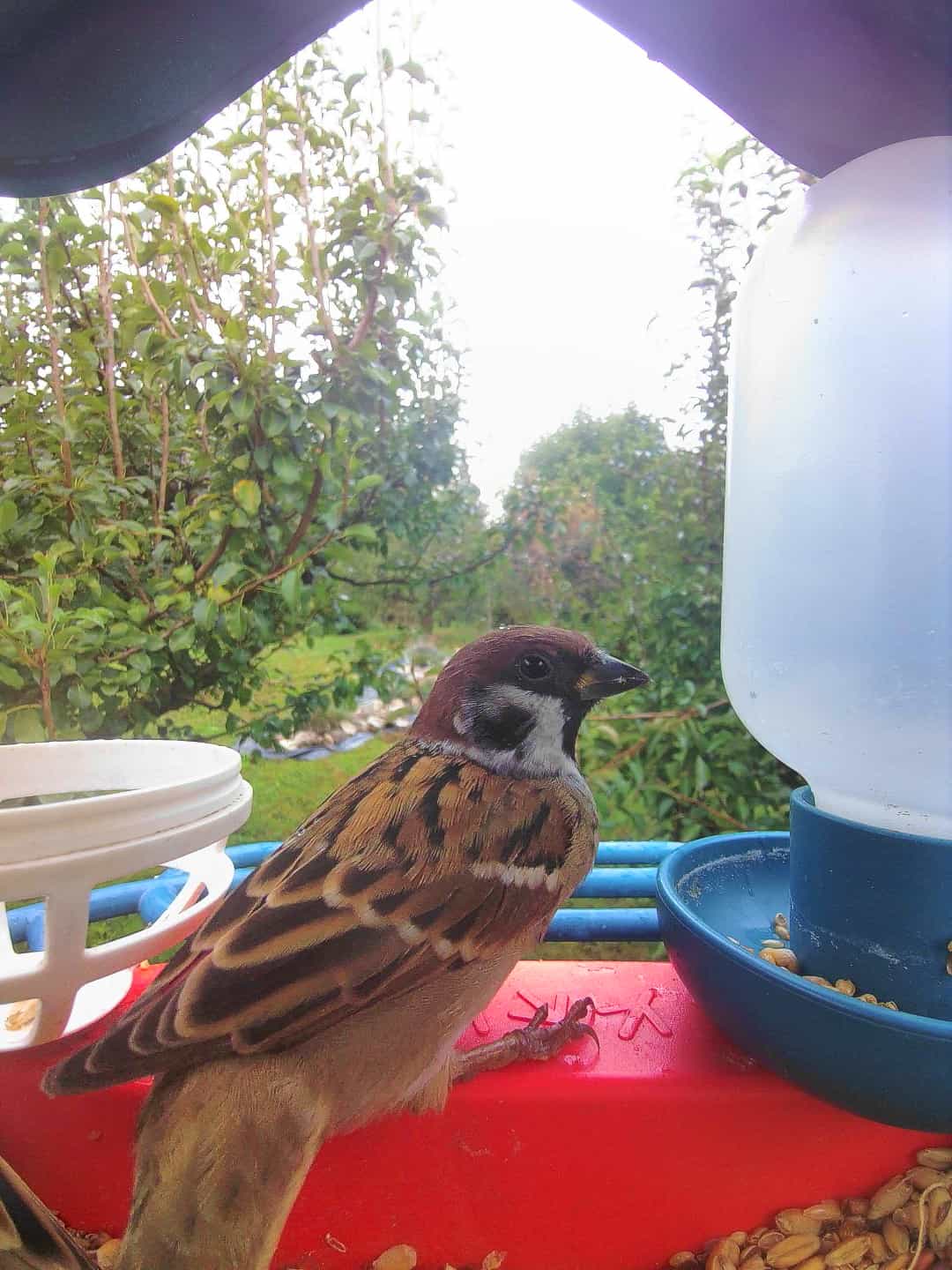
Spanish Sparrow vs Eurasian Tree Sparrow
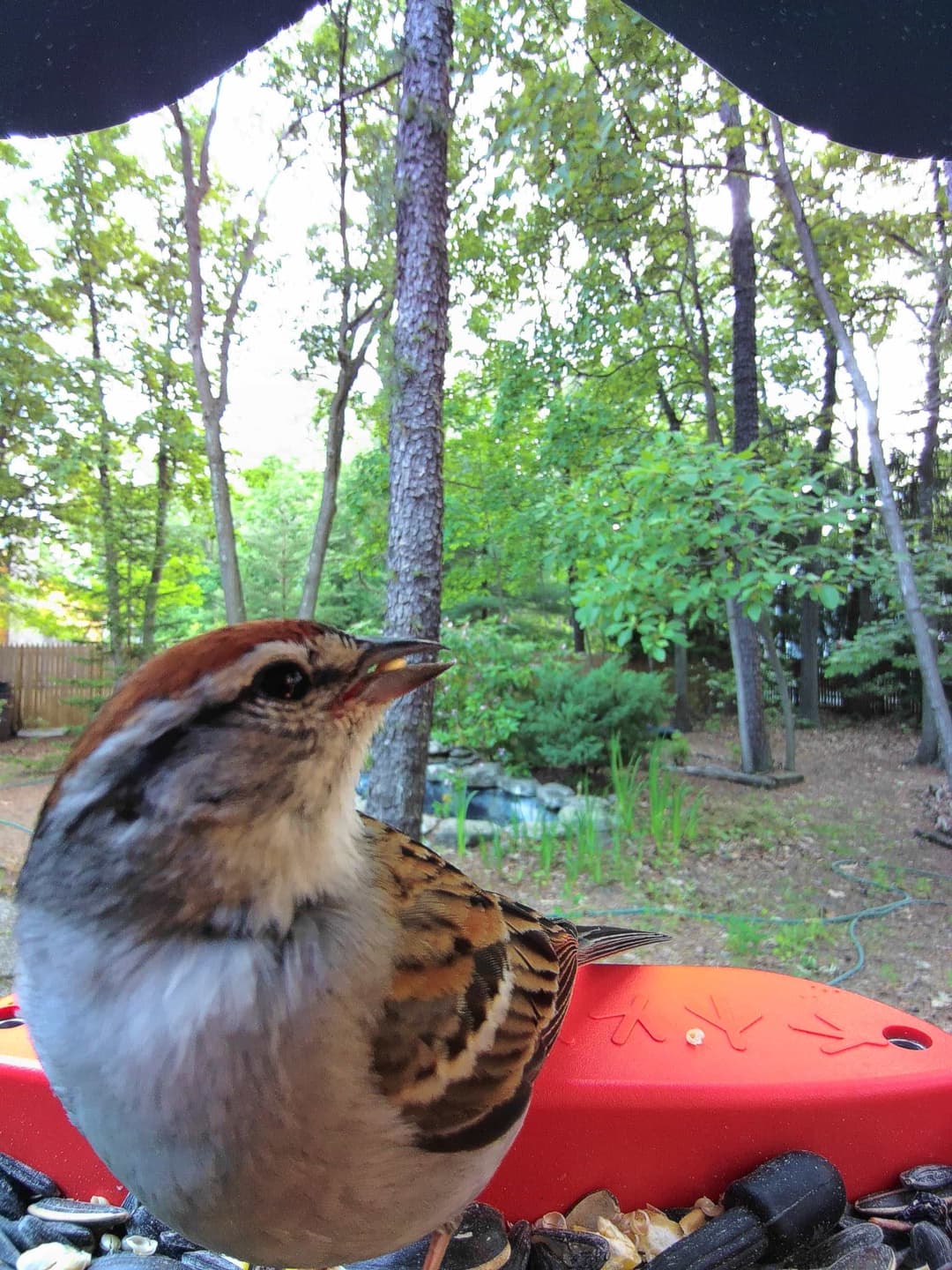
House Sparrow vs Chipping Sparrow
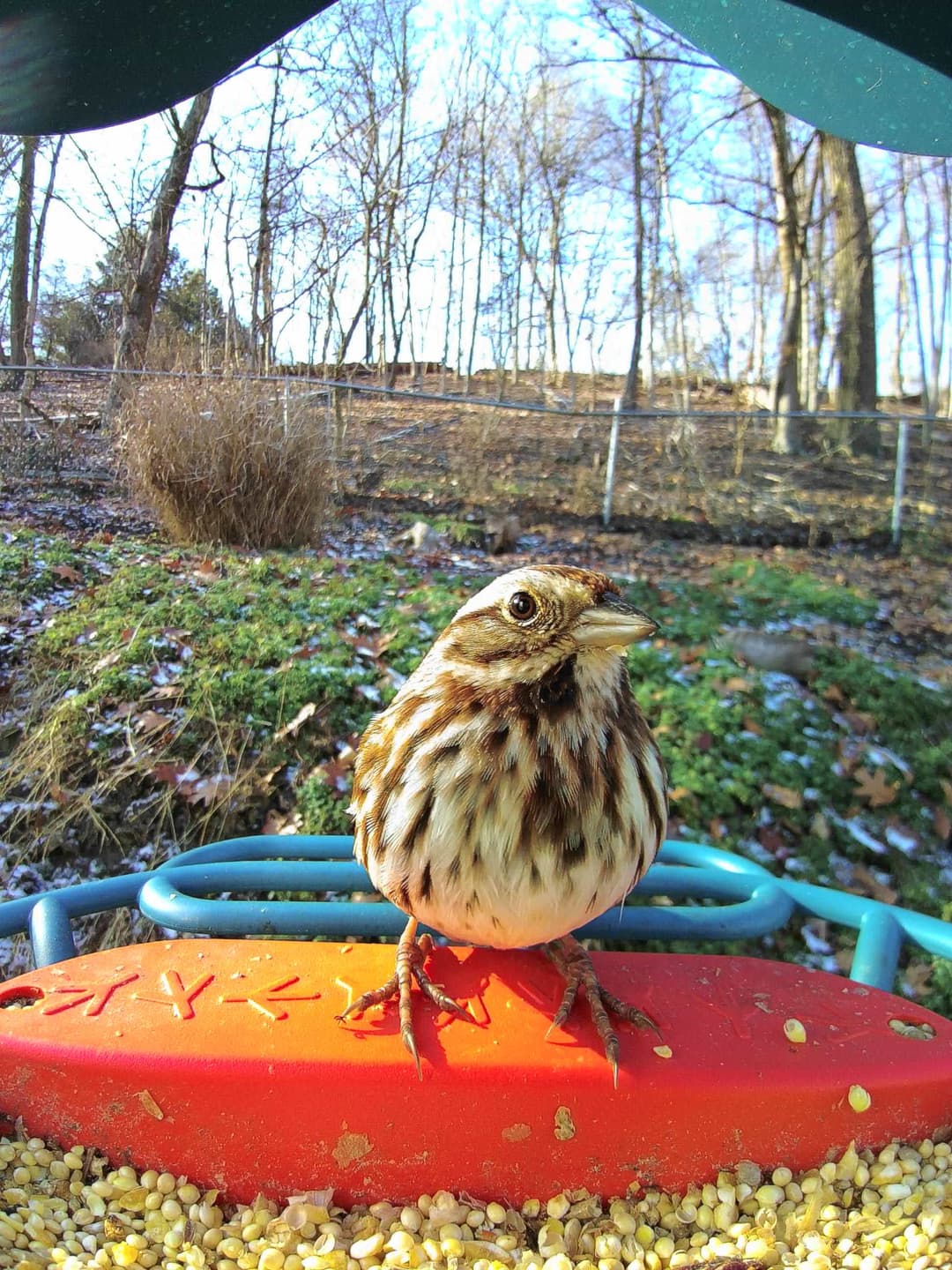
House Sparrow vs Song Sparrow
House Sparrow vs Eurasian Tree Sparrow
House Sparrow vs American Tree Sparrow

Spanish Sparrow vs [Select a bird]

[Select a bird]
Pick a bird to compare
House Sparrow vs [Select a bird]
[Select a bird]
Pick a bird to compare