Italian Sparrow or House Sparrow?
Here's how to tell the difference
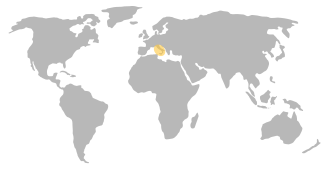



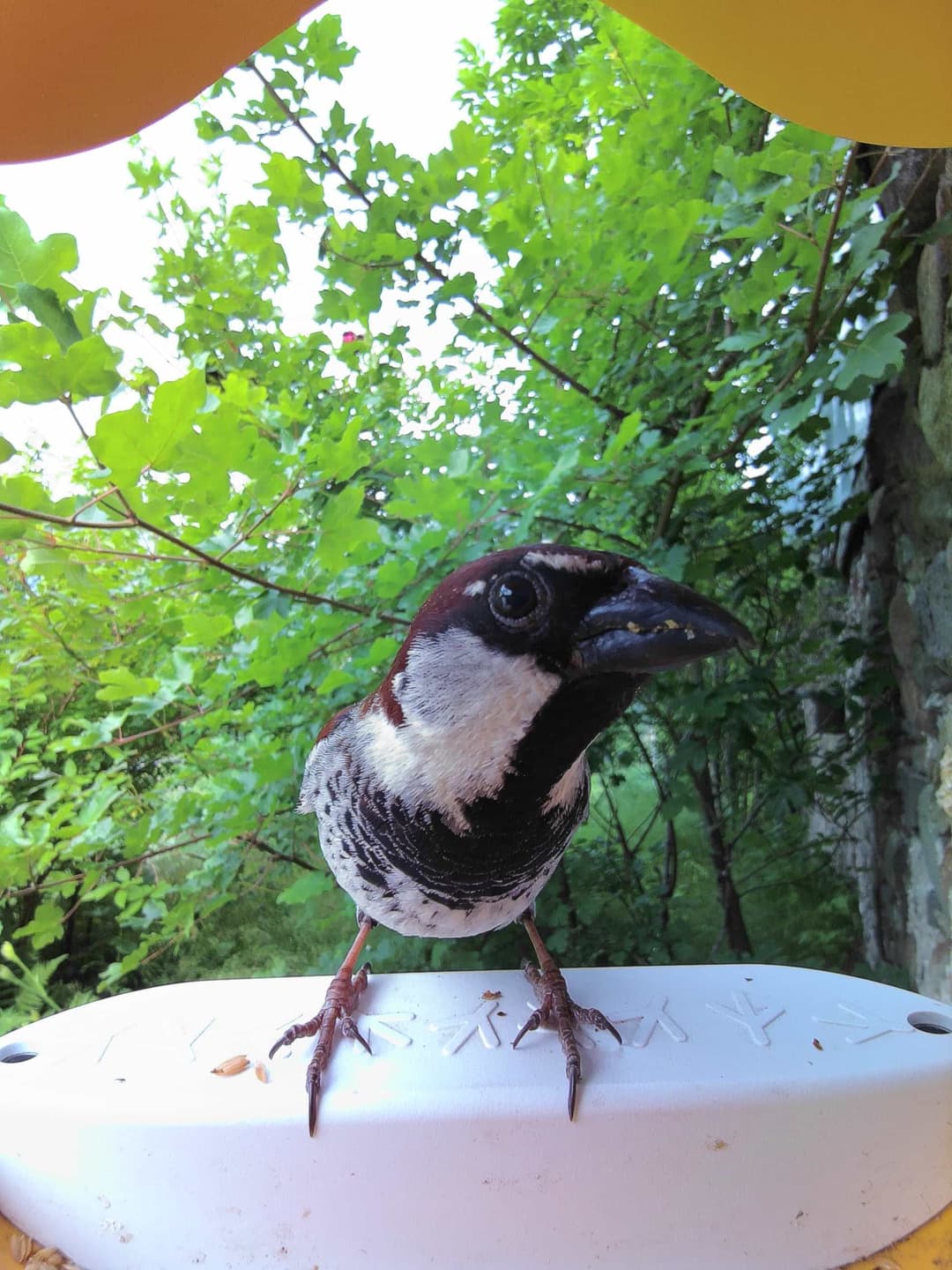
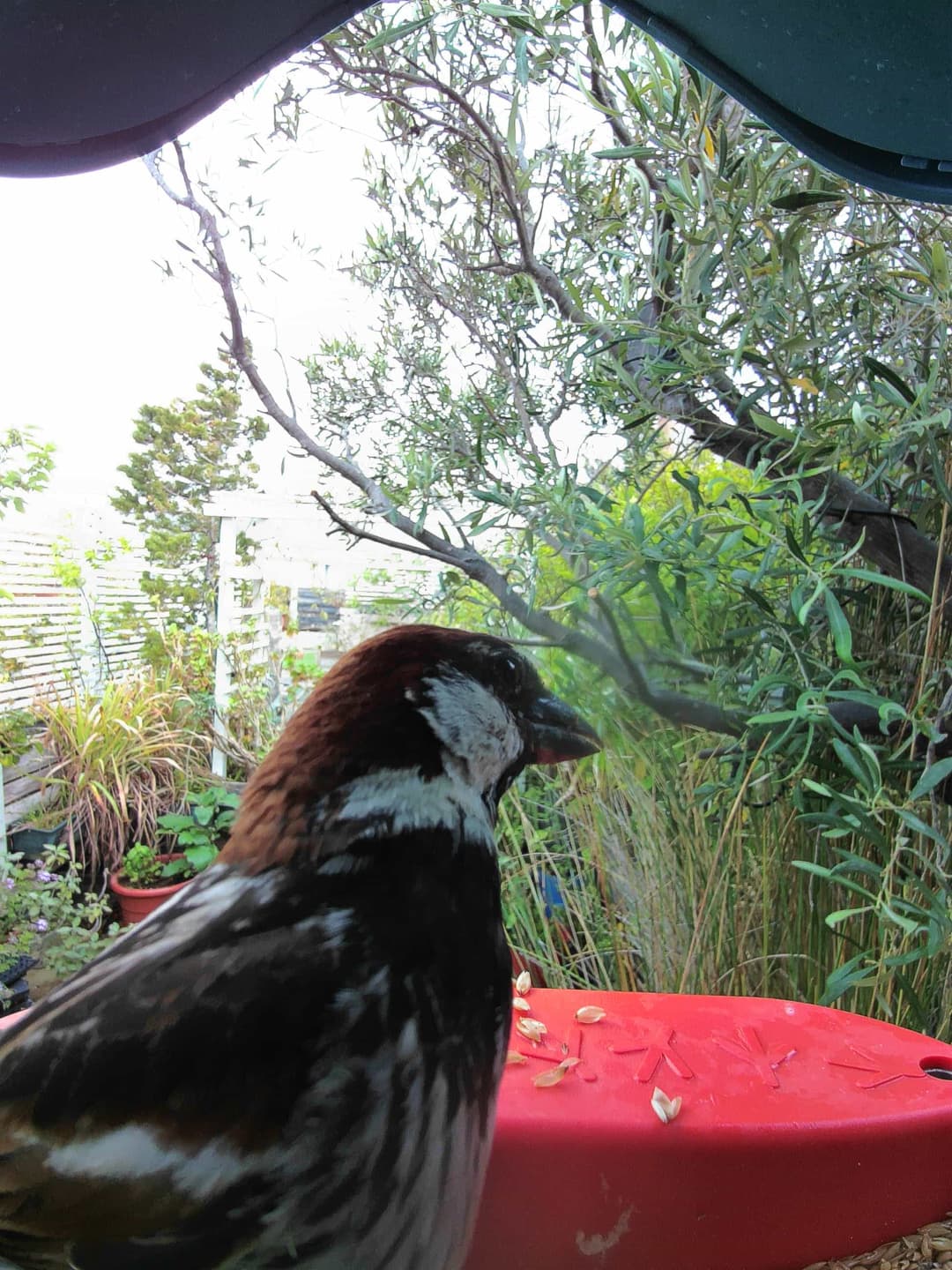
Italian Sparrow
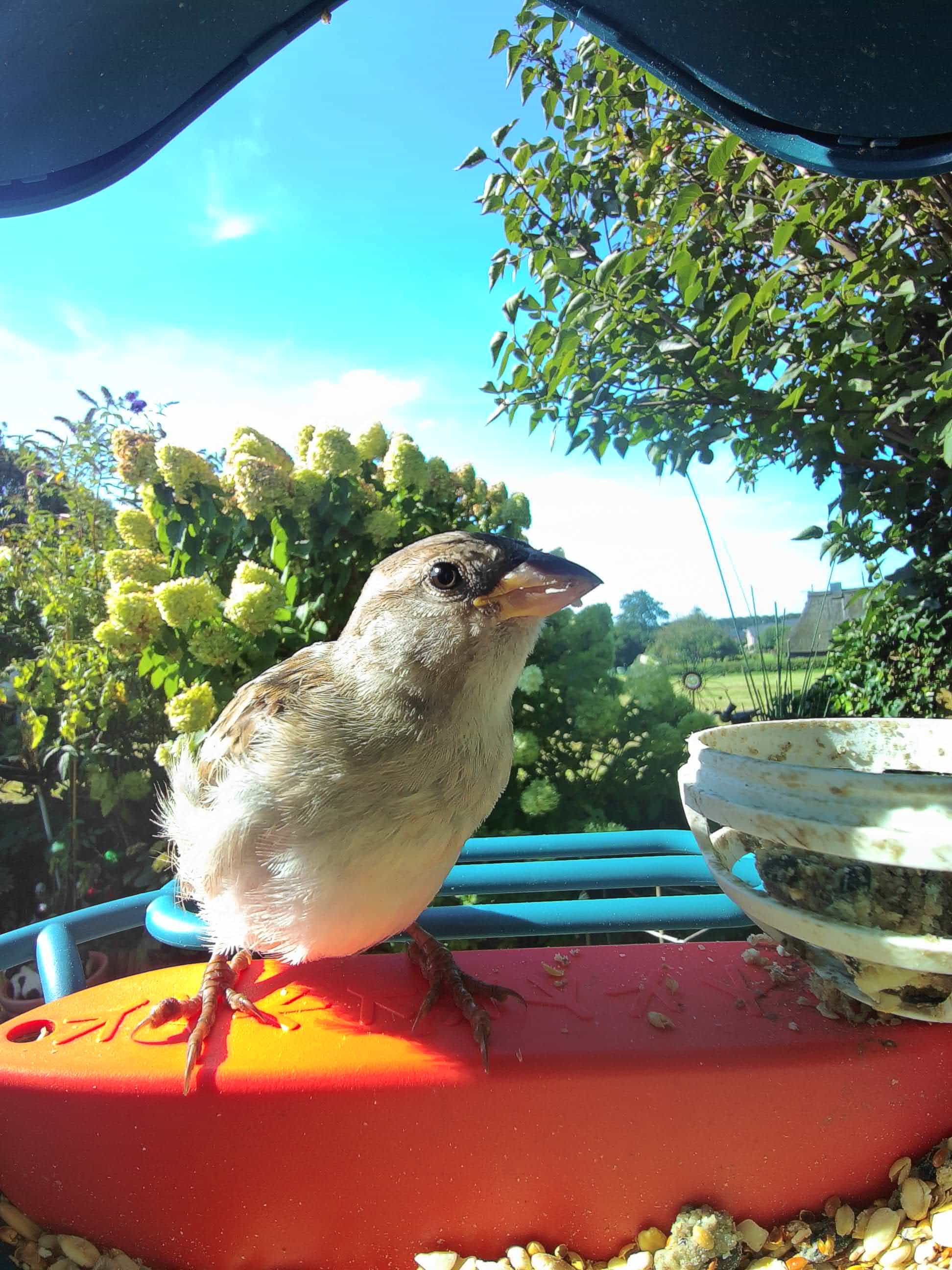


House Sparrow
Italian Sparrow
Passer italiae
Also known as: Cisalpine Sparrow
General appearance
The Italian sparrow (Passer italiae) is compact and robust, measuring between 14 to 16cm with a wingspan of 23–28cm. It showcases a combination of a chestnut crown and nape, grey cheeks and a typical sparrow-patterned brown back. Males tend to be more colorful than females.
Male vs female
Males have brighter colors, with their underparts and collar marked in a more intense black, while their crown shows deep chestnut hues contrasting to the slate-grey patch on their temples. Females, on the other hand, have less striking colors featuring a dull brown back, pale grey underparts and lack the contrastive facial markings seen in males.
Juvenile
Juvenile Italian sparrows share similarities with adult females, although juveniles display more uniform coloration, having less pronounced browns, pale streaks in the crown and nape, and lack the sharp facial contrasts. As they age into their first year, they gradually obtain adult-like features.
Size
5.5 - 6.3 in/0.8 - 1.1 oz
There's more to learn about Italian Sparrow
View full detailsHouse Sparrow
Passer domesticus
General appearance
House sparrows are small, stocky birds measuring about 16 cm in length. They have a short tail and a stout bill. Their plumage is predominantly brown, with black streaks on their back and wings. This common bird has a distinctive, somewhat rounded head and a smooth body shape that helps in identifying it in urban and rural areas alike.
Male vs female
Male house sparrows are more vibrant with a gray crown, a chestnut-brown nape, and white cheeks. They have a distinctive black bib on their throat, which can vary in size seasonally. In contrast, females are duller with a more uniform brown coloration, lacking the bold markings of males. Their underparts are a plain grayish-brown, and they have a more pronounced eye stripe behind the eye.
Juvenile
Juvenile house sparrows resemble females but are even paler, with grayish-brown plumage and softer streaks. They lack the developed throat patch and bright head pattern found in adults. Juveniles gradually acquire adult coloration through moulting, becoming distinguishable by their more uniform brown appearance and subtler facial markings.
Size
5.9 - 6.7 in/1.0 - 1.1 oz
There's more to learn about House Sparrow
View full detailsHow to tell the Italian Sparrow from the House Sparrow
Visual differences
The Italian Sparrow (5.5-6.3 inches) has a chestnut crown and nape with grey cheeks, while the House Sparrow (about 6.3 inches) has a gray crown and chestnut nape. Male Italian Sparrows have intense black underparts, contrasting their chestnut and slate-grey head pattern, unlike the House Sparrow's males, which have a more uniform look with a black bib. Females of both species are duller, but House Sparrows have a pronounced eye stripe. Both are similar in size; however, the Italian Sparrow has a more robust appearance.
Key differences and behavior
The Italian Sparrow (Passer italiae) and House Sparrow (Passer domesticus) share a close relationship with human environments, thriving in urban centers and farmlands. Italian Sparrows are typically found in the Mediterranean regions, while House Sparrows are more widespread, including North America. Behaviorally, Italian Sparrows exhibit lively courtship, with males engaging in song and energetic displays, whereas House Sparrows display by hopping and chirping. Both species use similar materials for nest-building, but House Sparrows often nest in colonies. Diet-wise, Italian Sparrows have a varied diet, including insects and fruits, while House Sparrows primarily consume seeds and grains, supplementing with insects in summer. In human settings, both birds capitalize on feeders, favoring seeds and grains. Their diets and adaptability highlight their symbiotic relationship with human settlements, although Italian Sparrows are notably influenced by pollution as biological indicators.
Still not sure? Here are more lookalikes!
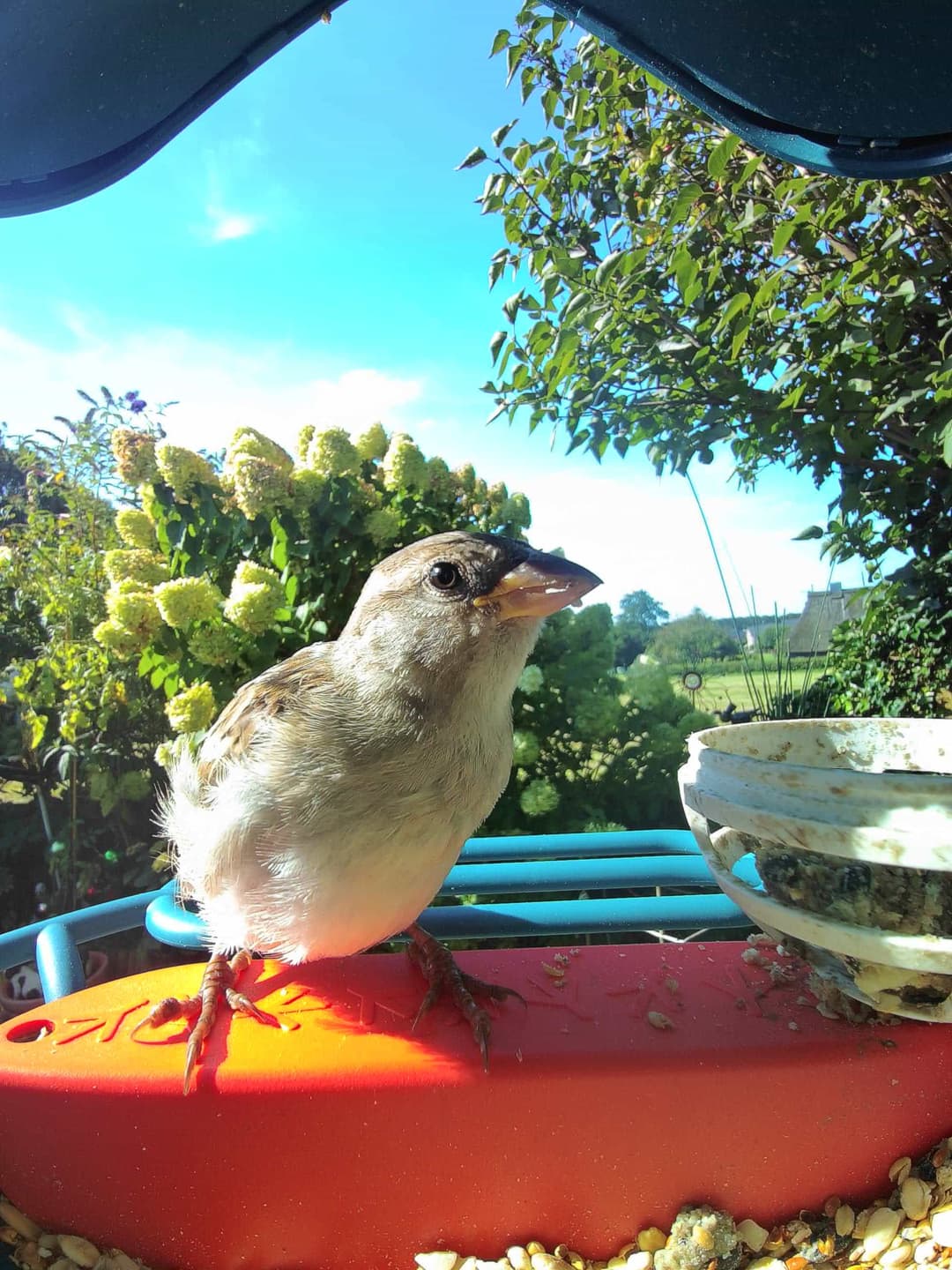
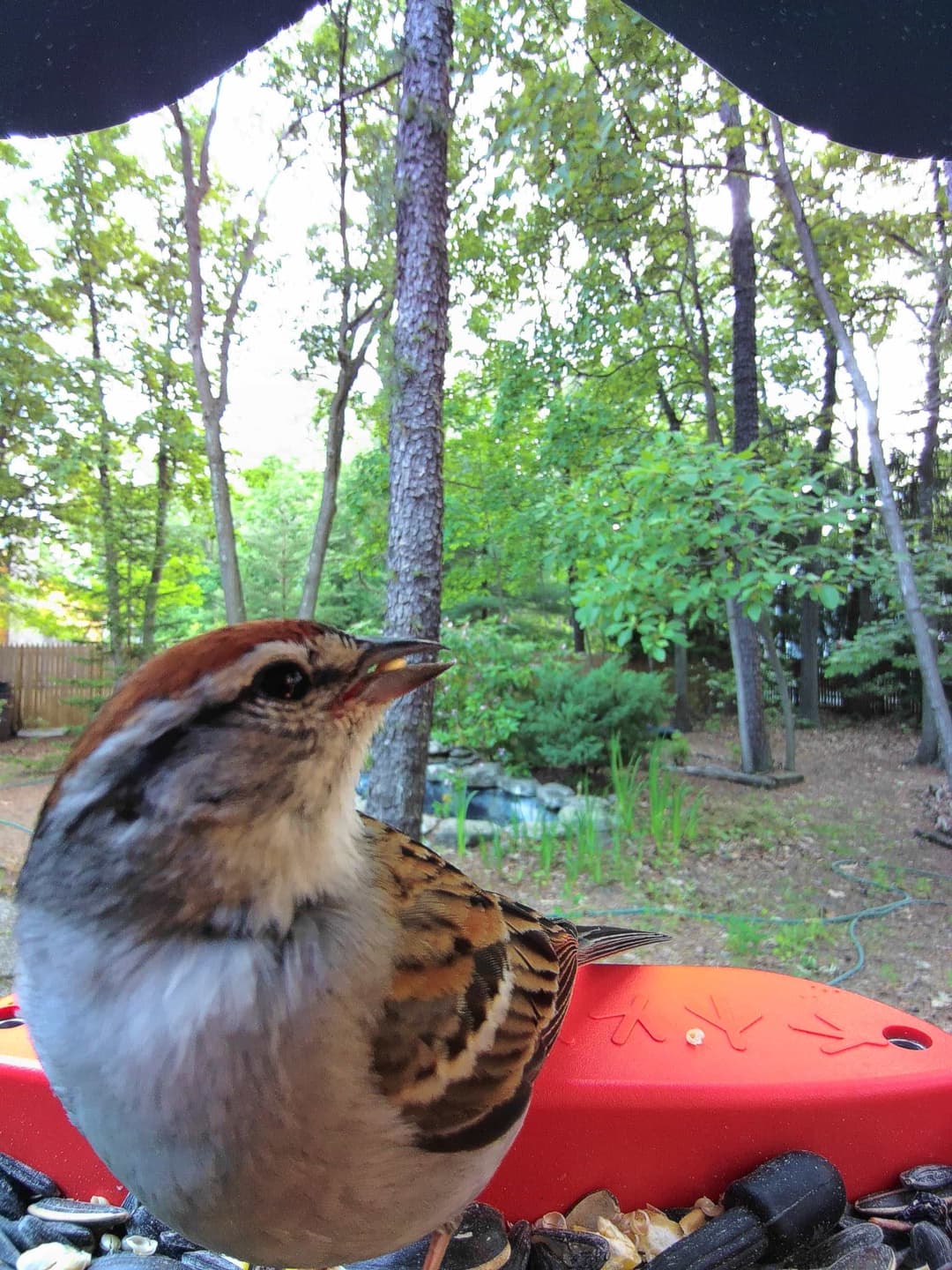
House Sparrow vs Chipping Sparrow
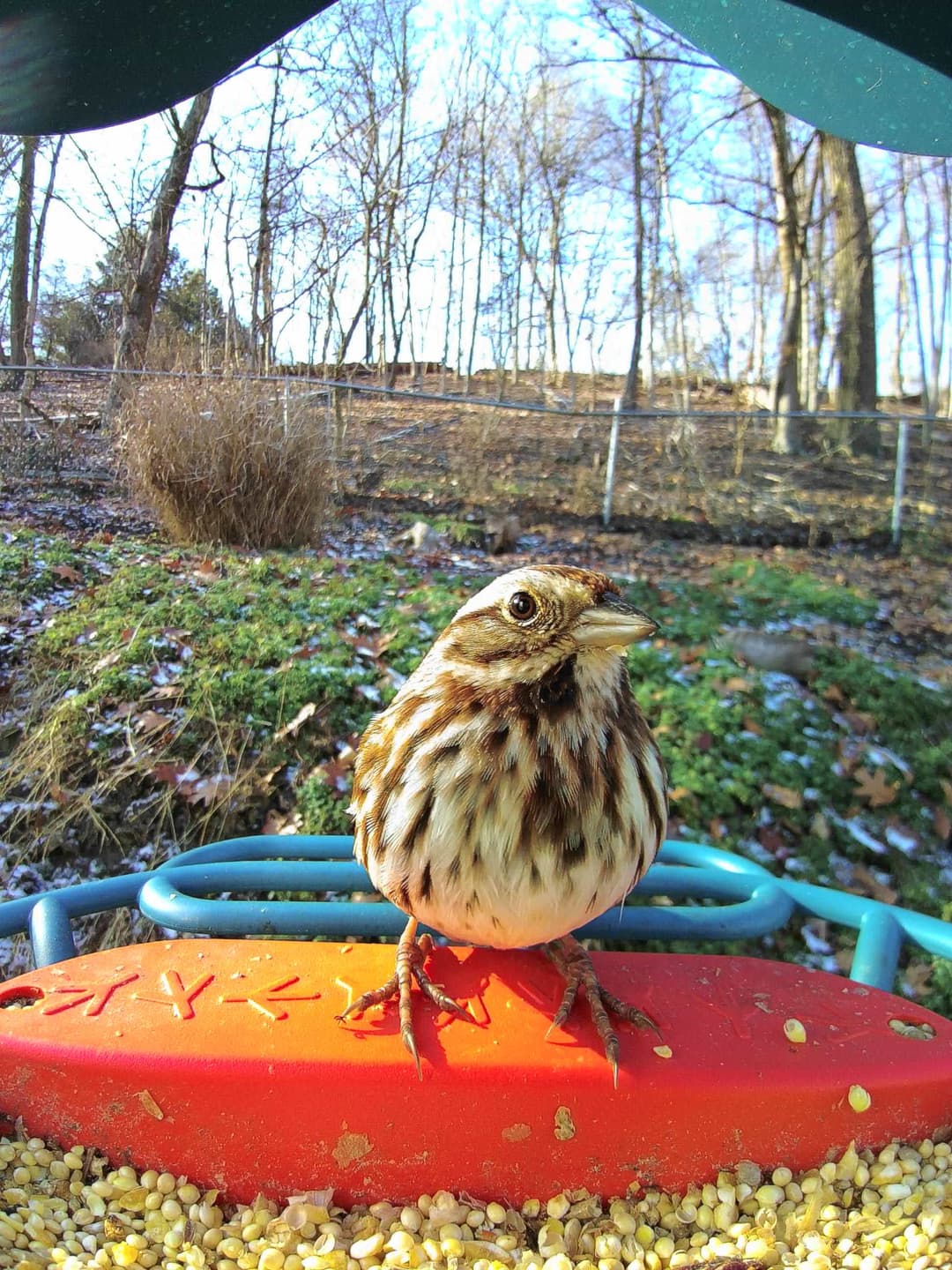
House Sparrow vs Song Sparrow
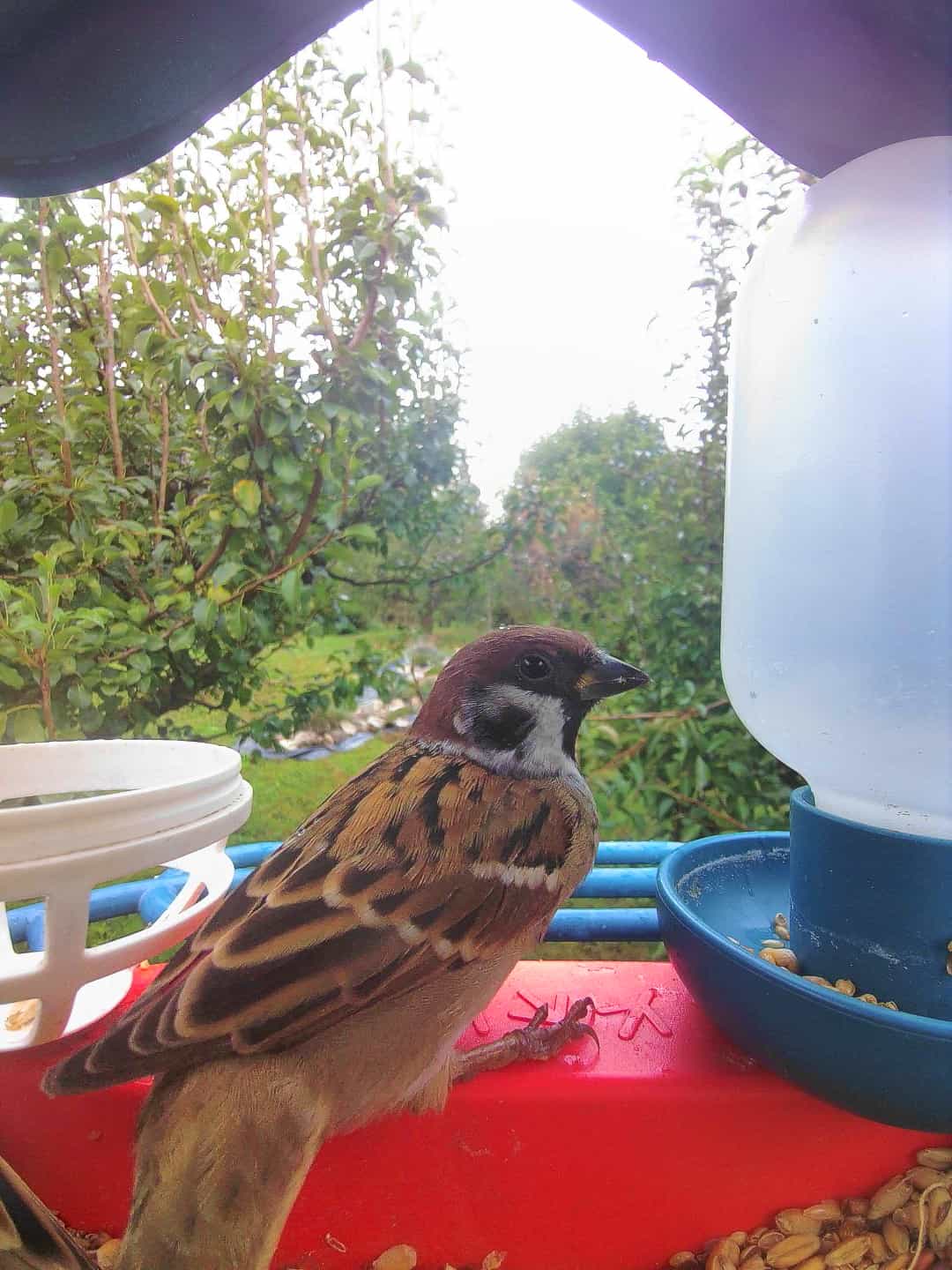
House Sparrow vs Eurasian Tree Sparrow
House Sparrow vs American Tree Sparrow

Italian Sparrow vs [Select a bird]

[Select a bird]
Pick a bird to compare
House Sparrow vs [Select a bird]
[Select a bird]
Pick a bird to compare