Eurasian Tree Sparrow or House Sparrow?
Here's how to tell the difference
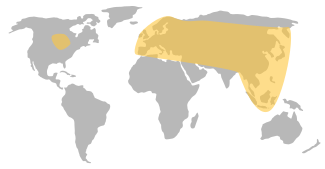

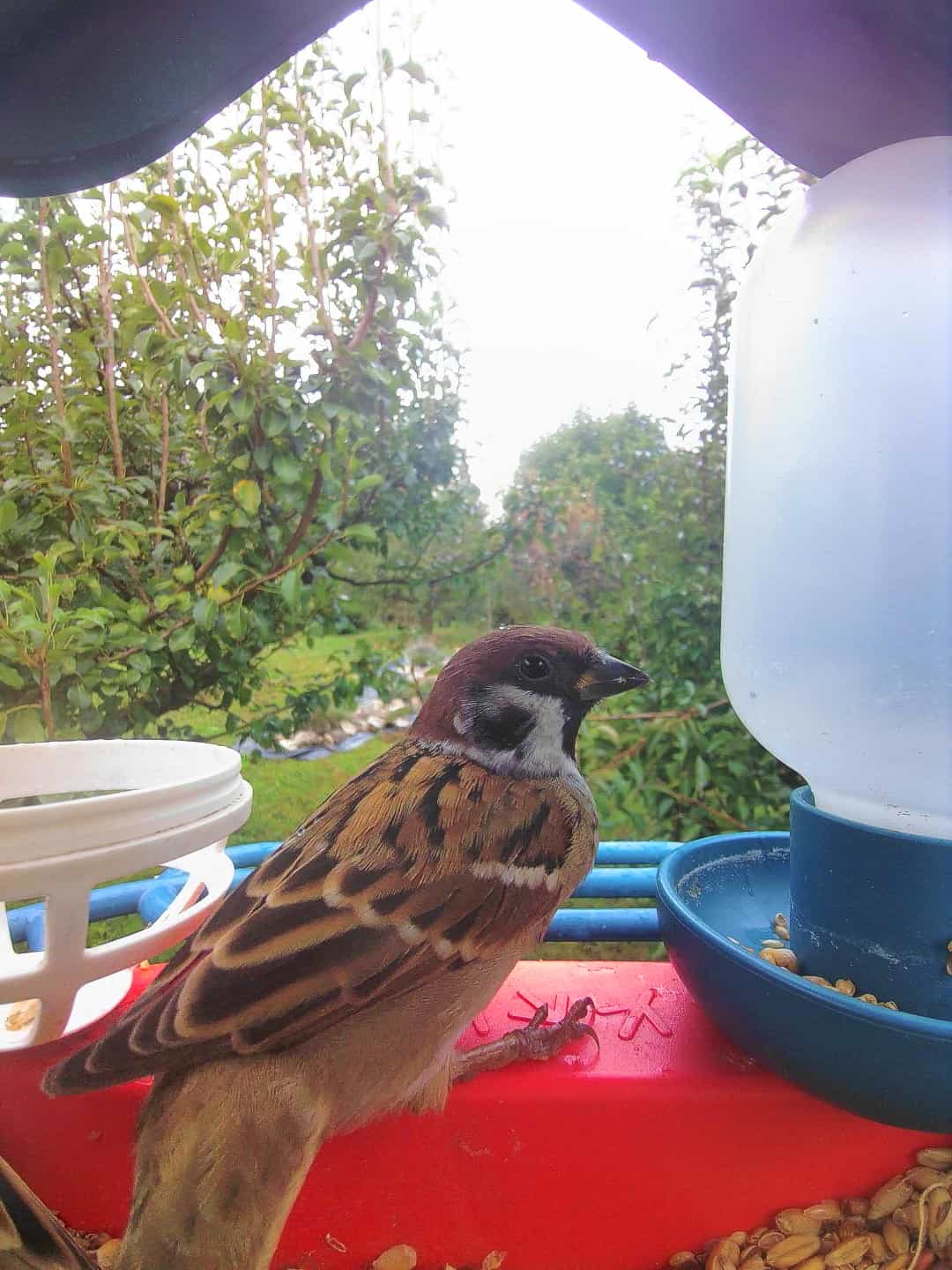


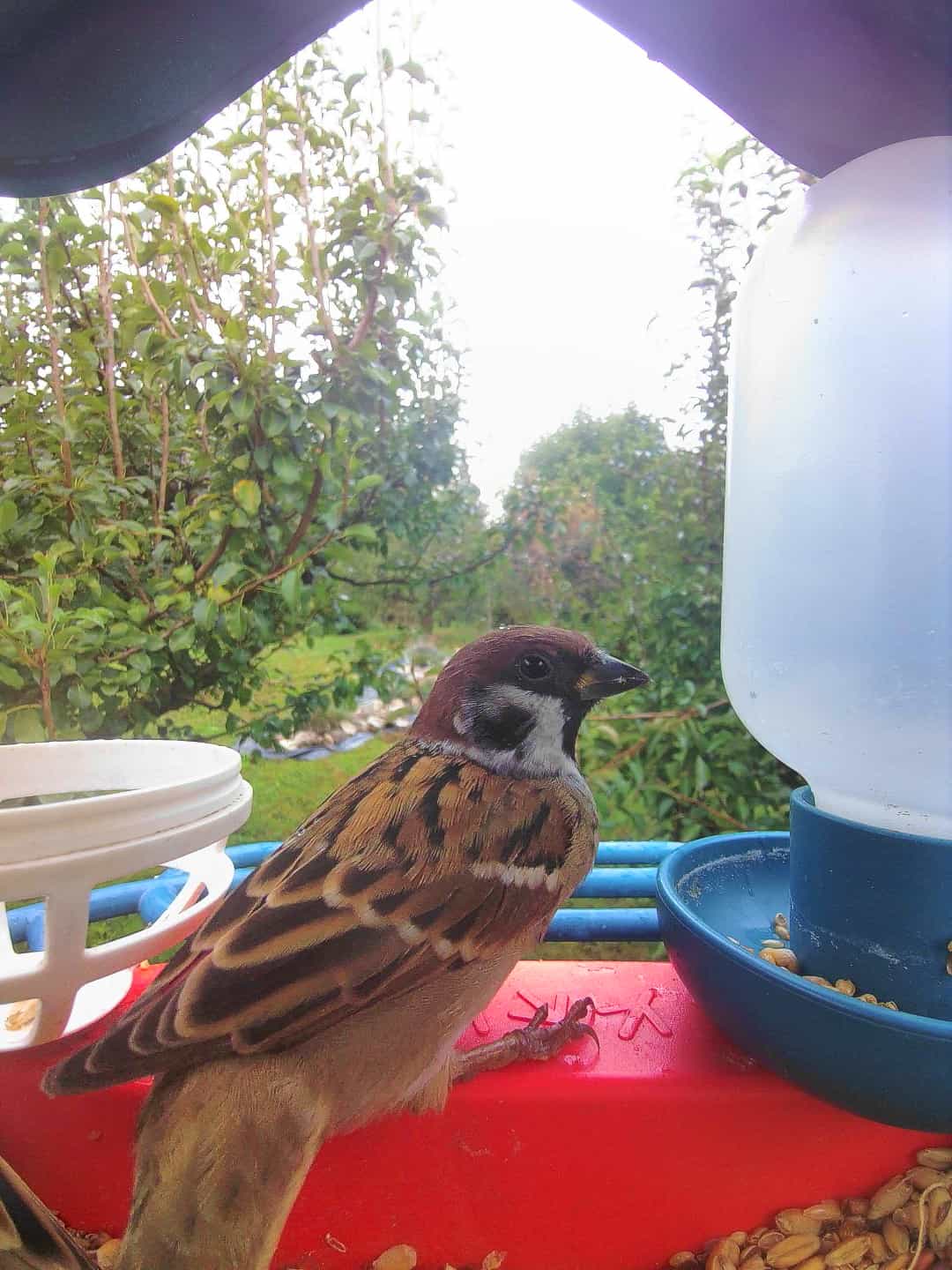
Eurasian Tree Sparrow
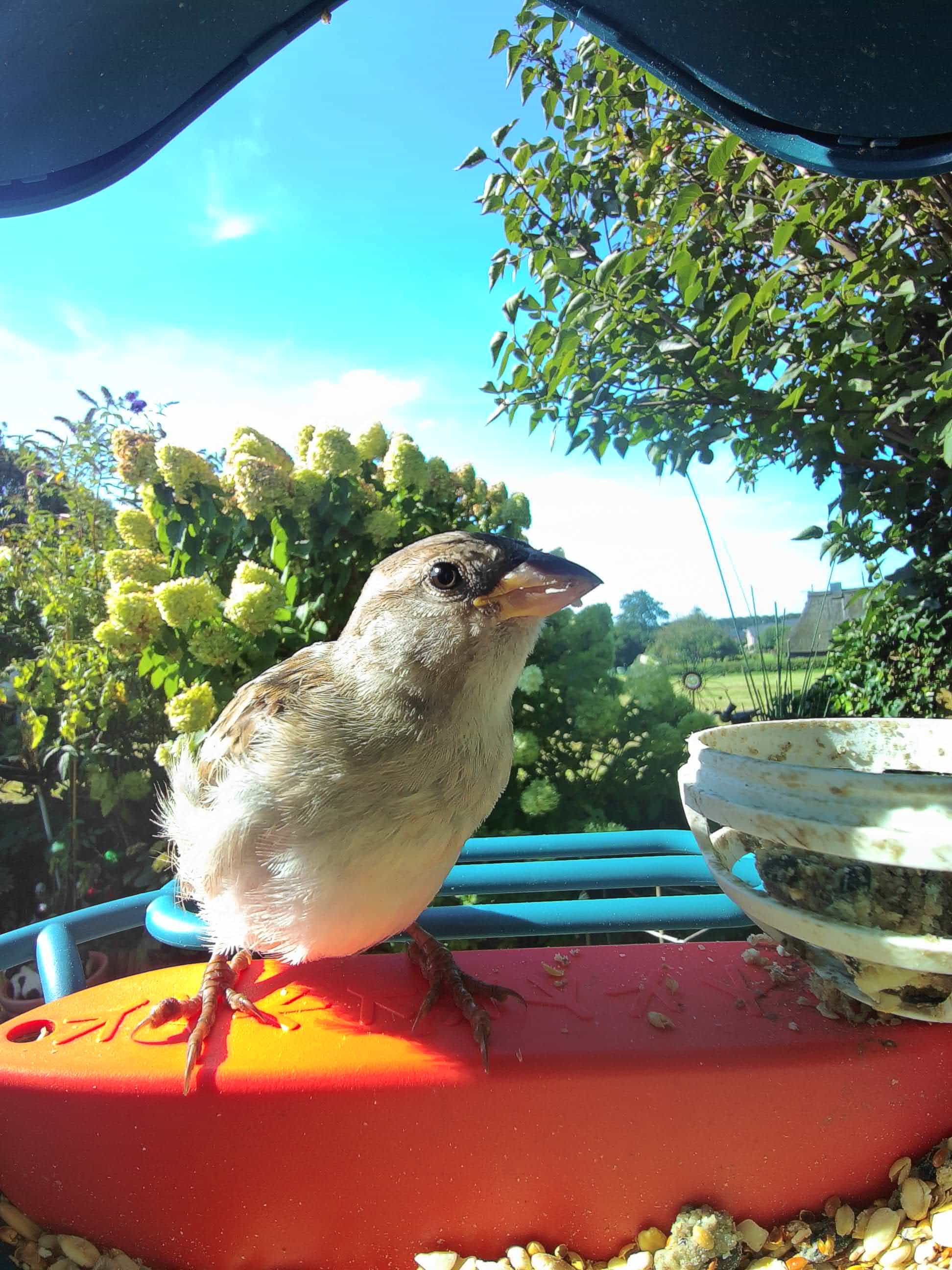


House Sparrow
Eurasian Tree Sparrow
Passer montanus
Also known as: German Sparrow, Tree Sparrow
General appearance
The Eurasian tree sparrow is about the size of a House Sparrow, roughly 15 cm or 6 inches long. Its wing shape is either fingered or rounded and its tail may be notched, rounded, or square-tipped. It has a combination of colors; black, brown, gray, tan, and white. One distinctive feature is the brown crown on its head, differing from the gray crown of the House Sparrow. It also has a black ear spot on a white cheek.
Male vs female
Both male and female Eurasian tree sparrows resemble the male House Sparrow, and there is no notable sexual dimorphism between them. This means that both sexes share similar features such as a brown crown, white cheeks with black ear spot, and usually a smaller black bib. This species does not show significant changes in appearance between seasons.
Juvenile
Juvenile Eurasian tree sparrows tend to look like adults but their colors are more muted, making them less conspicuous to predators. As they mature, their colors will become more pronounced. It is noteworthy, however, that size or color variations may occur depending on their diet and habitat condition.
Size
4.9 - 5.5 in/0.6 - 1.0 oz
There's more to learn about Eurasian Tree Sparrow
View full detailsHouse Sparrow
Passer domesticus
General appearance
House sparrows are small, stocky birds measuring about 16 cm in length. They have a short tail and a stout bill. Their plumage is predominantly brown, with black streaks on their back and wings. This common bird has a distinctive, somewhat rounded head and a smooth body shape that helps in identifying it in urban and rural areas alike.
Male vs female
Male house sparrows are more vibrant with a gray crown, a chestnut-brown nape, and white cheeks. They have a distinctive black bib on their throat, which can vary in size seasonally. In contrast, females are duller with a more uniform brown coloration, lacking the bold markings of males. Their underparts are a plain grayish-brown, and they have a more pronounced eye stripe behind the eye.
Juvenile
Juvenile house sparrows resemble females but are even paler, with grayish-brown plumage and softer streaks. They lack the developed throat patch and bright head pattern found in adults. Juveniles gradually acquire adult coloration through moulting, becoming distinguishable by their more uniform brown appearance and subtler facial markings.
Size
5.9 - 6.7 in/1.0 - 1.1 oz
There's more to learn about House Sparrow
View full detailsHow to tell the Eurasian Tree Sparrow from the House Sparrow
Visual differences
The Eurasian Tree Sparrow is about 6 inches long with a distinctive brown crown and a black ear spot on white cheeks. Both sexes look similar. The House Sparrow is slightly larger, measuring about 6.3 inches. Males have a gray crown, chestnut-brown nape, and a black bib, while females are duller with a more uniform brown coloration. House Sparrows have a stouter beak, and males and females differ visually, unlike the monomorphic Eurasian Tree Sparrows. Both sparrows have a brown and black streaked back, but House Sparrows are more vibrant in males.
Key differences and behavior
Eurasian Tree Sparrows and House Sparrows, both introduced to the US, exhibit distinct behaviors. While Eurasian Tree Sparrows favor semi-open woodlands, edges, and suburbs, House Sparrows thrive in urban settings, including city centers and rural structures. In terms of nesting, both prefer cavities but Eurasian Tree Sparrows tend to stay in pairs year-round, whereas House Sparrows may form small colonies. Regarding diet, both consume seeds and insects, but House Sparrows exploit urban food scraps more. At feeders, both enjoy millet and corn. For mating, Eurasian Tree Sparrows are less showy, while House Sparrows engage in animated courtship displays. Interestingly, Eurasian Tree Sparrows, slightly smaller at 0.7 to 0.98 ounces, are less social compared to the more communal 0.95 to 1.06-ounce House Sparrows, which partake in group songs and dust baths.
Still not sure? Here are more lookalikes!
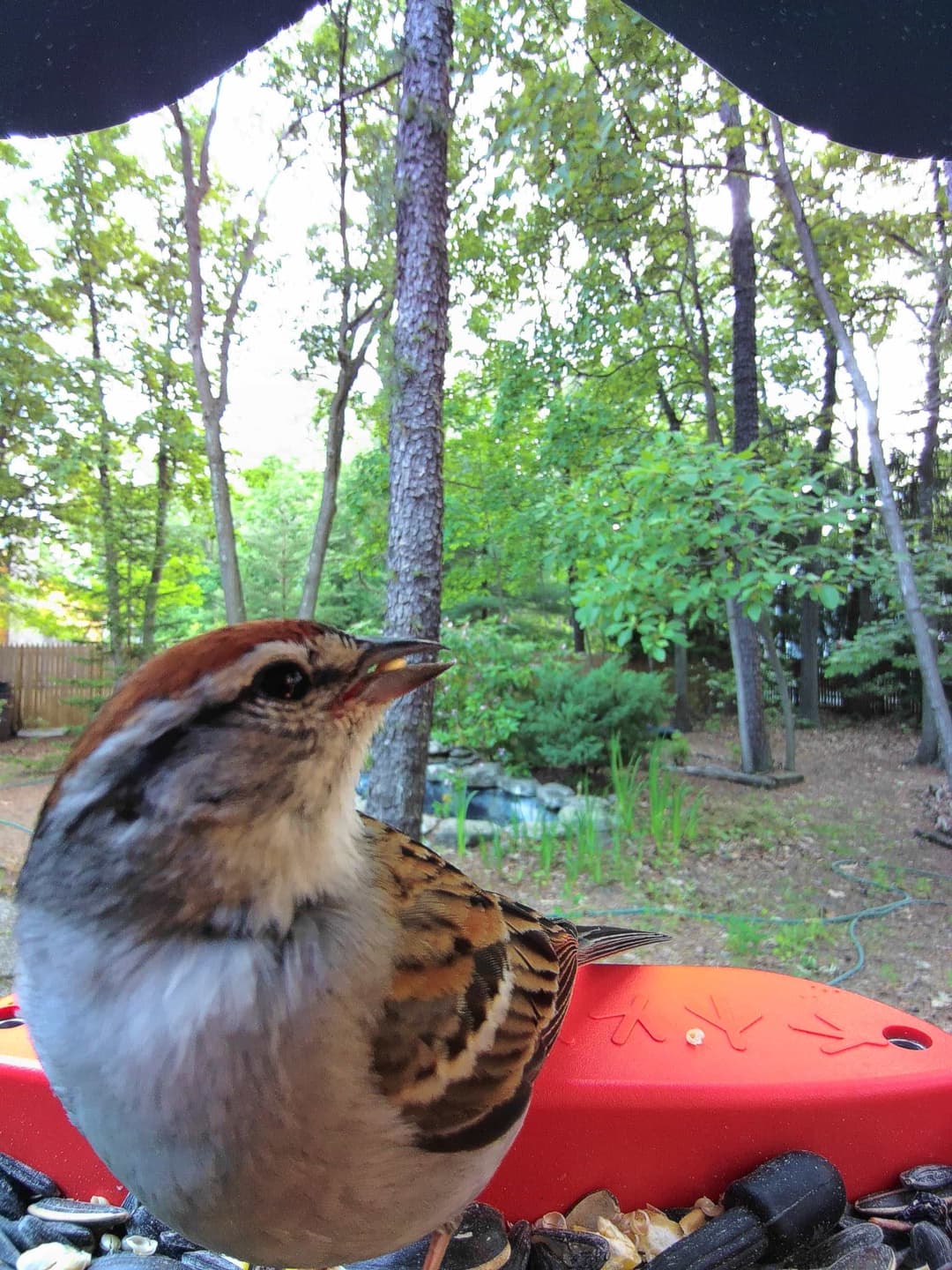
Eurasian Tree Sparrow vs Chipping Sparrow
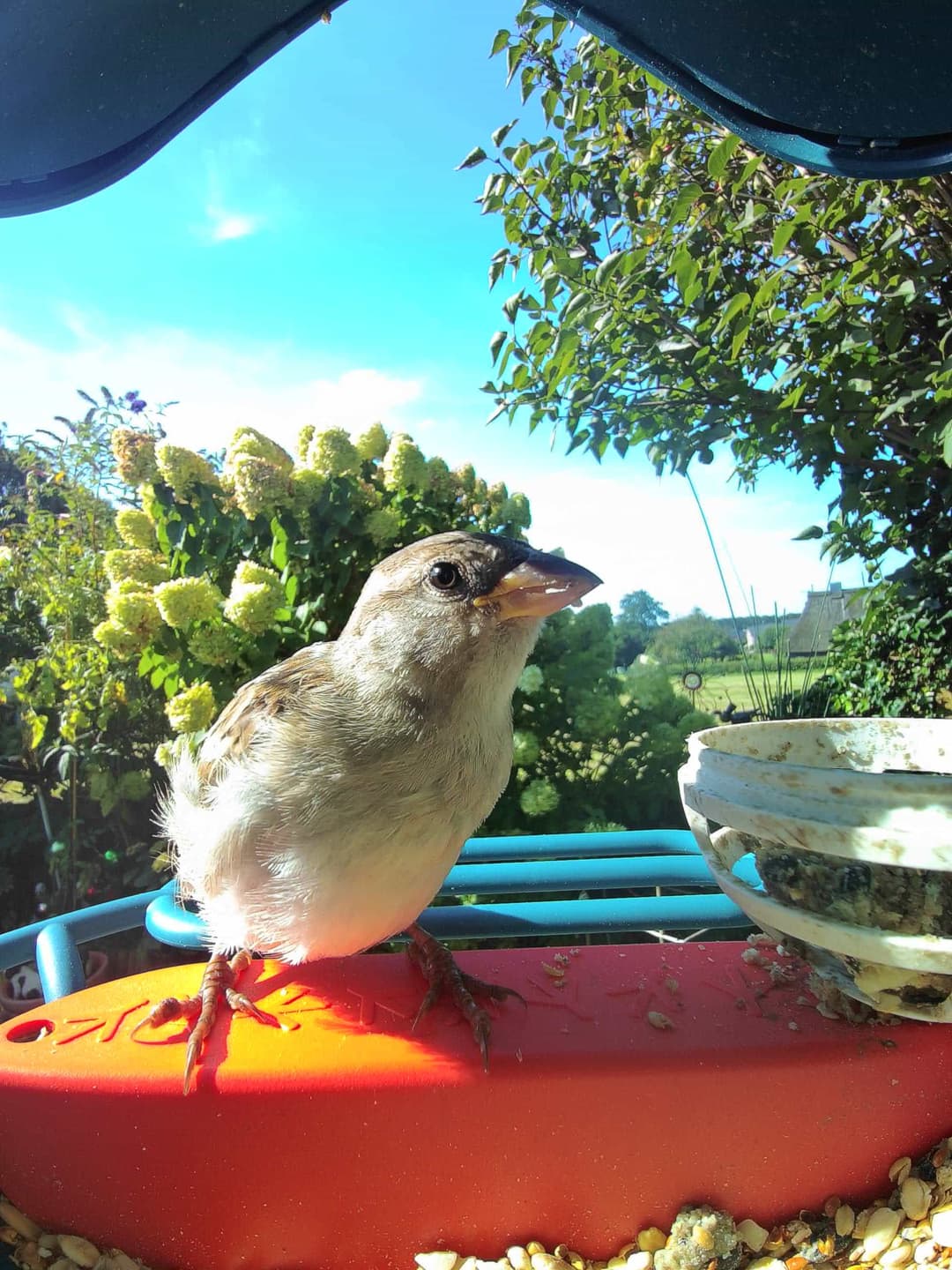
House Sparrow vs Chipping Sparrow
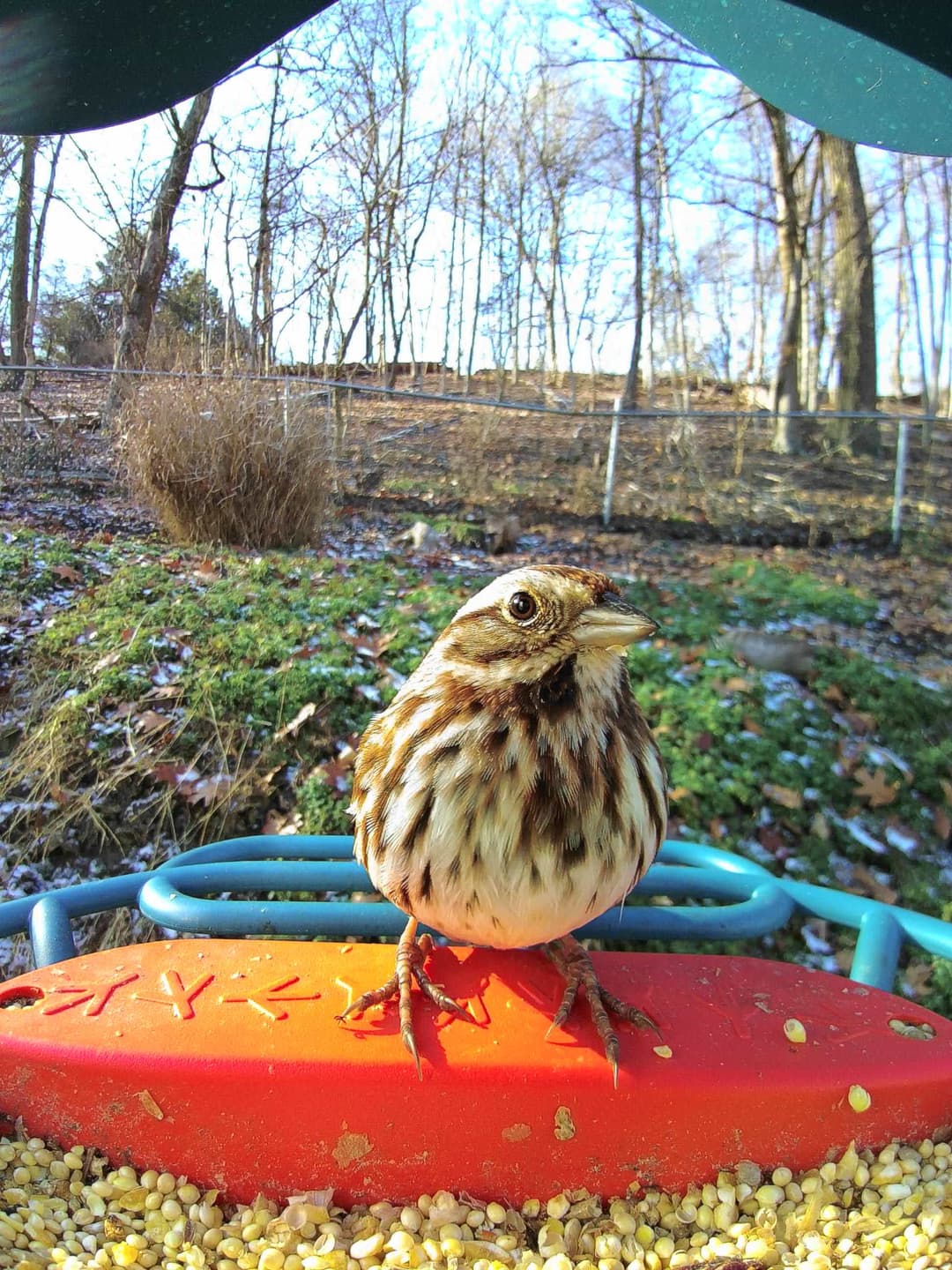
House Sparrow vs Song Sparrow
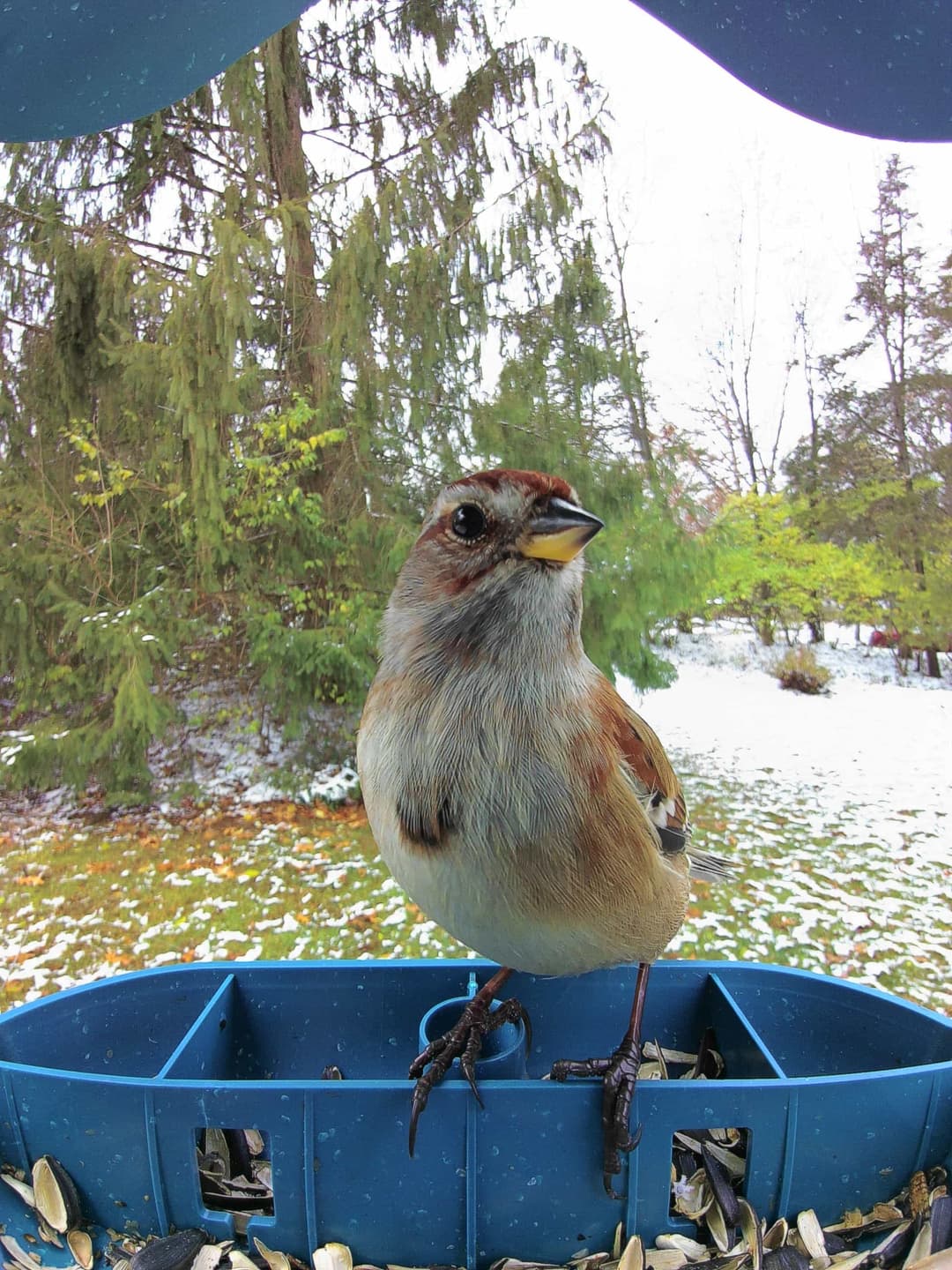
House Sparrow vs American Tree Sparrow

Eurasian Tree Sparrow vs [Select a bird]

[Select a bird]
Pick a bird to compare
House Sparrow vs [Select a bird]
[Select a bird]
Pick a bird to compare